WESTERN SKILLED NURSING AND THERAPY
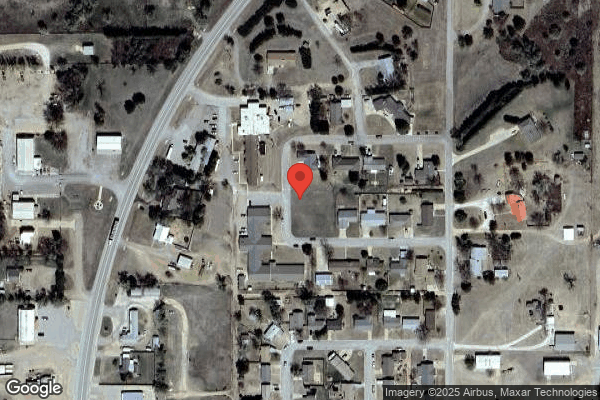
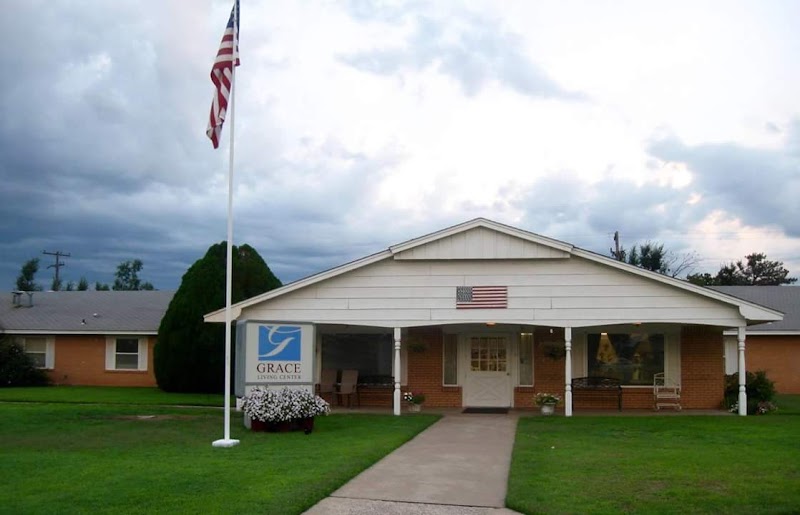
111 WALNUT DRIVE, BUFFALO, OK 73834 (580) 735-2415
For profit - Partnership 76 Beds BRIDGES HEALTH Data: November 2025
Trust Grade
93/100
#37 of 282 in OK
Last Inspection: November 2024

Within standard 12-15 month inspection cycle. Federal law requires annual inspections.

Overview

Western Skilled Nursing and Therapy in Buffalo, Oklahoma, has received an excellent Trust Grade of A, indicating a high level of recommended care. Ranking #37 out of 282 facilities in the state places them in the top half, and as the sole nursing home in Harper County, they are the best local option available. The facility is improving, having reduced issues from five in 2023 to none in 2024. Staffing is generally strong, with a 4 out of 5-star rating and a low turnover rate of 29%, which is significantly better than the state average. Notably, there have been no fines, and the facility has more registered nurse coverage than 84% of Oklahoma facilities, which helps ensure thorough care. However, there are some concerns; recent inspections found that one resident's room had broken tiles, and the facility failed to regularly assess the need for a lap belt restraint for another resident. Additionally, there were instances of inconsistent RN coverage for several days, which could potentially impact care quality. While the facility has several strengths, families should weigh these weaknesses when making their decision.

Trust Score
A
93/100
In Oklahoma
#37/282
Top 13%
Safety Record
Low Risk
No red flags
Inspections
Getting Better
5 → 0 violations
Staff Stability
✓ Good
29% annual turnover. Excellent stability, 19 points below Oklahoma's 48% average. Staff who stay learn residents' needs.
Penalties
✓ Good
No fines on record. Clean compliance history, better than most Oklahoma facilities.
Skilled Nurses
⚠ Watch
Each resident gets only 26 minutes of Registered Nurse (RN) attention daily — below average for Oklahoma. Fewer RN minutes means fewer trained eyes watching for problems.
Violations
✓ Good
Only 5 deficiencies on record. Cleaner than most facilities. Minor issues only.
★★★★★
5.0
Overall Rating
★★★★☆
4.0
Staff Levels
★★★★★
5.0
Care Quality
★★★★★
5.0
Inspection Score
Stable
2023: 5 issues
2024: 0 issues

The Good

  • 4-Star Staffing Rating · Above-average nurse staffing levels
  • 5-Star Quality Measures · Strong clinical quality outcomes
  • Low Staff Turnover (29%) · Staff stability means consistent care
  • Full Sprinkler Coverage · Fire safety systems throughout facility
  • No fines on record
  • Staff turnover is low (29%)

    19 points below Oklahoma average of 48%

Facility shows strength in staffing levels, quality measures, staff retention, fire safety.

The Bad

Chain: BRIDGES HEALTH

Part of a multi-facility chain

Ask about local staffing decisions and management

The Ugly 5 deficiencies on record

Dec 2023 1 deficiency
CONCERN (E)

Potential for Harm - no one hurt, but risky conditions existed

Safe Environment (Tag F0584)

Could have caused harm · This affected multiple residents

Based on observation, record review and interview, the facility failed to maintain a homelike environment for one (#21) of 16 sampled residents. Findings: A Maintenance Policy, dated 06/27/06, read i...

Read full inspector narrative →
Based on observation, record review and interview, the facility failed to maintain a homelike environment for one (#21) of 16 sampled residents. Findings: A Maintenance Policy, dated 06/27/06, read in parts .The facility shall provide a safe, functional .and comfortable environment for residents, staff and public .In the event that an item is in need of repair, the defect should be reported to the maintenance department on form ., and the maintenance department will repair them promptly. If the skill to repair is beyond the ability of the facility staff, an outside vendor will be called in the case of emergency, or [company name] will be called for repair . 1. Resident #21 had diagnoses which included unspecified visual loss, history of falling, and Epilepsy. On 12/05/23 at 8:58 a.m., multiple broken/cracked tiles were observed on Resident #21's floor in their room. On 12/06/23 at 1:01 p.m., the regional consultant was asked to observe the tiles in Resident #21's room. They were asked how long the tiles had been that way. They were unsure. On 12/06/23 at 1:03 p.m., CNA #2 was asked how long had the tiles been broken. They stated A long time. On 12/06/23 at 1:09 p.m., the assistant administrator was asked to observe the tiles. They stated there had been a leak in the floor, it was repaired and they had to wait on the concrete to settle. The assistant administrator asked maintenance why the tiles had not been replaced. They stated that corporate office needed to come out and level the concrete before they could lay more tiles. On 12/07/23 at 10:03 a.m., maintenance #1 was asked how long the request had been made to corporate office. They stated the request was made about a year ago and they were instructed by corporate their staff plumbers would make the repair. On 12/07/23 at 10:09 a.m., the administrator was asked when corporate had been notified regarding the floor. They stated, maintenance should have a copy of an email. No documentation was provided for correspondence from the facility to corporate regarding the repair of the tiles.
Jan 2023 4 deficiencies
CONCERN (D)

Potential for Harm - no one hurt, but risky conditions existed

Quality of Care (Tag F0684)

Could have caused harm · This affected 1 resident

Based on record review and interview, the facility failed to follow the care plan to monitor for side effects from the use of an anticoagulant (Xarelto) medication for one (#28) of six residents revie...

Read full inspector narrative →
Based on record review and interview, the facility failed to follow the care plan to monitor for side effects from the use of an anticoagulant (Xarelto) medication for one (#28) of six residents reviewed for unnecessary medications. The DON identified four residents had physician orders to be administered an anticoagulant medication. The Resident Census and Conditions of Residents report, dated 01/04/23, documented the census to be 29 residents Resident #28 had diagnoses to include hypertension and hyperlipidemia. A Physician Order, dated 08/04/22, documented Resident #28 was to be administered Xarelto 10 mg daily for hypertension. A Quarterly Assessment, dated 12/15/22, documented Resident #28 was cognitively intact for decision making, and had been administered an anticoagulant seven of seven days during the assessment. A Care Plan, dated 12/27/22, read in parts, .skin .During daily ADL care, observe skin for .bruises .is on Anticoagulant therapy .administer Xarelto .Monitor/document/report to MD .anticoagulant complications: blood tinged or frank blood in urine, black tarry stools, dark or bright red blood in stools, sudden severe headaches, nausea, vomiting, diarrhea, muscle joint pain, lethargy, bruising, blurred vision, SOB, loss of appetite, sudden changes in mental status, significant or sudden changes in v/s . The clinical record contained no documentation Resident #28 had been monitored for side effects from the use of an anticoagulant medication. On 01/04/23 at 10:24 a.m., Resident #28 was asked if they had experienced any skin changes or concerns. Resident #28 stated, I did have a big bruise on my leg, but I don't remember what happened. On 01/05/23 at 4:20 p.m., the DON was asked if the facility had monitored Resident #28 for side effects from the use of an anticoagulant medication. The DON stated the facility does not monitor for side effects of all anticoagulants. The DON was shown Resident #28's care plan and was asked if the facility followed the resident's care plan to monitor for side effects of an anticoagulant medication. The DON stated they had not.
CONCERN (E)

Potential for Harm - no one hurt, but risky conditions existed

Deficiency F0604 (Tag F0604)

Could have caused harm · This affected multiple residents

Based on record review, observations, and interview, the facility failed to ensure an assessment had been completed monthly to ensure the continued need for a lap belt restraint for one (#14) of two s...

Read full inspector narrative →
Based on record review, observations, and interview, the facility failed to ensure an assessment had been completed monthly to ensure the continued need for a lap belt restraint for one (#14) of two sampled residents with lap belt restraints. The Resident Census and Conditions of Residents form, dated 01/04/23, documented two residents had restraints. Findings: A Restraint and Non-Restraint devices policy, dated 05/15/01, read in parts: .provide an environment .discourages the use of restraints, or when required, the least restrictive device in the least restrictive manner .A Monthly Restraint .Assessment .will be completed .determine the continued need for the use of the restraint .document recommendations for changes . Resident #14 had diagnoses to include dementia with Lewy bodies, paranoid personality, and a history of falling. A Physician Order, dated 08/05/21, read in parts, .Waist Restraint/Non-Self Releasing Belt, while up in w/c . The resident's clinical record did not contain a monthly restraint assessment for the Months of July through December 2022, to ensure the continued need for a non-self releasing lab belt. A Quarterly Assessment, dated 10/29/22, documented Resident #14 had moderate impaired cognition, and required extensive assistance for transfers. The assessment documented a trunk restraint was used daily while in the chair and out of the bed. A Care Plan, dated 11/20/22, read in parts, .potential risk for falls .NSRB while up in wheelchair .needs opportunities for restraint-free time and physical activity .Evaluate/record continuing risks/benefits .alternatives to restraint, need for ongoing use and reason for restraint use .Monitor/document/report to PCP .changes regarding effectiveness of restraint, less restrictive device . On 01/04/23 at 10:38 a.m., Resident #14 was seated in a wheelchair in the common area. A non-releasing lap belt was across her lap, criss-crossed behind the wheelchair and secured on the lower bars of the wheel chair. The ends of the lap belt were out of the resident's reach. On 01/06/23 at 9:23 a.m., CNA #1 was asked if Resident #14 tries to get up if the restraint is not in place. The CNA stated Resident #14 does not usually try to get up but reaches for things out of reach, and leans too far. CNA #1 stated Resident #14 will try to stand up if it is a day she has a lot of energy. CNA #1 stated Resident #14 required staff to assist to a stand position. On 01/06/23 at 9:29 a.m., the DON was asked if a monthly assessment had been completed to evaluate the need for a lap belt restraint, after 06/06/22, for Resident #14. The DON reviewed the record and stated, There is not, but should be. The DON was asked if the facility followed their policy regarding the assessment and evaluation that a lap belt restraint continued to be appropriate, was the least restrictive choice, and utilized in the least amount of time. The DON stated, If there is nothing since June, then we haven't.
CONCERN (E)

Potential for Harm - no one hurt, but risky conditions existed

Deficiency F0727 (Tag F0727)

Could have caused harm · This affected multiple residents

Based on record review, and interview, the facility failed to ensure RN coverage for eight consecutive hours for seven days in October, November and December 2022. The Resident Census and Conditions ...

Read full inspector narrative →
Based on record review, and interview, the facility failed to ensure RN coverage for eight consecutive hours for seven days in October, November and December 2022. The Resident Census and Conditions of Residents report, dated 01/04/23, documented 29 residents resided in the facility. Findings: The October 2022 staff schedule did not have any RN coverage scheduled for 10/22 and 10/23. A Time and Attendance Archived Detail report, dated 10/22 and 10/23 had no documentation an RN had clocked in for these days. A Time and Attendance Detail report, dated 11/19/22, documented the RN clocked in at 7:03 a.m., and clocked out at 11:35 a.m., then the RN clocked in at 1:00 p.m., and clocked out at 6:00 p.m. A Time and Attendance Detail report, dated 11/26/22, documented: a. the RN clocked in at 8:25 a.m., and clocked out at 10:47 a.m., b. the RN clocked in at 11:00 a.m., and clocked out at 3:00 p.m., and c. the RN clocked in at 5:56 P.M., and clocked out at 8:25 p.m. The December 2022 staff schedule, documented RN coverage on 12/04/22 and 12/11/22 no other weekends had an RN scheduled. On 01/06/23 at 10:46 a.m., the DON was shown the December 2022 staff schedule and was asked who had worked on the weekends. The DON identified the facility employed an RN/DON (themself) and one other RN staff nurse in the month of December 2022. The DON confirmed the other staff RN had worked on 12/04/22 and 12/11/22. The DON reviewed their personal calendar and confirmed they had worked the other weekend days in question with the exception of 12/17/22, 12/18/22 and 12/25/22. On 01/06/23 at 10:51 a.m., the Administrator was asked if the RN had clocked in on the days in December when there was no RN coverage. The Administrator stated, the assistant administrator was printing the time (time and attendance details) on these days. On 01/06/23 at 1:28 p.m., the DON was shown the Time and Attendance Detail reports dated, 12/17, 12/18 and 12/25 that had been provided by the DON. The DON was asked if they had told the surveyor they had not worked those days in December. The DON stated, I worked days in December, new information was already there, I know I didn't work those days. The DON was shown the October 2022 schedule and the Time and Attendance Archived Detail report and asked if there was eight consecutive hours RN coverage on 10/22 and 10/23. The DON stated No. On 01/06/23 at 1:44 p.m., the DON was shown the Time and Attendance Detail report , dated 11/19/22, that documented the DON clocked in at 7:03 a.m., and clocked out at 11:35 a.m., (salary pay) then returned at 1:00 p.m., and clocked out at 6:00 p.m. (coverage) and asked if there was five hours of coverage but had 1.5 hours in between was there eight consecutive RN hours. The DON stated, No. The DON was shown the Time and Attendance Detail report, dated 11/26/22 and asked where does staffing get these hours. The DON stated, I don't enter anything on these reports, something is wrong with this, I passed meds 8:30 [a.m.] to 11:00 [a.m.], then I worked this [5:56 p.m., to 8:25 p.m.] on the floor as an aide. The DON acknowledged there was not eight consecutive hours of RN coverage.
CONCERN (E)

Potential for Harm - no one hurt, but risky conditions existed

Infection Control (Tag F0880)

Could have caused harm · This affected multiple residents

Based on record review, and interview, the facility failed to track and trend infections for six months from July 2022 through December 2022. The Resident Census and Conditions of Residents report, d...

Read full inspector narrative →
Based on record review, and interview, the facility failed to track and trend infections for six months from July 2022 through December 2022. The Resident Census and Conditions of Residents report, dated 01/04/23, documented 29 residents resided in the facility. Findings: An Antibiotic Stewardship Policy and Procedure, effective 12/20/17, read in parts, .The Antibiotic Stewardship program will be incorporated in the overall infection control and isolation program .The clinical team will track antibiotic use .A facility floor plan will be highlighted to show tracking and trending of antibiotic use and or side effects . The Facility Infection Analysis reports, dated July 2022 through December 2022 did not document infections and antibiotic use had been tracked using the facility floor plan. On 01/05/23 at 11:34 a.m., the IP was asked to review the Antibiotic Stewardship Book (Facility Infection Analysis forms), and asked if there had been tracking and trending of infections since June 2022. They stated, No. On 01/05/22 at 12:51 p.m., the DON was asked to review the Facility Infection Analysis reports for July 2022 through December 2022. The DON was asked if there had been tracking and trending completed since June. They stated, No. There was no facility floor plan that documented tracking and trending for July 2022 through December 2022.
Understanding Severity Codes (click to expand)
Life-Threatening (Immediate Jeopardy)
J - Isolated K - Pattern L - Widespread
Actual Harm
G - Isolated H - Pattern I - Widespread
Potential for Harm
D - Isolated E - Pattern F - Widespread
No Harm (Minor)
A - Isolated B - Pattern C - Widespread

Questions to Ask on Your Visit

  • "Can I speak with families of current residents?"
  • "What's your RN coverage like on weekends and overnight?"

Our Honest Assessment

Strengths
  • • Grade A (93/100). Above average facility, better than most options in Oklahoma.
  • • No major safety red flags. No abuse findings, life-threatening violations, or SFF status.
  • • No fines on record. Clean compliance history, better than most Oklahoma facilities.
  • • Only 5 deficiencies on record. Cleaner than most facilities. Minor issues only.
Concerns
  • • No significant concerns identified. This facility shows no red flags across CMS ratings, staff turnover, or federal penalties.
Bottom line: Generally positive indicators. Standard due diligence and a personal visit recommended.

About This Facility

What is Western Skilled Nursing And Therapy's CMS Rating?

CMS assigns WESTERN SKILLED NURSING AND THERAPY an overall rating of 5 out of 5 stars, which is considered much above average nationally. Within Oklahoma, this rating places the facility higher than 99% of the state's 100 nursing homes. This rating reflects solid performance across the metrics CMS uses to evaluate nursing home quality.
How is Western Skilled Nursing And Therapy Staffed?

CMS rates WESTERN SKILLED NURSING AND THERAPY's staffing level at 4 out of 5 stars, which is above average compared to other nursing homes. Staff turnover is 29%, compared to the Oklahoma average of 46%. This relatively stable workforce can support continuity of care.

What Have Inspectors Found at Western Skilled Nursing And Therapy?

State health inspectors documented 5 deficiencies at WESTERN SKILLED NURSING AND THERAPY during 2023. These included: 5 with potential for harm.

Who Owns and Operates Western Skilled Nursing And Therapy?

WESTERN SKILLED NURSING AND THERAPY is owned by a for-profit company. For-profit facilities operate as businesses with obligations to shareholders or private owners. The facility is operated by BRIDGES HEALTH, a chain that manages multiple nursing homes. With 76 certified beds and approximately 26 residents (about 34% occupancy), it is a smaller facility located in BUFFALO, Oklahoma.

How Does Western Skilled Nursing And Therapy Compare to Other Oklahoma Nursing Homes?

Compared to the 100 nursing homes in Oklahoma, WESTERN SKILLED NURSING AND THERAPY's overall rating (5 stars) is above the state average of 2.7, staff turnover (29%) is significantly lower than the state average of 46%, and health inspection rating (5 stars) is much above the national benchmark.

What Should Families Ask When Visiting Western Skilled Nursing And Therapy?

Based on this facility's data, families visiting should ask: "Can I visit during a mealtime to observe dining assistance and food quality?" "How do you handle medical emergencies, and what is your hospital transfer rate?" "Can I speak with family members of current residents about their experience?"

Is Western Skilled Nursing And Therapy Safe?

Based on CMS inspection data, WESTERN SKILLED NURSING AND THERAPY has a clean safety record: no substantiated abuse findings (meaning no confirmed cases of resident harm), no Immediate Jeopardy citations (the most serious violation level indicating risk of serious injury or death), and is not on the Special Focus Facility watch list (a federal program monitoring the lowest-performing 1% of nursing homes). The facility has a 5-star overall rating and ranks #1 of 100 nursing homes in Oklahoma. While no facility is perfect, families should still ask about staff-to-resident ratios and recent inspection results during their visit.

Do Nurses at Western Skilled Nursing And Therapy Stick Around?

Staff at WESTERN SKILLED NURSING AND THERAPY tend to stick around. With a turnover rate of 29%, the facility is 16 percentage points below the Oklahoma average of 46%. Low turnover is a positive sign. It means caregivers have time to learn each resident's needs, medications, and personal preferences. Consistent staff also notice subtle changes in a resident's condition more quickly.

Was Western Skilled Nursing And Therapy Ever Fined?

WESTERN SKILLED NURSING AND THERAPY has no federal fines on record. CMS issues fines when nursing homes fail to meet care standards or don't correct problems found during inspections. The absence of fines suggests the facility has either maintained compliance or corrected any issues before penalties were assessed. This is a positive indicator, though families should still review recent inspection reports for the full picture.

Is Western Skilled Nursing And Therapy on Any Federal Watch List?

WESTERN SKILLED NURSING AND THERAPY is not on any federal watch list. The most significant is the Special Focus Facility (SFF) program, which identifies the bottom 1% of nursing homes nationally based on persistent, serious quality problems. Not being on this list means the facility has avoided the pattern of deficiencies that triggers enhanced federal oversight. This is a positive indicator, though families should still review the facility's inspection history directly.