CHECOTAH NURSING CENTER
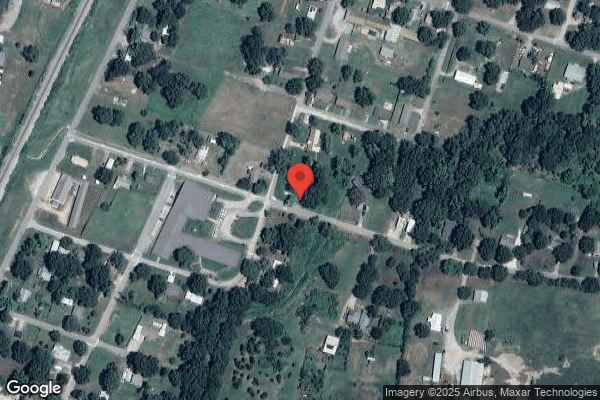

321 SOUTHEAST 2ND STREET, CHECOTAH, OK 74426 (918) 473-2251
For profit - Limited Liability company 82 Beds Independent Data: November 2025
Trust Grade
25/100
#208 of 282 in OK
Last Inspection: August 2024

Within standard 12-15 month inspection cycle. Federal law requires annual inspections.

Overview

Checotah Nursing Center has received a Trust Grade of F, indicating poor performance with significant concerns. It ranks #208 out of 282 facilities in Oklahoma, placing it in the bottom half, and is the lowest-ranked facility in McIntosh County. The situation appears to be worsening, with the number of issues increasing from 7 in 2023 to 10 in 2024. Staffing is a major weakness, rated at only 1 out of 5 stars with a concerning turnover rate of 69%, which is significantly higher than the state average. Additionally, the facility has accumulated $68,445 in fines, indicating compliance issues that are more than 91% of other Oklahoma facilities. On the positive side, the facility had an average health inspection rating of 3 out of 5 stars, suggesting some areas meet acceptable standards. However, specific incidents raise serious concerns; for example, staff failed to follow abuse reporting policies after a resident reported a CNA using inappropriate language in front of them, and there were issues with food hygiene practices, potentially affecting resident health. Overall, families should weigh these significant weaknesses against the few strengths when considering this facility for their loved ones.

Trust Score
F
25/100
In Oklahoma
#208/282
Bottom 27%
Safety Record
Moderate
Needs review
Inspections
Getting Worse
7 → 10 violations
Staff Stability
⚠ Watch
69% turnover. Above average. Higher turnover means staff may not know residents' routines.
Penalties
✓ Good
$68,445 in fines. Lower than most Oklahoma facilities. Relatively clean record.
Skilled Nurses
○ Average
RN staffing data not reported for this facility.
Violations
⚠ Watch
42 deficiencies on record. Higher than average. Multiple issues found across inspections.
★☆☆☆☆
1.0
Overall Rating
★☆☆☆☆
1.0
Staff Levels
★☆☆☆☆
1.0
Care Quality
★★★☆☆
3.0
Inspection Score
Stable
2023: 7 issues
2024: 10 issues

The Good

  • Full Sprinkler Coverage · Fire safety systems throughout facility
  • No fines on record

Facility shows strength in fire safety.

The Bad

1-Star Overall Rating

Below Oklahoma average (2.6)

Significant quality concerns identified by CMS

Staff Turnover: 69%

23pts above Oklahoma avg (46%)

Frequent staff changes - ask about care continuity

Federal Fines: $68,445

Well above median ($33,413)

Moderate penalties - review what triggered them

Staff turnover is elevated (69%)

21 points above Oklahoma average of 48%

The Ugly 42 deficiencies on record

Oct 2024 1 deficiency
CONCERN (D) 📢 Someone Reported This

A family member, employee, or ombudsman was alarmed enough to file a formal complaint

Potential for Harm - no one hurt, but risky conditions existed

Free from Abuse/Neglect (Tag F0600)

Could have caused harm · This affected 1 resident

Based on record review and interview, the facility failed to ensure interventions were put in place to protect one (#1) of three residents reviewed for abuse. This had the potential to affect all resi...

Read full inspector narrative →
Based on record review and interview, the facility failed to ensure interventions were put in place to protect one (#1) of three residents reviewed for abuse. This had the potential to affect all residents. The DON identified 29 residents who resided in the facilty. Findings: Res #2 had diagnoses which included other sexual disorders, recurrent depressive disorders, and anxiety. Res #2's quarterly resident assessment dated , 09/11/24, documented the resident was severely cognitively impaired and wandered four to six days a week. An incident report form, dated 08/09/24, documented Res #2 touched Res #1 inappropriately. A progress note, dated 08/12/24 at 11:18 a.m., documented Res #2 was admitted to a geri-psych facility for inappropriate sexual behaviors. A progress note, dated 08/22/24 at 4:07 p.m., documented Res #2 returned to the facility from the geri-psych facility. The care plan for Res #2 was not updated with interventions to prevent reoccurrence of inappropriate sexual behaviors. Progress notes, dated 08/25/24 between 11:04 a.m. and 1:56 p.m., documented Res #2 had aggressive and inappropriate sexual behaviors and was transferred to a geri-psych facility for treatment. On 10/14/24 at 1:48 p.m., the DON reported the staff knew what to do when Res #2 had inappropriate sexual behaviors, but there wasn't a plan in place to prevent Res #2's behaviors. The DON reported the care plan should have been updated with new interventions to prevent behaviors.
Aug 2024 7 deficiencies
CONCERN (D)

Potential for Harm - no one hurt, but risky conditions existed

Deficiency F0578 (Tag F0578)

Could have caused harm · This affected 1 resident

Based on record review and interview, the facility failed to ensure information regarding an advance directive was correct and legal for two (#9 and #20) of 10 residents reviewed for advance directive...

Read full inspector narrative →
Based on record review and interview, the facility failed to ensure information regarding an advance directive was correct and legal for two (#9 and #20) of 10 residents reviewed for advance directives. The director of nurses identified 29 residents resided in the facility. Findings: 1. Resident #9 had diagnoses which include congestive heart failure, chronic respiratory failure, type 2 diabetes mellitus, and cerebral infarction. The care plan, dated 12/19/23, documented the resident was a full code status. The care plan did not document an advance directive for the resident. An ADVANCE DIRECTIVE, DNR, POA ACKNOWLEDGMENT form, dated 06/18/24, documented the resident #9 had not executed a DNR, had executed an advance directive, and had executed a Power of Attorney/Guardianship. The form was signed by the resident. On 08/09/24 at 12:52 p.m., the DON reviewed the residents clinical record. The DON stated they could not locate an advance directive or POA documentation for the resident. 2. Resident #20 had diagnoses which included congestive heart failure, type 2 diabetes mellitus, and hypertension. A DURABLE POWER OF ATTORNEY form, dated 03/02/21, documented the resident had appointed a person as POA. The document was not notarized. An ADVANCE DIRECTIVE, DNR, POA ACKNOWLEDGMENT form, dated 08/07/23, documented the resident had not executed a DNR, had executed an advance directive, and had executed a Power of Attorney/Guardianship. The document was signed by the POA. The care plan, dated 08/15/23, documented the resident was a full code status. The care plan did not document an advance directive for the resident. On 08/09/24 at 10:48 a.m., the DON reviewed the residents clinical records and stated an advance directive was not available/documented in the resident's records. The DON reviewed the residents POA documentation. The DON stated the POA form had not been notarized and was not a legal document.
CONCERN (D)

Potential for Harm - no one hurt, but risky conditions existed

Food Safety (Tag F0812)

Could have caused harm · This affected 1 resident

Based on observation and interview, the facility failed to store food with professional standards for food service safety. The DM identified 27 residents who ate meals prepared by the kitchen and one ...

Read full inspector narrative →
Based on observation and interview, the facility failed to store food with professional standards for food service safety. The DM identified 27 residents who ate meals prepared by the kitchen and one resident who received nutrition via tube feeding. Findings: On 08/06/24 at 7:10 a.m., a tour of the kitchen was completed. The refrigerator had two plastic bowls sitting on the top rack with a liquid in them. Drops of liquid from the ceiling were observed falling into the bowls. The DM stated the refrigerator had been dripping for about four to five days. The DM stated the ice machine was also broke and ice was brought in from an outside source. On 08/08/24 at 11:24 a.m., a meal service was observed. The refrigerator still had two bowel on the top shelf to catch the drips from the ceiling of the refrigerator. The staff was observed moving the bowls to obtain other items in the refrigerator and to catch the drops. The refrigerator door had a piece of the gasket sticking out around the door. On 08/08/24 at 11:30 a.m., the DM stated the refrigerator needed some work done and the ice machine needed a part.
CONCERN (E)

Potential for Harm - no one hurt, but risky conditions existed

Respiratory Care (Tag F0695)

Could have caused harm · This affected multiple residents

Based on observation, record review, and interview, the facility failed to ensure respiratory care was provided with professional standards of practice for four (#9, 19, 23, and #24) of four sampled r...

Read full inspector narrative →
Based on observation, record review, and interview, the facility failed to ensure respiratory care was provided with professional standards of practice for four (#9, 19, 23, and #24) of four sampled residents reviewed for respiratory care. The director of nurses identified 5 residents who received respiratory care. Findings: 1. Resident #9 had diagnoses which included congestive heart failure, chronic respiratory failure, and cerebral infarction. A physician order, dated 12/07/23, documented the resident was to receive oxygen 2-3 liters via nasal cannula to maintain oxygen saturation greater than 92% related to chronic respiratory failure with hypoxia. A physician order, dated 05/06/24, documented the staff was to change the oxygen tubing and humidifier every Sunday night and as needed related to chronic respiratory failure with hypoxia. On 08/06/24 at 11:36 a.m., the resident was sleeping and had oxygen infusing at 2 liters via nasal cannula. The oxygen tubing was not dated. On 08/08/24 at 9:26 a.m., the resident was sitting in a wheelchair watching television and had oxygen infusing at 3 liters per nasal cannula. The oxygen tubing was not dated. 2. Resident #19 had diagnoses which included chronic obstructive pulmonary disease, heart failure, and pneumonia. A physician order, dated 07/02/24, documented the resident was to receive oxygen at 5 liters via nasal cannula to wean/titrate to keep oxygen saturation above 90% related to acute and chronic respiratory failure with hypoxia. A physician order, dated 07/05/24, documented the staff was to change the oxygen tubing and humidifier every Sunday night and as needed related to chronic obstructive pulmonary disease. On 08/06/24 at 8:38 a.m., the resident was lying in bed and had oxygen infusing at 4 liters per nasal cannula. The oxygen tubing was not dated. On 08/08/24 at 9:17 a.m., the resident was lying in bed with oxygen infusing at 4 liters per nasal cannula. The oxygen tubing was not dated. 3. Resident #23 had diagnoses which included pneumonia, chronic obstructive pulmonary disease, congestive heart failure, and obesity. A physician order, dated 05/06/24, documented to change the resident's oxygen tubing and humidifier every week on Sunday and as needed. A physician order, dated 05/07/24, documented the resident was to receive oxygen 2-4 liters during sleep and as needed related to chronic obstructive pulmonary disease. On 08/06/24 at 8:52 a.m., the resident was lying in bed watching television and had oxygen at 2 liters via nasal cannula infusing. The oxygen tubing was not dated. On 08/08/24 at 9:23 a.m., the resident was lying in bed watching television and had oxygen in place per nasal cannula infusing at 2 liters. The oxygen tubing was not dated. 4. Res #24 had diagnoses which included chronic obstructive pulmonary disease. A physician's order, dated 04/21/24, documented to change oxygen and humidifier tubing weekly on Tuesday and as needed. A physician's order, dated 04/21/24, documented Res #24 was to receive oxygen at 2 liters via nasal cannula continuously to keep oxygen saturation above 80. On 08/07/24 at 12:19 p.m. the resident was lying in bed with oxygen infusing at 2 liters via nasal cannula The oxygen tubing and humidifier was dated 07/20/24. On 08/08/24 at 2:26 p.m., the resident was lying in bed with oxygen infusing at 2 liters via nasal cannula. The oxygen tubing and humidifier was dated 07/20/24. On 08/09/24 at 11:44 a.m., the DON stated the staff was to change and date the oxygen tubing as ordered. The DON stated if the tubing was not dated, staff would not know if the tubing was changed as ordered.
CONCERN (E)

Potential for Harm - no one hurt, but risky conditions existed

Deficiency F0802 (Tag F0802)

Could have caused harm · This affected multiple residents

Based on observation, record review, and interview, the facility failed to employ enough staff to carry out the functions of the food and nutrition service. The dietary manager identified 28 residents...

Read full inspector narrative →
Based on observation, record review, and interview, the facility failed to employ enough staff to carry out the functions of the food and nutrition service. The dietary manager identified 28 residents who received meals prepared by the kitchen and one resident who received nutrition via tube feeding. Findings: A dietary schedule for August 2024, documented one cook and one dietary aide for the morning shift, one cook and one aide for a split shift (covering part of morning and evening shift alternating days), and one cook with no dietary aide for evening shift. On 08/06/24 at 7:10 a.m., a tour of the kitchen was completed. While walking down the resident hall to the kitchen, a cart was observed with eight disposable trays on it with no staff present on the hall. In the dining room, three residents were observed eating from disposable trays. On 08/06/24 at 7:13 a.m., the DM stated the reason breakfast was served on disposable trays was due to short of staff. The DM stated only one staff member to serve breakfast this morning. On 08/06/24 at 9:15 a.m., the DM provided menus for the week. The DM stated the lunch and supper menu had been switched due to more time and staff was required to prepare the lunch menu. The DM stated more staff was needed in the kitchen.
CONCERN (E)

Potential for Harm - no one hurt, but risky conditions existed

Infection Control (Tag F0880)

Could have caused harm · This affected multiple residents

Based on record review and interview, the facility failed to have a system of surveillance and monitoring designed to identify and prevent Legionnaires' disease. The director of nurses identified 29 ...

Read full inspector narrative →
Based on record review and interview, the facility failed to have a system of surveillance and monitoring designed to identify and prevent Legionnaires' disease. The director of nurses identified 29 residents resided in the facility. Findings: A policy titled Legionella Surveillance, documented .Legionella surveillance is one component of the facility's water management plans for reducing the risk of Legionella .In the absence of Legionella infections for a period of at least one year, the facility shall implement primary prevention strategies .Primary prevention strategies: a. Diagnostic testing . On 08/07/24 at 10:07 a.m., the DON provided a Legionella Policy. The DON was unaware of any documentation for monitoring for the prevention of Legionnaires' disease.
CONCERN (F) 📢 Someone Reported This

A family member, employee, or ombudsman was alarmed enough to file a formal complaint

Potential for Harm - no one hurt, but risky conditions existed

Abuse Prevention Policies (Tag F0607)

Could have caused harm · This affected most or all residents

Based on observation, record review, and interview, the facility failed to implement their abuse policy regarding an allegation of abuse which has the potential to affect all residents. The director o...

Read full inspector narrative →
Based on observation, record review, and interview, the facility failed to implement their abuse policy regarding an allegation of abuse which has the potential to affect all residents. The director of nursing identified 29 residents who resided in the facility. Findings: The Reporting Resident Abuse policy, undated, documented in part, Should the allegations be true, the employee(s) will be terminated from employment. Records of the allegations will be filed in the accused employee's personnel record. An Incident Report Form, dated 06/02/24, documented Res #23 reported the evening the gospel singers were to perform at the facility, CNA #1 took them out on the front porch prior to the singing. Res #23 reported CNA #1 started cursing, saying God damn, fuck, and shit. Res #23 reported they could handle the F word, but the use of God damn was upsetting to them especially with gospel singers at the facility. Res #23 reported CNA #1 kept cursing and they had to tell CNA #1 to zip it. The resident reported CNA #1 has cursed in front of them before and reported CNA #1 walks down the hall cursing. The report also documented other staff reported to the DON, CNA #1 does curse while working in the facility. The DON documented the allegation of verbal abuse was substantiated and CNA #1 was terminated. There was no record of the allegation/disciplinary action documented in CNA #1's employee file. An employee roster, not titled or dated, which documents status changes of employees, did not document CNA #1 was terminated. An Incident Report Form, dated 06/27/24, documented CNA #1 who had been working in the dietary department since 06/25/24, was accused of being aggressive with residents. The investigation was not substantiated and the employee was allowed to continue to work. The form also documented CNA #1 was allowed to return to work after the 06/02/24 incident of substantiated verbal abuse after CNA #1 went through training on proper language use. The July nursing schedule documented CNA #1 started back working the nursing departments on 07/09/24. On 08/07/24 at 2:30 p.m., CNA #1 was observed to be passing ice to residents. On 08/08/24 at 3:50 p.m., CNA #1 was observed to be working. On 08/08/24 at 2:00 p.m. several anonymous employees were interviewed and reported CNA #1 was to be terminated on 06/03/24 by the administrator. The employees reported CNA #1 was not terminated and did not go through any training prior to returning to work in the dietary department on 06/25/24.
CONCERN (F) 📢 Someone Reported This

A family member, employee, or ombudsman was alarmed enough to file a formal complaint

Potential for Harm - no one hurt, but risky conditions existed

Investigate Abuse (Tag F0610)

Could have caused harm · This affected most or all residents

Based on record review, and interview, the facility failed to complete a investigation regarding an allegation of abuse which has the potential to affect all residents. The director of nursing identif...

Read full inspector narrative →
Based on record review, and interview, the facility failed to complete a investigation regarding an allegation of abuse which has the potential to affect all residents. The director of nursing identified 29 residents who resided in the facility. Findings: The Reporting Resident Abuse policy, undated, documented in part, The facility must complete an incident report form .and include when possible statements of any witnesses. An Incident Report Form, dated 06/02/24, documented Res #23 reported the evening the gospel singers were to perform at the facility, CNA #1 took them out on the front porch prior to the singing. Res #23 reported CNA #1 started cursing, saying God damn, fuck, and shit. Res #23 reported they could handle the F word, but the use of God damn was upsetting to them especially with gospel singers at the facility. Res #23 reported CNA #1 kept cursing and they had to tell CNA #1 to zip it. The resident reported CNA #1 has cursed in front of them before and reported CNA #1 walks down the hall cursing. The report also documented other staff reported to the DON, CNA #1 does curse while working in the facility. The DON documented the allegation of verbal abuse was substantiated and CNA #1 was terminated. An Incident Report Form, dated 06/27/24, documented CNA #1 was accused of being aggressive with residents. The investigation was not substantiated and the employee was allowed to continue to work. There was no documented witness statements, interviews, or investigation to review. On 08/08/24 at 2:00 p.m., several anonymous employees were interviewed and reported there were no witness statements or documentation of their interviews and investigation. They reported they did an investigation but did not document it.
Feb 2024 2 deficiencies
CONCERN (D) 📢 Someone Reported This

A family member, employee, or ombudsman was alarmed enough to file a formal complaint

Potential for Harm - no one hurt, but risky conditions existed

Deficiency F0655 (Tag F0655)

Could have caused harm · This affected 1 resident

**NOTE- TERMS IN BRACKETS HAVE BEEN EDITED TO PROTECT CONFIDENTIALITY** Based on record review and interview, the facility failed to ensure a baseline care plan was completed within 48 hours for one (...

Read full inspector narrative →
**NOTE- TERMS IN BRACKETS HAVE BEEN EDITED TO PROTECT CONFIDENTIALITY** Based on record review and interview, the facility failed to ensure a baseline care plan was completed within 48 hours for one (#7) of seven sampled resident reviewed for baseline care plan. The MDS Coordinator identified 35 residents resided in the facility. Findings: A Care Plans-Baseline policy, undated, read in part, .A baseline plan of care to meet the resident's immediate needs shall be developed by the IDT for each resident within 48 hours of admission . Resident #7 admitted on [DATE], with diagnoses which included UTI, cerebral infarct, A-fib, dysarthria, heart failure, hemiplegia right dominant side, and aphasia. There was no care plan located in the resident's clinical record. On 02/21/24 at 9:41 a.m., the MDS Coordinator stated the care plan has not been put together yet.
CONCERN (E) 📢 Someone Reported This

A family member, employee, or ombudsman was alarmed enough to file a formal complaint

Potential for Harm - no one hurt, but risky conditions existed

Pharmacy Services (Tag F0755)

Could have caused harm · This affected multiple residents

Based on record review and interview, the facility failed to administer medications as ordered for two (#1 and #4) of seven sampled residents reviewed for medication administration. The MDS Coordinato...

Read full inspector narrative →
Based on record review and interview, the facility failed to administer medications as ordered for two (#1 and #4) of seven sampled residents reviewed for medication administration. The MDS Coordinator identified 35 residents resided in the facility. Findings: A Medication Administration and General Guidelines policy, dated 2021, read in part, .medications are prepared, administered and recorded only by licensed nursing, medical, pharmacy, or other personnel authorized by state laws and regulations to administer medications . in accordance with written orders of the attending physician . 1. Resident #4 had diagnoses which included anxiety, major depression, hyperlipidemia, disc degeneration lumbar region, dementia and DMII. A physician's order, dated 09/21/23, documented baclofen 10 mg give one tablet by mouth three times daily for low back pain. A physician's order, dated 10/25/23, documented mirtazapine 15 mg give one tablet by mouth every night for major depressive disorder. A physician's order, dated 10/25/23, documented tramadol hydrochloride 50 mg give 0.5 tablet by mouth three times daily for low back pain. A physician's order, dated 10/25/23, documented atorvastatin calcium 20 mg give one tablet by mouth every night for hyperlipidemia. A physician's order, dated 10/26/23, documented levemir 100 units per ml inject five units subcutaneously twice daily. A physician's order, dated 01/03/24, documented trazodone hydrochloride 50 mg take one tablet by mouth nightly. A physician's order, dated 01/03/24, documented acetaminophen 325 mg administer two tablets by mouth every six hours for pain. A physician's order, dated 02/07/24, documented divalproex sodium extended release 500 mg give one tablet by mouth at hours of sleep for dementia. A Medication Administration record for February 2024, had no documentation for the following medications on 02/11/24 at 3:00 p.m.: a. baclofen 10 mg, b. tramadol hydrochloride 50 mg, and c. acetaminophen 325 mg A Medication Administration record for February 2024, had no documentation for divalproex sodium extended release 500 mg on 02/11/24 and 02/18/24 at 8:00 p.m. A Medication Administration record for February 2024, had no documentation for the following medications on 02/11/24 at 9:00 p.m.: a. baclofen 10 mg, b. mirtazapine 15 mg, c. tramadol hydrochloride 50 mg, d. atorvastatin calcium 20 mg, e. trazodone hydrochloride 50 mg, and f. acetaminophen 325 mg. A Medication Administration record for February 2024, had no documentation for levemir 100 units per ml 02/15/24 at 9:00 p.m., 02/16/24 at 9:00 p.m., 02/17/24 at 9:00 a.m., and 02/20/24 at 9:00 a.m. A Medication Administration record for February 2024, had no documentation for the following medications on 02/18/24 at 9:00 p.m.: a. baclofen 10 mg, b. mirtazapine 15 mg, c. tramadol hydrochloride 50 mg, d. atorvastatin calcium 20 mg, e. trazodone hydrochloride 50 mg, and f. acetaminophen 325 mg. On 02/21/24 at 9:03 a.m., the ADON stated a blank means either the medication was not given or it was documented in the paper medication administration book. On 02/21/24 at 9:11 a.m., the paper medication administration book was reviewed, and it had no documentation of any of the medications being given. 2. Resident #1 had diagnoses which included atrial fibrillation, hypertension, and depression. A physician's order, dated 01/26/24, documented budesonide 0.5 mg per 2 ml give one unit dose via nebulizer twice daily for chronic obstructive pulmonary disease. A physician's order, dated 01/26/24, documented ipratropium bromide 0.02% give one unit dose via nebulizer every 8 hours chronic obstructive pulmonary disease. A physician's order, dated 01/26/24, documented refresh celluvisc 1% give one drop to each eye every six hours for dry eye syndrome of bilateral lacrimal glands. A physician's order, dated 01/26/24, documented senna-plus 8.6-50 mg give one tablet by mouth twice daily for constipation. A physician's order, dated 01/26/24, documented eliquis 2.5 mg give one tablet by mouth twice daily for history of pulmonary embolism. A physician's order, dated 01/26/24, documented folic acid 1 mg give one tablet by mouth daily for supplement. A physician's order, dated 01/26/24, documented diltiazem hydrochloride extended release 360 mg give one cap by mouth daily for atrial fibrillation. Hold medication if pulse is under 60. A physician's order, dated 01/26/24, documented hydralazine hydrochloride 25 mg give one tablet by mouth daily for hypertension. Hold blood pressure medication if blood pressure below 100/60. A physician's order, dated 01/26/24, documented famotidine 20 mg give one tablet by mouth daily for gastroesophageal reflux. A physician's order, dated 01/26/24, documented levothyroxine sodium 125 mcg give one tablet by mouth daily for hypothyroidism. A physician's order, dated 01/26/24, documented levalbuterol hydrochloride 1.25 mg per 3 ml give one unit dose via nebulizer every eight hours. The January 2024 MAR had no documentation of time given for Resident #1's budesonide for the 12:00 p.m. administration on the 27th, 28th, and 29th. The January 2024 MAR had no documentation of time given for Resident #1's ipratropium bromide for the 12:00 p.m. administration on the 27th, 28th, and 29th. The January 2024 MAR had no documentation of time given for Resident #1's refresh celluvisc for the 12:00 p.m. administration on the 28th, and 29th. The January 2024 MAR had no documentation of time given for Resident #1's senna-plus for the 12:00 p.m. administration on the 28th, and 29th. The January 2024 MAR had no documentation of time given for Resident #1's eliquis for the 12:00 p.m. administration on the 28th, and 29th. The January 2024 MAR had no documentation of time given for Resident #1's folic acid for the 12:00 p.m. administration on the 28th, and 29th. The January 2024 MAR had no documentation of time given for Resident #1's diltiazem hydrochloride for the 12:00 p.m. administration on the 28th, and 29th. The January 2024 MAR had no documentation of time given for Resident #1's hydralazine hydrochloride for the 12:00 p.m. administration on the 29th, and 31st. The January 2024 MAR had no documentation of time given for Resident #1's famotidine for the 12:00 p.m. administration on the 28th, and 29th. The January 2024 MAR had no documentation of time given for Resident #1's levothyroxine sodium for the 12:00 p.m. administration on the 28th, and 29th. The January 2024 MAR had no documentation of time given for Resident #1's levalbuterol hydrochloride for the 12:00 p.m. administration on the 29th and the 8:00 p.m. administration on the 30th. On 2/22/24 at 9:09 a.m., the ADON reviewed Resident #1's January 2024 MAR. They stated the medications listed above were not administered on specified dates and times. They stated there would be a time on the administration record for administered medications.
Jul 2023 7 deficiencies
CONCERN (D)

Potential for Harm - no one hurt, but risky conditions existed

Deficiency F0637 (Tag F0637)

Could have caused harm · This affected 1 resident

Based on record review and interview, the facility failed to complete a significant change MDS assessment for one (#13) of five sampled residents reviewed for ADLs. The Resident Census and Conditions ...

Read full inspector narrative →
Based on record review and interview, the facility failed to complete a significant change MDS assessment for one (#13) of five sampled residents reviewed for ADLs. The Resident Census and Conditions of Residents form documented 35 residents resided in the facility. Findings: Res #13 had diagnoses which included age related physical disability and dementia. A quarterly assessment, dated 02/21/23, documented the resident was severely impaired with cognition and required limited assistance with most ADLs. A quarterly assessment, dated 05/18/23, documented the resident was severely impaired with cognition and required extensive to total care in most ADLs. A care plan, dated 05/23/23, did not contain an ADL care plan. On 06/29/23 at 5:08 p.m., the MDS coordinator stated they were not aware a significant change should have been completed instead of the quarterly assessment.
CONCERN (D)

Potential for Harm - no one hurt, but risky conditions existed

Accident Prevention (Tag F0689)

Could have caused harm · This affected 1 resident

Based on observation, record review, and interview, the facility failed to develop and implement new interventions to prevent falls for one (#26) of four residents sampled for falls. The Resident Cen...

Read full inspector narrative →
Based on observation, record review, and interview, the facility failed to develop and implement new interventions to prevent falls for one (#26) of four residents sampled for falls. The Resident Census and Conditions of Residents report, documented 35 residents resided in the facility. Findings: Res #26 had diagnoses which included delusional disorder and Alzheimer's disease. An incident report, dated 03/06/23, documented the resident had an unwitnessed fall, with a laceration to her forehead, and was sent to the ER. An intervention was documented as physical therapy for balance and strengthening. A nurse note, dated 03/07/23, documented the resident returned from hospital with three sutures to left forehead laceration. An incident report, dated 04/13/23, documented the resident had an unwitnessed fall and was found sitting on the floor in front of the recliner in the resident's room. The incident report documented the resident had a laceration above right eyebrow and skin tear to right cheek. The incident report documented the resident was sent to ER and received with four sutures above right eyebrow. The incident report documented an intervention to increase checks on resident. An annual assessment, dated 06/12/23, documented the resident was severely impaired with cognition and required supervision to limited assistance with ADLs except for bathing which required extensive assistance. The assessment documented the resident had one fall with injury not major. A care plan, dated 06/13/23, documented the resident was at risk for falls related to psychotropic medications. An incident report dated 06/15/23, documented the resident experienced an unwitnessed fall where the resident was found laying on their right side on a fall mat by the bed. The incident report documented the resident was not injured. The incident report documented an intervention to increase routine checks for the resident. The care plan was updated on 06/15/23 with a fall and the intervention was to increase routine checks. An incident report, dated 06/18 /23, documented an unwitnessed fall, the resident was lying on the front of a rocking chair with the cushion close to her head. Red area to left brow no other injuries. Intervention was to start hourly checks by staff. The care plan was updated on 06/18/23 with a fall and the intervention was for hourly checks by staff. On 06/28/23 at 10:01 a.m., observed CNA #6 sitting in the hall by the nurses station talking to the resident. CNA #6 stated they had been working at the facility about two months and knew the resident liked to stand up the from the wheel chair but did not not know if Res #26 had fallen. The CNA stated the resident liked staff to visit with them. On 07/03/23 at 3:01 p.m., observed Res #26 sitting in a wheelchair close to the nurses station. The resident was observe to stand up from the wheel chair and a staff member was observed to assist the resident to sit back down and gave the resident something to drink. On 07/03/23 at 3:40 p.m., MDS coordinator #1 stated they was not aware of any documentation of hourly checks but would ask the DON. On 07/03/23 at 3:45 p.m., MDS coordinator #1 stated the facility did not have documentation of hourly checks for Res #26. On 07/03/23 at 4:22 p.m., the DON confirmed they did not utilize new interventions to prevent falls for the resident and stated the hourly checks had not been documented.
CONCERN (E)

Potential for Harm - no one hurt, but risky conditions existed

Deficiency F0578 (Tag F0578)

Could have caused harm · This affected multiple residents

Based on record review and interview, the facility failed to ensure the right to request, refuse, or formulate an advanced directive for four (#16, 26, 28, and #33) of 15 residents sampled for advance...

Read full inspector narrative →
Based on record review and interview, the facility failed to ensure the right to request, refuse, or formulate an advanced directive for four (#16, 26, 28, and #33) of 15 residents sampled for advanced directives. The facility failed to ensure: a. residents were offered the choice to formulate advance directives for Res #26, and #28. b. a code status form was valid for Res #16 and #33. The Resident Census and Conditions of Residents report, documented 23 residents had advanced directives. Findings: 1. Res #26 had diagnoses which included delusional disorder and Alzheimer's disease. An annual assessment, dated 06/12/23, documented the resident was severely impaired with cognition. A care plan, dated 06/13/23, documented the resident was a full code. The resident's EHR did not contain documentation of information to develop an advance directive was offered to the resident or resident representative. On 06/29/23 at 9:48 a.m., the BOM stated they could not find documentation the resident or resident representative had been offered information on formulating an advanced directive. On 06/30/23 at 12:50 p.m., the DON stated the resident or resident representative should have been offered information and/or assistance with formulating an advanced directive on admission if they wanted one. 2. Res #28 had diagnoses which included traumatic brain injury, seizures, and history of TIA. A care plan, dated 07/19/22, documented the resident was a full code. A quarterly assessment, dated 04/10/23, documented the resident was severely impaired with cognition. On 06/28/23 at 12:00 p.m., the BOM stated they could not find documentation the resident or resident representative had been offered information on formulating an advanced directive. The BOM stated the formulation of an advanced directive should have been offered and completed on admission. On 06/28/23 at 12:20 p.m., Res #28's family member stated they could not remember if an advance directive was offered on admission or not. On 06/30/23 at 12:50 p.m., the DON stated the resident or resident representative should have been offered information and/or assistance with formulating an advanced directive on admission if they wanted one. 3. Res #33 had diagnoses which included malaise. An annual assessment, dated 05/02/23, documented the resident was moderately impaired with cognition. A care plan, dated 05/03/23, documented the resident's code status was DNR. An undated DNR form was present in the resident's hard chart. On 06/30/23 at 12:56 p.m., the DON stated the DNR would have to dated to be a legal document. 4. Res #16 had diagnoses which included chronic pain, depressive disorder, and heart disease. An annual assessment, dated 06/07/23, documented the resident was intact with cognition. An undated DNR was present in the resident's hard chart. On 06/30/23 at 12:57 p.m., the DON stated the DNR needed to be dated to be a legal document.
CONCERN (E)

Potential for Harm - no one hurt, but risky conditions existed

Assessment Accuracy (Tag F0641)

Could have caused harm · This affected multiple residents

Based on observation, record review, and interview, the facility failed to ensure resident assessments accurately reflected the residents' status for three (#8, 11, and #29) of 20 sampled residents wh...

Read full inspector narrative →
Based on observation, record review, and interview, the facility failed to ensure resident assessments accurately reflected the residents' status for three (#8, 11, and #29) of 20 sampled residents whose assessments were reviewed. The Resident Census and Condition of Residents form documented 35 residents resided in the facility. Findings: 1. Res #29's physician order, dated 02/08/23, documented the facility was to administer clopidogrel (an antiplatelet medication) 75 mg daily for a diagnosis of cerebral infarction due to thrombosis of left middle cerebral artery. At that time, the remaining resident's medication orders were reviewed and did not document an order for the facility to administer an anticoagulant medication. An annual assessment for Res #29, dated 04/12/23, documented the resident received an anticoagulant medication for seven days of the seven day assessment period. 2. A physician order for Res #8, dated 04/01/23, documented the facility was to administer clopidogrel 75 mg daily for a diagnosis of cerebral infarction. At that time the remaining physician orders were reviewed and did not document the facility was to administer an anticoagulant medication to Res #8. A significant change assessment, dated 04/05/23, documented Res #8 received an anticoagulant medication for four days of the seven day assessment period. On 07/03/23 at 2:22 p.m., MDS Coordinator #1 stated until this survey they thought clopidogrel was an anticoagulant. The MDS coordinator confirmed the MDS assessments for Res #8 and #29 were coded incorrectly related to the use of an anticoagulant medication. 3. Res #11's physician order, dated 10/18/22, documented to administer Eliquis (an anticoagulant medication) tab 2.5 mg one tablet daily for a diagnosis of atrial fibrillation. A significant change assessment, dated 02/04/23, documented the resident did not receive an anticoagulant medication during the assessment period. A quarterly assessment, dated 05/02/23, documented the resident did not receive an anticoagulant medication during the assessment period. On 06/29/23 at 3:52 p.m., Res #11 was observed ambulating in the hall way and sat down next to another resident. Res #11 was unable to be interviewed. On 06/29/23 at 4:21 p.m., MDS coordinator #1 stated Eliquis was missed for coding as an anticoagulant on the quarterly and significant change assessment.
CONCERN (E)

Potential for Harm - no one hurt, but risky conditions existed

Comprehensive Care Plan (Tag F0656)

Could have caused harm · This affected multiple residents

4. Res #13 had diagnoses which included age related physical disability and dementia. A quarterly assessment, dated 05/18/23, documented the resident was severely impaired with cognition and required ...

Read full inspector narrative →
4. Res #13 had diagnoses which included age related physical disability and dementia. A quarterly assessment, dated 05/18/23, documented the resident was severely impaired with cognition and required extensive to total care with most ADLs. A care plan, last reviewed 05/23/23, did not document a plan for the resident's ADL care. On 06/29/23 at 4:55 p.m., the MDS coordinator confirmed the resident did not have an ADL care plan and required extensive assistance. 5. Res #28 had diagnoses which included traumatic brain injury, seizures, and history of TIA. A quarterly assessment, dated 04/10/23, documented the resident was severely impaired with cognition and required total care with ADLs. A care plan, dated 07/19/22, did not document an ADL plan of care for the resident. On 06/29/23 at 2:57 p.m., the MDS coordinator stated the resident's care plan was one of the fist completed after starting in the MDS/care plan position. The MDS coordinator confirmed the care plan did not have ADLs care planed for the resident. Based on observation, record review, and interview, the facility failed to develop and implement care plans which reflected the residents' needs for five (#3, 11, 13, 28, and #32) of 20 sampled residents whose records were reviewed. The facility failed to develop care plans for: a. psychotropic medication use; pain; atrial fibrillation; and the use of Eliquis, furosemide, and levothyroxine for Res #11. b. Lasix for Res #32. c. ADLs for Res #13. d. pain and pain medication refusals for Res #3. e. ADL cares for #13 and #28. The Resident Census and Conditions of Residents form documented 35 residents resided in the facility. Findings: 1. Res #11 had diagnoses which included chronic atrial fibrillation, hypothyroidism, pain, and edema, dementia without behavioral disturbance, and senile degeneration of the brain. A physician order, dated 10/18/22, documented to administer Eliquis (an anticoagulant medication) 2.5 mg daily for a diagnosis of atrial fibrillation. A care plan, dated 11/08/22 and updated continuously, did not document a plan of care regarding the resident's diagnosis of atrial fibrillation or the use of Eliquis; pain or the use of pain medications; hypothyroidism or the use of levothyroxine; or edema or the use of furosemide. The care plan documented the resident was on psychotropic medications but did not document the classification of medication, side effects, or target behaviors. A significant change assessment, dated 02/04/23, documented the resident was moderately impaired in cognition and was independent to requiring supervision with most ADLs A physician order, dated 04/22/23, documented the facility were to administer as needed hydrocodone/acetaminophen 5 mg/325 mg every six hours, morphine sulfate 1 mg every six hours, and/or Tramadol 50 mg every six hours for pain. A quarterly assessment, dated 05/02/23, documented the resident was severely impaired in cognition, required supervision with most ADLs, and was receiving hospice care. A physician order, dated 06/08/23, documented to increase the resident's dose of Eliquis tab 2.5 mg daily to twice daily for a diagnosis of chronic atrial fibrillation. A physician order, dated 06/08/23, documented to administer furosemide (a medication used to treat edema) 20 mg daily for a diagnosis of edema. A physician order, dated 06/08/23, documented to administer mirtazapine (an antidepressant medication) 7.5 mg every night for a diagnosis of dementia without behaviors. A physician order, dated 06/19/23, documented to administer Levothyroxine 25 mcg every morning for a diagnosis of hypothyroidism. A physician order, dated 06/19/23, documented to administer sertraline (an antidepressant medication) 50 mg daily for a diagnosis of dementia without behaviors. A physician order, dated 06/25/23, documented to administer risperidone (an antipsychotic medication) 0.5 mg twice daily for a diagnosis of dementia without behaviors. On 06/29/23 at 11:01 a.m., Res #11 was observed walking in the hallway utilizing a walker, wearing clean purple sweat pants and a long sleeve gray tee shirt, and was caring a large cup of fluids. On 06/29/23 at 1:58 p.m., an interview with MDS coordinator #1, the DON, and a corporate nurse was conducted regarding the care plan for the resident. The MDS coordinator and the corporate nurse reviewed the care plan and confirmed the care plan did have a use of psychotropic medication plan of care but and that it was not specific to the classification of medication and the diagnoses they were used for did not concur with the care plan. The MDS coordinator stated the care plan was not developed for pain or the use of pain medication; atrial fibrillation or the use of Eliquis; hypothyroidism or the use of levothyroxine; and edema or the use of fursomide. The MDS coordinator stated there should have been a care plan developed to include these diagnoses and medications. On 06/29/23 at 3:52 p.m., Res #11 was observed ambulating in the hall way and sat down next to another resident. Res #11 was unable to be interviewed. 2. Res #32's care plan, dated 09/16/22, did not document a plan of care for furosemide or congestive heart failure. A physician order, dated 06/17/23, documented the facility was to administer furosemide (a diuretic medication) 40 mg at 8:00 a.m., and 12:00 p.m., for a diagnosis of congestive heart failure. A quarterly assessment, dated 06/12/23, documented the resident was intact in cognition and was independent to requiring limited assistance with ADLs. The assessment documented the resident received a diuretic medication for seven days of the seven day assessment period. On 06/30/23 at 2:48 p.m., MDS coordinator #1 stated the care plan did not document a plan of care for the use of furosemide. The MDS coordinator stated they now knew they should have formulated a care plan for the use of the medication. On 06/30/23 at 4:10 p.m., Res #32 was observed in their room. The resident stated the physician had put them on different medications but had no issues with the medication in use. 3. Res #3 had diagnoses which included chronic pain syndrome. A quarterly assessment, dated 05/08/23, documented the resident was intact in cognition, was independent to requiring limited assistance for most ADLs, and experienced frequent moderate pain. The resident's care plan was reviewed and did not document a plan of care regarding pain control. A physician order, dated 05/19/23, documented the facility was to administer two tablets of acetaminophen 325 mg every six hours as needed for pain. A nurse note, dated 06/23/23, documented the resident refused medications. The note documented the resident was aware of the medications they were refusing, what they were for, and the physician was aware. On 06/28/23 at 8:41 a.m., the resident was observed and interviewed. Res #3 stated they always had pain. On 06/29/23 at 3:46 p.m., CMA #1 stated Res #3 did have pain medication ordered but would not request it when they were in pain. On 06/29/23 at 4:17 p.m., MDS coordinator #1 stated they should have added a pain management care plan to the resident's plan of care. The MDS coordinator stated the care plan should have included the resident refused pain medications.
CONCERN (E) 📢 Someone Reported This

A family member, employee, or ombudsman was alarmed enough to file a formal complaint

Potential for Harm - no one hurt, but risky conditions existed

ADL Care (Tag F0677)

Could have caused harm · This affected multiple residents

2. Res #13 had diagnoses which included age related physical disability and dementia. A quarterly assessment, dated 05/18/23, documented the resident was severely impaired with cognition and required...

Read full inspector narrative →
2. Res #13 had diagnoses which included age related physical disability and dementia. A quarterly assessment, dated 05/18/23, documented the resident was severely impaired with cognition and required extensive to total care with most ADLs. A care plan, dated 05/23/23, did not document an ADL care plan. On 06/28/23 at 5:29 a.m., CNA #1 and CNA #2 were observed to change the residents wet brief. The CNAs were observed to not perform peri-care for the resident. On 06/28/23 at 5:33 a.m., CNA #1 stated they did not perform peri-care for the resident. CNA #1 stated they performed peri-care for the resident every other time so the resident would not get irritated. ADL sheets for June 1st to the 29th of 2023 were reviewed and documented bath days for the resident were Monday, Wednesday, and Friday. The documentation showed the resident received one scheduled bath on the 6/21 and four unscheduled baths on 6/10, 6/13, 6/17, and 6/22, and one bath day marked not given for the month of June. The CNA shower sheets for June 2023, documented the resident had received a bath on 6/3, 6/10, 6/17, 6/20, 6/22, 6/27, and 6/29. The shower sheets for 6/1, 6/6, 6/8, 6/13, 6/15, and 6/24 documented the resident refused a bath. According to ADL and CNA shower sheets the resident received 9 out of 12 baths in June. On 06/29/23 at 4:59 p.m., the DON looked at the ADL sheets and stated by looking at the ADL sheets they could not say the resident had received baths according to the scheduled bath days. The DON stated when an incontinent resident was changed peri-care should have been completed every time the resident had an incontinent episode. 3. Res #29 had diagnoses which included diabetes mellitus, chronic kidney disease, and hemiplegia and hemiparesis following cerebral infarction of right dominate side. An annual assessment, dated 04/12/23, documented the resident was severely impaired with cognition, required limited assistance with most ADLs, and total assistance with toilet use. The assessment documented the resident had upper and lower impairment on one side. A care plan, dated 04/14/23, documented the resident was incontinent of bowel and bladder and used the toilet at times. The care plan documented the resident required assistance with ADLs due to previous stroke, weakness, and impaired mobility. The care plan documented to ask yes and no questions and wait for response before asking another question. The care plan documented to assist the resident with dressing, transfers, and ADLs. Nail care was not documented on the care plan. On 06/28/23 at 9:13 a.m., Res # 29 was observed to be clean, dry and had no odor. Res #29 was observed to to have long fingernails on both hands. At that time the resident was observed to shake his head yes when asked if they received showers. Res #29 was asked about their long nails and shook their head yes when asked if they would like to have the long fingernails cut. On 06/30/23 at 2:54 p.m., Res #29 was observed in the hall way of the facility in a wheel chair. Res #29's fingernails were observed to still be long and dirty. On 07/03/23 at 8:01 a.m., Res #29 was observed in the hall way this morning. The resident's fingernails had not been cut. On 07/03/23 at 11:26 a.m., Res #29 was observed in the dining room having a cup of coffee. The resident nodded yes when asked if they had bath that morning. The resident nodded yes to the staff changing their bed linens and receiving mouth care. Res #29 shook their head no when asked if the staff had cut their nails. Res #29's nails were observed to have been cleaner but still long and one nail observed to be jagged. On 07/03/23 at 11:30 a.m., CNA #3 stated if the resident is not diabetic they tried to clean and clip resident's nails when they showered. On 07/03/23 at 11:36 a.m., CNA #4 stated they had assisted the resident with a shower but had not clipped the residents nails. CNA #4 stated they let the nurse know when nails are long because they were told not to cut nails. On 07/03/23 at 11:47 a.m., LPN #1 stated they were told nurses provided the nail care when the the resident was diabetic. The LPN stated Res #29 was not diabetic. The LPN stated the night nurse usually did the nail care. LPN #1 observed the resident's nails and stated they were long and needed trimmed. On 07/03/23 at 11:54 a.m., MDS coordinator #1 stated nail care was not on the residents care plan. The MDS coordinator confirmed the facility had utilized agency staff to meet the needs of the residents. The MDS coordinator stated they had an orientation with agency staff before they worked in the facility but could not say if nail care for residents was reviewed. 4. Res #33 had diagnoses which included malaise. An annual assessment, dated 05/02/23, documented the resident was moderately impaired with cognition and required limited assistance with most ADLs. A care plan, dated 05/03/23, documented the resident required the staff were to provide assistance with bathing as needed. The care plan documented the resident required cues and supervision with some ADLs. On 06/28/23 at 5:34 a.m., Res #33 was observed in bed in day time clothing. The resident's sweat pants were observed to be dirty with what looked like dried food. On 06/28/23 at 5:41 a.m., Res #33 stated they had received a bath yesterday. The shower sheet documentation for 06/27/23, documented the resident had refused to shower. On 06/28/23 at 9:01 a.m. Res #33 was observed laying on the bed in the same clothing as observed earlier that day. On 06/28/23 at 4:01 p.m., Res #33 was observed walking with a walker in the hall of the facility. Res #33 was wearing the same clothing with dried food particles on the pants. The ADL sheets for June 2023, documented the resident's bath days were Tuesday, Thursday, Saturday. The ADL and CNA shower sheets documented the resident had 13 scheduled baths for June. The sheets documented the resident received eight baths and refused five for the month of June 2023. On 06/30/23 at 12:43 p.m., the DON stated she would expect the resident clothing to be changed daily. The DON stated and when a resident's clothing was dirty she would expect the staff to assist the resident to change their clothing. The DON stated Res #33 liked to stay up later at night in the common area. The DON stated they would prefer the resident not sleep in their clothing and staff should have assisted the residents to don night clothing and then change to clean clothing the next morning. Based on observation, record review, and interview, the facility failed to ensure residents who were unable to carry out ADLs for themselves received the necessary services to maintain good grooming and hygiene for four (#11, 12, 29, and #33) of five residents sampled for ADLs. The facility failed to ensure: a. Res #11 and #33 wore clean clothing and received baths as care planned. b. staff performed peri-care as needed for Res #13. c. staff performed nail care for Res #29. The Resident Census and Conditions of Residents form documented 35 residents resided in the facility. Findings: 1. Res #11 had diagnoses which included dementia and senile degeneration of the brain. A quarterly assessment, dated 05/02/23, documented the resident was severely impaired in cognition, required supervision and set up with dressing and hygiene, and was receiving hospice services. The hospice ADL sheets were reviewed and documented the hospice had missed visits for baths on the dates of 06/19/23 and 06/23/23. On 06/28/23 at 8:48 a.m., Res #11 was observed to have food stains on both their clothing and on a black quilted jacket they were wearing. On 06/29/23 at 3:52 p.m., observed the resident ambulating in the hallway. The resident was observed to have a black quilted jacket with food stains on it. On 06/30/23 at 12:22 p.m., RN #1 stated it was the practice at the facility for hospice to call if they were unable to come in and provide ADL care for a resident and then it would be assigned for a staff member to give the bath. On 06/30/23 at 12:23 p.m., CNA #7 stated the facility generated a bath sheet for the days the resident was to receive a bath. The CNA stated hospice would then fill the sheet out when they gave a bath. The staff would check the bath list and if the sheet was still there they knew they were to provide the bath because hospice had not. On 06/30/23 at 12:28 p.m., the DON was asked to provide documentation the resident was offered a shower or bath by facility staff on the missing dates. On 06/30/23 at 12:45 p.m., the DON stated the facility was unable to provide documentation the baths were provided by facility staff. The DON stated the facility needed a better system to ensure residents were bathed according to schedule and their preference. The DON stated the staff should have ensured the resident was wearing clean clothing and if an article of clothing was stained with food, it should have been changed, laundered, and returned to the resident.
CONCERN (F)

Potential for Harm - no one hurt, but risky conditions existed

Food Safety (Tag F0812)

Could have caused harm · This affected most or all residents

Based on observation and interview the facility failed to ensure food was served in a sanitary manner. The Resident Census and Conditions of Residents report, documented 35 residents resided in the fa...

Read full inspector narrative →
Based on observation and interview the facility failed to ensure food was served in a sanitary manner. The Resident Census and Conditions of Residents report, documented 35 residents resided in the facility. It documented 1 resident who had a feeding tube. Findings: 1. On 06/29/23 at 12:02 p.m., the stacked lid covers for the rectangle trays were observed to be wet when used to cover meals for the hall cart. The DM was asked if the covers should be wet. The DM stated they should not be wet and at that time stopped the cooks from using them. The DM stated the cooking utensils could not be dried with a cloth. At that time the staff changed to plating the meal on round plates. On 06/29/23 at 12:04 p.m., [NAME] #1 was observed to touch the inside the round plate covers as they retrieved them one at a time from the shelf to cover the food. [NAME] #2 was observed to touch the eating surfaces of some the round plates with his thumb. On 06/29/23 at 12:08 p.m., [NAME] #2 was observed to touch the inside of the bowls used for the dessert. On 06/29/23 at 12:21 p.m., [NAME] #1 was observed to wipe out a pan with a paper towel for the gravy to be placed in. On 06/29/23 at 12:23 p.m., [NAME] #1 was observed to touch the inside of bowls while moving them to the serving area. On 06/29/23 at 12:30 p.m., the DM stated the staff should not touch the eating surfaces of the plates, covers, or bowls while serving the resident meals. On 06/29/23 at 1:45 p.m., the dietitian stated the dishes all should have been air dried and confirmed the eating surfaces of the dishes should not have been touched while plating the food. 2. An undated facility policy, titled Hand Washing/Hand Hygiene read in part, .2. All personnel shall follow the hand washing/hand hygiene procedures to help prevent the spread of infections to other personnel, residents, and visitors .c. after contact with . body fluids, secretions, mucous membranes .i. after contact with objects (eg., medical equipment) in the immediate vicinity of the resident . On 06/29/23 at 12:22 p.m., the staff were observed while serving hall trays. During passing the meals, staff were observed to touch multiple door knobs, set up meals for resident, touched the top of milk cartons, and drinking cups. Observations were made of staff passing drinks from the hydration cart, touching door knobs and drinking cups. Hand hygiene was not observed during this observation of the meal pass or hydration pass. On 06/29/23 at 12:29 p.m., trays were passed to three residents and hand hygiene was not observed. On 06/29/23 at 12:36 p.m., CNA #5 stated they were supposed to use hand hygiene but and confirmed they did not use any while passing resident meals. On 06/29/23 at 12:37 p.m., CNA # 3 stated they just remembered hand hygiene should have been performed between residents while passing meals. On 06/29/23 at 12: 45 p.m., the DON stated when the CNAs were passing trays they should always use hand sanitizer in between the residents. 3. On 06/29/23 at 11:59 a.m., during an observation of the noon meal, two staff members observed assisting resident's to eat. CNA #8 was observed to assist two residents to eat by giving a bite to one resident, then giving a bite to the second resident, without performing hand hygiene between residents. On 06/29/23 at 12:01 p.m., CNA #8 was observed to stand up from feeding two residents, go to another table, unroll a third residents silverware, and cut up their food, without first performing hand hygiene. When the CNA was completed with cutting up the third resident's food, the CNA sat back down at the assisted feeding table and started to feed residents without first performing hand hygiene. On 06/30/23 at 12:40 p.m., the DON stated it was the policy of the facility staff feed only one resident at a time. The DON stated they were not supposed to feed two or assist another resident with cutting up their food without first performing hand hygiene.
Oct 2021 25 deficiencies
CONCERN (D)

Potential for Harm - no one hurt, but risky conditions existed

MDS Data Transmission (Tag F0640)

Could have caused harm · This affected 1 resident

**NOTE- TERMS IN BRACKETS HAVE BEEN EDITED TO PROTECT CONFIDENTIALITY** Based on interview and record review, the facility failed to transmit assessment data within 14 days after completion for one (#...

Read full inspector narrative →
**NOTE- TERMS IN BRACKETS HAVE BEEN EDITED TO PROTECT CONFIDENTIALITY** Based on interview and record review, the facility failed to transmit assessment data within 14 days after completion for one (#1) of one sampled residents reviewed for assessment transmission. The Administrator identified 32 residents as residing at the facility. Findings: Resident (Res) #1 was admitted with diagnoses that included heart failure, diabetes mellitus, and dementia. Review of Res #1's Minimum Data Set (MDS) (a resident assessment tool used to identify resident care needs) transmittal reports revealed the last assessment transmitted for Res #1 was on 06/12/21. Review of the clinical record for Res #1 revealed a quarterly MDS was completed on 09/12/21; however, the assessment had not been transmitted. On 10/21/21 at 4:07 p.m., the MDS coordinator stated the assessment dated [DATE] had not been transmitted because the former DON had not signed it as being completed.
CONCERN (D)

Potential for Harm - no one hurt, but risky conditions existed

PASARR Coordination (Tag F0644)

Could have caused harm · This affected 1 resident

Based on interview and record review, the facility failed to reevaluate for preadmission screening and resident review (PASRR) Level l after a change in diagnosis for one (#12) of one resident reviewe...

Read full inspector narrative →
Based on interview and record review, the facility failed to reevaluate for preadmission screening and resident review (PASRR) Level l after a change in diagnosis for one (#12) of one resident reviewed for PASRR services. The Resident Census and Conditions of Residents report documented five residents with psychiatric diagnosis resided at the facility. Findings: Resident (Res) #12 was admitted with diagnoses that included anxiety disorder, and depressive disorder. On 02/06/19, it was documented Res #12 received a new diagnosis of attention deficit hyperactivity disorder. Review of the medical record revealed no documentation the Department of Human Services (DHS) was notified of the new diagnosis. On 02/11/20, Res #12 received a new diagnosis of bipolar disorder. Review of the medical record revealed no documentation DHS was notified of the new diagnosis. On 10/21/21 at 2:14 p.m., the MDS/care plan coordinator stated when Res #12 received a new diagnosis, the Oklahoma Health Care Authority should have been contacted. She stated she could not tell me if that was done or not. She stated she would have to look in the medical record. On 10/21/21 at 3:15 p.m., the DON and MDS/care plan coordinator stated they were not able to find anything in the clinical record for Res #12 related to why Res #12 had received a diagnosis of bipolar disorder or that DHS had been notified.
CONCERN (D)

Potential for Harm - no one hurt, but risky conditions existed

Deficiency F0661 (Tag F0661)

Could have caused harm · This affected 1 resident

Based on interview and record review, the facility failed to complete a discharge summary for one (#35) of one sampled resident who was reviewed for discharge. The MDS coordinator identified 16 resid...

Read full inspector narrative →
Based on interview and record review, the facility failed to complete a discharge summary for one (#35) of one sampled resident who was reviewed for discharge. The MDS coordinator identified 16 residents as being discharged in the last three months. Findings: Resident (Res) #35 was admitted with diagnoses that included dementia, depressive disorder, and hypertension. A Progress Note, dated 07/25/21 at 7:47 p.m., documented Res #35 had a self-initiated discharge from the facility. It was documented Res #35 was upset regarding the facility's smoking policy. An undated Interdisciplinary Discharge Summary form documented Res #35 was ambulatory, had no special treatments or procedures planned for discharge, and had his own teeth. There was no documented recapitulation of Res #35's stay, final summary of his status, or any information regarding social services, dietary, or activity involvement in Res #35's stay at the facility. On 10/21/21 at 10:39 a.m., the ADON stated the discharge summary was not complete.
CONCERN (D)

Potential for Harm - no one hurt, but risky conditions existed

Quality of Care (Tag F0684)

Could have caused harm · This affected 1 resident

Based on interview and record review, the facility failed to ensure a collaborative care plan was in place and an order for hospice services was obtained for one (#8) of one reviewed for hospice care....

Read full inspector narrative →
Based on interview and record review, the facility failed to ensure a collaborative care plan was in place and an order for hospice services was obtained for one (#8) of one reviewed for hospice care. The Resident Census and Conditions of Residents report identified four residents received hospice services. Findings: Resident (Res) #8 was admitted with diagnoses that included dementia. A review of the clinical record revealed no physician's order for hospice care. On 10/19/21 at 2:41 p.m., LPN #1 stated an order should be in the clinical record. She was asked if she could locate the order. After reviewing the chart, she stated, a physician's order for hospice services could not be found. On 10/19/21 at 2:55 p.m., the DON stated the hospice plan of care was not available in the facility.
CONCERN (D)

Potential for Harm - no one hurt, but risky conditions existed

Deficiency F0700 (Tag F0700)

Could have caused harm · This affected 1 resident

Based on observation, interview, and record review, the facility failed to assess the need for and risk of using bed rails for two (#8 and #20) of two sampled residents reviewed for bed rail usage. Th...

Read full inspector narrative →
Based on observation, interview, and record review, the facility failed to assess the need for and risk of using bed rails for two (#8 and #20) of two sampled residents reviewed for bed rail usage. The Director of Nursing identified ten residents as using bed rails. 1. Resident (Res) #8 was admitted to the facility with diagnoses that included dementia. Review of the clinical record revealed no assessment related to the use of bed rails. A Physician's Order, dated 09/30/21, documented Res #8 was to have half bed rails up on both sides for positioning. On 10/20/21 at 1:26 p.m., Res #8 was observed lying in bed with both bed rails up. On 10/20/21 at 3:01 p.m., Res #8 was observed sitting up on the side of the bed. Both bed rails were up. On 10/20/21 at 3:50 p.m., the bed rail on the left side of the bed was observed to be loose, with a gap approximately six and one half inches between the mattress and the rail. On 10/20/21 at 4:04 p.m., the maintenance supervisor the bed rail was loose, needed to be tightened, and was bent where it connected to the bed. He stated it could fall off if Res #8 applied any weight to it. He stated he did not inspect the mattresses in relation to the space between the mattress and side rails. On 10/20/21 at 4:15 p.m., the administrator stated the maintenance supervisor did not perform routine checks on the bed rails. She stated they were only checked when a problem was reported on the maintenance log. 2. Resident (Res) #20 was admitted to the facility with diagnoses that included vascular dementia. Review of the clinical record revealed no assessment related to the use of bed rails. Res #20's quarterly Minimum Data Set (MDS) (a resident assessment tool used to identify resident care needs), dated 08/27/21, documented no bed rails were in use. On 10/20/21 at 3:00 p.m., Res #20 was observed to be lying in bed with both rails up. On 10/20/21 at 3:47 p.m., Res #20 stated he did not know why or when he received the bed rails. On 10/20/21 at 5:00 p.m., the MDS/care plan nurse stated the bed rails were not included in the plan of care. She stated she did not add them to the MDS because they were not a restraint.
CONCERN (D)

Potential for Harm - no one hurt, but risky conditions existed

Deficiency F0761 (Tag F0761)

Could have caused harm · This affected 1 resident

Based on observation and interview, the facility failed to remove expired medications and/or date multi-dose medication vials when opened. This had the potential to affect 32 of 32 residents identifie...

Read full inspector narrative →
Based on observation and interview, the facility failed to remove expired medications and/or date multi-dose medication vials when opened. This had the potential to affect 32 of 32 residents identified by the Director of Nurses as receiving medications. Findings: On 10/21/21 at 8:04 a.m., the medication room behind the nurse's station was observed. An opened box of PPD, used to test for tuberculosis, was not labeled with an opened date. There were three pneumonia vaccine bottles in the refrigerator with an expiration date of 05/20/21. On 10/21/21 08:05 a.m., LPN #1 stated she could not see a date on the bottle or carton for when the vial of PPD had been opened. She stated she did not know if the facility kept a book to log when a medication was opened. She stated the CMAs were responsible for checking the medication room. The LPN confirmed the expiration date of the pneumonia vaccines. On 10/21/21 at 10:13 a.m., the DON stated she did not know who opened or when the PPD box was opened because it was not written on the box or the bottle. The DON stated the expiration date on the pneumonia vaccine was 05/20/21. The DON stated the nurses and the CMAs were responsible for checking the medications for expiration dates.
CONCERN (E)

Potential for Harm - no one hurt, but risky conditions existed

Deficiency F0568 (Tag F0568)

Could have caused harm · This affected multiple residents

Based on interview and record review, the facility failed to provide quarterly statements of trust account balances for 10 (#7, 9, 10, 11, 12, 13, 19, 21, 27, and #29) of 11 sampled residents whose tr...

Read full inspector narrative →
Based on interview and record review, the facility failed to provide quarterly statements of trust account balances for 10 (#7, 9, 10, 11, 12, 13, 19, 21, 27, and #29) of 11 sampled residents whose trust accounts were reviewed. The Administrator identified 11 residents as having trust fund accounts. Findings: Review of resident trust account ledgers revealed no entry for any stimulus money the residents might have received. There was no documentation residents received quarterly statements of their trust fund account balances. On 10/21/21 at 2:10 p.m., the administrator was asked where the deposits of stimulus monies for the residents was recorded. She stated it was on a separate ledger because the monies could not be used for the resident's stay at the nursing home. She was asked if the residents were aware they had received stimulus monies. She stated Resident (Res) #29 was. She stated Res #29 had requested a new recliner and television. She stated she had not informed the other residents or any representatives. She was asked if the residents or their representatives were provided quarterly statements of the trust account balances. She stated no.
CONCERN (E)

Potential for Harm - no one hurt, but risky conditions existed

Deficiency F0570 (Tag F0570)

Could have caused harm · This affected multiple residents

Based on interview and record review, the facility failed to have a surety bond in a sufficient amount to assure the security of all personal funds deposited with the facility. This had the potential ...

Read full inspector narrative →
Based on interview and record review, the facility failed to have a surety bond in a sufficient amount to assure the security of all personal funds deposited with the facility. This had the potential to affect 11 (#7, 9, 10, 11, 12, 13, 19, 21, 27, 29, and #33) of 11 residents identified by the Administrator as having monies held by the facility. Findings: Review of resident trust fund bank statements, dated 06/25/21 through 09/24/21, revealed a high balance of $102,875.49 on 09/13/21. On 10/21/21 at 2:10 p.m., the administrator was asked to provide the facility's surety bond for the resident trust account. On 10/22/21 at 10:04 a.m., the administrator stated the facility's corporate office had last year's surety bond but was having difficulty obtaining the surety bond for 2021. She stated the bond was for $25,000.00
CONCERN (E)

Potential for Harm - no one hurt, but risky conditions existed

Deficiency F0578 (Tag F0578)

Could have caused harm · This affected multiple residents

3. Resident (Res) #28 was admitted with diagnoses that included chronic obstructive pulmonary disease. A review of the clinical record revealed no documentation Res #28 had been provided information ...

Read full inspector narrative →
3. Resident (Res) #28 was admitted with diagnoses that included chronic obstructive pulmonary disease. A review of the clinical record revealed no documentation Res #28 had been provided information related to developing an advance directive. On 10/20/21 at 2:58 p.m., the business office manager stated the admission packet was electronic since COVID-19. She stated if the resident wanted to formulate an advanced directive, she would take the paperwork to the admitting nurse. She stated she guessed she missed getting the acknowledgements on whether the residents wanted an advanced directive or not. Based on interview and record review, the facility failed to provide written information concerning the right to formulate an advance directive for three (#21, 28, and #32) of 16 sampled residents who were reviewed for advance directives. The Resident Census and Conditions of Residents report documented 32 residents resided at the facility. Findings: 1. Resident (Res) #21 was admitted with diagnoses that included bipolar disorder and secondary Parkinsonism. Review of the clinical record revealed no documentation Res #21 was provided information related to developing an advance directive. 2. Resident (Res) #32 was admitted with diagnoses that included cerebral infarction. Review of the clinical record revealed no documentation Res #32 was provided information related to developing an advance directive. On 10/05/21 at 9:08 a.m., the ADON stated newly admitted residents were asked if they had an advance directive but were not offered information regarding advance directives. The ADON stated no documentation was available regarding offering information about advance directives to the residents.
CONCERN (E)

Potential for Harm - no one hurt, but risky conditions existed

Comprehensive Care Plan (Tag F0656)

Could have caused harm · This affected multiple residents

3. Resident (Res) #20 was admitted to the facility with diagnoses that included vascular dementia. Res #20's Care Plan, dated 05/27/21, did not address the use of bed rails. Res #20's MDS assessment...

Read full inspector narrative →
3. Resident (Res) #20 was admitted to the facility with diagnoses that included vascular dementia. Res #20's Care Plan, dated 05/27/21, did not address the use of bed rails. Res #20's MDS assessment, dated 08/27/21, documented there were no bed rail in use. On 10/20/21 at 3:00 p.m., Res #20 was observed to be in bed with his rails up on both sides of the bed. On 10/20/21 at 3:47 p.m., Res #20 was asked why he had bed rails. He stated he did not know why, or for how long, he had them. On 10/20/21 at 5:00 p.m., the MDS/care plan nurse stated the bed rails were not care planned. She stated the bed rails were not added to the MDS because they were not a restraint. She was asked when Res #20 had gotten the bed rails. She stated she did not know. 4. Resident (Res) #27 was admitted to the facility with diagnoses that included a tracheostomy. Res #27's Care Plan, dated 3/2/21, documented Res #27 would demonstrate proper suctioning technique to the nurse. The plan of care did not address Res #27 performing his own tracheostomy care, including changing the inner cannula. On 10/21/21 at 4:43 p.m., the MDS/care plan stated the plan of care should include Res #27 performing all tracheostomy care. Based on observation, interview, and record review, the facility failed to develop comprehensive care plans related to contractures, psychotropic medications, bed rails, and/or tracheostomy care for four (#19, 20, 27, and #33) of 14 sampled residents whose care plans were reviewed. The Administrator identified 32 residents as residing at the facility. Findings: 1. Resident (Res) #19 was admitted with diagnoses that included osteoarthritis. Res #19's annual Minimum Data Set (MDS), (a resident assessment tool used to identify resident care needs), dated 08/21/21, documented Res #19 had limitations in range of motion for both upper extremities. Res #19's Care Plan, dated 08/28/17, did not address the limitations in range of motion. There were no documented updates or revisions. There was no documentation to show the interdisciplinary group had been involved with the development or revision of the care plan. On 10/19/21, Res #19 was observed in the dining room. Both her hands were contracted and turned in. Res #19 was not able to hold her silverware or drinking glass. On 10/21/21 at 12:57 p.m., the care plan coordinator was asked how the care plan addressed Res #19's contractures. She stated, It does not. The care plan coordinator was asked who was involved in the development and revision of care plans. She stated she updated the care plan, but there was no process for the interdisciplinary group to be involved. She stated, I thought I was just supposed to be doing the care plans. The care plan coordinator stated she had been trained mainly on completing assessments and updating the care plans. She stated when she first started she was told it would be good if she could get some of the department heads involved in the care planning process. 2. Resident (Res) #33 was admitted with diagnoses that included chronic obstructive pulmonary disease, hypertension, and insomnia. Doctor's Orders, dated 04/28/21, documented Res #33 was to receive quetiapine fumarate (Seroquel), an antipsychotic medication, 25 mg and buspirone (Buspar), a psychotropic medication, five mg three times daily. Review of Res #33's Care Plan, dated 05/06/21, revealed no documentation related to the use of psychotropic medications. There was no problem, goals, or interventions. There were no target behaviors or potential side effects listed. There was no documentation to show the interdisciplinary group had been involved with the development or revision of the care plan. On 10/21/21 at 12:57 p.m., the care plan coordinator was asked who was involved in the development and revision of care plans. She stated she updated the care plan, but there was no process for the interdisciplinary group to be involved. She stated, I thought I was just supposed to be doing the care plans. The care plan coordinator stated she had been trained mainly on completing assessments and updating the care plans. She stated when she first started she was told it would be good if she could get some of the department heads involved in the care planning process. On 10/22/21 at 8:55 a.m., the care plan coordinator stated the use of psychotropic medications was not addressed on the care plan.
CONCERN (E)

Potential for Harm - no one hurt, but risky conditions existed

Deficiency F0657 (Tag F0657)

Could have caused harm · This affected multiple residents

3. Resident (Res) #27 was admitted with diagnoses that included a tracheostomy. Res #27's Care Plan, dated 03/02/21, documented Res #27 would demonstrate proper suctioning technique to the nurse. It ...

Read full inspector narrative →
3. Resident (Res) #27 was admitted with diagnoses that included a tracheostomy. Res #27's Care Plan, dated 03/02/21, documented Res #27 would demonstrate proper suctioning technique to the nurse. It was not updated to include any other tracheostomy care. On 10/21/21 at 4:42 p.m., LPN #1 stated Res #27 refused to allow the nurses to perform his tracheostomy care. She stated he did it himself. On 10/21/21 at 4:43 p.m., the MDS/care plan nurse stated Res #27 had been evaluated for his abilities to perform his tracheostomy care. She stated the documentation should be in the clinical record. She stated it should be included on the care plan. Based on interview and record review, the facility failed to review and revise care plans for three (#7, 12, and #27) of 14 sampled residents whose care plans were reviewed. The administrator identified 32 residents as residing at the facility. 1. Resident (Res) #12 was admitted with diagnoses that included rhabdomyolysis (a breakdown of muscle tissue), muscle weakness, and gastroesophageal reflux disease. A Fall Report, dated 06/13/21, documented Res #12 had rolled out of bed. Review of the resident's Care Plan revealed no documentation any new interventions were identified to aid in the prevention of falls. A Weight Variance Report, dated 07/06/21, documented Res #12 weighed 111 pounds. A Fall Report, dated 08/22/21, documented Res #12 was getting out of bed to get in her wheelchair. Res #12's Care Plan, dated 08/22/21, documented Res #12 was sent to the emergency room. There were no new interventions identified to aid in the prevention of falls. A Weight Variance Report, dated 10/05/21, documented Res #12 weighed 105 pounds. This constituted a 5% weight loss for the resident. Res #12's Care Plan had not been updated to address the weight loss. On 10/22/21 at 9:12 a.m., the MDS/care plan coordinator stated she was not aware the resident had a weight loss. She stated the facility had not been having the risk meetings where the staff discussed areas such as weight loss. She stated if she had been aware of weight loss, she would have contacted the physician, identified an intervention, and updated the care plan. On 10/22/21 at 10:27 a.m., MDS/care plan staff stated the resident's care plan was not updated with new interventions for each resident fall. 2. Resident (Res) #7 was admitted with diagnoses that included legal blindness, hypertension, and mood disorder. Review of the clinical record revealed documentation a care plan meeting was held on 10/13/21 at 11:42 a.m. The record documented the resident and the MDS/Care Plan staff were the only attendees. On 10/19/21 at 2:35 p.m., Res #7 stated she had not attended a care plan meeting in about two months.
CONCERN (E)

Potential for Harm - no one hurt, but risky conditions existed

Accident Prevention (Tag F0689)

Could have caused harm · This affected multiple residents

**NOTE- TERMS IN BRACKETS HAVE BEEN EDITED TO PROTECT CONFIDENTIALITY** 2. Resident (Res) #8 was admitted with diagnoses that included dementia. A Physician's Order, dated 09/30/21 documented Res #8 ...

Read full inspector narrative →
**NOTE- TERMS IN BRACKETS HAVE BEEN EDITED TO PROTECT CONFIDENTIALITY** 2. Resident (Res) #8 was admitted with diagnoses that included dementia. A Physician's Order, dated 09/30/21 documented Res #8 was to have half bed rails up on both sides when in bed for positioning. On 10/20/21 at 2:50 p.m., Res #8 was observed in bed with both rails up. On 10/20/21 at 3:01 p.m., Res #8 was observed sitting up on the side of the bed with both bed rails up. On 10/20/21 at 3:50 p.m., the bed rail on the left side of the bed was observed to be loose, with a gap approximately six and one half inches between the mattress and the rail. On 10/20/21 at 4:04 p.m., the maintenance supervisor the bed rail was loose, needed to be tightened, and was bent where it connected to the bed. He stated it could fall off if the resident applied any weight to it. On 10/20/21 at 4:15 p.m., the administrator stated the maintenance supervisor did not perform routine checks on the bed rails. She stated they were only checked when a problem was reported on the maintenance log. 3. Resident (Res) #20 was admitted with diagnoses that included vascular dementia. The resident's quarterly Minimum Data Set (MDS) (a resident assessment tool used to identify resident care needs), dated 08/27/21, documented no bed rails were in use. Review of the clinical record revealed no assessment related to the use of bed rails. On 10/20/21 at 3:00 p.m., Res #20 was observed to be lying in bed with both rails up. On 10/20/21 at 3:47 p.m., [NAME] #20 stated he did not know why, or for how long, he had the bed rails. On 10/20/21 at 5:00 p.m., the MDS/care plan nurse stated the bed rails were not included in the plan of care. She stated she did not add them to the MDS because they were not a restraint. Based on observation, interview, and record review, the facility failed to: a. identify and implement interventions to aid in the prevention of falls for one(#12) of three sampled residents who were reviewed for falls; and environments remained free from accident hazards as possible for two (#8 and #20) of two residents who were reviewed with bed rails; and b. proide an environment free from accident hazards for two (#8 and #20) of two sampled residents who were reviewed for bed rail usage. The Director of Nursing identified 10 residents used bed rails and ten residents with falls in the last three months. Findings: 1. Resident (Res) #12 was admitted to the facility with diagnoses that included rhabdomyolysis (a breakdown of muscle tissue), muscle weakness, bipolar disorder, and dementia. A Fall Report, dated 05/25/21, documented Res #12 had slipped out of her wheelchair, resulting in a fall. Res #12's Care Plan, dated 05/25/21, was updated to include [NAME] (a non-slip material) to be placed in Res #12's wheelchair. A Fall Report, dated 06/13/21, documented Res #12 had rolled out of bed. Review of the resident's Care Plan revealed no documentation any new interventions were identified to aid in the prevention of falls. A Fall Report, dated 08/22/21, documented Res #12 was getting out of bed to get in her wheelchair. Res #12's Care Plan, dated 08/22/21, documented Res #12 was sent to the emergency room. There were no new interventions identified to aid in the prevention of falls. On 10/22/21 at 10:27 a.m., MDS/care plan staff stated Res #12's care plan was not updated with new interventions for each fall, some interventions were not implemented, and some interventions were duplicated. On 10/22/21 at 11:20 a.m., Res #12 was sitting in the lobby in her wheelchair. There was no [NAME] in her wheelchair. On 10/22/21 at 11:26 a.m., the MDS/Care plan staff was observed placing [NAME] in her wheelchair. On 10/22/21 at 11:31 a.m., CNA #3 stated to prevent falls for Res #12, a low bed was used, a fall mat and call light were to be in place, and staff was to ensure the brakes on her wheelchair were used. The CNA did not report the use of [NAME] in the wheelchair or any other interventions.
CONCERN (E)

Potential for Harm - no one hurt, but risky conditions existed

Respiratory Care (Tag F0695)

Could have caused harm · This affected multiple residents

Based on observation, interview, and record review, the facility failed to provide respiratory care in accordance with professional standards of practice for one (#27) of one sampled resident reviewed...

Read full inspector narrative →
Based on observation, interview, and record review, the facility failed to provide respiratory care in accordance with professional standards of practice for one (#27) of one sampled resident reviewed for tracheostomy care. The Resident Census and Conditions of Residents report identified one resident with a tracheostomy. Findings: Resident (Res) #27 was admitted with diagnoses that included a tracheostomy. Res #27's Care Plan, dated 03/02/21, documented Res #27 would demonstrate proper suctioning technique to the nurse. It was not updated to include any other tracheostomy care. Res #27's Minimum Data Set (MDS) (a resident assessment tool used to identify resident care needs), dated 09/27/21, documented Res #27 was independent in activities of daily living but required supervision during showers due to his tracheostomy. Review of the clinical record revealed no evaluation related to Res #27's abilities to perform his own tracheostomy care. A Nurse Note, dated 09/07/21, read in parts, .pt requested trach be changed. using aseptic [clean but not sterile] technique, removed current trach tube and collar. using sterile technique inserted new trach tube .inserted disposable inner cannula into new trach tube . A Physician's Order, dated 09/27/17, documented to change the tracheostomy inner cannula every day and as needed. It did not document who was to perform the care. A Physician's Order, dated 09/27/17, documented to change the tracheostomy collar on shower days evenings and as needed. It did not document who was to perform the care. A Physician's Order, dated 09/27/17, documented to perform tracheostomy care every shift using sterile technique. It was documented to clean the tracheostomy stoma with normal saline and hydrogen peroxide, pat dry, and apply a drain sponge. The order did not document who was to perform the care. On 10/21/21 at 4:42 p.m., LPN #1 stated Res #27 refused to allow the nurses to perform his tracheostomy care. She stated he did it himself. On 10/21/21 at 4:43 p.m., the MDS/care plan nurse stated Res #27 had been evaluated for his abilities to perform his tracheostomy care. She stated the documentation should be in the clinical record. She stated it should be included on the care plan. On 10/21/21 at 4:52 p.m., the DON stated Res #27 had been evaluated for his abilities to perform his tracheostomy care. She was asked to provide a copy of the evaluation. Documentation was not provided prior to exit of survey. On 10/21/21 at 5:11 p.m., Res #27 stated only he had completed his tracheostomy care. He stated he had allowed one nurse to perform care one time. He stated all she did was replace the tracheostomy tube that the inner cannula went into. He stated he had not been specifically watched to ensure he performed the tracheostomy care correctly. On 10/22/21 at 10:26 a.m., Res #27 stated he performed his tracheostomy care every morning. He stated he used a disposable cannula and changed it daily using aseptic technique. He stated he had already done it that day. He offered to show his process. Res #27 removed the inner cannula, threw it away, suctioned himself, opened a new cannula, and inserted it into the tube. He then suctioned again. He did not perform stoma care. He did not wash his hands or wear gloves.
CONCERN (E)

Potential for Harm - no one hurt, but risky conditions existed

Deficiency F0697 (Tag F0697)

Could have caused harm · This affected multiple residents

**NOTE- TERMS IN BRACKETS HAVE BEEN EDITED TO PROTECT CONFIDENTIALITY** Based on interview and record review, the facility failed to provide pain management medications for one (#27) of one sampled re...

Read full inspector narrative →
**NOTE- TERMS IN BRACKETS HAVE BEEN EDITED TO PROTECT CONFIDENTIALITY** Based on interview and record review, the facility failed to provide pain management medications for one (#27) of one sampled resident reviewed for pain. The Resident Census and Conditions of Residents report identified 12 residents as being on a pain management program. Findings: Resident #27 admitted to the facility with diagnoses that included chronic pain due to trauma. A Physician's Order, dated 02/12/21, documented Res #27 was to receive oxycodone hydrochloride, a pain medication, 15 mg, one tablet every six hours. Review of Res #27's Care Plan, dated 03/02/21, documented to administer pain medication as ordered. It was documented Res #27 returned to the facility following facial surgery on 05/20/21. Medication Administration Sheets, dated 05/22/21, documented the facility did not have any oxycodone available for Res #27's 2:00 a.m. dosage. It was documented the facility was waiting on delivery from the pharmacy. Review of pharmacy receipts revealed the medication did not arrive at the facility until 05/24/21 at 1:15 a.m. A Physician's Order, dated 05/25/21, documented Res #27 was to receive oxycodone 15 mg one tablet every six hours as needed. A Nurse's Note, dated 5/25/21 at 9:09 a.m., read in part, .resting in bed, states had a 'bad night'. thinks he is going through withdraws . On 10/19/21 at 2:10 p.m., Res #27 stated he always had pain, and it stayed between seven and eight on the pain scale. He stated he no longer took routine pain medication because the facility ran out in May, and he had to go off the pain medication cold turkey. Res #27 stated the facility ran out of the pain medication on Friday the 21st of May and the facility did not receive anymore until Tuesday the next week. Res #27 stated he had went without the medication for a couple of days, so he figured he would just use the medication as needed. He stated he did not want the pain medication to be stopped completely. On 10/22/21 at 10:58 a.m., the MDS/care plan coordinator stated she did not know anything about Res #27 not having his pain medication. On 10/22/21 at 11:03 a.m., the DON stated she was working the floor in May and was not aware of Res #27 not having his pain medication. On 10/22/21 11:22 a.m., the DON stated she called the pharmacy, and they reported the pain medication was sent out on 05/23/21. She stated the medication logs showed the medication was checked into the facility on [DATE] at 1:15 a.m. On 10/22/21 at 11:29 a.m., Res #27 stated there was mental distress because the facility ran out of his pain medication. He stated his pain was not any worse than any other day, and he rated it at a 6. He stated he had the shakes and was jittery from not having the medication. On 10/22/21 at 11:47 a.m., the DON stated the facility should have contacted the pharmacy and had the medication within four hours. She stated it was not acceptable to not have a resident's pain medication.
CONCERN (E)

Potential for Harm - no one hurt, but risky conditions existed

Pharmacy Services (Tag F0755)

Could have caused harm · This affected multiple residents

Based on observation, interview, and record review, the facility failed to provide medications as ordered by the physician and/or administer medications per current standards of practice for two (#23 ...

Read full inspector narrative →
Based on observation, interview, and record review, the facility failed to provide medications as ordered by the physician and/or administer medications per current standards of practice for two (#23 and #27) of seven residents observed to receive medications. The Director of Nursing identified 32 residents as receiving medications. Findings: 1. Resident (Res) #27 was admitted with diagnoses that included generalized anxiety disorder. On 10/19/21 at 2:30 p.m., during a resident interview, CNA #2 was observed to give Res #27 a pill cup containing a medication and leave the room without watching Res #27 take the medication. Res #27 stated the medication was his Xanax. 2. Resident (Res) #23 admitted to the facility with diagnoses that included diabetes mellitus type two without complications. A Physician's Order, dated 09/15/21, documented Res #23 was to receive Levemir insulin 10 units subcutaneously every morning at 9:00 a.m. A Physician's Order, dated 09/17/21, documented Res #23 was to receive Novolog insulin per sliding scale twice daily. On 10/21/21 at 8:25 a.m., LPN #1 administered nine units of Novolog insulin, based on a blood sugar reading of 254, to Res #23. No other insulins were administered during the observation. On 10/21/21 at 10:45 a.m., LPN #1 stated she did not administer the routine Levemir insulin ordered for Res #23 because she did not have it. She stated the night nurse reported Res #23 was out of insulin last night and did not receive the Levemir last night either. She stated the Levemir had been reordered last night.
CONCERN (E)

Potential for Harm - no one hurt, but risky conditions existed

Drug Regimen Review (Tag F0756)

Could have caused harm · This affected multiple residents

Based on interview and record review, the facility failed to act upon pharmacy recommendations and to have policy and procedures for monthly medication regimen reviews for two (#12 and #23) of five sa...

Read full inspector narrative →
Based on interview and record review, the facility failed to act upon pharmacy recommendations and to have policy and procedures for monthly medication regimen reviews for two (#12 and #23) of five sampled residents whose medications were reviewed. The Director of Nursing identified 32 residents as receiving medications. Findings: 1. Resident (Res) #12 was admitted with diagnoses that included anxiety disorder, depressive disorder, and insomnia. Medication Regimen Reviews, dated 09/01/21 and 12/02/20, documented the pharmacist requested a diagnosis be added for the use of valproic acid. There was no documentation to show the request was acted upon. The facility was unable to provide a Medication Regimen Review for 01/2021. On 10/21/21at 3:02 p.m., the DON stated she did not know why those reviews were not completed because she was not the DON when those medication regimen reviews were done. The DON stated the facility did not have a policy related to medication regimen reviews. 2. Resident (Res) #23 was admitted with diagnoses that included diabetes mellitus, heart failure, and pain. An unsigned MRR report, dated 09/13/21, documented Res #23's Lantus insulin was increased from 12 units daily to 15 units daily. On 10/21/21 of 5:29 p.m., the ADON reviewed the MRR report and stated the report was not signed that it had been reviewed.
CONCERN (E)

Potential for Harm - no one hurt, but risky conditions existed

Medication Errors (Tag F0758)

Could have caused harm · This affected multiple residents

**NOTE- TERMS IN BRACKETS HAVE BEEN EDITED TO PROTECT CONFIDENTIALITY** 2. Resident (Res) #20 admitted with diagnoses that included dementia and psychosis. A Physician's Order, dated 05/17/21, docume...

Read full inspector narrative →
**NOTE- TERMS IN BRACKETS HAVE BEEN EDITED TO PROTECT CONFIDENTIALITY** 2. Resident (Res) #20 admitted with diagnoses that included dementia and psychosis. A Physician's Order, dated 05/17/21, documented Res #20 was to receive olanzapine, an antipsychotic medication, 2.5 mg daily for psychosis. Review of Res #20's Care Plan, dated 05/27/21, revealed no documentation of what target behaviors the medication was used for or what side effects should be monitored for. Review of Behavior/Intervention Monthly Flow Records, dated 06/2021 through 10/21/21, revealed no documentation of behaviors. Review of Side Effect Monitoring Flow Records, dated 06/2021 through 10/21/2121, revealed no documentation the resident was monitored for psychotropic medication side effects. On 10/21/21 at 12:00 p.m., the ADON was asked when side effect monitoring should occur. She stated it should be documented daily. Based on interview and record review, it was determined the facility failed to have adequate indication for the use of antipsychotic medications and/or side effect and behavior monitoring related to antipsychotic medications in place for two (#20 and #33) of five sampled residents whose medications were reviewed. The Resident Census and Condition of Residents report documented nine residents received antipsychotic medications. Findings: 1. A hospital Assessment/Plan, dated 04/26/21, for Resident (Res) #33 read in parts, .possible dementia with behavioral disturbances .possible pneumonia .has waxing and waning mental status .Severe sepsis .Acute hypoxic respiratory failure .Possible COPD exacerbation .Dementia with behavioral disturbance . A hospital After Visit Summary, dated 04/28/21, read in parts, .Your medications have changes .Start Taking Quetiapine [Seroquel, an antipsychotic medication] .25 mg tablet .by mouth nightly . There was no diagnosis listed for the use of the medication. Review of hospital records revealed no documentation of a past medical history of or new onset diagnosis of schizophrenia. Res #33 was admitted with diagnoses that included unspecified pneumocystosis and chronic obstructive pulmonary disease. Admission/Start-Up orders, dated 04/28/21, documented Res #33 was to receive quetiapine 25 mg every night. There was no diagnosis listed for the use of the medication. A Physician's Order, dated 04/29/21, documented Res #33 was to receive Buspar, a anti-anxiety medication, five mg three times daily for anxiety. An untitled and undated letter to the physician, located at the front of Res #33's paper record, documented the facility had requested the physician notate the specific condition that applied to the use of Seroquel for Res #33. The letter listed nine diagnoses. Atypical Psychosis had been marked. Under the Criteria section, it was marked Res #33 had symptoms identified as being due to mania or psychosis, such as auditory visual, or other hallucinations; delusions; paranoia; or grandiosity. The letter was signed by the physician but not dated. A physician's progress note, dated 05/03/21 at 5:16 p.m., read in parts, .Alert interactive male, he is fixated on his history and not wanting his current bed. He will [NAME] his chest and state he has chest pain when getting worked up about his bed .Alert and oriented x 3 .does fixate on his medical history and military background . A Medication Regimen Review, dated 05/05/21, read in part, .is currently taking Seroquel 25 mg q hs for what appear to be dementia with behavioral disturbances. Antipsychotics are not indicated for dementia and carry a black box warning for increased mortality. Would it be possible to D/C this med or clarify if he has a psych diagnosis . The physician had circled Disagree and wrote, Has schizophrenia per staff. Res #33's Care Plan, dated 05/06/21, did not address the use of psychotropic medications. Review of Behavior/Intervention Monthly Flow Records, dated 05/2021 through 10/2021, revealed no documentation of behaviors. Review of Side Effect Monitoring Flow Records, dated 07/2021 through 10/2021, revealed no documentation the resident was monitored for psychotropic medication side effects. Review of the resident's clinical record revealed no documentation of hallucinations, delusions, paranoia, or grandiosity. On 10/21/21 at 9:45 a.m., CNA #2 stated Res #33 used to yell and be kind of rude. She stated if staff was patient and knocked before entering his room, he was okay. She stated when he first admitted , he would refuse to let her do some work, but other than that, he was just the sweetest. She stated his rudeness was yelling at staff, telling them to get out of his room, or cursing a little. She stated she did not think he had ever tried to strike a staff member. On 10/21/21 at 10:20 a.m., CMA #1 stated Res #33 refused care in the past. She stated he used to scream and yell, but he had mellowed out. On 10/22/21 at 8:25 a.m., the ADON stated Res #33 did not have a lot of behaviors. She stated he stayed to himself. She stated he could get upset if he asked for something and did not get it right away. She stated if the resident was upset at times, it was usually because of either money or his family. The ADON was asked if Res #33 had any behaviors according to his behavior monitoring sheets. She stated, No. The ADON stated the resident received Buspar and Seroquel, both psychotropic medications. She stated insomnia was the target behavior for the use of the Buspar. She stated he was taking Seroquel for unspecified psychosis. The ADON was asked what medication side effects the staff was supposed to monitor for. She stated she imagined whether Res #33 was depressed or withdrawn. She stated there was no documentation of what side effects to monitor for. The ADON stated she would think Res #33 had the diagnosis of unspecified psychosis on admission but after reviewing the clinical record, she did not see anything documented to substantiate that. She stated she did not see psychosis listed in Res #33's past medical history. She was asked if dementia with behaviors was the same as unspecified psychosis. She stated, I wouldn't think so. The ADON was asked where it was documented Res #33 had schizophrenia. She stated, I don't know that it is. She stated he did not have a documented diagnosis of schizophrenia. She was asked why the physician would document staff had informed him Res #33 had schizophrenia. She stated whoever had rounded with the physician must have said it. She stated, I don't feel he has had any schizophrenic behaviors. She stated she did not see any indication for the use of Seroquel. On 10/22/21 at 8:55 a.m., the DON stated she did not know why Res #33 was receiving Seroquel. She stated the diagnosis listed was unspecified psychosis. She was asked where the documentation was for the diagnosis. She reviewed the clinical record and stated, I don't see any. The DON was asked what symptoms of mania or psychosis Res #33 exhibited. She stated she had not heard of Res #33 having hallucinations or delusions. She was asked if Res #33 had a diagnosis of schizophrenia. She stated, No. The DON was asked why staff would inform the physician he did. She stated she did not know why anyone would do that. She was asked if the physician relied on the staff for information. She stated, Yes, certainly he should be able to. The DON was asked why the physician was asked to sign the form stating Res #33 had atypical psychosis, with symptoms of mania or psychosis. She stated if she remembered correctly, any resident who was on a psychotropic drug had to have the form filled out, a diagnosis selected, and physician was asked to sign. She was asked if the information about Res #33 having signs of mania or psychosis was correct. She stated, Not to my knowledge. On 10/22/21 at 9:20 a.m., the physician stated he relied on the staff for information regarding a resident's behaviors. He stated he believed the information related to schizophrenia was in the clinical record, but he could not be sure where it was at.
CONCERN (E)

Potential for Harm - no one hurt, but risky conditions existed

Unnecessary Medications (Tag F0759)

Could have caused harm · This affected multiple residents

Based on observation, interview, and record review, it was determined the facility failed to have a medication error rate of less than 5% for two (#23 and #25) of seven residents observed receiving me...

Read full inspector narrative →
Based on observation, interview, and record review, it was determined the facility failed to have a medication error rate of less than 5% for two (#23 and #25) of seven residents observed receiving medications. The facility had two errors out of 27 opportunities, resulting in a 7.41% medication error rate. The Director of Nursing identified 32 residents as receiving medications. Findings: 1. Resident (Res) #25 was admitted with diagnoses that included diabetes mellitus. A Physician's Order, dated 10/01/21, documented Res #25 was to receive Novolog insulin based on a sliding scale. On 10/21/21 at 8:14 a.m., LPN #1 obtained a fingerstick blood sugar test for Res #25 and administered six units of Humalog insulin. On 10/21/21 at 11:54 a.m., the MDS/care plan coordinator stated the physician wanted Res #25 to receive Novolog insulin per the sliding scale. She stated it had been changed from Humalog insulin to Novolog insulin on 10/01/21. She stated this was a medication error. 2. Resident (Res) #23 was admitted with diagnoses that included diabetes mellitus type two without complications. A Physician's Order, dated 09/15/21, documented Res #23 was to receive Levemir insulin, 10 units every morning. A Physician's Order, dated 09/17/21, documented Res #23 was to receive Novolog insulin based on a sliding scale twice daily. On 10/21/21 at 8:25 a.m., LPN #1 was observed to administer nine units of Novolog insulin for a blood sugar of 254mg/dl. No other insulins were administered during this medication observation. On 10/21/21 at 10:45 a.m., LPN #1 stated she did not administer the Levemir insulin because she did not have it. She stated the night nurse reported Res #23 was out of insulin the night before and it had been reordered on the previous evening.
CONCERN (E)

Potential for Harm - no one hurt, but risky conditions existed

Menu Adequacy (Tag F0803)

Could have caused harm · This affected multiple residents

Based on observation, interview, and record review, the facility failed to follow the menu plan and prepare a meal reviewed by a clinically qualified nutrition professional. This had the potential to ...

Read full inspector narrative →
Based on observation, interview, and record review, the facility failed to follow the menu plan and prepare a meal reviewed by a clinically qualified nutrition professional. This had the potential to affect 32 of 32 residents who ate meals prepared for the kitchen. Findings: The menu plan for 10/21/21 documented smothered pork cutlet, bread dressing, multi-colored cauliflower, dinner roll, and sliced apples were to be served for the noon meal. On 10/21/21 at 11:45 a.m., dietary cook #2 was preparing the noon meal. The cook had prepared smothered Salisbury steak, garlic buttered mashed potatoes, mixed vegetables, dinner roll, and cinnamon apple slices. The cook stated pork cutlets were not available, so the menu was changed. The cook stated the diabetic diet would receive the same as a regular diet except no sugar added. On 10/21/21 at 11:52 a.m., the DM stated the meal prepared was not a menu plan reviewed by the dietitian. The DM stated a meat was exchanged for a meat, starch for a starch, and a vegetable for a vegetable. The DM stated the dietician should have been consulted. On 10/21/21 at 12:14 p.m., dietary cook #1 was observed serving the lunch meal. The cook was asked about serving sizes for the residents. The cook stated he did not know scoop sizes and just used what was set on the steam table to use. On 10/21/21 at 1:03 p.m., the DM stated pork cutlets were delivered this week, but the cook did not see them. On 10/21/21 at 2:06 p.m., dietary cook #2 stated she did not see the pork cutlets and made the decision to change the menu. The cook stated she should have called the DM and let her make the decision.
CONCERN (E)

Potential for Harm - no one hurt, but risky conditions existed

Deficiency F0804 (Tag F0804)

Could have caused harm · This affected multiple residents

Based on observation and interview, the facility failed to prepare food that was palatable, attractive, and at an appetizing temperature for the residents. The dietary manager identified 32 residents...

Read full inspector narrative →
Based on observation and interview, the facility failed to prepare food that was palatable, attractive, and at an appetizing temperature for the residents. The dietary manager identified 32 residents who ate meals prepared by the kitchen. Findings: Review of Resident Council Meeting Minutes, dated 01/28/21, 02/26/21, 03/26/21, and 04/23/21, revealed the residents complained of the food always being served cold. On 10/19/21 at 3:26 p.m., Resident (Res) #7 stated the food was terrible. On 10/21/21 at 10:38 a.m., Res #28 stated the food was cold when it was served. On 10/21/21 at 1:02 p.m., the DM was serving the lunch meal. Food holding temperatures were not obtained prior to the start of the meal service. The DM was asked how she ensured food was served at a palatable temperature. The DM stated she forgot to check holding temperatures of the food prior to serving. On 10/21/21 at 1:25 p.m., a meal test tray was obtained, consisting of smothered Salisbury steak, mashed potatoes, mixed vegetables, and chilled cinnamon apple slices. The chilled cinnamon apple slices were on the same plate with the foods that were supposed to be served warm. The Salisbury steak temperature was 105.9 Fahrenheit (F.), the mashed potatoes were 96.4 F., and the apples were 66.5 F. The warm food items were not warm to the taste, and the vegetables were mushy.
CONCERN (E)

Potential for Harm - no one hurt, but risky conditions existed

Food Safety (Tag F0812)

Could have caused harm · This affected multiple residents

Based on observation, interview, and record review, the facility failed to prepare and serve food in a sanitary manner for the residents. This had the potential to affect 32 of 32 residents who ate me...

Read full inspector narrative →
Based on observation, interview, and record review, the facility failed to prepare and serve food in a sanitary manner for the residents. This had the potential to affect 32 of 32 residents who ate meals prepared by the kitchen. Findings: The undated Dress Code policy documented all dietary staff must have their hair covered by a hairnet or cap and any employee with facial hair must wear a net designed to cover facial hair. On 10/19/21 at 9:20 a.m., [NAME] #1 was observed not wearing a hairnet, and his mask was positioned below his chin. [NAME] #1 also had a beard and was not wearing a beard guard. DA #1 was in the food prep area with her mask below her chin. On 10/19/21 at 9:26 a.m., the AD entered the kitchen without donning a hairnet. On 10/19/21 at 9:27 a.m., the AD stated she should not enter the kitchen without wearing a hairnet. On 10/19/21 at 9:29 a.m., DA #1 was asked about wearing her face mask properly. DA #1 did not verbally respond but repositioned her face mask to cover their mouth and nose. On 10/19/21 at 9:30 a.m., [NAME] #1 stated he should wear a hairnet when working. He stated he did not wear a beard guard.
CONCERN (E)

Potential for Harm - no one hurt, but risky conditions existed

Deficiency F0909 (Tag F0909)

Could have caused harm · This affected multiple residents

Based on observation, interview, and record review, the facility failed to inspect resident beds for safety for two (#8 and #20) of two residents reviewed for resident beds. The facility failed to hav...

Read full inspector narrative →
Based on observation, interview, and record review, the facility failed to inspect resident beds for safety for two (#8 and #20) of two residents reviewed for resident beds. The facility failed to have a system in place to conduct regular inspections of bed rails. The Director of Nursing identified ten residents as using bed rails. Findings: Resident (Res) #8 was admitted to the facility with diagnoses that included dementia. On 10/20/21 at 3:01 p.m., Res #8 was observed sitting up on the side of the bed. Both bed rails were up. On 10/20/21 at 3:50 p.m., the left bed rail was observed to be loose. On 10/20/21 at 4:04 p.m., the maintenance supervisor stated the nurses inspected the bed and let him know if there was a problem that needed to be fixed. He stated there was no documentation for any repairs completed. e stated he did not inspect the mattresses in relation to the side rails. The maintenance supervisor stated Res #8's bed rail was loose, needed to be tightened, and was bent where it connected to the bed. He stated it could fall off if the resident applied any weight to it. On 10/20/21 at 4:12 p.m., the DON stated the maintenance supervisor checked the beds once a month to make sure they worked properly. On 10/20/21 at 4:15 p.m., the administrator stated the maintenance supervisor did not check the bed rails on a regular basis.
CONCERN (F)

Potential for Harm - no one hurt, but risky conditions existed

Infection Control (Tag F0880)

Could have caused harm · This affected most or all residents

2. On 10/21/21 at 8:14 a.m., LPN #1 was observed performing finger stick blood sugar tests for Residents (Res) #7, #23, and #25. With each resident, LPN #1 placed her clean supplies on the same piece ...

Read full inspector narrative →
2. On 10/21/21 at 8:14 a.m., LPN #1 was observed performing finger stick blood sugar tests for Residents (Res) #7, #23, and #25. With each resident, LPN #1 placed her clean supplies on the same piece of paper, performed each test, placed her dirty supplies back on the paper, and took the paper back to the treatment cart. On 10/21/21 at 8:48 a.m., LPN #1 stated she used to take the treatment cart to perform her finger sticks and insulin administration. She stated the carts were heavy and it was easier on her back not to use the cart. She stated taking her clean and dirty supplies in and out of each resident room on her paper could be an infection control issue. 3. On 10/19/21 at 12:10 p.m., CMA #1 took Resident (Res) #8's blood pressure and then took Res #29's blood pressure using the same cuff. CMA #1 did not clean the blood pressure cuff after each resident use. Based on observation and interview, the facility failed to implement CDC guidelines for infection control procedures to prevent the transmission of COVID-19 and/or other infections. The facility failed to: a. deliver meal trays and assist with feeding in a manner to prevent cross-contamination for 12 (#1, 3, 4, 5, 10, 11, 12, 14, 15, 19, 20, and #32) of 32 residents who were observed during a meal service; b. perform fingerstick blood sugar tests in a manner to prevent cross-contamination for three (#7, 23, and #25) of three residents observed receiving fingerstick blood sugar tests; and c. obtain blood pressure readings in a manner to prevent cross-contamination for two (#8 and #29) residents who were observed having their blood pressure read. The administration identified 32 residents as receiving meal trays and blood pressure readings and three residents as receiving fingerstick blood sugar tests. Findings: 1. On 10/19/21 11:59 a.m., CNA #5 was observed touching drinking straws with bare hands and placing them in residents' drinks. She then served a meals to Residents (Res) #15 and #12. She served Res #4 and #5, touching their silverware. She then touched resident #10 on her back as she coughed. CNA #5 then assisted Res #10 with a drink, opened her pudding, and gave her a spoon. She touched the table top, touches her pants, and then left the dining room. CNA #5 touched her mask, returned to the dining room for a coffee pot, and then poured coffee for Res #25 and #26. CNA #5 did not perform hand hygiene at any time. On 10/19/21 at 12:02 p.m., during the noon meal service, CNA #2 was observed assisting Res #19. CNA #2 brought the resident her tray, placed a clothing protector on the resident, touched her own clothing, and without performing hand hygiene, began to feed the resident. On 10/19/21 at 12:04 p.m., Res #3 was in the dining area for the lunch meal. CNA #4 bear hugged her from behind while she was seated in the wheelchair and repositioned her. CNA #4 opened packages and set up Res #3's meal tray. CNA #3 tightened Res #3's ponytail, flipping the long hair from side to side. CNA #4 continued to serve and set up meals for other residents. She did not perform hand hygiene between touching dirty to clean surfaces. On 10/19/21 at 12:09 p.m., CNA #4 was observed delivering room meal trays. She delivered a tray to Res #1, placed the tray on the over bed table, moved the table close to the bed, and then went back to the cart. She did not perform hand hygiene. She placed her hands on her pants and then obtained a tray for Res #14. CNA #4 unhooked the barrier to Res #14's room, turned the light on, rearranged items on the over bed table, took the lid off the plate, raised the head of the bed, and opened the silverware. She then disposed of trash and took drink cups to the bathroom and emptied them. She spilled liquid on the floor, cleaned it with a paper towel, and left the room. CNA #4 went to the kitchen serving window, obtained an empty bin, and returned to the cart. She placed the bin on the bottom of the cart, and then performed hand hygiene. At 12:15 p.m., CNA #4 came back to the cart, placed her hands on her pants, and obtained a tray for Res #11. She placed the tray on the overbed table, touched the Res #11, came back to the cart, poured coffee, and delivered it to her. She did not perform hand hygiene. CNA #4 then delivered a tray to Res #32. She placed the tray on the table, cut the meat, emptied a drink cup in the bathroom, went out to the cart, opened the coffee urn, obtained packets of sweetener from a plastic bag, poured coffee, and went back to Res #32's room. She then washed her hands in the bathroom. On 10/19/21 at 12:18 p.m., CNA #6 assisted Res #15 with her glass of milk, touched her pants, and then touched Res #10 on the back. She then moved to a different chair and sat down to monitor the residents. CNA #6 then delivered milk to Res #10. She sat back down, touching her chair. She then took drinks to Res #3 and #28. CNA #6 did not perform hand hygiene at any time. On 10/21/21 at 4:13 p.m., the IP was asked how she monitored staff to ensure proper hand hygiene practices were maintained. She stated staff completed check off skills upon hire, and she watched them throughout the day. She was asked if she had completed any audits related to hand hygiene and infection control. She stated she did not suppose she had. She was asked if she had ever monitored the meal service for infection control concerns. She stated no. On 10/19/21 at 5:43 p.m., CNA #1 raised the head of the bed for Res #20, returned to the meal cart, poured a glass of cranberry juice, and delivered it. CNA #1 touch's the trash can and overbed table. CNA #1 asked another CNA to bring the meal tray for Res #20. CNA #1 moved the fall mat, moved the overbed table closer to the resident, and placed the fall mat back on the floor. She then went to the food car and delivered a meal to Res #7. CNA #1 did not perform hand hygiene at any time.
CONCERN (F)

Potential for Harm - no one hurt, but risky conditions existed

Antibiotic Stewardship (Tag F0881)

Could have caused harm · This affected most or all residents

Based on interview and record review, the facility failed to utilize antibiotic use protocols and have a system to monitor antibiotic use. This had the potential to affect 32 of 32 residents who resid...

Read full inspector narrative →
Based on interview and record review, the facility failed to utilize antibiotic use protocols and have a system to monitor antibiotic use. This had the potential to affect 32 of 32 residents who resided at the facility. The Resident Census and Conditions of Residents report identified one resident as receiving antibiotics. Findings: The undated Antibiotic Stewardship - Review and Surveillance of Antibiotic use and Outcomes policy read in parts, .Antibiotic usage and outcome data will be collected and documented using a facility-approved antibiotic surveillance tracking form. The data will be used to guide decisions for improvement of individual resident antibiotic prescribing practices and facility .all clinical infections treated with antibiotics will undergo review by the Infection Preventionist . Review of Monthly Infection Control Logs, dated 07/2021, revealed Residents (Res) #7, #11, and #23 were diagnosed with infections and were prescribed antibiotics. There was no documentation to show the facility used any protocols to guide the use of the antibiotics. Review of Monthly Infection Control Logs, dated 08/2021, revealed Res #11, #12, and #15 were diagnosed with infections and were prescribed antibiotics. There was no documentation to show the facility used any protocols to guide the use of the antibiotics. Review of Monthly Infection Control Logs, dated 09/2021, revealed Res #4, #7, #19, #22, and #26 were diagnosed with infections and were prescribed antibiotics. There was no documentation to show the facility used any protocols to guide the use of the antibiotics. On 10/21/21 at 4:13 p.m., the IP was asked what antibiotic use protocols were used by the facility. She stated, McGeer's. She stated the nurses on the floor completed the forms. She stated she tried to see if they were done. She stated the former DON had told her not to worry about it because the nurses working on the floor would do them. The IP was asked how she monitored to ensure the nurses completed the McGeer's forms. She stated, I haven't. She was asked how the nurses knew it was necessary to complete the forms. She stated she did not know unless it was part of their orientation. The IP was asked what the purpose was for completing the McGeer's forms. She stated to track and trend antibiotic use and to see if the resident needed an antibiotic. She stated, I really don't know.
CONCERN (F)

Potential for Harm - no one hurt, but risky conditions existed

Deficiency F0882 (Tag F0882)

Could have caused harm · This affected most or all residents

Based on interview and record review, the facility failed to have a qualified Infection Preventionist. This had the potential to affect 32 of 32 residents who resided at the facility. Findings: On 1...

Read full inspector narrative →
Based on interview and record review, the facility failed to have a qualified Infection Preventionist. This had the potential to affect 32 of 32 residents who resided at the facility. Findings: On 10/19/21 at 10:04 a.m., the administrator stated LPN #3 was the Infection Preventionist for the facility. On 10/21/21 at 4:13 p.m., the IP stated she had assumed the position in 05/2021. She stated she had completed her training last week. She was asked what kind of oversight she received from the former DON. She stated, Not a lot. She was asked what the purpose was for the infection control program. She stated it was to make sure there was not an outbreak of infections in the facility. She was asked what the IP position entailed. She stated she conducted COVID-19 and tuberculosis testing, tried to make sure appropriate handwashing and mask use was done, and tracked and trended infections. The IP was asked what antibiotic use protocols were used by the facility. She stated, McGeer's. She stated the nurses on the floor completed the forms. She stated she tried to see if they were done. She stated the former DON had told her not to worry about it because the nurses working on the floor would do them. The IP was asked how she monitored to ensure the nurses completed the McGeer's forms. She stated, I haven't. She was asked how the nurses knew it was necessary to complete the forms. She stated she did not know unless it was part of their orientation. The IP was asked what the purpose was for completing the McGeer's forms. She stated to track and trend antibiotic use and to see if the resident needed an antibiotic. She stated, I really don't know. The IP was asked how she monitored staff to ensure proper hand hygiene practices were maintained. She stated staff completed check off skills upon hire, and she watched them throughout the day. She was asked if she had completed any audits related to hand hygiene and infection control. She stated she did not suppose she had. She was asked if she had ever monitored the meal service for infection control concerns. She stated no. The IP was asked if the facility had a plan in place for isolation/quarantine for suspected or positive cases of COVID-19. She stated yes. She stated there was a hall where those residents would be placed. She was asked if there were any barriers for the hall available if isolation or quarantine were required. She stated she thought so. She stated she did not know where they were. The IP was asked if she had read the facility's policies and procedures related to infection control. She stated, No, I haven't.
Understanding Severity Codes (click to expand)
Life-Threatening (Immediate Jeopardy)
J - Isolated K - Pattern L - Widespread
Actual Harm
G - Isolated H - Pattern I - Widespread
Potential for Harm
D - Isolated E - Pattern F - Widespread
No Harm (Minor)
A - Isolated B - Pattern C - Widespread

Questions to Ask on Your Visit

  • "Why is there high staff turnover? How do you retain staff?"
  • "Can I speak with families of current residents?"
  • "What's your RN coverage like on weekends and overnight?"

Our Honest Assessment

Strengths
  • • Licensed and certified facility. Meets minimum state requirements.
Concerns
  • • 42 deficiencies on record. Higher than average. Multiple issues found across inspections.
  • • $68,445 in fines. Extremely high, among the most fined facilities in Oklahoma. Major compliance failures.
  • • Grade F (25/100). Below average facility with significant concerns.
  • • 69% turnover. Above average. Higher turnover means staff may not know residents' routines.
Bottom line: Trust Score of 25/100 indicates significant concerns. Thoroughly evaluate alternatives.

About This Facility

What is Checotah Nursing Center's CMS Rating?

CMS assigns CHECOTAH NURSING CENTER an overall rating of 1 out of 5 stars, which is considered much below average nationally. Within Oklahoma, this rating places the facility higher than 0% of the state's 100 nursing homes. A rating at this level reflects concerns identified through health inspections, staffing assessments, or quality measures that families should carefully consider.

How is Checotah Nursing Center Staffed?

CMS rates CHECOTAH NURSING CENTER's staffing level at 1 out of 5 stars, which is much below average compared to other nursing homes. Staff turnover is 69%, which is 23 percentage points above the Oklahoma average of 46%. High turnover can affect care consistency as new staff learn residents' individual needs.

What Have Inspectors Found at Checotah Nursing Center?

State health inspectors documented 42 deficiencies at CHECOTAH NURSING CENTER during 2021 to 2024. These included: 42 with potential for harm.

Who Owns and Operates Checotah Nursing Center?

CHECOTAH NURSING CENTER is owned by a for-profit company. For-profit facilities operate as businesses with obligations to shareholders or private owners. The facility operates independently rather than as part of a larger chain. With 82 certified beds and approximately 39 residents (about 48% occupancy), it is a smaller facility located in CHECOTAH, Oklahoma.

How Does Checotah Nursing Center Compare to Other Oklahoma Nursing Homes?

Compared to the 100 nursing homes in Oklahoma, CHECOTAH NURSING CENTER's overall rating (1 stars) is below the state average of 2.6, staff turnover (69%) is significantly higher than the state average of 46%, and health inspection rating (3 stars) is at the national benchmark.

What Should Families Ask When Visiting Checotah Nursing Center?

Based on this facility's data, families visiting should ask: "How do you ensure continuity of care given staff turnover, and what is your staff retention strategy?" "Can you walk me through typical staffing levels on day, evening, and night shifts?" "Can I visit during a mealtime to observe dining assistance and food quality?" "How do you handle medical emergencies, and what is your hospital transfer rate?" These questions are particularly relevant given the facility's high staff turnover rate and the below-average staffing rating.

Is Checotah Nursing Center Safe?

Based on CMS inspection data, CHECOTAH NURSING CENTER has a clean safety record: no substantiated abuse findings (meaning no confirmed cases of resident harm), no Immediate Jeopardy citations (the most serious violation level indicating risk of serious injury or death), and is not on the Special Focus Facility watch list (a federal program monitoring the lowest-performing 1% of nursing homes). The facility has a 1-star overall rating and ranks #100 of 100 nursing homes in Oklahoma. While no facility is perfect, families should still ask about staff-to-resident ratios and recent inspection results during their visit.

Do Nurses at Checotah Nursing Center Stick Around?

Staff turnover at CHECOTAH NURSING CENTER is high. At 69%, the facility is 23 percentage points above the Oklahoma average of 46%. High turnover means new staff may not know residents' individual needs, medications, or preferences. It can also be disorienting for residents, especially those with dementia who rely on familiar faces. Families should ask: What is causing the turnover? What retention programs are in place? How do you ensure care continuity during staff transitions?

Was Checotah Nursing Center Ever Fined?

CHECOTAH NURSING CENTER has been fined $68,445 across 1 penalty action. This is above the Oklahoma average of $33,763. Fines in this range indicate compliance issues significant enough for CMS to impose meaningful financial consequences. Common causes include delayed correction of deficiencies, repeat violations, or care failures affecting resident safety. Families should ask facility leadership what changes have been made since these penalties.

Is Checotah Nursing Center on Any Federal Watch List?

CHECOTAH NURSING CENTER is not on any federal watch list. The most significant is the Special Focus Facility (SFF) program, which identifies the bottom 1% of nursing homes nationally based on persistent, serious quality problems. Not being on this list means the facility has avoided the pattern of deficiencies that triggers enhanced federal oversight. This is a positive indicator, though families should still review the facility's inspection history directly.