CHICKASHA NURSING CENTER, INC
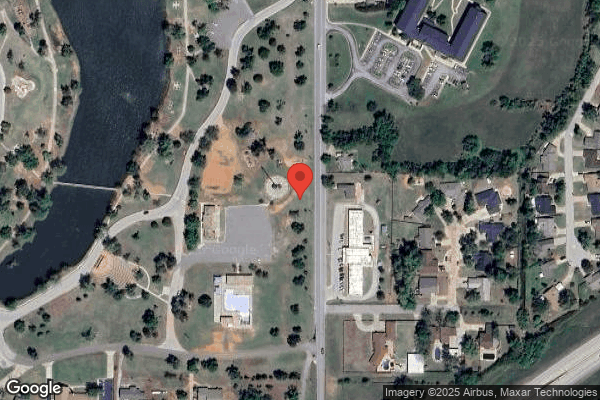
2701 SOUTH 9TH STREET, CHICKASHA, OK 73018 (405) 224-3593
For profit - Corporation 60 Beds Independent Data: November 2025
Trust Grade
45/100
#209 of 282 in OK
Last Inspection: September 2024

Within standard 12-15 month inspection cycle. Federal law requires annual inspections.

Overview

Chickasha Nursing Center, Inc. has a Trust Grade of D, which indicates below-average performance with some concerning issues. Ranked #209 out of 282 facilities in Oklahoma, they are in the bottom half overall, and #5 out of 5 in Grady County, meaning there are no better local options available. The facility is worsening, with the number of reported issues increasing from 7 in 2023 to 8 in 2024. Staffing is a strength, showing 0% turnover, which is well below the Oklahoma average of 55%, but the overall staffing rating is poor at 1 out of 5 stars. Notably, the facility has failed to conduct required annual competency reviews for their nurse aides and did not maintain a current contract with a dialysis provider for a resident needing those services, raising concerns about the quality of care.

Trust Score
D
45/100
In Oklahoma
#209/282
Bottom 26%
Safety Record
Low Risk
No red flags
Inspections
Getting Worse
7 → 8 violations
Staff Stability
○ Average
Turnover data not reported for this facility.
Penalties
✓ Good
No fines on record. Clean compliance history, better than most Oklahoma facilities.
Skilled Nurses
○ Average
RN staffing data not reported for this facility.
Violations
⚠ Watch
17 deficiencies on record. Higher than average. Multiple issues found across inspections.
★☆☆☆☆
1.0
Overall Rating
★☆☆☆☆
1.0
Staff Levels
★★★☆☆
3.0
Care Quality
★★☆☆☆
2.0
Inspection Score
Stable
2023: 7 issues
2024: 8 issues

The Good

  • Full Sprinkler Coverage · Fire safety systems throughout facility
  • No fines on record

Facility shows strength in fire safety.

The Bad

1-Star Overall Rating

Below Oklahoma average (2.6)

Significant quality concerns identified by CMS

The Ugly 17 deficiencies on record

Sept 2024 8 deficiencies
CONCERN (D)

Potential for Harm - no one hurt, but risky conditions existed

Deficiency F0655 (Tag F0655)

Could have caused harm · This affected 1 resident

**NOTE- TERMS IN BRACKETS HAVE BEEN EDITED TO PROTECT CONFIDENTIALITY** Based on record review and interview, the facility failed to ensure a baseline care plan was developed within 48 hours of admiss...

Read full inspector narrative →
**NOTE- TERMS IN BRACKETS HAVE BEEN EDITED TO PROTECT CONFIDENTIALITY** Based on record review and interview, the facility failed to ensure a baseline care plan was developed within 48 hours of admission for one (#7) of 14 sampled residents reviewed for care plans. The DON identified 29 residents resided in the facility. Findings: Res #7 was admitted to the facility on [DATE] with diagnoses which included COPD, Alzheimer's disease, unspecified dementia, anxiety, depression, chronic pain syndrome, and hypotension. There was no documentation a baseline care plan was developed. On 09/06/24 at 9:41 a.m., the DON was asked if a baseline care plan was developed for the resident when they were admitted on [DATE]. On 09/06/24 at 9:43 a.m., the DON stated a baseline care plan was not completed when the resident was admitted to the facility on [DATE]. They stated it should have been developed within 48 hours.
CONCERN (D)

Potential for Harm - no one hurt, but risky conditions existed

Respiratory Care (Tag F0695)

Could have caused harm · This affected 1 resident

Based on observation, record review, and interview, the facility failed to ensure a resident had a physician order for O2 therapy for one (#8) of one sampled resident reviewed for respiratory care. T...

Read full inspector narrative →
Based on observation, record review, and interview, the facility failed to ensure a resident had a physician order for O2 therapy for one (#8) of one sampled resident reviewed for respiratory care. The DON identified 16 residents who had orders for O2. Findings: Res #8 had diagnosis which included COPD. On 09/03/24 at 12:55 p.m., the resident was observed with O2 in place. The setting on the O2 concentrator was 2 1/2 LPM. There was no documentation the resident had a physician order for O2 therapy. On 09/03/24 at 1:04 p.m., LPN #1 was asked if the resident had an order to receive O2 therapy. They stated they only had orders to monitor O2 saturation. They were made aware of the observation.
CONCERN (D)

Potential for Harm - no one hurt, but risky conditions existed

Deficiency F0700 (Tag F0700)

Could have caused harm · This affected 1 resident

Based on observation, record review, and interview, the facility failed to assess and monitor a resident for the use of bed rails for one (#4) of one sampled resident reviewed for bed rails. The DON ...

Read full inspector narrative →
Based on observation, record review, and interview, the facility failed to assess and monitor a resident for the use of bed rails for one (#4) of one sampled resident reviewed for bed rails. The DON identified 11 residents who had bed rails. Findings: An undated facility policy titled Bed Safety and Bed Rails documented the use of bed rails was prohibited unless the criteria for use of bed rails had been met. It was documented maintenance staff were to routinely inspect all beds and related equipment to identify risks and problems including potential entrapment risks. Res #4 had diagnoses which included bipolar disorder, chronic pain, and acquired absence of right leg above the knee. The quarterly assessment, dated 06/04/24, documented the resident was severely impaired for daily decision making and was dependent for most ADLs. It was documented the resident did not use bed rails. On 09/03/24 at 12:33 p.m., staff was observed transferring the resident to bed. The resident was positioned for comfort and staff raised the bed rails on both sides of the bed before exiting the room. On 09/04/24 1:45 p.m., the resident was observed being transferred to bed by staff. The bed rails on both sides of the resident's bed were raised during the transfer. CNA #1 stated the resident was able to assist with turning in bed and sometimes used the bed rails. On 09/05/24 at 8:00 a.m., the resident was observed in bed sleeping with the bed rails raised on both sides of the bed. CMA #2 entered the resident's to administer medication. The CMA stated the bed rails were used due to the resident being sometimes confused. They stated the resident tried to get out of bed without assistance. There was no documentation the resident was assessed and monitored for the use of bed rails. On 09/05/24 at 12:04 p.m., the DON stated if bed rails were used an assessment should be completed. The DON as not able to provide an assessment for the resident.
CONCERN (E)

Potential for Harm - no one hurt, but risky conditions existed

Deficiency F0698 (Tag F0698)

Could have caused harm · This affected multiple residents

Based on record review and interview, the facility failed to: a. have a current contract with a dialysis provider, b. ensure ongoing communication with the dialysis provider, and c. conduct routine a...

Read full inspector narrative →
Based on record review and interview, the facility failed to: a. have a current contract with a dialysis provider, b. ensure ongoing communication with the dialysis provider, and c. conduct routine assessments before and after dialysis treatments for one (#14) of one sampled resident reviewed for dialysis. The DON identified one resident who received dialysis services. Findings: A facility policy titled End-Stage Renal Disease, Care of a Resident with, dated September 2010, documented the agreement between the facility and the contracted ESRD facility included all aspects of how the resident's care would be managed including how the care plan will be developed and implemented and how information will be exchanged between the facilities. Res #14 had diagnoses which included dependence on renal dialysis, end stage renal disease, and chronic kidney disease. A care plan, dated 11/09/23, documented the resident needed dialysis treatment related to a diagnosis of renal failure. It was documented staff were to encourage the resident to attend scheduled dialysis appointments. It was document staff were to monitor, document, and report signs and symptoms of infection to the access site and signs and symptoms of renal insufficiency. The quarterly assessment, dated 08/08/24, documented the resident received dialysis while a resident. A physician order, dated 08/14/24, documented staff were to monitor thrill and bruit every shift and remove the pressure dressing two hours after returning from dialysis. There was no documentation the facility had a contract with a dialysis provider. There was no documentation the resident had a physician's order to receive dialysis services. There was no documentation routine assessments were conducted before and after dialysis. On 09/06/24 at 12:36 p.m., the administrator stated the dialysis contract with the dialysis provider was out dated. On 09/06/24 at 12:38 p.m., LPN #2 stated there was no routine form of communication with the dialysis provider or assessments completed before and after dialysis treatment.
CONCERN (E)

Potential for Harm - no one hurt, but risky conditions existed

Deficiency F0730 (Tag F0730)

Could have caused harm · This affected multiple residents

Based on record review and interview, the facility failed to perform annual nurse aide competency reviews for two (CNA #3 and CNA #4) of two sampled employee files reviewed for annual competencies. T...

Read full inspector narrative →
Based on record review and interview, the facility failed to perform annual nurse aide competency reviews for two (CNA #3 and CNA #4) of two sampled employee files reviewed for annual competencies. The DON identified 29 residents resided in the facility. Findings: 1. An undated employee roster documented CNA #3 was hired on 09/20/18. There was no documentation an annual competency review was completed in 2023. 2. An undated employee roster documented CNA #4 was hired on 03/05/16. There was no documentation an annual competency review was completed in 2024. On 09/05/24 at 11:50 a.m., the DON was asked to provide documentation annual competencies were completed for CNA #3 and CNA #4. They stated they had no documentation an annual competency review was completed for CNA #3 in 2023. They stated an annual competency review had not been completed for CNA #4 in 2024.
CONCERN (E)

Potential for Harm - no one hurt, but risky conditions existed

Food Safety (Tag F0812)

Could have caused harm · This affected multiple residents

Based on observation and interview, the facility failed to ensure the kitchen and dining room were kept clean and maintained in good repair. The DON identifed 29 residents received services from the k...

Read full inspector narrative →
Based on observation and interview, the facility failed to ensure the kitchen and dining room were kept clean and maintained in good repair. The DON identifed 29 residents received services from the kitchen. Findings: On 09/03/24 at 11:03 a.m., a tour of the kitchen and the dining area was conducted. The following observations were made. a. there was brown water marks on the ceiling tiles, b. there was an accumulation of black and brown residue on the floor and the wall in the dish wash area, c. there was brown residue and/or rust on equipment in the dish wash area, d. the FRP board was not secure to the wall below the three compartment sink, e. the base board was missing off of the wall behind the cook line, f. there was an accumulation of food and grease on the floor and the wall behind the cook line, g. three of three gaskets were torn on the True three door reach in cooler, h. water was leaking from the pipe below the two compartment sink. There was standing water in the container below the sink, i. there was masking tape on the Formica counter near the two compartment sink, The Formica was coming off of the counter, j. there was an accumulation of black and brown residue on the floor under the equipment in the dry storage area, k. there was an accumulation of brown residue and trash on the floor behind the ice machine, l. material was peeling off of the outside area of the ice machine. The catch drain was missing. There was an accumulation of black residue and trash inside of the ice machine, and m. the black material on the floor at the entry way into the dining room was not secure to the floor. On 09/05/24 at 9:32 a.m., the DM manager was asked how staff ensured the kitchen and the dining area was kept clean and maintained in good repair. They stated they cleaned daily and had a deep cleaning schedule. They stated they recorded maintenance issues in the maintenance log. The DM was made aware of the above observations.
CONCERN (E)

Potential for Harm - no one hurt, but risky conditions existed

Infection Control (Tag F0880)

Could have caused harm · This affected multiple residents

Based on observation, record review, and interview, the facility failed to clean the mechanical lift before or after each resident use and have a water management program to prevent Legionella. The D...

Read full inspector narrative →
Based on observation, record review, and interview, the facility failed to clean the mechanical lift before or after each resident use and have a water management program to prevent Legionella. The DON identified 29 residents who resided in the facility. Findings: An undated facility policy titled Lifting Machine, Using a Mechanical documented to disinfect lift surfaces. On 09/03/24 at 12:33 p.m., CNA #1 was observed transferring Resident #4 to their bed with the use of a mechanical lift. The CNA did not clean the lift prior to transferring the resident or after the resident transfer. On 09/04/24 at 1:53 p.m., CNA #1 stated lifts were cleaned weekly by maintenance. They stated the CNAs did not clean the lifts. On 09/05/24 at 8:41 a.m., the DON stated lifts should be cleaned after each resident use. On 09/05/24 at 3:02 p.m., the administrator and the DON stated there was no policy or plan for Legionella.
CONCERN (F)

Potential for Harm - no one hurt, but risky conditions existed

Staffing Data (Tag F0851)

Could have caused harm · This affected most or all residents

Based on record review and interview, the facility failed to submit PBJ data to CMS for the second quarter of the fiscal year for 2024. The DON identified 29 residents resided in the facility. Findin...

Read full inspector narrative →
Based on record review and interview, the facility failed to submit PBJ data to CMS for the second quarter of the fiscal year for 2024. The DON identified 29 residents resided in the facility. Findings The PBJ Staffing Data Report documented the facility failed to submit data for the second quarter of 2024 (January 1 - March 31). On 09/05/24 at 2:13 p.m., the DOO stated they were unable to submit staffing data to CMS due to technical issues.
Aug 2023 7 deficiencies
CONCERN (D)

Potential for Harm - no one hurt, but risky conditions existed

Assessment Accuracy (Tag F0641)

Could have caused harm · This affected 1 resident

2. Res #3 had diagnoses which included diabetes mellitus, cerebral infarction, and acute kidney failure. An admission assessment, dated 05/11/23, documented the resident was cognitively intact, requir...

Read full inspector narrative →
2. Res #3 had diagnoses which included diabetes mellitus, cerebral infarction, and acute kidney failure. An admission assessment, dated 05/11/23, documented the resident was cognitively intact, required extensive assistance with most ADLs, and received an anticoagulant seven out of seven days during the review period. On 08/08/23 at 2:35 p.m., Res #3's records were reviewed and did not document an order for an anticoagulant during the review period. On 08/09/23 at 12:23 p.m., the MDS coordinator was asked if Res #3 had received an anticoagulant. The MDS coordinator stated the resident had received Plavix. The MDS coordinator stated not having known Plavix was not considered an anticoagulant and should not have been coded as such on the MDS. Based on record review and interview, the facility failed to ensure accurate coding of MDS assessments for anticoagulant use for two (#3 and #14) of two sampled residents whose MDS assessments were reviewed. The Resident Census and Conditions of Residents report, dated 08/08/23, documented 29 residents resided in the facility. Findings: 1. Res #14 had diagnoses which included benign neoplasm of the bladder. A physician order, dated 06/16/23, documented clopidogrel bisulfate (an platelet inhibitor) 75 mg give one tablet by mouth in the morning. An admission assessment, dated 06/27/23, documented the resident received an anticoagulant in the past seven days. On 08/09/23 at 1:48 p.m., MDS coordinator #1 was asked to review the resident's physician order and admission assessment for the use of an anticoagulant. They stated they coded clopidogrel bisulfate as an anticoagulant and they know now it is an platelet inhibitor. They stated the use of an anticoagulant on the admission assessment should not have been coded.
CONCERN (D)

Potential for Harm - no one hurt, but risky conditions existed

Deficiency F0657 (Tag F0657)

Could have caused harm · This affected 1 resident

Based on observation, record review, and interview, the facility failed to update the care plan related to significant weight loss for one (#2) of one resident whose care plan was reviewed. The Resid...

Read full inspector narrative →
Based on observation, record review, and interview, the facility failed to update the care plan related to significant weight loss for one (#2) of one resident whose care plan was reviewed. The Resident Census and Conditions of Residents documented three residents with unplanned significant weight loss/gain. Findings: Res #2 had diagnoses which included altered mental status, bipolar disorder, gastroesophageal reflux disease, and hypokalemia. A care plan, revised 08/23/16, documented Res #2 had an alteration in nutrition related to hypokalemia and gastroesophageal reflux disease. The care plan documented the resident would receive adequate nutrition and not exhibit a significant weight change. A physician order, dated 12/16/22, documented to provide a house supplement in the morning with breakfast. A physician order, dated 04/01/23, documented to administer Megace 40 mg twice daily for appetite stimulant. The clinical record documented Res #2 had a body weight loss of 14.7 lbs or 9.15% from February 2023 until May 2023. A quarterly assessment, dated 05/31/23, documented the resident was cognitively intact, required setup and supervision with eating, had 5% or more weight loss in the last month, and was not on a prescribed weight loss program. The care plan had not been updated to reflect Res #2's current weight loss and nutritional interventions. On 08/08/23 at 12:07 p.m., Res #2 was observed seated in the dining room eating lunch independently. The resident was observed to have eaten 25% of lunch meal. The resident stated enjoyment of the facility's food but having had a lack of an appetite for the last several months. Res #2 stated having enjoyed drinking water and coffee more often than having eaten a complete meal most of the time. On 08/09/23 at 11:26 a.m., the DON stated Res #2's care plan should have been updated to reflect the current weight loss and nutritional interventions.
CONCERN (E)

Potential for Harm - no one hurt, but risky conditions existed

Deficiency F0578 (Tag F0578)

Could have caused harm · This affected multiple residents

**NOTE- TERMS IN BRACKETS HAVE BEEN EDITED TO PROTECT CONFIDENTIALITY** 7. Res #30 was admitted to the facility on [DATE] with diagnoses which included cerebral infarction, chronic systolic heart fail...

Read full inspector narrative →
**NOTE- TERMS IN BRACKETS HAVE BEEN EDITED TO PROTECT CONFIDENTIALITY** 7. Res #30 was admitted to the facility on [DATE] with diagnoses which included cerebral infarction, chronic systolic heart failure, and personal history of a pulmonary embolism. A physician order, dated 06/30/23, documented the resident was full code status. There was no documentation the resident and/or their representative was offered a choice to formulate an advance directive. 8. Res #13 was admitted to the facility on [DATE] with diagnoses which included traumatic subdural hemorrhage, chronic kidney disease, and hypertension. A physician order, dated 12/13/22, documented the resident was full code status. There was no documentation the resident and/or their representative was offered a choice to formulate an advance directive. 9. Res #17 was admitted to the facility on [DATE] with diagnoses which included unspecified convulsions, gastroesophageal reflux disease, and hyperlipidemia. A physician order, dated 07/07/23, documented the resident was full code status. There was no documentation the resident and/or their representative was offered a choice to formulate an advance directive. 10. Res #25 was admitted to the facility on [DATE] with diagnoses which included chronic atrial fibrillation, chronic systolic heart failure, and major depressive disorder. A physician order, dated 05/30/23, documented the resident was full code status. There was no documentation the resident and/or their representative was offered a choice to formulate an advance directive. 11. Res #134 was admitted to the facility on [DATE] with diagnoses which included cellulitus, diabetes mellitus, and acute kidney failure. A physician order, dated 08/04/23, documented the resident was full code status. There was no documentation the resident and/or their representative was offered a choice to formulate an advance directive. On 08/08/23 at 2:15 p.m., the SSD was asked to provide documentation resident #30, #13, #17, #25, #134, and/or their representatives were offered the choice to formulate an advance directive. On 08/08/23 at 4:04 p.m., the SSD stated the advance directive acknowledgment forms had been mistakenly left out of the facility's admission packet for a while. They stated the residents and/or their representatives had not been offered a choice to formulate an advance directive. Based on record review and interview, the facility failed to ensure residents were offered the choice to formulate advance directives for 11 (#4, 8, 13, 14, 16, 17, 21, 25, 27, 30 and #134) of 11 sampled residents reviewed for advance directives. The Resident Census and Conditions of Residents report, dated 08/08/23, documented 29 residents resided in the facility. Findings: The Advance Directive policy, revised 12/2016, read in part, .Advance directives will be respected in accordance with state law and facility policy .Upon admission, the resident will be provided with written information concerning the right .to formulate an advance directive if he or she chooses to do so . 1. Res #4 was admitted to the facility on [DATE] with diagnoses which included chronic kidney disease, COPD, and heart failure. There was no documentation the resident and/or their representative was offered the choice to formulate an advance directive. 2. Res #8 was re-admitted to the facility on [DATE] with diagnoses which included chronic venous HTN, osteoarthritis, obesity, depressive disorders, PVD, and COPD. There was no documentation the resident and/or their representative was offered the choice to formulate an advance directive. 3. Res #14 was admitted to the facility on [DATE] with diagnoses which included DM, nicotine dependence, acute osteomyelitis of the right ankle and foot, COPD, and GERD. There was no documentation the resident and/or their representative was offered the choice to formulate an advance directive. 4. Res #16 was re-admitted to the facility on [DATE] with diagnoses which included COPD, alcohol abuse, and psychoactive substance abuse. There was no documentation the resident and/or their representative was offered the choice to formulate an advance directive. 5. Res #21 was re-admitted to the facility on [DATE] which included GERD, alcoholic cirrhosis of the liver, HTN, COPD, hypothyroidism, and diabetes insipidus. There was no documentation the resident and/or their representative was offered the choice to formulate an advance directive. 6. Res #27 was admitted to the facility on [DATE] with diagnoses which included metabolic encephalopathy, adult failure to thrive, and acute kidney failure. There was no documentation the resident and/or their representative was offered the choice to formulate an advance directive. On 08/08/23 at 2:15 p.m., the SSD was asked to provide documentation residents #4, #8, #14, #16, #21, and #27 and/or their representatives were offered the choice to formulate advance directives. They stated the documentation should be scanned into the residents' EHR. They stated if it was not scanned in then it was not completed.
CONCERN (E)

Potential for Harm - no one hurt, but risky conditions existed

Deficiency F0582 (Tag F0582)

Could have caused harm · This affected multiple residents

Based on record review and interview, the facility failed to ensure residents who were discharged from Part A skilled services, with benefit days remaining, were issued ABN and/or NOMNC notices for th...

Read full inspector narrative →
Based on record review and interview, the facility failed to ensure residents who were discharged from Part A skilled services, with benefit days remaining, were issued ABN and/or NOMNC notices for three (#4, 14, and #135) of three residents reviewed for beneficiary notices. The Beneficiary Notice worksheet identified 15 residents who were discharged from Part A skilled services with benefit days remaining in the previous six months. Findings: 1. Res #4 was admitted to Part A skilled services on 02/06/23, discharged from skilled services on 03/24/23, and remained in the facility. 2. Res #14 was admitted to Part A skilled services on 03/22/23, discharged from skilled services on 04/29/23, and remained in the facility. 3. Res #135 was admitted to Part A skilled services on 03/02/23, discharged from skilled services on 05/02/23, and returned home. On 08/09/23 at 10:00 a.m., the MDS coordinator was asked to provide documentation that ABN and/or NOMNC notices were provided upon discharge from skilled services. On 08/09/23 at 10:48 a.m., the MDS coordinator stated the ABN and/or NOMNC notices were not provided. They stated not having been aware the notices were required.
CONCERN (E)

Potential for Harm - no one hurt, but risky conditions existed

Staffing Information (Tag F0732)

Could have caused harm · This affected multiple residents

Based on observation and interview, the facility failed to ensure nurse staffing information was posted on a daily basis in a prominent place readily accessible to residents and visitors. The Resident...

Read full inspector narrative →
Based on observation and interview, the facility failed to ensure nurse staffing information was posted on a daily basis in a prominent place readily accessible to residents and visitors. The Resident Census and Conditions of Residents report, dated 08/08/23, documented 29 residents resided in the facility. Findings: On 08/08/23 at 10:00 a.m., a tour of the facility was conducted. There was no nurse staffing information posted. On 08/08/23 at 3:18 p.m., a tour of the facility was conducted. There was no nurse staffing information posted. On 08/09/23 at 9:50 a.m., a tour of the facility was conducted. There was no nurse staffing information posted. On 08/09/23 at 2:05 p.m., the DON was asked where nurse staffing information was posted. They stated it was posted on the white board next to the employee break room. They were shown where the nurse staffing information was not posted and they were made aware the nurse staffing information was not posted on 08/08/23. They stated staff should be posting the nurse staffing information.
CONCERN (E)

Potential for Harm - no one hurt, but risky conditions existed

Pharmacy Services (Tag F0755)

Could have caused harm · This affected multiple residents

Based on record review and interview, the facility failed to ensure resident medications were administered according to physician ordered parameters and per best standard practices for three (#6, 21, ...

Read full inspector narrative →
Based on record review and interview, the facility failed to ensure resident medications were administered according to physician ordered parameters and per best standard practices for three (#6, 21, and #30) of five sampled residents reviewed for unnecessary medications. The DON identified four residents who received digoxin and five residents who received sliding scale insulin. Findings: 1. Res #30 had diagnoses which included chronic systolic heart failure and chronic atrial fibrillation. An Adverse Consequences and Medication Errors policy, revised April 2014, documented residents receiving any medication that has the potential for an adverse consequence will be monitored to ensure that any such consequences are promptly identified and reported. The staff and practitioner shall strive to minimize adverse consequences by following relevant clinical guidelines and manufacturer's specifications for use, dose, administration, duration, and monitoring of the medication. A Digoxin Nursing Implications and Patient Teachings report, dated 02/01/22, documented not to administer digoxin if the apical pulse rate is below 60 bpm. Reassess the apical pulse after one hour and notify the physician if the patient is having bradycardia. A physician order, dated 07/01/23, documented to administer digoxin 125 mcg in the morning related to chronic atrial fibrillation. An admission assessment, dated 07/07/23, documented the resident was severely cognitively impaired and required extensive assistance with most ADLs. The July 2023 MAR documented digoxin was administered with a pulse lower than 60 bpm on seven of 31 opportunities. The August 2023 MAR documented digoxin was administered with a pulse lower than 60 bpm on one of nine opportunities. On 08/09/23 at 2:10 p.m., LPN #1 stated an apical pulse should be obtained prior to administration of digoxin and the medication should be held if the pulse is lower than 60 bpm. LPN #1 stated the ACMA should have held the medication and notified the nurse of Res #2's heart rate. On 08/09/23 at 2:20 p.m., ACMA #1 stated digoxin should be held when a resident's heart rate is less than 60 bpm and the charge nurse should be notified. ACMA #1 stated they should not have administered the digoxin to Res #2 on the opportunities in question.2. Res #6 had diagnoses which included type two DM without complications. A physician order, dated 05/09/23, documented insulin aspart solution 100 unit/ml. Inject as per sliding scale subcutaneously before meals and at bedtime if: if 0 - 139 = 0 units; 140 - 160 = 4 units; 161 - 180 = 6 units; 181 - 200 = 8 units; 201 - 220 = 10 units; 221 - 240 = 12 units; 241 - 260 = 14 units; 261 - 280 = 16 units; 281 - 309 = 18 units; 310 - 999 = 18 units, recheck FSBS after two hours, repeat sliding scale if needed, and contact PCP. The June 2023 insulin delivery record was reviewed. It was documented 21 out of 26 opportunities the resident's FSBS was over 310 and two hour checks were not conducted. The July 2023 insulin delivery record was reviewed. It was documented 13 out of 14 opportunities the resident's FSBS was over 310 and two hour checks were not conducted. The August 2023 insulin delivery record was reviewed. It was documented one out of one opportunity the resident's FSBS was over 310 and two hour checks were not conducted. On 08/10/23 at 8:49 a.m., the DON was shown the resident's physician order and insulin delivery records. They were shown where the resident's FSBS was above 310 and where there was no documentation two hour checks were conducted. They were asked where the two hour checks were documented when the resident's FSBS was above 310. They stated they would be documented on insulin delivery record or in the progress notes. The DON reviewed the resident's EHR and stated they did not see where it was documented two hour checks had been conducted. 3. Res #21 had diagnoses which included DM. A physician order, dated 06/05/23, documented Novolog (insulin) injection solution 100 unit/ml. Inject as per sliding scale subcutaneously before meals and at bedtime if : 0 - 139 = 0 units; 140 - 160 = 4 units; 161 - 180 = 6 units; 181 - 200 = 8 units; 201 - 220 = 10 units; 221 - 240 = 12 units; 241 - 260 = 14 units; 261 - 280 = 16 units; 281 - 309 = 18 units; 310 - 999 = 18 units, and two hour checks. Give PRN dose until under 310, and notify PCP. The August 2023 insulin delivery record was reviewed. It was documented six out of six opportunities the resident's FSBS was over 310 and two hour checks were not conducted. On 08/10/23 at 12:54 p.m., the DON was shown the resident's physician order and insulin delivery record for August 2023. They were shown where the resident's FSBS was above 310 and where there was no documentation two hour checks were conducted.
CONCERN (E)

Potential for Harm - no one hurt, but risky conditions existed

Food Safety (Tag F0812)

Could have caused harm · This affected multiple residents

Based on observation and interview, the facility failed to ensure the kitchen and dining area was kept clean and maintained in good repair. The Resident Census and Conditions of Residents report, dat...

Read full inspector narrative →
Based on observation and interview, the facility failed to ensure the kitchen and dining area was kept clean and maintained in good repair. The Resident Census and Conditions of Residents report, dated 08/08/23, documented 29 residents resided in the facility. Findings: On 08/08/23 at 9:49 a.m., a tour of the kitchen and dining area was conducted. The following observations were made: a. end caps were missing off of the ceiling lights in the dry storage room, b. there were brown water marks on the ceiling tiles, c. base boards were missing, d. there was accumulation of black and brown residue on the floor and the walls, e. the brick wall behind the dish machine was not sealed, f. there was an accumulation of food debris and black residue on cold hold units, storage racks, sinks, the stove, dish machine, and steam table, g. there was black duct tape on the casing around the ice shoot located on the self dispensing ice machine, and h. there was brown residue on the inside area of the ice shoot located on the self dispensing ice machine. On 08/08/23 at 10:13 a.m., the CDM was asked how staff ensured equipment and the physical environment of the kitchen and dining are was kept clean and maintained in good repair. They stated staff cleaned daily and they had a cleaning schedule. They stated any maintenance issues were reported to the maintenance department for repairs. The CDM was made aware of the above findings.
Aug 2022 2 deficiencies
CONCERN (D)

Potential for Harm - no one hurt, but risky conditions existed

Food Safety (Tag F0812)

Could have caused harm · This affected 1 resident

Based on observation and interview, the facility failed to ensure the ice machine was clean and sanitary. The Resident Census and Conditions of Residents form, dated 08-23-22, documented 35 residents...

Read full inspector narrative →
Based on observation and interview, the facility failed to ensure the ice machine was clean and sanitary. The Resident Census and Conditions of Residents form, dated 08-23-22, documented 35 residents resided in the facility. The ice machine cleaning log documented the last cleaning was conducted on 07/31/22. On 08/24/22 at 11:24 a.m., the facility ice machine dispenser was checked on the inside for cleanliness with a gloved hand. The inside of the dispenser was wiped with the glove and had black slimly residue present. At 11:30 a.m., the dietary manager reported the ice machine was cleaned monthly on the weekend and the inside of the dispenser should be included in the cleaning. The Dietary Manager was shown the black, slimy residue, and agreed the dispenser needed to be cleaned and sanitized. The Dietary Manager reported the ice machine would be cleaned today, and would make sure dietary staff sanitized the inside of the dispenser with each months cleaning.
CONCERN (E)

Potential for Harm - no one hurt, but risky conditions existed

Deficiency F0883 (Tag F0883)

Could have caused harm · This affected multiple residents

Based on record review and interview, the facility failed to ensure residents were offered a pneumococcal immunization for four (#14, 15, 16, #25) of five residents reviewed for immunizations. The Re...

Read full inspector narrative →
Based on record review and interview, the facility failed to ensure residents were offered a pneumococcal immunization for four (#14, 15, 16, #25) of five residents reviewed for immunizations. The Resident Census and Conditions of Residents form, dated 08/23/22, documented 35 residents resided in the facility. Findings: No documentation was available to show residents (#14, 15, 16, #25) had been offered and educated on the pneumococcal immunization. On 08/25/22 at 9:45 a.m., the Infection Preventionist (IP) reported the pneumococcal immunization had not been offered to residents admitted to the facility by previous staff. At 12:15 p.m., the IP and the Director of Nurses reported the facility did not have a policy or consent/education form for the pneumococcal immunization.
Understanding Severity Codes (click to expand)
Life-Threatening (Immediate Jeopardy)
J - Isolated K - Pattern L - Widespread
Actual Harm
G - Isolated H - Pattern I - Widespread
Potential for Harm
D - Isolated E - Pattern F - Widespread
No Harm (Minor)
A - Isolated B - Pattern C - Widespread

Questions to Ask on Your Visit

  • "Can I speak with families of current residents?"
  • "What's your RN coverage like on weekends and overnight?"

Our Honest Assessment

Strengths
  • • No fines on record. Clean compliance history, better than most Oklahoma facilities.
Concerns
  • • 17 deficiencies on record. Higher than average. Multiple issues found across inspections.
  • • Grade D (45/100). Below average facility with significant concerns.
Bottom line: Trust Score of 45/100 indicates significant concerns. Thoroughly evaluate alternatives.

About This Facility

What is Chickasha Nursing Center, Inc's CMS Rating?

CMS assigns CHICKASHA NURSING CENTER, INC an overall rating of 1 out of 5 stars, which is considered much below average nationally. Within Oklahoma, this rating places the facility higher than 0% of the state's 100 nursing homes. A rating at this level reflects concerns identified through health inspections, staffing assessments, or quality measures that families should carefully consider.

How is Chickasha Nursing Center, Inc Staffed?

CMS rates CHICKASHA NURSING CENTER, INC's staffing level at 1 out of 5 stars, which is much below average compared to other nursing homes.

What Have Inspectors Found at Chickasha Nursing Center, Inc?

State health inspectors documented 17 deficiencies at CHICKASHA NURSING CENTER, INC during 2022 to 2024. These included: 17 with potential for harm.

Who Owns and Operates Chickasha Nursing Center, Inc?

CHICKASHA NURSING CENTER, INC is owned by a for-profit company. For-profit facilities operate as businesses with obligations to shareholders or private owners. The facility operates independently rather than as part of a larger chain. With 60 certified beds and approximately 25 residents (about 42% occupancy), it is a smaller facility located in CHICKASHA, Oklahoma.

How Does Chickasha Nursing Center, Inc Compare to Other Oklahoma Nursing Homes?

Compared to the 100 nursing homes in Oklahoma, CHICKASHA NURSING CENTER, INC's overall rating (1 stars) is below the state average of 2.6 and health inspection rating (2 stars) is below the national benchmark.

What Should Families Ask When Visiting Chickasha Nursing Center, Inc?

Based on this facility's data, families visiting should ask: "Can you walk me through typical staffing levels on day, evening, and night shifts?" "Can I visit during a mealtime to observe dining assistance and food quality?" "How do you handle medical emergencies, and what is your hospital transfer rate?" "Can I speak with family members of current residents about their experience?" These questions are particularly relevant given the below-average staffing rating.

Is Chickasha Nursing Center, Inc Safe?

Based on CMS inspection data, CHICKASHA NURSING CENTER, INC has a clean safety record: no substantiated abuse findings (meaning no confirmed cases of resident harm), no Immediate Jeopardy citations (the most serious violation level indicating risk of serious injury or death), and is not on the Special Focus Facility watch list (a federal program monitoring the lowest-performing 1% of nursing homes). The facility has a 1-star overall rating and ranks #100 of 100 nursing homes in Oklahoma. While no facility is perfect, families should still ask about staff-to-resident ratios and recent inspection results during their visit.

Do Nurses at Chickasha Nursing Center, Inc Stick Around?

CHICKASHA NURSING CENTER, INC has not reported staff turnover data to CMS. Staff turnover matters because consistent caregivers learn residents' individual needs, medications, and preferences. When staff frequently change, this institutional knowledge is lost. Families should ask the facility directly about their staff retention rates and average employee tenure.

Was Chickasha Nursing Center, Inc Ever Fined?

CHICKASHA NURSING CENTER, INC has no federal fines on record. CMS issues fines when nursing homes fail to meet care standards or don't correct problems found during inspections. The absence of fines suggests the facility has either maintained compliance or corrected any issues before penalties were assessed. This is a positive indicator, though families should still review recent inspection reports for the full picture.

Is Chickasha Nursing Center, Inc on Any Federal Watch List?

CHICKASHA NURSING CENTER, INC is not on any federal watch list. The most significant is the Special Focus Facility (SFF) program, which identifies the bottom 1% of nursing homes nationally based on persistent, serious quality problems. Not being on this list means the facility has avoided the pattern of deficiencies that triggers enhanced federal oversight. This is a positive indicator, though families should still review the facility's inspection history directly.