COTTONWOOD CREEK SKILLED NURSING & THERAPY
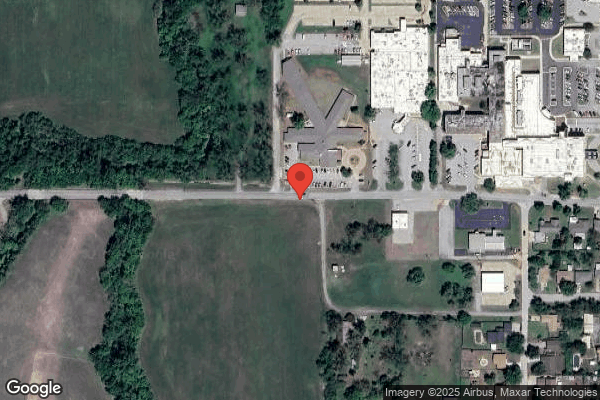
2300 IOWA AVENUE, CHICKASHA, OK 73023 (405) 224-6456
For profit - Partnership 120 Beds BRIDGES HEALTH Data: November 2025
Trust Grade
70/100
#51 of 282 in OK
Last Inspection: February 2025

Within standard 12-15 month inspection cycle. Federal law requires annual inspections.

Overview

Cottonwood Creek Skilled Nursing & Therapy holds a Trust Grade of B, indicating it is a good choice among nursing homes. It ranks #51 out of 282 facilities in Oklahoma, placing it in the top half, and stands as the top option among five local facilities in Grady County. However, the facility is experiencing a worsening trend, with issues increasing from five in 2023 to six in 2025. Staffing is a mixed bag; while the turnover rate is a respectable 39%, below the state average, the facility has less RN coverage than 86% of Oklahoma facilities, which could impact resident care. There have been concerning incidents noted, such as staff failing to knock before entering residents' rooms, which violates privacy rights, and a resident being unable to reach their call light, posing a risk for immediate help. Despite these weaknesses, the facility has no fines on record, indicating a lack of serious compliance issues.

Trust Score
B
70/100
In Oklahoma
#51/282
Top 18%
Safety Record
Low Risk
No red flags
Inspections
Getting Worse
5 → 6 violations
Staff Stability
○ Average
39% turnover. Near Oklahoma's 48% average. Typical for the industry.
Penalties
✓ Good
No fines on record. Clean compliance history, better than most Oklahoma facilities.
Skilled Nurses
⚠ Watch
Each resident gets only 11 minutes of Registered Nurse (RN) attention daily — below average for Oklahoma. Fewer RN minutes means fewer trained eyes watching for problems.
Violations
⚠ Watch
23 deficiencies on record. Higher than average. Multiple issues found across inspections.
★★★★☆
4.0
Overall Rating
★★★☆☆
3.0
Staff Levels
★★★☆☆
3.0
Care Quality
★★★★☆
4.0
Inspection Score
Stable
2023: 5 issues
2025: 6 issues

The Good

  • Full Sprinkler Coverage · Fire safety systems throughout facility
  • No fines on record
  • Staff turnover below average (39%)

    9 points below Oklahoma average of 48%

Facility shows strength in fire safety.

The Bad

Staff Turnover: 39%

Near Oklahoma avg (46%)

Typical for the industry

Chain: BRIDGES HEALTH

Part of a multi-facility chain

Ask about local staffing decisions and management

The Ugly 23 deficiencies on record

Feb 2025 6 deficiencies
CONCERN (D) 📢 Someone Reported This

A family member, employee, or ombudsman was alarmed enough to file a formal complaint

Potential for Harm - no one hurt, but risky conditions existed

Assessment Accuracy (Tag F0641)

Could have caused harm · This affected 1 resident

Based on record review and interview, the facility failed to ensure resident assessments were accurate for 1 (#8) of 18 assessments verified for accuracy. The administrator identified 76 residents re...

Read full inspector narrative →
Based on record review and interview, the facility failed to ensure resident assessments were accurate for 1 (#8) of 18 assessments verified for accuracy. The administrator identified 76 residents resided in the facility. Findings: Resident #8 had diagnoses which included end stage renal disease. A physician's order, dated 02/22/24, showed dialysis: schedule visits to dialysis on Monday, Wednesday, and Friday at 6:30 a.m. at Anadarko for now. A nurse progress note, dated 02/23/24, read in part, resident continues dialysis Monday Wednesday and Friday. Resident continues to have fistula to left arm. An admission assessment, dated 02/28/24, showed the resident was not going to dialysis. On 02/05/25 at 8:19 a.m., the MDS coordinator stated the admission assessment documented Resident #8 was not on dialysis, but they have been since they arrived at the facility. On 02/06/25 at 9:59 a.m., the DON stated, I would expect the MDS to accurately reflect the residents condition.
CONCERN (D)

Potential for Harm - no one hurt, but risky conditions existed

PASARR Coordination (Tag F0644)

Could have caused harm · This affected 1 resident

**NOTE- TERMS IN BRACKETS HAVE BEEN EDITED TO PROTECT CONFIDENTIALITY** Based on record review and interview the facility failed to ensure the OHCA was notified of a new mental health diagnosis for 1 ...

Read full inspector narrative →
**NOTE- TERMS IN BRACKETS HAVE BEEN EDITED TO PROTECT CONFIDENTIALITY** Based on record review and interview the facility failed to ensure the OHCA was notified of a new mental health diagnosis for 1 (#2) of 1 resident sampled for preadmission screening and resident review. The administrator reported 76 residents resided in the facility. Findings: Resident #2 was admitted to the facility on [DATE]. On 06/30/23 the resident received a mental health diagnosis of delusional disorders. The resident's record did not contain documentation the OHCA was notified of the new mental health diagnosis. On 02/05/25 at 3:00 p.m., the ADON reported they did not notify the state.
CONCERN (D) 📢 Someone Reported This

A family member, employee, or ombudsman was alarmed enough to file a formal complaint

Potential for Harm - no one hurt, but risky conditions existed

Respiratory Care (Tag F0695)

Could have caused harm · This affected 1 resident

Based on observation, record review, and interview, the facility failed to ensure oxygen was administered as ordered for 1 (#30) of 18 sampled residents reviewed for following physician orders. The ad...

Read full inspector narrative →
Based on observation, record review, and interview, the facility failed to ensure oxygen was administered as ordered for 1 (#30) of 18 sampled residents reviewed for following physician orders. The administrator reported 76 residents resided in the facility. Findings: Resident #30 had diagnoses which include chronic obstructive pulmonary disease and congestive heart failure. A physician's order, dated 12/03/24, showed the resident was to receive oxygen at 2 liters per nasal cannula every day and night shift related to chronic obstructive pulmonary disease with acute exacerbation. On 02/06/25 at 9:57 a.m., the DON stated, If there is an order for oxygen, then it is the responsibility of the assigned nursing staff to keep the oxygen on the resident. On 02/03/25 at 1:36 p.m., Resident #30 was observed with their oxygen tank set to 2.5 liters per nasal cannula. The oxygen tubing was in the bag attached to the oxygen concentrator and not on the resident. On 02/03/25 at 1:40 p.m., advanced certified medication aide #2 stated they did not know if Resident #30 was supposed to wear their oxygen all of the time, but they would check with the nurse. On 02/03/25 at 1:43 p.m., LPN #2 stated it was supposed to be on, but it was not. They then put the oxygen on the resident and checked their oxygen saturation which was 93%. LPN #2 stated Resident #30 was up in their wheelchair earlier and they must have forgot to switch it over.
CONCERN (D) 📢 Someone Reported This

A family member, employee, or ombudsman was alarmed enough to file a formal complaint

Potential for Harm - no one hurt, but risky conditions existed

Deficiency F0757 (Tag F0757)

Could have caused harm · This affected 1 resident

Based on record review and interview, the facility failed to ensure a resident who received an anticoagulant medication had an acceptable diagnosis/indication for the use of the medication for 1 (#56)...

Read full inspector narrative →
Based on record review and interview, the facility failed to ensure a resident who received an anticoagulant medication had an acceptable diagnosis/indication for the use of the medication for 1 (#56) of 5 sampled residents reviewed for unnecessary medications. The administrator identified 76 residents who resided in the facility. Findings: Resident #56 had diagnoses which included anxiety, displaced closed fracture of left femur from 2023, and mild cognitive impairment. A physician's order, initiated 09/27/23, showed to give Eliquis (an anticoagulant) 2.5 milligram tablet by mouth twice daily related to displaced closed fracture of the left femur (this diagnosis was from 2023 and was never updated). On 02/05/25 at 12:08 p.m., the ADON stated a displaced closed fracture of the left femur was no longer an appropriate diagnosis for Eliquis to continue to be given. On 02/05/25 at 12:12 p.m., the DON stated checking the accuracy of diagnoses was a group job. They stated a displaced fracture from 2023 was not an appropriate diagnosis for Eliquis.
CONCERN (E) 📢 Someone Reported This

A family member, employee, or ombudsman was alarmed enough to file a formal complaint

Potential for Harm - no one hurt, but risky conditions existed

Resident Rights (Tag F0550)

Could have caused harm · This affected multiple residents

Based on observation and interview the facility failed to ensure residents right to privacy in their rooms for 2 (#27 and #39) of 3 sampled residents observed for resident rights. The administrator id...

Read full inspector narrative →
Based on observation and interview the facility failed to ensure residents right to privacy in their rooms for 2 (#27 and #39) of 3 sampled residents observed for resident rights. The administrator identified 76 residents resided in the facility. A Essentials of Resident Rights policy, dated 2020, read in part, Each resident has the right to enjoy privacy in their room. Always knock before entering a room, and if the resident is able to respond, wait for a response. Knock even when the door is open and the resident can see you, or if the resident cannot respond to let them know you are there. 1. Resident #39 had diagnoses which included chronic obstructive pulmonary disease and type two diabetes mellitus with diabetic neuropathy. Resident #39's significant change assessment, dated 01/11/25, showed the resident required partial/moderate to total assistance with their ADLs. On 02/05/25 at 10:16 a.m., LPN #1 sanitized their hands and entered the resident's room to obtain a FSBS. LPN #1 did not knock prior to entering the resident's room. 2. Resident #27 had diagnoses which included chronic congestive heart failure and type two diabetes mellitus with diabetic neuropathy. Resident #27's admission assessment, dated 01/01/25, showed the resident required one to two person assistance with their ADLs. On 02/05/25 at 10:23 a.m., LPN #1 sanitized their hands and entered the resident's room to obtain a FSBS. LPN #1 did not knock prior to entering the resident's room. On 02/05/25 at 10:28 a.m., LPN #1 stated they stated the policy for ensuring privacy and dignity for residents was to knock prior to entering room. They stated they did not knock on the residents doors prior to entering.
CONCERN (E) 📢 Someone Reported This

A family member, employee, or ombudsman was alarmed enough to file a formal complaint

Potential for Harm - no one hurt, but risky conditions existed

Quality of Care (Tag F0684)

Could have caused harm · This affected multiple residents

Based on observation record review, and interview, the facility failed to follow their policy on insulin administration for 2 (#27 and #39) of 3 sampled residents reviewed for medication administratio...

Read full inspector narrative →
Based on observation record review, and interview, the facility failed to follow their policy on insulin administration for 2 (#27 and #39) of 3 sampled residents reviewed for medication administration. The DON identified 20 residents residing in the facility received insulin. Findings: A Medication Administration-General Guidelines policy, dated 01/2022, read in part, The person who prepares the dose for administration is the person who administers the dose. 1. Resident #39 had diagnoses which included chronic obstructive pulmonary disease and type two diabetes mellitus with diabetic neuropathy. Resident #39's significant change assessment, dated 01/11/25, showed the resident required partial/moderate to total assistance with their ADLs. On 02/05/25 at 10:16 a.m., LPN #1 sanitized their hands and entered the resident's room to obtain a FSBS. The resident's FSBS was 174. LPN #2 drew 10 units of Lantus into the insulin syringe and 2 units of regular insulin into another insulin syringe. LPN #2 verified the insulins with LPN #1 then handed both syringes to LPN #1. LPN #1 administered both insulins to Resident #39. 2. Resident #27 had diagnoses which included chronic congestive heart failure and type two diabetes mellitus with diabetic neuropathy. Resident #27's admission assessment, dated 01/01/25, showed the resident required one to two person assistance with their ADLs. On 02/05/25 at 10:23 a.m., LPN #1 sanitized their hands and entered the resident's room to obtain a FSBS. The resident's FSBS was 234. LPN #2 dialed the Lantus insulin pen to 25 units and drew 6 units of aspart insulin. LPN #2 verified the insulins with LPN #1, then handed both syringes to LPN #1. LPN #1 administered both insulins to Resident #27. On 02/05/25 at 11:11 a.m., LPN #2 stated they had drawn the insulin and gave the syringes to LPN #1 to administer. On 02/05/25 at 11:14 a.m., LPN #1 stated LPN #2 had drawn the insulin into the syringes and handed the syringes to them. They stated the person preparing the insulin should be the one to administer the insulin. On 02/05/25 at 11:16 a.m., LPN #1 stated policy had not been followed. On 02/05/25 at 11:19 a.m., the DON reviewed the policy and stated the policy was not followed.
Dec 2023 5 deficiencies
CONCERN (D)

Potential for Harm - no one hurt, but risky conditions existed

Pressure Ulcer Prevention (Tag F0686)

Could have caused harm · This affected 1 resident

Based on observation, record review, and interview, the facility failed to ensure wound care treatments were completed as ordered for one (#3) of one sampled resident reviewed for pressure ulcers. The...

Read full inspector narrative →
Based on observation, record review, and interview, the facility failed to ensure wound care treatments were completed as ordered for one (#3) of one sampled resident reviewed for pressure ulcers. The DON identified 12 residents with pressure ulcers in the facility. Findings: Res #3 had diagnoses including, dementia, neuralgia, and polyneuropathy An admission MDS assessment, dated 04/14/23, documented Res #3 was severely cognitively impaired. A physician order, dated 12/06/23, documented to perform wound care to the resident's right lateral heel by cleansing with normal saline, pat dry, and paint with betadine every day and night shift and PRN. The December 2023 TAR documented the treatment had not been completed twice daily on 12/9/23, 12/10/23, and 12/11/23. On 12/12/23 at 11:08 a.m., Res #3 was observed with a dressing dated 12/08/23 on their right foot. On 12/12/23 at 11:10 a.m., LPN #2 stated the dressing had not been changed according to the orders. On 12/12/23 at 2:10 p.m., the DON was made aware Res #3's treatment had not been performed since 12/08/23. They stated they had not been followed.
CONCERN (D)

Potential for Harm - no one hurt, but risky conditions existed

Tube Feeding (Tag F0693)

Could have caused harm · This affected 1 resident

**NOTE- TERMS IN BRACKETS HAVE BEEN EDITED TO PROTECT CONFIDENTIALITY** Based on observation, record review, and interview, the facility failed to ensure tube feedings were administered timely for one...

Read full inspector narrative →
**NOTE- TERMS IN BRACKETS HAVE BEEN EDITED TO PROTECT CONFIDENTIALITY** Based on observation, record review, and interview, the facility failed to ensure tube feedings were administered timely for one (#53) of one sampled residents reviewed for tube feeding. The DON identified four residents received tube feedings. Findings: Res #53 had diagnoses which included dysphagia following cerebral infarction. A physician order, dated 03/22/23, documented to administer Isosource 1.5 enteral feeding six times per day at 12:00 a.m., 4:00 a.m., 8:00 a.m., 12:00 p.m., 4:00 p.m., and 8:00 p.m. An annual MDS, dated [DATE], documented Res #53 was cognitively intact, received greater than 51% of total calories through tube feeding, and received greater than 501 ml of fluid intake per day by tube feeding. A physician order, dated 12/09/23, documented to administer Jevity 1.5 or Isosource 1.5 every six times per day at 12:00 a.m., 4:00 a.m., 8:00 a.m., 12:00 p.m., 4:00 p.m., and 8:00 p.m. An EMAR administration details report documented Res #53's enteral feeding (tube feeding) was administered greater than one hour before or after the scheduled time eight of 48 opportunities from 12/01/23 to 12/08/23 and five of 25 opportunities from 12/09/23 to 12/13/23. On 12/12/23 at 1:17 p.m., Res #53 was observed seated in the recliner in their room. The resident's feeding tube was observed sticking out the bottom of their shirt. The resident stated they were not getting their feedings when they were supposed to. They stated it was sometimes an hour to an hour and a half late. They stated they had not lost any weight. On 12/14/23 at 9:20 a.m., the DON stated medications are due within an hour before or an hour after their scheduled time.
CONCERN (E) 📢 Someone Reported This

A family member, employee, or ombudsman was alarmed enough to file a formal complaint

Potential for Harm - no one hurt, but risky conditions existed

Deficiency F0558 (Tag F0558)

Could have caused harm · This affected multiple residents

**NOTE- TERMS IN BRACKETS HAVE BEEN EDITED TO PROTECT CONFIDENTIALITY** 2. Res #3 was admitted to the facility on [DATE] with diagnoses including dementia, pressure induced deep tissue damage right he...

Read full inspector narrative →
**NOTE- TERMS IN BRACKETS HAVE BEEN EDITED TO PROTECT CONFIDENTIALITY** 2. Res #3 was admitted to the facility on [DATE] with diagnoses including dementia, pressure induced deep tissue damage right heel, neuralgia, insomnia, polyneuropathy. An admission assessment, dated 04/14/23, documented the resident was severely impaired in cognition, was totally dependent on staff for all ADL's, was incontinent of bladder and bowel. A quarterly assessment, dated 09/27/23, documented the resident was severely impaired in cognition, was totally dependent on staff for all ADL's, was incontinent of bladder and bowel, and received anti-depressant and antipsychotic medication. On 12/12/23 at 8:46 a.m., Res #3's call light was observed in the floor underneath the head of their bed between the headboard and the wall. The resident was sitting in their recliner unable to reach their call light. On 12/13/23 at 6:54 a.m., Res #3's call light was observed in the floor underneath the head of their bed between the headboard and the wall. The resident was sitting in their recliner unable to reach their call light. 3. Res #32 was admitted to the facility on [DATE] with diagnoses including dementia, a fractured left elbow and left pubis, and a history of falling. An admission assessment, dated 06/20/23, documented the resident was moderately impaired in cognition, was dependent on staff for most all ADL's, and was incontinent of bladder and bowel. On 12/12/23 at 8:50 a.m., Res #32's call light was observed lying on their bed and the resident was sitting in their recliner unable to reach their call light. 4. Res #51 was admitted to the facility on [DATE] with diagnoses including anemia, chronic kidney disease, and dependence on renal dialysis. An admission assessment, dated 08/21/23, documented the resident's cognition was intact, required assistance from staff for most all ADL's. On 12/12/23 at 10:06 a.m., Res #51's call light was observed lying at the end of their bed on a bedside table. The resident was asked if they were able to reach their call light. They stated they were not. On 12/13/23 at 6:57 a.m., Res 51's call light was observed lying at the end of their bed on a bedside table. 5. Res #63 was admitted to the facility on [DATE] with diagnoses including dysphagia and hemiplegia following a stroke and attention to gastrostomy. An admission assessment, dated 09/17/23, documented the resident was severely impaired in cognition, was totally dependent on staff for all ADL's, and was incontinent of bladder and bowel. On 12/12/23 at 8:41 a.m., Res #63's call light was observed draped over a bedside table drawer at the foot of their bed. On 12/13/23 at 7:02 a.m., Res #63's call light was observed lying in the floor underneath their bed. On 12/13/23 at 7:05 a.m., CNA #1 was asked what the facility policy was for call light placement. They stated it should be within the resident's reach. They were asked if residents #3, 32, 51, and #63's call lights were within their reach. They stated they were not. On 12/13/23 at 7:08 a.m., LPN #3 was asked what the facility policy was for call light placement. They stated the call light is supposed to be within the residents' reach at all times. They were shown residents' #3, 32, 51, and #63's call light placement. They placed the call lights within each residents reach. On 12/13/23 at 9:40 a.m. the DON was made aware of residents' #3, 32, 51, and #63's call lights were observed to be outside of the residents' reach on two separate dates. They were asked what the facility policy was for call light placement. They stated call lights are to be within their reach at all times. Based on observation, record review, and interview, the facility failed to ensure call devices were within reach for four (#3, 32, 51, and #63) and failed to ensure a resident's preference to have a microwave in their room was accommodated for one (#19) of six sampled residents reviewed for accommodation of needs. The administrator identified 69 residents resided in the facility. 1. Res #19 had diagnoses which included GERD, constipation, vitamin deficiency, anemia, diverticulosis, and diabetes. A resident handbook, read in part, .For your safety, and because of fire and safety regulations, the following items may not be used in the facility: Extension cords Fans with protective grills large enough for fingers to reach blades Electric space heaters Electric heating pads (unless accompanied by doctor's orders) Electric blankets (unless accompanied by doctor's orders) Cut Christmas trees Burning incense or candles Smoking materials, except in designated areas, if available Area rugs without non-slip rubber backing . An annual MDS, dated [DATE], documented Res #19 was cognitively intact, had no behaviors, it was very important for the resident to take care of their personal belongings, and was independent with eating. On 12/12/23 at 10:44 a.m., Res #19 was observed in their room, seated in a wheelchair. The resident's room was observed clean and with minimal clutter. They stated they had a microwave for over 10 years. They stated the administrator informed them they would be getting a roommate and took their microwave from their room. They stated the microwave was placed in a common area. They stated they were informed the microwave was a fire hazard. They stated they had not burned food or themselves in the last 10 years of using the microwave in the facility. They stated the facility did not assess them for safety before removing the microwave, only stating it was a fire hazard. On 12/14/23 at 9:25 a.m., the DON stated they had no information regarding Res #19's microwave. They stated they had not assessed the resident for safety. On 12/14/23 at 9:28 a.m., the administrator stated they were unaware the resident had the microwave until they were going to place a roommate in the room. They stated they removed it since it was a fire hazard. They stated the resident had no known history of safety concerns related to the microwave. They stated personal microwaves were not something that was specifically addressed with the residents. On 12/14/23 at 10:55 a.m., the administrator stated the resident was not assessed for safety prior to the removal of the microwave.
CONCERN (E)

Potential for Harm - no one hurt, but risky conditions existed

Menu Adequacy (Tag F0803)

Could have caused harm · This affected multiple residents

Based on observation, record review, and interview, the facility failed to ensure menus were followed for one of one meal service observed. The DON identified 56 residents who received a diet with reg...

Read full inspector narrative →
Based on observation, record review, and interview, the facility failed to ensure menus were followed for one of one meal service observed. The DON identified 56 residents who received a diet with regular or mechanical soft texture. Findings: The summer to fall 2023 menu documented, on 12/12/23, residents were to have received bread of the day with their lunch meal. On 12/12/23 at 11:07 a.m., the lunch meal service was observed. Residents who received a diet with regular or mechanical soft texture did not receive the bread of the day. On 12/12/23 at 11:31 a.m., Dietary [NAME] #1 was asked if the residents received the bread of the day on their lunch trays. They stated they did not have bread to give the residents who had diets with regular or mechanical soft texture.
CONCERN (E)

Potential for Harm - no one hurt, but risky conditions existed

Food Safety (Tag F0812)

Could have caused harm · This affected multiple residents

Based on observation and interview, the facility failed to ensure the kitchen was kept clean and maintained in good repair. The DON identified 65 received services from the kitchen. Four resident rece...

Read full inspector narrative →
Based on observation and interview, the facility failed to ensure the kitchen was kept clean and maintained in good repair. The DON identified 65 received services from the kitchen. Four resident received nutrition and hydration solely through a feeding tube. Findings: On 12/12/23 at 8:29 a.m., a tour of the kitchen was conducted. The following observations were made: a. material was peeling off of the ceiling in the dish wash area. There were brown water marks, b. ceiling lights were burned out and/or not working, c. the shields on the ceiling lights were cracked, d. there was an accumulation of black and white residue on the floor and walls in the dish wash area, e. there was an accumulation of lint on the return vent and lint was on the ceiling around the vent, f. material was hanging loose from the seams of the oven hoods, and g. there was an accumulation of food and dirt along the baseboards in the walk in cooler. On 12/13/23 at 10:06 a.m., the director of dietary operations was asked how staff ensured the kitchen was kept clean and maintained in good repair. They stated staff were to clean daily and maintenance concerns were to be reported to maintenance for repairs. They were shown the above observations.
Nov 2022 12 deficiencies
CONCERN (D)

Potential for Harm - no one hurt, but risky conditions existed

Assessment Accuracy (Tag F0641)

Could have caused harm · This affected 1 resident

Based on record review and interview, the facility failed to ensure assessments accurately reflected the resident's status for one (#11) of 19 sampled residents reviewed for MDS accuracy. The Resident...

Read full inspector narrative →
Based on record review and interview, the facility failed to ensure assessments accurately reflected the resident's status for one (#11) of 19 sampled residents reviewed for MDS accuracy. The Resident Census and Conditions of Residents report, dated 11/14/22, documented 69 residents resided in the facility. Findings: Res #11 had diagnoses which included paranoid schizophrenia. A physician order, dated 08/04/22, documented Perseris (an antipsychotic medication) prefilled syringe 120 mg subcutaneously one time a day starting on the 5th and ending on the 5th every month. The August 2022 injection record documented Perseris was administered on 08/05/22. An annual resident assessment, dated 08/10/22, documented no antipsychotics were received during the last seven days or since admission/entry or the prior assessment. The September 2022 injection record documented Perseris was administered on 09/05/22. A quarterly resident assessment, dated 09/27/22, documented no antipsychotics were received since the prior assessment. On 11/16/22 at 2:30 p.m., MDS coordinator #1 was asked if the resident had a physician order to receive an antipsychotic medication. She stated she did. She was asked to review the resident's annual and quarterly assessments for MDS accuracy. She stated the assessments were not correct. She stated the assessments should have been coded as antipsychotics were received.
CONCERN (D)

Potential for Harm - no one hurt, but risky conditions existed

ADL Care (Tag F0677)

Could have caused harm · This affected 1 resident

Based on record review, and interview, the facility failed to ensure a dependent resident was bathed as scheduled for one (#49) of one sampled resident reviewed for ADLs. The Resident Census and Cond...

Read full inspector narrative →
Based on record review, and interview, the facility failed to ensure a dependent resident was bathed as scheduled for one (#49) of one sampled resident reviewed for ADLs. The Resident Census and Conditions of Residents report, documented 69 residents who resided in the facility. Findings: Res #49 had diagnoses which included multiple sclerosis, HTN, and anxiety disorder. An annual assessment, dated 10/31/22, documented the resident was cognitively intact and required total assistance with ADLs. On 11/14/22 at 12:00 p.m., Res #49 stated she had not had a shower in two weeks, not even a bed bath. She stated her skin was flaking but she had no open wounds. A care plan, last revised 11/15/22, documented the resident had a decline in ADLs performance related to MS. Res #49 required total assistant of one to two staff with bathing. The care plan documented Res #49 had the option of when to bathe and what kind of bath to take, with scheduled days suggested, but she had the option to change as she chooses. The resident's bathing schedule was M-W-F. The bathing documentation in POC for the last 30 days from 10/20/22 through 11/16/22 revealed no baths were documented for October 24, 26, 28, and 31. The form documented the resident had refused a bath on 11/02/22 and 11/16/22. There was no bath or refusal documented for 11/14/22. On 11/16/22 at 3:08 p.m., the DON stated it looked like some baths were missed. She stated sometimes they had refusals documented on paper but not that many. There were no paper refusals provided. On 11/18/22 at 7:36 a.m., CNA #1 stated it was very hard to get all the baths completed when you have seven to eight baths. She stated Res #49 takes a long time and she is very particular. She stated even when changing the resident it takes a long time. She stated at one time the resident wanted to get up for a shower but was getting bed baths because of her knee.
CONCERN (D)

Potential for Harm - no one hurt, but risky conditions existed

Accident Prevention (Tag F0689)

Could have caused harm · This affected 1 resident

**NOTE- TERMS IN BRACKETS HAVE BEEN EDITED TO PROTECT CONFIDENTIALITY** Based on record review, observation and interview, it was determined the facility failed to respond, in a timely manner, to one ...

Read full inspector narrative →
**NOTE- TERMS IN BRACKETS HAVE BEEN EDITED TO PROTECT CONFIDENTIALITY** Based on record review, observation and interview, it was determined the facility failed to respond, in a timely manner, to one (#61) of one sampled residents who was unsupervised while smoking outside in a designated smoking area. The resident was not able to get back into the facility on her own. The DON identified 13 residents who are smokers at the facility. Findings: Res #61 was admitted to the facility on [DATE] with diagnoses which included diabetes mellitus, tremors, and depression. The facility's smoking policy read in parts .1. Failure to follow smoking policy and procedure or smoking contract agreement results in immediate loss of smoking privileges. 2. Upon admission, a smoking supervision checklist (NRSG-719) will be implemented to determine if the resident is able to smoke with no restrictions. 3. If it is determined that the resident may smoke without supervision, resident and/or responsible party will be required to sign a smoking contract (NRSG-720) which outlines the facility guidelines for smoking in the facility .5. The smoking supervision checklist will be updated if there is a change in the resident condition and the facility team determines that the resident may be unsafe without supervision. 6. Smoking in the facility can only occur in designated areas provided for that purpose . The facility's smoking and behavior agreement signed and dated 04/29/22, documented the resident will acknowledge the importance of the facility smoking policy to my own safety or others residents and agree to comply with the terms and conditions of that policy . A smoking assessment/risk factor dated 10/07/22, documents the resident utilizes smoking tobacco, is alert, and able to safely raise and lower cigarette from mouth to ashtray independently. A quarterly assessment, dated 10/22/22, documented the resident was cognitively intact, required extensive assistance with most ADLs, and had BLE impairment. The assessment documented the resident utilized a wheelchair daily as a means to move on and off the unit with no assistance required after being seated in the wheelchair. On 11/14/22 at 12:50 p.m., Res #61 stated she was allowed to go outside to smoke at any time of the day. She stated she did go outside this AM to smoke and was stuck outside for about 20 to 25 minutes. Resident stated the nurse that let her outside to smoke this morning was LPN #2. Res #61 stated LPN #2 forgot she was outside smoking. Another nurse let the resident into the facility. On 11/14/22 at 3:42 p.m., Res # 61 stated she did know the code to the locked door but she could not put the code in and open the door because she could not reach the door. Resident also stated the door was too heavy for her to pull open. On 11/18/22 at 11:29 a.m., a telephone interview was conducted with LPN #2. She stated the staff pushed the resident outside to smoke and then pushed her back into the facility after the resident was finished smoking. LPN #2 stated she did not let the Res #61 back into the facility on [DATE]. On 11/18/22 at 11:39 a.m., CMA #1 stated the staff helped Res #61 outside to smoke at anytime and then a staff member would have to let her in because she could not return into the facility by herself.
CONCERN (D)

Potential for Harm - no one hurt, but risky conditions existed

Deficiency F0698 (Tag F0698)

Could have caused harm · This affected 1 resident

Based on record review and interview, the facility failed to ensure there was ongoing communication with the dialysis center and ongoing assessment of a resident before and after dialysis for one (#54...

Read full inspector narrative →
Based on record review and interview, the facility failed to ensure there was ongoing communication with the dialysis center and ongoing assessment of a resident before and after dialysis for one (#54) of one sampled resident reviewed for dialysis services. The Resident Census and Conditions of Residents report, dated 11/14/22, documented two residents received dialysis services. Findings: Res #54 had diagnoses which included ESRD. A physician order, dated 10/15/22, documented to schedule visits to the dialysis center and coordinate care accordingly Monday, Wednesday, and Friday at 10:00 a.m. The order was discontinued on 10/27/22. There was no documentation a dialysis communication form was completed on 10/17/22. A physician order, dated 10/28/22, documented to schedule visits to the dialysis center and coordinate care accordingly Monday, Wednesday, and Friday at 10:00 a.m. Dialysis communication forms, dated 10/31/22 and 11/09/22, documented post dialysis information was not obtained. On 11/16/22 at 3:58 p.m., corporate nurse consultant #2 was asked to locate Res #54's dialysis communication forms for 10/17/22, 10/31/22, and 11/09/22. On 11/16/22 at 4:15 p.m., corporate nurse consultant #2 provided dialysis communication forms for 10/31/22 and 11/09/22. She stated the forms only documented pre-dialysis information and no post dialysis information. She stated the DON indicated the facility did not always get the communication forms back from the dialysis center. On 11/17/22 at 1:45 p.m., LPN #1 was asked how the facility communicated with the dialysis center regarding the resident. She stated there was a dialysis communication form they used plus verbal communication. She stated the facility filled out the pre-dialysis section of the form which included weight and vital signs and the form was then sent with the resident to dialysis. She stated the dialysis center was supposed to fill out the post dialysis section of the dialysis communication form and send it back with the resident. She stated they entered the post dialysis information into the EMR or put the form in the chart. She stated there were times the forms were not sent back with the resident. She stated they could call the dialysis center and obtain the information. She was made aware of the above observations. She stated she would look for the missing documentation. On 11/17/22 at 2:23 p.m., the DON stated there was not a dialysis communication form completed on 10/17/22. She stated the post dialysis section on the dialysis communication forms on 10/31/22 and 11/09/22 were not completed.
CONCERN (E)

Potential for Harm - no one hurt, but risky conditions existed

Deficiency F0578 (Tag F0578)

Could have caused harm · This affected multiple residents

Based on record review, interview, and observation, it was determined the facility failed to ensure an Oklahoma Do Not Resuscitate (DNR) consent form was: a. available in the facility for a resident w...

Read full inspector narrative →
Based on record review, interview, and observation, it was determined the facility failed to ensure an Oklahoma Do Not Resuscitate (DNR) consent form was: a. available in the facility for a resident with a physician order for DNR status for (#14) b. dated when signed by the resident for one (#39) of 24 residents whose code status were reviewed. The Resident Census and Conditions of Residents report, documented 69 residents who resided in the facility. Findings: 1. Res #14 had diagnoses which included dementia, anoxic brain damage, cerebrovascular disease, and transient cerebral ishecmc attack. An ''Advance Directive DNR Consent admission Acknowledgment form, dated 10/25/10, documented the resident's name, social security number and medical records number at the top of the form. The form documented the resident did not have an Advanced Directive and did not have a DNR Consent.'' A physician order, dated 07/27/15, documented the resident's status was DNR. A court document, dated 11/26/16, granted [name removed], General Power of Attorney for all medical and surgical procedures. The care plan, dated 10/11/21, documented the resident was DNR status. The resident's medical records did not contain documentation of an Advance Directive or DNR consent. On 11/14/22, a red name plate was observed on the resident's door, indicating the resident had DNR status. On 11/14/22, the DON stated Res #14 did not have an Advanced Directive or DNR in the hard chart so she called the Power of Attorney and she came in and signed a Advance Directive and DNR consent form. 2. Res #39 had diagnoses which included diabetes mellitus, heart disease, and anxiety disorder. A physician order, dated 03/17/21, documented the resident's status was DNR. A quarterly assessment, dated 08/18/22, documented the resident was intact with cognition and required limited assistance with dressing, extensive assistance with personal hygiene and bathing, The resident was independent with most ADLs. The resident's care plan, documented the resident was DNR status. The resident's DNR form was signed but did not contain the date when it was signed. On 11/15/22 at 2:16 p.m., the DON stated the resident had an order for the DNR on admission. She stated she called the resident's son and he told her that she completed the DNR around the time she admitted to the facility. The DON stated she dated the DNR the day the resident was admitted .
CONCERN (E)

Potential for Harm - no one hurt, but risky conditions existed

Comprehensive Care Plan (Tag F0656)

Could have caused harm · This affected multiple residents

**NOTE- TERMS IN BRACKETS HAVE BEEN EDITED TO PROTECT CONFIDENTIALITY** Based on record review, observation, and interview, it was determined the facility failed to ensure a comprehensive care plan wa...

Read full inspector narrative →
**NOTE- TERMS IN BRACKETS HAVE BEEN EDITED TO PROTECT CONFIDENTIALITY** Based on record review, observation, and interview, it was determined the facility failed to ensure a comprehensive care plan was developed to meet the residents' medical and nursing needs for three (#44, 49, and #61) of 19 sampled residents whose care plans were reviewed. The facility failed to: a. develop a care plan related to the smoking status for Res #61 and b. develop a care plan for restorative care and ROM for Res #44 and #49. The Resident Census and Conditions of Residents report, documented 69 residents who resided in the facility. Findings: 1. Res #61 was admitted to the facility on [DATE] with diagnoses which included diabetes mellitus, tremors, and depression. The facility's Smoking and Behavior Agreement, signed and dated 04/29/22, documented the resident would .acknowledge the importance of the facility smoking policy to my own safety or others resident and agree to comply with the terms and conditions of that policy, including but not limited to the following . An admission assessment, dated 05/05/22, documented the resident was cognitively intact, required extensive assistance with most ADLs, and utilized a wheelchair daily as a means to move on and off the unit, and no assistance after being seated in the wheelchair. On 05/13/22, the care plan addressed ADL self care, eating, locomotion, bed mobility, dressing, and diabetes. A smoking assessment/risk factor dated 10/07/22, documented the resident utilized smoking tobacco, was alert, and able to safely raise and lower cigarette from mouth to ash tray independently. A quarterly assessment, dated 10/22/22, documented the resident was cognitively intact, required extensive assistance with most ADLs, and utilized a wheelchair daily as a means to move on and off the unit, and no assistance after being seated in the wheelchair. On 11/14/22 at 12:50 p.m., the resident was interviewed and stated that she was allowed to go outside to smoke at any time of the day. On 11/18/22 at 7:56 a.m., the MDS coordinator #1 stated that the resident should have a care plan for smoking. The MDS coordinator #1 searched for a smoking care plan but then she stated the resident did not have one for smoking. 2. Res #44 had diagnoses which included hemiplegia and hemiparesis following cerebral infarction affecting left non-dominant side. An annual assessment, dated 09/24/22, documented the resident was intact with cognition and required extensive to total care with ADLs. The assessment documented impairment to upper and lower on one side. The assessment documented passive ROM was completed for one day. A care plan, last reviewed 10/03/22, documented to keep the residents's left arm up on a pillow while in bed as directed. The care plan did not document the resident was to receive ROM with restorative care. A physician order, dated 10/04/21, documented to place the left arm on a pillow every day and night shift for preventative. On 11/14/22 at 2:59 p.m., Res #44 stated she did not receive ROM to her left side. The resident was observed on her back in the bed with her left arm on a pillow. The POC documented nursing rehab for passive ROM to BUE to hands, elbows and shoulders two to ten repetitions by the RA as necessary. The documentation in the POC for ROM was reviewed for the last 30 days 10/20/22 to 11/15/22. The resident received ROM six times during this period. On 11/16/22 at 1:52 p.m., RA #1 stated she worked in the facility as the restorative aide. She stated she discussed who is on the restorative program with ADON #1. RA #1 stated she goes in the POC system and it will have the residents on restorative listed and will know who to see that day. She stated some resident have M-W-F and others are T-TH. She stated the facility was short staffed and they pulled her to the floor to cover shifts. She stated she had worked 11p.m. to 7a.m. for a while. On 11/16/22 at 2:15 p.m., ADON #1 stated there was not an order for restorative, they just have it under task for the restorative aide. ADON #1 stated she was not sure if the MDS coordinator put it on the care plan. She stated PT will recommend restorative when coming from skilled or if their mobility has gone down or after a fall. She stated residents can also request restorative. On 11/16/22 at 3:07 p.m., the DON stated the resident requested restorative so there was not a referral from therapy. She stated the resident should be getting ROM 2 to 3 times a week while on the restorative program. On 11/16/22 at 4:02 p.m., MDS/care plan coordinator #1 stated Res #44 did not have a care plan for ROM and it should be care planned. She stated she had been out for three months because the facility had a staffing shortage and she had to work the floor. 3. Res #49 had diagnoses which included multiple sclerosis. A grievance dated 4/7-4/13 documented the resident complained her hand was contracting. An annual assessment, dated 10/31/22, documented the resident was cognitively intact and required total assistance with ADLs. The assessment documented the resident had impairments upper and lower on both sides and did not have days documented for restorative care. The POC tasks, documented nursing rehab active and passive ROM to bilateral upper and bilateral lower extremities times 20 repetitions by RA as necessary. The ROM task revealed the resident had been offered ROM six times in the 30 day period from 10/20/22 to 11/15/22. Res #49 received ROM four times and refused ROM twice. A care plan, last revised 11/15/22, documented the resident had a decline in ADL performance related to MS. Res #49 required extensive to total assistant of one to two staff. The care plan did not contain restorative care with ROM. On 11/14/22 at 12:01 p.m., Res #49 stated she had no ROM. She stated her right hand was not able to open at all. Res #49 stated her 1st knuckle on thumb was locked. She stated the girls don't have the time because they don't have the staff to do ROM as far as she knew, the shower aide had taken the restorative position but had been working other than restorative. On 11/16/22 at 1:52 p.m., RA #1 stated she worked in the facility as the restorative aide. She stated she discussed who is on the restorative program with ADON #1. RA #1 stated she goes in the POC system and it will have the residents on restorative listed and will know who to see that day. She stated some resident have M-W-F and other are T- TH. She stated the facility was short staffed and they pulled her to the floor to cover shifts. She stated she had worked 11p.m. to 7a.m. for a while. On 11/16/22 at 2:15 p.m., ADON #1 stated there was not an order for restorative they just have it under task for the restorative aide. ADON #1 stated she was not sure if the MDS coordinator puts it on the care plan. She stated PT will recommend restorative when coming from skilled or if their mobility has gone down or after a fall. She stated residents can also request restorative. On 11/16/22 at 3:07 p.m., the DON stated the resident requested restorative so there was not a referral from therapy. She stated the resident should be getting ROM 2 to 3 times a week while on the restorative program. On 11/16/22 at 4:02 p.m., MDS/care plan coordinator #1 stated Res #44 did not have a care plan for ROM and it should be care planned. She stated she had been out for three months because the facility had a staffing shortage and she had to work the floor.
CONCERN (E)

Potential for Harm - no one hurt, but risky conditions existed

Deficiency F0688 (Tag F0688)

Could have caused harm · This affected multiple residents

**NOTE- TERMS IN BRACKETS HAVE BEEN EDITED TO PROTECT CONFIDENTIALITY** 3. Res #61 was admitted to the facility on [DATE] with diagnoses which included diabetes mellitus, tremors, neuropathy, and depr...

Read full inspector narrative →
**NOTE- TERMS IN BRACKETS HAVE BEEN EDITED TO PROTECT CONFIDENTIALITY** 3. Res #61 was admitted to the facility on [DATE] with diagnoses which included diabetes mellitus, tremors, neuropathy, and depression. A physician order, dated 06/09/22, documented physical therapy to screen the resident for a restorative program. A physician order, dated 06/16/22, documented orders for active ROM, includng getting up in wheel-chair with lift and then do two times ten repetitions to BLE. A quarterly assessment, dated 10/22/22, documented the resident was cognitively intact, required extensive assistance with ADLS, and had impairment on both sides of the lower extremities. The assessment documented the resident utilized a wheelchair daily as a means to move on and off the unit with no assistance after being seated in the wheelchair. The care plan did not address restorative services. On 11/17/22 at 11:37 a.m., CNA #2 stated she will make the resident do as much as possible but there is no type of restorative program that the resident is on and no place to document that the resident is getting restorative. On 11/17/22 at 11:40 a.m., MDS coordinator #1 stated the resident does have a PT order date 06/09/22 to screen the resident for restorative. On 11/17/22 at 11:50 a.m., RA #1 stated she had not performed any restorative activities for the resident. On 11/17/22 at 12:29 p.m., ADON #1 stated the facility put the resident on the restorative program but at that time they did not have a restorative aide available. Based on record review, observation, and interview, the facility failed to ensure a resident with limited ROM received services to increase, maintain, or prevent further decline in ROM for three (#44, 49, and #61) of three residents reviewed for limited ROM. The Resident Census and Conditions of Residents report, documented 45 residents who had contractures. Findings: 1. Res #44 had diagnoses which included hemiplegia and hemiparesis following cerebral infarction affecting left non- dominant side. An annual assessment, dated 09/24/22, documented the resident was intact with cognition and required extensive to total care with ADLs. The assessment documented impairments to upper and lower on one side. The assessment documented ROM passive one day. A physician order, dated 10/04/21, documented to place the left arm on a pillow every day and night shift for preventative. A care plan, last reviewed 10/03/22, documented to keep the residents's left arm up on a pillow while in bed as directed. The care plan did not document the resident was to receive ROM with restorative care. On 11/14/22 at 2:59 p.m., Res #44 stated she did not receive ROM to her left side. The resident was observed on her back in the bed with her left arm on a pillow. Documented in the POC -nursing rehab for passive ROM to BUE to hands, elbows and shoulders two to ten repetitions by the RA as necessary. The documentation in the POC for ROM was reviewed for the last 30 days, 10/20/22 to 11/15/22. The resident received ROM six times during this period. On 11/16/22 at 1:52 p.m., RA #1 stated she worked in the facility as the restorative aide. She stated she discussed who is on the restorative program with ADON #1. RA #1 stated she goes in the POC system and it will have the residents on restorative listed and will know who to see that day. She stated some resident have M-W-F and other are T- TH. She stated the facility was short staffed and they pulled her to the floor to cover shifts. She stated she had worked 11p.m. to 7a.m. for a while. On 11/16/22 at 2:15 p.m., ADON #1 stated there was not an order for restorative they just have it under task for the restorative aide. ADON #1 stated she was not sure if the MDS coordinator puts it on the care plan. She stated PT will recommend restorative when coming from skilled or if their mobility has gone down or after a fall. She stated residents can also request restorative. On 11/16/22 at 3:07 p.m., the DON stated the resident requested restorative so there was not a referral from therapy. She stated the resident should be getting ROM 2 to 3 times a week while on the restorative program. On 11/16/22 at 4:02 p.m., MDS/care plan coordinator #1 stated Res #44 did not have a care plan for ROM and it should be care planned. She stated she had been out for three months because the facility had a staffing shortage and she had to work the floor. 2. Res #49 had diagnoses which included multiple sclerosis. A grievance form, dated 4/7 - 4/13 (no year), documented the resident complained her hand was contracting. An annual assessment, dated 10/31/22, documented the resident was cognitively intact and required total assistance with ADLs. The assessment documented impairment in upper and lower extremities on both sides and no hours for restorative. The POC Tasks documented nursing rehab active and passive ROM to bilateral upper and bilateral lower extremities ties 20 repetitions by RA as necessary. The ROM task revealed the resident had been offered ROM six times in the 30 day period from 10/20/22 to 11/15/22. Res #49 received ROM four times and refused ROM twice. A care plan, last revised 11/15/22, documented the resident had a decline in ADL performance related to MS. Res #49 required extensive to total assistant of one to two staff. The care plan did not contain restorative care with ROM. On 11/14/22 at 12:01 p.m., Res #49 stated she had not received ROM. She stated her right hand was not able to open at all. Res #49 stated her 1st knuckle on thumb was locked. She stated the girls don't have the time because they don't have the staff to do ROM as far as she knew the shower aide had taken the restorative position but had been working other than restorative. The resident right hand was observed at this time. Res #49 was not able to move her thumb at the knuckle. On 11/16/22 at 1:52 p.m., RA #1 stated she worked in the facility as the restorative aide. She stated she discusses who is on the restorative program with ADON #1. RA #1 stated she goes in the POC system and it will have the residents on restorative listed and will know who to see that day. She stated some resident have M-W-F and other are T- TH. She stated the facility was short staffed and they pulled her to the floor to cover shifts. She stated she had worked 11p.m. to 7a.m. for a while. On 11/16/22 at 2:15 p.m., ADON #1 stated there was not an order for restorative they just have it under task for the restorative aide. ADON #1 stated she was not sure if the MDS coordinator puts it on the care plan. She stated PT will recommend restorative when coming from skilled or if their mobility has gone down or after a fall. She stated residents can also request restorative. On 11/16/22 at 3:07 p.m., the DON stated the resident requested restorative so there was not a referral from therapy. She stated the resident should be getting ROM 2 to 3 times a week while on the restorative program. On 11/16/22 at 4:02 p.m., MDS/care plan coordinator #1 stated Res #44 did not have a care plan for ROM and it should be care planned. She stated she had been out for three months because the facility had a staffing shortage and she had to work the floor.
CONCERN (E)

Potential for Harm - no one hurt, but risky conditions existed

Deficiency F0725 (Tag F0725)

Could have caused harm · This affected multiple residents

Based on record review, observation, and interview, the facility failed to provide sufficient staff to meet the needs of the residents. The Resident Census and Conditions of Residents report, document...

Read full inspector narrative →
Based on record review, observation, and interview, the facility failed to provide sufficient staff to meet the needs of the residents. The Resident Census and Conditions of Residents report, documented 69 residents who resided in the facility. Findings: 1. On 11/14/22 at 12:40 p.m., Res #225 stated it takes forever for the call light to be answered. 2. On 11/14/22 at 1:15 p.m., Res #35 stated the call lights are not answered in a timely manner, and they are short handed. 3. On 11/14/22 at 12:13 p.m., Res #49 stated the call light was not working over the weekend. Res #49 pushed the call light at this time the light was on out side the resident's door. On 11/14/22 at 12:18 p.m., Res #49 stated staffing on weekends for the hall was one nurse, one CMA, and one CNA. On 11/14/22 at 12:58 p.m., no one had answered the call light for Res #49. On 11/14/22 at 1:01 p.m., housekeeping came in the room for the trash. The housekeeper did not ask the resident if she needed anything. On 11/14/22 at 1:03 p.m., the DON walked down the hall and past the resident room. When she came back down the hall she stopped and knocked on the door. A hospitality aide #1 was in the room, she stated she had just got in the room and had not turned off the light yet. The call light was not answered for 50 minutes for Res #49. On 11/18/22 at 11:52 a.m., the administrator stated 15 minutes would be an acceptable time for answering the call light. He stated 50 minutes was an excessive amount of time and should have been answered quicker. 4. On 11/14/22 at 12:00 p.m., Res #49 stated she had not had a shower in two weeks not even a bed bath. She stated her skin was flaking but she had no open wounds. The resident's bathing schedule was M-W-F. The bathing documentation in POC for the last 30 days from 10/20/22 through 11/16/22. Baths were not documented for October 24, 26, 28, and 31. The form documented the resident had refused a bath on 11/02/22 and 11/16/22. There was no bath or refusal documented for 11/14/22. On 11/18/22 at 7:36 a.m., CNA #1 stated it was very hard to get all the baths completed when you have seven to eight baths. She stated Res #49 took a long time and she is very particular. She stated even when changing the resident it takes a long time. She stated at one time the resident wanted to get up for a shower but was getting bed baths because of her knee. 5. On 11/14/22 at 2:59 p.m., Res #44 stated she did not receive ROM to her left side. The resident was observed on her back in the bed with her left arm on a pillow. The POC documented nursing rehab for passive ROM to BUE to hands, elbows and shoulders for two times for 10 repetitions by the RA as necessary. The documentation in the POC for ROM was reviewed for the last 30 days from 10/20/22 to 11/15/22. The resident received ROM six times during this period. On 11/16/22 at 4:02 p.m., MDS/care plan coordinator #1 stated Res #44 did not have a care plan for ROM and it should be care planned. She stated she had been out for three months because the facility had a staffing shortage and she had to work the floor. 6. On 11/14/22 at 12:01 p.m., Res #49 stated she had not received ROM. She stated her right hand was not able to open at all. Res #49 stated her 1st knuckle on thumb was locked. She stated the girls don't have the time because they don't have the staff to do ROM as far as she knew the shower aide had taken the restorative position but had been working other than restorative. The resident right hand was observed at this time. Res #49 was not able to move her thumb at the knuckle. The POC Tasks documented nursing rehab active and passive ROM to bilateral upper and bilateral lower extremities times 20 repetitions by RA as necessary. The ROM task revealed the resident had been offered ROM six times in the 30 day period from 10/20/22 to 11/15/22. Res #49 received ROM four times and refused ROM twice. On 11/16/22 at 1:52 p.m., RA #1 stated she worked in the facility as the restorative aide. She stated she discusses who is on the restorative program with ADON #1. RA #1 stated she goes in the POC system and it will have the residents on restorative listed and will know who to see that day. She stated some resident have M-W-F and other are T-TH. She stated the facility was short staffed and they pulled her to the floor to cover shifts. She stated she had worked 11 p.m. to 7 a.m. for a while.
CONCERN (E)

Potential for Harm - no one hurt, but risky conditions existed

Pharmacy Services (Tag F0755)

Could have caused harm · This affected multiple residents

Based on record review and interview, the facility failed to administer medications as ordered as the physician for one (#11) of five sampled residents reviewed for unnecessary medications. The Reside...

Read full inspector narrative →
Based on record review and interview, the facility failed to administer medications as ordered as the physician for one (#11) of five sampled residents reviewed for unnecessary medications. The Resident Census and Conditions of Residents report, dated 11/14/22, documented 69 residents resided in the facility. Findings: Res #11 had diagnoses which included allergic rhinitis, GERD, and COPD. Physician orders, dated 08/04/22, documented cetirizine HCL (antihistamine medication) 10 mg one time a day, dicyclomine HCL (anticholinergic medication) 10 mg one time a day, and prednisone (corticosteroid medication) 5 mg one time a day. The November 2022 MAR documented medication administration as 9's other/see nurse notes for the following: a. prednisone at 7:00 a.m. - 11:00 a.m. on 11/07/22 through 11/09/22 b. centirizine HCL at 7:00 a.m. - 11:00 a.m. on 11/09/22, and c. dicyclomine HCl at 8:00 a.m. and 2:00 p.m. on 11/10/22. Orders administration notes, dated 11/07/22 and 11/08/22, documented the facility was waiting on the resident's prednisone to be sent by the pharmacy. Orders administration notes, dated 11/09/22, documented no indication for the reason cetirizine HCL and prednisone was not administered. On 11/16/22 at 12:39 p.m., the DON was asked what a 9 indicated on the MAR. She stated other/see nurse note. She stated there should be a note. She was made aware the resident had three medications during the month of November coded as 9's. She was made aware nurse notes documented the facility was waiting for the resident's prednisone to be delivered and there was no indication for the reason the other medications were not administered. She was asked how often medications were ordered. She stated medications could be ordered anytime. She stated the resident did have three medications she had to approve.
CONCERN (E)

Potential for Harm - no one hurt, but risky conditions existed

Medication Errors (Tag F0758)

Could have caused harm · This affected multiple residents

Based on record review, observation, and interview, the facility failed to ensure residents were free from unnecessary psychotropic medications for one (#42) of five residents reviewed for unnecessary...

Read full inspector narrative →
Based on record review, observation, and interview, the facility failed to ensure residents were free from unnecessary psychotropic medications for one (#42) of five residents reviewed for unnecessary medications. The Resident Census and Conditions of Residents report, documented 43 residents who received psychoactive medications. Findings: Res #42 had diagnoses which included recurrent depressive disorder, anxiety disorder, and schizophrenia. A physician order, dated 05/17/22, documented to administer buspirone HCL (an antianxiety medication) 10 mg TID for generalized anxiety disorder. A Pharmacist's Consult to Provider report, dated 08/09/22, documented Res #42 had orders for the following psych medications. Zoloft 100 mg 1 tab daily for (bipolar), Zyprexa 20 mg 1 tab daily for (schizophrenia), buspirone 10 mg 1 tab three times daily for (anxiety). Res #42 was due for a biannual reassessment of his psych regimen. Would you like to attempt to reduce any of the medications. If a reduction is clinically contraindicated please explain. The physician signed the MRR on the line that stated I would like to make the above changes and it was dated 08/12/22. The physician documented the resident continued to struggle, chronic depression at base line with the Zyprexa, no recent hallucinations. The physician documented a trial GDR reduction for buspirone 7.5 mg one TID. A quarterly assessment, dated 08/13/22, documented the resident was cognitively intact and required extensive assistance in dressing, personal hygiene and bathing. The assessment documented the resident received antipsychotic medication and had a GDR contraindicated by the physician on 02/16/22. A review of the MAR for October and November 2022, documented Res #42 continued to receive buspirone 10 mg TID. There was no documentation the facility had implemented the physicians order from 08/12/22 to reduce the buspirone to 7.5 mg TID. On 11/15/22 at 9:44 a.m., Res #42 was observed sleeping on his bed in the dark room. On 11/15/22 at 4:20 p.m., the DON stated she noted the MRR on 08/17/22. She stated she missed that the physician wanted a reduction of the Buspar. She stated the Buspar had not been reduced. She stated she was surprised the pharmacist had missed it, also.
CONCERN (E)

Potential for Harm - no one hurt, but risky conditions existed

Deficiency F0801 (Tag F0801)

Could have caused harm · This affected multiple residents

Based on record review and interview, the facility failed to guarantee the person designated to serve as the DM met the State requirement for DM. The Resident Census and Conditions of Residents report...

Read full inspector narrative →
Based on record review and interview, the facility failed to guarantee the person designated to serve as the DM met the State requirement for DM. The Resident Census and Conditions of Residents report, dated 11/14/22, documented 69 residents resided in the facility. The corporate nurse consultant #1 identified three residents received nutrition and hydration solely through a feeding tube. Findings: An active employee list documented the DM had been employed at the facility since 01/15/14. There was no documentation the DM was certified as a dietary manager. On 11/14/22 at 9:50 a.m., the DM was asked if she was certified as a DM. She stated not yet. She was asked how long she had been the DM. She stated going on four years. On 11/15/22 at 2:31 p.m., the DON stated the DM transitioned into the dietary department as the DM on 09/03/19 according to what was documented in the computer.
CONCERN (E)

Potential for Harm - no one hurt, but risky conditions existed

Food Safety (Tag F0812)

Could have caused harm · This affected multiple residents

Based on observation and interview, the facility failed to ensure the kitchen was maintained clean and in good repair. The Resident Census and Conditions of Residents report, dated 11/14/22, documente...

Read full inspector narrative →
Based on observation and interview, the facility failed to ensure the kitchen was maintained clean and in good repair. The Resident Census and Conditions of Residents report, dated 11/14/22, documented 69 residents resided in the facility. The corporate nurse consultant #1 identified three residents received nutrition and hydration solely through a feeding tube. Findings: On 11/15/22 at 2:38 p.m., a tour of the kitchen was conducted. The following observations were made: a. light shields were cracked, b. the FRP board on the wall was not flush with the wall below the dish machine drain board, c. the stainless steel splash guard on the wall behind the spray nozzle sink was not flush with the wall in the dish wash area. There was an accumulation of black residue, d. material was peeling off of the metal/table support in the dish wash area. The metal was rusted, e. drywall tape was coming loose from the ceiling in the dish wash area, f. the metal on the spray nozzle hose located on the three compartment sink was missing and the rubber was exposed, g. the ceiling vent was missing near the three compartment sink, h. there was an accumulation of lint on the return vent and the ceiling area around the vent in the food preparation area, and i. the ceiling in the food preparation area was cracked, material was peeling and hanging loose, sheetrock was exposed, and there was a hole. On 11/15/22 at 2:58 p.m., the DM was asked how staff ensured the kitchen was kept clean and maintained in good repair. She stated they had an electronic system where they input work orders for maintenance to conduct repairs. She stated maintenance cleaned the ceiling vents and dietary cleaned the ceiling every two weeks, and more if needed. She was made aware of the above observations.
Understanding Severity Codes (click to expand)
Life-Threatening (Immediate Jeopardy)
J - Isolated K - Pattern L - Widespread
Actual Harm
G - Isolated H - Pattern I - Widespread
Potential for Harm
D - Isolated E - Pattern F - Widespread
No Harm (Minor)
A - Isolated B - Pattern C - Widespread

Questions to Ask on Your Visit

  • "Can I speak with families of current residents?"
  • "What's your RN coverage like on weekends and overnight?"

Our Honest Assessment

Strengths
  • • No major safety red flags. No abuse findings, life-threatening violations, or SFF status.
  • • No fines on record. Clean compliance history, better than most Oklahoma facilities.
  • • 39% turnover. Below Oklahoma's 48% average. Good staff retention means consistent care.
Concerns
  • • 23 deficiencies on record. Higher than average. Multiple issues found across inspections.
Bottom line: Mixed indicators with Trust Score of 70/100. Visit in person and ask pointed questions.

About This Facility

What is Cottonwood Creek Skilled Nursing & Therapy's CMS Rating?

CMS assigns COTTONWOOD CREEK SKILLED NURSING & THERAPY an overall rating of 4 out of 5 stars, which is considered above average nationally. Within Oklahoma, this rating places the facility higher than 99% of the state's 100 nursing homes. This rating reflects solid performance across the metrics CMS uses to evaluate nursing home quality.

How is Cottonwood Creek Skilled Nursing & Therapy Staffed?

CMS rates COTTONWOOD CREEK SKILLED NURSING & THERAPY's staffing level at 3 out of 5 stars, which is average compared to other nursing homes. Staff turnover is 39%, compared to the Oklahoma average of 46%. This relatively stable workforce can support continuity of care.

What Have Inspectors Found at Cottonwood Creek Skilled Nursing & Therapy?

State health inspectors documented 23 deficiencies at COTTONWOOD CREEK SKILLED NURSING & THERAPY during 2022 to 2025. These included: 23 with potential for harm.

Who Owns and Operates Cottonwood Creek Skilled Nursing & Therapy?

COTTONWOOD CREEK SKILLED NURSING & THERAPY is owned by a for-profit company. For-profit facilities operate as businesses with obligations to shareholders or private owners. The facility is operated by BRIDGES HEALTH, a chain that manages multiple nursing homes. With 120 certified beds and approximately 67 residents (about 56% occupancy), it is a mid-sized facility located in CHICKASHA, Oklahoma.

How Does Cottonwood Creek Skilled Nursing & Therapy Compare to Other Oklahoma Nursing Homes?

Compared to the 100 nursing homes in Oklahoma, COTTONWOOD CREEK SKILLED NURSING & THERAPY's overall rating (4 stars) is above the state average of 2.6, staff turnover (39%) is near the state average of 46%, and health inspection rating (4 stars) is above the national benchmark.

What Should Families Ask When Visiting Cottonwood Creek Skilled Nursing & Therapy?

Based on this facility's data, families visiting should ask: "Can I visit during a mealtime to observe dining assistance and food quality?" "How do you handle medical emergencies, and what is your hospital transfer rate?" "Can I speak with family members of current residents about their experience?"

Is Cottonwood Creek Skilled Nursing & Therapy Safe?

Based on CMS inspection data, COTTONWOOD CREEK SKILLED NURSING & THERAPY has a clean safety record: no substantiated abuse findings (meaning no confirmed cases of resident harm), no Immediate Jeopardy citations (the most serious violation level indicating risk of serious injury or death), and is not on the Special Focus Facility watch list (a federal program monitoring the lowest-performing 1% of nursing homes). The facility has a 4-star overall rating and ranks #1 of 100 nursing homes in Oklahoma. While no facility is perfect, families should still ask about staff-to-resident ratios and recent inspection results during their visit.

Do Nurses at Cottonwood Creek Skilled Nursing & Therapy Stick Around?

COTTONWOOD CREEK SKILLED NURSING & THERAPY has a staff turnover rate of 39%, which is about average for Oklahoma nursing homes (state average: 46%). Moderate turnover is common in nursing homes, but families should still ask about staff tenure and how the facility maintains care continuity when employees leave.

Was Cottonwood Creek Skilled Nursing & Therapy Ever Fined?

COTTONWOOD CREEK SKILLED NURSING & THERAPY has no federal fines on record. CMS issues fines when nursing homes fail to meet care standards or don't correct problems found during inspections. The absence of fines suggests the facility has either maintained compliance or corrected any issues before penalties were assessed. This is a positive indicator, though families should still review recent inspection reports for the full picture.

Is Cottonwood Creek Skilled Nursing & Therapy on Any Federal Watch List?

COTTONWOOD CREEK SKILLED NURSING & THERAPY is not on any federal watch list. The most significant is the Special Focus Facility (SFF) program, which identifies the bottom 1% of nursing homes nationally based on persistent, serious quality problems. Not being on this list means the facility has avoided the pattern of deficiencies that triggers enhanced federal oversight. This is a positive indicator, though families should still review the facility's inspection history directly.