GLENHAVEN RETIREMENT VILLAGE
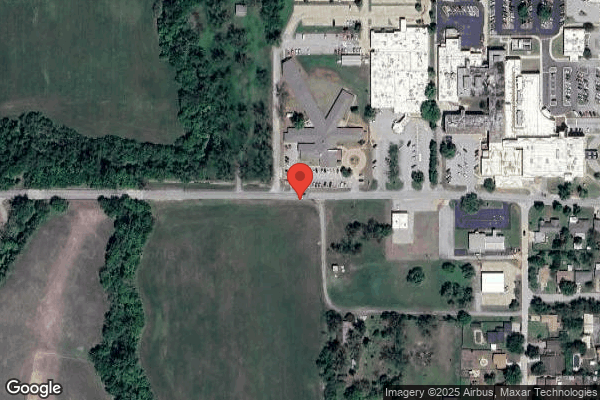

3003 IOWA, CHICKASHA, OK 73023 (405) 224-0909
For profit - Corporation 120 Beds Independent Data: November 2025 1 Immediate Jeopardy citation
Trust Grade
28/100
#162 of 282 in OK
Last Inspection: December 2024

Within standard 12-15 month inspection cycle. Federal law requires annual inspections.

Overview

Glenhaven Retirement Village has received a Trust Grade of F, indicating significant concerns and a poor overall performance. They rank #162 out of 282 nursing homes in Oklahoma, placing them in the bottom half of facilities in the state, and #3 out of 5 in Grady County, meaning only two local options are better. While the trend has been improving, going from two issues in 2024 to one in 2025, the facility still struggles with staffing, earning only 1 out of 5 stars, which is concerning given the low turnover rate of 0%. They have faced $28,758 in fines, which is average compared to other facilities, but the lack of registered nurse coverage-less than 98% of Oklahoma facilities-raises additional concerns about resident care. Specific incidents include a resident suffering a hip fracture due to improper use of a mechanical lift and another not receiving timely medical attention for a serious pressure ulcer, highlighting both critical safety issues and the need for improvement in their care practices.

Trust Score
F
28/100
In Oklahoma
#162/282
Bottom 43%
Safety Record
High Risk
Review needed
Inspections
Getting Better
2 → 1 violations
Staff Stability
○ Average
Turnover data not reported for this facility.
Penalties
✓ Good
$28,758 in fines. Lower than most Oklahoma facilities. Relatively clean record.
Skilled Nurses
⚠ Watch
Each resident gets only 7 minutes of Registered Nurse (RN) attention daily — below average for Oklahoma. Fewer RN minutes means fewer trained eyes watching for problems.
Violations
⚠ Watch
29 deficiencies on record. Higher than average. Multiple issues found across inspections.
★★☆☆☆
2.0
Overall Rating
★☆☆☆☆
1.0
Staff Levels
★★☆☆☆
2.0
Care Quality
★★★☆☆
3.0
Inspection Score
Stable
2024: 2 issues
2025: 1 issues

The Good

  • Full Sprinkler Coverage · Fire safety systems throughout facility
  • No fines on record

Facility shows strength in fire safety.

The Bad

2-Star Overall Rating

Below Oklahoma average (2.6)

Below average - review inspection findings carefully

Federal Fines: $28,758

Below median ($33,413)

Moderate penalties - review what triggered them

The Ugly 29 deficiencies on record

1 life-threatening 1 actual harm
Jan 2025 1 deficiency
CONCERN (E) 📢 Someone Reported This

A family member, employee, or ombudsman was alarmed enough to file a formal complaint

Potential for Harm - no one hurt, but risky conditions existed

Deficiency F0925 (Tag F0925)

Could have caused harm · This affected multiple residents

**NOTE- TERMS IN BRACKETS HAVE BEEN EDITED TO PROTECT CONFIDENTIALITY** Based on observation, record review, and interview, the facility failed to maintain an effective pest control program. The DON i...

Read full inspector narrative →
**NOTE- TERMS IN BRACKETS HAVE BEEN EDITED TO PROTECT CONFIDENTIALITY** Based on observation, record review, and interview, the facility failed to maintain an effective pest control program. The DON identified 52 residents resided in the facility. Findings: An undated facility Pest policy, read in part, [name of facility withheld] will have monthly pest services to ensure that the facility remains pest free. On 01/16/24 at 8:32 a.m., the DON stated they had reports of spiders, roaches, and mice at least four times a week. On 01/16/25 at 8:46 a.m. an initial tour of the building was conducted. The following observations were made, a. in room C16 there were 14 dead roaches on the floor and roach egg sacks were visible, b. in room C16 there was one live roach located inside the dresser drawer next to the bed with roach eggs and dead baby roaches, and c. dead roaches were located behind the juice machine in the kitchen. On 01/16/25 at 8:47 a.m., the DON was present in room C16. They stated they saw one live roach and all the dead roaches above during the intital tour. On 01/16/25 at 9:35 a.m., Resident #5 was asked about pest concerns. They stated they saw a roach last night on the wall next to their bed and this morning. On 01/16/25 at 9:39 a.m., three dead roaches were observed behind the refrigerator in room [ROOM NUMBER]B. On 01/16/25 at 9:42 a.m., one dead roach was observed in the hall on the floor outside of room [ROOM NUMBER]B. On 01/16/24 at 9:45 a.m., one dead roach and one live roach was observed under the bed in room C17. On 01/16/25 at 9:45 a.m., Resident #4 stated they saw a live roach this morning in their room. On 1/16/24 at 9:00 a.m., the dietary manager was asked to discuss concerns related to pests. They stated the facility was having problems with roaches in the kitchen when they turned the lights on in the morning. On 01/16/25 at 9:12 a.m. the administrator in training was asked about the pest management. They stated they did not did not feel the previous company was effective because they still had a roach problem. They stated they hired a new company who came out on 01/13/25. They stated roaches were identified in room C16. On 1/16/25 at 9:17 a.m., the administrator stated the company they had used for pest management was not effective. They stated roaches were on B hall, in the kitchen, and in three resident rooms. On 01/16/25 at 9:51 a.m., CNA #1 was asked to discuss the pests at the facility. They stated the facility had a roach problem and they treated on 01/13/25. On 01/16/25 at 10:09 a.m., CMA# 1 was asked about the pests in the facility. They stated, They have been here for a hot minute. They stated the roaches seemed to be present and they were an ongoing problem for quite a few years. On 01/16/24 at 10:15 a.m., Resident #6 was asked about concerns related to pests. They stated they saw a live roach on 01/15/24 in their room.
Dec 2024 1 deficiency
CONCERN (E)

Potential for Harm - no one hurt, but risky conditions existed

Deficiency F0657 (Tag F0657)

Could have caused harm · This affected multiple residents

Based on observation, record review and interview, the facility failed to ensure: a. a diuretic was included on the care plan for one (#23) of five sampled residents reviewed for unnecessary meds; and...

Read full inspector narrative →
Based on observation, record review and interview, the facility failed to ensure: a. a diuretic was included on the care plan for one (#23) of five sampled residents reviewed for unnecessary meds; and b. assist rails were included on the care plan for one (#43) of two sampled residents reviewed for restraints. The administrator in training identified 51 residents resided in the facility and 15 residents received diuretics. MDS Coordinator #1 identified three residents had assist rails. Findings: 1. Resident #23 had diagnoses which included hypertensive heart disease with heart failure. A physician order, dated 05/10/24, documented to administer hydrochlorothiazide (diuretic medication) 25 mg in the morning for hypertensive heart disease with heart failure. A physician order, dated 06/22/24, documented to administer furosemide (diuretic medication) 40 mg in the morning for hypertensive heart disease with heart failure. The resident's care plan was reviewed and did not document the use of diuretics. On 12/19/24 at 10:22 a.m., MDS Coordinator #1 stated they did not see diuretics on the care plan. They stated it should have been included. 2. Resident #43 had diagnoses which included arthritis and obesity. A physician order, dated 10/30/24, documented transfer bars in place at all times. A record review did not document a U-rail or positioning bar on the care plan. On 12/17/24 at 9:05 a.m., a U-rail was observed attached to the middle of the bed on the side of the bed touching the wall. On 12/19/24 at 2:03 p.m., MDS Coordinator #1 stated the U-rail/positioning bar was not on the care plan. They stated it should have been included.
Oct 2024 1 deficiency 1 IJ
CRITICAL (J) 📢 Someone Reported This

A family member, employee, or ombudsman was alarmed enough to file a formal complaint

Immediate Jeopardy (IJ) - the most serious Medicare violation

Accident Prevention (Tag F0689)

Someone could have died · This affected 1 resident

**NOTE- TERMS IN BRACKETS HAVE BEEN EDITED TO PROTECT CONFIDENTIALITY** On 10/07/24 an Immediate Jeopardy (IJ) situation was determined to exist related to the facility's failure to ensure staff follo...

Read full inspector narrative →
**NOTE- TERMS IN BRACKETS HAVE BEEN EDITED TO PROTECT CONFIDENTIALITY** On 10/07/24 an Immediate Jeopardy (IJ) situation was determined to exist related to the facility's failure to ensure staff followed proper procedure for the use of a mechanical lift to prevent accidents. The failure resulted in a fractured hip for Res #1. An undated facility Hydraulic Lift policy documented to check to be sure hooks are secure. A care plan intervention, dated 11/03/23, documented Res #1 required two staff assistance with a Hoyer (full body mechanical lift) for transfers. On 09/08/24, Res #1 had a fall due to the strap on the transfer sling failing to remain attached to the Hoyer lift. The resident was sent to the hospital and diagnosed with a closed hip fracture. Staff were in-serviced on 09/08/24 regarding lift safety and operation, but no ongoing monitoring was completed to ensure staff compliance with safe utilization of mechanical lifts. During interviews with staff conducted on 10/07/24, the staff stated lift sling straps were to be checked to ensure placement prior to lifting a resident. On 10/07/24 an observation was made of Res #3 being transferred from the wheelchair to the bed. The middle strap on the left side of the resident did not remain secured to the hook on the lift. A loud pop was heard, and the middle strap could be seen hanging below the resident. On 10/07/24 at 2:10 p.m., the Oklahoma State Department of Health was notified and verified the existence of the IJ situation. On 10/07/24 at 2:21 p.m., the administrator was notified of the IJ situation. On 10/07/24 at 5:40 p.m., an acceptable plan of removal was submitted to the Oklahoma State Department of Health. The plan of removal documented: [Name withheld] CC2606 PTAN 375359 NPI 1740313048 On October 7, 2024, we immediately inserviced nursing staff that was present on 7-3 and 3-11 shifts with demonstration and return demonstration of newly rented lift, with option to buy. New lift arrived by 3:30 pm by local DME company. All other nursing staff are projected to be inserviced by 9 am on October 8, 2024. If staff is not inserviced they cannot clock in to work until they have been inserviced. Root cause analysis is unknown. Therefore, it was agreed that due to age of current Hoyer lift and recent events a new lift would be obtained and all nursing staff inserviced on the proper use of lift and slings to ensure safety. The IJ was lifted, effective 10/08/24 at 9:00 a.m., when all components of the plan of removal had been completed. The deficient practice remained at an isolated with a potential for harm. Based on observation, record review, and interview, the facility failed to ensure staff followed proper procedure for the use of a Hoyer (full body mechanical lift) to prevent accidents for two (#1 and #3) of three sampled residents reviewed for mechanical lift safety. The failure resulted in a fractured hip for Res #1. The DON identified 52 residents resided in the facility. Eight residents required use of a mechanical lift for transfers. Findings: An undated facility Hydraulic Lift policy, read in part, Attach S hooks of the chain to the loops on the seat hanger. BE SURE TO INSERT THE OPEN END OF THE HOOKS AWAY FROM RESIDENT TO THE OUTSIDE OF THE SLING FOR SAFETY .Attach S hooks of the back rest if seat has a back rest. NOTE: AT THIS POINT, CHECK TO BE SURE THAT ALL HOOKS ARE SECURE AND EVENLY PLACED SO RESIDENT IS BALANCED. 1. Res #1 had diagnoses which included muscle weakness and history of stroke. A care plan intervention, dated 11/03/23, documented Res #1 required two staff assistance with a Hoyer for transfers. A progress note, dated 09/08/24 at 6:21 p.m., documented Res #1 had fallen out of the lift sling. It read in part, Upon further investigation it is apparent that one of the hooks on the sling was not seated properly, therefore allowing that side to slip off when maneuvering the resident from above the bed to above the wheelchair, and ultimately causing the resident to fall out of the sling. Res #1 was sent to the hospital for evaluation due to complaints of pain to their hip. A hospital record dated 09/08/24, documented Res #1 sustained a closed fracture of the left hip. An annual MDS, dated [DATE], documented Res #1 was totally dependent on staff for transfers and severely cognitively impaired. On 10/07/24 at 11:32 a.m., Res #1 was observed resting in their bed. The resident was unable to participate in an interview. Their representative did not return contact attempts for interview. On 10/07/24 at 12:05 p.m., RN #1 stated the DON had completed an inservice with the staff to address Res #1's fall. On 10/07/24 at 12:13 p.m., the DON stated there was no documented monitoring for effectiveness of training or ongoing compliance regarding lift safety. 2. Res #3 had diagnoses which included dementia, weakness, and cognitive deficits. A car plan intervention, dated 01/09/23, documented Res #3 required two people assist with transfers using a Hoyer lift. A quarterly MDS, dated [DATE], documented Res #3 was severely cognitively impaired and was totally dependent on staff for transfers. On 10/07/24 at 11:27 a.m., CNA #3 stated straps on lift slings were to be double checked to ensure the strap was on the hook prior to transferring the resident. On 10/07/24 at 11:35 a.m., CNA #1 stated staff were to ensure the sling was properly secured on the lift prior to a transfer. On 10/07/24 at 12:08 p.m., Res #3 was observed being assisted from the wheelchair to the bed using a Hoyer lift. The lift was operated by CNA #1 and CNA #2. The CNAs were observed placing three straps on each side of the resident onto the hooks of the lift. When the resident's body was approximately six inches in the air above the wheelchair a loud pop was heard. The middle strap on the left side of Res #3 was observed hanging below them and no longer was attached to the lift. CNA #2 was heard stating, You're ok, it sounds scarier than it is. The CNAs continued to transfer the resident from the wheelchair to the bed using the lift with one of the sling straps not attached. While lowering the resident onto the bed CNA #2 was heard stating this came off, that's my fault. On 10/07/24 at 12:17 p.m., CNA #2 stated they were unsure how the strap to the sling came off of the lift.
Oct 2023 12 deficiencies
CONCERN (D)

Potential for Harm - no one hurt, but risky conditions existed

Deficiency F0578 (Tag F0578)

Could have caused harm · This affected 1 resident

2. Res #1 had diagnoses which included asthma, restless leg syndrome, and muscle spasms. A DNR consent form, dated 08/16/06, was located in the resident's medical chart. There was no physician order ...

Read full inspector narrative →
2. Res #1 had diagnoses which included asthma, restless leg syndrome, and muscle spasms. A DNR consent form, dated 08/16/06, was located in the resident's medical chart. There was no physician order for the resident's code status. On 10/12/23 at 11:40 a.m., the DON stated Res #1 had a documented DNR consent form but there was no physician order for the resident's code status. Based on record review and interview, the facility failed to ensure physician orders were obtained for code status for two (#26 and #1) of 13 sampled residents reviewed for code status. The DON identified 23 residents who were DNR's. Findings: 1. Res #26 was had diagnoses which included chronic kidney disease, HTN, atrial fibrillation, and pain. A DNR consent form, dated 04/17/23, was located in the resident's medical chart. There was no physician order for the resident's code status. On 10/11/23 at 8:53 a.m., the DON was asked what was the resident's code status. They stated they were a DNR. They were asked if there was a physician order for the resident's code status. They stated there was not.
CONCERN (D)

Potential for Harm - no one hurt, but risky conditions existed

Deficiency F0637 (Tag F0637)

Could have caused harm · This affected 1 resident

Based on record review and interview, the facility failed to ensure a significant change in status MDS was completed timely by the 14th calendar day after the determination the significant changes has...

Read full inspector narrative →
Based on record review and interview, the facility failed to ensure a significant change in status MDS was completed timely by the 14th calendar day after the determination the significant changes has occurred for one (#26) of 13 sampled residents reviewed for assessments. The Resident Census and Conditions of Residents report, dated 10/10/23, docuented 46 residents resided in the facility. Findings: Res #26 had diagnoses which include chronic kidney disease. A significant change assessment, dated 08/08/23, documented on 09/12/23 the RN assessment coordinator signed the assessment as completed. On 10/10/23 at 4:27 p.m., MDS Coordinator #1 was asked the reason a significant change assessment had been completed. They stated the resident started on dialysis. They were made aware the assessment was completed on 09/12/23 when the ARD was 08/08/23. They stated the assessment should have been completed within 14 days of the ARD.
CONCERN (E)

Potential for Harm - no one hurt, but risky conditions existed

Comprehensive Assessments (Tag F0636)

Could have caused harm · This affected multiple residents

**NOTE- TERMS IN BRACKETS HAVE BEEN EDITED TO PROTECT CONFIDENTIALITY** Based on record review and interview, the facility failed to ensure comprehensive assessment were accurate and/or completed time...

Read full inspector narrative →
**NOTE- TERMS IN BRACKETS HAVE BEEN EDITED TO PROTECT CONFIDENTIALITY** Based on record review and interview, the facility failed to ensure comprehensive assessment were accurate and/or completed timely for two (#6 and #44) of 13 sampled residents reviewed for assessments. The Resident Census and Conditions of Residents report, dated 10/10/23, documented 46 residents resided in the facility. Findings: 1. Res #6 was admitted to the facility on [DATE] with diagnoses which included depression, insomnia, heart failure, and chronic kidney disease. An admission assessment, dated 05/03/23, documented on 06/15/23 the RN assessment coordinator signed the assessment as completed. On 10/11/23 at 2:49 p.m., MDS Coordinator #1 was asked about the type of assessment they had completed for the resident. They stated they would have to look. They stated the assessment should have been an annual assessment. They stated they marked the assessment incorrectly. MDS Coordinator #1 was made aware the assessment was completed on 06/15/23 when the ARD was 05/03/23. She stated they knew it was not completed within 14 days of the ARD. 2. Res #44 had diagnoses which include pressure ulcer to sacrum, HTN, hyperlipidemia. pain, depression, cerebral infarction, GERD, anemia, hypothyroidism, and protein calorie malnutrition, An admission assessment, dated 07/09/23, documented on 08/28/23 the RN assessment coordinator signed the assessment as completed. On 10/11/23 at 10:51 a.m., MDS Coordinator #1 was made aware the assessment was completed on 08/28/23 when the ARD was 07/09/23. They stated they knew it was not completed within 14 days of the ARD.
CONCERN (E)

Potential for Harm - no one hurt, but risky conditions existed

Deficiency F0638 (Tag F0638)

Could have caused harm · This affected multiple residents

Based on record review and interview, the facility failed to ensure quarterly assessments were completed once every three months and/or no later than 14 days after the ARD for two (#6 and #36) of 13 s...

Read full inspector narrative →
Based on record review and interview, the facility failed to ensure quarterly assessments were completed once every three months and/or no later than 14 days after the ARD for two (#6 and #36) of 13 sampled residents reviewed for assessments. The Resident Census and Conditions of Residents report, dated 10/10/23, documented 46 residents resided in the facility. Findings: 1. Res #6 had diagnoses which included depression, insomnia, heart failure, and chronic kidney disease. A quarterly resident assessment, dated 07/28/23, documented on 09/09/23 the RN assessment coordinator signed the assessment as completed. On 10/11/23 at 2:49 p.m., MDS Coordinator #1 was made aware the resident had a quarterly assessment completed on 09/09/23 when the ARD was 07/28/23. They stated they knew the assessment had not been completed within 14 days of the ARD. 2. Res #36 had diagnoses which included abdominal aortic aneurysm without rupture, COPD, disorder of kidney and ureter, cerebral infarction, pure hypercholesterolemia, unspecified osteoarthritis, generalized anxiety disorder, chronic pain syndrome, diabetes, senile degeneration of the brain, vascular dementia without behavioral disturbance, recurrent depressive disorders, hereditary and idiopathic neuropathy, HTN, GERD, muscle weakness, and cognitive communication deficit. A quarterly resident assessment, dated 04/17/23, documented on 06/08/23 the RN assessment coordinator signed the assessment as completed. There was no documentation a quarterly assessment had been completed in July 2023. On 10/12/23 at 11:11 a.m., MDS Coordinator #1 was made aware the resident had a quarterly assessment completed on 06/08/23 when the ARD was 04/17/23. They stated they were aware. They stated they had an illness during that time. They were asked if there was a quarterly assessment completed in July 2023. They stated they needed look. On 10/12/23 at 11:14 a.m., MDS Coordinator #1 stated they missed it. They stated it should have been done on 07/10/23.
CONCERN (E)

Potential for Harm - no one hurt, but risky conditions existed

Comprehensive Care Plan (Tag F0656)

Could have caused harm · This affected multiple residents

**NOTE- TERMS IN BRACKETS HAVE BEEN EDITED TO PROTECT CONFIDENTIALITY** 3. Res #8 was admitted [DATE] with diagnoses which included hypothyroidism, cardiac arrhythmia, diabetes mellitus, and insomnia....

Read full inspector narrative →
**NOTE- TERMS IN BRACKETS HAVE BEEN EDITED TO PROTECT CONFIDENTIALITY** 3. Res #8 was admitted [DATE] with diagnoses which included hypothyroidism, cardiac arrhythmia, diabetes mellitus, and insomnia. An admission assessment, dated 03/22/23, documented the resident was cognitively intact, required extensive assistance with most ADLs, and received psychoactive medications during the review period. A care plan, dated 04/11/23, was reviewed. The care plan was documented as initial care plan by the MDS coordinator. 4. Res #47 was admitted [DATE] with diagnoses which included atrial fibrillation, recurrent depressive disorders, anxiety, and dysphagia. An admission assessment, dated 08/08/23, documented the resident was severely cognitively impaired, required extensive assistance with most ADLs, and received psychoactive medications during the review period. A care plan, dated 09/20/23, was reviewed. The care plan was documented as initial care plan by the MDS coordinator. On 10/11/23 at 8:22 a.m., MDS Coordinator #1 stated the care plan for Res #8 and Res #47 did not get developed or initiated in the required time frame after completion of the comprehensive assessment but should have. They stated having been behind on the completion of several resident's care plans. Based on record review and interview, the facility failed to fully develop comprehensive care plans for four (#6, 8, 44, and #47) of 13 sampled residents reviewed for care plans. The Resident Census and Conditions of Residents report, dated 10/10/23, documented 46 residents resided in the facility. Findings: 1. Res #6 had diagnoses which included depression, insomnia, heart failure, and chronic kidney disease. A comprehensive resident assessment, dated 05/05/23, documented activities was a care planning decision on the CAA summary. There was no documentation activities was developed on the care plan. On 10/11/23 at 4:40 p.m., MDS Coordinator #1 was shown the resident's assessment where activities was a care planning decision. They were asked if the resident's care plan was developed to include activities. They reviewed the resident's care plan and stated it was not on the care plan and should have been. 2. Res #44 had diagnoses which included a pressure ulcer to the sacrum. An admission assessment, dated 07/09/23, documented the resident had an indwelling catheter. It was documented urinary incontinence/indwelling catheter was a care planning decision on the CAA summary. There was no documentation the use of an indwelling catheter was developed on the care plan. On 10/11/23 at 10:51 a.m., MDS Coordinator #1 was shown the resident's assessment where urinary incontinence/indwelling catheter was a care planning decision. They were asked if the resident's care plan was developed to include the resident had an indwelling catheter. They reviewed the resident's care plan and stated it was not on the care plan and should have been.
CONCERN (E)

Potential for Harm - no one hurt, but risky conditions existed

Deficiency F0657 (Tag F0657)

Could have caused harm · This affected multiple residents

Based on observation, record review, and interview, the facility failed to review and/or revise the care plan related to: a. a decrease in mobility for one (#3) of 13 residents whose care plans were r...

Read full inspector narrative →
Based on observation, record review, and interview, the facility failed to review and/or revise the care plan related to: a. a decrease in mobility for one (#3) of 13 residents whose care plans were reviewed, and b. fall prevention interventions for one (#28) of 13 residents who were reviewed for accidents. The Resident Census and Conditions of Residents report, dated 10/10/23, documented 46 residents resided in the facility. Findings: A Fall Focus Program policy, revised 04/23/07, read in parts, .Incident of fall: Consider and evaluate factors regarding fall and develop care plan using appropriate interventions .Review the fall at next safety committee meeting and gain input for interdisciplinary team members for other possible interventions to prevent falls. Make sure to update and revise plan of care as indicated .Schedule care plan meetings as indicated for review and revision . 1. Res #3 had diagnoses which included intellectual disabilities, convulsions, and thyrotoxicosis. An annual assessment, dated 06/20/23, documented the resident was severely cognitively impaired and required supervision with bed mobility, locomotion, and eating. The assessment documented the resident ambulated with supervision and required limited assistance with transfer. A significant change assessment, dated 07/27/23, documented the resident was severely cognitively impaired and required extensive assistance with bed mobility and eating. The assessment documented the resident did not ambulate and was totally dependent with transfer and locomotion. A care plan, dated 09/10/23, documented a decline in physical health with an inability to ambulate, transfer, or reposition without staff assistance. On 10/12/23 at 4:00 p.m., MDS Coordinator #1 stated the care plan had not been updated in a timely manner after the significant change assessment was completed. 2. Res #28 had diagnoses which included epilepsy, anxiety, and major depressive disorder. A care plan, dated 02/12/23, documented the resident had no falls during the quarter and the plan of care was to be continued. There was no documentation in the clinical record the care plan had been reviewed or revised after this date. An annual assessment, dated 04/18/23, documented the resident was cognitively intact, required supervision with most mobility and ADLs, and had one fall with no injury. A quarterly assessment, dated 07/11/23, documented the resident was cognitively intact, required supervision with most mobility and ADLs, and had one fall with no injury. An incident report, dated 09/27/23, documented Res #28 fell in the shower room and received a raised area to the right side of the head. The report documented the resident was transported to the hospital and later diagnosed with basal ganglia hemorrhage and stroke affecting the left side. On 10/09/23 at 1:10 p.m., Res #28 was observed sitting in a recliner with a mesh lift sling noted under the resident. The resident stated they had a fell a while ago in the shower and had to go to the hospital. Res #28 stated the staff do not allow them to get up on their own anymore and that they needed assistance with all transfers. Res #28 stated they could no longer ambulate independently. On 10/12/23 at 9:34 a.m., MDS Coordinator #1 stated the care plan should have been reviewed and revised after each comprehensive assessment or after each fall but hadn't been because they had been behind with their work due to having multiple work responsibilities.
CONCERN (E)

Potential for Harm - no one hurt, but risky conditions existed

ADL Care (Tag F0677)

Could have caused harm · This affected multiple residents

Based on observation, record review, and interview, the facility failed to provide nail care for one (#34) of two sampled residents reviewed for activities of daily living. The Resident Census and Con...

Read full inspector narrative →
Based on observation, record review, and interview, the facility failed to provide nail care for one (#34) of two sampled residents reviewed for activities of daily living. The Resident Census and Conditions of Residents report, dated 10/10/23, documented 46 residents resided in the facility. Findings: Res #44 had diagnoses which included ventricular tachycardia, hypokalemia, chronic ischemic heart disease, unspecified diastolic congestive heart failure, hypotension, GERD, muscle weakness, and acute respiratory failure. A quarterly resident assessment, dated 09/08/23, documented their cognition was intact and they required extensive assistance with personal hygiene. On 10/09/23 at 11:58 a.m., the resident was observed in their bed with their left foot exposed. Their toenails were excessively long. The resident was asked when was the last time their toenails had been trimmed. They stated they did not know. They stated their toenails were extremely long and it caused pain to their left foot. On 10/10/23 at 1:04 p.m., CNA #2 was asked how often nail care was provided. They stated on Sundays. They stated the nurses performed nail care if the resident was diabetic. She was asked if Resident #44 was diabetic. They stated they were not. They were asked where it was documented when nail care was provided. They stated they did not know. CNA #2 was asked to observe the resident's toenails. They were asked if it looked like nail care was being provided. They stated they were long and needed to be clipped.
CONCERN (E)

Potential for Harm - no one hurt, but risky conditions existed

Deficiency F0688 (Tag F0688)

Could have caused harm · This affected multiple residents

Based on observation, record review, and interview, the facility failed to turn and reposition a resident with limited range of motion (ROM) in order to increase ROM and/or prevent further decline for...

Read full inspector narrative →
Based on observation, record review, and interview, the facility failed to turn and reposition a resident with limited range of motion (ROM) in order to increase ROM and/or prevent further decline for one (#1) of three residents reviewed for mobility. The Resident Census and Conditions of Residents report, documented 44 residents who required assistance with mobility. Findings: A Nursing Assistant Duties general guideline, undated, documented to turn and reposition all bed and chair residents every two hours and all wheelchair residents are to be checked frequently and taken to the bathroom at least every two hours as requested or per individual schedule. Res #1 was admitted with diagnoses which included restless leg syndrome, muscle spasms, and colon cancer. A care plan, dated 01/31/23, documented the resident required total assistance with most ADLs with an intervention of assistance and/or reminders to turn and reposition every two hours. A quarterly assessment, dated 07/11/23, documented the resident was cognitively intact, required extensive one person assistance with mobility, and was totally dependent with most ADLs. The assessment documented the resident had impaired ROM on one side in the upper extremities and on both sides in the lower extremities. On 10/09/23 at 2:45 p.m., Res #1 was observed lying supine in bed with their left leg bent at the knee and contracted up towards their neck. Res #1's neck was observed as bent downward towards their left side. Res #1 stated they relied on staff for repositioning due to their decreased mobility. They stated the staff did not attempt or offer to turn or reposition them very often. Res #1 stated they felt uncomfortable often from the lack of repositioning. On 10/09/23 at 5:10 p.m., Res #1 observed lying in the same position as described above. Res #1 stated staff had not offered or attempted to reposition them since the previous interview. On 10/10/23 at 8:20 a.m., Res #1 observed lying supine in bed with their left leg bent at the knee and contracted up towards their neck. Res #1's neck was observed as bent downward towards their left side. The right leg was observed elevated on a pillow. On 10/10/23 at 11:48 a.m., Res #1 observed lying in the same position as described above. Res #1 stated staff had not offered or attempted to reposition them in several hours. On 10/10/23 at 1:00 p.m., CNA #1 stated Res #1 had not been out of bed in several months due to refusal of most attempts at activity or repositioning. CNA #1 stated the resident refused to be repositioned often but stated they did not document the refusals in the clinical record. They stated there is no specific area in the clinical record to document the resident's refusal of care. On 10/10/23 at 1:35 p.m., RN #2 stated Res #1 received restorative care twice weekly. They stated the resident refused most attempts at activity or repositioning. RN #2 stated the resident's refusals in this care area should be documented in the plan of care. There was no documentation found in the clinical record that turning and repositioning had been offered or attempted every two hours for Res #1. There was no documentation of resident refusals of positioning found in the clinical record. On 10/10/23 at 3:15 p.m., the DON was asked how the facility ensured Res #1 was turned and/or repositioned every two hours. The DON stated all staff know that dependent residents have to be turned and repositioned every 2 hours. The DON could not specify where completion of this task or a resident's refusal was documented in the clinical record. On 10/11/23 at 3:35 p.m., the DON stated the facility was unable to produce documentation that Res #1 was turned and/or repositioned every two hours per their plan of care. The DON stated refusals were not documented in the clinical record but should have been.
CONCERN (E) 📢 Someone Reported This

A family member, employee, or ombudsman was alarmed enough to file a formal complaint

Potential for Harm - no one hurt, but risky conditions existed

Accident Prevention (Tag F0689)

Could have caused harm · This affected multiple residents

Based on observation, record review, and interview, the facility failed to ensure a resident received adequate supervision and assistance to prevent falls for one (#39) of three sampled residents revi...

Read full inspector narrative →
Based on observation, record review, and interview, the facility failed to ensure a resident received adequate supervision and assistance to prevent falls for one (#39) of three sampled residents reviewed for accidents. The facility failed to consistently implement interventions to prevent recurrence and evaluate interventions for effectiveness for a resident who had frequent falls. The Resident Census and Conditions of Resident report documented 46 residents resided in the facility. Findings: A Fall Focus Program policy, revised 04/23/07, read in parts, .Fall risk factor evaluation: Review any health problems or conditions that could contribute to a fall .Review the medications that could contribute to a fall .Review environmental hazards such as poor lighting, carpet, poorly arrange furniture .Review previous falls to determine patterns .Incident of fall: Consider and evaluate factors regarding fall and develop care plan using appropriate interventions .Review the fall at next safety committee meeting and gain input for interdisciplinary team members for other possible interventions to prevent falls. Make sure to update and revise plan of care as indicated .Schedule care plan meetings as indicated for review and revision . Res #39 was admitted with diagnoses which included diabetes mellitus, overactive bladder, and dementia. An incident report, dated 04/20/23, documented the resident was found in the floor of their room. The resident stated they had attempted to go to the bathroom and had slipped. The report documented the resident received a laceration above the left eye brow. The incident report documented an intervention to encourage use of call light. An admission assessment, dated 04/24/23, documented the resident was moderately cognitively impaired, required supervision with bed mobility, and required extensive one person assistance with transfer and toileting. The assessment documented the resident had one fall with injury during the review period. A care plan, with initiation date of 04/26/23, documented the resident was at risk for falls and had numerous falls at home prior to admit to facility. The care plan documented the resident had one fall since admit on 04/20/23 while trying to transfer self to toilet. The resident presented on the floor with an open area to left brow. The following interventions were included: a. keep my call light within reach at all times and encourage it's use, b. keep my environment consistent and pathways free from clutter, c. encourage me to wear sturdy well fitted, low healed shoes with non-slip soles (including house shoes) for all transfers and ambulation, and d. remind/allow me to take time when transferring or ambulating and to sit up on the side of the bed for a short time prior to standing and to pause when I first get up to get my balance. An incident report, dated 08/20/23, documented the resident had an unwitnessed fall in the bathroom with no injury. The incident report documented an intervention to encourage use of the call light, have shoes on, and use walker. The interventions were a repeat from the previous fall. The care plan was not updated to reflect any new interventions to prevent falls. An incident report, dated 08/23/23, documented the resident fell in the floor beside the recliner and received two skin tears to the left elbow. The incident report documented an intervention to wear non-skid socks. The intervention was a repeat intervention. The care plan was not updated to reflect any new interventions to prevent falls. An incident report, dated 08/25/23, documented the resident fell in the bathroom and received two skin tears to the right elbow. The incident report documented an intervention that the staff will continue frequent checks and offer/assist with toileting every two hours and as needed. The intervention was a repeat intervention. The care plan documented the same repeat intervention. The care plan was not updated to reflect any new interventions to prevent falls. An incident report, dated 09/04/23, documented the resident fell outside on the facility's front porch and received no physical injury but was sluggish in responsiveness. The report documented the resident was transported to the emergency room and admitted to the hospital with diagnoses which included altered mental status, urinary tract infection, dehydration, and heat exhaustion. The incident report documented an intervention of an in-service for all staff related to provision of increased visual checks of the front porch every hour and as needed during days with extreme temperatures. The care plan was not updated to reflect any new interventions to prevent falls. On 10/09/23 at 12:37 p.m., Res #39 was observed lying on their left side in bed. An attempted interview with the resident was unsuccessful due to resident's cognition. Res #39's spouse was observed seated in a recliner beside the bed. The spouse stated they were sitting with Res #39 outside the facility on the covered front porch on 09/04/23. The spouse stated they left the facility some time around 2:00 p.m. and thought the resident would go back inside or the staff would come and check on them soon. The spouse stated the staff called them around 5:00 p.m. that evening and stated the resident was found on the ground beside their wheelchair underneath the covered porch and had been transferred to the emergency room for evaluation due to their altered mental status. On 10/12/23 at 11:19 a.m., MDS Coordinator #1 stated they documented the interventions specified on Res #39's incident reports on the care plan. They stated they didn't feel the interventions were appropriate because they were repeat interventions, but felt it was the DON's responsibility to evaluate interventions already in use and update the care plan with new appropriate interventions. MDS Coordinator #1 stated the fall policy was not followed, but should have been. On 10/12/23 at 11:49 a.m., the DON stated Res #39 is somewhat independent, but does not always use call light for assistance depending on their cognition. The DON stated the repeat fall prevention interventions documented on Res #39's care plan was appropriate due to the resident's need for frequent reminders of safety. They stated all falls for Res #39 were reviewed and evaluated. The DON stated the care plan should have been updated by the MDS coordinator. The DON stated they felt the fall policy had been followed, but the care plan had not been reviewed and revised appropriately.
CONCERN (E)

Potential for Harm - no one hurt, but risky conditions existed

Deficiency F0700 (Tag F0700)

Could have caused harm · This affected multiple residents

Based on observation, record review, and interview, the facility failed to: a. attempt appropriate alternatives prior to installing bed or side rails; b. perform an entrapment risk assessment; c. revi...

Read full inspector narrative →
Based on observation, record review, and interview, the facility failed to: a. attempt appropriate alternatives prior to installing bed or side rails; b. perform an entrapment risk assessment; c. review the risks or benefits with the resident and/or their representative; d. obtain an informed consent; and e. develop a care plan for side rail use for one (#39) of three sampled residents reviewed for accident hazards. The DON identified 16 residents whose beds were equipped with a bed rail of any type. Findings: A Bed Rail policy, undated, read in parts, .A duo-faceted approach will be used to achieve sustainable quality outcomes, including 1) bed maintenance as needed and 2) individual bed rail evaluations. In response to the requirement of providing for a safe, clean, comfortable, and homelike environment .No matter the purpose for use, bed rails and other bed accessories, although prescribed to improve functional independence with bed mobility and transfers, can increase resident safety risk. Thus, weighting the risks and benefits of devices (including bed rails) is integral to achieving positive resident outcomes . Res #39 was admitted with diagnoses which included diabetes mellitus, overactive bladder, and dementia. An admission assessment, dated 04/24/23, documented the resident was moderately cognitively impaired, required supervision with bed mobility, and required extensive one person assistance with transfer. A care plan, dated 04/26/23, documented the resident was at risk for completing daily ADLs due to decreased strength, balance, endurance, and safe mobility with an intervention of extensive weight bearing assist of one person to help with transfer. The care plan documented an intervention of the staff to assist with turning and repositioning every two hours. There was no documentation of side rail use in the care plan. There was no documentation of an entrapment risk assessment, alternatives prior to the use of side rails, physician consultation, or resident and/or representative informed consent for side rails found in the clinical record. On 10/09/23 at 12:46 p.m., Res #39 was observed lying on their left side in bed. The bed was observed up against a wall on one side and a half side rail was observed in the up position on the outer side of the bed. An attempted interview with the resident was unsuccessful due to resident's cognition. Res #39's spouse was observed seated in a recliner beside the bed. The spouse stated the bed rail was used to prevent falls and to assist with transfers. The spouse stated the staff would raise and lower the bed rail, but did not think Res #39 could manipulate the rail independently. On 10/10/23 at 2:19 p.m., Res #39 was observed lying in bed. A half side rail was observed in the up position on the outer side of the bed. Res #39 stated they were unable to put the side rail down independently. Res #39 stated their spouse or the staff would have to put the rail down for them. Res #39 stated they would crawl around the rail to get out of the bed most of the time. On 10/10/23 at 3:00 p.m., the DON was asked to provide documentation of an entrapment risk assessment and informed consent of side rail use with explanation of alternatives for the resident. On 10/11/23 at 3:21 p.m., the DON stated no entrapment risk assessment for the use of side rails, documentation of alternatives, or informed consent of the use of side rails for the resident had been completed. They stated the facility's bed rail policy had not been followed.
CONCERN (E)

Potential for Harm - no one hurt, but risky conditions existed

Deficiency F0909 (Tag F0909)

Could have caused harm · This affected multiple residents

Based on observation, record review, and interview, the facility failed to conduct regular inspections of all bed frames, mattresses, and bed rails as part of a regular maintenance program to identify...

Read full inspector narrative →
Based on observation, record review, and interview, the facility failed to conduct regular inspections of all bed frames, mattresses, and bed rails as part of a regular maintenance program to identify areas of possible entrapment for one (#39) of three residents reviewed for accident hazards. The DON identified 16 residents whose beds were equipped with a bed rail of any type. Findings: A Bed Rail policy, undated, read in parts, .A duo-faceted approach will be used to achieve sustainable quality outcomes, including 1) bed maintenance as needed and 2) individual bed rail evaluations. In response to the requirement of providing for a safe, clean, comfortable, and homelike environment .No matter the purpose for use, bed rails and other bed accessories, although prescribed to improve functional independence with bed mobility and transfers, can increase resident safety risk. Thus, weighting the risks and benefits of devices (including bed rails) is integral to achieving positive resident outcomes . Res #39 was admitted with diagnoses which included diabetes mellitus, overactive bladder, and dementia. An admission assessment, dated 04/24/23, documented the resident was moderately cognitively impaired, required supervision with bed mobility, and required extensive one person assistance with transfer. A care plan, dated 04/26/23, documented the resident was at risk for completing daily ADLs due to decreased strength, balance, endurance, and safe mobility with an intervention of extensive weight bearing assist of one person to help with transfer. The care plan documented an intervention of the staff to assist with turning and repositioning every two hours. There was no documentation of side rail use in the care plan. There was no documentation of regular bed rail inspections or maintenance found in the clinical record. On 10/09/23 at 12:46 p.m., Res #39 was observed lying on their left side in bed. The bed was observed up against a wall on one side and a half side rail was observed in the up position on the outer side of the bed. An attempted interview with the resident was unsuccessful due to resident's cognition. Res #39's spouse was observed seated in a recliner beside the bed. The spouse stated the bed rail was used to prevent falls and to assist with transfers. The spouse stated the staff could raise and lower the rail but did not think Res #39 could manipulate the rail independently. On 10/10/23 at 2:19 p.m., Res #39 was observed lying in bed. A half side rail was observed in the up position on the outer side of the bed. Res #39 stated they were unable to put the side rail down independently. Res #39 stated their spouse or the staff would have to put the rail down for them. Res #39 stated they would crawl around the rail to get out of the bed most of the time. On 10/10/23 at 3:00 p.m., the DON was asked to provide documentation of regular bed rail inspections for the resident. On 10/12/23 at 12:59 p.m., the DON stated the facility had not completed regular bed rail inspections, but should have per policy. They stated the bed rails for Res #39 would be removed.
CONCERN (F)

Potential for Harm - no one hurt, but risky conditions existed

Staffing Data (Tag F0851)

Could have caused harm · This affected most or all residents

Based on record review and interview, the facility failed to submit PBJ data to CMS for the third quarter of the fiscal year for 2023. The Resident Census and Conditions of Residents report, dated 10/...

Read full inspector narrative →
Based on record review and interview, the facility failed to submit PBJ data to CMS for the third quarter of the fiscal year for 2023. The Resident Census and Conditions of Residents report, dated 10/10/23, documented 46 residents resided in the facility. Findings The PBJ Staffing Data Report documented the facility failed to submit data for the third quarter of 2023 (April 1 - June 30). On 10/10/23 at 9:43 a.m., the BOM was asked how often the facility submitted staffing data to CMS. They stated quarterly. They were asked if they had submitted data for the third quarter of 2023. 10/10/23 at 11:18 a.m., the BOM stated they did not submit the data for the quarter and should have.
Dec 2022 14 deficiencies 1 Harm
SERIOUS (G)

Actual Harm - a resident was hurt due to facility failures

Pressure Ulcer Prevention (Tag F0686)

A resident was harmed · This affected 1 resident

Based on record review, observation, and interview, the facility failed to notify the physician of an unstageable pressure ulcer, provide appropriate treatment, and provide wound care in a way to help...

Read full inspector narrative →
Based on record review, observation, and interview, the facility failed to notify the physician of an unstageable pressure ulcer, provide appropriate treatment, and provide wound care in a way to help prevent infection for one (#33) of two residents reviewed for pressure ulcers. The facility documented an unstageable ulcer on 11/04/22 and the physician was not notified. On 12/07/22, during an observation of wound care, an additional pressure ulcer was observed. The Resident Census and Conditions of Residents report, dated 12/06/22, documented two residents resided in the facility who had pressure ulcers. Findings: A Risk Assessment and Pressure Ulcer Policy revised 06/24/08, read in parts, .3. Residents with pressure ulcers will be reassessed on a daily basis to help identify any new impairment of skin integrity .8. Pressure Ulcer Weekly Summary .will be completed and forwarded to DON and Administrator for weekly review for QA purposes .10. All pressure ulcers will be staged according to MDS Assessment definitions. 11. Weekly Pressure ulcer documentation will include site, size (use measurement tool in cm), odor, drainage, periulcer skin, stage and treatment and effectiveness of treatment. 12. Residents Physician and representative will be notified of new skin breakdown, significant change in a wound, or when current treatment to a wound is ineffective . Res #33 had diagnoses which included osteomyelitis, depressive disorder, and Alzheimer's disease. A physician order, dated 09/24/21, documented to clean buttocks with soap and water, pat dry, and apply Calmoseptine twice daily. A physician order, dated 11/29/21, documented to clean coccyx with wound spray, pat dry, skin prep per wound, and cover with Opifoam dressing daily. A quarterly assessment, dated 09/10/22, documented the resident was intact with cognition and required extensive assistance with most ADLs. The assessment documented the resident did not have any pressure ulcers but did have MASD. A care plan, last revised 09/16/22, documented no skin issues on the care plan. A Wound Care Status Report dated 11/04/22, documented the resident had a 1.0 x 1.0 cm pressure ulcer with epithelial and slough. The report documented a treatment of betadine and Optifoam dressing. The report did not document where the ulcer was located. There was not a physician order for betadine. On 12/05/22 at 5:25 a.m., Res #33 reported he had a wound to his bottom. He stated the facility was providing care and he was told it was getting better. On 12/07/22 at 7:43 a.m., Res #33 was observed laying flat of his back in the bed. He spoke good morning and stated he was doing okay. On 12/07/22 at 1:11 p.m., Res #33 was observed in the bed on his back. Wound care was observed performed by LPN #1 at this time. LPN #1 had already placed gloves on her hands before observation. The LPN entered the resident's room with gloves on with supplies in hand. LPN #1 laid the supplies on the resident's overbed table without a barrier or cleaning the table. The old dressing was observed and dated 12/06. The LPN removed the old dressing and placed it in the trash. An unstageable pressure ulcer and a stage II pressure ulcer were observed near the resident's coccyx. She then cleaned the wound with wound wash and patted dry with 4x4 gauze. LPN #1 then applied a barrier cream to the pressure ulcers wearing the same gloves. The LPN stated she should have brought more gloves in the room with her but she didn't. LPN #1 then placed the new dressing on the resident wearing the same gloves. The LPN left the room to the cart to obtain more supplies. She did not remove her gloves before leaving the room or returning to the room after getting supplies from the cart. LPN #1 then borrowed a sharpie pen from the CNA, who was helping with positioning the resident, and dated the dressing. She then applied lotion to the resident's back in the same gloves. Res #33 was positioned for comfort on his left side. LPN #1 removed the gloves and used hand sanitizer in the hall. The CNA washed her hands in the resident's room before leaving. During record review, on 12/07/22, there was no documentation the physician was notified of the resident's pressure ulcer on 11/04/22 and no new orders for the pressure ulcer. On 12/07/22 at 2:46 p.m., LPN #1 stated she performed the treatment order which was dated 11/29/21, the order for skin prep. She was asked to show what she used and she showed the surveyor the Calmoseptine cream. LPN #1 stated that was what she was instructed to use. On 12/07/22 at 2:53 p.m., RN #1 stated she wound get the wound nurse to come into the facility and clarify what treatment was being done for Res #33. A nurse note, dated 12/07/22 at 3:11 p.m., documented the following: Removed previous dressing from coccyx area, cleaned area with normal saline and patted dry. Applied barrier ointment and Optifoam dressing. The resident tolerated dressing change well. Upon reassessing, noted a small superficial open area to the left above the medial area. Both open areas were covered by the foam dressing. On 12/07/22 at 3:44 p.m., the wound RN stated she mostly worked the weekends. She stated the doctor should have been notified by fax of the resident's wound by the floor nurse. She stated the nurses do all the faxing to the doctor. On 12/07/22 at 3:50 p.m., the MDS coordinator measured the pressure ulcers. She documented the measurements as a 0.5 x 0.3 cm stage I pressure ulcer on the coccyx and a 1.0 x 0.5 cm unstageable pressure ulcer with yellow slough on the left side of coccyx. On 12/07/22 at 3:53 p.m., the wound RN stated Res #33's treatment for his pressure ulcer was betadine and Optifoam dressing. She stated she did the measurements and the orders but had not performed any wound care for the resident. She stated the floor nurses do the wound care, unless she worked the floor. She stated there was not an order for betadine after being asked to look to see if there was an order for the resident. The wound RN stated she had only been tracking the one pressure ulcer to the left of his coccyx. She stated she did not know the resident had two pressure ulcers. On 12/07/22 at 4:25 p.m., physician #1 was interviewed. The physician looked at the communications from the nursing home for November 2022 and stated several things have come in for November. He stated he could not find any communication regarding a wound for Res #33 in November. On 12/08/22 at 8:30 a.m., RN #1 stated she was not the one that followed the wounds but if the resident had an order for a preventative treatment and then had a wound open up, then the resident would need a more aggressive treatment to treat an open wound. The RN stated when you have a change in condition the physician needs to be notified. On 12/08/22 at 10:19 a.m., the MDS coordinator stated after measuring the pressure ulcers yesterday she had not reported the resident's pressure ulcers to the physician. RN #1 stated it was the wound RN and the floor nurses job to report changes to the physician. RN #1 stated she was not aware the physician was not notified of the resident's pressure ulcers.
CONCERN (D)

Potential for Harm - no one hurt, but risky conditions existed

Deficiency F0638 (Tag F0638)

Could have caused harm · This affected 1 resident

Based on record review and interview, the facility failed to ensure a quarterly assessment was completed no later than 14 days after the ARD for one (#10) of 14 sampled residents reviewed for assessme...

Read full inspector narrative →
Based on record review and interview, the facility failed to ensure a quarterly assessment was completed no later than 14 days after the ARD for one (#10) of 14 sampled residents reviewed for assessments. The Resident Census and Conditions of Residents report, dated 12/06/22, documented 43 residents resided in the facility. Findings: A quarterly assessment, dated 11/15/22, documented the status of the assessment for Res #10 was incomplete. On 12/08/22 at 11:15 a.m., the MDS coordinator was asked when a quarterly assessment was considered to be timely. She stated she had 92 days from the previous assessment. She was made aware the status of Res #10's 11/15/22 assessment was incomplete. She stated she would have to look. She stated section D needed to be completed. She stated it was an oversight.
CONCERN (D)

Potential for Harm - no one hurt, but risky conditions existed

MDS Data Transmission (Tag F0640)

Could have caused harm · This affected 1 resident

Based on record review and interview, the facility failed to transmit MDS assessments to CMS within seven days of completion for one (#19) of one resident sampled for assessment transmission. The Res...

Read full inspector narrative →
Based on record review and interview, the facility failed to transmit MDS assessments to CMS within seven days of completion for one (#19) of one resident sampled for assessment transmission. The Resident Census and Conditions of Residents form documented 43 residents resided in the facility. Findings: A quarterly MDS assessment, dated 10/03/22, for Res #19 was documented as transmitted to CMS on 12/07/22. On 12/08/22 at 8:08 a.m., the MDS coordinator stated she did not have access to the transmittal software and the business office manager transmits all assessments. On 12/08/22 at 8:28 a.m., the BOM stated he transmitted MDS assessments once per month and confirmed the assessment for Res #19 was not submitted timely per regulation.
CONCERN (D)

Potential for Harm - no one hurt, but risky conditions existed

Deficiency F0657 (Tag F0657)

Could have caused harm · This affected 1 resident

Based on record review, observation, and interview the facility failed to revise a care plan related to pressure ulcers for one (#33) of two residents reviewed for pressure ulcers. The Resident Censu...

Read full inspector narrative →
Based on record review, observation, and interview the facility failed to revise a care plan related to pressure ulcers for one (#33) of two residents reviewed for pressure ulcers. The Resident Census and Conditions of Residents report, dated 12/06/22, documented two residents have pressure ulcers. Findings: Res #33 had diagnoses which included osteomyelitis, depressive disorder, and Alzheimer's disease. A quarterly assessment, dated 09/10/22, documented the resident was intact with cognition and required extensive assistance with most ADLs. The assessment documented the resident did not have any pressure ulcers but did have MASD. A care plan, last revised 09/16/22, documented no skin issues on the care plan. A Wound Care Status Report dated 11/04/22, documented the resident had a 1 x 1cm stage I pressure ulcer with epithelial and slough. The report documented treatment of betadine and Optifoam dressing. A dietary note, dated 12/02/22, documented a pressure ulcer was present. On 12/05/22 at 5:25 a.m., Res #33 reported he had a wound to his bottom. He stated the facility was providing care and he was told it was getting better. On 12/07/22 at 1:11 p.m., during wound care two small open areas were observed. The resident had one pressure ulcer to the coccyx and another one higher and to the left. On 12/08/22 at 11:25 a.m., the MDS coordinator stated she received the weekly skin assessments. She stated she should have updated the care plan with the resident's pressure ulcer on 11/04/22. She stated the DON was doing the care plans for the wounds. She looked at the care plan and stated it had not been updated with the resident's pressure ulcer.
CONCERN (E)

Potential for Harm - no one hurt, but risky conditions existed

Notification of Changes (Tag F0580)

Could have caused harm · This affected multiple residents

Based on record review, observation, and interview, the facility failed to notify the physician of a new pressure ulcer for one (#33) of two residents reviewed for pressure ulcers. The Resident Censu...

Read full inspector narrative →
Based on record review, observation, and interview, the facility failed to notify the physician of a new pressure ulcer for one (#33) of two residents reviewed for pressure ulcers. The Resident Census and Condition of Residents report, dated 12/06/22, documented two residents had pressure ulcers in the facility. Findings: Res #33 had diagnoses which included osteomyelitis, depressive disorder, and Alzheimer's disease. A quarterly assessment, dated 09/10/22, documented the resident was intact with cognition and required extensive assistance with most ADLs. The assessment documented the resident did not have any pressure ulcers but did have MASD. A care plan, last revised 09/16/22, documented no skin issues on the care plan. A Wound Care Status Report dated 11/04/22, documented the resident had a 1 x 1cm stage I pressure ulcer with epithelial and slough. The report documented treatment of betadine and Optifoam dressing. A dietary note, dated 12/02/22, documented a pressure ulcer was present. On 12/05/22 at 5:25 a.m., Res #33 reported he had a wound to his bottom. He stated the facility was providing care and he was told it was getting better. On 12/07/22 at 1:11 p.m., during wound care two small open areas were observed. The resident had one pressure ulcer to the coccyx and another one higher and to the left. There was no documentation in the resident's record the physician had been notified of the new pressure ulcer on 11/04/22. On 12/07/22 at 4:25 p.m., physician #1 was interviewed. The physician looked at the communication from the nursing home for November 2022 and stated several things have come in for November. He stated he could not find any communication regarding a wound for Res #33 in November. On 12/08/22 at 10:19 a.m., the MDS coordinator stated after measuring the wounds yesterday she had not reported the resident's wounds to the physician. RN #1 stated it was the wound care nurse and the floor nurses' job to report changes to the physician. RN #1 stated she was not aware the physician was not notified.
CONCERN (E)

Potential for Harm - no one hurt, but risky conditions existed

Assessment Accuracy (Tag F0641)

Could have caused harm · This affected multiple residents

3. Res #29 had diagnoses which included muscle weakness, COPD, and diabetes mellitus. A therapy discharge note from PT, dated 02/10/21 documented RNP to facilitate patient maintaining their current le...

Read full inspector narrative →
3. Res #29 had diagnoses which included muscle weakness, COPD, and diabetes mellitus. A therapy discharge note from PT, dated 02/10/21 documented RNP to facilitate patient maintaining their current level of performance in order to prevent decline. The note documented instruction in bed mobility, grooming, eating, and active and passive ROM. A quarterly MDS assessment, dated 08/15/22 documented the resident was severely impaired with cognition and required total assistance with activities of daily living. The assessment did not document the resident received restorative care during the look back period. Restorative nursing care plan flow sheets for August 2022 documented the resident received restorative care during the look back period. On 12/05/22 at 11:01 a.m., the resident was in the bed and contractures were observed to resident's left wrist and hand. On 12/08/22 at 3:42 p.m., the MDS coordinator stated she was not aware the resident had received ROM during the look back period for the quarterly August MDS. She stated the staff needed to let her know when the resident received services. Based on record review, observation, and interview, the facility failed to ensure assessments accurately reflected the residents status for three (#10, 29, and #32) of 14 sampled residents reviewed for assessments. The Resident Census and Conditions of Residents report, dated 12/06/22, documented 43 residents resided in the facility. Findings: 1. A physician order, dated 12/11/21, documented Res #10 was to receive methenamine hippurate (Hiprex) (anti-infective medication) 1gm tablet for UTI. A quarterly assessment, dated 03/07/22, documented the resident received an antibiotic for seven days during the last seven days or since admission/entry if less than seven days. The February and March 2022 MARs were reviewed and documented Hiprex was received. A quarterly assessment, dated 05/31/22, documented the resident received an antibiotic for seven days during the last seven days or since admission/entry if less than seven days. The May 2022 MARs were reviewed. It documented Hiprex was received. A quarterly assessment, dated 08/23/22, documented the resident received an antibiotic for seven days during the last seven days or since admission/entry if less than seven days. August 2022 MARs were reviewed. It documented Hiprex was received. On 12/08/22 at 10:00 a.m., the pharmacist was asked if Hiprex was classified as an antibiotic. He stated it was not classified as an antibiotic. He stated it was an urinary acidifier. He stated the medication was not an antibiotic at all and was used for other conditions such as kidney stones. On 12/08/22 at 11:15 a.m., the MDS coordinator was asked what class of drugs Hiprex belonged to. She stated she would have to look. She stated an antibiotic. She was asked what source she used to determine drug classification. She stated she looked on Google. She stated doctors used the medication for maintenance. She was asked if there was a discrepancy with the drug classification what would she do. She stated she would call the pharmacist. She was made aware the facility's pharmacist did not classify the medication as an antibiotic. She was made aware Res #10's MDSs were coded as they received antibiotics. 2. A physician order, dated 03/03/22, documented Res #32 was to receive methenamine hippurate (Hiprex) 1gm tablet twice a day for prophylaxis. A quarterly assessment, dated 04/05/22, documented the resident received an antibiotic for seven days during the last seven days or since admission/entry if less than seven days. The March and April 2022 MARs were reviewed and documented Hiprex was received. A quarterly assessment, dated 06/27/22, documented the resident received an antibiotic for seven days during the last seven days or since admission/entry if less than seven days. The June 2022 MARs were reviewed and documented Hiprex was received. A quarterly assessment, dated 09/19/22, documented the received an antibiotic for seven days during the last seven days or since admission/entry if less than seven days. The September 2022 MARs were reviewed. It documented Hiprex was received. On 12/08/22 at 10:00 a.m., the pharmacist was asked if Hiprex was classified as an antibiotic. He stated it was not classified as an antibiotic. He stated it was an urinary acidifier. He stated the medication is not an antibiotic at all and was used for other conditions such as kidney stones. On 12/08/22 at 11:15 a.m., the MDS coordinator was asked what class of drugs Hiprex belonged to. She stated she would have to look. She stated an antibiotic. She was asked what source she used to determine drug classification. She stated she looked on Google. She stated doctors used the medication for maintenance. She was asked if there was a discrepancy with the drug classification what would she do. She stated she would call the pharmacist. She was made aware the facility's pharmacist did not classify the medication as an antibiotic. She was made aware Res #32's MDSs were coded as they received antibiotics.
CONCERN (E) 📢 Someone Reported This

A family member, employee, or ombudsman was alarmed enough to file a formal complaint

Potential for Harm - no one hurt, but risky conditions existed

ADL Care (Tag F0677)

Could have caused harm · This affected multiple residents

Based on record review, observation, and interview, the facility failed to ensure bathing was provided to dependent residents for one (#1) of one resident who was reviewed for ADLs. The Resident Censu...

Read full inspector narrative →
Based on record review, observation, and interview, the facility failed to ensure bathing was provided to dependent residents for one (#1) of one resident who was reviewed for ADLs. The Resident Census and Condition of Residents report, dated 12/06/22, documented 43 residents resided in the facility. Findings: Res #1 had diagnoses which included COPD, chronic pain, and traumatic brain injury. A quarterly assessment, dated 11/01/22, documented the resident was intact with cognition and required total assistance with bathing. A care plan, last reviewed 11/07/22, documented the resident required total to extensive assistance meeting ADL needs. Res #1 required staff to assist for showers. The resident's bathing schedule was documented as Monday, Wednesday, and Friday on the 7:00 a.m. to 3:00 p.m. shift. The resident was scheduled for 13 baths for November 2022. The POC bathing history report for November 2022 documented the resident received six baths out of 13 for the month. On 12/05/22 at 10:30 a.m., Res #1 stated he was supposed to get a bath every day and did not get them as scheduled. Res #1 was observed with a beard and longer hair which was disheveled. Res #1 stated he wanted to keep his beard and the staff did not comb his hair. The resident was observed moving his head back and forth against the mattress as he was setting up in the bed. On 12/06/22 at 3:38 p.m., CNA #3 stated Res #1 had never refused a bath for her. On 12/06/22 at 3:54 p.m., CNA #4 stated the bathing schedules were in a book on the halls and when a resident was bathed they would document in the POC system on the hall. CNA #4 stated if a resident refused a bath it would be charted 'refused' in the POC. She stated the resident would refuse at times during the day but would let a CNA on night shift give him bed baths. On 12/06/22 at 4:09 p.m., CNA #5 stated the bathing schedule was in the ADL book. Res #1 was scheduled for baths on M-W-F. CNA #5 stated when a bath was given it was charted in the POC. CNA #5 stated Res #1 was a bed bath most the time. CNA #5 stated the resident will refuse a bath at times and the documentation would say refused if the resident refused. CNA #5 stated two baths a week at the most was what the residents were getting. CNA #5 stated they had been trying to get the resident to shave but he did not want to. On 12/06/22 at 4:19 p.m., CMA #1 stated the CNA should tell the nurse when a resident was not getting their bathes as scheduled. CMA #1 stated she was not sure if the refusals were documented on the POC. CMA #1 stated the resident received bed baths by the night CNA because it was hard for Res #1 to get up in the shower.
CONCERN (E)

Potential for Harm - no one hurt, but risky conditions existed

Accident Prevention (Tag F0689)

Could have caused harm · This affected multiple residents

**NOTE- TERMS IN BRACKETS HAVE BEEN EDITED TO PROTECT CONFIDENTIALITY** Based on record review, observation, and interview, the facility failed to assess for risks associated with smoking for one (#42...

Read full inspector narrative →
**NOTE- TERMS IN BRACKETS HAVE BEEN EDITED TO PROTECT CONFIDENTIALITY** Based on record review, observation, and interview, the facility failed to assess for risks associated with smoking for one (#42) of one resident sampled for smoking. RN #1 identified three residents who smoked. Findings: Resident #42 admitted to the facility on [DATE] with diagnoses including dementia, depression, and diabetes. An admission MDS, dated [DATE], documented the resident was cognitively intact, was independent without staff assistance for most ADL's, and did not use tobacco. On 12/05/22 at 9:21 a.m., Res #42 was observed on the front porch of the facility with a tobacco pipe and lighter resting on his rolling walker. He stated he had not been at the facility very long. On 12/05/21 at 9:35 a.m., RN #1 was asked if Res #42 was on the facility smoking list. She stated she was unaware the resident was a smoker. On 12/05/22 at 9:40 a.m., the administrator stated when the resident admitted to the facility Res #42 was not smoking. She stated the resident's daughter had been contacted and stated Res #42 had a pipe. The administrator was unsure if the resident had any tobacco. On 12/06/22 at 8:09 a.m., Res #42 was observed on the front porch of facility. Res #42 stated he got in trouble for smoking out front of the facility. On 12/06/22 at 1:35 p.m., RN #1 stated she was unsure if Res #42 had a smoking assessment and would have to ask the MDS coordinator. On 12/06/22 at 2:26 p.m., Res #42's chart was reviewed to determine if a smoking assessment had been completed since notification to the facility that the resident was smoking. The resident's electronic health record did not document a smoking assessment. On 12/06/22 3:12 p.m., the MDS coordinator stated Res #42 had not been assessed for smoking. She stated the resident was not smoking at admission. She stated he had not been assessed since the facility was notified he was smoking. On 12/06/22 at 3:23 p.m., RN #1 stated she thought because all of the residents who smoked were supervised smokers the facility did not have to do a smoking assessment. When asked how she determined the residents required supervision she stated the door to the smoking area in the back of the building was locked so the residents could not go out to smoke without staff assistance. When asked how additional interventions for safety were assessed she stated the staff who supervised the residents were to notify the MDS coordinator and document in the care plan if additional safety measures were required. She stated Res #42 was not assessed for smoking.
CONCERN (E)

Potential for Harm - no one hurt, but risky conditions existed

Deficiency F0692 (Tag F0692)

Could have caused harm · This affected multiple residents

Based on record review, observation and interview, the facility failed to provide physician ordered weekly weights for one (#29) of two residents reviewed for nutrition. The Resident Census and Condit...

Read full inspector narrative →
Based on record review, observation and interview, the facility failed to provide physician ordered weekly weights for one (#29) of two residents reviewed for nutrition. The Resident Census and Conditions of Residents report, dated 12/06/22, documented two residents with unplanned weight loss or gain. The RN provided documentation of 15 residents who were to receive weekly weights. Findings: Res #29 had diagnoses which included diabetes mellitus, dysphagia, and COPD. A physician order, dated 10/21/20, documented to weigh weekly on Thursday day shift. A quarterly assessment, dated 08/15/22, documented the resident was severely impaired with cognition, required total assistance with ADLs, and had no significant weight loss or gain, and weighed 142 lbs. A care plan, last revised 11/09/22, documented to weigh Res #29 weekly, reweigh if five pounds gain or loss, and notify the physician of continued weight loss or gain. An annual assessment, dated 11/07/22, documented the resident was severely impaired with cognition, required total assistance with ADLs, and had no significant weight loss or gain, and weighed 139 lbs. The TAR for November 2022 did not document the resident's weekly weight. There were four blanks for weekly weights. The TAR for December 2022 did not document a weight which should have been completed on December 1st. The resident was weighed on 12/06/22 and was 152.3 pounds. The RN provided documentation of 15 residents who were to receive weekly weights. The resident was not on the list. On 12/06/22 at 1:46 p.m., the BOM stated according to the TAR documentation the resident had not been weighed weekly. On 12/08/22 at 1:17 p.m., RN #1 stated the weekly weights should be on the TAR. She looked at the November TAR and stated there were no weighs documented and she did not know where else to look for them.
CONCERN (E) 📢 Someone Reported This

A family member, employee, or ombudsman was alarmed enough to file a formal complaint

Potential for Harm - no one hurt, but risky conditions existed

Deficiency F0726 (Tag F0726)

Could have caused harm · This affected multiple residents

Based on record review and interview, the facility failed to ensure nursing staff completed required competency demonstrations annually. The Resident Census and Conditions of Residents form documente...

Read full inspector narrative →
Based on record review and interview, the facility failed to ensure nursing staff completed required competency demonstrations annually. The Resident Census and Conditions of Residents form documented 43 residents resided in the facility. Findings: On 12/07/22 at 5:00 p.m., competency documentation was requested. On 12/08/22 at 8:25 a.m., RN #1 stated she did not have documentation of competencies because the facility did not perform them in 2021 and had not yet done them in 2022.
CONCERN (E) 📢 Someone Reported This

A family member, employee, or ombudsman was alarmed enough to file a formal complaint

Potential for Harm - no one hurt, but risky conditions existed

Deficiency F0727 (Tag F0727)

Could have caused harm · This affected multiple residents

Based on record review and interview, the facility failed to ensure a registered nurse served in the facility for at least eight consecutive hours a day, seven days a week. The Resident Census and Con...

Read full inspector narrative →
Based on record review and interview, the facility failed to ensure a registered nurse served in the facility for at least eight consecutive hours a day, seven days a week. The Resident Census and Conditions of Residents form documented 43 residents resided in the facility. Findings: A Monthly Shift Staffing Report for October 2022 documented: On 10/07/22 the total RN hours documented was 7.2. On 10/08/22 the total RN hours documented was 6.0. On 10/09/22 the total RN hours documented was 6.2. On 10/14/22 the total RN hours documented was 6.7. On 10/28/22 the total RN hours documented was 7.5. A Monthly Shift Staffing Report for November 2022 documented: On 11/04/22 the total RN hours documented was 6.7. On 11/05/22 the total RN hours documented was 6.0. On 12/08/22 at 10:34 a.m., the administrator stated there was no agency RN employed on the days identified as having less than eight hours of RN coverage. She stated she was aware of a couple of times the weekend RN had to leave early, and that she would talk to her to ensure that she stayed for eight hours or had another RN relieve her if she had to leave early.
CONCERN (E)

Potential for Harm - no one hurt, but risky conditions existed

Laboratory Services (Tag F0770)

Could have caused harm · This affected multiple residents

Based on record review and interview, the facility failed to obtain labs as ordered by the physician for one (#6) of five sampled residents reviewed for lab services. The Resident Census and Condition...

Read full inspector narrative →
Based on record review and interview, the facility failed to obtain labs as ordered by the physician for one (#6) of five sampled residents reviewed for lab services. The Resident Census and Conditions of Residents report, dated 12/06/22, documented 43 residents resided in the facility. Findings: Res #6 had diagnoses which included heart disease, chronic kidney disease, gastrointestinal hemorrhage, and hypokalemia. A physician order, dated 10/10/21, documented CBC, Chem-14 (CMP), and UA with C&S if indicated monthly on the first Wednesday every six months starting on 03/02/22. There was no documentation a UA with C&S if indicated was obtained in March 2022. There was no documentation a CBC, CHEM 14, and UA with C&S if indicated was obtained in September 2022. On 12/07/22 at 1:58 p.m., RN #1 was asked to locate an UA with C&S if indicated obtained in March 2022 and a CBC, CHEM 14, and UA with C&S if indicated in September 2022. On 12/07/22 at 2:34 p.m., RN #1 stated she could not locate the labs.
CONCERN (E) 📢 Someone Reported This

A family member, employee, or ombudsman was alarmed enough to file a formal complaint

Potential for Harm - no one hurt, but risky conditions existed

Infection Control (Tag F0880)

Could have caused harm · This affected multiple residents

**NOTE- TERMS IN BRACKETS HAVE BEEN EDITED TO PROTECT CONFIDENTIALITY** 3. On 12/05/22 at 7:01 a.m., CNA #1 was observed retrieving a meal tray from the food cart in the hall and delivered it to room ...

Read full inspector narrative →
**NOTE- TERMS IN BRACKETS HAVE BEEN EDITED TO PROTECT CONFIDENTIALITY** 3. On 12/05/22 at 7:01 a.m., CNA #1 was observed retrieving a meal tray from the food cart in the hall and delivered it to room [ROOM NUMBER]-C. CNA #1 was not observed performing hand hygiene prior to touching the resident's meal tray. CNA #1 was observed touching the resident's bed controls prior to unwrapping the resident's silverware and removing coverings on drinks and the plate. CNA #1 was not observed performing hand hygiene after touching the bed control. CNA #1 was not observed performing hand hygiene before returning the food cart. On 12/05/22 at 7:02 a.m., CNA #1 was observed retrieving a tray from the food cart in the hall and delivering it to room [ROOM NUMBER]-C. CNA #1 was not observed performing hand hygiene prior to retrieving the tray from the cart. CNA #1 was observed touching a TV remote and the bedside table. CNA #1 was observed retrieving an item that had fallen to the ground and placed it on the bedside table. CNA #1 was not observed performing hand hygiene after touching the item that had fallen to the ground. On 12/05/22 at 7:03 a.m , CNA #1 was observed delivering a meal tray to room [ROOM NUMBER]-C. CNA #1 was not observed performing hand hygiene before returning the food cart. On 12/05/22 at 7:04 a.m., CNA #1 was observed delivering a meal tray to another resident in room [ROOM NUMBER]-C. CNA #1 was not observed performing hand hygiene prior to assisting the resident with setup of the tray. CNA #1 was observed to touch her forehead while walking out of room [ROOM NUMBER]-C. CNA #1 was not observed to perform hand hygiene before returning to the food cart. On 12/05/22 at 7:05 a.m., CNA #1 was observed delivering a meal tray to room [ROOM NUMBER]-C. CNA #1 was observed removing the wrapper on drinks. CNA #1 was not observed performing hand hygiene before returning to the food cart. On 12/05/22 at 7:06 a.m., CNA #1 was observed delivering a tray to room [ROOM NUMBER]-C. CNA #1 was not observed performing hand hygiene before returning to the food cart. On 12/05/22 at 7:07 a.m., CNA #1 was observed delivering a tray to room [ROOM NUMBER]-C. CNA #1 was observed assisting the resident to pour sugar into a drink. CNA #1 was not observed performing hand hygiene prior to returning to the food cart. On 12/05/22 at 7:09 a.m., CNA #1 was observed delivering a tray to room [ROOM NUMBER]-C. CNA #1 was observed touching the resident's bed controls. CNA #1 was not observed performing hand hygiene prior to returning to the food cart. On 12/05/22 at 7:18 a.m., CNA #1 was observed in room [ROOM NUMBER]-C assisting resident with eating. On 12/05/22 at 7:24 a.m., CNA #1 was observed removing the meal tray from room [ROOM NUMBER]-C and placed it on the hall cart. She was then observed entering room [ROOM NUMBER]-C while donning a pair of gloves. CNA #1 was not observed to perform hand hygiene prior to donning gloves. On 12/05/22 at 7:25 a.m., CNA #1 was observed exiting room [ROOM NUMBER]-C and removed her gloves in the hallway. She was observed donning new gloves, retrieved a packet of jelly from the hall cart, and returned to room [ROOM NUMBER]-C. CNA #1 was not observed to perform hand hygiene prior to donning new gloves. On 12/05/22 at 7:26 a.m., CNA #1 stated hand hygiene should be performed all the time. She stated it should be done when coming out of a resident's room, after touching a meal tray, when changing gloves, and prior to touching the food cart. She stated she had not been performing hand hygiene during meal pass. Based on observation and interview, the facility failed to perform proper hygiene during wound care for one (#33) of one observed for wound care and perform proper hand hygiene when delivering meals to residents. The Resident Census and Condition of Residents report, dated 12/06/22, documented 43 residents resided in the facility. Findings: 1. On 12/05/22 at 6:36 a.m., the DM was observed to pass a meal to a resident and lean on the table with her hands. The DM did not perform hand hygiene before passing another meal to another resident in the dining room. On 12/05/22 at 7:05 a.m., the breakfast cart came out of the kitchen to B hall and nursing staff started passing meals. On 12/05/22 at 7:06 a.m., CNA #6 was observed to touch her eye glasses and deliver a meal to a resident's room, CNA #6 pulled the privacy curtain and assisted the resident to sit up to eat. CNA #6 then washed her hands. On 12/05/22 at 7:07 a.m., CNA #7 was observed to touch her name badge and then delivered a meal to a resident without using hand hygiene. On 12/05/22 at 7:08 a.m., CNA #6 was observed to touch her eye glasses again and then delivered a meal to a resident. On 12/05/22 at 7:09 a.m., CNA #6 stated she should not touch her glasses and then pick up a tray to serve before performing hand hygiene. 2. On 12/07/22 at 1:11 p.m., Res #33 was observed in the bed on his back. Wound care was observed performed by LPN #1 at this time. LPN #1 had already placed gloves on her hands before she entered the resident's room with supplies in hand. LPN #1 laid the supplies on the resident's overbed table without a barrier or cleaning the table. The old dressing was observed and dated 12/06. The LPN removed the old dressing and placed it in the trash. She then cleaned the wound with wound wash and patted dry with 4x4s. LPN #1 then applied a barrier cream to the open areas wearing the same gloves. The LPN stated she should have brought more gloves in the room with her but she didn't. LPN #1 then placed the new dressing on the resident wearing the same gloves. The LPN left the room to the cart to obtain more supplies. She did not remove her gloves before leaving the room or returning to the room after getting supplies from the cart. LPN #1 then borrowed a sharpie pen from the CNA and dated the dressing wearing the dirty gloves. She then applied lotion to the resident's back in the same gloves. Res #33 was positioned for comfort on his left side. LPN #1 removed the gloves and used hand sanitizer in the hall. The CNA washed her hands in the resident's room before leaving. On 12/07/22 at 1:26 p.m., LPN #1 was asked if she should have performed hand hygiene during the wound care. LPN #1 stated she should have changed gloves and performed hand hygiene after she applied the cream. She was asked if she should have changed gloves and performed hand hygiene between cleaning the would and applying the treatment. She stated she should have. On 12/07/22 at 1:57 p.m., RN #1 stated hand hygiene should be performed before and after cleaning the wound, before applying the treatment, and then after wound care.
CONCERN (E)

Potential for Harm - no one hurt, but risky conditions existed

Deficiency F0883 (Tag F0883)

Could have caused harm · This affected multiple residents

**NOTE- TERMS IN BRACKETS HAVE BEEN EDITED TO PROTECT CONFIDENTIALITY** Based on record review and interview, the facility failed to: a. offer the influenza vaccination to each resident annually for t...

Read full inspector narrative →
**NOTE- TERMS IN BRACKETS HAVE BEEN EDITED TO PROTECT CONFIDENTIALITY** Based on record review and interview, the facility failed to: a. offer the influenza vaccination to each resident annually for two (#27 and #38) and b. administer the pneumococcal immunization for two (#2 and #6) of five sampled residents reviewed for influenza and pneumococcal immunizations. The Resident Census and Conditions of Residents report, dated 12/06/22, documented 43 residents resided in the facility. Findings: An undated Pneumonia Vaccination Program policy, read in part, .policy is to provide all residents who do not have an allergy to the vaccine, the pneumonia vaccination . The Influenza Vaccination Program policy, revised April 2007, read in parts, .policy is to provide all residents .who do not have allergy to the vaccine, the influenza vaccination yearly . 1. A pneumonia vaccination consent/declination form, dated 09/30/21, documented consent for Res #2 to receive the pneumococcal immunization. There was no documentation the pneumococcal immunization was administered. On 12/08/22 at 2:24 p.m., RN #1 was asked to locate documentation Res #2 received a pneumococcal immunization. On 12/08/22 at 3:33 p.m., RN #1 stated she did not see where Res #2 received the pneumonia vaccination. 2. A pneumonia vaccination consent/declination form, dated 10/25/22, documented consent for Res #6 to receive the pneumococcal immunization. There was no documentation the pneumococcal immunization was administered. On 12/08/22 at 2:24 p.m., RN #1 was asked to locate documentation Res #6 received a pneumococcal immunization. On 12/08/22 at 3:47 p.m., RN #1 stated she did not see where Res #6 received the pneumonia vaccination. 3. Res #27 was admitted to the facility on [DATE]. There was no documentation the resident was offered an influenza immunization in 2021. On 12/08/22 at 2:24 p.m., RN #1 was asked to locate documentation Res #27 was offered a influenza immunization in 2021. On 12/08/22 at 3:30 p.m., RN #1 stated she did not have documentation the flu vaccination was offered to Res #27. 4. Res #38 was admitted to the facility on [DATE]. There was no documentation the resident was offered an influenza immunization in 2021. On 12/08/22 at 2:24 p.m., RN #1 was asked to locate documentation Res #38 was offered a influenza immunization in 2021. On 12/08/22 at 3:30 p.m., RN #1 stated she did not have documentation the flu vaccination was offered to Res #38.
Understanding Severity Codes (click to expand)
Life-Threatening (Immediate Jeopardy)
J - Isolated K - Pattern L - Widespread
Actual Harm
G - Isolated H - Pattern I - Widespread
Potential for Harm
D - Isolated E - Pattern F - Widespread
No Harm (Minor)
A - Isolated B - Pattern C - Widespread

Questions to Ask on Your Visit

  • "What changes have you made since the serious inspection findings?"
  • "Can I speak with families of current residents?"
  • "What's your RN coverage like on weekends and overnight?"

Our Honest Assessment

Strengths
  • • Licensed and certified facility. Meets minimum state requirements.
Concerns
  • • Multiple safety concerns identified: 1 life-threatening violation(s), 1 harm violation(s), $28,758 in fines, Payment denial on record. Review inspection reports carefully.
  • • 29 deficiencies on record, including 1 critical (life-threatening) violation. These warrant careful review before choosing this facility.
  • • $28,758 in fines. Higher than 94% of Oklahoma facilities, suggesting repeated compliance issues.
  • • Grade F (28/100). Below average facility with significant concerns.
Bottom line: Trust Score of 28/100 indicates significant concerns. Thoroughly evaluate alternatives.

About This Facility

What is Glenhaven Retirement Village's CMS Rating?

CMS assigns GLENHAVEN RETIREMENT VILLAGE an overall rating of 2 out of 5 stars, which is considered below average nationally. Within Oklahoma, this rating places the facility higher than 0% of the state's 100 nursing homes. A rating at this level reflects concerns identified through health inspections, staffing assessments, or quality measures that families should carefully consider.

How is Glenhaven Retirement Village Staffed?

CMS rates GLENHAVEN RETIREMENT VILLAGE's staffing level at 1 out of 5 stars, which is much below average compared to other nursing homes.

What Have Inspectors Found at Glenhaven Retirement Village?

State health inspectors documented 29 deficiencies at GLENHAVEN RETIREMENT VILLAGE during 2022 to 2025. These included: 1 Immediate Jeopardy (the most serious level, indicating potential for serious harm or death), 1 that caused actual resident harm, and 27 with potential for harm. Immediate Jeopardy findings are rare and represent the most serious regulatory concerns. They require immediate corrective action.

Who Owns and Operates Glenhaven Retirement Village?

GLENHAVEN RETIREMENT VILLAGE is owned by a for-profit company. For-profit facilities operate as businesses with obligations to shareholders or private owners. The facility operates independently rather than as part of a larger chain. With 120 certified beds and approximately 66 residents (about 55% occupancy), it is a mid-sized facility located in CHICKASHA, Oklahoma.

How Does Glenhaven Retirement Village Compare to Other Oklahoma Nursing Homes?

Compared to the 100 nursing homes in Oklahoma, GLENHAVEN RETIREMENT VILLAGE's overall rating (2 stars) is below the state average of 2.6 and health inspection rating (3 stars) is at the national benchmark.

What Should Families Ask When Visiting Glenhaven Retirement Village?

Based on this facility's data, families visiting should ask: "What changes have been made since the serious inspection findings, and how are you preventing similar issues?" "Can you walk me through typical staffing levels on day, evening, and night shifts?" "Can I visit during a mealtime to observe dining assistance and food quality?" "How do you handle medical emergencies, and what is your hospital transfer rate?" These questions are particularly relevant given the facility's Immediate Jeopardy citations and the below-average staffing rating.

Is Glenhaven Retirement Village Safe?

Based on CMS inspection data, GLENHAVEN RETIREMENT VILLAGE has documented safety concerns. Inspectors have issued 1 Immediate Jeopardy citation (the most serious violation level indicating risk of serious injury or death). The facility has a 2-star overall rating and ranks #100 of 100 nursing homes in Oklahoma. Families considering this facility should ask detailed questions about what corrective actions have been taken since these incidents.

Do Nurses at Glenhaven Retirement Village Stick Around?

GLENHAVEN RETIREMENT VILLAGE has not reported staff turnover data to CMS. Staff turnover matters because consistent caregivers learn residents' individual needs, medications, and preferences. When staff frequently change, this institutional knowledge is lost. Families should ask the facility directly about their staff retention rates and average employee tenure.

Was Glenhaven Retirement Village Ever Fined?

GLENHAVEN RETIREMENT VILLAGE has been fined $28,758 across 2 penalty actions. This is below the Oklahoma average of $33,366. While any fine indicates a compliance issue, fines under $50,000 are relatively common and typically reflect isolated problems that were subsequently corrected. Families should ask what specific issues led to these fines and confirm they've been resolved.

Is Glenhaven Retirement Village on Any Federal Watch List?

GLENHAVEN RETIREMENT VILLAGE is not on any federal watch list. The most significant is the Special Focus Facility (SFF) program, which identifies the bottom 1% of nursing homes nationally based on persistent, serious quality problems. Not being on this list means the facility has avoided the pattern of deficiencies that triggers enhanced federal oversight. This is a positive indicator, though families should still review the facility's inspection history directly.