CLEVELAND CARE AND REHAB CENTER

900 N DIVISION ST, CLEVELAND, OK 74020 (918) 358-3135
For profit - Limited Liability company 90 Beds MGM HEALTHCARE Data: November 2025 1 Immediate Jeopardy citation
Trust Grade
36/100
#152 of 282 in OK
Last Inspection: April 2024

Within standard 12-15 month inspection cycle. Federal law requires annual inspections.

Overview

Cleveland Care and Rehab Center has a Trust Grade of F, indicating significant concerns about the quality of care provided. Ranked #152 out of 282 facilities in Oklahoma, they are in the bottom half, and they are the second of two options in Pawnee County, meaning only one local facility is ranked higher. While the number of issues has improved from seven in 2024 to four in 2025, the facility still faces serious challenges, including a critical incident where a resident was discharged to a motel without necessary identification or support, which raises serious safety concerns. Staffing is somewhat stable with a turnover rate of 52%, which is better than the state average, but the facility only has average RN coverage, meaning there are not many registered nurses available to catch potential issues. Additionally, they have $21,645 in fines, which suggests some compliance problems, and there have been concerns about medication errors and assessments for residents on antipsychotic medications, indicating ongoing quality issues.

Trust Score
F
36/100
In Oklahoma
#152/282
Bottom 47%
Safety Record
High Risk
Review needed
Inspections
Getting Better
7 → 4 violations
Staff Stability
⚠ Watch
52% turnover. Above average. Higher turnover means staff may not know residents' routines.
Penalties
○ Average
$21,645 in fines. Higher than 61% of Oklahoma facilities. Some compliance issues.
Skilled Nurses
⚠ Watch
Each resident gets only 17 minutes of Registered Nurse (RN) attention daily — below average for Oklahoma. Fewer RN minutes means fewer trained eyes watching for problems.
Violations
⚠ Watch
36 deficiencies on record. Higher than average. Multiple issues found across inspections.
★★☆☆☆
2.0
Overall Rating
★★☆☆☆
2.0
Staff Levels
★★★★☆
4.0
Care Quality
★★☆☆☆
2.0
Inspection Score
Stable
2024: 7 issues
2025: 4 issues

The Good

  • 4-Star Quality Measures · Strong clinical quality outcomes
  • Full Sprinkler Coverage · Fire safety systems throughout facility
  • No fines on record

Facility shows strength in quality measures, fire safety.

The Bad

2-Star Overall Rating

Below Oklahoma average (2.6)

Below average - review inspection findings carefully

Staff Turnover: 52%

Near Oklahoma avg (46%)

Higher turnover may affect care consistency

Federal Fines: $21,645

Below median ($33,413)

Minor penalties assessed

Chain: MGM HEALTHCARE

Part of a multi-facility chain

Ask about local staffing decisions and management

The Ugly 36 deficiencies on record

1 life-threatening
Aug 2025 1 deficiency
CONCERN (D) 📢 Someone Reported This

A family member, employee, or ombudsman was alarmed enough to file a formal complaint

Potential for Harm - no one hurt, but risky conditions existed

Quality of Care (Tag F0684)

Could have caused harm · This affected 1 resident

Based on record review and interview, the facility failed to ensure a resident with an allergy to latex did not receive an indwelling latex urinary catheter for 1 (#1) of 1 sampled resident reviewed f...

Read full inspector narrative →
Based on record review and interview, the facility failed to ensure a resident with an allergy to latex did not receive an indwelling latex urinary catheter for 1 (#1) of 1 sampled resident reviewed for a latex allergy.The administrator identified 54 residents resided in the facility. The DON identified one resident with a latex allergy.Findings:An Allergy tab, dated 03/05/25, showed Res #1 had an allergy to latex.A physician order, dated 03/08/25, showed to maintain an indwelling silicone urinary catheter and to change monthly on the 6th of each month.An admission assessment, dated 03/12/25, showed Res #1 had a brief interview for mental status score of 15 and was cognitively intact. The assessment showed Res #1 had an indwelling urinary catheter.A care plan, dated 03/18/25, showed Res #1 was allergic to latex. The care plan showed Res #1 would not receive medications and/or substances known to cause allergic reactions.A treatment administration record, dated 04/06/25, showed Res #1 had a new indwelling urinary catheter placed.A progress note, dated 04/09/25, showed Res #1's catheter was removed and replaced with a silicone catheter due to a latex allergy. The note showed Res #1 had some redness on the right thigh where the latex catheter tubing had been touching their leg. The note showed the physician was notified of the redness and orders were obtained to apply hydrocortisone cream (medication lotion/ointment) twice daily for seven days.On 08/18/25 at 2:00 p.m., Res #1 stated they were allergic to latex. They stated the facility had inserted a latex indwelling urinary catheter into them a few months ago which caused redness and irritation to their right leg. Res #1 stated the facility should have known better because their allergies had been listed in their medical record since they were admitted .On 08/20/25 at 11:36 a.m. the IP stated they had changed Res #1's catheter on 04/09/25 after noticing redness on Res #1's right thigh where the catheter tube was touching their skin. They stated the catheter was removed immediately once they realized it was latex and not silicone. The IP stated staff had inadvertently inserted a latex catheter. They stated the staff should have verified all allergies prior to the insertion of the catheter.On 08/20/25 at 12:46 p.m., the DON stated a urinary catheter containing latex was placed in error. They stated staff should have verified all allergies prior to the placement of the catheter.
Apr 2025 2 deficiencies 1 IJ
CRITICAL (J) 📢 Someone Reported This

A family member, employee, or ombudsman was alarmed enough to file a formal complaint

Immediate Jeopardy (IJ) - the most serious Medicare violation

Deficiency F0624 (Tag F0624)

Someone could have died · This affected 1 resident

**NOTE- TERMS IN BRACKETS HAVE BEEN EDITED TO PROTECT CONFIDENTIALITY** On 04/03/25, a past non-compliance Immediate Jeopardy (IJ) situation was determined to exist related to the facility's failure t...

Read full inspector narrative →
**NOTE- TERMS IN BRACKETS HAVE BEEN EDITED TO PROTECT CONFIDENTIALITY** On 04/03/25, a past non-compliance Immediate Jeopardy (IJ) situation was determined to exist related to the facility's failure to provide a safe and orderly discharge for Resident #7. Resident #7 was discharged to a prepaid motel room located away from their community, leaving the resident without identification, financial means, or caregiver support. The facility did not provide the resident with a 30-day notice of intent to discharge, nor notify the Office of the Ombudsman or the State agency (OSDH) of the resident's anticipated discharge as required. Resident #7 was a direct admitted from the Department of Corrections to the facility on [DATE] with Medicaid pending for their pay source status and without state issued identification, birth certificate, or social security card. Resident #7 was discharged from the facility on 02/26/25 to a motel room in Tulsa without financial means, identification, or caregiver/community support. The resident returned from the community based motel to the facility on [DATE]. On 04/03/25 at 2:45 p.m., the Oklahoma State Department of Health (OSDH) determined the existence of a past non-compliance IJ. The facility self identified non-compliance and on 03/06/25 in-serviced all department heads on proper discharge/transfer policy. The facility initiated an Ad Hoc QAPI meeting on 03/06/25 with department heads in attendance. The Ad Hoc QAPI showed the following corrective measures: a. the immediate fix included an Ad Hoc on discharge practices with education provided to the department heads/SSD on discharge planning/notices/notifications. The facility reviewed their current discharge notices for accuracy and identified one discharge notice which was rescinded. The social security director was to send a monthly discharge notice to the office of the Ombudsman, b. the process included an audit once a week for discharges to ensure the appropriate discharge processes were followed. The regional director was to be notified of any new 30-day or emergency discharge notices so they may ensure accurate and timely notifications and a safe discharge was in place, c. systematic changes included education with the appropriate staff on the discharge policy and procedure. The regional director was to ensure the discharges were accurate, timely and to a safe discharge location. d. ongoing monitoring included a monthly review of discharges and any concerns were brought to QAPI, and e. the date of compliance on the Ad Hoc QAPI was 03/07/25. Based on record review and interview, the facility failed to: a. provide a safe and orderly discharge by providing the resident/representative a 30-day notice of intent to discharge; b. to provide education to resident/representative on the discharge plan to support resident care needs; and c. to plan/set-up/provide/educate resident/representative on community support and services to aide resident to maintain their independence in the community for 2 (#4 and #7) of 4 sampled residents whose clinical records were reviewed for the facility's discharge process. An Admission/Discharge To/From Report identified 14 residents who were discharged to the community between 01/01/25 and 03/28/25. Findings: A Discharge Summary and Plan Policy, dated 02/01/16, read in part, The post-discharge plan will be developed by the Care Planning/Interdisciplinary Team with the assistance of the resident and [their] family and will contain, as a minimum: description of the resident's and family's preferences for care; a description of how the resident and family will access such services; a description of how the care should be coordinated if continuing treatment involves multiple caregivers; the identity of specific resident needs after discharge (i.e., personal care, sterile dressings, physical therapy, etc. [et cetera]); and a description of how the resident and family need to prepare for the discharge. The resident or representative (sponsor) should provide the facility with a minimum of seventy-two (72) hour notice of a discharge to assure that an adequate discharge plan can be developed. The Social Services Department will review the plan with the resident and family twenty-four (24) hours before the discharge is to take place. A copy of the post-discharge plan and summary will be provided to the resident and receiving facility and a copy will be filed in the resident's medical records. 1. Resident #7 was admitted directly from the Department of Corrections, to the facility, on 07/01/24 with diagnoses which included morbid obesity, cirrhosis of the liver, anxiety, depression, bipolar disorder, pancytopenia, pacemaker, aortic (heart) valve insufficiency, and osteoarthritis of the knees. A quarterly assessment, dated 12/18/24, showed Resident #7 was cognitively intact (BIMS score 15), required supervision/touch assist with most activities of daily living utilizing their upper extremities, required substantial to maximal assistance with bathing/showering, partial to moderate assistance with personal hygiene and sit to stand. The assessment showed walking 10 feet was not attempted and the resident required supervision to touch assistance when they utilized their manual wheelchair. The assessment showed the resident was occasionally incontinent of urine and continent of bowel. The assessment showed frequent pain and shortness of breath with exertion. The assessment showed the resident weighed 336 pounds. A wound care physician's progress note, dated 02/24/25, showed the resident had a venous wound of the right shin measuring 8cm x 8cm x 0.2cm and a venous wound of the left leg measuring 10cm x 6cm x 0.1cm. The note showed the recommended treatment for both was Zinc ointment applied daily and tubular elastic applied daily for 30 days. A release of responsibility for discharge against medical advice form was signed by the resident and witness. Neither resident nor witness dated the form. A progress note, dated 02/26/25 at 3:23 p.m., showed the resident was discharged from the facility in stable condition with their personal belongings and medications. There was no documentation where the resident discharged to. There was no documentation of who the resident discharged with. The resident's clinical record was reviewed. There was no documentation the facility provided the resident with a 30-day notice of intent to discharge, no documentation the interdisciplinary team was involved or developed a discharge plan, no documentation of referrals for community support services such as home health, and no documentation the facility educated the resident or their caregiver in all aspects of resident care needs when discharged to the community. There was no documentation the physician was notified of the discharge. There was no physician's order for the discharge. There was no documentation of where the resident discharged to and no documentation of a caregiver involved in the discharge process. An admission assessment, dated 03/28/25, documented the resident was admitted from the community on 03/21/25. A care plan, updated 03/21/25, showed the resident had a deficit performing activities of daily living and required assistance with mobility due to debility and had limited range of motion due to osteoarthritis and morbid obesity. The care plan documented the resident used a wheelchair for mobility, transferred to/from wheelchair and bed via mechanical lift and two person assist, required assistance to turn and reposition themselves in bed, and was dependent on staff for dressing and personal hygiene. On 04/01/24 at 3:05 p.m., LPN #2 stated the facility had no say in the discharges that occurred on 02/26/25. The LPN stated Resident #7 discharged to a motel room in Tulsa without a caregiver or community support. On 04/01/25 at 3:45 p.m., SSD stated they were told by the former administrator to discharge Resident #7. The SSD stated the discharge did not follow the facility policy. The SSD stated they were told the resident had a paid motel room and they were to transport the resident to the motel in Tulsa. The SSD stated they did not set up home health or any other community resource for the resident and did not educate the resident on how to access community resources in Tulsa. The SSD stated they did not know who paid for the motel room. On 04/01/25 at 4:10 p.m., the DON stated all the staff were upset about the discharge. The DON stated the former administrator instructed them to discharge the resident, but did not know if they initiated the resident's discharge. The DON stated the resident's lack of a pay source was the reason for the discharge. The DON stated Resident #7 was admitted to the facility from the Oklahoma Department of Corrections and did not have any form of identification. The DON stated the resident had no way to identify themselves (no driver's license, social security card, or birth certificate) to obtain valid identification and file for coverage and service. The DON stated due to the lack of identification, the facility could not secure a pay source for Resident #7 (i.e. Medicaid). The DON stated Resident #7's discharge did not follow their policy. The DON stated all the staff were concerned about Resident #7 and regularly drove to Tulsa to check on the resident and help with financial needs. The DON stated this was done voluntarily by the staff and occurred on their own time and with their own money. The DON stated the facility did identify the discharge process as a problem, educated the department heads, and initiated steps to ensure the discharge policy was followed. On 04/01/25 at 5:10 p.m., the former administrator stated they were instructed by corporate Resident #7 received their 30-day notice and should be discharged on 02/26/25. The former administrator stated they later were informed the resident did not receive a 30-day notice. The former administrator stated the facility paid for the resident's motel room. On 04/02/25 at 9:15 a.m., Resident #7 stated on 02/25/25 they were approached by the evening nurse and asked if they still wished to move to Oklahoma City. Resident #7 stated they answered yes. The resident stated the nurse asked them to sign a form. The resident stated they were unable to read the form, but trusted the nurse so they signed it. Resident #7 stated they could just make out the word discharge toward the top of the form. The resident stated had asked social services for assistance finding a nursing home in the Oklahoma City area to move to and thought they were moving to a facility nearer to their family in Oklahoma City. Resident #7 stated their belongings were already loaded and they were headed out the facility door when staff first mentioned they were going to a motel room. The resident stated the staff informed them they were going to a motel room in Tulsa because they were unable to locate a motel in Oklahoma City that accepted a check as payment. The resident stated when they arrived, the facility staff paid for them a 30-day stay with the facility check. Resident #7 stated the motel was not handicapped accessible and they were unable to enter/exit their motel room without assistance because the wheelchair the facility provided was too big for the doorway. The resident stated they were concerned that if there was a fire or other disaster, they would not be able to get out of their motel room. Resident #7 stated they could not enter the bathroom because the wheelchair did not fit through the bathroom doorway and they were unable to walk. Resident #7 sustained themselves on microwavable meals such as canned ravioli and had to use a five-gallon bucket for their toileting needs. The resident stated their skin was scratched and irritated from using the bucket as a toilet. Resident #7 stated the lack of permanent housing and caregiver support to help with activities of daily living made them anxious. The resident stated they were concerned they would be homeless after their stay was up and they had no income or community resources to rely on. The resident stated they voiced their concerns and their increasing anxiety to a friend who contacted APS. The resident stated it was APS who informed them the facility would pick them up and return them to the facility. The resident stated they did not think the facility would have accepted them without the help of APS. 2. Resident #4 had diagnoses which included Meniere's disease, dementia, psychotic disturbance, mood disturbance, and anxiety. The resident's clinical record was reviewed. There was no documentation the facility provided the resident with a 30-day notice of intent to discharge and no documentation the interdisciplinary team was involved in the discharge plan. There was no documentation the physician was notified of the discharge. There was no physician's order for the discharge. A discharge planning review, dated 02/26/25, showed the family participated in the discharge planning and overall goal setting during the discharge process and established a discharge to the community as the overall goal. The discharge planning review showed the family was the primary source of all information and Resident #4 would live with family as their primary caregiver. A nurse's progress note, dated 02/26/25, showed the resident was discharged home with all personal belongings and medications. On 04/01/25 at 3:45 p.m., SSD stated they were told by the former administrator to discharge Resident #4. The SSD stated the discharge did not follow the facility policy. The SSD stated they transported Resident #4 to their family home. The SSD stated there were three family members at the family home and it was obvious they did not know the resident would be discharged . The SSD stated the family asked if the discharge was related to finances, but that they did not know the answer. The SSD stated they did set up home health for Resident #4 and reviewed the medication list with the family. On 04/01/25 at 4:10 p.m., the DON stated all the staff were upset about the discharge. The DON stated the former administrator instructed them to discharge the resident, but did not know if they initiated the resident's discharge. The DON stated the resident's reason for discharge was financial. The DON stated Resident #4's discharge did not follow their policy. The DON stated all the staff were concerned about the residents who were discharged on 02/26/25 and how those discharges were conducted. The DON stated the facility did identify the discharge process as a problem, educated the department heads, and initiated steps to ensure the discharge policy was followed. On 04/01/25 at 5:10 p.m., the former administrator stated they were instructed by corporate Resident #4 received their 30-day notice and should be discharged on 02/26/25. The former administrator stated they later were informed the resident/representative did not receive a 30-day notice.
CONCERN (D) 📢 Someone Reported This

A family member, employee, or ombudsman was alarmed enough to file a formal complaint

Potential for Harm - no one hurt, but risky conditions existed

Deficiency F0558 (Tag F0558)

Could have caused harm · This affected 1 resident

**NOTE- TERMS IN BRACKETS HAVE BEEN EDITED TO PROTECT CONFIDENTIALITY** Based on observation, record review, and interview, the facility failed to provide a resident with a bed wide enough to allow th...

Read full inspector narrative →
**NOTE- TERMS IN BRACKETS HAVE BEEN EDITED TO PROTECT CONFIDENTIALITY** Based on observation, record review, and interview, the facility failed to provide a resident with a bed wide enough to allow the resident to reposition themselves and side rails/trapeze bar for the resident to use in positioning for 1 (#2) of 3 residents sampled for accommodation of needs. The alphabetical resident roster identified 56 residents resided in the facility. Findings: On 03/28/25 at 11:45 a.m., Resident #2 was observed in bed with the head of the bed up approximately 45 degrees. The resident was on an air mattress with approximately 4 inches from their hip to the edge of the air mattress on either side. There were no side rails or a trapeze bar present. A facility policy titled Quality of Life - Accommodation of Needs, dated 02/01/16, read in part, Our facility's environment and staff behaviors are directed toward assisting the resident in maintaining and/or achieving independent functioning, dignity and well-being .The resident's individual needs and preferences shall be accommodated to the extent possible, except when the health and safety of the individual or other residents would be endangered. The resident's individual needs and preferences, including the need for adaptive devices and modifications to the physical environment, shall be evaluated upon admission and reviewed on an ongoing basis. In order to accommodate individual needs and preferences, adaptations may be made to the physical environment, including the resident's bedroom and bathroom, as well as the common areas in the facility. Resident #2 was admitted on [DATE] with diagnoses which included paraplegia, anxiety, depression, and pressure ulcers. An admission assessment, dated 03/12/25, showed the resident was cognitively intact (BIMS 15), felt down, depressed, or hopeless, and was dependent on staff to roll left/right when lying on back or moving to/from sitting on the side of the bed. The assessment showed the resident was dependent on personal hygiene, lower body dressing, bathing, and toileting hygiene. The assessment showed the resident had four Stage 4 pressure ulcers. A care plan, dated 03/18/25, read in part, The resident has paraplegia r/t Spinal injury d/t MVA .Assist with ADLs [activities of daily living] and locomotion as required. Encourage resident to perform as much as possible of these activities .limited physical mobility d/t paraplegia r/t past MVA .Encourage resident to perform as much of upper body tasks as possible. On 03/28/25 at 11:45 a.m., Resident #2 stated their bed mobility was limited without side rails and a trapeze bar to grab. The resident stated they were accustomed to using side rails and a trapeze bar for bed mobility, but when they asked for side rails, the facility informed them the facility did not use side rails because they were a restraint. The resident stated they felt claustrophobic and restrained due to the bed's size and their lack of independent bed mobility. The resident stated without anything to hold onto, they were completely dependent on staff for bed mobility and feared falling from the edge of the bed every time they were repositioned. On 03/28/25 at 2:30 p.m., the DON stated the resident had requested full side rails on admission, but the facility policy did not allow for the use of full side rails. The DON stated the resident requested a trapeze bar a few days before, but they had not provided one yet. On 03/31/25 at 11:30 a.m., the DON stated they relied on their nursing staff and therapy department to inform them when an accommodation was needed. The DON stated they were unaware the resident's bed did not comfortably accommodate the resident.
Mar 2025 1 deficiency
CONCERN (D) 📢 Someone Reported This

A family member, employee, or ombudsman was alarmed enough to file a formal complaint

Potential for Harm - no one hurt, but risky conditions existed

Deficiency F0553 (Tag F0553)

Could have caused harm · This affected 1 resident

**NOTE- TERMS IN BRACKETS HAVE BEEN EDITED TO PROTECT CONFIDENTIALITY** Based on record review and interview, the facility failed to ensure a resident and/or resident's representative the right to par...

Read full inspector narrative →
**NOTE- TERMS IN BRACKETS HAVE BEEN EDITED TO PROTECT CONFIDENTIALITY** Based on record review and interview, the facility failed to ensure a resident and/or resident's representative the right to participate in the development and implementation of their person-centered plan of care for 1 (#5) of 1 sampled resident reviewed for care plan meetings. The DON identified 52 residents resided in the facility. Findings: A Comprehensive Person-Centered Care Plan policy, dated 01/23/19, read in part, 3. The Interdisciplinary Team, along with the Resident and/or Resident Representative, will identify resident problems, needs, strengths, life history, preferences, and goals. 6. The Comprehensive Person Centered Care Plan can be revised at quarterly intervals in conjunction with the completion of MDS quarterly, significant change and annual assessments per the RAI manual. Resident #5 was admitted to the facility on [DATE] with diagnoses which included chronic obstructive pulmonary disease and kidney failure. Resident #5's clinical record was reviewed July 2024 through March 2025. There was no documentation to show Resident #5 and/or their representative participated in the development and implementation of their care plan. An annual MDS assessment, dated 01/29/25, showed Resident #5's cognition was intact with a brief interview for mental status score of 15. On 03/17/25 at 1:00 p.m., Resident #5 stated they had not had a care plan meeting, but would like to. They stated no one had discussed their plan of care with them. On 03/18/25 at 1:00 p.m., the director of nursing stated they depended on the MDS coordinator to tell them when care plan meetings were done, but they did not have a certain way they follow up on the meetings. On 03/18/25 at 1:30 p.m., the MDS coordinator stated they have not been doing care plan meetings because everyone says they are too busy, but they should be done quarterly.
Apr 2024 7 deficiencies
CONCERN (D)

Potential for Harm - no one hurt, but risky conditions existed

Abuse Prevention Policies (Tag F0607)

Could have caused harm · This affected 1 resident

Based on record review and interview, the facility failed to implement their abuse policy for one of five new employees reviewed for background checks. The Abuse Prevention policy, dated 10/21/2022 r...

Read full inspector narrative →
Based on record review and interview, the facility failed to implement their abuse policy for one of five new employees reviewed for background checks. The Abuse Prevention policy, dated 10/21/2022 read in parts, . The facility will pre-screen all potential new employees and residents for a history of abusive behavior. A review of five new employees revealed one CNA #1 with no documented background check completed or in progress. On 04/03/24 at 03:47 p.m. the administrator stated they could not find a clearance letter for CNA#1. That apparently they never went to be fingerprinted. The CNA has been suspended and will not be allowed to work until final clearance has been received.
CONCERN (D)

Potential for Harm - no one hurt, but risky conditions existed

Deficiency F0883 (Tag F0883)

Could have caused harm · This affected 1 resident

Based on record review and interview, the facility failed to ensure influenza vaccinations were offered for one (#41) of five residents reviewed for immunizations. The administrator reported the censu...

Read full inspector narrative →
Based on record review and interview, the facility failed to ensure influenza vaccinations were offered for one (#41) of five residents reviewed for immunizations. The administrator reported the census was 47. Findings: An Influenza Vaccine policy, dated 04/28/22, read in part, .The opportunity to receive the influenza vaccine will be extended to all residents and employees. The facility will provide the pertinent information regarding the risks/ benefits of receiving the influenza vaccine .An individual is not required to receive the influenza vaccine .resident refusal will be documented . Resident #41 had diagnoses including dementia and hypertension. A review of resident #41's immunization records did not document the resident had received or been offered a flu vaccination. On 04/04/23 at 11:59 a.m., the DON stated there was no additional documentation for Resident #41 regarding immunizations.
CONCERN (D)

Potential for Harm - no one hurt, but risky conditions existed

Deficiency F0887 (Tag F0887)

Could have caused harm · This affected 1 resident

Based on record review and interview, the facility failed to ensure COVID-19 vaccinations were offered for one (#41) of five residents reviewed for immunizations. The administrator reported the census...

Read full inspector narrative →
Based on record review and interview, the facility failed to ensure COVID-19 vaccinations were offered for one (#41) of five residents reviewed for immunizations. The administrator reported the census was 47. Findings: An COVID Vaccine policy, revised 08/01/23, read in part, . The facility will offer the COVID Vaccine to employees/residents to assist in mitigating the spread of COVID-19 .COVID-19 Vaccinations will be offered to all residents/employees . Resident #41 had diagnoses including dementia and hypertension. A review of resident #41's immunization records did not document the resident had received or been offered a COVID-19 vaccination. On 04/04/23 at 11:59 a.m., the DON stated there was no additional documentation for Resident #41 regarding immunizations.
CONCERN (E)

Potential for Harm - no one hurt, but risky conditions existed

Medication Errors (Tag F0758)

Could have caused harm · This affected multiple residents

2. Resident #19 had diagnoses which included schizoaffective disorder and anxiety disorder. An AIMS assessment, dated 01/09/23, was completed in the electronic record. Review of the clinical record di...

Read full inspector narrative →
2. Resident #19 had diagnoses which included schizoaffective disorder and anxiety disorder. An AIMS assessment, dated 01/09/23, was completed in the electronic record. Review of the clinical record did not document any AIMS assessments had been completed after 01/09/23. A care plan, initiated 01/31/23, documented that AIMS scale assessments were to be completed quarterly for residents receiving antipsychotic medications. A physician's order, dated 02/22/23, documented the resident was receiving Ingrezza (a medication to treat tardive dyskinesia) 80 mg by mouth each day. A quarterly assessment, dated 02/29/24, documented the resident was severely impaired for daily decision making and received an antipsychotic medication on a routine basis. Based on record review and interview, the facility failed to ensure residents on antipsychotic medications were assessed for tardive dyskinesia for three (#6, 18, and #19) of five residents who were reviewed for unnecessary medications. The DON identified eight residents who were ordered antipsychotic medications. Findings: The Monitoring of Anti-Psychotics policy, dated 2024, read in parts, .Upon initiation of antipsychotic medication therapy [or upon admission for new residents receiving anti-psychotics] and every three months thereafter, the Abnormal Involuntary Movement Scale [AIMS] or similar test is administered to the resident. The results, and actions taken in response to the results, are recorded in the residents medical record . 1. Resident #6 had diagnoses which included Schizoaffective disorder, Bipolar type. An AIMS assessment, dated 01/09/23, was completed in the electronic clinical record. Review of the clinical record did not reveal any AIMS assessments after 01/09/23. The annual assessment, dated 01/20/24, documented the resident was moderately impaired cognitively for daily decision making and received an antipsychotic medication on a routine basis. The Care Plan, dated 11/11/22, read in parts, ZYPREXA Altered Thought Processes AIMS SCALE. Quarterly AIMS Scale is required for residents receiving antipsychotic medication. Complete baseline AIMS Scale. Activate the recurring schedule for AIMS Scale quarterly . 3. Resident #18 had diagnoses which included schizoaffective disorder. An AIMS assessment, dated 01/09/23, was completed in the electronic clinical record. Review of the clinical record did not reveal any AIMS assessments after 01/09/23. The quarterly assessment, dated 01/16/24, documented the resident was cognitively intact for daily decision making and received an antipsychotic medication on a routine basis. The Care Plan, revised 02/28/24, read in parts, .AIMS scale assessments are required at least quarterly on residents taking antipsychotic medications . A Physician's Order, dated 03/05/24, documented Austedo XR (a medication to treat tardive dyskinesia) 12mg by mouth daily related to drug induced subacute dyskinesia for seven days. A Physician's Order, dated 03/07/24, documented an order for Invega (an antipsychotic medication) 234mg/1.5ml inject every 28 days. On 04/02/24 at 11:13 a.m., the DON stated they thought AIMS assessments were documented on the MDS but would need to verify. On 04/02/24 at 11:19 a.m., the DON stated they did not conduct AIMS assessments anymore the charge nurses monitored behaviors and obtained consents for psychotropic medications. On 04/02/24 at 11:28 a.m., LPN #1 stated they observed for nausea, vomiting, diarrhea, and hallucinations when monitoring for tardive dyskinesia related to antipsychotic medication use. On 04/02/24 at 11:59 a.m., LPN #2 stated they assessed affect, clear speech, dizziness, nausea, observed the residents' movements, and headache when monitoring for tardive dyskinesia related to antipsychotic medication use.
CONCERN (E)

Potential for Harm - no one hurt, but risky conditions existed

Unnecessary Medications (Tag F0759)

Could have caused harm · This affected multiple residents

Based on observation, record review, and interview, the facility failed to ensure the medication error rate was less than 5%. A total of 30 opportunities were observed with two errors. The total medic...

Read full inspector narrative →
Based on observation, record review, and interview, the facility failed to ensure the medication error rate was less than 5%. A total of 30 opportunities were observed with two errors. The total medication error rate was 6.67%. The DON identified 47 residents received medications in the facility. Findings: 1. Resident #14 had diagnoses which included rib fractures. The Physician's Orders, dated 02/02/24, documented Calcium 600mg by mouth daily for rib fracture. 2. Resident #32 had diagnoses which included cough and seasonal allergies. The Physician's Orders, dated 04/02/24, documented Geri-Tussin DM 10-100mg/5ml - give 10ml orally every four hours as needed for cough. On 04/03/24 at 8:48 a.m., CMA #1 was observed to administer Calcium 600mg plus vitamin D3 20mcg one tablet by mouth to Resident #14. On 04/03/24 at 3:23 p.m., CMA #2 was observed to administer 5ml of Geri-Tussin DM 10-100mg/5ml to Resident #32. On 04/04/24 at 9:51 a.m., CMA #1 stated they had not noticed the Calcium 600mg they had administered to Resident #14 included 20mcg of vitamin D3 and they should have administered Calcium 600mg. On 04/04/24 at 11:04 a.m., CMA #2 stated they thought the order for Geri-Tussin DM was for 5ml. They stated they should have administered 10ml of Geri-Tussin DM. On 04/04/24 at 11:59 a.m., the DON stated they randomly observed the CMAs during medication administration to observe to medication errors. The DON was informed of the medication error rate of 6.67%.
CONCERN (E)

Potential for Harm - no one hurt, but risky conditions existed

Deficiency F0761 (Tag F0761)

Could have caused harm · This affected multiple residents

Based on observation, record review, and interview, the facility failed to ensure medications were dated when opened for three (300/400 hall medication cart, 200 hall treatment cart, and 400 hall trea...

Read full inspector narrative →
Based on observation, record review, and interview, the facility failed to ensure medications were dated when opened for three (300/400 hall medication cart, 200 hall treatment cart, and 400 hall treatment cart) of three medication/treatment carts observed. The DON identified five medication/treatment carts in the facility. Findings: 1. On 04/04/24 at 9:10 a.m., the 300/400 medication cart was observed with CMA #1. CMA #1 stated they were to date medications when they were opened. The following medications were observed to be open but not dated: a. Ketorolac eye drops for Resident #12. b. Imodium liquid 1mg/7.5ml house stock. c. Chloraseptic throat lozenges for Resident #22. On 04/04/24 at 9:11 a.m., the 200 hall treatment cart was observed with the ADON. The following medications were observed to be open but not dated: d. Breo Ellipta inhaler and icy hot cream for Resident #18. e. Levalbuterol nebulizer vials and nystatin cream for Resident #32. f. Anora inhaler for Resident #17. g. Spiriva inhaler for Resident #28. On 04/04/24 at 9:19 a.m., the 400 hall treatment cart was observed with the ADON. The following item was observed to be open but not dated: h. glucometer test strips On 04/04/24 at 9:23 a.m., the ADON stated they did not know why the opened medications had not been dated but they were to date medications when they were opened.
CONCERN (E)

Potential for Harm - no one hurt, but risky conditions existed

Infection Control (Tag F0880)

Could have caused harm · This affected multiple residents

Based on record review and interview, the facility failed to implement a program designed to help prevent the development of Legionellosis. The administrator reported the census was 47. Findings: An u...

Read full inspector narrative →
Based on record review and interview, the facility failed to implement a program designed to help prevent the development of Legionellosis. The administrator reported the census was 47. Findings: An undated facility policy titled Legionella Water Management Program, read in part, .Our facility is committed to the prevention, detection and control of water-borne contaminants, including Legionella . The water management program includes the following elements . A detailed description and diagram of the water system . On 04/03/24 at 10:30 a.m., the maintenance director stated they did not have a detailed description and diagram of the water system.
Dec 2023 1 deficiency
CONCERN (E) 📢 Someone Reported This

A family member, employee, or ombudsman was alarmed enough to file a formal complaint

Potential for Harm - no one hurt, but risky conditions existed

Deficiency F0727 (Tag F0727)

Could have caused harm · This affected multiple residents

Based on observation and interview, the facility failed to employ a registered nurse as the full-time Director of Nursing. The DON identified 52 residents residing in the facility. Findings: On 12/04...

Read full inspector narrative →
Based on observation and interview, the facility failed to employ a registered nurse as the full-time Director of Nursing. The DON identified 52 residents residing in the facility. Findings: On 12/04/23 at 12:33p.m., the DON stated they were a licensed practical nurse. On 12/04/23 at 2:05 p.m., the office placard which announced the office of the Director of Nursing was labeled with the name of the DON. On 12/06/23 at 12:20 p.m., the DON stated they signed their contract to accept the DON position on 09/14/23 and started on 09/18/23. The DON stated they employed registered nurses for at least eight hours every day in a supervisory position. On 12/06/23 at 12:25 p.m., the administrator stated they were aware of the regulation which required a registered nurse be employed in the position of DON.
Mar 2023 1 deficiency
CONCERN (E) 📢 Someone Reported This

A family member, employee, or ombudsman was alarmed enough to file a formal complaint

Potential for Harm - no one hurt, but risky conditions existed

Safe Environment (Tag F0584)

Could have caused harm · This affected multiple residents

Based on record review, observation, and interview, the facility failed to ensure the walls were clean and in good repair for two (#3 and #4) of four sampled residents and failed to ensure the common ...

Read full inspector narrative →
Based on record review, observation, and interview, the facility failed to ensure the walls were clean and in good repair for two (#3 and #4) of four sampled residents and failed to ensure the common areas of the facility were safe, homelike, and maintained in good repair. The Resident Census and Conditions of Residents report, dated 03/28/23, documented 48 residents resided in the facility. Findings: The Maintenance policy, dated 04/14/03, read in parts, .The company believes that a clean, safe, well maintained facility is necessary to ensure a proper environment for our residents .The Administrator has direct responsibility for .Continuous and regular inspection of physical plant .Overseeing the development and implementation of scheduled repair, maintenance, or replacement of physical plant problem areas, i.e., scheduled painting of interior .The facility maintenance supervisor has direct responsibility for .Planning, scheduling, supervising, and participating in maintenance and repair such as .painting . On 03/28/23 at 1:28 p.m., the walls in the common area across from the nurses station had dark areas and peeling paint. The ledge between the hand rails and the wall had blackened debris on them. On 03/28/23 at 1:29 p.m., three 2 x 4 pieces of wood and sheet rock was observed stored in the common area of the facility. Four residents were observed sitting in the common area. Three out of the four residents were identified by staff as having cognitive impairments. On 03/28/23 at 4:30 p.m., the wall in Resident #4's room was observed with stains and white patches. Resident #4 was asked what was on the wall. They stated they did not know. Resident #4 stated the wall had been like that since they had moved to the facility. On 03/28/23 at 4:36 p.m., the tile floor in hall 200 was observed to be bubbled up and cracked. On 03/28/23 at 4:38 p.m., the wall on hall 200 was observed to have a white patch on the lower wall. On 03/28/23 at 7:41 p.m., the wall next to Resident #3's bed was observed to have paint missing and black areas on the wall. On 03/28/23 at 7:46 p.m., the maintenance supervisor observed the walls across from the nurses station. The maintenance supervisor stated the walls were discolored and had paint peeling from years of not being painted. The maintenance supervisor stated they did not know what was on the walls. The maintenance supervisor stated the 2 x 4s and sheetrock were in the common area because they were in the process of fixing the ceiling. The maintenance supervisor was asked if there was anywhere else the lumber and sheetrock could be stored. They stated no. The maintenance supervisor was asked about the tile on hall 200. They stated it looked like the tile was not put in properly. They were asked about the wall on hall 200. They stated they patched the wall and had not had time to paint. The maintenance supervisor was asked about Resident #5's wall. They stated they did not know what the brown stuff was on the wall. They stated the white patches on the wall was sheetrock mud. The maintenance supervisor stated the facility was in the process of remodeling the facility.
Jan 2023 15 deficiencies
CONCERN (D)

Potential for Harm - no one hurt, but risky conditions existed

Deficiency F0578 (Tag F0578)

Could have caused harm · This affected 1 resident

**NOTE- TERMS IN BRACKETS HAVE BEEN EDITED TO PROTECT CONFIDENTIALITY** Based on record review and interview, the facility failed to ensure a resident's code status was listed in the EHR for one (#21)...

Read full inspector narrative →
**NOTE- TERMS IN BRACKETS HAVE BEEN EDITED TO PROTECT CONFIDENTIALITY** Based on record review and interview, the facility failed to ensure a resident's code status was listed in the EHR for one (#21) of two residents sampled for advance directives. The Resident Census and Conditions of Residents form documented 55 residents resided in the facility. Findings: Res #21 had diagnoses which included Alzheimer's disease with late onset, hypertension, chronic kidney disease, diabetes, history of skin cancer, history of breast cancer, and history of pulmonary embolism. An admission assessment, dated [DATE], documented the resident was severely cognitively impaired and was receiving hospice services upon admission. On [DATE] at 3:00 p.m., Res #21's EHR was reviewed and did not document a code status for the resident. On [DATE] at 3:05 p.m., LPN #2 was asked what Res #21's code status was. She was unable to determine the resident's code status from the EHR or the paper chart. The LPN stated if the resident were to experience cardiac or respiratory arrest, the staff would start CPR and alert EMS. On [DATE] at 4:00 p.m., the DON provided Res #21's paper chart. A DNR form was in the chart. On [DATE] at 8:54 a.m., Res #21's EHR was reviewed and did not document an order for DNR or a scanned copy of the DNR form. On [DATE] at 9:11 a.m., the DON stated if Res #21 were to experience cardiac or respiratory arrest the nurses would call EMS and start CPR. She stated that was not what Res #21 had chosen and staff should have updated the code status once they found the DNR.
CONCERN (D)

Potential for Harm - no one hurt, but risky conditions existed

Deficiency F0582 (Tag F0582)

Could have caused harm · This affected 1 resident

Based on record review and interview, the facility failed to provide the ABN form CMS-10055 and NOMNC form CMS 10123 to residents who received skilled services and afterwards stayed in the facility fo...

Read full inspector narrative →
Based on record review and interview, the facility failed to provide the ABN form CMS-10055 and NOMNC form CMS 10123 to residents who received skilled services and afterwards stayed in the facility for two (#17 and #24) of three residents sampled for beneficiary protection notification review. The DON identified six residents who had discharged from skilled services in the last six months. Findings: According to Res #17's medical record, Res #17 started skilled services on 10/09/22 and was discharged on 11/18/22. The ABN and NOMNC forms were not provided. According to Res #24's medical record, Res #24 started skilled services on 10/14/22 and was discharged on 10/27/22. The ABN and NOMNC forms were not provided. On 01/25/23 at 3:14 p.m., the Administrator stated they are unable to find the NOMNC and ABN forms.
CONCERN (D)

Potential for Harm - no one hurt, but risky conditions existed

Deficiency F0655 (Tag F0655)

Could have caused harm · This affected 1 resident

**NOTE- TERMS IN BRACKETS HAVE BEEN EDITED TO PROTECT CONFIDENTIALITY** Based on record review and interview, the facility failed to develop and implement a baseline care plan for one (#21) of 14 resi...

Read full inspector narrative →
**NOTE- TERMS IN BRACKETS HAVE BEEN EDITED TO PROTECT CONFIDENTIALITY** Based on record review and interview, the facility failed to develop and implement a baseline care plan for one (#21) of 14 residents whose care plans were reviewed. The administrator identified one resident who admitted in the last 30 days. Findings: Resident #21 had diagnoses which included Alzheimer's disease, hypertension, chronic kidney disease, diabetes, and anxiety. Res #21 was admitted to the facility on [DATE]. An admission MDS, dated [DATE], documented Res #21 was cognitively impaired; independent with walking, eating, locomotion, transfers, and bed mobility; supervision with eating, toilet use, and personal hygiene; limited assistance with dressing; extensive assistance with bathing; was occasionally incontinent of bowel and bladder; and was receiving hospice services. A Baseline Care Plan documented an initiated date of 01/25/23. On 01/26/23 at 8:38 a.m., the MDS coordinator stated the initial care plan was not done timely. She stated when she started in her position, two weeks ago, she was instructed not to focus on the care plans and to get caught up on the late MDS assessment.
CONCERN (D)

Potential for Harm - no one hurt, but risky conditions existed

Pharmacy Services (Tag F0755)

Could have caused harm · This affected 1 resident

Based on record review, observation, and interview, the facility failed to administer medication as ordered for one (#20) of six residents sampled for medication administration. The Resident Census an...

Read full inspector narrative →
Based on record review, observation, and interview, the facility failed to administer medication as ordered for one (#20) of six residents sampled for medication administration. The Resident Census and Conditions of Resident report documented 55 residents resided in the facility. Findings: Res #20 had diagnoses which included hypertension, peripheral vascular disease, major depressive disorder, and pain. A physician order, dated 05/04/22, documented to administer ibuprofen 200 mg three times daily for pain. On 01/26/23 at 7:55 a.m., administration of routine morning medications by CMA #1 was observed for Res #20. The resident did not receive Ibuprofen 200 mg by mouth as ordered at 8:00 a.m. on 01/26/23. CMA #1 stated the facility had run out of ibuprofen for this resident after the morning scheduled dose on 01/25/23. She stated Res #20 had not received three scheduled doses of this medication because the pharmacy had not delivered the ibuprofen yet. The January 2023 MAR documented Res #20 received ibuprofen on every scheduled dose except the 8:00 a.m. dose on 01/26/23. On 01/26/23 at 9:38 a.m., CMA #1 was asked if the January MAR was accurate. CMA #1 stated Res #20 did not receive two of the three scheduled doses on 01/25/23 as ordered. She stated the MAR was documented in error twice on 01/25/23. On 01/26/23 at 9:50 a.m., the DON was informed Res #20 had not received three scheduled doses of Ibuprofen. She stated the CMA should not have documented a medication as given if it was not administered and the resident should not have missed any dose of medication. She stated the charge nurse should have ensured this medication was available.
CONCERN (D)

Potential for Harm - no one hurt, but risky conditions existed

Drug Regimen Review (Tag F0756)

Could have caused harm · This affected 1 resident

**NOTE- TERMS IN BRACKETS HAVE BEEN EDITED TO PROTECT CONFIDENTIALITY** Based on record review and interview, the facility failed to ensure a physician rationale was documented related to a declinatio...

Read full inspector narrative →
**NOTE- TERMS IN BRACKETS HAVE BEEN EDITED TO PROTECT CONFIDENTIALITY** Based on record review and interview, the facility failed to ensure a physician rationale was documented related to a declination of a GDR for one (#30) of five residents reviewed for unnecessary medications. The Resident Census and Conditions of Residents documented 55 residents resided in the facility. Findings: Res #30 had diagnoses which included delusional disorders, major depressive disorder, and generalized anxiety disorder. A physician order, dated 05/26/22, documented to administer sertraline 50 mg one time per day for anxiety. A medication regimen review, dated 06/30/22, documented a request to reduce Res #30's sertraline. The physician documented they disagreed with the request but did not document a rationale for their decision. A quarterly MDS, dated [DATE], documented the resident received antidepressant medications seven out of seven days of the review period. On 01/26/23 at 12:32 p.m., Corp RN #1 stated there was supposed to be a rationale for a declined GDR. She stated she would check the resident's progress notes to determine if it was documented there. On 01/26/23 at 12:38 p.m., the DON stated the facility did not ensure there was a documented rationale.
CONCERN (D)

Potential for Harm - no one hurt, but risky conditions existed

Food Safety (Tag F0812)

Could have caused harm · This affected 1 resident

Based on observation and interview, the facility failed to ensure food was stored and prepared in accordance with professional standards. The Resident Census and Conditions of Residents form document...

Read full inspector narrative →
Based on observation and interview, the facility failed to ensure food was stored and prepared in accordance with professional standards. The Resident Census and Conditions of Residents form documented 55 residents resided in the facility. Findings: On 01/24/23 at 9:10 a.m., an initial brief tour of kitchen was conducted. On 01/24/23 at 9:12 a.m., a three-door refrigerator was observed containing a large pitcher of red liquid, dated 01/06/23; salad in a plastic storage container, dated 01/22/23; soup in plastic storage bowl, dated 01/22/23; and a tray with six plastic glasses of juice covered with clear wrap, dated 01/22/23. On 01/24/23 at 9:15 a.m., the DM was observed removing the salad and soup from the refrigerator and placing them by the dishwasher. She stated the refrigerators should be cleaned out every morning but it had not been done yet. She stated leftovers should only to be kept for 24 hours. On 01/24/23 at 9:17 a.m., a three compartment sink near the clean side of the dishwasher was observed. On the left side of the three compartment sink a large metal basin pan was observed with raw chicken breast submerged in water. The middle compartment of the sink contained standing water in which a bag of raw shredded/chopped chicken was submerged. The middle compartment also contained a medium sized metal pan was placed in the water and filled with raw chicken wings and water. On 01/24/23 at 9:21 a.m., the DM was asked how to thaw meat. She stated in running cold water, in the fridge, or while cooking. When shown the chicken, she stated it was not being thawed appropriately.
CONCERN (E)

Potential for Harm - no one hurt, but risky conditions existed

Deficiency F0567 (Tag F0567)

Could have caused harm · This affected multiple residents

Based on record review and interview, the facility failed to maintain personal funds in an interest-bearing account for all residents on the trust fund. The administrator stated there are 18 residents...

Read full inspector narrative →
Based on record review and interview, the facility failed to maintain personal funds in an interest-bearing account for all residents on the trust fund. The administrator stated there are 18 residents on the trust fund in the facility. Findings: On 01/25/23 at 1:30 p.m., no documentation of residents on the trust fund having had their personal funds maintained in an interest-bearing account could be found with record review. On 01/25/23 at 1:50 p.m., the BOM was asked if residents on the trust fund had their personal funds maintained in an interest-bearing account. She stated the facility had not maintained the residents' personal funds in an interest-bearing account since March 2022. She stated the facility had not noticed the discrepancy until a few days ago. She stated the administrator had recently contacted the bank to correct the problem but it had not been corrected yet. On 01/25/23 at 1:59 p.m., the administrator stated the facility had not maintained the residents' trust fund in an interest-bearing account since March 2022. She stated the facility had not noticed the discrepancy until a few days ago. The DON stated she was currently in communication with the bank to ensure the residents' accounts would receive interest as required in the future.
CONCERN (E)

Potential for Harm - no one hurt, but risky conditions existed

Deficiency F0568 (Tag F0568)

Could have caused harm · This affected multiple residents

Based on record review and interview, the facility failed to provide quarterly financial statements to residents on the trust fund. The administrator stated there are 18 residents on the trust fund in...

Read full inspector narrative →
Based on record review and interview, the facility failed to provide quarterly financial statements to residents on the trust fund. The administrator stated there are 18 residents on the trust fund in the facility. Findings: On 01/25/23 at 1:30 p.m., no documentation of receipt of quarterly financial statements by residents on the trust fund could be found with record review. On 01/25/23 at 1:48 p.m., the BOM was asked if residents on the trust fund were provided with quarterly financial statements. She stated financial statements were only provided upon request and not routinely on a quarterly basis. She stated she was not aware the financial statements were to be provided quarterly. On 01/25/23 at 1:56 p.m., the administrator stated financial statements had not been provided quarterly to residents on the trust fund since the facility changed ownership in November of 2021, but they should have been provided.
CONCERN (E)

Potential for Harm - no one hurt, but risky conditions existed

Deficiency F0570 (Tag F0570)

Could have caused harm · This affected multiple residents

Based on record review and interview, the facility failed to obtain a surety bond to assure the security of all personal funds of residents. The administrator stated there are 18 residents on the trus...

Read full inspector narrative →
Based on record review and interview, the facility failed to obtain a surety bond to assure the security of all personal funds of residents. The administrator stated there are 18 residents on the trust fund in the facility. Findings: No documentation that the facility maintained a surety bond could be found upon record review. On 01/25/23 at 1:31 p.m., the BOM was asked if the facility had a surety bond to assure the security of all residents' personal funds. The BOM stated not being sure whether or not the facility had a surety bond. She stated the administrator should be questioned on the subject because she was not familiar with surety bonds. On 01/25/23 at 2:00 p.m., the administrator and corporate nurse #2 were asked for documentation that the facility maintained a surety bond to assure the security of all residents' personal funds. On 01/25/23 at 2:28 p.m., the corporate nurse #2 stated the facility had not obtained a surety bond since the facility changed ownership in November of 2021.
CONCERN (E)

Potential for Harm - no one hurt, but risky conditions existed

Comprehensive Assessments (Tag F0636)

Could have caused harm · This affected multiple residents

Based on record review and interview, the facility failed to ensure MDS assessments were completed within the required time of the ARD for 13 (#5, 7, 11, 21, 34, 41, 98, 99, 100, 101, 102, 103, and #1...

Read full inspector narrative →
Based on record review and interview, the facility failed to ensure MDS assessments were completed within the required time of the ARD for 13 (#5, 7, 11, 21, 34, 41, 98, 99, 100, 101, 102, 103, and #105) of 55 residents whose MDS dates were reviewed. The Resident Census and Conditions of Residents form documented 55 residents resided in the facility. Findings: The Long-Term Care Facility Resident Assessment Instrument 3.0 User's Manual Version 1.17.1, dated October 2019, documented admission assessments must be completed no later than the 14th calendar day of the resident's admission (admission date + 13 calendar days), and quarterly assessments must be completed no later than 14 days after the ARD. 1. Res #5 had a documented admission date of 11/24/21. A quarterly MDS, with an ARD of 11/02/22, was documented as in progress as of 01/24/23. 2. Res #7 had a documented admission date of 02/07/22. A quarterly MDS, with an ARD of 11/20/22, was documented as in progress as of 01/24/23. 3. Res #11 had a documented admission date of 11/24/21. A quarterly MDS, with an ARD of 11/01/22, was documented as in progress as of 01/24/23. 4. Res #21 had a documented admission date of 12/15/22. An admission MDS, with an ARD of 12/28/22, was documented as completed on 01/06/23. 5. Res #34 had a documented admission date of 11/24/21. A quarterly MDS, with an ARD of 11/03/22, was documented as in progress as of 01/24/23. 6. Res #41 had a documented admission date of 05/09/22. A quarterly MDS, with an ARD of 11/10/22, was documented as in progress as of 01/24/23. 7. Res #98 had a documented admission date of 11/24/21. A quarterly MDS, with an ARD of 10/09/22, was documented as in progress as of 01/24/23. 8. Res #99 had a documented admission date of 09/30/22. An admission MDS, with an ARD of 10/08/22, was documented as in progress as of 01/24/23. 9. Res #100 had a documented admission date of 11/24/21. A quarterly MDS, with an ARD of 10/18/22, was documented as in progress as of 01/24/23. 10. Res #101 had a documented admission date of 11/04/22. An admission MDS, with an ARD of 11/17/22, was documented as in progress as of 01/24/23. 11. Res #102 had a documented admission date of 11/24/21. A quarterly MDS, with an ARD of 10/24/22, was documented as in progress as of 01/24/23. 12. Res #103 had a documented admission date of 11/24/21. A quarterly MDS, with an ARD of 10/28/22, was documented as in progress as of 01/24/23. 13. Res #105 had a documented admission date of 04/14/22. A quarterly MDS, with an ARD of 10/27/22, was documented as in progress as of 01/24/23. On 01/25/23 at 2:06 p.m., Corp nurse consult #1 stated she did not realize there were so many MDS assessments late or incomplete. She stated the previous MDS coordinator was let go and the current MDS coordinator was still learning the role. On 01/26/22 at 08:48 a.m., the administrator stated the facility was behind on MDS assessments because of the prior MDS coordinator. She stated the facility believed they were caught up as of September 2022. She was unaware of the incomplete MDS assessments.
CONCERN (E)

Potential for Harm - no one hurt, but risky conditions existed

MDS Data Transmission (Tag F0640)

Could have caused harm · This affected multiple residents

Based on record review and interview, the facility failed to ensure MDS assessments were submitted and accepted by CMS no later than 14 calendar days after completion. The Resident Census and Conditi...

Read full inspector narrative →
Based on record review and interview, the facility failed to ensure MDS assessments were submitted and accepted by CMS no later than 14 calendar days after completion. The Resident Census and Conditions of Residents form documented 55 residents resided in the facility. Findings: A batch transmittal report, dated 10/08/22, documented two MDS assessments submitted later than 14 days after completion. A batch transmittal report, dated 10/28/22, documented one MDS assessment submitted later than 14 days after completion. A batch transmittal report, dated 10/31/22, documented eight MDS assessments submitted later than 14 days after completion. A batch transmittal report, dated 11/06/22, documented 11 MDS assessments submitted later than 14 days after completion. A batch transmittal report, dated 11/30/22, documented three MDS assessments submitted later than 14 days after completion. A batch transmittal report, dated 12/11/22, documented 11 MDS assessments submitted later than 14 days after completion. A batch transmittal report, dated 12/23/22, documented three MDS assessments submitted later than 14 days after completion. A batch transmittal report, dated 12/26/22, documented two MDS assessments submitted later than 14 days after completion. A batch transmittal report, dated 01/06/23, documented eight MDS assessments submitted later than 14 days after completion. A batch transmittal report, dated 01/10/23, documented four MDS assessments submitted later than 14 days after completion. A batch transmittal report, dated 01/10/23, documented one MDS assessment submitted later than 14 days after completion. A batch transmittal report, dated 01/12/23, documented one MDS assessment submitted later than 14 days after completion. A batch transmittal report, dated 01/17/23, documented three MDS assessments submitted later than 14 days after completion. A batch transmittal report, dated 01/24/23, documented 16 MDS assessments submitted later than 14 days of completion. On 01/25/23 at 2:06 p.m., Corporate nurse #1 was shown the transmittal batch reports for MDS. She was asked if the late reports transmitted should have been transmitted before the date listed. She stated the assessments should have been transmitted before the listed date. She stated she did not realize there were so many late transmittals. She stated the previous MDS coordinator was let go and the current coordinator was still learning the role.
CONCERN (E)

Potential for Harm - no one hurt, but risky conditions existed

Assessment Accuracy (Tag F0641)

Could have caused harm · This affected multiple residents

**NOTE- TERMS IN BRACKETS HAVE BEEN EDITED TO PROTECT CONFIDENTIALITY** Based on record review and interview, the facility failed to ensure accuracy of MDS assessments for two (#15 and #22) of three r...

Read full inspector narrative →
**NOTE- TERMS IN BRACKETS HAVE BEEN EDITED TO PROTECT CONFIDENTIALITY** Based on record review and interview, the facility failed to ensure accuracy of MDS assessments for two (#15 and #22) of three residents reviewed for MDS discrepancies. The Resident Census and Conditions of Residents form documented 55 residents resided in the facility. Findings: 1. Resident #15 had diagnoses which included congestive heart failure, myocardial infarction, and hypertension. The Long-Term Care Facility Resident Assessment Instrument 3.0 User's Manual Version 1.17.1, dated October 2019, documented in part .N0410E, Anticoagulant (e.g., warfarin, heparin, or low- molecular weight heparin): Record the number of days an anticoagulant medication was received by the resident at any time during the 7-day look-back period (or since admission/entry or reentry if less than 7 days). Do not code antiplatelet medications such as aspirin/extended release, dipyridamole, or clopidogrel here . A physician order, dated 08/02/22, documented to administer Ticagrelor (an anti-platelet) tablet 90 mg twice daily. A quarterly MDS, dated [DATE], documented the resident received anticoagulants seven out of seven days during the review period. On 01/26/23 at 9:55 a.m., the MDS coordinator stated Res #15 was not on an anticoagulant at that time so the MDS was coded incorrectly. 2. Res #22 had diagnoses which included pulmonary hypertension, stage II pressure ulcer, flaccid hemiplegia affecting right dominant side, and respiratory failure. A quarterly MDS, dated [DATE], documented the resident had a stage I pressure ulcer and was receiving treatment. A quarterly MDS, dated [DATE], documented Res #22 had a stage I pressure ulcer and was receiving treatment. A quarterly MDS, dated [DATE], documented the resident had no pressure ulcers, had moisture associated dermatitis, and was receiving ointments other than to feet. There was no documentation found in the medical record of resident having a pressure ulcer from 06/01/22 to 09/01/22. On 01/25/23 at 4:07 p.m., the DON stated the MDS was coded incorrectly for 06/01/22 and 09/01/22. She stated the resident did not have a pressure ulcer during the review periods.
CONCERN (E)

Potential for Harm - no one hurt, but risky conditions existed

Medication Errors (Tag F0758)

Could have caused harm · This affected multiple residents

**NOTE- TERMS IN BRACKETS HAVE BEEN EDITED TO PROTECT CONFIDENTIALITY** Based on record review and interview, the facility failed to ensure behavior and side effect monitoring for psychotropic medicat...

Read full inspector narrative →
**NOTE- TERMS IN BRACKETS HAVE BEEN EDITED TO PROTECT CONFIDENTIALITY** Based on record review and interview, the facility failed to ensure behavior and side effect monitoring for psychotropic medications was completed each shift for two (#30 and #35) of five residents reviewed for unnecessary medications. The Resident Census and Conditions of Residents documented 42 residents received psychotropic medications. Findings: 1. Res #30 had diagnoses which included delusional disorders, major depressive disorder, and generalized anxiety disorder. A quarterly MDS, dated [DATE], documented the resident was cognitively impaired, had hallucinations, had physical behaviors one to three days, had verbal behaviors one to three days, had other behaviors one to three days, had rejection of care one to three days, received antipsychotic medications five of seven days. A physician order, dated 12/23/22, documented to administer Vraylar Capsule 1.5 mg one time a day. A physician order, dated 01/20/23, documented to administer Vraylar Capsule 3 mg one time a day. A monthly behavior monitoring flow-sheet for January 2023, documented a target behaviors of delusions and excessive worry, and side effect monitoring for Vraylar (an antipsychotic medication). The flow-sheet documented monitoring was not completed for 19 of 70 opportunities. 2. Resident #35 had diagnoses which included dementia, generalized anxiety disorder, and recurrent depressive disorders. A physician order, dated 02/09/22, documented to administer buspirone HCl 5 mg three times a day for generalized anxiety disorder. A physician order, dated 02/09/22, documented to administer trazodone 50 mg at bedtime for insomnia. A physician order, dated 02/09/22, documented to administer citalopram 20 mg two times a day for recurrent depressive disorders. A quarterly MDS, dated [DATE], documented the resident was moderately cognitively impaired and received antianxiety and antidepressant medications. A physician order, dated 01/16/23, documented to administer lorazepam 0.5 mg two times a day for generalized anxiety disorder. A behavior monitoring flow-sheet for January 2023 documented a target behavior of fidgeting and side effect monitoring for lorazepam. The flow-sheet documented monitoring was not completed for 23 of 76 opportunities. A behavior monitoring flow-sheet for January 2023 documented a target behavior of withdrawing and side effect monitoring for Celexa. The flow-sheet documented monitoring was not completed for 24 of 76 opportunities. A behavior monitoring flow-sheet for January 2023 documented a target behavior of sleeplessness and side effect monitoring for trazodone. The flow-sheet documented monitoring was not completed for 24 of 76 opportunities. A behavior monitoring flow-sheet for January 2023 documented a target behavior of shortness of breath and shaking and side effect monitoring for buspirone. The flow-sheet documented monitoring was not completed for 23 of 76 opportunities. On 01/25/23 at 2:00 p.m., the DON stated the behavior monitoring should be completed each shift. She stated the blanks indicated the staff did not chart on those shifts. Corp RN #1 stated if it was not charted then it was not done.
CONCERN (E)

Potential for Harm - no one hurt, but risky conditions existed

Deficiency F0801 (Tag F0801)

Could have caused harm · This affected multiple residents

Based on record review and interview, the facility failed to guarantee the person designated to serve as the DM met the state requirement for DM. The Resident Census and Conditions of Residents form d...

Read full inspector narrative →
Based on record review and interview, the facility failed to guarantee the person designated to serve as the DM met the state requirement for DM. The Resident Census and Conditions of Residents form documented 55 residents resided in the facility. No residents were identified as receiving nutrition and hydration solely through tube feeding. Findings: There was no documentation the DM was certified as a dietary manager. On 1/25/22 at 10:10 a.m., the administrator provided a food handlers license, dated 05/12/21, for the DM. She stated the DM did not have a certification. She stated she had allowed the certification to lapse.
CONCERN (E)

Potential for Harm - no one hurt, but risky conditions existed

Infection Control (Tag F0880)

Could have caused harm · This affected multiple residents

Based on record review, observation, and interview, the facility failed to perform hand hygiene prior to and after finger stick blood sugar monitoring and insulin administration. The Resident Census a...

Read full inspector narrative →
Based on record review, observation, and interview, the facility failed to perform hand hygiene prior to and after finger stick blood sugar monitoring and insulin administration. The Resident Census and Conditions of Residents report documented 12 residents received injections in the facility. Findings: On 01/25/23 at 11:27 a.m., LPN #1 was observed to have performed a FSBS and to have administered an insulin injection on Res #36. LPN #1 did not perform hand hygiene after removing gloves post procedure and prior to donning clean gloves. LPN #1 was then observed to have performed a FSBS and to have administered an insulin injection on Res #32. On 01/25/23 11:32 a.m., LPN #1 was observed to have performed a FSBS and to have administered an insulin injection on Res #24. LPN #1 did not perform hand hygiene after removing gloves post procedure and prior to donning clean gloves. LPN#1 was then observed to have performed a FSBS and to have administered an insulin injection on Res #102. On 01/25/23 at 11:56 a.m., LPN #1 was informed of the observation of lack of hand hygiene after removing gloves and prior to donning new gloves for the next resident's care. LPN #1 was asked when hand hygiene should occur during resident care. She stated I think it's after every other resident. LPN #1 stated she changed gloves but did not perform hand hygiene after each resident's insulin administration and FSBS but probably should have. On 01/25/23 at 12:26 p.m., the DON was asked when nursing staff should perform hand hygiene. She stated before and after all resident care. The DON stated staff should have performed hand hygiene before donning and after removing gloves.
Jan 2020 8 deficiencies
CONCERN (D)

Potential for Harm - no one hurt, but risky conditions existed

Abuse Prevention Policies (Tag F0607)

Could have caused harm · This affected 1 resident

Based on interview and record review, it was determine the facility failed to implement their abuse policy for an allegation of verbal abuse for one (#23) of one sampled residents whose record was rev...

Read full inspector narrative →
Based on interview and record review, it was determine the facility failed to implement their abuse policy for an allegation of verbal abuse for one (#23) of one sampled residents whose record was reviewed for abuse. This had the potential to affect all 68 residents who resided in the facility. Findings: A facility policy titled, Abuse Prevention and Reporting Policy and Procedures, dated 2017, documented, .The facility will follow all Federal and State regulations in regards to abuse, neglect, and exploitation of residents and misappropriation of resident's property .will report to the appropriate Federal and State agencies, law enforcement as indicated and the appropriate licensing authorities . Resident #23 had diagnoses which included psychotic disorder with hallucinations due to known physiological condition, age related cognitive decline, and major depressive disorder single episode. An annual assessment, dated 11/08/19, documented the resident was intact in cognition, was dependent in transfers with a mechanical lift, and assistance of two staff. On 01/13/20 at 10:50 a.m., the resident was asked if she had experienced any abuse. She stated during a mechanical lift transfer a medication aide had yelled at her and proceeded with the transfer after she stated she had heard the sling in which she was sitting rip. She was asked if the incident had been reported. She stated she had reported the incident to the administrator. She was asked what had been done. She stated the administrator and director of nurses had come to her room to investigate the allegation. She was asked when had the incident happened. She stated about a month or two ago. On 01/14/20 at 3:49 p.m., the administrator was asked to provide his documentation in regards to his investigation and reporting of the allegation. At 3:57 p.m., the administrator provided handwritten statements from the CMA, who had been identified in the allegation, and the resident's roommate. He stated the DON was looking for more documentation. At 4:11 p.m., the administrator stated he had already provided all his documentation. He stated the CMA had not been suspended. He stated, We got to the bottom of the allegation right away. He was asked if an incident report had been completed. He stated, No, it's on me. I failed to do that. He was asked why he had not completed an incident report. He stated from the interviews with the roommate and staff it had been determined that verbal abuse had not occurred.
CONCERN (D)

Potential for Harm - no one hurt, but risky conditions existed

Report Alleged Abuse (Tag F0609)

Could have caused harm · This affected 1 resident

Based on interview and record review, it was determine the facility failed to report to the proper authorities an allegation of verbal abuse for one (#23) of one sampled residents whose record was rev...

Read full inspector narrative →
Based on interview and record review, it was determine the facility failed to report to the proper authorities an allegation of verbal abuse for one (#23) of one sampled residents whose record was reviewed for abuse. This had the potential to affect all 68 residents who resided in the facility. Findings: A facility policy titled, Abuse Prevention and Reporting Policy and Procedures, dated 2017, documented, .Federal and State regulations requires the administrator, DON, or charge nurse to report immediately to the Oklahoma State Health Department .Immediately, is as soon as possible, but no later than 2 hours after allegation is made . Resident #23 had diagnoses which included psychotic disorder with hallucinations due to known physiological condition, age related cognitive decline, and major depressive disorder single episode. An annual assessment, dated 11/08/19, documented the resident was intact in cognition, was dependent in transfers with a mechanical lift, and required assistance of two staff. On 01/13/20 at 10:50 a.m., the resident was asked if she had experienced any abuse. She stated during a mechanical lift transfer a medication aide had yelled at her and proceeded with the transfer after she stated she had heard the sling in which she was sitting rip. She was asked if the incident had been reported. She stated she had reported the incident to the administrator. She was asked what had been done. She stated the administrator and director of nurses had come to her room to investigate the allegation. She was asked when had the incident happened. She stated about a month or two ago. On 01/14/20 at 3:49 p.m., the administrator was asked to provide documentation in regards to his investigation and reporting of the allegation. At 4:11 p.m., the administrator stated he had already provided all his documentation. He stated the CMA had not been suspended. He stated, We got to the bottom of the allegation right away. He was asked if an incident report had been completed. He stated, No, it's on me. I failed to do that. He was asked why he had not completed an incident report. He stated from the interviews with the roommate and staff it had been determined that verbal abuse had not occurred.
CONCERN (D)

Potential for Harm - no one hurt, but risky conditions existed

Investigate Abuse (Tag F0610)

Could have caused harm · This affected 1 resident

Based on interview and record review, it was determined the facility failed to complete a thorough investigation for an allegation of verbal abuse for one (#23) of one sampled residents whose record w...

Read full inspector narrative →
Based on interview and record review, it was determined the facility failed to complete a thorough investigation for an allegation of verbal abuse for one (#23) of one sampled residents whose record was reviewed for abuse. This had the potential to affect all 68 residents who resided in the facility. Findings: A policy titled, Abuse Prevention & Reporting Policy and Procedures, dated 2017, documented, .The provider ensures that any suspected or alleged incidents of abuse and neglect are thoroughly, objectively, and expeditiously investigated and all allegations of abuse are reported to the appropriate agencies in accordance with Federal and State regulations . Resident #23 had diagnoses which included psychotic disorder with hallucinations due to known physiological condition, age related cognitive decline, and major depressive disorder single episode. An annual assessment, dated 11/08/19, documented the resident was intact in cognition, was dependent in transfers with a mechanical lift, and required assistance of two staff. On 01/13/20 at 10:50 a.m., the resident was asked if she had experience any abuse. She stated during a mechanical lift transfer a medication aide had yelled at her and proceeded with the transfer after she stated she had heard the sling in which she was sitting rip. She was asked if she had reported the incident. She stated she had reported the incident to the administrator. She was asked what had been done. She stated the administrator and director of nurses had come to room to investigate the allegation. She was asked when the incident had happened. She stated about a month or two ago. At 11:25 a.m., the administrator was asked how he investigated the allegation. He stated he had interviewed the roommate who had witnessed the incident. He stated the roommate had reported the resident had been cursing and yelling at staff but there had not been any verbal abuse toward the resident. On 01/14/20 at 3:49 p.m., the administrator was asked to provide documentation of his investigation. At 3:57 p.m., the administrator provided written statements from the CMA and the roommate. He stated the DON was looking for more documentation of the investigation. At 4:11 p.m., the administrator stated he had already provided all his documentation. He stated the CMA had not been suspended. He stated, We got to the bottom of the allegation right away. He was asked how many residents he had interviewed. He stated only the roommate. He stated other staff had been interviewed and they had stated the same thing as the roommate. He was asked why the investigation had not been documented. He stated from the interview with the roommate and staff they had determined verbal abuse had not occurred.
CONCERN (D)

Potential for Harm - no one hurt, but risky conditions existed

Deficiency F0711 (Tag F0711)

Could have caused harm · This affected 1 resident

Based on interview and record review, it was determined the facility failed to ensure that the physician addressed an abnormal Valproic Acid lab value for one (#23) of five sampled residents whose rec...

Read full inspector narrative →
Based on interview and record review, it was determined the facility failed to ensure that the physician addressed an abnormal Valproic Acid lab value for one (#23) of five sampled residents whose records were reviewed for unnecessary medication. The facility identified 12 residents on Valproic Acid. Findings: Resident #23 had diagnoses which included major depressive disorder and psychotic disorder with hallucinations due to known physiological condition. A valproic acid level, dated 10/15/19, documented, the valproic acid level was 14.9, reference range was 50-100. The DON documented on the lab report, Noted 10-16-19 Dr. [NAME] notified. Review of the clinical record did not reveal the physician had addressed the abnormal lab value. An annual assessment, dated 11/08/19, documented the resident was cognitively intact for daily decision making. On 01/16/20 at 9:28 a.m., the DON was asked what the procedure was for abnormal lab values. She stated the physician was notified and the facility awaited orders. She stated critical lab values were phoned in to the physician. She stated that physician #1 ordered the lab because physician #2 had ordered the valproic acid for anxiety. She stated they wanted the valproic acid level low because they were using it to treat anxiety. She was asked where it was documented that they wanted a low valproic acid level. She stated it was not documented.
CONCERN (E)

Potential for Harm - no one hurt, but risky conditions existed

Deficiency F0582 (Tag F0582)

Could have caused harm · This affected multiple residents

Based on interview and record review, it was determined the facility failed to provide complete Advanced Beneficiary Notices of discharge from Medicare skilled services for three (#32, #52, and #214) ...

Read full inspector narrative →
Based on interview and record review, it was determined the facility failed to provide complete Advanced Beneficiary Notices of discharge from Medicare skilled services for three (#32, #52, and #214) of three sampled residents whose Beneficiary Notices were reviewed. The facility identified five residents who had been discharged from Medicare skilled services in the last six months. Findings: Three Advanced Beneficiary Notices of discharge from Medicare skilled services were reviewed to ensure the notices were provided to residents #32, #52, and #214 in a timely manner. Upon review of the notices it was revealed that none of the notices had been dated as to when the resident had signed their acknowledgement of the notice. On 01/15/20 at 9:59 a.m., the MDS coordinator was asked why the Advance Beneficiary Notices had not been dated when the residents signed their acknowledgement. He stated he had just realized they were not dated.
CONCERN (E)

Potential for Harm - no one hurt, but risky conditions existed

Deficiency F0761 (Tag F0761)

Could have caused harm · This affected multiple residents

Based on observation, interview, and record review, it was determined the facility failed to apply a change of direction label on insulin after the physician had changed the insulin order for one (#30...

Read full inspector narrative →
Based on observation, interview, and record review, it was determined the facility failed to apply a change of direction label on insulin after the physician had changed the insulin order for one (#30) of two sampled residents observed during the medication administration pass to receive an insulin injection. The facility identified 17 residents who received insulin. Findings: An undated policy titled, Order Changes, documented, Following the receipt and documentation of a change in a medication order, the nurse is to immediately enter the information on the resident's medication administration record. The nurse/CMA may apply a 'Label Change' accessory label to the medication package for continued use of the medication. This will alert subsequent staff that the directions have been changed and the pharmacy needs to be notified of the change when the med is reordered. On 01/13/20 at 4:37 p.m., LPN #1 was observed during the medication administration pass of the survey to administer insulin by injection to resident #30. A physician order, dated 01/06/20, documented, Novolog 100U/ML .Give 14 Units SQ AC . The same order was also written in the MAR. On 01/13/20 at 4:39 p.m., LPN #1 stated the resident would receive 14 U of insulin. She could not find the resident's insulin. Several insulin boxes were on the cart but none with the resident's name. She went to see if the resident had more insulin in the refrigerator. She came back and said she could not find any. She found a plastic zip lock bag with 2 vials of insulin and a slip of paper with the resident's name on it in the medication cart. She stated the resident must have gone out and the insulin had been sent with her. She took one of the vials out and proceeded to get her supplies to draw up the insulin. At 4:45 p.m., the surveyor asked to see the vial of Insulin. The order on the vial read, Novolog 100 U/Ml inject 10 U Sub Q TID. The label on the vial of insulin did not read the same as the order on the MAR. The LPN #1 drew up the insulin and the surveyor asked to see the syringe. She had 14 U of the insulin drawn up in the syringe. I asked why the label on the syringe bottle was different than the order in the MAR. She stated the order must have been changed when the resident was out of the facility. She was asked how she ensured the label on the medication bottle matched the MAR. She stated she usually did not look at the labels on the containers of medication she just looked at the MAR. She was asked what the protocol was when there was a change in the direction of administration. She stated, I don't know what they do with insulin. The DON was in the hallway and LPN #1 asked her to come to the cart because she was being asked a question she did not know the answer to. The DON was asked what the facility policy was when there was an order for a change in directions of a particular medication. She stated a change of direction sticker was placed on the medication. She was shown the insulin bottle and asked if there was any indication on the insulin bottle that the direction in administration had been changed. She stated no. She was asked if she expected her nurses to compare the label on the bottle with the order in the MAR. She stated yes, the label should always read the same as the MAR or a change in directions sticker applied to the medication.
CONCERN (E)

Potential for Harm - no one hurt, but risky conditions existed

Deficiency F0805 (Tag F0805)

Could have caused harm · This affected multiple residents

Based on observation, interview, and record review it was determined the facility failed to ensure proper consistency of puree for one of one puree preparation observed during the noon meal. The facil...

Read full inspector narrative →
Based on observation, interview, and record review it was determined the facility failed to ensure proper consistency of puree for one of one puree preparation observed during the noon meal. The facility identified two residents who received a pureed diet. Findings: A policy titled, Dysphagia Level 1: Puree, dated 2016, documented, .Foods are modified to a consistency that is pudding-like. On 01/13/20 at 11:47 a.m., the noon meal was observed. [NAME] #1 was observed to puree steak fingers, stewed tomatoes, macaroni and cheese, and peaches. Observations of pureed items were as follows: ~ Streak fingers were grainy in texture with pieces of crunchy breading present; ~ Stewed tomatoes were not smooth and contained pieces of tomato skin and seeds; ~ Macaroni and cheese was not smooth and contained pieces of pasta; and ~ Peaches were of a smooth consistency. Cook #1 placed the pureed food on the steam table. She was asked if the food had been processed to the desired consistency for meal service. She stated yes. The cook did not sample the pureed foods. Cook #1 was asked how she ensured pureed food was processed to the proper consistency. She stated she tasted the food before she served the residents who required a pureed diet. At 12:27 p.m., cook #1 plated a pureed diet for a resident and passed it through the serving window to a CNA. [NAME] #1 had not tasted the pureed food. The surveyor asked the CNA to return the tray to the kitchen. The cook and dietary manager were made aware of the surveyors observations of the pureed foods' consistency. The dietary manager was asked what consistency pureed foods should be. She stated they were to be smooth. She was asked how she ensured pureed foods were proper consistency before they were served to the residents. She stated she tasted the foods. She was asked why she or cook #1 had not tasted the pureed foods before it had been plated and served to the resident. She stated she did not know.
CONCERN (E)

Potential for Harm - no one hurt, but risky conditions existed

Food Safety (Tag F0812)

Could have caused harm · This affected multiple residents

Based on observation, interview, and record review, it was determined the facility failed to: ~ Ensure holding temperatures for food on the steam table was obtained for two (noon meals) of two meals o...

Read full inspector narrative →
Based on observation, interview, and record review, it was determined the facility failed to: ~ Ensure holding temperatures for food on the steam table was obtained for two (noon meals) of two meals observed; ~ Ensure hair restraints were utilized for two (noon meals) of two meals observed; and ~ Ensure the ice machine was maintained in a sanitary manner for one of one ice machines observed. The facility identified 67 residents who received nourishment and ice from the kitchen. Findings: An undated policy titled, Food Temperatures of Hot Food Items, documented, .Temperatures of food items shall be monitored by taking the innermost temperature with a bayonet thermometer prior to serving . An undated policy titled, Hair Restraints, documented, .Hair restraints shall be worn by all dietary employees while working in the kitchen area .Men with beards will wear appropriate hair restraints . An undated policy titled, Sanitizing Ice Machine and Scoops, documented, .Ice cubes are classified as food. Therefore, equipment used is kept clean as any other food service equipment . 1. On 01/13/20 at 12:45 p.m., cook #1 began preparing for the noon meal service. She was asked when she usually obtained the temperatures of food on the steam table. She stated she would obtain them before she served the first resident. At 12:47 p.m., cook #1 prepared the first resident meal tray. She was asked what the holding temperature of the foods were on the steam table. She stated the dietary manager had obtained the temperature of the steak fingers. The dietary manager was asked what the temperature of the foods were on the steam table. She stated she had obtained a temperature for the steak fingers earlier but had not obtained temperatures for all the foods. Cook #1 was asked why she had not obtained the rest of the food temperatures before serving the residents. She stated she was running behind and did not have time to obtain the temperatures of the foods. On 01/15/20 at 11:46 a.m., the food temperature log was observed on the counter in the kitchen. The regular diet and pureed diet meat had a temperature written beside them. The stream table was observed to contain BBQ meat, broccoli, hot potato salad, carrots, chopped meat, and gravy. Bowls of peanut butter pie were observed on the counter by the serving window. At 12:08 p.m., cook #1 prepared and served the first resident meal tray. She was asked what the temperatures were for the food items on the steam table and for the dessert. She stated the dietary manager had obtained the food temperatures. The dietary manager was asked what the food temperatures were for the items on the steam table. She stated she only obtained temperatures on the meat and would obtain the rest of the food items. At 12:16 p.m., the dietary manager was asked why temperatures were not obtained prior to serving the noon meal on 01/13/20 and 01/15/20 to ensure safe and palatable holding temperatures. She stated they usually obtained meal temperatures. She stated, It's always hot because you can feel it off the steam table. At 12:56 p.m., cook #1 was asked who was responsible to obtain temperatures of the foods. She stated she was responsible. She was asked why food temperatures had not been obtained for the noon meal on 01/13/20 and 01/15/20 prior to serving the residents. She stated she had forgotten. 2. On 01/13/19 at 12:38 p.m., dietary aide #1 walked through the kitchen, past the steam table of uncovered food, to the back of the kitchen and obtained a hair net. On 01/14/20 at 2:10 p.m., cook #2 was observed in the kitchen without a facial hair restraint. On 01/15/20 at 12:07 p.m., cook #2 walked through the kitchen, past the steam table of uncovered food, to the back of the kitchen and donned a hairnet and facial hair restraint. He placed the facial hair restraint over his beard and left his mustache exposed and began working. At 12:11 p.m., dietary aide #1 walked through the kitchen, past the steam table of uncovered food, to the back of the kitchen and donned a hairnet and facial hair restraint. At 12:20 p.m., cook #2 was asked why he had not utilized a facial hair restraint on 01/14/20. He stated he kept his facial hair trimmed. He was asked why he had walked through the kitchen past the steam table of uncovered food to the back of the kitchen before donning a hair restraint. He stated they did not have access to hair restraints before entering the kitchen. He stated they were kept in the back room. At 12:22 p.m., dietary aide #1 was asked why he had not utilized a facial hair restraint on 01/13/20. He stated he had taken a class on Monday and had learned he needed to have his mustache covered. At 12:25 p.m., the dietary manager was asked what the facility protocol was for utilizing hair restraints. She stated the staff were to utilize hair nets and beard guards but mustaches did not require a covering. She was asked how she monitored to ensure all dietary employees utilized hair restraints. She stated, If I catch them without one, I tell them. 3. On 01/13/20 at 9:13 a.m., the ice machine was observed. The deflector panel was observed to contain black, brown, and pink substances when wiped with a white napkin. The dietary manager was present and stated, Oh that's yuck. She was asked who was responsible to clean the ice machine. She stated, I do. She was asked how often she cleaned the ice machine. She stated weekly. She was asked when the last was she had cleaned the ice machine. She stated Friday.
Understanding Severity Codes (click to expand)
Life-Threatening (Immediate Jeopardy)
J - Isolated K - Pattern L - Widespread
Actual Harm
G - Isolated H - Pattern I - Widespread
Potential for Harm
D - Isolated E - Pattern F - Widespread
No Harm (Minor)
A - Isolated B - Pattern C - Widespread

Questions to Ask on Your Visit

  • "What changes have you made since the serious inspection findings?"
  • "Can I speak with families of current residents?"
  • "What's your RN coverage like on weekends and overnight?"

Our Honest Assessment

Strengths
  • • Licensed and certified facility. Meets minimum state requirements.
Concerns
  • • Multiple safety concerns identified: 1 life-threatening violation(s). Review inspection reports carefully.
  • • 36 deficiencies on record, including 1 critical (life-threatening) violation. These warrant careful review before choosing this facility.
  • • $21,645 in fines. Higher than 94% of Oklahoma facilities, suggesting repeated compliance issues.
  • • Grade F (36/100). Below average facility with significant concerns.
Bottom line: Trust Score of 36/100 indicates significant concerns. Thoroughly evaluate alternatives.

About This Facility

What is Cleveland Care And Rehab Center's CMS Rating?

CMS assigns CLEVELAND CARE AND REHAB CENTER an overall rating of 2 out of 5 stars, which is considered below average nationally. Within Oklahoma, this rating places the facility higher than 0% of the state's 100 nursing homes. A rating at this level reflects concerns identified through health inspections, staffing assessments, or quality measures that families should carefully consider.
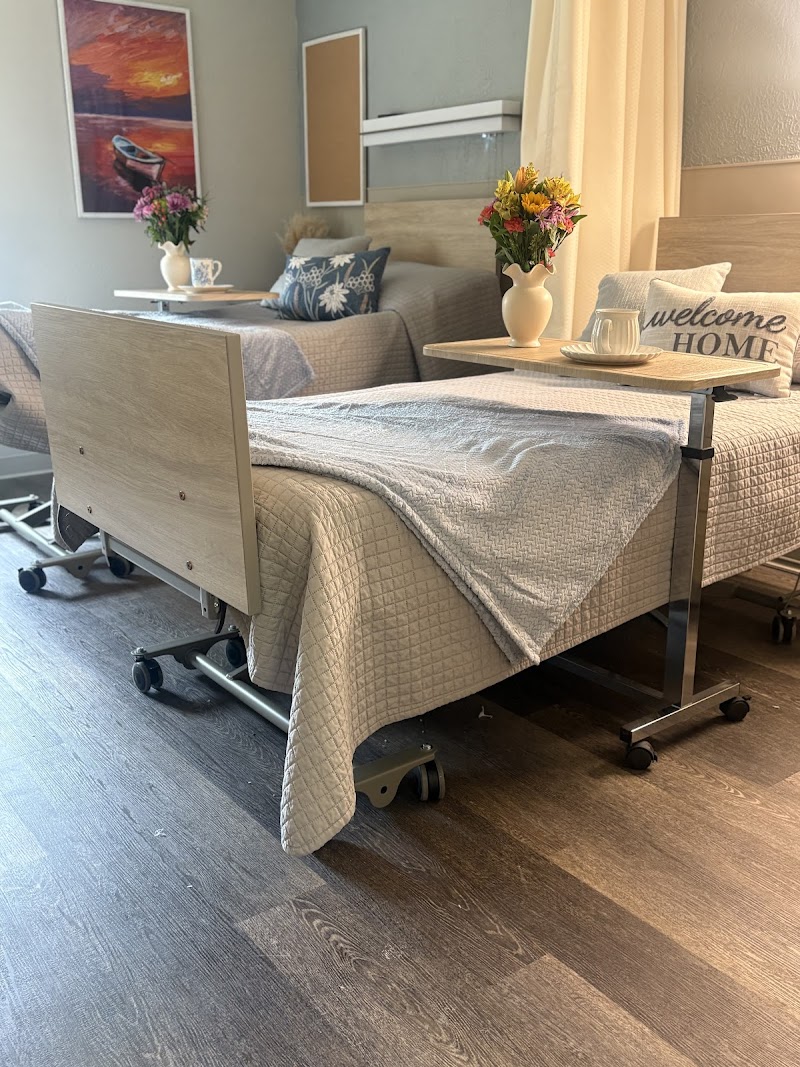
How is Cleveland Care And Rehab Center Staffed?

CMS rates CLEVELAND CARE AND REHAB CENTER's staffing level at 2 out of 5 stars, which is below average compared to other nursing homes. Staff turnover is 52%, compared to the Oklahoma average of 46%.

What Have Inspectors Found at Cleveland Care And Rehab Center?

State health inspectors documented 36 deficiencies at CLEVELAND CARE AND REHAB CENTER during 2020 to 2025. These included: 1 Immediate Jeopardy (the most serious level, indicating potential for serious harm or death) and 35 with potential for harm. Immediate Jeopardy findings are rare and represent the most serious regulatory concerns. They require immediate corrective action.

Who Owns and Operates Cleveland Care And Rehab Center?

CLEVELAND CARE AND REHAB CENTER is owned by a for-profit company. For-profit facilities operate as businesses with obligations to shareholders or private owners. The facility is operated by MGM HEALTHCARE, a chain that manages multiple nursing homes. With 90 certified beds and approximately 52 residents (about 58% occupancy), it is a smaller facility located in CLEVELAND, Oklahoma.

How Does Cleveland Care And Rehab Center Compare to Other Oklahoma Nursing Homes?

Compared to the 100 nursing homes in Oklahoma, CLEVELAND CARE AND REHAB CENTER's overall rating (2 stars) is below the state average of 2.6, staff turnover (52%) is near the state average of 46%, and health inspection rating (2 stars) is below the national benchmark.

What Should Families Ask When Visiting Cleveland Care And Rehab Center?

Based on this facility's data, families visiting should ask: "What changes have been made since the serious inspection findings, and how are you preventing similar issues?" "Can you walk me through typical staffing levels on day, evening, and night shifts?" "Can I visit during a mealtime to observe dining assistance and food quality?" "How do you handle medical emergencies, and what is your hospital transfer rate?" These questions are particularly relevant given the facility's Immediate Jeopardy citations and the below-average staffing rating.

Is Cleveland Care And Rehab Center Safe?

Based on CMS inspection data, CLEVELAND CARE AND REHAB CENTER has documented safety concerns. Inspectors have issued 1 Immediate Jeopardy citation (the most serious violation level indicating risk of serious injury or death). The facility has a 2-star overall rating and ranks #100 of 100 nursing homes in Oklahoma. Families considering this facility should ask detailed questions about what corrective actions have been taken since these incidents.

Do Nurses at Cleveland Care And Rehab Center Stick Around?

CLEVELAND CARE AND REHAB CENTER has a staff turnover rate of 52%, which is 6 percentage points above the Oklahoma average of 46%. Moderate turnover is common in nursing homes, but families should still ask about staff tenure and how the facility maintains care continuity when employees leave.

Was Cleveland Care And Rehab Center Ever Fined?

CLEVELAND CARE AND REHAB CENTER has been fined $21,645 across 1 penalty action. This is below the Oklahoma average of $33,295. While any fine indicates a compliance issue, fines under $50,000 are relatively common and typically reflect isolated problems that were subsequently corrected. Families should ask what specific issues led to these fines and confirm they've been resolved.

Is Cleveland Care And Rehab Center on Any Federal Watch List?

CLEVELAND CARE AND REHAB CENTER is not on any federal watch list. The most significant is the Special Focus Facility (SFF) program, which identifies the bottom 1% of nursing homes nationally based on persistent, serious quality problems. Not being on this list means the facility has avoided the pattern of deficiencies that triggers enhanced federal oversight. This is a positive indicator, though families should still review the facility's inspection history directly.