RIVER VALLEY SKILLED NURSING AND THERAPY
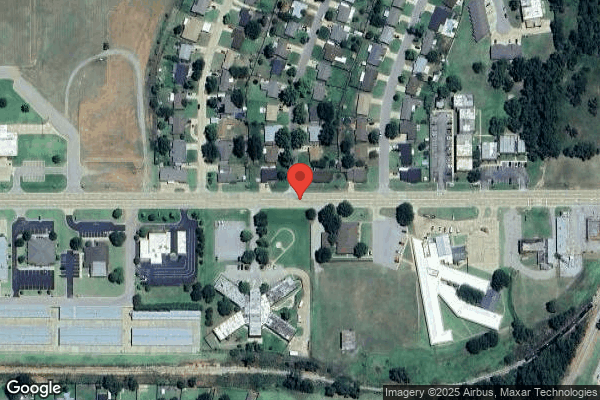

2400 WEST MODELLE, CLINTON, OK 73601 (580) 323-1110
For profit - Partnership 100 Beds BRIDGES HEALTH Data: November 2025
Trust Grade
90/100
#23 of 282 in OK
Last Inspection: December 2024

Within standard 12-15 month inspection cycle. Federal law requires annual inspections.

Overview

River Valley Skilled Nursing and Therapy in Clinton, Oklahoma, has received a Trust Grade of A, indicating an excellent reputation and high recommendation for families considering this facility. It ranks #23 out of 282 nursing homes in Oklahoma, placing it in the top half of facilities statewide, and is the best option among the two nursing homes in Custer County. The facility is showing an improving trend, with the number of issues found dropping from six in 2022 to just two in 2024. Staffing is rated good at 4 out of 5 stars, with a turnover rate of 41%, significantly lower than the state average, suggesting that staff generally remain long-term and are familiar with residents. While there have been no fines, which is a positive sign, some concerns were identified during inspections, such as a failure to ensure one resident received meals according to their dietary needs and multiple reports of food being served cold. Additionally, there was an incident involving the use of the same utensils for raw and cooked foods, which raises concerns about food safety. Overall, the facility has strengths in staffing and reputation but needs to address these meal service and safety issues.

Trust Score
A
90/100
In Oklahoma
#23/282
Top 8%
Safety Record
Low Risk
No red flags
Inspections
Getting Better
6 → 2 violations
Staff Stability
○ Average
41% turnover. Near Oklahoma's 48% average. Typical for the industry.
Penalties
✓ Good
No fines on record. Clean compliance history, better than most Oklahoma facilities.
Skilled Nurses
⚠ Watch
Each resident gets only 22 minutes of Registered Nurse (RN) attention daily — below average for Oklahoma. Fewer RN minutes means fewer trained eyes watching for problems.
Violations
○ Average
8 deficiencies on record. Average for a facility this size. Mostly minor or procedural issues.
★★★★★
5.0
Overall Rating
★★★★☆
4.0
Staff Levels
★★★★★
5.0
Care Quality
★★★★★
5.0
Inspection Score
Stable
2022: 6 issues
2024: 2 issues

The Good

  • 4-Star Staffing Rating · Above-average nurse staffing levels
  • 5-Star Quality Measures · Strong clinical quality outcomes
  • Full Sprinkler Coverage · Fire safety systems throughout facility
  • No fines on record
  • Staff turnover below average (41%)

    7 points below Oklahoma average of 48%

Facility shows strength in staffing levels, quality measures, fire safety.

The Bad

Staff Turnover: 41%

Near Oklahoma avg (46%)

Typical for the industry

Chain: BRIDGES HEALTH

Part of a multi-facility chain

Ask about local staffing decisions and management

The Ugly 8 deficiencies on record

Dec 2024 2 deficiencies
CONCERN (D)

Potential for Harm - no one hurt, but risky conditions existed

Menu Adequacy (Tag F0803)

Could have caused harm · This affected 1 resident

Based on observation, record review, and interview, the facility failed to ensure menus were followed for pureed diets for one of one meal service observed. Cook #1 identified three residents who had ...

Read full inspector narrative →
Based on observation, record review, and interview, the facility failed to ensure menus were followed for pureed diets for one of one meal service observed. Cook #1 identified three residents who had diet orders for pureed meals. Findings: The menu extension, dated 12/17/24, documented the noon pureed meal was to have chicken fried beef steak and bread of the day. On 12/17/24 at 10:36 a.m., [NAME] #1 was observed placing four chicken fried steak patties into the blender. They blended four chicken fried steaks and added one piece of bread. On 12/17/24 at 11:26 a.m., Resident #50 was observed to be served the pureed meat and bread mixture. On 12/17/24 at 12:30 p.m., [NAME] #1 stated they pureed four chicken fried steak patties with one piece of bread. They stated they should have used two pieces. On 12/17/24 at 12:35 p.m., the CDM stated four pieces of bread should have blended with the chicken fried steak patties.
CONCERN (E)

Potential for Harm - no one hurt, but risky conditions existed

Food Safety (Tag F0812)

Could have caused harm · This affected multiple residents

Based on observation and interview, the facility failed to ensure utensils were not used from raw, uncooked food to ready to eat food. The CDM identified 49 residents received services from the kitche...

Read full inspector narrative →
Based on observation and interview, the facility failed to ensure utensils were not used from raw, uncooked food to ready to eat food. The CDM identified 49 residents received services from the kitchen. Findings: On 12/17/24 at 10:56 a.m., [NAME] #1 was observed using tongs to put raw, frozen chicken fried beef patties into the fryer. They were observed using the same tongs to remove the cooked chicken fried beef patties from the fryer basket. On 12/17/24 at 12:33 p.m., [NAME] #1 was asked for examples of cross contamination. They stated using the same utensils without washing between food items. [NAME] #1 stated they did use the same utensils for raw, uncooked meat and cooked, ready to eat meat.
Sept 2022 6 deficiencies
CONCERN (E)

Potential for Harm - no one hurt, but risky conditions existed

Resident Rights (Tag F0550)

Could have caused harm · This affected multiple residents

**NOTE- TERMS IN BRACKETS HAVE BEEN EDITED TO PROTECT CONFIDENTIALITY** 2. Resident #42 had diagnoses which included, depressive disorder and high blood pressure. A quarterly assessment, dated 08/24/2...

Read full inspector narrative →
**NOTE- TERMS IN BRACKETS HAVE BEEN EDITED TO PROTECT CONFIDENTIALITY** 2. Resident #42 had diagnoses which included, depressive disorder and high blood pressure. A quarterly assessment, dated 08/24/22, documented Resident #42 was cognitively intact, and had a name preference. On 09/27/22 at 10:44 a.m., Resident #42 was asked if they smoked. They stated, I had a big beard couple three weeks ago .went outside .wind was blowing .lit cigarette the wind changed, the cigarette flared and caught my beard on fire. Resident #42 was asked how the fire was put out, they stated, There was another guy out there .patted it out for me. I burned my thumb, chin and ears. Resident #42 stated, All the girls call me shish-k-[NAME] or Bobecue .It's not funny . At 12:26 p.m., Resident #42 was asked if they had reported staff had been calling them names. They stated, no. At 12:30 p.m., the Administrator was notified regarding the allegation staff had been calling Resident #42 Shish-k-[NAME] and [NAME]-b-que. The administrator stated, that was verbal abuse and an investigation would be started. Based on record review, observations and interview, the facility failed to ensure residents were treated with dignity and respect with the provision of timely incontinent care and addressing a resident by a preferred name. This affected two (#42 and #55) of two sampled residents reviewed for dignity and respect. The Resident Census and Condition of Residents report, dated 09/26/22, documented 66 residents resided in the facility. Findings: 1. Resident #55 had diagnosis to include benign prostatic hyperplasia and dementia. The care plan, dated 03/05/21, read in parts, .skin integrity .keep the resident's skin clean and dry .[incontinent] of bowel and bladder needs assist with toileting .disposable briefs at his requesst [sic]. Change prn .[encourage] .to be up on toilet, assist needed .requires max assist with adls . A quarterly assessment, dated 08/25/22, documented Resident #55 had severe cognitive impairment for daily decision making, required extensive assistance of two staff for all transfers, required extensive assistance of one staff for dressing and toileting, was frequently incontinent of urine and always incontinent of bowel. The Documentation Survey Report, dated 09/27/22 documented Resident #55 required total assistance of one staff for toileting on the day and night shifts, and required extensive assistance of one staff on the evening shift. On 09/27/22 at 3:35 p.m., Resident #55 was observed to be assisted/wheeled from the resident's room to the dining room by CMA #1. Resident #55 wore light gray sweat pants and a lift/transfer sheet under the resident. The light gray pants appeared to be saturated, darker in color from just below the waist to near the resident's knees, and across the fullness of the lower torso/lap area. The CMA stopped momentarily to adjust the straps of the lift/transfer sheet from the wheels of the wheelchair, then continued down the hall to the main dining room. Resident #55 was provided a cup of coffee and a glass of milk. Resident #55 remained in the dining room. No attempts were made to encourage the resident to be changed into dry clothing or toileted. At 4:19 p.m., Resident #55 wheeled/mobiled himself to his room. At 4:27 p.m., multiple nursing staff were observed to be on the hall near Resident #55's room and answering call lights. Staff did not enter the room of Resident #55 to check and provide care. At 4:40 p.m., an unidentified female staff was observed to approach Resident #55's room, turn the overhead light on/off in the resident room but did not enter or verbally interact with Resident #55. At 4:41 p.m., Resident #55 propelled himself into the room doorway with feet positioned into the hall. Resident #55 remained seated in the doorway, observing staff in the hallway. The resident continued to be in his saturarted clothes. At 4:43 p.m., Resident #55 propelled into the hallway, and asked a male staff what time was it. Resident #55 and the unidentified male staff discussed it was time to eat. Resident #55 began to propel down the hallway, toward the main dining area. Resident #55 remained in the same light gray pants which appeared saturated with the darker areas from just below the waist, to near the knees, and across the lap. Staff did not attempt to encourage resident to change clothing or offer to be toileted. At 4:50 p.m., Resident #55 arrived to the dining room to the same place setting previously established with coffee and milk. At 4:58 p.m., multiple staff were observed standing in a line at the steam table area, located next to Resident #55's table. Staff did not identify the need for Resident #55 to be assisted into dry clothing or toileted. At 5:19 p.m., Resident #55 was served a meal tray. Staff provided set-up assistance for the meal to ensure eating utensils, condiments and fluids were available. No attempts were made to encourage Resident #55 to change into dry clothing or toileted prior to the meal service. Resident #55 continued to wear saturated pants as he began to eat the evening meal that was provided to him. From 3:35 p.m., to 5:19 p.m., staff were not observed to offer or encourage toileting/incontinent care, or change Resident #55's clothing. On 09/29/22 at 3:52 p.m., the administrator and DON were asked what the facility's policy was regarding direction on the timeliness of incontinent care. The DON stated there was not a policy but it was expected of staff to provide toileting/incontinent care every two hours and as needed. The administrator and DON were informed of the observations of Resident #55 on 09/27/22. They were asked if staff should have identified the resident had been incontinent, offered to change and/or toilet prior to being served the evening meal. The administrator and DON stated the resident should have been changed. They were asked if they felt this was a dignity concern for the Resident #55 to not be provided the proper toileting/incontinent care prior to being served. They shook their heads yes.
CONCERN (E)

Potential for Harm - no one hurt, but risky conditions existed

ADL Care (Tag F0677)

Could have caused harm · This affected multiple residents

2. Resident #41 had diagnoses which included, COPD, type 2 diabetes mellitus, and disorder of prostate. A quarterly assessment, dated 08/19/22, documented Resident #41 had severe cognitive impairment...

Read full inspector narrative →
2. Resident #41 had diagnoses which included, COPD, type 2 diabetes mellitus, and disorder of prostate. A quarterly assessment, dated 08/19/22, documented Resident #41 had severe cognitive impairment for daily decision making, and required extensive assistance with toileting, transfers, dressing, bed mobility, and personal hygiene. Resident #41's care plan, reviewed 08/22/22, read in parts, .[Resident] has impaired cognitive function .[Resident] need supervision/assistance with all decision making .staff will assess that my needs are met and will assist me accordingly .I have urinary/bowel incontinence .my B&B incontinence fluctuates r/t cognition .Ensure clothing is dry and odor free .I have bowel incontinence staff to assist with toileting frequently .[ Resident's] incontinence depends on .cognition and if [resident] remembers to ask to be toileting . On 09/26/22 at 1:18 p.m., Resident #41 was observed sitting in a wheelchair in the hallway just outside the resident's room. Resident #41's pants were observed to have an outline on the lap/groin area. On 09/26/22 at 1:54 p.m., Resident #41 was observed still sitting in the hallway. Outline in lap/groin area still observed. On 09/29/22 at 7:30 a.m., Resident #41 was observed sitting at the dining room table drinking coffee. On 09/29/22 at 9:25 a.m., Resident #41 was oberved sitting at the dining room table. An outline on left side of lap/groin area was observed on the residents sweat pants. At 9:53 am the DON was asked to observe Resident #41. The DON stated, [Resident #41] needs to be changed. Based on record review, observations and interview, the facility failed to provide toileting/incontinent care for dependent residents in a timely manner. This affected two (#41, and #55) of five sampled residents reviewed for adl care. The Resident Census and Condition of Residents report, dated 09/26/22, documented two residents were dependent and 46 residents required assistance for toileting, and 66 residents resided in the facility. Findings: 1. Resident #55 had diagnosis to include benign prostatic hyperplasia and dementia. The care plan, dated 03/05/21, read in parts, .skin integrity .keep the resident's skin clean and dry .[incontinent] of bowel and bladder needs assist with toileting .disposable briefs at his requesst [sic]. Change prn .[encourage] .to be up on toilet, assist needed .requires max assist with adls . A quarterly assessment, dated 08/25/22, documented Resident #55 had severe cognitive impairment for daily decision making, required extensive assistance of two staff for all transfers, required extensive assistance of one staff for dressing and toileting, was frequently incontinent of urine and always incontinent of bowel. The Documentation Survey Report, dated 09/27/22 documented Resident #55 required total assistance of one staff for toileting on the day and night shifts, and required extensive assistance of one staff on the evening shift. On 09/27/22 at 3:35 p.m., Resident #55 was observed to be assisted/wheeled from the resident's room to the dining room by CMA #1. Resident #55 wore light gray sweat pants and a lift/transfer sheet under the resident. The light gray pants appeared to be saturate, darker in color from just below the waist to near the resident's knees, and across the fullness of the lower torso/lap area. The CMA stopped momentarily to adjust the straps of the lift/transfer sheet from the wheels of the wheelchair, then continued down the hall to the main dining room. Resident #55 was provided a cup of coffee and a glass of milk. Resident #55 remained in the dining room. No attempts were made to encourage the resident to be changed into dry clothing or toileted. At 4:19 p.m., Resident #55 wheeled/mobiled himself to his room. At 4:27 p.m., multiple nursing staff were observed to be on the hall near Resident #55's room and answering call lights. Staff did not enter the room of Resident #55. At 4:40 p.m., an unidentified female staff was observed to approach Resident #55's room, turn the overhead light on/off in the resident room but did not enter or verbally interact with Resident #55. At 4:41 p.m., Resident #55 propelled himself into the room doorway with feet positioned into the hall. Resident #55 remained seated in the doorway, observing staff in the hallway. At 4:43 p.m., Resident #55 propelled into the hallway, and asked a male staff what time was it. Resident #55 and the unidentified male staff discussed it was time to eat. Resident #55 began to propel down the hallway, toward the main dining area. Resident #55 remained in the same light gray pants which appeared saturated with the darker areas from just below the waist, to near the knees, and across the lap. Staff did not attempt to encourage resident to change clothing or offer to be toileting. At 4:50 p.m., Resident #55 arrived to the dining room to the same place setting previously established with coffee and milk. At 4:58 p.m., multiple staff were observed standing in a line at the steam table area, located next to Resident #55's table. Staff did not identify the need for Resident #55 to be assisted into dry clothing or toileted. At 5:19 p.m., Resident #55 was served a meal tray. Staff provided set-up assistance for the meal to ensure eating utensils, condiments and fluids were available. No attempts were made to encourage Resident #55 to change into dry clothing or toileted prior to the meal service. Resident #55 continued to wear saturated pants as he began to eat the evening meal that was provided to him. From 3:35 p.m., to 5:19 p.m., Resident #55 was not observed to be offered/encouraged toileting/incontinent care, or change their clothes. On 09/29/22 at 1:45 p.m., LPN #1 was asked how often dependent residents should be offered toileting and/or incontinent care. The LPN stated every two hours. LPN #1 was asked what was expected of staff if a resident was incontinent between the routine toileting/incontinent care. LPN #1 stated the staff should provide care at the time. LPN #1 was asked how it would be determined what was too long for a resident to not be toileted/incontinent care provided if the resident was known to have had an incontinent event. LPN #1 stated, No more than 30 minutes. On 09/29/22 at 1:50 p.m., CNA #1 was asked how often residents should be checked for the need of incontinent care. CNA #1 stated at least 4 times per shift. CNA #1 was asked what instructions were provided for residents that have been observed to be wet/incontinent of urine. CNA #1 stated the resident should be changed right away. On 09/29/22 at 3:52 p.m., the administrator and DON were asked what the facility policy was regarding direction on the timeliness of incontinent care. The DON stated there was not a policy but it was expected of staff to provide toileting/incontinent care every two hours and as needed. The administrator and DON were asked if a dependent resident presented as having an incontinent event and was obviously wet, when should the staff offer/attempt to provide care. They stated the staff should attempt care at the time a resident requests and/or the staff identified the resident to be wet. The administrator and DON were informed of the observations of Resident #55 on 09/27/22. They were asked if staff should have identified the resident had been incontinent, offered to change and/or toilet prior to being served the evening meal. The administrator and DON stated the staff should have identified the resident's needs and provided assistance, not walk away.
CONCERN (E)

Potential for Harm - no one hurt, but risky conditions existed

Deficiency F0806 (Tag F0806)

Could have caused harm · This affected multiple residents

Based on record review, observation, and interview, the facility failed to ensure residents' food preferences were available for two (#15 and #214) of six residents reviewed for food preferences. The ...

Read full inspector narrative →
Based on record review, observation, and interview, the facility failed to ensure residents' food preferences were available for two (#15 and #214) of six residents reviewed for food preferences. The dietary manager identified 66 residents received food from the kitchen. Findings: The diet spreadsheet, dated Spring/Summer 2022, documented breakfast consisted of Egg of Choice. 1. Resident #15 had diagnoses which included, atrial fibrillation, heart disease, and other depressive disorders. A five day assessment, dated 07/21/22, documented Resident #15 was cognitively intact, and did not exhibit any inattention, disorganized thinking or altered level of consciousness. A physician order, dated 07/20/22, read in part, .Regular diet Regular Texture, Regular-Thin liquids consistency . On 09/27/22 at 8:09 a.m., Resident #15 was observed in the dining room and had just finished breakfast. Resident #15, stated, they were supposed to give me eggs over easy, but I couldn't get them. Resident #15 was asked how long had they not been able to get over easy eggs. Resident #15 stated, Quite a while. Resident #15 showed this surveyor a Meal Ticket, dated 09/27/22 that documented Resident #15's order as .2 f. eggs, Toast/Gravy Bacon oatmeal B-sugar . Resident #15 stated, I asked for 4 pieces of bacon, and got two. 2. Resident #214 was admitted with diagnoses which included, unspecified protein-calorie malnutrition, non-Hodgkin lymphoma and diastolic heart failure. A significant change in status assessment, dated 09/02/22, documented Resident #214 was cognitively intact. A physician order, dated 09/01/22, read in part, .Regular diet Regular texture, Regular-Thin liquids consistency . On 09/26/22 at 3:28 p.m., Resident #41 complained of not getting food as ordered especially for breakfast. The resident was asked if there are choices for meals. Resident #41 stated a staff member comes in and tells you what is on the menu. Resident has been keeping handwritten copies of meal order slips turned in. Resident #41 stated they ordered, two sausage patties or five sausage links, four slices of bread and two over easy eggs. Resident #41 has been keeping order slips from his tray and showed this surveyor where they had ordered two over easy eggs and the slip documented 2 f eggs. The resident stated they did not receive over easy eggs, and the bread was untoasted and did not have any butter. On 09/27/22 at 8:46 a.m., the DM stated they didn't have hard shell eggs. The DM stated, I must have not ordered them. They were asked when they ran out of the eggs. DA #1 and [NAME] #1 stated they didn't have eggs last Friday, 09/23/22. On 09/29/22 at 10:32 a.m., the DM was asked how staff ensured residents were served what they ordered. They stated staff would write on the meal ticket what the residents wanted and dietary staff would follow the meal tickets. The DM was asked how they ensured food items on the menu were available. They stated they ordered it. The DM stated they have been told, now, they can FedEx items.
CONCERN (E)

Potential for Harm - no one hurt, but risky conditions existed

Food Safety (Tag F0812)

Could have caused harm · This affected multiple residents

Based on record review, observation, and interview, the facility failed to ensure food was distributed in a sanitary manner for five (#19, 42, 11, 34 and #44) of six residents observed for food servic...

Read full inspector narrative →
Based on record review, observation, and interview, the facility failed to ensure food was distributed in a sanitary manner for five (#19, 42, 11, 34 and #44) of six residents observed for food services. The dietary manager identified 66 resident received food from the kitchen. Findings: On 09/27/22 at 7:58 a.m., DA #1 was observed to open a biscuit with food tongs and their left hand. The biscuit was served to Resident #19. On 09/27/22 at 8:10 a.m., DA #1 was observed to touch their face mask with both hands, then opened a biscuit with food tongs and their left hand. The biscuit was served to Resident #42. On 09/27/22 at 8:18 a.m., DA #1 was observed to open two biscuits with food tongs and their left hand. The biscuits were served to Resident #11 and #34. On 09/27/22 at 8:21 a.m., DA #1 was observed to open a biscuit with food tongs and their left hand. The biscuit was served to Resident #44. On 09/29/22 at 10:32 a.m., the DM was asked when staff were to touch food with their bare hands. They stated, Never.
CONCERN (F)

Potential for Harm - no one hurt, but risky conditions existed

Menu Adequacy (Tag F0803)

Could have caused harm · This affected most or all residents

Based on record review, observation and interview the facility failed to ensure menus were followed for one (#41) of 13 sampled residents reviewed for dining. The dietary manager identified 66 reside...

Read full inspector narrative →
Based on record review, observation and interview the facility failed to ensure menus were followed for one (#41) of 13 sampled residents reviewed for dining. The dietary manager identified 66 residents received meals from the kitchen. Findings: The diet spreadsheet, dated Spring/Summer 2022, documented breakfast on 09/27/22 consisted of ¾ cup of hot or cold cereal of choice, and one biscuit. Resident #41 had diagnoses which included COPD, and type 2 diabetes mellitus. A quarterly assessment, dated 08/19/22, documented Resident #41 had severe cognitive impairment with daily decision making, and was independent with eating, and required set up assistance. Resident #41's care plan, reviewed 08/22/22, read in parts, .[Resident] has impaired cognitive function .[Resident] need supervision/assistance with all decision making .staff will assess that my needs are met and will assist me accordingly .[Resident] has potential nutritional problem or wt. to fluctuate r/t DM and Edema .Provide, serve regular Regular diet as ordered .staff to assist with menu to choose what [resident] wishes to eat at mealtimes . On 09/27/22 at 7:51 a.m., Resident #41 was observed to be served 1/2 piece of toast, a scoop of scrambled eggs, and one sausage patty. On 09/29/22 at 10:32 a.m., the DM was asked how they ensured menus were followed. The DM stated they looked at them. They were asked how staff ensured items and portion size on the menu were provided. The DM stated they watched and provided training to the staff. On 09/29/22 at 10:50 a.m., the meal ticket for Resident #41 and observation of breakfast served on 09/27/22 was reviewed with the DM. They stated, I don't know why [they] got half a piece of toast.
CONCERN (F)

Potential for Harm - no one hurt, but risky conditions existed

Deficiency F0804 (Tag F0804)

Could have caused harm · This affected most or all residents

On 09/28/22 at 09:30 a.m., Resident #56's breakfast tray was observed still covered sitting on the OTB table. The resident was asked why hadn't they eaten breakfast. Resident #54 stated, By the time i...

Read full inspector narrative →
On 09/28/22 at 09:30 a.m., Resident #56's breakfast tray was observed still covered sitting on the OTB table. The resident was asked why hadn't they eaten breakfast. Resident #54 stated, By the time it gets to me it's so cold. Based on record review, observation, and interview the facility failed to ensure food was served at a palatable temperature for five (#20, 44, 56, 12 and #54) of six residents reviewed for meal services. The dietary manager identified 66 residents received meals from the kitchen. Findings: On 09/26/22 at 2:39 p.m., Resident #20 stated the food was cold by the time they received it. On 09/26/22 at 2:48 p.m., Resident #44 stated the food wasn't hot a lot of the times they received it. On 09/26/22 at 2:57 p.m., Resident #12 stated the food was always cold. On 09/27/22 at 7:27 a.m., the DA #1 was observed to temp the food on the steam table. The ground meat, pureed meat, pureed eggs were observed to be below 135 degrees Fahrenheit. These foods were observed on the left side of the steam table. DA #1 stated they have been having problems with the warmer on the left side of the table. DA #1 was observed to take food and place them in the oven. On 09/27/22 at 7:48 a.m., DA #1 was observed to place malt-o-meal on the left side of the steam table. DA #1 was observed to take temperatures of the food one time during meal service. On 09/27/22 at 8:47 a.m., a test tray was requested and the food was temped. The sausage temperature was 110 degree Fahrenheit, and the malt-o-meal was 97 degrees Fahrenheit. The sausage and malt-o-meal tasted cold. On 09/27/22 at 9:31 a.m., Resident #54 stated the food was always cold. On 09/29/22 at 10:32 a.m., the DM was asked how staff ensured food temperature was served at a palatable temperature. They stated they took temperatures of food at each meal before and during meal service at different times. The DM was asked what was an acceptable temperature of food. They stated it should be at least 135 degrees Fahrenheit and above.
Understanding Severity Codes (click to expand)
Life-Threatening (Immediate Jeopardy)
J - Isolated K - Pattern L - Widespread
Actual Harm
G - Isolated H - Pattern I - Widespread
Potential for Harm
D - Isolated E - Pattern F - Widespread
No Harm (Minor)
A - Isolated B - Pattern C - Widespread

Questions to Ask on Your Visit

  • "Can I speak with families of current residents?"
  • "What's your RN coverage like on weekends and overnight?"

Our Honest Assessment

Strengths
  • • Grade A (90/100). Above average facility, better than most options in Oklahoma.
  • • No major safety red flags. No abuse findings, life-threatening violations, or SFF status.
  • • No fines on record. Clean compliance history, better than most Oklahoma facilities.
  • • 41% turnover. Below Oklahoma's 48% average. Good staff retention means consistent care.
Concerns
  • • No significant concerns identified. This facility shows no red flags across CMS ratings, staff turnover, or federal penalties.
Bottom line: Generally positive indicators. Standard due diligence and a personal visit recommended.

About This Facility

What is River Valley Skilled Nursing And Therapy's CMS Rating?

CMS assigns RIVER VALLEY SKILLED NURSING AND THERAPY an overall rating of 5 out of 5 stars, which is considered much above average nationally. Within Oklahoma, this rating places the facility higher than 99% of the state's 100 nursing homes. This rating reflects solid performance across the metrics CMS uses to evaluate nursing home quality.
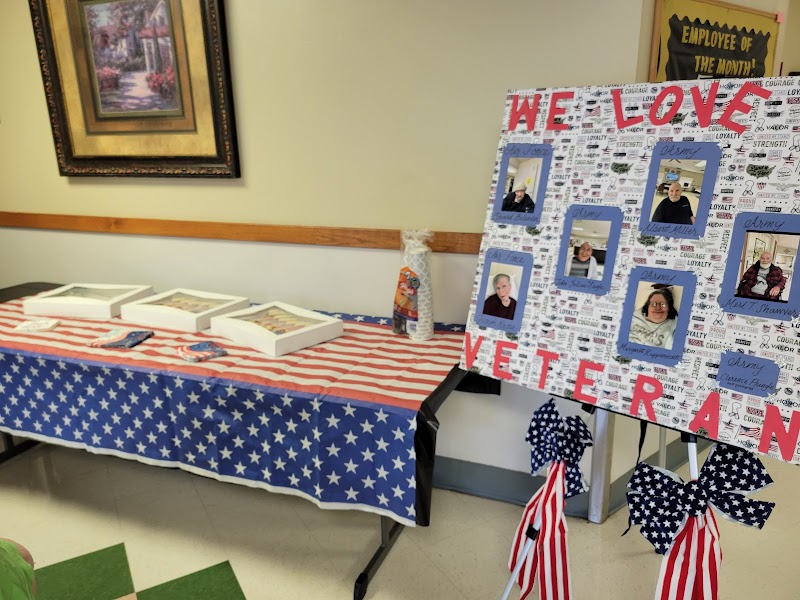
How is River Valley Skilled Nursing And Therapy Staffed?

CMS rates RIVER VALLEY SKILLED NURSING AND THERAPY's staffing level at 4 out of 5 stars, which is above average compared to other nursing homes. Staff turnover is 41%, compared to the Oklahoma average of 46%. This relatively stable workforce can support continuity of care.

What Have Inspectors Found at River Valley Skilled Nursing And Therapy?

State health inspectors documented 8 deficiencies at RIVER VALLEY SKILLED NURSING AND THERAPY during 2022 to 2024. These included: 8 with potential for harm.
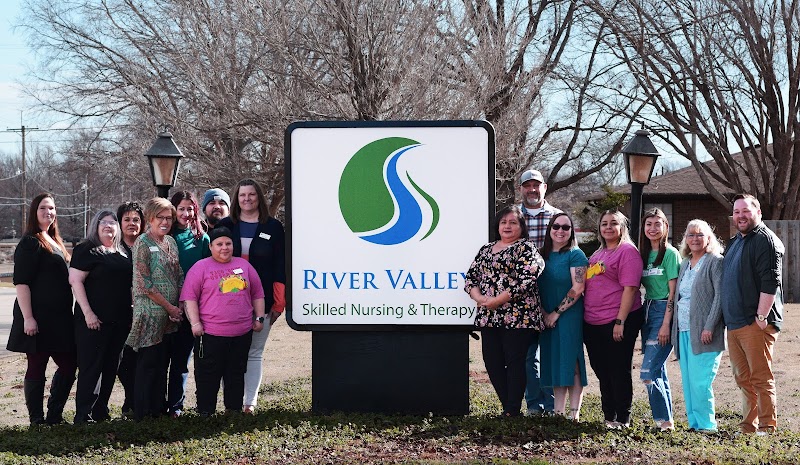
Who Owns and Operates River Valley Skilled Nursing And Therapy?

RIVER VALLEY SKILLED NURSING AND THERAPY is owned by a for-profit company. For-profit facilities operate as businesses with obligations to shareholders or private owners. The facility is operated by BRIDGES HEALTH, a chain that manages multiple nursing homes. With 100 certified beds and approximately 53 residents (about 53% occupancy), it is a mid-sized facility located in CLINTON, Oklahoma.
How Does River Valley Skilled Nursing And Therapy Compare to Other Oklahoma Nursing Homes?

Compared to the 100 nursing homes in Oklahoma, RIVER VALLEY SKILLED NURSING AND THERAPY's overall rating (5 stars) is above the state average of 2.7, staff turnover (41%) is near the state average of 46%, and health inspection rating (5 stars) is much above the national benchmark.

What Should Families Ask When Visiting River Valley Skilled Nursing And Therapy?

Based on this facility's data, families visiting should ask: "Can I visit during a mealtime to observe dining assistance and food quality?" "How do you handle medical emergencies, and what is your hospital transfer rate?" "Can I speak with family members of current residents about their experience?"

Is River Valley Skilled Nursing And Therapy Safe?

Based on CMS inspection data, RIVER VALLEY SKILLED NURSING AND THERAPY has a clean safety record: no substantiated abuse findings (meaning no confirmed cases of resident harm), no Immediate Jeopardy citations (the most serious violation level indicating risk of serious injury or death), and is not on the Special Focus Facility watch list (a federal program monitoring the lowest-performing 1% of nursing homes). The facility has a 5-star overall rating and ranks #1 of 100 nursing homes in Oklahoma. While no facility is perfect, families should still ask about staff-to-resident ratios and recent inspection results during their visit.

Do Nurses at River Valley Skilled Nursing And Therapy Stick Around?

RIVER VALLEY SKILLED NURSING AND THERAPY has a staff turnover rate of 41%, which is about average for Oklahoma nursing homes (state average: 46%). Moderate turnover is common in nursing homes, but families should still ask about staff tenure and how the facility maintains care continuity when employees leave.

Was River Valley Skilled Nursing And Therapy Ever Fined?

RIVER VALLEY SKILLED NURSING AND THERAPY has no federal fines on record. CMS issues fines when nursing homes fail to meet care standards or don't correct problems found during inspections. The absence of fines suggests the facility has either maintained compliance or corrected any issues before penalties were assessed. This is a positive indicator, though families should still review recent inspection reports for the full picture.

Is River Valley Skilled Nursing And Therapy on Any Federal Watch List?

RIVER VALLEY SKILLED NURSING AND THERAPY is not on any federal watch list. The most significant is the Special Focus Facility (SFF) program, which identifies the bottom 1% of nursing homes nationally based on persistent, serious quality problems. Not being on this list means the facility has avoided the pattern of deficiencies that triggers enhanced federal oversight. This is a positive indicator, though families should still review the facility's inspection history directly.