Southern Pointe Living Center
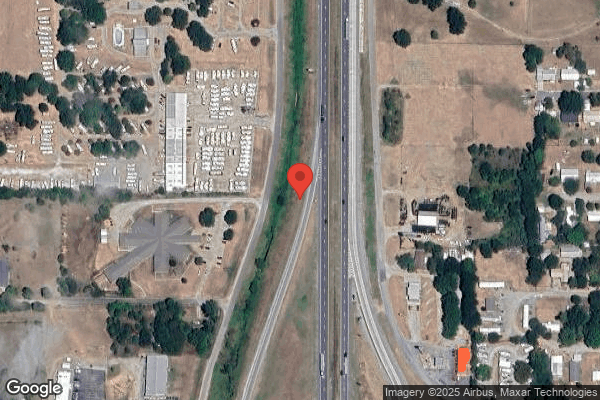
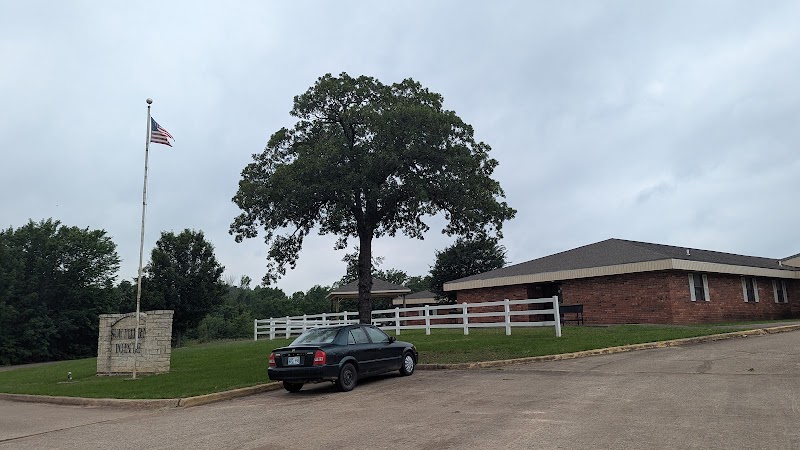
101 Sherrard Drive, Colbert, OK 74733 (580) 296-4500
For profit - Limited Liability company 95 Beds BGM ESTATE Data: November 2025 3 Immediate Jeopardy citations
Trust Grade
0/100
#270 of 282 in OK
Last Inspection: April 2024

Within standard 12-15 month inspection cycle. Federal law requires annual inspections.

Overview

Southern Pointe Living Center has received a Trust Grade of F, indicating significant concerns about the facility's care and operations. It ranks #270 out of 282 nursing homes in Oklahoma, placing it in the bottom half overall and last in Bryan County. Although the facility is improving, with a decrease in reported issues from 14 in 2024 to 2 in 2025, it still faces serious challenges, including a concerning 83% staff turnover rate, which is much higher than the state average. The facility has been fined $70,621, a troubling figure that is higher than 90% of Oklahoma facilities, which raises questions about ongoing compliance issues. While it does have more registered nurse coverage than 97% of other facilities in the state, there have been critical incidents, including failures to conduct necessary background checks on employees and neglecting a resident's skin care needs, which led to a hospitalization. Overall, families should weigh these strengths against the numerous weaknesses when considering this facility for their loved ones.
Trust Score
F
0/100
In Oklahoma
#270/282
Bottom 5%
Safety Record
High Risk
Review needed
Inspections
Getting Better
14 → 2 violations
Staff Stability
⚠ Watch
83% turnover. Very high, 35 points above average. Constant new faces learning your loved one's needs.
Penalties
○ Average
$70,621 in fines. Higher than 67% of Oklahoma facilities. Some compliance issues.
Skilled Nurses
⚠ Watch
Each resident gets only 21 minutes of Registered Nurse (RN) attention daily — below average for Oklahoma. Fewer RN minutes means fewer trained eyes watching for problems.
Violations
⚠ Watch
39 deficiencies on record. Higher than average. Multiple issues found across inspections.
★☆☆☆☆
1.0
Overall Rating
★☆☆☆☆
1.0
Staff Levels
★☆☆☆☆
1.0
Care Quality
★☆☆☆☆
1.0
Inspection Score
Stable
2024: 14 issues
2025: 2 issues

The Good

  • Full Sprinkler Coverage · Fire safety systems throughout facility
  • No fines on record

Facility shows strength in fire safety.

The Bad

1-Star Overall Rating

Below Oklahoma average (2.6)

Significant quality concerns identified by CMS

Staff Turnover: 83%

37pts above Oklahoma avg (46%)

Frequent staff changes - ask about care continuity

Federal Fines: $70,621

Well above median ($33,413)

Moderate penalties - review what triggered them

Chain: BGM ESTATE

Part of a multi-facility chain

Ask about local staffing decisions and management

Staff turnover is very high (83%)

35 points above Oklahoma average of 48%

The Ugly 39 deficiencies on record

3 life-threatening
Apr 2025 2 deficiencies 2 IJ
CRITICAL (J) 📢 Someone Reported This

A family member, employee, or ombudsman was alarmed enough to file a formal complaint

Immediate Jeopardy (IJ) - the most serious Medicare violation

Free from Abuse/Neglect (Tag F0600)

Someone could have died · This affected 1 resident

**NOTE- TERMS IN BRACKETS HAVE BEEN EDITED TO PROTECT CONFIDENTIALITY** On 04/07/25, an Immediate Jeopardy (IJ) situation was determined to exist related to the facility's failure to protect a residen...

Read full inspector narrative →
**NOTE- TERMS IN BRACKETS HAVE BEEN EDITED TO PROTECT CONFIDENTIALITY** On 04/07/25, an Immediate Jeopardy (IJ) situation was determined to exist related to the facility's failure to protect a resident's right to be free from neglect. Resident #3 admitted to the facility on [DATE] with diagnoses which included diabetes mellitus type II and hemiplegia and hemiparesis following cerebral infarction affecting left non-dominant side. There was no documentation upon admission of Resident #3 having any skin issues. Resident #3's quarterly assessment, dated 01/13/25, showed the resident required substantial/maximal assistance with all ADL's and had a Braden score of 16, placing them at increased risk of pressure ulcer/pressure injury development. The assessment showed there were no skin concerns. There were no documented skin assessments between 01/26/25 and 02/10/25. A nursing note, dated 02/10/25 at 6:55 p.m., showed Resident #3 was transferred to hospital for altered mental status and slurred speech. There was no documentation of concerns related to the buttock or coccyx. A hospital wound consult note, dated 02/14/25, showed Resident #3 presented upon admission with an unstageable pressure injury to right medial buttock measuring 2.2 cm x 2.0 cm, an improving unstageable pressure injury to right sided coccyx measuring 0.9 cm x 1.4 cm, an unstageable pressure injury to left sided medial coccyx measuring 0.6 cm x 0.9 cm, and an improving open deep tissue injury to midline coccyx measuring 0.6 cm x 0.4 cm. On 04/07/25 at 2:53 p.m., the Oklahoma State Department of Health was notified and verified the existence of the IJ situation. On 04/07/25 at 3:34 p.m., the administrator was notified of the IJ situation and provided the IJ template On 04/07/25 at 8:57 p.m., an acceptable plan of removal was approved by the Oklahoma Stated Department of Health. The plan of removal, read in part, April 7, 2025 Southern Pointe Living Center Plan of Removal for Neglect Completion Date 4-8-25 4:00 p.m. All staff will be educated on the Abuse and Neglect Policy & Procedures. A sign in sheet will be utilized for employees that are currently working in the facility. Any remaining staff that aren't at the facility will be called and educated over the telephone. Employee name and time of call will be documented. Currently in progress: All residents will be assessed head to toe for skin issues. Skin assessments will be completed for each resident. Wound assessments will be completed for each skin area identified. A SBAR and incident report will be completed for any identified skin areas. Weekly skin assessments will be completed for each resident. Weekly wound assessments will be completed until each skin area is resolved. The physician will be notified for any resident having skin areas and treatment orders will be obtained. The resident/responsible party will be notified of any new orders received from the physician. The dietary manager will be notified of any pressure ulcers identified. Skin care plans will be updated if applicable. The IJ was lifted on 04/08/25 at 5:53 p.m., when all components of the plan of removal had been verified as completed. Staff education related to abuse and neglect, resident skin assessments, and physician notification regarding resident skin issues were reviewed. The deficient practice remained at an isolated level with the potential for more than minimal harm. Based on record review and interview, the facility failed to ensure a resident at risk for pressure ulcers was not neglected by not being assessed and monitored to prevent pressure ulcers for 1 (#3) of 3 residents sampled for pressure ulcers/pressure injury. The administrator identified 41 residents resided in the facility. Findings: A policy titled Abuse-Reportable Events, revised 08/2019, read in part, Neglect .The failure of the facility, its employees or service providers to provide goods and services to a resident that are necessary to avoid physical harm, pain, mental anguish or emotional distress .Deprivation of Goods and Services .when staff has the knowledge and ability to provide care and services, but choose not to do it or acknowledge the request for assistance from a resident(s), which result in care deficits to a resident .It is the responsibility of every employee to report immediately anything that could adversely affect the health and welfare of any resident. A policy titled Skin Integrity Monitoring System, revised on 04/03/21, read in part, It is the policy of this facility that .A system will be in place to assure that all residents will be assessed and monitored for any type of skin breakdown .A system will be in place to assure that all residents will be assessed, and preventative measures will be in place to prevent the development of pressure ulcers .A system will be in place to assure any type of skin conditions that do not constitute pressure ulcers will be monitored for any type of complications .CNA's will report any changes in skin integrity to the charge nurse using the daily CNA bath sheet. Resident #3 admitted to the facility on [DATE] with diagnoses which included diabetes mellitus type II and hemiplegia and hemiparesis following cerebral infarction affecting left non-dominant side. Resident #3's admission assessment, dated 07/13/23, showed Resident #3 had no skin issues and no pressure ulcers upon admission, and they were at risk for pressure ulcers. Resident #3's quarterly assessment, dated 01/13/25, showed Resident #3 required substantial/maximal assistance from staff with their ADL's. The assessment showed there were no skin issues. There was no documentation Resident #3 had weekly skin assessments conducted between 01/26/25 through 02/10/25. There was no documentation Resident #3 received treatment for pressure ulcers/pressure injuries. A nursing note, dated 02/10/25 at 6:55 p.m., showed Resident #3 was transferred to hospital for altered mental status and slurred speech. There was no documentation of concerns related to the buttock or coccyx. A hospital wound consult note, dated 02/14/25, showed Resident #3 presented upon admission with an unstageable pressure injury to right medial buttock measuring 2.2 cm x 2.0 cm, an improving unstageable pressure injury to right sided coccyx measuring 0.9 cm x 1.4 cm, an unstageable pressure injury to left sided medial coccyx measuring 0.6 cm x 0.9 cm, and an improving open deep tissue injury to midline coccyx measuring 0.6 cm x 0.4 cm. On 04/03/25 at 10:43 a.m., regional nurse consultant stated there was no documentation of wounds prior to Resident #3 readmitting on 02/20/25 at 4:12 p.m. to the facility. On 04/03/25 at 11:43 a.m., regional nurse consultant stated the expectation of staff was to look at the residents' skin and document any findings on the skin sheet. On 04/03/25 at 11:45 a.m., regional nurse consultant stated none of the CNAs documentation showed Resident #3 had skin issues. On 04/03/25 at 4:50 p.m., regional nurse consultant stated no inservices had been conducted to address the lack of skin assessments.
CRITICAL (J) 📢 Someone Reported This

A family member, employee, or ombudsman was alarmed enough to file a formal complaint

Immediate Jeopardy (IJ) - the most serious Medicare violation

Pressure Ulcer Prevention (Tag F0686)

Someone could have died · This affected 1 resident

**NOTE- TERMS IN BRACKETS HAVE BEEN EDITED TO PROTECT CONFIDENTIALITY** On 04/07/25, an Immediate Jeopardy (IJ) situation was determined to exist related to the facility's failure to ensure a resident...

Read full inspector narrative →
**NOTE- TERMS IN BRACKETS HAVE BEEN EDITED TO PROTECT CONFIDENTIALITY** On 04/07/25, an Immediate Jeopardy (IJ) situation was determined to exist related to the facility's failure to ensure a resident at risk for pressure ulcers was assessed and monitored to prevent pressure ulcers. Resident #3 admitted to the facility on [DATE] with diagnoses which included diabetes mellitus type II and hemiplegia and hemiparesis following cerebral infarction affecting left non-dominant side. An admission assessment, dated 07/13/24, showed no skin concerns. Resident #3's quarterly assessment, dated 01/13/25, showed the resident required substantial/maximal assistance with all ADL's and had a Braden score of 16, placing them at increased risk of pressure ulcer/pressure injury development. The assessment showed no skin concerns. There were no documented skin assessments between 01/26/25 and 02/10/25. A nursing note, dated 02/10/25 at 6:55 p.m., showed Resident #3 was transferred to hospital for altered mental status and slurred speech. There was no documentation of concerns related to the buttock or coccyx. A hospital wound consult note, dated 02/14/25, showed Resident #3 presented upon admission with an unstageable pressure injury to right medial buttock measuring 2.2 cm x 2.0 cm, an improving unstageable pressure injury to right sided coccyx measuring 0.9 cm x 1.4 cm, an unstageable pressure injury to left sided medial coccyx measuring 0.6 cm x 0.9 cm, and an improving open deep tissue injury to midline coccyx measuring 0.6 cm x 0.4 cm. On 04/07/25 at 2:53 p.m., the Oklahoma State Department of Health was notified and verified the existence of the IJ situation. On 04/07/25 at 3:34 p.m., the administrator was notified of the IJ situation and provided the IJ template. On 04/07/25 at 8:57 p.m., an acceptable plan of removal was approved by the Oklahoma Stated Department of Health. The plan of removal, read in part, April 7, 2025 Southern Pointe Living Center Plan of Removal for Pressure Ulcers Completion Date 4-8-25 4:00 p.m. All staff will be educated on the Skin Policy and Procedures by the Regional Nurse, [name withheld, and/or [name withheld], Regional Director. A sign in sheet will be utilized for staff that are currently in the facility. Any remaining staff will be called to the facility for education; or educated over the telephone. Employee names and time of call will be documented. Currently in progress: All residents will be assessed head to toe for skin issues. Skin assessments will be completed for each resident. Wound assessments will be completed for each skin area identified. A SBAR and incident report will be completed for any identified skin areas. Weekly skin assessments will be completed for each resident. Weekly wound assessments will be completed until each skin area is resolved. The physician will be notified for any resident having skin areas and treatment orders will be obtained. The resident/responsible party will be notified of any new orders received from the physician. The dietary manager will be notified of any pressure ulcers identified. Skin care plans will be updated if applicable. The IJ was lifted on 04/08/25 at 5:53 p.m., when all components of the plan of removal had been verified as completed. Staff education related to skin policy and procedures, resident skin assessments, and physician notification regarding resident skin issues were reviewed. The deficient practice remained at an isolated level with the potential for more than minimal harm. Based on record review and interview, the facility failed to ensure a resident at risk for pressure ulcers was assessed and monitored to prevent pressure ulcers for 1 (#3) of 3 residents sampled for pressure ulcers/pressure injury. The regional nurse consult identified three residents residing in the facility had pressure ulcers. Findings: A policy titled Skin Integrity Monitoring System, revised 04/03/21, read in part, It is the policy of this facility that: .A system will be in place to assure that all residents will be assessed and monitored for any type of skin breakdown .A system will be in place to assure that all residents will be assessed, and preventative measures will be in place to prevent the development of pressure ulcers .A system will be in place to assure any type of skin conditions that do not constitute pressure ulcers will be monitored for any type of complications .CNA's will report any changes in skin integrity to the charge nurse using the daily CNA bath sheet. Resident #3 admitted to the facility on [DATE] with diagnoses which included diabetes mellitus type II and hemiplegia and hemiparesis following cerebral infarction affecting left non-dominant side. Resident #3's admission assessment, dated 07/13/24, showed Resident #3 had no pressure ulcers upon admission and they were at risk for pressure ulcers. Resident #3's quarterly assessment, dated 01/13/25, showed the resident required substantial/maximal assistance with all ADL's and had a Braden score of 16, placing them at increased risk of pressure ulcer/pressure injury development. The assessment showed no skin issues. There were no documented skin assessments between 01/26/25 and 02/10/25. A nursing note, dated 02/10/25 at 6:55 p.m., showed Resident #3 was transferred to hospital for altered mental status and slurred speech. There was no documentation of concerns related to the buttock or coccyx. A hospital wound consult note, dated 02/14/25, showed Resident #3 presented upon admission with an unstageable pressure injury to right medial buttock measuring 2.2 cm x 2.0 cm, an improving unstageable pressure injury to right sided coccyx measuring 0.9 cm x 1.4 cm , an unstageable pressure injury to left sided medial coccyx measuring 0.6 cm x 0.9 cm, and an improving open deep tissue injury to midline coccyx measuring 0.6 cm x 0.4 cm. On 04/03/25 at 10:43 a.m., the regional nurse consultant stated there was no documentation of wounds prior to Resident #3's readmission on [DATE] at 4:12 p.m. to the facility. On 04/03/25 at 10:45 a.m., the regional nurse consultant stated the hospital documented the pressure ulcers as present on admission. On 04/03/25 at 5:20 p.m., Resident #3's family member stated they had not been informed by the facility of the having any skin issues. They stated they were informed on 02/11/25 by the admitting hospital Resident #3 had admitted with pressure ulcers.
Apr 2024 11 deficiencies
CONCERN (D) 📢 Someone Reported This

A family member, employee, or ombudsman was alarmed enough to file a formal complaint

Potential for Harm - no one hurt, but risky conditions existed

Deficiency F0563 (Tag F0563)

Could have caused harm · This affected 1 resident

Based on record review and interview, the facility failed to ensure resident's rights to allow/receive visitors of the resident's choice for one (#33) of one sampled resident reviewed for visitation. ...

Read full inspector narrative →
Based on record review and interview, the facility failed to ensure resident's rights to allow/receive visitors of the resident's choice for one (#33) of one sampled resident reviewed for visitation. The DON identified 42 resident who resided in the facility. Findings: An undated facility policy titled VISITING REGULATIONS, read in part, .Establish a measurable goal for active participation and social interaction with visitors of the resident's choice . Res #33 had diagnoses which included chronic pain syndrome, chronic kidney disease, and adjustment disorder with depressed mood. A five day assessment, dated 03/16/24, documented the resident was intact with cognition and required supervision or touch assistance with most ADLs. On 04/01/24 at 10:22 a.m., the resident councel president stated the can have visitors of choice. They stated Res #33 had talked to them about not being allowed visitor of choice. The resident councel president stated they had talked to the administrator and the ombudsman had been to the facility and now Res #33 can have the visitor of their choice. On 04/02/24 at 9:00 a.m., Res #33 stated when they were in the hospital their friend was the only person who came to see them. Res #33 stated their friend came to see them after they got out of the hospital. Res #33 stated the visitor came on a Sunday to her room and brought a gown and robe. Res #33 stated the friend was asked to leave the facility by the facility staff. Res # 33 stated they had talked to the administrator and they were told the friend was not allowed in the facility anymore. Res #33 stated they told the administrator that was their friend and they wanted to see them. Res #33 stated the ombudsman had been in the facility and visited with them and the administrator. Res #33 stated her friend had been a wonderful friend, someone they could talk to and share their dreams with. On 04/03/24 at 2:34 p.m., CNA #1 stated they were told by the administrator Res #33's friend could not be in the facility without the administrator being there. CNA #1 stated the administrator told them to ask the friend to leave the facility. CNA #1 stated the friend left the facility as asked. CNA #1 stated they were told the friend was not allowed on the premises. 04/03/24 02:43 p.m., CNA #2 stated their boss had asked CNA #1 to ask Res #33's friend politely to leave the facility. CNA #2 stated they were in the residents room when the visitor was asked to leave. CNA #2 stated they were not aware of why the friend was not able to visit. On 04/03/24 at 2:47 p.m., the DON stated they did not know much about the visitation issue. The DON stated they were not aware of why the person was not allowed to visit the resident. She stated she did not have a concern of the person visiting Res #33. On 04/03/24 at 2:54 p.m., the administrator stated the visitor was an previous employee which ended working at the facility on bad terms. The administrator stated they knew the resident could have visitors of their choice but from their point of view they were trying to protect the resident of things the resident may not be aware of. The administrator stated they did not want to upset the resident and knows they can not control who visits but felt they were acting in the best interest of the resident.
CONCERN (D)

Potential for Harm - no one hurt, but risky conditions existed

Assessment Accuracy (Tag F0641)

Could have caused harm · This affected 1 resident

2. Res #4 had diagnoses which included osteoporsis. Progress notes dated 02/06/24 at 1:09 a.m., through 02/07/24 at 10:00 a.m., documented Res #4 fell in their bathroom and sustained a left hand frac...

Read full inspector narrative →
2. Res #4 had diagnoses which included osteoporsis. Progress notes dated 02/06/24 at 1:09 a.m., through 02/07/24 at 10:00 a.m., documented Res #4 fell in their bathroom and sustained a left hand fracture. The discharge resident assessment, dated 02/25/24, documented in error Res #4 had a fall with injury. Fall with major injur should have been documented. On 04/04/24 at 4:07 p.m., the MDS Coordinator reported they did not think a fractured finger/hand would be considered a major injury especially because no treatment was required. The MDS Coordinator reported they thought a major injury would be considered a hip fracture or another major bone. The MDS Coordinator reported not being sure what the RAI manual documented regarding falls with major injury. Based on record review and interview, the facility failed to ensure resident assessments were accurate for two (#4 and #7) of 12 sampled residents whose resident assessments were reviewed. The DON identified 42 residents who reside in the facility. Findings: 1. Res #7 had diagnosis which included COPD, Bipolar disorder, Schizoaffective disorder, and dementia. A significant change assessment, dated 03/06/24, documented the resident was severly impaired with cognition and required partial to moderate assistance with most ADLs. The assessment documented a GDR had not been contraindicated. A MRR request, dated 09/27/23, documented the following medications are due for consideration of a GDR for clonazepam, Vraylar, and Risperdal. On 10/02/23 the physician did not wish to reduce the medication. The physician documented the resident was on hospice. On 04/03/24 at 2:12 p.m., the corporate nurse consultant #1 stated the contraindication should have been dated 09/27/23 on the MDS.
CONCERN (D)

Potential for Harm - no one hurt, but risky conditions existed

PASARR Coordination (Tag F0644)

Could have caused harm · This affected 1 resident

**NOTE- TERMS IN BRACKETS HAVE BEEN EDITED TO PROTECT CONFIDENTIALITY** Based on record review and interview, the facility failed to notify OHCA of a new diagnoses of serious mental illness for one (#...

Read full inspector narrative →
**NOTE- TERMS IN BRACKETS HAVE BEEN EDITED TO PROTECT CONFIDENTIALITY** Based on record review and interview, the facility failed to notify OHCA of a new diagnoses of serious mental illness for one (#7) of one sampled resident whose PASRR I was reviewed. The DON identified 42 residents who resided in the facility. Findings: Res #7 was admitted to the facility on [DATE] and had diagnoses which included Schizoaffective disorder and major depressive disorder. On 11/07/22 A PASRR I was completed. The PASRR I did not document the resident had a serious mental illness. On 12/30/22, the resident received a new diagnosis of Bipolar disorder, unspecified. OHCA was not contacted regarding the new diagnoses. On 04/04/24 at 8:45 a.m., corporate nurse #1 confirmed OHCA was not called when the resident got a new diagnoses in December of 22.
CONCERN (D)

Potential for Harm - no one hurt, but risky conditions existed

Deficiency F0645 (Tag F0645)

Could have caused harm · This affected 1 resident

**NOTE- TERMS IN BRACKETS HAVE BEEN EDITED TO PROTECT CONFIDENTIALITY** Based on record review and interview, the facility failed to complete a PASRR I for a newly admitted resident who remained in th...

Read full inspector narrative →
**NOTE- TERMS IN BRACKETS HAVE BEEN EDITED TO PROTECT CONFIDENTIALITY** Based on record review and interview, the facility failed to complete a PASRR I for a newly admitted resident who remained in the facility for one (#7) of one sampled resident whose PASRR I was reviewed. The DON identified 42 residents who resided in the facility. Findings: Res #7 had was admitted to the facility on [DATE] and had the diagnoses of Schizoaffective disorder. A PASRR I was not located as completed on admission. On 02/14/22 the resident received the diagnosis of major depressive disorder, recurrent, moderate. On 11/07/22 A PASRR I was completed. The PASRR I did not document the resident had a serious mental illness. On 12/30/22, the resident received a new diagnosis of Bipolar disorder, unspecified. On 04/04/24 at 8:47 a.m., corporate nurse #1 stated the PASRR I was completed late they were not able to fine a PASRR I on admission.
CONCERN (D)

Potential for Harm - no one hurt, but risky conditions existed

Accident Prevention (Tag F0689)

Could have caused harm · This affected 1 resident

Based on record review and interview, the facility failed to ensure a resident at risk for elopement was properly assessed and monitored to prevent elopement from the facility for one (#50) of two res...

Read full inspector narrative →
Based on record review and interview, the facility failed to ensure a resident at risk for elopement was properly assessed and monitored to prevent elopement from the facility for one (#50) of two residents reviewed for elopement risk. Findings: The Elopement policy, undated, read in part, .Upon admission, quarterly and with significant change in status, the nurse will completed an Elopement Screen. Those residents will have an Elopement Risk Alert completed . Res #50 had diagnoses which included dementia and mood disorder. An LTC - admission Assessment/Observation Documentation, dated 11/01/23, documented Res #50 was an elopement risk. A progress note, dated 11/28/23 at 2:35 a.m., documented the resident eloped from the facility through a torn window screen. A progress note, dated 11/28/23 at 1:57 p.m., documented the resident was located at 5:45 a.m. and would be transferred to a geri-psych facility. A progress note, dated 12/18/23, documented the resident returned to the facility from geri-psych. Res #50's comprehensive care plan did not include an elopement risk care plan at the time the admission assessment documented Res #50 was an elopement risk. On 04/04/24 at 4:15 p.m., RN #2 reported they did not initiate an elopement risk care plan until the resident had returned from geri-psych. RN #2 reported they did complete an elopement risk alert but wasn't sure if it was before or after Res #50's elopement. RN #2 reported a wander guard was placed on the resident but could not recall if placement was done before or after Res #50's elopement. RN #2 was unable to provide any documentation regarding Res #50's wander guard. RN #2 reported an elopement risk assessment has not be completed on Res #50 since their return from geri-psych. RN#2 reported they would be working on completing elopement risk assessments as per their policy.
CONCERN (D)

Potential for Harm - no one hurt, but risky conditions existed

Deficiency F0697 (Tag F0697)

Could have caused harm · This affected 1 resident

2. Res #24 had diagnoses which included chronic pain, peripheral autonomic neuropathy, and peripheral vascular disease Res #24's moderate chronic pain care plan, dated 07/12/21, read in part, .Assess...

Read full inspector narrative →
2. Res #24 had diagnoses which included chronic pain, peripheral autonomic neuropathy, and peripheral vascular disease Res #24's moderate chronic pain care plan, dated 07/12/21, read in part, .Assess characteristics of pain; location, duration, aggravating/alleviating factors, radiation and intensity . There were no pain assessments in Res #24's clinical record. 04/01/24 at 1:15 p.m. Res #24 reported they had pain not relieved by their current medication regime. Res #24 reported they received their pain medication every six hours and have requested their pain medication be given more frequently, at least every three to four hours. Res #24 reported they have asked the charge nurses and the physician to get their pain medication more often, but the administration times have not changed. Res #24 reports break through pain between 6:00 p.m. and midnight and midnight and 6:00 a.m. Res #24 reported they could not get relief from their pain around the clock. Res #24 reported their pain was related to an old right foot fracture and neuropathy. On 04/04/24 at 2:35 p.m., the DON and MDS Coordinator reported they were unaware Res #24 was having pain not relieved by their current medication regime. They reported the DON just started doing pain assessments in March. The DON and MDS reported the MDS was a form of a pain assessment, but acknowledged it did not include the components required by their policy and care plan. Based on observation, record review and interview the facility failed to conduct pain assessments for two (#10 and #24) of two resident reviewed for pain. The DON identified 42 residents who resided in the facility. Findings: The Pain - Clinical Protocol policy, last revised October 2010, read in part, .2. The nursing staff will assess each individual for pain upon admission to the facility, at the quarterly review, whenever there is a significant change in condition, and when there is an onset of new or worsening of existing pain. 3. The staff will staff and physician will identify the nature (characteristics such as location, intensity, frequency, pattern, etc.) and severity of pain. 1. Res #10 had diagnoses which included pain. An annual assessment, dated 01/17/24, documented the resident was moderately impaired with cognition and was independent with most ADLs. The assessment documented the resident had occasionaly pain that affected sleep and interfered with activities. The assessment documented the resident received PRN pain medication. The resident did not have any pain assessments in the EHR. The residents care plan, last revised 01/29/24, documented the resident complained of pain prn with muscle spasms. The care plan documented to monitor and record any complaints of pain, location, frequency effect on function, intensity, alleviating factors, aggravating factors. On 04/01/24 at 12:45 p.m., Res #10 was observed in the dining room rubbing their right knee. Res #10 reported they were having pain in their knee. The resident stated, I heard and felt something pop in my knee and ever since it has been hurting. Reported topical pain medication helped with pain. Received as needed oral pain medication and reports it helps but that her knee was not getting better. Resident reported they had told staff and denied receiving an X-Ray or any evaluation of pain. On 04/01/24 at 1:00 p.m., Res #10 was observed to sit down in recliner in the television room. The resident cried out in pain, grabbed right knee and was rubbing it and stated, Something sure is wrong with my knee! Reported she has been hurting for several days like this. 04/01/24 at 1:10 p.m., Res #10 was observed in the lobby getting up from a seated position. Res #10 was grimacing in pain during observation. On 04/04/24 at 11:07 a.m., the DON stated they just started a new system this month and they would perform a pain assessment quarterly to co inside with the MDS. On 04/04/24 at 10:35 a.m., the DON and MDS coordinator could not provide a pain assessment that wasn't the MDS.
CONCERN (D)

Potential for Harm - no one hurt, but risky conditions existed

Drug Regimen Review (Tag F0756)

Could have caused harm · This affected 1 resident

Based on record review and interview the facility failed to complete a MRR in the required time frame for one (#7) of five residents reviewed for unnecessary medications. The DON identified 42 residen...

Read full inspector narrative →
Based on record review and interview the facility failed to complete a MRR in the required time frame for one (#7) of five residents reviewed for unnecessary medications. The DON identified 42 residents who resided in the facility. Findings: An undated facility policy Medication Monitoring Medication Regimen Review and Reporting, read in part .The nursing care center follows up on the recommendations to verify that appropriate action has been taken. Recommendations shall be acted upon within 30 calendar days . Res #7 had diagnoses which included bipolar disorder, major depressive disorder, and schizoaffective disorder. A MRR, dated 02/21/24, documented lorazepam 1 mg every six hours PRN anxiety or lorazepam 2 mg/ml 0.25 ml (0. 5mg) every two hours PRN anxiety/restlessness. The MRR documented are both of the above orders needed at this time or could one be stopped. The physician documented to discontinue the lorazepam 2 mg/ml every two hours PRN anxiety/restlessness. The MRR was dated 04/02/24. The GDR request was not completed in the 30 time frame in the facilities MRR policy. A significant change assessment, dated 03/06/24, documented the resident was severly impaired with cognition and had inattention and altered level of consciousness that comes and goes. the assessment documented the resident received an antipsychotic, antianxiety, antidepressant , and a hypnotic during the look back period. On 04/03/24 at 10:28 a.m., the DON stated the physician did not respond to the 02/21/24 MRR request with in the 30 day time frame.
CONCERN (D)

Potential for Harm - no one hurt, but risky conditions existed

Medication Errors (Tag F0758)

Could have caused harm · This affected 1 resident

Based on record review and interview the facility failed to ensure residents did not receive psychotropic medication, unless for a specific diagnoses condition for one (#7) of five residents reviewed ...

Read full inspector narrative →
Based on record review and interview the facility failed to ensure residents did not receive psychotropic medication, unless for a specific diagnoses condition for one (#7) of five residents reviewed for unnecessary medication. The DON identified 42 residents who resided in the facility. Findings: Res #7 had diagnoses which included bipolar disorder, major depressive disorder, and schizoaffective disorder. A significant change assessment, dated 03/06/24, documented the resident was severly impaired with cognition and had inattention and altered level of consciousness that comes and goes. the assessment documented the resident received an antipsychotic, antianxiety, antidepressant , and a hypnotic during the look back period. A physician order, dated 05/03/23, documented risperidone 0. 5 mg daily for major depressive disorder. A physician order, dated 05/03/23, documented Vraylar 1.5 mg administer daily for major depressive disorder. A physician order, dated 05/19/23, documented clonazepam administer 0.5 mg TID for schizoaffective disorder. A physician order, dated 02/21/24, documented lorazepam administer 1 mg every six hours PRN for bipolar disorder. On 04/03/24 at 10:28 a.m., the DON stated the diagnoses for the antipsychotic medications needed to be changed. On 04/03/24 at 12:53 p.m., the pharmacist stated the diagnoses for the antipsychotic medications needed to be clarified.
CONCERN (E)

Potential for Harm - no one hurt, but risky conditions existed

Comprehensive Care Plan (Tag F0656)

Could have caused harm · This affected multiple residents

**NOTE- TERMS IN BRACKETS HAVE BEEN EDITED TO PROTECT CONFIDENTIALITY** 2. Res #50 had diagnoses which included dementia and mood disorder. The Elopement policy, undated, read in part, .Upon admission...

Read full inspector narrative →
**NOTE- TERMS IN BRACKETS HAVE BEEN EDITED TO PROTECT CONFIDENTIALITY** 2. Res #50 had diagnoses which included dementia and mood disorder. The Elopement policy, undated, read in part, .Upon admission, quarterly and with significant change in status, the nurse will complete an Elopement Screen. Those residents at risk for elopement will have an Elopement Risk Alert completed . An LTC - admission Assessment/Observation Documentation, dated 11/01/23, documented Res #50 was an elopement risk. A progress note, dated 11/28/23 at 2:35 a.m. documented the resident eloped from the facility through a torn window screen. A progress note, dated 11/28/23 at 1:57 p.m., documented the resident was located at 5:45 a.m. and would be transferred to a geri-psych facilty. A progress note, dated 12/18/23, documented the resident returned to the facility from geri-psych. Res #50's comprehensive care plan did not include an elopement risk care plan at the time the admission assessment documented Res #50 was an elopement risk. On 04/04/24 at 4:15 p.m., RN #2 reported they did not initiate an elopement risk care plan until the resident returned from the geri-psych facility. Based on observation, record review, and interview the facility failed to develop a comprehensive care plan related to nutrition and elopement for two (#22 and #50) of 12 residents reviewed for care plans. The DON identified 42 residents who resided in the facility. Findings: 1. Res #22 had diagnoses which included muscle wasting and atrophy, hypokalemia, and vitamin deficiency. An admission assessment dated [DATE], documented the resident was intact with cognition and had frequent pain. The assessment documented the resident weight was 241 pounds. The CAA area of the MDS triggered to care plan nutritional status. A quarterly assessment, dated 03/11/24 documented the resident was intact with cognition and documented the resident's weight was 205 pounds and was not on a physician prescribed weight loss program. On 04/01/24 at 12:53 p.m., the resident was observed in the recliner in their room. The noon meal had been served and he was not eating it. The resident stated they eat breakfast then they start having stomach pain. The resident stated they do not want to eat lunch they would just want to sleep. Res #22 stated they were not hungry at all and had lost about 30 pounds. The resident stated they really did not have an issue with the weight loss. On 04/04/24 at 2:21 p.m., the MDS coordinator stated the the resident did not have a nutrition care plan.
CONCERN (E)

Potential for Harm - no one hurt, but risky conditions existed

Quality of Care (Tag F0684)

Could have caused harm · This affected multiple residents

2. Res #1 had diagnoses which included diabetes A physician's order, dated 08/22/23, read in part, Novolog U-100 Insulin .per Sliding Scale; If Blood Sugar is less than 70, call MD. If Blood Sugar is ...

Read full inspector narrative →
2. Res #1 had diagnoses which included diabetes A physician's order, dated 08/22/23, read in part, Novolog U-100 Insulin .per Sliding Scale; If Blood Sugar is less than 70, call MD. If Blood Sugar is 70 to 179, give 0 Units. If Blood Sugar is 180 to 200, give 2 Units. If Blood Sugar is 201 to 230, give 3 Units. If Blood Sugar is 231 to 260, give 4 Units. If Blood Sugar is 261 to 290, give 5 Units. If Blood Sugar is 291 to 300, give 6 Units. If Blood Sugar is 301 to 350, give 7 Units. If Blood Sugar is greater than 350, give 8 Units. If Blood Sugar is greater than 350, call MD. subcutaneous Twice A Day . The Diabetic Flowsheet for March 2024 documented the following: On 03/03/24 at 4:30 p.m., Res #1's blood sugar was 362. There was no documentation the physician was notified of the out of parameter blood sugar. On 03/04/24 at 4:30 p.m., Res #1's blood sugar was 439. There was no documentation the physician was notified of the out of parameter blood sugar. On 03/05/24 at 4:30 p.m., Res #1's blood sugar was 401. There was no documentation the physician was notified of the out of parameter blood sugar. The Diabetic Flowsheet for February 2024 documented the following: On 02/10/24 at 4:30 p.m., Res #1's blood sugar was 358. There was no documentation the physician was notified of the out of parameter blood sugar. On 02/21/24 at 4:30 p.m., Res #1's blood sugar was 369. There was no documentation the physician was notified of the out of parameter blood sugar. 3. Res #34 had diagnoses which included diabetes. A physician's order, dated 03/13/24, read in part, Insulin aspart U-100 insulin pen; 100 unit/mL .per Sliding Scale: If Blood Sugar is less than 70, call MD. If Blood Sugar is 180 to 200, give 4 Units. If Blood Sugar is 201 to 230, give 5 Units. If Blood Sugar is 231 to 260, give 6 Units. If Blood Sugar is 261 to 290, give 9 Units. If Blood Sugar is 291 to 320, give 12 Units. If Blood Sugar is 321 to 350, give 15 Units. If Blood Sugar is greater than 350, give 18 Units. subcutaneous Before Meals and At Bedtime . The Diabetic Flowsheet, for March 2024, documented the following: On 03/25/24 at 11:00 a.m. Res #34's blood sugar was 356. There was no documentation the physician was notified of the out of parameter blood sugar. On 03/30/24 at 11:00 a.m., Res #34's blood sugar was 354. There was no documentation the physician was notified of the out of parameter blood sugar On 03/18/24 at 8:00 p.m., Res #34's blood sugar was 356. There was no the physician was notified of the out of parameter blood sugar. On 04/04/24 at 12:45 p.m., the DON reported the nurses should document either on the back of the Diabetic Flowsheet or in the progress notes when they notify a physician of an out of parameter blood sugar. The DON reported the nurses didn't call the physician but should have. Based on record review and interview, the facility failed to follow physician orders for three (#1,#22, and #34) of 12 resident reviewed for following physician orders. The DON identified 42 residents who resided in the facility. Findings: 1. Res #22 had diagnoses which included muscle wasting and atrophy, hypokalemia, and vitamin deficiency. A quarterly assessment, dated 03/11/24 documented the resident was intact with cognition. The assessment documented the resident's weight was 205 pounds and was not on a physician prescribed weight loss program. Physician orders, dated 12/09/24, documented to document the amount consumed by the resident for breakfast, lunch, dinner and the amount of fluids consumed with the meals. The meal % documentation was not completed for all meals daily. The documentation was observed for the month of March and to April 4th. On 03/07/23, 03/09/24, 03/14/24, and 03/23/24 there was no meal % documented. On 04/04/24 at 1:30 p.m., The DON stated the meal % were just not being charted as ordered.
CONCERN (E)

Potential for Harm - no one hurt, but risky conditions existed

Menu Adequacy (Tag F0803)

Could have caused harm · This affected multiple residents

Based on observation, record review, and interview, the facility failed to ensure menus were followed for one meal service for the puree meals. The DM identified three residents who eat a puree diet....

Read full inspector narrative →
Based on observation, record review, and interview, the facility failed to ensure menus were followed for one meal service for the puree meals. The DM identified three residents who eat a puree diet. Findings: On 04/03/24 11:18 a.m., the DM started the puree with cherry cobbler. At 11:27 a.m. the cabbage was pureed, at 12:04 pm., the sausage was pureed, and at 12:11 p.m. the potatoes were pureed. Corn bread for the puree meal was not observed. The menu for 04/03/24 was Kielbasa, fried potatoes, cabbage, cornbread, and fruit cobbler. The puree menu documented the residents were to receive a #10 scoop of cornbread. On 04/03/24 at 1:04 p.m., the DM stated the residents who have the pureed meals should have also received cornbread with their meal. The DM stated they were nervous and missed the corn bread.
Jan 2024 3 deficiencies
CONCERN (D) 📢 Someone Reported This

A family member, employee, or ombudsman was alarmed enough to file a formal complaint

Potential for Harm - no one hurt, but risky conditions existed

Deficiency F0583 (Tag F0583)

Could have caused harm · This affected 1 resident

**NOTE- TERMS IN BRACKETS HAVE BEEN EDITED TO PROTECT CONFIDENTIALITY** Based on record review, and interview, the facility failed to protect the resident's right to privacy of personal and medical re...

Read full inspector narrative →
**NOTE- TERMS IN BRACKETS HAVE BEEN EDITED TO PROTECT CONFIDENTIALITY** Based on record review, and interview, the facility failed to protect the resident's right to privacy of personal and medical record information for one (#1) of one sampled resident whose medical records were reviewed. The Resident Roster, dated 12/29/23, documented a census of 45 residents. Findings: Res #1 had diagnoses which included Alzheimer's dementia, rheumatoid arthritis, and convulsions. An event report, dated 11/26/23, time unknown, documented the resident had a fall with injury which required transfer to the local hospital for evaluation. A 30 day discharge notice, dated 12/08/23, which was given to the resident's POA, read in part, .By this letter, I am informing you that a decision has been made to discharge [Res #1 name withheld] from our facility on January 9th, 2024 .[Res #1 name withheld] is being discharged because the facility cannot meet the resident's needs .We are sorry that it has come to this, but we feel you have left us with no other options . On 12/29/23 at 4:23 p.m., the POA reported on 12/06/23, their family member (name and relation withheld) who had no involvement in Res #1's care, was contacted by a facility representative and told they were going to serve Res #1's POA with a 30 day discharge on [DATE]. On 01/02/24 at 11:41 a.m., the POA's family member (name and relation withheld) reported they were called on 12/06/23 by the facility's representative and told Res #1 had a fall and the POA was upset they could not obtain an incident report related to the fall. The POA's family member reported they were informed the facility would be giving the POA a 30 day discharge notice for Res #1 on 12/08/23. The POA's family member reported they had nothing to do with the care of Res #1 and was not a contact to call in Res #1's record. On 01/02/24 at 2:40 p.m., the administrator reported the POA's family member was contacted by the facility's representative to tell the family member about the 30 day discharge. The administrator reported they did not feel like discussing a 30 day discharge was a HIPAA violation.
CONCERN (D) 📢 Someone Reported This

A family member, employee, or ombudsman was alarmed enough to file a formal complaint

Potential for Harm - no one hurt, but risky conditions existed

Transfer Requirements (Tag F0622)

Could have caused harm · This affected 1 resident

Based on record review and interview, the facility failed to document the required information regarding an involuntary discharge in the medical record for one (#1) of one sample resident who was revi...

Read full inspector narrative →
Based on record review and interview, the facility failed to document the required information regarding an involuntary discharge in the medical record for one (#1) of one sample resident who was reviewed for discharge. The Resident Roster, dated 12/29/23, documented a census of 45 residents. Findings: Res #1 had diagnoses which included Alzheimer's disease, rheumatoid arthritis, and convulsions. On 12/08/23, Res #1's, POA, was given a 30 day discharge notice. The notice, read in part, .By this letter, I am informing you that a decision has been made to discharge [Res #1 name withheld] from our facility on January 9th, 2024 .[Res #1 name withheld] is being discharged because the facility cannot meet the resident's needs .We are sorry that it has come to this, but we feel you have left us with no other options . A Second Summary Order Overruling Involuntary Discharge, dated 12/21/23, read in part, .the facility failed to comply .When the facility transfers or discharges a resident under any of the circumstances specified .the resident's clinical record must be documented. The documentation must be made by .the resident's physician when transfer or discharge is necessary .the facility must notify the .resident's representative of the transfer or discharge and the reasons for the move in writing .The procedure for involuntary discharge .was not followed. It is therefore ordered, adjudged and decreed that the facility shall not involuntarily discharge this resident without obtaining a written order of this Court . There was no documentation in the resident's medical record by Res #1's physician or the facility staff regarding an involuntary discharge. On 12/29/23 at 5:05 p.m., the administrator reported they were not aware of the requirements for an involuntary discharge.
CONCERN (D) 📢 Someone Reported This

A family member, employee, or ombudsman was alarmed enough to file a formal complaint

Potential for Harm - no one hurt, but risky conditions existed

Quality of Care (Tag F0684)

Could have caused harm · This affected 1 resident

**NOTE- TERMS IN BRACKETS HAVE BEEN EDITED TO PROTECT CONFIDENTIALITY** Based on observation, record review, and interview, the facility failed to ensure a fall with injury was documented in the medic...

Read full inspector narrative →
**NOTE- TERMS IN BRACKETS HAVE BEEN EDITED TO PROTECT CONFIDENTIALITY** Based on observation, record review, and interview, the facility failed to ensure a fall with injury was documented in the medical record and the resident was monitored appropriately post fall for one (#1) of one sampled resident who was reviewed for a fall. The Resident Roster, dated 12/29/23, documented a census of 45 residents. Findings: A Fall - Evaluation and Prevention policy, last revised on 12/2019, read in part, .If there was a loss of conscious [sic] or the fall was unwitnessed, neuro signs should be initiated .Following a fall, the following steps should be undertaken .Complete an incident and accident report . An undated Condition change, of the resident (observing, recording and reporting) policy'', read in part, 1. After all resident falls, injuries or changes in physical or mental function .3. Complete an incident, accident or risk management report .5. Monitor resident's condition frequently . Res #1 had diagnoses which included Alzheimer's disease, rheumatoid arthritis, and convulsions. A Neurological Assessment Flow Sheet was initiated on 11/26/23 at 3:30 a.m. Vital signs only were documented every 15 minutes x 1 hour, every 30 minutes x 1.5 hours, every hour x 3 hours, and every 4 hours x 12 hours. There were no neurological checks documented. A nursing note, dated 11/26/23 at 9:06 a.m. documented Res #1 was transferred to the hospital for evaluation of bruising to the left eye due to a fall. A review of Res #1's nursing notes, did not include documentation of a fall prior to Res #1's transfer to the hospital. An event report, completed late on 11/26/23 at 9:24 p.m. documented Res #1 had an unwitnessed fall which resulted in bruising, redness and a bump to Res #1's right forehead. The event report documented the following order, Fall: with suspected head trauma - neuro checks Q 15 minutes x4, then Q1 hours x2, Then Q2 hours x2, then Q4 hours x2 . A review of Res #1's nursing notes did not include any monitoring of Res #1 after their unwitnessed fall. On 12/29/23 at 3:00 p.m., Res #1 was noted to have bruising around both eyes and at both cheek bones. On 12/29/23 at 12:30 p.m., the DON reported the resident fell on [DATE] at approximately 2:59 a.m. since they were notified of the fall at 2:59 a.m. The DON reported an incident report was not completed when Res #1 fell. The DON reported they had LPN #1 complete an incident report late. The DON reported there was no documentation of monitoring in the nursing notes or neuro checks for Res #1 after the fall on 11/26/23 from 2:59 a.m. until their transfer to the hospital at 9:06 a.m.
May 2023 3 deficiencies 1 IJ (1 facility-wide)
CRITICAL (L) 📢 Someone Reported This

A family member, employee, or ombudsman was alarmed enough to file a formal complaint

Immediate Jeopardy (IJ) - the most serious Medicare violation

Report Alleged Abuse (Tag F0609)

Someone could have died · This affected most or all residents

⚠️ Facility-wide issue

On 05/17/23 at 3:05 p.m., an Immediate Jeopardy situation was determined to be in existence related to the facility failing to ensure background screenings were completed for 3 of 51 employees. On 05...

Read full inspector narrative →
On 05/17/23 at 3:05 p.m., an Immediate Jeopardy situation was determined to be in existence related to the facility failing to ensure background screenings were completed for 3 of 51 employees. On 05/17/23 at 3:12 p.m., the Oklahoma State Department of Health verified the existence of the Immediate Jeopardy situation. On 05/17/23 at 3:15 p.m., the Administrator was notified of the IJ situation. On 05/17/23 at 5:44 p.m., an acceptable plan of removal was submitted to the Oklahoma State Department of Health. The plan of removal documented: Completion Date 5-17-23 9:00 p.m. The Administrator and Business Office Manager will be educated on employee background checks and fingerprinting. The Administrator will be educated over the telephone due to the fact that he is on vacation. Currently in progress: Reviewing all employee personnel records to verify background checks and fingerprinting are completed. Any employee without background checks and fingerprinting will not be allowed to return to work until completed. New hires will have background checks performed before staring work and fingerprinting completed within 60 days of date of hire. The IJ was lifted, effective 05/17/23 at 9:00 p.m., when all components of the plan of removal had been completed. The deficiency remained at a widespread level with a potential for harm. Based on record review and interview, the facility failed to ensure background screenings were completed prior to employment for 11 of 51employees reviewed for background screening. Corporate Nurse #1 reported there were 51 employees. Findings: A Background Screening Investigation policy, revised 03/19, read in parts, .Background and criminal checks are initiated within two days of an offer of employment or contract agreement, and completed prior to employment . A Paycom Report Writer Generated Report, undated, documented 51 employees. The Southern Pointe Employee Roster, dated 05/17/23, provided by the ONBC (OK-Screen) & Detention Programs, documented the facility had not requested screening for 3 current employees for the year 2023. On 05/17/23 at 2:00 p.m., the Business Office Manager reported they were unable to locate background checks for 11 current employees. On 05/17/23 at 5:00 p.m., the Regional Director of Operations reported the corporate office did not have background checks for 11 current employees.
CONCERN (D) 📢 Someone Reported This

A family member, employee, or ombudsman was alarmed enough to file a formal complaint

Potential for Harm - no one hurt, but risky conditions existed

Pharmacy Services (Tag F0755)

Could have caused harm · This affected 1 resident

Based on observation, record review, and interview, the facility failed to ensure a resident received their narcotic pain medication as ordered by the physician for one (#1) of three sampled residents...

Read full inspector narrative →
Based on observation, record review, and interview, the facility failed to ensure a resident received their narcotic pain medication as ordered by the physician for one (#1) of three sampled residents reviewed for narcotic pain medication use. Corp Nurse Consultant #1 identified 20 residents who received narcotic pain medication. Findings: On 05/18/23 at 8:55 a.m., Res #1 was up in a geri-chair in the TV lounge. Observed Fentanyl (narcotic pain medication) patch to be on Res #1's right shoulder. The patch was covered with a clear bandage and dated 05/18/23 with CMA #3's initials. On 05/21/23 at 5:10 p.m., Res #1 was in a geri-chair outside of the dining room with LPN #2 and CMA #1 standing beside them. Observed RN #1 applying a pain patch to Res #1's left shoulder. On 05/21/23 at 5:13 p.m., observed Fentanyl patch on Res #1's left shoulder. The patch was dated 05/21/23 with CMA #1's initials. A physician's order, dated 05/11/23, read in parts, .Fentanyl Patch 12mcg/hr .apply patch once a morning every 3 days: AM 06:00 - 11:00 . A Medication Administration Record for May 2023, read in parts, Fentanyl patch 72 hours 12mcg/hr .at morning q 3 days, 6-11. On 05/21/23 at 5:18 p.m., LPN #2 reported they were not aware of what time of day Res #1's Fentanyl patch was ordered to be applied and stated, You will have to ask CMA #1. On 05/21/23 at 5:20 p.m., CMA #1 reported there was no specific time Res #1's Fentanyl's patch was to be applied and stated, You just have to wait until a good time because [Res #1] can get mad. On 05/21/23 at 5:21 p.m., CMA #1 did respond when asked what time Res #1's Fentanyl patch was applied on 05/21/23. On 05/21/23 at 5:22 p.m., LPN #2 reported Res #1's Fentanyl patch was applied between 3:00 and 4:00. No, between 2:00 and 3:00. On 05/22/23 at 8:30 a.m., CMA #3 reported Res #1's Fentanyl patch was ordered to be applied during day shift around 8:00 a.m. every three days. On 05/22/23 at 9:39 a.m., RN #1 reported they applied Res #1's Fentanyl patch on 05/21/23 at 5:00 p.m. RN #1 reported Res #1's Fentanyl patch was ordered to be applied, Every three days, and did not respond when asked what time Res #1's Fentanyl patch was ordered to be applied. On 05/22/23 at 2:25 p.m., Corp Nurse #1 reported the Fentanyl patches should have been applied in the morning.
CONCERN (F) 📢 Someone Reported This

A family member, employee, or ombudsman was alarmed enough to file a formal complaint

Potential for Harm - no one hurt, but risky conditions existed

Deficiency F0839 (Tag F0839)

Could have caused harm · This affected most or all residents

Based on observation, record review, and interview, the facility failed to ensure an LPN Charge Nurse was licensed to practice nursing in the state of Oklahoma. The Resident Census and Conditions of R...

Read full inspector narrative →
Based on observation, record review, and interview, the facility failed to ensure an LPN Charge Nurse was licensed to practice nursing in the state of Oklahoma. The Resident Census and Conditions of Residents, dated 05/17/23, documented a census of 35 residents. Findings: On 05/17/23 at 2:00 p.m., LPN #1 was observed to be working in the facility as a charge nurse. A review of LPN #1's employee file documented a hire date of 01/31/22. The file did not contain documentation to show LPN #1 was licensed to practice nursing in the State of Oklahoma. The facility did not provide an Oklahoma nursing license for LPN #1. On 05/17/23 a review of the Oklahoma State Board of Nursing website failed to show a nursing license for LPN #1. On 05/17/23 at 3:30 p.m., the business office manager #1 stated, She used to have a compact license, but the Oklahoma State Board of Nursing made a mistake and LPN #1 has been fighting with them since she renewed her license to get her Oklahoma license. The business office manager reported LPN #1 did not have an Oklahoma nursing license. On 05/17/23 at 4:05 p.m., Corp Nurse Consultant #1 reported LPN #1 was sent home.
Jan 2023 8 deficiencies
CONCERN (D)

Potential for Harm - no one hurt, but risky conditions existed

Assessment Accuracy (Tag F0641)

Could have caused harm · This affected 1 resident

Based on record review, observation, and interview, the facility failed to ensure resident assessments were accurate regarding falls and an indwelling urinary catheter for two (#9 and #15) of five res...

Read full inspector narrative →
Based on record review, observation, and interview, the facility failed to ensure resident assessments were accurate regarding falls and an indwelling urinary catheter for two (#9 and #15) of five residents whose assessments were reviewed. The DON identified two residents with indwelling urinary catheters. The All Falls for Facility report, dated 01/10/22 through 01/10/23, reported 21 residents had falls in 2022. Findings: 1. Res #9 was admitted with diagnoses which included muscle wasting/atrophy, difficulty walking, and muscle weakness. A nursing noted, dated 10/24/22 at 4:18 a.m., read in parts, .She was on the floor in her room @ 2320 PM & states that she slipped off the bed . A quarterly resident assessment, dated 12/09/22, did not document any falls. The fall for 10/23/22 should have been documented on the quarterly resident assessment. On 01/11/23 at 11:00 a.m., the MDS Coordinator reported the fall on 10/23/22 should have been documented on the 12/09/22 resident assessment. 2. Res #15 was admitted with diagnoses which included dementia and diabetes. A physician's order, dated 12/16/22, read in parts, Foley Catheter in place 16FR with a 10ml bulb .May change f/c Q month on the 16th. A resident assessment, dated 12/10/22, documented Res #15 had an external catheter. On 01/10/23 at 9:30 a.m., Res #15 was observed laying in bed with an indwelling foley catheter in place. On 01/11/23 at 11:00 a.m., the MDS Coordinator stated external catheter was documented in error.
CONCERN (D)

Potential for Harm - no one hurt, but risky conditions existed

Quality of Care (Tag F0684)

Could have caused harm · This affected 1 resident

Based on record review, and interview, the facility failed to provide care and services for the resident's highest possible level of functioning and well being for one (#95) of one resident sampled fo...

Read full inspector narrative →
Based on record review, and interview, the facility failed to provide care and services for the resident's highest possible level of functioning and well being for one (#95) of one resident sampled for IV therapy. The Resident Census and Conditions of Resident, dated 01/10/23 documented a census of 35 residents. Findings: Res #95 was admitted with a PICC (peripherally inserted central catheter). A physician's order, dated 09/23/22, documented, cefepime in sodium chloride 0.9% 100 ml powder; 2 Gram; amt: 1 bag; intravenous every 12 hours. A physician's order, dated 09/23/22, documented, vancomycin intravenous 1 gram with sodium chloride 0.9% 250 ml powder; 1 gram; intravenous once a day. A Medication Administration Record, dated 09/01/22 to 09/30/22, documented Res #95 received cefepime in sodium chloride 0.9% 100 ml powder: 2 gram;amt; 1 bag. intravenous twice a day at 8:00 a.m. and 8:00 p.m. from 09/24/22 through 09/30/22 and Vancomycin intravenous 1 gram with sodium chloride 0.9% 250 ml powder; 1 gram; intravenous once a day at 1:00 p.m. A Medication Administration Record, dated 10/01/22 to 10/31/22, documented Res #95 received cefepime in sodium chloride 0.9% 100 ml powder: 2 gram;amt; 1 bag. intravenous twice a day at 8:00 a.m. and 8:00 p.m. from 10/01/22 through 10/21/22 and Vancomycin intravenous 1 gram with sodium chloride 0.9% 250 ml powder; 1 gram; intravenous once a day at 1:00 p.m. from 10/01/22 through 10/21/22. A PICC line in-service for all staff, including housekeeping, laundry, dietary, and nursing was conducted on 09/26/22 at 2:00 p.m. A physician's order, dated 10/21/22, documented, vancomycin intravenous 1 gram with sodium chloride 0.9% 250 ml powder; 1 gram; intravenous every 12 hours. A progress note, dated 10/24/22, documented in parts, .right arm picc looks infiltrated. Dr. notified .new order to send to (name omitted). A hospital record, dated 10/24/22, documented in parts, .reason for your visit .from Southern Pointe, states that picc line needs to be changed out. knot in armpit that hurts .diagnosis DVT (deep venous thrombosis), abscess, arm pain-swelling . A progress note, dated 10/31/22, documented, patient had a DVT in right arm that has resolved. On 01/12/23 and 01/13/23, staff competencies were reviewed, including the Corporate RN, ADON, RN #1, LPNs #1, 2, and #3, there were no IV competencies or certifications. On 01/13/23 at 11:25 a.m., Res #95 reported around 10/23/22, the ADON had attempted to flush the PICC line after the resident had reported the line appeared to have a blood clot in it. The resident reported the ADON continued to flush the line. Res #95 reported two days later they had pain and swelling in the PICC line extremity and was transferred to acute care where they were diagnosed with a blood clot. The resident also reported an upcoming surgical procedure was scheduled due to the blood clot. On 01/13/23 at 2:20 p.m., the corporate administrator reported there were no documented IV competencies for the corporate RN. On 01/13/23 at 3:00 p.m., the ADON reported the facility admitted Residents with PICC lines about every two months. The ADON reported they did not recall any issues with flushing Res #95's PICC line. They reported the line had got to where we couldn't draw from it, but it would flush. On 01/14/23 at 11:00 a.m., the administrator reported LPN #1 had provided IV certification documentation. The documentation was not provided to the survey team.
CONCERN (D)

Potential for Harm - no one hurt, but risky conditions existed

Incontinence Care (Tag F0690)

Could have caused harm · This affected 1 resident

Based on record review, observation, and interview, the facility failed to ensure one (#15) of two residents reviewed for an indwelling urinary catheter was evaluated for continued use of an indwellin...

Read full inspector narrative →
Based on record review, observation, and interview, the facility failed to ensure one (#15) of two residents reviewed for an indwelling urinary catheter was evaluated for continued use of an indwelling urinary catheter. The DON identified two residents with an indwelling urinary catheter. Findings: Res #15 was admitted with diagnoses which included aspiration pneumonia, dementia, and diabetes. A nursing note, dated 11/01/22 at 12:16 a.m., read in parts, Pt returned to facility via EMS from (name withheld) .Pt has 16 Fr foley catheter in place . A physician's order, dated 12/16/22, read in part, Foley Catheter in place 16 FR. with a 10 ml cc bulb .May change f/c q month on the 16th . The facility did not provide a policy regarding indwelling urinary catheters or a catheter assessment. On 01/10/22 at 10:00 a.m., resident was observed to be lying in bed on their right side with head of bed elevated with an indwelling urinary catheter in place. On 01/13/22 at 3:18 p.m., the DON reported they were unable to locate a catheter assessment for Res #15. On 01/14/22 at 4:00 p.m. family member #1 reported they recently visited the resident and stated they were surprised to see Res #15 had a catheter. They reported not being able to get an answer from staff as to why Res #15 had a catheter. Family member #1 stated, Res #15 is prone to UTI's and asked is the catheter in place to prevent UTI's?
CONCERN (D)

Potential for Harm - no one hurt, but risky conditions existed

Respiratory Care (Tag F0695)

Could have caused harm · This affected 1 resident

Based on record review, observation, and interview, the facility failed to follow their facility policies for one (#23) of one resident reviewed for oxygen therapy. The DON identified two residents w...

Read full inspector narrative →
Based on record review, observation, and interview, the facility failed to follow their facility policies for one (#23) of one resident reviewed for oxygen therapy. The DON identified two residents who were on oxygen therapy. Findings: An Oxygen Administration policy, revised October 2010, read in parts, .The purpose of this procedure is to provdie guidelines for safe oxygen administration .1. Verify that there is a physician's order .Review the physician's order for oxygen administration . A Departmental (Respiratory Therapy) - Prevention of Infection policy, revised October 2010, read in parts, .use sterile water for humidification. [NAME] bottle with date and intials upon opening and discard after twenty-four (24) hours .Change the oxygen cannulae and tubing every seven (7) days, or as needed . Res #23 was admitted with diagnoses which included chronic obstructive pulmonary disease and congestive heart failure. Res #23's health record did not contain a current physician's order for oxygen administration or changing and labeling of tubing and humidifier bottle. On 01/10/23 at 9:30 a.m., Res #23 was laying in bed with oxygen in place at three liters per nasal cannula. The resident was having difficulty talking due to shortness of breath. The oxygen tubing and humidifier bottle were not labeled or dated. On 01/12/23 at 10:31 a.m., Res #23 was sitting on the side of the bed with their elbows on the beside table. Res #23 was leaning over bedside table and observed to be short of breath. Res #23 stated I'm too winded to talk. The oxygen was on at two liters per nasal cannula. The oxygen tubing and humidifier bottle were not labeled ordated. On 01/12/23 at 2:30 p.m., LPN #1 reported Res #23's oxygen tubing and humidifier bottle should have been labeled and dated and there should have been a physician's order for Res #23's oxygen therapy.
CONCERN (E)

Potential for Harm - no one hurt, but risky conditions existed

Comprehensive Care Plan (Tag F0656)

Could have caused harm · This affected multiple residents

Based on record review, observation, and interview, the facility failed to ensure a comprehensive care plan was developed to meet the residents' medical and nursing needs for five, (#4, 5, 15, 23, and...

Read full inspector narrative →
Based on record review, observation, and interview, the facility failed to ensure a comprehensive care plan was developed to meet the residents' medical and nursing needs for five, (#4, 5, 15, 23, and #95) of five sampled residents whose care plans were reviewed. The facility failed to: a. develop a care plan for lymphedema for Res #4; b. develop a care plan for an indwelling urinary catheter for Res #5 and #15; c. develop a care plan for a PEG tube for Res #15; d. develop a care plan for oxygen therapy for Res #23 and e. develop a care plan for IV therapy for Res #95 The Resident Census and Conditions of Residents, completed on 01/10/23, documented a census of 35 residents. Findings: 1. Res #4 was admitted with diagnoses which included left sided mastectomy (removal of breast) and left arm lymphedema (swelling). A nursing note, dated 09/22/22 at 11:53 p.m., read in parts, .Pt. arrived to the facility .at 5:20 p.m. Pt. has had a L mastectomy removal .Pt has lymphedema in L arm. An admission assessment, dated 10/02/22, read in part, .upper extremity impairement to one side . A nursing note, dated 12/23/22, documented in parts, isn't sleeping well .note her L arm is swollen - enlarged - stated It hurts a little and I can't hardly move it without picking it up with my other arm . A nursing note, dated 12/29/22 at 3:09 p.m., read in parts, Res states that she is not feeling good and feels light headed. L arm looks like it is fixing to bust .increased confusion, looks pale and eye [sic] have yellowish grayish hue. Dr. was notified with n/o to send out to ER for eval. A nursing note, dated 12/29/22 at 9:08 p.m., read in parts, Pt. returned to facility .Pt had no new findings from ER, but they did encourage them to start elevating their L arm to help them be able to move their arm better and to reduce the swelling in the arm . Discharge paperwork from the hospital (name withheld), dated 12/29/22, read in parts, .Dx: Hx of mastectomy; lymphedema of left upper extremity .Instructions: Elevate left upper extremity . The comprehensive care plan for Res #4 did not include lymphedema. On 01/10/22 at 11:00 a.m., Res #4 was sitting in their wheelchair at the nursing station. Lymphedema was observed to their left arm from hand to shoulder. Res #4 was observed to have limited range of motion to their left arm and hand. 2. Res #5 was admitted with diagnoses which included retention of urine, altered mental status, and acquired absence of right leg above the knee. A quarterly assessment, dated 10/13/22, documented Res #5 was non-ambulatory, required extensive assistance with hygeine, and had an indwelling urinary catheter. The assessment documented the resident had had a urinary tract infection in the past 30 days. A progress note, dated 01/10/23 at 1:47 p.m., documented in parts, .catheter in place . A care plan, last revised on 01/12/23, documented Res #5 was on an antibiotic for a urinary tract infection. The care plan did not contain documentation for care of the indwelling urinary catheter. On 01/10/23 at 10:45 a.m., Res #5 was observed with an indwelling urinary catheter. 3. Res #15 was admitted with diagnoses which included aspiration pneumonia, dementia, and diabetes. a. Physician's orders, dated 03/04/22, documented in part, Enteral feeding (feeding of formula through a tube in the stomach) elevated HOB 30 degrees every shift. Enteral feeding tube site care daily 0600-1400. Enteral feeding change irrigation set daily - 0800. Enteral feeding check tube placement by aspirating stomach contents every shift. A physician's order, dated 04/02/22, read in part, Enteral Feeding - Flush PEG tube with 30ml water every hour - continuous flush via PEG tube. A physician's order, dated 08/31/22, Glucerna (a formula for feeding) 1.5 continuous 45ml/hour with 30ml flush of H2O every hour every shift. On 01/10/22 at 10:00 a.m., resident was observed to be laying in bed with head of bed elevated, receiving a continuous feeding via feeding pump. b. A physician's order, dated 12/16/22, read in parts, Foley Catheter in place 16FR with a 10ml bulb .May change f/c Q month on the 16th. On 01/10/22 at 10:00 a.m., resident was observed to be laying in bed with indwelling urinary catheter in place. The comprehensive care plan for Res #15 did not include their PEG tube or indwelling urinary catheter. 4. Res #23 was admitted with diagnoses with included chronic obstructive pulmonary disease and congestive heart failure. On 01/10/23 at 9:30 a.m., Res #23 was observed to be laying in bed with O2 in place at 3L per NC. Resident was having difficult talking due to shortness of breath. On 01/12/23 at 10:31 a.m., Res #23 was observed to be sitting on the side of the bed with their elbows on the bedside table. Res #23 was leaning over the table with shortness of breath with O2 in place at 2L per NC. The comprehensive care plan for Res #23 did not include oxygen therapy. 5. Res #95 was admitted with a PICC (peripherally inserted central catheter). An admission assessment, dated 09/23/22, documented Res #95 was moderately impaired with cognition and was non-ambulatory. The assessment documented Res #95 had frequent pain eight on a one to ten pain scale. It documented the resident was receiving an anti-coagulant, an IV antibiotic, and was on oxygen therapy. A physician's order, dated 09/23/22, documented, cefepime in sodium chloride 0.9% 100 ml powder; 2 Gram; amt: 1 bag; intravenous every 12 hours. A physician's order, dated 09/23/22, documented, vancomycin intravenous 1 gram with sodium chloride 0.9% 250 ml powder; 1 gram; intravenous once a day. A progress note, dated 10/24/22, documented in part, .right arm picc looks infiltrated (IV fluids leaked into the tissue). Dr. notified .new order to send to (name omitted). A hospital record, dated 10/24/22, documented in parts .reason for your visit .from Southern Pointe, states that picc line needs to be changed out. knot in armpit that hurts .diagnosis DVT (deep venous thrombosis), abscess, arm pain-swelling . A progress note, dated 10/31/22, documented, patient had a DVT in right arm that has resolved. A comprehensive care plan was not developed for Res #95 until 11/04/22. On 01/12/23 at 2:30 p.m., the MDS Coordinator reported the oxygen therapy, indwelling catheter, PEG tube, IV therapy, and lymphedema should have been care planned.
CONCERN (E)

Potential for Harm - no one hurt, but risky conditions existed

Deficiency F0657 (Tag F0657)

Could have caused harm · This affected multiple residents

Based on record review, observation, and interview, the facility failed to ensure a comprehensive care plan was revised regarding fall interventions for two, (#22, and #23) of five sampled residents w...

Read full inspector narrative →
Based on record review, observation, and interview, the facility failed to ensure a comprehensive care plan was revised regarding fall interventions for two, (#22, and #23) of five sampled residents whose care plans were reviewed. The Resident Census and Conditions of Residents, completed on 01/10/23, documented a census of 35 residents. Findings: A Falls - Evaluation and Prevention Policy, dated 3/2015, read in parts, .It is the policy of this facility to evaluate residents for their fall risk and develop interventions for prevention .Following a fall, the following steps should be undertaken: .Review all falls immediately .and CP updating. Fall interventions are to be reviewed for appropriateness, to ensure that they are a new intervention, and to ensure that they have been implemented . 1. Res #22 was admitted with diagnoses which included muscle wasting/atrophy, lack of coordination, and difficulty walking. A nursing note, dated 03/08/22 at 10:53 a.m., read in parts, Resident fell while trying to get out of her recliner. No bruising or abrasions noted . A nursing note, dated 03/20/22 at 4:00 a.m., read in parts, Resident was found lying on the floor on her back . A nursing note, dated 04/03/22 at 2:17 a.m., read in parts, .resident half off on the bed [sic]- upper part of her body was still on the bed- was on her knees . A nursing note, dated 09/10/22 at 3:45 p.m., read in parts, .found by her bed and in front of her w/c . A nursing note, dated 12/07/22 at 11:26 p.m., read in parts, .Pt fell out of her wheelchair while sitting in TV room. Pt. had a large lump on top of R side of head, bruising with 3 small skin tears on R arm and bruise noted on top of R hip . The care plan for Res #22 was not revised with falls interventions on 03/08/22, 03/20/22, 04/03/22, 09/10/22, and 12/07/22. On 01/12/22 at 2:30 p.m., the MDS Coordinator reported the care plans should have been updated with each fall to include fall interventions. 2. Res #23 was admitted with muscle wasting/atrophy, lack of coordination, and difficulty walking. A nursing note, dated 02/04/22 at 3:35 p.m., read in parts, .resident fell .Said he was walking with walker and tripped on shoes landing on knees . A nursing note, dated 11/29/22 at 11:26 p.m., read in parts, .found him sitting on the floor on his buttocks in front of the w/c . The care plan for Res #23 was not revised with fall interventions on 02/04/22 and 11/29/22. On 01/12/22 at 2:30 p.m., the MDS Coordinator reported the care plans should have been updated with each fall to include fall interventions.
CONCERN (E)

Potential for Harm - no one hurt, but risky conditions existed

Accident Prevention (Tag F0689)

Could have caused harm · This affected multiple residents

Based on record review, observation, and interview, the facility failed to assess fall risk for six (#4, 9, 22, 23, 33 and #94) of six residents reviewed for falls. The All Falls for Facility report, ...

Read full inspector narrative →
Based on record review, observation, and interview, the facility failed to assess fall risk for six (#4, 9, 22, 23, 33 and #94) of six residents reviewed for falls. The All Falls for Facility report, dated 01/10/22 through 01/10/23, documented 21 residents had falls in 2022. A Falls - Evaluation and Prevention Policy, revised 12/19, documented in part, It is the policy of this facility to assess/evaluate each resident for the potential for falls and fall risk and implement interventions for fall prevention as indicated .Residents should be evaluated for their fall risk .on admission .following a fall .quarterly . 1. Res #4 was admitted with diagnoses which included osteoporosis and dementia. A nursing note dated, 01/08/23 at 8:53 p.m., read in parts, Res found in floor by this nurse . There was no fall risk assessment completed upon admission, quarterly, or after the fall on 01/08/23. 2. Res #9 was admitted with diagnoses which included muscle wasting/atrophy, difficulty walking, and muscle weakness. A nursing note, dated 10/24/22 at 4:18 a.m., read in parts, .She was on the floor in her room @ 2320 PM & states that she slipped off the bed . A nursing note, dated 12/23/22 at 2:34 p.m., read in parts, .Res was standing in front of the chair .then all of a sudden she just toppled to the right . A nursing note, dated 12/25/22 at 2:15 a.m., read in parts, .Resident was found .sitting on the floor with her bilateral legs stretched straight out in front of her. Resident is a fall risk . A nursing note dated, 01/03/23 at 7:05 p.m., read in parts, .called to res room where she had fallen. She stated that she was trying to get up and slid off the edge of the bed and landed on her butt in the floor . There was no fall risk assessment completed upon admission, quarterly in December or after the falls on 10/23/22, 12/23/22, 12/25/22 and 01/03/23. 3. Res #22 was admitted with diagnoses which included muscle wasting/atrophy, lack of coordination, and difficult walking. A nursing note, dated 03/08/22 at 10:53 a.m., read in parts, Resident fell while trying to get out of her recliner . A nursing note, dated 03/20/22 at 4:00 a.m., read in parts, Resident was found lying on the floor on her back . A nursing note, dated 04/03/22 at 2:17 a.m., read in parts, .resident half off on the bed- upper part of her body was still on the bed- was on her knees . A nursing note, dated 05/16/22 at 7:05 p.m., read in parts, Resident sitting in w/c in day room .slid out of w/c onto the floor causing her to bump her head . A nursing note, dated 09/10/22 at 3:45 p.m., read in parts, .found by her bed and in front of her w/c . A nursing note, dated 09/21/22 at 1:40 a.m., read in parts, .cna came to tell me resident was on the floor . A nursing note, dated 09/23/22 at 4:29 p.m., read in parts, .upon entering room, pt was laying on her R side with her head under wheelchair . A nursing note, dated 12/07/22 at 11:26 p.m., read in parts, .Pt fell out of her wheelchair .Pt. had a large lump on top of R side of head, bruising with 3 small skin tears on R arm and bruise noted on top of R hip . A nursing note, dated 01/10/23 at 11:37 p.m., read in parts, resident was in bed .was going to get up .she fell when she tried to stand up . There was no fall risk assessment completed after the falls on 03/08/22, 03/20/22, 04/03/22, 05/16/22, 09/12/22, 09/21/22, 09/23/22, 12/07/22, and 01/10/23. 4. Res #23 was admitted with muscle wasting/atrophy, lack of coordination, and difficulty walking. A nursing note dated, 01/27/22 at 5:11 a.m., read in parts, .was sitting on the floor leaning on his chair A nursing note, dated 11/17/22 at 6:51 a.m., read in parts, .was sitting in door way-blood running down his head . There was no fall risk assessment after the falls on 01/27/22 and 11/17/22. 5. Resident #33 was admitted with diagnoses which included schizophrenia, bipolar disorder, delusional disorders, anxiety, and obsessive-compulsive behavior. A progress note, dated 12/12/22 at 12:14 a.m., documented the resident was found on the floor in their room. The note documented Res #33 had a wound to the right wrist and an x-ray was ordered. There was no fall risk assessment completed upon admission or after the fall on 12/12/22. A progress note, dated 12/19/22, read in parts, dressing to left arm surgical site is clean, dry and intact. On 01/10/23 at 11:16 a.m., residents was observed to have a cast on their right arm and reported they broke their wrist when they fell. On 01/11/23 at 3:00 p.m., Corp RN #1 reported a fall risk assessment had not been completed for Res #33 after the resident fell. 6. Res #94 was admitted with diagnoses which included lung cancer and dementia. A nursing note, dated 12/24/22 at 9:30 a.m., read in parts, .We found the res in the floor .she had a large raised area to her L brow. Swelling started . A fall risk assessment was not completed for the fall on 12/24/22. On 1/11/23 at 3:40 p.m., the DON stated We should be following our fall policy regarding fall risk assessments or revising the policy.
CONCERN (E)

Potential for Harm - no one hurt, but risky conditions existed

Deficiency F0726 (Tag F0726)

Could have caused harm · This affected multiple residents

Based on record review and interview, the facility failed to ensure nursing staff had demonstrated competencies to care for one (#95) of one resident reviewed for IV therapy. The corporate RN reported...

Read full inspector narrative →
Based on record review and interview, the facility failed to ensure nursing staff had demonstrated competencies to care for one (#95) of one resident reviewed for IV therapy. The corporate RN reported the facility had eight residents with IV therapy in the past 12 months. Findings: A Central Venous Catheters policy, dated 2003, documented in parts .the facility will require that the nurse(s) accessing or utilizing the CVC site to be qualified to do so. RNs may access/use the site when prior experience and/or training have been completed .RNs who have not had experience or training .will receive additional training/education .and will demonstrate competency prior to accessing or utilizing .The LVN/LPN may access/use the site when documented IV certification and competency specific .have been demonstrated. The qualified RN may verify competency for the CVC procedures .Nurses should NEVER perform a procedure that they are not qualified to perform regardless of instruction to do so by the physician or employer . Res #95 was admitted with diagnoses which included pseudomeningocele (an abnormal collection of cerebrospinal fluid) , bacterial infection, and transient ischemic attack. A discharge summary (facility omitted), dated 09/23/22, documented in parts .had a complex stay for an ischemic and hemorrhagic CVA (a stroke with blockage of blood vessels and bleeding in the brain) w/subsequent sub-occipital craniotomy (a type of brain surgery) to relieve CSF pressure and bacterial endocarditis (a life-threatening inflammation of the heart) w/intramural thrombus (blood clot) the patient will continue cefepime (an antibiotic) and vancomycin (an antibiotic) . An admission assessment, dated 09/23/22, documented Res #95 was moderately impaired with cognition and was non-ambulatory. It documented the resident was receiving an anti-coagulant and IV medications. A physician's order, dated 09/23/22, documented, cefepime in sodium chloride 0.9% 100 ml powder: 2 gram;amt; 1 bag. intravenous twice a day. A physician's order, dated 09/23/22, documented, vancomycin intravenous 1 gram with sodium chloride 0.9% 250 ml powder; 1 gram; intravenous once a day. A Medication Administration Record, dated 09/01/22 to 09/30/22, documented Res #95 received cefepime in sodium chloride 0.9% 100 ml powder: 2 gram;amt; 1 bag. intravenous twice a day at 8:00 a.m. and 8:00 p.m. from 09/24/22 through 09/30/22 and Vancomycin intravenous 1 gram with sodium chloride 0.9% 250 ml powder; 1 gram; intravenous once a day at 1:00 p.m. A Medication Administration Record, dated 10/01/22 to 10/31/22, documented Res #95 received cefepime in sodium chloride 0.9% 100 ml powder: 2 gram;amt; 1 bag. intravenous twice a day at 8:00 a.m. and 8:00 p.m. from 10/01/22 through 10/31/22 and Vancomycin intravenous 1 gram with sodium chloride 0.9% 250 ml powder; 1 gram; intravenous once a day at 1:00 p.m. from 10/01/22 through 10/21/22. A PICC (a peripherally inserted central catheter that can be used for a prolonged period of time) line in-service, dated 09/26/22, did not contain documentation for the evaluation of nursing staff IVcompetency. A Competency Assessment Peripheral and Midline IV Catheter Flushing and Locking, dated 09/26/22, documented LPN #2 had completed the competency assessment on 09/26/22. Corp RN #1 had signed the assessment as the observer/trainer. Competency assessments were not provided for other staff. A progress note, dated 10/24/22, documented in part .right arm picc looks infiltrated. Dr. notified .order to send to (acute care name omitted). A hospital record, dated 10/24/22, documented in parts, .reason for your visit .picc line needs to be changed out. knot in armpit that hurts .diagnosis DVT (a blood clot), abscess, arm pain-swelling . A progress note, dated 10/31/22, documented in parts . returned this afternoon from hospital .had DVT in right arm . On 01/12/23 and 01/13/23, staff competencies were reviewed, including the Corp RN #1, ADON, RN #1, LPNs #1, 2, and #3, there were no documented IV certifications. The initiation of IVs were the only documented competencies provided for the ADON, LPN #1, and LPN #3. On 01/13/23 at 11:25 a.m., Res #95 reported the ADON had attempted to flush the PICC line after the resident had reported the line appeared to have a blood clot in it. The resident reported the ADON continued to flush the line. Res #95 reported two days later they had pain and swelling in the PICC line extremity and was transferred to acute care where they were diagnosed with a blood clot. The resident also reported an upcoming surgical procedure was scheduled due to the blood clot On 01/12/23 at 3:15 p.m., LPN #1 reported they had past experience with IV therapy and had been certified years ago for PICC lines. LPN #1 reported they had been working at the facility for six months. They reported they had administered IV medications for more than one resident with picc lines in the past six months. They reported the PICC lines were flushed with normal saline and heparin. The LPN reported there were issues with the IV pump for Res #95 and they had administered the medications by gravity. The LPN reported they had come to work on a Monday (date unknown) and the IV antibiotic was running full blast to gravity because of problems with the pump. On 01/12/23 at 4:30 p.m., the ADON reported there had been problems with the IV pump used for Res #95. They reported they had contacted the company and had not completed an incident report. On 01/13/23 at 2:20 p.m., the corporate administrator reported there were no documented IV competencies for the corporate RN. On 01/13/23 at 3:00 p.m., the ADON reported the facility admitted Residents with PICC lines about every two months. The ADON reported in their experience anytime you give IV meds, you flush with 10cc with NS before and after antibiotic administration. The ADON reported they did not recall any issues with flushing Res #95's PICC line. They reported the line had got to where we couldn't draw from it, but it would flush. The ADON reported the resident was on Coumadin (an anticoagulant) while receiving IV therapy. On 01/14/23 at 11:00 a.m., the administrator reported LPN #1 had provided IV certification documentation. The documentation was not provided to the survey team.
Jul 2021 12 deficiencies
CONCERN (D)

Potential for Harm - no one hurt, but risky conditions existed

Deficiency F0645 (Tag F0645)

Could have caused harm · This affected 1 resident

**NOTE- TERMS IN BRACKETS HAVE BEEN EDITED TO PROTECT CONFIDENTIALITY** Based on observation, interview, and record review, it was determined the facility failed to ensure a PASARR level I screening w...

Read full inspector narrative →
**NOTE- TERMS IN BRACKETS HAVE BEEN EDITED TO PROTECT CONFIDENTIALITY** Based on observation, interview, and record review, it was determined the facility failed to ensure a PASARR level I screening was conducted within 30 days of admission for one (#36) of one reviewed for PASARR. The facility reported seven new admissions in the past 30 days. Findings: Resident #36 was admitted to the facility on [DATE] and had diagnoses which included psychotic disorder with delusions, dementia with behaviors, and diabetes mellitus. The initial assessment, dated 05/19/21, documented the resident was admitted from geriatric psych facility. An admission assessment, dated 05/23/21, documented the resident was severely impaired with cognition, had no behaviors, and required extensive assistance with activities of daily living (ADL)s. A care plan, dated 05/24/21, documented the resident required assistance with ADLs and was prescribed psychotropic medications. On 07/19/21 at 11:08 AM, the resident was observed sitting in a wheelchair in the common area. On 07/21/21, the facility provided a PASARR level I assessment, dated 07/21/21. The administrator reported the PASARR level I was completed today and failed to complete the PASARR within 30 days of admission.
CONCERN (E)

Potential for Harm - no one hurt, but risky conditions existed

Abuse Prevention Policies (Tag F0607)

Could have caused harm · This affected multiple residents

**NOTE- TERMS IN BRACKETS HAVE BEEN EDITED TO PROTECT CONFIDENTIALITY** Based on record review and interview, it was determined the facility failed to ensure implementation of their abuse policy was c...

Read full inspector narrative →
**NOTE- TERMS IN BRACKETS HAVE BEEN EDITED TO PROTECT CONFIDENTIALITY** Based on record review and interview, it was determined the facility failed to ensure implementation of their abuse policy was conducted for resident one (#28) of four residents reviewed for allegations of abuse. The facility identified 45 residents who resided at the facility. Findings: A policy, with no date, titled Resident to Resident Abuse/Abuse Prohibition Policy, documented staff would initiate appropriate actions to ensure the safety of all residents based on individual occurrence. It documented the residents had the right to be free from verbal, sexual, physical and mental abuse. The document showed that sexual abuse included, but was not limited to sexual harassment, sexual coercion or sexual assault. It documented the facility did not allow employees to use sexual abuse. The policy documented the facility would screen all employees for history of abuse and train all employees on abuse policy and procedure at orientation and would provide on going in service training on how staff should report their knowledge related to allegations without fear of reprisal, what constituted abuse. Resident #28 was admitted to the facility on [DATE] with diagnoses which included cognitive communication deficit, difficulty walking and lack of coordination. An assessment, dated 04/25/21, documented the resident was moderately impaired with cognition. The assessment documented the resident was incontinent of bowel and bladder, non-ambulatory and required extensive assistance with activities of daily living. A progress note, dated 07/02/21 at 2:57 PM, documented the resident reported that several staff members had been rough with her, had put their hands in her vagina and pulled on it. The note documented the resident also reported the staff had pulled the roommate's hair. The note documented the director of nurses was notified of the resident's report. A director of nurses (DON) orientation sheet, dated 06/22/21 and 06/23/21, failed to document the facility had provided training on the abuse policy and procedure for the current DON. A 24 Hour Report/Change in Condition form, dated 07/02/21 and 07/03/21, did not contain documentation pertaining to the resident's allegation of abuse. On 07/21/21 at 10:45 am, the administrator, corporate administrator and corporate consultant reported they were unaware of the allegation of sexual abuse. They reported there was no incident report or report to the Oklahoma State Department of Health. They reported they would contact the employees included in the documentation, initiate an investigation, and complete required reporting immediately. On 07/21/21 at 01:45 PM, the DON reported she had no knowledge of the abuse allegation. She reported if she had been aware, she would have immediately began an investigation and notified the administrator. She reported she had knowledge of the abuse policy and protocol and would have followed it if she had known of the allegation of abuse. The DON reported she would have included the resident on the 24 Hour Report/Change in Condition form if she had been aware of the allegation. On 07/21/21 at 2:45 PM, certified nurse aides (CNAs) #2, #3, and #4 reported no knowledge of the abuse allegation. On 07/21/21 at 3:00 PM, in a phone interview, corporate RN #2 worked on 07/02/21, reported she was not in the facility at the time of the allegation and had no knowledge of the abuse allegation. On 07/21/21 at 3:30 PM, the assistant director of nurses (ADON) and the minimum data set (MDS) coordinator reported no knowledge of the abuse allegation. On 07/21/21 at 4:00 PM, the ombudsman reported no knowledge of abuse allegations in the facility.
CONCERN (E)

Potential for Harm - no one hurt, but risky conditions existed

Investigate Abuse (Tag F0610)

Could have caused harm · This affected multiple residents

**NOTE- TERMS IN BRACKETS HAVE BEEN EDITED TO PROTECT CONFIDENTIALITY** Based on record review and interview, it was determined the facility failed to ensure an allegation of abuse was investigated fo...

Read full inspector narrative →
**NOTE- TERMS IN BRACKETS HAVE BEEN EDITED TO PROTECT CONFIDENTIALITY** Based on record review and interview, it was determined the facility failed to ensure an allegation of abuse was investigated for one (#28) of four residents reviewed for allegations of abuse. The facility identified 45 residents who resided at the facility. Findings: A policy, with no date, titled Resident to Resident Abuse/Abuse Prohibition Policy, documented staff would initiate appropriate actions to ensure the safety of all residents based on individual occurrence. It documented the residents had the right to be free from verbal, sexual, physical and mental abuse. The document showed that sexual abuse included, but was not limited to sexual harassment, sexual coercion or sexual assault. It documented the facility did not allow employees to use sexual abuse. The policy documented the facility would screen all employees for history of abuse and train all employees on abuse policy and procedure at orientation and would provide on going in service training on how staff should report their knowledge related to allegations without fear of reprisal, what constituted abuse. Resident #28 was admitted to the facility on [DATE] with diagnoses which included cognitive communication deficit, difficulty walking and lack of coordination. An assessment, dated 04/25/21, documented the resident was moderately impaired with cognition. The assessment documented the resident was incontinent of bowel and bladder, non-ambulatory and required extensive assistance with activities of daily living. A progress note, dated 07/02/21 at 2:57 PM, documented the resident reported that several staff members had been rough with her, had put their hands in her vagina and pulled on it. The note documented the resident also reported the staff had pulled the roommate's hair. The note documented the director of nurses was notified of the resident's report. A director of nurses (DON) orientation sheet, dated 06/22/21 and 06/23/21, failed to document the facility had provided training on the abuse policy and procedure for the current DON. A 24 Hour Report/Change in Condition form, dated 07/02/21 and 07/03/21, did not contain documentation pertaining to the resident's allegation of abuse. On 07/21/21 at 10:45 am, the administrator, corporate administrator and corporate consultant reported they were unaware of the allegation of sexual abuse. They reported there was no incident report or report to the Oklahoma State Department of Health. They reported they would contact the employees included in the documentation, initiate an investigation, and complete required reporting immediately. On 07/21/21 at 01:45 PM, the DON reported she had no knowledge of the abuse allegation. She reported if she had been aware, she would have immediately began an investigation and notified the administrator. She reported she had knowledge of the abuse policy and protocol and would have followed it if she had known of the allegation of abuse. The DON reported she would have included the resident on the 24 Hour Report/Change in Condition form if she had been aware of the allegation. On 07/21/21 at 2:45 PM, certified nurse aides (CNAs) #2, #3, and #4 reported no knowledge of the abuse allegation. On 07/21/21 at 3:00 PM, in a phone interview, corporate RN #2 worked on 07/02/21, reported she was not in the facility at the time of the allegation and had no knowledge of the abuse allegation. On 07/21/21 at 3:30 PM, the assistant director of nurses (ADON) and the minimum data set (MDS) coordinator reported no knowledge of the abuse allegation. On 07/21/21 at 4:00 PM, the ombudsman reported no knowledge of abuse allegations in the facility.
CONCERN (E)

Potential for Harm - no one hurt, but risky conditions existed

Deficiency F0638 (Tag F0638)

Could have caused harm · This affected multiple residents

Based on interview and record review, it was determined the facility failed to ensure quarterly review assessments were submitted every three months for five (#1, #2, #3, #4, and #5) of five reviewed ...

Read full inspector narrative →
Based on interview and record review, it was determined the facility failed to ensure quarterly review assessments were submitted every three months for five (#1, #2, #3, #4, and #5) of five reviewed for timely submission of resident assessments. The facility reported a census of 45 residents. Finding: Resident #1 annual assessment was submitted on 02/06/21. The quarterly assessment, dated 05/09/21, documented the assessment was in process and had not been submitted. Resident #2 quarterly assessment was submitted on 02/09/21. The quarterly assessment, dated 05/10/21, documented the assessment was in process and had not been submitted. Resident #3 admission assessment was submitted on 02/06/21. The quarterly assessment, due in May 2021, had not been initiated or submitted. Resident #4 admission assessment was submitted on 02/17/21. The quarterly assessment, dated 05/20/21, documented the assessment was in process and had not been submitted. Resident #5 quarterly assessment was submitted on 02/15/21. The quarterly assessment, dated 05/16/21, documented the assessment was in process and had not been submitted. On 07/22/21 at 8:57 AM, the minimum data set (MDS) coordinator reported she had started employment at the facility in mid June and was aware of the issue of MDS data not submitted. She reported the facility should have submitted the quarterly assessments in May 2021.
CONCERN (E)

Potential for Harm - no one hurt, but risky conditions existed

Comprehensive Care Plan (Tag F0656)

Could have caused harm · This affected multiple residents

**NOTE- TERMS IN BRACKETS HAVE BEEN EDITED TO PROTECT CONFIDENTIALITY** Based on observation, interview, and record review, it was determined the facility failed to develop an accurate comprehensive c...

Read full inspector narrative →
**NOTE- TERMS IN BRACKETS HAVE BEEN EDITED TO PROTECT CONFIDENTIALITY** Based on observation, interview, and record review, it was determined the facility failed to develop an accurate comprehensive care plan for one (#36) of two reviewed for diabetes mellitus. The facility identified seven residents who were diagnosed with diabetes mellitus. Findings: Resident #36 was admitted to the facility on [DATE] and had diagnoses which included diabetes mellitus, psychotic disorder with delusions, and dementia with behaviors. A physician order, dated 05/19/21, documented the resident was to receive Lantus insulin 40 units subcutaneous every morning and Novolog insulin per sliding scale before meals three times a day. An admission assessment, dated 05/23/21, documented the resident was severely impaired with cognition, had no behaviors, and required extensive assistance with activities of daily living (ADL)s. The assessment documented the resident received insulin 5 of 7 days of the look back period. A comprehensive care plan, dated 05/24/21, failed to documented the resident had the diagnosis of diabetes mellitus and required insulin every morning and insulin before meals three times a day per sliding scale. On 07/19/21 at 11:08 AM, the resident was observed sitting in a wheelchair in the common area. On 07/22/21 at 8:30 AM, the minimum data set (MDS) coordinator reported the comprehensive care plan should have included diabetes mellitus and insulin dependence.
CONCERN (E)

Potential for Harm - no one hurt, but risky conditions existed

Deficiency F0657 (Tag F0657)

Could have caused harm · This affected multiple residents

**NOTE- TERMS IN BRACKETS HAVE BEEN EDITED TO PROTECT CONFIDENTIALITY** Based on observation, interview, and record review, it was determined the facility failed to revise and update the care plan for...

Read full inspector narrative →
**NOTE- TERMS IN BRACKETS HAVE BEEN EDITED TO PROTECT CONFIDENTIALITY** Based on observation, interview, and record review, it was determined the facility failed to revise and update the care plan for one (#36) of three residents who were reviewed for falls. The facility identified 10 resident who had falls in the past three months. Findings: Resident #36 was admitted to the facility on [DATE] and had diagnoses which included diabetes mellitus, psychotic disorder with delusions, dementia with behaviors, atrial fibrillation, and difficulty with walking. An admission assessment, dated 05/23/21, documented the resident was severely impaired with cognition, had no behaviors, and required extensive assistance with activities of daily living (ADL)s. The assessment documented the resident had one fall since admission and received occupational and physical therapy services. A comprehensive care plan, dated 05/24/21, documented the resident was at risk for falls due to Alzheimers', poor balance, poor eye sight, hard of hearing, psychotropic meds, and hypertension meds. The care plan documented the resident had a fall in the lobby with a bruise to the left eye. Incident reports and fall assessments documented the resident had falls 05/22/21, 06/22/21, 07/06/21, and 07/17/21 without major injury. The assessments documented the resident was at a high risk for falls. On 07/19/21 at 11:08 AM, the resident was observed sitting in a wheelchair in the common area. On 07/21/21 at 9:40 AM the resident was observed in the therapy room being assisted with weighted leg exercises while sitting in his wheelchair. On 07/21/21 at 9:45 AM, the residents room was observed with the bed in the lowest position and had a concave mattress on the bed. Staff reported the resident was monitored frequently for signs of attempting to walk unassisted. On 07/21/21 at 9:56 AM, the assistant director of nursing (ADON) reported the resident attempts to transfers self unassisted from the wheelchair. He stated the resident was frequently monitored by all staff. He reported the resident's bed was in the lowest position and had a concave mattress on his bed to prevent falls from the bed. He reported the resident was hard of hearing and had dementia. On 07/22/21 at 8:55 AM, the minimum data set (MDS) coordinator reported the care plan should have been revised to include updated interventions with each fall.
CONCERN (E)

Potential for Harm - no one hurt, but risky conditions existed

ADL Care (Tag F0677)

Could have caused harm · This affected multiple residents

**NOTE- TERMS IN BRACKETS HAVE BEEN EDITED TO PROTECT CONFIDENTIALITY** Based on observation, interview, and record review, it was determined the facility failed to ensure dependent residents received...

Read full inspector narrative →
**NOTE- TERMS IN BRACKETS HAVE BEEN EDITED TO PROTECT CONFIDENTIALITY** Based on observation, interview, and record review, it was determined the facility failed to ensure dependent residents received the necessary services to maintain personal hygiene for two (#30 and #144) of three residents sampled for activities of daily living. The facility failed to bathe residents in a timely manner. The facility identified 13 residents who was dependent with bathing. Findings: 1. Resident #30 was admitted to the facility on [DATE] and had diagnoses which included osteomyelitis, long term antibiotic use, myelopathy, and pressure ulcers. A physician's order, dated 07/01/19, documented the resident was to be bathed with extensive assistance on Tuesdays, Thursdays, and Saturdays. The care plan, dated 05/04/21, included activities of daily living (ADLs) and pressure ulcers. A significant change assessment, dated 05/06/21, documented the resident was cognitively intact for daily decision making and required extensive assistance with ADLs. On 07/19/21 at 11:44 AM, resident was observed lying in bed. The resident reported he had to wait several days between baths and had gone as long as 11 days without being bathed. The resident's hair is long and does not appear clean or combed. On 07/21/21 at 10:22 AM, certified nursing assistants (CNAs) reported they gave baths/showers according to whose name is on a list printed out for them. After they bathe a resident, the CNA would put their initials next to the resident's name to signify the shower had been done. The bath/shower list was not dated. On 07/21/21 at 11:30 AM, the resident reported during the month of June, he only received 4 showers. On 07/21/21 at 11:45 AM, corporate nurse #1 reported she was unable to find any shower list previous to yesterday. She reported there was no documentation of the residents bathing. 2. Resident #144 was admitted to the facility on [DATE] and had diagnoses which included chronic obstructive pulmonary disease, depression, and urine retention. A baseline care plan, dated 07/12/21, included ADL function. The care plan did not include any information regarding bathing. An assessment had not been completed due to recent admission. On 07/19/21 at 10:33 AM, the resident was observed lying in bed. The resident's hair appeared dirty and uncombed, and was unshaven. The resident's clothes do not appear clean. On 07/20/21 at 09:54 AM, the resident complained the staff had not changed him. The resident complained that he had not had a shower since his admission. On 07/21/21 at 10:22 AM, certified nursing assistants (CNAs) reported they give baths/showers according to whose name is on a list printed out for them. After they bathe a resident, the CNA will put their initials next to the resident's name to signify the shower had been done. The bath/shower list is not dated. On 07/21/21 at 11:45 AM, corporate nurse #1 reported she was unable to find any shower list previous to yesterday. She reported there was no documentation of the residents bathing. On 07/19/21 at 12:30 PM, the residents was observe sitting at a table in the dining area. He reported it had been 5 days since they he a shower. On 07/20/21 at 2:15 PM, seven residents who attended the Resident Council meeting complained they did not receive showers as often as they should.
CONCERN (E)

Potential for Harm - no one hurt, but risky conditions existed

Deficiency F0725 (Tag F0725)

Could have caused harm · This affected multiple residents

Based on interview and record review, it was determined the facility failed to ensure sufficient staffing was staffed to meet the needs of each resident for three of three months reviewed. The facili...

Read full inspector narrative →
Based on interview and record review, it was determined the facility failed to ensure sufficient staffing was staffed to meet the needs of each resident for three of three months reviewed. The facility identified a census of 45 residents. Findings: A quality of care monthly report, dated April 2021 documented during the night shifts for the dates of 04/04/21, 04/20/21 23.36, 04/23/2, 04/25/21, and 04/29/21, the facility did not have sufficient staffing. A quality of care monthly report, dated May 2021, documented the facility did not have sufficient staffing. The report documented insufficient staff during the day shift on 05/15/21, 05/16/21, 05/23/21, 05/29/21, and on 05/30/21. The report documented insufficient staff during the night shift on 05/04/21 and 05/24/21. A quality of care monthly report, dated June 2021,documented the facility did not have insufficient staffing. The report documented insufficient staff during the day shift on 06/05/21, 06/06/21, 06/19/21, 06/20/21, and on 06/26/21. The report documented insufficient staff during the evening shift on 06/04/21. The report documented insufficient staff during the night shift on 06/07/21 and on 06/15/21. On 07/21/21 at 10:19 a.m., the administrator reported he was not aware of the insufficient staffing for the documented days.
CONCERN (E)

Potential for Harm - no one hurt, but risky conditions existed

Deficiency F0726 (Tag F0726)

Could have caused harm · This affected multiple residents

Based on interview and record review, it was determined the facility failed to ensure competency skills checklist were demonstrated and evaluated annually for six of six sampled certified nurse aides....

Read full inspector narrative →
Based on interview and record review, it was determined the facility failed to ensure competency skills checklist were demonstrated and evaluated annually for six of six sampled certified nurse aides. The facility identified a census of 45 residents. Findings: On 07/21/21 at 1:30 p.m., certified nurse aides (CNAs) annual skills checks were reviewed who had been employed at the facility for more than a year. The CNA annual skills checks provided by the facility were dated 02/20/20. On 07/21/21 at 2:26 p.m., corporate registered nurse #1 reported there were no current updated skills check list for certified nurse aides.
CONCERN (E)

Potential for Harm - no one hurt, but risky conditions existed

Drug Regimen Review (Tag F0756)

Could have caused harm · This affected multiple residents

**NOTE- TERMS IN BRACKETS HAVE BEEN EDITED TO PROTECT CONFIDENTIALITY** Based on observation, interview, and record review, it was determined the facility failed to ensure a drug regimen review was co...

Read full inspector narrative →
**NOTE- TERMS IN BRACKETS HAVE BEEN EDITED TO PROTECT CONFIDENTIALITY** Based on observation, interview, and record review, it was determined the facility failed to ensure a drug regimen review was conducted by the pharmacist at least once a month for one (#22) of five residents reviewed for unnecessary medications. The facility identified a census of 45 residents. Findings: Resident #22 was admitted to the facility on [DATE] and had diagnoses which included dementia without behaviors, diabetes mellitus, depression, and anxiety. An significant change assessment, dated 04/23/21, documented the resident moderately impaired with cognition and required extensive assistance with activities of daily living. The assessment documented the resident had received insulin, an antipsychotic, an antianxiety, an antidepressant, a hypnotic, and an opioid seven of the seven day look back period. The care plan, dated 11/20/20, documented the resident was a diabetic and required insulin and had the diagnosis of dementia. On 0719/21 at 12:10 PM, the resident was observed in her room getting dressed for lunch. The pharmacy monthly reviews did not document a medication regimen review for the months of October 2020 or November 2020. On 07/20/21 at 2:47 PM, corporate nurse #1 reported there were no pharmacy reviews documented for October or November 2020 for the resident. She reported she had a plan going forward to correct the problem.
CONCERN (E)

Potential for Harm - no one hurt, but risky conditions existed

Laboratory Services (Tag F0770)

Could have caused harm · This affected multiple residents

**NOTE- TERMS IN BRACKETS HAVE BEEN EDITED TO PROTECT CONFIDENTIALITY** 2. Resident #12 was admitted on [DATE] with diagnoses which included vascular dementia with behavioral disturbance, and anxiety ...

Read full inspector narrative →
**NOTE- TERMS IN BRACKETS HAVE BEEN EDITED TO PROTECT CONFIDENTIALITY** 2. Resident #12 was admitted on [DATE] with diagnoses which included vascular dementia with behavioral disturbance, and anxiety disorder. An admission assessment, dated 03/30/21, documented the resident was severely impaired with cognition and required extensive assistance with activities of daily living. A care plan, last updated on 05/04/21, documented laboratory tests were to be performed as ordered. A progress note, dated 06/30/21, documented the resident had increased behaviors, and a new order was obtained for a urinalysis with culture and sensitivity. A physician's order, dated 06/30/21 documented to perform a urinalysis with culture and sensitivity via straight catheterization due to increase in behaviors. Laboratory test results did not document a urinalysis with culture and sensitivity was performed. On 07/20/21 at 2:45 pm, corporate nurse #1 reported the urinalysis with culture and sensitivity had not been performed as ordered. Based on observation, interview, and record review, it was determined the facility failed to ensure laboratory services were obtained as ordered by the physician for two (#36 and # 12) of five residents reviewed for laboratory services. The facility identified a census of 45 residents. Findings: 1. Resident #36 was admitted to the facility on [DATE] and had diagnoses which included atrial fibrillation, long time use of anticoagulants, diabetes mellitus, and psychotic disorder with delusions. A physician order, dated 05/19/21, documented warfarin 2.5 milligrams (mg) once a day. The physician order care plan documented the resident was prescribed Coumadin (warfarin) and to monitor for bleeding. An admission assessment, dated 05/23/21, documented the resident was severely impaired with cognition and required extensive assistance with activities of daily living (ADL). The assessment documented the resident had received an anticoagulant 3 of the 7 days of the look back period. A comprehensive care plan, dated 05/24/21, documented the resident was receiving anticoagulant therapy for atrial fibrillation. A physician order, dated 05/26/21, documented to obtain a Protime & international normalized ratio (PT/INR) once a day on Wednesdays. The laboratory results were reviewed and did not document weekly PT/INR laboratory results for the month of June 2021, which included five weeks. A laboratory test results, dated 07/07/21, documented PT 14.3 / INR was 1.27. A physician order, dated 07/07/21, documented to change warfarin to 3 mg once a day. A laboratory test results, dated 07/16/21, documented PT 14.3 / INR was 1.27. A physician order, dated 07/17/21, documented to change warfarin to 4 mg once a day. On 07/21/21 at 9:40 AM the resident was observed in the therapy room being assisted with weighted leg exercises while sitting in his wheelchair. The resident was observed to have had no bruising or signs of bleeding. On 07/21/21 at 1:31 PM, corporate nurse #1 reported the PT/INR had not been obtained in the month of June. The PT/INR was obtained today and the last PT/INR was documented as within normal range. She reported she was unaware the PT/INR had not been obtained as ordered and had plans to correct problem.
CONCERN (E)

Potential for Harm - no one hurt, but risky conditions existed

Food Safety (Tag F0812)

Could have caused harm · This affected multiple residents

Based on observation, interview, and record review it was determined the facility failed to ensure sanitary conditions were maintained in the dietary department. The facility failed to ensure: A. the ...

Read full inspector narrative →
Based on observation, interview, and record review it was determined the facility failed to ensure sanitary conditions were maintained in the dietary department. The facility failed to ensure: A. the ice machine accessible to the general public remained locked. B. food was dated prior to storage. C. eggs were stored without being cracked. D. food temperatures were checked prior to serving a meal and logged. The facility identified 45 residents who received meals from the dietary department. Findings: On 07/19/21 at 10:10 a.m., upon entrance to the front dining room. The ice machine was observed unlocked and accessible to the general public. On 07/19/21 at 10:15 a.m., upon initial tour of the kitchen in the large stainless steel refrigerator a Ziploc baggy was observed labeled chicken and did not have a date. A white plastic basket with multiple eggs was observed with the bottom eggs in the white basket cracked, and had a yellow substance on the bottom of the basket. On 07/19/21 at 10:25 a.m., the dietary manager (DM) was observed checking the unlocked ice machine in the front lobby for cleanliness. The DM then closed the lid, walked away and left the ice machine unlocked. On 07/19/21 at 10:45 a.m., the DM was interviewed and reported there should not have been cracked eggs in a basket. The DM reported the ice machine should have been locked at all times. On 07/21/21 at 11:16 a.m., during the kitchen follow up observation, food temperature logs were reviewed and there was no documented food temperature checks for July 20, 2021 or for breakfast and the lunch meal being prepared on July 21, 2021. On 07/21/21 at 12:15 p.m., the DM was observed serving a tray to a resident without checking the food temperature prior to serving. When the DM was stopped and asked what was forgotten, the DM said she didn't know, and when reminded to check food temperatures she stated she forgot. On 07/21/21 at 12:25 p.m., corporate registered nurse #1 was shown the logs and reported the temperatures should have been done. On 07/21/21 at 2:42 p.m., all findings in the dietary department were reviewed with the DM. The DM reported she understood all deficient practices.
Understanding Severity Codes (click to expand)
Life-Threatening (Immediate Jeopardy)
J - Isolated K - Pattern L - Widespread
Actual Harm
G - Isolated H - Pattern I - Widespread
Potential for Harm
D - Isolated E - Pattern F - Widespread
No Harm (Minor)
A - Isolated B - Pattern C - Widespread

Questions to Ask on Your Visit

  • "What changes have you made since the serious inspection findings?"
  • "What safeguards are in place to prevent abuse and neglect?"
  • "Why is there high staff turnover? How do you retain staff?"
  • "Can I speak with families of current residents?"
  • "What's your RN coverage like on weekends and overnight?"

Our Honest Assessment

Strengths
  • • Licensed and certified facility. Meets minimum state requirements.
Concerns
  • • Multiple safety concerns identified: Federal abuse finding, 3 life-threatening violation(s), $70,621 in fines. Review inspection reports carefully.
  • • 39 deficiencies on record, including 3 critical (life-threatening) violations. These warrant careful review before choosing this facility.
  • • $70,621 in fines. Extremely high, among the most fined facilities in Oklahoma. Major compliance failures.
  • • Grade F (0/100). Below average facility with significant concerns.
Bottom line: This facility has a substantiated abuse finding. Extreme caution advised. Explore alternatives.

About This Facility

What is Southern Pointe Living Center's CMS Rating?

CMS assigns Southern Pointe Living Center an overall rating of 1 out of 5 stars, which is considered much below average nationally. Within Oklahoma, this rating places the facility higher than 0% of the state's 100 nursing homes. A rating at this level reflects concerns identified through health inspections, staffing assessments, or quality measures that families should carefully consider.

How is Southern Pointe Living Center Staffed?

CMS rates Southern Pointe Living Center's staffing level at 1 out of 5 stars, which is much below average compared to other nursing homes. Staff turnover is 83%, which is 37 percentage points above the Oklahoma average of 46%. High turnover can affect care consistency as new staff learn residents' individual needs. RN turnover specifically is 60%, which is notably high. RNs provide skilled clinical oversight, so turnover in this role can affect medical care quality.

What Have Inspectors Found at Southern Pointe Living Center?

State health inspectors documented 39 deficiencies at Southern Pointe Living Center during 2021 to 2025. These included: 3 Immediate Jeopardy (the most serious level, indicating potential for serious harm or death) and 36 with potential for harm. Immediate Jeopardy findings are rare and represent the most serious regulatory concerns. They require immediate corrective action.

Who Owns and Operates Southern Pointe Living Center?

Southern Pointe Living Center is owned by a for-profit company. For-profit facilities operate as businesses with obligations to shareholders or private owners. The facility is operated by BGM ESTATE, a chain that manages multiple nursing homes. With 95 certified beds and approximately 44 residents (about 46% occupancy), it is a smaller facility located in Colbert, Oklahoma.

How Does Southern Pointe Living Center Compare to Other Oklahoma Nursing Homes?

Compared to the 100 nursing homes in Oklahoma, Southern Pointe Living Center's overall rating (1 stars) is below the state average of 2.6, staff turnover (83%) is significantly higher than the state average of 46%, and health inspection rating (1 stars) is much below the national benchmark.

What Should Families Ask When Visiting Southern Pointe Living Center?

Based on this facility's data, families visiting should ask: "What changes have been made since the serious inspection findings, and how are you preventing similar issues?" "What safeguards and monitoring systems are in place to protect residents from abuse or neglect?" "How do you ensure continuity of care given staff turnover, and what is your staff retention strategy?" "Can you walk me through typical staffing levels on day, evening, and night shifts?" These questions are particularly relevant given the facility's Immediate Jeopardy citations, the substantiated abuse finding on record, the facility's high staff turnover rate, and the below-average staffing rating.

Is Southern Pointe Living Center Safe?

Based on CMS inspection data, Southern Pointe Living Center has documented safety concerns. The facility has 1 substantiated abuse finding (meaning confirmed case of resident harm by staff or other residents). Inspectors have issued 3 Immediate Jeopardy citations (the most serious violation level indicating risk of serious injury or death). The facility has a 1-star overall rating and ranks #100 of 100 nursing homes in Oklahoma. Families considering this facility should ask detailed questions about what corrective actions have been taken since these incidents.

Do Nurses at Southern Pointe Living Center Stick Around?

Staff turnover at Southern Pointe Living Center is high. At 83%, the facility is 37 percentage points above the Oklahoma average of 46%. Registered Nurse turnover is particularly concerning at 60%. RNs handle complex medical decisions and coordinate care — frequent RN changes can directly impact care quality. High turnover means new staff may not know residents' individual needs, medications, or preferences. It can also be disorienting for residents, especially those with dementia who rely on familiar faces. Families should ask: What is causing the turnover? What retention programs are in place? How do you ensure care continuity during staff transitions?

Was Southern Pointe Living Center Ever Fined?

Southern Pointe Living Center has been fined $70,621 across 2 penalty actions. This is above the Oklahoma average of $33,785. Fines in this range indicate compliance issues significant enough for CMS to impose meaningful financial consequences. Common causes include delayed correction of deficiencies, repeat violations, or care failures affecting resident safety. Families should ask facility leadership what changes have been made since these penalties.

Is Southern Pointe Living Center on Any Federal Watch List?

Southern Pointe Living Center is not on any federal watch list. The most significant is the Special Focus Facility (SFF) program, which identifies the bottom 1% of nursing homes nationally based on persistent, serious quality problems. Not being on this list means the facility has avoided the pattern of deficiencies that triggers enhanced federal oversight. This is a positive indicator, though families should still review the facility's inspection history directly.