CORDELL NURSING AND REHABILITATION
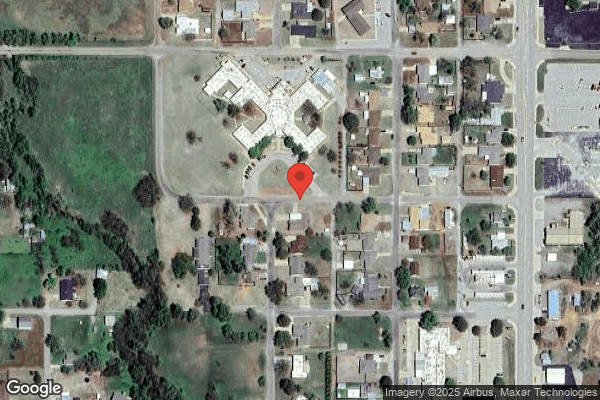
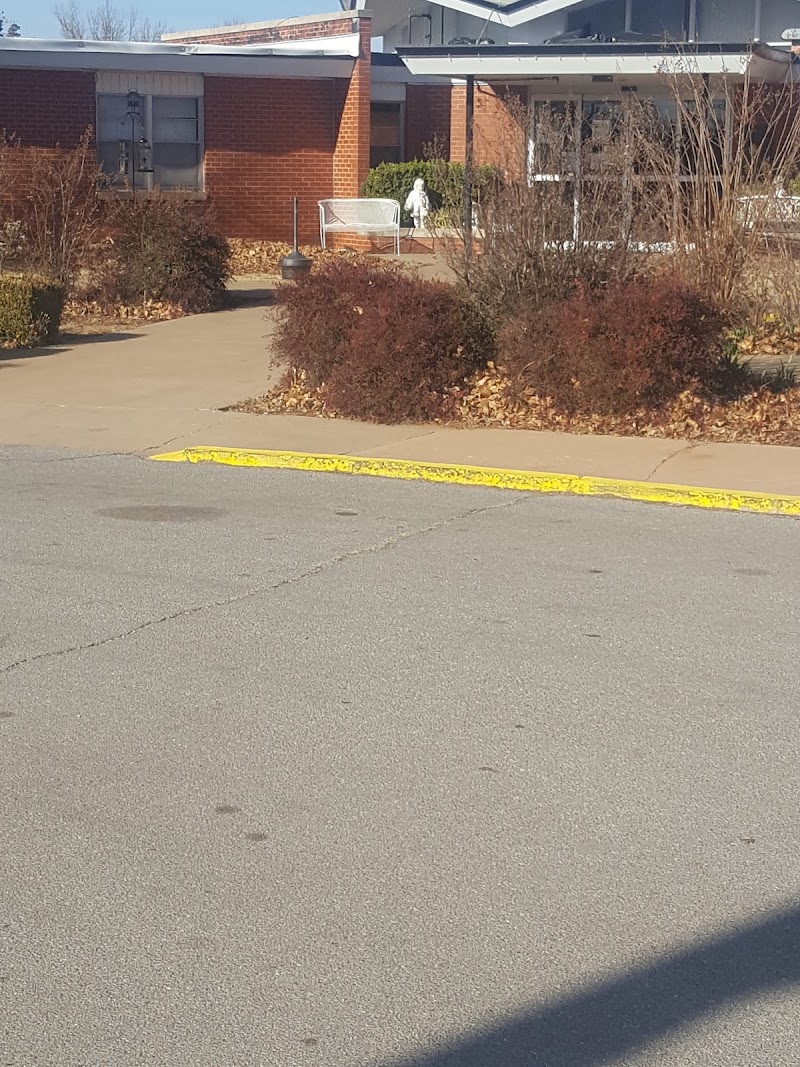
1400 NORTH COLLEGE, CORDELL, OK 73632 (580) 832-3371
For profit - Limited Liability company 110 Beds Independent Data: November 2025
Trust Grade
65/100
#95 of 282 in OK
Last Inspection: April 2024

Within standard 12-15 month inspection cycle. Federal law requires annual inspections.

Overview

Cordell Nursing and Rehabilitation has a Trust Grade of C+, which indicates it is slightly above average in quality. It ranks #95 out of 282 facilities in Oklahoma, placing it in the top half of the state, but it is the only option in Washita County. Unfortunately, the facility is experiencing a worsening trend, with issues increasing from 2 in 2023 to 11 in 2024. Staffing is a concern, receiving a poor rating of 1 out of 5 stars, although the turnover rate is 40%, which is better than the state average. There have been no fines reported, which is a positive sign, but the facility has less RN coverage than 96% of Oklahoma facilities. Specific incidents include a failure to ensure appropriate antibiotic use for a resident with a wound, a lack of documentation for annual competency reviews of CNAs, and improper food storage practices in the kitchen.

Trust Score
C+
65/100
In Oklahoma
#95/282
Top 33%
Safety Record
Low Risk
No red flags
Inspections
Getting Worse
2 → 11 violations
Staff Stability
○ Average
40% turnover. Near Oklahoma's 48% average. Typical for the industry.
Penalties
✓ Good
No fines on record. Clean compliance history, better than most Oklahoma facilities.
Skilled Nurses
⚠ Watch
Each resident gets only 9 minutes of Registered Nurse (RN) attention daily — below average for Oklahoma. Fewer RN minutes means fewer trained eyes watching for problems.
Violations
⚠ Watch
17 deficiencies on record. Higher than average. Multiple issues found across inspections.
★★★☆☆
3.0
Overall Rating
★☆☆☆☆
1.0
Staff Levels
★★★★★
5.0
Care Quality
★★★☆☆
3.0
Inspection Score
Stable
2023: 2 issues
2024: 11 issues

The Good

  • 5-Star Quality Measures · Strong clinical quality outcomes
  • Full Sprinkler Coverage · Fire safety systems throughout facility
  • No fines on record
  • Staff turnover below average (40%)

    8 points below Oklahoma average of 48%

Facility shows strength in quality measures, fire safety.

The Bad

3-Star Overall Rating

Near Oklahoma average (2.6)

Meets federal standards, typical of most facilities

Staff Turnover: 40%

Near Oklahoma avg (46%)

Typical for the industry

The Ugly 17 deficiencies on record

Apr 2024 11 deficiencies
CONCERN (D)

Potential for Harm - no one hurt, but risky conditions existed

Notification of Changes (Tag F0580)

Could have caused harm · This affected 1 resident

**NOTE- TERMS IN BRACKETS HAVE BEEN EDITED TO PROTECT CONFIDENTIALITY** Based on record review and interview, the facility failed to ensure a physician had been notified for a change in condition for ...

Read full inspector narrative →
**NOTE- TERMS IN BRACKETS HAVE BEEN EDITED TO PROTECT CONFIDENTIALITY** Based on record review and interview, the facility failed to ensure a physician had been notified for a change in condition for one (#7) of three sampled residents reviewed for notification. The administrator identified 51 residents resided in the facility. Findings: Resident #7 had diagnoses which included atherosclerosis of coronary artery bypass graft, chronic rhinitis, hypertension, and hyperlipidemia. A Physician's Order, dated 02/01/24, documented to administer Zofran 4 mg every six hours as needed Give 1 tablet by mouth every 6 hours as needed for nausea and vomiting. An Administration Note, dated 04/15/24, at 10:38 p.m., documented Zofran 4 MG had been administered for nausea. An Administration Note, dated 04/16/24 14:16 p.m., documented Zofran 4 MG had been administered for nausea An Administration Note, dated 04/16/24 at 8:20 p.m., read in part, .Resident threw up around 1830 [6:30 p.m.] and said stomach is still upset doesn't want to take [their] HS medication. A Health Status Note, dated 04/17/24 6:04 a.m., read in part, .Resident vomited mod. Amount brown liquid emesis .CMA instructed to give prn Zofran . There was no documentation the physician had been notified. An Administration Note, dated 04/18/24 12:40 p.m., documented Resident #7 complained of nausea and was given Zofran 4 mg for complaints of nausea. A Health Status Note, dated 04/18/24 at 3:25 p.m., documented Resident #7 refused supper because they weren't feeling good. Resident #7 refused to go to the emergency room. The note documented blood pressure 102/54, pulse 83, respirations 8, lungs clear to auscultation, and oxygen saturation of 95%. A Health Status Note, dated 04/18/24 at 10:13 p.m., documented Resident #7 was confused and had not eaten all day. It documented Resident #7 refused to go to the hospital for evaluation. There was no documentation the physician had been notified. A Health Status Note, dated 04/19/2024 at 6:25 a.m., read in part, .Resident pale, increase weakness, abdomen distended and discomfort noted when palpated .Resident c/o nausea during incontinent care .Resident not eating or drinking well. A Health Status Note, dated 04/19/24 at 7:05 a.m., documented Resident #7 was sent to the emergency room via ambulance. A review of health status notes contained no documentation staff had assessed Resident #7 for bowel sounds from 04/15/24 at 10:25 a.m. when Resident #7 complained of abdominal discomfort to 04/19/24 at 6:55 a.m. On 04/24/24 at 12:43 p.m., LPN #2 stated Resident #7 had been nauseated and vomiting throughout the week. They stated they assessed Resident #7's abdomen to be distended and Resident #7 complained of nausea. LPN #2 stated they sent Resident #7 to the emergency room on [DATE]. LPN #2 was asked who they would notify when a resident had a change in condition. LPN #2 stated the doctor had been notified on 04/19/24 On 04/24/24 at 1:19 p.m., the DON reviewed the nurses' notes and stated staff should have notified the physician due to the change in condition. The DON was asked if there was documentation the physician had been notified. The DON stated they did not see any.
CONCERN (D)

Potential for Harm - no one hurt, but risky conditions existed

Abuse Prevention Policies (Tag F0607)

Could have caused harm · This affected 1 resident

Based on record review and interview, the facility failed to ensure staff reported an allegation of misappropriation of property for one ( #36) of one sampled resident reviewed The Administrator iden...

Read full inspector narrative →
Based on record review and interview, the facility failed to ensure staff reported an allegation of misappropriation of property for one ( #36) of one sampled resident reviewed The Administrator identified 51 residents resided in the facility. Findings: An undated, 'Abuse Investigation policy, read in part, .Should an incident or suspected incident of resident abuse .misappropriation .the Administrator, or his/her designees, will appoint a member of management to investigate the alleged incident . Resident #36 had diagnoses which included heart failure, and high blood pressure. An OSDH, Incident Report form, dated 04/20/24, read in part .Resident stated to Administrator 04/22/24 at 5:30 p.m. a personal vape was missing from [their] bag kept in the smoking locked file box . On 04/23/24 at 9:16 a.m., Resident #36 was asked if they had any property missing that had not been found. They stated, I have had two vape's stolen since I have been here. One was this weekend, I told the girls on Saturday morning. They were unsure who they told, and stated I told everyone since then except [the Administrator]. On 04/23/24 at 9:34 a.m., this surveyor notified the Administrator of the allegation of the missing vape product. On 04/23/24 at 11:32 a.m., the Administrator stated they spoke to housekeeper #1 who reported Resident #26 said their vape was gone on Saturday. The Administrator stated it had not been reported to them on Saturday. On 04/24/24 at 1:35 p.m., the Administrator was asked if housekeeper #1 had followed the policy to report the allegation of misappropriation of property. They stated it should have been reported to them or the DON in their absence.
CONCERN (D)

Potential for Harm - no one hurt, but risky conditions existed

Quality of Care (Tag F0684)

Could have caused harm · This affected 1 resident

**NOTE- TERMS IN BRACKETS HAVE BEEN EDITED TO PROTECT CONFIDENTIALITY** Based on record review and interview, the facility failed to ensure bowel sounds had been assessed when a resident complained of...

Read full inspector narrative →
**NOTE- TERMS IN BRACKETS HAVE BEEN EDITED TO PROTECT CONFIDENTIALITY** Based on record review and interview, the facility failed to ensure bowel sounds had been assessed when a resident complained of abdominal discomfort for one (#7) of one sampled residents reviewed for hospitalization. The administrator identified 51 residents resided in the facility. Findings: Resident #7 had diagnoses which included atherosclerosis of coronary artery bypass graft, chronic rhinitis, hypertension, and hyperlipidemia. A Physician's Order, dated 02/01/24, documented to administer Zofran 4 mg every six hours as needed Give 1 tablet by mouth every 6 hours as needed for nausea and vomiting. An Administration Note, dated 04/15/24, at 10:38 p.m., documented Zofran 4 MG had been administered for nausea. An April 2024 task record documented Resident #7 had a bowel movement on 04/16, 04/17, and on 04/18/24. An Administration Note, dated 04/16/24 14:16 p.m., documented Zofran 4 MG had been administered for nausea A Health Status Note, dated 04/16/24 at 6:18 p.m., read in part, .Resident c/o pain and cramping in LLQ, n/o to obtain UA with reflex to culture . An Administration Note, dated 04/16/24 at 8:20 p.m., read in part, .Resident threw up around 1830 [6:30 p.m.] and said stomach is still upset doesn ' t ' want to take [their] HS medication. A Health Status Note, dated 04/17/24 6:04 a.m., read in part, .Resident vomited mod. Amount brown liquid emesis .CMA instructed to give prn Zofran . An Administration Note, dated 04/18/24 12:40 p.m., documented Resident #7 complained of nausea and was given Zofran 4 mg for complaints of nausea. A Health Status Note, dated 04/18/24 at 3:25 p.m., documented Resident #7 refused supper because they weren't feeling good. Resident #7 refused to go to the emergency room. The note documented blood pressure 102/54, pulse 83, respirations 8, lungs clear to auscultation, and oxygen saturation of 95%. A Health Status Note, dated 04/18/24 at 10:13 p.m., documented Resident #7 was confused and had not eaten all day. It documented Resident #7 refused to go to the hospital for evaluation. A Health Status Note, dated 04/19/2024 at 6:25 a.m., read in part, .Resident pale, increase weakness, abdomen distended and discomfort noted when palpated .Resident c/o nausea during incontinent care .Resident not eating or drinking well. A Health Status Note, dated 04/19/24 at 7:05 a.m., documented Resident #7 was sent to the emergency room via ambulance. A review of health status notes contained no documentation staff had assessed Resident #7 for bowel sounds from 04/15/24 at 10:25 a.m. when Resident #7 complained of abdominal discomfort to 04/19/24 at 6:55 a.m. A hospital CT scan result, dated 04/19/24, documented Resident #7 had distended loops of small bowel, concerning for bowel obstruction. On 04/24/24 at 12:43 p.m., LPN #2 stated Resident #7 had been nauseated and vomiting throughout the week. They stated they assessed Resident #7's abdomen to be distended and Resident #7 complained of nausea. LPN #2 stated they sent Resident #7 to the emergency room on [DATE]. LPN #2 was asked if Resident #7 was having bowel movements. They stated Resident #7 would tell staff when they had a bowel movement. LPN #2 was asked if they had assessed bowel sounds on the 04/18/24 at 3:25 p.m. LPN #2 stated they had, but did not chart it. LPN #2 was asked if bowel sounds had been assessed on 04/18/24 at 10:13 p.m. LPN #2 reviewed the note and stated no. LPN #2 was asked who they would notify when a resident had a change in condition. LPN #2 stated the doctor had been notified on 04/19/24. On 04/24/24 at 1:19 p.m., the DON reviewed the nurses' notes and stated staff should have notified the physician due to the change in condition. The DON was asked if there was documentation the physician had been notified. The DON stated they did not see any.
CONCERN (D)

Potential for Harm - no one hurt, but risky conditions existed

Accident Prevention (Tag F0689)

Could have caused harm · This affected 1 resident

Based on observation, record review, and interview, the facility failed to follow their policy and procedure to ensure a smoking assessment was completed quarterly for one (#47) of one sampled residen...

Read full inspector narrative →
Based on observation, record review, and interview, the facility failed to follow their policy and procedure to ensure a smoking assessment was completed quarterly for one (#47) of one sampled resident reviewed for smoking. The Administrator identified 51 residents resided in the facility and three residents smoked or used vape products. Findings: An undated Smoking Policy, read in part, .The nursing staff ensures that a safe smoking assessment evaluation is completed at the time of admission, quarterly and with significant change in condition . Resident #47 had diagnoses which included, high blood pressure and high cholesterol. Resident #47's clinical health record documented a Smoking Safety Evaluation, was completed on 08/29/23. On 04/24/24 at 10:40 a.m., Resident #47 was observed out under the patio smoking, wearing a smoking apron. On 04/25/24 at 9:31 a.m., the DON was shown the smoking policy and asked how often a smoking assessment should be completed. They stated, an assessment should be completed quarterly. They were asked asked when the last time an assessment had been completed. They stated in August. The DON was asked if they smoking policy had been followed. They stated, No.
CONCERN (D)

Potential for Harm - no one hurt, but risky conditions existed

Deficiency F0700 (Tag F0700)

Could have caused harm · This affected 1 resident

**NOTE- TERMS IN BRACKETS HAVE BEEN EDITED TO PROTECT CONFIDENTIALITY** Based on observation and interview the facility failed to ensure: a. a interdisciplinary assessment was completed for use of sid...

Read full inspector narrative →
**NOTE- TERMS IN BRACKETS HAVE BEEN EDITED TO PROTECT CONFIDENTIALITY** Based on observation and interview the facility failed to ensure: a. a interdisciplinary assessment was completed for use of side rails, b. a physician order was obtained for use of side rails , c. resident representatives were notified about the benefits and potential hazards associated with side rails, and d. side rails were care planned for one (#4) of one resident sampled for side rail use. The MDS coordinator identified 8 Resident used bed rails. Findings: A Bed Safety policy, undated, read in part, .If side rails are used, there shall be an interdisciplinary assessment of the resident, consultation with the attending physician, and input from the resident and/or legal representative . The staff shall obtain consent for use of the side rails from the resident or residents legal representative prior to their use . Side rails may be used if assessment and consultation with the attending physician has determined that they are needed to help manage medical symptom or condition, or to help the resident reposition or move in bed and transfer, and no other reasonable alternatives can be identified . Before using side rails for any reason, the staff shall inform the resident and family about the benefits and potential hazards associated with the side rails when using side rails for any reason, the staff shall take measures to reduce related risk . A Use of restraints policy, undated, read in part, .Restraints shall only be used for safety and well being of the resident .The definition of a restraint is based upon the functional status of the resident and not the device, If the resident can not remove a device in the same manner in which the staff applied it .Prior to placing a resident in restraints, there shall be a pre-restraining assessment .Restraints shall only be used ., other recurrent depressive disorders upon written/verbal order of a physician and after obtaining consents for the resident and/or resident representative . Resident #4 was admitted on [DATE] with diagnoses which included COPD, unspecified dementia and anxiety. A comprehensive assessment, dated 09/21/23, documented Resident #4's cognition was severly impaired. A Hospice Plan of Care document, dated 08/19/23 did not document the use of side rails. Resident #4's care plan, revised 03/04/24, did not document the use of side rails. A physician order summary, dated 04/24/24 did not document an order for side rails. On 04/24/24 at 8:43 a.m., Resident #4 was observed in bed with upper bed rails up on the Resident's right side and the bed was against wall on the left side. On 04/24/24 at 12:52 p.m., CNA #1 was asked about the half upper bed rails raised. CNA #1 stated the side rail was supposed to help resident to grab and hold to roll over. CNA #1 was asked if the side rail was care planned. CNA #1 reviewed the care plan and stated that the side rail was not in the care plan for repositioning. CNA #1 stated that they knew a bed rail could be considered a restraint. On 04/24/24 at 1:05 p.m., LPN #2 was asked to look at Resident # 4's bed. LPN #2 stated Resident #4 had a half bed rail raised on the upper right side up with the bed pushed against the wall on left side. LPN #2 stated Resident #4 transfers for meals with a 2 person lift assist. LPN #2 stated the bed rail was used for repositioning and should be care planned. LPN #2 was asked to review resident #4's care plan. They stated the bed rail was not in the care plan for repositioning. On 04/24/24 at 01:22 p.m., the DON was asked what the policy was for using bed rails. The DON stated they were not really supposed to use them because there were considered a restraint. The DON stated half rails could be used for repositioning and should be care planned if they are left up. The DON reviewed Resident #4's care plan and Hospice care plan. The DON stated the bed rail was not in the care plan or hospice care plan for repositioning or mobility care. The DON was asked to review the bed safety policy. The DON was asked what was the problem with the bed rail. The DON stated that there was no interdisciplinary assessment completed, family was not notified, there were no signed consents, and the bed rail should of been care planned for mobility and repositioning.
CONCERN (D)

Potential for Harm - no one hurt, but risky conditions existed

Infection Control (Tag F0880)

Could have caused harm · This affected 1 resident

Based on record review and interview, the facility failed to ensure a second tuberculin skin test was read for two (#50 and #16) of five sampled residents reviewed for immunizations. The Administrato...

Read full inspector narrative →
Based on record review and interview, the facility failed to ensure a second tuberculin skin test was read for two (#50 and #16) of five sampled residents reviewed for immunizations. The Administrator identified 51 residents who resided in the facility. Findings: An undated, Tuberculosis Screening policy, read in part .All employees and residents must comply without established tuberculosis screening procedures .If the TST method is used for HCW's who have not had a documented negative test result or M. tuberculosis during the preceding 12 months, the baseline TST result should be obtained by using the two-step method . 1. Resident #50 had diagnoses which included Alzheimer's disease and high blood pressure. Resident #50's clinical health record for immunizations documented Resident #50 received their second TB skin test on 03/26/24 but still had pending results. On 04/25/24 at 12:48 p.m., the IPC nurse was asked to review the immunizations and where were the results from the second TB test. They were not sure. The IPC nurse reviewed the MAR and the progress notes. The clinical health record did not document the second test had been resulted. 2. Resident #16 had diagnoses which included high blood pressure and anxiety. Resident #16's clinical health record for immunizations documented Resident #16 had received their second TB skin test on 11/30/23 but still had pending results. On 04/25/24 at 12:59 p.m., the IPC nurse was asked what the second TB test results were for Resident #16. They reviewed the immunizations record and stated It was not ever read.
CONCERN (D)

Potential for Harm - no one hurt, but risky conditions existed

Deficiency F0883 (Tag F0883)

Could have caused harm · This affected 1 resident

Based on record review and interview, the facility failed to ensure residents were offered the pneumonia vaccination according to policy for one (#27) of five sampled residents reviewed for immunizati...

Read full inspector narrative →
Based on record review and interview, the facility failed to ensure residents were offered the pneumonia vaccination according to policy for one (#27) of five sampled residents reviewed for immunizations. The Administrator identified 51 residents resided in the facility. Findings: An undated, Pneumococcal Vaccine policy, read in part .Administration of the pneumococcal vaccination or revaccinations will be made in accordance with current Advisory Committee on Immunization Practices (ACIP) recommendations at the time of the vaccinations . Resident #27 had diagnoses which included, type two diabetes mellitus, cardiac pacemaker, and high blood pressure. Resident #27's clinical health record for immunizations documented the resident received their last pneumonia vaccination in 2018. On 04/25/24 at 12:45 p.m., the IPC nurse was asked if they follow up to evaluate whether the resident was due for a pneumonia shot. They stated they thought it was reevaluated after five years, but they had not followed up to see if the Resident #27 was eligible to receive another pneumonia vaccination.
CONCERN (E)

Potential for Harm - no one hurt, but risky conditions existed

Pressure Ulcer Prevention (Tag F0686)

Could have caused harm · This affected multiple residents

Based on observation, record review, and interview, the facility failed to ensure an antibiotic for a wound was justified and a wound culture had been obtained for one (#2) of two sampled residents re...

Read full inspector narrative →
Based on observation, record review, and interview, the facility failed to ensure an antibiotic for a wound was justified and a wound culture had been obtained for one (#2) of two sampled residents reviewed for wounds. The Administrator identified 51 residents resided in the facility. The Resident Matrix, dated 04/22/24, documented two residents with wounds. Findings: An undated Antibiotic Stewardship-Review and surveillance of Antibiotic Use and Outcomes policy, read in part .The IP, or designees, will review all antibiotics starts within 48 hours to determine if continued therapy is justified, justified with needed intervention, or not justified .Therapy is not justified if .The organism is not susceptible to antibiotic chosen .Therapy was started awaiting culture, but no organism was isolated after 72 hours . Resident #2 had diagnoses which included, depressive disorder, high blood pressure and stage three pressure ulcer. A Health Status Note, dated 04/19/24, read in part .Received order from [name of hospice nurse and hospice] for Keflex 500 mg TID x 7 days for coccyx wound . Resident #2's RESIDENT INFECTION REPORT, dated 04/19/24, was blank where the culture results should have been documented. An attachment titled, Infection Criteria Checklist did not contain documentation it had been completed. A weekly wound observation tool, dated 04/21/23, documented Residents #2's wound measurements as 30 mm x 16 mm x 0 with 20% slough to center of the wound and a small amount of serosanguineous drainage noted to the old dressing. The clinical health record did not contain documentation a wound culture had been obtained. On 04/25/24 at 10:39 a.m., the IPC nurse was asked if a wound culture had been completed on Resident #2's coccyx wound. They stated, no hospice had got the order. On 04/25/24 at 11:57 a.m., the IPC nurse was shown the policy for antibiotic stewardship and asked if the antibiotic had been reviewed after 48 hours to determine if it was justified. They stated there was no culture and they were not sure if it had infection or not but the wound had been worsening. The IPC nurse was asked why the wound had not been followed up on in 48 hours and why the infection Criteria Checklist was blank. The IPC nurse stated, the nurse was supposed to fill out the resident infection report and infection criteria checklist, and turn it in to them. They would then follow up to ensure the antibiotic was sensitive. The IPC nurse was asked if the policy had been followed. They stated No.
CONCERN (E)

Potential for Harm - no one hurt, but risky conditions existed

Deficiency F0730 (Tag F0730)

Could have caused harm · This affected multiple residents

Based on record review and interview the facility failed to ensure annual competency reviews were completed for two (CNA #2 and CNA #3) of three sampled staff reviewed for annual competency skills che...

Read full inspector narrative →
Based on record review and interview the facility failed to ensure annual competency reviews were completed for two (CNA #2 and CNA #3) of three sampled staff reviewed for annual competency skills checks. The Administrator identified 52 residents resided in the facility. Findings: CNA #2's date of hire was 10/21/21. The personnel file did not contain documentation an annual competency review had been completed. CNA #3 date of hire was 09/21/20. The personnel file did not contain documentation an annual competency review had been completed. On 04/25/24 at 2:21 p.m., the Administrator was asked if there were any annual competency reviews for CNA #2 and CNA #3. They reviewed the personnel files and stated there was not any documentation of competency reviews. On 04/25/24 at 4:09 p.m., the DON stated there was no facility policy for annual competency reviews for CNA's. They were asked if CNA #2 and CNA #3 had competency reviews they stated they should be in the personnel files.
CONCERN (E)

Potential for Harm - no one hurt, but risky conditions existed

Food Safety (Tag F0812)

Could have caused harm · This affected multiple residents

Based on observation, record review and interview, the facility failed to ensure food was labeled, dated, and not kept beyond the Use by Date. The Administrator identified 52 residents resided in the ...

Read full inspector narrative →
Based on observation, record review and interview, the facility failed to ensure food was labeled, dated, and not kept beyond the Use by Date. The Administrator identified 52 residents resided in the facility. The DON identified 50 residents who received nutrition from the kitchen. Findings: A Dietary Services Food Storage policy, revised 01/20/14, read in part .Leftovers that are potentially hazardous foods shall be used, or disposed of, within 24 hours. Non-potentially hazardous leftovers that have been heated or cooked may be refrigerated for up to forty-eight (48) hours .All food is dated as to time received or cooked to ensure timely us (sic) and/or disposal . On 04/22/24 at 3:17 p.m., a brief initial kitchen observation was completed with [NAME] #1. The following observations were made in the walk in refrigerator: a. Two tubs of opened sour cream that were stamped best if used by 04/12/24, b. A clear container with green beans was, dated 04/18/24, and c. A package of hot dog buns in the original package did not have a date when they were received. Cook #1 was shown the two tubs of out of date sour cream. They removed the tubs and discarded in the trash. Two stainless steel containers with saran wrap and clear covers were observed without any date or time when prepared in the door of the black refrigerator. [NAME] #1 was asked what was the food in the containers. They stated ground and pureed sausage. They were asked when the food had been prepared. They stated they did not know. [NAME] #1 was asked if the containers had a date on them. They stated No. [NAME] #1 was asked how long they kept prepared food. They stated they usually get rid of the food after the meal is completed. [NAME] #1 was asked how long food is kept after it is prepared. They stated it depends on what it is.
CONCERN (E)

Potential for Harm - no one hurt, but risky conditions existed

Staffing Data (Tag F0851)

Could have caused harm · This affected multiple residents

Based on record review and interview, the facility failed to ensure the information submitted on the Payroll Based Journal was accurate for 24 hour staffing. The Administrator identified 52 residents ...

Read full inspector narrative →
Based on record review and interview, the facility failed to ensure the information submitted on the Payroll Based Journal was accurate for 24 hour staffing. The Administrator identified 52 residents resided in the facility. Findings: A PBJ Staffing Data Report, dated 10/01/24 through 12/31/24, documented the facility did not have 24 hour licensed nursing coverage on the following dates: 12/16/24, 12/17/24, 12/22/24, 12/23/24, and 12/31/24. On 04/25/24 at 11:05 a.m., documentation for 24 hour licensed staff for the dates in question were requested from the Administrator. On 04/25/24 at 1:00 p.m., the Administrator provided documentation of coverage for the dates. The Administrator stated they thought it was agency staff that had not been reported correctly.
Mar 2023 2 deficiencies
CONCERN (E)

Potential for Harm - no one hurt, but risky conditions existed

Deficiency F0883 (Tag F0883)

Could have caused harm · This affected multiple residents

**NOTE- TERMS IN BRACKETS HAVE BEEN EDITED TO PROTECT CONFIDENTIALITY** Based on record review and interview, the facility failed to ensure residents were offered, educated, and signed a consent or de...

Read full inspector narrative →
**NOTE- TERMS IN BRACKETS HAVE BEEN EDITED TO PROTECT CONFIDENTIALITY** Based on record review and interview, the facility failed to ensure residents were offered, educated, and signed a consent or declination form, for the pneumococcal vaccine within 30 days of admission, for four (#9, #10, #29, and #33) of six residents reviewed for compliance with influenza/pneumococcal vaccinations. The Resident Census and Conditions of Residents, dated 03/14/23, documented 50 residents resided in the facility. Findings: The facility's Pneumococcal Vaccine policy, read in parts, .All residents will be offered the pneumococcal vaccine to aid in preventing infections and pneumonia .Prior to or upon admission, residents will be assessed for eligibility to receive the pneumococcal vaccine, and when indicated, provided the vaccination within 30 days of admission to the facility unless medically contraindicated or the resident refuses the vaccine for personal or religious reasons . 1. Resident #9 was admitted to the facility on [DATE]. Resident #9's medical record documented no date the resident had received a pneumococcal vaccine, before or since admission to the facility. The resident's medical record documented no proof the resident or resident's representative had been offered, educated on, and given the opportunity to consent to or decline the pneumococcal vaccine since admission to the facility. 2. Resident #10 was admitted to the facility on [DATE]. Resident #10's medical record documented no date the resident had received a pneumococcal vaccine, before or since admission to the facility. The resident's medical record documented no proof the resident or resident's representative had been offered, educated on, and given the opportunity to consent to or decline the pneumococcal vaccine since admission to the facility. 3. Resident #29 was admitted to the facility on [DATE]. Resident #29's medical record documented the resident was given the pneumococcal vaccine in the facility on 11/10/21. The resident's medical record did not contain a signed consent form for the pneumococcal vaccine. The resident's medical record documented the no proof the resident or resident's representative had been offered and educated on the pneumococcal vaccine within 30 days of admission or before the vaccine was administered. 4. Resident #33 was admitted to the facility on [DATE]. Resident #33's medical record documented no date the resident had received a pneumococcal vaccine, before or since admission to the facility. The resident's medical record documented no proof the resident or resident's representative had been offered, educated on, and given the opportunity to consent to or decline the pneumococcal vaccine since admission to the facility. On 03/15/23 at 11:53 a.m., the IP reported there was no documentation regarding the pneumococcal vaccine for residents #9, #10, or #33. The IP reported resident #29 had been given the pneumonia vaccine, on 11/10/21, but no consent form or proof of education was provided. The IP reported the pneumococcal vaccine had not been offered to residents routinely upon admission to the facility.
CONCERN (E)

Potential for Harm - no one hurt, but risky conditions existed

Deficiency F0887 (Tag F0887)

Could have caused harm · This affected multiple residents

**NOTE- TERMS IN BRACKETS HAVE BEEN EDITED TO PROTECT CONFIDENTIALITY** Based on record review and interview, the facility failed to ensure the COVID-19 vaccine had been offered, education provided, a...

Read full inspector narrative →
**NOTE- TERMS IN BRACKETS HAVE BEEN EDITED TO PROTECT CONFIDENTIALITY** Based on record review and interview, the facility failed to ensure the COVID-19 vaccine had been offered, education provided, and declination signed by residents or resident representatives for three (#9, #32, and #49) of six residents reviewed for compliance with COVID-19 immunizations. The Resident Census and Conditions of Residents, dated 03/14/23, documented 50 residents resided in the facility. Findings: The facility's COVID-19 Vaccination policy, dated 08/25/22, read in parts, .All residents and employees will be offered the COVID-19 vaccine to encouraged and promote the benefits associated with immunizations against COVID-19 .Residents and employees will receive education regarding benefits and possible side effects of the vaccination .Appropriate entries must be documented in the resident's medical records indicating the date of receipt or refusal of the COVID-19 vaccination . 1. Resident #9 was admitted to the facility on [DATE]. Resident #9's medical record documented no education was provided to the resident or resident's representative for the COVID-19 vaccine, and no declination form had been signed. The resident's medical record documented no date the resident had received a COVID-19 vaccine before or since admission to the facility. 2. Resident #32 was admitted to the facility 11/22/22. Resident #32's medical record documented no education was provided to the resident or resident's representative for the COVID-19 vaccine, and no declination form had been signed. The resident's medical record documented no date the resident had received a COVID-19 vaccine before or since admission to the facility. 3. Resident # 49 was admitted to the facility on [DATE]. Resident #49's medical record documented no education was provided to the resident or resident's representative for the COVID-19 vaccine, and no declination form had been signed. The resident's medical record documented no date the resident had received a COVID-19 vaccine before or since admission to the facility. On 03/15/23 at 11:53 a.m., the IP reported residents #9, #32, and #49 had declined the COVID-19 vaccination. The IP reported no declination form had been signed for the COVID-19 vaccine by the residents or resident's representative and no documentation that education regarding the COVID-19 vaccine was provided. The IP reported the decline for the COVID-19 vaccine was verbal and had not been documented in the resident's medical records.
Apr 2022 4 deficiencies
CONCERN (D)

Potential for Harm - no one hurt, but risky conditions existed

Notification of Changes (Tag F0580)

Could have caused harm · This affected 1 resident

Based on record review and interview, the facility failed to notify a representative of a change in condition for one (#19) of three sampled residents for a change in condition. The Administrator iden...

Read full inspector narrative →
Based on record review and interview, the facility failed to notify a representative of a change in condition for one (#19) of three sampled residents for a change in condition. The Administrator identified 39 residents resided in the facility. Findings: A facility policy titled, Change in a Resident's Condition or Status, dated 02/26/20, read in part, .Our facility shall promptly notify the resident, his or her attending physician, and representative (sponsor) of changes in the resident's medical/mental condition and/or status . Res #19 had diagnoses which included, Alzheimer's and functional urinary incontinence. A Quarterly assessment, dated 03/01/22, documented, Res #19 was frequently incontinent of B&B, required assistance of two staff for transfers, and had severe cognitive impairment. A nurse Progress note, dated 4/02/22 at 00:51 [12:51 a.m.] read in part, .Faxed PCP .resident foul odor .Suggested possible UA . A nurse Progress note, dated 4/04/22 at 15:40 [3:40 p.m.], read in part, . Received fax from [Physician] regarding n/o obtain UA . A nurse Progress note, dated 4/05/22 09:38 [9:38 a.m.], read in part, .UA obtained and sent to .lab . A hospital Urine Culture, dated 04/07/22, read in part, .Result .Proteus Mirabilis . Res #19's Care Plan, dated 04/08/22, read in part, .The resident has a Urinary Tract Infection. New order for Macrodantin .Assist resident with toileting and pericare with each incontinent episode . A nurse Progress note, dated 04/08/22, read in part, .Initial dose Macrodantin 100 mg BID given . A Physicians order, dated 4/8/22, .Macrodantin Capsule 100 MG Give 1 capsule by mouth two times a day for UTI for 10 Days A nurse Progress note, dated 04/14/22 at 10:17 a.m., read in part, .Received C&S faxed to [physician] . A Physician Summary, dated 04/14/22, read in part, .Augmentin Table 875-125MG .Give 1 tablet by mouth two times a day for UTI for 19 days . A nurse Progress note, dated 04/14/22 at 15:05 [3:05 p.m.], read in part, .Received new orders from hospice to dc Macrodantin and start augmentin 875/125 1 bid x 19 days. Resident [family member] notified by hospice nurse . On 04/14/22 at 3:04 p.m., [Family member] notified this surveyor via telephone and stated, .just got a call from hospice that [Res #19] antibiotic was changed due to UTI. [Family member] stated, I wasn't aware [Res #19] was on an antibiotic for a UTI. On 04/19/22 at 2:41 p.m., RN #1 was asked to review Res #19's nurse progress notes. RN #1 was asked if Res #1's [family member] had been notified regarding the request for a UA on 04/02/22, the order to obtain the UA on 04/04/22 and the antibiotic that was started on 04/08/22. She stated, No. RN #2 stated, the family should have been notified.
CONCERN (D)

Potential for Harm - no one hurt, but risky conditions existed

Deficiency F0655 (Tag F0655)

Could have caused harm · This affected 1 resident

**NOTE- TERMS IN BRACKETS HAVE BEEN EDITED TO PROTECT CONFIDENTIALITY** Based on record review, observation, and interview, the facility failed to develop and/or implement a baseline plan of care for ...

Read full inspector narrative →
**NOTE- TERMS IN BRACKETS HAVE BEEN EDITED TO PROTECT CONFIDENTIALITY** Based on record review, observation, and interview, the facility failed to develop and/or implement a baseline plan of care for one (#18) of five sampled residents admitted to the facility. The resident matrix documented five residents were admitted to the facility in the previous 30 days. The Administrator identified 39 residents resided in the facility. Findings: A facility policy titled, Care Plans-Baseline not dated, read in part, .A baseline plan of care to meet the resident's immediate needs shall be developed by the IDT for each resident within 48 hours of admission . Res #18 was admitted to the facility on [DATE] with diagnosis which included hypertension and anxiety. A MDS Quarterly Assessment dated 02/28/22, documented Res #18 required extensive assistance with two person assist, urinary and bowel incontinence, and was a smoker. The clinical record was reviewed and contained no baseline care plan to address the resident as a smoker or the resident's need for a mechanical lift. On 04/13/22 at 3:40 p.m., Res #18 was sitting in the common area in a wheelchair and a sling was located underneath her. She was asked about a mechanical lift. She stated two staff members used a mechanical lift to assist with her transfers. On 04/20/22 at 9:45 a.m., Res #18 was transferred with a mechanical lift to bed with the assistance of two staff members. On 04/20/22 at 10:45 a.m., medical records #1 was asked about the baseline care plan for Resident #18. She reviewed the electronic record and was unable to locate the baseline care plan. On 04/20/22 at 10:47 a.m., Res #18 was observed outside smoking with two staff members. On 04/20/22 at 11:13 a.m., RN #1 was asked about Res #18's baseline plan of care. She stated she did not find a baseline care plan in the electronic record.
CONCERN (D)

Potential for Harm - no one hurt, but risky conditions existed

ADL Care (Tag F0677)

Could have caused harm · This affected 1 resident

Based on record review, observation, and interview, the center failed to assist a dependent resident with toileting for one ( #19) of three sampled residents reviewed for assistance with ADL's. The A...

Read full inspector narrative →
Based on record review, observation, and interview, the center failed to assist a dependent resident with toileting for one ( #19) of three sampled residents reviewed for assistance with ADL's. The Administrator identified 39 residents resided in the facility. Findings: Res #19 had diagnoses which included, Alzheimers, and functional urinary incontinence. Res #19's Care Plan, revised 01/19/21, read in part, .The resident has mixed bladder incontinence r/t .confusion, Dementia, Impaired Mobility, Inability to communicate need .Check at least every two hours and as required for incontinence .04/08/2022 .The resident has a Urinary Tract Infection. New order for Macrodantin .04/13/2022 Assist resident with toileting and pericare with each incontinent episode . A Quarterly Assessment, dated 03/01/22, documented, Res #19 was frequently incontinent of B&B, needed assistance of two staff for transfers, and had severe cognitive impairment. On 04/18/22 from 9:51 a.m. to 11:53 a.m., Res #19 was observed sitting in the common area in front of the television. On 04/18/22 at 11:53 a.m., CNA #3 was observed pushing Res #19 to the dining room in her w/c. CNA #3 was not observed to toilet resident prior to taking her to the dining room. On 04/18/22 at 12:03 p.m., CNA #2 was asked if she had assisted Res #19 with toileting as needed since this morning. CNA #2 replied, around 10:00 a.m. On 04/18/22 at 12:10 p.m., An observation was made of a wet spot in front of the television where Res #19 had been sitting. CMA #1 was asked what the wet spot was on the floor in the common room located in front of the TV. CMA #1 stated she did not know. She was asked who (resident) had been sitting in that area. She stated, she did not know. On 04/18/22 at 12:15 p.m., CNA #3 was asked if she had toileted Res #19 prior to taking her to the dining room. She stated, No. On 04/18/22 at 12:20 p.m., CMA #1 and CNA #3 was observed to transfer Res #19 from her w/c to the toilet. When Res #19 was assisted to stand, an outline was observed on the back of her pants and on the wheelchair pad. CNA #3 was observed to remove Res #19's brief and pants. CNA #3 was asked if the w/c chair cushion was wet. She stated yes and wiped the chair cushion. On 04/18/22 at 12:28 p.m., CMA #1 was asked if Res #19's pants, brief and chair cushion was wet. CMA #1 stated, Yes. On 04/19/22 at 11:32 a.m., CNA #2 was asked what the care plan stated about assisting Res #19 with toileting. She stated, Res #19 is a two person assist. CNA #2 was asked how often Res #19 is assisted with toileting. She stated, Every two hours, but we know she can't tell us when she needs to go. At 3:00 p.m., RN #1 was asked how often should staff make rounds. She stated, every two hours. RN #1 was asked if Res #19 was able to verbalize when she has had an incontinent episode. RN #1 stated, No. LPN #1 was asked how often staff should be checking/toileting Res #19. She stated every hour or every two hours. LPN #1 was asked if staff should have toileted Res #19 before taking her to the dining room. She stated, Yes.
CONCERN (E)

Potential for Harm - no one hurt, but risky conditions existed

Deficiency F0726 (Tag F0726)

Could have caused harm · This affected multiple residents

Based on record review and interview, the facility failed to ensure competency skills were completed prior to one CNA (#1) and two CMA's (#2, and #3) of three sampled direct care staff who provided ca...

Read full inspector narrative →
Based on record review and interview, the facility failed to ensure competency skills were completed prior to one CNA (#1) and two CMA's (#2, and #3) of three sampled direct care staff who provided care and provided medication administration. The Administrator identified 39 residents resided in the facility. Findings: On 04/20/22 at 12:58 p.m., employee files were reviewed. No competency skills checks were in the files for CNA #1, CMA #2, and #3. On 04/20/22 at 2:10 p.m., staff competency skills checklist for CNA #1, CMA #2 and #3 were requested. RN #1 stated that should be in their employee files. The Administrator stated, They are not in the files, we don't have them. On 04/20/22 at 2:20 p.m., CNA #1 was working in the memory care unit. CNA #1 was asked if she had a competency/skills checklist completed prior to providing resident care. She stated, No. CNA #1 was asked if she had been trained. She stated, Yes like one day. On 04/20/22 at 2:22 p.m., CMA #2 was working in the memory care unit. CMA #2 was asked if she had a competency/skills checklist prior to passing medications. She stated, No. On 04/20/22 at 2:47 p.m., RN #1 stated there was no facility policy for competency/skills checklist.
Understanding Severity Codes (click to expand)
Life-Threatening (Immediate Jeopardy)
J - Isolated K - Pattern L - Widespread
Actual Harm
G - Isolated H - Pattern I - Widespread
Potential for Harm
D - Isolated E - Pattern F - Widespread
No Harm (Minor)
A - Isolated B - Pattern C - Widespread

Questions to Ask on Your Visit

  • "Can I speak with families of current residents?"
  • "What's your RN coverage like on weekends and overnight?"

Our Honest Assessment

Strengths
  • • No major safety red flags. No abuse findings, life-threatening violations, or SFF status.
  • • No fines on record. Clean compliance history, better than most Oklahoma facilities.
  • • 40% turnover. Below Oklahoma's 48% average. Good staff retention means consistent care.
Concerns
  • • 17 deficiencies on record. Higher than average. Multiple issues found across inspections.
Bottom line: Mixed indicators with Trust Score of 65/100. Visit in person and ask pointed questions.

About This Facility

What is Cordell Nursing And Rehabilitation's CMS Rating?

CMS assigns CORDELL NURSING AND REHABILITATION an overall rating of 3 out of 5 stars, which is considered average nationally. Within Oklahoma, this rating places the facility higher than 99% of the state's 100 nursing homes. This mid-range rating indicates the facility meets federal standards but may have areas for improvement.

How is Cordell Nursing And Rehabilitation Staffed?

CMS rates CORDELL NURSING AND REHABILITATION's staffing level at 1 out of 5 stars, which is much below average compared to other nursing homes. Staff turnover is 40%, compared to the Oklahoma average of 46%. This relatively stable workforce can support continuity of care.

What Have Inspectors Found at Cordell Nursing And Rehabilitation?

State health inspectors documented 17 deficiencies at CORDELL NURSING AND REHABILITATION during 2022 to 2024. These included: 17 with potential for harm.

Who Owns and Operates Cordell Nursing And Rehabilitation?

CORDELL NURSING AND REHABILITATION is owned by a for-profit company. For-profit facilities operate as businesses with obligations to shareholders or private owners. The facility operates independently rather than as part of a larger chain. With 110 certified beds and approximately 50 residents (about 45% occupancy), it is a mid-sized facility located in CORDELL, Oklahoma.

How Does Cordell Nursing And Rehabilitation Compare to Other Oklahoma Nursing Homes?

Compared to the 100 nursing homes in Oklahoma, CORDELL NURSING AND REHABILITATION's overall rating (3 stars) is above the state average of 2.6, staff turnover (40%) is near the state average of 46%, and health inspection rating (3 stars) is at the national benchmark.

What Should Families Ask When Visiting Cordell Nursing And Rehabilitation?

Based on this facility's data, families visiting should ask: "Can you walk me through typical staffing levels on day, evening, and night shifts?" "Can I visit during a mealtime to observe dining assistance and food quality?" "How do you handle medical emergencies, and what is your hospital transfer rate?" "Can I speak with family members of current residents about their experience?" These questions are particularly relevant given the below-average staffing rating.

Is Cordell Nursing And Rehabilitation Safe?

Based on CMS inspection data, CORDELL NURSING AND REHABILITATION has a clean safety record: no substantiated abuse findings (meaning no confirmed cases of resident harm), no Immediate Jeopardy citations (the most serious violation level indicating risk of serious injury or death), and is not on the Special Focus Facility watch list (a federal program monitoring the lowest-performing 1% of nursing homes). The facility has a 3-star overall rating and ranks #1 of 100 nursing homes in Oklahoma. While no facility is perfect, families should still ask about staff-to-resident ratios and recent inspection results during their visit.

Do Nurses at Cordell Nursing And Rehabilitation Stick Around?

CORDELL NURSING AND REHABILITATION has a staff turnover rate of 40%, which is about average for Oklahoma nursing homes (state average: 46%). Moderate turnover is common in nursing homes, but families should still ask about staff tenure and how the facility maintains care continuity when employees leave.

Was Cordell Nursing And Rehabilitation Ever Fined?

CORDELL NURSING AND REHABILITATION has no federal fines on record. CMS issues fines when nursing homes fail to meet care standards or don't correct problems found during inspections. The absence of fines suggests the facility has either maintained compliance or corrected any issues before penalties were assessed. This is a positive indicator, though families should still review recent inspection reports for the full picture.

Is Cordell Nursing And Rehabilitation on Any Federal Watch List?

CORDELL NURSING AND REHABILITATION is not on any federal watch list. The most significant is the Special Focus Facility (SFF) program, which identifies the bottom 1% of nursing homes nationally based on persistent, serious quality problems. Not being on this list means the facility has avoided the pattern of deficiencies that triggers enhanced federal oversight. This is a positive indicator, though families should still review the facility's inspection history directly.