COWETA CARE & REHAB CENTER
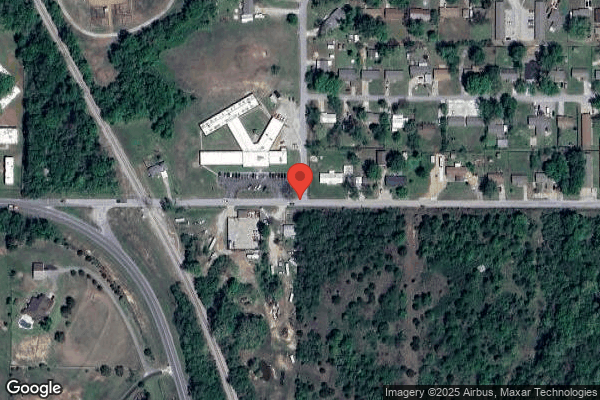
30049 EAST 151ST STREET SOUTH, COWETA, OK 74429 (918) 559-2006
For profit - Limited Liability company 100 Beds MGM HEALTHCARE Data: November 2025
Trust Grade
53/100
#97 of 282 in OK
Last Inspection: May 2024

Within standard 12-15 month inspection cycle. Federal law requires annual inspections.

Overview

Coweta Care & Rehab Center has a Trust Grade of C, indicating it is average and middle of the pack compared to other facilities. It ranks #97 out of 282 nursing homes in Oklahoma, placing it in the top half, and #1 out of 2 in Wagoner County, meaning it is the best option locally. However, the facility is worsening, with the number of identified issues increasing from 4 in 2023 to 16 in 2024. Staffing is rated average with a 3/5 star rating and a turnover rate of 58%, which is close to the state average. However, the facility has less RN coverage than 97% of Oklahoma facilities, which is concerning since registered nurses play a crucial role in monitoring resident care. Recent inspections revealed some serious deficiencies, including a failure to provide necessary surgical wound treatment for a resident and inadequate safety measures, such as unsecured chemicals in shower rooms. Additionally, assessments for a resident on specific medications were incomplete, which could lead to inadequate monitoring of side effects. Overall, while there are strengths in its ranking and average staffing, the increasing number of issues and specific incidents of concern should be carefully considered by families looking for care.

Trust Score
C
53/100
In Oklahoma
#97/282
Top 34%
Safety Record
Moderate
Needs review
Inspections
Getting Worse
4 → 16 violations
Staff Stability
⚠ Watch
58% turnover. Above average. Higher turnover means staff may not know residents' routines.
Penalties
✓ Good
$8,147 in fines. Lower than most Oklahoma facilities. Relatively clean record.
Skilled Nurses
⚠ Watch
Each resident gets only 7 minutes of Registered Nurse (RN) attention daily — below average for Oklahoma. Fewer RN minutes means fewer trained eyes watching for problems.
Violations
⚠ Watch
20 deficiencies on record. Higher than average. Multiple issues found across inspections.
★★★☆☆
3.0
Overall Rating
★★★☆☆
3.0
Staff Levels
★★★★☆
4.0
Care Quality
★★★☆☆
3.0
Inspection Score
Stable
2023: 4 issues
2024: 16 issues

The Good

  • 4-Star Quality Measures · Strong clinical quality outcomes
  • Full Sprinkler Coverage · Fire safety systems throughout facility
  • No fines on record

Facility shows strength in quality measures, fire safety.

The Bad

3-Star Overall Rating

Near Oklahoma average (2.6)

Meets federal standards, typical of most facilities

Staff Turnover: 58%

12pts above Oklahoma avg (46%)

Frequent staff changes - ask about care continuity

Federal Fines: $8,147

Below median ($33,413)

Minor penalties assessed

Chain: MGM HEALTHCARE

Part of a multi-facility chain

Ask about local staffing decisions and management

Staff turnover is elevated (58%)

10 points above Oklahoma average of 48%

The Ugly 20 deficiencies on record

1 actual harm
Oct 2024 1 deficiency
CONCERN (D) 📢 Someone Reported This

A family member, employee, or ombudsman was alarmed enough to file a formal complaint

Potential for Harm - no one hurt, but risky conditions existed

Infection Control (Tag F0880)

Could have caused harm · This affected 1 resident

Based on record review and interview, the facility failed to ensure enhanced barrier precautions were provided during incontinent care and failed to ensure hand hygiene was performed during incontinen...

Read full inspector narrative →
Based on record review and interview, the facility failed to ensure enhanced barrier precautions were provided during incontinent care and failed to ensure hand hygiene was performed during incontinent care for one (#7) of two sampled residents reviewed for incontinent care. The DON identified 16 residents on enhanced barrier precautions and 39 residents who required incontinent care. Findings: A facility policy titled Enhanced Barrier Precautions, reviewed 05/15/24, read in part, .Examples of High-Contact Resident Care Activities requiring Gown & Glove Use for EBP .Changing Briefs or Toileting . A facility policy titled Incontinent Care, reviewed 07/21/22, read in part, .Remove Soiled Brief .Cleanse Perineal Area .Remove Soiled Gloves, Perform Hand Hygiene & Apply Clean Gloves .Apply Clean Brief and Clothing . Resident #7 had diagnoses which included gastrostomy status and acute respiratory failure. On 10/15/24 at 11:19 a.m., CNA #2 was observed providing incontinent care to Resident #7 with the assistance of CNA #3. Neither staff member was observed wearing a gown. CNA #2 was observed to remove the soiled brief, cleanse the perineal area, and apply a clean brief. They did not change gloves or perform hand hygiene after they cleaned the perineal area. On 10/15/24 at 12:32 p.m., LPN #1 stated EBP and hand hygiene should be observed during incontinent care. On 10/15/24 at 12:39 p.m., CNA #2 stated they should have been wearing a gown and they should have changed gloves before putting the clean brief on Resident #7. On 10/15/24 at 12:42 p.m., CNA #1 stated proper infection control techniques should be used during incontinent care. On 10/15/14 at 12:55 p.m., the DON stated that gloves should be changed before a clean brief was placed on a resident and EBP should be followed.
May 2024 13 deficiencies
CONCERN (D)

Potential for Harm - no one hurt, but risky conditions existed

Deficiency F0576 (Tag F0576)

Could have caused harm · This affected 1 resident

Based on record review and interview, the facility failed to ensure mail delivery to residents on Saturdays. The DON identified 73 residents who resided in the facility. Findings: On 05/01/24 at 1:30...

Read full inspector narrative →
Based on record review and interview, the facility failed to ensure mail delivery to residents on Saturdays. The DON identified 73 residents who resided in the facility. Findings: On 05/01/24 at 1:30 p.m., during a resident group meeting, four residents stated mail was not delivered on Saturdays. On 05/02/24 at 4:25 p.m., the activity director stated they obtained mail from the post office and delivered it to the residents Monday through Friday. They stated they did not know if anyone delivered mail to the residents on Saturdays. On 05/02/24 at 4:30 p.m., the administrator stated they delivered mail to the residents Monday through Friday but no one delivered mail to the residents on Saturdays.
CONCERN (D)

Potential for Harm - no one hurt, but risky conditions existed

Transfer Requirements (Tag F0622)

Could have caused harm · This affected 1 resident

Based on record review and interview, it was determined the facility failed to ensure the discharge was documented in the resident medical record for one (#78) of one sampled resident for discharge. ...

Read full inspector narrative →
Based on record review and interview, it was determined the facility failed to ensure the discharge was documented in the resident medical record for one (#78) of one sampled resident for discharge. The administrator identified 73 residents who resided in the facility. Findings: Resident #78 had diagnoses which included type two diabetes. Review of the medical record for Resident #78 revealed no documentation notification was provided to the physician or resident representative of the transfer. A nurse's note, dated 03/04/24, documented a phone call to an unidentified hospital inquiring about the condition of Resident #78. On 05/01/24 at 1:35 p.m., LPN #1 stated they did not know why Resident #78 was transferred but the reason should be in the medical record. They stated the reason for the transfer could be found in the medical record. After reviewing the medical record LPN #1 stated there was no note regarding the transfer of Resident #78. On 05/02/24 at 9:20 a.m., the administrator stated Resident #78 was transferred during the transition period to an electronic medical record system and the documentation would be in the paper chart. On 05/02/24 at 10:19 a.m., the administrator stated the Resident #78 was transferred on the weekend and the nurse did not document the discharge to the hospital.
CONCERN (D)

Potential for Harm - no one hurt, but risky conditions existed

Assessment Accuracy (Tag F0641)

Could have caused harm · This affected 1 resident

Based on record review and interview, the facility failed to ensure assessments were accurate for one (#55) of 24 sampled residents whose assessments were reviewed. The MDS coordinator identified eigh...

Read full inspector narrative →
Based on record review and interview, the facility failed to ensure assessments were accurate for one (#55) of 24 sampled residents whose assessments were reviewed. The MDS coordinator identified eight residents who received anticoagulant medications. Findings: The MDS 3.0 policy, dated 04/26/23, read in parts, .The MDS coordinator and/or IDT will use the following when completing the assessment as directed by the RAI User's Manual .Documentation in the Medical Record . Resident #55 had diagnoses which included hypertension. The quarterly assessment, dated 02/28/24, documented the resident had received an anticoagulant medication during the seven day look back period. The Medication Administration Record, dated 02/01/24 through 02/29/24, did not reveal Resident #55 had received an anticoagulant medication during the seven day look back period. On 05/02/24 at 11:36 a.m., the MDS coordinator stated they had reviewed the clinical record and had coded the anticoagulant use because the resident was administered Plavix (an antiplatelet medication). They stated they would need to submit a corrected assessment.
CONCERN (D) 📢 Someone Reported This

A family member, employee, or ombudsman was alarmed enough to file a formal complaint

Potential for Harm - no one hurt, but risky conditions existed

ADL Care (Tag F0677)

Could have caused harm · This affected 1 resident

Based on observation, record review, and interview, the facility failed to ensure dependent residents were offered/received baths according to preference for one (#15) of one sampled resident who was ...

Read full inspector narrative →
Based on observation, record review, and interview, the facility failed to ensure dependent residents were offered/received baths according to preference for one (#15) of one sampled resident who was reviewed for ADLs. The administrator identified 58 residents who were dependent for ADLs. Findings: An ADL Care Bathing policy, dated 07/21/22, read in part, .Nursing staff will assist in bathing Residents to promote cleanliness and dignity . Resident #15 had diagnoses which included colostomy status and acute kidney failure. A quarterly assessment, dated 04/17/24, documented Resident #15 required partial to moderate assistance for bathing and was moderately impaired in cognition for daily decision making. On 04/29/24 at 1:33 p.m., Resident #15 was observed to have oily hair. Resident #15 stated they received approximately one shower per week. A Care Plan, revised 04/30/24, documented Resident #15 required one person assistance with bathing and to offer a bed bath when a shower was not tolerated or was contraindicated. The Task documentation in the electronic clinical record, dated 04/08/24 through 05/01/24, documented bathing on Monday, Wednesday, and Friday on the dayshift. The bathing task documented eight out of 14 opportunities were completed. No refusals were documented in the electronic clinical record. On 05/03/24 at 2:22 p.m., CMA #1 stated Resident #15 received two showers a week with moderate assistance but should receive three. On 05/03/24 at 2:25 p.m., CNA #2 stated Resident #15 received showers on Tuesday, Thursday, and Saturday. They stated they showered and shaved Resident #15 with moderate assistance. CNA #2 stated Resident #15 refused if they had a shower the day before. They stated refusals were documented on paper with signatures of the resident and nurse. On 05/03/24 at 4:45 p.m., the administrator stated they were not aware of issues regarding residents not receiving baths as scheduled.
CONCERN (D)

Potential for Harm - no one hurt, but risky conditions existed

Deficiency F0688 (Tag F0688)

Could have caused harm · This affected 1 resident

Based on observation, record review, and interview, the facility failed to ensure range of motion interventions were implemented for one (#47) of one sampled resident who was reviewed for limited rang...

Read full inspector narrative →
Based on observation, record review, and interview, the facility failed to ensure range of motion interventions were implemented for one (#47) of one sampled resident who was reviewed for limited range of motion. The administrator identified 20 residents who had limited range of motion. Findings: The Establishment of an Individual Restorative Program policy, dated 01/01/14, read in part, .To provide treatment and services to maintain and improve functional abilities per physician orders . Resident #47 had diagnoses which included impingement syndrome of the right and left shoulders. A Physician Order, dated 09/23/22, documented restorative therapy. The Restorative Training form, dated September 2023, documented to remove Resident #47 from the restorative nursing program. On 04/29/24 at 11:56 a.m., Resident #47 stated the last two fingers on their left hand was contracted. They stated they did not receive splints or devices for the contracture. Resident #47 stated one staff member would provide range of motion exercises at times but not consistently. The Care Plan, revised 04/30/24, documented the resident had ADL self care performance deficit, bilateral contractures, and was on restorative nursing services when the resident would participate. The Care Plan documented the resident had limited physical mobility and was on the restorative program three times per week for contractures. On 05/02/24 at 2:19 p.m., Resident #47 was observed in bed. The last two fingers of Resident #47's left hand was observed to have limited range of motion. Review of the restorative therapy binder did not reveal Resident #47 was receiving restorative nursing services. The Order Summary Report, dated 05/03/24, revealed the order for restorative therapy was an active order. On 05/03/24 at 10:01 a.m., restorative aide #1 stated they had a list of residents on the restorative program but Resident #47 was not on the current list. They stated they were not aware of any interventions for limited range of motion for Resident #47. On 05/03/24 at 10:07 a.m., the MDS coordinator stated Resident #47 had admitted to the facility with contractures and had been on and off of the restorative nursing program. On 05/03/24 at 12:57 p.m., RN #1 stated Resident #47 had requested restorative therapy earlier in the day. They stated the resident had been on restorative previously but had refused. On 05/03/24 at 1:39 p.m., the MDS coordinator stated the care plan was incorrect because Resident #47 was not on the restorative program. They stated they would need to review the clinical record to determine what interventions were in place for the resident's contractures. No further information was provided by the end of the survey.
CONCERN (D)

Potential for Harm - no one hurt, but risky conditions existed

Incontinence Care (Tag F0690)

Could have caused harm · This affected 1 resident

Based on observation, record review, and interview, the facility failed to ensure the urinary drainage bag was properly positioned for one (#48) of one resident observed for urinary catheter. The Resi...

Read full inspector narrative →
Based on observation, record review, and interview, the facility failed to ensure the urinary drainage bag was properly positioned for one (#48) of one resident observed for urinary catheter. The Resident Matrix documented six residents who had a catheter. Findings: Resident #48 had diagnoses which included hydronephrosis with renal and ureteral calculus. The Care Plan, revised 02/06/24, documented the resident had a nephrostomy tube related to ureteral obstruction, specimens should be obtained from the nephrostomy tube by gravity, and the drainage bag should be maintained in a position below the level of the kidney at all times. The quarterly assessment, dated 04/17/24, documented the resident was cognitively intact for daily decision making. On 04/29/24 at 1:35 p.m., Resident #48 was observed lying in bed with the nephrostomy drainage bag on a towel, on the bed, by the resident's feet. On 05/01/24 at 3:48 p.m., Resident #48 was observed lying in bed with the nephrostomy drainage bag on a towel, on the bed by the resident's feet. On 05/03/24 at 10:58 a.m., CNA #2 stated they positioned the nephrostomy drainage bag on the bed but there were times they found the bag to be hanging on the bed frame between the bed and the wall. They stated in those instances they moved the drainage bag to the bed to prevent it from getting smashed between the wall and the bed. On 05/03/24 at 10:59 a.m., LPN #2 was observed to provide nephrostomy care. The drainage bag was observed to be on a towel, on the resident's bed by their feet after LPN #2 had completed care. On 05/03/24 at 11:08 a.m., LPN #2 stated they placed the nephrostomy bag on the resident's bed at the same level as the kidney. LPN #2 stated the resident had adequate output when it was positioned on the bed. On 05/03/24 at 11:55 a.m., RN #1 stated they would need to find out where to place the nephrostomy drainage bag for Resident #48. On 05/03/24 at 12:54 p.m., RN #1 stated the nephrostomy drainage bag was to be placed below the kidney, to gravity, but Resident #48 preferred for the nephrostomy drainage bag to be placed on the bed. On 05/03/24 at 3:23 p.m., RN #1 stated the resident's preference related to the drainage bag placement was not documented. On 05/03/24 at 4:18 p.m., the resident denied wanting to have the nephrostomy drainage bag on the bed.
CONCERN (D)

Potential for Harm - no one hurt, but risky conditions existed

Deficiency F0692 (Tag F0692)

Could have caused harm · This affected 1 resident

Based on record review and interview, the facility failed to ensure weights were monitored as recommended by the registered dietitian for one (#56) of one sampled resident for nutrition. The administr...

Read full inspector narrative →
Based on record review and interview, the facility failed to ensure weights were monitored as recommended by the registered dietitian for one (#56) of one sampled resident for nutrition. The administrator Identified 73 residents who resided in the facility. Findings: Resident #56 had diagnoses which included adult failure to thrive and dementia. The electronic health record, dated 03/07/24, documented a weight of 133.2 pounds. On 04/01/24 the electronic health record documented a weight of 113.2 pounds, a loss of 20 pounds in 30 days. On 05/03/24 at 10:44 a.m., the registered dietician stated they addressed the weight loss of Resident#56 by recommending weekly weights. They stated the weights may have been inaccurate and brought this to the attention of the administrator. The dietician was told the facility had identified the inaccurate weights and were correcting it. On 05/03/24 at 11:50 a.m., RN #1 stated the DON, ADON or administration was responsible for reviewing recommendations made by the registered dietitian. They stated the recommendation was missed and the facility would begin the weekly weights today.
CONCERN (D)

Potential for Harm - no one hurt, but risky conditions existed

Deficiency F0761 (Tag F0761)

Could have caused harm · This affected 1 resident

Based on observation and interview, the facility failed to ensure medications were securely stored for two (100/200 hall medication cart and 500/600 hall medication cart) of four medication carts obse...

Read full inspector narrative →
Based on observation and interview, the facility failed to ensure medications were securely stored for two (100/200 hall medication cart and 500/600 hall medication cart) of four medication carts observed. The DON identified four medication carts. Findings: On 04/30/24 at 12:57 p.m., the 500/600 hall medication cart was observed to be by the nurse's station, unlocked, and unattended. On 04/30/24 at 12:59 p.m., LPN #1 entered the nurse's station but had their back to the medication cart which remained unlocked and unattended. On 04/30/24 at 1:11 p.m., CMA #2 approached the medication cart and locked it before leaving it unattended. On 05/01/24 at 10:55 a.m., LPN #2 was observed to enter the room for Resident #36 to perform a fingerstick blood sugar check. LPN #2 was observed to leave the 100/200 hall medication cart unlocked and unattended. On 05/02/24 at 2:30 p.m., LPN #2 stated they were to secure medication carts before leaving them unattended. On 05/03/24 at 10:35 a.m., CMA #2 stated they were to make sure they locked the medication carts when they were unattended. On 05/03/24 at 1:04 p.m., RN #1 stated medication carts were to be secured when they were left unattended.
CONCERN (D)

Potential for Harm - no one hurt, but risky conditions existed

Deficiency F0804 (Tag F0804)

Could have caused harm · This affected 1 resident

Based on observation and interview, the facility failed to ensure food was served at a palatable temperature for one (noon meal) of one meal observed for palatability. The administrator identified 73 ...

Read full inspector narrative →
Based on observation and interview, the facility failed to ensure food was served at a palatable temperature for one (noon meal) of one meal observed for palatability. The administrator identified 73 residents who received meals from the kitchen. Findings: On 04/29/24 at 10:38 a.m., Resident #69 stated their food was served cold to their room and at times the dietary department put their cold salad on the plates with hot food, which wilted the vegetables in the cold salad. On 05/01/24 at 1:30 p.m., during a resident group meeting, Resident #39 and Resident #41 stated they ate their meals in their rooms and their food was often served cold. On 05/01/24 at 12:15 p.m., the last tray on the back hall cart was provided to the survey team. The cornbread, broccoli with cheese, and potatoes were not observed to be served at a palatable temperature when tasted. On 05/03/24 at 4:45 p.m., the adminsitrator stated they had not received any complaints about cold food but would look into the concern.
CONCERN (E)

Potential for Harm - no one hurt, but risky conditions existed

Accident Prevention (Tag F0689)

Could have caused harm · This affected multiple residents

**NOTE- TERMS IN BRACKETS HAVE BEEN EDITED TO PROTECT CONFIDENTIALITY** Based on record review, observation, and interview, the facility failed to ensure three of three shower rooms, which contained c...

Read full inspector narrative →
**NOTE- TERMS IN BRACKETS HAVE BEEN EDITED TO PROTECT CONFIDENTIALITY** Based on record review, observation, and interview, the facility failed to ensure three of three shower rooms, which contained chemicals were locked and secure. The DON identified 73 residents resided at the facility. Findings: On 04/29/24 at 8:43 a.m., a shower room on hall #2 with unsecured chemicals was observed to not be locked. The following chemicals were observed: a spray bottle with green liquid approximately 18 ounces unlabeled, a spray bottle of bold Power hard surface and glass cleaner approximately 10 ounces, a purple top Sani-cloth tub, both labeled to keep out of reach of children. Three cans of shaving cream, two french lavender body scrub jars 5 ounces each state keep out of reach of children, one and one half gallons of shampoo & body wash, labeled to keep away from children and a razor without a safety cap. On 04/29/24 at 8:53 a.m., the hall #4 shower room door was observed to be unlocked with the following chemicals unsecured: spray bottle with 4oz unlabeled purple liquid, super sani wipes, eve st [NAME] body wash 10 oz approx-keep out of reach of children, sharps box 3/4 full with no cover, on top of the paper towel dispenser with uncapped razors, one medline shave cream labeled to keep out of reach of children, one fresh scent shave cream, labeled to keep out of reach of children, one medline shave cream, labeled to keep out of reach of children, two medline deodorants, labeled to keep out of reach of children, one mainstays universal fragrance oil watermelon approximately three ounces, labeled to keep out of reach of children. The door with key pad was closed and it did not lock and was easily reopened. On 04/29/24 at 8:59 a.m., CNA #2 and CNA #4 stated Resident #79 was a wanderer. On 04/29/24 at 9:01 a.m., the shower room on hall #2 was observed to be unlocked with the door latched closed. On 04/29/24 at 9:02 a.m., CNA #4 stated the hall #4 shower room lock had not been locking for two weeks. They stated chemicals should be locked in the cabinet to prevent access by residents. CNA #4 looked at the cabinet and stated they did not know where the lock was. On 04/29/24 at 9:03 a.m., CNA #3 stated the hall #2 shower door should be locked but sometimes the lock did not work. They stated they had told housekeepers and maintenance. On 04/29/24 at 9:05 a.m., the shower room on hall #3 was observed to be unlocked with the following chemicals unsecured: 3in1 body wash bottle labeled to keep away from children; a 22.5 oz 1-1/2 gal of body wash, labeled to keep away from children; two cans of shaving cream, labeled to keep away from children; a Sani-cloth purple top tub, labeled to keep out of reach of children; a wooden box without a lock contained disinfecting wipes, labeled to keep away from children; fast and easy hard surface cleaner, labeled to keep away from children; k-quat plus spray bottle 1/2 full, labeled hazardous to humans and animals; a bottle of flex fresh and fruity body wash labeled, to keep out of reach of children. The maintenance supervisor approached the shower room and locked the door. On 04/29/24 at 9:05 a.m., in a room by hall #5 and #6 nurses' station was observed to be open with approximately 1/4 of a gallon of hand sanitizer, labeled to keep out of reach of children. On 04/29/24 at 9:06 a.m., the maintenance supervisor stated the staff must have unlocked the key pads to the showers and supply storage. They stated they would need to reset the locks. On 04/29/24 at 9:07 a.m., the maintenance supervisor stated the room near the nurses' station on halls #5 and #6 was a PPE room and it should be locked. On 04/29/24 at 9:10 a.m., the maintenance supervisor locked the hall #2 shower room.
CONCERN (E)

Potential for Harm - no one hurt, but risky conditions existed

Medication Errors (Tag F0758)

Could have caused harm · This affected multiple residents

3. Resident #32 admitted with diagnoses which included, Wernicke's encephalopathy, dysphagia, and dementia. Physician orders documented Resident #32 was ordered Depakote Sprinkle (an antipsychotic med...

Read full inspector narrative →
3. Resident #32 admitted with diagnoses which included, Wernicke's encephalopathy, dysphagia, and dementia. Physician orders documented Resident #32 was ordered Depakote Sprinkle (an antipsychotic medication), Lamictal (an anticonvulsant medication), Lorazepam (an anxiolytic medication), and Zyprexa (an antipsychotic medication). Review of AIMS assessments for Resident #32 revealed missing quarterly assessments in September 2023, December 2023, and March 2024. Review of the clinical record for Resident #32 revealed psychoactive evaluations were not completed. On 05/03/24 at 9:54 a.m., RN #1 stated AIMS assessments were completed by the DON, to monitor for tardive dyskinesia, in the electronic clinical record. They stated they would find out how often AIMS assessments were completed. On 05/03/24 at 10:10 a.m., RN #1 stated they did not complete AIMS assessment but they monitored for side effects and behaviors every shift. On 05/03/24 at 10:27 a.m., the ADON stated the charge nurses were to complete AIMS assessments quarterly. On 05/03/24 at 11:10 a.m., RN #1 stated Resident #3 and Resident #32 did not have monitoring for symptoms of tardive dyskinesia but Resident #34 had involuntary movements listed on their side effect monitoring. RN #1 stated they used to complete AIMS assessments but now only do behavior and side effect monitoring on the treatment records. On 05/03/24 at 11:48 a.m., RN #1 stated they did not find psychoactive medication reviews, indicated in the facility's policy for Resident #3, #34, or Resident #32. Based on record review and interview, the facility failed to ensure residents on antipsychotic medications were assessed for tardive dyskinesia for three (#3, 34, and #32) of five sampled residents reviewed for unnecessary medications. The administrator identified 50 residents who received psychotropic medications. Findings: The Psychotropic Management Guidelines policy, dated 07/26/23, read in part, .Licensed Nurse will complete Psychoactive Medication Review on Admission, Quarterly, and Annually, and as needed . 1. Resident #3 had diagnoses which included paranoid schizophrenia. The Medical Director/Director of Nursing Consolidated Report from the pharmacist, dated 05/03/23, read in part, .Please ensure AIMS evaluation is done quarterly while taking antipsychotic medications . The Notes to Nursing form from the pharmacist, dated 06/08/23, read in part, .Please ensure AIMS evaluation is done quarterly while taking antipsychotic medications . Review of the electronic clinical record revealed the last AIMS assessment had been completed on 10/08/23. A Physician Order, dated 03/03/24, documented the resident was ordered Seroquel (an antipsychotic medication) 50 mg at bedtime. The quarterly assessment, dated 03/14/24, documented the resident had received an antipsychotic medication on a routine basis. 2. Resident #34 had diagnoses which included schizophrenia. Review of the electronic clinical record revealed the last AIMS assessment had been completed on 09/25/23. The Physician Order, dated 03/18/24, documented the resident was ordered Zyprexa (an antipsychotic medication) 30 mg at bedtime. The quarterly assessment, dated 03/27/24, documented the resident had received an antipsychotic medication on a routine basis.
CONCERN (E)

Potential for Harm - no one hurt, but risky conditions existed

Deficiency F0809 (Tag F0809)

Could have caused harm · This affected multiple residents

Based on observation, record review, and interview, the facility failed to ensure snacks were offered in the evening for seven (#8, 13, 53, 63, 79, 41, and #39) of seven sampled residents reviewed for...

Read full inspector narrative →
Based on observation, record review, and interview, the facility failed to ensure snacks were offered in the evening for seven (#8, 13, 53, 63, 79, 41, and #39) of seven sampled residents reviewed for snacks. The administrator identified 73 residents who received meals from the kitchen. Findings: The Meals and Snacks policy, dated 03/31/21, read in part, .Nursing shall be responsible for distributing snacks to the residents .An evening snack shall be provided by Nutritional Services and offered to the residents by Nursing .Nursing shall be responsible for offering and/or distributing snacks . On 05/01/24 at 1:30 p.m., Resident #39 and Resident #41 stated staff did not offer snacks in the evening. They stated they had to go to the nurses station to request one. On 05/01/24 at 8:52 p.m., four residents were observed in wheelchairs at the front nurses station requesting a snack. LPN #3 obtained snacks for the residents. Other staff were not observed offering snacks to the residents in their rooms. On 05/01/24 at 8:56 p.m., Resident #79 stated they had not been offered an evening snack. On 05/01/24 at 8:58 p.m., Resident #41 stated they had not been offered an evening snack. On 05/01/24 at 9:00 p.m., Resident #63 stated they had not been offered an evening snack. On 05/01/24 at 9:01 p.m., Resident #53 stated they had not been offered an evening snack but would like to have one. On 05/01/24 at 9:03 p.m., Resident #13 stated they had not been offered an evening snack and had to go to the nurses station to request one. On 05/01/24 at 9:03 p.m., Resident #8 stated they had obtained a snack from the nurses station. On 05/01/24 at 9:07 p.m., LPN #3 stated residents either came to the nurses station to get a snack or they offered snacks when they did evening treatments. On 05/01/24 at 9:12 p.m., CNA #6 stated if residents asked for a snack they knew where to get the snacks. CNA #6 stated they did not know how residents, who were bed bound obtained snacks, but if the resident asked for a snack they would provide a snack for them. On 05/01/24 at 9:16 p.m., CNA #5 exited the room of Resident #53 after assisting them to bed. They stated they had offered every resident a snack on their hall. They were asked if Resident #53 had been offered a snack. CNA #5 stated they had not offered Resident #53 an evening snack. On 05/03/24 at 3:18 p.m., RN #1 stated the nurses were to distribute snacks to make sure residents who were diabetic received one in the evening. RN #1 stated residents could also go the nurses station anytime to request a snack. They stated they knew residents who were diabetic were offered a snack because they had physician's orders and it was on the treatment sheet.
CONCERN (E)

Potential for Harm - no one hurt, but risky conditions existed

Infection Control (Tag F0880)

Could have caused harm · This affected multiple residents

Based on observation, record review, and interview, the facility failed to ensure infection control protocols were followed during medication administration. The administrator identified 73 residents ...

Read full inspector narrative →
Based on observation, record review, and interview, the facility failed to ensure infection control protocols were followed during medication administration. The administrator identified 73 residents who received medications. Findings: The Super Sani-cloth germicidal disposable wipe directions read in parts, .Special instructions for cleaning and decontamination against HIV-1, hepatitis B virus (HBV) .All blood and other bodily fluids must be thoroughly cleaned from surfaces and objects before disinfection by the germicidal wipe. Open, unfold and use first germicidal wipe to remove visible soil .Kills HIV-1 .precleaned environmental surfaces .previously soiled with blood/body fluids . On 05/01/24 at 10:55 a.m., LPN #2 entered the room for Resident #36 to check their blood sugar with a glucometer that was not properly sanitized. LPN #2 wiped the glucometer with a Sani-wipe but did not wait the full two minutes and wipe it again to ensure blood borne pathogens were eradicated. LPN #2 returned to the cart, did not sanitize their hands, drew insulin into a syringe, then returned to the room to administer the medication, donned gloves and administered the insulin. On 05/03/24 at 1:04 p.m., RN#1 stated the infection control protocol for glucometers was to follow the manufacturer guidelines of the Sani-wipes. They stated they wipe down the glucometer and let it air dry for two minutes before and after use with purple top Sani-wipes.
Jan 2024 2 deficiencies
CONCERN (D) 📢 Someone Reported This

A family member, employee, or ombudsman was alarmed enough to file a formal complaint

Potential for Harm - no one hurt, but risky conditions existed

Pharmacy Services (Tag F0755)

Could have caused harm · This affected 1 resident

Based on record review and interview, the facility failed to ensure medication orders were implemented in a timely fashion for one (#1) of one resident reviewed for physician orders. The administrator...

Read full inspector narrative →
Based on record review and interview, the facility failed to ensure medication orders were implemented in a timely fashion for one (#1) of one resident reviewed for physician orders. The administrator reported the facility census was 73. Findings: Resident #1 had diagnoses which included unspecified psychosis and anxiety disorder. A significant change assessment, dated 12/12/23, documented Resident #1 was moderately impaired for daily decision making. A nurse note, dated 12/12/23 at 3:35 p.m., documented the physician had ordered Resident #1's olanzapine reduced from 10mg twice a day to 5mg at bedtime. A review of Resident #1's physician orders indicated the order for olanzapine 10mg twice a day was discontinued on 12/12/23. The physician orders further documented the order for olanzapine 5mg at bedtime was not entered until 12/15/23. On 01/08/24 at 9:00 a.m., the DON stated she received the order for olanzapine 5mg at bedtime on 12/12/23 but it was not started until 12/15/23.
CONCERN (D) 📢 Someone Reported This

A family member, employee, or ombudsman was alarmed enough to file a formal complaint

Potential for Harm - no one hurt, but risky conditions existed

Laboratory Services (Tag F0770)

Could have caused harm · This affected 1 resident

Based on record review and interview, the facility failed to ensure laboratory tests were completed per physician's orders for one (# 2) of five residents reviewed for laboratory services. The adminis...

Read full inspector narrative →
Based on record review and interview, the facility failed to ensure laboratory tests were completed per physician's orders for one (# 2) of five residents reviewed for laboratory services. The administrator reported the census was 73. Findings: Resident #2 had diagnoses which included diabetes mellitus and cerebral palsy. A quarterly assessment, dated 09/30/23, documented the resident was cognitively intact and required extensive physical assistance from staff. A physician order, dated 12/11/23, documented an A1c laboratory test was to be obtained on 12/11/23 and then every three months. A review of Resident #2's clinical record did not document an A1c was drawn on 12/11/23. A review of Resident #2's clinical record did not document the resident had refused any laboratory tests. On 01/04/24 at 2:23 p.m., the DON stated the ordered laboratory test had not been completed. They stated the order had been put in the lab computer system, but the lab company had not completed the order.
Mar 2023 4 deficiencies 1 Harm
SERIOUS (G)

Actual Harm - a resident was hurt due to facility failures

Quality of Care (Tag F0684)

A resident was harmed · This affected 1 resident

**NOTE- TERMS IN BRACKETS HAVE BEEN EDITED TO PROTECT CONFIDENTIALITY** Based on record review and interview, the facility failed to ensure surgical wound treatment orders were obtained and treatments...

Read full inspector narrative →
**NOTE- TERMS IN BRACKETS HAVE BEEN EDITED TO PROTECT CONFIDENTIALITY** Based on record review and interview, the facility failed to ensure surgical wound treatment orders were obtained and treatments were provided for one (#69) of three residents who were reviewed with wounds. The DON identified one resident with a surgical wound. Findings: A Physician's Orders policy, dated December 2018, read in parts, .At the time each resident/patient is admitted , the facility will have Physician's orders for their immediate care . An Emergency Physician Care policy, dated December 2018, read in part, .Contact the facility's Medical Director or their alternate in the event Physician services are required and the attending and/or on-call Physician cannot be reached . Resident #69 was admitted on [DATE] with diagnoses which included partial traumatic amputation of two or more left toes. The Hospital Discharge Summary, dated 01/25/23, read in part, .Admit Diagnoses .Right foot osteomylitis s/p transmetatarsal amputation w/ subsequent partial wound dehicence [sic] . Review of the discharge paperwork from the hospital, faxed to the facility on [DATE] revealed the resident had previously been on a wound vac and no discharge wound treatment orders had been documented. The hospital discharge paperwork documented on 01/23/23 the surgical wound measured 4.5cm in length, 15.1cm in width, and 2.9cm in depth. A Baseline Careplan, dated 01/25/23, documented the resident had skin integrity issues of the left toes. An admission Summary note, dated 01/25/23 at 2:48 p.m., documented the resident had a wound on their right foot. A Skin/Wound note, dated 01/25/23 at 4:03 p.m., read in part, Resident admitted to facility from hospital with surgical wound to right foot s/p amputation all toes. Area has c/d/i dressing in place at this time. Will f/u with surgeon for tx orders. Charge nurse and DON aware . An Administrative Progress Note, dated 01/26/23 at 4:00 p.m., read in part, .Nurse from discharging facility called 01/26 at 1600 [4:00 p.m.] stating we did not have [the resident's] wound vac orders then stated 'Wait let me call you back' . A Health Status Note, dated 01/27/23 at 3:13 a.m., read in part, .Resident has a dressing to .right foot r/t amputation of .toes. Dressing currently CDI. Resident mentioned via a visitor .is supposed to have a wound vac in place . A Skin/Wound Note, dated 01/27/23 at 11:08 a.m., read in part, .[Wound physician name withheld] .reports that resident must f/u with surgeon 60-90 days post surgery. If [surgeon] would like a consult visit .[they] must write a referral to do so. Social services reaching out to surgeon to explain the above info. [Wound care physician] will not see resident at this time. DON aware . An Administrative Progress Note, dated 01/27/23 at 2:02 p.m., read in part, .[Wound physician's name withheld] to look at wound in house today. Facility will follow-up with surgeon. Attempted to reach d/c facility nurse to follow-up on wound vac orders/explanation that they had not sent . The Order Summary Report, dated January 2023, read in part, .Surgical wound right foot: Cleanse with normal saline, pat dry, apply medihoney to wound bed, pack with calcium alginate and cover with dry dressing q day and prn soilage, one time a day for wound healing .Order date 01/27/23 .Start date 01/28/23 .Monitor Surgical wound right foot: for s/s of infection q day .Order date 01/27/23 .Start date 01/28/23 . Review of the order summary report did not reveal a treatment order prior to 01/27/23. Review of the January 2023 MAR/TAR revealed the wound care treatment order was first completed on 01/28/23. The Weekly Skin/Wound Assessment, dated 01/28/23 at 3:23 p.m. and signed and locked on 01/29/23 at 5:15 p.m., documented the resident had a surgical incision to the right toes. The assessment read in part, .Surgical incision wound to right amputation site measuring 17cm in length from lateral foot to posterior, lateral wound width is 5.5cm, mid width at top of foot is 5cm, with exposed bone in 3 areas, depth at right posterior tunneling area is 2.5cm, mid tunneling area is 1.5cm. Dark discoloration to top of foot down to lateral is measuring 8cm with small scabbed area, wound bed is approximately 90% slough and 10% necrotic tissue, thick purulent exudate noted . The wound measurements documented in this assessment, which was signed by LPN #4, revealed a decline in the wound when compared to the measurements obtained at the hospital on [DATE] as indicated above. This wound assessment was the first documented assessment in the clinical record which included wound characteristics/description since admission on [DATE]. A Physician Evaluation v2, signed by APRN #1 on 01/29/23, read in parts, .Effective date 01/25/2023 13:05 [1:05 p.m.] .HPI .amputation of the 4th-5th toes on .right foot and was receiving IV cefepime though [sic] 01/14/23. During [the resident's] followup [sic] visit with [Surgeon's name withheld] - amputation, wound vac placement .on 1/6 [01/06/23] for 1 day. wound adhissed [sic] .Subjective/Objective Additional Information right foot osteomylitis klebsiella pneumoniae cirtobacter coag negative staph post partial right foot amputation .right foot cellulitis/wound . A Physician's Telephone Order, dated 01/30/23, read in part, Augmentin 100mg po bid x 30 days. Review of the clinical record did not reveal this medication was provided as ordered by the physician. A Health Status Note, dated 01/30/23 at 1:01 p.m., documented the resident was sent to the emergency room for evaluation and treatment of the open wound to the right foot which had purulent drainage. A Physician Progress Note, dated 01/30/23, read in part, .presented to ER from SNF with worsening R foot infection .the SNF did not do wound care so [the resident's] infection got worse and [the resident] was sent to ER . A Hospital Discharge Summary, dated 02/04/23, read in part, .admitted for evaluation of worsening right foot infection .underwent surgical debriedment, surgical pathology report showed active osteomylitis .' On 03/24/23 at 9:41 a.m., the administrator and ADON was asked about the treatment orders for Resident #69. The administrator stated they had called the referring hospital several times to obtain wound care orders for the resident's surgical wound. The ADON and administrator was asked how the facility's medical director was involved in the resident's care. The administrator stated the medical director had not observed the surgical wound for Resident #69. The ADON and administrator was asked why the resident's physician or the medical director was not contacted for treatment orders for the surgical wound. The ADON stated they should have contacted the facility's physicians when they were unable to contact the surgeon. The administrator and ADON were asked what wound care orders had been obtained from 01/25/23 until 01/27/23. The administrator stated they were able to contact the surgeon on 01/27/23 and completed a dressing change. The administrator was asked where the treatment was documented for the dressing change on 01/27/23. They stated they knew the resident had received a dressing change on 01/27/23 but they dropped the ball on 01/26/23. On 03/24/23 at 12:46 p.m., LPN #4 was asked what the facility's protocol was if a wound was assessed to have purulent drainage. They stated when they had assessed the wound for Resident #69 APRN #1 was at the facility. They stated APRN #1 assessed the surgical wound and was going to contact the resident's physician for antibiotic orders. LPN #4 was asked when the Weekly Skin/Wound Assessment had been completed. They stated they completed the assessment on 01/28/23. On 03/24/23 at 1:16 p.m., APRN #1 was asked about the surgical wound for Resident #69. They stated they had assessed the wound on 01/28/23 or 01/29/23 with LPN #4. APRN #1 stated the wound had dehisced and the hospital had dressed it and sent the resident to the facility. They stated their assessment revealed the wound was open, bone was visible, and necrotic. APRN #1 was asked what interventions had been implemented following their assessment. APRN #1 stated they contacted the physician, obtained antibiotic orders, and was to start the process of to transfer the resident back to the hospital. APRN #1 was asked what antibiotics had been ordered. They stated the order should be in the EMR. They were asked if they had been contacted for treatment orders for Resident #69 prior to the assessment on 01/28/23 or 01/29/23. They stated no. On 03/24/23 at 1:41 p.m., the DON was asked who was responsible to obtain treatment orders for residents with surgical wounds. They stated the charge nurse. The DON was asked who the charge nurse was to obtain the orders from. They stated the referring hospital. They were asked what the protocol was if a resident was sent to the facility without treatment orders. The DON stated the charge nurse was to contact the facility's physicians for orders. The DON was asked what the time frame was to obtain orders for surgical wounds after admission to the facility. They stated they would need to review the protocol. The DON was asked how they ensured treatment orders were obtained and wound treatments were completed. They stated they conducted wound meetings weekly. The DON was asked if an antibiotic had been ordered for Resident #69. They stated they would check the EMR. The DON was asked why wound care orders had not been obtained for the surgical wound before 01/27/23. The DON stated they did not have an answer. On 03/24/23 at 2:12 p.m., the ADON provided a hand-written Physician's Telephone Order, dated 01/30/23, for Augmentin 100 mg bid for 30 days. The ADON was asked why the antibiotic order had not been obtained until 01/30/23, the date Resident #69 had been transferred to the emergency room. They stated they had written the wrong date and it should have been dated for 01/28/23. The ADON was asked why the antibiotic order had not been implemented. They stated the dosage was wrong and they thought LPN #4 was getting a clarification order. They stated they did not know why the antibiotic was not clarified and administered. On 03/27/23 at 5:29 p.m., the DON was asked if they had any further information on why treatment orders for the surgical wound had not been obtained until 01/27/23 and why the first treatment was not completed until 01/28/23. The DON stated, No I do not have any more information.
CONCERN (D)

Potential for Harm - no one hurt, but risky conditions existed

Unnecessary Medications (Tag F0759)

Could have caused harm · This affected 1 resident

Based on record review, observation, and interview the facility failed to ensure a medication error rate of under 5% when the facility had two medication errors out of 25 opportunities resulting in an...

Read full inspector narrative →
Based on record review, observation, and interview the facility failed to ensure a medication error rate of under 5% when the facility had two medication errors out of 25 opportunities resulting in an 8% medication error rate. The Director of Nursing identified 73 residents who received medications. Findings: On 03/23/23 at 1:00 p.m., LPN #1 failed to instruct Resident #226 to rinse their mouth after an Albuterol nebulizer treatment was administered. On 03/23/23 at 5:20 p.m., CMA #2 failed to instruct Resident #225 to wait one minute between puffs of their hand held inhaler of Breztri, and to rinse their mouth after the medication was administered. On 03/24/23 at 4:27 p.m., LPN #1 was asked what instruction was provided to the resident after the Albuterol was administered. They stated they did not know. They were asked to review the order. They stated they did not read all of the instruction for the medication. On 03/24/23 4:29 p.m., CMA #2 was asked what instruction should have been provided to the resident after the hand held inhaler was administered. They stated to wait between puffs, but the resident refused to wait. The CMA #1 was asked what other instruction should have been provided. They stated they did not know. On 03/24/23 at 00:00 p.m., the DON was informed two errors were made out of 25 opportunities during the administration of medications. This created an 8% error rate. On 03/27/23 at 5:29 p.m., the DON was asked how they ensured medication errors were prevented. They stated when an error was found education was provided with that person or a group, depending on the type of medication error.
CONCERN (D)

Potential for Harm - no one hurt, but risky conditions existed

Deficiency F0761 (Tag F0761)

Could have caused harm · This affected 1 resident

**NOTE- TERMS IN BRACKETS HAVE BEEN EDITED TO PROTECT CONFIDENTIALITY** Based on record review, observation, and interview the facility failed to ensure medications were secured at all times for two o...

Read full inspector narrative →
**NOTE- TERMS IN BRACKETS HAVE BEEN EDITED TO PROTECT CONFIDENTIALITY** Based on record review, observation, and interview the facility failed to ensure medications were secured at all times for two of four medication carts observed. The Resident Census and Conditions of Residents form identified 73 residents resided at the facility. Findings: A facility Preparation and General Guidelines: Medication Administration-General Guidelines policy, revised 01/2018, read in part, .During administration of medications, the medication cart is kept closed and locked when out of sight of the medication nurse or aide. No medications are kept on top of the cart. The cart must be clearly visible to the personnel administering medications, and all outward sides must be inaccessible to residents or others passing by . On 03/21/23 at 2:49 p.m., the nurses cart outside room [ROOM NUMBER] was observed to be unlocked. The nurse was observed to enter the room and close the door. On 03/21/23 at 2:50 p.m., the DON was observed to roll by the unlocked cart and not lock it. On 03/21/23 at 2:51 p.m., a resident was observed to enter room [ROOM NUMBER] and close the door. On 03/21/23 at 2:53 p.m., LPN #1 was observed to come out of room [ROOM NUMBER] with a trash bag in their hand. The LPN was observed to walk away from the cart without locking the cart. On 03/23/23 at 2:26 p.m., LPN #2 was observed at the nurses cart outside room [ROOM NUMBER]. The LPN was observed to leave the cart and enter room [ROOM NUMBER]. The cart was observed to be unlocked and a drawer was partially open. On 03/27/23 at 12:11 p.m., CMA #3 was asked what the facility's policy/procedure was to secure medications. They stated the narcotics were under double lock and key. They stated the other medications are just locked in a medication cart. CMA #3 was asked how they ensured medications were secured. They stated they make sure the cart was locked and drawers were shut. On 03/27/23 at 12:13 p.m., LPN #3 was asked how they ensured medications were kept secure. They stated medications were locked in the medication cart, keys were passed from one nurse to another and a count was performed each shift. On 03/27/23 at 12:16 p.m., the DON was asked what the facility's policy/procedure was to secure medications. They stated they were secured on locked medication carts.
CONCERN (E)

Potential for Harm - no one hurt, but risky conditions existed

Assessment Accuracy (Tag F0641)

Could have caused harm · This affected multiple residents

Based on record review and interview, the facility failed to ensure assessments were coded accurately for four (#3, #19, #45, and #51) of four sampled residents whose assessments were reviewed for ant...

Read full inspector narrative →
Based on record review and interview, the facility failed to ensure assessments were coded accurately for four (#3, #19, #45, and #51) of four sampled residents whose assessments were reviewed for anticoagulant use. The DON identified nine residents who received anticoagulant medications. Findings: 1. Resident #3 had diagnoses which included atherosclerotic heart disease. The quarterly assessment, dated 12/26/22, documented the resident received an anticoagulant medication for seven of seven day during the look back period. Review of the December 2022 MAR did not reveal the resident had received an anticoagulant medication. 2. Resident #19 had diagnoses which included atherosclerotic heart disease. The quarterly assessment, dated 01/11/23, documented the resident received an anticoagulant medication for seven of seven days during the look back period. Review of the January 2023 MAR did not reveal the resident had received an anticoagulant medication. 3. Resident #45 had diagnoses which included transient cerebral ischemic attack (stroke). The quarterly assessment, dated 01/12/23, documented the resident received an anticoagulant medication for seven of seven days during the look back period. Review of the January 2023 MAR did not reveal the resident had received an anticoagulant medication. 4. Resident #51 had diagnoses which included cerebral infarction. The quarterly assessment, dated 01/12/23, documented the resident had received an anticoagulant for seven of seven days during the look back period. Review of the January 2023 MAR did not reveal the resident had received an anticoagulant medication. On 03/23/23 at 12:50 p.m., the MDS coordinator was asked what anticoagulant medication had been prescribed for Resident #3, #19, #45, and Resident #51. The MDS coordinator stated they would check the clinical record. On 03/23/23 at 2:15 p.m., the MDS coordinator stated Resident #51 was on Plavix (an antiplatelet medication) and Resident #3, #19, and #45 were on aspirin. They stated they coded the Plavix and the aspirin as anticoagulants due to use as a blood thinner.
Understanding Severity Codes (click to expand)
Life-Threatening (Immediate Jeopardy)
J - Isolated K - Pattern L - Widespread
Actual Harm
G - Isolated H - Pattern I - Widespread
Potential for Harm
D - Isolated E - Pattern F - Widespread
No Harm (Minor)
A - Isolated B - Pattern C - Widespread

Questions to Ask on Your Visit

  • "Why is there high staff turnover? How do you retain staff?"
  • "Can I speak with families of current residents?"
  • "What's your RN coverage like on weekends and overnight?"

Our Honest Assessment

Strengths
  • • Licensed and certified facility. Meets minimum state requirements.
Concerns
  • • 20 deficiencies on record, including 1 serious (caused harm) violation. Ask about corrective actions taken.
  • • Grade C (53/100). Below average facility with significant concerns.
  • • 58% turnover. Above average. Higher turnover means staff may not know residents' routines.
Bottom line: Mixed indicators with Trust Score of 53/100. Visit in person and ask pointed questions.

About This Facility

What is Coweta Care & Rehab Center's CMS Rating?

CMS assigns COWETA CARE & REHAB CENTER an overall rating of 3 out of 5 stars, which is considered average nationally. Within Oklahoma, this rating places the facility higher than 99% of the state's 100 nursing homes. This mid-range rating indicates the facility meets federal standards but may have areas for improvement.
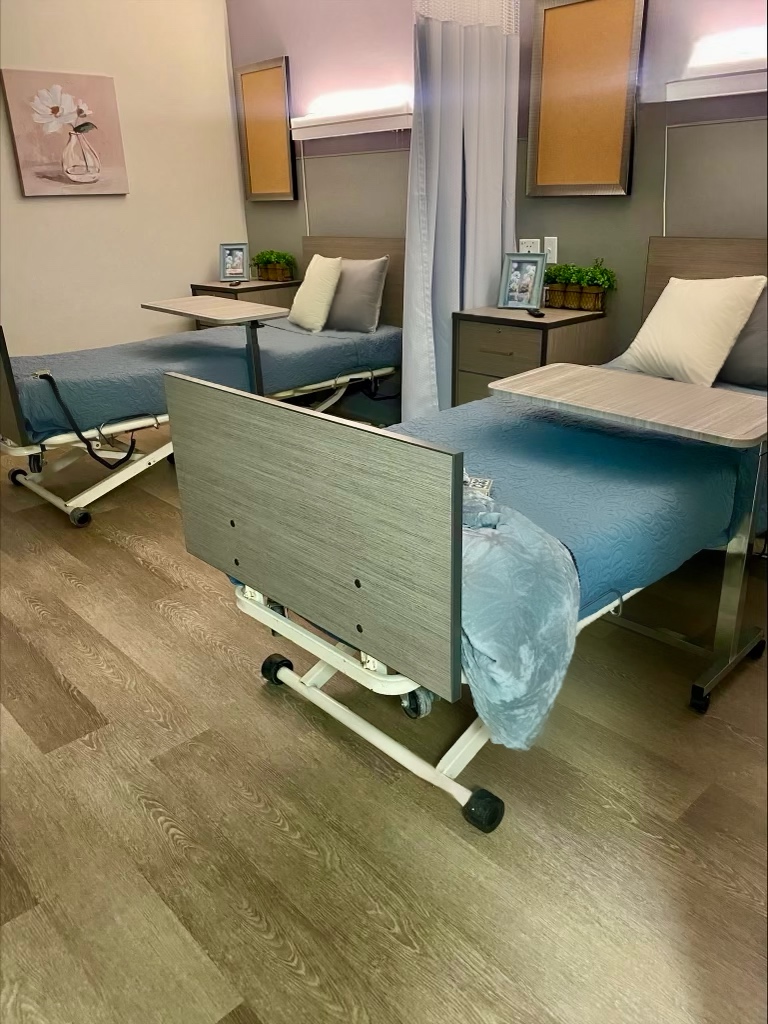
How is Coweta Care & Rehab Center Staffed?

CMS rates COWETA CARE & REHAB CENTER's staffing level at 3 out of 5 stars, which is average compared to other nursing homes. Staff turnover is 58%, which is 12 percentage points above the Oklahoma average of 46%. High turnover can affect care consistency as new staff learn residents' individual needs.

What Have Inspectors Found at Coweta Care & Rehab Center?

State health inspectors documented 20 deficiencies at COWETA CARE & REHAB CENTER during 2023 to 2024. These included: 1 that caused actual resident harm and 19 with potential for harm. Deficiencies causing actual harm indicate documented cases where residents experienced negative health consequences.
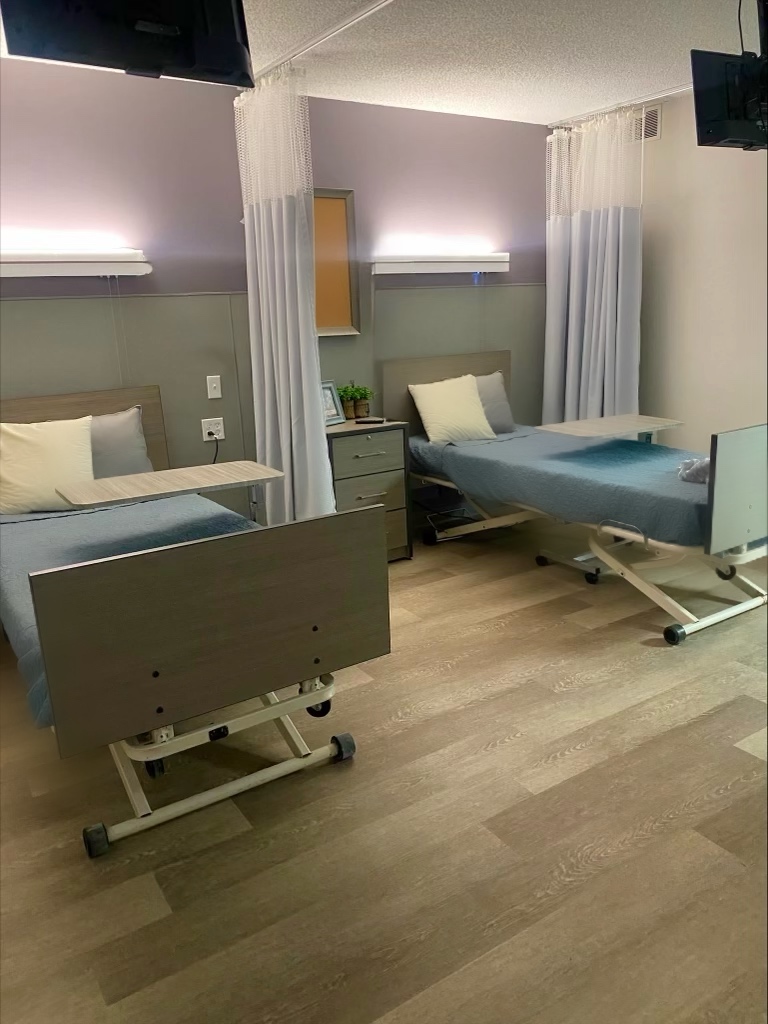
Who Owns and Operates Coweta Care & Rehab Center?

COWETA CARE & REHAB CENTER is owned by a for-profit company. For-profit facilities operate as businesses with obligations to shareholders or private owners. The facility is operated by MGM HEALTHCARE, a chain that manages multiple nursing homes. With 100 certified beds and approximately 74 residents (about 74% occupancy), it is a mid-sized facility located in COWETA, Oklahoma.
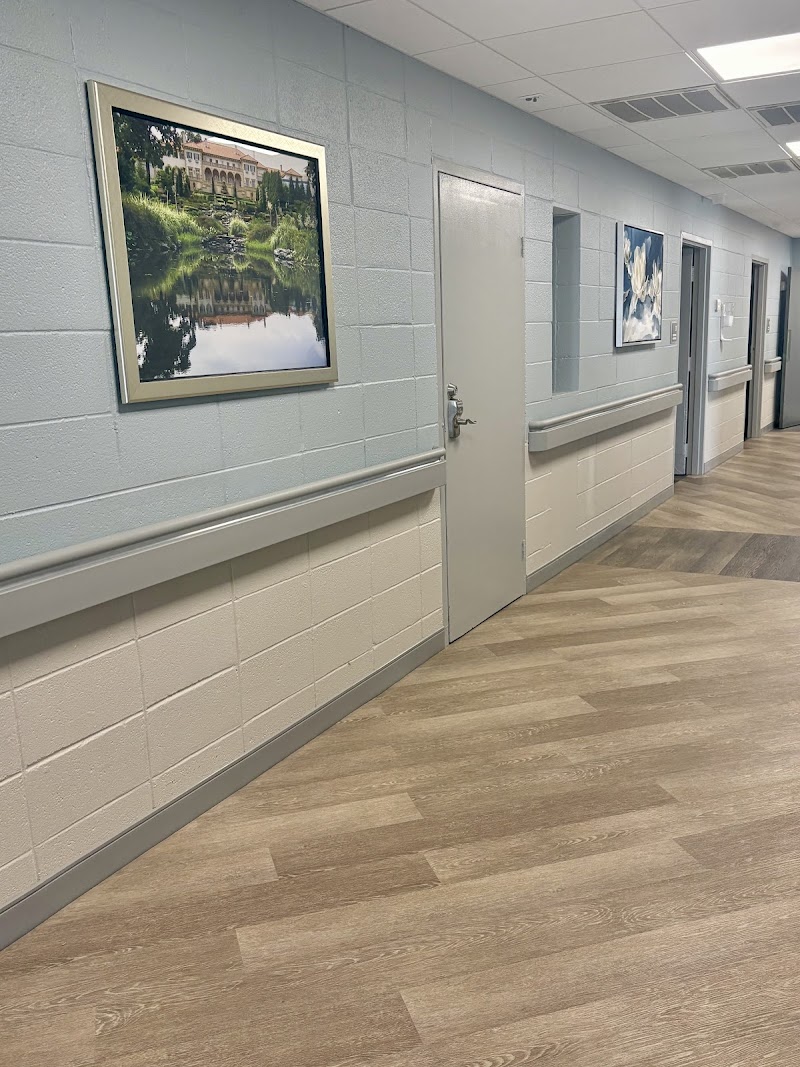
How Does Coweta Care & Rehab Center Compare to Other Oklahoma Nursing Homes?

Compared to the 100 nursing homes in Oklahoma, COWETA CARE & REHAB CENTER's overall rating (3 stars) is above the state average of 2.6, staff turnover (58%) is significantly higher than the state average of 46%, and health inspection rating (3 stars) is at the national benchmark.

What Should Families Ask When Visiting Coweta Care & Rehab Center?

Based on this facility's data, families visiting should ask: "How do you ensure continuity of care given staff turnover, and what is your staff retention strategy?" "Can I visit during a mealtime to observe dining assistance and food quality?" "How do you handle medical emergencies, and what is your hospital transfer rate?" "Can I speak with family members of current residents about their experience?" These questions are particularly relevant given the facility's high staff turnover rate.

Is Coweta Care & Rehab Center Safe?

Based on CMS inspection data, COWETA CARE & REHAB CENTER has a clean safety record: no substantiated abuse findings (meaning no confirmed cases of resident harm), no Immediate Jeopardy citations (the most serious violation level indicating risk of serious injury or death), and is not on the Special Focus Facility watch list (a federal program monitoring the lowest-performing 1% of nursing homes). The facility has a 3-star overall rating and ranks #1 of 100 nursing homes in Oklahoma. While no facility is perfect, families should still ask about staff-to-resident ratios and recent inspection results during their visit.

Do Nurses at Coweta Care & Rehab Center Stick Around?

Staff turnover at COWETA CARE & REHAB CENTER is high. At 58%, the facility is 12 percentage points above the Oklahoma average of 46%. High turnover means new staff may not know residents' individual needs, medications, or preferences. It can also be disorienting for residents, especially those with dementia who rely on familiar faces. Families should ask: What is causing the turnover? What retention programs are in place? How do you ensure care continuity during staff transitions?

Was Coweta Care & Rehab Center Ever Fined?

COWETA CARE & REHAB CENTER has been fined $8,147 across 1 penalty action. This is below the Oklahoma average of $33,160. While any fine indicates a compliance issue, fines under $50,000 are relatively common and typically reflect isolated problems that were subsequently corrected. Families should ask what specific issues led to these fines and confirm they've been resolved.

Is Coweta Care & Rehab Center on Any Federal Watch List?

COWETA CARE & REHAB CENTER is not on any federal watch list. The most significant is the Special Focus Facility (SFF) program, which identifies the bottom 1% of nursing homes nationally based on persistent, serious quality problems. Not being on this list means the facility has avoided the pattern of deficiencies that triggers enhanced federal oversight. This is a positive indicator, though families should still review the facility's inspection history directly.