LINWOOD VILLAGE NURSING & RETIREMENT APTS
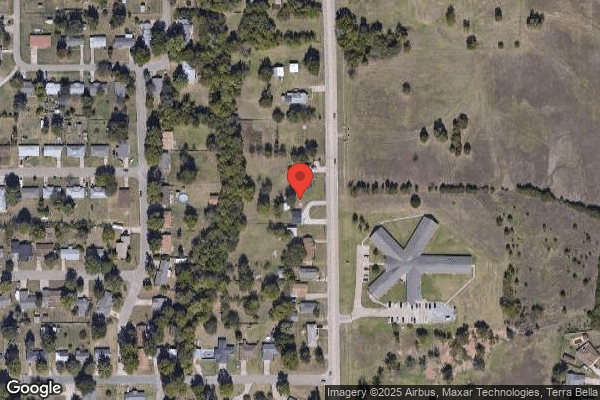
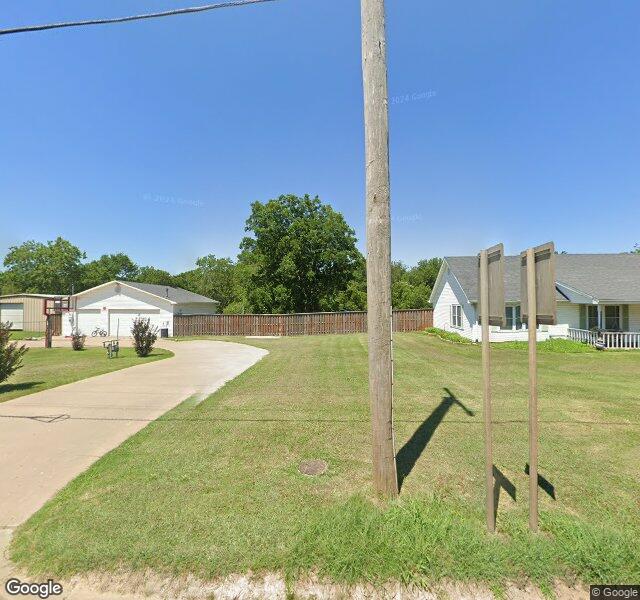
530 SOUTH LINWOOD AVENUE, CUSHING, OK 74023 (918) 225-2220
For profit - Limited Liability company 67 Beds RIVERS EDGE OPERATIONS Data: November 2025
Trust Grade
60/100
#117 of 282 in OK
Last Inspection: February 2024

Within standard 12-15 month inspection cycle. Federal law requires annual inspections.

Overview

Linwood Village Nursing & Retirement Apts has a Trust Grade of C+, indicating it is slightly above average but not exceptional. Ranked #117 out of 282 facilities in Oklahoma, it is in the top half, and it holds the #1 position among three facilities in Payne County, meaning it is the best local option. The facility is improving, with the number of issues identified decreasing from 10 in 2024 to 5 in 2025. It maintains an average staffing rating with a turnover rate of 58%, which is on par with the state average, suggesting staff stability but with room for improvement. Notably, the facility has not incurred any fines, which is a positive sign, and it offers average RN coverage, ensuring some level of oversight for resident care. However, there are significant areas of concern. For example, the facility failed to adequately address grievances raised during resident council meetings, including issues such as late medication administration and unresponsive call lights. Additionally, a resident with Alzheimer's experienced multiple falls without a timely update to their care plan, highlighting a lapse in necessary care adjustments. Overall, while Linwood Village has some strengths, families should consider these weaknesses carefully when evaluating their options.

Trust Score
C+
60/100
In Oklahoma
#117/282
Top 41%
Safety Record
Low Risk
No red flags
Inspections
Getting Better
10 → 5 violations
Staff Stability
⚠ Watch
58% turnover. Above average. Higher turnover means staff may not know residents' routines.
Penalties
✓ Good
No fines on record. Clean compliance history, better than most Oklahoma facilities.
Skilled Nurses
⚠ Watch
Each resident gets only 17 minutes of Registered Nurse (RN) attention daily — below average for Oklahoma. Fewer RN minutes means fewer trained eyes watching for problems.
Violations
⚠ Watch
19 deficiencies on record. Higher than average. Multiple issues found across inspections.
★★★☆☆
3.0
Overall Rating
★★★☆☆
3.0
Staff Levels
★★★☆☆
3.0
Care Quality
★★★☆☆
3.0
Inspection Score
Stable
2024: 10 issues
2025: 5 issues

The Good

  • Full Sprinkler Coverage · Fire safety systems throughout facility
  • No fines on record

Facility shows strength in fire safety.

The Bad

3-Star Overall Rating

Near Oklahoma average (2.6)

Meets federal standards, typical of most facilities

Staff Turnover: 58%

12pts above Oklahoma avg (46%)

Frequent staff changes - ask about care continuity

Chain: RIVERS EDGE OPERATIONS

Part of a multi-facility chain

Ask about local staffing decisions and management

Staff turnover is elevated (58%)

10 points above Oklahoma average of 48%

The Ugly 19 deficiencies on record

May 2025 5 deficiencies
CONCERN (D) 📢 Someone Reported This

A family member, employee, or ombudsman was alarmed enough to file a formal complaint

Potential for Harm - no one hurt, but risky conditions existed

Free from Abuse/Neglect (Tag F0600)

Could have caused harm · This affected 1 resident

Based on record review and interview, the facility failed to ensure a resident was free from abuse for 1 (#162) of 2 sampled residents reviewed for abuse. The administrator identified 55 residents re...

Read full inspector narrative →
Based on record review and interview, the facility failed to ensure a resident was free from abuse for 1 (#162) of 2 sampled residents reviewed for abuse. The administrator identified 55 residents resided in the facility. Findings: A policy titled Abuse,Neglect and Exploitation, dated 01/01/25, read in part, It is the policy of this facility to provide protections for the health, welfare and rights of each resident by developing and implementing written policies and procedures that prohibit and prevent abuse, neglect.The facility will make efforts to ensure all residents are protection from physical and psychosocial harm. An initial OSDH Incident Report Form, for the incident date 02/07/25 Part B, read in part, [Resident #162] told the shower aids, late Friday afternoon, that in the night [they] had asked the aide for ice water and [they] threw a cup of water in [their] face. No injuries were noted. [Resident #162] has been a resident since 12/27/24 on skilled services. [Resident #162] had a slip and fall accident in November 2024 which has left [them] with partial paralysis. [Resident #162] has lucid days and confused days. Part C , read in part, The CNA was put on suspension pending investigation. A final OSDH Incident Report Form, for the 02/07/25 incident, showed, Part C read in part, The CNA was put on suspension pending investigation.An investigation substantiated the claim. Resident #162's quarterly MDS assessment, dated 04/05/25, showed a BIMS of 6 meaning severe cognitive impairment, dependent with ADLs, and diagnoses of traumatic spinal cord dysfunction, quadriplegia, and anxiety. On 05/22/25 at 2:12 p.m., CNA #1 stated abuse was if residents were not taken care of, or if they saw any bruising,.CNA #1 stated they would get the nurse or administrator immediately. CNA #1 stated Resident #162 was total care and had to be fed. On 05/22/25 at 2:18 p.m., the DON, with the regional administrator present, stated the policy for abuse was if someone was concerned to report to a superior or tell your administrator. On 05/22/25 at 2:20 p.m., the DON stated the resident and the 2 CNA's were the only ones in the room with the resident at the time of the incident. The DON stated Resident #162 was cognitively intact at times and was adamant that it happened.
CONCERN (D) 📢 Someone Reported This

A family member, employee, or ombudsman was alarmed enough to file a formal complaint

Potential for Harm - no one hurt, but risky conditions existed

Investigate Abuse (Tag F0610)

Could have caused harm · This affected 1 resident

Based on record review and interview, the facility failed to ensure a thorough investigation was completed for an allegation of abuse for 1(#162) of 2 sampled residents reviewed for abuse. The admini...

Read full inspector narrative →
Based on record review and interview, the facility failed to ensure a thorough investigation was completed for an allegation of abuse for 1(#162) of 2 sampled residents reviewed for abuse. The administrator identified 55 residents resided in the facility. Findings: A policy titled Abuse,Neglect and Exploitation, dated 01/01/25, read in part, It is the policy of this facility to provide protections for the health, welfare and rights of each resident by developing and implementing written policies and procedures that prohibit and prevent abuse, neglect.The facility will make efforts to ensure all residents are protection from physical and psychosocial harm. An initial OSDH Incident Report Form, for the incident on 02/07/25 Part B, read in part, Resident #162] told the shower aids, late Friday afternoon, that in the night [Resident #162] had asked the aide for ice water and [Resident #162] threw a cup of water in [CNA #1] face. No injuries were noted. [Resident #162] has been a resident since 12/27/24 on skilled services. [Resident #162] had a slip and fall accident in November 2024 which has left [Resident #162] with partial paralysis. [Resident #162] has lucid days and confused days. Part C read in part, The CNA was put on suspension pending investigation. A final OSDH Incident Report Form, for the 02/07/25 incident, showed, Part C read in part, The CNA was put on suspension pending investigation. An investigation substantiated the claim. Resident #162's quarterly MDS assessment, dated 04/05/25, showed a BIMS of 6 meaning severe cognitive impairment, dependent with ADLs, and diagnoses of traumatic spinal cord dysfunction, quadriplegia, and anxiety. On 05/22/25 at 2:12 p.m., CNA #1 stated abuse was if residents were not taken care of or if they saw any bruising. CNA #1 stated they would get the nurse or administrator immediately. CNA #1 stated Resident #162 was total care and had to be fed. On 05/22/25 at 2:18 p.m., the DON, with the regional administrator present, stated for an abuse investigation they do a state reportable On 05/22/25 at 2:20 p.m., the DON stated the resident and the 2 CNA's were the only ones in the room with the resident at the time of the incident. The DON stated Resident #162 was cognitively intact at times and was adamant that it happened. On 05/22/25 at 2:38 p.m., the DON stated they did not do resident interviews other than Resident #162. They stated there was no other staff to interview about the incident as there were only the two CNA's in the room at the time of the incident, other than when Resident #162 told the CNA's giving them the shower. The DON stated CNA #2 had other complaints about them from residents prior. The DON stated they were not sure if the reporting to the registry was done. The Oklahoma State Department of Health Notification of Nurse Aide/Nontechnical Service Worker Abuse, Neglect, Mistreatment or Misappropriation of Property, notification fax transmission was not located. On 05/23/25 at 9:35 a.m. the regional administrator stated they did not send to the nurse aide registry, they just sent to OSDH. They stated they had just found out they needed to send to both. On 05/23/25 at 9:40 a.m., the regional administrator stated the BOM had pulled the file and CNA #2 had not completed the actual training in the computer software system used. They stated staff was given fourteen days to complete the training's and CNA #2 never turned it in. The facility did not perform any additional resident interviews to ensure other residents were not affected by the allegation. The facility did not interview any staff regarding the CNA's behavior towards resident to ensure the CNA had not affected them. The facility was unable to provide proof of notification of CNA #2's allegations to the state agency for CNA reporting.
CONCERN (D) 📢 Someone Reported This

A family member, employee, or ombudsman was alarmed enough to file a formal complaint

Potential for Harm - no one hurt, but risky conditions existed

Food Safety (Tag F0812)

Could have caused harm · This affected 1 resident

Based on observation, record review, and interview, the facility failed to ensure dented cans, and opened bottles were removed from circulation in the dry storage. The administrator identified 55 resi...

Read full inspector narrative →
Based on observation, record review, and interview, the facility failed to ensure dented cans, and opened bottles were removed from circulation in the dry storage. The administrator identified 55 residents resided in the facility and ate from the kitchen. Findings: On 05/20/25 at 9:53 a.m., two 2.6 pound cans of hot dog chili sauce, and a can of tuna were observed to have dents along the seals. A plastic bottle of red food dye had torn foil covering the opening, leaving the bottle open to air. The date of receival written on the cans was 02/25. A policy Food Receiving and Storage, revised November 2022, read in part, Dry foods and goods are handled and stored in a manner that maintains the integrity of the packaging until they are ready to use. On 05/20/25 at 10:03 a.m., the DM stated the staff had dropped the chili cans, so the dietician told them they could serve the chili since they knew when the damage occurred. The DM stated he did not notice the can of tuna was bent or that the foil did not secure the bottle of food coloring. On 05/23/25 at 11:20 a.m., the dietician stated if the cans were damaged, they should have been thrown out if they were not served that day.
CONCERN (D) 📢 Someone Reported This

A family member, employee, or ombudsman was alarmed enough to file a formal complaint

Potential for Harm - no one hurt, but risky conditions existed

Infection Control (Tag F0880)

Could have caused harm · This affected 1 resident

Based on record review and interview, the facility failed to ensure a water management plan to prevent waterborne pathogens had been implemented. The administrator reported 55 residents resided at th...

Read full inspector narrative →
Based on record review and interview, the facility failed to ensure a water management plan to prevent waterborne pathogens had been implemented. The administrator reported 55 residents resided at the facility. Findings: A facility policy titled Water Management Program, implemented 09/08/23, read in part, It is the policy of this facility to establish water management plans for reducing the risk of Legionellosis and other opportunistic pathogens in the facility's water systems based on nationally accepted standards .Documentation of all the activities related to the water management program shall be maintained in the water management program binder for a minimum of three years. On 05/23/25 at 10:31 a.m., the DON, regional administrator, and maintenance director were unable to provide documentation of any measures to prevent growth of Legionella. The maintenance director stated they did not really know about Legionella prevention.
CONCERN (D) 📢 Someone Reported This

A family member, employee, or ombudsman was alarmed enough to file a formal complaint

Potential for Harm - no one hurt, but risky conditions existed

Deficiency F0947 (Tag F0947)

Could have caused harm · This affected 1 resident

Based on record review and interview, the facility failed to ensure abuse training on hire was conducted for 1 (CNA #2) of 3 staff members files who's employee files reviewed. The administrator ident...

Read full inspector narrative →
Based on record review and interview, the facility failed to ensure abuse training on hire was conducted for 1 (CNA #2) of 3 staff members files who's employee files reviewed. The administrator identified 55 residents resided in the facility. Findings: The employee file for CNA #2 showed a hire date of 01/28/25. There was no abuse training on hire located in the employee file. On 05/23/25 at 9:40 a.m., the regional administrator stated the BOM had pulled the file and CNA #2 had not completed the actual training in the computer software system used. They stated staff was given fourteen days to complete the training's and CNA #2 never turned it in.
Feb 2024 9 deficiencies
CONCERN (D)

Potential for Harm - no one hurt, but risky conditions existed

Deficiency F0602 (Tag F0602)

Could have caused harm · This affected 1 resident

Based on record review and interview, the facility failed to ensure staff investigated reports of misappropriation of resident items for one (#1) of one sampled resident for misappropriation of proper...

Read full inspector narrative →
Based on record review and interview, the facility failed to ensure staff investigated reports of misappropriation of resident items for one (#1) of one sampled resident for misappropriation of property. The Administrator identified 49 residents resided in the facility. Findings: An Abuse policy, dated 01/02/24, documented misappropriation of resident property means the deliberate misplacement, exploitation, or wrongful, temporary or permanent, use of a resident's belongings without the resident's consent. It documented investigating different types of violations. It documented taking all necessary actions as a result of the investigation, which may include, but not limited to: analyzing occurrences, to determine why misappropriation of resident property occurred, and what changes were needed to prevent further occurrences; define how care provision will be changed and/or improved to protect residents receiving services; training of staff on changes made and demonstrate of staff competency after training implemented; identification of staff responsible for implementation of corrective actions; the expected date for implementation; and identification of staff responsible for monitoring the implementation of the plan. Resident Council minutes, dated 11/30/23, documented items disappeared from residents' rooms. It documented Administration keeps saying they are ordering [Resident #1]'s stuff that was stolen but never do. Resident Council minutes, dated 12/28/23, documented Resident #1's items have not been replaced. A Resident Council Action Form, dated 12/28/23, documented communication to the Administrator regarding Resident #1's items have not been replaced. There was no documentation items had been investigated, or replaced. On 02/22/24 at 2:09 p.m., Resident #1 stated they had bought a gift for their family member and it was missing. They stated they have brought it up in resident meetings. They stated the gift has not been replaced. On 02/23/24 at 11:38 a.m., the SSD stated when a resident reported missing items, they write up a grievance, and put it in the grievance book. They stated the Administrator looked at the book. They stated they help the resident look for item and if it isn't located, the resident was reimbursed. The SSD was asked if any items were reported missing in November and December 2023 resident council minutes. They stated Resident #1. They stated they recalled asking the resident what was missing but couldn't recall what it was. They stated they reported missing items to the Administrator. On 02/23/24 at 11:47 a.m., the Administrator stated when a resident reported missing items, staff looked for items, the SSD wrote up a grievance, and it was brought to the Administrator. She stated if staff were unable to locate items, it was replaced. The Administrator was shown the action form from December 2023. They stated they don't call Resident #1 reporting anything and they didn't get a copy of the action form. The Administrator was asked if it was considered misappropriation of residents' property if resident missing items/property was not located. They stated, Could be considered misappropriation.
CONCERN (D)

Potential for Harm - no one hurt, but risky conditions existed

PASARR Coordination (Tag F0644)

Could have caused harm · This affected 1 resident

**NOTE- TERMS IN BRACKETS HAVE BEEN EDITED TO PROTECT CONFIDENTIALITY** Based on record review and interview, the facility failed to refer a resident with a new mental health diagnosis to OHCA for a P...

Read full inspector narrative →
**NOTE- TERMS IN BRACKETS HAVE BEEN EDITED TO PROTECT CONFIDENTIALITY** Based on record review and interview, the facility failed to refer a resident with a new mental health diagnosis to OHCA for a PASRR level II evaluation for one (#40) of one sampled resident reviewed for PASRR. The Administrator reported 49 residents resided in the facility. Findings: Res #40 was readmitted to the facility on [DATE] with a new diagnosis of psychotic disorder with delusions. The resident's record contained no documentation the facility contacted OHCA with the new diagnoses. On 02/23/24 at 11:17 a.m., MDS coordinator #1 reported state was not notified of the new mental health diagnosis.
CONCERN (D)

Potential for Harm - no one hurt, but risky conditions existed

Comprehensive Care Plan (Tag F0656)

Could have caused harm · This affected 1 resident

**NOTE- TERMS IN BRACKETS HAVE BEEN EDITED TO PROTECT CONFIDENTIALITY** Based on record review and interview, the facility failed to ensure a comprehensive care plan was developed for psychotic disord...

Read full inspector narrative →
**NOTE- TERMS IN BRACKETS HAVE BEEN EDITED TO PROTECT CONFIDENTIALITY** Based on record review and interview, the facility failed to ensure a comprehensive care plan was developed for psychotic disorder with delusions for one (#40) of 13 sampled residents whose care plans were reviewed. The Administrator reported 49 residents resided in the facility. Findings: Res #40 was readmitted to the facility on [DATE] with a diagnosis of psychotic disorder with delusions. A care plan, dated 01/29/24, contained no documentation the resident had a diagnosis of psychotic disorders with delusions and did not include goals or interventions. On 02/23/24 at 11:03 a.m., the DON reported the psychotic disorder should have been care planned.
CONCERN (D)

Potential for Harm - no one hurt, but risky conditions existed

Deficiency F0661 (Tag F0661)

Could have caused harm · This affected 1 resident

Based on record review and interview, the facility failed to ensure a discharge summary was completed for one (#51) of two sampled residents reviewed for discharge. The Administrator identified 49 res...

Read full inspector narrative →
Based on record review and interview, the facility failed to ensure a discharge summary was completed for one (#51) of two sampled residents reviewed for discharge. The Administrator identified 49 residents resided in the facility. Findings: A Discharge Summary policy, dated 01/02/24, documented upon discharge of a resident, other than emergency discharge or death, a discharge summary will be provided that should include: a. recapitulation of the resident's stay, b. final summary of the resident's status, c. reconciliation of all pre-discharge medications, and d. a post-discharge plan of care. Resident #51 had diagnoses which included wedge compression fracture of the fourth lumbar vertebra. A Nurse Progress Note, dated 11/24/23, documented Resident #51 discharged from the facility. On 02/23/24 at 9:56 a.m., the DON stated the discharge nurse completed the discharge summary. She stated if she saw the discharge summary had not been completed, then she would complete it. On 02/23/24 at 9:59 a.m., the DON stated the discharge summary for Resident #51 hadn't been completed.
CONCERN (D)

Potential for Harm - no one hurt, but risky conditions existed

Deficiency F0745 (Tag F0745)

Could have caused harm · This affected 1 resident

Based on record review and interview, the facility failed to ensure a resident's specialist appointment was completed timely for one (#34) of one sampled resident reviewed for social services. The Adm...

Read full inspector narrative →
Based on record review and interview, the facility failed to ensure a resident's specialist appointment was completed timely for one (#34) of one sampled resident reviewed for social services. The Administrator identified 49 residents resided in the facility. Findings: A Social Services policy, dated 01/02/24, documented the social worker or designee would pursue the provision of any identified need which may include making referrals and obtaining needed services from outside entities. Resident #34 had diagnoses which included dementia. An Incident Note, dated 02/07/24 documented Resident #34 fell and was sent to a local hospital. A Nurse Progress Note, dated 02/07/24, documented the nurse from the hospital called and stated Resident #34 had a fractured right collar bone and needed to follow up with an orthopedic surgeon to determine if it needed a repair. It documented the DON was notified. There was no documentation Resident #34 had followed up with an orthopedic surgeon. On 02/23/24 at 10:02 a.m., the DON stated Resident #34 was suppose to see someone after the resident sustained the fracture. On 02/23/24 at 11:00 a.m., the DON stated she failed to follow up on the appointment.
CONCERN (D)

Potential for Harm - no one hurt, but risky conditions existed

Deficiency F0883 (Tag F0883)

Could have caused harm · This affected 1 resident

Based on record review and interview, the facility failed to ensure influenza and pneumococcal vaccinations were offered for one (#104) of five sampled residents reviewed for immunizations. The Admini...

Read full inspector narrative →
Based on record review and interview, the facility failed to ensure influenza and pneumococcal vaccinations were offered for one (#104) of five sampled residents reviewed for immunizations. The Administrator identified 49 residents resided in the facility. Findings: A Pneumococcal Vaccine (Series) policy, undated, read in parts, .Each resident will be assessed for pneumococcal immunization upon admission .Each resident will be offered a pneumococcal immunization . An Influenza Vaccination policy, undated, read in part, .Influenza vaccinations will be routinely offered annually from October 1st through March 31st . Resident #104 had diagnoses that included dementia. Resident #104's immunization record did not document the resident, nor their representative, had been offered or received an influenza or pneumonia immunization. On 02/23/24 at 11:38 a.m., the DON was asked if residents were offered influenza and pneumonia vaccines on admission. They stated not really. The DON acknowledged neither Resident #104 or their representative were informed of the availability of the vaccines nor offered the immunizations on admission.
CONCERN (E)

Potential for Harm - no one hurt, but risky conditions existed

Deficiency F0565 (Tag F0565)

Could have caused harm · This affected multiple residents

Based on record review and interview, the facility failed to act upon grievances presented during resident council meetings or provide rationale as to why concerns could not be met. The Administrator ...

Read full inspector narrative →
Based on record review and interview, the facility failed to act upon grievances presented during resident council meetings or provide rationale as to why concerns could not be met. The Administrator identified 49 residents resided in the facility. Findings: A Resident Council Meeting policy, dated 01/02/24, documented the facility shall act upon concerns, make attempts to accommodate, and communicate their decisions to the council. Resident Council minutes, dated 11/30/23, documented concerns with nurses yelling down the hall, medications were administrated late, call lights in the morning not being answered while food was being delivered, residents not being assisted timely, hamburgers were dry, not enough vegetables, and resident items were missing. Resident Council minutes, dated 12/28/23, documented continued problems with medications, food, and missing items. There was no documentation concerns were acted upon or a response was provided to the council. On 02/22/24 at 1:57 p.m., a resident meeting was conducted with six residents in attendance. Residents stated staff don't respond to their concerns brought to resident council. On 02/23/24 at 11:42 a.m., the SSD stated they fill out a form with concerns from resident council meetings and give them to department managers. They stated they don't always get the forms back.
CONCERN (E)

Potential for Harm - no one hurt, but risky conditions existed

Deficiency F0657 (Tag F0657)

Could have caused harm · This affected multiple residents

**NOTE- TERMS IN BRACKETS HAVE BEEN EDITED TO PROTECT CONFIDENTIALITY** 3. Resident #32 had diagnoses that included Alzheimer's disease and dementia. Resident #32's most current care plan documented R...

Read full inspector narrative →
**NOTE- TERMS IN BRACKETS HAVE BEEN EDITED TO PROTECT CONFIDENTIALITY** 3. Resident #32 had diagnoses that included Alzheimer's disease and dementia. Resident #32's most current care plan documented Resident #32's last fall was on 10/15/23. Resident #32's clinical record documented resident had falls on 11/07/23, 11/29/23, 12/10/23, 12/17/23, and 01/06/24. An MDS assessment, dated 12/18/23, documented a significant change of condition for Resident #32. On 02/22/24 at 2:23 p.m., the DON was asked if, according to the facility's policy, should Resident #32's care plan have been updated after they experienced five additional falls and a significant change of condition. They stated yes, definitely. 2. Res #40 had diagnoses which included Parkinson's, dementia, psychotic disorder with delusions, major depressive disorder, and insomnia. A care plan, dated 01/29/24, documented the following interventions: a. Attempt to anticipate and meet the resident's needs. Date initiated: 06/27/22, b. Be sure the call light was within reach and encourage the resident to use it for assistance as needed. Answer the call light in timely manner. Date Initiated: 06/27/22, c. The resident will get out of the bed onto the fall matt next to the bed at times. If the resident was seated on the fall matt next to the bed with no s/s of injury, the resident has not fallen. Date Initiated: 12/08/23 d. The family will discuss with the resident their need for therapy and the family will encourage the resident to participate with therapy. Therapy will reattempt to evaluate the resident. Date Initiated: 04/17/23, and e. Please ensure the resident has non-slip shoes or socks on when walking in their room or hallways with their walker. Date Initiated: 06/27/22. The care plan did not document interventions after falls on 11/06/23, 11/30/23, 12/28/23, 01/12/24, 01/14/24, 01/15/24, 01/22/24, 01/30/24, 02/15/24, and 02/16/24. On 02/23/24 at 10:02 a.m., the DON stated the falls should have been care planned with interventions after each fall. Based on record review and interview, the facility failed to ensure care plans were revised for three (#34, 40, and #32) of 13 sampled residents reviewed for care plans. The Administrator identified 49 residents resided in the facility. Findings: A Fall Prevention Program policy, dated 01/02/24, documented the plan of care would be revised as needed. 1. Resident #34 had diagnoses which included dementia. A Care Plan for falls, was last updated 01/09/24. Progress Notes, dated 02/07/24 and 02/10/24, documented the resident fell. It documented on 02/07/24 Resident #34 sustained a right clavicle fracture. It documented no injuries sustained from fall on 02/10/24. Risk Management notes, dated 02/07/24 and 02/10/24 documented Resident #34 returned from the hospital on [DATE] with no treatment recommended. It documented a medication adjustment was completed related to fall on 02/10/24. The care plan did not reflect any changes related to falls. On 02/23/24 at 10:02 a.m., the DON stated staff should be revising the care plans after falls but they weren't.
CONCERN (E)

Potential for Harm - no one hurt, but risky conditions existed

Accident Prevention (Tag F0689)

Could have caused harm · This affected multiple residents

**NOTE- TERMS IN BRACKETS HAVE BEEN EDITED TO PROTECT CONFIDENTIALITY** 3. Resident #32 had diagnoses that included Alzheimer's disease and dementia. Resident #32's most current fall assessment was co...

Read full inspector narrative →
**NOTE- TERMS IN BRACKETS HAVE BEEN EDITED TO PROTECT CONFIDENTIALITY** 3. Resident #32 had diagnoses that included Alzheimer's disease and dementia. Resident #32's most current fall assessment was completed on 10/18/2023. Resident #32's clinical record documented the resident had falls on 11/07/23, 11/29/23, 12/10/23, 12/17/23, and 01/06/24. An MDS assessment, dated 12/18/23, documented a significant change of condition for Resident #32. On 02/22/24 at 2:23 p.m., the DON reported, according to the facility's policy, fall assessments were done on admission and quarterly on everyone or when a significant change is identified. The DON was asked if a fall assessment was completed for Resident #32 after they had five falls and a significant change in December. They stated no, it should have been done. 2. Res #40 had diagnoses which included Parkinson's and anxiety. An incident report, dated 11/06/23, documented the resident was on the floor seated next to the bed. The report documented the resident had a skin tear to the left elbow. No interventions were put in place and the care plan was not revised. An incident report, dated 11/30/23, documented the resident reported they had missed their wheelchair. The resident was observed on the floor on their side with their right arm tucked under the right side of their head. The resident had a knot to the side of their head. Neuro checks started. No interventions were put in place and the care plan was not revised. An incident report, dated 12/28/23, documented the resident was found on the floor of their bathroom on their right side. It documented the resident reported they hit their head on the wall. Neuro's started. No interventions were put in place and the care plan was not revised. An incident report, dated 01/12/24, documented the resident was observed sitting on the floor by their wheelchair. The resident had a small skin tear to the left elbow. No interventions were put in place and the care plan was not revised. An incident report, dated 01/14/24, documented the resident was on the floor attempting to transfer self to the bathroom, no injuries noted. No interventions were put in place and the care plan was not revised. An incident report, dated 01/15/24, documented a CNA was walking by the resident's room and witnessed the resident sliding off the bed onto the ground, no injuries noted. No interventions were put in place and the care plan was not revised. An incident report, dated 01/16/24, documented the resident was found on the floor of their room, no injuries noted. No interventions were put in place and the care plan was not revised. An incident report, dated 01/22/24, documented the resident was seated on the floor, no injuries noted. No interventions were put in place and the care plan was not revised. An incident report, dated 01/30/24, documented the resident was observed sitting on the floor at the foot of the bed, no injuries noted. No interventions were put in place and the care plan was not revised. An incident report, dated 02/15/24, documented the resident reported they slid out of bed trying to go to the bathroom, no injuries noted. No interventions were put in place and the care plan was not revised. An incident report, dated 02/16/24, documented the resident was observed sitting on the floor in front of their toilet putting their socks and shoes on, no injuries noted. No interventions were put in place and the care plan was not revised. On 02/23/24 at 10:02 a.m., the DON reported the care plan should have been revised and interventions put in place. Based on record review and interview, the facility failed to ensure: a. fall interventions were care planned after falls and have a process for notifying staff of interventions for one (#34), b. fall interventions were implemented and care planned after falls for one (#40), and c. a fall assessment was completed for one (#32) of three sampled residents reviewed for falls. The Administrator identified 49 residents resided in the facility. Findings: A Fall Risk Assessment policy, dated 01/02/24, documented the assessment will be completed when a significant change was identified. It documented the care plan will be completed for each resident to identify each item on the risk assessment and will be updated accordingly. It documented to monitor the effectiveness of the care plan interventions and modify the interventions as necessary. 1. Resident #34 had diagnoses which included dementia. A Care Plan for falls, was last updated 01/09/24. Progress Notes, dated 02/07/24 and 02/10/24, documented the resident fell. It documented on 02/07/24 Resident #34 sustained a right clavicle fracture. It documented no injuries sustained from fall on 02/10/24. Risk Management notes, dated 02/07/24 and 02/10/24 documented Resident #34 returned from the hospital on [DATE] with no treatment recommended. It documented a medication adjustment was completed related to fall on 02/10/24. The care plan did not reflect any changes related to falls. On 02/23/24 at 9:17 a.m., CNA #1 stated they weren't aware of how new interventions were implemented. They stated they were unsure what interventions were in place for Resident #34. On 02/23/24 at 9:38 a.m., LPN #1 stated they were familiar with most of the residents. They stated they were aware Resident #34 had a closed right clavicle fracture but was unsure how the resident sustained it. LPN #1 was asked what fall interventions were in place after Resident #34 sustained the fracture. They stated they monitored for signs and symptoms of pain, swelling, heat, edema, and not using their arm. On 02/23/24 at 10:02 a.m., the DON stated they verbally tell the staff regarding new fall interventions. The DON stated staff should be revising the care plans after falls but they weren't.
Feb 2024 1 deficiency
CONCERN (D) 📢 Someone Reported This

A family member, employee, or ombudsman was alarmed enough to file a formal complaint

Potential for Harm - no one hurt, but risky conditions existed

Garbage Disposal (Tag F0814)

Could have caused harm · This affected 1 resident

Based on record review, observation, and interview, the facility failed to ensure two trash dumpster's were covered. The Daily Census, dated 02/09/24, documented 52 residents resided in the facility....

Read full inspector narrative →
Based on record review, observation, and interview, the facility failed to ensure two trash dumpster's were covered. The Daily Census, dated 02/09/24, documented 52 residents resided in the facility. Findings: A Disposal of Garbage policy, dated 01/02/24, documented containers and dumpster's were to be kept covered when not being used. On 02/09/24 at 10:16 a.m., two outside trash dumpster's were observed. Both dumpster's were observed to have an open lid. One black glove, one black sock, two clumps of paper towels, plastic spoons and forks were observed around the dumpster's. On 02/09/24 at 10:26 a.m., the Administrator stated the dumpster's were suppose to be closed after staff took out the trash.
Aug 2021 4 deficiencies
CONCERN (E)

Potential for Harm - no one hurt, but risky conditions existed

Comprehensive Care Plan (Tag F0656)

Could have caused harm · This affected multiple residents

Based on observation, interview, and record review, it was determined the facility failed to develop and implement a comprehensive person-centered care plan for one (#3) of eight sampled residents who...

Read full inspector narrative →
Based on observation, interview, and record review, it was determined the facility failed to develop and implement a comprehensive person-centered care plan for one (#3) of eight sampled residents whose care plans were reviewed. The facility identified 33 residents who resided in the facility. Findings: A Catheter Care, Urinary policy and procedure, revised September 2014, documented, Purpose: The purpose of this procedure is to prevent catheter-associated urinary tract infections. Preparation: 1. Review the resident's care plan to assess for any special needs of the resident. Resident #3 had diagnoses which included, generalized muscle weakness, retention of urine, chronic kidney disease, and obstructive and reflux uropathy. An undated document titled, UTI PREVENTION documented, Foley Catheter Care .Foley Cath Care should be done every shift and PRN . A care plan, dated 06/30/21, documented, Focus: I need assistance with daily care needs because I get easily short of breath and tire easily .Goal: I will have all my needs anticipated and met by the staff over the next 90 days since I am reliant upon them for all my care needs .Interventions: TOILETING: I need staff to provide FOLEY CATHETER care for me. A physician's order, dated 07/01/21, documented, Foley Catheter change every evening shift every 1 month(s) starting on the 1st for 1 day(s) related to CHRONIC KIDNEY DISEASE, UNSPECIFIED. The resident had an appointment with his urologist on 07/01/21. The following orders were received by the facility. Dr. [name withheld] - urology visit 7/1/21, - cont foley catheter - daily foley catheter care - clean well - change foley catheter monthly - renal us at next available - RTC in 4-6 weeks for f/u Noted 7/2/21 No documentation was located in the resident's chart that the order for daily foley catheter care - clean well had been placed on the resident's order sheet or care plan. A quarterly assessment, dated 08/04/21, documented the resident's cognition was intact, required extensive assistance for ADLs, had a Foley catheter with no urinary toileting program. On 08/16/21 at 12:30 p.m., the director of nursing (DON) was asked how many residents had a Foley catheter. She stated, One. She was asked who provided catheter care. She stated, primarily the CNAs. The DON was asked how often she expected catheter care to be provided. She stated, every shift. She was asked where catheter care had been documented. She stated as of 08/12/21 on the treatment sheet. She was asked how she knew that catheter care had been provided. She stated, you would not know because it was not being documented. The DON was asked, following a urology appointment on 7/1/21, the urologist ordered, daily catheter care - clean well, where that order had been documented. She stated, it should have been documented on the TAR. She was asked who was responsible for ensuring new physician's orders were noted and documented. She stated, the charge nurse reviewed the orders, updated accordingly, updated the progress notes and was to upload any new orders. The DON was asked if catheter care had been provided every day as ordered by urologist. She stated, No. I could not find any documentation to support it had been done. The DON was asked where Foley catheter care had been care planned. She stated it was briefly noted in the care plan. She was asked if it was an adequate care plan for Foley catheter care. She stated, I would say no. The DON was asked how staff knew what the plan of care was for indwelling catheters if it had not been care planned. She stated, without it care planned, they don't. She was asked if Foley catheters and catheter care should be care planned with more detail. She stated, Yes.
CONCERN (E)

Potential for Harm - no one hurt, but risky conditions existed

Incontinence Care (Tag F0690)

Could have caused harm · This affected multiple residents

Based on interviews and record review, it was determined the facility failed to ensure catheter care was performed every shift for one (#3) of one sampled resident who was reviewed for catheter care. ...

Read full inspector narrative →
Based on interviews and record review, it was determined the facility failed to ensure catheter care was performed every shift for one (#3) of one sampled resident who was reviewed for catheter care. The facility identified one resident who had an indwelling catheter. Findings: A Catheter Care, Urinary policy and procedure, revised September 2014, documented, Purpose: The purpose of this procedure is to prevent catheter-associated urinary tract infections. An undated document titled, UTI PREVENTION documented, Foley Catheter Care .Foley Cath Care should be done every shift and PRN Resident #3 had diagnoses which included, generalized muscle weakness, retention of urine, chronic kidney disease, and obstructive and reflux uropathy. A physician's order, dated 06/14/21, documented, Cipro Tablet 500 MG (Ciprofloxacin HCl) Give 1 tablet by mouth two times a day for UTI for 14 Administrations until finished. A laboratory report, dated 06/15/21, documented, urine culture & sensitivity final report - 50,000-100,000 CFU/ml pseudomonas aeruginosa (A) / 50,000-100,000 CFU/ml enterococcus (A), confirming a urinary tract infection. A care plan, dated 06/30/21, documented, Focus: I need assistance with daily care needs because I get easily short of breath and tire easily .Goal: I will have all my needs anticipated and met by the staff over the next 90 days since I am reliant upon them for all my care needs .Interventions: TOILETING: I need staff to provide FOLEY CATHETER care for me. The resident had an appointment with his urologist on 07/01/21. The following orders were received by the facility. Dr. (name withheld) - urology visit 7/1/21 - - cont foley catheter - daily foley catheter care - clean well - change foley catheter monthly - renal us at next available - RTC in 4-6 weeks for f/u Noted 7/2/21 No documentation was located in the resident's chart that the order for daily foley catheter care - clean well had been placed on the resident's order sheet or care plan. A quarterly assessment, dated 08/04/21, documented the resident's cognition was intact, they required extensive assistance for ADLs, and had a Foley catheter with no urinary toileting program. A physician's order, dated 08/12/21, documented, Foley catheter care every shift, every shift for Foley cath care. On 8/14/2021 at 3:26 p.m., a nurse's note documented, Urine in Foley cath to bedside drainage noted to be tea colored. Dr. [name withheld] made aware. N.O. UA with C&S. Urine collected and sent to lab. Pt. and wife aware. A laboratory report, dated 08/14/21, documented Urinalysis, Microscopic (Final result) .Bacteria, UA 4+ (A). A physician's order, dated 08/14/21, documented, Bactrim DS Tablet 800-160 MG (Sulfamethoxazole-Trimethoprim) Give 1 tablet by mouth two times a day for UTI for 10 days until finished. On 08/16/21 at 12:30 p.m., the director of nurses was asked how many residents currently have a Foley catheter. She stated, One. She was asked who provided catheter care. She stated, primarily the CNAs. The DON was asked how often she expected catheter care to be provided. She stated, Every shift. She was asked where catheter care had been documented. She stated, as of 08/12/21 on the treatment sheet. She was asked how she knew that catheter care had been provided. She stated, you would not know because it was not being documented. She was asked who was responsible for ensuring new physician's orders were noted and documented. She stated, the charge nurse reviewed the orders, updated accordingly, updated the progress notes and was to upload any new orders. The DON was told CNAs reported catheter care during showers. She was asked how often the resident received showers. She stated, two times per week. She was asked, if that meant the resident only received catheter care two times a week. She stated it shouldn't be, but there is no documentation to support otherwise. The DON was shown shower sheets, which documented the resident had showers seven days in July. She was asked if the shower sheets included documentation of catheter care. She stated, No, it does not. The DON was asked what interventions were in place to prevent UTIs in residents with Foley catheters. She stated, staff should have been doing catheter care every shift and they were to ensure the catheter bag was hanging low for drainage. The DON was asked where Foley catheter care had been care planned. She stated it was briefly noted in the care plan. She was asked if it was an adequate care plan for Foley catheter care. She stated, I would say no. The DON was asked how staff knew what the plan of care was, related to indwelling catheters, if it had not been care planned. She stated, Without it care planned, they don't. The DON was asked, following a urology appointment on 7/1/21, the urologist ordered daily catheter care - clean well, where that order had been documented. She stated, it should have been documented on the TAR. The DON was asked if catheter care had been provided every day as ordered by urologist. She stated, No. I could not find any documentation to support it had been done.
CONCERN (E)

Potential for Harm - no one hurt, but risky conditions existed

Food Safety (Tag F0812)

Could have caused harm · This affected multiple residents

Based on observation and staff interviews, it was determined the facility failed to store, prepare, and serve food in a safe manner. The facility failed to ensure: ~ unpasteurized raw shell eggs were ...

Read full inspector narrative →
Based on observation and staff interviews, it was determined the facility failed to store, prepare, and serve food in a safe manner. The facility failed to ensure: ~ unpasteurized raw shell eggs were cooked until all parts of the egg were completely firm; ~ the physical environment was kept clean and maintained in good repair; and ~ gloves were used for single use. The facility identified 33 residents received services from the kitchen. Findings: The facility's policy, titled, 'Employee Hygiene and Food Handling', documented, .All nutrition and food service employees will practice good personal hygiene and safe food handling procedures .All employees will .Wash hands before handling food .Use utensils to handle food .Clean and sanitize work area after use . The facility's policy, titled, 'Use of Gloves', documented, .Single use gloves will be worn when handling food directly with hands to assure that bacteria are not transferred from the food handlers' hands to food product being served .Staff will use clean barriers such as single use gloves, tongs, deli paper, and spatulas when handling food .Gloved hands are considered a food contact surface that can be contaminated or soiled .Gloves are just like hands. They get soiled. Anytime a contaminated surface is touched, the gloves must be changed .During food preparation, as often as necessary to remove soil and contamination and to prevent cross contamination when changing tasks . An invoice from the facility's food supplier, dated 08/03/21, documented the purchase of USDA AA large fresh shell eggs. 1. On 08/09/21 at 9:40 a.m., a brief tour of the kitchen was conducted. There were raw shell eggs stored on a shelf in the refrigerator. There was no label on the eggs or on the cardboard egg holder to indicate the eggs were pasteurized. At 9:56 a.m., the dietary manager stated four residents were served fried eggs. She was asked how they were cooked. She stated over easy, over medium and hard. She was asked if the eggs served fried were pasteurized. She stated, No. On 08/12/21 at 10:35 a.m., a tour of the kitchen was conducted. The following observations were made: ~ an accumulation of lint and debris on the vent over the clean dish rack; ~ missing tile from the baseboard area near the back door; ~ an accumulation of black residue on the floor tiles under the prep sink area; ~ a drain under the prep sink had blackened edges and paint peeling off with a small tile laying on the drain; ~ an accumulation of black residue, food and grease on the stove top, burners and and back of the stove; and ~ the shelves under the prep table which contained pots, pans and cookware had food debris, hair and accumulation of gray and black residue, the wood was showing through on the edges of the shelves. At 10:35 a.m., the dietary manager was asked how often the stove was cleaned. She stated weekly. The dietary manager was asked about the hair, debris, discolored build up and exposed wood on the prep table shelves. She stated she did not know what was on the shelves. At 11:24 a.m., the dietary manager stated the prep sink had a leak and she was not sure what the black stuff was on the tiles. She also stated the vent over the clean dish rack was dirty and had the potential to contaminate the clean dishes. At 11:29 a.m., during preparation of lunch, cook #1 washed and dried her hands and then rubbed her hands on her apron. She did not wash her hands after she rubbed her hands on the front of her apron. She opened the peanut butter container; put gloves on and then touched the outside of the peanut butter container. She proceeded to make a peanut butter sandwich. She touched the edges of the bread with her gloved hands while making the sandwich and then picked up the bread after touching the outside of the peanut butter container. At 11:40 a.m., cook #1 scratched her left upper shoulder area with her right hand and then donned a pair of gloves and continued to prepare the lunch meal. At 11:47 a.m., the dietary manager donned gloves and plated food for the lunch meal service. The dietary manager touched tongs with her gloved hands, spoon and scoops and then picked up the cornbread with her gloved hands and put it on the plate. She placed a piece of cooked chicken on a cutting board, and cut up the chicken, she touched the chicken with her gloved hands and then continued to plate the lunch meal and again picked up the corn bread with her gloved hands. She did not change gloves in between tasks or wash her hands. She then retrieved a plate guard off the shelf with her gloved hands, put the lunch meal on the plate and picked up the corn bread with the same gloved hands. The dietary manager touched the red and yellow diet cards with the same gloved hands used to pick up the cornbread. The dietary manager cut up more cooked chicken with the same gloves and continued to pick up the corn bread with her gloved hands. She then picked up a piece of chicken with her gloved hands instead of the tongs. The dietary manager removed her gloves and washed her hands and donned a new pair of gloves. The dietary manager touched the cart used to transport hall trays, touched the paper with the resident names with her gloved hands and then went on to plate the food and handle the corn bread with her gloved hands. The dietary manager then pushed the cart out of the way and retrieved plate covers from the dish rack. She did not change her gloves and continued to plate the food and touch the corn bread with her gloved hands. On 08/17/21 at 12:48 p.m., the dietary manager was asked for the cleaning schedules. She provided blank cleaning schedules. She stated they cleaned daily, weekly and monthly but had not filled out the form when it was done. She was asked how she knew it had been completed. She stated she would not know for sure it was done.
CONCERN (E)

Potential for Harm - no one hurt, but risky conditions existed

Infection Control (Tag F0880)

Could have caused harm · This affected multiple residents

4. The facility identified one resident with a Foley catheter. A Catheter Care, Urinary policy and procedure, revised September 2014, documented, Purpose: The purpose of this procedure is to prevent...

Read full inspector narrative →
4. The facility identified one resident with a Foley catheter. A Catheter Care, Urinary policy and procedure, revised September 2014, documented, Purpose: The purpose of this procedure is to prevent catheter-associated urinary tract infections. An undated documented titled, UTI PREVENTION documented, Foley Catheter Care/Foley Cath Care should be done every shift and PRN Resident #3 had diagnoses which included, generalized muscle weakness, retention of urine, chronic kidney disease, and obstructive and reflux uropathy. A physician's order, dated 06/14/21, documented, Cipro Tablet 500 MG (Ciprofloxacin HCl) Give 1 tablet by mouth two times a day for UTI for 14 Administrations until finished. A laboratory report, dated 06/15/21, documented, urine culture & sensitivity final report - 50,000-100,000 CFU/ml pseudomonas aeruginosa (A) / 50,000-100,000 CFU/ml enterococcus (A), confirming a urinary tract infection. A care plan, dated 06/30/21, documented, Focus: I need assistance with daily care needs because I get easily short of breath and tire easily .Goal: I will have all my needs anticipated and met by the staff over the next 90 days since I am reliant upon them for all my care needs .Interventions: TOILETING: I need staff to provide FOLEY CATHETER care for me. The resident had an appointment with his urologist on 07/01/21. The following orders were received by the facility. Dr. (name withheld) - urology visit 7/1/21 - - cont foley catheter - daily foley catheter care - clean well - change foley catheter monthly - renal us at next available - RTC in 4-6 weeks for f/u Noted 7/2/21 No documentation was located in the resident's chart that the order for daily foley catheter care - clean well had been placed on the resident's order sheet or care plan. A quarterly assessment, dated 08/04/2021, documented the resident's cognition was intact, they required extensive assistance for ADLs, and had a Foley catheter with no urinary toileting program. On 08/12/21 at 9:30 a.m., CNA #1 was observed providing catheter care to resident #3. The CNA was observed to wash her hands and don non-sterile gloves. She proceeded to wipe the catheter tubing from the bottom of the tube up toward the body. She removed her gloves and washed her hands. CNA #1 was asked how the tube was to be cleaned. She stated, I went the wrong way. I should have cleaned down the tubing from the body down. She was asked, why clean from the body down. She stated, To prevent contamination and infection. A physician's order, dated 08/12/21, documented, Foley catheter care every shift, every shift for Foley cath care. On 8/14/2021 at 3:26 p.m., a nurse's note documented, Urine in Foley cath to bedside drainage noted to be tea colored. Dr. [name withheld] made aware. N.O. UA with C&S. Urine collected and sent to lab. Pt. and wife aware. A laboratory report, dated 08/14/21, documented Urinalysis, Microscopic (Final result) Bacteria, UA 4+ (A). A physician's order, dated 08/14/21, documented, Bactrim DS Tablet 800-160 MG (Sulfamethoxazole-Trimethoprim) Give 1 tablet by mouth two times a day for UTI for 10 days until finished. On 08/16/21 at 12:30 p.m., the director of nurses was asked how many residents currently have a Foley catheter. She stated, One. She was asked who provided catheter care. She stated, primarily the CNAs. The DON was asked how often she expected catheter care to be provided. She stated, Every shift. She was asked where catheter care had been documented. She stated, as of 08/12/21 on the treatment sheet. She was asked how she knew that catheter care had been provided. She stated, you would not know because it was not being documented. The DON was asked, following a urology appointment on 7/1/21 the urologist ordered daily catheter care - clean well, where that order had been documented. She stated, it should have been documented on the TAR. She was asked who was responsible for ensuring new physician's orders were noted and documented. She stated, the charge nurse reviewed the orders, updated accordingly, updated the progress notes and was to upload any new orders. The DON was told CNAs reported catheter care during showers. She was asked how often the resident received showers. She stated, two times per week. She was asked, if that meant the resident only received catheter care two times a week. She stated it shouldn't be, but there is no documentation to support otherwise. The DON was shown shower sheets, which documented the resident had showers seven days in July. She was asked if the shower sheets included documentation of catheter care. She stated, No, it does not. The DON was asked what interventions were in place to prevent UTIs in residents with Foley catheters. She stated, staff should have been doing catheter care every shift and they were to ensure the catheter bag was hanging low for drainage. The DON was asked if catheter care had been provided every day as ordered by urologist. She stated, No. I could not find any documentation to support it had been done. Based on observation, interview and record review, it was determined the facility failed to ensure: ~resident reusable equipment was disinfected between residents for two (#18 and #22) of two sampled residents who required the use of a mechanical lift; ~ visitors were screened for signs and symptoms of COVID-19 including obtaining temperatures at the time of visitation; ~ gloves were changed and hand hygiene was performed during wound care for two (#9 and #18); and ~ services were provided to aid in the prevention of urinary tract infections for one (#3) of one sampled resident with a Foley catheter. The facility identified 33 residents who resided in the facility, 14 residents who required the use of a mechanical lift, 3 residents who had wounds and 1 resident who had a foley catheter. Findings: 1. The facility's policy, titled, 'Cleaning and Disinfection of Resident-Care Items and Equipment', revised 07/2014, documented, .Resident care equipment, including reusable items and durable medical equipment will be cleaned and disinfected according to current CDC recommendations for disinfection .Reusable items are cleaned and disinfected .between residents .Durable medical equipment .must be cleaned and disinfected before use by another resident .Reusable resident care equipment will be decontaminated .between residents . On 08/16/21 at 9:58 a.m., the mechanical lift was taken into resident #22's room. At 10:06 a.m., the mechanical lift was brought out of resident #22's room and placed in an ante room on hall 2. The lift was not disinfected after it was used on resident #22. At 10:13 a.m., the mechanical lift was taken into resident #18's room. At 10:21 a.m., the mechanical lift was taken out of resident #18's room and placed in the ante room on hall 2. The lift was not disinfected after it was used. The mechanical lift was then taken back into resident #18's room. The resident was transferred to the bath chair from the bed using the mechanical lift. The resident had a bowel movement and was incontinent of urine during the transfer. The hospice aide (HA) and certified nurse aide (CNA) #3 assisted the resident. Both the HA and the CNA touched the sling, the resident and the lift during the transfer. The lift was removed from the room and taken to the ante room on hall 2 without being disinfected. At 10:45 a.m., CNA #3 was asked how often the mechanical lifts were cleaned/disinfected. She stated every now and then. She was asked why she had not cleaned the lift in between resident use. She stated she probably should have. When asked if she had been taught to clean the lift in between residents, the CNA stated yes. At 10:56 a.m., licensed practical nurse (LPN) #1/infection preventionist (IP) was asked how often the lifts were cleaned/disinfected. She stated she was not sure what the policy was for cleaning the mechanical lifts. 2. CMS guidance for visitation QSO-20-39-NH, revised 04/27/21, documented, .Screening of all who enter the facility for signs and symptoms of COVID-19 (e.g., temperature checks, questions about and observations of signs or symptoms) . On 08/09/21, upon entrance to the facility, the staff indicated a form to fill out as the screening process. The form documented signs and symptoms of COVID-19, an area to document temperatures and questions concerning exposure and travel. On 08/16/21 at 11:51 a.m., random visitor screening forms were reviewed with the minimum data set (MDS) coordinator. Two of the visitor screening forms did not contain names, temperatures and were not filled out. The back of the forms had a signature and were dated 08/13/21. Three of the visitor screening forms were partially filled out and did not document a name, or temperature on the front of the form. The form did contain a signature and date on the front and back of the form. The signatures were unable to be identified with the visitor sign in book. The MDS coordinator stated the facility did not have one person in charge of the screening process. She stated whoever answered the door was responsible for ensuring the visitors were screened. The MDS coordinator stated the forms were not filled out correctly and were missing information. 3. The facility's policy, titled, 'Wound Care', revised 10/2010, documented, .Steps in the procedure .Wash and dry your hands thoroughly .Put on exam glove. Loosen tape and remove dressing .Pull glove over dressing and discard .Wash and dry your hands thoroughly . The facility's policy, title,'Infection Control Guidelines for All Nursing Procedures', documented, .To provide guidelines for general infection control while caring for residents .Employees must wash their hands .under the following conditions .before and after direct contact with the resident .after contact with blood, body fluids, secretions .or non intact skin .After removing gloves . Resident #9 had diagnoses which included cerebral infarction affecting the left non-dominant side, diabetes with diabetic neuropathy, peripheral vascular disease and diabetic foot ulcer. Current physician's orders, documented to apply collagen sheet to wound and cover with foam and wrap with bulky gauze roll three times a week. On 08/12/21 at 2:16 p.m., LPN #2 provided wound care to the resident. The LPN gathered supplies, washed her hands, donned gloves and removed the soiled dressing from the resident's left foot. The LPN used the scissor to cut off the outer dressing placed the scissors on the bedside table. She then opened the normal saline solution. The LPN then removed her gloves and donned a new pair of gloves. She did not perform hand hygiene after removing her gloves. The LPN stated the wound was open and had drainage present. The LPN cleaned the wound and cut a piece of clean dressing with the scissors she used to cut off the soiled dressing . The LPN did not disinfect the scissors prior to cutting the clean dressing. The LPN handled the clean dressing with the gloves she wore when she cleaned the open wound. The collagen dressing was applied to the wound, covered with a foam dressing and wrapped with kerlix. The LPN cut the tape with the same scissors used to remove the soiled dressing without disinfecting the scissors. Resident #18 had diagnoses which included stage 4 pressure ulcer right sacrum. Current physician's orders, documented to cleanse the right sacral wound with normal saline; pat dry; apply collagen powder then apply foam silicone border dressing three times a week. On 08/12/21 at 2:44 p.m., LPN #2 washed her hands and donned gloves. The LPN removed the dressing. The LPN stated the wound was opened and had drainage. The LPN removed her gloves and donned a new pair of gloves. She did not perform hand hygiene after removing her gloves. The LPN measured and cleaned the wound; applied skin prep around the wound and applied the collagen powder moistened with hydrogel to the wound bed and covered the wound with a foam dressing. At 2:50 p.m., LPN #2 was asked why she did not perform hand hygiene after removing her gloves during the wound care for resident #9 and #18. She stated she did not know she needed to. She was asked if she normally performed hand hygiene after she removed her gloves. She stated yes. The LPN was asked why she had not changed her gloves after cleaning resident #9 and #18's wound prior to handling the clean dressing. She stated she did not know she needed to change her gloves. The LPN was asked why she did not disinfect the scissor after they were used to remove the dressing. She stated she did not think about cleaning the scissors.
Understanding Severity Codes (click to expand)
Life-Threatening (Immediate Jeopardy)
J - Isolated K - Pattern L - Widespread
Actual Harm
G - Isolated H - Pattern I - Widespread
Potential for Harm
D - Isolated E - Pattern F - Widespread
No Harm (Minor)
A - Isolated B - Pattern C - Widespread

Questions to Ask on Your Visit

  • "Why is there high staff turnover? How do you retain staff?"
  • "Can I speak with families of current residents?"
  • "What's your RN coverage like on weekends and overnight?"

Our Honest Assessment

Strengths
  • • No major safety red flags. No abuse findings, life-threatening violations, or SFF status.
  • • No fines on record. Clean compliance history, better than most Oklahoma facilities.
Concerns
  • • 19 deficiencies on record. Higher than average. Multiple issues found across inspections.
  • • 58% turnover. Above average. Higher turnover means staff may not know residents' routines.
Bottom line: Mixed indicators with Trust Score of 60/100. Visit in person and ask pointed questions.

About This Facility

What is Linwood Village Nursing & Retirement Apts's CMS Rating?

CMS assigns LINWOOD VILLAGE NURSING & RETIREMENT APTS an overall rating of 3 out of 5 stars, which is considered average nationally. Within Oklahoma, this rating places the facility higher than 99% of the state's 100 nursing homes. This mid-range rating indicates the facility meets federal standards but may have areas for improvement.

How is Linwood Village Nursing & Retirement Apts Staffed?

CMS rates LINWOOD VILLAGE NURSING & RETIREMENT APTS's staffing level at 3 out of 5 stars, which is average compared to other nursing homes. Staff turnover is 58%, which is 12 percentage points above the Oklahoma average of 46%. High turnover can affect care consistency as new staff learn residents' individual needs.

What Have Inspectors Found at Linwood Village Nursing & Retirement Apts?

State health inspectors documented 19 deficiencies at LINWOOD VILLAGE NURSING & RETIREMENT APTS during 2021 to 2025. These included: 19 with potential for harm.

Who Owns and Operates Linwood Village Nursing & Retirement Apts?

LINWOOD VILLAGE NURSING & RETIREMENT APTS is owned by a for-profit company. For-profit facilities operate as businesses with obligations to shareholders or private owners. The facility is operated by RIVERS EDGE OPERATIONS, a chain that manages multiple nursing homes. With 67 certified beds and approximately 54 residents (about 81% occupancy), it is a smaller facility located in CUSHING, Oklahoma.

How Does Linwood Village Nursing & Retirement Apts Compare to Other Oklahoma Nursing Homes?

Compared to the 100 nursing homes in Oklahoma, LINWOOD VILLAGE NURSING & RETIREMENT APTS's overall rating (3 stars) is above the state average of 2.6, staff turnover (58%) is significantly higher than the state average of 46%, and health inspection rating (3 stars) is at the national benchmark.

What Should Families Ask When Visiting Linwood Village Nursing & Retirement Apts?

Based on this facility's data, families visiting should ask: "How do you ensure continuity of care given staff turnover, and what is your staff retention strategy?" "Can I visit during a mealtime to observe dining assistance and food quality?" "How do you handle medical emergencies, and what is your hospital transfer rate?" "Can I speak with family members of current residents about their experience?" These questions are particularly relevant given the facility's high staff turnover rate.

Is Linwood Village Nursing & Retirement Apts Safe?

Based on CMS inspection data, LINWOOD VILLAGE NURSING & RETIREMENT APTS has a clean safety record: no substantiated abuse findings (meaning no confirmed cases of resident harm), no Immediate Jeopardy citations (the most serious violation level indicating risk of serious injury or death), and is not on the Special Focus Facility watch list (a federal program monitoring the lowest-performing 1% of nursing homes). The facility has a 3-star overall rating and ranks #1 of 100 nursing homes in Oklahoma. While no facility is perfect, families should still ask about staff-to-resident ratios and recent inspection results during their visit.

Do Nurses at Linwood Village Nursing & Retirement Apts Stick Around?

Staff turnover at LINWOOD VILLAGE NURSING & RETIREMENT APTS is high. At 58%, the facility is 12 percentage points above the Oklahoma average of 46%. High turnover means new staff may not know residents' individual needs, medications, or preferences. It can also be disorienting for residents, especially those with dementia who rely on familiar faces. Families should ask: What is causing the turnover? What retention programs are in place? How do you ensure care continuity during staff transitions?

Was Linwood Village Nursing & Retirement Apts Ever Fined?

LINWOOD VILLAGE NURSING & RETIREMENT APTS has no federal fines on record. CMS issues fines when nursing homes fail to meet care standards or don't correct problems found during inspections. The absence of fines suggests the facility has either maintained compliance or corrected any issues before penalties were assessed. This is a positive indicator, though families should still review recent inspection reports for the full picture.

Is Linwood Village Nursing & Retirement Apts on Any Federal Watch List?

LINWOOD VILLAGE NURSING & RETIREMENT APTS is not on any federal watch list. The most significant is the Special Focus Facility (SFF) program, which identifies the bottom 1% of nursing homes nationally based on persistent, serious quality problems. Not being on this list means the facility has avoided the pattern of deficiencies that triggers enhanced federal oversight. This is a positive indicator, though families should still review the facility's inspection history directly.