Burford Manor

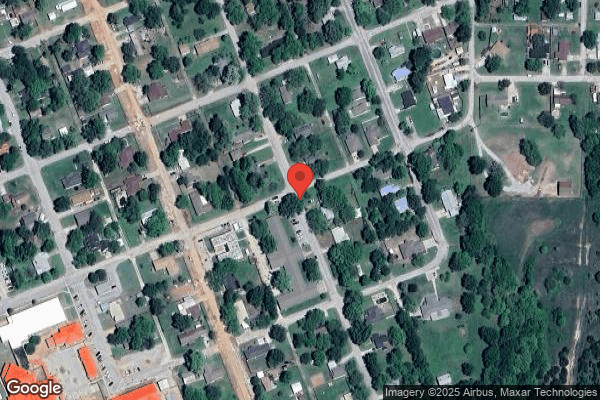
505 South 7Th Street, Davis, OK 73030 (580) 369-2653
For profit - Limited Liability company 73 Beds Independent Data: November 2025 1 Immediate Jeopardy citation
Trust Grade
31/100
#205 of 282 in OK
Last Inspection: November 2024

Within standard 12-15 month inspection cycle. Federal law requires annual inspections.

Overview

Burford Manor has received a Trust Grade of F, which indicates significant concerns and a poor overall quality of care. Ranking #205 out of 282 facilities in Oklahoma places it in the bottom half, while its county rank of #2 out of 3 suggests that there is only one local option that is better. The facility is improving, with issues decreasing from 3 in 2024 to 2 in 2025, but it still has serious areas of concern. Staffing is a strength, rated 4 out of 5 stars, and while turnover is at an average 60%, the facility boasts good RN coverage, exceeding 89% of state facilities, which is beneficial for resident care. However, there have been critical incidents, including a resident eloping from the facility, crossing a busy street unattended, and failures in maintaining a sanitary environment, which raises significant red flags about safety and hygiene.

Trust Score
F
31/100
In Oklahoma
#205/282
Bottom 28%
Safety Record
High Risk
Review needed
Inspections
Getting Better
3 → 2 violations
Staff Stability
⚠ Watch
60% turnover. Above average. Higher turnover means staff may not know residents' routines.
Penalties
✓ Good
$17,767 in fines. Lower than most Oklahoma facilities. Relatively clean record.
Skilled Nurses
○ Average
Each resident gets 34 minutes of Registered Nurse (RN) attention daily — about average for Oklahoma. RNs are the most trained staff who monitor for health changes.
Violations
○ Average
10 deficiencies on record. Average for a facility this size. Mostly minor or procedural issues.
★☆☆☆☆
1.0
Overall Rating
★★★★☆
4.0
Staff Levels
★☆☆☆☆
1.0
Care Quality
★★☆☆☆
2.0
Inspection Score
Stable
2024: 3 issues
2025: 2 issues

The Good

  • 4-Star Staffing Rating · Above-average nurse staffing levels
  • Full Sprinkler Coverage · Fire safety systems throughout facility
  • No fines on record

Facility shows strength in staffing levels, fire safety.

The Bad

1-Star Overall Rating

Below Oklahoma average (2.6)

Significant quality concerns identified by CMS

Staff Turnover: 60%

14pts above Oklahoma avg (46%)

Frequent staff changes - ask about care continuity

Federal Fines: $17,767

Below median ($33,413)

Minor penalties assessed

Staff turnover is elevated (60%)

12 points above Oklahoma average of 48%

The Ugly 10 deficiencies on record

1 life-threatening
Jul 2025 2 deficiencies 1 IJ
CRITICAL (J) 📢 Someone Reported This

A family member, employee, or ombudsman was alarmed enough to file a formal complaint

Immediate Jeopardy (IJ) - the most serious Medicare violation

Accident Prevention (Tag F0689)

Someone could have died · This affected 1 resident

**NOTE- TERMS IN BRACKETS HAVE BEEN EDITED TO PROTECT CONFIDENTIALITY** On 07/02/25 at 2:10 p.m., the OSDH was notified and verified the existence of an IJ situation related to the facility's failure ...

Read full inspector narrative →
**NOTE- TERMS IN BRACKETS HAVE BEEN EDITED TO PROTECT CONFIDENTIALITY** On 07/02/25 at 2:10 p.m., the OSDH was notified and verified the existence of an IJ situation related to the facility's failure to provide supervision and interventions to prevent elopement from the facility. Resident #1 had a history of eloping and left the facility unattended. Resident #1 crossed a busy, four-lane street and was located on the side of a highway approximately one mile from the facility. On 07/02/25 at 5:10 p.m., the DON was notified of the IJ and provided the IJ template. On 07/03/25 at 11:55 a.m., an acceptable plan of removal was approved by the OSDH. The plan of removal, read in part, [NAME] Manor, 7-2-25, Plan of RemovalResident [Resident #1] not currently in the building. Currently 46 residents in the facility. Nurses have completed wandering assessments on all 46 residents in house and have identified no additional wander risks. Administrator/Owner [name deleted] in-serviced [name deleted] RN of facility elopement policy and procedures, reviewed all safety measures in place relating to elopement monitoring/prevention. Signage posted on all unarmed doors to remain closed and locked when not in use. Signage posted on coded doors alerting visitors of wander risk environment, not to allow other individuals to leave facility when exiting. Obtained owners manual to key pads. Deleted all previously existing codes and changed to new code. Codes will now be changed on a monthly basis, at minimum, and as needed. New elopement alarm ordered for facility placed 7/2/25. System has transmitter for resident to wear with sensor on door that will alarm when transmitter detected exiting past monitor. This will be initiated upon its arrival. *facility in-service held @ [NAME] Manor 7/2/25 @ 1930/All staff will be in-serviced for the following prior to working next scheduled shift:1. All unarmed/uncoded doors are to remain closed and locked when not in use. Failure to do so will result in immediate reprimand. 2. Review of facility Elopement policy & procedures3. Keypad doors - all keypad door codes to be kept confidential, not verbally given to others. Do not allow residents to know door codes. Staff to immediately notify Charge Nurse and DON if any resident has learned the door code. Door codes will be updated monthly at minimum and on an as needed basis. Code will be located in a secured location not visible to residents. *facility in-service held @ [at] [NAME] Manor 7/2/25 @ 1930When resident returns to the facility they will continue on Q [every] 15 minute elopement monitoring. As ordered on 06/27/25. Resident has been moved to room [ROOM NUMBER]B which is closer to the nursing desk on 07/03/25. Resident will be required to eat all meals in main dining room. On 07/03/25, after interviews with facility staff, review of elopement/wandering risk assessments, review of in-services, and door/alarm safety checks, the immediacy was lifted. The deficient practice remained at an isolated level with the potential for more than minimal harm. Based on observation, record review, and interview, the facility failed to provide supervision and interventions to prevent elopement for 1 (#1) of 1 sampled resident reviewed for elopement. Resident #1 had eloped from the facility two times previously with a tracking device in place in the resident's shoe. The resident eloped a third time after changing shoes and leaving the facility. The director of nursing reported one resident currently at risk for wandering/elopement. Findings: On 07/02/25 at 9:30 a.m., during an initial tour of the facility, the code to the alarm keypad of the front door was observed to be posted on a small piece of paper near the keypad. Other exit doors were observed to have keypads in place and found to be locked. An Elopements policy, dated December 2007, read in part, Staff shall investigate and report all cases of missing residents .Staff shall promptly report any resident who tries to leave the premises or is suspected of being missing to the Charge Nurse or Director of Nursing. A care plan, updated 02/2025, showed Resident #1 was admitted on [DATE] with diagnoses which included Schizoaffective disorder, impulse disorder, osteoarthritis, diabetes, hypertension, depression, and insomnia. A physician order summary, dated 02/05/25, showed Resident #1 was to have elopement monitoring every 30 minutes. A care plan for Resident #1, dated 02/05/25, showed the resident had an air tag in the sole of their shoe, placed by the resident's family, and showed the resident was not aware of the tracking device. The care plan showed the resident ambulated independently. The care plan was updated on 05/05/25 and showed the resident was not to leave the facility with anyone except the resident's son/guardian. An OSDH incident report form 283, dated 05/07/25, showed Resident #1 was unable to be located at 12:20 p.m. The resident's tracking device, located in the resident's shoe, was activated and the resident was shown to be approximately 5 blocks from the facility. The resident was located and found to be walking back to the facility at 12:44 p.m. The resident reported they were upset because they were almost out of bananas. The resident was counseled and asked to speak with the charge nurse or DON when upset instead of leaving the facility. An OSDH incident report form 283, dated 05/15/25, showed Resident #1 was unable to be located at 3:30 p.m. The report showed a CNA searching nearby streets located the resident at 3:56 p.m. at a diner approximately 0.5 miles from the facility. The report showed Resident #1 stated they just wanted to take a walk. The report showed the DON spoke with the Ombudsman and the resident's guardian regarding potential placement of the resident in a secured/locked facility. A quarterly MDS assessment for Resident #1, dated 06/02/25, showed the resident had a brief interview for mental status score of 14, which showed the resident was cognitively intact. The assessment showed the resident was independent with activities of daily living. An OSDH incident report form 283, dated 06/26/25 at 6:10 p.m., showed Resident #1 was found to be missing and could not be located in the facility. The report showed the resident was found one mile from the facility on Highway 77 and returned to the facility at approximately 7:20 p.m. The report showed the resident stated they did not remember leaving the facility. The report showed the resident was not wearing the shoes that contained the tracking device, placed by the resident's family, and therefore could not be tracked using the device. The report showed the resident was kept on 1:1 supervision until the resident left with their guardian for a geriatric psychiatric evaluation. On 07/02/25 at 10:19 a.m., the DON reported Resident #1 was currently out of the facility for a geriatric psychiatric evaluation and treatment. The DON reported they had a recent new admission they were watching for potential wandering/elopement risks, but those precautions had been discontinued. The DON reported Resident #1 was the only resident who had eloped. On 07/03/25 at 1:55 p.m., the DM reported they were aware Resident #1 liked to go outside and walk. The DM reported they had tried to give the resident opportunities to go outside supervised, and the resident had spent time outside with maintenance staff, but it did not seem to make a difference when the resident decided they wanted to leave. The DM reported the staff was somewhat limited on what they could offer Resident #1 due to restrictions placed by the resident's guardian, such as not wanting the resident to go outside. On 07/03/25 at 2:05 p.m., RN #1 reported the staff had involved Resident #1 in lots of activities and given the resident opportunities to go outside the facility on supervised outings. RN #1 reported they did not think it made a difference in satisfying the resident and felt the resident would still attempt to leave given the opportunity. On 07/03/25 at 3:00 p.m., the DON reported upon their return to the facility, Resident #1 will be kept on every 15 minute checks until the new alarm system is installed. The DON reported the resident's guardian and facility staff agree it is not safe for the resident to go out on their own due to their impulse disorder. The DON reported the resident's room has been moved closer to the nursing station. The DON reported the resident was aware staff were busy and distracted during meals, so the resident would now be required to have all meals in the main dining room. The DON reported although Resident #1 was cognitively intact, the resident's diagnosis of impulse disorder presented a safety risk for the resident.
CONCERN (D) 📢 Someone Reported This

A family member, employee, or ombudsman was alarmed enough to file a formal complaint

Potential for Harm - no one hurt, but risky conditions existed

Free from Abuse/Neglect (Tag F0600)

Could have caused harm · This affected 1 resident

Based observation, record review, and interview, the facility failed to protect a resident from physical and verbal abuse by a staff member for 1 (#3) of 3 residents sampled for abuse. The director of...

Read full inspector narrative →
Based observation, record review, and interview, the facility failed to protect a resident from physical and verbal abuse by a staff member for 1 (#3) of 3 residents sampled for abuse. The director of nursing reported 46 residents resided in the facility. Findings: A Preventing Resident Abuse policy, dated February 2014, read in part, Our facility will not condone any form of resident abuse and will continually monitor our facility's policies, procedures, training programs, systems, etc., to assist in preventing resident abuse.The facility's goal is to achieve and maintain an abuse-free environment.Our abuse prevention/intervention program includes, but is not necessarily limited to, the following: .b. Allowing staff to express frustration with their job, or in working with difficult residents.f. Helping staff to deal appropriately with stress and emotions. An Oklahoma State Department of Health incident form 283, dated 03/04/25, showed the DON was notified by staff LPN #1 was becoming increasingly aggravated with Resident #3 due to the resident constantly trying to get up from their wheelchair. The report showed LPN #1 was becoming louder toward the resident and demanding the Resident #3 to sit down. The report showed LPN #1 was observed by staff to push the Resident #3 back into the wheelchair after the resident attempted to get up. The report showed staff removed the Resident #3 away from the LPN and notified the DON. The report showed an investigation was initiated and LPN #1 was ultimately terminated. A quarterly MDS assessment for Resident #3, dated 04/07/25, showed the resident had a brief interview for mental status score of 0, which indicated severe cognitive impairment. A care plan for Resident #3, dated 06/23/25, showed the resident had altered cognition related to Alzheimer's. The care plan showed the resident was dependent on staff for assistance with all activities of daily living and had repeated falls. On 07/03/25 at 10:00 a.m., Resident #3's POA/family member reported when the incident happened with the LPN #1, the facility notified them immediately and updated them on how the matter was handled. The POA reported they had never been concerned about abuse toward the resident and had not witnessed anyone be rude or disrespectful. The POA reported they did not feel the resident was bothered by the incident, probably would not remember it, and did not feel there was any harm done to the resident. On 07/03/25 at 1:55 p.m., the DM reported they witnessed the incident with LPN #1 and Resident #3. The DM reported the resident was trying to get up from their wheelchair and the LPN pushed the resident back down to the wheelchair. The DM reported the incident happened during the evening meal service. The DM reported they removed Resident #3 to another area and suggested LPN #1 take a break. The DM reported they immediately informed the DON. The DM stated the DON initiated an investigation and staff were in-serviced on abuse. On 07/03/25 at 2:04 p.m., RN #1 reported they did not witness the incident between LPN #1 and Resident #3, but could hear the LPN repeatedly saying, Sit down, sit down. The RN reported the incident was loud and caught their attention, but they were not in the same area to visually witness the incident. RN #1 reported the DON immediately addressed the situation and staff were in-serviced on abuse and de-escalation following the incident.
Nov 2024 1 deficiency
CONCERN (E)

Potential for Harm - no one hurt, but risky conditions existed

Infection Control (Tag F0880)

Could have caused harm · This affected multiple residents

2. Resident #25 had diagnoses which included, acute respiratory failure, dementia, chronic kidney disease, and chronic obstructive pulmonary disease. Resident #25's care plan, dated 07/17/24, documen...

Read full inspector narrative →
2. Resident #25 had diagnoses which included, acute respiratory failure, dementia, chronic kidney disease, and chronic obstructive pulmonary disease. Resident #25's care plan, dated 07/17/24, documented the resident was at risk for alteration in nutritional status and required tube feedings. The care plan documented to check for high residual and to check PEG tube placement before meds, flushes, and feedings. On 10/31/24 at 2:10 p.m., LPN #1 was observed to administer Resident #25 their scheduled tube feeding as ordered. No EBP signage was observed and no PPE kit was observed to be available for EBP. On 10/31/24 at 2:38 p.m., the DON was asked for the facility's EBP policy. The DON reported they had used precautions with a particular resident the previous week. The DON was asked if they were talking about TBP and they stated yes. The DON was unaware of the need for EBP and reported they did not have a policy. Based on observation, record review, and interview, the facility failed to use enhanced barrier precautions for two (#13 and #25) of two sampled residents identified with the need for enhanced barrier precautions. Findings: The DON identified nine residents with the need for enhanced barrier precautions. A Multidrug-Resistant Organisms policy, read in part, .Appropriate precautions will be taken when caring for individuals known or suspected to have infection with a multi-drug resistant organism .Note: Infection means that the organism is present and is causing illness. Colonization means that the organism is present in or on the body but it is not causing illness . A Personal Protective Equipment policy, read in part, .Personal protective equipment appropriate to specific task requirements is available at all times .All tasks do not involve the same type or degree of risk, and therefore will not all require the same kind or extent of protection . 1. Resident #13 had diagnoses which included Alzheimer's, depression, and high blood pressure. Resident #13's plan of care, dated 05/28/24, documented an alteration in skin integrity AEB a pressure wound to the coccyx and indwelling catheter. Resident #13's physician order, dated 10/13/24, documented to change treatment to coccyx/sacrum to cleanse with NSS, pat, dry, apply collagen to wound beds, cover with Calcium Alginate, and cover with dressing every day and as needed for soiled or drainage. On 10/31/24 at 10:20 a.m., LPN #1 was observed to perform wound care for Resident #13. There was no signage observed for EBP and no PPE kit was observed to be available for EBP. On 10/31/24 at 10:34 a.m., the DON was asked to submit the EBP policy and procedure. They presented the policy for multidrug-resistant organisms and reported they did not have an EBP policy. On 10/31/24 at 10:35 a.m., LPN #1 was asked about EBP. The LPN reported they had some residents on precautions last week, but no one at this time was on precautions.
Jul 2024 2 deficiencies
CONCERN (E) 📢 Someone Reported This

A family member, employee, or ombudsman was alarmed enough to file a formal complaint

Potential for Harm - no one hurt, but risky conditions existed

Notification of Changes (Tag F0580)

Could have caused harm · This affected multiple residents

Based on record review and interview, the facility failed to notify the resident's representative of a change of condition for one (#2) of three sampled residents reviewed for notifications related to...

Read full inspector narrative →
Based on record review and interview, the facility failed to notify the resident's representative of a change of condition for one (#2) of three sampled residents reviewed for notifications related to changes of condition. The DON reported 47 residents resided in the facility. Findings: A Change in a Resident's Condition or Status policy, dated 09/01/23, read in part Our facility shall promptly notify the resident, his or her attending physician, and representative of changes in the resident's medical/mental conditions and/or status .Unless otherwise instructed by the resident, the nurse supervisor will notify the resident's family or representative when: The resident is involved in any accident or incident that results in an injury; There is a significant change in the resident's physical, mental or psychosocial status; and/or it is necessary to transfer the resident to a hospital/treatment center . Resident #2 had diagnoses which included Alzheimer's disease and dysphagia. A nurse's notes, dated 11/27/23, documented resident #2 had a laceration to side of head and was sent to the emergency room for treatment. A nurse's written statement, dated 11/27/23, documented LPN #1 stated Resident #2's representative had not answered the phone when they notified them of the resident's fall and a transfer to the ER. A nurse's note, dated 12/04/24, documented, sutures intact to right forehead and son here to visit. A nurse's note, dated 12/22/23, documented purulent drainage to wound on right forehead .A new order for Bactrim DS 800-160 mg twice a day for 7 days for wound infection .Resident #2's son was called to notify of new medication, no answer, a voice mail was left . Resident #2's care plan meeting notes, dated 12/04/23, documented the Resident #2's representative was upset because they had not been called when the resident had a fall. The care plan meeting notes documented family member #1 was not coming to the care plan meeting because the facility did not call when asked. An in-service/training, dated 12/04/23, read in part, Topic: Notifying family members .When you need to notify a family member of a resident and can not [sic] reach them, please write attempted to notify family and chart if message was left and that family did not answer .Keep attempting to call family until they answer, even if continues on next shift or takes days .Chart every time an attempt is made to contact family. A comprehensive assessment, dated 03/14/24, documented Resident #2's cognition was severely impaired. On 07/15/24 at 3:45 p.m., resident representative #1 reported not being informed of a fall Resident #2 had on 11/27/23. The resident representative #1 reported not being aware of the fall or the Resident #2's transfer to ER for treatment until a visit on 12/04/23 and the Resident #2 had sutures and bruising to forehead. The resident representative reported #1 they had not been notified of all falls or medication changes. On 07/16/24 at 2:00 p.m., LPN #1 reported residents' representatives should be notified when residents had any changes in condition or were being sent out to the ER. The LPN #1 reported resident's representatives should be repeatedly called until contact was made and each call should be documented. The LPN #1 reported Resident #2's representative was called to notify of the fall and ER visit on 11/27/23 and had not answered. The LPN #1 reported the resident's representative had not called back. On 07/16/24 at 2:27 p.m., the DON reported any increase in medications, physician order changes, or changes in health status should be reported to the resident's representative.
CONCERN (F) 📢 Someone Reported This

A family member, employee, or ombudsman was alarmed enough to file a formal complaint

Potential for Harm - no one hurt, but risky conditions existed

Safe Environment (Tag F0584)

Could have caused harm · This affected most or all residents

Based on observation and interview, the facility failed to maintain housekeeping and maintenance services to maintain a sanitary and safe environment for 47 of 47 residents who reside in the facility....

Read full inspector narrative →
Based on observation and interview, the facility failed to maintain housekeeping and maintenance services to maintain a sanitary and safe environment for 47 of 47 residents who reside in the facility. Census: 47 Findings: On 07/16/24 at 8:40 a.m., maintenance was asked about the holes in the wood flooring located on the South Hall. They reported they could fill the holes with something, but it was the foundation. Maintenance was asked about the black areas that outline the base in the shower on the East/West Hall. They reported it was soap/grime around the base of shower. They reported they would caulk it every three months or so. They reported the North Hall shower was the same way and they were looking for contractors to replace that tile, because of the black/scum around the base of the shower. On 07/16/24 at 11:45 a.m., DON reported there were holes in the wood flooring on the South Hall and they were going to get that fixed. The East/West Hall observed with a black colored area at the base of the shower. They reported they were looking to hire a contractor to repair all the showers. Chips were observed in the wood flooring in the dining room floor between the common area and the main dining room. The DON reported that needed to be repaired. On 07/16/24 at 12:42 p.m., the DON was asked about the policy for housekeeping/maintenance services. They reported if there was anything not functioning, they would notify maintenance, then they would follow up and repair it. They reported they had discussed the showers with maintenance before and that was something they could not repair.
Aug 2023 2 deficiencies
CONCERN (E)

Potential for Harm - no one hurt, but risky conditions existed

Deficiency F0582 (Tag F0582)

Could have caused harm · This affected multiple residents

Based on record review and interview, the facility failed to provide residents with beneficiary notices for three (#155, 156, and #157) of three sampled residents reviewed for beneficiary notices. Th...

Read full inspector narrative →
Based on record review and interview, the facility failed to provide residents with beneficiary notices for three (#155, 156, and #157) of three sampled residents reviewed for beneficiary notices. The facility identified six residents discharged from Medicare covered part A stay with benefit days remaining in the previous six months. Findings: SNF Beneficiary Protection Notification Review forms, for resident #155, 156, and #157, documented the skilled nursing facility advanced beneficiary notice (SNF ABN, Form CMS-10055) form was not provided to residents and/or their representative. On 08/16/23 at 10:30 a.m., the BOM was interviewed regarding the facility policy for providing skilled residents with notice of Medicare non-coverage. The BOM reported she was not aware of a policy and was not familiar with any particular form used, but would check with the corporate office and other staff members. On 08/17/23 at 9:53 a.m., the BOM reviewed the SNF ABN Form (CMS-10055) and reported she had never used this form. She stated she did give the same information to the resident and/or their representative verbally, but did not have them sign anything to document the information had been provided to them. On 08/17/23 at 11:32 a.m., the administrator reported he had talked with the BOM and confirmed the required information, related to notice of Medicare non-coverage, was provided verbally when residents were admitted to the facility. The administrator stated he understood the need to have the required form signed by the resident or their representative to document they had received the information related to potential non-coverage.
CONCERN (E)

Potential for Harm - no one hurt, but risky conditions existed

Food Safety (Tag F0812)

Could have caused harm · This affected multiple residents

Based on observation, record review, and interview, the facility failed to maintain a clean and sanitary kitchen floor and ice machine equipment. The facility failed to: a. maintain a floor which cou...

Read full inspector narrative →
Based on observation, record review, and interview, the facility failed to maintain a clean and sanitary kitchen floor and ice machine equipment. The facility failed to: a. maintain a floor which could be sanitized and cleaned appropriately, b. maintain the ice machine in a sanitary manner, and; c. ensure a covered container for trash was available. The Administrator reported all 52 residents were served foods and beverages from the kitchen. Findings: A kitchen Sanitization policy read in part, .the food service area shall be maintained in a clean and sanitary manner .ice machines and ice storage containers will be drained, cleaned and sanitized . kitchen and dining room surfaces .shall be cleaned on a regular schedule and frequently enough to prevent accumulation of grime [sic] . On 08/14/23 at 9:59 a.m., a tour of the kitchen was conducted. The kitchen floor was observed to be a concrete base with black and dark gray residue build-up in areas resulting in an uneven surface. A concentrated build-up of residue was observed under the hand sink, three compartment sink, and dishwasher area. The dietary manager reported the floor was not cleanable. No covered trash container was observed to be available for trash disposal at the hand washing sink. On 08/14/23 at 10:10 a.m., the ice machine was observed to have a heavy build-up of white calcium deposits on the outside surface with rust-colored areas on the lid frame and hinged surfaces. The inside of the ice machine was observed to have a rusted/brown-colored deposit on the stainless steel surfaces, and black residue on the ice guard of the ice dispenser. The black residue continued down the sides of the collection compartment. The lid was observed to not have a seal in place and the insulated panel was separated from the lid. The base of the ice machine was elevated off the floor and supported with different sized blocks of wood pieces, revealing coated white discolored flooring underneath the machine and surrounding area. On 08/14/23 at 10:30 a.m., the DM was made aware of the above findings. The DM was asked if a closed trash container should be used at the employee hand washing sink located in the back of the kitchen. The DM indicated the covered trash container in the dining room was available for use. On 08/14/23 at 12:02 p.m., the maintenance staff reported monthly cleaning of the ice machine as running cleaner through the system and wiping down the surfaces. They reported it continued to make calcium deposits on visible seams and surfaces and rusted areas inside and outside. They reported they did not think it could be cleaned or repaired and stated, probably just need a new one. They provided documentation and the last date of cleaning the ice machine was documented as 05/06/23. The Kitchen and Dietary Department Audit, dated 04/18/23, 05/16/23, 06/20/23, and 07/17/23, documented N/I for the kitchen floor, ice machine cleaning, and trash containers covered. On 08/14/23 at 3:55 p.m., the DM was asked the meaning of N/I. They reported N/I meant needs improvement. On 08/17/23 at 10:00 a.m., the administrator reported the staff had tried to scrape off the epoxy coating on the kitchen floor with little success. The administrator acknowledged the condition of the ice machine was in need of cleaning and repair.
Dec 2021 3 deficiencies
CONCERN (D)

Potential for Harm - no one hurt, but risky conditions existed

Comprehensive Care Plan (Tag F0656)

Could have caused harm · This affected 1 resident

**NOTE- TERMS IN BRACKETS HAVE BEEN EDITED TO PROTECT CONFIDENTIALITY** Based on observation, interview, and record review the facility failed to complete a comprehensive care plan for one (#38) of 19...

Read full inspector narrative →
**NOTE- TERMS IN BRACKETS HAVE BEEN EDITED TO PROTECT CONFIDENTIALITY** Based on observation, interview, and record review the facility failed to complete a comprehensive care plan for one (#38) of 19 residents reviewed. The administrator reported 47 residents lived in the facility. Findings: Resident #38 was admitted to the facility on [DATE] with diagnoses which included depression, Alzheimer's disease, congestive heart failure, and hypertension. An admission assessment, dated 11/03/21, documented the resident was moderately impaired with cognition, exhibited no depression or behaviors. The assessment documented the resident required extensive assistance with activities of daily living. The assessment documented the resident received an anti-psychotic, an anti-depressant, a diuretic, and an opioid for seven days of the look back period. The assessment documented the resident required oxygen therapy. The clinical record contained no comprehensive care plan. On 11/30/21 at 9:31 a.m., the resident was observed sitting up in her recliner. On 12/01/21 at 9:04 a.m., the minimum data set (MDS) coordinator reported the resident's comprehensive care plan had not been completed.
CONCERN (E)

Potential for Harm - no one hurt, but risky conditions existed

Accident Prevention (Tag F0689)

Could have caused harm · This affected multiple residents

**NOTE- TERMS IN BRACKETS HAVE BEEN EDITED TO PROTECT CONFIDENTIALITY** Based on observation, interview, and record review, the facility failed to provide supervision to prevent an elopement for one (...

Read full inspector narrative →
**NOTE- TERMS IN BRACKETS HAVE BEEN EDITED TO PROTECT CONFIDENTIALITY** Based on observation, interview, and record review, the facility failed to provide supervision to prevent an elopement for one (#23) of two residents reviewed for elopement risk. The director of nurses reported three residents wandered throughout the facility and were at risk for elopement. Findings: Resident #23 was admitted to the facility on [DATE] with diagnoses which included cerebrovascular disease, cognitive deficits, dementia, delirium, and mood disorder. An admission assessment, dated 10/03/21, documented the resident was severely impaired with cognition and exhibited wandering behaviors daily. A care plan, dated 10/09/21, documented the resident wandered and was at risk for elopement. The care plan documented the staff was to check the residents whereabouts every 30 minutes. The care plan documented for the staff to provide one on one as needed throughout the day. The care plan documented the resident would exit seek and go out unlocked doors. The care plan documented the resident would walk around outside or around the building and would come back in the facility. A nurse's note, dated 10/10/21 at 12:00 noon, documented the resident walked in the front door from attempted elopement. The note documented the nurse told the resident not to go outside. The note documented the resident tried to leave the building many times. A nurse's note, dated 10/10/21 at 5:00 p.m., documented the resident was outside and entered through the back door. The note documented the staff reminded the resident not to leave the facility. The note documented the resident was constantly pacing and trying to elope. A nurse's note, dated 10/20/21 at 8:00 a.m., documented the resident wandered throughout the facility and would go out the back door and come around to the front door. The note documented the resident had never left the facility grounds. A nurse's note, dated 10/25/21 at 11:30 a.m., documented the resident had gone outside and ambulated around the building and came back in the front of the building. The physician was notified. The physician ordered for the resident to have one on one supervision. A wandering check list, dated 11/28/21 through 12/01/21, documented the resident was to be checked for her whereabouts every 30 minutes. The check list had lines drawn down the page throughout the day. On 11/30/21 at 3:24 p.m., the resident was observed lying in bed with her eyes closed. On 12/01/21 at 8:17 a.m., the resident was not in her room. Her uneaten breakfast tray was on her overbed table. On 12/01/21 at 8:21 a.m., the ADON reported the resident had been across the hall in another residents room roaming. On 12/01/21 at 11:27 a.m., the resident was observed lying in bed with her eyes closed. On 12/01/21 at 2:01 p.m., CNA #1 reported the resident was at risk for wandering. The CNA reported we watch her closely and redirect her when needed. The CNA reported she had not known of the resident eloping. The resident was not in her room. On 12/01/21 at 2:04 p.m., CNA #1 reported the resident wandered a lot. The CMA reported the resident would go outside. The CMA reported the resident had went out the doors at the dining room. The CMA reported she was outside at the staff smoking area and the resident had went out the door by the vending machine and walked around the corner to the staff smoking area about a week to a week and a half ago. The CMA reported she helped her get back into the building. The CMA reported she would consider that an elopement and reported to the charge nurse. On 12/01/21 at 2:11 p.m., the door by the vending machine was observed unlocked. The area outside of the door was not fenced. On 12/01/21 at 2:18 p.m., the resident was not in her room. CNA #1 reported she was unaware where the resident was. The CNA reported the resident may be down on the Covid hall. The CNA reported the resident wandered down there at times. The CNA reported the staff was supposed to check on the resident at least every 30 minutes. The CNA could not remember when she checked the resident last. The CNA reported they were short staff at times and it was hard to check on her that often. The CNA searched the Covid hall and found the resident in the bathroom between rooms [ROOM NUMBERS]. On 12/01/21 at 2:28 p.m., the DON and administrator both reported the resident would go outside and come back in at times. They both reported they had not been made aware of her going outside unsupervised. They both reported she used to work in the facility. They both reported she was to be checked every 30 minutes by the charge nurse. The administrator reported at one time they had placed her one on one and were in the process of trying to find her placement in a locked unit. On 12/01/21 at 2:51 p.m., CNA #1 reported she had not visually checked her at 2:00 p.m., but had asked one of the aides and they told her she was in bed. The LPN reported the resident was at the door a lot trying to go outside.
CONCERN (E)

Potential for Harm - no one hurt, but risky conditions existed

Deficiency F0725 (Tag F0725)

Could have caused harm · This affected multiple residents

Based on interview and record review, the facility failed to provide sufficient staff to ensure call lights were answered in a timely manner. The administrator reported 47 residents lived in the facil...

Read full inspector narrative →
Based on interview and record review, the facility failed to provide sufficient staff to ensure call lights were answered in a timely manner. The administrator reported 47 residents lived in the facility. Findings: Resident council meeting minutes, dated November 2021, documented residents complained call lights were not being answered in a timely manner. On 11/29/21 at 10:13 a.m., resident #44 reported it took a long time for his call light to be answered. On 11/29/21 at 10:24 a.m., resident #14 reported it took too long for call light to be answered. On 11/29/21 at 10:50 a.m., resident #4 reported it took awhile for call light to be answered. On 11/30/21 at 10:14 a.m., resident #19's representative reported there was still not enough staff but it was getting better. The representative reported the resident was not checked for 3 to 5 hours at times unless she turned her call light on. On 12/02/21 at 9:15 a.m. CMA #1 reported there was not enough staff to meet the residents needs. On 12/02/21 at 9:20 a.m., CNA #2 reported there was not enough staff. On 12/02/21 at 9:25 a.m., CNA #3 reported there was not enough staff to care for the residents. On 12/02/21 at 9:30 a.m., CNA #4 reported there was not enough staff to take care of the residents.
Understanding Severity Codes (click to expand)
Life-Threatening (Immediate Jeopardy)
J - Isolated K - Pattern L - Widespread
Actual Harm
G - Isolated H - Pattern I - Widespread
Potential for Harm
D - Isolated E - Pattern F - Widespread
No Harm (Minor)
A - Isolated B - Pattern C - Widespread

Questions to Ask on Your Visit

  • "What changes have you made since the serious inspection findings?"
  • "Why is there high staff turnover? How do you retain staff?"
  • "Can I speak with families of current residents?"
  • "What's your RN coverage like on weekends and overnight?"

Our Honest Assessment

Strengths
  • • Licensed and certified facility. Meets minimum state requirements.
Concerns
  • • Multiple safety concerns identified: 1 life-threatening violation(s), Payment denial on record. Review inspection reports carefully.
  • • 10 deficiencies on record, including 1 critical (life-threatening) violation. These warrant careful review before choosing this facility.
  • • $17,767 in fines. Above average for Oklahoma. Some compliance problems on record.
  • • Grade F (31/100). Below average facility with significant concerns.
Bottom line: Trust Score of 31/100 indicates significant concerns. Thoroughly evaluate alternatives.

About This Facility

What is Burford Manor's CMS Rating?

CMS assigns Burford Manor an overall rating of 1 out of 5 stars, which is considered much below average nationally. Within Oklahoma, this rating places the facility higher than 0% of the state's 100 nursing homes. A rating at this level reflects concerns identified through health inspections, staffing assessments, or quality measures that families should carefully consider.

How is Burford Manor Staffed?

CMS rates Burford Manor's staffing level at 4 out of 5 stars, which is above average compared to other nursing homes. Staff turnover is 60%, which is 14 percentage points above the Oklahoma average of 46%. High turnover can affect care consistency as new staff learn residents' individual needs.

What Have Inspectors Found at Burford Manor?

State health inspectors documented 10 deficiencies at Burford Manor during 2021 to 2025. These included: 1 Immediate Jeopardy (the most serious level, indicating potential for serious harm or death) and 9 with potential for harm. Immediate Jeopardy findings are rare and represent the most serious regulatory concerns. They require immediate corrective action.

Who Owns and Operates Burford Manor?

Burford Manor is owned by a for-profit company. For-profit facilities operate as businesses with obligations to shareholders or private owners. The facility operates independently rather than as part of a larger chain. With 73 certified beds and approximately 46 residents (about 63% occupancy), it is a smaller facility located in Davis, Oklahoma.

How Does Burford Manor Compare to Other Oklahoma Nursing Homes?

Compared to the 100 nursing homes in Oklahoma, Burford Manor's overall rating (1 stars) is below the state average of 2.6, staff turnover (60%) is significantly higher than the state average of 46%, and health inspection rating (2 stars) is below the national benchmark.

What Should Families Ask When Visiting Burford Manor?

Based on this facility's data, families visiting should ask: "What changes have been made since the serious inspection findings, and how are you preventing similar issues?" "How do you ensure continuity of care given staff turnover, and what is your staff retention strategy?" "Can I visit during a mealtime to observe dining assistance and food quality?" "How do you handle medical emergencies, and what is your hospital transfer rate?" These questions are particularly relevant given the facility's Immediate Jeopardy citations and the facility's high staff turnover rate.

Is Burford Manor Safe?

Based on CMS inspection data, Burford Manor has documented safety concerns. Inspectors have issued 1 Immediate Jeopardy citation (the most serious violation level indicating risk of serious injury or death). The facility has a 1-star overall rating and ranks #100 of 100 nursing homes in Oklahoma. Families considering this facility should ask detailed questions about what corrective actions have been taken since these incidents.

Do Nurses at Burford Manor Stick Around?

Staff turnover at Burford Manor is high. At 60%, the facility is 14 percentage points above the Oklahoma average of 46%. High turnover means new staff may not know residents' individual needs, medications, or preferences. It can also be disorienting for residents, especially those with dementia who rely on familiar faces. Families should ask: What is causing the turnover? What retention programs are in place? How do you ensure care continuity during staff transitions?

Was Burford Manor Ever Fined?

Burford Manor has been fined $17,767 across 2 penalty actions. This is below the Oklahoma average of $33,257. While any fine indicates a compliance issue, fines under $50,000 are relatively common and typically reflect isolated problems that were subsequently corrected. Families should ask what specific issues led to these fines and confirm they've been resolved.

Is Burford Manor on Any Federal Watch List?

Burford Manor is not on any federal watch list. The most significant is the Special Focus Facility (SFF) program, which identifies the bottom 1% of nursing homes nationally based on persistent, serious quality problems. Not being on this list means the facility has avoided the pattern of deficiencies that triggers enhanced federal oversight. This is a positive indicator, though families should still review the facility's inspection history directly.