WILKINS HEALTH & REHABILITATION COMMUNITY
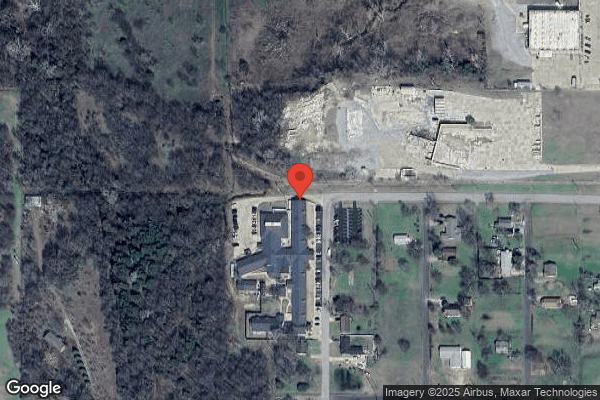
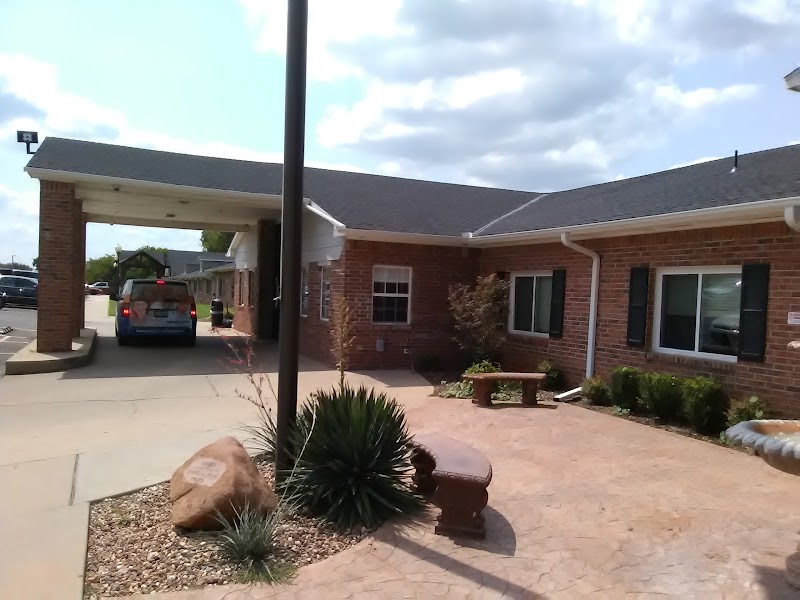
1205 SOUTH 4TH STREET, DUNCAN, OK 73533 (580) 252-3955
For profit - Corporation 118 Beds Independent Data: November 2025
Trust Grade
80/100
#82 of 282 in OK
Last Inspection: May 2025

Inspected within the last 6 months. Data reflects current conditions.

Overview

Wilkins Health & Rehabilitation Community in Duncan, Oklahoma has a Trust Grade of B+, which means it is above average and generally recommended for families considering care options. It ranks #82 out of 282 facilities in Oklahoma, placing it in the top half, but is #4 out of 5 in Stephens County, indicating limited local competition. The facility is improving, having reduced concerns from four in 2024 to three in 2025. Staffing is a strength here, with a rating of 4 out of 5 stars and a turnover rate of 42%, which is below the state average, suggesting a stable team that knows the residents well. On the downside, there are some notable concerns. For instance, the facility failed to conduct timely assessments for two residents who experienced significant changes in their conditions, and there have been incidents involving a resident who eloped due to inadequate supervision. Additionally, there were issues with preventing falls, resulting in injuries for some residents. Overall, while Wilkins Health & Rehabilitation Community shows strength in staffing and is improving, families should be aware of the identified safety concerns.

Trust Score
B+
80/100
In Oklahoma
#82/282
Top 29%
Safety Record
Low Risk
No red flags
Inspections
Getting Better
4 → 3 violations
Staff Stability
○ Average
42% turnover. Near Oklahoma's 48% average. Typical for the industry.
Penalties
✓ Good
No fines on record. Clean compliance history, better than most Oklahoma facilities.
Skilled Nurses
⚠ Watch
Each resident gets only 19 minutes of Registered Nurse (RN) attention daily — below average for Oklahoma. Fewer RN minutes means fewer trained eyes watching for problems.
Violations
○ Average
9 deficiencies on record. Average for a facility this size. Mostly minor or procedural issues.
★★★★☆
4.0
Overall Rating
★★★★☆
4.0
Staff Levels
★★★☆☆
3.0
Care Quality
★★★★☆
4.0
Inspection Score
Stable
2024: 4 issues
2025: 3 issues

The Good

  • 4-Star Staffing Rating · Above-average nurse staffing levels
  • Full Sprinkler Coverage · Fire safety systems throughout facility
  • No fines on record
  • Staff turnover below average (42%)

    6 points below Oklahoma average of 48%

Facility shows strength in staffing levels, fire safety.

The Bad

Staff Turnover: 42%

Near Oklahoma avg (46%)

Typical for the industry

The Ugly 9 deficiencies on record

May 2025 1 deficiency
CONCERN (E)

Potential for Harm - no one hurt, but risky conditions existed

Deficiency F0637 (Tag F0637)

Could have caused harm · This affected multiple residents

Based on record review and interview, the facility failed to complete a comprehensive significant change assessment within 14 days for 2 (#3 and #23) of 2 sampled residents reviewed for a significant ...

Read full inspector narrative →
Based on record review and interview, the facility failed to complete a comprehensive significant change assessment within 14 days for 2 (#3 and #23) of 2 sampled residents reviewed for a significant change in status. The administrator reported 114 residents resided in the facility. Findings: An undated significant change MDS policy showed a significant change in status assessment was triggered when there was a major change. The policy showed initiation or cessation of hospice care or a new diagnosis were examples of triggers for a significant change. The policy showed the facility must complete a significant change assessment within 14 days of identifying a significant change in a resident's condition. 1. An MDS assessment for Resident #3, dated 04/07/25, showed the resident was severely cognitively impaired with a BIMS score of 03. The assessment showed the resident had a feeding tube. The assessment showed the resident had diagnoses which included Alzheimer's disease, dementia, diabetes, chronic pain, depression, anxiety, and systemic lupus. A care plan for Resident #3, dated 04/28/25, showed the resident no longer had a desire to have the feeding tube and was requesting to eat meals by mouth. The care plan showed the resident signed a dietary waiver and received a physician's order for a regular diet. A progress note for Resident #3, dated 04/30/25, showed the resident's physician made rounds in the facility and gave an order to discontinue the resident's feeding tube. The note showed the feeding tube was removed without difficulty. Resident #3's medical record was reviewed and showed a significant change assessment, dated 05/22/25, was in progress. On 05/20/25 at 10:46 a.m., Resident #3 reported they had recently had their feeding tube removed. The resident reported eating meals by mouth without difficulty. On 05/22/25 at 4:22 p.m., the MDS coordinator reported they were just notified the previous day Resident #3's feeding tube had been removed and the significant change assessment had not been completed. The MDS coordinator reported some nurses were good to notify them when a significant change like this occurred, but some nurses failed to get the information to them. The MDS coordinator reported the significant change assessment was now in progress. 2. A quarterly assessment, dated 04/25/25, showed Resident #23's cognition was moderately impaired with a BIMS score of 12. The assessment showed no hospice services. A physician's order, dated 05/02/25, showed Resident #23 received hospice every shift for sarcopenia. A hospice plan of care, dated 05/02/25, showed a start of care date of 05/02/25. A progress note, dated 05/02/25, showed newly added hospice services. On 05/22/25 at 2:32 p.m., the MDS coordinator reported a significant change assessment should be completed within 14 days from the start day of the hospice services. The MDS coordinator reported they did not get the notification the resident was started on hospice until later that week. The MDS coordinator reported the significant change assessment for Resident #23 was late.
Mar 2025 1 deficiency
CONCERN (D) 📢 Someone Reported This

A family member, employee, or ombudsman was alarmed enough to file a formal complaint

Potential for Harm - no one hurt, but risky conditions existed

Accident Prevention (Tag F0689)

Could have caused harm · This affected 1 resident

**NOTE- TERMS IN BRACKETS HAVE BEEN EDITED TO PROTECT CONFIDENTIALITY** On 03/25/25 at 5:45 p.m., the Oklahoma State Department of Health was notified and verified the existence of an immediate jeopar...

Read full inspector narrative →
**NOTE- TERMS IN BRACKETS HAVE BEEN EDITED TO PROTECT CONFIDENTIALITY** On 03/25/25 at 5:45 p.m., the Oklahoma State Department of Health was notified and verified the existence of an immediate jeopardy situation related to the facility's failure to provide safety and interventions to prevent elopement from the facility. Resident #1 was a high risk for elopement and wandering and was let into the court yard unattended. Resident #1 exited through a gate located on the Southeast corner of the facility and staff did not identify and know the resident was missing. On 03/25/25 at 6:05 p.m., the administrator and director of nursing were notified of the immediate jeopardy and provided the immediate jeopardy template. On 03/26/25 at 11:45 a.m., an acceptable plan of removal was approved by the Oklahoma State Department of Health. The plan of removal, read in part, WILKINS HEALTH & REHABILITATION COMMUNITY IMMEDIATE JEOPARDY- PLAN OF REMOVAL March 26, 2025 1. Facility Administrator was informed on 3/25/2025 at 6:05pm of Immediate Jeopardy related to Elopement. 2. The Need for Immediate Action stated: 'The facility failure to ensure residents with a risk for wandering elopement are provided interventions and safety could lead to serious injury, harm, impairment or death.' 3. THE FACILITY PLAN OF REMOVAL IS AS FOLLOWS: A. The gate in question has been secured in a different way to ensure residents do not exit through it. (3/25/25) B. Review and revision of Policy and Procedure regarding elopements was conducted (3/25/2025) C. Review of Wandering Risk scales was conducted on all residents. 3/25/25 D. Accuracy of these assessments was ensured. E. Identified all residents scoring 11 or higher on the Risk Scale in order to review the interventions already placed and to evaluate whether additional interventions are necessary. Began 3/25/25 and completed 3/26/2025 by 1200. F. 30 Minute physical checks instituted on all wander-guarded residents until new magnetic locks and Wanderguard system updated to include exits leading to the facility courtyard. Began 3/25/25 completed3/26/2025 by 1200. G. New procedure inserviced and instituted to supervise all Wander-guarded residents when outside the facility including in the facility courtyard. Began 3/25/25 completed3/26/2025 by 1200. *Any staff not yet to be inserviced, will not be allowed to work until properly inserviced and response received. H. Immediate Inservice training completed to all staff concerning Elopement. Began 3/25/25 completed3/26/2025 by 1200. I. Administrator placed call to Wanderguard companies to request immediate order and setup of system on 4 additional doors. 3/26/25 J. Gate which is newly secured will be checked twice daily to ensure that it is locked. Completed 0800 3/26/25 Plan of Removal submitted by [name withheld] Administrator On 03/26/25 at 5:41 p.m., the facility submitted an amended plan of removal. The plan of removal, read in part, Any staff not yet to be inserviced, will not be allowed to work until properly inserviced and response received. On 03/26/25 after interviews with facility staff, review of resident elopement wander risk assessments, and in-services, the immediacy was lifted, effective 03/26/25 at 5:41 p.m. The deficient practice remained at and isolated level with the potential for more than minimal harm. Based on observation, record review, and interview, the facility failed to provide supervison and interventions to prevent elopement for 1 (#1) of 3 sampled residents reviewed for elopement. Resident #1 was a high risk for elopement and wandering and eloped from the facility with a wander guard in place. Resident #1 was a known exit seeker through exits not equipped with wander guard (a device to secure exit doors if some is that is at risk for elopement is attempting to exit the building) and staff were not aware of Resident #1 being gone until the facility transportation driver returned to the facilty. The driver did not know Resident #1 resided in the facility. The DON identified five residents at high risk for wandering, elopement, and had a wanderguard in place. Findings: On 03/25/25 at 12:04 p.m., all exit doors to the center court yard were observed to be unlocked and not equipped with a wander guard system. The gate on the Southeast side of the building was observed. There was a chain with a clip release on the gate. The clip could easily be removed and the gate opened. The only exits equipped with wander guards were the two main entrances in the front of the building. A policy titled Identifying and Protecting Residents at Risk for Wandering and Elopement, revised 03/01/22, read in part, The facility will strive to prevent unsafe wandering by identifying those at risk for elopement and follow-up with interventions to ensure safety for all.The resident's care plan will indicate the residents is at risk for elopement or other safety issues. Interventions try to maintain safety, such as a detailed monitoring plan will be included. Resident #1 admitted to the facility on [DATE] with diagnoses which included dementia, agitation, acute kidney failure, and heart failure. The admission Minimum Data Set assessment, with an assessment reference date of 10/10/24, showed Resident #1 had a brief interview for mental status score of 12, which showed they had moderate cognitive impairment in decision making. The assessment showed Resident #1 had no wandering and was independent with walking and ambulating. An incident report form, Oklahoma Department of Health form 283, dated 10/13/24, showed Resident #1 was presented to the facility from the police where they were approximately two blocks away from the facility. The report showed an innocent bystander notified the police due to a potential fall. The report showed the care plan was updated for risk of wandering and wander guard placement. The report showed staff conducted visual monitoring every thirty minutes. The incident report showed the resident was a recent admission, was anxious due to noise in the current room, and had a history of dementia with agitation. Resident #1's Wandering Risk Scale, dated 10/13/24, showed they were a high risk for wandering and elopement with a score of 11. A score of 11 or greater showed they were a high risk for wandering and elopement. There was no documented care plan after Resident #1 had eloped from the facility on 10/13/24. Resident #1's progress note, dated 12/25/24 at 6:27 p.m., read in part, This nurse heard the alarm for back door go off and went to investigate, resident noted exiting the back door, when asked what [they] was doing resident stated [they] was ready to go home. This nurse was able to talk resident into coming back inside building. Resident proceeded to go to front door when that alarm went off and resident realized door was locked, resident sat in chair next to door, state[sic] [they] will just sit there until [their] [family] comes to get [them]. Resident #1's progress note, dated 12/26/24 at 3:35 p.m., read in part, Resident exited out the back door causing it to alarm to sound. Aide and office nurse walked with resident around the side of the building and assisted resident back into the building. Residents became irritated when staff attempted to redirect the first of the encounter. There were no documented interventions to address Resident #1 exit seeking through doors in the facility that were not secured with the wander guard system. Resident #1's care plan, initiated 01/20/25, read in part, Focus I HAVE A WANDERGUARD AT THIS TIME R/T MY PREVIOUS ELOPEMENT FROM FACILITY ON 10/13/24. I WAS LOCATED BY POLICE SEVERAL BLOCKS FROM FACILITY. I STATE THAT I WAS CLOCKING OUT AND GOING HOME. I HAVE HAD AN INCREASE IN WANDERING AND WILL OCCASIONALLY WANDER TO EMERGENCY EXIT DOOR, IN WHICH WANDERGUARD DOES NOT WORK ON. I WAS MOVED INTO THE MEMORY CARE UNIT FOR SAFETY REASONS ON 12/6/24. ON 12/11/24 I PUNCHED ANOTHER RESIDENT IN FACE D/T [them]. WANDERING INTO MY ROOM. I WAS SENT TO [name withheld] ER AND admitted TO [name deleted]. UPON RETURN TO FACILITY, I AM RESIDING IN PATHWAY AND HAVE WANDERGUARD IN PLACE. I FREQUENTLY EXIT SEEK AND YELL AT STAFF WHEN ATTEMPTING TO ASSIST ME .Goal .I WILL HAVE A DECLINE IN BEHAVIORS OVER THE NEXT 90 DAYS .Interventions. ACTIVITY STAFF TO POST AN ACTIVITY CALENDAR IN MY ROOM MONTHLY .STAFF TO REMIND AND ENCOURAGE ME TO ATTEND ACTIVITIES .PROVIDE IN ROOM ACTIVITIES PER MY CHOICE.family] TO VISIT AS ABLE.STAFF TO ENSURE WANDERGUARD IS IN PLACE AT ALL TIMES.STAFF TO INITIATE ELOPEMENT PROCEDURES IF I AM UNABLE TO BE LOCATED, .STAFF TO OBSERVE ME AND INTERVENE IF PROBLEM BEHAVIORS ARE NOTED TO AIDE IN PREVENTION OF INJURY TO MYSELF AND OTHERS. A care plan, initiated 01/20/25, was the first care plan that addressed wandering and elopement. There continued to be no interventions in place to address the resident exit seeking through doors not equipped with the wander guard system. Resident #1's progress note, dated 03/06/25 at 4:30 a.m., read in part, Awaken at this time and ambulating without walker. Yelled at the nurse's aide when [they] took walker to res [Resident]. Exit seeking at this time trying to open front door and yelling at staff to put code in. Wander guard in place to L [left] ankle. A facility incident report, dated 03/06/25, read in part, Transportation driver [initials withheld] called this nurse [at] 1205 stated that the resident was outside the building on the north side, walking east with walker. [initials withheld] was able to get resident to come back into the building [at]1207. Resident wander guard still in place. Resident was noted at the back door of pathway [at]1150 when staff asked [them] where [they] was going. [They] stated [they] just wanted to go outside. CNA [initials withheld] showed resident that [they] could go through the dining area to the back courtyard. Which is an enclosed area. Resident was last seen at 1155 sitting in a chair outside pathway dining area. Resident states [they] just wanted to go outside. There were no documented intervention changes to address Resident #1 exit seeking through doors in the facility that was not secured with the wanderguard system. On 03/25/25 at 12:10 p.m., LPN #1 stated they were present on 03/06/25 when Resident #1 eloped from the facility. LPN #1 stated Resident #1 was sitting in the courtyard by the dining room and they did not know the resident was gone. LPN #1 stated it was determined Resident #1 left through the gate on the Southeast side. LPN #1 stated the Southeast gate chain could easily be removed and the gate would open. LPN #1 was asked how a resident with a wander guard was able to leave the building. LPN #1 stated only the front doors were equipped with the wander guard system and not the doors to the courtyard. LPN #1 stated Resident #1 had a history of exit seeking and it was documented in the progress notes. LPN #1 was asked about Resident #1 attempting to exit through doors not equipped with the wander guard system. LPN #1 stated they were not aware of any attempts to exit seek through doors not equipped with the system. On 03/25/25 at 12:26 p.m., CNA #1/facility transporter stated they were returning to the facility from the North side of the building and turned the corner to head South. CNA #1 stated they saw a person with a walker at the end of the building getting ready to cross the street to the East, heading toward second street. CNA #1 stated they notified the first nurse they saw when entering the facilty and they went out to talk with the person. CNA #1 stated the nurse notified them at that time it was a resident. CNA #1 stated they were not familiar with Resident #1 and did not even know they were a resident because they did not work with them. On 03/25/25 at 1:02 p.m., LPN #2, stated Resident #1 would walk around the facility to the dining room and sun room. LPN #2 stated Resident #1 was at risk for wandering and elopement because they wandered out of the facility and would attempt to exit seek. LPN #2 stated Resident #1 had a wander guard and would do visual checks every 30 minutes to an hour, but it was never documented. LPN #2 stated Resident #1 would attempt to exit through the back door, but while on the memory care unit they never attempted to get out. LPN #2 stated Resident #1 was sent out to the hospital and when they returned was moved off the memory care unit with a wander guard. On 03/25/25 at 1:26 p.m., CNA #2 stated Resident #1 had behaviors of pacing back and forth and would get angry. CNA #2 stated Resident #1 walked with a walker, would wander to the front and back, and sit by themselves. CNA #2 stated Resident #1 would attempt to go through the front door and it would alert them because of the wander guard. CNA #2 stated they asked Resident #1 on 03/06/25 what was wrong and showed them the door opened into the courtyard and let them out. CNA #2 stated they thought the courtyard was secure and Resident #1 got out and they did not have any idea where Resident #1 went. CNA #2 stated they asked the other staff where Resident #1 was and no one knew. CNA #2 stated the wander guard only activated the front doors and not the other exits to the facility. CNA #2 then stated the nurse found out through the transporter who came in and informed them someone was outside with a walker. CNA #2 stated they knew of no times Resident #1 attempted to exit through doors other then the main entrance. CNA #2 then stated again they thought the courtyard was secured, but it was not and Resident #1 got out. On 03/25/25 at 1:58 p.m., LPN #3/ADON stated Resident #1 was admitted to the facility the first of October and became a high risk for elopement after they eloped from the facility on 10/13/24. LPN #3 stated Resident #1 had no range of motion deficits and was able to ambulate with a walker. LPN #3 stated the interventions that were put into place were a wander guard, to check placement, redirect, and diversionary activities. LPN #3 stated the care plan addressed to check on Resident #1, but did not specify how often. LPN #3 then stated 30 minute checks should have been implemented and on the care plan. LPN #3 stated the wander guard only was effective on the front doors because it was the most traveled. LPN #3 stated all other doors could not be secured and needed to remain open. LPN #3 was asked about the intervention of Resident #1 being on the memory care unit and moved back to the non-memory care unit. LPN #3 stated it was due to the decline and Resident #1 did not exit seek and elope. LPN #3 stated they were not aware of Resident #1 exit seeking through doors not secured with a wander guard, but it was on the care plan. LPN #3 stated there must have been a history. LPN #3 was asked about the elopement that occurred on 03/06/25. LPN #3 stated Resident #1 was seen by the driver when returning from a run. LPN #3 stated Resident #1 was located at the North end of the facility getting ready to cross the road. LPN #3 stated Resident #1 was at the end of the parking lot heading East towards a busy city street. LPN #3 stated highway seven was located North of the facility approximately three blocks away. LPN #3 stated highway seven was busy with a lot of traffic all the time. LPN #3 then stated it was determined Resident #1 left through the gate located on the Southeast corner of the building. LPN #3 stated the care plan was not developed until 01/20/25 for wandering and elopement. On 03/25/25 at 2:37 p.m., the DON stated Resident #1 became a high risk for elopement and wandering on 10/13/24 when they eloped from the facilty. The DON stated Resident #1 had moderate cognitive skills for daily decision making and had a diagnosis of dementia. The DON stated Resident #1 was ambulatory and had no range of motion deficits. The DON stated a wander guard was placed on Resident #1 and visual checks were every thirty minutes. The DON stated the visual checks were not being completed until February 2025. The DON then stated the wander guard was to lock down the doors and was not allowed to be put on the exit doors other than the front door. The DON stated Resident #1 attempted to exit from doors that were not equipped with a wander guard and Resident #1 was redirected away from the doors. The DON was asked when a care plan was developed for elopement and wandering. The DON stated after the first elopement, then after reviewing the care plan, stated 01/20/25. The DON stated Resident #1 was moved to the memory care unit on 12/06/25 and then moved back to the long term care side with a wander guard when returning from the hospital on [DATE]. The DON was asked if the care plan addressed the exit seeking from doors not equipped with the wander guard system. The DON stated Resident #1 was to be redirected away from the doors. The DON stated on 03/06/25 Resident #1 had a second elopement and the transport driver notified the nurse of a person outside the facility. The DON stated Resident #1 was going towards Second street which was a residential street. The DON stated highway seven was located about three to four blocks away and was a busy highway. The DON stated the gate was easily accessible on the Southeast side of the building and that was the way Resident #1 left the courtyard. On 03/25/25 at 3:15 p.m., the administrator stated only the front two doors were secured with the wander guard system. The administrator stated all other exit doors and the courtyard doors were emergency exits and did not have the system in place. The administrator stated they determined Resident #1 exited through the gate located on the Southeast corner of the facility.
Jan 2025 1 deficiency
CONCERN (D) 📢 Someone Reported This

A family member, employee, or ombudsman was alarmed enough to file a formal complaint

Potential for Harm - no one hurt, but risky conditions existed

Accident Prevention (Tag F0689)

Could have caused harm · This affected 1 resident

**NOTE- TERMS IN BRACKETS HAVE BEEN EDITED TO PROTECT CONFIDENTIALITY** Based on record review and interview, the facility failed to: a. provide adequate supervision and interventions to prevent fall...

Read full inspector narrative →
**NOTE- TERMS IN BRACKETS HAVE BEEN EDITED TO PROTECT CONFIDENTIALITY** Based on record review and interview, the facility failed to: a. provide adequate supervision and interventions to prevent falls which resulted in injury for one (#1) of three sampled residents reviewed for falls; and b. provide adequate supervision and interventions to prevent elopement for one (#4) of three sampled residents reviewed for elopement. The DON reported 109 residents resided in the facility. The DON reported two residents had eloped in the previous six months and four residents were at risk for elopement/wandering behaviors. Findings: A policy titled Identifying and Protecting Residents at Risk for Wandering and Elopement, dated 03/01/22, read in parts,The facility will strive to prevent unsafe wandering by identifying those at risk for elopement and follow-up with interventions to ensure safety for all .Complete and send state an incident report. A policy titled Falls Prevention & Management, dated 10/03/23, read in parts, As part of the initial review of preadmission medical records, the clinician reviewing as well as admission nurse will identify individuals with a history of falls and risk factors for subsequent falling .The staff will address risk factors for falling and work with care plan coordinator in developing a fall care plan individualized to resident. 1. Resident #1 was admitted to the facility on [DATE] with diagnoses which included schizophrenia, Parkinson's disease, and chronic obstructive pulmonary disease. A fall assessment, dated 10/12/24, documented Resident #1 was a high risk for falls. An incident report, dated 10/12/24, read in parts, Resident laying next to bed in the floor on right side .Resident was wet with urine .Resident reported trying to go to the bathroom .No injuries noted at the time of the incident. A care plan addendum, dated 10/12/24, read in parts, Ask every one to two hours if I need to use the bathroom .Remind to ask for assistance .Reorient to call light if necessary .Answer call light promptly. A incident report, dated 10/14/24, read in parts, Resident found in the floor .Family member [name withheld] reported the resident was found crumpled up on the footboard .Resident attempted to tell the nurse what happened but speech was unintelligible. The incident report documented the resident was transported to the hospital by EMS for evaluation. An ODH Form 283 incident report, dated 10/14/24, read in parts, History of multiple falls .Corrective Measures: Floor mat placed on resident floor next to bed .Staff to make more frequent checks on resident .Assess resident for any needs or wants resident may have. An after visit hospital summary, dated 10/15/24, documented the reason for the visit was a fall. The summary documented diagnoses of head injury and subarachnoid hemorrhage. The summary also documented a new medication of Keppra (a medication to treat seizures), 500 mg 1 tablet by mouth in the morning and at bedtime for 13 doses, and to follow-up with primary care physician in two to three days. A comprehensive assessment, dated 10/23/24, documented Resident #1 was severly impaired with cognition and dependent on staff for most activities of daily living. Incident notes for Resident #1, dated 10/12/24 throught 12/28/24, documented the resident had 15 falls. On 01/03/25 at 9:25 a.m., the administrator reported the facility had tried multiple things to prevent the resident's falls. The administrator reported the facility had put a staff member outside the resident's room Monday through Friday from 8:00 a.m. to 5:00 p.m. and one on one supervision when staffing allowed. On 01/03/25 at 12:50 p.m., family member #1 reported walking into Resident #1's room and finding the resident had fell with their head against the footboard of the bed. The family member reported the resident told them the fall occurred while trying to get to the bathroom. The family member reported the resident was wet with urine due to staff not assisting the resident to the bathroom which they believed resulted in the fall. 2. Resident #4 had diagnoses which included cerebral infarction and chronic atrial fibrillation. A Wandering Risk Scale, dated 12/04/24, documented the resident was at low risk for wandering. The form documented the resident could not follow instructions, was ambulatory, and had no history of wandering. An incident report, dated 12/07/24, documented the charge nurse received a phone call from a CMA who was driving the facility van returning a resident to the facility. The CMA reported Resident #4 was observed walking down the street. The CMA reported they stopped and attempted to get the resident in the van, but the resident refused. The report documented the nurse drove their private vehicle to retrieve the resident. The report documented the resident told the nurse, I'll go back with you but I will plan my next escape better. The report documented a WanderGuard was applied to the resident's ankle and staff were instructed to watch the resident for any attempts to leave and to check on the resident every 30 minutes. A care plan addendum - Elopement/WanderGuard form, dated 12/07/24, documented the resident would wear a WanderGuard device to prevent elopement. An admission assessment, dated 12/09/24, documented the resident was severely impaired with cognition. The assessment documented the resident was independent with activities of daily living. A progress note, dated 12/10/24 at 9:51 a.m., documented at 9:20 a.m. the facility received a call reporting Resident #4 was observed walking down the street. The note documented the charge nurse and a CNA took the nurse's personal vehicle to the area the resident was last seen, located the resident, and was able to convince the resident to return with them. The note documented the resident was returned to the facility and immediately taken to the secured memory care unit. The note documented the WanderGuard could not be located. The note documented the resident had last been seen, prior to the elopement, at 9:10 a.m. at the nurses station talking to the nurse about needing a cell phone, then was observed to walk back toward their room. A care plan addendum - Elopement/WanderGuard form, dated 12/10/24, documented the resident would be admitted to the secured unit for the resident's safety. On 01/13/25 at 4:15 p.m., the DON reported there was no documentation of 30 minute checks related to Resident #4's elopement incident on 12/07/24. The DON reported an incident report could not be located for Resident #4's elopement on 12/10/24. The DON reported the resident had sustained no injuries during either of the elopement incidents and required no treatment.
Jan 2024 4 deficiencies
CONCERN (D)

Potential for Harm - no one hurt, but risky conditions existed

PASARR Coordination (Tag F0644)

Could have caused harm · This affected 1 resident

2. Resident #18 had diagnoses which included schizophrenia, Parkinson's disease, psychosis with auditory hallucinations, anxiety, and depression. A quarterly MDS assessment, dated 10/25/23, documente...

Read full inspector narrative →
2. Resident #18 had diagnoses which included schizophrenia, Parkinson's disease, psychosis with auditory hallucinations, anxiety, and depression. A quarterly MDS assessment, dated 10/25/23, documented the resident was cognitively intact. Res #18's care plan documented the resident was at risk for decline in mood and psychosocial well-being. The care plan documented the resident was seen by a psychiatrist outside of the facility. The resident's clinical record documented a Level I PASRR was completed on 08/22/13 and documented no Level II PASRR was required at that time. The record documented the resident had a new diagnosis of psychosis on 01/31/24, major depressive disorder 05/12/17, schizoaffective disorder 05/12/17, schizophrenia 01/02/18, hallucinations 05/02/19, and psychophysiologic insomnia 05/02/19. On 01/29/24 at 10:40 a.m., LPN #1 reported she was not aware a PASRR Level II screening was required when a resident received a new psychiatric diagnosis after admission. On 01/29/24 at 11:53 a.m., the Psych/ID analyst with OHCA reported if dementia was the primary diagnosis, then a Level II PASRR would not be required. He reported for a diagnosis of Parkinson's disease, major depressive disorder, or Alzheimer's disease with a new psych diagnosis, etc., the new diagnosis would still need to be reported so it could be documented and determined if a Level II PASRR screening was required. On 01/29/24 at 12:15 p.m., the administrator and DON reported they were under the impression a Level II PASRR screening was not required for certain diagnoses, even when a resident had a new psychiatric diagnosis. Based on record review and interview, the facility failed to notify OHCA of residents with a new diagnosis of a serious mental illness, for two (#6 and #18) of two residents sampled for PASRR assessments. The administrator reported a census of 101 residents. Findings: 1. Res #6's PASRR level I assessment, dated 01/13/16, documented no evidence or diagnoses of severe mental illness. A care plan, dated 11/26/23, documented the resident was at risk for decline of psychosocial well-being related to depression and anxiety, as well as a diagnosis of schizophrenia and bipolar disorder. The care plan addressed verbal behaviors. Res #6's clinical record documented a diagnosis of bipolar disorder on 07/22/14 and schizophrenia on 01/23/16. There was no documentation OHCA was notified when the facility became aware of the new serious psychiatric diagnoses.
CONCERN (D)

Potential for Harm - no one hurt, but risky conditions existed

Respiratory Care (Tag F0695)

Could have caused harm · This affected 1 resident

Based on observation, record review, and interview, the facility failed to provide respiratory care consistent with professional standards of practice and per the facility policy for one (#22) of two ...

Read full inspector narrative →
Based on observation, record review, and interview, the facility failed to provide respiratory care consistent with professional standards of practice and per the facility policy for one (#22) of two residents reviewed for respiratory care. The administrator reported 15 residents received oxygen therapy. Findings: A facility policy and procedure, Respiratory Therapy Utilization and Care of Equipment, not dated, documented in part, .All O2 tubing, humidifier bottles, O2 mask, nebulizer tubing, nebulizer mask, and hand held nebulizer are to be changed on the 10-6 shift twice monthly on the 1st and the 15th and prn .All tubing are to be dated for date changed .weekend R.N. audits weekly to ensure task has been completed as per policy and procedure . Res #22 had diagnoses which included congestive heart failure. A physician order, dated 08/03/22, documented to change the oxygen tubing, mask, or nasal cannula and humidifier bottle on the 1st and 15th day of each month on the nightshift. A physician order, dated 12/05/22, documented oxygen at 2 liters via nasal cannula to keep oxygen saturations above 90%, every night for shortness of breath and/or wheezing. A quarterly MDS assessment, dated 01/12/24, documented the resident was cognitively intact and required oxygen therapy. A care plan, dated 01/17/24, documented the resident required oxygen therapy related to congestive heart failure to keep O2 saturations above 90%. Treatment administration records, for January 2024, documented the O2 tubing and humidifier bottle was changed the night of 01/01/24. There was no documentation to indicate the tubing and canister was changed on the 15th as ordered. On 01/23/24 at 10:54 a.m., the resident's O2 tubing and humidifier bottle was observed to be dated 01/02/24. The resident stated they used the O2 as needed and mainly at night. The resident reported they were unsure how often the tubing and canister was changed. On 01/26/24 at 12:44 p.m., the resident's O2 tubing was observed to still have the date of 01/02/24 on the tubing, as well as on the humidifier bottle. On 01/26/24 at 2:52 p.m., the ADON reviewed the January TAR and confirmed the tubing and humidifier bottle had not been changed on the 15th as ordered.
CONCERN (D)

Potential for Harm - no one hurt, but risky conditions existed

Deficiency F0698 (Tag F0698)

Could have caused harm · This affected 1 resident

Based on observation, record review, and interview, the facility failed to have ongoing communication and collaboration with the dialysis facility, for monitoring before and after dialysis treatments ...

Read full inspector narrative →
Based on observation, record review, and interview, the facility failed to have ongoing communication and collaboration with the dialysis facility, for monitoring before and after dialysis treatments for one (#59) of one resident reviewed for dialysis. The administrator reported two residents received dialysis treatments. Findings: Res #59 had diagnoses which included chronic kidney disease and dependence on renal dialysis. A physician order, dated 08/17/23, documented the resident would receive dialysis treatments on Tuesday, Thursday, and Saturday. The order documented to remove the dressing from the left upper arm at bedtime for dialysis fistula. A quarterly MDS assessment, dated 11/10/23, documented the resident was moderately impaired with cognition. The assessment documented the resident received dialysis treatments. A care plan, dated 11/24/23, documented the resident would receive hemodialysis every Tuesday, Thursday, and Saturday related to chronic kidney disease, end stage renal disease. On 01/26/24 at 10:59 a.m., LPN #2 reported the facility did not have a dialysis communication form in use. The LPN reported if there were any changes or new orders, the dialysis nurse or physician called the facility and staff charted by exception. The LPN was asked if the facility provided any kind of report to the dialysis center when the resident went for treatments, and she stated, no, they did not have any form of communication like that in place for giving or receiving report before and after treatments. On 01/26/24 at 11:28 a.m., the resident reported he had been to dialysis the previous day. The resident reported he didn't take anything with him and the facility did not send anything with him to the dialysis center. On 01/29/24 at 9:33 a.m., the administrator reported he had talked with the dialysis center and would be implementing a communication form. The administrator stated the EMR also had an option for a dialysis communication form, which they would check into for use in the future.
CONCERN (D)

Potential for Harm - no one hurt, but risky conditions existed

Deficiency F0710 (Tag F0710)

Could have caused harm · This affected 1 resident

Based on observation, record review, and interview, the facility failed to ensure a physician response was obtained for a nutritional recommendation for one (#42) of four residents reviewed for impair...

Read full inspector narrative →
Based on observation, record review, and interview, the facility failed to ensure a physician response was obtained for a nutritional recommendation for one (#42) of four residents reviewed for impaired nutrition. The administrator reported a census of 101 residents and all residents received nutrition from dietary services. Findings: Res #42 was admitted with diagnoses which included dementia, diabetes mellitus, and depression. A consultant dietician nutrition form, dated 10/30/23, recommended an appetite enhancer medication for documented weight loss. A health status note, dated 11/08/23 at 1:16 p.m., documented the dietician's recommendation had been returned with no answer from the physician. The note documented a fax was sent again to the physician asking if they wanted to start the resident on Remeron (a medication used as an appetite enhancer). A quarterly MDS assessment, dated 01/02/24, documented the resident was independent with eating. A care plan, dated 01/08/24, documented the resident was able to eat independently and choose their meals, but had weight loss and their appetite had been poor. On 01/24/24 at 9:10 a.m., the resident was observed to consume 75% of the breakfast meal. A pink beverage identified as a supplement house shake had approximately 50% left in the glass. The resident reported they felt full and had no complaints related to the food served. On 01/25/24 at 9:43 a.m., RN #1 reported she reviewed weights weekly and had discussed the resident's weight loss with the physician. The RN stated the medication, Remeron, had been considered because the resident was inconsistent with meals. A physician response, dated 01/25/24, documented new physician orders for Remeron and Megace (medications used for weight gain and appetite stimulants). On 01/29/24 at 12:03 p.m., the DON reported the physician response should have been more timely but there was no specific timeframe for receiving a response. The DON stated this should have been addressed during weekly weight reviews.
Feb 2023 1 deficiency
CONCERN (D) 📢 Someone Reported This

A family member, employee, or ombudsman was alarmed enough to file a formal complaint

Potential for Harm - no one hurt, but risky conditions existed

Report Alleged Abuse (Tag F0609)

Could have caused harm · This affected 1 resident

**NOTE- TERMS IN BRACKETS HAVE BEEN EDITED TO PROTECT CONFIDENTIALITY** Based on record review and interview, the facility failed to report an allegation of misappropriation within 24 hours to the OSD...

Read full inspector narrative →
**NOTE- TERMS IN BRACKETS HAVE BEEN EDITED TO PROTECT CONFIDENTIALITY** Based on record review and interview, the facility failed to report an allegation of misappropriation within 24 hours to the OSDH for one (#2) of two sampled residents reviewed for misappropriation. The Resident Census and Conditions of Residents report, dated 02/27/23, identified 108 residents who resided in the facility. Findings: An Abuse, Neglect, and Exploitation policy & procedure, dated October 2022, read in parts, .Facility reporting- The facility will immediately report all alleged violations involving .misappropriation of resident property, by anyone furnishing services on behalf of the provider, to the administrator of the provider; and as required by State law .Reporting will be completed on the following timetable .if no abuse, neglect, serious bodily injury, or psychosocial injury has occurred, report will be submitted in 24 hours .misappropriation means deliberate misplacement, exploitation, or wrongful, temporary, or permanent use of a resident's belongings or money without the resident's (or responsible party's) consent .Employees will be trained regarding Misappropriation of Resident Property, how to avoid it, reporting procedures, and possible repercussions stemming from such activities .The facility will act to protect resident from Misappropriation of Property by: Reporting, Investigating, and Acting upon alleged violations of misappropriation of resident property and exploitation . Resident #2 was admitted on [DATE] with diagnoses which included CVA and Type 2 Diabetes Mellitus. An MDS Quarterly Assessment, dated 12/14/22, documented resident #2 was moderately impaired with cognition and required extensive assistance with activities of daily living. A Trust Account Withdraw, dated 02/23/23 at 4:20 p.m., read in parts, . [Resident #2] requested that [NAME] Health and Rehabilitation staff withdraw cash from my Oklahoma card in the amount of [$]60.00 . Signature [Resident #2] Received cash from [Activities Director] witnessed by [CNA #1] . On 02/27/23 at 8:55 a.m., resident #2 stated they had $81.00 missing and had reported it to LPN #1. The resident was asked if LPN #1 had asked them to fill out any type of complaint or grievance form related to the missing money. The resident stated, no, and reported the staff would just tell them they should not have left it in their room. Resident #2 stated they had an idea of who took the money, but they would not tell on people, and the resident did not catch the staff member this time. Progress Notes for resident #2 were reviewed for incidents which involved misappropriation of property. There was no documentation of the incident related to missing money. On 02/27/23 at 9:45 a.m., LPN #1 was asked what they would do if a resident reported money missing. The LPN reported they would start an investigation, interview the roommate, report to the supervisors, and they would investigate as well. LPN #1 was asked if resident #2 reported money missing over the weekend. The LPN reported no, not directly to them but it was reported to the housekeeper, who informed an aide, who then informed the LPN. LPN #1 was asked to identify the resident and she identified resident #2. LPN #1 stated resident #2 was missing $61.00. The LPN reported the resident informed them they had signed out for the money and did not know where the money was now. The LPN stated they had asked resident #2 if they wanted to wait to talk to the Administrator on Monday and the resident stated they would wait and talk to the Administrator. The LPN stated the resident did not tell her the money was stolen but the LPN made a note to inform the Administrator on Monday if the resident did not speak to the Administrator first. LPN #1 stated they did not know the name of the housekeeper who initially reported resident #2's money missing. The LPN identified CNA #1 as the aide who was informed by the housekeeper of the missing money. They were asked if they had filled out a grievance on behalf of resident #2's missing money and reported a grievance had not been completed. They stated resident #2 did not know where the money was, but did not say the money was stolen. They were asked what they would do if resident #2 reported the money was stolen. They stated they would write it down on some piece of paper and hand it over to the supervisor with written statements. On 02/27/23 at 10:05 a.m., resident #2 was asked if they had spoken with the Administrator that morning about the missing money. The resident stated he had not talked with the Administrator. On 02/27/23 at 11:04 a.m., CNA #1 was asked about resident #2's missing money. The CNA stated resident #2 had stopped them in the dining room and stated, I want my money back. The CNA replied, What money? Resident #2 stated, My money. CNA #1 reported they were aware the Activities Director signed out sixty dollars to resident #2 and they knew the resident had put the money in a black eye glasses case in their dresser drawer. The CNA was asked if LPN #1 started an investigation. The CNA stated they had worked on North Hall that day and they were not asked to submit a written statement. They reported it was Saturday [02/25/23] and they had informed LPN #1 they had not been down there on [South Hall] today. They stated everything happened on Saturday [02/25/23] and they informed LPN #1 that resident #2 suspected CNA #1 had taken the money. On 02/27/23 at 11:42 a.m., the DON was asked if they received any grievances and/or incident reports over the past weekend. The DON stated, No, I did not get any grievance reports or incident reports over the past weekend. On 02/27/23 at 12:35 p.m., LPN #2 was asked about resident #2's missing money. The LPN did not know about $61.00 missing. They were asked about the process to report missing property/money. They stated they would notify the DON/ADON, do an investigation, and report it to the State. The LPN was asked if they would start the initial investigation. The LPN stated there was an incident report form on the computer. The LPN was asked if they had done an incident report on the computer before and they stated, no. They were asked if the procedure would be the same on the weekends and they stated, To my knowledge. The LPN reported first they would contact the social services director and confirm the resident had money, then question the staff and get statements from residents and staff to begin the State report. The LPN stated resident #2 was in their right mind and was alert and oriented to person, place, and time. The LPN was asked if they would report to the ADON/DON even on the weekends, and they reported, yes, they would try to keep them informed of anything that occurred over the weekend. On 02/27/23 at 1:02 p.m., the activities director was asked if resident #2 had requested some money. They presented a trust account withdraw. They stated CNA #1 co-signed and resident #2 received $60.00 on 02/23/23. On 02/27/23 at 1:12 p.m., LPN #1 was asked to clarify the date resident #2 had missing money. The LPN stated it was on Saturday, the 25th [02/25/23]. They were asked who would start the investigation. LPN #1 stated, Me. The LPN was asked if they started an investigation, and they reported, no, because resident #2 did not say the money was stolen and wanted to wait to talk with the Administrator or the social service director. The LPN stated when they spoke with resident #2, the resident did not say the money was stolen, but that it was missing. The LPN stated resident #2 did not tell say CNA #1 took the money. The LPN was asked if the missing money was a State reportable event. The LPN stated, no, because the money wasn't reported as being stolen but only that the resident didn't know where it was. On 02/27/23 at 1:57 p.m., the Administrator was asked if the LPNs should have started the initial investigation of missing money. The Administrator stated, I think they should have notified me and I would have given them instructions. The Administrator was asked if he felt the facility policy was followed. The Administrator stated, I do see a break down. The Administrator stated the money should have been left on the medication cart. The Administrator was asked if he would report $61.00 missing within 24 hours to the State Department, and he stated he would. The Administrator stated the incident should have been reported to OSDH.
Nov 2022 1 deficiency
CONCERN (D)

Potential for Harm - no one hurt, but risky conditions existed

Deficiency F0582 (Tag F0582)

Could have caused harm · This affected 1 resident

Based on record review and interview, the facility failed to ensure residents were informed, with a signed acknowledgment from the resident, of items and services for which the resident might be charg...

Read full inspector narrative →
Based on record review and interview, the facility failed to ensure residents were informed, with a signed acknowledgment from the resident, of items and services for which the resident might be charged for skilled services, for two (#1 and #2) of three residents sampled for beneficiary notification review. The Administrator reported 16 residents who had discharged from skilled services in the last six months. Findings: The clinical record for Resident #1 documented the resident was admitted to skilled services on 07/22/22 and was discharged on 09/16/22. The Advanced Beneficiary Notice (ABN), form CMS-10055, was not signed by the resident or their representative. The clinical record for Resident #2 documented the resident was admitted to skilled services on 08/01/22 and was discharged on 09/17/22. The ABN, form CMS-10055, was not signed by the resident or their representative. On 11/02/22 at 2:11 p.m., the social services director reported she had written on the forms verbal consent, instead of having the resident or their representative sign the form to indicate they were given information related to possible charges. On 11/02/22 at 4:15 p.m., the Administrator reported the ABN forms should have been signed by the resident or their representative.
Understanding Severity Codes (click to expand)
Life-Threatening (Immediate Jeopardy)
J - Isolated K - Pattern L - Widespread
Actual Harm
G - Isolated H - Pattern I - Widespread
Potential for Harm
D - Isolated E - Pattern F - Widespread
No Harm (Minor)
A - Isolated B - Pattern C - Widespread

Questions to Ask on Your Visit

  • "Can I speak with families of current residents?"
  • "What's your RN coverage like on weekends and overnight?"

Our Honest Assessment

Strengths
  • • Grade B+ (80/100). Above average facility, better than most options in Oklahoma.
  • • No major safety red flags. No abuse findings, life-threatening violations, or SFF status.
  • • No fines on record. Clean compliance history, better than most Oklahoma facilities.
  • • 42% turnover. Below Oklahoma's 48% average. Good staff retention means consistent care.
Concerns
  • • No significant concerns identified. This facility shows no red flags across CMS ratings, staff turnover, or federal penalties.
Bottom line: Generally positive indicators. Standard due diligence and a personal visit recommended.

About This Facility

What is Wilkins Health & Rehabilitation Community's CMS Rating?

CMS assigns WILKINS HEALTH & REHABILITATION COMMUNITY an overall rating of 4 out of 5 stars, which is considered above average nationally. Within Oklahoma, this rating places the facility higher than 99% of the state's 100 nursing homes. This rating reflects solid performance across the metrics CMS uses to evaluate nursing home quality.

How is Wilkins Health & Rehabilitation Community Staffed?

CMS rates WILKINS HEALTH & REHABILITATION COMMUNITY's staffing level at 4 out of 5 stars, which is above average compared to other nursing homes. Staff turnover is 42%, compared to the Oklahoma average of 46%. This relatively stable workforce can support continuity of care.

What Have Inspectors Found at Wilkins Health & Rehabilitation Community?

State health inspectors documented 9 deficiencies at WILKINS HEALTH & REHABILITATION COMMUNITY during 2022 to 2025. These included: 9 with potential for harm.

Who Owns and Operates Wilkins Health & Rehabilitation Community?

WILKINS HEALTH & REHABILITATION COMMUNITY is owned by a for-profit company. For-profit facilities operate as businesses with obligations to shareholders or private owners. The facility operates independently rather than as part of a larger chain. With 118 certified beds and approximately 114 residents (about 97% occupancy), it is a mid-sized facility located in DUNCAN, Oklahoma.

How Does Wilkins Health & Rehabilitation Community Compare to Other Oklahoma Nursing Homes?

Compared to the 100 nursing homes in Oklahoma, WILKINS HEALTH & REHABILITATION COMMUNITY's overall rating (4 stars) is above the state average of 2.6, staff turnover (42%) is near the state average of 46%, and health inspection rating (4 stars) is above the national benchmark.

What Should Families Ask When Visiting Wilkins Health & Rehabilitation Community?

Based on this facility's data, families visiting should ask: "Can I visit during a mealtime to observe dining assistance and food quality?" "How do you handle medical emergencies, and what is your hospital transfer rate?" "Can I speak with family members of current residents about their experience?"

Is Wilkins Health & Rehabilitation Community Safe?

Based on CMS inspection data, WILKINS HEALTH & REHABILITATION COMMUNITY has a clean safety record: no substantiated abuse findings (meaning no confirmed cases of resident harm), no Immediate Jeopardy citations (the most serious violation level indicating risk of serious injury or death), and is not on the Special Focus Facility watch list (a federal program monitoring the lowest-performing 1% of nursing homes). The facility has a 4-star overall rating and ranks #1 of 100 nursing homes in Oklahoma. While no facility is perfect, families should still ask about staff-to-resident ratios and recent inspection results during their visit.

Do Nurses at Wilkins Health & Rehabilitation Community Stick Around?

WILKINS HEALTH & REHABILITATION COMMUNITY has a staff turnover rate of 42%, which is about average for Oklahoma nursing homes (state average: 46%). Moderate turnover is common in nursing homes, but families should still ask about staff tenure and how the facility maintains care continuity when employees leave.

Was Wilkins Health & Rehabilitation Community Ever Fined?

WILKINS HEALTH & REHABILITATION COMMUNITY has no federal fines on record. CMS issues fines when nursing homes fail to meet care standards or don't correct problems found during inspections. The absence of fines suggests the facility has either maintained compliance or corrected any issues before penalties were assessed. This is a positive indicator, though families should still review recent inspection reports for the full picture.

Is Wilkins Health & Rehabilitation Community on Any Federal Watch List?

WILKINS HEALTH & REHABILITATION COMMUNITY is not on any federal watch list. The most significant is the Special Focus Facility (SFF) program, which identifies the bottom 1% of nursing homes nationally based on persistent, serious quality problems. Not being on this list means the facility has avoided the pattern of deficiencies that triggers enhanced federal oversight. This is a positive indicator, though families should still review the facility's inspection history directly.