FOUR SEASONS REHABILITATION & CARE
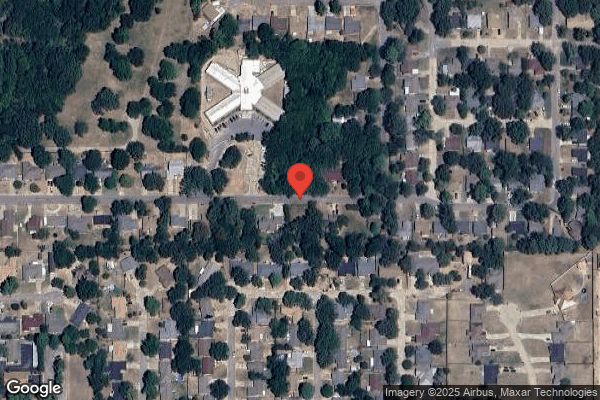
1212 FOUR SEASONS DRIVE, DURANT, OK 74701 (580) 677-9911
For profit - Individual 122 Beds ELMBROOK MANAGEMENT COMPANY Data: November 2025
Trust Grade
55/100
#106 of 282 in OK
Last Inspection: May 2025

Inspected within the last 6 months. Data reflects current conditions.

Overview

Four Seasons Rehabilitation & Care in Durant, Oklahoma, has a Trust Grade of C, which means it is average and sits in the middle of the pack. With a state rank of #106 out of 282 facilities, it is in the top half, and it ranks #1 out of 5 in Bryan County, indicating it is the best local option. The facility is improving, having reduced its issues from 18 in 2024 to just 1 in 2025. Staffing is rated at 3 out of 5 stars, and with a turnover rate of 57%, it aligns closely with the state average, suggesting some staff continuity but room for improvement. Fortunately, there have been no fines, indicating compliance with regulations, and the facility offers more RN coverage than 92% of others in Oklahoma, which is a positive sign for resident care. However, there are some concerns. Recent inspections revealed issues such as a failure to document physician responses regarding medication adjustments for a resident and not accurately reflecting residents' mental health needs in assessments. Additionally, the facility did not notify the appropriate authorities about serious mental illnesses for two residents, which raises questions about compliance with care standards. While there are certainly strengths, like good RN coverage and no fines, families should weigh these against the identified shortcomings.

Trust Score
C
55/100
In Oklahoma
#106/282
Top 37%
Safety Record
Low Risk
No red flags
Inspections
Getting Better
18 → 1 violations
Staff Stability
⚠ Watch
57% turnover. Above average. Higher turnover means staff may not know residents' routines.
Penalties
✓ Good
No fines on record. Clean compliance history, better than most Oklahoma facilities.
Skilled Nurses
⚠ Watch
Each resident gets only 29 minutes of Registered Nurse (RN) attention daily — below average for Oklahoma. Fewer RN minutes means fewer trained eyes watching for problems.
Violations
⚠ Watch
28 deficiencies on record. Higher than average. Multiple issues found across inspections.
★★★☆☆
3.0
Overall Rating
★★★☆☆
3.0
Staff Levels
★★☆☆☆
2.0
Care Quality
★★★☆☆
3.0
Inspection Score
Stable
2024: 18 issues
2025: 1 issues

The Good

  • Full Sprinkler Coverage · Fire safety systems throughout facility
  • No fines on record

Facility shows strength in fire safety.

The Bad

3-Star Overall Rating

Near Oklahoma average (2.6)

Meets federal standards, typical of most facilities

Staff Turnover: 57%

11pts above Oklahoma avg (46%)

Frequent staff changes - ask about care continuity

Chain: ELMBROOK MANAGEMENT COMPANY

Part of a multi-facility chain

Ask about local staffing decisions and management

Staff turnover is elevated (57%)

9 points above Oklahoma average of 48%

The Ugly 28 deficiencies on record

May 2025 1 deficiency
CONCERN (E)

Potential for Harm - no one hurt, but risky conditions existed

Drug Regimen Review (Tag F0756)

Could have caused harm · This affected multiple residents

3. Res #5's undated diagnoses list showed diagnoses which included insomnia and post traumatic stress disorder. A physician's order, dated 02/15/24, showed temazepam 15mg two capsules at bedtime. A M...

Read full inspector narrative →
3. Res #5's undated diagnoses list showed diagnoses which included insomnia and post traumatic stress disorder. A physician's order, dated 02/15/24, showed temazepam 15mg two capsules at bedtime. A MRR, dated 05/14/24, showed Res #5 currently received temazepam (hypnotic) 30mg (2x15mg) once daily at bedtime for Insomnia. There was no documented response from the physician on the MRR report or in the medical record. A MRR, dated 8/14/24, showed the resident currently receives temazepam (hypnotic) 30mg (2x15mg) once daily at bedtime for Insomnia. There was no documented response from the physician on the MRR report or in the medical record. A MRR, dated 11/13/24, showed the resident currently receives temazepam (hypnotic) 30mg (2x15mg) once daily at bedtime for Insomnia. There was no documented response from the physician on the MRR report or in the medical record. On 05/15/25 at 9:57 a.m., the DON reported the request should have shown a response from the physician. Based on record review and interview, the facility failed to ensure the physician responded to monthly medication regimen reviews (MMR) for 3 (#4, 5 and #21) of 5 sampled residents reviewed for unnecessary medications. The administrator identified 42 residents who resided in the facility. Findings: A Medication Monitoring policy, dated 10/01/18, read in parts, For non-Urgent recommendations, the Facility and Attending Physician must address the recommendation(s) in a timely manner that meets the needs of the resident- but no later than their next routine visit to assess the resident- and the Attending Physician should document in the medical record .If the Attending Physician fails to address a recommendation or document a rationale for rejecting a recommendation: The DON, Medical Director or designee should review the incomplete documentation with the Attending Physician. 1. An undated face sheet showed Res #4 had diagnoses which included major depressive disorder and insomnia. A physician order, dated 01/16/23, showed to administer temazepam (hypnotic) 15 mg at bedtime for insomnia. A physician order, dated 12/27/23, showed to administer citalopram (antidepressant) 40 mg daily for major depressive disorder. A MRR report, dated 05/14/24, showed the consulting pharmacist had requested a gradual dose reduction of the citalopram 40 mg. There was no documented response from the physician on the MRR report or in the medical record. An annual assessment, dated 05/19/24, showed the resident had a BIMS score of 15 and was cognitively intact. The assessment showed the resident had no depression symptoms or behaviors and received hypnotic and antidepressant medications. A MRR report, dated 06/13/24, showed the consulting pharmacist had requested a gradual dose reduction of the temazepam 15 mg. There was no documented response from the physician on the MRR report or in the medical record. 2. An undated face sheet showed Res #21 had diagnoses which included major depressive disorder and insomnia. A physician order, dated 02/22/23, showed to administer trazadone (antidepressant) 150 mg at bedtime for insomnia. A MRR report, dated 05/14/24, showed the consulting pharmacist had requested a gradual dose reduction of the trazadone 150 mg. There was no documented response from the physician on the MRR report or in the medical record. A MRR report, dated 08/14/24, showed the consulting pharmacist had requested a gradual dose reduction of the trazadone 150 mg. There was no documented response from the physician on the MRR report or in the medical record. An annual assessment, dated 11/16/24, showed the resident had a BIMS score of 13 and was cognitively intact. The assessment showed the resident had mild depression symptoms, no behaviors, and received hypnotic and antidepressant medications. On 05/15/25 at 9:55 a.m., the DON stated the physician should have addressed the monthly medication reviews. They stated no physician response to the reviews could be located.
Sept 2024 1 deficiency
CONCERN (D) 📢 Someone Reported This

A family member, employee, or ombudsman was alarmed enough to file a formal complaint

Potential for Harm - no one hurt, but risky conditions existed

Abuse Prevention Policies (Tag F0607)

Could have caused harm · This affected 1 resident

Based on record review and interview, the facility failed to implement their abuse policy for one (#1) of four residents reviewed for allegations of abuse. The administrator identified four allegation...

Read full inspector narrative →
Based on record review and interview, the facility failed to implement their abuse policy for one (#1) of four residents reviewed for allegations of abuse. The administrator identified four allegations of abuse in the last six months. Findings: The facility policy titled Abuse Investigation and Reporting documented in parts .The Administrator will suspend immediately any employee who has been accused of resident abuse, pending the outcome of the investigation . Resident #1 had diagnoses which included muscle weakness, altered mental status, and anxiety. An incident report, dated 08/06/24, documented an allegation of abuse. The report documented an employee inappropriately touched themselves in the resident's room. The report documented the employee was immediately suspended pending the investigation. An employee timecard, dated 08/06/24, documented CNA #1 clocked in at 2:49 p.m., clocked out at 4:49 p.m., clocked back in at 5:22 p.m., and clocked out again at 11:10 p.m. On 09/19/24 at 11:19 a.m., the administrator reviewed CNA #1's timecard. The administrator stated the timecard had been altered to reflect time paid during the suspended time pending the investigation. The administrator could not provide documentation the staff was not working during the time of the investigation. The administrator stated they were unsure what time the staff member was allowed to return to work.
Jan 2024 17 deficiencies
CONCERN (D)

Potential for Harm - no one hurt, but risky conditions existed

Deficiency F0582 (Tag F0582)

Could have caused harm · This affected 1 resident

Based on record review and interview, the facility failed to provide an ABN notice for one (#18) of three residents who were reviewed for beneficiary notices. The administrator identified 19 residents...

Read full inspector narrative →
Based on record review and interview, the facility failed to provide an ABN notice for one (#18) of three residents who were reviewed for beneficiary notices. The administrator identified 19 residents who were discharged from Medicare Part A services with days remaining. Findings: Res #18 received Medicare Part A services from 09/01/23 through 09/18/23. On 01/24/24 at 11:46 a.m., the DON stated the therapy department should complete the ABN form and nursing should complete the NOMNC form. The DON stated they understood when a resident did not have therapy they did not need the ABN. The DON stated the MDS coordinator was responsible for the completion of the required forms. On 01/24/24 at 12:12 p.m., the MDS coordinator stated most of the time the beneficiary ABN forms were completed by therapy. They stated the resident did not have therapy, so therapy would not have completed an ABN form. They stated to their understanding if the resident did not have therapy, the ABN form was not required.
CONCERN (D)

Potential for Harm - no one hurt, but risky conditions existed

Investigate Abuse (Tag F0610)

Could have caused harm · This affected 1 resident

Based on record review and interview, the facility failed to complete a thorough investigation for one (#98) of one resident who was reviewed for allegations of abuse. The DON identified 11 allegatio...

Read full inspector narrative →
Based on record review and interview, the facility failed to complete a thorough investigation for one (#98) of one resident who was reviewed for allegations of abuse. The DON identified 11 allegations of abuse in past year. Findings: A form titled Abuse and Neglect - Administrative Protocol documented, The facility abuse coordinator will conduct and/or facilitate interviews of the direct resident(s) involved in the allegation, any interviewable residents, and any staff associated with the allegation, any visitors that have knowledge or witnessed the allegation. A written report or statement will be gathered and maintained on all interviews . Res #98 was admitted to the facility with diagnoses which included chronic obstructive pulmonary disease, impulse disorder, and personality disorders. A discharge return anticipated assessment, dated 12/27/23, documented the resident was moderately impaired cognitively and required set up assistance with most ADLs. On 01/24/24 at 9:55 a.m., the resident was sitting in the dining room in a wheelchair drinking a cup of coffee. The resident stated they had never been abused and denied problems with other residents. The resident denied ever being physically or verbally abused by staff. On 01/25/24 at 10:38 a.m., the corporate RN #2 reviewed the incident report for the abuse allegation on 03/02/23 regarding the resident. The RN stated the incident report did not document a detailed report of what had occurred with the resident. The RN stated there were no documented statements from the resident making the allegation or any residents in the facility. On 01/25/24 at 10:47 a.m., the DON provided a progress note dated 03/02/23 at 5:08 p.m. The note documented an employee to resident verbal abuse had been reported. The note documented the resident was interviewed, family notified, and provider notified. The DON stated no addition information could be provided. The DON stated per the documentation they could not determine what had occurred and thorough investigation had not been completed.
CONCERN (D)

Potential for Harm - no one hurt, but risky conditions existed

Deficiency F0637 (Tag F0637)

Could have caused harm · This affected 1 resident

Based on interview and record review, the facility failed to complete a significant change assessment after the resident had a change in condition for one (46) of 16 residents whose assessments were r...

Read full inspector narrative →
Based on interview and record review, the facility failed to complete a significant change assessment after the resident had a change in condition for one (46) of 16 residents whose assessments were reviewed. The administrator identified 44 residents who resided in the facility. Findings: Res #46 was admitted to the facility with diagnoses which included malignant neoplasm of overlapping sites of cervix, acute kidney failure, and urinary tract infection. An admission assessment, dated 10/23/23, documented the resident was severely impaired cognitively and required partial to moderate assistance with most ADLs. The assessment documented the resident did not have a life expectancy of less than six months to live and was not receiving hospice services. A physician order, dated 10/30/23, documented an order for Centric Hospice to evaluate and treat for hospice care. On 01/29/24 at 12:50 p.m., the MDS coordinator reviewed the resident's EHR and stated the resident started receiving hospice services on 10/31/23. The coordinator stated a significant change assessment should have been completed within 14 days after the resident stated receiving hospice services.
CONCERN (D)

Potential for Harm - no one hurt, but risky conditions existed

Deficiency F0655 (Tag F0655)

Could have caused harm · This affected 1 resident

Based on record review and interview, the facility failed to complete a baseline care plan for one (#21) of 16 residents whose care plans were reviewed. The administrator identified 44 residents who r...

Read full inspector narrative →
Based on record review and interview, the facility failed to complete a baseline care plan for one (#21) of 16 residents whose care plans were reviewed. The administrator identified 44 residents who resided in the facility. Findings: Res #21 was admitted to the facility with diagnoses which included injuries of left hip, dementia, and depressive episodes. An admission progress note, dated 12/06/23, documented the resident was admitted to the facility. The note documented the resident was confused and had dementia. The note documented the resident was dependent on staff for all ADL care and required two person assist for all transfers. The resident's EHR was reviewed. The record documented the baseline care plan was started on 12/07/23 and was still in progress. The admission assessment, dated 12/11/23, documented the resident was severely impaired cognitively. The assessment documented the resident required partial to moderate assist with personal hygiene and substantial to maximal assist with toileting. The assessment documented the resident had a history of falls resulting in a fracture. The care plan, dated 01/02/24, documented the resident was at risk for falls due to a history of a fall with a fracture. The approach was to provide individualized toileting interventions based on needs/pattern and increased staff supervision with intensity based on resident need. On 01/29/24 at 11:30 a.m., the ADON stated the baseline care plan should have been completed in the first 24 hours after the resident's admission.
CONCERN (D)

Potential for Harm - no one hurt, but risky conditions existed

Comprehensive Care Plan (Tag F0656)

Could have caused harm · This affected 1 resident

**NOTE- TERMS IN BRACKETS HAVE BEEN EDITED TO PROTECT CONFIDENTIALITY** Based on record review, observation, and interview, the facility failed to develop a comprehensive care plan related to a dialys...

Read full inspector narrative →
**NOTE- TERMS IN BRACKETS HAVE BEEN EDITED TO PROTECT CONFIDENTIALITY** Based on record review, observation, and interview, the facility failed to develop a comprehensive care plan related to a dialysis port for one (#38) of two residents reviewed for dialysis. The DON identified 44 residents resided in the facility. Findings: Res #38 was admitted to the facility on [DATE] with diagnoses of end stage renal disease, disorder of phosphorus metabolism, and dependence of renal dialysis. A nurse note, dated 07/27/23, documented to send the resident to the emergency room for evaluation and treatment of their dialysis port related to the resident pulling the port out. A physician order, dated 08/22/23, documented dialysis catheter right chest - observe daily for signs and symptoms of infection and to leave open to air. A physician order, dated 09/20/23, documented to observe dialysis catheter left chest -observe for signs and symptoms of infection and to leave open to air. On 01/23/24 an observation was made of the resident's dialysis catheter in their left chest. A communication note, dated 01/23/24, documented dialysis on Monday, Wednesday, and Friday, observe catheter left chest - observe for signs and symptoms of infection and to leave open to air. On 01/25/24 at 3:42 p.m., an interview was conducted with the MDS Coordinator and they stated the care plan was to check the fistula on the resident. They also stated they thought the resident had a fistula but now I know the difference. They stated they would change the care plan related to the chest port catheter instead of a fistula.
CONCERN (D)

Potential for Harm - no one hurt, but risky conditions existed

Accident Prevention (Tag F0689)

Could have caused harm · This affected 1 resident

**NOTE- TERMS IN BRACKETS HAVE BEEN EDITED TO PROTECT CONFIDENTIALITY** Based on observation, record review, and interview the facility failed to ensure a resident was free from accident hazards for o...

Read full inspector narrative →
**NOTE- TERMS IN BRACKETS HAVE BEEN EDITED TO PROTECT CONFIDENTIALITY** Based on observation, record review, and interview the facility failed to ensure a resident was free from accident hazards for one (#11) of three sampled residents reviewed for accidents. The DON identified 44 residents resides in the facility. Findings: Res #11 was admitted on [DATE] with diagnoses of diabetes mellitus with diabetic nephropathy, idiopathic peripheral autonomic neuropathy, acute embolism and thrombosis of unspecified deep veins of right lower extremity, anxiety, and schizoaffective diagnoses. A physician order, dated 09/27/23, documented the resident may have U-rails for bed mobility. A quarterly assessment, dated 11/13/23, documented the resident cognition was severly impaired. Res #11 required assistance with all ADLs. A care plan, dated 11/02/23, documented the resident may use bed rails for positioning. The care plan also documented the resident would use bed rails without adverse consequences. On 01/23/24 at 11:43 a.m., the resident was observed lying supine in the bed sleeping with their head leaning on the bed bed rail while on an low air mattress. An attempted to interview the resident was unsuccessful due to the resident's cognition. On 01/25/24 at 07:55 a.m., an interview was conducted with the DON and they stated there was a consent and assessment for the bed rails completed on 09/27/23. They also stated there should be more assessment in the chart. The DON stated the risk and benefits was not explained in detail to the resident. On 01/25/24 at 12:00 p.m., an interview was conducted with the MDS coordinator and they stated the air mattress should have been included in the bed rail care plan.
CONCERN (D)

Potential for Harm - no one hurt, but risky conditions existed

Drug Regimen Review (Tag F0756)

Could have caused harm · This affected 1 resident

Based on record review and interview, the facility failed to complete a monthly medication regimen review for one (#8) of five residents reviewed for unnecessary medication. The administrator identifi...

Read full inspector narrative →
Based on record review and interview, the facility failed to complete a monthly medication regimen review for one (#8) of five residents reviewed for unnecessary medication. The administrator identified 44 residents who resided in the facility. Findings: Res #8 had diagnoses which included multiple sclerosis, a right buttock pressure ulcer stage III, pain, cirrhosis of the liver, chronic kidney disease, diabetes, depression, and urinary tract infection. A MRR, dated 04/18/23, documented a requesst for reduction of Celexa 20 mg daily and Cymbalta 60 mg daily. The physician signed and documented no changes on the form, but did not date the MRR. A MRR, dated 05/16/23, documented a request for reduction of Celexa 20 mg daily and Cymbalta 60 mg daily. The physician documented no changes, but did not document a rational for their response. A MRR, dated 06/16/23, documented a request for reduction of Celexa 20 mg daily and Cymbalta 60 mg daily. The form did not document a response from the physician. A significant change assessment, dated 12/11/23, documented the resident was moderately impaired cognitively and required substantial/maximal assist with most ADLs. The assessment documented the resident received an antidepressant, antibiotic, diuretic, and a opioid medication. The assessment documented antipsychotic medications were not received. On 01/25/24 at 12:20 p.m., the DON stated for the month of June 2023 the facility did not have the physician sign any of the MRR requests. On 01/25/24 at 4:06 p.m., the Corporate Nurse #2 stated the MRR should be dated by the physician.
CONCERN (D)

Potential for Harm - no one hurt, but risky conditions existed

Laboratory Services (Tag F0770)

Could have caused harm · This affected 1 resident

**NOTE- TERMS IN BRACKETS HAVE BEEN EDITED TO PROTECT CONFIDENTIALITY** Based on record review and interview, the facility failed to ensure labs were obtained per physician orders for one (#8) of five...

Read full inspector narrative →
**NOTE- TERMS IN BRACKETS HAVE BEEN EDITED TO PROTECT CONFIDENTIALITY** Based on record review and interview, the facility failed to ensure labs were obtained per physician orders for one (#8) of five sampled residents reviewed for unnecessary medications. The DON identified 44 residents that resided at the facility. Findings: Res #8 was admitted on [DATE] and had diagnoses of multiple sclerosis, overactive bladder, chronic pain, chronic kidney disease, and diabetes mellitus type II. On 07/14/23 the pharmacist recommended to monitor the resident's Hemoglobin A1C and a lipid panel for the month of July 2023 and then every 6 months thereafter. The physician agreed with the recommendation and dated the form 07/19/23. A significant change assessment, dated 12/11/23, documented the resident was moderately impaired with cognition and required extensive assistance with most ADLs. On 01/25/23 at 12:20 p.m., the DON was interviewed and they stated the Hemoglobin A1C and a lipid panel had not been as ordered.
CONCERN (D)

Potential for Harm - no one hurt, but risky conditions existed

Deficiency F0909 (Tag F0909)

Could have caused harm · This affected 1 resident

**NOTE- TERMS IN BRACKETS HAVE BEEN EDITED TO PROTECT CONFIDENTIALITY** Based on observation, record review, and interview, the facility failed to conduct regular inspections of all bed frames, mattre...

Read full inspector narrative →
**NOTE- TERMS IN BRACKETS HAVE BEEN EDITED TO PROTECT CONFIDENTIALITY** Based on observation, record review, and interview, the facility failed to conduct regular inspections of all bed frames, mattresses, and bed rails as part of a regular maintenance program to identify areas of possible entrapment for one (#11) of three residents reviewed for accident hazards. The DON identified 44 residents resides in the facility. Findings: Res #11 was admitted on [DATE] with diagnoses of diabetes mellitus with diabetic nephropathy, idopathic peripheral autonomic neuropathy, acute embolism and thrombosis of unspecified deep veins of right lower extremity, anxiety, and schizoaffective diagnoses. A physicians order, dated 09/27/23, documented the resident may have bed rails for bed mobility. A care plan, dated 11/02/23, documented the resident may use bed rails with help for positioning. The care plan also documented the resident would use bed rails without adverse consequences. A quarterly assessment, dated 11/13/23, documented the resident's cognition was severly impaired. Res #11 required assistance with all ADLs. The assessment did not document the resident utilized a low air mattress with bed rails attached to both sides of the bed. On 01/23/24 at 11:43 a.m., the resident was observed lying supine in the bed sleeping with their head leaning on the U-bar bed rail while on an air mattress. An attempted interview with the resident was unsuccessful due to the resident's cognition. On 01/25/24 at 7:55 a.m., an interview was conducted with the DON and they stated there was a consent and assessment for the bed rails completed on 09/27/23. On 01/29/24 at 9:40 a.m., an interview was conducted with the maintenance man #1 and they stated they had only started checking the bed rails in January 2024, but they thought their supervisor had more bed rail audits from 2023. The maintenance man #1 stated they had contacted their supervisor to ask where the 2023 bed rail assessments would be located. No documentation for 2023 was provided.
CONCERN (E)

Potential for Harm - no one hurt, but risky conditions existed

Assessment Accuracy (Tag F0641)

Could have caused harm · This affected multiple residents

Based on record review and interview, the facility failed to ensure MDS assessment accurately reflected the residents' status related to a GDR which was clinically contraindicated for one (#16) of fiv...

Read full inspector narrative →
Based on record review and interview, the facility failed to ensure MDS assessment accurately reflected the residents' status related to a GDR which was clinically contraindicated for one (#16) of five residents whose medications were reviewed. The administrator identified 44 residents who resided in the facility. Findings: Res #16 had diagnoses which included schizoaffective disorder, major depressive disorder, and anxiety disorder. A MRR, dated 12/13/23, documented the resident received Risperdal 0.5 mg twice a day for schizoaffective disorder. The MRR documented a request for a GDR. The physician signed the MRR on 01/02/24 and documented the resident was stable at present and did not want a reduction. A quarterly assessment, dated 01/09/24, documented the resident was moderately impaired with cognition and required setup or clean up assistance to partial assistance with ADLS. The assessment documented the resident received an antipsychotic, an antidepressant, and an antianxiety medication. The assessment documented antipsychotic's were received on a routine basis only and a GDR was clinically contraindicated on 03/22/23. On 01/26/24 at 11:54 a.m., the MDS coordinator stated they only saw the March MRR in the EHR the most resent MRR request for December had not been scanned into the record. They stated the DON was the one to let them know when there were recommendations or contraindications for the residents.
CONCERN (E)

Potential for Harm - no one hurt, but risky conditions existed

PASARR Coordination (Tag F0644)

Could have caused harm · This affected multiple residents

**NOTE- TERMS IN BRACKETS HAVE BEEN EDITED TO PROTECT CONFIDENTIALITY** Based on record review and interview, the facility failed to ensure OHCA was contacted when residents had serious mental illness...

Read full inspector narrative →
**NOTE- TERMS IN BRACKETS HAVE BEEN EDITED TO PROTECT CONFIDENTIALITY** Based on record review and interview, the facility failed to ensure OHCA was contacted when residents had serious mental illnesses for two (#11 and #29) of two residents reviewed for PASRR assessments. The DON identified 44 residents resided in the facility. Findings: 1. Res #11 was admitted to the facility on [DATE] and had diagnoses which included major depressive disorder. A PASRR level I, dated 04/04/18 did document the resident had diagnosis of serious mental illness. On 08/13/21, the physician diagnosed the resident with schizoaffective disorder. On 01/25/24 at 10:29 a.m., the MDS coordinator stated that the OHCA was not notified of the new diagnosis of schizoaffective disorder. 2. Res #29 was admitted to the facility on [DATE] and had diagnoses which included anxiety disorder and recurrent depressive disorder. A PASRR level I, dated 09/11/18 did document the resident had diagnosis of serious mental illness. On 08/17/21, the physician diagnosed the resident with schizoaffective disorder. On 01/25/24 at 10:29 a.m., an interview with the MDS coordinator was conducted and she stated that OHCA was not contacted regarding the new diagnosis of schizoaffective disorder.
CONCERN (E)

Potential for Harm - no one hurt, but risky conditions existed

Deficiency F0657 (Tag F0657)

Could have caused harm · This affected multiple residents

**NOTE- TERMS IN BRACKETS HAVE BEEN EDITED TO PROTECT CONFIDENTIALITY** 2. Res #11 was admitted on [DATE] with diagnoses of diabetes mellitus with diabetic nephropathy, idiopathic peripheral autonomic...

Read full inspector narrative →
**NOTE- TERMS IN BRACKETS HAVE BEEN EDITED TO PROTECT CONFIDENTIALITY** 2. Res #11 was admitted on [DATE] with diagnoses of diabetes mellitus with diabetic nephropathy, idiopathic peripheral autonomic neuropathy, acute embolism and thrombosis of unspecified deep veins of right lower extremity, anxiety, and schizoaffective diagnoses. A physician order, dated 09/27/23, documented the resident may have U-rails for bed mobility. A side rail assessment and consent, dated 09/27/23, was signed by the resident to utilize U-rails for positioning. A care plan, dated 11/02/23, did not document the resident was utilizing a low air mattress with U-rails. A quarterly assessment, dated 11/13/23, documented the resident's cognition was severly impaired. Res #11 required assistance with all ADLs. On 01/23/24 at 11:43 a.m., the resident was observed lying supine in the bed sleeping with their head leaning on the U-bar bed rail while on an air mattress. An attempted interview with the resident was unsuccessful due to the resident's cognition. On 01/24/24 at 3:53 p.m., an interview was conducted with the DON and they stated they did not know the resident was on a low air mattress. The ADON stated the low air mattress was not on the care plan. On 01/24/24 at 9:40 p.m., an interview was conducted with the MDS Coordinator and they stated the bed rails were not added to the care plan at the time of the consent and assessment was conducted. They also stated the low air mattress was not added to the care plan but they would add it to the care plan now. 3. Res #29 was admitted to the facility on [DATE] and had diagnoses which included end stage renal disease, anxiety disorder, diabetes mellitus, and recurrent depressive disorder. On 08/17/21, the physician diagnosed the resident with schizoaffective disorder. On 08/17/21, the diagnoses of schizoaffective disorder was added to the care plan at the time of diagnosis but there were no intervention added for the new diagnosis. On 01/25/24 at 10:29 a.m., an interview with the MDS coordinator was conducted and they stated the care plan was not updated with interventions after the new diagnoses of schizoaffective disorder. Based on record review, and interview, the facility failed to update a comprehensive care plan for three (#8, 11, and #29) of three sampled residents reviewed for revision of care plans. The facility failed to update care plans related to: a. pressure ulcers for Res #8, b. bed rails and low air mattress for Res #11, and c. schizoaffective disorder for Res #29. The administrator identified 44 residents who resided at the facility. Findings 1. Resident #8 was admitted on [DATE] with diagnoses of multiple sclerosis, overactive bladder, chronic pain, chronic kidney disease, and diabetes mellitus type II. A revised care plan, dated 09/18/23, documented skin was intact and without evidence of redness, irritation, maceration, or open areas. The care plan also documented the resident was at risk for pressure ulcers. A significant change assessment, dated 12/11/23, documented the resident was moderately impaired with cognition and required extensive assistance with most ADLs. The assessment also documented the resident had two stage III pressure ulcers, one unstageable pressure ulcer, one venous, and an arterial ulcer. A physician progress note, dated 12/13/23, documented the resident had a blister (non thermal) to the left lower leg. A physician progress note, dated 01/02/24, documented the resident had a stage III pressure ulcer on the right buttock. A physician order, dated 01/21/24, documented, sacral stage III pressure ulcer, cleanse with wound cleanser, apply skin prep peri-wound, cover with silicone border gauze dressing daily. A physician order, dated 01/21/24, documented, an unstageable pressure ulcer to right ischial, cleanse with wound cleanser, apply skin prep peri-wound, cover with silicone border gauze dressing daily. A physician order dated 01/21/24 documented, an unstageable pressure ulcer to left ischial, cleanse with wound cleanser, apply skin prep peri-wound, cover with silicone border gauze dressing daily. On 01/25/24 at 11:44 a.m., the MDS coordinator stated the care plan had not been updated with the pressure ulcers.
CONCERN (E)

Potential for Harm - no one hurt, but risky conditions existed

ADL Care (Tag F0677)

Could have caused harm · This affected multiple residents

Based on record review and interview, the facility failed to ensure a resident received the necessary services to maintain their scheduled baths for one (#16) of one sampled residents for assistance w...

Read full inspector narrative →
Based on record review and interview, the facility failed to ensure a resident received the necessary services to maintain their scheduled baths for one (#16) of one sampled residents for assistance with bathing. The administrator identified 44 residents who resided in the facility. Findings: Res #16 had diagnoses which included myotonic muscular dystrophy, lack of coordination, muscle weakness, schizoaffective disorder, and major depressive disorder. A physician order, dated 03/25/22, documented nail care to be provided on bath days Monday, Wednesdays, and Fridays on the three to eleven shift. A care plan, last revised on 10/09/23, documented the resident required the assistance of one for bathing. A quarterly assessment, dated 01/09/24, documented the resident was moderately impaired with cognition and required setup or clean up assistance to partial assistance with most ADLs. The assessment documented the resident required substantial to maximal assistance with bathing. The resident was scheduled for thirteen baths in December 2023. The bathing sheets were reviewed and documented the resident missed six of the thirteen scheduled baths. The resident should have received eleven bathes through the 25th of January 2024. The resident's bathing sheets were reviewed and documented the resident had missed seven baths in January. On 01/23/24 at 11:34 a.m., Res #16 stated they had to wait a while for assistance. They did not feel the facility had enough staff because at times they missed their shower. On 01/29/24 at 11:15 a.m., CNA #2 stated when staff call in, the residents may not get all get their scheduled baths. CNA #2 stated today they had a CNA call in but they have one staff to answer call light and the other two staff were assisting each other to transfer and shower the residents. On 01/29/24 at 11:46 a.m., CNA #1 stated they get assigned showers by the nurses. They fill out the assessment documentation for the skin which is the shower sheet. CNA #1 stated they only fill the sheet out when a shower is given. CNA #1 stated the resident was showered in on 3-11 shift Monday, Wednesday and Friday. CNA #1 stated the resident did not have a problem taking a bath for them. On 01/29/24 at 1:39 p.m., the DON stated they were monitoring bathing once a week on Fridays. The DON stated they had not noticed the resident had not been getting their scheduled baths. The DON stated they had noticed in audits some residents had missed baths. When they found bathing issues they would have the staff to give the bath to the ones who had missed one. The DON stated they had missed doing the audit's at times.
CONCERN (E)

Potential for Harm - no one hurt, but risky conditions existed

Incontinence Care (Tag F0690)

Could have caused harm · This affected multiple residents

Based on observation, record review, and interview, the facility failed to maintain proper catheter bag placement to prevent urine back flow for one (#2) of one resident who was reviewed for catheters...

Read full inspector narrative →
Based on observation, record review, and interview, the facility failed to maintain proper catheter bag placement to prevent urine back flow for one (#2) of one resident who was reviewed for catheters. The DON identified five residents who had catheters. Findings: The form titled Catheter Care, Urinary documented .The purpose of this procedure is to prevent urinary catheter-associated complications, including urinary tract infections .Position the drainage bag lower than the bladder at all times to prevent urine from flowing back into the urinary bladder . The resident was admitted with diagnoses which included retention of urine, urinary incontinence, and history of urinary tract infections. The care plan, dated 08/21/23, documented the resident had a catheter and was at risk for infections. The goal was for the resident to remain free from infection times 90 days. The approach was to maintain the catheter tubing below the level of the bladder. The quarterly assessment, dated 11/07/23, documented the resident was moderately impaired cognitively and required maximum assistance with ADLs. The assessment documented the resident had a catheter. The assessment documented the resident did not have an infection and was not receiving an antibiotic. On 01/23/24 at 12:03 p.m., the resident was sitting in dining room in a electric wheelchair. The resident's catheter bag was hanging to the left side of the chair at waist level or slightly higher. On 01/24/24 at 3:14 p.m., the resident was sitting in their electric wheelchair in the dining room playing bingo. The resident's catheter was positioned on the side of the wheelchair at waist level. On 01/24/24 at 3:45 p.m., the resident was sitting in their wheelchair with the catheter tubing stretched across the bed and the bag was hanging on the other side of the bed. The resident stated they could hang the catheter bag on the side of the bed, but could not see to place the catheter bag on their wheelchair. The resident stated the staff had to position the catheter bag when in the wheelchair. On 01/25/24 at 7:55 a.m., the charge nurse/LPN #2 was with the resident in the dining room after breakfast. The ambulance crew was preparing the resident for transport. The charge nurse stated the resident's potassium was high and they had a urinary tract infection. The location where the resident's catheter was identified. The charge nurse stated the location was not below the bladder. The charge nurse stated the resident had a surgery scheduled a couple of months ago, but has been unable to have surgery due to continuous urinary tract infections.
CONCERN (E)

Potential for Harm - no one hurt, but risky conditions existed

Deficiency F0760 (Tag F0760)

Could have caused harm · This affected multiple residents

Based on record review and interview, the facility failed to ensure significant medication errors did not occur for one (#16) of five residents whose medications were reviewed. The administrator iden...

Read full inspector narrative →
Based on record review and interview, the facility failed to ensure significant medication errors did not occur for one (#16) of five residents whose medications were reviewed. The administrator identified 44 residents who resided in the facility. Findings: Res #16 had diagnoses which included type two diabetes mellitus with hyperglycemia, myotonic muscular dystrophy, schizoaffective disorder, and major depressive disorder. A physician order, dated 12/07/21, documented Levemir insulin administer 15 units subcutaneous at bedtime for diabetes mellitus with hyperglycemia. A care plan, last revised 10/09/23, documented the resident was a diabetic and to administer insulin as directed. The care plan documented the staff wound monitor for signs and symptoms of hyperglycemia. The care plan documented the staff would notify the physician of a FSBS less than 60 or greater than 400. A physician order, dated 12/14/23 Novolin R FlexPen (insulin regular human) insulin pen administer five units subcutaneous with meals for diabetes mellitus with other diabetic ophthalmic complication at 6:00 a.m., 12:00 p.m., and 4:00 p.m. A quarterly assessment, dated 01/09/24 documented the resident was moderately impaired with cognition and required setup or clean up assistance to partial assistance with most ADLs. The assessment documented the resident received insulin seven days during the look back period. A review of the January 2024 MAR documented the Levemir 15 units at bed time was held on 01/15/24 and 1/23/24. The Novolin R insulin to administer five units with meals was observed to be held 20 times on the January MAR. The orders did not have parameters to hold the insulin documented. On 01/26/24 at 12:16 p.m., the DON stated they were not able to find any documentation where the physician was notified of holding the resident insulin. The DON stated the Levemir orders do not have parameters and if the nurses hold insulin they should notify the physician. On 01/26/24 at 12:28 p.m., LPN #2 stated when insulin was held they should call the physician. On 01/26/24 at 1:00 p.m., LPN #3 stated if they held insulin they would contact the physician when parameters were not on the order. On 01/29/24 at 10:42 a.m., the ADON stated they received orders from the physician to hold the insulin when the residents blood sugar was less than 70.
CONCERN (E)

Potential for Harm - no one hurt, but risky conditions existed

Menu Adequacy (Tag F0803)

Could have caused harm · This affected multiple residents

Based on record review and interview, the facility failed to follow the menu and make changes changes with the dietitian approval for the residents. The dietary manager identified 41 residents receive...

Read full inspector narrative →
Based on record review and interview, the facility failed to follow the menu and make changes changes with the dietitian approval for the residents. The dietary manager identified 41 residents received meals prepared by the kitchen. Findings: A policy titled Menu Substitutions documented, .menu will be served as written unless an emergency situation arises .If a specific item is not available, the cook will consult with the Nutrition & Foodservice Manager or consultant RDN/NDTR regarding an appropriate substitution .substitutions will be made in accordance with the Menu Substitution Guide .The dietitian will initial off the Menu Substitution Form after review . On 01/23/24 at 10:30 a.m., the DM stated the menu documented roast beef for the lunch menu, but was rejected by the food purchase company and they substituted pork roast. The DM stated substitutions happened a lot and they would not know until the food order arrived. The DM stated they were unsure who approved the substitutions from the original order, but it as always been that way. On 01/23/24 at 10:31 a m., dietary cook #1 stated the desert had been changed from a brownie to fruit at the request of about 10 residents. The cook was asked was their a resident meeting about the desert change and was the dietitian informed. The cook stated the DM was told, but no one else. On 01/23/24 at 11:30 a.m., the corporate DM stated the menus are approved by the dietitian. The corporate DM stated the facility DM was to follow the menu and if changes needed to be made they were to notify the corporate DM or the dietitian.
CONCERN (E)

Potential for Harm - no one hurt, but risky conditions existed

Food Safety (Tag F0812)

Could have caused harm · This affected multiple residents

Based on observation, record review, and interview, the facility failed to store and distribute food in a sanitary manner for the residents. The dietary manager identified 41 residents who received m...

Read full inspector narrative →
Based on observation, record review, and interview, the facility failed to store and distribute food in a sanitary manner for the residents. The dietary manager identified 41 residents who received meals from the kitchen and three residents who received nutrition via tube feeding. Findings: The Ice Machines and Ice Storage Chests policy documented .To help prevent contamination of ice machines .a. Limit access to ice machine or ice storage chests/containers to employees only; g. Maintenance department will disassemble the ice machine for deep cleaning monthly or as indicated per manufacture instructions; h. Dietary department will perform weekly sanitizing of the ice bin . On 01/23/24 at 10:15 a.m., a tour of the kitchen was completed. The ice machine located in the resident dining room was unlocked, dirt was observed on the inside and around the outside of the door. Where the ice falls to the ice bin, there was a pink slim when checked. On 01/23/24 at 10:16 a.m., the DM observed the ice machine. The DM stated the ice machine should have been locked and the ice machine was cleaned by the maintenance staff monthly. The DM stated their was dirt on and around the door and did not look like it was cleaned last month. On 01/23/24 at 10:40 a.m., a Styrofoam cup was observed lying in the sugar bin. On 01/23/24 at 10:41 a.m., the DM stated the Styrofoam cup should not have been used to scoop the sugar or left in the bin. On 01/23/24 at 10:45 a.m., a second observation of ice machine was completed and the lock was noted to be through the lock slot, but not locked. On 01/24/24 at 8:52 a.m., the maintenance staff reviewed the monthly maintenance checklist for January 2024. The checklist documented Ice machine cleaned and checked for mold with initials identified as completed on 1/3/24. The staff reviewed the log and stated they did not clean the ice machine, just change filters and things. The maintenance staff stated a company cleans and services the ice machine every six months.
Oct 2023 3 deficiencies
CONCERN (D) 📢 Someone Reported This

A family member, employee, or ombudsman was alarmed enough to file a formal complaint

Potential for Harm - no one hurt, but risky conditions existed

Deficiency F0692 (Tag F0692)

Could have caused harm · This affected 1 resident

Based on observation, record review, and interview, the facility failed to ensure the registered dietician's recommendations were implemented for one (#4) of three residents sampled for nutritional st...

Read full inspector narrative →
Based on observation, record review, and interview, the facility failed to ensure the registered dietician's recommendations were implemented for one (#4) of three residents sampled for nutritional status. The Resident Census and Conditions of Residents form documented 49 residents who resided in the facility. Findings: Res #4 had diagnoses of chronic obstructive pulmonary disease, upper respiratory infections, regional pain of the lower limbs, atrial fibrillation, depression, and bipolar disorder. The weight record, dated 07/04/23, documented a weight of 149 lbs. A quarterly assessment, dated 07/28/23, documented the resident required extensive assistance with eating. The weight record, dated 08/03/23, documented a weight of 137.9 lbs. On 08/24/23, a registered dietician recommended Res #4 to receive MedPass 90 ml TID for weight loss. The EHR was reviewed and did not document an order for the resident to receive MedPass. On 10/10/23 at 12:25 p.m., Res #4 was observed in the dining room and a staff member was assisting the resident to eat. On 10/11/23 at 9:20 a.m. LPN #1 stated Res #4 did not have an order for MedPass 90 ml TID. On 10/11/23 at 9:58 a.m., the DON stated it looked like the facility had ordered Res #4 to receive health shakes instead of MedPass 90 ml TID.
CONCERN (E) 📢 Someone Reported This

A family member, employee, or ombudsman was alarmed enough to file a formal complaint

Potential for Harm - no one hurt, but risky conditions existed

Deficiency F0583 (Tag F0583)

Could have caused harm · This affected multiple residents

Based on observation, record review, and interview, the facility failed to ensure residents' rights to privacy was provided during dining for five of (#1, 2, 3, 4, and #6) of six sampled resident's re...

Read full inspector narrative →
Based on observation, record review, and interview, the facility failed to ensure residents' rights to privacy was provided during dining for five of (#1, 2, 3, 4, and #6) of six sampled resident's reviewed for privacy. The Resident Census and Conditions of Residents form documented 49 residents resided in the facility. Findings: 1. Res #1 had diagnoses which included hypertension, dementia, pneumonia, and acute kidney failure. A significant change assessment, dated 09/23/23, documented Res #1 was severely impaired with cognition and required extensive assistance with ADLs. 2. Res. #2 had diagnoses of diabetes mellitus type II, post traumatic stress disorder, insomnia, and schizoaffective disorder. A quarterly assessment, dated 07/29/23, documented Res #2 was cognitively intact and required limited assistance for some ADLs. 3. Res. #3 had diagnoses of congestive heart failure, paroxysmal atrial fibrillation, and Parkinson's disease. A quarterly assessment, dated 08/13/23, documented Res #3 had problems with cognition and required extensive assistance with ADLs. 4. Res. #4 had diagnoses of chronic obstructive pulmonary disease, contact dermatitis, atrial fibrillation, and depression. A quarterly assessment, dated 07/28/23, documented Res #4 required extensive assistance with all ADLs. 6. Res. #6 had diagnoses of diabetes mellitus type II, chronic obstructive pulmonary disease, edema, muscle spasms, and breast cancer. A quarterly assessment, dated 06/07/23, documented Res #6 was cognitively intact and required extensive assistance with some ADLs. 7. An incident report form 283, dated 08/18/23, was faxed to the State of Oklahoma regarding and incident of abuse/mistreatment towards the residents and an investigation was initiated. The report document on 08/18/23 a dietary aide had reported that another dietary aide and a housekeeper/laundry aide had video recordings of the residents. An in-service report, dated 08/19/23, documented the DON had completed an in-service with the staff in the kitchen, housekeeping, and laundry, on privacy and HIPAA violations. On 08/29/23 the investigation was completed and a final report was faxed to the State of Oklahoma on a final 283 form. Monitoring sheets were provided which revealed on 09/02/23 a weekly monitoring system was initiated by the administrator and the DON to ensure that the residents had privacy in the dining area. On 10/10/23 at 8:07 a.m., the DON stated a thorough investigation was initiated on 08/18/23 regarding the incident of the kitchen, housekeeping, and laundry staff, related to video recording residents who resided in the facility. They stated the investigation was completed on 08/29/23 and an in-service for all kitchen, housekeeping, and laundry staff related to privacy was conducted. The DON stated the administration and DON would be monitoring the cameras placed throughout the facility to ensure no staff members were video recording any residents. A form titled Monthly QA/PI Committee Meeting form, dated 10/11/23, documented a QA meeting with the medical director was completed related to the privacy of the residents.
CONCERN (E) 📢 Someone Reported This

A family member, employee, or ombudsman was alarmed enough to file a formal complaint

Potential for Harm - no one hurt, but risky conditions existed

ADL Care (Tag F0677)

Could have caused harm · This affected multiple residents

**NOTE- TERMS IN BRACKETS HAVE BEEN EDITED TO PROTECT CONFIDENTIALITY** Based on observation, record review, and interview the facility failed to provide the necessary ADL assistance to residents who ...

Read full inspector narrative →
**NOTE- TERMS IN BRACKETS HAVE BEEN EDITED TO PROTECT CONFIDENTIALITY** Based on observation, record review, and interview the facility failed to provide the necessary ADL assistance to residents who were unable to carry out their own for four (#1, 2, 4, and #5) of six residents sampled for ADL (bathing) assistance. The Resident Census and Conditions of Residents form documented 49 residents resided in the facility. Findings: 1. Res #1 had diagnoses of dementia, upper respiratory infections, pyleonephritis, bronchitis, and right knee pain. A care plan, dated [DATE], documented the resident required extensive assistance with bathing. A physician's order, dated [DATE], documented Res #1 was to have a bath on Monday, Wednesday, and Friday. A significant change assessment, dated [DATE], documented Res #1 was severely impaired with cognition and required extensive assistance with ADLs. Point of care bathing records for the month of [DATE], documented the resident had not been bathed out of the 13 times it was scheduled. 2. Res #2 had diagnoses of diabetes mellitus type II, post traumatic stress disorder, osteomyelitis, right below the knee amputation, and schizoaffective disorder. A quarterly assessment, dated [DATE], documented Res #2 was cognitively intact and required limited assistance partial assistance of one staff member with bathing. A physician's order, dated [DATE], documented Res #1 was to have a bath on Monday, Wednesday, and Friday. On [DATE] at 11:14 a.m., Res #2 was observed in the common area and appeared well groomed and without odor. They stated they did not have all the baths/showers for last month they were supposed to have. The resident stated the facility did not have enough staff so getting a bath/shower was a problem. The resident stated the facility have more staff now so the bathing/showering were getting better. Point of care bathing records for the month of [DATE], documented 10 baths were not given out of 13 opportunities. 3. Res #4 had diagnoses of chronic obstructive pulmonary disease, upper respiratory infections, chronic pain, depression, and bipolar disorder. A quarterly assessment, dated [DATE], documented Res #4 required extensive assistance with all ADLs. Point of care bathing records for the month of [DATE] documented 10 baths were not given out of 13 opportunities. 4. Res #5 had diagnoses of paralytic syndrome related to cerebral infarction on the left side, right upper limb amputation, insomnia, and major depression. A admission assessment, dated [DATE], documented Res #5 was cognitively intact and required extensive assistance with ADLs. A point of care bathing records for the month of May of 2023, had no baths documented as given to the resident. The EHR documented Res #5 discharged from the facility on [DATE]. 5. On [DATE] at 10:10 a.m. the DON stated their nurse aide training waiver had expired and they had to apply for another one. They renewed the waver again and have hired more help to assist with bathing/showering. On [DATE] at 9:50 a.m., the ADON stated they knew they were running short of staff and some baths were not given to the residents.
May 2023 3 deficiencies
CONCERN (D) 📢 Someone Reported This

A family member, employee, or ombudsman was alarmed enough to file a formal complaint

Potential for Harm - no one hurt, but risky conditions existed

Assessment Accuracy (Tag F0641)

Could have caused harm · This affected 1 resident

**NOTE- TERMS IN BRACKETS HAVE BEEN EDITED TO PROTECT CONFIDENTIALITY** Based on observation, record review, and interview, the facility failed to ensure a resident MDS assessment accurately reflected...

Read full inspector narrative →
**NOTE- TERMS IN BRACKETS HAVE BEEN EDITED TO PROTECT CONFIDENTIALITY** Based on observation, record review, and interview, the facility failed to ensure a resident MDS assessment accurately reflected the resident's pressure ulcer status for one (#2) of three residents sampled for pressure ulcers. The Resident Census and Conditions of Residents form documented three residents had pressure ulcers. Findings: Res #2's physician order, dated 02/08/23, documented to clean coccyx/sacrum pressure ulcer with NS, apply Anasept, cover with calcium alginate, and Super Absorbent Dressing once a day. A wound assessment, dated 02/16/23, documented a pressure ulcer measuring 5.3 x 3.0 x 2.0 cm. A significant change assessment dated [DATE], documented the resident was cognitively intact, required extensive assistance with ADLs, and had no pressure ulcers. A wound assessment, dated 03/09/23, documented a pressure ulcer measuring 6.0 x 1.5 x 2.0 cm. On 05/24/23 at 11:25 a.m., the DON was asked about the pressure ulcer not being captured on the MDS assessment. He stated the the resident had a stage IV pressure ulcer and it should have been included on the assessment.
CONCERN (D) 📢 Someone Reported This

A family member, employee, or ombudsman was alarmed enough to file a formal complaint

Potential for Harm - no one hurt, but risky conditions existed

Pressure Ulcer Prevention (Tag F0686)

Could have caused harm · This affected 1 resident

**NOTE- TERMS IN BRACKETS HAVE BEEN EDITED TO PROTECT CONFIDENTIALITY** Based on observation, record review, and interview, the facility failed to ensure residents received the necessary treatment and...

Read full inspector narrative →
**NOTE- TERMS IN BRACKETS HAVE BEEN EDITED TO PROTECT CONFIDENTIALITY** Based on observation, record review, and interview, the facility failed to ensure residents received the necessary treatment and services for two (#2 and #3) of three residents sampled for pressure ulcers. The facility failed to: a. conducted weekly pressure ulcer assessments for Res #2 and b. follow a physician order for pressure ulcer treatment for Res #3. The Resident Census and Conditions of Residents form documented three residents had pressure ulcers. Findings: 1. Res #2's physician order, dated 02/08/23, documented to clean coccyx/sacrum pressure ulcer with NS, apply Anasept, cover with calcium alginate, and Super Absorbent Dressing once a day. A significant change assessment dated [DATE], documented the resident was cognitively intact, required extensive assistance with ADLs, and had no pressure ulcers. The ADON (wound nurse) was asked to provide the pressure ulcer assessments for the resident. On 05/23/23 at 3:53 p.m., the ADON provided assessments for the dates of 01/25/23, 02/16/23, 03/09/23, 04/24/23, and 05/19/23. The ADON stated they did not conduct assessments weekly because hospice only required them monthly. On 05/23/23 at 5:35 a.m., the DON stated wound assessments should be conducted weekly. On 05/24/23 at 9:55 a.m., LPN #1 was observed to perform the physician ordered pressure ulcer treatment. The pressure ulcer on the resident's coccyx was approximately 2.0 x 1.0 cm. with granulation tissue. 2. Res #3's current care plan, 02/17/20, documented a clinically unavoidable chronic stage IV to coccyx with undermining. the care plan documented the residents's stage IV pressure ulcer to the coccyx would show signs of improvement with no S/S of infection through review date. A physician order, dated 04/13/23, documented to cleanse the wound to the sacrum with Dakins 0.5% solution and cover with an island dressing once a day. A physician order, dated 05/18/23, documented to cleanse the sacrum wound with Dakins solution, apply calcium alginate, and cover with a boarded gauze island dressing once a day. On 05/23/23 at 2:34 p.m., LPN #2 was observed performing wound care to the resident's pressure ulcer. The pressure ulcer was located on the resident's coccyx and was approximately 2.0 x 2.0 cm unstageable with slough. The LPN cleansed the ulcer with Dakins solution and NS, then covered with a boarded dressing. The LPN was asked if they had been using calcium alginate on the wound. They stated they used to, but when the order changed last month, they no longer were using the calcium alginate. On 05/23/23 at 4:41 p.m., LPN #2 was asked why the physician order was not followed. They stated the new order was not updated in the EHR and TAR.
CONCERN (E) 📢 Someone Reported This

A family member, employee, or ombudsman was alarmed enough to file a formal complaint

Potential for Harm - no one hurt, but risky conditions existed

Safe Environment (Tag F0584)

Could have caused harm · This affected multiple residents

**NOTE- TERMS IN BRACKETS HAVE BEEN EDITED TO PROTECT CONFIDENTIALITY** Based on observation and interview, the facility failed to ensure the facility had a clean, comfortable, and homelike environmen...

Read full inspector narrative →
**NOTE- TERMS IN BRACKETS HAVE BEEN EDITED TO PROTECT CONFIDENTIALITY** Based on observation and interview, the facility failed to ensure the facility had a clean, comfortable, and homelike environment. The Resident Census and Conditions of Residents form, dated 05/23/23, documented 49 residents resided in the facility. Findings: On 05/23/23 at 7:45 a.m., upon entrance to the facility an environmental tour was conducted and subsequent observations were made during the survey. The following observations were made: a. On Hall 1, three fluorescent light covers and a ceiling tile were missing, and 10 ceiling tiles had brown stains. b. In resident rooms [ROOM NUMBER], there were holes in the bathroom and closet doors. c. In resident rooms 3, 6, 7, 10, 12, 14, 15, and 16, there was multiple patchwork on the walls of a different color than the wall paint. The floor tiles were stained and appeared unkept. d. The Hall 1 floor tiles were dull with brown stains throughout. e. On Hall 2, five ceiling tiles were stained and four fluorescent light covers were missing. f. In resident rooms [ROOM NUMBER], there were holes in the closet doors and wall. g. In resident rooms 19, 22, 23, 24, 26, 27, and 31, there was patchwork on the walls which did dot match the wall color and multiple areas of chipped paint. The floor tiles were stained and appeared unkept. h. The Hall 2 floor tiles were dull with brown stains throughout. i. On Hall 4, eight light covers were missing and the floor tiles were dull and had dark stains throughout the hall floor. j. In resident rooms [ROOM NUMBERS], the door under the sinks were missing. In room [ROOM NUMBER] the wall paneling was coming off. k. In resident rooms 44, 48, 49, 50, and 51, there were large screw/nail holes which needed patching, there was patching that did not match the wall color, and room [ROOM NUMBER] had a door which needed repair. On 05/24/23 at 9:00 a.m., the corporate maintenance person was asked about the maintenance issues. He stated the facility was getting ready to renovate the shower room on Hall 3 and hopefully the entire Hall 3 would get new floors, lights, and paint. The plan was to do one hall at a time until all were finished. On 05/24/23 at 12:15 p.m., the housekeeping and maintenance supervisor was asked about the maintenance issues. He stated he had been in his position for three months and there was a lot that needed to be done. He stated there was nothing he could do to do to make the floors look better and they needed to be replaced. He stated the resident rooms needed painting. On 05/24/23 at 1:40 p.m., the administrator was interviewed related to the maintenance issues in the facility. He stated the plan was to renovate the hallways and resident rooms in the near future. He stated the COVID pandemic had slowed the plans down, but was hoping things would get started soon. He said the facility needed new flooring and rooms needed painting.
Oct 2022 3 deficiencies
CONCERN (D)

Potential for Harm - no one hurt, but risky conditions existed

Quality of Care (Tag F0684)

Could have caused harm · This affected 1 resident

Based on record review and interview, the facility failed to ensure two (#25 and #29) of 11 COVID-19 positive residents received physician ordered treatment in a timely manner. A Daily Census Report,...

Read full inspector narrative →
Based on record review and interview, the facility failed to ensure two (#25 and #29) of 11 COVID-19 positive residents received physician ordered treatment in a timely manner. A Daily Census Report, dated 10/27/22, documented 11 of 48 residents resided on the Isolation Hall. Findings: 1. Res #25 was admitted with diagnoses which included diabetes, hypertension, and ASHD. A physician's order, dated 10/01/22, documented in parts, Monitor residents for signs and symptoms of COVID-19 .Notify physician immediately & isolate resident . A care plan, revised on 10/26/22 at 12:58 p.m., documented in parts .diagnosis of COVID .administer medication as ordered by the physician . A Resident Progress Note dated 10/26/22 at 3:27 p.m., documented in parts .Notified NPRN .today of patients [sic] status. New orders for Vitamin C .Vitamin D .Zinc . A physician's order, dated 10/26/22 at 3:15 p.m., documented, vitamin D3, 125 mcg, 1 tab twice a day. A physician's order, dated 10/26/22 at 3:18 p.m., documented, zinc acetate 50 mg, 1 tab twice a day. A physician's order, dated 10/26/22 at 3:19 p.m., documented, vitamin C, 500 mg, 1 tab twice a day. A Resident Progress Note dated 10/27/22, documented in parts .Recorded as a late entry on 10/26/22 at 11:43 am, . 10/24/22 at 11:30 a.m., Resident tested positive for COVID[sic] and was moved to the isolation[sic] Hall for treatment . On 10/26/22 at 11:05 a.m., Corp RN #3, reported Res #25 had tested positive for COVID on 10/24/22 and was moved to the COVID unit/Isolation Hall. The Corp RN also reported there was no documentation in the resident's record regarding the COVID positive status, and the progress notes had no documentation of assessment, monitoring or treatment for COVID symptoms. On 10/27/22 at 7:03 a.m., the DON reported Res #25 had tested positive for COVID on 10/24/22 and the medical record did not include documentation of the COVID positive status, the transfer to the Isolation Hall, notification of the physician or treatment for COVID. On 10/27/22 at 7:37 a.m., the DON reported the physician was not notified of Res #25's COVID positive status and no orders had been received until 10/26/22, two days after the resident had tested positive. 2. Res #29 was admitted with diagnoses which included ASHD, chronic bronchitis, and diabetes. A physician's order, dated 06/21/22, documented in parts, Monitor residents for signs and symptoms of COVID-19 .Notify physician immediately & isolate resident . A progress note, dated 10/20/22 at 9:29 a.m., documented, Resident tested positive for COVID this morning and was moved to the isolation hall. A progress note, dated 10/22/22 at 4:04 p.m., documented, Resident continues on isolation hall due to COVID +. Resident had a temp 100.1 A care plan, last revised on 10/26/22 at 1:03 p.m., documented in parts .'diagnosis of COVID .administer medication as ordered by physician .' A progress note, dated 10/27/22 at 10:35 a.m., documented in part PCP notified of positive COVID . On 10/27/22 at 8:00 a.m., the DON reported the physician had not been notified of Res #29's COVID positive status and there were no orders for treatment of COVID.
CONCERN (D)

Potential for Harm - no one hurt, but risky conditions existed

Deficiency F0698 (Tag F0698)

Could have caused harm · This affected 1 resident

F698 Based on record review and interview, the facility failed to ensure a resident on dialysis received care and services for one (#24) of one sampled resident reviewed for dialysis. The facility fai...

Read full inspector narrative →
F698 Based on record review and interview, the facility failed to ensure a resident on dialysis received care and services for one (#24) of one sampled resident reviewed for dialysis. The facility failed to ensure: a. a physician's order was obtained for dialysis care, b. dialysis policy was followed The Resident Census and Conditions of Residents, dated 10/28/22, documented two residents were on dialysis services. Findings: Res #24 had diagnoses which included end stage renal disease and dependence on renal dialysis. a. A physician's order, dated 07/15/19, read in parts, Resident goes to Davita Dialysis .Once a day on Mon, Wed, Fri; 07:00AM-03:00PM. The order did not contain post dialysis care. On 10/27/22 at 10:00 a.m., LPN #2 was asked to locate orders for fluid restriction, vascular access site care, and weight monitoring. LPN #2 was unable to locate the orders. On 10/27/22 at 10:05 a.m., LPN #1 was asked to locate weight monitoring orders. LPN #1 was unable to locate the orders. On 10/27/22 at 10:10 a.m., the DON was asked to locate the orders for a fluid restriction and vascular access site care. The DON was unable to locate the orders. The DON further reported the expectation for staff was to obtain a physician's order for the monitoring and treatment of the vascular access site and the fluid restriction. b. The Hemodialysis Access Care policy, dated 2001, read in parts, .nurse should document in the resident's medical record every shift as follows: 1. location of catheter 2. condition of dressing (interventions if needed) 3. If dialysis was done during shift .5. Observations post-dialysis . A care plan, last revised on 08/23/21, read in parts, Res #24 is at risk of complications from dialysis .Res #24 will experience no complication from dialysis through review date .Monitor condition of vascular access site for s/s of infection A review of Res #24's EHR showed there were no post dialysis nurse notes for six of 11 days for the month of October 2022. A review of the dialysis communication book showed there were no post dialysis nurse notes for six of 11 days for the month of October 2022. On 10/27/22 at 10:10 a.m., the DON reported they would have expected there to be documentation after each dialysis treatment.
CONCERN (E)

Potential for Harm - no one hurt, but risky conditions existed

Deficiency F0657 (Tag F0657)

Could have caused harm · This affected multiple residents

Based on record review, observation, and interview, the facility failed to ensure care plans were updated or revised for four (#14, 17, 25 and #29) of seven care plans reviewed. The Resident Census a...

Read full inspector narrative →
Based on record review, observation, and interview, the facility failed to ensure care plans were updated or revised for four (#14, 17, 25 and #29) of seven care plans reviewed. The Resident Census and Conditions of Residents, dated 10/28/22, documented 48 residents resided in the facility. Findings: 1. Res #14 was admitted with diagnoses which included anorexia, psychotic disturbance, dementia, and anxiety. An Assistance with Meals policy, revised 2017, documented in part, Residents shall receive assistance with meals in a manner that meets the individual needs of each resident . A physician's order, dated 08/29/22, documented, Diet: Regular Special Instructions: Resident requires assistance with all meals. With Meals 07:30 AM, 12:00 PM, 05:30 PM. Assisted Diners flowsheets dated from 09/20/22 to 10/25/22 documented Res #14 had 108 opportunities for staff to document assistance and amount of food eaten. Six meals were recorded as zero intake and eight meals had no documentation. A progress note, dated 10/24/22, documented in parts . Assisted diner + fortified foods w/meals A care plan, last updated 10/24/22 did not contain documentation regarding nutrition or assisted dining for Res #14. On 10/24/22 at 4:30 p.m., Res #14 was observed in a recliner with an untouched lunch tray sitting next to them. On 10/25/22 at 9:35 a.m., Res #14 was observed in a recliner with an untouched breakfast tray sitting next to them. On 10/25/22 at 4:27 p.m., Res #14 was observed sitting on the side of the bed, an untouched lunch tray was sitting on the bedside table. On 10/26/22 at 2:42 p.m., Res #14 was observed in a recliner with an untouched lunch tray sitting next to them. On 10/25/22 at 4:31p.m., Corp RN #2 reported Res #14 had Ensure in a refrigerator in their room, the staff had not documented when the resident drank the Ensure and had not recorded intake since 10/23/22. The Corp RN further reported no meal percentages for Res #14 had been documented since 10/23/22. Corp RN #2 reported they could not say why meal percentages weren't documented or why the resident wasn't being assisted with dining as ordered. The Corp RN reported Res #14's care plan did not include documentation about assisted dining. 2. Res #17 was admitted with diagnoses which included acute kidney failure and chronic kidney disease. An admission assessment, dated 08/02/22, documented the resident was cognitively intact and required extensive assistance with activities of daily living. A progress note, dated 10/16/22, documented . Lab called with A critical Potassium of 6.1 reported it to Dr. [NAME] on call (name omitted) . A physician's order, dated 10/16/22, documented in part, .call for a PICC line, administer 1 L of normal saline over 8 hours . A progress note, dated 10/16/22, documented Vital Systems of Oklahoma arrived at 8:45 and completed Procedure at `20:00. Normal saline started @ 125 cc an Hr. to run over an 8 hour period. A progress note, dated 10/18/22, documented, Resident was visited by (name omitted) NP- New orders for Sodium chloride 0.9% to infuse at 125cc per hr for 8 hrs- Resident/Family aware- MAR updated- infusion started at 11 am- NAR noted at this time. The resident's care plan, last reviewed on 09/22/22 did not contain documentation for IV therapy. On 10/26/22 at 10:45 am, Corp RN #3 reported the IV therapy should have been included in Res #17's care plan. 3. Res #25 was admitted with diagnoses which included diabetes, hypertension, and ASHD. A physician's order, dated 10/01/22, documented in parts, Monitor residents for signs and symptoms of COVID-19 .Notify physician immediately & isolate resident . A care plan, revised on 10/26/22 at 12:58 p.m., documented in parts .diagnosis of COVID .administer medication as ordered by the physician . A Resident Progress Note dated 10/27/22, documented in parts .Recorded as a late entry on 10/26/22 at 11:43 am . 10/24/22 at 11:30 a.m., Resident tested positive for COVID and was moved to the isolation[sic] Hall for treatment . On 10/26/22 at 11:05 a.m., Corp RN #3, reported Res #25 had tested positive for COVID on 10/24/22 and was moved to the COVID unit/Isolation Hall. The Corp RN also reported the care plan had not been updated to include care of the resident when they tested positive for Covid. On 10/27/22 at 7:03 a.m., the DON reported Res #25 had tested positive for COVID on 10/24/22 and the care plan did not include care for the COVID positive status until two days after the resident tested positive for COVID. 4. Res #29 was admitted with diagnoses which included ASHD, chronic bronchitis, and diabetes. A physician's order, dated 06/21/22, documented in parts, Monitor residents for signs and symptoms of COVID-19 .Notify physician immediately & isolate resident . A progress note, dated 10/20/22 at 9:29 a.m., documented, Resident tested positive for COVID this morning and was moved to the isolation hall. A progress note, dated 10/22/22 at 4:04 p.m., documented, Resident continues on isolation hall due to COVID +. Resident had a temp 100.1 A care plan, last revised on 10/26/22 at 1:03 p.m., documented in parts .'diagnosis of COVID .administer medication as ordered by physician .' On 10/27/22 at 8:00 a.m., the DON reported the care plan for Res #29 had not been updated to include the COVID positive status until six days after the resident tested positive for COVID.
Understanding Severity Codes (click to expand)
Life-Threatening (Immediate Jeopardy)
J - Isolated K - Pattern L - Widespread
Actual Harm
G - Isolated H - Pattern I - Widespread
Potential for Harm
D - Isolated E - Pattern F - Widespread
No Harm (Minor)
A - Isolated B - Pattern C - Widespread

Questions to Ask on Your Visit

  • "Why is there high staff turnover? How do you retain staff?"
  • "Can I speak with families of current residents?"
  • "What's your RN coverage like on weekends and overnight?"

Our Honest Assessment

Strengths
  • • No major safety red flags. No abuse findings, life-threatening violations, or SFF status.
  • • No fines on record. Clean compliance history, better than most Oklahoma facilities.
Concerns
  • • 28 deficiencies on record. Higher than average. Multiple issues found across inspections.
  • • Grade C (55/100). Below average facility with significant concerns.
  • • 57% turnover. Above average. Higher turnover means staff may not know residents' routines.
Bottom line: Mixed indicators with Trust Score of 55/100. Visit in person and ask pointed questions.

About This Facility

What is Four Seasons Rehabilitation & Care's CMS Rating?

CMS assigns FOUR SEASONS REHABILITATION & CARE an overall rating of 3 out of 5 stars, which is considered average nationally. Within Oklahoma, this rating places the facility higher than 99% of the state's 100 nursing homes. This mid-range rating indicates the facility meets federal standards but may have areas for improvement.
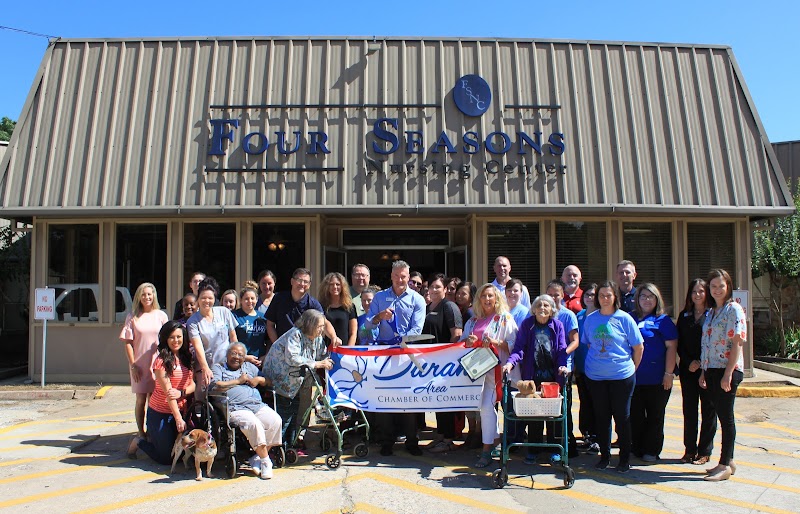
How is Four Seasons Rehabilitation & Care Staffed?

CMS rates FOUR SEASONS REHABILITATION & CARE's staffing level at 3 out of 5 stars, which is average compared to other nursing homes. Staff turnover is 57%, which is 11 percentage points above the Oklahoma average of 46%. High turnover can affect care consistency as new staff learn residents' individual needs. RN turnover specifically is 60%, which is notably high. RNs provide skilled clinical oversight, so turnover in this role can affect medical care quality.

What Have Inspectors Found at Four Seasons Rehabilitation & Care?

State health inspectors documented 28 deficiencies at FOUR SEASONS REHABILITATION & CARE during 2022 to 2025. These included: 28 with potential for harm.
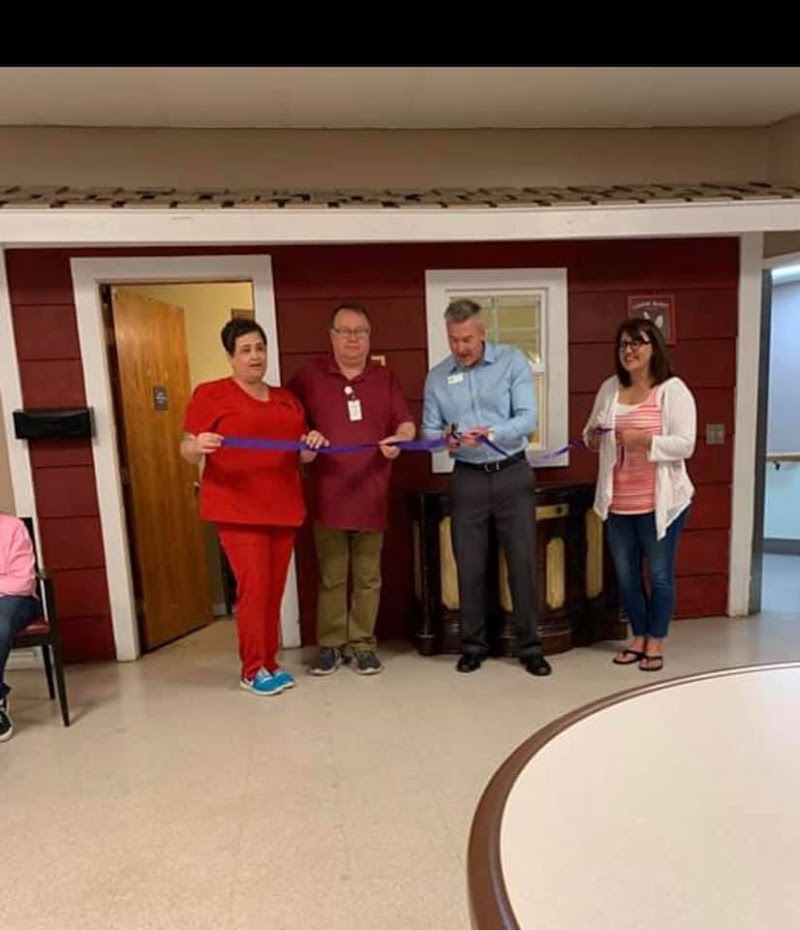
Who Owns and Operates Four Seasons Rehabilitation & Care?

FOUR SEASONS REHABILITATION & CARE is owned by a for-profit company. For-profit facilities operate as businesses with obligations to shareholders or private owners. The facility is operated by ELMBROOK MANAGEMENT COMPANY, a chain that manages multiple nursing homes. With 122 certified beds and approximately 42 residents (about 34% occupancy), it is a mid-sized facility located in DURANT, Oklahoma.
How Does Four Seasons Rehabilitation & Care Compare to Other Oklahoma Nursing Homes?

Compared to the 100 nursing homes in Oklahoma, FOUR SEASONS REHABILITATION & CARE's overall rating (3 stars) is above the state average of 2.6, staff turnover (57%) is significantly higher than the state average of 46%, and health inspection rating (3 stars) is at the national benchmark.

What Should Families Ask When Visiting Four Seasons Rehabilitation & Care?

Based on this facility's data, families visiting should ask: "How do you ensure continuity of care given staff turnover, and what is your staff retention strategy?" "Can I visit during a mealtime to observe dining assistance and food quality?" "How do you handle medical emergencies, and what is your hospital transfer rate?" "Can I speak with family members of current residents about their experience?" These questions are particularly relevant given the facility's high staff turnover rate.

Is Four Seasons Rehabilitation & Care Safe?

Based on CMS inspection data, FOUR SEASONS REHABILITATION & CARE has a clean safety record: no substantiated abuse findings (meaning no confirmed cases of resident harm), no Immediate Jeopardy citations (the most serious violation level indicating risk of serious injury or death), and is not on the Special Focus Facility watch list (a federal program monitoring the lowest-performing 1% of nursing homes). The facility has a 3-star overall rating and ranks #1 of 100 nursing homes in Oklahoma. While no facility is perfect, families should still ask about staff-to-resident ratios and recent inspection results during their visit.

Do Nurses at Four Seasons Rehabilitation & Care Stick Around?

Staff turnover at FOUR SEASONS REHABILITATION & CARE is high. At 57%, the facility is 11 percentage points above the Oklahoma average of 46%. Registered Nurse turnover is particularly concerning at 60%. RNs handle complex medical decisions and coordinate care — frequent RN changes can directly impact care quality. High turnover means new staff may not know residents' individual needs, medications, or preferences. It can also be disorienting for residents, especially those with dementia who rely on familiar faces. Families should ask: What is causing the turnover? What retention programs are in place? How do you ensure care continuity during staff transitions?

Was Four Seasons Rehabilitation & Care Ever Fined?

FOUR SEASONS REHABILITATION & CARE has no federal fines on record. CMS issues fines when nursing homes fail to meet care standards or don't correct problems found during inspections. The absence of fines suggests the facility has either maintained compliance or corrected any issues before penalties were assessed. This is a positive indicator, though families should still review recent inspection reports for the full picture.

Is Four Seasons Rehabilitation & Care on Any Federal Watch List?

FOUR SEASONS REHABILITATION & CARE is not on any federal watch list. The most significant is the Special Focus Facility (SFF) program, which identifies the bottom 1% of nursing homes nationally based on persistent, serious quality problems. Not being on this list means the facility has avoided the pattern of deficiencies that triggers enhanced federal oversight. This is a positive indicator, though families should still review the facility's inspection history directly.