Oakridge Nursing Center
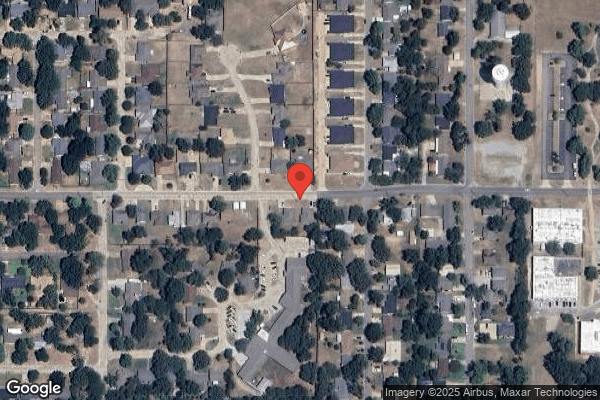
1100 Oak Ridge Drive, Durant, OK 74701 (580) 634-4710
For profit - Limited Liability company 104 Beds ELMBROOK MANAGEMENT COMPANY Data: November 2025 1 Immediate Jeopardy citation
Trust Grade
23/100
#252 of 282 in OK
Last Inspection: January 2025

Within standard 12-15 month inspection cycle. Federal law requires annual inspections.

Overview

Oakridge Nursing Center has received a Trust Grade of F, indicating significant concerns and a poor overall reputation. It ranks #252 out of 282 facilities in Oklahoma, placing it in the bottom half of nursing homes in the state, and #4 out of 5 in Bryan County, meaning there is only one local option that is better. The facility is experiencing an improving trend, with the number of issues decreasing from 8 in 2023 to 7 in 2025, but it still has a concerning staffing turnover rate of 69%, which is above the state average of 55%. There have been no fines, which is a positive point, and the RN coverage is average, providing necessary oversight. However, there are serious deficiencies, including a critical incident where CPR was improperly administered, and issues with resident privacy during care. Families considering this facility should weigh these strengths and weaknesses carefully.
Trust Score
F
23/100
In Oklahoma
#252/282
Bottom 11%
Safety Record
High Risk
Review needed
Inspections
Getting Better
8 → 7 violations
Staff Stability
⚠ Watch
69% turnover. Above average. Higher turnover means staff may not know residents' routines.
Penalties
✓ Good
No fines on record. Clean compliance history, better than most Oklahoma facilities.
Skilled Nurses
⚠ Watch
Each resident gets only 20 minutes of Registered Nurse (RN) attention daily — below average for Oklahoma. Fewer RN minutes means fewer trained eyes watching for problems.
Violations
⚠ Watch
21 deficiencies on record. Higher than average. Multiple issues found across inspections.
★☆☆☆☆
1.0
Overall Rating
★★☆☆☆
2.0
Staff Levels
★☆☆☆☆
1.0
Care Quality
★★☆☆☆
2.0
Inspection Score
Stable
2023: 8 issues
2025: 7 issues

The Good

  • Full Sprinkler Coverage · Fire safety systems throughout facility
  • No fines on record

Facility shows strength in fire safety.

The Bad

1-Star Overall Rating

Below Oklahoma average (2.6)

Significant quality concerns identified by CMS

Staff Turnover: 69%

23pts above Oklahoma avg (46%)

Frequent staff changes - ask about care continuity

Chain: ELMBROOK MANAGEMENT COMPANY

Part of a multi-facility chain

Ask about local staffing decisions and management

Staff turnover is elevated (69%)

21 points above Oklahoma average of 48%

The Ugly 21 deficiencies on record

1 life-threatening
Sept 2025 1 deficiency 1 IJ
CRITICAL (J) 📢 Someone Reported This

A family member, employee, or ombudsman was alarmed enough to file a formal complaint

Immediate Jeopardy (IJ) - the most serious Medicare violation

Deficiency F0678 (Tag F0678)

Someone could have died · This affected 1 resident

**NOTE- TERMS IN BRACKETS HAVE BEEN EDITED TO PROTECT CONFIDENTIALITY** A past noncompliance Immediate Jeopardy (IJ) situation was determined to exist effective [DATE], related to the facility's failu...

Read full inspector narrative →
**NOTE- TERMS IN BRACKETS HAVE BEEN EDITED TO PROTECT CONFIDENTIALITY** A past noncompliance Immediate Jeopardy (IJ) situation was determined to exist effective [DATE], related to the facility's failure to ensure:a. CPR was not stopped for a resident who was a full code, b. staff members could definitively identify a resident's code status, andc. effective cardiopulmonary resuscitation was provided by the use of a backboard and providing rescue breaths. A progress note, dated [DATE] at 4:07 a.m., showed a code had been called for Res #1 and CPR had been started. Staff interviews showed CPR on Res #1 had been halted when they could not determine the resident's code status and the CPR provided did not make use of a backboard or provide rescue breaths via an Ambu bag or use of a face shield thus excluding two valuable tools for providing effective CPR.The past noncompliance IJ was removed effective [DATE] after the facility put measures in place to prevent recurrence:a. On [DATE] all staff were in-serviced on code status, crash carts, code leader, CPR, and mock codes.b. On [DATE] a system to identify staff trained in CPR was put in place.c. On [DATE] staff training on how to identify a resident's code status was completed.d. On [DATE] members of the QAPI team met via TEAMS regarding CPR, mock codes drills, code status accuracy, verification with hospice providers, system review, post code briefings, and investigation completion.On [DATE] facility staff members were interviewed, and facility documentation was reviewed which showed and confirmed steps required for the facility to become compliant had occurred and were place.Based on record review and interview, the facility failed to ensure:a. a backboard was used when chest compressions were used for a resident that was laying on a mattress,b. CPR was not withheld for a resident that wanted CPR because staff could not identify the resident's correct code status; andc. rescue breaths were used during CPR according to the standards of practice and the facility's CPR policy for 1 (#1) of 5 sampled resident reviewed for code status.The administrator identified 56 residents resided in the facility.Findings:A facility policy titled Emergency Procedure - Cardiopulmonary Resuscitation, read in part, Policy Statement. Personnel have completed training on the initiation of cardiopulmonary resuscitation (CPR) and basic life support (BLS), including defibrillation, for victims of sudden cardiac arrest. If the first responder is not CPR certified, that person will call 911 and follow the 911 operator's instruction until a CPR certified-staff member arrives. 5. Breathing: after 30 chest compressions provide 2 breaths via Ambu bag or manually (with CPR shield). 6. All rescuers, trained or not, should provide chest compressions to victims of cardiac arrest. All rescuers should also provide ventilations with a compression-ventilation ratio of 30:2.A face sheet located in the Res #1's EMR, dated [DATE], showed the resident's code status was full code (the resident chose to have CPR performed if required).A facility document titled Acknowledgment of Advance Directive, dated [DATE], showed Res #1 had declined to initiate DNR status. (This indicated the resident chose to have CPR performed if required). The document was signed by the resident and witnessed by the resident's legal representative. A physician's order, dated [DATE], showed Res #1's code status was a full code.A CPR certificate of completion, dated [DATE], showed TNA #1 had been trained in CPR for professional rescuers.A care plan for Res #1, revised date [DATE], showed on page one next to the resident's name the resident was a full code.A facility document titled Crash Cart Checklist, dated [DATE] through [DATE], showed the facility crash carts did contain Ambu bag's each date of that month including the date Res #1 had coded, [DATE].A quarterly assessment, dated [DATE], showed in Section C Res #1 had a BIMS score of 15 (this score on the BIMS showed the resident's cognition was intact for decision making).A progress note for Res #1, dated [DATE] at 4:07 a.m., showed the resident had been found unresponsive and a code was called. The note showed an ambulance was called and CPR was started and continued until the ambulance arrived. The note showed the ambulance staff documented the time of death as 4:39 a.m. The note was authored by LPN #2.An initial incident report form (ODH Form 283), incident date [DATE], showed the DON had submitted the form regarding Res #1. The report showed an unidentified CNA had reported information about a code (a staff response to a life-threatening condition) had been performed on Res #1. The form further showed after interviewing staff involved in the code, conflicting accounts had been given, and an investigation was begun.A final incident report form (ODH Form 283), incident date [DATE], showed the DON had submitted the form regarding Res #1. The form showed the facility leadership could not determine if neglect occurred because of conflicting statements and emotions surrounding the event. The report showed facility leadership was unable to determine what staff had provided CPR at any specific time due to staff members entering and exiting the residents' room during the incident. The report showed the nurses on duty adamantly stated CPR was continuous.On [DATE] at 2:30 p.m., CNA #1 was asked to describe the events that occurred on [DATE] when Res #1 was coded. CNA #1 stated they were the person that started chest compressions on Res #1. They stated the resident was lying on their bed while they did chest compressions. CNA #1 stated they were unable to recall how long they did the compressions, but when they became tired, CNA #2 took over and continued chest compressions. CNA #1 was asked if anyone else was with them while they performed CPR. They stated LPN #2 was there watching them. CNA #1 was asked what LPN #2 had done while they did chest compressions. CNA #1 stated they did not see LPN #2 do or say anything during CPR. CNA #1 was asked if a backboard was used when they performed chest compressions. They stated they had not used a backboard and were unaware one was available. CNA #1 was asked what the backboard was for. They stated to make chest compressions more effective. CNA #1 was asked if anything other than chest compressions had been performed. They stated no. CNA #1 was asked if anyone had provided breaths or had used the Ambu bag. They stated they had not seen that done. CNA #1 was asked if the CPR had stopped at any time. They stated LPN #1 had found out from hospice the resident was a DNR and that had confused them, and CNA #2 stopped chest compressions. CNA #1 stated when the EMT's arrived, they figured out the resident was a full code, and they started CPR again. CNA #1 stated they did not recall how long of time had passed between the CPR stopping and when it was restarted.On [DATE] at 3:04 p.m., CNA #2 was asked to describe the events that occurred on [DATE] when Res #1 was coded. CNA #2 stated they had performed chest compressions on Resident #1 when CNA #1 became tired. CNA #2 stated they were unable to state how long they provided chest compressions. CNA #2 was asked where the resident was when they performed chest compressions. They stated the resident was laying on their bed. CNA #2 was asked if there was a mattress on the bed. They stated, yes. CNA #2 was asked if they had used a backboard. They stated they had not. CNA #2 was asked what a backboard was for. They stated to make chest compressions more effective. CNA #2 asked if anyone other than CNA #1 and themselves was present when they were performing chest compressions. They stated no one else was present. CNA #2 was asked who had told them to perform CPR on Res #1. They stated it was LPN #1 who told them to start CPR, and they were also the one who later told them the resident was a DNR and to take our hands off the resident. CNA #2 stated when the EMT's arrived, the EMT's figured out the resident was a full code, and they restarted CPR. CNA #2 was asked, prior to the EMT's arrival, had anyone provided respirations to the Resident #1. They stated no and they did not have an Ambu bag for respirations.On [DATE] at 3:15 p.m., LPN #1 was asked to describe the events that occurred on [DATE] when Res #1 was coded. LPN #1 stated they had gone to Res #1's room to give them some medication and that was when they found the resident non-responsive. LPN #1 stated they stepped out into the hallway and called a code. They stated, CNA #1 then went into the resident's room and began chest compressions. LPN #1 stated they then went to the nurses station to call 911 and the resident's hospice service. LPN #1 stated when they left the resident's room, they saw LPN #2 go in. LPN #1 was asked why CPR was later stopped. They stated when they had contacted the hospice service, their person on the phone told them the Resident #1 was a DNR. LPN #1 stated their records indicated the resident was a full code and as far as they knew the CPR had continued. LPN #1 stated after the EMT's arrival, they went back to the room with them and saw the staff performing CPR. LPN #1 was asked which staff were performing CPR when they returned with the EMT's. They stated they could not recall. LPN #1 was asked if any respirations had been given to the resident. They stated they did not recall.On [DATE] at 3:31 p.m., LPN #2 was asked to describe the events that occurred on [DATE] when Res #1 was coded. LPN #2 stated they had been at the nurse station when LPN #1 had called a code. LPN #2 stated they had seen four nurse aides go down to Res #1's room. LPN #2 stated they also went to the room and stayed with the aides except for a brief moment when they went back to the nurse station to ask about a DNR. LPN #2 stated LPN #1 had told them it was a full code. LPN #2 was asked if CPR had ever stopped being performed on Res #1. They stated as far as they knew CPR never stopped and had not heard anyone tell the nurse aides to stop. LPN #2 was asked if any of the aides had provided breaths to the resident or had the Ambu bag been used. They stated they did not recall respirations having been given.On [DATE] at 9:11 a.m., TNA #2 was asked to describe the events that occurred on [DATE] when Res #1 had coded. TNA #2 stated they had not been a certified nurse aide yet although they had just taken their certification test. They stated they had performed CPR on Res #1 that night. TNA #2 was asked if they had been trained in CPR. They stated they had and had been certified since [DATE]. TNA #2 was asked who else they saw perform CPR to Res #1. They stated they saw CNA #1 provide chest compressions. TNA #2 was asked to continue their description of the event. TNA #2 stated at one point, they asked LPN #2 if they had an Ambu bag and the nurse had said, no. They stated they then performed chest compressions until LPN #1 told them stop as the resident was a DNR and for them to take their hands off the resident. TNA #2 stated about five minutes later, the EMT's arrived, and they stated the resident was full code and started CPR again. TNA #2 stated they asked the EMT's if they could get an Ambu bag from their bag and assist and they told them, yes. TNA #2 stated they assisted the EMT's by providing breaths. They were asked if any form of respirations had been provided before the use of the EMT's Ambu bag. They stated no. TNA #2 was asked if the crash cart was at the scene. They stated the crash cart was in the hallway. TNA #2 stated seeing the crash cart in the hallway was how they had found out about the code. TNA #2 stated they saw the cart and went in to assist. TNA #2 was asked if there was a nurse present during the code. They stated they had observed LPN #2 going in and out of the room but did not recall how often.On [DATE] at 10:13 a.m., TNA #1 was asked to describe the events that had occurred on [DATE] when Res #1 was coded. They stated that it was their first night working at the facility. TNA #1 stated they had checked on Res #1 around 2:50 a.m. during their regular rounds. They stated at that time the resident had asked about getting pain medication. TNA #1 stated after leaving the room they had informed the nurse but could not recall their name. They stated at 3:30 a.m. CNA #1 had checked Res #1's colostomy bag (a bag that collects fecal matter from the intestines) and had burped it (a process where excess gas is allowed to leave the bag through an opening). TNA #1 stated at 4:00 a.m. they heard a nurse say they needed help and there was a full code. TNA #1 stated they told the nurse and other aides they did not know how to perform CPR [a CPR card, listed in the documents section of this citation show this staff member had been trained in CPR]. TNA #1 stated CNA #1 told them to give it a try and they did one round of chest compressions and told them they would not do anymore. TNA #1 stated they then left the room. TNA #1 was asked if they had seen an Ambu bag. They stated they did not know about that and had not seen anyone trying to give breaths. On [DATE] at 3:48 p.m., The DON was asked to give their insight and opinion of the events about the code of Res #1 on [DATE]. The DON stated there had been a mistake on the part of the hospice service when they had told the facility staff Resident #1 was a DNR. The DON stated they felt the facility staff had provided effective CPR by calling the code and called 911 quickly.
Jan 2025 6 deficiencies
CONCERN (D) 📢 Someone Reported This

A family member, employee, or ombudsman was alarmed enough to file a formal complaint

Potential for Harm - no one hurt, but risky conditions existed

Resident Rights (Tag F0550)

Could have caused harm · This affected 1 resident

Based on observation, record review, and interview, the facilty failed to ensure residents were assisted with eating in a dignified manner for one (#4) of four sampled residents observed during meal s...

Read full inspector narrative →
Based on observation, record review, and interview, the facilty failed to ensure residents were assisted with eating in a dignified manner for one (#4) of four sampled residents observed during meal service. The administrator identified 65 residents in the facility. Findings: The Accommodation of Needs policy, revised 01/2020, read in part, Our facility's environment and staff behaviors are directed toward assisting the resident in maintain and/or achieving safe independent functioning, dignity and well-being. Resident #4 had diagnoses which included muscle weakness and history of falling. Resident #4's quarterly resident assessment, dated 11/30/24, documented Resident #4 had severe cognitive impairment and required staff assistance with ADLs. On 01/23/25 at 8:26 a.m., CNA #2 offered Resident #4 breakfast. CNA #2 set up the breakfast and elevated the resident's head of the bed. They stated the resident was able to feed themselves. On 01/23/25 at 8:35 a.m., CNA #2 and LPN #3 were standing over Resident #4. LPN #3 told CNA #2 they would assist the resident with feeding. LPN #3 put a bite of scrambled eggs in Resident #4's mouth while standing by the foot of bed. On 01/23/25 at 8:39 a.m., LPN #3 continued to feed Resident #4 while standing by the foot of bed. On 01/23/25 at 8:55 a.m., LPN #3 fed Resident #4 cereal while standing by the foot of bed. On 01/23/25 at 9:04 a.m., LPN #3 asked Resident #4 if they would like to lay down. They wiped the resident's face, adjusted the resident in bed, and put their bedside table within reach. On 01/23/25 at 3:02 p.m., LPN #3 stated there was no chair in the resident's room to sit next to the resident and assist them with feeding. On 01/23/25 at 3:04 p.m., LPN #3 stated they were standing while feeding Resident #4.
CONCERN (D) 📢 Someone Reported This

A family member, employee, or ombudsman was alarmed enough to file a formal complaint

Potential for Harm - no one hurt, but risky conditions existed

Deficiency F0558 (Tag F0558)

Could have caused harm · This affected 1 resident

Based on observation, record review, and interview, the facility failed to ensure a call light was within reach of a resident for one (#4) of 24 sampled residents observed for call lights in reach. Th...

Read full inspector narrative →
Based on observation, record review, and interview, the facility failed to ensure a call light was within reach of a resident for one (#4) of 24 sampled residents observed for call lights in reach. The administrator identified 65 residents resided in the facility. Findings: Resident #4 had diagnoses which included muscle weakness and history of falling. Resident #4's quarterly resident assessment, dated 11/30/24, documented Resident #4 had severe cognitive impairment and required staff assistance with ADLs. Resident #4's care plan for falls, dated 11/01/24, documented to keep call light within the resident's reach. On 01/23/25 at 8:21 a.m., Resident #4 stated their call light was somewhere as they looked towards the foot of the bed. They stated they sometimes they screamed for help if the call light was not in reach. Resident #4's call light was observed out of reach by the foot of the bed. On 01/23/25 at 8:26 a.m., CNA #1 came in to offer Resident #4 breakfast and assisted with set up. On 01/23/25 at 8:34 a.m., LPN #3 came into the resident's room. They assisted the resident with feeding. CNA #1 left the resident's room. On 01/23/25 at 9:04 a.m., LPN #2 wiped the resident's face, adjusted the resident in bed, and put the bedside table within reach. On 01/23/25 at 9:10 a.m., LPN #2 left the resident's room and turned of the lights. Resident #4's call light was out of the reach. LPN #2 stated they were done with the task in Resident #4's room. On 01/23/25 at 9:11 a.m., LPN #2 stated the process for call light was to keep them within reach of the resident either in bed or chair. They stated Resident #4 could use their call light and liked to hold their call light across their chest. They stated the resident sometimes yelled out for help. On 01/23/25 at 9:12 a.m., LPN #2 retrieved the resident's call light and handed it to the resident. On 01/23/25 at 9:13 a.m., LPN #2 stated Resident #4's call light was not in reach.
CONCERN (E) 📢 Someone Reported This

A family member, employee, or ombudsman was alarmed enough to file a formal complaint

Potential for Harm - no one hurt, but risky conditions existed

Deficiency F0583 (Tag F0583)

Could have caused harm · This affected multiple residents

Based on observation, record review, and interview, the facility failed to ensure: a. privacy was provided during care for one (#31) of four sampled residents reviewed for privacy; and b. protected h...

Read full inspector narrative →
Based on observation, record review, and interview, the facility failed to ensure: a. privacy was provided during care for one (#31) of four sampled residents reviewed for privacy; and b. protected health information was secured for three (#10, 170, and #173) of four sampled residents observed during medication pass. The administrator identified 65 residents resided in the facility. Findings: The Confidentiality of Information and Personal Privacy policy, revised 10/2017, read in part, Our facility will protect and safeguard resident confidentiality and personal privacy. 1. Resident #31 had diagnoses which included dementia and generalized edema. A quarterly assessment, dated 11/09/24, documented the resident had moderately impaired cognition. On 01/23/25 at 8:23 a.m., CNA #3 and CMA #2 were observed to pull Resident #31 up in the bed. The privacy curtain was not pulled. On 01/23/25 at 8:58 a.m., LPN #3 asked Resident #31 when their last Poop was while they were standing at the bedside of Resident #4. On 01/23/25 at 8:59 a.m., LPN #3 asked Resident #31 if they could listen to their tummy and see if there were any bowel sounds. The privacy curtain was not pulled and the door was wide open with the resident's abdomen exposed. On 01/23/25 at 9:03 a.m., LPN #3 told Resident #31 they would fix them a brown cow. The privacy curtain was not pulled and the door was open. Resident #4 was in the room. On 01/23/25 at 2:57 p.m., LPN #3 stated to ensure privacy during resident care or assessments they would knock on the door and pull the curtain between them if there were two in the room to ensure privacy between the patients. They stated the door needed to be shut so other people could not hear what you were talking about or see anything. LPN #3 stated they should have pulled the curtain between the resident. LPN #3 stated they did not pull the curtain when they did the assessment on their belly. They also stated they did not remember if the door was open or shut at the time. On 01/23/25 at 2:59 p.m., LPN #3 was asked if confidential information regarding a resident's assessment be obtained while taking care of another resident. They stated if they were standing by another resident they should have left their bedside, pulled the curtain, and then should have gone to the other resident to be able to see what was going on and do the assessment. On 01/23/25 at 3:01 p.m., CMA #2 stated to ensure privacy during resident care they were to make sure the door was shut and there was not another resident. They stated they pulled the curtain. They stated the curtain should only be pulled when you are discussing private information or giving care like when you are dressing the resident. On 01/23/25 at 3:12 p.m., the DON stated staff needed to shut the door and pull the curtain for privacy during care. They stated the curtain should be pulled between residents when receiving incontinent care, toileting, an if there was a bed side commode. The DON further stated they should pull the curtain if there was a resident assessment being done and they should utilize the curtain if the resident was a two person assist and being pulled up in the bed. The DON was asked should confidential information regarding a resident's assessment be obtained from a resident while taking care of another resident. They stated as long as the curtain was pulled. I am not sure. On 01/24/25 at 8:06 a.m., LPN #1 was observed to prepare medication for Resident #10. On 01/24/25 8:29 a.m., LPN #1 left their computer screen on and entered Resident #10's room to administer their medication. The screen had Resident #10's medication profile visible. There were two staff members observed at the nurse's station. On 01/24/25 at 8:43 a.m., LPN #1 was observed to prepare medication for Resident #173. On 01/24/25 at 8:54 a.m., LPN #1 left their computer screen on and entered Resident #173's room to administer their medication. The screen had Resident #173's medication profile visible. A staff member was observed at the nurse's station and an unknown resident by the nurse's station. On 01/24/25 at 9:02 a.m., LPN #1 was observed to prepare medication for Resident #170. On 01/24/25 at 9:07 a.m., LPN #1 left their computer screen on and entered Resident #170's room to administer their medication. The screen had Resident #170's medication profile visible. On 01/24/25 at 9:14 a.m., LPN #1 stated they did not lock their screen during medication pass observation and should have.
CONCERN (E) 📢 Someone Reported This

A family member, employee, or ombudsman was alarmed enough to file a formal complaint

Potential for Harm - no one hurt, but risky conditions existed

Deficiency F0688 (Tag F0688)

Could have caused harm · This affected multiple residents

**NOTE- TERMS IN BRACKETS HAVE BEEN EDITED TO PROTECT CONFIDENTIALITY** Based on record review and interview, the facility failed to ensure restorative therapy was provided to residents with limited R...

Read full inspector narrative →
**NOTE- TERMS IN BRACKETS HAVE BEEN EDITED TO PROTECT CONFIDENTIALITY** Based on record review and interview, the facility failed to ensure restorative therapy was provided to residents with limited ROM for two (#33 and #51) of two sampled residents reviewed for restorative services. The regional survey consultant identified 27 residents who received restorative therapy resided in the facility. Findings: The Restorative Nursing Services policy, revised 07/2017, read in part, Residents will receive restorative nursing care as needed to help promote optimal safety and independence. 1. Resident #33 had diagnoses which included congestive heart failure, Parkinson's, COPD, and atrial fibrillation. The MDS, dated [DATE], documented Resident #33 needed substantial/maximum assistance from staff. On 01/28/25 at 11:01 a.m., two staff provided resident care. They used a sling and Hoyer lift and transferred the resident from the bed to the shower chair for bathing. On 01/28/25 at 2:15 p.m., the DON stated the resident had three restorative care orders for bed mobility, ROM, and ADLs. The physician order documented a start date of 11/29/24 two days a week on Tuesday and Thursday. On 01/28/25 at 2:20 p.m., the DON stated the CNAs probably did not chart it. There were eleven opportunities for restorative ROM missed from the order date 11/29/24 until 01/28/25 (12/03/24, 12/10/24, 12/12/24, 12/17/24, 12/19/24, 12/24/24, 12/26/24, 12/31/24, 01/02/25, 01/07/25 and 01/09/25). On 01/29/25 at 8:35 a.m., CMA #1 demonstrated using matrix care how staff would know restorative care was ordered and the different restorative care to provide and document. CMA #1 stated documentation was important because it helped residents with their contractures or flaccid limbs because they did not want them to get worse. 2. Resident #51 had diagnoses which included chronic obstructive pulmonary disease and heart failure. Resident #51's quarterly resident assessment, dated 11/15/24, documented Resident #51 had moderate cognitive impairment and was dependent on staff assistance for ADLs. It documented the resident had an impairment on one upper extremity. A physician's order, dated 12/06/23, documented refer to restorative nursing program to address ROM: AAROM exercises to BUEs; AROM/stretching to BLEs with focus on knees (abduction, adduction, flexion and extension) x 15 minutes, once a day on Monday and Wednesday. On 01/22/25 at 10:29 a.m., Resident #51 stated they should be getting restorative therapy. They stated they got it two to three times and the person quit. The November 2024 POC History Report documented Resident #51 received restorative therapy on 11/06/24. There was no documentation for Resident #51's December 2024 restorative therapy. The January 2025 POC History Report documented Resident #51 received restorative therapy on 01/22/25. On 01/28/25 11:35 a.m., the DON provided restorative therapy documentation for Resident #51. They stated that was all they had. On 01/28/25 at 1:31 p.m., LPN #2 stated the nurses were responsible for restorative therapy. They stated it included ROM, grip strength, and getting the residents out of bed. On 01/28/25 at 1:35 p.m., LPN #2 stated if a resident refused restorative therapy, they would document the refusal in a progress note. They stated Resident #51 had refused restorative therapy. On 01/28/25 at 1:43 p.m., LPN #2 reviewed Resident #51's EHR record. They stated they could not locate documentation the resident refused on scheduled days for the months of November 2024, December 2024, and January 2025. On 01/28/25 at 1:59 p.m., the DON stated all refusals were to be documented in the EHR.
CONCERN (E) 📢 Someone Reported This

A family member, employee, or ombudsman was alarmed enough to file a formal complaint

Potential for Harm - no one hurt, but risky conditions existed

Unnecessary Medications (Tag F0759)

Could have caused harm · This affected multiple residents

Based on observation, record review, and interview, the facility failed to ensure a medication error rate of less than five percent during the medication pass observation. The medication error rate wa...

Read full inspector narrative →
Based on observation, record review, and interview, the facility failed to ensure a medication error rate of less than five percent during the medication pass observation. The medication error rate was 15.38%. The administrator identified 65 residents resided in the facility. Findings: The Medication Administration policy, dated 06/21/17, read in part, Medications will be administered by legally-authorized and trained persons in accordance to applicable State, Local and Federal laws and consistent with accepted standards of practice. 1. Resident #10 had diagnoses which included chronic obstructive pulmonary disease with acute exacerbation. A physician's order, with a start date of 01/22/25, documented prednisone (a corticosteriod) 5 mg one tablet oral daily times three days for chronic obstructive pulmonary disease. It documented an end date of 01/24/25. A physician's order, with a start date of 01/24/25, documented azithromycin (an antibiotic) 500 mg one tablet oral once a day for chronic obstructive pulmonary disease with acute exacerbation. It documented an end date of 01/24/25. On 01/24/25 at 8:06 a.m., LPN #1 was observed to prepare medication for Resident #10. They were observed to prepare and administer azithromycin 250 mg one tablet by mouth to the resident. On 01/24/25 at 8:17 a.m., LPN #1 stated they could not locate the resident's prednisone 5 mg. They stated they would document not available and informed the charge nurse. On 01/24/25 at 8:25 a.m., LPN #2 stated today was the last day for the prednisone. On 01/24/25 at 8:53 a.m., LPN #2 stated they could not locate the prednisone and there was none in the emergency kit. They stated they would have the medication sent to the local pharmacy. On 01/28/25 at 2:31 p.m., the DON provided a progress note by LPN #1. It documented Resident #10's prednisone was administered at 3:00 p.m. on 01/24/25. 2. Resident #173 had diagnoses which included essential hypertension A physician's order, with a start date of 01/23/25, documented aspirin (NSAID) 81 mg one tablet oral delayed released once a day for essential hypertension. On 01/24/25 at 8:43 a.m., LPN #1 was observed to prepare medication for Resident #173. They stated they would find out if they could administer the house stock aspirin 325 mg. They had instructed CMA #1 to find out if they could administer the aspirin 325 mg in place of the 81 mg. The nurse had set the bottle aside. On 01/24/25 at 9:01 a.m., after Resident #173's medications were administered, LPN #1 was asked what they would do about the aspirin. They stated they had already administered the aspirin 325 mg when CMA #1 researched and informed them aspirin 81 mg and aspirin 325 mg were the same. 3. Resident #170 had diagnoses which included long term current use of antithrombotic/antiplatelets. A physician's order, with a start date of 01/22/25, documented aspirin 81 mg chewable one tablet oral once a day. On 01/24/25 at 9:02 a.m., LPN #1 was observed to prepare medication for Resident #170. They were observed to prepare and administer aspirin 325 mg one tablet by mouth. On 01/28/25 at 9:23 a.m., the DON stated they had 81 mg and 325 mg house stock aspirin. They stated if a resident had an order for aspirin 81 mg, they expected the staff to administer the 81 mg. They stated an aspirin dose of 325 mg was different from 81 mg.
CONCERN (E)

Potential for Harm - no one hurt, but risky conditions existed

Infection Control (Tag F0880)

Could have caused harm · This affected multiple residents

Based on observation, record review, and interview, the facility failed to ensure: a. the required PPE was worn when providing care to a resident on transmission based precautions for one (#46) of fou...

Read full inspector narrative →
Based on observation, record review, and interview, the facility failed to ensure: a. the required PPE was worn when providing care to a resident on transmission based precautions for one (#46) of four sampled residents who were reviewed for transmission based precautions; and b. infection control practices were maintained during medication administration observation. The administrator identified 65 residents resided in the facility. The infection preventionist identified 19 residents were on transmission based precautions. Findings: The Facility COVID-19 Plan, dated 05/16/23. read in part, The objective of this plan is to mobilize the facility's resources to prevent the acquisition, spread, and transmission of COVID-19 (formerly Novel Coronavirus) infection, caused by SARS-CoV-2 virus, within the facility and safely care for residents who may be infection while protecting the safety of other residents and staff. The policy also read, All team members will receive education on identification, prevention, transmission .Direct care providers will receive additional education to include but not limited to identification of residents/staff ill with acute respiratory symptoms and fever, prevention, transmission, and Personal Protective Equipment (PPE). 1. Resident #46 had diagnoses of COVID-19. A physician's order, dated 01/17/25, documented droplet precautions every shift. A progress note, dated 01/17/25 at 1:51 p.m., read in part, Resident tested positive for Covid during routine testing-Dr [name withheld] notified and standing Covid orders implemented. -MARS updated. On 01/24/25 at 9:14 a.m., transport #1 was observed to go into Resident #46's room while stating to another staff member they were working with Resident #46. Transport #1 did not have on any PPE except a mask. The sign on the door read droplet precautions. On 01/24/24 at 9:17 a.m., transport #1 was observed exiting Resident #46's room. They were asked what the precaution was for Resident #46's room. They stated it was for when doing personal care. Transport #1 was asked if droplet precautions were for the COVID residents. They then stated after confirming with the nurse next to them, they stated,Yes. They stated droplet precautions required a mask, goggles, and gown. They stated they did not have on a gown when they went back into the COVID resident's room. On 01/24/25 at 9:45 a.m, the administrator was asked if they were aware of the COVID isolation room breech concern that occurred while they were down the same hall. They stated they were aware. 2. On 01/24/25 at 8:10 a.m. LPN #1 was observed to touch a trash can bag to adjust it. They did not use ABHR (alcohol based hand rub) prior to proceeding with med pass. The only thing in the trash bag were white gloves. LPN #1 did not have gloves on. On 01/24/25 at 9:13 a.m., LPN #1 stated they needed to look up what the policy and procedure was for infection control during med pass. LPN #1 stated infection control was not maintained when they adjusted the trash bag.
Oct 2023 7 deficiencies
CONCERN (D)

Potential for Harm - no one hurt, but risky conditions existed

Deficiency F0578 (Tag F0578)

Could have caused harm · This affected 1 resident

Based on record review and interview, the facility failed to ensure accurate code status was documented for a resident with DNR status for one (#13) of 16 sampled residents whose code status was revie...

Read full inspector narrative →
Based on record review and interview, the facility failed to ensure accurate code status was documented for a resident with DNR status for one (#13) of 16 sampled residents whose code status was reviewed. The administrator identified 48 residents resided in the facility. Findings: Res #13's face sheet documented the resident's code status as DNR. A physician order, dated 12/28/2021, documented Res #13 as a full code. A quarterly assessment, dated 10/04/23, documented the Res #13 was cognitively intact. The resident's care plan, updated 10/12/2023, documented Res #13 was a DNR. During record review a resident signed DNR, dated 10/12/23, was found in the EHR. On 10/27/23 at 7:55 a.m., the MDS coordinator was asked what their process was with updating the physician orders when a resident had a change in code status. The MDS coordinator stated it was the responsibility of the nurse who had taken the order. MDS was asked to review Res #13's code status on the physician orders. They stated it read full code. The MDS coordinator stated Res #13's code status had change on 10/12/23. The MDS coordinator stated the order should have been updated at that time. On 10/27/23 at 8:17 a.m., the DON was asked what their process was with updating the physician orders when a resident had a change in code status. The DON stated it was the responsibility of the nurse who had taken the order. The DON was asked if Res #13's code status order should have been updated when the resident signed the DNR paperwork. They stated it should have been.
CONCERN (D)

Potential for Harm - no one hurt, but risky conditions existed

Deficiency F0645 (Tag F0645)

Could have caused harm · This affected 1 resident

Based on record review and interview, the facility failed to notify the state authority of a new mental health diagnoses for two (#4 and #46) of three sampled residents reviewed for PASRRs. The admini...

Read full inspector narrative →
Based on record review and interview, the facility failed to notify the state authority of a new mental health diagnoses for two (#4 and #46) of three sampled residents reviewed for PASRRs. The administrator identified 48 residents resided in the facility. Findings: 1. A level I PASRR screen, dated 02/18/21, documented Res #4 was screened and a level I was completed. It was documented there were no indicators for a level II PASRR. On 09/09/21, Res #4 received a new diagnosis of schizoaffective disorder. There was no documentation the state authority had been notified of the resident's new diagnoses to see if a level II PASRR was required. On 10/26/23 at 11:15 a.m., the MDS coordinator stated Res #4's level I PASRR documented no serious mental illness. They stated Res #4's new diagnosis of schizoaffective disorder was not included on the screening form and there was no indication the state was notified. 2. A level I PASRR screen, dated 01/05/23, documented Res #46 was screened and a level I was completed. It was documented there were no indicators for a level II PASRR. On 01/08/23, Res #46 had a new diagnosis of affective psychosis. There was no documentation the state authority had been notified of the resident's new diagnoses to see if a level II PASRR was required. On 10/26/23 at 11:22 a.m., the MDS coordinator stated Res #46's level one PASRR documented no serious mental illness. They stated Res #46's new diagnosis of affective psychosis was not included on the screening form and there was no indication the state was notified.
CONCERN (D)

Potential for Harm - no one hurt, but risky conditions existed

Deficiency F0655 (Tag F0655)

Could have caused harm · This affected 1 resident

**NOTE- TERMS IN BRACKETS HAVE BEEN EDITED TO PROTECT CONFIDENTIALITY** Based on record review and interview, the facility failed to ensure baseline care plans were developed within 48 hours of admiss...

Read full inspector narrative →
**NOTE- TERMS IN BRACKETS HAVE BEEN EDITED TO PROTECT CONFIDENTIALITY** Based on record review and interview, the facility failed to ensure baseline care plans were developed within 48 hours of admission for one (#32) of 17 sampled residents reviewed for care plans. The administrator identified 48 residents resided in the facility. Findings: Res #32 was admitted to the facility on [DATE] with diagnoses which included Alzheimer's disease, diabetes mellitus with diabetic nephropathy, epilepsy, GERD, anxiety disorder, depression, and chronic pain. There was no documentation a baseline care plan was developed. On 10/30/23 at 12:55 p.m., the DON was asked if a baseline care plan was developed for the resident. On 10/30/23 at 1:05 p.m., the DON stated a baseline care plan had not been completed. They stated the care plan should have been completed within 48 hours of admission.
CONCERN (D)

Potential for Harm - no one hurt, but risky conditions existed

Deficiency F0692 (Tag F0692)

Could have caused harm · This affected 1 resident

**NOTE- TERMS IN BRACKETS HAVE BEEN EDITED TO PROTECT CONFIDENTIALITY** Based on observation, record review, and interview, the facility failed to notify the physician of significant weight loss and i...

Read full inspector narrative →
**NOTE- TERMS IN BRACKETS HAVE BEEN EDITED TO PROTECT CONFIDENTIALITY** Based on observation, record review, and interview, the facility failed to notify the physician of significant weight loss and implement interventions for one (#43) of two sampled residents reviewed for nutrition. The administrator identified 48 residents resided in the facility. Findings: Res #43 admitted to the facility on [DATE] with diagnoses which included history of vertebral fracture, pain, heart failure, HTN, and COPD. A vital signs record, dated 08/09/23, documented the resident weighed 182.0 lbs. A physician order, dated 08/09/23, documented the resident was to receive a regular diet. An admission MDS assessment, dated 08/15/23, documented the resident was cognitively intact and was independent with setup/supervision for eating. The MDS documented the admission weight was 182 lbs. A vital signs record, dated 08/17/23, documented the resident weighed 171.5 lbs. A physician order, dated 08/17/23, documented the resident was to receive a regular diet with fortified foods with breakfast. A vital signs record, dated 08/23/23, documented the resident weighed 181.0 lbs. A vital signs record, dated 08/30/23, documented the resident weighed 170.0 lbs. A vital signs record, dated 09/06/23, documented the resident weighed 170.5 lbs. A vital signs record, dated 09/15/23, documented the resident weighed 166.0 lbs. A vital signs record, dated 10/05/23, documented the resident weighed 163.5 lbs, a greater than 10% weight loss since admission. On 10/26/23 at 12:23 p.m., the resident was observed resting in bed with eyes closed. A Styrofoam food container was observed on the overbed table. The box was observed to contain a sandwich with condiment packets. The resident stated to leave the box where it was and they would eat it when they felt like it. On 10/26/23 at 12:44 p.m., [NAME] #1 stated the kitchen sent the resident a regular tray but it was sent back and the resident asked for a turkey sandwich for lunch. They stated supplements are not offered to the resident from the kitchen. On 10/26/23 at 1:10 p.m., the DON stated residents get weighed weekly for four weeks then monthly upon admission to identify weight loss. They stated they ran a report weekly to identify residents who triggered for weight loss. The DON stated the last report was ran on 10/20/23 and Res #43 was not identified for significant weight loss. On 10/26/23 at 2:32 p.m., the DON stated the physician was not notified of significant weight loss after 08/17/23. They stated no additional interventions had been placed after the diet order was changed.
CONCERN (D)

Potential for Harm - no one hurt, but risky conditions existed

Respiratory Care (Tag F0695)

Could have caused harm · This affected 1 resident

Based on observation, record review, and interview, the facility failed to change oxygen tubing according to physician orders for one (#13) of one resident sampled for respiratory care. The DON ident...

Read full inspector narrative →
Based on observation, record review, and interview, the facility failed to change oxygen tubing according to physician orders for one (#13) of one resident sampled for respiratory care. The DON identified 11 residents received oxygen therapy. Findings: Res #13 had diagnoses which included COPD and heart failure. A physician order, dated 02/28/23, documented to change oxygen tubing on concentrator and portable oxygen tank weekly on the Sunday day shift. A quarterly MDS assessment, dated 10/04/23, documented Res #13 was cognitively intact. On 10/25/23 at 10:25 a.m., Res #13 was observed in their room. An oxygen concentrator was observed at the end of the resident's bed. The tubing was observed with a piece of tape wrapped around it labeled with the date of 10/15/23. The resident stated they were unaware of when the tubing was last changed. On 10/26/23 at 8:02 a.m., the label on the oxygen concentrator had not been changed. The tubing label was dated 10/15/23. On 10/26/23 at 8:34 a.m., LPN #2 was asked when the oxygen tubing was supposed to be changed. The LPN stated the tubing was to be changed weekly on Sunday. On 10/26/23 at 9:02 a.m., the DON was asked what the process was for changing oxygen tubing/and labeling. They stated weekly on Sunday day shift.
CONCERN (E)

Potential for Harm - no one hurt, but risky conditions existed

Deficiency F0688 (Tag F0688)

Could have caused harm · This affected multiple residents

**NOTE- TERMS IN BRACKETS HAVE BEEN EDITED TO PROTECT CONFIDENTIALITY** Based on observation, record review, and interview, the facility failed to ensure residents with limited range of motion receive...

Read full inspector narrative →
**NOTE- TERMS IN BRACKETS HAVE BEEN EDITED TO PROTECT CONFIDENTIALITY** Based on observation, record review, and interview, the facility failed to ensure residents with limited range of motion received received restorative services to prevent further decrease in range of motion for one (#14) of two sampled residents reviewed for mobility. The DON identified 19 residents with impaired range of motion. Findings: Res #14 was admitted to the facility on [DATE] and had diagnoses which included sequelae of cerebral infarction, hemiplegia, affecting right dominant side, muscle weakness, unsteadiness on feet, unspecified tremor, and lack of coordination. An admission assessment, dated 12/16/22, documented the resident was cognitively intact; was independent except for needing set up help with eating and bathing; and had impaired range of motion on one side of the upper and lower extremities. The assessment documented the resident was not steady, but could stablize without assistance, and had not received therapy restorative services. An ''Occupational Therapy Discharge Summary, dated 06/19/23, documented the resident was to be referred to the restorative nursing program. A quarterly assessment, dated 09/18/23, documented the resident was moderately cognitively impaired; was independent except for needing set up help with eating and bathing; and had impaired range of motion on one side of the upper and lower extremities. The assessment documented the resident was not steady, but could stablize without assistance, and had not received therapy restorative services since the last assessment. On 10/26/23 at 8:53 a.m., Res #14 demonstrated they could not lift their right arm over approximately five to six inches from his elbow to his side. Res #14 stated they would like it if someone would work with their right arm to keep what movement they had. Res #14 stated in therapy their right arm could move with more range if the therapist moved it for him. Res #14 stated they had a stroke last year and had went through therapy, but no one was working with him now. Res #14 stated he worked with his right hand to keep his fingers from getting stiff and curling under. Res #14 stated they walked with a cane. On 10/26/23 at 9:22 a.m., the MDS coordinator stated the Res #14 had Part B therapy in February 2023 and again on 05/29/23 through 06/19/23. The MDS coordinator reviewed the June 2023 therapy discharge note and stated the resident was to be referred to restorative nursing program, but could not see where they had been. On 10/27/23 at 12:00, the DON stated they were not aware therapy had referred the resident to restorative services.
CONCERN (E)

Potential for Harm - no one hurt, but risky conditions existed

Deficiency F0740 (Tag F0740)

Could have caused harm · This affected multiple residents

Based on observation, interview, and record review, the facility failed to obtain behavioral health services and develop a care plan related to the resident's behavioral health for one (#46) of two sa...

Read full inspector narrative →
Based on observation, interview, and record review, the facility failed to obtain behavioral health services and develop a care plan related to the resident's behavioral health for one (#46) of two sampled residents reviewed for behavioral health service needs. The DON identified 48 residents who resided at the facility. Findings: Res #46 had diagnoses which included dementia with mood disturbance, affective mood disorder, psychotic disorder with delusions, and anxiety. A nurse note, dated 01/08/23 at 7:58 p.m., documented the resident was noted to be confused and anxious seeing her two late husbands and believed her son-in-law was her brother and he found him a wife who was seven and a half foot tall. The note documented the resident believed there was a man living in their window. The note documented the resident was found rocking and rubbing the tops of their legs and crying and telling the nurse about things from their past they thought they had buried and forgotten. An annual assessment, dated 01/12/23, documented the resident was severely cognitively impaired, required limited assistance with most activities of daily living, and the resident had a psychotic disorder. The annual assessment also documented the resident received antipsychotic medications on a regular basis. A nurse note, dated 02/25/23 at 8:44 p.m., documented the resident was noted to be sitting in the dark in her room angry and crying. The resident stated everyone was talking about her. The resident stated someone runs by her window at night scratching at her screen. A nurse note, dated 02/26/23 at 8:37 p.m., documented the resident continued to state the other residents were telling her she was not welcome in the dining room and there were people in the bathroom planning to get back at her. The note documented the resident packed her entire room up stating she was going home because she couldn't take it anymore. The note documented redirecting the resident was unsuccessful and became very upset, crying, and refusing to answer questions. A nurse note, dated 06/22/23 at 10:12 a.m., documented the resident went to the DON'S office visibly upset and tearful. The note documented the resident stated her daughter sent her a message that her cat ate her face off. The note documented the resident stated now they can't get a hold of their daughter and doesn't know her address to call the police. A quarterly assessment, dated 07/15/23, documented the resident was severely cognitively impaired, required limited assistance with most activities of daily living, and the resident had a anxiety disorder. The annual assessment also documented the resident received no antipsychotic medications. The EHR did not contain a care plan to address Res #46's behavioral health. A nurse note, dated 09/05/23 at 8:30 a.m., documented the resident reported she had several items missing and they were tired of people stealing from them. The note documented the resident tended to pack their things and send them home with family or hid them in their room. The note documented the resident believed someone was standing outside at night pecking at the window. The note documented the resident also reported they believed other people were talking about them and saying they were not welcome here and they needed to go back where they came from. The note documented staff had attempted to redirect the resident without success. The note documented the resident became agitated and tearful. On 10/25/23 at 1:27 p.m., Res #46 was observed sitting in their room on the left side of their bed. The resident was asked how they were doing. They stated they were concerned about the vivid visual hallucination like nightmares they were experiencing. The resident stated the nightmares frightened her and made her cry. On 10/25/23 at 1:39 p.m., the DON was asked if Res #46 received behavioral health services. They stated, No. The DON was asked if the resident had behaviors. They stated, Yes. They were asked what type of behaviors. They stated delusions, paranoia, and nightmares. They were asked if the resident had hallucinations. They stated, yes, once the resident had come into their office visibly upset and tearful. They stated the resident thought a cat had eaten their daughter's face off. The DON were asked if Res #46 received any services for her mental illness diagnoses. They stated, No. They were asked if there were behavioral health services available for the resident. They stated, Yes. The DON was asked if the resident would benefit from behavioral health services. They stated, Yes. On 10/26/23 at 9:10 a.m., CNA #1 was asked to describe the resident's behaviors/mood. The CNA stated resident #46 has experienced increased confusion, delusions, nightmares, visual hallucinations and anxiety lately. The CNA stated the resident was not easily redirected after having a nightmare. On 10/26/23 at 9:17 a.m., LPN #1 was asked to describe the resident's behaviors/mood. The LPN stated Res #46 was panicky, paranoid, and believed her stuffed bear sweet pea was real and could talk. The LPN stated the resident had communicated to them that sweet pea woke up frequently crying because she had a nightmare. The LPN stated once they took the resident outside and Res #46 believed the cat roaming in the smoking area had the same face as the LPN. The LPN stated the resident was very argumentative, became extremely upset, and they were unable to redirect them. The LPN was asked if the resident would benefit from behavioral services. They stated yes. On 10/26/23 at 10:45 a.m., LPN #2 was asked to describe the resident's behaviors/mood. The LPN stated the resident had been repeatedly molested as a child by their father. They also reported Res# 46 has recurring nightmares of the molestation and will often wake up crying. The LPN stated Res #46 was paranoid, delusional, and experienced auditory and visual hallucinations. They stated the resident believed they were having real conversations with their stuffed bear. The LPN stated the resident frequently complains about the resident they shared a restroom with. They believed their neighbor was deliberately throwing urine and feces in the restroom floor. The LPN stated Res #46 saw things that were not there. They stated every time the resident had complained about the urine and feces, the staff had gone to check and there had not been any feces or urine on the floor. The LPN was asked if the resident would benefit from behavioral services. They stated, Yes. On 10/27/23 at 8:20 a.m., CNA #2 was asked to describe the resident's behaviors/mood. The CNA stated the resident was paranoid, delusional, and had frequent nightmares causing them distress and agitation and could be difficult to redirect. On 10/27/23 at 8:39 a.m., the SSD was asked to describe the resident's behaviors/mood. The SSD stated Res #46 is very anxious and at times is difficult to redirect. The SSD was asked if the resident would benefit from behavioral services. They stated, Yes. On 10/27/23 at 9:54 a.m., Res #46 was observed sitting in the dark on the edge of their bed. The resident was asked how they were feeling. The resident stated, I don't know but sweet pea had a big party in here last night. This room was filled with people.
Mar 2023 1 deficiency
CONCERN (D) 📢 Someone Reported This

A family member, employee, or ombudsman was alarmed enough to file a formal complaint

Potential for Harm - no one hurt, but risky conditions existed

Safe Environment (Tag F0584)

Could have caused harm · This affected 1 resident

Based on observation and interview, the facility failed to provide a safe, homelike environment for one (#1) of three residents whose environment was reviewed. The Resident Census and Conditions of R...

Read full inspector narrative →
Based on observation and interview, the facility failed to provide a safe, homelike environment for one (#1) of three residents whose environment was reviewed. The Resident Census and Conditions of Residents, dated 03/14/23, documented a census of 53. Findings: Res #1 had diagnoses which included dementia and cerebral infarction. An assessment, dated 12/22/22, documented Res #1 was severely impaired in cognition and required moderate assistance with activities of daily living. On 03/14/23 at 7:40 a.m., the headboard on Res #1's bed was tilted forward and not secure. On 03/14/23 at 8:05 a.m., Res #1 reported the headboard on the bed had been tilted forward and not secure for quiet a while. On 03/14/23 at 11:00 a.m., the Administrator observed the headboard on Res #1's bed and reported the headboard was tilted forward and not secure. The administrator reported the headboard should have been secured.
Jun 2022 6 deficiencies
CONCERN (D)

Potential for Harm - no one hurt, but risky conditions existed

Pressure Ulcer Prevention (Tag F0686)

Could have caused harm · This affected 1 resident

Based on record review, observation, and interview, the facility failed to provide pressure relieving techniques on one (#6) of two residents reviewed for pressure ulcers. The Resident Census and Con...

Read full inspector narrative →
Based on record review, observation, and interview, the facility failed to provide pressure relieving techniques on one (#6) of two residents reviewed for pressure ulcers. The Resident Census and Conditions of Residents documented four residents with pressure ulcers. Findings: Res #6 was admitted to the facility with diagnoses which included a pressure ulcer on the left heel, and hemiplegia. A physician's order, dated 05/11/22, documented in part, float heels while in bed and in geri chair. A care plan, dated 05/11/22, documented in part, float heels in bed, and while in geri chair. An annual assessment, dated 06/11/22, documented the resident was severely cognitively impaired and required assistance of two staff members with activities of daily living. On 06/20/22 from 10:35 a.m. to 12:35 p.m., Res #6 was observed in bed without their heels floated. On 06/21/22 at 7:32 a.m., Res #6 was observed in bed without their heels floated. On 06/22/22 at 9:33 a.m., CNA #2 reported floating the resident's heels would mean placing a pillow under their calves to make sure their heels were not touching the bed. CNA #2 observed Res #6 in bed and stated their heels were not floated. On 06/22/22 at 9:45 a.m., Corporate Nurse #2 reported the residents heels should have been floated when in bed or up in a reclining chair. Corporate Nurse #2 observed Res #6 and reported their heels were not floated as ordered.
CONCERN (D)

Potential for Harm - no one hurt, but risky conditions existed

Deficiency F0761 (Tag F0761)

Could have caused harm · This affected 1 resident

**NOTE- TERMS IN BRACKETS HAVE BEEN EDITED TO PROTECT CONFIDENTIALITY** Based on observation and interview, the facility failed to ensure medications were stored in a secure manner and under the direc...

Read full inspector narrative →
**NOTE- TERMS IN BRACKETS HAVE BEEN EDITED TO PROTECT CONFIDENTIALITY** Based on observation and interview, the facility failed to ensure medications were stored in a secure manner and under the direct observation of staff during medication administration. The administrator reported the facility utilized two medication carts. Findings: On 06/22/22 at 5:30 a.m., a medication cart in the hallway outside room [ROOM NUMBER] was unattended by staff and the top drawer of the cart was open with medications visible. At 5:35 a.m. LPN #4 stepped out of room [ROOM NUMBER], looked at the surveyor, and closed the drawer on the medication cart. On 06/22/22 at 5:45 a.m., LPN #2 was in the hallway outside room [ROOM NUMBER] standing at the medication cart. Two open clear plastic containers were on the top of the medication cart. One container was labeled with Res #14's last name and contained one tablet. One container was labeled with Res #6's last name and contained three tablets. On 06/22/22 at 5:55 a.m., LPN #2 reported medications should not have been placed on the top of the medication cart. LPN #2 reported the medications should have been in a locked drawer on the medication cart. LPN #2 reported the medications were to have been administered to Res #14 and Res #6. On 06/22/22 at 6:00 a.m., LPN #4 reported the medication cart drawer should have been locked while not in use and in staff's direct sight. On 06/22/22 at 8:00 a.m., the administrator reported the medication cart drawers were to be locked unless they were in direct sight of staff. The administrator reported medications were not to be kept on top of the medication carts.
CONCERN (D)

Potential for Harm - no one hurt, but risky conditions existed

Deficiency F0888 (Tag F0888)

Could have caused harm · This affected 1 resident

Based on record review and interview, the facility failed to ensure one (CNA #1) of 65 staff members had documentation of being fully vaccinated, exempted or an temporary delay. The Covid-19 Staff Va...

Read full inspector narrative →
Based on record review and interview, the facility failed to ensure one (CNA #1) of 65 staff members had documentation of being fully vaccinated, exempted or an temporary delay. The Covid-19 Staff Vaccination Matrix for Providers documented 65 employees were employed by the facility. Findings: The Covid-19 Staff Vaccination Matrix for Providers, provided by the IP on 06/21/22, documented CNA #1 had received one dose of the Moderna Covid-19 vaccination on 11/22/21. On 06/21/22 at 11:31 a.m., the IP reported CNA #1 was not fully vaccinated and should have received their second dose or applied for an exemption. On 06/21/22 at 11:34 a.m., the DON reported CNA #1 should have been fully vaccinated.
CONCERN (E)

Potential for Harm - no one hurt, but risky conditions existed

Deficiency F0578 (Tag F0578)

Could have caused harm · This affected multiple residents

Based on record review and interview, the facility failed to provide residents with an advance directive acknowledgement for five (#14, 19, 43, 52, and #258) of five residents reviewed. The Census and...

Read full inspector narrative →
Based on record review and interview, the facility failed to provide residents with an advance directive acknowledgement for five (#14, 19, 43, 52, and #258) of five residents reviewed. The Census and Conditions of Residents form documented 50 residents resided in the facility. Findings: Resident records reviewed for residents #14, 19, 43, 52, and #258, did not contain advance directive acknowledgements. On 06/21/22 at 2:02 p.m., the administrator reported the facility had initiated a new form asking if residents were designated as DNR or full code status. The administrator said they thought a DNR was the same as an advance directive. The administrator stated the facility had not offered residents an advance directive acknowledgement.
CONCERN (E)

Potential for Harm - no one hurt, but risky conditions existed

Quality of Care (Tag F0684)

Could have caused harm · This affected multiple residents

Based on record review and interview, the facility failed to follow physician's orders related to diabetic care for three (#43, 52 and #14) of three residents reviewed for diabetic care. The DON ident...

Read full inspector narrative →
Based on record review and interview, the facility failed to follow physician's orders related to diabetic care for three (#43, 52 and #14) of three residents reviewed for diabetic care. The DON identified 18 residents with a diagnosis of diabetes. Findings: Resident #43 was admitted with diagnoses which included diabetes with diabetic peripheral angiopathy. A physician's order, dated 04/06/22, read in parts, .If Blood Sugar is less than 60, call MD If Blood Sugar is greater than 349, call MD . An Insulin Administration History, dated 06/01/22 - 06/23/22, documented the following out of parameter FSBS: a. On 06/03/22 at 06:00 a.m. res #43's FSBS was 354 b. On 06/10/22 at 08:00 p.m. res #43's FSBS was 378. c. On 06/17/22 at 06:00 a.m. res #43's FSBS was 409. d. On 06/20/22 at 08:00 p.m. res #43's FSBS was 404. There was no documentation in the progress notes of Res #43's physician being notified of abnormal FSBS. On 06/22/22 at 2:00 p.m., the DON stated physician notification of abnormal FSBS would have been documented in the progress notes. The DON reported the physician's order for blood sugar should have been followed. Res #14 was admitted with diagnoses which included diabetes with peripheral neuropathy. A physician's order, dated 07/22/19, read in parts, .If Blood Sugar is less than 60, notify MD .Special Instructions: if (BS) <60 or >400 Notify PCP . An Insulin Administration History, dated 06/01/22 - 06/23/22, documented on 06/10/22 at 06:30 a.m. Res #14's blood sugar was 58. A progress note, dated 06/10/22 at 7:16 a.m., read in part, FSBS 58. Apple juice given. All insulin held at this time. Will report to oncoming nurse for follow up. There was no documentation to show the physician was notified of the abnormal FSBS. On 06/22/22 at 10:06 a.m., LPN #3 reported there was no particular diabetic protocol for staff to follow when a resident had a low blood sugar. On 06/22/22 at 10:28 a.m., RN #1 reported they were unaware of a particular diabetic protocol. RN #1 reported staff would use their nursing judgement, give orange juice if a resident had a low FSBS, and if it didn't raise the blood sugar, they would call 911. On 06/22/22 at 2:00 p.m., the DON stated for a low FSBS, we give juice and recheck the blood sugar to see what it is before we call the physician. The DON also stated the physician's orders should probably be rewritten to reflect that. The DON stated the physician's order should have been followed as written. Resident #52 was admitted with diagnoses which included diabetes. A progress note dated, 05/17/22 at 11:24 p.m., read in parts, .(name removed) (NP) stated to give pt 20 reg [sic] Q4hrs until under 200, check FSBS Q2hrs. I passed all info on to .night shift nurse. The DON was unable to provide documentation of insulin administration every four hours or every two hour FSBS monitoring for Res #52. A physician's order, dated 11/25/21, read in parts, Glucose-15 (dextrose) gel 40% .once a day - PRN, daily. A progress note, dated 06/05/22 at 12:50 a.m., read in parts, Called to res room by CNA, res sweaty and clammy, FSBS 32, gave oral glucose x 3. On 06/23/22 at 10:03 a.m., the DON stated the physician's orders for every four hour insulin administration, and every two hours FSBS should have been followed and documented. The DON also reported the physician's order for glucose gel should have been followed or rewritten to give more often than daily.
CONCERN (E)

Potential for Harm - no one hurt, but risky conditions existed

Incontinence Care (Tag F0690)

Could have caused harm · This affected multiple residents

Based on record review, observation, and interview, the facility failed to obtain physicians orders for urinary catheter care for two (#33 and #51) of two residents reviewed for urinary catheters. The...

Read full inspector narrative →
Based on record review, observation, and interview, the facility failed to obtain physicians orders for urinary catheter care for two (#33 and #51) of two residents reviewed for urinary catheters. The Resident Census and Conditions of Residents documented four residents had indwelling or external catheters. Findings: Res #33 was admitted to facility with diagnoses which included pressure-induced deep tissue damage of sacral region, and neuropathy. A significant change assessment, dated 04/21/22, documented the resident was severly cognitively impaired and required assistance with activities of daily living. A progress note, dated 05/20/22 at 12:00 p.m., documented in parts .Foley catheter placed using aseptic technique d/t stage 4 decub to sacral area . A care plan, dated 05/24/22, documented in part . provide catheter care every shift and PRN. On 06/20/22 at 10:45 a.m., Res #33 was observed in their room with a urinary catheter. On 06/22/22 at 3:06 p.m., CNA #3 reported they thought Res #33's urinary catheter had been discontinued. CNA #3 reported the aides should have performed urinary catheter care every shift and as needed. CNA #3 reported urinary catheter care should have been documented on the TAR. CNA #3 reviewed Res #33's TAR and reported urinary catheter care was not on the TAR. On 06/22/22 at 3:28 p.m the DON reported Res #33 did not have orders for urinary catheter care. The DON stated an order should have been obtained for urinary catheter care. Res #51 was admitted to facility with diagnoses which included a UTI and long term use of antibiotics. An admission assessment, dated 06/08/22, documented the resident was mildly cognitively impaired and required moderate assistance with activities of daily living. A care plan, dated 06/01/22, documented in part . provide catheter care every shift and prn. On 06/20/22 at 10:00 a.m., Res #51 was observed sitting on their bed with a urinary catheter leg bag. On 06/22/22 at 1:40 p.m., RN #1 reported the resident did not have any orders for urinary catheter care. On 06/22/22 at 1:46 p.m., the DON reported Res #51 did not have orders for urinary catheter care and the TAR did not contain documentation of urinary catheter care. On 06/22/22 at 1:56 p.m., the administrator reported Res #51 did not have orders for urinary catheter care and the TAR did not contain documentation of urinary catheter care. The administrator reported urinary catheter care should have been ordered and documented.
Understanding Severity Codes (click to expand)
Life-Threatening (Immediate Jeopardy)
J - Isolated K - Pattern L - Widespread
Actual Harm
G - Isolated H - Pattern I - Widespread
Potential for Harm
D - Isolated E - Pattern F - Widespread
No Harm (Minor)
A - Isolated B - Pattern C - Widespread

Questions to Ask on Your Visit

  • "What changes have you made since the serious inspection findings?"
  • "Why is there high staff turnover? How do you retain staff?"
  • "Can I speak with families of current residents?"
  • "What's your RN coverage like on weekends and overnight?"

Our Honest Assessment

Strengths
  • • No fines on record. Clean compliance history, better than most Oklahoma facilities.
Concerns
  • • Multiple safety concerns identified: 1 life-threatening violation(s). Review inspection reports carefully.
  • • 21 deficiencies on record, including 1 critical (life-threatening) violation. These warrant careful review before choosing this facility.
  • • Grade F (23/100). Below average facility with significant concerns.
  • • 69% turnover. Above average. Higher turnover means staff may not know residents' routines.
Bottom line: Trust Score of 23/100 indicates significant concerns. Thoroughly evaluate alternatives.

About This Facility

What is Oakridge Nursing Center's CMS Rating?

CMS assigns Oakridge Nursing Center an overall rating of 1 out of 5 stars, which is considered much below average nationally. Within Oklahoma, this rating places the facility higher than 0% of the state's 100 nursing homes. A rating at this level reflects concerns identified through health inspections, staffing assessments, or quality measures that families should carefully consider.
How is Oakridge Nursing Center Staffed?
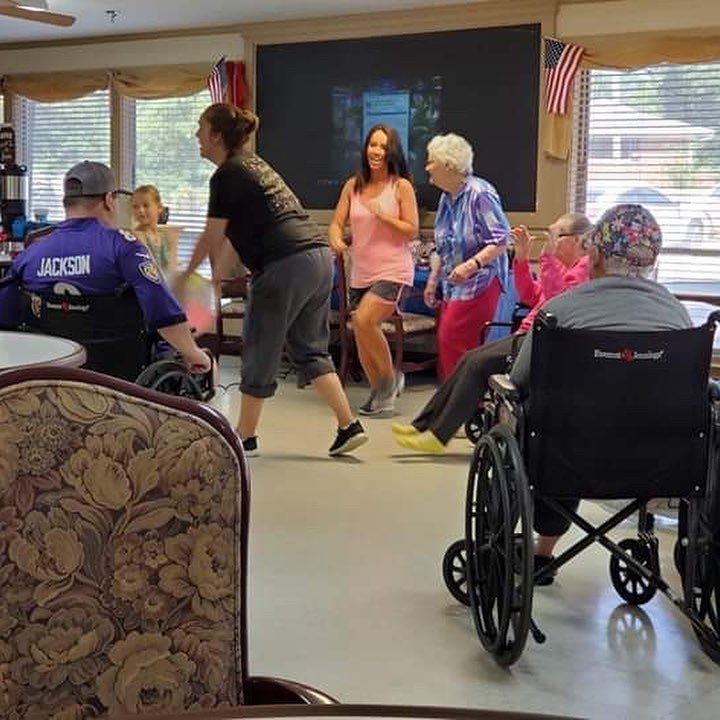
CMS rates Oakridge Nursing Center's staffing level at 2 out of 5 stars, which is below average compared to other nursing homes. Staff turnover is 69%, which is 23 percentage points above the Oklahoma average of 46%. High turnover can affect care consistency as new staff learn residents' individual needs. RN turnover specifically is 70%, which is notably high. RNs provide skilled clinical oversight, so turnover in this role can affect medical care quality.

What Have Inspectors Found at Oakridge Nursing Center?

State health inspectors documented 21 deficiencies at Oakridge Nursing Center during 2022 to 2025. These included: 1 Immediate Jeopardy (the most serious level, indicating potential for serious harm or death) and 20 with potential for harm. Immediate Jeopardy findings are rare and represent the most serious regulatory concerns. They require immediate corrective action.

Who Owns and Operates Oakridge Nursing Center?

Oakridge Nursing Center is owned by a for-profit company. For-profit facilities operate as businesses with obligations to shareholders or private owners. The facility is operated by ELMBROOK MANAGEMENT COMPANY, a chain that manages multiple nursing homes. With 104 certified beds and approximately 58 residents (about 56% occupancy), it is a mid-sized facility located in Durant, Oklahoma.

How Does Oakridge Nursing Center Compare to Other Oklahoma Nursing Homes?

Compared to the 100 nursing homes in Oklahoma, Oakridge Nursing Center's overall rating (1 stars) is below the state average of 2.6, staff turnover (69%) is significantly higher than the state average of 46%, and health inspection rating (2 stars) is below the national benchmark.

What Should Families Ask When Visiting Oakridge Nursing Center?

Based on this facility's data, families visiting should ask: "What changes have been made since the serious inspection findings, and how are you preventing similar issues?" "How do you ensure continuity of care given staff turnover, and what is your staff retention strategy?" "Can you walk me through typical staffing levels on day, evening, and night shifts?" "Can I visit during a mealtime to observe dining assistance and food quality?" These questions are particularly relevant given the facility's Immediate Jeopardy citations, the facility's high staff turnover rate, and the below-average staffing rating.

Is Oakridge Nursing Center Safe?

Based on CMS inspection data, Oakridge Nursing Center has documented safety concerns. Inspectors have issued 1 Immediate Jeopardy citation (the most serious violation level indicating risk of serious injury or death). The facility has a 1-star overall rating and ranks #100 of 100 nursing homes in Oklahoma. Families considering this facility should ask detailed questions about what corrective actions have been taken since these incidents.

Do Nurses at Oakridge Nursing Center Stick Around?

Staff turnover at Oakridge Nursing Center is high. At 69%, the facility is 23 percentage points above the Oklahoma average of 46%. Registered Nurse turnover is particularly concerning at 70%. RNs handle complex medical decisions and coordinate care — frequent RN changes can directly impact care quality. High turnover means new staff may not know residents' individual needs, medications, or preferences. It can also be disorienting for residents, especially those with dementia who rely on familiar faces. Families should ask: What is causing the turnover? What retention programs are in place? How do you ensure care continuity during staff transitions?

Was Oakridge Nursing Center Ever Fined?

Oakridge Nursing Center has no federal fines on record. CMS issues fines when nursing homes fail to meet care standards or don't correct problems found during inspections. The absence of fines suggests the facility has either maintained compliance or corrected any issues before penalties were assessed. This is a positive indicator, though families should still review recent inspection reports for the full picture.

Is Oakridge Nursing Center on Any Federal Watch List?

Oakridge Nursing Center is not on any federal watch list. The most significant is the Special Focus Facility (SFF) program, which identifies the bottom 1% of nursing homes nationally based on persistent, serious quality problems. Not being on this list means the facility has avoided the pattern of deficiencies that triggers enhanced federal oversight. This is a positive indicator, though families should still review the facility's inspection history directly.