THE KING'S DAUGHTERS & SONS NURSING HOME
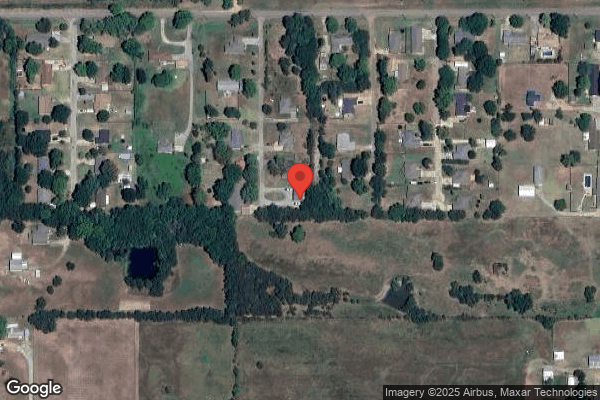
1223 WEST BALTIMORE, DURANT, OK 74701 (580) 924-0496
For profit - Corporation 65 Beds Independent Data: November 2025 1 Immediate Jeopardy citation
Trust Grade
51/100
#135 of 282 in OK
Last Inspection: June 2025

Inspected within the last 6 months. Data reflects current conditions.

Overview

The King's Daughters & Sons Nursing Home in Durant, Oklahoma has a Trust Grade of C, indicating it is average and sits in the middle of the pack compared to similar facilities. Its state ranking is #135 out of 282, placing it in the top half of Oklahoma nursing homes, and it ranks #2 out of 5 in Bryan County, meaning only one local option is better. The facility shows improvement, with the number of issues decreasing from 13 in 2024 to just 2 in 2025. Staffing is a strong point, rated 5 out of 5 stars with a turnover rate of 42%, which is lower than the state average, suggesting that staff are committed and knowledgeable about the residents’ needs. However, there are concerns, including a critical incident where the facility failed to implement fall prevention measures for a resident who experienced multiple falls, and it did not conduct proper background checks for new hires, raising potential safety issues. Overall, while the nursing home has some strengths, families should carefully consider these weaknesses when making their decision.

Trust Score
C
51/100
In Oklahoma
#135/282
Top 47%
Safety Record
High Risk
Review needed
Inspections
Getting Better
13 → 2 violations
Staff Stability
○ Average
42% turnover. Near Oklahoma's 48% average. Typical for the industry.
Penalties
✓ Good
$15,249 in fines. Lower than most Oklahoma facilities. Relatively clean record.
Skilled Nurses
✓ Good
Each resident gets 49 minutes of Registered Nurse (RN) attention daily — more than average for Oklahoma. RNs are trained to catch health problems early.
Violations
⚠ Watch
18 deficiencies on record. Higher than average. Multiple issues found across inspections.
★★★☆☆
3.0
Overall Rating
★★★★★
5.0
Staff Levels
★☆☆☆☆
1.0
Care Quality
★★★☆☆
3.0
Inspection Score
Stable
2024: 13 issues
2025: 2 issues

The Good

  • 5-Star Staffing Rating · Excellent nurse staffing levels
  • Full Sprinkler Coverage · Fire safety systems throughout facility
  • No fines on record
  • Staff turnover below average (42%)

    6 points below Oklahoma average of 48%

Facility shows strength in staffing levels, fire safety.

The Bad

3-Star Overall Rating

Near Oklahoma average (2.6)

Meets federal standards, typical of most facilities

Staff Turnover: 42%

Near Oklahoma avg (46%)

Typical for the industry

Federal Fines: $15,249

Below median ($33,413)

Minor penalties assessed

The Ugly 18 deficiencies on record

1 life-threatening
Jun 2025 2 deficiencies
CONCERN (D)

Potential for Harm - no one hurt, but risky conditions existed

Menu Adequacy (Tag F0803)

Could have caused harm · This affected 1 resident

Based on observation, record review, and interview, the facility failed to ensure that the advanced and planned menu was available for review for 32 residents who received meals from the facility kitc...

Read full inspector narrative →
Based on observation, record review, and interview, the facility failed to ensure that the advanced and planned menu was available for review for 32 residents who received meals from the facility kitchen. A revised facility policy titled Menus dated October 2017, read in part, 2. Menus for regular and therapeutic diets are written at least two (2) weeks in advance, and are dated and posted in the kitchen at least one (1) week in advance.11. Copies of menus are posted in at least two (2) resident areas, in positions and in print large enough for residents to read them. On 06/17/25 at 11:39 a.m., it was observed no weekly menus were posted for resident to review. On 06/18/25 at 9:08 a.m., the dietary manager stated according to company policy the menu's were supposed to be posted in places throughout the building for residents to review. On 06/17/25 at 11:27 a.m., the dietary manger stated they did not have to post rotating schedules with the dates. On 06/18/25 at 9:04 a.m., Resident #1 stated, I have never seen menus posted.
CONCERN (D) 📢 Someone Reported This

A family member, employee, or ombudsman was alarmed enough to file a formal complaint

Potential for Harm - no one hurt, but risky conditions existed

Deficiency F0883 (Tag F0883)

Could have caused harm · This affected 1 resident

Based on record review and interview, the facility failed to administer the 2024 influenza vaccine and the pneumococcal vaccine for 1 (#27) of 5 residents whose records were reviewed for immunizations...

Read full inspector narrative →
Based on record review and interview, the facility failed to administer the 2024 influenza vaccine and the pneumococcal vaccine for 1 (#27) of 5 residents whose records were reviewed for immunizations. The facility's policy Influenza Vaccine, dated March 2022, and the facility's policy Pneumococcal Vaccine, dated October 2023, showed the date of the vaccine, lot number, expiration date, person administering, and the site of vaccination were documented in the resident's medical record. Resident #27's immunization record was missing their 2024 influenza and their pneumoccocal immunization. On 06/19/25 at 12:25 p.m., the infection preventionist stated there was no documentation of Resident #27 receiving their 2024 influenza or their pneumococcal immunization.
Feb 2024 13 deficiencies 1 IJ
CRITICAL (J)

Immediate Jeopardy (IJ) - the most serious Medicare violation

Accident Prevention (Tag F0689)

Someone could have died · This affected 1 resident

**NOTE- TERMS IN BRACKETS HAVE BEEN EDITED TO PROTECT CONFIDENTIALITY** On 02/01/24 an immediate jeopardy (IJ) situation was determined to exist related to the facility's failure to ensure residents w...

Read full inspector narrative →
**NOTE- TERMS IN BRACKETS HAVE BEEN EDITED TO PROTECT CONFIDENTIALITY** On 02/01/24 an immediate jeopardy (IJ) situation was determined to exist related to the facility's failure to ensure residents who had fallen had interventions in place to prevent the recurrence of falls. The facility failed to monitor and evaluate the effectiveness of the interventions and modify the care plan with each fall. The facility failed to conduct a root cause analysis and/or evaluate the cause for each fall. The facility did not have a fall prevention program, nor have the staff received education regarding falls and fall prevention in the last 12 months. Res #36 had 26 falls from 05/17/23 to 01/27/24. Res #36 had 19 falls prior to sustaining a left hip fracture on 11/19/23 and six falls after sustaining the fracture. 13 of the 26 falls did not have updated interventions to help prevent future falls. On 02/01/24 at 4:52 p.m., the OSDH verified the existence of the IJ situation. On 02/01/24 at 5:00 p.m., the administrator was notified of the IJ situation. On 02/01/24 at 8:04 p.m., the facility submitted a plan of removal. On 02/02/24 at 10:10 a.m., the facility amended the plan of removal. On 02/02/24 at 10:18 a.m., the facility submitted an acceptable plan of removal to OSDH. The facility's plan of removal documented the following: King's Daughters and Sons Plan to remove Immediacy 1. Ad Hoc QAPI meeting regarding falls/interventions and care plans. Completed 1-31-24 2. Reviewed all residents and identified residents to implement the Falling Star Program. Completed 1-31-24 3. Placed stars on name tags and any assistive device they use for every resident identified for the Falling Star Program. Attached is a list of residents identified for the Falling Star Program. Completed 1-31-24 4. Reviewed January incident reports for fall interventions. Ensured they were appropriate, and care planned. Completed 1-31-24 5. Implemented fall communication book located at the nurse's station. Completed 1-31-24 6. Employees will be in-serviced either in person or via phone and for any staff unable to be reached they will not return to work until in-serviced. Completed 2-1-24 7. Daily fall meetings M-F to review previous days falls, interventions and update care plan. Will coordinate with weekend charge nurse to review incident reports, interventions and care plans. Implemented 2-1-24 and ongoing. 8. Continuation of monitoring. On 02/02/24 at 12:00 p.m., the immediacy was removed after the plan of removal was verified and facility met the requirements of their plan. The deficient practice remained at an isolated level at a potential for harm. Based on observation, record review, and interview, it was determined the facility failed to provide supervision to prevent accidents for one (#36) of three sampled residents reviewed for falls. Res #36 had 26 falls in 8 months with the 20th fall resulting in a fractured hip, 13 of the 26 falls did not have any new fall interventions in place to prevent future falls. The facility failed to: a) Thoroughly investigate falls to determine root causes of falls. b) Determine frequency of needed supervision to prevent falls. c) Modify/revise interventions as necessary to prevent falls. d) Monitor effectiveness of interventions to prevent falls. The administrator identified 31 residents who had fallen in the last 3 months. Findings: The facility fall policy Falls - Clinical Protocol, revised March 2018, read in part, .For an individual who has fallen, the staff ad practitioner will begin to try to identify possible causes within 24 hours of the fall .Based on the preceding assessment, the staff and physician will identify pertinent interventions to try to prevent subsequent falls and to address the risks of clinically significant consequences of falling .If underlying causes cannot be identified or corrected, staff will try various relevant interventions, based on assessment of the nature or category of falling, until falling reduces or stops or until a reason is identified for its continuation .The staff and physician will monitor and document the individual's response to interventions intended to reduce falling or the consequences of falling .If the individual continues to fall, the staff and physician will re-evaluate the situation and reconsider possible reasons for the resident's falling (instead of or in addition to those that have already been identified) and also reconsider the current interventions . Res #36 had diagnoses which include left femoral neck fracture, dementia, urgency of urination, and anxiety. An incident report, dated 05/17/23 at 6:45 p.m., documented the resident had a fall in their room. An incident report, dated 05/17/23 at 9:15 p.m., documented the resident fell in their room. The resident was observed to have bruising to the left lateral forehead. The care plan, initiated on 05/17/23, documented the resident will be assisted by staff for all of their transfers, will be assisted/supervised by staff with all ambulation, and staff will attempt to anticipate the resident's needs. An incident report, dated 05/19/23 at 3:11 p.m., documented the resident fell from the wheelchair. A care plan, initiated on 05/19/23, did not document any new interventions to prevent falls. A care plan, initiated on 05/25/23, documented the resident had two falls on 05/17/23. The interventions were to assist the resident to bed when she was tired. The staff will check on the resident frequently throughout the day when in room, keep call light within reach, and assist with transfers. An incident report, dated 05/27/23 at 10:08 a.m., documented the resident fell from the wheelchair in the dining room. The intervention was to bring the resident to the nurse station for closer monitoring. The care plan documented a witnessed fall on 05/29/23 and the intervention was to check on the resident every two hours for toileting and changing positions, staff will monitor and assist with all transfers, and the resident will stay seated till staff can assist with care. An incident report, dated 06/22/23 at 5:30 a.m., documented an un-witnessed fall in the dining room. There were no new interventions documented. An incident report, dated 06/26/23 at 1:10 a.m., documented the resident fell in another resident's room. There were no new interventions documented to help prevent future falls. A care plan, initiated on 06/26/23, documented the resident would be placed in view of staff while in the lobby. An incident report, dated 07/07/23 at 1:15 a.m., documented the resident was found in their room on the floor next to the bed. There were no new interventions documented to prevent future falls. An incident report, dated 07/29/23 at 3:30 p.m., documented the resident's roommate called for help. The resident was found in the room on the floor beside the bed. The resident had a small scalp hematoma. No new interventions documented. An incident report, dated 07/30/23 at 12:00 a.m., documented the resident was in another resident's room on the floor with bruising to left side and lower back and buttocks noted. No new interventions documented. Incident reports, dated 07/31/23 at 3:06 a.m., was blank and the fall at 4:08 a.m., documented the resident was laying on their left side and stated they were using the restroom. A fall at 10:00 p.m., documented the resident was lying on the floor. A care plan, initiated on 07/31/23, documented the resident's bed would be in low position at all times. A fall mat will be place next to the bed, and toilet and meet all needs prior to assisting resident to bed. An incident report, dated 08/01/23 at 9:50 p.m., documented the resident was observed sitting on their buttocks in their room. A care plan initiated on 08/01/23, documented the staff will ambulate with resident when awake. An incident report, dated 08/03/23 at 5:52 p.m., documented staff observed resident standing up from wheelchair and fell to the floor. A care plan, initiated on 08/03/23, documented to give the resident something eat or drink prior to bed which was not a relevant intervention. A quarterly assessment, dated 08/25/23, documented the resident was severely cognitively impaired, required extensive assistance of one for transfers and supervision with assistance of one for ambulating. An incident report, dated 09/21/23 at 3:42 p.m., documented the resident was found on the floor in the bathroom. No new interventions were documented to prevent falls. An incident report, dated 09/22/23 at 12:15 a.m., documented resident was found on the floor between bed an closet. No new interventions were documented to help prevent falls. An incident report, dated 09/24/23 at 6:18 a.m., documented the resident was sitting in wheelchair at the nurse station, before staff could interviene, the wheel chair slipped out from under the resident and they fell back onto the floor. A care plan, initiated 09/24/23, documented staff will monitor the resident's where-abouts when up and ambulatory, which was not a relevant intervention. An incident report, dated 10/1/23 at 1:22 p.m., documented the resident stood up in the dining room and fell to the floor. The report documented the resident hit her right knee, hip, and head with a loud thump. The resident complained of right knee and hip pain. The resident sent to the hospital for evaluation. No new interventions were documented. An incident report, dated 11/19/23 at 6:15 p.m., documented the nurse was notified that the resident fell in their room. The resident was sitting upright on her buttocks. The resident complained of their hip hurting at a 2 on pain scale for the cognitively impaired. No new interventions were documented. Left hip x-ray was ordered. A nurse note, dated 11/19/23 at 10:00 p.m., called EMS to transport resident to the hospital for evaluation. A nurse note, dated 11/20/23 at 3:21 a.m., documented they called to check on the resident, found that the resident was admitted to the hospital for fractured left hip. Called sooner mobile to cancel x-ray. The hospital discharge instructions, dated [DATE], read in part, .Activity, ambulate with assist, maintain or improve current level of function, and maintain safe living environment . A significant change assessment, dated 12/11/23, documented the resident was severely impaired with cognition and was dependent with most ADLs. Res #36 was currently totally dependent for transfers with assistance of two and required extensive assistance of two for ambulating. The assessment documented the resident had two or more falls since prior assessment. The assessment documented one fall with a major injury that required surgery. An incident report, dated 01/03/24 at 3:30 p.m., documented the resident's room mate was yelling for help. The report documented the resident was found on the floor on her fall mat. The resident was assisted to bed and no injuries observed. A care plan, dated 01/03/24, documented the fall and the resident would be monitored for any verbal as well as non-verbal signs of pain or discomfort. An incident report, dated 01/05/24 at 3:33 p.m., documented the resident was sitting in the floor on the fall mat. The report documented the resident was confused and did not know what happened. A care plan, dated 01/05/24, documented the staff will assist the resident to the front when awake, the staff will set the resident where they can easily be monitored by staff when they are up. There were no new interventions to prevent reoccurrence of falls. An incident report, dated 01/08/24 at 11:25 p.m., the resident room mate yelled out for help. The incident report documented the resident was observed sitting in the floor on their buttocks. The resident was assisted to the wheel chair and taken to the nurse station. The incident report documented the resident was encouraged to refrain from ambulating self without assistance due to unsteady gait. The intervention was not appropriate for cognitively impaired resident. A care plan, dated 01/08/24, documented staff will not leave the resident in her wheelchair without staff present in the room. An incident report, dated 01/17/24 at 5:45 p.m., documented a visitor notified the nurse the resident was lying face down on the floor in the dining room. The incident report documented the resident had a bruise on the left cheek. The incident report documented the resident had been attempting to ambulate without assistance multiple times. A care plan, dated 01/17/24, documented the resident fell in the dining room and had bruising to the resident's cheek. The care plan did not documented new interventions to prevent falls. An incident report, dated 01/20/24 at 1:00 p.m., documented the resident was in the dining room in their wheelchair. The resident leaned forward to stand up and the chair slid out from under the resident. The resident landed on their bottom on the floor. The incident report documented no injury. The resident was assisted back to the wheelchair and taken up by the nurses station. A care plan, dated 01/20/24, documented the resident fell from the wheel chair in the dining room. The care plan documented the staff would monitor the resident and assist her with locking the wheelchair when seated. An incident report, dated 01/27/24 at 7:31 p.m., documented the resident was found face down on the floor beside the bed and had an incontinent episode. The resident complained of neck pain. EMS called and transported to the hospital. A care plan, dated 01/27/24, documented the resident fell in their room and had an incontinent episode. The care plan documented the resident would wear an adult brief to assist in preventing incontinent episodes resulting in a fall. On 01/31/24 at 10:00 a.m., at this time there was not any fall prevention posted in the resident's room. On 01/31/24 at 4:30 p.m., the administrator was asked if they had a fall prevention program and they stated not at this time. The administrator stated unless the staff was told in report there was no way for the staff to know which residents were at high fall risk. On 01/31/24 at 5:05 p.m., the administrator stated they would implement the falling star program today. On 02/01/24 at 10:40 a.m., the resident was observed in their wheelchair in front of the nurse station. The wheelchair was not in the locked position. On 02/01/24 at 10:42 a.m., LPN #1 stated they just initiated the toileting intervention last night. They stated they did not have previous documentation for toileting the resident. On 02/05/24 at 12:45 p.m., the MDS/care plan coordinator stated all of the resident interventions were not appropriate and some were not new for the resident on the care plan. They stated about 50% were appropriate interventions for the resident.
CONCERN (D)

Potential for Harm - no one hurt, but risky conditions existed

Deficiency F0657 (Tag F0657)

Could have caused harm · This affected 1 resident

Based on record review and interview, the facility failed to ensure care plans were updated and revised for two (#31 and #36) of 15 residents whose care plans were reviewed. The administrator identif...

Read full inspector narrative →
Based on record review and interview, the facility failed to ensure care plans were updated and revised for two (#31 and #36) of 15 residents whose care plans were reviewed. The administrator identified 42 residents resided in the facility. Findings: 1. Res #31 had diagnoses of urinary tract infection. A quarterly assessment, dated 01/21/24, documented the resident was moderately impaired with cognition and was dependent with most ADLS. A care plan, dated 01/22/24, documented the resident developed a UTI and to administer Bactrim 1 tablet by mouth two times a day for 10 days for UTI. A physician order, dated 01/27/24, documented to administer Keflex 500 MG (Cephalexin) three times a day related to UTI for seven days. On 02/06/24 at 12:00 p.m., the MDS /care plan coordinator stated they failed to change the ABT on the resident's care plan to the one the resident was taking. She stated she did get the physician orders and she usually updates the care plan. 2. Res #36 had diagnoses which include left femoral neck fracture, dementia, urgency of urination, and anxiety. An incident report, dated 05/27/23 at 10:08 a.m., documented the resident fell from the wheelchair in the dining room. The intervention was to bring the resident to the nurse station for closer monitoring. The care plan was not updated with new intervention. An incident report, dated 08/03/23 at 5:52 p.m., documented staff observed resident standing up from wheelchair and fell to the floor. A care plan, initiated on 08/03/23, documented to give the resident something eat or drink prior to bed which was not a relevant intervention. A quarterly assessment, dated 08/25/23, documented the resident was severely cognitively impaired, required extensive assistance of one for transfers and supervision with assistance of one for ambulating. A care plan, initiated 09/24/23, documented falls for 09/21/23, 09/22/23, and 09/24/23. the care plan did not document any new interventions for falls except the staff will monitor the resident's where-abouts when up and ambulatory, which was not a relevant intervention for the falls. An incident report, dated 10/1/23 at 1:22 p.m., documented the resident stood up in the dining room and fell to the floor. The report documented the resident hit her right knee, hip, and head with a loud thump. The resident complained of right knee and hip pain. The resident sent to the hospital for evaluation. No new interventions were documented in the care plan. An incident report, dated 11/19/23 at 6:15 p.m., documented the nurse was notified that the resident fell in their room. The resident was sitting upright on her buttocks. The resident complained of their hip hurting at a 2 on pain scale for the cognitively impaired. No new interventions were documented in the care plan. A significant change assessment, dated 12/11/23, documented the resident was severely impaired with cognition and was dependent with most ADLs. Res #36 was currently totally dependent for transfers with assistance of two and required extensive assistance of two for ambulating. The assessment documented the resident had two or more falls since prior assessment. The assessment documented one fall with a major injury that required surgery. An incident report, dated 01/05/24 at 3:33 p.m., documented the resident was sitting in the floor on the fall mat. The report documented the resident was confused and did not know what happened. The care plan was not updated with new interventions. An incident report, dated 01/17/24 at 5:45 p.m., documented a visitor notified the nurse the resident was lying face down on the floor in the dining room. The incident report documented the resident had a bruise on the left cheek. The incident report documented the resident had been attempting to ambulate without assistance multiple times. The care plan was not updated with any new interventions to prevent falls. On 02/01/24 at 10:40 a.m., the resident was observed in their wheelchair in front of the nurse station. The wheelchair was not in the locked position. On 02/01/24 at 10:42 a.m , LPN #1 stated they just initiated the toileting intervention last night. They stated they did not have previous documentation for toileting the resident. On 02/05/24 at 12:45 p.m., the MDS/care plan coordinator stated all of the resident interventions were not appropriate and some were not new for the resident on the care plan. They stated about 50% were appropriate interventions for the resident.
CONCERN (D)

Potential for Harm - no one hurt, but risky conditions existed

Staffing Information (Tag F0732)

Could have caused harm · This affected 1 resident

Based on observation, interview, and record review, the facility failed to document required daily staffing information. The administrator identified 42 residents who resided in the facility. Findings...

Read full inspector narrative →
Based on observation, interview, and record review, the facility failed to document required daily staffing information. The administrator identified 42 residents who resided in the facility. Findings: On 01/30/24 and throughout the survey a window behind the nursing station was observed to include the date, census, staff names and titles. There was no documentation of the facility name or staffing hours worked. On 02/06/24 at 1:25 p.m. LPN #1 reported they were not aware of the requirements regarding posted staffing information.
CONCERN (D)

Potential for Harm - no one hurt, but risky conditions existed

Drug Regimen Review (Tag F0756)

Could have caused harm · This affected 1 resident

Based on record review and interview, the facility failed to ensure the physician responded to or dated the MRRs for two (#10 and #14) of five sampled residents reviewed for unnecessary medications. T...

Read full inspector narrative →
Based on record review and interview, the facility failed to ensure the physician responded to or dated the MRRs for two (#10 and #14) of five sampled residents reviewed for unnecessary medications. The administrator identified 42 residents resided in the facility. Findings: A Drug Regimen Review policy, dated 2020, read in part, .The physician provides a written response of the report to the facility within one month after the report is sent . 1. Res #10 had diagnoses which included generalized anxiety disorder, depression, bipolar disorder, and vascular dementia. A MRR, dated 11/27/23, documented a recommendation for the following labs, CBC and CMP every six months and a Lipid yearly. The physician did not respond to the request. A MRR, dated 12/18/23, documented a request a GDR be attempted for Trazodone 100 mg QHS or Venlafaxine 150 mg daily. The physician did not respond to the GDR request. On 02/05/24 at 12:59 p.m., LPN #1 stated there were not a response from the physician on the November or December MRR for the resident. LPN #1 stated sometimes it took three or four months to get the MRRs back from the physician. LPN #1 stated they took a folder to the physician's office and they were supposed to pick up the folder with the signed documents the next week but the MRRs are not always in the folder. 2. Res #14 had diagnoses which included other reactions to severe stress, bipolar disorder, insomnia, and anxiety disorder. A MRR, dated 10/30/23, documented a request for a reduction in Trazodone 100 mg QHS and/or Zoloft 100 mg daily. The physician documented a reduction would likely worsen or destabilize the resident's condition. The physician did not date the form. On 02/05/24 at 12:28 p.m., LPN #1 stated the MRR for October was not dated by the physician. LPN #1 stated they noted the form when they get them back from the physician. LPN #1 stated she did not know when the physician signed the form.
CONCERN (E)

Potential for Harm - no one hurt, but risky conditions existed

Assessment Accuracy (Tag F0641)

Could have caused harm · This affected multiple residents

**NOTE- TERMS IN BRACKETS HAVE BEEN EDITED TO PROTECT CONFIDENTIALITY** 3. Res #6 had diagnoses which included cerebral infarction, chronic obstructive pulmonary disease, and hypertension. A nursing n...

Read full inspector narrative →
**NOTE- TERMS IN BRACKETS HAVE BEEN EDITED TO PROTECT CONFIDENTIALITY** 3. Res #6 had diagnoses which included cerebral infarction, chronic obstructive pulmonary disease, and hypertension. A nursing note, dated 10/08/23 at 4:09 p.m., read in part, #18 french foley catheter (indwelling urinary catheter) placed sterile technique .obtained 2000 cc total initially .foley left in place as ordered . An admission assessment, dated 10/08/23, did not document Res #6 had an indwelling urinary catheter in place. On 02/06/24 at 11:30 a.m., the MDS coordinator reported they believed they finished the MDS and signed it prior to the catheter being inserted that day. MDS Coordinator reported they should have documented the catheter since they had until midnight to complete the MDS. Based on record review and interview, the facility failed to ensure MDS assessments accurately reflected the residents' status for three (#1, 6, and #14) of 15 residents whose assessments were reviewed. The administrator identified 42 residents resided in the facility. Findings: 1. Res #1 had diagnoses which included atherosclerotic heart disease, old myocardial infarction, and cerebral infarction. A physician order, dated 12/20/23, documented Brilinta (an antiplatelet medication) administer 90 mg BID for MI/CVA prevention. An admission assessment dated [DATE], documented the resident was severly impaired with cognition and required extensive assistance with ADLs. The assessment did not document the resident was receiving an antiplatelet medication. On 02/01/24 at 1:31 p.m., the MDS coordinator stated they missed coding the antiplatelet on the resident's admission MDS. 2. Res #14 had diagnoses which included depression, anxiety disorder, insomnia, and bipolar disorder. A physician order, dated 07/18/23, documented Abilify (an antipsychotic medication) administer 5 mg in the evening related to bipolar disorder and depression. A quarterly assessment, dated 01/21/24, documented the resident was intact with cognition, had no behaviors. The assessment documented the resident had received insulin, antidepressant, diuretic, and opioid medications. The assessment documented an antipsychotic was not received. On 02/05/24 at 12:34 p.m., the MDS coordinator stated the Abilify was missed on the resident's quarterly assessment.
CONCERN (E)

Potential for Harm - no one hurt, but risky conditions existed

Quality of Care (Tag F0684)

Could have caused harm · This affected multiple residents

2. Res #27 had diagnoses which included quadriplegia, anxiety, depression, muscle spasms, GERD, insomnia, neuromuscular dysfunction of the bladder, and convulsions. A physician order, date 08/31/21, r...

Read full inspector narrative →
2. Res #27 had diagnoses which included quadriplegia, anxiety, depression, muscle spasms, GERD, insomnia, neuromuscular dysfunction of the bladder, and convulsions. A physician order, date 08/31/21, read in part, .Notify PCP if systolic B/P is >160 or <90, or if pulse >100 or <60 . A Drug Incident Report dated, 12/23/23, documented Res #27 received their roommate's 18 morning medications in error which included, but was not limited to, an anti-depressants, anti-anxiety, two anti-arrthymics, two diuretics, an anticoagulant, antihistamine, antispasmotic for the gastrointestinal system, a steroid, anticonvulsant, and uric acid reducer. The report documented the PA was notified and ordered Res #27's vital signs to be taken every hour x 24 hours; monitor heart rate and blood pressure; and hold a.m. Valium (sedative) and Norco (opioid) with routine medications. A physician order was not written to check vital signs every hour x 24 hours; monitor heart rate and blood pressure; and hold am Valium and Norco with routine a.m. medications. Vital sign flow sheets and nursing notes for 12/24/24 documented six out-of-parameter blood pressures ranging from 77-98/52-58 and one out of parameter pulse of 57. The physician/PA was not notified of out of parameter vital signs. A review of Res #27's nursing notes for 12/24/24 did not include an assessment of Res #27's condition other than vital signs. On 01/31/24 at 2:45 p.m., LPN #1 (nurse who completed the Drug Incident Report), reported a physician order should have been written for anything the physician instructed the nurse to do when they were notified of the medication error. LPN #1 reported the physician should have been notified of Res #27's out-of-parameter vital signs and the nurse should have assessed Res #27 after the medication error occurred. On 01/31/24 at 3:28 p.m., RN #1 (nurse on duty when the medication error occurred) reported they should have written a physician order when they received orders from the PA but didn't because they had several things happening at once and must have forgotten. RN #1 reported their monitoring of Res #27 consisted of vital signs. RN #1 reported they were unsure why they didn't complete or document an assessment of Res #27. Based on record review, observation, and interview, the facility failed to follow physician orders for two (#10 and #27) of five sampled residents reviewed for unnecessary medications. The administrator identified 42 residents resided in the facility. Findings: 1. Res #10 had diagnoses which included vascular dementia, chronic pain syndrome, anxiety disorder, and hypertension. A physician order, dated 09/22/23, documented to administer metoprolol tartrate 50 mg BID related to hypertension. The order documented if the systolic was above 160 or the diastolic was above 90 to administer PRN clonidine. A physician order, dated 12/04/23, documented clonidine 0.1 mg to administer three times a day for HTN. A current order was not found for PRN clonidine in the EHR. The January 2024 MAR was reviewed and the following blood pressures were documented: 01/07/24 in the a.m., BP was 167/102, 01/08/24 in the evening, BP was 164/79, 01/09/24 in the evening, BP was 165/93, 01/13/24 in the a.m., BP was 155/92, in the evening BP was 162/89, 01/14/24 in the a.m., BP was 159/97, 01/16/24 in the a.m., BP was 168/105, and 01/17/24 in the a.m., BP was 173/112. The February MAR documented on 02/02/24 the resident's BP was 173/90 and on 02/03/24 in the a.m., the BP was 151/97. On 01/30/24 at 11:00 a.m., Res #10 was walking from the bathroom to the recliner in their room. On 02/05/24 at 3:33 p.m., LPN #1 stated they did not think the resident's clonidine order was PRN anymore. After looking in the resident's orders the LPN stated the clonidine order was now given TID. The order was changed to TID on 12/4/23. The LPN stated the PRN order should have been removed from the metoprolol order. LPN #1 stated if they were following the metoprolol order and the residents blood pressure was out of parameter the staff should have given a PRN clonidine which was not ordered.
CONCERN (E)

Potential for Harm - no one hurt, but risky conditions existed

Deficiency F0726 (Tag F0726)

Could have caused harm · This affected multiple residents

**NOTE- TERMS IN BRACKETS HAVE BEEN EDITED TO PROTECT CONFIDENTIALITY** Based on interview and record review, the facility failed to ensure staff were able to demonstrate competency in skills necessar...

Read full inspector narrative →
**NOTE- TERMS IN BRACKETS HAVE BEEN EDITED TO PROTECT CONFIDENTIALITY** Based on interview and record review, the facility failed to ensure staff were able to demonstrate competency in skills necessary to care for residents' needs for one (CMA #1) of six staff reviewed for competency skills. The administrator identified 42 residents who resided in the facility. Findings: The employee file for CMA #1 was reviewed and the certification for CMA #1 expired on [DATE]. The payroll records were reviewed and CMA #1 worked as a CMA 18 days without certification, from [DATE] through [DATE]. A Drug Incident Report dated, [DATE], documented Res #27 received their roommate's 18 morning medications in error which included, Carafate (antacid) 1 gm, Neurontin (anti-convulsant) 600mg, Robaxin (muscle relaxer) 750mg, Norco (opioid) 10mg, dicyclomine (anti-spasmotic for the gastrointestinal system) 20mg, allopurinol (uric acid reducer) 300mg, digoxin (anti-arrhythmic) 125 mcg, ferrous sulfate (iron) 325mg, multivitamin, Paxil (anti-depressant) 20mg, potassium 20mEq, prednisone (steroid) 5mg, probiotic, spironalactone (diuretic) 25mg, torsemide (diuretic) 100mg, amiodarone (anti-arrhythmic) 200mg, buspirone (anti-anxiety) 7.5mg, and Eliquis (blood thinner) 5mg. On [DATE] at 3:49 p.m., CMA #1 reported dispensing medication for two residents who were roommates in separate cups with the intention to administer medication to both residents at the same time. CMA #1 reported they went to administer the medication and mixed up the medication cups and gave one resident their roommate's medication. CMA #1 reported knowing they should only dispense and administer medication for one resident at a time. CMA #1 stated, There was a lot going on and the residents were demanding their medication and I was trying to hurry. CMA #1 denied nursing administration ever completing a skills observation on them. On [DATE] at 11:00 a.m., the administrator reported CMA #1 did not complete her required eight hour class so that they could renew their certification. The administrator reported they complete random checks of certification and if any employee's certification is set to expire they put a reminder by the time clock for the employee. The administrator reported they didn't have a system in place to verify the employees had renewed their certifications.
CONCERN (E)

Potential for Harm - no one hurt, but risky conditions existed

Deficiency F0727 (Tag F0727)

Could have caused harm · This affected multiple residents

Based on record review and interview, the facility failed to ensure there was a registered nurse serving as the DON on a full time basis. The administrator identified 42 residents resided in the faci...

Read full inspector narrative →
Based on record review and interview, the facility failed to ensure there was a registered nurse serving as the DON on a full time basis. The administrator identified 42 residents resided in the facility. Findings: On 01/30/24 at 9:40 a.m., during entrance conference, the administrator stated their DON was an LPN. The administrator stated they had emails where they had contacted the state and was informed an LPN could serve as the DON. The administrator stated they did not have a current waiver for the LPN to serve as the DON. The administrator stated the facility had RN coverage eight hours a day seven days a week. On 02/06/24 at 2:19 p.m., LPN #1 stated they had been employed as the DON of the facility since their start date of 01/16/20.
CONCERN (E)

Potential for Harm - no one hurt, but risky conditions existed

Deficiency F0760 (Tag F0760)

Could have caused harm · This affected multiple residents

3. Res #24 had diagnoses which included diabetes with hyperglycemia. A physician's order, dated 10/10/23, read in part, Lantus (insulin) Subcutaneous Solution Inject 60 unit subcutaneously in the morn...

Read full inspector narrative →
3. Res #24 had diagnoses which included diabetes with hyperglycemia. A physician's order, dated 10/10/23, read in part, Lantus (insulin) Subcutaneous Solution Inject 60 unit subcutaneously in the morning for hyperglycemia. The Insulin Administration Record for January 2024, documented no insulin was administered on 01/03/24 at 5:00 a.m. The resident should have received Lantus 60u. There was no order written to hold the insulin. A progress note, dated 01/16/24 at 3:11 p.m. documented Res #24's blood sugar was 99 and their insulin (Lantus 60u) was held. There was no documentation the physician was notified, nor was a physician's order written to hold the insulin. A progress note, dated 01/17/24 at 6:25 a.m. documented Res #24's blood sugar was 126 and they received 40u of Lantus due to hypoglycemia in the past. Resident should have received 60u of Lantus as ordered. There was no documentation the physician was notified, nor was a physician's order written to administer a partial amount of insulin. 02/05/24 at 2:50 p.m. LPN #1 reported the insulin should not have been held without obtaining a physician's order. LPN #1 reported the nurse should not have given a different dose of insulin without notifying the physician. LPN #1 reported they couldn't find any documentation the physician was notified of the insulin being held or partially administered. LPN #1 could not explain why insulin as not administered on 01/03/24. 4. Res #27 had diagnoses which included quadriplegia, anxiety, depression, muscle spasms, GERD, insomnia, neuromuscular dysfunction of the bladder, and convulsions. A Drug Incident Report dated, 12/23/23, documented Res #27 received their roommate's 18 morning medications in error which included, Carafate (antacid) 1 gm, Neurontin (anti-convulsant) 600mg, Robaxin (muscle relaxer) 750mg, Norco (opioid) 10mg, dicyclomine (anti-spasmotic for the gastrointestinal system) 20mg, allopurinol (uric acid reducer) 300mg, digoxin (anti-arrhythmic) 125 mcg, ferrous sulfate (iron) 325mg, multivitamin, Paxil (anti-depressant) 20mg, potassium 20mEq, prednisone (steroid) 5mg, probiotic, spironalactone (diuretic) 25mg, torsemide (diuretic) 100mg, amiodarone (anti-arrhythmic) 200mg, buspirone (anti-anxiety) 7.5mg, and Eliquis (blood thinner) 5mg. The PA was notified and ordered Res #27's vital signs to be taken every hour for 24 hours; monitor heart rate and blood pressure; and hold a.m. Valium (sedative) and Norco (opioid) with routine meds. Vital sign flow sheets and nursing notes for 12/24/24, documented six out-of-parameter blood pressures ranging from 77-98/52-58 and one out of parameter pulse of 57. On 01/31/24 at 3:49 p.m., CMA #1 reported dispensing medication for two residents who were roommates in separate cups with the intention to administer medication to both residents at the same time. CMA #1 reported they went to administer the medication and mixed up the medication cups and gave one resident their roommate's medication. CMA #1 reported knowing they should only dispense and administer medication for one resident at a time. CMA #1 stated, There was a lot going on and the residents were demanding their medication and I was trying to hurry. Based on record review and interview, the facility failed to ensure significant medication errors did not occur for four (#1, 14, 24, and #27) of six sampled residents whose medications were reviewed. The administrator identified 42 residents who resided in the facility. Findings: A facility policy Diabetes-Clinical Protocol, dated November 2020, read in part, .The Physician will order desired parameters for monitoring and reporting information related to blood sugar management. a. The staff will incorporate such parameters into the Medication Administration Record and care plan . 1. Res #1 had diagnoses which included diabetes mellitus, hypertension, and bradycardia. A physician order, dated 12/20/23, documented Basaglar KwikPen (insulin glargine) administer 20 units subcutaneously two times a day for diabetes mellitus. A physician order, dated 12/20/23, documented Lisinopril 20 mg administer one tablet by mouth in the evening for HTN. An admission assessment, dated 12/27/23 documented the resident was severly impaired with cognition and was dependent with ADLs. The assessment documented the resident had received insulin, antipsychotic medication, antidepressant medication, and hypoglycemic medication during the look back period. A care plan, last revised 12/28/23, documented the resident had a diagnoses of HTN and received medication to manage. The care plan documented to administer the hypertensive medication as ordered. The care plan, documented Res #1 had a diagnosis of diabetes and received routine insulin two times a day and to check the resident's FSBS prior to administering any insulin. The resident was monitored for signs and symptoms of hypo/hyperglycemia issues. The care plan documented to administer the diabetic medication as ordered. Res #1's January 2023 MAR was reviewed and documented on 01/01/23 the resident was administered a partial dose of insulin. The a.m. insulin was held five more times on the MAR. The resident's evening insulin was held on 01/01/23 and 01/09/23. An administration note, dated 01/01/24, documented insulin held in a.m., partial administration. An administration note, dated 01/06/24, documented insulin held due to behaviors and the provider was aware. An administrative note, dated 1/31/24, documented the resident's FSBS was 80 and the insulin was held. The notes did not document the physician was notified. The January 2024 MAR documented the Lisinopril 20 mg was held on 01/03/23, 01/08/24, 01/10/24, 01/12/24, 01/14/24, and 01/20/24. An administration note, dated, 1/10/24 documented the resident blood pressure was 99/70 and the medication was held. The note did not document the physician was notified. This was the only note observed to document why the blood pressure medication was held for the listed days. On 02/05/24 at 12:02 p.m., RN #2 stated the 159 blood sugar held on January 1st she would have given the full dose of medication. RN #2 stated the nurse who administered the 1/2 dose of insulin did not chart the physician was notified. The RN stated they should not have given 1/2 of the dose without calling the physician. RN #2 observed the order for Lisinopril and stated there were no parameters on the order to hold the blood pressure medication. 2. Res #14 had diagnoses which included diabetes mellitus. A physician order dated 07/22/23, documented Humalog (insulin) administer per sliding scale. The sliding scale documented administer if FSBS is 151 - 200 = 2; 201 - 250 = 4; 251 - 300 = 6; 301 - 350 = 8; 351 - 400 = 10 if >400 notified physician, subcutaneously before meals and at bedtime related to diabetes mellitus. A physician order, dated 11/30/23, documented Basaglar KwikPen (insulin glargine) administer 70 units subcutaneously in the evening related to diabetes mellitus. A physician order, dated 12/01/23, documented Basaglar KwikPen (insulin glargine) administer 35 unit subcutaneously in the morning for diabetes mellitus. A quarterly assessment, dated 01/24/24 documented the resident was intact with cognition and was independent to moderate assist with most ADLs. The assessment documented the resident had received insulin, an antidepressant, diuretic, and an opioid medication during the look back period. A care plan, revised 07/05/23, documented the resident had a diagnosis of diabetes and received insulin. The care plan documented to administer the medication as ordered by the physician and monitor for side effects. The care plan documented to administer the Humalog insulin per sliding scale and if the FSBS result was below 150 do not administer sliding scale insulin and if the FSBS was greater than 400 administer 12 units and notify the physician. The January 2024 MAR was observed, the Humalog sliding scale insulin had blank administration times, one on 01/12/24 at 4:30 p.m., and two blanks on 01/13/24 at 11:30 a.m., and at 4:30 p.m. There was not documentation of insulin being administered on these times. The Basaglar KwickPen (insulin glargine) 35 units did not have FSBS documented on the am dose and on the 01/29/24 the insulin was held. An administration note, dated 1/29/2024 at 4:35 a.m., documented Basaglar KwikPen insulin 35 unit subcutaneously in the morning for diabetes mellitus was held for a FSBS of 79. The note did not document the physician was notified. On 02/05/24 at 11:54 p.m., RN #1 stated the 5:00 a.m., FSBS would be the same as the 6: a.m., FSBS because they only obtain it once in the morning. RN #1 stated they did not know why there were blanks on the sliding scale insulin. The RN stated they did not know if the insulin was given or not by looking at the MAR. The RN stated if the FSBS was below 100 they thought the LPN would call the physician. The RN looked at the notes and stated there was no documentation the physician was notified of the insulin being held on the 29th they stated if its not documented it was not done.
CONCERN (E)

Potential for Harm - no one hurt, but risky conditions existed

Deficiency F0839 (Tag F0839)

Could have caused harm · This affected multiple residents

**NOTE- TERMS IN BRACKETS HAVE BEEN EDITED TO PROTECT CONFIDENTIALITY** Based on record review and interview, the facility failed to ensure certifications were not expired for one (CMA # 1) of six emp...

Read full inspector narrative →
**NOTE- TERMS IN BRACKETS HAVE BEEN EDITED TO PROTECT CONFIDENTIALITY** Based on record review and interview, the facility failed to ensure certifications were not expired for one (CMA # 1) of six employee files reviewed for certifications/licenses. The administrator identified 42 residents resided in the facility. Findings: The employee file for CMA #1 was reviewed and the certification for CMA #1 expired on [DATE]. The payroll records were reviewed and CMA #1 worked as a CMA 18 days without certification, from [DATE] through [DATE]. On [DATE] at 11:00 a.m., the administrator reported CMA #1 did not complete her required 8 hour class so that they could renew their certification. The administrator reported they complete random checks of certification and if any employee's certification is set to expire they put a reminder by the time clock for the employee. The administrator reported they didn't have a system in place to verify the employees had renewed their certifications.
CONCERN (F)

Potential for Harm - no one hurt, but risky conditions existed

Abuse Prevention Policies (Tag F0607)

Could have caused harm · This affected most or all residents

Based on record review and interview, the facility failed to follow their abuse policy and ensure background checks were completed for new hires. The administrator identified 42 residents who resided ...

Read full inspector narrative →
Based on record review and interview, the facility failed to follow their abuse policy and ensure background checks were completed for new hires. The administrator identified 42 residents who resided in the facility. Findings: The Abuse Prohibition/Unusual Occurrence Policy and Procedure policy, undated, read in part, .Screening All potential employees will be screened for a history of abuse, neglect or mistreatment of residents as defined by the applicable requirements .Nursing Home will obtain OSBI checks, attempt to obtain information from prior employers, current employers and licensing boards and registries . The Employee Seniority Report, dated 01/30/24, documented the following: a. CNA #1 was hired on 02/11/23. b. DA #1 was hired on 10/27/23. On 02/01/24 at 1530, the Director of Staff Services reported they could not find a criminal background check for CNA #1 or DA #1 and reported neither employee should be working without a criminal background check.
CONCERN (F)

Potential for Harm - no one hurt, but risky conditions existed

Administration (Tag F0835)

Could have caused harm · This affected most or all residents

**NOTE- TERMS IN BRACKETS HAVE BEEN EDITED TO PROTECT CONFIDENTIALITY** Based on observation, record review, and interview, the facility failed to have an effective administration to use it's resource...

Read full inspector narrative →
**NOTE- TERMS IN BRACKETS HAVE BEEN EDITED TO PROTECT CONFIDENTIALITY** Based on observation, record review, and interview, the facility failed to have an effective administration to use it's resources effectively and efficiently to attain or maintain the highest practicable physical, mental, and psychosocial well being of each resident. The facility failed to ensure: a. to follow their abuse policy and ensure background checks were completed for new hires; b. MDS assessments accurately reflected the residents' status; c. care plans were updated and revised; d. physician orders were followed; e. supervision was provided to help prevent accidents, falls were thoroughly investigated to determine root causes, fall interventions were modified/revised, and to monitor effectiveness of interventions to prevent falls; f. staff demonstrated competency in skills to care for residents; g. a registered nurse served as the DON; h. required daily staffing information was posted; i. the physician responded to and dated the MRRs; j. significant medication errors did not occur; k. certifications were not expired; and l. the Legionnaires prevention policy was implemented. The administrator identified 42 residents who resided in the facility. Findings: 1. On [DATE] at 1530, the director of staff services reported they could not find a criminal background check for CNA #1 or DA #1 and reported neither employee should be working without a criminal background check. 2. On [DATE] at 1:31 p.m., the MDS coordinator stated they missed coding the antiplatelet on the resident's admission MDS. On [DATE] at 12:34 p.m., the MDS coordinator stated the Abilify was missed on the resident's quarterly assessment. On [DATE] at 11:30 a.m., the MDS Coordinator reported they believe they finished the MDS and signed it prior to the catheter being inserted that day. MDS Coordinator reported they should have documented the catheter since they had until midnight to complete the MDS. 3. On [DATE] at 12:00 p.m., the MDS /care plan coordinator stated they failed to change the ABT on the resident's care plan to the one the resident was taking. She stated she did get the physician orders and she usually updates the care plan. On [DATE] at 12:45 p.m., the MDS/care plan coordinator stated all of the resident interventions were not appropriate and some were not new for the resident on the care plan. They stated about 50% were appropriate interventions for the resident. 4. On [DATE] at 3:28 p.m., RN #1 (nurse on duty when the medication error occurred) reported they should have written a physician's order when they received orders from the PA but didn't because they had several things happening at once and must have forgotten. RN #1 reported her monitoring of Res #27 consisted of vital signs. RN #1 reported they were unsure why they didn't complete or document an assessment of Res #27. On [DATE] at 3:33 p.m., LPN #1 stated they did not think Res #10's clonidine order was PRN anymore. After looking in the resident's orders the LPN stated the clonidine order was now given TID. The order was changed to TID on [DATE]. The LPN stated the PRN order should have been removed from the metoprolol order. LPN #1 stated if they were following the metoprolol order and the residents blood pressure was out of parameter the staff should have given a PRN clonidine which was not ordered. On [DATE] at 2:45 p.m., LPN #1 (nurse who completed the Drug Incident Report), reported a physician's order should have been written for anything the physician instructed the nurse to do when they were notified of the medication error. LPN #1 reported the physician should have been notified of Res #27's out of parameter vital signs and the nurse should have assessed Res #27 after the medication error occurred. 5. On [DATE] at 4:30 p.m., the administrator was asked if they had a fall prevention program and they stated not at this time. The administrator stated unless the staff was told in report there was no way for the staff to know which residents were at high fall risk. 6. On [DATE] at 3:49 p.m., CMA #1 reported dispensing medication for two residents who were roommates in separate cups with the intention to administer medication to both residents at the same time. CMA #1 reported they went to administer the medication and mixed up the medication cups and gave one resident their roommate's medication. CMA #1 reported knowing they should only dispense and administer medication for one resident at a time. CMA #1 denied nursing administration ever completing a skills observation on them. 7. On [DATE] at 9:40 a.m., during entrance conference, the administrator stated their DON was an LPN. The administrator stated they had emails where they had contacted the state and was informed an LPN could serve as the DON. The administrator stated they did not have a current waiver for the LPN to serve as the DON. On [DATE] at 2:19 p.m., LPN #1 stated they had been employed as the DON of the facility since their start date of [DATE]. 8. On [DATE] at 1:25 p.m., LPN #1 reported they were not aware of the requirements regarding posted staffing information. 9. On [DATE] at 12:59 p.m., LPN #1 stated there were not a response from the physician on the November or December MRR for the resident. LPN #1 stated sometimes it took three or four months to get the MRRs back from the physician. LPN #1 stated they took a folder to the physician's office and they were supposed to pick up the folder with the signed documents the next week but the MRRs are not always in the folder. On [DATE] at 12:28 p.m., LPN #1 stated the MRR for October was not dated by the physician. LPN #1 stated they noted the form when they get them back from the physician. LPN #1 stated she did not know when the physician signed the form. On [DATE] at 12:02 p.m., RN #2 stated the 159 blood sugar held on [DATE]st she would have given the full dose of medication. RN #2 stated the nurse who administered the 1/2 dose of insulin did not chart the physician was notified. The RN stated they should not have given 1/2 of the dose without calling the physician. On [DATE] at 11:54 p.m., RN #1 stated the 5:00 a.m., FSBS would be the same as the 6: a.m., FSBS because they only obtain it once in the morning. RN #1 stated they did not know why there were blanks on the sliding scale insulin. The RN stated they did not know if the insulin was given or not by looking at the MAR. The RN stated if the FSBS was below 100 they thought the LPN would call the physician. The RN looked at the notes and stated there was no documentation the physician was notified of the insulin being held on the 29th they stated if its not documented it was not done. 10. On [DATE] at 11:00 a.m., the administrator reported CMA #1 did not complete their required eight hour class so that they could renew their certification. The administrator reported they completed random checks of certification and if any employee's certification was set to expire they put a reminder by the time clock for the employee. The administrator reported they didn't have a system in place to verify the employees had renewed their certifications. 11. On [DATE] at 2:22 p.m., the plant operations director was asked what were some things in place regarding their Legionnaires policy. The plant operations director stated they were not aware of a Legionella water management program. The stated they only did water temperatures. On [DATE] at 2:33 p.m., the plant operations director present with a water management plan for Legionella. They stated the plan was contracted and the contractors had not shown up to map the blue print of the water pipes yet. They were unaware if the plan was in operation at this time. On [DATE] at 2:42 p.m., the administrator stated the contract company will come and put the plan in place and the facility will maintain the Legionella program. The contract company had not been in to map the water supply.
CONCERN (F)

Potential for Harm - no one hurt, but risky conditions existed

Infection Control (Tag F0880)

Could have caused harm · This affected most or all residents

Based on record review and interview, the facility failed to implement their Legionnaires prevention policy. The administrator identified 42 residents who resided in the facility. Findings: A Legione...

Read full inspector narrative →
Based on record review and interview, the facility failed to implement their Legionnaires prevention policy. The administrator identified 42 residents who resided in the facility. Findings: A Legionella Water Management Program dated September 2022, read in parts, .Our facility is committed to prevent, detection and control of water-borne contaminants, including Legionella .As part of the infection prevention and control program, our facility has a water management program, which is overseen by the water management team .The water management team consists of at least the following personnel: a. The infection preventionist; b. The administrator; c. The medical director (or designee); d. The director of maintenance; and e. The director of environmental services .The purposes of the water management program are to identify areas in the water system where Legionella bacteria can grow and spread, and to reduce the risk of Legionnaire's disease . On 02/06/24 at 2:20 p.m., a Legionnaires water management program policy was provided by LPN #1. On 02/06/24 at 2:22 p.m., the plant operations director was asked what were some things in place regarding Legionnaires management. The plant operations director stated they were not aware of a Legionnaires water management program. The stated they only did water temperatures. On 02/06/24 at 2:33 p.m., the plant operations director presented a water management plan for legionella. They stated the plan was contracted and the contractors had not shown up to map the blue print of the water pipes yet. They were unaware if the plan was in operation at this time. On 02/06/24 at 2:42 p.m., the administrator stated the contract company will come and put the plan in place and the facility will maintain the Legionnaires program. The contract company had not been in to map the water supply.
Jan 2023 3 deficiencies
CONCERN (D)

Potential for Harm - no one hurt, but risky conditions existed

Comprehensive Care Plan (Tag F0656)

Could have caused harm · This affected 1 resident

Based on record review, observation, and interview the facility failed to develop a comprehensive person centered care plan for one (# 3) of three residents reviewed for care plans. The Resident Censu...

Read full inspector narrative →
Based on record review, observation, and interview the facility failed to develop a comprehensive person centered care plan for one (# 3) of three residents reviewed for care plans. The Resident Census and Conditions of Residents, dated 01/03/23, documented a census of 45. Findings: Res # 3 was admitted with diagnoses which included respiratory failure, dysphasia, and multiple sclerosis. A policy and procedure titled Care Plan, Comprehensive Person-Centered, revised 3/22, documented in part A comprehensive, person centered care plan that includes measurable objectives and time tables to meet the resident's physical, psychosocial and functional needs is developed and implemented for each resident. A physician's order, dated 11/25/22, read in part may place 02 at 2 lpm . An annual assessment, dated 12/19/22, documented Res #3 was mildly impaired in cognition and requires extensive assistance with activities of daily living. A care plan, dated 12/22/22, did not have oxygen therapy documented. On 01/03/23 at 10:55 a.m., Res #3 was observed lying in bed with 02 in place at 2 lpm/nc. On 01/04/23 at 12:34 p.m., the MDS coordinator reported the oxygen was not care planned and should have been. On 01/04/23 at 12:39 p.m., the administrator reported the oxygen was not care planned and should have been.
CONCERN (D)

Potential for Harm - no one hurt, but risky conditions existed

Deficiency F0685 (Tag F0685)

Could have caused harm · This affected 1 resident

Based on record review, observation, and interview, the facility failed to provide services to have a hearing aid repaired for one (#9) of one residents reviewed for hearing aids. Findings: The admin...

Read full inspector narrative →
Based on record review, observation, and interview, the facility failed to provide services to have a hearing aid repaired for one (#9) of one residents reviewed for hearing aids. Findings: The administrator documented two residents required hearing aids. Res #9 was admitted with diagnoses which included chronic obstructive pulmonary disease, dementia, and hypertension. A quarterly assessment, dated 10/17/22, documented Res #9 was cognitively intact and required hearing aids. A progress note, dated 10/20/22 at 11:39 a.m., read in parts .came to SSD and stated a piece broke off .hearing aids . needs to schedule an appointment. SSD contacted (name with held) clinic .stated appointment is not needed for this .drop off and fix in office . On 01/03/23 at 10:34 a.m., Res #9 was observed in their room. Res #9 reported their hearing aids had a broken piece and the SSD had called the clinic to have the hearing aids repaired but arrangements had not been made. On 01/04/23, at 2:31 p.m., the SSD reported the hearing aids should have been taken to the clinic for repair. On 01/04/23 at 2:39 p.m., the administrator reported the facility should have followed up with the audiologist and had the hearing aids repaired.
CONCERN (E)

Potential for Harm - no one hurt, but risky conditions existed

Deficiency F0761 (Tag F0761)

Could have caused harm · This affected multiple residents

**NOTE- TERMS IN BRACKETS HAVE BEEN EDITED TO PROTECT CONFIDENTIALITY** Based on record review, observation, and interview, the facility failed to lock unattended treatment and medication carts. The ...

Read full inspector narrative →
**NOTE- TERMS IN BRACKETS HAVE BEEN EDITED TO PROTECT CONFIDENTIALITY** Based on record review, observation, and interview, the facility failed to lock unattended treatment and medication carts. The Resident Census and Conditions of Residents documented a census of 45. Findings: A policy and procedure titled Security of Medication Cart, revised 04/07, documented in part Medication carts must be securely locked at all times when out of the nurse's view. On 01/04/23 at 7:40 a.m., the treatment cart on rodeo hall was observed unlocked. LPN #1 was in room [ROOM NUMBER] and the treatment cart was not in LPN #1's view. On 01/04/23 at 7:45 a.m., LPN #1 reported the treatment cart contained medications and should not have been unlocked while unattended. On 01/04/23 at 8:00 to 8:03 a.m., the medication cart on abstract hall was observed unlocked and CMA #1 was in room [ROOM NUMBER]. On 01/04/23 at 8:06 a.m., CMA #1 reported the medication cart should not have been unlocked while unattended. On 01/05/23 at 10:23 a.m., the DON reported the medication and treatment carts should not have been unlocked while unattended. On 01/05/23 at 10:30 a.m., the administrator reported the medication and treatment carts should have been locked while unattended.
Understanding Severity Codes (click to expand)
Life-Threatening (Immediate Jeopardy)
J - Isolated K - Pattern L - Widespread
Actual Harm
G - Isolated H - Pattern I - Widespread
Potential for Harm
D - Isolated E - Pattern F - Widespread
No Harm (Minor)
A - Isolated B - Pattern C - Widespread

Questions to Ask on Your Visit

  • "What changes have you made since the serious inspection findings?"
  • "Can I speak with families of current residents?"
  • "What's your RN coverage like on weekends and overnight?"

Our Honest Assessment

Strengths
  • • 42% turnover. Below Oklahoma's 48% average. Good staff retention means consistent care.
Concerns
  • • Multiple safety concerns identified: 1 life-threatening violation(s). Review inspection reports carefully.
  • • 18 deficiencies on record, including 1 critical (life-threatening) violation. These warrant careful review before choosing this facility.
  • • $15,249 in fines. Above average for Oklahoma. Some compliance problems on record.
  • • Grade C (51/100). Below average facility with significant concerns.
Bottom line: Mixed indicators with Trust Score of 51/100. Visit in person and ask pointed questions.

About This Facility

What is The King'S Daughters & Sons's CMS Rating?

CMS assigns THE KING'S DAUGHTERS & SONS NURSING HOME an overall rating of 3 out of 5 stars, which is considered average nationally. Within Oklahoma, this rating places the facility higher than 99% of the state's 100 nursing homes. This mid-range rating indicates the facility meets federal standards but may have areas for improvement.

How is The King'S Daughters & Sons Staffed?

CMS rates THE KING'S DAUGHTERS & SONS NURSING HOME's staffing level at 5 out of 5 stars, which is much above average compared to other nursing homes. Staff turnover is 42%, compared to the Oklahoma average of 46%. This relatively stable workforce can support continuity of care.

What Have Inspectors Found at The King'S Daughters & Sons?

State health inspectors documented 18 deficiencies at THE KING'S DAUGHTERS & SONS NURSING HOME during 2023 to 2025. These included: 1 Immediate Jeopardy (the most serious level, indicating potential for serious harm or death) and 17 with potential for harm. Immediate Jeopardy findings are rare and represent the most serious regulatory concerns. They require immediate corrective action.

Who Owns and Operates The King'S Daughters & Sons?

THE KING'S DAUGHTERS & SONS NURSING HOME is owned by a for-profit company. For-profit facilities operate as businesses with obligations to shareholders or private owners. The facility operates independently rather than as part of a larger chain. With 65 certified beds and approximately 33 residents (about 51% occupancy), it is a smaller facility located in DURANT, Oklahoma.

How Does The King'S Daughters & Sons Compare to Other Oklahoma Nursing Homes?

Compared to the 100 nursing homes in Oklahoma, THE KING'S DAUGHTERS & SONS NURSING HOME's overall rating (3 stars) is above the state average of 2.6, staff turnover (42%) is near the state average of 46%, and health inspection rating (3 stars) is at the national benchmark.

What Should Families Ask When Visiting The King'S Daughters & Sons?

Based on this facility's data, families visiting should ask: "What changes have been made since the serious inspection findings, and how are you preventing similar issues?" "Can I visit during a mealtime to observe dining assistance and food quality?" "How do you handle medical emergencies, and what is your hospital transfer rate?" "Can I speak with family members of current residents about their experience?" These questions are particularly relevant given the facility's Immediate Jeopardy citations.

Is The King'S Daughters & Sons Safe?

Based on CMS inspection data, THE KING'S DAUGHTERS & SONS NURSING HOME has documented safety concerns. Inspectors have issued 1 Immediate Jeopardy citation (the most serious violation level indicating risk of serious injury or death). The facility has a 3-star overall rating and ranks #1 of 100 nursing homes in Oklahoma. Families considering this facility should ask detailed questions about what corrective actions have been taken since these incidents.

Do Nurses at The King'S Daughters & Sons Stick Around?

THE KING'S DAUGHTERS & SONS NURSING HOME has a staff turnover rate of 42%, which is about average for Oklahoma nursing homes (state average: 46%). Moderate turnover is common in nursing homes, but families should still ask about staff tenure and how the facility maintains care continuity when employees leave.

Was The King'S Daughters & Sons Ever Fined?

THE KING'S DAUGHTERS & SONS NURSING HOME has been fined $15,249 across 1 penalty action. This is below the Oklahoma average of $33,231. While any fine indicates a compliance issue, fines under $50,000 are relatively common and typically reflect isolated problems that were subsequently corrected. Families should ask what specific issues led to these fines and confirm they've been resolved.

Is The King'S Daughters & Sons on Any Federal Watch List?

THE KING'S DAUGHTERS & SONS NURSING HOME is not on any federal watch list. The most significant is the Special Focus Facility (SFF) program, which identifies the bottom 1% of nursing homes nationally based on persistent, serious quality problems. Not being on this list means the facility has avoided the pattern of deficiencies that triggers enhanced federal oversight. This is a positive indicator, though families should still review the facility's inspection history directly.