THE TIMBERS SKILLED NURSING AND THERAPY
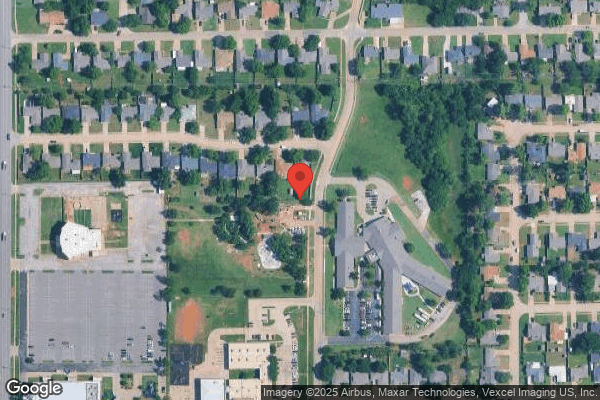
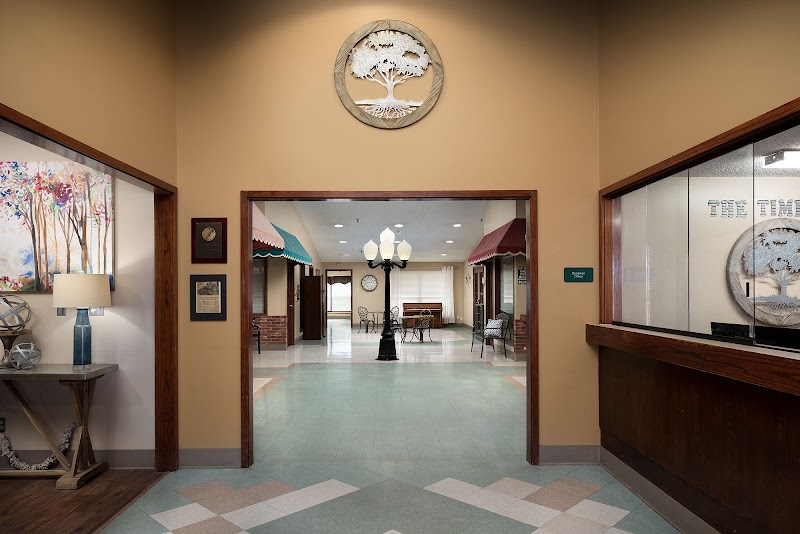
2520 SOUTH RANKIN, EDMOND, OK 73013 (405) 341-1433
For profit - Partnership 129 Beds BRIDGES HEALTH Data: November 2025 1 Immediate Jeopardy citation
Trust Grade
51/100
#136 of 282 in OK
Last Inspection: June 2024

Within standard 12-15 month inspection cycle. Federal law requires annual inspections.

Overview

The Timbers Skilled Nursing and Therapy in Edmond, Oklahoma, has a Trust Grade of C, indicating it is average and in the middle of the pack among nursing homes. It ranks #136 out of 282 facilities in Oklahoma, placing it in the top half, and #14 out of 39 in Oklahoma County, meaning there is only one local option that ranks higher. The facility is improving, with the number of issues decreasing from five in 2023 to two in 2024. Staffing is average with a rating of 3 out of 5 stars and a turnover rate of 58%, which is similar to the state average. However, there is a concerning history of incidents, including a critical failure to prevent a resident from leaving the facility unsupervised, which could have led to serious harm, and issues with hand hygiene practices among staff, increasing the risk of infection. Overall, while there are improvements in some areas, families should weigh the strengths against the weaknesses when considering this facility for their loved ones.

Trust Score
C
51/100
In Oklahoma
#136/282
Top 48%
Safety Record
High Risk
Review needed
Inspections
Getting Better
5 → 2 violations
Staff Stability
⚠ Watch
58% turnover. Above average. Higher turnover means staff may not know residents' routines.
Penalties
✓ Good
$8,021 in fines. Lower than most Oklahoma facilities. Relatively clean record.
Skilled Nurses
⚠ Watch
Each resident gets only 20 minutes of Registered Nurse (RN) attention daily — below average for Oklahoma. Fewer RN minutes means fewer trained eyes watching for problems.
Violations
○ Average
10 deficiencies on record. Average for a facility this size. Mostly minor or procedural issues.
★★★☆☆
3.0
Overall Rating
★★★☆☆
3.0
Staff Levels
★★★☆☆
3.0
Care Quality
★★★☆☆
3.0
Inspection Score
Stable
2023: 5 issues
2024: 2 issues

The Good

  • Full Sprinkler Coverage · Fire safety systems throughout facility
  • No fines on record

Facility shows strength in fire safety.

The Bad

3-Star Overall Rating

Near Oklahoma average (2.6)

Meets federal standards, typical of most facilities

Staff Turnover: 58%

12pts above Oklahoma avg (46%)

Frequent staff changes - ask about care continuity

Federal Fines: $8,021

Below median ($33,413)

Minor penalties assessed

Chain: BRIDGES HEALTH

Part of a multi-facility chain

Ask about local staffing decisions and management

Staff turnover is elevated (58%)

10 points above Oklahoma average of 48%

The Ugly 10 deficiencies on record

1 life-threatening
Nov 2024 1 deficiency 1 IJ
CRITICAL (J) 📢 Someone Reported This

A family member, employee, or ombudsman was alarmed enough to file a formal complaint

Immediate Jeopardy (IJ) - the most serious Medicare violation

Accident Prevention (Tag F0689)

Someone could have died · This affected 1 resident

**NOTE- TERMS IN BRACKETS HAVE BEEN EDITED TO PROTECT CONFIDENTIALITY** A past noncompliance Immediate Jeopardy (IJ) situation was determined to exist effective 10/24/24 related to the facility's fail...

Read full inspector narrative →
**NOTE- TERMS IN BRACKETS HAVE BEEN EDITED TO PROTECT CONFIDENTIALITY** A past noncompliance Immediate Jeopardy (IJ) situation was determined to exist effective 10/24/24 related to the facility's failure to supervise and prevent a resident from elopement. The facility failed to prevent Resident #1 from eloping from the facility which had the potential to result in serious injury or harm. On 11/07/24, the Oklahoma State Department of Health verified the existence of the past noncompliance IJ related to the facility's failure to protect and prevent accident hazards related to elopement. The past noncompliance IJ was removed effective 10/25/24 after the facility put measures in place to prevent recurrence. On 10/25/24 compliance rounds were initiated, the quality assurance committee met, a quality tip report was completed, an onshift notification message was sent to all employees, an inservice on elopement risk assessments were completed by all nurses, four delay egress locks with four keypads were installed, staff were assigned to the memory care door each shift, all staff were inserviced on elopement, and an inservice on the elopement drill was completed. Letters were mailed to families and posted at the memory care doors. On 11/05/24 at 3:25 p.m., a staff member was observed between two egress doors to allow visitors in/out after ringing the doorbell. Based on observation, record review, and interview, the facility failed to prevent and monitor a resident for elopement for one (#1) of two sampled residents with wandering behavior. Findings: Resident #1 was admitted to the facility on [DATE] with diagnosis of dementia in other diseases classified elsewhere with progressive neurological conditions. They were a high fall risk. Resident #1's MDS, dated [DATE], documented their cognition was severely impaired and they were independent with ambulation. It documented the resident was at significant risk of getting to a potentially dangerous place outside of the facility. It documented it was very important for the resident to do their favorite activities and to go outside to get fresh air when the weather was good. An initial incident report from, dated 10/24/24, documented at 8:49 p.m. the administrator was notified Resident #1 was unable to be found in the building. It documented they were last seen approximately 30 minutes prior to notification. It documented interventions initiated were an elopement drill, sweep of the facility and outside grounds initiated with no success, two vehicles dispatched to search in a one mile radius with no success, and search radius was increased to a two mile radius. It documented the resident's family, physician, and police were notified. It documented all residents in the building were accounted for except Resident #1. It documented the search was ongoing for the resident. A final incident report form, dated 10/25/24, documented the resident was found at approximately at 2:30 a.m. It documented the resident's family, provider, and police were notified the resident was located. It documented the resident was brought back to the facility and a head to toe and pain assessment were completed with no injury or dehydration noted. It documented the resident was placed one on one and will be evaluated after their interventions were in place. It documented a family member (of another resident) was dropping off their loved one and let the resident out and escorted them out of the front building. It documented to protect the residents they had reviewed and updated their elopement assessments. It documented correction measures to implement would be a door bell system inside the unit that families will ring to have staff escort them out of the system to prevent residents blending in with families. It documented there would be a sign that families would have to sign in and sign out with times. A incident note, dated 10/24/24 at 11:27 p.m., documented focused charting related to a missing resident. It documented upon conducting routine rounds the medication aide on the floor noticed the resident was not in their room. It documented the medication aide notified the nurse and the staff on the floor. It documented a code was called and every staff member in the building searched for the resident. It documented they were unable to locate the resident. It documented the nurse notified the administrator and they asked the nurse to call the emergency agency and the family. It documented the emergency agency responded by sending a police officer to the building. It documented the police officer came in and asked the nurse questions about the description of the resident and the last time the resident was seen in the building. It documented the resident's family arrived to the building and gave some information to the police officer and left the building. It documented the DON, ADON, and the corporate nurse for the facility arrived to the building and helped search for the resident. It documneted the resident was unable to be found. A incident note, dated 10/25/24 at 2:10 a.m., documented focused assessment related to the resident's return to the facility. It documented at about 2:10 a.m. the resident returned to the facility accompanied by a police officer and the DON and ADON were present. It documented the nurse initiated a head to toe assessment on the resident and the residnet was able to move all extremities. It documented there was no edema noted in the BUE and the BLE had 2+ edema. It documented the resident stated they walked a very long distance. It documented there was no bruising. It documented LCTA, no SOB or labored breathing noted. It documented HRR, BS-active in all quads. It documented ABD-soft and non-distended. It documented there was no pain upon palpation and no pain or discomfort. It documented there was no redness to the buttock or perineum. It documented the BLE had redness and protective cream was applied. It documented the resident had redness upon initial assessment of the BLE. It documented BLE were elevated for edema. It documented the BP was 140/74, O2 saturation was 99% on RA, pulse was 88, RR was 18, and temperature 97.8. It documented the resident was resting and placed on 1:1. On 11/05/24 at 11:30 a.m., the laundry/housekeeping supervisor assisted a visitor to the secured unit and off of the secured unit. They stated there were new codes and procedures for the secured doors since the elopement. On 11/07/24 at 8:15 a.m., Resident #1 stated they liked to go on walks. On 11/07/24 at 8:30 a.m., the regional director of operations stated they thought they had enough signage previously, Do NOT let out ANYONE that is not with YOUR party Thank you, but another residents family member thought they were the family of another resident and escorted them through the memory care door and out the front door.
Jun 2024 1 deficiency
CONCERN (F)

Potential for Harm - no one hurt, but risky conditions existed

Staffing Information (Tag F0732)

Could have caused harm · This affected most or all residents

Based on observation and interview, the facility failed to ensure staffing information was posted with the required components and was accessible to all residents. The Administrator identified 118 re...

Read full inspector narrative →
Based on observation and interview, the facility failed to ensure staffing information was posted with the required components and was accessible to all residents. The Administrator identified 118 residents resided in the facility. Findings: On 06/17/24 from 8:20 a.m. through 06/20/24 at 8:15 a.m., this surveyor observed there was no staffing information posted with the required components and accessible to residents and visitors. On 06/20/24 at 9:00 a.m., Corp. Nurse Consultant #1 was asked where the facility daily staffing was posted. They stated it was in the binder at the nurses station. When asked if it was posted on the wall somewhere with the required components and accessible to residents and visitors. The Corp. Nurse Consultant acknowledged it was not.
Sept 2023 1 deficiency
CONCERN (E) 📢 Someone Reported This

A family member, employee, or ombudsman was alarmed enough to file a formal complaint

Potential for Harm - no one hurt, but risky conditions existed

Infection Control (Tag F0880)

Could have caused harm · This affected multiple residents

Based on observation and interview, the facility failed to: (1) sanitize their hands when moving between residents for four (#8, 9, 10, and #11) of six residents observed during the collection of blo...

Read full inspector narrative →
Based on observation and interview, the facility failed to: (1) sanitize their hands when moving between residents for four (#8, 9, 10, and #11) of six residents observed during the collection of blood pressures, and (2) sanitize reusable equipment after use for six (#6, 7, 8, 9, 10, and #11) of six residents observed during the collection of vital signs. The Resident Census and Conditions of Residents report, dated 08/30/23, documented 102 residents resided in the facility. Findings: A Hand Hygeine policy, revised 07/13/20, read in parts, .When to use an Alcohol Based Hand Rub .Immediately before touching a resident .After touching a resident or the resident's immediate surroundings . A facility in-service education submitted by RN Consultant #1, dated 05/17/23-05/21/23, read in part, .Infection Control .complete hand hygiene between residents .Cleaning of medical equipment between of residents . On 09/26/23 at 8:30 a.m., LPN #1 was observed while taking Resident #6's vital signs. Once completed, LPN #1 returned the vital sign devices to the basket on the vital sign cart, exited Resident #6's room, and parked the vital sign cart in the hallway. LPN #1 did not sanitize the vital sign devices before leaving the area. On 09/26/23 at 8:59 a.m., CMA #1 was observed as they removed a wrist B/P cuff from the top drawer of the medication cart and placed it on Resident #7's wrist. Once the reading was obtained, CMA #1 removed the B/P cuff and placed it back in the top drawer on the medication cart. CMA #1 did not sanitize the blood pressure device before leaving the area. On 09/26/23 at 10:46 a.m., CMA #2 was observed as they removed an electronic B/P machine and cuff from the top of the medication cart and placed the cuff on Resident #8's arm. Once the reading was obtained, CMA #2 removed the B/P cuff, documented the reading, and walked over to Resident #9. CMA #2 placed the cuff on Resident #9's arm. Once the reading was obtained, CMA #2 removed the B/P cuff, documented the reading, and walked over to Resident #10. CMA #2 placed the cuff on Resident #10's arm. Once the reading was obtained, CMA #2 removed the B/P cuff, documented the reading, and walked over to Resident #11. CMA #2 placed the cuff on Resident #11's arm. Once the reading was obtained, CMA #2 removed the B/P cuff, documented the reading, and walked over and placed the B/P machine and cuff on top of the medication cart. CMA #2 did not sanitize their hands nor the blood pressure device between residents. On 09/27/23 at 10:25 a.m., CMA #2 was asked about the facility infection control policy on the use of re-usable medical equipment. CMA #2 stated the policy was to sanitize between each person. CMA #3 was made aware of observation made on 09/26/23 and was asked if they had sanitized their hands or the blood pressure cuff between each person. They stated, No. On 09/27/23 at 2:00 p.m., the DON was asked about the facility infection control policy on the use of re-usable medical equipment and staff sanitizing their hands when moving between residents. They stated staff should sanitize their hands when moving between residents and re-usable medical equipment was to be sanitized with Sani-wipes after use on each resident. The DON was given a description of this surveyors' observation of LPN #1, CMA #1, and CMA #2 in the collecting of vital signs. The DON acknowledged they did not follow the facility's infection control policy.
Aug 2023 1 deficiency
CONCERN (D) 📢 Someone Reported This

A family member, employee, or ombudsman was alarmed enough to file a formal complaint

Potential for Harm - no one hurt, but risky conditions existed

Quality of Care (Tag F0684)

Could have caused harm · This affected 1 resident

Based on record review and interview, the facility failed to clarify a new medication order to facilitate a resident receiving an increased dosage of medication to treat opioid dependence as ordered f...

Read full inspector narrative →
Based on record review and interview, the facility failed to clarify a new medication order to facilitate a resident receiving an increased dosage of medication to treat opioid dependence as ordered for one (#2) of three sampled residents reviewed for physician's orders. The Census and Conditions of Residents report, dated 07/26/23, documented there were 101 residents residing in the facility. Findings: Res #2 had diagnoses that included PTSD, auditory hallucinations, and opioid dependence. A visit report from Res #2's NeuroWellness physician, dated 07/11/23, read in parts, .Subjective: .I am going to increase her buprenorphine to 5 doses a day .I am going to increase her Klonopin to 1mg twice a day but we will not do both at the same time .Plan: .klonoPIN 1mg tablet, 1 po bid .buprenorphine HCL 8mg sublingual tablet, ½ sl 5 times daily . Res #2's July MAR documented they were currently receiving klonopin 1mg tablet, 1 po twice a day as of 07/13/23, and buprenorphine HCL 8mg sublingual tablet, ½ sl 4 times daily as ordered on 05/12/23. On 07/31/23 at 5:10 p.m., the DON was asked how information from a resident's appointment with an outside physician would be communicated to the facility. They stated physician visit reports were faxed to the facility or sent back with the resident and reviewed by the nurse for any new orders. The DON was asked to review the visit report from Res #2's NeuroWellness visit on 07/11/23 and compare it to their current MAR. After reviewing the report and Res #2's current MAR, the DON acknowledged the medication order written by the NeuroWellness physician should have been clarified when received.
May 2023 3 deficiencies
CONCERN (D) 📢 Someone Reported This

A family member, employee, or ombudsman was alarmed enough to file a formal complaint

Potential for Harm - no one hurt, but risky conditions existed

Pharmacy Services (Tag F0755)

Could have caused harm · This affected 1 resident

Based on observation, record review, and interview, the facility failed to ensure staff administered peg tube medications appropriately to prevent the peg tube from clogging for one (#104) of one samp...

Read full inspector narrative →
Based on observation, record review, and interview, the facility failed to ensure staff administered peg tube medications appropriately to prevent the peg tube from clogging for one (#104) of one sampled resident observed for peg tube medication administration. The DON identified five residents received medication through a peg tube. Findings: An Enteral Medication Administration policy, dated 07/09/08, read in part, .Tablets and capsules are to be crushed and diluted in a suitable liquid . Resident #104 had diagnoses which included dementia and dysphagia (difficulty swallowing). A Resident Assessment, dated 04/12/23, documented Resident #104 was severely impaired with daily decision making. It documented the resident was total dependent on staff for eating, and the resident had a feeding tube. On 05/12/23, at 9:57 a.m., CMA #1 was observed to crush seven tablets, open two capsules of medication, and placed them in nine individual medication cups. CMA #1 did not mix the medications with water. On 05/12/23, at 10:10 a.m., CMA #1 was observed to connect a syringe to Resident #104's peg tube and administered water. The water was observed to flow into the peg tube. CMA #1 was observed to pour dry medication contents into the syringe. CMA #1 was observed to put more water into the syringe. The water was not observed to flow down the peg tube. CMA #1 was observed using the syringe's plunger to gentle push the water. On 05/12/23, at 10:18 a.m., CMA #1 stated they thought the peg tube was clogged. CMA #1 alerted LPN #5. LPN #5 was able to unclog the peg tube. On 05/12/23, at 10:22 a.m., CMA #1 was observed to pour water then the dry contents of a medication into the syringe. The water/medication was not observed to flow into the peg tube from the syringe. LPN #5 was observed to attempt to unclog the peg tube. On 05/12/23, at 10:25 a.m., LPN #5 stated, It's not going in. On 05/12/23, at 10:32 a.m., LPN #6 was observed to use a straight declogging tool to push into the peg tube. LPN #6 stated they were feeling resistance and removed the declogging tool. The tip of the tool was observed to be bent. On 05/12/23, at 10:35 a.m., the DON was observed to use the declogging tool and was unsuccessful at declogging the peg tube. She stated the peg tube needed to be changed. On 05/12/23, at 10:45 a.m., CMA #1 was asked how often Resident #104's peg tube became clogged. They stated it was clogged a couple of days ago, but did not need to be changed. CMA #1 stated the peg tube was clogged at least once a week. On 05/12/23, at 11:08 a.m., the DON was observed to replace Resident #104's peg tube. On 05/12/23, at 11:25 a.m., the DON instructed CMA #1 to put water into the cups of crushed/opened medications for the medications to start to dissolving. The DON stated, Or else it will keep clogging. On 05/12/23, at 11:30 a.m., CMA #1 was asked if they had mixed water into the medications prior to the peg tube becoming clogged. They stated, I didn't know we had to dissolve each one. On 05/16/23, at 2:00 p.m., the DON was asked to describe the process for administering peg tube medications. She stated crush the medication and dissolve it in water. The DON was asked how often Resident #104's peg tube had been clogged. She stated it had been a few times.
CONCERN (E) 📢 Someone Reported This

A family member, employee, or ombudsman was alarmed enough to file a formal complaint

Potential for Harm - no one hurt, but risky conditions existed

ADL Care (Tag F0677)

Could have caused harm · This affected multiple residents

2. Resident #75 had diagnoses which included dementia. An admission Resident Assessment, dated 03/09/23, documented the resident's cognition was severely impaired and they required extensive assistan...

Read full inspector narrative →
2. Resident #75 had diagnoses which included dementia. An admission Resident Assessment, dated 03/09/23, documented the resident's cognition was severely impaired and they required extensive assistance of one person physical assist for transfer, toilet use, and personal hygiene. It documented the resident was frequently incontinent of bladder. On 05/12/23, at 5:26 a.m., Resident #75 was observed in bed. A strong urine odor was present upon entering the resident's room. CNA #6 was observed to provide incontinent care to Resident #75. Resident #75's brief was observed heavily saturated with urine. On 05/12/23, at 5:35 a.m., CNA #6 was asked when the last time Resident #75 had been checked for incontinence. They stated they thought around 3:00 a.m., but hadn't looked at a clock. Based on observation, record review and interview, the facility failed to provide timely incontinent care to dependent residents for two (#60 and #75) of six sampled residents reviewed for ADL care. The Resident Census and Conditions of Residents report, dated 05/10/23, documented 101 residents resided in the facility. It documented 67 residents were occasionally or frequently incontinent of bladder and 54 residents were occasionally or frequently incontinent of bowel. Findings: A Perineal Care policy, revised 03/03/06, read in parts, .To keep the resident clean, dry and comfortable and to retain the maximum amount of dignity .Urinary tract infections are frequently caused by inadequate or inappropriate pericare [sic] . 1. Resident #60 had diagnoses which included dementia and anxiety disorder. A Quarterly Resident Assessment, dated 04/10/23, documented the resident's cognition was severely impaired and they required extensive assistance of two person physical assist for transfer, toilet use, and personal hygiene. It documented the resident was always incontinent of bowel and bladder. On 05/10/23, at 4:39 p.m., Resident #60 was observed seated in a geriatric chair in the living room located between hall 100 and hall 200. Resident #60 stated, I got a pull up. The Resident was observed wearing a pair of red pants and the right and left groin region of the pants were observed to be a deeper red. The smell of urine was present. On 05/10/23, at 4:50 p.m., MDS Coordinator #1 was observed talking to Resident #60. Resident #60 was seated in the geriatric chair with their legs elevated. The soiled groin region of their pants was clearly visible as you approached the resident. MDS Coordinator #1 was observed to walk away from the resident, who was still visibly soiled. On 05/10/23, at 5:14 p.m., CNA #1 went over to Resident #60 and pushed them in their geriatric chair into the dining room located on hall 200 and walked away. The soiled groin area of the Resident's pants was still visible. The resident remained in the dining room for the dinner meal service with visibly soiled pants on. On 05/10/23, at 6:11 p.m., CNA #1 pushed Resident #60 in their geriatric chair from the dining room on hall 200 back to the living room area, locked the wheels, and walked away. On 05/10/23, at 6:16 p.m., the resident was taken to their room by staff. On 05/10/23, at 6:33 p.m., CNA #2, the AD, and DON assisted Resident #60 from their geriatric chair to their bed using the mechanical lift. On 05/10/23, at 6:36 p.m., CNA #2 removed Resident #60's red pants which were visibly soiled from the outside. The resident's brief was observed to be completely saturated to the point it was almost translucent. There was visible brown feces observed leaking outside the left side of the brief. CNA #2 opened the brief from the front and folded it down between the resident's legs. [NAME] feces was observed covering the front of the resident's groin area all the way up to their lower abdomen. On 05/10/23, at 6:39 p.m., staff were observed to provide incontinent care to Resident #60. On 05/10/23, at 6:53 p.m., CNA #2 was asked the policy for providing incontinent care. They stated staff would gather supplies, provide peri care, and ensure residents were completely cleaned up. CNA #2 was asked how often incontinent care was provided. They stated it was supposed to be provided after every time they changed the resident. CNA #2 was asked how often residents were changed. They stated, Every two hours. They were asked if they knew the last time Resident #60 was changed. They stated, No, I do not. On 05/10/23, at 6:55 p.m., CNA #2 was asked what the policy was when a residents' clothes were observed to be wet. They stated, Supposed to take them and get them cleaned up immediately.
CONCERN (E)

Potential for Harm - no one hurt, but risky conditions existed

Infection Control (Tag F0880)

Could have caused harm · This affected multiple residents

**NOTE- TERMS IN BRACKETS HAVE BEEN EDITED TO PROTECT CONFIDENTIALITY** Based on observation, record review, and interview, the facility failed to ensure staff: A. performed proper hand hygiene, and B...

Read full inspector narrative →
**NOTE- TERMS IN BRACKETS HAVE BEEN EDITED TO PROTECT CONFIDENTIALITY** Based on observation, record review, and interview, the facility failed to ensure staff: A. performed proper hand hygiene, and B. cleaned vital sign machines after they were used on a contact isolation resident. A Resident Census and Conditions of Residents report, dated 05/10/23, documented 101 residents resided in the facility. Findings: The Hand Hygiene policy, dated 07/13/20, read in part, .When to use a Alcohol based hand rub, immediately after glove removal. When to use soap and water, when hands are visibly soiled . An Infection Control and Isolation Policy, dated 03/16/20, read in part, .Hands of healthcare personnel may transmit pathogens after touching an infection .patient or a contaminated inanimate object, if hand hygiene is not performed before touching another patient .C. difficile is .spore-forming .This pathogen is a major cause of healthcare-associated diarrhea and has been responsible for many large outbreaks in healthcare settings that were extremely difficult to control. Important factors that contribute to healthcare-associated outbreaks include environmental contamination, persistence of spores for prolonged periods of time .hand carriage by healthcare personnel to other patients .Gloves are used to prevent contamination of healthcare personnel hands when .anticipating direct contact .potentially infectious material . 1. Resident #75 had diagnoses which included dementia. On 05/12/23, at 5:10 a.m., CNA #6 was not observed performing hand hygiene after taking their gloves off and after providing incontinent care to Resident #75. On 05/12/23, at 5:30 a.m., CNA #6 was asked when were they to perform hand hygiene. They stated usually after two to three residents. On 05/12/23, at 5:33 a.m., LPN #7 was asked what the process was for washing their hands. They stated before and after resident care. On 05/16/23, at 1:02 p.m., the DON was asked what the process was for completing hand hygiene. She stated before entering the room and after glove removal. 2. On 05/12/23, at 5:41 a.m., LPN #1 was observed to go into Resident #84's room. There was a sign observed on the resident's door which documented, Please see nurse before entering. Gloves and gown required for direct care. Wash hands thoroughly. There was a three drawer dresser observed outside the room which contained gloves, gowns, and face shields. LPN #1 was not observed to don any PPE prior to going into the resident's room. On 05/12/23, at 5:46 a.m., LPN #1 was observed to come out of Resident #84's room and prepare medications at the medication cart. LPN #1 was observed to go back into the resident's room and administer the medication. LPN #1 was not observed to don any PPE. LPN #1 was not observed to wash their hands when exiting Resident #84's room. On 05/12/23, at 5:52 a.m., LPN #1 was observed to stop by room [ROOM NUMBER] and placed their hand on a resident's back. On 05/16/23, at 1:46 p.m., CMA #2 was asked what PPE was to be worn when administering medication to a resident who was on contact precautions. They stated gloves and gown. On 05/16/23, at 2:00 p.m., the DON was asked what PPE was worn when administering medication to a resident who was on contact precautions. She stated gloves and gowns. 3. Resident #84's physician order, dated 05/06/23, read in part, .Contact isolation R/T C-diff . On 05/12/23, at 5:41 a.m., LPN #1 was observed to go into Resident #84's room with vital sign machine #1. LPN #1 was observed to place the blood pressure cuff on Resident #84's left forearm and obtained the resident's blood pressure. LPN #1 was observed to remove the blood pressure cuff from the resident's arm, rolled the cuff up, placed it in the basket attached to the vital sign machine, and took the vital sign machine out into the hall. LPN #1 was not observed to clean the blood pressure cuff or vital sign machine #1. On 05/12/23, at 5:48 a.m., LPN #1 was observed take the vital sign machine #1 down the hall and plugged it in outside room [ROOM NUMBER]. LPN#1 was not observed to clean the blood pressure cuff or vital sign machine #1. On 05/12/23, at 5:50 a.m., LPN #1 was observed to walk to hall 400, got vital sign machine #2, and took vital sign machine #2 back to Resident #84's room. On 05/12/23, at 5:52 a.m., LPN #1 was observed to take Resident #84's blood pressure with vital sign machine #2. On 05/12/23, at 5:54 a.m., LPN #1 was observed to remove vital sign machine #2 from Resident #84's room, took it back to hall 400, and plugged it in outside room [ROOM NUMBER]. LPN #1 was not observed to clean vital sign machine #2. On 05/12/23, at 6:05 a.m., LPN #1 was observed to unplug and take vital sign machine #1 to Resident #96's room and obtained the Resident's blood pressure. LPN #1 was observed to take vital sign machine #1 out of the resident's room and plugged it in outside room [ROOM NUMBER]. LPN #1 was not observed to clean vital sign machine #1. On 05/12/23, at 7:03 a.m., LPN #1 was asked what the procedure was for taking vital signs on a resident on contact precautions. They stated there was supposed to be a blood pressure machine with a disposable cuff. They stated they didn't see one in Resident #84's room. They stated the blood pressure cuff used on Resident #84 was not a disposable cuff. LPN #1 stated they did not clean the vital sign machines after they used it on Resident #84. LPN #1 stated the blood pressure cuff was to be cleaned. On 05/12/23 at 7:34 a.m., LPN #2 was observed to take vital sign machine #2 into Resident #53's room and obtained the resident's blood pressure. Vital sign machine #2 was observed from 5:54 a.m. to 7:34 a.m. There was no observation of staff cleaning vital sign machine #2. On 05/12/23 at 7:45 a.m., LPN #2 was asked when the vital sign machines were to be cleaned. They stated between each resident and they used disposable disinfectant wipes. LPN #2 was asked what the procedure was for taking vital signs on a resident on contact precautions. They stated the resident would have their own dedicated equipment. On 05/16/23 at 2:00 p.m., the DON was asked how staff were to take vital signs on a resident on contact precautions. She stated disposable equipment would be in the resident's room. The DON was asked to describe the process of cleaning the vital sign machines. She stated they used disposable disinfectant wipes, after each use on a resident.
Feb 2020 3 deficiencies
CONCERN (E)

Potential for Harm - no one hurt, but risky conditions existed

Safe Environment (Tag F0584)

Could have caused harm · This affected multiple residents

**NOTE- TERMS IN BRACKETS HAVE BEEN EDITED TO PROTECT CONFIDENTIALITY** Based on observation, record review and interview, it was determined the facility failed to ensure five (#315, 316, 413, 416 and...

Read full inspector narrative →
**NOTE- TERMS IN BRACKETS HAVE BEEN EDITED TO PROTECT CONFIDENTIALITY** Based on observation, record review and interview, it was determined the facility failed to ensure five (#315, 316, 413, 416 and #421) of ten residents' rooms maintained comfortable air temperatures. The facility identified 88 residents who resided in the facility. Findings: On 02/13/20 from 8:55 a.m. to 9:39 a.m., the following observations were made: ~ the ambient air temperature in room [ROOM NUMBER] was 70.1 degrees Fahrenheit, ~ the resident in room [ROOM NUMBER] was observed sitting in his wheelchair wearing a coat with four blankets on his bed and an ambient air temperature of 67.8 degrees Fahrenheit, ~ the resident in room [ROOM NUMBER] was observed asleep under three blankets with her head covered, two blankets were observed on the roommates bed and the ambient air temperature was 70.1 degrees Fahrenheit, ~ the resident in room [ROOM NUMBER] stated sometimes it was hot in the room and sometimes it was cold, the room was a little warm now but it would get cold during the night. The ambient air temperature was 82.3 degrees Fahrenheit, ~ the resident in room [ROOM NUMBER] was observed to be asleep under three blankets, two blankets and a quilt were observed on the roommates bed and the ambient air temperature was 67.0 degrees Fahrenheit, The facility's ambient air temperature logs from 01/03/20 through 02/12/20 were reviewed. There was no documentation to indicate the temperatures had been monitored in the residents' rooms. At 9:51 a.m., the maintenance supervisor was asked if he monitored the temperatures in the residents' rooms. He stated if they had a complaint the room would be checked. He stated they monitored the common areas and tried to keep the temperatures between the required 71 to 81 degrees Fahrenheit. The maintenance supervisor stated if a complaint was received from a room he would immediately work to correct the issue and keep checking until it was within the required range but it was not something he usually logged. The maintenance supervisor was notified of the observations and temperatures from the five rooms. He was asked if the temperatures were acceptable. He stated, Not according to state regs.
CONCERN (E)

Potential for Harm - no one hurt, but risky conditions existed

Grievances (Tag F0585)

Could have caused harm · This affected multiple residents

Based on record review and interview, it was determined the facility failed to ensure grievances were investigated and/or resolved in a timely manner for five of six grievances reviewed from 11/01/19 ...

Read full inspector narrative →
Based on record review and interview, it was determined the facility failed to ensure grievances were investigated and/or resolved in a timely manner for five of six grievances reviewed from 11/01/19 through 02/13/20. The facility identified 88 residents who resided in the facility. Findings: A facility policy titled Q2 Policy and Procedure, effective 02/14/17, documented, .Document any grievances/complaints from residents or families and track on the Family/Resident Grievance Log .until resolved . On 02/11/20 at 3:00 p.m., a group meeting was held with the residents. The residents were in agreement that the facility did not act upon or respond to grievances in a timely manner. The facility grievance logs were reviewed from 11/01/19 to 02/13/20. There was no documentation to indicate the facility investigated or resolved five of the six grievances made during the timeframe. On 02/13/20 at 10:41 a.m., the administrator was shown the grievance logs and asked if there was any other documentation regarding the investigations and resolutions for the grievances. He provided one grievance report and stated he had no other reports documented. The administrator was asked if there should have been further documentation of the investigations and follow-ups for each grievance. He stated yes, the details of the resolution should have been documented.
CONCERN (E)

Potential for Harm - no one hurt, but risky conditions existed

ADL Care (Tag F0677)

Could have caused harm · This affected multiple residents

Based on observation, record review and interview, it was determined the facility failed to provide timely assistance with bathing for dependent residents for one (#11) of two sampled residents who we...

Read full inspector narrative →
Based on observation, record review and interview, it was determined the facility failed to provide timely assistance with bathing for dependent residents for one (#11) of two sampled residents who were reviewed for activities of daily living. The facility identified 86 residents who required assistance with bathing. Findings: Resident #11 had diagnoses which included diabetes mellitus type II. A quarterly assessment, dated 12/01/19, documented the resident was moderately impaired in cognitive skills for daily decision making. He was totally dependent for bathing. The activities of daily living task sheet documented he had received two baths from 01/09/20 through 01/23/20 (15 days). On 02/10/20 at 2:18 p.m., the resident was observed in his bed. He stated he was supposed to receive a bath three days a week, but he had received a bath once a week recently. On 02/12/20 at 2:52 p.m., CNA #1 stated the resident was supposed to receive a bath three times a week. At 2:55 p.m., LPN #1 stated the resident was supposed to receive a bath three times a week. She stated she monitored baths by the documentation the aide provided to her at the end of the shift. She stated the resident had not received a bath three times a week per the documentation in January. At 3:55 p.m., the DON stated the resident was supposed to receive a bath three times a week. She stated the resident had received two baths from 01/09/20 through 01/23/20. She stated it was not acceptable for a resident to receive two baths during a two week period.
Understanding Severity Codes (click to expand)
Life-Threatening (Immediate Jeopardy)
J - Isolated K - Pattern L - Widespread
Actual Harm
G - Isolated H - Pattern I - Widespread
Potential for Harm
D - Isolated E - Pattern F - Widespread
No Harm (Minor)
A - Isolated B - Pattern C - Widespread

Questions to Ask on Your Visit

  • "What changes have you made since the serious inspection findings?"
  • "Why is there high staff turnover? How do you retain staff?"
  • "Can I speak with families of current residents?"
  • "What's your RN coverage like on weekends and overnight?"

Our Honest Assessment

Strengths
  • • Licensed and certified facility. Meets minimum state requirements.
Concerns
  • • Multiple safety concerns identified: 1 life-threatening violation(s). Review inspection reports carefully.
  • • 10 deficiencies on record, including 1 critical (life-threatening) violation. These warrant careful review before choosing this facility.
  • • Grade C (51/100). Below average facility with significant concerns.
  • • 58% turnover. Above average. Higher turnover means staff may not know residents' routines.
Bottom line: Mixed indicators with Trust Score of 51/100. Visit in person and ask pointed questions.

About This Facility

What is The Timbers Skilled Nursing And Therapy's CMS Rating?

CMS assigns THE TIMBERS SKILLED NURSING AND THERAPY an overall rating of 3 out of 5 stars, which is considered average nationally. Within Oklahoma, this rating places the facility higher than 99% of the state's 100 nursing homes. This mid-range rating indicates the facility meets federal standards but may have areas for improvement.
How is The Timbers Skilled Nursing And Therapy Staffed?

CMS rates THE TIMBERS SKILLED NURSING AND THERAPY's staffing level at 3 out of 5 stars, which is average compared to other nursing homes. Staff turnover is 58%, which is 12 percentage points above the Oklahoma average of 46%. High turnover can affect care consistency as new staff learn residents' individual needs.

What Have Inspectors Found at The Timbers Skilled Nursing And Therapy?

State health inspectors documented 10 deficiencies at THE TIMBERS SKILLED NURSING AND THERAPY during 2020 to 2024. These included: 1 Immediate Jeopardy (the most serious level, indicating potential for serious harm or death) and 9 with potential for harm. Immediate Jeopardy findings are rare and represent the most serious regulatory concerns. They require immediate corrective action.
Who Owns and Operates The Timbers Skilled Nursing And Therapy?

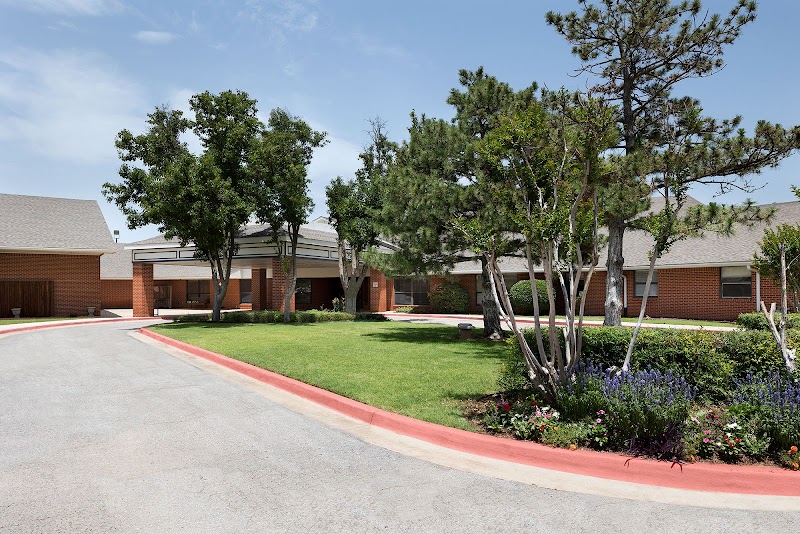
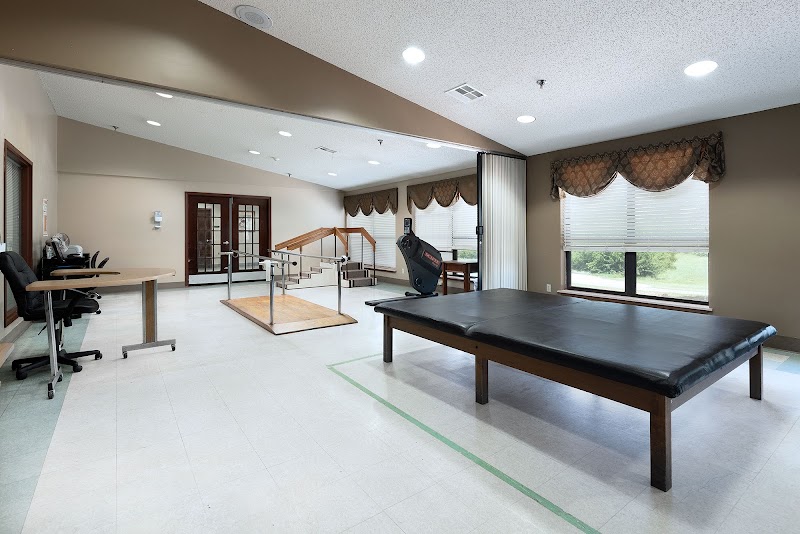
THE TIMBERS SKILLED NURSING AND THERAPY is owned by a for-profit company. For-profit facilities operate as businesses with obligations to shareholders or private owners. The facility is operated by BRIDGES HEALTH, a chain that manages multiple nursing homes. With 129 certified beds and approximately 114 residents (about 88% occupancy), it is a mid-sized facility located in EDMOND, Oklahoma.
How Does The Timbers Skilled Nursing And Therapy Compare to Other Oklahoma Nursing Homes?

Compared to the 100 nursing homes in Oklahoma, THE TIMBERS SKILLED NURSING AND THERAPY's overall rating (3 stars) is above the state average of 2.6, staff turnover (58%) is significantly higher than the state average of 46%, and health inspection rating (3 stars) is at the national benchmark.

What Should Families Ask When Visiting The Timbers Skilled Nursing And Therapy?

Based on this facility's data, families visiting should ask: "What changes have been made since the serious inspection findings, and how are you preventing similar issues?" "How do you ensure continuity of care given staff turnover, and what is your staff retention strategy?" "Can I visit during a mealtime to observe dining assistance and food quality?" "How do you handle medical emergencies, and what is your hospital transfer rate?" These questions are particularly relevant given the facility's Immediate Jeopardy citations and the facility's high staff turnover rate.

Is The Timbers Skilled Nursing And Therapy Safe?

Based on CMS inspection data, THE TIMBERS SKILLED NURSING AND THERAPY has documented safety concerns. Inspectors have issued 1 Immediate Jeopardy citation (the most serious violation level indicating risk of serious injury or death). The facility has a 3-star overall rating and ranks #1 of 100 nursing homes in Oklahoma. Families considering this facility should ask detailed questions about what corrective actions have been taken since these incidents.

Do Nurses at The Timbers Skilled Nursing And Therapy Stick Around?

Staff turnover at THE TIMBERS SKILLED NURSING AND THERAPY is high. At 58%, the facility is 12 percentage points above the Oklahoma average of 46%. High turnover means new staff may not know residents' individual needs, medications, or preferences. It can also be disorienting for residents, especially those with dementia who rely on familiar faces. Families should ask: What is causing the turnover? What retention programs are in place? How do you ensure care continuity during staff transitions?

Was The Timbers Skilled Nursing And Therapy Ever Fined?

THE TIMBERS SKILLED NURSING AND THERAPY has been fined $8,021 across 1 penalty action. This is below the Oklahoma average of $33,159. While any fine indicates a compliance issue, fines under $50,000 are relatively common and typically reflect isolated problems that were subsequently corrected. Families should ask what specific issues led to these fines and confirm they've been resolved.

Is The Timbers Skilled Nursing And Therapy on Any Federal Watch List?

THE TIMBERS SKILLED NURSING AND THERAPY is not on any federal watch list. The most significant is the Special Focus Facility (SFF) program, which identifies the bottom 1% of nursing homes nationally based on persistent, serious quality problems. Not being on this list means the facility has avoided the pattern of deficiencies that triggers enhanced federal oversight. This is a positive indicator, though families should still review the facility's inspection history directly.