Fairview Fellowship Home For Senior Citizens, Inc
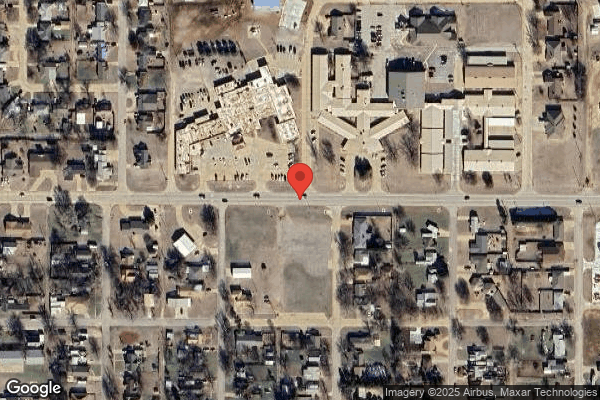

605 East State Road, Fairview, OK 73737 (580) 227-3783
Non profit - Other 100 Beds Independent Data: November 2025 1 Immediate Jeopardy citation
Trust Grade
23/100
#226 of 282 in OK
Last Inspection: May 2024

Within standard 12-15 month inspection cycle. Federal law requires annual inspections.

Overview

Fairview Fellowship Home For Senior Citizens, Inc. has received a Trust Grade of F, indicating significant concerns about the facility's operations and care quality. Ranking #226 out of 282 in Oklahoma places it in the bottom half of nursing homes in the state, while being the only option in Major County shows limited local alternatives. The facility's trend is improving, as issues decreased from 11 in 2024 to 2 in 2025, but it still faces serious challenges, including $28,330 in fines, which is higher than 77% of facilities in Oklahoma. Staffing is a relative strength with a 4/5 rating, a turnover rate of 46%, which is below the state average, and average RN coverage. However, there are serious concerns, including a critical incident where a resident at risk for elopement was not adequately supervised, and care plans for two residents were not reviewed as required, potentially compromising their safety.

Trust Score
F
23/100
In Oklahoma
#226/282
Bottom 20%
Safety Record
High Risk
Review needed
Inspections
Getting Better
11 → 2 violations
Staff Stability
⚠ Watch
46% turnover. Above average. Higher turnover means staff may not know residents' routines.
Penalties
○ Average
$28,330 in fines. Higher than 57% of Oklahoma facilities. Some compliance issues.
Skilled Nurses
⚠ Watch
Each resident gets only 25 minutes of Registered Nurse (RN) attention daily — below average for Oklahoma. Fewer RN minutes means fewer trained eyes watching for problems.
Violations
⚠ Watch
26 deficiencies on record. Higher than average. Multiple issues found across inspections.
★☆☆☆☆
1.0
Overall Rating
★★★★☆
4.0
Staff Levels
★★★★☆
4.0
Care Quality
★☆☆☆☆
1.0
Inspection Score
Stable
2024: 11 issues
2025: 2 issues

The Good

  • 4-Star Staffing Rating · Above-average nurse staffing levels
  • 4-Star Quality Measures · Strong clinical quality outcomes
  • Full Sprinkler Coverage · Fire safety systems throughout facility
  • No fines on record

Facility shows strength in staffing levels, quality measures, fire safety.

The Bad

1-Star Overall Rating

Below Oklahoma average (2.6)

Significant quality concerns identified by CMS

Staff Turnover: 46%

Near Oklahoma avg (46%)

Higher turnover may affect care consistency

Federal Fines: $28,330

Below median ($33,413)

Moderate penalties - review what triggered them

The Ugly 26 deficiencies on record

1 life-threatening
May 2025 2 deficiencies 1 IJ (1 affecting multiple)
CRITICAL (K) 📢 Someone Reported This

A family member, employee, or ombudsman was alarmed enough to file a formal complaint

Immediate Jeopardy (IJ) - the most serious Medicare violation

Accident Prevention (Tag F0689)

Someone could have died · This affected multiple residents

**NOTE- TERMS IN BRACKETS HAVE BEEN EDITED TO PROTECT CONFIDENTIALITY** On 05/22/25 at 1:40 p.m., the Oklahoma State Department of Health was notified and verified the existence of an immediate jeopar...

Read full inspector narrative →
**NOTE- TERMS IN BRACKETS HAVE BEEN EDITED TO PROTECT CONFIDENTIALITY** On 05/22/25 at 1:40 p.m., the Oklahoma State Department of Health was notified and verified the existence of an immediate jeopardy (IJ) situation related to the facility's failure to provide adequate supervision to prevent elopement from the facility. 1. Resident #1's admission record, dated 11/01/24, showed the resident was admitted with diagnoses which included unspecified dementia and displaced intertrochanteric fracture of the left femur. A Wander risk assessment, dated 11/01/24, showed Resident #1 was a low risk for elopement with a score of 4. A care plan, last revised 05/08/25, showed the resident was exit seeking on the following dates; a. 03/19/25; b. 04/11/25; c. 04/15/25; d. 04/07/25; e. 04/08/25; and f. 05/03/25. The care plan, revised 05/08/25, showed Resident #1 was moved to the memory care unit on 05/08/25. There were no additional documented interventions to address the wandering and exit seeking other than redirection. Resident #1's progress notes showed exit seeking behaviors and attempts to redirect on the following dates: a. On 03/11/25, resident and spouse were exit seeking; b. on 03/19/25, resident and spouse found on hall 2 trying to exit. Redirection was unsuccessful; c. on 03/21/25, resident stated they were leaving and the staff tried to reorient the resident; d. on 04/07/25, resident and spouse successfully exited through the front doors and was brought back in. Redirection was ineffective and the resident continued to exit seek; e. on 04/22/25, resident wandering and concerned about their house; f. on 04/27/25, resident tried to leave through the door, intervention of taking resident for walk was ineffective; g. on 04/28/25, resident was exit seeking with spouse to find their children; h. on 05/02/25, resident stated they were leaving and packed personal items, resident was redirected; i. on 05/03/25 at 1:51 p.m., resident was exit seeking. The resident was redirected but immediately began to exit seek. The resident shook all the doors and stated they were going to kick the doors down; and j. on 05/03/25 at 3:56 p.m., the resident was found on the ground outside the laundry room and in front of the trash cans behind the building. They had an abrasion to their right eyebrow with bleeding noted. On 05/22/25 at 1:50 p.m., the administrator and DON were notified of the immediate jeopardy (IJ) situation and provided the IJ template. On 05/23/25 at 11:23 a.m., an amended plan of removal was accepted by the Oklahoma State Department of Health. The plan of removal read in part, 1:1 supervision; assign 1:1 staffing to the resident 24/7 until further evaluation is complete .Secure the environment; move the resident to a locked or secure unit if available and appropriate .Door alarms and monitoring; ensure all doors are alarmed and functional, check surveillance system .Place a WanderGuard on resident .All residents will have a wandering risk evaluation completed by 5/23/25 . .Wandering risk will be done on new admission, re-admission, significant change, quarterly, and annually. .Reassess wandering risk evaluations; conduct a full interdisciplinary team to review including: .Care plan update; modify the residents care plan immediately to reflect: Elopement interventions Environmental changes Staffing changes. .Emergency In-service training on 5/22/25: Provide all staff with immediate re-education on: .Elopement protocols .Door alarm response procedures .Missing resident protocols .Immediate jeopardy awareness and CMS requirements .Document training: record date/time, attendance, trainer and materials used .Door alarms (functioning logs) .The Elopement Book will be implemented using current resident picture, face sheet, and working interventions. .Signage will be placed on the front and back of any door that has a regress to outside. On 05/23/25, the facility staff were interviewed in person and by phone regarding in-services completed on elopement. Staff interviewed were able to communicate elopement prevention strategies, identify residents at risk for elopement, and elopement response policies and procedures. All residents' electronic health records were reviewed and verified they had current wandering risk assessments. Twenty-six residents were assessed as a wondering risk. Their care plans were reviewed and verified to have elopement interventions. All exterior egress doors with locks were observed and verified to be in working order. Signage on doors were verified in place. Staff were observed ensuring all doors with locks latch when going through them. An elopement book containing a comprehensive list of all residents at risk for wandering was observed at all nurse stations. The elopement book contained a list of all residents at risk for wandering, a picture of each resident at risk, and care plan interventions to protect at risk residents. On 05/23/25, after interviews with staff, review of resident elopement wander risk assessments and care plans, posted signage, and in-services, the administrator was notified the immediacy was lifted effective 05/23/25 at 1:00 p.m. The deficient practice remained at a pattern for more than minimal harm. Based on record review and interview, the facility failed to: a. provide adequate supervision to prevent elopement for 1 (#1) of 3 sampled residents reviewed for elopement; and b. failed to ensure residents were assessed for wandering for 2 (#1 and #6) of 3 sampled residents reviewed for wandering assessments. The DON identified 26 residents were at risk for elopement. Findings: The facility's policy titled Resident Safety- Wandering/Elopement, revised 10/2023, read in part, The director of nursing will evaluate each resident upon admission in every three months thereafter for need of the wonder dash guard system. The evaluation will utilize information input from the family or legal guardian of the resident, the resident physician, and when possible, the resident. Additionally, residents will be evaluated for the Wander-Guard System when they: Seem confused or disoriented Pack belongings Have a history of wondering Verbalize a desire to leave Attempt to leave the facility Residents who are mobile enough to wonder and exhibit one or more of the above behaviors will be recommended for wonder guard. 1. Resident #1's admission record, dated 11/01/24, showed the resident was admitted with diagnoses which included unspecified dementia and displaced intertrochanteric fracture of the left femur. Resident #1's significant change assessment, dated 02/13/25, showed they had severe cognitive impairment for decision making with a BIMS score of 7. The assessment showed Resident #1 used a wheelchair to ambulate and had no wandering behaviors. Resident #1's assessment titled Wandering Risk Survey, dated 11/01/24, showed they were a low risk for wandering with a score of 4. Resident #1's nurses notes showed exit seeking behaviors and redirection attempts on the following dates; a. on 03/11/25, the resident was exit seeking with their spouse (Resident #6) on hall 2 looking for their house keys; b. on 03/19/25, Resident #1 and Resident #6 were found on hall 2 at the exit. The residents were redirected and Resident #1 had increased confusion; c. on 03/21/25, Resident #1 stated they were leaving in the morning. They tried to reorient the resident, but the resident continued to say their truck was being pulled up by hall 2 door; d. on 04/07/25, Resident #1 and Resident #6 were exit seeking and successfully exited through the North doors. They were brought back in and continued to push on the doors looking for a way out. They tried redirection and it was ineffective; e. on 04/07/25, hourly location checks were initiated; f. on 04/08/25, Resident #1 remained on hourly location checks; g. on 04/22/25, Resident #1 had increased confusion and continued to wander the facility looking for their children and belongings. The resident was unable to be redirected. h. on 05/02/25, Resident #1 walked without their wheelchair stating they were leaving and had packed their personal items. The resident was redirected multiple times. i. on 05/03/25 at 1:51 p.m., Resident #1 was going up and down the halls shaking the doors and stating they were going to kick the doors down. The resident was redirected multiple times by staff. j. on 05/03/25 at 3:36 p.m., Resident #1 was found outside the laundry room and in front of the trash cans. The resident had an abrasion to their right eye with bleeding noted. The resident was taken to the emergency room. A facility form titled 1 hour Location check, dated 04/07/25, showed they placed Resident #1 and Resident #6 on one hour location checks from 04/07/25 at 6:00 p.m., through 04/09/25 at 4:00 p.m. The one hour location checks were not documented in the care plan. An Oklahoma State department of Health incident report, Form 283, dated 05/03/25, read in part, Nurse called at [2:00 p.m.] by CMA going to lunch that resident had fallen, upon arrival resident was found on the ground outside of the laundry door. [They] were assessed, and an abrasion is noted to rt(right) eyebrow with bleeding noted. taken to [name of hospital withheld] ER (emergency room. [They] have been exit seeking this shift and remains a high risk for falls. Resident #1's emergency room hospital record titled After Visit Summary, dated 05/03/24 showed they were treated at the emergency room and had a diagnosis of laceration of the right eyebrow due to a small right front scalp hematoma with intact skull. Resident #1's care plan for wandering, dated 03/11/25, read in part, I am redirected by staff frequently. Date initiated 05/03/25.Wander guard placed on right ankle, however when we checked on 05/05/25, it was found in resident's closet. Will attempt to place on wheelchair when [they] arrive back from hospital. Date initiated 05/03/25. Resident #1's care plan did not have any interventions to prevent elopement prior to 05/03/25. 2. Resident #6 's admission record, dated 11/01/24, showed they were admitted with diagnoses which included Alzheimer's disease and type 2 diabetes. Resident #6's quarterly assessment, dated 02/13/25, showed their cognition was severely impaired with a BIMS score of 3. The assessment showed they did not wander. Resident #6's assessment titled Wandering Risk Survey, dated 11/01/24, showed they were a moderate risk for wandering with a score of 10. There was no documentation Resident #6 was reassessed for wandering after 11/01/24. Resident #6's nurses notes showed exit seeking behaviors and wandering on the following dates; a. on 03/06/25; b. on 04/06/25; c. on 04/07/25; d. on 04/28/25; e. on 05/02/25; f. on 05/03/25; and g. on 05/04/25. Resident #6's care plan for wandering, revised 05/08/25, read in part, focus- I reside in the secure care unit due to being an elopement risk/wanderer. Date initiated 05/08/25.Interventions - Provide structured activities: toileting, walking inside and outside, reorientation strategies. Date Initiated: 05/22/2025.Wandering risk assessment per policy. Date Initiated: 05/22/2025. The care plan did not have a focus for elopement prevention in Resident #6's care plan prior to 05/08/25. On 05/21/25 at 1:10 p.m., CMA #1 stated Resident #1 and Resident #6 has been trying to leave the facility. CMA #1 stated they were redirected continuously but it was not effective. CMA #1 stated Resident #1 eloped from the facility and fell outside resulting in a cut to their right eye. The CMA stated they did not know how to identify residents at risk for wandering or elopement. On 05/21/25 at 1:36 p.m., CMA #2 stated Resident #1 and Resident #6 had been trying to elope from the facility since admission date of 11/01/24. CMA #2 stated the residents were placed on hourly checks for a while, but a nurse (name unknown) said the resident was fine and they did not have to do them anymore. The CMA stated redirection and hourly checks for a couple days were the only interventions they had in the care plan to prevent elopement for Resident #1 and Resident #6. CMA #2 stated Resident #1 eloped from the facility out a backdoor through the laundry room door and fell off a 12-inch-high concrete patio in their wheelchair and was found on the ground with a cut on their head. On 05/21/25 at 1:55 p.m., CMA #3 stated Resident #1 was trying to get out and ask to leave frequently. They stated Resident #1 and Resident #6 started exit seeking started a few months after admission on [DATE]. CMA #3 was asked what interventions were used to prevent Resident #1 and Resident #6 from eloping. CMA #3 stated, they did one hour location checks for a couple days but those were stopped. On 05/21/25 at 2:06 p.m., LPN #1 stated Resident #1 and Resident #6 started exit seeking, trying the doors, and looking for personal items. LPN #1 stated the residents would be redirected, would become more forceful, and then reattempted to exit the facility. LPN #1 stated there was not a new intervention added to the care plan until 05/03/25 when Resident #1 received a new order for a wander guard. LPN #1 was asked what other interventions were in place to prevent elopement. They stated Resident #1 and Resident #6 were placed on one hour location checks on 04/07/25 through 04/09/25. LPN #1 stated they were unsure why they were doing the checks and they would redirect the residents. LPN #1 stated there were no interventions in Resident #6's care plan to prevent elopement before 05/08/25 when the residents were moved to memory care. On 05/21/25 at 3:00 p.m., the DON stated Resident #1 and Resident #6 had been seeking exit for a couple months. The DON was asked what interventions were in place to prevent elopement. The DON stated they had redirection only and did not add any interventions to the care plan to prevent elopement prior to 05/03/25 for Resident #1 and never had elopement interventions for Resident #6. The DON stated they moved Resident #6 and Resident #1 to the memory care on 05/08/25 and updated the care plans. The DON stated Resident #1 eloped from the facility through a laundry room door that was supposed to be locked and fell from their wheelchair outside the facility resulting in a cut over their right eye. The DON stated Resident #1 and Resident #6 were not reassessed for wandering risk after 11/01/24 upon admission. The DON was asked if their system failure. The DON stated they did not care plan interventions to prevent the elopement after the facility identified exit seeking behaviors, they did not reassess the residents for wandering per their policy for the use of wander guard, and the staff could not identify residents at risk for elopement. The DON stated residents who elope could be seriously harmed or result in death. On 05/22/25 at 12:23 p.m., the administrator was asked about the incident involving Resident #1 on 05/03/25. The administrator stated Resident #1 was able to open a door in the laundry room that was supposed to be locked and exit out the back door where they fell off a 12-inch-high concrete patio in their wheelchair resulting in a cut over their right eye. The administrator was asked to identify the system failure involving the elopement on 05/03/25. They stated, We knew [they] were exit seeking and we did not assess, monitor and intervene timely. The family meeting we set up was too little too late, we failed to ensure the door was secured. On 05/22/25 at 1:00 p.m., maintenance #1 stated they were asked to evaluate the laundry room doors had a lock with a keypad. They stated they could not figure out how the resident got the door open to the laundry room.
CONCERN (E) 📢 Someone Reported This

A family member, employee, or ombudsman was alarmed enough to file a formal complaint

Potential for Harm - no one hurt, but risky conditions existed

Deficiency F0657 (Tag F0657)

Could have caused harm · This affected multiple residents

**NOTE- TERMS IN BRACKETS HAVE BEEN EDITED TO PROTECT CONFIDENTIALITY** Based on record review and interview, the facility failed to ensure careplan's were reviewed or revised for 2 (#1 and #6) of 3 s...

Read full inspector narrative →
**NOTE- TERMS IN BRACKETS HAVE BEEN EDITED TO PROTECT CONFIDENTIALITY** Based on record review and interview, the facility failed to ensure careplan's were reviewed or revised for 2 (#1 and #6) of 3 sampled residents reviewed for care plan revisions. The DON identified 75 residents resided in the facility. Findings: The facility's policy titled Resident Safety- Wandering/Elopement, revised 10/2023, read in part, The director of nursing will evaluate each resident upon admission and every three months thereafter for need of the wonder dash guard system. The evaluation will utilize information input from the family or legal guardian of the resident, the resident physician, and when possible, the resident. Additionally, residents will be evaluated for the wonder guard system when they: Seem confused or disoriented Pack belongings Have a history of wondering Verbalize a desire to leave Attempt to leave the facility Residents who are mobile enough to wonder and exhibit one or more of the above behaviors will be recommended for wonder guard. The facility's policy titled MDS (minimum data set) and Care Plan Process, reviewed 02/18/25, read in part, Care plan schedule and requirements: A complete care review will identify any changes in care, or any goals met. It will identify any changes needed to help each resident obtain their goals. It is designed to help each staff member provide the assistance and care for each resident on an individual basis.The careplan will be reviewed and updated quarterly .each care plan is to be accurate in identifying individualized approaches from each discipline to assist in providing care to each resident. 1. Resident #1's admission record, dated 11/01/24, showed the resident was admitted with diagnoses which included unspecified dementia and displaced intertrochanteric fracture of the left femur. Resident #1's significant change assessment, dated 02/13/25, showed they had severe cognitive impairment for decision making with a BIMS score of 7. The assessment showed the resident used a wheelchair to ambulate and had no wandering behaviors. Resident #1's assessment titled Wandering Risk Survey, dated 11/01/24, showed they were a low risk for wandering with a score of 4. Resident #1's nurses notes showed exit seeking behaviors and redirection attempts on the following dates; a. On 03/11/25, the resident was exit seeking with their spouse (Resident #6) on hall 2 looking for their house keys; b. on 03/19/25, Resident #1 and Resident #6 were found on hall 2 at the exit. The residents were redirected and Resident #1 had increased confusion; c. on 03/21/25, Resident #1 stated they were leaving in the morning. They tried to reorient the resident, but the resident continued to say their truck was being pulled up by hall 2 door; d. on 04/07/25, Resident #1 and Resident #6 were exit seeking and successfully exited through the North doors. They were brought back in and continued to push on the doors looking for a way out. They tried redirection and it was ineffective; e. on 04/07/25, hourly location checks were initiated; f. on 04/08/25, Resident #1 remained on hourly location checks; g. on 04/22/25, Resident #1 had increased confusion and continued to wander the facility looking for their children and belongings. The resident was unable to be redirected. h. on 05/02/25, Resident #1 was walking without their wheelchair stating they were leaving and had packed their personal items. The resident was redirected multiple times. i. on 05/03/25 at 1:51 p.m., Resident #1 was going up and down the halls shaking the doors and stating they were going to kick the doors down. The resident was redirected multiple times by staff. j. on 05/03/25 at 3:36 p.m., Resident #1 was found outside the laundry room, behind the building where employees enter, and in front of the trash cans laying on the ground. The resident had an abrasion to their right eye with bleeding noted. The resident was taken to the emergency room. A facility form titled 1 hour Location check, dated 04/07/25, showed they placed Resident #1 and Resident #6 on one hour location checks from 04/07/25 at 6:00 p.m., through 04/09/25 at 4:00 p.m. The one hour location checks were not documented in the care plan. An Oklahoma State Department of Health incident report form 283, dated 05/03/25, read in part, Nurse called at [2:00 p.m.] by CMA going to lunch that resident had fallen, upon arrival resident was found on the ground outside of the laundry door. [They] were assessed, and an abrasion is noted to rt(right) eyebrow with bleeding noted. taken to [name of hospital withheld] ER (emergency room).[They] have been exit seeking this shift and remains a high risk for falls. Resident #1's emergency room hospital record titled After Visit Summary, dated 05/03/24, showed they were treated at the emergency room and had a diagnosis of laceration of the right eyebrow due to a small right front scalp hematoma with intact skull. Resident #1's care plan for wandering, dated 03/11/25, read in part, I am redirected by staff frequently. Date initiated 05/03/25.Wander guard placed on right ankle, however when we checked on 05/05/25, it was found in resident's closet. Will attempt to place on wheelchair when [they] arrive back from hospital. Date initiated 05/03/25. Resident #1's care plan did not have any interventions to prevent elopement prior to 05/03/25. 2. Resident #6 's admission record, dated 11/01/24, showed they were admitted with diagnoses which included Alzheimer's disease and type 2 diabetes. Resident #6's quarterly assessment, dated 02/13/25, showed their cognition was severely impaired and with a BIMS score of 3. The assessment showed they did not wander. Resident #6's assessment titled Wandering Risk Survey, dated 11/01/24, showed they were a moderate risk for wandering with a score of 10. Resident #6's nurses notes showed exit seeking behaviors and wandering on the following dates; a. on 03/06/25; b. on 04/06/25; c. on 04/07/25; d. on 04/28/25; e. on 05/02/25; f. on 05/03/25; and g. on 05/04/25. Resident #6 was not assessed for wandering or elopement after the above exit seeking dates. Resident #6's care plan, revised 05/08/25, read in part, focus- I reside in the secure care unit due to being an elopement risk/wanderer. Date initiated 05/08/25.Interventions - Provide structured activities: toileting, walking inside and outside, reorientation strategies. Date Initiated: 05/22/2025.Wandering risk assessment per policy. Date Initiated: 05/22/2025. The care plan did not have a focus for elopement prevention in Resident #6's care plan prior to 05/08/25. On 05/21/25 at 1:10 p.m., CMA #1 stated Resident #1 and Resident #6 had been trying to leave the facility. CMA #1 stated they were redirected continuously. CMA #1 stated Resident #1 eloped from the facility and fell outside resulting in a cut to their right eye. On 05/21/25 at 1:36 p.m., CMA #2 stated Resident #1 and Resident #6 had been trying to elope from the facility since admission date of 11/01/24. CMA #2 stated the residents were placed on hourly checks for a while, but a nurse stated the resident was fine and they did not have to do them anymore. The CMA stated redirection and hourly checks for a couple days were the only interventions they had in the care plan to prevent elopement for Resident #1 and Resident #6. CMA #2 stated Resident #1 eloped from the facility out a backdoor through the laundry room door and fell off a 12-inch-high concrete patio in their wheelchair and was found on the ground with a cut on their head. On 05/21/25 at 1:55 p.m., CMA #3 stated Resident #1 was trying to get out and asked to leave frequently. CMA #3 stated Resident #1 and Resident #6 started exit seeking a few months after admission on [DATE]. CMA #3 was asked what interventions were used to prevent Resident #1 and Resident #6 from eloping. CMA #3 stated, they did one hour location checks for a couple days but those were stopped. On 05/21/25 at 2:06 p.m., LPN #1 stated Resident #1 and Resident #6 started exit seeking, trying the doors, and looking for personal items. LPN #1 stated Resident #1 and Resident #6 would be redirected, would become more forceful, and then reattempted exiting the facility. LPN #1 stated there was not a new intervention added to the care plan until 05/03/25 when Resident #1 received a new order for a wander guard. LPN #1 was asked what other interventions were in place to prevent elopement. They stated Resident #1 and Resident #6 were placed on 1 hour location checks on 04/07/25 through 04/09/25. LPN #1 stated they were unsure why they were doing the checks and they would redirect the residents. LPN #1 stated there were no interventions in Resident #6's care plan to prevent elopement before 05/08/25 when the residents were moved to memory care. On 05/21/25 at 3:00 p.m., the DON stated Resident #1 and Resident #6 had been seeking exit for a couple months. The DON was asked what interventions were in place to prevent elopement. The DON stated they had redirection only and did not add any interventions to the care plan to prevent elopement prior to 05/03/25 for Resident #1 and never had elopement interventions for Resident #6. The DON stated they moved Resident #6 and Resident #1 to memory care on 05/08/25 and updated the care plans. The DON stated Resident #1 eloped from the facility through a laundry room door that was supposed to be locked and fell from their wheelchair outside the facility resulting in a cut over their right eye. The DON was asked if there was a system failure. The DON stated Resident #1 and Resident #6 were not reassessed for wandering risk after 11/01/24 upon admission. The DON stated they did not care plan interventions to prevent the elopement after the facility identified exit seeking behaviors. The DON stated, they did not reassess Resident #1 and Resident #6 for wandering per their policy for the use of wander guard and the staff could not identify which residents were at risk for elopement. The DON stated residents who elope could be seriously harmed or result in death. On 05/22/25 at 12:23 p.m., the administrator was asked about the incident involving Resident #1 on 05/03/25. The administrator stated Resident #1 was able to open a door in the laundry room that was supposed to be locked and exit out the back door where they fell off a 12-inch-high concrete patio in their wheelchair resulting in a cut over their right eye. The administrator was asked to identify the system failure involving the elopement on 05/03/25. They stated, We knew [they] were exit seeking and we did not assess, monitor and intervene timely. The family meeting we set up was too little too late, we failed to ensure the door was secured.
May 2024 11 deficiencies
CONCERN (D)

Potential for Harm - no one hurt, but risky conditions existed

Deficiency F0646 (Tag F0646)

Could have caused harm · This affected 1 resident

**NOTE- TERMS IN BRACKETS HAVE BEEN EDITED TO PROTECT CONFIDENTIALITY** Based on interview and record review, the facility failed to ensure OHCA was notified after a resident received a significant me...

Read full inspector narrative →
**NOTE- TERMS IN BRACKETS HAVE BEEN EDITED TO PROTECT CONFIDENTIALITY** Based on interview and record review, the facility failed to ensure OHCA was notified after a resident received a significant mental health diagnosis for two (#12 and #30) of five residents reviewed for Pasarr. The DON identified 56 residents had mental health diagnosis. Findings: 1. Resident #12 was admitted on [DATE] with diagnosis which included vascular dementia with mood disturbance and anxiety. A comprehensive assessment dated [DATE] documented Resident #12's cognition was severly impaired and had Anxiety disorder in section I Active Diagnoses. A quarterly assessment, dated 10/19/23 documented anxiety,depression, and psychotic disorder in section I Active Diagnoses. A Order Summary Report, dated 5/23/24, read in part, .Celexa Oral Tablet 10 mg .related to depression .9/18/23 .Seroquel Oral Tablet 25 MG---related to unspecified psychosis not due to a substance or known physiological condition . 9/27/23 On 05/22/24 at 01:43 p.m., the DON Tell me about the Seroquel prescribed 9/28/23. The DON stated It was prescribed related to a new diagnosis of unspecified psychosis not due to a substance or known physiological condition. The DON was asked if a PASARR II was completed after a new diagnosis. The DON stated they did not complete A PASARR II. 2. Resident # 30 was admitted on [DATE] with diagnosis which included type 2 diabetes, unspecified intellectual disabilities and personal history of transient ischemic and cerebral infarction. A Oklahoma Health Care authority Nursing Facility Level of Care Assessment assessment, dated 05/04/20, read in part, .No Evidence of serious mental illness including possible disturbances in orientation or mood . A comprehensive assessment, dated 05/07/20, did not documented, Resident #30 had a diagnosis of psychotic disorders and anxiety. A comprehensive assessment, dated 7/13/23, documented, Resident #30 had a diagnosis of depression and anxiety disorder. A Order Summary Report document ,dated 5/21/24 , read in part, .Abilify Tablet 15 MG .related to delusional disorder .10/15/21 .buspirone HCI Tablet 15 MG .related to Anxiety Disorder .12/4/22. On 05/21/24 at 11:51 a.m., the DON stated the facility did not have a Passar policy. On 05/21/24 at 01:38 p.m., the DON was asked about the PASARR completed after diagnosis of delusional disorder on 10/15/21 and anxiety disorder on 12/05/22. The DON stated there was no PASARR completed after the new diagnosis.
CONCERN (D)

Potential for Harm - no one hurt, but risky conditions existed

Comprehensive Care Plan (Tag F0656)

Could have caused harm · This affected 1 resident

Based on observation, record review, and interview, the facility failed to develop a care plan for the use of bed rails for one (#168) of two sampled residents who had bed rails. The DON identified 23...

Read full inspector narrative →
Based on observation, record review, and interview, the facility failed to develop a care plan for the use of bed rails for one (#168) of two sampled residents who had bed rails. The DON identified 23 residents who had bed rails. Findings: The facility's MDS and Care Plan Process policy, revised 07/2023, read in part, The plan of care is a road map in how to best care for each resident and the needs each individual resident has. The policy also read, Each care plan is to be accurate in identifying individualized approaches .to assist in providing care to each resident. Resident #168's care plan was reviewed. The care plan did not document the use of bed rails. On 05/22/24 at 12:54 p.m., Resident #168 was observed laying on their side in bed with half bed rails observed in the upright position. On 05/22/24 at 1:53 p.m., Resident #168 observed in bed there were two half rails on bed in the upright position. On 05/22/24 at 2:07 p.m., the DON stated Resident #168 used bed rails for independence and repositioning. They stated they did not find the use of bed rails documented on the care plan.
CONCERN (E)

Potential for Harm - no one hurt, but risky conditions existed

Resident Rights (Tag F0550)

Could have caused harm · This affected multiple residents

6. Resident #16 had diagnoses which included Alzheimer's Disease. A Nutrition care plan, dated 08/29/19, documented Resident #16 had altered nutrition related to cognitive impairment and the need for...

Read full inspector narrative →
6. Resident #16 had diagnoses which included Alzheimer's Disease. A Nutrition care plan, dated 08/29/19, documented Resident #16 had altered nutrition related to cognitive impairment and the need for mechanically altered diet. The care plan intervention, dated 06/21/21, documented Resident #16 ate their meals in the main dining room with staff assistance. Resident #16's significant change assessment, dated 03/07/24, documented they had severe cognitive impairment and required substantial/maximal assistance with eating. 7. Resident #50 had diagnoses which included cerebral infarction (stroke) with aphasia (Damage to specific brain regions causing impaired language.) and dementia. A nutrition care plan, dated 08/17/23, documented Resident #50 was at risk for altered nutritional status due to physical condition after a stroke. The care plan intervention, dated 03/14/24, documented Resident #50 ate their meals in the main dining room with staff assistance. Resident #50's quarterly assessment, dated 02/22/24, documented they had severe cognitive impairment and required substantial/maximal assistance with eating. On 05/20/24 at 12:00 p.m., CNA #3 was observed standing while they assisted Resident #16 and #50 with eating. On 05/20/24 at 12:02 p.m., CNA #3 remained standing with their back to Resident #50, and talking to another staff while they assisted Resident #16 with eating and turning back and forth to Resident #16 and Resident #50 while assisting them with eating. On 05/20/24 at 12:06 p.m., CNA #3 went to other side of the table to assist another resident out of the dining room. Resident #50 remained at the dining room table with food in front of them. There was no staff assisting the resident to eat. On 05/20/24 from 12:09 p.m. through 12:16 p.m., Resident #50 was sitting at the table not feeding themselves and there was no staff assisting the resident with eating. On 05/20/24 at 12:17 p.m., CNA #3 came back to the table to feed Resident #50. The resident ate the food offered by the CNA. CNA #3 remained standing while they assisted the resident with their meal. On 05/20/24 at 12:28 p.m., CNA #3 stated Resident #50 would feed themselves every once in a while. CNA #3 stated they knew they were not supposed to stand over the residents while they fed them. CNA #3 was asked why they left Resident #50 with food in front of them and went to care for another resident. They stated they had to assist the other resident back to their hall or they would try to get up on their own and fall. Based on observation, record review, and interview, the facility failed to ensure residents dependent for meal assistance were treated with dignity during the noon meal for five (#11, 12, 16, 36, 50, 57, and #58) of 13 dependent residents observed during meal assist The MDS coordinator stated 13 residents required assistance with meal intake Findings: 1. Resident #11 had a diagnosis of seizures. A Care Plan, dated 11/27/23, documented Resident #11 had a potential impaired nutritional status and required assistance with meals at times. A Quarterly Assessment, dated 02/29/24, documented Resident #11 was cognitively intact for decision making and independent with eating. 2. Resident #12 had a diagnosis of dementia. A Care Plan, dated 07/20/23, documented Resident #12 had a potential for impaired nutritional status and required assistance with meals at times. A Quarterly Assessment, dated 04/18/24, documented Resident #12 had severe cognitive impairment and required partial to moderate assistance with eating. 3. Resident #36 had a diagnosis of dementia. A Care Plan, dated 11/30/20, documented Resident #36 had a potential impaired nutritional status, could feed themselves if set up assistance was provided. A Significant Change of Status Assessment, dated 03/28/24, documented Resident #36 had severe cognitive impairment, and required substantial to maximum assistance with eating. 4. Resident #57 had diagnoses to include other symptoms and signs involving cognitive function and awareness. A Care Plan, dated 09/28/23, documented Resident #57 had a potential for impaired nutritional status, and an ADL self care performance deficit. The care plan documented Resident #57 was able to feed themselves. A Significant Change of Status Assessment, dated 03/07/24, documented Resident #57 had moderate cognitive impairment, and was independent in eating. 5. Resident #58 had a diagnosis of Parkinson's Disease. A Care Plan, dated 10/05/23, doucmented Resident #38 had a potential for impaired nutritional status and staff were to assist with eating as needed. A Significant Change of Condition Assessment, dated 04/11/24, documented Resident #38 had moderate cognitive impairment, and required substantial to maximum assistance with eating. On 05/20/24 at 11:19 a.m., CNA #4 enter the secure unit from an outside hall door. As they walked past residents, seated at the dining tables, CNA #4 stopped and provided a bite of food to #36, while standing next to the resident. On 05/20/24 at 11:21 a.m., the following were observed: a. CNA #4 donned gloves , returned to Resident #36, and while standing next to the resident, provided assistance with eating. b. CNA #4 walked way from Resident #36, to assist Resident #58. c. CNA #5 assisted Resident #57 to be seated at a table, and stood next to the resident while they provided assistance with eating. d. CNA #5 then walked away from Resident #35 to a separate table, and stood while they provided eating assistance with Resident #11. e. CNA #5 walked away from Resident #11 and provided eating assistance for Resident #36, and remained standing to turn as provide eating assistance to Resident #58. f. While still standing, CNA #5 returned to assist Resident #36, to wipe food from inside and around the resident's mouth. On 05/20/24 at 11:27 a.m., CNA #5 stood next to Resident #11 while the CNA provided eating assistance. When CNA #5 walked away from Resident #11, CMA #3 stood next to Resident #11 and provided eating assistance. The staff continued to walk from table to table and stand next to dependent residents to provide eating assistance throughout the meal. On 05/20/24 at 12:36 p.m., CNA #5 was asked what the facility policy was in regards to providing eating assistance for dependent residents. They stated, staff are not to walk away from the resident they are assisting. CNA #5 was asked what the policy stated regarding staff standing next to the resident while assisting with eating. They stated it is ok to sit or stand just not to move away from the resident. CNA #5 was asked if standing over a resident that is eating could be a dignity issue. They stated, Yes, but I did not think about that.
CONCERN (E)

Potential for Harm - no one hurt, but risky conditions existed

Deficiency F0657 (Tag F0657)

Could have caused harm · This affected multiple residents

2. Resident #36 was admitted with diagnoses which included dementia, psychotic disturbance, and anxiety. Internal Incident Reports documented Resident # 36 had falls on : a. 03/31/24 b. 04/04/24, c. ...

Read full inspector narrative →
2. Resident #36 was admitted with diagnoses which included dementia, psychotic disturbance, and anxiety. Internal Incident Reports documented Resident # 36 had falls on : a. 03/31/24 b. 04/04/24, c. 04/08/24,and d. 05/06/24. On 3/31/2024 at 6:58 p.m., a nurses note read in part, .resident was on floor .lowered bed to floor, placed fall mat . On 4/4/2024 at 4:30 a.m., a nurses note read in part, .Resident was found lying on [their] right side on fall mat at bed side .bed lowered, fall mat put back in place and call light put within reach . On 04/8/2024 at 04:10 a.m., a nurses note read in part, Resident was lying on her right side on fall matt at bedside . Placed wedge behind her left side to attempt to prevent her rolling off bed. Bed in low position with fall matt in place .call light in reach . A comprehensive care plan, intimated 03/28/24, to prevent falls intervention was last updated on 04/01/23 and did not document and new interventions since 11/03/2020. On 05/6/2024 at 04:00 a.m., a nurses note read in part, .Resident found lying on her right side on fall matt at bedside . On 05/19/24 at 01:22 p.m., Resident #36 was observed to have low bed and fall mat at bed side. The interventions were not in the care plan. On 05/21/24 at 09:06 a.m.,CMA #1 was asked what interventions are in place to prevent falls. CMA #1 stated Resident #36 had low bed and a fall mat on the floor. CMA #1 was asked if the low bed and fall mat was care planned. CMA#1 stated the fall mat and low bed was not in the care plan. On 05/21/24 at 09:20 a.m., LPN #2 was asked what interventions were in place to prevent falls. LPN #2 stated they do bed checks frequently, door cracked, and moved resident's room closer to nurse station, resident had a low bed, and a fall mat provided by hospice. LPN #2 stated there were no fall interventions in the care plan for the previous items. On 05/22/24 at 9:32 a.m., the DON was asked how many falls Resident #36 had. The DON stated Resident #36 had 4 falls. The DON was asked what the policy was after a resident falls. The DON stated they discuss new interventions and add them to the care plan. The DON stated the fall mat was not documented in the care plan and no new interventions after the above falls were added to the care plan. The DON stated all interventions after post fall should of been added as soon as possible and no later than 14 days. Based on observation, record review, and interview, the facility failed to ensure the care plan was updated with fall interventions after falls for two (#32 and #36) of four sampled residents reviewed for falls. The DON identified 50 residents had falls in the facility and 65 residents who resided in the facility. Findings: The facilty's Incident Reporting, Information Routing and Follow-Up policy, revised 03/2023, read in part, All incidents are to be reported .so that proper care , interventions, treatment is identified and performed. The policy also read, The Care Plan Coordinator will review for appropriate interventions listed, update the care plan. A MDS and Care Plan Process document, revised 07/2023 read in part, Each care plan is to be accurate in identifying individualized approaches from each discipline to assist in providing care to each resident. The facility's Policy #13 policy, revised 07/2023, read in part, .If a resident is identified at risk for falls the MDS/ Care Plan coordinator will be notified and it will be addressed in the care plan . 1. Resident #32 had diagnoses which included dementia. Resident #32's significant change assessment, dated 04/04/24, documented they had severe cognitive impairment, required partial to moderate assistance for transfers and ambulation, and had two or more falls with no injury and two or more falls with minor injury. The fall care plan for Resident #32 documented the following interventions: a. initiated on 10/10/22 ensure the resident is wearing appropriate footwear when ambulating and follow facility fall protocol; b. initiated on 10/15/22 continue interventions on the at-risk plan; c. initiated on 10/18/22 determine and address causative factors of the fall; d. initiated on 11/10/22 resident is on the bowel and bladder program; and e. initiated on 12/04/22 pharmacy consult to evaluate medications. The care plan documented the resident had been found on the floor and/or had a fall on the following dates: On 06/11/23 the resident had a fall in the hall 3 sitting area with no injuries; On 11/13/23 the resident was found on the floor with no injuries; On 12/02/23 the resident was found on the floor with skin tear to right elbow; On 12/06/23 the resident was found on the floor with no injuries; On 12/25/23 and 01/22/24 the resident was found sitting on the floor with no injuries; On 02/03/24 the resident had a witnessed fall resulting in a hematoma to the back of their head; On 02/03/24 the resident was found on the floor in the dining room, the resident had the hematoma to the back of the head from a previous fall and had hit their head again; On 02/06/24 the resident was found sitting on the floor in doorway of room with no injuries; On 02/14/24 the resident was found sitting on the floor on hall three with no injuries; On 02/15/24 the resident was found sitting on the floor beside the recliner with a skin tear to the front and back of the left lower leg; On 02/16/24 the resident was found sitting on the floor with no injuries; On 02/18/24 the resident was found laying on the floor in the bathroom with no injuries; On 02/26/22 the resident was found sitting on the floor inside doorway of the room with skin tear to right elbow; On 02/26/24 the resident had a fall in the dining room with no new noted injuries. The resident was sent to the emergency room for evaluation with no injuries; On 03/15/24 the resident was found lying on their back behind their door with a skin tear to jawline and a bump to the right side of their head; On 04/10/24 the resident was found lying on the floor inside the doorway of their room with an abrasion to their left knee; On 05/08/24 the resident was found sitting on the floor in the three/four sitting area with no injuries; On 05/18/24 the resident had attempted to self ambulate and had fallen with no injuries. There were no new interventions documented on the care plan for the above falls. The care plan had not been updated with interventions since 12/2022. On 05/19/24 at 9:28 a.m., Resident #32 was observed with a dressing to left wrist. On 05/19/24 at 10:08 a.m., RN #2 stated the dressing on Resident #32's left hand was from a fall. On 05/21/24 at 8:14 a.m., Resident # 32 was observed walking in the hall with a staff member next to them providing assistance using the gait belt. On 05/22/24 at 9:37 a.m., the MDS Coordinator stated they had documented a few interventions to prevent falls but had not updated the care plan with each fall. The MDS coordinator was asked about the falls Resident #32 had in February 2024. They stated Resident #32 had Covid-19 and was in and out of isolation. They were asked what interventions had been put in place to prevent falls. They stated they knew staff had increased supervision rounds and the staff would have Resident #32 sit in the common area to be supervised. They stated they had not documented the interventions on the care plan.
CONCERN (E)

Potential for Harm - no one hurt, but risky conditions existed

Deficiency F0692 (Tag F0692)

Could have caused harm · This affected multiple residents

Based on observation, record review, and interview, the facility failed to ensure residents were offered hydration for one (#44) of two sampled residents reviewed for hydration. The MDS coordinator id...

Read full inspector narrative →
Based on observation, record review, and interview, the facility failed to ensure residents were offered hydration for one (#44) of two sampled residents reviewed for hydration. The MDS coordinator identified 13 residents who required assisted with eating/drinking. Findings: Resident #44 had diagnoses which included dementia, urinary incontinence, and UTI. A dietary note, dated 3/11/24, documented annual nutrition assessment was completed and Resident #44 had the estimated need of 1802 milliliters of fluid, monitor, and to continue the plan of care. A physician's progress note, dated 05/08/24, documented Resident #44 had an abnormal CT which indicated possible old stroke, Resident #44 had a UTI and to continue antibiotics for five days, culture pending, push fluids, and monitor. Resident #44's electronic record documented the resident had 600 ml of fluid on 05/09/24, 720 ml on 05/10/24, 360 ml on 05/11/24 and 05/12/24, 600 ml on 05/13/24 and 05/14/24, 1190 ml on 05/15/24, 360 ml on 05/16/24 and 05/17/24, 480 ml on 05/18/24, and 680 ml on 05/19/24. On 05/19/24 at 10:35 a.m., Resident #44's family member stated they had a camera in the room and had not observed the staff offering the resident anything to drink while the resident was in the room. The resident's family member was observed assisting the resident with drinking water. On 05/21/24 at 8:14 a.m., Resident # 44 in bed asleep, note on door documents do not wake up until after 10:00 a.m. On 05/21/24 at 8:30 a.m., Resident # 44 was observed in bed. The resident's water was on the table at the bed not within reach. On 05/21/24 at 8:59 a.m., Resident # 44 remained in bed, lights off, cup in same position. On 05/21/24 at 9:25 a.m., a staff member walked in and out of the resident's room. On 05/21/24 at 9:31 a.m., CNA #2 was observed while they provided incontinent care to Resident #44. They did not offer the resident a drink. On 05/21/24 at 10:11 a.m., CNA #2 came in to assist Resident #44 out of bed. CNA #2 assisted the resident out of bed with CMA #4's assistance. The staff finished providing personal hygiene to the resident. The staff did not offer the resident a drink. On 05/21/24 at 10:38 a.m., the staff took Resident #44 to exercise room, they did not offer the resident a drink. On 05/21/24 at 11:25 a.m., staff were feeding Resident #44. On 05/21/24 at 11:48 a.m., CMA #4 stated Resident #44 drank 375 ml of water. On 05/21/24 at 1:46 p.m., the staff were observed transferring Resident #44 into their recliner. The staff did not offer the resident a drink. On 05/21/24 at 1:48 p.m., Resident #44 was asked if they were thirsty. The resident did not answer. On 05/22/24 at 7:49 a.m., CNA #2 and CNA #7 were observed repositioning Resident #44. The staff did not offer the resident a drink. On 05/22/24 at 7:52 a.m., CNA #2 stated they checked the resident at 6:00 a.m. They stated we made sure Resident #44 was dry and repositioned the resident on their back. On 05/22/24 at 7:53 a.m., CNA #2 placed a water cup at the end of the resident's bed on the over bed table. The CNA did not offer the resident a drink. On 05/22/24 at 8:02 a.m., the MDS coordinator stated Resident #44 had a significant decline and was receiving hospice care. They stated the staff should check the resident for incontinence, change the resident if needed, reposition them, offer fluids, and make sure the resident's belongings and call light were within reach every two hours. They were made aware of the observations and stated the expectation was for the staff to offer fluids whenever they were in Resident #44's room. On 05/22/24 at 8:17 a.m., CNA #2 stated they had to assist Resident #44 with eating and drinking because they had a stroke. CNA #2 stated sometimes they offered Resident #44 a drink when the resident was awake and responsive. CNA #2 was asked if there was any reason they did not offer Resident #44 a drink while they were in the resident's room. They stated, No. They were asked what interventions they would do for a resident who had a UTI. They stated the CMA gave medications and they made sure the residents were offered plenty of fluid.
CONCERN (E)

Potential for Harm - no one hurt, but risky conditions existed

Deficiency F0700 (Tag F0700)

Could have caused harm · This affected multiple residents

Based on observation, record review, and interview, the facility failed to ensure bed rails were assessed for risk of entrapment, reviewed the risks and benefits of the bed rails with the resident or ...

Read full inspector narrative →
Based on observation, record review, and interview, the facility failed to ensure bed rails were assessed for risk of entrapment, reviewed the risks and benefits of the bed rails with the resident or resident representative, or obtained informed consent prior to installation of the bedrail for two (#43 and #168) of two sampled residents assessed for accident hazards. The DON identified 23 residents who utilized bed rails. Findings: 1. Resident #43 had diagnoses which included dementia, history of right femur, and protein calorie malnutrition. Resident #43's significant change assessment, dated 03/19/24, documented they had severe cognitive impairment and required partial to substantial assistance with ADL care. An ADL care plan, dated 01/04/24, documented Resident #43 required extensive assistance with ADLs and utilized half bed rails. On 05/19/24 at 12:49 p.m., Resident # 43 had a half bedrail in place on their bed in the upright position. 2. Resident #168 had diagnoses which included heart failure, altered mental status, and non-displaced chip fracture of the right talus. (A small break in the ankle bone.) A document titled, Side Rail Review, dated 05/03/24, documented half side rails were indicated. The risks and benefits were not documented on the form. Resident #168's admission assessment, dated 05/10/24, documented they had severe cognitive impairment, required partial to moderate assistance with bed mobility and transfers, and had one fall prior to admission. There was no assessment for entrapment or consent for the bed rails in Resident #43's or Resident #168's record. On 05/22/24 at 12:54 p.m., Resident #168 was observed in bed, laying on side, bedrails observed in the upright position. On 05/22/24 at 2:07 p.m., the DON stated Resident #168 utilized half rails on their bed. They stated the bed rails were used for independence and repositioning. The DON was asked if they had tried an alternative prior to installing the bed rails, assessed the resident for entrapment with the bed rails, had informed the resident and/or resident representative of the risks and benefits of the bed rails and obtained a signed consent prior to the use. They stated, No. The DON stated they had not done an entrapment assessment for any of the residents who had bed rails. On 05/23/24 at 1:38 p.m., the DON stated they did not have a consent or entrapment assessment for Resident #43.
CONCERN (E)

Potential for Harm - no one hurt, but risky conditions existed

Deficiency F0727 (Tag F0727)

Could have caused harm · This affected multiple residents

Based on record review and interview, the facility failed to ensure RN coverage for eight consecutive hours a day, seven days a week. Census: 65 The PBJ Staffing Data Report, for 10/01/23 thru 12/31/2...

Read full inspector narrative →
Based on record review and interview, the facility failed to ensure RN coverage for eight consecutive hours a day, seven days a week. Census: 65 The PBJ Staffing Data Report, for 10/01/23 thru 12/31/23, documented the facility did not identify RN hours for 10/1/23, 12/22/23, 12/25/23, and 12/30/23 On 05/21/24 at 9:15 a.m., requested HR to provide documentation an RN had worked eight consecutive hours, in the building on 10/1/23, 12/22/23, 12/25/23, and 12/30/23. On 05/21/24 at 1:40 p.m., HR reported the facility did not have RN coverage in the building on 10/01/23.
CONCERN (E)

Potential for Harm - no one hurt, but risky conditions existed

Deficiency F0761 (Tag F0761)

Could have caused harm · This affected multiple residents

Based on observation and interview, the facility failed to provide a separately locked, permanently affixed compartment for storage of controlled drugs for one of two refrigerators utilized for storag...

Read full inspector narrative →
Based on observation and interview, the facility failed to provide a separately locked, permanently affixed compartment for storage of controlled drugs for one of two refrigerators utilized for storage of drugs. The DON identified 65 residents who resided in the facility. Findings: On 05/21/24 at 3:20 p.m., the medication mini refrigerator was observed at the nurse's station on hall five. The medication refrigerator was sitting on the counter not permanently affixed and there was a small metal lock box inside the refrigerator not affixed. The lock box was observed with LPN #2. The lock box contained two plastic bags with the following medication: Lorazepam 0. 5mg 30 syringes and Lorazepam 0. 5mg 22 syringes. The nurses' station where the mini refrigerator was observed had an open window area to the hall. On 05/22/24 at 10:02 a.m., the nurse's station on hall five was observed with the door propped open, the black mini fridge was observed on the counter not affixed. On 05/22/24 at 10:05 a.m., RN #2 stated the door was closed and locked most of the time. On 05/23/24 at 1:38 p.m., the DON was notified of the observation of the mini refrigerator containing controlled medication not being permanently affixed and the door to the nurses' station open and unlocked.
CONCERN (E)

Potential for Harm - no one hurt, but risky conditions existed

Staffing Data (Tag F0851)

Could have caused harm · This affected multiple residents

Based on record review and interview, the facility failed to ensure the Payroll Based Journal accurately reflected RN coverage. Census: 65 Findings: The PBJ Staffing Data Report, for 10/01/23 thru 12/...

Read full inspector narrative →
Based on record review and interview, the facility failed to ensure the Payroll Based Journal accurately reflected RN coverage. Census: 65 Findings: The PBJ Staffing Data Report, for 10/01/23 thru 12/31/23, documented the facility did not identify RN hours for 10/1/23, 12/22/23, 12/25/23, and 12/30/23 On 05/21/24 at 9:15 a.m., requested HR to provide documentation an RN had worked in the building on 10/1/23, 12/22/23, 12/25/23, and 12/30/23. On 05/21/24 at 1:40 p.m., HR provided documentation RN coverage for the facility on 12/22/23, 12/25/23 and 12/30/23. They stated the PBJ report not did not accurately reflect the RN coverage on three of the four days in question.
CONCERN (E)

Potential for Harm - no one hurt, but risky conditions existed

Infection Control (Tag F0880)

Could have caused harm · This affected multiple residents

3. Resident #12 was admitted with diagnoses which included unspecified fracture of shaft of humorous, cerebral infarction, and urinary tract infection. A comprehensive assessment, dated 07/24/23 docum...

Read full inspector narrative →
3. Resident #12 was admitted with diagnoses which included unspecified fracture of shaft of humorous, cerebral infarction, and urinary tract infection. A comprehensive assessment, dated 07/24/23 documented Resident #12's cognition was severly impaired. A document titled, Facility Monthly Infection Control Report Infection Rate, dated 01/2024, documented one residents who had an indwelling catheter had a UTI. A document titled, Facility Monthly Infection Control Report Infection Rate, dated 02/2024, documented four residents with an indwelling catheter had a UTI. A document titled, Facility Monthly Infection Control Report Infection Rate, dated 03/2024, documented three residents who had an indwelling catheter had a UTI. A document titled, Facility Monthly Infection Control Report Infection Rate, dated 04/2024, documented two residents who had an indwelling catheter had a UTI. A document titled, Urinary Tract Infection, dated 05/15/24, documented Resident #12 met the criteria for antibiotic therapy for UTI. A physician's order, dated 05/20/24, documented to administer Augmentin 875 mg-125 mg one tablet two times a day for seven days for UTI. A Order Summary report, dated 5/23/24, read in part, .Foley Catheter to straight drainage as needed . On 05/22/24 at 10:09 a.m., RN #2 and CNA #1 were observed providing perineal care for Resident #12. RN #2 and CNA #1 did not don an isolation gown before providing perineal care. The catheter bag was placed on the bed during care and fell into the floor. The catheter bag remained on the floor while the care was provided and the bed was moved. The catheter bag was drug across the floor before being picked up and hooked to the bed frame by the RN. On 05/22/24 at 1:57 p.m., the DON was asked what was the policy when emptying a catheter bag for placement and infection control. The DON stated the bag goes to below the bladder hanging on the side of bed. The DON was asked would the bag be on the floor. The DON stated,No, it shouldn't be on the floor. The bag should be replaced or the spout cleaned if the bag was on the floor. On 05/23/24 at 8:51 a.m., the DON stated they had not implemented enhanced barrier precautions for every resident who had a wound or indwelling catheter. They stated they implemented enhanced barrier precaution if the resident was colonized with a multidrug resistant organism and had an indwelling catheter or open wound. Based on observation, record review, and interviews, the facility failed to ensure: a. hand hygiene was maintained during eating assistance for seven (#11, 36, 55, 56, 57, 58, and #64) of 15 sampled residents observed during noon meal assistance on the secure unit; b. enhanced barrier precautions were implemented for a resident with an indwelling catheter and the urinary catheter bag was not on the floor for one (#12) of one sampled resident reviewed for infection control with a catheter; and c. oxygen tubing and humidification bottles were labeled for one (#34) of one sampled residents reviewed for the use of oxygen equipment. Census: 65 Findings: A Hand Washing Policy, updated on 03/15/11, read in parts, .Hands should be thoroughly washed before and after providing resident care .hand washing techniques must be followed at all times . The facilty's Evaluation for Justification of Indwelling Catheter Use policy, dated 10/2023, read in part, .STEPS TO PREVENT INFECTIONS IN CATHETER RESIDENTS .Catheter should never touch the floor, neither tubing or bag . 1. On 05/20/24 at 11:19 a.m., the following was observed in the dining area of the secured unit: a. CNA #4 enter the secure unit from an outside hall door, provided a bite of food to Resident #36, then went to the sink and washed their hands. b. CNA #4 donned gloves, and assisted Resident #36. c. With the same gloved hands, CNA #4, moved to next table to assist Resident #58. d. CNA #5, while wearing gloves, assisted Resident #57 to ambulate to a table, assisted to move a chair Resident #57 to be seated, removed the resident's walker, return to Resident #57, removed plate cover and placed on the tray cart, returned to Resident #57, to provide bites of food from the plate. e. With the same gloved hands, CNA #5 walked to Resident #36, and provided bites of food. f. With the same gloved hands, CNA #5 assisted Resident #11 with bites of food, returned to Resident #36 to provide a few bites of food, then assisted Resident #58 with bites of food. g. With the same gloved hands, CNA #5 picked up eating utensils to cut bread into bite sizes for Resident #58 and handed the utensils to Resident #58, then returned to Resident #36, wiped food from resident's mouth, placed napkin in trash, open a cabinet to obtain new napkin, returned Resident #36 to wipe the resident's mouth again and remove food particles. CNA #5 disposed of the napkins in trash, and returned to Resident #36 and continued to wipe the resident's mouth. h. With the same gloved hands, CNA #5 provided eating assistance for Resident #11 On 05/20/24 11:27 at a.m., CMA #3 was observed as follows: a. CMA #3 donned gloves and assisted Resident #11 with bites of food. b. With the same gloved hands, CMA #3 went to the food cart, obtained additional cake, opened a wrapper of cookies into their hand and handed the cookies to Resident #55. c. With the same gloved hands, CMA #3 then served cake to Residents #57, #56, and #64. d. With the same gloved hands, CMA #3 obtained dirty dishes from Resident #64, and without changing their gloves, served cake to Resident #11. Staff did not change gloves or sanitize hands when changing from one resident to another, when touching foods to be eaten, or after picking up dirty dishes from residents. On 05/20/24 at 12:30 p.m., CNA #5 what was the policy for when staff were to wash their hands. They stated hands were to be washed after they deal with resident, toileting, after meals, and after going to the bathroom. On 05/20/24 at 12:35 p.m., CNA #4 was asked if they had washed their hands during the time provided the entered the dining area and provided meal assistance to the residents. They stated, I washed my hands when I came in. I have on gloves. CNAs #4 and #5, were asked if staff had followed the policy to wash their hands after assistance with each resident. CNA #5 stated, No. 2. Resident #34 had diagnoses to include pneumonia and UTI. A Physician Order, dated 04/30/24, documented Resident #34 was to be administered oxygen at two to four liters per nasal cannula, continuously to maintain oxygen saturation at or above 90 percent, staff were to initial and date all oxygen equipment, and to change the tubing and humidification bottle every seven days. A Discharge -Return Anticipated Assessment, dated 04/30/24, documented resident #34 had a memory problem and required modified independence with cognitive skills for daily decision making, and did not indicate resident #34 had utilized oxygen supplement. A Care Plan, dated 04/30/24, documented Resident #34 has shortness of breath and lethargy, oxygen at 2 to 4 liters continuously to maintain sats above 90 percent. The interventions documented, an update on 05/01/24, to monitor for worsening of signs/symptoms; oxygen at 2 to 4 liter continuously to maintain oxygen saturations above 90%, and provide medications as ordered. An Entry Assessment, dated 05/03/24, documented Resident #34 had re-entered the facility from a critical access hospital. On 05/19/24 at 10:37 a.m., an oxygen concentrator was in the resident's room. There was no label on tubing or humidification bottle. The nasal cannula was draped over edge of recliner next to the resident's bed. On 05/22/24 at 12:40 p.m. Resident #34 stated have been sick and in the hospital, had used oxygen for a few days but had not used oxygen today. Resident #34 stated the staff moved the concentrator to the foot of the bed. The oxygen concentrator was positioned at the foot of the bed. There was no label or date on the oxygen tubing or the humidification bottle. The tubing was rolled and placed between the handle and the concentrator. The nasal cannula is not covered or protected. On 05/22/24 at 12:51 p.m., LPN #1 stated Resident #34 had been in the hospital a week or two ago for pneumonia and a UTI, and the resident had only recently been on oxygen. LPN #1 stated, I don't see a label on the tubing or the water bottle, and there should have been.
CONCERN (E)

Potential for Harm - no one hurt, but risky conditions existed

Deficiency F0883 (Tag F0883)

Could have caused harm · This affected multiple residents

Based on record review and interview, the facility failed to ensure residents were administered the pneumonia vaccination for two (#12 and #49) of five sampled residents reviewed for immunizations. Th...

Read full inspector narrative →
Based on record review and interview, the facility failed to ensure residents were administered the pneumonia vaccination for two (#12 and #49) of five sampled residents reviewed for immunizations. The administrator identified 65 residents who resided in the facility. Findings: The facility's undated Immunizations and Vaccinations policy, read in part, .Pneumonococcal [sic]vaccines will be offered between Oct and March each year The policy also documented, The puemonococcal [sic] vaccine will be offered every five .years unless otherwise specified by the primary physician. 1. Resident #12 had diagnoses which included dementia. A document titled, Vaccine Information, dated 07/19/23, documented the resident's representative gave permission for the resident to receive the pneumonia vaccine. There was no documentation in the resident's record the pneumococcal vaccine had been administered. 2. Resident #49 had diagnoses which included pneumonia and diabetes. A document titled, Vaccine Information, dated 09/29/23, documented the resident gave permission to receive the pneumonia vaccine. There was no documentation in the resident's record the pneumococcal vaccine had been administered. On 05/23/24 at 11:18 a.m., the MDS Coordinator stated the consents were signed to receive the pneumococcal vaccine. They stated there was no documentation the vaccines had been administered and there was not a record in the Oklahoma State Immunization Information System of the vaccine being previously administered.
Apr 2023 5 deficiencies
CONCERN (D)

Potential for Harm - no one hurt, but risky conditions existed

Comprehensive Assessments (Tag F0636)

Could have caused harm · This affected 1 resident

Based on record review and interview, the facility failed to ensure a Resident Assessment was completed on admission for one (#109) of 14 sampled residents reviewed for Resident Assessments. MDS Coord...

Read full inspector narrative →
Based on record review and interview, the facility failed to ensure a Resident Assessment was completed on admission for one (#109) of 14 sampled residents reviewed for Resident Assessments. MDS Coordinator #1 identified three newly admitted residents in the last 30 days resided in the facility. Findings: Resident #109 had diagnoses which included dementia, arthritis, and hypertension. An admission Resident Assessment, dated 03/02/23, showed a status of in progress. An Order Summary report, dated 04/06/23, documented Resident #109's admission date was 02/22/23. On 04/06/23 at 8:43 a.m., MDS Coordinator #1 was asked what the policy was for completing MDS Resident Assessments. They stated admission assessments were completed within 14 days. MDS Coordinator #1 was asked to review Resident #109's admission Resident Assessment and explain the status in progress. They stated, It was somehow missed. They stated they weren't sure how it got missed. They stated it was completed now and was waiting to be signed.
CONCERN (D)

Potential for Harm - no one hurt, but risky conditions existed

Deficiency F0637 (Tag F0637)

Could have caused harm · This affected 1 resident

Based on record review and interview, the facility failed to complete a significant change assessment after a resident elected hospice services for one (#53) of one sampled resident reviewed for hospi...

Read full inspector narrative →
Based on record review and interview, the facility failed to complete a significant change assessment after a resident elected hospice services for one (#53) of one sampled resident reviewed for hospice services. The Resident Census and Conditions of Residents report, dated 04/05/23, documented 7 residents received hospice care. Findings: A Resident Assessment Instrument policy, revised October 2019, read in parts .The Assessment Coordinator is responsible for ensuring that the Interdisciplinary Assessment Team conduct timely resident assessments and reviews according to the following schedule and/or in accordance with the Resident Assessment Manual .When there has been a significant change in the resident's condition . Resident #53 had diagnoses which included dementia with behaviors, depression, and anxiety. An admission Assessment, dated 01/26/23, documented Resident #53 was not receiving hospice services. A Physician Order, dated 01/18/23, documented Resident #53 admitted to hospice services. No significant change resident assessment was completed when Resident #53 started hospice services. 04/06/23 at 8:52 a.m., CMA #2 stated resident #53 did receive hospice services. 04/06/23 at 10:50 a.m., MDS Coordinator #1 was asked when a significant change assessment should be completed. They stated, when they had a significant change that was not acute, a significant change assessment would be completed. They were asked if a significant change assessment should have been completed when resident #53 went on hospice in February 2023. MDS Coordinator #1 stated yes, a significant change should have been done.
CONCERN (E)

Potential for Harm - no one hurt, but risky conditions existed

Deficiency F0604 (Tag F0604)

Could have caused harm · This affected multiple residents

3. Resident #53 had diagnoses which included dementia, depression, and anxiety. An Order Summary, dated 01/30/23, documented use of tab and motion alarm for elopement risk. A nurses note, dated 03/25/...

Read full inspector narrative →
3. Resident #53 had diagnoses which included dementia, depression, and anxiety. An Order Summary, dated 01/30/23, documented use of tab and motion alarm for elopement risk. A nurses note, dated 03/25/23, read in part, .[Resident #53] has tried to flop .leg over the side of the geri chair today was repositioned for comfort. This helped for a while. Alarms in place to help alert staff that resident is trying to exit .chair without assistance . There was no assessment located for the resident's alarm use. Resident #53's Care Plan, dated 04/05/23, read in parts, .Falls: high risk, multiple falls since admission. I use a clip on alarm while in my w/c. Check function q week/prn. replace batteries as needed. To help prevent independent exiting out of bed, use a pressure pad alarm while I am in my bed. Check function q week/prn. change batteries as needed . On 04/05/23 at 1:56 p.m., Resident #53 was observed to have a personal alarm clipped to their shirt and a sensor alarm located under them while seated in a geriatric chair. 04/06/23 at 12:50 p.m., the DON was asked the reason for alarm use on Resident #53. They stated the resident had numerous falls since their admission. The DON stated Resident #53 was very aggressive with staff and had tried to leave the facility. The DON stated the resident was sent for a psych evaluation. They stated the alarms were put in place because the resident was mostly confined to their geriatric chair. The DON was asked if Resident #53 had a medical condition where they needed the alarms. The DON stated not that she was aware of. Based on observation, record review, and interview, the facility failed to: A. conduct an assessment of the resident for use of resident alarms, B. document the medical symptom being treated for the use of resident alarms, C. document ongoing re-evaluation for the need of resident alarms for three (#2, 53, and #109) and D. obtain a physician order for a floor pressure alarm for one (#109), E. obtain a physician order for a personal alarm for one (#2) and F. care plan the use of resident alarms for one (#109) of four sampled residents reviewed for resident alarms. The DON identified 13 residents with alarms resided in the facility. Findings: 1. Resident #109 had diagnoses which included dementia and mood disturbance. A Nurses note, dated 02/22/23 at 2:38 p.m., documented the resident had arrived at the facility and walked with a walker with the assistance of one staff member and gait belt short distances only. It documented otherwise the resident used a wheelchair. A Nurses note, dated 02/22/23 at 6:15 p.m., documented Resident #109 was confused , tried numerous times to stand alone and move about the room. It documented Resident #109 was really unsteady, needed one person and gait belt assistance, and a clip alarm was added at this time. There was no documentation of additional interventions attempted prior to staff applying the clip alarm to Resident #109 the same day they admitted to the facility. A Physician Order, dated 02/22/23, read in part, To help alert staff of resident exiting from the w/c and bed, use a clip on alarm to the resident while in the w/c and bed .every shift Check for placement . There was no order located for Resident #109's floor pressure alarm. Resident #109's Care Plan, initiated 02/24/23, did not address the use of the clip on alarm or the floor pressure alarm. An Order Summary report, dated 04/06/23, documented Resident #109's admission date was 02/22/23. On 04/05/23 at 9:34 a.m., Resident #109 was asked to explain the floor pressure alarm which was observed in front of the recliner they were seated in on the floor. Resident #109 stated the floor mat would sound an alarm if they got up. They stated they were not supposed to get up. They stated staff wanted them to use a call light when they needed to get up. Resident #109 was asked how they got around in the facility. They stated they used their wheelchair to ambulate to the dining room for meals. On 04/06/23 at 8:14 a.m., Resident #109 was observed sitting in their recliner with a floor mat alarm in place in front of the recliner. There was also a personal alarm observed clipped to Resident #109's shirt. The resident was asked to explain the alarm clipped to their shirt. They stated, That one, if I get up, it will go off. Resident #109 was asked how long they had been using the alarm on the floor and the alarm clipped to them. They stated, It's been since I've been here. They were asked to explain what happened when the alarms went off. They stated when the alarms went off, staff would come in and undo them. On 04/06/23 at 8:21 a.m., CNA #1 was asked what Resident #109's functional ability was. They stated the resident required one person physical assist with a walker for ambulation. They stated staff assisted the resident in walking to the dining room daily. CNA #1 was asked what the purpose of the floor alarm was in Resident #109's room. They stated the resident liked to get up on their own. They stated the resident's family wanted to ensure the resident did not fall. CNA #1 was asked if Resident #109 had fallen at the facility. They stated, No. CNA #1 was asked if they had noticed any impact on the resident with the use of the alarms. They stated Resident #109 did not get up as much. They stated the resident did not push their call light. They stated the resident just waited for staff to pass by and then would inform them they needed to use the rest room. CNA #1 was asked when Resident #109's alarm use started. They stated they were not sure of the exact start date. They were asked what interventions were attempted prior to the use of the alarms. They stated staff had placed notes in the resident's room to remind them to use the call light. They stated they were not aware of any other interventions. CNA #1 was asked how often the alarms were used. They stated the floor alarm was used anytime the resident was in bed or in the recliner. They stated the tab alarm was used when the resident was in bed, in the recliner, and when they were in the wheelchair. On 04/06/23 at 8:30 a.m., LPN #2 was asked the policy for using position change alarms. They stated they knew alarms could not be used to restrain a resident. They stated as long as the resident could freely move, they could be used. They stated Resident #109 had a family member visiting who requested signs be hung to remind the resident to use their call light. They stated the signs were placed in the resident's room. They stated staff also checked on the resident often. LPN #2 stated there was also an order for staff to check off each day the alarm was in place and working. LPN #2 was asked who evaluated residents for alarm use. They stated the MDS Coordinators. LPN #2 stated staff discussed residents in the morning meetings and then would ask the doctor if they thought and alarm would be appropriate. They stated staff would obtain an order from the physician for the alarm use. LPN #2 was asked if there was documentation of an assessment of the resident for position change alarm use. They stated MDS Coordinator #1 would know that information. LPN #2 was asked how often residents were re-evaluated for alarm use. They stated that would be a question for MDS Coordinator #1. LPN #2 was asked to explain the reason for Resident #109's floor and personal alarm. They stated the floor alarm was used for the bed and recliner. They stated if the resident would sit up or try to get out of bed, it would go off. LPN #2 stated the tab alarm was helpful when the resident was in their wheelchair, recliner, or in bed to catch Resident #109 before they got to the floor alarm. They were asked when the alarm use started. They stated both alarms started the same day the resident admitted to the facility. They stated the resident had experienced several falls at home, but had not fallen at the facility. On 04/06/23 at 8:39 a.m., LPN #2 was asked what interventions were tried prior to the alarm placements. They stated on admission, Resident #109 was confused and tried several times to stand alone and move around their room. They stated a clip alarm was needed. They stated prior to admission, the resident lived alone and kept falling. On 04/06/23 at 8:45 a.m., MDS Coordinator #1 was asked who was responsible for completing resident care plans. They stated MDS Coordinator #1 and #2 completed care plans. MDS Coordinator #1 was asked what types of things did they include in a care plan. They stated they started with the basics such as diagnoses, preferences, allergies, then developed more individualized care plans as they became more familiar with the resident. MDS Coordinator #1 was asked if position change alarms were something they would include on a resident's care plan. They stated, Yes. They were asked to review Resident #109's care plan and determine if their position change alarms were included. MDS Coordinator #1 stated under the fall risk care plan for Resident #109, the alarms were added. MDS Coordinator #1 was asked when the alarms were added to the resident's care plan. They stated, This morning. On 04/06/23 at 8:47 a.m., MDS Coordinator #1 was asked who evaluated residents for alarm use. They stated the facility generally did a team meeting three times a week where they discussed resident issues. MDS Coordinator #1 was asked if there was an evaluation completed before using alarms on residents. They stated they did not have a standardized form they used. MDS Coordinator #1 was asked how they determined alarms were appropriate for use. They stated staff would discuss each resident's fall risk. They stated the alarms were often used because a fall had happened or nearly happened. MDS Coordinator #1 was asked if Resident #109 had fallen at the facility. They stated they were not sure, but the resident had fallen prior to admission. On 04/06/23 at 8:49 a.m., MDS Coordinator #2 reviewed Resident #109's record and stated the resident had not fallen at the facility. MDS Coordinator #1 was asked when the alarm use for Resident #109 started. They stated the first note documented a clip alarm was added on 02/22/23 at 6:15 p.m. MDS Coordinator #1 was asked what day Resident #109 admitted to the facility. They stated the resident admitted that same day 02/22/23 early in the afternoon. MDS Coordinator #1 was asked what interventions were attempted prior to the use of the alarm. They stated the only comment in the note was the resident was unsteady, it did not mention interventions. MDS Coordinator #1 was asked if staff re-evaluate alarm use and if so how often. They stated Resident #109 was getting therapy. They stated a lot of times therapy or the nurses would bring it to the meetings that an alarm was no longer needed. They stated there was no specific timeframe for re-evaluating the alarm use. MDS Coordinator #1 was asked to verify if there was any documentation of evaluations for alarm use on residents. They stated, No. 2. Resident #2 had diagnoses which included dementia, neuropathy, and schizoaffective disorder. A Physician Order, dated 11/10/22, read in part, To help alert staff of resident exiting out of bed, use a pressure pad alarm while resident is in bed. Check function q week/prn . There was no order located for the resident's personal alarm. An Incident Report, dated 11/04/22, documented Resident #2 was found on the floor in the hallway yelling out. It documented there were no injuries noted and the alarm was not in use. There were no other incident reports related to falls for Resident #2 after this date. A Significant Change Resident Assessment, dated 03/09/23, documented the Resident #2's cognition was severely impaired and a bed and chair alarm was used daily. A Fall Care Plan, target date 03/21/23, documented fall interventions for Resident #2 which included monitor that the resident's alarms were in place and working properly. The date the intervention was initiated was 11/07/22. On 04/05/23 at 11:57 a.m., Resident #2 was observed using their feet to propel themselves down Hall 100. On 04/05/23 at 12:01 p.m., Resident #2 was observed with an alarm attached to the wheelchair they were seated in. The alarm was clipped to the resident's pink sweatshirt. An interview was attempted with the resident, however the resident refused the interview. On 04/06/23 at 10:06 a.m., Resident #2 was observed in an exercise activity located in the chapel room. A personal alarm was observed hanging from the right handle of the resident's wheelchair. The alarm was clipped to the upper back area of Resident #2's peach shirt. On 04/06/23 at 10:18 a.m., LPN #2 was asked if Resident #2 used any alarms. They stated the resident used a tab alarm and pressure alarm. They stated the pressure alarm was placed under the resident's bedding and the tab alarm was used when the resident was in bed or in their wheelchair. LPN #2 was asked the reason for the alarms. They stated the resident had neuropathy in their feet. They stated they did not always have feeling in their feet and could not stand alone. They stated the resident did not use the call light. LPN #2 stated the alarm in bed was used to alert staff when Resident #2 was getting up so they could assist them. They stated the tab alarm was used to help alert staff when the resident was trying to stand so they could assist them. They stated the resident leaned forward, and they didn't want the resident to fall as they had decreased safety awareness. On 04/06/23 at 10:21 a.m., LPN #2 was asked when the alarm use started. They stated 11/10/22 for the bed alarm and 06/27/22 for the tab alarm. They were asked what interventions were in place prior to the alarm use. They stated the resident was located close to the nurse's station, staff constantly educated the resident on call light use, and kept the call light close to the resident. They stated there were several notes of the resident taking the tab alarm off, which was why the pressure alarm was used for back up. On 04/06/23 at 10:30 a.m., LPN #2 was asked when Resident #2's last fall was. They stated the last fall was 11/04/22. On 04/06/23 at 10:32 a.m., CNA #2 was asked if Resident #2 used any alarms. They stated the resident had a tab alarm on them all the time. They stated a pad alarm was also used when the resident was in bed. CNA #2 was asked the reason for the alarms. They stated the alarms were ordered because the resident was a fall risk. They were asked when the alarm use started. They stated the pad alarm was started in the past year. They stated the tab alarm has been used about two years. On 04/06/23 at 10:34 a.m., the DON was asked if they were familiar with Resident #2. They stated they were. They were asked the reason for the resident's alarms. they stated the resident got up a lot and had experienced multiple falls due to incontinence. They stated the resident stumbled around in the dark. The DON was asked when the alarms were initiated. They stated it looked like 06/2022. The DON stated the resident's last fall was 11/04/22. The DON was asked how staff determined alarm use was an appropriate intervention for residents. They stated they held team meetings three times a week and discussed residents with the charge nurse. They stated it was a team decision, if they felt the resident was at risk for hurting themselves or were not cognitively intact. The DON was asked how they determined what type of alarm was appropriate. They stated through the team meetings. They stated they did not complete assessments. They stated if a resident was getting up and carrying their alarm, the facility would then use a pressure pad or floor alarm. The DON was asked if staff re-evaluated residents for the use of alarms. They stated they did not do an assessment, but if a resident had a decline and was no longer able to get up without staff assistance, they would discontinue the alarm. The DON was asked if they knew of any attempts to discontinue Resident #2's alarm since their last fall in November 2022. They stated, No. The DON was asked for a copy of their policy for alarms. On 04/06/23 at 2:14 p.m., the DON stated they did not have an alarm policy.
CONCERN (E)

Potential for Harm - no one hurt, but risky conditions existed

Assessment Accuracy (Tag F0641)

Could have caused harm · This affected multiple residents

3. Resident #28 had diagnoses of nontraumatic chronic subdural hemorrhage, dementia, osteoporosis, and incontinence of bladder and bowel. A Quarterly Resident Assessment, dated 03/16/23, documented th...

Read full inspector narrative →
3. Resident #28 had diagnoses of nontraumatic chronic subdural hemorrhage, dementia, osteoporosis, and incontinence of bladder and bowel. A Quarterly Resident Assessment, dated 03/16/23, documented the resident had an unstageable pressure area to the buttocks. A Nurses Note, dated 03/12/23 at 3:29 p.m., read in part, Resident has a small open area on .coccyx. It is only a slit within .buttocks crease. Area was cleaned and Calmoseptine applied. Will cont. to monitor area . On 04/06/23 at 9:51 a.m., CMA #2 and CNA #3 were observed assisting resident #28 with a sit to stand lift. The resident's buttocks was observed to have no open areas present. On 04/06/23 at 9:56 a.m., the DON was asked how staff determined resident #28 had an unstageable wound to their buttocks. The DON stated it was documented wrong on the quarterly resident assessment. The DON stated the MDS nurse who completed the assessment was new and had incorrectly documented the wound. The DON stated the resident never had an unstageable wound. 2. Resident #11 had diagnoses which included nondisplaced fracture of the right arm. A Resident Assessment, dated 03/02/23, documented Resident #11 received an anticoagulant seven of the last seven days (02/24/23, 02/25/23, 02/26/23, 02/27/23, 02/28/23, 03/01/23, and 03/02/23). There were no orders Resident #11 received an anticoagulant located in the residents clinical record. On 04/06/23 at 9:57 a.m., MDS Coordinator #1 and #2 were asked how they ensured the MDS was coded correctly. MDS Coordinator #1 stated they gathered information on the residents and inputted the information. They stated they referred to the RAI manual to clarify any questions they had. MDS Coordinator #1 and #2 were asked what medications Resident #11 was receiving that would be coded on the MDS. MDS Coordinator #2 stated Resident #11 was receiving aspirin and it was coded as an anticoagulant. MDS coordinator #1 and #2 were asked what was the classification of aspirin. MDS Coordinator #1 stated it was an NSAID. MDS coordinator #1 and #2 were notified what the Resident Assessment documented. They were asked based on the Long-Term Care Facility Resident Assessment document, was Resident #11's MDS coded accurately. MDS Coordinator #2 stated, No. Based on record review, interview, and observation the facility failed to ensure resident assessments were accurate for three (#11, 25, and #28 ) of 14 sampled residents reviewed for accuracy of assessments. The Resident Census and Condition of Residents form, dated 04/05/23, documented 59 residents resided in the facility. Findings: A Long-Term Care Facility Resident Assessment document, dated October 2019, read in part, .Anticoagulant (e.g., warfarin, heparin, or low- molecular weight heparin) .Do not code antiplatelet medications such as aspirin . 1. Resident #25 had diagnoses which included hypertension and hyperlipidemia. A Physician Order, start date 10/14/20, documented the resident was to receive aspirin 81 mg once daily for heart health. A Quarterly Resident Assessment, dated 03/02/23, documented the resident received an anticoagulant seven of the last seven days (02/24/23, 02/25/23, 02/26/23, 02/27/23, 02/28/23, 03/01/23, and 03/02/23). On 04/06/23 at 1:53 p.m., MDS Coordinator #2 was asked to explain how they coded medications on the MDS Resident Assessments. They stated they had coded the anticoagulant medications incorrectly. They were asked to review Resident #25's 03/02/23 Quarterly Resident Assessment and explain the seven on the anticoagulant box. They stated the resident was on aspirin. They stated they had coded the aspirin incorrectly as an anticoagulant. They stated they did not realize aspirin should not have been coded as an anticoagulant.
CONCERN (E)

Potential for Harm - no one hurt, but risky conditions existed

Deficiency F0727 (Tag F0727)

Could have caused harm · This affected multiple residents

Based on record review and interview, the facility failed to ensure an RN worked a minimum of eight hours a day, seven days a week for eight of eight days reviewed. The Resident Census and Conditions ...

Read full inspector narrative →
Based on record review and interview, the facility failed to ensure an RN worked a minimum of eight hours a day, seven days a week for eight of eight days reviewed. The Resident Census and Conditions of Residents report, dated 04/05/23, documented 59 residents resided in the facility. Findings: The fiscal year quarter one PBJ Staffing Data report, dated 04/03/23, documented no RN hours for the following dates: 10/12/22, 10/15/22, 10/16/22, 10/22/22, 11/05/22, 11/20/22, 12/13/22, and 12/26/22. On 04/05/23 at 9:04 a.m., during the Entrance Conference, the DON was provided a copy of the above PBJ Staffing report. The DON was asked to provide documentation an RN worked at least eight hours on 10/12/22, 10/15/22, 10/16/22, 10/22/22, 11/05/22, 11/20/22, 12/13/22, and 12/26/22. On 04/06/23 at 8:09 a.m., the DON stated We did not have RN coverage. She was asked the policy for RN coverage. She stated she was not sure the facility had a written policy, but they had to have RN coverage for Eight hours, seven days a week.
Aug 2019 8 deficiencies
CONCERN (D)

Potential for Harm - no one hurt, but risky conditions existed

Deficiency F0657 (Tag F0657)

Could have caused harm · This affected 1 resident

A facility policy titled, Resident fall prevention, documented: .fall risk assessments are to be done on admission, quarterly and with each incident of fall .to identify factors .attribute to falls .t...

Read full inspector narrative →
A facility policy titled, Resident fall prevention, documented: .fall risk assessments are to be done on admission, quarterly and with each incident of fall .to identify factors .attribute to falls .tool will help to identify if a resident is at risk for falls .if a resident is identified at risk for falls the MDS/Care plan coordinator will be notified and it will be addressed in the care plan . Resident #46 had diagnoses which included Alzheimer's Disease, history of falls, and anxiety disorder. A care plan, dated 09/09/11, documented, .at risk for falls related to my history of falls and poor safety awareness due to my diagnosis Alzheimer's disease . Ensure that I am wearing appropriate footwear when ambulating .Follow facility fall protocol .Encourage me to participate in activities that promote exercise, physical activity for strengthening and improved mobility .need a safe environment with .even floors free from spills and/or clutter; adequate, glare-free light; a working and reachable call light, the bed in low position at night . A form titled, Facility Incident Report, dated 03/06/19, documented the resident was found in the floor face down between the bed and the wall. The resident had a bed alarm in place. A notation in the report under predisposing factors documented the alarm needed repair. The report further documented the resident had rolled or slid out of the bed, the bed was not locked into position, and the alarm pad did not alert staff members an incident had occurred. The resident sustained nasal fracture injuries. The report documented post fall interventions included placement of a anti-roll mattress and the staff members were educated to ensure the resident's bed was in a locked position when care was completed. A fall risk survey, dated 03/14/19, documented the resident was a high risk for falls with a score of 19 (greater than 10 indicated the resident was at high risk for falls). The survey documented the resident had a history of 1 -2 (one to two) falls in the last 6 (six) months. A quarterly assessment, dated 03/14/19, documented the resident was severely impaired in cognitive skills for daily decision making. The resident required extensive assistance of two persons with all activities of daily living. The resident had hospice services in place and did not use a motion sensor or other alarm. A care plan, last revised on 03/23/19, documented, .had an actual fall on 03/06/19 .For no apparent acute injury, determine and address causative factors of the fall .Continue interventions on the at-risk plan . The care plan did not include the added interventions of an anti-roll mattress and for staff to ensure her bed was locked after care. On 08/20/19 at 3:00 p.m., the resident was observed lying in bed, an anti-roll mattress and floor fall mat were in place. The bed was in a low position against the wall in a locked position and a motion alarm device was in use. On 08/21/19 at 9:15 a.m., the LPN (licensed practical nurse) #2 was asked if she was aware of the resident's fall on 03/06/19. She stated she was. She was asked if keeping the bed in a low and locked position, use of an anti-roll mattress, and floor fall mat were fall interventions to ensure the resident's safety. She stated they were. She was asked if the interventions should have been added to the resident's care plan. She said, Yes. She was asked if the use of the bed alarm had been included in the resident's care plan prior to her fall. She stated it had not been care planned as an intervention she was using for safety. She was asked who was responsible to update the resident's care plan. She stated the nurse or the DON (director of nurses) updated the residents care plans when physician order's were obtained, when the resident had a change in condition, and nursing staff updated care plans when the MDS (minimum data set) assessments were completed. At 10:05 a.m., the DON was asked if fall interventions were implemented after a fall, should the interventions be documented on the resident's care plan. He said,Yes. Based on observations, record reviews, and interviews it was determined the facility failed to ensure residents care plans were revised and updated to include appropriate and individualized fall interventions for one (#46) of two sampled residents reviewed with falls. The DON identified 17 residents at high risk for falls. Findings:
CONCERN (E)

Potential for Harm - no one hurt, but risky conditions existed

Comprehensive Assessments (Tag F0636)

Could have caused harm · This affected multiple residents

Based on record review and staff interviews, it was determined the facility failed to complete timely comprehensive resident assessments for nine (#1, 2, 4, 6, 32, 34, 113, 114, and #208) of 27 sample...

Read full inspector narrative →
Based on record review and staff interviews, it was determined the facility failed to complete timely comprehensive resident assessments for nine (#1, 2, 4, 6, 32, 34, 113, 114, and #208) of 27 sampled residents reviewed for comprehensive assessments. The Resident Census and Conditions of Residents, form, dated 08/19/19, documented 67 residents resided in the facility. Findings: A facility minimum data set (MDS) policy, documented, .MDS .will be completed on each resident in accordance with State and Federal Regulations .An annual MDS is to be done on each resident every 12 months. This could be and [an] admission assessment, and [an] annual assessment or a significant change in status assessment .A quarterly assessment is to be completed every 90 days thereafter the annual assessment . A resident assessment history report documented resident #113's most recent annual assessment was 10/26/17 and the following annual assessments were in progress: ~ resident #34's, dated 05/23/19, ~ resident #1's, dated 06/06/19, ~ resident #6's, dated 06/13/19, ~ resident #32's, dated 07/05/19, ~ resident #114's, dated 07/18/19, ~ resident #208's, dated 07/18/19, ~ resident #4's, dated 08/01/19 and ~ resident #2's, dated 08/01/19. At 11:12 a.m., the MDS LPN (licensed practical nurse) coordinator was asked what the policy was for conducting admission and annual resident assessments. She stated she was responsible for all the assessments and they were to be completed within 14 days of the assessment reference date. She was shown the resident assessment history report which included residents' #1, 2, 4, 6, 32, 34, 113, 114, and #208. She acknowledged the assessments were in progress and not completed timely.
CONCERN (E)

Potential for Harm - no one hurt, but risky conditions existed

Deficiency F0637 (Tag F0637)

Could have caused harm · This affected multiple residents

Based on record review and staff interviews, it was determined the facility failed to complete timely significant change assessments for three (#16, 33, and #47) of 27 sampled residents reviewed for s...

Read full inspector narrative →
Based on record review and staff interviews, it was determined the facility failed to complete timely significant change assessments for three (#16, 33, and #47) of 27 sampled residents reviewed for significant change assessments. The Resident Census and Conditions of Residents, form, dated 08/19/19, documented 67 residents resided in the facility. Findings: A resident assessment history report documented the following significant change assessments were in progress: ~ resident #16's, dated 06/13/19, ~ resident #47's, dated 06/13/19, and ~ resident #33's, dated 07/21/19. On 08/21/19 at 11:12 a.m., the MDS (minimum data set) LPN (licensed practical nurse) coordinator was asked what was the policy for conducting significant change assessments. She stated they should be completed within 14 days of the assessment reference date. She was shown the above assessments and acknowledged they were in progress and not completed.
CONCERN (E)

Potential for Harm - no one hurt, but risky conditions existed

Deficiency F0638 (Tag F0638)

Could have caused harm · This affected multiple residents

Based on record review and staff interviews, it was determined the facility failed to complete timely quarterly assessments for three (#41, 43, and #113) of 27 sampled residents reviewed for quarterly...

Read full inspector narrative →
Based on record review and staff interviews, it was determined the facility failed to complete timely quarterly assessments for three (#41, 43, and #113) of 27 sampled residents reviewed for quarterly assessments. The Resident Census and Conditions of Residents, form, dated 08/19/19, documented 67 residents resided in the facility. Findings: A resident assessment history report documented the following quarterly assessments were in progress: ~ resident #41's, dated 03/07/19, ~ resident #43's, dated 08/01/19, and ~ resident #34's most recent quarterly assessment was 04/27/18. On 08/21/19 at 11:12 a.m., the MDS (minimum data set) LPN (licensed practical nurse) coordinator was asked what the policy was for conducting quarterly assessments. She stated they were to be completed with 14 days of the assessment reference date. She stated an assessment must be completed at least once every three months. She was shown the above assessments. She acknowledged the assessments were in progress and late.
CONCERN (E)

Potential for Harm - no one hurt, but risky conditions existed

MDS Data Transmission (Tag F0640)

Could have caused harm · This affected multiple residents

Based on record review and staff interviews, it was determined the facility failed to ensure MDS (minimum data set) assessments were transmitted timely for 13 (#22, 23, 26, 27, 29, 38, 41, 43, 44, 46,...

Read full inspector narrative →
Based on record review and staff interviews, it was determined the facility failed to ensure MDS (minimum data set) assessments were transmitted timely for 13 (#22, 23, 26, 27, 29, 38, 41, 43, 44, 46, 47, 55, and #56) of 41 sampled residents whose assessments were reviewed. The Resident Census and Conditions of Residents, form, dated 08/19/19, documented 67 residents resided in the facility. Findings: A resident assessment history documented the following assessments were not transmitted within 14 days of completion: ~ resident #26's significant change, dated 04/18/19, and quarterly assessment, dated 07/18/19, ~ resident #29's quarterly assessment, dated 05/16/19, ~ resident #23's annual assessment, dated 05/23/19, ~ resident #22's admission assessment, dated 05/23/19, ~ resident #41's quarterly assessment, dated 06/06/19, ~ resident #27's quarterly assessment, dated 06/13/19, ~ resident #46's quarterly assessment, dated 06/13/19, ~ resident #47's significant change, dated 06/13/19, ~ resident #44's quarterly assessment, dated 06/13/19, ~ resident #55's admission assessment, dated 06/20/19, ~ resident #38's quarterly assessment, dated 06/20/19, ~ resident #56's quarterly assessment, dated 07/11/19, and ~ resident #43's quarterly assessment, dated 08/01/19. On 08/21/19 at 1:12 p.m., the DON (director of nurses) was asked what was the policy for transmitting resident assessments. He stated he transmitted the assessments when the MDS LPN (licensed practical nurse) coordinator informed him the assessment had been completed. He was asked the timeframe for transmission. He stated he transmitted them immediately when he was informed they were completed. He was asked what the requirements were for transmitting assessments. He said, As you know, we are having trouble with them being on time. The DON was made aware of the above. He acknowledged the findings.
CONCERN (E)

Potential for Harm - no one hurt, but risky conditions existed

Comprehensive Care Plan (Tag F0656)

Could have caused harm · This affected multiple residents

2. Resident #50 had diagnoses which included COPD (chronic obstructive pulmonary disease), congestive heart failure, and history of pneumonia. A physician order, dated 06/06/17, documented, .check roo...

Read full inspector narrative →
2. Resident #50 had diagnoses which included COPD (chronic obstructive pulmonary disease), congestive heart failure, and history of pneumonia. A physician order, dated 06/06/17, documented, .check room air pulse ox [oximeter], if less than 89% [percent] start O2 [oxygen] at 2 l/min [liter flow per minute] via nasal cannula [NC] PRN [as needed] for SOB [Shortness of Breath] . A physician order, dated 06/06/17, documented, .Change O2 tubing, aerosol mask and humidifier bottles q [every] Friday when in use. every night shift every Fri [sic] . A care plan, dated 08/01/17, documented, .diagnosis of COPD .Give oxygen therapy as ordered by the physician .monitor for s/sx [signs and symptoms] of acute respiratory insufficiency: anxiety, confusion, restlessness, SOB at rest, cyanosis somnolence .monitor/document/report to MD [medical doctor] PRN any s/sx of respiratory failure: fever, chills, increase in sputem, chest pain, dyspnea, increased coughing and wheezing . The resident's care plan did not document interventions for supplemental oxygen use, or care and maintenance of oxygen equipment and supplies. A significant change in condition assessment, dated 07/10/19, documented the resident was moderately impaired in cognitive skills for daily decision making. She required extensive assistance by two persons for activities of daily living. The resident was short of breath with exertion, at rest, and while lying flat and the resident used supplemental oxygen. On 08/19/19 at 10:00 a.m., the resident was observed lying in bed. The oxygen concentrator was set at 4L/NC the oxygen tubing and humidification bottle were undated. On 08/21/19 at 9:00 a.m., RN#1 (registered nurse) was asked how often the resident used supplemental oxygen. She stated the resident had orders for oxygen 2L by nasal cannula or mask as needed but she wears it most of the time. She was asked if the resident's care plan should have interventions related to resident use of supplemental oxygen and the care and maintenance of oxygen equipment and supplies. She stated, Yes. 3. Resident #59 had diagnoses which included chronic obstructive pulmonary disease, anxiety disorder, hypertension and cellulitis to bilateral lower extremities. A physician's order, dated 07/24/19, documented, .Oxygen- Continuously @ [at] 2L/min [liter per minute flow] per nasal canula [sic] . A physician's order, dated 07/26/19, documented, .Oxygen- Change O2 [oxygen] tubing, aerosol mask and humidifier bottles q [every] Friday when in use. every night shift every Fri [Friday] . A care plan, dated 07/29/19, was reviewed. There was no developed care plan which included the resident's physician orders for oxygen, signs and symptoms to monitor the resident for respiratory distress, and maintenance of oxygen equipment and supplies. A admission assessment, dated 7/31/19, documented the resident was cognitively alert in skills for daily decision making. She required limited to extensive assistance by one person for activities of daily living and required the use of supplemental oxygen. On 08/19/19 at 10:05 a.m., the resident was observed seated in a recliner. The oxygen concentrator was set at 2L/NC the oxygen tubing and humidification bottle were undated. On 08/21/19 at 9:05 a.m., RN #1 was asked how often the resident used supplemental oxygen. She stated the resident had orders for continuous oxygen at 2L by nasal cannula. She was asked if the resident's care plan should have interventions related to use of supplemental oxygen and the care and maintenance of oxygen equipment and supplies. She stated, Yes. At 10:05 a.m., the director of nurses was asked if the resident' care plans should have had interventions for the use of supplemental oxygen and for the care and maintenance of the oxygen equipment and supplies. He stated, Yes. Based on observations, record reviews, and interviews, it was determined the facility failed to develop residents' care plans to include oxygen therapy for three (#27, 50, and #59) of three sampled residents reviewed with physician's orders for oxygen therapy. The ADON (assistant director of nurses) identified 64 residents with physician's orders for as needed oxygen therapy and three residents with physician's orders for continuous oxygen therapy. Findings: A facility policy titled, Oxygen Administration, documented: .Care Plan Documentation Guidelines .Problem: Identify the appropriate problem under which to list oxygen administration as an approach. Consider listing possible risks and complications .Goal .List MEASURABLE goal(s) to be accomplished .Approachs .List instructions unique to this resident .List necessary monitoring and observation of the resident's respiratory function .List observation for effectiveness of treatment .List monitoring for complications such as toxicity, hyperventilation . 1. Resident #27 had diagnoses which included chronic pulmonary edema and dementia without behaviors. A physician's order, dated 02/02/11, documented, Oxygen-Change O2 [oxygen] tubing .humidifier bottles q [every] Friday when in use .check room air pulse ox [oximetry], if less than 89 % [percent] start at 2L/min [two liters per minute] via nasal cannula PRN [as needed] SOB [shortness of breath] . A nurse's note, dated 05/18/19 at 5:23 a.m., documented the resident's pulse oximetry was fluctuating between low 80's to 90s. Oxygen was applied via nasal cannula at two liters and the resident's oxygen increased to the low 90s. A quarterly assessment, dated 06/13/19, documented the resident was severely impaired in cognitive skills for daily decision making. She did not receive oxygen therapy during the seven day look back period. A care plan, last updated 07/23/19, was reviewed. There was no care plan developed for use of oxygen therapy as needed. On 08/19/19 at 10:00 a.m., and 3:15 p.m., the resident was observed lying in her bed with oxygen on via nasal cannula at two liters per minute. On 08/20/19 at 2:35 p.m., the resident was observed lying in bed with oxygen on via nasal cannula at two liters per minute. At 2:40 p.m., LPN #1 (licensed practical nurse) stated she had cared for the resident for the last year. She stated the resident had required oxygen therapy for the last three to six months when she was lying in bed. She stated the resident's oxygen saturation declined when she was lying in her bed. She observed the resident and acknowledged the resident had oxygen flowing at two liters via nasal cannula while lying in her bed. At 2:45 p.m., CNA #1 stated she had cared for the resident for the last year. She stated the resident required oxygen often when she was in bed. On 08/20/19 at 3:00 p.m., the LPN (licensed practical nurse) care plan coordinator reviewed the resident's medical record and her current care plan. She was asked if the resident had physician's orders for oxygen. She stated the resident had an order for oxygen if needed. She was asked when was a care plan developed for a resident with physician's orders for oxygen. She said, Don't care plan unless used. She was asked if the care plan should include the physician ordered parameters for use and respiratory signs and symptoms to monitor regardless of whether the resident used the oxygen or not. She stated it should. She then stated she had not been developing an oxygen care plan for a resident unless they were using the oxygen. She was notified of the observations of the resident on oxygen therapy and the staff interviews of the resident's routine use of oxygen while in bed. She acknowledged the concerns. At 3:15 p.m., the DON (director of nurses) confirmed the resident had a physician's order for oxygen therapy as needed. He was notified the resident was observed with oxygen in use during the survey. He was notified the staff stated the resident used oxygen daily while in bed and had for the last three to six months. He was asked if the resident had a care plan developed to include oxygen therapy. He stated there was no care plan developed. He was asked if the resident should have a fully developed care plan to include measurable goals and interventions. He stated yes. On 08/21/19 at 2:00 p.m., the administrator was notified of the concerns with residents' care plans not developed for oxygen therapy. She acknowledged the concerns.
CONCERN (E)

Potential for Harm - no one hurt, but risky conditions existed

Respiratory Care (Tag F0695)

Could have caused harm · This affected multiple residents

2. Resident #50 had diagnoses which included COPD (chronic obstructive pulmonary disease), congestive heart failure, and history of pneumonia. A physician order, dated 06/06/17, documented, .Change O2...

Read full inspector narrative →
2. Resident #50 had diagnoses which included COPD (chronic obstructive pulmonary disease), congestive heart failure, and history of pneumonia. A physician order, dated 06/06/17, documented, .Change O2 [oxygen] tubing, aerosol mask and humidifier bottles q [every] Friday when in use. every night shift every Fri [Friday] . A physician order, dated 06/06/17, documented, .check room air pulse ox [oximeter] start O2 at 2 [two] l/min [liter flow per minute] via nasal cannula [NC] PRN [as needed] for SOB [Shortness of Breath] . A care plan, dated 08/01/17, documented, .diagnosis of COPD .Give oxygen therapy as ordered by the physician .monitor for s/sx [signs and symptoms] of acute respiratory insufficiency: anxiety, confusion, restlessness, SOB at rest, cyanosis somnolence .monitor/document/report to MD [medical doctor] PRN any s/sx of respiratory failure: fever, chills, increase in sputem, chest pain, dyspnea, increased coughing and wheezing . A nursing progress note, dated 06/08/19 at 8:00 p.m., documented the oxygen flow rate was 3 (three) L/NC and was increased to 5 (five) L/NC. A nursing progress note, dated 07/05/19 at 11:51 a.m., documented the oxygen flow rate was 3 L/NC. A nursing progress note, dated 07/06/19 at 1:24 p.m., documented the oxygen flow rate was 3 L/NC. A nursing progress note, dated 07/06/19 at 3:10 p.m., documented the oxygen flow rate was 4 (four) L/NC. A significant change in condition assessment, dated 07/10/19, documented the resident was moderately impaired in cognitive skills for daily decision making. She required extensive assistance by two persons for activities of daily living. The resident was short of breath with exertion, at rest, and while lying flat and the resident used supplemental oxygen. On 08/19/19 at 10:00 a.m., the resident was observed lying in bed. The oxygen concentrator was set at 4 L/NC, and the oxygen tubing and humidification bottle were undated. On 08/21/19 at 9:00 a.m., RN#1 was asked to observe the resident's oxygen tubing and humidification bottle. She was asked when the tubing and humidification bottle were changed last. She stated she did not know as they were not date labeled. She further stated the tubing and humidification bottles were changed every Friday during the night shift and should be date labeled. She was asked what was the ordered oxygen flow rate for the resident. She stated the residents's oxygen flow rate was ordered at 2 L/NC, as needed. She was asked how often the resident used supplemental oxygen. She stated she wears it most of the time. She was asked if the oxygen flow rate should ever be different than the ordered flow rate. She stated, No. She was asked to review nursing progress note entries from 06/08/19, 07/05/19 and on 07/06/19. She was asked if the resident's oxygen flow rate should have be increased or titrated without a physician's order. She stated, No. She was asked if the resident wore supplemental oxygen most of the time if an order from the physician to change the supplemental oxygen from as needed to continuously should have been obtained. She stated, Yes. 3. Resident #59 had diagnoses which included COPD (chronic obstructive pulmonary disease), anxiety disorder, hypertension and cellulitis to bilateral lower extremities. A physician's order, dated 07/24/19, documented, .Oxygen- Continuously @ [at] 2 [two] L/min [liter per minute flow] per nasal canula [sic] . A nursing progress note, dated 07/24/19 at 12:06 p.m., documented the oxygen flow rate was 2 to 4 (four) L/NC. A physician's order, dated 07/26/19, documented, .Oxygen- Change O2 [oxygen] tubing, aerosol mask and humidifier bottles q [every] Friday when in use. every night shift every Fri [sic] . A care plan, dated 07/29/19, did not document interventions for supplemental oxygen use, or care and maintenance of oxygen equipment and supplies. A admission assessment, dated 7/31/19, documented the resident was intact for cognitive skills for daily decision making. She required limited to extensive assistance by one person for activities of daily living. A nursing progress note, dated 08/1/19 at 12:17 a.m., documented the oxygen flow rate was 2L and titrated to 4L/NC. A nursing progress note, dated 08/1/19 at 3:03 a.m., documented the oxygen flow rate was 5 (five) L/NC. A nursing progress note, dated 08/5/19 at 10:30 a.m., documented the oxygen flow rate was 4L/NC. On 08/19/19 at 10:05 a.m., the resident was observed seated in a recliner. The oxygen concentrator was set at 2L/NC, and the oxygen tubing and humidification bottle were undated. On 08/21/19 at 9:05 a.m., RN #1 was asked to observe the resident's oxygen tubing and humidification bottle. She was asked when the tubing and humidification bottle were changed last. She stated she did not know as they were not date labeled. She further stated the tubing and humidification bottles were changed every Friday during the night shift and should be date labeled. She was asked what was the ordered oxygen flow rate for the resident. She was asked what oxygen flow rate was ordered for the resident. She stated oxygen was at 2L flow continuously. She was asked if the oxygen flow should ever be different than what the physician ordered. She stated, No. She was asked to review nursing progress notes from 07/24/19, 07/26/19, 08/01/19, and 08/05/19. She was asked if the resident's oxygen flow rate should have been titrated or increased without a physicians order. She stated it should not have been increased without an order from the physician. At 10:05 a.m., the director of nurses was asked what was the facility's policy on care and management of oxygen equipment and supplies. He stated the nursing staff on the night shift was responsible to change the tubing and humidification bottles on Friday's. He was asked if the equipment and supplies should be date labeled when they were changed. He stated staff members should date label the supplies and equipment to identify when it was completed. He was asked if the staff members should change residents oxygen flow rates without physicians order. He stated, No. Based on observations, record reviews and interviews, it was determined the facility failed to administer oxygen therapy and maintain oxygen equipment according to current standards of practice for three (#27, 50, and #59) of three sampled residents reviewed with physician's orders for oxygen services. The ADON (assistant director of nurses) identified 64 residents with physician's orders for as needed oxygen therapy and three residents with physician's orders for continuous oxygen therapy. Findings: A facility policy titled, .Purpose .To administer oxygen to the resident when insufficient oxygen is being carried by the blood to the tissues . Assessment Guidelines .may include, but are no limited to .rate, rhythm, depth and quality of respirations .respiratory distress .cyanosis of lips, skin or nail beds .Chronic cardiac or pulmonary conditions . Procedure .Check physician's order for liter flow and method of administration .Prefilled, sealed, disposable humidifiers may be changed per facility procedure .set flow meter to the rate ordered by the physician .label humidifier with date and time opened. Change humidifier and tubing per facility procedure .At regular intervals, check and clean oxygen equipment, masks, tubing and cannula .Check resident's respirations and observe at regular intervals to assess need for further oxygen therapy after oxygen has been discontinued. Monitor resident's response to therapy with pulse oximetry as necessary . 1. Resident #27 had diagnoses which included chronic pulmonary edema and dementia without behaviors. A physician's order, dated 02/02/11, documented, Oxygen-Change O2 [oxygen] tubing .humidifier bottles q [every] Friday when in use .check room air pulse ox [oximetry], if less than 89 % [percent] start at 2L/min [two liters per minute] via nasal cannula PRN [as needed] SOB [shortness of breath] . A pulse oximetry log, dated May 2019, documented the following results for the resident's pulse oximetry: 05/01/19 96 % on room air and 05/18/19 84 % on room air A nurse's note, dated 05/18/19 at 5:23 a.m., documented the resident's pulse oximetry was fluctuating between low 80's to 90s. Oxygen was applied via nasal cannula at two liters and the resident's oxygen increased to the low 90s. The note documented the nurse would continue to monitor the resident's oxygen status. There was no further documentation of a respiratory status monitoring until 05/22/19 when the resident's pulse oximetry was measured at 91 % on room air. There was no documentation of the resident's respiratory effort, respiratory rate and color of her nail beds, skin and lips. A pulse oximetry log, dated June 2019, documented the following results for the resident's pulse oximetry: 06/01/19 94 % on room air. A quarterly assessment, dated 06/13/19, documented the resident was severely impaired in cognitive skills for daily decision making. She required extensive assistance with all her activities of daily living. She did not receive oxygen therapy during the seven day look back period. A pulse oximetry log, dated July 2019, documented the following results for the resident's pulse oximetry: 07/01/19 93 % on room air. A care plan, last updated 07/23/19, was reviewed. There was no care plan developed for use of oxygen therapy as needed. A pulse oximetry log, dated August 2019, documented the following results for the resident's pulse oximetry: 08/01/19 90 % on room air. On 08/19/19 at 10:00 a.m., and 3:15 p.m., the resident was observed lying in her bed with oxygen on via nasal cannula at two liters per minute. The resident's oxygen tubing and humidifier bottle were observed dated 08/02/19. The resident's oxygen equipment should have been changed last on the following Fridays: 08/09/19 and 08/16/19. On 08/20/19 at 2:35 p.m., the resident was observed lying in bed with oxygen on via nasal cannula at two liters per minute. The tubing and humidifier bottle were observed dated 08/02/19. At 2:40 p.m., LPN #1 (licensed practical nurse) stated she had cared for the resident for the last year. She stated the resident had required oxygen therapy for the last three to six months when she was lying in bed. She stated the resident's oxygen saturation declined when she was lying in her bed. She was asked where monitoring of the resident's pulse oximetry was documented. She reviewed the resident's record. She said, Looks like it's only documented monthly. She further stated the physician's order indicated the resident's pulse oximetry should only be assessed as needed. She was asked if the resident was requiring the use of oxygen while in bed should her pulse oximetry be assessed and documented. She stated it should have been. She was asked where was it documented if the resident required the use of oxygen therapy. She said, Not sure. It's not in the notes. She uses oxygen almost daily. She was asked if the resident's respiratory status should be assessed when she required the use of oxygen therapy. She stated it should be. She acknowledged there was no documentation in the resident's record of assessment of the resident's respiratory status which required the use of oxygen and her response to oxygen therapy. She was asked when should the resident's oxygen tubing and humidifier bottle be changed. She said, Every Friday on the night shift. She was asked to observe the resident's oxygen equipment. She was asked when was the last time the resident's oxygen equipment was changed. She said, Looks like 08/02/19. She observed the resident and acknowledged the resident had oxygen flowing at two liters via nasal cannula. She was asked if she had placed the oxygen on the resident. She stated she had not. She stated the CNAs (certified nurse aides) probably placed the oxygen on the resident. She said, Usually when she lays down it runs low. At 2:45 p.m., CNA #1 stated she had cared for the resident for the last year. She was asked who assessed the resident's pulse oximetry. She said, The nurse usually does and if she (the resident) seems short of breath we put her on oxygen. She further stated the resident required oxygen often when she was in bed. She stated she had not placed the resident on oxygen on 08/20/19. At 3:00 p.m., the resident's medical record was reviewed. There was no further documentation of respiratory assessments, monitoring of the resident's response to use of oxygen therapy, and communication with the physician of the resident's frequent use of oxygen therapy while in her bed. At 3:15 p.m., the DON (director of nurses) was asked when should oxygen tubing and humidifier bottles be changed. He stated every Friday to prevent infection concerns. He was asked to review the resident's oxygen therapy and pulse oximetry orders. He stated the resident's pulse oximetry was not ordered routinely. He further stated it should be measured during the monthly nursing assessments. He was asked who was responsible for obtaining the resident's pulse oximetry reading. He stated the LPN and RN completed a respiratory assessment and at times they delegated the pulse oximetry reading to the CMAs (certified medication aides). He was asked how staff would know if a resident required the use of oxygen. He stated the nurse (LPN or RN) would assess the resident and the resident would exhibit signs of shortness of breath, pallor, and/or discoloration of their lips. He was asked to review the resident's documentation for the last two months. He was asked if there was documentation the resident exhibited symptoms which warranted the use of oxygen therapy. He stated there was no documentation to support the use of oxygen. He stated the documentation should be in the resident's nurse progress notes. He was asked when staff should assess residents respiratory status. He stated with a change in condition and each month. He was asked when was the resident's last respiratory assessment. He reviewed the resident's record from June 2019 to current. He stated staff obtained a pulse oximetry reading on 08/01/19 of 90 % on room air. He then stated the respiratory assessment would be part of a nurse progress note related to a change in condition. He was asked if he expected a respiratory assessment each time the resident required the use of the physician's ordered as needed oxygen. He said, Yes. He was asked what he expected the assessment to include. He stated the resident's lung sounds, vital signs, pulse oximetry, presence of cough, respiration rate and effort. He was notified of the observations of the resident's use of oxygen therapy during the survey. He was notified of the staff interviews of the resident's use of oxygen therapy daily when she was in bed. He acknowledged there was no documentation of the resident's respiratory status which required the use of oxygen and included a pulse oximetry reading. He acknowledged there was no documentation of the resident's respiratory response to oxygen therapy. He was asked how the physician knew if a resident was requiring oxygen therapy ordered as needed on a routine basis. He stated the nursing staff should communicate the resident's need for oxygen to the physician and document the notification. He said, If it is ordered PRN [as needed] and they needed it, they had to have observed a change in condition and they should have let the physician know and let them [the physician] know how the resident responded. He further stated the physician may have needed to intervene or change the resident's current oxygen order to routine. He acknowledged there was no documentation of communication with the physician of the resident's routine use of oxygen. He stated nursing staff should have notified the physician each time the resident's respiratory status required the use of oxygen.
CONCERN (E)

Potential for Harm - no one hurt, but risky conditions existed

Deficiency F0865 (Tag F0865)

Could have caused harm · This affected multiple residents

Based on interviews and record reviews, it was determined the facility failed to ensure the quality assessment and assurance (QAA) committee acted on identified concerns and developed a plan of action...

Read full inspector narrative →
Based on interviews and record reviews, it was determined the facility failed to ensure the quality assessment and assurance (QAA) committee acted on identified concerns and developed a plan of action to correct identified concerns to ensure: a. comprehensive assessments were completed timely; b. significant change assessments were completed timely; c. quarterly assessments were completed timely; and d. MDS (minimum data set) assessments were transmitted timely. The Resident Census and Conditions of Residents, form, dated 08/19/19, documented 67 residents resided in the facility. Findings: 1. The facility failed to complete timely comprehensive resident assessments for nine (#1, 2, 4, 6, 32, 34, 113, 114, and #208) of 27 sampled residents reviewed for comprehensive assessments. See F636 for details. 2. The facility failed to complete timely significant change resident assessments for three (#16, 33, and #47) of 27 sampled residents reviewed for significant change assessments. See F637 for details. 3. The facility failed to complete timely quarterly assessments for three (#41, 43, and #113) of 27 sampled residents reviewed for quarterly assessments. See F638 for details. 4. The facility failed to ensure MDS assessments were transmitted timely for 13 (#22, 23, 26, 27, 29, 38, 41, 43, 44, 46, 47, 55, and #56) of 41 sampled residents whose assessments were reviewed. See F640 for details. On 08/19/19 at 10:05 a.m., during the entrance conference the facility administrator stated the QAA program had identified during July of 2019 resident MDS assessments were not completed and transmitted on time. She stated the facility had turnover of new staff in the MDS department. She stated the facility was training a staff member to provide assistance in completing resident assessments timely. On 08/21/19 at 10:15 a.m., the administrator was asked how the facility monitored MDS assessments to ensure they were completed. She stated they had identified an issue with assessments not being conducted timely during their QAA program in April 2019. She stated the MDS nurse ran a report at that time showing which assessments were due and which were behind. The administrator stated she had identified 30 late assessments in April 2019, 20 late assessments in May 2019, and 27 late assessments in July 2019. She was asked what she had done with the information. She stated she asked the MDS nurse how many she could complete in a day and she tried to talk with her every two weeks to see what progress had been made. She stated they had been tracking the MDS reports since April 2019. She was asked if there had been any improvement in the assessments being completed and transmitted timely. She stated they had not made any progress. At 2:00 p.m., the administrator stated the current ADON (assistant director of nurses) had started her training as of 08/21/19 to assist in the MDS department. She stated the ADON would be scheduled to complete training related to MDS assessments. She further stated during the last recertification survey it was determined the facility had failed to complete MDS assessments timely. She stated the facility had hired a staff member to assist the MDS staff member in completing assessments but she had left employment. She stated they then hired a new staff member who had also left employment with the facility. She stated they had continued to monitor if assessments were being completed timely but the monitoring had fallen off the QAA audits some time ago after an improvement had been identified.
Understanding Severity Codes (click to expand)
Life-Threatening (Immediate Jeopardy)
J - Isolated K - Pattern L - Widespread
Actual Harm
G - Isolated H - Pattern I - Widespread
Potential for Harm
D - Isolated E - Pattern F - Widespread
No Harm (Minor)
A - Isolated B - Pattern C - Widespread

Questions to Ask on Your Visit

  • "What changes have you made since the serious inspection findings?"
  • "Can I speak with families of current residents?"
  • "What's your RN coverage like on weekends and overnight?"

Our Honest Assessment

Strengths
  • • Licensed and certified facility. Meets minimum state requirements.
Concerns
  • • Multiple safety concerns identified: 1 life-threatening violation(s), $28,330 in fines. Review inspection reports carefully.
  • • 26 deficiencies on record, including 1 critical (life-threatening) violation. These warrant careful review before choosing this facility.
  • • $28,330 in fines. Higher than 94% of Oklahoma facilities, suggesting repeated compliance issues.
  • • Grade F (23/100). Below average facility with significant concerns.
Bottom line: Trust Score of 23/100 indicates significant concerns. Thoroughly evaluate alternatives.

About This Facility

What is Fairview Fellowship Home For Senior Citizens, Inc's CMS Rating?

CMS assigns Fairview Fellowship Home For Senior Citizens, Inc an overall rating of 1 out of 5 stars, which is considered much below average nationally. Within Oklahoma, this rating places the facility higher than 0% of the state's 100 nursing homes. A rating at this level reflects concerns identified through health inspections, staffing assessments, or quality measures that families should carefully consider.
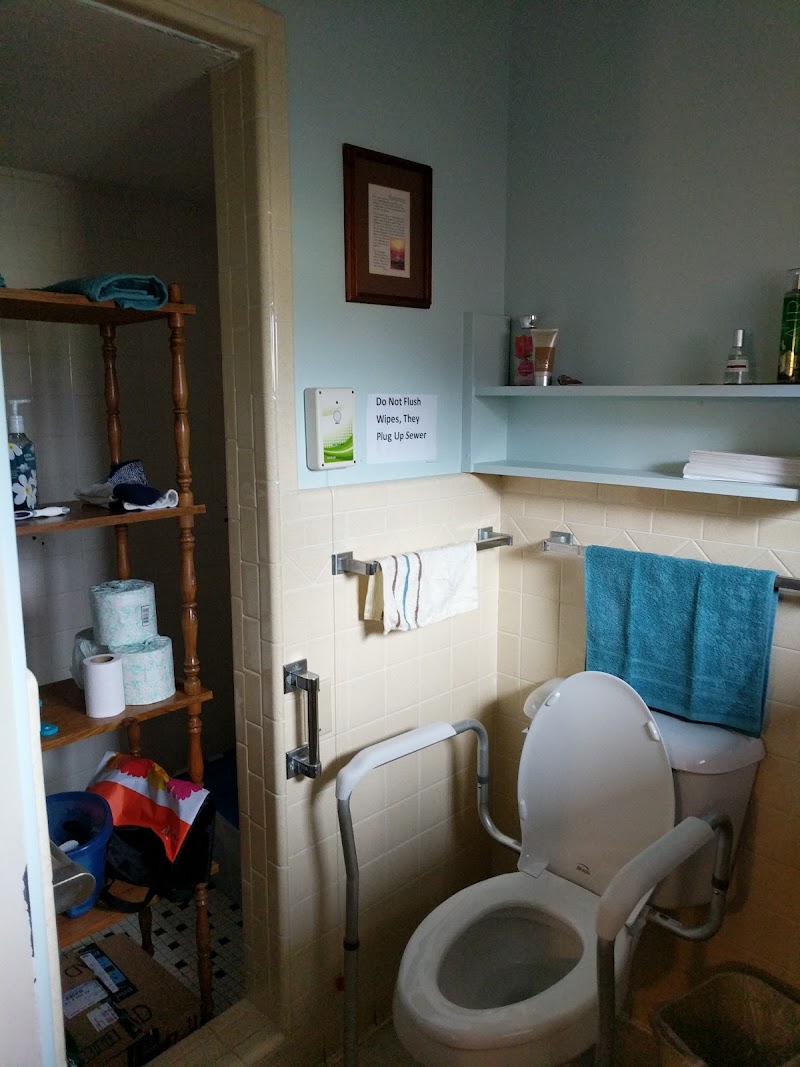
How is Fairview Fellowship Home For Senior Citizens, Inc Staffed?
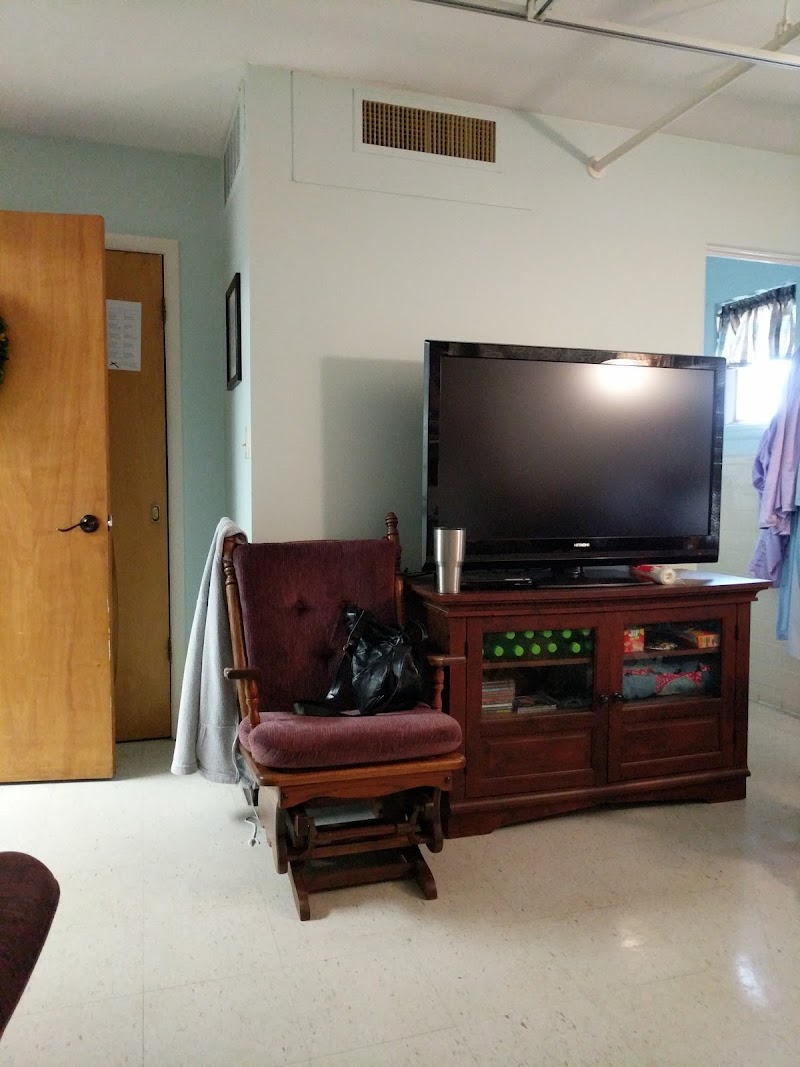
CMS rates Fairview Fellowship Home For Senior Citizens, Inc's staffing level at 4 out of 5 stars, which is above average compared to other nursing homes. Staff turnover is 46%, compared to the Oklahoma average of 46%. This relatively stable workforce can support continuity of care.

What Have Inspectors Found at Fairview Fellowship Home For Senior Citizens, Inc?

State health inspectors documented 26 deficiencies at Fairview Fellowship Home For Senior Citizens, Inc during 2019 to 2025. These included: 1 Immediate Jeopardy (the most serious level, indicating potential for serious harm or death) and 25 with potential for harm. Immediate Jeopardy findings are rare and represent the most serious regulatory concerns. They require immediate corrective action.

Who Owns and Operates Fairview Fellowship Home For Senior Citizens, Inc?

Fairview Fellowship Home For Senior Citizens, Inc is owned by a non-profit organization. Non-profit facilities reinvest revenue into operations rather than distributing to shareholders. The facility operates independently rather than as part of a larger chain. With 100 certified beds and approximately 74 residents (about 74% occupancy), it is a mid-sized facility located in Fairview, Oklahoma.

How Does Fairview Fellowship Home For Senior Citizens, Inc Compare to Other Oklahoma Nursing Homes?

Compared to the 100 nursing homes in Oklahoma, Fairview Fellowship Home For Senior Citizens, Inc's overall rating (1 stars) is below the state average of 2.6, staff turnover (46%) is near the state average of 46%, and health inspection rating (1 stars) is much below the national benchmark.

What Should Families Ask When Visiting Fairview Fellowship Home For Senior Citizens, Inc?

Based on this facility's data, families visiting should ask: "What changes have been made since the serious inspection findings, and how are you preventing similar issues?" "Can I visit during a mealtime to observe dining assistance and food quality?" "How do you handle medical emergencies, and what is your hospital transfer rate?" "Can I speak with family members of current residents about their experience?" These questions are particularly relevant given the facility's Immediate Jeopardy citations.

Is Fairview Fellowship Home For Senior Citizens, Inc Safe?

Based on CMS inspection data, Fairview Fellowship Home For Senior Citizens, Inc has documented safety concerns. Inspectors have issued 1 Immediate Jeopardy citation (the most serious violation level indicating risk of serious injury or death). The facility has a 1-star overall rating and ranks #100 of 100 nursing homes in Oklahoma. Families considering this facility should ask detailed questions about what corrective actions have been taken since these incidents.

Do Nurses at Fairview Fellowship Home For Senior Citizens, Inc Stick Around?

Fairview Fellowship Home For Senior Citizens, Inc has a staff turnover rate of 46%, which is about average for Oklahoma nursing homes (state average: 46%). Moderate turnover is common in nursing homes, but families should still ask about staff tenure and how the facility maintains care continuity when employees leave.

Was Fairview Fellowship Home For Senior Citizens, Inc Ever Fined?

Fairview Fellowship Home For Senior Citizens, Inc has been fined $28,330 across 1 penalty action. This is below the Oklahoma average of $33,362. While any fine indicates a compliance issue, fines under $50,000 are relatively common and typically reflect isolated problems that were subsequently corrected. Families should ask what specific issues led to these fines and confirm they've been resolved.

Is Fairview Fellowship Home For Senior Citizens, Inc on Any Federal Watch List?

Fairview Fellowship Home For Senior Citizens, Inc is not on any federal watch list. The most significant is the Special Focus Facility (SFF) program, which identifies the bottom 1% of nursing homes nationally based on persistent, serious quality problems. Not being on this list means the facility has avoided the pattern of deficiencies that triggers enhanced federal oversight. This is a positive indicator, though families should still review the facility's inspection history directly.