WILLOW CREEK HEALTH CARE
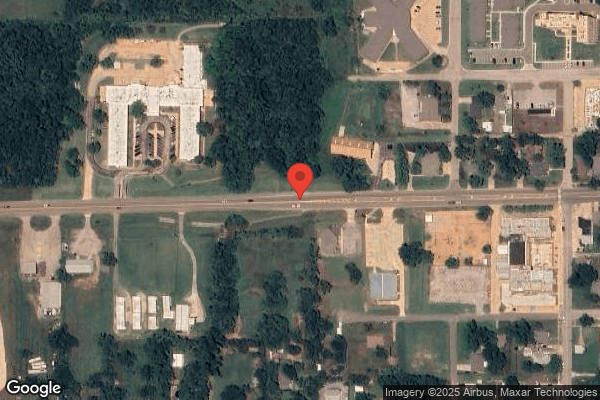
2300 WEST NOBLE, GUTHRIE, OK 73044 (405) 282-1686
For profit - Limited Liability company 100 Beds Independent Data: November 2025
Trust Grade
93/100
#38 of 282 in OK
Last Inspection: December 2024

Within standard 12-15 month inspection cycle. Federal law requires annual inspections.

Overview

Willow Creek Health Care in Guthrie, Oklahoma, has a Trust Grade of A, which means it is highly recommended and considered excellent among nursing homes. It ranks #38 out of 282 facilities in the state, placing it in the top half, but is #2 out of 2 in Logan County, indicating only one local option is better. The facility's performance trend is stable, with one issue reported in both 2023 and 2024, showing no worsening of conditions. Staffing is a relative strength, with a turnover rate of 28%, well below the state average of 55%, although the staffing rating is average at 3 out of 5 stars. Notably, there are no fines on record, which is a positive sign. However, there are some concerns based on recent inspector findings. The facility failed to properly review and implement care plans for several residents, which could impact their treatment. Additionally, there were issues with not adequately monitoring a resident's condition and not following physician orders regarding weight checks for other residents. While the staff-to-resident ratio is decent, the quality measures rating of 2 out of 5 suggests there is room for improvement in the overall quality of care.

Trust Score
A
93/100
In Oklahoma
#38/282
Top 13%
Safety Record
Low Risk
No red flags
Inspections
Holding Steady
1 → 1 violations
Staff Stability
✓ Good
28% annual turnover. Excellent stability, 20 points below Oklahoma's 48% average. Staff who stay learn residents' needs.
Penalties
✓ Good
No fines on record. Clean compliance history, better than most Oklahoma facilities.
Skilled Nurses
⚠ Watch
Each resident gets only 18 minutes of Registered Nurse (RN) attention daily — below average for Oklahoma. Fewer RN minutes means fewer trained eyes watching for problems.
Violations
⚠ Watch
12 deficiencies on record. Higher than average. Multiple issues found across inspections.
★★★★★
5.0
Overall Rating
★★★☆☆
3.0
Staff Levels
★★☆☆☆
2.0
Care Quality
★★★★★
5.0
Inspection Score
Stable
2023: 1 issues
2024: 1 issues

The Good

  • Low Staff Turnover (28%) · Staff stability means consistent care
  • Full Sprinkler Coverage · Fire safety systems throughout facility
  • No fines on record
  • Staff turnover is low (28%)

    20 points below Oklahoma average of 48%

Facility shows strength in staff retention, fire safety.

The Bad

No Significant Concerns Identified

This facility shows no red flags. Among Oklahoma's 100 nursing homes, only 1% achieve this.

The Ugly 12 deficiencies on record

Dec 2024 1 deficiency
CONCERN (D)

Potential for Harm - no one hurt, but risky conditions existed

Infection Control (Tag F0880)

Could have caused harm · This affected 1 resident

Based on observation, record review, and interview, the facility failed to ensure staff wore gloves and cleaned the resident's skin prior to injection for one (#28) of one sample resident observed for...

Read full inspector narrative →
Based on observation, record review, and interview, the facility failed to ensure staff wore gloves and cleaned the resident's skin prior to injection for one (#28) of one sample resident observed for insulin injection. The administrator identified 51 residents resided in the facility. An undated facility matrix documented eight residents received insulin. Findings: A Subcutaneous Injections policy, dated March 2011, documented to put on gloves and clean the site with alcohol prior to injection. On 12/10/24 at 11:10 a.m., LPN #1 was observed to inject Resident #28 with insulin. LPN #1 was observed not wearing gloves or cleaning the site prior to injection. On 12/10/24 at 11:11 a.m., LPN #1 stated they should have worn gloves and clean the site prior to injection. They confirmed they did not wear gloves or clean the site prior to injection. On 12/10/24 at 11:33 a.m., RN #2 stated staff should wear gloves and use alcohol on the site prior to injection.
Sept 2023 1 deficiency
CONCERN (D)

Potential for Harm - no one hurt, but risky conditions existed

Deficiency F0697 (Tag F0697)

Could have caused harm · This affected 1 resident

Based on record review and interview, the facility failed to ensure pain management was provided for one (#50) of one sampled resident reviewed for pain management. A Resident Census and Conditions of...

Read full inspector narrative →
Based on record review and interview, the facility failed to ensure pain management was provided for one (#50) of one sampled resident reviewed for pain management. A Resident Census and Conditions of Residents report, dated 09/25/23, identified 54 residents resided in the facility and 35 residents on a pain management program. Findings: A Pain-Clinical Protocol policy, revised March 2018, read in part .the physician and staff will identify individuals who have pain or who are at risk for having pain .the staff will reassess the individual's pain at least each shift for acute pain or significant changes in levels of chronic pain .review should review frequency, duration, mood behavior, sleep pattern . Resident #50 had diagnoses which included dementia, depression, down syndrome, and stage three pressure ulcer. An admission Assessment, dated 07/17/23, documented the resident's cognition was moderately impaired with daily decision making. A Physician's Order, dated 08/18/23, documented to administer Tylenol 325mg every six hours as needed for pain. A Progress Note, dated 09/01/23 at 6:00 p.m., read in part .resident screams loudly and persistently due to pain of [the resident] peri-anal bed sores. [The resident] writhes and squirms while loudly screaming continuously. [The resident] is miserable . A Progress Note, dated 09/03/23 at 3:19 p.m., read in part .[the resident] screams with pain with every BM or urination . A Progress Note, dated 09/03/23 at 7:31 p.m., read in part .resident has been howling and screaming very loudly for more than an hour due to pain of [their] perineal and sacral area . A Progress Note, dated 09/03/23 at 9:40 p.m., read in part .resident continuing to holler, moaning, and screaming very loudly due to pain. Doctor called and ordered Tylenol 500mg one now for pain .[the resident] was given the Tylenol .[the resident] is still loudly moaning and crying . A Progress Note, dated 09/04/23 at 9:55 p.m., read in part .resident cried, yelled, and hollered out all shift . A Medication Administration History report dated September 2023, did not document any pain medication had been administered for the complaints of pain in the progress notes. On 09/27/23 at 9:09 a.m., the DON was asked what was the policy for pain management. She stated pain was managed every shift by nurses and CMAs. She stated if a PRN pain medication was needed, it was given. She stated the nurses also observed for non-verbal and verbal indications for pain. On 09/27/23 at 9:55 a.m., the DON was asked to review Resident #50's progress notes from 09/01/23 to 09/05/23. The DON was asked what interventions where in place to manage Resident #50's pain. She stated no interventions were put into place, and they should have been.
Nov 2022 10 deficiencies
CONCERN (D)

Potential for Harm - no one hurt, but risky conditions existed

Deficiency F0578 (Tag F0578)

Could have caused harm · This affected 1 resident

Based on record review and interview, the facility failed to have an effective process to formulate/re-evaluate the resident's rights to formulate advance directives. This affected two (#30 and #45) o...

Read full inspector narrative →
Based on record review and interview, the facility failed to have an effective process to formulate/re-evaluate the resident's rights to formulate advance directives. This affected two (#30 and #45) of two sampled residents reviewed for advanced directives. The Resident Census and Conditions of Residents report, dated 11/03/22, documented the census to be 49. Findings: 1. Resident #30 had diagnoses to include dementia, atrial fibrillation with a pacemaker placement, history of myocardial infarction and a history of a fractured femur with sequela. A dated 10/25/20, read in part, DNR. The clinical record did not contain an advance directive. There was no documentation the resident and/or representative had been offered information to formulate an advance directive. 2. Resident #45 had diagnoses to include dementia, respiratory disease, altered mental status, and malnutrition. A Physician Order, dated 10/22/21, read in part, Code Status: Full Code. The clinical record did not contain an advance directive. There was no documentation the resident and/or representative had been offered information to formulate an advance directive. On 11/03/22 at 4:24 p.m., the Administrator and DON were asked to provide information/documentation Residents #30 and #45, and/or the resident's representatives had been offered written information to formulate/re-evaluate the resident right for an advance directive. The Administrator stated, When an admission comes in, we tell them to bring their advance directive with them. The Administrator stated the facility did not have a system in place to follow up for additional information to be provided or re-evaluate the need to change an advance directive.
CONCERN (D)

Potential for Harm - no one hurt, but risky conditions existed

Notification of Changes (Tag F0580)

Could have caused harm · This affected 1 resident

Based on record review and interview, the facility failed to notify the physician of changes in condition for one (Resident #26) of one sampled resident reviewed for change of condition. The Resident...

Read full inspector narrative →
Based on record review and interview, the facility failed to notify the physician of changes in condition for one (Resident #26) of one sampled resident reviewed for change of condition. The Resident Census and Condition of Residents, dated 11/03/22, documented the census was 49. Findings: Resident #26 had diagnoses to include hypertension, cardiac arrhythmia, pacemaker placement, mechanical complications of cardiac electronic device - sequel, heart disease, and chondrocostal junction syndrome. A Physician Order, dated 11/09/17, documented resident #26 was to be administered metoprolol tartrate, 25 mg twice a day. The medications was to be held if the systolic blood pressure was less than 110 and/or the diastolic blood pressure was less than 60. A Physician Order, dated 12/01/17, documented Resident #26 was to be administered furosemide 20 mg once a day. The medications was to be held if the systolic blood pressure was less than 110 and/or the diastolic blood pressure was less than 60. A Progress Note, dated 10/03/22 at 8:00 a.m., read in part, .Hospital for pacemaker consult . A Progress Note, dated 10/03/22 at 11:51 a.m., read in parts, .new upcoming appointment .heart hospital . A Progress Note, dated 10/08/22 at 3:00 p.m., read in parts, .complaining of having the fuzzy-wuzzies[sic] .taking a shower and dropped his washcloth and bent over to pick it up when he had the fuzzy-wuzzies [sic] .vital signs: 170/102, 60 .still a little unsteady while getting into his wheelchair .was told to lie down in his bed for an hour . The clinical record did not contain documentation the physician had been consulted/notified. A Quarterly Assessment, dated 10/18/22, documented Resident #26 had moderate cognitive impairment for daily decision making; required extensive assistance for bathing, and supervision for transfers, walking locomotion, dressing, eating and hygiene. The Care Plan last edited 10/31/22, read in parts, .Problem Start Date: 02/07/2018 .at risk for cardiac complications r/t pacemaker, arrhythmia, hypertension, angina, orthostatic hypotension, PVD, atherosclerosis, self manipulation of pacemaker, anticoagulant therapy .will not experience .signs of dizziness, faintness .observe for signs of pacemaker failure .dizziness, faintness, palpitations, hiccups, chest pain .syncope (fainting) . On 11/09/22 at 12:35 p.m., the DON was asked to review the Progress Note, dated 10/08/22, regarding the elevated blood pressure with symptomatic complaints. The DON was asked if the physician had been notified of a change of condition. They stated they did not find anything. The DON was asked if the physician had been notified when Resident #26 experienced emesis. They stated staff should have done a follow-up to ensure that physician may have needed to be notified. No further information was provided to support the physician had been notified of a change of condition for Resident #26.
CONCERN (D)

Potential for Harm - no one hurt, but risky conditions existed

Comprehensive Care Plan (Tag F0656)

Could have caused harm · This affected 1 resident

Based on record review and interview, the facility failed to develop a comprehensive care plan to include interventions to prevent falls for one (#30) of three sampled residents reviewed for care plan...

Read full inspector narrative →
Based on record review and interview, the facility failed to develop a comprehensive care plan to include interventions to prevent falls for one (#30) of three sampled residents reviewed for care plans. The Resident Census and Condition of Residents, dated 11/03/22, documented the census was 49. Finding: Resident #30 had diagnoses to include dementia, atrioventricular block, atrial fibrillation, and bradycardia. An Accident/Incident Report, dated 11/16/21, read in parts, .memory impaired .sitting on floor [with] legs under the w/c .moved w/c away from bedside, instructed Resident to call for help when .needs to get up. Showed [Resident #30] where [Resident #30's] call light is . The Fall Care Plan, dated 11/16/21, read in parts, .failed attempt to self transfer .Showed resident call light and to call for help when getting up . An Accident/Incident Report, dated 12/10/21, read in parts, .memory impaired .trying to self-transfer from bed to wc and fell .non-slip socks on, no pants or brief on, wc brakes locked .Remind res to call for assistance . The Fall Care Plan, dated 12/10/21, read in parts, .Failed attempt at self transfer from bed to wc .Intervention: Remind resident to call for assistance when transferring . ASignificant Change of Status Assessment, dated 02/01/22, documented Resident #30 had severe cognitive impairment for daily decision making, required extensive assistance of staff for transfers, and had experienced one fall with no injury, and two or more falls with skin tears, abrasions, lacerations, superficial bruising, hematoma, and sprains. There was no documentation a comprehensive care plan had been completed after the significant change of status assessment. On 11/08/22 at 2:47 p.m., the DON and Administrator were asked to review Resident #30's comprehensive care plan for falls. They were asked if the interventions to tell the resident to use a call light and/or request assistance were appropriate interventions for a resident with severe cognitive impairment. The DON stated no. They were asked if the interventions appeared to be effective in preventing the resident from falls. The DON stated, No, the care plan needed to be updated.
CONCERN (D)

Potential for Harm - no one hurt, but risky conditions existed

Accident Prevention (Tag F0689)

Could have caused harm · This affected 1 resident

Based on record review and interviews, the facility failed to provide interventions to prevent repeated falls for one (#30) of three residents reviewed for falls. The Resident Census and Conditions o...

Read full inspector narrative →
Based on record review and interviews, the facility failed to provide interventions to prevent repeated falls for one (#30) of three residents reviewed for falls. The Resident Census and Conditions of Residents, dated 11/03/22, the facility census was 49. Findings: Resident #30 had diagnoses to include dementia, atrioventricular block, atrial fibrillation, and bradycardia. A Significant Change of Status Assessment, dated 02/01/22, documented Resident #30 had experienced one fall with no injury, and two or more falls with skin tears, abrasions, lacerations, superficial bruising, hematoma, and sprains: or any fall-related injury that causes the resident to complain of pain. The comprehensive care plan for falls did not contain interventions to remind the resident to use the call light and request assistance were appropriate. An Accident/Incident Report, dated 05/22/22, read in parts, .sitting on bed room floor .Recommended steps to prevent recurrence .call light for staff to assist to toilet while diarrhea persists . A Fall Care Plan, dated 5/22/22, read in parts, .Failed attempt at self-transfer .Reminded to use call light for assist . There was no documentation new interventions had been put in place. A Quarterly Assessment, dated 07/26/22, documented Resident #30 had experienced one fall with no injury, and two or more falls with skin tears, abrasions, lacerations, superficial bruising, hematoma, and sprains: or any fall-related injury that causes the resident to complain of pain. An Accident/Incident Report, dated 08/25/22, read in parts, .no impairments .called for assistance to transfer from bed to wheelchair .said .fell for 4 times already trying to transfer from bed to wheelchair .Recommended steps to prevent recurrence: Reinforced .use call light when transferring from bed to wheelchair . A Fall Care Plan, dated 08/25/22, read in parts, .Self-reported failed attempt to transfer from bed to WC .Reminded resident to use call light when transferring . There was no documentation a new intervention had been put in place. A progress note, dated 08/26/22 at 1:48 a.m., read in parts, .Resident seen on bed, sitting at 11:15PM. Called for an assistance to transfer from bed to wheelchair. Reported that [Resident #30] fell for 4 times already unwitnessed trying to transfer from bed to wheelchair Described that [Resident #30] went black out and fell on the floor landing her buttocks first .Reinforced the use of call light for assistance . A 'Quarterly Assessment, dated 10/18/22, documented Resident #30 had severe cognitive impairment for daily decision making, required extensive assistance for transfers, dressing and toileting, and had one fall since the prior assessment. An Accident/Incident Report, dated 10/27/22, read in parts, .was lying on the floor between her bed and bedside table .abrasion to left outer forearm .Recommended steps to prevent recurrence: check on resident frequent [sic]. Take her to the bathroom, set meals up for her. check q hr on her . The Fall Care Plan, dated 10/26/22, did not include an entry regarding the Accident/Incident Report or any new interventions. On 11/08/22 at 2:47 p.m., the DON and administrator were asked to review Resident #30's care plan for falls. They were asked if the interventions to tell the resident to use a call light and/or request assistance was an appropriate intervention for a resident with severe cognitive impairment. The DON stated no. They were asked if the interventions appeared to be effective in preventing the resident to fall. The DON stated, No.
CONCERN (D)

Potential for Harm - no one hurt, but risky conditions existed

Deficiency F0741 (Tag F0741)

Could have caused harm · This affected 1 resident

Based on record review, observation and interview, the facility failed to ensure staff were competent to report/follow policy regarding a residents' reports of suicidal ideations with a plan. This aff...

Read full inspector narrative →
Based on record review, observation and interview, the facility failed to ensure staff were competent to report/follow policy regarding a residents' reports of suicidal ideations with a plan. This affected one (#15) of six sampled resident reviewed for behavioral health and unnecessary medications. The Resident Census and Conditions of Residents, dated 11/03/22, documented the facility census was 49. Findings: The facility's Suicide Threats policy, read in parts, .Resident suicide threats shall be taken seriously and addressed appropriately .staff shall report any resident threats of suicide immediately to the Nurse Supervisor/Charge Nurse .A staff member shall remain with the resident until the Nurse Supervisor/Charge Nurse arrives to evaluate the resident . Resident #15 had diagnoses to include major depressive disorder, insomnia, atrial fibrillation and congestive heart failure. A physician's order, dated 03/11/22, documented Resident #15 was to be administered bupropion, an antidepressant, 150 mg twice a day for depression. A Psychological Services Progress Note[s], dated 08/11/22, 08/18/22, 09/01/22, 09/08/22, 09/29/22, read in parts, .Date of Service .Suicidal/Self Injury: Ideation . On 11/03/22 at 9:08 a.m., during medication administrations, Resident #15 stated to CMA #1, Resident #15 stated, I had thoughts of suicide last night and had it all planned out. CMA #1 responded to the resident, No you're not. CMA #1 continued to other resident rooms to administer medications and did not report to the charge nurse/supervisor, or staff to remain with Resident #15. On 11/03/22 at 10:50 a.m., Resident #15 was laying in bed, with a visitor at the bedside. The visitor introduced self as a friend of the resident and comes to visit weekly. The friend was asked if Resident #15 had struggles with depression. The friend stated, Yes, and the problem had worsened with the progression of dementia and having to leave home to a nursing home. The friend stated the resident frequently talks of suicide and the family was aware but felt Resident #15 was in a safe/controlled environment, resulting without a means to follow-through. On 11:03/22 at 2:05 p.m., the DON was asked if they had received any reported event of a resident with suicidal ideation and a plan. The DON stated, No. The DON was informed of the observations made during the medication pass. The DON stated staff should have reported the event to the charge nurse then a report made to the DON and/or administration.
CONCERN (D)

Potential for Harm - no one hurt, but risky conditions existed

Deficiency F0761 (Tag F0761)

Could have caused harm · This affected 1 resident

Based on record review, observation, and interview, the facility failed to: 1. ensure medication/treatment carts remained locked and keys removed when unattended, and 2. ensure medications that requi...

Read full inspector narrative →
Based on record review, observation, and interview, the facility failed to: 1. ensure medication/treatment carts remained locked and keys removed when unattended, and 2. ensure medications that required refrigeration were refrigerated as recommended by the manufacturer for one (#15) of one sampled residents reviewed for refrigerated medications. The Resident Census and Condition of Residents report, dated 11/01/2022, documented 49 residents resided in the facility. Findings: A Security of Medication Cart policy, revised April 2007, read in parts, .Medication carts must be securely locked at all times when out of the nurse's view. When the medication cart is not being used, it must be locked and parked at the nurses' station or inside the medication room . A Storage of Medications policy, revised April 2007, read in parts, .Medications requiring refrigeration must be stored in a refrigerator located in the drug room at the nurses' station or other secured location. Medications must be stored separately from food and must be labeled accordingly . 1. On 11/07/22, at 4:33 p.m., a treatment cart was observed unlocked and unattended on hall 100. The cart was observed to contain insulin needles, insulin, scissors, inhalers, medications and various creams. On 11/07/2022, at 4:54 p.m., RN #2 was observed to approached the unlocked treatment cart on hall 100. RN #2 was asked what the policy was for locking treatment carts. They stated, the cart should be locked all the time when we're not using it. RN #2 stated they forgot to lock it they were changing some items out. On 11/08/22, at 9:43 a.m., the DON was asked what the policy was for treatment/medication cart safety. They stated, they should be locked anytime you walk away. They were asked what were the risks for having an unlocked cart. They stated, anybody could get stuff out of there if they can get it open. The DON was made aware of the observations of the treatment cart being unlocked and unattended. 2. Resident #15 had diagnoses which included hemiplegia/hemiparesis following cerebral infarction, HTN, chronic systolic/congestive heart failure. A Physician's Order, dated 03/13/22, read in part, .Probiotic [Floragen] twice a day. On 11/03/22 at 9:05 a.m., during a medication pass, CMA #1 was observed to retrieve a card of medication labeled, Florajen, from the medication cart. The card had a REFRIGERATE sticker on it. On 11/03/22 at 5:10 p.m., CMA #4 was asked to look at resident #15's medications in the cart. They were asked if the probiotic was to be refrigerated. They stated, yes. CMA #4 was asked if the medication was refrigerated. They stated it was when they got it. They were asked when they received it. They stated they were not sure. The CMA #4 was asked if the probiotic was on the cart when they took over the cart. They stated, yes. They were asked how they know what medications require refrigeration. They stated, when there is a sticker on it and it says it on the tag that comes with the medication when it is delivered. CMA #4 was asked what the policy was for medications requiring refrigeration. They stated, if not refrigerated then they waste and would discard the medication. On 11/04/22 at 9:05 a.m., CMA #1 was asked how they know what medications required refrigeration. They stated, normally the order or card states refrigerate, and that the pharmacist has told them that since the cart does not get hot, they could keep them on the cart. CMA #1 was asked what the policy was for medication requiring refrigeration. They stated, to stay in the fridge, but that the pharmacist said it was ok to keep them on the cart. On 11/04/22 at 9:20 a.m., the DON was made aware of the probiotic labeled Refrigerate and being stored in the medication cart. On 11/04/22 at 11:22 a.m., the DON stated the medication refrigeration is specific to manufacturer instruction and stated that after speaking to the pharmacist, the probiotic was refrigeration only and was to educate staff. 3. On 11/07/22 at 4:55 p.m., LPN #3 was observed in the common area working at a treatment cart. LPN #3 gathered items and left the cart, exiting the area. A ring of keys remained inserted into the unlocked/unattended cart. At 4:58 p.m., LPN #3 returned to the treatment cart, pulled the keys, locked the cart, placed the keys in their pocket, and began working on the computer on top of the treatment cart. LPN #3 was asked if the treatment cart was to be locked at all times. They stated, Yes. LPN #3 was asked if there was a reason the treatment cart was to be locked at all times. They stated, So no one can mess with it. LPN #3 was asked what the facility policy was regarding locked carts. LPN #3 stated the policy is for the carts to be locked at all times.
CONCERN (D)

Potential for Harm - no one hurt, but risky conditions existed

Infection Control (Tag F0880)

Could have caused harm · This affected 1 resident

Based on record review, observation, and interview, the facility failed to ensure staff sanitized the blood pressure cuff after resident use for one (#1) of three sampled residents observed having the...

Read full inspector narrative →
Based on record review, observation, and interview, the facility failed to ensure staff sanitized the blood pressure cuff after resident use for one (#1) of three sampled residents observed having their blood pressure taken during medication administration. The DON identified 11 residents with infection precautions posted on their room door. The Resident Census and Condition of Residents report, dated 11/01/22, identified 49 residents resided in the facility. Findings: A Cleaning and Disinfection of Resident-Care Items and Equipment policy, revised October 2018, read in parts .resident-care equipment, including reusable items and durable medical equipment will be cleaned and disinfected to current CDC recommendations for disinfection and the OSHA Bloodborne Pathogens Standard .Durable medical equipment (DME) must be cleaned and disinfected before reuse by another resident . On 11/03/22 at 09:43 a.m., CMA #3 was observed not to sanitize wrist blood pressure cuff after using on prior resident. On 11/03/22 at 10:00 a.m., after gathering resident #1 medications, CMA #3 was observed to hold them in the cup while waiting for resident #1 to get out of the shower. On 11/03/22 at 10:40 a.m., CMA #3 was not observed to disinfect the blood pressure cuff used on a previous resident prior to using it on resident #1. On 11/03/22 at 10:44 a.m., CMA #3 was asked at what point were the blood pressure cuffs to be disinfected. They stated should be sanitized after each person. They were asked if they sanitized the cuff between the last two residents. They stated, yes. CMA #3 was asked what was used to sanitize the cuff. They stated, alcohol prep. They were asked where the alcohol prep was kept. They stated, top drawer of the cart, and begun looking through the drawer. The CMA was observed to have trouble locating one, but did find one to show. Informed CMA they were not observed to disinfect the cuff between the last two residents. CMA #3 had no response. On 11/04/22 at 9:12 a.m., The DON was asked what was the policy for disinfection of medical supplies. They stated there are multiple options like spray, wipes, alcohol pads, and micro kill. They were asked when blood pressure cuffs were to be disinfected. They stated, between every patient. On 11/04/22 at 9:20 a.m., The DON was made aware of the observation of the blood pressure cuff not being sanitized between residents.
CONCERN (E)

Potential for Harm - no one hurt, but risky conditions existed

Deficiency F0657 (Tag F0657)

Could have caused harm · This affected multiple residents

Based on record review, observations and interviews, the facility failed to review/revise/implement the care plans for three (#15, 30 and #45) of eight sampled residents reviewed for care plans. This ...

Read full inspector narrative →
Based on record review, observations and interviews, the facility failed to review/revise/implement the care plans for three (#15, 30 and #45) of eight sampled residents reviewed for care plans. This affected: The Resident Census and Condition of Residents, dated 11/03/22, documented the facility census was 49. Findings: 1. Resident #15 had diagnoses to include major depressive disorder, insomnia, atrial fibrillation and congestive heart failure. A Physician's Order, dated 03/11/22, documented Resident #15 was to be administered bupropion, an antidepressant, 150 mg twice a day for depression. APsychological Services Progress Note[s], dated 08/11/22, 08/18/22, 09/01/22, 09/08/22, and 09/29/22, read in parts, .Current Risk Factors .Suicidal/Self Injury: Ideation . A Physician's Order, dated 10/14/22, documented Resident #15 may have a consult and be treated by mental health for depression. A Physician's Order, dated 10/14/22, documented staff must witness Resident #15 to swallow pills, to check the mouth to make certain pills have been swallowed. A Quarterly Assessment, dated 10/18/22, documented Resident #15 had clear speech, short/long term memory deficits, and was moderately impaired, made poor decision, and required cues/supervision. A Behavioral Symptom Care Plan, dated 11/01/22, documented to maintained goals for resident to accept assistance for ADL care and state feeling rested. The care plan did not address suicidal ideations/prevention. On 11/03/22 at 9:08 a.m., during medication administration, Resident #15 stated to CMA #1, I had thoughts of suicide last night and had it all planned out. CMA #1 responded to the resident, No you're not. CMA #1 continued to other resident rooms to administer medications and did not report to the charge nurse or supervisor. On 11/04/22 at 10:20 a.m., the DON was asked if Resident #15 had a care plan that included suicidal ideations/plans. After review of the mental health notes and care plan, the DON stated the care plan should have been updated if the resident did have ideations. 2. Resident #30 had diagnoses to include dementia, atrioventricular block, and bradycardia. An Accident/Incident Report, dated 05/22/22, read in parts, .sitting on bed room floor .Recommended steps to prevent recurrence .call light for staff to assist to toilet while diarrhea persists . A Fall Care Plan, dated 5/22/22, read in parts, .Failed attempt at self-transfer .Reminded to use call light for assist . A Quarterly Assessment, dated 07/26/22, documented Resident #30 had severe cognitive impairment, required extensive assistance of staff for transfer, dressing and toileting, and had experienced one fall with no injury, and two or more falls with skin tears, abrasions, lacerations, superficial bruising, hematoma, and sprains: or any fall-related injury that causes the resident to complain of pain. An Accident/Incident Report, dated 08/25/22, read in parts, .no impairments .called for assistance to transfer from bed to wheelchair .said .fell for 4 times already trying to transfer from bed to wheelchair .Recommended steps to prevent recurrence: Reinforced .use call light when transferring from bed to wheelchair . A Fall Care Plan, dated 08/25/22, read in parts, .Self-reported failed attempt to transfer from bed to WC .Reminded resident to use call light when transferring . A Quarterly Assessment, dated 10/18/22, documented Resident #30 had severe cognitive impairment for daily decision making, required extensive assistance for transfers, dressing and toileting, and had one fall since the prior assessment. An Accident/Incident Report, dated 10/27/22, read in parts, .was lying on the floor between her bed and bedside table .abrasion to left outer forearm .Recommended steps to prevent recurrence: check on resident frequent. Take [Resident #30] to the bathroom, set meals up .check q hr . The fall care plan did not include an entry regarding the Accident/Incident Report, dated 10/27/22. It did not include interventions to prevent falls for a resident with severe cognitive impairment regarding the above falls. Resident #30 was observed throughout the survey to self transfer from the bed to wheelchair, self toilet and transfer self from the wheelchair to the bed, without staff assistance. On 11/08/22 at 2:47 p.m., the DON and Administrator were asked if the interventions to tell the resident to use a call light and/or request assistance was an appropriate intervention for a resident with severe cognitive impairment. The DON stated no. They were asked if the interventions appeared to be effective in preventing the resident to fall. The DON stated, No, the care plan needed to be updated. 3. Resident #45 had diagnoses to include dementia, anxiety, hypertension, and protein-calorie malnutrition. A Nutritional Status Care Plan, dated 11/08/21, read in parts, .monitor/record weight. Notify the health care provider and family of significant weight change . A Physician's Order, dated 03/22/22, documented weekly weight were to be obtained every Sunday on the day shift. A Hypertension and Elevated Cholesterol Care Plan, dated 04/14/22, read in parts, .will not exhibit complications of edema .assess for fluid excess .weight gain . The weight records for Resident #45, documented the following: In 07/2022, weights were not obtained two of four weeks; In 08/2022, weights were not obtained one of four weeks; In 09/2022, no weights were obtained; and In 11/2022, weights were not obtained one of two weeks. The clinical record indicate weights were not attempted on 44 of 47 days from 08/21 to 10/08/22. On 11/01/22 at 02:42 p.m., Resident #45 was observed seated with feet elevated in a recliner and both ankles were observed to be swollen. On 11/07/22 at 10:10 a.m., Resident #45 was seated at a dining table in the common area and both ankles were observed to be swollen. On 11/08/22 at 1:52 p.m., the DON and ADON were asked if the care plan should have included edema/swelling of the ankles. The DON stated she would have to check with the care plan to see if it is there. The DON was asked, if the care plan stated to monitor weight gain, did the facility follow/implement the resident care plan. The DON stated, No, the care plan was not followed.
CONCERN (E)

Potential for Harm - no one hurt, but risky conditions existed

Quality of Care (Tag F0684)

Could have caused harm · This affected multiple residents

Based on record reviews, observations and interviews, the facility failed to a. re-assess/monitor and intervene for one (#26) of one sampled resident with a change of condition; and b. follow physicia...

Read full inspector narrative →
Based on record reviews, observations and interviews, the facility failed to a. re-assess/monitor and intervene for one (#26) of one sampled resident with a change of condition; and b. follow physician's orders to obtain/monitor weekly weights for four (#30, 34 and #45) of 21 sampled residents reviewed for physician's orders. The Residents Census and Condition of Residents, dated 11/03/22, documented the facility census was 49. Findings: 1. Resident #26 had diagnoses to include hypertension, cardiac arrhythmia, pacemaker placement, mechanical complications of cardiac electronic device - sequelae, and heart disease. A progress note dated 10/08/22 at 3:00 p.m., read in parts, .complaining of having the fuzzy-wuzzies .taking a shower and dropped his washcloth and bent over to pick it up when he had the 'fuzzy-wuzzies' .vital signs: 170/102, 60 .assisted to get into his wheelchair and taken to his room .still a little unsteady while getting into his wheelchair .was told to lie down in his bed for an hour . The clinical record contained no documentation Resident #26 was re-assessed/monitored. The clinical record did not contain documentation the physician was consulted. A progress note, dated 10/27/22 at 1:28 p.m., read in parts, .vomit after lunch . The clinical record did not contain documentation Resident #26 was re-assessed or monitored. On 11/09/22 at 12:35 p.m., the DON was asked to review the progress note, dated 10/08/22, regarding the elevated blood pressure with symptomatic complaints. The DON was asked if Resident #26 was reassessed/monitored or the physician consulted. They stated I do not see anything. The DON was asked if resident #26 was monitored/re-evaluated after the note of experienced emesis, on 10/27/22. They stated there needed to be more information documented. They stated staff should have done a follow-up. 2. Resident #30 had diagnoses to include dementia, atrioventricular block, atrial fibrillation, bradycardia, presence of a pacemaker and history of myocardial infarction. A nutritional status care plan, dated 02/10/21, documented Resident #30 was to be offered ice cream milk shake three times a day for prevention of weight loss. A physician's order, dated 12/10/21, documented Resident #30 was to be weighed daily. Resident #30's weight records for August, 2022, documented the resident weights were deferred on six days, and no documented weights on seven days. Resident #30's weights were not obtained as ordered on 20 of 31 days in August, 2022. The clinical record contained no documentation the physician was made aware daily weights were not being obtained as ordered. Resident #30's weight records for September, 2022, documented the resident was not available one day and no documented weights on 18 days. Resident #30's weights were not obtained as ordered on 28 of 30 days in September 2022. Resident #30's weight records for October, 2022, had no documented weights on six days. Resident #30's weights were not obtained on 10 of 31 days in October, 2022. On 11/08/22 at 2:47 p.m., the DON and ADON were asked if weights had been obtained per physician orders and if the physician was aware daily weights had not been obtained as ordered for Resident #30. The DON reviewed the record and stated the weights were not obtained as ordered. 3. Resident #34 had diagnosis to include retention of urine, chronic kidney disease/stage 3, hypertension, cyst of the kidney, and seroma of digestive organ. A Physician's Order, dated 12/31/21, documented Resident #34 was to be weighed weekly on Mondays. The weight record, for Resident #34, contained no weekly weights from 12/27/21 through 05/11/22. Two of four weekly weights were obtained from 05/2022 to 06/2022. The weight record, for Resident #34 contained no weekly weights from 06/08/22 to 07/18/22. The weight record, for Resident #34 contained no weekly weights from 07/18/22 through 11/08/22. A Dietary Progress Note, dated 08/24/22 at 9:58 a.m., read in parts, .Aug wt pending . A Dietary Progress Note, dated 09/26/22 at 10:04 a.m., read in parts, .Sept wt pending . A Dietary Progress Note, dated 10/12/22 at 10:32 a.m., read in parts, .Oct wt pending . On 11/08/22 at 2:15 p.m., the DON and ADON were asked if Resident #34 has been weighed weekly per the physician's orders. They stated the last weight was 07/18/22 and resident had often refused. They were asked if the physician was aware the weights were not obtained as ordered. No information was provided. 4. Resident #45 had diagnoses to include dementia, and protein-calorie malnutrition A Physician's Order, dated 03/22/22, documented weekly weights were to be obtained on Sundays and staff were to notify the physician if a weight gain of greater than three pounds. The weight record did not contain documentation Resident #45 was weighed from 8/21/22 until 10/8/22. The clinical record contained no documentation the physician was aware the weekly weights were not obtained as ordered. On 11/08/22 at 1:52 p.m., the DON and ADON were asked if the physician ordered weekly weights had been obtained as ordered. The DON stated they would have to look at the order to see when the order originated. They were asked, as the orders are currently written, should the facility obtained weekly weights. No information was provided.
CONCERN (E)

Potential for Harm - no one hurt, but risky conditions existed

Medication Errors (Tag F0758)

Could have caused harm · This affected multiple residents

Based on record review, observation, and interview, the facility failed to ensure a PRN psychotropic medications order was limited to 14 days for one (#26) of five sampled residents reviewed for unnec...

Read full inspector narrative →
Based on record review, observation, and interview, the facility failed to ensure a PRN psychotropic medications order was limited to 14 days for one (#26) of five sampled residents reviewed for unnecessary medications. The Resident Census and Conditions of Residents documented 27 residents received psychoactive medications. The Census was 49. Findings: Resident #26 had diagnoses to include major depressive disorder, and insomnia. A Care Plan, dated 02/07/18, read in parts, .Psychotropic drug use .Has interrupted Sleep patter r/t insomnia .Restoril (temazepam) 15 mg PO Q HR PRN . A physician order, dated 11/30/18, documented Resident #26 was to be administered temazepam 15 mg every evening for insomnia. The order was discontinued, and a new order written on 09/17/21. A physician order, dated 09/17/21, documented Resident #26 was to be administered temazepam 15 mg PRN at bedtime. The order was discontinued and a new order written on 01/06/22. A physician order, dated 01/06/22 documented Resident #26 was to be administered temazepam 15 mg PRN at bedtime. The order was discontinued and a new order written on 05/18/22. A Pharmaceutical Consultant Report, labeled psychoactive Gradual Dose Reduction, dated 02/19/22, read in parts, .consider a dose reduction. Temazepam 15 mg HS PRN Insomnia .PRN med should be limited to 14 days then reassessed . The physician documented to continue to current dose as above, stating the patient is stable. The physician documented the signature/review date as 02/25/22. The documentation did not include an evaluation/rational for temazepam to be continued as a PRN dose for greater than 14 days. A physician order, dated 05/18/22, documented Resident #26 was to be administered temazepam 15 mg PRN at bedtime. The order was discontinued and a new order written on 10/10/22. The MAR for August 2022, documented Resident #26 received temazepam PRN on 26 of 31 days. The MAR for September 2022, documented Resident #26 received temazepam PRN on 29 of 30 days. A physician's order, dated 10/10/22, documented Resident #26 was to be administered temazepam 15 mg PRN at bedtime. The order documented the end/stop date of 04/10/23. The MAR for October 2022, documented Resident #26 received temazepam PRN on 30 of 31 days. The MAR for November 2022, documented Resident #26 received temazepam PRN for eight of eight days. The clinical record contained no documentation Resident #26 had been assessed every 14 days for the continued use of PRN temazepam ordered/administered from 11/30/18 through 11/09/22. On 11/09/22 at 12:35 p.m., the DON was asked if Resident #26 was re-evaluated/assessed by the physician every 14 days and if true, was there documentation to support the need for the continued use of the PRN temazepam from 02/17/18 to current. The DON stated they would look. No further information was provided to support Resident #26 had been re-evaluated/assessed by the physician every 14 days and/or documentation to support the need for the continued use of the PRN temazepam.
Understanding Severity Codes (click to expand)
Life-Threatening (Immediate Jeopardy)
J - Isolated K - Pattern L - Widespread
Actual Harm
G - Isolated H - Pattern I - Widespread
Potential for Harm
D - Isolated E - Pattern F - Widespread
No Harm (Minor)
A - Isolated B - Pattern C - Widespread

Questions to Ask on Your Visit

  • "Can I speak with families of current residents?"
  • "What's your RN coverage like on weekends and overnight?"

Our Honest Assessment

Strengths
  • • Grade A (93/100). Above average facility, better than most options in Oklahoma.
  • • No major safety red flags. No abuse findings, life-threatening violations, or SFF status.
  • • No fines on record. Clean compliance history, better than most Oklahoma facilities.
  • • 28% annual turnover. Excellent stability, 20 points below Oklahoma's 48% average. Staff who stay learn residents' needs.
Concerns
  • • 12 deficiencies on record. Higher than average. Multiple issues found across inspections.
Bottom line: Generally positive indicators. Standard due diligence and a personal visit recommended.

About This Facility

What is Willow Creek Health Care's CMS Rating?

CMS assigns WILLOW CREEK HEALTH CARE an overall rating of 5 out of 5 stars, which is considered much above average nationally. Within Oklahoma, this rating places the facility higher than 99% of the state's 100 nursing homes. This rating reflects solid performance across the metrics CMS uses to evaluate nursing home quality.

How is Willow Creek Health Care Staffed?

CMS rates WILLOW CREEK HEALTH CARE's staffing level at 3 out of 5 stars, which is average compared to other nursing homes. Staff turnover is 28%, compared to the Oklahoma average of 46%. This relatively stable workforce can support continuity of care. RN turnover specifically is 70%, which is notably high. RNs provide skilled clinical oversight, so turnover in this role can affect medical care quality.

What Have Inspectors Found at Willow Creek Health Care?

State health inspectors documented 12 deficiencies at WILLOW CREEK HEALTH CARE during 2022 to 2024. These included: 12 with potential for harm.

Who Owns and Operates Willow Creek Health Care?

WILLOW CREEK HEALTH CARE is owned by a for-profit company. For-profit facilities operate as businesses with obligations to shareholders or private owners. The facility operates independently rather than as part of a larger chain. With 100 certified beds and approximately 53 residents (about 53% occupancy), it is a mid-sized facility located in GUTHRIE, Oklahoma.

How Does Willow Creek Health Care Compare to Other Oklahoma Nursing Homes?

Compared to the 100 nursing homes in Oklahoma, WILLOW CREEK HEALTH CARE's overall rating (5 stars) is above the state average of 2.7, staff turnover (28%) is significantly lower than the state average of 46%, and health inspection rating (5 stars) is much above the national benchmark.

What Should Families Ask When Visiting Willow Creek Health Care?

Based on this facility's data, families visiting should ask: "Can I visit during a mealtime to observe dining assistance and food quality?" "How do you handle medical emergencies, and what is your hospital transfer rate?" "Can I speak with family members of current residents about their experience?"

Is Willow Creek Health Care Safe?

Based on CMS inspection data, WILLOW CREEK HEALTH CARE has a clean safety record: no substantiated abuse findings (meaning no confirmed cases of resident harm), no Immediate Jeopardy citations (the most serious violation level indicating risk of serious injury or death), and is not on the Special Focus Facility watch list (a federal program monitoring the lowest-performing 1% of nursing homes). The facility has a 5-star overall rating and ranks #1 of 100 nursing homes in Oklahoma. While no facility is perfect, families should still ask about staff-to-resident ratios and recent inspection results during their visit.

Do Nurses at Willow Creek Health Care Stick Around?

Staff at WILLOW CREEK HEALTH CARE tend to stick around. With a turnover rate of 28%, the facility is 18 percentage points below the Oklahoma average of 46%. Low turnover is a positive sign. It means caregivers have time to learn each resident's needs, medications, and personal preferences. Consistent staff also notice subtle changes in a resident's condition more quickly.

Was Willow Creek Health Care Ever Fined?

WILLOW CREEK HEALTH CARE has no federal fines on record. CMS issues fines when nursing homes fail to meet care standards or don't correct problems found during inspections. The absence of fines suggests the facility has either maintained compliance or corrected any issues before penalties were assessed. This is a positive indicator, though families should still review recent inspection reports for the full picture.

Is Willow Creek Health Care on Any Federal Watch List?

WILLOW CREEK HEALTH CARE is not on any federal watch list. The most significant is the Special Focus Facility (SFF) program, which identifies the bottom 1% of nursing homes nationally based on persistent, serious quality problems. Not being on this list means the facility has avoided the pattern of deficiencies that triggers enhanced federal oversight. This is a positive indicator, though families should still review the facility's inspection history directly.