HARRAH NURSING CENTER
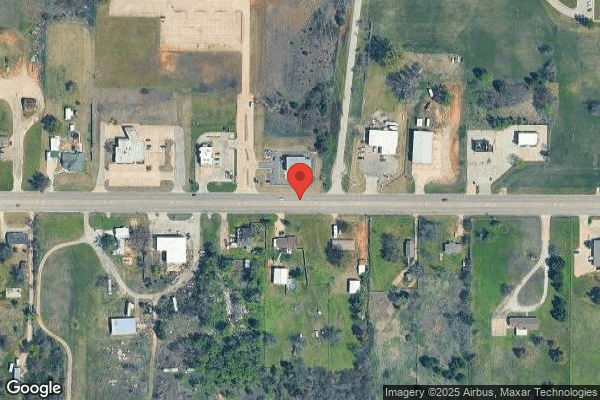
2400 WHITES MEADOW DRIVE, HARRAH, OK 73045 (405) 454-6255
For profit - Individual 100 Beds Independent Data: November 2025
Trust Grade
85/100
#13 of 282 in OK
Last Inspection: January 2025

Within standard 12-15 month inspection cycle. Federal law requires annual inspections.

Overview

Harrah Nursing Center has a Trust Grade of B+, indicating it is above average and recommended for families seeking care. It ranks #13 out of 282 facilities in Oklahoma, placing it in the top half of the state, and is the top facility out of 39 in Oklahoma County. The facility's trend is stable, with 14 issues reported in both 2023 and 2025, although it has no critical or serious problems. Staffing is a weakness, rated at just 2 out of 5 stars, but the turnover rate is excellent at 0%, meaning staff remain long-term and likely know the residents well. While there have been no fines, concerns include unsafe water temperatures and failure to implement weight loss interventions for some residents, which families should be aware of. Overall, while the center has strengths in its overall quality and staff retention, it does face challenges that need addressing.

Trust Score
B+
85/100
In Oklahoma
#13/282
Top 4%
Safety Record
Low Risk
No red flags
Inspections
Holding Steady
3 → 3 violations
Staff Stability
○ Average
Turnover data not reported for this facility.
Penalties
✓ Good
No fines on record. Clean compliance history, better than most Oklahoma facilities.
Skilled Nurses
⚠ Watch
Each resident gets only 16 minutes of Registered Nurse (RN) attention daily — below average for Oklahoma. Fewer RN minutes means fewer trained eyes watching for problems.
Violations
⚠ Watch
14 deficiencies on record. Higher than average. Multiple issues found across inspections.
★★★★★
5.0
Overall Rating
★★☆☆☆
2.0
Staff Levels
★★★★★
5.0
Care Quality
★★★★★
5.0
Inspection Score
Stable
2023: 3 issues
2025: 3 issues

The Good

  • 5-Star Quality Measures · Strong clinical quality outcomes
  • Full Sprinkler Coverage · Fire safety systems throughout facility
  • No fines on record

Facility shows strength in quality measures, fire safety.

The Bad

No Significant Concerns Identified

This facility shows no red flags. Among Oklahoma's 100 nursing homes, only 0% achieve this.

The Ugly 14 deficiencies on record

Jan 2025 3 deficiencies
CONCERN (D)

Potential for Harm - no one hurt, but risky conditions existed

Notification of Changes (Tag F0580)

Could have caused harm · This affected 1 resident

Based on record review and interview, the facility failed to notify a resident's representative of changes with medications for one (#38) of one sampled resident reviewed for notification of change. T...

Read full inspector narrative →
Based on record review and interview, the facility failed to notify a resident's representative of changes with medications for one (#38) of one sampled resident reviewed for notification of change. The administrator identified 72 residents resided in the facility. Findings: Resident #38 had diagnoses which included anxiety disorder and osteoarthritis. A Third Party Facility Communication Form, dated 01/20/25, documented Resident #38's morphine (a narcotic) and Ativan (a benzodiazepine) was discontinued. There was no documentation the resident's representative was notified of the changes. On 01/27/25 at 2:56 p.m., Resident #38's family member stated the facility staff never contacted them with changes. On 01/30/25 at 8:33 a.m., LPN #1 stated they were to notify the resident's representative when there were medication changes. They stated if they received a third part communication form, they were to input the orders and notify the resident's representative. On 01/30/25 at 8:36 a.m., LPN #1 was asked to review Resident #38's third part communication form and was asked if the resident's representative had been notified of the changes. They stated they did not locate where the resident's representative had been notified.
CONCERN (D)

Potential for Harm - no one hurt, but risky conditions existed

ADL Care (Tag F0677)

Could have caused harm · This affected 1 resident

Based on observation, record review, and interview, the facility failed to ensure residents were assisted with incontinent care for one (#19) of one sampled resident reviewed for ADL care. The adminis...

Read full inspector narrative →
Based on observation, record review, and interview, the facility failed to ensure residents were assisted with incontinent care for one (#19) of one sampled resident reviewed for ADL care. The administrator identified 72 residents resided in the facility. Findings: An ADL policy, dated March 2018, documented residents who were unable to carry out ADLs independently would receive services to maintain good personal hygiene. Resident #19 had diagnoses which included muscle weakness and need for assistance with personal care. A Care Plan, dated 10/31/24, documented to check Resident #19 every two hours and provide incontinent care as needed. An Admission assessment, dated 11/20/24, documented Resident #19 had moderate cognitive impairment. It documented they had impairments to both lower extremities, were frequently incontinent of urine, and was dependent on staff for toileting. On 01/28/25 at 8:14 a.m., Resident #19 was observed laying in their bed. They stated a staff member came in at 1:30 a.m., and stated they would be back to change them, but never came back. A strong urine odor was smelled in the resident's room. On 01/28/25 from 8:17 a.m. to 8:41 a.m., CNA #1 was observed to provide incontinent care to Resident #19. Resident #19's brief was observed saturated with urine. The resident's shirt, bed pad, and fitted sheet were observed wet. The pillow case and mattress under Resident #19 were observed wet. While CNA #1 was cleaning Resident #19, Resident #19 stated, I don't think I have ever been this wet. On 01/28/25 at 8:56 a.m., CNA #1 stated Resident #19 had never been that wet when they had changed them. CNA #1 stated Resident #19 should have been changed about 5:00 a.m. this morning, but Resident #19 stated they had not been changed all night. CNA #1 stated Resident #19 was incontinent, but could tell the staff when they needed to be changed. On 01/30/25 at 9:04 a.m., the DON stated staff were to check and change residents every two hours and as needed.
CONCERN (D)

Potential for Harm - no one hurt, but risky conditions existed

Accident Prevention (Tag F0689)

Could have caused harm · This affected 1 resident

Based on record review and interview, the facility failed to ensure the fall policy was implemented for one (#37) of three sampled residents reviewed for accidents. The administrator identified 72 res...

Read full inspector narrative →
Based on record review and interview, the facility failed to ensure the fall policy was implemented for one (#37) of three sampled residents reviewed for accidents. The administrator identified 72 residents resided in the facility. Findings: A Fall policy, dated March 2018, documented the physician would identify medical conditions affecting the fall risk. It documented the staff and the physician would identify possible causes of falls within 24 hours. It documented the staff and the physician would identify pertinent interventions to try and prevent further falls. It documented the staff and the physician would monitor and document the individual's response to interventions. Resident #37 had diagnoses which included dementia, anxiety, and concussion. An Annual assessment, dated 05/29/24, documented Resident #37's cognition was severely impaired. It documented they were independent with bed mobility and ambulation. It documented the resident had two falls since the prior assessment. A Fall Risk assessment, dated 10/19/24, documented Resident #37 was at high risk for falls. A facility Incident Report, dated 10/30/24, documented the resident tripped over the base of a mechanical lift. It documented the intervention was for the equipment to be removed from the hallway. A Fall Risk assessment, dated 11/06/24, documented Resident #37 was at high risk for falls. A facility Incident Report, dated 11/06/24, documented the resident was observed laying on the floor in the hallway next to a mechanical lift. It documented to maintain a clear and clutter free pathway. A Fall Risk assessment, dated 11/16/24, documented Resident #37 was at high risk for falls. A facility Incident Report, dated 11/16/24, documented the resident was laying on the floor with a skin tear to their right forearm. An intervention was not documented. A Fall Risk assessment, dated 12/07/24, documented Resident #37 was at high risk for falls. A facility Incident Report, dated 12/07/24, documented the resident was laying on the floor with a laceration to the right side of their head. An intervention was not documented. On 01/28/25 at 1:46 p.m., Resident #37 was observed with an area to the right side of the head. The area was quarter sized, slightly raised, and had dry blood. The top of the resident's right hand had green and yellow bruising. On 01/28/25 at 3:06 p.m., the DON stated when a resident had a fall, the staff tried to figure out what happened. The DON stated they would implement interventions after a fall. The Incident Reports, dated 10/30/24 and 11/06/24, were reviewed with the DON. They stated they had repeated similar interventions. The DON was asked if the staff were to remove the equipment from the hallway on 10/30/24, and the resident was observed laying next to the lift on 11/06/24, was the intervention effective. They stated, No. The Incident Report, dated 11/16/24, was reviewed with the DON. They were asked what the intervention was for the fall. They stated there was not one documented. The Incident Report, dated 12/07/24, was reviewed with the DON. They stated the resident's medications were reviewed. The DON was asked where the intervention regarding the medication review was located. They stated they did not see it. They stated they just looked at the medication, but did not request any reduction. On 01/28/25 at 3:32 p.m., the DON was asked if they were familiar with the fall policy. They stated they were. The DON was asked if the physician identified any medical condition affecting Resident #37's fall risk. They stated the physician had not. The DON was asked if the staff and practitioner identified the possible cause of the fall within 24 hours of Resident #37's falls. They stated, No. The DON was asked if the staff and physician identified pertinent interventions to try and prevent further falls for Resident #37. They stated, No. The DON was asked if the staff and physician documented monitoring of the response to interventions related to Resident #37. They stated, No. They were asked if the fall policy had been followed. They stated, No.
Oct 2023 3 deficiencies
CONCERN (D)

Potential for Harm - no one hurt, but risky conditions existed

Deficiency F0578 (Tag F0578)

Could have caused harm · This affected 1 resident

Based on record review and interview, the facility failed to ensure the resident's code status matched in the EHR and hard chart for one (#8) of 24 sampled residents reviewed for advance directives. T...

Read full inspector narrative →
Based on record review and interview, the facility failed to ensure the resident's code status matched in the EHR and hard chart for one (#8) of 24 sampled residents reviewed for advance directives. The Resident Census and Conditions of Residents report, dated 10/16/23, documented 73 residents resided in the facility. Findings: Resident #8 had diagnoses which included personal history of transient ischemic attack. A DNR consent form, dated 08/22/22, was signed by Resident #8. A Physician's Order, dated 11/29/22, read in part, .Full Code . On 10/17/23 at 11:37 a.m., LPN #1 was asked how staff identified residents' code status. They stated the code status was in the hard chart and in the EHR. LPN #1 was asked what was Resident #8's code status. They were observed to look in the computer and stated the resident was a full code. LPN #1 was asked to look Resident #8's hard chart. They were observed to look in the resident's hard chart and stated the resident had a DNR. LPN #1 was asked if the code statuses matched. They stated No.
CONCERN (D)

Potential for Harm - no one hurt, but risky conditions existed

PASARR Coordination (Tag F0644)

Could have caused harm · This affected 1 resident

Based on record review and interview, the facility failed to refer a resident with a newly evident mental disorder to OHCA for a level II evaluation for one (#13) of one sampled resident reviewed for ...

Read full inspector narrative →
Based on record review and interview, the facility failed to refer a resident with a newly evident mental disorder to OHCA for a level II evaluation for one (#13) of one sampled resident reviewed for PASRR level II evaluations. The Resident Census and Conditions of Residents report, dated 10/26/23, documented 73 residents resided in the facility. Findings: The facility's Behavioral Assessment, Intervention and Monitoring policy, not dated, read in part, .new onset or changes in behavior that indicate newly evident or possible serious mental disorder .will be referred for a PASRR Level II evaluation . Res #13 was admitted with diagnoses of dementia. On 04/09/19 the resident was diagnosed with bipolar disorder. There was no documentation the OHCA had been notified of the resident's new diagnosis to see if a level II PASRR was required. On 10/19/23 at 1:52 p.m., the DON stated another PASRR should be completed when there was a change of diagnosis or a new diagnosis of a behavioral diagnosis. On 10/19/23 at 1:59 p.m., the DON stated the social worker would have been the first to review the readmission documentation. On 10/19/23 at 2:04 p.m., the DON stated social services would know from the diagnosis to contact the PASRR people (OHCA). The DON stated, With the bipolar [the resident] should have had another PASRR.
CONCERN (D)

Potential for Harm - no one hurt, but risky conditions existed

Deficiency F0678 (Tag F0678)

Could have caused harm · This affected 1 resident

**NOTE- TERMS IN BRACKETS HAVE BEEN EDITED TO PROTECT CONFIDENTIALITY** Based on record review and interview, the facility failed to provide CPR for one (#69) of one sampled resident reviewed for deat...

Read full inspector narrative →
**NOTE- TERMS IN BRACKETS HAVE BEEN EDITED TO PROTECT CONFIDENTIALITY** Based on record review and interview, the facility failed to provide CPR for one (#69) of one sampled resident reviewed for death. The Resident Census and Conditions of Residents report, dated [DATE], documented 73 residents resided in the facility. Findings: A Do Not Resuscitate Order policy, revised [DATE], read in part, .Our facility will not use cardiopulmonary resuscitation and related emergency measures to maintain life functions on a resident when there is a Do Not Resuscitate Order in effect .Do not resuscitate orders must be signed by the resident's Attending Physician on the physician's order sheet maintained in the resident's medical record .Use only State approved DNR forms . Resident #69 had diagnoses which included dementia. A Physician's order, dated [DATE] at 3:27 p.m., documented Resident #69 was a Full Code. A Progress note, dated [DATE], documented the resident was admitted to hospice. A Progress note, dated [DATE], documented the resident had no apical pulse or respirations at 4:55 p.m. It documented the staff called hospice who contacted the family and the funeral home. There was no documentation of CPR was performed. On [DATE] at 12:39 p.m., the ADON stated she didn't see any documentation CPR had been performed on Resident #69.
Nov 2022 8 deficiencies
CONCERN (D)

Potential for Harm - no one hurt, but risky conditions existed

Tube Feeding (Tag F0693)

Could have caused harm · This affected 1 resident

Based on record review, observation, and interview, the facility failed to ensure a. enteral nutrition equipment was labeled with information for one (#27) of one sampled resident reviewed for enteral...

Read full inspector narrative →
Based on record review, observation, and interview, the facility failed to ensure a. enteral nutrition equipment was labeled with information for one (#27) of one sampled resident reviewed for enteral nutrition. b. that an excessive amount of fluid was not administered when staff was observed administering bolus water. The DON reported two residents received enteral nutrition. Findings: A Gastrointestinal Conditions policy, revised November 2018, read in parts, .Initiate Feeding .On the formula label document initials, date and time the formula was hung/administered, and initial that the label was checked against the order . Res. #27 had diagnoses which included, gastrostomy (tube feeding) and dysphagia (trouble swallowing). A physician order, dated 03/23/22, read in parts, .Jevity 1.0 60 ml/hr continuous for 20hrs, turn off feeding from 10:00 am [a.m.] to 2:00pm [p.m.]. 50 ml flush every 4 hours every shift for nutrional needs .03/23/22 FYI-- MAY COCKTAIL MEDICATIONS FYI-- MAY GIVE 120ML OF H20 BEFORE AND AFTER MEDS every shift . On 11/03/22 at 8:31 a.m., Resident #27's tube feeding was observed running at 60 ml/hr. There was no start date on the bag of Jevity or the bag of water flush. On 11/03/22 at 2:51 p.m., Res #27's bag of Jevity and water/flush had no documentation when the enteral feeding and water flush had been started. On 11/03/22 at 3:22 p.m., Res #27's enteral feeding was observed with the DON. The DON stated, The bags aren't marked. The DON was asked what the process was for administering the enteral feeding. They stated everything is new and the items should be dated, with the nurse initials. The DON was asked if the Jevity hanging was new. They stated, I don't know, they start the Jevity at 6 a.m. The DON was asked if this bag had been started this morning. They stated, I don't know. The DON was asked what should be on the bag of Jevity. They stated, Should have a sticker with room number, formula, date, time and nurse initials. On 11/04/22 at 9:33 a.m., requested to observe the discontinuation of enteral feeding and ostomy site. LPN #3 was observed to have a cup that contained about a half an inch of reddish liquid that they identified as Res #27's medications sitting on the medication cart. LPN #3 entered the room and was observed to fill two cups of water with 120 ml of water and then add more water to the red liquid. LPN #3 auscultated the abdomen for tube placement, then began to administer the first cup of water flush, then the cup of red liquid. Res #27 began to cough, clear fluid was observed to drip out of the resident's mouth, the resident was heard to clear their throat. The nurse stopped for a few seconds, then began to flush with the last cup of water. On 11/04/22 at 10:43 a.m., LPN #3 was asked how much water was given with the reddish fluid. LPN #3 stated, 140 ml's. On 11/04/22 2:41 p.m., the DON was informed the nurse was observed to give 120 ml water before, 140 ml with the red liquid, followed by an additional 120 ml's of water. The DON was asked if the physician order stated, may cocktail medications, may give 120 ml before and 120 ml after meds. Should the nurse have given 140 ml of fluid with the reddish liquid (medications). The DON stated, No, but there needs to be enough water to mix the medications. .
CONCERN (D)

Potential for Harm - no one hurt, but risky conditions existed

Pharmacy Services (Tag F0755)

Could have caused harm · This affected 1 resident

Based on record review, observation, and interview, the facility failed to ensure the physician order was followed when administering medications for one (#27) of one sampled resident reviewed for med...

Read full inspector narrative →
Based on record review, observation, and interview, the facility failed to ensure the physician order was followed when administering medications for one (#27) of one sampled resident reviewed for medication administration via the enteral route. The DON reported two residents had enteral tubes. Findings: Res. #27 had diagnoses which included, gastrostomy (feeding tube), and dysphagia (trouble swallowing) A physician order, dated 03/23/22, read in parts, .Jevity 1.0 60 ml/hr continuous for 20hrs, turn off feeding from 10:00 am [a.m.] to 2:00pm [p.m.]. 50 ml flush every 4 hours every shift for nutrional needs .FYI-- MAY COCKTAIL MEDICATIONS FYI-- MAY GIVE 120ML OF H20 BEFORE AND AFTER MEDS every shift . On 11/04/22 at 9:33 a.m., LPN #3 was observed to have a cup that contained about a half an inch of reddish liquid that they identified as Res #27's medications sitting on the medication cart. LPN #3 entered the room and was observed to fill two cups of water with 120 ml of water and add more water to the already diluted medication cup. LPN #3 auscultated the abdomen for tube placement, then began to administer the first cup of water flush, then the cup of diluted medications. Res #27 began to cough, clear fluid was observed to drip out of the resident's mouth, the resident was heard to clear their throat. The nurse stopped for a few seconds, then began to flush with the last cup of water. On 11/04/22 at 10:43 a.m., LPN #3 was asked how much water was given with the medications. LPN #3 stated, 140 ml's. On 11/04/22 2:41 p.m., the DON was informed the nurse was observed to give 120 ml water before, 140 ml with meds, and 120 ml's after the medications. The DON was asked if the physician order stated may cocktail medications, may give 120 ml before and 120 ml after meds, should the nurse have given 140 ml water mixed with the residents medications. The DON stated, No, but there needs to be enough water to mix the medications. .
CONCERN (D)

Potential for Harm - no one hurt, but risky conditions existed

Dental Services (Tag F0791)

Could have caused harm · This affected 1 resident

**NOTE- TERMS IN BRACKETS HAVE BEEN EDITED TO PROTECT CONFIDENTIALITY** Based on record review and interview, the facility failed to assist the resident in making appointments for dental referrals for...

Read full inspector narrative →
**NOTE- TERMS IN BRACKETS HAVE BEEN EDITED TO PROTECT CONFIDENTIALITY** Based on record review and interview, the facility failed to assist the resident in making appointments for dental referrals for one (#42) of one sampled resident reviewed for dental services. The Resident Census and Condition of Residents report, dated 11/01/22, documented 66 residents resided in the facility. Findings: Res #42 had diagnoses that included hypertension, type 2 diabetes, hemiplegia and hemiparesis. Res #42 received eloquis and apixiban daily for anticoagulation therapy. Clinical Notes from dental visit, dated 03/10/22, read in part, .Reports pain in LR gingival tissue and UR teeth .states [res #42] has not been for a consult visit with [Facility Name] yet, but does wish to do so .RECOMMENDATIONS/ORDERS .please schedule patient for consult with [Facility Name] Oral Surgery .evaluation for extraction . There was no documentation in Res #42's clinical record of attempts to schedule consult with [Facility Name] Oral Surgery following dentist visit of 03/10/22. Clinical Notes from dental visit, dated 10/31/22, read in part, .Bedside Exam- Severe Decay: 3, 11-13, 14, 15, 30, 31- Broken: 28, 29, 4, 5, 7, 13, 14 .the left side of my jaw is hurting .has some swelling .posterior to where there are teeth .Pt needs to see an OR [unknown abbreviation] or a medical field to have a [NAME] completed to reveal any abcessed, or inflamed ect .Referral slip left at [SSD's] door . There was no documentation in Res #42's clinical record of attempts to schedule visit with OR or a medical field to have a [NAME] completed following dentist visit of 10/31/22. On 11/02/22 at 9:47 a.m., Res #42 reported having occassional mouth pain because of several broken and decaying teeth. When asked if this had been reported to nursing staff, Res #42 stated, I saw the dentist a while ago and [dentist] said they would get [SSD] to set up an appointment for me, but [SSD] never got back with me. I had another appointment the other day cause my mouth still hurts sometimes. Res #42 was asked if the SSD had spoken to them since their latest dentist appointment on 10/31/22. Res #42 stated, No, [SSD] just blows me off. On 11/03/22 at 2:45 p.m., the SSD was asked when Res #42 was last seen by the dentist. The SSD replied, I believe it was around 11/01/22. I was out that day. They were asked if Res #42 had received orders following visit. The SSD stated if the dentist had ordered nanything it would be in the visit note. They stated they had reviewed the note, but didn't see any orders. The SSD was asked if arrangements had been made for Res #42 to see an OR or a medical field to have a [NAME] completed as recommended by the dentist on 10/31/22. The SSD stated, No, I was out but I am working on it. On 11/03/22 at 3:20 p.m., the SSD was asked if an [Facility Name] Oral Surgery consult was completed as ordered following Res #42's annual dentist visit on 03/10/22. The SSD stated, No, because they require that resident's POAs accompany them and Res #42's POA is very incapacitated. When asked if any arrangements had been made with the POA to have the resident seen by [Facility Name] Oral Surgery as ordered, the SSD stated, no. When asked what other arrangements had been attempted to facilitate Res #42's consult with [Facility Name] Oral Surgery that was ordered 03/10/22, the SSD stated none. When asked why Res #42 was seen by the dentist again on 10/31/22, before their annual appointment date, SSD stated, [Resident #42] requested to see the dentist because of continued mouth pain.
CONCERN (D)

Potential for Harm - no one hurt, but risky conditions existed

Deficiency F0883 (Tag F0883)

Could have caused harm · This affected 1 resident

**NOTE- TERMS IN BRACKETS HAVE BEEN EDITED TO PROTECT CONFIDENTIALITY** Based on record review and interview, the facility failed to educate residents or their legal representatives regarding the risk...

Read full inspector narrative →
**NOTE- TERMS IN BRACKETS HAVE BEEN EDITED TO PROTECT CONFIDENTIALITY** Based on record review and interview, the facility failed to educate residents or their legal representatives regarding the risks, benefits, and potential side effects of vaccinations and obtain signed declinations: (1) for two (#34 and #55) of four sampled residents who declined the pneumococcal vaccine, and (2) for one (#55) of four sampled residents who declined the influenza vaccine. Resident Census and Condition of Residents documented 38 residents received the Influenza vaccine and 51 residents received the pneumococcal vaccine. There were 66 residents residing at the facility. Findings: An Influenza Vaccine policy, revised [DATE], read in part, .4. Prior to vaccination, the resident (or resident's legal representative) or employee will be provided information and education regarding the benefits and potential side effects of the influenza vaccine .Provision of such education shall be documented in the resident's/employee's medical record .6. A resident's refusal of the vaccine shall be documented .and placed in the resident's medical record . A Pneumococcal Vaccine policy, revised [DATE], read in part, .3. Before receiving a pneumococcal vaccine, the resident or legal representative shall receive information and education regarding the benefits and potential side effects of the pneumococcal vaccine .Provision of such education shall be documented in the resident's medical record .5 .if refused, appropriate entries will be documented in each resident's medical record indicating the date of the refusal . Resident #34's immunization log documented they had refused the pneumococcal vaccine. There was no documentation that information and education regarding the risks, benefits, and potential side effects of the vaccination had been provided. There was no documentation a declination had been signed. Resident #55's immunization log documented they refused the pneumococcal and influenza vaccines. There was no documentation that information and education regarding the risks, benefits, and potential side effects of the vaccinations had been provided. There was no documentation declinations had been signed. On 11/02/22 at 1:20 p.m., DON was asked to provide documentation that resident #34 had been offered the pneumococcal vaccine and provided information and education regarding the risks, benefits, and potential side effects of the vaccine. The DON could not. The DON was asked if the resident or legal representative's refusal of the pneumococcal vaccine for resident #34 had been documented in the resident's medical record. After a review of the clinical record for resident #34, the DON acknowledged there was no education regarding the risks, benefits, and potential side effects of the pneumococcal vaccination nor a signed declination for this resident. On 11/02/22 at 1:30 p.m., DON was asked to provide documentation that resident #55 had been offered the pneumococcal and influenza vaccines and provided information and education regarding the risks, benefits, and potential side effects of the vaccines. The DON could not. The DON was asked if the resident or legal representative's refusal of the pneumococcal and influenza vaccines for resident #55 were documented in the resident's medical record. After a review of the clinical record for resident #55, the DON acknowledged there was no education regarding the risks, benefits, and potential side effects of the pneumococcal and influenza vaccinations nor signed declinations for this resident.
CONCERN (E)

Potential for Harm - no one hurt, but risky conditions existed

Accident Prevention (Tag F0689)

Could have caused harm · This affected multiple residents

Based on record review, observation and interview, the facility failed to maintain safe water temperatures (less than 120 degrees) for: a. one (#25) of 57 sampled residents whose handwashing sink was ...

Read full inspector narrative →
Based on record review, observation and interview, the facility failed to maintain safe water temperatures (less than 120 degrees) for: a. one (#25) of 57 sampled residents whose handwashing sink was checked for unsafe water temperatures, and b. one of three shower rooms checked for unsafe hot water temperatures. The DON identified 20 residents who used the shower on Hall A and 66 residents resided in the facility. Findings: A Water Temperatures policy, revised 2009, read in part, .Water heaters that service resident rooms, bathrooms, common areas, and tub/showers shall be set to temperatures of no more than 120 [degrees Fahrenheit] .If at any time water temperatures feel excessive to the touch (i.e., hot enough to be painful or cause reddening of the skin after removal of the hand from the water), staff will report this finding to the immediate supervisor . Res #25 had diagnoses which included muscle weakness, high blood pressure and anxiety. A quarterly assessment, dated 11/02/22, documented Res #25 was cognitively intact. A Hot Water Temperatures-Weekly Test, dated July 11-15, 2022, documented Resident #25's hot water temperature was recorded at 127 degrees F. A Hot Water Temperatures-Weekly Test, dated September 5-8, 2022, documented Res #25's hot water temperature was recorded at 124 degrees F. A Hot Water Temperatures-Weekly Test, dated October 10-14, 2022, documented hall A shower room hot water temperature was at 122 degrees F. On 11/02/22 at 11:19 a.m., Res #25's handwashing sink hot water was temped at 124.7 degrees F. On 11/02/22 at 3:46 p.m., Res #25 was asked, does your water in the handsink get too hot. Res #25 stated, You bet it does. They were asked, do you recall who you have told. They stated, I don't use the hot water. I use the cold because I am afraid I am going to burn my self. They stated, You could burn yourself very easy. Res #25 was asked how often the water temperature was checked. Res #25 stated they come in and check the water about once a month. On 11/02/22 at 4:10 p.m., Maintenance #1 was asked what hot water temperatures should be. They stated they were unsure. They stated they had just started and had been told to check the temperatures and fill out the temperature logs. On 11/02/22 at 4:14 p.m., the Administrator was present when Res #25's handwashing sink was tested, it was 121-122 degrees F. On 11/03/22 at 8:18 a.m., hall A shower room temperatures were obtained. The handwashing sink temped at 128.9 degrees F and the shower temped at 124.0 degrees F. On 11/03/22 at 9:15 a.m., Maintenance #2 was observed to check the hot water temperature in hall A shower. The handsink temped at 127 degrees F and the shower temped at 124 degrees F. On 11/04/22 at 7:47 a.m., the DON was asked what was a safe hot water temperature. They stated, The policy says 120 for hot water. The July and September 2022 documentation of water temperature logs that were outside the recommended range were reviewed for Res #25's room and hall A shower. The DON was asked what should have been done at that time. They stated, whoever checked them should have reported it.
CONCERN (E)

Potential for Harm - no one hurt, but risky conditions existed

Deficiency F0692 (Tag F0692)

Could have caused harm · This affected multiple residents

Based on record review, observation, and interview, the facility failed to implement weight loss interventions for one (#55) of three sampled residents reviewed for weight loss. The Resident Census a...

Read full inspector narrative →
Based on record review, observation, and interview, the facility failed to implement weight loss interventions for one (#55) of three sampled residents reviewed for weight loss. The Resident Census and Conditions of Residents report, dated 11/01/22, documented four residents with unplanned significant weight loss/gain. Findings: A Dietitian policy, revised October 2017, read in parts, .A qualified, competent, and skilled dietitian will help oversee the food and nutrition services in the facility . Res #55 had diagnoses which included, dysphagia and muscle weakness. A resident assessment, dated 07/07/22, documented Res #55 was cognitively intact. A Dietitian's Recommendations to Nursing and Dietary, dated 05/16/22, read in parts, .REC: house supplement TID d/t BMI 17 .notify PCP . A Post Radiologic Dysphagia Evaluation Orders, dated 05/25/22, read in parts, .noted: mild stasis, reverse peristalsis, and delayed emptying . Monthly Nutrition/Dietary Notes for June, August, and September 2022 were documented by the DM. There was no documentation Res #55 had been evaluated by the dietitian monthly from 05/16/22 until 10/10/2022. The clinical record had no documentation Res #55's weight had been assessed by the dietitian or the dietary manager in July. Res #55 had a 13.29 percent weight loss from 05/18/22 to 10/31/22. Resident #55's Weights and Vitals Summary report documented the following weights: 10/31/22 90.0 Lbs 10/28/22 90.0 Lbs 10/27/22 89.8 Lbs 10/18/22 91.4 Lbs 10/13/22 92.4 Lbs 10/7/22 92.8 Lbs 9/21/22 99.4 Lbs 8/15/22 99.4 Lbs 7/20/22 97.6 Lbs 6/8/22 105.8 Lbs 5/25/22 105.2 Lbs 5/19/22 104.0 Lbs 5/18/22 103.8 Lbs A Dietician Nutrition/Dietary Note, dated 10/10/22 at 10:37 a.m., read in parts, .92.8# Oct wt. Sig wt loss x 1 mo (6.6%). PCP aware. Mech soft/ground meat diet. The following started (10/7): house shake TID; Med Pass BID; HS snack of sandwich. PO Intake avg 50-75% x most meals .BMI: 15. Continue care . On 11/01/22 at 9:51 a.m., Res #55 was asked if they had any weight loss. They stated, Yes, I need to have my throat stretched. I can't swallow good, they grind my meat. On 11/03/22 at 1:43 p.m., the DON was asked when the order for Medpass and health shakes had been implemented. The DON stated Medpass was started on 10/07/22 and that the regular health shakes were stopped and changed to protein shakes on 10/07/22. The DON was asked was there any interventions implemented for August and September? The DON stated, If I didn't have that put into place at that time I probably should have done that. On 11/03/22 at 2:04 p.m., the DM was asked if Res #55 had been seen by the dietitian in July. The DM stated, The dietitian did it remotely instead of coming in and did not see the resident. On 11/04/22 at 8:26 a.m., the DM was asked how often the dietitian comes in. The DM stated one time a month. The DM was asked why Res #55 had not been seen by the dietitian in June, July, August or September 2022. The DM stated, I am not sure.
CONCERN (E)

Potential for Harm - no one hurt, but risky conditions existed

Deficiency F0727 (Tag F0727)

Could have caused harm · This affected multiple residents

Based on record review and interview, the facility failed to ensure the DON did not work as a charge nurse when the facility census was more than 60 residents. The Resident Census and Conditions of Re...

Read full inspector narrative →
Based on record review and interview, the facility failed to ensure the DON did not work as a charge nurse when the facility census was more than 60 residents. The Resident Census and Conditions of Residents report, dated 11/01/22, documented 66 residents resided in the facility. Findings: A shift Center Deployment Projection Sheet documented the DON worked as a charge nurse on the following days: 08/14/22 Census 64 08/16/22 Census 64 08/20/22 Census 64 08/22/22 Census 65 09/03/22 Census 66 09/12/22 Census 64 09/14/22 Census 66 09/15/22 Census 67 On 11/04/22 at 2:28 p.m., the DON was asked when was the last time they had worked as a charge nurse. The DON stated in August or September.
CONCERN (E)

Potential for Harm - no one hurt, but risky conditions existed

Food Safety (Tag F0812)

Could have caused harm · This affected multiple residents

On 11/01/22 at 12:12 p.m., CMA #1 was observed holding Res #45's sandwich with their bare hands and cutting it with a knife. CMA #1 then began picking up pieces of the sandwich with their bare hands a...

Read full inspector narrative →
On 11/01/22 at 12:12 p.m., CMA #1 was observed holding Res #45's sandwich with their bare hands and cutting it with a knife. CMA #1 then began picking up pieces of the sandwich with their bare hands and putting them in Res #45's mouth. CMA #1 was observed touching their face mask while feeding Res #45. On 11/01/22 at 12:30 p.m., CMA #1 was observed to handle a roll without using gloves and began to feed Res #11. CMA #1 did not wash her hands or use sanitizer between residents. On 11/04/22 at 8:27 a.m. DON was asked what the policy was for assisting residents with meals. The DON stated, Clean hands. We don't wear gloves when feeding residents. The DON was asked the protocol for washing hands while assisting a resident to eat. The DON stated, Don't wear gloves when feeding, they wash their hands, and only handle food with utensils. On 11/04/22 at 8:40 a.m. CMA #1 was asked the protocol with washing hands or using gloves while assisting a resident to eat. CMA #1 stated, We use wipes and sanitize hands, only handle food with utensils. On 11/04/22 at 8:55 a.m. ADON was asked the policy for assisting residents with meals. The ADON stated, Do not touch food with bare hands. Based on observation and interview, the facility failed to ensure staff used sanitary measures when assisting residents during meal service for three (#4, #45, and #11) of all residents observed during dining service. Findings: A DINING AND FOOD SERVICE policy, undated, read in parts, . Residents will be provided with nourishing, palatable, attractive meals that meet the residents daily nutritional and special dietary needs. Each resident will be provided with service to maintain or improve eating skills. The dining experience will enhance the residents quality of life and be supportive of residents needs during dining . On 11/01/22 at 12:11 p.m., CMA #1 was observed handling Res #4's roll with their bare hands.
Understanding Severity Codes (click to expand)
Life-Threatening (Immediate Jeopardy)
J - Isolated K - Pattern L - Widespread
Actual Harm
G - Isolated H - Pattern I - Widespread
Potential for Harm
D - Isolated E - Pattern F - Widespread
No Harm (Minor)
A - Isolated B - Pattern C - Widespread

Questions to Ask on Your Visit

  • "Can I speak with families of current residents?"
  • "What's your RN coverage like on weekends and overnight?"

Our Honest Assessment

Strengths
  • • Grade B+ (85/100). Above average facility, better than most options in Oklahoma.
  • • No major safety red flags. No abuse findings, life-threatening violations, or SFF status.
  • • No fines on record. Clean compliance history, better than most Oklahoma facilities.
Concerns
  • • 14 deficiencies on record. Higher than average. Multiple issues found across inspections.
Bottom line: Generally positive indicators. Standard due diligence and a personal visit recommended.

About This Facility

What is Harrah Nursing Center's CMS Rating?

CMS assigns HARRAH NURSING CENTER an overall rating of 5 out of 5 stars, which is considered much above average nationally. Within Oklahoma, this rating places the facility higher than 99% of the state's 100 nursing homes. This rating reflects solid performance across the metrics CMS uses to evaluate nursing home quality.

How is Harrah Nursing Center Staffed?

CMS rates HARRAH NURSING CENTER's staffing level at 2 out of 5 stars, which is below average compared to other nursing homes.

What Have Inspectors Found at Harrah Nursing Center?

State health inspectors documented 14 deficiencies at HARRAH NURSING CENTER during 2022 to 2025. These included: 14 with potential for harm.

Who Owns and Operates Harrah Nursing Center?

HARRAH NURSING CENTER is owned by a for-profit company. For-profit facilities operate as businesses with obligations to shareholders or private owners. The facility operates independently rather than as part of a larger chain. With 100 certified beds and approximately 65 residents (about 65% occupancy), it is a mid-sized facility located in HARRAH, Oklahoma.

How Does Harrah Nursing Center Compare to Other Oklahoma Nursing Homes?

Compared to the 100 nursing homes in Oklahoma, HARRAH NURSING CENTER's overall rating (5 stars) is above the state average of 2.7 and health inspection rating (5 stars) is much above the national benchmark.

What Should Families Ask When Visiting Harrah Nursing Center?

Based on this facility's data, families visiting should ask: "Can you walk me through typical staffing levels on day, evening, and night shifts?" "Can I visit during a mealtime to observe dining assistance and food quality?" "How do you handle medical emergencies, and what is your hospital transfer rate?" "Can I speak with family members of current residents about their experience?" These questions are particularly relevant given the below-average staffing rating.

Is Harrah Nursing Center Safe?

Based on CMS inspection data, HARRAH NURSING CENTER has a clean safety record: no substantiated abuse findings (meaning no confirmed cases of resident harm), no Immediate Jeopardy citations (the most serious violation level indicating risk of serious injury or death), and is not on the Special Focus Facility watch list (a federal program monitoring the lowest-performing 1% of nursing homes). The facility has a 5-star overall rating and ranks #1 of 100 nursing homes in Oklahoma. While no facility is perfect, families should still ask about staff-to-resident ratios and recent inspection results during their visit.

Do Nurses at Harrah Nursing Center Stick Around?

HARRAH NURSING CENTER has not reported staff turnover data to CMS. Staff turnover matters because consistent caregivers learn residents' individual needs, medications, and preferences. When staff frequently change, this institutional knowledge is lost. Families should ask the facility directly about their staff retention rates and average employee tenure.

Was Harrah Nursing Center Ever Fined?

HARRAH NURSING CENTER has no federal fines on record. CMS issues fines when nursing homes fail to meet care standards or don't correct problems found during inspections. The absence of fines suggests the facility has either maintained compliance or corrected any issues before penalties were assessed. This is a positive indicator, though families should still review recent inspection reports for the full picture.

Is Harrah Nursing Center on Any Federal Watch List?

HARRAH NURSING CENTER is not on any federal watch list. The most significant is the Special Focus Facility (SFF) program, which identifies the bottom 1% of nursing homes nationally based on persistent, serious quality problems. Not being on this list means the facility has avoided the pattern of deficiencies that triggers enhanced federal oversight. This is a positive indicator, though families should still review the facility's inspection history directly.