THE WOLFE LIVING CENTER AT SUMMIT RIDGE
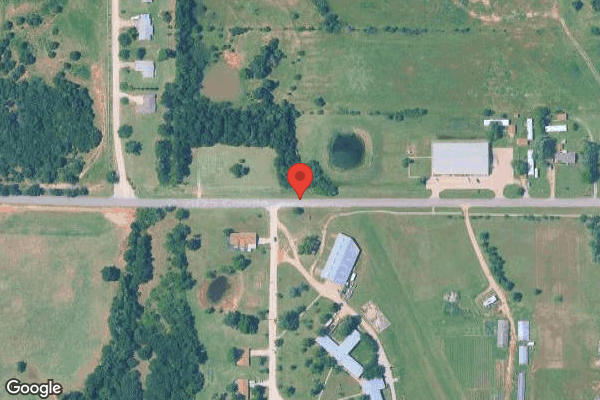
18501 NORTHEAST 63RD STREET, HARRAH, OK 73045 (405) 454-1400
Non profit - Church related 48 Beds Independent Data: November 2025
Trust Grade
78/100
#78 of 282 in OK
Last Inspection: April 2025

Within standard 12-15 month inspection cycle. Federal law requires annual inspections.

Overview

The Wolfe Living Center at Summit Ridge has a Trust Grade of B, indicating it is a good choice for families seeking care, though there are some areas for improvement. It ranks #78 out of 282 facilities in Oklahoma, placing it in the top half, and #7 out of 39 in Oklahoma County, meaning only six other local options are better. Unfortunately, the facility's performance is worsening, with issues increasing from 1 in 2023 to 8 in 2025. Staffing is a bit of a concern, with a 3/5 rating and less RN coverage than 84% of state facilities, though turnover is exceptionally low at 0%. Additionally, there have been some troubling incidents, such as failing to include a resident's Power of Attorney in their clinical record and not providing advance beneficiary notices for discharged residents, which raises questions about the facility's adherence to policies designed to protect residents. Overall, while there are strengths in staff retention, families should carefully consider the recent findings and ongoing issues.

Trust Score
B
78/100
In Oklahoma
#78/282
Top 27%
Safety Record
Low Risk
No red flags
Inspections
Getting Worse
1 → 8 violations
Staff Stability
○ Average
Turnover data not reported for this facility.
Penalties
○ Average
$6,643 in fines. Higher than 68% of Oklahoma facilities. Some compliance issues.
Skilled Nurses
⚠ Watch
Each resident gets only 12 minutes of Registered Nurse (RN) attention daily — below average for Oklahoma. Fewer RN minutes means fewer trained eyes watching for problems.
Violations
○ Average
10 deficiencies on record. Average for a facility this size. Mostly minor or procedural issues.
★★★★☆
4.0
Overall Rating
★★★☆☆
3.0
Staff Levels
★★★☆☆
3.0
Care Quality
★★★★☆
4.0
Inspection Score
Stable
2023: 1 issues
2025: 8 issues

The Good

  • Full Sprinkler Coverage · Fire safety systems throughout facility
  • No fines on record

Facility shows strength in fire safety.

The Bad

Federal Fines: $6,643

Below median ($33,413)

Minor penalties assessed

The Ugly 10 deficiencies on record

Apr 2025 8 deficiencies
CONCERN (D)

Potential for Harm - no one hurt, but risky conditions existed

Report Alleged Abuse (Tag F0609)

Could have caused harm · This affected 1 resident

**NOTE- TERMS IN BRACKETS HAVE BEEN EDITED TO PROTECT CONFIDENTIALITY** Based on record review and interview, the facility failed ensure an allegation of abuse was reported immediately to the state ag...

Read full inspector narrative →
**NOTE- TERMS IN BRACKETS HAVE BEEN EDITED TO PROTECT CONFIDENTIALITY** Based on record review and interview, the facility failed ensure an allegation of abuse was reported immediately to the state agency, but no later than two hours after the allegation was made for 1 (#1) of 2 sampled residents reviewed for abuse. The administrator identified 38 residents resided in the facility. Findings: A facility policy titled Abuse, Neglect, and Exploitation, dated 01/01/22, read in part, 1. Reporting of all alleged violations to Administrator, state agency, adult protective services, and to all other required agencies within Specified timeframe: a. Immediately, but not later than two hours after the allegation is made, if the events that caused the allegation involve abuse or result in serious bodily injury. Resident #1 was admitted to the facility on [DATE] with diagnoses which included cerebral palsy, dysphagia, and cognitive communication deficit. Resident #1's annual assessment, dated 12/08/24, showed Resident #1's BIMS score was 03 and they were dependent on staff for showers and baths. An OSDH form 283, combined initial and final report, dated 08/26/24, showed an allegation of abuse was made on 08/26/24 alleging CNA #3 pushed Resident #1 aggressively to the shower. The report showed after the shower, CNA #3 reported to nurse they had scratches on their arm inflicted by Resident #1. The report showed Resident #1 had no history of aggression or violence and Resident #1 stated CNA #3 made them feel uncomfortable. A facsimile confirmation, dated 08/27/24 at 10:45 a.m., showed OSDH received form 283, combined initial and final report, the following business day. The report was not reported within two hours. On 03/26/25 at 2:13 p.m., CNA #4 was asked about the abuse allegation on 08/26/24. CNA #4 stated CNA #3 came out of the shower room with scratches on their arms and face and CNA #3 stated they were not going to do that shower because they were not going to be scratched by Resident #1. CNA # 4 stated they heard screaming, but Resident #1 screamed in the shower as a base line. CNA #4 stated they reported to the DON immediately and the incident occurred on 08/26/24 around 8:30 p.m. On 03/26/25 at 3:05 p.m., the DON was asked about the incident on 08/26/24. The DON stated they witnessed CNA #3 push Resident #1 rough in a wheelchair, but thought it was due to the resident's weight. The DON stated after the shower Resident #1 scratched CNA #3 because the CNA was not being patient with Resident #1 in the shower. The DON was asked what the policy was when an abuse allegation was made. The DON stated the incident was not reported in two hours to the OSDH and was reported within 24 hours due to resident not being harmed. On 03/27/25 at 8:23 a.m., ADON #2 was asked what should happen after an allegation of abuse was made. ADON #2 stated a state reportable should be completed, the administrator, doctor, and family notified, a full assessment of the resident head to toe for seventy two hours every shift for thee days, and they should assess physical and emotional possible outcome. ADON #2 was asked when was the report of abuse was made to the OSDH. ADON #2 stated it was reported on 08/27/24 at 10:44 a.m. which was the following morning after the allegation.
CONCERN (D)

Potential for Harm - no one hurt, but risky conditions existed

Investigate Abuse (Tag F0610)

Could have caused harm · This affected 1 resident

**NOTE- TERMS IN BRACKETS HAVE BEEN EDITED TO PROTECT CONFIDENTIALITY** Based on record review and interview, the facility failed to thoroughly investigate an allegation of abuse for 1 (#1) of 2 sampl...

Read full inspector narrative →
**NOTE- TERMS IN BRACKETS HAVE BEEN EDITED TO PROTECT CONFIDENTIALITY** Based on record review and interview, the facility failed to thoroughly investigate an allegation of abuse for 1 (#1) of 2 sampled residents reviewed for abuse and neglect. The administrator identified 38 residents resided in the facility. Findings: A facility policy titled Abuse, Neglect, and Exploitation, dated 01/01/22, read in part, The facility will develop an implement written policies and procedures that: . 4. Identifying and interviewing, all involve persons, including the alleged victim, alleged, perpetrator, witnesses, and others who might have knowledge of the allegation . 6. Providing complete and thorough documentation of the investigation. Resident #1 was admitted to the facility on [DATE] with diagnoses which included cerebral palsy, dysphagia, and cognitive communication deficit. Resident #1's annual assessment, dated 12/08/24, showed, Resident #1's BIMS score was 03 and they were dependent for showers and baths. An OSDH form 283, combined initial and final report, dated 08/26/24, showed an allegation of abuse was made on 08/26/24 alleging CNA #3 pushed Resident #1 aggressively to the shower. The report showed after the shower, CNA #3 reported to nurse they had scratches on their arm inflicted by Resident #1. The report showed Resident #1 had no history of aggression or violence and Resident #1 stated CNA #3 made them feel uncomfortable. On 03/26/25 at 2:13 p.m., CNA #4 was asked about the abuse allegation on 08/26/24. CNA #4 stated CNA #3 came out of the shower room with scratches on their arms and face and CNA #3 stated they were not going to do that shower because they were not going to be scratched by Resident #1. CNA # 4 stated they heard screaming, but Resident #1 screamed in the shower as a base line. CNA #4 stated they reported to the DON immediately and the incident occurred on 08/26/24 around 8:30 p.m. On 03/26/25 at 3:05 p.m., the DON was asked about the incident on 08/26/24. The DON stated they witnessed CNA #3 push Resident #1 rough in a wheelchair, but thought it was due to the resident's weight. The DON stated after the shower Resident #1 scratched CNA #3 because the CNA was not being patient with Resident #1 in the shower. The DON was asked what the policy was when an abuse allegation was made. The DON stated we suspend the employee immediately and we do an investigation. The DON stated they did not do safe surveys with other residents. There was no documentation in Resident #1's electronic health a complete and thorough investigation was conducted. On 03/26/25 at 3:36 p.m., the administrator was asked to provide documentation of an investigation on the abuse allegation. They stated the DON did not complete safe surveys or conduct an investigation after the incident and they should of completed safe surveys with other residents. On 03/27/25 at 8:23 a.m., the ADON #2 was asked about the investigation after the incident. ADON #2 stated there was no documentation an investigation was conducted.
CONCERN (D)

Potential for Harm - no one hurt, but risky conditions existed

Deficiency F0676 (Tag F0676)

Could have caused harm · This affected 1 resident

Based on observation, record review and interview the facility failed to ensure residents received their baths/showers as scheduled for 1 (#25) of 1 sampled resident reviewed for activities of daily l...

Read full inspector narrative →
Based on observation, record review and interview the facility failed to ensure residents received their baths/showers as scheduled for 1 (#25) of 1 sampled resident reviewed for activities of daily living. The administrator identified 38 residents resided in the facility. Findings: On 03/25/25 at 10:44 a.m., Resident #25 was observed with a medium length beard, hair combed, dressed in a long sleeve shirt, with long pants, and no odors present. A Bathing a Resident policy, dated 01/2022, read in part, It is the practice of this facility to assist residents with bathing to maintain proper hygiene and help prevent skin issues. Resident #25 had diagnoses which included stage 4 chronic kidney disease and bilateral primary osteoarthritis of knee. An admission resident assessment, dated 03/12/25, showed Resident #25's cognition was intact (BIMS 15), and they required supervision or touching assistance for the task of shower/bathe self. The assessment showed it was very important to Resident #25 to choose between a tub bath, shower, bed bath, or sponge bath. An undated shower schedule showed Resident #25 was to receive a shower during the evening shift on Saturdays, Tuesdays, and Thursdays. Bathing records for March 2025 showed Resident #25 was to receive bathing assistance every Sunday, Tuesday, and Thursday on the 2-10 p.m. shift. The record showed a not applicable for bathing on the 16th and 30th. There was no bath/shower documented for Saturdays during the month. There were baths/showers documented for Sunday on the 2nd, 9th and 23rd. On 03/25/25 at 10:23 a.m., Resident #25 stated they required assistance for a shower and were having trouble getting bathed at the facility. They stated they had made two separate requests and the staff failed to show up both times. They stated they believed the last time they received a bath or shower was more than a week ago. On 03/31/25 at 2:11 p.m., CNA #4 stated the facility had an assignment sheet that told them what days residents received bathing assistance. On 03/31/25 at 2:12 p.m., CNA #4 stated they had shower skin assessment sheets on paper they would fill out. They stated if a resident refused, they would have the resident sign the sheet. They stated they also charted in the electronic record. They stated if a resident refused, it would also be charted electronically as refused. On 03/31/25 at 2:14 p.m., CNA #4 stated they were told never to chart not applicable because you either gave a bath/shower, or you did not. They stated they had only provided bathing assistance once for Resident #25 which they refused. They stated they had not been assigned their shower since. On 03/31/25 at 2:15 p.m., CNA #4 stated Resident #25 was scheduled to receive bathing assistance on the evening shift on Saturday, Tuesday, and Thursday. On 03/31/25 at 2:41 p.m., CNA #6 stated there was a bathing schedule located in a binder at the front. They stated staff were assigned residents to assist with bathing and would ensure the proper number of staff were present for safe transfers. On 03/31/25 at 2:42 p.m., CNA #6 stated they would chart bathing assistance was provided electronically and they also had bathing sheets where they would document whether a resident refused and what services were provided such as washed hair. On 03/31/25 at 2:43 p.m., CNA #6 stated if a resident refused bathing assistance, they would re-approach later and if they still refused they would ask the nurse to try, if they still refused, they would ask them to sign refused on the shower sheet. CNA #6 stated they did not know the reason staff would document not applicable because they could chart refused or not available if the resident was not in the facility. On 03/31/25 at 2:44 p.m., CNA #6 stated they had only assisted Resident #25 once with bathing. They stated the resident could complete all areas of bathing themselves except their back side. On 03/31/25 at 2:45 p.m., CNA #6 stated they did not know if Resident #25 ever refused a bath/shower. On 03/31/25 at 2:47 p.m., ADON #2 stated if staff were unfamiliar with residents, they could reference the clinical record to identify what bathing assistance they required. They stated there were bathing assignment sheets for staff. ADON #2 stated staff documented a bath/shower was provided in the clinical record. They stated if a resident refused bathing assistance, staff would offer again three different times by different staff members. On 03/31/25 at 2:49 p.m., ADON #2 stated staff should not be documenting not applicable for bathing. On 03/31/25 at 2:50 p.m., ADON #2 stated Resident #25 required limited physical help for transfers and supervision oversight for bathing. They stated the resident was scheduled to receive bathing assistance every Sunday, Tuesday, and Thursday on the evening shift.
CONCERN (D)

Potential for Harm - no one hurt, but risky conditions existed

Quality of Care (Tag F0684)

Could have caused harm · This affected 1 resident

Based on observation, record review and interview, the facility failed to ensure wound care was provided as ordered for 1 (#4) of 2 sampled residents reviewed for non pressure wounds. ADON #1 identifi...

Read full inspector narrative →
Based on observation, record review and interview, the facility failed to ensure wound care was provided as ordered for 1 (#4) of 2 sampled residents reviewed for non pressure wounds. ADON #1 identified six residents with non pressure wounds resided in the facility. Findings: On 03/26/25 at 1:30 p.m., Resident #4 was observed in the horse shoe activity. The resident was observed to have ace wrap dressings to their bilateral lower legs and shoes and socks to their bilateral feet. A clean dressing change policy, dated 01/2022, read in part, It is the policy of this facility to provide wound care in a manner to decrease potential for infection .Physician's orders will specify type of dressing and frequency of changes. Resident #4 had diagnoses which included a full thickness venous ulcer. Resident #4's current wound care order, dated 03/05/25 with a start date of 03/12/25, showed a wound care order for the left posterior lower leg venous wound: cleanse with wound cleanser, pat dry with gauze, apply collagen powder, super absorbent pad, wrap with four layer wrap once weekly and prn every day shift on Wednesday. A wound care progress note, dated 03/12/25, showed Resident #4 had a full thickness venous ulcer of the left posterior lower leg which measured 2 cm length x 3 cm width x 0.1 cm depth. The note showed wound orders: cleanse wound with wound cleanser, apply collagen, apply Medihoney to eschar area, cover with super absorbent dressing and four layer compression dressing. The note showed the wound care was to be provided weekly and as needed. The note showed Added Medihoney to current treatment plan and was signed by the wound care physician. There was no documentation the medihoney wound care was implemented. A wound care progress note, dated 03/19/25, showed Resident #4 had a full thickness venous ulcer of the left posterior lower leg with post debridement measurements: 1.6 cm length x 1.5 cm width x 0.1 cm depth. The note showed wound orders: cleanse wound with wound cleanser, apply alginate, cover with super absorbent dressing and four layer compression dressing. The note showed the wound care was to be provided weekly and as needed. The note was signed by the wound care physician. There was no documentation the alginate wound care was implemented. On 03/26/25 at 9:03 a.m., Resident #4 was able to answer yes/no questions. They stated they had a wound on their foot and they were not sure if it was getting better. On 03/27/25 at 1:25 p.m., LPN #2 stated staff put a four layer dressing to Resident #4's left leg and wound care was provided weekly. They stated ADON #1 completed weekly wound care rounds with the wound care physician. They stated the floor nurses would provide prn dressing changes. LPN #2 stated the resident's wound was measured weekly by the wound care physician. They stated the resident had a lot of swelling that affected wound healing. They stated staff encouraged the resident to elevate their legs. LPN #2 stated the wound care physician ordered wound care for the resident and ADON #1 put the wound care orders into the electronic record. On 03/27/25 at 1:29 p.m., LPN #2 stated the wound care order on the wound progress note dated 03/12/25 showed wound cleanser, apply collagen, apply Medihoney to eschar area, use maxorb super absorbent dressing and a four layer compression weekly and prn for saturation. On 03/27/25 at 1:31 p.m., LPN #2 was unable to locate the Medihoney being implemented for the wound care physician's order on 03/12/25. On 03/27/25 at 1:36 p.m., LPN #2 stated the wound care order on the wound progress note dated 03/19/25 showed cleanse left posterior lower leg wound with wound cleanser, apply alginate, cover with super absorbent dressing, compression four layer dressing once weekly and prn for soiling or saturation. They stated alginate and collagen were not the same thing. LPN #2 was unable to show the alginate dressing was implemented. On 03/27/25 at 1:38 p.m., ADON #1 stated Resident #4's venous wound to the left leg was improving. On 03/27/25 at 1:39 p.m., ADON #1 stated wound care was provided once weekly with a four layer compression wrap and prn. They stated they completed the dressing change when they rounded with the wound care physician. On 03/27/25 at 1:43 p.m., ADON #1 stated they along with the charge nurses were responsible for ensuring wound care orders were implemented. They stated they usually put the orders in and notified the charge nurses with any new orders. ADON #1 reviewed the 03/12/25 wound care note and stated the note said added medihoney, but the physician verbally told them to do calcium alginate. ADON #1 acknowledged the wound care on the wound care note showed apply collagen, apply Medihoney to eschar area, apply super absorbent dressing and four layer compression change once weekly and prn. On 03/27/25 at 1:48 p.m., ADON #1 stated they did not believe the Medihoney was ever implemented. They reviewed the wound care note dated 03/19/25 and stated the orders were to cleanse the wound with wound cleanser, apply alginate, super absorbent dressing, and four layer compression once weekly and prn. On 03/27/25 at 1:50 p.m., ADON #1 stated alginate and collagen were not the same thing. They stated Resident #4's wound care order was dated 03/12/25 and showed cleanse with wound cleanser, pat dry, apply collagen powder, super absorbent dressing, and wrap with four layer compression dressing once weekly and prn.
CONCERN (D)

Potential for Harm - no one hurt, but risky conditions existed

Deficiency F0757 (Tag F0757)

Could have caused harm · This affected 1 resident

**NOTE- TERMS IN BRACKETS HAVE BEEN EDITED TO PROTECT CONFIDENTIALITY** Based on record review and interview, the facility failed to ensure side effect of monitoring was in place for a resident who wa...

Read full inspector narrative →
**NOTE- TERMS IN BRACKETS HAVE BEEN EDITED TO PROTECT CONFIDENTIALITY** Based on record review and interview, the facility failed to ensure side effect of monitoring was in place for a resident who was prescribed anticoagulant therapy for 1 (#22) of 5 residents sampled for unnecessary medication. The ADON identified three residents were prescribed anticoagulant medication. Findings: An undated facility policy titled Medication Monitoring, read in part, This facility takes a collaborative, systematic approach to medication management, including the monitoring of medication's for efficacy and adverse consequences .'Adverse Consequence' refers to unwanted, unintended, or dangerous effects that a drug may have, such as impairment or decline in an individual mental or physical condition or functional or psychosocial status. Resident #22 was admitted on [DATE] with diagnoses which included schizoaffective bi-polar type and cognitive communication deficit. Resident #22's annual assessment, dated 01/17/24, showed their BIMS score was 15 and they were prescribed an anticoagulant medication. Resident #22's physician orders, dated 10/25/21, showed Resident #22 was prescribed Eliquis tablet 5 mg two times a day for anticoagulant therapy. The physician orders did not document side effect monitoring for anticoagulant therapy. Resident #22's TAR, dated 03/01/25 through 03/31/25, showed Resident #22 was receiving an anticoagulant medication two times a day. The TAR did not document side effect monitoring for anticoagulant therapy. On 03/31/25 at 1:15 p.m., ADON #2 was asked what was the facility's policy for monitoring side effects for residents who were prescribed anticoagulants. ADON #2 there should be side effect monitoring on the TAR. ADON #2 asked what anticoagulant medication was Resident #22 prescribed. ADON #2 stated Resident #22 was prescribed Eliquis 5 mg two times a day. ADON #2 was asked where was side effect monitoring for Resident #22. ADON #2 stated there was no side effect monitoring for anticoagulant therapy in Resident #22 physician orders or on the TAR.
CONCERN (E)

Potential for Harm - no one hurt, but risky conditions existed

Deficiency F0578 (Tag F0578)

Could have caused harm · This affected multiple residents

Based on record review and interview, the facility failed to ensure a resident's POA was included in their clinical record for 1 (#13) of 16 sampled residents reviewed for advance directives. The admi...

Read full inspector narrative →
Based on record review and interview, the facility failed to ensure a resident's POA was included in their clinical record for 1 (#13) of 16 sampled residents reviewed for advance directives. The administrator identified 38 residents resided in the facility. Findings: Resident #13 had diagnoses which included cognitive communication deficit and atrial fibrillation. Resident #13's Advance Directives Acknowledgement form, dated 08/21/23, read in part, I do have an Advance Directive/ Living Will/ Durable Power of Attorney for medical or health care decisions. Resident #13's clinical record did not contain a copy of their POA. A Residents' Rights Regarding Treatment and Advance Directives policy, dated 03/24/25, read in part, It is the policy of this facility to support and facilitate a resident's right to request, refuse and/or discontinue medical or surgical treatment and to formulate advance directives .Advance Directive is a written instruction, such as a living will or durable power of attorney .On admission, the facility will determine if the resident has executed an advance directive .should the resident have an advance directive, copies will be made and placed on the chart as well as communicated to the staff. On 03/26/25 at 10:58 a.m., the SSD stated Resident #13 had a POA. They stated the facility did not have a copy, and the resident's family was contacted that day and would bring a copy up to the facility. The social service director stated in the admission paperwork, they would review advance directives with the resident/family. They stated they would ask if they had a POA, and if they did, they would get a copy of the POA. They stated a POA was effective in the event a resident was unable to make health care decisions for themselves, they could appoint someone to make decisions on their behalf. The social service director stated they believed Resident #13's family member was POA for medical and financial.
CONCERN (E)

Potential for Harm - no one hurt, but risky conditions existed

Deficiency F0582 (Tag F0582)

Could have caused harm · This affected multiple residents

**NOTE- TERMS IN BRACKETS HAVE BEEN EDITED TO PROTECT CONFIDENTIALITY** Based on record review and interview, the facility failed to ensure advance beneficiary notices were provided for 2 (#140 and #1...

Read full inspector narrative →
**NOTE- TERMS IN BRACKETS HAVE BEEN EDITED TO PROTECT CONFIDENTIALITY** Based on record review and interview, the facility failed to ensure advance beneficiary notices were provided for 2 (#140 and #141) of 3 sampled residents who were reviewed for beneficiary notices. The Beneficiary Notice - Residents discharged within the Last Six Months form, showed 12 residents who were discharged to home with skilled days remaining in the last six months. Findings: A facility policy titled Wolfe Living Center-Advanced Beneficiary Notices, dated 02/17/22, read in part, It is the policy of this facility to provide timely notices regarding Medicare eligibility and coverage .If services are being terminated and the beneficiary wants to continue receiving care that is no longer considered medically reasonable and necessary, the facility shall issue an ABN prior to furnishing non-covered care. 1. The Beneficiary Notice - Resident Discharge Within the Last Six Months form, showed Resident # 140 was discharged from skilled services, had skilled days remaining, and discharged home. Resident #140's EHR showed they were admitted on part A Medicare services on 01/28/25 and discharged from part A services to home on [DATE]. The SNF Beneficiary Protection Notification Review form, showed Resident #140 was discharged from skilled services on 02/27/25 and the resident or resident representative had not been provided an ABN. 2. The form Beneficiary Notice - Resident Discharge Within the Last Six Months form, showed Resident # 141 was discharged from skilled services, had skilled days remaining, and discharged home. Resident #141's EHR showed they were admitted on part A Medicare services on 01/27/25 and discharged from part A services to home on [DATE]. The SNF Beneficiary Protection Notification Review form, showed Resident #141 was discharged from skilled services on 02/03/25 and the resident or resident representative had not been provided an ABN. On 03/26/25 at 10:17 a.m., the MDS coordinator stated Resident #140 and Resident #141 ABN's were not signed. The MDS coordinator stated if they were not signed by a resident or resident representative, it did not indicate the residents received an ABN notice. On 03/26/25 at 12:59 p.m., the BOM stated they were responsible for completing the ABNs . They were asked why Resident #140 and Resident #141 did not receive the ABN's. They stated, I put them on my desk and never got to them. On 03/31/25 at 8:17 a.m., the BOM was asked what dates did Resident #140 start skilled part A Medicare services. They stated Resident #140's part A Medicare services started on 01/28/25 and part A ended on 02/27/25. The BOM stated Resident #141 started Medicare part A on 01/27/25 and services ended 02/03/25.
CONCERN (E)

Potential for Harm - no one hurt, but risky conditions existed

Abuse Prevention Policies (Tag F0607)

Could have caused harm · This affected multiple residents

**NOTE- TERMS IN BRACKETS HAVE BEEN EDITED TO PROTECT CONFIDENTIALITY** Based on record review and interview, the facility failed to implement their abuse policy by not: a. conducting a complete and t...

Read full inspector narrative →
**NOTE- TERMS IN BRACKETS HAVE BEEN EDITED TO PROTECT CONFIDENTIALITY** Based on record review and interview, the facility failed to implement their abuse policy by not: a. conducting a complete and thorough investigation; b. establishing coordination with the QAPI program; c. reporting to the OSDH within 2 hours of the allegation of abuse; and d. assess the residents for any sign of injury for 2 (#1 and #23) of 2 sampled residents reviewed for abuse. The administrator identified 38 residents resided in the facility. Findings: A facility policy titled Abuse, Neglect, and Exploitation, dated 01/01/22, read in part, The facility will develop an implement written policies and procedures that: a. Prohibit and prevent abuse, neglect, and exploitation of resident and misappropriation of resident property; b. Established policies and procedures to investigate any such allegations; and c. Include training for new existing staff on activities that constitute abuse, neglect, exploitation, and misappropriation of resident property, reporting procedures, and dementia management and resident abuse prevention; and d. Establish coordination with the QAPI program .an immediate investigation is warranted when suspicion of abuse, neglect, or exploitation, or reports of abuse, neglect or exploitation occur . 4. Identifying and interviewing, all involve persons, including the alleged victim, alleged, perpetrator, witnesses, and others who might have knowledge of the allegation . 6. Providing complete and thorough documentation of the investigation . 1. Reporting of all alleged violations to Administrator, state agency, adult protective services, and to all other required agencies within Specified timeframe: a. Immediately, but not later than two hours after the allegation is made, if the events that caused the allegation involve abuse or result in serious bodily injury . B. Examining the alleged victim for for any sign of injury, including a physical examination or psychosocial assessment if needed. 1. Resident #1 was admitted to the facility on [DATE] with diagnoses which included cerebral palsy, dysphagia, and cognitive communication deficit. The facility's QAPI binder was reviewed 08/01/24 through 03/26/25. The QAPI binder showed the QAPI committee met monthly and did not QAPI any abuse allegations. Resident #1's annual assessment, dated 12/08/24, showed Resident #1's BIMS score was 03 and they were dependent on staff for showers and baths. An OSDH form 283, combined initial and final report, dated 08/26/24, showed an allegation of abuse was made on 08/26/24 alleging CNA #3 pushed Resident #1 aggressively to the shower. The report showed after the shower, CNA #3 reported to nurse they had scratches on their arm inflicted by Resident #1. The report showed Resident #1 had no history of aggression or violence and Resident #1 stated CNA #3 made them feel uncomfortable. A facsimile confirmation, dated 08/27/24 at 10:45 a.m., showed OSDH received form 283, combined initial and final report, the following business day. The report was not reported within two hours. There was no documentation in Resident #1's electronic health record: a. a complete and thorough investigation was conducted; b. abuse allegation was coordinated with the QAPI program; c. the abuse allegation was reported to OSDH within two hours; and d. the resident was assessed for physical and psychosocial harm. On 03/26/25 at 2:13 p.m., CNA #4 was asked about the abuse allegation on 08/26/24. CNA #4 stated CNA #3 came out of the shower room with scratches on their arms and face and CNA #3 stated they were not going to do that shower because they were not going to be scratched by Resident #1. CNA # 4 stated they heard screaming, but Resident #1 screamed in the shower as a base line. CNA #4 stated they reported to the DON immediately and the incident occurred on 08/26/24 around 8:30 p.m. On 03/26/25 at 2:29 p.m., the administrator stated they never QAPI abuse allegations. The administrator stated, If its our staff member and its substantiated they are terminated. If its unsubstantiated after the investigation, I would do a one on one and bring them back to work and no in-service was conducted after this event. On 03/26/25 at 3:05 p.m., the DON was asked about the incident on 08/26/24. The DON stated they witnessed CNA #3 push Resident #1 rough in a wheelchair, but thought it was due to the resident's weight. The DON stated after the shower Resident #1 scratched CNA #3 because the CNA was not being patient with Resident #1 in the shower. The DON was asked what the policy was when an abuse allegation was made. The DON stated we suspend the employee immediately and we do an investigation. The DON stated they did not do safe surveys with other residents. The DON was asked when an abuse allegation was made, when should it be reported to OSDH. The DON stated they could not recall. The DON was asked if they QAPI the abuse allegations. The DON stated they had never did QAPI on abuse even at other facilities. The DON stated did not do in service training and probably should have. The DON stated the physician notification should be in an internal report and the incident was not reported in two hours to OSDH. They DON stated the incident was reported within twenty four hours due to resident not being harmed. The DON stated documentation the resident was assessed after the incident should be in the resident's electronic health record. On 03/26/25 at 3:36 p.m., the administrator stated the DON did not conduct an investigation after the incident, complete safe surveys with other residents, and document the physician was notified after the incident in the residents electronic health record. On 03/27/25 at 8:23 a.m., ADON #2 was asked what should happen after an allegation of abuse was made. ADON #2 stated a state reportable should be completed, the administrator, doctor, and family notified, a full assessment of the resident head to toe for seventy two hours every shift for thee days, and they should assess physical and emotional possible outcome. ADON #2 was asked what Resident #1's full head to toe assessment documented. ADON #2 stated there was no assessment completed after the event with the exception of a weekly skin assessment that was completed on 08/29/24. ADON #2 was asked where it was documented the physician was notified. ADON #2 stated it was not documented the physician was notified. ADON #2 was asked about the investigation after the incident. ADON #2 stated there was no documentation an investigation was conducted. ADON #2 was asked when was the report of abuse was made to the OSDH. ADON #2 stated it was reported on 08/27/24 at 10:44 a.m. and they spoke with NP who stated they were notified after the fact. On 03/27/25 at 8:44 a.m., the NP was asked if they were notified after the abuse allegation on 08/26/24. They stated they were not notified at the of the time of the event, but thought it was a week later. 2. On 03/27/25 at 1:31 p.m., Resident #23 was admitted on [DATE] with diagnoses of cerebral infarction, hyperlipidemia, abnormal posture, and muscle wasting disease. Resident #23 admission assessment, dated 01/22/25, showed Resident #23's BIMS score was 13 indicating their cognition was mildly impaired and they required assistance to transfer from bed to chair. An OSDH 283 form, dated 02/19/25, showed Resident #23 alleged CNA #2 was rough during a shower and hit and sprayed water in their face. The form showed interviews were conducted with four other residents with one resident of CNA #2 being rough. The form showed employees were interviewed and was stated that that CNA #2 was noted to have an angry effect at time and CNA #2 was terminated. On 03/27/25 at 1:48 p.m., CNA #5 was asked about the incident. They stated the resident stated CNA #2 came into change their room and was mad resident asked to go to the restroom and alleged CNA #2 was rough and slung them to a chair during a transfer and almost hit their head. On 03/27/25 at 2:04 p.m., SSD was asked about the event involving Resident #23. The SSD stated CNA #2 was alleged to be rough during a transfer and almost hit the resident's head on a table. The SSD stated the CNA was suspended then terminated. The SSD was asked about the QAPI program and abuse. The SSD stated they were on the QAPI committee and they never QAPI any abuse. 03/27/25 1:15 p.m., the administrator stated they had never completed QAPI on any abuse, but recently saw it in their policy they should.
Nov 2023 1 deficiency
CONCERN (D)

Potential for Harm - no one hurt, but risky conditions existed

Accident Prevention (Tag F0689)

Could have caused harm · This affected 1 resident

Based on observation, record review, and interview, the facility failed to utilize a gait belt when assisting a resident in a geriatric chair for one (#2) of one sampled resident observed being positi...

Read full inspector narrative →
Based on observation, record review, and interview, the facility failed to utilize a gait belt when assisting a resident in a geriatric chair for one (#2) of one sampled resident observed being positioned during the lunch meal service. The Administrator identified 39 residents resided in the facility. Findings: A Use of Gait Belt policy, dated 01/2022, read in part, .It is the policy of this facility to use gait belts with residents that cannot independently ambulate or transfer for the purpose of safety .Each nursing department employee will be given a gait belt during orientation .All employees will receive education on the proper use of gait belt during orientation and annually . A Turning and Repositioning policy, dated 01/22, read in part, .Repositioning techniques in bed .To minimize friction and shear, use sheets or lift equipment to avoid pulling or dragging . Resident #2 had diagnoses which included dementia and cognitive communication deficit. A quarterly assessment, dated 10/27/23, documented Resident #2 had severe cognitive impairment, and they required substantial/maximal assistance for the task of sit to stand, lying to sitting on side of bed, chair/bed-to-chair transfer and toilet transfer. It documented the resident required partial/moderate assistance for the task of roll to left and right, and sit to lying. On 11/20/23 at 12:03 p.m., LPN #1 was observed putting their arm under the left arm of Resident #2 while CNA #2 placed their arm under the right arm of Resident #2 who was seated in a geriatric chair located in the assisted dining room. Both LPN #1 and CNA #2 grabbed the upper portion of the back of Resident #2's pants and hoisted the resident up in the geriatric chair. No gait belt was used during the repositioning of Resident #2. On 11/20/23 at 12:20 p.m., LPN #1 was asked the policy for assisting a resident with sitting up further in the geriatric chair. They stated, Are we supposed to use a gait belt, let me think. LPN #1 was observed pointing to the gait belt they had around their body. CNA #1 stated they always did a two person assist under the arm. LPN #1 stated at a bare minimum it should be a two person assist. On 11/20/23 at 12:21 p.m., LPN #1 stated they used gait belts when they were getting anyone out of the chair, or getting them to stand up. On 11/21/23 at 8:54 a.m., the DON stated staff should use gait belts when getting a resident up and when trying to reposition a resident. On 11/21/23 at 8:56 a.m., the DON stated each employee was given a gait belt and provided education on gait belts. They stated the gait belt should be available at all times, and was used to help residents ambulate or transfer for safety. They stated if a resident was being assisted to move by two staff members in a geriatric chair, staff should use a gait belt.
Oct 2022 1 deficiency
CONCERN (E)

Potential for Harm - no one hurt, but risky conditions existed

Deficiency F0761 (Tag F0761)

Could have caused harm · This affected multiple residents

**NOTE- TERMS IN BRACKETS HAVE BEEN EDITED TO PROTECT CONFIDENTIALITY** Based on observation and interview, it was determined the facility failed to ensure the removal of expired medications and suppl...

Read full inspector narrative →
**NOTE- TERMS IN BRACKETS HAVE BEEN EDITED TO PROTECT CONFIDENTIALITY** Based on observation and interview, it was determined the facility failed to ensure the removal of expired medications and supplies from the medication storage room and medication cart. This had the potential to affect all 39 residents who resided in the facility. Findings: On 10/12/22 at 9:45 a.m., the medication room was observed. Expired medications and supplies were found in the facility's medication room refrigerator and medication storage room for the following. 1. 9- Bisacodyl suppositories with an expiration date of 09/2022. 2. 7- Hepatitis B vaccines with an expiration date of 03/01/22. 3. 1- Box [NAME] 20cc syringes with an expiration date of 11/01/21. 4. 14- BD Safety-Lok 3ml syringes with an expiration date of 06/29/21. 5. 10- [NAME] Prevent Syringes with Safety Hypodermic Needle 3cc/23gauge with an expiration date of 03/31/22. 6. 2- Entra-Flo Gastrostomy Feeding Tubes with an expiration date of 08/06/22. 7. 2- Boxes adhesive remover wipes with an expiration date of 02/16/21. 8. 1- Box Inter-dry moisture wicking fabric with antimicrobial silver With an expiration date of 05/2022. On 10/12/22 at 3:24 p.m., RN #1 was asked if expired medications and supplies should have been removed from the medication room. They stated Yes. On 10/13/22 at 8:45 a.m., the medication cart was observed with CMA #1. 1. 1- Bottle of [NAME] 81mg aspirin enteric coated with expiration date of 09/2022. On 10/13/22 at 8:54 a.m., CMA #1 was asked if expired medication should have been removed from the cart. They stated Yes.
Understanding Severity Codes (click to expand)
Life-Threatening (Immediate Jeopardy)
J - Isolated K - Pattern L - Widespread
Actual Harm
G - Isolated H - Pattern I - Widespread
Potential for Harm
D - Isolated E - Pattern F - Widespread
No Harm (Minor)
A - Isolated B - Pattern C - Widespread

Questions to Ask on Your Visit

  • "Can I speak with families of current residents?"
  • "What's your RN coverage like on weekends and overnight?"

Our Honest Assessment

Strengths
  • • No major safety red flags. No abuse findings, life-threatening violations, or SFF status.
Concerns
  • • No major red flags. Standard due diligence and a personal visit recommended.
Bottom line: Generally positive indicators. Standard due diligence and a personal visit recommended.

About This Facility

What is The Wolfe Living Center At Summit Ridge's CMS Rating?

CMS assigns THE WOLFE LIVING CENTER AT SUMMIT RIDGE an overall rating of 4 out of 5 stars, which is considered above average nationally. Within Oklahoma, this rating places the facility higher than 99% of the state's 100 nursing homes. This rating reflects solid performance across the metrics CMS uses to evaluate nursing home quality.

How is The Wolfe Living Center At Summit Ridge Staffed?

CMS rates THE WOLFE LIVING CENTER AT SUMMIT RIDGE's staffing level at 3 out of 5 stars, which is average compared to other nursing homes.

What Have Inspectors Found at The Wolfe Living Center At Summit Ridge?

State health inspectors documented 10 deficiencies at THE WOLFE LIVING CENTER AT SUMMIT RIDGE during 2022 to 2025. These included: 10 with potential for harm.

Who Owns and Operates The Wolfe Living Center At Summit Ridge?

THE WOLFE LIVING CENTER AT SUMMIT RIDGE is owned by a non-profit organization. Non-profit facilities reinvest revenue into operations rather than distributing to shareholders. The facility operates independently rather than as part of a larger chain. With 48 certified beds and approximately 39 residents (about 81% occupancy), it is a smaller facility located in HARRAH, Oklahoma.

How Does The Wolfe Living Center At Summit Ridge Compare to Other Oklahoma Nursing Homes?

Compared to the 100 nursing homes in Oklahoma, THE WOLFE LIVING CENTER AT SUMMIT RIDGE's overall rating (4 stars) is above the state average of 2.6 and health inspection rating (4 stars) is above the national benchmark.

What Should Families Ask When Visiting The Wolfe Living Center At Summit Ridge?

Based on this facility's data, families visiting should ask: "Can I visit during a mealtime to observe dining assistance and food quality?" "How do you handle medical emergencies, and what is your hospital transfer rate?" "Can I speak with family members of current residents about their experience?"

Is The Wolfe Living Center At Summit Ridge Safe?

Based on CMS inspection data, THE WOLFE LIVING CENTER AT SUMMIT RIDGE has a clean safety record: no substantiated abuse findings (meaning no confirmed cases of resident harm), no Immediate Jeopardy citations (the most serious violation level indicating risk of serious injury or death), and is not on the Special Focus Facility watch list (a federal program monitoring the lowest-performing 1% of nursing homes). The facility has a 4-star overall rating and ranks #1 of 100 nursing homes in Oklahoma. While no facility is perfect, families should still ask about staff-to-resident ratios and recent inspection results during their visit.

Do Nurses at The Wolfe Living Center At Summit Ridge Stick Around?

THE WOLFE LIVING CENTER AT SUMMIT RIDGE has not reported staff turnover data to CMS. Staff turnover matters because consistent caregivers learn residents' individual needs, medications, and preferences. When staff frequently change, this institutional knowledge is lost. Families should ask the facility directly about their staff retention rates and average employee tenure.

Was The Wolfe Living Center At Summit Ridge Ever Fined?

THE WOLFE LIVING CENTER AT SUMMIT RIDGE has been fined $6,643 across 2 penalty actions. This is below the Oklahoma average of $33,145. While any fine indicates a compliance issue, fines under $50,000 are relatively common and typically reflect isolated problems that were subsequently corrected. Families should ask what specific issues led to these fines and confirm they've been resolved.

Is The Wolfe Living Center At Summit Ridge on Any Federal Watch List?

THE WOLFE LIVING CENTER AT SUMMIT RIDGE is not on any federal watch list. The most significant is the Special Focus Facility (SFF) program, which identifies the bottom 1% of nursing homes nationally based on persistent, serious quality problems. Not being on this list means the facility has avoided the pattern of deficiencies that triggers enhanced federal oversight. This is a positive indicator, though families should still review the facility's inspection history directly.