FOUNTAIN VIEW MANOR, INC
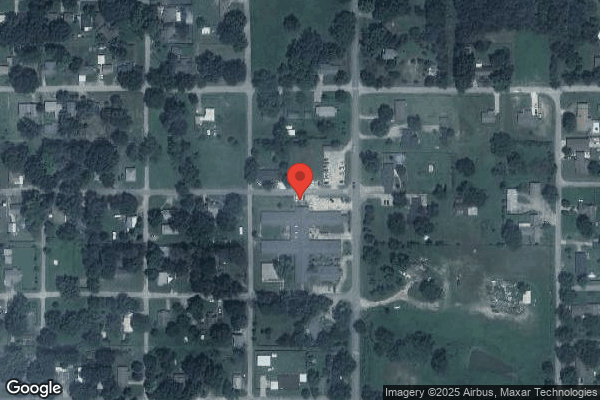
107 EAST BARCLAY, HENRYETTA, OK 74437 (918) 652-7021
For profit - Corporation 119 Beds Independent Data: November 2025
Trust Grade
38/100
#224 of 282 in OK
Last Inspection: April 2024

Within standard 12-15 month inspection cycle. Federal law requires annual inspections.

Overview

Fountain View Manor, Inc. has received a Trust Grade of F, indicating significant concerns about the facility's overall quality. It ranks #224 out of 282 facilities in Oklahoma, placing it in the bottom half, and #4 out of 4 in Okmulgee County, meaning there are no better local options available. While the facility is improving-decreasing from 14 issues in 2023 to 9 in 2024-there are still many areas of concern, including 32 deficiencies noted in inspections. Staffing is a relative strength, with a turnover rate of 0%, which is well below the state average, but the facility struggles with compliance, having failed to conduct necessary background checks for several employees. Specific incidents include a lack of proper staffing information available to residents and unsanitary food storage practices in the kitchen, which could pose health risks. Overall, while there are some strengths in staff retention, the numerous deficiencies and compliance issues are concerning for families considering this home.

Trust Score
F
38/100
In Oklahoma
#224/282
Bottom 21%
Safety Record
Low Risk
No red flags
Inspections
Getting Better
14 → 9 violations
Staff Stability
○ Average
Turnover data not reported for this facility.
Penalties
○ Average
$9,750 in fines. Higher than 65% of Oklahoma facilities. Some compliance issues.
Skilled Nurses
○ Average
RN staffing data not reported for this facility.
Violations
⚠ Watch
32 deficiencies on record. Higher than average. Multiple issues found across inspections.
★☆☆☆☆
1.0
Overall Rating
★☆☆☆☆
1.0
Staff Levels
★★☆☆☆
2.0
Care Quality
★★☆☆☆
2.0
Inspection Score
Stable
2023: 14 issues
2024: 9 issues

The Good

  • Full Sprinkler Coverage · Fire safety systems throughout facility
  • No fines on record

Facility shows strength in fire safety.

The Bad

1-Star Overall Rating

Below Oklahoma average (2.6)

Significant quality concerns identified by CMS

Federal Fines: $9,750

Below median ($33,413)

Minor penalties assessed

The Ugly 32 deficiencies on record

Apr 2024 9 deficiencies
CONCERN (D)

Potential for Harm - no one hurt, but risky conditions existed

Deficiency F0583 (Tag F0583)

Could have caused harm · This affected 1 resident

Based on observation and interview, the facility failed to ensure residents right to personal privacy for one (#40) of one resident sampled for personal privacy. The DON reported 27 residents resided ...

Read full inspector narrative →
Based on observation and interview, the facility failed to ensure residents right to personal privacy for one (#40) of one resident sampled for personal privacy. The DON reported 27 residents resided on the Alzheimer's unit. Findings: Res #40 admitted to the facility with diagnoses of hypertension, dementia, and thyroid disorder. On 04/22/24 at 9:36 a.m., resident #40 complained of wandering residents coming into their room. On 04/24/24 at 10:10 a.m., an observation of the Alzheimer's unit was conducted. Residents were observed going in and out of several rooms. An unknown resident was observed sleeping on a bed in an unoccupied room. No staff was observed providing supervision at this time. On 04/24/24 at 10:12 a.m., CNA #4 was observed entering the unit with a resident. CNA #4 reported she was giving the resident a shower. This surveyor asked how many staff were assigned to the unit. They reported them and another CNA who was performing care for a resident. The CNA #4 was asked if residents always wander in and out of other resident rooms. They reported they try to redirect them the best they can, but it doesn't always work. On 04/24/24 at 10:16 a.m., resident #40's roommate complained about residents coming into their room trying to take their tv and other belongings. They reported staff doesn't do anything about it. On 04/25/24 at 2:00 p.m., the administrator reported, it is the Alzheimer's unit and they wander, your not going to stop them. They reported the families are aware of this when the residents are admitted that is why they advise them not bring personal items of value.
CONCERN (D)

Potential for Harm - no one hurt, but risky conditions existed

ADL Care (Tag F0677)

Could have caused harm · This affected 1 resident

Based on observation, record review, and interview, the facility failed to ensure residents were bathed as scheduled for one (#51) of one resident reviewed for bathing. The administrator identified 73...

Read full inspector narrative →
Based on observation, record review, and interview, the facility failed to ensure residents were bathed as scheduled for one (#51) of one resident reviewed for bathing. The administrator identified 73 residents who resided in the facility. Findings: Res #51 had diagnoses which included urinary incontinence and morbid obesity. A significant change assessment, dated 01/12/24, documented the resident was moderately cognitively impaired and required substantial assistance with bathing. A care plan, dated 04/09/24, documented Res #51 was at risk for self care deficit related to disease process. The care plan documented the resident's ADL needs will be completed by staff daily. A facility shower schedule documented Res #51 was to receive a bath/shower on Tuesday, Thursday, and Saturday weekly. The February 2024 electronic bathing record documented Res #51 was bathed one out of thirteen opportunities. The record had no documentation of refusals. The March 2024 electronic bathing record documented Res #51 was bathed six out of twelve opportunities. The record documented one refusal. The April 2024 electronic bathing record documented Res #51 was bathed five out of ten opportunities. The record had no documentation of refusals. On 04/22/24 at 9:18 a.m., Res #51 was observed lying in bed. They stated they had not received showers regularly. Res #51 stated they often had to demand a shower from the staff in order to ensure they received assistance with bathing. On 04/24/24 at 11:08 a.m., CNA #5 stated all showers are given according to the shower schedule. They stated completed showers are documented in the bathing record. CNA #5 stated if a resident refused a shower, the refusal should be documented in the bathing record. On 04/25/24 at 9:20 a.m., corporate nurse consultant #1 stated the CNAs should have documented completed and/or refused showers in the electronic bathing record. They stated due to the lack of documentation, there was no way to know if Res #51 received the appropriate number of baths/showers. On 04/25/24 at 12:45 p.m., the DON stated all baths should have been documented as completed or refused.
CONCERN (D)

Potential for Harm - no one hurt, but risky conditions existed

Deficiency F0700 (Tag F0700)

Could have caused harm · This affected 1 resident

Based on observation, record review, and interview, the facility failed to attempt appropriate alternatives and perform an entrapment risk assessment prior to installing bed or side rails for two (#51...

Read full inspector narrative →
Based on observation, record review, and interview, the facility failed to attempt appropriate alternatives and perform an entrapment risk assessment prior to installing bed or side rails for two (#51 and #57) of two residents reviewed for accident hazards. The DON identified four residents whose beds were equipped with a bed rail of any type. Findings: A bedrail policy, dated 2023, read in part, .The facility will ensure that before installing bed rails, the facility has attempted to use alternatives. If the attempted alternatives were not adequate to meet the resident's needs, the resident will be assessed for the use of bed rails, which will include a review of risks, including entrapment . 1. Res #51 had diagnoses which included urinary incontinence, chronic pain, and morbid obesity. A care plan, dated 04/09/24, documented Res #51 was at risk for self-care deficit related to disease process. The care plan documented use of left half rail to assist with turning. A quarterly assessment, dated 04/13/24, documented the resident was moderately cognitively impaired, and dependent with ADLs and transfers. There was no documentation of alternatives prior to the use of side rails, or an entrapment risk assessment found in the clinical record. On 04/22/24 at 9:21 a.m., Res #51 was observed lying in bed. A half bed rail was observed in the up position to the upper left side of the bed. Res #51 stated the rail was used to assist with turning. 2. Res #57 was admitted with diagnoses which included hemiplegia and hemiparesis following cerebral infarction affecting right dominant side and vascular dementia. A quarterly assessment, dated 03/17/24, documented the resident was severely cognitively impaired, dependent with most ADLs, and required substantial assistance with transfers. A care plan, dated 03/18/24, documented the resident was at risk for falls related to hemiplegia. The care plan documented to reposition the resident every two to three hours per shift. The care plan had no documentation of bed rail use. There was no documentation of alternatives prior to the use of side rails, or an entrapment risk assessment found in the clinical record. On 04/22/24 at 8:36 a.m., Res #57 was observed lying supine in bed. A half bed rail was observed in the up position to the upper right side of the bed. Res #57 stated the rail was used to assist with turning. On 04/24/24 at 9:00 a.m., the administrator stated only half bed rails are allowed for residents who are cognitively able to use them for mobility in the facility. The administrator stated because the rails are not used as a restraint, they did not think all the elements documented in the bed rail policy had to be completed. On 04/25/24 at 12:37 p.m., the DON stated there was no documentation of attempting alternatives prior to the use of side rails. They stated an entrapment risk assessment was not completed on Res #51 or Res #57.
CONCERN (D)

Potential for Harm - no one hurt, but risky conditions existed

Medication Errors (Tag F0758)

Could have caused harm · This affected 1 resident

Based on record review and interview, the facility failed to ensure residents did not receive a psychotropic medication, unless for a specific diagnosis condition for one (#33) of five residents revie...

Read full inspector narrative →
Based on record review and interview, the facility failed to ensure residents did not receive a psychotropic medication, unless for a specific diagnosis condition for one (#33) of five residents reviewed for unnecessary medications. The Administrator reported 73 residents resided in the facility. Findings: Res #33 admitted to the facility with diagnoses of dementia, sleep disorder, and hypertension. A physician order, dated 03/27/24, documented Olanzapine 5mg every evening for dementia. On 04/25/24 at 10:53 a.m., the DON reported dementia is no an appropriate diagnosis for Olanzapine and should be changed.
CONCERN (E)

Potential for Harm - no one hurt, but risky conditions existed

Abuse Prevention Policies (Tag F0607)

Could have caused harm · This affected multiple residents

Based on record review and interview, the facilty failed to follow their abuse prevention policy by not obtaining criminal background checks upon hire for 9 (CNA #1, 2 and #3, Dietary Aides #1 and #2,...

Read full inspector narrative →
Based on record review and interview, the facilty failed to follow their abuse prevention policy by not obtaining criminal background checks upon hire for 9 (CNA #1, 2 and #3, Dietary Aides #1 and #2, SS Assistant #1, Activity Assistant #1 and #2 and Housekeeper #1) of 65 employees hired between 2016 and 2024. The administrator identified 73 residents who resided in the facility. Findings: The Abuse, Neglect, and Exploitation Policy, undated, read in part, .Screening: It is the policy of this facility to screen employees and volunteers prior to working with residents. Screening components include .criminal background checks .A criminal background check will be conducted on all prospective employees . The Employees roster, undated, documented the following: a. CNA #1 was hired on 02/15/24 b. CNA #2 was hired on 03/27/19 c. CNA #3 was hired on 03/08/17 d. Dietary Aide #1 was hired on 01/23/24 e. Dietary Aide #2 was hired on 09/27/23 f. SS Assistant #1 was hired on 11/22/22 g. Activity Assistant #1 was hired on 02/02/23 h. Activity Assistant #2 was hired on 03/02/23 i. Housekeeper #1 was hired on 11/01/16 The [Facility name] Employee Roster, dated 04/24/24, provided by OK Screen did not document CNA #1, 2 and #3, Dietary Aide #1 and #2, SS Assistant #1, Activity Assistant #1 and #2 and Housekeeper #1 as current eligible employees. On 04/24/24 at 8:30 a.m., the facility provided an OK Screen clearance letter for Activity Assistant #2, dated 04/24/24. The [Facility name] Employee Roster, dated 04/24/24, provided by OK Screen documented Activity Assistant #2 as being in process. On 04/24/24 at 09:40 a.m., OK Screen employees [names withheld] reported the clearance letter for Activity Assistant #2 was not sent by their agency. They reported Activity Assistant #2 had not been fingerprinted keeping OK Screen from being able to complete a criminal background check and issue a clearance letter on them. On 04/24/24 at 12:10, the administrator reported the HR manager responsible for criminal background checks was home sick, but had reported via phone they could not provide the email from OK Screen in which they got the clearance letter for Activity Assistance #2. The administrator reported the HR manager reported once they print off the clearance letters from OK Screen they immediately delete the OK Screen email. The HR Manager could not explain why there were no criminal background checks/clearance letters for CNA #1, 2 and #3, Dietary Aide #1 and #2, SS Assistant #1, Activity Assistant #1 and #2 and Housekeeper #1. The HR Manager reported the employees were in the OK Screen system at one time and did not know why they were not on the current roster. The administrator and the HR Manager reported the employees should have been on the current OK Screen roster and have criminal background checks/clearance letters in their employee files. On 04/25/24 at 11:05 p.m., the administrator reported the HR Manager reported they did not received any emails from OK Screen with clearance letters. The HR Manager reported they had to go into the OK Screen system and print of clearance letters.
CONCERN (E)

Potential for Harm - no one hurt, but risky conditions existed

Assessment Accuracy (Tag F0641)

Could have caused harm · This affected multiple residents

Based on record review and interview, the facility failed to ensure accurate coding of MDS assessments: a. for diuretic use for one (#23) of 19 sampled residents; b. for falls for two (#10 and #23) of...

Read full inspector narrative →
Based on record review and interview, the facility failed to ensure accurate coding of MDS assessments: a. for diuretic use for one (#23) of 19 sampled residents; b. for falls for two (#10 and #23) of 19 sampled residents; c. for insulin use for one (#9) of 19 sampled residents; and d. for antipsychotic medication use for one (#17) of 19 sampled residents whose MDS assessments were reviewed. The administrator identified 73 residents who resided in the facility. Findings: 1. Res #23 had diagnoses which included chronic obstructive pulmonary disease, chronic pain, and anxiety. An admission MDS assessment, dated 04/04/24, documented Res #23 was cognitively intact, received a diuretic, and had two falls with no injury during the review period. No documentation of an order for a diuretic was observed in Res #23's medical record. The medical record documented one fall without injury during the review period. On 04/25/24 at 10:09 a.m., MDS coordinator #1 stated Res #23 had not received a diuretic. They stated the MDS assessment was coded in error. On 04/25/24 at 12:17 p.m., MDS coordinator #1 stated Res #23 had one fall during the review period. They stated the second fall was coded in error. 2. Res #10 had diagnoses which included cerebral infarction, thrombocytopenia, and chronic pain. An annual assessment, dated 11/14/23, documented the resident was severely cognitively impaired, required partial assistance with transfers, and had one fall with major injury. A quarterly assessment, dated 02/14/24, documented the resident was severely cognitively impaired, required partial assistance with transfers, and had one fall with major injury. No documentation of a fall with major injury was observed in Res #10's medical record during the review periods. On 04/25/24 at 10:42 a.m., MDS coordinator #1 stated Res #10 did not have a fall with major injury during the review periods of the MDS assessments. They stated the MDS was coded in error. 3. Res #9 admitted to the facility with diagnoses of major depression, insomnia, low back pain, and pain in right hip. A quarterly MDS assessment, dated 03/26/24, documented the resident received insulin injections 7 of 7 days of the look back period. The resident's medication list was reviewed and contained no documentation the resident was receiving insulin injections. On 04/25/24 at 10:09 a.m., The DON reported the resient was no longer receiving insulin and the assessment was coded wrong. 4. Res #17 was admitted to the facility with diagnoses of Alzheimer's, hypertension, and nutritional deficiency. A significant change assessment, dated 03/27/24, documented the resident had taken an antipsychotic 7 of 7 days of the look back period. On 04/25/24 at 9:30 a.m., the resident's current medication list contained no documentation the resident was currently receiving and antipsychotic medication. On 04/25/24 at 10:09 a.m., the DON reported the resident was no longer receiving antipsychotic and the assessment was coded wrong.
CONCERN (E)

Potential for Harm - no one hurt, but risky conditions existed

Deficiency F0761 (Tag F0761)

Could have caused harm · This affected multiple residents

Based on observation and interview, the facility failed to ensure multidose vials were dated upon opening. The Administator reported 73 residents resided in the facility. Findings: On 04/25/24 at 10:...

Read full inspector narrative →
Based on observation and interview, the facility failed to ensure multidose vials were dated upon opening. The Administator reported 73 residents resided in the facility. Findings: On 04/25/24 at 10:08 a.m., the north hall medication refridgerator was observed and the following medications were found. 1 vial house stock Tuberculin Purified Protein was opened and not dated, 2 vials of multi use Influenza vaccine were opened and not dated. On 04/25/24 at 10:30 a.m., the ADON reported the bottles should have been dated when opened.
CONCERN (E)

Potential for Harm - no one hurt, but risky conditions existed

Deficiency F0909 (Tag F0909)

Could have caused harm · This affected multiple residents

Based on observation, record review, and interview, the facility failed to conduct regular inspections of all bed frames, mattresses, and bed rails as part of a regular maintenance program to identify...

Read full inspector narrative →
Based on observation, record review, and interview, the facility failed to conduct regular inspections of all bed frames, mattresses, and bed rails as part of a regular maintenance program to identify areas of possible entrapment for two (#51 and #57) of two residents reviewed for accident hazards. The DON identified four residents whose beds were equipped with a bed rail of any type. Findings: A bedrail policy, dated 2023, read in part, .The facility will ensure that the resident's bed is appropriate and that bed rails are correctly installed and maintained, following manufacturers' recommendations and specifications . 1. Res #51 had diagnoses which included urinary incontinence, chronic pain, and morbid obesity. A care plan, dated 04/09/24, documented Res #51 was at risk for self-care deficit related to disease process. The care plan documented use of left half rail to assist with turning. A quarterly assessment, dated 04/13/24, documented the resident was moderately cognitively impaired, and dependent with ADLs and transfers. On 04/22/24 at 9:21 a.m., Res #51 was observed lying in bed. A half bed rail was observed in the up position to the upper left side of the bed. Res #51 stated the rail was used to assist with turning. 2. Res #57 was admitted with diagnoses which included hemiplegia and hemiparesis following cerebral infarction affecting right dominant side and vascular dementia. A quarterly assessment, dated 03/17/24, documented the resident was severely cognitively impaired, dependent with most ADLs, and required substantial assistance with transfers. A care plan, dated 03/18/24, documented the resident was at risk for falls related to hemiplegia. The care plan documented to reposition the resident every two to three hours per shift. The care plan had no documentation of bed rail use. On 04/22/24 at 8:36 a.m., Res #57 was observed lying supine in bed. A half bed rail was observed in the up position to the upper right side of the bed. Res #57 stated the rail was used to assist with turning. On 04/23/24 at 1:37 p.m., the DON was asked to provide documentation of regular bed rail inspections for Res #51 and Res #57. On 04/24/24 at 9:00 a.m., the administrator stated the maintenance man routinely checked bed rails but doubted they kept documentation of the inspections. On 04/25/24 at 12:37 p.m., the DON stated there was no documentation of regular bed rail inspections for Res #51 and Res #57.
CONCERN (F)

Potential for Harm - no one hurt, but risky conditions existed

Staffing Information (Tag F0732)

Could have caused harm · This affected most or all residents

Based on observation and interview, the facility failed to ensure posting staffing information contained the required components and was accessible to all residents. This had the potential to affect 7...

Read full inspector narrative →
Based on observation and interview, the facility failed to ensure posting staffing information contained the required components and was accessible to all residents. This had the potential to affect 73 of 73 residents. The administrator identified 73 residents who resided in the facility. Findings: On 04/22/24 at 8:55 a.m., posted staffing information was observed on a white board at the nursing station. The facility name and staffing hours were not documented. On 04/23/24 at 9:00 a.m., posted staffing information was observed on a white board at the nursing station. The facility name and staffing hours were not documented. On 04/24/24 at 1:30 p.m., there was no posted staffing information in the Alzheimer's unit. On 04/25/23 at 9:30 a.m., the DON reported there was no posted staffing information in the Alzheimer's unit and reported anyone wanting to know staffing information would have to go to the central nursing station outside of the unit. The DON reported they were not aware of the requirements for posted staffing information.
Jun 2023 2 deficiencies
CONCERN (D) 📢 Someone Reported This

A family member, employee, or ombudsman was alarmed enough to file a formal complaint

Potential for Harm - no one hurt, but risky conditions existed

Notification of Changes (Tag F0580)

Could have caused harm · This affected 1 resident

Based on record review and interview, the facility failed to notify the resident's legal representative of a hospitalization for one (#2) of three sampled residents reviewed for notification of transf...

Read full inspector narrative →
Based on record review and interview, the facility failed to notify the resident's legal representative of a hospitalization for one (#2) of three sampled residents reviewed for notification of transfer/discharge. The Resident Census and Conditions of Residents documented 73 residents resided in the facility. Findings: Res #2 had diagnoses which included diabetes mellitus, pain, and history of UTI. A quarterly assessment, dated 02/14/23, documented the resident was moderately impaired with cognition and required total assistance with most ADLs. A durable POA form, dated 09/27/21, documented the resident's daughter was the POA. A hand written paper note was attached in the front of the resident's chart and documented to notify the POA at anytime, no matter what, and the POA's phone number was listed. A nurse note, dated 05/21/23 at 10:20 a.m., documented the resident was not feeling well and was in pain with a severe headache. The note documented Res #2 demanded to be sent out to the hospital. The note documented an order was obtained and proper paperwork filled out. The note documented EMS was called and administration, DON, and ADON were all notified. On 06/12/23 at 1:39 p.m., RN #1 reviewed the nurse note for 05/21/23 at 10:20 a.m., RN #1 stated the note did not documented the POA was notified of the resident being sent to the hospital. RN #1 stated the resident's daughter was the resident's POA. On 06/12/23 at 2:07 p.m., Res #2 was interviewed by telephone, Res #2 stated normally the facility notified her POA or family of changes, but on 05/21/23 no one was notified. Res #2 stated the POA called the facility on 05/22/23 and the administrator told the POA the resident was in the hospital.
CONCERN (D) 📢 Someone Reported This

A family member, employee, or ombudsman was alarmed enough to file a formal complaint

Potential for Harm - no one hurt, but risky conditions existed

ADL Care (Tag F0677)

Could have caused harm · This affected 1 resident

Based on record review and interview, the facility failed to ensure routine oral care was provided for one (#1) of six residents reviewed for ADL care. The Resident Census and Conditions of Residents ...

Read full inspector narrative →
Based on record review and interview, the facility failed to ensure routine oral care was provided for one (#1) of six residents reviewed for ADL care. The Resident Census and Conditions of Residents form documented 73 residents resided in the facility. Findings: Res #1 had diagnoses which included myocardial ischemia, dementia, and congestive heart failure. A care plan, dated 03/20/22 documented the resident was total care related to cognition, on hospice services, required total assistance with ADL care, and the facility staff were to coordinate care with hospice staff to maintain continuity of care. A quarterly assessment, dated 04/05/23, documented the resident was severely impaired with cognition, required total assistance with all ADLs, and received hospice services. Hospice Visit Note Reports dated 05/19/23, 05/22/23, and 05/24/23 documented the resident received mouth care. There was no hospice documentation available for the days of 05/20/23 and 05/21/23. Hospice Visit Note Reports dated 05/25/23 and 05/26/23, did not document that mouth care was performed for the resident. The facility ADL care documentation did not document any oral care from facility staff since 05/19/23. A nurse note, dated 05/27/23 at 5:45 p.m., documented Hospice Nurse #1 summoned a core staff nurse to the resident's room and presented a cup to the charge nurse with maggots in it. The hospice nurse informed the nurse the maggots were removed from the resident's mouth. An in-service document, dated 05/27/23, documented all nursing staff and all hospice staff contracted with the facility were educated on proper oral care for all residents in the facility. They were also educated on fly reduction efforts to be implemented to prevent flies from being in the facility and fans would be ordered and placed by the entrance and exit doors to reduce the amount of flies entering the facility. Education on tooth brushes being replaced, lemon glycerin swabs to be utilized for residents, each resident would have mouthwash available, and dental cups with denture cleaner available. A pest control receipt, dated 06/05/23, documented the facility was sprayed for insects and placed fly bait throughout of the facility. In-service documents, dated 06/07/23, documented all departments were educated on how to reduce flies and other pest in all resident rooms. The in-service focused on keeping the rooms cleaned from food or spilled liquids, linen changes, proper disposal of wound care supplies after use, hydration, and oral care for residents. On 06/08/23 at 3:30 p.m., an interview was conducted with the administrator. She stated she had already addressed the matter in their quality assurance meetings and provided documentation on what had been completed to prevent this from happening again. The administrator stated interventions had been completed on 06/07/23. On 06/08/23, an observation was made of fans in place at each entrance and exit of the facility. There were observations of sticky fly traps hanging from the ceiling throughout the facility. On 06/12/23 at 2:05 p.m., an interview was conducted with the administrator and she stated she has placed fans at entrance and exit doors, hung sticky fly traps around the facility, continued to have pest control monthly, and in-services had been conducted to reduce the flies that enter the building. On 06/13/23 at 1:18 p.m., the hospice care coordinator was asked about the care the resident had received. They stated the resident was receiving end of life care which was 24 hours a day, seven days a week. They stated mouth care should have been performed every day by hospice staff. On 06/13/23 at 2:55 p.m., an interview was conducted with the hospice aide and she stated oral care was performed usually every visit she made but the nurse did the last two visits and she did not know if oral care had been performed on Res #1.
Mar 2023 12 deficiencies
CONCERN (D) 📢 Someone Reported This

A family member, employee, or ombudsman was alarmed enough to file a formal complaint

Potential for Harm - no one hurt, but risky conditions existed

Medication Errors (Tag F0758)

Could have caused harm · This affected 1 resident

Based on record review, observation, and interview, the facility failed to ensure ordered medications were administered for the appropriate diagnoses for one (#46) of five residents reviewed for unnec...

Read full inspector narrative →
Based on record review, observation, and interview, the facility failed to ensure ordered medications were administered for the appropriate diagnoses for one (#46) of five residents reviewed for unnecessary medications. The Resident Census and Conditions of Residents form documented 42 residents received antidepressant medications. Findings: Res #46 had diagnoses which included dementia, major depressive disease, and amnesia. A physician order, dated 06/03/21, documented the facility was to administer 20 mg of citalopram hydrobromide (an antidepressant medication) tablet daily at bedtime for a diagnosis of dementia in other diseases classified elsewhere with behavioral disturbance. A quarterly assessment, dated 01/04/23, documented the resident was severely impaired in cognition and was independent to requiring limited assistance with ADLs. The assessment documented the resident received antipsychotic and antidepressant medications daily during the assessment period. On 03/09/23 at 3:11 p.m., the DON stated the diagnosis of dementia was not appropriate for citalopram. She stated the medication was used for depression. On 03/09/23 at 4:00 p.m., Res #46 was observed in the Alzheimer's unit sitting in the common area in a geri-chair. She was unable to be interviewed.
CONCERN (D)

Potential for Harm - no one hurt, but risky conditions existed

Laboratory Services (Tag F0770)

Could have caused harm · This affected 1 resident

Based on record review, observation, and interview, the facility failed to obtain labs as ordered by the physician for one (#29) of five residents reviewed for unnecessary medications. The Resident C...

Read full inspector narrative →
Based on record review, observation, and interview, the facility failed to obtain labs as ordered by the physician for one (#29) of five residents reviewed for unnecessary medications. The Resident Census and Conditions of Residents form documented 79 residents resided in the facility. Findings: Res #29 had diagnoses which included hypothyroidism. A lab report, dated 05/09/22, documented the resident's TSH level was 40.63 (reference range was documented as 0.45 - 5.33 uIU/ml). A physician order documented on the lab report ordered an increase the resident's dose of Levothyroxine (a medication used to treat hypothyroidism) to 75 mcg daily and recheck the TSH level in six weeks. A MRR, dated 08/21/22, documented a TSH should have been drawn six weeks from 05/09/22 and to please address. The MRR form did not document a response. A physician order, dated 09/09/22, documented the facility was to administer Levothyroxine 75 mcg daily at 8:00 a.m., for a diagnosis of hypothyroidism. An annual assessment, dated 02/18/23, documented the resident was severely impaired in cognitive skills for daily decision making and had physical behaviors directed towards others for one to three days of the assessment period. The assessment documented the resident rejected care for one to three days of the assessment period and wandered daily. On 03/06/23 at 11:43 a.m., Res #29 was observed wandering into and out of resident rooms and residents were observed to request staff to remove the resident from their room. On 03/08/23 at 11:14 a.m., Res #29 was observed to grab another resident's arm who was sitting on a rolling walker and start to pull on him. The staff were observed to attempt to redirect the resident. Res #29 was observed to be resistive to attempts to redirect and the staff separated the residents by moving the second resident to their room. The resident's EHR was reviewed and did not document a request for TSH levels. On 03/09/23 at 4:00 p.m., the ADON confirmed the TSH had been ordered by the physician to be drawn six weeks from 05/09/22. She stated the TSH was not obtained until September of 2022. On 03/09/22 at 4:35 p.m., the ADON brought the labs and order changes they had for THS and Levothyroxine from February 2022 through 03/09/23. She stated the TSH level was ordered to have been done every three months in February, May, August, and November. The facility was unable to provide documentation a TSH level had been obtained on Res #29 in November 2022. On 03/10/23 at 3:37 p.m., a note was from the ADON, who was not present in the facility at that time, documented she contacted the lab service and they were not able to provide an explanation as to why the labs had not been obtained.
CONCERN (E)

Potential for Harm - no one hurt, but risky conditions existed

MDS Data Transmission (Tag F0640)

Could have caused harm · This affected multiple residents

**NOTE- TERMS IN BRACKETS HAVE BEEN EDITED TO PROTECT CONFIDENTIALITY** Based on record review and interview, the facility failed to ensure completed resident assessments were transmitted to CMS withi...

Read full inspector narrative →
**NOTE- TERMS IN BRACKETS HAVE BEEN EDITED TO PROTECT CONFIDENTIALITY** Based on record review and interview, the facility failed to ensure completed resident assessments were transmitted to CMS within 14 days of completion for three (#29, 40, and #51) of three residents reviewed for resident assessments. The Resident Census and Conditions of Residents form documented 79 residents resided in the facility. Findings: 1. An annual assessment for Res #29 had an ARD date of 02/18/23. On 03/09/23 at 9:30 a.m., the DON/MDS coordinator stated the MDS had been completed but not locked. She stated the MDS could not be transmitted if it was not locked. On 03/09/23 at 11:24 a.m., the EHR representative stated the survey team was unable to view the MDS dated [DATE] as it had just been submitted to CMS by the administrator. 2. A quarterly assessment for Res #51, dated 01/07/23, was unable to be viewed and had a question mark in the acceptance box of the EHR. A transmittal report, printed on 03/09/23, showed this assessment had been submitted more than 14 days from completion. 3. A quarterly assessment for Res #40, dated 01/07/23, was unable to be viewed. The transmittal reports, printed on 03/09/23, documented the last assessment submitted to CMS for Res #40 was the quarterly assessment dated [DATE]. On 03/09/23 at 1:00 p.m., the administrator stated she could not see the MDS assessments to submit them until the DON/MDS coordinator locked them. She confirmed she had submitted quite a few MDS assessments which had been late during that morning. On 03/10/23 at 4:33 p.m., the DON/MDS coordinator stated she went back through all of the MDS assessments the previous evening and found multiple MDS assessments which had not been locked and therefore had not been transmitted. She was asked at that time about Res #40's quarterly assessment, dated 01/07/23, and she confirmed it had not been transmitted to CMS yet.
CONCERN (E)

Potential for Harm - no one hurt, but risky conditions existed

Assessment Accuracy (Tag F0641)

Could have caused harm · This affected multiple residents

**NOTE- TERMS IN BRACKETS HAVE BEEN EDITED TO PROTECT CONFIDENTIALITY** Based on record review, observation, and interview, the facility failed to ensure assessments accurately reflected the residents...

Read full inspector narrative →
**NOTE- TERMS IN BRACKETS HAVE BEEN EDITED TO PROTECT CONFIDENTIALITY** Based on record review, observation, and interview, the facility failed to ensure assessments accurately reflected the residents' current status for seven (#5, 45, 53, 57, 60, and #70) of 23 residents whose assessments were reviewed. The Resident Census and Conditions of Residents form documented 79 residents resided in the facility. Findings: 1. Res #53 had diagnoses which included vascular dementia without behavioral disturbances and major depressive disorder. A physician order, dated 01/11/23, documented an order for lorazepam (an antianxiety medication) for a diagnosis of major depressive disorder. A quarterly assessment, dated 01/27/23, documented the resident received antipsychotic, antidepressant, and opioid medication daily during the seven day assessment period but did not document the resident was receiving an antianxiety medication. On 03/28/23 at 2:00 p.m., the DON confirmed she had not coded for antianxiety medication on the quarterly assessment when the resident was receiving lorazapam. 2. Res #60 had diagnoses which included arthritis and morbid obesity. A quarterly assessment, dated 10/24/22, documented the resident was intact in cognition and had impairment on both sides of the upper and lower body. On 03/06/23 at 12:33 p.m., Res #60 was observed lying in her bed. At that time, the resident stated she could move all her extremities without difficulty. On 03/08/23 at 4:35 p.m., the DON/MDS coordinator confirmed the resident did not have impairment in range of motion other than her weight. 3. Res #5 had diagnoses which included coronary artery disease, anxiety disorder, and depression. A quarterly assessment, dated 11/17/22, documented to not attempt a brief interview for mental status as the resident was rarely or never understood. The assessment documented the resident received an antipsychotic medication for seven days of the seven day assessment period. The resident's EHR was reviewed and did not reveal an order for an antipsychotic medication. On 03/08/23 at 2:10 p.m., the DON/MDS coordinator reviewed the orders for Res #5 and confirmed the resident did not have an order for an antipsychotic and had not received an antipsychotic medication during the assessment period. On 03/08/23 at 2:16 p.m., the staff member assigned to complete the cognitive exam, the SSD, stated she did not know why the assessment had been coded to not conduct the interview as Res #5 could hold a conversation with staff. On 03/09/23 at 1:52 p.m., Res #5 was observed in the lobby of the facility conversing with other residents. 4. Res #45's annual MDS, dated [DATE], documented the resident was rarely or never understood, therefore the interview for cognition was not attempted. The assessment documented the resident made decisions regarding tasks of daily life with some difficulty in new situations only. The assessment documented the resident had wandering behaviors one to three days in the look back period. The assessment documented the resident was edentulous and had a diagnoses of schizophrenia. Res #45's quarterly MDS, dated [DATE], documented the resident was rarely or never understood, therefore the interview for cognition was not attempted. The assessment documented the resident made decisions regarding tasks of daily life with some difficulty in new situations only. The assessment documented the resident had wandering behaviors one to three days in the look back period. The assessment did not document the resident had obvious or likely cavities or broken natural teeth. On 03/06/23 at 10:59 a.m., the resident stated she had some missing teeth. The resident's mouth was observed with teeth which had brown spots and missing teeth. On 03/08/23 at 2:12 p.m., the DON/MDS coordinator stated the resident was not edentulous and had some teeth. She stated the resident did not wander. She stated the resident's speech was understandable. She stated the SSD did the cognition interviews. On 03/08/23 at 2:25 p.m., the SSD stated the resident did not like to interview but was understood most of time. 5. Res #57's physician order, dated 12/30/22, documented a reduction in Risperdal (an antipsychotic medication) from 1 mg two times a day to 0.5 mg two times a day. The quarterly MDS assessment, dated 02/25/23, documented the resident was cognitively intact, wandered one to three days during the look back period, received an antipsychotic medication, and the last GDR was on 10/01/21. On 03/08/23 at 10:36 a.m., the DON/MDS coordinator stated the resident had not had wandering behaviors. She stated the MDS had not documented the last GDR date of 12/30/22. 6. An incident report for Res #70, dated 10/18/22, documented a fall with minor injury. An incident report, dated 10/22/22, documented Res #70 had a fall with major injury. A significant change MDS assessment, dated 10/31/22, documented the resident was rarely or never understood, therefore the interview for cognition was not attempted. The assessment documented the resident made decisions regarding tasks of daily life with some difficulty in new situations only. The assessment documented the resident had one fall with major injury. A quarterly MDS assessment, dated 01/31/23, documented the resident was rarely or never understood, therefore the interview for cognition was not attempted. The assessment documented the resident made decisions regarding tasks of daily life with some difficulty in new situations only. The assessment documented the resident had one fall with major injury. On 03/06/23 at 3:48 p.m., the resident stated her last fall was in October when she broke her hip. On 03/10/23 at 10:35 a.m., the DON/MDS coordinator stated the resident's last fall was on 10/22/22. She stated the fall with major injury should not be on the 01/31/23 quarterly MDS. She stated the significant change MDS was coded incorrectly for falls because the the fall with minor injury was not included. She stated the interviews for cognition should have been attempted.
CONCERN (E)

Potential for Harm - no one hurt, but risky conditions existed

PASARR Coordination (Tag F0644)

Could have caused harm · This affected multiple residents

**NOTE- TERMS IN BRACKETS HAVE BEEN EDITED TO PROTECT CONFIDENTIALITY** Based on record review and interview, the facility failed to: a. include PASRR II evaluations in the comprehensive assessments a...

Read full inspector narrative →
**NOTE- TERMS IN BRACKETS HAVE BEEN EDITED TO PROTECT CONFIDENTIALITY** Based on record review and interview, the facility failed to: a. include PASRR II evaluations in the comprehensive assessments and incorporate the recommendations into the residents' care plans for two (#45 and #48) and b. refer residents with a new serious mental disorder to the state for a level II PASRR evaluation for one (#57) of three residents sampled for PASRR screening and evaluations. The SSD identified seven residents with PASRR II evaluations. Findings: 1. Res #45's annual MDS, dated [DATE], documented the resident was not currently considered by the state level II PASRR process to have a serious mental illness. The assessment documented the resident had a diagnoses of schizophrenia. The resident's most recent PASRR II evaluation, dated 11/21/22, documented the resident had a serious mental illness as defined by CMS. The evaluation documented the following recommendations: a. Psychiatric: Please ensure proper DSM-5 diagnosis and accordingly a standard of care treatment plan that factors in evidence-based knowledge and avoids polypharmacology (which means no more than four psychotropic medications) and also avoids any benzodiazepines. b. Primary care: Please avoid opioid and sedatives at all cost if possible, especially in those with substance use disorders, who are elderly, who are on another controlled substance, and/or who have pulmonary disorder. c. COVID-19: If not already done, then please highly encourage and arrange for COVID-19 vaccination, including the booster shot. If the patient has COVID presently, then follow CDC guidelines for isolation. d. Nutrition: Please arrange for a nutrition evaluation and facilitate a diet conductive to adequate weight. If the patient is obese, please facilitate weight loss. e. Grooming: For medical and dignity reasons, please ensure the patient is adequately groomed and with good hygiene. f. Guardian or proxy: If the patient is unable/impaired to make good medical or life decisions to adequately care for them self, then please imitate paperwork to file for guardianship. g. Subspecialty follow-up care: neurology and pulmonology h. Regular psychotherapy. i. Contact mental health provider for re-assessment/treatment/medication adjustment if symptoms exacerbate. j. Monitor for increases/decreases in behavioral symptoms including hallucinations and/or delusions. k. Person-centered approach to prevent decompensation and negative response/behaviors. l. Psychiatric follow up services monthly. On 03/08/23 at 10:47 a.m., the DON/MDS coordinator stated she always asked the social worker if the residents had a PASRR II when conducting their MDS assessment. She stated she did not know the resident had a PASRR II evaluation and marked the MDS incorrectly. She stated she was not familiar with the recommendations on the PASRR II. On 03/08/23 at 12:16 p.m., the care plan coordinator stated she did not know the resident had a PASRR II and did not know it needed to be part of the care plan. 2. Res #48's most recent PASRR II evaluation, dated 03/16/22, documented the resident had a serious mental illness as defined by CMS. The evaluation documented the following recommendations: a. Psychiatric care: Please ensure proper DSM-5 diagnosis and accordingly a standard of care treatment plan that factors in evidence-based knowledge and avoids polypharmacology (which means no more than four psychotropic medications) and also avoids benzodiazepines. b. Primary care: Please avoid opioid and sedatives at all cost if possible, but especially in those with substance use disorders, who are elderly, who are on another controlled substance, and/or who have pulmonary disorder. c. COVID-19: If not already done, then please highly encourage and arrange for COVID-19 vaccination, including the booster shot. If the patient has COVID presently, then follow CDC guidelines for isolation. d. Nutrition evaluation: Please facilitate a diet conductive to adequate weight. If the patient is obese, please facilitate weight loss. e. Grooming: For medical and dignity reasons, please ensure the patient is adequately groomed and with good hygiene. f. Guardian or proxy: If the patient needs help or is unable to make medical decisions. g. Subspecialty follow-up care: urology and physical therapy h. Contact mental health provider for re-assessment/treatment/medication adjustment if symptoms exacerbate. i. Monitor for increases/decreases in behavioral symptoms. j. Person-centered approach to prevent decompensation and negative response/behaviors. k. Psychiatric follow up services monthly. The resident's significant change MDS assessment, dated 07/22/22, documented the resident was not currently considered by the state level II PASRR process to have a serious mental illness. On 03/08/23 at 11:05 a.m., the DON stated she was not aware the resident had a PASRR II evaluation. On 03/08/23 at 12:05 p.m., the care plan coordinator stated she did not know about the resident's PASRR II evaluation and did not know to include the recommendations in the resident's care plan. 3. Res #57 was admitted to the facility on [DATE]. The resident's EHR documented a diagnosis of delusional disorder on 04/01/21. The resident's medical record did not document the state was notified of the new mental illness diagnosis. On 03/08/23 at 11:33 a.m., the SSD stated she was not aware the state should be notified of new serious mental health diagnoses.
CONCERN (E)

Potential for Harm - no one hurt, but risky conditions existed

Comprehensive Care Plan (Tag F0656)

Could have caused harm · This affected multiple residents

**NOTE- TERMS IN BRACKETS HAVE BEEN EDITED TO PROTECT CONFIDENTIALITY** Based on record review, observation, and interview, the facility failed to ensure comprehensive care plans addressed residents' ...

Read full inspector narrative →
**NOTE- TERMS IN BRACKETS HAVE BEEN EDITED TO PROTECT CONFIDENTIALITY** Based on record review, observation, and interview, the facility failed to ensure comprehensive care plans addressed residents' care needs for four (#25, 29, 45, and #57) of 23 residents whose records were reviewed. The facility failed to develop care plans to address: a. pressure ulcers for Res #25. b. wandering and behaviors for Res #29. c. dental status for Res #45. d. anticoagulant use for Res #57. The Resident Census and Conditions of Residents form documented 79 residents resided in the facility. Findings: 1. An undated facility policy, titled WOUND CARE/TREATMENT GUIDELINES read in part, .N. The care plan should reflect the current status of the wound and appropriate goals. Res #25 had diagnoses which included disorder of the skin and dementia. A care plan, dated 10/06/22, did not document a care plan for the prevention or treatment of pressure ulcers. An annual assessment, dated 01/04/23, documented Res #25 was severely impaired in cognition and required extensive to total assistance with most ADLs. The assessment documented the resident had one stage two pressure ulcer. The care area assessment documented pressure ulcers had triggered for the development of a care plan. A review of the wound care documentation, dated 01/05/22, documented the resident had a stage three pressure ulcer for seven days. A physician order, dated 02/09/23, documented the facility was to apply Medihoney wound dressing, cover the area with alginate, and apply an appropriate dressing daily for a diagnosis of disorder of skin and subcutaneous tissue. On 03/09/23 at 9:54 a.m., the wound care doctor confirmed this resident had an ongoing pressure ulcer which was a little larger than her assessment and treatment last week. She stated the wound had healed out briefly and came back. The wound care doctor stated she doubted the resident's wound would heal again even with consistent treatment due to the resident's condition. On 03/09/23 at 10:19 a.m., the wound was observed during wound care on Res #25. On 03/10/23 at 2:37 p.m., the DON reviewed Res #25's care plan and confirmed there was no care plan related to active pressure ulcers. 2. Res #29 had diagnoses which included dementia with behavioral disturbance, psychotic disorder with delusions, restlessness and agitation, visual hallucinations, auditory hallucinations, bipolar disorder, wandering, conduct disorder, and frontotemporal dementia. A quarterly assessment, dated 11/20/22, documented Res #25 was severely impaired in cognitive skills for daily decision making, was independent with walking, and had behaviors directed toward others one to three days during the assessment period. The assessment documented the resident had hallucinations and delusions and rejection of care one to three days of the assessment period. The assessment documented the resident wandered daily. A care plan, dated 02/14/23, was reviewed and did not reveal a plan of care had been developed to address the resident's wandering and behaviors. An annual assessment, dated 02/18/23, documented the resident was severely impaired in cognitive skills for daily decision making and had physical behaviors directed towards others for one to three days of the assessment period. The assessment documented the resident rejected care for one to three days of the assessment period and wandered daily. The assessment documented the resident required no assistance with walking. The care area assessment documented the areas of behavioral and psychosocial well being had triggered for care plan development. On 03/06/23 at 11:43 a.m., Res #29 was observed wandering into and out of resident rooms and residents were observed to request staff to remove the resident from their rooms. On 03/08/23 at 11:14 a.m., Res #29 was observed to grab another resident's arm who was sitting on a rolling walker and start to pull on him. The staff were observed to attempt to redirect the resident. Res #29 was observed to be resistive to attempts to redirect and the staff separated the residents by moving the second resident to their room. On 03/09/23 at 12:55 p.m., the care plan coordinator reviewed Res #29's care plan and confirmed the plan of care did not document behaviors, wandering, or what interventions may have been effective. On 03/10/23 at 1:08 p.m., the DON reviewed Res #29's care plan and stated the care plan did not document interventions for behaviors or wandering. She stated the resident wandered and had behaviors all the time and a care plan should have been developed to address this need. 3. Res #45's annual MDS, dated [DATE], documented the resident made decisions regarding tasks of daily life with some difficulty in new situations only. The assessment documented the resident was edentulous and had mouth or facial pain, discomfort or difficulty with chewing. Res #45's quarterly MDS, dated [DATE], documented the resident made decisions regarding tasks of daily life with some difficulty in new situations only. The assessment documented the resident had mouth or facial pain, discomfort or difficulty with chewing. The assessment did not document the resident had obvious or likely cavities or broken natural teeth. The resident's care plan did not include the resident's dental status and interventions which were in place. On 03/06/23 at 10:59 a.m., the resident stated she had some missing teeth. The resident's mouth was observed with teeth, which had brown spots, and missing teeth. The resident stated she had some broken and chipped teeth. She stated when she chewed meat it hurt sometimes. She stated she had not told anyone. On 03/08/23 at 2:12 p.m., the DON/MDS coordinator stated the resident was not edentulous and did have some teeth. The DON/MDS coordinator stated they had changed the resident's meat from regular to chopped. On 03/08/23 at 2:58 p.m., the care plan coordinator stated she did not why the resident's dental status was not care planned. On 03/08/23 at 3:02 p.m., the DM stated the resident's diet order was changed from chopped to ground meat yesterday. She stated the resident was scheduled for the dentist but had refused. 4. Res #57's physician order, dated 12/18/20, documented to administer Eliquis (an anticoagulant) 2.5 mg twice daily for rheumatic aortic valve disease. The quarterly MDS assessment, dated 02/25/23, documented the resident was cognitively intact and received an anticoagulant medication. The care plan did not include the anticoagulant or what to monitor for while on the medication. On 03/08/23 at 12:21 p.m., the care plan coordinator stated she should have care planned the anticoagulant and the things to monitor for while on the medication.
CONCERN (E)

Potential for Harm - no one hurt, but risky conditions existed

Deficiency F0657 (Tag F0657)

Could have caused harm · This affected multiple residents

Based on record review, observation, and interview, the facility failed to ensure resident care plans were updated to meet their care needs for three (#29, 53, and #70) of 23 residents whose records w...

Read full inspector narrative →
Based on record review, observation, and interview, the facility failed to ensure resident care plans were updated to meet their care needs for three (#29, 53, and #70) of 23 residents whose records were reviewed. The facility failed to update the residents' care plans for: a. steps to prevent the reoccurrence of falls for Res #53 and Res #70. b. use of psychotropic medications for Res #29. The Resident Census and Conditions of Residents form documented 79 residents resided in the facility. Findings: 1. Res #29 had diagnoses which included dementia with behavioral disturbance, psychotic disorder with delusions, restlessness and agitation, visual hallucinations, auditory hallucinations, bipolar disorder, wandering, conduct disorder, and frontotemporal dementia. A care plan, dated 02/14/23, documented the resident was at risk for side effects from routine use of Lexapro and routine trazodone. A physician order, dated 02/17/23, documented the facility was to administer paroxetine (an antidepressant medication) daily for a diagnosis of bipolar disorder. A physician order, dated 02/17/23, documented the facility was to administer lorazepam twice daily for a diagnosis of disorder of the skin and subcutaneous tissue. On 03/07/23 the diagnosis was changed to psychotic disorder with delusions due to known physiological condition. The EHR did not document the resident was currently receiving Lexapro or trazodone. An annual assessment, dated 02/18/23, documented the resident was severely impaired in cognitive skills for daily decision making and had physical behaviors directed towards others for one to three days of the assessment period. The assessment documented the resident rejected care for one to three days of the assessment period and wandered daily. The assessment documented the resident required no assistance with walking. The care area assessment documented the areas of behavioral, use of psychotropic medications, and psychosocial well being had triggered for care plan development. On 03/06/23 at 11:43 a.m., Res #29 was observed wandering into and out of resident rooms and residents were observed to request staff to remove the resident from their rooms. On 03/08/23 at 11:14 a.m., Res #29 was observed to grab another resident's arm who was sitting on a rolling walker and start to pull on him. The staff were observed to attempt to redirect the resident. Res #29 was observed to be resistive to attempts to redirect and the staff separated the residents by moving the second resident to their room. On 03/09/23 at 12:55 p.m., the care plan coordinator reviewed Res #29's care plan and stated it was not correct as the resident was no longer on Lexapro and trazodone and was now on paroxetine and lorazepam. She confirmed she should have updated the care plan. 2. Res #53 had diagnoses which included history of falling. A quarterly assessment, dated 01/27/23, documented the resident had modified independence in cognitive skills for daily decision making; was independent with bed mobility, transfers, dressing, and walking; and had not fallen. On 03/06/23 at 11:33 a.m., Res #53 was observed sitting in his room. He was observed to have a scab on his forehead. When asked what happened the resident stated he fell. A care plan, dated 10/26/22, documented the resident had fallen, and no call light was to be used in the resident room due to safety hazards. The goal of the care plan was to minimize the risk for significant injury if the resident fell and for the resident to understand the need for safety interventions. The approaches documented were to assist the resident to toilet before lying down, after meals, maintain the bed in the lowest position, maintain a clean, clutter free environment, make sure the head of the bed was lowered, and the resident was positioned in the center of the bed. The care plan documented to ensure the resident shoes were fitting appropriately and to monitor side effects of medications. A fall incident report, dated 02/04/23, documented the resident was found on the floor in the dining room of the Alzheimer's unit. The incident report documented the resident complained of hip pain and an X-ray of the hip was ordered. No STPR was documented on the incident report. A fall incident report, dated 02/18/23, documented the resident was found on the floor in his room. No STPR was documented on the incident report. An update to the care plan, dated 02/18/23, documented the resident was found on the floor and complained of left hip pain. The update documented the xray report showed the resident did not have a fracture or dislocation. No STPR of falls were documented. An update to the care plan, dated 02/20/23, documented the resident had been found on the floor and had a small laceration to the left eyebrow which had been cleaned and dressed with a Band-Aid. No STPR of falls were documented. A fall incident report, dated 02/28/23, documented the resident was found on the floor in his room. The note documented he was trying to put on his shoes and toppled on the floor and received a laceration to his forehead. The incident report did not document STPR of falls. A care plan update, dated 02/28/23, documented Res #53 had returned from the hospital with a suture and a goal to keep the suture clean, dry, and pink, with no drainage. No STPR of falls were documented. A care plan update, dated 03/05/23, documented the suture had been removed. The care plan did not document STPR for falls. On 03/08/23 at 11:14 a.m., the resident was observed in the dining area of the Alzheimer's unit, sitting on a rolling walker, eating a cookie, when another resident approached him and started to pull on his arm. On 03/08/23 at 1:03 p.m., the care plan coordinator reviewed Res #53's care plan and stated there were no new interventions to prevent falls in the care plan to address the three falls in February. She confirmed she should have updated the care plan with appropriate interventions which had not been tried before. 3. Res #70's care plan, dated 02/15/22, documented the resident would remain free of significant injuries related to falls. The care plan documented to ensure non slip foot wear, call light in reach, frequent visual checks, and assess for fall risks quarterly. An incident report for Res #70, dated 10/18/22, documented a fall with minor injury. The STPR was to give the resident a walker with a seat and one that would lock. The care plan was not updated with the intervention. An incident report, dated 10/22/22, documented Res #70 had a fall with major injury. The STPR was to rearrange her room for best mobility, give a w/c for safety of unsteady gait, and encourage resident to get assistance when needed. The care plan was not updated with the interventions. A significant change MDS assessment, dated 10/31/22, documented the resident made decisions regarding tasks of daily life with some difficulty in new situations only. The assessment documented the resident was independent with bed mobility and eating, did not walk, and required limited assistance with most ADLs. The assessment documented the resident had one fall with major injury. A quarterly MDS assessment, dated 01/31/23, documented the resident made decisions regarding tasks of daily life with some difficulty in new situations only. The assessment documented the resident was independent with bed mobility and eating, did not walk, and required limited assistance with most ADLs. The assessment documented the resident had one fall with major injury. On 03/06/23 at 3:48 p.m., the resident stated her last fall was in October when she broke her hip. The resident was observed using her w/c for mobility and could be found sitting in the common area most of the time during the survey. On 03/10/23 at 10:35 a.m., the DON/MDS coordinator stated the last time the resident fell was the two falls in October 2022. She stated the care plan was not updated with the new fall interventions.
CONCERN (E)

Potential for Harm - no one hurt, but risky conditions existed

Deficiency F0744 (Tag F0744)

Could have caused harm · This affected multiple residents

Based on record review, observation, and interview, the facility failed to ensure residents diagnosed with dementia had care plans which addressed their individual dementia care needs for two (#29 and...

Read full inspector narrative →
Based on record review, observation, and interview, the facility failed to ensure residents diagnosed with dementia had care plans which addressed their individual dementia care needs for two (#29 and #46) of four residents reviewed for dementia care. The Resident Census and Conditions of Residents form documented 51 residents who lived in the facility had a dementia diagnosis. Findings: 1. Res #29 had diagnoses which included dementia with behavioral disturbance, psychotic disorder with delusions, restlessness and agitation, visual hallucinations, auditory hallucinations, bipolar disorder, wandering, conduct disorder, and frontotemporal dementia. A quarterly assessment, dated 11/20/22, documented Res #25 was severely impaired in cognitive skills for daily decision making, was independent with walking, and had behaviors directed toward others and rejection of care one to three days of the assessment period. The assessment documented the resident had hallucinations and delusions. The assessment documented the resident wandered daily. An annual assessment, dated 02/18/23, documented the resident was severely impaired in cognitive skills for daily decision making and had physical behaviors directed towards others for one to three days of the assessment period. The assessment documented the resident rejected care for one to three days of the assessment period and wandered daily. The assessment documented the resident required no assistance with walking. The care area assessment documented the areas of behavioral and psychosocial well being had triggered for care plan development. A care plan, dated 02/14/23, was reviewed and did not reveal a plan of care had been developed to address the resident's wandering, behaviors, or individualized dementia care needs. On 03/06/23 at 11:43 a.m., Res #29 was observed wandering into and out of resident rooms and residents were observed to request staff to remove her from their room. On 03/08/23 at 11:14 a.m., Res #29 was observed to grab another resident's arm who was sitting on a rolling walker and start to pull on him. The staff were observed to attempt to redirect the resident. Res #29 was observed to be resistive to attempts to redirect and the staff separated the residents by moving the second resident to their room. On 03/09/23 at 12:55 p.m., the care plan coordinator reviewed Res #29's care plan and confirmed the plan of care did not document behaviors, wandering, or what interventions may have been effective. On 03/10/23 at 1:08 p.m., the DON reviewed Res #29's care plan and stated the care plan did not document interventions for behaviors or wandering. She stated the resident wandered and had behaviors all the time and a care plan should have been developed to address this need. 2. Res #46 had diagnoses which included dementia, depressive disorder, and other amnesia. A quarterly assessment, dated 01/04/23, documented the resident was severely impaired in daily decision making, experienced delirium, and had behaviors of wandering daily. A care plan, revised on 01/19/23, documented the resident had a communication deficit related to the diagnosis of Alzheimer's disease. The care plan documented the resident had behaviors of appearing to startle easily, had a history of wandering, and may not finish tasks due to dementia. On 03/09/23 at 4:00 p.m., the resident was observed in the Alzheimer's unit sitting in the common area. She was unable to be interviewed. On 03/09/23 at 2:18 p.m., the care plan coordinator stated she did a dementia care plan, she spread it out under multiple topics. She stated the resident could get very upset unless she was brought to a quiet area to calm down. She stated she liked music and a specific aide who worked on the unit. After reviewing the resident's care plan the care plan coordinator stated the resident's dementia was not addressed appropriately on the plan of care.
CONCERN (E)

Potential for Harm - no one hurt, but risky conditions existed

Drug Regimen Review (Tag F0756)

Could have caused harm · This affected multiple residents

Based on record review, observation, and interview the facility failed to ensure the physician addressed each irregularity found by the consultant pharmacist in a timely manner for three (#29, 53, and...

Read full inspector narrative →
Based on record review, observation, and interview the facility failed to ensure the physician addressed each irregularity found by the consultant pharmacist in a timely manner for three (#29, 53, and #57) of five residents reviewed for unnecessary medications. The facility failed to ensure: a. a record of monthly medication regimen reviews were kept on file for Res #29. b. a physician provided a rational for not attempting a reduction of psychotropic medications for Res #29. c. a physician responded to a request for reduction of medications for Res #53 and Res #57. d. a policy addressing the time frames for the different steps in the process for the montly drug regimen reviews had been developed, agreed upon, and implemented. The Resident Census and Conditions of Residents form documented 79 residents resided in the facility. Findings: 1. The administrator provided three separate policies regarding the consultant pharmacist reviews. A facility policy and procedure, titled Consultant Pharmacist and dated 10/25/17, read in part, .11. If the facility has not received any communication from the physician regarding the irregularity within 5 business days, the facility staff will call the physician. Any new orders from the physician will be implemented . A facility policy and procedure, titled PCU009 - Drug Regimen Review - With Consultant Agreement only and dated 2018, read in part, .4. Facility responsibility: To establish policies and procedures that address response timeframes [sic] for monthly DRR and procedures the pharmacist should take if immediate action is required . A standard operating procedure, titled Pharmacy Services and dated 2023, did not document time frames for different steps in the process. On 03/09/23 at 1:01 p.m., the administrator stated the facility did not have a policy which addressed the time frames for the different steps in the process. She stated there were several policies for pharmacy. The administrator stated it was an unwritten policy for the MRR requests to be addressed by the physician within 10 days. 2. Res #29 had diagnoses which included dementia with behavioral disturbance, psychotic disorder with delusions, restlessness and agitation, visual hallucinations, auditory hallucinations, bipolar disorder, wandering, conduct disorder, and frontotemporal dementia. The facility was unable to provide documentation of a MRR for the month of April 2022. A MRR, dated 05/28/22, asked to consider a discontinuation of the medication Atarax as it could have been considered a chemical restraint. The response form documented the medication had not been prescribed by the physician the MRR request was sent to. No other documentation regarding if the MRR was sent to the prescribing physician was provided. The facility was unable to provide documentation of a MRR for the month of July 2022. A MRR, dated 08/21/22, documented a THS should have been drawn six weeks from 05/09/22 and to please address. The MRR form did not document a response. The facility was unable to provide documentation of a MRR for the month of September 2022. A MRR form, dated 10/31/22, documented a request to consider a reduction of Seroquel (an antipsychotic medication). The physician disagreed on 11/01/22 documented per visit on 10/27/22 continue Seroquel 75 mg three times daily. No rational to continue the medication at the current dosage was provided. A quarterly assessment, dated 11/20/22, documented Res #25 was severely impaired in cognitive skills for daily decision making, was independent with walking, and had behaviors directed toward others and rejection of care one to three days of the assessment period. The assessment documented the resident had hallucinations and delusions . The assessment documented the resident wandered daily. The assessment documented the resident received antipsychotic and antidepressant medications daily during the assessment period. A MRR form, dated 11/30/22, document a request to consider the reduction of Lexapro (an antidepressant medication). On 12/29/22 the physician documented a response of No without documenting a rational to continue the medication at the current dosage. A MRR form, dated 12/30/22, documented a request to consider a reduction in the dose of Trazadone (an antidepressant medication). The physical response, dated 01/04/23, documented per the visit on 12/29/22 to continue the same dosage. The facility was unable to provide documentation of a MRR for the month of January 2023. An annual assessment, dated 02/18/23, documented the resident was severely impaired in cognitive skills for daily decision making and had physical behaviors directed towards others for one to three days of the assessment period. The assessment documented the resident rejected care for one to three days of the assessment period and wandered daily. On 03/06/23 at 11:43 a.m., Res #29 was observed wandering into and out of resident rooms and residents were observed to request staff to remove the resident from their room. On 03/08/23 at 11:14 a.m., Res #29 was observed to grab another resident's arm who was sitting on a rolling walker and start to pull on him. The staff were observed to attempt to redirect the resident. Res #29 was observed to be resistive to attempts to redirect and the staff separated the residents by moving the second resident to their room. On 03/09/23 at 3:16 p.m., the DON reported she could not locate the missing MRR forms. She stated she had contacted the consultant pharmacist who stated he was also having computer problems and could not see the reviews but could verbally tell her what was reviewed. The DON was asked about the physician response not to attempt a decrease in the psychoactive medications. The DON agreed the physician should have provided a rational of why he felt the request to consider a reduction was not appropriate for this resident. 3. Res #53 had diagnoses which included vascular dementia and major depressive disorder. A MRR, dated 12/29/22, documented a request to consider a reduction in the dosage of Lexapro (an antidepressant medication). No response was documented by the physician. A quarterly assessment, dated 01/27/23, documented the resident had modified independence in cognitive skills for daily decision making, and was independent to requiring supervision with ADLs. The assessment documented the resident had verbal behaviors directed towards others and exhibited rejection of care one to three days of the assessment period. The assessment documented the resident received antipsychotic, antidepressant, and opioid medications daily during the assessment period. A MRR, dated 02/22/23, documented a request to consider a dosage reduction of Wellbutrin (an antidepressant medication). No response was documented by the physician. On 03/08/23 at 11:52 a.m., the DON stated when a resident was admitted to hospice, the resident's physician would no longer address the MRRs. She stated the physician expected hospice to address them. The DON was unable to provide documentation the MRRs were sent to the hospice provider. On 03/08/23 at 2:05 p.m., the administrator contacted the primary care physician and stated the physician made a note to continue the medications at the current dose. She confirmed the physician did not provide a rational to not attempt a dosage reduction. 3. Res #57's pharmacist MRR, dated 03/25/22, documented a request to reduce the dosage of Risperdal. A physician response was not noted. A pharmacist MRR, dated 05/28/22, documented a request to reduce the dosage of Flexeril. A physician response was not noted. On 03/07/23 at 3:24 p.m., the DON stated the physician did not respond to the MRRs for March and May 2022.
CONCERN (E)

Potential for Harm - no one hurt, but risky conditions existed

Medical Records (Tag F0842)

Could have caused harm · This affected multiple residents

Based on record review and interview, the facility failed to maintain resident records which were complete, readily accessible, and systematically organized. The Resident Census and Conditions of Res...

Read full inspector narrative →
Based on record review and interview, the facility failed to maintain resident records which were complete, readily accessible, and systematically organized. The Resident Census and Conditions of Residents form documented 79 residents resided in the facility. Findings: 1. Res #29 was sampled for unnecessary medication review. The facility was unable to provide documentation of MRR reports for the months of April, July, and September of 2022, and January of 2023. On 03/09/23 at 3:16 p.m., the DON stated she could not find the missing MRRs. She stated she had contacted the consultant pharmacist and he was having computer issues and could not access them to send her copies. 2. Residents #5, 45, and 229 were sampled for the bathing task completed as scheduled. On 03/07/23, the ADON was asked to provide the bathing documentation. The documentation on the EHR could only be viewed for the last three days. The facility's bathing records for these residents were not readily available for review. On 03/09/23 at 11:53, the administrator and EHR company provided the needed bathing documentation.
CONCERN (E)

Potential for Harm - no one hurt, but risky conditions existed

Infection Control (Tag F0880)

Could have caused harm · This affected multiple residents

2. An undated facility policy, titled WOUND CARE PROCEDURES FOR MAJOR WOUNDS read in parts, .I. Remove the soiled dressing and place in a bag at the bedside .J. Remove gloves and discard in the bag. K...

Read full inspector narrative →
2. An undated facility policy, titled WOUND CARE PROCEDURES FOR MAJOR WOUNDS read in parts, .I. Remove the soiled dressing and place in a bag at the bedside .J. Remove gloves and discard in the bag. K. Clean the scissors with 60 seconds of contact with alcohol and place on a clean corner of your setup. L. Wash your hands .M. put on clean gloves . An undated facility policy, titled WOUND CARE/TREATMENT GUIDELINES read in part, .D. Supplies (other than the trash bag) are never placed on the bed .H. Medications should be for one designated resident only except large volume liquids e.g. saline. These may be poured into a cup to take to the bedside . Res #25 had diagnoses which included disorder of the skin and dementia. A care plan, dated 10/06/22, did not document a care plan for the prevention or treatment of pressure ulcers. An annual assessment, dated 01/04/23, documented Res #25 was severely impaired in cognition and required extensive to total assistance with most ADLs. The assessment documented the resident had one stage two pressure ulcer. The care area assessment documented pressure ulcers had triggered for the development of a care plan for pressure ulcers. A review of the wound care documentation, dated 01/05/22, documented the resident had a stage three pressure ulcer for seven days. A physician order, dated 02/09/23, documented the facility was to apply Medihoney wound dressing, cover the area with alginate, and apply an appropriate dressing daily for a diagnosis of disorder of skin and subcutaneous tissue. On 03/09/23 at 10:19 a.m., the wound was observed during wound care on Res #25 performed by LPN #1. The LPN was observed to spray the resident's wound with wound wash spray, lay the bottle of wound wash on the blue disposable pad on the resident's bed, remove her gloves, place another set of gloves on, and continue with the wound care. The resident was observed to have urinated on the pad and a small amount of bowel movement was observed during the wound care. When the wound care was completed the LPN sacked the trash in a plastic bag but did not tie it up or remove it from the room. She then picked up the bottle of wound wash spray and returned it to the treatment cart without sanitizing it. The LPN stated she was going to clean the resident up and take all the trash out at one time. At that time the LPN was asked if she should have performed hand hygiene between glove changes. She stated she had thought about it, but had forgotten to bring ABHS with her into the resident's room. She was then asked if she should have placed the bottle of wound wash spray on the resident's bed then returned it to the treatment cart. The LPN stated she did not think it was a problem as she had placed it on the disposable blue pad under the resident and it had not touched anything. She stated she had not thought it would be cross contamination but when thinking about it, it could have been. 3. Res #3 had diagnoses which included stage III to sacrum. A significant change assessment, dated 12/23/22, documented the resident was severely impaired in cognition, was independent to requiring supervision with ADLs, and had one stage II and one stage III pressure ulcer which was present on admission or re-entry. On 03/08/23 at 9:52 a.m., wound care was observed on Res #3 performed by LPN #1. When the resident's old dressing had been removed, the dressing was observed to have been saturated with thick, yellow, serosanguinous drainage. The LPN performed the wound care and dressed the wound. The LPN was observed to not change her gloves during the entire wound care process. At that time, the LPN was asked if she should have changed her gloves or performed hand hygiene at any time during the wound care. The LPN stated she washed her hands at the beginning, but she did not know she should have changed her gloves and performed hand hygiene when moving between removing the dressing and cleaning the wound and applying the treatment and dressing the wound. Based on record review, observation, and interview, the facility failed to maintain an infection prevention and control program to prevent the spread of infections. The facility failed to ensure: a. staff were wearing masks when their county transmission rate was high for COVID-19. b. the staff followed facility policy and standards of care while performing wound care on resident #3 and #25. The Residents Census and Conditions of Residents form documented 79 residents resided in the facility. Findings: 1. The CDC guidelines titled, Interim Infection Prevention and Control Recommendations for Healthcare Personnel During the Coronavirus Disease 2019 (COVID-19) Pandemic read in parts, .1. Recommended routine infection prevention and control (IPC) practices during the COVID-19 pandemic .Ensure everyone is aware of recommended IPC practices in the facility .When SARS-CoV-2 Community Transmission levels are high, source control is recommended for everyone in a healthcare setting when they are in areas of the healthcare facility where they could encounter patients . On 03/06/23, the CDC COVID Data Tracker documented Okmulgee county's COVID-19 transmission rate as high. On 03/06/23 at 9:00 a.m., upon entrance to the facility, staff were observed not wearing masks while caring for residents. On 03/06/23 at 9:10 a.m., the administrator stated she was not aware of rule to wear masks if county transmission was HIGH. She stated all her staff had been vaccinated. She stated she did not think they had to wear masks if all were vaccinated.
CONCERN (F) 📢 Someone Reported This

A family member, employee, or ombudsman was alarmed enough to file a formal complaint

Potential for Harm - no one hurt, but risky conditions existed

Food Safety (Tag F0812)

Could have caused harm · This affected most or all residents

Based on observation and interview, the facility failed to store, prepare, and serve food in a sanitary manner. The Resident Census and Conditions of Residents form documented 79 residents residing i...

Read full inspector narrative →
Based on observation and interview, the facility failed to store, prepare, and serve food in a sanitary manner. The Resident Census and Conditions of Residents form documented 79 residents residing in the facility received their meals from the kitchen. Findings: On 03/06/23 from 9:20 a.m. through 10:15 a.m., the kitchen initial tour was conducted. The refrigerator in the back room contained a gallon and a quart sized bag of spinach which appeared discolored, brown, and soggy. The bags were not dated. An additional gallon sized bag of celery, dated 02/16/23 was appeared to be discolored, dark brown, and soggy. The refrigerator in the kitchen area was observed to have an undated large bag of shredded lettuce mix which appeared discolored and soggy. The refrigerator also held a large undated bag of bow tie noodles which appeared slimy. The kitchen area was observed to be dirty with trash, foil pieces, food, and wet with puddles of water noted on the floor in front of the stove and prep area. At that time, the DA and cook #1 disposed of the discolored, soggy, lettuce, spinach, and noodles. The cook stated the food was rotten. On 03/06/23 at 10:15 a.m., the kitchen floor was observed to have continued to be dirty with grease, trash, foil pieces, smashed food, and wet with puddles of water in front of the stove and prep area. On 03/06/23 at 2:01 p.m., the kitchen floor was observed to have the same food, trash, grease, and water puddles as before. On 03/07/23 at 11:48 a.m., the kitchen floor was observed to be dirty with trash, smashed food, and puddles of water. On 03/09/23 at 1:08 p.m., the kitchen floor was observed to be dirty with trash, smashed food, and puddles of water. On 03/09/23 between 11:18 a.m., and 12:44 p.m., meal preparation was observed. The following observations were made: Between 11:18 a.m. and 11:33 a.m., the water at the hand washing sink was left to run and remained cold. The kitchen floor was observed to be wet and dirty with puddles of water in front of the stoves and prep area. The floor was observed to have been littered with trash, sucker sticks, and food. At that time, cook #1 stated the garbage disposal was leaking and she had not had time to clean it up. The dishwasher dish basket was observed to have a dark brown substance covering the sides of the baskets. At that time the DM was asked how often the dishwashing baskets were cleaned, she stated she did not know. A cooking oil container with no lid on it was observed sitting on the floor. The cook was observed to pick up the oil container off the floor and place it on the prep station surface area. The cook was observed to wipe the prep area with a cloth she had used to wash dishes with rather than obtain a clean cloth with sanitizer solution. At that time, the cook stated she never used sanitizer when cleaning the prep station. The cook was then observed begin preparing pureed meals and did not wash her hands prior to starting the prep. The maintenance supervisor was observed to enter the kitchen for a straw or utensil without washing his hands. Cabbage was observed in the storage area and was observed to have been turning black. The refrigerator was observed to have raw hamburger meat stored on a shelf above vegetables. The ice machine was checked with a clean white cloth and a few specks of black substance was observed on the cloth. At that time the DM stated she did not know what the black substance was. She stated the ice machine was cleaned every six months. The DM was asked about the lack of hot water in the hand washing sink. The DM stated the tank did not provide hot water to the hand washing sink when the dishwasher was running. The cook was observed lighting the burners on the stove with a straw she had set on fire. At that time, the cook stated the igniter was broke and they were waiting for maintenance for repairs. The cook was observed to obtain temperatures of the meal and did not clean the thermometer prior to use. At that time, the cook stated she had never cleaned the thermometer prior to obtaining a temperature of the cooked food. The stove was observed to have a large, hard, black substance covering the side of the stove between the fryer and the stove. At that time, the cook stated the night shift was supposed to clean this area before they left for the day. She stated she also cleaned the area once a week. The cook was observed to start plating food without first washing her hands. DA #2 was observed using a small scoop to plate pureed cornbread into dishes. At that time, the DM stated he should have used a number two scoop which was larger.
Dec 2021 9 deficiencies
CONCERN (D)

Potential for Harm - no one hurt, but risky conditions existed

PASARR Coordination (Tag F0644)

Could have caused harm · This affected 1 resident

**NOTE- TERMS IN BRACKETS HAVE BEEN EDITED TO PROTECT CONFIDENTIALITY** Based on interview and record review, the facility failed to reevaluate residents using the preadmission screening and resident ...

Read full inspector narrative →
**NOTE- TERMS IN BRACKETS HAVE BEEN EDITED TO PROTECT CONFIDENTIALITY** Based on interview and record review, the facility failed to reevaluate residents using the preadmission screening and resident review (PASARR) Level I and refer to the state authorities after a newly diagnosed mental disorder for one (#44) of 5 residents whose PASARR screenings were reviewed. The Resident Census and Conditions of Residents report documented 36 residents had psychiatric diagnoses. Findings: Resident (Res) #44 was admitted on [DATE] with diagnoses that included depressive disorder. A PASARR level I, dated 09/12/14, documented the resident did not meet the requirements for a PASARR level II referral. The clinical record documented on 10/17/17 a diagnosis of paranoid schizophrenia was added for the resident. The resident's clinical record did not contain documentation the DHS was notified of the resident's new diagnosis. The clinical record documented on 01/06/20 a diagnosis of major depressive disorder was added for the resident. The resident's clinical record did not contain documentation the DHS was notified of the resident's new diagnosis. On 12/02/21 at 10:33 a.m., social service staff #1 stated a referral to DHS regarding the new diagnoses had not been completed. The staff stated there was a lack of communication with the nursing staff regarding new psychiatric diagnoses for residents.
CONCERN (E)

Potential for Harm - no one hurt, but risky conditions existed

Resident Rights (Tag F0550)

Could have caused harm · This affected multiple residents

Based on observation and interview, the facility failed to serve and assist with meals in a dignified manner for the residents. The facility failed to serve meals at the same time for residents who sa...

Read full inspector narrative →
Based on observation and interview, the facility failed to serve and assist with meals in a dignified manner for the residents. The facility failed to serve meals at the same time for residents who sat at the same table and sit while assisting residents with a meal. The Resident Census and Conditions of Residents report identified 63 residents who required assistance with meals and seven residents who were dependent for meals. Findings: On 11/29/21 at 6:23 p.m., during a dining room observation, CNA #1 served a meal tray to resident (Res) #26. Res #72 was sitting across the table from Res #26 and had not received her meal tray. Res #72 reached across the table and removed food from Res #26 meal tray. At 6:32 p.m., Res #22 was sitting at the table with Res #26 and Res #72 and received a meal tray. Res #72 still did not have a meal tray. At 6:36 p.m., social service staff #2 asked CNA #1 to provide Res #72 with her meal tray because she was taking food from another resident's plate. At 6:37 p.m., Res #32 was sitting at the same table. CNA #1 provided the resident with a meal tray. At 6:38 p.m., CNA #1 was standing to assist Res #178 with her meal. The CNA moved to a different table and stood to assist Res #74 with her meal. On 12/06/21 at 9:26 a.m., the ADON stated residents should not be waiting for their meal when another resident at the same table had already received a meal tray. She stated the staff should not stand to assist residents with their meals.
CONCERN (E)

Potential for Harm - no one hurt, but risky conditions existed

Deficiency F0578 (Tag F0578)

Could have caused harm · This affected multiple residents

**NOTE- TERMS IN BRACKETS HAVE BEEN EDITED TO PROTECT CONFIDENTIALITY** 3. Res #54 was admitted on [DATE] with diagnoses that included mild mental retardation and seizures. The resident's clinical rec...

Read full inspector narrative →
**NOTE- TERMS IN BRACKETS HAVE BEEN EDITED TO PROTECT CONFIDENTIALITY** 3. Res #54 was admitted on [DATE] with diagnoses that included mild mental retardation and seizures. The resident's clinical record was reviewed and did not include an Acknowledgement Patient Self Determination Act form. On 11/30/21 at 1:41 p.m., the administrator stated she was not aware of the form. She stated if they had one it would be in their social file. No form was provided prior to exit. Based on interview and record review, the facility failed to provide written information concerning the right to formulate an advance directive for three (#33, 54, and #55) of 24 sampled residents who were reviewed for advance directives. The administrator identified 73 residents who resided at the facility. Findings: 1. Resident (Res) #33 had diagnoses which included chronic obstructive pulmonary disease, schizoaffective disorder depressive type, and major depressive disorder. The clinical record revealed an Acknowledgement Patient Self Determination Act form (a form that documented if a resident was offered assistance with creating an advance directive) which was not completed. An annual assessment, dated 09/16/21, documented the resident was intact with cognition. On 12/02/21 at 10:22 a.m., social service #1 stated the signature on the form was hers, was presigned, and presigned form was not being used anymore. She stated she did not complete the admission packet for Res #33. On 12/02/21 at 10:50 a.m., social service #2 stated the resident did not sign the advance directive acknowledgement form and the form was not marked whether the resident wished to formulated an advanced directive or not. 2. Res #55 had diagnoses which included diabetes mellitus, schizophrenia, and anoxic brain damage. Review of the clinical record revealed the acknowledgment form for advance directive was not completed. On 11/30/21 at 1:33 p.m., social service #2 stated the advanced directive acknowledgement form for the resident was blank. She stated the form should have been filled out on admit.
CONCERN (E)

Potential for Harm - no one hurt, but risky conditions existed

Abuse Prevention Policies (Tag F0607)

Could have caused harm · This affected multiple residents

Based on interview and record review, the facility failed to develop an abuse policy related to the requirement of two hour reporting of an allegation of abuse to the Oklahoma State Department of Heal...

Read full inspector narrative →
Based on interview and record review, the facility failed to develop an abuse policy related to the requirement of two hour reporting of an allegation of abuse to the Oklahoma State Department of Health (OSDH) for one (#33) of one sampled resident who was reviewed for abuse. The administrator identified 73 residents who resided at the facility. Findings: An undated Resident Abuse, Neglect, or Mistreatment Policy and Procedure read in parts, .Each resident shall be free from abuse,neglect, mistreatment .misappropriation of property. Abuse shall include physical harm .The administrator or designee will notify the resident's representative, and any State or Federal agencies of allegations within 24 hours. The administrator or designee will take steps to ensure and prevent further potential abuse while investigation is in progress . Resident (Res) #33 had diagnoses which included schizoaffective disorder, major depressive disorder, and unspecified dementia without behavioral disturbance. An MDS assessment, dated 09/16/21, documented the resident was intact with cognition. On 11/30/21 at 9:48 a.m., Res #33 stated two female CNA's grabbed Res #75 by the arms and was manhandling him. Res #33 stated he told social service staff #2 and she took it to someone up front. On 11/30/21 at 10:10 a.m., social service #2 stated the resident had never reported an allegation of abuse to her. She stated if he had she would have reported it to her ADON, DON, and administrator. On 11/30/21 at 10:16 a.m., the administrator was informed of the allegation. The administrator stated she was not aware of any allegations of abuse. On 11/30/21 at 4:50 p.m., the administrator stated she spoke to the resident and started her investigation. She stated the resident did not tell her about any resident abuse but did tell her his roommate abuses the staff. She stated she had not reported the allegation to the state because she had 24 hours to do it.
CONCERN (E)

Potential for Harm - no one hurt, but risky conditions existed

Report Alleged Abuse (Tag F0609)

Could have caused harm · This affected multiple residents

Based on interview and record review, the facility failed to report an allegation of abuse to the Oklahoma State Department of Health (OSDH) within the two hour time frame for one (#33) of one sampled...

Read full inspector narrative →
Based on interview and record review, the facility failed to report an allegation of abuse to the Oklahoma State Department of Health (OSDH) within the two hour time frame for one (#33) of one sampled resident who was reviewed for abuse. This had the potential to affect 73 residents identified by the administrator as residing at the facility. Findings: An undated Resident Abuse, Neglect, or Mistreatment Policy and Procedure read in parts, .Each resident shall be free from abuse,neglect, mistreatment .misappropriation of property. Abuse shall include physical harm .The administrator or designee will notify the resident's representative, and any State or Federal agencies of allegations within 24 hours. The administrator or designee will take steps to ensure and prevent further potential abuse while investigation is in progress . Resident (Res) #33 had diagnoses which included schizoaffective disorder, major depressive disorder, and unspecified dementia without behavioral disturbance. An MDS assessment, dated 09/16/21, documented the resident was intact with cognition. On 11/30/21 at 9:48 a.m., Res #33 stated two female CNA's grabbed Res #75 by the arms and was manhandling him. Res #33 stated he told social service #2 and she took it to someone up front. On 11/30/21 at 10:10 a.m., social service #2 stated the resident had never reported an allegation of abuse to her. She stated if he had she would have reported it to her ADON, DON and administrator. On 11/30/21 at 10:16 a.m., the administrator was informed of the allegation. The administrator stated she was not aware and any allegations of abuse. On 11/30/21 at 4:50 p.m., the administrator stated she spoke to the resident and started her investigation. She stated the resident did not tell her about any resident abuse but did tell her his roommate abuses the staff. She stated she had not reported the allegation to the state because she had 24 hours to do it.
CONCERN (E)

Potential for Harm - no one hurt, but risky conditions existed

Deficiency F0645 (Tag F0645)

Could have caused harm · This affected multiple residents

Based on interview and record review, the facility failed to accurately complete a PASARR level I per resident diagnoses for two (#33 and #55) of five residents whose's records were reviewed for PASAR...

Read full inspector narrative →
Based on interview and record review, the facility failed to accurately complete a PASARR level I per resident diagnoses for two (#33 and #55) of five residents whose's records were reviewed for PASARR. The Resident Census and Conditions of Residents report documented 36 residents had psychiatric diagnosis. Findings: 1. Resident (Res) #33 had diagnoses which included suicidal ideations, schizoaffective disorder, and major depressive disorder. The Level I PASARR screen, dated 09/09/20, read in parts, .2. (with a yes or no response); Diagnosis of a serious mental illness (for example .schizophrenic, paranoid, panic, mood or other severe anxiety of depressive disorder .)? The question had been answered No' instead of Yes. On 12/02/21 at 10:17 a.m., social service #1 stated when a resident comes from the hospital we try to do a PASARR before they come into the facility. She stated we look at the residents' diagnoses for psychiatric diagnoses. She stated her name was on the form but she did not fill out the PASARR for the resident. She stated both social service personal for the LTC and AZ unit use the same log in. On 12/02/21 at 10:36 a.m., social service #2 stated the form should be marked yes if the resident had mental disability, schizophrenia diagnosis or something of that nature. She stated she called the state and was told the resident did not need a PASARR II so she did not mark yes to the question. 2. Res #55 had diagnoses which included schizophrenia and anxiety disorder unspecified. The Level I PASRR screen, dated 07/29/19, read in parts, .2. (with a yes or no response); Diagnosis of a serious mental illness (for example .schizophrenic, paranoid, panic, mood or other severe anxiety of depressive disorder .)? The question had been answered No' instead of Yes. On 12/02/21 at 2:37 p.m., social service #2 stated she did not know why/or the reason a PASARR level I was completed in July of 2019 for the resident. She stated the PASARR level I did not identified schizophrenia as a diagnosis for the resident.
CONCERN (E)

Potential for Harm - no one hurt, but risky conditions existed

Deficiency F0692 (Tag F0692)

Could have caused harm · This affected multiple residents

Based on observation, interview, and record review, the facility failed to implement interventions to aid in the prevention of weight loss for one (#41) of three residents sampled for nutrition. The ...

Read full inspector narrative →
Based on observation, interview, and record review, the facility failed to implement interventions to aid in the prevention of weight loss for one (#41) of three residents sampled for nutrition. The Resident Census and Conditions of Residents report identified three residents with an unplanned significant weight change. Findings: Resident (Res) #41 had diagnoses which included vitamin D deficiency, dementia, and anorexia. Physician orders, dated 06/01/21, documented to provide the resident super cereal/ soup at lunch and dinner; and to provide a house shake with meals. The care plan, dated 09/23/21, did not include nutrition or weight loss. The medical record documented the resident weighed 91.1 pounds on 11/10/21. The resident had not had a significant weight loss. On 11/29/21 at 6:30 p.m., the resident's meal was observed there was no soup or house shake with the meal. The resident was feeding herself. She ate a few bites of her ground meat with gravy and drank her tea. On 12/02/21 at 8:42 a.m., the resident ate all of her eggs and drank a glass of milk and juice. There was not a supplement on the resident's breakfast tray. On 12/02/21 at 2:17 p.m., her lunch tray was observed. The resident drank her tea and ate a couple of bites of her potatoes. The resident asked a staff member to take her tray. A soup or a house shake were not observed on the meal tray. On 12/02/21 at 2:28 p.m., CNA #2 stated once in a blue moon we offer a resident a supplement. He stated meal percents are charted in the computer. On 12/02/21 at 3:17 p.m., the DM stated the cereal for the resident goes out with breakfast and the staff obtained a supplement shake for the resident after her meal. The DM stated she did not give the soup today because the resident eats pretty good on Thursdays. On 12/02/21 at 3:43 p.m., the ADON stated if the resident was receiving a supplement there would be a time on the MAR for the nurse to give. She stated the order was with meals and she was not sure if it was on the MAR or not. On 12/02/21 at 4:01 p.m., social service #2 stated she is giving the resident the mighty shakes in a Styrofoam cup TID. She stated she did not chart she was giving it because she did not know she was supposed to. On 12/02/21 at 4:36 p.m., the DON stated she did not see a care plan for nutrition in the resident record. She stated the resident is to receive house shakes with all meals per the physicians order. The DON stated the supplements should be served with the meal. The DON stated she did not think there was a place to document when the residents received the supplements when ordered with meals.
CONCERN (E)

Potential for Harm - no one hurt, but risky conditions existed

Food Safety (Tag F0812)

Could have caused harm · This affected multiple residents

Based on observation, interview, and record review, the facility failed to store and prepare food in a safe sanitary manner for the residents. The DM stated 73 residents received meals from the kitch...

Read full inspector narrative →
Based on observation, interview, and record review, the facility failed to store and prepare food in a safe sanitary manner for the residents. The DM stated 73 residents received meals from the kitchen. Findings: Kitchen Cleaning Schedules dated 11/01/21 to 11/07/21, read in parts '' .refrigerator food disgard [sic] in 3 days .All items will be checked by dietary manager to ensure quality & accuracy daily .'' On 11/29/21 at 1:30 p.m., an initial kitchen tour was completed. The refrigerator contained two storage bags of unlabeled and undated meat. There were three containers of partially molded strawberries, dated 11/11/21, with the juice from the strawberries was dripping on to a box of bacon that was partially open. On 11/29/21 at 2:03 p.m., the DM was unable to locate the current cleaning schedule. The DM stated the strawberries should have been discarded and the meat in the storage bags, which were from the Thanksgiving holiday meal, should have been discarded. On 11/29/21 at 5:55 p.m., dietary aide #1 was serving the evening meal. The dietary aide used hand sanitizer between dirty and clean surfaces instead of using soap and water to clean his hands. The dietary aide stated he did not know if hand sanitizer could be used in the kitchen. On 11/29/21 at 5:59 p.m., the DM stated hand sanitizer should not be used in the kitchen.
CONCERN (E)

Potential for Harm - no one hurt, but risky conditions existed

Infection Control (Tag F0880)

Could have caused harm · This affected multiple residents

2. On 12/02/21 at 8:47 a.m., the ADON/IP was observed to pick up a roll of trash bags from the floor with her left hand and handed them to a CNA while holding a resident's medication and water in her ...

Read full inspector narrative →
2. On 12/02/21 at 8:47 a.m., the ADON/IP was observed to pick up a roll of trash bags from the floor with her left hand and handed them to a CNA while holding a resident's medication and water in her right hand. She retrieved a glass of thickened milk with her left hand and gave to the Res #55. She then touched Res #70 with her left hand and assisted her to her room for her medication. She returned to nurses station and washed her hands. On 12/06/21 at 9:26 a.m., the ADON stated she should have washed her hands after picking up the trash bags off the floor and before assisting any of the residents. Based on observation, interview, and record review, the facility failed to implement CDC guidelines for infection control procedures to prevent the transmission of COVID-19 and/or other infections. The facility failed to: a. provide pressure ulcer treatment in a manner to prevent cross contamination for one (#24) of one sampled resident observed for wound care, and b) perform hand hygiene to prevent cross contamination. The administrator reported 73 residents resided at the facility. Findings: The Use of Disposable Gloves policy read in parts, '' .hands are to be washed before putting on gloves and after removing gloves .Gloves will be changed: As soon as they become soiled or torn, Before beginning a different task .'' 1. Resident (Res) #24 had diagnoses that included a disorder of the skin and subcutaneous tissue and local infection of the skin and subcutaneous tissue. The quarterly assessment, dated 11/10/21, documented the resident was severely impaired for daily decision making and required extensive assistance with most activities of daily living. The assessment documented the resident had a stage III and a stage IV pressure ulcer. On 12/01/21 at 2:08 p.m., LPN #1 was observe performing wound care for the resident. The LPN gathered her supplies and donned a pair of gloves. The LPN removed the soiled dressing, removed her gloves, and donned a new pair gloves. The LPN did not wash her hands or use hand sanitizer after removing her soiled gloves or donning a clean pair of gloves. The LPN cleaned the wound, applied santyl (a wound treatment), and a foam dressing. The LPN did not change her gloves or wash/sanitize her hands between tasks. On 12/01/21 at 2:24 p.m., LPN #1 stated she should have washed her hands before starting the treatment. The LPN did not mention the need to wash her hands with glove changes or between tasks. On 12/01/21 at 3:00 p.m., the administrator stated the staff were to wash or sanitize their hands with glove changes and between tasks.
Understanding Severity Codes (click to expand)
Life-Threatening (Immediate Jeopardy)
J - Isolated K - Pattern L - Widespread
Actual Harm
G - Isolated H - Pattern I - Widespread
Potential for Harm
D - Isolated E - Pattern F - Widespread
No Harm (Minor)
A - Isolated B - Pattern C - Widespread

Questions to Ask on Your Visit

  • "Can I speak with families of current residents?"
  • "What's your RN coverage like on weekends and overnight?"

Our Honest Assessment

Strengths
  • • No major safety red flags. No abuse findings, life-threatening violations, or SFF status.
Concerns
  • • 32 deficiencies on record. Higher than average. Multiple issues found across inspections.
  • • Grade F (38/100). Below average facility with significant concerns.
Bottom line: Trust Score of 38/100 indicates significant concerns. Thoroughly evaluate alternatives.

About This Facility

What is Fountain View Manor, Inc's CMS Rating?

CMS assigns FOUNTAIN VIEW MANOR, INC an overall rating of 1 out of 5 stars, which is considered much below average nationally. Within Oklahoma, this rating places the facility higher than 0% of the state's 100 nursing homes. A rating at this level reflects concerns identified through health inspections, staffing assessments, or quality measures that families should carefully consider.

How is Fountain View Manor, Inc Staffed?

CMS rates FOUNTAIN VIEW MANOR, INC's staffing level at 1 out of 5 stars, which is much below average compared to other nursing homes.

What Have Inspectors Found at Fountain View Manor, Inc?

State health inspectors documented 32 deficiencies at FOUNTAIN VIEW MANOR, INC during 2021 to 2024. These included: 32 with potential for harm.

Who Owns and Operates Fountain View Manor, Inc?

FOUNTAIN VIEW MANOR, INC is owned by a for-profit company. For-profit facilities operate as businesses with obligations to shareholders or private owners. The facility operates independently rather than as part of a larger chain. With 119 certified beds and approximately 79 residents (about 66% occupancy), it is a mid-sized facility located in HENRYETTA, Oklahoma.

How Does Fountain View Manor, Inc Compare to Other Oklahoma Nursing Homes?

Compared to the 100 nursing homes in Oklahoma, FOUNTAIN VIEW MANOR, INC's overall rating (1 stars) is below the state average of 2.6 and health inspection rating (2 stars) is below the national benchmark.

What Should Families Ask When Visiting Fountain View Manor, Inc?

Based on this facility's data, families visiting should ask: "Can you walk me through typical staffing levels on day, evening, and night shifts?" "Can I visit during a mealtime to observe dining assistance and food quality?" "How do you handle medical emergencies, and what is your hospital transfer rate?" "Can I speak with family members of current residents about their experience?" These questions are particularly relevant given the below-average staffing rating.

Is Fountain View Manor, Inc Safe?

Based on CMS inspection data, FOUNTAIN VIEW MANOR, INC has a clean safety record: no substantiated abuse findings (meaning no confirmed cases of resident harm), no Immediate Jeopardy citations (the most serious violation level indicating risk of serious injury or death), and is not on the Special Focus Facility watch list (a federal program monitoring the lowest-performing 1% of nursing homes). The facility has a 1-star overall rating and ranks #100 of 100 nursing homes in Oklahoma. While no facility is perfect, families should still ask about staff-to-resident ratios and recent inspection results during their visit.

Do Nurses at Fountain View Manor, Inc Stick Around?

FOUNTAIN VIEW MANOR, INC has not reported staff turnover data to CMS. Staff turnover matters because consistent caregivers learn residents' individual needs, medications, and preferences. When staff frequently change, this institutional knowledge is lost. Families should ask the facility directly about their staff retention rates and average employee tenure.

Was Fountain View Manor, Inc Ever Fined?

FOUNTAIN VIEW MANOR, INC has been fined $9,750 across 1 penalty action. This is below the Oklahoma average of $33,176. While any fine indicates a compliance issue, fines under $50,000 are relatively common and typically reflect isolated problems that were subsequently corrected. Families should ask what specific issues led to these fines and confirm they've been resolved.

Is Fountain View Manor, Inc on Any Federal Watch List?

FOUNTAIN VIEW MANOR, INC is not on any federal watch list. The most significant is the Special Focus Facility (SFF) program, which identifies the bottom 1% of nursing homes nationally based on persistent, serious quality problems. Not being on this list means the facility has avoided the pattern of deficiencies that triggers enhanced federal oversight. This is a positive indicator, though families should still review the facility's inspection history directly.