HENRYETTA COMMUNITY SKILLED HEALTHCARE & REHAB
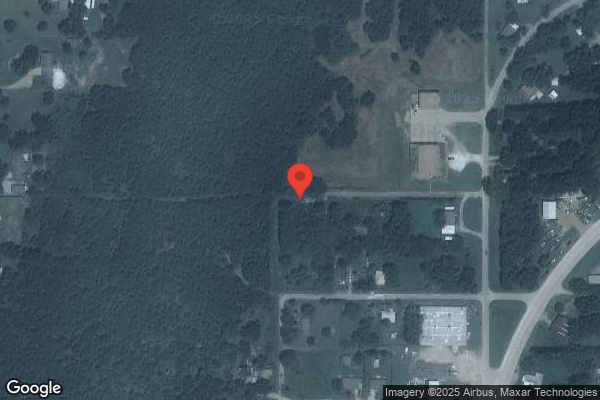
212 NORTH ANTES, HENRYETTA, OK 74437 (918) 652-8797
For profit - Corporation 53 Beds Independent Data: November 2025
Trust Grade
75/100
#57 of 282 in OK
Last Inspection: May 2025

Inspected within the last 6 months. Data reflects current conditions.

Overview

Henryetta Community Skilled Healthcare & Rehab currently holds a Trust Grade of B, indicating it is a good choice among nursing homes, reflecting solid care quality. It ranks #57 out of 282 facilities in Oklahoma, placing it in the top half statewide, and is #1 out of 4 in Okmulgee County, meaning it is the best option locally. The facility is showing improvement, with the number of issues reducing from 10 in 2022 to just 1 in 2025. Staffing is rated average at 3 out of 5 stars, with a turnover rate of 64%, which is about the state average, but it does have better RN coverage than 88% of Oklahoma facilities, ensuring more skilled oversight. However, there have been some concerning incidents noted, including a resident who experienced a fall resulting in injuries and another who did not receive proper monitoring during respiratory treatment, highlighting areas needing attention. Overall, while there are strengths in RN coverage and improvement trends, families should be aware of the incidents that suggest a need for better resident monitoring and care planning.

Trust Score
B
75/100
In Oklahoma
#57/282
Top 20%
Safety Record
Low Risk
No red flags
Inspections
Getting Better
10 → 1 violations
Staff Stability
⚠ Watch
64% turnover. Above average. Higher turnover means staff may not know residents' routines.
Penalties
✓ Good
No fines on record. Clean compliance history, better than most Oklahoma facilities.
Skilled Nurses
○ Average
Each resident gets 31 minutes of Registered Nurse (RN) attention daily — about average for Oklahoma. RNs are the most trained staff who monitor for health changes.
Violations
⚠ Watch
11 deficiencies on record. Higher than average. Multiple issues found across inspections.
★★★★☆
4.0
Overall Rating
★★★☆☆
3.0
Staff Levels
★☆☆☆☆
1.0
Care Quality
★★★★★
5.0
Inspection Score
Stable
2022: 10 issues
2025: 1 issues

The Good

  • Full Sprinkler Coverage · Fire safety systems throughout facility
  • No fines on record

Facility shows strength in fire safety.

The Bad

Staff Turnover: 64%

18pts above Oklahoma avg (46%)

Frequent staff changes - ask about care continuity

Staff turnover is elevated (64%)

16 points above Oklahoma average of 48%

The Ugly 11 deficiencies on record

May 2025 1 deficiency
CONCERN (D)

Potential for Harm - no one hurt, but risky conditions existed

Infection Control (Tag F0880)

Could have caused harm · This affected 1 resident

Based on observation and interview, the facility failed to maintain sanitary conditions in the laundry area for one of one observation. The administrator identified 36 residents resided in the facili...

Read full inspector narrative →
Based on observation and interview, the facility failed to maintain sanitary conditions in the laundry area for one of one observation. The administrator identified 36 residents resided in the facility. Findings: On 05/07/25 at 1:02 p.m., a large 55 gallon laundry barrel full of soiled laundry was observed uncovered, sitting outside of the laundry room door on the sidewalk. There were flies observed swarming the barrel. On 05/07/25 at 1:10 p.m., the laundry supervisor stated they did not know why the laundry barrel was uncovered, but it should not be. On 05/07/25 at 1:20 p.m., the infection preventionist stated they had been to the laundry and did not like the way the dirty laundry had to sit out on the sidewalk. They stated laundry was washed in an outside building then brought into the facility to be sorted and dispersed. They stated the laundry barrels should be covered.
Oct 2022 10 deficiencies
CONCERN (D)

Potential for Harm - no one hurt, but risky conditions existed

Investigate Abuse (Tag F0610)

Could have caused harm · This affected 1 resident

Based on record review, observation, and interview, the facility failed to have and/or maintain documentation that an alleged abuse allegation was thoroughly investigated for one (#21) of one resident...

Read full inspector narrative →
Based on record review, observation, and interview, the facility failed to have and/or maintain documentation that an alleged abuse allegation was thoroughly investigated for one (#21) of one resident reviewed for abuse. The facility identified two allegations of abuse in the previous six months. Findings: An undated facility policy titled Abuse Policy read in parts, .INVESTIGATION: Any allegation of abuse will be investigation by the Administrator or the Director of Nursing. The Administrator and the Director of Nursing will at a minimum: .iii. Witness reports will be reduced to writing with the witness signing and dating the report on the Witness Report form. The witness will write his/her own report . Res #21 had diagnoses which included bipolar disorder and depression. A nurse note, dated 07/10/22, documented the resident had reported an unidentified CNA had stood over her head while the resident was in bed and did not speak but shook the bed three times. The note documented Res #21 stated she would rather be awakened by touching her arm. A state reportable incident, dated 07/10/22, documented Res #21 had spoken with a charge nurse and complained CNA #3 had startled her when awakening her. The incident report documented when the assistant administrator spoke with the resident, she stated at first she thought the CNA was trying to be mean, then changed the story, and stated it was due to the CNA's size and whenever she moved it bumped the bed. The incident report documented the resident stated as the CNA was leaving the room the resident attempted to ask questions and the CNA did not answer. The incident report documented the assistant administrator spoke with residents and staff and unsubstantiated the allegation. The incident report did not include written witness statements from the resident, the accused staff member, other residents, or other staff members, who might have had knowledge pertinent to the allegation. A quarterly MDS assessment, dated 09/22/22, documented Res #21 was intact in cognition and independent to requiring limited assistance with ADLs. On 10/25/22 at 4:10 p.m., Res #21 was observed sitting in a wheelchair in her room. The resident stated she liked living at the facility and the staff treated her well. When asked about verbal or physical abuse Res #21 report one staff member had acted in an abuse manner to her a few months ago. She stated she informed the assistant administrator and the staff member was no longer at the facility. On 10/31/22 at 9:28 a.m., during an interview with the assistant administrator, she stated she had found out about this incident a day after it had allegedly occurred. She stated she did not have to suspend the staff member as she was not scheduled to work for the next five days. She stated she conducted the investigation and found it to be unfounded. The assistant administrator stated the abuse investigation did not contain written statements from the interviewed residents or staff or a list of residents or staff who were interviewed. She stated she did not have each person she spoke with do their own statement. She stated CNA #3 still works at the facility but works on a different hall.
CONCERN (D)

Potential for Harm - no one hurt, but risky conditions existed

Assessment Accuracy (Tag F0641)

Could have caused harm · This affected 1 resident

Based on record review, interview, and observation, the facility failed to conduct an assessment which accurately reflect a resident status for one (#5) of two residents reviewed for falls. The Resid...

Read full inspector narrative →
Based on record review, interview, and observation, the facility failed to conduct an assessment which accurately reflect a resident status for one (#5) of two residents reviewed for falls. The Resident Census and Conditions of Residents form documented 27 residents resided in the facility. Findings: Res #5 had diagnoses which included dementia, unsteadiness on feet, and history of falling. An end of PPS MDS assessment, dated 09/14/22, documented Res #5 had one fall with minor injury. A fall incident note, dated 09/18/22, documented Res #5 was found on the floor bleeding from his right arm. The note documented the skin tear was treated per the facility standing orders and the resident was sent to the local emergency room for evaluation. A quarterly assessment, dated 10/24/22, documented Res #5 had not had any falls since admission/entry or reentry or the prior assessment. On 10/28/22 at 3:30 p.m., Res #5 was observed in his room on his bed and appeared to sleep. An unidentified CNA was present in the resident's room. On 10/28/22 at 3:45 p.m., the DON reviewed the MDS assessment, dated 10/24/22, and reported it was not correct in the area of falls.
CONCERN (D)

Potential for Harm - no one hurt, but risky conditions existed

Deficiency F0645 (Tag F0645)

Could have caused harm · This affected 1 resident

Based on record review, observation, and interview, the facility failed to notify OHCA when a resident with documented mental illness for a possible PASRR II evaluation for one (#13) of one resident r...

Read full inspector narrative →
Based on record review, observation, and interview, the facility failed to notify OHCA when a resident with documented mental illness for a possible PASRR II evaluation for one (#13) of one resident reviewed for PASRR evaluations. The administrator reported six residents residing at the facility had a PASRR II evaluation in their clinical records. Findings: Res #13 was admitted with diagnoses including unspecified psychosis, delusional disorders, and major depressive disorder. A PASRR level I screening, dated 02/05/15, documented Res #13 had a diagnosis of serious mental illness. A note on the bottom of the PASRR I sheet documented No level II required. The PASRR I screening form did not document if OHCA had made this determination. An annual assessment, dated 02/19/22, documented Res #13 was not currently considered by the state level II PASRR process to have serious mental illness and/or intellectual disability or a related condition. On 10/28/22 at 07:48 a.m., Res #13 was observed in a wheelchair going out to the smoking area. On 10/28/22 at 10:51 a.m., the administrator reported the individual who was the DON at the time and who completed the PASRR I screening was no longer at the facility. The administrator reviewed the PASRR I screening and confirmed OHCA should have been informed for a possible PASRR II evaluation. She stated she could not confirm the facility had notified OHCA.
CONCERN (D)

Potential for Harm - no one hurt, but risky conditions existed

Deficiency F0688 (Tag F0688)

Could have caused harm · This affected 1 resident

Based on record review, observation, and interview, the facility failed to ensure a resident with limited ROM received services to increase, maintain, or prevent further decline in ROM, for one (#10) ...

Read full inspector narrative →
Based on record review, observation, and interview, the facility failed to ensure a resident with limited ROM received services to increase, maintain, or prevent further decline in ROM, for one (#10) of one resident reviewed for limited ROM. The Resident Census and Conditions of Residents documented 27 residents resided in the facility. Findings: Res #10 had diagnoses which included cerebral infarction, weakness, and polyneuropathy. An admission assessment, dated 08/18/22, documented the resident was severely impaired in cognition, required limited assistance with bed mobility and transfer, required supervision with ambulation and locomotion, and had limited ROM in the upper extremity and bilateral lower extremities. The Care Area Assessment indicated yes for ADL functional/rehabilitation potential. Physician orders for Res #10 were reviewed and did not document an order for rehabilitative or restorative services. The care plan for Res #10 was reviewed and did not document restorative services. On 10/25/22 at 12:23 p.m., the resident was observed sitting in a wheelchair in their room. The resident stated he had a stroke a few months ago which resulted in right sided weakness. The resident stated he wanted the facility to provide some type of therapy to help him increase strength and mobility but the facility had not provided any yet. On 10/28/22 at 11:38 a.m., the DON stated the facility provided restorative services but Res #10 had not received restorative care. The DON was asked if Res #10 would have benefited from restorative care. She stated she was unaware residents on Medicaid qualified for restorative care services and this resident should have received restorative services. On 10/28/22 at 11:47 a.m., the restorative aide (RA) #1 stated she had not provided restorative services to Res #10 because restorative care had not been ordered. She stated Res #10 required stand by assistance for transfer and one person assistance for dressing and showering. She stated that Res #10 would have benefited from restorative care but had not had any since admission.
CONCERN (D)

Potential for Harm - no one hurt, but risky conditions existed

Deficiency F0700 (Tag F0700)

Could have caused harm · This affected 1 resident

Based on record review, observation, and interview, the facility failed to attempt alternatives, assess residents for risk of entrapment, review the risks and benefits of use of a grab bar/U rail with...

Read full inspector narrative →
Based on record review, observation, and interview, the facility failed to attempt alternatives, assess residents for risk of entrapment, review the risks and benefits of use of a grab bar/U rail with the resident or resident representative, and obtain an informed consent prior to installing a grab bar/U rail on a resident bed for one (#5) of one resident reviewed for use of grab bars/U rails. The administrator identified 20 residents who resided in the facility and had any type of grab bar, U rail, or rail attached to their beds. Findings: Res #5 had diagnoses which included dementia and history of falls. A Medicare 5 day MDS assessment, dated 08/14/22, documented the resident was severely impaired in cognition and did not walk. The assessment documented the resident had fallen and sustained a minor injury. A care plan, dated 09/13/22, documented Res #5 had an actual fall related to poor balance, poor communication/comprehension, and unsteady gait. The care plan documented an intervention of a U-Rail placed on the resident's bed. On 10/28/22 at 3:30 p.m., the resident was observed lying on his bed sleeping. A grab bar was observed to have been in the up position on the left side of the resident's bed. At that time an unidentified CNA was observed in the room and stated Res #5 used the grab bar to assist himself to set up. On 10/28/22 at 3:45 p.m., the DON reported the grab bar had been placed on the care plan by the MDS coordinator who worked off-site. She reviewed the resident's clinical records and reported there was not documentation of performing an assessment for the use of side rails or grab bars and it was not an option in this resident's EHR. At that time, the assistant administrator stated she was unaware grab bars were considered a type of side rail. She stated she was aware of the regulation related to the use of side rails.
CONCERN (E)

Potential for Harm - no one hurt, but risky conditions existed

Comprehensive Care Plan (Tag F0656)

Could have caused harm · This affected multiple residents

2. Res #12 had diagnoses which included metabolic encephalopathy, dementia, schizoaffective disorder, and unspecified convulsions. A quarterly assessment, dated 06/01/22, documented Res #12 was modera...

Read full inspector narrative →
2. Res #12 had diagnoses which included metabolic encephalopathy, dementia, schizoaffective disorder, and unspecified convulsions. A quarterly assessment, dated 06/01/22, documented Res #12 was moderately impaired in cognition, required limited assistance with transfer and bed mobility, did not ambulate, and had bilateral lower extremity ROM impairment. An incident report, dated 06/29/22, documented Res #12 was in the north hallway in a wheelchair having seizure like symptoms and fell resulting in a skin tear to the left hand and swelling to the right side of their face. Res #12 was sent to the ER for evaluation and treatment. A nurse note, dated 06/29/22, documented Res #12 was admitted to the hospital with a diagnosis of right orbital hemorrhage with fracture. A care plan for Res #12 was reviewed and did not document a plan of care for falls. On 10/25/22 at 1:00 p.m., Res #12 was observed lying in bed with their legs supported by pillows. The resident was able to move their upper arms upon request but denied being able to move lower legs. The resident reported having been bed bound and relied on staff for transfers into and out of their bed. On 10/27/22 at 9:03 a.m., the DON was asked for documentation of falls on Res #12's care plan. She reported the care plan used to have an actual fall care plan but it had been resolved and removed on 10/13/22. The DON stated she did not know falls had to remain in a resident's plan of care and be revised with new interventions after each fall. Based on record review, observation, and interview, the facility failed to develop and implement comprehensive care plans to address resident care needs for two (#12 and #13) of 22 residents whose care plans were reviewed. The facility failed to develop a care plan: a. to help prevent the recurrence of falls for Res #12. b. related to Res #13's psychiatric diagnoses and use of an antipsychotic medication. The Resident Census and Conditions of Residents form documented 27 residents resided in the facility. Findings: 1. Res #13 had diagnoses which included psychosis, delusional disorders, and depressive disorder. A quarterly assessment, dated 08/22/22, documented Res #13 was moderately impaired in cognition, was independent or required supervision with ADLs, had an active diagnosis of depression, and psychotic disorder other than schizophrenia. A care plan, with a review completion date of 08/29/22, was reviewed and did not reveal a plan of care related to Res #13's diagnoses of mental illness or use of antipsychotic medications. A physician order, dated 09/02/22, documented the facility was to administer risperidone (an antipsychotic medication) 1.5 mg one time daily for prophylaxis related to psychosis. On 10/28/22 at 7:48 a.m., Res #13 was observed moving to the smoking area in his wheelchair. On 10/28/22 at 12:33 p.m., the DON reviewed Res #13's plan of care and confirmed a plan related to the resident's diagnosis of mental illness and use of an antipsychotic medications was not documented.
CONCERN (E)

Potential for Harm - no one hurt, but risky conditions existed

Respiratory Care (Tag F0695)

Could have caused harm · This affected multiple residents

Based on record review, observation, and interview, the facility failed to assess and monitor a resident while providing a respiratory treatment for one (#12) of one resident who was observed to have ...

Read full inspector narrative →
Based on record review, observation, and interview, the facility failed to assess and monitor a resident while providing a respiratory treatment for one (#12) of one resident who was observed to have received a respiratory treatment during medication administration. The Resident and Census and Conditions of Residents documented eight residents received respiratory treatments. Findings: Res #12 had diagnoses which included COPD and pneumonia due to SARS-associated coronavirus. A policy titled Specific Medication Administration Procedure, effective date July 2015, in reference to administration of medications through a handheld nebulizer read in parts, .obtain baseline pulse, respiratory rate and lung sounds .remain with the resident for the treatment unless the resident has been assessed and authorized to self-administer .approximately five minutes after the treatment begins (or sooner if clinical judgment indicates) obtain the resident's pulse .monitor for medication side effects, including rapid pulse, restlessness and nervousness throughout the treatment .obtain post-treatment pulse, respiratory rate and lung sounds and document findings on the MAR or in the resident's medical record. A care plan, dated 02/04/21, documented to give aerosol or bronchodilators as ordered and monitor/document any side effects and effectiveness. A physician order, dated 09/23/22, documented to administer budesonide suspension 0.5 MG/2 ML inhaled orally two times a day related to COPD with acute exacerbation. A significant change assessment, dated 10/17/22, documented the resident was moderately impaired in cognition and totally dependent with most ADLs. On 10/27/22 at 8:30 a.m., LPN #1 was observed to administer a budesonide respiratory treatment to Res #12. LPN #1 was observed to not assess the resident's pulse, respiratory rate, or lungs sound prior to, during, or after the treatment. LPN #1 did not remain with the resident during the respiratory treatment. On 10/27/22 at 1:48 p.m., LPN #1 was asked if she obtained and documented pulse, respiratory rate, and lung sounds prior to, during, or after respiratory treatments and remained in the room with residents during administration. She stated she had never remained in the room to monitor residents during respiratory treatments and was not aware of the policy which required obtaining vital signs prior to, during, and after treatments. On 10/27/22 at 2:00 p.m., the administrator stated Res #12 was not capable of self administration of respiratory treatments and the LPN should have remained in the room and performed all steps according to the policy.
CONCERN (E)

Potential for Harm - no one hurt, but risky conditions existed

Staffing Data (Tag F0851)

Could have caused harm · This affected multiple residents

Based on record review and interview the facility failed to submit accurate data regarding direct care staffing information to CMS. The Resident Census and Conditions of Residents form documented 27 ...

Read full inspector narrative →
Based on record review and interview the facility failed to submit accurate data regarding direct care staffing information to CMS. The Resident Census and Conditions of Residents form documented 27 residents resided in the facility. Findings: A PBJ report for the third quarter of 2022 documented the facility failed to have adequate licensed nursing staff 24 hours a day for the following days: 04/03/22, 04/16/22, 04/17/22, 04/24/22, 04/28/22, 04/30/22, 05/08/22, 05/19/22, 05/22/22, 05/28/22, 05/29/22, 06/12/22, 06/24/22, 06/25/22, and 06/29/22. On 10/31/22 at 1:15 p.m., the assistant administrator provided documentation of coverage by licensed nurses on the dates in question. On 10/31/22 at 1:16 p.m., the administrator and assistant administrator stated they have a real problem with correctly coding the PBJ which they were unaware of until this survey.
CONCERN (E)

Potential for Harm - no one hurt, but risky conditions existed

Infection Control (Tag F0880)

Could have caused harm · This affected multiple residents

3. A policy titled Specific Medication Administration Procedure, effective date July 2015, in reference to administration of medications through a handheld nebulizer read in parts, .rinse and disinfec...

Read full inspector narrative →
3. A policy titled Specific Medication Administration Procedure, effective date July 2015, in reference to administration of medications through a handheld nebulizer read in parts, .rinse and disinfect the nebulizer equipment according to manufacturer's recommendations, or 1. wash pieces (except tubing) with warm, soapy water daily. Rinse with hot water. Allow to air dry completely on paper towel. 2. Once a week disinfect equipment by using a Microsteam bag in the microwave for time recommended on bag, or soaking for five minutes in 70% isopropyl alcohol and then rinse with sterile water .when equipment is completely dry, store in a plastic bag with the resident's name and the date on it. Res #12 had diagnoses which included COPD and pneumonia due to SARS-associated coronavirus. A physician order, dated 09/23/22, documented to administer budesonide suspension 0.5 MG/2 ML inhaled orally two times a day related to COPD with acute exacerbation. A significant change assessment, dated 10/17/22, documented the resident was moderately impaired in cognition and totally dependent with most ADLs. On 10/27/22 at 8:30 a.m., LPN #1 was observed to administer a budesonide respiratory treatment to Res #12. The nebulizer mask was observed not to have been stored in a plastic bag and was sitting face side down on Res #12's bedside table. LPN #1 did not cleanse the mask prior to adding medication to the nebulizer container or placement on the resident's face. On 10/27/22 at 8:35 a.m., LPN #1 was asked if nebulizer equipment was kept in a bag in between respiratory treatments for infection control prevention. She stated the equipment was not routinely placed in a bag with the resident's name and date but draped over the nebulizer compressor between use. LPN #1 stated she had not realized this practice was an infection control risk and was not aware of the facility's nebulizer policy. On 10/27/22 at 2:00 p.m., the administrator stated LPN #1 did not follow the policy but should have. Based on record review, observation, and interview, the facility failed to maintain an infection prevention and control program designed to provide a safe, sanitary environment, and to help prevent the development and transmission of disease. The facility failed to: a. use universal source control (masking) when the county transmission level was high and failed to provide signage on the entry door instructing visitors on when and how infection control measures were to be utilized while in the facility. b. ensure infection control measures were maintained during medication pass and with respiratory treatments. The Resident Census and Conditions of Residents form documented 27 residents resided in the facility. Findings: 1. A facility policy titled COVID-19 Source Control Policy, dated 07/19/21, read in part, .A minimum of a surgical mask worn appropriately at all times within the building and while in a vehicle with residents and/or employees is the requirement of the facility and is mandated to all staff . On 10/25/22 at 10:15 a.m., the facility was entered for a recertification survey. The external entry was observed and revealed no documentation describing what type of infection control measures were required in the facility by visitors or staff. On entry to the facility multiple staff members were observed throughout the facility unmasked, carrying out their duties, and interacting with unmasked residents. At that time, the assistant administrator, who was also unmasked, stated the facility stopped requiring staff, visitors, and residents, to wear masks the previous week. On 10/25/22 at 1:13 p.m., the IP was asked about the facility decision to forgo wearing masks. The IP stated it was because the County Positivity Rate was low. She was asked if the decision was based on the COVID-19 Community Level or the Transmission Level. She consulted the CDC website and stated the community level was low but the transmission level was high. She stated she unaware she was using the wrong data. 2. A physician order for Res #9, dated 06/29/22, documented the facility was to administer calcium capsule 250 mg one time daily related to fracture of unspecified neck of the right femur. On 10/28/22 at 8:30 a.m., during an observation of a medication pass, CMA #1 was observed to press a tablet of calcium from a blister pack and the tablet was observed to fall on the paper which was used for documentation of vital signs. The CMA was observed to use the paper to funnel the tablet back into a medication cup and administer it to the resident along with other routine medications. On completion of the med pass she stated she should have disposed of it but in her mind at the time she felt if it fell on the paper it was still sanitary. She stated when she thought about it she should have disposed of it. On 10/28/22 at 8:54 a.m., the DON stated if a medication had been dropped it should have been disposed of and the CMA should have started the pass over.
CONCERN (E)

Potential for Harm - no one hurt, but risky conditions existed

Deficiency F0886 (Tag F0886)

Could have caused harm · This affected multiple residents

Based on record review and interview, the facility failed to ensure nursing home staff members with a COVID-19 vaccine religious exemption and/or staff who were not up to date with the COVID-19 vaccin...

Read full inspector narrative →
Based on record review and interview, the facility failed to ensure nursing home staff members with a COVID-19 vaccine religious exemption and/or staff who were not up to date with the COVID-19 vaccinations were tested for COVID-19 based on the county transmission level and guidance from OSDH and CMS. The IP identified one unvaccinated staff member with a religious exemption and 21 staff members who were not up to date on their COVID-19 vaccination who worked in the facility during April, May, and June of 2022. Findings: A Covid-19 Vaccine Mandate Policy for Religious Exemption Consideration policy, revised 01/13/21, documented unvaccinated staff will be subject to COVID-19 testing as required by the OSDH and CMS. A CMS memorandum titled QSO-20-38-NH, revised 03/10/22, read in parts, .Routine testing of staff, who are not up-to-date, should be based on the extent of the virus in the community .The facility should test all staff, who are not up-to-date, at the frequency prescribed in the routine testing table based on the level of community transmission reported in the past week .routine testing table intervals documented the following: moderate (yellow) once a week, substantial (orange) twice a week, and high (red) twice a week . On 10/31/22 at 12:00 p.m., the IP was asked if the unvaccinated staff member had been tested for COVID-19 as required by OSDH and CMS guidelines during the months of April, May, and June 2022. She stated the facility was not in outbreak during this time and no residents or staff were routinely tested including the unvaccinated staff member or the staff members who were not up to date on their vaccinations. The IP stated the unvaccinated staff member as well as those not up to date on their COVID-19 vaccinations should have been tested regularly based on the Community Transmission Level from CDC according to the facility policy but they had not been.
Understanding Severity Codes (click to expand)
Life-Threatening (Immediate Jeopardy)
J - Isolated K - Pattern L - Widespread
Actual Harm
G - Isolated H - Pattern I - Widespread
Potential for Harm
D - Isolated E - Pattern F - Widespread
No Harm (Minor)
A - Isolated B - Pattern C - Widespread

Questions to Ask on Your Visit

  • "Why is there high staff turnover? How do you retain staff?"
  • "Can I speak with families of current residents?"
  • "What's your RN coverage like on weekends and overnight?"

Our Honest Assessment

Strengths
  • • No major safety red flags. No abuse findings, life-threatening violations, or SFF status.
  • • No fines on record. Clean compliance history, better than most Oklahoma facilities.
Concerns
  • • 11 deficiencies on record. Higher than average. Multiple issues found across inspections.
  • • 64% turnover. Above average. Higher turnover means staff may not know residents' routines.
Bottom line: Generally positive indicators. Standard due diligence and a personal visit recommended.

About This Facility

What is Henryetta Community Skilled Healthcare & Rehab's CMS Rating?

CMS assigns HENRYETTA COMMUNITY SKILLED HEALTHCARE & REHAB an overall rating of 4 out of 5 stars, which is considered above average nationally. Within Oklahoma, this rating places the facility higher than 99% of the state's 100 nursing homes. This rating reflects solid performance across the metrics CMS uses to evaluate nursing home quality.

How is Henryetta Community Skilled Healthcare & Rehab Staffed?

CMS rates HENRYETTA COMMUNITY SKILLED HEALTHCARE & REHAB's staffing level at 3 out of 5 stars, which is average compared to other nursing homes. Staff turnover is 64%, which is 18 percentage points above the Oklahoma average of 46%. High turnover can affect care consistency as new staff learn residents' individual needs. RN turnover specifically is 60%, which is notably high. RNs provide skilled clinical oversight, so turnover in this role can affect medical care quality.

What Have Inspectors Found at Henryetta Community Skilled Healthcare & Rehab?

State health inspectors documented 11 deficiencies at HENRYETTA COMMUNITY SKILLED HEALTHCARE & REHAB during 2022 to 2025. These included: 11 with potential for harm.

Who Owns and Operates Henryetta Community Skilled Healthcare & Rehab?

HENRYETTA COMMUNITY SKILLED HEALTHCARE & REHAB is owned by a for-profit company. For-profit facilities operate as businesses with obligations to shareholders or private owners. The facility operates independently rather than as part of a larger chain. With 53 certified beds and approximately 33 residents (about 62% occupancy), it is a smaller facility located in HENRYETTA, Oklahoma.

How Does Henryetta Community Skilled Healthcare & Rehab Compare to Other Oklahoma Nursing Homes?

Compared to the 100 nursing homes in Oklahoma, HENRYETTA COMMUNITY SKILLED HEALTHCARE & REHAB's overall rating (4 stars) is above the state average of 2.6, staff turnover (64%) is significantly higher than the state average of 46%, and health inspection rating (5 stars) is much above the national benchmark.

What Should Families Ask When Visiting Henryetta Community Skilled Healthcare & Rehab?

Based on this facility's data, families visiting should ask: "How do you ensure continuity of care given staff turnover, and what is your staff retention strategy?" "Can I visit during a mealtime to observe dining assistance and food quality?" "How do you handle medical emergencies, and what is your hospital transfer rate?" "Can I speak with family members of current residents about their experience?" These questions are particularly relevant given the facility's high staff turnover rate.

Is Henryetta Community Skilled Healthcare & Rehab Safe?

Based on CMS inspection data, HENRYETTA COMMUNITY SKILLED HEALTHCARE & REHAB has a clean safety record: no substantiated abuse findings (meaning no confirmed cases of resident harm), no Immediate Jeopardy citations (the most serious violation level indicating risk of serious injury or death), and is not on the Special Focus Facility watch list (a federal program monitoring the lowest-performing 1% of nursing homes). The facility has a 4-star overall rating and ranks #1 of 100 nursing homes in Oklahoma. While no facility is perfect, families should still ask about staff-to-resident ratios and recent inspection results during their visit.

Do Nurses at Henryetta Community Skilled Healthcare & Rehab Stick Around?

Staff turnover at HENRYETTA COMMUNITY SKILLED HEALTHCARE & REHAB is high. At 64%, the facility is 18 percentage points above the Oklahoma average of 46%. Registered Nurse turnover is particularly concerning at 60%. RNs handle complex medical decisions and coordinate care — frequent RN changes can directly impact care quality. High turnover means new staff may not know residents' individual needs, medications, or preferences. It can also be disorienting for residents, especially those with dementia who rely on familiar faces. Families should ask: What is causing the turnover? What retention programs are in place? How do you ensure care continuity during staff transitions?

Was Henryetta Community Skilled Healthcare & Rehab Ever Fined?

HENRYETTA COMMUNITY SKILLED HEALTHCARE & REHAB has no federal fines on record. CMS issues fines when nursing homes fail to meet care standards or don't correct problems found during inspections. The absence of fines suggests the facility has either maintained compliance or corrected any issues before penalties were assessed. This is a positive indicator, though families should still review recent inspection reports for the full picture.

Is Henryetta Community Skilled Healthcare & Rehab on Any Federal Watch List?

HENRYETTA COMMUNITY SKILLED HEALTHCARE & REHAB is not on any federal watch list. The most significant is the Special Focus Facility (SFF) program, which identifies the bottom 1% of nursing homes nationally based on persistent, serious quality problems. Not being on this list means the facility has avoided the pattern of deficiencies that triggers enhanced federal oversight. This is a positive indicator, though families should still review the facility's inspection history directly.