HOBART NURSING & REHABILITATION
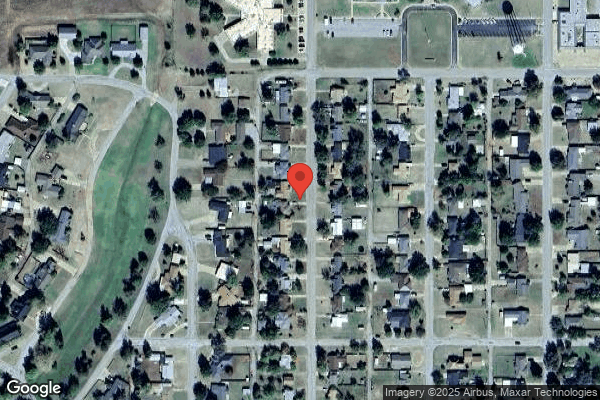
709 NORTH LOWE, HOBART, OK 73651 (580) 726-3381
For profit - Corporation 58 Beds SOUTHWEST LTC Data: November 2025
Trust Grade
75/100
#58 of 282 in OK
Last Inspection: March 2024

Within standard 12-15 month inspection cycle. Federal law requires annual inspections.

Overview

Hobart Nursing & Rehabilitation has received a Trust Grade of B, indicating that it is a solid choice for care, though not without some concerns. It ranks #58 out of 282 facilities in Oklahoma, placing it in the top half, and is the best option in Kiowa County. The facility is improving, having reduced issues from four in 2024 to two in 2025, although it has a concerning staffing rating of 2 out of 5 stars, with a high turnover rate of 66%. There have been no fines recorded, which is a positive sign, and the facility offers more RN coverage than 86% of state facilities, ensuring better oversight of resident care. However, there are some weaknesses to note. Recent inspections revealed that three residents did not receive their scheduled showers due to inadequate hot water supply, and there were issues with informing residents about potential charges for skilled services, as necessary documentation was not signed. Additionally, one resident with dementia was found outside the facility without adequate supervision, raising concerns about elopement risks. Overall, while Hobart Nursing & Rehabilitation has strengths in RN coverage and a good trust grade, families should consider these specific incidents when evaluating care options.

Trust Score
B
75/100
In Oklahoma
#58/282
Top 20%
Safety Record
Low Risk
No red flags
Inspections
Getting Better
4 → 2 violations
Staff Stability
⚠ Watch
66% turnover. Above average. Higher turnover means staff may not know residents' routines.
Penalties
✓ Good
No fines on record. Clean compliance history, better than most Oklahoma facilities.
Skilled Nurses
⚠ Watch
Each resident gets only 27 minutes of Registered Nurse (RN) attention daily — below average for Oklahoma. Fewer RN minutes means fewer trained eyes watching for problems.
Violations
○ Average
9 deficiencies on record. Average for a facility this size. Mostly minor or procedural issues.
★★★★☆
4.0
Overall Rating
★★☆☆☆
2.0
Staff Levels
★★☆☆☆
2.0
Care Quality
★★★★☆
4.0
Inspection Score
Stable
2024: 4 issues
2025: 2 issues

The Good

  • Full Sprinkler Coverage · Fire safety systems throughout facility
  • No fines on record

Facility shows strength in fire safety.

The Bad

Staff Turnover: 66%

20pts above Oklahoma avg (46%)

Frequent staff changes - ask about care continuity

Chain: SOUTHWEST LTC

Part of a multi-facility chain

Ask about local staffing decisions and management

Staff turnover is elevated (66%)

18 points above Oklahoma average of 48%

The Ugly 9 deficiencies on record

Mar 2025 2 deficiencies
CONCERN (D) 📢 Someone Reported This

A family member, employee, or ombudsman was alarmed enough to file a formal complaint

Potential for Harm - no one hurt, but risky conditions existed

Accident Prevention (Tag F0689)

Could have caused harm · This affected 1 resident

**NOTE- TERMS IN BRACKETS HAVE BEEN EDITED TO PROTECT CONFIDENTIALITY** Based on record review and interview, the facility failed to provide adequate supervision and interventions to prevent elopement...

Read full inspector narrative →
**NOTE- TERMS IN BRACKETS HAVE BEEN EDITED TO PROTECT CONFIDENTIALITY** Based on record review and interview, the facility failed to provide adequate supervision and interventions to prevent elopement for 1 (#1) of 3 sampled residents reviewed for elopement. The DON reported 35 residents resided in the facility. The elopement book at the nurses station identified seven residents at risk for elopement. Findings: A policy titled Elopements, dated 08/01/21, read in part,Staff shall investigate and report all cases of missing residents. Resident #1 was admitted to the facility on [DATE] with diagnoses which included dementia and depression. An elopement risk assessment, dated 02/28/25, showed no risk for elopement. A progress note, dated 03/02/25 at 8:35 a.m., showed Resident #1 was found outside sitting in the grass across from the parking lot. The note showed the resident was assisted back into the facility. The note also showed the resident had scrapes on both knees and a red area to the right cheekbone. A incident report, dated 03/02/25, showed Resident #1 was observed outside across the street from the facility without staff present. The report showed staff reported the resident was unattended for approximately 10 minutes after being toileted after breakfast. The report showed the resident was alert and oriented to person only. The report showed staff were educated on the policy and procedure for elopement, educated to keep all alarms on and respond to alarms promptly, and the resident was to remain one on one with staff until no signs of exit seeking. The report showed the resident's elopement care plan was updated and the resident's face sheet with picture was added to the elopement book. An elopement risk assessment, dated 03/02/25, showed an elopement risk score of 10.0. The assessment showed interventions: staff aware of wander risk, exit alarms, and every one hour checks. An admission assessment, dated 03/05/25, showed the resident had moderate cognitive impairment with a BIMS score of 10. The assessment showed the resident had wandering behavior. The elopement book was reviewed and contained Resident #1's elopement care plan and elopement risk assessment. The elopement book did not contain the resident's face sheet with the resident's picture. On 03/05/25 at 11:46 a.m., the administrator reported the facility was having a software issue with getting the resident's photo added to the face sheet. The administrator reported all nurses had a picture of the resident on their phone and all staff were aware who the resident was. On 03/05/25 at 11:55 a.m., the DON reported the investigation of the elopement incident for Resident #1 concluded the resident exited the front door in the dining room. The DON reported the alarm on the door was not turned on for an unknown reason. The DON reported staff were educated that the door alarms were to be left on.
CONCERN (E) 📢 Someone Reported This

A family member, employee, or ombudsman was alarmed enough to file a formal complaint

Potential for Harm - no one hurt, but risky conditions existed

Deficiency F0558 (Tag F0558)

Could have caused harm · This affected multiple residents

**NOTE- TERMS IN BRACKETS HAVE BEEN EDITED TO PROTECT CONFIDENTIALITY** Based on record review and interview, the facility failed to have an adequate hot water supply to ensure showers were conducted ...

Read full inspector narrative →
**NOTE- TERMS IN BRACKETS HAVE BEEN EDITED TO PROTECT CONFIDENTIALITY** Based on record review and interview, the facility failed to have an adequate hot water supply to ensure showers were conducted as scheduled for 3 (#2, 6, and #7) of 3 sampled residents reviewed for showers. The DON reported 35 residents resided in the facility. Findings: A Resident Showers policy, dated 04/15/24, read in part, Residents will be provided showers as per request or as per facility schedule protocols and based upon resident safety. 1. Resident #2 had diagnoses which included paraplegia. The resident was admitted to the facility on [DATE]. The resident discharged from the facility on 02/23/25. A monthly shower record for December 2024 showed 13 scheduled showers. The shower record showed three showers were given (12/03, 12/10, and 12/12), eight showers were not given (12/05, 12/07, 12/14, 12/17, 12/24, 12/26, and 12/28) and two showers were refused (12/19 and 12/21). A quarterly assessment, dated 01/25/25, showed Resident #2's cognition was intact with a BIMS score of 15. The assessment showed they required substantial/maximal assist with showers. A monthly shower record for January 2025 showed 13 scheduled showers. The shower record showed one shower was given (01/02), 10 showers were not given (01/09, 01/11, 01/14, 01/16, 01/18, 01/21, 01/23, 01/25, 01/28, and 01/30), and two showers were refused (01/04 and 01/07). A monthly shower record for February 2025 showed 10 scheduled showers. The shower record showed two showers were given (02/15 and 02/20), six showers were not given (02/01, 02/04, 02/06, 02/08, 02/11, and 02/13), one shower was refused (02/22), and one shower was not applicable (02/18). A care plan, dated 02/07/25, read in part, Showers requires x two staff assist with transfers to shower chair. A grievance form, dated 02/13/25, showed Resident #2 reported not getting showers. The grievance form showed staff were educated related to showers. On 03/05/25 at 1:01 p.m., CNA #1 reported Resident #2 would request showers to be given at 1:00 a.m. or 2:00 a.m., so there would be hot water available. On 03/05/25 at 2:48 p.m., the DON reported Resident #2 was the only resident that had complained about not having hot enough water for showers. 2. Resident #6 had diagnoses which included spinal stenosis and chronic obstructive pulmonary disease. A care plan, dated 10/05/24, showed Resident #6 was able to bathe/shower areas on self within easy reach. A monthly shower record for December 2024 showed 13 scheduled showers. The shower record showed one shower was conducted (12/11), 11 showers were not conducted (12/02, 12/04, 12/09, 12/13, 12/16, 12/18, 12/20, 12/23, 12/25, 12/27, and 12/30), and one shower was not applicable (12/06). A quarterly assessment, dated 01/10/25, showed Resident #6's cognition was intact with a BIMS score of 15. The assessment showed the resident required set up help for showers. A monthly shower record for January 2025 showed 14 scheduled showers. The shower record showed two showers were conducted (01/06 and 01/13), and 12 showers were not conducted (01/01, 01/03, 0108, 01/10, 01/15, 01/17, 01/20, 01/22, 01/24, 01/27, 01/29, and 01/31). A shower schedule, dated 03/05/25, showed Resident #6 was scheduled for a shower on Monday, Wednesday, and Friday during the 6:00 p.m. to 6:00 a.m. shift. On 03/05/25 at 3:50 p.m., Resident #6 stated, I'm not going to take a shower until they get the hot water issue fixed. 3. Resident #7 had diagnoses which included morbid obesity and ataxic gait. A care plan, dated 01/11/24, showed Resident #2 required x two staff assistance with transfers. A quarterly assessment, dated 12/10/24, showed Resident #7's cognition was intact with a BIMS score of 15. The assessment showed the resident was dependent on staff for showers. A monthly shower record for December 2024 showed 13 scheduled showers. The shower record showed five showers were conducted (12/04, 12/09, 12/11, 12/18, and 12/20), six showers were not conducted (12/02, 12/13, 12/23, 12/25, 12/27, and 12/30), and two showers were refused (12/06 and 12/16). A monthly shower record for January 2025 showed 14 scheduled showers. The shower record showed five showers were conducted (01/01, 01/10, 01/13, 01/29, and 01/31), eight showers were not conducted (01/03, 01/08, 01/15, 01/17, 01/20, 01/22, 01/24, and 01/27), and one shower was refused (01/06). A shower schedule, dated 03/05/25, showed Resident #7 was scheduled for a shower on Monday, Wednesday, and Friday during the 6:00 a.m. to 6:00 p.m. shift. On 03/05/25 at 11:55 a.m., certified medication aide #1 reported the 300 hall shower tended to run out of hot water. On 03/05/25 at 12:04 p.m., LPN #1 reported the 100 hall was good for hot water. The LPN stated 200 and 300 halls had problems on and off with hot water in the shower rooms and maintenance had worked on the problem a lot. On 03/05/25 at 1:08 p.m., CNA #3 reported having trouble getting all showers done due to water not being hot enough throughout the shift and residents would refuse showers. On 03/05/25 at 2:30 p.m., the maintenance supervisor reported the hot water supply had been an issue for sometime. The maintenance supervisor reported a professional plumber looked at the hot water supply and instructed them on how to keep the hot water supply adequate until the plumbing was reworked. The maintenance supervisor reported the showers on 200 and 300 halls were on the same hot water system as the laundry and kitchen which effected the amount of hot water available for showers at certain times of the day. On 03/05/25 at 2:48 p.m., the DON reported not being aware residents were not getting showers. The DON reported if the water was not hot for a shower then a bed bath would be offered. On 03/05/25 at 4:00 p.m., Resident #7 reported not getting showers three times a week like they were scheduled. The resident reported staff told them there if no hot water or not enough staff to get the shower done when scheduled.
Mar 2024 4 deficiencies
CONCERN (D)

Potential for Harm - no one hurt, but risky conditions existed

Safe Environment (Tag F0584)

Could have caused harm · This affected 1 resident

Based on observation, record review, and interview, the facility failed to maintain a home like environment by ensuring: a. the tile was in good repair around a toilet to prevent odors; b. the wall wa...

Read full inspector narrative →
Based on observation, record review, and interview, the facility failed to maintain a home like environment by ensuring: a. the tile was in good repair around a toilet to prevent odors; b. the wall was in good repair; and c. the lighting was sufficient in one bathroom of 16 bathrooms observed for a homelike environment. The DON identified 38 residents resided in the facility. Findings: A Homelike Environment policy, revised 05/17, read in part, .The facility staff and management shall maximize, to the extent possible, the characteristics of the facility and reflect a personalized, homelike setting, these characteristic include .Clean, sanitary, and orderly environment .Pleasant, neutral scents .Comfortable and adequate lighting is provided in all areas of the facility to promote a safe, comfortable, and home like environment. The lighting design emphasizes: a. Sufficient general lighting in resident-use areas . On 03/24/24 at 10:46 a.m., the following observations were made in a room on the 200 hall: a. the tile around toilet was cracked, raised, and soft to the touch with a strong urine smell coming from the bathroom, b. the wall paint was peeling and damaged above the toilet, and c. the light above the sink bulb was out and only one bulb was functioning causing the room to be dimly lit. On 03/27/24 at 8:23 a.m., the Housekeeping Supervisor was shown the above mentioned concerns. They stated the tile was broken for the last two months around the toilet and it created a bad smell of urine under the tile after the bathroom was freshly mopped. They stated the bathroom was not well lit and the wall was damaged above the toilet. On 03/27/24 at 8:36 a.m., the Administrator stated there were no pending or open work orders for tile replacement, broken lights, and/or wall repairs. On 03/27/24 at 9:10 a.m., the Maintenance Supervisor was shown the above concerns. They stated the tile was stained, cracked, and raised with a strong urine smell after being freshly mopped. They stated the light needed to be repaired or replaced and the globe covering the light was not installed correctly. They stated the wall above the toilet was in need of repair. The Maintenance Supervisor stated they did not have an open work order for any of the concerns. They stated it was not a home like environment and they would not allow their family to live in such an environment.
CONCERN (D)

Potential for Harm - no one hurt, but risky conditions existed

Deficiency F0659 (Tag F0659)

Could have caused harm · This affected 1 resident

Based on observation, record review, and interview, the facility failed to ensure a qualified staff administered a resident's breathing treatment for one (#140) of one sampled resident observed for br...

Read full inspector narrative →
Based on observation, record review, and interview, the facility failed to ensure a qualified staff administered a resident's breathing treatment for one (#140) of one sampled resident observed for breathing treatments. The DON identified 38 residents resided in the facility. Three residents had orders for nebulizer breathing treatments in the facility. Findings: Resident #140 had diagnoses which included chronic obstructive pulmonary disease and chronic diastolic heart failure. A physician's order, dated 03/18/24, documented albuterol sulfate inhalation nebulization solution 2.5 mg per 3 ml give 1 vial via mask every four hours related to chronic obstructive pulmonary disease. On 03/24/24 at 10:18 a.m., Resident #140 had their call light on to start their breathing treatment. CNA #1 walked in and turned on the Resident's nebulizer machine. They left the room. A mist started flowing through the Resident's handheld mouthpiece. On 03/24/24 at 10:20 a.m., Resident #140 stated the nurse had put the medication in the handheld device earlier that morning. Resident #140 coughed multiple times during the breathing treatment. The nurse was not present during the administration of the breathing treatment. On 03/24/24 at 10:30 a.m., Resident #140 called after completing the breathing treatment. CNA #1 walked in, turned off the machine, and left the room. On 03/24/24 at 10:43 a.m., CNA #1 stated they were not allowed to put the medicine in the medication cup of the handheld device ,but they can turn the nebulizer machine on and off. On 03/24/24 at 10:54 a.m., LPN #1 stated the nurses were responsible for the administration of breathing treatments and assessment of the residents receiving breathing treatments. On 03/24/24 at 10:56 a.m., LPN #1 stated they were not present during Resident #140's breathing treatment and they did not follow up after the Resident's breathing treatment was completed. On 03/25/24 at 2:47 p.m., the DON stated CNAs were not allowed to turn a nebulizer machine on or off for the administration of breathing treatments.
CONCERN (D)

Potential for Harm - no one hurt, but risky conditions existed

Deficiency F0700 (Tag F0700)

Could have caused harm · This affected 1 resident

Based on observation, record review, and interview, the facility failed to care plan and ensure a resident was assessed for the use of bed rails prior to installation for one (#29) of four sampled res...

Read full inspector narrative →
Based on observation, record review, and interview, the facility failed to care plan and ensure a resident was assessed for the use of bed rails prior to installation for one (#29) of four sampled residents reviewed for physical restraints. The DON identified 38 residents resided in the facility and 19 residents used bed rails or assist bars. Findings: The Proper Use of side Rails policy, revised 12/16, read in part, .An assessment will be made to determine the resident's symptoms, risk of entrapment and reason for using side rails .The use of side rails as an assistive device will be addressed in the resident care plan . Resident #29 had diagnoses which included dementia and cerebral infarction. On 03/25/24 at 9:16 a.m., Resident #29 was observed in bed with full upper bed rails up on each side of the bed. A Care Plan, dated 01/01/24, did not document the the use of bed rails. On 03/26/24 at 11:05 a.m., LPN #2 stated Resident #29's bed rails were up. They stated the bed rails were used for positioning. On 03/26/24 at 11:06 a.m., LPN #2 stated there should be a resident assessment and an order for the use of bed rails for positioning. On 03/26/24 at 11:08 a.m., LPN #2 stated there was no order or an assessment for Resident #29's use of the bed rails. On 03/27/24 at 9:59 a.m., the Administrator stated they failed to care plan the use of bed rails for Resident #29.
CONCERN (D)

Potential for Harm - no one hurt, but risky conditions existed

Deficiency F0761 (Tag F0761)

Could have caused harm · This affected 1 resident

Based on observation and interview, the facility failed to ensure medications were locked when not attended for two (treatment carts) of four carts observed for medication storage. The DON identified ...

Read full inspector narrative →
Based on observation and interview, the facility failed to ensure medications were locked when not attended for two (treatment carts) of four carts observed for medication storage. The DON identified two medication carts and two treatment carts. Findings: A Medication Storage In The Facility policy, revised 01/18, read in part, .Medications and biologicals are stored safely, securely, and properly, following manufacturer's recommendations .The medication supply is accessible only to licensed nursing personnel .or staff members lawfully authorized to administer medications . On 03/24/24 at 9:21 a.m., two carts were observed unlocked on a hallway. One cart had insulin medications, insulin needles, insulin syringes and glucometers. The other cart had pain topical creams, breathing treatments, and wound care supplies. There were five residents in the vicinity of the two carts and no staff present. On 03/24/24 at 9:28 a.m., CNA #1 went by the two carts and locked them. CNA #1 stated the two carts were unlocked. On 03/24/24 at 9:30 a.m., LPN #1 stated the two carts were treatment carts. On 03/24/24 at 10:05 a.m., a treatment cart was observed unlocked outside of a room on the 200 hall. No staff were present. RN #1 stated the cart had nebulizers, inhalers, and wound care supplies. They stated the cart should be locked per facility policy. On 03/24/24 at 10:54 a.m., LPN #1 stated the carts should not be left unlocked.
Feb 2023 3 deficiencies
CONCERN (D)

Potential for Harm - no one hurt, but risky conditions existed

Deficiency F0661 (Tag F0661)

Could have caused harm · This affected 1 resident

**NOTE- TERMS IN BRACKETS HAVE BEEN EDITED TO PROTECT CONFIDENTIALITY** Based on record review and interview, the facility failed to complete a discharge summary for one (#42) of one resident reviewed...

Read full inspector narrative →
**NOTE- TERMS IN BRACKETS HAVE BEEN EDITED TO PROTECT CONFIDENTIALITY** Based on record review and interview, the facility failed to complete a discharge summary for one (#42) of one resident reviewed for discharge. The Resident Census and Conditions of Residents, documented a census of 38 residents. Findings: Resident #42 was admitted to skilled services on 12/01/22. The record documented the resident was discharged to home on [DATE]. A physician progress note, dated 12/06/22, documented the resident lived alone but would like to get strong enough to go home. The clinical record was reviewed and no documentation of a discharge summary was found in the record. On 02/09/23 at 4:13 p.m., the regional Registered Nurse reviewed the clinical record and reported a discharge summary was not completed as required.
CONCERN (D)

Potential for Harm - no one hurt, but risky conditions existed

Quality of Care (Tag F0684)

Could have caused harm · This affected 1 resident

Based on record review and interview, the facility failed to reduce a psychoactive medication, per physician orders, for one (#16) of five sampled residents reviewed for unnecessary medications. The R...

Read full inspector narrative →
Based on record review and interview, the facility failed to reduce a psychoactive medication, per physician orders, for one (#16) of five sampled residents reviewed for unnecessary medications. The Resident Census and Conditions of Residents form documented 38 residents resided in the facility. Findings: A facility policy, Medication Monitoring and Management, revised on January 2018, documented in parts, .During the first year in which a resident is admitted on a psychopharmacological medication (other than an antipsychotic or a sedative/hypnotic), or after the facility has initiated such medication, the facility attempts a GDR [gradual dose reduction] during at least two quarters (with at least one month between the attempts), unless clinically contraindicated . The clinical record for Resident #16 documented the resident was admitted with a diagnosis of insomnia. Resident #16's Physician Orders, dated 10/07/22, included Trazodone HCL (hydrochloride) tablet 50 mg (milligram), give one tablet at bedtime by mouth, related to insomnia. A Consultant Pharmacist/Physician Communication form for resident #16, dated 11/20/22, documented a dose reduction for Trazodone 50 mg QHS to be reduced to 25 mg QHS. A review of physician orders from November 2022 through February 2023 revealed the medication had not been reduced. On 02/09/23 at 3:06 p.m., the DON stated the charge nurse was supposed to change the orders when received by the physician. She reported resident #16's Trazodone 50 mg was not decrease for the trial reduction as ordered. On 02/09/23 at 3:46 p.m., the Administrator reported if the physician ordered the medication to be reduced, the medication should have been changed at the time of the order.
CONCERN (E)

Potential for Harm - no one hurt, but risky conditions existed

Deficiency F0582 (Tag F0582)

Could have caused harm · This affected multiple residents

Based on record review and interview, the facility failed to ensure residents were informed, with a signed acknowledgment from the resident, of items and services for which the resident might be charg...

Read full inspector narrative →
Based on record review and interview, the facility failed to ensure residents were informed, with a signed acknowledgment from the resident, of items and services for which the resident might be charged for skilled services, for three (#2, #19 and #37) of three residents sampled for beneficiary notification review. The Administrator reported 18 residents who had discharged from skilled services in the last six months. Findings: The clinical record for Resident #2 documented the resident was admitted to skilled services on 08/02/22 and was discharged on 12/16/22. The Advanced Beneficiary Notice (ABN), form CMS-10055, was not signed by the resident or their representative. The clinical record for Resident #19 documented the resident was admitted to skilled services on 01/06/23 and was discharged on 01/31/23. The ABN, form CMS-10055, was not signed by the resident or their representative. The clinical record for Resident # 37 documented the resident was admitted to skilled services on 07/21/22 and was discharged on 12/16/22. The ABN. form CMS-10055, was not signed by the resident or their representative. On 02/07/23 at 12:06 p.m. the ABN forms were requested. The corporate Administrator reported the forms had not been completed to have the resident or their representative sign the form to indicated they were given information related to possible charges. She reported in the future the forms would be included in the admission packet.
Understanding Severity Codes (click to expand)
Life-Threatening (Immediate Jeopardy)
J - Isolated K - Pattern L - Widespread
Actual Harm
G - Isolated H - Pattern I - Widespread
Potential for Harm
D - Isolated E - Pattern F - Widespread
No Harm (Minor)
A - Isolated B - Pattern C - Widespread

Questions to Ask on Your Visit

  • "Why is there high staff turnover? How do you retain staff?"
  • "Can I speak with families of current residents?"
  • "What's your RN coverage like on weekends and overnight?"

Our Honest Assessment

Strengths
  • • No major safety red flags. No abuse findings, life-threatening violations, or SFF status.
  • • No fines on record. Clean compliance history, better than most Oklahoma facilities.
Concerns
  • • 66% turnover. Above average. Higher turnover means staff may not know residents' routines.
Bottom line: Generally positive indicators. Standard due diligence and a personal visit recommended.

About This Facility

What is Hobart Nursing & Rehabilitation's CMS Rating?

CMS assigns HOBART NURSING & REHABILITATION an overall rating of 4 out of 5 stars, which is considered above average nationally. Within Oklahoma, this rating places the facility higher than 99% of the state's 100 nursing homes. This rating reflects solid performance across the metrics CMS uses to evaluate nursing home quality.

How is Hobart Nursing & Rehabilitation Staffed?

CMS rates HOBART NURSING & REHABILITATION's staffing level at 2 out of 5 stars, which is below average compared to other nursing homes. Staff turnover is 66%, which is 20 percentage points above the Oklahoma average of 46%. High turnover can affect care consistency as new staff learn residents' individual needs.

What Have Inspectors Found at Hobart Nursing & Rehabilitation?

State health inspectors documented 9 deficiencies at HOBART NURSING & REHABILITATION during 2023 to 2025. These included: 9 with potential for harm.

Who Owns and Operates Hobart Nursing & Rehabilitation?

HOBART NURSING & REHABILITATION is owned by a for-profit company. For-profit facilities operate as businesses with obligations to shareholders or private owners. The facility is operated by SOUTHWEST LTC, a chain that manages multiple nursing homes. With 58 certified beds and approximately 35 residents (about 60% occupancy), it is a smaller facility located in HOBART, Oklahoma.

How Does Hobart Nursing & Rehabilitation Compare to Other Oklahoma Nursing Homes?

Compared to the 100 nursing homes in Oklahoma, HOBART NURSING & REHABILITATION's overall rating (4 stars) is above the state average of 2.6, staff turnover (66%) is significantly higher than the state average of 46%, and health inspection rating (4 stars) is above the national benchmark.

What Should Families Ask When Visiting Hobart Nursing & Rehabilitation?

Based on this facility's data, families visiting should ask: "How do you ensure continuity of care given staff turnover, and what is your staff retention strategy?" "Can you walk me through typical staffing levels on day, evening, and night shifts?" "Can I visit during a mealtime to observe dining assistance and food quality?" "How do you handle medical emergencies, and what is your hospital transfer rate?" These questions are particularly relevant given the facility's high staff turnover rate and the below-average staffing rating.

Is Hobart Nursing & Rehabilitation Safe?

Based on CMS inspection data, HOBART NURSING & REHABILITATION has a clean safety record: no substantiated abuse findings (meaning no confirmed cases of resident harm), no Immediate Jeopardy citations (the most serious violation level indicating risk of serious injury or death), and is not on the Special Focus Facility watch list (a federal program monitoring the lowest-performing 1% of nursing homes). The facility has a 4-star overall rating and ranks #1 of 100 nursing homes in Oklahoma. While no facility is perfect, families should still ask about staff-to-resident ratios and recent inspection results during their visit.

Do Nurses at Hobart Nursing & Rehabilitation Stick Around?

Staff turnover at HOBART NURSING & REHABILITATION is high. At 66%, the facility is 20 percentage points above the Oklahoma average of 46%. High turnover means new staff may not know residents' individual needs, medications, or preferences. It can also be disorienting for residents, especially those with dementia who rely on familiar faces. Families should ask: What is causing the turnover? What retention programs are in place? How do you ensure care continuity during staff transitions?

Was Hobart Nursing & Rehabilitation Ever Fined?

HOBART NURSING & REHABILITATION has no federal fines on record. CMS issues fines when nursing homes fail to meet care standards or don't correct problems found during inspections. The absence of fines suggests the facility has either maintained compliance or corrected any issues before penalties were assessed. This is a positive indicator, though families should still review recent inspection reports for the full picture.

Is Hobart Nursing & Rehabilitation on Any Federal Watch List?

HOBART NURSING & REHABILITATION is not on any federal watch list. The most significant is the Special Focus Facility (SFF) program, which identifies the bottom 1% of nursing homes nationally based on persistent, serious quality problems. Not being on this list means the facility has avoided the pattern of deficiencies that triggers enhanced federal oversight. This is a positive indicator, though families should still review the facility's inspection history directly.