HERITAGE VILLAGE NURSING HOME
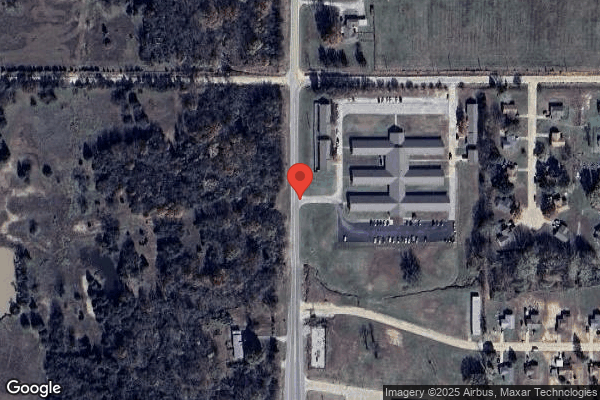

801 HWY 48 NORTH, HOLDENVILLE, OK 74848 (405) 379-6671
For profit - Limited Liability company 118 Beds Independent Data: November 2025 1 Immediate Jeopardy citation
Trust Grade
26/100
#229 of 282 in OK
Last Inspection: November 2024

Within standard 12-15 month inspection cycle. Federal law requires annual inspections.

Overview

Heritage Village Nursing Home in Holdenville, Oklahoma, has received a Trust Grade of F, indicating significant concerns about its care quality. It ranks #229 out of 282 facilities in Oklahoma, placing it in the bottom half, and #2 out of 2 in Hughes County, meaning there is only one other option available locally. While the facility is improving-reporting a decrease in issues from 9 to 7 in the past year-there are still serious weaknesses, including a critical finding where a resident with respiratory changes did not receive timely assessments, contributing to their death. Staffing is a relative strength with a turnover rate of 37%, better than the state average, and average RN coverage, which is important for resident care. However, the facility faces challenges, including $15,642 in fines and multiple concerns such as failing to properly document care plans for residents and inadequately storing food, highlighting the need for improvement in both procedures and oversight.

Trust Score
F
26/100
In Oklahoma
#229/282
Bottom 19%
Safety Record
High Risk
Review needed
Inspections
Getting Better
9 → 7 violations
Staff Stability
○ Average
37% turnover. Near Oklahoma's 48% average. Typical for the industry.
Penalties
✓ Good
$15,642 in fines. Lower than most Oklahoma facilities. Relatively clean record.
Skilled Nurses
⚠ Watch
Each resident gets only 20 minutes of Registered Nurse (RN) attention daily — below average for Oklahoma. Fewer RN minutes means fewer trained eyes watching for problems.
Violations
⚠ Watch
27 deficiencies on record. Higher than average. Multiple issues found across inspections.
★☆☆☆☆
1.0
Overall Rating
★★★☆☆
3.0
Staff Levels
★☆☆☆☆
1.0
Care Quality
★★☆☆☆
2.0
Inspection Score
Stable
2023: 9 issues
2024: 7 issues

The Good

  • Full Sprinkler Coverage · Fire safety systems throughout facility
  • No fines on record
  • Staff turnover below average (37%)

    11 points below Oklahoma average of 48%

Facility shows strength in fire safety.

The Bad

1-Star Overall Rating

Below Oklahoma average (2.6)

Significant quality concerns identified by CMS

Staff Turnover: 37%

Near Oklahoma avg (46%)

Typical for the industry

Federal Fines: $15,642

Below median ($33,413)

Minor penalties assessed

The Ugly 27 deficiencies on record

1 life-threatening
Nov 2024 7 deficiencies 1 IJ
CRITICAL (J)

Immediate Jeopardy (IJ) - the most serious Medicare violation

Respiratory Care (Tag F0695)

Someone could have died · This affected 1 resident

**NOTE- TERMS IN BRACKETS HAVE BEEN EDITED TO PROTECT CONFIDENTIALITY** On [DATE] an Immediate Jeopardy (IJ) situation was determined to exist related to the facility's failure to assess a resident wi...

Read full inspector narrative →
**NOTE- TERMS IN BRACKETS HAVE BEEN EDITED TO PROTECT CONFIDENTIALITY** On [DATE] an Immediate Jeopardy (IJ) situation was determined to exist related to the facility's failure to assess a resident with new onset respiratory changes for Res #72. Res #72 expired on [DATE]. A progress note, dated [DATE] at 6:44 a.m., documented Res #72 was having shortness of breath and wheezing. The note documented the physician was contacted and a breathing treatment was ordered. The note documented the Res #72 coughed up green sputum. The note did not document an assessment of the resident's lung sounds. A MAR, dated [DATE], documented the breathing treatment was administered as ordered at 6:46 a.m. The vital signs were documented as oxygen saturation 87%, heart rate 117, and irregular. There was no respiration rate documented. No oxygen saturation was documented after the administration. A progress note, dated [DATE] at 7:53 a.m., documented the breathing treatment was documented as effective. There were no vital signs or assessment of lungs documented. A progress note, dated [DATE] at 12:00 p.m., documented the breathing treatment was again documented as administered. The vital signs documented for the treatment were 89% oxygen saturation, and heart rate 104 and irregular. There was no respiration rate documented, and no post-treatment oxygen saturation documented. A progress note, dated [DATE] at 12:02 p.m., documented Res #72 vomited in the dining room and was taken to their room to clean up. The note documented the physician was notified and ordered a urinalysis and an anti-emetic (nausea medication). The note did not document vital signs or a respiratory assessment of the resident. A progress note, dated [DATE] at 1:00 p.m., documented the breathing treatment was documented as effective. There were no vital signs or respiratory assessment documented. A vital sign record, dated [DATE] at 8:50 p.m., documented Res 72's blood pressure was 113/60. The CMA did not document any other vital signs. A progress note, dated [DATE] at 10:55 p.m., documented Res #72 was deceased . On [DATE] at 10:16 a.m., RN #1 (day shift RN) stated they had been informed Res #72 was ill upon arrival to their shift. They stated the resident had been sick all weekend prior. They stated Res #72 was kind of congested and had some wheezing. They stated Res #72's lungs sounded some better after the breathing treatment. They stated they did not document a respiratory assessment of the resident. They stated they passed the information along to the oncoming RN at the end of their shit. They stated there should be a focused assessment by a nurse on each shift if a resident has had a change. On [DATE] at 11:19 a.m., RN #2 (evening shift RN) stated they were informed right before the end of their shift Res #72 was having difficulty breathing, had congestion, and was asked by the aide if the resident had an order for breathing treatments. They stated they went to the computer to check for orders and notified the oncoming nurse (night shift RN) of the report from the aide. RN #2 denied assessing Res #72 on their shift or prior to clocking out. They stated as they were walking out the door the night shift RN came to them and stated they thought Res #72 had passed away. They stated they went with the night shift RN to Res #72's room and determined the resident had passed away. On [DATE] at 12:35 p.m., the DON stated they expected the nurses on shift to pass along changes in resident conditions at shift change. They stated shift report was given orally and there was no policy. They stated they would expect the staff to keep a close watch on residents experiencing new onset respiratory symptoms and for a respiratory assessment to be completed each shift. They stated there should have been a documented assessment of respiratory status for Res #72. A policy regarding respiratory assessment was requested. On [DATE] at 1:31 p.m., the DON stated the facility did not have a policy regarding respiratory assessment. They stated staff were expected to follow nursing 101 regarding nursing care. They stated a focused assessment should be done when a resident has changes. On [DATE] at 1:55 p.m., the Oklahoma State Department of Health was notified and verified the existence of the IJ situation. On [DATE] at 2:05 p.m., the administrator was notified of the IJ situation. On [DATE] at 10:04 a.m., an acceptable plan of removal was submitted to the Oklahoma State Department of Health. The plan of removal documented: Plan for Removal of Immediate Jeopardy [name withheld] Date: [DATE] Time Started: 2:20 p.m. Time Completed: [DATE] 9:40 a.m. This plan is to show our compliance for the removal of the immediate jeopardy cited on [DATE]: 1. [DATE] at 2:30 pm the facility began in-service with the C.N.A. and C.M.A. regarding the importance of reporting any changes in condition in resident status including respiratory distress. (all c.n.a.'s and c.m.a.'s have been in-serviced. One unavailable staff will not be allowed to work until she has been in-serviced.) 2. [DATE] at 4:30 pm the facility began in-service with the licensed nursing staff addressing the importance of conducting a respiratory assessment on any resident who is exhibiting respiratory issues (see attached Change in Condition Monitoring Assessment). 3. The facility has conducted respiratory screening of all residents who have any type of respiratory diagnosis or exhibiting respiratory symptoms (see attached Respiratory Screener). 4. The facility has adopted a Change in Condition Policy addressing the importance of conducting a thorough and complete respiratory assessment on any resident exhibiting signs of respiratory distress (see attached policy). 5. All c.n.a.'s and c.m.a.'s have been in-serviced with the exception of one staff. [They] shall be in-serviced before [They] is allowed to return to work. The IJ was lifted effective [DATE] at 9:40 a.m. when all components of the plan of removal had been completed. The deficient practice remained at isolated with actual harm to the resident. Based on observation record review, and interview, the facility failed to: a. assess a resident with new onset respiratory changes for one (#72) of three sampled residents reviewed for closed records; b. change and date oxygen tubing for two (#36 and #46) of three sampled residents reviewed for respiratory care; and c. supervise the administration of a breathing treatment for one (#50) of three residents sampled for respiratory care. The DON identified 68 residents resided in the facility. Findings: A facility policy titled Specific Medication Administration Procedures, Oral Inhalation Administration for Nebulizer, dated [DATE], documented to remain with the resident for the treatment unless the resident has been assessed and authorized to self-administer. An oxygen administration policy, dated [DATE], docummented to change oxygen tubing and mask/cannula weekly and as needed. The policy had hand written changes documenting humidifier bottles were to be changed monthly on the first of the month on night shift. 1. Res #72 had diagnoses which included CHF and dementia. A progress note, dated [DATE] at 6:44 a.m., documented Res #72 was having shortness of breath and wheezing. The note documented the physician was contacted and a breathing treatment was ordered. The note documented the Res #72 coughed up green sputum. The note did not document an assessment of the resident's lung sounds. A physician order, dated [DATE], documented to administer albuterol sulfate nebulizer solution (a breathing treatment) 2.5 mg per 3 mL every six hours as needed for shortness of breath. The order documented to monitor pulse and oxygen saturation before and after treatment. A MAR, dated [DATE], documented the breathing treatment was administered as ordered at 6:46 a.m. The vital signs were documented as oxygen saturation 87%, heart rate 117, and irregular. There was no respiration rate documented. No oxygen saturation was documented after the administration. A progress note, dated [DATE] at 7:53 a.m., documented the breathing treatment was documented as effective. There were no vital signs or assessment of lungs documented. A progress note, dated [DATE] at 12:00 p.m., documented the breathing treatment was again documented as administered. The vital signs documented for the treatment were 89% oxygen saturation, and heart rate 104 and irregular. There was no respiration rate documented, and no post-treatment oxygen saturation documented. A progress note, dated [DATE] at 12:02 p.m., documented Res #72 vomited in the dining room and was taken to their room to clean up. The note documented the physician was notified and ordered a urinalysis and an anti-emetic (nausea medication). The note did not document vital signs or a respiratory assessment of the resident. A progress note, dated [DATE] at 1:00 p.m., documented the breathing treatment was documented as effective. There were no vital signs or respiratory assessment documented. A vital sign record, dated [DATE] at 8:50 p.m., documented Res 72's blood pressure was 113/60. The CMA did not document any other vital signs. A progress note, dated [DATE] at 10:55 p.m., documented Res #72 was deceased . On [DATE] at 10:16 a.m., RN #1 (day shift RN) stated they had been informed Res #72 was ill upon arrival to their shift. They stated the resident had been sick all weekend prior. They stated Res #72 was kind of congested and had some wheezing. They stated Res #72's lungs sounded some better after the breathing treatment. They stated they did not document a respiratory assessment of the resident. They stated they passed the information along to the oncoming RN at the end of their shit. They stated there should be a focused assessment by a nurse on each shift if a resident has had a change. On [DATE] at 11:19 a.m., RN #2 (evening shift RN) stated they were informed right before the end of their shift Res #72 was having difficulty breathing, had congestion, and was asked by the aide if the resident had an order for breathing treatments. They stated they went to the computer to check for orders and notified the oncoming nurse (night shift RN) of the report from the aide. RN #2 denied assessing Res #72 on their shift or prior to clocking out. They stated as they were walking out the door the night shift RN came to them and stated they thought Res #72 had passed away. They stated they went with the night shift RN to Res #72's room and determined the resident had passed away. On [DATE] at 12:35 p.m., the DON stated they expected the nurses on shift to pass along changes in resident conditions at shift change. They stated shift report was given orally and there was no policy. They stated they would expect the staff to keep a close watch on residents experiencing new onset respiratory symptoms and for a respiratory assessment to be completed each shift. They stated there should have been a documented assessment of respiratory status for Res #72. A policy regarding respiratory assessment was requested. On [DATE] at 1:31 p.m., the DON stated the facility did not have a policy regarding respiratory assessment. They stated staff were expected to follow nursing 101 regarding nursing care. They stated a focused assessment should be done when a resident has changes. 2. Res #36 had diagnoses which included shortness of breath. Physician orders, dated [DATE], documented to administer oxygen at two liters per minute via nasal cannula every shift; and change the oxygen bottle and nasal cannula tubing every month on the 1st. On [DATE] at 10:44 a.m., Res #36 was observed resting in their recliner with their eyes closed. The oxygen concentrator was observed between the bed and the recliner. The oxygen tubing was observed dated [DATE]. The bottle was observed dated [DATE]. On [DATE] at 2:15 p.m., RN #1 stated oxygen tubing was to be changed and dated monthly or PRN. 4. Res #50 admitted to the facility with diagnoses which included COPD, acute and chronic respiratory failure with hypoxia, and malignant neoplasm of upper lobe. A physician order, dated [DATE], documented to administer ipratropium-albuterol inhalant solution 0.5/2.5 MG/ML, inhale 3 ml four times a day related to COPD with acute exacerbation. A quarertly assessment, dated [DATE], documented the resident's cognition was intact. On [DATE] at 2:31 p.m., Res #50 was observed holding their nebulizer. The nebulizer was approximately half full with clear liquid. The resident stated they could not remember the name of medication, and they administered their own breathing treatments. On [DATE] at 2:35 p.m., Res #50 started their nebulizer machine. The resident's record was reviewed and did not contain an assessment to self-administer breathing treatments. On [DATE] at 10:37 a.m., the DON was made aware of the above observation and stated the nurse should have stayed with the resident. 3. Res #46 had diagnoses which included acute respiratory failure with hypoxia, acute pulmonary edema, congestive heart failure, asthma, chronic obstructive pulmonary disease, dependence on supplemental oxygen, and obstructive sleep apnea. The care plan, dated [DATE], did not document the resident's use of oxygen. A physician order, dated [DATE], documented the resident was to receive oxygen at two liters per nasal cannula to keep oxygen saturation greater than 90 percent. An admission 5 day assessment, dated [DATE], documented the resident used continuous oxygen. On [DATE] at 1:34 p.m., the resident was sitting in a recliner watching television. The resident was receiving oxygen at two liters per nasal cannula. The oxygen tubing and humidifier bottle were not dated. On [DATE] 9:44 a.m., the DON stated oxygen tubing should be changed monthly. The DON reviewed the facility policy for respiratory care and stated the policy documented oxygen tubing was to be changed weekly. The DON stated the policy needed the be corrected.
CONCERN (D)

Potential for Harm - no one hurt, but risky conditions existed

Deficiency F0561 (Tag F0561)

Could have caused harm · This affected 1 resident

**NOTE- TERMS IN BRACKETS HAVE BEEN EDITED TO PROTECT CONFIDENTIALITY** Based on observation and interview, the facility failed to ensure residents were given the option to choose when to rise for the...

Read full inspector narrative →
**NOTE- TERMS IN BRACKETS HAVE BEEN EDITED TO PROTECT CONFIDENTIALITY** Based on observation and interview, the facility failed to ensure residents were given the option to choose when to rise for the day for one (#19) of one sampled resident reviewed for choices. The DON identified 68 residents resided in the facility. Findings: Res #19 was admitted to the facility on [DATE] with diagnoses which included depression. On 10/28/24 at 10:24 a.m., Res #19 was observed seated in their recliner in their room. They stated they were not asked what time they liked to get up in the morning. They stated staff go them up at 4:00 a.m. and they can not go back to sleep. They stated they did not understand the reason they were being woken up at 4:00 a.m. just to sit there until breakfast. They stated they naturally wake up around 7:00 a.m. and would prefer to not be awoken by staff. On 10/31/24 at 11:05 a.m., the social services director stated the residents were not asked about what time they liked to get up in the morning.
CONCERN (D)

Potential for Harm - no one hurt, but risky conditions existed

Accident Prevention (Tag F0689)

Could have caused harm · This affected 1 resident

Based on observation and interview, the facility failed to ensure gait belts were used during transfers for one (#50) of four sampled residents reviewed for accident hazards. The DON identified 68 res...

Read full inspector narrative →
Based on observation and interview, the facility failed to ensure gait belts were used during transfers for one (#50) of four sampled residents reviewed for accident hazards. The DON identified 68 residents resided in the facility. Findings: An undated facility policy titled Moving a Resident, Bed to Chair/Chair to Bed, documented if moving a resident from the bed to a chair, if a resident can not stand alone, two persons should use a gait belt. Res #50 was admitted to the facility with diagnosis which included hemiplegia and hemiparesis following cerebral infarction affecting the left dominant side. On 10/28/24 at 1:10 p.m., CNA #1 was observed entering the resident's room to answer their call light. CNA #1 moved the resident's wheelchair close to the resident, then pulled a gait belt out of their pocket and placed it on the bed. The CNA then lifted the resident by holding them under under their arms from their recliner to their wheelchair. The resident remained in a bent knee position during the transfer. On 10/28/24 at 1:13 p.m., CNA #1 was asked what was the policy for using a gait belt. They stated they were supposed to use them getting residents up. On 10/31/24 at 10:41 a.m., the DON was made aware of the above observation and stated the gait belt should have been used.
CONCERN (D)

Potential for Harm - no one hurt, but risky conditions existed

Medication Errors (Tag F0758)

Could have caused harm · This affected 1 resident

Based on record review and interview, the facility failed to ensure residents receiving psychotropic medications were monitored for side effects for one (#19) of five sampled residents reviewed for un...

Read full inspector narrative →
Based on record review and interview, the facility failed to ensure residents receiving psychotropic medications were monitored for side effects for one (#19) of five sampled residents reviewed for unnecessary medications. The DON identified 68 residents resided in the facility. Findings: Res #19 had diagnoses which included depression. Physician orders, dated 08/17/24, documented to administer Sertraline (antidepressant medication) 150 mg daily for depression; and administer risperidone (antipsychotic medication) 2 mg at bedtime for depression. A chart review did not document side effect monitoring for the psychotropic medications. On 10/31/24 at 9:36 a.m., the DON stated there should have been side effect monitoring completed for the psychotropic medications.
CONCERN (E)

Potential for Harm - no one hurt, but risky conditions existed

Comprehensive Care Plan (Tag F0656)

Could have caused harm · This affected multiple residents

Based on observation, record review and interview, the facility failed to ensure comprehensive care plans were developed for two (#50 and #46) of 17 residents reviewed for care plans. The DON identifi...

Read full inspector narrative →
Based on observation, record review and interview, the facility failed to ensure comprehensive care plans were developed for two (#50 and #46) of 17 residents reviewed for care plans. The DON identified 68 residents resided in the facility. Findings: 1. Res #50 was admitted to facility with diagnoses which included COPD, acute and chronic respiratory failure with hypoxia, and malignant neoplasm of upper lobe. A review of the resident's care plan contained no documentation related to COPD On 10/31/24 at 11:49 a.m., MDS Coordinator #1 stated COPD should have been care planned. 2. Res #46 had diagnoses which included acute respiratory failure with hypoxia, acute pulmonary edema, congestive heart failure, asthma, chronic obstructive pulmonary disease, dependence on supplemental oxygen, and obstructive sleep apnea. The care plan, dated 10/07/24, did not document the resident's use of oxygen. A physician order, dated 10/11/24, documented the resident was to receive oxygen at two liters per nasal cannula to keep oxygen saturation greater than 90 percent. An admission 5 day assessment, dated 10/13/24, documented the resident used continuous oxygen. On 10/28/24 at 1:34 p.m., the resident was sitting in a recliner watching television. The resident was receiving oxygen at two liters per nasal cannula. On 10/30/24 at 11:05 a.m., MDS Coordinator #1 reviewed the resident's care plan and stated the care plan should have document the use of oxygen for the resident.
CONCERN (E)

Potential for Harm - no one hurt, but risky conditions existed

Food Safety (Tag F0812)

Could have caused harm · This affected multiple residents

Based on observation and interview, the facility failed to ensure food was stored in accordance with the professional standards for food service safety. The DON identified 68 residents resided in the ...

Read full inspector narrative →
Based on observation and interview, the facility failed to ensure food was stored in accordance with the professional standards for food service safety. The DON identified 68 residents resided in the facility. Findings: On 10/28/24 at 8:22 a.m., during a tour of the kitchen there were 10 plastic cups covered with clear wrap. Three cups had yellow liquid, four had red liquid, one had pink liquid, one with white liquid, and one with dark brown liquid. There was no label or date. On 10/28/24 at 8:35 a.m, [NAME] #1 was asked what was the policy for labeling and dating food. They stated everything was supposed to be labeled and dated for the date you made it.
CONCERN (E)

Potential for Harm - no one hurt, but risky conditions existed

Safe Environment (Tag F0921)

Could have caused harm · This affected multiple residents

Based on observation and interview, the facility failed to ensure chemicals were locked away from residents and shower rooms were clean and safe. The administrator identified 38 residents who resided ...

Read full inspector narrative →
Based on observation and interview, the facility failed to ensure chemicals were locked away from residents and shower rooms were clean and safe. The administrator identified 38 residents who resided in the facility. Findings: On 10/28/24 at 8:36 a.m., the shower room on hall six was observed with plastic draping taped to two of three walls from approximately three feet down to floor and secured with duct tape. A grey, black, and white fuzzy substance was observed on the ceiling where the walls met and on inside of the door jamb and frame. On 10/28/24 at 2:29 p.m., an observation of the janitor closet on the Southwest resident hall was conducted. The door was without a lock on the knob to secure the closet. The closet contained multiple gallons of paint, a five gallon bucket of paint, a spray bottle of Windex cleaner, and a bottle labeled bleach without lid. There were multiple additional bottles of unlabeled liquids on the shelf. On 11/01/24 at 9:23 a.m, the administrator stated they were made aware the janitor closet door on the Southwest hall was unlocked. The administrator stated, It would not happen again. The administrator stated the housekeeping staff were responsible for cleaning the showers. The administrator stated the shower was to be cleaned every other day and as needed. The administrator stated there was no documented schedule for cleaning the shower rooms. The administrator stated there were only verbal instructions for cleaning the shower rooms.
Aug 2023 9 deficiencies
CONCERN (D) 📢 Someone Reported This

A family member, employee, or ombudsman was alarmed enough to file a formal complaint

Potential for Harm - no one hurt, but risky conditions existed

Deficiency F0558 (Tag F0558)

Could have caused harm · This affected 1 resident

**NOTE- TERMS IN BRACKETS HAVE BEEN EDITED TO PROTECT CONFIDENTIALITY** Based on observation, record review, and interview, the facility failed to answer a call light in a timely manner for one (#166)...

Read full inspector narrative →
**NOTE- TERMS IN BRACKETS HAVE BEEN EDITED TO PROTECT CONFIDENTIALITY** Based on observation, record review, and interview, the facility failed to answer a call light in a timely manner for one (#166) of five sampled residents reviewed for ADLs. The Resident Census and Conditions of Residents form, dated 08/15/23, documented 63 residents resided in the facility. Findings: Res #166 admitted to the facility on [DATE] with diagnoses including displaced fracture of base of neck of right femur, depression, and mild intellectual disability. A nurse note, dated 08/16/23 at 6:42 a.m., documented the resident was non-weight bearing and required two staff for assistance with toileting and peri-care. The note documented the resident yells out for help and the call light was explained. On 08/16/23 at 8:09 a.m., upon surveyor's entry onto the resident's hall, Res #166's call light was observed on above their door and could be heard sounding in the hall. On 08/16/23 at 8:42 a.m., Res #166 was heard yelling out hey three times. On 08/16/23 at 8:58 a.m., RN #1 was observed entering the resident's room. During the time from 8:09 a.m. through 8:58 a.m. no other staff member entered the hall. On 08/16/23 at 9:01 a.m., RN #1 was observed leaving the resident's room. They were asked what the resident had needed from staff. The RN stated the resident was asking to have their urinal emptied and removed from their over-bed table. The RN was asked how quickly a call light should be answered, they stated as soon as possible. The RN was unsure what the facility policy was and stated they would check. On 08/16/23 at 9:02 a.m., Res #166 was observed in their bed. The resident was asked what they needed from staff and they waived towards the urinal now resting on the bedside table on a paper towel. When asked if they were able to reach their call light for assistance the resident uncovered the call light clipped to their blanket at their waist. The resident was unable to verbalize if they felt any negative emotions from the wait or what their expectations were. On 08/16/23 at 9:39 a.m., RN #1 stated there was no policy on wait times for call lights, but 49 minutes was not acceptable and the aids had been spoken to. On 08/16/23 at 10:36 a.m., the DON stated staff should answer call lights as soon as they can and 49 minutes was not up to the standard of the facility.
CONCERN (D)

Potential for Harm - no one hurt, but risky conditions existed

Deficiency F0578 (Tag F0578)

Could have caused harm · This affected 1 resident

Based on observation, record review, and interview, the facility failed to ensure code status orders were accurately documented for one (#47) of three sampled residents reviewed for advance directives...

Read full inspector narrative →
Based on observation, record review, and interview, the facility failed to ensure code status orders were accurately documented for one (#47) of three sampled residents reviewed for advance directives. The Resident Census and Conditions of Residents report, dated 08/15/23, documented 63 residents resided in the facility. Findings: Res #47 had diagnoses which included muscle weakness, HTN, anxiety, muscle wasting and atrophy, abnormalities of gait and mobility, dysphagia, and metabolic encephalopathy. A care plan, date initiated 05/31/23, documented the resident had chosen DNR status. It was documented staff would note chart with code choice and obtain and follow resident's code status choice. There was no physician order related to the resident's code status. On 08/16/23 at 10:49 a.m., LPN #1 was asked how staff determined what a residents' code status was. They stated they looked at their physician orders. They were asked what was Res #47's code status. They stated they were a full code. They were asked if there was a physician order for the resident's code status. They reviewed the resident's EHR and stated there was an order for a living will. They stated there should be a physician order for a full code. On 08/16/23 at 11:20 a.m., the DON was asked what was Res #47's code status. They stated the resident had no DNR on file. They stated the resident should be a full code. The DON was made aware there was no physician order related to code status and the care plan documented the resident had a DNR in place. On 08/16/23 at 12:12 p.m., MDS coordinator #1 stated they contacted the resident's family regarding a signed DNR. The stated the family signed a DNR at the hospital during their last visit. They stated they had the family fax them a copy of the DNR. They stated the resident should be a DNR.
CONCERN (D)

Potential for Harm - no one hurt, but risky conditions existed

Notification of Changes (Tag F0580)

Could have caused harm · This affected 1 resident

**NOTE- TERMS IN BRACKETS HAVE BEEN EDITED TO PROTECT CONFIDENTIALITY** Based on observation, record review, and interview, the facility failed to notify the physician and resident's legal representat...

Read full inspector narrative →
**NOTE- TERMS IN BRACKETS HAVE BEEN EDITED TO PROTECT CONFIDENTIALITY** Based on observation, record review, and interview, the facility failed to notify the physician and resident's legal representative of a change in condition for one (#47) of one sampled resident reviewed for physician ordered diets. The Resident Census and Conditions of Residents report, dated 08/15/23, documented 63 residents resided in the facility. Findings: Res #47 was initially admitted to the facility on [DATE] and re-admitted on [DATE] with diagnoses which included dysphagia. A physician order, dated 01/03/23, documented regular diet with ground meat texture, nectar consistency, and no straws. An admission assessment, dated 06/01/23 documented the resident's cognition was severely impaired and had no signs or symptoms of a swallowing disorder. On 08/15/23 at 12:17 p.m., the resident was observed with pureed foods and nectar thick liquids. On 08/16/23 at 11:48 a.m., the resident was observed with pureed foods and nectar thick liquids. CNA #2 was asked the reason the resident received pureed foods. They stated the resident was having issues swallowing and they thought either hospice or speech therapy wanted to see how they did on a pureed diet. On 08/16/23 at 11:54 a.m., the DON was asked to provide documentation related to the resident having swallowing issues and being placed on the pureed diet they were receiving. On 08/16/23 at 12:02 p.m., the DM was asked about the resident receiving a pureed diet instead of a regular with ground meats as ordered by the physician. They stated the resident's diet order did not change. They stated staff came to dietary and wanted to try the resident on a pureed diet due to swallowing problems. They stated it had not been long since the pureed diet was requested. On 08/16/23 at 3:06 p.m., the DON stated nursing staff made the previous DM aware the resident was having swallowing issues and the DM stated to give the resident a trial run of a pureed diet. They stated there was no documentation related to the resident having swallowing issues or placing the resident on pureed foods on a trial basis. The DON stated there was no documentation the physician or resident's legal representative were notified of the resident having swallowing problems and implementing a pureed diet on a trial basis. They stated they should have been notified.
CONCERN (D)

Potential for Harm - no one hurt, but risky conditions existed

Assessment Accuracy (Tag F0641)

Could have caused harm · This affected 1 resident

**NOTE- TERMS IN BRACKETS HAVE BEEN EDITED TO PROTECT CONFIDENTIALITY** Based on record review and interview, the facility failed to ensure accurate diagnoses coding of an MDS for one (#27) of 17 samp...

Read full inspector narrative →
**NOTE- TERMS IN BRACKETS HAVE BEEN EDITED TO PROTECT CONFIDENTIALITY** Based on record review and interview, the facility failed to ensure accurate diagnoses coding of an MDS for one (#27) of 17 sampled residents whose MDS was reviewed. The Resident Census and Conditions of Residents form, dated 08/15/23, documented 63 residents resided in the facility. Findings: The Long-Term Care Facility Resident Assessment Instrument 3.0 User's Manual, dated October 2019, documented in part .Once a diagnosis is identified, it must be determined if the diagnosis is active. Active diagnoses are diagnoses that have a direct relationship to the resident's current functional, cognitive, or mood or behavior status, medical treatments, nursing monitoring, or risk of death during the 7-day look-back period. Do not include conditions that have been resolved, do not affect the resident's current status, or do not drive the resident's plan of care during the 7-day look-back period, as these would be considered inactive diagnoses . Res #27 had active diagnoses which included depression, chronic pain, GERD, and candidiasis. An annual MDS, dated [DATE], documented active diagnoses of MDRO and pneumonia. The resident's medical record did not document treatments or monitoring for MDRO or pneumonia during the review period. On 08/16/23 at 3:07 p.m., the MDS coordinator was asked about their process for reviewing diagnosis codes on the MDS. They stated for long term care residents they did not review the diagnosis codes to ensure they were accurate on the MDS. They stated they were unaware the codes on the MDS must be active during the seven day review period. When asked if Res #27's diagnoses of MDRO and pneumonia were active during the review period, they stated, No. On 08/16/23 at 3:21 p.m., the DON was notified of the above findings. They stated the MDS coordinator needed additional training.
CONCERN (D)

Potential for Harm - no one hurt, but risky conditions existed

Comprehensive Care Plan (Tag F0656)

Could have caused harm · This affected 1 resident

Based on record review and interview, the facility failed to develop a comprehensive care plan for one (#56) of 17 sampled residents whose care plans were reviewed. The Resident Census and Conditions ...

Read full inspector narrative →
Based on record review and interview, the facility failed to develop a comprehensive care plan for one (#56) of 17 sampled residents whose care plans were reviewed. The Resident Census and Conditions of Residents report, dated 08/15/23, documented 63 residents resided in the facility. Findings: Res #56 had diagnoses which included history of UTI and cognitive communication deficit. A significant change assessment, dated 09/27/22, documented on the CAA summary, communication and urinary incontinence were care areas triggered and care plan decisions. It was documented behavioral symptoms was a care plan decision. On 08/16/23 at 2:07 p.m., MDS coordinator #1 was shown the resident's CAA summary on their significant change assessment. They were asked if communication, urinary incontinence, and behavioral symptoms were care areas developed on the care plan. On 08/16/23 at 2:37 p.m., MDS coordinator #1 stated they did not develop the care plan to include communication, urinary incontinence, and behavioral symptoms.
CONCERN (D)

Potential for Harm - no one hurt, but risky conditions existed

Laboratory Services (Tag F0770)

Could have caused harm · This affected 1 resident

Based on record review and interview, the facility failed to ensure laboratory services were obtained as ordered by the physician for one (#29) of five sampled residents reviewed for laboratory servic...

Read full inspector narrative →
Based on record review and interview, the facility failed to ensure laboratory services were obtained as ordered by the physician for one (#29) of five sampled residents reviewed for laboratory services. The Resident Census and Conditions of Residents report, dated 08/15/23, documented 63 residents resided in the facility. Findings: Res #29 had diagnoses which included history of UTI, chronic kidney disease, and HTN. A physician order, dated 12/08/21, documented CBC, CHEM-7, lipid profile, hepatic profile every four months in April, August, and December. There was no documentation a CBC, CHEM-7, lipid profile, and hepatic profile were collected in April 2023. On 08/17/23 at 10:15 a.m., MDS coordinator #1 was asked to locate documentation a CBC, CHEM-7, lipid profile, and hepatic profile were collected in April 2023. On 08/17/23 at 10:36 a.m., MDS coordinator #1 stated the labs were not collected in April 2023 as ordered.
CONCERN (E)

Potential for Harm - no one hurt, but risky conditions existed

Deficiency F0657 (Tag F0657)

Could have caused harm · This affected multiple residents

**NOTE- TERMS IN BRACKETS HAVE BEEN EDITED TO PROTECT CONFIDENTIALITY** 3. Res # 9 had diagnoses which included atrial fibrillation, congestive heart failure, chronic kidney disease, and dementia. A p...

Read full inspector narrative →
**NOTE- TERMS IN BRACKETS HAVE BEEN EDITED TO PROTECT CONFIDENTIALITY** 3. Res # 9 had diagnoses which included atrial fibrillation, congestive heart failure, chronic kidney disease, and dementia. A physician order dated 05/26/23, documented admit to hospice services. A significant change in assessment, dated 06/08/23, documented the resident was severely impaired in cognition, required limited to moderate assistance with most ADLs. On 08/16/23 at 3:00 p.m., the MDS coordinator was asked how interventions were added to the care plan. They stated during morning meeting any changes with residents were reviewed and they would add them at that time. They were shown Res #21's care plan. They were asked if a hospice care plan should have been initiated. They stated it should have been. 2. Res #21 had diagnoses which included muscle weakness and history of falls. An incident report, dated 06/30/23 at 8:20 a.m., documented Res #21 had a fall in the hallway while ambulating with family. The intervention documented to have staff assist the resident during ambulation. An admission MDS, dated [DATE], documented Res #21 was cognitively intact, required extensive assistance of two staff for ADLs, and had a fall in the month prior to the admission. An incident report, dated 07/25/23 at 9:00 p.m., documented the resident had a fall in their room while attempting to self transfer. The incident report documented an intervention to place a fall mat at bedside. A care plan, reviewed 07/25/23, documented the resident had an actual fall due to unsteady gait. The goal documented the resident would resume usual activities without further incident through the review date. The interventions documented the charge nurse would assess ROM upon incident; pharmacy consult to evaluate medications; PT consult for strength and mobility; and vital signs as ordered. On 08/15/23 at 9:40 a.m., Res #21 was observed in their room. A fall mat was observed at bedside and the bed was in the low position. On 08/16/23 at 1:58 p.m., the MDS coordinator was asked how interventions were added to the care plan. They stated during morning meeting any changes with residents were reviewed and they would add them at that time. They stated fall interventions were discussed in the meeting. They were shown Res #21's care plan for falls. They stated the interventions from the falls on 06/30/23 and 07/25/23 were not on the fall care plan. Based on observation, record review, and interview, the facility failed to ensure care plans were updated to meet the residents' needs for three (#9, #21, and #56) of 24 residents whose care plans were reviewed. The facility failed to update the care plan: a. related to falls for Res #21. b. to reflected changes to antidepressant medications for Res #56. c. update the care plan to include end of life/hospice care for residents #9 and #56. The Resident Census and Conditions of Residents form documented 63 residents resided in the facility. Findings: 1. Res #56 had diagnoses which included depression and heart disease. A physician order, dated 11/03/22, documented mirtazapine (antidepressant medication) 7.5 mg. Give one tablet by mouth at bedtime. A care plan, dated 11/29/22, documented the resident used an antidepressant medication related to depression. It documented to give the medication as ordered and to monitor for side effects. A physician order, dated 03/22/23, documented to admit to hospice. There was no documentation the care plan was revised to reflect the resident was receiving hospice services. A physician order, dated 04/21/23, documented to discontinue mirtazapine 7.5 mg one tablet by mouth at bedtime. There was no documentation the care plan was revised to reflect the resident was no longer receiving an antidepressant. On 08/16/23 at 2:07 p.m., MDS Coordinator #1 was shown the resident's physician orders and care plan. They were asked if the care plan was revised to reflect the resident was receiving hospice services. They stated they did not see where it was. They stated the care plan should have been revised. MDS coordinator #1 was shown where the resident's care plan included an antidepressant was being used. They were asked to review the resident's physician orders for the use of an antidepressant. On 08/16/23 at 2:37 p.m., MDS coordinator #1 stated they saw where the resident had been on mirtazapine and it was discontinued on 04/21/23. They stated they missed it. They stated the care plan should have been revised.
CONCERN (E) 📢 Someone Reported This

A family member, employee, or ombudsman was alarmed enough to file a formal complaint

Potential for Harm - no one hurt, but risky conditions existed

ADL Care (Tag F0677)

Could have caused harm · This affected multiple residents

2. Res #23 had diagnoses which included vascular dementia, muscle wasting, stroke, cognitive communication deficit, and for assist with personal care. A care plan, dated 09/20/16, documented the resid...

Read full inspector narrative →
2. Res #23 had diagnoses which included vascular dementia, muscle wasting, stroke, cognitive communication deficit, and for assist with personal care. A care plan, dated 09/20/16, documented the resident required assist of one to two persons with all ADLs. An annual assessment, dated 06/19/23, documented the resident was severely impaired in cognition and required extensive to total assist with most ADLs. On 08/15/23 at 10:14 a.m., CNA #3 documented Res #23 had received oral care. On 08/15/23 at 10:49 a.m., Res # 23 was observed to have a thick white film on their teeth. On 08/16/23 at 8:49 a.m., Res # 23 was observed to have a thick white film on their teeth. On 08/16/23 at 8:59 a.m. CNA #3 was observed in the resident's dressing them after a shower. On 08/16/23 at 9:15 a.m. Res # 23 continued to have a thick white film on their teeth. On 08/16/23 at 9:24 a.m., LPN #1 was shown Res #23's teeth. They stated they are a little grotty. LPN #1 was asked how often Res #23 should be receiving oral care. They stated after each meal. On 08/16/23 at 9:29 a.m., the DON was asked how often the Res #23 should be receiving oral care. The DON stated daily and as needed. Based on observation, interview, and record review, the facility failed to provide the necessary ADL assistance to residents who were unable to carry out their own for two (#23 and #55) of two residents sampled for ADL assistance. The facility failed to provide assistance with eating for resident #55 and oral care for resident #23. The DON identified 50 residents who required assistance with ADLs. Finding: 1. Res #55 had diagnoses which included cachexia, senile degeneration of brain, dementia, and anxiety. A quarterly MDS assessment, dated 07/29/23, documented Res #55 was severely impaired with cognition and required one person physical assistance with meals. On 08/15/23 at 11:53 a.m. Res #55 was observed seated at a half-round table in the lunch room in a wheelchair. On 08/15/23 at 11:59 p.m., Res #55 received their lunch tray. The plate was placed on the table in front of the resident and a cup of tea was placed on the far side of the plate. On 08/15/23 at 12:17 p.m., Res #55 was observed attempting to feed themselves. The resident was observed reaching out with their hands and placing them onto the edge of the plate grasping some of the entree with their hands. The resident was observed attempting to pull the plate closer to themselves tipping the plate and dumping some of the food off the plate and onto the table. The resident was then observed looking around the room. On 08/15/23 at 12:21 p.m., Res #55 was observed reaching for their glass of tea, the resident was unable to reach the glass. The resident continued to look around the dining room at passing staff, tracking their movements with their eyes. The resident's eyes would open wider and eyebrows raise as a staff came close to the table and then their eyebrows would fall. The resident would look down at their lap as the staff passed the table. On 08/15/23 at 12:25 p.m., Res #55 was observed reaching for and grasping some of the entree with their bare hands. The food fell from their fingers before reaching their mouth. The resident continued to attempt to feed self with hands for three minutes. On 08/15/23 at 12:31 p.m., CNA #5 sat down to assist Res #55 with their meal. The resident was observed to consume 10% of their meal with assistance. On 08/15/23 at 1:15 p.m., CNA #5 stated Res #55 had recently been declining and only recently started to need assistance during meals. On 08/16/23 at 12:05 p.m., CNA #4 was observed assisting Res #55 during lunch. The CNA stated it was not acceptable to wait 30 minutes for feeding assistance.
CONCERN (E)

Potential for Harm - no one hurt, but risky conditions existed

Food Safety (Tag F0812)

Could have caused harm · This affected multiple residents

Based on observation and interview, the facility failed to ensure the kitchen and dining area were kept clean and maintained in good repair. The Resident Census and Conditions of Residents report, dat...

Read full inspector narrative →
Based on observation and interview, the facility failed to ensure the kitchen and dining area were kept clean and maintained in good repair. The Resident Census and Conditions of Residents report, dated 08/15/23, documented 63 residents resided in the facility. Findings: On 08/15/23 at 9:10 a.m., a tour of the kitchen and dining area was conducted. The following observations were made: a. There was a hole in the wall below the three compartment sink. b. Water was leaking from the piping below the three compartment sink onto the floor and in a bus tub. There was standing water in the bus tub. c. There was an accumulation of brown residue around the base of the table mounted can opener. d. There was an accumulation of lint on the conduit on the wall behind the stove and on the back side of the stove. e. There was grease and lint on the oven hood filters. f. The plastic ice scoop utilized for the ice machine was cracked. g. There was black and white residue inside of the ice scoop holder. On 08/15/23 at 9:44 a.m., the DM was asked how staff ensured the kitchen and dining area was kept clean and maintained in good repair. They stated staff cleaned daily and maintenance concerns were reported to the maintenance department. The DM was made aware of and shown the above findings.
Sept 2022 11 deficiencies
CONCERN (D)

Potential for Harm - no one hurt, but risky conditions existed

Resident Rights (Tag F0550)

Could have caused harm · This affected 1 resident

Based on observation and interview, the facility failed to ensure dignity during dining for one (#12) of one sampled resident who was observed being fed in the dining room. The Resident Census and Con...

Read full inspector narrative →
Based on observation and interview, the facility failed to ensure dignity during dining for one (#12) of one sampled resident who was observed being fed in the dining room. The Resident Census and Conditions of Residents form documented two residents were dependant with eating. Findings: Res #12 had diagnoses which included muscle weakness, stiffness of left hand, and need for assistance with personal care. A quarterly assessment, dated 06/30/22, documented the resident was severely impaired with cognition and required extensive assistance with eating. The resident's care plan, documented the resident was self feeding and liked to eat in the dining room. On 09/26/22 at 12:45 p.m., CNA #1 was observed to stand and assist the resident to eat her meal in the south dining room. On 09/27/22 at 3:53 p.m., the MDS coordinator stated the resident needed assistance with eating was not documented in her care plan. The MDS coordinator stated the resident will try and feed herself a lot of the time and when she is not able the staff will assist her to eat. On 09/27/22 at 4:16 p.m., CNA #2 stated staff always feed Res #12. She stated a long time ago Res #12 fed herself. CNA #2 stated staff should sit never stand to feed a resident. On 09/27/22 at 4:25 p.m., CMA #1 stated she did assist residents to eat. She stated staff always sit to assist a resident when eating. On 09/27/22 at 4:27 p.m., CNA #3 stated the resident never feeds herself. She stated the staff assist her with all meals. On 09/27/22 at 4:29 p.m., the DON stated the staff were supposed to sit beside the resident to assist them with eating.
CONCERN (D)

Potential for Harm - no one hurt, but risky conditions existed

Deficiency F0554 (Tag F0554)

Could have caused harm · This affected 1 resident

Based on observation, record review, and interview, the facility failed to ensure residents had physician orders to self-administer topical pain medication for one (#49) of six residents sampled for m...

Read full inspector narrative →
Based on observation, record review, and interview, the facility failed to ensure residents had physician orders to self-administer topical pain medication for one (#49) of six residents sampled for medication administration. The Resident Census and Conditions of Residents form documented 61 residents resided in the facility. The DON identified no residents in the facility who had physician orders to self- administer medications. Findings: Res #49 had diagnoses which included localized swelling, mass and lump of left lower limb. A care plan, dated 02/17/22, documented Res #49 has pain related to chronic physical disability per right knee prosthesis. Res #49 has diclofenac ordered for increased joint pain or muscle stiffness. The care plan documented to encourage Res #49 to call for assistance when in pain, reposition self, ask for medication, tell how much pain is experienced, tell you what increase or alleviates pain. The care plan did not document Res #49 was able to self - administer medication. A physician order, dated 07/02/22, read in part Diclofenac Sodium Gel 1 Apply to L ankle topically every 6 hours as needed for -joint pain or muscle stiffness 2gms AND Apply to Left ankle topically two times a day for -discomfort;pain related to LOCALIZED SWELLING, MASS AND LUMP, LEFT LOWER LIMB . A quarterly assessment, dated 08/27/22, documented the resident was severely impaired with cognition and was independent with transfers, eating, toileting and walking. The assessment documented the resident had pain frequently and had interventions for pain. On 09/26/22 at 10:58 a.m., a medication cup with an ointment in it was observed on the resident's book shelf. The resident stated she thought it was pain medication for her ankle but was not sure. Res #49 stated she put the ointment on her ankle when she needed it. The September 2022 TAR documented the resident received the diclofenac sodium gel at 8:00 a.m. and 8:00 p.m., by the nurse. The TAR did not document the resident received any PRN diclofenac sodium gel. On 09/27/22 at 1:42 p.m., LPN #2 stated she thought the nurses apply the medication on the resident four times a day. The LPN stated she thought at one point staff were able to let the resident administer it herself but Res #49 would forget to apply the medication. The LPN stated she did not know if the resident was able to self- administer medication. On 09/27/22 at 1:49 p.m., the DON stated she was not aware Res #49 had been self administering any medication. The DON stated she did not think Res #49 had an evaluation to self administer, and was not able to self administer medication. The DON stated the staff would not know when Res #49 would use the medication if it was in her room. On 09/27/22 at 2:01 p.m., LPN #2 went to Res #49's room with the surveyor. The LPN stated the ointment in the cup was the diclofenac. The LPN asked the resident how long she had the medication in her room. Res #49 stated she thought yesterday during the day. Res #49 stated she had been using it on her ankle. The LPN did not remove the medication from the resident's room at that time.
CONCERN (D)

Potential for Harm - no one hurt, but risky conditions existed

Deficiency F0645 (Tag F0645)

Could have caused harm · This affected 1 resident

**NOTE- TERMS IN BRACKETS HAVE BEEN EDITED TO PROTECT CONFIDENTIALITY** Based on record review and interview, the facility failed to ensure a resident with a serious mental health diagnosis was referr...

Read full inspector narrative →
**NOTE- TERMS IN BRACKETS HAVE BEEN EDITED TO PROTECT CONFIDENTIALITY** Based on record review and interview, the facility failed to ensure a resident with a serious mental health diagnosis was referred to the OHCA for one (#61) of four sampled residents reviewed for PASRR evaluations. The Resident Census and Conditions of Residents report, dated 09/26/22, documented 15 residents received antipsychotic medications. Findings: Res #61 was admitted to the facility on [DATE] with diagnoses which included unspecified dementia with behavioral disturbance and psychotic disorders. A PASRR level I report, dated 12/04/20, documented the resident did not have a serious mental illness. On 09/27/22 at 1:55 p.m., the DON was asked if the PASRR was filled out correctly. They stated, No, it was not.
CONCERN (D)

Potential for Harm - no one hurt, but risky conditions existed

Deficiency F0661 (Tag F0661)

Could have caused harm · This affected 1 resident

**NOTE- TERMS IN BRACKETS HAVE BEEN EDITED TO PROTECT CONFIDENTIALITY** Based on record review and interview, the facility failed to ensure a discharge summary was completed for one (#65) of one sampl...

Read full inspector narrative →
**NOTE- TERMS IN BRACKETS HAVE BEEN EDITED TO PROTECT CONFIDENTIALITY** Based on record review and interview, the facility failed to ensure a discharge summary was completed for one (#65) of one sampled resident reviewed for discharge summaries. The Resident Census and Conditions of Residents report, dated 09/26/22, documented 61 residents resided in the facility. Findings: Res #65 was admitted to the facility on [DATE] with diagnoses which included hypertension, unspecified altered mental status, GERD, anxiety disorder, nonexudative age related macular degeneration unspecified eye, blindness left eye, low vision right eye, hypo-osmolality, hyponatremia, and weakness. A nurse's note, dated 07/31/22, documented the resident was discharged home at 2:00 p.m. with a family member. It was documented all belongings and medications were sent with the resident. There was no documentation a discharge summary had been completed. On 09/28/22 at 9:35 a.m., the MDS coordinator was asked if a discharge summary had been completed for Resident #65. They stated one had not been completed.
CONCERN (D)

Potential for Harm - no one hurt, but risky conditions existed

Respiratory Care (Tag F0695)

Could have caused harm · This affected 1 resident

Based on observation, record review, and interview, the facility failed to ensure respiratory orders were followed for one (#41) of two residents sampled for respiratory care. The Resident Census and ...

Read full inspector narrative →
Based on observation, record review, and interview, the facility failed to ensure respiratory orders were followed for one (#41) of two residents sampled for respiratory care. The Resident Census and Conditions of Residents form documented eight residents had respiratory treatment in the facility. Findings: Res #41 had diagnoses which included COPD, acute and chronic respiratory failure, and SOB. A physician order, dated 12/11/21, documented supplemental oxygen via nasal cannula to keep sat's above 90%. Check oxygen sat every shift and PRN for SOB and notify the physician of any SOB. A physician order, dated 07/26/22, documented oxygen at five liters via nasal cannula to maintain sat's greater than 90% for SOB. A physician order, dated 08/01/22, documented the night shift to change out oxygen bottle and nasal cannula tubing every month on the first. A quarterly assessment, dated 08/07/22, documented the resident was intact with cognition and required limited to extensive assistance with most activities of daily living. The assessment documented the resident was receiving oxygen. A care plan, last reviewed 08/31/22, documented Res #41 had CHF and required oxygen to keep saturations above 90%. The care plan documented to administer oxygen as ordered by the physician. The TAR for August 2022, documented the oxygen tubing was changed 08/01/22. The TAR for September 2022, documented the oxygen tubing was changed 09/01/22. On 09/26/22 at 2:48 p.m., the resident's oxygen setting was observed on three liters via nasal cannula. The oxygen tubing was observed to be dated 08/25/22. The resident was observed with her oxygen in use via nasal cannula in her room. The resident stated the facility staff check her oxygen sat. On 09/28/22 at 9:16 a.m., the resident's oxygen setting was observed at three liters via nasal cannula and the oxygen tubing was dated 08/25/22. Res #41 stated she thought her oxygen was supposed to be at five liters. On 09/28/22 at 9:26 a.m., LPN #3 stated the order reads five liters to maintain sats above 90%. She stated the five liters was not on the TAR, just in the physician orders. On 09/28/22 at 9:31 a.m., LPN #3 and surveyor went to Res #41's room. LPN #3 checked the oxygen setting and stated it was set at three liters and the tubing was dated 8/25 last changed. LPN #3 increased the oxygen to five liters at that time. On 09/28/22 at 9:34 a.m., LPN #3 stated the resident's oxygen was not set on the correct liters and the tubing had not been changed for September.
CONCERN (D)

Potential for Harm - no one hurt, but risky conditions existed

Deficiency F0806 (Tag F0806)

Could have caused harm · This affected 1 resident

Based on observation, record review, and interview, the facility failed to serve an alternate food item of the resident's choice for one (#60) of six residents who were observed for meals. The Residen...

Read full inspector narrative →
Based on observation, record review, and interview, the facility failed to serve an alternate food item of the resident's choice for one (#60) of six residents who were observed for meals. The Resident Census and Conditions of Residents form documented 61 residents resided in the facility. Findings: 1. Res #60 had diagnoses which included diabetes mellitus, heart disease, and kidney disease. A quarterly assessment, dated 09/13/22, documented the resident was intact with cognition and was independent with most activities of daily living. On 09/26/22 at 2:57 p.m., the resident was observed in his recliner. Res #60 stated he had requested an alternate meal for dinner. He stated he may get it and he may not. Res #60 stated he requested chicken strip and French fries for dinner tonight. He stated he did not want the corn dog. On 09/27/22 at 4:14 p.m., Res #60 stated he did get the chicken and fries he ordered for supper last night. He stated he ordered it again for tonight's meal. On 09/27/22 at 5:24 p.m., Res #60 stated he did not get the chicken strips for supper tonight. He was observed to have a bowl of chicken noodle soup and an egg salad sandwich. Res #60 had eaten a quarter of a slice of bread of the egg salad sandwich and all the noodles out of the broth which still remained in the bowl. On 09/28/22 at 11:25 a.m., [NAME] #1 was asked about alternate meals. [NAME] #1 stated the residents can have anything on the alternate menu. She stated the nursing staff tell the kitchen when the residents ask for something different. On 09/28/22 at 4:47 p.m., the DM stated Res #60 always requests something different to eat. She stated the nursing staff tell the kitchen what the resident wants to eat. The DM stated they used to have someone go around and get orders but have not done that in a long time. The DM stated if the kitchen does not know a head of time of an alternate meal they will fix the resident what they want at anytime. The resident should have received what he wanted to eat for dinner.
CONCERN (E)

Potential for Harm - no one hurt, but risky conditions existed

Deficiency F0578 (Tag F0578)

Could have caused harm · This affected multiple residents

Based on record review and interview, the facility failed to ensure a DNR document was completed to include the required signature, date, and witness for one (#14) and failed to obtain an advance dire...

Read full inspector narrative →
Based on record review and interview, the facility failed to ensure a DNR document was completed to include the required signature, date, and witness for one (#14) and failed to obtain an advance directive form for one (#49) of 24 sampled residents who was reviewed for advanced directives. The Resident Census and Conditions of Residents form documented 61 residents resided in the facility. Findings: 1. Res #14 had diagnoses which included COPD and Neurocognitive disorder with Lewy Bodies. A care plan, dated 06/29/22, documented the resident had a full code status. An admission assessment, dated 07/05/22, documented the resident was moderately impaired with cognition and required limited assistance with most activities of daily living. A physician order, dated 09/19/22, documented the resident had a DNR status. A review of the resident's medical record, documented the resident's DNR was not dated or witnessed by two people. On 09/28/22 at 3:33 p.m., the MDS coordinator stated she a had full code on the resident's care plan. She stated on 09/19/22 the resident changed to DNR status and she did not catch it. On 09/28/22 at 3:40 p.m., the DON stated she was not able to tell who the representative was who signed the DNR for Res #14. The DON stated a signature of an RN for one witness was observed and the DNR was not dated. The DON stated the DNR was not valid. On 09/28/22 at 4:41 p.m., the DON stated the resident's son had signed the DNR but only had financial POA and not medical, so the resident would be a full code until the son came in on Friday and we talked to the resident about the DNR. 2. Res #49 had diagnoses which included COPD, diabetes mellitus, and supraventricular tachycardia. A care plan, dated 02/17/22, documented Res #49 had chosen full code and appointed [name removed] as her essential care giver. A physician order, dated 02/17/22, documented Res #49 had a full code status. A quarterly assessment, dated 08/27/22, documented the resident was severely impaired with cognition. An Advanced Directive Acknowledgement form, dated 02/17/22, documented the resident had executed an advanced directive. An advance directive was not found in the resident's medical record. On 09/27/22 at 11:07 a.m., the DON stated she did not think the resident had an advanced directive on file. She stated the resident had a POA and she would contact them. On 09/27/22 at 11:30 a.m., the DON stated she called the resident's POA and was informed the resident had an advance directive with tribal services but the POA was not able to get it.
CONCERN (E)

Potential for Harm - no one hurt, but risky conditions existed

PASARR Coordination (Tag F0644)

Could have caused harm · This affected multiple residents

**NOTE- TERMS IN BRACKETS HAVE BEEN EDITED TO PROTECT CONFIDENTIALITY** Based on record review and interview, the facility failed to refer a resident with a new serious mental illness diagnosis to OHC...

Read full inspector narrative →
**NOTE- TERMS IN BRACKETS HAVE BEEN EDITED TO PROTECT CONFIDENTIALITY** Based on record review and interview, the facility failed to refer a resident with a new serious mental illness diagnosis to OHCA for a PASRR level II evaluation for three (#3, #18, and #20) of four sampled residents reviewed for PASRRs. The administrator identified two residents with PASRR level II evaluations. Findings: 1. Res #3 was admitted to the facility on [DATE] with diagnoses of coronary artery disease, diabetes, and hypertension. A PASRR level I, dated 03/17/21, documented the resident had no serious mental illness. On 07/27/21 the resident was diagnosed with delusional disorders. There was documentation the OHCA had been notified of the resident's new diagnosis to see if a level II PASRR was required. On 09/27/22 at 1:55 p.m., the DON was asked if the PASRR was updated after the diagnosis was given. They stated, No, it was not. 2. Res #18 was admitted to the facility on [DATE] with diagnoses of hypertension, hypothyroidism, and insomnia. A PASRR level I, dated 07/01/21, documented the resident had no serious mental illness. On 07/05/21 the resident was diagnosed with mood disorder. There was documentation the OHCA had been notified of the resident's new diagnosis to see if a level II PASRR was required. On 09/27/22 at 1:55 p.m., the DON was asked if the PASRR was updated after the diagnosis was given. They stated, No, it was not. 3. Res #20 was admitted to the facility on [DATE] with diagnoses of dementia, hypertension, and anxiety. A PASRR level I, dated 07/08/20, documented the resident had no serious mental illness. On 10/15/21 the resident was diagnosed with bipolar disorder. There was documentation the OHCA had been notified of the resident's new diagnosis to see if a level II PASRR was required. On 09/27/22 at 1:55 p.m., the DON was asked if the PASRR was updated after the diagnosis was given. They stated, No, it was not.
CONCERN (E)

Potential for Harm - no one hurt, but risky conditions existed

Medication Errors (Tag F0758)

Could have caused harm · This affected multiple residents

2. Res #14 had diagnoses which included hallucinations, major depressive disorder, anxiety, and dementia. Physician orders, dated 06/29/22, read in parts, QUEtiapine Fumarate Tablet 50 MG Give 1 table...

Read full inspector narrative →
2. Res #14 had diagnoses which included hallucinations, major depressive disorder, anxiety, and dementia. Physician orders, dated 06/29/22, read in parts, QUEtiapine Fumarate Tablet 50 MG Give 1 tablet by mouth two times a day related to MAJOR DEPRESSIVE DISORDER, SINGLE EPISODE, SEVERE WITHOUT PSYCHOTIC FEATURES .ALPRAZolam Tablet 0.25 MG Give 1 tablet by mouth every 8 hours as needed for Anxiety related to ANXIETY DISORDER, UNSPECIFIED .TraZODone HCl Tablet 150 MG Give 1 tablet by mouth at bedtime related to PRIMARY INSOMNIA . Mirtazapine Tablet 15 MG Give 1 tablet by mouth at bedtime related to MAJOR DEPRESSIVE DISORDER .RisperiDONE Tablet 0.5 MG Give 1 tablet by mouth at bedtime related to HALLUCINATIONS .ANTIANXIETY MEDICATION - MONITOR FOR DROWSINESS, SLURRED SPEECH, DIZZINESS, NAUSEA, AGGRESSIVE/IMPULSIVE BEHAVIOR. Document: 'N' if monitored and none of the above observed. 'Y' if monitored and any of the above was observed, select chart code 'Other/ See Nurses Notes' and progress note findings every shift .HAS THE RESIDENT DISPLAYED ANY OF THE FOLLOWING BEHAVIORS: depressed/withdrawn, insomnia, restlessness, or other observed behaviors. every day and evening shift . A care plan, dated 06/29/22, documented Res #14 uses psychotropic medications related to depression and psychotic issues. The care plan documented Res #14 will remain free from drug related complications, including movement disorder, discomfort, hypotension, gait disturbance, constipation, or cognitive behavioral impairment. The care plan documented to administer medication as ordered and to monitor and document for side effects and effectiveness. A physician order, dated 06/30/22, read in part, Sertraline HCl Tablet 100 MG Give 1 tablet by mouth one time a day for depression related to MAJOR DEPRESSIVE DISORDER . An admission assessment, dated 07/05/22, documented the resident was moderately impaired with cognition and required limited assistance with most activities of daily living. The assessment documented the resident received antipsychotic and antidepressant medications. The MAR and TAR for September 2022 were reviewed. There was no documentation of any side effect monitoring for the resident's antidepressant or antipsychotic medications. On 09/28/22 at 3:44 p.m., the DON stated the side effect monitoring should be on the TAR. She stated they just have the antianxiety side effects and did not have side effects for the antipsychotic medications. Based on record review and interview, the facility failed to: a. monitor side effects for the use of psychoactive medications for two (#14 and #52), and b. limit PRN psychoactive medications to 14 days for one (#52) of five sampled residents reviewed for unnecessary medications. The Resident Census and Conditions of Residents report, dated 09/26/22, documented 46 residents received psychoactive medications. The DON identified nine residents with orders for PRN psychoactive medications. Findings: 1. Res #52 had diagnoses which included depression, anxiety, and agitation. A physician's order, dated 08/21/22, documented Zoloft (antidepressant medication) tablet 50 mg one time a day for depression. A physician's order, dated 09/07/22, documented lorazepam concentrate (antianxiety medication) 2 mg/ml. Give 0.5 ml by mouth every six hours as needed for anxiety/agitation. There was no stop date indicated or physician rationale to continue the PRN medication past 14 days. The September 2022 MAR documented lorazepam concentrate was administered three times past the 14 day limitation. There was no documentation side effects were being monitored for the use of psychoactive medications. On 09/27/22 at 3:41 p.m. LPN #1 was asked where side effect monitoring would be documented. They stated in the EMR. They were asked if Resident #52 was on medications that required side effects to be monitored. They stated they were on lorazepam and Zoloft. They were asked to locate documentation side effects were monitored. They stated they saw where behaviors were being monitored, but not side effects. LPN #1 was asked if there were any limitations for the use of PRN psychoactive medications. They stated they would have to ask. On 09/27/22 at 3:57 p.m., the DON was asked if there were any limitations for the use of PRN psychoactive medications. They stated the pharmacist reviewed medications monthly. They informed Resident #52 was administered lorazepam concentrate three times past the 14 day limitation.
CONCERN (E)

Potential for Harm - no one hurt, but risky conditions existed

Deficiency F0809 (Tag F0809)

Could have caused harm · This affected multiple residents

Base on observation, record review, and interview, the facility failed to provide meals at the scheduled times for the residents who ate their meals from the kitchen. The Resident Census and Conditio...

Read full inspector narrative →
Base on observation, record review, and interview, the facility failed to provide meals at the scheduled times for the residents who ate their meals from the kitchen. The Resident Census and Conditions of Residents form documented 61 residents resided in the facility. The DON stated all residents eat meals from the kitchen. Findings: A meal service schedule observed on the wall in the dining room documented the meal times for the south dining room were breakfast 7:00 a.m., lunch 11:30 a.m., and evening 5:00 p.m. The north dining room times were breakfast 7:15 a.m., lunch 11:45 a.m., and evening 5:15 p.m. On 09/26/22 at 11:16 a.m., residents were observed gathering in both the north and south dining rooms for lunch. On 09/26/22 at 12:20 p.m., Res #8 was observed in the north dining room. The resident asked the staff, Are we going to get something to eat? On 09/26/22 at 12:22 p.m., CNA #4 stated it was taking longer for lunch today and she really was not sure why. On 09/26/22 at 12:32 p.m., observed meals being passed in the south and north dining rooms. The hall trays were on the cart in the south dining room. On 09/26/22 12:46 p.m., staff started passing meals on the hall. The staff members were observed to answer call lights during meal pass. On 09/26/22 at 12:52 p.m., Res #60 was observed in his room, he did not have his lunch. He stated it was quite a bit later than he was used to eating his lunch meal. On 09/26/22 at 1:00 p.m., Res #19 received her meal in her room. On 09/26/22 at 2:42 p.m., Res #41 stated we had to wait a log time for lunch today. She stated she didn't know why it was so long. She stated it was not usually that long. On 09/26/22 at 2:57 p.m., Res #60 was observed sitting in the recliner in his room. Res #60 stated the meal was about an hour late at lunch today. On 09/26/22 at 3:01 p.m., Res #54 stated she did not get her lunch today. She stated she had to ask a staff member to get her something to eat. Res #54 stated the facility lost their best cook and with only two staff in the kitchen they just are doing what they can. Res #54 stated she had a hard biscuit for breakfast. She stated she did not like their scrambled eggs and sent the eggs back every day. Res #54 stated the food was very good before they lost their staff. On 09/27/22 at 12:10 p.m., residents were observed gathered in the dining rooms waiting on lunch to be served. The scheduled times for lunch is 11:30 and 11:45 a.m. for the dining rooms. The halls did not have a time scheduled for meal service. On 09/28/22 at 11:31 a.m., a staff member asked the cook how long before lunch was going to be served. [NAME] #1 shrugged her shoulders. On 09/28/22 at 4:47 p.m., the DM stated she had new people in the kitchen because they could not keep help in the kitchen. She stated most of the kitchen staff were new and had no experience in the kitchen. The DM stated she had four new staff in the kitchen, two on days and two on evenings. The DM stated when you did not have anyone it hurts us. The DM stated the meal service was quicker today because the cook had worked in the facility longer than the other staff. The DM stated she had posted job openings for kitchen staff all over town. The DM stated the meals should be served when scheduled. On 09/28/22 at 4:54 p.m., the DM stated the nursing staff will come and tell the kitchen if a resident did not get a meal She stated she did not know why Res #54 did not get her meal because they use the meal tickets.
CONCERN (E)

Potential for Harm - no one hurt, but risky conditions existed

Food Safety (Tag F0812)

Could have caused harm · This affected multiple residents

Based on observation and interview, the facility failed to ensure food was stored and distributed in a sanitary manner. The Resident Census and Conditions of Residents form documented 61 residents res...

Read full inspector narrative →
Based on observation and interview, the facility failed to ensure food was stored and distributed in a sanitary manner. The Resident Census and Conditions of Residents form documented 61 residents resided in the facility. The DON stated all residents ate meals from the kitchen. Findings: On 09/26/22 at 8:58 a.m., during the initial tour of the kitchen the following observations were made. Meat loaf was observed in a storage bag dated 09/21/22 in the refrigerator. The DM stated the meal loaf should be thrown out today. Four pies observed not dated in the refrigerator. The DM stated every thing in the refrigerator should be dated. Six bowls of ice cream in the freezer covered with plastic wrap were not dated. On 09/26/22 at 9:09 a.m., staff drinks were observed in the refrigerator/freezer. The DM stated there should not be staff drinks in the refrigerator or freezer. On 09/26/22 at 9:11 a.m., a cup was observed laying in the bulk thickener bin. At that time the DM stated we do not leave scoops in the containers and this one should not be in there. On 09/26/22 at 12:30 p.m., the hot box was observed when taken to the south dining room. The meals were not covered in the hot box. On 09/26/22 at 12:54 p.m., meals were observed being delivered from the hot box uncovered to residents on the hall. 09/28/22 at 11:40 a.m., cook #1 started plating the residents' noon meal for the south dining room and the halls. The cook lined up the first seven plates and served all the beans in a bowel which sat on each plate except the puree meal. She then used the scoops she was serving the food with and would move the bowl over on the plate to plate the other food. 09/28/22 at 11:54 a.m., the DM stated they had new covers for the food that she was scheduled to pick up Monday but did not make it to get them. She stated the dietitian had told her the meals in the hot box that went to the south dining room did not have to be covered but the meals that go to the hall do have to be covered. On 09/28/22 at 4:54 p.m., the DM stated they could keep leftovers three days, but normally she would take them out sooner. The DM stated the items in the refrigerator should be dated when you put in in the refrigerator. The DM stated when serving the food the cook should not use the serving scoops to touch the bowls when plating the food.
Understanding Severity Codes (click to expand)
Life-Threatening (Immediate Jeopardy)
J - Isolated K - Pattern L - Widespread
Actual Harm
G - Isolated H - Pattern I - Widespread
Potential for Harm
D - Isolated E - Pattern F - Widespread
No Harm (Minor)
A - Isolated B - Pattern C - Widespread

Questions to Ask on Your Visit

  • "What changes have you made since the serious inspection findings?"
  • "Can I speak with families of current residents?"
  • "What's your RN coverage like on weekends and overnight?"

Our Honest Assessment

Strengths
  • • 37% turnover. Below Oklahoma's 48% average. Good staff retention means consistent care.
Concerns
  • • Multiple safety concerns identified: 1 life-threatening violation(s). Review inspection reports carefully.
  • • 27 deficiencies on record, including 1 critical (life-threatening) violation. These warrant careful review before choosing this facility.
  • • $15,642 in fines. Above average for Oklahoma. Some compliance problems on record.
  • • Grade F (26/100). Below average facility with significant concerns.
Bottom line: Trust Score of 26/100 indicates significant concerns. Thoroughly evaluate alternatives.

About This Facility

What is Heritage Village's CMS Rating?

CMS assigns HERITAGE VILLAGE NURSING HOME an overall rating of 1 out of 5 stars, which is considered much below average nationally. Within Oklahoma, this rating places the facility higher than 0% of the state's 100 nursing homes. A rating at this level reflects concerns identified through health inspections, staffing assessments, or quality measures that families should carefully consider.

How is Heritage Village Staffed?

CMS rates HERITAGE VILLAGE NURSING HOME's staffing level at 3 out of 5 stars, which is average compared to other nursing homes. Staff turnover is 37%, compared to the Oklahoma average of 46%. This relatively stable workforce can support continuity of care.

What Have Inspectors Found at Heritage Village?

State health inspectors documented 27 deficiencies at HERITAGE VILLAGE NURSING HOME during 2022 to 2024. These included: 1 Immediate Jeopardy (the most serious level, indicating potential for serious harm or death) and 26 with potential for harm. Immediate Jeopardy findings are rare and represent the most serious regulatory concerns. They require immediate corrective action.

Who Owns and Operates Heritage Village?

HERITAGE VILLAGE NURSING HOME is owned by a for-profit company. For-profit facilities operate as businesses with obligations to shareholders or private owners. The facility operates independently rather than as part of a larger chain. With 118 certified beds and approximately 67 residents (about 57% occupancy), it is a mid-sized facility located in HOLDENVILLE, Oklahoma.

How Does Heritage Village Compare to Other Oklahoma Nursing Homes?

Compared to the 100 nursing homes in Oklahoma, HERITAGE VILLAGE NURSING HOME's overall rating (1 stars) is below the state average of 2.6, staff turnover (37%) is near the state average of 46%, and health inspection rating (2 stars) is below the national benchmark.

What Should Families Ask When Visiting Heritage Village?

Based on this facility's data, families visiting should ask: "What changes have been made since the serious inspection findings, and how are you preventing similar issues?" "Can I visit during a mealtime to observe dining assistance and food quality?" "How do you handle medical emergencies, and what is your hospital transfer rate?" "Can I speak with family members of current residents about their experience?" These questions are particularly relevant given the facility's Immediate Jeopardy citations.

Is Heritage Village Safe?

Based on CMS inspection data, HERITAGE VILLAGE NURSING HOME has documented safety concerns. Inspectors have issued 1 Immediate Jeopardy citation (the most serious violation level indicating risk of serious injury or death). The facility has a 1-star overall rating and ranks #100 of 100 nursing homes in Oklahoma. Families considering this facility should ask detailed questions about what corrective actions have been taken since these incidents.

Do Nurses at Heritage Village Stick Around?

HERITAGE VILLAGE NURSING HOME has a staff turnover rate of 37%, which is about average for Oklahoma nursing homes (state average: 46%). Moderate turnover is common in nursing homes, but families should still ask about staff tenure and how the facility maintains care continuity when employees leave.

Was Heritage Village Ever Fined?

HERITAGE VILLAGE NURSING HOME has been fined $15,642 across 1 penalty action. This is below the Oklahoma average of $33,235. While any fine indicates a compliance issue, fines under $50,000 are relatively common and typically reflect isolated problems that were subsequently corrected. Families should ask what specific issues led to these fines and confirm they've been resolved.

Is Heritage Village on Any Federal Watch List?

HERITAGE VILLAGE NURSING HOME is not on any federal watch list. The most significant is the Special Focus Facility (SFF) program, which identifies the bottom 1% of nursing homes nationally based on persistent, serious quality problems. Not being on this list means the facility has avoided the pattern of deficiencies that triggers enhanced federal oversight. This is a positive indicator, though families should still review the facility's inspection history directly.