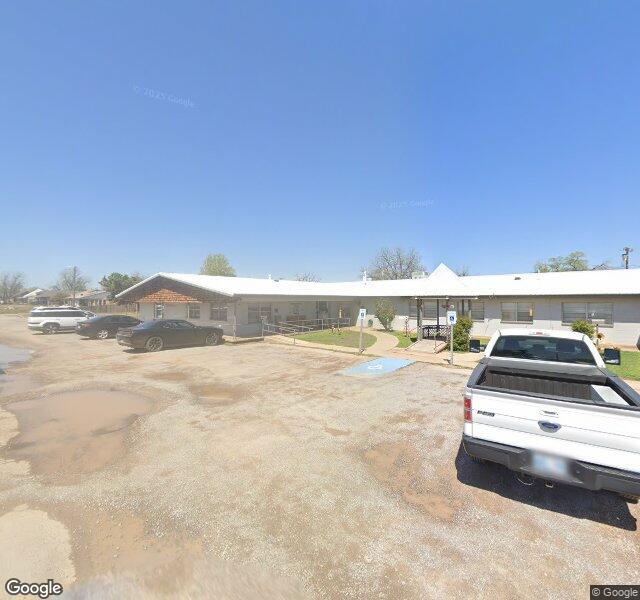
COLONIAL MANOR II

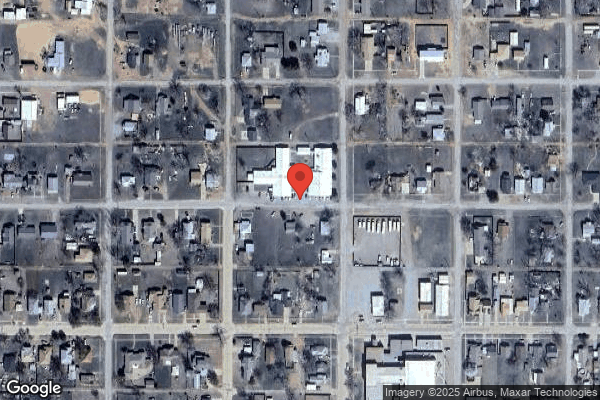
120 WEST VERSA, HOLLIS, OK 73550 (580) 688-9431
Government - County 92 Beds Independent Data: November 2025 1 Immediate Jeopardy citation
Trust Grade
33/100
#211 of 282 in OK
Last Inspection: June 2024

Within standard 12-15 month inspection cycle. Federal law requires annual inspections.

Overview

Colonial Manor II has received a Trust Grade of F, indicating significant concerns about care quality. Ranking #211 out of 282 facilities in Oklahoma places it in the bottom half, and as the only option in Harmon County, families may feel limited in their choices. The facility's trend is worsening, with the number of issues increasing from 3 in 2023 to 8 in 2024. Staffing is a relative strength, with a turnover rate of 0%, which is well below Oklahoma's average of 55%, suggesting that staff members are familiar with the residents. However, there are serious concerns, including a critical incident where a resident did not receive necessary neuro checks, leading to their death, and a failure to implement policies to monitor Legionella, posing potential health risks.

Trust Score
F
33/100
In Oklahoma
#211/282
Bottom 26%
Safety Record
High Risk
Review needed
Inspections
Getting Worse
3 → 8 violations
Staff Stability
○ Average
Turnover data not reported for this facility.
Penalties
✓ Good
No fines on record. Clean compliance history, better than most Oklahoma facilities.
Skilled Nurses
○ Average
RN staffing data not reported for this facility.
Violations
⚠ Watch
13 deficiencies on record. Higher than average. Multiple issues found across inspections.
★☆☆☆☆
1.0
Overall Rating
★☆☆☆☆
1.0
Staff Levels
★★☆☆☆
2.0
Care Quality
★★☆☆☆
2.0
Inspection Score
Stable
2023: 3 issues
2024: 8 issues

The Good

  • Full Sprinkler Coverage · Fire safety systems throughout facility
  • No fines on record

Facility shows strength in fire safety.

The Bad

1-Star Overall Rating

Below Oklahoma average (2.6)

Significant quality concerns identified by CMS

The Ugly 13 deficiencies on record

1 life-threatening
Oct 2024 1 deficiency
CONCERN (E) 📢 Someone Reported This

A family member, employee, or ombudsman was alarmed enough to file a formal complaint

Potential for Harm - no one hurt, but risky conditions existed

Report Alleged Abuse (Tag F0609)

Could have caused harm · This affected multiple residents

Based on record review and interview, the facility failed to ensure the results of an abuse investigation were submitted to the state within five business days for one (#1) sampled resident reviewed f...

Read full inspector narrative →
Based on record review and interview, the facility failed to ensure the results of an abuse investigation were submitted to the state within five business days for one (#1) sampled resident reviewed for abuse. The administrator identified 39 residents resided in the facility. Findings: An undated facility policy titled Policy: for reporting neglect and/or abuse, read in part, 1. Purpose: The purpose of this policy is to establish guidelines for reporting incidents of abuse and neglect in a long-term care facility, in compliance with state and federal regulations. Resident #1 had diagnosis which included mental disorder and was wheelchair bound. An Initial State Reportable Incident form, faxed 07/22/24 at 12:30 p.m., documented an allegation of abuse/mistreatment. It documented CNA #2 notified CNA #1 that Resident #1 had picked up their pizza box. CNA #1 grabbed Resident #1's wheelchair and spun them around and yelled in their face, and then again aggressively spun them around and pushed them from the table while being gruff and yelling at them. It documented cameras were in use at the time and the family, resident's legal representative, and police were notified. It documented the resident was no longer in danger and CNA #1 was sent home and the incident was reported to the nurse aide registry. An Initial and Final Reportable Incident form, faxed 08/07/24 at 11:42 a.m., documented in the final report the police chief was notified and reviewed the cameras and information was passed on to the district attorney and neither party wanted to prosecute. It documented CNA #1 was terminated and reported to the nurse aide registry. On 10/15/24 at 10:56 a.m., the administrator was asked about the facility policy to report abuse. They stated if there was bodily injury they reported within two hours and this incident was not. They stated the incident was reported within 24 hours. They were asked if the final report was submitted to the state within five business days. They stated the one labeled initial and final was the final report, however, they did not fax it within five days and did not keep the fax confirmation.
Jun 2024 2 deficiencies
CONCERN (D) 📢 Someone Reported This

A family member, employee, or ombudsman was alarmed enough to file a formal complaint

Potential for Harm - no one hurt, but risky conditions existed

Report Alleged Abuse (Tag F0609)

Could have caused harm · This affected 1 resident

Based on record review and interview, the facility failed to ensure an allegation of abuse was reported within 24 hours to OSDH of an incident of abuse for one (#1) of three sampled residents reviewed...

Read full inspector narrative →
Based on record review and interview, the facility failed to ensure an allegation of abuse was reported within 24 hours to OSDH of an incident of abuse for one (#1) of three sampled residents reviewed for allegations of abuse. The DON reported 38 residents resided in the facility. Findings: An incident report dated 06/03/24 at 2:57 p.m. CNA#1 reported alleged abuse occurred on 06/01/24. CNA #1did not report to LPN#1 until 06/02/24. On 06/06/24 at 4:15 p.m., CNA#1 stated the alleged abuse occurred on 06/02/24 at 6a.m. during the 11a.m.-7p.m. shift. The alleged abuse was reported on 06/02/24 11p.m. to 7a.m. shift to LPN #1 charge nurse. On 06/07/24 at 1:04 p.m., the Administrator reported CNA #1 witnessed an abuse on 06/01/24 and reported to LPN #1. On 06/02/24, the incident report was faxed on 06/03/24 at 2:57 p.m The 24 hours had exceeded.
CONCERN (D) 📢 Someone Reported This

A family member, employee, or ombudsman was alarmed enough to file a formal complaint

Potential for Harm - no one hurt, but risky conditions existed

Deficiency F0943 (Tag F0943)

Could have caused harm · This affected 1 resident

Based on record review and interview, the facility failed to ensure that training was being provided for activities that contribute abuse/neglect, procedures for reporting incidents of abuse/neglect, ...

Read full inspector narrative →
Based on record review and interview, the facility failed to ensure that training was being provided for activities that contribute abuse/neglect, procedures for reporting incidents of abuse/neglect, and abuse prevention for one (#1) of one records records reviewed for abuse. The DON reported 38 residents reside in the facility. Findings: A Policy and Procedure: Training for Nurses and CNAs policy, undated, read in parts .Documentation will include dates and training, completion status, competency assessment results, and certificates of participation or completion .The Quality Assurance department will conduct periodic audits of training records to verify compliance with training . On 06/06/24 at 3:58 p.m., there was no documentation of CNA #1 of having abuse/neglect training of which includes reporting incidents of abuse, neglect, exploitation, or the misappropriation of resident property during CNA #1's orientation. On 06/07/24 at 1:06 p.m., the DON reported CNA #1 had no abuse/neglect training's completed during orientation.
Jun 2024 5 deficiencies
CONCERN (E)

Potential for Harm - no one hurt, but risky conditions existed

MDS Data Transmission (Tag F0640)

Could have caused harm · This affected multiple residents

Based on record review and interview, the facility failed to ensure the resident assessment was transmitted within seven days of completion for one (#19) of one sampled resident reviewed for discharge...

Read full inspector narrative →
Based on record review and interview, the facility failed to ensure the resident assessment was transmitted within seven days of completion for one (#19) of one sampled resident reviewed for discharge assessments. The DON reported 38 residents resided in the facility. Findings: A Minimum Data Set (MDS), policy and procedure, not dated read in part, .Our facility is committed to ensuring the accurate and timely completion of the Minimum Data Set (MDS) for all residents, as required by federal and state regulations . On 05/30/24 at 9:30 a.m., the DON reviewed Res #19's MDS assessment. They reported there was a glitch in the system and the MDS coordinator did not receive a report that Res #19's MDS had not been submitted. They reported the MDS assessment was submitted yesterday. On 05/30/24 at 9:40 a.m., the DON notified the MDS coordinator on the phone via speaker. They reported they had a software issue with PCC. Reported they did not notice if it was on the report as accepted or rejected. They reported they modified the MDS because of the re-entry dates and transmitted the MDS yesterday. They reported they signed the MDS yesterday 05/29/24 at 11:15 p.m., and transmitted it.
CONCERN (E)

Potential for Harm - no one hurt, but risky conditions existed

Deficiency F0657 (Tag F0657)

Could have caused harm · This affected multiple residents

**NOTE- TERMS IN BRACKETS HAVE BEEN EDITED TO PROTECT CONFIDENTIALITY** 2. Resident #29 had diagnoses which included hemiplegia. A comprehensive assessment, dated 02/15/24, documented cognition was s...

Read full inspector narrative →
**NOTE- TERMS IN BRACKETS HAVE BEEN EDITED TO PROTECT CONFIDENTIALITY** 2. Resident #29 had diagnoses which included hemiplegia. A comprehensive assessment, dated 02/15/24, documented cognition was severely impaired. An incident note, dated 03/24/24, read in part .Upon entering the room resident #29 was observed lying on the floor, lying on their right side .Resident was assisted back to his recliner .The resident had a small-moderate amount of bright red blood from the back of head and two large hematoma's. A progress note, dated 03/24/24, read in part .Upon entering the room resident #29 was observed lying on the floor, lying on their right side .Resident was assisted back to his recliner .The resident had a small-moderate amount of bright red blood from back of his head and two large hematoma's .Resident transported to emergency room for evaluation and treatment . A care plan, updated 03/20/24, read in part Risk for falls .Assist resident with ambulation and transfers, utilizing therapy recommendations .Determine residents ability to transfer .Ensure call light is available to resident .If fall occurs, alert provider .If fall occurs, initiate frequent neuro and bleeding evaluation per facility protocol .If resident is a fall risk, initiate fall risk precautions .Review medications for drugs that increase the risk of falls .Utilize devices as appropriate to ensure safety. The care plan documented no updates related to falls after 03/20/24. A progress note, dated 03/24/24. read in part .Resident #29 returns with discharge paperwork, neuro checks ordered, laceration to head cleaned, triple antibiotic ointment applied, and orders to repeat three times a day, no other new ordered noted . On 05/31/24 at 10:28 a.m., ADON reported resident care plans should be updated with fall interventions after each fall. The ADON reported not all care plans had been updated with new interventions after each fall. Based on record review and interview, the facility failed to update the plan of care related to documented falls for two (#22 and #29) of five sampled residents reviewed for falls. The DON reported 38 residents resided in the facility. Findings: A Long Term Care Facility: Care Plan Policy and Procedure, not dated, read in part, .All residents will have a care plan that is resident-centered, addressing their medical, psychological, and social needs. Care plans will be developed, reviewed, and updated regularly in collaboration with residents, their families, and the interdisciplinary care team . Care interventions will be carried out as outlined in the care plan . A plan of care dated 12/12/23 through 06/12/23, documented, the resident is high risk for falls r/t Parkinson's disease. New Goal New Custom Goal: The resident will be free of falls through the review date. New Intervention: New Custom Intervention Anticipate and meet the resident's needs. Be sure the resident's call light is within reach and encourage the resident to use it for assistance as needed. The resident needs prompt response to all requests for assistance. Educate the resident/family/caregivers about safety reminders and what to do if a fall occurs. Encourage the resident to participate in activities that promote exercise, physical activity for strengthening and improved mobility such as: morning exercises, walk to dine. Ensure that the resident is wearing appropriate footwear black non-skid tennis shoes when ambulating or mobilizing in w/c. Follow facility fall protocol. Pt evaluate and treat as ordered or RESIDENT SEEN [Name Withheld-Physician] ON THE EVENING OF 1-8-24 D/T RESIDENT STATING SHE HAD FALLEN AND GOTTEN HER SELF UP. BRUISE WITH A KNOT NOTED TO RIGHT HIP. ORDERED X-RAY OF R HIP AND L KNEE. RESIDENT SENT OUT FOR X-RAYS ON 1-9-24. Review information on past falls and attempt to determine cause of falls. Record possible root causes. Alter remove any potential causes if possible. Educate resident/family/caregivers/IDT as to causes. A significant change assessment dated [DATE], documented, severe cognitive impairment, with partial/moderate assistance with some activities of daily living. Number of falls since admission or prior assessment - no Injury: two or more. Number of falls since admission or prior assessment - injury (except major): two or more. Number of falls since admission or prior assessment - major injury: none. Res #22 had 8 un-witnessed falls documented from 01/08/24 through 05/14/24. The reports document immediate action taken; however, did not list interventions put into place after the falls. Res #22's incident reports, dated 01/08/24, 01/15/24, 02/13/24, 03/21/24, 03/25/24, 04/01/24, 04/17/24, and 05/14/24. On 05/29/24 at 3:10 p.m., Res #22 was using a rolling walker in hallways. On 05/30/24 at 10:48 a.m., the DON was asked about the corresponding fall interventions for Res #22. They reported they would update the plan of care and RN #1 was good about doing that. On 05/30/24 at 11:01 a.m., the DON reported RN #1 had not updated the plan of care related to the corresponding falls and reported they would let them know.
CONCERN (E)

Potential for Harm - no one hurt, but risky conditions existed

Medication Errors (Tag F0758)

Could have caused harm · This affected multiple residents

2. Resident #14 had diagnoses which included dementia. A comprehensive assessment, date 02/25/24, documented resident #14's cognition was severly impaired. A care plan, dated 02/15/24, read in part, T...

Read full inspector narrative →
2. Resident #14 had diagnoses which included dementia. A comprehensive assessment, date 02/25/24, documented resident #14's cognition was severly impaired. A care plan, dated 02/15/24, read in part, The resident has a behavior problem (agitation/anxiety) related to dementia . Risperidone 0.5 mg one by mouth every night .The resident has impaired cognitive function/dementia or impaired thought processes related to Dementia. A pharmacist's monthly medication review, dated 04/08/24, documented no psychotic behaviors for risperidone reported. A physician order, dated 05/22/24, documented risperidone oral tablet 0.25 mg, give 1 tablet by mouth one time a day every other day related to unspecified dementia, unspecified severity, without behavioral disturbance, psychotic disturbance, mood disturbance, and anxiety until 06/05/24. 3. Resident #31 had diagnoses which included dementia. A pharmacist's monthly medication review, dated 03/08/24 , documented a recommendation to decrease risperidone from 05. mg to 0.25 mg for gradual dose reduction, will need a psych diagnoses, and psych behaviors monitored. A comprehensive assessment, dated 04/22/24, documented severly impaired cognition. A care plan, updated 04/29/24, read in part Behavior management: Resident seen Dr. [name removed] 03/12/24 due to pharmacy recommendation to decrease risperidone to 0.25 mg daily, physician agreed .The resident has impaired cognitive function/dementia or impaired thought process related to dementia .Administer mediations as ordered . A pharmacist's monthly medication review, dated 05/13/24, documented Finding no diagnoses or behaviors to justify the use of risperidone .Recommend a decrease to every other day for gradual dose reduction .On 05/21/24, a physician disagreed due to agitation is under control with this medication, no change at this time . On 05/31/24 at 10:28 a.m., ADON was asked about antipsychotic medications being administered for a diagnosis of dementia. The ADON reported the pharmacist had requested an appropriate diagnosis for antipsychotic medications from the physician [name removed] and the physician fails to respond. The ADON reported resident's #14 and #31 physician [name removed] preferred to use risperidone to control behaviors for residents with dementia. Based on record review and interview, the facility failed to ensure the medication was necessary to treat a specific condition indicated in the clinical record for three (#7, 14, and #31) of five residents reviewed for unnecessary medications. The DON reported 38 residents resided in the facility. Findings: An Antipsychotic Medication Policy and Procedure for Long-Term Care, not dated, read in part, .Assessment and Indication: Clinical Indication: Antipsychotic medications should only be prescribed for residents with a diagnosed psychiatric disorder (e.g., schizophrenia, bipolar disorder) or for the management of severe behavioral symptoms associated with dementia when other interventions have failed . A facility document titled, Psychosis/Schizophrenia/Behaviors, not dated, read in part, Antipsychotic's require specific diagnosis and behavior monitoring . Res #7's diagnosis included other recurrent depressive disorders, delusional disorders, generalized anxiety, and restlessness and agitation. 1. A physician's order as of 05/09/24 read in part, Ativan 0.5 mg give by mouth every 6 hours, order date 04/24/24 for agitation, Buspirone 15 mg give one tablet two times a day for dementia, order date 04/24/24, Klonopin 1 mg give one tablet by mouth two times a day for dementia, order date 05/20/24, Zoloft give 1.5 tablet by mouth once time a day, order date 11/11/22, give 1 1/2 tabs to =75 mg related to other recurrent depressive disorders, Zyprexa 10 mg give one tablet by mouth two times a day for dementia, order date 04/24/24. Refer to [Name Withheld-Psych Facility] order date 04/11/24 .Behaviors - Monitor for the following: (specify) itching, picking at skin, restlessness (agitation), hitting, increase in complaints, biting, kicking, spitting, cussing, racial slurs, elopement, stealing, delusion, hallucinations, psychosis, aggression, refusing care . Behavioral charting for March 2024 consisted of 12 days, April 2024 consisted of 13 days, and May 2024 consisted of 7 days charted as Yes for behaviors. On 05/31/24 at 10:28 a.m., ADON was asked about medications administered for a diagnosis of dementia. They reported the pharmacist request appropriate diagnosis and they try to get them changed. They reported the pharmacist in-serviced them on what they could chart for what to be considered a behavior. They reported the residents were under the care of Geri psych facility and medications were prescribed from them. On 05/31/24 at 11:12 a.m., ADON provided antipsychotic policy and a Buspirone order with a diagnosis of anxiety not dementia. They reported they would need to change that.
CONCERN (F)

Potential for Harm - no one hurt, but risky conditions existed

Staffing Data (Tag F0851)

Could have caused harm · This affected most or all residents

**NOTE- TERMS IN BRACKETS HAVE BEEN EDITED TO PROTECT CONFIDENTIALITY** Based on record review and interview, the facility failed to submit PBJ FY Quarter 1 2024 ([DATE]-[DATE]) for direct care staffi...

Read full inspector narrative →
**NOTE- TERMS IN BRACKETS HAVE BEEN EDITED TO PROTECT CONFIDENTIALITY** Based on record review and interview, the facility failed to submit PBJ FY Quarter 1 2024 ([DATE]-[DATE]) for direct care staffing based on payroll data. The administrator reported 38 residents resided in the facility. Findings: On 05/29/24 at 4:30 p.m., the administrator was asked about the PBJ report for the first quarter of 2024 ([DATE] - [DATE]). They reported it was not submitted within the required time frame. On 05/31/24 at 2:58 p.m., the administrator was asked about the facility's PBJ policy. They reported the policy was to complete them quarterly.
CONCERN (F)

Potential for Harm - no one hurt, but risky conditions existed

Infection Control (Tag F0880)

Could have caused harm · This affected most or all residents

Based on record review and interview, the facility failed to develop, implement a policy and procedure for monitoring Legionella. The DON reported 38 residents resided in the facility. Findings: On 05...

Read full inspector narrative →
Based on record review and interview, the facility failed to develop, implement a policy and procedure for monitoring Legionella. The DON reported 38 residents resided in the facility. Findings: On 05/31/24 at 9:25 a.m., the maintenance director was asked to submit a specific policy for measures to prevent the growth of Legionella. They did not provide any descriptions of the water systems for visible inspection and/or steps to prevent the growth of Legionella in a flow diagram. On 05/31/24 at 9:15 a.m., ADON/IP reported there had not been any cases of Legionella. On 05/31/24 at 9:45 a.m., the administrator and DON were asked to the submit policy and procedures to include diagrams to identify areas of potential outbreaks of Legionella. The administrator reported they did not have a policy and procedure related to Legionella.
Apr 2023 3 deficiencies 1 IJ
CRITICAL (J)

Immediate Jeopardy (IJ) - the most serious Medicare violation

Quality of Care (Tag F0684)

Someone could have died · This affected 1 resident

**NOTE- TERMS IN BRACKETS HAVE BEEN EDITED TO PROTECT CONFIDENTIALITY** On [DATE], an Immediate Jeopardy (IJ) situation was determined to exist related to the facility's failure to perform neuro check...

Read full inspector narrative →
**NOTE- TERMS IN BRACKETS HAVE BEEN EDITED TO PROTECT CONFIDENTIALITY** On [DATE], an Immediate Jeopardy (IJ) situation was determined to exist related to the facility's failure to perform neuro checks as ordered by the physician, and to notify the physician with a change of condition per the facility's Neuro Checks Policy and Procedure. The resident passed away that night. On [DATE] at 1:05 a.m., Resident #43 had a fall and reported to the nurse he had hit his head and complained of pain all over. The resident was sent to the ER per physician orders. The hospital record documented the resident fell backwards and was complaining of a headache. The resident was given pain medication and sent back to the facility with orders to do neuro checks every two hours for 24 hours. The neuro check form documented neuro checks were completed every two hours until 7:30 p.m. The form had no neuro checks documented at 9:30 p.m. At 10:45 p.m., the resident started having behaviors. No neuro checks or vital signs were documented at that time and the physician was not notified of a change in condition. There were no 11:30 p.m. neuro checks documented. At 12:30 a.m., the aides found the resident unresponsive in his bed and reported to the nurse the resident was cold to the touch. The nurse checked for the resident's pulse with no return. The ARNP was notified, arrived at the facility, found no pulse or respirations, and notified the physician of the patient's death. An Emergency Department Note, dated [DATE], read in parts, .MD complaint: .fell backwards c/o headache . Neuro Cognition (Neuro): abnormal cognition . Thought process: Other thought process findings present . Additional Instructions: neuro checks q 2 hours . On [DATE] at 11:09 a.m., the Oklahoma State Department of Health was notified of the existence of a possible IJ situation. On [DATE] at 12:39 p.m., OSDH verified the existence of the IJ situation. On [DATE] at 1:00 p.m., the Administrator and the DON were notified of the IJ situation. On [DATE] at 4:47 p.m., an acceptable Plan of Removal was provided by the Administrator. The Plan of Removal documented the following: Colonial Manor II Nursing Home IJ Plan of Correction: Immediacy will be removed by 1700 [5:00 p.m.] on [DATE]. Plan of Correction for Findings on Resident #43: To remove the immediacy of IJ the facility will do an in-service with all full time and part time RNs and LPNs to ensure they know the proper procedures to complete neuro checks according to Colonial Manor II Policy. Facility is also writing and adopting a policy outlining the procedures for receiving, charting, and following physician orders. RNs and LPNs will also be instructed on following Physician Order policy. The nurses attending the in-service will sign that they have understood and completed the training. This in-service will take place on [DATE] once the facility plan of correction is approved by the State Health Department. It is planned that the immediacy will be removed by 1700 [5:00 p.m.] on [DATE]. Currently we have a resident that is receiving neuro checks and neuro checks are being done as ordered. Agenda for In-Service to address Neuro Checks and Physician Orders Pass out copies of Neuro Check Policy and Procedure Pass out copies of Physician Order Policy. Read the policies and go over procedures for following Neuro Check Policy and Physician Orders State the importance of following policy fully. Allow nurses to ask questions to clarify that everyone is on the same page. Have nurses sign that they understand and will comply with the facilities Neuro Check Policy and that they will follow Physician orders fully. Follow up to ensure policy and procedures are being followed. Charting on neuro checks and physician orders will be monitored daily by DON, [name deleted], for a week starting [DATE] after the in-service on following physician orders and neuro checks is complete. After the initial first week of monitoring charting on neuro checks and physician orders is complete the DON and/or ADON, [name deleted], will monitor the charting weekly for three months. Once, the monthly monitoring is complete all the charting done on residents will be reviewed quarterly for any issues or problems and the findings will be addressed with the QA committee during QAPI meetings. On [DATE], observations were made of facility staff in the in-service meeting and interviews were conducted with facility staff regarding education and in-service training pertaining to the immediate jeopardy plan of removal. Staff reported they had been in-serviced and were able to verbalize understanding of the information and training provided. The immediacy was lifted, effective [DATE] at 4:00 p.m., when all elements of the plan of removal had been implemented. The deficient practice remained at an isolated level with harm. Based on record review and interview, the facility failed to ensure neuro checks were completed per physician orders, and the physician was notified of a change in the resident's condition, for one (#43) of four residents reviewed for falls with neuro checks. The Resident Census and Conditions of Resident report, dated [DATE], documented 42 residents resided in the facility. Findings: Resident #43 had diagnoses which included right below the knee amputation, hypertension, depression, and cardiac pacemaker. An Annual Assessment, dated [DATE], documented the resident's cognition was intact. The Neuro Checks policy and procedure, dated 12/21, read in part, .5. Notify the resident's physician immediately of any abnormal Neuro Checks or any changes in the resident's condition. The Physician Order policy, dated 12/21, read in part, .6. All physician orders will be followed as prescribed and if not followed, the reason shall be recorded on the resident's medical record during that shift by the RN or LPN. An Incident Note, dated [DATE] at 1:05 a.m., documented, called to residents room by CNA. Resident noted on floor next to bed. Koolaid and water noted on floor. Resident wet all over. Resident stated he tried to get out of bed and walk. Abrasion to left forearm noted. No blood or raised areas noted from head. Dressing to left leg noted on floor, resident stated he had taken dressing off before attempting to get out of bed. Resident states he did hit his head. C/O pain to all over. Vitals: 83/48-61-24- SAO2 =72% WITH O2 ON 3L N/C. [name deleted] ARNP called and updated. [name deleted] EMS called. Resident transported to [name deleded] for eval and treatment. A Health Status Note, dated [DATE] at 2:46 a.m., documented, [name deleted] called to update resident will be discharge and coming back to NH. Report given by [name deleted]. [name deleted] states resident received in ER 1000 mg of tylenol for pain. Xrays and CT scans are clear. No fracture or injuries noted from fall. New order received neuros ever 2 hours X 24 hours. Awaiting residents arrival via EMS. A Health Status Note, dated [DATE] at 3:23 a.m., documented, resident returned to facility via EMS. VSS; 118/74-69-20-97.4. SAO2 94%. New orders for neuros Q 2 hours X 24 hours. Neuros initiated and WNL. Resident in bed at this time. No C/O voiced. Resting OU closed. Call light in reach. A Nurses Note, dated [DATE] at 10:45 p.m., documented, Resident having behaviors this evening. Grabbed CNA by both arms and yelled, help me get out of here, help me, and making numerous other statements that made no sense. There was no documentation the physician was notified. An Alert Note, dated [DATE] at 00:30 a.m., [12:30 a.m.] read in parts, .Aides approached this nurse at nurses station and said that they found resident unresponsive in bed laying on his right side holding on to his bed side rail. They said resident was cold to the touch. This nurse went down to his room and checked for pulse with no return.ARNP notified of status .She is on her way to officially pronounce.DON and ADM notified. An Alert Note, dated [DATE] 12:45 a.m., read in part, .[name deleted] ARNP arrived at facility and pronounced resident has passed away. She also gave a 1x order for no CPR due to no signs of life. A Neuro Check report, dated [DATE], documented the resident received neuro checks starting at 3:30 a.m., every two hours until 7:30 p.m. There were no documented neuro checks at 9:30 p.m., at 10:45 p.m. when the resident was having behaviors, or at 11:30 p.m. The form documented at 12:30 a.m., Patient passed away. On [DATE] at 11:10 a.m., the Administrator reported, I was in shock when I heard the resident had passed away. On [DATE] at 3:50 p.m., LPN #1 stated, I left at 11:00 p.m. I did do his neuros, I just didn't get them documented. LPN #1 was asked what was done when the resident started having behaviors. She said, He usually had behaviors so I didn't think the behaviors he had the night he died was related to his neuro checks. On [DATE] at 5:15 p.m., the DON and ADON were asked if the resident usually had behaviors. The DON stated, He was just like you and me, he didn't have any behaviors. The ADON stated, He never had behaviors.
CONCERN (D)

Potential for Harm - no one hurt, but risky conditions existed

Deficiency F0657 (Tag F0657)

Could have caused harm · This affected 1 resident

Based on record review, and interview, the facility failed to ensure a care plan was revised for fall interventions for one (#23) of four sampled residents reviewed for falls. The Administrator repor...

Read full inspector narrative →
Based on record review, and interview, the facility failed to ensure a care plan was revised for fall interventions for one (#23) of four sampled residents reviewed for falls. The Administrator reported a facility census of 42 residents. Findings: Resident #23 was admitted with diagnoses which included hypertension and seizure disorder. A Quarterly MDS Assessment, dated 01/23/23, documented the resident was independent with ambulating and had two or more falls since admission. A nursing note, dated 12/01/22, documented the resident had a fall and was sent to the local hospital. The resident's seizure medication had been decreased. A nursing note, dated 12/01/22, documented the resident was moved to a room closer to the nurse's station .wheelchair in use. The resident was non-compliant with utilizing the call light for assistance. A nursing note, dated 12/01/22, documented a floor mat had been placed next to the bed in the lowest position .resident was found on the floor mat. A nursing note, dated 12/27/22, documented the resident's medication was adjusted and updated on the MAR. The resident continues with neuro checks at this time and was encouraged to use a walker or wheelchair, and wear his helmet. A nursing note, dated 12/27/22, documented the resident had a witnessed fall. The resident will not wear non-skid footwear properly and is non-compliant with safety. A nursing note, dated 12/29/22, documented interventions in place and resident is toileted frequently, every 30 minutes. The resident does have a helmet to wear for safety, but will not wear it. A revised Care Plan, dated 11/11/22, documented the resident was at moderate risk for falls and interventions included: anticipate and meet the resident's needs; be sure the resident's call light is within reach and encourage the resident to use it; and, the resident needs prompt response to all requests for assistance. On 04/14/23 at 8:38 a.m., the DON reported the resident had been educated and multiple fall interventions had been in place, but not updated on the resident's care plan.
CONCERN (E)

Potential for Harm - no one hurt, but risky conditions existed

Deficiency F0761 (Tag F0761)

Could have caused harm · This affected multiple residents

Based on observation and interview, the facility failed to ensure expired medications were removed from the medication storage room and from the medication cart. The Resident Census and Condition of ...

Read full inspector narrative →
Based on observation and interview, the facility failed to ensure expired medications were removed from the medication storage room and from the medication cart. The Resident Census and Condition of Residents, dated 04/13/23, form documented 42 residents resided in the facility. Findings: On 04/13/23 at 9:00 a.m., during a tour of the medication room, two expired medications were observed. The medications included a bottle of Tums, for resident #36, with an expiration date of 7/22, and a bottle of Metformin 500 mg, in the Emergency Box, with an expiration date of 2/23. On 04/13/23 at 9:25 a.m., the medication cart was observed to have one expired medication, a bottle of Refresh eyes drops, for resident #7, expired 3/23. On 04/13/23 at 9:30 a.m., CMA #1 was asked how often staff checked for expired medications. The CMA stated, I haven't checked in about six months. On 04/13/23 at 10:00 a.m., the DON reported the pharmacist was supposed to be doing a check monthly for expired medications.
Apr 2022 2 deficiencies
CONCERN (E)

Potential for Harm - no one hurt, but risky conditions existed

Deficiency F0727 (Tag F0727)

Could have caused harm · This affected multiple residents

Based on record review and interview, the facility failed to have a Registered Nurse on duty eight hours a day, seven days a week. The Resident Census and Condition of Residents form documented 37 re...

Read full inspector narrative →
Based on record review and interview, the facility failed to have a Registered Nurse on duty eight hours a day, seven days a week. The Resident Census and Condition of Residents form documented 37 residents resided in the facility. Findings: During the survey process, staffing schedules and reports were reviewed and documented inconsistent RN coverage, with no RN coverage on most weekend shifts. The staffing schedules for 4/17/22 through 04/30/22 documented no RN coverage for any weekend shifts. On 04/22/22 at 9:51 a.m., the ADON reported weekend shifts were currently being covered by LPN/Charge Nurses. The ADON stated there had been a waiver related to RN coverage sometime in the past but that had been a long time ago. The ADON reported there were a couple of RN's who picked up an occasional weekend shift but not on a regular basis. On 04/22/22 at 10:18 a.m., the Administrator and DON were interviewed regarding RN coverage. The DON reported she covered some weekend shifts as needed and the previous DON would occasionally cover a weekend shift. The DON stated for a period of time the facility was covered well on the weekends but for various reasons, the RN's were no longer available. The Administrator reported the facility had struggled with hiring RN's. He stated he had intended to get in touch with someone to inquire about a waiver related to RN coverage but had not started that process.
CONCERN (E)

Potential for Harm - no one hurt, but risky conditions existed

Deficiency F0730 (Tag F0730)

Could have caused harm · This affected multiple residents

**NOTE- TERMS IN BRACKETS HAVE BEEN EDITED TO PROTECT CONFIDENTIALITY** Based on record review and interview, the facility failed to complete an annual performance review of nurse aides, and to provid...

Read full inspector narrative →
**NOTE- TERMS IN BRACKETS HAVE BEEN EDITED TO PROTECT CONFIDENTIALITY** Based on record review and interview, the facility failed to complete an annual performance review of nurse aides, and to provide regular in-service training. The Resident Census and Conditions of Residents form documented 37 residents resided in the facility. Findings: On [DATE] at 9:36 a.m., the assistant Administrator reported nurse aide annual re-training and/or competency skills performance reviews had not been completed. She stated the previous DON would not ensure these were completed but the new DON was working on getting this implemented. On [DATE] at 9:50 a.m., the Administrator reported he and the DON were working on organizing in-service training to ensure all required training was completed annually. The Administrator stated the DON had a plan for implementing annual nurse aide performance reviews. On [DATE] at 10:36 a.m., a file with in-service training was reviewed and documented various general in-services related to fire extinguishers, CPR training, teamwork and payroll, cell phone use, rounding on residents, and resident rights. The Administrator acknowledged the in-services did not meet all necessary requirements for nurse aide training.
Understanding Severity Codes (click to expand)
Life-Threatening (Immediate Jeopardy)
J - Isolated K - Pattern L - Widespread
Actual Harm
G - Isolated H - Pattern I - Widespread
Potential for Harm
D - Isolated E - Pattern F - Widespread
No Harm (Minor)
A - Isolated B - Pattern C - Widespread

Questions to Ask on Your Visit

  • "What changes have you made since the serious inspection findings?"
  • "Can I speak with families of current residents?"
  • "What's your RN coverage like on weekends and overnight?"

Our Honest Assessment

Strengths
  • • No fines on record. Clean compliance history, better than most Oklahoma facilities.
Concerns
  • • Multiple safety concerns identified: 1 life-threatening violation(s), Payment denial on record. Review inspection reports carefully.
  • • 13 deficiencies on record, including 1 critical (life-threatening) violation. These warrant careful review before choosing this facility.
  • • Grade F (33/100). Below average facility with significant concerns.
Bottom line: Trust Score of 33/100 indicates significant concerns. Thoroughly evaluate alternatives.

About This Facility

What is Colonial Manor Ii's CMS Rating?

CMS assigns COLONIAL MANOR II an overall rating of 1 out of 5 stars, which is considered much below average nationally. Within Oklahoma, this rating places the facility higher than 0% of the state's 100 nursing homes. A rating at this level reflects concerns identified through health inspections, staffing assessments, or quality measures that families should carefully consider.

How is Colonial Manor Ii Staffed?

CMS rates COLONIAL MANOR II's staffing level at 1 out of 5 stars, which is much below average compared to other nursing homes.

What Have Inspectors Found at Colonial Manor Ii?

State health inspectors documented 13 deficiencies at COLONIAL MANOR II during 2022 to 2024. These included: 1 Immediate Jeopardy (the most serious level, indicating potential for serious harm or death) and 12 with potential for harm. Immediate Jeopardy findings are rare and represent the most serious regulatory concerns. They require immediate corrective action.

Who Owns and Operates Colonial Manor Ii?

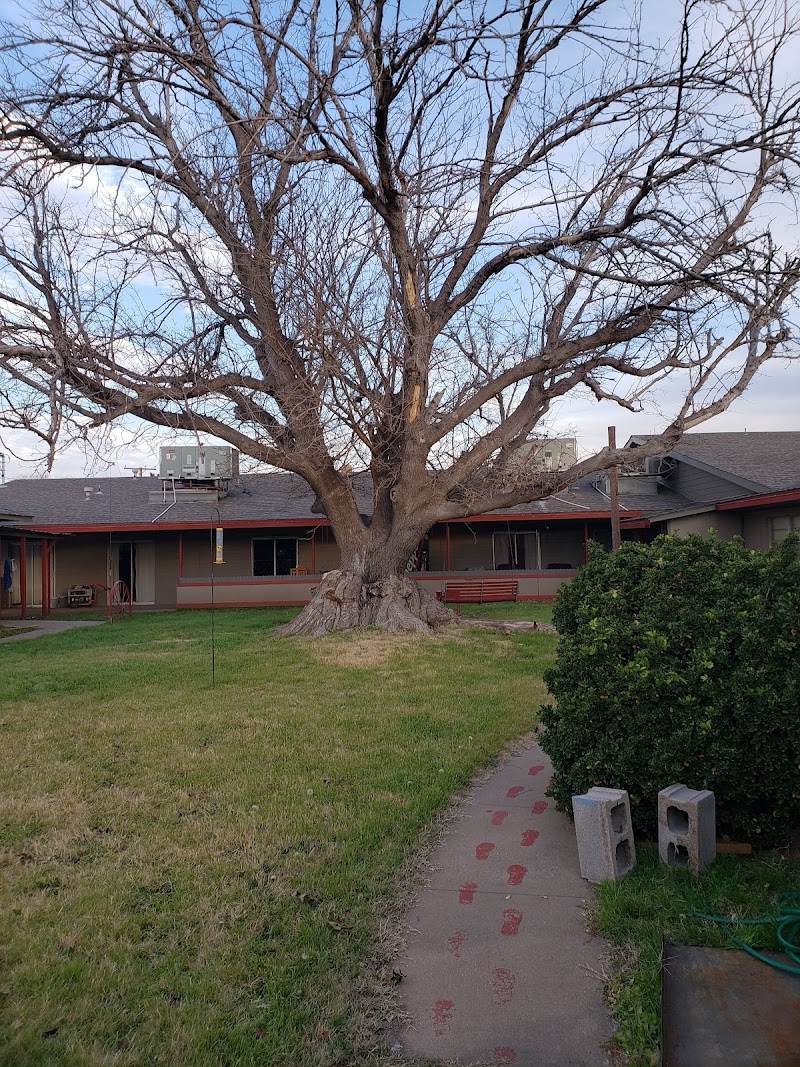
COLONIAL MANOR II is owned by a government entity. Government-operated facilities are typically run by state, county, or municipal agencies. The facility operates independently rather than as part of a larger chain. With 92 certified beds and approximately 36 residents (about 39% occupancy), it is a smaller facility located in HOLLIS, Oklahoma.

How Does Colonial Manor Ii Compare to Other Oklahoma Nursing Homes?

Compared to the 100 nursing homes in Oklahoma, COLONIAL MANOR II's overall rating (1 stars) is below the state average of 2.6 and health inspection rating (2 stars) is below the national benchmark.

What Should Families Ask When Visiting Colonial Manor Ii?

Based on this facility's data, families visiting should ask: "What changes have been made since the serious inspection findings, and how are you preventing similar issues?" "Can you walk me through typical staffing levels on day, evening, and night shifts?" "Can I visit during a mealtime to observe dining assistance and food quality?" "How do you handle medical emergencies, and what is your hospital transfer rate?" These questions are particularly relevant given the facility's Immediate Jeopardy citations and the below-average staffing rating.

Is Colonial Manor Ii Safe?

Based on CMS inspection data, COLONIAL MANOR II has documented safety concerns. Inspectors have issued 1 Immediate Jeopardy citation (the most serious violation level indicating risk of serious injury or death). The facility has a 1-star overall rating and ranks #100 of 100 nursing homes in Oklahoma. Families considering this facility should ask detailed questions about what corrective actions have been taken since these incidents.

Do Nurses at Colonial Manor Ii Stick Around?

COLONIAL MANOR II has not reported staff turnover data to CMS. Staff turnover matters because consistent caregivers learn residents' individual needs, medications, and preferences. When staff frequently change, this institutional knowledge is lost. Families should ask the facility directly about their staff retention rates and average employee tenure.

Was Colonial Manor Ii Ever Fined?

COLONIAL MANOR II has no federal fines on record. CMS issues fines when nursing homes fail to meet care standards or don't correct problems found during inspections. The absence of fines suggests the facility has either maintained compliance or corrected any issues before penalties were assessed. This is a positive indicator, though families should still review recent inspection reports for the full picture.

Is Colonial Manor Ii on Any Federal Watch List?

COLONIAL MANOR II is not on any federal watch list. The most significant is the Special Focus Facility (SFF) program, which identifies the bottom 1% of nursing homes nationally based on persistent, serious quality problems. Not being on this list means the facility has avoided the pattern of deficiencies that triggers enhanced federal oversight. This is a positive indicator, though families should still review the facility's inspection history directly.