MAPLE LAWN NURSING AND REHABILITATION
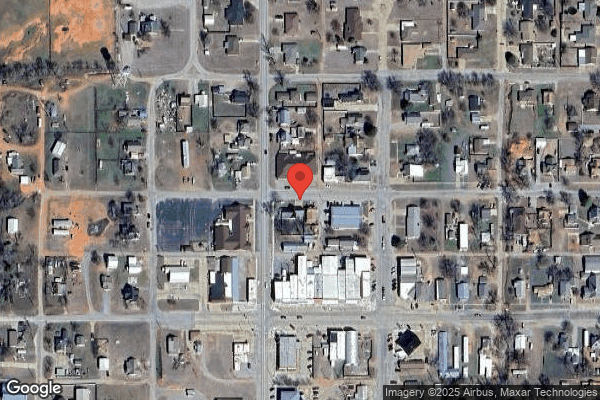
800 ARAPAHO AVENUE, HYDRO, OK 73048 (405) 663-2455
For profit - Partnership 60 Beds Independent Data: November 2025
Trust Grade
90/100
#17 of 282 in OK
Last Inspection: June 2024

Within standard 12-15 month inspection cycle. Federal law requires annual inspections.

Overview

Maple Lawn Nursing and Rehabilitation has received an impressive Trust Grade of A, indicating it is excellent and highly recommended for care. Ranking #17 out of 282 facilities in Oklahoma places it comfortably in the top half, and it is the best option out of two in Blaine County. The facility shows a stable trend, maintaining a consistent number of issues over the past two years, with five concerns noted but none critical or serious. Staffing is a relative strength, with a good turnover rate of 33%, which is significantly lower than the state average, though there is less RN coverage than 77% of other facilities, which may affect the quality of care. Notably, there have been incidents where insulin was not administered according to physician orders, raising potential concerns for residents' health, but there have been no fines recorded, which is a positive sign for compliance.

Trust Score
A
90/100
In Oklahoma
#17/282
Top 6%
Safety Record
Low Risk
No red flags
Inspections
Holding Steady
1 → 1 violations
Staff Stability
○ Average
33% turnover. Near Oklahoma's 48% average. Typical for the industry.
Penalties
✓ Good
No fines on record. Clean compliance history, better than most Oklahoma facilities.
Skilled Nurses
⚠ Watch
Each resident gets only 15 minutes of Registered Nurse (RN) attention daily — below average for Oklahoma. Fewer RN minutes means fewer trained eyes watching for problems.
Violations
✓ Good
Only 5 deficiencies on record. Cleaner than most facilities. Minor issues only.
★★★★★
5.0
Overall Rating
★★★★☆
4.0
Staff Levels
★★★★☆
4.0
Care Quality
★★★★★
5.0
Inspection Score
Stable
2024: 1 issues
2025: 1 issues

The Good

  • 4-Star Staffing Rating · Above-average nurse staffing levels
  • 4-Star Quality Measures · Strong clinical quality outcomes
  • Full Sprinkler Coverage · Fire safety systems throughout facility
  • No fines on record
  • Staff turnover below average (33%)

    15 points below Oklahoma average of 48%

Facility shows strength in staffing levels, quality measures, fire safety.

The Bad

Staff Turnover: 33%

13pts below Oklahoma avg (46%)

Typical for the industry

The Ugly 5 deficiencies on record

May 2025 1 deficiency
CONCERN (D) 📢 Someone Reported This

A family member, employee, or ombudsman was alarmed enough to file a formal complaint

Potential for Harm - no one hurt, but risky conditions existed

Abuse Prevention Policies (Tag F0607)

Could have caused harm · This affected 1 resident

Based on observation, record review, and interview, the facility failed to develop a policy to assess a resident's capacity to consent to sexual contact for 2 (#1 and #2) of 4 residents reviewed for c...

Read full inspector narrative →
Based on observation, record review, and interview, the facility failed to develop a policy to assess a resident's capacity to consent to sexual contact for 2 (#1 and #2) of 4 residents reviewed for consent of sexual relations. The DON reported 37 residents resided in the facility. Findings: The administrator reported the facility did not have a policy for assessment of residents to determine sexual consent. 1. On 05/15/25 at 11:35 a.m., Resident #1 was interviewed in their room. While talking with the resident, Resident #2 was observed to ambulate down the hall outside Resident #1's room. A quarterly assessment, dated 04/22/25, showed Resident #1 was severely cognitively impaired with a BIMS score of 03. The assessment showed the resident was independent with activities of daily living. The assessment showed the resident had diagnoses which included altered mental status, mood disorder, depression, osteoarthritis, Alzheimer's disease, and vascular dementia. A progress note, dated 05/11/25 at 3:17 p.m., showed a CNA reported Resident #1 was observed to wander into Resident #2's room. The note showed when the CNA went to redirect the resident, the CNA observed Resident #2 grab Resident #1 in their vaginal area over their clothes as the resident was walking away. The note showed the residents were separated and Resident #1 was redirected to their room and assessed. A care plan, dated 05/13/25, showed an incident on 03/10/25 in which Resident #1 was observed kissing Resident #2 by a housekeeper. The care plan showed the residents were easily redirected and hourly checks for 48 hours were initiated. The care plan showed on 05/11/25, Resident #1 wandered into Resident #2 room. The care plan showed Resident #2 grabbed Resident #1 in the vaginal area. The care plan showed Resident #1 was redirected to their room, the resident was assessed, and hourly checks were initiated. On 05/15/25 at 11:38 a.m., Resident #1 was asked if they knew Resident #2. Resident #1 stated yes, and reported Resident #2 was their friend. On 05/15/25 at 12:30 p.m., the DON reported Resident #1 and Resident #2 had been together at another facility prior to being admitted to this facility. The DON reported the two residents rode together in the same van when transferred to this facility and were very familiar with each other. The DON reported Resident #1 would seek out Resident #2 and had been observed to hold hands and sit together. On 05/15/25 at 1:12 p.m., Resident #1's family member was interviewed by phone. The family member reported no complaints related to the resident's care and reported they felt their loved one was safe at the facility. The family member reported the facility notified them immediately when the incident happened with Resident #2. On 05/15/25 at 2:20 p.m., CNA #1 reported they were not aware of Resident #2 having any behaviors toward any other resident. The CNA reported Resident #1 seeks out Resident #2 and they have heard Resident #2 tell Resident #1 to leave their room. On 05/15/25 at 4:18 p.m., CNA #2 reported Resident #2 was alert and oriented, knew what they were doing, but Resident #1 was known to seek out Resident #2. The CNA reported if they observed Resident #1 going down the hall, they assumed the resident was going to Resident #2's room, so they immediately redirected the resident. The CNA reported the situation had been better since Resident #1 was moved to a different room further down the hall. 2. A quarterly assessment, dated 04/22/25, showed Resident #2 had diagnoses which included depression, hypertension, mental disorder, amnesia, and insomnia. The assessment showed the resident was cognitively intact with a BIMS score of 15. A care plan, dated 05/14/25, showed an incident on 03/10/25 in which Resident #2 was observed kissing [Resident #1] that had entered the resident's room. The care plan showed the residents were easily redirected and every one-hour checks were initiated for 48 hours. The care plan showed a second incident on 05/11/25 in which Resident #2 was observed to grab[Resident #1] in the vaginal area, while the resident was fully clothed. Hourly checks were initiated for 24 hours. The care plan showed Resident #2 apologized for their behavior and reported it would not happen again. On 05/15/25 at 2:35 p.m., Resident #2 reported Resident #1 used to come to their room a lot before they moved Resident #1 down the hall. Resident #2 stated, I don't want no trouble. The resident went on to say they previously sat at the same dining table with Resident #1 but had recently started sitting at a different table across the dining room. The resident reported they had been at the same facility with Resident #1 before coming to this facility and had known each other a long time. On 05/15/25 at 2:55 p.m., the administrator reported they had interviewed other residents following the incident with Resident #1 and Resident #2. The administrator reported no residents reported an issue with Resident #2 and the resident had no history of being interested in anyone other than Resident #1. On 05/16/25 at 9:14 a.m., CNA #3 reported they witnessed the incident with Resident #1 and Resident #2 on 05/11/25. The CNA reported they were walking down the hall past Resident #2's room when they noticed Resident #1 in the room. The CNA reported they went to redirect Resident #1 and walked the resident out of the room when Resident #2 reached underneath the bedside table and touched Resident #1's vaginal area. The CNA reported they told Resident #2 they should not do that, then reported the incident to the charge nurse. The CNA reported Resident #1 was easily redirected and reported Resident #2 wasn't upset but stated they did not do anything wrong. The CNA reported Resident #2 later went to the charge nurse, apologized, and reported they wouldn't do it again. On 05/16/25 at 9:30 a.m., the administrator reported the facility had no policy or assessment tool to determine a resident's ability to consent to sexual activity. The administrator reported they would normally refer to the resident's BIMS score. The administrator reported this was the first situation in which the couple was not married, with a previous consenting relationship, but they could see the need for this type of assessment in residents who show an interest in sexual activity.
Apr 2023 2 deficiencies
CONCERN (E) 📢 Someone Reported This

A family member, employee, or ombudsman was alarmed enough to file a formal complaint

Potential for Harm - no one hurt, but risky conditions existed

Notification of Changes (Tag F0580)

Could have caused harm · This affected multiple residents

2. Resident #14 had diagnoses which included, type two diabetes mellitus, and edema. A Quarterly Assessment, dated 01/02/23, documented Resident #14 had severe cognitive impairment, and had received s...

Read full inspector narrative →
2. Resident #14 had diagnoses which included, type two diabetes mellitus, and edema. A Quarterly Assessment, dated 01/02/23, documented Resident #14 had severe cognitive impairment, and had received seven days of Insulin. An Insulin Orders administration record, dated January 2023, read in parts, .Novolog Flex pen 100 unit/ml Administer SQ Per SS AC: 200-250 = 4 units 251-300 = 6 units 301-350 = 8 units ANYTHING <60 Or >350 NOTIFY PCP . The Insulin Orders, documented Resident #14's FSBS was greater than 350 mg/dl five of ninety three times as follows: 01/01/23 FSBS was 396, 01/11/23 FSBS was 355, 01/13/23 FSBS was 379, 01/24/23 FSBS was 372, and 01/30/23 FSBS was 358. There was no documentation the physician had been notified. An Insulin Order administration record, dated 02/01/23 to 02/17/23, read in parts, .Novolog Flexpen 100 unit/ml Administer SQ Per SS AC: 200-250 = 4 units 251-300 = 6 units 301-350 = 8 units ANYTHING <60 OR >350 NOTIFY PCP . An Insulin Order: administration record, dated 02/17/23 to 02/28/23, read in parts, .Novolog Flexpen 100 unit/ml Give per ss BID @ lunch and supper: FSBS 200-250 = 4 units 251-300 = 6 units 301-350 = 8 units Anything <60 or >350 notify PCP . The Insulin Orders administration record, dated February 2023, documented Resident #14's FSBS results were greater than 350 mg/dl three of 73 times as follows: On 02/07/23 FSBS was 353, On 02/17/23 FSBS was 470, and On 02/28/23 FSBS was 352. There was no documentation the physician had been notified. The Insulin Orders administration record, dated March 2023, documented Resident #14's FSBS results were greater than 350 mg/dl five of sixty two times as follows: On 03/11/23 FSBS was 361, On 03/13/23 FSBS was 383, On 03/16/23 FSBS was 375, On 03/20/23 FSBS was 355, and On 03/23/23 FSBS was 380. There was no documentation the physician had been notified. On 04/20/23 at 5:25 p.m., Resident #14's January, February, and March Insulin Orders administration record's, were shown to the DON and asked if the physician had been notified of the FSBS results that were greater than 350. The DON reviewed the documentation and progress notes and stated, No. Based on record review and interview, the facility failed to notify or consult with the physician to ensure parameters were identified and followed for FSBS and insulin administration for two (#14 and #17) of four sampled residents reviewed for FSBS. The Resident Census and Conditions of Residents report, dated 04/17/23, documented the census was 39. The DON identified nine residents were insulin dependent. Findings: An undated, Change in a Resident's Condition or Status policy, read in parts, .facility shall promptly notify the .attending physician .of changes in the resident's medical .condition and/or status .nurse will notify the resident's attending physician .when there has been .a need to alter the resident's medical treatment .[when there has been] Instructions to notify the physician of changes in the resident's condition . 1. Resident #17 had diagnoses to include type two diabetes mellitus with hyperglycemia. A Physician Order, dated 02/06/23, documented Resident #17 was to be administered glargine, a long acting insulin, 30 units twice a day. An admission Assessment, dated 02/09/23, documented Resident #17 was cognitively intact and had received insulin injections daily from 02/03/23 through 02/09/23. An Insulin Orders administration form, dated February 2023, documented FSBS had been: a. greater than 350 once, and greater than 400 three times from 02/06/23 through 02/09/23, and b. greater than 400 on 02/26/23. The clinical record did not contain documentation the physician was notified of the elevated FSBS, or consulted regarding no parameters to notify the physician between 02/06/23 through 02/09/23, or on 02/26/23. A Physician's Order, dated 02/28/23, documented Resident #17 was to be administered Aspart [Novolog], a rapid acting insulin, six units at meals. A Physician's Order, dated 03/06/23, documented Resident #17 was to be administered glargine, a long acting insulin, 30 units twice a day. An Insulin Orders, administration record, dated March 2023, documented FSBS: a. were greater than 350 twice, and greater than 400 twice, from 03/01/23 through 03/06/23; and b. were greater than 350 eight times, and greater than 400 ten times between 03/07/23 through 03/16/23. The clinical record did not contain documentation the physician was notified of the elevated FSBS, or consulted regarding no parameters to notify the physician between 03/01/23 through 03/06/23 or between 03/07/23 through 03/16/23. On 04/20/23 at 2:46 p.m., the DON was asked what was the facility protocol or procedure to monitor FSBS. They stated the FSBS and insulin are reviewed daily by the charge nurse when they look at the administration record. The DON was asked how the facility determined when a physician is to be notified of a FSBS. They stated, It should be on the MAR. The DON was asked what the parameters were for FSBS and Resident #17. They stated the parameters are usually to hold insulin if the FSBS is less than 50 and to notify the physician if the FSBS is greater than 350. They stated the staff should have notified the physician each time the FSBS was greater than 350.
CONCERN (E) 📢 Someone Reported This

A family member, employee, or ombudsman was alarmed enough to file a formal complaint

Potential for Harm - no one hurt, but risky conditions existed

Pharmacy Services (Tag F0755)

Could have caused harm · This affected multiple residents

Based on interview and record review, the facility failed to ensure insulin was administered according to the physician order for one (#14) of four sampled residents reviewed for insulin administratio...

Read full inspector narrative →
Based on interview and record review, the facility failed to ensure insulin was administered according to the physician order for one (#14) of four sampled residents reviewed for insulin administration. The Resident Census and Conditions of Residents report, dated 04/17/23, documented the census was 39. Findings: A Medication Administration and General Guidelines policy, dated 2019 Edition, read in parts, .Medications are administered as prescribed .in accordance with written orders of the attending physician .contact for clarification prior to the administration . Resident #14 had diagnoses which included type two diabetes mellitus, and edema. AnQuarterly Assessment, dated 01/02/23, documented Resident #14 had severe cognitive impairment, and had received seven days of Insulin. An Insulin Order administration record, dated January 2023, read in parts, read in parts, .Novolog Flexpen 100 unit/ml Administer SQ Per SS AC: 200-250 = 4 units 251-300 = 6 units 301-350 = 8 units ANYTHING <60 Or >350 NOTIFY PCP . The January 2023, Insulin Order administration record, documented Resident #14's FSBS was greater than 350 mg/dl, and was administered eight units of insulin on the following dates: 01/01/23 FSBS was 396, 01/11/23 FSBS was 355, 01/13/23 FSBS was 379, 01/24/23 FSBS was 372, and 01/30/23 FSBS was 358. An Insulin Order administration record, dated 02/01/28 to 02/17/23, read in parts, .Novolog Flexpen 100 unit/ml Administer SQ Per SS AC: 200-250 = 4 units 251-300 = 6 units 301-350 = 8 units ANYTHING <60 OR >350 NOTIFY PCP . An Insulin Order administration record, dated 02/17/23 to 02/28/23, read in parts, .Novolog Flexpen 100 unit/ml Give per ss BID @ lunch and supper: FSBS-200-250 = 4 units 251-300 = 6 units 301-350 = 8 units Anything <60 or >350 notify PCP . The February 2023 Insulin Order administration record, documented Resident #14's FSBS results were greater than 350 mg/dl, and was administered eight units of insulin on the following dates: On 02/07/23 FSBS was 353, On 02/17/23 FSBS was 470, and On 02/28/23 FSBS was 352. The March 2023 Insulin Order administration record, documented Resident #14's FSBS results were greater than 350 mg/dl, and was administered eight units of insulin on the following dates: On 03/11/23 FSBS was 361, On 03/13/23 FSBS was 383, On 03/16/23 FSBS was 375, On 03/20/23 FSBS was 355, and On 03/23/23 FSBS was 380. On 04/20/23 at 5:25 p.m., the DON was asked why had staff administered eight units of insulin when the results were greater than 350, was that the physician order. They stated, No, that was an error.
Feb 2020 2 deficiencies
CONCERN (D)

Potential for Harm - no one hurt, but risky conditions existed

Deficiency F0761 (Tag F0761)

Could have caused harm · This affected 1 resident

Based on observation and staff interviews, it was determined the facility failed to ensure a narcotics storage container in a medication refrigerator was permanently affixed for one of one medication ...

Read full inspector narrative →
Based on observation and staff interviews, it was determined the facility failed to ensure a narcotics storage container in a medication refrigerator was permanently affixed for one of one medication refrigerator observed. The facility identified one medication refrigerator. Findings: On 01/28/20 at 3:37 p.m., a locked bag was observed inside the medication storage room refrigerator. The bag was not affixed to the refrigerator. Licensed practical nurse #1 stated the bag was for narcotics. She was asked if the bag was able to be removed from the refrigerator. She stated, Yes. At 4:00 p.m., the director of nursing was asked what the policy was for narcotic storage in a medication refrigerator. She stated the facility had a bag with a lock and the charge nurse had the key. She was asked if the narcotic container should be permanently affixed. She stated, Maybe.
CONCERN (E)

Potential for Harm - no one hurt, but risky conditions existed

Pharmacy Services (Tag F0755)

Could have caused harm · This affected multiple residents

Based on record review and staff interviews, it was determined the facility failed to ensure medications were administered as ordered for one (#142) of five sampled residents reviewed for medication a...

Read full inspector narrative →
Based on record review and staff interviews, it was determined the facility failed to ensure medications were administered as ordered for one (#142) of five sampled residents reviewed for medication administration. The Resident Census and Conditions of Residents report, dated 01/28/20, documented 43 residents resided in the facility. Findings: Resident #142 had diagnoses which included peripheral neuropathy and stage 3 pressure ulcer. A physician's order, dated 10/07/19, documented, .GABAPENTIN Cap(s) [capsules] 300 MG [milligrams] GIVE 3 TIMES at 0800 [8:00 a.m.], 1200 [12:00 p.m.], 2100 [9:00 p.m.] . The December 2019 medication administration record (MARs) documented the Gabapentin 300 mg had been circled for the administrations on 12/01/19 at 9:00 p.m. and on 12/02/19 at 8:00 a.m. and 12:00 p.m. The circled administrations indicated the medication had not been administered. A nurse's medication notes, dated 12/01 and 12/02/19, documented waiting on delivery, pending at pharmacy and waiting for pharmacy approval. A physician's order, dated 12/06/19, documented, .ARGINAID Packet(s) .DAILY MIX ONE PACKET WITH 6-8 OUNCES OF WATER BID [twice daily] WITH NOON MEAL AND EVENING MEAL TO PROMOTE WOUND HEALING . The January 2020 MARs documented the Arginaid had been circled for the administrations on 01/06/20 at 12:00 p.m. and 5:00 p.m., on 01/07 at 12:00 p.m. and 5:00 p.m., on 01/08 at 12:00 p.m. and 5:00 p.m. and on 01/09/20 at 5:00 p.m. Nurse's medication notes dated 01/06/20 through 01/09/20, documented waiting for approval from pharmacy, waiting on pharmacy and waiting for delivery. On 01/29/20 at 1:26 p.m., certified medication aide (CMA) #1 was asked what the policy was for administering medications. She stated staff were to wash their hands, check the MAR on the computer, pop the medication, administer the medication and sign the medication out. She was asked what the policy was for re-ordering medications. She stated they were to re-order medications when the medication cards were used down to the red area on the card. She stated the red areas differed depending if the medications were daily, twice daily and so on and indicated there was only a few days of the medication remaining before it ran out. She stated staff re-ordered medications by scanning the medication cards. CMA #1 was shown the physician's order for the Gabapentin, the December 2019 MARs and the nurse's medication notes. She was asked to explain the messages on the medication notes. She stated the computer generated the messages and staff were to inform the nurse's. She was shown the physician's order for Arginaid and the January '20 MARs. She stated the Arginaid had been ordered from somewhere other than the pharmacy and when it was low staff were to inform the staff member responsible for ordering supplies. At 1:34 p.m., the director of nursing (DON) was shown the physician's orders for Gabapentin and Arginaid and the nurse's medication notes. She was asked if the medications had been administered as ordered. She stated the Arginaid came from their food supplier and staff should have told her they were out. She was asked if the Arginaid had been administered as ordered. She stated, No. She stated she was looking into the Gabapentin. At 1:56 p.m., the minimum data set nurse stated the Gabapentin had been re-ordered on 12/01/19 and the pharmacy had been closed. She stated the pharmacy delivered medications in the evenings, so it didn't get delivered until the evening of the 12/02/19. She was asked if the Gabapentin had been administered as ordered. She stated, No.
Understanding Severity Codes (click to expand)
Life-Threatening (Immediate Jeopardy)
J - Isolated K - Pattern L - Widespread
Actual Harm
G - Isolated H - Pattern I - Widespread
Potential for Harm
D - Isolated E - Pattern F - Widespread
No Harm (Minor)
A - Isolated B - Pattern C - Widespread

Questions to Ask on Your Visit

  • "Can I speak with families of current residents?"
  • "What's your RN coverage like on weekends and overnight?"

Our Honest Assessment

Strengths
  • • Grade A (90/100). Above average facility, better than most options in Oklahoma.
  • • No major safety red flags. No abuse findings, life-threatening violations, or SFF status.
  • • No fines on record. Clean compliance history, better than most Oklahoma facilities.
  • • Only 5 deficiencies on record. Cleaner than most facilities. Minor issues only.
Concerns
  • • No significant concerns identified. This facility shows no red flags across CMS ratings, staff turnover, or federal penalties.
Bottom line: Generally positive indicators. Standard due diligence and a personal visit recommended.

About This Facility

What is Maple Lawn Nursing And Rehabilitation's CMS Rating?

CMS assigns MAPLE LAWN NURSING AND REHABILITATION an overall rating of 5 out of 5 stars, which is considered much above average nationally. Within Oklahoma, this rating places the facility higher than 99% of the state's 100 nursing homes. This rating reflects solid performance across the metrics CMS uses to evaluate nursing home quality.

How is Maple Lawn Nursing And Rehabilitation Staffed?

CMS rates MAPLE LAWN NURSING AND REHABILITATION's staffing level at 4 out of 5 stars, which is above average compared to other nursing homes. Staff turnover is 33%, compared to the Oklahoma average of 46%. This relatively stable workforce can support continuity of care.

What Have Inspectors Found at Maple Lawn Nursing And Rehabilitation?

State health inspectors documented 5 deficiencies at MAPLE LAWN NURSING AND REHABILITATION during 2020 to 2025. These included: 5 with potential for harm.

Who Owns and Operates Maple Lawn Nursing And Rehabilitation?

MAPLE LAWN NURSING AND REHABILITATION is owned by a for-profit company. For-profit facilities operate as businesses with obligations to shareholders or private owners. The facility operates independently rather than as part of a larger chain. With 60 certified beds and approximately 37 residents (about 62% occupancy), it is a smaller facility located in HYDRO, Oklahoma.

How Does Maple Lawn Nursing And Rehabilitation Compare to Other Oklahoma Nursing Homes?

Compared to the 100 nursing homes in Oklahoma, MAPLE LAWN NURSING AND REHABILITATION's overall rating (5 stars) is above the state average of 2.7, staff turnover (33%) is significantly lower than the state average of 46%, and health inspection rating (5 stars) is much above the national benchmark.

What Should Families Ask When Visiting Maple Lawn Nursing And Rehabilitation?

Based on this facility's data, families visiting should ask: "Can I visit during a mealtime to observe dining assistance and food quality?" "How do you handle medical emergencies, and what is your hospital transfer rate?" "Can I speak with family members of current residents about their experience?"

Is Maple Lawn Nursing And Rehabilitation Safe?

Based on CMS inspection data, MAPLE LAWN NURSING AND REHABILITATION has a clean safety record: no substantiated abuse findings (meaning no confirmed cases of resident harm), no Immediate Jeopardy citations (the most serious violation level indicating risk of serious injury or death), and is not on the Special Focus Facility watch list (a federal program monitoring the lowest-performing 1% of nursing homes). The facility has a 5-star overall rating and ranks #1 of 100 nursing homes in Oklahoma. While no facility is perfect, families should still ask about staff-to-resident ratios and recent inspection results during their visit.

Do Nurses at Maple Lawn Nursing And Rehabilitation Stick Around?

MAPLE LAWN NURSING AND REHABILITATION has a staff turnover rate of 33%, which is about average for Oklahoma nursing homes (state average: 46%). Moderate turnover is common in nursing homes, but families should still ask about staff tenure and how the facility maintains care continuity when employees leave.

Was Maple Lawn Nursing And Rehabilitation Ever Fined?

MAPLE LAWN NURSING AND REHABILITATION has no federal fines on record. CMS issues fines when nursing homes fail to meet care standards or don't correct problems found during inspections. The absence of fines suggests the facility has either maintained compliance or corrected any issues before penalties were assessed. This is a positive indicator, though families should still review recent inspection reports for the full picture.

Is Maple Lawn Nursing And Rehabilitation on Any Federal Watch List?

MAPLE LAWN NURSING AND REHABILITATION is not on any federal watch list. The most significant is the Special Focus Facility (SFF) program, which identifies the bottom 1% of nursing homes nationally based on persistent, serious quality problems. Not being on this list means the facility has avoided the pattern of deficiencies that triggers enhanced federal oversight. This is a positive indicator, though families should still review the facility's inspection history directly.