OAK HILLS LIVING CENTER
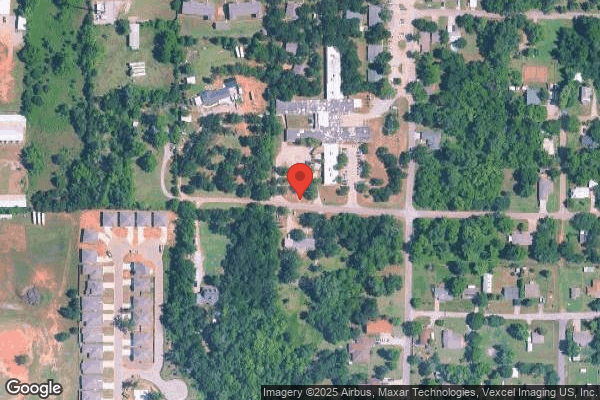
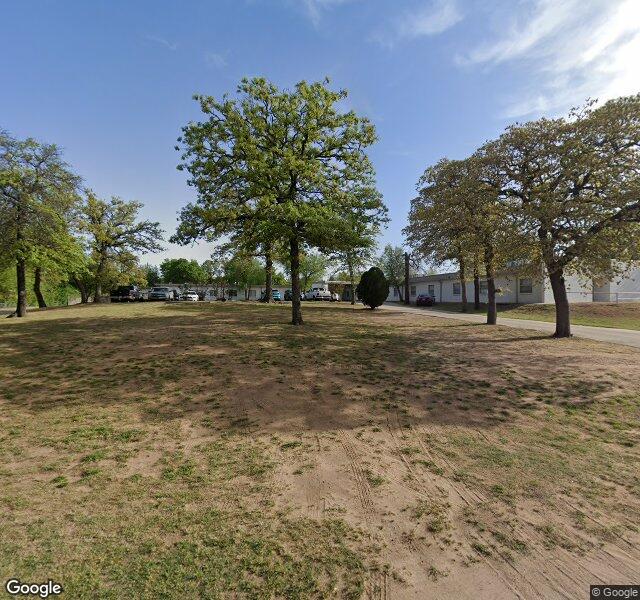
1100 WEST GEORGIA, JONES, OK 73049 (405) 400-2295
For profit - Limited Liability company 160 Beds Independent Data: November 2025 2 Immediate Jeopardy citations
Trust Grade
0/100
#251 of 282 in OK
Last Inspection: January 2025

Within standard 12-15 month inspection cycle. Federal law requires annual inspections.

Overview

Oak Hills Living Center has received an F grade, indicating significant concerns about the quality of care. Ranking #251 out of 282 facilities in Oklahoma means they are in the bottom half, and they are #33 out of 39 in Oklahoma County, suggesting very limited local options. The facility is worsening, with issues increasing from 11 in 2024 to 15 in 2025. Staffing is a concern, with a rating of 2 out of 5 stars and a turnover rate of 66%, much higher than the state average. Moreover, they have incurred $116,800 in fines, which is higher than 89% of other facilities in Oklahoma, indicating repeated compliance problems. While they have average RN coverage, recent inspector findings raised serious alarms, including incidents of physical abuse between residents and failures in wound care management that led to actual harm for some residents. Overall, while there are some staffing resources, the facility's significant deficiencies and troubling incidents suggest families should carefully consider their options.

Trust Score
F
0/100
In Oklahoma
#251/282
Bottom 11%
Safety Record
High Risk
Review needed
Inspections
Getting Worse
11 → 15 violations
Staff Stability
⚠ Watch
66% turnover. Above average. Higher turnover means staff may not know residents' routines.
Penalties
✓ Good
$116,800 in fines. Lower than most Oklahoma facilities. Relatively clean record.
Skilled Nurses
⚠ Watch
Each resident gets only 13 minutes of Registered Nurse (RN) attention daily — below average for Oklahoma. Fewer RN minutes means fewer trained eyes watching for problems.
Violations
⚠ Watch
35 deficiencies on record. Higher than average. Multiple issues found across inspections.
★☆☆☆☆
1.0
Overall Rating
★★☆☆☆
2.0
Staff Levels
★☆☆☆☆
1.0
Care Quality
★☆☆☆☆
1.0
Inspection Score
Stable
2024: 11 issues
2025: 15 issues

The Good

  • Full Sprinkler Coverage · Fire safety systems throughout facility
  • No fines on record

Facility shows strength in fire safety.

The Bad

1-Star Overall Rating

Below Oklahoma average (2.6)

Significant quality concerns identified by CMS

Staff Turnover: 66%

20pts above Oklahoma avg (46%)

Frequent staff changes - ask about care continuity

Federal Fines: $116,800

Well above median ($33,413)

Significant penalties indicating serious issues

Staff turnover is elevated (66%)

18 points above Oklahoma average of 48%

The Ugly 35 deficiencies on record

2 life-threatening 1 actual harm
Sept 2025 1 deficiency 1 IJ
CRITICAL (J) 📢 Someone Reported This

A family member, employee, or ombudsman was alarmed enough to file a formal complaint

Immediate Jeopardy (IJ) - the most serious Medicare violation

Free from Abuse/Neglect (Tag F0600)

Someone could have died · This affected 1 resident

On 09/18/25 at 1:23 p.m., a past non-compliance Immediate Jeopardy (IJ) situation was determined to exist related to the facility's failure to protect residents from physical abuse. Resident #2 was in...

Read full inspector narrative →
On 09/18/25 at 1:23 p.m., a past non-compliance Immediate Jeopardy (IJ) situation was determined to exist related to the facility's failure to protect residents from physical abuse. Resident #2 was involved in an altercation with Resident #1 resulting in a fist fight and Resident #1 falling to the ground. Resident #2 continued to sit on and hit Resident #1. Resident #1 lost their balance during the altercation and fell to the floor resulting in a fracture of their left femur.Based on record review and interview, the facility failed to ensure a resident was protected from physical abuse inflicted by another resident for 1 (#1) of 4 sampled residents reviewed for abuse.The administrator identified 117 residents resided in the facility.Findings:An undated facility policy titled Abuse and Neglect Policy, read in part, The Abuse/Neglect Policy of this facility will be implemented to ensure all residents entrusted in our care will be free from mental, verbal, or physical abuse. It is our goal to provide quality care to our residents.1. An undated diagnoses report showed Resident #1 had diagnosis which included displaced intertrochanteric fracture of left femur.Resident #1's quarterly assessment, dated 08/08/25, showed Resident #1 had a BIMS score of 8, which indicated moderately impaired cognition and the resident was independent with sit to stand transfers.A nursing note, dated 09/01/25 at 11:47 p.m., read in part, [Resident #1] had fight with [Resident #2] at TV area. [Resident #1] was beaten by [Resident #2]. [Resident #1] was in w/c before [they] were attacked. It was reported that [they] hit [Resident #2] which [led] to [them] being attacked.A Quality Assurance & Performance Improvement form, dated 09/01/25, showed the residents were separated and assessed. Family, physician, Adult Protective Services, law enforcement, and the DON were notified of the incident. Interviews and safe surveys were completed. In-services were conducted.An Oklahoma State Department of Health final report, for an incident dated 09/02/25, showed Resident #1 observed to be in altercation with Resident #2. Resident #2 was on the floor hitting Resident #1 in different parts of the body. Resident #2 was throwing objects at Resident #1. Staff intervened. Emergency transport was called. The police department was called. Resident #2 had scrapes that were cleaned and dressed. Resident #1 was sent to the emergency room to be evaluated. Resident #2 was placed on every 15-minute checks. Resident #2 was transferred to a mental health facility for psychiatric evaluation and treatment. Resident #1 was sent to the emergency room following the altercation due to complaints of left leg pain after losing their balance during the altercation and falling on their left side. Evaluation confirmed a left femur fracture, and surgical repair was completed.A Every 15-minute Safety Monitoring form, initiated on 09/02/25 at midnight, showed Resident #2 remained on monitoring until 09/04/25 at 5:45 p.m.Resident #1's care plan, revised on 09/05/25, read in part, [Resident #1] had fight with [Resident #2] at TV area. Resident #1 was beaten by [Resident #2]. [Resident #1] was in w/c before [they] were attacked. It was reported that [they] hit [Resident #2] which [led] to [them] being attacked.On 09/17/25 at 11:38 a.m., Resident #1 stated Resident #2 came from behind and started hitting them in the face. Resident #1 stated they went to the ground and hurt their leg.09/17/25 at 11:40 a.m., Resident #1 stated they did not know why Resident #2 hit them, as they were just sitting there watching television when it happened. 2. An undated diagnoses report showed Resident #2 had diagnoses which included anxiety (onset date 06/01/25) and major depressive disorder (onset date 07/05/24).Resident #2's quarterly assessment, dated 07/16/25, showed the resident had a BIMS score of 12, which indicated moderate cognitive impairment.A nursing note, dated 09/01/25, showed at approximately 9:20 p.m. Resident #2 was observed to be in an altercation with Resident #1 and was observed to be on the floor in the day room with Resident #2 striking Resident #1 in different areas of the body.A nursing note, dated 09/04/25, showed Resident #2 was transferred to a mental health facility at approximately 5:30 p.m.Resident #2's care plan, revised on 09/05/25, read in part, [Resident #2] observed to be in an altercation with [Resident #1] and was observed to be on the floor in the day room with [Resident #1] striking [Resident #1] in different areas of [their] body. Resident [#2] was continuing to be confrontational even after staff intervened.At the time of exit Resident #2 remained out of the facility.An In-Service Topic form, dated 09/08/25, showed the facility conducted a behavior management in-service with all staff.An In-Service Topic form, dated 09/08/25, showed the facility conducted an assessing psychosocial effects in-service and a timely reporting in-service with staff.An In-Service Topic form, dated 09/09/25, showed the facility conducted a response to resident-to-resident in-service with staff.On 09/17/25 at 1:32 p.m., the administrator stated the process for involving QAPI was to put interventions in place immediately and discuss during the QAPI meeting. They stated all incidents were discussed in their morning stand up meeting. They stated they attached an incident review report to each incident. The administrator stated the report was a QAPI tool.On 09/18/25 at 9:29 a.m., licensed practical nurse #1 stated there was a fist fight. They stated Resident #1 was on the floor and Resident #2 continued to punch Resident #1.On 09/18/25 at 10:51 a.m., the DON stated there had been no behavior management training prior to 09/05/25.On 09/18/25 at 10:57 a.m., the administrator stated the incident between Resident #1 and Resident #2 happened in the day area. They stated Resident #1 always sat in that area. They stated Resident #1 had stood up at their chair and Resident #2 walked into the area and the two residents started to fight. They stated a CNA came to the area and broke up the fight.On 09/18/25 at 12:19 p.m., CNA #2 stated the facility had provided abuse training after the above incident.On 09/18/25 at 12:41 p.m., CNA #3 stated the facility provided a lot of abuse training. They stated the last abuse training was the week of 09/08/25.
Mar 2025 1 deficiency
CONCERN (D) 📢 Someone Reported This

A family member, employee, or ombudsman was alarmed enough to file a formal complaint

Potential for Harm - no one hurt, but risky conditions existed

Deficiency F0602 (Tag F0602)

Could have caused harm · This affected 1 resident

Based on record review and interview, the facility failed to ensure a resident's personal funds were not misappropriated for 1 (#4) of 4 sampled residents reviewed for abuse. The assistant director of...

Read full inspector narrative →
Based on record review and interview, the facility failed to ensure a resident's personal funds were not misappropriated for 1 (#4) of 4 sampled residents reviewed for abuse. The assistant director of nursing identified 112 residents resided in the facility. Findings: An undated Abuse and Neglect policy, read in part, no resident shall be subject to abuse. Resident #4 had diagnoses which included bipolar and anxiety. An Incident Report Form, dated 03/12/25, read in part, Reported to this admin [administrator] by SSD [social service director]. Resident called [their] card and realized the balance was very low and stated [they] should have about $1000 .Resident then stated, 'I should have never given [CNA #5] my card [SSI debit card]' .Various charges noted today: [nail salon] $145, [gas station] $70, 2 ATM [automated teller machine] withdrawals $43 and $62, [cell phone carrier] $74. On 03/13/25 at 1:20 p.m., Resident #4 stated a couple of months ago, CNA #5 asked if they could borrow some money. They stated CNA #5 knew they received SSI. Resident #4 stated they gave CNA #5 the card and told them they could use it for gas and groceries, but that was not what it was used for. On 03/17/25 at 10:25 a.m., Resident #4 was asked if they got their nails done. They stated, No. Resident #4 was asked if they paid a bill to a phone carrier. They stated, No. Resident #4 was asked if they made purchases at the grocery store. They stated they loved the grocery store, but did not get to go there. On 03/17/25 at 10:40 a.m., the administrator stated a medication aide let Resident #4 use their phone to order food. The administrator stated Resident #4 checked the last few transactions made on the SSI debit card and knew some of the charges were not made by them. The administrator was asked what the policy was for misappropriation. They stated, Termination, it's a form of abuse.
Jan 2025 13 deficiencies 1 IJ
CRITICAL (J) 📢 Someone Reported This

A family member, employee, or ombudsman was alarmed enough to file a formal complaint

Immediate Jeopardy (IJ) - the most serious Medicare violation

Free from Abuse/Neglect (Tag F0600)

Someone could have died · This affected 1 resident

On 01/17/25, an Immediate Jeopardy (IJ) situation was determined to exist related to the facility's failure to ensure Resident #18 was free from abuse by not implementing company policy and procedures...

Read full inspector narrative →
On 01/17/25, an Immediate Jeopardy (IJ) situation was determined to exist related to the facility's failure to ensure Resident #18 was free from abuse by not implementing company policy and procedures. This resulted in Resident #18 experiencing psychosocial harm. A nursing note, dated 12/25/24 at 9:39 a.m., read in part, [Resident #18] was observed walking down 400 hallway. [Resident #54] got mad and started ranting saying that,I will stub them because they didn't like that particular resident. The note also read, [Resident #54] pulled out a rail road track nail with the gestures of attacking [Resident #18]. The note also read, This Nurse yelled for help along side the Nurse aide who was close and witnessed they rushed to intercept and prevent any possible attack to the [Resident #18] who was asked to go back in their room. [Resident #54] did not succeed and the DON with another Nurse managed to retrieve the track nail from [Resident #54]. On 01/14/25 at 2:32 p.m., the DON was asked about reporting abuse according to company policy and procedures for the 12/25/24 note. They stated they did not believe it was resident abuse because Resident #54 was on hall 400 and Resident #18 was sent another hall. On 01/15/25 at 9:32 a.m., the DON was asked about company policy and procedures for reporting of the 12/25/24 note. They stated, It's an behavioral incident. No documentation was reported at the time of the incident. According to policy it should have been reported. On 01/16/25 at 10:23 a.m., CNA #1 was asked about the 12/25/24 note. They stated, [Resident #54] was the instigator. I feel like [they] overheard that [they] was flirting. [Resident #54] started walking towards [them] and said I'm going to beat [Resident #18] ass. Then [they] was moved to hall one. On 01/16/25 at 11:41 a.m., Resident #18 was asked about the 12/25/24 incident. They stated, I remember everything and everyday. [Resident #54] yelled at me and was trying to get me to fuss and fight. I tried to avoid [Resident #54] but, I felt nervous and unsafe. On 1/17/25 at 4:20 p.m., the Oklahoma State Department of Health was notified and verified the existence of the IJ situation. On 1/17/25 at 4:34 p.m., the administrator and DON were notified of the immediate jeopardy situation and was provided the IJ template. On 1/21/25 at 8:12 a.m., an acceptable plan of removal was approved by the Oklahoma State Department of Health. The plan of removal documented, Plan of removal for abuse, neglect and exploitation. 1. On 12/27/24 resident #54 had a Risk Management Agreement put into place due to resident consuming alcohol outside of facility and returning to facility becoming agitated and verbally aggressive. The resident has had no further behaviors since 12/25/24. 2. Psych Consult (Millennium) notified of residents past aggressive and verbal behaviors when under the influence. PA conducted a Tele Med evaluation 1/17/25 and noted no behaviors since 12/25/24 and resident has not exhibited any threatening or aggressive behaviors at this time. 3. On 1/15/25 residents' primary care physician documented that resident is not a threat to [them] or others and has not been in the past month. How will the facility ensure that other residents, outside of hall 400, are safe? 4. Resident has been placed on Q15 minute behavior monitoring and if any aggressive behaviors are noted resident will be placed on 1:1 monitoring until aggressive behaviors subside. What are the details of in-servicing nursing staff? Is this licensed nurses, nurse aides, all staff, etc? 5. In-service conducted with nursing staff (to include nurses, med aides, and CNA', as well as other departments.) over Abuse and Neglect and management of aggressive residents was completed on 12/28/24 and again on 1/17/25. All other nursing staff not present will be in-serviced before working their next shift. Agency has been notified of the in-service required and materials have been provided. They will in-service any contract staff that work at Oak Hills before their next shift scheduled. 6. The Administrator, DON, and ADON's have been in-serviced over recognizing mental and verbal abuse and the Incident Reporting and Investigation Policy. 7. Resident #18 has been moved to a different hall to create distance between [them] and resident #54 per [their] request when interviewed. 8. Safe Surveys have been conducted on hall 400 and throughout the building randomly. No other residents have any complaints or concerns. 9. Resident 54 care plan updated accordingly. On 01/21/25 at 11:33 a.m., after interviews with the facility staff, review of resident safe surveys, and in-services on abuse, the immediacy was lifted. The deficient practice remained at a potential for more than minimal harm. Based on record review and interview, the facility failed to ensure a resident was protected from resident to resident abuse for one (#18) of three sampled residents reviewed for abuse. The administrator identified 114 residents in the facility. Findings: An undated Abuse and Neglect policy, read in part, w. Following the initial verbal investigation, the Administrator will take written statements from all employees, residents, any witness if any, and will determine action to be taken. The policy also read, The Abuse/Neglect of this facility will be implemented to ensure all residents entrusted in our care will be free from mental, verbal, or physical abuse. An undated document titled, Things Residents Don't Need or Should Avoid, read in part, 11. Residents are encouraged not to consume ALCOHOLIC BEVERAGES or use of any DRUGS NOT ORDERED BY THE PHYSICIAN. The facility may obtain a physician's order for alcohol use as physician deems appropriate either routine or for special activities. If any outside drug or alcohol use is suspected, nurse should monitor resident's condition and notify physician as indicated. The Unusual Occurrence policy, revised 12/2007, read in part, 3. A written report detailing the incident and actions taken by the facility after the event shall be sent or delivered to the state agency (and other appropriate agencies as required by law) within (48) hours of reporting the event or as required by federal and state regulations. 1. Resident #18 had a diagnoses which included unspecified schizophrenia. A quarterly assessment, dated 11/22/24, documented the resident's cognition was moderately impaired. On 01/16/25 at 11:41 a.m., Resident #18 was about the 12/25/24 incident. They stated, I remember everything and everyday. [Resident #54] yelled at me and was trying to get me to fuss and fight. I tried to avoid [Resident #54], but I felt nervous and unsafe. A annual assessment, dated 11/24/24, documented the resident's cognition intact. An admission Packet, signed by Resident #54 on 11/17/22, read in part, [DRUG FREE AND HEALTH CARE CENTER POLICY] It is the policy of this facility to provide a safe environment that promotes the welfare of its residents, associates and visitors. Substances and alcohol abuse threatens the quality of patient care and the safety of our residents and associates. This facility therefore, will maintain a drug and alcohol free Health Care Center policy. A physician's order, dated 04/10/24, read in part, May consume alcoholic beverages unless otherwise contraindicated .Status Discontinued . End Date 04/26/24 .Revision Date. A nursing note, dated 04/03/24, read in part, This nurse heard screaming and yelling, I ran to the front and saw resident [Resident #54] yelling in residents' face and attempted to hit them, staff intervened and separated both residents. [Resident #54] smelled of alcohol. Residents were separated by staff, res continued to be combative, yelling and attempting to attack other residents. Resident escorted to room, police notified. Police arrived and calm resident down for a few minutes, resident then ran back into TV and continued to make threatening remarks towards and other residents. A behavior note, dated 07/04/24, read in part, while I was in [Resident #54] room tending to [their]roommate [Resident #54] became irate yelling about the staff not taking care of [them] and catering to [their] roommate. I attempted to talk to resident to alleviate [their] concerns when I smelled alcohol on [their] breath. Resident continued to fuss and cuss with a raised voice and followed me into the hallway calling me bitches and yelling fuck you and accusing the 3-11 staff for killing all the residents that have passed. I tried to reason with resident but they became worse. A nursing note, dated 08/02/24, read in part, [Resident #54] was drunk and belligerent. angrily kicking and punching doors, walls and other objects in the hall. Running into other residents' rooms and threatening them. Waking up residents and taking them to their room, cussing and threatening staff. A behavior note, dated 08/13/24, read in part, [Resident #54] drunk and is screaming and cussing and trying to pick a fight with the other residents. A nursing note, dated 11/02/24, read in part, [Resident #54] signed self out on 7-3 shift, returned to facility around 3p.m. being loud yelling at staff members calling them names, several staff members smelt alcohol on residents breath. A annual assessment, dated 11/24/24, documented the resident's cognition intact. A Care Plan, dated 12/02/24, read in part, [Resident #54] is at risk for behavior problems. [Resident #54] has hx (history) of consuming mouthwash containing alcohol as well as signing self out the facility to obtain alcohol becoming intoxicated. The care plan also read, Intervene as necessary to protect the rights and safety of others. Approach/Speak in a calm manner. Divert attention. Remove from situation and take to alternate location as needed. A behavior note, dated 12/03/24, read in part [Resident #54] is drunk starting trouble with another resident and staff, threatening to beat them up, kicking and banging on their door, yelling threats and accusations up and down the hall. A nursing note, dated 12/25/24 at 9:39 a.m., read in part, [Resident #18] was observed walking down 400 hallway. [Resident #54] got mad and started ranting saying that,I will stub them because they didn't like that particular resident. The note also read, [Resident #54] pulled out a rail road track nail with the gestures of attacking [Resident #18]. The note also read, This Nurse yelled for help along side the Nurse aide who was close and witnessed they rushed to intercept and prevent any possible attack to the [Resident #18] who was asked to go back in their room. [Resident #54] did not succeed and the DON with another Nurse managed to retrieve the track nail from [Resident #54]. There were no new interventions implemented after the incident on 12/25/24. On 01/15/25 at 9:32 a.m., the DON was asked about the company policy and procedure for the 12/25/24 note. They stated, It's an behavioral incident. No documentation was reported at the time of the incident. According to policy it should have been reported. On 01/15/25 at 9:37 a.m., the director of clinical care was asked about behaviors in the 12/03/24 behavior note. They stated, It is an pattern of behavior. On 01/15/25 at 9:38 a.m., the DON was asked about the company policy and procedures for the 12/03/24 behavior note. They stated, I was unaware of the situation and its been reported that [Resident #54] drinks mouthwash to get drunk. On 01/15/25 at 9:58 a.m., the director of clinical care was asked about the company policy and procedures for the 11/02/24 nursing note, they stated, They should have put it in the Spectrum binder, so they can notify the PA. On 01/15/25 at 10:04 a.m., the DON was asked about the company policy and procedures for the 08/02/24 note. They stated, No incident report was done for 08/02/24. On 01/15/25 at 10:05 a.m., the DON was asked about the company policy and procedures for resident protection. They stated, We usually put it in a care plan. On 01/15/25 at 10:17 a.m., the director of clinical care was about the company policy and procedures concerning the 08/02/24 note. They stated, The way it's stated in the nursing notes, yes. It's vague. It should have been reported as alleged abuse. On 01/15/25 at 10:18 a.m., the DON stated, The 08/02/24 incident, I take it as two different situations. On 01/15/25 at 10:19 a.m., the DON was asked about the company policy on incident reporting for the 08/02/24 behavior note. They stated an incident report should have been done. On 01/15/25 at 10:22 a.m., the director of clinical care was asked about incident reporting procedures according to policy for the 08/02/24 note. They stated, An incident report should have been done. On 01/15/25 at 1:31 p.m., a revised care plan for Resident #54 was received on 01/15/25 at 1:31 p.m. by the regional nurse. The undated care plan, read in part, [Resident #54] is at risk for behavior problems. [Resident #54] has a hx (history) of consuming mouthwash containing alcohol as well as signing self out of facility to obtain alcohol becoming intoxicated. Has a history of pan handling for money. [Resident #54] can become verbally and physically aggressive to staff and peers. [Resident #54] is known to kick walls and other things when angry or intoxicated. [Resident] typically goes back to the resident he was angry with and will apologize to them for his behavior. On 01/16/25 at 10:23 a.m., CNA #1 was asked about the 12/25/24 note. They stated, [Resident #54] was the instigator. I feel like [they] overheard that [they] was flirting. [Resident #54] started walking towards [them] and said I'm going to beat [Resident #18] ass. Then [they] was moved to hall one. On 01/16/25 at 11:41 a.m., Resident #18 was asked about the 12/25/24 incident. They stated, I remember everything and everyday. [Resident #54] yelled at me and was trying to get me to fuss and fight. I tried to avoid [Resident #54], but I felt nervous and unsafe. On 01/17/25 at 9:39 a.m, the DON was asked about the 08/02/24 note. They stated the note read, [Resident #54] is drunk and belligerent and No labs or breathalyzers were used to confirm this statement. On 01/17/25 at 9:41 a.m., the DON was asked about policy and procedures for residents who consume alcohol concerning the 08/02/24 note. They stated, We don't have a policy for breathalyzers. I cannot confirm this happened! That's someone's opinion. On 01/17/25 at 9:54 a.m., LPN #5 was asked about reporting abuse according to company policy, They stated, Ensure the resident is safe and report it immediately to my superior that day and document. On 01/17/25 at 9:55 a.m., LPN #5 was asked about alcohol consumption of residents according to policy. They stated, Alcohol, its not allowed, its not encouraged, we would have to doctors orders to see what kind of meds they are taking. On 01/17/25 at 9:56 a.m., LPN #5 was asked about identified concerns related to alcohol consumption with residents. They stated they would report the use of alcohol to nursing leadership. On 01/17/25 at 9:57 a.m., the DON was about Resident #54's signed admission packet and alcohol consumption. They stated, If they sign out and go drink the facility can't control it. [Resident #54] was notorious for drinking mouthwash. On 01/17/25 at 9:57 a.m., the regional nurse was asked about Resident #54's alcohol consumption according to company policy and procedures. They stated, Things residents don't need or should avoid policy, number 11. We are going to put update the careplan. We are not a treatment center. On 01/17/25 at 9:58 a.m., the administrator was asked about the company policy and procedures for incident reporting. They stated, Have we addressed it promptly? Probably not. On 01/17/25 at 11:15 a.m., the director of clinical care was asked about incident reporting according to company policy. They stated, According to Abuse/Neglect Policy and Unusual Occurrence policy it (facility reported incident) should have been submitted within two hours. On 01/17/25 at 11:16 a.m. the clinical director of client care was asked about identifying unsafe residents in the 12/03/24 behavior note. They stated, No. On 01/17/25 at 11:17 a.m., the DON was asked to identify unsafe residents in the 12/03/24 behavior note. They stated, No. On 01/17/25 at 11:18 a.m., the DON was asked if an investigation was done according to company policy and procedures for the 12/03/24 behavior note. They stated, No. On 01/17/25 at 11:26 a.m., the director of client care was asked about identifying abuse according to company and procedure and identifying psychological harm. They stated,During the event of some these incidents they were not safe.
SERIOUS (G)

Actual Harm - a resident was hurt due to facility failures

Quality of Care (Tag F0684)

A resident was harmed · This affected 1 resident

Based on observation, record review, and interview, the facility failed to ensure: a. wound care was provided as ordered for two (#12 and #57); b. care was coordinated for a non pressure wound for one...

Read full inspector narrative →
Based on observation, record review, and interview, the facility failed to ensure: a. wound care was provided as ordered for two (#12 and #57); b. care was coordinated for a non pressure wound for one (#12); c. an order was obtained prior to providing wound care to a resident's wound for one (#12); d. the nurse was notified when the dressing of a wound became dislodged for one (#12); e. staff documented changes in the resident's skin before leaving for the day for one (#12); and f. treatment orders were obtained at the time a new wound was identified for one (#12) of four sampled residents reviewed for non pressure skin conditions. This resulted in actual harm when Resident #12's left gluteal fold wound increased in size after the facility failed to provide treatment as ordered. The administrator identified 114 residents resided in the facility. The DON identified 10 residents with non pressure wounds resided in the facility. Findings: A Wound Care policy, revised 10/2010, read in parts, Verify that there is a physician's order for this procedure .The following information should be recorded in the resident's medical record .They type of wound care given .The date and time the wound care was given .The name and title of the individual performing the wound care .Any change in the resident's condition .All assessment data .obtained when inspecting the wound If the resident refused the treatment and the reason .The signature and title of the person recording the data. 1. Resident #12 had diagnoses which included vasculitis, MASD to the left gluteal fold, full thickness friction/ shear wound of right thigh, bipolar disorder, and schizoaffective disorder. A Physician Order, dated 12/19/24, documented to cleanse left gluteal fold with ns, pat dry, apply calcium alginate, cover with dry dressing daily and prn. The above order did not transfer onto the December 2024 or January 2025 MAR/TAR. There was no documentation this gluteal fold wound care was provided in December 2024 or January 2025. A Wound Progress Note, dated 01/02/25, documented the resident had, a. partial thickness vasculitis wound to their right lower leg that measured 13.5cm length x 4cm width x 0.1cm depth, b. a partial thickness vasculitis wound to their left lower leg that measured 0.7cm length x 0.7cm width x 0.1cm depth, and c. full thickness MASD to their left gluteal fold that measured 0.4cm length x 0.3cm width x 0.1cm depth. A Wound Progress Note, dated 01/09/25, documented the resident had, a. partial thickness vasculitis wound to their right lower leg that measured 19.5cm length x 7cm width x 0.1cm depth, b. partial thickness vasculitis wound to their left lower leg that measured 12.5cm length x 2cm width x 0.1cm depth, c. full thickness MASD to their left gluteal fold that measured 3cm length x 2cm width x 0.1 cm depth, and d. full thickness friction/shear to their right thigh (initial encounter) that measured 1.5cm length x 2cm width x 0.1cm depth. The note did not document the resident had any wounds to their feet. The note was signed by the wound NP. A Physician Order, dated 01/09/25, documented to cleanse bilateral lower leg with ns, pat dry, apply xeroform, ABD pad, and rolled gauze wrapped loosely daily and prn. A Physician Order, dated 01/09/25 with a start date 01/11/25, documented right inner thigh: cleanse with ns, pat dry, apply xeroform to wound bed, cover with dry dressing Tuesday, Thursday, and Saturday. The 24 hour report book for Resident #12's hall did not document the new wound to Resident #12's right thigh was communicated. The 24 hour report book did not communicate the wounds to Resident #12's feet were communicated when LPN #2 was made aware of the concern on 01/10/25. A Physician Order, dated 01/14/25, documented to cleanse wounds to bilateral foot with normal saline, pat dry, apply silver alginate to areas with purulent drainage, cover non-purulent area with Vaseline gauze, wrap with rolled gauze, daily and as needed. There was no documentation related to the condition of the resident's wounds to their bilateral feet in the clinical record prior to the surveyor observing wound care on 01/14/25. On 01/14/25 at 10:28 a.m., LPN #2 entered Resident #12's room to provide wound care. LPN #2 was observed telling Resident #12 I can't touch your feet until wound care looks at it Thursday. Resident #12 was observed with dressings to her bilateral feet. There was no date observed on the dressings. LPN #2 stated it was their fault, and that they had completed the dressing change on 01/13/25 with the hospice nurse. LPN #2 stated they could not touch the resident's feet until wound care evaluated them. LPN #2 stated hospice did not want them to be messed with until they were evaluated. There was no dressing observed on Resident #12's left leg. LPN #2 stated it was supposed to be there. LPN #2 stated stated it was there yesterday. On 01/14/25 at 10:38 a.m., Resident #12 was observed with dressings to their bilateral feet. There was a red brown soilage observed on the underside of the resident's left foot. 01/14/25 at 10:51 a.m., LPN #2 stated the wound care to Resident #12's lower legs were to be completed every morning. LPN #2 stated the wounds would go back and forth with healing. LPN #2 stated the resident's skin was very thin. On 01/14/25 at 10:54 a.m., LPN #2 stated it was their understanding the hospice shower aide took Resident #12's sock off and the skin came off the left foot. LPN #2 stated both feet were just kind of raw and really flaky. They stated staff had been putting Aquaphor on the resident's legs for months. LPN #12 stated the issue with the resident's feet occurred Friday 01/10/25. They stated they received an order to treat the feet yesterday (01/13/25) to put silver alginate and xeroform on it. LPN #2 stated the order came from hospice, and LPN #2 helped the hospice nurse with dressing the resident's feet yesterday. LPN #2 stated hospice did not want Resident #12's feet messed with until the wound doctor could evaluate them. LPN #2 stated the undated dressings had been on the resident's feet since yesterday. LPN #2 was asked about the soilage on the resident's left foot dressing. LPN #2 stated they could change it and let hospice know they had to change it. LPN #2 stated hospice had cultured the wounds yesterday. LPN #2 stated when the hospice aide had removed Resident #12's sock, they stated the resident's skin stuck to the sock. LPN #2 stated it was just the top layer of the resident's foot like a flesh wound. LPN #2 stated they cleaned the area with normal saline, and yesterday when they were looking at it, there was some on the bottom as well. LPN #2 stated on Friday they had cleaned the area and covered it with a four by four. LPN #2 was asked if the doctor was notified and was an order received for the wound care they provided to this area on Friday. LPN #2 stated they texted the resident's hospice but, I don't know if they came out because it happened at 2:45 3:00 o'clock. There was no documentation an order was obtained to provide wound care to the resident's feet until 01/13/25. On 01/14/25 at 11:05 a.m., LPN #2 stated they were not aware of a wound on the resident's right inner thigh. LPN #2 looked in the computer and stated they did need to complete wound care to the resident's right thigh. LPN #2 stated the order had come in on the 11th and that was the reason they did not see it because it was for Tuesdays, Thursdays, and Saturdays. LPN #2 stated today was the first day they would be doing it. They stated usually staff wound report changes related to residents during shift change and wound document it in the report book as well. LPN #2 stated no one had reported this wound to them. On 01/14/25 at 11:07 a.m., LPN #2 walked over to the report book, flipped through the 24 hour report sheets, and stated staff did not document the new wound to the resident's right inner thigh in the book. On 01/14/25 at 11:08 a.m., LPN #2 stated they knew Resident #12 had a wound to the left gluteal fold in the past, but it had healed. LPN #2 stated they saw the order in the resident's record, but it was not showing up on the MAR to complete. LPN #2 stated the wound care to the left gluteal fold was supposed to be completed every day shift. LPN #2 stated the last time they had completed wound care to the area would have been in December. On 01/14/25 at 11:13 a.m., LPN #2 stated ADON #1 made wound rounds with the wound team and would let staff know if there were changes. They stated ADON #1 would also put new orders in for the wound care when needed. On 01/14/25 at 11:16 a.m., LPN #2 stated the wound NP measured resident wounds weekly on Thursdays. On 01/14/25 at 12:33 p.m., Resident #12 was observed in the main dinging area seated in their wheelchair. There was bright red soilage observed on the resident's left foot that continued over the lateral side. On 01/14/25 at 12:36 p.m., LPN #2 stated they would see if the resident would allow a dressing change to their feet after lunch. They stated there were activities from two to four the resident would not want to miss. On 01/14/25 at 1:09 p.m., the DON stated apparently Resident #12 had a stage two pressure ulcer that resolved on the left gluteal fold. The DON stated then the left gluteal fold wound came back. They stated when staff put the new order in, they put it under TAR and marked no documentation required. The DON stated the wound care had been being done, but they had no documentation to support this. The DON stated from 12/19/24 to present, there was no documentation the wound care was completed on the TAR. The DON stated there was no documentation the wound care was provided. On 01/14/25 at 2:03 p.m., ADON #1 stated if a resident experienced a change in their skin condition, staff would notify ADON #1 or get an order from the wound care NP. ADON #1 stated if staff let them know, they would notify the wound care NP. On 01/14/25 at 2:04 p.m., ADON #1 stated they made rounds with the wound care NP weekly on Thursday. On 01/14/25 at 2:05 p.m., ADON #1 stated whoever rounded with the wound care provider was responsible for putting the new orders in. On 01/14/25 at 2:06 p.m., ADON #1 stated the nurses on the floor were responsible for providing wound care. ADON #1 stated when there were changes, they would put the order into the electronic record, and then printed the new order out, and placed it at the nurses' station. On 01/14/25 at 2:09 p.m., ADON #1 stated the left gluteal fold was MASD and the right thigh was a shear wound. They stated the gluteal fold was to receive wound care daily and the right thigh was Tuesdays, Thursdays and Saturdays. On 01/14/25 at 2:12 p.m., ADON #1 stated they were off when the left gluteal fold wound care started on 12/19/24. They stated the staff member had put it in without requiring documentation. On 01/14/25 at 2:14 p.m., ADON #1 stated the wound care NP saw the resident on 01/09/25 and started wound care for the resident's left thigh. On 01/14/25 at 2:15 p.m., ADON #1 stated they should have put the new wound on the report sheet. On 01/14/25 at 2:29 p.m., Resident #12 was observed in the main dining area with a red tinged dressing present to their left foot. Resident #12 did not permit the dressing change to their feet prior to the surveyors leaving on 01/14/25. On 01/15/25 at 10:08 a.m., LPN #2 stated they did not document the findings of Resident #12's skin to their feet after the event involving the hospice aide removing the resident's socks and the skin coming off. LPN #2 stated they were on their way out and forgot to put a note it. LPN #2 stated they remembered what the feet looked like, but they did not put a note in at the time. LPN #2 stated they put a note in yesterday because their supervisor had informed them they did not document it, so they completed a late entry. On 01/15/25 at 10:14 a.m., LPN #2 stated they were a new nurse and might have the policy wrong. They stated to their understanding they were supposed to contact the hospice nurse to get orders from them. LPN #2 stated with wounds they usually told the hospice nurse and they usually told ADON #1. They stated on Friday they were running out of the facility and it was their fault. They stated normally on wounds they would tell ADON #1 and they would contact the wound care doctor. LPN #2 stated on Friday, they dropped the ball. LPN #2 stated the wound was superficial and there was nothing on the bottom. On 01/15/25 at 12:14 p.m., LPN #2 and CNA #4 turned Resident #12 to their right side for wound care. There was no dressing present to the resident's left gluteal fold. LPN #2 stated, There is not even a bandage on it, so it probably came off when they changed it. LPN #2 stated normally when a bandage came off, staff would inform the nurse so they could replace it. LPN #2 stated they were not informed the bandage had come off. On 01/15/25 at 12:16 p.m., Resident #12's left gluteal fold was observed to have an open area with red beefy skin present with light pink tissue surrounding the edges of the wound. The wound appeared to be approximately a half dollar in size. On 01/15/25 at 12:19 p.m., LPN #2 placed the 2 inch x 2 inch calcium alginate dressing over the left gluteal fold wound which barely covered the edges of the wound. On 01/15/25 at 12:27 p.m., the DON stated they would have to get the facility policy for what do do if staff identified a change in the resident's skin. On 01/15/25 at 1:14 p.m., the DON chose for the surveyor to ask policy questions in the presence of the regional clinical director, the administrator, the regional nurse. On 01/15/25 at 1:16 p.m., the regional clinical director stated if a resident had a brand new wound, the staff wound notify the provider. They stated if the resident was an established wound care provider patient, they would call and notify them. On 01/15/25 at 1:18 p.m., the regional clinical director stated if the resident was a hospice resident and there was a change in the resident's skin, they would notify the hospice provider or nurse. On 01/16/25 at 8:11 a.m., the wound NP stated they came every Thursday and saw Resident #12. They stated the resident was paralyzed and stiff with a lot of autoimmune issues like vasculitis on their lower legs. They stated the leg wounds responded well to xeroform. They stated the resident had a suprapubic catheter that did not always fit well and contributed to MASD in the folds and buttocks. They stated staff had a difficult time turning the resident. They stated the buttock wounds usually healed rather quickly. They stated they believed the left gluteal fold was treated with calcium alginate and an ABD and was changed they believed three times a week, but probably more due to wetness. They stated the resident was recently put back on hospice. They stated before they left on Thursdays, a spread sheet was provided to the facility related to wounds. On 01/16/25 at 8:17 a.m., the wound NP stated they believed the resident's catheter had rubbed their right thigh causing the wound. The wound NP stated the resident did refuse wound care at times and the resident had the right to do so. The wound NP reviewed the measurements of the gluteal fold and stated it had gotten worse when comparing the last two weeks. On 01/16/25 at 8:20 a.m., the wound NP stated they spoke with ADON #1 on Tuesday who reported the resident had broke out with one between the toes. The wound NP stated they believed hospice had given them orders and they took a culture due to purulent drainage. On 01/16/25 at 8:26 a.m., the wound NP stated if staff did not provide wound care are ordered, the wounds would get much worse. They stated they had previously debrided the resident's legs to help with the vasculitis. 2. Resident #57 had diagnoses which included chronic pain syndrome and anxiety disorder. A Physician Order, dated 01/09/25, documented to cleanse posterior left shoulder with normal saline, pat dry, apply calcium alginate to wound bed, cover with dry dressing one time a day for wound care. The January 2025 TAR documented wound care to the resident's left shoulder was not provided on Sunday 01/12/25. 01/09/25 at 11:14 a.m., Resident #57 stated they recently had a suspicious mole removed from their shoulder. They stated staff were supposed to clean and dress the wound every day. Resident #57 stated their dressing change did not always happen as ordered. They stated last weekend it was not changed Saturday or Sunday. On 01/14/25 at 8:53 a.m., RN #1 was observed removing a dressing from Resident #57's left shoulder. There was an approximately dime sized wound with minimal yellow drainage observed. The wound had a pink center with white outer edges. On 01/14/25 at 8:57 a.m., RN #1 stated Resident #57 had a history of skin cancer. They stated the resident had an appointment with the dermatologist approximately 15 days ago and they removed an area to the resident's left shoulder. RN #1 stated there was an order for wound care until the area was resolved. On 01/14/25 at 8:58 a.m., RN #1 stated Resident #57's wound care was provided daily. On 01/21/25 at 11:10 a.m. ADON #1 stated staff would document wound care was provided in progress notes. ADON #1 reviewed Resident #57's January 2025 TAR for the blank on the 12th and stated apparently staff did not mark it. They stated, I don't know if they didn't do it. On 01/21/25 at 2:11 p.m., the DON stated if the wound care area for documentation was blank, if staff did not write a note and it was not documented, it was not done.
CONCERN (D)

Potential for Harm - no one hurt, but risky conditions existed

Notification of Changes (Tag F0580)

Could have caused harm · This affected 1 resident

Based on observation, record review, and interview, the facility failed to ensure the physician was notified when a resident experienced a change in their skin condition that required medical interven...

Read full inspector narrative →
Based on observation, record review, and interview, the facility failed to ensure the physician was notified when a resident experienced a change in their skin condition that required medical intervention for one (#12) of four sampled residents reviewed for non pressure skin conditions. The administrator identified 114 residents resided in the facility. The DON identified 10 residents with non pressure wounds resided in the facility. Findings: An undated Physician Notification for Resident Change in Condition policy, read in parts, Document in the medical record the date, time and name of each physician notified, actions taken and/or resident's response to treatment .Physician notification may be indicated in the following situations .new or worsening wounds. Resident #12 had diagnoses which included vasculitis, bipolar disorder, and schizoaffective disorder. A Wound Progress Note, dated 01/09/25, documented the resident had a wound to their right lower leg, left lower leg, left gluteal fold and right thigh. The note did not document the resident had any wounds to their feet. The note was signed by the wound NP. A Physician Order, dated 01/13/25, read in part, Start - Wound care [one] dose for wound care ONE TIME AND PRN SOILING PRIOR TO WOUND CARE CONSULTATION: Cleanse with NS. Apply silver alginate to areas with purulent drainage. Cover non-purulent area with vaseline gauze. Wrap with rolled gauze. REFER TO WOUND CARE AT FACILITY FOR THURSDAY 01/16/25. A Physician Order, dated 01/14/25, documented to cleanse wounds to bilateral foot with normal saline, pat dry, apply silver alginate to areas with purulent drainage, cover non-purulent area with Vaseline gauze, wrap with rolled gauze, daily and as needed. On 01/14/25 at 10:28 a.m., LPN #2 entered Resident #12's room to provide wound care. LPN #2 was observed telling Resident #12 I can't touch your feet until wound care looks at it Thursday. Resident #12 was observed with dressings to their bilateral feet. There was no date observed on the dressings. LPN #2 stated it was their fault, and that they had completed the dressing change on 01/13/25 with the hospice nurse. LPN #2 stated they could not touch the resident's feet until wound care evaluated them. LPN #2 stated hospice did not want them to be messed with until they were evaluated. On 01/14/25 at 10:38 a.m., Resident #12 was observed with dressings to their bilateral feet. There was a red brown soilage observed on the underside of the resident's left foot. On 01/14/25 at 10:54 a.m., LPN #2 stated it was their understanding the hospice shower aide took Resident #12's sock off and the skin came off the left foot. LPN #2 stated both feet were just kind of raw and really flaky. They stated staff had been putting Aquaphor on the resident's legs for months. LPN #2 stated the issue with the resident's feet occurred Friday 01/10/25. They stated they received an order to treat the feet yesterday (01/13/25) to put silver alginate and xeroform on it. LPN #2 stated the order came from hospice, and LPN #2 helped the hospice nurse with dressing the resident's feet yesterday. LPN #2 stated hospice did not want Resident #12's feet messed with until the wound doctor could evaluate them. LPN #2 stated the undated dressings had been on the resident's feet since yesterday. LPN #2 was asked about the soilage on the resident's left foot dressing. LPN #2 stated they could change it and let hospice know they had to change it. LPN #2 stated hospice had cultured the wounds yesterday. LPN #2 stated when the hospice aide had removed Resident #12's sock, they stated the resident's skin stuck to the sock. LPN #2 stated it was just the top layer of the resident's foot like a flesh wound. LPN #2 stated they cleaned the area with normal saline and yesterday when they were looking at it, there was some on the bottom as well. LPN #2 stated on Friday they had cleaned the area and covered it with a four by four. LPN #2 was asked if the doctor was notified and was an order received for the wound care they provided to this area on Friday. LPN #2 stated they texted the resident's hospice, but I don't know if they came out because it happened at 2:45 3:00 o'clock. On 01/14/25 at 12:33 p.m., Resident #12 was observed in the main dining area seated in their wheelchair. There was bright red soilage observed on the resident's left foot that continued over the lateral side. On 01/14/25 at 12:36 p.m., LPN #2 stated they would see if the resident would allow a dressing change to their feet after lunch. They stated there were activities from two to four the resident would not want to miss. 01/14/25 at 2:29 p.m., Resident #12 was observed in the main dining area with a red tinged dressing present to their left foot. Resident #12 did not permit the dressing change to their feet prior to the surveyors leaving on 01/14/25. On 01/15/25 at 10:14 a.m., LPN #2 stated they were a new nurse and might have the policy wrong. They stated to their understanding they were supposed to contact the hospice nurse to get orders from them. LPN #2 stated with wounds they usually told the hospice nurse and they usually told ADON #1. They stated on Friday they were running out of the facility and it was their fault. They stated normally on wounds they would tell ADON #1 and they would contact the wound care doctor. LPN #2 stated on Friday, they dropped the ball. LPN #2 stated the wound was superficial and there was nothing on the bottom. On 01/15/25 at 12:27 p.m., the DON stated they would have to get the facility policy for what do do if staff identified a change in the resident's skin. On 01/15/25 at 1:14 p.m., the DON chose for the surveyor to ask policy questions in the presence of the regional clinical director, the administrator, the regional nurse. On 01/15/25 at 1:16 p.m., the regional clinical director stated if a resident had a brand new wound, the staff wound notify the provider. They stated if the resident was an established wound care provider patient, they would call and notify them. On 01/15/25 at 1:18 p.m., the regional clinical director stated if the resident was a hospice resident and there was a change in the resident's skin, they would notify the hospice provider or nurse. On 01/16/25 at 8:11 a.m., the wound NP stated they came every Thursday and saw Resident #12. They stated the resident was paralyzed and stiff with a lot of autoimmune issues like vasculitis on their lower legs. On 01/16/25 at 8:20 a.m., the wound NP stated they spoke with ADON #1 on Tuesday (01/14/25) who reported the resident had broke out with one between the toes. The wound NP stated they believed hospice had given them orders and they took a culture due to purulent drainage.
CONCERN (D) 📢 Someone Reported This

A family member, employee, or ombudsman was alarmed enough to file a formal complaint

Potential for Harm - no one hurt, but risky conditions existed

Safe Environment (Tag F0584)

Could have caused harm · This affected 1 resident

Based on observation and interview, the facility failed to provide a safe, clean, and comfortable shower room in three of the four shower rooms observed. ADON #1 identified the facility had seven show...

Read full inspector narrative →
Based on observation and interview, the facility failed to provide a safe, clean, and comfortable shower room in three of the four shower rooms observed. ADON #1 identified the facility had seven shower rooms. Findings: An undated facility Safe Environment policy, read in part, facility will maintain a safe, comfortable, and homelike environment. The policy also read, the facility will be designed, constructed, equipped and maintained to protect the health and safety of residents, personnel and the public. On 01/21/25 at 10:03 a.m., housekeeper #1 stated they cleaned hall 500 shower room every day, but the rust stains leaking from the rusted safety bars would not come off no matter how much it they were scrubbed. They stated the brown paint on the floor was peeling up all over the place and the shower room acted as a storage room as well. They stated this shower room was about to be remodeled, but they were not sure when. On 01/21/25 at 10:05 a.m., the floor had a sticky residue that caused shoes to stick to the floor while walking in the shower room. The entire right side of the shower room was being used as storage. There were two mechanical lifts, a wheel chair, a walker, a mattress, a sling for the lift, multiple storage totes, closed boxes, 3-three drawer plastic containers, a bedside table with a closed box blocking access to the sink, and two large trash cans on wheels blocking access to the toilet. There was also a shower bench with one of the seat planks unattached. On 01/21/25 at 10:13 a.m., CNA #2 stated they believed all residents got a shower on their shower days in that shower room. They stated, We try to keep their feet dry when they get out to keep it from sticking. for the most part it works, they are going to be redoing it. They also stated, There is stuff in their but typically we don't use it for storage. The toilet and sink work and when we need to use them, we just move the trash bins out of the way. They stated they were unaware that one of the shower chairs was currently broken. On 01/21/25 at 10:21 a.m., hall 100 shower room was observed to have a full dirty laundry basket on the floor, the paint had started peeling on the floor, and one of the shower chairs by the cabinets did not have one of the wheels on it. The wheel was inside the shower stall. On 01/21/25 at 10:23 a.m., CNA #3 stated the laundry basket should have been taken to the dirty linen next door. They stated the floor had looked that way since at least April of 2024 when they started. They stated they do not use the broken shower chair. On 01/21/25 at 12:42 p.m., the administrator stated that hall 500 was going to be remodeled first as soon as survey was done and then hall 100 was next. The administrator stated they were aware the shower room had been used for storage. They called maintenance to have it cleaned back out, stating they were unaware that stuff was back in there. On 01/21/25 at 5:27 p.m., the maintenance director opened the door to the shower room for 600. They stated the power was off because the exhaust fan needed to be fixed. The temperature felt very cold. The shower room on hall 600 was located across from the exit door and the outside temperature was in the 30's at the time.
CONCERN (D)

Potential for Harm - no one hurt, but risky conditions existed

Deficiency F0657 (Tag F0657)

Could have caused harm · This affected 1 resident

Based on observation, record review, and interview, the facility failed to ensure a resident care plan was revised for one (#57) of one sampled resident observed self-administering a medication. The a...

Read full inspector narrative →
Based on observation, record review, and interview, the facility failed to ensure a resident care plan was revised for one (#57) of one sampled resident observed self-administering a medication. The administrator identifed no residents with orders to self-administer medications resided in the facility. Findings: A Care Plans policy, revised 12/2016, read in parts, Assessments of residents are ongoing and care plans are revised as information about residents and the residents' conditions change .The interdisciplinary team must review and update the care plan. Resident #57 had diagnoses which included chronic obstructive pulmonary disease with acute exacerbation and acute and chronic respiratory failure with hypoxia. Resident #57's care plan documented focus: the resident had a physician's order for unsupervised self-administration of the following medications: Albuterol sulfate, date initiated 06/13/22, revision date 06/13/22. It documented goal: Resident #57 would take medications safely as prescribed through the review date, date initiated 06/13/22, revision on 12/13/24. The interventions listed for this care plan goal were dated 06/13/22. The most recent Medication Self Administration Safety Screen form for Resident #57 was dated 06/13/22. A Physician Order, dated 09/10/24, documented ipratropium-albuterol inhalation solution (bronchodilator) 0.5-2.5 3MG/3ML one application inhale orally every six hours as needed for shortness of breath. There was no recent medication self-administration safety screen for Resident #57 to self-administer medications in the resident's clinical record. There was no physician's order to self-administer medications in the resident's clinical record. On 01/14/25 at 8:32 a.m., Resident #57 was observed seated on the side of their bed with a nebulizer mask on and the machine running. The resident stated they did breathing treatments once every six hours. They stated staff gave it to them and they did not keep the medication in their room. On 01/14/25 at 8:33 a.m., Resident #57 stated they turned the nebulizer machine off themselves. There was liquid observed in the canister of the nebulizer the resident had on their face. There was no staff observed in the room with the resident while the machine was running. On 01/14/25 at 8:59 a.m., RN #1 stated Resident #57 received a duoneb once on their shift. On 01/14/25 at 9:00 a.m., RN #1 stated Resident #57 had not been evaluated to their knowledge to self-administer medications. They stated they stayed with the resident the whole time during a breathing treatment. On 01/14/25 at 1:55 p.m., the DON stated staff were to watch residents when administering a nebulizer treatment and give them instructions on how to do it. The administrator stated staff were to stay with them the entire treatment. The administrator stated staff were not to leave the resident and were to ensure the tubing was dated properly and changed. On 01/14/25 at 1:56 p.m., the administrator stated there were no residents in the facility with orders to self- administer medications. On 01/17/25 at 8:33 a.m., MDS coordinator #1 stated they would first develop a baseline care plan when a resident admitted to the facility. They stated they completed an admission MDS to know what CAAs triggered. MDS Coordinator #1 stated they would then create a care plan off of the CAAs and anything extra such as diagnoses and medication classification. On 01/17/25 at 8:35 a.m., MDS coordinator #1 stated they tried to go through the 24 hour reports daily and wrote down any significant things that happened such as falls to capture them. They stated after completing quarterly MDS assessments, they would update care plans as a whole. On 01/17/25 at 8:37 a.m., MDS coordinator #1 reviewed Resident #57's care plan for self- administration of medications and stated they obtained the information for the care plan based off of a self-administration assessment completed for Resident #57. MDS Coordinator #1 stated Resident #57 had a self-administration assessment completed on 06/13/22, and they did not see an order for the resident to self-administer medications for this care plan. MDS Coordinator #1 stated staff did complete an assessment and obtain an order now, but they could not locate any before 01/14/25.
CONCERN (D)

Potential for Harm - no one hurt, but risky conditions existed

Pressure Ulcer Prevention (Tag F0686)

Could have caused harm · This affected 1 resident

Based on record review and interview, the facility failed to ensure wound care was provided as ordered for one (#17) of two sampled residents reviewed for pressure ulcers. ADON #2 identified three re...

Read full inspector narrative →
Based on record review and interview, the facility failed to ensure wound care was provided as ordered for one (#17) of two sampled residents reviewed for pressure ulcers. ADON #2 identified three residents with pressure ulcers resided in the the facility. Findings: A Pressure Ulcers/Skin Breakdown policy, revised 04/2018, read in parts, The physician will order pertinent wound treatments, including pressure reduction surfaces, wound cleansing and debridement approaches, dressings .and application of topical agents. Resident #17 had diagnoses which included an unstageable pressure injury to the left heel and a deep tissue pressure injury to the right lateral heel. A Physician Order, dated 10/26/24, documented to cleanse left heel with ns, pat dry, apply santyl to wound bed, cover with calcium alginate, apply ABD pad, and wrap with rolled gauze and tape daily and PRN for soilage. A Physician Order, dated 12/20/24, documented to cleanse right lateral heel with ns, pat dry, apply calcium alginate to wound bed, cover with ABD pad, secure with tape daily and PRN. A Wound Progress Note, dated 12/26/24, documented Resident #17 had an unstageable pressure injury to the left heel and a stage three pressure injury to the right lateral heel. The December 2024 TAR did not document the treatment to the right lateral heel or left heel was completed on the 31st. A Physician Order, dated 01/02/25, documented to cleanse right lateral heel with ns, pat dry, apply Betadine BID and PRN. A Wound Progress Note, dated 01/09/25, documented Resident #17 had an unstageable pressure injury to the left heel and a deep tissue pressure injury to the right lateral heel. A Physician Order, dated 01/16/25, documented to cleanse right heel with normal saline pat dry, apply Betadine to area BID and PRN. The January 2025 TAR did not document the treatment was completed to the left heel on the 6th, the right lateral heel on the day shift of the 6th, or the right heel on the evening shift of 18th. On 01/21/25 at 5:40 p.m., ADON #1 was identified as familiar with Resident #17's wounds. ADON #1 stated Resident #17 had a left heel unstageable wound that was grafted last week. They stated the resident had poor circulation in their legs. ADON #1 stated the resident had a little spot on their outer right foot by the heel from a deep tissue injury. ADON #1 stated due to the recent graft, staff were to change the outer dressing on the left daily and PRN. They stated the right had a treatment of Betadine daily and leave open to air. ADON #1 stated wound care was documented in the TAR. On 01/21/25 at 5:46 p.m., ADON #1 reviewed the January 2025 TAR and stated the blanks on the 6th for the left heel the staff did not Click it off. ADON #1 stated, I'm hoping they did it. They stated it was the same for the right heel on the 6th and 18th. They stated, It doesn't look like it was done because it wasn't clicked off. On 01/21/25 at 5:48 p.m., ADON #1 reviewed the December 2024 TAR and stated the left and right heel on the 31st was red. ADON #1 stated, They probably didn't do it.
CONCERN (D)

Potential for Harm - no one hurt, but risky conditions existed

Pharmacy Services (Tag F0755)

Could have caused harm · This affected 1 resident

Based on observation, record review, and interview, the facility failed to ensure qualified staff were present during medication administration for one (#57) of one sampled resident observed self-admi...

Read full inspector narrative →
Based on observation, record review, and interview, the facility failed to ensure qualified staff were present during medication administration for one (#57) of one sampled resident observed self-administering a medication. The administrator identifed no residents with orders to self-administer medications resided in the facility. Findings: An Administering Medications policy, revised 04/2019, read in parts, Medications are administered in a safe and timely manner, as prescribed .Only persons licensed or permitted by this state to prepare, administer and document the administration of medications may do so .Residents may self-administer their own medications only if the attending physician, in conjunction with the interdisciplinary care planning team, has determined that they have the decision-making capacity to do so safely. Resident #57 had diagnoses which included chronic obstructive pulmonary disease with acute exacerbation and acute and chronic respiratory failure with hypoxia. A Physician Order, dated 09/10/24, documented ipratropium-albuterol inhalation solution (bronchodilator) 0.5-2.5 3MG/3ML one application inhale orally every six hours as needed for shortness of breath. There was no physician's order to self-administer medications in the resident's clinical record. On 01/14/25 at 8:32 a.m., Resident #57 was observed seated on the side of their bed with a nebulizer mask on and the machine running. The resident stated they did breathing treatments once every six hours. They stated staff gave it to them and they did not keep the medication in their room. On 01/14/25 at 8:33 a.m., Resident #57 stated they turned the nebulizer machine off themselves. There was liquid observed in the canister of the nebulizer the resident had on their face. There was no staff observed in the room with the resident while the machine was running. On 01/14/25 at 8:59 a.m., RN #1 stated Resident #57 received a duoneb once on their shift. On 01/14/25 at 9:00 a.m., RN #1 stated Resident #57 had not been evaluated to their knowledge to self-administer medications. They stated they stayed with the resident the whole time during a breathing treatment. On 01/14/25 at 1:55 p.m., the DON stated staff were to watch residents when administering a nebulizer treatment and give them instructions on how to do it. The administrator stated staff were to stay with them the entire treatment. The administrator stated staff were not to leave the resident and were to ensure the tubing was dated properly and changed. On 01/14/25 at 1:56 p.m., the administrator stated there were no residents in the facility with orders to self- administer medications.
CONCERN (D)

Potential for Harm - no one hurt, but risky conditions existed

Medical Records (Tag F0842)

Could have caused harm · This affected 1 resident

Based on observation, record review, and interview, the facility failed to ensure medical records were accurately documented for one (#57) of 26 sampled residents reviewed for medical record accuracy....

Read full inspector narrative →
Based on observation, record review, and interview, the facility failed to ensure medical records were accurately documented for one (#57) of 26 sampled residents reviewed for medical record accuracy. The administrator identified 114 residents resided in the facility. The DON identified 10 residents with non pressure wounds resided in the facility. Findings: A Charting and Documentation policy, revised 07/2017, read in parts, Documentation in the medical record will be objective .complete, and accurate. Resident #57 had diagnoses which included chronic pain syndrome and anxiety disorder. A Physician Order, dated 12/09/24, documented weekly skin assessment on Tuesday on the evening shift, place under skin assessment for skin integrity. A Physician Order, dated 01/09/25, documented to cleanse posterior left shoulder with normal saline, pat dry, apply calcium alginate to wound bed, cover with dry dressing one time a day for wound care. Two Skin Assessment by Charge Nurse records, both dated 01/14/25, documented Resident #57 had no open areas. One of the assessments was completed by LPN #3. 01/09/25 at 11:14 a.m., Resident #57 stated they recently had a suspicious mole removed from their shoulder. They stated staff were supposed to clean and dress the wound every day. On 01/14/25 at 8:53 a.m., RN #1 was observed removing a dressing from Resident #57's left shoulder. There was an approximately dime sized wound with minimal yellow drainage observed. The wound had a pink center with white outer edges. On 01/14/25 at 8:57 a.m., RN #1 stated Resident #57 had a history of skin cancer. They stated the resident had an appointment with the dermatologist approximately 15 days ago and they removed an area to the resident's left shoulder. RN #1 stated there was an order for wound care until the area was resolved. On 01/14/25 at 8:58 a.m., RN #1 stated Resident #57's wound care was provided daily. On 01/17/25 at 8:46 a.m., LPN #3 stated the process of completing the skin assessment by the charge nurse was to go look the resident over. They stated they would look for lumps, bumps, bruises, and skin tears. They stated they would take the information and put it into the skin assessment sheet. LPN #3 stated if the resident was all there, they would ask the resident if they had any open areas. On 01/17/25 at 8:49 a.m., LPN #3 stated they had completed the skin assessment for Resident #57 on 01/14/25. They stated they had given the resident a score of 22 and documented no open areas. LPN #3 reviewed the resident's orders and stated the resident was being treated for a wound on their left shoulder. On 01/17/25 at 8:54 a.m., the DON stated whatever nurse completed the skin assessment would complete the documentation. They stated they would also send a text to ADON #1 so they could go and assess the wound. They stated ADON #1 was who made rounds with the wound care team. The DON stated to see if it was accurately documented was subjective because it was what the staff saw and recorded. The DON stated staff charted what they saw.
CONCERN (D) 📢 Someone Reported This

A family member, employee, or ombudsman was alarmed enough to file a formal complaint

Potential for Harm - no one hurt, but risky conditions existed

Antibiotic Stewardship (Tag F0881)

Could have caused harm · This affected 1 resident

Based on record review and interview, the facility failed to ensure the facility antibiotic stewardship program was implemented for one (#25) of five sampled residents reviewed for staph infections. T...

Read full inspector narrative →
Based on record review and interview, the facility failed to ensure the facility antibiotic stewardship program was implemented for one (#25) of five sampled residents reviewed for staph infections. The DON identified two residents with a current staph infection resided in the facility. Findings: A facility Antibiotic Stewardship- Orders for Antibiotics policy, revised 12/2016, read in parts, Antibiotics will be prescribed and administered to residents under the guidance of the facility's Antibiotic Stewardship Program .If an antibiotic is indicated, prescriber will provide complete antibiotic orders including the following elements .Indication for use .Appropriate indications for use of antibiotics include .Criteria met for clinical definition of active infection or suspected sepsis; and b. Pathogen susceptibility, based on culture and sensitivity, to antimicrobial (or therapy begun while culture is pending). Resident #25 had diagnoses which included schizoaffective disorder, bipolar type, and unspecified open wound, right ankle. A Physician Order, start date 12/12/24, documented clindamycin (antibiotic medication) oral capsule 300 mg give one capsule by mouth every 12 hours for skin infection for seven days. The December MAR documented the last dose of this medication was administered to Resident #25 on the 19th at 8:00 a.m. A Wound Progress Note, dated 12/19/24, documented Resident #25 was evaluated by the wound NP for a readmission and wound consultation. It documented the resident was seen for a wound on the right lateral ankle. It documented the periwound skin did not exhibit signs or symptoms of infection. A Wound Progress Note, dated 12/26/24, documented Resident #25 was evaluated by the wound NP for a wound on the right lateral ankle. It documented the periwound skin did not exhibit signs or symptoms of infection, and the wound was improving. A Physician Order, dated 12/26/24, documented clindamycin oral capsule 300 mg give one capsule by mouth four times a day for wound care for 10 days. The January 2024 MAR documented the last dose of this medication was administered to Resident #25 on the 4th at 8:00 p.m. The December 2024 facility infection control log documented Resident #25 had an infection on their skin and was treated with clindamycin. It documented no under the culture section. It documented admit date 12/12, onset date skin, and infection related diagnosis skin. The form did not contain a date the infection was resolved or the organism present. A Wound Progress Note, dated 01/02/25, documented Resident #25 had a new wound to right medial lower leg. It documented the right lateral ankle was a partial thickness staph infection and the right medial lower leg was a partial thickness staph infection. It documented the periwound skin of both wounds did not exhibit signs or symptoms of infection. It documented the resident was currently being administered clindamycin for a staph infection. On 01/16/25 at 8:27 a.m., the wound NP stated staff would gown and glove for residents with chronic wounds. They stated if they suspected staph, they would gown and glove immediately. They stated the facility had experienced several residents with a staph infection located all over the building. They stated if a resident had a staph infection , the area had to be covered. They stated if the area was draining, they would try to keep the resident in their room. The wound NP stated as long as there was no visible drainage, the dressing contained the wound. The wound NP stated two of the residents did have the same type of staph infection. They stated they spoke with the facility to determine possible common denominators among the residents. They stated the areas narrowed down were the couch and the coffee machine which the facility addressed by cleaning. The wound NP stated there was a resident with a staph infection who this would not have applied to as the resident did not hang out with other residents. The wound NP stated staff were educated on the importance of washing their hands and gowning up. The wound NP stated they felt the infection was contained very quickly. On 01/16/25 at 10:59 a.m., the DON was asked for Resident #25's laboratory results for the staph infection they received treatment for. On 01/16/25 at 11:29 a.m., the DON stated there was no laboratory results for Resident #25's staph infection. The DON stated the wound NP stated it was staph and treated it. The DON stated the wound NP did not culture it. The DON was asked how they knew what antibiotic to use if they did not complete a culture. The DON stated because that was what the provider said. The DON stated the process when staff thought a resident might need antibiotic therapy was to call the doctor if they had a suspected UTI. The DON stated the doctor would either order labs or order a broad spectrum antibiotic. The DON stated on wounds, they usually cultured them. On 01/16/25 at 1:37 p.m., the DON stated they were the IP for the facility, however, they stated ADON #1 was responsible for tracking infections in the facility. The DON stated they were starting to take over the position of tracking infections, but the facility was in a transition process. On 01/16/25 at 2:01 p.m., ADON #1 reviewed the December 2024 infection control log and stated Resident #25's infection onset date was 12/12 for a skin infection. ADON #1 stated there was no culture completed, the organism section was blank, and the date resolved was blank. ADON #1 stated the infection had resolved on 01/09/25 and it was on a different form. Both ADON #1 and the DON stated the facility knew the resident had an infection from the provider.
CONCERN (E) 📢 Someone Reported This

A family member, employee, or ombudsman was alarmed enough to file a formal complaint

Potential for Harm - no one hurt, but risky conditions existed

Investigate Abuse (Tag F0610)

Could have caused harm · This affected multiple residents

Based on record and interview, the facility failed to thoroughly investigate an allegation of abuse for two (#18 and #54) of three sampled residents reviewed for abuse and neglect. The administrator r...

Read full inspector narrative →
Based on record and interview, the facility failed to thoroughly investigate an allegation of abuse for two (#18 and #54) of three sampled residents reviewed for abuse and neglect. The administrator reported the census was 114. Findings: An undated Abuse and Neglect policy, read in part, w. Following the initial verbal investigation, the Administrator will take written statements from all employees, residents, any witness if any, and will determine action to be taken. The Unusual Occurrence policy, revised 12/2007, read in part, 3. A written report detailing the incident and actions taken by the facility after the event shall be sent or delivered to the state agency (and other appropriate agencies as required by law) within (48) hours of reporting the event or as required by federal and state regulations. 1. Resident #18 had diagnoses which included unspecified schizophrenia. A nursing note, dated 11/29/24, read in part, another resident on hall 400 reported that [Resident #18] had offered [them] 7$ and a coke for a hand job. Another resident on 300 hall reported that [Resident #18] asked for a blowjob. [Resident #18] admitted to doing these things and was asked to stay away from other resident. There was no documentation an investigation was completed for the incident. On 01/16/25 at 3:10 p.m., the DON reported no incident report was done. On 01/16/25 at 3:11 p.m. the regional nurse stated, No incident report was done. 2. Resident #54 had diagnoses which included bipolar and major depressive disorder. A behavior note, dated 08/02/24 at 10:43 p.m., read in part, [Resident #54] drunk and belligerent, angrily kicking and punching doors, walls and other objects in the hall. Running into other residents' rooms and threatening them. A nursing note for Resident #54, dated 12/03/24 at 5:32 p.m., read in part, is drunk starting trouble with [Resident #18] and staff, threatening to beat him up, kicking and banging on his door, yelling threats and accusations up and down the hall. A nursing note for Resident #54, dated 12/25/24 at 9:39 a.m., read in part,[Resident #18] was observed walking down 400 hallway. [Resident #54] got mad and started ranting saying that, 'I will stub them' because they didn't like that particular resident. The note also read, [Resident #54] pulled out a rail road track nail with the gestures of attacking [Resident #18]. The note also read, This Nurse yelled for help along side the Nurse aide who was close and witnessed they rushed to intercept and prevent any possible attack to the [Resident #18] who was asked to go back in their room. [Resident #54] did not succeed and the DON with another Nurse managed to retrieve the track nail from [Resident #54]. There was no documentation investigations were completed for the incidents. On 01/15/25 at 9:58 a.m., the DON stated, No incident report was done. On 01/17/25 at 11:10 a.m., the regional director of client care was about company policy and procedures for investigating incidents. They reported there was no state reportable submitted according to policy and they had no records of investigation according to company policy and procedures. On 01/17/25 at 11:16 a.m. the regional director reported the 12/03/24 incident should have been reported within two hours and according to policy. On 01/17/25 at 11:19 a.m., the regional director reported the unusual occurrences number three in the company policy should have been followed.
CONCERN (E)

Potential for Harm - no one hurt, but risky conditions existed

Assessment Accuracy (Tag F0641)

Could have caused harm · This affected multiple residents

Based on record review and interview, the facility failed to ensure assessments were completed timely for two (#67 and #98) of 28 sampled residents reviewed for resident assessments. The administrator...

Read full inspector narrative →
Based on record review and interview, the facility failed to ensure assessments were completed timely for two (#67 and #98) of 28 sampled residents reviewed for resident assessments. The administrator identified 114 residents resided in the facility. Findings: 1. An Annual Resident Assessment, dated 8/23/24, was the last assessment completed for Resident #67. A billing census documented billing had been stopped on 9/26/24. There was no discharge assessment. 2. An admission Resident Assessment, dated 8/12/24, was the last assessment completed for Resident #98. A billing census documented billing had been stopped on 8/26/24. There was no discharge assessment. On 01/21/25 at 11:51 a.m., MDS #1 stated Resident #67 was a death in facility on 9/06/24. They stated it had not been completed, but should have been completed within 14 days of the discharge. MDS #1 stated Resident #98 discharged on 8/26/24, but the discharge had not been completed. They stated there was no reason why it was not completed within the 14 day requirement. On 01/21/25 at 6:15 p.m., ADON #1 brought in LPN #5 to respond to questions about the MDS assessments because they were not familiar with MDS. LPN #5 stated that both discharges had not been completed within the required time frame, but they should have been.
CONCERN (E) 📢 Someone Reported This

A family member, employee, or ombudsman was alarmed enough to file a formal complaint

Potential for Harm - no one hurt, but risky conditions existed

Food Safety (Tag F0812)

Could have caused harm · This affected multiple residents

**NOTE- TERMS IN BRACKETS HAVE BEEN EDITED TO PROTECT CONFIDENTIALITY** Based on observation and interview, the facility failed to ensure the low temperature dishwasher had the appropriate amount of c...

Read full inspector narrative →
**NOTE- TERMS IN BRACKETS HAVE BEEN EDITED TO PROTECT CONFIDENTIALITY** Based on observation and interview, the facility failed to ensure the low temperature dishwasher had the appropriate amount of chemicals to sanitize dishes for three of four observations of dishwasher chemical sanitization level checks. ADON #1 identified 112 residents ate meals from the kitchen. Findings: An undated Dishwashing by Use of a Machine policy, read in part, check the machine during each procedure to determine if detergent, wetting agent, and chemical sanitizer is being dispensed properly. On 01/07/25 at 7:49 a.m., the DM measured the chemical sanitizer in the dishwasher and it did not register on the chemical strip. The DM realized the sanitizer was empty and added about two gallons to the five gallon bucket attached to the dishwasher. They then primed the dishwasher several times and was still unable to get a reading on the chemical strip. They stated the chemical strip should register between 50 parts per million of chloride (ppm) and 100 ppm. They stated they had not checked it this morning, but last night it was fine. They stated they were going to call the dishwash company to have them come check it. They stated they could sanitize dishes in the sink. On 01/07/25 at 11:30 a.m., staff were observed continuing to use the dishes that were ran through the low temperature dishwasher. They were not sanitizing the dishes in the sink. On 01/07/25 at 11:39 a.m., the DM tried different strips due to realizing the correct strips that maintenance had provided. Those strips were for [NAME] chloride checking and registered at 1ppm. The highest number they checked for was 20 ppm. They stated they did realize the [NAME] strips could not be used to check for appropriate amounts of chloride required to sanitize dishes. On 01/07/25 at 11:45 a.m., both the maintenance director and administrator were made aware that the [NAME] strips were not appropriate to check for chloride levels in a low temperature dishwasher. On 01/08/25 at 10:36 a.m., the DM once again checked with different chemical strips provided by the maintenance director. Those chemical strips were also not able to appropriately check for proper chloride ppm for a low temp dishwasher. On 01/08/25 at 10:43 a.m., the administrator was informed that it had now been over 24 hours of using a low temperature dishwasher without being able to check for proper sanitization. They stated they would shut down the dishwasher and use paper products until the dishwasher was fixed.
CONCERN (E) 📢 Someone Reported This

A family member, employee, or ombudsman was alarmed enough to file a formal complaint

Potential for Harm - no one hurt, but risky conditions existed

Infection Control (Tag F0880)

Could have caused harm · This affected multiple residents

Based on observation, record review, and interview, the facility failed to ensure: a. wound care was provided in a manner to prevent cross contamination for two (#12 and #57) of three sampled resident...

Read full inspector narrative →
Based on observation, record review, and interview, the facility failed to ensure: a. wound care was provided in a manner to prevent cross contamination for two (#12 and #57) of three sampled residents observed for wound care; b. a urinary catheter was stored in a manner to prevent cross contamination for one (#12) of one sampled resident observed with a urinary catheter; and c. infection control logs were completed for five (#22, 25, 54, 81, and #86) of five sampled residents reviewed for staph infections. The administrator identified 114 residents resided in the facility. The DON identified 10 residents with non pressure wounds, two residents with staph infections, and two residents with urinary catheters resided in the facility. Findings: A Handwashing/Hand Hygiene policy, revised 08/2019, read in parts, This facility considers hand hygiene the primary means to prevent the spread of infections .All personnel shall follow the handwashing/hand hygiene procedures to help prevent the spread of infections to other personnel, residents, and visitors .Hand hygiene products and supplies .shall be readily accessible .Use alcohol-based hand rub .before moving from a contaminated body site to a clean body site during resident care. An Infection Prevention and Control Program policy, dated 2023, read in part, A system of surveillance is utilized for prevention, identifying, reporting, investigating, and controlling infections and communicable diseases of all residents. 1. Resident #12 had diagnoses which included vasculitis, MASD to the left gluteal fold, full thickness friction/ shear wound of right thigh, bipolar disorder, and schizoaffective disorder. A Physician Order, dated 06/15/24, documented to change foley catheter every month on the day shift on the 15th. A Wound Progress Note, dated 01/09/25, documented the resident had, a. partial thickness vasculitis wound to their right lower leg that measured 19.5cm length x 7cm width x 0.1cm depth, b. partial thickness vasculitis wound to their left lower leg that measured 12.5cm length x 2cm width x 0.1cm depth, c. full thickness MASD to their left gluteal fold that measured 3cm length x 2cm width x 0.1cm depth, and d. full thickness friction/shear to their right thigh (initial encounter) that measured 1.5cm length x 2cm width x 0.1cm depth. The note was signed by the wound NP. A Physician Order, dated 01/09/25, documented to cleanse bilateral lower leg with ns, pat dry, apply xeroform, ABD pad, and rolled gauze wrapped loosely daily and prn. On 01/14/25 at 10:21 a.m., LPN #2 was observed getting the following items ready for Resident #12's wound care: rolled gauze, five-five by nine xeroform petroleum dressings, three-five packs of normal saline vials, four by four gauze, a plastic cup, four five by nine ABD dressings and gloves and sat them on the wound care tray. On 01/14/25 at 10:28 a.m., LPN #2 obtained a gown from the cart, entered Resident #12's room, and placed the tray on the bedside table. LPN #2 placed a bag of gloves on the table and opened a biohazard bag and placed it on the bed. LPN #2 donned a pair of gloves and a gown. LPN #2 removed the dressing to the right leg and threw in the biohazard bag. LPN #2 pointed to the resident's left leg that did not have a dressing and stated it was supposed to be there. On 01/14/25 at 10:33 a.m., LPN #2 removed their gloves, obtained keys from their pocket, opened the door, removed their gown, and obtained a bottle of sanitizer from their treatment cart in the hall. LPN #2 sanitized their hands and placed the bottle back in their pocket. LPN #2 donned another gown and gloves. LPN #2 then squirted normal saline on the right leg wound and wiped the wound up and down using the same piece of gauze. LPN #2 then squirted the wound again two more times with saline, and used the same gauze to pat all over the wound back and forth and threw it in the biohazard bag. On 01/14/25 at 10:35 a.m., LPN #2 got more saline, squirted it on the wound, and used a new gauze and wiped all over the wound again. LPN #2 removed their gloves and threw them in the biohazard bag. On 01/14/25 at 10:36 a.m., LPN #2 obtained the bottle of hand sanitizer out of their pocket, used it, then placed it back in their pocket. LPN #2 donned gloves, placed xeroform on the right shin, then ABD pads, then rolled the dressing with rolled gauze and secured it with tape. On 01/14/25 at 10:39 a.m., LPN #2 removed their gloves placed them in the biohazard bag, removed hand sanitizer from their pocket, used the sanitizer, then placed it back in their pocket. On 01/14/25 at 10:40 a.m., LPN #2 got the vial of normal saline, squirted it on the left leg wound, and used gauze to wipe up and down over the same open area back and forth with the same piece of gauze. LPN #2 obtained more saline and another piece of gauze and wiped up the wound and back down the wound with the same piece of gauze. LPN #2 stated they were a new nurse and just got their license in March. On 01/14/25 at 10:41 a.m., LPN #2 removed their gloves, used sanitizer from their pocket, and replaced it in their pocket. On 01/14/25 at 10:42 a.m., LPN #2 donned gloves, placed xeroform on the left leg wound, then ABD pads, then wrapped it with rolled gauze and secured it with tape. On 01/14/25 at 10:43 a.m., LPN #2 removed their gloves and placed them in the biohazard bag, obtained a pen from their pocket, and attempted to write on the tape on the dressings. The pen would not write, so LPN #2 used a marker of Resident #12's with their bare hands that was located on the bedside table to intital and date both dressings. LPN #2 did not sanitize their hands after wound care before touching the resident's marker. On 01/14/25 at 11:18 a.m., LPN #2 stated staff were to wash their hands before and after they entered a resident room. LPN #2 stated when completing wound care staff would sanitize after changing their gloves, between dirty to clean, and if visibly soiled they would wash them with soap and water. On 01/14/25 at 11:19 a.m., LPN #2 stated they would change their gloves when going from soiled to clean. They stated staff should clean a wound by patting from inner to outer areas. On 01/14/25 at 12:58 p.m., LPN #2 stated they should have placed the hand sanitizer on the table instead of taking it in and out of their pocket. LPN #2 stated they should not have used the resident's pen to write on the dressing. LPN #2 stated they forgot to date the dressing the day before and they panicked. On 01/15/25 at 12:11 p.m., Resident #12's urinary catheter bag was observed on the floor with the plastic valve piece exposed. LPN #2 stated, It's supposed to be on the bed, I'll fix it. On 01/15/25 at 1:19 p.m., the regional clinical director stated urinary catheters were to be placed in a privacy bag, then at a level lower than the bladder. They stated the catheter bag should never be on the floor. On 01/14/25 at 10:38 a.m., Resident #12 was observed with dressings to their bilateral feet. There was a red brown soilage observed on the underside of the resident's left foot. 01/14/25 at 10:51 a.m., LPN #2 stated the wound care to Resident #12's lower legs were to be completed every morning. LPN #2 stated the wounds would go back and forth with healing. LPN #2 stated the resident's skin was very thin. On 01/14/25 at 1:50 p.m., the DON stated for wound care, staff should wash hands prior to getting their supplies set up and whenever wound care was completed. The DON stated staff could sanitize their hands between glove changes. On 01/14/25 at 1:52 p.m., the DON stated staff should change their gloves when going from dirty to clean. The DON stated they should sanitize their hands and change their gloves. On 01/14/25 at 1:53 p.m., the DON stated they would change their gloves and sanitize or wash their hands and put new gloves on after cleaning a wound. The administrator stated on average, staff would need to change their gloves around four times during wound care. The DON stated staff should start at the center and work their way out when cleaning a wound. 2. Resident #57 had diagnoses which included chronic pain syndrome and anxiety disorder. A Physician Order, dated 01/09/25, documented to cleanse posterior left shoulder with normal saline, pat dry, apply calcium alginate to wound bed, cover with dry dressing one time a day for wound care. The January 2025 TAR documented wound care to the resident's left shoulder was not provided on Sunday 01/12/25. 01/09/25 at 11:14 a.m., Resident #57 stated they recently had a suspicious mole removed from their shoulder. They stated staff were supposed to clean and dress the wound every day. Resident #57 stated their dressing change did not always happen as ordered. They stated last weekend it was not changed Saturday or Sunday. On 01/14/25 at 8:50 a.m., RN #1 entered Resident #57's room and donned a pair of gloves for wound care. On 01/14/25 at 8:51 a.m., RN #1 moved the resident's bedside table with their gloved hands, moved a sheet of wax paper to the resident's bed, opened a 4 inch by 5 inch super absorbent dressing, opened a vial of saline, squirted it on four by four gauze, then opened another saline vial and squirted it on the same four by four gauze. On 01/14/25 at 8:53 a.m., RN #1 opened the calcium alginate 2 inch by 2 inch dressing and removed the old dressing to Resident #57's left shoulder with the same gloved hands. RN #1 threw the old dressing in the trash bag, removed their gloves, and sanitized their hands. There was an approximately dime sized wound with minimal yellow drainage observed. The wound had a pink center with white outer edges. On 01/14/25 at 8:54 a.m., RN #1 donned a new pair of gloves, cleaned the wound three times with saline and gauze, dried the area with gauze, then placed the new calcium alginate and 4 inch by 5 inch super absorbent dressing on the resident's wounds. RN #1 failed to change gloves or wash/sanitize hands after cleaning the wound prior to placing a clean dressing. On 01/14/25 at 8:57 a.m., RN #1 stated Resident #57 had a history of skin cancer. They stated the resident had an appointment with the dermatologist approximately 15 days ago and they removed an area to the resident's left shoulder. RN #1 stated there was an order for wound care until the area was resolved. On 01/14/25 at 8:58 a.m., RN #1 stated Resident #57's wound had not experienced an infection and was improving. On 01/14/25 at 9:02 a.m., RN #1 stated staff were to use hand sanitizer between resident care as long as they were not visibly soiled. They stated they usually washed their hands about the third use. RN #1 stated they used gloves for everything. On 01/14/25 at 9:03 a.m., RN #1 stated for changing gloves, they would remove gloves prior to coming out of a resident's room. They stated as far as during a procedure, they would take multiple gloves in the room and discard them when they got dirty and put on clean gloves like they did during wound care. On 01/14/25 at 9:04 a.m., RN #1 stated usually they would change gloves after cleaning a wound before placing the clean dressing on. 3. A State Reportable Incident form, dated 12/12/24, documented the facility had experienced a staph infection outbreak and cultures were completed. It documented the outbreak included Residents #22, 25, 54, 81, and #86. The December 2024 infection control log contained the following entries, a. Resident #25 admit date 12/12 onset date skin, the site section was blank, infection related diagnoses skin, culture no, the organism section was blank, the date resolved section was blank, b. Resident #54 admit date 12/17, onset date skin, the site section was blank, infection related diagnoses wound, culture 12/19, the organism section was blank, the date resolved documented EBP, c. Resident #86 admit date 12/20, onset date skin, infection related diagnoses wound, culture 12/20, the organism section was blank, the date resolved section was blank, d. Resident #81 admit date 12/26, onset date skin, infection related diagnoses wound, culture 12/26, the organism section was blank, the date resolved section documented EBP, and e. Resident #22 admit date 12/31, onset date skin, infection related diagnoses wound, organism hosp, date resolved EBP. The facility map for infections for December 2024 did not identify organisms of infection to identify a trend. On 01/16/25 at 1:39 p.m., ADON #1 stated when a resident was placed on an antibiotic, they would put the information in antibiotic book and an infection screening would be completed. On 01/16/25 at 1:43 p.m., ADON #1 stated they would identify a trend occurred if two or three people had the infection. The DON stated if they had the same organism and how it was transmitted, the facilty would take the steps to address the transmission throughout all departments. On 01/16/25 at 1:45 p.m., the DON stated if a trend was identified, the facility would put a plan in place to disrupt the transmission. The DON stated the staff would be inserviced related to the outbreak. On 01/16/25 from 1:57 p.m. through 2:12 p.m., ADON #1 reviewed the facilty infection control log for December 2024. ADON #1 stated it was not completed accurately. ADON #1 stated the dates under the admit date should have been under the onset date. ADON #1 stated the information under the onset date should have been under the site. ADON #1 stated Residents # 22, 25, 54, 81, and #86's logs did not document the organism or the date resolved. On 01/16/25 at 2:16 p.m., the DON stated the map should include the organism of infection. On 01/16/25 at 2:18 p.m., the DON stated the map for December 2024 did not identify the organism. The DON stated it should have shown organisms such as staph and ecoli instead of just documenting skin for the infection.
Dec 2024 2 deficiencies
CONCERN (E) 📢 Someone Reported This

A family member, employee, or ombudsman was alarmed enough to file a formal complaint

Potential for Harm - no one hurt, but risky conditions existed

Abuse Prevention Policies (Tag F0607)

Could have caused harm · This affected multiple residents

Based on record review and interview, the facility failed to implement QAPI for incident reporting of one (#1) of five sampled residents reviewed for abuse and neglect. The administrator identified 11...

Read full inspector narrative →
Based on record review and interview, the facility failed to implement QAPI for incident reporting of one (#1) of five sampled residents reviewed for abuse and neglect. The administrator identified 118 residents resided in the facility. Findings: An undated facility policy titled Abuse and Neglect, read in part, y. Administration will evaluate and analyze any occurrence and make any changes that would prevent the situation from recurring in the future. A facility Internal Investigations Guidelines policy, revised 09/01/17, read in part 19. Review at QAPI committee meetings for additional actions. An Incident Report, dated 11/20/24, of alleged sexual abuse the report had no QAPI or prevention plan documented. On 12/05/24 at 3:32 p.m. , the final incident report had no documentation QAPI or prevention programming had been completed or planned. On 12/05/24 at 3:33 p.m. , the administrator reported that no QAPI or prevention programming was completed or planned for the alleged incident abuse and neglect.
CONCERN (E) 📢 Someone Reported This

A family member, employee, or ombudsman was alarmed enough to file a formal complaint

Potential for Harm - no one hurt, but risky conditions existed

Deficiency F0761 (Tag F0761)

Could have caused harm · This affected multiple residents

Based on observation and interview, the facility failed to ensure a medication cart was securely locked and attended to according to company policy and procedure. The administrator identified 118 resi...

Read full inspector narrative →
Based on observation and interview, the facility failed to ensure a medication cart was securely locked and attended to according to company policy and procedure. The administrator identified 118 residents resided in the facility. Findings: A Storage of Medications policy, dated 11/2020, read in part, 6. Compartments (including, but not limited to, drawers, cabinets, rooms, refrigerators, carts and boxes) containing drugs and biologicals are locked when not in use. Unlocked medications carts are not left unattended. On 12/05/24 at 10:59 a.m., medication cart #1 on hall 500 was found unlocked and unattended. On 12/05/24 at 11:05 a.m., LPN #1 reported medication carts were to be locked and attended to.
Oct 2024 2 deficiencies
CONCERN (D) 📢 Someone Reported This

A family member, employee, or ombudsman was alarmed enough to file a formal complaint

Potential for Harm - no one hurt, but risky conditions existed

Safe Environment (Tag F0584)

Could have caused harm · This affected 1 resident

Based on observation, record review, and interview, the facility failed to maintain a clean and homelike environment for two (#2 and #3) of three sampled residents reviewed for clean, comfortable, and...

Read full inspector narrative →
Based on observation, record review, and interview, the facility failed to maintain a clean and homelike environment for two (#2 and #3) of three sampled residents reviewed for clean, comfortable, and homelike environment. The administrator identified 122 residents resided in the facility. Findings: The Homelike Environment policy, revised 02/21, read in part, Residents are provided with a safe, clean, comfortable and homelike environment and encouraged to use their personal belongings to the extent possible. The policy also read, .clean beds and linens that are in good condition. 1. Resident #3 had diagnoses which included diabetes. On 10/30/24 at 10:50 a.m., Resident #3 was observed in bed with their eyes closed. The white fitted sheet had a large brown ring towards the HOB. The resident's white blanket had a large light brown ring. On 10/30/24 at 10:54 a.m., CNA #3 went into Resident #3's room. They woke the resident up and told them they would be stripping their bed. CNA #3 told the resident's son they now had bottom sheets. On 10/30/24 at 10:57 a.m., CNA #3 asked Resident #3 if they had an accident last night. They removed the bed linens. The mattress had a large wet spot in the middle. CNA #3 wiped the mattress then sprayed it with a solution. They stated they would be back to make the bed. On 10/30/24 at 11:29 a.m., CNA #3 stated Resident #3 recently became incontinent. They stated the bed sheet had a brown ring. CNA #3 stated it was the first time they went into the resident's room this shift. On 10/30/24 at 11:32 a.m., CNA #3 stated there was an opportunity for staff to observe the bed linen and change them. They stated they were out of bottom sheets since 8:00 a.m. 1. Resident #2 had diagnoses which included cellulitis of right lower limb. On 10/30/24 at 12:30 p.m., CNA #1 was asked which bed belonged to Resident #2. They pointed to an unmade bed with a pillow. On 10/30/24 at 1:36 p.m., Resident #2's bed remained unmade. On 10/30/24 at 1:36 p.m., CNA #1 stated beds were made in the morning. They stated Resident #2's bed should have been made.
CONCERN (D) 📢 Someone Reported This

A family member, employee, or ombudsman was alarmed enough to file a formal complaint

Potential for Harm - no one hurt, but risky conditions existed

Infection Control (Tag F0880)

Could have caused harm · This affected 1 resident

**NOTE- TERMS IN BRACKETS HAVE BEEN EDITED TO PROTECT CONFIDENTIALITY** Based on observation and interview, the facility failed to ensure soiled linen were not placed on the floor to prevent the sprea...

Read full inspector narrative →
**NOTE- TERMS IN BRACKETS HAVE BEEN EDITED TO PROTECT CONFIDENTIALITY** Based on observation and interview, the facility failed to ensure soiled linen were not placed on the floor to prevent the spread of infection for one of five rooms observed for clean, comfortable, and homelike environment. The administrator identified 122 residents resided in the facility. Findings: On 10/31/24 at 3:07 p.m., bed linen were observed on the floor in room [ROOM NUMBER]. There was a wet pad with brown fecal matter, a wet fitted sheet, a flat sheet, a blanket, and a gown. On 10/31/24 at 3:13 p.m., CNA #1 stated they had changed a resident in room [ROOM NUMBER] and the linen barrel was full. They stated they went to help another resident and were planning on coming back to pick up the dirty linens. CNA #1 stated the process was to put dirty linens in the barrel. On 10/31/24 at 3:16 p.m., CNA #2 stated if the barrel was full, linens were to be put in a plastic bag and transported to the dirty utility room.
Oct 2024 3 deficiencies
CONCERN (D) 📢 Someone Reported This

A family member, employee, or ombudsman was alarmed enough to file a formal complaint

Potential for Harm - no one hurt, but risky conditions existed

Report Alleged Abuse (Tag F0609)

Could have caused harm · This affected 1 resident

Based on record review and interview, the facility failed report an allegation of abuse to OSDH for one (#5) of four sampled residents reviewed for abuse. The Administrator identified 118 residents r...

Read full inspector narrative →
Based on record review and interview, the facility failed report an allegation of abuse to OSDH for one (#5) of four sampled residents reviewed for abuse. The Administrator identified 118 residents resided in the facility. Findings: The Abuse Investigation and Reporting policy, revised 07/17, read in part, All alleged violations involving abuse .will be reported by the facility administrator, or his/her designee, to the following persons or agencies: The State licensing/certification agency responsible for surveying/licensing the facility. Resident #5 had diagnoses which included alcoholic hepatic failure without coma and bipolar disorder. A nursing note, dated 04/03/24 at 9:39 p.m., read in part, nurse heard screaming and yelling, ran to the front and saw Resident #5 yelling in [name withheld] face and attempted to hit them. Resident #5 smelled of alcohol. Residents were separated by staff, Resident continue to be combative, yelling and attempting to attack other residents. Resident escorted to room; police notified. Police arrived and calm resident down for a few minutes, resident then ran back into TV and continued to make threatening remarks towards other residents. Resident escorted back to room. Administration notified. There was no documentation an incident report was filed to OSDH. On 10/21/24 at 11:11 a.m., the Administrator stated they were the abuse coordinator. On 10/21/24 at 11:16 a.m., the Administrator reviewed the nursing note for Resident #5. They stated the incident would be considered abuse and should be reported. They stated they were not aware of the incident.
CONCERN (D) 📢 Someone Reported This

A family member, employee, or ombudsman was alarmed enough to file a formal complaint

Potential for Harm - no one hurt, but risky conditions existed

Laboratory Services (Tag F0770)

Could have caused harm · This affected 1 resident

Based on record review and interview, the facility failed to ensure labs were obtained as ordered by the physician for one (#7) of three sampled residents reviewed for lab results. The Administrator ...

Read full inspector narrative →
Based on record review and interview, the facility failed to ensure labs were obtained as ordered by the physician for one (#7) of three sampled residents reviewed for lab results. The Administrator identified 118 residents resided in the facility. Findings: The LAB POLICY AND PROCEDURE policy, dated 09/19/24, read in part, All laboratory tests will be done as ordered by the physician in a timely manner and the results reported to the physician. Resident #7 had diagnoses which included hypokalemia and hyponatremia. A physician's order, dated 04/23/24, documented CMP monthly one time a day every 28 days starting 05/09/24 related to hypokalemia. There was no documentation the CMP lab was obtained in June, August, and September 2024. On 10/18/24 at 12:35 p.m., the DON reviewed Resident #7's labs. They stated the CMP was ordered monthly. They stated the labs were not obtained monthly as ordered by the physician.
CONCERN (D) 📢 Someone Reported This

A family member, employee, or ombudsman was alarmed enough to file a formal complaint

Potential for Harm - no one hurt, but risky conditions existed

Food Safety (Tag F0812)

Could have caused harm · This affected 1 resident

Based on observation and interview, the facility failed to ensure an ice machine was maintained in a sanitary manner for one of one ice machine observed. The Administrator identified 117 residents who...

Read full inspector narrative →
Based on observation and interview, the facility failed to ensure an ice machine was maintained in a sanitary manner for one of one ice machine observed. The Administrator identified 117 residents who received nourishment from the kitchen. Findings: On 10/17/24 at 11:44 a.m., the ice machine by the dining room was observed to have white and brown residue on the silver aluminum body and the black cup stand/drain. The side of the ice machine by the wall had white and brown residue. On 10/17/24 at 11:47 a.m., the CDM stated they cleaned the ice machine daily. They stated the ice machine had coffee stain and hard water stain. On 10/17/24 at 11:48 a.m., the CDM removed the black ice dispenser and it had moderate amount of a white residue build up. They stated it was hard water stain. On 10/17/24 at 11:55 a.m., the CDM started cleaning the ice machine. On 10/17/24 at 12:33 p.m., Resident #3 stated the ice machine needed to be cleaned more frequently. On 10/17/24 at 1:06 p.m., the side of the ice machine had the same white and brown residue observed earlier. On 10/17/24 at 1:13 p.m., the CDM stated they had cleaned the ice machine. On 10/17/24 at 1:14 p.m., the CDM was asked if they had cleaned the side of the ice machine, the CDM stated, No.
Mar 2024 1 deficiency
CONCERN (D) 📢 Someone Reported This

A family member, employee, or ombudsman was alarmed enough to file a formal complaint

Potential for Harm - no one hurt, but risky conditions existed

Deficiency F0603 (Tag F0603)

Could have caused harm · This affected 1 resident

**NOTE- TERMS IN BRACKETS HAVE BEEN EDITED TO PROTECT CONFIDENTIALITY** Based on record review and interview, the facility failed to ensure a resident was free from involuntary seclusion for one (#1) ...

Read full inspector narrative →
**NOTE- TERMS IN BRACKETS HAVE BEEN EDITED TO PROTECT CONFIDENTIALITY** Based on record review and interview, the facility failed to ensure a resident was free from involuntary seclusion for one (#1) of three sampled residents who were reviewed for involuntary seclusion. The administrator identified 119 residents resided in the facility. Findings: A facility policy titled Identifying Involuntary Seclusion and Unauthorized Restraint, dated April 2021, read in part, .Secluding or confining a resident against his or her will is prohibited .Behavioral issues that arise among residents are managed according to strategies documented in the care plan and approved by the IDT .Residents who reside on a secured or locked unit that restricts movements through the facility must meet clinical criteria for placement on the unit based on a comprehensive assessment .interventions are in place that meet the resident psychosocial needs .Documentation in the resident's clinical record, reflects .criteria for placement on the secured unit .whether placement on the unit is the least restrictive option .the impact to and or reaction of the resident . Resident #1 was admitted to the facility on [DATE] with diagnoses which included paranoid schizophrenia, hypertension, and coagulation defect. A quarterly assessment, dated 01/14/24, documented Resident #1's cognition was intact. Resident #1's care plan, dated 01/30/24, did not document interventions which included being placed on a locked unit. A Social Service Progress Note, dated 2/20/24 at 1:59 p.m., read in part, .AIT received a call from nursing staff on Sunday night (02/18/24). AIT was informed resident was caught urinating outside. [Name of City withheld] community resident voiced that [they] were doing more than urinating. Resident denied allegations against [them] by the [individual in the community]. Resident was ticketed and returned to the facility. Resident's guardian notified. Resident was taken to 100 hall (locked unit). Resident understood concern for move and voiced [they] were not happy on this hall and does not feel [they] should be placed on the unit . A Social Service Progress Note, dated 02/20/24 at 3:58 p.m., read in part, .Resident has called police department today voicing we are holding [them] against [their] will. Resident requested to leave AMA .Resident voicing we cannot hold [them] on a locked unit that [they] are a free human .AMA form signed . A Against Medical Advice-Acknowledgment and Waiver, form dated 02/20/24, documented Resident #1 signed and discharged to the community with medical risk of homelessness. On 03/01/24 at 10:16 a.m., the AIT stated it was their idea to move Resident #1 to the 100 hall locked unit on 02/19/24 after speaking with the guardian of the resident. On 03/01/24 at 11:01 a.m., a family representative stated, Resident #1 left the facility AMA because they were angry about being placed on the locked 100 hall unit. On 03/05/24 at 10:56 a.m., the AIT was asked what was the clinical criteria from the IDT and physician to determine Resident #1 needed placement on the locked unit. They stated the decision to place Resident #1 on a locked unit was based upon Resident #1's behaviors. The AIT was asked what asessments were completed before placing Resident #1 on a locked unit. The AIT stated there was not an assessment completed. The AIT was asked to provide documentation to show the placement on the locked unit was a least restrictive approach. They replied,I don't have any documentation. On 03/05/24 at 11:05 a.m., the CNO stated, We should of got a psychological evaluation or order from the doctor.
Jan 2024 3 deficiencies
CONCERN (D) 📢 Someone Reported This

A family member, employee, or ombudsman was alarmed enough to file a formal complaint

Potential for Harm - no one hurt, but risky conditions existed

Free from Abuse/Neglect (Tag F0600)

Could have caused harm · This affected 1 resident

**NOTE- TERMS IN BRACKETS HAVE BEEN EDITED TO PROTECT CONFIDENTIALITY** Based on record review and interview, the facility failed to ensure a resident was not sexually abused by a staff member for one...

Read full inspector narrative →
**NOTE- TERMS IN BRACKETS HAVE BEEN EDITED TO PROTECT CONFIDENTIALITY** Based on record review and interview, the facility failed to ensure a resident was not sexually abused by a staff member for one (#12) of three sampled residents reviewed for abuse. The Administrator in training identified 118 residents resided in the facility. Findings: An Abuse and Neglect policy, undated, read in part, .It is the Policy of [facility management company] managed facility that no resident shall be subject to abuse and/or neglect . Resident #12 was admitted on [DATE] with diagnoses which included PTSD, major depressive disorder, and unspecified (congestive) heart failure. Resident #12's quarterly assessment, dated 10/27/23, documented the resident was cognitively intact. An OSDH incident report form, dated 01/19/24, documented Resident #12 reported they and the previous Activities Director had a romantic relationship in 2023. Resident #12 voiced they felt they were not being treated the same and are now uncomfortable. On 01/29/24 at 10:15 a.m., Resident #12 stated they and the Activities Director had a sexual relationship for about six months. They stated the Activities Director told them not to tell anyone because they could lose there job and I would be kicked out. On 01/29/24 at 10:20 a.m., Resident #12 stated the sexual activity took place in the parking lot in the activity director's truck. On 1/29/24 at 12:06 p.m., the DON stated the Activities Director had been terminated due to making contact with other employees during the investigation.
CONCERN (D) 📢 Someone Reported This

A family member, employee, or ombudsman was alarmed enough to file a formal complaint

Potential for Harm - no one hurt, but risky conditions existed

Investigate Abuse (Tag F0610)

Could have caused harm · This affected 1 resident

**NOTE- TERMS IN BRACKETS HAVE BEEN EDITED TO PROTECT CONFIDENTIALITY** Based on record review and interview, the facility failed to conduct a thorough investigation into an allegation of sexual abuse...

Read full inspector narrative →
**NOTE- TERMS IN BRACKETS HAVE BEEN EDITED TO PROTECT CONFIDENTIALITY** Based on record review and interview, the facility failed to conduct a thorough investigation into an allegation of sexual abuse for one (#12) of three sampled residents reviewed for abuse. The Administrator in training identified 118 residents resided in the facility. Findings: An Abuse and Neglect policy, undated, read in part, .Following the initial verbal investigation, the Administrator will take written statements from all employees, residents, any witness if any, and will determine action to be taken .Report any findings of misconduct to appropriate registries or licensure boards for further investigation .Administration will evaluate and analyze any occurrence and make any changes that would prevent the situation from recurring in the future Resident #12 was admitted on [DATE] with diagnoses which included PTSD, major depressive disorder, and unspecified (congestive) heart failure. Resident #12's quarterly assessment dated [DATE], documented the resident was cognitively intact. An OSDH incident report form, dated 01/19/24, documented Resident #12 reported they and the previous Activities Director had a romantic relationship in 2023. Resident #12 voiced they felt they were not being treated the same and are now uncomfortable. On 01/29/24 at 10:15 a.m., Resident #12 stated they and the previous Activities Director had a sexual relationship that lasted approximately six months. The stated no other staff were aware of the relationship as far as they knew. On 01/29/24 at 11:32 a.m., the Administrator in training stated they had not interviewed any staff in regards to the allegation of abuse. On 01/29/24 at 12:03 p.m., the Administrator in training stated they did not personally interview the staff member involved in the allegation. On 01/29/24 at 12:05 p.m., the Administrator in training stated they had not done a staff in-service following the allegation.
CONCERN (D) 📢 Someone Reported This

A family member, employee, or ombudsman was alarmed enough to file a formal complaint

Potential for Harm - no one hurt, but risky conditions existed

Menu Adequacy (Tag F0803)

Could have caused harm · This affected 1 resident

Based on observation, record review, and interview, the facility failed to ensure adequate portion sizes were served to residents. The Administrator in training identified 118 residents resided in the...

Read full inspector narrative →
Based on observation, record review, and interview, the facility failed to ensure adequate portion sizes were served to residents. The Administrator in training identified 118 residents resided in the facility. Findings: A Week 4 menu, undated, documented Friday's lunch as pork chop, macaroni and cheese, Brussels sprouts, and a roll. Therapeutic Spreadsheets for week 4 Friday documented: Pork Chop 1 each, Macaroni and cheese # 8 scp [4 ounce], Seas Brussels sprouts #8 scp, and Roll 1 each On 01/26/24 at 11:52 a.m., the dietary cook was observed to serve 15 mechanical soft diets using a 3 oz scoop. On 01/26/24 at 12:11 a.m., the dietary manager stated the cook had used a 3 ounce scoop instead of a 4 ounce scoop because they did not know the right portion size.
Dec 2023 2 deficiencies
CONCERN (D) 📢 Someone Reported This

A family member, employee, or ombudsman was alarmed enough to file a formal complaint

Potential for Harm - no one hurt, but risky conditions existed

Pressure Ulcer Prevention (Tag F0686)

Could have caused harm · This affected 1 resident

Based on observation, record review, and interview the facility failed to follow physician's orders for wound care prevention for one (#8) of three sampled residents reviewed for wound care prevention...

Read full inspector narrative →
Based on observation, record review, and interview the facility failed to follow physician's orders for wound care prevention for one (#8) of three sampled residents reviewed for wound care prevention. The Administrator identified 123 residents resided in the facility and the facility matrix documented four residents had pressure ulcers. Findings: A Prevention of Pressure Injuries policy, revised April 2020, read in part, .The purpose of this procedure is to provide information regarding identification of pressure injury risk factors and interventions for specific risk factors .Review the resident's care plan and identify the risk factors as well as the interventions designed to reduce or eliminate those considered modifiable .Select appropriate support surfaces based on the resident's risk factors . Resident 38 had diagnoses of depressive disorder, type two diabetes mellitus, and Alzheimer's disease. Resident #8's care plan did not contain documentation interventions for pressure ulcer prevention had been put into place. A discharge assessment, dated 10/08/23, documented Resident #8 had moderate cognitive impairment and required partial to moderate assistance for sitting to standing, and transferring from chair to bed. A Physicians Order, dated 10/23/23, read in part, .resident needs Heel boots, for offloading pressure and prevention . A Wound Assessment Sheet dated 12/19/23, read in part, .(L) heel .DTI .new 12/19 .Length:2.1 .Width: 1.1 .Depth [0] .Closed .New Orders .skin prep foam [every day and] prn .Float heels . Resident #8's treatment administration record, dated 12/01/23 through 12/31/23, did not contain documentation treatment to the left heel had been started as ordered on 12/19/23. The TAR documented the resident required heel boots, for offloading pressure and prevention every day. On 12/21/23 at 1:46 p.m., Resident #8 was observed sitting in their wheelchair. No heel protector was observed on the resident's left foot. The resident's left foot was supported by the wheelchair pedal. On 12/21/23 at 1:58 CNA #1 was asked if Resident #8 just wore one heel protector on their right foot. They stated yes. On 12/21/23 at 2:00 p.m., Resident #8's left heel was observed with the DON. The DON stated It looks like there is a blistered area with a dark spot below it. On 12/21/23 at 2:11 p.m., the DON was asked why the wound care order, dated 12/19/23, had not been put into place for skin prep and dressing. They stated they had received the order but did not complete it. They were asked to review the care plan and asked what interventions were in place for prevention and wound care. They stated there was nothing related to wounds and prevention.
CONCERN (E) 📢 Someone Reported This

A family member, employee, or ombudsman was alarmed enough to file a formal complaint

Potential for Harm - no one hurt, but risky conditions existed

Deficiency F0602 (Tag F0602)

Could have caused harm · This affected multiple residents

Based on record review and interview, the facility failed to ensure a process was in place to prevent misappropriation of Resident funds for two (#1 and #2) of three residents sampled for misappropria...

Read full inspector narrative →
Based on record review and interview, the facility failed to ensure a process was in place to prevent misappropriation of Resident funds for two (#1 and #2) of three residents sampled for misappropriation of property. The Administrator identified 123 Residents resided in the facility. Findings: An Identifying Exploitation, Theft and Misappropriation of Resident Property policy, revised 03/21, read in parts .As part of the abuse prevention, strategy, volunteers, employees, and contractors hired by this facility are expected to be able to recognize exploitation of residents and misappropriation of resident property .Examples of misappropriation of resident property include theft of money from bank accounts .Unauthorized or purchases on the residents credit card . A Manage of Residents Personal Funds policy, revised March 2021, read in parts, .The resident may have the facility hold, safeguard, and manage his or her personal funds .Copies of all financial transactions are filed in the residents permanent record. 1. Resident #1 had diagnoses which included dementia and major depressive disorder. A comprehensive assessment, dated 04/25/23, documented Resident #1's cognition was intact. A Incident Report Form: Follow up info, dated 10/16/23 read in parts, .Misappropriation of Resident Property .Suspected Criminal Act .[Resident #1]went to business office today to pay vendor payment with debit card and when unable to complete payment due to insufficient funds, business office manager called card company and several charges were unauthorized totaling approximately $1400 . On 12/21/23 at 1:30 p.m., Resident #1 stated the Activity Director used their Direct Express card to make unauthorized purchases. 2. Resident # 2 had diagnoses which included cognitive communication deficit, dysphagia, and acute kidney failure. A comprehensive assessment, dated 07/25/23, documented Resident #2's cognition was intact. A Incident Report Form: Follow up info, dated 10/16/23 read in parts, .[family representative name withheld] here to visit their [family member] and discovered that residents wallet was missing from their room. [family representative name withheld] immediately checked bank account and they reported to this admin and to the Social Services Director that there were multiple unauthorized charges on [Resident #2's] debit card with [name of bank withheld] .Upon further investigation, it was confirmed that [activities director] had made utility bill payments with [Resident #2's] debit card. [Activities Director] immediately suspended and investigation continues .[Name of Police Officer withheld] did confirm that [Name of City Withheld] utilities confirmed that [Activities Director] used [Resident #2's] card to pay their residential utility bill in the amount of $147.99 . On 12/19/23 at 2:05 p.m., the DON stated that on 10/05/23, Resident #2's family representative was getting bank statements for Medicaid spend down when they noticed some unauthorized charges on the residents credit card. The DON stated that Activities Director would use the Residents credit card to do shopping for the residents. The DON stated that there were over ten thousand dollars in unauthorized purchased made to Resident #1 and Resident #2 s' credit accounts. The DON stated that the [Name of Police agency withheld] made them aware that the Activities Director's name was on the utility bill which was paid using Resident #2's account and the Activities Director Assistant name was used in a restaurant order. The DON stated the Activities Director and Activities Director Assistant were suspended then terminated. On 12/20/23 at 1:07 p.m., the Administrator in training was asked what processes and policy has been in place to prevent the exploitation from happening. The Administrator in training stated it was just how they always did it and really had no policy or procedure in place at that time. On 12/22/23 at 12:57 p.m., a family representative was asked about Resident #2's money. They stated that when they went to the bank on 10/05/23, they found several unauthorized charges to Resident #2's debit account. They stated the facility and Police informed them it was the Activities Director and the Activities Director Assistant which were suspended then terminated.
Nov 2023 5 deficiencies
CONCERN (D)

Potential for Harm - no one hurt, but risky conditions existed

Comprehensive Assessments (Tag F0636)

Could have caused harm · This affected 1 resident

Based on record review and interview, the facility failed to ensure a resident's comprehensive assessment was completed timely for one (#86) of 24 sampled residents reviewed for comprehensive assessme...

Read full inspector narrative →
Based on record review and interview, the facility failed to ensure a resident's comprehensive assessment was completed timely for one (#86) of 24 sampled residents reviewed for comprehensive assessments. The Administrator identified 121 residents resided in the facility. Findings: The Resident Assessments policy, revised 11/19, read in part, .Annual Assessment (comprehensive) conducted not less than once every twelve (12) months . Resident #86 had diagnoses which included Alzheimer's and dementia. Resident #86's last resident assessment, dated 05/28/23, was a quarterly assessment. There was no documentation a comprehensive assessment was completed for Resident #86. On 11/03/23 at 9:58 a.m., the MDS coordinator #1 stated the next comprehensive assessment for Resident #86 was due on 08/28/23. On 11/03/23 at 10:01 a.m., the MDS coordinator #1 stated the comprehensive assessment for Resident #86 was not completed. They stated it should have been completed.
CONCERN (D) 📢 Someone Reported This

A family member, employee, or ombudsman was alarmed enough to file a formal complaint

Potential for Harm - no one hurt, but risky conditions existed

Assessment Accuracy (Tag F0641)

Could have caused harm · This affected 1 resident

**NOTE- TERMS IN BRACKETS HAVE BEEN EDITED TO PROTECT CONFIDENTIALITY** Based on record review and interview, the facility failed to ensure a resident assessment was accurate for one (#92) of 24 sampl...

Read full inspector narrative →
**NOTE- TERMS IN BRACKETS HAVE BEEN EDITED TO PROTECT CONFIDENTIALITY** Based on record review and interview, the facility failed to ensure a resident assessment was accurate for one (#92) of 24 sampled residents whose assessments were reviewed for accuracy. The administrator identified 121 residents resided in the facility. Findings: Resident #92 was admitted on [DATE] with diagnoses of cardiac arrest and palliative care. Resident #92's quarterly resident assessment, dated 08/23/23, documented Resident #92 had moderate cognitive impairment. It documented Resident #92 had no falls since admission and there was no documentation Resident #92 was on hospice. On 10/31/23 at 1:52 p.m., Resident #92 stated he had a fall in the facility and was on hospice. Resident #92's care plan for falls, dated 08/29/23, documented, a. Resident #92 had a fall on 06/10/23, and b. a fall with minor injury on 08/20/23. On 11/03/23 at 2:48 p.m., the MDS coordinator #2 stated Resident #92 had a fall on 06/10/23 and 08/20/23. They stated Resident #92 was discharged from hospice on 10/21/23. The MDS coordinator #2 stated the 08/23/23 resident assessment for Resident #92 was inaccurate for falls and hospice.
CONCERN (D)

Potential for Harm - no one hurt, but risky conditions existed

Deficiency F0678 (Tag F0678)

Could have caused harm · This affected 1 resident

Based on record review and interview, the facility failed to ensure a resident's code status was identified in their clinical record for one (#70) of 24 sampled residents reviewed for code status. The...

Read full inspector narrative →
Based on record review and interview, the facility failed to ensure a resident's code status was identified in their clinical record for one (#70) of 24 sampled residents reviewed for code status. The Administrator identified 121 residents resided in the facility. Findings: Resident #70 had diagnoses which included diabetes mellitus and cellulitis. On 11/01/23 at 12:42 p.m., Resident #70's code status in their clinical record was blank. On 11/01/23 at 2:16 p.m., the DON stated DNRs were offered to residents upon admission, with any condition changes, and at care plan meetings. They stated if a resident did not wish to be a DNR, they would remain a full code status. The DON stated social services and nursing were responsible for identifying a resident's code status. On 11/01/23 at 2:20 p.m., the DON opened Resident #70's electronic record and stated a code status was not present. They stated the resident did not have a DNR and would be a full code.
CONCERN (D)

Potential for Harm - no one hurt, but risky conditions existed

Deficiency F0761 (Tag F0761)

Could have caused harm · This affected 1 resident

Based on observation and interview, the facility failed to ensure medications were secured for one of one treatment carts observed for medication storage. The facility identified 4 medication carts. F...

Read full inspector narrative →
Based on observation and interview, the facility failed to ensure medications were secured for one of one treatment carts observed for medication storage. The facility identified 4 medication carts. Findings: A Storage of Medications policy, revised 11/20, read in parts, .Drugs and biologicals used in the facility are stored in locked compartments .Only persons authorized to prepare and administer medications have access to locked medications .Compartments (including .carts .) containing drugs and biologicals are locked when not in use. Unlocked medication carts are not left unattended . On 10/31/23 at 1:13 p.m., the medication cart located on hall 100 was observed to be unlocked. The nurse was located outside with residents who were smoking. The medication cart contained resident inhalers, creams, insulin supplies, insulin vials, insulin needles, and nebulizer treatments. Resident names were visible on the medications. On 10/31/23 at 1:18 p.m., LPN #2 locked the medication cart and stated it is locked now. LPN #2 stated policy and procedure for medication storage was to keep the medication cart locked. LPN #2 stated by leaving the cart unlocked the residents could have access to contents inside the cart. LPN #2 stated he was letting residents out to smoke and forgot to lock the medication cart.
CONCERN (D)

Potential for Harm - no one hurt, but risky conditions existed

Infection Control (Tag F0880)

Could have caused harm · This affected 1 resident

Based on observation, record review and interview, the facility failed to maintain infection control during the provision of wound care for one (#92) of three sampled residents reviewed for pressure u...

Read full inspector narrative →
Based on observation, record review and interview, the facility failed to maintain infection control during the provision of wound care for one (#92) of three sampled residents reviewed for pressure ulcers. The administrator identified 121 residents resided in the facility. Findings: An undated Clinical Skills Check List Treatment Technique, documented gloves are changed appropriately, a. after old dressing is removed, b. after wound is cleansed, c. after clean dressing is applied, d. if sink is in the room, wash hands between glove changes, and e. if no sink is available in the room, hand gel or antiseptic towelettes are acceptable between glove changes. Resident #92 had diagnoses which included disorder of the skin and subcutaneous tissue. On 11/06/23 at 10:01 a.m., LPN #3 donned gloves. On 11/06/23 at 10:02 a.m., LPN #3 removed Resident #92's old left heel wound dressing, cleansed with normal saline, applied xeroform, applied abdominal pad, covered with Kerlix, taped, and put Resident #92's sock back on. On 11/06/23 at 10:06 a.m., LPN #3 removed their gloves and discarded them. They did not sanitize their hands before or after leaving Resident #92's room. LPN #3 did not change their gloves during Resident #92's wound care. On 11/06/23 at 10:07 a.m., LPN #3 stated they should have changed their gloves between taking the dirty dressing off, cleaning the wound, and applying the clean dressing. On 11/06/23 at 10:08 a.m., LPN #3 stated changing gloves and sanitizing reduces the risk of infection. On 11/06/23 at 2:04 p.m., the DON stated they expected the nurses to adhere to infection control practices during wound care and change gloves appropriately.
Jan 2023 1 deficiency
CONCERN (E) 📢 Someone Reported This

A family member, employee, or ombudsman was alarmed enough to file a formal complaint

Potential for Harm - no one hurt, but risky conditions existed

Safe Environment (Tag F0584)

Could have caused harm · This affected multiple residents

Based on record review, observation, and interview, the facility failed to ensure a homelike environment for one (hall 100) of two shower rooms observed and one (hall 500 smoking area) of two smoking ...

Read full inspector narrative →
Based on record review, observation, and interview, the facility failed to ensure a homelike environment for one (hall 100) of two shower rooms observed and one (hall 500 smoking area) of two smoking areas observed for homelike environment. The DON identified four of shower rooms and three smoking areas. Findings: Maintenance logs dated 08/04/22 through 01/13/23 were reviewed. There was no documentation of missing or broken tile in the 100 hall shower. There was no documentation of the soffit along the outside of the building of hall 500 missing, hanging down, and in poor repair. On 01/13/23 at 8:40 a.m., outside smoking area observed. The soffit under the roof down the length of hall 500 was observed missing in some areas, hanging down, and in poor repair. On 01/13/23 at 8:45 a.m., the hall 100 shower room was observed to have two missing tiles in the first shower stall, missing floor tiles in front of the first shower stall approximately two inches by three inches, and missing tiles on the floor around a floor drain approximately 18 inches by 12 inches. On 01/13/23 at 8:49 a.m., CNA #1 was asked how long the tile in the hall 100 shower room had been missing and broken. CNA #1 stated they had been employed here for about seven years and the tile had been in this condition since then. On 01/13/23 at 9:05 a.m., the Maintenance man was asked how staff ensured the facility was kept in good repair. He stated, I just fix it. The Maintenance man was shown the tile on the floor and on the first shower stall in the hall 100 shower room. He was was asked if it was in good repair. He stated, No. He was asked how long the tile had been in the condition. He stated it had been like that as long as he had been working here. He stated he had been working here for about a year. On 01/13/23 at 9:07 a.m., the Maintenance man was shown the soffit along the outside of hall 500 near the smoking area. He was asked if the soffit in this condition was in good repair and provided a home-like environment. He stated, No. On 01/13/23 at 9:44 a.m., the Corporate Maintenance man stated the soffit had been falling down for about a year. He stated they had repaired the roof about two months ago and was waiting for supplies to be available to fix the soffit. He was asked where the facility purchased supplies for construction. He stated at two home improvement retail stores.
Sept 2022 1 deficiency
CONCERN (F)

Potential for Harm - no one hurt, but risky conditions existed

Infection Control (Tag F0880)

Could have caused harm · This affected most or all residents

**NOTE- TERMS IN BRACKETS HAVE BEEN EDITED TO PROTECT CONFIDENTIALITY** On 08/31/22 at 10:16 a.m., LPN #3 was asked how frequently staff screened in. They stated twice a week. They were asked what did...

Read full inspector narrative →
**NOTE- TERMS IN BRACKETS HAVE BEEN EDITED TO PROTECT CONFIDENTIALITY** On 08/31/22 at 10:16 a.m., LPN #3 was asked how frequently staff screened in. They stated twice a week. They were asked what did the screening process entail. LPN #3 stated they would get their temperature checked, given a nasal swap that they swabbed themselves, and would wait on the results before the start of their shift. On 08/31/22 at 10:18 a.m., CNA #2 was observed wearing a surgical mask, and no eye protection, on memory care unit with Resident #26 (COVID-19 positive) wandering around not in their room. CNA #1 was observed wearing a surgical mask under their nose, and no eye protection, on the memory care unit. They were observed to propel a resident in a wheelchair to the dining room table, walked across memory care unit, got a bag of chips, and took the chips back to the resident, with their mask continually observed under their nose. On 08/31/22 at 10:32 a.m., CNA #2 was asked what PPE was worn when the facility was in a COVID-19 outbreak. They stated, I'll have to ask someone. On 08/31/22 at 10:43 a.m., Resident #26 (COVID-19 positive) was observed walking around memory care unit without mask. On 08/31/22 at 10:44 a.m., staff were observed walking by Resident #26 without redirection. CMA #1 and LPN #1 were observed on the memory care unit wearing surgical masks, without eye protection. On 08/31/22 at 10:47 a.m., Resident #26 was observed at end of the memory care unit, touching and feeling everything, they passed. There was no observation of staff cleaning items after the resident touched them. On 08/31/22 at 10:48 a.m., Resident #70, who was identified as unvaccinated and had been exposed to Resident #26 on the memory care unit, was assisted out of memory unit, by a staff member, to main dining room where an activity was happening. The activity director was observed in the main dining room holding on to a resident while dancing to the music that was playing. They were observed to go to another resident to assist them during the activity without using hand sanitizer. Resident #84, who was identified as partially vaccinated, and had been exposed to Resident #26 on memory care unit, was observed touching and dancing with Resident #71 (resident that had not been exposed to Resident #26). On 08/31/22 at 10:51 a.m., Resident #26 (COVID-19 positive) was observed on memory care unit touching the top of the isolation cart outside their room. On 08/31/22 at 10:55 a.m., Resident # 26 was observed sitting in a communal recliner, to the left side of nursing desk, on the memory care unit. On 08/31/22 at 11:08 a.m., Resident #26 was observed to exit their room without wearing a mask. Resident #26 walked past staff without redirection. On 08/31/22 at 11:10 a.m., Resident #26 was observed to touch the handle of water pitcher on medication cart. Hospitality aide #1 redirected the resident away from the pitcher. The hospitality aide was not observed to remove the water pitcher or informed anyone the resident had touched it. There was no observation the water pitcher had been cleaned after the resident had touched it. On 08/31/22 at 11:11 a.m., staff were observed walking by Resident #26, saying Hi, as the resident stood at the nursing desk touching the desk. There was no observation the desk was cleaned after the resident had touched the surface. On 08/31/22 at 11:16 a.m., Resident #26 was observed walking around the nursing desk continuously touching the desk. Two LPNs were observed sitting at the nursing desk. There was no observation the desk had been cleaned after the resident. On 08/31/22 at 1:09 p.m., a housekeeper was observed walking on the hall 200 with their face mask below their chin, eating chips. On 08/31/22 at 1:14 p.m., five residents and two staff members were gathered for resident council in the employee breakroom. The residents were observed not wearing masks or social distancing. On 08/31/22 at 2:58 p.m., Resident #24 (who was identified as unvaccinated, and the roommate to Resident #49 who tested positive for COVID-19) was observed partially wearing a N95 mask at end of hall 600. There was no observation of signage to notify staff the need for PPE when caring for Resident #24. On 08/31/22 at 3:03 p.m., two visitors were observed in the common area on the memory care unit visiting Resident #346. On 08/31/22 at 3:12 p.m., Resident #26 (COVID-19 positive) was observed, on the memory care unit, walking in the hall touching all hand rails, and wet floor sign. There was no observation of staff cleaning after the resident. On 08/31/22 at 3:18 p.m., LPN #5 was on memory care unit. They stated Resident #26 and #58 had tested positive for COVID-19. They were asked if the protocol, on the memory care unit, changed with COVID-19 positive residents. They stated, They are supposed to be in their rooms with the door closed, but since it is a memory care, we can't keep them in their rooms because they are going to roam anyways. Hospitality aide #1, CNA #10, and CMA #2 were observed on the memory care unit wearing surgical masks, and no eye protection while Resident #26 wandered throughout the unit. On 08/31/22 at 3:23 p.m., Resident #26 was observed at the nursing desk rubbing the counters. Staff was observed talking with Resident #26. There was no observation of redirection or cleaning after the resident. On 08/31/22 at 3:25 p.m., Resident # 26 was observed rubbing and picking at the floor. There was no observation of cleaning after the resident. Based on record review, observation, and interview, the facility failed to the properly prevent and/or contain COVID-19 by not ensuring the following: a. staff screenings were completed and monitored for five sampled staff from 08/01/22 to 08/30/22, b. appropriate PPE was utilized by direct care staff for COVID-19 positive and/or exposed residents, goggles/face shields were not utilized, c. staff wore masks appropriately and at all times and changed gloves when completing incontinent care, d. staff were aware of what PPE was to be utilized for COVID-19 exposed and/or positive residents, e. residents with COVID-19 positive exposure did not leave their secured unit and attended activities in the main dining room, f. appropriate transmission based precautions were implemented for residents with direct exposure to COVID-19 and were not fully vaccinated, to include isolation and the use of gloves, goggles/face shields, and N95 masks, g. residents were socially distanced during dining and activities, and h. visitors went directly to a resident's room rather than visit in common areas around COVID-19 positive and/or exposed residents. The facility has been in a continuous outbreak status since 07/07/22. Four residents tested positive for COVID-19 on 08/29/22. A COVID-19 positive resident was observed wandering on locked memory unit and touching multiple surfaces (medication water pitcher, medication cart, hand rails, recliners, dining tables) with no sanitation procedures observed after, staff only wearing surgical masks when around covid-19 positive and/or exposed residents, exposed residents intermingling with other residents from other units, and staff not screening before shift. The Resident Census and Conditions of Residents report, dated 08/29/22, documented 94 residents resided in the facility. Findings: The facility's Isolation, policy, revised October 2018, read in part, .Transmission-Based Precautions are initiated when a resident .has a laboratory confirmed infection; and is at risk of transmitting the infection to other residents .Transmission-based precautions are additional measures that protect staff, visitors and other resident from being infected . The facility's Coronavirus Disease, policy, revised July 2020, read in part, .While in the building, personnel are required to strictly adhere to established infection prevention and control policies, including .Appropriate use of PPE .Transmission-based precautions .Social distancing when applicable . Anyone entering the facility (including staff) is screened and triaged for signs and symptoms of and exposure to other with [COVID-19] infection . Physical Distancing .Group outings, group activities, and communal dining are cancelled until further notice .Physical distancing of at least six .feet is enforced among residents . Staff wear eye protection during any resident-care encounters or procedures .For a resident with known or suspected COVID-19 .Staff wear gloves, isolation gown, eye protection and an N95 or higher level respirator .a facemask is an acceptable alternative if a respirator is not available . The CDC guidance titled, Interim Infection Prevention and Control Recommendations to Prevent SARS-CoV-2 Spread in Nursing Homes, updated 02/02/22, read in part, .Older adults living in congregate settings are at high risk of being affected by respiratory and other pathogens, such as SARS-CoV-2 .A strong infection prevention and control (IPC) program is critical to protect both residents and healthcare personnel (HCP) .Even as nursing homes resume normal practices, they must sustain core IPC practices and remain vigilant for SARS-CoV-2 infection among residents and HCP in order to prevent spread and protect residents and HCP from severe infections, hospitalizations, and death . Empiric use of Transmission-Based Precautions (quarantine) is recommended for .residents who have had close contact with someone with SARS-CoV-2 infection if they are not up to date with all recommended COVID-19 vaccine doses .Implement Source Control Measures .Source control refers to use of respirators or well-fitting facemasks .to cover a person's mouth and nose to prevent spread of respiratory secretions when they are breathing, talking, sneezing, or coughing . Patient Visitation .Indoor visitation (in single-person rooms; in multi-person rooms, when roommates are not present; or in designated visitation areas when others are not present) . 1. The facility's COVID-19 testing spreadsheet, undated, documented on 07/07/22 a resident had tested positive. This would have put the facility into outbreak status. The facility's Line listing report, undated, documented a staff member tested positive on 07/30/22, 08/01/22, 08/08/22, 08/16/22, 08/17/22, 08/21/22, 08/23/22, 08/24/22, 08/25/22, and 08/26/22. Screening forms and time detail staff reports were reviewed for August 2022. The ADON did not have screening documentation for 15 of 23 days worked. LPN #3 did not have screening documentation for 18 of 20 days worked. RN #1 did not have screening documentation for 20 of 22 days worked. CNA #2 did not have screening documentation for 19 of 20 days worked. CNA #5 did not have screening documentation for 20 of 20 days worked. Lab records, dated 08/29/22, documented COVID-19 was detected for Resident #26, #49, #58, and #32. Resident #26 and #58 resided on a locked memory care unit in the facility. On 08/29/22 at 12:20 p.m., CNA #2 was observed with their surgical mask below their nose leaned over Resident #346 on the memory care unit. On 08/29/22 at 4:56 p.m., RN #1 was observed opening the door to the memory care unit. RN #1 was not wearing a mask. Several residents were observed walking by the RN off the unit. On 08/30/22 the administrator stated the ADON tested positive for COVID. On 08/31/22 at 9:12 a.m., the administrator stated they were made aware this morning four residents tested positive on 08/29/22. They were asked what was implemented after Resident #26 and #58 tested positive on the memory care unit. The administrator stated they sat up isolation and have encouraged the residents to stay in their room. They stated there were extra staff assigned to the unit. The administrator was asked if the residents were isolating and staying in their rooms. They stated Resident #26 and #58 weren't staying in their rooms. The administrator stated, They are your true memory care walkie talkies. The administrator stated, We did rapids on them and they were negative but we know PCRs trump rapids. On 08/31/22 at 9:40 a.m., the DON was asked when they tested positive. They stated last Friday, 08/26/22. They were asked when did their symptoms start. They stated, Kind of started feeling bad two days prior to testing positive. They stated they had runny nose, sore throat, body aches, and fever. They stated they had worked the two days prior but had tested negative. On 08/31/22 at 9:48 a.m., 11 residents were observed the in dining area participating in an activity. Ten residents were not observed social distancing. The residents were not wearing masks. On 08/31/22 at 4:54 p.m., the Administrator and Nurse Manager were asked when was the facility out of outbreak. The Administrator stated We were only out of outbreak a couple of days. The Administrator and Nurse Manager were asked how COVID-19 was transmitted. The Nurse Manager stated, It's by contact, cough, droplets. The Nurse Manager was asked what type of precautions should be implemented to COVID-19 positive and exposed residents. The Nurse Manager stated, Airborne and contact TBP. They were asked how staff prevented the spread of bacteria/covid. The Nurse Manager stated face masks, hand hygiene, education and in-services. The Administrator stated they followed the county positivity rate for testing, the latest QSO's and ensure PPE was available. The Administrator stated they never ran out of PPE and had all they needed. The Administrator and Nurse Manager were asked what PPE staff were instructed to wear when taking care of COVID positive residents. The Nurse Manager stated, Gown, gloves, N95 mask, shield or goggles. They were asked how the facility prevented the spread of COVID-19. The Administrator stated they tried to keep it on one unit, but their census was too high to be able to have a COVID hall. They were asked if a staff member had symptoms of runny nose, fever, body aches, cough, and tested negative, what were they instructed to do. They stated they would still consider them as symptomatic and have them off the schedule. The Administrator and Nurse Manager were asked what they considered an exposure to COVID and what measures were implemented for the exposed residents. They stated if it was 15 minutes and within six feet of COVID-19 positive. They stated staff tested the residents and monitored them for signs and symptoms. The administrator stated they would not let staff walk around with goggles and face shields on unless doing direct patient care. The administrator and Nurse manager were asked what staff were to wear on the memory care unit with a COVID-19 positive resident wandering around the unit. They stated they weren't sure if they were in outbreak. They stated the COVID-19 positive resident was not considered positive until the PCR came back due to previous inaccuracy with the lab results. They were asked if the residents who tested positive from 08/29/22 would be considered positive. They stated yes. They were asked what quarantine would mean for residents on the memory care unit. They stated the residents would be contained to their unit, they had increased staffing to redirect the positive residents, and had housekeeping increase sanitation procedures. They were asked if the staff were aware they should be redirecting the COVID-19 positive resident and cleaning more. They stated the staff have been directed to. The administrator and Nurse Manager were asked when staff were to screen. They stated at the beginning of their shift when they came in the front door. The Nurse Manager stated they looked at the screening daily. The administrator and Nurse Manager were asked how the facility maintained ongoing activities, dining and visitation during an outbreak. They stated they couldn't stop visitation, they would let the visitors know about outbreak status, and have them visit in the resident's room. The administrator and Nurse Manager were asked if the residents who had been exposed to the COVID-19 positive residents on the memory care unit should be able to leave the unit and join activities in the main dining room with other residents. They stated yes. They stated the residents on the memory care unit came off the unit only with staff. They stated they also had activities on the unit. An email from the administrator, dated 08/31/22 at 8:56 p.m., read in part, .OSDH Survey Team .Our Covid-19 lab provided clarified results on the four residents who tested positive for Covid on 8-29-22. Attached you will find a letter from the owner of [lab company] .confirming and explaining that previously reported positive results were inaccurate. Also attached are the actual test results received this evening at [7:30 p.m.] . The letter identified by the facility from the owner was actually signed by the sales rep/swabber. The letter, dated 08/31/22, read in part, .On behalf of [lab company], I would like to apologize for the discrepancy of the Covid results that we collected on Monday [DATE]th .The four residents that tested positive on August 29th were considered a false positive. [Lab company] Covid tested the same four residents on August 31st as a STAT to confirm positive. All four residents came back negative within a 48-hr. period. Therefore, the Covid Results from Monday August 29th are considered false positive . if further information or clarification is needed on this matter, my office manager .can be reached at . On 09/01/22 at 8:55 a.m., the lab company's office manager was called and asked if the results from 08/29/22 were considered false positive. The office manager stated they had reviewed the tests in question and the results were accurate. They were asked how a positive PCR test could be determined a false positive. They stated they didn't know. They identified the owner from the email was a sales rep/swabber and didn't have the capacity to determine false positives. The office manager was asked if they repeat tests after a positive PCR. They stated no because the PCRs were so accurate. The office manager stated they were going to call back with the lab manager. On 09/01/22 at 10:13 a.m., the office manager, lab manager, and the owner of the lab company called back. The office manager stated they had talked to the sales rep/swabber and had them send the letter that was written to the facility to the office manager. The office manager, and the owner, stated they had no knowledge a letter had been written to the facility. The office manager stated when a facility questioned results, the facility should direct the questions to the office manager or lab manager. The lab manager stated they looked at the PCRs in question and they all looked good. They stated he checked the curves of the labs and they were at the end of COVID and this was why the second tests were negative. The lab manager stated, sometimes, COVID can leave the person's system with in a week. The lab manager was asked if they had a problem with false positive. They stated no. The office manager stated they have had this issue with the facility before questioning COVID results. They stated the facility would argue with them and say the facility had negative rapid results. The office manager stated you can't compare a rapid test to a PCR test. The office manager named the owners of the lab. They stated the sales rep/swabber didn't have anything to do with ownership. 2. On 08/30/22 at 7:15 a.m., CMA #3 was observed changing Resident #58's brief. CMA removed soiled brief from the resident, and placed the clean brief under the resident. CMA picked up clean wipes and wiped the resident. CMA #3 fastened the brief on the resident and put pants on the resident. CMA covered the resident with their blanket and adjusted the resident's pillow with their soiled gloves. CMA #3 was not observed to change their gloves after touching soiled items and before touching clean items. On 08/30/22 at 7:22 a.m., CMA #2 and #3 were observed changing Resident #26. CMA #3 unfastened the resident's soiled brief, picked up clean wipes and cleaned the resident. CMA #3 removed the soiled brief and applied clean brief. CMA #2 placed pants on the resident, and CMA #3 pulled the clean pants up with soiled gloves. CMA #3 removed the resident's shirt and assisted with applying a clean shirt while wearing soiled gloves. CMA #3 was not observed to change their gloves after touching soiled items and before touching clean items. On 08/30/22 at 7:40 a.m., CMA #3 was asked when were staff to change their gloves when providing care to the residents. They stated they changed their gloves between different residents and if the gloves got dirty. CMA #3 was asked if they changed their gloves between dirty and clean items. They stated, It depends. They stated they don't if it was just pee. On 08/31/22, an Immediate Jeopardy (IJ) situation was determined to exist related to the facility failed to properly prevent and/or contain COVID-19 by not ensuring the following: a. staff screenings were completed and monitored for five sampled staff from 08/01/22 to 08/30/22, b. appropriate PPE was utilized by direct care staff for COVID-19 positive and/or exposed residents, goggles/face shields were not utilized, c. staff wore masks appropriately and at all times, d. staff were aware of what PPE was to be utilized for COVID-19 exposed and/or positive residents, d. residents with COVID-19 positive exposure did not leave their secured unit and attended activities in the main dining room, e. appropriate transmission based precautions were implemented for residents with direct exposure to COVID-19 and were not fully vaccinated, to include isolation and the use of gloves, goggles/face shields, and N95 masks, f. residents were socially distanced during dining and activities, and g. visitors went directly to a resident's room rather than visit in common areas around COVID-19 positive and/or exposed residents. The facility has been in a continuous outbreak status since 07/07/22. Four residents tested positive for COVID-19 on 08/29/22. Current census is 94. A COVID-19 positive resident was observed wandering on locked memory unit and touching multiple surfaces (medication water pitcher, medication cart, hand rails, recliners, dining tables) with no sanitation procedures observed after, staff only wearing surgical masks when around covid-19 positive and/or exposed residents, exposed residents intermingling with other residents from other units, and staff not screening before shift. On 08/31/22, the Oklahoma State Department of Health was notified and verified the existence of the IJ situation. At 6:20 p.m., the administrator was notified of the IJ situation. On 09/01/22 at 4:15 p.m., an acceptable plan of removal was provided. The plan of removal documented: .Staff screenings were completed or monitored for the 5 sampled staff members from 8/1 through 8/30/22 .All facility staff to include nursing, housekeeping, dietary, laundry, hosts/greeters, and administrative staff will be educated by [DON, ADON, Regional MDS coordinator, Corporate Compliance Nurse, and Nurse manager]. All education will be complete by 11:30 PM 9/1/2022; only in-serviced staff will be permitted to return to work. Oak Hills Care Center requires all staff to be responsible for their own Covid-19 screening and check-in process at the front desk of the facility. This process includes a questionnaire and temperature check to be completed upon first entry to the facility each day. Should an individual enter the facility during a time the desk is not occupied by an employee who can assist with required questions and temperature check, there are clearly identified instructions in place to lead individuals through a self-directed check-in, safely kept in secured binders . Appropriate PPE was utilized by direct care staff for COVID-19 positive and/or exposed residents, goggles/face shields were not utilized .All facility staff to include nursing, housekeeping, dietary, laundry, hosts/greeters, and administrative staff will be educated by [DON, ADON, Regional MDS coordinator, Corporate Compliance Nurse, and Nurse manager] on appropriate use of PPE. All education will be complete by 11:30 PM 9/1/2022; only in-serviced staff will be permitted to return to work. The education includes the donning and doffing process for appropriate use of surgical masks, gowns, eye protection (goggles & shields), KN95 masks and gloves for residents requiring isolation/quarantine due to Covid-19 . Staff wore masks appropriately and at all times .All facility staff to include nursing, housekeeping, dietary, laundry, hosts/greeters, and administrative staff will be educated by [DON, ADON, Regional MDS coordinator, Corporate Compliance Nurse, and Nurse manager] regarding appropriate mask and eye protection usage. All education will be complete by 11:30 PM 9/1/2022; only in-serviced staff will be permitted to return to work. Appropriate use of masks and eye protection will be monitored for compliance per facility PPE policy. Any staff observed not using appropriate PPE correctly will be removed from the patient care area and re-educated immediately. If staff are unwilling to comply with policy, they will receive 1:1 instruction and education with possible disciplinary action as appropriate . Staff were aware of what PPE was to be utilized for COVID-19 exposed and/or positive residents .All facility staff to include nursing, housekeeping, dietary, laundry, hosts/greeters, and administrative staff will be educated regarding appropriate PPE to be utilized for COVID-19, exposed and/or positive residents. In addition, proper donning and doffing procedures, disposal of PPE, and appropriate PPE to wear for isolation vs. quarantine vs. standard precautions. PPE will be provided to staff and monitored for compliance. Education will be completed by [DON, ADON, Regional MDS coordinator, Corporate Compliance Nurse, and Nurse manager]. All education will be complete by 11:30 PM 9/1/2022; only in-serviced staff will be permitted to return to work . Residents with COVID-19 positive exposure did not leave their secured unit and attended activities in the main dining room .All facility staff to include nursing, housekeeping, dietary, laundry, hosts/greeters, and administrative staff will be educated regarding appropriate PPE to be utilized for COVID-19 exposed and/or positive residents. In addition, proper donning and doffing procedures, disposal of PPE, and appropriate PPE to wear for isolation vs. quarantine vs. standard precautions. PPE will be provided to staff and monitored for compliance. All education will be completed by [DON, ADON, Regional MDS coordinator, Corporate Compliance Nurse, and Nurse manager] by 11:30 9/1/2022. Residents with Covid-19 positive exposure will not leave their secured unit until the Covid-19 outbreak has resolved within the unit. Activity director, activity aides, and staff for secured unit will be provided education regarding proper isolation procedures and activities that meet COVID-19 social distancing and transmission reduction policies will be provided within the unit . Appropriate transmission-based precautions were implemented for residents with direct exposure to COVID-19 and were not fully vaccinated, to include isolation and the use of gloves, goggles/face shields, and N95 masks .All facility staff to include nursing, housekeeping, dietary, laundry, hosts/greeters, and administrative staff will be educated regarding infection prevention and transmission-based precautions to be implemented for residents with direct exposure to COVID-19 and who were not fully vaccinated. This includes isolation and the appropriate use of gloves, gowns, goggles/face shields, and KN95 masks. Proper donning and doffing procedures, and disposal of PPE will be provided to all staff to include nursing staff, housekeepers, dietary staff, laundry, hosts/greeters, and administrative staff and monitored for compliance. All education will be completed by 11:30 PM on 9/1/2022 . Residents were socially distanced during dining and activities .All facility staff to include nursing, housekeeping, dietary, laundry, hosts/greeters, and administrative staff will be educated by [DON, ADON, Regional MDS coordinator, Corporate Compliance Nurse, and Nurse manager] by 11:30 PM 9-1-22. The education involves appropriate encouragement of residents to socially distance and utilize proper PPE when the risk of COVID-19 is present, and will be educated to set up activities in the dining room and other common areas while following social distancing recommendations . Visitors went directly to a resident's room rather than visit common areas around COVID-19 positive and/or exposed residents .All facility staff to include nursing, housekeeping, dietary, laundry, hosts/greeters, and administrative staff will be educated by [DON, ADON, Regional MDS coordinator, Corporate Compliance Nurse, and Nurse manager] by 11:30 PM 9-1-22. During facility outbreak, visitors will be instructed to conduct visits in resident rooms, not common areas. The facility will provide education on exposure and potential for transmission of COVID-19 and will be provided proper PPE per facility policy for visits . All staff will be educated by close of business 9/1/2022 regarding appropriate mask and eye protection use; appropriate use will be monitored for compliance per facility PPE policy. Any staff observed not using appropriate PPE correctly will be removed from the patient care area and re-educated immediately. If staff are unwilling to comply with policy, they will receive 1:1 instruction and education with possible disciplinary action as appropriate. Four residents with positive PCR results as of 8-29-22 were retested on [DATE]. The original results were found to be inaccurate per [Outside lab sales rep/swabber]. Documentation of second PCR tests provided performed 8-31-2022 at [5:20 p.m.] provided all negative results. Wellness Lab provided written documentation that the original PCR tests conducted 8-29-22 were in fact false positives. Two rapid COVID-19 tests were performed on the four residents with the previous false positives. All Covid-19 tests conducted, PCR and rapid, resulted in negative results across the board . Staff will be educated regarding proper, enhanced sanitation procedures for all surfaces with potential contamination from COVID-19 positive and/or exposed residents .Increased and enhanced cleaning will be provided during facility outbreak status .Intermingling of residents will be limited as much as possible to prevent exposure in all areas throughout facility .Education will be provided to residents regarding risk of exposure when not social distancing or utilizing masks .Staff will be In-serviced on proper PPE to be used when potential exposure to Covid-19 is present .Oak Hills Care Center requires all staff members to be responsible upon entry to the facility, to check in and complete COVID-19 screening process which includes questionnaire and temperature check. This requirement is expected upon first entry to facility each day by all individuals entering facility .All Staff .Nursing Staff, Dietary Department, Housekeeping and Laundry Staff, and Administrative Staff .Who will do the training .[DON, ADON, Regional MDS coordinator, Corporate Compliance Nurse, and Nurse manager] . All facility staff will be educated by close of business 9/1/2022; only in-serviced staff will be permitted to return to work. Oak Hills Care Center requires all staff to be responsible for their own Covid-19 screening and check-in process at the front desk of the facility. This process includes a questionnaire and temperature [TRUNCATED]
Understanding Severity Codes (click to expand)
Life-Threatening (Immediate Jeopardy)
J - Isolated K - Pattern L - Widespread
Actual Harm
G - Isolated H - Pattern I - Widespread
Potential for Harm
D - Isolated E - Pattern F - Widespread
No Harm (Minor)
A - Isolated B - Pattern C - Widespread

Questions to Ask on Your Visit

  • "What changes have you made since the serious inspection findings?"
  • "What safeguards are in place to prevent abuse and neglect?"
  • "Why is there high staff turnover? How do you retain staff?"
  • "Can I speak with families of current residents?"
  • "What's your RN coverage like on weekends and overnight?"

Our Honest Assessment

Strengths
  • • Licensed and certified facility. Meets minimum state requirements.
Concerns
  • • Multiple safety concerns identified: Federal abuse finding, 2 life-threatening violation(s), Special Focus Facility, 1 harm violation(s), $116,800 in fines, Payment denial on record. Review inspection reports carefully.
  • • 35 deficiencies on record, including 2 critical (life-threatening) violations. These warrant careful review before choosing this facility.
  • • $116,800 in fines. Extremely high, among the most fined facilities in Oklahoma. Major compliance failures.
  • • Grade F (0/100). Below average facility with significant concerns.
Bottom line: This facility has a substantiated abuse finding. Extreme caution advised. Explore alternatives.

About This Facility

What is Oak Hills Living Center's CMS Rating?

CMS assigns OAK HILLS LIVING CENTER an overall rating of 1 out of 5 stars, which is considered much below average nationally. Within Oklahoma, this rating places the facility higher than 0% of the state's 100 nursing homes. A rating at this level reflects concerns identified through health inspections, staffing assessments, or quality measures that families should carefully consider.

How is Oak Hills Living Center Staffed?

CMS rates OAK HILLS LIVING CENTER's staffing level at 2 out of 5 stars, which is below average compared to other nursing homes. Staff turnover is 66%, which is 20 percentage points above the Oklahoma average of 46%. High turnover can affect care consistency as new staff learn residents' individual needs. RN turnover specifically is 100%, which is notably high. RNs provide skilled clinical oversight, so turnover in this role can affect medical care quality.

What Have Inspectors Found at Oak Hills Living Center?

State health inspectors documented 35 deficiencies at OAK HILLS LIVING CENTER during 2022 to 2025. These included: 2 Immediate Jeopardy (the most serious level, indicating potential for serious harm or death), 1 that caused actual resident harm, and 32 with potential for harm. Immediate Jeopardy findings are rare and represent the most serious regulatory concerns. They require immediate corrective action.

Who Owns and Operates Oak Hills Living Center?

OAK HILLS LIVING CENTER is owned by a for-profit company. For-profit facilities operate as businesses with obligations to shareholders or private owners. The facility operates independently rather than as part of a larger chain. With 160 certified beds and approximately 116 residents (about 72% occupancy), it is a mid-sized facility located in JONES, Oklahoma.

How Does Oak Hills Living Center Compare to Other Oklahoma Nursing Homes?

Compared to the 100 nursing homes in Oklahoma, OAK HILLS LIVING CENTER's overall rating (1 stars) is below the state average of 2.6, staff turnover (66%) is significantly higher than the state average of 46%, and health inspection rating (1 stars) is much below the national benchmark.

What Should Families Ask When Visiting Oak Hills Living Center?

Based on this facility's data, families visiting should ask: "What changes have been made since the serious inspection findings, and how are you preventing similar issues?" "What safeguards and monitoring systems are in place to protect residents from abuse or neglect?" "How do you ensure continuity of care given staff turnover, and what is your staff retention strategy?" "Can you walk me through typical staffing levels on day, evening, and night shifts?" These questions are particularly relevant given the facility's Immediate Jeopardy citations, the substantiated abuse finding on record, the facility's high staff turnover rate, and the below-average staffing rating.

Is Oak Hills Living Center Safe?

Based on CMS inspection data, OAK HILLS LIVING CENTER has documented safety concerns. The facility has 1 substantiated abuse finding (meaning confirmed case of resident harm by staff or other residents). Inspectors have issued 2 Immediate Jeopardy citations (the most serious violation level indicating risk of serious injury or death). The facility is currently on the Special Focus Facility watch list (a federal program monitoring the lowest-performing 1% of nursing homes nationwide). The facility has a 1-star overall rating and ranks #100 of 100 nursing homes in Oklahoma. Families considering this facility should ask detailed questions about what corrective actions have been taken since these incidents.

Do Nurses at Oak Hills Living Center Stick Around?

Staff turnover at OAK HILLS LIVING CENTER is high. At 66%, the facility is 20 percentage points above the Oklahoma average of 46%. Registered Nurse turnover is particularly concerning at 100%. RNs handle complex medical decisions and coordinate care — frequent RN changes can directly impact care quality. High turnover means new staff may not know residents' individual needs, medications, or preferences. It can also be disorienting for residents, especially those with dementia who rely on familiar faces. Families should ask: What is causing the turnover? What retention programs are in place? How do you ensure care continuity during staff transitions?

Was Oak Hills Living Center Ever Fined?

OAK HILLS LIVING CENTER has been fined $116,800 across 1 penalty action. This is 3.4x the Oklahoma average of $34,247. Fines at this level are uncommon and typically indicate a pattern of serious deficiencies, repeated violations, or failure to correct problems promptly. CMS reserves penalties of this magnitude for facilities that pose significant, documented risk to resident health or safety. Families should request specific documentation of what issues led to these fines and what systemic changes have been implemented.

Is Oak Hills Living Center on Any Federal Watch List?

OAK HILLS LIVING CENTER is currently an SFF Candidate, meaning CMS has identified it as potentially qualifying for the Special Focus Facility watch list. SFF Candidates have a history of serious deficiencies but haven't yet reached the threshold for full SFF designation. The facility is being monitored more closely — if problems continue, it may be added to the official watch list. Families should ask what the facility is doing to address the issues that led to this status.