LAWTON POST ACUTE & REHAB
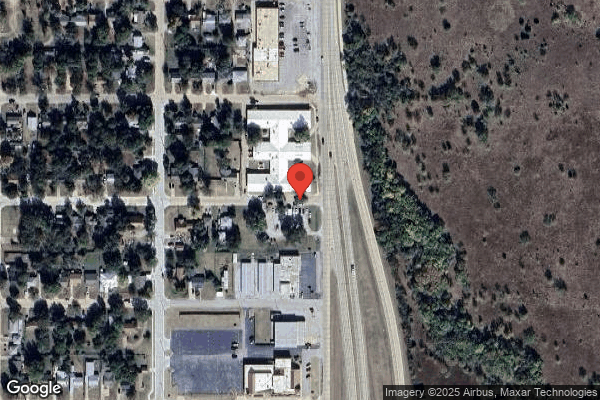
1700 NORTHWEST FORT SILL BLVD, LAWTON, OK 73507 (580) 355-1616
For profit - Limited Liability company 95 Beds Independent Data: November 2025
Trust Grade
25/100
#238 of 282 in OK
Last Inspection: June 2024

Within standard 12-15 month inspection cycle. Federal law requires annual inspections.

Overview

Lawton Post Acute & Rehab has received an F trust grade, indicating significant concerns about the quality of care provided. Ranking #238 out of 282 facilities in Oklahoma places it in the bottom half, and #3 out of 4 in Comanche County means there is only one local option that performs better. While the facility is improving, reducing issues from 13 to 4 in the last year, it still faces serious challenges, including a concerning $89,750 in fines that exceed those of 93% of facilities in Oklahoma. Staffing is below average with a 2/5 rating and a turnover rate of 53%. Recent inspections revealed critical issues, such as a resident suffering a broken hip due to a lack of fall prevention measures and failures to accurately document and update care plans for serious health conditions.

Trust Score
F
25/100
In Oklahoma
#238/282
Bottom 16%
Safety Record
Moderate
Needs review
Inspections
Getting Better
13 → 4 violations
Staff Stability
⚠ Watch
53% turnover. Above average. Higher turnover means staff may not know residents' routines.
Penalties
⚠ Watch
$89,750 in fines. Higher than 78% of Oklahoma facilities, suggesting repeated compliance issues.
Skilled Nurses
⚠ Watch
Each resident gets only 13 minutes of Registered Nurse (RN) attention daily — below average for Oklahoma. Fewer RN minutes means fewer trained eyes watching for problems.
Violations
⚠ Watch
22 deficiencies on record. Higher than average. Multiple issues found across inspections.
★☆☆☆☆
1.0
Overall Rating
★★☆☆☆
2.0
Staff Levels
★☆☆☆☆
1.0
Care Quality
★☆☆☆☆
1.0
Inspection Score
Stable
2024: 13 issues
2025: 4 issues

The Good

  • Full Sprinkler Coverage · Fire safety systems throughout facility
  • No fines on record

Facility shows strength in fire safety.

The Bad

1-Star Overall Rating

Below Oklahoma average (2.6)

Significant quality concerns identified by CMS

Staff Turnover: 53%

Near Oklahoma avg (46%)

Higher turnover may affect care consistency

Federal Fines: $89,750

Well above median ($33,413)

Moderate penalties - review what triggered them

The Ugly 22 deficiencies on record

1 actual harm
Jul 2025 1 deficiency
CONCERN (D) 📢 Someone Reported This

A family member, employee, or ombudsman was alarmed enough to file a formal complaint

Potential for Harm - no one hurt, but risky conditions existed

Infection Control (Tag F0880)

Could have caused harm · This affected 1 resident

Based on observation, record review, and interview, the facility failed to ensure proper PPE (personal protective equipment) was used for 1 (#3) of 2 sampled residents reviewed for enhanced barrier pr...

Read full inspector narrative →
Based on observation, record review, and interview, the facility failed to ensure proper PPE (personal protective equipment) was used for 1 (#3) of 2 sampled residents reviewed for enhanced barrier precautions. The director of nursing reported that 19 residents required enhanced barrier precautions. Findings: On 07/14/25 at 1:20 p.m., Res #3 was observed in bed with CNA #1 and CNA #2 present at the bedside providing care to the resident and changing the resident's linens. The two CNAs were observed wearing gloves but no gown. PPE supplies for enhanced barrier precautions were observed hanging on the resident's door. On 07/14/25 at 1:25 p.m., LPN #1 was observed to enter Res #3's room to perform feeding tube site care. The LPN performed hand hygiene and applied gloves. The LPN was observed to clean the feeding tube site and apply a clean gauze pad to the site. The LPN was observed not wearing a gown for enhanced barrier precautions. A policy titled Enhanced Barrier Precautions, revised date 05/01/25, showed enhanced barrier precautions refer to the use of a gown and gloves for use during high-contact resident care activities for residents known to be colonized or infected with an MDRO, as well as those at increased risk of MDRO acquisition (residents with wounds or indwelling medical devices. The policy showed high-contact resident care activities include dressing, bathing, transferring, providing hygiene, changing linens, changing briefs, device care or use (urinary catheters, feeding tube, etc), and wound care (any skin opening requiring a dressing). A quarterly assessment, dated 06/30/25, showed severely impaired cognition with no BIMS score obtained. The assessment showed a feeding tube for nutrition. A physician's order, dated 03/18/25, showed clean feeding tube site twice daily with soap and water, pat dry, and cover with split gauze dressing. A physician's order, dated 04/07/25, showed enhanced barrier precautions for wound, colostomy, and indwelling catheter care. On 07/15/25 at 12:28 p.m., LPN #1 reported Res #3 is on enhanced barrier precautions. The LPN reported that only gloves are worn for enhanced barrier precautions when feeding tube care is performed. The LPN reported that a gown and gloves should be worn by CNAs when providing incontinent care and emptying catheter bags. The LPN reported training for enhanced barrier precautions had been received. On 07/15/25 at 12:30 p.m., the IP nurse reported that a gown and gloves should be worn by staff when performing incontinent care, performing wound care, changing linens, and when performing feeding tube site care.
Mar 2025 2 deficiencies
CONCERN (E) 📢 Someone Reported This

A family member, employee, or ombudsman was alarmed enough to file a formal complaint

Potential for Harm - no one hurt, but risky conditions existed

Assessment Accuracy (Tag F0641)

Could have caused harm · This affected multiple residents

**NOTE- TERMS IN BRACKETS HAVE BEEN EDITED TO PROTECT CONFIDENTIALITY** Based on record review and interview, the facility failed to ensure the minimum data set was coded accurately for Legionella for...

Read full inspector narrative →
**NOTE- TERMS IN BRACKETS HAVE BEEN EDITED TO PROTECT CONFIDENTIALITY** Based on record review and interview, the facility failed to ensure the minimum data set was coded accurately for Legionella for 1 (#1) of 1 sampled discharged resident from the hospital with Legionella. The administrator reported one resident tested positive for Legionella at the hospital and readmitted to the facility on [DATE]. Findings: Resident #1 diagnoses included COPD with acute exacerbation, pneumonia (unspecified organism), and chronic kidney disease stage 4. A hospital Discharge summary, dated [DATE], showed assessment: severe sepsis with acute organ dysfunction due to Legionella pneumonia/acute COPD exacerbation and urinary tract infection was improving. A Medicare-5 day assessment, dated 02/02/25, did not show a diagnosis for Legionella. On 03/12/25 at 12:19 p.m., the MDS/QS coordinator stated the resident discharged to the hospital on [DATE] and returned from the hospital on [DATE] and the Medicare-5 day care assessment was completed on 02/02/25 for skilled services. They stated the resident wanted off skilled services and switched to hospice with a diagnosis of malignant neoplasm and the assessment did not document Legionella.
CONCERN (E) 📢 Someone Reported This

A family member, employee, or ombudsman was alarmed enough to file a formal complaint

Potential for Harm - no one hurt, but risky conditions existed

Deficiency F0657 (Tag F0657)

Could have caused harm · This affected multiple residents

**NOTE- TERMS IN BRACKETS HAVE BEEN EDITED TO PROTECT CONFIDENTIALITY** Based on record review and interview, the facility failed to update a care plan for 1 (#1) of 1 sampled resident with a new diag...

Read full inspector narrative →
**NOTE- TERMS IN BRACKETS HAVE BEEN EDITED TO PROTECT CONFIDENTIALITY** Based on record review and interview, the facility failed to update a care plan for 1 (#1) of 1 sampled resident with a new diagnosis of Legionella. The administrator reported one resident tested positive for Legionella at the hospital and readmitted to the facility on [DATE]. Findings: An undated Care Plans, Comprehensive Person-Centered policy, read in part, The facility will develop a comprehensive person-centered care plan for each resident within 7 days after completion of the comprehensive assessment that includes: Measurable objectives and timeframes to meet the resident's medical, nursing, mental and psychosocial needs. Resident #1 diagnoses included COPD with acute exacerbation, pneumonia (unspecified organism), and chronic kidney disease stage 4. A care plan, dated 03/17/23 through 02/20/25, did not show Legionella. A hospital Discharge summary, dated [DATE], showed assessment: severe sepsis with acute organ dysfunction due to Legionella pneumonia/acute COPD exacerbation and urinary tract infection was improving. On 03/12/25 at 12:22 p.m., the MDS/QS coordinator was asked about Resident #1's care plan related to Legionella. They stated they did not specifically list Legionella. On 03/12/25 at 1:39 p.m., the MDS/QS coordinator was asked about the facility's care plan policy related to a new diagnosis. They stated as soon as they see it they would add it.
Jan 2025 1 deficiency
CONCERN (E) 📢 Someone Reported This

A family member, employee, or ombudsman was alarmed enough to file a formal complaint

Potential for Harm - no one hurt, but risky conditions existed

Respiratory Care (Tag F0695)

Could have caused harm · This affected multiple residents

**NOTE- TERMS IN BRACKETS HAVE BEEN EDITED TO PROTECT CONFIDENTIALITY** Based on observation, record review, and interview, the facility failed to establish consistent protocol and follow facility pol...

Read full inspector narrative →
**NOTE- TERMS IN BRACKETS HAVE BEEN EDITED TO PROTECT CONFIDENTIALITY** Based on observation, record review, and interview, the facility failed to establish consistent protocol and follow facility policy for BiPAP therapy for two (#3 and #4) of two sampled residents reviewed for BiPAP therapy. The RN/DON identified two residents with BiPAP therapy. Findings: The CPAP/BiPAP Cleaning policy, dated May 2022, read in part, It is the policy of this facility to clean CPAP/BiPAP equipment in accordance with current CDC guidelines and manufacturer recommendations in order to prevent the occurrence or spread of infection. The policy also read, Respiratory therapy equipment can become colonized with infectious organisms and serve as a source of respiratory infections. The policy also read, Clean mask frame daily after use with CPAP cleaning wipe or soap and water. Dry well. Cover with plastic bag or completely enclosed in machine storage when not in use. Weekly cleaning activities (specify day of week): a. Wash headgear/straps in warm, soapy water and air dry. b. Wash tubing with warm, soapy water and air dry. Follow manufacturer instructions for the frequency of cleaning/replacing filters and servicing the machine. Only the supplier may service the machine. 1. Resident #3's plan of care, date initiated 07/01/24, documented the resident had COPD. It documented the resident would display optimal breathing patterns daily through review date. It documented on 09/20/24 to change the O2 tubing on the 1st and 15th and place BiPAP at bedtime as directed per physician order located on TAR. It documented on 09/27/24 to alternate between O2 and BiPAP, wear BiPAP nightly and at least 4 hours during the day shift. The plan of care did not include BiPAP cleaning instructions. Resident #3's Physician Order, dated 09/18/24, documented BiPAP (PRE-SET) at bedtime. The physician orders did not indicate what to use to clean the BiPAP with, instructions for what parts of the BiPAP to clean, or the frequency of cleaning the machine. Resident #3's Physician Order, dated 09/27/24, documented to alternate between O2 and BiPAP, wear BiPAP nightly and at least 4 hours during the day shift every day and night shift for BiPAP. Resident #3's quarterly assessment, dated 12/20/24, documented the resident was cognitively intact with diagnoses which included chronic respiratory failure with hypoxia, chronic obstructive pulmonary disease, and systolic congestive heart failure. On 01/08/25 at 3:45 p.m., Resident #3 was lying in bed with their BiPAP in place with their eyes closed. On 01/13/25 at 1:22 p.m., the RN/DON was asked about Resident #3's orders to clean the BiPAP. They stated there were orders for oxygen and changing the nasal cannula, but there were no orders to clean the BiPAP. They reported they were going to purchase some Dawn soap and were updating the orders and to be consistent. On 01/13/25 at 2:38 p.m., the RT was asked about orders to clean the BiPAP. They reported they just entered the orders to clean the BiPAP. They stated they would specify Dawn soap and would talk with the resident about cleaning their machine. 2. Resident #4's plan of care, dated 01/06/25, documented CPAP/BiPAP therapy. It documented the resident would adhere to the CPAP/BiPAP regimen. It documented to educate resident/representative on the importance of CPAP/BiPAP therapy. The plan of care did not include BiPAP cleaning instructions or the frequency of use. Resident #4's comprehensive assessment, dated 01/08/25, documented the resident admitted to the facility on [DATE] with cognitive impairment and diagnoses which included cancer, heart failure, and COPD. Resident #4's Physician Orders, dated 01/13/25, documented to clean all removable parts of the BiPAP (water container, face mask, and tubing) with mild soap and water, and allow to air dry every week and as needed if soiled. The physician order was entered into the computer on the day of survey and was to start on 01/19/25. On 01/13/25 at 8:40 a.m., a distilled bottle of water, dated 01/05/25, was observed next to Resident #4's BiPAP machine. On 01/13/25 at 1:16 p.m., the RN/DON was asked when was the order written to clean Resident #4's BiPAP machine. They stated it was written today and revised today. They were asked about the facility policy. They stated they were to use the manufacturers suggestion. They were asked what type of soap to use and did they have wipes for the machine. They stated the order stated to use mild soap and they were not sure if they had wipes. They were asked if the order indicated the frequency of the BiPAP machine. They stated there was a frequency when to clean the machine, but there was no frequency when to use the BiPAP machine.
Jun 2024 13 deficiencies 1 Harm
SERIOUS (G)

Actual Harm - a resident was hurt due to facility failures

Accident Prevention (Tag F0689)

A resident was harmed · This affected 1 resident

**NOTE- TERMS IN BRACKETS HAVE BEEN EDITED TO PROTECT CONFIDENTIALITY** Based on observation, interview, and record review, the facility failed to develop and implement interventions to prevent falls ...

Read full inspector narrative →
**NOTE- TERMS IN BRACKETS HAVE BEEN EDITED TO PROTECT CONFIDENTIALITY** Based on observation, interview, and record review, the facility failed to develop and implement interventions to prevent falls with serious injury for one (#56) of one sampled residents reviewed for accidents. The lack of intervention development and implementation resulted in Res #56 suffering a broken hip. The administrator reported 69 residents resided in the facility. Findings: Res #56 admitted to the facility 06/01/23 with diagnoses which included dementia. A baseline care plan was not developed within 48 hours of admission. An incident report, dated 06/06/23 at 8:25 p.m., documented Res #56 had an unwitnessed fall. The incident report did not document an intervention. A progress note, dated 06/06/23 at 10:53 p.m., documented Res #56 had an unwitnessed fall in the bathroom. The progress note documented the resident was reminded to use their walker. The care plan was not developed after the fall. An admission MDS, dated [DATE], documented Res #56 was moderately cognitively impaired. A care plan, dated 06/15/23, documented interventions as monitor and provide needed assistance with ambulation. An incident report, dated 06/18/23 at 4:48 a.m., documented Res #56 had an unwitnessed fall from the bed without injury. The incident report documented the mattress was replaced. The care plan was not updated after this fall. Neuro checks were not documented as completed after the fall. An incident report, dated 06/27/23 at 1:00 p.m., documented Res #56 had a witnessed fall with minor injury. No interventions were documented. A fall risk assessment, dated 06/27/24, documented the resident was at risk for falls. An incident report, dated 08/14/23 at 1:30 p.m., documented Res #56 had a witnessed fall without injury, an intervention was not documented. A fall scene investigation report, dated 08/14/23, documented an intervention of requested restorative care three times per week. The intervention was not documented as implemented in the residents record. The care plan was not updated. A progress note, dated 09/28/23 at 5:45 a.m., documented Res #56 had an unwitnessed fall without injury. An intervention was not documented. No incident report was documented. The care plan was not updated. An incident report, dated 10/16/23 at 2:24 a.m., documented Res #56 had an unwitnessed fall with minor injury. An intervention was documented as resident placed in center of bed and staff educated. The care plan was not updated. A discharge MDS, dated [DATE], documented Res #56 was moderately cognitively impaired and was independent to required moderate assistance with transfers. An incident report, dated 01/30/24 at 3:30 p.m., documented Res #56 had an unwitnessed fall without injury. An intervention was not documented. The care plan was not updated. Neuro checks were not documented as completed. An incident report, dated 02/02/24 at 5:42 p.m., documented Res #56 had an unwitnessed fall without injury. An intervention was not documented. The care plan was not updated. Neuro checks were not documented as completed. A discharge MDS, dated [DATE], documented Res #56 was severely cognitively impaired and required moderate to maximal assistance with transfers. An incident report, dated 02/05/24 at 10:25 a.m., documented Res #56 had an unwitnessed fall without injury. An intervention was not documented. The care plan was not updated. Neuro checks were not documented as completed. An incident report, dated 02/05/24 at 6:36 p.m., documented Res #56 had an unwitnessed fall with head injury and was sent to the emergency room for evaluation. The incident report documented the resident was found in the floor with bleeding to their head from a laceration. A progress note,d ated 02/05/24 at 8:49 p.m., documented Res #56 was sent to the emergency room for evaluation related to the fall and head laceration. A hospital record, dated 02/05/24, documented a CT of the pelvis without contrast was completed due to the resident's fall with hip pain. The report documented Res #56 had an age-indeterminate impacted left subcapital femoral neck fracture. The report documented the fracture was new since 10/11/23. On 02/07/24, Res #56 returned to the facility. A quarterly MDS, dated [DATE], documented Res #56 was severely cognitively impaired and required maximal assistance with transfers. A fall risk assessment, dated 03/22/24, documented the resident was at risk for falls. On 06/04/24 at 10:38 a.m., Res #56 was observed seated in a wheelchair outside the door to their room. The resident was unable to participate in an interview due to cognitive impairment. On 06/04/24 at 11:19 a.m., Res #56's spouse stated they had concerns related to the resident's falls. They stated they had spoken to the DON about the falls and had reported their concerns. On 06/06/24 at 1:32 p.m., the DON stated the post fall process was to perform an initial assessment to include vital signs. They stated neuro checks were started if the resident hit their head, and the resident should be sent out if they hit their head. They stated an incident report should be completed and a progress note attached to the incident report. They stated if the resident was unable to state if they hit their head they would be placed on neuro checks for three days. They stated the MDS coordinator and DON were responsible for development of interventions. They stated the MDS coordinator was responsible for updating the care plan with interventions. They stated the DON was responsible for ensuring an intervention was documented on the incident report since they sign off on the incident reports. The DON stated the only thing to prevent Res #56 from falling was to tie them down, which was illegal. The MDS coordinator was not available at any point during the survey for interview.
CONCERN (D)

Potential for Harm - no one hurt, but risky conditions existed

Deficiency F0582 (Tag F0582)

Could have caused harm · This affected 1 resident

Based on record review and interview, the facility failed to complete a SNF ABN for two (#226 and #227) of three sampled residents reviewed for beneficiary notices. The administrator reported 69 resi...

Read full inspector narrative →
Based on record review and interview, the facility failed to complete a SNF ABN for two (#226 and #227) of three sampled residents reviewed for beneficiary notices. The administrator reported 69 residents resided in the facility. Findings: The BOM identified 23 residents who had been discharged from a Medicare Part A covered stay with benefit days remaining in the past 6 months 1. Res #226 admitted to Part A skilled services on 03/06/24 and discharged from skilled services 03/26/24. There was no documentation a SNF ABN was provided to Res #226 or their representative. 2. Res #227 admitted to Part A skilled services on 01/04/24 and discharged from skilled services 01/22/24. There was no documentation a SNF ABN was provided to Res #227 or their representative. On 06/04/24 at 2:13 p.m., the social services director stated the SNF ABN's for Res #1 and #2 were not completed.
CONCERN (D)

Potential for Harm - no one hurt, but risky conditions existed

Deficiency F0645 (Tag F0645)

Could have caused harm · This affected 1 resident

**NOTE- TERMS IN BRACKETS HAVE BEEN EDITED TO PROTECT CONFIDENTIALITY** Based on record review and interview, the facility failed to accurately complete a level 1 pre-screening assessment for one (#56...

Read full inspector narrative →
**NOTE- TERMS IN BRACKETS HAVE BEEN EDITED TO PROTECT CONFIDENTIALITY** Based on record review and interview, the facility failed to accurately complete a level 1 pre-screening assessment for one (#56) of two sampled residents reviewed for pre-screening assessments. The administrator reported 69 residents resided in the facility. Findings: Res #56 admitted to the facility on [DATE] with diagnoses that included schizoaffective disorder. A level 1 pre-screening assessment, dated 06/08/23, documented the resident did not have a serious mental illness. On 06/07/24 at 8:44 a.m., admissions RN #2 stated the documentation on Res #56's level 1 screening was an oversight. They stated the diagnosis should have been documented on the form.
CONCERN (D)

Potential for Harm - no one hurt, but risky conditions existed

Tube Feeding (Tag F0693)

Could have caused harm · This affected 1 resident

Based on observation, record review, and interview, the facility failed to notify the physician of dislodgement of PEG tube per policy for one (#48) of one sampled residents reviewed for enteral nutri...

Read full inspector narrative →
Based on observation, record review, and interview, the facility failed to notify the physician of dislodgement of PEG tube per policy for one (#48) of one sampled residents reviewed for enteral nutrition. The administrator reported 69 residents resided in the facility. Findings: An undated facility Feeding Tubes policy, documented in part .The resident's physician must be notified i the tube becomes clogged or displaced . An undated facility Care and Treatment of Feeding Tubes policy, documented in part .Direction for staff regarding the conditions and circumstances under which a tube is to be changed will be provided: a. when to replace and/or change a feeding tube (generally as ordered/scheduled by the physician, when a long-term feeding tube comes out unexpectedly, or when the tube is worn or clogged) .Notification of the practitioner when the need for a tube change arises unexpectedly .The facility will notify and involve the physician or designated practitioner of any complications, and in evaluating and managing care to address the complications and risk factors . Res #48 had diagnoses which included history of stroke. A progress note, dated 06/02/24 at 2:35 a.m., documented Res #48's PEG tube became dislodged. The note documented EMSA was called to replace the tube or take the resident to the hospital. The note documented the paramedics were unable to replace the tube. The note documented the nurse was able to replace the tube. The note did not document the physician was contacted regarding the dislodgment or an order to replace the tube was received. On 06/07/24 at 9:55 a.m., Res #48 was observed resting in bed. The resident was unable to participate in interview due to cognitive impairment. On 06/07/24 at 9:59 a.m., LPN #2 stated if a PEG tube became dislodged they would put something over the site so nothing comes out. They stated they would tell the ADON and physician. They stated they would try to reinsert the tube if an order for it was received. They stated they would only attempt to replace the tube under physician order. They stated the order would be entered into the computer. On 06/07/24 at 10:00 a.m., the DON stated some of the nurses were trained to replace the tube. They stated they were unaware of what the policy was without looking. On 06/07/24 at 10:56 a.m., the DON stated the nurse should have documented the contact with the physician in the progress notes.
CONCERN (D)

Potential for Harm - no one hurt, but risky conditions existed

Staffing Information (Tag F0732)

Could have caused harm · This affected 1 resident

Based on observation and interview, the facility failed to ensure daily staffing was posted and contained the required information. The administrator reported 69 residents resided in the facility. Fin...

Read full inspector narrative →
Based on observation and interview, the facility failed to ensure daily staffing was posted and contained the required information. The administrator reported 69 residents resided in the facility. Findings: On 06/04/24 at 9:31 a.m., the north hall nurses station was observed. A clipboard containing daily assignments was observed with staff names and hall assignments. The document did not document the facility name, the total number and the actual hours worked, or the census. The required information was not observed posted elsewhere on the unit. On 06/04/24 at 9:33 a.m., the south hall nurses station was observed. A clipboard containing daily assignments was observed with staff names and hall assignments. The document did not document the facility name, the total number and the actual hours worked, or the census. The required information was not observed posted elsewhere on the unit. On 06/04/24 at 11:30 a.m., the south hall nurses station was observed. A clipboard containing daily assignments was observed with staff names and hall assignments. The document did not document the facility name, the total number and the actual hours worked, or the census. The required information was not observed posted elsewhere on the unit. On 06/05/24 at 7:31 a.m., the north hall nurses station was observed. A clipboard containing daily assignments was observed with staff names and hall assignments. The document did not document the facility name, the total number and the actual hours worked, or the census. The required information was not observed posted elsewhere on the unit. On 06/07/24 at 12:58 p.m., the DON stated they were unaware of the required information or posting requirements for the daily nursing staff posting.
CONCERN (D)

Potential for Harm - no one hurt, but risky conditions existed

Drug Regimen Review (Tag F0756)

Could have caused harm · This affected 1 resident

Based on record review and interview, the facility failed to ensure a MRR was responded to in a timely manner for one (#56) of five sampled residents reviewed for unnecessary medications. The administ...

Read full inspector narrative →
Based on record review and interview, the facility failed to ensure a MRR was responded to in a timely manner for one (#56) of five sampled residents reviewed for unnecessary medications. The administrator reported 69 residents resided in the facility. Findings: Res #56 had diagnoses which included schizoaffective disorder. A MRR, dated 03/11/24, documented a request for a GDR. The physician documented their declination on 04/16/24. On 06/06/24 at 1:32 p.m., the DON stated the MRR's must be responded to according to what is on the form. They stated 30 days was designated on the form.
CONCERN (E)

Potential for Harm - no one hurt, but risky conditions existed

Deficiency F0578 (Tag F0578)

Could have caused harm · This affected multiple residents

**NOTE- TERMS IN BRACKETS HAVE BEEN EDITED TO PROTECT CONFIDENTIALITY** 3. Res #19 admitted to the facility 02/17/22. An advance directive acknowledgement form, dated 02/17/22, did not document Res #1...

Read full inspector narrative →
**NOTE- TERMS IN BRACKETS HAVE BEEN EDITED TO PROTECT CONFIDENTIALITY** 3. Res #19 admitted to the facility 02/17/22. An advance directive acknowledgement form, dated 02/17/22, did not document Res #19's initials or signature. On 06/04/24 at 2:08 p.m., the BOM stated the resident did not sign that portion of the form. They stated they would have to be better about filling out the admission packets. Based on record review and interview, the facility failed to ensure residents were offered the choice to formulate advanced directives for three (#19, 42 and #55) of four sampled residents reviewed for advanced directives. The administrator reported 69 residents resided in the facility. Findings: The facility's Advance Directives policy, not dated, read in part The facility will provide to each resident or his surrogate his rights under State law to formulate advance directives . 1. Resident #42 was admitted to the facility on [DATE]. The resident had diagnoses which included chronic pain. Resident #42's advanced directive acknowledgement form was not completed. Resident #42's electronic medical record documented the resident's code status was full code 2. Resident #55 was admitted to the facility on [DATE] with diagnoses which included hypertension. Resident #55's advanced directive acknowledgement form was not completed. Resident #55's electronic medical record documented the resident's code status was full code. On 06/04/24 at 2:08 p.m., the business office manager provided the advance directive acknowledgement form from resident #42's and #55's admission packet. The business office manger reported the forms had not been signed. The business office manager reported they needed to be better about ensuring the advance directive acknowledgment form was discussed and signed.
CONCERN (E)

Potential for Harm - no one hurt, but risky conditions existed

Comprehensive Care Plan (Tag F0656)

Could have caused harm · This affected multiple residents

Based on record review and interview, the facility failed to develop a comprehensive care plan related to anticoagulant therapy, chronic pain and opioid medication for one (#26) of five residents revi...

Read full inspector narrative →
Based on record review and interview, the facility failed to develop a comprehensive care plan related to anticoagulant therapy, chronic pain and opioid medication for one (#26) of five residents reviewed for unnecessary medications. 1. Resident #26 had diagnosis which included cerebrovascular accident and chronic pain medication. A care plan, dated 05/20/24, documented no care areas related to anticoagulant therapy, chronic pain, or opioid use. A quarterly assessment, dated 05/22/24, documented severly impaired cognition. The assessment documented anticoagulant and opioid medication use. Resident #26's order summary report, dated 06/05/24, documented Eliquis oral tablet 2.5 mg give by mouth two times a day .Norco oral tablet 7.5-325 mg give 1 tablet by mouth every 6 hours . On 06/06/24 at 1:30 p.m., the DON reported anticoagulant therapy, chronic pain and any prescribed medication should have been included on the resident care plans.
CONCERN (E)

Potential for Harm - no one hurt, but risky conditions existed

Deficiency F0698 (Tag F0698)

Could have caused harm · This affected multiple residents

**NOTE- TERMS IN BRACKETS HAVE BEEN EDITED TO PROTECT CONFIDENTIALITY** Based on observation, record review and interview, the facility failed to ensure communication between the dialysis center and f...

Read full inspector narrative →
**NOTE- TERMS IN BRACKETS HAVE BEEN EDITED TO PROTECT CONFIDENTIALITY** Based on observation, record review and interview, the facility failed to ensure communication between the dialysis center and facility, and failed to obtain a physician order for dialysis for one (#14) of one sampled residents reviewed for dialysis. The administrator reported 69 residents resided in the facility. Findings: Res #14 admitted [DATE] with diagnoses which included end stage renal disease. A care plan, dated 04/14/24, documented Res #14 required hemodialysis due to renal failure. A physician order, dated 04/30/24, documented to remove dialysis bandage the morning after dialysis and check for bleeding on Tuesday, Thursday, and Saturday. On 06/04/24 at 9:40 a.m., Res #14 was observed in their bed resting. They stated they were sent with a notebook to dialysis and bring it back and forth to their appointments. Dialysis communication forms were missing or incomplete for 20 of 23 opportunities. On 06/06/24 at 8:31 a.m., ADON #2 stated the resident went to dialysis on Monday, Wednesday, and Friday. They stated it was the responsibility of the nurse on the morning shift to completed the top section of the communication form, the middle portion is completed by dialysis, and the nurse on duty when the resident returns is responsible for the bottom section. They stated a physician order indicating when and where dialysis was provided should have been entered into the resident's chart.
CONCERN (E)

Potential for Harm - no one hurt, but risky conditions existed

Pharmacy Services (Tag F0755)

Could have caused harm · This affected multiple residents

Based on record review and interview, the facility failed to administer medications according to physician's orders for two (#14 and #69) of eight sampled residents whose orders were reviewed. The adm...

Read full inspector narrative →
Based on record review and interview, the facility failed to administer medications according to physician's orders for two (#14 and #69) of eight sampled residents whose orders were reviewed. The administrator reported 69 residents resided in the facility. Findings: 1. Res #14 had diagnoses which included diabetes and hypertension. A physician order, dated 04/11/24, documented to administer Carvedilol 6.25 mg two times per day for hypertension. The order did not document a hold parameter. A physician order, dated 04/11/24, documented to administer Lisinopril 20 mg one time per day for hypertension. The order did not document a hold parameter. A physician order, dated 04/11/24, documented to administer Hydralazine 50 mg three times per day for hypertension. The order did not document a hold parameter. A physician order, dated 04/13/24, documented to administer Insulin Glargine 20 units two times per day for diabetes. The order did not document a hold parameter. A physician order, dated 04/13/24, documented to administer Insulin Lispro 13 units three times per day for diabetes. The order did not document a hold parameter. A MAR for April 2024 documented the Carvedilol was held without parameters 15 out of 38 opportunities. The Lisinopril was held without parameters three out of 18 opportunities. The Hydralazine was held without parameters 14 out of 57 opportunities. A TAR for April 2024 documented the Insulin Glargine 20 units was held without parameters one out of 29 opportunities. The Insulin Lispro 13 units was held without parameters 23 out of 43 opportunities. A MAR for May 2024 documented the Carvedilol was held without parameters 20 out of 62 opportunities. The Lisinopril was held without parameters two out of 31 opportunities. The Hydralazine was held without parameters 20 out of 93 opportunities. A TAR for May 2024 documented the Insulin Glargine 20 units was held without parameters seven out of 63 opportunities. The Insulin Lispro 13 units was held without parameters 51 out of 93 opportunities. A MAR through June 5 2024 documented the Carvedilol was held without parameters two out of nine opportunities. The Hydralazine was held without parameters two out of 13 opportunities. A TAR through June 5 2024 documented the Insulin Glargine 20 units was held without parameters two out of nine opportunities. The Insulin Lispro 13 units was held without parameters nine out of 13 opportunities. On 06/05/24 at 11:41 a.m., LPN #2 stated Res #14's insulin was sometimes held before dialysis if their FSBS was below 100. They stated in order to hold a medication a physician order must be obtained. They stated the staff used their personal cell phones to contact the provider. They stated any contact with the provider should be documented in the progress notes and orders updated as needed. They stated there were no hold parameters for Res #14's insulin, Carvedilol, or Hydralazine. They stated there was no progress note documenting the physician was contacted to hold the resident's medications. On 06/05/24 at 11:55 a.m., ADON #2 stated the CMA's should notify the nurse if a medication is being held. They stated usually a progress note is entered documenting the nurse's assessment and the physician notification and any orders received. They stated there were no hold parameters for the orders. 2. Res #69 had diagnoses which included hypertension. A physician order, dated 04/16/24, documented to administer Amlodipine 5mg two times per day for hypertension. A MAR for April 2024 documented the Amlodipine was held without parameters two out of 29 opportunities. A MAR for May 2024 documented the Amlodipine was held without parameters 16 out of 62 opportunities. Five administrations were blank on the MAR. On 06/05/24 at 11:52 a.m., LPN #2 stated the CMA's should notify the nurse when a medication is being held. They stated usually the nurse will enter a progress note containing the assessment of the resident and physician contact. They stated there were no progress notes documenting Res #69 was assessed by the nurse or the physician was contacted when the blood pressure medications were held. On 06/05/24 at 11:56 a.m., ADON #2 stated there were no hold parameters on Res #69's blood pressure medications. They stated there should have been. When asked if the nurse should have assessed the resident they nodded yes. The ADON stated there should be a progress note but there was not.
CONCERN (E)

Potential for Harm - no one hurt, but risky conditions existed

Infection Control (Tag F0880)

Could have caused harm · This affected multiple residents

Based on observation, record review, and interview, the facility failed to follow infection control practices during wound care for Res #19, and failed to conduct infection surveillance and tracking. ...

Read full inspector narrative →
Based on observation, record review, and interview, the facility failed to follow infection control practices during wound care for Res #19, and failed to conduct infection surveillance and tracking. The administrator reported 69 residents resided in the facility. Findings: A Infection Prevention and Control Program policy, not dated, read in part : .The facility has established and maintains an infection prevention and control program designed to provide a safe, sanitary, and comfortable environment and to help prevent the development and transmission of communicable diseases and infections as per accepted national standards and guideline . The designated Infection Preventionist is responsible for oversight of the program and serves as a consultant to our staff on infectious diseases, resident room placement, implementing isolation precautions, staff and resident exposures, surveillance, and epidemiological investigations of exposures of infectious diseases . A system of surveillance is utilized for prevention, identifying, reporting, investigating, and controlling infections and communicable disease for all residents, staff, volunteers, visitors, and other individuals providing services .The Infection Preventionist serves as the leader in surveillance activities, maintains documentation of incidents, findings, and any corrective actions made by the facility and reports surveillance findings to the facility's Quality Assessment and Assurance Committee . Laundry and direct care staff shall handle, store, process, and transport linens to prevent spread of infection .Linen shall be stored on all resident care units on covered carts, shelves, in bins, drawers, or linen closets . All staff shall assume that all residents are potentially infected or colonized with an organism that could be transmitted during the course of providing resident care services .All staff shall use personal protective equipment according to established facility policy governing the use of PPE . 1. Res #19 had diagnoses which included diabetes and peripheral vascular disease. A physician order, dated 05/10/24, documented to apply Gentamycin (an antibiotic) ointment to the wound bed daily for skin infection. On 06/06/24 at 2:51 p.m., wound care was observed being performed by the IP for Res #19. The soiled dressing was observed saturated with a green tinged liquid. The nurse removed the dressing and placed it into the resident's regular trash. The trash was bagged in a clear standard trash bag and moved to the trash can by the resident's hand sink. The soiled dressing was not placed into a red biohazard bag, or removed from the resident's room. On 06/06/24 at 3:30 p.m., the IP stated biohazard should be placed into red bags and disposed of in the soiled linen closet. They stated they did not do that because the resident was not on isolation. They stated because the resident was receiving an antibiotic, the soiled linens should have been treated as biohazard and disposed of as such. 2. On 06/05/24 at 1:30 p.m. the IP reported tracking and trending of infections had not been monitored in accordance with facility policy since January 2024. The IP reported not being aware of how the new owner wanted infection control to be conducted and was waiting to be trained. On 06/06/24 at 8:30 a.m., the IP provided a list of four residents that had been treated for pneumonia since January 2024. The four residents pneumonia infections were not documented in the infection control book. On 06/06/24 at 1:30 p.m., the DON reported the IP conducts the tracking and trending of infections throughout the facility. The DON reported not being aware that tracking and trending surveillance of infections had not been conducted since January 2024. The DON reported changes had been made since new ownership took over, but surveillance of infections should still be conducted monthly.
CONCERN (E)

Potential for Harm - no one hurt, but risky conditions existed

Antibiotic Stewardship (Tag F0881)

Could have caused harm · This affected multiple residents

Based on record review and interview, the facility failed to maintain an antibiotic stewardship program to monitor antibiotic use for residents. The Administrator reported 69 residents resided in the ...

Read full inspector narrative →
Based on record review and interview, the facility failed to maintain an antibiotic stewardship program to monitor antibiotic use for residents. The Administrator reported 69 residents resided in the facility. Findings: An Infection Prevention and Control Program policy, not dated, read in part .Antibiotic Stewardship: An antibiotic stewardship program will be implemented as part of the overall infection prevention and control program .Antibiotic use protocols and a system to monitor antibiotic use will be implemented as part of the antibiotic stewardship program .The Infection Preventionist, with oversight from the DON, serves as the leader of antibiotic stewardship program . On 06/05/24 at 1:30 p.m., IP reported they used the SBAR screening for antibiotic use. The IP reported antibiotic use and infection tracking and trending had not been done since January 2024. The IP reported tracking and trending of infections and antibiotics had not been monitored in accordance with facility policy. The IP reported not being aware of how the new owner wanted infection control to be conducted. On 06/06/24 at 1:30 p.m., the DON reported the IP conducts the antibiotic stewardship program and they use the McGeers screening for antibiotic use. The DON reported not being aware that antibiotic monitoring and infection tracking and trending had not been conducted since January 2024.
CONCERN (E)

Potential for Harm - no one hurt, but risky conditions existed

Deficiency F0883 (Tag F0883)

Could have caused harm · This affected multiple residents

**NOTE- TERMS IN BRACKETS HAVE BEEN EDITED TO PROTECT CONFIDENTIALITY** Based on record review and interview, the facility failed to ensure residents were assessed for, offered, and received pneumococ...

Read full inspector narrative →
**NOTE- TERMS IN BRACKETS HAVE BEEN EDITED TO PROTECT CONFIDENTIALITY** Based on record review and interview, the facility failed to ensure residents were assessed for, offered, and received pneumococcal immunizations upon admission or when needed for seven (#6, 12, 18, 23, 26, 28, and #44) of eight residents reviewed for immunizations. The Administrator reported 69 residents resided in the facility. Findings: An Infection Prevention and Control Program policy, not dated, read in part .Influenza and Pneumococcal Immunization: Resident will be offered the pneumococcal vaccines recommended by the CDC upon admission .Education will be provided to the residents and/or representative regarding the benefits and potential side effects of the immunizations prior to offering the vaccines .Resident will have the opportunity to refuse the immunizations .Documentation will reflect the education provided and details regarding whether or not the resident received the immunizations . 1. Resident #6 was admitted on [DATE]. On 06/05/24, resident #6's medical record documented pneumovax dose one on 02/03/14. 2. Resident #12 was admitted [DATE]. On 06/05/24, resident # 12's medical record documented no pneumonia vaccine. The medical record documented no consent or declination for the pneumonia vaccine. 3. Resident #18 was admitted on [DATE]. On 06/05/24, resident 18's medical record documented no immunization dates or proof that education on vaccines had been discussed. 4. Resident #23 was admitted on [DATE]. On 06/05/24, resident #23's medical record documented a historical pneumonia vaccine given 10/15/15. 5. Resident #26 was admitted on [DATE]. A pneumonia immunization consent, dated 01/27/17, documented resident #26 consented to getting the pneumonia vaccine. On 06/05/24, resident #26's medical record documented no pneumonia vaccine. On 06/06/24 at 11:03 a.m., the IP reported not being aware resident #26 had not had the pneumonia vaccine and had signed a consent form for the vaccine. 6. Resident #28 was admitted on [DATE]. On 06/05/24, resident #28's medical record documented no pneumonia vaccine. 7. Resident #44 was admitted on [DATE]. On 06/05/24, resident #44's medical record documented no pneumonia vaccine. On 06/05/24 at 2:11 p.m., the IP reported residents #12, 18, 28, and #44 had not signed a consent or refusal for the pneumonia vaccine on admission. On 06/06/24 at 11:03 a.m., the IP reported not being aware resident #26 had signed the consent form to receive the pneumonia vaccine on admission and had never received it. On 06/07/24 at 12:08 p.m., the IP reported no process was in place to track when additional pneumonia vaccines were due for residents. They reported not being aware that resident #6 and #23 had not had a pneumonia vaccine in over 5 years and may need an additional pneumonia vaccine. The IP reported not being aware of vaccine consents or refusals if they did not receive them from the admissions nurse.
Apr 2023 4 deficiencies
CONCERN (D)

Potential for Harm - no one hurt, but risky conditions existed

Infection Control (Tag F0880)

Could have caused harm · This affected 1 resident

Based on observation, record review, and interview, the facility failed to ensure hand hygiene was performed during wound care for one (#60) of two residents sampled for infection control during press...

Read full inspector narrative →
Based on observation, record review, and interview, the facility failed to ensure hand hygiene was performed during wound care for one (#60) of two residents sampled for infection control during pressure ulcer treatments. The Resident Census and Conditions of Residents report, dated 04/26/23, documented two residents with pressure ulcers and a total resident census of 63. Findings: Resident #60 was admitted with diagnoses which included heart failure and pressure ulcers. A Quarterly Assessment, dated 04/02/23, documented resident #60 was dependent on staff assistance with ADL's and had three pressure ulcers. A Care Plan, dated 04/02/23, documented resident #60 was bedfast and required total assistance from staff with all ADL's and wound care. Physician orders for resident #60, dated 04/26/23, documented wound treatments to bilateral heels and sacral wound. On 04/25/23 at 2:16 p.m., LPN #1 and LPN #2 were observed to collect supplies to provide wound care. The staff donned gloves and cut the dressing of the right heel with scissors and then placed them on the edge of the clean work space. They proceeded to cut and remove the dressing of the left heel with the scissors. LPN #1 changed gloves and cleansed the area and proceeded to apply the medication to both heels. She cut the Kerlix wrap and tape to secure the clean dressing with the scissors used to remove the old dressing. She then removed and disposed of gloves before repositioning the resident to their left side. LPN #1 donned clean gloves and removed the soiled brief. She then changed gloves and provided peri-care and removed and disposed of gloves. She then donned clean gloves, removed dressing to the sacral area, changed gloves, cleansed the wound, changed gloves again, and applied the wound treatment. The same scissors were used to cut the tape for the sacral wound. The LPN then removed gloves, repositioned the resident, and cleaned the work space. The LPN then performed hand hygiene at the sink in the resident's room. No hand hygiene was observed to be performed during the wound care and scissors were not observed to be cleaned during the process. LPN #1 and LPN #2 were asked if they had forgotten a step in the wound care and both reported they could not think of anything that was missed. On 04/26/23 at 10:48 a.m., the ADON reported hand hygiene should be performed before, during, and after wound care treatments, especially when providing incontinent care during the same treatment.
CONCERN (E)

Potential for Harm - no one hurt, but risky conditions existed

Respiratory Care (Tag F0695)

Could have caused harm · This affected multiple residents

**NOTE- TERMS IN BRACKETS HAVE BEEN EDITED TO PROTECT CONFIDENTIALITY** 3. Resident #45 was admitted to the facility on [DATE] with diagnoses which included chronic obstructive pulmonary disease. A Ph...

Read full inspector narrative →
**NOTE- TERMS IN BRACKETS HAVE BEEN EDITED TO PROTECT CONFIDENTIALITY** 3. Resident #45 was admitted to the facility on [DATE] with diagnoses which included chronic obstructive pulmonary disease. A Physician Order, dated 01/08/23, documented O2 at 2 liters via nasal cannula at bedtime. The Care Plan, dated 01/08/23, read in parts, .I have a diagnoses of chronic obstructive pulmonary disease and I am on oxygen .Give meds per physician orders .Assess/record/report signs and symptoms of COPD . Resident #45's MAR and TAR, dated 04/01/23 through 04/25/23, documented no scheduled dates to change the oxygen tubing and humidifier bottle. A Significant Change MDS assessment, dated 04/20/23, documented oxygen therapy was required and the resident's cognition was intact. On 04/24/23 at 12:09 p.m., Resident #45's oxygen tubing and humidifier bottle was observed to not be labeled with the date it had been put in use. On 04/24/23 at 12:10 p.m., Resident #45 reported they only used the oxygen when needed for shortness of breath. On 04/26/23 at 11:56 a.m., Resident #45 was observed sitting up in a recliner. The resident's oxygen concentrator was observed in the room but not in use. The oxygen tubing was observed to be unwrapped and hanging over the oxygen concentrator. The oxygen tubing and humidifier bottle were not labeled with a date. On 04/26/23 at 11:59 a.m., the ADON reported oxygen tubing was changed on the 1st and 15th of each month, but was not documented in the medical record. The ADON reported the oxygen tubing and humidifier bottle should be labeled with the date it was put in use or changed. Based on observation, record review, and interview the facility failed to ensure: a. physician orders were obtained for oxygen therapy for two residents (#1 and #18), and; b. oxygen tubing and humidifier bottles were labeled with a date for one (#45) of three residents reviewed for oxygen use. The Resident Census and Conditions of Residents report, dated 04/26/23, documented 13 residents with respiratory treatments. Findings: A policy Oxygen Administration, undated, documented and read in parts, .oxygen is administered under orders of a physician .change oxygen tubing and mask/cannula 2 x month . 1. Resident #1 was admitted on [DATE] with diagnoses which included heart failure and hypertension. An Annual Assessment, dated 02/12/23, documented the resident's cognition was moderately impaired, required extensive assistance with ADL's, and was on hospice services. Oxygen services was not indicated on the assessment. A Care Plan, dated 02/14/23, documented the resident was on 02 to help maintain comfort levels. A review of April 2023 physician orders did not contain orders for oxygen use. MAR/TAR's reviewed for February, March and April 2023 did not document oxygen use. On 04/26/23 at 2:13 p.m., the resident was observed in bed with 02 @ 7 liters per NC. On 04/26/23 at 2:30 p.m., the ADON was asked what the oxygen liters should be set on. The ADON observed Resident #1, obtained 02 sats which were 99%, and reported the 02 should be set at 2 liters. She adjusted the setting and proceeded to check all residents on 02 on the south unit. She then reviewed the clinical record and reported no physician orders were found for the oxygen use. On 04/26/23 at 3:00 p.m., the MDS coordinator was asked for physician orders for oxygen use. She reviewed the clinical record and reported none was found. 2. Resident #18 was admitted on [DATE] with diagnoses which included heart failure and chronic obstructive pulmonary disease. A Quarterly Assessment, dated 04/02/23, documented the resident with cognition intact and use of oxygen therapy. A Care Plan, dated 04/02/23, documented the use of O2 to maintain highest level of O2 saturation. A review of current physician orders for Resident #18 did not contain orders for oxygen use. On 04/26/23 at 3:00 p.m. the MDS coordinator was asked for physician orders for oxygen use. She reviewed the clinical record for Resident #18 and reported none was found.
CONCERN (E)

Potential for Harm - no one hurt, but risky conditions existed

Deficiency F0887 (Tag F0887)

Could have caused harm · This affected multiple residents

**NOTE- TERMS IN BRACKETS HAVE BEEN EDITED TO PROTECT CONFIDENTIALITY** Based on record review and interview, the facility failed to ensure the COVID-19 vaccine had been offered, education provided, a...

Read full inspector narrative →
**NOTE- TERMS IN BRACKETS HAVE BEEN EDITED TO PROTECT CONFIDENTIALITY** Based on record review and interview, the facility failed to ensure the COVID-19 vaccine had been offered, education provided, and declination signed by residents or resident representatives for five (#50, 52, 53, 60 and #63) of five residents reviewed for compliance with COVID-19 immunizations. The Resident Census and Conditions of Residents report, dated 04/26/23, documented 63 residents resided in the facility. Findings: The facility's COVID-19 Vaccination policy, dated 01/01/23, read in parts, .Prior to offering the COVID-19 vaccine, staff, residents, or the resident's representative, will be educated regarding the risks, benefits and potential side effects associated with the vaccine in a form and manner that can be accessed and understood .A copy of the Emergency Use Authorization For Recipients and Caregivers for the specific vaccination brand will be given to staff, residents or resident representatives prior to administration and in conjunction with education as noted above .Residents or their representatives and staff will sign the consent form prior to administration of the COVID-19 vaccine. This information will be retained in the resident's medical record or the staff's medical file .Residents or resident representatives retain the right to accept, refuse or change their decision about COVID-19 immunization .The resident's medical record will include documentation of the following: a. Education to the resident or resident representative regarding the risks, benefits, and potential side effects of the COVID-19 vaccine; c. If the resident did not receive the COVID-19 vaccine due to medical contraindication or refusal . 1. Resident #50 was admitted to the facility on [DATE]. Resident #50's medical record documented no education was provided to the resident or resident's representative for the COVID-19 vaccine, and no consent or declination form had been signed. The resident's medical record documented no date the resident had received a COVID-19 vaccine before or since admission to the facility. 2. Resident #52 was admitted to the facility on [DATE]. Resident #52's medical record documented no education was provided to the resident or resident's representative for the COVID-19 vaccine, and no consent or declination form had been signed. The resident's medical record documented no date the resident had received a COVID-19 vaccine before or since admission to the facility. 3. Resident #53 was admitted to the facility on [DATE]. Resident #53's medical record documented no education was provided to the resident or resident's representative for the COVID-19 vaccine, and no consent or declination form had been signed. The resident's medical record documented no date the resident had received a COVID-19 vaccine before or since admission to the facility. 4. Resident #60 was admitted to the facility on [DATE]. Resident #60's medical record documented no education was provided to the resident or resident's representative for the COVID-19 vaccine, and no consent or declination form had been signed. The resident's medical record documented no date the resident had received a COVID-19 vaccine before or since admission to the facility. 5. Resident #63 was admitted to the facility on [DATE]. Resident #63's medical record documented no education was provided to the resident or resident's representative for the COVID-19 vaccine, and no consent or declination form had been signed. The resident's medical record documented no date the resident had received a COVID-19 vaccine before or since admission to the facility. On 04/27/23 at 12:12 p.m., the IP reported residents #50, 52, 53, 60, and #63 had declined the COVID-19 vaccination. The IP reported no declination had been signed for the COVID-19 vaccine by the residents or resident's representative and no documentation that education regarding the COVID-19 vaccine was provided. The IP reported no COVID-19 declination form had been created by the facility.
CONCERN (E) 📢 Someone Reported This

A family member, employee, or ombudsman was alarmed enough to file a formal complaint

Potential for Harm - no one hurt, but risky conditions existed

Deficiency F0925 (Tag F0925)

Could have caused harm · This affected multiple residents

Based on observation, record review, and interview, the facility failed to maintain an effective pest control program to prevent the presence of pests. The Facility Census and Conditions of Residents...

Read full inspector narrative →
Based on observation, record review, and interview, the facility failed to maintain an effective pest control program to prevent the presence of pests. The Facility Census and Conditions of Residents report, dated 04/26/23, documented a total of 63 residents resided in the facility. Findings: An undated Pest Control Program Policy, read in parts, .effective pest control program is defined as measures to eradicate and contain common household pests .Facility will utilize a variety of methods in controlling certain seasonal pests . The Resident Council Meeting Minutes, dated 02/20/23, documented the housekeeping staff were only spot cleaning resident rooms. On 04/21/23 at 11:00 a.m., a tour of the facility was conducted. The facility had evidence of pests, mouse droppings, in resident rooms, and on the east hallway. Five resident rooms and east hallway were observed to have sticky traps and evidence of mice activity in their rooms. Droppings were observed under beds, along baseboards, closet floors, and along the hallway to the time clock. On 04/21/23 at 11:10 a.m., Resident #25, reported mice had been sighted in her room. The baseboard was observed to be missing next to the closet opening and mice droppings were observed on the closet floor, near the baseboard, and under the bed. A sticky trap had been placed next to the opening of the baseboard. A Progress Note for resident #25, dated 03/27/23, documented the resident's recliner had been discarded due to a presence of mice in the chair. On 04/21/23 at 11:35 a.m., residents #8 and #37 were interviewed in their room and reported mice were seen daily in their room. On 04/24/23 at 3:08 p.m., resident #30 reported mice had been seen daily for awhile in her room. The resident reported staff had put out several sticky traps in her room to catch the mice but the traps had not been effective. On 04/25/23 at 10:05 a.m., the housekeeping manager reported staff cleaned rooms daily and reported to maintenance any concerns with evidence of pests . They reported outside and inside pest control treatments had been put in place and had improved with a decrease in the sightings of mice. They were shown the above findings of mouse droppings and reported, this is not clean, and will be taken care of immediately. On 04/26/23 at 2:43 p.m., the maintenance supervisor reported a mouse was on a sticky trap last week and had received no other reports of live mice since then. They reported several applications of pest control had been provided inside and outside of the facility. They reported the issue was due to street construction repair. They reported professional pest control applications would continue and were scheduled until the issue is resolved. On 04/26/23 at 3:56 p.m., the Administrator provided the policy and procedure for pest control and documentation of frequent professional pest control treatments and services implemented. The Administrator reported the housekeeping staff may not have cleaned thoroughly to remove the mouse droppings. They reported a problem started when the city started construction on the street outside the facility and the facility would continue treatments until the issue is resolved.
Mar 2023 1 deficiency
CONCERN (E) 📢 Someone Reported This

A family member, employee, or ombudsman was alarmed enough to file a formal complaint

Potential for Harm - no one hurt, but risky conditions existed

Deficiency F0888 (Tag F0888)

Could have caused harm · This affected multiple residents

Based on record review and interview, the facility failed to ensure one employee, not granted a qualifying exemption or delays, of 78 sampled employees had received all doses of their multiple COVID-1...

Read full inspector narrative →
Based on record review and interview, the facility failed to ensure one employee, not granted a qualifying exemption or delays, of 78 sampled employees had received all doses of their multiple COVID-19 vaccine series. The Resident Census and Conditions of Residents report, dated 03/14/23, documented 63 residents resided in the facility. An Employee Covid-19 Vaccinations policy, dated 03/10/22, read in parts, .Newly hired staff will be required to have their initial dose of Covid vaccine prior to starting their first day. Partially vaccinated staff will be required to obtain their 2nd dose no later than the 1st day after the due date. Staff that do not fulfill this requirement will be placed on unpaid suspension until 2nd dose is acquired . Findings: The Employee COVID-19 form, dated 03/14/23, documented a total of 78 staff members. The form documented 77 staff were completely vaccinated, with no exemptions documented. The COVID-19 vaccine record, for the partially vaccinated staff member, documented the first vaccine of a series was administered on 12/13/22. On 03/14/23 at 2:40 p.m., the Administrator reported the facility had one staff member who was not completely vaccinated and stated they should have caught that. The Administrator reported the employee was hired on 12/14/22 and never received the second COVID-19 vaccine in the series.
Understanding Severity Codes (click to expand)
Life-Threatening (Immediate Jeopardy)
J - Isolated K - Pattern L - Widespread
Actual Harm
G - Isolated H - Pattern I - Widespread
Potential for Harm
D - Isolated E - Pattern F - Widespread
No Harm (Minor)
A - Isolated B - Pattern C - Widespread

Questions to Ask on Your Visit

  • "Can I speak with families of current residents?"
  • "What's your RN coverage like on weekends and overnight?"

Our Honest Assessment

Strengths
  • • Licensed and certified facility. Meets minimum state requirements.
Concerns
  • • Multiple safety concerns identified: 1 harm violation(s), $89,750 in fines, Payment denial on record. Review inspection reports carefully.
  • • 22 deficiencies on record, including 1 serious (caused harm) violation. Ask about corrective actions taken.
  • • $89,750 in fines. Extremely high, among the most fined facilities in Oklahoma. Major compliance failures.
  • • Grade F (25/100). Below average facility with significant concerns.
Bottom line: Trust Score of 25/100 indicates significant concerns. Thoroughly evaluate alternatives.

About This Facility

What is Lawton Post Acute & Rehab's CMS Rating?

CMS assigns LAWTON POST ACUTE & REHAB an overall rating of 1 out of 5 stars, which is considered much below average nationally. Within Oklahoma, this rating places the facility higher than 0% of the state's 100 nursing homes. A rating at this level reflects concerns identified through health inspections, staffing assessments, or quality measures that families should carefully consider.

How is Lawton Post Acute & Rehab Staffed?

CMS rates LAWTON POST ACUTE & REHAB's staffing level at 2 out of 5 stars, which is below average compared to other nursing homes. Staff turnover is 53%, compared to the Oklahoma average of 46%.

What Have Inspectors Found at Lawton Post Acute & Rehab?

State health inspectors documented 22 deficiencies at LAWTON POST ACUTE & REHAB during 2023 to 2025. These included: 1 that caused actual resident harm and 21 with potential for harm. Deficiencies causing actual harm indicate documented cases where residents experienced negative health consequences.

Who Owns and Operates Lawton Post Acute & Rehab?

LAWTON POST ACUTE & REHAB is owned by a for-profit company. For-profit facilities operate as businesses with obligations to shareholders or private owners. The facility operates independently rather than as part of a larger chain. With 95 certified beds and approximately 77 residents (about 81% occupancy), it is a smaller facility located in LAWTON, Oklahoma.

How Does Lawton Post Acute & Rehab Compare to Other Oklahoma Nursing Homes?

Compared to the 100 nursing homes in Oklahoma, LAWTON POST ACUTE & REHAB's overall rating (1 stars) is below the state average of 2.6, staff turnover (53%) is near the state average of 46%, and health inspection rating (1 stars) is much below the national benchmark.

What Should Families Ask When Visiting Lawton Post Acute & Rehab?

Based on this facility's data, families visiting should ask: "Can you walk me through typical staffing levels on day, evening, and night shifts?" "Can I visit during a mealtime to observe dining assistance and food quality?" "How do you handle medical emergencies, and what is your hospital transfer rate?" "Can I speak with family members of current residents about their experience?" These questions are particularly relevant given the below-average staffing rating.

Is Lawton Post Acute & Rehab Safe?

Based on CMS inspection data, LAWTON POST ACUTE & REHAB has a clean safety record: no substantiated abuse findings (meaning no confirmed cases of resident harm), no Immediate Jeopardy citations (the most serious violation level indicating risk of serious injury or death), and is not on the Special Focus Facility watch list (a federal program monitoring the lowest-performing 1% of nursing homes). The facility has a 1-star overall rating and ranks #100 of 100 nursing homes in Oklahoma. While no facility is perfect, families should still ask about staff-to-resident ratios and recent inspection results during their visit.

Do Nurses at Lawton Post Acute & Rehab Stick Around?

LAWTON POST ACUTE & REHAB has a staff turnover rate of 53%, which is 7 percentage points above the Oklahoma average of 46%. Moderate turnover is common in nursing homes, but families should still ask about staff tenure and how the facility maintains care continuity when employees leave.

Was Lawton Post Acute & Rehab Ever Fined?

LAWTON POST ACUTE & REHAB has been fined $89,750 across 1 penalty action. This is above the Oklahoma average of $33,976. Fines in this range indicate compliance issues significant enough for CMS to impose meaningful financial consequences. Common causes include delayed correction of deficiencies, repeat violations, or care failures affecting resident safety. Families should ask facility leadership what changes have been made since these penalties.

Is Lawton Post Acute & Rehab on Any Federal Watch List?

LAWTON POST ACUTE & REHAB is not on any federal watch list. The most significant is the Special Focus Facility (SFF) program, which identifies the bottom 1% of nursing homes nationally based on persistent, serious quality problems. Not being on this list means the facility has avoided the pattern of deficiencies that triggers enhanced federal oversight. This is a positive indicator, though families should still review the facility's inspection history directly.