MCMAHON-TOMLINSON NURSING CENTER
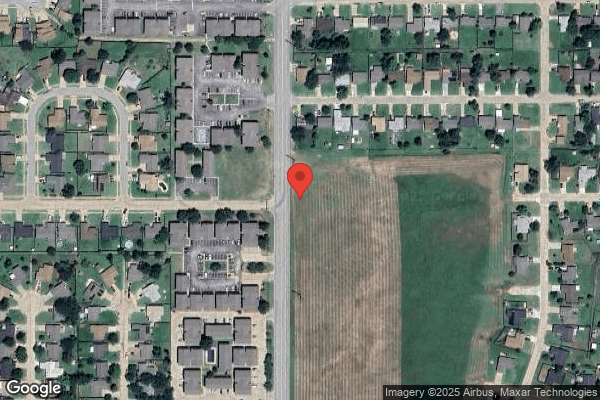

2007 NW 52ND STREET, LAWTON, OK 73505 (580) 357-3240
Government - County 142 Beds Independent Data: November 2025
Trust Grade
50/100
#172 of 282 in OK
Last Inspection: April 2024

Within standard 12-15 month inspection cycle. Federal law requires annual inspections.

Overview

McMahon-Tomlinson Nursing Center has a Trust Grade of C, which means it is average and falls in the middle of the pack compared to other facilities. In Oklahoma, it ranks #172 out of 282, placing it in the bottom half, but it is the top facility in Comanche County, ranking #1 of 4. The facility is improving, with reported issues decreasing from 11 in 2024 to just 3 in 2025. Staffing rates a solid 3 out of 5, with a turnover rate of 56%, which is about average for the state. Notably, there have been no fines, indicating compliance in many areas, yet RN coverage is concerning as it is less than 83% of other facilities, which may affect patient care. However, the inspector findings highlighted some areas of concern, including failures to accurately code a resident's diagnosis of Legionella and not updating the care plan following the resident's hospital discharge. Additionally, the facility did not adequately follow infection prevention practices, particularly concerning water management to prevent potential waterborne illnesses. While there are strengths in staffing stability and no fines, these issues warrant careful consideration for families looking at this nursing home for their loved ones.

Trust Score
C
50/100
In Oklahoma
#172/282
Bottom 40%
Safety Record
Low Risk
No red flags
Inspections
Getting Better
11 → 3 violations
Staff Stability
⚠ Watch
56% turnover. Above average. Higher turnover means staff may not know residents' routines.
Penalties
✓ Good
No fines on record. Clean compliance history, better than most Oklahoma facilities.
Skilled Nurses
⚠ Watch
Each resident gets only 14 minutes of Registered Nurse (RN) attention daily — below average for Oklahoma. Fewer RN minutes means fewer trained eyes watching for problems.
Violations
⚠ Watch
17 deficiencies on record. Higher than average. Multiple issues found across inspections.
★★☆☆☆
2.0
Overall Rating
★★★☆☆
3.0
Staff Levels
★★☆☆☆
2.0
Care Quality
★★☆☆☆
2.0
Inspection Score
Stable
2024: 11 issues
2025: 3 issues

The Good

  • Full Sprinkler Coverage · Fire safety systems throughout facility
  • No fines on record

Facility shows strength in fire safety.

The Bad

2-Star Overall Rating

Below Oklahoma average (2.6)

Below average - review inspection findings carefully

Staff Turnover: 56%

10pts above Oklahoma avg (46%)

Frequent staff changes - ask about care continuity

Staff turnover is elevated (56%)

8 points above Oklahoma average of 48%

The Ugly 17 deficiencies on record

Mar 2025 3 deficiencies
CONCERN (E) 📢 Someone Reported This

A family member, employee, or ombudsman was alarmed enough to file a formal complaint

Potential for Harm - no one hurt, but risky conditions existed

Assessment Accuracy (Tag F0641)

Could have caused harm · This affected multiple residents

**NOTE- TERMS IN BRACKETS HAVE BEEN EDITED TO PROTECT CONFIDENTIALITY** Based on record review and interview, the facility failed to ensure the minimum data set was coded accurately for Legionella for...

Read full inspector narrative →
**NOTE- TERMS IN BRACKETS HAVE BEEN EDITED TO PROTECT CONFIDENTIALITY** Based on record review and interview, the facility failed to ensure the minimum data set was coded accurately for Legionella for 1 (#1) of 1 sampled discharged resident from the hospital for skilled services. The DON/IP reported one case of Legionella. Findings: Resident #1 had diagnoses which included pneumonia (unspecified), high blood pressure, and non-Alzheimer's dementia. A hospital discharge report, dated 02/17/25, showed hospital course: patient admitted for altered mental status due to pneumonia from Legionella. A Medicare-5 day MDS assessment, dated 02/21/25, did not show the diagnosis of Legionella. On 03/11/25 at 12:45 p.m., the MDS coordinator stated the resident discharged to the hospital on [DATE] and returned from the hospital on [DATE] and the Medicare-5 day care MDS assessment was completed on 02/21/25 for skilled services. They stated the skilled services completed on 03/02/25. They stated the Legionella was not incorporated into the MDS and they did not see it on the discharge report from the hospital. They stated it would be the facility policy to list it under other.
CONCERN (E) 📢 Someone Reported This

A family member, employee, or ombudsman was alarmed enough to file a formal complaint

Potential for Harm - no one hurt, but risky conditions existed

Deficiency F0657 (Tag F0657)

Could have caused harm · This affected multiple residents

Based on record review and interview, the facility failed to update a care plan for 1 (#1) of 1 sampled resident with a new diagnosis of Legionella. The DON/IP reported one case of Legionella. Findin...

Read full inspector narrative →
Based on record review and interview, the facility failed to update a care plan for 1 (#1) of 1 sampled resident with a new diagnosis of Legionella. The DON/IP reported one case of Legionella. Findings: A Care Plans, Comprehensive Person-Centered policy, dated March 2022, read in part, The interdisciplinary teams reviews and updates the care plan .c. when the resident has been readmitted to the facility from a hospital stay. On 03/10/25 at 4:48 p.m., the DON/IP was asked about Resident #1's care plan related to Legionella. They stated they thought it had been resolved. They stated it was not care planned because it was already resolved.
CONCERN (E) 📢 Someone Reported This

A family member, employee, or ombudsman was alarmed enough to file a formal complaint

Potential for Harm - no one hurt, but risky conditions existed

Infection Control (Tag F0880)

Could have caused harm · This affected multiple residents

Based on record review and interview, the facility failed infection prevention and control practices to ensure identification of high risk areas to include flushing of unused outlets to prevent the sp...

Read full inspector narrative →
Based on record review and interview, the facility failed infection prevention and control practices to ensure identification of high risk areas to include flushing of unused outlets to prevent the spread of a waterborne illness. The DON/IP reported 118 residents resided in the facility. Findings: A Water Management Program to Reduce Legionella and other Waterborne Path[ogens], dated 03/05/25, policy, read in part, The program will identify risk factors, establish control measures, and ensure monitoring and corrective actions to reduce the risk of Legionella and other waterborne pathogens. System Assessment: Conduct a comprehensive assessment of the facility's water systems, including . *Identify high-risk areas (e.g [for example]., showers, sinks, water tanks) .Regularly check water temperature. Documentation *Maintain detailed records of: *Testing and monitoring results *Maintenance and cleaning schedules .Water management program .We will flush hot water heaters once per year, even though the hot water systems are equivalent continuously circulating pumps. The fire sprinkler system is required every quarter and is completed by [Name withheld] controls. As a part of the control measures the house keeping department will implement into their daily cleaning the following as staff enters the room to clean: they will turn on the sinks and showers to let them run for one to two minutes while they are cleaning this will help keep the water moving and disinfecting going throughout the water system [sic] systems many of the residents rarely use their sinks or showers in their rooms and this will keep the water moving if the Legionella bacteria has [sic] found in the water system in a facility proceeded with DEQ [Department of Environmental Quality] in [sic] CDC [Centers for Disease Control and Prevention] recommendation as well as Oklahoma State Department of health. A hospital discharge report for Resident #1, dated 02/17/25, showed hospital course: patient admitted for altered mental status due to pneumonia from Legionella. On 03/07/25 at 10:30 a.m., the maintenance director stated they reviewed all the documentation related to the policy and procedure for Legionnaire's. They stated the only documentation they had was the water temperatures and air temperatures. They did not have any preventative documentation and cleaning schedules. They did not identify any high risk areas. They stated the house keeping staff would run water when they cleaned the rooms. They stated the water testing was conducted for Legionnaire's in Resident #1's room because it was the farthest from the city inlet on 03/06/25. On 03/07/25 at 11:49 a.m., the DON/IP stated the policy for Legionnaire's was part of the water management policy. On 03/10/25 at 2:20 p.m., housekeeper #1 stated they were instructed today to flush the toilets six times and had signed off on that today. They were asked if they had been running the water while cleaning before they had a case of Legionella. They stated not unless they had something to pour down the drain. They stated maintenance would do that. On 03/10/25 at 2:35 p.m., housekeeper #2 was asked if they would run the water in the sinks/showers while cleaning the room prior to the case of Legionella. They stated they did not leave it running. They were asked if they were instructed to do something specifically after the case of Legionella and they stated they were instructed to flush the toilet six times and they had signed off on that procedure. They were asked if they knew of any areas in the facility where the water was not routinely used. They stated no, everybody uses the water. On 03/11/25 at 10:15 a.m., the housekeeping supervisor was asked about an in-service related to flushing of the toilets six times. They stated they did that inservice yesterday. They stated they wanted us to run the sinks/showers for two minutes after everything was turned back on. They were asked if that was performed prior to the case of Legionella. They stated no it was not a set thing. They were asked about staff in-services related to running the water while cleaning the room prior to the case of Legionella. They stated they did not have any in-services related to that.
Apr 2024 11 deficiencies
CONCERN (D)

Potential for Harm - no one hurt, but risky conditions existed

Accident Prevention (Tag F0689)

Could have caused harm · This affected 1 resident

Based on observation, record review and interview, the facility failed to ensure interventions were implemented for one (#14) of three residents sampled for falls. The DON identified 97 Residents resi...

Read full inspector narrative →
Based on observation, record review and interview, the facility failed to ensure interventions were implemented for one (#14) of three residents sampled for falls. The DON identified 97 Residents resided in the facility. Findings: a. An Assessing Falls and Their Causes policy, revised 03/18, read in part, .When a resident falls, the following information should be recorded in the resident's medical record .Appropriate interventions taken to prevent future falls . 1. Resident #14 had diagnoses which included macular degeneration, lesion of the plantar nerve, and osteoporosis. A Care plan document, dated 11/22/23, read in part, .Fall mats beside each side of her bed . Resident #14's comprehensive assessment, dated 03/25/24, documented Resident #14 was dependent for transferring from bed to chair and cognition was moderately impaired. On 04/09/24 at 9:36 a.m., Resident #14 was observed in bed unattended with bed in the lowered position. There were no fall mats observed on each side of the bed. On 04/09/24 at 9:41 a.m., CNA #1 was asked what interventions should have been in place to prevent falls for Resident #14. They stated there should be two fall mats on each side of the bed. CNA #1 was asked to observe the resident. CNA #1 stated Resident #14 was in bed sitting up in the lowered position and fall mats were not in place. On 04/09/24 at 9:51 a.m., LPN #2 was asked what interventions should be in place to prevent falls for Resident #14. LPN #2 observed the resident in bed and then reviewed the care plan. LPN #2 stated the resident should of had a low bed and fall mats in place by the bedside. LPN #2 stated the fall mats were not in place. On 04/10/24 at 10:04 a.m., the DON was asked what the facility policy was for implementing interventions after a fall. The DON stated the interventions would be care planned. The DON was asked what happened with Resident #14's fall mats. The DON stated staff felt like Resident #14 was no longer a fall risk. Therefore, staff was not utilizing the fall mats.
CONCERN (D)

Potential for Harm - no one hurt, but risky conditions existed

Drug Regimen Review (Tag F0756)

Could have caused harm · This affected 1 resident

Based on record review and interview, the facility failed to identify the time frames for the steps regarding the medication regimen review, and a medication regimen review was responded to timely for...

Read full inspector narrative →
Based on record review and interview, the facility failed to identify the time frames for the steps regarding the medication regimen review, and a medication regimen review was responded to timely for one (#45) of five sampled residents reviewed for unnecessary medications. The Administrator identified 97 residents resided in the facility. Findings: A Drug Regimen Review policy, revised March 2023, did not identify time frame for the steps regarding the medication regimen review. Resident #45 had diagnosis which included depression. An Order Summary report, dated 09/12/23, documented Resident #45 was to receive venlafaxine every morning for depression. A medication regimen review, dated 02/13/24, documented a request to the physician regarding a reduction of venlafaxine or provide a rationale why a dose reduction was clinically contraindicated. The response from the physician was dated 04/05/24. On 04/10/24 at 8:21 a.m., the DON stated staff reviewed the MRR with the physician then scanned in the requests in the residents' EHR. On 04/10/24 at 9:38 a.m., the DON stated there was not a specific time frame in the policy regarding non urgent MRR. The Feburary 2024 MRR was reviewed with the DON with the response from the physician was dated 04/05/24. She was asked if it was addressed timely. She stated she would have to review the policy. The DON was observed to review the policy and stated, It doesn't say in there.
CONCERN (D)

Potential for Harm - no one hurt, but risky conditions existed

Deficiency F0757 (Tag F0757)

Could have caused harm · This affected 1 resident

Based on record review and interview, the facility failed to ensure side effect monitoring was in place for a resident who was prescribed anticoagulant therapy for one (#3) of five residents sampled f...

Read full inspector narrative →
Based on record review and interview, the facility failed to ensure side effect monitoring was in place for a resident who was prescribed anticoagulant therapy for one (#3) of five residents sampled for unnecessary medication. The DON identified 29 residents were prescribed anticoagulants. Findings: A Anticoagulation-Clinical Protocol policy, revised 11/2018, read in part, .Assess for any signs or symptoms related to adverse drug reactions to to the medication alone or in combination with other medication .The staff and physician will monitor for possible complications in individuals who are being anticoagulated and will manage related problems . Resident #3 had diagnoses which included pulmonary embolism, hypertensive heart disease, and peripheral vascular disease. A Physician Order, dated 02/02/24, read in part, .Apixaban Oral Tablet 5 mg .Give 1 tablet by mouth two times a day . A Quarterly Assessment, dated 02/03/24 documented resident 3's cognition was intact and was prescribed anticoagulant therapy. Resident #3's care plan for anticoagulant therapy, dated 05/15/23, read in part, .Monitor/document/report PRN adverse reaction of anticoagulant therapy . The Treatment Administration Record dated 02/01/24 through 04/09/24 did not document side effect monitoring for anticoagulants. The Active Order Summary dated 04/09/24, did not document side effect monitoring for anti coagulant therapy. On 04/10/24 at 9:43 a.m.,the DON was asked about the policy for anticoagulant therapy. The DON stated there should be an order and the monitoring is in the TAR. The DON reviewed Resident #3 EHR and stated there was no side effect monitoring in the orders and there was no side effect monitoring in the TAR. The DON stated the policy was not followed.
CONCERN (E)

Potential for Harm - no one hurt, but risky conditions existed

Assessment Accuracy (Tag F0641)

Could have caused harm · This affected multiple residents

Based on record review and interview, the facility failed to ensure assessments were accurate for two (#83 and #87) of 22 sampled residents reviewed for assessments. The Administrator identified 97 re...

Read full inspector narrative →
Based on record review and interview, the facility failed to ensure assessments were accurate for two (#83 and #87) of 22 sampled residents reviewed for assessments. The Administrator identified 97 residents resided in the facility. Findings: 1. Resident #83 had diagnosis which included weakness. An Alert Note, dated 03/22/24, documented Resident #83 was on the floor with a laceration to their left upper eyebrow and was sent to the hospital. An Admission assessment, dated 03/22/24, documented the resident had one non injury fall since admission. On 04/10/24 at 10:40 a.m., the DON stated they put falls under the health condition on the assessment. She stated a laceration was considered an injury. The DON was asked to review Resident #83's assessment and was asked what was coded for falls. She stated the resident had one no injury fall. The DON stated the resident had an injury from a fall on 03/22/24. She stated the assessment was not coded accurately. 2. Resident #87 had diagnosis which included sepsis. A Discharge Report, dated 01/15/24, documented Resident #87 discharged to a private home. A Discharge assessment, dated 01/15/24, documented Resident #87 discharged to the hospital. On 04/11/24 at 11:25 a.m., the MDS coordinator #1 stated when a resident discharges, they interview the staff then code the assessment. She was asked to review Resident #87's discharge assessment. The MDS Coordinator #1 stated it was documented the resident discharged to the hospital. She stated the notes documented the resident discharged to their home. She stated it was coded wrong.
CONCERN (E)

Potential for Harm - no one hurt, but risky conditions existed

Deficiency F0657 (Tag F0657)

Could have caused harm · This affected multiple residents

**NOTE- TERMS IN BRACKETS HAVE BEEN EDITED TO PROTECT CONFIDENTIALITY** Based on observation, record review and interview, the facility failed to ensure interventions were added to the care plan after...

Read full inspector narrative →
**NOTE- TERMS IN BRACKETS HAVE BEEN EDITED TO PROTECT CONFIDENTIALITY** Based on observation, record review and interview, the facility failed to ensure interventions were added to the care plan after a fall for two residents (#38 and #41) of 20 sampled residents reviewed for care plan revisions. The DON identified 97 Residents resided in the facility. Findings: An Assessing Falls and Their Causes policy, revised 03/2018, read in part, .When a resident falls, the following information should be recorded in the resident's medical record .Appropriate interventions taken to prevent future falls . 1. Resident #38 had diagnoses which included type 2 diabetes mellitus, urinary incontinence, and hypertensive heart disease. Resident #38's quarterly assessment dated [DATE] documented Resident 38's cognition was mildly impaired and required partial to moderate assist with transferring. On 04/08/24 at 12:39 p.m., Resident #38 was observed to have a bruised left eye. Resident #38 stated they fell from the recliner while trying to go to the toilet. A incident report dated 04/15/23, documented the resident had an unwitnessed fall. A incident report dated 12/04/23, documented the resident had an unwitnessed fall. A incident report, dated 03/30/24, documented the resident had an unwitnessed fall. A incident report, dated 03/31/24, documented the resident had an unwitnessed fall. Resident #38's care plan for falls, last revised on 06/20/23, did not document any new interventions after the falls on the following dates: a. 03/30/24, b. 03/31/24, c. 12/04/23, and d. 04/15/23. On 04/10/24 at 02:35 p.m., the DON was asked about policy and procedure for fall interventions. The DON stated they are supposed to put in interventions in the care plan. The DON reviewed the care plan and stated no interventions for falls had been added to the care plan since 01/12/22. 2. Resident #41 had diagnoses which included altered mental status, dementia and anxiety. Resident #41's care plan, initiated on 12/27/23, documented the resident was at high risk for falls and was unaware of safety needs. The care plan had been revised on 03/13/24 but no specific interventions had been updated for the following falls. An incident report, dated 01/16/24 at 3:07 a.m., documented the resident had an unwitnessed fall in their room. An incident report, dated 01/24/24 at 9:05 a.m., documented the resident had an unwitnessed fall in their room. An incident report, dated 01/24/24 at 12:29 a.m., documented the resident had an unwitnessed fall in their room. An incident report dated 02/02/24 at 8:18 a.m., documented the resident had an unwitnessed fall in their room. An incident report, dated 02/02/24at 3:42 a.m., documented the resident had an unwitnessed fall in their room. An incident report, dated 02/02/24 at 8:25 p.m., documented the resident had an unwitnessed fall in their room. An incident report, dated 02/22/24 at 6:00 p.m., documented the resident had an unwitnessed fall in their room. An incident report, dated 02/27/24 at 9:01 p.m., documented the resident was sitting on the floor. A family member had attempted to transfer the resident. An incident report, dated 03/01/24 at 6:30 p.m., documented the resident slipped to the floor during transfer with a family members assistance. An incident report dated 03/07/24 at 2:35 a.m., documented the resident had an unwitnessed fall in their room. An incident report, dated 03/15/24 at 10:00 a.m., documented the resident had a witnessed fall from a wheelchair. On 04/11/24 at 9:23 a.m., the DON was asked if the care plan had been updated on 04/10/24. They stated the care plan had been updated yesterday.
CONCERN (E)

Potential for Harm - no one hurt, but risky conditions existed

Quality of Care (Tag F0684)

Could have caused harm · This affected multiple residents

Based on record review and interview the facility failed to ensure neurological checks were completed after unwitnessed falls for one (#41) of three sampled residents reviewed for falls. The Administ...

Read full inspector narrative →
Based on record review and interview the facility failed to ensure neurological checks were completed after unwitnessed falls for one (#41) of three sampled residents reviewed for falls. The Administrator identified 97 residents resided in the facility. The Resident Matrix documented 21 residents had falls. Findings: A Neurological Assessment policy, revised October 2010, read in part, .The purpose of this procedure is to provide guidance for neurological assessment .when following and unwitnessed fall .When assessing neurological status, always include frequent vital signs .perform neurological checks with the frequency as ordered or per falls protocol . An Assessing Falls and Their Causes policy, revised March 2018, read in part, .Observe for delayed complications of a fall for approximately forty-eight (48) hours after an observed or suspected fall, and will document findings in the medical record . Resident #41 had diagnoses which included altered mental status, dementia and anxiety. Resident #41's care plan, initiated on 12/27/23, documented the resident was at high risk for falls and was unaware of safety needs. An incident report, dated 01/16/24 at 3:07 a.m., documented the resident had an unwitnessed fall in their room. The clinical health record did not contain documentation neurological checks had been started completed. An incident report, dated 01/24/24 at 9:05 a.m., documented the resident had an unwitnessed fall in their room. Neurological checks were started but were incomplete. An incident report, dated 01/24/24 at 12:29 a.m., documented the resident had an unwitnessed fall in their room. There was no documentation neurological checks had been restarted after the second fall. An incident report dated 02/02/24 at 8:18 a.m., documented the resident had an unwitnessed fall in their room. A Neurological Assessment Flowsheet dated 02/02/24 documented neuro checks were only completed from 8:25 a.m., through 10:25 a.m. An incident report, dated 02/02/24 at 3:42 p.m., documented the resident had an unwitnessed fall in their room. A Neurological Assessment Flowsheet, dated 02/02/24 documented neurological checks were started but were incomplete. An incident report, dated 02/02/24 at 8:25 p.m., documented the resident had an unwitnessed fall in their room. Resident #41 was sent to the hospital for evaluation. An incident report, dated 02/22/24 at 6:00 p.m., documented the resident had an unwitnessed fall in their room. A Neurological Assessment Flowsheet dated 02/22/24 documented neuro checks were unable to obtain at 6:30 p.m., then were blank until 8:30 p.m., then documented the resident was resting at 9:00 p.m., through 5:00a.m. until 02/23/24. The checks were restarted at 9:00 a.m. An incident report, dated 03/15/24 at 10:00 a.m., documented the resident had a witnessed fall from a wheelchair. A Neurological Assessment Flowsheet dated 03/15/24 documented neuro checks were started at 10:00 a.m., then at 1:00 p.m., then 8:30 p.m. The flowsheet documentation was incomplete. On 04/11/24 at 8:37 a.m., the DON was asked for a policy for neurological checks. They stated if there was an unwitnessed fall neurological checks should be started. Resident #41's falls from 01/16/24 through 03/15/24 were reviewed with the DON. The DON stated a. there was no documenation neuro checks had been started on 01/16/24, b. the neuro checks should have been restarted after the second fall on 01/24/24, c. the neuro checks were not accurately completed on 02/02/24 at 8:18 am and 3:42 p.m., d. the neuro checks were not accurately completed on 02/22/24 and 03/15/24.
CONCERN (E)

Potential for Harm - no one hurt, but risky conditions existed

Respiratory Care (Tag F0695)

Could have caused harm · This affected multiple residents

**NOTE- TERMS IN BRACKETS HAVE BEEN EDITED TO PROTECT CONFIDENTIALITY** Based on observation, record review and interview, the facility failed to ensure; a. oxygen tubing was labeled and dated, per th...

Read full inspector narrative →
**NOTE- TERMS IN BRACKETS HAVE BEEN EDITED TO PROTECT CONFIDENTIALITY** Based on observation, record review and interview, the facility failed to ensure; a. oxygen tubing was labeled and dated, per the facility policy and professional standards of care, for three (#14,64, and #143) and, b. respiratory medications were administered per the standard of practice for one (#64) of three residents sampled for respiratory care. The DON identified 11 residents received oxygen services. Findings: A Departmental (Respiratory therapy) - Prevention of Infection policy, revised 11/11, read in part, .Change the oxygen cannula, and tubing every seven days, or as needed . A Physicians Order, dated 11/15/23, read in part, .Please change oxygen tubing weekly .tag tubing with date a residents name . 1. Resident #14 had diagnoses which included macular degeneration, lesion of the plantar nerve, and osteoporosis. Resident #14's comprehensive assessment, dated 03/25/24, documented Resident #14 was dependent for transferring from bed to chair and cognition was moderately impaired and used oxygen. On 04/08/24 at 9:22 a.m., Resident #14 was observed in a geriatric chair wearing oxygen. The oxygen tubing was dated 02/26. On 04/08/24 at 9:52 a.m., LPN #1 was shown the oxygen tubing on Resident #14 was wearing. LPN #1 stated the tubing was dated 02/26. They stated there was an order to change the tubing every two weeks and it did not follow the physician orders. 2. Resident #64 was admitted with diagnoses which included dependence on supplemental oxygen and cranial cerebrospinal leak. Resident #64's comprehensive assessment, dated 10/18/23, documented Resident #64's cognition was intact and required oxygen therapy. A physicians order dated 05/16/23 read in part, .oxygen @ 2 LPMvia PER NASAL CANNULA two times a day .please change oxygen tubing weekly . Ipratropium-Albuterol Solution 05-2.5 (3) MG/ML 3 milliliter inhale orally every 4 hours as needed for SOB or Wheezing via nebulizer . On 04/08/24 at 8:55 a.m., Resident #64 was observed resident getting a breathing treatment with no nurse present in the room. There was no assesment to self administer medication. 04/08/24 9:03 AM LPN #1 came into the Residents room. LPN #1 was asked if they should of been present during the breathing treatment. LPN #1 stated they were outside the door and not present in the room. They stated they were unsure if resident # 64 had an order to self administer medication. On 04/08/24 at 9:08 a.m., no date label on Resident #64's oxygen tubing connected to the oxygen saturator was observed. On 04/08/24 at 9:52 a.m., LPN #1 was shown the oxygen tubing on Resident #64's Oxygen saturator. LPN #1 stated the oxygen tubing was not labeled with a date and it should be. On 04/10/24 at 10:10 a.m., the DON was asked what was the policy for changing O2 tubing. The DON stated the policy says every 7 days and tracked in the TAR. The DON was asked what was their policy for residents receiving breathing treatments. The DON stated the Nurse should administer it. The DON stated Resident #64 does not have an assessment or order to self administer medication. 3. Resident #143 was admitted on [DATE], with diagnoses to include chronic respiratory failure with hypoxia and dependence on supplemental oxygen. Physician Orders:, dated 04/08/24 documented Resident #143 was to wear oxygen, and the tubing was to be changed, labeled, and dated every week on Sundays, and the respiratory bag was to be changed and labeled every two weeks on Sundays. On 04/09/24 at 9:42 a.m., Resident #143 was out of the room. An oxygen concentrator was running at 2-Liter with humidity, the nasal cannula was on bed. There was no date or label on the cannula or tubing. On 04/11/24 at 8:37 a.m., Resident #143 was out of the room. An oxygen concentrator was not turned on. The nasal cannula and tubing were on the bed. There was no date or label on the tubing. On 04/11/24 at 8:41 a.m., LPN #3 was asked what the facility protocol for oxygen tubing and equipment was. They stated the tubing was to be changed every Sunday and the tubing is to be dated. They stated, when the oxygen is not in use, the tubing is to be placed inside a plastic bag to keep it clean.
CONCERN (E)

Potential for Harm - no one hurt, but risky conditions existed

Deficiency F0698 (Tag F0698)

Could have caused harm · This affected multiple residents

Based on record review and interview, the facility failed to ensure a. the resident assessment at the dialysis center was communicated between the dialysis center and nursing staff was in place, and b...

Read full inspector narrative →
Based on record review and interview, the facility failed to ensure a. the resident assessment at the dialysis center was communicated between the dialysis center and nursing staff was in place, and b. pre- and post- dialysis assessments were completed by the facility for one #63) of one resident reviewed for dialysis. The DON stated four residents received dialysis. Findings: A Long Term Care Facility Dialysis Services Agreement dated 05/10/21, read in parts, . Dialysis Center Obligations .provide to Care Facility from time to time all appropriate information and guidance regarding the renal condition of Residents who are patients of Dialysis Center, including administration of medications, directions for handling medical and nonmedical emergencies . and the care of shunts and fistulas . An undated End-Stage Renal Disease, Care of a Resident with policy, read in parts, .Residents .will be cared for according to currently recognized standards of care .Staff .shall be trained in the care and special needs of these residents .Agreements between this facility and the contracted [Dialysis] facility include all aspects of how the resident's care will be managed .care plan will be developed and implemented .information will be exchanged between the facilities . Resident #63 had diagnoses to include orthopedic aftercare following surgical amputation, end stage renal disease, hypertensive chronic kidney disease, and dependence on renal dialysis. Physician Orders, dated 03/05/24 documented Resident #63 was to be provided the following: a. the dialysis access site was to be assessed, and a full set of vital signs obtained on each evening twice each day the resident received dialysis, b. ensure the Dialysis Form is completed and sent with the resident at each dialysis encounter, and c. a pre-dialysis assessment was to include vital signs, current weight prior to leaving the facility. An admission Assessment, dated 03/08/24, documented Resident #63 was cognitively intact, and received dialysis prior to admission and while a resident of the facility. The facility Hemodialysis Communication Record was divided into three portions to include: a. pre-dialysis assessment of medications administered, vital signs, access site location and assessments, signature and title, and time of departure. b. dialysis center assessment with vital signs, pre- and post- weights, new orders assessment of the access site, lab values, pertinent or relevant observations, dialysis center information, signature and title, date and time. c. return to facility assessment of vital signs, assessment of access site, signature and title, date and time of return from dialysis center. Resident #63 received dialysis 14 events from 03/07/24 through 04/09/24. The Hemodialysis Communication Record, were as follows: a. pre-dialysis assessments had no information for two of 14 events, and the assessment only contained vital signs with not physical assessment of the resident on six of 14 events. b. dialysis center assessments had no information for three of 14 events, and the assessment only contained vital signs and weights with no physical assessment for 11 of 14 events. c. return to facility assessments had no information for eight of 14 events, and the assessment only contained vital signs and weights with no physical assessment for four of 14 events. On 04/08/24 at 8:48 a.m., Resident #63 stated they go to dialysis three times per week and did not know if they do any monitoring. Resident #63 stated, I think they just transport me. On 4/11/24 at 1:37 p.m., the DON stated the communications forms are utilized to communicate with the dialysis center and ensure proper after care upon return to the facility. The DON stated the forms are to be fully completed and remain in the resident's hard chart, staff only put in a progress note if the resident does not return from dialysis. The DON stated the forms are not being filled out completely and should be.
CONCERN (E)

Potential for Harm - no one hurt, but risky conditions existed

Deficiency F0727 (Tag F0727)

Could have caused harm · This affected multiple residents

Based on record review and interview, the facility failed to ensure Registered Nurse coverage was provided 8 hours per day for 7 days a week for nine (10/01/23,10/07/23,10/15/23,10/22/23,11/11/23,11/1...

Read full inspector narrative →
Based on record review and interview, the facility failed to ensure Registered Nurse coverage was provided 8 hours per day for 7 days a week for nine (10/01/23,10/07/23,10/15/23,10/22/23,11/11/23,11/19/23,12/03/23,12/09/23, and 12/17/23 of 92 days sampled for RN coverage. The DON identified 97 Residents resided in the facility. Findings: A Departmental Supervison, Nursing policy, revised 08/2022, read in part, .A registered nurse provides services at least eight consecutive hours every 24 hours, seven days a week . A Detail of Time documents for the following dates did not document RN coverage for 8 consecutive hours; a.10/01/23, b.10/07/23, c.10/15/23, d.10/22/23, e.11/11/23, f.11/19/23, g.12/03/23, h.12/09/23, and i. 12/17/23. On 04/11/24 at 8:58 a.m., the Administrator was asked to show RN coverage on the above dates. The Administrator stated there was no RN on those dates for 8 consecutive hours which made the facility a one star rating.
CONCERN (E)

Potential for Harm - no one hurt, but risky conditions existed

Unnecessary Medications (Tag F0759)

Could have caused harm · This affected multiple residents

Based on observation, record review, and interview the facility failed to ensure three extended release medications were not crushed for two (#6 and #23) of eight sampled residents reviewed during med...

Read full inspector narrative →
Based on observation, record review, and interview the facility failed to ensure three extended release medications were not crushed for two (#6 and #23) of eight sampled residents reviewed during medication pass. A total of 39 opportunites were observed with three errors. The medication error rate was 6.94%. The Administrator identified 97 residents resided in the facility. Findings: A Crushing Medications policy, last revised April 2018, read in part, The nursing staff and/or consultant pharmacist shall notify any attending physician who gives an order to crush that the manufacturer stated should not be crushed (for example, long-acting or enteric coated medications) . 1. Resident #6 had diagnoses which included high blood pressure, edema, and atrial fibrillation. A 'Physician Order, dated 05/16/23, documented to administer Metoprolol Succinate extended release 12.5 mg by mouth every morning, Potassium Chloride extended release 20 milliequivalents by mouth every morning, and may crush meds and open capsules as appropriate. On 04/10/24 at 7:43 CMA #1 was observed to prepare Resident #6's medications. CMA#1 was observed to crush and administer Resident #6's medications to include Metoprolol extended release 12.5 mg and Potassium extended release 20 meq. 2. Resident #23 had diagnoses which included high blood pressure. A Physician Order, dated 08/03/23, documented staff may open and crush medications as appropriate, but if medication is extended release to notify pharmacy for alternatives. A Physician Order, dated 12/11/23, documented to administer Metoprolol Succinate extended release 25 milligrams in the morning. On 04/10/24 at 7:58 a.m., CMA #1 was observed to prepare Resident #23's medications. CMA #1 was observed to crush and administer Metoprolol extended release 25 mg to Resident #23. On 04/10/24 at 12:29 p.m., CMA #1 was asked if an extended release medication be crushed. They stated, no. They were asked if they had crushed metoprolol and potassium for Resident #6. They stated yes. They were asked if they had crushed Resident #23's metoprolol extended release. They stated. Yes. On 04/10/24 at 12:59 p.m., the DON was asked if extended release medications can be crushed. They stated they can if the physician is aware, but no we are not supposed to. They were asked if potassium extended release or metoprolol extended release should be crushed. They stated if it is extended release it should not be crushed.
CONCERN (E)

Potential for Harm - no one hurt, but risky conditions existed

Infection Control (Tag F0880)

Could have caused harm · This affected multiple residents

Based on observation, record review and interview the facility failed to ensure staff maintained infection control measures, and a. changed gloves during provision of perineal care and personal hygien...

Read full inspector narrative →
Based on observation, record review and interview the facility failed to ensure staff maintained infection control measures, and a. changed gloves during provision of perineal care and personal hygiene for one (#55) of one sampled resident reviewed for perineal care, b. sanitized the blood pressure cuff and pulse oximeter during medication observation for three (#6, #64, and #23), and c. sanitized their hands between residents during medication observation for four (#17, #31, #144, #80) of eight sampled residents reviewed during medication pass observation. The Administrator identified 97 residents resided in the facility. Findings: A Cleaning and Disinfection or Resident-Care Items and Equipment policy revised October 2018, read in part, .Non-critical items are those that come in contact with intact skin but not mucous membranes .blood pressure cuffs .Reusable items are cleaned and disinfected or sterilized between residents (e.g., stethoscopes, durable medical equipment . A Handwashing/Hand Hygiene policy, dated August 2019, read in parts, .Hand hygiene products and supplies .shall be readily accessible and convenient for staff use .Use an alcohol-based hand rub .or, alternatively, soap .and water .Before and after direct contact with resident .Before preparing or handling medications .After removing gloves .Before and after entering isolation precaution settings . 1. Resident #55 had diagnoses which included GERD and high cholesterol. A significant change assessment, dated 03/14/24, documented Resident #55 was always incontinent of bowel and bladder, was dependent on staff for assistance with toileting, transfers, dressing, and personal hygiene. On 04/08/24 12:10 p.m., CNA #2 was observed to remove Resident #55's shirt and dress them in a gown then transferred the resident to their bed. On 04/08/24 at 12:19 p.m., CNA #2 removed Resident #55's pants and cleansed the vaginal area with periwash and wipes. CNA #3 entered the room and assisted with positioning Resident #55. CNA #2 was observed to clean Resident #55's buttocks then applied barrier cream. CNA #2 and #3 then positioned Resident #55 to secure the brief. CNA #2 then straightened the residents gown, brushed the resident's hair, used a wipe to clean the residents eyes and mouth, positioned the resident to float their heels, then covered the resident with a blanket. CNA #2 was not observed to change their gloves at anytime during provision of care or during positioning or hygiene. On 04/08/24 12:26 p.m., CNA #2 was asked when they had changed their gloves during pericare. They stated they had not changed their gloves. CNA #2 was asked when they had cleaned Residents #55's eyes and mouth did they still have on the same gloves. They stated yes. 04/10/24 1:09 p.m., the DON was asked when should staff change their gloves when providing incontinent care. They stated when they get finished with dirty and go to clean. They were asked if staff should use the same gloves to clean the residents eyes and mouth that was used to clean their peri area and buttocks. They stated No. 2. On 04/10/24 at 7:43 a.m., CMA #1 was observed to obtain a blood pressure, pulse ox, and pulse using a dynamap machine on Resident #6. CMA #1 was not observed to sanitize the equipment after use. On 04/10/24 at 7:53 a.m., CMA #1 was observed to obtain a pulse ox on Resident # 64, return the dynamap near the medication cart and was not observed to sanitize the pulse oximeter. On 04/10/24 at 7:58 CMA #1 was observed to obtain a pulse ox, pulse and blood pressure on Resident #23 then returned the dynamap to the medication cart. CMA #1 was not observed to sanitize the blood pressure cuff or pulse oximeter after use. On 04/10/24 at 8:09 a.m., CMA #1 was asked when they had sanitized their equipment. They stated they did not sanitize their equipment. They were asked when they should sanitize their equipment. They stated after every resident. On 04/10/24 at 1:05 p.m., the DON was asked what was the policy for sanitizing resident equipment to include pulse oximeter and blood pressure cuff. The DON stated, staff should use wipes (sanitizer) in between residents. 3. On 04/10/24 at 7:38 a.m., CMA #2 was observed to approach a medication cart and replace an insulin pen into a zip bag then into the medication cart. There was no hand sanitizer on the medication cart. Without washing or sanitizing their hands, CMA #2 obtained equipment from the medication cart to obtain a FSBS. CMA #2 walked down the hall, entered the room of Resident #17. Without washing or sanitizing their hands, CMA #2 donned gloves and obtained a FSBS for Resident #17. CMA #2, removed one glove, while holding the used sharps in the gloved hand, returned to the medication cart, disposed of the sharp, and removed the second glove. Without washing or sanitizing their hands, CMA #2 obtained a blood pressure on Resident #31, returned to the medication cart and prepared nine oral medications and administered to Resident #31. On 04/10/24 at 8:00 a.m., CMA #2 was asked what the facility policy for hand sanitation during medications administration was. CMA #2 stated they should have sanitized after each resident then washed their hands with soap and water after every third resident. CMA #2 was asked if they had sanitized their hands between Resident #17 and #31. They stated, No, there is none on the medication cart. On 04/10/24 at 8:05 a.m., CMA #3 was observed to approach a medication cart. There was no hand sanitizer on the medication cart. CMA #3 obtained a blood pressure cuff, and enter Resident #144's room to obtain a blood pressure. CMA #3 did not wash or sanitize their hands before obtaining the blood pressure. CMA #3 returned to the medication cart, without sanitizing their hands, prepared five oral medications for Resident #144, returned to the resident room and administered the oral medications. Without washing or sanitizing their hands, CMA #3 returned to the medication cart, and reviewed orders for Resident #80. Without washing or sanitizing their hands, CMA #3 entered into an isolation room, donned gloves and gown, removed gloves, donned clean gloves and obtained a blood pressure for Resident #80. CMA #3 then removed the gown and one glove, while taking the blood pressure cuff to the medication cart, placed the blood pressure cuff on top of the cart, removed their gloves, obtained a sanitizing wipe to clean the blood pressure cuff and the top of the medication cart prior to sanitizing their hands. On 04/10/24 at 8:13 a.m., CMA #3 was asked what the facility policy to wash or sanitize hands was. CMA #3 stated hands should be cleaned or sanitized going into and coming out of every resident room. CMA #3 stated, that was not what they did.
Mar 2023 3 deficiencies
CONCERN (D)

Potential for Harm - no one hurt, but risky conditions existed

Incontinence Care (Tag F0690)

Could have caused harm · This affected 1 resident

**NOTE- TERMS IN BRACKETS HAVE BEEN EDITED TO PROTECT CONFIDENTIALITY** Based on record review, observation, and interview, the facility failed to have a medical justification for an indwelling urinar...

Read full inspector narrative →
**NOTE- TERMS IN BRACKETS HAVE BEEN EDITED TO PROTECT CONFIDENTIALITY** Based on record review, observation, and interview, the facility failed to have a medical justification for an indwelling urinary catheter (Foley catheter), and assess for removal of the catheter, for one (#10) of four residents reviewed for indwelling urinary catheters. The Resident Census and Conditions of Residents form documented seven residents with indwelling or external catheters. Findings: A policy, Appropriate Use of Indwelling Catheters, date implemented 03/03/23, documented in parts, .An indwelling catheter will be utilized only when a resident's clinical condition demonstrates that catheterization was necessary .each resident with urinary incontinence who is admitted with an indwelling urinary catheter will be assessed for removal of the catheter as soon as possible .The use of an indwelling catheter will be in accordance with physician orders, which will include the diagnosis or clinical condition making the use of the catheter necessary . Resident #10 was admitted on [DATE] with diagnoses which included displaced condyle fracture of lower end of right femur, periprosthetic fracture around internal prosthetic right hip joint, history of falls, right artificial knee joint, osteoporosis, and osteoarthritis. An admission Summary for resident #10, dated 02/01/23 at 6:17 p.m., documented the resident was assessed upon admission to the facility. The summary did not document the resident had an indwelling Foley catheter, or education provided to the resident and/or family related to possible removal of the indwelling catheter. Physician Orders for resident #10, dated 02/01/23, included orders to monitor Foley output every shift, provide Foley catheter care each shift, and non-weight bearing status of the right lower extremity. A Care Plan, dated 02/02/23, documented resident #10 had a Foley catheter. The care plan documented to check tubing for kinks throughout the shift, and monitor and document intake and output. The care plan documented the resident required assistance by staff x 1 for toileting and assistance by staff x 2 to move between surfaces as necessary. An MDS admission Assessment for resident #10, dated 02/07/23, documented the resident was moderately impaired with cognition. The assessment documented the resident required extensive assistance with most activities of daily living and used a wheelchair. The assessment documented the resident had an indwelling urinary catheter, and a trial of a toileting program had not been attempted for the resident. A Physician Order for resident #10, dated 02/13/23, documented knee immobilizer to right leg while out of bed and with all transfers. On 03/01/23 at 2:36 p.m., resident #10 was observed lying in bed in their room and noted to have a Foley catheter in place. The resident was interviewed and was uncertain of how long the Foley catheter had been in place. On 03/02/23 at 4:26 p.m., LPN #2 reported resident #10 was admitted from the hospital after surgery with the Foley catheter in place. The LPN stated she thought the resident had the indwelling catheter related to having a long immobilizer in place, as well as being non-weight bearing. The LPN reviewed hospital records and could not locate documentation related to any attempts to remove the Foley catheter. The LPN was asked about discharge plans for resident #10, and stated they would need to start bladder training soon to remove the Foley catheter prior to discharge. A Progress Note for resident #10, dated 03/02/23 at 5:30 p.m., documented the resident was educated on the risk for infection with a Foley catheter and the process for bladder training. The note documented the resident refused to have the Foley catheter discontinued and preferred to wait until after a follow-up appointment with their physician. An Indwelling Foley Catheter Justification form for resident #10, dated 03/02/23 at 6:30 p.m., documented the resident had a urinary catheter since 01/25/23. The form documented in parts, .Justification .for pain control - patient request - immobility status - NWB to right leg . On 03/03/23 at 9:15 a.m., resident #10 and a family member was interviewed in the resident's room. The family member reported the Foley catheter was placed while the resident was in the hospital and had never been removed. The family member reported the resident did not have an indwelling catheter prior to surgery. On 03/03/23 at 9:28 a.m., LPN #2 reported they had not been able to locate a diagnosis for the use of the Foley catheter. The LPN stated the indwelling catheter had been left in place at the request of the resident and resident's family, and the plan was to leave it in place until after the resident's next follow-up appointment with their physician. On 03/03/23 at 10:13 a.m., the DON reported most of the time a Foley catheter was discontinued when a resident was admitted to the facility. The DON stated if the resident had a fracture which might cause pain with repositioning, they would leave the Foley catheter in place until assessed with physical therapy and the resident's physician. The DON reported for resident #10, the Foley catheter had remained in place at the resident's request. On 03/03/23 at 11:15 a.m., the DON reported the facility did not have a policy related to justification for the use of indwelling Foley catheters. The DON stated for resident #10, it was a nurse's judgment call to keep the Foley catheter in place for the resident's comfort. The DON stated they should have completed an Indwelling Foley Catheter Justification assessment when the resident was admitted .
CONCERN (E)

Potential for Harm - no one hurt, but risky conditions existed

Deficiency F0700 (Tag F0700)

Could have caused harm · This affected multiple residents

2. Resident #16 had diagnoses which included acute posthemorrhagic anemia, history of falls, and osteoarthritis. A Care Plan for resident #16, dated 09/05/22, documented the resident used 1/2 side rai...

Read full inspector narrative →
2. Resident #16 had diagnoses which included acute posthemorrhagic anemia, history of falls, and osteoarthritis. A Care Plan for resident #16, dated 09/05/22, documented the resident used 1/2 side rails for bed mobility and their own personal feeling of security. The care plan documented the bed rail would not limit freedom of movement. Physician orders for resident #16, dated 09/14/22, documented the resident had upper side rails to assist with bed mobility, at the request of resident/family, every day and night shift for mobility/rehabilitation. An MDS Quarterly Assessment, dated 01/23/23, documented resident #16 was moderately impaired with cognition. The assessment documented the resident required extensive assistance with most activities of daily living. On 03/02/23 at 3:36 p.m., CNA #1 stated resident #16 did not use bed rails in the daytime. He stated he was not sure if the staff used them for the resident at night. On 03/02/23 at 3:44 p.m., resident #16 was observed in their room sitting in their wheelchair beside their bed. The bed rails were observed to be lowered. The resident reported some staff put the bed rails up at night. The resident stated the rails were to keep them from rolling out of bed and help them sit up on the side of the bed. On 03/02/23 at 3:49 p.m., LPN #1 stated resident #16 did not use bed rails in the daytime. She stated she was not sure if the resident used them at night. On 03/02/23 at 4:26 p.m., the DON reported there were no entrapment assessments for bed rails. She stated there were no signed consent forms for the use of bed rails and the benefits and risk education for family and residents was not documented. On 03/03/23 at 11:11 a.m., the rehabilitation supervisor reported every resident on the skilled unit had bed rails. She stated there were bed mobility assessments completed on every skilled resident and anyone on therapy. She reported bed rails were assessed for proper working order during therapy. She stated she did not know of any signed consent form for the use of bed rails, and stated therapy did not do an assessment for entrapment risks. On 03/03/23 at 3:55 p.m., the DON stated nursing did not do an entrapment assessment for resident #16, but bed mobility was assessed by therapy. She stated there was not a consent form signed for the use of bed rails by the resident or family. The DON reported there should be a regular schedule for maintenance to ensure the bed rails were functioning properly. Based on record review, observation, and interview, the facility failed to assess residents for the use of bed rails, educate residents and/or representatives on the risks and benefits of bed rails, and obtain an informed consent prior to the installation of bed rails for two (#15 and #16) of two sampled residents reviewed for bed rails. The Director of Nursing reported 62 residents with bed rails in place. Findings: A facility policy titled, Bed Safety and Mobility Devices, revision date December 2007, read in parts, .to try to prevent deaths/injuries from the beds and related equipment (including the frame, mattress, side rails, headboard, footboard, and bed accessories), the facility shall promote the following approaches: .Inspection by maintenance staff of all beds and related equipment as a part of our regular bed safety program to identify risks and problems including potential entrapment risks .identify additional safety measures for residents who have been identified as having a higher than usual risk for injury including entrapment .The facility's education and training activities will include instruction about risk factors for resident injury due to beds, and strategies for reducing risk factors for injury, including entrapment .The staff shall obtain verbal consent for the use of side rails from the resident or the resident's legal guardian . 1. Resident #15 had diagnoses which included Alzheimer's disease, a history of falls, vascular dementia, osteoarthritis, and chronic pain syndrome. A Care Plan for resident #15, dated 01/02/23, documented the resident was at high risk for falls related to gait/balance problems and Alzheimer's dementia. The care plan documented the resident had a self-care performance deficit related to dementia, and documented the resident uses 1/2 assist rails to maximize independence w/turning and repositioning. An MDS Quarterly Assessment, dated 01/02/23, documented resident #15 was severely impaired with cognition. The assessment documented the resident required extensive assistance with most activities of daily living. On 03/01/23 at 10:51 a.m., resident #15 was observed in their room, sitting in their wheelchair, with a family member visiting. Bed rails (1/2 rails) were observed on the resident's bed and were not raised. The family member was uncertain of how long the resident had the bed rails in place and wasn't sure how often the bed rails were utilized. On 03/03/23 at 1:04 p.m., resident #15's room was observed with the bed made and a bedspread covering the 1/2 bed rails. LPN #1 was interviewed regarding the use of bed rails and stated they were not used much during the day. The LPN stated resident #15 was able to use the rails to assist staff when transferring from the bed to wheelchair. On 03/03/23 at 1:16 p.m., the DON was interviewed regarding the use of bed rails. The DON reported the bed rails for resident #15 were care planned but stated the facility had no process or procedure in place for assessing a resident for the use of bed rails. On 03/03/23 at 2:03 p.m., incident reports were reviewed and numerous staff members were interviewed. There were no reports or documentation related to any accidents or incidents involving bed rails.
CONCERN (E)

Potential for Harm - no one hurt, but risky conditions existed

Deficiency F0909 (Tag F0909)

Could have caused harm · This affected multiple residents

2. Resident #16 had diagnoses which included acute posthemorrhagic anemia, history of falls, and osteoarthritis. A Care Plan for resident #16, dated 09/05/22, documented the resident used 1/2 side rai...

Read full inspector narrative →
2. Resident #16 had diagnoses which included acute posthemorrhagic anemia, history of falls, and osteoarthritis. A Care Plan for resident #16, dated 09/05/22, documented the resident used 1/2 side rails for bed mobility and own personal feeling of security. The care plan documented the bed rail would not limit freedom of movement. Physician orders for resident #16, dated 09/14/22, documented the resident had upper side rails to assist with bed mobility, at the request of resident/family every day and night shift for mobility/rehabilitation. An MDS Quarterly Assessment, dated 01/23/23, documented resident #16 was moderately impaired with cognition. The assessment documented the resident required extensive assistance with most activities. On 03/02/23 at 3:44 p.m., resident #16 was observed in their room, sitting in their wheelchair beside their bed. The bed rails were observed to be lowered. The resident stated some staff put the bed rails up at night. The resident stated the rails were to keep them from rolling out of bed and help them sit up on the side of the bed. On 03/03/23 at 8:53 a.m., maintenance staff #1 stated he was not sure if there was a schedule to check the operation of the bed rails. He reported if there was an issue with the bed rails the nurses would turn in a work order. On 03/03/23 at 8:56 a.m., the maintenance director reported maintenance on bed rails was completed upon admission. He stated bed rails were installed when there was a physician order, and stated maintenance on the bed rails was work-order based. He reported bed rails were not on a routine scheduled maintenance program to ensure proper working order. On 03/03/23 at 9:14 a.m., CNA #1 stated maintenance repaired bed rails if there was something not working correctly. The CNA stated he would turn in a work order if something was observed to not be working or fitting properly. On 03/03/23 at 9:18 a.m., CNA #2 reported they were unaware of whose responsibility it was to ensure bed rails were working properly. The CNA stated they would report to the charge nurse or maintenance if a bed rail was in need of repair. On 03/03/23 at 3:55 p.m., the DON reported there should be a routine schedule for maintenance to ensure bed rails were functioning properly. Based on record review, observation, and interview, the facility failed to conduct regular inspections of beds, mattresses, and bed rails, as part of a regular maintenance program, for two (#15 and #16) of two residents reviewed for bed and bed rail inspections. The Resident Census and Conditions of Residents form documented 87 residents resided in the facility. Findings: A facility policy titled, Bed Safety and Mobility Devices, revision date December 2007, read in parts, .to try to prevent deaths/injuries from the beds and related equipment (including the frame, mattress, side rails, headboard, footboard, and bed accessories), the facility shall promote the following approaches: .Inspection by maintenance staff of all beds and related equipment as a part of our regular bed safety program to identify risks and problems including potential entrapment risks .identify additional safety measures for residents who have been identified as having a higher than usual risk for injury including entrapment .The facility's education and training activities will include instruction about risk factors for resident injury due to beds, and strategies for reducing risk factors for injury, including entrapment .The staff shall obtain verbal consent for the use of side rails from the resident or the resident's legal guardian . 1. Resident #15 had diagnoses which included Alzheimer's disease, a history of falls, vascular dementia, osteoarthritis, and chronic pain syndrome. A Care Plan for resident #15, dated 01/02/23, documented the resident was at high risk for falls related to gait/balance problems and Alzheimer's dementia. The care plan documented the resident had a self-care performance deficit related to dementia, and stated the resident uses 1/2 assist rails to maximize independence w/turning and repositioning. An MDS Quarterly Assessment, dated 01/02/23, documented resident #15 was severely impaired with cognition. The assessment documented the resident required extensive assistance with most activities of daily living. On 03/01/23 at 10:51 a.m., resident #15 was observed in their room, sitting in their wheelchair, with a family member visiting. Bed rails (1/2 rails) were observed on the resident's bed and were not raised. The family member was uncertain of how long the resident had the bed rails in place and wasn't sure how often the bed rails were utilized. On 03/03/23 at 1:04 p.m., resident #15's room was observed with the bed made and a bedspread covering the 1/2 bed rails. On 03/03/23 at 2:03 p.m., incident reports were reviewed and numerous staff members were interviewed. There were no reports or documentation related to any accidents or incidents involving bed rails.
Understanding Severity Codes (click to expand)
Life-Threatening (Immediate Jeopardy)
J - Isolated K - Pattern L - Widespread
Actual Harm
G - Isolated H - Pattern I - Widespread
Potential for Harm
D - Isolated E - Pattern F - Widespread
No Harm (Minor)
A - Isolated B - Pattern C - Widespread

Questions to Ask on Your Visit

  • "Why is there high staff turnover? How do you retain staff?"
  • "Can I speak with families of current residents?"
  • "What's your RN coverage like on weekends and overnight?"

Our Honest Assessment

Strengths
  • • No major safety red flags. No abuse findings, life-threatening violations, or SFF status.
  • • No fines on record. Clean compliance history, better than most Oklahoma facilities.
Concerns
  • • 17 deficiencies on record. Higher than average. Multiple issues found across inspections.
  • • Grade C (50/100). Below average facility with significant concerns.
  • • 56% turnover. Above average. Higher turnover means staff may not know residents' routines.
Bottom line: Mixed indicators with Trust Score of 50/100. Visit in person and ask pointed questions.

About This Facility

What is Mcmahon-Tomlinson Nursing Center's CMS Rating?

CMS assigns MCMAHON-TOMLINSON NURSING CENTER an overall rating of 2 out of 5 stars, which is considered below average nationally. Within Oklahoma, this rating places the facility higher than 0% of the state's 100 nursing homes. A rating at this level reflects concerns identified through health inspections, staffing assessments, or quality measures that families should carefully consider.
How is Mcmahon-Tomlinson Nursing Center Staffed?

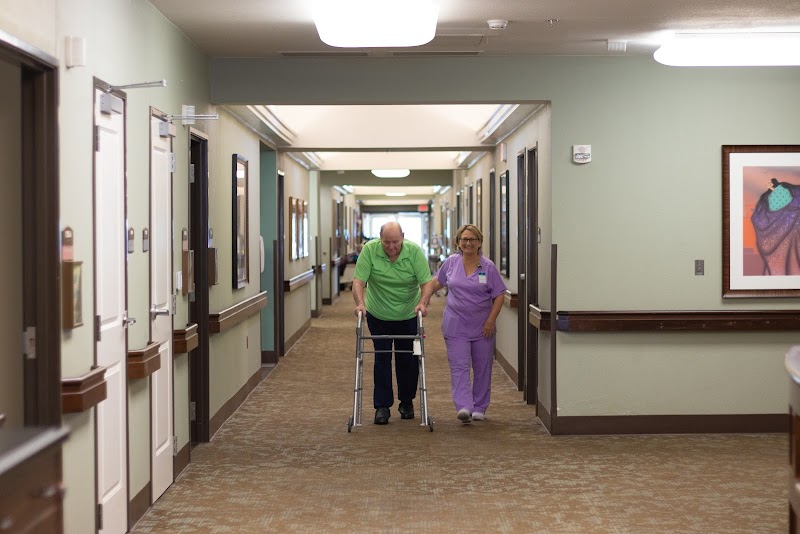
CMS rates MCMAHON-TOMLINSON NURSING CENTER's staffing level at 3 out of 5 stars, which is average compared to other nursing homes. Staff turnover is 56%, which is 10 percentage points above the Oklahoma average of 46%. High turnover can affect care consistency as new staff learn residents' individual needs.

What Have Inspectors Found at Mcmahon-Tomlinson Nursing Center?

State health inspectors documented 17 deficiencies at MCMAHON-TOMLINSON NURSING CENTER during 2023 to 2025. These included: 17 with potential for harm.
Who Owns and Operates Mcmahon-Tomlinson Nursing Center?

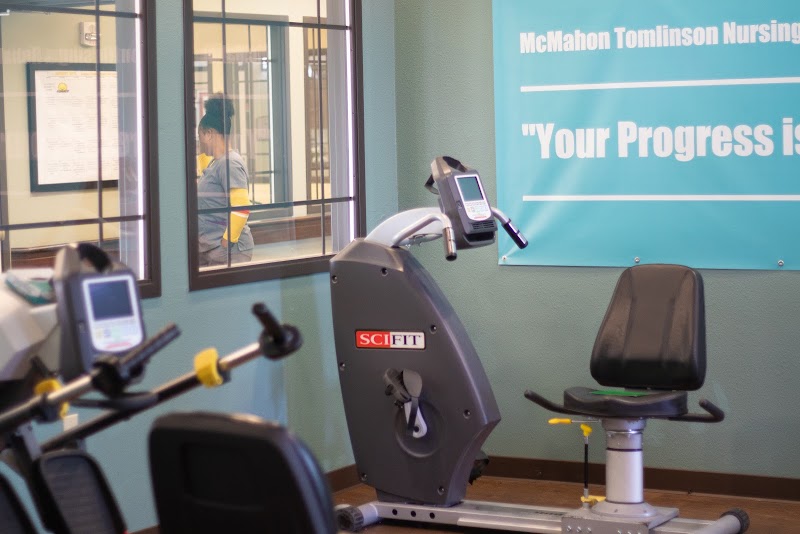
MCMAHON-TOMLINSON NURSING CENTER is owned by a government entity. Government-operated facilities are typically run by state, county, or municipal agencies. The facility operates independently rather than as part of a larger chain. With 142 certified beds and approximately 112 residents (about 79% occupancy), it is a mid-sized facility located in LAWTON, Oklahoma.
How Does Mcmahon-Tomlinson Nursing Center Compare to Other Oklahoma Nursing Homes?

Compared to the 100 nursing homes in Oklahoma, MCMAHON-TOMLINSON NURSING CENTER's overall rating (2 stars) is below the state average of 2.6, staff turnover (56%) is significantly higher than the state average of 46%, and health inspection rating (2 stars) is below the national benchmark.

What Should Families Ask When Visiting Mcmahon-Tomlinson Nursing Center?

Based on this facility's data, families visiting should ask: "How do you ensure continuity of care given staff turnover, and what is your staff retention strategy?" "Can I visit during a mealtime to observe dining assistance and food quality?" "How do you handle medical emergencies, and what is your hospital transfer rate?" "Can I speak with family members of current residents about their experience?" These questions are particularly relevant given the facility's high staff turnover rate.

Is Mcmahon-Tomlinson Nursing Center Safe?

Based on CMS inspection data, MCMAHON-TOMLINSON NURSING CENTER has a clean safety record: no substantiated abuse findings (meaning no confirmed cases of resident harm), no Immediate Jeopardy citations (the most serious violation level indicating risk of serious injury or death), and is not on the Special Focus Facility watch list (a federal program monitoring the lowest-performing 1% of nursing homes). The facility has a 2-star overall rating and ranks #100 of 100 nursing homes in Oklahoma. While no facility is perfect, families should still ask about staff-to-resident ratios and recent inspection results during their visit.

Do Nurses at Mcmahon-Tomlinson Nursing Center Stick Around?

Staff turnover at MCMAHON-TOMLINSON NURSING CENTER is high. At 56%, the facility is 10 percentage points above the Oklahoma average of 46%. High turnover means new staff may not know residents' individual needs, medications, or preferences. It can also be disorienting for residents, especially those with dementia who rely on familiar faces. Families should ask: What is causing the turnover? What retention programs are in place? How do you ensure care continuity during staff transitions?

Was Mcmahon-Tomlinson Nursing Center Ever Fined?

MCMAHON-TOMLINSON NURSING CENTER has no federal fines on record. CMS issues fines when nursing homes fail to meet care standards or don't correct problems found during inspections. The absence of fines suggests the facility has either maintained compliance or corrected any issues before penalties were assessed. This is a positive indicator, though families should still review recent inspection reports for the full picture.

Is Mcmahon-Tomlinson Nursing Center on Any Federal Watch List?

MCMAHON-TOMLINSON NURSING CENTER is not on any federal watch list. The most significant is the Special Focus Facility (SFF) program, which identifies the bottom 1% of nursing homes nationally based on persistent, serious quality problems. Not being on this list means the facility has avoided the pattern of deficiencies that triggers enhanced federal oversight. This is a positive indicator, though families should still review the facility's inspection history directly.