MONTEVISTA REHABILITATION AND SKILLED CARE
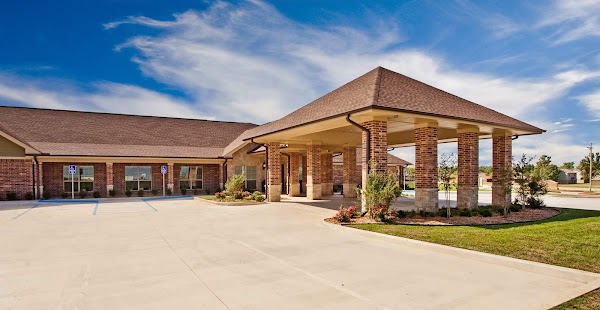
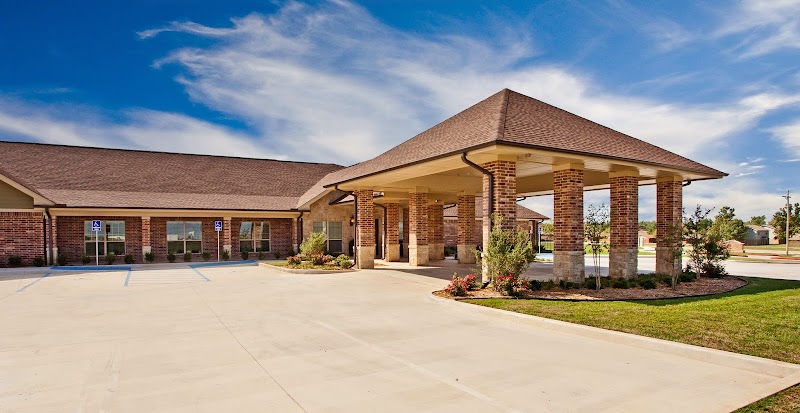
7604 QUANAH PARKER TRAILWAY, LAWTON, OK 73505 (580) 536-2866
Non profit - Corporation 105 Beds STONEGATE SENIOR LIVING Data: November 2025 1 Immediate Jeopardy citation
Trust Grade
23/100
#174 of 282 in OK
Last Inspection: September 2024

Within standard 12-15 month inspection cycle. Federal law requires annual inspections.

Overview

MonteVista Rehabilitation and Skilled Care has received a Trust Grade of F, indicating significant concerns and a poor overall quality of care. It ranks #174 out of 282 facilities in Oklahoma, placing it in the bottom half of all state facilities, and #2 out of 4 in Comanche County, meaning only one local option is rated better. The facility's trend is worsening, as it went from 6 issues in 2024 to 7 in 2025, raising alarms about the quality of care. Staffing is average with a rating of 2 out of 5 stars and a turnover rate of 64%, which is higher than the state average. However, it is concerning that the facility has incurred $27,782 in fines, indicating compliance issues that are higher than 75% of Oklahoma facilities, and has less RN coverage than 78% of state facilities, limiting critical oversight. Specific incidents include a critical finding where a resident was able to leave the facility unsupervised, which poses a serious safety risk, and a serious incident where a resident was hospitalized due to inadequate dietary care, highlighting failures in meeting individual needs. Additionally, there was another serious issue where a resident experienced uncontrolled pain because the facility failed to provide timely access to prescribed pain medication. Overall, while there are some staffing strengths, the significant compliance issues and safety concerns suggest families should carefully consider their options.

Trust Score
F
23/100
In Oklahoma
#174/282
Bottom 39%
Safety Record
High Risk
Review needed
Inspections
Getting Worse
6 → 7 violations
Staff Stability
⚠ Watch
64% turnover. Above average. Higher turnover means staff may not know residents' routines.
Penalties
⚠ Watch
$27,782 in fines. Higher than 86% of Oklahoma facilities, suggesting repeated compliance issues.
Skilled Nurses
⚠ Watch
Each resident gets only 12 minutes of Registered Nurse (RN) attention daily — below average for Oklahoma. Fewer RN minutes means fewer trained eyes watching for problems.
Violations
⚠ Watch
18 deficiencies on record. Higher than average. Multiple issues found across inspections.
★★☆☆☆
2.0
Overall Rating
★★☆☆☆
2.0
Staff Levels
★★★☆☆
3.0
Care Quality
★★☆☆☆
2.0
Inspection Score
Stable
2024: 6 issues
2025: 7 issues

The Good

  • Full Sprinkler Coverage · Fire safety systems throughout facility
  • No fines on record

Facility shows strength in fire safety.

The Bad

2-Star Overall Rating

Below Oklahoma average (2.6)

Below average - review inspection findings carefully

Staff Turnover: 64%

18pts above Oklahoma avg (46%)

Frequent staff changes - ask about care continuity

Federal Fines: $27,782

Below median ($33,413)

Moderate penalties - review what triggered them

Chain: STONEGATE SENIOR LIVING

Part of a multi-facility chain

Ask about local staffing decisions and management

Staff turnover is elevated (64%)

16 points above Oklahoma average of 48%

The Ugly 18 deficiencies on record

1 life-threatening 2 actual harm
Mar 2025 5 deficiencies
CONCERN (D) 📢 Someone Reported This

A family member, employee, or ombudsman was alarmed enough to file a formal complaint

Potential for Harm - no one hurt, but risky conditions existed

Notification of Changes (Tag F0580)

Could have caused harm · This affected 1 resident

Based on record review and interview, the facility failed to ensure the resident's representative was notified of changes in skin condition for 1 (#1) of 3 sampled residents reviewed for notifications...

Read full inspector narrative →
Based on record review and interview, the facility failed to ensure the resident's representative was notified of changes in skin condition for 1 (#1) of 3 sampled residents reviewed for notifications. The administrator identified 88 residents resided in the facility. Findings: A Change of Condition policy, dated 02/13/23, read in part, Examples of circumstances of when it is appropriate to communicate information to these parties may include, but are not limited to .unexpected deterioration in condition or status. Resident #1's had diagnoses which included Type 2 diabetes mellitus without complications, intrahepatic bile duct carcinoma, and perforation of gallbladder in cholecystitis. An admission assessment, dated 01/29/25, read in part, Does resident wish to have a representative involved in care decision-yes (enter name in text box)- [Family member name withheld]. A skin assessment, dated 01/29/25, showed Rash/Redness/Denuded (Includes MASD/IAD)- Yes. Location of Rash/Redness- Buttocks blanchable redness. Surgical wound - Yes. Location of surgical wound-abdomen upper right side of abdomen. A skin assessment, dated 02/05/25, showed Rash/Redness/Denuded (Includes MASD/IAD) - No. Surgical wound - No. A physician order, dated 02/07/25, showed to cleanse the wound to the buttocks/ coccyx area with cleanser, pat dry, apply xeroform and cover with bordered gauze daily. Dx: pressure ulcer of specified site, unspecified stage. Entered by LPN #8. D/C by RN #2 on 02/09/25. A baseline care plan, dated 02/07/25, showed resident wanted to be involved in care decisions - Yes, wishes to have a representative involved. On 02/05/25 at 8:40 a.m., LPN #8 reviewed the eMAR record. They reported the resident admitted with red buttocks and was starting to get an open area. They stated they notified the physician and received a new order on 02/07/25. They were asked if they contacted the representative listed on the admission assessment. They stated no. They reported a family member was in the room at this time of the treatment and was listed on the contact list in the eMAR. They were asked if they charted the name of the person contacted related to the new wound order. They stated they did not. They were asked if that was the facility policy to chart the person contacted. They stated that was the facility policy to chart the name of person contacted. 03/04/25 at 10:19 a.m., the DON was asked who the staff would notify with a new order for Resident #1. They reported whoever performed the admission assessment should make sure it matched the face sheet in the eMAR. They were asked who the contact person for Resident #1 would be. They stated the name listed on the admission assessment.
CONCERN (E) 📢 Someone Reported This

A family member, employee, or ombudsman was alarmed enough to file a formal complaint

Potential for Harm - no one hurt, but risky conditions existed

Deficiency F0635 (Tag F0635)

Could have caused harm · This affected multiple residents

Based on record review and interview, the facility failed to: a. verify and obtain clarification from the physician to determine how often to flush the cholecystostomy drain and to measure and record ...

Read full inspector narrative →
Based on record review and interview, the facility failed to: a. verify and obtain clarification from the physician to determine how often to flush the cholecystostomy drain and to measure and record the drain output for 1 (#1) of one sampled resident with a cholecystostomy drain; and b. administer medications as physician ordered for 1 (#1) of 1 sampled resident reviewed for new admissions to the facility. The administrator reported 88 residents resided in the facility and had 47 new admits to the facility in the last 30 days. The administrator reported they currently had no cholecystostomy drains in the facility. Findings: 1. A performance checklist skill Managing Wound Drainage Evacuation policy, dated 2018, read in part, Recording and Reporting, 1. Recorded all pertinent information in the appropriate log. 2. Recorded amount of drainage on I&O record. 3. Documented evaluation of patient learning. 4. Reported sudden change in amount of drainage, pungent odor of drainage or new signs of purulence, severe pain, or dislodgement of tube to health care provider immediately. A H&P for Resident #1, dated 01/20/25, showed per IR patient's cholescystostomy tube needed to be flushed and drained twice daily with 5-10ml normal saline flushes. Per GS, patient will need to follow up outpatient with GS and IR in 4-6 weeks for drain removal. The physician order packet (physicians order), dated 01/29/25, read part, Septic shock 12/31/24 - 01/29/25, return visit 02/04/25 with gastrointestinal cancer clinic .Other instructions an IR appointment has been made for you to remove the cholecystostomy tube. If you do not hear from them in 1 week regarding your appointment, would recommend calling [number removed] to schedule appointment. Cholecystostomy drain .Keep a daily record of output for your provider .Flush your drain daily. The physician packet order consisted of 30 pages and contained the flush procedure for a cholecystostomy drain. On 02/25/25 at 10:48 a.m., the ADON provided the physician order packet (admitting physician orders) they received for Resident #1's admission intake. Inside the packet were instructions to flush a cholecystostomy drain. They stated they did not actually see the resident's drain. They stated the order documented it was a cholecystostomy drain. They were asked if these instructions included how many times a day to flush Resident #1's drain. They stated the flushing instructions related to how many times a day the drain was to be flushed were not included in the physician order packet [admitting physician orders], but were located on the H&P dated 01/20/25. The ADON was asked who received the instructions on how to flush the cholecystostomy drain. They stated they passed the cholecystostomy drain procedure to the staff member who was admitting the resident and they passed it on to the next nurse in report. On 2/25/25 at 11:37 a.m., the ADON stated they received the flush orders for Resident #1's drain from the H&P dated 01/20/25, not from the physician order packet (admitting physicians orders). They were asked if the H&P was a physicians order. They stated that it was the plan to take care of them. The ADON was asked if they obtained clarification from the physician. They stated typically they did, but they had cleared everything out of their phone. They were asked if they contacted the physician. The ADON stated it was not charted that anybody was contacted. They were asked if they documented communication with the physician's case manager. They stated there was no clarification from anyone related to the flushes. The ADON determined LPN #6 admitted Resident #1. They stated they made a copy of the instructions and gave that to the nurse that received the resident and then hoped it would become part of their care and passed on in report. On 02/25/25 at 3:12 p.m., the administrator was asked for a policy specifically for drains (cholecystostomy drain/IR drain). The administrator submitted a performance checklist skill document titled, Managing Wound Drainage Evaluation. They stated that was the guide they followed. They were asked if they had a standard facility policy. They stated they have nothing that looked like the other policies submitted. The policy did not mention a cholecystostomy drain. On 02/25/25 at 3:49 p.m., the drain policy and procedure was presented to RN #1. They stated it looked like a checklist. They were asked if they followed the policy. They stated obviously not. RN #1 was asked if drain output should be recorded. They stated the output from drains should be recorded. They stated they would have included the specific instructions for the drain into the actual physician's orders. On 02/26/25 at 6:43 a.m., LPN #6 was asked about the way they flushed the cholecystostomy drain. They stated they would flush it with 10 ml's and go back and see if it drained into the bag and if it did not they would go back and flush it again. They were asked if the physician order stated to record the drain output. They stated it did not, just to flush it with 10 ml's of normal saline. They stated this was the first cholecystostomy tube they had seen. They were asked to review the physician order packet and was asked what the order documented related to measuring output. They stated to keep a daily record of output for your provider. They were asked about the facility policy to record output from a drain. They stated for JP drains it would have been included on the physicians order to measure and record the output from the drain. On 03/04/25 at 12:13 p.m., ADON was asked to review the physician order packet for Resident #1's admission. They stated they transcribed the drain to be flushed twice daily, but the physician order did state to flush it daily. They were asked if it would be acceptable to take physician orders from the H&P dated 01/20/25 dated prior to the residents admission. They stated they agreed it would not be. 2. A Physician Orders Admission policy, dated 03/19/22, read in part, It is the policy of our facility that all treatments and medications be ordered by the resident's physician, advanced practice nurse, physician assistant, or Dentist. The physician order packet, printed on 01/29/25, for Resident #1's admission to the facility showed the following medication list: a. continue loratadine (an antihistamine) 10 mg tablet take 1 tablet by mouth in the morning, b. continue magnesium glycinate (a supplement) 100 mg capsule take 100 mg by mouth at bed time, last time this was given: ask your nurse or doctor, c. continue vitamin C (an antioxidant) take by mouth, d. continue garlic (a supplement) take by mouth, and e. continue zinc (a supplement) take by mouth, last time this was given: ask your nurse or doctor. On 02/25/25 at 8:40 a.m., the physician orders were reviewed with the ADON. They identified the following medications were not transcribed upon admission. The ADON reported it was the facility policy for another nurse to verify the physician orders and they would both initial the physician order, and if they needed to they would notify the physician. a. loratadine 10 mg in the morning, b. magnesium glycinate 100 mg capsule at bedtime, and c. vitamin C, garlic, and zinc. On 02/25/25 at 4:30 p.m., RN #1 reviewed admission orders and verified the following medications were not transcribed. a. loratadine 10 mg in the morning, b. magnesium glycinate 100 mg capsule at bedtime, and c. vitamin C, garlic, and zinc. On 03/04/25 at 12:20 p.m., the physician orders were reviewed with LPN #1. They stated they had entered the physician orders into the eMAR. They stated if they had any questions they would reach out to the liaison. They stated the following medications were not transcribed and should have been. They reported they did not have another nurse verify the physician order. a. loratadine 10 mg in the morning, b. magnesium glycinate 100 mg capsule at bedtime, and c. vitamin C, garlic, and zinc.
CONCERN (E) 📢 Someone Reported This

A family member, employee, or ombudsman was alarmed enough to file a formal complaint

Potential for Harm - no one hurt, but risky conditions existed

Deficiency F0655 (Tag F0655)

Could have caused harm · This affected multiple residents

Based on record review and interview, the facility failed to implement a baseline care plan to include a IR drain/cholecystostomy drain within 48 hours of admission to the facility for 1 (#1) of 1 sam...

Read full inspector narrative →
Based on record review and interview, the facility failed to implement a baseline care plan to include a IR drain/cholecystostomy drain within 48 hours of admission to the facility for 1 (#1) of 1 sampled resident reviewed for an IR drain. The administrator reported 47 new admissions in the past 30 days. Findings: A Care Plan - Process policy, dated 03/27/23, read in part, Initiate a Baseline Care Plan and complete within forty-eight (48) hours of admission based on the physician's orders and nursing evaluation. Resident #1's diagnoses included intrahepatic bile duct carcinoma, perforation of gallbladder in cholecystitis, and acute kidney failure. Resident #1's admission assessment, dated 01/29/25, showed renal/urinary history-other (describe below)-IR drain. Current bladder/urine status-urinal at bedside. A Baseline Care Plan, dated 02/07/25, showed Physician Orders/Medications/Treatments. The IR drain was not listed under physician orders/treatment or listed under the nursing evaluation on the baseline care plan. On 02/24/25 at 5:52 p.m., the DON was asked about specific information on the baseline care plan related to the IR drain. They stated they did not see it on the baseline care plan. On 02/25/25 at 3:12 p.m., the administrator was asked when the baseline care plan had been completed. They stated it was completed on 02/07/25. They were asked if they followed the facility policy. They stated they did not follow the policy. The baseline care plan was completed by LPN #3, nine days after Resident #1's admission.
CONCERN (E) 📢 Someone Reported This

A family member, employee, or ombudsman was alarmed enough to file a formal complaint

Potential for Harm - no one hurt, but risky conditions existed

Quality of Care (Tag F0684)

Could have caused harm · This affected multiple residents

Based on record review and interview, the facility failed to document a a skin assessment for 1 (#1) of 2 sampled residents reviewed for physician ordered wound treatments. The administrator identifi...

Read full inspector narrative →
Based on record review and interview, the facility failed to document a a skin assessment for 1 (#1) of 2 sampled residents reviewed for physician ordered wound treatments. The administrator identified 88 residents resided in the facility and the facility matrix showed seven residents had wounds in the facility. Findings: A policy titled An Overview of Wound Care, dated July 2018, read in part, It is important that existing PU/PI be identified, whether present on admission or developed after admission, and that factors that influenced its development, the potential of additional PU/PIs or the deterioration of the PU/PIs be recognized, assessed and addressed. Any new PU/PI suggests a need to reevaluate the adequacy of prevention measures in the resident's care plan. A policy titled Documentation and Measurement of Wounds, revised July 2018, read in part, Wounds are measured and documented within professional practice guidelines. Resident #1's diagnoses included, type 2 diabetes mellitus without complications, intrahepatic bile duct carcinoma, and perforation of gallbladder in cholecystitis. An admission assessment, dated 01/29/25, showed skin intact, fair turgor, pressure redistribution mattress, other describe below surgical incision right upper abdomen IR drainage bag placed. A skin assessment, dated 01/29/25, showed Rash/Redness/Denuded (Includes MASD/IAD)- Yes. Location of Rash/Redness- Buttocks blanchable redness. Surgical wound - Yes. Location of surgical wound-abdomen upper right side of abdomen. A skin assessment, dated 02/05/25, showed Rash/Redness/Denuded (Includes MASD/IAD) - No. Surgical wound - No. A pressure ulcer risk assessment, dated 02/05/25, showed a pressure ulcer risk, mild risk (21): total score 15-24. A care plan, dated 02/05/25, showed skin breakdown: at risk for/actual. Measures will be taken to prevent skin breakdown over the next 90 days, inspect skin complete body head to toe every week and document results, off load heels, treatment and dressings as ordered per physician, dietitian referral 02/07/25, position resident properly; use pressure-reducing or pressure-relieving devices (For example: pillows, positioning wedges, and alternating pressure mattress) if indicated 02/07/25. A physician order, dated 02/07/25, showed to cleanse the wound to the buttocks/ coccyx area with cleanser, pat dry, apply xeroform and cover with bordered gauze daily. Dx: pressure ulcer of specified site, unspecified stage. Entered by LPN #8. D/C by RN #2 on 02/09/25. A baseline care plan, dated 02/07/25, showed pressure ulcer risk, moderate risk: total score 13/14, preventive measures, and education will be provided. Interventions include pressure reducing mattress. On 02/25/25 at 8:40 a.m., LPN #8 reviewed eMAR record. They reported the resident admitted with red buttocks and was starting to get an open area. They stated they notified the physician and received a new order on 02/07/25 and they did not perform a skin assessment, or make a nurse's note related to the description of the wound in the eMAR. They reported the resident was added to the list to be seen by wound care doctor the following Monday on 02/10/25, but the resident left the facility against medical advise on 02/09/25. They reported the left side of the resident's buttocks was redder and it was not blanchable, they believed it was the left side that was worse with purple reddish color, and the skin was starting to flake off and they were concerned about that.
CONCERN (E) 📢 Someone Reported This

A family member, employee, or ombudsman was alarmed enough to file a formal complaint

Potential for Harm - no one hurt, but risky conditions existed

Deficiency F0726 (Tag F0726)

Could have caused harm · This affected multiple residents

Based on record review and interview, the facility failed to develop and implement a policy for cholecystostomy drain care for 1 (#1) of 1 sampled resident with a cholecystostomy drain and ensure the ...

Read full inspector narrative →
Based on record review and interview, the facility failed to develop and implement a policy for cholecystostomy drain care for 1 (#1) of 1 sampled resident with a cholecystostomy drain and ensure the nursing staff were properly trained and determined competent for 3 (LPN #3, 5 and #6) of 4 sampled LPNs interviewed for drain care. The administrator reported 88 residents resided in the facility and had no cholecystostomy drains in the facility. Findings: A performance checklist skill Managing Wound Drainage Evacuation policy, dated 2018, read in part, Recording and Reporting 1. Recorded all pertinent information in the appropriate log. 2. Recorded amount of drainage on I&O record. 3. Documented evaluation of patient learning. 4. Reported sudden change in amount of drainage, pungent odor of drainage or new signs of purulence, severe pain, or dislodgement of tube to health care provider immediately. The physician order packet (physicians order), dated 01/29/25, read in part, Septic shock 12/31/24 - 01/29/25, return visit 02/04/25 with gastrointestinal cancer clinic .Other instructions an IR appointment has been made for you to remove the cholecystostomy tube. If you do not hear from them in 1 week regarding your appointment, would recommend calling [number removed] to schedule appointment. Cholecystostomy drain .Keep a daily record of output for your provider .Flush your drain daily. The physician packet order consisted of 30 pages and contained the flush procedure for a cholecystostomy drain. Resident #1's eTAR, dated 02/02/25-02/24/24, showed treatment every 12 hours flush cholecysystomy tube twie a day with 10 ml normal saline. LPN #3 documented flushes on 02/01/25, 02/02/25, and 02/03/25. LPN #5 documented flushes on 02/07/24 and 02/08/25. LPN #6 documented flushes on 02/01/25, 02/06/25, and 02/07/25. The eTAR did not document to measure the output. On 02/24/25 at 4:02 p.m., LPN #5 was asked about Resident #1's cholecystostomy drain. They stated they just came back to work on February 7, 2025, and they did not remember the resident. On 02/24/25 at 5:14 p.m., LPN #5 was asked about flushing Resident #1's drain on 02/07/25 and 02/08/25. They were asked to review the eTAR related to the flushing of the drain. They stated it was documented, so they guessed they did. They were asked if they had received training related to a cholecystostomy drain. They stated, No, ma'am, they were a new admit. They were asked if they disconnected it or just flushed it with normal saline. They stated honestly, they could not remember. They were asked if they remembered if it had an opened/closed position. They stated they did not remember. They stated they only worked over on the skilled side for three hours. They were asked if they emptied the drain, would they chart the drain output. They stated they believed you were supposed to. They reported they were informed it was a bile drain. On 02/25/25 at 6:43 a.m., LPN #6 was asked about the way they flushed the cholecystostomy drain. They reported they would flush it with 10 ml's and go back and see if it drained into the bag and if it did not, they would go back and flush it again. They stated the treatment order stated to just flush it. They were asked if the treatment order stated to record the drain output. They stated it did not, just to flush it with 10 ml's of normal saline. They reported this was the first cholecystostomy tube they had seen. They were asked about the facility policy to record output from a drain. They stated for JP drains it would have been included on the physicians order to measure and record the output from the drain. On 02/25/25 at 9:48 a.m., LPN #3 reported they did not flush the drain (which they thought was a nephrostomy tube), and reported they did not flush the drain they only emptied the drain bag. They did not document the output in the nurse's notes or in the output record. Reported they were only familiar with JP drains, indwelling catheter, and a nephrostomy tube. They were asked if that was the facility policy to chart drain output. They stated it was the facility policy. On 02/25/25 at 3:12 p.m., the administrator was asked for a policy specifically for drains (cholecystostomy drain/IR drain). The administrator submitted a document titled, performance checklist skill, managing wound drainage evaluation and stated, this was the guide they followed. They were asked if they had a standard facility policy. They stated they have nothing that looked like the other policies submitted. The policy did not mention a cholecystostomy drain. On 03/04/25 at 10:20 a.m., the DON was asked if the staff received training for a cholecystostomy drain. They reported they had no documentation related to training for the drain and were not aware the staff did not understand it. The DON reported if the staff required training the ADON would provide it.
Feb 2025 2 deficiencies
CONCERN (E) 📢 Someone Reported This

A family member, employee, or ombudsman was alarmed enough to file a formal complaint

Potential for Harm - no one hurt, but risky conditions existed

Comprehensive Care Plan (Tag F0656)

Could have caused harm · This affected multiple residents

**NOTE- TERMS IN BRACKETS HAVE BEEN EDITED TO PROTECT CONFIDENTIALITY** Based on observation, record review, and interview the facility failed to ensure care plans were updated with smoking interventi...

Read full inspector narrative →
**NOTE- TERMS IN BRACKETS HAVE BEEN EDITED TO PROTECT CONFIDENTIALITY** Based on observation, record review, and interview the facility failed to ensure care plans were updated with smoking interventions for 2 (#2 and #3) of 3 residents sampled for smoking safety. The administrator reported 14 smokers resided in the facility. Findings: A policy titled Resident Smoking Policy, dated 01/01/24, read in part, The resident's care plan will include the amount of assistance the resident is to receive during smoking. The care plan will be updated quarter and as necessary to document changes in the resident's need for assistance. 1. Resident #2 had diagnoses which included seizure disorder and bilateral below knee amputation. A Smoking Risk assessment, dated 06/09/24, showed Resident #2 agreed to keep smoking paraphernalia at the nurse's station. A care plan, dated 09/23/24, read in part, Resident has been informed that this is a non smoking facility and continues too smoke at times. The care plan failed to show the facility's change to allow smoking in the courtyard and interventions to prevent the resident from smoking unsupervised. Resident #2's quarterly assessment, dated 01/16/25, showed the resident had moderate cognitive impairment and tobacco use. On 02/05/25 at 4:53 p.m., Resident #2 was observed being wheeled outside to the courtyard by an unknown staff member. The resident was observed outside in the courtyard without supervision. The resident was observed to light and smoke a cigarette. On 02/06/25 at 11:33 a.m., Resident #2 reported being allowed to go outside to the courtyard at anytime requested. The resident reported staff stored all smoking supplies and residents were to be supervised when smoking. On 02/06/25 at 12:26 p.m., the administrator reported Resident #2 had a history of being noncompliant with supervised smoking. On 02/06/25 at 1:17 p.m., the corporate registered nurse reported all residents were supervised smokers and it was the facility policy. On 02/06/25 at 1:35 p.m., the DON reported smoking activity should be included on resident care plans and revised with updated smoking interventions. 2. Resident #3 was admitted on [DATE] with diagnoses which included metabolic encephalopathy. A quarterly assessment, dated 10/07/24, showed the resident's cognition was intact. The assessment showed Resident #3 required assistance with activities of daily living. A care plan, dated 11/06/24, showed no smoking activity or interventions. On 02/06/25 at 9:35 a.m., Resident #3 was observed outside smoking with staff supervision. On 02/06/25 at 9:42 a.m., Resident #3 reported smokers were allowed to go out to smoke with staff. The resident reported not being able to open the door to the smoking area alone. A Smoking Risk assessment for Resident #3, dated 02/06/25, read in part, Staff supervised smoking will be designated at specific times. On 02/06/25 at 1:35 p.m., the DON reported smoking activity should be included on resident care plans and revised with updated smoking interventions. The DON reported Resident #3's smoking assessment had been missed on admission.
CONCERN (E) 📢 Someone Reported This

A family member, employee, or ombudsman was alarmed enough to file a formal complaint

Potential for Harm - no one hurt, but risky conditions existed

Accident Prevention (Tag F0689)

Could have caused harm · This affected multiple residents

Based on observation, record review, and interview, the facility failed to provide staff supervision while smoking for 1 (#1) of 3 residents sampled for smoking supervision. The administrator reporte...

Read full inspector narrative →
Based on observation, record review, and interview, the facility failed to provide staff supervision while smoking for 1 (#1) of 3 residents sampled for smoking supervision. The administrator reported 14 smokers resided in the facility. Findings: A Resident Smoking Policy, dated 01/2024, read in part, Residents who wish to smoke will be evaluated for the level of assistance required while smoking. All residents will be supervised while smoking for their personal safety. Resident #1's care plan, dated 09/05/24, showed the resident smoked and was at risk for injury. The care plan showed the resident would not have any injury while smoking and would smoke in designated areas at all times. The care plan showed cigarettes and lighter would be kept at the nurse's station/designated area. The annual assessment for Resident #1, dated 11/10/24, showed the resident's cognition was intact and required partial/moderate assistance with activities of daily living. On 02/06/25 at 11:10 a.m., the administrator reported they implemented smoking in the facility in June 2024 and stated they had designated smoking times and supervised smoking. The administrator reported they had a resident (Resident #1) who was noncompliant at times and smoked outside of the designated times and without supervision. On 02/06/25 at 1:00 p.m., Resident #1 was observed outside smoking in the enclosed courtyard without staff supervision. Resident #1 was asked about smoking in the facility. They stated they have designated smoking times and the next one was at 2:00 p.m. The resident stated they just wanted to take a couple of puffs after lunch. They stated they would get two cigarettes in the morning and save one of them for times like this when they wanted an extra.
Dec 2024 1 deficiency
CONCERN (E) 📢 Someone Reported This

A family member, employee, or ombudsman was alarmed enough to file a formal complaint

Potential for Harm - no one hurt, but risky conditions existed

Report Alleged Abuse (Tag F0609)

Could have caused harm · This affected multiple residents

Based on observation, record review, and interview, the facility failed to investigate an allegation of abuse and determine when to report the allegation for one (#3) of three sampled residents review...

Read full inspector narrative →
Based on observation, record review, and interview, the facility failed to investigate an allegation of abuse and determine when to report the allegation for one (#3) of three sampled residents reviewed for abuse. The administrator identified 92 residents resided in the facility. The administrator reported six allegations of abuse in the past ninety days. Findings: An Abuse, Neglect and Exploitation and Misappropriation of Resident Property policy, dated 06/23/27, read in part, The purpose of this policy is to ensure that all healthcare facilities comply with federal and state regulations regarding (i) protecting facility patients and residents from abuse, neglect, exploitation and misappropriation, and (ii) timely investigation of and reporting to state and local agencies all allegations of abuse, neglect, exploitation and misappropriation of resident property. The policy also read, All residents, family members, visitors, and others are encouraged to report actual or suspected incidents of resident abuse, neglect, exploitation, and/or misappropriation of resident property without fear of retaliation. On 12/09/24 at 6:49 a.m., CNA #2 was observed working the front half of the 500 hall. CNA #2 was asked if there had been a problem on the 600 hall. They reported there was with Resident #3. They reported they were told not to go to the resident's room because they had made a complaint against them. They reported they were told when they made rounds in Resident #3's room they would need to ask for assistance from another staff member. On 12/09/24 at 7:00 a.m., Resident #3 returned from hospital on hospice services. On 12/09/24 at 7:30 a.m., the DON reported a meeting was held with the ombudsman and Resident #3 about the lights shining through their room at night and they discussed darkening curtains. On 12/09/24 at 8:05 a.m., LPN #1 was asked about CNA #2 working on the 600 hall. They reported they heard last week CNA #2 was not allowed on the 600 hall. On 12/09/24 at 9:19 a.m., the ombudsman was asked if they had informed the DON about a complaint regarding rough treatment of Resident #3. They reported they had met with the DON on 11/05/24 and informed them of the complaint of rough and rude treatment. They reported they were informed by the DON they would speak with night shift and investigate. On 12/09/24 at 10:18 a.m., LPN #3 was asked if they were aware CNA #2 was not to provide care for Resident #3. They reported they had heard that from the night shift nurses. They were asked why CNA #2 was not to provide care. They stated because of a family complaint. On 12/09/24 at 11:49 a.m., CNA #1 was asked if they were aware of a staff member that was not allowed to provide care for Resident #3. They identified CNA #2. They were asked if they knew why. They reported Resident #3 had several complaints about CNA #2 being rough and hateful. They were asked who they reported those complaints to. They reported it to several nurses. On 12/09/24 at 12:37 p.m., the administrator was asked how abuse allegations were reported. They reported they typically called them directly or reported to the DON or ADON. They reported they had not received an abuse allegation regarding Resident #3 and CNA #2. On 12/09/24 at 2:28 p.m., the DON reported they had discussed with Resident #3 if anyone had upset them, but they were unaware of an actual allegation. An initial Incident Report Form, dated 12/09/24, read in part, [Resident #3] and [CNA #2]. During a complaint survey it was notified to the facility that there may be an allegation of abuse by the resident &/or family. CNA suspended. Investigation initiated.
Sept 2024 3 deficiencies
CONCERN (D)

Potential for Harm - no one hurt, but risky conditions existed

Deficiency F0661 (Tag F0661)

Could have caused harm · This affected 1 resident

Based on record review and interview, the facility failed to complete a discharge summary to include a recapitulation of the resident's stay for one (#42) of three residents reviewed for discharge. T...

Read full inspector narrative →
Based on record review and interview, the facility failed to complete a discharge summary to include a recapitulation of the resident's stay for one (#42) of three residents reviewed for discharge. The DON reported there had been 33 discharges in the previous 30 days. Findings: A Discharge Plan policy, dated 04/26/24, documented in part, .when a resident is discharged , a post-discharge plan shall be provided to the resident, and/or his or her representative .The resident or representative should provide the facility with a minimum of a seventy-two (72) hour notice of a discharge to assure than an adequate discharge plan can be developed .The medical record must be documented as to the reason why a discharge plan was not developed .As a minimum, the post-discharge plan will include .The identity of specific residents needs after discharge .appropriate referrals .a description of how the resident and family need to prepare for the discharge .Social services will review the plan with the resident and family before the discharge is to take place .A copy of the post-discharge plan will be provided to the resident . Resident #42 was admitted with diagnoses which included anemia, coronary artery disease, hypertension, non-Alzheimer's dementia, multiple sclerosis, depression, and chronic obstructive pulmonary disease. A baseline care plan, dated 07/23/24, documented resident #42 was independent in decision making skills and independent with activities of daily living. The care plan documented the resident planned to discharge home with an anticipated length of stay as 15 to 30 days. The care plan documented the resident was a low elopement risk. An MDS assessment, dated 07/24/24, documented the resident was cognitively intact. A nurse note for resident #42, dated 08/01/24 at 8:00 p.m., documented a CNA notified the charge nurse they could not locate the resident. The note documented the nurse called the resident's contact and was told by the contact they had picked up the resident from the facility earlier in the day. The contact stated the resident had signed a form and thought they were discharged . The note documented the DON and ADON were notified and the resident would be placed out of facility until the following day when administration could follow up with the resident. An incomplete Interdisciplinary Discharge Summary, dated 08/02/24, documented resident #42 was independent with supervision, was continent of bowel and bladder, and documented medications were not sent home with the resident. The summary did not include a recapitulation of the resident's stay, a final summary of the resident's status, or a reconciliation of all pre and post-discharge medications. On 09/06/24 at 11:34 a.m., the DON provided a partially completed discharge summary for resident #42. She stated the resident was given his NOMNC, which he signed and dated on 07/30/24, and apparently thought he was discharged . The DON reported the dayshift nurse on duty on 08/01/24 did not make any notes, complete the discharge summary for the resident, or pass the information on to the nightshift nurse. The DON reported the nurse responsible was no longer employed at the facility. On 09/06/24 at 12:20 p.m., the administrator reported they tried to call the resident the following day after his contact had picked him up but the resident's phone number had been disconnected. The administrator reported the social services director had been in touch with the resident's [Name Deleted] social worker about discharge plans but they thought the resident got confused when the NOMNC paperwork was provided to him and he thought he had been discharged . The administrator reported this information had not been documented anywhere in the resident's record. On 09/06/24 at 2:15 p.m., the administrator reported they had called the [Name Deleted] social worker and confirmed there had been communication from the facility but stated they could not get a copy of that documentation.
CONCERN (E)

Potential for Harm - no one hurt, but risky conditions existed

Deficiency F0727 (Tag F0727)

Could have caused harm · This affected multiple residents

Based on record review and interview, the facility failed to ensure a registered nurse was on duty for at least eight consecutive hours a day, seven days a week. Findings: A Position Description, doc...

Read full inspector narrative →
Based on record review and interview, the facility failed to ensure a registered nurse was on duty for at least eight consecutive hours a day, seven days a week. Findings: A Position Description, documented, position title: Registered Nurse, essential duties to evaluate staffing pattern needed to meet the needs of the residents in conjunction with the Director of Resident Care Services. Organizes/coordinators subordinates, job tasks and time allotments. Oversees/monitors function and activities of subordinate staff. On 09/06/24 at 8:45 a.m., the administrator reported the DON was hired in June 2024 and the ADON was hired on 02/21/24. They reported they were short during the month of April/May 2024. On 09/06/24 at 9:30 a.m., the administrator reported they were short RN coverage for every Saturday and Sunday in May 2024 and two weekends in April 2024.
CONCERN (E)

Potential for Harm - no one hurt, but risky conditions existed

Food Safety (Tag F0812)

Could have caused harm · This affected multiple residents

Based on observation, record review, and interview, the facility failed to ensure staff served prepared food with clean tongs and restrained all hair with beard guards as indicated. Findings: A facil...

Read full inspector narrative →
Based on observation, record review, and interview, the facility failed to ensure staff served prepared food with clean tongs and restrained all hair with beard guards as indicated. Findings: A facility policy, Employee Infection Control, dated 08/01/18, read in part, Anyone who enters the kitchen will have all hair restrained using bouffant caps, mesh or net, beard guard and clothing which covers body hair. A facility policy, General Food Preparation and Handling, dated 02/06/24, read in part, Food is prepared and served with clean tongs, scoops, forks, spoons, spatulas, or other suitable implements to avoid manual contact of prepared foods. On 09/03/24 at 07:30 a.m., an initial tour was conducted of the kitchen. [NAME] #1 was preparing the morning meal and was observed without a beard guard in place. They reported they were running late this morning. On 09/03/24 at 11:40 a.m., the dietary supervisor was asked about the staff not wearing a beard guard. They reported it was their policy for them to wear beard guards when preparing meals. On 09/03/24 at 12:00 p.m., cook #1 donned gloves and was observed preparing lunch trays. They were observed plating food touching the plates, bowls, and menu slips with their gloved hands and then placed the dinner rolls on the plates with their gloved hands. Another staff member donned gloves and assisted the cook in preparing the lunch trays. They were observed touching the plates, bowls, and menu slips with their gloved hands and placed the dinner rolls on the plates with their gloved hands. The dietary supervisor reported the staff should use tongs when handling dinner rolls.
May 2024 1 deficiency 1 IJ
CRITICAL (J) 📢 Someone Reported This

A family member, employee, or ombudsman was alarmed enough to file a formal complaint

Immediate Jeopardy (IJ) - the most serious Medicare violation

Accident Prevention (Tag F0689)

Someone could have died · This affected 1 resident

**NOTE- TERMS IN BRACKETS HAVE BEEN EDITED TO PROTECT CONFIDENTIALITY** A past noncompliance Immediate Jeopardy (IJ) situation was determined to exist effective 04/04/24 related to the facility's fail...

Read full inspector narrative →
**NOTE- TERMS IN BRACKETS HAVE BEEN EDITED TO PROTECT CONFIDENTIALITY** A past noncompliance Immediate Jeopardy (IJ) situation was determined to exist effective 04/04/24 related to the facility's failure to provide adequate supervision to ensure a resident remained safe and free from elopement. The facility failed to provide adequate supervision and interventions to prevent the resident from exiting the facility and leaving the premises unsupervised. On 05/01/24 at 9:57 a.m., the Oklahoma State Department of Health verified the existence of the past noncompliance IJ related to the facility's failure to provide adequate supervision to protect the resident and prevent elopement. Based on record review and interview, the facility failed to ensure a resident received adequate supervision to prevent elopement for one (#3) of four sampled residents reviewed for elopement. The Administrator reported a resident census of 80. Findings: The facility's Elopement Risk Assessment policy, dated 01/12/20, read in part, The licensed nurse completes the Elopement Risk Assessment in the electronic health record and presents the information to the interdisciplinary team for further interventions .The care plan is updated with the initiation of the interventions and changes in interventions, as needed .The licensed nurse documents in the nurse's notes and behavior monitoring in the electronic health record; any exit seeking behavior on an on-going basis and interventions are adjusted as needed . Resident #3 had diagnoses which included dementia, diabetes mellitus, Parkinsonism, and anxiety. A nurse's admission Data report, dated 03/22/24, documented Resident #3 was a moderate risk for elopement. A nurse's note, dated 03/22/24 at 6:14 p.m., documented Resident #3 was being combative and refusing. The nurse's note documented the resident was cursing and yelling, stating staff were holding him against his will, and he was leaving the building now. A care plan, dated 03/22/24, read in part Care area: behavioral changes related to elopement risk score 11-20, moderate risk .Goal: Resident #3 will remain safe within the facility .Interventions: analyze key times, places, circumstances, triggers, and what de-escalates behavior . The admission assessment, dated 03/28/24, documented the resident's cognition was severely impaired and the Resident #3 required partial to moderate assistance with transfers and supervision with ambulation in a wheelchair. A nurse's note, dated 04/04/24, documented at approximately 4:20 p.m. during routine rounds, Resident #3 was not found to be in his room. The note documented staff began looking throughout the facility and the Resident #3 was located right outside the front entrance on the porch. The note documented the resident was redirected inside the facility and the Resident #3 stated, I cannot stay another night here. The note documented the Resident #3 was provided emotional support and agreed to go back inside the facility. The note documented staff would continue with frequent rounds, redirection, and education. An Elopement Risk assessment, dated 04/04/24 at 4:51 p.m., documented Resident #3 to be above high risk for elopement. The assessment documented in part, .the resident self-propels wheelchair, verbalizes anger and frustration regarding placement, mental status was highly confused or demented, and previous attempts to leave the facility one or more times in the last week . An OSDH Form 283 incident report, dated 04/04/24, documented at 10:30 p.m. the facility was unable to locate Resident #3 and elopement procedures were initiated. The incident report documented the Resident #3 was located at 12:30 a.m. on 04/05/24, was taken to the emergency room for evaluation, and returned to the facility. The incident report documented the facility investigation identified that the front door of the facility was unlocked. The incident report documented the facility implemented a QAPI plan, Resident #3 was placed on one-on-one supervision, and education was provided related to elopement. A police case report, dated 04/04/24, documented, on 04/04/24 at approximately 11:05 p.m., Officer [name removed] and Officer [name removed] were dispatched to the facility [name removed] for a missing and at-risk person. The report documented the facility Administrator informed the officer that Resident #3 went missing at approximately 9:30 p.m. - 10:30 p.m. The report documented the Administrator reported the Resident #3 had dementia and wanted to return to their residence, and it was all they talked about. The report documented Officer [name removed] went to the facility next door and asked if they had video footage of the facility. The report documented the lead administrator of the facility next door reported they had seen Resident #3 outside [name removed] doors unattended at approximately 7:30 p.m. when leaving work. The report documented Officer [name removed] found Resident #3 at the [name removed] dealership parking lot at 12:30 a.m. on 04/05/24. The report documented the Resident #3 required medical care due to his blood pressure and mental capacity and was transported to [name removed] medical center. A nurse's note, dated 04/05/24, documented Resident #3 returned from the ER at 2:35 p.m. with no new orders or injuries documented. A care plan, updated 04/08/24, read in part, .Care Area: Resident #3 is at risk for elopement .The resident has diagnoses of dementia, Parkinson's, and cognitive ability varies throughout the day .Interventions: : Analyze key times, places, circumstances, triggers, and what de-escalates behavior .Notify physician and family/responsible party .Offer activities of interest .Offer foods or snacks .Remove resident from immediate situation to assure safety .Staff to monitor his whereabouts at all times . On 04/29/24 at 11:35 a.m., CNA #1 reported when Resident #3 had admitted to the facility he had been aggressive and verbalizing that he wanted to leave the facility and go home. The CNA #1 reported resident #3 had started verbalizing about going home and stating, I'm ready to get out of here about a week before his elopement. The CNA #1 reported on 04/04/24 during the afternoon, the Resident #3 was found outside the front door by the CNA #1 and ADON. The CNA #1 reported Resident #3 was asking someone from transportation to take him home. On 04/29/24 at 3:12 p.m., the Regional Nurse Consultant reported the incident when Resident #3 was found outside the front door on 04/04/24 had not been considered an elopement by the facility due to the resident still being on the facility's premises. The Regional Nurse Consultant reported after that incident, the ADON and Administrator made the decision to lock the front door and require a passcode to open to prevent the resident from leaving the facility. On 04/29/24 at 2:18 p.m., family member #1 reported two days before Resident #3 eloped from the facility, the ADON had called to inform family member #1 that Resident #3 had been found outside the facility and they were going to put interventions in place to prevent him from getting outside the facility. The family member reported that on the afternoon of 04/04/24, the ADON called to inform family member #1 the Resident #3 was found outside the facility, they were going to lock the door front door, and require a passcode to exit. The family member #1 reported they had been informed after Resident #3's elopement on 04/04/24 that the front door was found unlocked. On 04/30/24 at 12:56 p.m., LPN #1 reported Resident #3 was usually in their wheelchair near the nurse's station if they were not in their room. The LPN #1 reported the resident would talk about leaving the facility and was confused on and off. On 04/30/24 at 1:05 p.m., CNA #2 reported Resident #3 would wheel up to the nurse's station from their room and stated they was going to leave and needed to get out the door. On 05/01/24 at 9:21 a.m., the Administrator reported that Resident #3 had made comments that they was going to leave the facility, but the facility had no indication that they would leave the facility's property. The Administrator was unaware of any reports that the Resident #3 had gotten out the front door of the facility two days prior to elopement. The Administrator reported the front door was supposed to be locked after the Resident #3 exited the facility the afternoon of 04/04/24 but for unknown reasons, was found unlocked when Resident #3 was found missing on 04/04/24. The Administrator reported if the front door had been locked it may have prevented the Resident #3 from eloping. The Administrator reported the elopement incident had the potential for serious injury or harm to the resident. On 05/01/24 at 9:57 a.m., the Administrator was presented with the IJ template and notified of the past non-compliance IJ situation for the elopement incident on 04/04/24 for resident #3. On 05/01/24 at 10:18 a.m., the regional nurse consultant reported that they were not aware of Resident #3 going outside the facility on 04/02/24 as documented on the IJ template. The regional nurse consultant reported they agreed with the rest of the documentation on the IJ template. On 05/01/24 at 10:23 a.m., per phone call, the ADON reported the resident had not been found outside the facility prior to 04/04/24. The facility's investigation of the elopement incident, dated 04/05/24, and provided by the Administrator, documented the need for immediate action had been resolved on 04/05/24. The investigation documented the following: Resident #3 was placed on one-on-one supervision when Resident #3 returned from the ER on [DATE] until Resident #3 was discharged on 04/10/24. On 04/05/24, the facility reassessed Resident #3's elopement risk and updated the care plan. The facility completed a headcount of all residents, reviewed all resident's elopement risk assessments and updated care plans as needed. The elopement risk book kept at the nurse's station was reviewed and updated. The facility locked all the coded doors, changed the door codes to make them harder to figure out, and placed signage on all doors to not let residents out. Daily checks of doors were implemented for 4 weeks. Staff members were in-serviced on elopement and keeping the doors locked 24/7. The facility conducted a root cause analysis exercise to determine the reason the elopement occurred. Throughout the survey, staff members were interviewed regarding the education and in-services provided on 04/05/24 and 04/08/24. All staff were knowledgeable on the topics covered during the in-service.
Apr 2024 1 deficiency 1 Harm
SERIOUS (G) 📢 Someone Reported This

A family member, employee, or ombudsman was alarmed enough to file a formal complaint

Actual Harm - a resident was hurt due to facility failures

Deficiency F0805 (Tag F0805)

A resident was harmed · This affected 1 resident

Based on record review and interview, the facility failed to ensure a resident received food prepared to meet the resident's needs, which resulted in hospitalization, for one (#1) of four residents re...

Read full inspector narrative →
Based on record review and interview, the facility failed to ensure a resident received food prepared to meet the resident's needs, which resulted in hospitalization, for one (#1) of four residents reviewed for therapeutic diets. The administrator reported a census of 84 residents. Findings: A Menu Planning policy, dated 11/01/17, documented in part, .Nutrition Services will be responsible to prepare and serve the diet as ordered .Nursing staff will notify the NSM of needed consistency changes .Resident response to special and modified diets will be evaluated. Ineffective or inappropriate diets, including texture modifications, will be referred .to the attending physician, dietitian, and/or therapy department for evaluation . Resident #1 had diagnoses which included traumatic brain injury, hemiplegia, hemiparesis, and muscle spasms. A physician order, dated 11/29/23, documented a diet order for puree level 4. An MDS assessment, dated 02/17/24, documented the resident required a mechanically altered diet. The assessment documented the resident was severely cognitively impaired. A care plan, dated 02/19/24, documented resident #1 required a pureed level 4 diet. The care plan documented the resident required extensive to total assistance with activities of daily living. A nurse note, dated 03/19/24, documented in part, .Dietician reviewed resident recently. Awaiting call back from physician with decisions related to referral for peg tube or dietary changes . There was no documentation related to a choking incident on this day. A nurse note, dated 03/23/24, documented a focus assessment related to report of respiratory distress and initial O2 reading of 64%. The note documented the resident was placed on O2, EMS was called for transport to the ER, and the resident left the facility at 1:38 p.m. An emergency department note, dated 03/23/24 at 2:31 p.m., documented the resident was diagnosed with pneumonia and likely aspiration pneumonia. The note documented the resident was intubated related to respiratory distress. Hospital records documented the resident remained in the intensive care unit as of 04/01/24. On 04/01/24 at 1:12 p.m. the DM reported the facility currently had three residents with pureed diet orders. The DM reported these residents were normally fed in the assisted dining room. The DM reported dietary staff had meal cards they referred to for each resident, and stated she would be implementing color-coded cards the following week to assist in identifying special diets. On 04/01/24 at 1:30 p.m., LPN #2 reported she assessed Resident #1 the day the resident was sent to the hospital for respiratory distress. The LPN #2 stated one of the CNAs had gotten the resident up for lunch and reported the resident was short of breath and appeared to be struggling with his breathing. The LPN #2 reported the resident had not started eating lunch at that time and they informed the CNA #1 not to feed the resident since Resident #1 wasn't feeling good. The LPN #2 reported the resident had only had fluids for breakfast that morning, a thickened mighty shake and juice, but to their knowledge had not been fed any food on that day. On 04/01/24 at 1:40 p.m., LPN #2 reported after Resident #1 was admitted to the hospital, an unidentified staff member was told by a family member that the resident was diagnosed with aspiration pneumonia related to the resident being fed corn. The LPN #2 stated during a conversation between nursing staff, CNA #1 reported to LPN #2 that they had fed the resident corn, and informed the LPN #2 that the tray had the resident's name on it. The LPN #2 stated they normally didn't have problems getting the wrong diets for residents and they did not report the incident to anyone. On 04/01/24 at 2:20 p.m., the administrator reported they had not been informed of any resident choking or being fed the wrong diet. On 04/01/24 at 3:14 p.m., CNA #1 reported they were new to the facility and still getting to know the residents. The CNA #1 stated during the previous week, possibly their 2nd day to work, another CNA asked CNA# 1 to feed resident #1. CNA #1 stated the resident had mashed potatoes, pureed corn, and what looked like ground or chopped beef. The CNA #1 stated there were whole chunks of fruit on the tray and they knew not to feed the fruit to the resident since the other food was either pureed or chopped. The CNA #1 confirmed the corn was pureed but they could still tell it was corn. The CNA #1 stated the resident normally made grunting sounds and they noticed the resident was quieter. The CNA #1 called for the nurse and the nurse told her to sit the resident up straighter. The CNA #1 stated they pulled the resident up and the resident coughed up some liquid and seemed better. The CNA #1 reported the nurse assessed the resident and they seemed okay after that. The CNA #1 was uncertain of the exact date of the incident, but stated the resident did not go to the hospital that day. On 04/01/24 at 4:00 p.m., RN #1 provided diets and menus which showed cream-style corn and hamburger meat had been served on Tuesday, 03/19/24, prior to the resident being sent to the hospital on Saturday, 03/23/24. The RN confirmed the resident had a choking episode a few days before being sent out to the hospital which, by the nurse note, would have been on 03/19/24. On 04/02/24 at 11:50 a.m., the restorative aide reported they normally worked Monday through Friday and usually fed resident #1. The aide stated they had been out for surgery so they was not working on the days leading up to resident #1 being sent to the hospital. The aide reported they had observed the resident to have choking episodes in the past, which resulted in them requesting the resident be changed to the current pureed diet. The restorative aide stated because of the choking episodes, they always fed resident #1 in the unit dining room so they would be close to a nurse if the resident had any issues. The aide stated they had observed the resident get the wrong tray before, but they would return the tray to the kitchen and request a pureed tray. The restorative aide stated they thought it was just a mistake with kitchen staff being in a hurry to fill trays, but ultimately it was the responsibility of nursing staff to ensure the resident received the correct diet as ordered.
Sept 2023 1 deficiency
CONCERN (E) 📢 Someone Reported This

A family member, employee, or ombudsman was alarmed enough to file a formal complaint

Potential for Harm - no one hurt, but risky conditions existed

Deficiency F0761 (Tag F0761)

Could have caused harm · This affected multiple residents

**NOTE- TERMS IN BRACKETS HAVE BEEN EDITED TO PROTECT CONFIDENTIALITY** Based on record review and interview, the facility failed to ensure a medication sent home with a resident was their medication ...

Read full inspector narrative →
**NOTE- TERMS IN BRACKETS HAVE BEEN EDITED TO PROTECT CONFIDENTIALITY** Based on record review and interview, the facility failed to ensure a medication sent home with a resident was their medication for one (#2) of eight residents whose records were reviewed for medications. The Resident Census and Conditions of Residents, dated 09/12/23, documented 88 residents resided in the facility. Findings: A facility policy titled, .Discharge Medications, read in part, .Procedures 2. The labels of discharge medications are verified for completeness and accuracy by checking them against the most recent prescriber's orders. Res #2 was admitted on [DATE] and discharged on 08/15/23. They had diagnoses which included Parkinson's, hemiplegia, DM, and CVA. Res #2's physician order, dated 07/25/23, documented to administer atorvastatin 40 mg every evening. A Discharge Instructions For Care document was reviewed, it documented the resident was sent home with atorvastatin 40 mg every evening. On 09/12/23 at 1:46 p.m., via a phone call, a resident's family member reported the resident had been sent home with another resident's atorvastatin medication. The atorvastatin sent home with the resident was only 20 mg, not 40 mg as her family member had been prescribed. On 09/12/23 at 2:25 p.m., RN #2 reported the med aide gathered the medication and brought it to me. Then they count them and documented on the discharge instructions. They reported they guessed they didn't look at the name on the medication card. They reported they thought they always looked at the name but apparently they didn't on that one. On 09/12/23 at 2:30 p.m., the DON reported the medication for the other resident had been discontinued and should have been destroyed.
Jul 2023 4 deficiencies 1 Harm
SERIOUS (G)

Actual Harm - a resident was hurt due to facility failures

Deficiency F0697 (Tag F0697)

A resident was harmed · This affected 1 resident

Based on record review and interview, the facility failed to ensure a resident's pain was controlled for one (#95) of two sample residents were reviewed for pain. The facility failed to have a physici...

Read full inspector narrative →
Based on record review and interview, the facility failed to ensure a resident's pain was controlled for one (#95) of two sample residents were reviewed for pain. The facility failed to have a physician ordered pain medication available for the resident when they requested two separate doses at six hour intervals. The resident requested to go to the hospital due to uncontrolled pain. The Resident Census and Conditions of Residents form, dated 07/09/23, documented 91 residents resided in the facility. Findings: Res #95 had diagnoses which included CAD, HTN, MDRO, CVA, hemiplegia, diabetes mellitus, and MS. The resident's Pain Risk Assessment read in part, .Does the resident have a diagnosis or condition likely to cause pain? Cutaneous abscess of right foot, Other chronic pain, .Onset of Pain - (Chronic) over 3 months .What improves the pain? - Pain medication . The care plan read in part, .Care Area/Problem *Pain [05/25/23] Goal-Chronic pain will be managed effectively at a level that is tolerable to the resident over the next 90 days .Give pain medications before pain becomes severe .Notify physician of any changes in level or frequency of pain . The May 2023 Physicians order documented the resident had an order for oxycodone 20 mg one tablet by mouth every six hours as needed for pain. A Controlled Drug Record documented the resident had 12 oxycodone 20 mg tablets. The first pill was administered on 05/25/23 and the last pill was administered on 05/29/23 at 12:30 a.m. A nurse note, dated 05/28/23 at 6:15 a.m., read in part, 0606 [6:06 a.m.] pain medication given resident states her pain is constant, states pain is 10/10 i told her we.d (sic) wait till 7a-715a se (sic) what her pain is, if no improvement then we.ll (sic) have to send her out due to no pain relief. On 05/28/23 at 7:40 a.m., the MAR documented the resident's follow up pain level was at a nine. There was no documentation the physician was notified of uncontrolled pain. A nurse note, dated 05/29/23 at 1:40 p.m., read in part, .Therapy came and reported to this writer that patient wanted to be sent to [hospital name withheld] for incontrollable (sic) pain .Report called and given at 1300 [1:00 p.m.] to [hospital name withheld] emergency room .ambulance called to transport patient to [hospital name withheld] for further evaluation. DR .notified . There was no documentation the resident's pain level was checked on 05/29/23. A pharmacy report, dated 05/29/23, documented the oxycodone 20 mg IR tablet was ordered on 05/29/23 at 11:45 a.m. An emergency department note, dated 05/29/23 at 2:08 p.m., documented, She is simply here for uncontrolled pain. A facility Interdisciplinary Discharge Summary, dated 06/21/23, read in part, .the resident was sent to the hospital for uncontrolled pain . On 07/13/23 at 12:35 p.m., the corporate nurse stated, We notified the pharmacy on the 29th at 11:45 a.m. that she was out and they sent more that day at 6:28 p.m. On 07/13/23 at 1:05 p.m. the resident was interviewed via a phone call. The resident reported their foot was hurting and the facility had ran out of their medication, so the resident left to go to the hospital because of the pain. The resident reported they asked for the pain medication every six hours but were told they had ran out of the medication. The resident stated their pain intensity was severe enough they requested to go to the hospital. On 07/13/23 at 3:25 p.m., LPN #2 reported that on 05/28/23, when she did the follow-up on the pain medication, the resident's pain was at a nine. The LPN reported the doctor was in the building and was told the resident's pain was not controlled. The LPN was asked if they had charted the physician was informed and they stated it was not charted. The LPN was asked when a medication was typically re-ordered and she stated, I would reorder it when I have 10 pills left. On 07/14/23 at 10:04 a.m., a nurse consultant reported via email, The staff all reported they talked to the Dr. on the 29th but the Dr. stated he did not have any notes from that day.
CONCERN (E) 📢 Someone Reported This

A family member, employee, or ombudsman was alarmed enough to file a formal complaint

Potential for Harm - no one hurt, but risky conditions existed

Safe Environment (Tag F0584)

Could have caused harm · This affected multiple residents

Based on observations, record review, and interview, the facility failed to ensure the inside of the facility was kept clean. The Resident Census and Conditions of Residents report, dated 07/13/23, d...

Read full inspector narrative →
Based on observations, record review, and interview, the facility failed to ensure the inside of the facility was kept clean. The Resident Census and Conditions of Residents report, dated 07/13/23, documented a census of 91 residents. Findings: The facility's Cleaning policy and procedure, read in part, .Department: Environmental Services .Purpose: To provide a clean, orderly, and attractive public area for residents, visitors and staff that enhance the image of the facility . On 07/09/23 at 2:30 p.m., a tour of the facility was conducted. The floors were observed to be dirty with numerous stains on the floors throughout the building. The flooring had a musky/mildew odor. There was trash on the floors throughout the whole facility. There were dead bugs/insects on the floors, window sills, and on the inside of the hand rails. The dining room and snack room floors were sticky with trash on the floor and spilled beverages on the floor. There was a damaged baseboard with a hole cut out of the wall in the dining room. Some of the resident rooms were not clean and had trash on the floors and food items splattered on some of the walls. On 07/09/23 at 4:45 p.m., the DON toured the facility with the surveyor and was in agreement the floors were dirty, needed to be vacuumed and cleaned, and the facility was overall not clean.
CONCERN (E) 📢 Someone Reported This

A family member, employee, or ombudsman was alarmed enough to file a formal complaint

Potential for Harm - no one hurt, but risky conditions existed

Pharmacy Services (Tag F0755)

Could have caused harm · This affected multiple residents

Based on record review and interview, the facility failed to ensure a medication was available to administer as ordered by the physician for one (#95) of two residents whose records were reviewed for ...

Read full inspector narrative →
Based on record review and interview, the facility failed to ensure a medication was available to administer as ordered by the physician for one (#95) of two residents whose records were reviewed for pain. The Resident Census and Conditions of Residents, dated 07/09/23, documented 91 residents resided in the facility. Findings: The resident had diagnoses which included CAD, HTN, MDRO, CVA, Hemiplegia, DM, and MS. The facility Ordering and Receiving Controlled Substances, dated 02/12/2020, read in part, .G. Controlled substances are reordered when a 4 day supply remains to allow for transmittal of the required written prescription to the pharmacist. A Controlled Drug Record documented the resident had 12 oxycodone 20 mg tablet 1 tablet by mouth every six hours as needed for pain. The first pill was administered at 8:04 p.m., on 05/25/23 and the last pill was administered on 05/29/23 at 12:30 a.m. A nurse note, dated 05/29/23 at 1:40 p.m., read in part, Therapy came and reported to this writer that patient wanted to be sent to [hospital name withheld] for uncontrollable pain .Report called and given at 1300 [1:00 p.m.] to [hospital name withheld] emergency room . ambulance called to transport patient to [hospital name withheld] for further evaluation. DR .notified . A pharmacy report, dated 05/29/23, documented the oxycodone 20 mg IR tablet was ordered on 05/29/2023 at 11:45 a.m. On 07/13/23 at 12:35 p.m., the corporate nurse reported we notified the pharmacy on the 29th at 11:45 a.m. that she was out and they sent more that day at 6:28 p.m. She reported, they had not ordered it earlier because the physician would not reorder it until he came out to see the resident. On 07/13/23 at 1:05 p.m. the resident was interviewed via a phone call. They reported their foot was hurting and they had ran out of medication so they left to the hospital because of the pain. The resident stated they asked for it every six hours but they told me they ran out of it. On 07/13/23 at 4:45 p.m., the administrator was informed of the above findings.
CONCERN (F) 📢 Someone Reported This

A family member, employee, or ombudsman was alarmed enough to file a formal complaint

Potential for Harm - no one hurt, but risky conditions existed

Food Safety (Tag F0812)

Could have caused harm · This affected most or all residents

Based on observation, record review, and interview, the facility failed to ensure and maintain a sanitary kitchen. The facility failed to ensure: a. food products were properly stored, b. food servic...

Read full inspector narrative →
Based on observation, record review, and interview, the facility failed to ensure and maintain a sanitary kitchen. The facility failed to ensure: a. food products were properly stored, b. food service equipment was kept clean, and c. sanitary hand hygiene practices were implemented while handling food. The Resident Census and Conditions of Residents report, dated 07/09/23, documented 91 residents resided in the facility and three residents received tube feeding. Findings: The facility's Food Storage Nutrition Services policy, read in part, .air-tight containers or bags are used for all opened packages of food. All containers are accurately labeled with the item and date opened .food is stored a minimum of 6 inches above the floor .all foods are covered, labeled and dated . Use of Leftovers, policy, read in part, .leftovers should be covered, labeled, dated and stored appropriately .leftover food is used within 72 hours or discarded . Nutrition Services Use of Disposable Gloves, policy, read in part, .gloves will be changed as soon as they become soiled .before beginning a different task . General Food Preparation and Handling, policy read in part, .food is prepared and served with clean tongs . A weekly facility Cleaning Schedule, read in part, . All kitchen equipment that is used to prepare food is to be cleaned after each use .paper supply and storeroom is to be swept and mopped daily .as well as grease trap on grill .microwave is to be cleaned after each use .clean and organize refrigerators, clean all sinks, clean all silver carts, clean trash can, sweep and mop .wipe down reach in refrigerator .wipe down ice machine .trash can inside and out . On 07/09/23 at 2:15 p.m., a tour of the kitchen and dining room was conducted. The following was observed: a. Dietary staff #1 and #2 were observed to not have hairnets in place. b. Hand sinks had film and grimy buildup on surfaces and faucets. c. Microwave had plastic to inside of door separated from frame and the finish on inside surfaces with gray colored, uneven surface. At that time the staff reported there had been a fire on the inside of the microwave and it was still being used. d. Spice rack above microwave was dusty and food crumbs were on the surface. e. Table stand mixer had white flaky substance and buildup of debris on motor, handle and bowl. f. A portable dish rack for clean dish storage had dried cereal pieces and food debris on sides and bottom surfaces. g. Toaster on tray with accumulation of crumbs. h. Hall carts and service carts with spills and food stains on surfaces. i. A large area on side of range with dried on food and greasy surface. j. A utensil drawer with water collected in scoops, bottom of drawer surface covered in a film, and rusted looking area. k. Bulk storage bins with debris buildup on lids and outside surfaces, scoop stored in the sugar. l. Trash containers without lids and surfaces inside and out had heavy buildup of grim and dirt. m. A laundry only container located at the door to the dishwashing area was dirty and stained inside and out. n. The walk in cooler was observed to have a container of onions, cream of chicken soup, potato salad, and four bags of meat products undated and not labeled. Sliced cheese was not properly sealed or dated. o. Four cardboard boxes were on the floor of cooler containing food products. p. The ice machine was observed to have black/brown and pink slimy substance on the ice guard and the outside surface was smudged and not clean. q. Dining room had condiments left on tables and counters, scattered and unorganized packages of jelly, salt, pepper, sugar, butter, and unlabeled containers of yellow and white substances. Tables and shelving dusty with dried beverage spills in areas. Dining room floor observed with dried spills, trash, and food debris. On 07/09/23 at 4:46 p.m., dietary staff #1 was observed to use gloved hands to remove buns and place them on the resident plates for the meal. Then was observed to return a plate to the dishwashing area, open a drawer, handle the food surface areas of the plates, and continued to place buns on plates without performing hand hygiene or removing gloves. On 07/10/23 at 8:22 a.m., the administrator was made aware of the observations and reported a recently hired CDM will start on July 24th. They reported they had problems retaining kitchen staff and the few staff that remain have worked extra hours to get the food out to the residents. They reported awareness of issues in the kitchen to be addressed and hopeful for the new hires to stay and get things in order. On 07/12/23 at 10:18 a.m., the resident nutrition room on the skilled unit was observed. Signage posted on the door, Frig-Residents Refridgerator (sic) items must be marked with name and date, all other items will be thrown away. A sign posted on the refrigerator, Guidelines for Refrigerator Use, .read in parts, refrigerator is for RESIDENT use only .MUST be labeled .and date . The nutrition room was observed to have four unsealed and undated bowls of food in the refrigerator, personal staff items undated and not labeled, resident snacks on tray, shelving with dried, crusty, debris buildup, brown substances of foods and beverage spills on all surfaces. Cabinets and counters with dried spills, food debris, and crumbs on surfaces. One loaf of bread with a Best by Jun 01 2023, one unsealed bag of vanilla wafers with 5/19 written on the bag, one bag of unsealed marshmallows with 4/21 written on the bag, was observed in cabinets. One coffee maker with a buildup of water stains. The microwave was observed to have dried, splattered eggs on all surfaces. The sink was stained and unclean. On 07/12/23 at 10:20 a.m., the ADON was interviewed and reported the kitchen staff deliver snacks for residents and nursing staff store them in the nutrition room. They reported the kitchen staff are responsible for cleaning and removing outdated products from the room. They were asked if the policy was for staff and resident to share the space and reported they would have to check on that. 07/12/23 at 10:33 a.m., RN consultant #1 was shown the above findings. An Ice Machine Cleaning and Sanitation record documented monthly scheduled cleaning for the year 2023. The last cleaning was documented on 06/08/23. On 07/12/23 at 10:47 a.m., the maintenance supervisor reported monthly cleaning and sanitizing schedule for the ice machine was due.
Understanding Severity Codes (click to expand)
Life-Threatening (Immediate Jeopardy)
J - Isolated K - Pattern L - Widespread
Actual Harm
G - Isolated H - Pattern I - Widespread
Potential for Harm
D - Isolated E - Pattern F - Widespread
No Harm (Minor)
A - Isolated B - Pattern C - Widespread

Questions to Ask on Your Visit

  • "What changes have you made since the serious inspection findings?"
  • "Why is there high staff turnover? How do you retain staff?"
  • "Can I speak with families of current residents?"
  • "What's your RN coverage like on weekends and overnight?"

Our Honest Assessment

Strengths
  • • Licensed and certified facility. Meets minimum state requirements.
Concerns
  • • Multiple safety concerns identified: 1 life-threatening violation(s), 2 harm violation(s), $27,782 in fines. Review inspection reports carefully.
  • • 18 deficiencies on record, including 1 critical (life-threatening) violation. These warrant careful review before choosing this facility.
  • • $27,782 in fines. Higher than 94% of Oklahoma facilities, suggesting repeated compliance issues.
  • • Grade F (23/100). Below average facility with significant concerns.
Bottom line: Trust Score of 23/100 indicates significant concerns. Thoroughly evaluate alternatives.

About This Facility

What is Montevista Rehabilitation And Skilled Care's CMS Rating?

CMS assigns MONTEVISTA REHABILITATION AND SKILLED CARE an overall rating of 2 out of 5 stars, which is considered below average nationally. Within Oklahoma, this rating places the facility higher than 0% of the state's 100 nursing homes. A rating at this level reflects concerns identified through health inspections, staffing assessments, or quality measures that families should carefully consider.
How is Montevista Rehabilitation And Skilled Care Staffed?

CMS rates MONTEVISTA REHABILITATION AND SKILLED CARE's staffing level at 2 out of 5 stars, which is below average compared to other nursing homes. Staff turnover is 64%, which is 18 percentage points above the Oklahoma average of 46%. High turnover can affect care consistency as new staff learn residents' individual needs. RN turnover specifically is 62%, which is notably high. RNs provide skilled clinical oversight, so turnover in this role can affect medical care quality.

What Have Inspectors Found at Montevista Rehabilitation And Skilled Care?

State health inspectors documented 18 deficiencies at MONTEVISTA REHABILITATION AND SKILLED CARE during 2023 to 2025. These included: 1 Immediate Jeopardy (the most serious level, indicating potential for serious harm or death), 2 that caused actual resident harm, and 15 with potential for harm. Immediate Jeopardy findings are rare and represent the most serious regulatory concerns. They require immediate corrective action.
Who Owns and Operates Montevista Rehabilitation And Skilled Care?

MONTEVISTA REHABILITATION AND SKILLED CARE is owned by a non-profit organization. Non-profit facilities reinvest revenue into operations rather than distributing to shareholders. The facility is operated by STONEGATE SENIOR LIVING, a chain that manages multiple nursing homes. With 105 certified beds and approximately 91 residents (about 87% occupancy), it is a mid-sized facility located in LAWTON, Oklahoma.
How Does Montevista Rehabilitation And Skilled Care Compare to Other Oklahoma Nursing Homes?

Compared to the 100 nursing homes in Oklahoma, MONTEVISTA REHABILITATION AND SKILLED CARE's overall rating (2 stars) is below the state average of 2.6, staff turnover (64%) is significantly higher than the state average of 46%, and health inspection rating (2 stars) is below the national benchmark.

What Should Families Ask When Visiting Montevista Rehabilitation And Skilled Care?

Based on this facility's data, families visiting should ask: "What changes have been made since the serious inspection findings, and how are you preventing similar issues?" "How do you ensure continuity of care given staff turnover, and what is your staff retention strategy?" "Can you walk me through typical staffing levels on day, evening, and night shifts?" "Can I visit during a mealtime to observe dining assistance and food quality?" These questions are particularly relevant given the facility's Immediate Jeopardy citations, the facility's high staff turnover rate, and the below-average staffing rating.

Is Montevista Rehabilitation And Skilled Care Safe?

Based on CMS inspection data, MONTEVISTA REHABILITATION AND SKILLED CARE has documented safety concerns. Inspectors have issued 1 Immediate Jeopardy citation (the most serious violation level indicating risk of serious injury or death). The facility has a 2-star overall rating and ranks #100 of 100 nursing homes in Oklahoma. Families considering this facility should ask detailed questions about what corrective actions have been taken since these incidents.

Do Nurses at Montevista Rehabilitation And Skilled Care Stick Around?

Staff turnover at MONTEVISTA REHABILITATION AND SKILLED CARE is high. At 64%, the facility is 18 percentage points above the Oklahoma average of 46%. Registered Nurse turnover is particularly concerning at 62%. RNs handle complex medical decisions and coordinate care — frequent RN changes can directly impact care quality. High turnover means new staff may not know residents' individual needs, medications, or preferences. It can also be disorienting for residents, especially those with dementia who rely on familiar faces. Families should ask: What is causing the turnover? What retention programs are in place? How do you ensure care continuity during staff transitions?

Was Montevista Rehabilitation And Skilled Care Ever Fined?

MONTEVISTA REHABILITATION AND SKILLED CARE has been fined $27,782 across 3 penalty actions. This is below the Oklahoma average of $33,357. While any fine indicates a compliance issue, fines under $50,000 are relatively common and typically reflect isolated problems that were subsequently corrected. Families should ask what specific issues led to these fines and confirm they've been resolved.

Is Montevista Rehabilitation And Skilled Care on Any Federal Watch List?

MONTEVISTA REHABILITATION AND SKILLED CARE is not on any federal watch list. The most significant is the Special Focus Facility (SFF) program, which identifies the bottom 1% of nursing homes nationally based on persistent, serious quality problems. Not being on this list means the facility has avoided the pattern of deficiencies that triggers enhanced federal oversight. This is a positive indicator, though families should still review the facility's inspection history directly.