LINDSAY NURSING & REHAB
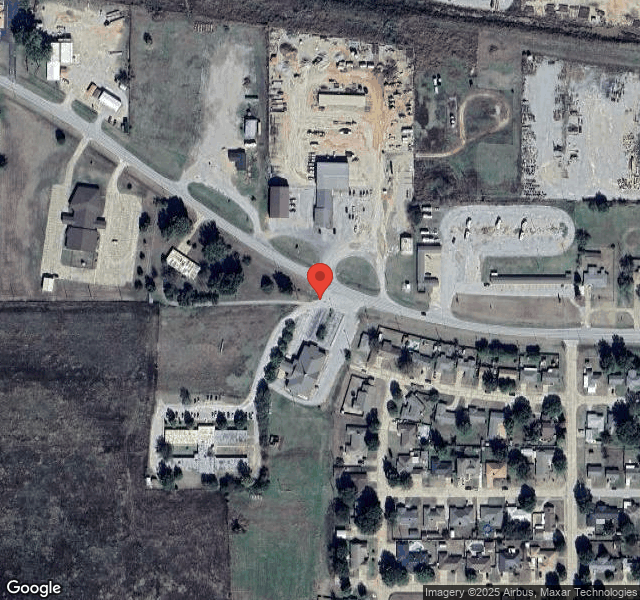
1103 WEST CHEROKEE, LINDSAY, OK 73052 (405) 756-4334
For profit - Corporation 106 Beds BRADFORD MONTGOMERY Data: November 2025
Trust Grade
65/100
#116 of 282 in OK
Last Inspection: December 2024

Within standard 12-15 month inspection cycle. Federal law requires annual inspections.

Overview

Lindsay Nursing & Rehab has a Trust Grade of C+, which means it is slightly above average but not exceptional. It ranks #116 out of 282 facilities in Oklahoma, placing it in the top half, and #2 out of 3 in Garvin County, indicating limited local competition. The facility is improving; incidents decreased from 7 in 2024 to just 1 in 2025. However, staffing is a weakness, with a low rating of 1 out of 5 stars, although turnover is impressively low at 0%, suggesting staff retention is strong. Notably, there were no fines recorded, but the facility has less RN coverage than 88% of others in the state, which could impact care quality. Specific incidents of concern include a staff member handling food with bare hands, which violates food safety protocols, and the failure to provide residents with important beneficiary notification forms. Additionally, the facility did not adequately address a resident's grievance, which could indicate issues with communication and responsiveness. Overall, while there are notable strengths in retention and the absence of fines, there are also significant concerns that families should consider when researching this nursing home.

Trust Score
C+
65/100
In Oklahoma
#116/282
Top 41%
Safety Record
Low Risk
No red flags
Inspections
Getting Better
7 → 1 violations
Staff Stability
○ Average
Turnover data not reported for this facility.
Penalties
✓ Good
No fines on record. Clean compliance history, better than most Oklahoma facilities.
Skilled Nurses
⚠ Watch
Each resident gets only 8 minutes of Registered Nurse (RN) attention daily — below average for Oklahoma. Fewer RN minutes means fewer trained eyes watching for problems.
Violations
⚠ Watch
13 deficiencies on record. Higher than average. Multiple issues found across inspections.
★★★☆☆
3.0
Overall Rating
★☆☆☆☆
1.0
Staff Levels
★★★★☆
4.0
Care Quality
★★★★☆
4.0
Inspection Score
Stable
2024: 7 issues
2025: 1 issues

The Good

  • 4-Star Quality Measures · Strong clinical quality outcomes
  • Full Sprinkler Coverage · Fire safety systems throughout facility
  • No fines on record

Facility shows strength in quality measures, fire safety.

The Bad

3-Star Overall Rating

Near Oklahoma average (2.6)

Meets federal standards, typical of most facilities

Chain: BRADFORD MONTGOMERY

Part of a multi-facility chain

Ask about local staffing decisions and management

The Ugly 13 deficiencies on record

Jul 2025 1 deficiency
CONCERN (D) 📢 Someone Reported This

A family member, employee, or ombudsman was alarmed enough to file a formal complaint

Potential for Harm - no one hurt, but risky conditions existed

Accident Prevention (Tag F0689)

Could have caused harm · This affected 1 resident

Based on observation, record review, and interview, the facility failed to ensure supervision to prevent an elopement for 1 (#6) of 3 sampled residents reviewed for elopement. The DON identified two r...

Read full inspector narrative →
Based on observation, record review, and interview, the facility failed to ensure supervision to prevent an elopement for 1 (#6) of 3 sampled residents reviewed for elopement. The DON identified two residents at risk for wandering/elopement. Findings: On 06/30/25 at 2:05 p.m., Res #6 was observed ambulating independently in the hallway outside of their room. No exit-seeking behavior was observed. An undated policy titled Wandering and Elopement Prevention, read in part, It is the policy of facility to identify residents at risk for wandering and/or elopement and to implement appropriate interventions to ensure their safety. The facility will take reasonable steps to prevent unauthorized exits and promote a safe and secure environment for all residents. A medical diagnosis list, dated 05/29/25, showed Res #6 admitted to the facility with diagnoses which included hypertension and hyperlipidemia. A nursing note, dated 05/30/25, showed Res #6 had decreased awareness and required frequent redirection. The note showed Res #6 was wandering around the facility and looking for their truck in the parking lot. An elopement assessment, dated 05/31/25, showed Res #6 was not at risk for elopement. A nursing note, dated 05/31/25, showed Res #6 was allowed outside by another resident and was observed on the east side of the building looking for their truck. An admission assessment, dated 06/05/25, showed Res #6 had a brief interview for mental status score of 6 and was severely cognitively impaired with disorganized thinking. The assessment showed Res #6 was independent with mobility and had wandered one to three days. An incident report, dated 06/05/25, showed Res #6 was disoriented, agitated, and confused while wandering/pacing facility. The note showed Res #6 was observed leaving through the front door and walking through the parking lot towards the highway. The note showed staff assisted Res #6 back into the facility and they continued to wander and pace the inside of the facility. A nursing note, dated 06/25/25, showed an off-duty staff member had observed Res #6 walking down the highway in front of the facility. The note showed the staff member brought Res #6 back to the facility. The note showed Res #6 was assessed upon return to the facility and had not sustained injury. An elopement risk assessment, dated 06/26/25, showed Res #6 was at risk for elopement. A care plan, dated 06/26/25, showed Res #6 was an elopement risk with interventions to identify pattern of wandering and provide distractions when wandering is observed. On 06/30/25 at 2:23 p.m., Res #6 stated they did not remember leaving the facility and walking down the highway on 06/25/25. Res #6 stated they were not in prison and had the right to leave the facility grounds whenever they felt like it. On 07/01/25 at 1:36 p.m., the DON stated the facility determined which residents were at risk for elopement based on the results of an elopement risk assessment. The DON stated Res #6 should have been considered an elopement risk upon admission. They stated Res #6 should not have been outside unsupervised due to cognitive impairment. The DON stated interventions to prevent elopement should have been implemented prior to the incident on 06/25/25. On 07/03/25 at 8:03 a.m., LPN #1 stated Res #6 had been confused and required frequent redirection since admission. LPN #1 stated they had observed Res #6 push on the front door until it opened and exited the facility on 06/05/25. They stated Res #6 should have been considered an elopement risk since admission and interventions to prevent future elopements should have been implemented after the incident on 06/05/25. On 07/03/25 at 8:15 a.m., the administrator stated video surveillance had been reviewed and showed Res #6 had followed a staff member and another resident out of the front door of the facility on 06/25/25 around 9:00 p.m. They stated the staff member should have provided supervision that would have prevented Res #6 from being able to make it onto the highway without anyone's knowledge.
Dec 2024 1 deficiency
CONCERN (E)

Potential for Harm - no one hurt, but risky conditions existed

Deficiency F0582 (Tag F0582)

Could have caused harm · This affected multiple residents

Based on record review and interview, the facility failed to provide a Skilled Nursing Facility Advance Beneficiary Notice of Non-coverage (SNF ABN) form to three (#13, #53, and #56) of three resident...

Read full inspector narrative →
Based on record review and interview, the facility failed to provide a Skilled Nursing Facility Advance Beneficiary Notice of Non-coverage (SNF ABN) form to three (#13, #53, and #56) of three residents reviewed for beneficiary notification. The Administrator reported 63 residents resided in the facility. Findings: 1. Resident #56 was admitted to Part A skilled services on 05/07/24 and discharged from skilled services on 07/26/24. 2. Resident #53 was admitted to Part A skilled services on 09/19/24 and discharged from skilled services on 09/11/24. 3. Resident #13 was admitted to Part A skilled services on 11/18/24 and discharged from skilled services on 12/11/24. On 12/17/24 at 12:58 p.m., the MDS coordinator and DON provided documentation to be reviewed for beneficiary notification. The DON reported no SNF ABN form was provided to residents #13, #53, #56, and/or their representative. The DON reported the facility had not been completing a SNF ABN form for residents or providing this information in any form. On 12/17/24 at 1:03 p.m., RN #1 reported the SNF ABN form was previously included in the resident admission packet but was no longer a part of the packet. The RN stated she didn't know when it was removed from the packet, but it would be added immediately to ensure it was not missed.
Oct 2024 1 deficiency
CONCERN (D) 📢 Someone Reported This

A family member, employee, or ombudsman was alarmed enough to file a formal complaint

Potential for Harm - no one hurt, but risky conditions existed

Accident Prevention (Tag F0689)

Could have caused harm · This affected 1 resident

**NOTE- TERMS IN BRACKETS HAVE BEEN EDITED TO PROTECT CONFIDENTIALITY** Based on observation, record review, and interview, the facility failed to prevent elopement for one (#1) of two sampled residen...

Read full inspector narrative →
**NOTE- TERMS IN BRACKETS HAVE BEEN EDITED TO PROTECT CONFIDENTIALITY** Based on observation, record review, and interview, the facility failed to prevent elopement for one (#1) of two sampled residents reviewed for adequate supervision to prevent elopement. The administrator stated one resident elopement in the previous 60 days. Findings: An Elopements policy, dated December 2007, read in part, .Staff shall promptly report any resident who tries to leave the premises or is suspected of being missing to the Charge Nurse or Director of Nursing .If an employee discovers that a resident is missing from the facility .Determine if the resident is out on an authorized leave or pass .initiate a search of the building(s) and premises .initiate an extensive search of the surrounding area .When the resident returns to the facility, the Director of Nursing Services or Charge Nurse shall .Examine the resident for injuries .Complete and file an incident report .Document relevant information in the resident's medical record . Resident #1 was admitted to the facility on [DATE] with diagnoses which included Alzheimer's disease, depression, anxiety, chronic pain, dysphagia, and insomnia. A care plan for Resident #1, dated 01/16/24, documented the resident was at risk for wandering. Interventions included to implement facility protocol for locating an eloped resident if resident should exit the building. The care plan documented the resident left the faciity on [DATE] without staff and was returned to the facility and placed on 1:1 observation. There were no additional interventions added to prevent elopement following the 1:1 observation. A MDS assessment, dated 10/01/24, documented Resident #1 was severly cognitively impaired. The assessment documented the resident ambulated independently without assist. An Elopement Risk Evaluation, dated 10/03/24, documented the resident was at risk for elopement. The evaluation documented the resident had a history of attempting to leave the facility without informing staff. The evaluation documented the resident's wandering behavior was likely to affect the safety or well-being of self/others. An Incident Report Form, dated 10/04/24, documented the facility was notified by the local fire department Resident #1 had been found by the church neighboring the facility property. The report documented staff had seen the resident in bed 20 minutes prior to the phone call from the fire department. The report documented staff retrieved the resident and upon return to the facility the resident was assessed for injuries, neuro checks were initiated, and the resident was placed on 1:1 supervision. A follow-up to the report documented an alert and oriented resident had left the building after Resident #1 was seen in bed, but prior to the call from the fire department. The facility suspected Resident #1 followed the other resident out of the building. The report documented upon investigation there was not a witness to corroborate this. One-on-one safety check forms, dated 10/04/24 and 10/05/24, documented the resident would remain on 1:1 observation for eight hours, then every 15 minute checks for eight hours, every 30 minutes for eight hours, every hour for eight hours, then would return to normal care if no incident occurred. The forms documented if another incident occurred the resident would return to 1:1 supervision. An updated Elopement Risk Evaluation, dated 10/04/24, documented the resident was at risk for elopement. The evaluation documented the resident had a history of elopement. The evaluation did not include interventions to prevent elopement. On 10/10/24 at 11:30 a.m., Resident #1 was observed wandering the halls of the facility. The resident was observed to walk independently without assist. Resident #1 was observed to walk to the exit doors at the end of halls, but did not push on the doors or open them. On 10/10/24 at 12:30 p.m., LPN #1 stated they were working the night Resident #1 left the building. The LPN stated the resident was known to go to the exit doors and occasionally push on them, but the LPN was not aware of the resident ever leaving the premises. The LPN stated they had seen the resident in bed at approximately 9:25 p.m., about 20 minutes prior to the fire department calling the facility. The LPN stated they went to retrieve the resident, EMS was on the scene assessing the resident, and the LPN returned the resident to the facility where the resident was assessed and placed on 1:1 supervision. The LPN stated the resident had no injuries, but was placed on neuro checks and 1:1 supervision per facility protocol. On 10/10/24 at 12:40 p.m., the ADON stated there was a previous incident when Resident #1 got outside the doors, but did not leave the property and staff assisted the resident back inside. The ADON stated although Resident #1 wandered the halls and would go to the exit doors, the resident had never gone past the sidewalk in front of the building. The ADON was asked if additional interventions had been implemented to prevent a future elopement. The ADON stated they did not know of other interventions, other than to keep a closer eye on the resident and ensure doors were locked. On 10/10/24 at 12:57 p.m., the administrator stated there had been recent abuse staff in-services, but not one specifically related to resident elopements. They stated the facility had several alert and oriented residents who were free to check out and leave the facility as they wished. They stated staff were very familiar with Resident #1 and knew to supervise them closely due to wandering behaviors, but no additional interventions had been added after the elopement.
Aug 2024 5 deficiencies
CONCERN (D) 📢 Someone Reported This

A family member, employee, or ombudsman was alarmed enough to file a formal complaint

Potential for Harm - no one hurt, but risky conditions existed

Deficiency F0625 (Tag F0625)

Could have caused harm · This affected 1 resident

**NOTE- TERMS IN BRACKETS HAVE BEEN EDITED TO PROTECT CONFIDENTIALITY** Based on record review and interview, the facility failed to ensure notification of the bed hold policy was provided upon transf...

Read full inspector narrative →
**NOTE- TERMS IN BRACKETS HAVE BEEN EDITED TO PROTECT CONFIDENTIALITY** Based on record review and interview, the facility failed to ensure notification of the bed hold policy was provided upon transfer/discharge for one (#1) of one resident reviewed for discharge. The Administrator reported 68 residents resided in the facility. Findings: A readmission to the Facility policy, dated 03/01/2022, read in part A Medicaid resident whose hospitalization or therapeutic leave exceeds the bed hold period allowed by the state will be readmitted to the facility upon the first availability of a bed in a semi-private room if the resident meets the admission criteria .Bed hold terminates after a resident is discharged for 30 days and would be considered a new admission .Any resident who is admitted to another long term care facility from an acute care hospital stay will be discharged from this facility . Resident #1 had diagnoses which included hypertension and diabetes mellitus. A nurse's note, dated 06/21/24, documented resident #1 requested to go to [name removed] hospital for complaints of a swollen penis and difficulty breathing. A discharge summary, signed 06/29/24, documented a discharge date of 06/21/24. The discharge summary documented, on 06/21/24, Resident #1 was transferred to [name removed] hospital for further evaluation of urinary retention and complaints of trouble breathing. The discharge summary documented Resident #1 was admitted to hospital for further work up. Resident #1's face sheet, read in part discharged - 06/21/24 .Discharge status - return anticipated . The clinical record did not contain documentation that the resident or representative had been provided written documentation of the bed hold policy at the time of discharge. On 08/07/24 at 10:50 a.m., the BOM reported not being aware of a bed hold policy for the facility. The BOM reported bed hold information is discussed in the admission packet. On 08/07/24 at 2:38 p.m., the ADON reported no information about bed hold was given to residents when they were transferred/discharged to a hospital. The ADON reported Resident #1 was not allowed to return as a resident since Resident #1 had been admitted to another long- term care facility after being discharged from the hospital on [DATE]. On 08/07/24 at 4:37 p.m., the Administrator reported resident #1 was not allowed to readmit to the facility because the resident had been admitted to another long-term care facility after discharge from the hospital on [DATE]. The Administrator reported bed hold had not been an issue when residents were transferred/discharged to the hospital since they were anticipated to return. The Administrator reported to meet the regulation requirements for bed hold they should have given resident #1 written notification related to the facility's bed hold policy upon transfer/discharge to the hospital.
CONCERN (E) 📢 Someone Reported This

A family member, employee, or ombudsman was alarmed enough to file a formal complaint

Potential for Harm - no one hurt, but risky conditions existed

Grievances (Tag F0585)

Could have caused harm · This affected multiple residents

Based on record review and interview, the facility failed to issue a written grievance decision upon request and to address the grievance in its entirety for one (#4) of one sampled grievance reviewed...

Read full inspector narrative →
Based on record review and interview, the facility failed to issue a written grievance decision upon request and to address the grievance in its entirety for one (#4) of one sampled grievance reviewed. Findings: A Grievance Policy and Procedure, not dated, documented, the facility has adopted an internal grievance procedure providing a prompt and equitable resolution or complaints/grievances. A copy of the written summary of the report will also be provided to the resident, if requested, and the original copy will be filed in the Business Office. The investigation and report may include the following: Patient's account of the alleged incident; employees account of the alleged incident; recommendations for corrective action. A Grievance Form, dated 06/12/24, documented, [Staff member #1] was being rude about smokers past the line. He also stated [staff member #1] would push them past the line. Res #4 said if something wasn't done, they will move out though they prefer not too [sic]. Name/Title of person accepting this form: Activity Manager. Nature of resolution: [Staff member #1] was keeping the facility within State regulations regarding smoking to close to an entrance. All smokers are required to be on the correct side of the red line while smoking. Discussed with person filing grievance on: (date) [blank] . The grievance did not address being rude and the grievance did not include the date the grievance was discussed. On 08/05/24 at 11:34 a.m., the administrator was asked about the grievance dated 06/12/24 from Res #4 about staff member #1 being rude. They reported everybody says the same thing that staff member #1 was rude or just blunt. The statements/interviews were requested related to the grievance. They reported they did not have any. They were asked if they completed the portion of the grievance with the date the grievance had been discussed with Res #4. They reported they did not, they reported the activity manager or staff member #1 would have completed that section. They were asked if they provided a written summary of the report to Res #4. They reported they would have just discussed it with them. They were asked if Res #4 requested a copy of the grievance. They reported they did request a copy. They were asked if Res #4 received a copy. They reported they did not give them one, it was their understanding it was an internal document. On 08/06/24 at 10:15 a.m., the activity manager was asked to review the grievance dated 06/12/24 and was asked if they discussed the grievance with Res #4. They reported they told Res #4 that staff member #1 was following the rules. They were asked if they provided the copy of the grievance to Res #4. They reported Res #4 requested a copy and the administrator informed them they did not have to give Res #4 a copy. They were asked if the portion of the grievance about being rude was addressed in the grievance. They reported it did not address being rude. On 08/07/24 at 12:05 p.m., the corporate consultant was asked if a resident would be allowed to have a copy of a grievance that they filed. They reported they could have a copy.
CONCERN (E) 📢 Someone Reported This

A family member, employee, or ombudsman was alarmed enough to file a formal complaint

Potential for Harm - no one hurt, but risky conditions existed

Investigate Abuse (Tag F0610)

Could have caused harm · This affected multiple residents

Based on record review and interview, the facility failed to conduct a thorough abuse investigation for one (#4) of three sampled residents reviewed for abuse. The Administrator reported 68 residents...

Read full inspector narrative →
Based on record review and interview, the facility failed to conduct a thorough abuse investigation for one (#4) of three sampled residents reviewed for abuse. The Administrator reported 68 residents resided in the facility. Findings: The facility Abuse Policy and Procedure not dated, read in part, It recognizes resident rights to be free from physical, or mental abuse, corporal punishment, involuntary seclusion, and any chemical and physical restraints as defined by federal regulations. The policy also read, Immediate reporting. Facility employee or immediate supervisor, who will report incidents immediately to local police and report to the Oklahoma State Department of Health as required by State law or regulation. The policy also read, Identification and Investigation. The investigation should determine whether an incident has occurred, to what extent the resident was mistreated, by whom, and the measures needed to protect occupants from further incidents. The policy also read, Interviews. The investigator should consider interviewing persons listed below: facility employees, contractors, volunteers; victim; . other occupants; .other persons who may have knowledge of the incident. The policy also read, Nursing Assessment. The Director of Nursing or designee is responsible for assessing the victim and shall document findings, including the lack of abnormal findings, if helpful, in the medical record. If a person alleges abuse, they should be assessed for mood and behavior changes that may indicate abuse, such as fear, isolation, depression, withdrawal, or other new signs. Findings will be documented in the medical record. The Medical Record and Care Plan will be reviewed. The policy also read, if physical abuse is alleged or suspected, vital signs may be taken and a skin audit completed by a licensed nurse following the incident and documented in the Medical Record. Resident #4 had diagnosis which included Schizophrenia, COPD, essential hypertension, and recurrent depressive disorders. An Incident Report Form Combined Initial and Final, Incident Date: 07/29/24, documented, Incident Type: Allegations of Abuse/Mistreatment. Description of Incident: While delivering a letter for [sic] OKDHS to [Res #4], [staff member #1] asked [Res #4] if they could read the letter with him so that the facility would be apprised of anything that needed to be done to keep Res #4 in DHS compliance and his title 19 Medicaid intact. Reportedly [Res #4] yanked the letter away and then struck [staff member #1] in the chest. [Res #4] came into the building claiming that [staff member #1] had pushed [Res #4] first that is when [Res #4] hit [staff member #1]. To protect this and all residents [staff member #1] was suspended pending the outcome of the investigation. While interviewing staff at the nurse's station who were in direct sight of the front porch, a resident, [Name removed-Res #9] approached the Administrator [Name removed]. [Res #9] had been on the porch during the incident and stated that [staff member #1] did not push him [Res #4]. The administrator asked [Res #9] if they had seen the incident. [Res #9] stated they had and then reiterated that [staff member #1] did not push [Res #4]. [Res #9] is AAO x4. [Staff member #1] will be allowed to return to work on 07-30-24. On 08/01/24 at 1:57 p.m., the DON reported they had left notes with the Administrator before related to staff member #1's approach and their tone. They reported they heard about the incident on 07/29/24 from Res #4 at 4:00 a.m., this morning. The resident asked the DON to fax a report to the police department, because the resident said they was turning staff member #1 in, because they put their hands on them. They reported staff member #1 and Res #4 had an ongoing personality conflict. The DON reported they made no assessment or updates to Res #4's clinical record or the plan of care related to the incident. On 08/01/24 at 2:30 p.m., the administrator was asked to submit statements from the nursing staff. The administrator stated, I didn't get statements, because I had a witness. The administrator was asked if they obtained a list of staff present. The administrator stated, As far as I know there was only one other person besides Res #4 and staff member #1. The administrator was asked how long staff member #1 was suspended. The administrator reported, The day it happened. They were asked if they notified the DON of the abuse allegation. They reported, No, I didn't they had been working nights. They were asked about reporting the incident to the local police department. They reported they did not, because they had a witness, and it was an allegation of abuse. They were asked if all witnesses were interviewed. They reported there was only one, it happened on the front porch. On 08/01/24 at 3:12 p.m., the ADON reported they were not aware of the allegation of abuse until July 31, 2024 and they were one of the charge nurses on duty on the day the allegation was made on 07/29/24.
CONCERN (E) 📢 Someone Reported This

A family member, employee, or ombudsman was alarmed enough to file a formal complaint

Potential for Harm - no one hurt, but risky conditions existed

Accident Prevention (Tag F0689)

Could have caused harm · This affected multiple residents

Based on observation, record review, and interview, the facility failed to ensure a resident at risk for elopement did not elope from the facility for one (#1) of one sampled resident reviewed for elo...

Read full inspector narrative →
Based on observation, record review, and interview, the facility failed to ensure a resident at risk for elopement did not elope from the facility for one (#1) of one sampled resident reviewed for elopement. The Administrator reported 68 residents resided in the facility. Findings: An Elopements policy, dated 12/01/2007, read in part Staff shall investigate and report all cases of missing residents .The facility will encourage each resident to sign themselves out of the facility so that the facility will remain informed .When the resident returns to the facility, the DON or Charge Nurse should complete and file an incident report . A form, dated 10/03/19, presented by the Administrator for the illicit drug policy and procedure, read in part It is the policy of the [facility name removed] to prohibit the use of alcoholic beverages or illicit drugs on facility property unless prescribed by a physician .There is a concern with interaction of prescribed medications and the use of alcoholic beverages and/or illicit drugs .Residents who have been found to be in violation of facility policy will be reviewed by the administrative staff, care plan team, and physician or facility medical director to determine if the facility is able to meet the continued needs of the resident .If the resident is a danger to himself/herself or other residents as documented by the medical record and the facility is not capable of managing the resident then the facility will proceed with an involuntary transfer or discharge . 1. Res #3 had diagnoses which included traumatic brain injury, depression, schizoaffective disorder, and dementia disorder. The clinical record documented a court appointed co-guardianship, dated 09/25/18, for the person and estate of resident #3, an adult incompetent. A nurse note, dated 12/15/23 at 4:45 a.m., documented resident #3 was found in a peer's room smoking marijuana. A nurse note, dated 01/30/24 at 10:00 p.m., documented a staff member found resident #3 vape outside passed out on the ground by the dumpster. The nurse note documented the resident's room was searched for marijuana and five gummies and two vapes were found and confiscated. A nurse note dated 03/04/24 at 6:10 p.m., resident #3 was found rolling down the main highway in wheelchair heading towards the facility. The nurse's note documented that the resident left the facility without signing out or informing staff. A nurse note, dated 04/05/24 at 3:45 p.m., documented resident #3 left the facility without signing out via wheelchair. At 4:25 p.m. resident returned to the facility. At 8:00 p.m. the resident left the facility without notifying staff via wheelchair and refused to return. The note documented after two attempts the resident returned to the facility with staff. A nurse note, dated 04/07/24 at 9:00 a.m., resident #3 refused medication. A nurse's note, dated 04/09/24 at 8:00 p.m., documented a call was received reporting resident #3 was seen in wheelchair going down the main highway toward store. The note documented the resident sign out book was checked, and the resident had not signed out, and the staff could not see the resident. A nurse note, dated 04/09/24 at 8:30 p.m., documented the facility received a call from officer [name removed] who found resident #3 in someone's yard passed out. The note documented the officer had to repeatedly shake resident to wake resident up and the resident arrived back to the facility 8:40 p.m. The note documented resident's guardian was upset and wants him placed in a locked down facility. A nurse note, dated 04/10/24, documented resident #3 continued with one-on-one supervision, resident not concerned about doing things right because they will be leaving in 3 days. A nurse note, dated 04/12/24, documented resident #3 stated I don't want to be here I want to be closer to my daughter. A nurse note, dated 04/14/24 at 3:50 p.m., documented resident's guardian wants the resident in a locked facility so resident would not be allowed to leave because he is incompetent and makes terrible decisions. A nurse note, dated 04/19/24 at 3:45 p.m., resident #3 no signs of elopement noted. A comprehensive assessment, dated 05/16/24, documented resident cognition was intact and exhibited no behaviors. The assessment documented independent with wheelchair use. An elopement risk assessment, dated 05/25/24, documented the resident remained not a risk for elopement. The assessment instructions read in part One YES answer places the resident as a risk .Proceed to interventions. The assessment documented a YES answer for 4 of the resident evaluation factors. The assessment documented an intervention was: secured unit - all exit doors are key padded, date initiated was documented as continuous. A nurse note, dated 05/29/24 at 2:35 a.m., a staff member seen resident #3 propelling self in wheelchair down the street, charge nurse sent another staff member to pick up the resident, the resident refused to get in with staff member, and returned self to the facility. The note documented resident was placed on one-on-one supervision at this time. The note documented the resident stated who cares I will be on supervision for a little bit and when I come off, I will just do it again, unable to redirect. A nurse note, dated 06/08/24 at 12:10 a.m., documented a resident approached this nurse reporting that resident #3 had rolled off again. The note documented the facility and perimeter was searched and resident was not found, staff member sent to find the resident. The note documented the staff member found the resident on [name removed] street and refused to return to facility. The note documented the police department was contacted. A nurse note, dated 06/08/24 at 1:25 a.m., documented resident #3 arrived back to facility via police department escort. A nurse note, dated 06/19/24 at 12:00 a.m., documented a call was received that resident #3 had gone from the facility and in the road. The note documented a staff member was sent to pick up resident, the resident refused to get in with staff member and was ramming the staff member with the wheelchair and trying to through self out of wheelchair into the road. The note documented it took over an hour to get the resident back to the facility and resident was ramming into furniture with the wheelchair. The note documented the resident trying to get out of every exit door. The note documented the resident's guardian requested resident's wheelchair be taken away and for resident to use the walker only to ambulate. A nurse note, dated 07/01/24 at 8:30 p.m., documented resident #3 asked the nurse to take him to town when the nurse declined, the resident asked if another resident's wheelchair could be used to go to the store. The note documented the nurse informed resident another resident's wheelchair could not be taken. A comprehensive care plan related to elopement and illicit drug use was not developed. State reportables provided by the facility for the past 6 months documented no incidents of elopement or drug use for resident #3. On 08/05/24, the Administrator reported the facility had no incidents reports for elopement in the past 3 months. The Administrator reported resident #3 was not an elopement risk and residents were allowed to sign themselves out of the facility at any time. The Administrator reported a resident leaving the facility is considered an elopement if the resident has dementia, leaves the facility unattended, and leaves the facility premises. On 08/06/24 at 1:48 p.m., LPN #5 reported resident #3 is considered an elopement risk because he has a guardian that does not want him to leave the facility unsupervised. The LPN reported not being aware until they were informed on 08/05/24 by the RN consultant that an incident report needed to be filled out when any resident eloped from the facility. The LPN not being sure what interventions are in place for resident #3 to prevent elopement but they watch the resident closely because of his multiple elopements. The LPN reported no residents are safe being off facility premises at night unsupervised. On 08/06/24 at 3:46 p.m., resident #3 was in their room, wheelchair beside the bed, and reported residents are supposed to sign out in a book up front before leaving the facility but I never go anywhere. The resident reported he would like to go to a better facility. The resident refused to answer any other questions. On 08/06/24 at 4:01 p.m., the DON reported the incident on 04/09/24 when resident #3 was found by police passing out in someone's yard was considered an elopement. The DON reported anytime a resident is off facility premises out of staff sight, without signing out is an elopement event. The DON reported interventions have not been put into place officially on a care plan. The DON was not aware until 08/05/24 that incident reports were not being done for elopements or drug use.
CONCERN (E) 📢 Someone Reported This

A family member, employee, or ombudsman was alarmed enough to file a formal complaint

Potential for Harm - no one hurt, but risky conditions existed

Deficiency F0727 (Tag F0727)

Could have caused harm · This affected multiple residents

Based on record review and interview, the facility failed to ensure the DON did not work as a charge nurse when the facility census was more than 60 residents. Findings: The Administrator reported 68...

Read full inspector narrative →
Based on record review and interview, the facility failed to ensure the DON did not work as a charge nurse when the facility census was more than 60 residents. Findings: The Administrator reported 68 residents resided in the facility. A facility policy titled Staffing not dated, documented, RN must be on duty 8 hours a day 7 days a week. DON will not work as a charge nurse when census rises above 60 per regulations. A document titled, Quality of Care Monthly Report date period, June 2024, documented, a census greater than 60 residents on June 24th, 26th, 27th, 28th, 29th, 30th. The census ranged from 61 to 62 residents on these days. A document titled, Daily Census dated, July, 2024, documented a census over 60 on July 17, 2024 through July 31, 2024. The census ranged from 61 residents to 68 residents on these days. On 08/07/24 at 11:55 p.m., the DON reported they worked as the charge nurse on July 25th and July 31st. The DON reported they worked as the charge nurse on June 24th. On 08/07/24 at 12:15 p.m., the corporate consultant was asked if the facility had the DON working as charge nurse with a resident's census over 60. They stated, Yes, but I do not know which days. On 08/07/24 at 1:24 p.m., LPN #2 reviewed staffing sheets. They reported the DON worked as the charge nurse on July 25, 2024 and July 31, 2024. They reported the DON was documented as the charge nurse on August 1st, 5th, and 6th, 2024, with a census range from 69-72 residents. The DON was available only upon request during the survey, because they were covering night shifts.
Sept 2023 4 deficiencies
CONCERN (D)

Potential for Harm - no one hurt, but risky conditions existed

MDS Data Transmission (Tag F0640)

Could have caused harm · This affected 1 resident

**NOTE- TERMS IN BRACKETS HAVE BEEN EDITED TO PROTECT CONFIDENTIALITY** Surveyor: [NAME], [NAME] Based on record review and interview, the facility failed to electronically transmit resident assessmen...

Read full inspector narrative →
**NOTE- TERMS IN BRACKETS HAVE BEEN EDITED TO PROTECT CONFIDENTIALITY** Surveyor: [NAME], [NAME] Based on record review and interview, the facility failed to electronically transmit resident assessments, within 14 days after completion for one (#3) of three residents reviewed for discharge assessments. The Resident Census and Conditions of Residents, dated 09/11/23, documented 49 residents resided in the facility. Findings: A facility policy MDS Completion and Submission Timeframes, dated 07/01/23, read in part, Our facility will conduct and submit resident assessments in accordance with current federal and state submission timeframes .The Assessment Coordinator or designee is responsible for ensuring that resident assessments are submitted to CMS QIES Assessment Submission and Processing (ASAP) system in accordance with current federal and state guidelines .Timeframes for completion and submission of assessments is based on the current requirements published in the Resident Assessment Instrument Manual.'' Resident #3 was admitted to the facility on [DATE] and discharged from the facility on 05/14/23 due to death. On 09/18/23 at 12:58 p.m., the MDS Coordinator reported the discharge assessment was completed on 05/17/23. The MDS Coordinator reported the assessment was sent in a batch with other assessments to be approved by a corporate nurse. The MDS Coordinator reported the assessment should have been approved and transmitted to CMS within 14 days of completion, but it must have been missed and was not transmitted.
CONCERN (E)

Potential for Harm - no one hurt, but risky conditions existed

Deficiency F0583 (Tag F0583)

Could have caused harm · This affected multiple residents

**NOTE- TERMS IN BRACKETS HAVE BEEN EDITED TO PROTECT CONFIDENTIALITY** Based on observation and interview, the facility to ensure residents' privacy was maintained for three (#16, 24, and #47) of 14 ...

Read full inspector narrative →
**NOTE- TERMS IN BRACKETS HAVE BEEN EDITED TO PROTECT CONFIDENTIALITY** Based on observation and interview, the facility to ensure residents' privacy was maintained for three (#16, 24, and #47) of 14 residents reviewed for privacy. The Resident Census and Conditions of Residents form, dated 09/11/23, documented 49 residents resided in the facility. Findings: The facility policy Quality of Life - Dignity, dated 08/01/23, read in part, .Staff shall promote, maintain and protect resident privacy, including bodily privacy during assistance with personal care and during treatment procedures including privacy curtains, blinds and etc . The facility policy Quality of Life - Homelike Environment, dated 08/01/23, read in part, .Rooms will be set so that privacy is maintained while providing care to resident including but not limited to privacy curtains, blinds and etc . 1. Res #24 was admitted to the facility on [DATE]. Res #24's cognition is severly impaired and requires total extensive care. On 09/12/23 at 9:47 a.m., the ADON and CNA #1 were observed providing peri care to Res #24. The window blinds next to the Res #24's bed was observed to be broken off on south corner of the blind, which caused a clear view of the outside. On 09/13/23 at 1:58 p.m., Res #24's hospice aide was observed providing a bed bath. The window blinds were down but had broken and missing blinds causing a clear view of the outside. The broken window blinds could result in privacy being compromised with blinds down and open missing or broken blinds. 2. Res # 47 was admitted to the facility on [DATE]. The Res's cognition was moderately impaired. On 09/13/23 at 2:36 p.m., Res #47's room was observed to have broken window blinds. The resident reported they dressed themselves and it did bother them that the blinds were broken and allowed a sight line from the outside in, if any one were to walk by. The resident reported she would like new blinds and doesn't know who to ask about them. 3. Res #16 was admitted to the facility on [DATE]. The medical record documented resident's cognition was intact. On 09/13/23 at 2:39 p.m., Res #16's room was observed to have broken and missing pieces of window blinds. Res #16 reported the window blinds have been that way for a while and it does bother her that it allows light in at night. On 09/15/23 at 11:30 a.m., the maintenance supervisor reported he was aware there were resident rooms that had broken window blinds. The maintenance supervisor reported he had ordered window blinds about 6 weeks ago but the order had not been delivered yet. On 09/18/23 at 2:00 p.m., the administrator provided an invoice for window blinds that had been ordered 08/15/23. The administrator reported he had turned the order into the cooperate office and was not aware when they would be delivered. The administrator reported broken blinds could cause and issue with privacy and curtains may be put up for privacy until the window blinds arrived and were installed.
CONCERN (E)

Potential for Harm - no one hurt, but risky conditions existed

Comprehensive Care Plan (Tag F0656)

Could have caused harm · This affected multiple residents

**NOTE- TERMS IN BRACKETS HAVE BEEN EDITED TO PROTECT CONFIDENTIALITY** Based on observation, record review, and interview, the facility failed to ensure comprehensive care plans were developed and im...

Read full inspector narrative →
**NOTE- TERMS IN BRACKETS HAVE BEEN EDITED TO PROTECT CONFIDENTIALITY** Based on observation, record review, and interview, the facility failed to ensure comprehensive care plans were developed and implemented to address the residents' needs related to: a. a pressure ulcer for one (#17), b. a history of falls for two (#28 and #34), and c. the use of antidepressant and antipsychotic medication and the related medical diagnoses for one (#43) of 14 sampled residents reviewed for care plans. The Resident Census and Conditions of Residents dated 09/11/23, documented 49 residents resided in the facility. Findings: A facility Care Plans, Comprehensive Person-Centered policy, revised date December 2016, read in part, .The comprehensive, person-centered care plan will: reflect currently recognized standards of practice for problem areas and conditions . 1. A Baseline Care Plan, dated 04/26/23, for Res #17 documented a heel protector, currently has wound located on rt. heel with blister & discoloration. An admission assessment, dated 05/03/23, documented the resident was cognitively intact, required limited assistance with ADL's, and had diagnoses including anemia, DM, depression, and asthma. A physician order, dated 08/10/23, documented to cleanse wound to right heel with NS, pat dry, apply collagen gel with silver, with non-adherent dressing hold in place with Kerlix and tape, change dressing daily, and PRN dislodgement/soilage. The care plan, dated 08/31/23, for Res #17 did not document a wound with nursing interventions. On 09/18/23 09:59 a.m., Res #17 was sitting in recliner in their room with feet up in recliner. The dressing to the right heel was intact and dated 09/18/23. At that a nurse reported a dressing change was done this morning. They reported the wound doctor visited weekly. The nurse reported the dressing was changed according to the physician's orders and done daily. On 09/18/23 at 10:41 a.m., the DON was asked about a care plan for skin for Resident #17. They stated the resident did not have a plan of care for skin and they just created one today and she would discuss the plan of care with the family today. 2. Res #28 was readmitted to the facility on [DATE] with diagnoses which included fracture of left femur that resulted from a previous fall. The care plan, dated 07/15/23, documented the resident required assistance with mobility. The care plan did not document a history of falls or the high fall risk for falls. A Fall Risk Assessment, dated 07/16/23, documented the resident was a high risk for falls. The MDS assessment, dated 07/18/23, documented Res #28's cognition was intact. The assessment documented a fall with fracture in the past 6 months. On 09/12/23 at 12:04 p.m., Res #28 was observed ambulating with rolling walker in the dining room. The Res #28 reported he had fallen a few month ago coming out of the bathroom. The resident reported he did not have shoes on and his leg gave out and he fell. The resident reported he broke his hip from the fall. On 09/13/23 at 11:00 p.m., the MDS coordinator was asked for Res #28's care plan related to fall risks. The MDS coordinator reported, No care plan had been developed for fall risk. The MDS coordinator reported, A care plan for falls would be developed. 3. Res #34 was admitted to the facility on [DATE] with diagnoses which included traumatic brain injury. The MDS assessment, dated 06/08/23, documented Res #34's cognition was severely impaired. The assessment documented one non-injury fall, two injury falls and no major injury falls since the last assessment. Res #34's Fall Risk Evaluation assessments, dated 06/19/23 and 07/29/23, documented high risk for falls. The care plan, dated 09/07/23, documented Res #34's antipsychotic use and impaired vision. The care plan did not reflect past falls or the risk for falls. On 09/11/23 at 2:26 p.m., Res #34 reported he had fallen because, he would get in a hurry. Res #34 reported no major injuries had resulted from the falls. On 09/15/23 at 2:45 p.m., the DON reported the MDS coordinator was new to the position and was working on getting care plans updated. The DON reported no fall risk had been care planned and would be developed today. 4. Res #43 was admitted to the facility on [DATE] with diagnoses which included dementia, anxiety disorder, depression, and psychotic disorder. The MDS assessment, dated 06/18/23, documented Res #43's cognition was severely impaired. The assessment documented wandering behavior and rejection of care behavior had occurred one to three of the days reviewed. The care plan, dated 08/19/23, documented Res #43's wandering behaviors. The care plan did not document the resident's anxiety, depression, or use of antipsychotic drug use. On 09/13/23 at 3:00 p.m., Res #43 was observed wandering throughout the facility with a staff member following behind him. The resident was observed trying to exit the locked front door and going into other rooms. The resident was observed being redirected by staff. On 09/15/23 at 2:45 p.m., the DON reported the MDS coordinator was new to the position and was working on getting care plans updated. The DON reported Res #43's care plan did not document the diagnoses of anxiety, depression or the use of antipsychotic drugs. The DON reported the resident's care plan would be updated.
CONCERN (E)

Potential for Harm - no one hurt, but risky conditions existed

Deficiency F0801 (Tag F0801)

Could have caused harm · This affected multiple residents

Based on record review and interview, the facility failed to ensure the employee designated to be the dietary manager completed the required certification training within 1 year of hire. The Resident ...

Read full inspector narrative →
Based on record review and interview, the facility failed to ensure the employee designated to be the dietary manager completed the required certification training within 1 year of hire. The Resident Census and Conditions of Residents, form, dated 09/11/23, documented 49 residents resided in the facility. Findings: The facility policy Food and Nutrition Services Staff, dated 10/01/22, documented The Food Services Department is staffed by food and nutrition services personnel who have demonstrated the skills and competency to carry out the functions of the department. The facility records documented the dietary manager was hired for the position on 06/21/21. On 09/11/23 at 9:38 a.m., the dietary manager reported they had been the dietary manager for two years. The dietary manager reported not being certified at this time. The dietary manager reported the facility contract to pay for the required training course needed for certification had been approved. The dietary manager reported the contract had not been signed and enrollment into the course had not been done. On 09/18/23 at 11:36 a.m., the administrator reported the dietary manager was approved approximately two months ago to be certified and should already be in enrolled in the training course. The administrator was not aware the dietary manager had not started the certification training course.
Sept 2022 1 deficiency
CONCERN (F)

Potential for Harm - no one hurt, but risky conditions existed

Food Safety (Tag F0812)

Could have caused harm · This affected most or all residents

On 09/14/22 at 11:45 a.m., the CDM was observed scooping ground meat from a silver pan with her bare hands and placing the food onto meal trays. Staff were observed serving the meal trays to residents...

Read full inspector narrative →
On 09/14/22 at 11:45 a.m., the CDM was observed scooping ground meat from a silver pan with her bare hands and placing the food onto meal trays. Staff were observed serving the meal trays to residents. On 09/14/22 at 12:07 p.m., the CDM was asked what the policy was for handling food. They stated they were to wear gloves when handling food. The CDM was asked if staff ever handled foods with their bare hands. They stated, No, they don't. The CDM was asked if they used used their bare hands to scoop the ground meat onto resident's meal trays. They stated they did. Based on record review, observation, and interview, the facility failed to ensure: a. a refrigerator containing PHF was maintained at or below 41 degrees and b. kitchen staff did not handle food with their bare hands. The DON identified 37 residents resided in the facility and 37 residents received services from the kitchen. Findings: A Refrigerators policy, revised December 2014, read in part, .This facility will ensure safe refrigerator and freezer maintenance, temperatures .Acceptable temperature ranges are 35 [degrees] F to 40 [degrees] F for refrigerators . A Refrigerator Temperatures log, dated 09/12/22, read in part, .Temp .37 . On 9/12/22 at 9:14 a.m., a tour of the kitchen was conducted. A refrigerator, located in the back corner of the kitchen, had two thermometers inside of it. One thermometer read 50 degrees F and the other read 52 degrees F. Ambient air temperatures were taken inside the refrigerator and were 65 degrees F on one side of the refrigerator and 70 degrees F on the other. On 9/12/22 at 9:39 a.m., the CDM was asked if the current temperature reading of 55 degrees F was an appropriate temperature for the refrigerator. They stated the refrigerator had been open a lot while checking dates and that the air conditioning in the kitchen had not been working and had pulled the temperature down. The CDM was asked what was the process was if the refrigerator temperature was out of range. They stated they would alert the administration. On 9/12/22 at 9:43 a.m., the internal temperature of a block of butter from the refrigerator was taken and registered at 52 degrees F. The temperature of a block of cheese read at 51 degrees F. On 9/12/22 at 11:07 a.m., the internal temperature of one egg from the refrigerator registered at 59 degrees F and sausage patties 52 degrees F. On 9/12/22 at 11:10 a.m., the CDM was asked what the procedure was for ensuring potentially hazardous foods were maintained at appropriate refrigerator temperatures. They stated they checked the temperatures and if they were not right then they would go to the store and buy what was needed. The CDM stated, Now it is crucial to go to the store, I'm out of time. They were asked what the risk was in serving potentially hazardous foods out of the appropriate temperature ranges. They stated it could make people sick. On 9/12/22 at 12:30 p.m., the CDM was asked how frequently refrigerator temperatures were checked. They stated daily. They were asked what the temperatures should be. They stated below 41 degrees. The CDM was asked what was considered the danger zone. They stated 35 - 41 degrees. The CDM was asked if the refrigerator was at the appropriate temperature. They stated, No. On 9/12/22 at 12:47 p.m., [NAME] #1 was asked how do they ensure the coolers/refrigerators kept temperature. They stated they check them several times a day to ensure it does not get over what is suppose to be. They were asked what they did if the refrigerators were not holding at the correct temperature. They stated they would call maintenance to get it figured out and if they were not able to get it working they would call their refrigerator guy.
Understanding Severity Codes (click to expand)
Life-Threatening (Immediate Jeopardy)
J - Isolated K - Pattern L - Widespread
Actual Harm
G - Isolated H - Pattern I - Widespread
Potential for Harm
D - Isolated E - Pattern F - Widespread
No Harm (Minor)
A - Isolated B - Pattern C - Widespread

Questions to Ask on Your Visit

  • "Can I speak with families of current residents?"
  • "What's your RN coverage like on weekends and overnight?"

Our Honest Assessment

Strengths
  • • No major safety red flags. No abuse findings, life-threatening violations, or SFF status.
  • • No fines on record. Clean compliance history, better than most Oklahoma facilities.
Concerns
  • • 13 deficiencies on record. Higher than average. Multiple issues found across inspections.
Bottom line: Mixed indicators with Trust Score of 65/100. Visit in person and ask pointed questions.

About This Facility

What is Lindsay Nursing & Rehab's CMS Rating?

CMS assigns LINDSAY NURSING & REHAB an overall rating of 3 out of 5 stars, which is considered average nationally. Within Oklahoma, this rating places the facility higher than 99% of the state's 100 nursing homes. This mid-range rating indicates the facility meets federal standards but may have areas for improvement.

How is Lindsay Nursing & Rehab Staffed?

CMS rates LINDSAY NURSING & REHAB's staffing level at 1 out of 5 stars, which is much below average compared to other nursing homes.

What Have Inspectors Found at Lindsay Nursing & Rehab?

State health inspectors documented 13 deficiencies at LINDSAY NURSING & REHAB during 2022 to 2025. These included: 13 with potential for harm.

Who Owns and Operates Lindsay Nursing & Rehab?

LINDSAY NURSING & REHAB is owned by a for-profit company. For-profit facilities operate as businesses with obligations to shareholders or private owners. The facility is operated by BRADFORD MONTGOMERY, a chain that manages multiple nursing homes. With 106 certified beds and approximately 73 residents (about 69% occupancy), it is a mid-sized facility located in LINDSAY, Oklahoma.

How Does Lindsay Nursing & Rehab Compare to Other Oklahoma Nursing Homes?

Compared to the 100 nursing homes in Oklahoma, LINDSAY NURSING & REHAB's overall rating (3 stars) is above the state average of 2.6 and health inspection rating (4 stars) is above the national benchmark.

What Should Families Ask When Visiting Lindsay Nursing & Rehab?

Based on this facility's data, families visiting should ask: "Can you walk me through typical staffing levels on day, evening, and night shifts?" "Can I visit during a mealtime to observe dining assistance and food quality?" "How do you handle medical emergencies, and what is your hospital transfer rate?" "Can I speak with family members of current residents about their experience?" These questions are particularly relevant given the below-average staffing rating.

Is Lindsay Nursing & Rehab Safe?

Based on CMS inspection data, LINDSAY NURSING & REHAB has a clean safety record: no substantiated abuse findings (meaning no confirmed cases of resident harm), no Immediate Jeopardy citations (the most serious violation level indicating risk of serious injury or death), and is not on the Special Focus Facility watch list (a federal program monitoring the lowest-performing 1% of nursing homes). The facility has a 3-star overall rating and ranks #1 of 100 nursing homes in Oklahoma. While no facility is perfect, families should still ask about staff-to-resident ratios and recent inspection results during their visit.

Do Nurses at Lindsay Nursing & Rehab Stick Around?

LINDSAY NURSING & REHAB has not reported staff turnover data to CMS. Staff turnover matters because consistent caregivers learn residents' individual needs, medications, and preferences. When staff frequently change, this institutional knowledge is lost. Families should ask the facility directly about their staff retention rates and average employee tenure.

Was Lindsay Nursing & Rehab Ever Fined?

LINDSAY NURSING & REHAB has no federal fines on record. CMS issues fines when nursing homes fail to meet care standards or don't correct problems found during inspections. The absence of fines suggests the facility has either maintained compliance or corrected any issues before penalties were assessed. This is a positive indicator, though families should still review recent inspection reports for the full picture.

Is Lindsay Nursing & Rehab on Any Federal Watch List?

LINDSAY NURSING & REHAB is not on any federal watch list. The most significant is the Special Focus Facility (SFF) program, which identifies the bottom 1% of nursing homes nationally based on persistent, serious quality problems. Not being on this list means the facility has avoided the pattern of deficiencies that triggers enhanced federal oversight. This is a positive indicator, though families should still review the facility's inspection history directly.