BROOKSIDE NURSING CENTER
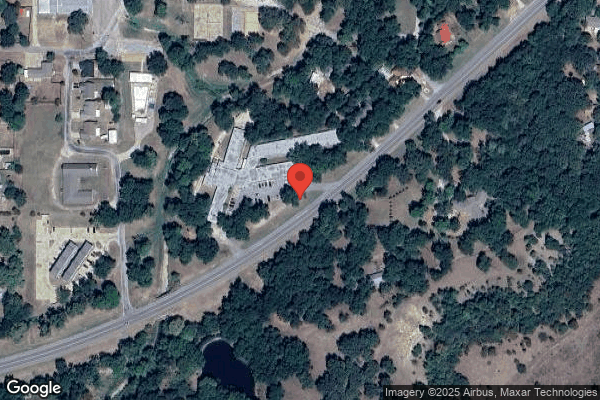
310 BROOKSIDE DRIVE, MADILL, OK 73446 (580) 795-2100
For profit - Individual 140 Beds ELMBROOK MANAGEMENT COMPANY Data: November 2025 2 Immediate Jeopardy citations
Trust Grade
0/100
#200 of 282 in OK
Last Inspection: August 2024

Within standard 12-15 month inspection cycle. Federal law requires annual inspections.

Overview

Brookside Nursing Center in Madill, Oklahoma has a Trust Grade of F, indicating significant concerns and poor overall quality of care. It ranks #200 out of 282 facilities in Oklahoma, placing it in the bottom half, and is the second-best option in Marshall County, meaning there is only one local facility rated higher. Unfortunately, the situation is worsening, with the number of issues doubling from one in 2024 to two in 2025. Staffing is a weakness with a rating of 2 out of 5 stars and a turnover rate of 61%, which is around the state average. The facility has also incurred $55,611 in fines, indicating compliance issues are more frequent than in 82% of other Oklahoma facilities. Specific incidents of concern include a critical failure to protect a resident from sexual abuse by another resident with a known history of inappropriate behavior, as well as lapses in fall prevention that led to a resident's fractured arm after multiple falls. While the facility has some average RN coverage, the overall picture suggests families should consider these significant weaknesses when researching Brookside Nursing Center for loved ones.

Trust Score
F
0/100
In Oklahoma
#200/282
Bottom 30%
Safety Record
High Risk
Review needed
Inspections
Getting Worse
1 → 2 violations
Staff Stability
⚠ Watch
61% turnover. Above average. Higher turnover means staff may not know residents' routines.
Penalties
✓ Good
$55,611 in fines. Lower than most Oklahoma facilities. Relatively clean record.
Skilled Nurses
⚠ Watch
Each resident gets only 19 minutes of Registered Nurse (RN) attention daily — below average for Oklahoma. Fewer RN minutes means fewer trained eyes watching for problems.
Violations
⚠ Watch
13 deficiencies on record. Higher than average. Multiple issues found across inspections.
★☆☆☆☆
1.0
Overall Rating
★★☆☆☆
2.0
Staff Levels
★★☆☆☆
2.0
Care Quality
★☆☆☆☆
1.0
Inspection Score
Stable
2024: 1 issues
2025: 2 issues

The Good

  • Full Sprinkler Coverage · Fire safety systems throughout facility
  • No fines on record

Facility shows strength in fire safety.

The Bad

1-Star Overall Rating

Below Oklahoma average (2.6)

Significant quality concerns identified by CMS

Staff Turnover: 61%

15pts above Oklahoma avg (46%)

Frequent staff changes - ask about care continuity

Federal Fines: $55,611

Above median ($33,413)

Moderate penalties - review what triggered them

Chain: ELMBROOK MANAGEMENT COMPANY

Part of a multi-facility chain

Ask about local staffing decisions and management

Staff turnover is elevated (61%)

13 points above Oklahoma average of 48%

The Ugly 13 deficiencies on record

2 life-threatening 1 actual harm
Apr 2025 2 deficiencies 2 IJ
CRITICAL (J) 📢 Someone Reported This

A family member, employee, or ombudsman was alarmed enough to file a formal complaint

Immediate Jeopardy (IJ) - the most serious Medicare violation

Free from Abuse/Neglect (Tag F0600)

Someone could have died · This affected 1 resident

On 04/10/25 at 11:40 a.m., the Oklahoma State Department of Health was notified and verified the existence of an immediate jeopardy situation related to the facility's failure to protect a resident fr...

Read full inspector narrative →
On 04/10/25 at 11:40 a.m., the Oklahoma State Department of Health was notified and verified the existence of an immediate jeopardy situation related to the facility's failure to protect a resident from sexual abuse from another resident with a known history of sexually inappropriate behaviors. Resident #1 was observed to place their hand under Resident #2's shirt and rub the resident's breast area. On 04/10/25 at 12:03 p.m., the administrator and DON were notified of the immediate jeopardy and provided the immediate jeopardy template. On 04/11/25 at 9:04 a.m., an acceptable plan of removal was approved by the Oklahoma State Department of Health. The plan of removal, read in part, Plan Of Removal 4/10/2025: 1. Facility staff observed the incident reported. Staff intervened and stopped the incident from occurring and made sure resident #2 was safe. Staff separated residents and reported incident to charge nurse immediately. On 4/5/2025, the administrator sent referral to [hospital name withheld] for acceptance due to incident. Resident #1 was observed by staff when out of his room. Resident #1 left with family on 4/6/2025 at 10:58 a.m. to admit to [hospital name withheld] in Ardmore, OK [Oklahoma] due to incident. 2. All residents could be affected. Resident did attempt to contact another resident on 4/6/2025 and staff intervened. 3. All staff to be in-serviced regarding facility abuse policy and reporting 4. Complete audit on all residents to determine sexual behaviors identified. Safe surveys were completed on 4/7/2025 and no further allegations were made. Facility staff utilize target behavior monitoring daily on all residents. 5. Date of compliance: 4/10/2025 at 2000pm On 04/11/25 after interviews with facility staff, review of in-services, and resident sexual behavior audits, the immediacy was lifted, effective 04/10/25 at 8:00 p.m. The deficient practice remained at an isolated level with the potential for more than minimal harm. Based on observation, record review, and interview, the facility failed to prevent resident to resident sexual abuse between 2 (#1 and #2) of 2 sampled residents reviewed for sexual abuse. Resident #1 had a known history of sexually inappropriate behaviors. Resident #1 was observed to place their hand under Resident #2's shirt and rub the resident's breast area. The administrator reported one resident with a history of sexually inappropriate behaviors. Findings: An OSDH Incident Report Form, dated 04/05/25, showed CNA #1 witnessed Resident #1 and Resident #2 in the facility dining room, where Resident #1 was observed to place their hand under Resident #2's shirt and rub their breast area. The form showed an investigation was conducted and video documentation was reviewed. The video showed Resident #1 rubbing Resident #2's back and then putting their hand down the front of Resident #2's shirt. The report showed the administrator interviewed Resident #1 and the resident initially denied the incident. The report showed when informed of the video documentation, Resident #1 stated, Well [they] like it. The report showed when the administrator interviewed Resident #2, the resident stated Resident #1 was rubbing their back and breast area and it made them feel uncomfortable. An Abuse Prevention Program policy, dated December 2016, read in part, As part of the resident abuse prevention, the administration will: Protect our residents from abuse by anyone including, but not necessarily limited to: facility staff, other residents. 1. A care plan for Resident #1, with a problem start date of 05/18/21, showed the resident had behaviors of being sexually inappropriate. The care plan showed a resident to resident incident on 05/29/24. The care plan showed a resident to resident incident on 04/07/25. The care plan showed no interventions following either incident to prevent further behaviors. A progress note for Resident #1, dated 05/29/24 at 12:38 p.m., showed it was reported to the nurse Resident #1 was touching a resident of the opposite sex inappropriately in the dining room. A progress note for Resident #1, dated 05/29/24 at 2:15 p.m., showed the resident would be admitted to a hospital behavioral health unit. A physician order for Resident #1, dated 06/12/24, showed to give medroxyprogesterone (a hormone medication) 2.5 mg, 3 tablets to equal 7.5 mg daily, for sexual dysfunction not due to a substance or known physiological condition. The order showed the medication was discontinued on 12/04/24. A progress note for Resident #1, dated 06/22/24 at 1:39 p.m., showed the resident was observed exiting the dining room when they stopped and started tickling the feet of a resident of the opposite sex. The note showed the resident asked multiple times for Resident #1 to stop and the resident had to be redirected away from the other resident. A MDS assessment for Resident #1, dated 02/18/25, showed a brief interview for mental status score of 9, which indicated the resident was moderately impaired with cognitive function. The assessment showed the resident required substantial to maximal assistance with most activities of daily living. A progress note for Resident #1, dated 04/05/25 at 7:32 p.m., showed CNA #1 witnessed the resident place their hand under Resident #2's shirt and rub their breast area. A progress note for Resident #1, dated 04/06/25 at 10:44 a.m., showed the resident was observed to wheel self to an unidentified resident of the opposite sex. The note showed staff removed Resident #1 from the other resident before Resident #1 could touch them. A care plan for Resident #1, dated 04/07/25, showed diagnoses which included history of cerebral infarction, hemiplegia and hemiparesis following cerebral infarction, peripheral vascular disease, chronic obstructive pulmonary disease, bipolar disorder, anxiety, sexual dysfunction, unspecified psychosis, and depression. 2. A MDS assessment for Resident #2, dated 02/17/25, showed the resident had a memory problem and was severely impaired with cognitive skills for daily decision making. The assessment showed the resident was dependent on staff for assistance with activities of daily living. A progress note, dated 04/05/25 at 7:27 p.m., showed CNA #1 witnessed Resident #1 place their hand under Resident #2's shirt and rub their breast area. The note showed a skin assessment was completed and no visible signs of injury were noted. A care plan for Resident #2, dated 04/07/25, showed a resident to resident incident. The care plan showed psychiatric referrals were made and a trauma informed care observation completed. The care plan showed Resident #2 had diagnoses which included dementia, atrial fibrillation, pseudobulbar affect, depression, insomnia, and muscle weakness. A progress note, dated 04/08/25 at 12:11 p.m., showed a new order for Resident #2, Nuedexta (a central nervous system agent), one tablet by mouth daily for impulsive crying, and Melatonin (an acetamide) 10 mg one by mouth at bedtime as needed for insomnia. On 04/09/25 at 2:15 p.m., CNA #1 reported Resident #1 initially started bringing Resident #2 coffee and sitting near them. CNA #1 reported they had seen Resident #1 touch Resident #2's hair, but had not witnessed anything inappropriate until they saw Resident #1 with their hand inside Resident #2's shirt. CNA #1 reported they separated the residents immediately and told Resident #1 it was not appropriate to touch Resident #2 like that. CNA #1 reported Resident #1 stated, [They] like it. CNA #1 reported Resident #2 did not say anything at the time the incident happened. On 04/09/25 at 3:00 p.m., LPN #1 reported they had noticed Resident #1 sitting closer to Resident #2, bringing them coffee, but had not witnessed anything inappropriate. LPN #1 reported they would occasionally have Resident #1 move a little further away from Resident #2 if they were getting too close. On 04/09/25 at 5:03 p.m., Resident #2's family member was interviewed by phone. They reported the facility had notified them when the incident happened with Resident #1. The family member reported they asked facility staff how their loved one responded, if they swatted the resident's hand or slapped at the other resident, because that was how they would have responded in the past. The family member reported staff stated they thought the resident was shocked by the incident and did not do anything. On 04/10/25 at 8:35 a.m., this surveyor attempted to interview Resident #2 in their room. The resident did not acknowledge any incident and was only able to answer simple yes or no questions. On 04/10/25 at 8:40 a.m., LPN #2 reported they did not know of any resident they needed to watch for sexual behaviors. LPN #2 reported they did not witness the incident between Resident #1 and Resident #2, but had noticed Resident #1 showing Resident #2 more attention, touching their hair, bringing them coffee, and sitting close in the dining room. LPN #2 reported they did not think the behaviors were anything to be concerned about. On 04/10/25 at 10:00 a.m., the DON was asked what interventions were implemented to protect Resident #2 and other residents before Resident #1 was sent out. The DON reported staff watched Resident #1 closely when they were out of their room following the incident with Resident #2. The DON was asked if there was any documentation to show this monitoring. The DON provided a form, with no name or date, and reported it showed one on one monitoring. The form showed every one hour checks from 8:00 p.m. until 10:00 a.m. The DON then wrote Resident #1's name on the form and the date of the incident (04/05/25). The DON was asked if there were interventions in place for when Resident #1 returned to the facility. The DON stated, Obviously we'll need to do something to make sure it doesn't happen again.
CRITICAL (J) 📢 Someone Reported This

A family member, employee, or ombudsman was alarmed enough to file a formal complaint

Immediate Jeopardy (IJ) - the most serious Medicare violation

Deficiency F0657 (Tag F0657)

Someone could have died · This affected 1 resident

On 04/10/25 at 11:40 a.m., the Oklahoma State Department of Health was notified and verified the existence of an immediate jeopardy situation related to the facility's failure to update Resident #1's ...

Read full inspector narrative →
On 04/10/25 at 11:40 a.m., the Oklahoma State Department of Health was notified and verified the existence of an immediate jeopardy situation related to the facility's failure to update Resident #1's care plan related to sexually inappropriate behaviors. Resident #1 was observed to place their hand under Resident #2's shirt and rub the resident's breast area. Resident #1 had a history of a similar incident involving another resident of the opposite sex. Resident #1 was sent to a behavioral health hospital after the first and second incident with no updated interventions to the resident's care plan to prevent recurrence. On 04/10/25 at 12:03 p.m., the administrator and DON were notified of the immediate jeopardy and provided the immediate jeopardy template. On 04/11/25 at 9:04 a.m., an acceptable plan of removal was approved by the Oklahoma State Department of Health. The plan of removal, read in part, Plan Of Removal 4/10/2025: 1. Care plan has been updated to include behavior and interventions to prevent reoccurrence and will be revised upon residents return from hospitalization. 2. All residents could be affected 3. MDS Nurse to be in-serviced regarding updated resident care plans to match resident preferences, behaviors of sexual nature, and interventions that are put in place for behaviors. 4. Audit conducted on all residents to determine sexual behaviors identified. Care plans immediately updated to match resident preferences, behaviors of sexual nature, and interventions that are put in place for behaviors. 5. Date of compliance: 4/10/2025 at 2000pm On 04/11/25 after interviews with facility staff, review of in-services, and resident sexual behavior audits, the immediacy was lifted, effective 04/10/25 at 8:00 p.m. The deficient practice remained at an isolated level with the potential for more than minimal harm. Based on record review and interview, the facility failed to update a resident's care plan following sexually inappropriate behavior for 1 (#1) of 1 sampled residents reviewed for care plans. Resident #1 had a known history of sexually inappropriate behaviors. Resident #1 was observed to place their hand under Resident #2's shirt and rub the resident's breast area. The care plan did not document interventions to prevent recurrence. The administrator reported one resident with a history of sexually inappropriate behaviors. Findings: An OSDH Incident Report Form, dated 04/05/25, showed CNA #1 witnessed Resident #1 with a resident of the opposite sex in the facility dining room, where Resident #1 was observed to place their hand under the resident's shirt and rub their breast area. The form showed an investigation was conducted and video documentation was reviewed. The video showed Resident #1 rubbing the other resident's back and then putting their hand down the front of their shirt. The report showed the administrator interviewed Resident #1 and the resident initially denied the incident. The report showed when informed of the video documentation, the resident stated, Well [they] like it. A Resident to Resident Altercations policy, dated September 2022, read in part, Facility staff monitor residents for aggressive/inappropriate behaviors towards other residents .Behaviors that may provoke a reaction by residents or others include .sexually aggressive behavior .inappropriate touching/grabbing .make any changes in the care plan approaches to any or all of the involved individuals .document in the resident's clinical record all interventions and their effectiveness. A care plan for Resident #1, with a problem start date of 05/18/21, showed the resident had behaviors of being sexually inappropriate. The care plan showed a resident to resident incident on 05/29/24. The care plan showed a resident to resident incident on 04/07/25. The care plan showed no interventions following either incident to prevent further behaviors. A progress note for Resident #1, dated 05/29/24 at 12:38 p.m., showed it was reported to the nurse Resident #1 was touching a resident of the opposite sex inappropriately in the dining room. A progress note for Resident #1, dated 05/29/24 at 2:15 p.m., showed the resident would be admitted to a hospital behavioral health unit. A physician order for Resident #1, dated 06/12/24, showed to give medroxyprogesterone (a hormone medication) 2.5 mg, 3 tablets to equal 7.5 mg daily, for sexual dysfunction not due to a substance or known physiological condition. The order showed the medication was discontinued on 12/04/24. A progress note for Resident #1, dated 06/22/24 at 1:39 p.m., showed the resident was observed exiting the dining room when they stopped and started tickling the feet of a resident of the opposite sex. The note showed the other resident asked multiple times for Resident #1 to stop and Resident #1 had to be redirected away from the resident. An MDS assessment for Resident #1, dated 02/18/25, showed a brief interview for mental status score of 9, which indicated the resident was moderately impaired with cognitive function. The assessment showed the resident required substantial to maximal assistance with most activities of daily living. A progress note for Resident #1, dated 04/05/25 at 7:32 p.m., showed CNA #1 witnessed the resident place their hand under the shirt of a resident of the opposite sex and rub their breast area. A progress note for Resident #1, dated 04/06/25 at 10:44 a.m., showed the resident was observed to wheel self to an unidentified resident of the opposite sex. The note showed staff removed Resident #1 from the other resident before Resident #1 could touch them. A care plan for Resident #1, dated 04/07/25, showed diagnoses which included history of cerebral infarction, hemiplegia and hemiparesis following cerebral infarction, peripheral vascular disease, chronic obstructive pulmonary disease, bipolar disorder, anxiety, sexual dysfunction, unspecified psychosis, and depression. On 04/10/25 at 8:40 a.m., LPN #2 reported they did not know of any resident they needed to watch for sexual behaviors. LPN #2 reported they did not witness the incident between Resident #1 and the resident of the opposite sex, but had noticed Resident #1 showing the resident more attention, touching their hair, bringing them coffee, and sitting close in the dining room. LPN #2 reported they did not think the behaviors were anything to be concerned about. On 04/10/25 at 10:00 a.m., the DON was asked what interventions were implemented to protect residents before Resident #1 was sent out. The DON reported staff watched Resident #1 closely when they were out of their room following the incident. The DON was asked if there was any documentation to show this monitoring. The DON provided a form, with no name or date, and reported it showed one on one monitoring. The form showed every one hour checks from 8:00 p.m. until 10:00 a.m., but did not document one on one monitoring. The DON then wrote Resident #1's name on the form and the date of the incident (04/05/25). On 04/10/25 at 10:10 a.m., the DON provided an updated care plan for Resident #1, revised during the survey, which showed the resident to resident incident. The care plan showed the residents were separated immediately and an investigation initiated. The care plan showed a psychiatric referral was obtained. The care plan showed no interventions to prevent recurrence of sexually inappropriate behaviors. The DON was asked if there were interventions in place for when Resident #1 returned to the facility. The DON stated, Obviously we'll need to do something to make sure it doesn't happen again.
Aug 2024 1 deficiency
CONCERN (E)

Potential for Harm - no one hurt, but risky conditions existed

PASARR Coordination (Tag F0644)

Could have caused harm · This affected multiple residents

**NOTE- TERMS IN BRACKETS HAVE BEEN EDITED TO PROTECT CONFIDENTIALITY** Based on record review and interview, the facility failed to refer residents with newly diagnosed mental illnesses to the OHCA f...

Read full inspector narrative →
**NOTE- TERMS IN BRACKETS HAVE BEEN EDITED TO PROTECT CONFIDENTIALITY** Based on record review and interview, the facility failed to refer residents with newly diagnosed mental illnesses to the OHCA for a level II PASARR evaluation for two (#12 and #18) of three sampled residents reviewed for PASRR's. The Administrator reported 56 residents resided in the facility. Findings: 1. Resident #12 was admitted to the facility on [DATE]. Resident #12 had diagnoses which included recurrent major depressive disorder, date diagnosed 02/19/20, and schizoaffective disorder date diagnosed 05/12/20. The Level I PASRR screen, dated 07/21/11, documented no mental illness. On 08/13/24 at 4:03 p.m., the MDS coordinator reported the Level I PASRR screen should have been reassessed and submitted to OHCA when resident #12 was diagnosed with a new mental illness diagnoses of recurrent major depressive disorder and the schizoaffective disorder. 2. Resident #18 was admitted to the facility on [DATE]. Resident #18 had diagnoses which included bi-polar disorder, date diagnosed 10/17/19, anxiety disorder, date diagnosed 10/17/19, and schizoaffective disorder, date diagnosed 11/05/19. The Level I PASRR screen, dated 10/22/19, documented no mental illness. On 08/13/24 at 4:03 p.m., the MDS coordinator reported resident #18's Level I PASRR screen should have documented the bi-polar disorder and schizoaffective disorder. The MDS coordinator reported the Level I PASRR was filled out correctly. On 08/13/24 at 4:11 p.m., RN#2 reported the facility had no PASRR policy.
Aug 2023 4 deficiencies 1 Harm
SERIOUS (G)

Actual Harm - a resident was hurt due to facility failures

Accident Prevention (Tag F0689)

A resident was harmed · This affected 1 resident

**NOTE- TERMS IN BRACKETS HAVE BEEN EDITED TO PROTECT CONFIDENTIALITY** Based on observation, record review, and interview, the facility failed to develop and implement fall interventions to include s...

Read full inspector narrative →
**NOTE- TERMS IN BRACKETS HAVE BEEN EDITED TO PROTECT CONFIDENTIALITY** Based on observation, record review, and interview, the facility failed to develop and implement fall interventions to include supervision to decrease or lessen the risk for injury for one (#40) of four sampled residents reviewed for falls. The facility failed to ensure fall interventions were implemented after three of six documented falls. The last fall resulted in a fractured right humerus. The Resident Census and Conditions of Residents form, dated 07/25/23, documented 53 residents resided in the facility. Findings: The Assessing Falls and Their Causes policy, revision date March 2018, read in part, . Performing a Post-Fall Evaluation .After a fall, a nurse will complete the Post-Fall Evaluation to determine the root cause of fall .An intervention to prevent re-occurrence of the fall will be implemented immediately and documented on the Incident Report .The Incident Report and Post-Fall Evaluation will be reviewed by the IDT the following business day to determine root cause and review the intervention .The intervention to prevent reoccurrence will be placed on the care plan . The Falls Prevention Program not dated, read in parts, .FALLING STAR - symbol will be placed on a. door name tag (small Star), b. CNA assignment sheet or pocket care plan (Star symbol), c. Wheelchair/walker if applicable (Large Star) .All employees in all departments will be in-serviced on the fall prevention program. The employees are expected to recognize the star symbol and understand what they are to do when seeing a star symbol on a door name tag, CNA assignment sheet or on a resident's wheelchair or walker . The care plan, dated 08/22/22, for Resident #40, read in part, .Resident is at risk for falls AEB: weakness, unsteadiness and extensive assistance required for transfers R/T neuropathy, incontinence, and dementia .Long Term Goal Target Date: 09/06/2023 .Resident will be free of falls and injury through next review . The care plan, dated 08/22/22, read in part, .Approach [Interventions], for the following falls: a. 11/17/22 - fall with no injuries - resident encouraged to call for help when needing to get up. verbal reminders will be given frequently. b. 12/28/22 - fall with no injury - keep chair lift unplugged unless staff is in room to assist resident up out of chair. c. 06/16/23 - fall- fracture R humerus-move resident to room closer to nurse's station . The facility's care plan related to the falls that had occurred on 01/05/23, 02/20/23, and 05/31/23 were not listed on the plan of care and the facility did not implement fall interventions to prevent or decrease the risk for falls or injury. The fall dated 06/16/23 was documented in the care plan as no injury and was updated on 08/01/23 on the day of survey to a fracture of the right humerus. An event report, dated 01/05/23, documented CNA reported that resident was lying on the floor in her room. Resident stated they were trying to transfer from the bed to chair and slipped landing on the floor. No injuries documented. No intervention was documented to prevent recurrence and no care plan update. An event report, dated 02/20/23, documented CNA came to get this nurse and inform of resident fall with head injury. Upon entering room this nurse observed resident wrapped up in blankets laying on right side next to bed on floor. Assessment completed and noticed an extremely large knot forming at right eyebrow and eye area. There was no intervention added to prevent recurrence and no plan of care update. An event report, dated 05/31/23, documented, resident sitting upright on the floor with their back against the bed. The report documented the resident stated, Getting out of the recliner to go to bed, my leg gave out, so I sat down. No injuries noted. There was no intervention added to prevent recurrence and no care plan update. The facility submitted event reports dated for 11/17/22, 12/28/22, 01/05/23, 02/20/23, 05/31/23, and 06/16/23 for Resident #40. An OSDH Final Incident Report Form, dated 06/16/23, read in part, .resident informed staff she was trying to go to bed from recliner, Resident is unable to transfer on her own and doesn't always remember this and forgets to use call light. Resident has been moved closer to nurses' station and has a bed alarm and chair alarm in place to monitor when she is attempting to get up. Right arm has been placed in sling and to f/u with ortho . A quarterly assessment dated [DATE], for Resident #40, documented the resident's cognition was severely impaired, required extensive assistance with ADL's, and no falls. A Radiology Test Information dated 06/16/23, for Resident #40, read in part, .Right Shoulder .Indication: Injury with right shoulder pain .Findings: There is an impacted fracture of the right proximal humeral neck . A Fall Risk assessment, dated 06/23/23, for Resident #40, read in part, .Total Fall Risk Score 21.0, Level: High Fall Risk, >13 total points=High Fall Risk . A significant change assessment, dated 06/29/23, for Resident #40, documented the resident had a fall in the last month prior to admission/entry or reentry and had a fall in the last 2-6 months prior to admission/entry or reentry. The assessment documented the resident had a fracture related to falls in the 6 months prior to admission/entry or reentry. The assessment documented the resident did not have an alarm. The assessment documented the resident's cognition was severely impaired, required extensive assistance with ADL's. Resident #40 had diagnoses which included hypertension, non-Alzheimer's dementia, anxiety, and depression. On 08/01/23 at 02:02 p.m., no bed or chair alarm was observed in Resident #40's room. Resident #40 was asked if their lift chair worked. They were able to activate the chair up and down. The lift chair was not unplugged and there was no staff in the room as outlined as one of the interventions for a fall that had occurred on 12/28/22. On 08/01/23 at 02:05 p.m., CMA #2 was asked if Resident #40 had a bed/chair alarm. They stated the resident did not have a bed or chair alarm and did not know of them having one. On 08/01/23 at 02:10 p.m., LPN #2 was asked if Resident #40 had a bed/chair alarm. They stated, No. They were asked if they ever had a bed/chair alarm. They stated maybe last year. They were asked if resident #40 was moved closer to the nurse's station. They stated after their fall they were moved closer to the nurse's station. On 08/01/23 at 02:25 p.m., the assessment coordinator was asked about the significant change assessment, dated 06/29/23. They were asked about the section related to falls. They stated it documented a fall history in the last month and in the last 2-6 months. They were asked about a chair/bed alarm section on the assessment. They stated just a wheelchair was documented. They stated, I don't have an alarm for the resident. On 08/01/23 at 02:49 p.m., LPN #2 was asked if Resident #40's lift chair was functional. They stated, Yes, is it plugged in? They used the remote to lift Resident #40's legs in the chair. They stated it was care planned for the chair to be unplugged, but they have new staff, so they will need to in-service them. On 08/01/23 at 4:33 p.m., the regional LPN was asked about the post fall evaluations completed after Resident #40's falls on 11/17/22, 12/28/22, 01/06/23, 02/20/23, 05/31/23, and 06/16/23. They agreed nothing was added to the plan of care for the falls on 01/06/23, 02/20/23, and 05/31/23. They were asked if Resident #40 had a bed/chair alarm as documented on the State reportable for the fall that occurred on 06/16/23. They stated, No, she did not. On 08/02/23 at 08:51 a.m., LPN #1 and LPN #2 were asked if the facility had indicators on the door to alert staff of a resident with high risk for falls. They stated they did not know of a fall program like that at this facility. LPN #1 stated they were aware of others places they had worked that had leaves on the door to indicate a resident at risk for falls. CNA #9 reported she had been back to work for about a week and was not aware of indicators on the resident doors to indicate they were at risk for falls.
CONCERN (E)

Potential for Harm - no one hurt, but risky conditions existed

Deficiency F0657 (Tag F0657)

Could have caused harm · This affected multiple residents

**NOTE- TERMS IN BRACKETS HAVE BEEN EDITED TO PROTECT CONFIDENTIALITY** Based on observation, record review, and interview, the facility failed to individualize and implement fall interventions in the...

Read full inspector narrative →
**NOTE- TERMS IN BRACKETS HAVE BEEN EDITED TO PROTECT CONFIDENTIALITY** Based on observation, record review, and interview, the facility failed to individualize and implement fall interventions in the plan of care for one (#40) of one sampled resident reviewed for care plans. The Resident Census and Conditions of Residents form, dated 07/25/23, documented 53 residents resided in the facility. Findings: The Assessing Falls and Their Causes policy, revision date March 2018, read in part, .The Incident Report and Post-Fall Evaluation will be reviewed by the IDT the following business day to determine root cause and review the intervention . The intervention to prevent reoccurrence will be placed on the care plan . The Care Plan dated 08/22/22, for Resident #40, read in part, .Resident is at risk for falls AEB: weakness, unsteadiness and extensive assistance required for transfers R/T neuropathy, incontinence, and dementia .Long Term Goal Target Date: 09/06/2023 .Resident will be free of falls and injury through next review . The care plan, dated 08/22/22, read in part, .Approach [Interventions], for the following falls: a. 11/17/22 - fall with no injuries - resident encouraged to call for help when needing to get up. verbal reminders will be given frequently. b. 12/28/22 - fall with no injury - keep chair lift unplugged unless staff is in room to assist resident up out of chair. c. 06/16/23 - fall- fracture R humerus-move resident to room closer to nurse's station . The facility's care plan related to the falls that had occurred on 01/05/23, 02/20/23, and 05/31/23 were not listed on the plan of care and the facility did not implement fall interventions to prevent or decrease the risk for falls or injury. The fall dated 06/16/23 was documented in the care plan as no injury and was updated on 08/01/23 on the day of survey to a fracture of the right humerus. The facility submitted event reports dated for 11/17/22, 12/28/22, 01/05/23, 02/20/23, 05/31/23, and 06/16/23 for Resident #40. An OSDH Final Incident Report Form dated 06/16/23, read in part, .resident informed staff she was trying to go to bed from recliner, Resident is unable to transfer on her own and doesn't always remember this and forgets to use call light. Resident has been moved closer to nurses' station and has a bed alarm and chair alarm in place to monitor when she is attempting to get up. Right arm has been placed in sling and to f/u with ortho . A Radiology Test Information' dated 06/16/23, for Resident #40, read in part, .Right Shoulder .Indication: Injury with right shoulder pain .Findings: There is an impacted fracture of the right proximal humeral neck . A significant change assessment, dated 06/29/23, for Resident #40, read in part, .Section J, Health Conditions: Did the resident have a fall in the last month prior to admission/entry or reentry? Yes. Did the resident have a fall any time in the last 2-6 months prior to admission/entry or reentry? Yes. Did the resident have any fracture related to falls in the 6 months prior to admission/entry or reentry? Yes .Section P, Restraints and Alarms .bed alarm and chair alarm: No . On 08/01/23 at 02:02 p.m., no bed or chair alarm was observed in Resident #40's room. Resident #40 was asked if their lift chair worked. They were able to activate the chair up and down. There was no staff in the room as outlined as one of the interventions for a fall that had occurred on 12/28/22. On 08/01/23 at 02:05 p.m., CMA #2 was asked if Resident #40 had a bed/chair alarm. They reported the resident did not have a bed or chair alarm and did not know of them having one. On 08/01/23 at 02:10 p.m., LPN #2 was asked if Resident #40 had a bed/chair alarm. They stated, No. They were asked if they ever had a bed/chair alarm. They stated maybe last year. They were asked if resident #40 was moved closer to the nurse's station. They stated after their fall they were moved closer to the nurse's station. On 08/01/23 at 02:25 p.m., the assessment coordinator was asked about the significant change assessment dated [DATE]. They were asked about the section related to falls. They stated it documented a fall history in the last month and in the last 2-6 months. They were asked about a chair/bed alarm section on the assessment. They stated just a wheelchair was documented. They stated, I don't have an alarm for the resident. On 08/01/23 at 02:49 p.m., LPN #2 was asked if Resident #40's lift chair was functional. They stated, Yes, is it plugged in? They used the remote to lift Resident #40's legs in the chair. They stated it was care planned for the chair to be unplugged, but they have new staff, so they will need to in-service them.
CONCERN (E) 📢 Someone Reported This

A family member, employee, or ombudsman was alarmed enough to file a formal complaint

Potential for Harm - no one hurt, but risky conditions existed

Deficiency F0660 (Tag F0660)

Could have caused harm · This affected multiple residents

Based on record review and interview, the facility failed to ensure discharge planning was completed information for one (#203) of two sampled residents whose discharge records were reviewed. The Resi...

Read full inspector narrative →
Based on record review and interview, the facility failed to ensure discharge planning was completed information for one (#203) of two sampled residents whose discharge records were reviewed. The Resident Census and Conditions of Residents form, dated 07/25/23, documented 53 residents resided in the facility. Findings: The facility's Discharge Summary and Plan policy, dated December 2016, read in part, 1.a discharge summary and a post-discharge plan will be developed . 3. As part of the discharge summary, the nurse will reconcile all pre-discharge medication with the resident's post-discharge medications. The medication reconciliation will be documented . Res #203's quarterly assessment, dated 03/29/22, documented the resident's cognition was intact, and he was independent with his ADL's. His diagnoses included heart failure and DM. A physician order, dated 06/23/22, read in part, dc to home with medication and personal belongings. A nurse note, dated 06/23/22 at 3:29 p.m., read in part, Resident discharging, per orders from Dr. Medication and instructions given and explained, leaving facility due to failure to pay at his request, clothing and all items belonging to him taken with him . A nurse note, dated 06/23/22 at 6:34 p.m., read in part, Resident discharged of his own accord, resident gave [address withheld] for d/c. informed us that it was his home. resident left voluntarily, packed himself, given medications and instruction on how to take them. Resident driven to address that he stated was his home via facility van. Facility received calls that the residence was not his and that we needed to get him. APS notified. The clinical record contained no documentation of a discharge summary or a post-discharge plan, and no documentation of the residents medication reconciliation. On 08/02/23, at 10:25 a.m., the corporate nurse reported she could not find a discharge summary, a post-discharge plan, or a medication reconciliation in the residents record.
CONCERN (E)

Potential for Harm - no one hurt, but risky conditions existed

Laboratory Services (Tag F0770)

Could have caused harm · This affected multiple residents

Based on record review and interview the facility failed to obtain routine laboratory values per physician orders for two (#13 and #26) of five sampled residents reviewed for laboratory results. The R...

Read full inspector narrative →
Based on record review and interview the facility failed to obtain routine laboratory values per physician orders for two (#13 and #26) of five sampled residents reviewed for laboratory results. The Resident Census and Conditions of Residents, dated 07/25/23, documented 53 residents residing in the facility. Findings: A facility policy and procedure, Obtaining Blood Specimens ., read in part .A physician order is required to obtain blood samples .Documentation .laboratory results and notification of physician of results .notify .of any problems or inability to get blood samples. 1. Resident #13 was admitted with diagnoses which included chronic obstructive pulmonary disease, heart failure, and DM. A physician order, dated 10/04/22, documented to obtain labs once a day on the 12th of every 3rd month for ammonia level, CBC, and CMP. The resident's clinical record documented lab results received on 03/30/23. No other labs had been obtained for June and no results were documented. On 07/31/23 at 2:48 p.m., the corporate V.P. of clinicals nurse reported the labs ordered for June had not been obtained. 2. Resident #26 was admitted with diagnoses which included congestive heart failure, diabetes mellitus, and chronic obstructive pulmonary disease. A physician order, dated 02/17/23, documented labs to be drawn once a day on the 1st Thursday of January, April, August, and November, draw CBC, CMP, hemoglobin A1c, lipid profile and liver profile. A laboratory form, dated 4/11/23, documented the resident refused the lab draw and handwritten at the top of the form, T.O. try to get at night as he is not a morning person, 04/11/23. On 07/31/23 at 4:14 p.m., the RN survey consultant, reported the labs were refused in April, the physician was notified and a T.O. to try obtaining labs at night as the resident was not a morning person. She reported no documentation of another attempt was made and no labs since that time.
Jul 2021 6 deficiencies
CONCERN (D)

Potential for Harm - no one hurt, but risky conditions existed

Comprehensive Assessments (Tag F0636)

Could have caused harm · This affected 1 resident

**NOTE- TERMS IN BRACKETS HAVE BEEN EDITED TO PROTECT CONFIDENTIALITY** Based on observation, interview, and record review, it was determined the facility failed to accurately complete a comprehensive...

Read full inspector narrative →
**NOTE- TERMS IN BRACKETS HAVE BEEN EDITED TO PROTECT CONFIDENTIALITY** Based on observation, interview, and record review, it was determined the facility failed to accurately complete a comprehensive assessment for one (#32) 30 residents reviewed. The facility reported 55 residents lived in the facility. Findings: Resident #32 was admitted to the facility on [DATE] with diagnoses which included acute kidney failure, pain, diabetes mellitus, hypertension, and altered mental status. A quarterly assessment, dated 05/11/21, documented the resident was cognitively intact, exhibited no depression, and required limited assistance with activities of daily living (ADLs). A five day comprehensive assessment, dated 07/01/21, documented the resident was cognitively intact and required limited assistance with ADL's. The assessment documented the resident had no impairments with upper or lower extremities. A nurse's note, dated 06/21/21 06:15 PM, documented the aide reported the resident was not acting right. The note documented the resident was leaning to the right side and the right arm was flaccid and speech was slurred. The note documented the resident's face was lax on the right side. The note documented the physician was notified and the resident was sent to the local emergency room. A hospital [name deleted] history and physical assessment, dated 06/21/21, documented the resident had a stroke/transient ischemic attack. An updated care plan, dated 06/21/21, contained no documentation regarding the resident's change of condition related to the stroke. On 07/20/21 03:34 PM, the resident was observed sitting up in her wheelchair in the lobby watching tv. The resident's right arm was observed flaccid lying across her abdomen. On 07/21/21 08:21 AM, the resident was observed eating breakfast using her left hand. On 07/21/21 10:44 AM, certified nurse aide (CNA) #1 reported the resident required assistance with incontinent care and showers. The CNA reported she was unsure where to find information regarding care to provide to the residents. On 07/21/21 10:49 AM, CNA #2 reported since the resident had a stroke she needed assistance with almost everything, The CNA reported she was unsure where to find information regarding care to provide to the residents. On 07/21/21 10:52 AM licensed practical nurse (LPN) #1 reported the resident required total assistance. The LPN reported the resident utilized her left hand to eat. The LPN reported the resident was receiving skilled therapy since her stroke. The LPN reported CNAs could find assistance on ADLs in the electronic record. The LPN reported the CNA's should know where to find ADL assistance information. On 07/22/21 10:26 AM, the director of nurses reported the assessment completed on 07/01/21 was inaccurate with ADL's and the care plan should have been updated.
CONCERN (E)

Potential for Harm - no one hurt, but risky conditions existed

Notification of Changes (Tag F0580)

Could have caused harm · This affected multiple residents

**NOTE- TERMS IN BRACKETS HAVE BEEN EDITED TO PROTECT CONFIDENTIALITY** Based on observation, interview, and record review, it was determined the facility failed to notify a resident representative wh...

Read full inspector narrative →
**NOTE- TERMS IN BRACKETS HAVE BEEN EDITED TO PROTECT CONFIDENTIALITY** Based on observation, interview, and record review, it was determined the facility failed to notify a resident representative when a change of condition occurred for one (#28) of 30 residents reviewed. The facility reported 55 residents lived in the facility. Findings: Resident #28 was admitted to the facility on [DATE] with diagnoses which included dementia, hyperlipidemia, anxiety, diabetes mellitus, malignant neoplasm of female genital organ, and hypertension. A nurses's noted, dated 01/20/21 12:32 AM, documented the resident was found lying on the floor mat beside the bed on her back. The note documented no apparent injuries. The note contained no documentation the resident's representative had been notified of the fall. A nurse's note, dated 01/29/21 01:23 PM, documented the resident was moved to room [ROOM NUMBER] b. The note contained no documentation the resident's representative had been notified of the room change. A quarterly assessment, dated 06/02/21, documented the resident was moderately impaired with cognition, exhibited no depression and wandered four to six days of the look back period. The assessment documented the resident required extensive assistance with activities of daily living. The assessment documented the resident was always incontinent of bowel and bladder. A nurse's note, dated 06/26/21 03:00 AM, documented the resident had a boil to area just above the mons pubis. The note documented for this nurse to inform the oncoming shift to contact her physician later this morning. The note documented the area was red with purulent exudate. The note contained no documentation the resident's representative had been notified. A nurse's note, dated 06/27/21 02:24 AM, documented the resident had a boil to area just above the mons pubis discovered on 6/26/21 and reported to the oncoming shift so they could contact her physician. The note documented the area was red with purulent exudate. The note documented no note was in the chart since this nurse reported to oncoming shift, and it was unknown if the physician was contacted. The note contained no documentation the resident's representative had been notified. On 07/19/21 02:33 PM, the resident's representative reported the resident's legs were observed to be discolored due to circulation. The resident's representative reported the facility had not notified her of the discoloration to the resident's lower extremities. The resident's representative reported she had not been notified of multiple room changes. On 07/20/21 03:31 PM, the resident was observed lying in bed on her back with her eyes closed. On 07/22/21 10:30 AM, the director of nurses (DON) reported resident representative notification should be documented in the clinical record. The DON reported if the family had been notified of changes the staff should have documented in the clinical record when they were notified.
CONCERN (E)

Potential for Harm - no one hurt, but risky conditions existed

Comprehensive Care Plan (Tag F0656)

Could have caused harm · This affected multiple residents

**NOTE- TERMS IN BRACKETS HAVE BEEN EDITED TO PROTECT CONFIDENTIALITY** Based on observation, interview, and record review, it was determined the facility failed to ensure a comprehensive care plan wa...

Read full inspector narrative →
**NOTE- TERMS IN BRACKETS HAVE BEEN EDITED TO PROTECT CONFIDENTIALITY** Based on observation, interview, and record review, it was determined the facility failed to ensure a comprehensive care plan was in place for one (#51) of five residents who were reviewed for antipsychotic medication. The facility reported 18 residents received antipsychotic medication. Findings: Resident #51 was admitted to the facility on [DATE] with diagnoses which included heart failure, Alzheimer's late onset, major depressive disorder, single episode, unspecified, and generalized anxiety disorder. A pharmacy recommendation, dated 04/21/21, documented the resident received Risperidone 0.5 mg twice daily for behavioral and psychological symptoms of dementia. The recommendation documented for the physician to consider a dose reduction to Risperidone 0.25 mg twice daily if appropriate. The recommendation documented the physician disagreed and had a rationale the resident was stable. A physician's order, dated 06/15/21, documented risperidone tablet, 0.25 mg, 1 tablet by mouth twice a day at 06:00 a.m., and 11:00 a.m. for major depressive disorder, single episode, unspecified. A quarterly assessment, dated 07/03/21, documented the resident's cognition was moderately impaired. The assessment documented the resident received an antipsychotic medication for seven days of the look-back period. The assessment documented the resident had a gradual dose reduction attempted on 06/16/21. The care plan contained no documentation of antipsychotic medication. On 07/21/21 at 11:00 a.m., the Minimum Data Set coordinator confirmed Risperidone should have been care planned.
CONCERN (E)

Potential for Harm - no one hurt, but risky conditions existed

Deficiency F0657 (Tag F0657)

Could have caused harm · This affected multiple residents

**NOTE- TERMS IN BRACKETS HAVE BEEN EDITED TO PROTECT CONFIDENTIALITY** Based on observation, interview, and record review, it was determined the facility failed to update a care plan when a resident ...

Read full inspector narrative →
**NOTE- TERMS IN BRACKETS HAVE BEEN EDITED TO PROTECT CONFIDENTIALITY** Based on observation, interview, and record review, it was determined the facility failed to update a care plan when a resident had a change in condition for one (#32) of 30 residents reviewed. The facility reported 55 residents lived in the facility. Findings: Resident #32 was admitted to the facility on [DATE] with diagnoses which included acute kidney failure, pain, cerebral infarction, diabetes mellitus, hypertension, and altered mental status. A quarterly assessment, dated 05/11/21, documented the resident was cognitively intact, exhibited no depression, and required limited assistance with activities of daily living (ADLs). A five day comprehensive assessment, dated 07/01/21, documented the resident was cognitively intact and required limited assistance with ADL's. The assessment documented the resident had no impairments with upper or lower extremities. A nurse's note, dated 06/21/21 06:15 PM, documented the aide reported the resident was not acting right. The note documented the resident was leaning to the right side and the right arm was flaccid and speech was slurred. The note documented the resident's face was lax on the right side. The note documented the physician was notified and the resident was sent to the local emergency room. A hospital [name deleted] history and physical assessment, dated 06/21/21, documented the resident had a stroke/transient ischemic attack. An updated care plan, dated 06/21/21, contained no documentation regarding the resident's change in condition related to the stroke. On 07/20/21 03:34 PM, the resident was observed sitting up in her wheelchair in the lobby watching tv. The resident's right arm was observed flaccid lying across her abdomen. On 07/21/21 08:21 AM, the resident was observed eating breakfast using her left hand. On 07/21/21 10:44 AM, certified nurse aide (CNA) #1 reported the resident required assistance with incontinent care and showers. The CNA reported she was unsure where to find information regarding care to provide to the residents. On 07/21/21 10:49 AM, CNA #2 reported since the resident had a stroke she needed assistance with almost everything, The CNA reported she was unsure where to find information regarding care to provide to the residents. On 07/21/21 10:52 AM licensed practical nurse (LPN) #1 reported the resident required total assistance. The LPN reported the resident utilized her left hand to eat. The LPN reported the resident was receiving skilled therapy since the stroke. The LPN reported CNAs could find assistance on ADLs in the electronic record. The LPN reported the CNA's should know where to find ADL assistance information. On 07/22/21 10:26 AM, the director of nurses reported the assessment completed on 07/01/21 was inaccurate with ADL's and the care plan should have been updated.
CONCERN (E)

Potential for Harm - no one hurt, but risky conditions existed

Medication Errors (Tag F0758)

Could have caused harm · This affected multiple residents

**NOTE- TERMS IN BRACKETS HAVE BEEN EDITED TO PROTECT CONFIDENTIALITY** Based on observation, interview, and record review, it was determined the facility failed to ensure residents were free of unnec...

Read full inspector narrative →
**NOTE- TERMS IN BRACKETS HAVE BEEN EDITED TO PROTECT CONFIDENTIALITY** Based on observation, interview, and record review, it was determined the facility failed to ensure residents were free of unnecessary psychotropic medications for two (#9 and #51) of five residents reviewed for unnecessary medications. The facility reported 18 residents received antipsychotic medications. Findings: 1. Resident #9 was admitted to the facility on [DATE] with diagnoses which included metabolic encephalopathy, other recurrent depressive disorders, unspecified mood [affective] disorder, and anxiety disorder. A quarterly assessment, dated 05/05/21, documented the resident was moderately impaired with cognition. The assessment documented the resident never felt tired or had little energy. The assessment documented the resident required supervision or was independent with activities of daily living. The assessment documented the resident had received an antipsychotic for seven days of the look-back period. A physician's order, dated 06/15/21, documented Risperidone 0.25 mg 1 tablet twice a day for unspecified mood [affective] disorder. The order documented a change from Risperidone 0.25 mg 1 tablet three times a day for unspecified mood [affective] disorder. On 07/19/21 01:50 PM, the resident was observed lying in bed with her eyes closed. On 07/20/21 08:44 AM, the resident was observed lying in bed, facing the wall. On 07/20/21 01:26 PM, the resident was observed lying in bed with her eyes closed. On 07/21/21 08:46 AM, the resident was observed lying in bed, eyes closed, and facing the wall. On 07/21/21 09:00 AM, LPN #2 reported the resident was independent with most ADLs. The LPN reported the resident did not come out of her room often, and spent most of her time in bed. 2. Resident #51 was admitted to the facility on [DATE] with diagnoses which included heart failure, Alzheimer's late onset, major depressive disorder, single episode, unspecified, and generalized anxiety disorder. A pharmacy recommendation, dated 04/21/21, documented the resident received Risperidone 0.5 mg twice daily for behavioral and psychological symptoms of dementia. The recommendation documented for the physician to consider a dose reduction to Risperidone 0.25 mg twice daily if appropriate. The recommendation documented the physician disagreed, with the rationale the resident was stable. A physician's order, dated 06/15/21, documented Risperidone tablet, 0.25 mg, 1 tablet by mouth twice a day at 06:00 a.m., and 11:00 a.m. for major depressive disorder, single episode, unspecified. A quarterly assessment, dated 07/03/21, documented the resident's cognition was moderately impaired. The assessment documented the resident received an antipsychotic medication for seven days of the look-back period. The assessment documented the resident had a gradual dose reduction attempted on 06/16/21. On 07/19/21 09:51 AM, the resident was observed lying in bed with his eyes closed. On 07/20/21 08:47 AM, the resident was observed lying in bed with eyes closed. On 07/20/21 01:28 PM, the resident was observed lying in bed. On 07/21/21 08:48 AM, the resident was observed lying in bed with his eyes closed. On 07/22/21 08:44 AM, the resident was observed lying in bed with his eyes closed. On 07/22/21 10:31 AM, the DON and ADON reported major depressive disorder was not an appropriate clinical indication for the use of an antipsychotic medication. The DON and ADON reported unspecified mood disorder was not an appropriate clinical indication for the use of an antipsychotic medication.
CONCERN (E)

Potential for Harm - no one hurt, but risky conditions existed

Food Safety (Tag F0812)

Could have caused harm · This affected multiple residents

Based on observation, interview, and record review, it was determined the facility failed to ensure sanitary conditions were followed during meal preparation. The administrator reported 57 residents r...

Read full inspector narrative →
Based on observation, interview, and record review, it was determined the facility failed to ensure sanitary conditions were followed during meal preparation. The administrator reported 57 residents received their meals from the kitchen. Findings: A facility cell phone policy, documented, .Using a cell phone for personal use is prohibited in public areas and common areas of the facility and in residents' rooms. Cell phones are to be kept on silent or vibrate. Ear buds and/or headphones may not be used for cell phones or any personal device . On 07/19/21 at 12:01 p.m., during lunch preparation, dietary aide (DA) #1 was observed reaching in her pocket to retrieve her cell phone to answer a call. The DA continued to prepare meal trays without performing any type of hand hygiene. On 07/19/21 at 12:11 p.m., during lunch preparation, DA #1 was observed to answer her cell phone. The DA continued to prepare trays without performing any type of hand hygiene. On 07/19/21 at 12:16 p.m., during lunch preparation, DA #1 was observed to answer her cell phone. The DA continued to prepare trays without performing any type of hand hygiene. On 07/20/21 at 11:57 a.m., during a follow up visit to the kitchen, DA #1 was observed preparing lunch trays. The DA stopped to retrieve her cell phone from her pocket and answered a call. The DA continued to prepare lunch trays without changing gloves or performing proper hand hygiene. On 07/20/21, the dietary manager (DM) reported cell phones should never be used in the kitchen. The DM reported they have a facility cell phone policy. The DM reported proper hand hygiene was expected at all times.
Understanding Severity Codes (click to expand)
Life-Threatening (Immediate Jeopardy)
J - Isolated K - Pattern L - Widespread
Actual Harm
G - Isolated H - Pattern I - Widespread
Potential for Harm
D - Isolated E - Pattern F - Widespread
No Harm (Minor)
A - Isolated B - Pattern C - Widespread

Questions to Ask on Your Visit

  • "What changes have you made since the serious inspection findings?"
  • "What safeguards are in place to prevent abuse and neglect?"
  • "Why is there high staff turnover? How do you retain staff?"
  • "Can I speak with families of current residents?"
  • "What's your RN coverage like on weekends and overnight?"

Our Honest Assessment

Strengths
  • • Licensed and certified facility. Meets minimum state requirements.
Concerns
  • • Multiple safety concerns identified: Federal abuse finding, 2 life-threatening violation(s), 1 harm violation(s), $55,611 in fines. Review inspection reports carefully.
  • • 13 deficiencies on record, including 2 critical (life-threatening) violations. These warrant careful review before choosing this facility.
  • • $55,611 in fines. Extremely high, among the most fined facilities in Oklahoma. Major compliance failures.
  • • Grade F (0/100). Below average facility with significant concerns.
Bottom line: This facility has a substantiated abuse finding. Extreme caution advised. Explore alternatives.

About This Facility

What is Brookside Nursing Center's CMS Rating?

CMS assigns BROOKSIDE NURSING CENTER an overall rating of 1 out of 5 stars, which is considered much below average nationally. Within Oklahoma, this rating places the facility higher than 0% of the state's 100 nursing homes. A rating at this level reflects concerns identified through health inspections, staffing assessments, or quality measures that families should carefully consider.
How is Brookside Nursing Center Staffed?

CMS rates BROOKSIDE NURSING CENTER's staffing level at 2 out of 5 stars, which is below average compared to other nursing homes. Staff turnover is 61%, which is 15 percentage points above the Oklahoma average of 46%. High turnover can affect care consistency as new staff learn residents' individual needs. RN turnover specifically is 57%, which is notably high. RNs provide skilled clinical oversight, so turnover in this role can affect medical care quality.

What Have Inspectors Found at Brookside Nursing Center?

State health inspectors documented 13 deficiencies at BROOKSIDE NURSING CENTER during 2021 to 2025. These included: 2 Immediate Jeopardy (the most serious level, indicating potential for serious harm or death), 1 that caused actual resident harm, and 10 with potential for harm. Immediate Jeopardy findings are rare and represent the most serious regulatory concerns. They require immediate corrective action.
Who Owns and Operates Brookside Nursing Center?

BROOKSIDE NURSING CENTER is owned by a for-profit company. For-profit facilities operate as businesses with obligations to shareholders or private owners. The facility is operated by ELMBROOK MANAGEMENT COMPANY, a chain that manages multiple nursing homes. With 140 certified beds and approximately 50 residents (about 36% occupancy), it is a mid-sized facility located in MADILL, Oklahoma.
How Does Brookside Nursing Center Compare to Other Oklahoma Nursing Homes?

Compared to the 100 nursing homes in Oklahoma, BROOKSIDE NURSING CENTER's overall rating (1 stars) is below the state average of 2.6, staff turnover (61%) is significantly higher than the state average of 46%, and health inspection rating (1 stars) is much below the national benchmark.

What Should Families Ask When Visiting Brookside Nursing Center?

Based on this facility's data, families visiting should ask: "What changes have been made since the serious inspection findings, and how are you preventing similar issues?" "What safeguards and monitoring systems are in place to protect residents from abuse or neglect?" "How do you ensure continuity of care given staff turnover, and what is your staff retention strategy?" "Can you walk me through typical staffing levels on day, evening, and night shifts?" These questions are particularly relevant given the facility's Immediate Jeopardy citations, the substantiated abuse finding on record, the facility's high staff turnover rate, and the below-average staffing rating.

Is Brookside Nursing Center Safe?

Based on CMS inspection data, BROOKSIDE NURSING CENTER has documented safety concerns. The facility has 1 substantiated abuse finding (meaning confirmed case of resident harm by staff or other residents). Inspectors have issued 2 Immediate Jeopardy citations (the most serious violation level indicating risk of serious injury or death). The facility has a 1-star overall rating and ranks #100 of 100 nursing homes in Oklahoma. Families considering this facility should ask detailed questions about what corrective actions have been taken since these incidents.

Do Nurses at Brookside Nursing Center Stick Around?

Staff turnover at BROOKSIDE NURSING CENTER is high. At 61%, the facility is 15 percentage points above the Oklahoma average of 46%. Registered Nurse turnover is particularly concerning at 57%. RNs handle complex medical decisions and coordinate care — frequent RN changes can directly impact care quality. High turnover means new staff may not know residents' individual needs, medications, or preferences. It can also be disorienting for residents, especially those with dementia who rely on familiar faces. Families should ask: What is causing the turnover? What retention programs are in place? How do you ensure care continuity during staff transitions?

Was Brookside Nursing Center Ever Fined?

BROOKSIDE NURSING CENTER has been fined $55,611 across 2 penalty actions. This is above the Oklahoma average of $33,635. Fines in this range indicate compliance issues significant enough for CMS to impose meaningful financial consequences. Common causes include delayed correction of deficiencies, repeat violations, or care failures affecting resident safety. Families should ask facility leadership what changes have been made since these penalties.

Is Brookside Nursing Center on Any Federal Watch List?

BROOKSIDE NURSING CENTER is not on any federal watch list. The most significant is the Special Focus Facility (SFF) program, which identifies the bottom 1% of nursing homes nationally based on persistent, serious quality problems. Not being on this list means the facility has avoided the pattern of deficiencies that triggers enhanced federal oversight. This is a positive indicator, though families should still review the facility's inspection history directly.