MANGUM SKILLED NURSING AND THERAPY
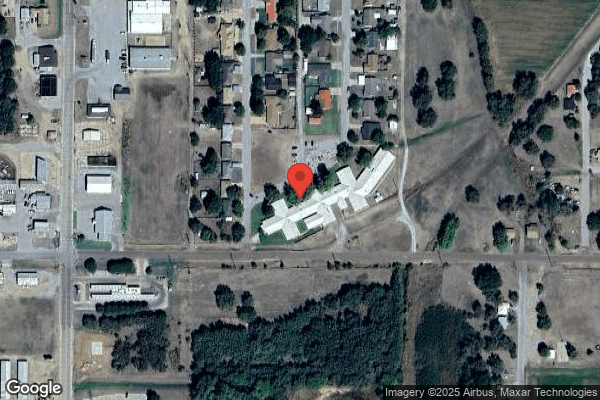
320 CAREY STREET, MANGUM, OK 73554 (580) 782-3346
For profit - Partnership 140 Beds BRIDGES HEALTH Data: November 2025 2 Immediate Jeopardy citations
Trust Grade
39/100
#119 of 282 in OK
Last Inspection: December 2024

Within standard 12-15 month inspection cycle. Federal law requires annual inspections.

Overview

Mangum Skilled Nursing and Therapy has received a Trust Grade of F, indicating significant concerns about the quality of care provided. They rank #119 out of 282 nursing homes in Oklahoma, placing them in the top half of facilities in the state, but they are the only option available in Greer County. The facility's trend is stable, with two issues reported each year since 2024. Staffing is rated at 4 out of 5 stars, which is a strength, but the turnover rate of 60% is average, meaning staff stay long enough to develop some familiarity with residents. However, the facility has faced serious issues, including failing to provide CPR to a resident who was unresponsive, resulting in their death, and they also did not ensure safe storage of drinks, which could lead to bacterial growth. Despite some positive aspects, these critical incidents raise serious concerns about the quality of care at this facility.

Trust Score
F
39/100
In Oklahoma
#119/282
Top 42%
Safety Record
High Risk
Review needed
Inspections
Holding Steady
2 → 2 violations
Staff Stability
⚠ Watch
60% turnover. Above average. Higher turnover means staff may not know residents' routines.
Penalties
✓ Good
$21,645 in fines. Lower than most Oklahoma facilities. Relatively clean record.
Skilled Nurses
⚠ Watch
Each resident gets only 22 minutes of Registered Nurse (RN) attention daily — below average for Oklahoma. Fewer RN minutes means fewer trained eyes watching for problems.
Violations
✓ Good
Only 4 deficiencies on record. Cleaner than most facilities. Minor issues only.
★★★☆☆
3.0
Overall Rating
★★★★☆
4.0
Staff Levels
★★★★☆
4.0
Care Quality
★★★☆☆
3.0
Inspection Score
Stable
2024: 2 issues
2025: 2 issues

The Good

  • 4-Star Staffing Rating · Above-average nurse staffing levels
  • 4-Star Quality Measures · Strong clinical quality outcomes
  • Full Sprinkler Coverage · Fire safety systems throughout facility
  • No fines on record

Facility shows strength in staffing levels, quality measures, fire safety.

The Bad

3-Star Overall Rating

Near Oklahoma average (2.6)

Meets federal standards, typical of most facilities

Staff Turnover: 60%

13pts above Oklahoma avg (46%)

Frequent staff changes - ask about care continuity

Federal Fines: $21,645

Below median ($33,413)

Minor penalties assessed

Chain: BRIDGES HEALTH

Part of a multi-facility chain

Ask about local staffing decisions and management

Staff turnover is elevated (60%)

12 points above Oklahoma average of 48%

The Ugly 4 deficiencies on record

2 life-threatening
Mar 2025 2 deficiencies 2 IJ
CRITICAL (J) 📢 Someone Reported This

A family member, employee, or ombudsman was alarmed enough to file a formal complaint

Immediate Jeopardy (IJ) - the most serious Medicare violation

Deficiency F0678 (Tag F0678)

Someone could have died · This affected 1 resident

**NOTE- TERMS IN BRACKETS HAVE BEEN EDITED TO PROTECT CONFIDENTIALITY** On [DATE] an Immediate Jeopardy (IJ) situation was determined to exist related to the facility's failure to ensure a resident re...

Read full inspector narrative →
**NOTE- TERMS IN BRACKETS HAVE BEEN EDITED TO PROTECT CONFIDENTIALITY** On [DATE] an Immediate Jeopardy (IJ) situation was determined to exist related to the facility's failure to ensure a resident received CPR, per the physician's order and the resident's plan of care, when the resident was found unresponsive and without vital signs. The resident was pronounced deceased by EMS without ever receiving CPR. On [DATE] at 7:08 p.m., the Oklahoma State Department of Health was notified and verified the existence of an IJ situation. On [DATE] at 7:11 p.m., the administrator and regional manager were notified and provided the IJ template. Sufficient evidence of correction was provided to determine past non-compliance, with a compliance date of [DATE], when all staff members had been in-serviced, CPR training provided, new processes implemented to prevent lapses in certification and/or licensure, and compliance rounds and code drills implemented with ongoing auditing. Based on observation, record review and interview, the facility failed to initiate CPR, to an unresponsive resident with a full code status for 1 (#1) of 1 sampled resident reviewed for emergency basic life support to include CPR. The administrator reported 2 residents had expired in the facility in the past 90 days. Findings: On [DATE] at 11:00 a.m., a tour of the facility was conducted. Color-coded name strips/tags were observed by each residents door. The name tags were observed to be either green or red. Resident charts at the nurse's station were observed to have green or red tags and observed to match the name tags at the residents doors. A DNR, Advance Directives and End of Life Decisions policy, dated [DATE], read in part, It is the policy of this Facility to comply with a Resident's Advanced Directive and Do Not Resuscitate Consent .In the absence of a DNR Consent Facility staff will routinely initiate cardiopulmonary resuscitation (CPR) in accordance with their training for Residents who suffer cardiac or pulmonary arrest within the Facility and pursuant to the Facility's Emergency Resuscitation Policy. Resident #1 had diagnoses which included dementia, cardiac pacemaker, atherosclerosis, schizoaffective disorder, type 2 diabetes, insomnia, depression, Bipolar disease, anxiety, and chronic pain. A care plan for Resident #1, dated [DATE], showed the resident to be a full code. The care plan showed the resident wished to be resuscitated, their wish would be honored, and the resident would receive all available emergency services and aggressive treatment. The care plan showed if Resident #1 was found in cardiac or respiratory arrest, to start CPR immediately. The care plan showed the green nameplate outside the resident's door indicates full code status. A discharge MDS assessment, return anticipated, for Resident #1, dated [DATE], showed the resident was independent with cognitive skills. The assessment showed the resident required moderate assistance with activities of daily living. A physician order, dated [DATE], showed Resident #1 as full code/CPR status. A progress note for Resident #1, dated [DATE] at 6:23 a.m., showed LPN #1 was called to the resident's room by CNA #1. The note showed the resident was noted to be pale and without respirations or pulse. The note showed 911 was called and emergency personnel confirmed no vital signs and asystole rhythm. There was no documentation to show any other intervention was provided when the resident was found or while waiting for emergency personnel. A CPR/Full Code Response In-service form, dated [DATE], showed RN #1 provided in-service training by lecture to LPN #1. The in-service, read in part, The CPR/Full Code response can be initiated by any staff member that approaches a resident that is non responsive .Review code drill/policy. The form was signed by LPN #1 and RN #1. A typed note, dated [DATE], showed the administrator suspended LPN #1 from [DATE] to [DATE]. A nursing staff schedule was reviewed and showed the LPN had been scheduled to work, but was removed from the schedule while suspended. An In-Service Educational Program form, dated [DATE], showed a code blue class was provided to all staff. The facility's policy for DNR, Advance Directives and End of Life Decisions was used for this training. The in-service sign-in sheets showed some staff members were contacted by phone for training. Copies of Code Drill Guideline forms, dated [DATE] through [DATE], were provided and showed code drills were conducted on each shift. The forms included sign-in for staff members who participated. The code drill guideline included eight steps for conducting the code drill and showed the drills would be conducted each shift monthly. The guideline gave instructions for employees to sign in online to show participation in code drills. An In-Service Educational Program form, dated [DATE], showed a CPR class was provided to nursing staff and activities/social services staff. An email provided by the facility's regional manager, dated [DATE], showed the company was working on CPR certification compliance and instructed facility staff to enter CPR certification expiration dates for all licensed nurses by end of day on [DATE]. The email gave instructions regarding where to enter the data in the system spreadsheet, and how to run a CPR License Expire report to see who was missing an entry or had an expired certification. An In-Service Educational Program form, dated [DATE], showed a CPR class was provided to additional staff members, including a certified nurse aide. Copies of Compliance Rounds forms were provided for [DATE], [DATE], and [DATE]. These were conducted on the day, evening, and night shifts. The compliance rounds included questions to staff regarding how to respond to a code situation, how to know when a resident was a full code or a DNR, and who could participate in a full code situation. A Quality Tip Report, dated [DATE], showed problem identified: CPR response and certification. The report showed plan of correction: code drills every shift for five days, CPR class to be held [DATE] and [DATE]; compliance rounds twice weekly for one month then monthly for six months. The report showed all staff were in-serviced on the CPR/DNR policy. The report showed QA would meet again upon completion of compliance rounds. The report showed date problem identified: [DATE]; date range for compliance rounds: [DATE] through [DATE] then monthly for six months. The report showed date problem reported to QA committee: [DATE]. The report was signed by RN #1. On [DATE] at 11:05 a.m., CNA #2 reported the facility's process for identifying a resident's code status was to use a red name strip if the resident was a DNR and a green name strip if the resident was a full code. The CNA reported the color-coded name strips were at each resident's door, as well as on the resident's hard chart at the nurse's station. The CNA reported this identification process was not new and had been in place for a while. On [DATE] at 11:25 a.m., LPN #2 reported they were not aware of any issues with identifying a resident's code status. The LPN reported the facility's process was to use green for a full code and red for a DNR, and this could be found at the resident's door, on the hard chart, and in the electronic medical record. On [DATE] at 11:30 a.m., LPN #3 reported the facility had CPR training the previous week for all staff who were not already certified or needed to be re-certified. The LPN reported this training was related to a resident being found unresponsive and staff did not initiate CPR. On [DATE] at 12:40 p.m., LPN #1 was interviewed by phone. The LPN reported it was during their last round of the night that CNA #1 called for their help with Resident #1. The LPN reported they checked the resident and grabbed the vital sign machine to see if their suspicion was correct. The LPN reported they were unable to get vital signs on the resident and attempted to call the DON to see what the protocol was in this situation. The LPN reported they were unable to reach the DON so then called 911. The LPN reported they knew the resident was a full code, but since the resident appeared to be deceased and had no vital signs, they were uncertain about starting CPR. The LPN reported EMTs arrived, placed an EKG machine on the resident, and confirmed there was no pulse and pronounced the resident. On [DATE] at 12:55 p.m., CNA #1 was interviewed by phone. The CNA reported it was probably 5:00 or 5:30 a.m., while making rounds, when they found Resident #1 unresponsive in their room. The CNA reported they thought it was probably about 3:00 a.m. when they had last looked in on the resident and heard the resident snoring. The CNA reported they were aware the resident was a full code and immediately called for the nurse who took over from there. The CNA reported in most situations if they thought the nurse was not going to do CPR, they would do it, but in this case the CNA thought the nurse felt it wouldn't help the resident. On [DATE] at 1:30 p.m., RN #1 reported two staff members could not be reached for the code blue in-service on [DATE], but would be in-serviced prior to their next shifts. RN #1 provided a resident roster which listed each resident and their code status. The RN reported in addition to the [DATE] in-service, they checked door tags, advanced directive acknowledgements, and DNR status with each resident's chart to ensure all were correct and identified correctly on the resident's door/name tags. The RN reported they found no discrepancies. On [DATE] at 1:35 p.m., the regional manager reported the new process for tracking CPR certification and licenses would allow the facility to prevent lapses in licensure and certification and had already been initiated as of [DATE]. On [DATE] at 5:10 p.m., the DON reported they told LPN #1 they should always do CPR if the resident was a full code, regardless of the circumstances. The LPN told the DON they did not feel performing CPR on the resident was the right thing to do when they believed the resident was already gone, and was not sure what the protocol was in this situation. On [DATE] at 5:15 p.m., RN #1 reported they told LPN #1 during their 1:1 in-service/lecture that it was not their place to make the decision on whether to perform CPR or not, as the resident was a full code status. The RN reported the LPN and all other staff had been in-serviced.
CRITICAL (J) 📢 Someone Reported This

A family member, employee, or ombudsman was alarmed enough to file a formal complaint

Immediate Jeopardy (IJ) - the most serious Medicare violation

Deficiency F0726 (Tag F0726)

Someone could have died · This affected 1 resident

**NOTE- TERMS IN BRACKETS HAVE BEEN EDITED TO PROTECT CONFIDENTIALITY** On [DATE] an Immediate Jeopardy (IJ) situation was determined to exist related to the facility's failure to ensure staff were tr...

Read full inspector narrative →
**NOTE- TERMS IN BRACKETS HAVE BEEN EDITED TO PROTECT CONFIDENTIALITY** On [DATE] an Immediate Jeopardy (IJ) situation was determined to exist related to the facility's failure to ensure staff were trained and competent to respond to a resident's needs when the resident was found unresponsive and without vital signs. The resident was pronounced deceased by EMS without ever receiving CPR. On [DATE] at 7:08 p.m., the Oklahoma State Department of Health was notified and verified the existence of an IJ situation. On [DATE] at 7:11 p.m., the administrator and regional manager were notified and provided the IJ template. Sufficient evidence of correction was provided to determine past non-compliance, with a compliance date of [DATE], when all staff members had been in-serviced, CPR training provided, new processes implemented to prevent lapses in certification and/or licensure, and compliance rounds and code drills implemented with ongoing auditing. Based on observation, record review, and interview, the facility failed to ensure staff were trained and competent to respond to a resident's needs for 1 (#1) of 2 sampled residents reviewed for competency of staff. The administrator reported two residents had expired in the facility in the past 90 days. Findings: On [DATE] at 11:00 a.m., a tour of the facility was conducted. Color-coded name strips/tags were observed by each resident's door. The name tags were observed to be either green or red. Resident charts at the nurse's station were observed to have green or red tags and observed to match the name tags at the resident's doors. A DNR, Advance Directives and End of Life Decisions policy, dated [DATE], read in part, It is the policy of this Facility to comply with a Resident's Advanced Directive and Do Not Resuscitate Consent .In the absence of a DNR Consent Facility staff will routinely initiate cardiopulmonary resuscitation (CPR) in accordance with their training for Residents who suffer cardiac or pulmonary arrest within the Facility and pursuant to the Facility's Emergency Resuscitation Policy. Resident #1 had diagnoses which included dementia, cardiac pacemaker, atherosclerosis, Schizoaffective disorder, type 2 diabetes, insomnia, depression, Bipolar disease, anxiety, and chronic pain. A care plan for Resident #1, dated [DATE], showed the resident to be a full code. The care plan showed the resident wished to be resuscitated, their wish would be honored, and the resident would receive all available emergency services and aggressive treatment. The care plan showed if Resident #1 was found in cardiac or respiratory arrest, to start CPR immediately. The care plan showed the green nameplate outside the resident's door indicates full code status. A discharge MDS assessment, return anticipated, for Resident #1, dated [DATE], showed the resident was independent with cognitive skills. The assessment showed the resident required moderate assistance with activities of daily living. A physician order, dated [DATE], showed Resident #1 as full code/CPR status. A progress note for Resident #1, dated [DATE] at 6:23 a.m., showed LPN #1 was called to the resident's room by CNA #1. The note showed the resident was noted to be pale and without respirations or pulse. The note showed 911 was called and emergency personnel confirmed no vital signs and asystole rhythm. There was no documentation to show any other intervention was provided when the resident was found or while waiting for emergency personnel. A CPR/Full Code Response In-service form, dated [DATE], showed RN #1 provided in-service training by lecture to LPN #1. The in-service read in part, The CPR/Full Code response can be initiated by any staff member that approaches a resident that is non responsive .Review code drill/policy. The form was signed by LPN #1 and RN #1. A typed note, dated [DATE], showed the administrator suspended LPN #1 from [DATE] to [DATE]. A nursing staff schedule was reviewed and showed the LPN had been scheduled to work, but was removed from the schedule while suspended. An In-Service Educational Program form, dated [DATE], showed a code blue class was provided to all staff. The facility's policy for DNR, Advance Directives and End of Life Decisions was used for this training. The in-service sign-in sheets showed some staff members were contacted by phone for training. Copies of Code Drill Guideline forms, dated [DATE] through [DATE], were provided and showed code drills were conducted on each shift. The forms included sign-in for staff members who participated. The code drill guideline included eight steps for conducting the code drill and showed the drills would be conducted each shift monthly. The guideline gave instructions for employees to sign in online to show participation in code drills. An In-Service Educational Program form, dated [DATE], showed a CPR class was provided to nursing staff and activities/social services staff. An email provided by the facility's regional manager, dated [DATE], showed the company was working on CPR certification compliance and instructed facility staff to enter CPR certification expiration dates for all licensed nurses by end of day on [DATE]. The email gave instructions regarding where to enter the data in the system spreadsheet, and how to run a CPR License Expire report to see who was missing an entry or has an expired certification. An In-Service Educational Program form, dated [DATE], showed a CPR class was provided to additional staff members, including a certified nurse aide. Copies of Compliance Rounds forms were provided for [DATE], [DATE], and [DATE]. These were conducted on the day, evening, and night shifts. The compliance rounds included questions to staff regarding how to respond to a code situation, how to know when a resident is a full code or a DNR, and who can participate in a full code situation. A Quality Tip Report, dated [DATE], showed problem identified: CPR response and certification. The report showed plan of correction: code drills every shift for five days, CPR class to be held [DATE] and [DATE]; compliance rounds twice weekly for one month then monthly for six months. The report showed all staff were in-serviced on the CPR/DNR policy. The report showed QA would meet again upon completion of compliance rounds. The report showed date problem identified: [DATE]; date range for compliance rounds: [DATE] through [DATE] then monthly for six months. The report showed date problem reported to QA committee: [DATE]. The report was signed by RN #1. On [DATE] at 11:05 a.m., CNA #2 reported the facility's process for identifying a resident's code status was to use a red name strip if the resident was a DNR and a green name strip if the resident was a full code. The CNA reported the color-coded name strips were at each resident's door, as well as on the resident's hard chart at the nurse's station. The CNA reported this identification process was not new and has been in place for a while. On [DATE] at 11:25 a.m., LPN #2 reported they were not aware of any issues with identifying a resident's code status. The LPN reported the facility's process was to use green for a full code and red for a DNR, and this could be found at the resident's door, on the hard chart, and in the electronic medical record. On [DATE] at 11:30 a.m., LPN #3 reported the facility had CPR training the previous week for all staff who were not already certified or needed to be re-certified. The LPN reported this training was related to a resident being found unresponsive and staff did not initiate CPR. On [DATE] at 12:40 p.m., LPN #1 was interviewed by phone. The LPN reported it was during their last round of the night that CNA #1 called for their help with Resident #1. The LPN reported they checked the resident and grabbed the vital sign machine to see if their suspicion was correct. The LPN reported they were unable to get vital signs on the resident and attempted to call the DON to see what the protocol was in this situation. The LPN reported they were unable to reach the DON so then called 911. The LPN reported they knew the resident was a full code but since the resident appeared to be deceased and had no vital signs, they were uncertain about starting CPR. The LPN reported EMTs arrived, placed an EKG machine on the resident, and confirmed there was no pulse and pronounced the resident. On [DATE] at 12:55 p.m., CNA #1 was interviewed by phone. The CNA reported it was probably 5:00 or 5:30 a.m., while making rounds, when they found Resident #1 unresponsive in their room. The CNA reported they thought it was probably about 3:00 a.m. when they had last looked in on the resident and heard the resident snoring. The CNA reported they were aware the resident was a full code and immediately called for the nurse who took over from there. The CNA reported in most situations if they thought the nurse was not going to do CPR, they would do it, but in this case the CNA thought the nurse felt it would not help the resident. On [DATE] at 1:30 p.m., RN #1 reported two staff members could not be reached for the code blue in-service on [DATE], but would be in-serviced prior to their next shifts. RN #1 provided a resident roster which listed each resident and their code status. The RN reported in addition to the [DATE] in-service, they checked door tags, advanced directive acknowledgements, and DNR status with each resident's chart to ensure all were correct and identified correctly on the resident's door/name tags. The RN reported they found no discrepancies. On [DATE] at 1:35 p.m., the regional manager reported the new process for tracking CPR certification and licenses would allow the facility to prevent lapses in licensure and certification and has already been initiated as of [DATE]. On [DATE] at 5:10 p.m., the DON reported they told LPN #1 they should always do CPR if the resident was a full code, regardless of the circumstances. The LPN told the DON they did not feel performing CPR on the resident was the right thing to do when they believed the resident was already gone, and was not sure what the protocol was in this situation. On [DATE] at 5:15 p.m., RN #1 reported they told LPN #1 during their 1:1 in-service/lecture that it was not their place to make the decision on whether to perform CPR or not, as the resident was a full code status. The RN reported the LPN and all other staff had been in-serviced.
Dec 2024 2 deficiencies
CONCERN (D)

Potential for Harm - no one hurt, but risky conditions existed

Assessment Accuracy (Tag F0641)

Could have caused harm · This affected 1 resident

Based on record review and interview, the facility failed to accurately reflect residents antiplatelet medication on assessments for two (#3 and #10) of three sampled residents reviewed for accuracy o...

Read full inspector narrative →
Based on record review and interview, the facility failed to accurately reflect residents antiplatelet medication on assessments for two (#3 and #10) of three sampled residents reviewed for accuracy of assessments. The administrator reported 28 residents resided in the facility. Findings: The Resident Assessment Instrument manual, dated 10/01/23, read in part, Do not code antiplatelet medications such as aspirin/extended release, dipyridamole, or clopidogrel as anticoagulant. 1. Resident #3 had diagnoses which included hemiplegia following cerebral infarction. A physician order for Resident #3, dated 12/14/23, documented Plavix (antiplatelet medication) 75 mg (clopidogrel bisulfate) give one tablet by mouth one time a day. A comprehensive assessment for Resident #3, dated 10/24/24, documented the resident took an anticoagulant medication. 2. Resident #10 had diagnoses which included history of cerebrovascular accident. A physician order for Resident #10, start date 06/22/24, documented Plavix 75 mg (clopidogrel bisulfate) by mouth one time a day for history of cerebrovascular accident. The physician order was discontinued on 11/22/24. A comprehensive assessment for Resident #10, dated 10/07/24, documented the resident took an anticoagulant medication. On 12/04/24 at 2:33 p.m., the MDS coordinator reported the RAI manual was used to complete the comprehensive assessment. The MDS coordinator reported Plavix was coded on the comprehensive assessment as an anticoagulant medication. The MDS coordinator reported a list of medications was used to code medications on the comprehensive assessment and believed Plavix was listed as an anticoagulant, not an antiplatelet medication. The MDS coordinator reported not being aware what the RAI manual instructions were for coding Plavix. The MDS coordinator also reported Resident #3 was currently on Plavix and Resident #10 had been on Plavix when the last comprehensive assessment had been completed. On 12/04/24 at 4:00 p.m., the MDS coordinator reported the RAI manual had been reviewed and Plavix should have been coded as an antiplatelet medication.
CONCERN (E)

Potential for Harm - no one hurt, but risky conditions existed

Food Safety (Tag F0812)

Could have caused harm · This affected multiple residents

Based on observation and interview, the facility failed to store premixed drinks mixed with water in a safe manner to prevent the possible growth of bacteria. The administrator reported 28 residents r...

Read full inspector narrative →
Based on observation and interview, the facility failed to store premixed drinks mixed with water in a safe manner to prevent the possible growth of bacteria. The administrator reported 28 residents resided in the facility. Findings: On 12/02/24 at 10:40 a.m., two drink dispensers were observed sitting in the dining room and were labeled with a date of 11/26/24. On 12/02/24 at 2:00 p.m., two drink dispensers on a shelf in the dinning room were observed to be labeled with a date of 11/26/24. The drink dispensers were not chilled and outside of dispensers felt to be at room temperature by touch. On 12/03/24 at 9:00 a.m., the two drink dispensers on a shelf in the dining room were observed to be labeled with a date of 12/02/24. On 12/03/24 at 1:36 p.m., the dietary manager reported the drink dispensers in the dining room were emptied when they were almost empty. The dietary manager reported the date of 11/26/24 labeled on the drink dispensers date was correct. The dietary manager reported the drinks are a premixed powder drink and the dispensers are set out during the day and refrigerated before dietary staff leave in the evening. On 12/03/24 at 3:41 p.m., the administrator reported they had no policy related to storage of premixed drinks due to it being a non-hazardous food item. On 12/03/24 at 4:07 p.m., the premixed drink mix package obtained from the kitchen was observed to be Thirst Ease pre-sweetened soft drink mix. The instructions on the package, read in part, mix contents of package with water and keep covered and chilled until ready to serve.
Understanding Severity Codes (click to expand)
Life-Threatening (Immediate Jeopardy)
J - Isolated K - Pattern L - Widespread
Actual Harm
G - Isolated H - Pattern I - Widespread
Potential for Harm
D - Isolated E - Pattern F - Widespread
No Harm (Minor)
A - Isolated B - Pattern C - Widespread

Questions to Ask on Your Visit

  • "What changes have you made since the serious inspection findings?"
  • "Why is there high staff turnover? How do you retain staff?"
  • "Can I speak with families of current residents?"
  • "What's your RN coverage like on weekends and overnight?"

Our Honest Assessment

Strengths
  • • Licensed and certified facility. Meets minimum state requirements.
Concerns
  • • Multiple safety concerns identified: 2 life-threatening violation(s). Review inspection reports carefully.
  • • 4 deficiencies on record, including 2 critical (life-threatening) violations. These warrant careful review before choosing this facility.
  • • $21,645 in fines. Higher than 94% of Oklahoma facilities, suggesting repeated compliance issues.
  • • Grade F (39/100). Below average facility with significant concerns.
Bottom line: Trust Score of 39/100 indicates significant concerns. Thoroughly evaluate alternatives.

About This Facility

What is Mangum Skilled Nursing And Therapy's CMS Rating?

CMS assigns MANGUM SKILLED NURSING AND THERAPY an overall rating of 3 out of 5 stars, which is considered average nationally. Within Oklahoma, this rating places the facility higher than 99% of the state's 100 nursing homes. This mid-range rating indicates the facility meets federal standards but may have areas for improvement.
How is Mangum Skilled Nursing And Therapy Staffed?

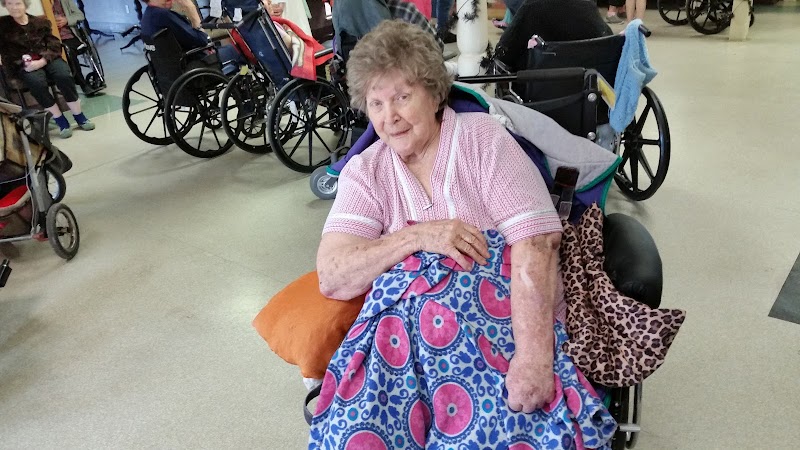
CMS rates MANGUM SKILLED NURSING AND THERAPY's staffing level at 4 out of 5 stars, which is above average compared to other nursing homes. Staff turnover is 60%, which is 13 percentage points above the Oklahoma average of 46%. High turnover can affect care consistency as new staff learn residents' individual needs.

What Have Inspectors Found at Mangum Skilled Nursing And Therapy?

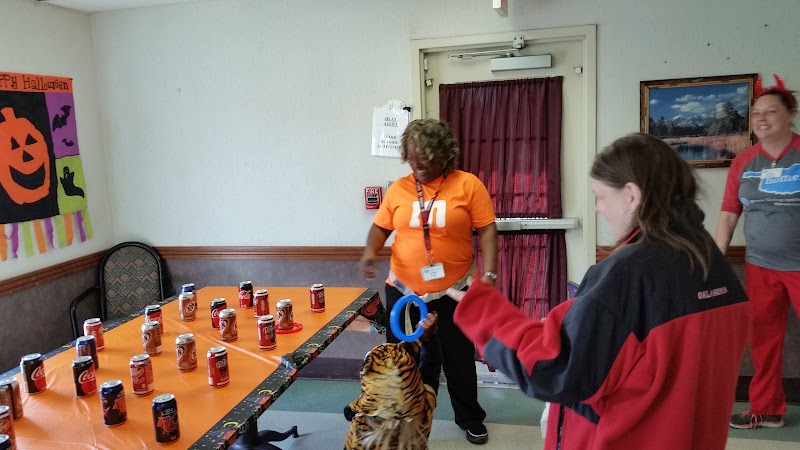
State health inspectors documented 4 deficiencies at MANGUM SKILLED NURSING AND THERAPY during 2024 to 2025. These included: 2 Immediate Jeopardy (the most serious level, indicating potential for serious harm or death) and 2 with potential for harm. Immediate Jeopardy findings are rare and represent the most serious regulatory concerns. They require immediate corrective action.
Who Owns and Operates Mangum Skilled Nursing And Therapy?

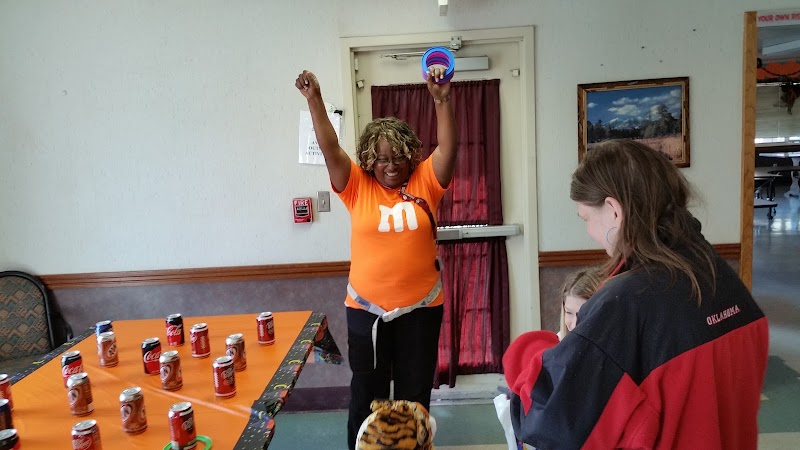
MANGUM SKILLED NURSING AND THERAPY is owned by a for-profit company. For-profit facilities operate as businesses with obligations to shareholders or private owners. The facility is operated by BRIDGES HEALTH, a chain that manages multiple nursing homes. With 140 certified beds and approximately 27 residents (about 19% occupancy), it is a mid-sized facility located in MANGUM, Oklahoma.
How Does Mangum Skilled Nursing And Therapy Compare to Other Oklahoma Nursing Homes?

Compared to the 100 nursing homes in Oklahoma, MANGUM SKILLED NURSING AND THERAPY's overall rating (3 stars) is above the state average of 2.6, staff turnover (60%) is significantly higher than the state average of 46%, and health inspection rating (3 stars) is at the national benchmark.

What Should Families Ask When Visiting Mangum Skilled Nursing And Therapy?

Based on this facility's data, families visiting should ask: "What changes have been made since the serious inspection findings, and how are you preventing similar issues?" "How do you ensure continuity of care given staff turnover, and what is your staff retention strategy?" "Can I visit during a mealtime to observe dining assistance and food quality?" "How do you handle medical emergencies, and what is your hospital transfer rate?" These questions are particularly relevant given the facility's Immediate Jeopardy citations and the facility's high staff turnover rate.

Is Mangum Skilled Nursing And Therapy Safe?

Based on CMS inspection data, MANGUM SKILLED NURSING AND THERAPY has documented safety concerns. Inspectors have issued 2 Immediate Jeopardy citations (the most serious violation level indicating risk of serious injury or death). The facility has a 3-star overall rating and ranks #1 of 100 nursing homes in Oklahoma. Families considering this facility should ask detailed questions about what corrective actions have been taken since these incidents.

Do Nurses at Mangum Skilled Nursing And Therapy Stick Around?

Staff turnover at MANGUM SKILLED NURSING AND THERAPY is high. At 60%, the facility is 13 percentage points above the Oklahoma average of 46%. High turnover means new staff may not know residents' individual needs, medications, or preferences. It can also be disorienting for residents, especially those with dementia who rely on familiar faces. Families should ask: What is causing the turnover? What retention programs are in place? How do you ensure care continuity during staff transitions?

Was Mangum Skilled Nursing And Therapy Ever Fined?

MANGUM SKILLED NURSING AND THERAPY has been fined $21,645 across 1 penalty action. This is below the Oklahoma average of $33,295. While any fine indicates a compliance issue, fines under $50,000 are relatively common and typically reflect isolated problems that were subsequently corrected. Families should ask what specific issues led to these fines and confirm they've been resolved.

Is Mangum Skilled Nursing And Therapy on Any Federal Watch List?

MANGUM SKILLED NURSING AND THERAPY is not on any federal watch list. The most significant is the Special Focus Facility (SFF) program, which identifies the bottom 1% of nursing homes nationally based on persistent, serious quality problems. Not being on this list means the facility has avoided the pattern of deficiencies that triggers enhanced federal oversight. This is a positive indicator, though families should still review the facility's inspection history directly.