MARLOW NURSING & REHAB
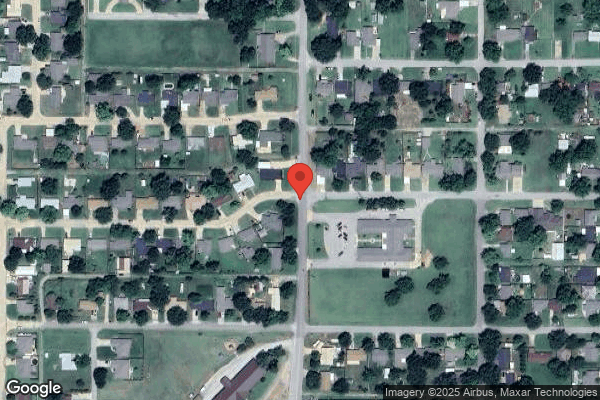
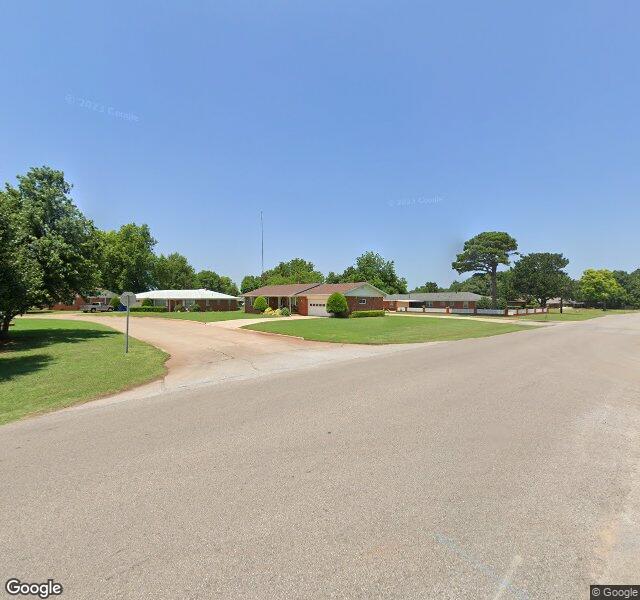
702 SOUTH 9TH, MARLOW, OK 73055 (580) 658-5468
For profit - Individual 69 Beds BRADFORD MONTGOMERY Data: November 2025
Trust Grade
30/100
#240 of 282 in OK
Last Inspection: June 2024

Within standard 12-15 month inspection cycle. Federal law requires annual inspections.

Overview

Marlow Nursing & Rehab has received a Trust Grade of F, indicating significant concerns about the quality of care provided at this facility. With a state ranking of #240 out of 282 in Oklahoma, they are in the bottom half of nursing homes in the state, and they rank last in their county. Unfortunately, the facility is worsening, with the number of issues increasing from 6 in 2023 to 18 in 2024. Staffing is a major concern, with a turnover rate of 98%, which is much higher than the Oklahoma average of 55%, suggesting instability among caregivers. While there have been no fines recorded, the facility has faced serious issues, such as failing to ensure residents were offered the option to create advance directives and not properly implementing personalized care plans, which raises concerns about the quality of resident care.

Trust Score
F
30/100
In Oklahoma
#240/282
Bottom 15%
Safety Record
Low Risk
No red flags
Inspections
Getting Worse
6 → 18 violations
Staff Stability
⚠ Watch
98% turnover. Very high, 50 points above average. Constant new faces learning your loved one's needs.
Penalties
✓ Good
No fines on record. Clean compliance history, better than most Oklahoma facilities.
Skilled Nurses
⚠ Watch
Each resident gets only 16 minutes of Registered Nurse (RN) attention daily — below average for Oklahoma. Fewer RN minutes means fewer trained eyes watching for problems.
Violations
⚠ Watch
26 deficiencies on record. Higher than average. Multiple issues found across inspections.
★☆☆☆☆
1.0
Overall Rating
★★☆☆☆
2.0
Staff Levels
★☆☆☆☆
1.0
Care Quality
★★☆☆☆
2.0
Inspection Score
Stable
2023: 6 issues
2024: 18 issues

The Good

  • Full Sprinkler Coverage · Fire safety systems throughout facility
  • No fines on record

Facility shows strength in fire safety.

The Bad

1-Star Overall Rating

Below Oklahoma average (2.6)

Significant quality concerns identified by CMS

Staff Turnover: 98%

51pts above Oklahoma avg (47%)

Frequent staff changes - ask about care continuity

Chain: BRADFORD MONTGOMERY

Part of a multi-facility chain

Ask about local staffing decisions and management

Staff turnover is very high (98%)

50 points above Oklahoma average of 48%

The Ugly 26 deficiencies on record

Oct 2024 3 deficiencies
CONCERN (D) 📢 Someone Reported This

A family member, employee, or ombudsman was alarmed enough to file a formal complaint

Potential for Harm - no one hurt, but risky conditions existed

Safe Environment (Tag F0584)

Could have caused harm · This affected 1 resident

Based on observation, record review, and interview, the facility failed to provide a warm and comfortable environment for one (#2) of three residents reviewed for a comfortable and homelike environmen...

Read full inspector narrative →
Based on observation, record review, and interview, the facility failed to provide a warm and comfortable environment for one (#2) of three residents reviewed for a comfortable and homelike environment. The administrator reported 40 residents resided in the facility. Findings: A Safe and Homelike Environment policy, dated 2023, documented in part, .In accordance with residents' rights, the facility will provide a safe, clean, comfortable and homelike environment .Comfortable and safe temperature levels .comfortable for the residents .If and when a resident prefers his or her room temperature be kept below 71 degrees .or above 81 degrees .the facility will assess the safety of this practice on the resident . Resident #2 had diagnoses which included cellulitis bilateral lower limbs, diabetes, chronic pain, osteoarthritis, polyneuropathy, and coronary artery disease. On 10/22/24 at 10:56 a.m., Resident #2 reported their room was too cold and had been for a long time. The resident stated they understood their medical conditions caused poor circulation, resulting in them being colder than normal, but would like their room to be warmer. The resident was observed to have a digital thermostat in their room that read 74 degrees at that time. The resident stated they currently had a blanket covering the air vent on the floor because the vent wouldn't close. The resident stated staff encouraged them to use more blankets to stay warm but stated this was uncomfortable on their legs. On 10/22/24 at 11:32 a.m., the administrator stated they had not been at the facility long but would check to see what had been done to make the resident's room warmer. On 10/22/24 at 11:55 a.m., the Ombudsman reported they had talked with Resident #2 and the previous administrator many times regarding their room being too cold. The Ombudsman stated he was aware staff encouraged the resident to use more blankets but this was uncomfortable for the resident. On 10/22/24 at 12:50 p.m., maintenance staff was observed to have a replacement air vent for Resident #2's room. Maintenance reported the old vent was completely covered with a blanket and boxes stacked on top, so they didn't think much air had been coming from the vent. On 10/23/24 at 12:15 p.m., the administrator reported Resident #2 had been offered a different room on several occasions but they had refused to change rooms. The administrator reported they would follow up with Resident #2 to see if there was improvement in the room temperature after the air vent was replaced, and would look into other options to make the room warmer for the resident.
CONCERN (D) 📢 Someone Reported This

A family member, employee, or ombudsman was alarmed enough to file a formal complaint

Potential for Harm - no one hurt, but risky conditions existed

Deficiency F0657 (Tag F0657)

Could have caused harm · This affected 1 resident

Based on record review and interview, the facility failed to review and revise care plans, and to include the resident or their representative in care plan meetings, for one (#2) of three residents re...

Read full inspector narrative →
Based on record review and interview, the facility failed to review and revise care plans, and to include the resident or their representative in care plan meetings, for one (#2) of three residents reviewed for care plans. The administrator reported 40 residents resided in the facility. Findings: A Care Plans, Comprehensive Person-Centered policy, dated December 2016, documented in part, .A comprehensive, person-centered care plan that includes measurable objectives and timetables to meet the resident's physical, psychosocial and functional needs is developed and implemented for each resident .The IDT includes .The resident and the resident's legal representative (to the extent practicable) .Participate in the planning process .Request meetings .Request revisions to the plan of care . Resident #2 had diagnoses which included cellulitis bilateral lower limbs, diabetes, chronic pain, osteoarthritis, polyneuropathy, and coronary artery disease. A care plan for Resident #2, dated 03/31/23, documented in part, .therapy will evaluate and treat as per orders from MD .Please see therapy individualized care plan for specific therapy goal and interventions .Role(s) - Restorative Nursing Assistant, Therapy . The care plan was not updated to indicate restorative therapy was not available. An occupational therapy progress note, dated 09/13/24, documented, Resident approached to discuss participating in Part B service for Physical therapy, due to his 6 month check since last therapy discharge. Resident adamantly declined stating, I have other stuff in the works with the VA for exercise. Acting DON notified of refusal of evaluation. EDU provided and he verbalizes understanding. On 10/22/24 at 10:56 a.m., Resident #2 reported they didn't have a care plan, or at least not an official care plan. The resident reported they didn't remember the last time they were included in a care plan meeting. The resident reported they had restorative therapy in the past and would like to have this service again. The resident stated they had told facility staff they wanted restorative therapy. An updated care plan for Resident #2, dated 10/22/24, did not address the resident's request to have restorative therapy. On 10/22/24 at 11:32 a.m., the administrator reported the facility did not have a restorative program and this service was not available to the residents. The administrator reported they had not been at the facility long, and reported they had not been having care plan meetings. The administrator stated they didn't know when care plan meetings had last been conducted and was not aware of any currently being scheduled.
CONCERN (D) 📢 Someone Reported This

A family member, employee, or ombudsman was alarmed enough to file a formal complaint

Potential for Harm - no one hurt, but risky conditions existed

Deficiency F0676 (Tag F0676)

Could have caused harm · This affected 1 resident

Based on observation, interview, and record review, the facility failed to provide showers as scheduled and/or requested for two (#1 and #3) of three residents reviewed for assistance with bathing and...

Read full inspector narrative →
Based on observation, interview, and record review, the facility failed to provide showers as scheduled and/or requested for two (#1 and #3) of three residents reviewed for assistance with bathing and hygiene. The administrator reported 40 residents resided in the facility. Findings: An Activities of Daily Living (ADLs), Supporting policy, dated March 2018, documented in part, .Appropriate care and services will be provided for residents who are unable to carry out ADLs independently .including appropriate support and assistance with .hygiene (bathing, dressing, grooming, and oral care) . 1. On 10/22/24 at 2:05 p.m., Resident #1 was observed in their room lying in bed. The resident was observed to have facial hair and needed a shave. The resident was not sure when they had last had a shower or bath. Resident #1's Shower Sheets were reviewed for 09/11/24 through 10/17/24. The forms documented the resident refused a shower on 09/11, 09/13, 09/20, 09/23, and 09/25/24. The forms documented the resident received a shower on 09/16, 09/18, 09/27, 09/30, 10/08, 10/10, and 10/17/24. There were no shower sheets provided for 10/18/24 through 10/22/24. 2. On 10/22/24 at 12:35 p.m., Resident #3 reported they were not getting showers as scheduled. The resident reported they were supposed to get a shower on Monday, Wednesday, and Friday. The resident reported they were given a shower the previous day but not as scheduled the previous week. The resident stated sometimes the facility had an extra shower aide but often they would get pulled from giving showers to work the floor. Resident #3's Shower Sheets were reviewed for 09/11/24 through 10/16/24. The forms documented the resident received a shower on 09/11, 09/13, 09/16, 09/18, 09/20, 09/23, 09/25, 09/27, 09/30, 10/02, 10/09, 10/11, 10/14, and 10/16. The forms documented the resident refused a shower on 10/04. There were no shower sheets provided for 10/17 through 10/22/24. On 10/22/24 at 11:28 a.m., CNA #1 reported the CNAs filled out a Shower Sheet every time they gave a bath or shower. The CNA stated they gave the forms to the charge nurse for review, and the charge nurse then gave them to the DON for review. On 10/22/24 at 2:49 p.m., CNA #2 reported staffing was usually adequate for the resident census. The CNA stated the aides assisted each other as needed to provide appropriate care for the residents. On 10/23/24 at 12:10 p.m., the administrator reported the CNAs should also be documenting showers and/or baths on the EMR, but showers should be given per the resident's care plan or as requested.
Jun 2024 13 deficiencies
CONCERN (D)

Potential for Harm - no one hurt, but risky conditions existed

Assessment Accuracy (Tag F0641)

Could have caused harm · This affected 1 resident

**NOTE- TERMS IN BRACKETS HAVE BEEN EDITED TO PROTECT CONFIDENTIALITY** Based on record review and interview, the facility failed to ensure accurate coding of a MDS assessment for one (#29) of one sam...

Read full inspector narrative →
**NOTE- TERMS IN BRACKETS HAVE BEEN EDITED TO PROTECT CONFIDENTIALITY** Based on record review and interview, the facility failed to ensure accurate coding of a MDS assessment for one (#29) of one sampled resident related to a discharge to the hospital after a reportable fall. The corporate RN consultant reported 41 residents resided in the facility. Findings: A quarterly assessment, dated 04/30/24, documented no upper or lower impairment and independent with transfers. A nurse's note, dated 05/28/24, for Res #29, documented, resident fell in bathroom from toilet. Mobile x-ray confirmed left femur femoral neck fracture. Physician notified. Resident transferred to hospital. A State reportable, dated 05/28/24, documented, self transferring and fell x-ray of left hip acute femoral neck fracture. A nurse's note, dated 05/31/24, read Res #29 returned to facility from hospital per facility van. Alert and oriented x2, cheerful and cooperative, dressing to left hip. On 06/28/24 at 10:50 a.m., MDS coordinator confirmed the MDS assessment recorded Res #29 was discharged on 05/23/24 and returned to the facility on [DATE] from a fall and a fracture. On 06/28/24 at 11:07 a.m., MDS coordinator reviewed MDS assessment, they reported they made an error and entered the wrong date and the resident had discharged on 05/28/24 and returned to the facility on [DATE] to skilled services.
CONCERN (D)

Potential for Harm - no one hurt, but risky conditions existed

PASARR Coordination (Tag F0644)

Could have caused harm · This affected 1 resident

Based on record review and interview, the facility failed to refer a resident with a newly evident or possible serious mental illness to the OHCA for a level II PASRR evaluation for one (#23) of two s...

Read full inspector narrative →
Based on record review and interview, the facility failed to refer a resident with a newly evident or possible serious mental illness to the OHCA for a level II PASRR evaluation for one (#23) of two sampled residents reviewed for PASARR. The corporate RN consultant reported 41 residents resided in the facility. Findings: Res #23 had diagnoses which included dementia, anxiety, depression, psychotic disorder, and schizoaffective disorder. A level I PASRR, dated 07/14/22, documented Res #23 had a primary diagnosis dementia with behavioral disturbances. The PASARR documented no evidence or diagnosis of a serious mental illness. A comprehensive assessment, dated 03/19/14, documented Res #23 had moderate cognitive impairment. The assessment documented the resident had active diagnoses to include dementia, anxiety, depression, psychotic disorder, and schizoaffective disorder. Res #23's physician's order, dated 06/01/24, documented the following medications and orders: 01/17/23 Millennium Mental Health Evaluate and treat. 04/22/24 Melatonin 3 for dementia with behavioral disturbance. 06/20/23 Buspirone HCL 10 mg for anxiety. 12/13/23 Lorazepam 0.5 mg for anxiety 0/28/23 Zoloft 50 mg for depression 01/17/23 Trazodone HCL 100 mg for depression. 07/31/23 Risperdal 2 mg for schizoaffective disorder. 12/31/23 Hydroxyzine HCL 25 mg prn for anxiety. There was no documentation the resident had been referred to the OHCA for a level II PASRR evaluation. On 06/26/24 at 10:25 am., Corporate RN consultant reported resident #23's PASARR had not been reevaluated with the diagnoses of anxiety, depression, or schizoaffective disorder. The corporate RN consultant reported these diagnoses were not included on the PASARR dated 07/14/22 and the resident should have been rescreened for need of a level II services.
CONCERN (D)

Potential for Harm - no one hurt, but risky conditions existed

Deficiency F0657 (Tag F0657)

Could have caused harm · This affected 1 resident

Based on record review and interview, the facility failed to ensure a resident's care plan was reviewed and revised for one (#15) of 12 residents reviewed for care plans. The RN consultant reported 41...

Read full inspector narrative →
Based on record review and interview, the facility failed to ensure a resident's care plan was reviewed and revised for one (#15) of 12 residents reviewed for care plans. The RN consultant reported 41 residents resided in the facility. Findings: The facility's Care Plans, Comprehensive Person-Centered policy, read in part A comprehensive, person-centered care plan that includes measurable objectives and timetables to meet the resident's physical, psychosocial and functional needs is developed and implemented for each resident .The care plan interventions are derived from a thorough analysis of the information gathered as part of the comprehensive assessment. Res #15 had diagnoses which included depression, seizure disorder, and psychotic disorder. A care plan, dated 05/18/23, read in part Antidepressant medication use: At risk for side effects .Antipsychotic drug use: At risk for side effects .Seizure disorder: At risk for side effects . The care plan documented the last date revised was 06/13/23 and last reviewed on 08/18/23. Res #15's clinical record documented an inpatient psych hospital admission from 04/03/24 through 05/02/24. A comprehensive assessment, dated 05/09/24, documented cognition was intact and no mood behaviors. The assessment documented antipsychotic, antidepressant, and hypnotic medication use. Res #15's physician orders, dated 06/01/24, documented Seroquel XR 150 mg, Zoloft 100 mg, Trintellix 10 mg, Melatonin 3 mg, Keppra 500 mg, Namenda 10 mg, Rozerem 8 mg, and Vraylar 3 mg. On 06/27/24 at 11:20 a.m., the RN consultant reported care plans had been an issue and the new MDS nurse was working on getting them updated. The RN consultant reported the resident's care plan should have been revised with the last comprehensive assessment.
CONCERN (D)

Potential for Harm - no one hurt, but risky conditions existed

ADL Care (Tag F0677)

Could have caused harm · This affected 1 resident

Based on observation, record review, and interview, the facility failed to provide bathing as outlined in their care for one (#6) of one sampled resident reviewed for bathing assistance. The corporat...

Read full inspector narrative →
Based on observation, record review, and interview, the facility failed to provide bathing as outlined in their care for one (#6) of one sampled resident reviewed for bathing assistance. The corporate RN reported 41 residents resided in the facility. Findings: Res #6 diagnosis included debility, cardiorespiratory conditions, heart failure and depression. An assessment, dated 06/04/24, for Res #6, documented impairment on both sides and required substantial max dependence for ADL's. On 06/24/24 at 1:53 p.m., Res #6 voiced no complaints, there was a smell of body odor in the room; however, resident reported they received their showers. On 06/27/24 at 3:37 p.m., Corporate RN consultant submitted the shower sheets for resident #6 and reported they had a designated person who did the showers and they may or may not have filled out the ADL book. After they submitted the sheets, they agreed there were still blanks because Res #6 was supposed to be showered on Monday, Wednesday, and Friday and they were not. A shower list, not dated, documented Res #6 showered on Monday, Wednesday, and Friday. An ADL list, dated June 2024, for Res #6, documented, bathing: S-Shower, BB-bed bath, N-not bath day. The sheet documented five days as a S and one day as a R, and 21 days were marked as N out of 27 opportunities for the month of June.
CONCERN (D)

Potential for Harm - no one hurt, but risky conditions existed

Deficiency F0698 (Tag F0698)

Could have caused harm · This affected 1 resident

**NOTE- TERMS IN BRACKETS HAVE BEEN EDITED TO PROTECT CONFIDENTIALITY** Based on record review and interview, the facility failed to ensure a resident was assessed after dialysis treatments per physic...

Read full inspector narrative →
**NOTE- TERMS IN BRACKETS HAVE BEEN EDITED TO PROTECT CONFIDENTIALITY** Based on record review and interview, the facility failed to ensure a resident was assessed after dialysis treatments per physician's order for one (#11) of two residents reviewed for dialysis. The RN consultant reported three residents that resided in the facility received dialysis services. Findings: Res #11 had diagnoses which included end stage renal failure. A comprehensive assessment, dated 04/23/24, documented resident #11's cognition was intact. The assessment documented the resident received dialysis services. A care plan, dated 05/03/24, documented no dialysis services. A physician's order dated 06/16/24 documented obtain blood pressure and pulse immediately after returning from dialysis appointment. Res #11's dialysis communication forms dated, 06/17/24, 06/19/24, and 06/21/24 documented no blood pressure and pulse readings after returning from the dialysis appointments. A dialysis communication form for Res #11, dated 06/24/24, documented blood pressure 101/79 and pulse 79. On 06/26/24 at 2:43 p.m., LPN #3 reported Res #11's blood pressure and pulse was documented at the bottom the of dialysis communication form when the resident returned to the facility from dialysis. On 06/28/24 at 10:33 a.m., Corporate RN consultant reported Res #11's blood pressure and pulse was documented after returning to the facility on [DATE]. The Corporate RN consultant reported the Res #11's blood pressure and pulse was not obtained immediately after returning from dialysis as ordered on 06/17/24, 06/19/24, and 06/21/24.
CONCERN (D)

Potential for Harm - no one hurt, but risky conditions existed

Deficiency F0883 (Tag F0883)

Could have caused harm · This affected 1 resident

**NOTE- TERMS IN BRACKETS HAVE BEEN EDITED TO PROTECT CONFIDENTIALITY** Based on record review and interview, the facility failed to ensure residents were offered the pneumonia vaccination according t...

Read full inspector narrative →
**NOTE- TERMS IN BRACKETS HAVE BEEN EDITED TO PROTECT CONFIDENTIALITY** Based on record review and interview, the facility failed to ensure residents were offered the pneumonia vaccination according to policy for three (#4, 20, and #30) of five sampled residents reviewed for immunizations. The corporate RN consultant reported 41 residents resided in the facility. Findings: The facility's Pneumococcal Vaccine policy, dated 08/01/23, read in part: Prior to or upon admission, residents will be assess for eligibility to receive the pneumococcal vaccine series, and when indicated, will be offered the vaccine series within thirty days of admission to the facility unless medically contraindicated or the resident has already been vaccinated. Assessments of pneumococcal vaccination status will be conducted within five working days of the resident's admission if not conducted prior to admission. Residents/representative have the right to refuse vaccination. If refused, appropriate entries will be documented in each resident's medical record indicating the date of the refusal of the pneumococcal vaccination. For residents who receive the vaccines, the date of the vaccination, lot number, expiration date, person administering, and the site of vaccination will be documented in the resident's medical record. 1. Res #4 was admitted to the facility on [DATE]. Res #4 had diagnoses which included hemiplegia and diabetes mellitus. The resident's medical record documented no proof the resident was offered vaccinations and screened for vaccination status. 2. Res #20 was admitted to the facility on [DATE]. Res #20 had diagnoses which included coronary artery disease and dementia. The resident's medical record documented no proof the resident was offered vaccinations and screened for vaccination status. A Covid 19 Series form, dated 06/21/24, read in part, I am declining the current CDC recommended Covid 19 Vaccine at this time .I am opting to take the pneumonia vaccine if I am eligible . 3. Res #30 was admitted to the facility on [DATE]. Res #30 had diagnoses which included atrial fibrillation, dementia, and diabetes mellitus. A Covid 19 Series form, dated 06/24/24, read in part, I am declining the current CDC recommended Covid 19 Vaccine at this time .I am declining to take the pneumonia vaccine currently . The resident's medical record documented no proof the resident was offered vaccinations and screened for vaccination status. On 06/28/24 at 2:50 p.m., Corporate RN consultant reported there was no documentation that residents #4, 20, and #30 were assessed for vaccination status within 5 days of admission. The corporate RN reported the business office was responsible to screen residents during admission and obtain the vaccine consent or declination. The corporate RN consultant reported new staff had not been obtaining vaccine consent or declination and had not been documenting resident vaccination status. The Corporate RN consultant reported documentation of resident vaccination status was not being tracked.
CONCERN (E)

Potential for Harm - no one hurt, but risky conditions existed

Deficiency F0578 (Tag F0578)

Could have caused harm · This affected multiple residents

**NOTE- TERMS IN BRACKETS HAVE BEEN EDITED TO PROTECT CONFIDENTIALITY** Based on record review and interview, the facility failed to ensure residents were offered the choice to formulate advanced dire...

Read full inspector narrative →
**NOTE- TERMS IN BRACKETS HAVE BEEN EDITED TO PROTECT CONFIDENTIALITY** Based on record review and interview, the facility failed to ensure residents were offered the choice to formulate advanced directives for three (#20, 29, and #37) of twelve sampled residents reviewed for advanced directives. The corporate RN consultant reported 41 residents resided in the facility. Findings: The facility policy Advance Directives and Do Not Resuscitate Orders not dated, read in part, The Patient Self-Determination Act of 1990 is a federal law that went into effect on December 1, 1991. The legislation was created to ensure the legal right of each competent adult to make his/her own medical decisions. The act mandates Medicare and Medicaid certified nursing facilities to give residents information about their right to make decisions concerning medical care including the right to accept or refuse treatment and the right to formulate advance directives. 1. Res #20 was admitted to the facility on [DATE]. The resident had diagnoses which included unspecified dementia. Res#20's advanced directive acknowledgement form was not completed. Res #20's electronic medical record documented the resident's code status was full code. 2. Res #29 was admitted to the facility on [DATE]. The resident had diagnoses which included generalized anxiety disorder. Res #29's advanced directive acknowledgement form was not completed. 3. Res #37 admitted to the facility on [DATE]. The resident had diagnoses which included chronic kidney disease. Res #37's advanced directive acknowledgement for was not completed. On 06/24/24 at 3:23 p.m., Corporate RN consultant reported Res #37 did not have an advance directive acknowledgement for this resident. On 06/24/24 at 3:25 p.m., Corporate RN consultant reported Res #29 did not have an advance directive acknowledgement on file. On 06/24/24 at 3:27 p.m., Corporate RN consultant reported Res#20 did not have an an advance directive acknowledgement on file.
CONCERN (E)

Potential for Harm - no one hurt, but risky conditions existed

Comprehensive Care Plan (Tag F0656)

Could have caused harm · This affected multiple residents

Based on observation, record review, and interview, the facility failed to develop and implement a comprehensive person-centered care plan for three (#11, 23 and #37) of twelve sampled residents revie...

Read full inspector narrative →
Based on observation, record review, and interview, the facility failed to develop and implement a comprehensive person-centered care plan for three (#11, 23 and #37) of twelve sampled residents reviewed for comprehensive care plans. Findings: The corporate RN consultant reported 41 residents reside in the facility. A Care Plans, Comprehensive Person-Centered policy, read in part, A comprehensive, person centered care plan that includes measurable objective's and timetables to meet the resident's physical, psychological, and functional needs is developed and implemented for each resident. 1. Res #11 had diagnoses which included end stage renal failure. A physician's order, dated 02/03/24, documented to obtain Res #11's weight on Monday, Wednesday, and Friday before going to dialysis. A comprehensive assessment, dated 04/23/24, documented Res #11's cognition to be intact and was dependent on staff for activities of daily living. The assessment documented the resident received dialysis services while a resident. A care plan, dated 05/03/24, documented no care area related to dialysis. On 06/27/24 at 3:02 p.m., MDS coordinator reported dialysis services should be included on Res #11's care plan. 2. Res #23 had diagnoses which included dementia, diabetes mellitus, and hypertension. A physician order, dated 01/17/23, documented Admit to Choice Hospice. A comprehensive assessment, dated 03/19/24, documented the Res #23's cognition was moderately impaired. The assessment documented the resident received hospice services. A care plan, dated 11/27/23, documented no care area related to hospice services. On 06/27/24 at 3:02 p.m., MDS coordinator reported hospice services should be included on Res #23's care plan. 4. Res #37 had diagnosis which included anemia, renal insufficiency, and diabetes mellitus. A physician's orders, dated 05/19/24, documented, suprapubic catheter may use leg band 16 FR/30 CC bulb to urinary drainage bag change as needed for dislodgement sedimentation, catheter care every shift. The comprehensive care plan did not contain any information related to a suprapubic catheter. A physician orders, dated 05/19/24, for Res #37, documented, dialysis every Monday, Wednesday, and Friday. Please send copy of pre dialysis assessment to dialysis appointments. On 06/25/24 at 2:02 p.m., Res #37 sitting in recliner in his room and CNA #1 was asked about Res #37's dialysis. They reported they obtained vital signs and weight, when they leave and when they return back from dialysis. Reported they had a port on the upper chest area. On 06/26/24 at 2:27 p.m., Res #37 returned from dialysis and was eating a sandwich in the dining area. On 06/27/24 at 11:05 a.m., Corporate RN consultant was asked if Res #37 was care planned for a supra pubic catheter and/or dialysis. They reported they had already discussed this with the care plan coordinator to include a plan of care for dialysis and a supra pubic catheter. On 06/26/24 at 2:34 p.m., Corporate RN consultant reported Res #37 did not have a plan of care for dialysis and reported they would expect them to have one. On 06/27/24 at 11:05 a.m., Corporate RN consultant #1 was asked if Res #37 was care planned for a supra pubic catheter and/or dialysis. They reported they had already discussed this with the care plan coordinator to include a plan of care for dialysis and a supra pubic catheter. On 06/27/24 at 3:02 p.m., MDS coordinator reported suprapubic catheter and dialysis would be included on the plan of care. They stated they were completing one for Res #37 right now.
CONCERN (E)

Potential for Harm - no one hurt, but risky conditions existed

Drug Regimen Review (Tag F0756)

Could have caused harm · This affected multiple residents

Based on record review and interview, the facility failed to ensure medication regimen reviews conducted by the pharmacist were acted on for two (#15 and #21) of five residents reviewed for unnecessar...

Read full inspector narrative →
Based on record review and interview, the facility failed to ensure medication regimen reviews conducted by the pharmacist were acted on for two (#15 and #21) of five residents reviewed for unnecessary meds. The corporate RN consultant reported 41 residents resided in the facility. Findings: The facility's Medication Regimen Reviews policy, dated 05/01/23, read in part The Consultant Pharmacist performs a medication regimen review for every resident in the facility receiving medication .The medication regimen review involves a thorough review of the resident's medical record to prevent, identify, report and resolve medication related problems, medication errors and other irregularities .The attending physician documents in the medical record that the irregularity has been reviewed and what action was taken to address it. Copies of medication regimen review reports, including physician responses, are maintained as part of the permanent record . 1. Res #15 had diagnoses which included depression, seizure disorder, and psychotic disorder. Res #15's physician orders, dated 03/01/24, documented the following medications: hydroxyzine hcl 50 mg 1 daily, Zoloft 100 mg 1 daily, trazodone 100 mg 1 at bedtime, haloperidol 5 mg 1 twice a day, and Haldol Deconoate 100 mg/ml 1 ml intramuscular every month. A pharmacist medication regimen review, dated 03/05/24, documented the pharmacist recommended the following psychotropic medications has/have been ordered and in place routinely for greater than or approaching 12 months without a gradual dose reduction. Please consider, if appropriate, such a reduction of one of these agents: hydroxyzine 50 mg daily, Haldol 5 mg twice daily, Haldol 100 mg intramuscular monthly. The medication regimen review documented no physician or facility response. A comprehensive assessment, dated 05/09/24, documented cognition was intact and no mood behaviors exhibited. The assessment documented antipsychotic, antidepressant, and hypnotic medication use. 2. Res #21 had diagnoses which included anxiety and depression,. A pharmacist medication regimen review, dated 03/05/24, documented a pharmacist recommendation, consider a dose reduction of one of the following: venlafaxine ER 75 mg daily, buspirone 5 mg twice daily. The medication regimen review documented no physician response or facility acknowledgement. Res #21's medical record documented an inpatient psych hospital stay 04/03/24 through 05/02/24. A comprehensive assessment, dated 05/07/24, documented cognition was intact and no mood behaviors exhibited. The assessment documented antianxiety, antidepressant, and hypnotic medication use. Res #21's physician orders, dated 06/01/24, documented the following medications: venlafaxine ER 75 mg 1 daily, buspirone 5 mg 1 twice a day, and trazodone 50 mg 1 at bedtime. On 06/27/24 at 2:10 p.m., Corporate RN consultant reported the medication regimen review, dated 03/05/24, for resident #15 had not been acted on by the physician or facility. The Corporate RN consultant reported the medication regimen review, dated 05/07/24, for Res #21 had not been acted on by the facility. The Corporate RN consultant reported the above medication regimen reviews were not found in the residents' medical records.
CONCERN (E)

Potential for Harm - no one hurt, but risky conditions existed

Medication Errors (Tag F0758)

Could have caused harm · This affected multiple residents

**NOTE- TERMS IN BRACKETS HAVE BEEN EDITED TO PROTECT CONFIDENTIALITY** Based on record review and interview, the facility failed to ensure the medication was necessary to treat a specific condition i...

Read full inspector narrative →
**NOTE- TERMS IN BRACKETS HAVE BEEN EDITED TO PROTECT CONFIDENTIALITY** Based on record review and interview, the facility failed to ensure the medication was necessary to treat a specific condition indicated in the clinical record and failed to ensure an as needed psychotropic medication was limited to 14 days for one (#20) of five residents reviewed for unnecessary medications. The corporate RN consultant reported 41 residents resided in the facility. Findings: The facility's Medication Regimen Reviews policy, dated 05/01/23, read in part The Consultant Pharmacist performs a medication regimen review for every resident in the facility receiving medication .The medication regimen review involves a thorough review of the resident's medical record to prevent, identify, report and resolve medication related problems, medication errors and other irregularities. A physician order, dated May 2024, for Res #20, documented, Lorazepam 1 mg tablet give 1 tablet per peg every 6 hours as needed for anxiety. Res #20's diagnosis included unspecified dementia, depression, unspecified, and essential hypertension. The Res # 20 did not have a diagnosis of anxiety. On 06/28/24 at 9:50 a.m., MDS coordinator was asked if the MDS dated [DATE] included a diagnosis of anxiety. They stated they did not see one on there. They were asked if they would expect the Res #20 to have a diagnosis of anxiety if they received anti-anxiety medication. They stated they would expect them to have that diagnosis. On 06/28/24 at 10:10 a.m., Corporate RN consultant stated Lorazepam was ordered on 03/26/24 and Res #20 had not received any in June 2024, but they knew you could not have a PRN order over 14 days.
CONCERN (E)

Potential for Harm - no one hurt, but risky conditions existed

Unnecessary Medications (Tag F0759)

Could have caused harm · This affected multiple residents

Based on observation, record review, and interview, the facility failed to ensure the medication rate less than 5%. A total of 25 opportunities were observed with two errors. The total medication erro...

Read full inspector narrative →
Based on observation, record review, and interview, the facility failed to ensure the medication rate less than 5%. A total of 25 opportunities were observed with two errors. The total medication error rate was 8%. The corporate RN consultant reported 41 residents reside in the facility. Findings: A Medication and Treatment Orders, policy, dated 07/2023, read in part, Orders for medications and treatments will be consistent with principles of safe and effective order writing. A medication pass was conducted on 06/27/24 at 9:03 a.m., with ACMA #1. They administered one Clonidine 0.2 mg tablet to Res #35. They were asked if they already checked the blood pressure. They reported it was not required and their blood pressure ran pretty high and they had discontinued the blood pressure. A physician orders, dated June 2024, for Res #35 documented, Clonidine 0.2 mg tablet give one tablet by mouth twice daily hold if BP less than 100/60 and or pulse is less than 60 for Hypertension .Glipizide 5 mg two tabs to equal 10 mg by mouth daily. The pharmacy card read to administer the medication 30 minutes before breakfast and ACMA #1 reported they did not give them the Glipizide 30 minutes before breakfast. On 06/27/24 at 10:20 a.m., Corporate RN consultant was asked about Res #35's blood pressure. They reported they should have checked the blood pressure and the order should have been ordered separately, so there would be an order to record the blood pressure. They were asked about the discrepancy between the pharmacy card and physician's orders. They reported the original order documented to administer the Glipizide 30 minutes before breakfast and during the transcription of the order that part was left off.
CONCERN (E)

Potential for Harm - no one hurt, but risky conditions existed

Laboratory Services (Tag F0770)

Could have caused harm · This affected multiple residents

Based on record review and interview, the facility failed to ensure blood work was obtained per physician orders for two (#7 and #11) of five residents reviewed for unnecessary meds. The corporate RN ...

Read full inspector narrative →
Based on record review and interview, the facility failed to ensure blood work was obtained per physician orders for two (#7 and #11) of five residents reviewed for unnecessary meds. The corporate RN consultant reported 41 residents resided in the facility. Findings: The facility's Lab and Diagnostic Test Results-Clinical Protocol policy, read in part The physician will identify and order diagnostic and lab testing based on the resident's diagnostic and monitoring needs .The staff will process test requisitions and arrange for tests . 1. Res #7 had diagnoses which included diabetes mellitus, anemia, and non-traumatic brain dysfunction. Res #7's physician orders, dated 06/01/24, read in part Order date 08/17/23: HGBA1C every 3 months in August, November, February, May. CBC, CMP every 6 months in August and February . A comprehensive assessment, dated 06/03/24 documented Res #7's cognition was not scored due to inability to verbalize. The assessment documented the resident was dependent on staff for activities of daily living. Res #7's clinical record documented no labwork results for February 2024. On 06/27/24 at 9:25 a.m., Corporate RN consultant reported resident #7's lab work (CBC, CMP, and HGBA1C) ordered for February 2024 had not been obtained. The Corporate RN consultant reported the facility had failed to order the lab work. 2. Res # 11 had diagnoses which included end stage renal failure, diabetes mellitus, anemia and hypothyroidism. Res #11's physician orders, dated 06/01/24, read in part Order date 02/03/23: TSH lab work yearly in April. CMP and CBC lab work every 6 months in April and October . A comprehensive assessment, dated 04/23/24, documented resident #11's cognition was intact and received dialysis services. The assessment documented dependent on staff for most activities of daily living. Res #11's clinical record documented no labwork results for April 2024. On 06/26/24 at 2:16 p.m., Corporate RN consultant reported resident #11's lab work (CBC, CMP, and TSH) ordered for April 2024 had not been obtained. The Corporate RN consultant reported the facility had failed to order the lab work.
CONCERN (E)

Potential for Harm - no one hurt, but risky conditions existed

Infection Control (Tag F0880)

Could have caused harm · This affected multiple residents

Based on observation, record review, and interview, the facility failed to ensure staff was alerted to implement enhanced barrier precautions for three (#7, 20, and #37) of five sampled residents revi...

Read full inspector narrative →
Based on observation, record review, and interview, the facility failed to ensure staff was alerted to implement enhanced barrier precautions for three (#7, 20, and #37) of five sampled residents reviewed enhanced barrier precautions. The Corporate RN consultant reported 41 residents resided in the facility. Findings: 1. Res #7 had diagnoses which included non-traumatic brain dysfunction. Res #7's physician order, dated 10/19/23, read in part Bolus feed - Jevity 1.2 give 237 ml via peg tube .Feed 6 times a day to gravity for meal replacement . A comprehensive assessment, dated 06/03/24 documented Res #7's cognition was not scored due to inability to verbalize. The assessment documented the Res #7 was dependent on staff for activities of daily living and received tube feeding services. On 06/24/24 at 2:19 p.m., Res #7 was observed in bed, peg tube in place, no PPE supplies or enhanced barrier precautions signage in place. On 06/24/24 at 10:06 a.m., Corporate RN reported there was no EBP in the facility, but there probably should be enhanced barrier precautions in place. On 06/26/24 at 11:59 a.m., LPN# 3 was observed using full PPE to perform Res #7's tube feeding. The LPN #3 reported the nurses received training on 06/25/24 related to enhanced barrier precautions and had just started using full PPE during tube feedings and care. The LPN #3 reported no enhanced barrier precautions had been in place until 06/25/24. 2. An admission assessment, for Res #20, dated 03/29/24, documented no upper or lower impairment with moderate cognitive impairment. A care plan, dated 03/29/24, for Res #20, documented, nutritional intake: peg tube for only source of nutrition and fluids, IS NPO. Maintain in an upright position for a specified time after each feedings. A physician order, dated June 2024, documented, Jevity 1.5 cal give 8 ounces via peg five times daily to check residual every five hours before feeding. Flush peg with 30 ml water prior to and after administration of meds. Give 120 ml free water every 4 hours. NPO (nothing by mouth). On 06/24/24 at 10:06 a.m., Corporate RN reported there was no EBP in the facility, but there probably should be enhanced barrier precautions in place. On 06/25/24 at 09:28 a.m., Res #20 has Jevity 1.5 at bedside with syringe dated 06/25/24. No enhanced barrier precautions sign was posted on the door. On 06/26/24 at 10:48 a.m., EBP sign was posted on Res #20's door today and a container with PPE was located outside of the resident's door on the second day of survey. 3. Resident #37 had diagnosis which included anemia, renal insufficiency, and diabetes mellitus. An admission assessment, dated 05/30/24, documented, Res #37 with a moderate cognitive impairment and an indwelling cath in place. A care plan, dated 06/05/24, documented an indwelling catheter. A physician's orders, dated 05/19/24, suprapubic catheter may use leg band 16 FR/30 CC bulb to urinary drainage bag change as needed for dislodgement sedimentation. Catheter care every shift. On 06/25/24 at 09:19 a.m., indwelling catheter to gravity. The door was not marked for enhanced barrier precautions. On 06/25/24 at 01:45 p.m., CMA #2 obtained BP from Resident #19 and then entered Resident #37's room to take his blood pressure with the same blood pressure cuff. They were asked if they sanitized the BP cuff they stated, No,they did not, but they reported they had purple wipes in the medication cart. They pulled the wipes out and sanitized the cuff. On 06/25/24 at 02:02 p.m., Resident #37 sitting in recliner in his room and CNA #1 washed hands and donned gloves and emptied Res 37's catheter. There was 180 milliliters of yellow colored urine measured in the urinal. They removed the gloves and sanitized hands. They were asked if they had training for EBP. They reported they were not familiar with that and had not received training to wear a gown when emptying the indwelling catheter. On 06/26/24 at 02:23 p.m., CNA #1 was asked when the PPE was placed outside of Res #37's door. They reported this morning. They were asked if they received in-service related to EBP. They reported they were in-serviced yesterday.
Feb 2024 2 deficiencies
CONCERN (D) 📢 Someone Reported This

A family member, employee, or ombudsman was alarmed enough to file a formal complaint

Potential for Harm - no one hurt, but risky conditions existed

Notification of Changes (Tag F0580)

Could have caused harm · This affected 1 resident

Based on record review and interview, the facility failed to: a) notify the resident representative on file for one (#2) of two sampled residents reviewed for change in condition; and b) failed to no...

Read full inspector narrative →
Based on record review and interview, the facility failed to: a) notify the resident representative on file for one (#2) of two sampled residents reviewed for change in condition; and b) failed to notify physician for one (#1) of one sampled resident with an abnormal temperature at the time of admission. The administrator identified 42 residents resided in the facility. Findings: 1. Res #2 had diagnoses which included high blood pressure, diabetes, and bradycardia. A nurse note, dated 11/21/23, documented the resident was lethargic with an O2 oxygen saturation of 88% on room air, heart rate of 51 and blood pressure of 117/72 and was hunched over in the wheelchair. The note documented the PA was notified and called the ambulance to send them out to the hospital, they left with the resident at 7:28 a.m. The note documented a family member who was listed as the resident's second contact and left a message. A Patient Transfer Form dated 11/21/23, documented the date of the transfer as 11/21/23, facility name and address, transferring to hospital, and relative or guardian as the resident's second contact person. The face sheet located in the resident's clinical record did not list anyone as the responsible party, it listed a second contact person and phone number, and listed a third contact person without a phone number. A Durable Power of Attorney for Resident #2, on file at the facility listed the third contact person's name as the resident's DPOA. The responsible party listed on the document located in the business office files was the person named as the Durable Power of Attorney. On 02/02/24 at 9:35 a.m., the DPOA reported the facility did not contact them on 11/21/23 related to Res #2's transfer to the hospital. On 02/02/24 at 10:10 a.m., the corporate RN was asked about Res #2's responsible party. They returned with the DPOA paperwork and identified them as the responsible party and reported they should have notified them. The corporate RN reported it was the facility policy to notify the family/representative when a resident was transferred to the hospital. 2. A Resident Examination and Assessment policy, dated February 2023, read in part, .admission and readmission Assessment, upon admission resident vital signs will be monitored and recorded each shift for 72 hours. Any abnormalities will be reported to physician for recommendation . Res #1 had diagnoses which included high blood pressure, diabetes, and anxiety. An admission nurse note, dated 01/11/24, documented vital signs of blood pressure 144/93, respiratory rate, 28, pulse 103, temperature 101.1, oxygen saturation 96% on room air, and no complaints of pain. Res #1's MAR, dated 01/11/24, contained no documentation for the administration of a fever reducing medication. The nurse notes did not contain documentation the physician was notified related to the abnormal high temperature. The clinical record did not document the temperature was rechecked. The MAR did not document a medication was administered to reduce the temperature. On 02/01/24 at 2:10 p.m., RN #1 reported they did not contact the physician on admission for Res #1's elevated temperature or recheck the temperature. They were asked if the MAR contained anything administered for an elevated temperature. They stated, I don't see an order for Tylenol. They were asked why the physician would not be notified for an elevated temperature. They reported they honestly did not remember why. On 02/02/24 at 10:25 a.m., the corporate RN was asked to review Resident #1's clinical record. They were asked if the clinical record contain a physician's order for Tylenol on admission to the facility. They stated there was no order for a fever reducing drug in the physician orders or in the physician start up orders.
CONCERN (D) 📢 Someone Reported This

A family member, employee, or ombudsman was alarmed enough to file a formal complaint

Potential for Harm - no one hurt, but risky conditions existed

Medical Records (Tag F0842)

Could have caused harm · This affected 1 resident

Based on record review and interview, the facility failed to maintain an accurate clinical record to include the resident's responsibly party contact information for one (#2) of two sampled resident r...

Read full inspector narrative →
Based on record review and interview, the facility failed to maintain an accurate clinical record to include the resident's responsibly party contact information for one (#2) of two sampled resident records. The administrator identified 42 residents resided in the facility. Findings: The face sheet, located in the Resident's #2's clinical record, did not identify the responsible party. The face sheet listed a second contact person's name with a phone number, and a third contact person's name without a phone number. On 02/02/24 at 9:46 a.m., the corporate RN identified the DPOA as Res #2's responsible party and identified the third contact person without a phone number on the face sheet as the DPOA. They reported it needed to be updated.
Nov 2023 1 deficiency
CONCERN (D) 📢 Someone Reported This

A family member, employee, or ombudsman was alarmed enough to file a formal complaint

Potential for Harm - no one hurt, but risky conditions existed

Infection Control (Tag F0880)

Could have caused harm · This affected 1 resident

Based on record review, observation, and interview, the facility failed to implement the infection control policy for COVID-19 positive residents. The administrator identified 45 residents resided in...

Read full inspector narrative →
Based on record review, observation, and interview, the facility failed to implement the infection control policy for COVID-19 positive residents. The administrator identified 45 residents resided in the facility. A facility COVID-19 PPE Management Guide, dated 05/15/23, read in part, .a well-fitting facemask will be required at all times and in all departments .resident care encounters: well-fitting facemask and eye protection (goggles or face shield) .care of all quarantined/suspected/positive COVID residents: N95, eye protection, gloves, gown . On 11/14/23 at 10:19 a.m., RN #1 was observed providing wound/ostomy care for Res #5 who had recently tested positive for COVID-19. The resident's door had signage related to transmission based precautions. The nurse was observed without PPE and was noted to come close to the resident's face when leaning over the resident's abdomen while providing care. On 11/14/23 at 10:30 a.m., RN #1 reported they should have been wearing appropriate PPE while providing care for the resident. On 11/20/23 at 2:55 p.m., the administrator reported RN #1 should have been wearing appropriate PPE for enhanced precautions when providing wound/ostomy care for Res #5. The administrator reported they had just returned to work on 11/14/23 after being out with COVID, and immediately provided a staff in-service again regarding infection control precautions and appropriate use of PPE.
May 2023 5 deficiencies
CONCERN (D)

Potential for Harm - no one hurt, but risky conditions existed

Deficiency F0638 (Tag F0638)

Could have caused harm · This affected 1 resident

**NOTE- TERMS IN BRACKETS HAVE BEEN EDITED TO PROTECT CONFIDENTIALITY** Based on record review and interview, the facility failed to assess residents at least once every three months for two (#1 and #...

Read full inspector narrative →
**NOTE- TERMS IN BRACKETS HAVE BEEN EDITED TO PROTECT CONFIDENTIALITY** Based on record review and interview, the facility failed to assess residents at least once every three months for two (#1 and #2) of two residents sampled for Quarterly MDS Assessments. The Resident Census and Conditions of Residents report, dated 05/15/23, documented 41 residents resided in the facility. Findings: The facility MDS Completion and Submission Timeframes policy, revised July 2017, documented in part, .Our facility will conduct and submit resident assessments in accordance with current federal and state submission timeframes .The Assessment Coordinator or designee is responsible for ensuring that resident assessments are submitted .Timeframes for completion and submission of assessments is based on the current requirements published in the Resident Assessment Instrument Manual . 1. Resident #1 was admitted to the facility on [DATE]. The resident's medical record documented the last MDS quarterly assessment was completed on 01/11/23. 2. Resident #2 was admitted to the facility on [DATE]. The Resident's medical record documented the last MDS quarterly assessment was completed on 01/11/23. On 05/18/23 at 12:31 p.m., the interim DON reported LPN #1 had been in the position of MDS coordinator about a month, but was also still working the floor and was behind on completing MDS assessments. The interim DON stated the MDS quarterly assessments had not been completed on time for residents #1 and #2. The interim DON stated LPN #1 was trying to catch up and would soon be in the position of full-time MDS coordinator. On 05/18/23 at 1:16 p.m., the interim DON reported a quarterly MDS assessment should have been completed in April 2023 for residents #1 and #2.
CONCERN (D)

Potential for Harm - no one hurt, but risky conditions existed

Deficiency F0655 (Tag F0655)

Could have caused harm · This affected 1 resident

**NOTE- TERMS IN BRACKETS HAVE BEEN EDITED TO PROTECT CONFIDENTIALITY** Based on observation, record review, and interview, the facility failed to ensure: a) a person-centered baseline care plan was ...

Read full inspector narrative →
**NOTE- TERMS IN BRACKETS HAVE BEEN EDITED TO PROTECT CONFIDENTIALITY** Based on observation, record review, and interview, the facility failed to ensure: a) a person-centered baseline care plan was developed for two (#84 and 132), and b) baseline care plans were signed and dated by a nurse, and a summary of the baseline care plan was provided to the resident or representative for three (#84, 132, and #134) of three sampled residents reviewed for baseline care plans. The Resident Census and Conditions of Residents report, dated 05/15/23, documented 41 residents resided in the facility. Findings: The facility Care Plans - Baseline policy, revised December 2016, documented in part, .A baseline plan of care to meet the resident's immediate needs shall be developed for each resident within forty-eight hours of admission .The Interdisciplinary Team will review the healthcare practitioner's orders .including but not limited to .initial goals .physician orders .The resident and their representative will be provided a summary of the baseline care plan that includes .initial goals of the resident .any services and treatments to be administered by the facility . 1. Resident #84 was admitted to the facility on [DATE] with diagnoses which included dyspnea, osteoporosis, anxiety, and chronic obstructive pulmonary disease. Physician orders for resident #84 were reviewed and did not include orders for care of an indwelling Foley catheter. A Care Plan - Baseline form for resident #84, not dated, documented a checkmark next to Foley Catheter with no documentation related to care of the indwelling catheter. There was no date or signature documented on the baseline care plan. On 05/16/23 at 9:48 a.m., Resident #84 reported being new to the facility. The resident stated they were unsure of how long they had the Foley catheter and reported hospice staff usually provided care for the catheter. On 05/18/23 at 8:44 a.m., LPN #1 was asked to review physician orders for any documentation related to the care of resident #84's Foley catheter. LPN #1 stated there was no documentation related to the resident's Foley catheter or care provided. On 05/18/23 at 8:51 a.m., the interim DON reported resident #84 was admitted to the facility from another long-term care facility with the Foley catheter in place. The interim DON stated the baseline care plan should have included orders for Foley catheter care, should have been signed and dated by the nurse, and a copy of the baseline care plan provided to the resident. 2. Resident #132 was admitted to the facility on [DATE] with diagnoses which included rheumatoid arthritis. Resident #132's Physician Orders, dated 05/10/23, documented a mechanical soft diet with ground meats and thin liquids. Resident #132's Baseline Care Plan form, not dated or signed, documented no physician ordered diet. On 05/18/23 at 8:51 a.m., the interim DON stated the baseline care plan should have included the resident's physician ordered diet, should have been signed and dated, and a copy of the baseline care plan provided to the resident. 3. Resident #134 was admitted to the facility on [DATE] with diagnoses which included chronic obstructive pulmonary disease. Resident #134's Physician Orders, dated 05/09/23, documented a regular diet, allergic to everything made with eggs. Resident #134's Baseline Care Plan form, contained no date or signature of the person who completed the form, documented a regular diet. On 05/18/23 at 8:51 a.m., the interim DON stated the baseline care plan should have included the resident's physician ordered diet, should have been signed and dated, and a copy of the baseline care plan provided to the resident.
CONCERN (D)

Potential for Harm - no one hurt, but risky conditions existed

Comprehensive Care Plan (Tag F0656)

Could have caused harm · This affected 1 resident

**NOTE- TERMS IN BRACKETS HAVE BEEN EDITED TO PROTECT CONFIDENTIALITY** Based on observation, record review, and interview, the facility failed to develop a comprehensive care plan for one (#10) of 12...

Read full inspector narrative →
**NOTE- TERMS IN BRACKETS HAVE BEEN EDITED TO PROTECT CONFIDENTIALITY** Based on observation, record review, and interview, the facility failed to develop a comprehensive care plan for one (#10) of 12 residents sampled for care plans. The Resident Census and Conditions of Residents report, dated 05/19/22, documented 41 residents resided in the facility. Findings: The Care Plans, Comprehensive Person-Centered policy, dated 12/01/16, read in part, A comprehensive, person-centered care plan that includes measurable objectives and timetables to meet the resident's physical, psychosocial and functional needs is developed and implemented for each resident .The comprehensive, person-centered care plan is developed within seven days of the completion of the required compressive assessment (MDS) . Resident #10 was admitted to the facility on [DATE] with diagnoses which included post-traumatic stress disorder, auditory hallucinations, anxiety disorder and epilepsy. Resident #10's Baseline Care Plan, dated 03/21/23, documented the resident was alert, oriented times three, and independent with most activities of daily living. Resident #10's admission MDS assessment, dated 03/28/23, documented the Resident's cognition was intact and no assistance was required with most activities of daily living. Resident #10's clinical record documented no comprehensive care plan. On 05/16/23 at 9:44 a.m., Resident #10 was observed returning to their room from the dining room. The resident required no assistance with eating or ambulation. The resident was observed to be clean and well-groomed. On 05/18/23 at 2:00 p.m., LPN #1 reported a comprehensive care plan had not been developed for Res #10. LPN #1 reported it had been identified that resident care plans and comprehensive care plans were not being completed on time.
CONCERN (D)

Potential for Harm - no one hurt, but risky conditions existed

Incontinence Care (Tag F0690)

Could have caused harm · This affected 1 resident

**NOTE- TERMS IN BRACKETS HAVE BEEN EDITED TO PROTECT CONFIDENTIALITY** Based on observation, record review, and interview, the facility failed to assess a resident for removal of an indwelling Foley ...

Read full inspector narrative →
**NOTE- TERMS IN BRACKETS HAVE BEEN EDITED TO PROTECT CONFIDENTIALITY** Based on observation, record review, and interview, the facility failed to assess a resident for removal of an indwelling Foley catheter, or ensure an appropriate diagnosis for the use of the catheter, for one (#84) of two residents sampled for urinary catheters. The Resident Census and Conditions of Residents form, dated 05/15/23, documented two residents with indwelling catheters. Findings: The facility Catheter Care, Urinary policy, revised September 2014, read in part, .The purpose of this procedure is to prevent catheter-associated urinary tract infections .Review the resident's care plan to assess for any special needs of the resident . The policy did not address verifying a physician's order or having an appropriate diagnosis for the use of a urinary catheter. Resident #84 was admitted to the facility on [DATE] with diagnoses which included dyspnea, osteoporosis, anxiety, and chronic obstructive pulmonary disease. Physician orders for Resident #84 were reviewed and did not include an order for an indwelling catheter or orders for the care of the catheter. A Care Plan - Baseline form for resident #84, not dated, documented a checkmark next to Foley Catheter with no documentation related to care of the indwelling catheter. There was no date or signature documented on the baseline care plan. On 05/16/23 at 9:48 a.m., resident #84 was interviewed in their room. The resident reported being new to the facility. The resident stated they were unsure of how long they had the indwelling catheter and reported hospice staff usually provided care for the catheter. On 05/18/23 at 8:44 a.m., LPN #1 was asked to review the TAR for any documentation related to the care of Resident #84's Foley catheter. LPN #1 stated there was no documentation related to the resident's catheter or care provided. On 05/18/23 at 8:51 a.m., the interim DON reported Resident #84 was admitted to the facility from another long-term care facility with the indwelling catheter in place. The interim DON stated there was no physician's order for the catheter and she was unable to locate a diagnosis for the use of the catheter. On 05/18/23 at 9:00 a.m., the interim DON reported Hospice had placed the indwelling catheter due to urinary retention. She stated she would obtain the documentation and a physician's order for the indwelling catheter.
CONCERN (E)

Potential for Harm - no one hurt, but risky conditions existed

Deficiency F0883 (Tag F0883)

Could have caused harm · This affected multiple residents

**NOTE- TERMS IN BRACKETS HAVE BEEN EDITED TO PROTECT CONFIDENTIALITY** Based on record review and interview, the facility failed to ensure residents received a pneumococcal vaccination for two (#12 a...

Read full inspector narrative →
**NOTE- TERMS IN BRACKETS HAVE BEEN EDITED TO PROTECT CONFIDENTIALITY** Based on record review and interview, the facility failed to ensure residents received a pneumococcal vaccination for two (#12 and #18) of five residents sampled for immunization compliance. The Resident Census and Conditions of Residents report, dated 05/15/23, documented 41 residents resided in the facility. Findings: The Pneumococcal Vaccine policy, dated 08/01/16, read in parts, .All residents will be offered pneumococcal vaccines to aid in preventing pneumonia/pneumococcal infections .Upon admission, residents will be assessed for eligibility to receive the pneumococcal vaccine series, and when indicated, will be offered the vaccine series within thirty days of admission to the facility unless medically contraindicated or the resident has already been vaccinated . 1. Resident #12 was admitted to the facility on [DATE]. Resident #12's Consent for Vaccination form, signed 04/02/20, documented, I authorize the Nursing Facility to administer a pneumococcal vaccine. Resident #12's clinical record documented no evidence a pneumococcal vaccine had been given or refused. On 05/18/23, the interim DON reported no proof was available that Res#12 had been given the pneumococcal vaccine before or since admission. The DON reported the Consent for Vaccination form was included in the admission packet, but was not being utilized to ensure residents received the vaccination. The DON reported a nurse should have ensured the resident received the pneumococcal vaccine. 2. Resident #18 was admitted to the facility on [DATE]. Resident #18's Consent for Vaccination form, signed 08/23/22, documented, I authorize the Nursing Facility to administer a pneumococcal vaccine. Resident #18's clinical record documented no evidence a pneumococcal vaccine had been given or refused. On 05/18/23, the interim DON reported no evidence was available that Resident #18 had been given the pneumococcal vaccine before or since admission. The DON reported the Consent for Vaccination form was included in the admission packet, but had not been utilized to ensure residents received vaccinations. The DON reported a nurse should have ensured the resident received the pneumococcal vaccine.
Nov 2021 2 deficiencies
CONCERN (D)

Potential for Harm - no one hurt, but risky conditions existed

Assessment Accuracy (Tag F0641)

Could have caused harm · This affected 1 resident

Based on interview and record review, the facility failed to complete an assessment accurately for one (#27) of 24 residents reviewed. The Administrator identified 26 residents who resided in the faci...

Read full inspector narrative →
Based on interview and record review, the facility failed to complete an assessment accurately for one (#27) of 24 residents reviewed. The Administrator identified 26 residents who resided in the facility. Findings: A discharge tracking assessment, dated 08/16/21, documented resident #27 was discharged to an acute hospital. A nurses note, dated 08/16/21, documented the resident's family transferred the resident to another nursing home. On 11/10/21 at 2:00 p.m., the director of nursing (DON) reported the resident transferred to another facility and the discharge tracking assessment should not have documented that the resident went to the hospital.
CONCERN (E)

Potential for Harm - no one hurt, but risky conditions existed

Deficiency F0638 (Tag F0638)

Could have caused harm · This affected multiple residents

**NOTE- TERMS IN BRACKETS HAVE BEEN EDITED TO PROTECT CONFIDENTIALITY** Based on interview and record review, the facility failed to complete a quarterly assessment for one (#5) of nine residents revi...

Read full inspector narrative →
**NOTE- TERMS IN BRACKETS HAVE BEEN EDITED TO PROTECT CONFIDENTIALITY** Based on interview and record review, the facility failed to complete a quarterly assessment for one (#5) of nine residents reviewed for quarterly assessments, and a discharge tracking assessment for one (#16) two residents reviewed for discharge . The administrator identified 26 residents resided in the facility. Findings: 1. Resident #5 had a quarterly assessment dated [DATE] that remained opened. 2. Resident #16 discharged from the facility on 06/07/21. The clinical record contained no discharge tracking assessment. On 11/10/21 at 10:20 a.m., the minimum data set (MDS) nurse reported she had been hired for the MDS position two weeks ago. The MDS nurse reported a corporate nurse had been in the facility providing training. The MDS nurse reported she was unaware the quarterly assessment remained opened for resident #5. She reported she was unaware a discharge tracking assessment had not been completed for resident #16.
Understanding Severity Codes (click to expand)
Life-Threatening (Immediate Jeopardy)
J - Isolated K - Pattern L - Widespread
Actual Harm
G - Isolated H - Pattern I - Widespread
Potential for Harm
D - Isolated E - Pattern F - Widespread
No Harm (Minor)
A - Isolated B - Pattern C - Widespread

Questions to Ask on Your Visit

  • "Why is there high staff turnover? How do you retain staff?"
  • "Can I speak with families of current residents?"
  • "What's your RN coverage like on weekends and overnight?"

Our Honest Assessment

Strengths
  • • No major safety red flags. No abuse findings, life-threatening violations, or SFF status.
  • • No fines on record. Clean compliance history, better than most Oklahoma facilities.
Concerns
  • • 26 deficiencies on record. Higher than average. Multiple issues found across inspections.
  • • Grade F (30/100). Below average facility with significant concerns.
  • • 98% turnover. Very high, 50 points above average. Constant new faces learning your loved one's needs.
Bottom line: Trust Score of 30/100 indicates significant concerns. Thoroughly evaluate alternatives.

About This Facility

What is Marlow Nursing & Rehab's CMS Rating?

CMS assigns MARLOW NURSING & REHAB an overall rating of 1 out of 5 stars, which is considered much below average nationally. Within Oklahoma, this rating places the facility higher than 0% of the state's 100 nursing homes. A rating at this level reflects concerns identified through health inspections, staffing assessments, or quality measures that families should carefully consider.

How is Marlow Nursing & Rehab Staffed?

CMS rates MARLOW NURSING & REHAB's staffing level at 2 out of 5 stars, which is below average compared to other nursing homes. Staff turnover is 98%, which is 51 percentage points above the Oklahoma average of 47%. High turnover can affect care consistency as new staff learn residents' individual needs.

What Have Inspectors Found at Marlow Nursing & Rehab?

State health inspectors documented 26 deficiencies at MARLOW NURSING & REHAB during 2021 to 2024. These included: 26 with potential for harm.

Who Owns and Operates Marlow Nursing & Rehab?

MARLOW NURSING & REHAB is owned by a for-profit company. For-profit facilities operate as businesses with obligations to shareholders or private owners. The facility is operated by BRADFORD MONTGOMERY, a chain that manages multiple nursing homes. With 69 certified beds and approximately 52 residents (about 75% occupancy), it is a smaller facility located in MARLOW, Oklahoma.

How Does Marlow Nursing & Rehab Compare to Other Oklahoma Nursing Homes?

Compared to the 100 nursing homes in Oklahoma, MARLOW NURSING & REHAB's overall rating (1 stars) is below the state average of 2.6, staff turnover (98%) is significantly higher than the state average of 47%, and health inspection rating (2 stars) is below the national benchmark.

What Should Families Ask When Visiting Marlow Nursing & Rehab?

Based on this facility's data, families visiting should ask: "How do you ensure continuity of care given staff turnover, and what is your staff retention strategy?" "Can you walk me through typical staffing levels on day, evening, and night shifts?" "Can I visit during a mealtime to observe dining assistance and food quality?" "How do you handle medical emergencies, and what is your hospital transfer rate?" These questions are particularly relevant given the facility's high staff turnover rate and the below-average staffing rating.

Is Marlow Nursing & Rehab Safe?

Based on CMS inspection data, MARLOW NURSING & REHAB has a clean safety record: no substantiated abuse findings (meaning no confirmed cases of resident harm), no Immediate Jeopardy citations (the most serious violation level indicating risk of serious injury or death), and is not on the Special Focus Facility watch list (a federal program monitoring the lowest-performing 1% of nursing homes). The facility has a 1-star overall rating and ranks #100 of 100 nursing homes in Oklahoma. While no facility is perfect, families should still ask about staff-to-resident ratios and recent inspection results during their visit.

Do Nurses at Marlow Nursing & Rehab Stick Around?

Staff turnover at MARLOW NURSING & REHAB is high. At 98%, the facility is 51 percentage points above the Oklahoma average of 47%. High turnover means new staff may not know residents' individual needs, medications, or preferences. It can also be disorienting for residents, especially those with dementia who rely on familiar faces. Families should ask: What is causing the turnover? What retention programs are in place? How do you ensure care continuity during staff transitions?

Was Marlow Nursing & Rehab Ever Fined?

MARLOW NURSING & REHAB has no federal fines on record. CMS issues fines when nursing homes fail to meet care standards or don't correct problems found during inspections. The absence of fines suggests the facility has either maintained compliance or corrected any issues before penalties were assessed. This is a positive indicator, though families should still review recent inspection reports for the full picture.

Is Marlow Nursing & Rehab on Any Federal Watch List?

MARLOW NURSING & REHAB is not on any federal watch list. The most significant is the Special Focus Facility (SFF) program, which identifies the bottom 1% of nursing homes nationally based on persistent, serious quality problems. Not being on this list means the facility has avoided the pattern of deficiencies that triggers enhanced federal oversight. This is a positive indicator, though families should still review the facility's inspection history directly.