HERITAGE HILLS LIVING & REHABILITATION CENTER
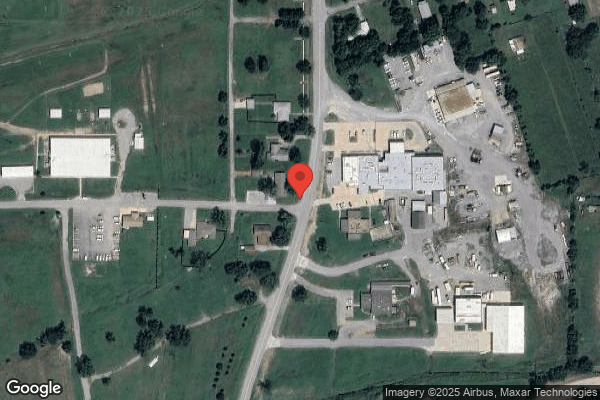
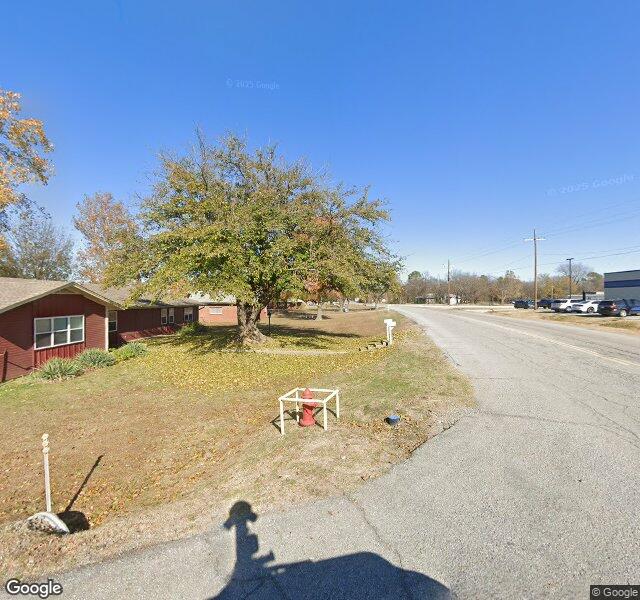
411 NORTH WEST STREET, MCALESTER, OK 74502 (918) 423-2920
For profit - Individual 81 Beds Independent Data: November 2025
Trust Grade
10/100
#228 of 282 in OK
Last Inspection: October 2024

Within standard 12-15 month inspection cycle. Federal law requires annual inspections.

Overview

Heritage Hills Living & Rehabilitation Center has received a Trust Grade of F, indicating significant concerns about the quality of care provided. Ranked #228 out of 282 facilities in Oklahoma, they are in the bottom half of all nursing homes in the state, and #4 out of 6 in Pittsburg County, meaning only two local options are worse. Although the facility shows an improving trend, with issues decreasing from 9 in 2024 to 5 in 2025, the total of 50 deficiencies remains a serious concern. Staffing is rated at 3 out of 5 stars with a turnover rate of 43%, which is lower than the state average, suggesting that staff are relatively stable. However, the facility has incurred $73,288 in fines, higher than 92% of facilities in Oklahoma, indicating ongoing compliance problems. There are troubling specific incidents, including the failure to ensure residents were free from abuse, as two residents were not adequately protected from potential harm. Additionally, there were concerns about kitchen cleanliness and safety, with broken equipment and staff not following hygiene protocols. Lastly, the facility lacks a water management program to prevent the growth of harmful bacteria, which poses a risk to resident health. Overall, while there are some areas of strength, the numerous deficiencies and significant fines suggest families should proceed cautiously when considering this facility.

Trust Score
F
10/100
In Oklahoma
#228/282
Bottom 20%
Safety Record
High Risk
Review needed
Inspections
Getting Better
9 → 5 violations
Staff Stability
○ Average
43% turnover. Near Oklahoma's 48% average. Typical for the industry.
Penalties
✓ Good
$73,288 in fines. Lower than most Oklahoma facilities. Relatively clean record.
Skilled Nurses
⚠ Watch
Each resident gets only 9 minutes of Registered Nurse (RN) attention daily — below average for Oklahoma. Fewer RN minutes means fewer trained eyes watching for problems.
Violations
⚠ Watch
50 deficiencies on record. Higher than average. Multiple issues found across inspections.
★☆☆☆☆
1.0
Overall Rating
★★★☆☆
3.0
Staff Levels
★★☆☆☆
2.0
Care Quality
★☆☆☆☆
1.0
Inspection Score
Stable
2024: 9 issues
2025: 5 issues

The Good

  • Full Sprinkler Coverage · Fire safety systems throughout facility
  • No fines on record
  • Staff turnover below average (43%)

    5 points below Oklahoma average of 48%

Facility shows strength in fire safety.

The Bad

1-Star Overall Rating

Below Oklahoma average (2.6)

Significant quality concerns identified by CMS

Staff Turnover: 43%

Near Oklahoma avg (46%)

Typical for the industry

Federal Fines: $73,288

Well above median ($33,413)

Moderate penalties - review what triggered them

The Ugly 50 deficiencies on record

1 actual harm
Jul 2025 5 deficiencies
CONCERN (D) 📢 Someone Reported This

A family member, employee, or ombudsman was alarmed enough to file a formal complaint

Potential for Harm - no one hurt, but risky conditions existed

Free from Abuse/Neglect (Tag F0600)

Could have caused harm · This affected 1 resident

Based on observation, record review, and interview, the facility failed to ensure residents were free from abuse for 1 (#1) of 9 sampled residents reviewed for abuse.The administrator identified 54 re...

Read full inspector narrative →
Based on observation, record review, and interview, the facility failed to ensure residents were free from abuse for 1 (#1) of 9 sampled residents reviewed for abuse.The administrator identified 54 residents resided in the facility. Findings: On 07/29/25 at 12:43 p.m., Res #1 was observed up in the lobby in a wheelchair.An undated medical diagnosis list showed Res #1 admitted with diagnoses of left sided hemiparesis/hemiplegia and bilateral hard of hearing.An undated facility policy Investigation of Abuse, Neglect, and Exploitation, read in part, The facility prohibits mistreatment, neglect or abuse of residents. The resident has the right to be free from verbal, sexual, physical, or mental abuse.An Oklahoma State Department of Health incident form 283, dated 04/15/25, showed CNA #1 used unnecessary force when assisting Res #1 while in their wheelchair in the lobby. The report showed CNA #2 was asked why they did that, CNA #1 stated She was getting on my last nerve. The report showed CNA #1 was suspended immediately pending an investigation. The report showed an investigation was initiated and CNA #1 was ultimately terminated. An in-service form, dated 04/23/25, showed staff from all departments received training over abuse.On 07/29/25 at 12:43 p.m., Resident #1 stated they felt safe in the facility and the staff were good to her. On 07/30/25 at 10:24 a.m., the administrator and DON reported CNA #1 had been terminated and staff were re-educated over abuse in an in-service.
CONCERN (E) 📢 Someone Reported This

A family member, employee, or ombudsman was alarmed enough to file a formal complaint

Potential for Harm - no one hurt, but risky conditions existed

Deficiency F0583 (Tag F0583)

Could have caused harm · This affected multiple residents

Based on observation and interview, the facility failed to ensure protected health information was secure for 1 (East/West Hall) of 1 medication cart observed.The administrator identified 54 residents...

Read full inspector narrative →
Based on observation and interview, the facility failed to ensure protected health information was secure for 1 (East/West Hall) of 1 medication cart observed.The administrator identified 54 residents resided in the facility.Findings: On 07/29/25 at 1:17 p.m., a computer on top of an unattended medication cart at the corner of East/West Hall was observed to be open and showed protective health information.On 07/29/25 at 1:35 p.m., a computer on top of an unattended medication cart at the corner of East/West Hall was observed to be open and showed protective health information.On 07/30/25 at 1:32 p.m., a computer on top of an unattended medication cart on East Hall was observed to be open and showed protective health information.On 07/30/25 at 2:28 p.m., a computer on top of an unattended medication cart at the corner of East/West Hall was observed to be open and showed protective health information.On 07/30/25 at 2:55 p.m., the administrator and DON reported the computer should have been closed and not showing protected health information.
CONCERN (E) 📢 Someone Reported This

A family member, employee, or ombudsman was alarmed enough to file a formal complaint

Potential for Harm - no one hurt, but risky conditions existed

Safe Environment (Tag F0584)

Could have caused harm · This affected multiple residents

**NOTE- TERMS IN BRACKETS HAVE BEEN EDITED TO PROTECT CONFIDENTIALITY** Based on observation, record review, and interview, the facility failed to ensure the environment was free from flies.The admini...

Read full inspector narrative →
**NOTE- TERMS IN BRACKETS HAVE BEEN EDITED TO PROTECT CONFIDENTIALITY** Based on observation, record review, and interview, the facility failed to ensure the environment was free from flies.The administrator identified 54 residents resided in the facility.Findings: On 07/29/25 at 11:42 a.m., flies too numerous to count were observed in the lobby. An unknown female resident was observed resting in a recliner. There were four cups of liquid on the table beside the recliner. Flies were observed in and around the cups of liquid, and a dead fly was observed floating in the liquid of one cup.On 07/29/25 at 1:30 p.m., in room [ROOM NUMBER], flies too numerous to count were observed all over the room, bed, and bedside table.An invoice for air curtains, dated 07/03/25 was reviewed.On 07/30/25 at 12:02 p.m., the administrator stated the facility had ordered blowers for the doors to help with the fly problem, but they were still waiting on them to come in.
CONCERN (E) 📢 Someone Reported This

A family member, employee, or ombudsman was alarmed enough to file a formal complaint

Potential for Harm - no one hurt, but risky conditions existed

Comprehensive Care Plan (Tag F0656)

Could have caused harm · This affected multiple residents

Based on record review and interview, the facility failed to ensure care plans were developed to address the use of illegal substances for 2 (#3 and #4) of 2 sampled residents reviewed for care plans....

Read full inspector narrative →
Based on record review and interview, the facility failed to ensure care plans were developed to address the use of illegal substances for 2 (#3 and #4) of 2 sampled residents reviewed for care plans.The administrator identified 54 residents resided in the facility.Findings: 1.An undated face sheet showed Res #3 had diagnoses which included schizoaffective disorder, opioid dependence, and psychotic disorder. A nurse note, dated 06/12/25, showed the resident was found smoking an illegal substance using a soda can with holes punctured in the side. Education was provided to resident and to continue medication hold for 24 hours per physician.Res #3's care plan did not address the resident's use of an illegal substance.2. An undated face sheet showed Res #4 had diagnoses which included major depressive disorder, hypoxemia, and alcoholic hepatitis.Res #4's care plan did not address the resident's use of an illegal substance.A nurse note, dated 06/07/25, showed Res #4 was found smoking an illegal substance from a Pepsi can with holes punched in the side. Education was provided to resident and to continue medication hold for 24 hours per physician.On 07/30/25 at 1:18 p.m., LPN #2 reported both Res #3 and Res #4 had been caught multiple times smoking an illegal substance.On 07/30/25 at 1:26 p.m., MDS #1 stated they did not know how to care plan it.
CONCERN (E) 📢 Someone Reported This

A family member, employee, or ombudsman was alarmed enough to file a formal complaint

Potential for Harm - no one hurt, but risky conditions existed

Accident Prevention (Tag F0689)

Could have caused harm · This affected multiple residents

Based on record and interview, the facility failed to ensure residents with substance abuse were provided services for 2 (#3 and #4) of 2 sampled residents reviewed for substance abuse.The administrat...

Read full inspector narrative →
Based on record and interview, the facility failed to ensure residents with substance abuse were provided services for 2 (#3 and #4) of 2 sampled residents reviewed for substance abuse.The administrator identified 54 residents resided in the facility.Findings: A facility policy titled Marijuana Policy for Residents, dated 07/03/20, read in part, We do not allow marijuana on the ground due to we accept federal monies. If you see residents smoking marijuana you must tell them to put it out then take it. Report on the State Health Department under suspected Criminal Act form 283 fill out form completely. Call police department give the Marijuana to them. Start your investigation .you must get at least 3 statements from other residents.1.An undated face sheet showed Res #3 had diagnoses which included schizoaffective disorder, psychotic disorder, and impulsiveness.A nurse note, dated 06/12/25, showed the resident was found smoking an illegal substance using a soda can with hole puncture in the side. Education was provided regarding the risks of recreational drug use and the facility policy that prohibited the use of recreational drugs. A nurse note, dated 07/05/25, showed the Res #3 was outside right after returning from visit with their sister, smoking illegal substance. Res #3 was re-educated on the potential interactions with medications. Res #3 stated they did not care.A nurse note, dated 07/09/25, showed the resident was found smoking an illegal substance. Education was provided and facility policy that prohibited the use of recreational drug use.2. An undated face sheet showed Res #4 had diagnoses which included major depressive disorder and alcohol hepatitis.A nurse note, dated 06/07/25, showed Res #4 was found smoking an illegal substance using a soda can with holes punctured in the side. Education was provided regarding the risks of recreational drug use and the facility policy that prohibited the use of recreational drugs.A nurse note, dated 06/10/25, showed Res #4 had a grape soda can with holes poked in the side with a burnt substance surrounding the holes. The can was thrown in the thrash, and administrator and PCP were notified.A nurse note, dated 07/01/25, showed Res #4 was rolling a blunt at the table and another rolled blunt just lying on the table. The resident did not have a medical prescription to have marijuana substance. The substance was taken, and the resident was re-educated. The administrator and PCP were notified.On 07/30/25 at 1:49 p.m., the administrator reported they had not offered a substance abuse program, they just take the substance every time the residents were caught with it. The administrator reported they did not know what the policy said.
Dec 2024 1 deficiency
CONCERN (D) 📢 Someone Reported This

A family member, employee, or ombudsman was alarmed enough to file a formal complaint

Potential for Harm - no one hurt, but risky conditions existed

Safe Environment (Tag F0584)

Could have caused harm · This affected 1 resident

**NOTE- TERMS IN BRACKETS HAVE BEEN EDITED TO PROTECT CONFIDENTIALITY** Based on observation and interview, the facility failed to maintain and clean, safe, and sanitary homelike environment during tw...

Read full inspector narrative →
**NOTE- TERMS IN BRACKETS HAVE BEEN EDITED TO PROTECT CONFIDENTIALITY** Based on observation and interview, the facility failed to maintain and clean, safe, and sanitary homelike environment during two of two observations. The administrator identified 59 residents resided in the facility. Findings: On 12/19/24 at 11:03 a.m., the following observations were made, a. a broken tile was observed with black tape over a loose and cracked tile in the main hallway, b. a tile in the main hall was cracked and pieces missing creating a trip hazard, c. there was a cracked and broken tile observed in room [ROOM NUMBER], d. room [ROOM NUMBER] had cracked tiles in the entry way, e. the double doors leading down the main hallway from the front commons had the lower panel separated from the door and had sharp edges, f. the walls in the main center hallway were scuffed with black marks and damaged in the commons area and the North main hallway, g. the tiled floors on the East hall were chipped, stained, and damaged where the center hall met. There was brown stained residue on the tile and the base boards and corners were damaged, h. the halls had missing paint and damaged sheetrock and resident doors were scuffed with marks, and i. there were cracked tiles and black mold around the toilet and shower area on the North hall. On 12/26/24 at 11:32 a.m., HK #1 was asked to discuss the broken tiles on the halls and resident rooms. They stated they noticed the tile with tape on the center hall on 12/25/24. They stated the East hall stains were because it needed waxed and it would not stay clean. They stated the cracked tile needed to be replaced. HK #1 stated the walls in the halls were scuffed with black marks throughout the facility from the residents' wheel chairs. On 12/27/24 at 9:39 a.m., a family representative was asked what they thought about the condition of the facility. They stated the place could use some help. They stated the floors and the walls were in disrepair. On 12/27/24 at 10:03 a.m., CNA #3 was asked to discuss the condition of the facility. They stated the tile floor on the East hall was not clean. They stated it was stained, cracked, and looked soiled. They stated the walls were usually soiled with spilled drinks and scuffed from carts and residents' wheelchairs. The CNA stated they report it to HK and maintenance. They were asked if they though it looked like a clean, sanitary, and safe home like environment. The CNA stated mainly the cleanliness and the condition of the environment and the walls. They stated it was definitely not how some of the residents would live. On 12/27/24 at 10:20 a.m., CNA #4 was asked to discuss the condition of the facility. They stated it was pretty bad. They stated the floors on East hall you could not tell if they were dirty or stained. They stated the tiles were cracked. The CNA stated the walls in the halls were scuffed up throughout the whole facility. They were asked if it looked like a clean, safe, and sanitary home like environment. They stated, No, I wouldn't want to live this. I would be fixing things. The CNA stated the doors in the hall were in disrepair and looked broken. On 12/27/24 at 10:45 a.m., HK #2 was asked to discuss the condition of the facility. They stated it was the nastiest facility they had ever worked in. They stated it was rough. HK #2 stated the walls were scuffed and was permanent. They stated they had scrubbed the walls and they were missing paint. They stated the walls needed to be repainted. HK #2 was asked to discuss the East hall floors. They stated they were old, the tiles were stained, and some were cracked. They stated they stained easily and they were stained and soiled and could not be cleaned. HK #2 stated the tiles in the center hall were cracked and some were missing. On 12/27/24 at 11:02 a.m., LPN #1 was asked to discuss the condition of the facility. They stated on the East hall the floors looked stained after they were mopped. They stated the tiles were cracked and looked horrible. The LPN stated the walls in the halls, resident doors and rooms were scuffed, missing paint, and base boards were damaged in places. They were asked if it looked like a clean ,sanitary, and safe home like environment. They stated, No, I know when house keeping cleans, it always looks dirty because of the stained and old floors. On 12/27/24 at 12:07 p.m., a tour of the facility was conducted with the DON. They were asked to discuss the observations made. They stated the fire doors in the main hall laminate was not attached for safety and it looked like it was in disrepair. They stated the halls needed to be painted. The DON stated the corners were very concerning due to disrepair and how it looked. They stated the back nurses station metal trim was damaged and could cause skin tears. They stated the base boards were trip hazards and looked like they were in disrepair. They stated the tile on East hall was cracked, stained, and did not not look clean when it was mopped due to stains. The DON was asked what was the facility's policy for maintaining a clean, safe, and sanitary home like environment. They stated it should be maintained and it was the residents rights to have a clean, safe, and sanitary home like environment. The DON was asked, based upon the above observations, what they thought about the condition of the facility in regard to their policy. They stated it needed to be painted, the floors needed to be redone, the base boards needed to be cleaned and tacked down, and the doors needed to be painted and repaired. They stated especially the fire doors. The DON was asked if the residents right to a clean, safe, and sanitary home like environment policy was followed. The DON stated, No. On 12/27/24 at 12:36 p.m., a tour of the facility was conducted with the administrator. They were asked to discuss the policy on maintaining a clean, sanitary, and home like environment. The administrator stated the house keepers were supposed to deep clean and maintenance quit on 12/26/24. They were asked to discuss what was observed on the walk through of the facility. The administrator stated the floor on the East hall needed to be redone. They stated it looked bad, had patches, the tile was cracked, and it was stained. They stated it did not look clean. They stated the corners needed to be replaced because they were in disrepair and looked bad. The administrator stated the walls needed to be touched up and they had black marks from wheelchairs and carts. They stated the North bathroom had mold on the floor and broken tiles which needed to be repaired. They stated the fire doors had rough edges and needed to be fixed on North and center. The administrator was asked how the doors looked on the halls. They stated the tops looked good, but the bottom did not. They were were asked, based upon the above observations, did they think it was a clean, safe, and sanitary home like environment. The administrator stated, I don't think it is that bad, we have hard people to take care of. They stated they did not have a policy regarding a clean, safe, and sanitary homelike environment and went by resident rights.
Oct 2024 8 deficiencies 1 Harm
SERIOUS (G) 📢 Someone Reported This

A family member, employee, or ombudsman was alarmed enough to file a formal complaint

Actual Harm - a resident was hurt due to facility failures

Free from Abuse/Neglect (Tag F0600)

A resident was harmed · This affected 1 resident

**NOTE- TERMS IN BRACKETS HAVE BEEN EDITED TO PROTECT CONFIDENTIALITY** Based on observation, record review, and interview, the facility failed to ensure residents were free from abuse for two (#33 an...

Read full inspector narrative →
**NOTE- TERMS IN BRACKETS HAVE BEEN EDITED TO PROTECT CONFIDENTIALITY** Based on observation, record review, and interview, the facility failed to ensure residents were free from abuse for two (#33 and #59) of three sampled residents reviewed for abuse. The administrator identified 58 residents who resided in the facility. Findings: An Investigation of Abuse, Neglect and Exploitation policy, undated, read in parts, .The facility prohibits mistreatment, neglect or abuse of residents. The resident has the right to be free from verbal, sexual, physical, or mental abuse .Physical abuse includes hitting, slapping, pinching, and kicking .In the event there is an allegation or incidents involving resident to resident abuse, the individuals involved in the abuse should be immediately separated by staff .Once safety is established, the Administrator and Director of Nursing should be notified immediately. Put the resident on 1:1 when needed and document .An investigation into what triggered the abuse shall be conducted by the DON with referrals made accordingly .The facility shall prevent the occurrence of abuse by reviewing past specific incidents for lessons learned and policy amendments .The facility shall ensure that any substantiated incidents of abuse are reported and analyzed, and that appropriate corrective remedial or disciplinary actions occurs in accordance with local, state or federal law . 1. Res #33 had diagnoses which included major depressive disorder, suicidal ideations, and persistent mood disorder. A nurse note, dated 04/13/2024 at 7:41 p.m., documented Res #33 ran into another resident in the hallway. The note documented Res #33 cursed the other resident. A nurse note, dated 04/17/24 at 10:09 a.m., documented Res #33 was yelling and cursing at staff. A nurse note, dated 05/17/24 at 9:20 a.m., documented Res #33 was yelling and verbally threatening staff. A nurse note, dated 06/03/24 at 4:39 p.m., documented Res #33 was yelling and verbally threatening staff. The note documented physical behaviors of knocking items off the nurses' station and hitting a CNA in the face with a metal drinking tumbler. A quarterly assessment, dated 06/07/24, documented Res #33 was cognitively intact, had minimal depression, and had exhibited physical and verbal behaviors towards others. A nurse note, dated 08/07/24 at 12:02 p.m., documented Res #33 was yelling and threatening another resident for not getting out of their way. A facility observation detail report, dated 08/07/24 at 12:02 p.m., documented Res #33 had aggressive behavior towards a peer and was yelling and cursing staff. The report documented continue plan of care as action taken to care plan. There was no documentation of verbal/physical behaviors on Res #33's care plan. 2. Res #59 had diagnoses which included Alzheimer's disease and insomnia. An admission assessment, dated 08/07/24, documented Res #59 was severely cognitively impaired, had no symptoms of depression, and had exhibited delusions. A nurse note, dated 08/07/24 at 4:22 p.m., documented Res #33 pushed Res #59 in the hallway resulting in a laceration to Res #59's head. The note documented Res #59 was transferred to the hospital for medical evaluation and treatment. A facility observation detail report, dated 08/07/24 at 4:35 p.m., documented Res #59 had been pushed by another resident resulting in a fall with head injury. An OSDH initial incident report form, dated 08/07/24, read in part, .At approx 3:45 pm was in office, heard a loud commotion then a crash in hallway. [Res #59] was noted laying on back with blood on floor. Laceration on upper back of head. Pressure applied and EMS notified. [Res #33] stated I told that [curse word] to stay away from my room. Unnamed resident was in hallway and stated [Res #59] wasn't even in [Res #33] room, [Res #59] was in the hallway when [Res #33] pushed them hard and was cussing at them. [Res #59] was sent to the hospital for evaluation and treatment. [Res #33] was placed on 1 on 1 . The report documented the physician, resident representative, law enforcement, and APS was notified of the incident. Hospital discharge instructions, dated [DATE] at 5:54 p.m., documented Res #59 had diagnoses which included skin tear and head injury/concussion. An OSDH final incident report form, dated 08/13/24, documented actual physical aggression by Res #33 against Res #59 witnessed by another unnamed resident. The report documented Res #33 had shoved Res #59 resulting in Res #59 falling to the floor and hitting their head. The unnamed resident witness stated the aggression was unprovoked. The report documented Res #33 had no further aggression noted and had no aggression against any resident witnessed or reported inside this facility prior to this incident. The report documented Res #59 did not return to the facility after discharge from the hospital. There was no documentation of an investigation related to the incident. On 10/31/24 at 8:35 a.m., Res #33 was observed sitting in their room. Res #33 stated Res #59 had attempted to come into their room and they had the right to defend their property. Res #33 stated they had pushed Res #59 out of their room. Res #33 stated they were not aware of any injuries Res #59 had received and did not care. On 10/31/24 at 8:30 a.m., CNA #1 stated they were present in the facility, but had not witnessed the incident between Res #33 and Res #59. They stated Res #33 was calm some of the time and angry at other times. CNA #1 stated they were not instructed to provide one-on-one supervision of Res #33 after the incident. They stated they had not been instructed on any interventions to prevent the occurrence of abuse regarding Res #33 prior to or after the incident. On 10/31/24 at 8:40 a.m., LPN #1 stated they were present in the facility, but had not witnessed the incident between Res #33 and Res #59. LPN #1 stated after the incident, Res #33 was instructed to stay in their room, but one-on-one staff supervision had not occurred. They stated Res #33 had a history of verbal/physical aggression, but no interventions had been implemented to prevent abuse. On 10/31/24 at 9:10 a.m., the DON stated the Res #33 had exhibited verbal aggression earlier in the day prior to the incident. They stated CNA #2 had been assigned to provide one-on-one supervision of Res #33. The DON stated CNA #2 had left Res #33 for a few minutes to answer a call light when the incident occurred with Res #59. They stated CNA #2 continued one-and-one supervision of Res #33 after the incident occurred. The DON stated one-on- one supervision of Res #33 continued for 72 hours and no additional verbal/physical behaviors were observed. They stated the one-on-one supervision would have been documented in the medical record. The DON stated they had not completed the incident report or investigation of the abuse. They stated the IP nurse or ADON usually completed those tasks. The DON stated there were not aware that Res #33's verbal/physical behaviors had not been documented in the care plan. On 10/31/24 9:50 a.m., CNA #2 stated they were present in the facility, but had not witnessed the incident between Res #33 and Res #59. CNA #2 stated they had not been instructed to provide one-on-one supervision of Res #33 prior to or after the incident of abuse. CNA #2 stated no interventions had been implemented for Res #33 before or after the incident to prevent verbal/physical abuse. On 10/31/24 at 9:40 a.m., the administrator was asked how the facility ensured residents were free from abuse. The administrator stated they were not sure other than rounding frequently. They stated Res #33's history of physical/aggressive behaviors should have been documented in their plan of care prior to the incident of abuse with Res #59. On 10/31/24 at 10:12 a.m., the IP stated they were not present in the facility when the incident occurred. The IP stated they completed the final incident report upon return to the facility. They stated they had interviewed staff and residents as part of the abuse investigation, but could not locate the documentation. The IP stated Res #33's history of verbal/physical behaviors should have been documented in the care plan. On 10/31/24 at 10:24 a.m., the ADON stated they were present in the facility, but had not witnessed the incident between Res #33 and Res #59. They stated they had completed the initial incident report of abuse. The ADON stated a nurse aide had been assigned to provide one-on-one supervision of Res #33 after the incident, but could not remember which one. The ADON stated they had not personally completed any interviews or documentation regarding the abuse investigation. The ADON stated documentation of the 72 hour supervision of Res #33 and staff/resident interviews should have been completed by the nursing staff, but none of the documentation could be located at this time. They stated Res #33's history of verbal/physical aggressive behaviors should have been documented in the plan of care.
CONCERN (D) 📢 Someone Reported This

A family member, employee, or ombudsman was alarmed enough to file a formal complaint

Potential for Harm - no one hurt, but risky conditions existed

Investigate Abuse (Tag F0610)

Could have caused harm · This affected 1 resident

Based on observation, record review, and interview, the facility failed to conduct a thorough investigation into an incident of abuse for two (#33 and #59) of three sampled residents reviewed for abus...

Read full inspector narrative →
Based on observation, record review, and interview, the facility failed to conduct a thorough investigation into an incident of abuse for two (#33 and #59) of three sampled residents reviewed for abuse. The administrator identified 58 residents who resided in the facility. Findings: An Investigation of Abuse, Neglect and Exploitation policy, undated, read in parts, .The facility prohibits mistreatment, neglect or abuse of residents. The resident has the right to be free from verbal, sexual, physical, or mental abuse .Physical abuse includes hitting, slapping, pinching, and kicking .In the event there is an allegation or incidents involving resident to resident abuse, the individuals involved in the abuse should be immediately separated by staff .Once safety is established, the Administrator and Director of Nursing should be notified immediately. Put the resident on 1:1 when needed and document .An investigation into what triggered the abuse shall be conducted by the DON with referrals made accordingly .The facility shall prevent the occurrence of abuse by reviewing past specific incidents for lessons learned and policy amendments .The facility shall ensure that any substantiated incidents of abuse are reported and analyzed, and that appropriate corrective remedial or disciplinary actions occurs in accordance with local, state or federal law . 1. Res #33 had diagnoses which included major depressive disorder, suicidal ideations, and persistent mood disorder. A quarterly assessment, dated 06/07/24, documented Res #33 was cognitively intact, had minimal depression, and had exhibited physical and verbal behaviors towards others. 2. Res #59 had diagnoses which included Alzheimer's disease and insomnia. An admission assessment, dated 08/07/24, documented Res #59 was severely cognitively impaired, had no symptoms of depression, and had exhibited delusions. An OSDH initial incident report form, dated 08/07/24, read in part, .At approx 3:45 pm was in office, heard a loud commotion then a crash in hallway. [Res #59] was noted laying on back with blood on floor. Laceration on upper back of head. Pressure applied and EMS notified. [Res #33] stated I told that [curse word] to stay away from my room. Unnamed resident was in hallway and stated [Res #59] wasn't even in [Res #33] room, [Res #59] was in the hallway when [Res #33] pushed them hard and was cussing at them. [Res #59] was sent to the hospital for evaluation and treatment. [Res #33] was placed on 1 on 1 . The report documented the physician, resident representative, law enforcement, and APS was notified of the incident. An OSDH final incident report form, dated 08/13/24, documented actual physical aggression by Res #33 against Res #59 witnessed by another unnamed resident. The report documented Res #33 had shoved Res #59 resulting in Res #59 falling to the floor and hitting their head. The unnamed resident witness stated the aggression was unprovoked. The report documented Res #33 had no further aggression noted and had no aggression against any resident witnessed or reported inside this facility prior to this incident. The report documented Res #59 did not return to the facility after discharge from the hospital. There was no documentation of an investigation related to the incident. On 10/31/24 at 8:35 a.m., Res #33 was observed sitting in their room. Res #33 stated Res #59 had attempted to come into their room and they had the right to defend their property. Res #33 stated they had pushed Res #59 out of their room. Res #33 stated they were not aware of any injuries Res #59 had received and did not care. On 10/31/24 at 8:30 a.m., CNA #1 stated they were present in the facility, but had not witnessed the incident between Res #33 and Res #59. They stated Res #33 was calm some of the time and angry at other times. CNA #1 stated they were not instructed to provide one-on-one supervision of Res #33 after the incident. They stated they had not been instructed on any interventions to prevent the occurrence of abuse regarding Res #33 after the incident. On 10/31/24 at 8:40 a.m., LPN #1 stated they were present in the facility, but had not witnessed the incident between Res #33 and Res #59. LPN #1 stated after the incident, Res #33 was instructed to stay in their room, but one-on-one staff supervision had not occurred. They stated Res #33 had a history of verbal/physical aggression, but no interventions had been implemented to prevent abuse. On 10/31/24 at 9:10 a.m., the DON stated the Res #33 had exhibited verbal aggression earlier in the day prior to the incident. They stated CNA #2 had been assigned to provide one-on-one supervision of Res #33. The DON stated CNA #2 had left Res #33 for a few minutes to answer a call light when the incident occurred with Res #59. They stated CNA #2 continued one-on-one supervision of Res #33 after the incident occurred. The DON stated one-on-one supervision of Res #33 continued for 72 hours and no additional verbal/physical behaviors were observed. They stated the one-on-one supervision would have been documented in the medical record. The DON stated they had not completed the incident report or investigation of the abuse. They stated the IP nurse or ADON usually completed those tasks. On 10/31/24 at 9:40 a.m., the administrator was made aware of the absence of abuse investigation documentation regarding Res #33 and Res #59. The administrator stated, That is not good. They stated an investigation should have been documented by the nursing staff. On 10/31/24 9:50 a.m., CNA #2 stated they were present in the facility, but had not witnessed the incident between Res #33 and Res #59. CNA #2 stated they had not been instructed to provide one-on-one supervision of Res #33 prior to or after the incident of abuse. CNA #2 stated no interventions had been implemented for Res #33 before or after the incident to prevent verbal/physical abuse. On 10/31/24 at 10:12 a.m., the IP stated they were not present in the facility when the incident occurred. The IP stated they completed the final incident report upon return to the facility. They stated they had interviewed staff and residents as part of the abuse investigation, but could not locate the documentation. On 10/31/24 at 10:24 a.m., the ADON stated they were present in the facility, but had not witnessed the incident between Res #33 and Res #59. They stated they had completed the initial incident report of abuse. The ADON stated a nurse aide had been assigned to provide one-on-one supervision of Res #33 after the incident, but could not remember which one. The ADON stated they had not personally completed any interviews or documentation regarding the abuse investigation. The ADON stated documentation of the 72-hour supervision of Res #33 and staff/resident interviews should have been completed by the nursing staff, but none of the documentation could be located at this time.
CONCERN (D)

Potential for Harm - no one hurt, but risky conditions existed

PASARR Coordination (Tag F0644)

Could have caused harm · This affected 1 resident

Based on record review and interview, the facility failed to notify the OHCA of a new possible serious mental disorder diagnosis for two (#37 and #20) of six sampled residents reviewed for PASARR asse...

Read full inspector narrative →
Based on record review and interview, the facility failed to notify the OHCA of a new possible serious mental disorder diagnosis for two (#37 and #20) of six sampled residents reviewed for PASARR assessments. The administrator identified 58 residents who resided in the facility. Findings: 1. A Level I PASARR, dated 07/19/21, documented Res #37 did not have a serious mental illness. On 10/06/21, Res #37 received a new diagnoses of specified persistent mood disorder. There was no documentation the OHCA had been contacted to see if a Level II PASARR was required. On 10/30/24 at 12:10 p.m., the administrator stated OHCA must not have been contacted because the notification information was not documented at the bottom of the Level I PASSAR that was reviewed. 2. Resident #20 had diagnoses which included diabetes mellitus and adjustment disorder with depressed mood. A Level I PASARR screen, dated 11/29/22, documented no serious mental illness. On 01/06/23, the resident was diagnosed with delusional disorder. On 10/31/24 at 11:41 am, the administrator stated the OHCA should have been contacted regarding Resident #20's new diagnosis and it should have been documented in the nurse's notes. A review of Resident #20 medical record did not document the OHCA had been contacted regarding the diagnosis of delusional disorder.
CONCERN (D)

Potential for Harm - no one hurt, but risky conditions existed

Accident Prevention (Tag F0689)

Could have caused harm · This affected 1 resident

Based on observation, record review, and interview, the facility failed to ensure: a. vaping of tobacco did not occur inside the facility, and smoking assessments were completed quarterly for one (#35...

Read full inspector narrative →
Based on observation, record review, and interview, the facility failed to ensure: a. vaping of tobacco did not occur inside the facility, and smoking assessments were completed quarterly for one (#35) of two sampled residents reviewed for smoking; and b. oxygen tanks were stored properly for one (#12) of five sampled residents reviewed for oxygen. The DON identified 23 residents who smoked/vaped tobacco products and 13 residents who received oxygen therapy. Findings: A smoking policy, dated 01/09/22, documented smoking/vaping is only allowed in designated areas. The policy documented the courtyard is the only designated area for residents to smoke. 1. Res #35 had a diagnosis of nicotine dependence. A care plan, dated 09/10/20, documented the resident was an unsupervised smoker. The care plan documented the resident would follow facility policy related to smoking areas. An annual assessment, dated 08/12/23, documented the resident was cognitively intact. A quarterly smoking assessment, dated 11/07/23, documented the resident had a minimal problem of smoking in unauthorized areas and had no problem with the ability to understand the facility's safe smoking policy. There was no additional documentation of quarterly smoking assessments found in record review. On 10/28/24 at 8:51 a.m., Res #35 was observed lying in bed. Res #35 was observed utilizing a battery-powered tobacco vape device. Res #35 stated it was acceptable to vape in their room as long as their roommate did not object. On 10/29/24 at 9:30 a.m., the DON was made aware of the observation. The DON stated residents were not allowed to vape tobacco inside the facility per policy. On 10/29/24 at 9:57 a.m., the DON stated a smoking assessment should have been completed quarterly for Res #35. 2. Res #12 had diagnoses which included COPD and respiratory failure. A physician's order, dated 06/15/23, documented Res #12 was to receive oxygen at three liters per minute via a nasal cannula. On 10/28/24 at 10:00 a.m., an oxygen tank was observed standing upright next to the wall in Res #12's room. The tank was not secured or in any type of holder. On 10/31/24 at 9:34 a.m., the DON stated oxygen tanks should be locked in the nurse's closet and not left in resident rooms unsecured.
CONCERN (E)

Potential for Harm - no one hurt, but risky conditions existed

Assessment Accuracy (Tag F0641)

Could have caused harm · This affected multiple residents

Based on record review and interview, the facility failed to ensure resident assessments were accurate for two (#30 and #41) of 15 sampled residents whose resident assessments were reviewed for accura...

Read full inspector narrative →
Based on record review and interview, the facility failed to ensure resident assessments were accurate for two (#30 and #41) of 15 sampled residents whose resident assessments were reviewed for accuracy. The administrator identified 58 residents who resided in the facility. 1. Res #30 had diagnoses which included depression, anxiety, mood disorder, and intermittent explosive disorder. An annual resident assessment, dated 08/31/24, documented a diagnosis of psychotic disorder. 2. Res #41 had diagnoses which included impulse disorder. A quarterly resident assessment, dated 11/24/21, documented a diagnosis of psychotic disorder. On 10/29/24 at 1:05 p.m., the IP reported no resident had a diagnosis of psychotic disorder in the facility. They were unsure as to why resident assessments would document the diagnosis of psychotic disorder. On 10/31/24 at 11:41 a.m., the MDS coordinator reported they started their position in December, and documented the diagnosis, psychotic disorder, on Res #30 and #41 because the diagnosis was documented on their previous resident assessments.
CONCERN (E)

Potential for Harm - no one hurt, but risky conditions existed

Respiratory Care (Tag F0695)

Could have caused harm · This affected multiple residents

Based on observation, record review, and interview, the facility failed to change and label oxygen tubing according to physician orders for four (#17, 28, 31, and #50) of four sampled residents review...

Read full inspector narrative →
Based on observation, record review, and interview, the facility failed to change and label oxygen tubing according to physician orders for four (#17, 28, 31, and #50) of four sampled residents reviewed for respiratory treatments. The DON identified 13 residents who received oxygen therapy. Findings: A Respiratory Care/Oxygen Therapy policy, dated 09/07/22, read in part, .Change tubing weekly. Label tubing with date and initials . 1. Res #17 had diagnoses which included COPD and chronic respiratory failure with hypercapnia. An admission assessment, dated 01/17/22, documented the resident was cognitively intact and received oxygen therapy. A physician order, dated 09/27/22, documented to change oxygen tubing weekly on Thursdays. The order documented to date and initial the tubing. On 10/28/24 at 9:56 a.m., Res #17 was observed lying in bed. The resident was observed wearing oxygen delivered by nasal cannula at three liters per minute. The oxygen tubing was observed with a tape label dated 10/17/24. Res #17 stated the staff changed the tubing, but was not sure how often. 2. Res #28 had diagnoses which included COPD and chronic respiratory failure with hypercapnia. A physician order, dated 12/11/22, documented to change oxygen tubing weekly on Thursdays. The order documented to date and initial the tubing. An annual assessment, dated 12/12/23, documented the resident was cognitively intact and received oxygen therapy. On 10/28/24 at 10:11 a.m., Res #28 was observed sitting in a wheelchair. The resident was observed wearing oxygen delivered by nasal cannula at three liters per minute. The oxygen tubing was observed with a tape label dated 10/17/24. Res #28 stated they did not know when the tubing had been changed last. 3. Res #31 had diagnoses which included shortness of breath. A physician's order, dated 10/21/22, documented to change oxygen tubing weekly on Thursdays. On 10/28/24 at 2:05 p.m., Res #31 was laying in bed with oxygen infusing by nasal cannula at two liters per minute. The oxygen tubing was observed with tape labeled/dated 10/17/24. 4. Res #50 had diagnoses which included shortness of breath, chronic respiratory failure with hypercapnia and hypoxia, obstructive sleep apnea, congestive heart failure and COPD. A physician's order, dated 04/19/24, documented to change oxygen tubing weekly on Thursdays. On 10/28/24 at 2:06 p.m., Res #50 was laying in bed with oxygen infusing by nasal cannula at three liters per minute. The oxygen tubing was observed with tape labeled/dated 10/17/24. On 10/29/24 at 2:00 p.m., the DON was made aware of the oxygen tubing observations. The DON stated all oxygen tubing should have been changed weekly. They stated the tubing had not been changed on 10/24/24 per physician orders.
CONCERN (F) 📢 Someone Reported This

A family member, employee, or ombudsman was alarmed enough to file a formal complaint

Potential for Harm - no one hurt, but risky conditions existed

Food Safety (Tag F0812)

Could have caused harm · This affected most or all residents

Based on observation and interview, the facility failed to maintain the physical environment of the kitchen and ensure employees with facial hair wore a beard guard in the kitchen. The administrator i...

Read full inspector narrative →
Based on observation and interview, the facility failed to maintain the physical environment of the kitchen and ensure employees with facial hair wore a beard guard in the kitchen. The administrator identified 58 residents who resided in the facility. Findings: On 10/28/24 at 8:30 a.m., the kitchen was observed to have: a. a broken paper towel dispenser at the handwashing sink, b. missing trim on the exterior door, c. a broken cover on a fluorescent light fixture, d. build up of brown sticky substance on the walls around the grill area, and e. rusted air vents on the ceiling. On 10/28/24 at 12:15 p.m., a male employee with a partial beard was observed in the kitchen not wearing a beard guard. On 10/29/24 at 12:00 p.m., a male employee with a partial beard was observed in the kitchen not wearing a beard guard. On 10/30/24 at 8:41 a.m., the CDM stated they had made maintenance aware of the physical environment. They stated they would ensure staff wore beard guards when needed.
CONCERN (F)

Potential for Harm - no one hurt, but risky conditions existed

Infection Control (Tag F0880)

Could have caused harm · This affected most or all residents

Based on record review and interview, the facility failed to implement a water management program to prevent the growth of Legionella and other opportunistic waterborne pathogens in the building water...

Read full inspector narrative →
Based on record review and interview, the facility failed to implement a water management program to prevent the growth of Legionella and other opportunistic waterborne pathogens in the building water system. The administrator identified 58 residents who resided in the facility. Findings: CMS memo 17-30, revised date 06/09/17, documented CMS expects long term care facilities to have water management policies and procedures to reduce the risk of growth and the spread of Legionella and other opportunistic pathogens in the facility water system. No documentation of water management policies and procedures were found from record review. On 10/29/24 at 1:00 p.m., the maintenance supervisor was asked to provide documentation of water management policies and procedures. The maintenance supervisor stated they had never heard of a water management program to reduce the risk and growth of Legionella. They stated the facility did not need a water management program because they never had any standing water. On 10/29/24 at 1:22 p.m., the IP stated the facility did not have policies and procedures to reduce the risk of growth and spread of Legionella.
Oct 2023 2 deficiencies
CONCERN (E) 📢 Someone Reported This

A family member, employee, or ombudsman was alarmed enough to file a formal complaint

Potential for Harm - no one hurt, but risky conditions existed

Safe Environment (Tag F0584)

Could have caused harm · This affected multiple residents

Based on record review, observation, and interview the facility failed to ensure a safe and homelike environment for the residents. The Resident Census and Conditions of Residents report documented 59...

Read full inspector narrative →
Based on record review, observation, and interview the facility failed to ensure a safe and homelike environment for the residents. The Resident Census and Conditions of Residents report documented 59 residents resided in the facility. Findings: On 10/10/23 at 1:00 p.m., an environmental tour of the facility was completed. On the west hall there were two locations with tape placed across the tiles. The tiles were observed to have been loose. A document provided by the maintenance supervisor documented 18 of 26 broken tiles had been replaced. On 10/11/23 at 9:22 a.m., the maintenance supervisor stated they were available 24 hours a day seven days a week. The supervisor stated they had replaced some tiles on the resident halls but the residents had rolled over them with their wheelchairs before the tile cement had dried and broke them.
CONCERN (E) 📢 Someone Reported This

A family member, employee, or ombudsman was alarmed enough to file a formal complaint

Potential for Harm - no one hurt, but risky conditions existed

Infection Control (Tag F0880)

Could have caused harm · This affected multiple residents

Based on record review, observation, and interview the facility failed to ensure: a. the ice machine was locked to prevent possible cross contamination. b. dietary staff washed hands after handling di...

Read full inspector narrative →
Based on record review, observation, and interview the facility failed to ensure: a. the ice machine was locked to prevent possible cross contamination. b. dietary staff washed hands after handling dirty items and before touching clean items. c. hand washing was completed during wound care treatment. The administrator identified 59 residents who resided in the facility and two residents who received wound care treatments. Findings: 1. On 10/11/23 at 8:50 a.m., a resident was observed in the dining room raising the unlocked lid on the ice machine and scooped a cup of ice with their bare hands and placed the ice in a disposable cup. The scoop for the ice machine was was observed lying uncovered on top of the ice machine. On 10/11/23 at 8:56 a.m., the assistant dietary manager stated the ice machine should have been locked and the ice scoop should have been covered. On 10/11/23 at 11:35 a.m., a meal service was observed. An unidentified resident was observed to approach the kitchen door with a glass of ice tea and requested the glass to be emptied. Dietary aide #1 who was wearing gloves was observed to take the glass, emptied it in the sink, and returned the glass to the resident. The dietary aide was then observed to continue preparing the meal without changing their gloves or washing their hands. On 10/11/23 at 11:38 a.m., dietary aide #1 stated they should not have brought items handled by the residents back into the kitchen. The dietary aide stated they should have washed their hands and changed their gloves after touching unclean surfaces. A document signed by the administrator, dated 10/12/23, documented the ice machine was to be locked after each use and the ice scoop was to be kept in a clear plastic bag on top of the machine. 2. A document titled Hand Hygiene for Healthcare Providers documented, .use an ABHR during direct care when shifting from a soiled body site to a clean body site, on the same patient .immediately after glove removal. On 10/11/23 at 12:41 p.m., a wound care observation was conducted. LPN #1 gathered supplies to perform a dressing change. The LPN donned a pair of gloves and removed the dressing which was in place, changed her gloves, and started to clean the wound when their gloves tore. The LPN was observed to remove the torn gloves and don a new pair of gloves and continue the treatment. The LPN was not observed to wash or sanitize their hands with ABHR between glove changes. On 10/11/23 at 1:03 p.m., the LPN stated they should have washed their hands between glove changes.
Aug 2023 23 deficiencies
CONCERN (D)

Potential for Harm - no one hurt, but risky conditions existed

Deficiency F0552 (Tag F0552)

Could have caused harm · This affected 1 resident

2. Res #3 admitted to the facility with delusional disorders, major depressive disorder, and vascular dementia. A physician order, dated 12/13/22, documented the facility was to administer Zoloft (se...

Read full inspector narrative →
2. Res #3 admitted to the facility with delusional disorders, major depressive disorder, and vascular dementia. A physician order, dated 12/13/22, documented the facility was to administer Zoloft (sertraline) an antidepressant medication to administer daily. A physician order, dated 01/25/23, documented Abilify (aripiprazole) an antipsychotic medication to administer daily. A quarterly assessment, dated 07/14/23, documented the resident was moderately impaired with cognition and required limited assistance with most activities of daily living. The assessment documented the resident received an antipsychotic and and antidepressant medication seven days of the assessment period. A care plan, last reviewed 08/07/23, documented the resident was currently receiving Abililfy, an antipsychotic medication, daily. On 08/08/23 at 08:13 a.m., the BOM stated there was not a form for consent for antipsychotic medication for Res #3. On 08/09/23 at 11:17 a.m., Res #3 stated they had not been informed of the risks and benefits of psychoactive medications. Based on observation, record review, and interview, the facility failed to ensure residents were informed in advance of the risks and benefits of treatment for two (#3 and #26) of five residents whose medications were reviewed. The Resident Census and Conditions of Residents form documented 60 residents resided in the facility. Findings: 1. Res #26 had diagnoses which included delusional disorders, impulse disorders, adjustment disorder with depressed mood, and dementia with behavioral disturbance. A care plan, dated 11/30/22, documented the resident had a diagnosis of dementia with behaviors and was at risk for complications. An admission assessment, dated 12/10/22, documented the resident was moderately impaired in cognition and was independent to requiring supervision with ADLs. The assessment documented the resident received antipsychotic and antidepressant medications daily during the assessment period. A physician order, dated 02/20/23, documented the facility was to administer 1 mg of risperidone (an antipsychotic medication) twice daily for a diagnosis of delusional disorders. A physician order, dated 05/04/23, documented the facility was to administer 7.5 mg of mirtazapine (an antidepressant medication) daily for a diagnosis of adjustment disorder with depressed mood. A quarterly assessment, dated 05/16/23, documented the resident was moderately impaired in cognition, had depression, had delusions, and rejected care. The assessment documented the resident was independent to requiring limited assistance with ADLs. The assessment documented the resident received antipsychotic and antidepressant medications for four days of the assessment period. A physician order, dated 05/23/23, documented the facility was to administer Depakote (an anticonvulsant medication sometimes used to treat psychiatric conditions) 250 mg in the morning and 500 mg in the evening for a diagnosis of delusional disorder. On 08/10/23 at 11:02, the BOM stated the resident's records did not document an informed consent for the use of psychotropic medications. On 08/10/23 at 11:10, the administrator stated when residents were admitted they were to have information provided to them or their representatives and sign an informed consent documenting the use of medications for dementia or psychiatric issues. The administrator stated residents would sign their self if they had no family involvement or a representative. On 08/10/23 at 12:45 p.m., the resident was observed sitting on a recliner in their room. The resident stated they had lived in the facility for a few months and was not aware of any interventions which were in place.
CONCERN (D)

Potential for Harm - no one hurt, but risky conditions existed

Deficiency F0561 (Tag F0561)

Could have caused harm · This affected 1 resident

Based on interview and record review the facility failed to honor a resident's choice of leaving the facility without staff for one (#9) of one sampled residents reviewed for choices. The Resident Ce...

Read full inspector narrative →
Based on interview and record review the facility failed to honor a resident's choice of leaving the facility without staff for one (#9) of one sampled residents reviewed for choices. The Resident Census and Conditions of Residents report, documented 60 residents resided in the facility. Findings: The facility's, Therapeutic Leave Policy, dated 05/01/22, read in part, All residents have the right to take leave with family, friends, with consent or agreement of POA/Guardian, unless the resident is self-determined .Resident(s) may attend church services of choice, with transportation of by church van or POV Res #9 admitted to the facility and had diagnoses which included psychoactive substance abuse with other psychoactive substance-induced disorder, PTSD, and personal history of other mental and behavioral disorders. A quarterly assessment, dated 06/27/23, documented the resident was intact with cognition and was independent with ADLs. The assessment documented the resident had no behaviors. A care plan, dated 05/05/22, documented the resident's plan was to return home when their condition improved and discharge was appropriate. On 08/03/23 at 11:05 a.m., Res #9 stated the DON told the resident if they left the facility they would have been discharged . Res #9 stated the facility would take them to a couple of places in town to shop once a month. Res #9 stated they could not go to church unless an aide went with them. The resident stated they were not allowed to leave the facility alone. On 08/09/23 at 9:46 a.m., the SSD stated the city's low income transportation bus would come and transport residents to places. The SSD stated the resident was able to go to church or the store but a staff member would have to go with them. The SSD stated they were not aware of a policy regarding leaving the facility. On 08/09/23 at 10:17 a.m., Res #9 stated they wanted their life back and wanted to get their child back. Res #9 stated the facility would not allow them out of the facility alone and told them it was because they would bring drugs in the facility. Res #9 stated there was a church lady which would come and get the resident and bring them back to the facility after church. The resident stated one of the CNAs asked the DON about going to church with the unidentified church member and because the resident could not get a CNA to go to church with them they could not go. Res #9 stated the facility was denying their religion and they had no intention of bringing drugs to the facility. On 08/09/23 at 12:15 p.m., the MDS coordinator stated the resident did not have restrictions on going out of the facility and usually went out with the facility's transport CNA. On 08/09/23 at 12:18 p.m., CNA #1 stated they would take Res #9 to a couple of places after obtaining permission from the DON. CNA #1 stated Res #9 would spend their own money and had gone out of the facility last week. CNA #1 stated the resident never went out without staff. CNA #1 stated Res #9 was always appropriate when going out of the facility. CNA #1 stated taking the resident to church was a question for the DON. On 08/09/23 at 12:27 p.m., the DON stated the resident came from a rehab facility and had been abusing substances heavily for nine months to a year. The DON stated the resident was able to go out with staff or other residents. The DON stated when Res #9 went out before they were going to a local place to obtain illicit substances. The DON stated the resident had been going to church with other residents. The DON stated the resident was capable to go out alone. The DON stated according to the policy the resident was able to leave the facility when they wanted. On 08/09/23 at 1:02 p.m., LPN #1 stated they would trust Res #9 to go out in the community on their own.
CONCERN (D)

Potential for Harm - no one hurt, but risky conditions existed

Deficiency F0638 (Tag F0638)

Could have caused harm · This affected 1 resident

Based on record review and interview, the facility failed to complete a quarterly assessment for one (#40) of 18 sampled residents whose clinical records were reviewed for resident assessments. The Re...

Read full inspector narrative →
Based on record review and interview, the facility failed to complete a quarterly assessment for one (#40) of 18 sampled residents whose clinical records were reviewed for resident assessments. The Resident Census and Conditions of Residents form documented a census of 60 residents. Findings: Res #40's last quarterly assessment was completed on 04/08/23. A quarterly assessment was due on 07/08/23 but was not completed. On 08/08/23 at 1:00 p.m., the MDS Coordinator reported Res #40 should have had a quarterly assessment completed on 07/08/23 and did not.
CONCERN (D)

Potential for Harm - no one hurt, but risky conditions existed

Deficiency F0642 (Tag F0642)

Could have caused harm · This affected 1 resident

Based on record review and interview, the facility failed to ensure an RN coordinated and signed the resident assessment for one (#46) of 18 sampled residents whose resident assessments were reviewed....

Read full inspector narrative →
Based on record review and interview, the facility failed to ensure an RN coordinated and signed the resident assessment for one (#46) of 18 sampled residents whose resident assessments were reviewed. The Resident Census and Conditions of Residents form documented 60 residents resided in the facility. Findings: An annual assessment for Res #46, dated 03/30/23, was not signed by the RN in one of the two required sections and had been signed by the MDS coordinator LPN in a section which required an RN to review and sign. On 08/08/23 at 2:11 p.m., the MDS Coordinator reported the RN was supposed to sign in two required sections but had only signed one section. The MDS Coordinator reported they signed in the RN section in error.
CONCERN (D)

Potential for Harm - no one hurt, but risky conditions existed

Deficiency F0645 (Tag F0645)

Could have caused harm · This affected 1 resident

Based on record review and interview, the facility failed to ensure OHCA was contacted when a resident with a PASRR level I assessment with a diagnosis of a serious mental illness for three (#3, 26, a...

Read full inspector narrative →
Based on record review and interview, the facility failed to ensure OHCA was contacted when a resident with a PASRR level I assessment with a diagnosis of a serious mental illness for three (#3, 26, and #56) of six sampled residents reviewed for PASRR assessments. The Resident Census and Conditions of Residents form documented 44 residents had documented psychiatric diagnoses. Findings: 1. Res #3 admitted to the facility and had diagnoses which included vascular dementia, delusional disorder, and major depressive disorder. A PASRR I, dated 03/16/21, documented the resident had a diagnosis of a serious mental illness. A quarterly assessment, dated 07/14/23, documented the resident was moderately impaired with cognition and required limited assistance with most ADLs. The assessment documented the resident had not had behaviors during the look back period. The assessment documented the resident had received an antipsychotic and an antidepressant seven days in the seven day assessment period. On 08/07/23 at 2:58 p.m., the MDS coordinator stated the resident did not have a PASRR II. On 08/07/23 at 3:01 p.m., the administrator stated they had not notified OHCA because the resident had dementia. They stated they did not have to call the state if they had a diagnoses of dementia. 2. Res #28 had diagnoses which included persistent mood disorders, somatoform disorders, generalized anxiety disorder, and major recurrent depressive disorder. A PASRR level I, dated 05/23/17, documented the resident did not have a diagnosis of serious mental illnesses. A quarterly assessment, dated 02/17/23, documented the resident was intact in cognition, had no behaviors, and required limited to extensive assistance with most ADLs. The assessment documented the resident received antipsychotic and antidepressant medications daily during the assessment period. An annual assessment, dated 05/17/23, documented the resident was not currently considered by the state level II PASRR process to have serious mental illness. The assessment documented the resident was intact in cognition, and required extensive assistance with most ADLs. The assessment documented the resident had an active diagnoses of anxiety disorder, depression, and a psychotic disorder other than schizophrenia. The assessment documented the resident received antipsychotic and antidepressant medications daily during the assessment period. On 08/07/23 at 9:09 a.m., the administrator stated this resident had not been referred to OHCA. 3. Res #56 had diagnoses which included delusional disorders, delirium due to known physiological condition, and dementia. The resident received a diagnosis of delusional disorder and delirium on 04/21/23. A PASRR level I screening, dated 04/24/23, documented the resident did not require a PASRR II assessment. An admission assessment, dated 05/03/23, documented the resident was severely impaired in cognition, had no behaviors, and required no assistance to extensive assistance with ADLs. The assessment documented the resident was not considered by the state level II PASRR process to have serious mental illness and/or intellectual disability or a related condition. The assessment documented an active diagnosis of psychotic disorder other than schizophrenia. On 08/07/23 at 3:07 p.m., the administrator stated OHCA was not notified on the resident's diagnosis of delusional disorder or delirium as the resident also had a diagnosis of dementia. The administrator stated if OHCA is notified the resident had dementia they would have told the facility the resident did not need a PASRR II evaluation so they do not call if the resident had a dementia diagnosis.
CONCERN (D)

Potential for Harm - no one hurt, but risky conditions existed

Comprehensive Care Plan (Tag F0656)

Could have caused harm · This affected 1 resident

Based on observation, record review, and interview, the facility failed to develop a care plan related to edema and diuretic use for one (#11) of one resident sampled for edema. The Resident Census a...

Read full inspector narrative →
Based on observation, record review, and interview, the facility failed to develop a care plan related to edema and diuretic use for one (#11) of one resident sampled for edema. The Resident Census and Conditions of Residents form documented 60 residents resided at the facility. Findings: Res #1 had diagnoses which included peripheral vascular disease, edema, and history of non-pressure chronic ulcer of unspecified part of left lower leg limited to breakdown of skin. An annual assessment, dated 02/09/23, documented the resident received diuretic medication. A quarterly assessment, dated 05/12/23, documented the resident was cognitively intact and received diuretic medication. A physician order, dated 07/08/23, documented an increase of furosemide (a diuretic medication) to 20 mg twice daily. On 08/03/23 at 12:11 p.m., the resident was observed with edema in their feet and legs. Both legs were observed with patches of pink skin. The resident stated they had had sores on her legs from the edema but was better now because of the treatment the physician ordered. On 08/07/23 at 11:53 a.m., the MDS coordinator was asked if the resident had a care plan to address the resident's edema and diuretic use. The MDS coordinator reviewed the care plan and stated they had not realized edema and diuretic use were not in the care plan.
CONCERN (D)

Potential for Harm - no one hurt, but risky conditions existed

Deficiency F0661 (Tag F0661)

Could have caused harm · This affected 1 resident

**NOTE- TERMS IN BRACKETS HAVE BEEN EDITED TO PROTECT CONFIDENTIALITY** Based on record review and interview, the facility failed to ensure a discharge summary documented the required components for o...

Read full inspector narrative →
**NOTE- TERMS IN BRACKETS HAVE BEEN EDITED TO PROTECT CONFIDENTIALITY** Based on record review and interview, the facility failed to ensure a discharge summary documented the required components for one (#61) of two sampled residents whose discharge summaries were reviewed. The DON identified eight residents who were discharged in 2023. Findings: Res #61 was admitted on [DATE] and discharged to family on 06/27/23. The Discharge summary, dated [DATE], documented frequent therapeutic passes with daughter for the recapitulation of Res #61's stay. On 08/08/23 at 10:30 a.m., the DON reported the discharge summary did not adequately reflect a recapitulation of Res #61's nine year stay in the facility.
CONCERN (D)

Potential for Harm - no one hurt, but risky conditions existed

Drug Regimen Review (Tag F0756)

Could have caused harm · This affected 1 resident

Based on observation, record review, and interview, the facility failed to follow their policy for medications regimen reviews for one (#1) of five residents reviewed for unnecessary medications. The...

Read full inspector narrative →
Based on observation, record review, and interview, the facility failed to follow their policy for medications regimen reviews for one (#1) of five residents reviewed for unnecessary medications. The Resident Census and Conditions of Residents form documented 48 residents who resided in the facility received psychotropic medications. Findings: A facility policy titled Consultant Pharmacist Reports, dated 2006 and revised in January 2018, read in part: .D. In performing medication regimen reviews, the consultant pharmacist incorporates federally mandated standards of care, in addition to other applicable professional standards, .G. Recommendations are acted upon and documented by the facility staff and/or the prescriber . Res #1 had diagnoses which included vascular dementia, generalized anxiety disorder, impulse disorder, major recurrent depressive disorder which was severe with psychotic symptoms, bipolar disorder, and psychotic disorder with delusions. A physician order, dated 04/08/20, documented the facility was to administer 15 mg of buspirone (a medication used to treat anxiety) twice daily. A physician order, dated 11/24/20, documented the facility was to administer 100 mg of sertraline (a medication used to treat depression) daily. A care plan approach, dated 11/25/22, documented the consultant pharmacist would review the resident's medications routinely and make recommendations for the lowest effective therapeutic dose. An annual assessment, dated 11/30/22, documented the resident was severely impaired in cognition; was independent to requiring extensive assistance with ADLs; and received antipsychotic, antidepressant, and antianxiety medications daily during the assessment period. A quarterly assessment, dated 05/13/23, documented the resident was severely impaired in cognition; had delusions; was independent to requiring limited assistance with ADLs; and received antipsychotic, antidepressant, antianxiety, and opioid medications daily during the assessment period. The consultant pharmacist monthly medication regimen reviews were reviewed from 07/29/22 through 07/28/23. The medication regimen reviews did not document the pharmacist had recommended a reduction for any psychotropic medications. On 08/07/23 at 11:33 a.m., the resident was observed lying on her bed in her room and appeared to sleep. On 08/07/23 at 11:38 a.m., the administrator stated they were unaware the pharmacist had not asked for a reduction in over a year for the resident's psychotropic medications. The administrator stated they would find out what happened.
CONCERN (D)

Potential for Harm - no one hurt, but risky conditions existed

Deficiency F0757 (Tag F0757)

Could have caused harm · This affected 1 resident

Based on observation, record review, and interview, the facility failed to ensure residents receiving medications were adequately monitored for side effects for two (#3 and #26) of five residents who ...

Read full inspector narrative →
Based on observation, record review, and interview, the facility failed to ensure residents receiving medications were adequately monitored for side effects for two (#3 and #26) of five residents who were reviewed for unnecessary medications. The Resident Census and Conditions of Residents form documented 60 residents resided in the facility. Findings: 1. Res #26 had diagnosis which included atherosclerosis of native arteries of extremities with intermittent claudication, atherosclerosis of native arteries of extremities with gangrene of the left leg, atherosclerosis of native arteries of left leg with ulceration of other part of foot, chronic total occlusion of artery of the extremities, hypertensive heart disease with heart failure, and chronic systolic (congestive) heart failure. An admission assessment, dated 12/10/22, documented the resident was moderately impaired in cognition, was independent to requiring supervision with most ADLs, and received an anticoagulant medication daily during the assessment period. A physician order, dated 05/12/23, documented the facility was to administer 5 mg of Eliquis (an anticoagulant medication) twice daily for a diagnosis of hyperlipidemia. A quarterly/5-day assessment, dated 05/16/23, documented the resident was moderately impaired in cognition, was independent to requiring limited assistance with most ADLs, and received an anticoagulant medication for four days of the assessment period. The resident's EHR was reviewed and did not document monitoring for side effects for the use of Eliquis. On 08/10/23 at 10:50 a.m., the DON reviewed the diagnosis for Eliquis and confirmed the diagnosis of hyperlipidemia was not correct. The DON stated the facility only documented side effects of medications for the first 72 hours on the medication. The DON stated the facility would have to find a way to document side effects of medication use on a consistent basis. 2. Res #3 had diagnoses which included acute embolism and thrombosis of unspecified deep veins of left lower extremity, long term (current) use of antithrombotics/antiplatelets, and unspecified convulsions. A physician order, dated 10/28/21, documented the facility was to administer 250 mg of valproic acid (a medication used to treat seizures) two tablets twice daily. A physician order, dated 11/05/21, documented the facility was to administer 80 mg of furosemide (a diuretic medication) 1.5 tablets twice daily. A medication regimen review, dated 08/12/22, documented for staff to make sure the resident's care plan included monitoring for adverse reactions with the use of Eliquis. A physician order, dated 12/17/22, documented the facility was to administer 2.5 mg of Eliquis (an anticoagulant medication) twice daily. A quarterly assessment, dated 07/14/23, documented the resident was moderately impaired in cognition, required limited to extensive assistance with most ADLs, and received an anticoagulant medication for seven days of the assessment period. The resident's EHR was reviewed and did not document ongoing monitoring for side effects for the resident's use of valproic acid, furosemide, and Eliquis. On 08/07/23 at 1:43 p.m., the DON stated the facility charted by exception and did not monitor for side effects on a regular basis.
CONCERN (D)

Potential for Harm - no one hurt, but risky conditions existed

Deficiency F0761 (Tag F0761)

Could have caused harm · This affected 1 resident

Based on observation and interview the facility failed to ensure controlled medications in the medication room refrigerator were stored in a permanently affixed compartment. The DON identified one res...

Read full inspector narrative →
Based on observation and interview the facility failed to ensure controlled medications in the medication room refrigerator were stored in a permanently affixed compartment. The DON identified one resident who received controlled medications from the refrigerator. Findings: On 08/08/23 at 10:43 a.m., during observations of the medication room, a small black refrigerator, with a lock on the door, contained a metal lock box that was not permanently affixed to the inside of the refrigerator. There was one unopened bottle of Lorazepam (a medication for anxiety) 2mg/ml inside the metal lock box. On 08/08/23 at 10:45 a.m., CMA #1 reported being aware the metal lock box containing controlled medication should have been permanently affixed to the inside of the refrigerator. On 08/09/23 at 2:00 p.m., the DON reported being unaware the lock box for controlled medications was not permanently affixed and reported it should have been affixed to the inside of the refrigerator.
CONCERN (D)

Potential for Harm - no one hurt, but risky conditions existed

Infection Control (Tag F0880)

Could have caused harm · This affected 1 resident

Based on observation, record review, and interview, the facility failed to ensure standard precautions to be followed to prevent spread of infections during wound care for one (#30) three residents re...

Read full inspector narrative →
Based on observation, record review, and interview, the facility failed to ensure standard precautions to be followed to prevent spread of infections during wound care for one (#30) three residents review for wound care. The Resident Census and Conditions of Residents form documented two residents had pressure ulcers. Findings: Res #30 had diagnoses which included open wound of unspecified buttock. A quarterly assessment, dated 05/24/23, documented the resident was intact in cognition and was independent to requiring supervision with ADLs. The assessment documented the resident did not have skin issues. A care plan, dated 07/11/23, documented the resident had an open area to the left intergluteal cleft measuring 6 cm x 2 cm. The care plan documented slough was present to the wound bed and the surrounding tissue felt spongy. The care plan documented the wound had moderate amount of purulent drainage observed. The care plan documented the wound care physician was to assess and provide wound treatment. The care plan documented the staff were to check the site and change the dressings per the physician orders. A physician order, dated 07/31/23, documented the staff were to soak a package of gauze in Dakins solution and pack the wound twice daily and cover it. A physician order, dated 08/01/23, documented the facility was to administer Bactrim DS (an antibiotic medication) twice daily for a wound infection. On 08/03/23 at 1:03 p.m., the resident was observed in their room. The resident stated they had an abscess that opened up on their left buttock and the wound was not from pressure. On 08/03/23 at 1:06 p.m., LPN #3 was observed during the provision of wound care. The LPN was observed to remove the old dressing, clean the wound, pack the wound, and apply a dressing without changing their gloves or performing hand hygiene. On 08/03/23 at 1:11 p.m., the LPN stated they should have changed gloves after cleaning the residents wound. On 08/08/23 at 4:34 p.m., the DON stated hand hygiene should have been performed before, during, and after and after the wound care. The DON stated the LPN should have changed their gloves and performed hand hygiene between handling the dirty dressing and cleaning the wound, then again after cleaning the wound and packing it.
CONCERN (E)

Potential for Harm - no one hurt, but risky conditions existed

Deficiency F0583 (Tag F0583)

Could have caused harm · This affected multiple residents

**NOTE- TERMS IN BRACKETS HAVE BEEN EDITED TO PROTECT CONFIDENTIALITY** Based on observation, record review, and interview, the facility failed to ensure residents' rights to privacy by providing a me...

Read full inspector narrative →
**NOTE- TERMS IN BRACKETS HAVE BEEN EDITED TO PROTECT CONFIDENTIALITY** Based on observation, record review, and interview, the facility failed to ensure residents' rights to privacy by providing a means of attaining full visual privacy during personal care and/or treatments for three (#1, 4, and #47) of 26 resident's whose rooms were observed. The Resident Census and Conditions of Residents form documented 60 residents resided in the facility. Findings: 1. Res #1 had diagnoses which included vascular dementia, anxiety disorder, and carcinoma. A quarterly assessment, dated 05/13/23, documented the resident was severely impaired in cognition, had delusions, and was independent to requiring limited assistance with most ADLs. On 08/03/23 at 10:22 a.m., the resident was observed in their room sitting on a recliner. The resident was not able to be interviewed. The resident was observed to have a roommate who was out of the room at the time. The resident's room was observed to not have privacy curtains or tracts on the ceiling for privacy curtains. On 08/08/23 at 3:46 p.m., the resident's room was observed and remained without privacy curtains. The DON and RN #1 viewed the room and stated housekeeping would take curtains down for cleaning but should have but them back up. The DON stated there was a leak in the ceiling of Res #1's room and it had to be replaced. The DON stated they noticed the room divider curtain tracts had not been put back up. On 08/08/23 at 3:58 p.m., the DON stated it had been like that for at least three months. The DON stated the maintenance man had told them some of the rails were damaged and some were on order. The DON stated this resident needed to have some privacy between their self and their roommate. 2. Res #4 had diagnoses which included open wound on the buttock, diabetes, and COPD. An admission assessment, dated 05/01/23, documented the resident was intact in cognition and required extensive to total assistance with ADLs. On 08/03/23 at 7:27 a.m., the resident was observed sitting in a recliner. The resident stated they had been sitting on the chair for several hours and wished someone would have placed them back in bed. During the interview the resident was observed to fall back to sleep. At that time, the resident's room was observed to have room divider curtains present but the curtains which would provide privacy from the hallway were missing. The resident had a roommate who was not in the room at the time of the observation. On 08/08/23 at 11:37 a.m., the administrator was asked if they had enough privacy curtains for resident rooms. The administrator stated the facility should have had enough curtains. When the administrator was informed about the lack of the privacy curtain for this resident's room, the administrator stated they would put one up right away. 3. Res #47 had diagnoses which included schizoaffective disorder, psychoactive substance-induced disorder, and dementia with behavioral disturbance. A quarterly assessment, dated 07/08/23, documented the resident was intact in cognition and was independent to requiring limited assistance with ADLs. On 08/08/23 at 3:57 p.m., Res #47's room was observed to have no privacy curtains present. The DON and RN #1 stated this resident's room needed to have privacy curtains present even though they did not have a roommate. RN #1 stated this resident can dress themselves and needed a curtain for privacy. 4. On 08/08/23 at 4:23 p.m., the DON toured the facility and observed multiple resident rooms which were not equipped with privacy curtains or room divider curtains. The rooms missing curtains were observed to have included room [ROOM NUMBER], 19, 20, 21, 22, 24, 25, 30 and room [ROOM NUMBER]. These rooms were occupied by residents.
CONCERN (E) 📢 Someone Reported This

A family member, employee, or ombudsman was alarmed enough to file a formal complaint

Potential for Harm - no one hurt, but risky conditions existed

Safe Environment (Tag F0584)

Could have caused harm · This affected multiple residents

**NOTE- TERMS IN BRACKETS HAVE BEEN EDITED TO PROTECT CONFIDENTIALITY** Based on observation and interview the facility failed to ensure the facility maintained a safe, clean, comfortable and homelike...

Read full inspector narrative →
**NOTE- TERMS IN BRACKETS HAVE BEEN EDITED TO PROTECT CONFIDENTIALITY** Based on observation and interview the facility failed to ensure the facility maintained a safe, clean, comfortable and homelike environment. The Resident Census and Conditions of Residents form documented 60 residents resided in the facility. Findings: 1. On 08/03/23 at 7:23 a.m., the coffee bar area was observed to have saw dust on the counter, the floor, and ice machine. The ice machine dispenser tray was observed to be full of water and had visible brown substance between the two plastic layers of the ice dispenser. The ice drop was wiped with a clean white towel and had brown substance was observed on the towel after wiping the ice drop. The wall and floor by the ice machine was observed to have visible spillage of a dark substance on them. On 08/03/23 at 7:25 a.m., the administrator stated housekeeping was responsible for cleaning the ice dispenser at the coffee bar. On 08/03/23 at 7:31 a.m., the housekeeping supervisor stated they were to clean the area of the coffee bar and ice machine daily but sometimes it was a couple of days before the staff were able to clean there. The housekeeping supervisor stated they were not able to identify the brown and black substance on the cloth that came from the ice dispenser. On 08/03/23 at 9:43 a.m., the tiles in the hall way by the nurse desk were observed to have been broken with pieces of the broken tiles missing. The west hall was observed to have multiple broken tiles and many of the broken tiles had pieces of tiles missing and/or did not have grout. On 08/03/23 at 10:17 a.m., a large spider was observed and was killed by LPN #1. On 08/03/23 at 10:32 a.m., the maintenance supervisor stated the pest control company had been out to spray. The maintenance supervisor stated the facility had electronic bug lights on the walls and could put them in resident rooms if needed. The maintenance supervisor stated the facility had replaced 15 tiles during the previous week. The maintenance man stated the facility did not have a date to finish the floors and they did not know if the facility planned on replacing the flooring. The maintenance man stated they planned on doing necessary grouting all at the same time. On 08/07/23 at 2:56 p.m., Res #48 stated they did not feel like residents should have to live in the condition the facility was in at that time. At that time, the base boards were observed to have been missing on the center hall in front of the window by the medication room. The resident stated the facility would start a project and it would not get finished. On 08/09/23 at 8:00 a.m., the maintenance supervisor stated they knew the building was in disarray. They stated the facility had multiple contractors working and some have stalled in progress. The maintenance supervisor stated they were not aware of how long the shower had been torn up on the center hall. They stated it had been that way since they started in February. The maintenance supervisor stated the base boards were not installed because there were going to redo the floor and the pluming was going to be moved from the floor to the ceiling. The maintenance supervisor stated they wished they knew when the plan for completion was. They stated the coffee bar area had been started about a week and a half ago. On 08/10/23 at 12:48 p.m., the maintenance supervisor stated pest control came monthly for the inside of the building. They stated the last time pest control was at the facility was on 08/08/23 when they sprayed the inside of the building and not the outside. The maintenance supervisor stated the facility had two residents who have complained about flies and they hung bug lights to decrease the flies. 2. On 08/03/23 at 6:55 a.m., the north hallway had a strong smell of urine. room [ROOM NUMBER] and room [ROOM NUMBER] had a black substance covering approximately a three foot area on each of their floors closed to the residents' dressers. On 08/03/23 at 9:05 a.m., the administrator was on North Hall and stated they could smell the odor. The administrator was made aware or the black substance on the floors. They stated they would get someone to clean the areas. On 08/03/23 at 12:23 p.m., Res #8's room on North Hall had a strong smell of urine. The resident stated they received their baths as scheduled and stated their room was cleaned every day. On 08/07/23 at 3:50 p.m., the north hall had a strong smell of urine.
CONCERN (E)

Potential for Harm - no one hurt, but risky conditions existed

Assessment Accuracy (Tag F0641)

Could have caused harm · This affected multiple residents

**NOTE- TERMS IN BRACKETS HAVE BEEN EDITED TO PROTECT CONFIDENTIALITY** 2. Res #20 had diagnoses which included multiple fractures due to a MVA. A quarterly assessment, dated 05/22/23, a significant ...

Read full inspector narrative →
**NOTE- TERMS IN BRACKETS HAVE BEEN EDITED TO PROTECT CONFIDENTIALITY** 2. Res #20 had diagnoses which included multiple fractures due to a MVA. A quarterly assessment, dated 05/22/23, a significant change assessment, dated 02/20/23, and a quarterly assessment dated [DATE], had the following diagnoses listed as active diagnoses: left humerus fracture, left skull/facial bones fracture, laceration of lip, left radial styloid process fracture, and left clavicle fracture. On 08/08/23 at 1:02 p.m., the MDS coordinator reported they needed to remove the multiple fractures and laceration of lip diagnoses and stated the diagnoses were old and were no longer active diagnoses for Res #20. 3. Res #40 was admitted with diagnoses which included anxiety, schizophrenia, and PTSD. A physician order, dated 09/25/21, read in part, Invega Sustenna 156mg/ml 1 vial IM on the 25th of each month. On 02/16/23, the consultant pharmacist recommended a GDR for Ivega. Res #40's physician refused to attempt a GDR and documented the rationale as schizophrenia. A quarterly resident assessment, dated 04/08/23, documented Res #40 had not received an antipsychotic since the last resident assessment, and the GDR section off the assessment did not contain documentation. On 08/08/23 at 1:04 p.m., the MDS coordinator reported they should have documented Res #40 did receive an antipsychotic, and the GDR section should not have been skipped. The MDS coordinator stated, I overlooked that section. 4. Res #46 was admitted with diagnoses which included vascular dementia with behavioral disturbance and delusional disorder. On 08/03/23, Res #46 was observed walking in the dining room. Resident #40 did not have an invasive ventilator in place. A quarterly resident assessment, dated 06/30/23, documented the resident was on an invasive mechanical ventilator. On 08/07/23 at 1:05 p.m., the MDS coordinator reported they documented the invasive mechanical ventilator in error. 5. Res #59's PASRR I, dated 05/25/23, documented no mental illness or psych diagnoses. A significant change resident assessment, dated 06/30/23, documented Res #59 had a psychotic disorder other than schizophrenia. On 08/09/23 at 4:35 p.m., the MDS coordinator reported Res #59 did not have a psychotic disorder and they documented a psychotic disorder on the resident assessment in error. Based on record review and interview, the facility failed to ensure resident assessments accurately reflected the residents' status for five (#9, 20, 40, 46, and #59) of 26 sampled residents whose assessments were reviewed. The Resident Census and Conditions of Residents form documented a census of 60 residents. Findings: 1. Res #9 had diagnoses which included psychoactive substance abuse with other psychoactive substance-induced disorder, PTSD, and personal history of other mental and behavioral disorders. A PASRR Level II, dated 10/30/20, documented client had a serious mental illness, was eligible for nursing home care, and specialized services were not recommended. A significant change assessment, dated 03/27/23 documented the resident was intact with cognition and was independent with ADLs. The assessment documented the resident had no behaviors. The assessment documented the resident did not have a PASRR level II. On 08/09/23 at 12:11 p.m., the MDS coordinator stated the PASRR level II part of the assessment should have been marked, Yes, on the MDS. The MDS coordinator stated they knew Res #9 had a PASRR II.
CONCERN (E)

Potential for Harm - no one hurt, but risky conditions existed

PASARR Coordination (Tag F0644)

Could have caused harm · This affected multiple residents

**NOTE- TERMS IN BRACKETS HAVE BEEN EDITED TO PROTECT CONFIDENTIALITY** 2. Res #56 had diagnoses which included delusional disorders, delirium due to known physiological condition, and dementia. The ...

Read full inspector narrative →
**NOTE- TERMS IN BRACKETS HAVE BEEN EDITED TO PROTECT CONFIDENTIALITY** 2. Res #56 had diagnoses which included delusional disorders, delirium due to known physiological condition, and dementia. The resident received a diagnosis of delusional disorder and delirium on 04/21/23 A PASRR level I screening, dated 04/24/23, documented the resident did not require a PASRR II assessment. An admission assessment, dated 05/03/23, documented the resident was severely impaired in cognition, had no behaviors, and required no assistance to extensive assistance with ADLs. The assessment documented the resident was not considered by the state level II PASRR process to have serious mental illness and/or intellectual disability or a related condition. The assessment documented an active diagnosis of psychotic disorder other than schizophrenia. On 08/07/23 at 3:07 p.m., the administrator stated OHCA was not notified on the resident's diagnosis of delusional disorder or delirium as the resident also had a diagnosis of dementia. The administrator stated if OHCA is notified the resident had dementia they will tell the facility the resident did not need a PASRR II evaluation so they do not call if the resident had a dementia diagnosis. On 08/07/23 at 3:34 p.m., the administrator stated the PASRR I screening had been coded incorrectly but OHCA was notified but the administrator stated they did not document the date, time, or whom they spoke with. Based on record review and interview, the facility failed to ensure a resident with a new possible serious mental disorder was referred to OHCA for two (#26 and #56) of seven sampled residents whose PASRR screenings were reviewed. The Resident Census and Conditions of Residents form documented 60 residents resided at the facility. Findings: 1. Res #26 was admitted on [DATE] and had diagnoses which included impulse disorders, dementia with behavioral disturbance, adjustment disorder with depressed mood, and insomnia The resident's PASRR I, dated 12/01/23, documented the resident had a history of mental retardation or a related condition. There was no documentation the resident was referred to the OHCA. The resident's EHR documented a new diagnosis of delusional disorder on 01/06/23. On 08/07/23 at 7:54 a.m., the administrator stated the PASRR form was filled out incorrectly. The administrator stated the resident did not have a MR diagnosis. They were asked if the facility notified the state of the new possible serious diagnosis of delusional disorder. The administrator stated they were not aware of the need to notify the state of a new mental illness diagnoses.
CONCERN (E)

Potential for Harm - no one hurt, but risky conditions existed

Deficiency F0657 (Tag F0657)

Could have caused harm · This affected multiple residents

4. Res #40 had diagnoses which included peripheral autonomic neuropathy. A review of Res #40's progress notes showed Res #40 had three falls on the dates of 01/10/23 at 9:36 p.m., 04/06/23 at 10:01 p....

Read full inspector narrative →
4. Res #40 had diagnoses which included peripheral autonomic neuropathy. A review of Res #40's progress notes showed Res #40 had three falls on the dates of 01/10/23 at 9:36 p.m., 04/06/23 at 10:01 p.m., and 05/12/23 at 12:15 p.m. Res #40's fall care plan was not updated with an intervention for each fall. On 08/08/23 at 1:00 p.m., MDS coordinator #1 stated they did not update the care plan with an intervention with each fall. 5. Res #46 was admitted with diagnoses which included diabetes. A physician's order, dated 07/07/23, read in part, Obtain FSBS every Wednesday PM if FSBS >200 notify PCP. The diabetic care plan developed on 05/17/22 and last review/revised on 5/19/22 read in part, Obtain FSBS every am and pm On 08/08/23 at 2:43 p.m. the MDS Coordinator reported they had not updated the care plan for Res #46 because they did not know the FSBS order had changed. 3. Res #3 had diagnoses which included acute embolism and thrombosis of unspecified deep veins of left lower extremity, long term (current) use of antithrombotics/antiplatelets, hypertension, major depressive disorder, and delusional disorder. A physician order, dated 11/05/21, documented furosemide (a diuretic medication) was to be given twice a day. The resident's discharged order, documented Remeron was discontinued 11/02/22. A care plan, last edited 12/09/22 documented Res #3 currently was receiving Remeron at night. A quarterly assessment, dated 07/14/23, documented the resident was moderately impaired with cognition and required limited assistance with ADLs. The assessment documented the resident received an antidepressant, an anticoagulant, and a diuretic seven days of the look back period. On 08/07/23 at 3:26 p.m., the MDS coordinator stated they could not find where they care planned the diuretic medication. The MDS coordinator stated they did update the care plan and added the Zoloft but did not remove the Remeron when it was discontinued. Based on observation, record review, and interview, the facility failed to ensure care plans were updated to meet the residents' needs for five (#3, 26, 40, 46, and #59) of 26 sampled residents whose care plans were reviewed. The facility failed to: a. update the care plan related to falls for Res #40, 26, and #59. b. update the care plan to include diuretic medications and updates for psychotropic medication use for Res #3. c. update the care plan to include new diabetes interventions for #46. The Resident Census and Conditions of Residents form documented 60 residents resided in the facility. Findings: An undated facility policy entitled, Policy: Falls - Prevention and Risk Reduction Policy:, read in part, 1. The MDS Coordinator will: .d. Update interventions on the falls care plan with any new occurrence of falls . 1. Res #59 had diagnoses which included pain, clostridium difficile, gastrointestinal hemorrhage, and pancytopenia. An admission assessment, dated 06/04/23, documented the resident was severely impaired in cognition, required limited to extensive assistance with most ADLs, and had experienced falls since entry to the facility. The CAA documented falls were triggered for care planning. A fall care plan, dated 06/09/23, documented the resident was at risk for injury related to falls. The care plan documented interventions to prevent falls including to provide a w/c when the resident was feeling weak and unsteady, place frequently used items within reach, document and report all falls and interventions, ensure room was neat and free of clutter, and to evaluate the resident for the restorative nursing program. An Event Report, dated 06/18/23, documented the resident fell while attempting to ambulate to the bathroom and received skin tears to bilateral upper extremities. No interventions to prevent the recurrence of falls was documented on the event report. The resident's fall care plan was not updated to include any new interventions to prevent the recurrence of falls. A discharge return anticipated assessment, dated 06/18/23, documented the resident had fallen since the prior assessment and received a major injury. A significant change in assessment, dated 06/30/23 documented the resident was moderately impaired in cognation and required supervision to extensive assistance with ADLs. The assessment documented the resident had fallen and received a minor injury since the last assessment. On 08/08/23 at 1:50 p.m., the resident was observed lying on their bed and appeared to be sleeping. On 08/08/23 at 2:35 p.m., MD'S coordinator #1 stated the resident's fall care plan should have had new interventions documented after each fall. The MDS coordinator stated they did not provide a new intervention to prevent falls after the fall on 06/18/23. 2. Res #26 had diagnoses which included chronic systolic heart failure, hypertensive heart disease with heart failure, acute post hemorrhagic anemia, malnutrition, and acquired absence of the left toes. A care plan, dated 11/30/23, documented the resident had a non-injury fall in the bathroom with a goal of no serious injuries related to falls for the next 90 days. The care plan documented the interventions of staff to offer and assist with toileting every two hours and as needed for safety, place frequently used items within reach, staff were to assist the resident with transfers, to evaluate the resident for the restorative nursing program, to report and document all falls and interventions, and to ensure the resident was wearing appropriate footwear. The care plan did not document any new interventions after 11/30/23. An admission assessment, dated 12/10/23, documented the resident was moderately impaired in cognition, independent to requiring supervision with most ADLs, had not fallen, and was not steady but able to stabilize without staff assistance for moving from a seated to standing position, walking, turning around, moving on and off the toilet, and surface to surface transfers. The CAA triggered falls for care planning. A nurse note, dated 02/22/23 at 8:08 p.m., documented the resident was found by a CMA lying on the floor with their head resting on the recliner and their neck was fully extended. The note documented the resident was assessed and assisted to bed. The note documented the resident had abrasions to their knees but they were not bleeding. No interventions to prevent falls were documented. A nurse note, dated 05/08/23 at 4:40 p.m., documented the nurse was called to the room to respond to a non witnessed fall. The note documented the resident was found on the floor lying on their right side. The note documented an intervention to encourage the resident to use their rolling walker and/or call for assistance when trying to go to the bathroom. The care plan did not document these intervention updates. A quarterly assessment, dated 05/16/23, documented the resident was moderately impaired in cognition, had delusions, rejected cares, was independent to requiring limited assistance with ADLs, and was not steady but able to stabilize without staff assistance for moving from a seated to standing position, walking, turning around, moving on and off the toilet, and surface to surface transfers. The assessment documented the resident had falls in the last month and the last 2-6 months prior to admission, entry or reentry. A nurse note, dated 06/27/23 at 9:25 a.m., documented a CMA notified the nurse the resident was on the floor. The note documented the resident was found laying on the floor, left side down, and was bleeding from where their earlobe had been split open. The note for this incident documented the resident was sent to the ER. A follow up nurse note, dated 06/27/23 at 1:16 p.m., documented the resident had received stitches in the front and the back of their ear and would be returning to the facility. On 08/10/23 at 12:20 p.m., MDS coordinator #1 was interviewed regarding the fall which had occurred on 02/22/23. The MDS coordinator stated they had no information in their program regarding this fall and did not update the care plan with a new intervention to prevent falls. On 08/10/23 at 12:26 p.m., MDS coordinator #1 stated, regarding the fall on 05/08/23, the care plan for falls had not been updated since 11/30/22. On 08/10/23 at 12:45 p.m., Res #26 was observed in their room sitting on a recliner. The resident stated they had fallen a while ago and hit their head on the corner of the night stand and had to go to the hospital to get fixed up. The resident was asked if there was anything the staff were doing to prevent them from falling. The resident stated not to their knowledge.
CONCERN (E) 📢 Someone Reported This

A family member, employee, or ombudsman was alarmed enough to file a formal complaint

Potential for Harm - no one hurt, but risky conditions existed

ADL Care (Tag F0677)

Could have caused harm · This affected multiple residents

2. Res #4 had diagnoses which included unspecified open wound of unspecified buttock, anorexia, and chronic pain. A base line care plan, dated 04/21/23, documented staff were to turn and reposition t...

Read full inspector narrative →
2. Res #4 had diagnoses which included unspecified open wound of unspecified buttock, anorexia, and chronic pain. A base line care plan, dated 04/21/23, documented staff were to turn and reposition the resident every two hours, to provide incontinent care every two hours, and to assist the resident with transfers utilizing a mechanical lift. An admission assessment, dated 05/10/23, documented the resident was intact in cognition, required extensive to total assistance with ADLs, and was always incontinent of bowel and bladder. On 08/03/23 at 7:30 a.m., the resident was observed sitting in a recliner. The resident was observed to have been covered with a blanket and had a cap on. The resident's shoulders were observed to have been bare and a transfer sling was observed under the resident. At that time, the resident stated when the staff did incontinent care the last time they placed them in the recliner. The resident stated this was several hours ago and they told them at the time they wanted to go back to bed. The resident stated trying to sleep on the recliner was like trying to sleep on a rail. The resident was asked if they had any clothing on under the blanket. The resident stated they thought they only had a brief and hat on. On 08/03/23 at 10:33 a.m., the resident was observed sleeping in their recliner. The sling was observed still present under the resident and their position or state of dress had not changed. On 08/03/23 at 12:47 p.m., the resident was observed sleeping in their recliner. The sling was observed still present under the resident and their position or state of dress had not changed. On 08/08/23 at 10:14 a.m., the IP and the DON were interviewed about turning and repositioning the resident. The DON stated there was not a way to determine if the resident had been repositioned in the EHR. The DON stated the CNA's were supposed to document when they turned the resident and provided cares in a spiral notebook kept at the resident's bedside. The spiral notebook was reviewed and documented the last time the resident was repositioned on 08/03/23 was at 5:07 a.m. The spiral notebook was reviewed for other days and found to have multiple days with missing documentation of the resident being repositioned. The DON and the IP stated they could not state the resident had been cared for as they should have according to the documentation. The IP stated if the resident had requested to lay down in their bed they should have been laid down. 3. Res #14 had diagnoses which included osteomyelitis, rash and other nonspecific skin eruption, non pressure chronic ulcer of other part of right foot with necrosis of bone, and COPD. A care plan, dated 06/15/23, documented the staff were to offer and/or assist the resident with toileting every two hours and to provide incontinent care after each incontinent episode. The care plan documented to offer and/or assist the resident with bed mobility every two hours for comfort and pressure relief. An admission assessment, dated 06/17/23, documented the resident was moderately impaired in cognition, required extensive assistance with most ADLs, and was occasionally incontinent of urine and frequently incontinent of bowel. The CAA documented ADL functioning triggered for care planning. On 08/03/23 at 7:10 a.m., the resident was observed sitting in their recliner. The resident stated they had slept in her recliner all night. The resident stated they were very sore on their legs as the staff had left them wearing their jeans from the previous day and it caused their leg to be sore. The resident stated they wanted to go to bed but no one offered or assisted them to go to bed. When asked if the staff had helped the resident use the restroom, the resident stated the staff had helped them to use the restroom and took off their jeans when they saw them struggling to remove the jeans in the middle of the night. The resident stated they put them back in the recliner when they were done. The ADL documentation did not reveal cares had occurred on the nightshift of 08/02/23 on to 08/03/23. On 08/08/23 at 4:42 p.m., the DON stated evening cares included oral care, peri care, and assisting the resident to change into bed clothing. The DON stated the resident should not have been left in their jeans. The DON reviewed the documentation and stated they could not say the resident had received evening cares during the night in question. The DON stated this resident usually slept in their recliner but if they had requested to go to bed they should have been assisted to bed. Based on observation, record review, and interview, it was determined the facility failed to ensure nail care was performed for one (#21) of three sampled residents and failed to ensure residents were transferred to bed and repositioned for two (#4 and #14) of three residents sampled for ADL care. The Resident Census and Conditions of Residents form documented 60 residents resided at the facility. Findings: 1. Res #21 had diagnoses which included anoxic brain damage and contracture of left hand. The care plan, dated 11/12/19, documented for CNA to cleanse nails daily and PRN. The care plan documented for licensed nurse to provide nail care every 15 days and PRN. A quarterly MDS assessment, dated 05/03/23, documented the resident was severely cognitively impaired, had no rejection of care behaviors, and required extensive assistance with ADLs. On 08/03/23 at 11:04 a.m., the resident's finger nails were long, approximately 1.0 cm. The resident's left hand was contracted and three of the nails were pressed into the resident's hand. The resident's left hand had a foul odor. LPN #1 at that time tried to open the resident's hand and was unable to. The resident was observed to pull her hand away. LPN #1 stated they used to put a roll in her hand but the resident stopped allowing them to do that. The LPN stated the resident's nails needed to be cut and it was the nurses' responsibility to do that. The resident would not respond to any questions asked. There was no documentation in the resident's EHR related to nail care being performed. On 08/07/23 at 11:38 a.m., the DON was made aware of the resident's long nails and odorous left hand. The DON stated the resident did not like the hand roll in hand any more. The DON stated the residents hand needed to be soaked and nails maintained. On 08/07/23 at 3:20 p.m., the resident was in the common area sitting in a W/C. The residents nails were still long and pressing into her palm on the left hand. CNA #1 at that time stated the resident's nails needed to be cut and would let someone know.
CONCERN (E) 📢 Someone Reported This

A family member, employee, or ombudsman was alarmed enough to file a formal complaint

Potential for Harm - no one hurt, but risky conditions existed

Quality of Care (Tag F0684)

Could have caused harm · This affected multiple residents

2. Res #46 was admitted with diagnoses which included diabetes. A physician's order, dated 07/07/22, read in part, Obtain FSBS every Wednesday PM is FSBS >200 notify PCP. Res #46 had four blood sug...

Read full inspector narrative →
2. Res #46 was admitted with diagnoses which included diabetes. A physician's order, dated 07/07/22, read in part, Obtain FSBS every Wednesday PM is FSBS >200 notify PCP. Res #46 had four blood sugars over 200 between 11/23/22 and 07/19/23. On 11/23/22, the resident's EHR documented Res #46's blood sugar was 240. On 01/25/23, the resident's EHR documented Res #46's blood sugar was 229. On 02/01/23, the resident's EHR documented Res #46's blood sugar was 223. On 07/19/23, the resident's EHR documented Res #46's blood sugar was 256. There was no documentation that Res #46's physician was notified of blood sugar results over 200 on the days listed above. On 08/08/23 at 4:47 p.m., the DON reported Res #46's physician should have been notified of the out of parameter blood sugars. Based on observation, record review, and interview, the facility failed to ensure the physician was notified of a foul odor of a surgical wound in a timely manner for one (#21) of five residents sampled for non-pressure skin issues and failed to notify a physician of out of parameters FSBS readings for one (#46) of five residents reviewed for medications. The Resident Census and Conditions of Residents form documented 60 residents resided at the facility. Findings: Res #21 had diagnoses which included anoxic brain damage, disruption of wound, and subsequent encounter of mechanical complication of internal right hip prosthesis. A quarterly MDS assessment, dated 05/03/23, documented the resident was severely cognitively impaired, required extensive assistance with ADL, had a surgical wound, and surgical wound care. The care plan, last revised 06/07/23, documented an abscess to right hip area approximately 6.0 x 4.0 cm. The care plan documented the physician was notified and a new order for Bactrim BID for 5 days and wound care with with Betadine/NS and apply Silvadene was obtained. The care plan documented to report to physician if condition worsens or persists after completion of antibiotic. The care plan, last revised 06/29/23, documented a disruption of skin surface, non-pressure wound to right hip area, prior abscess of tendon sheath, at risk for delayed wound healing and infections. The plan documented to monitor for signs of infection and report to the physician and/or wound specialist. The plan documented to cleanse right thigh with NS, pack with iodoform, if you feel hardware don't pack, and cover with Allevyn Foam cover. A physician order, dated 06/29/23, documented to cleanse right thigh with NS, pack with iodoform, if you feel hardware don't pack, and cover with Allevyn Foam cover twice a day. A nurse note by LPN #2, dated 07/14/23, documented treatment to right thigh continues with moderate amount of drainage and foul smell. No documentation the physician was notified. A nurse note by LPN #2, dated 07/17/23, documented treatment to right thigh continues with moderate amount of drainage and foul smell. No documentation the physician was notified. A nurse note by LPN #2, dated 07/20/23, documented wound physician in to see resident. The note documented no treatment change at this time and ordered Bactrim twice daily for 14 days. On 08/03/23 at 1:41 p.m., LPN #1 was observed administering a treatment for the resident's right hip. The resident had three small open areas, each approximately 1.0 cm or less in diameter. There were no S/S of infection. On 08/07/23 at 11:38 a.m., the DON stated the nurse should have contacted the physician if wound had worsened or had odor, On 08/07/23 at 3:36 p.m., LPN #2 was asked why the physician was not notified of the foul odor from the surgical wound. LPN #2 stated they did call the physician, but had no documentation of the call and no documented response from the physician. LPN #2 stated the physician would ask us to do a would culture before starting antibiotics. They were asked if the physician had ordered a would culture. LPN #2 stated she could not find where they had ordered one.
CONCERN (E) 📢 Someone Reported This

A family member, employee, or ombudsman was alarmed enough to file a formal complaint

Potential for Harm - no one hurt, but risky conditions existed

Pressure Ulcer Prevention (Tag F0686)

Could have caused harm · This affected multiple residents

**NOTE- TERMS IN BRACKETS HAVE BEEN EDITED TO PROTECT CONFIDENTIALITY** 2. Res #4 had diagnoses which included unspecified open wound of unspecified buttock. A physician order, dated 04/18/23, docume...

Read full inspector narrative →
**NOTE- TERMS IN BRACKETS HAVE BEEN EDITED TO PROTECT CONFIDENTIALITY** 2. Res #4 had diagnoses which included unspecified open wound of unspecified buttock. A physician order, dated 04/18/23, documented the resident was to be seen by the wound care physician for skin/wounds evaluation and treatment as indicated. An admission assessment, dated 05/01/23, documented the resident was intact in cognition, required extensive to total assistance with most ADLs, had a range of motion impairment on one one side of the upper extremities and both sides of the lower extremities, and was at risk but did not have a pressure ulcer. An Observation Detail List Report, dated 05/01/23, documented the resident had no skin issues. A nurse note, dated 05/23/23 at 8:40 p.m., documented the resident had an open area to their coccyx approximately 0.8 cm by 0.5 cm. The note documented the primary care provider was notified and an order was received to apply barrier cream with Manuka Honey and cover. An Observation Detail List Report, dated 05/23/23, documented the resident had a skin tear, measuring 0.8 cm by 0.5 cm to his coccyx. A care plan, dated 05/24/23, documented the resident had an open area on their coccyx. The care plan documented the interventions of ensuring adequate nutrition, monitor the wound every shift for signs and symptoms of infection or changes in wound status, and documented the physician had ordered barrier cream and to cover the wound twice daily until the wound healed. An Observation Detail List Report, dated 06/16/23, documented the resident had a blister on the right abdomen measuring 2 cm by 1 cm. The report did not document if the wound on the resident's coccyx was still present. This document was the last skin assessment documented in the resident's EHR. A quarterly assessment, dated 07/27/23, documented the resident was intact in cognition, required extensive to total assistance with most ADLs, had a range of motion impairment on one one side of the upper extremities and both sides of the lower extremities, and was at risk but did not have a pressure ulcer. A nurse note, dated 08/01/23 at 4:00 p.m., documented the resident had returned from the hospital and the assessment revealed the resident had open areas to coccyx, right and left intergluteal cleft, as well as to the left gluteal fold. A physician order, dated 08/01/23, documented the staff were to apply barrier cream to the resident's coccyx and cover the area twice daily until the wound was healed. A physician order, dated 08/02/23, documented the resident may use an air mattress. On 08/03/23 at 7:37 a.m., the resident was observed sitting on a recliner in their room. The resident stated they had an open sore on their bottom. On 08/07/23 at 1:18 p.m., wound care was observed on Res #4. The wound was between the gluteal folds and was round in shape with a red wound base. On 08/07/23 at 5:18 p.m., the DON stated wound assessments and measurements should have been obtained and documented weekly. Based on observation, record review, and interview, the facility failed to ensure pressure ulcers were assessed routinely for two (#4 and #19) of three sampled residents reviewed for pressure ulcers. The Resident Census and Conditions of Residents form documented two residents had pressure ulcers. Findings: 1. Res #19 was admitted to the facility on [DATE] with diagnoses which included COPD, emphysema, idiopathic pulmonary fibrosis, peripheral vascular disease, An admission assessment, dated 06/20/23, documented the resident's cognition was moderately impaired, required extensive assistance with ADLs, and had no pressure ulcers. A nurse note, dated 07/20/23, documented an 1.0 cm in diameter open area to the resident's right outer ankle with erythema present to surrounding tissue. The note documented the physician was notified and order received for heel protectors while in bed and to cleanse BID with NS, Betadine, apply thin layer of TAO, and cover. This was the only assessment documentation found for the pressure ulcer. A physician order, dated 07/26/23, documented to cleanse right outer ankle with NS, Betadine, and then apply thin layer of TAO twice a day. The EHR did not document any routine wound assessments for the pressure ulcer on the resident's ankle. The initial assessment did not describe the open wound or stage of the pressure ulcer. On 08/07/23 at 12:43 p.m., LPN #1 was observed performing wound treatment for the resident's right ankle. The resident had an approximately 1.0 cm diameter unstagable pressure ulcer. The ulcer was pink in color, scant amount of eschar around the perimeter, with a small amount of slough in the center. On 08/07/23 at 1:02 p.m., LPN #1 stated the wound assessments were conducted on Tuesdays. LPN #1 stated they did the male assessments and the evening nurse did the female wound assessments. On 08/07/23 at 1:58 p.m., the DON stated wounds should be assessed weekly. The DON could not provide any assessments for the resident's ankle.
CONCERN (E) 📢 Someone Reported This

A family member, employee, or ombudsman was alarmed enough to file a formal complaint

Potential for Harm - no one hurt, but risky conditions existed

Accident Prevention (Tag F0689)

Could have caused harm · This affected multiple residents

**NOTE- TERMS IN BRACKETS HAVE BEEN EDITED TO PROTECT CONFIDENTIALITY** 3. Res #40 was admitted with diagnoses which included peripheral autonomic neuropathy. A review of Res #40's progress notes show...

Read full inspector narrative →
**NOTE- TERMS IN BRACKETS HAVE BEEN EDITED TO PROTECT CONFIDENTIALITY** 3. Res #40 was admitted with diagnoses which included peripheral autonomic neuropathy. A review of Res #40's progress notes showed Res #40 had three falls on 01/10/23 at 9:36 p.m., 04/06/23 at 10:01 p.m., and 05/12/23 at 12:15 p.m. There were no documented interventions after each fall for Res #40. On 08/08/23 at 1:15 p.m., the DON reported there should have been an intervention put in place after each fall. 5. Res #30 admitted with diagnoses which included nicotine dependence. A smoking assessment, dated 04/12/21, documented the resident smoked cigarettes and was a chain smoker. The assessment documented the resident had no problem with smoking in unauthorized areas and was not careless with smoking. The assessment documented the resident had no problems with smoking materials and did not drop cigarette or butts on the floor, furniture, or self. An annual assessment, dated 08/22/22, documented the resident was intact with cognition and was independent with bed mobility, transfer, eating and toilet use. The assessment documented the resident required supervision with walking and bathing; and limited assistance with dressing and personal hygiene. The assessment documented the resident used tobacco. A quarterly assessment, dated 05/24/23, documented the resident was intact with cognition and independent with most ADLs. The resident required limited assistance with walking and personal hygiene. The assessment did not documented if the resident used tobacco. A progress note, dated 06/16/23, documented the resident was non-compliant with the smoking rules. The resident was out front by front door smoking. The resident was advised of the smoking area and educated on the facility smoking rules. The resident verbalized understanding at this time. A care plan, last revised 06/19/23, documented the resident was a smoker and was at risk for injury related to smoking. The care plan documented the residents clothing would be monitored for burn holes and ash. The care plan documented the resident will demonstrate safe technique for putting out matches, lighter, and disposing of ash. A progress note, dated 07/10/23, documented behavioral conditions Res #30 was smoking at the front door. On 08/03/23 at 12:58 p.m., Res #30 stated they were an unsupervised smoker. The resident stated they kept their own smoking materials. Res #30 stated they could not go out front to smoke and only smoked at the gazebo. Res #30 stated there were no set smoking times and they would go smoke later in the day when it cooled down. On 08/03/23 at 1:10 p.m., an observation was made of burn holes in the pants the resident was wearing. On 08/07/23 at 11:24 a.m., the resident was observed in the dining room with a green sweat shirt and black pants on. Was not able to see any burn holes in clothing at that time. The resident was up to the table with their legs were under the table. The resident's walker was observed to be very dirty with debris on the seat some of the debris was tobacco. On 08/08/23 at 11:00 a.m., Res #30 was observed sitting outside at the smoking table under the gazebo with his head hung down and appeared to be sleeping. The resident did not have a cigarette at that time. There were no staff outside with the residents. On 08/08/23 at 11:28 a.m., the resident was observed smoking in the smoking area. Res #30 was observed to take a couple of puffs and passed the cigarette to another resident which smoked from the cigarette and passed it to another resident who smoked from the cigarette. There was no staff out with the residents while they were smoking this time. On 08/08/23 at 12:43 p.m., Res #30 was rolling his own cigarettes out at the gazebo. Observed holes in the black sweat pants the resident was wearing. Res #30 was not observed to drop the cigarette but did discard the finished cigarette on the ground. On 08/08/23 at 2:45 p.m., the DON was asked for the smoking assessments for the resident. The DON stated SSD was completing the smoking assessments. The DON stated they would look for the smoking assessment for Resident's #30 and #39. On 08/08/23 at 3:02 p.m., SSD stated they had been assisting the last SSD director with the smoking assessments and took the SSD position over five months ago. The SSD stated they would complete one when they saw a resident needed a smoking assessment. The SSD stated Res #30 had a smoking assessment completed 04/12/21 and had not had one since. The SSD stated the smoking assessment should be completed yearly. On 08/08/23 at 3:33 p.m., Laundry Staff #1 stated the resident had burn holes in most of their clothing due to smoking. On 08/08/23 at 3:58 p.m., CNA #2 went to the resident's room and looked at the resident's clothing. The resident had multiple items in the closet with burn holes, sweatshirts, a hoodie, T shirts, and sweat pants. On 08/08/23 at 4:22 p.m., the DON stated they did not now how they were monitoring for burn holes and ashes according to the care plan. The DON reviewed the smoking policy and stated a smoking assessment should be completed with every resident assessment. The DON stated a smoking assessment should be completed quarterly. The DON stated they were not aware of any monitoring sheets for burns in the resident's clothing. 6. Res #39 admitted and had diagnoses which included nicotine dependence. An annual assessment, dated 02/28/22, documented the resident was intact with cognition and required supervision to limited assistance with most ADLs. The assessment documented the resident used tobacco. A smoking assessment, dated 03/17/23, documented the resident smoked cigarettes hourly. The assessment documented the resident had no problems with smoking materials and did not drop cigarette or butts on the floor, furniture, or self. The assessment documented the resident had no problem following the facility safe smoking policy. A quarterly assessment, dated 05/31/23, documented the resident was intact with cognition and required limited assistance with most ADLs. The assessment did not document if the resident used tobacco. A care plan, dated 06/16/23, documented the resident was a smoker and was at risk for injury related to smoking. The care plan documented the resident would smoke safely in the designated smoking areas of the facility. The care plan documented to educate the resident on the importance of fire and safety, smoking rules, and the importance of smoking around oxygen. The care plan documented clothing will be monitored for burn holes and ash and demonstrate safe technique for putting out matches or lighter and dispose of ash. A progress note, dated 06/14/23, documented the resident and a peer were sitting in hallway in front of room [ROOM NUMBER] and smoking cigars. The resident did not say anything to staff when asked about it. The resident was educated on the importance of fire and safety, smoking rules and the importance of smoking around oxygen and the cigars were put out. A progress note, dated 03/17/2023, documented the resident was with a peer smoking at the east side door. The note documented the resident was asked several times not to smoke in the non smoking areas. The resident stated they were encouraged by peer to smoke in this area. On 08/03/23 at 9:30 a.m., Res #39 was observed in gray sweats with burn holes in the sweats. On 08/03/23 at 10:20 a.m., Res #39 stated they were not a supervised smoker. On 08/08/23 at 3:28 p.m., Res #39 was observed in the dining room in a wheelchair. There were burn holes observed in the residents sweat pants. On 08/08/23 at 3:33 p.m., Laundry Staff #1 stated Res #39 smoked and had a lot of clothing with burn holes. On 08/08/23 at 4:07 p.m., CNA #2 looked at Res #39 clothes in the closet there were a couple of pair of sweat pants with burn holes and a jacket and a hoodie that had burn holes in them. The CNA confirmed the sweats the resident was wearing had burn holes in them. The CNA stated they were not aware the resident had the burn holes in their clothing. On 08/08/23 at 4:22 p.m., the DON stated they did not now how they were monitoring for burn holes and ash like according to the care plan. The DON reviewed the smoking policy and stated a smoking assessment should be completed with every resident assessment. The DON stated a smoking assessment should be completed quarterly. The DON stated they were not aware of any monitoring sheets for burns in the residents clothing Based on observation, record review, and interview, the facility failed to ensure residents received the supervision and assistance to prevent falls for three (#26, 40, and #59) of three sampled residents reviewed for falls and for two (#30 and #39) of two sampled residents reviewed for smoking hazards. The DON identified 27 resident who had falls in 2023 and the Resident Census and Conditions of Residents form documented 60 residents resided in the facility. Findings: An undated facility policy entitled, Policy: Falls - Prevention and Risk Reduction Policy:, read in part, 1. The MDS Coordinator will: .d. Update interventions on the falls care plan with any new occurrence of falls . A Smoking Policy, dated of 06/23/16, read in part .4. The MDS coordinator will: a. Write and maintain a smoking care plan for the resident that includes interventions to maintain residents safety and hygiene. b. Complete a smoking screen with every scheduled resident assessment and any significant change of condition. 1. Res #59 had diagnoses which included pain, clostridium difficile, gastrointestinal hemorrhage, and pancytopenia. An admission assessment, dated 06/04/23, documented the resident was severely impaired in cognition, required limited to extensive assistance with most ADLs, and had experienced falls since entry to the facility. The CAA documented falls were triggered for care planning. A fall care plan, dated 06/09/23, documented the resident was at risk for injury related to falls. The care plan documented interventions to prevent falls including to provide a w/c when the resident was feeling weak and unsteady, place frequently used items within reach, document and report all falls and interventions, ensure room was neat and free of clutter, and to evaluate the resident for the restorative nursing program. An Event Report, dated 06/18/23, documented the resident fell while attempting to ambulate to the bathroom and received skin tears to bilateral upper extremities. No interventions were documented on the event report. The event report documented the resident was transported to the ED for complaints of left hip pain. The resident's care plan for falls was not updated with a new intervention to prevent falls. A discharge return anticipated assessment, dated 06/18/23, documented the resident had fallen since the prior assessment and received a major injury. A significant change in assessment, dated 06/30/23 documented the resident was moderately impaired in cognation and required supervision to extensive assistance with ADLs. The assessment documented the resident had fallen and received a minor injury since the last assessment. On 08/08/23 at 1:50 p.m., the resident was observed lying on their bed and appeared to be sleeping. On 08/08/23 at 2:35 p.m., MD'S coordinator #1 stated the resident's fall care plan should have had new interventions documented after each fall. The MDS coordinator stated they did not provide a new intervention to prevent falls after the fall on 06/18/23. 2. Res #26 had diagnoses which included chronic systolic heart failure, hypertensive heart disease with heart failure, acute post hemorrhagic anemia, malnutrition, and acquired absence of the left toes. A care plan, dated 11/30/23, documented the resident had a non-injury fall in the bathroom with a goal of no serious injuries related to falls for the next 90 days. The care plan documented the interventions of staff to offer and assist with toileting every two hours and as needed for safety, place frequently used items within reach, staff were to assist the resident with transfers, to evaluate the resident for the restorative nursing program, to report and document all falls and interventions, and to ensure the resident was wearing appropriate footwear. The care plan did not document any new interventions after 11/30/23. An admission assessment, dated 12/10/23, documented the resident was moderately impaired in cognition, independent to requiring supervision with most ADLs, had not fallen, and was not steady but able to stabilize without staff assistance for moving from a seated to standing position, walking, turning around, moving on and off the toilet, and surface to surface transfers. The CAA triggered falls for care planning. A nurse note, dated 02/22/23 at 8:08 p.m., documented the resident was found by a CMA lying on the floor with their head resting on the recliner and their neck was fully extended. The note documented the resident was assessed and assisted to bed. The note documented the resident had abrasions to their knees but they were not bleeding. No interventions to prevent falls were documented. A nurse note, dated 05/08/23 at 4:40 p.m., documented the nurse was called to the room to respond to a non witnessed fall. The note documented the resident was found on the floor lying on their right side. The note documented an intervention to encourage the resident to use their rolling walker and/or call for assistance when trying to go to the bathroom. The care plan did not document these interventions. A quarterly assessment, dated 05/16/23, documented the resident was moderately impaired in cognition, had delusions, rejected cares, was independent to requiring limited assistance with ADLs, and was not steady but able to stabilize without staff assistance for moving from a seated to standing position, walking, turning around, moving on and off the toilet, and surface to surface transfers. The assessment documented the resident had falls in the last month and the last 2-6 months prior to admission, entry or reentry. A nurse note, dated 06/27/23 at 9:25 a.m., documented a CMA notified the nurse the resident was on the floor. The note documented the resident was found laying on the floor, left side down, and was bleeding from where their earlobe had been split open. The note for this incident documented the resident was sent to the ER. A follow up nurse note, dated 06/27/23 at 1:16 p.m., documented the resident had received stitched in the front and the back of their ear and they would be returning to the facility. On 08/10/23 at 12:20 p.m., MDS coordinator #1 was interviewed regarding the fall which had occurred on 02/22/23. The MDS coordinator stated they had no information in their program regarding this fall and did not update the care plan with a new intervention to prevent falls. On 08/10/23 at 12:26 p.m., MDS coordinator #1 stated they had received the event report related to the fall on 05/08/23 and had noted it in the section of the care plan program for events. The MDS coordinator was asked to review the care plan and see if the information had populated to the care plan. The MDS coordinator reviewed the care plan and confirmed the care plan for falls had not been updated since 11/30/22. On 08/10/23 at 12:45 p.m., Res #26 was observed in their room sitting on a recliner. The resident stated they had fallen a while ago and hit their head on the corner of the night stand and had to go to the hospital to get fixed up. The resident was asked if there was anything the staff were doing to prevent them from falling. The resident stated not to his knowledge.
CONCERN (E)

Potential for Harm - no one hurt, but risky conditions existed

Medication Errors (Tag F0758)

Could have caused harm · This affected multiple residents

Based on observation, record review, and interview, the facility failed to ensure to adequately monitor residents for behaviors and adverse side effects for four (#1, 3, 26, and #28) of five sampled r...

Read full inspector narrative →
Based on observation, record review, and interview, the facility failed to ensure to adequately monitor residents for behaviors and adverse side effects for four (#1, 3, 26, and #28) of five sampled residents reviewed for unnecessary medications. The Resident Census and Conditions of Residents form documented 48 residents who lived in the facility received psychotropic medications. Findings: 1. Res #1 had diagnoses which included vascular dementia, generalized anxiety disorder, major depressive disorder, impulse disorder, bi-polar disorder, and psychotic disorder with delusions. A physician order, dated 04/08/20, documented the facility was to administer 15 mg of buspirone (a medication used to treat anxiety) twice daily. A physician order, dated 11/24/20, documented the facility was to administer 100 mg of sertraline (a medication used to treat depression) daily. A care plan, dated 10/26/22, documented to monitor for adverse reactions to medications, increased sedation, changes in level of consciousness, fatigue, restlessness, increased anxiety, over-sedation, headache, nausea. A care plan, dated 02/25/23, documented the facility was to monitor for the all inappropriate behaviors and side effects for the use of Seroquel and sertraline. A quarterly assessment, dated 05/13/23, documented the resident was severely impaired in cognition, was independent to requiring extensive assistance with ADLs, and received an antipsychotic, antianxiety, and antidepressant medication daily during the assessment period. A physician order, dated 07/06/23, documented the facility was to administer 50 mg of Seroquel (an antipsychotic medication) twice daily for a diagnosis of bipolar disorder. A nurse note, dated 07/06/23 at 9:06 p.m., documented the resident's dose of Seroquel had been increased. On 08/07/23 at 10:53 a.m., the DON stated they monitor for side effects of medications for the first 72 hours only. The DON stated they monitor for behaviors in the observations section of EHR. The resident's EHR was reviewed and did not documented the resident's behaviors under the observation section of the EHR. Multiple notes in the notes section where staff had documented behaviors were identified. The DON stated this was not where the staff were to document behaviors. The DON was asked what the target behaviors for the different medication classes were. The DON stated the resident had a variety of behaviors. The DON stated the documentation did not identify specifically what behavior the medication was being used for. The DON confirmed the resident could develop adverse side effects after 72 hours of using a medication. On 08/07/23 at 11:33 a.m., the resident was observed on their bed in their room and appeared to sleep. On 08/07/23 at 11:38 a.m., the administrator stated asked if the residents observations documented any behaviors. The administrator stated there was one event in the event section and stated the staff should have been documenting under the observation section. The administrator was asked how the physician would know how many events of behaviors the resident experienced. The administrator stated the physician did not have a way to tell. The administrator was asked if the facility monitored for adverse side effects and they stated only for 72 hours. The administrator was asked if adverse side effects could show up after 72 hours. The administrator stated they could see how the facility should have been monitoring for adverse side effects on an ongoing basis. 2. Res #26 had diagnoses which included delusional disorders, impulse disorders, unspecified dementia with behavioral disturbance, and adjustment disorder with depressed mood. A care plan, dated 11/30/22, documented the resident had dementia with behavior disturbance was at risk for complications and to monitor and record disruptive behaviors. The care plan documented the resident had a diagnosis of impulse disorder which was managed with medications and to monitor for behaviors for which the medication was being given and to monitor for side effects. A physician order, dated 02/20/23, documented the facility was to administer 1 mg of risperidone (an antipsychotic medication) twice daily for a diagnosis of delusional disorder. A physician order, dated 05/04/23, documented the facility was to administer 7.5 mg of mirtazapine (an antidepressant medication) daily for a diagnosis of adjustment disorder with depressed mood. A care plan, dated 05/05/23, documented the resident had depression and was at risk for ineffectiveness and adverse reactions. A quarterly/5 day assessment, dated 05/16/23, documented the resident was moderately impaired in cognition, had rejection of care, felt down and depressed or hopeless, felt tired or having little energy, and had delusions. The assessment documented the resident was independent to limited assistance with most ADLs. The assessment documented the resident received antipsychotic and antidepressant medications daily during the assessment period. A physician order, dated 05/23/23, documented the facility was to administer 250 mg of depakote (an antiseizure medication) in the morning and 500 mg of depakote in the evening for a diagnosis of delusional disorder. On 08/10/23 at 10:50 a.m., the DON stated the facility only monitored for adverse side effects for 72 hours after starting a new medication. The DON stated the facility had not been monitoring for long term adverse side effects and had not been identifying target behaviors to monitor for with the use of psychotropic medications. 3. Res #28 had diagnoses which included persistent mood disorders, generalized anxiety disorder, major recurrent depressive disorder, and somatoform disorders. A care plan, dated 11/14/20, documented the resident received Depakote, Zoloft, Citalopram, and trazodone for depression and was at risk for ineffectiveness and adverse reactions. The care plan documented staff were to monitor for side effects to the medications and to report the side effects to the resident physician or the mental health provider. The care plan documented an update of monitor for behaviors which the medications were being given. A physician order, dated 11/24/20, documented the facility was to administer 150 mg of trazodone (an antidepressant medication) at bedtime for a diagnosis of insomnia. A physician order, dated 04/21/21, documented the facility was to administer 15 mg of Abilify (an antipsychotic medication) daily for a diagnosis of major depressive disorder. A care plan, dated 04/22/21, documented the resident's dose of Abilify was increased to 15 mg every day and was at risk for adverse reactions and to monitor for them. The care plan documented to monitor and document every shift for side effects and behaviors. A physician order, dated 11/04/21, documented the facility was to administer two 100 mg tablets of Zoloft (an antidepressant medication) daily for a diagnosis of major depressive disorder. A physician order, dated 04/06/22, documented the facility was to administer 500 mg of Depakote (an anti seizure medication) twice daily for a diagnosis of major depressive disorder. A physician order, dated 03/09/23, documented the facility was to administer 10 mg of Celexa (an antidepressant medication) daily for a diagnosis of major depressive disorder. An annual assessment, dated 05/17/23, documented the resident was intact in cognition, required limited to extensive assistance with ADLs, and received antipsychotic and antidepressant medication daily during the assessment period. The resident's EHR was reviewed and did not document observations of behaviors or monitoring for adverse side effects. On 08/03/23 at 10:36 a.m., the resident was observed lying in their bed. The resident started to be interviewed and answered a few questions then fell asleep mid sentence. On 08/07/23 at 2:00 p.m., the DON concurred the facility has not been documenting this resident's target behaviors or monitoring for side effects. 4. Res #3 had diagnoses which included vascular dementia, delusional disorders, and major recurrent depressive disorder. A physician order, dated 12/13/22, documented the facility was to administer 50 mg of Zoloft (an antidepressant medication) daily. A physician order, dated 01/25/23, documented the facility was to administer 10 mg of Abilify (an antipsychotic medication) daily. A quarterly assessment, dated 07/14/23, documented the resident was moderately impaired in cognition, required limited to extensive assistance with most ADLs, and received antipsychotic and antidepressant medications daily during the assessment period. The resident's EHR was reviewed and did not document routine monitoring for adverse side effects or routine behavioral monitoring for target behaviors had occurred. On 08/07/23 at 1:43 p.m., the DON stated the facility charted by exception for behaviors. The DON stated there was no daily monitoring for behaviors or the presence of adverse side effects documented.
CONCERN (E)

Potential for Harm - no one hurt, but risky conditions existed

Deficiency F0760 (Tag F0760)

Could have caused harm · This affected multiple residents

Based on observation, record review, and interview, the facility failed to ensure residents were free from significant medication errors for one (#3) of five residents sampled for medications. The Re...

Read full inspector narrative →
Based on observation, record review, and interview, the facility failed to ensure residents were free from significant medication errors for one (#3) of five residents sampled for medications. The Resident Census and Conditions of Residents form documented 60 residents resided in the facility. Findings: Res #3 had diagnoses which included diabetes mellitus with hyperglycemia. A physician order, dated 02/22/23, documented the facility was to administer Novolog U-100 insulin twice daily for a FSBS greater than 200. A quarterly assessment, dated 07/14/23, documented the resident was moderately impaired in cognition, required limited to extensive assistance with most ADLs, and received insulin for seven days of the seven day assessment period. The resident's MAR for July was reviewed and documented the facility administered insulin 10 times when the resident's FSBS results were less than 200. On 08/07/23 at 12:52 p.m., LPN #1 reviewed the resident's MAR and stated from the documentation it appeared the resident's dose of Novolog was given when the resident's FSBS reading was not over 200. On 08/07/23 at 1:27 p.m., the DON stated the Novolog should not have been given on the 10 days questioned going by the order. The DON stated the FSBS should be documented on the TAR.
CONCERN (F)

Potential for Harm - no one hurt, but risky conditions existed

Food Safety (Tag F0812)

Could have caused harm · This affected most or all residents

Based on observation and interview the facility failed to store, prepare, distribute, and serve food in accordance with professional standards for food service safety. The Resident Census and Conditio...

Read full inspector narrative →
Based on observation and interview the facility failed to store, prepare, distribute, and serve food in accordance with professional standards for food service safety. The Resident Census and Conditions of Residents form documented 60 residents resided in the facility. Findings: On 08/03/23 at 6:56 p.m., an initial tour of the kitchen was conducted. DA #1 was observed to enter the kitchen and was not observed to wash their hands. On 08/03/23 at 7:00 a.m., DA #1 was observed to take the silverware to the dining room and started passing the silverware to the residents in the dining room. The DA was then observed to return to the kitchen and retrieved coffee cups without washing their hands and returned to the dining room. The DA was then observed to return to the kitchen and was observed to touch the top of a trash can and was not observe to wash their hands. The DA was then observed to return to the dining room taking a coffee pot with them to pour coffee for the residents. On 08/03/23 at 7:10 a.m., the lid to the sugar bin was observed to have been broken. At that time the DM stated the lid should be air tight and would get a new bin. On 08/03/23 at 7:12 a.m., the DM stated the kitchen staff should wash their hands every time they entered the kitchen. On 08/03/23 at 7:15 a.m., the ice machine was was observed. The DM was observed to wipe from the ice drop with a clean white cloth. A brown substance was observed on the cloth. At that time the DM stated staff removed the ice and cleaned the machine once a week. The DM stated the facility did not have an ice machine cleaning log. The DM stated they had no idea how often maintenance cleaned the filters for the ice machine. The DM stated the ice machine at the coffee bar area was cleaned by housekeeping. On 08/08/23 at 10:56 a.m., the shelving which contained the plates and other cooking utensils was observed to have brown dust hanging off the ends of the rack. The DM stated they had cleaned it last week and would have the DA wash them. On 08/08/23 at 11:15 a.m., the outlets and light switches behind the blender and the wall above the blender around the box labeled QFS quality (ANSUL) were observed to have grease and dust on them. On 08/08/23 at 12:08 p.m., the trays the meals were being served on were observed to have been wet and trays from the dining room were observed to have been brought back to the kitchen and stacked on the clean tray rack on top of clean trays. At that time the DM stated the trays should have been air dried. The DM was asked about the observation of the trays being brought back to the kitchen and stacked on the clean trays on the cart. The DM stated they should not have been taking the trays back into the kitchen after going to the dining room. On 08/09/23 at 9:53 a.m., the DM stated they thought it was electrical box on the wall. The DM stated they did not know when the last time the wall and the outlets have been cleaned.
Dec 2022 1 deficiency
CONCERN (D) 📢 Someone Reported This

A family member, employee, or ombudsman was alarmed enough to file a formal complaint

Potential for Harm - no one hurt, but risky conditions existed

ADL Care (Tag F0677)

Could have caused harm · This affected 1 resident

Based on record review, observation, and interview, the facility failed ensure one (#1) of three residents were bathed according to their care plan. A Residents Census and Conditions of Residents dat...

Read full inspector narrative →
Based on record review, observation, and interview, the facility failed ensure one (#1) of three residents were bathed according to their care plan. A Residents Census and Conditions of Residents dated 12/14/22, documented 50 residents required assistance with bathing. Findings: An undated policy and procedure titled Topic 18: Bathing, read in part Resident shall be bathed or assisted to bathe as frequently as is necessary, but at least twice weekly. Res #1 was admitted with diagnoses which included artherosclerotic heart disease and diabetes. A care plan, reviewed 09/01/22, documented in parts I am unable to perform self care showers .without assist .Ensure I have a bath/shower 3 times a week . A bathing sheet, for October 2022, documented Res #1 failed to receive baths on 10/01/22, 10/04/22, 10/08/22, 10/13/22, 10/15/22, 10/22/22, 10/25/22, 10/27/22, and 10/29/22. A bathing sheet, for November 22, documented Res #1 failed to receive baths on 11/01/22, 11/03/22, 11/05/22, 11/10/22, 11/12/22, 11/15/22, 11/19/22, 11/26/22, and 11/29/22. A quarterly assessment, dated 12/02/22, documented the resident was cognitively intact and required extensive assistance of one with bathing. On 12/14/22 at 9:30 a.m., Res #1 was observed in their room and smelled of urine. Res #1 reported they were scheduled a shower on Tuesday, Thursday, and Saturday. Res #1 reported they had not received showers as ordered. On 12/14/22 at 4:15 p.m., The DON reported Res #1 should have been bathed three times a week and according to the bathing sheets for October and November the resident had not been bathed as ordered.
Sept 2022 10 deficiencies
CONCERN (D)

Potential for Harm - no one hurt, but risky conditions existed

Deficiency F0657 (Tag F0657)

Could have caused harm · This affected 1 resident

Based on record review and interview, the facility failed to review and revise a care plan for one (#58) of five residents whose care plans were reviewed. The Resident Census and Conditions of Reside...

Read full inspector narrative →
Based on record review and interview, the facility failed to review and revise a care plan for one (#58) of five residents whose care plans were reviewed. The Resident Census and Conditions of Residents, dated 08/30/22, documented a census of 61 residents. Findings: Res #58 was admitted with diagnoses which included end stage renal disease and dependence on renal dialysis. A physician's order dated, 11/27/20, read in part, Upon return from dialysis check if dressing is intact, is there any edema or new orders . A physician's order dated, 01/21/20, read in part, Keep dressing to port clean and dry. Special instructions: Port site and dressing to stay dry at all times The Resident Progress Notes dated, 01/01/22 through 09/01/22 documented Res #58 refused dialysis 26 times. The dialysis care plan for Resident #58 was not revised to include their non-compliance with going to dialysis and their specific physician's orders related to dialysis care. On 09/01/22 at 12:00 p.m., the DON stated the care plan should have been revised to reflect Res #58's physician's orders and noncompliance with going to dialysis.
CONCERN (E)

Potential for Harm - no one hurt, but risky conditions existed

Deficiency F0561 (Tag F0561)

Could have caused harm · This affected multiple residents

Based on observation, record review, and interview, the facility failed to ensure residents' rights were honored by failing to provide a nicotine free environment. The administrator reported there wer...

Read full inspector narrative →
Based on observation, record review, and interview, the facility failed to ensure residents' rights were honored by failing to provide a nicotine free environment. The administrator reported there were 33 non-smoking residents. Findings: A smoking policy, dated 01/29/22, did not address vaping. On 08/31/22 at 10:27 a.m., several residents were observed vaping in the dining room around non-smoking residents. On 08/31/22 at 12:00 p.m., two residents were observed vaping in the dining room around non-smoking residents. On 08/31/22 at 2:32 p.m., one resident was observed vaping in the lobby around non-smoking residents. On 08/31/22 at 4:00 p.m., one resident was observed vaping in the dining room around non-smoking residents. On 08/31/22 at 3:35 p.m., The DON stated Our smoking policy does not address vaping, so vaping is allowed in the building. On 09/01/22 at 11:35 a.m., an unnamed resident reported they did not smoke and stated I do not want to be around that stuff. I would prefer they didn't 'vape' in here. On 09/01/22 at 11:45 a.m., an unnamed resident reported they had health issues and was not supposed to be around stuff like that. They stated It would be like me going outside and sitting with them while they smoke. It is second hand smoke and I am not supposed to be exposed to it.
CONCERN (E)

Potential for Harm - no one hurt, but risky conditions existed

Comprehensive Care Plan (Tag F0656)

Could have caused harm · This affected multiple residents

Based on observation, record review, and interview, the facility failed to develop a comprehensive person centered care plan for four (#14, 33, 56 and #58) of four residents sampled for care plans. Th...

Read full inspector narrative →
Based on observation, record review, and interview, the facility failed to develop a comprehensive person centered care plan for four (#14, 33, 56 and #58) of four residents sampled for care plans. The Resident Census and Conditions of Residents, dated 08/30/22, documented a census of 61 residents. Findings: The Care Plans-Comprehensive policy, dated 08/01, documented in parts .each resident's comprehensive care plan has been designed to .reflect treatment goals and objectives in measurable outcomes. 1. Res #14 was admitted with diagnoses which included pulmonary heart disease, morbid obesity, and chronic obstructive pulmonary disease. Res #14 physician's order, dated 01/11/21, documented oxygen at 2 liters per minute per nasal canula. There was no care plan for oxygen for Res #14. On 08/31/22 at 9:28 a.m., the MDS coordinator stated the oxygen should have been care planned with interventions. On 08/31/22 at 9:28 a.m., the administrator stated the oxygen had not been care planned but should have been. 2. Res #33 was admitted with diagnoses which included end stage renal disease. A physician's order, dated 03/09/21, documented, DIALYSIS PORT TO BE USED FOR DIALYSIS ONLY!! KEEP COVERED AND DRY AT ALL TIMES! A physician's order, dated 03/12/21, documented, Hemodialysis 3x a week. A physician's order, dated 03/24/22, documented, Upon return from Dialysis check if dressing is intact, is there any edema or any new orders. There was no dialysis care plan for Res #33. On 09/01/22 at 12:00 p.m., the DON stated Res #33 should have had a dialysis care plan. 3. Resident #56 was admitted with diagnoses which included cerebral infarction and hemiplegia. The Supervised Smoker List, updated 03/16/22, documented Res #56 was to be supervised while smoking. On 08/31/22 at 2:49 p.m., Res #56 was observed to be outside in courtyard smoking with two aides present. There was no smoking care plan for Res #56. On 09/01/22 at 12:00 p.m., the DON stated Res #56 should have had a care plan for smoking. 4. Resident #58 was admitted with diagnoses which included intermittent explosive disorder. The Resident Progress Notes from 08/03/22 through 08/08/22 documented five episodes of behaviors and every shift behavior monitoring by the nurses. There was no behavior care plan for Res #58 On 09/01/22 at 12:00 p.m., the DON stated Res #58 should have a care plan for behaviors.
CONCERN (E)

Potential for Harm - no one hurt, but risky conditions existed

Quality of Care (Tag F0684)

Could have caused harm · This affected multiple residents

Based on observation, record review, and interview, the facility failed to provide restorative care as ordered by the physician for two (#54 and #111) of three residents sampled for restorative care. ...

Read full inspector narrative →
Based on observation, record review, and interview, the facility failed to provide restorative care as ordered by the physician for two (#54 and #111) of three residents sampled for restorative care. The Resident Census and Condition of Residents, dated 08/30/22, documented 14 residents required restorative care. Findings: 1. Res #54 was admitted with diagnoses which included hemiplegia, mood disorder, and footdrop (left foot). Res #54 physician's order, dated 05/27/22, documented in part, .ROM/stretching LUE & LLE 6 x week or as tolerated . A document titled Point of Care Restorative Nursing Category Report, documented No Restorative Nursing Data Recorded for res #54 from 07/28/22 to 08/04/22 and from 08/16/22 to 08/26/22. A quarterly assessment, dated 08/17/22, documented the resident was cognitively intact and required moderate assistance with activities of daily living. On 08/30/22 at 3:15 p.m., Res #54 was observed in their room and stated they received restorative care occasionally, it's off and on. On 08/31/22 at 1:32 p.m., the DON reviewed the Point of Care Restorative Nursing Category Report and stated the restorative care had not been done on the days documented No Restorative Nursing Data Recorded. The DON stated the care should have been provided and documented. 2. Res #111 was admitted with diagnoses which included weakness and chronic pain. Res #111 physician's order, dated 05/23/22, documented in part, . BUE AROM, 1 SET X 20 REPS EA. ALL AVAILABLE PLANES AND DIRECTIONS TO INCLUDE SHOULDERS. ELBOWS, WRISTS, HANDS, FINGERS. WITH 3 LB. WT. 6-7 x week . A care plan, last revised on 05/23/22, documented in part, .RA to provide staff assist x1 with gait belt & RW to ambulate 10 to 25 6-7 x wk A document titled Point of Care Restorative Nursing Category Report, dated 07/26/22 to 08/26/22, documented No Restorative Nursing Recorded, for res #111 from 07/28/22 to 08/04/22, and from 08/11//22 to 08/31/22. A quarterly assessment, dated 08/08/22, documented the resident was cognitively intact and required moderate assistance with activities of daily living. On 08/30/22 at 12:40 p.m., the resident was observed in their room and stated they had not received restorative care as ordered. On 08/31/22 at 2:07 p.m., the DON reported the restorative services had not been performed as ordered and should have been.
CONCERN (E)

Potential for Harm - no one hurt, but risky conditions existed

Accident Prevention (Tag F0689)

Could have caused harm · This affected multiple residents

Based on observation, record review, and interview, the facility failed to follow a safe smoking policy for. The Resident Census and Conditions of Residents, dated 08/30/22, documented a census of 61 ...

Read full inspector narrative →
Based on observation, record review, and interview, the facility failed to follow a safe smoking policy for. The Resident Census and Conditions of Residents, dated 08/30/22, documented a census of 61 residents. Findings: The smoking policy updated on 01/29/22 read in parts, Smoking is only ALLOWED [sic] in designated areas only. The exit doors and the front portico is non-smoking there is non-smoking posted [sic]. The courtyard is the only designated area for residents to smoke . On 08/30/22 at 9:00 a.m., one resident was observed smoking at the front door less than 15 feet from the entrance. On 08/30/22 at 1:00 p.m., four residents were observed smoking at the front door less than 15 feet from the entrance. On 08/31/22 at 2:35 p.m., the DON stated They know they are not allowed to smoke on the front porch.
CONCERN (E)

Potential for Harm - no one hurt, but risky conditions existed

Infection Control (Tag F0880)

Could have caused harm · This affected multiple residents

Based on observation, record review, and interview, the facility failed to follow their Covid 19 policy for visitors. The Resident Census and Conditions of Residents, dated 08/30/22, documented a cens...

Read full inspector narrative →
Based on observation, record review, and interview, the facility failed to follow their Covid 19 policy for visitors. The Resident Census and Conditions of Residents, dated 08/30/22, documented a census of 61 residents. Findings: The Core Principles of Covid 19 Infection Prevention policy, dated 04/05/21, read in parts, Screening of all who enter the facility for S/Sx of COVID-19 (e.g. temperature checks, questionnaire regarding signs/symptoms, travel .) & DENIAL OF ENTRY OF THOSE WHO SIGNS/SYMPTOMS OR THOSE WHO HAVE HAD CLOSE CONTACT WITH SOMEONE WITH COVID-19 INFECTION IN THE PRIOR 14 DAYS (regardless of the visitors vaccination status) .Hand hygiene (use of alcohol-based hand rub is preferred .Face covering/mask (COVERING MOUTH & NOSE) . On 08/30/22 at 1:30 p.m., a delivery driver was let into the facility by a staff member and walked into the dining room, stopping at the kitchen door to deliver pizza to the staff. The delivery driver was not screened, did not perform hand hygiene or put on a mask. The delivery driver left at 1:38 p.m. On 08/30/22 at 2:30 p.m., the IP stated, The visitor should have been stopped for screening and asked to perform hand hygiene and wear a mask. On 08/31/22 at 11:05 a.m., the DON reported the staff should have stopped the visitor for screening.
CONCERN (E)

Potential for Harm - no one hurt, but risky conditions existed

Safe Environment (Tag F0921)

Could have caused harm · This affected multiple residents

Based on observation and interview, the facility failed to maintain a safe, clean and sanitary environment. The Resident Census and Conditions of Residents, dated 08/30/22, documented a census of 61 ...

Read full inspector narrative →
Based on observation and interview, the facility failed to maintain a safe, clean and sanitary environment. The Resident Census and Conditions of Residents, dated 08/30/22, documented a census of 61 residents. Findings: On 08/30/22 at 10:00 a.m., a strong odor of urine was noted on the [NAME] Hall. The floors in multiple resident rooms on the [NAME] Hall were not clean. On 08/30/22 at 10:20 a.m., multiple tiles throughout the hallways had pieces missing, were broken and/or held together with black tape. Stained and dirty areas were noted on the hallway floors. On 08/31/22 at 11:30 a.m., a strong odor of urine was noted on the East Hall. Stained and dirty areas were noted on the hallway floors. On 09/01/22 at 1:25 p.m., a strong odor of urine was noted on the [NAME] Hall. On 08/31/22 at 3:18 p.m., the DON reported that it was a challenge to keep the facility clean. On 09/01/22 at 11:30 a.m., the administrator reported the tiles in the hallways should have been fixed and the tape removed.
CONCERN (E)

Potential for Harm - no one hurt, but risky conditions existed

Deficiency F0924 (Tag F0924)

Could have caused harm · This affected multiple residents

Based on observation and interview, the facility failed to ensure handrails were secure for one of four halls in the facility. The Resident Census and Conditions of Residents, dated 08/30/22, document...

Read full inspector narrative →
Based on observation and interview, the facility failed to ensure handrails were secure for one of four halls in the facility. The Resident Census and Conditions of Residents, dated 08/30/22, documented a census of 61 residents. Findings: On 08/31/22 at 9:00 a.m., the hand rails on each side of the storage closet on the [NAME] Hall were observed to be loose. The handrail on the left side of the linen closet on the [NAME] Hall was loose. On 09/01/22 at 2:00 p.m., the administrator reported the hand rails should have been attached and secured.
CONCERN (E)

Potential for Harm - no one hurt, but risky conditions existed

Deficiency F0925 (Tag F0925)

Could have caused harm · This affected multiple residents

Based on observation and interview, the facility failed to have an effective pest control program. The Resident Census and Conditions of Residents, dated 08/30/22, documented a census of 61 residents....

Read full inspector narrative →
Based on observation and interview, the facility failed to have an effective pest control program. The Resident Census and Conditions of Residents, dated 08/30/22, documented a census of 61 residents. Findings: On 08/30/22 at 10:00 a.m., a large number of flies were noted in the hallway and in resident's rooms on the [NAME] Hall. On 08/31/22 at 11:30 a.m., a large number of flies were noted in the hallway and in resident's rooms on the [NAME] Hall. On 09/01/22 at 1:25 p.m., a large number of flies were noted in the hallway and in resident's rooms on the [NAME] Hall. On 08/31/22 at 9:00 a.m., CMA #1 reported there was a problem with flies on the [NAME] Hall. On 08/31/22 at 3:53 p.m., the DON reported there was a problem with flies in the building. On 09/01/22 at 2:42 p.m., the administrator reported flies were a problem in the building.
CONCERN (F)

Potential for Harm - no one hurt, but risky conditions existed

Deficiency F0578 (Tag F0578)

Could have caused harm · This affected most or all residents

Based on record review and interview, the facility failed to provide an advance directive acknowledgment for 10 (#12, 13, 14, 30, 33, 38, 54, 55, 56, and #160) of 10 residents sampled for advance dire...

Read full inspector narrative →
Based on record review and interview, the facility failed to provide an advance directive acknowledgment for 10 (#12, 13, 14, 30, 33, 38, 54, 55, 56, and #160) of 10 residents sampled for advance directives. The Resident Census and Condition of Residents, dated 08/30/22, documented a census of 61 residents. Findings: An Advance Directives policy, dated 12/07, documented in parts, .Prior to admission of a resident to our facility, the social services director or designee will provide written information to the resident concerning his/her right to make decisions concerning medical care . and the right to formulate advance directives .Information about whether or not the resident has executed an advance directive shall be displayed prominently in the medical record. On 08/30/22, health records for residents #12, 13, 14, 30, 33, 38, 54, 55, 56, and #160 were reviewed and an advance directive acknowledgement was not documented. On 08/30/22 at 3:30 p.m., the administrator was asked if the residents had an advance directive acknowledgement. The administrator stated the residents should have been given information on admission and an acknowledgement should have been signed. On 08/30/22 at 3:45 p.m., the administrator stated the residents did not have an advance directive acknowledgement signed.
Understanding Severity Codes (click to expand)
Life-Threatening (Immediate Jeopardy)
J - Isolated K - Pattern L - Widespread
Actual Harm
G - Isolated H - Pattern I - Widespread
Potential for Harm
D - Isolated E - Pattern F - Widespread
No Harm (Minor)
A - Isolated B - Pattern C - Widespread

Questions to Ask on Your Visit

  • "What safeguards are in place to prevent abuse and neglect?"
  • "Can I speak with families of current residents?"
  • "What's your RN coverage like on weekends and overnight?"

Our Honest Assessment

Strengths
  • • 43% turnover. Below Oklahoma's 48% average. Good staff retention means consistent care.
Concerns
  • • Multiple safety concerns identified: Federal abuse finding, 1 harm violation(s), $73,288 in fines, Payment denial on record. Review inspection reports carefully.
  • • 50 deficiencies on record, including 1 serious (caused harm) violation. Ask about corrective actions taken.
  • • $73,288 in fines. Extremely high, among the most fined facilities in Oklahoma. Major compliance failures.
  • • Grade F (10/100). Below average facility with significant concerns.
Bottom line: This facility has a substantiated abuse finding. Extreme caution advised. Explore alternatives.

About This Facility

What is Heritage Hills Living & Rehabilitation Center's CMS Rating?

CMS assigns HERITAGE HILLS LIVING & REHABILITATION CENTER an overall rating of 1 out of 5 stars, which is considered much below average nationally. Within Oklahoma, this rating places the facility higher than 0% of the state's 100 nursing homes. A rating at this level reflects concerns identified through health inspections, staffing assessments, or quality measures that families should carefully consider.

How is Heritage Hills Living & Rehabilitation Center Staffed?

CMS rates HERITAGE HILLS LIVING & REHABILITATION CENTER's staffing level at 3 out of 5 stars, which is average compared to other nursing homes. Staff turnover is 43%, compared to the Oklahoma average of 46%. This relatively stable workforce can support continuity of care.

What Have Inspectors Found at Heritage Hills Living & Rehabilitation Center?

State health inspectors documented 50 deficiencies at HERITAGE HILLS LIVING & REHABILITATION CENTER during 2022 to 2025. These included: 1 that caused actual resident harm and 49 with potential for harm. Deficiencies causing actual harm indicate documented cases where residents experienced negative health consequences.

Who Owns and Operates Heritage Hills Living & Rehabilitation Center?

HERITAGE HILLS LIVING & REHABILITATION CENTER is owned by a for-profit company. For-profit facilities operate as businesses with obligations to shareholders or private owners. The facility operates independently rather than as part of a larger chain. With 81 certified beds and approximately 57 residents (about 70% occupancy), it is a smaller facility located in MCALESTER, Oklahoma.

How Does Heritage Hills Living & Rehabilitation Center Compare to Other Oklahoma Nursing Homes?

Compared to the 100 nursing homes in Oklahoma, HERITAGE HILLS LIVING & REHABILITATION CENTER's overall rating (1 stars) is below the state average of 2.6, staff turnover (43%) is near the state average of 46%, and health inspection rating (1 stars) is much below the national benchmark.

What Should Families Ask When Visiting Heritage Hills Living & Rehabilitation Center?

Based on this facility's data, families visiting should ask: "What safeguards and monitoring systems are in place to protect residents from abuse or neglect?" "Can I visit during a mealtime to observe dining assistance and food quality?" "How do you handle medical emergencies, and what is your hospital transfer rate?" "Can I speak with family members of current residents about their experience?" These questions are particularly relevant given the substantiated abuse finding on record.

Is Heritage Hills Living & Rehabilitation Center Safe?

Based on CMS inspection data, HERITAGE HILLS LIVING & REHABILITATION CENTER has documented safety concerns. The facility has 1 substantiated abuse finding (meaning confirmed case of resident harm by staff or other residents). The facility has a 1-star overall rating and ranks #100 of 100 nursing homes in Oklahoma. Families considering this facility should ask detailed questions about what corrective actions have been taken since these incidents.

Do Nurses at Heritage Hills Living & Rehabilitation Center Stick Around?

HERITAGE HILLS LIVING & REHABILITATION CENTER has a staff turnover rate of 43%, which is about average for Oklahoma nursing homes (state average: 46%). Moderate turnover is common in nursing homes, but families should still ask about staff tenure and how the facility maintains care continuity when employees leave.

Was Heritage Hills Living & Rehabilitation Center Ever Fined?

HERITAGE HILLS LIVING & REHABILITATION CENTER has been fined $73,288 across 1 penalty action. This is above the Oklahoma average of $33,812. Fines in this range indicate compliance issues significant enough for CMS to impose meaningful financial consequences. Common causes include delayed correction of deficiencies, repeat violations, or care failures affecting resident safety. Families should ask facility leadership what changes have been made since these penalties.

Is Heritage Hills Living & Rehabilitation Center on Any Federal Watch List?

HERITAGE HILLS LIVING & REHABILITATION CENTER is not on any federal watch list. The most significant is the Special Focus Facility (SFF) program, which identifies the bottom 1% of nursing homes nationally based on persistent, serious quality problems. Not being on this list means the facility has avoided the pattern of deficiencies that triggers enhanced federal oversight. This is a positive indicator, though families should still review the facility's inspection history directly.