MCALESTER NURSING & REHAB
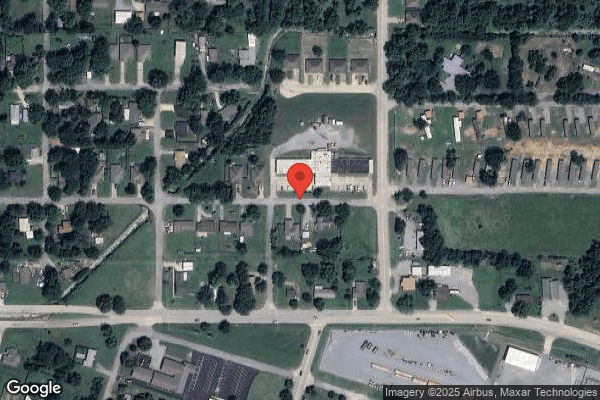
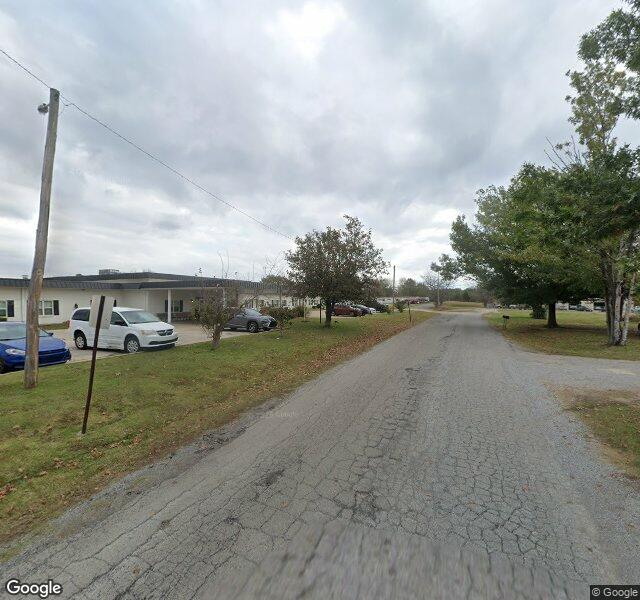
615 E MORRIS AVE, MCALESTER, OK 74501 (918) 426-4010
For profit - Limited Liability company 63 Beds BRADFORD MONTGOMERY Data: November 2025 1 Immediate Jeopardy citation
Trust Grade
26/100
#241 of 282 in OK
Last Inspection: July 2024

Within standard 12-15 month inspection cycle. Federal law requires annual inspections.

Overview

McAlester Nursing & Rehab has received a Trust Grade of F, indicating significant concerns about the facility's quality and care. With a state rank of #241 out of 282 in Oklahoma, they are in the bottom half of all facilities, and #5 out of 6 in Pittsburg County means there is only one local option performing worse. The situation at the facility is worsening, with the number of issues increasing from 5 in 2023 to 9 in 2024. While staffing turnover is impressively low at 0%, the overall staffing rating is just 2 out of 5 stars, indicating below-average staffing levels. The facility has incurred $17,193 in fines, which is concerning and suggests repeated compliance issues. RN coverage is less than 85% of Oklahoma facilities, meaning residents might not receive the attentive care they need. Specific incidents of concern include a resident who went missing and suffered injuries after being found outside the facility due to inadequate supervision, and another incident where a CNA was observed slapping a resident, raising serious abuse concerns. Although there are strengths in low staff turnover, the overall environment appears to have serious weaknesses that families should consider carefully.

Trust Score
F
26/100
In Oklahoma
#241/282
Bottom 15%
Safety Record
High Risk
Review needed
Inspections
Getting Worse
5 → 9 violations
Staff Stability
○ Average
Turnover data not reported for this facility.
Penalties
○ Average
$17,193 in fines. Higher than 72% of Oklahoma facilities. Some compliance issues.
Skilled Nurses
⚠ Watch
Each resident gets only 11 minutes of Registered Nurse (RN) attention daily — below average for Oklahoma. Fewer RN minutes means fewer trained eyes watching for problems.
Violations
⚠ Watch
14 deficiencies on record. Higher than average. Multiple issues found across inspections.
★☆☆☆☆
1.0
Overall Rating
★★☆☆☆
2.0
Staff Levels
★☆☆☆☆
1.0
Care Quality
★☆☆☆☆
1.0
Inspection Score
Stable
2023: 5 issues
2024: 9 issues

The Good

  • Full Sprinkler Coverage · Fire safety systems throughout facility
  • No fines on record

Facility shows strength in fire safety.

The Bad

1-Star Overall Rating

Below Oklahoma average (2.6)

Significant quality concerns identified by CMS

Federal Fines: $17,193

Below median ($33,413)

Minor penalties assessed

Chain: BRADFORD MONTGOMERY

Part of a multi-facility chain

Ask about local staffing decisions and management

The Ugly 14 deficiencies on record

1 life-threatening 1 actual harm
Nov 2024 1 deficiency 1 IJ
CRITICAL (J) 📢 Someone Reported This

A family member, employee, or ombudsman was alarmed enough to file a formal complaint

Immediate Jeopardy (IJ) - the most serious Medicare violation

Accident Prevention (Tag F0689)

Someone could have died · This affected 1 resident

**NOTE- TERMS IN BRACKETS HAVE BEEN EDITED TO PROTECT CONFIDENTIALITY** An IJ was identified from 11/17/24 through 11/21/24. The deficient practice remained at isolated level of a potential for harm. ...

Read full inspector narrative →
**NOTE- TERMS IN BRACKETS HAVE BEEN EDITED TO PROTECT CONFIDENTIALITY** An IJ was identified from 11/17/24 through 11/21/24. The deficient practice remained at isolated level of a potential for harm. On 11/21/24, an Immediate Jeopardy (IJ) situation was determined to exist related to the facility's failure to to provide adequate supervision to prevent elopement for a resident with severe cognitive impairment and elopement seeking behaviors, and to educate staff on how to identify residents at risk for elopement. On 11/17/24, Resident #1 was reported missing from the facility and found one block away from a driver passing by. Resident #1 stepped off the curb and fell to their knees and was transported to the ER. This resulted in Resident #1 acquiring a closed head injury, laceration of the face requiring sutures, and an abrasion of the knee. On 11/21/24 at 2:45 p.m., the Oklahoma State Department of Health was notified and verified the existence of an IJ situation. On 11/21/24 at 2:51 p.m., the administrator and DON were notified of the IJ situation and the IJ template was provided. On 11/21/24 at 4:51 p.m., an acceptable plan of removal was approved by the Oklahoma State Department of Health. The plan of removal documented the total number of residents at risk for the same deficient practice was three. It documented the actions to remove the immediacy of the alleged deficient practice were the following: a. on 11/17/24, Resident #1 was placed on one on one supervision when they returned to the facility, b. on 11/18/24, a care plan meeting was scheduled with Resident #1's family to discuss a safer and more appropriate setting such as an Alzheimer unit and information was provided on facilities with locked units, c. after the care plan meeting, Resident #1's family made the decision to discharge the resident home on [DATE] to seek a locked unit, d. on 11/18/24, all residents were educated to not let other residents out of the doors without consulting a nurse, e. signage was placed on exits and entry doors informing visitors, staff, and residents to be aware and not allow residents to exit the facility, f. an elopement risk manual was implemented that contained all residents that were elopement risk, g. on 11/21/24 at 2:56 p.m., all 54 staff were inserviced in person and by phone on the location of the manual and to check it prior to starting their shift each day to determine who was at risk for elopement, and h. all residents deemed an elopement risk, assessments were updated and the form with the residents picture was placed in the manual. It documented action taken to prevent recurrence of the alleged deficient practice were the following: a. the administrator or DON will monitor 3-5 employees weekly for 30 days to ensure they are proficient in where to locate the elopement risk manual and monitoring would continue until all employees could voice proficiency, b. all new staff will be educated upon hire to the location of the elopement risk manual and sign acknowledgment, and c. any new resident identified with exit seeking behavior will have a new elopement risk assessment completed with care plan and the elopement identification form will be placed in the elopement risk manual. The IJ was lifted, effective 11/21/24 at 4:52 p.m., when all components of the plan of removal had been verified as completed. The deficient practice remained isolated with the potential for more than minimal harm. Based on observation, record review, and interview, the facility failed to provide adequate supervision to prevent elopement for a resident with severe cognitive impairment and elopement seeking behaviors and to educate staff on how to identify residents at risk for elopement for one (#1) of three sampled residents reviewed for elopement. The DON identified 46 residents resided in the facility and two residents were at risk for elopement. Findings: The facility's Elopements policy, revised 12/2007, read in part, staff shall promptly report and resident who tries to leave the premises or is suspected of being missing to the Charge Nurse or Director of Nursing. Resident #1 was admitted to the facility on [DATE] with diagnoses which included anxiety disorder and dementia. Resident #1's Elopement Risk Evaluation, dated 11/13/24, did not document any wandering behaviors or exit seeking behaviors. Resident #1's Care Plan, revised 11/13/24, read in part, [name withheld] could be at risk for Elopement as [they] voices [they] want to go home. It documented the following interventions: a. clearly identify resident's room and bathroom, b. identify if there is a certain time of day wandering/ elopement attempts occur, c. provide care in a calm and reassuring manner, e. provide clear, simple instructions, and f. provide reorientation to surroundings, environment. The care plan did not document wandering, exit seeking behaviors, or visual checks. An Administration Note, dated 11/15/24 at 7:58 p.m., documented Resident #1 was upset, pacing the halls, cursing, and attempting to exit the doors. It documented Resident #1 was angry when redirected. A Behavior Note, dated 11/16/24 at 12:30 p.m., documented Resident #1 was carrying laundry hampers, pacing hallways, going door to door, and wanting to go home. It documented the resident was showing signs of agitation. An initial State Reportable Incident, dated 11/17/24, documented Resident #1 was reported missing to the administrator at 10:07 a.m. during a visual check. It was documented Resident #1 was found one block away by a driver passing by. It documented Resident #1 stepped off the curb and fell to their knees and was transported to the emergency room arriving at 10:08 a.m Resident #1's [Name withheld] ER, report, dated 11/17/24, documented Resident #1 was treated for a CHI (closed head injury), complex laceration of the face requiring non-dissolvable sutures, and an abrasion of the knee. Resident #1's discharge assessment, dated 11/18/24, documented the resident's cognition was significantly impaired. It documented the resident exhibited the behavior of wandering for 1-3 days. On 11/21/24 at 8:47 a.m., the DON stated Resident #1 was placed on Q15 minutes visual checks on 11/15/24 after elopement seeking behavior ,but they did not care plan the Q15 minute checks or reassess Resident #1 for elopement risk. The DON stated it was Friday night when they observed the resident with exit seeking behaviors when they were leaving for the day. On 11/21/24 at 9:52 a.m., CNA # 2 was asked how they identified which residents were at risk for elopement. CNA #2 stated there was a list of residents at risk for elopement at the nurses station. On 11/21/24 at 9:56 a.m., CNA #3 was asked how they identified which residents were at risk for elopement. CNA #3 stated there was a list of residents at risk for elopement at the nurses station. On 11/21/24 at 10:00 a.m., CNA #4 was asked how they identified which residents were at risk for elopement. CNA #4 stated some residents wore red bracelets and the care plan was used to identify residents at risk for elopement. There was no observation of a list of at risk residents for elopement and residents were not observed wearing red bracelets. On 11/21/24 at 1:08 p.m., the administrator was asked about the list of residents at risk for elopement and the red bracelets. The administrator stated there was not a process in place to identify residents at risk for elopement and there was not a list or red bracelets used to identify at risk residents for elopement. They stated they were unsure how the resident eloped from the facility.
Jul 2024 8 deficiencies
CONCERN (D)

Potential for Harm - no one hurt, but risky conditions existed

Deficiency F0574 (Tag F0574)

Could have caused harm · This affected 1 resident

Based on observation, record review, and interview, the facility failed to ensure information on how to file a formal complaint with the State agency was visible to the residents. The Administrator id...

Read full inspector narrative →
Based on observation, record review, and interview, the facility failed to ensure information on how to file a formal complaint with the State agency was visible to the residents. The Administrator identified 43 residents resided in the facility. Findings: On 07/30/24 at 10:05 a.m., a meeting with the Resident Council Group was held. They stated they had not been informed of their right and given information on how to formally complain to the State about the care they were receiving. On 07/30/24 at 10:39 a.m., the Long Term Care Facility Complaint Procedure form was observed on a brown board next to the dining room. Only the top part of the form was visible. A plastic sleeve that contained survey results was observed covering the bottom half of the form. There was no contact information, mailing address, e-mail address, or telephone number for filing a formal complaint to the State viewable. On 07/30/24 at 11:02 a.m., Social Services stated they went over resident rights and how to file a grievance during Resident Council meetings. They stated as far as with the State agency, they didn't have a certain form. They stated, if they had a problem, they could speak with Social Services. They stated they had never had a resident who wanted to file a report with the State. On 07/30/24 at 11:05 a.m., the Administrator and Social Services walked over to the brown board to observe the Long Term Care Facility Complaint Procedure form. The Administrator stated the forms got moved around. They stated the contact information was not viewable at that time because someone had covered it. They stated staff did not cover it.
CONCERN (D)

Potential for Harm - no one hurt, but risky conditions existed

Deficiency F0577 (Tag F0577)

Could have caused harm · This affected 1 resident

Based on observation, record review, and interview, the facility failed to ensure residents had access to the most recent survey results conducted by State surveyors. The Administrator identified 43 r...

Read full inspector narrative →
Based on observation, record review, and interview, the facility failed to ensure residents had access to the most recent survey results conducted by State surveyors. The Administrator identified 43 residents resided in the facility. Findings: A complaint investigation was conducted at the facility on 12/11/23. On 07/30/24 at 10:05 a.m., a meeting with the Resident Council Group was held. They stated they did not know how to access the results of the State inspections. They stated the facility had not informed them. On 07/30/24 at 10:39 a.m., there were State survey results observed in a clear plastic sleeve on a brown board next to the dining room. There was no sign indicating these were the State survey results. The survey results located inside were dated 06/28/23. On 07/30/24 at 10:52 a.m., the survey results for the 12/11/23 complaint survey conducted at the facility were not observed in the clear plastic sleeve. On 07/30/24 at 10:57 a.m., Social Services stated survey results were usually posted up by one of the west doors. Social Services stated they honestly didn't share where to find the survey results with the residents. They stated they had just taken over social services and they did go over resident rights with the Resident Council Group. They stated in April 2024, the right to be fully informed, which included the right to the results of survey, was gone over with the Resident Council Group. On 07/30/24 at 11:05 a.m., Social Services and the Administrator walked over to the brown board to observe the survey results. On 07/30/24 at 11:07 a.m., the Administrator reviewed the contents of the clear plastic sleeve and stated it was the facility's last survey dated 06/28/24. They stated the 12/11/23 complaint survey should have been in there, but it wasn't.
CONCERN (D)

Potential for Harm - no one hurt, but risky conditions existed

Deficiency F0678 (Tag F0678)

Could have caused harm · This affected 1 resident

**NOTE- TERMS IN BRACKETS HAVE BEEN EDITED TO PROTECT CONFIDENTIALITY** Based on record review and interview, the facility failed to ensure a resident's code status was updated in the care plan for on...

Read full inspector narrative →
**NOTE- TERMS IN BRACKETS HAVE BEEN EDITED TO PROTECT CONFIDENTIALITY** Based on record review and interview, the facility failed to ensure a resident's code status was updated in the care plan for one (#38) of 12 sampled residents reviewed for code status. The Administrator identified 43 residents resided in the facility. Findings: A Care Plans, Comprehensive Person-Centered policy, revised December 2016, documented assessments of residents were ongoing and care plans were revised as information about the residents and the residents' conditions changed and when a resident had been readmitted to the facility from a hospital stay. Resident #38 admitted on [DATE] with diagnoses which include myocardial infarction and atherosclerotic heart disease of the native coronary artery without angina pectoris. A Care Plan, dated 05/03/24, documented Resident #38 had chosen a full code and staff were to follow full code protocol. A Physician's order, dated 06/27/24, documented Resident #38's code status as DNR. Resident #38's chart had an orange sticker on the front and the side that documented DNR. A DNR form, in Resident #38's clinical record was signed by their guardian. On 07/31/24 at 2:01 p.m., MDS Coordinator #1 stated the resident's code status was DNR. They stated the care plan documented Resident #38 was a full code.
CONCERN (D)

Potential for Harm - no one hurt, but risky conditions existed

Deficiency F0761 (Tag F0761)

Could have caused harm · This affected 1 resident

Based on observation, record review, and interview, the facility failed to ensure medications were not left at a resident's bedside for one (#39) of 16 residents observed for bedside medications. The ...

Read full inspector narrative →
Based on observation, record review, and interview, the facility failed to ensure medications were not left at a resident's bedside for one (#39) of 16 residents observed for bedside medications. The Administrator identified 43 residents resided in the facility. The DON identified no residents with orders to self-administer medications. Findings: A Medication Storage in the Facility policy, revised 08/14, read in part, .Medications and biologicals are stored safely, securely, and properly .Only licensed nurses, pharmacy personnel, and those lawfully authorized to administer medications .permitted to access medications . Resident #39 had diagnoses which included hepatic encephalopathy, metabolic encephalopathy, and cirrhosis of the liver. Resident #39's July 2024 Physician Order's did not contain an order to self-administer medications. On 07/28/24 at 9:37 a.m., Resident #39 stated they noticed a white pill they hadn't been taking during medication pass. They stated the staff was going to go and see what the medication was. Resident #39 stated the staff reported it was oxxybutynin, but the resident didn't believe that pill was white. They stated staff had brought them the medication maybe 45 minutes ago. There was one white medicine cup with one white pill observed on the resident's bedside table. On 07/28/24 at 10:06 a.m., Resident #39 stated CMA #3 was who passed their medications today. There was also a container of Vicks vapo stick no mess observed next to the resident's bed. They stated they used it when they had Covid-19. They stated they had asked their family member to bring it to them. They stated they knew they were not supposed to do that. On 07/28/24 at 10:08 a.m., CMA #3 stated they would go into a resident's room, introduce themselves, give them their medication, and watch them take it, then give them water. They stated they always took the empty cup. They stated they did not have any residents who self-administered their medications. They stated Resident #39 likes to hold [their] bladder pill. They stated they were not sure the reason the Vicks was in the room. On 07/28/24 at 10:10 a.m., the DON stated there was paperwork to complete if a resident wanted to self-administer medications. They stated they did not believe there were any residents who could self-administer medications in the facility. The Administrator stated staff should be watching the residents take their medications. The DON stated staff should punch, initial, and give the medications.
CONCERN (D)

Potential for Harm - no one hurt, but risky conditions existed

Food Safety (Tag F0812)

Could have caused harm · This affected 1 resident

Based on observation, record review, and interview, the facility failed to ensure meat products were thawed in a manner to prevent cross-contamination for one of two kitchen observations. The Administ...

Read full inspector narrative →
Based on observation, record review, and interview, the facility failed to ensure meat products were thawed in a manner to prevent cross-contamination for one of two kitchen observations. The Administrator identified 43 residents resided in the facility. The DON identified one resident who received nothing by mouth. Findings: A Food Receiving and Storage policy, revised 10/17, read in part, Foods shall be received and stored in a manner that complies with safe food handling practices .Uncooked and raw animal products and fish will be stored separately in drip-proof containers . On 07/28/24 at 9:00 a.m., there was a grey container observed on the bottom shelf of the walk in cooler. There was one clear wrapped container of meat labeled ground beef that was dated 07/11/24. In the same container, there were two partially frozen hams with a use by date of 10/29/24. There was a red liquid substance noted at the bottom of the container the meats were stored in. On 07/28/24 at 9:10 a.m., the Dietary Manager stated the meats were supposed to be separated. They stated both items required cooking before eating. They stated the red liquid was blood. On 07/28/24 at 9:22 a.m., the Dietary Manager and [NAME] #2 discarded the above meat products into the outside trash can.
CONCERN (E)

Potential for Harm - no one hurt, but risky conditions existed

Assessment Accuracy (Tag F0641)

Could have caused harm · This affected multiple residents

Based on record review and interview, the facility failed to ensure Resident Assessments were accurately coded for two (#39 and #50) of 13 sampled residents reviewed for accurate assessments. The Admi...

Read full inspector narrative →
Based on record review and interview, the facility failed to ensure Resident Assessments were accurately coded for two (#39 and #50) of 13 sampled residents reviewed for accurate assessments. The Administrator identified 43 residents resided in the facility. Findings: 1. Resident #39 had diagnoses which included hepatic encephalopathy, metabolic encephalopathy, and cirrhosis of the liver. Resident #39's physical therapy treatment notes documented they received services on 06/26/24, 06/27/24, and 07/01/24. A Quarterly Resident Assessment, dated 07/01/24, documented Resident #39 did not receive physical therapy services. On 07/30/24 at 3:22 p.m., MDS Coordinator #1 stated they would code a resident received therapy services in section O of the Resident Assessment. They stated therapy brought them a log to identify what residents had received therapy services. They stated no therapy services were coded on Resident #39's assessment. MDS Coordinator #1 reviewed Resident #39's physical therapy records and stated the 06/26, 06/27, and 07/01/24 physical therapy services should have been captured on the Resident Assessment. 2. Resident #50 had diagnoses which included chronic kidney disease stage four. A Physician Order, dated 05/17/24, documented admit to hospice with a diagnosis of renal failure stage four. Resident #50's Significant Change Resident Assessment, dated 05/29/24, documented no for the question Prognosis: life expectancy of less than [six] months. On 07/30/24 at 9:37 a.m., MDS Coordinator #1 stated to ensure Resident Assessments were accurate, they would complete an assessment on the resident, look at the chart, and tried their best to get the right answer. They stated they would mark yes on the question for prognosis life expectancy less than six months if the resident was on hospice and if the physician deemed it that way. MDS Coordinator #1 reviewed Resident #50's record and identified the start date for hospice services was 05/17/24. They stated I put no on the prognosis life expectancy less than six months. They stated it was not accurately coded.
CONCERN (E)

Potential for Harm - no one hurt, but risky conditions existed

Deficiency F0657 (Tag F0657)

Could have caused harm · This affected multiple residents

Based on record review and interview, the facility failed to ensure a care plan was updated related to an unstageable pressure ulcer for one (#152) of 12 sampled residents reviewed for care plans. The...

Read full inspector narrative →
Based on record review and interview, the facility failed to ensure a care plan was updated related to an unstageable pressure ulcer for one (#152) of 12 sampled residents reviewed for care plans. The Administrator identified 43 residents resided in the facility. Findings: Resident #152 had diagnosis which included unstageable pressure ulcer. A nursing note, dated 07/18/24, documented Resident #152 had readmitted to the facility with a 5.0 cm in length by 3.0 cm in width by 0.1 cm in depth moisture associated wound to their right buttock. A Physician's order, dated 07/26/24, documented, clarification order clean unstageable area on buttock with wound wash, pat dry, apply hydrogel and collagen. cover area with foam dressing every day and PRN x 14 days then re-evaluate. There was no documentation of Resident #152's unstageable pressure ulcer in the care plan. On 07/31/24 at 9:39 a.m., MDS Coordinator #1 stated they had not updated the care plan since Resident #152 had returned from the hospital.
CONCERN (E)

Potential for Harm - no one hurt, but risky conditions existed

Medical Records (Tag F0842)

Could have caused harm · This affected multiple residents

**NOTE- TERMS IN BRACKETS HAVE BEEN EDITED TO PROTECT CONFIDENTIALITY** Based on observation, record review, and interview, the facility failed to ensure accurate documentation of blood pressure for o...

Read full inspector narrative →
**NOTE- TERMS IN BRACKETS HAVE BEEN EDITED TO PROTECT CONFIDENTIALITY** Based on observation, record review, and interview, the facility failed to ensure accurate documentation of blood pressure for one (#6) of five sampled residents observed for medication pass. The administrator identified 43 residents resided in the facility. Findings: A Nursing Care Policies and Procedures, for blood pressures, revised 05/18/01, documented, A blood pressure measurement is taken to accurately determine the blood pressure to assist in diagnosis and to show progress and change in a resident's condition. Resident #6 admitted on [DATE], with diagnoses which included essential hypertension and tachycardia. A Physician's order, dated 06/08/24, documented metoprolol tartrate give 25 mg twice daily, hold if SBP is less than 110. On 07/31/24 at 10:08 a.m., LPN #1 obtained Resident #6's blood pressure with a wrist cuff. the blood pressure reading was 101/52 with a pulse of 101. On 07/31/24 at 10:09 a.m., LPN #1 stated, I always round up so it is 102/52. On 07/31/24 at 10:10 a.m., LPN #1 documented 102/52 on the MAR. On 07/31/24 at 10:33 a.m., LPN #1 stated the purpose of rounding up a blood pressure number was to have an even number. They stated it could affect the parameters. On 07/31/24 at 10:56 a.m., the DON stated the policy for complete and accurate recording of vitals signs was to record them at the time they were obtained. They stated the vital signs should be documented as read on the machine. They stated it was not okay to round up ever.
Dec 2023 1 deficiency 1 Harm
SERIOUS (G) 📢 Someone Reported This

A family member, employee, or ombudsman was alarmed enough to file a formal complaint

Actual Harm - a resident was hurt due to facility failures

Free from Abuse/Neglect (Tag F0600)

A resident was harmed · This affected 1 resident

Based on record review and interview, the facility failed to ensure a resident was free from abuse for one (#1) of three residents sampled for abuse. Two staff members witnessed CNA #1 slap and curse ...

Read full inspector narrative →
Based on record review and interview, the facility failed to ensure a resident was free from abuse for one (#1) of three residents sampled for abuse. Two staff members witnessed CNA #1 slap and curse Res #1 on 12/06/23 evening shift. The facility had put measures in place to correct the deficiency on 12/06/23. The administrator identified 45 residents who resided in the facility. Findings: Res #1 had diagnoses which included dementia with agitation and metabolic encephalopathy. A quarterly MDS assessment, dated 10/06/23, documented the resident was cognitively impaired, required supervision to touch assistance with transfers, and independent with a manual wheelchair. An incident report, dated 12/06/23, documented staff witnessed CNA #1 slap Res #1 twice to the head with open hand in the west hallway. A statement by CNA #1, dated 12/06/23, read in entirety, I went to [Res #2 name withheld] room [Res #1 name withheld] was in there [Res #2] was trying to hit [Res #1] with walker and I go to remove [Res #1] from the room and he hit me in the jaw as I was removing him he hit me again. I got him into the hallway he went to swing at me again I went to keep him from hitting me again I ended up slapping him in the back of the head when I swiped his arm away from my face. Record review revealed an abuse prevention inservice sign-in sheet with all staff signatures, dated 12/06/23, and inservice material which was included in the inservice. Staff interviews were conducted and staff voiced knowledge of the the inservice on the 12/06/23 and other staff voiced they had to be inserviced over abuse prevention before working their shift. Interviews with residents were conducted and there were no residents who had complaints related to abuse or being afraid of any staff members. On 12/11/23 at 10:45 a.m., during an interview, DA #1 stated on 12/06/23 around 6:00 p.m., DA #1 and [NAME] #1 were in the lobby. They heard yelling from the [NAME] Hall. DA #1 stated the nurse was asked if they would go down to see what was wrong. DA stated as they were walking down the hall, they saw CNA #1 push Res #1 in his w/c backwards from Res #2's room into the hall. They then saw the CNA go back into Res #2's room then came right back out. DA #1 stated they saw CNA #1 hit Res #1 with an opened hand to one side of the head and then hit the resident with the other open hand to the other side of the head. DA #1 stated they heard CNA #1 say at that time, You stupid son of a bitch I told you don't ever hit me in my face again. DA #1 stated CNA #1 then walked down the hall. DA#1 stated the resident at that time stated, They attacked me, call the cops. The DA stated they took the resident to the nurse station and reported what had happened to the nurse and [NAME] #1 went to report the incident to the ADON. The DA stated they did not observed any injuries to the resident. On 12/11/23 at 12:33 p.m., [NAME] #1 stated on 12/06/23 at approximately 6:00, [NAME] #1 and DA #1 were in the lobby and heard yelling. [NAME] #1 stated the nurse, who was busy at the medication cart, said that it sounded like Res #2 and would we go check to see what was wrong. The cook stated [NAME] #1 and DA #1 went down the [NAME] Hall saw CNA shove Res #1 in the w/c out of Res #2's room backwards. [NAME] #1 stated CNA #1 went back in Res #2's room and then came right back out and slapped the resident with an opened hand on the side of the resident's head and then slap the resident on the other side of the head. The cook stated they heard CNA #1 say, I told you to never hit me in my fucking face again you son of a bitch, then walk off down the hall. The cook stated the resident said, They attacked me call the police. [NAME] #1 stated they did not see any marking or redness on the resident and then took the resident to the nurse station. The cook stated she immediately went to tell the ADON. She stated the ADON called CNA #1 to the office and then CNA #1 left the building. On 12/11/23 at 12:59 p.m., the DON stated they received a call from the ADON at 6:05 p.m. related to the abuse incident and was at the facility in a matter of minutes. The DON stated the resident was assessed thoroughly, including neuro checks, and no injuries or markings were observed on the resident. The DON stated when she arrived the residents could not recall the incident. The DON stated they called the police, the physician, and the family. The DON stated they reported to OSDH, the nurse aide registry, and APS. The DON stated the CNA was terminated on 12/06/23. On 12/11/23 at 1:34 p.m., the administrator stated an inservice over abuse prevention was conducted on 12/06/23 with staff present, and other staff members were inserviced at the beginning of their shift. On 12/11/23 at 1:53 p.m., Res #1 was asked if he had been hit or abused by any one at the facility. He stated, No. The resident was asked if any one had cursed at him at the facility. He stated, No. The resident was unable to recall the incident. On 12/11/23 at 2:35 p.m., the resident's guardian stated they were notified of the incident. They stated the resident did not sustain any injuries and could not remember the incident. They stated the facility handled the situation well and had no complaints.
Jun 2023 4 deficiencies
CONCERN (D)

Potential for Harm - no one hurt, but risky conditions existed

Comprehensive Care Plan (Tag F0656)

Could have caused harm · This affected 1 resident

Based on observation, record review, and interview, the facility failed to ensure a care plan was developed for one (#13) of one resident sampled with a skin condition and one (#26) of one sampled res...

Read full inspector narrative →
Based on observation, record review, and interview, the facility failed to ensure a care plan was developed for one (#13) of one resident sampled with a skin condition and one (#26) of one sampled resident with oxygen therapy. The DON identified one resident who had psoriasis (a skin condition) and six residents with oxygen therapy. Findings: 1. A physician order, dated 05/30/23, documented betamethasone (a steroid cream) 0.05% apply topically to affected areas twice daily as needed for psoriasis. A physician order, dated 05/30/23, documented Stelara (immunosuppressant drug) 90mg/ml inject one ml SQ every 12 weeks. On 06/26/23 at 12:45 p.m., Res #13 was observed to have large red areas on their torso, both arms, and legs. Res #13 was scratching and picking at the red areas. Res #13 reported they had psoriasis and stated, it has flared up and is bad. There was no care plan for Res #13's psoriasis. On 06/28/23 at 9:15 a.m., the MDS coordinator reported Res #13's psoriasis had been care planned and Res #13's skin had improved so the care plan was resolved. The MDS Coordinator also reported they should have care planned the psoriasis when it flared up again and new medications were started. 2. Res #26 was admitted with diagnoses which included chronic lung disease. A hospice order, dated 05/27/23 documented oxygen 3 L via nc continously. An annual assessment, dated 06/19/23, did not contain documentation of oxygen therapy for Res #26. There was no care plan for Res #26's oxygen therapy. On 06/26/23 at 9:00 a.m., Res #26 and family member reported Res #26 utilized oxygen while sleeping. On 06/27/23 at 8:47 a.m., Res #26 was observed with oxygen at three liters per minute via nasal cannula. On 06/27/23 at 8:48 a.m., a family member reported the staff had placed the oxygen on Res #26 following a shower. On 06/26/23, at 2:30 p.m., the MDS coordinator reported a significant change had been completed for the resident's admission to hospice and the care plan was in progress. The MDS coordinator also reported the oxygen therapy should have been included in the care plan.
CONCERN (E)

Potential for Harm - no one hurt, but risky conditions existed

MDS Data Transmission (Tag F0640)

Could have caused harm · This affected multiple residents

Based on record review and interview, the facility failed to ensure resident MDS assessments were transmitted to CMS in the required time frame for three (#10, 24, and #37) of three residents sampled ...

Read full inspector narrative →
Based on record review and interview, the facility failed to ensure resident MDS assessments were transmitted to CMS in the required time frame for three (#10, 24, and #37) of three residents sampled for MDS transmission. The Census and Conditions of Residents form, dated 06/28/23, documented a census of 43 residents. Findings: A CMS Submission Report, dated 06/27/23, documented an annual assessment for Res #10 with a target date of 04/16/23 was transmitted on 06/27/23, an annual assessment for Res #24 with a target date of 05/07/23 was transmitted on 06/27/23, and an annual assessment for Res #37 with a target date of 04/19/23 was transmitted on 06/27/23. On 06/27/23 at 3:30 p.m., the MDS coordinator reported the resident assessments were transmitted by the corporate office. The MDS coordinator reported the resident assessments for Res #10, #24, and #37 should have been transmitted within the 14 day required time frame.
CONCERN (E)

Potential for Harm - no one hurt, but risky conditions existed

Quality of Care (Tag F0684)

Could have caused harm · This affected multiple residents

Based on record review and interview, the facility failed to ensure insulin was held and blood sugars were obtained per physician's orders for one (#6) of one resident reviewed for diabetic care. The ...

Read full inspector narrative →
Based on record review and interview, the facility failed to ensure insulin was held and blood sugars were obtained per physician's orders for one (#6) of one resident reviewed for diabetic care. The DON identified six residents with orders for insulin. Findings: Res #6 was admitted with diagnoses which included diabetes. A physician order, dated 01/14/22, documented to inject Novolog (Insulin to lower blood sugar) 10 U SQ TID at 0700, 1130 and 1630. Hold if FSBS below 110. A physician order, dated 11/08/22, documented to check FSBS AC (before meals) & HS (bedtime). The Finger Stick Blood Sugar and Injection log for April 2023 documented the following: On 04/01/23 at 4:00 p.m. - FSBS (blood sugar) was 90 and insulin was administered. On 04/09/23 at 4:00 p.m. - No FSBS reading was documented and insulin was administered. On 04/22/23 at 8:00 p.m. - No FSBS reading was documented On 04/23/23 at 4:00 p.m. & 8:00 p.m. - No FSBS reading was documented On 04/28/23 at 4:00 p.m. & 8:00 p.m. - No FSBS reading was documented On 04/29/23 at 6:00 a.m. - No FSBS reading was documented On 04/30/23 at 1100 - No FSBS reading was documented A physician order, dated 05/02/23, documented to perform FSBS AC & HS. A physician's order, dated 05/02/23, documented to inject Novolog 10 U SQ TID with meals. Hold if FSBS below 110. The Finger Stick Blood Sugar and Injection log for May 2023 documented the following: On 05/04/23 at 4:00 p.m. - FSBS was 86 and insulin was administered, On 05/05/23 at 4:00 p.m. - FSBS was 106 and insulin was administered, On 05/06/23 at 11:00 a.m. - FSBS was 93 and insulin was administered, On 05/08/23 at 8:00 a.m. - FSBS was 96 and insulin was administered, On 05/09/23 at 4:00 p.m. - FSBS was 71 and insulin was administered, On 05/10/23 at 4:00 p.m. - FSBS was 106 and insulin was administered, On 05/16/23 at 11:00 a.m. - FSBS was 92 and insulin was administered, On 05/18/23 at 11:00 a.m. - No FSBS reading was documented and insulin was administered, On 05/24/23 at 4:00 p.m. - No FSBS reading was documented and insulin was administered, and On 05/29/23 at 4:00 p.m. and 8:00 p.m. - No FSBS reading was documented. The Finger Stick Blood Sugar and Injection log for June 2023 documented the following: On 06/03/23 at 4:00 p.m. - No FSBS reading was documented and insulin was administered On 06/04/23 at 4:00 p.m. - FSBS was 71 and insulin was administered On 06/09/23 at 4:00 p.m. - FSBS was 109 and insulin administered On 06/18/23 at 11:00 a.m. - No FSBS reading was documented On 06/25/23 at 4:00 p.m. - FSBS was 100 and insulin was administered On 06/27/23 at 3:45 p.m., the DON reported the staff should not have administered insulin when Res #6's FSBS was below 110 and should have documented the blood sugar results.
CONCERN (E)

Potential for Harm - no one hurt, but risky conditions existed

Respiratory Care (Tag F0695)

Could have caused harm · This affected multiple residents

Based on observation, record review, and interview, the facility failed to ensure oxygen tubing and humidifier bottles were labeled per physician orders for three (#13, 26 and #28) of three sampled re...

Read full inspector narrative →
Based on observation, record review, and interview, the facility failed to ensure oxygen tubing and humidifier bottles were labeled per physician orders for three (#13, 26 and #28) of three sampled residents reviewed for oxygen therapy. The DON identified six residents on oxygen therapy. Findings: 1. Res #13 had diagnoses which included COPD and pulmonary hypertension. A physician order, dated 05/25/23, documented to change O2 concentrator humidifier bottle weekly on Sunday 10-6 shift and PRN and date bottle. A physician order, dated 05/25/23, documented to change O2 tubing weekly on Sunday 10-6 shift and PRN if contaminated and date O2 tubing. On 06/26/23 at 9:00 a.m., Res #13's oxygen was in use with tubing and humidifier bottle not labeled or dated. On 06/27/23 at 8:45 a.m., Res #13's oxygen was in use with tubing and humidifier bottle not labeled or dated. 2. Res #26 had diagnoses which included chronic lung disease. A hospice order, dated 05/27/23, documented to provide oxygen 3L via NC continuously. On 06/27/23 at 8:37, Res #26 was observed with oxygen at 3L per NC, there was no label on the tubing or humidifier. 3. Res #28 had diagnoses which included chronic respiratory failure with hypoxia and hypercapnia. A physician order, dated 07/01/22, documented to change O2 tubing weekly on Sunday 10-6 shift and PRN if contaminated and date O2 tubing. A physician order, dated 07/01/22, documented to change O2 concentrator humidifier bottles weekly on Sunday 10-6 shift and PRN and date bottle. On 06/26/23 at 9:25 a.m., Res #28's oxygen was in use with tubing and humidifier bottle not labeled or dated. On 06/27/23 at 8:35 a.m., Res #28's oxygen was in use with tubing and humidifier bottle not labeled or dated. On 06/27/23 at 4:00 p.m., the DON reported the oxygen tubing and humidifier bottles were to be changed and labeled weekly per the physician orders.
Understanding Severity Codes (click to expand)
Life-Threatening (Immediate Jeopardy)
J - Isolated K - Pattern L - Widespread
Actual Harm
G - Isolated H - Pattern I - Widespread
Potential for Harm
D - Isolated E - Pattern F - Widespread
No Harm (Minor)
A - Isolated B - Pattern C - Widespread

Questions to Ask on Your Visit

  • "What changes have you made since the serious inspection findings?"
  • "Can I speak with families of current residents?"
  • "What's your RN coverage like on weekends and overnight?"

Our Honest Assessment

Strengths
  • • Licensed and certified facility. Meets minimum state requirements.
Concerns
  • • Multiple safety concerns identified: 1 life-threatening violation(s), 1 harm violation(s). Review inspection reports carefully.
  • • 14 deficiencies on record, including 1 critical (life-threatening) violation. These warrant careful review before choosing this facility.
  • • $17,193 in fines. Above average for Oklahoma. Some compliance problems on record.
  • • Grade F (26/100). Below average facility with significant concerns.
Bottom line: Trust Score of 26/100 indicates significant concerns. Thoroughly evaluate alternatives.

About This Facility

What is Mcalester Nursing & Rehab's CMS Rating?

CMS assigns MCALESTER NURSING & REHAB an overall rating of 1 out of 5 stars, which is considered much below average nationally. Within Oklahoma, this rating places the facility higher than 0% of the state's 100 nursing homes. A rating at this level reflects concerns identified through health inspections, staffing assessments, or quality measures that families should carefully consider.

How is Mcalester Nursing & Rehab Staffed?

CMS rates MCALESTER NURSING & REHAB's staffing level at 2 out of 5 stars, which is below average compared to other nursing homes.

What Have Inspectors Found at Mcalester Nursing & Rehab?

State health inspectors documented 14 deficiencies at MCALESTER NURSING & REHAB during 2023 to 2024. These included: 1 Immediate Jeopardy (the most serious level, indicating potential for serious harm or death), 1 that caused actual resident harm, and 12 with potential for harm. Immediate Jeopardy findings are rare and represent the most serious regulatory concerns. They require immediate corrective action.

Who Owns and Operates Mcalester Nursing & Rehab?

MCALESTER NURSING & REHAB is owned by a for-profit company. For-profit facilities operate as businesses with obligations to shareholders or private owners. The facility is operated by BRADFORD MONTGOMERY, a chain that manages multiple nursing homes. With 63 certified beds and approximately 48 residents (about 76% occupancy), it is a smaller facility located in MCALESTER, Oklahoma.

How Does Mcalester Nursing & Rehab Compare to Other Oklahoma Nursing Homes?

Compared to the 100 nursing homes in Oklahoma, MCALESTER NURSING & REHAB's overall rating (1 stars) is below the state average of 2.6 and health inspection rating (1 stars) is much below the national benchmark.

What Should Families Ask When Visiting Mcalester Nursing & Rehab?

Based on this facility's data, families visiting should ask: "What changes have been made since the serious inspection findings, and how are you preventing similar issues?" "Can you walk me through typical staffing levels on day, evening, and night shifts?" "Can I visit during a mealtime to observe dining assistance and food quality?" "How do you handle medical emergencies, and what is your hospital transfer rate?" These questions are particularly relevant given the facility's Immediate Jeopardy citations and the below-average staffing rating.

Is Mcalester Nursing & Rehab Safe?

Based on CMS inspection data, MCALESTER NURSING & REHAB has documented safety concerns. Inspectors have issued 1 Immediate Jeopardy citation (the most serious violation level indicating risk of serious injury or death). The facility has a 1-star overall rating and ranks #100 of 100 nursing homes in Oklahoma. Families considering this facility should ask detailed questions about what corrective actions have been taken since these incidents.

Do Nurses at Mcalester Nursing & Rehab Stick Around?

MCALESTER NURSING & REHAB has not reported staff turnover data to CMS. Staff turnover matters because consistent caregivers learn residents' individual needs, medications, and preferences. When staff frequently change, this institutional knowledge is lost. Families should ask the facility directly about their staff retention rates and average employee tenure.

Was Mcalester Nursing & Rehab Ever Fined?

MCALESTER NURSING & REHAB has been fined $17,193 across 2 penalty actions. This is below the Oklahoma average of $33,251. While any fine indicates a compliance issue, fines under $50,000 are relatively common and typically reflect isolated problems that were subsequently corrected. Families should ask what specific issues led to these fines and confirm they've been resolved.

Is Mcalester Nursing & Rehab on Any Federal Watch List?

MCALESTER NURSING & REHAB is not on any federal watch list. The most significant is the Special Focus Facility (SFF) program, which identifies the bottom 1% of nursing homes nationally based on persistent, serious quality problems. Not being on this list means the facility has avoided the pattern of deficiencies that triggers enhanced federal oversight. This is a positive indicator, though families should still review the facility's inspection history directly.