MIDWEST CITY POST ACUTE & REHAB
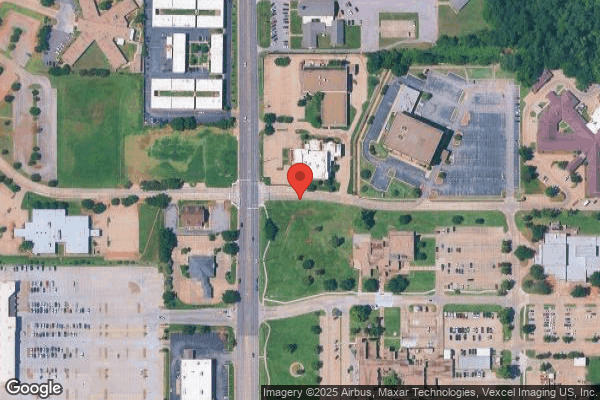
8200 NATIONAL AVENUE, MIDWEST CITY, OK 73110 (405) 737-8200
For profit - Limited Liability company 106 Beds INFINITY HEALTHCARE CONSULTING Data: November 2025 1 Immediate Jeopardy citation
Trust Grade
23/100
#245 of 282 in OK
Last Inspection: January 2025

Within standard 12-15 month inspection cycle. Federal law requires annual inspections.

Overview

Midwest City Post Acute & Rehab has received a Trust Grade of F, indicating significant concerns about the facility's quality and care. It ranks #245 out of 282 facilities in Oklahoma, placing it in the bottom half, and #32 out of 39 in Oklahoma County, suggesting very few local options are better. The facility is worsening, with issues increasing from 7 in 2024 to 10 in 2025, signaling a decline in care quality. Staffing is a notable strength, with a turnover rate of 0%, much lower than the state average, indicating that staff members remain with the facility. However, the facility has incurred $31,011 in fines, which is concerning and indicates compliance problems, along with critical incidents such as medication errors and failure to report allegations of abuse, raising serious safety concerns for residents.

Trust Score
F
23/100
In Oklahoma
#245/282
Bottom 14%
Safety Record
High Risk
Review needed
Inspections
Getting Worse
7 → 10 violations
Staff Stability
○ Average
Turnover data not reported for this facility.
Penalties
✓ Good
$31,011 in fines. Lower than most Oklahoma facilities. Relatively clean record.
Skilled Nurses
○ Average
RN staffing data not reported for this facility.
Violations
⚠ Watch
40 deficiencies on record. Higher than average. Multiple issues found across inspections.
★☆☆☆☆
1.0
Overall Rating
★☆☆☆☆
1.0
Staff Levels
★★☆☆☆
2.0
Care Quality
★★☆☆☆
2.0
Inspection Score
Stable
2024: 7 issues
2025: 10 issues

The Good

  • Full Sprinkler Coverage · Fire safety systems throughout facility
  • No fines on record

Facility shows strength in fire safety.

The Bad

1-Star Overall Rating

Below Oklahoma average (2.6)

Significant quality concerns identified by CMS

Federal Fines: $31,011

Below median ($33,413)

Moderate penalties - review what triggered them

Chain: INFINITY HEALTHCARE CONSULTING

Part of a multi-facility chain

Ask about local staffing decisions and management

The Ugly 40 deficiencies on record

1 life-threatening
Aug 2025 2 deficiencies
CONCERN (D) 📢 Someone Reported This

A family member, employee, or ombudsman was alarmed enough to file a formal complaint

Potential for Harm - no one hurt, but risky conditions existed

Resident Rights (Tag F0550)

Could have caused harm · This affected 1 resident

Based on observation, record review, and interview, the facility failed to ensure residents were treated with respect and dignity for 1 (#1) of 3 sampled residents reviewed for respect and dignity.The...

Read full inspector narrative →
Based on observation, record review, and interview, the facility failed to ensure residents were treated with respect and dignity for 1 (#1) of 3 sampled residents reviewed for respect and dignity.The administrator identified 72 residents resided in the facility.Findings:On 08/12/25 at 4:22 p.m., Resident #1 was observed sitting on hall 2 in a wheelchair with a t-shirt and a brief. An undated facility policy Resident Rights, read in part, The facility will treat each resident with respect and dignity and care for each resident in a manner and environment that promotes her quality of life, recognizing each resident's individuality.An undated diagnosis sheet, showed Resident #1 had a diagnosis of anoxic brain damage, required assistance with personal care, epilepsy, generalized anxiety disorder and depression.A care plan, dated 06/03/25, read in part, Assist Resident #1 with dressing.[Resident #1] has impaired cognitive function/dementia or impaired thought processes, impaired decision making, neurological symptoms.On 08/12/25 at 4:23 p.m., CMA #1 stated it was not okay for Resident #1 to sit on the hallways without being covered by a towel or blanket.On 08/12/25 at 4:33 p.m., the DON stated staff should have covered Resident #1 with a blanket or towel.
CONCERN (D) 📢 Someone Reported This

A family member, employee, or ombudsman was alarmed enough to file a formal complaint

Potential for Harm - no one hurt, but risky conditions existed

Deficiency F0761 (Tag F0761)

Could have caused harm · This affected 1 resident

**NOTE- TERMS IN BRACKETS HAVE BEEN EDITED TO PROTECT CONFIDENTIALITY** Based on observation, record review, and interview, the facility failed to ensure a medication cart was locked when unsupervised...

Read full inspector narrative →
**NOTE- TERMS IN BRACKETS HAVE BEEN EDITED TO PROTECT CONFIDENTIALITY** Based on observation, record review, and interview, the facility failed to ensure a medication cart was locked when unsupervised for 1 of 3 medication carts used for dispensing medications.The DON of identified 72 residents resided in the facility.Findings:On 08/12/25 at 2:53 p.m., the medication cart on hall 300 was observed to be unlocked and unattended blocking the doorway in front of room [ROOM NUMBER].On 08/12/25 at 2:54 p.m., upon entering room [ROOM NUMBER], LPN #1 was observed standing behind the closed curtain.An undated facility policy titled Medication Storage and Handling, read in part, 3. The Medication Cart will always be locked unless it is in direct view of the Unit Nurse. No medications should be left unattended: In resident's rooms, on medication carts, At the Nurse's stations.On 08/12/25 at 2:55 p.m., LPN #1 stated they could not see the medication cart because they were standing behind the curtain, blocking their view of the medication cart.On 08/12/25 at 2:56 p.m., LPN #1 stated the medication cart should be locked when someone has stepped away from the medication cart.On 08/12/25 at 4:34 p.m. the DON stated medication carts should be locked and supervised at all times.
Jan 2025 8 deficiencies
CONCERN (D)

Potential for Harm - no one hurt, but risky conditions existed

Deficiency F0637 (Tag F0637)

Could have caused harm · This affected 1 resident

Based on record review and interview, the facility failed to ensure a significant change resident assessment was completed when a resident was placed on hospice services for one (#43) of two sampled r...

Read full inspector narrative →
Based on record review and interview, the facility failed to ensure a significant change resident assessment was completed when a resident was placed on hospice services for one (#43) of two sampled residents reviewed for hospice services. The DON identified three hospice residents resided in the facility. Findings: A Guidelines for Assessments policy, dated 05/29/24, read in part, It is the policy of the facility to ensure that assessments of the residents take place timely, at the appropriate time and are accurate. Resident #43 had diagnoses which included dementia, generalized anxiety disorder, and atherosclerotic heart disease of native coronary artery. A Physician Order, dated 10/30/25, documented admit to hospice care services for diagnosis of senile degenerate. There was no significant change resident assessment completed when the resident began hospice services in Resident #43's clinical record. On 01/29/25 at 1:07 p.m., CNA #3 stated Resident #43 was receiving hospice services. On 01/29/25 at 1:13 p.m., LPN #2 stated Resident #43 was receiving hospice services and they started a couple months ago. On 01/29/25 at 1:26 p.m., the DON stated regional staff were completing resident assessments and they would try to get hold of someone. On 01/29/25 at 1:45 p.m., the MDS consultant was identified by the DON as being able to answer resident assessment questions. The DON called them on speaker phone and remained in the room. On 01/29/25 at 1:46 p.m., the MDS consultant stated a significant change resident assessment was completed when a resident had two areas of decline or improvement that required care plan revision due to a change in their baseline. The MDS consultant stated a significant change resident assessment was to be completed when a resident went on hospice services. On 01/29/25 at 1:49 p.m., the MDS consultant stated the resident was receiving hospice services as of 10/30/24 and a significant change should have been completed.
CONCERN (D)

Potential for Harm - no one hurt, but risky conditions existed

Deficiency F0688 (Tag F0688)

Could have caused harm · This affected 1 resident

Based on observation, record review, and interview, the facility failed to prevent a decrease in range of motion for one (#51) of one sampled resident reviewed for decrease in range of motion. The adm...

Read full inspector narrative →
Based on observation, record review, and interview, the facility failed to prevent a decrease in range of motion for one (#51) of one sampled resident reviewed for decrease in range of motion. The administrator identified 53 residents resided in the facility. Findings: Resident #51 had diagnoses which included central cord syndrome of cervical spine paraplegia and muscle wasting. An admission Assessment, dated 10/24/24, documented Resident #51 was cognitively intact, but had functional limitation in range of motion in both upper extremities. A Physician's Order, dated 10/28/24, documented right hand wrist contracture splint. A Physician's Order, dated 11/07/24, read in part, request adaptive equipment for eating: rocker knife, plate guard, and thick handled bent/curved silverware for left hand. Bedside commode for toilet training and to decrease assistance from care givers. On 01/30/25 at 9:49 a.m., the PTA stated while Resident #51 was on skilled they were able to walk using a specialized platform walker, but they could not let Resident #51 keep using it because it belonged to therapy. They PTA stated they had to use it for other residents. The PTA stated they did order one for Resident #51, but the specialized walker had still not arrived. The PTA stated they did not put Resident #51 on restorative because an insurance transition was supposed to be happening, and they were planning on picking Resident #51 up on part B services. The PTA stated the facility was supposed to provide the needed equipment, but they were not sure how that worked when residents were on private pay. On 01/30/25 at 9:57 a.m., the BOM stated it was not the therapy departments job to worry about insurance. The BOM stated therapy should order whatever needed to be ordered and they would worry about payment of services. On 01/30/25 at 10:04 a.m., the ADON stated they remembered the PTA having to remove the platform walker to take back to therapy. They stated adaptive equipment for eating had been ordered, but was not there yet. They were unsure about the splints having been ordered. On 01/30/25 at 10:19 a.m., the PTA stated they had ordered the bedside commode more than once, but they may not have put the platform walker order into the book for the physician to sign. They stated the wrist splint was ordered on 10/29/24, but had still not arrived. On 01/30/25 at 10:25 a.m., the dietary manager stated they had just got the order for the specialized adaptive equipment for eating. They stated the order was initiated 11/07/24. They stated they just now got the approval to order it and they instructed central supplies to put the order in on Monday 01/27/25. On 01/30/25 at 10:34 a.m., Resident #51 stated they had not had a bedside commode in their room since they had been in the facility. They also stated if they had the specialized platform walker they would be doing so much better. They stated when they were able to use one on skilled care they were able to stand up to be changed and cleaned. They stated they were unable to use their right hand due to the contracture and the utensils provided were very hard to use with their left hand. On 01/30/25 at 11:13 a.m., the PTA stated they found out today they should have taken a signed copy of the physician's order and given it to dietary, nursing, and the floor nurse. They stated they were still looking to see what happened to the order for the platform walker. On 01/30/25 at 11:45 a.m., the administrator stated they were putting in new procedures to make sure when therapy wrote orders, they gave them to all the departments involved to make sure the orders did not get missed.
CONCERN (D)

Potential for Harm - no one hurt, but risky conditions existed

Medication Errors (Tag F0758)

Could have caused harm · This affected 1 resident

Based on record review and interview, the facility failed to ensure a resident who received a psychotropic medication had an acceptable diagnosis/indication for the use of the medication for one (#9) ...

Read full inspector narrative →
Based on record review and interview, the facility failed to ensure a resident who received a psychotropic medication had an acceptable diagnosis/indication for the use of the medication for one (#9) of five sampled residents reviewed for unnecessary medications. The administrator identified 53 residents who resided in the facility. Findings: A Guidelines for Psychotropic Medication policy, dated 06/05/23, read in part, Based upon each individual resident's comprehensive assessment, the facility will ensure that residents who have not previously been on a psychotropic drug are not given these meds unless the medication is necessary to treat a specific condition/diagnosis, that is documented in the medical record by the physician. Resident #9 had diagnoses which included generalized anxiety disorder. There were no other psychiatric or mood disorder diagnoses. A physician's order, dated 10/31/24, documented the resident was to receive olanzapine (an antipsychotic) 5 mg two times a day. An admission Assessment, dated 11/06/24, documented Resident #9 was cognitively intact with a BIMS score of 15. It documented Resident #9 was receiving an antipsychotic medication and not an antianxiety medication. A Progress Note completed by the APRN, dated 12/12/24, documented anxiety disorder. There were no other psychiatric or mood disorder diagnoses. A Progress Note completed by the medical doctor, dated 12/13/24, documented anxiety disorder. There were no other psychiatric or mood disorder diagnoses. On 01/29/25 at 12:13 p.m., the DON reviewed the resident's clinical record. The DON stated they only found general anxiety in the diagnoses list.
CONCERN (D)

Potential for Harm - no one hurt, but risky conditions existed

Medical Records (Tag F0842)

Could have caused harm · This affected 1 resident

Based on record review and interview, the facility failed to ensure resident records were complete and accurate for one (#11) of four sampled residents reviewed for reportable incidents. The administr...

Read full inspector narrative →
Based on record review and interview, the facility failed to ensure resident records were complete and accurate for one (#11) of four sampled residents reviewed for reportable incidents. The administrator identified 53 residents resided in the facility. Findings: Resident #11 had diagnoses which included stage three chronic kidney disease and dementia. A Nurse's Note, dated 12/27/24, documented Resident #11 was noted with purple discoloration under the left breast/ribs and left upper and forearm. It documented the ADON, administrator, and NP were notified. It documented orders were obtained for a stat x-ray: left rib series with posterior and anterior chest three view, left humerus two view, left forearm two view for a diagnosis of pain and discoloration. It documented the family was notified of the discoloration and new order. There was no origin of the bruising identified in the nurse note. The note was signed by LPN #1. An Incident Report, dated 12/27/24, documented Resident #11 was noted with purple discoloration under their left breast/ribs and left upper and forearm. It documented the resident was unable to give a description. It documented the ADON, administrator, and NP were notified and new orders were received for stat X-ray: left rib series with posterior and anterior chest three view, left humerus two view, left forearm two view for a diagnosis of pain and discoloration. It documented the family was notified of the new order and discoloration. It documented injuries observed at time of incident: bruise left forearm, bruise left upper arm, bruise other describe (nothing was described in this section). The notes section documented discoloration to left upper and lower arm, left breast, and left side. It documented no injuries were observed post incident. It read in part, No statements found. There was no origin of the bruising identified in the incident report. On 01/29/25 at 2:44 p.m., the DON provided a sign in sheet for a full body transfer lift and sit to stand transfer inservice dated 12/27/24. There was no additional information related to this inservice provided to the survey team prior to exit. After filtering through a stack of papers on the desk, the administrator stated they had found the interviews and provided the following forms: a. a Resident Interview form for Resident #11. It read in part, Use as part of an Abuse investigation. There was no date on the form and the interviewer section was blank.; b. a Confidential Witness Statement, dated 12/27/24, signed by CNA #5 and the administrator read in part, I was about to give a bed bath, I notified a bruise to [their] left breast, ribs, upper arm forearm. I went to go get the nurse. I took care of her the day before and the bruise was not there. However [they] did complain it hurts during transfer with the sit-to-stand.; c. a Confidential Witness Statement, dated 12/27/24, signed by LPN #1 and the administrator, read in part, I was notified by the CNA that there was a bruise to [left] arm and rib cage. I went to do an assessment. I called the NP, family and [unknown] order for X-ray. This bruise was not there the day prior.; and d. a Confidential Witness Statement, dated 12/27/24, signed by CNA #2 and the administrator, read in part, I observed that the sit to stand equipment hurts [Resident #11] arms when we tried to transfer. I notified the nurse. I was unaware of the bruise. The administrator was asked about the blanks on the resident interview form and they stated they had interviewed Resident #11 the day of the incident. On 01/29/25 at 2:58 p.m., LPN #2 stated they were made aware the administrator had the staff fill out the forms related to the bruising on Resident #11 today. LPN #2 stated they did not want staff getting in trouble for the administrator completing interviews after the fact when the investigation should have been done. On 01/30/25 at 8:21 a.m., LPN #1 was asked to explain the confidential witness statement dated 12/27/24 signed by them. On 01/30/25 at 8:23 a.m., LPN #1 stated the had went over what happened with the administrator yesterday. LPN #1 stated, I did not want to sign the form. They stated, It was yesterday. LPN #1 stated, I feel I should not have been put in that position. LPN #1 stated, I was told to sign it by The administrator. LPN #1 stated no one had asked them about any statements prior to yesterday. LPN #1 stated everything was in their nurse's notes. LPN #1 stated they made sure the x-ray order was in for the bruising. They stated they told the ADON and administrator and contacted the doctor. LPN #1 stated there was an inservice the following week regarding the lifts. On 01/30/25 at 8:28 a.m., CNA #2 stated the administrator had filled out the confidential witness statement and had me sign it. They stated it was completed yesterday. CNA #2 stated, It bothered me all day yesterday. They stated, I couldn't sleep. CNA #2 stated, [They] made it like we would be in some sort of trouble if we didn't sign it. CNA #2 stated it was filled out yesterday by the administrator who instructed CNA #2 to put the 12/27/24 date. CNA #2 stated they questioned the administrator about the date and the administrator informed them State would come and talk to them and instructed CNA #2 to tell them the date on the form. CNA #2 stated when the incident occurred, they told them about it. On 01/30/25 at 8:32 a.m., CNA #2 stated the day the incident occurred 12/27/24 with Resdient #11, they went to help CNA #5. CNA #2 stated the resident was laying in bed and when they removed Resident #11's clothes we noticed bruising all over [them]. CNA #2 stated the nurse was notified at the time. CNA #2 sated they did not know where the bruising came from. On 01/30/25 at 8:47 a.m., CNA #5 stated the administrator had written out the entire witness statement. CNA #5 stated they did not know anything about the statement until the administrator called them into the office yesterday. CNA #5 stated they had reported the bruising to the nurse the day it occurred. They stated yesterday the administrator told them I'm going to write this statement, I'm going to need you to sign it. CNA #5 stated the administrator stated if anyone asked, they were to say it was already documented. CNA #5 stated they did not feel good about it because it was forging something and they did not want to get in trouble. CNA #5 stated the administrator instructed, You sign it but, I'm going to write it. CNA #5 stated, I didn't want to sign it because it wasn't in my handwriting and this wasn't my report. CNA #5 stated it was weeks ago and they should have already had it together. On 01/30/25 at 8:50 a.m., CNA #5 stated on 12/27/24 they walked into Resident #11's room to give them a bed bath with CNA #2. CNA #5 stated the resident was still in bed. CNA #5 stated as they removed the resident's clothes, they observed a bruise to their back and breast area. CNA #5 stated they were to get the nurse who examined the resident. CNA #5 stated they did not know where the bruising came from. They stated they received an inservice on lifts on a Tuesday because they always received inservices on paydays (12/27/24 was a Friday). They stated they could not remember the exact date of the inservice.
CONCERN (D)

Potential for Harm - no one hurt, but risky conditions existed

Deficiency F0919 (Tag F0919)

Could have caused harm · This affected 1 resident

Based on observation and interview, the facility failed to ensure a call cord was within reach for one (#23) of 13 sampled residents whose call cord availability was observed. The administrator ident...

Read full inspector narrative →
Based on observation and interview, the facility failed to ensure a call cord was within reach for one (#23) of 13 sampled residents whose call cord availability was observed. The administrator identified 53 residents resided in the facility. Findings: An undated Call Lights policy, read in part, Always be sure the resident has a functioning call light that is the easiest type for them to use. Always place the call light in an accessible location to where the resident is located in their room. Resident #23 had diagnoses which included cerebral infarction and hemiplegia of dominant side. Resident #23's quarterly assessment, dated 11/07/24, documented the resident had functional range of motion limitations to all four extremities and was dependent on staff for all activities of daily living. On 01/27/25 at 12:51 p.m., a touch pad call light was observed attached to the curtain against the wall while Resident #23 was in a specialized mobile chair in front of their bed. The touch pad was not within their reach. On 01/27/25 at 12:53 p.m., LPN #1 stated Resident #23's touch pad call light was not where it should have been and then clipped the touch pad to Resident #23's blanket in their lap. LPN #1 stated Resident #23 would be unable to call for assistance without the touch pad call light in reach. On 01/30/25 at 9:01 a.m., the ADON stated call lights were to always be in reach of the residents.
CONCERN (E) 📢 Someone Reported This

A family member, employee, or ombudsman was alarmed enough to file a formal complaint

Potential for Harm - no one hurt, but risky conditions existed

Report Alleged Abuse (Tag F0609)

Could have caused harm · This affected multiple residents

Based on observation, record review, and interview, the facility failed to report to the SA: a. an allegation of abuse for one (#9); and b. an injury of unknown origin for one (#11) of four sampled re...

Read full inspector narrative →
Based on observation, record review, and interview, the facility failed to report to the SA: a. an allegation of abuse for one (#9); and b. an injury of unknown origin for one (#11) of four sampled residents reviewed for reportable incidents. The administrator identified 53 residents resided in the facility. Findings: An Abuse Prevention Program policy, dated 10/22/22, read in parts, It is the policy of this facility to prevent resident abuse, neglect, mistreatment and misappropriation of resident property .Employees are required to report any incident, allegation or suspicion of potential abuse, neglect or mistreatment they observe, hear about or suspect to the Administrator .The Administrator is the Abuse Coordinator .IF YOU SUSPECT ABUSE .Notify a Supervisor/Nurse Immediately .Notify the Administrator and Director of Nursing .The Administrator or designee utilizing the state specific Incident Reporting System will immediately notify the Department of Health by the Incident Reporting System .Investigation .All incidents will be documented, whether or not abuse occurred, was alleged or suspected .Any incident or allegation involving abuse or mistreatment will result in an abuse investigation .All personnel must promptly report any incident or suspected incident of abuse, mistreatment or neglect, including injuries of unknown origin. (An injury should be classified as an Injury of unknown origin when the source of the injury was not observed or known by any person, and the initial Risk Management investigation could not determine the cause of the injury). 1. Resident #9 had diagnoses which included cognitive communication deficit and generalized anxiety. An admission Assessment, dated 11/06/24, documented Resident #9 was cognitively intact, but was dependent on staff for bathing, lower body dressing, and toileting hygiene. It documented Resident #9 required moderate assistance with bed mobility, transfers, and upper body dressing. It documented walking did not occur. On 01/28/25 at 11:55 a.m., the administrator stated Resident #9 was confused. The administrator then stated they had a representative from the state come out in January to investigate an allegation of someone slamming Resident #9 against the bed. The administrator stated once the representative completed their investigation, they told the administrator to hold off on the state reportable. On 01/28/25 at 12:12 p.m., the ADON stated they knew Resident #9 had reported a situation about two weeks ago because Adult Protective Services came to the facility to investigate. On 01/28/25 at 4:20 p.m., the administrator provided their written statement, dated 01/15/25, which read in part, At about 1:13 p.m., a representative from the state [name withheld] came by the facility. [They] mentioned that a case was called in for [Resident #9] that someone pushed [them] against the bed. The representative then asked is there a staff [CNA #3] that works here? I said yes. [They] proceeded to speak with the resident. I called staff [CNA #3] to write me a statement and I was ready to suspend [them] pending investigations. [ APS representative] told me to wait as [they] would like to finish [their] investigations first. [They] met with the resident and staff. [Their] conclusion for exit was with me, the DON and the staff. [They] told us not to report anything and that if [they] needed any additional information, [they] would let us know. I clarified if it was reportable. [They] said no and left the facility. Myself and the ADON went to meet with the resident and [Resident #9] could not recall any incident and [they] felt safe in the facility. The document was signed by the administrator. The administrator provided a written statement, dated 1/15/25, which was signed by CNA #3. It read in part, On the 15th a state [representative] came and asked me a few questions. I did not really know what [they] were talking about. [They] said that [Resident #9] was confused and did not remember anything and that everything is good after [they] did the investigation. On 01/28/25 at 4:25 p.m., Resident #9's POA stated the only allegation they were aware of was that a CNA had thrown their hands up and stated they were not going to do that again referring to cleaning up Resident #9's diarrhea. The POA stated they had talked to the DON about that allegation. The POA stated Resident #9 had a hard time processing and had confusion. The POA stated in the past when Resident #9 had a UTI, the POA would get calls from Resident #9 that someone was trying to break into the hospital. The POA stated they were at the facility about every two days and had not heard any new allegations. There was no incident report for the allegation that was investigated by Adult Protective Services on 01/15/25. There was no mention of any of the allegations in any of the progress notes. The only documentation of that incident was the written statement by the administrator and CNA #3. 2. Resident #11 had diagnoses which included stage three chronic kidney disease and dementia. An Annual Resident Assessment, dated 11/29/24, documented Resident #11 had severe cognitive impairment and required substantial/maximal assistance for toilet hygiene, upper body dressing, lower body dressing, personal hygiene, rolling to left and right, sit to lying, lying to sitting on the side of the bed, sit to stand, chair/bed-to-chair transfer, and toilet transfer. It documented the task of walk ten feet did not occur. A Nurse's Note, dated 12/27/24, documented Resident #11 was noted with purple discoloration under the left breast/ribs and left upper and forearm. It documented the ADON, administrator, and NP were notified. It documented orders were obtained for a stat x-ray: left rib series with posterior and anterior chest three view, left humerus two view, left forearm two view for a diagnosis of pain and discoloration. It documented the family was notified of the discoloration and new order. There was no origin of the bruising identified in the nurse note. The note was signed by LPN #1. An Incident Report, dated 12/27/24, documented Resident #11 was noted with purple discoloration under their left breast/ribs and left upper and forearm. It documented the resident was unable to give a description. It documented the ADON, Administrator, and NP were notified and new orders were received for stat x-ray: left rib series with posterior and anterior chest three view, left humerus two view, left forearm two view for a diagnosis of pain and discoloration. It documented the family was notified of the new order and discoloration. It documented injuries observed at time of incident: bruise left forearm, bruise left upper arm, bruise other describe (nothing was described in this section). The notes section documented discoloration to left upper and lower arm, left breast, and left side. It documented no injuries were observed post incident. It read in part, No statements found. There was no origin of the bruising identified in the incident report. A Nurse's Note, dated 12/30/24, documented continue focused charting related to left upper extremity, side, and breast. It documented no worsening discoloration noted. It documented no new injuries noted. It documented the resident did show signs and symptoms of pain and prn pain medication was administered in the morning and was effective. It documented continue to use a full body lift with transfer, mobile by wheelchair pushed by staff. It documented Resident #11 would at times self propel with their feet. It documented staff were to anticipate needs and assist with all transfers and ADLs. There was no documentation the injury of unknown origin was reported to the SA. On 01/28/25 at 10:29 a.m., an phone call was placed to family member #1. The family member did not answer the call and did not return the call. On 01/29/25 from 10:29 a.m. through 10:36 a.m., LPN #1 and ACMA #1 were observed providing incontinent care to Resident #11 and transferred the resident to a wheelchair using a full body mechanical lift. There were no bruises observed on the resident's skin. On 01/29/25 at 10:43 a.m., ACMA #1 stated Resident #11 used to use the sit to stand lift, but did not anymore. ACMA #1 stated staff had to turn the resident in bed and was a total assist for transfers, dressing, toileting and bathing. On 01/29/25 at 10:47 a.m., ACMA #1 stated they just recently started using the total body lift on Resident #11. On 01/29/25 at 10:49 a.m., ACMA #1 stated they were not aware of any incidents involving Resident #11 in the last two months. On 01/29/25 at 10:51 a.m., CNA #3 stated Resident #11 was a total body lift for transfers. They stated staff had to do everything for the resident. On 01/29/25 at 10:54 a.m., CNA #3 stated they had been using the full body lift on Resident #11 for about a month. CNA #3 stated Resident #11 had experienced bruising. CNA #3 they stated they did not know who first observed the bruising, but the facility started to use a full body lift. On 01/29/25 at 11:31 a.m., LPN #1 reviewed the nurse's note for Resident #11 dated 12/27/24, and stated the CNAs had come to LPN #1 and reported some discoloration. LPN #1 stated they went and looked at Resident #11's skin and their left side, upper arm down to the lower arm, ribs and under breast were involved. LPN #1 stated they notified the ADON, administrator, and NP who gave orders for the x-rays. LPN #1 stated they also notified the family. LPN #1 stated the x-rays did not show injuries, but the facility changed from using the sit to stand lift to the full body lift. LPN #1 stated anytime they identified new bruising on a resident, they would view the skin themselves, notify the provider, and notify the abuse coordinator who was the administrator so they could investigate. On 01/29/25 at 11:39 a.m., LPN #1 was asked if the facility had identified the origin of the bruising. LPN #1 stated, Let me go ask the people who did the investigation. On 01/29/25 at 11:42 a.m., LPN #1 returned and stated the administrator was who completed the investigation. LPN #1 did not provide the origin of the bruising. On 01/29/25 at 12:49 p.m., the administrator was asked for all information related to the incident on 12/27/24 involving Resident #11. On 01/29/25 at 1:07 p.m., CNA #3 stated if they observed abuse or neglect, or it was reported to them, they would notify the nurse. On 01/29/25 at 1:14 p.m., LPN #1 stated if they observed abuse or neglect they would notify the abuse coordinator, the physician, and the resident's responsible party. On 01/29/25 at 1:15 p.m., LPN #1 stated the types of abuse they observed for were physical, mental, emotional, isolation, seclusion, and sexual abuse. On 01/29/25 at 2:01 p.m., the administrator was asked again if they had any additional information related to the incident involving Resident #11. The administrator stated it was in their office. The surveyor followed the administrator to their office. The administrator stated they had completed interviews with staff and was still waiting for them to be scanned in. The administrator stated, I didn't do a Reportable though. The administrator stated, I just did staff interviews. On 01/29/25 at 2:03 p.m., the administrator was asked to identify what they considered to be abuse or neglect. The administrator stated, Whether it's factual or not, if you have a reportable, or if you have an incident you are unsure of, you report it. The administrator stated, Whether it's physical, verbal, emotional, misappropriation of funds, if there is any injury like an unknown injury, we report that. The administrator stated what qualified as unknown was, If after your investigation that you have that it happened, while you are investigating, if you still can't find the reason that it happened, of course we report it. On 01/29/25 at 2:05 p.m., the administrator stated when an incident was reported to them, they started an investigation. They stated they would write out statements from everybody. They stated if it was on the hall, they would get statements from whomever was involved. The administrator stated they report it if it was something unusual. The administrator stated, If it's something that needs to go to the State, I report it to the State if we cannot find out what happened, and then report it. On 01/29/25 at 2:07 p.m., the administrator stated abuse was to be reported within two hours and an injury of unknown origin had to be reported. On 01/29/25 at 2:08 p.m., the administrator stated they were notified Resident #11 had a bruise, so they went down and looked at the resident. The administrator stated the bruising was to the left arm, ribs, left side, and breast area. The administrator stated the CNA was giving the resident a bed bath and that was when it was reported to the administrator. The administrator stated they spoke with the nurse who reported the CNA had reported it to them, the doctor was called, and a x-ray was ordered. On 01/29/25 at 2:10 p.m., the administrator stated they asked CNA #5 about the bruising and the CNA stated the bruising was not there the day before. The administrator stated they pulled the shower sheets and the bruising definitely was not there. The administrator stated the only thing they could think of that caused the bruising was the sit to stand lift. The administrator stated they completed an inservice the same day for the sit to stand lift. The administrator stated they changed Resident #11 from a sit to stand lift to a full body lift. On 01/29/25 at 2:14 p.m., the therapy program manager arrived and stated they had evaluated the resident for suspicious bruising. On 01/29/25 at 2:17 p.m., the therapy program manager stated Resident #11 had very decreased cognition and increased muscle resistance. They stated it was heavily recommended for the resident to be a full body lift for safety. The therapy program manager stated from what they understood about the suspicious bruising, was that it was related to bed mobility. On 01/29/25 at 2:19 p.m., the therapy program manager stated they were never told about a concern with the sit to stand and therapy did not evaluate Resident #11 for a sit to stand. On 01/29/25 at 2:20 p.m., the administrator stated an injury was unknown if they could not find the reason. The administrator stated they knew it was the equipment because staff stated they had informed the nurse several days about pain with transfers. On 01/29/25 at 2:22 p.m., the administrator was asked if that information was documented anywhere. They stated, I don't see anything on here for that. On 01/29/25 at 2:26 p.m., the administrator was asked if the facility determined the origin of the bruising. The administrator stated, From the sit to stand. They were asked how they determined that. The administrator stated, Because the CNA told me. They stated based on the two CNA statements on the hall. On 01/29/25 at 2:44 p.m., after filtering through a stack of papers on the desk, the administrator stated they had found the interviews and provided the following forms: a. a Resident Interview form for Resident #11. It read in part, Use as part of an Abuse investigation. There was no date on the form and the interviewer section was blank; b. a Confidential Witness Statement, dated 12/27/24, signed by CNA #5 and the administrator, read in part, I was about to give a bed bath, I notified a bruise to [their] left breast, ribs, upper arm forearm. I went to go get the nurse. I took care of [them] the day before and the bruise was not there. However [they] did complain it hurts during transfer with the sit-to-stand.; c. a Confidential Witness Statement, dated 12/27/24, signed by LPN #1 and the administrator, read in part, I was notified by the CNA that there was a bruise to [left] arm and rib cage. I went to do an assessment. I called the NP, family and [unknown] order for X-ray. This bruise was not there the day prior.; and d. a Confidential Witness Statement, dated 12/27/24, signed by CNA #2 and the administrator, read in part, I observed that the sit to stand equipment hurts [Resident #11] arms when we tried to transfer. I notified the nurse. I was unaware of the bruise. The administrator stated they had interviewed Resident #11 the day of the incident. The administrator was asked to explain use as part of an abuse investigation on the interview form. The administrator stated they had ruled out abuse because after the interview, they determined it was the equipment that caused it. On 01/29/25 at 2:48 p.m., the administrator was asked where they documented they had identified the cause of the bruise in their investigation. The administrator stated, From what staff told me. The administrator stated they reviewed the record and the resident had no incident and no fall. The administrator was shown the incident report, dated 12/27/25, for Resident #11 and was asked if they had anything that documented the findings of their investigation. The administrator was unable to locate this documentation for the surveyor at the time. On 01/30/25 at 8:32 a.m., CNA #2 stated the day the incident occurred 12/27/24 with Resdient #11, they went to help CNA #5. CNA #2 stated the resident was laying in bed and when they removed Resident #11's clothes we noticed bruising all over [them]. CNA #2 stated the nurse was notified at the time. CNA #2 sated they did not know where the bruising came from. On 01/30/25 at 8:50 a.m., CNA #5 stated on 12/27/24 they walked into Resident #11's room to give them a bed bath with CNA #2. CNA #5 stated the resident was still in bed. CNA #5 stated as they removed the resident's clothes they observed a bruise to their back and breast area. CNA #5 stated they were to get the nurse who examined the resident. CNA #5 stated they did not know where the bruising came from.
CONCERN (E) 📢 Someone Reported This

A family member, employee, or ombudsman was alarmed enough to file a formal complaint

Potential for Harm - no one hurt, but risky conditions existed

Investigate Abuse (Tag F0610)

Could have caused harm · This affected multiple residents

Based on observation, record review and interview, the facility failed to fully investigate: a. an allegation of abuse for one (#9); and b. an injury of unknown origin for one (#11) of four sampled re...

Read full inspector narrative →
Based on observation, record review and interview, the facility failed to fully investigate: a. an allegation of abuse for one (#9); and b. an injury of unknown origin for one (#11) of four sampled residents reviewed for reportable incidents. The administrator identified 53 residents resided in the facility. Findings: An Abuse Prevention Program, policy, dated 10/22/22, read in part, It is the policy of this facility to prevent resident abuse, neglect, mistreatment and misappropriation of resident property .Employees are required to report any incident, allegation or suspicion of potential abuse, neglect or mistreatment they observe, hear about or suspect to the Administrator .The Administrator is the Abuse Coordinator .IF YOU SUSPECT ABUSE .Notify a Supervisor/Nurse Immediately .Notify the Administrator and Director of Nursing .The Administrator or designee utilizing the state specific Incident Reporting System will immediately notify the Department of Health by the Incident Reporting System .Investigation .All incidents will be documented, whether or not abuse occurred, was alleged or suspected .Any incident or allegation involving abuse or mistreatment will result in an abuse investigation .All personnel must promptly report any incident or suspected incident of abuse, mistreatment or neglect, including injuries of unknown origin. (An injury should be classified as an Injury of unknown origin when the source of the injury was not observed or known by any person, and the initial Risk Management investigation could not determine the cause of the injury). 1. Resident #9 had diagnoses which included cognitive communication deficit and generalized anxiety. An admission Assessment, dated 11/06/24, documented Resident #9 was cognitively intact, but was dependent on staff for bathing, lower body dressing, and toileting hygiene. It documented Resident #9 required moderate assistance with bed mobility, transfers, and upper body dressing. It documented walking did not occur. On 01/27/25 at 12:58 p.m., Resident #9 stated one of the weekend CMAs threw pills at them and used curse words. Resident #9 stated they reported the incident to the weekend charge nurse. On 01/28/25 at 11:55 a.m., the administrator stated Resident #9 was confused. The administrator then stated they had a representative from the state come out in January to investigate an allegation of someone slamming Resident #9 against the bed. The administrator stated once the representative completed their investigation they told the administrator to hold off on the state reportable. On 01/28/25 at 12:04 p.m., the DON stated they had not been made aware of any allegations that were about this past weekend. They stated they had been gone the past three weeks and had only returned last week. The DON stated anything during that time would have went through the administrator. On 01/28/25 at 12:12 p.m., the ADON stated they were on call this weekend and were not called for any abuse allegations over the weekend. The ADON stated they knew Resident #9 had reported a situation about two weeks ago because Adult Protective Services came to the facility to investigate. On 01/28/25 at 12:19 p.m., CMA #2 stated they were the CMA for hall 200 this past Sunday. CMA #2 stated they were unaware of Resident #9 making allegations against staff this past weekend. On 01/28/25 at 4:20 p.m., the administrator provided their written statement, dated 01/15/25, which read in part, At about 1:13 p.m., a representative from the state [name withheld] came by the facility. [They] mentioned that a case was called in for [Resident #9] that someone pushed [them] against the bed. The representative then asked is there a staff [CNA #3] that works here? I said yes. [They] proceeded to speak with the resident. I called staff [CNA #3] to write me a statement and I was ready to suspend [them] pending investigations. [APS representative] told me to wait as [they] would like to finish [their] investigations first. [They] met with the resident and staff. [Their] conclusion for exit was with me, the DON and the staff. [They] told us not to report anything and that if [they] needed any additional information, [they] would let us know. I clarified if it was reportable. [They] said no and left the facility. Myself and the ADON went to meet with the resident and [Resident #9] could not recall any incident and [they] felt safe in the facility. The document was signed by the administrator. The administrator provided a written statement, dated 01/15/25, that was signed by CNA #3. It read in part, On the 15th a state [representative] came and asked me a few questions. I did not really know what [they] were talking about. [They] said that [Resident #9] was confused and did not remember anything and that everything is good after [they] did the investigation. On 01/28/25 at 4:25 p.m., Resident #9's POA stated the only allegation they were aware of was that a CNA had thrown their hands up and stated they were not going to do that again referring to cleaning up Resident #9's diarrhea. The POA stated they had talked to the DON about that allegation. The POA stated Resident #9 had a hard time processing and had confusion. The POA stated in the past when Resident #9 had a UTI, the POA would get calls from Resident #9 that someone was trying to break into the hospital. The POA stated they were at the facility about every two days and had not heard any new allegations. There was no incident report for the allegation that was investigated by Adult Protective Services on 01/15/25. There was no mention of any of the allegations in any of the progress notes. The only documentation of that incident was the written statement by the administrator and CNA #3 2. Resident #11 had diagnoses which included stage three chronic kidney disease and dementia. An Annual Resident Assessment, dated 11/29/24, documented Resident #11 had severe cognitive impairment and required substantial/maximal assistance for toilet hygiene, upper body dressing, lower body dressing, personal hygiene, rolling to left and right, sit to lying, lying to sitting on the side of the bed, sit to stand, chair/bed-to-chair transfer, and toilet transfer. It documented the task of walk ten feet did not occur. A Nurse's Note, dated 12/27/24, documented Resident #11 was noted with purple discoloration under the left breast/ribs and left upper and forearm. It documented the ADON, administrator, and NP were notified. It documented orders were obtained for a stat x-ray: left rib series with posterior and anterior chest three view, left humerus two view, left forearm two view for a diagnosis of pain and discoloration. It documented the family was notified of the discoloration and new order. There was no origin of the bruising identified in the nurse note. The note was signed by LPN #1. An Incident Report, dated 12/27/24, documented Resident #11 was noted with purple discoloration under their left breast/ribs and left upper and forearm. It documented the resident was unable to give a description. It documented the ADON, administrator, and NP were notified and new orders were received for stat x-ray: left rib series with posterior and anterior chest three view, left humerus two view, left forearm two view for a diagnosis of pain and discoloration. It documented the family was notified of the new order and discoloration. It documented injuries observed at time of incident: bruise left forearm, bruise left upper arm, bruise other describe (nothing was described in this section). The notes section documented discoloration to left upper and lower arm, left breast, and left side. It documented no injuries were observed post incident. It read in part, No statements found. There was no origin of the bruising identified in the incident report. A Nurse's Note, dated 12/30/24, documented continue focused charting related to left upper extremity, side, and breast. It documented no worsening discoloration noted. It documented no new injuries noted. It documented the resident did show signs and symptoms of pain and PRN pain medication was administered in the morning and was effective. It documented continue to use a full body lift with transfer, mobile by wheelchair pushed by staff. It documented Resident #11 would at times self propel with their feet. It documented staff were to anticipate needs and assist with all transfers and adls. There was no documentation the injury of unknown origin was reported to the SA. A Physician Order, late entry date 01/03/25, read in part, PT Clarification Order to eval only for suspicious bruising and d/c from PT services upon completion of eval. On 01/28/25 at 10:29 a.m., a phone call was placed to family member #1. The family member did not answer the call and did not return the call. On 01/29/25 from 10:29 a.m. through 10:36 a.m., LPN #1 and ACMA #1 were observed providing incontinent care to Resident #11 and transferred the resident to a wheelchair using a full body mechanical lift. There were no bruises observed on the resident's skin. On 01/29/25 at 10:43 a.m., ACMA #1 stated Resident #11 used to use the sit to stand lift, but did not anymore. ACMA #1 stated staff had to turn the resident in bed and was a total assist for transfers, dressing, toileting, and bathing. On 01/29/25 at 10:47 a.m., ACMA #1 stated they just recently started using the total body lift on Resident #11. On 01/29/25 at 10:49 a.m., ACMA #1 stated they were not aware of any incidents involving Resident #11 in the last two months. On 01/29/25 at 10:51 a.m., CNA #3 stated Resident #11 was a total body lift for transfers. They stated staff had to do everything for the resident. On 01/29/25 at 10:54 a.m., CNA #3 stated they had been using the full body lift on Resident #11 for about a month. CNA #3 stated Resident #11 had experienced bruising. They stated they did not know who first observed the bruising, but the facility started to use a full body lift. On 01/29/25 at 11:31 a.m., LPN #1 reviewed the nurse's note for Resident #11, dated 12/27/24, and stated the CNAs had come to LPN #1 and reported some discoloration. LPN #1 stated they went and looked at Resident #11's skin and their left side, upper arm down to the lower arm, ribs and under breast were involved. LPN #1 stated they notified the ADON, administrator, and NP who gave orders for the x-rays. LPN #1 stated they also notified the family. LPN #1 stated the x-rays did not show injuries, but the facility changed from using the sit to stand lift to the full body lift. LPN #1 stated anytime they identified new bruising on a resident they would view the skin themselves, notify the provider, and notify the abuse coordinator who was the administrator so they could investigate. On 01/29/25 at 11:35 a.m., LPN #1 stated therapy had evaluated the resident after the bruising and they thought that was where the full body lift came from. On 01/29/25 at 11:39 a.m., LPN #1 was asked if the facility had identified the origin of the bruising. LPN #1 stated, Let me go ask the people who did the investigation. On 01/29/25 at 11:42 a.m., LPN #1 returned and stated the administrator was who completed the investigation. LPN #1 did not provide the origin of the bruising. On 01/29/25 at 12:49 p.m., the administrator was asked for all information related to the incident on 12/27/24 involving Resident #11. On 01/29/25 at 1:07 p.m., CNA #3 stated if they observed abuse or neglect, or it was reported to them, they would notify the nurse. On 01/29/25 at 1:14 p.m., LPN #1 stated if they observed abuse or neglect they would notify the abuse coordinator, the physician, and the resident's responsible party. On 01/29/25 at 1:15 p.m., LPN #1 stated the types of abuse they observed for were physical, mental, emotional, isolation, seclusion, and sexual abuse. On 01/29/25 at 2:01 p.m., the administrator was asked again if they had any additional information related to the incident involving Resident #11. The administrator stated it was in their office. The surveyor followed the administrator to their office. The administrator stated they had completed interviews with staff and was still waiting for them to be scanned in. The administrator stated, I didn't do a Reportable though. The administrator stated, I just did staff interviews. On 01/29/25 at 2:03 p.m., the administrator was asked to identify what they considered to be abuse or neglect. The administrator stated, Whether it's factual or not, if you have a reportable, or if you have an incident you are unsure of, you report it. The administrator stated, Whether it's physical, verbal, emotional, misappropriation of funds, if there is any injury like an unknown injury, we report that. The administrator stated what qualified as unknown was, If after your investigation that you have that it happened, while you are investigating, if you still can't find the reason that it happened, of course we report it. On 01/29/25 at 2:05 p.m., the administrator stated when an incident was reported to them, they started an investigation. They stated they would write out statements from everybody. They stated if it was on the hall, they would get statements from whomever was involved. The administrator stated they report it if it was something unusual. The administrator stated, If it's something that needs to go to the State, I report it to the State if we cannot find out what happened, and then report it. On 01/29/25 at 2:07 p.m., the administrator stated abuse was to be reported within two hours, and an injury of unknown origin had to be reported. On 01/29/25 at 2:08 p.m., the administrator stated they were notified Resident #11 had a bruise, so they went down and looked at the resident. The administrator stated the bruising was to the left arm, ribs, left side, and breast area. The administrator stated the CNA was giving the resident a bed bath and that was when it was reported to the administrator. The administrator stated they spoke with the nurse who reported the CNA had reported it to them, the doctor was called, and an x-ray was ordered. On 01/29/25 at 2:10 p.m., the Administrator stated they asked CNA #5 about the bruising and the CNA stated the bruising was not there the day before. The administrator stated they pulled the shower sheets and the bruising definitely was not there. The administrator stated the only thing they could think of that caused the bruising was the sit to stand lift. The administrator stated they completed an inservice the same day for the sit to stand lift. The administrator stated they changed Resident #11 from a sit to stand lift to a full body lift. The administrator stated they had instructed the ADON to have therapy evaluate the resident for transfer skills. On 01/29/25 at 2:14 p.m., the therapy program manager arrived and stated they had evaluated the resident for suspicious bruising. On 01/29/25 at 2:15 p.m., the administrator was asked where all the interviews were at. They stated the medical records staff resigned and they needed to look through a stack of papers. On 01/29/25 at 2:17 p.m., the therapy program manager stated Resident #11 had very decreased cognition and increased muscle resistance. They stated it was heavily recommended for the resident to be a full body lift for safety. The therapy program manager stated from what they understood about the suspicious bruising, was that it was related to bed mobility. On 01/29/25 at 2:19 p.m., the therapy program manager stated they were never told about a concern with the sit to stand, and therapy did not evaluate Resident #11 for a sit to stand. On 01/29/25 at 2:20 p.m., the administrator stated an injury was unknown if they could not find the reason. The administrator stated they knew it was the equipment because staff stated they had informed the nurse several days about pain with transfers. On 01/29/25 at 2:22 p.m., the administrator was asked if that information was documented anywhere. They stated, I don't see anything on here for that. On 01/29/25 at 2:23 p.m., the administrator was asked what the Initial Risk Management was. They stated, It will be everything that I write. On 01/29/25 at 2:25 p.m., the administrator was asked where the information was located. They stated they were looking through a stack of papers. On 01/29/25 at 2:26 p.m., the administrator was asked if the facility determined the origin of the bruising. The administrator stated, From the sit to stand. They were asked how they determined that. The administrator stated, Because the CNA told me. They stated based on the two CNA statements on the hall. On 01/29/25 at 2:28 p.m., the administrator had the ADON join the interview. The ADON stated the facility completed an inservice about safety and utilizing two people for a full mechanical lift as well as the proper use of a sit to stand lift. The ADON stated x-rays were obtained and they spoke with therapy to complete an eval. The ADON stated Resident #11 was changed to a full body lift that day, but nothing else form us. On 01/29/25 at 2:31 p.m., the administrator asked the ADON about the shower sheets to verify there was no bruising on Resident #11 the day before. The ADON did not respond. On 01/29/25 at 2:34 p.m., the administrator was asked where the interviews for the investigation were located. The administrator walked to another office then returned to their office. On 01/29/25 at 2:44 p.m., the DON provided a sign in sheet for a full body transfer lift and sit to stand transfer inservice dated 12/27/24. There was no additional information related to this inservice provided to the survey team prior to exit. After filtering through a stack of papers on the desk, the administrator stated they had found the interviews and provided the following forms: a. a Resident Interview form for Resident #11. It read in part, Use as part of an Abuse investigation. There was no date on the form and the interviewer section was blank; b. a Confidential Witness Statement, dated 12/27/24, signed by CNA #5 and the administrator, read in part, I was about to give a bed bath, I notified a bruise to [their] left breast, ribs, upper arm forearm. I went to go get the nurse. I took care of her the day before and the bruise was not there. However [they] did complain it hurts during transfer with the sit-to-stand.; c. a Confidential Witness Statement, dated 12/27/24, signed by LPN #1 and the administrator, read in part, I was notified by the CNA that there was a bruise to [left] arm and rib cage. I went to do an assessment. I called the NP, family and [unknown] order for X-ray. This bruise was not there the day prior.; and d. a Confidential Witness Statement, dated 12/27/24, signed by CNA #2 and the administrator, read in part, I observed that the sit to stand equipment hurts [Resident #11] arms when we tried to transfer. I notified the nurse. I was unaware of the bruise. The administrator stated they had interviewed Resident #11 the day of the incident. The administrator was asked to explain use as part of an abuse investigation on the interview form. The administrator stated they had ruled out abuse because after the interview, they determined it was the equipment that caused it. On 01/29/25 at 2:48 p.m., the administrator was asked where they documented they had identified the cause of the bruise in their investigation. The administrator stated, From what staff told me. The administrator stated they reviewed the record and the resident had no incident and no fall. The administrator was shown the incident report dated 12/27/25 for Resident #11 and was asked if they had anything that documented the findings of their investigation. The administrator was unable to locate this documentation at the time. On 01/29/25 at 2:58 p.m., LPN #2 stated they were made aware the administrator had the staff fill out the forms related to the bruising on Resident #11 today. LPN #2 stated they did not want staff getting in trouble for the administrator completing interviews after the fact when the investigation should have been done. On 01/30/25 at 8:21 a.m., LPN #1 was asked to explain the confidential witness statement, dated 12/27/24, signed by them. On 01/30/25 at 8:23 a.m., LPN #1 stated the had went over what happened with the administrator yesterday. LPN #1 stated, I did not want to sign the form. They stated, It was yesterday. LPN #1 stated, I feel I should not have been put in that position. LPN #1 stated, I was told to sign it by The administrator. LPN #1 stated no one had asked LPN #1 about any statements prior to yesterday. LPN #1 stated everything was in their nurse's notes. LPN #1 stated they made sure the x-ray order was in for the bruising. They stated they told the ADON and administrator and contacted the doctor. LPN #1 stated there was an inservice the following week regarding the lifts. On 01/30/25 at 8:28 a.m., CNA #2 stated the administrator had filled out the confidential witness statement and had me sign it. They stated it was completed yesterday. CNA #2 stated, It bothered me all day yesterday. They stated, I couldn't sleep. CNA #2 stated, [They] made it like we would be in some sort of trouble if we didn't sign it. CNA #2 stated it was filled out yesterday by the administrator who instructed CNA #2 to put the 12/27/24 date. CNA #2 stated they questioned the administrator about the date and the administrator informed them State would come and talk to them and instructed CNA #2 to tell them the date on the form. CNA #2 stated when the incident occurred, they told them about it. On 01/30/25 at 8:32 a.m., CNA #2 stated the day the incident occurred 12/27/24 with Resdient #11, they went to help CNA #5. CNA #2 stated the resident was laying in bed and when they removed Resident #11's clothes we noticed bruising all over [them]. CNA #2 stated the nurse was notified at the time. CNA #2 sated they did not know where the bruising came from. On 01/30/25 at 8:47 a.m., CNA #5 stated the administrator had written out the entire witness statement. CNA #5 stated they did not know anything about the statement until the administrator called them into the office yesterday. CNA #5 stated they had reported the bruising to the nurse the day it occurred. They stated yesterday the administrator told them I'm going to write this statement, I'm going to need you to sign it. CNA #5 stated the administrator stated if anyone asked, they were to say it was already documented. CNA #5 stated they did not feel good about it because it was forging something and they didn't want to get in trouble. CNA #5 stated the administrator instructed, You sign it but, I'm going to write it. CNA #5 stated, I didn't want to sign it because it wasn't in my handwriting and this wasn't my report. CNA #5 stated it was weeks ago and they should have already had it together. On 01/30/25 at 8:50 a.m., CNA #5 stated on 12/27/24 they walked into Resident #11's room to give them a bed bath with CNA #2. CNA #5 stated the resident was still in bed. CNA #5 stated as they removed the resident's clothes, they observed a bruise to their back and breast area. CNA #5 stated they were to get the nurse who examined the resident. CNA #5 stated they did not know where the bruising came from. They stated they received an inservice on lifts on a Tuesday because they always received inservices on paydays (12/27/24 was a Friday). They stated they could not remember the exact date of the inservice.
CONCERN (E)

Potential for Harm - no one hurt, but risky conditions existed

Assessment Accuracy (Tag F0641)

Could have caused harm · This affected multiple residents

**NOTE- TERMS IN BRACKETS HAVE BEEN EDITED TO PROTECT CONFIDENTIALITY** Based on record review and interview, the facility failed to ensure resident assessment were accurately coded for four (#10, 21,...

Read full inspector narrative →
**NOTE- TERMS IN BRACKETS HAVE BEEN EDITED TO PROTECT CONFIDENTIALITY** Based on record review and interview, the facility failed to ensure resident assessment were accurately coded for four (#10, 21, 43, and #54) 17 sampled residents reviewed for resident assessments. The administrator identified 53 residents resided in the facility. Findings: A Guidelines for Assessments policy, dated 05/29/24, read in part, It is the policy of the facility to ensure that assessments of the residents take place timely, at the appropriate time and are accurate. 1. Resident #10 had diagnoses which included Alzheimer's. A Care Plan, dated 07/20/23, documented Resident #10 was at risk for elopement due to wandering and verbalizing wanting to leave the facility. A Wound Care Specialist Progress Note, dated 10/23/24, documented Resident #10 had a stage 3 pressure ulcer to left heel and a stage 4 pressure ulcer to sacrum. Resident #10's Quarterly Resident Assessment, dated 11/13/24, documented not applicable for walking 50 feet or more. It also documented they had one stage 3 pressure ulcer, but no other pressure ulcers. On 01/29/25 at 12:19 p.m., the DON stated Resident #10 was constantly walking around the facility. They were unable to find documentation the stage 4 of the sacrum had healed. They stated the assessment was coded incorrectly. 2. Resident #21 admitted with a diagnosis of chronic pain. A physician's order, dated 11/07/23, documented oxycodone HCI (a narcotic) 10mg q 6hrs as needed for pain. The January 2025 TAR documented the resident was administered PRN pain medication daily from 01/02/25 through 01/08/25. A quarterly assessment, dated 01/08/25, documented the resident did not take any PRN pain medication in the five day look back period. On 01/30/25 at 1:10 p.m. the regional MDS consultant was made aware the MDS documented the resident did not receive any PRN pain medication during the look back period and the TAR documented the resident received pain medication daily from 01/02/25 to 01/08/25. The regional MDS consultant reported the assessment was incorrect. 3. Resident #43 had diagnoses which included dementia, generalized anxiety disorder, and atherosclerotic heart disease of native coronary artery. A Physician Order, dated 10/30/24, documented to admit to hospice care services for diagnoses of senile degeneration. Resident #43's Quarterly Resident Assessment, dated 12/20/24, documented under the prognosis section, the life expectancy of less than six months was documented as no. The special treatments, procedures, and programs section did not document the resident received hospice care while a resident. On 01/29/25 at 1:07 p.m., CNA #3 stated Resident #43 was receiving hospice services. On 01/29/25 at 1:13 p.m., LPN #2 stated Resident #43 was receiving hospice services and they started a couple months ago. On 01/29/25 at 1:26 p.m. , the DON stated regional staff were completing resident assessments and they would try to get hold of someone. On 01/29/25 at 1:45 p.m., the MDS consultant was identified by the DON as being able to answer resident assessment questions. The DON called them on speaker phone and remained in the room. The MDS consultant stated they used the resident's medical record and an assessment of the resident in person which was a collaboration of the interdisciplinary team to complete resident assessments. On 01/29/25 at 1:46 p.m., the MDS consultant stated they ensured the assessments were accurately coded by making sure it aligned with the resident assessment instrument manual. On 01/29/25 at 1:48 p.m., the MDS consultant reviewed Resident #43's quarterly resident assessment, dated 12/20/24, and stated the prognosis life expectancy of less than six months was coded no. They stated it documented the resident did not receive hospice services under the special treatments, procedures, and programs section. On 01/29/25 at 1:49 p.m., the MDS consultant stated the resident was receiving hospice services as of 10/30/24 and the assessment was not accurately coded. 4. Resident #54 admitted to the facility on skilled services with diagnoses of anxiety, depression, and fracture of right femur. A Discharge summary, dated [DATE], documented the resident was discharged home. A discharge assessment, dated 11/23/24, documented the resident was discharged to the hospital. On 01/29/25 at 3:18 p.m., the DON reported the discharge assessment was coded wrong.
Oct 2024 2 deficiencies
CONCERN (D) 📢 Someone Reported This

A family member, employee, or ombudsman was alarmed enough to file a formal complaint

Potential for Harm - no one hurt, but risky conditions existed

Deficiency F0688 (Tag F0688)

Could have caused harm · This affected 1 resident

Based on record review and interview, the facility failed to ensure restorative therapy was provided to a resident with limited ROM for one (#3) of three sampled residents reviewed for therapy service...

Read full inspector narrative →
Based on record review and interview, the facility failed to ensure restorative therapy was provided to a resident with limited ROM for one (#3) of three sampled residents reviewed for therapy services. The DON identified 11 residents who received restorative therapy resided in the facility. Findings: A Restorative Nursing policy, revised 05/16/19, read in part, .the facility will provide the necessary care and services to ensure that a resident's abilities in activities of daily living do not diminish unless circumstances of the individual's clinical condition demonstrate that such diminution was unavoidable .Restorative Services .actively focuses on achieving and maintaining optimal physical, mental, and psychosocial functioning .A resident may be started on a restorative nursing program when he or she is admitted to the facility with restorative needs, but is not a candidate for formalized rehabilitation therapy . Resident #3 had diagnoses which included cerebral infarction, hemiplegia, and hemiparesis following cerebral infarction affecting right dominant side. An admission Resident Assessment, dated 08/15/24, documented Resident #3's cognition was intact, and they had limited ROM in both sides of their upper extremities and one side of their lower extremities. It documented Resident #3 was dependent for the task of lying to sitting on the side of the bed and required partial/moderate assistance for the sit to stand task. A Physical Therapy Discharge Summary, discontinue date 08/15/24, documented recommendations which included RNP/FMP to facilitate resident maintaining current level of performance and in order to prevent decline. The September 2024 nursing rehab documentation for Resident #3, read in part, .CNA to assist with Transfers, using Gait Belt and staff assist, have resident sit on side of bed, push up from bed with arms. When standing, support self with wheelchair and pivot towards wheelchair. When in position, using arms of wheelchair to support, lower self down. Repeat steps for at lest 15 minutes a day as tolerated, for at least 6 days a week . It documented the nursing rehab task began on 09/12/24 and the resident received 10 minutes of rehab three times and 30 minutes of rehab one time for the month. A Physician Order, dated 10/08/24, documented restorative nursing care for mobility. The October 2024 nursing rehab documentation for Resident #3, read in part, .CNA to assist with Transfers, using Gait Belt and staff assist, have resident sit on side of bed, push up from bed with arms. When standing, support self with wheelchair and pivot towards wheelchair. When in position, using arms of wheelchair to support, lower self down. Repeat steps for at lest 15 minutes a day as tolerated, for at least 6 days a week . It documented the resident received 15 minutes of rehab eight times and five minutes of rehab twice. On 10/16/24 at 11:05 a.m., LPTA #1 stated Resident #3 was receiving skilled services on admission. They stated the resident's insurance changed and it would no longer cover therapy serviced. LPTA #1 stated Resident #1 needed therapy. On 10/17.24 at 9:45 a.m., Resident #3 stated they had received therapy at the facility for a few days. They stated they were no longer receiving therapy due to insurance. Resident #3 stated they could stand with assistance. The resident did not mention restorative therapy services. On 10/17/24 at 11:34 a.m., the DON stated the facility had a restorative aide, but the aides on the floor also assisted with restorative services. The DON provided documentation of Resident #3's nursing rehab started on 09/12/24. On 10/17/24 at 11:48 a.m., the restorative aide stated Resident #3 required two-person assistance for transfers with a gait belt. They stated they had a list of residents who received restorative services. They stated a CNA could provide restorative services to the resident. The restorative aide stated the NA charted for Resident #3's nursing rehab might have been because the resident did not want to do it. They stated, I don't know why they didn't mark refused. On 10/17/24 at 1:15 p.m., LPN #1 stated Resident #3 was a one to two person assist with transfers. On 10/17/24 at 1:18 p.m., LPN #1 stated Resident #3 had experienced a stroke and required assistance with everything. They stated once the resident was up in the wheelchair they could move around independently. On 10/17/24 at 1:22 p.m., LPN #1 stated Resident #3 was on restorative care for mobility. On 10/17/24 at 1:35 p.m., the DON stated Resident #3's ordered therapy was before they came into the DON role. The administrator stated they believed the resident refused restorative at times. The administrator stated they did not know the reason NA was documented for the restorative therapy.
CONCERN (D) 📢 Someone Reported This

A family member, employee, or ombudsman was alarmed enough to file a formal complaint

Potential for Harm - no one hurt, but risky conditions existed

Accident Prevention (Tag F0689)

Could have caused harm · This affected 1 resident

Based on observation, record review and interview, the facility failed to ensure a gait belt was used during a two-person physical assist transfer for one (#7) of three sampled residents reviewed for ...

Read full inspector narrative →
Based on observation, record review and interview, the facility failed to ensure a gait belt was used during a two-person physical assist transfer for one (#7) of three sampled residents reviewed for accident hazards. The administrator identified 58 residents resided in the facility. Findings: A Bed Mobility and Transfers policy, undated, read in part, .Sit to Stand Transfer Procedure .With hands securely on the safety/gait belt, instruct the resident to stand .Bed to/From Wheelchair .Secure a gait belt around the resident's waist .Make sure your hands are securely on the safety/gait belt . Resident #7 had diagnoses which included Parkinson's disease and tremor. A Quarterly Resident Assessment, dated 07/09/24, documented Resident #7 had severe cognitive impairment and required partial/moderate assistance for the sit to stand task and the transfer to and from a bed to a wheelchair task. On 10/16/24 at 9:48 a.m., CNA #5 and CNA #6 were observed placing one arm under each of Resident #7's arms, held the backside of Resident #7's pants, and hoisted the resident up from their wheelchair onto Resident #7's bed. A gait belt was not utilized during the transfer. On 10/16/24 at 9:57 a.m., CNA #5 stated Resident #7 was a two-person transfer. They stated they would utilize a gait belt for residents who where able to do more and were stronger. On 10/16/24 at 10:00 a.m., CNA #6 stated gait belts should be used any time during a one to two person assist. They stated Resident #7 was able to help stand. On 10/16/24 at 1:10 p.m., LPN #2 stated the facility was a no lift facility. They stated staff were to use a gait belt for residents who could stand and pivot. They stated the facility also had lifts to assist with transfers. On 10/16/24 at 1:12 p.m., the DON stated staff should use gait belt with all transfers.
Feb 2024 5 deficiencies 1 IJ
CRITICAL (J) 📢 Someone Reported This

A family member, employee, or ombudsman was alarmed enough to file a formal complaint

Immediate Jeopardy (IJ) - the most serious Medicare violation

Deficiency F0760 (Tag F0760)

Someone could have died · This affected 1 resident

**NOTE- TERMS IN BRACKETS HAVE BEEN EDITED TO PROTECT CONFIDENTIALITY** On [DATE] an Immediate Jeopardy (IJ) situation was determined to exist related to the facility's failure to prevent significant ...

Read full inspector narrative →
**NOTE- TERMS IN BRACKETS HAVE BEEN EDITED TO PROTECT CONFIDENTIALITY** On [DATE] an Immediate Jeopardy (IJ) situation was determined to exist related to the facility's failure to prevent significant medication errors for Resident #2. Resident #2 was ordered Morphine 20mg/ml give 0.5ml every four hours as needed. The Controlled Drug Receipt/Record/Disposition Form, dated [DATE], documented LPN #1 administered Morphine 0.5ml at 6:00 a.m., 10:15 a.m., and 2:30 p.m. The Controlled Drug Receipt/Record/Disposition Form, dated [DATE], documented LPN #1 administered an additional dose of Morphine 0.5ml at 10:15 a.m., 2:30 p.m., and 3:00 p.m. per family request. The MAR, dated [DATE], documented LPN #1 administered Morphine 0.5ml at 5:58 a.m., 11:15 a.m., and 2:23 p.m. On [DATE], LPN #1 stated they had not contacted the physician for orders for the additional doses of Morphine administered to Resident #2. LPN #1 stated the entries on the Controlled Drug Receipt/Record/Disposition Form, dated [DATE], were administered on [DATE] but they had documented the wrong date. Resident #2 expired on [DATE] at 4:13 p.m. On [DATE] at 5:33 p.m., the Oklahoma State Department of Health was notified and verified the existence of the IJ situation. On [DATE] at 5:38 p.m., the administrator was notified of the IJ situation. On [DATE] at 10:14 a.m., an acceptable plan of removal was submitted to the Oklahoma State Department of Health. The plan of removal documented: .Plan of Removal for Immediate Jeopardy February 15, 2024 As requested by state and federal law, the facility, Landmark of Midwest City, is respectfully submitting the following credible allegation of compliance to request removal of the Immediate Jeopardy citation which was issued on February 15, 2024 related to a medication error. Disclaimer Statement: The completion and submission of this credible allegation of compliance does not constitute an admission that the facility agrees with the allegation in the notification of Immediate Jeopardy. The facility is completing the allegation of compliance because it is requested by state and federal law. The facility may disagree with and dispute the alleged deficiency as stated in the Immediate Jeopardy Template. This includes but is not limited to the alleged content, summary, the chronological timing of sequence of events, and the description of care including medication administration to the specified resident. The facility reserves its right to continue disputing, appealing, and contesting this alleged deficiency, and any actions related to and arising therefrom in any forum as needed. According to the Immediate Jeopardy Template, the facility failed to ensure medications were administered as ordered to prevent a significant medication error. Corrective action taken for resident affected by the deficient practice: Nurse #1 was immediately interviewed and suspended pending investigation on [DATE] following the discovery of the potential medication error, thus removing the potential to affect other residents. Nurse #1 has not worked since [DATE]. Nurse #1 was terminated on [DATE] after not showing up for her scheduled meeting, competency validation, and continued employment evaluation. Resident #2 was receiving hospice care and in the dying process at the time of the potential medication error. Resident #2 passed on [DATE]. How other residents of the facility were identified to potentially be affected: Narcotic count sheets were audited on [DATE] to verify accurate count recorded and matching count of medications. Physician's Ordered were validated to match the Medication Administration Record and administration times were verified to be within acceptable range. What measures were put into place and what systemic changes will be made to ensure the deficient practice does not recur: Licensure verification for licensed nurses and CMA's were completed [DATE]. Licensed Nurses and CMA's were inserviced on medication administration of routine and as needed medication, following physician's orders, physician notification, change of condition, medication orders/requests, additional medication doses, adverse reactions, and new admission process on [DATE]. Phone calls with a verbal inservice will be given if any staff are on vacation of able to come to the facility for an in person inservice. Competency validations began on [DATE] for all licensed nurses and CMA's to be successfully completed prior to administering medication and/or providing care. Newly hired nurses and CMA's will be educated upon hire and competence validated prior to administering medications to any resident. How the corrective actions will be monitored to ensure the deficient practice does not recur: An Ad-Hoc QAPI Meeting was held by the Administrator, the Interdisciplinary Team and Medical Director on [DATE] to review and approved the Plan of Removal and Allegation of Compliance. Audit Tools were created on [DATE] to include monitoring of medication delivery including following physician's orders, narcotic count and accuracy of count compared to actual medication daily for two weeks, weekly for three weeks, and monthly for three months or until substantial compliance is achieved. The QAPI Committee will review the audit tools on a monthly basis and will determine compliance. Any concerns will have been addressed. If indicated, additional Action Plans will be recommended and/or written by the QAPI Committee. All Action Plans will be monitored weekly by the Administrator to ensure substantial compliance. Plan of removal will be completed by [DATE] at 20:00. The IJ was lifted, effective [DATE] at 3:53 p.m., when all components of the plan of removal had been completed. The deficient practice remained as isolated with potential for harm to the residents. Based on observation, record review, and interview, the facility failed to prevent significant medication errors for one (#2) of three sampled residents reviewed for medications administered per physician orders. The DON identified 64 residents who were ordered medications in the facility. Findings: A Medication Error policy, dated [DATE], read in parts, .The facility strives to ensure that residents .will not .have their health and safety placed in jeopardy due to a medication error .Procedure .Administer medications within prescribed time frames .Administer medications according to the frequency, route, and dose prescribed . A Guidelines for Physician Orders policy, dated [DATE], read in parts, .It is the policy of the facility to follow the orders of the physician .All physician orders received pertaining to the resident will be implemented and followed throughout the course of the resident's stay in the facility as the orders are received . Resident #2 had diagnoses which included nontraumatic intracerebral hemorrhage. A physician order, dated [DATE], documented Resident #2 was ordered lorazepam 2mg/ml give one milliliter every four hours as needed for anxiety. An Order Note, dated [DATE] at 4:26 p.m., documented a new order from hospice had been received for morphine 20mg/ml every four hours as needed for pain/shortness of breath. The Controlled Drug Receipt/Record/Disposition Form, documented on [DATE], LPN #1 administered morphine 0.5ml at 6:00 a.m., 10:15 a.m., and 2:30 p.m. The Controlled Drug Receipt/Record/Disposition Form, dated [DATE], documented LPN #1 administered an additional dose of morphine 0.5ml at 10:15 a.m., 2:30 p.m., and 3:00 p.m. per family request. The form documented 13.5ml of morphine, was in the bottle, before the 6:00 a.m. dose was administered by LPN #1. The entry at 3:00 p.m. documented 8ml Morphine, remained in the bottle, after the 3:00 p.m. dose was administered by LPN #1. The MAR, dated [DATE], did not contain documentation morphine 20mg/ml give 0.5ml every four hours had been administered to Resident #2 on [DATE]. The MAR documented Resident #2 had been administered morphine 0.5ml on [DATE] at 5:58 a.m., 11:15 a.m., and 2:23 p.m. by LPN #1. A Medication Administration Note, dated [DATE] at 5:58 a.m., documented the family for Resident #2 was concerned the resident was hurting and starting to stress. The note documented LPN #1 administered Morphine 0.5ml po to Resident #2. A Medication Administration Note, dated [DATE] at 5:59 a.m., documented the family for Resident #2 was concerned the resident was starting to hurt and get stressed because of increased respirations. The note documented LPN #1 administered lorazepam 1ml po to Resident #2. A Medication Administration Note, dated [DATE] at 11:15 a.m., documented LPN #1 administered lorazepam 1ml po and morphine 0.5ml po to Resident #2. A Medication Administration Note, dated [DATE] at 2:23 p.m., doucmented LPN #1 administered lorazepam 1ml po and morphine 0.5ml po to Resident #2. These medications were administered three hours and eight minutes after the last documented doses on the MAR at 11:15 a.m. A Medication Administration Note, dated [DATE] at 4:22 p.m., documented Resident #2 was without heart sounds, respirations and pulse at 4:13 p.m. The ODH Form 283, read in parts, .Incident date: 01-28-2024 .Part B .On [DATE] [LPN #1] was the nurse for [Resident #2]. Resident was on hospice and had a physician order for morphone [sic] 0.5ml q4 hours PRN. [LPN #1] stated that [they] administered this medication outside of physician order and time regulations. [LPN #1] stated [they] filled a 10ml syringe with 3ml of morphine and used this to administer several doses to the resident within [their] shift. Resident expired on [DATE]. [LPN #1] was suspended pending the outcome of the investigation .Part C .[LPN #1] was suspended. [LPN #1] will have another nurse sign off on any narcotics given since [they are] not allowed to be terminated. Education was given to the nurses on following physician orders and how to accurately draw medication with a syringe . A written statement by LPN #1, dated [DATE], read in parts, .concerning the scribbled on in-haste morphine count sheet containing liquid morphine prescribed for [Resident #2] .There are missing entries for [DATE] per the 2-10 shift and entries missing for the [DATE]th 2024 6-2 shift. The ledgers were made in haste without thinking. At the time those scribbles were written in I had a family emergency and was unable to think clearly for all the nonsense I was writing in order to take responsibility for the discrepancy. I had thought to appease the oncoming nurse to show in good faith I had entries I needed to justify so that [they] would take the cart keys at that time. We noted the amount of 8ml left in the bottle at that time [at] 1-28-2024 2222 [10:22 p.m.] .Several days later in attempts to explain my weekend, especially, the events of [Resident #2] actually actively dying .[Resident #2] was noted to be mottled and [their] respirations presented as Cheyne-Stokes at approx 1500 [3:00 p.m.] and the wife and daughter of the actively dying patient became more distraught with anxiety and grief. I had noticed in my attempts to relieve their anxiety and comfort them I assisted with the patients comfort medication morphine; it was at that time 1500 [3:00 p.m.] I noticed the 1ml syringe was not to be found .I sought to find a substitute syringe from the treatment cart. There were several 3ml syringes .I removed the needle from one of the sterile packages, poured morphine into a med cup and drew up approx 3/4 of the syringe or less of the morphine; located a blue huer cap to secure the morphine from leaking and went to the .bedside. It might be good here to note that every dose of morphine expressed into [Resident #2's] mouth would immediately drool out of [their] mouth onto [their] beard and this had made the daughter [name withheld] question if [they] actually got any of the medicine .with the 10:00 [10:00 a.m.] dose and the 1400 [2:00 p.m.] doses .When the breathing pattern would return to a more slowed pace I would return to the med/treatment cart and lock up the syringe with morphine. Just about every 15 minutes a family member or a friend would find me on the hall .I would stop what I was doing; unlock the syringe of morphine educating the family that I have only an order for every 4 hours with the comfort meds and that only the hospice nurse can redirect the administration. At 1550 [3:50 p.m.] the resident dying hospice pt was noted increasingly blue mottled and with gasping type Kussmual breaths or Cheyne-Stokes .I had educated the family that [they were] actively leaving us and not much else I can do at this time. Placing a very small amount of the morphine onto [Resident #2's] lip crease cheek area to comfort more the family. This would stay drying on [their] mouth and beard and family would wipe [their] mouth with tissue .At approx 1605 [4:05 p.m.] a man rushes up to me .and states 'he has stopped breathing' .I was unable to detect an apical heartbeat. No pulse was noted. No respirations were noted .Into the 2100 [9:00 p.m.] hour I had not even thought about the morphine at all and it wasn't clear the syringe of wasted morphine .the oncoming nurse and myself witnessed that there was a discrepancy from the 12.0 ml to the 8.0 ml. It was at this sense of urgency that I told [them] I take full responsibility attempting to fill in accurate times with the majority missing and unsure how to chart the wasted amounts, I nonsensically scribbled in numbers, squeezed in numbers and scribbled family request at bedside and whatever else with my signature so that oncoming nurse can be held at no fault with the discrepancy. 8ml was in the bottle [at] that date 1-28-2024 2222 [10:22 p.m.] .I attempted to correct my scribbles on the legal document and justify my actions, the entries and the waste asking for assistance in charting and learning protocol with the charting .I was not allowed the original legal document and was asked to write out my best recollection after attempting to explain in a phoned meeting all together unsure . On [DATE] at 3:09 p.m., the bottle of morphine 20mg/ml for Resident #2 was observed with the DON to have 8mls remaining in the bottle. On [DATE] at 12:10 p.m., the DON stated LPN #1 reported to them, the regional nurse, and the ADON they had thrown the original dosing syringe away, utilized a 10ml syringe, drew up an unknown amount of morphine to administer to Resident #2 in an attempt to appease the family. The DON stated LPN #1 reported they had added entries to the narcotic record so the oncoming nurse would take the keys. The DON stated they had interviewed LPN #1 three times and each time LPN #1 stated they utilized a 10ml syringe after the dosing syringe had been lost but documented a 3ml syringe on their written statement. The DON stated they suspended LPN #1 pending investigation. They stated they wanted to terminate LPN #1 but had been told corporate would not allow them to terminate LPN #1. The DON stated they felt LPN #1 was a danger to the residents because they had not followed physician orders and did not know how much morphine they had administered to Resdient #2. On [DATE] at 12:34 p.m., the administrator stated LPN #1 reported to them after the original dosing syringe was lost for the Morphine for Resident #2 they drew up 3ml of morphine into a 10ml syringe and utilized that to administer as needed doses on [DATE]. They stated LPN #1 had to have another nurse co-sign any narcotic administration when they returned to work. They stated LPN #1 would have access to narcotic medications so they did not know how that intervention would protect the residents. On [DATE] at 1:23 p.m., the medical director stated LPN #1 had not followed physician orders for morphine for Resident #2. They stated it was gross negligence. The medical director stated Resident #2 was an end of life resident but administering medications outside of physician orders should have never happened. On [DATE] at 2:17 p.m., Regional nurse consultant #1 stated LPN #1 reported to them they had lost the dosing syringe for the morphine for Resident #2. They stated LPN #1 reported they had obtained a 3ml, 5ml, or 10ml syringe, drew up 3mls of Morphine, and administered Morphine from it to Resident #2 when the family requested it. Regional nurse consultant #1 stated LPN #1 reported to them that they would squirt the morphine in the resident's mouth, it would run out, the family would ask for more to be administered and LPN #1 would squirt more in the resident's mouth. Regional nurse consultant #1 stated LPN #1 was an active employee but was suspended pending investigation.
CONCERN (D) 📢 Someone Reported This

A family member, employee, or ombudsman was alarmed enough to file a formal complaint

Potential for Harm - no one hurt, but risky conditions existed

Pharmacy Services (Tag F0755)

Could have caused harm · This affected 1 resident

Based on observation, record review, and interview, the facility failed to ensure controlled medications were reconciled when they were delivered from the pharmacy for one (#2) of three sampled reside...

Read full inspector narrative →
Based on observation, record review, and interview, the facility failed to ensure controlled medications were reconciled when they were delivered from the pharmacy for one (#2) of three sampled residents whose medications were reviewed. The DON identified 50 residents had orders for controlled medications. Findings: The Accepting Delivery of Medications policy, dated April 2007, read in parts, .Before signing to accept the delivery, the Nurse must reconcile the medications in the package with the delivery ticket/order receipt .A nurse shall sign the delivery ticket, indicating review and acceptance of the delivery . Resident #2 had diagnoses which included nontraumatic intracerebral hemorrhage. A physician order, dated 01/24/24, documented an order for morphine 20ml/mg every four hours as needed for pain/shortness of breath. A Packing Slip dated 01/24/24, documented the pharmacy had filled 20mls of morphine 20mg/ml for Resident #2. A Prescription History, dated 01/24/24, documented the pharmacy had delivered the morphine to the facility and it had been signed for by LPN #2. The Controlled Drug Receipt/Record/Disposition Form, dated 01/24/24, documented 15mls of morphine 20mg/ml had been received for Resident #2. The ADON signed the form as the nurse receiving the medication. On 02/13/24 at 3:09 p.m., the bottle of morphine 20mg/ml for Resident #2 was observed with the DON. The label indicated the quantity was 20 mls. On 02/14/24 at 10:05 a.m., the ADON stated the nurse had given them the bottle of 15mls of morphine for Resident #2 to lock on the medication cart. They stated they thought the hospice nurse had delivered the medication to the facility. On 02/14/24 at 10:07 a.m., the DON stated once they received medications from pharmacy they documented how much was delivered. They stated they did not compare what the pharmacy documents they sent to what was actually received. They stated they needed to implement a protocol to account for narcotic reconciliation when they were delivered from the pharmacy. On 02/14/24 at 11:56 a.m., LPN #2 stated they had signed for the medication for Resident #2 but they had not verified how much Morphine had been delivered. They stated they had given it to the nurse to be logged and locked up on the medication cart.
CONCERN (E) 📢 Someone Reported This

A family member, employee, or ombudsman was alarmed enough to file a formal complaint

Potential for Harm - no one hurt, but risky conditions existed

Safe Environment (Tag F0584)

Could have caused harm · This affected multiple residents

Based on observation, record review, and interview, the facility failed to ensure a homelike environment by maintaining comfortable water temperatures for two (300 hall and 400 hall) of two shower roo...

Read full inspector narrative →
Based on observation, record review, and interview, the facility failed to ensure a homelike environment by maintaining comfortable water temperatures for two (300 hall and 400 hall) of two shower rooms observed for comfortable water temperatures. The maintenance supervisor identified two shower rooms in the facility. Findings: The Water Temperatures, Safety of policy, dated December 2009, read in parts, .Water heaters that service resident rooms, bathrooms, common areas, and tub/shower areas shall be set to temperatures of no more than ____ [degrees] F ., or the minimum allowable temperature per state regulation .Maintenance staff is responsible for checking thermostats and temperature controls and record the water temperatures in a safety log . On 02/13/24 at 11:09 a.m., Resident #6 stated the water in the shower rooms were hard to adjust. They stated the water was either too hot or too cold. On 02/13/24 at 11:16 a.m., the 300 hall shower room was observed. The shower on the left side was observed to register 84 degrees F with only the hot water running. At 11:18 a.m., the shower on the left side was observed to be 87 degrees F. On 02/13/24 at 11:28 a.m., Resident #4 stated sometimes they had to wait a while for the water to warm up in the 300 hall shower room. They stated the water in the 300 hall shower room was cold but the staff were aware of the concern. Resident #4 stated they did not know what the facility was doing to address the concern. On 02/14/24 at 8:49 a.m., Resident #1 stated they had been choosing bed baths rather than their preferred shower because the water temperature was either hot or cold. They stated there was no in between comfortable temperature. On 02/14/24 at 9:02 a.m., CNA #1 stated the water temperature in the 400 hall shower room would turn cold after a comfortable water temperature was set for the residents. They stated they thought the maintenance supervisor was aware of the issue with inconsistent water temperatures. On 02/14/24 at 9:25 a.m., CNA #2 stated for the past couple of months they have had to turn both showers on in the 400 hall shower room to maintain comfortable water temperatures. They stated if both showers were not running at the same time the water would go from warm to cold. On 02/14/24 at 9:40 a.m., the 400 hall shower room was observed with the maintenance supervisor. They stated in November 2023 they had replaced a mixing valve but was unaware of any current water temperature concerns. On 02/14/24 at 9:48 a.m., the maintenance supervisor obtained the water temperature in the shower on the right side of the 400 hall shower room. They stated the water temperature was 55 degrees F with only the hot water running. At 9:51 a.m., the maintenance supervisor stated the water temperature in the shower in the right side of the 400 hall shower room had reached 65 degrees F. They stated the left side had the better water temperature but it was registering 65 degrees F as well. On 02/14/24 at 9:53 a.m., the maintenance supervisor stated the shower on the left side was registering 60 degrees F and the shower on the right side registered 122 degrees F. On 02/14/24 at 10:14 a.m. the maintenance supervisor stated they only monitored the water temperature for one shower in each of the two shower rooms. They stated the mixing valves may need to be replaced. On 02/14/24 at 5:36 p.m., the administrator stated the maintenance supervisor monitored water temperatures in the shower rooms to ensure comfortable water temperatures were obtained.
CONCERN (E) 📢 Someone Reported This

A family member, employee, or ombudsman was alarmed enough to file a formal complaint

Potential for Harm - no one hurt, but risky conditions existed

Deficiency F0726 (Tag F0726)

Could have caused harm · This affected multiple residents

**NOTE- TERMS IN BRACKETS HAVE BEEN EDITED TO PROTECT CONFIDENTIALITY** Based on record review and interview, the facility failed to ensure licensed nurses received competency/skills checks for two (L...

Read full inspector narrative →
**NOTE- TERMS IN BRACKETS HAVE BEEN EDITED TO PROTECT CONFIDENTIALITY** Based on record review and interview, the facility failed to ensure licensed nurses received competency/skills checks for two (LPN #1 and LPN #3) of five employee files reviewed for competency/skills checks. The DON identified 16 nurses who currently worked at the facility. Findings: 1. LPN #1 was hired on [DATE]. The ODH Form 283, read in parts, .Incident date: 01-28-2024 .Part B .On [DATE] [LPN #1] was the nurse for [Resident #2]. Resident was on hospice and had a physician order for morphone [sic] 0.5ml q4 hours PRN. [LPN #1] stated that [they] administered this medication outside of physician order and time regulations. [LPN #1] stated [they] filled a 10ml syringe with 3ml of morphine and used this to administer several doses to the resident within [their] shift. Resident expired on [DATE]. [LPN #1] was suspended pending the outcome of the investigation .Part C .[LPN #1] was suspended. [LPN #1] will have another nurse sign off on any narcotics given since [they are] not allowed to be terminated. Education was given to the nurses on following physician orders and how to accurately draw medication with a syringe . Review of the employee file for LPN #1 did not reveal a competency/skills check had been completed. 2. LPN #3 was hired [DATE]. Review of the employee file for LPN #3 did not reveal a competency/skills check had been completed. On [DATE] at 8:40 a.m., the DON stated nurses received training and competency/skills checks during orientation and then annually. They stated the competency/skills check should be in the employee file. The DON stated competencies had not been documented for LPN #1 or LPN #3.
CONCERN (E) 📢 Someone Reported This

A family member, employee, or ombudsman was alarmed enough to file a formal complaint

Potential for Harm - no one hurt, but risky conditions existed

Medical Records (Tag F0842)

Could have caused harm · This affected multiple residents

**NOTE- TERMS IN BRACKETS HAVE BEEN EDITED TO PROTECT CONFIDENTIALITY** Based on record review and interview, the facility failed to ensure records were accurate for one (#2) of five sampled residents...

Read full inspector narrative →
**NOTE- TERMS IN BRACKETS HAVE BEEN EDITED TO PROTECT CONFIDENTIALITY** Based on record review and interview, the facility failed to ensure records were accurate for one (#2) of five sampled residents whose records were reviewed. The DON identified 64 residents resided in the facilty. Findings: Resident #2 had diagnoses which included nontraumatic intracerebral hemorrhage. A physician order, dated [DATE], documented Resident #2 was ordered lorazepam 2mg/ml give one milliliter every four hours as needed for anxiety. An Order Note, dated [DATE] at 4:26 p.m., documented a new order from hospice had been received for morphine 20ml/mg every four hours as needed for pain/shortness of breath. The Controlled Drug Receipt/Record/Disposition Form, documented on [DATE], LPN #1 administered morphine 0.5ml at 6:00 a.m., 10:15 a.m., and 2:30 p.m. The Controlled Drug Receipt/Record/Disposition Form, dated [DATE], documented LPN #1 administered an additional dose of morphine 0.5ml at 10:15 a.m., 2:30 p.m., and 3:00 p.m. per family request. The MAR, dated [DATE], did not contain documentation morphine 20mg/ml give 0.5ml every four hours had been administered to Resident #2 on [DATE]. The MAR documented Resident #2 had been administered morphine 0.5ml on [DATE] at 5:58 a.m. with a pain rating of five, 11:15 a.m. with a pain rating of seven, and 2:23 p.m. with a pain rating of four by LPN #1. The MAR documented Resident #2 had lorazepam 2mg/ml - give 1ml ordered daily at 5:00 p.m. and 10:00 p.m. The Medication Administration Note, dated [DATE] at 4:22 p.m., documented the Resident #2 was without heart sounds, respirations, and pulse at 4:13 p.m. The note read in part .LORazepam Oral Concentrate 2 MG/ML Give 1 ml by mouth one time a day for Anxiety . The Medication Administration Note, dated [DATE] at 8:35 p.m., read in part, .LORazepam Oral Concentrate 2 MG/ML Give 1 ml by mouth one time a day for Anxiety . On [DATE] at 11:19 a.m., LPN #1 stated the entries on the Controlled Drug Receipt/Record/Disposition Form that were dated [DATE] were supposed to have been dated [DATE]. They stated they had administered two to three 0.5ml doses of morphine on [DATE] but had not had a chance to document it. On [DATE] at 12:10 p.m., the DON stated LPN #1 documented a dose of lorazepam had been administered to Resident #2 after they had expired. The DON stated LPN #1 had reported to them it was a late entry. The DON stated the electronic health record would not allow a nurse to document a medication was administered unless it was due. On [DATE] at 12:12 p.m., the DON stated when a pain medication was administered the electronic health record indicated a pain level needed to be documented. The DON stated they did not know how a pain rating had been determined for Resident #2 on [DATE] because LPN #1 had reported to them the resident was out of it when the doses of morphine were administered. The DON stated they reviewed a 24 hour report to monitor for complete and accurate clinical records and would ask the nurses for clarification if needed.
Dec 2023 1 deficiency
CONCERN (D) 📢 Someone Reported This

A family member, employee, or ombudsman was alarmed enough to file a formal complaint

Potential for Harm - no one hurt, but risky conditions existed

Pharmacy Services (Tag F0755)

Could have caused harm · This affected 1 resident

Based on record review and interview, the facility failed to order and administer medication as ordered for one [#1] of four sampled residents reviewed for medication. The Administrator identified 73 ...

Read full inspector narrative →
Based on record review and interview, the facility failed to order and administer medication as ordered for one [#1] of four sampled residents reviewed for medication. The Administrator identified 73 residents resided in the facility. Findings: The facility's Medication Administration policy, dated 05/2017, read in part, .PRN medication, reason for administration, and effectiveness in the Nursing Notes or on the back of the MAR .Dispense Medication as ordered . Resident #1 has a diagnosis of anxiety disorder, schizophrenia, dementia along with mood, behavior and agitation deficits. Physician's order: dated 02/26/23, documented Xanax(alaprazolam) 0.25 mg Give 1 tablet by mouth every 6 hours as needed for anxiety. On 12/07/23 at 3:43 p.m., DON stated, according to Resident #1 charts, they missed the 17:45 dose. They stated they put in a order for the medication to be refilled 08/31/23 at 21:43, because they ran out. On 12/06/23 at 3:41 p.m., DON stated Resident #1 nursing notes says they requested a prn dose of Xanax at 1500. On 12/06/23 at 3:23 p.m., DON stated, medications are to be dispensed as ordered. They stated, according nursing notes, Resident #1 did not get 17:45 dose.
Oct 2023 4 deficiencies
CONCERN (D)

Potential for Harm - no one hurt, but risky conditions existed

Deficiency F0558 (Tag F0558)

Could have caused harm · This affected 1 resident

**NOTE- TERMS IN BRACKETS HAVE BEEN EDITED TO PROTECT CONFIDENTIALITY** Based on observation and interview, the facility failed to ensure a homelike environment in a resident's room for one (#71) of t...

Read full inspector narrative →
**NOTE- TERMS IN BRACKETS HAVE BEEN EDITED TO PROTECT CONFIDENTIALITY** Based on observation and interview, the facility failed to ensure a homelike environment in a resident's room for one (#71) of three sampled residents reviewed for homelike environment. The Resident Census and Condition of Residents report, dated 10/17/23, documented 70 residents resided in the facility. Findings: Resident #71 had was admitted to the facility on [DATE]. On 10/17/23 10:42 a.m., Resident #71 was observed in their room, in bed. The wall behind the headboard was observed to be in disrepair. There were multiple areas paint was missing, wall board was peeled of and other areas were it was starting to peel. Resident #71 was asked how long the wall had been in that condition. They stated it had been that way when they moved in. On 10/20/23 at 10:24 a.m., the maintenance supervisor was asked how they ensured a comfortable, home like environment. They stated by making sure everything was up to code and working. The maintenance supervisor if they where aware of the wall behind Resident #71's wall behind the head board and its need of repair. They stated, Yes, I knew I it needed repaired. They stated they had been trying to get priority first like beds, holes in the attic, things like that.
CONCERN (E) 📢 Someone Reported This

A family member, employee, or ombudsman was alarmed enough to file a formal complaint

Potential for Harm - no one hurt, but risky conditions existed

Deficiency F0578 (Tag F0578)

Could have caused harm · This affected multiple residents

**NOTE- TERMS IN BRACKETS HAVE BEEN EDITED TO PROTECT CONFIDENTIALITY** Based on record review and interview, the facility failed to ensure residents were allowed the opportunity to formulate or decli...

Read full inspector narrative →
**NOTE- TERMS IN BRACKETS HAVE BEEN EDITED TO PROTECT CONFIDENTIALITY** Based on record review and interview, the facility failed to ensure residents were allowed the opportunity to formulate or decline an advanced directive for two (#12 and #50) of 18 sampled residents reviewed for advance directive. The Resident Census and Conditions of Residents report, dated 10/17/23, documented 70 residents resided in the facility. Findings: An Advance Directives Policy and Procedure policy, undated, read in parts, .The facility provides to all residents the right to accept or refuse .formulate an advance directive . 1. Resident #12 was admitted to the facility on [DATE]. 2. Resident #50 was admitted to the facility on [DATE]. There was no documentation Residents #12 and #50 were provided the opportunity to formulate an Advance Directive or declined. On 10/18/23 at 9:33 a.m., Medical Records stated there was no advanced directive for Resident #12 or Resident #50. On 10/18/23 at 1:20 p.m., The Administrator stated residents were offered the option of formulating or declining an advance directed during the admission process.
CONCERN (E) 📢 Someone Reported This

A family member, employee, or ombudsman was alarmed enough to file a formal complaint

Potential for Harm - no one hurt, but risky conditions existed

Comprehensive Care Plan (Tag F0656)

Could have caused harm · This affected multiple residents

Based on observation, record review and interview, the facility failed to ensure the intervention of a fall mat was in place for one (#41) of two sampled residents reviewed for falls. The Resident Ce...

Read full inspector narrative →
Based on observation, record review and interview, the facility failed to ensure the intervention of a fall mat was in place for one (#41) of two sampled residents reviewed for falls. The Resident Census and Conditions of Residents report, dated 10/17/23, documented 70 residents resided in the facility. Findings: Resident #42 had diagnoses which included left femur fracture. A Resident Assessment, dated 08/03/23, documented Resident #41 required extensive assistance for transfers. A Care Plan, last revised 08/16/23, documented Resident #41 has had an actual fall and is at risk for further falls. It documented an intervention of a fall mat had been implemented on 02/11/23. A Physical Therapy evaluation, dated 08/28/23, documented Resident #41 required two person assistance and was at risk for falls. On 10/17/23 at 10:24 a.m., Resident #41 was observed in bed. They were observed to have bruising to their forehead, both eyes, and left chin. Resident #41 stated they had fallen trying to get up. No fall mat was observed in the resident's room. On 10/19/23 at 2:07 p.m., Resident #41 was observed in bed. There was no fall mat present in the room. On 10/19/23 at 3:11 p.m., Resident #41 was observed in bed. There was no fall mat present in the room. On 10/19/23 at 3:12 p.m., CNA #1 was asked what interventions were in place to prevent Resident #41 from falls. They stated they had a floor mat in place. CNA #1 was shown Resident #41's room. They stated there was a floor mat in there. CNA #1 was asked if there was a floor mat in there now. They state, No.
CONCERN (E) 📢 Someone Reported This

A family member, employee, or ombudsman was alarmed enough to file a formal complaint

Potential for Harm - no one hurt, but risky conditions existed

Medication Errors (Tag F0758)

Could have caused harm · This affected multiple residents

Based on record review and interview, the facility failed to ensure antipsychotic medications were ordered with an appropriate diagnoses for one (#39) of five sampled residents reviewed for unnecessar...

Read full inspector narrative →
Based on record review and interview, the facility failed to ensure antipsychotic medications were ordered with an appropriate diagnoses for one (#39) of five sampled residents reviewed for unnecessary medications. The Resident Census and Conditions of Residents report, dated 10/17/23, documented 70 residents resided in the facility. Findings: A Psychotropic Drugs Usage policy, undated, read in part, .The following specific conditions are acceptable to warrant the use of anitpsychotic medications. The following diagnoses must be documented by the physician or consultant psychiatrist in the clinical record of the resident receiving an antipsychotic medication . Alzheimer's was not included as an appropriate diagnoses for an antipsychotic. Resident #39 had diagnoses which included Alzheimer's disease and vascular dementia. A Physician's Order, dated 11/17/22, documented to administer Seroquel (antipsychotic medication) 25 mg daily at bedtime related to Alzheimer's disease. On 10/19/23 at 1:13 p.m., the DON was asked how they ensured appropriate diagnosis for antipsychotic medications. She stated they did an audit two weeks ago. The DON stated if they didn't have an appropriate diagnosis, they would notify the doctor or the psychiatric doctor. They were asked if Alzheimer's would be an appropriate diagnosis. The DON stated, No.
Nov 2022 18 deficiencies
CONCERN (D)

Potential for Harm - no one hurt, but risky conditions existed

Deficiency F0558 (Tag F0558)

Could have caused harm · This affected 1 resident

Based on record review and observation, the facility failed to ensure a resident's call light was in reach for one (#111) of 13 sampled residents reviewed for call lights. The Resident Census and Cond...

Read full inspector narrative →
Based on record review and observation, the facility failed to ensure a resident's call light was in reach for one (#111) of 13 sampled residents reviewed for call lights. The Resident Census and Conditions of Residents report, dated 11/15/22, documented 58 residents resided in the facility. Findings: Resident #111 had diagnosis which included anoxic brain injury. On 11/7/22 at 8:51 a.m., Resident #111 was observed laying in bed. The resident's call light was observed to be off the bed and was on top of a small shelf at the end of the bed. On 11/17/22 at 9:04 a.m., Resident #111 was asked how they called for staff assistance. They stated with the call light if they can find it. On 11/17/22 at 9:11 a.m., CNA #2 was asked what the policy was for call lights. They stated we go in each room and double check and make sure they had them. They were asked if Resident #111 was able to use the call light. They stated yes. CNA #2 was asked to locate the resident's call light. They stated it was on the shelf at the end of the bed. On 11/17/22 at 10:33 a.m., the ADON was informed of Resident #111's call light not placed within reach.
CONCERN (D)

Potential for Harm - no one hurt, but risky conditions existed

Abuse Prevention Policies (Tag F0607)

Could have caused harm · This affected 1 resident

Based on record review and interview, the facility failed to implement their abuse policy for one (#20) of one sampled resident reviewed for abuse. The Resident Census and Conditions of Residents repo...

Read full inspector narrative →
Based on record review and interview, the facility failed to implement their abuse policy for one (#20) of one sampled resident reviewed for abuse. The Resident Census and Conditions of Residents report, dated 11/15/22, documented 58 residents resided in the facility. Findings: An Abuse Prevention Program policy, updated 05/02/17, read in part, .Any incident or allegation involving abuse or mistreatment will result in an abuse investigation .The facility will take steps to prevent mistreatment while the investigation is underway .Staff members who are suspected of abuse or misconduct shall immediately (regardless of the time left on shift) be barred from any further contact with residents of the facility and be suspended from duty, pending the outcome of the investigation .When an alleged or suspected case of abuse or neglect is reported to the Administrator, the Administrator, or person in charge of the facility, will notify the following persons or agencies of such incident immediately per state and federal regulations .Department of Health, Ombudsman, APS, local police department .The facility shall report to the state nurse aide registry or licensing authorities any substantiated abuse determined by the facility investigation per state requirements . Resident #20 had diagnoses which included dementia. A Resident Assessment, dated 10/11/22, documented Resident #20's cognition was intact. An undated, hand written statement from CNA #4, documented they heard an altercation between Resident #20, their family member, and CMA #3. They stated CMA #3 threw the medication cart keys in the air and stated 'All this for no [expletive] reason' as they were walking away. CMA #3's time record, dated 11/12/22 through 11/13/22, documented the CMA had worked on 11/12/22 from 6:00 a.m. to 10:00 p.m. It documented the CMA had worked on 11/13/22 from 6:15 a.m. to 10:15 p.m. A hand written statement by CNA #3, dated 11/13/22, documented when Resident #20 was informed they were out of cough medicine, their family member started saying a lot of negative things to the CMA. CMA#3 informed them they would not be doing anything for them until they changed the way they were talking to them. It documented Resident #20 raised their hand to CMA #3 and the CMA told the resident to hit them. A QAPI investigation report, dated 11/13/22 [date verified by ADON], read in parts, .Name of Resident [Resident #20] .Resident/Visitor/Staff Involved [Resident #20's family member] .[Resident #20] .[CMA #3] .Brief statement of the alleged incident .Resident didn't receive [sic] cough syrup [and] CMA almost giving wrong medication .CMA accused of being rude [and] cursing at the resident . Interviews of Resident .[Resident #20] .11/13, [at] 0800 [8:00 a.m.] .Interviews of Staff .[CMA #3] .11/13, [at] 0800 [8:00 a.m.] .Was the resident's physician notified .[blank] .Was APS notified .no .Not necessary or feasible .Was the State Board of Health notified .Not necessary or feasible .[CMA #3] hs recieved [sic] supplement education as well as disiplinary [sic] action . On 11/15/22 at 10:45 a.m., Resident #20's family member stated CMA#3 cussed Resident #20 Sunday morning and told the resident to hit them. The family member was asked if they reported the incident to anyone. They stated the ADON had been informed and came to the facility to see what happened. They stated after the ADON had come to the facility and left, CMA #3 continued to stay at the facility and work. On 11/16/22 at 9:26 a.m., the ADON was asked about incident. She stated she was called after the incident and had come to the facility. She stated Resident #20 informed her they had asked CMA #3 for cough medicine. CMA #3 informed Resident #20 they were out of cough medicine and Resident #20 raised their hand to the CMA. Resident #20 stated CMA #3 told them, Hit me, go ahead. The ADON stated Resident #20's family member stated CMA #3 cussed at Resident #20 and said hit me, go ahead. The ADON stated the family member had reported it Sunday and again on Monday. She stated the facility was letting CMA #3 go. She stated taunting was against the policy and CMA #3 taunted him. She stated they hadn't found anything to substantiate the cussing. The ADON was asked if an investigation had been conducted. She stated, Yes, I did the entire investigation. She CMA #3 told her they had not cussed at Resident #20. She was asked if cussing would be consider verbal abuse. She stated the corporate nurse informed her there should have been a reportable incident because of the cussing. The ADON was asked who the abuse coordinator was. She stated it was the Administrator. She was asked if the Administrator had been made aware of the allegation. She stated the Administrator had been informed the day it happened. She was asked if the Administrator had done a reportable incident. She stated, No. The ADON was asked if there was any documentation of the investigation. She stated she had interviewed Resident #20, their family member, CMA #3, an aide and charge nurse. She was asked if any other residents had been interviewed. She stated, No. On 11/16/22 at 10:30 a.m., the RNC stated she had just been informed of the allegation last night [11/15/22] and they should have done a state report. On 11/16/22 at 10:55 a.m., the RNC provided copies of the investigation. She was asked the policy for allegations of abuse. She stated they followed federal guidance, report within two hours, and immediately suspend any staff involved. She was asked if CMA #3 had been suspended. She stated she had been suspended immediately and had never worked again. She was asked for CMA #3's time record for the month of November 2022. On 11/16/22 at 11:24 a.m., the corporate consultant stated there had been a group text sent out Sunday 13th regarding the allegation. She stated the ADON and the ADM had received the text. She stated the ADON had come to the facility and started the investigation, but did not suspend CMA #3 She was asked if CMA #3 should have been suspended when the incident occurred. She stated, Yes. On 11/16/22 at 1:39 p.m., the ADM, RNC, and the ADON were asked what the policy was for allegations of abuse. The ADM stated they had been informed by the human resource staff that taunting was a form of abuse. She was asked what the process was for ensuring a thorough investigating. She stated they started with statements from all staff and residents involved. The ADM stated, if in that initial process of discussion, it can be determined it's abuse, that would be reported, and we would continue the investigation. The ADM stated if they couldn't tell if the allegation was substantiated right away, they would then consider it to be a grievance. The ADON was asked if she had interviewed CNA #3 and CNA #4 or had read their statements on the morning of the incident that stated CMA #3 had taunted Resident #20 and had cussed. She stated she had not.
CONCERN (D)

Potential for Harm - no one hurt, but risky conditions existed

Report Alleged Abuse (Tag F0609)

Could have caused harm · This affected 1 resident

Based on record review and interview, the facility failed to ensure an allegation of abuse had been reported to OSDH within two hours for one (#20) of one sampled resident reviewed for abuse. The Resi...

Read full inspector narrative →
Based on record review and interview, the facility failed to ensure an allegation of abuse had been reported to OSDH within two hours for one (#20) of one sampled resident reviewed for abuse. The Resident Census and Conditions of Residents report, dated 11/15/22, documented 58 residents resided in the facility. Findings: An Abuse Prevention Program policy, updated 05/02/17, read in part, .When an alleged or suspected case of abuse or neglect is reported to the Administrator, the Administrator, or person in charge of the facility, will notify the following persons or agencies of such incident immediately per state and federal regulations .Department of Health . Resident #20 had diagnoses which included dementia. A Resident Assessment, dated 10/11/22, documented Resident #20's cognition was intact. An undated, hand written statement from CNA #4, documented they heard an altercation between Resident #20, their family member, and CMA #3. They stated CMA #3 threw the medication cart keys in the air and stated 'All this for no [expletive] reason' as they were walking away. CMA #3's time record, dated 11/12/22 through 11/13/22, documented the CMA had worked on 11/12/22 from 6:00 a.m. to 10:00 p.m. It documented the CMA had worked on 11/13/22 from 6:15 a.m. to 10:15 p.m. A hand written statement by CNA #3, dated 11/13/22, documented when Resident #20 was informed they were out of cough medicine, their family member started saying a lot of negative things to the CMA. CMA#3 informed them they would not be doing anything for them until they changed the way they were talking to them. It documented Resident #20 raised their hand to CMA #3 and the CMA told the resident to hit them. A QAPI investigation report, dated 11/13/22 [date verified by ADON], read in parts, .Name of Resident [Resident #20] .Resident/Visitor/Staff Involved [Resident #20's family member] .[Resident #20] .[CMA #3] .Brief statement of the alleged incident .Resident didn't receive [sic] cough syrup [and] CMA almost giving wrong medication .CMA accused of being rude [and] cursing at the resident . Interviews of Resident .[Resident #20] .11/13, [at] 0800 [8:00 a.m.] .Interviews of Staff .[CMA #3] .11/13, [at] 0800 [8:00 a.m.] .Was the resident's physician notified .[blank] .Was APS notified .no .Not necessary or feasible .Was the State Board of Health notified .Not necessary or feasible . On 11/15/22 at 10:45 a.m., Resident #20's family member stated CMA#3 cussed Resident #20 Sunday morning and told the resident to hit them. The family member was asked if they reported the incident to anyone. They stated the ADON had been informed and came to the facility to see what happened. They stated after the ADON had come to the facility and left, CMA #3 continued to stay at the facility and work. On 11/16/22 at 9:26 a.m., the ADON was asked about incident. She stated she was called after the incident and had come to the facility. She stated Resident #20 informed her they had asked CMA #3 for cough medicine. CMA #3 informed Resident #20 they were out of cough medicine and Resident #20 raised their hand to the CMA. Resident #20 stated CMA #3 told them, Hit me, go ahead. The ADON stated Resident #20's family member stated CMA #3 cussed at Resident #20 and said hit me, go ahead. The ADON stated the family member had reported it Sunday and again on Monday. She stated the facility was letting CMA #3 go. She stated taunting was against the policy and CMA #3 taunted him. She stated they hadn't found anything to substantiate the cussing. The ADON was asked if an investigation had been conducted. She stated, Yes, I did the entire investigation. She CMA #3 told her they had not cussed at Resident #20. She was asked if cussing would be consider verbal abuse. She stated the corporate nurse informed her there should have been a reportable incident because of the cussing. The ADON was asked who the abuse coordinator was. She stated it was the Administrator. She was asked if the Administrator had been made aware of the allegation. She stated the Administrator had been informed the day it happened. She was asked if the Administrator had done a reportable incident. She stated, No. On 11/16/22 at 10:30 a.m., the RNC stated she had just been informed of the allegation last night [11/15/22] and they should have done a state report. On 11/16/22 at 10:55 a.m., the RNC provided copies of the investigation. She was asked the policy for allegations of abuse. She stated they followed federal guidance, report within two hours.
CONCERN (D)

Potential for Harm - no one hurt, but risky conditions existed

Investigate Abuse (Tag F0610)

Could have caused harm · This affected 1 resident

Based on record review and interview, the facility failed to ensure an allegation of abuse had been thoroughly investigated and residents had been protected from further potential abuse for one (#20) ...

Read full inspector narrative →
Based on record review and interview, the facility failed to ensure an allegation of abuse had been thoroughly investigated and residents had been protected from further potential abuse for one (#20) of one sampled resident reviewed for an allegation of abuse. The Resident Census and Conditions of Residents report, dated 11/15/22, documented 58 residents resided in the facility. Findings: An Abuse Prevention Program policy, updated 05/02/17, read in part, .Any incident or allegation involving abuse or mistreatment will result in an abuse investigation .The facility will take steps to prevent mistreatment while the investigation is underway .Staff members who are suspected of abuse or misconduct shall immediately (regardless of the time left on shift) be barred from any further contact with residents of the facility and be suspended from duty, pending the outcome of the investigation .When an alleged or suspected case of abuse or neglect is reported to the Administrator, the Administrator, or person in charge of the facility, will notify the following persons or agencies of such incident immediately per state and federal regulations .Department of Health, Ombudsman, APS, local police department .The facility shall report to the state nurse aide registry or licensing authorities any substantiated abuse determined by the facility investigation per state requirements . Resident #20 had diagnoses which included dementia. A Resident Assessment, dated 10/11/22, documented Resident #20's cognition was intact. An undated, hand written statement from CNA #4, documented they heard an altercation between Resident #20, their family member, and CMA #3. They stated CMA #3 threw the medication cart keys in the air and stated 'All this for no [expletive] reason' as they were walking away. CMA #3's time record, dated 11/12/22 through 11/13/22, documented the CMA had worked on 11/12/22 from 6:00 a.m. to 10:00 p.m. It documented the CMA had worked on 11/13/22 from 6:15 a.m. to 10:15 p.m. A hand written statement by CNA #3, dated 11/13/22, documented when Resident #20 was informed they were out of cough medicine, their family member started saying a lot of negative things to the CMA. CMA#3 informed them they would not be doing anything for them until they changed the way they were talking to them. It documented Resident #20 raised their hand to CMA #3 and the CMA told the resident to hit them. A QAPI investigation report, dated 11/13/22 [date verified by ADON], read in parts, .Name of Resident [Resident #20] .Resident/Visitor/Staff Involved [Resident #20's family member] .[Resident #20] .[CMA #3] .Brief statement of the alleged incident .Resident didn't receive [sic] cough syrup [and] CMA almost giving wrong medication .CMA accused of being rude [and] cursing at the resident . Interviews of Resident .[Resident #20] .11/13, [at] 0800 [8:00 a.m.] .Interviews of Staff .[CMA #3] .11/13, [at] 0800 [8:00 a.m.] .Was the resident's physician notified .[blank] .Was APS notified .no .Not necessary or feasible .Was the State Board of Health notified .Not necessary or feasible .[CMA #3] hs recieved [sic] supplement education as well as disiplinary [sic] action . On 11/15/22 at 10:45 a.m., Resident #20's family member stated CMA#3 cussed Resident #20 Sunday morning and told the resident to hit them. The family member was asked if they reported the incident to anyone. They stated the ADON had been informed and came to the facility to see what happened. They stated after the ADON had come to the facility and left, CMA #3 continued to stay at the facility and work. On 11/16/22 at 9:26 a.m., the ADON was asked about incident. She stated she was called after the incident and had come to the facility. She stated Resident #20 informed her they had asked CMA #3 for cough medicine. CMA #3 informed Resident #20 they were out of cough medicine and Resident #20 raised their hand to the CMA. Resident #20 stated CMA #3 told them, Hit me, go ahead. The ADON stated Resident #20's family member stated CMA #3 cussed at Resident #20 and said hit me, go ahead. The ADON stated the family member had reported it Sunday and again on Monday. She stated the facility was letting CMA #3 go. She stated taunting was against the policy and CMA #3 taunted him. She stated they hadn't found anything to substantiate the cussing. The ADON was asked if an investigation had been conducted. She stated, Yes, I did the entire investigation. She CMA #3 told her they had not cussed at Resident #20. She was asked if cussing would be consider verbal abuse. She stated the corporate nurse informed her there should have been a reportable incident because of the cussing. The ADON was asked who the abuse coordinator was. She stated it was the Administrator. She was asked if the Administrator had been made aware of the allegation. She stated the Administrator had been informed the day it happened. She was asked if the Administrator had done a reportable incident. She stated, No. The ADON was asked if there was any documentation of the investigation. She stated she had interviewed Resident #20, their family member, CMA #3, an aide and charge nurse. She was asked if any other residents had been interviewed. She stated, No. On 11/16/22 at 10:30 a.m., the RNC stated she had just been informed of the allegation last night [11/15/22] and they should have done a state report. On 11/16/22 at 10:55 a.m., the RNC provided copies of the investigation. She was asked the policy for allegations of abuse. She stated they followed federal guidance, report within two hours, and immediately suspend any staff involved. She was asked if CMA #3 had been suspended. She stated she had been suspended immediately and had never worked again. She was asked for CMA #3's time record for the month of November 2022. On 11/16/22 at 11:24 a.m., the corporate consultant stated there had been a group text sent out Sunday 13th regarding the allegation. She stated the ADON and the ADM had received the text. She stated the ADON had come to the facility and started the investigation, but did not suspend CMA #3 She was asked if CMA #3 should have been suspended when the incident occurred. She stated, Yes. On 11/16/22 at 1:39 p.m., the ADM, RNC, and the ADON were asked what the policy was for allegations of abuse. The ADM stated they had been informed by the human resource staff that taunting was a form of abuse. She was asked what the process was for ensuring a thorough investigating. She stated they started with statements from all staff and residents involved. The ADM stated, if in that initial process of discussion, it can be determined it's abuse, that would be reported, and we would continue the investigation. The ADM stated if they couldn't tell if the allegation was substantiated right away, they would then consider it to be a grievance. The ADON was asked if she had interviewed CNA #3 and CNA #4 or had read their statements on the morning of the incident that stated CMA #3 had taunted Resident #20 and had cussed. She stated she did not.
CONCERN (D)

Potential for Harm - no one hurt, but risky conditions existed

Assessment Accuracy (Tag F0641)

Could have caused harm · This affected 1 resident

Based on record review and interview, the facility failed to ensure accurate resident assessments for one (#13) of one sampled resident reviewed for dialysis. The Resident Census and Conditions of Re...

Read full inspector narrative →
Based on record review and interview, the facility failed to ensure accurate resident assessments for one (#13) of one sampled resident reviewed for dialysis. The Resident Census and Conditions of Residents' report, dated 11/15/22, documented two residents received dialysis services. Findings: A Community Hemodialysis policy, undated, documented the facility would monitor the resident after dialysis for any signs and symptoms of disequilibrium syndrome, nausea, vomiting or bleeding from the dialysis access site. Resident #13 had diagnoses which included chronic kidney disease. A Resident Assessment, dated 09/03/22, did not document dialysis services. Dialysis services was checked No. A Physician's order, dated 11/08/22, documented dialysis three times a week on Tuesday, Thursday, and Saturday. On 11/15/22 at 10:00 a.m., Resident #13 was asked if they received dialysis services. They stated they did. They stated they had been receiving dialysis services for about three years. On 11/18/22 at 8:31 a.m., the ADON was asked if Resident #13 received dialysis services. They stated they did. They were asked when staff would assess a dialysis resident. They stated staff did vital signs prior to the resident leaving. They stated they documented the vitals on a dialysis form, put it in Resident #13's folder, and sent it to dialysis with them. The ADON stated if the resident received new orders while at dialysis, the center would call the facility. The ADON stated they checked the residents vitals again upon return from dialysis. The ADON went to Resident #13's room and took a folder from the back of the resident's wheelchair. They were observed to look at the dialysis communication forms. They were asked if staff were to do vital signs and an assessment of the resident on return from dialysis. They stated, Yes, it looks like they aren't filling these out entirely. They stated, Hopefully the vitals are in [Resident #13's] chart. They were asked to look in the chart and see if vital signs and assessments had been conducted on return. They stated, No vitals have been documented since November the 8th. They were asked if vitals and assessment would be documented anywhere else. They stated no. On 11/18/22 at 10:25 a.m., the ADON was shown Resident #13's resident assessment and was asked if it documented the resident had been receiving dialysis services. They stated, It's not marked.
CONCERN (D)

Potential for Harm - no one hurt, but risky conditions existed

Accident Prevention (Tag F0689)

Could have caused harm · This affected 1 resident

Based observation and interview, the facility failed to ensure a resident room was free from potential accident hazards for one (#26) of 24 sampled resident reviewed for accident hazards. Resident #2...

Read full inspector narrative →
Based observation and interview, the facility failed to ensure a resident room was free from potential accident hazards for one (#26) of 24 sampled resident reviewed for accident hazards. Resident #26 had diagnoses which included Dementia. A Resident Assessment, dated 09/09/22, documented the resident had impaired cognition and required extensive assistance with transfers. An ADL careplan, dated 11/26/22, read in parts, . has risk for falls .needs a safe environment with: even floors free .clutter . On 11/15/22 at 1:41 p.m., Resident #26's room was observed to have a sheet stuck to the floor in front of the resident's recliner. The sheet was approximately three to four feet wide and was on top of a black sticky substance. On 11/17/22 at 7:55 a.m., the sheet was again observed to be stuck to the floor in front of the resident's recliner. On 11/17/222 at 7:55 a.m., RN #1 was asked how long the sheet stuck to the black sticky substance had been on floor. She stated she was not sure, but thought it was about three weeks ago. On 11/17/22 CNA #1 was asked how long the sheet stuck to the black sticky substance had been stuck to the floor. She stated they pulled the non-skid strips up and then covered it with the sheet. She stated it been there about two or three weeks. On 11/17/22 at 2:10 p.m., the Administrator was asked what the policy was for providing a safe environment. She stated staff have been instructed to look for trip hazards, ensuring that all staff is keeping residents safe. She was asked how staff ensure residents rooms are kept safe. She stated by making sure all employees were in-serviced, keeping all residents safe and all equipment in good working order. The Administrator was shown the sheet stuck to the black sticky substance on Resident #26's floor. She was asked about the black sticky stuff on the floor with the sheet covering it. She was asked if the sheet on floor was a safety hazard for this Resident #26. She stated, Yes, it is.
CONCERN (D)

Potential for Harm - no one hurt, but risky conditions existed

Medication Errors (Tag F0758)

Could have caused harm · This affected 1 resident

Based on record review and interview, the facility failed to ensure the physician responded to a GDR for one (#33) of five sampled residents reviewed for unnecessary medications. A Resident Census and...

Read full inspector narrative →
Based on record review and interview, the facility failed to ensure the physician responded to a GDR for one (#33) of five sampled residents reviewed for unnecessary medications. A Resident Census and Conditions of Residents report, dated 11/15/22, documented nine residents received antipsychotic medications. Findings: A Psychotropic Monitoring policy, dated 06/21/17, read in part, .For any individual who is receiving a psychotropic medication, the GDR may be considered clinically contraindicated if .The physician has documented the clinical rationale for why any additional attempted dose reduction at that time would be likely to impair the resident's function or increase distressed behavior . Resident #33 had diagnoses which included vascular dementia with behavioral disturbances and psychosis. A physician's order, dated 09/10/21, documented, seroquel tab 50 MG give one tab PO at bedtime for psychosis. A Physician Recommendation from pharmacy, dated 06/14/22, read in part, .This resident currently takes Seroquel 50 mg HS. Please assess and if appropriate, consider a dose reduction for this medication perhaps a reduction to 25 mg HS. If no reduction, please provide written rationale below describing why a dose reduction for this medication is clinically contraindicated . There was no physician response documented. On 11/17/22 at 8:24 a.m., the ADON was shown the resident's 06/14/22 GDR. She stated there was no follow up on the recommendation. She was asked what the facility's GDR policy was. She state she started in July and there had been a lot of turnover in administration. She stated the pharmacist came monthly and emailed her the GDRs and medication recommendations. She stated she printed them off and gave them to the physician or nurse practitioner when they were in the facility. She stated the physician filled out the recommendation and then placed it in the GDR binder. She stated as of now the she was responsible for the GDRs.
CONCERN (D)

Potential for Harm - no one hurt, but risky conditions existed

Laboratory Services (Tag F0770)

Could have caused harm · This affected 1 resident

Based on record review and interview, the facility failed to obtain physician ordered labs for one (#25) of six sampled residents whose records were reviewed for laboratory services. A Resident Censu...

Read full inspector narrative →
Based on record review and interview, the facility failed to obtain physician ordered labs for one (#25) of six sampled residents whose records were reviewed for laboratory services. A Resident Census and Conditions of Residents report, dated 11/15/22, documented 58 residents resided in the facility. Findings: A Lab Scheduling/Tracking policy, undated, read in part, .It is the policy of the facility to ensure that laboratory tests ordered by the physician are systematically scheduled and tracked so that ordered lab work is obtained and results are received and reported timely .The Charge Nurse will monitor the scheduled labs daily to check to ensure that any collected lab results are received timely as well as to confirm that received results are reported to the physician . Resident #25 had diagnoses which included anoxic brain damage, unspecified convulsions, and diffuse traumatic brain injury with loss of consciousness. A physician's order, dated 12/22/20, documented keppra level every three months in the months of January, April, July, and October. The resident's record was reviewed for the past year. No keppra lab results were located. On 11/17/22 at 2:38 p.m., the administrator was asked to locate any keppra lab results in the past year for Resident #25. On 11/17/22 at 3:11 p.m., the RNC returned and stated the last keppra order the facility had for the resident was back in April. She was asked if the resident had orders for keppra labs to be drawn. She stated yes, they had been in there for awhile. She was asked if the resident had keppra labs drawn in the past year. She stated, Yes, in April. She was asked to provide a copy of those labs. On 11/17/22 at 3:29 p.m., MR returned and stated the resident hadn't had a keppra lab since last year. On 11/18/22 at 8:12 a.m., the RNC was asked if the resident did not have labs drawn for keppra, were the physician's orders followed. She stated, No. There were no keppra lab results provided prior to survey exit.
CONCERN (D)

Potential for Harm - no one hurt, but risky conditions existed

Food Safety (Tag F0812)

Could have caused harm · This affected 1 resident

Based on record review, observation and interview, the facility failed to ensure the ice machine was clean and sanitary. The Resident Census and Conditions of Residents report, dated 11/15/22, docume...

Read full inspector narrative →
Based on record review, observation and interview, the facility failed to ensure the ice machine was clean and sanitary. The Resident Census and Conditions of Residents report, dated 11/15/22, documented 58 residents resided in the facility. Findings: The Nutritional Services policy, dated 09/12/14, read in part, .The Facility will maintain the ice machine .storage container in a sanitary manner to minimize the risk of food hazards. The ice machine will be cleaned once quarterly or more often as needed . On 11/15/22, at 12:13 p.m. the ice machine on hall 400 was wiped with a white paper towel underneath the dispenser flap. A large amount of black substance on paper towel and on the bottom of the entire length of the dispenser edge. On 11/15/22, at 12:45 p.m. the administrator was shown the black substance on the white paper towel, and on the dispenser edge that had the black substance. The administrator was asked when the machine was last maintenanced. They stated they just had a company come out. The administrator was asked how often the ice machine was cleaned and sanitized. They stated they did not know, and that the maintenance person was not available but would look for the information. On 11/17/22 at 8:23 a.m., the RNC stated, they never found the ice machine cleaning schedule.
CONCERN (D)

Potential for Harm - no one hurt, but risky conditions existed

Infection Control (Tag F0880)

Could have caused harm · This affected 1 resident

Based on record review, observation, and interview, the facility failed to ensure oxygen tubing wasn't stored on the floor for one (#111) of one sampled resident reviewed for oxygen. The facility Matr...

Read full inspector narrative →
Based on record review, observation, and interview, the facility failed to ensure oxygen tubing wasn't stored on the floor for one (#111) of one sampled resident reviewed for oxygen. The facility Matrix report, dated 11/15/22, documented two residents received oxygen services. Findings: Resident #111 had diagnoses which included anoxic brain injury. On 11/17/22 at 8:51 a.m., Resident #111's oxygen tubing was observed to be laying on the floor. On 11/17/22 at 9:11 a.m., CNA #2 was asked what the policy was for storing oxygen tubing. They stated if it was not in use, it was placed in a bag and dated. They were shown the oxygen tubing on the floor. CNA #2 was observed to pick up the oxygen tubing, placed it in a plastic bag and tied it to the oxygen concentrator. On 11/17/22 at 10:33 a.m., the ADON was made aware of the oxygen tubing laying on the floor. She was informed CNA #2 picked the tubing up off the floor, bagged it, and fastened it to the oxygen concentrator.
CONCERN (E)

Potential for Harm - no one hurt, but risky conditions existed

Safe Environment (Tag F0584)

Could have caused harm · This affected multiple residents

Based on observation and interview, the facility failed to ensure a mattress was in good repair for one (#25) of 24 sampled residents reviewed for homelike environment. The Resident Census and Conditi...

Read full inspector narrative →
Based on observation and interview, the facility failed to ensure a mattress was in good repair for one (#25) of 24 sampled residents reviewed for homelike environment. The Resident Census and Conditions of Residents report, dated 11/15/22, documented 58 residents resided in the facility. Findings: Resident #25 had diagnoses which included anoxic brain injury and pain. On 11/17/22 at 2:29 p.m., Resident #25 was observed in bed. The mattress was observed to be peeling from the residents shoulders to the top of their head and from their knees to the end of their legs. jasmine crying out, staff On 11/18/22 at 8:51 a.m., LPN #1 was asked how they ensured a resident's mattress was in good repair. They stated if we have somebody that needs a new bed, we let the supply person know. They stated they discussed concerns in morning meeting and via a group text. LPN#1 was shown Resident #25's mattress. They stated, It's peeling. They were asked if the mattress was in good repair. They stated, No, we need a new one.
CONCERN (E)

Potential for Harm - no one hurt, but risky conditions existed

Comprehensive Care Plan (Tag F0656)

Could have caused harm · This affected multiple residents

Based on record review, observation, and interview the facility failed to implement a care plan for falls for one (#25) of two sampled resident reviewed for accident hazards. A Resident Census and Co...

Read full inspector narrative →
Based on record review, observation, and interview the facility failed to implement a care plan for falls for one (#25) of two sampled resident reviewed for accident hazards. A Resident Census and Conditions of Residents report, dated 11/15/22, documented 58 residents resided in the facility. Findings: A Baseline Care Plan Assessment/Comprehensive Care Plans policy, undated, read in parts .Policy: The facility interdisciplinary team .will discuss and develop quantifiable objectives along with appropriate interventions in a effort to achieve the highest level of functioning and the greatest degree of comfort/safety and overall well-being attainable for the resident . Resident #25 had diagnoses which included unspecified convulsions, anoxic brain damage, and diffuse traumatic brain injury. A fall Care Plan, target date 10/28/22, read in part, .9/24/22- Fall matt (sic) next to bed Date Initiated: 11/16/2022 . On 11/16/22 at 8:45 a.m., Resident #25 was observed lying in bed. No fall mat was observed on the resident's floor. On 11/17/22 at 1:26 p.m., Resident #25 was observed lying in her bed. No fall mat was observed on the resident's floor. On 11/18/22 at 7:32 a.m., the RNC was asked to review the resident's care plan for falls. She was asked if it documented fall mat as an intervention. She stated, It shows 9/24 fall mat. She was asked to observe the resident in her room. She entered the resident's room and stated there was no fall mat present. She was asked if the resident's care plan intervention of fall mat was implemented. She stated, Today, No.
CONCERN (E)

Potential for Harm - no one hurt, but risky conditions existed

Deficiency F0657 (Tag F0657)

Could have caused harm · This affected multiple residents

**NOTE- TERMS IN BRACKETS HAVE BEEN EDITED TO PROTECT CONFIDENTIALITY** bo Resident #18 Care Planning admit: [DATE] Diagnosis: Admitting: Colon Cancer HTN, BPH, DM 2, A-Fib, Cognitive communication D...

Read full inspector narrative →
**NOTE- TERMS IN BRACKETS HAVE BEEN EDITED TO PROTECT CONFIDENTIALITY** bo Resident #18 Care Planning admit: [DATE] Diagnosis: Admitting: Colon Cancer HTN, BPH, DM 2, A-Fib, Cognitive communication Deficit Last MDS- Annual- 9-20-22 Care Plan- target date 11-1-22 11/15/22 01:57 PM Resident states does not participate 11/17/22 @ 0909 Review of progress notes, no care plan note meeting found in EMR 11/17/22 @ 0914 Review of Care plan, no problem or intervention noted regarding resident participation or refusal of attending Careplan Attempted to talk with Care plan/MDS nurse, not in building at this time 11-17-22 @ 0905- Requested Care plan meeting participant sheet for last care plan and those that attended from Administrator 11-17-22 @ 0943- Requested Careplan/careplan meeting policy from administrator 11-17-22 @ 1010- Per Facility Baseline Care Plan/Comprehensive Care Plans states The facility Social service director or designee will notify the residents responsible party either by letter or phone call to inform them of the scheduled Care plan conference to include the date and time. This notification will continue for subsequent Care Plan Conferences. These notifications will be documented for reference. The facility Social Service Director or designee will notify the resident of their scheduled care plan conference and will invitee and encourage the resident to attend. Based on record review, observation, and interview, the facility failed to ensure a resident care plan was updated for one (#25) and a resident was asked to participate in a care plan meeting for one (#18) of 13 sampled residents whose care plans were reviewed. A Resident Census and Conditions of Residents report, dated 11/15/22, documented 58 residents resided in the facility. Findings: A Baseline Care Plan Assessment/Comprehensive Care Plans policy, undated, read in parts .Policy: The facility interdisciplinary team .will discuss and develop quantifiable objectives along with appropriate interventions in a effort to achieve the highest level of functioning and the greatest degree of comfort/safety and overall well-being attainable for the resident .The facility Social Service Director or designee will notify the resident of their scheduled care plan conference and will invite and encourage the resident to attend. This notification will continue for any subsequent care plan conferences. These notifications will be documented for reference . 1. Resident #25 had diagnoses which included unspecified convulsions, anoxic brain damage, and diffuse traumatic brain injury. A Nurse Progress Note, dated 09/24/22 at 5:16 p.m., read in part, Res DPOA [name deleted] is adamant res have bed rails for fall prevention, notified ADON .verbal consent for res to have 2x quarter rails . A physician's order, dated 12/22/20, documented keppra level q three months in January, April, July, and October. A Comprehensive Care Plan, target date 10/28/22, read in part, .focus .seizure disorder .5/26/18 .Keppra q 6 months Date Initiated:06/04/2018 . No care plan was located related to the resident's side rails. On 11/16/22 at 8:08 a.m., Resident #25's family member was asked if the resident had fallen while in the facility. They stated the resident had fallen out of bed and as a result, the family member requested side rails be placed on the resident's bed. On 11/16/22 at 8:45 a.m., Resident #25 was observed lying in bed with two side rails in place. On 11/17/22 at 1:26 p.m., Resident #25 was observed lying in bed with two side rails up on the head of the bed. On 11/18/22 at 7:32 a.m., the RNC was asked when should a care plan be updated. She stated staff updated care plans quarterly and upon incidence like a fall or a change in condition. She was asked if she was aware of the reason the resident had side rails. She stated the resident's family had requested the side rails after the resident had fallen twice in the same day. The RNC was asked if side rails were something that should be included in the resident's care plan. She stated, Should be. She was asked to review the resident's care plan for side rails. She stated, No, I did not find it. The RNC was asked if the resident's care plan documented to monitor keppra labs every six months for seizure disorder. She stated it did and it would be an error. She was asked if the care plan had been updated to reflect the most current order for keppra labs every three months. She stated, I would say it got missed.
CONCERN (E)

Potential for Harm - no one hurt, but risky conditions existed

ADL Care (Tag F0677)

Could have caused harm · This affected multiple residents

**NOTE- TERMS IN BRACKETS HAVE BEEN EDITED TO PROTECT CONFIDENTIALITY** Based on record review, observation, and interview, the facility failed to ensure toenail care was provided to dependent residen...

Read full inspector narrative →
**NOTE- TERMS IN BRACKETS HAVE BEEN EDITED TO PROTECT CONFIDENTIALITY** Based on record review, observation, and interview, the facility failed to ensure toenail care was provided to dependent residents for two (#111 and #25) of two sampled residents reviewed for ADLs. The Resident Census and Conditions of Residents report, dated 11/15/22, documented 58 residents resided in the facility. Findings: A Skin and Foot Care, policy, revised March 2015 read in part, .Toenails should only be trimmed by personnel qualified to do so (this can be regular staff, and does not have to be a podiatrist), according to facility policy . 1. Resident #111 re-admitted to the facility on [DATE] with diagnoses which included Atherosclerotic heart disease. A Resident Assessment, dated 10/02/22, documented the resident required oversight for personal hygiene. On 11/17/22 at 8:51a.m., Resident #11 was observed in bed. Their feet were observed to be uncovered. Their toenails were observed to be extremely long and curling under into their skin. They were asked how frequently staff trimmed their toenails. Resident #111 stated they had not bee trimmed since admit. On 11/17/22 at 9:11 a.m., CNA #2 was asked who was responsible for providing nail care. They stated if the resident was as diabetic, the nurse did them. On 11/17/22 at 10:33 a.m., the ADON was asked who is responsible for providing toenail care for diabetic residents. They stated the podiatrist comes in. They were asked when Resident #111 had last seen the podiatrist. They looked in the resident's medical records and stated, I dont see any podiatry notes. The ADON asked to look at Resident #111's toenails. The ADON described Resident #11's toenails as dry and overgrown. Resident #111 stated their toenails were turning into their skin. The ADON was asked if this resident should be referred to podiatry. They stated, Absolutely. 2. Resident #25 had diagnoses which included anoxic brain injury. A Resident Assessment, dated 10/21/22, documented the resident was total dependence for personal hygiene.
CONCERN (E)

Potential for Harm - no one hurt, but risky conditions existed

Deficiency F0698 (Tag F0698)

Could have caused harm · This affected multiple residents

Based on record review and interview, the facility failed to ensure a dialysis resident had been assessed upon return from dialysis for one (#13) of one sampled resident reviewed for dialysis. The Res...

Read full inspector narrative →
Based on record review and interview, the facility failed to ensure a dialysis resident had been assessed upon return from dialysis for one (#13) of one sampled resident reviewed for dialysis. The Resident Census and Conditions of Residents' report, dated 11/15/22, documented two residents received dialysis services. Findings: A Community Hemodialysis policy, undated, documented the facility would monitor the resident after dialysis for any signs and symptoms of disequilibrium syndrome, nausea, vomiting or bleeding from the dialysis access site. Resident #13 had diagnoses which included chronic kidney disease. A Dialysis Communication form, documented upon a residents' return from dialysis, staff were to assess a residents' vital signs, status of access site, medications administered upon return, and the residents' condition. Nursing Progress notes, dated 09/04, 09/17, 09/29, 10/11, 10/13, 10/20, 10/25, and 10/27/22, documented Resident #13 had returned from dialysis. There was no documentation the resident had been assessed for vital signs, the status of the access site, medications administered upon return, or of the resident's conditions. Dialysis Communication forms, dated 09/06, 09/1, 09/17, 09/20, 09/22, 09/29, 10/04, 10/06, 10/11, 10/13, 10/20, 10/25, 10/27, 11/01, 11/10, 11/12, and 11/17/22 had no documentation Resident #13 had been assessed for vital signs, the status of the access site, medications administered upon return, or of the resident's conditions. A Physician's order, dated 11/08/22, documented dialysis three times a week on Tuesday, Thursday, and Saturday. On 11/15/22 at 10:00 a.m., Resident #13 was asked if they received dialysis services. They stated they did. They stated they had been receiving dialysis services for about three years. They were asked if staff assessed prior to and/or after dialysis services. They stated the facility and dialysis center checked their vital signs. On 11/18/22 at 8:31 a.m., the ADON was asked if Resident #13 received dialysis services. They stated they did. They were asked when staff would assess a dialysis resident. They stated staff did vital signs prior to the resident leaving. They stated they documented the vitals on a dialysis form, put it in Resident #13's folder, and sent it to dialysis with them. The ADON stated staff checked the residents vitals again upon return from dialysis and documented them on the same form. The ADON was asked to provide dialysis communication forms for September, October, and November 2022. They went to Resident #13's room and took a folder from the back of the resident's wheelchair. They were observed to look at the dialysis communication forms. They were asked if staff were to do vital signs and an assessment of the resident on return from dialysis. They stated, Yes, it looks like they aren't filling these out entirely. They were asked if vitals and assessment would be documented anywhere else. They stated no.
CONCERN (E)

Potential for Harm - no one hurt, but risky conditions existed

Deficiency F0725 (Tag F0725)

Could have caused harm · This affected multiple residents

Based on record review and interview, it was determined the facility failed to ensure sufficient staffing to meet the minimum requirements for four of thirty days reviewed for sufficient staffing. Th...

Read full inspector narrative →
Based on record review and interview, it was determined the facility failed to ensure sufficient staffing to meet the minimum requirements for four of thirty days reviewed for sufficient staffing. The Resident Census and Conditions of Residents report, documented, 11/15/22, documented 58 residents resided in the facility. Findings: The Quality of Care Monthly Report for September 2022, documented, the facility did not meet the required 2.90% staffing for the following days: On September 11, the facility had 2.23%, on September 17, the facility had 2.37%, on September 18, the facility had 1.77%, and on September 25, the facility had 2.32%. On 11/18/22 at 12:38 p.m., the DON stated the staffing numbers for these days did not meet the requirement for sufficient staffing.
CONCERN (E)

Potential for Harm - no one hurt, but risky conditions existed

Deficiency F0727 (Tag F0727)

Could have caused harm · This affected multiple residents

Based on record review and interview, the facility failed to use the services of a registered nurse for at least eight consecutive hours a day, seven days a week. A Resident Census and Conditions of ...

Read full inspector narrative →
Based on record review and interview, the facility failed to use the services of a registered nurse for at least eight consecutive hours a day, seven days a week. A Resident Census and Conditions of Residents report dated 11/15/22, documented 58 residents resided in the facility. Findings: An undated Registered Nurse Coverage policy, read in part, .it is the policy of the facility to provide the services of an RN for at least 8 consecutive hours per 24 hour day, 7 days weekly . Review of Punch Detail report documents there was no RN coverage for 5/5, 5/6, 5/17, 5/28, and 5/29/2022. On 11/18/22 at 9:40 a.m., the DON was ask for the RN coverage. On 11/18/22 at 11:22 a.m. the DON stated we did not have RN coverage on 5/5. 5/6, 5/17, 5/28, and 5/29/2022. On 11/18/22 at 12:32 p.m. the Administrator stated, we follow regulation for RN coverage. On 11/18/22 at 12:38 p.m. the DON stated there should be 8 hours RN coverage 7 days a week.
CONCERN (E)

Potential for Harm - no one hurt, but risky conditions existed

Pharmacy Services (Tag F0755)

Could have caused harm · This affected multiple residents

3. Resident #25 had diagnoses which included anoxic brain damage, traumatic brain injury, seizures, major depressive disorder, pain, and anxiety. A Physician's Order, dated 09/07/18, documented Gabap...

Read full inspector narrative →
3. Resident #25 had diagnoses which included anoxic brain damage, traumatic brain injury, seizures, major depressive disorder, pain, and anxiety. A Physician's Order, dated 09/07/18, documented Gabapentin Solution 250 MG/5ML, give 10 ml per peg tube three times daily forr seizures. A Physician's Order, dated 09/21/18, documented Baclofen Tablet, 15 mg per peg tube three times a day for muscle spasms. A Physician's Order, dated 03/08/21, documented OxyCODONE-Acetaminophen tablet 5-325 MG 1 tablet per peg tube every 6 hours for pain. A Physician's Order, dated 09/30/22, documented Zoloft Concentrate 20 MG/ML 2.5 ml via peg tube one time a day for major depressive disorder. A Physician's Order, dated 11/15/22, documented Ativan 2 MG 1 tablet per peg tube three times a day for anxiety. The November MAR, documented the following: a. Zoloft was blank for the 9:00 a.m. dose on 11/17/22, b. Ativan was blank for the 9:00 a.m. dose on 11/17/22, c. Gabapentin was blank for the 12:00 p.m. dose on 11/17/22, d. Baclofen was blank for the 12:00 p.m. dose on 11/17/22, and e. Oxycodone-Acetaminophen was blank for the 1:00 p.m. dose on 11/17/22. On 11/18/22 at 10:35 a.m., LPN #1 was asked how staff ensured medications were administered as ordered. They stated staff should punch out the medications, initial the MAR, and then give the medications. They were shown the November 2022 MARs with the blanks. LPN #1 stated, They weren't given. Based on record review and interview, the facility failed to administer medications as ordered for three (#10, 25 and #33) of six sampled residents reviewed for medication administration. A Resident Census and Conditions of Residents report, dated 11/15/22, documented 58 residents resided in the facility. Findings: A Medication Administration Guidelines policy, undated, documented staff were to verify each medication against the MAR. It documented staff were to sign the MAR immediately after administering medications, document necessary medication administration information, and document withheld medications per facility policy. 1. Resident #10 had diagnoses which included HTN, major depressive disorder, other rheumatic valve disease, COPD, Alzheimer's disease and unspecified osteoarthritis. Resident #10 had the following physician's orders: a. Apixaban tablet 2.5 mg give one tablet PO BID, start date of 03/01/22, b. Depakote tablet delayed release 250 MG give one tab PO BID, start date 03/01/22, c. Ferrous Sulfate tablet 325 MG give one tab PO BID, start date 03/01/22, d. Gabapentin tablet 800 G give one tab PO TID, start date 03/01/22 e. Memantine HCL tab five MG give one tab PO at hs, start date 03/01/22, f. Omeprazole cap delayed release 40 MG give one cap PO BID, start date 03/01/22, g. Citalopram Hydrobromide tablet 40 MG give one tab PO one time a day, start date 03/02/22, h. Amlodipine Besylate tablet 10 mg give 10 mg PO one time a day, start date of 05/12/22, i. Melatonin tab five MG give one PO at hs, start date 05/19/22 j. Vitamin D tab give 2000 unit PO one time a day, start date 08/26/22, and k. Torsemide tab 20 MG give one tab PO one time a day, start date 09/21/22. A September 2022 MAR, documented blanks on the 29th for the 8:00 a.m. dose of amlodipine, citalopram, torsemide, vitamin D, apixaban, depakote, ferrous sulfate, omeprazole, and gabapentin. It documented a blank for the noon dose of gabapentin. An October 2022 MAR documented the following blanks on the 13th the 9:00 p.m. dose of melatonin and memantine, and on the 15th for the 8:00 p.m. dose of apixaban, depakote, ferrous sulfate, omeprazole and gabapentin and the 9:00 p.m. dose of melatonin and memantine. A November 2022 order summary report documented the following physician orders: On 11/18/22 at 9:44 a.m., the DON, ADON and the RNC were asked to review the resident's September MAR. The ADON was asked if she could explain the blanks on 09/29/22. The ADON stated it might have been issues with the internet being down. She was asked to provide the paper documentation the Resident's medications were administered as ordered for the above dates. They were asked to review the resident's October MAR. They were asked if they could explain the blanks on 10/13/22 and 10/15/22. The ADON stated there was an instance when the facility's internet was completely down for eight to nine hours. The ADON was observed asking the administrator if the internet was down on those dates. She stated it was down all day long and she believed it was an internet loss. The ADON was asked how staff accessed resident orders and documented the administration of medications when the internet was down. She stated when the internet was down, staff printed out the MAR for the entire day and staff would paper chart. On 11/18/22 at 11:30 a.m. the RNC and CMA #1 were asked if they had any additional information related to the blanks on the Resident's MARs. CMA #1 stated on 10/13/22 she had clicked all of the other medications as given for the resident for nine o'clock. She was asked if she could explain the blanks. She stated, I probably just forgot to click them off. She stated she believed she gave them and just didn't click if off of the MARs. On 11/18/22 at 11:35 a.m., the ADON was asked if she located any paper charting which documented the resident's medications were administered as ordered. The ADON stated the paper charting was on the 29th of September. She stated she spoke with corporate and CMA #1 who was responsible for charting that day. She stated the CMA forgot to sign out the medications. She was informed CMA #1 reported being responsible for October 13th medication administration not 09/29/22. The ADON stated she would have to check on that. The RNC who was present during the interview confirmed CMA #1 did not report being responsible for the medication administration on 09/29/22. The ADON was asked if the facility had any documentation the resident received her medication as ordered for the above dates. She stated, No. She was asked, without documentation, how would they know the resident received their medications as ordered. The RCN stated, Right. 2. Resident #33 had diagnoses which included HTN and atrial fibrillation. Resident #33 had the following physician's orders: a. Lisinopril tab 10 MG give 1 tab PO one time a day Hold for SBP less than 110 or DBP less than 60, start date 06/16/21, b. Coreg tab 3.125 MG give 1 tab PO BID Hold if SBP less than 110 DBP less than 60 or HR less than 60, start date 06/15/21, and c. Amlodipine Besylate tab 5 MG give 1 tab PO one time a day Hold for SBP less than 100 DBP less than 60 HR less than 60, start date 04/01/22. A September 2022 MAR documented the resident was administered the a.m. dose of amlodipine, coreg, and lisinopril on the 11th with a bp of 122/57. It documented the resident received her p.m. dose of coreg on the 11th with a bp of 121/46 and a pulse of 58. An October 2022 MAR documented the resident was administered the a.m. dose of amlodipine, coreg, and lisinopril on the 8th with a bp of 115/44. A November 2022 MAR documented an administration code of 4 for the resident's a.m. doses of amlodipine, coreg, and lisinopril on the 6th and the 13th. It documented a 4 for the resident's p.m. dose of coreg on the 13th. The MAR documented the administration code of 4 was held per parameters. No bp or pulse was documented for the above dates in the resident's MAR. On 11/17/22 at 9:54 a.m., CMA #2 was asked what the policy was for medication administration. They stated, Punch, initial, give. They were asked when would staff hold bp medication. They stated when staff saw a parameter or thought it was too low, they would notify the nurse and get further instructions. They were asked what staff documented when they held a medication. They stated a four on the MAR indicated the medication was held. CMA #2 was asked what the check mark on the MAR indicated. They stated it indicated the medication was administered. They were asked to review the resident's September MAR. They were asked if the resident was administered their amlodipine, lisinopril and coreg on the 11th. They stated a check meant it was given. They stated it should not have been given based on the ordered parameters. They were shown the resident's October MAR and asked if the resident was administered the lisinopril, amlodipine and a.m. dose of their coreg on the 8th. They stated it documented it was given. They were asked if the medications should have been held. They stated, Yes. CMA #2 was asked if they could explain the x for bp and pulse on the November MAR for the 6th and the 13th. They stated the medications were held. They stated there should have been documentation of the resident's bp and pulse where the x's were. On 11/17/22 at 10:16 a.m., the ADON was asked the medication administration policy. She stated staff followed the six medication rights. She stated staff verified medication with the MAR prior to administration. She was asked when should staff hold a resident's bp medication. She stated the medication should be held when vitals were above or below physician ordered parameters. She was shown the resident's September MARs and asked if the resident received the a.m. doses of amlodipine, lisinopril and coreg on 09/11/22 and the p.m. dose of coreg on 09/11/22. She was shown the resident's October MARs and was asked if the am doses of amlodipine, lisinopril and coreg were administered on 10/08/22. She stated the medications were given. She stated based on the resident's parameters the medications should have been held. The ADON was asked to explain the X documented on the resident's bp and pulse on 11/06 and 11/13/22. She stated a 4 meant the medication was held per parameters. She was asked if she could explain the reason the medications were held. She stated, No, I can't. She stated she could further investigate the reason the medications were held. No further information was provided prior to survey exit.
Understanding Severity Codes (click to expand)
Life-Threatening (Immediate Jeopardy)
J - Isolated K - Pattern L - Widespread
Actual Harm
G - Isolated H - Pattern I - Widespread
Potential for Harm
D - Isolated E - Pattern F - Widespread
No Harm (Minor)
A - Isolated B - Pattern C - Widespread

Questions to Ask on Your Visit

  • "What changes have you made since the serious inspection findings?"
  • "Can I speak with families of current residents?"
  • "What's your RN coverage like on weekends and overnight?"

Our Honest Assessment

Strengths
  • • Licensed and certified facility. Meets minimum state requirements.
Concerns
  • • Multiple safety concerns identified: 1 life-threatening violation(s), $31,011 in fines. Review inspection reports carefully.
  • • 40 deficiencies on record, including 1 critical (life-threatening) violation. These warrant careful review before choosing this facility.
  • • $31,011 in fines. Higher than 94% of Oklahoma facilities, suggesting repeated compliance issues.
  • • Grade F (23/100). Below average facility with significant concerns.
Bottom line: Trust Score of 23/100 indicates significant concerns. Thoroughly evaluate alternatives.

About This Facility

What is Midwest City Post Acute & Rehab's CMS Rating?

CMS assigns MIDWEST CITY POST ACUTE & REHAB an overall rating of 1 out of 5 stars, which is considered much below average nationally. Within Oklahoma, this rating places the facility higher than 0% of the state's 100 nursing homes. A rating at this level reflects concerns identified through health inspections, staffing assessments, or quality measures that families should carefully consider.

How is Midwest City Post Acute & Rehab Staffed?

CMS rates MIDWEST CITY POST ACUTE & REHAB's staffing level at 1 out of 5 stars, which is much below average compared to other nursing homes.

What Have Inspectors Found at Midwest City Post Acute & Rehab?

State health inspectors documented 40 deficiencies at MIDWEST CITY POST ACUTE & REHAB during 2022 to 2025. These included: 1 Immediate Jeopardy (the most serious level, indicating potential for serious harm or death) and 39 with potential for harm. Immediate Jeopardy findings are rare and represent the most serious regulatory concerns. They require immediate corrective action.

Who Owns and Operates Midwest City Post Acute & Rehab?

MIDWEST CITY POST ACUTE & REHAB is owned by a for-profit company. For-profit facilities operate as businesses with obligations to shareholders or private owners. The facility is operated by INFINITY HEALTHCARE CONSULTING, a chain that manages multiple nursing homes. With 106 certified beds and approximately 68 residents (about 64% occupancy), it is a mid-sized facility located in MIDWEST CITY, Oklahoma.

How Does Midwest City Post Acute & Rehab Compare to Other Oklahoma Nursing Homes?

Compared to the 100 nursing homes in Oklahoma, MIDWEST CITY POST ACUTE & REHAB's overall rating (1 stars) is below the state average of 2.6 and health inspection rating (2 stars) is below the national benchmark.

What Should Families Ask When Visiting Midwest City Post Acute & Rehab?

Based on this facility's data, families visiting should ask: "What changes have been made since the serious inspection findings, and how are you preventing similar issues?" "Can you walk me through typical staffing levels on day, evening, and night shifts?" "Can I visit during a mealtime to observe dining assistance and food quality?" "How do you handle medical emergencies, and what is your hospital transfer rate?" These questions are particularly relevant given the facility's Immediate Jeopardy citations and the below-average staffing rating.

Is Midwest City Post Acute & Rehab Safe?

Based on CMS inspection data, MIDWEST CITY POST ACUTE & REHAB has documented safety concerns. Inspectors have issued 1 Immediate Jeopardy citation (the most serious violation level indicating risk of serious injury or death). The facility has a 1-star overall rating and ranks #100 of 100 nursing homes in Oklahoma. Families considering this facility should ask detailed questions about what corrective actions have been taken since these incidents.

Do Nurses at Midwest City Post Acute & Rehab Stick Around?

MIDWEST CITY POST ACUTE & REHAB has not reported staff turnover data to CMS. Staff turnover matters because consistent caregivers learn residents' individual needs, medications, and preferences. When staff frequently change, this institutional knowledge is lost. Families should ask the facility directly about their staff retention rates and average employee tenure.

Was Midwest City Post Acute & Rehab Ever Fined?

MIDWEST CITY POST ACUTE & REHAB has been fined $31,011 across 2 penalty actions. This is below the Oklahoma average of $33,389. While any fine indicates a compliance issue, fines under $50,000 are relatively common and typically reflect isolated problems that were subsequently corrected. Families should ask what specific issues led to these fines and confirm they've been resolved.

Is Midwest City Post Acute & Rehab on Any Federal Watch List?

MIDWEST CITY POST ACUTE & REHAB is not on any federal watch list. The most significant is the Special Focus Facility (SFF) program, which identifies the bottom 1% of nursing homes nationally based on persistent, serious quality problems. Not being on this list means the facility has avoided the pattern of deficiencies that triggers enhanced federal oversight. This is a positive indicator, though families should still review the facility's inspection history directly.