Thunder Care and Rehabilitation
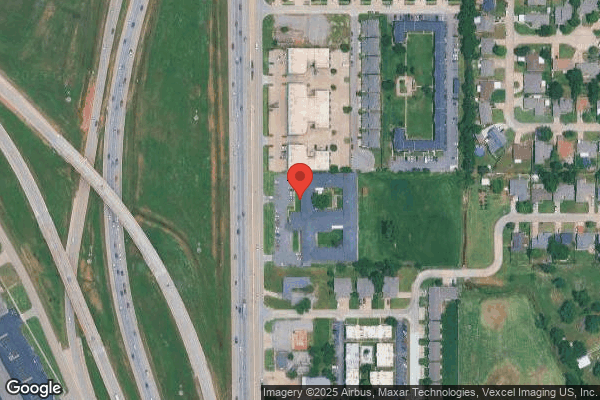
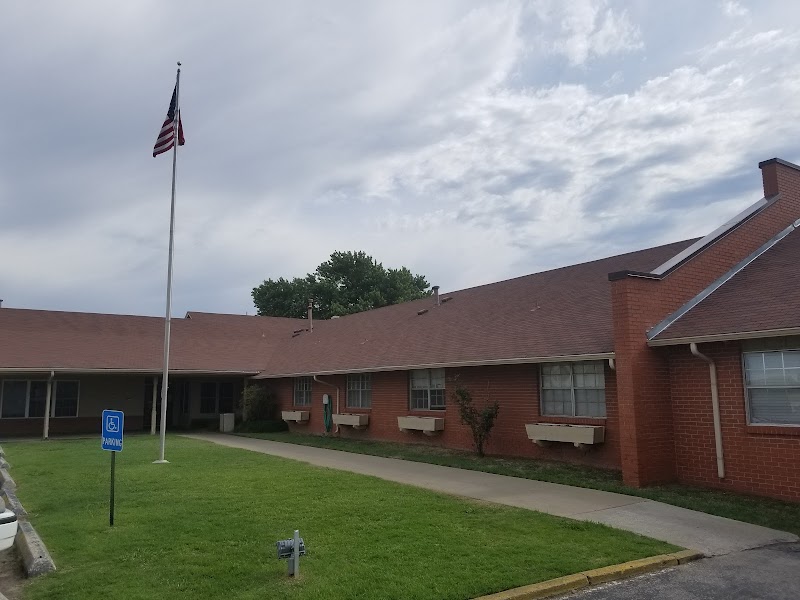
2120 North Broadway, Moore, OK 73160 (405) 794-2428
For profit - Individual 154 Beds IHS MANAGEMENT CONSULTANTS Data: November 2025 3 Immediate Jeopardy citations
Trust Grade
0/100
#277 of 282 in OK
Last Inspection: April 2025

Within standard 12-15 month inspection cycle. Federal law requires annual inspections.

Overview

Thunder Care and Rehabilitation in Moore, Oklahoma has received a Trust Grade of F, indicating significant concerns about the quality of care, which is among the poorest ratings possible. The facility ranks #277 out of 282 in the state, placing it in the bottom half, and at #10 of 10 in Cleveland County, meaning there are no better local options. Unfortunately, the situation appears to be worsening, with the number of reported issues increasing from 3 in 2024 to 13 in 2025. Staffing is rated at 2 out of 5 stars, which is below average, with a turnover rate of 63%, slightly higher than the state average. The facility has also accumulated $40,646 in fines, which is concerning and indicates repeated compliance issues. Notably, there have been serious incidents reported, including a critical failure to protect residents from sexual abuse, where one resident was observed inappropriately interacting with another resident who was not capable of consent. The facility was also found to have not implemented its abuse policy effectively, which raises significant safety concerns. While there are some average aspects, such as RN coverage, the overall picture suggests families should tread carefully when considering this facility for their loved ones.
Trust Score
F
0/100
In Oklahoma
#277/282
Bottom 2%
Safety Record
High Risk
Review needed
Inspections
Getting Worse
3 → 13 violations
Staff Stability
⚠ Watch
63% turnover. Above average. Higher turnover means staff may not know residents' routines.
Penalties
✓ Good
$40,646 in fines. Lower than most Oklahoma facilities. Relatively clean record.
Skilled Nurses
⚠ Watch
Each resident gets only 11 minutes of Registered Nurse (RN) attention daily — below average for Oklahoma. Fewer RN minutes means fewer trained eyes watching for problems.
Violations
⚠ Watch
40 deficiencies on record. Higher than average. Multiple issues found across inspections.
★☆☆☆☆
1.0
Overall Rating
★★☆☆☆
2.0
Staff Levels
★★★☆☆
3.0
Care Quality
★☆☆☆☆
1.0
Inspection Score
Stable
2024: 3 issues
2025: 13 issues

The Good

  • Full Sprinkler Coverage · Fire safety systems throughout facility
  • No fines on record

Facility shows strength in fire safety.

The Bad

1-Star Overall Rating

Below Oklahoma average (2.6)

Significant quality concerns identified by CMS

Staff Turnover: 63%

16pts above Oklahoma avg (46%)

Frequent staff changes - ask about care continuity

Federal Fines: $40,646

Above median ($33,413)

Moderate penalties - review what triggered them

Chain: IHS MANAGEMENT CONSULTANTS

Part of a multi-facility chain

Ask about local staffing decisions and management

Staff turnover is elevated (63%)

15 points above Oklahoma average of 48%

The Ugly 40 deficiencies on record

3 life-threatening
Aug 2025 6 deficiencies 1 IJ
CRITICAL (J) 📢 Someone Reported This

A family member, employee, or ombudsman was alarmed enough to file a formal complaint

Immediate Jeopardy (IJ) - the most serious Medicare violation

Free from Abuse/Neglect (Tag F0600)

Someone could have died · This affected 1 resident

**NOTE- TERMS IN BRACKETS HAVE BEEN EDITED TO PROTECT CONFIDENTIALITY** This CMS-2567 was amended following an administrative review conducted on 09/05/2025. ER on [DATE], an Immediate Jeopardy (IJ) s...

Read full inspector narrative →
**NOTE- TERMS IN BRACKETS HAVE BEEN EDITED TO PROTECT CONFIDENTIALITY** This CMS-2567 was amended following an administrative review conducted on 09/05/2025. ER on [DATE], an Immediate Jeopardy (IJ) situation was determined to exist related to the facility's failure to protect residents from Res #1's sexual abuse.Res #1 had a known history of sexually inappropriate behaviors and there was no evidence the facility had assessed or investigated to identify the potential risk to other residents related to Res #1's behaviors.On 08/05/25 at 2:49 p.m., the Oklahoma State Department of Health was notified and verified the existence of the IJ situation.On 08/05/25 at 3:07 p.m., the COO and the corporate nurse consultant were notified of the presence of an IJ situation related to residents not being free from Res #1's sexual abuse. The IJ template was provided to the COO.On 08/06/25 at 2:49 p.m., an acceptable plan of removal was approved by the Oklahoma State Department of Health. The facility plan of removal, read in part, Thunder Care and Rehab [address withheld] Survey Date/IJ Date 08/05/25. Completion Date of Removal 08/06/25. Time of Completion 3:00 p.m. Immediate Plan of Removal Noncompliance.Due to sexual and physical abuse toward another resident and staff members, [Res] #1 was placed on one on one staffing on 8-4-2025 and placed in a private room on 8-5-2025. [They] will remain on 1 on 1 staffing and in a private room until placement in a psych facility or a facility suited to meet [their] needs can be found.ALL facility employees were in-serviced over the abuse and neglect policy, reporting abuse and neglect to the administrator/Abuse coordinator immediately for investigation and steps to be taken to immediately address the situation to protect the patients. Completion of in-service was on 8-5-25 at 1730 hrs [5:30 p.m.]. Administrator/Abuse Coordinator and Director of Nursing were in-serviced by COO over facility abuse and neglect policy and implementing the policy as written to identify an allegation of abuse and documenting such on the OSDH 283 form. This will ensure all allegations of abuse are investigated as such and the abuse protocols are followed immediately in order to protect patients. In-service completed on 8-5-2025 at 1730 hrs [5:30 p.m.].Facility will develop and implement a PIP plan that requires daily review of all incidents and progress notes to ensure all allegations of abuse and neglect have been reported as required by state, federal regulations and appropriate actions taken to protect patients from further concerns. Pip Plan will also require Care Plans to be reviewed and updated to include all changes implemented due to a behavior and/or allegation of abuse. Will be implemented by 8-6-2025, by 2:30 p.m.All PIP plan audits will be reviewed at QA meeting on 8-6-2025 by 3:00 p.m.PIP plan Audits will continue weekly and presented at QA meeting weekly until further determination of any changes needed.All cognitive residents were interviewed on 8-6-2025 to ensure no other abuse and neglect had been observed and not reported as stated in the facility abuse and neglect policy. All interviews have been completed as of 8-6-2025 at 12:30 p.m. No further allegations of physical or sexual abuse was identified in interviews.If any allegations are made proper steps to follow facility abuse and neglect policy will be taken and interventions put in place. Care plans will be reviewed and updated.All residents had skin assessments to assess for any injuries completed as 8-6-2025 by 1:00 p.m. No injuries of unknown origin were found.On 08/07/25 at 12:33 p.m., after all staff members had been in-serviced, resident interviews and skin assessments were reviewed, care plans and performance improvement projects were initiated with ongoing auditing, the immediacy was lifted, effective 08/06/25 at 3:00 p.m. The deficient practice remained at an isolated level with the potential for more than minimum harm.Based on record review and interview the facility failed to ensure residents were free from sexual abuse for 2 (#2 ad #3) of 3 sampled residents reviewed for abuse. Residents #2 and #3 were touched inappropriately by Resident #1 and the facility had no interventions to protect them and all residents from the sexual abuse. The DON identified 118 residents resided in the facility. Findings:A policy titled Abuse, dated 08/12/22, read in part, It is the policy of this facility to maintain an abuse free environment.Sexual Abuse- including any gesture, verbal or physical that is threatening, degrading, lewd or lascivious in nature.A behavior progress note, dated 06/05/25, showed Res #3 was in the dining room and reported Res #1 grabbed Res #3's hand and placed it in their pants. The note showed Res #1 said they only wanted to play and attempted to grab the nurse's breast voicing they wanted to play. Res #1's care plan, updated 06/06/25, had no interventions in place to address Res #1's behavior. A behavior note, dated 06/08/25, showed Res #1 stating to a certified nurse aide I'm going to fill you up with cum. You want some? The note showed Res #1 stated in dining room You hungry? then started pointing towards their genital area.A behavior note, dated 06/08/25, showed Res #1 asked a nurse Can I [explicit] you. The note showed the nurse intervened and told the resident that was inappropriate. A behavior note, dated 06/08/25 at 10:30 p.m., showed Res #1 continued to make sexual comments to staff and trying to make them touch their genitals and trying to touch them. A behavior note, dated 07/06/25 showed Res #1 had exhibited inappropriate sexual behaviors towards the nurse assisting them with their meal stating multiple times to the nurse (explicit language).A behavior note, dated 07/08/25, showed the Res #1 was inappropriate with the hospice nurse.A physician order, dated 07/12/25, showed the Res #1 was started on Medroxyprogesterone (a progestin) 20 milligrams in the mornings for high-risk heterosexual behaviors.A behavior note, dated 07/20/25, showed the weekend nurse supervisor witnessed Res #1 standing next to Res #2's geriatric chair in dining room groping them in the genital area over the top of their blanket. Res #1 was immediately removed from dining room and moved to area outside nurses' station to complete noon meal. Res #1 was placed on 30 minute checks by staff. The note showed the weekend charge stated they notified the administrator, ADON, and DON.A behavior note, dated 07/30/25, showed Res #1 was sitting at the common table on the South hall after supper. The note showed Res #1 was talking about wanting to have sex with a young member of the opposite sex and they wanted them brought to their room so they could (explicit) them. The note showed Res #1 was taken to their room. A face sheet, dated 08/07/25, showed Res #1 had diagnoses which included high risk heterosexual behaviors and bipolar disorders.On 08/04/25 at 3:11 p.m., LPN #1 was asked if this behavior was a form of abuse. LPN #1 stated, I did not witness it, it was reported to me.On 08/04/25 at 3:06 p.m. the DON reported the administrator was the abuse coordinator for the facility.
CONCERN (D) 📢 Someone Reported This

A family member, employee, or ombudsman was alarmed enough to file a formal complaint

Potential for Harm - no one hurt, but risky conditions existed

Abuse Prevention Policies (Tag F0607)

Could have caused harm · This affected 1 resident

Based on record review and interview, the facility failed to implement their abuse policy by reporting within two hours an allegation of abuse for 1 (#3) of 3 sampled residents reviewed for abuse.The ...

Read full inspector narrative →
Based on record review and interview, the facility failed to implement their abuse policy by reporting within two hours an allegation of abuse for 1 (#3) of 3 sampled residents reviewed for abuse.The DON reported 118 residents resided in the facility. Findings:A facility Abuse Policy, dated 08/12/22, read in part, All incidents and allegations involving abuse or results in serious bodily injury is required to be reported within 2 hours.A behavior note, dated 06/05/25, showed it was reported by Res #6 that Res #1 grabbed Res #3's hand and placed the resident's hand in Res #1's pants. Res #1 was informed their behavior was inappropriate in the dining room and Res #3 was married. Res #1 voiced they did not know the resident was married and they only wanted to play. Res #1 was redirected and when a staff member of the opposite sex was feeding them. Res #1 reached up and grabbed at the staff member voicing, they wanted to play. The resident was taken back to their room.An order summary report, dated 08/04/25, showed Res #1 had diagnoses which included bipolar disorder and anxiety.On 08/04/25 at 3:06 p.m., the DON reported they were notified of the incident. The DON reported the administrator told staff to take Res #1 back to their room and the DON instructed staff to put in a note and to continue to monitor behaviors. The DON reported a facility related Incident form should have been completed within two hours and OSDH should have been notified.
CONCERN (D) 📢 Someone Reported This

A family member, employee, or ombudsman was alarmed enough to file a formal complaint

Potential for Harm - no one hurt, but risky conditions existed

Report Alleged Abuse (Tag F0609)

Could have caused harm · This affected 1 resident

Based on record review and interview, the facility failed to report an allegation of abuse to the OSDH within two hours for 1 (#1) of 3 sampled residents reviewed for abuse.The DON reported 118 reside...

Read full inspector narrative →
Based on record review and interview, the facility failed to report an allegation of abuse to the OSDH within two hours for 1 (#1) of 3 sampled residents reviewed for abuse.The DON reported 118 residents resided in the facility.Findings:A facility Abuse Policy, dated 08/12/22, read in part, All incidents and allegations involving abuse or results in serious bodily injury is required to be reported within 2 hours.An order summary report, dated 08/04/25, showed Res #1 had diagnoses which included bipolar disorder and anxiety.A behavior note, dated 06/05/25, showed that it was reported by Res #6 that Res #1 grabbed Res #3's hand and placed the resident's hand in Res 1's pants. Res #1 was informed their behavior was inappropriate in the dining room and Res #3 was married. Res #1 voiced they did not know the resident was married and they only wanted to play. Res #1 was redirected and when a staff member of the opposite sex was feeding them, Res #1 reached up and grabbed at the staff member voicing they wanted to play. Res #1 was taken back to their room.On 08/04/25 at 3:06 p.m., the DON reported an incident report should have been completed and OSDH should have been notified within two hours.
CONCERN (D) 📢 Someone Reported This

A family member, employee, or ombudsman was alarmed enough to file a formal complaint

Potential for Harm - no one hurt, but risky conditions existed

Investigate Abuse (Tag F0610)

Could have caused harm · This affected 1 resident

Based on record review and interview, the facility failed to conduct a thorough investigation after a allegation of abuse for 1 (#1) of 3 sampled residents reviewed for abuse.The DON reported 118 resi...

Read full inspector narrative →
Based on record review and interview, the facility failed to conduct a thorough investigation after a allegation of abuse for 1 (#1) of 3 sampled residents reviewed for abuse.The DON reported 118 residents resided in the facility.Findings: An Abuse Policy, dated 08/12/22, read in part, Any allegation of abuse will be investigated by the Administrator and the Director of Nursing.A behavior note, dated 06/05/25, showed it was reported by Res #6 that Res #1 grabbed Res #3's hand and placed Res #3's hand in Res #1's pants. Res #1 was informed their behavior was inappropriate in the dining room and Res #3 was married. Res #1 voiced they did not know Res #3 was married and they only wanted to play. Res #1 was redirected and when a staff member was feeding them. Res #1 reached up and grabbed at the staff member voicing they wanted to play. Res #1 was taken back to their room.An order summary, dated 08/04/25, showed Res #1 had diagnoses which included bipolar disorder and anxiety.On 08/04/25 at 3:06 p.m., the DON reported they did not investigate the incident.
CONCERN (D) 📢 Someone Reported This

A family member, employee, or ombudsman was alarmed enough to file a formal complaint

Potential for Harm - no one hurt, but risky conditions existed

Deficiency F0657 (Tag F0657)

Could have caused harm · This affected 1 resident

Based on record review and interview, the facility failed to ensure the care plan was revised for 1 (#1) of 6 sampled residents reviewed for care plans.The DON reported 118 residents resided in the fa...

Read full inspector narrative →
Based on record review and interview, the facility failed to ensure the care plan was revised for 1 (#1) of 6 sampled residents reviewed for care plans.The DON reported 118 residents resided in the facility. Findings: A behavior note, dated 06/05/25, showed that it was reported by Res #6 that Res #1 grabbed Res #3's hand and placed their hand in Res #1's pants. Res #1 was informed their behavior was inappropriate in the dining room and Res #3 was married. Res #1 voiced they did not know Res #3 was married and they only wanted to play. Res #1 was redirected and when a staff member was feeding them. Res #1 reached up and grabbed at the staff member and voiced, they wanted to play. Res #1 was taken back to their room.A care plan, revised on 06/06/25, showed the incident on 06/05/25 with no intervention put in place.An order summary report, dated 08/04/25, showed Res #1 had diagnoses of bipolar disorder and anxiety.On 08/04/25 at 2:34 p.m., minimum data set #1 reported the care plan should have been revised with an intervention.
CONCERN (E) 📢 Someone Reported This

A family member, employee, or ombudsman was alarmed enough to file a formal complaint

Potential for Harm - no one hurt, but risky conditions existed

ADL Care (Tag F0677)

Could have caused harm · This affected multiple residents

Based on record review and interview, the facility failed to ensure residents were bathed as scheduled for 2 (#4 and #5) of 5 sampled residents reviewed for assistance with activities of daily living....

Read full inspector narrative →
Based on record review and interview, the facility failed to ensure residents were bathed as scheduled for 2 (#4 and #5) of 5 sampled residents reviewed for assistance with activities of daily living. The DON reported 118 residents resided in the facility. Findings: 1.An annual assessment, dated 05/15/25, showed Res #4's cognition was intact.Res #4's bath sheets showed the resident missed three of three opportunities for a shower from 08/01/25 to 08/06/25.A diagnoses report, dated 08/06/25, showed Res #4 had diagnoses which included epilepsy and morbid obesity.On 08/06/25 at 1:41 p.m., Res #4 reported they had problems getting their showers like they should. The resident reported they were supposed to be on Monday, Wednesday, and Friday and they had not had a shower this month. On 08/06/25 at 2:35 p.m., ADON #2 stated they were unable to locate bath sheets for the month of August. 2.Res #5's bath sheets showed the resident missed three of three opportunities for a shower from 08/01/25 to 08/06/25.A diagnoses report, dated 08/06/25, showed Res #5 had diagnoses which included hemiplegia and hemiparesis following a cerebral infarction.On 08/06/25 1:41 p.m., Res #5 reported they had problems getting their showers like they should. The resident reported they were supposed to be on Monday, Wednesday, and Friday and had not had a shower this month. On 08/06/25 at 2:35 p.m., ADON #2 stated they were unable to locate bath sheets for the month of August.
Apr 2025 5 deficiencies
CONCERN (D)

Potential for Harm - no one hurt, but risky conditions existed

Incontinence Care (Tag F0690)

Could have caused harm · This affected 1 resident

Based on observation, record review, and interview, the facility failed to ensure: a. a resident had a physician order for an indwelling urinary catheter; and b. a resident with an indwelling urinary...

Read full inspector narrative →
Based on observation, record review, and interview, the facility failed to ensure: a. a resident had a physician order for an indwelling urinary catheter; and b. a resident with an indwelling urinary catheter received services to help prevent urinary tract infections for 1 (#101) of 1 sampled resident reviewed for urinary catheters. The administrator identified three residents with an indwelling urinary catheter. Findings: On 04/21/25 at 11:25 a.m., Res #101 was observed lying in bed with eyes closed. An indwelling urinary catheter with medium yellow urine was observed hooked to the bedframe. On 04/23/25 at 9:09 a.m., Res #101 was observed sitting in a reclined geriatric chair. An indwelling urinary catheter was observed hooked to the chair. A diagnoses report, dated 08/08/24, showed Res #101 had a diagnosis of benign prostatic hyperplasia without lower urinary tract symptoms. A care plan, dated 08/09/24, showed Res #101 used disposable briefs due to urinary incontinence. The care plan showed to monitor and change the brief every two hours and as needed. There was no documentation of an indwelling catheter on the care plan. A quarterly assessment, dated 02/16/25, showed Res #101 had a BIMS score of 11 and was moderately cognitively impaired. The assessment showed Res #101 required partial to moderate assistance with toileting and was always incontinent of urine. A nurse note, dated 03/24/25, showed Res #101 returned to the facility from the hospital with an indwelling catheter in place. There was no physician order for an indwelling urinary catheter found in the medical record. There was no documentation related to urinary catheter maintenance or infection prevention interventions documented in the medical record or the care plan. On 04/21/25 at 11:30 a.m., Res #101 stated they did not know why they needed a catheter. They stated they did not know if the staff cared for the catheter regularly. On 04/23/25 at 9:12 a.m., LPN #1 stated Res #101 returned to the facility from the hospital with the catheter. They stated they were not sure why the catheter was still in place. LPN #1 was asked what care was provided to ensure prevention of urinary tract infections. They stated catheter care was generally performed every shift by a nurse when a resident had a catheter. LPN #1 stated a physician order and care interventions should have been documented in the medical record. They stated there was no way to know if Res #101 had received regular care and maintenance of the catheter since nothing had been documented. On 04/23/25 at 10:55 a.m., the DON stated any resident with an indwelling urinary catheter should have a physician order which specified a medical diagnosis, catheter size, and catheter care interventions every shift and as needed. They stated Res #101 returned from the hospital with the catheter, but they were not sure why they still required the catheter. The DON stated a physician order and care interventions should have been documented in Res #101's plan of care. They stated the resident had not been assessed for removal of the catheter.
CONCERN (D)

Potential for Harm - no one hurt, but risky conditions existed

Deficiency F0700 (Tag F0700)

Could have caused harm · This affected 1 resident

Based on observation, record review, and interview, the facility failed to ensure a resident was assessed for the use of bed rails prior to installation for 1 (#79) of 1 sampled resident reviewed for ...

Read full inspector narrative →
Based on observation, record review, and interview, the facility failed to ensure a resident was assessed for the use of bed rails prior to installation for 1 (#79) of 1 sampled resident reviewed for bed rails. The administrator identified six residents used bed rails. Findings: On 04/21/25 at 11:22 a.m., bed rails were observed to be up on both sides of Resident #79's bed. On 04/23/25 at 10:00 a.m., bed rails were observed to be up on both sides of Resident #79's bed. An undated policy titled Bed Safety and Bed Rails reads in part, 3. Bed frames, mattresses and bed rails are checked for compatibility and size prior to use. 6. Maintenance staff routinely inspects all beds and related equipment to identify risks and problems including potential entrapment risks. Use of Bed Rails: 6. The resident assessment to determine risk of entrapment includes, but is not limited to: a. medical diagnosis, conditions, symptoms, and/or behavioral symptoms; b. size and weight; c. sleep habits; d. medication(s); e. acute medical or surgical interventions; f. underlying medical conditions; g. existence of delirium; h. ability to toilet self safely; i. condition; j. communication; k. mobility (in and out of bed); and l. risk of falling. An admission assessment, dated 02/24/25, showed Resident #79 had a BIMS summary score of three, which indicated the resident was severly impaired in cognition for daily decision making. On 04/23/25 at 1:46 p.m., the administrator stated the resident did not have an assessment done prior to having bed rails, but should have.
CONCERN (D)

Potential for Harm - no one hurt, but risky conditions existed

Staffing Information (Tag F0732)

Could have caused harm · This affected 1 resident

Based on observation and interview, the facility failed to ensure all components of the daily staffing information was posted for 2 of 2 observations. The administrator reported 127 residents resided...

Read full inspector narrative →
Based on observation and interview, the facility failed to ensure all components of the daily staffing information was posted for 2 of 2 observations. The administrator reported 127 residents resided in the facility. Findings: On 04/22/25 at 8:50 a.m., a daily staffing schedule was observed in a glass case on the North hall. The schedule was dated 04/22/25 and did not contain the census or the actual hours worked. On 04/23/25 at 8:42 a.m., a daily staffing schedule was observed in a glass case on the North hall. The schedule was dated 04/23/25 and did not contain the census or the actual hours worked. On 04/24/25 at 12:05 p.m., the administrator reported they did not know the census and actual hours worked had to be on the schedule.
CONCERN (D)

Potential for Harm - no one hurt, but risky conditions existed

Pharmacy Services (Tag F0755)

Could have caused harm · This affected 1 resident

Based on record review and interview, the facility failed to ensure medications were administered according to physician orders for 1 (#124) of 6 residents sampled for timely administration of medicat...

Read full inspector narrative →
Based on record review and interview, the facility failed to ensure medications were administered according to physician orders for 1 (#124) of 6 residents sampled for timely administration of medications. The administrator identified 127 residents resided in the facility. Findings: An undated administration time document showed the morning medication pass was from 7:00 a.m. to 11:00 a.m. A policy titled Administering Medications, revised 04/2019, read in part, Medications are administered in a safe and timely manner, and as prescribed .Medications are administered in accordance with prescribe orders, including any required time frame. Physician orders for Resident #124, dated 04/20/25, showed to administer the following: a. pristiq (an antidepressant) 50 mg in the morning for depression, b. clozapine (an antipsychotic) 200 mg two times a day for schizophrenia, c. rilutek (benzothiazole drug) 50 mg two times a day for bipolar disorder, d. naltrexone (opioid antagonist) 50 mg in the morning for opioid abuse. An April 2025 Medication Administration Audit Report, showed: a. clozapine was given on 04/21/25 at 12:28 p.m., b. pristiq and naltrexone were given on 04/21/25 at 12:31 p.m., and c. rilutex was given on 04/21/25 at 12:32 p.m. On 04/23/25 at 2:36 p.m., the DON stated the last time these medications were scheduled to be given was 11:00 a.m. On 04/23/25 at 2:37 p.m., the DON stated the 04/21/25 a.m. medications were given late. The DON stated they should have been given by 11:00 a.m.
CONCERN (D)

Potential for Harm - no one hurt, but risky conditions existed

Infection Control (Tag F0880)

Could have caused harm · This affected 1 resident

Based on observation, record review, and interview, the facility failed to ensure enhanced barrier precautions were utilized for a resident with a wound for 1 (#79) of 1 sampled resident reviewed for ...

Read full inspector narrative →
Based on observation, record review, and interview, the facility failed to ensure enhanced barrier precautions were utilized for a resident with a wound for 1 (#79) of 1 sampled resident reviewed for wound care. The DON identified 18 residents received wound care. Findings: On 04/23/25 at 9:52 a.m., RN #1 was observed to provide wound care for Resident #79. RN #1 was not observed to utilize a gown during wound care. Signage was not observed near the resident's room. A policy titled Enhanced Barrier Precautions, dated April 2024, read in part, EBP's employs targeted gown and glove use during high contact resident care activities. EBP are indicated for residents with any of the following .wounds. An admission assessment, dated 02/24/25, showed Resident #79 had a stage four pressure ulcer and a BIMS summary score of three, which indicated the resident was severly impaired in cognition for daily decision making. On 04/23/25 at 10:15 a.m., RN #1 stated EBP included a gown and gloves. RN #1 stated they should have worn a gown for wound care. On 04/23/25 at 10:44 a.m., the DON stated a gown and gloves should be worn for wound care.
Feb 2025 2 deficiencies 2 IJ (2 affecting multiple)
CRITICAL (K) 📢 Someone Reported This

A family member, employee, or ombudsman was alarmed enough to file a formal complaint

Immediate Jeopardy (IJ) - the most serious Medicare violation

Free from Abuse/Neglect (Tag F0600)

Someone could have died · This affected multiple residents

**NOTE- TERMS IN BRACKETS HAVE BEEN EDITED TO PROTECT CONFIDENTIALITY** On 02/11/25, an Immediate Jeopardy (IJ) situation was determined to exist related to the facility's failure to protect Resident ...

Read full inspector narrative →
**NOTE- TERMS IN BRACKETS HAVE BEEN EDITED TO PROTECT CONFIDENTIALITY** On 02/11/25, an Immediate Jeopardy (IJ) situation was determined to exist related to the facility's failure to protect Resident #1 from sexual abuse. Resident #1 was observed in Resident #2's bed. Resident #2 was observed by staff to have their hand down Resident #1's pants and was observed to suck on Resident #1's breast. Resident #1 was severely cognitively impaired for daily decision making and had not been evaluated for the capacity to consent to a sexual relationship. Resident #2 was cognitively intact for daily decision making. Resident #1 was known to wander in the facility and enter other resident rooms, as well as, seek out Resident #2. A progress note, dated 12/03/24, showed Resident #2 was laying in bed with Resident #1 and they were redirected. A progress note, dated 12/11/24, showed another resident informed a CNA Resident #2 had Resident #1 on their bed, in their room, Resident #1's shirt was up, and Resident #2's hand was down their pants. The incident was not identified as sexual abuse by the facility. A progress note, dated 01/27/25 at 3:46 p.m., showed Resident #1 entered another resident's room unwelcomed and was redirected. On 02/10/25 at 4:42 p.m., Resident #1 was observed entering another resident's room. On 02/11/25 at 11:39 a.m., CNA #1 stated they observed Resident #2 on top of Resident #1 in Resident #2's bed on 12/11/24. CNA #1 stated they observed Resident #2's hand down Resident #1's pants and Resident #2 was sucking on Resident #1's breast. A progress note, dated 02/11/25 at 12:00 p.m., showed Resident #1 was attempting to grab at and touch male residents in the dining room. The note showed Resident #1 attempted to sit on the lap of a resident of the opposite sex. On 02/11/25 1:23 p.m., Resident #1 was observed entering another resident's room. On 02/11/25 at 1:35 p.m., Resident #1 was observed entering another resident's room. On 02/11/25 at 2:56 p.m., CNA #2 stated they observed Resident #2 attempting to coerce Resident #1 into sexual activity on 12/11/24. CNA #2 stated they observed Resident #2 touching Resident #1's breast. On 02/11/25 at 3:38 p.m., the administrator stated Resident #1 wandered and routinely sought out Resident #2. On 02/11/25 at 4:00 p.m., the DON stated they were not aware of Resident #1 and Resident #2 laying in bed together on 12/03/24. They stated Resident #1 wandered and required redirection from staff. The DON stated since the incident on 12/11/24, Resident #2 was discharged from the facility and staff were to keep a watch on Resident #1 and redirect as needed. On 02/11/25 at 4:22 p.m., the administrator stated since 12/03/24 when Resident #1 and Resident #2 were laying in bed together they were redirecting Resident #1 from wandering. On 02/11/25 at 5:51 p.m., the administrator stated the facility had not evaluated or assessed Resident #1 for consent to enter into a sexual relationship. The administrator stated due to Resident #1's impaired cognition they were unable to have a conversation regarding consent for a sexual relationship. On 02/11/25 at 9:08 p.m., the Oklahoma State Department of Health was notified and verified the existence of the IJ situation. On 02/11/25 at 9:19 p.m., the administrator, COO, and the corporate MDS coordinator were notified of the presence of an immediate jeopardy situation related to Resident #1 not being free from sexual abuse. The IJ template was provided to the administrator and the COO. On 02/13/25 at 1:50 p.m., an acceptable plan of removal was approved by the Oklahoma State Department of Health. The plan of removal, read in part, Thunder Care and Rehab [address withheld] Survey Date/IJ date 2/11/2025 9:19 p.m. Completion Date of Removal 2/12/25 Immediate Plan of Removal Noncompliance Resident #1 has been placed on 1 on 1 staffing due to continuous wandering throughout the facility to ensure [they] is not in threat of abuse or neglect. Team is currently evaluating further needs to ensure steps to be taken long term for [their] individual needs and placement in a facility that can meet [their] needs. Until such a facility can be found or further options explored by team to ensure no abuse and neglect can occur due to [their] wandering and searching out the opposite sex, [they] will remain on 1 on 1 staffing. All current residents have been reviewed for any wandering issues that may place them at risk for Abuse and Neglect and steps taken to ensure each individual based on their needs are protected. After a review of the state reportable completed 12-12-2024, an amended follow up report has been completed on 2-11-25 to include further information that was reported to the state surveyor by a CNA stating that Resident #2 was witnessed laying on top of Resident #1 in [their] bed, while on top of [them] it was reported that [they] were witnessed sucking on [their] breast with [their] hand down [their] pants. This information was not all reported to the Administrator/Abuse Coordinator at the time of the incident, [they were] not informed of all this information until the State Surveyor relayed this information to [them]. All staff are being in-serviced over Abuse and Neglect Procedure. All information has been updated and updated to OSDH, APS, Police, PCP, and Family notified. We are currently interviewing all parties that were working at the time of the incident to determine why new information has arisen that was not reported at time of incident. We will report further information from all parties involved.Resident #2 was placed on 1 on 1 staffing at time of incident and placed in [hospital name withheld] hospital on [DATE] and returned on 01-14-2025 and discharged to another facility on January 15th, 2025. All staff on the shift as of 11:17 p.m. on 2/11/2025 were in-services at that time over the abuse and neglect policy and reporting all abuse and neglect to the administrator/Abuse coordinator immediately for investigation and steps to be taken to immediately address the situation to protect the patients. ALL facility employees have been in-serviced over the abuse and neglect policy, reporting abuse and neglect to the administrator/Abuse coordinator immediately for investigation and steps to be taken to immediately address the situation to protect the patients. Completion of in-service was 2-12-25 at 3:30pm All employees on the shift at 11:17 p.m. on 2/11/2025 were interviewed at that time to ensure no other abuse and neglect had been observed and not reported as stated in the facility abuse and neglect policy. ALL facility employees have been interviewed to ensure no other abuse and neglect situations had been observed and not reported at [sic] stated in the facility abuse and neglect policy. Completion of the interviews were done on 2-12-25 at 5:30pm All residents were interviewed to ensure no other abuse and neglect had been observed and not reported as stated in the facility abuse and neglect policy. Completion of the interviews were done on 2-12-25 at 5:30pm Administrator/Abuse Coordinator was in-serviced by COO over facility abuse and neglect policy and implementing the policy as written in order to identify an allegation of sexual abuse and documenting such on the OSDH 283 form on 2-11-25. This will ensure all allegations of abuse are investigated as such and the abuse protocols are followed. On 02/14/25 at 2:35 p.m., the IJ was lifted when all components of the plan of removal were completed. The deficient practice remained at a level of potential for more than minimal harm. Based on observation, record review, and interview, the facility failed to protect the resident's right to be free from sexual abuse by a resident for 1 (#1) of 3 sampled residents who were reviewed for abuse. The administrator identified 118 residents who resided in the facility. Findings: 1. On 02/10/25 at 4:42 p.m., Resident #1 was observed walking into another resident's room, on the 200 hall, then exited less than one minute later. On 02/11/25 at 1:23 p.m., Resident #1 was observed entering another resident's room, on the 100 hall, exited less than a minute later and walked to the 200 hall, then the 300 hall. Resident #1 had diagnoses which included mild intellectual disabilities. An Abuse policy, dated 08/12/22, read in part, It is the policy of this facility to maintain an abuse free environment.SEXUAL ABUSE - including any gesture, verbal or physical that is threatening, degrading, lewd or lascivious in nature. A progress note, dated 11/09/24 at 9:40 p.m., showed Resident #1 was observed walking and pacing around the facility, and entering other residents' rooms. A quarterly MDS assessment, dated 11/23/24, showed the resident was severely impaired in cognition for daily decision making and wandered daily. A progress note, signed by the administrator, dated 12/01/24 at 12:04 p.m. and documented as a late entry on 12/12/24 at 12:05 p.m., showed Resident #1 walked around the facility. A progress note, signed by the administrator, dated 12/02/24 at 2:05 p.m. and documented as a late entry on 12/12/24 at 12:05 p.m., showed Resident #1 walked around the facility and entered other residents' rooms. A progress note, signed by the administrator, dated 12/03/24 at 1:06 p.m. and documented as a late entry on 12/12/24 at 12:09 p.m., showed Resident #1 walked around the facility. A progress note, dated 12/03/24 at 2:25 p.m., showed Resident #1 seemed to be seeking out to be around another resident of the opposite sex and kept going to that resident's room. The note showed Resident #1 and Resident #2 laid in Resident #2's bed together and neither resident was engaged in any type of sexual activity. A progress note, dated 12/03/24 at 9:03 p.m., showed Resident #1 was ambulating in the hallways. A progress note, dated 12/11/24 at 10:50 p.m., showed Resident #1 continued to seek out another resident of the opposite sex and was found in resident room again. The note showed Resident #1 was redirected out of the other resident's bed/room. A physician's order, dated 12/12/24, showed staff were to monitor the location, behavior, and general mood for Resident #1 in progress notes every hour. The ODH form 283 incident report, showed an incident dated 12/12/24, and identified Resident #1 and Resident #2. The incident report was identified as Inappropriate Behaviors. The incident report showed on 12/11/24 another resident alerted two CNAs and a RN that Resident #1 and Resident #2 had gone into Resident #2's room. The incident report showed Resident #1 and Resident #2 were in Resident #2's bed when staff arrived and Resident #2 was attempting to possibly stroke [Resident #1's] breasts, nothing down [their] pants or on any other areas of [Resident #1] nor [Resident #2's] body. The incident report showed staff guided Resident #1 out of Resident #2's room and due to the difference in cognition the facility preferred to keep the two residents separated and 15 minute checks were implemented. A care plan, showed it was created on 12/13/24 and showed Resident #1 wandered aimlessly and staff were monitoring Resident #1 to ensure the separation between the resident and another resident of the opposite sex. A progress note, dated 01/27/25 at 3:46 p.m., showed Resident #1 entered another resident's room unwelcomed and was redirected. 2. Resident #2 had diagnoses which included unspecified psychosis. A care plan, updated 06/10/24, showed Resident #2 was witnessed going in other residents' rooms and was observed by the DON and ADON to peek into another resident's room from the courtyard. A progress note, dated 12/03/24 at 2:25 p.m., showed a resident of the opposite sex seemed to be seeking out to be around Resident #2 and kept going to Resident #2's room. The note showed Resident #2 and a resident of the opposite sex had laid in Resident #2's bed together and staff redirected them. An annual MDS assessment, dated 12/07/24, showed Resident #2 was cognitively intact for daily decision making and did not exhibit behaviors. A progress note, signed by the DON, dated 12/11/24 at 11:00 p.m., showed another resident alerted two CNAs and a RN that Resident #1 and Resident #2 had gone into Resident #2's room. The note showed Resident #1 and Resident #2 were in Resident #2's bed when staff arrived and Resident #2 was attempting to possibly stroke [Resident #1's] breasts, nothing down [their] pants or on any other areas of [Resident #1] nor [Resident #2's] body. The note showed staff guided Resident #1 out of Resident #2's room and due to the difference in cognition the facility preferred to keep the two residents separated and 15 minute checks were implemented. A progress note, signed by LPN #1, dated 12/11/24 at 11:06 p.m., showed another resident had notified a CNA Resident #2 had a resident of the opposite sex on Resident #2's bed with the other resident's shirt up and Resident #2's hand down the other resident's pants. The note showed the CNA removed Resident #2 away from the other resident and called for the nurse. The note showed the nurse then moved Resident #2 into a room closer to the nurses station and placed Resident #2 on 15 minute checks. The note showed the DON was contacted. A care plan, dated as initiated on 12/12/24, showed the resident had a behavior problem and was found in bed with a resident of the opposite sex. The interventions, read in part, Intervene as necessary to protect the rights and safety of others. A progress note, dated 12/12/24 at 4:41 p.m., showed Resident #2 was discharged from the facility. A progress note, dated 01/14/25 at 3:25 p.m., showed Resident #2 was readmitted to the facility. A progress note, dated 01/15/25 at 11:31 a.m., showed Resident #2 was discharged to another long term care facility. On 02/11/25 at 11:39 a.m., CNA #1 stated on 12/11/24 another resident had approached the nurses station and informed RN#1, CNA #2 and themselves Resident #2 had led Resident #1 to Resident #2's room. CNA #1 stated they immediately went to Resident #2's room and they observed Resident #2 in their bed, on top of Resident #1. CNA #1 stated Resident #1's legs were apart, Resident #2 had their hand down Resident #1's pants, and Resident #2 was sucking on Resident #1's breast. CNA #1 stated they were the first staff member to enter Resident #2's room and they removed Resident #2 from Resident #1 and CNA #2 and RN #1 were right behind them. CNA #1 stated they guided Resident #1 out of Resident #2's room. CNA #1 stated they reported what they had observed to RN #1. CNA #1 stated no one from the facility had interviewed them about the incident. They stated RN #1 stated they would notify the administrator. CNA #1 stated after the incident on 12/11/24, Resident #2 was placed in a room closer to the nurses station so staff could watch them. They stated Resident #1 used to wander all day and all night, but had recently been wandering less at night, and the staff had to keep a good eye on them. On 02/11/25 at 1:36 p.m., CMA #1 stated Resident #1 wandered all the time, would go into other residents' rooms, and required redirection. During the interview, CMA #1 stated, just like that and redirected Resident #1 from another resident's room on the 200 hall. On 02/11/25 at 1:39 p.m., CNA #3 stated Resident #1 wandered and they had to redirect them from other residents' rooms frequently. On 02/11/25 at 1:47 p.m., RN #1 stated on 12/11/24 they were at the nurses station and another resident notified them they had seen Resident #1 enter Resident #2's room. RN #1 stated they were the third person to enter Resident #2's room. RN #1 stated the first staff member to enter the room was CNA #1. They stated CNA #1 reported to them Resident #2 was on top of Resident #1 in Resident #2's bed, but Resident #2 had their pants on. RN #1 stated that was all they remembered and the surveyor needed to review the incident report and progress note they had completed for further details. RN #1 stated they moved Resident #2 to a room closer to the nurses station and notified the administrator immediately. On 02/11/25 at 2:56 p.m., CNA #2 stated another resident had notified CNA #1, RN #1, and themselves Resident #1 was in Resident #2's room. CNA #2 stated the three staff members went to Resident #2's room. CNA #2 stated they observed Resident #2 attempting to coerce Resident #1 into sexual activity. CNA #2 stated they observed Resident #2 touching Resident #1's breast and reported the observation to RN #1. CNA #2 stated the staff were notified to monitor Resident #1 due to their wandering and wandering into other residents' rooms. On 02/11/25 at 3:16 p.m., RN #1 stated they had not documented the incident between Resident #1 and Resident #2. They stated LPN #1 had documented a progress note. On 02/11/25 at 3:17 p.m., LPN #1 stated they were on the East hall doing treatments on 12/11/24, and when they returned to the nurses station, RN #1 had notified them of the incident between Resident #1 and Resident #2. LPN #1 stated they notified the administrator of the incident. They stated they informed the administrator of what the CNAs had observed. LPN #1 stated they reported to the administrator Resident #1 was in Resident #2's room and Resident #2 basically was about to get on top of [Resident #1]. LPN #1 stated they did not know exactly what had happened, but the CNAs had reported Resident #2 was on top of Resident #1 in Resident #2's bed and they had heard Resident #2 may have had their hands down Resident #1's pants, but they had not gotten the full story. LPN #1 stated they had documented what was reported to them and what they had reported to the administrator. On 02/11/25 at 3:28 p.m., the DON stated they were made aware of the incident on 12/11/24, between Resident #1 and Resident #2, the following morning when they had arrived to work. The DON stated they had determined what had happened between Resident #1 and Resident #2 from the incident report documented by the administrator and what RN #1 had reported to them. They stated RN #1 had reported Resident #1 and Resident #2 were laying in bed together. The DON stated they thought the administrator had investigated the incident. On 02/11/25 at 3:38 p.m., the administrator stated on 12/11/24 staff had reported they observed Resident #1 walk into Resident #2's room with them. The administrator stated they were told three staff walked into Resident #2's room and found Resident #1 laying in Resident #2's bed. They stated staff had taken Resident #1 to their own room and moved Resident #2 closer to the nurses station. The administrator stated they had determined what had happened between Resident #1 and Resident #2 by what RN #1 had reported to them. The administrator stated RN #1 reported to them they had entered Resident #2's room first, followed by CNA #2, then CNA #1 had arrived last. The administrator was asked how they differentiated between inappropriate behavior and an allegation of abuse. They stated Resident #1 would seek out Resident #2 and due to Resident #1 having impaired cognition for daily decision making it was inappropriate behavior. The administrator stated Resident #1 had not been assessed for the ability to consent to a sexual relationship because Resident #1 was unable to have conversation with the staff. The administrator stated their investigation of the incident on 12/11/24 consisted of what RN #1 had reported to them. The administrator stated Resident #1 still wandered into other residents' rooms and staff were to redirect them. On 02/11/24 at 4:22 p.m., the administrator stated staff were notified to redirect Resident #1 after they were found in bed with Resident #2 on 12/03/24. On 02/11/25 at 5:17 p.m., Resident #1's POA stated the administrator had reported to them a resident of the opposite sex was going after Resident #1 in a sexual manner approximately three weeks ago. The POA stated the administrator had reported to them a resident of the opposite sex had grabbed Resident #1's breasts, but they had transferred that resident from the facility. On 02/11/25 at 6:56 p.m., the DON stated the resident of the opposite sex referenced in Resident #1's care plan was related to Resident #2. On 02/11/25 at 8:21 p.m., the administrator stated they were the abuse coordinator for the facility.
CRITICAL (K) 📢 Someone Reported This

A family member, employee, or ombudsman was alarmed enough to file a formal complaint

Immediate Jeopardy (IJ) - the most serious Medicare violation

Abuse Prevention Policies (Tag F0607)

Someone could have died · This affected multiple residents

**NOTE- TERMS IN BRACKETS HAVE BEEN EDITED TO PROTECT CONFIDENTIALITY** On 02/11/25, an Immediate Jeopardy (IJ) situation was determined to exist related to the facility's failure to implement the abu...

Read full inspector narrative →
**NOTE- TERMS IN BRACKETS HAVE BEEN EDITED TO PROTECT CONFIDENTIALITY** On 02/11/25, an Immediate Jeopardy (IJ) situation was determined to exist related to the facility's failure to implement the abuse policy and procedure to identify an incident of sexual abuse. Resident #1 was observed in Resident #2's bed. Resident #2 was observed by staff to have their hand down Resident #1's pants and was observed to suck on Resident #1's breast. Resident #1 was severely cognitively impaired for daily decision making and had not been evaluated for the capacity to consent to a sexual relationship. Resident #2 was cognitively intact for daily decision making. Resident #1 was known to wander in the facility and enter other resident rooms, as well as, seek out Resident #2. The abuse protocol was not implemented by the facility and was not identified or investigated as an allegation of sexual abuse. A progress note, dated 12/03/24, showed Resident #2 was laying in bed with Resident #1 and they were redirected. A progress note, dated 12/11/24, showed another resident informed a CNA Resident #2 had Resident #1 on their bed, in their room, Resident #1's shirt was up, and Resident #2's hand was down their pants. The incident was not identified as sexual abuse by the facility. The ODH form 283 incident report, showed an incident dated 12/12/24, and identified Resident #1 and Resident #2. The incident report was identified as Inappropriate Behaviors. The incident report showed that on 12/11/24 another resident alerted two CNAs and a RN that Resident #1 and Resident #2 had gone into Resident #2's room. The incident report showed Resident #1 and Resident #2 were in Resident #2's bed when staff arrived and Resident #2 was attempting to possibly stroke [Resident #1's] breasts, nothing down [their] pants or on any other areas of [Resident #1] nor [Resident #2's] body. The incident report showed staff guided Resident #1 out of Resident #2's room and due to the difference in cognition the facility preferred to keep the two residents separated and 15 minute checks were implemented. A progress note, dated 01/27/25 at 3:46 p.m., showed Resident #1 entered another resident's room unwelcomed and was redirected. On 02/10/25 at 4:42 p.m., Resident #1 was observed entering another resident's room. On 02/11/25 at 11:39 a.m., CNA #1 stated they observed Resident #2 on top of Resident #1 in Resident #2's bed on 12/11/24. CNA #1 stated the observed Resident #2's hand down Resident #1's pants and Resident #2 was sucking on Resident #1's breast. A progress note, dated 02/11/25 at 12:00 p.m., showed Resident #1 was attempting to grab at and touch male residents in the dining room. The note showed Resident #1 attempted to sit on the lap of a resident of the opposite sex. On 02/11/25 1:23 p.m., Resident #1 was observed entering another resident's room. On 02/11/25 at 1:35 p.m., Resident #1 was observed entering another resident's room. On 02/11/25 at 2:56 p.m., CNA #2 stated they observed Resident #2 attempting to coerce Resident #1 into sexual activity on 12/11/24. CNA #2 stated they observed Resident #2 touching Resident #1's breast. On 02/11/25 at 3:38 p.m., the administrator stated Resident #1 wandered and routinely sought out Resident #2. On 02/11/25 at 4:00 p.m., the DON stated they were not aware of Resident #1 and Resident #2 laying in bed together on 12/03/24. They stated Resident #1 wandered and required redirection from staff. The DON stated that since the incident on 12/11/24, Resident #2 was discharged from the facility and staff were to keep a watch on Resident #1 and redirect as needed. On 02/11/25 at 4:22 p.m., the administrator stated since 12/03/24 when Resident #1 and Resident #2 were laying in bed together they were redirecting Resident #1 from wandering. On 02/11/25 at 5:51 p.m., the administrator stated the facility had not evaluated or assessed Resident #1 for consent to enter into a sexual relationship. The administrator stated due to Resident #1's impaired cognition they were unable to have conversation regarding consent for a sexual relationship. On 02/11/25 at 9:08 p.m., the Oklahoma State Department of Health was notified and verified the existence of the IJ situation. On 02/11/25 at 9:19 p.m., the administrator, COO, and the corporate MDS coordinator were notified of the presence of an immediate jeopardy situation related to not implementing the abuse policy and procedure for Resident #1. The IJ template was provided to the administrator and the COO. On 02/13/25 at 1:50 p.m., an acceptable plan of removal was approved by the Oklahoma State Department of Health. The plan of removal, read in parts, Thunder Care and Rehab [address withheld] Survey Date/IJ date 2/11/2025 9:19 p.m. Completion Date of Removal 2/12/25 Immediate Plan of Removal Noncompliance After a review of the state reportable completed 12-12-2024, an amended follow up report has been completed on 2-11-25 to include further information that was reported to the state surveyor by a CNA stating that resident #2 was witnessed laying on top of resident #1 in [their] bed, while on top of [them] it was reported that [they] were witnessed sucking on [their] breast with [their] hand down [their] pants. This information was not all reported to the Administrator/Abuse Coordinator at the time of the incident, [they were] not informed of all this information until the State Surveyor relayed this information to [them]. All staff are being in-serviced over Abuse and Neglect Procedure. All information has been updated and updated to OSDH, APS, Police, PCP, and Family notified. We are currently interviewing all parties that were working at the time of the incident to determine why new information has arisen that was not reported at time of incident. We will report further information from all parties involved. Resident #2 was placed on 1 on 1 staffing at time of incident and placed in [hospital name withheld] hospital on [DATE] and returned on 01-14-2025 and discharged to another facility on January 15th, 2025. All staff on the shift as of 11:17 p.m. on 2/11/2025 were in-services at that time over the abuse and neglect policy and reporting all abuse and neglect to the administrator/Abuse coordinator immediately for investigation and steps to be taken to immediately address the situation to protect the patients. ALL facility employees have been in-serviced over the abuse and neglect policy, reporting abuse and neglect to the administrator/Abuse coordinator immediately for investigation and steps to be taken to immediately address the situation to protect the patients. Completion of in-service was 2-12-25 at 3:30pm All employees on the shift at 11:17 p.m. on 2/11/2025 were interviewed at that time to ensure no other abuse and neglect had been observed and not reported as stated in the facility abuse and neglect policy. ALL facility employees have been interviewed to ensure no other abuse and neglect situations had been observed and not reported at [sic] stated in the facility abuse and neglect policy. Completion of the interviews were done on 2-12-25 at 5:30pm All residents were interviewed to ensure no other abuse and neglect had been observed and not reported as stated in the facility abuse and neglect policy. Completion of the interviews were done on 2-12-25 at 5:30pm Administrator/Abuse Coordinator was in-serviced by COO over facility abuse and neglect policy and implementing the policy as written in order to identify an allegation of sexual abuse and documenting such on the OSDH 283 form on 2-11-25. This will ensure all allegations of abuse are investigated as such and the abuse protocols are followed.Resident #1 has been placed on 1 on 1 staffing due to continuous wandering throughout the facility to ensure she is not in threat of abuse or neglect. Team is currently evaluating further needs to ensure steps to be taken long term for [their] individual needs and placement in a facility that can meet [their] needs. Until such a facility can be found or further options explored by team to ensure no abuse and neglect can occur due to [their] wandering and searching out the opposite sex, [they] will remain on 1 on 1 staffing. All current residents have been reviewed for any wandering issues that may place them at risk for Abuse and Neglect and steps taken to ensure each individual based on their needs are protected. On 02/14/25 at 2:35 p.m., the IJ was lifted when all components of the plan of removal were completed. The deficient practice remained at a level of potential for more than minimal harm. Based on observation, record review and interview, the facility failed to ensure the abuse policy and procedure was implemented for 1 (#1) of 3 sampled residents who were reviewed for abuse. The administrator identified 118 residents who resided in the facility. Findings: 1. On 02/10/25 at 4:42 p.m., Resident #1 was observed walking into another resident's room, on the 200 hall, then exited less than one minute later. On 02/11/25 at 1:23 p.m., Resident #1 was observed entering another resident's room, on the 100 hall, exited less than a minute later and walked to the 200 hall, then the 300 hall. Resident #1 had diagnoses which included mild intellectual disabilities. An Abuse policy, dated 08/12/22, read in parts, SEXUAL ABUSE - including any gesture, verbal or physical that is threatening, degrading, lewd or lascivious in nature.IDENTIFICATION: Staff will be trained to identify potential signs of abuse and to report same to the charge nurse.INVESTIGATION: Any allegation of abuse will be investigated by the Administrator and the Director of Nursing. The Administrator and Director of Nursing will, as a minimum: a. Review the resident medical record looking for events leading up to the incident. b. Interview the person(s) reporting the incident. c. Interview any witnesses to the incident. d. Interview the resident (if cognitive ability permits); e. Interview staff members (on all shifts) who had contact with the resident during the period of the alleged incident if necessary.All forms of Abuse, including resident to resident abuse, resident to family/visitor, or staff must be reported to the charge nurse who then must report to the Director of Nursing and the Administrator. A progress note, dated 11/09/24 at 9:40 p.m., showed Resident #1 was observed walking and pacing around the facility, and entering other residents' rooms. A quarterly MDS assessment, dated 11/23/24, showed the resident was severely impaired in cognition for daily decision making and wandered daily. A progress note, signed by the administrator, dated 12/01/24 at 12:04 p.m. and documented as a late entry on 12/12/24 at 12:05 p.m., showed Resident #1 walked around the facility. A progress note, signed by the administrator, dated 12/02/24 at 2:05 p.m. and documented as a late entry on 12/12/24 at 12:05 p.m., showed Resident #1 walked around the facility and entered other residents' rooms. A progress note, signed by the administrator, dated 12/03/24 at 1:06 p.m. and documented as a late entry on 12/12/24 at 12:09 p.m., showed Resident #1 walked around the facility. A progress note, dated 12/03/24 at 2:25 p.m., showed Resident #1 seemed to be seeking out to be around another resident of the opposite sex and kept going to that resident's room. The note showed Resident #1 and Resident #2 laid in Resident #2's bed together. The note showed neither resident was engaged in any type of sexual activity. A progress note, dated 12/03/24 at 9:03 p.m., showed Resident #1 was ambulating in the hallways. A progress note, dated 12/11/24 at 10:50 p.m., showed Resident #1 continued to seek out another resident of the opposite sex and found in resident room again. The note showed Resident #1 was redirected out of the other resident's bed/room. The ODH form 283 incident report, showed an incident dated 12/12/24, and identified Resident #1 and Resident #2. The incident report was identified as Inappropriate Behaviors. The incident report showed that on 12/11/24 another resident alerted two CNAs and a RN that Resident #1 and Resident #2 had gone into Resident #2's room. The incident report showed Resident #1 and Resident #2 were in Resident #2's bed when staff arrived and Resident #2 was attempting to possibly stroke [Resident #1's] breasts, nothing down [their] pants or on any other areas of [Resident #1] nor [Resident #2's] body. The incident report showed staff guided Resident #1 out of Resident #2's room and due to the difference in cognition the facility preferred to keep the two residents separated and 15 minute checks were implemented. The ODH form 283 showed the administrator was the person who completed the incident report. A care plan, showed it was created on 12/13/24 and showed Resident #1 wandered aimlessly and staff were monitoring Resident #1 to ensure the separation between resident and another resident of the opposite sex. A progress note, dated 01/27/25 at 3:46 p.m., showed Resident #1 entered another resident's room unwelcomed and was redirected. 2. Resident #2 had diagnoses which included unspecified psychosis. A care plan, updated 06/10/24, showed Resident #2 was witnessed going in other residents' rooms and was observed by the DON and ADON to peek into another resident's room from the courtyard. A progress note, dated 12/3/24 at 2:25 p.m., showed a resident of the opposite sex seemed to be seeking out to be around Resident #2 and kept going to Resident #2's room. The note showed Resident #2 and a resident of the opposite sex had laid in Resident #2's bed together and staff redirected them. An annual MDS assessment, dated 12/07/24, showed Resident #2 was cognitively intact for daily decision making and did not exhibit behaviors. A progress note, signed by the DON, dated 12/11/24 at 11:00 p.m., showed another resident alerted two CNAs and a RN that Resident #1 and Resident #2 had gone into Resident #2's room. The note showed Resident #1 and Resident #2 were in Resident #2's bed when staff arrived and Resident #2 was attempting to possibly stroke [Resident #1's] breasts, nothing down [their] pants or on any other areas of [Resident #1] nor [Resident #2's] body. The note showed staff guided Resident #1 out of Resident #2's room and due to the difference in cognition the facility preferred to keep the two residents separated and 15 minute checks were implemented. A progress note, signed by LPN #1, dated 12/11/24 at 11:06 p.m., showed another resident had notified a CNA that Resident #2 had a resident of the opposite sex on Resident #2's bed with the other resident's shirt up and Resident #2's hand down the other resident's pants. The note showed the CNA removed Resident #2 away from the other resident, called for the nurse, Resident #2 was moved into a room closer to the nurses station, and placed Resident #2 on 15 minute checks. The note showed the DON was contacted. A care plan, dated as initiated on 12/12/24, showed the resident had a behavior problem and was found in bed with a resident of the opposite sex. The interventions, read in part, Intervene as necessary to protect the rights and safety of others. A progress note, dated 12/12/24 at 4:41 p.m., showed Resident #2 was discharged from the facility. A progress note, dated 01/14/25 at 3:25 p.m., showed Resident #2 was readmitted to the facility. A progress note, dated 01/15/25 at 11:31 a.m., showed Resident #2 was discharged to another long term care facility. On 02/11/25 at 11:39 a.m., CNA #1 stated on 12/11/24 another resident had approached the nurses station and informed RN #1, CNA #2, and themselves Resident #2 had led Resident #1 to Resident #2's room. CNA #1 stated they immediately went to Resident #2's room and they observed Resident #2 in their bed, on top of Resident #1. CNA #1 stated Resident #1's legs were apart, Resident #2 had their hand down Resident #1's pants, and Resident #2 was sucking on Resident #1's breast. CNA #1 stated they were the first staff member to enter Resident #2's room and they removed Resident #2 from Resident #1 and CNA #2 and RN #1 were right behind them. CNA #1 stated they guided Resident #1 out of Resident #2's room. CNA #1 stated they reported what they had observed to RN #1. CNA #1 stated no one from the facility had interviewed them about the incident. They stated RN #1 stated they would notify the administrator. CNA #1 stated after the incident on 12/11/24, Resident #2 was placed in a room closer to the nurses station so staff could watch them. They stated Resident #1 used to wander all day and all night, but had recently been wandering less at night, and the staff had to keep a good eye on them. On 02/11/25 at 1:36 p.m., CMA #1 stated Resident #1 wandered all the time, would go into other resident's rooms, and required redirection. During the interview, CMA #1 stated, just like that and redirected Resident #1 from another resident's room on the 200 hall. On 02/11/25 at 1:39 p.m., CNA #3 stated Resident #1 wandered and they had to redirect them from other resident's rooms frequently. On 02/11/25 at 1:47 p.m., RN #1 stated on 12/11/24 they were at the nurses station and another resident notified them they had seen Resident #1 enter Resident #2's room. RN #1 stated they were the third person to enter Resident #2's room. RN #1 stated the first staff member to enter the room was CNA #1. They stated CNA #1 reported to them Resident #2 was on top of Resident #1 in Resident #2's bed, but Resident #2 had their pants on. RN #1 stated that was all they remembered and the surveyor needed to review the incident report and progress note they had completed for further details. RN #1 stated they moved Resident #2 to a room closer to the nurses station and notified the administrator immediately. On 02/11/25 at 2:56 p.m., CNA #2 stated another resident had notified CNA #1, RN #1, and themselves that Resident #1 was in Resident #2's room. CNA #2 stated the three staff members went to Resident #2's room. CNA #2 stated they observed Resident #2 attempting to coerce Resident #1 into sexual activity. CNA #2 stated they observed Resident #2 touching Resident #1's breast and reported the observation to RN #1. CNA #2 stated the staff were notified to monitor Resident #1 due to their wandering and wandering into other residents' rooms. On 02/11/25 at 3:16 p.m., RN #1 stated they had not documented the incident between Resident #1 and Resident #2. They stated LPN #1 had documented a progress note. On 02/11/25 at 3:17 p.m., LPN #1 stated they were on the East hall doing treatments on 12/11/24, and when they returned to the nurses station, RN #1 had notified them of the incident between Resident #1 and Resident #2. LPN #1 stated they notified the administrator of the incident. They stated they informed the administrator of what the CNAs had observed. LPN #1 stated they reported to the administrator that Resident #1 was in Resident #2's room and that Resident #2 basically was about to get on top of [Resident #1]. LPN #1 stated they did not know exactly what had happened but the CNAs had reported that Resident #2 was on top of Resident #1 in Resident #2's bed and they had heard Resident #2 may have had their hands down Resident #1's pants but they had not gotten the full story. LPN #1 stated they had documented what was reported to them and what they had reported to the administrator. On 02/11/25 at 3:28 p.m., the DON stated they were made aware of the incident on 12/11/24, between Resident #1 and Resident #2, the following morning when they had arrived to work. The DON stated they had determined what had happened between Resident #1 and Resident #2 from the incident report documented by the administrator and what RN #1 had reported to them. They stated RN #1 had reported Resident #1 and Resident #2 were laying in bed together. The DON stated they thought the administrator had investigated the incident. On 02/11/25 at 3:38 p.m., the administrator stated on 12/11/24 staff had reported they observed Resident #1 walk into Resident #2's room with them. The administrator stated they were told three staff walked into Resident #2's room and found Resident #1 laying in Resident #2's bed. They stated staff had taken Resident #1 to their own room and moved Resident #2 closer to the nurses station. The administrator stated they had determined what had happened between Resident #1 and Resident #2 by what RN #1 had reported to them. The administrator stated RN #1 reported to them they had entered Resident #2's room first, followed by CNA #2, then CNA #1 had arrived last. The administrator was asked how they differentiated between inappropriate behavior and an allegation of abuse. They stated Resident #1 would seek out Resident #2 and due to Resident #1 having impaired cognition for daily decision making they addressed the incident as inappropriate behavior. The administrator stated Resident #1 had not been assessed for the ability to consent to a sexual relationship because Resident #1 was unable to have conversation with the staff. The administrator stated their investigation of the incident on 12/11/24 consisted of what RN #1 had reported to them and no other staff or resident interviews were conducted. The administrator stated Resident #1 still wandered into other residents' rooms and staff were to redirect them. The administrator reviewed the ODH form 283 and was asked why the abuse policy had not been implemented. The administrator stated they had not implemented the abuse policy because Resident #1 willingly sought out Resident #2. On 02/11/24 at 4:22 p.m., the administrator stated staff were notified to redirect Resident #1 after they were found in bed with Resident #2 on 12/03/24. On 02/11/25 at 5:17 p.m., Resident #1's POA stated approximately 3 weeks ago, the administrator had reported to them a resident of the opposite sex was going after Resident #1 in a sexual manner. The POA stated the administrator had reported to them a resident of the opposite sex had grabbed Resident #1's breasts, but they had transferred that resident from the facility. On 02/11/25 at 6:56 p.m., the DON stated the resident of the opposite sex referenced in Resident #1's care plan was related to Resident #2. On 02/11/25 at 8:21 p.m., the administrator stated they were the abuse coordinator for the facility.
Oct 2024 1 deficiency
CONCERN (D) 📢 Someone Reported This

A family member, employee, or ombudsman was alarmed enough to file a formal complaint

Potential for Harm - no one hurt, but risky conditions existed

Notification of Changes (Tag F0580)

Could have caused harm · This affected 1 resident

Based on record review and interview, the facility failed to ensure a resident's representative was notified of a medication change for one (#1) of three sampled residents reviewed for notification. T...

Read full inspector narrative →
Based on record review and interview, the facility failed to ensure a resident's representative was notified of a medication change for one (#1) of three sampled residents reviewed for notification. The administrator identified 109 residents resided in the facility. Findings: Resident #1 was admitted to the facility with diagnoses which included cerebral palsy, autistic disorder, and spastic quadriplegic cerebral palsy. A physician's order, dated 08/01/24, documented permethrin external cream 5%, apply to entire body topically, leave on and wash off after 8 hours. The resident's record was reviewed and contained no documentation the resident's representative was notified of the new order. On 10/08/24 at 12:27 p.m., licensed practical nurse #1 stated they did not remember if they notified the resident's representative of the new order.
Jul 2024 1 deficiency
CONCERN (D) 📢 Someone Reported This

A family member, employee, or ombudsman was alarmed enough to file a formal complaint

Potential for Harm - no one hurt, but risky conditions existed

ADL Care (Tag F0677)

Could have caused harm · This affected 1 resident

Based on observation, record review, and interview, the facility failed to ensure a proper bed bath was provided for one (#3) of two sampled residents observed receiving bed a bath. The Administrator...

Read full inspector narrative →
Based on observation, record review, and interview, the facility failed to ensure a proper bed bath was provided for one (#3) of two sampled residents observed receiving bed a bath. The Administrator identified 105 residents resided in the facility and 79 residents needed assistance with bathing. Findings: Resident #3 had a diagnosis of obesity. Resident #3's admission resident assessment, dated 05/03/24, documented Resident #3 had moderate cognitive impairment and they were dependent on another person for bathing. Resident #3's care plan for self-care deficit, dated 05/01/24, documented the Resident required staff participation with bathing. On 07/26/24 at 9:49 a.m., Resident was observed receiving a bed bath. On 07/26/24 at 9:53 a.m., There were no washcloths left to continue the Resident's bed bath. CNA #3 stepped out of the room to get more washcloths. CNA #1 and CNA #2 each had a washcloth in their hands. They both reused the washcloths by dipping them back into the soapy wash basin one time to wash the Resident. On 07/26/24 at 10:00 a.m., CNA #3 cleaned Resident #3's upper peri area one time at request with one wash cloth. They did not wipe between the Residents' labia. On 07/26/24 at 10:02 a.m., There were no washcloths left to continue the Resident's bed bath. CNA #3 stepped out of the room to get more washcloths. CNA #1 and CNA #2 each had a washcloth in their hands. They both reused the washcloths by dipping them back into the clean water basin one time to rinse the Resident. Resident #3 was turned to their right side. On 07/26/24 at 10:07 a.m., CNA #3 stated they were done with the bed bath and should get the nurse to do Resident #3's wound care. CNA #3 was asked if they cleaned the Resident's labia at their request. They stated, yes once. They stated they did not clean the Resident's peri area correctly. On 07/26/24 at 10:09 a.m., Resident #3 was laid on their back. CNA #3 cleaned between the Resident's labia with a washcloth. The washcloth had a blood stain and a string of blood clot. CNA #3 continued to clean the Residents peri area. On 07/26/24 at 10:13 a.m., Resident #3 stated they were on their menstrual cycle. On 07/26/24 at 10:36 a.m., CNA #3 stated the process was to clean resident's top to bottom including proper cleaning of female residents peri area during bed bath. On 07/26/24 at 10:40 a.m., CNA #1 and CNA #2 stated they should not have reused the washcloths. They stated the washcloths were considered dirty and should be discarded after each use.
Feb 2024 1 deficiency
CONCERN (D) 📢 Someone Reported This

A family member, employee, or ombudsman was alarmed enough to file a formal complaint

Potential for Harm - no one hurt, but risky conditions existed

Deficiency F0557 (Tag F0557)

Could have caused harm · This affected 1 resident

Based on record review and interview, the facility failed to ensure resident's were treated with dignity and respect for one (#1) of three sampled residents. The ADON reported 98 residents resided in ...

Read full inspector narrative →
Based on record review and interview, the facility failed to ensure resident's were treated with dignity and respect for one (#1) of three sampled residents. The ADON reported 98 residents resided in the facility. Findings: Res #1 admitted to the facility with diagnoses of intellectual disability disorders, bipolar, and anxiety. An admission assessment, dated 07/19/23, documented the resident's was severely impaired with cognition. A state incident report, dated 01/23/24, documented a staff member grabbed the resident and took her back to her room and sat her down on the bed because she was trying to hit them. A care plan, dated 01/25/24, documented the resident had the potential to demonstrate physical and verbal behaviors. On 01/30/24, the administrator reported the staff member had been terminated and an in-service was held regarding how to respond to resident behaviors.
Dec 2023 10 deficiencies
CONCERN (D) 📢 Someone Reported This

A family member, employee, or ombudsman was alarmed enough to file a formal complaint

Potential for Harm - no one hurt, but risky conditions existed

Notification of Changes (Tag F0580)

Could have caused harm · This affected 1 resident

Based on record review and interview, the facility failed to notify the physician regarding abnormal lab results for one (#32) of five sampled residents reviewed for unnecessary medications. The MDS c...

Read full inspector narrative →
Based on record review and interview, the facility failed to notify the physician regarding abnormal lab results for one (#32) of five sampled residents reviewed for unnecessary medications. The MDS coordinator identified 97 residents resided in the facility. Findings: Res #32 had diagnoses which included epilepsy. A physician order, dated 07/20/21, documented to obtain a dilantin level every three months. A physician order, dated 06/07/23, documented to administer dilantin 100 mg three times per day for epilepsy. A laboratory report, dated 07/25/23, documented a low lab result for dilantin. There was no documentation the physician was notified of the abnormal lab results. A monthly drug regimen review, dated 08/01/23, documented the pharmacist had noted the lab result for dilantin was subtherapeutic and requested more information from the facility regarding the medication regimen. There was no documentation the physician was notified of the results or responded to the pharmacist. On 12/20/23 at 10:40 a.m., the ADON stated there should have been a record in the chart documenting the physician was contacted about the abnormal lab results. They stated there was no record the physician was contacted. They stated the monthly drug regimen review had not been responded to by the physician.
CONCERN (D) 📢 Someone Reported This

A family member, employee, or ombudsman was alarmed enough to file a formal complaint

Potential for Harm - no one hurt, but risky conditions existed

Deficiency F0645 (Tag F0645)

Could have caused harm · This affected 1 resident

**NOTE- TERMS IN BRACKETS HAVE BEEN EDITED TO PROTECT CONFIDENTIALITY** Based on record review and interview, the facility failed to accurately complete a PASARR Level I screening for one (#4) of thre...

Read full inspector narrative →
**NOTE- TERMS IN BRACKETS HAVE BEEN EDITED TO PROTECT CONFIDENTIALITY** Based on record review and interview, the facility failed to accurately complete a PASARR Level I screening for one (#4) of three reviewed for PASARR screening. The administrator identified 97 residents resided in the facility. Findings: Resident #4 was admitted to the facility on [DATE] with a diagnosis of major depressive disorder. A PASARR level l form, dated 02/18/22, documented the resident did not have a diagnosis of serious mental illness. On 12/20/23 at 10:49 a.m., the MDS coordinator reviewed the resident's clinical record and stated the PASARR level l completed for the resident was not completed correctly. The coordinator stated a PASARR level ll referral should had been made to the OHCA with a diagnosis of major depressive disorder.
CONCERN (D) 📢 Someone Reported This

A family member, employee, or ombudsman was alarmed enough to file a formal complaint

Potential for Harm - no one hurt, but risky conditions existed

Deficiency F0688 (Tag F0688)

Could have caused harm · This affected 1 resident

**NOTE- TERMS IN BRACKETS HAVE BEEN EDITED TO PROTECT CONFIDENTIALITY** Based on observation, record review, and interview, the facility failed to provide restorative services as ordered by the physic...

Read full inspector narrative →
**NOTE- TERMS IN BRACKETS HAVE BEEN EDITED TO PROTECT CONFIDENTIALITY** Based on observation, record review, and interview, the facility failed to provide restorative services as ordered by the physician for one (#8) of two resident reviewed for range of motion. The administrator identified 11 residents who received restorative services. Findings: A facility policy titled Restorative Nursing Services, read in part, .Restorative goals may include, but are not limited to supporting and assisting the resident in .developing, maintaining or strengthening his/her physiological and psychological resources . Res #8 was admitted to the facility on [DATE] with diagnoses which included cerebrovascular disease, hemiplegia, muscle weakness, and contractures. A physician order, dated 11/13/23, documented the resident was to be added to the restorative program and receive range of motion to all extremities and group exercise three times a week. On 12/18/23 at 1:22 p.m., the resident was sitting in a motorized wheelchair in their room. The resident's hands and feet were contracted. The resident stated they were not receiving restorative services. On 12/21/23 at 12:13 p.m., the restorative director/MDS staff reviewed the resident's EHR and stated the resident had not received restorative services as ordered by the physician.
CONCERN (D) 📢 Someone Reported This

A family member, employee, or ombudsman was alarmed enough to file a formal complaint

Potential for Harm - no one hurt, but risky conditions existed

Respiratory Care (Tag F0695)

Could have caused harm · This affected 1 resident

Based on observation, record review, and interview, the facility failed to obtain a physician order for oxygen therapy for one (#64) of one sampled resident reviewed for respiratory care. MDS Coordina...

Read full inspector narrative →
Based on observation, record review, and interview, the facility failed to obtain a physician order for oxygen therapy for one (#64) of one sampled resident reviewed for respiratory care. MDS Coordinator #1 identified 97 resident resided in the facility. Findings: Res #64's quarterly resident assessment, dated 11/30/23, documented the resident received oxygen therapy while a resident. On 12/18/23 at 10:56 a.m., the resident was observed with oxygen in place. The oxygen concentrator was set at 1 liter per minute. On 12/19/23 at 10:19 a.m., the resident was observed with oxygen in place. The oxygen concentrator was set at 1 liter per minute. There was no physician order for the resident to receive oxygen therapy. On 12/19/23 at 10:23 a.m., LPN #1 was asked if the resident had an order for oxygen therapy. They reviewed the resident's EHR and stated they did not see an order for the resident to receive oxygen.
CONCERN (D) 📢 Someone Reported This

A family member, employee, or ombudsman was alarmed enough to file a formal complaint

Potential for Harm - no one hurt, but risky conditions existed

Deficiency F0700 (Tag F0700)

Could have caused harm · This affected 1 resident

Based on observation, record review, and interview, the facility failed to ensure a resident was assessed for the use of bed rails prior to installation for one (#86) of one sampled resident reviewed ...

Read full inspector narrative →
Based on observation, record review, and interview, the facility failed to ensure a resident was assessed for the use of bed rails prior to installation for one (#86) of one sampled resident reviewed for physical restraints. The administrator identified one resident with bedrails. Findings: Res #86 had diagnoses which included senile dementia. A health status note, dated 12/02/23, documented hospice brought supplies for the resident which included a bed, mattress, and bed rails. On 12/18/23 at 10:29 a.m., the resident was observed seated on the side of the bed with their feet on the floor. There were two half rails observed in the upward position on the upper half of the bed. The resident was observed utilizing the bed rail to move from a seated position to a lying position in their bed. There was no documentation the resident was assessed for the use of bed rails. On 12/20/23 at 11:56 a.m., LPN #1 was asked was asked what was the purpose for the half rails on the resident's bed. They stated hospice provided the bed and the bed rails. They stated the resident used the bed rails for positioning and were not to keep the resident in their bed. They stated the resident was still able to get out of the bed. They were asked if the resident was assessed for the use of bed rails. They stated they believed hospice assessed the resident. On 12/20/23 at 12:08 p.m., the ADON and administrator were asked to locate documentation the resident was assessed for the use of bed rails. On 12/20/23 at 1:35 p.m., the administrator stated the resident was not assessed for the use of bed rails.
CONCERN (D) 📢 Someone Reported This

A family member, employee, or ombudsman was alarmed enough to file a formal complaint

Potential for Harm - no one hurt, but risky conditions existed

Menu Adequacy (Tag F0803)

Could have caused harm · This affected 1 resident

Based on observation, record review, and interview, the facility failed to ensure diet orders were followed for one (#20) of five sampled resident reviewed for nutrition. The DM identified 96 residen...

Read full inspector narrative →
Based on observation, record review, and interview, the facility failed to ensure diet orders were followed for one (#20) of five sampled resident reviewed for nutrition. The DM identified 96 residents received services from the kitchen. Findings: Res #20's physician order, dated 10/19/21, documented regular diet, regular texture, regular liquids consistency, double portions, fortified foods, 60 ml Med Pass between meals, and house supplement with lunch and dinner. A quarterly resident assessment, dated 10/24/23, documented the resident's cognition was intact. On 12/18/23 at 11:52 a.m., the resident was asked about the food. They stated they did not get enough to eat. They stated they were supposed to get double portions and did not always get them. On 12/18/23 at 12:45 p.m., the resident received their lunch tray. The weekly menu documented residents were to receive Frito pie, corn, chopped lettuce and tomatoes, grated cheese, and four layer delight. The resident's meal ticket documented the resident was to receive double portions. They were not observed to have received double portions. The SSD/AD, who was present, was asked to review the resident's meal ticket and observe their meal tray. They were asked if they received double portions. They stated they did not.
CONCERN (D) 📢 Someone Reported This

A family member, employee, or ombudsman was alarmed enough to file a formal complaint

Potential for Harm - no one hurt, but risky conditions existed

Infection Control (Tag F0880)

Could have caused harm · This affected 1 resident

Based on observation, record review, and interview, the facility failed to follow infection control practices during wound care treatment for one (#57) of one resident reviewed for wound care. The co...

Read full inspector narrative →
Based on observation, record review, and interview, the facility failed to follow infection control practices during wound care treatment for one (#57) of one resident reviewed for wound care. The corporate nurse identified 14 residents who received wound care. Findings: The facility's Handwashing/Hand Hygiene policy, read in part, .All personnel shall follow the handwashing/hand hygiene procedures to help prevent the spread of infections .Hand hygiene is the final step after removing and disposing of personal protective equipment . Res #57's physician order, dated 11/03/23, documented the staff was to apply Calazime skin protectant paste to the left buttock two times a day for blisters. On 12/19/23 at 11:20 a.m., a wound care observation was completed. RN #1 prepared a tray with clean equipment needed for the treatment. The RN washed their hands and donned a pair of gloves to position the resident for the treatment. The RN changed their gloves and obtained a wet washcloth to clean the resident's buttock. The RN cleaned the resident's buttock, placed the soiled washcloth on the clean tray of supplies, and changed their gloves. The RN dried the resident's buttock with a clean washcloth, placed the washcloth on the clean tray of supplies, and changed their gloves. The RN applied Calazime skin protectant to the resident's buttock, changed their gloves, and positioned the resident for comfort. The RN did not wash/sanitize their hands between glove changes and placed the soiled wet and dry cloth on the tray with the clean supplies. On 12/20/23 at 9:48 a.m., the DON stated the staff should not have placed soiled cloths on the clean surface prepared for wound care. The DON stated the staff should have washed their hands or used hand sanitizer with every glove change.
CONCERN (E) 📢 Someone Reported This

A family member, employee, or ombudsman was alarmed enough to file a formal complaint

Potential for Harm - no one hurt, but risky conditions existed

Pharmacy Services (Tag F0755)

Could have caused harm · This affected multiple residents

2. Res #30 had diagnoses which included diabetes. A physician order, dated 09/29/23, documented to administer insulin aspart per sliding scale before meals. A physician order, dated 09/29/23, documen...

Read full inspector narrative →
2. Res #30 had diagnoses which included diabetes. A physician order, dated 09/29/23, documented to administer insulin aspart per sliding scale before meals. A physician order, dated 09/29/23, documented to administer insulin glargine 20 units in the morning. A MAR for November 2023 documented a blank in the administration for the morning dose of insulin aspart and insulin glargine. A MAR for 12/01/23 through 12/20/23 documented a blank in the administration for the 11:00 a.m. dose of insulin aspart on 12/04/23 and 12/05/23. On 12/20/23 at 1:35 p.m., LPN #1 stated there should not have been blanks on the MAR. She stated there was no way to determine if the resident received their insulin on the dates the MAR was blank. They stated there should have been documentation to indicate if the resident received their insulin or not. On 12/20/23 at 2:32 p.m., the corporate RN was made aware of the above and they stated there should not have been blanks on the MAR. 3. Res #35 had diagnoses which included allergies. A physician order, dated 12/05/23, documented to administer fluticasone nasal spray, two sprays in each nostril twice per day for allergies. On 12/19/23 at 8:41 a.m., CMA #1 was observed passing medications for Res #35. The CMA was observed handing the nasal spray bottle to Res #35 who then self administered one spray per nostril. On 12/19/23 at 8:43 a.m., CMA #1 stated they always handed the resident their nasal spray and as far as they were aware the resident was allowed to self administer the medication. They stated the resident's order was for two sprays per nostril. On 12/19/23 at 11:09 a.m., corporate RN #1 stated there were no residents in the facility who were assessed to self administer medications. 4. Res #54 had diagnoses which included seasonal allergic rhinitis. A physician order, dated 11/14/22, documented to administer fluticasone nasal spray, one spray in each nostril daily seasonal allergic rhinitis. On 12/19/23 at 9:04 a.m., CMA #1 was observed passing medications for Res #54. The CMA was observed handing the nasal spray bottle to Res #54 who then self administered two sprays per nostril. On 12/19/23 at 9:07 a.m., CMA #1 stated as far as they were aware the resident was safe to self administer medications as they had always done so for them. They stated the order was for one spray per nostril. On 12/19/23 at 8:43 a.m., corporate RN #1 stated there were no residents in the facility who were assessed to self administer medications. Based on observation, record review, and interview, the facility failed to ensure medications were administered as ordered related to: a. Res #20 not being observed during a breathing treatment, b. Res #30 not receiving insulin as ordered, and c. Res #35 and #54 not receiving the correct dose of nasal spray for four of nine residents whose medications were reviewed. Corporate Nurse Consultant #1 identified six residents who received breathing treatments. The ADON identified 14 residents who received insulin. The MDS coordinator identified 97 residents resided in the facility. Findings: 1. Res #20 had diagnoses which included COPD. A physician order, dated 08/02/18, documented ipratroium albuterol solution (bronchodilator medication) 0.5 - 2.5, 3 mg/3 ml 1 vial inhale orally four times a day. On 12/20/23 at 10:52 a.m., the resident was observed in their bed with a nebulizer mask covering their nose and mouth receiving a breathing treatment. There was no staff present in the resident's room or at their door. On 12/20/23 at 11:25 a.m., the DON entered the resident's room and removed the nebulizer mask from their face. They stated they were. They were asked what was the protocol for administering breathing treatments. They stated staff should have been in the room.
CONCERN (E) 📢 Someone Reported This

A family member, employee, or ombudsman was alarmed enough to file a formal complaint

Potential for Harm - no one hurt, but risky conditions existed

Unnecessary Medications (Tag F0759)

Could have caused harm · This affected multiple residents

Based on observation, record review, and interview, the facility failed to ensure their medication error rate was less than 5%. There were 33 medication opportunities observed with two medication erro...

Read full inspector narrative →
Based on observation, record review, and interview, the facility failed to ensure their medication error rate was less than 5%. There were 33 medication opportunities observed with two medication errors, resulting in a medication error rate of 6.06 %. The MDS coordinator identified 97 residents resided in the facility. Findings: 1. Res #35 had diagnoses which included allergies. A physician order, dated 12/05/23, documented to administer fluticasone nasal spray, two sprays in each nostril twice per day for allergies. On 12/19/23 at 8:41 a.m., CMA #1 was observed passing medications for Res #35. The CMA was observed handing the nasal spray bottle to Res #35 who then self administered one spray per nostril. On 12/19/23 at 08:43 a.m., CMA #1 stated they always handed the resident their nasal spray and as far as they were aware the resident was allowed to self administer the medication. They stated the resident's order was for two sprays per nostril. On 12/19/23 at 11:09 a.m., Corporate RN #1 stated there were no residents in the facility who were assessed to self administer medications. 2. Res #54 had diagnoses which included seasonal allergic rhinitis. A physician order, dated 11/14/22, documented to administer fluticasone nasal spray, one spray in each nostril daily seasonal allergic rhinitis. On 12/19/23 at 9:04 a.m., CMA #1 was observed passing medications for Res #54. The CMA was observed handing the nasal spray bottle to Res #54 who then self administered two sprays per nostril. On 12/19/23 at 9:07 a.m., CMA #1 stated as far as they were aware the resident was safe to self administer medications as they had always done so for them. They stated the order was for one spray per nostril. On 12/19/23 at 8:43 a.m., Corporate RN #1 stated there were no residents in the facility who were assessed to self administer medications.
CONCERN (E) 📢 Someone Reported This

A family member, employee, or ombudsman was alarmed enough to file a formal complaint

Potential for Harm - no one hurt, but risky conditions existed

Food Safety (Tag F0812)

Could have caused harm · This affected multiple residents

Based observation and interview, the facility failed to ensure the kitchen was kept clean and maintained in good repair. The DM identified 96 residents received services from the kitchen. Findings: O...

Read full inspector narrative →
Based observation and interview, the facility failed to ensure the kitchen was kept clean and maintained in good repair. The DM identified 96 residents received services from the kitchen. Findings: On 12/18/23 at 8:49 a.m., a tour of the kitchen was conducted. The following observations were made. a. The hand sink was loose from the wall. There was a gap between the wall and the hand sink. b. Light covers were missing off of the ceiling lights and light covers were cracked. c. Floor tiles were missing. The concrete was exposed and not level. d. The sheetrock was cut out of the wall and the wall frame was exposed in the dish wash area. e. There was paint peeling and the metal was rusted on the shelving below the drain board attached to the dish machine, f. The base board was loose from the wall in the dish wash area. g. There was an accumulation of lint on the return vent. h. There was an accumulation of black residue on the floor under equipment and along the base boards, i. There was an accumulation of white residue inside on the inside and outside of the dish machine. j. There was an accumulation of food and grease on the stove and fryer in the cook area. On 12/19/23 at 2:24 p.m., the DM and Corporate Nurse Consultant #1 were asked how staff ensured the kitchen was kept clean and maintained in good repair. They stated they cleaned daily and maintenance concerns were reported to the maintenance department. They were made aware of the above observations.
Jan 2023 12 deficiencies
CONCERN (D) 📢 Someone Reported This

A family member, employee, or ombudsman was alarmed enough to file a formal complaint

Potential for Harm - no one hurt, but risky conditions existed

Employment Screening (Tag F0606)

Could have caused harm · This affected 1 resident

**NOTE- TERMS IN BRACKETS HAVE BEEN EDITED TO PROTECT CONFIDENTIALITY** Based on record review and interview, the facility failed to ensure pre-employment background checks were completed for one of f...

Read full inspector narrative →
**NOTE- TERMS IN BRACKETS HAVE BEEN EDITED TO PROTECT CONFIDENTIALITY** Based on record review and interview, the facility failed to ensure pre-employment background checks were completed for one of five employees upon hire. The administrator identified nine staff hired in the last four months. Findings: Cook #1 had a hire date of [DATE]. On [DATE] at 11:45 a.m., the HR director provided OK-SCREEN registry results for five employees. She stated cook #1 had a delay with the finger printing service so did not have a clearance letter from the state yet. On [DATE] at 12:02 p.m., the HR director stated she was aware cook #1's provisionary period had expired. She stated she had not received a letter stating the employee was eligible or ineligible for employment. She stated she sent an email to OK Screen on [DATE] and was told the letter had been sent to the employee's address on [DATE] via certified mail. The HR director stated the address the letter was sent to was incorrect. On [DATE] at 12:15 p.m., the administrator stated the facility was sending in an appeal application to OK screen today on behalf of cook #1. She stated the employee was asked to leave and had been informed that she must have the clearance letter to return to work. A hand written letter from cook #1, dated [DATE], documented the request for appeal.
CONCERN (D)

Potential for Harm - no one hurt, but risky conditions existed

Respiratory Care (Tag F0695)

Could have caused harm · This affected 1 resident

Based on record review, observation, and interview, the facility failed to ensure O2 was administered per physician orders and the changing of O2 tubing was documented for one (#56) of one sampled res...

Read full inspector narrative →
Based on record review, observation, and interview, the facility failed to ensure O2 was administered per physician orders and the changing of O2 tubing was documented for one (#56) of one sampled resident reviewed for respiratory services. The ADON identified 13 residents with physician orders for O2. Findings: Res #56 had diagnoses which included SOB. A physician order, dated 12/20/22, documented O2 via N/C at 2-3 lpm to maintain saturation greater than 89 percent as needed. A quarterly assessment, dated 12/20/22, documented the resident's cognition was intact. On 01/03/23 at 3:10 p.m., Res #56 was observed with O2 in place. The O2 concentrator was observed running at 4 lpm and the O2 tubing was not labeled with the change date. Res #56 was asked how often staff changed their O2 tubing. They stated staff did not change their tubing. On 01/05/23 at 2:00 p.m., CNA #1 was asked who set or adjusted the lpm on the resident's O2 concentrator and changed the tubing. She stated the nurse and the tubing should be dated. She was asked to verify the date on the tubing. She stated the tubing was not labeled. On 01/05/23 at 2:06 p.m., RN #1 was asked if Res #56 had an order for O2. He stated the resident was to received 2-3 lpm as needed. He stated the resident's O2 was usually set at 2 lpm. He was asked who set or adjusted the setting on the resident's O2 concentrator and changed the tubing. He stated the nurse and the tubing was to be changed once a week. He was asked how staff knew when the tubing had been changed. He stated the tubing was supposed to be labeled. He was asked to verify the date on the resident's O2 tubing. He stated the nurse did not put the date. He was made aware the resident was observed with their O2 concentrator running at 4 lpm. He stated the resident must have adjusted it.
CONCERN (D)

Potential for Harm - no one hurt, but risky conditions existed

Infection Control (Tag F0880)

Could have caused harm · This affected 1 resident

**NOTE- TERMS IN BRACKETS HAVE BEEN EDITED TO PROTECT CONFIDENTIALITY** Based on record review, observation, and interview, the facility failed to ensure hand hygiene was performed during wound care f...

Read full inspector narrative →
**NOTE- TERMS IN BRACKETS HAVE BEEN EDITED TO PROTECT CONFIDENTIALITY** Based on record review, observation, and interview, the facility failed to ensure hand hygiene was performed during wound care for one (#27) of one residents sampled for pressure ulcers. The Resident Census and Conditions of Residents form documented one residents had pressure ulcers. Findings: Resident #27 had diagnoses which included heart failure, obesity, dementia, and muscle weakness. A quarterly MDS, dated [DATE], documented the resident was moderately cognitively impaired, required extensive to total assistance with ADLs, and was always incontinent of bowel and bladder. A physician order, dated 12/15/22, documented to cleanse sacral wound with wound cleanser, pat dry, apply Santyl to wound bed, cover with calcium alginate as the primary dressing, then cover with bordered gauze as secondary dressing daily. On 01/06/23 at 1:37 p.m., LPN #1 was observed performing wound care for Res #27. The LPN was observed donning two pairs of gloves. There was no dressing in place to remove. The LPN cleansed the wound with wound cleanser, patted dry, and then removed the outermost pair of gloves. The LPN did not perform hand hygiene. The LPN was observed applying Santyl ointment with a tongue depressor, then covered the wound with a calcium alginate pad. The LPN was then observed to apply a bordered gauze over the wound. The LPN did not remove her gloves or perform hand hygiene after applying the dressing. The LPN then applied A&D ointment to buttocks and peri-area with the same gloves by dipping fingers into medicine cup containing the ointment. The LPN was then observed to wiper her hands with a wet wipe, and pick up a bottle of Nystop powder. The LPN applied the powder from the bottle to Res #27's hip creases and under the breasts. On 01/06/23 at 1:44 p.m., LPN #1 stated she double gloved so she wouldn't have to wash her hands. On 01/06/23 at 1:55 p.m., the ADON stated hand hygiene should be performed before, after, and during wound care (between clean and dirty). She stated no nurses in the facility were encouraged to double glove and that was not according to policy.
CONCERN (E)

Potential for Harm - no one hurt, but risky conditions existed

Deficiency F0578 (Tag F0578)

Could have caused harm · This affected multiple residents

**NOTE- TERMS IN BRACKETS HAVE BEEN EDITED TO PROTECT CONFIDENTIALITY** 5. Res #26 was admitted [DATE]. There was no documentation the resident and/or their representative was offered the choice to f...

Read full inspector narrative →
**NOTE- TERMS IN BRACKETS HAVE BEEN EDITED TO PROTECT CONFIDENTIALITY** 5. Res #26 was admitted [DATE]. There was no documentation the resident and/or their representative was offered the choice to formulate an advance directive. On 01/04/23 at 11:43 a.m., the COO was asked to provide documentation the resident and/or their representative was offered the choice to formulate an advance directive. On 01/05/23 at 10:54 a.m., the housekeeping supervisor provided a copy of an advance directive acceptance or declination report for the resident due to staff meetings. The form was dated and signed by the resident and facility representative on 01/04/23, and checked the resident did not wish to complete an advance directive at that time. On 01/05/23 at 1:35 p.m., the SSD was asked when a resident should be offered the choice to formulate an advance directive. She stated upon admission. She was made aware of the above findings. 6. Res #58 was admitted [DATE]. There was no documentation the resident and/or their representative was offered the choice to formulate an advance directive. On 01/04/23 at 11:43 a.m., the COO was asked to provide documentation the resident and/or their representative was offered the choice to formulate an advance directive. On 01/05/23 at 10:54 a.m., the housekeeping supervisor provided a copy of an advance directive acceptance or declination report for the resident due to staff meetings. The form was dated and signed by the resident and facility representative on 01/04/23, and checked the resident did not wish to complete an advance directive at that time. On 01/05/23 at 1:35 p.m., the SSD was asked when a resident should be offered the choice to formulate an advance directive. She stated upon admission. She was made aware of the above findings. Based on record review and interview, the facility failed to offer residents the choice to formulate advance directives for six (#14, 26, 56, 58, 67, and #71) of eight sampled residents reviewed for advance directives. The Resident Census and Conditions of Residents report, dated 01/03/23, documented 70 residents resided in the facility. It documented 16 residents who had advance directives. Findings: A facility Advance Directives policy, revised April 2008, read in part .Prior to or upon admission of a resident to our facility, the Social Services Director or designee will provide written information to the resident concerning his/her right to make decisions concerning medical care, including the right to accept or refuse medical or surgical treatment, and the right to formulate advance directives . 1. Res #14 was admitted to the facility on [DATE]. There was no documentation the resident and/or their representative was offered the choice to formulate an advance directive. On 01/04/23 at 11:43 a.m., the COO was asked to provide documentation the resident and/or their representative was offered the choice to formulate an advance directive. On 01/05/23 at 10:54 a.m., the housekeeping supervisor provided a copy of an advance directive acceptance or declination report for the resident due to staff meetings. The form was dated and signed by the resident and facility representative on 01/04/23, and checked the resident did not wish to complete an advance directive at that time. On 01/05/23 at 1:35 p.m., the SSD was asked when a resident should be offered the choice to formulate an advance directive. She stated upon admission. She was made aware of the above findings. 2. Res #56 was admitted to the facility on [DATE]. There was no documentation the resident and/or their representative was offered the choice to formulate an advance directive. On 01/05/23 at 12:17 a.m., corporate nurse consultant #2 was asked to provide documentation the resident and/or their representative was offered the choice to formulate an advance directive. On 01/05/23 at 12:51 p.m., the SSD provided a copy of an advance directive acceptance or declination report for the resident. The form was dated and signed by the resident and facility representative on 01/04/23, and checked the resident did not wish to complete an advance directive at that time. On 01/05/23 at 1:35 p.m., the SSD was asked when a resident should be offered the choice to formulate an advance directive. She stated upon admission. She was made aware of the above findings. 3. Res #67 was admitted to the facility on [DATE]. There was no documentation the resident and/or their representative was offered the choice to formulate an advance directive. On 01/04/23 at 11:43 a.m., the COO was asked to provide documentation the resident and/or their representative was offered the choice to formulate an advance directive. On 01/05/23 at 10:54 a.m., the housekeeping supervisor provided a copy of an advance directive acceptance or declination report for the resident due to staff meetings. The form was dated and signed by the resident and facility representative on 01/04/23, and checked the resident did not wish to complete an advance directive at that time. On 01/05/23 at 1:35 p.m., the SSD was asked when a resident should be offered the choice to formulate an advance directive. She stated upon admission. She was made aware of the above findings. 4. Res #71 was admitted to the facility on [DATE]. There was no documentation the resident and/or their representative was offered the choice to formulate an advance directive. On 01/04/23 at 11:43 a.m., the COO was asked to provide documentation the resident and/or their representative was offered the choice to formulate an advance directive. On 01/05/23 at 10:54 a.m., the housekeeping supervisor provided a copy of an advance directive acceptance or declination report for the resident due to staff meetings. The form was dated 12/29/22. The form was signed by the resident and facility representative on 01/05/23 at 8:43 a.m., and checked the resident did not wish to complete an advance directive at that time. On 01/05/23 at 1:35 p.m., the SSD was asked when a resident should be offered the choice to formulate an advance directive. She stated upon admission. She was made aware of the above findings.
CONCERN (E)

Potential for Harm - no one hurt, but risky conditions existed

ADL Care (Tag F0677)

Could have caused harm · This affected multiple residents

**NOTE- TERMS IN BRACKETS HAVE BEEN EDITED TO PROTECT CONFIDENTIALITY** Based on record review, observation, and interview, the facility failed to provide showers to dependent residents for one (#24) ...

Read full inspector narrative →
**NOTE- TERMS IN BRACKETS HAVE BEEN EDITED TO PROTECT CONFIDENTIALITY** Based on record review, observation, and interview, the facility failed to provide showers to dependent residents for one (#24) of one residents sampled for ADLs. The Resident Census and Conditions of Residents form documented 70 residents resided in the facility. Findings: Res #24 had diagnoses which included COPD, dementia, and Parkinson's disease A care plan, last reviewed 10/21/22, documented to check nail length and trim and clean on bath days and as needed. A quarterly MDS, dated [DATE], documented the resident was cognitively intact, had no rejection of care behaviors, had range of motion impairment to bilateral lower extremities, and required extensive assistance of one staff for bathing and personal hygiene. A physician order, dated 11/15/22, documented Res #24 was to receive a shower/bath every day shift on Tuesday, Thursday, and Saturday. The resident's bathing record from 11/15/22 through 12/31/22 documented the resident received a shower six times and refused once out of 21 opportunities. On 01/03/23 at 4:02 p.m., Res #24 was observed seated in his wheelchair with long discolored nails to both hands and unshaven face. The resident stated their last shower was a week ago but they would like to have a shower at least three times a week. The resident stated they prefer to be clean shaven. The resident stated the lack of showers have been going on for a while. The resident stated the staff have documented they refused showers in the past but they had not refused any showers. On 01/09/23 at 1:32 p.m., the ADON provided remaining documentation of showers and stated there were no other documentation of the resident's showers.
CONCERN (E) 📢 Someone Reported This

A family member, employee, or ombudsman was alarmed enough to file a formal complaint

Potential for Harm - no one hurt, but risky conditions existed

Quality of Care (Tag F0684)

Could have caused harm · This affected multiple residents

Based on record review and interview the facility failed to monitor for bowel movement frequency and document bowel movements for one (#171) of one resident reviewed for bowel movement documentation. ...

Read full inspector narrative →
Based on record review and interview the facility failed to monitor for bowel movement frequency and document bowel movements for one (#171) of one resident reviewed for bowel movement documentation. The Resident Census and Conditions of Resident report, dated 01/03/23, documented 70 residents resided in the facility. Findings: Res #171 had diagnoses which included congestive heart failure, chronic kidney disease, major depressive disorder, schizophrenia, and hypothyroidism. A care plan, dated 08/19/19, documented to monitor and document the side effects of antidepressant medications including dry mouth, constipation, and urine retention. A quarterly assessment, dated 01/19/22, documented the resident was cognitively intact, independent with most activities of daily living including toileting, and always continent of bowel. A monthly Activities of Daily Living Flowsheet, dated January 2022, documented one bowel movement. No documentation of a monthly Activities of Daily Living Flowsheet was provided by the facility for February 2022 upon request. A progress note, dated 02/22/22, documented resident noted to be weak and lethargic. The note documented the resident did not eat any breakfast this morning and had very little fluid intake. The note documented the resident agreed to go to the hospital for evaluation. A hospital CT Scan of Abdomen and Pelvis report, dated 02/22/22, documented the resident had a rectal fecal impaction and large amount of fecal material throughout the colon consistent with constipation. A hospital CT Scan of Abdomen and Pelvis report, dated 02/25/22, documented the resident had rectal wall thickening that could be infectious, inflammatory, or neoplastic but more likely related to recent fecal impaction. A progress note, dated 03/06/22, documented the resident returned from hospital. A progress noted, dated 03/09/22, documented the resident continued to have abdominal distention. A monthly Activities of Daily Living Flowsheet, dated March 2022, documented two bowel movements. On 01/09/23 at 1:07 p.m., the ADON stated they were not aware of the facility policy of how often residents should have bowel movement frequency monitored or documented. The ADON stated they expected the staff to document whether or not a resident had a bowel movement every shift. On 01/09/23 at 2:30 p.m., the DON stated all bowel movements should have been documented for the months of January 2022, February 2022, and March 2022 for Res #171 but were not. On 01/10/23 at 9:35 a.m., the corporate nurse consultant #1 stated the resident had one bowel movement documented for the entire month of January 2022, no documentation of bowel movements for the entire month of February 2022, and two bowel movements documented for the entire month of March 2022. The corporate nurse stated the resident was independent with going to the toilet and the staff would not know if he had a bowel movement unless they ask the resident.
CONCERN (E) 📢 Someone Reported This

A family member, employee, or ombudsman was alarmed enough to file a formal complaint

Potential for Harm - no one hurt, but risky conditions existed

Deficiency F0727 (Tag F0727)

Could have caused harm · This affected multiple residents

Based on record review and interview, the facility failed to consistently employ an RN for at least eight consecutive hours a day and seven days a week for July, August, and September of 2022. The Res...

Read full inspector narrative →
Based on record review and interview, the facility failed to consistently employ an RN for at least eight consecutive hours a day and seven days a week for July, August, and September of 2022. The Resident Census and Conditions of Residents report, dated 01/03/23, documented 70 residents resided in the facility. Findings: A PBJ Staffing Data Report, dated 07/01/22 through 09/30/22, documented no RN hours for 07/24/22, 08/21/22, 09/04/22, and 09/18/22. On 01/10/23 at 8:45 a.m., the administrator confirmed no RN coverage for the dates in question.
CONCERN (E)

Potential for Harm - no one hurt, but risky conditions existed

Pharmacy Services (Tag F0755)

Could have caused harm · This affected multiple residents

Based on record review and interview, the facility failed to administer medications as ordered for one (#48) of seven residents whose medications were reviewed. The Resident Census and Conditions of ...

Read full inspector narrative →
Based on record review and interview, the facility failed to administer medications as ordered for one (#48) of seven residents whose medications were reviewed. The Resident Census and Conditions of Residents form documented 70 residents resided in the facility. Findings: Res #48 had diagnoses which included malignant neoplasm of larynx, hypothyroidism, and mood disorder. A physician order, dated 11/06/21, documented Oxycontin ER (a pain relieving medication) 20 mg two times a day for pain. A physician order, dated 03/04/22, documented Percocet (a pain relieving medication) 10-325 mg every 6 hours related to malignant neoplasm of larynx. A quarterly assessment, dated 10/31/22, documented the resident was cognitively intact, independent with activities of daily living, and had frequent severe pain. The October 2022 MAR had no documentation of Oxycontin ER administration for two of 62 opportunities and no documentation of Percocet administration for nine of 124 opportunities. The November 2022 MAR had no documentation of Oxycontin ER administration for one of 60 opportunities and no documentation of Percocet administration for three of 120 opportunities On 01/03/23 at 3:07 p.m., Res #48 was observed sitting on the bed in room. Res #48 stated had gone without pain medications for hours past the scheduled administration times. On 01/06/23 at 9:15 a.m., the DON stated the resident's October 2022 and November 2022 MAR should not have blank documentation and there is no way to verify if the scheduled pain medications were administered.
CONCERN (E)

Potential for Harm - no one hurt, but risky conditions existed

Deficiency F0757 (Tag F0757)

Could have caused harm · This affected multiple residents

**NOTE- TERMS IN BRACKETS HAVE BEEN EDITED TO PROTECT CONFIDENTIALITY** Based on record review and interview the facility failed to ensure residents did not receive medications in excessive dose for o...

Read full inspector narrative →
**NOTE- TERMS IN BRACKETS HAVE BEEN EDITED TO PROTECT CONFIDENTIALITY** Based on record review and interview the facility failed to ensure residents did not receive medications in excessive dose for one (#70) of seven residents whose medications were reviewed. Findings: Res #70 had diagnoses which included epilepsy. A physician order, dated 06/14/22, documented to administer Dilantin (an anti-seizure medication) 200 mg twice daily. A hospital discharge note, dated 08/26/22 documented a Dilantin critical high level of 45.3. It documented to continue to hold Dilantin and levels should be normalized before restarting. The note documented to continue increased Keppra (an anti-seizure medication) dose to 1250 mg twice daily until Dilantin restarted then decrease the Keppra to 1000 mg by mouth twice daily. The note was initialed and dated by the physician on 09/01/22. The note was also initialed by a nurse. A physician order, dated 08/26/22, documented to hold Dilantin until 09/01/22. A physician order, dated 08/26/22, documented to administer Keppra 1250 mg by mouth twice daily. A nurse progress note, dated 08/26/2022 at 11:31 p.m., documented the discharge orders were faxed to the pharmacy and changes were noted on the MAR. The note documented to increase Keppra to 1250 mg twice daily until Dilantin was restarted, then resume with previous order of 1000 mg twice daily. The note documented report was given to the night nurse. A physician order, dated 09/01/22, documented to hold Dilantin until 09/09/22. A September MAR documented the resident's Dilantin was restarted at 200 mg twice daily on 09/09/22. A September MAR documented the resident received 40 doses of Keppra 1250 mg after the Dilantin was restarted. An October MAR documented the resident received 62 doses of Keppra 1250 mg. A quarterly MDS, dated [DATE], documented the resident was moderately cognitively impaired and required extensive to total assistance with ADLs. A November MAR documented the resident received 58 doses of Keppra 1250 mg. A December MAR documented the resident received 38 doses of Keppra 1250 mg. On 01/05/23 at 2:55 p.m., corporate nurse consult #1 stated the orders from the hospital discharge were not followed; the Keppra dose was not reduced as ordered.
CONCERN (E)

Potential for Harm - no one hurt, but risky conditions existed

Medication Errors (Tag F0758)

Could have caused harm · This affected multiple residents

3. Res #33 had diagnoses which included schizophrenia, major depressive disorder, mood disorder, and generalized anxiety disorder. A physician order, dated 02/21/22, documented to monitor behaviors r...

Read full inspector narrative →
3. Res #33 had diagnoses which included schizophrenia, major depressive disorder, mood disorder, and generalized anxiety disorder. A physician order, dated 02/21/22, documented to monitor behaviors related to taking medications: fluoxetine, Seroquel, and Lunesta every shift for assessment. A care plan, dated 02/21/22, documented to monitor behaviors related to taking medications: fluoxetine, Seroquel, and Lunesta every shift for assessment and monitor/record/report to the physician any side effects and adverse reactions of psychoactive medications. A quarterly assessment, dated 10/27/22, documented the resident was cognitively intact, independent with activities of daily living, and received antidepressant, antipsychotic, antianxiety, and hypnotic medications daily during the review period. The November 2022 and December 2022 TAR/MAR had no documentation of monitoring for behaviors or side effects of antipsychotic medications. On 01/04/23 at 9:21 a.m., Res #33 was observed lying in bed. The resident was observed to be kempt and calm. On 01/05/23 at 11:46 a.m., corporate nurse consultant #2 stated behavior and side effect monitoring for antipsychotic medications should be documented on the MAR or TAR. She was unable to locate documentation on Res #33's MAR or TAR for November 2022 or December 2022 upon request. On 01/05/23 at 12:30 p.m., the DON stated documentation of behaviors and side effects related to antipsychotic medications for Res #33 was not completed but should have been. Based on record review and interview, the facility failed to monitor behaviors and/or side effects for three (#3, 29 and #33) of five sampled residents reviewed for unnecessary medications. The Resident Census and Conditions of Residents report, dated 01/03/23, documented 55 residents were receiving psychoactive medications. Findings: 1. Res #3 had diagnoses which included anxiety. A care plan, dated 03/22/22, documented the resident used antianxiety medications. It documented to monitor and document side effects and effectiveness. A physician order, dated 03/24/22, documented to monitor for behaviors related to the use of buspirone (antianxiety medication) every shift. A physician order, dated 04/28/22, documented buspirone HCL 10 mg two times a day. A physician order, dated 12/05/22, documented Remeron (antidepressant medication) 15 mg in the morning for appetite stimulant. There was no documentation behaviors or side effects were monitored 11/01/22 through 01/05/23. On 01/06/23 at 10:50 a.m., the DON was asked to locate documentation behaviors and side effects had been monitored for the above dates. On 01/06/23 at 1:14 p.m., the DON stated the order type to monitor was put in wrong in the computer. She stated there is no documentation behaviors or side effects were monitored. 2. Res #29 had diagnoses which included schizophrenia, affective mood disorder, and bipolar disorder. A care plan, revised 02/17/21, documented the resident received antianxiety medications. It documented to monitor and document side effects and effectiveness. A care plan, revised 02/27/21, documented the resident received antipsychotic medications. It documented to monitor and document side effects and effectiveness. A physician order, dated 09/27/21, documented Invega Sustenna (antipsychotic medication) suspension prefilled syringe 234 mg/1.5 ml. Inject one syringe intramuscularly in the morning starting on the 27th and ending on the 27th every month. A physician order, dated 12/22/21, documented to monitor behaviors related to taking buspirone (antianxiety medication), chlorpromazine (antipsychotic medication), and Invega Sustenna every shift. A physician order, dated 03/02/22, documented chlorpromazine HCL 100 mg two times a day. A physician order, dated 05/02/22, documented buspirone HCL 5 mg in the morning. There was no documentation behaviors or side effects were monitored 11/01/22 through 01/05/23. On 01/06/23 at 11:45 a.m., the ADON was asked to locate documentation behaviors and side effects had been monitored for the above dates. On 01/06/23 at 1:04 p.m., the ADON stated, There isn't any.
CONCERN (E)

Potential for Harm - no one hurt, but risky conditions existed

Deficiency F0760 (Tag F0760)

Could have caused harm · This affected multiple residents

**NOTE- TERMS IN BRACKETS HAVE BEEN EDITED TO PROTECT CONFIDENTIALITY** Based on record review and interview, the facility failed to ensure residents were free of significant medication errors for one...

Read full inspector narrative →
**NOTE- TERMS IN BRACKETS HAVE BEEN EDITED TO PROTECT CONFIDENTIALITY** Based on record review and interview, the facility failed to ensure residents were free of significant medication errors for one (#70) of 19 residents whose medications were reviewed. The Resident Census and Conditions of Residents form documented 70 residents resided in the facility. Findings: 1. Resident #70 had diagnoses which included epilepsy. A physician order, dated 06/14/22, documented to administer Dilantin (an anti-seizure medication) 200 mg twice daily. A hospital discharge note, dated 08/26/22 documented a Dilantin critical high level of 45.3. It documented to continue to hold Dilantin, levels should be normalized before it was restarted. The note documented to collect daily Dilantin levels, and when normal restart Dilantin at 150 mg by mouth twice daily. The note was initialed and dated by the physician on 09/01/22. The note was initialed by a nurse. A physician order, dated 08/26/22, documented to hold Dilantin until 09/01/22. A nurse progress note, dated 08/26/2022 at 11:31 p.m., documented the discharge orders were faxed to the pharmacy, and changes were noted on the MAR. The note documented to hold Dilantin until normal level was reached. The note documented report was given to the night nurse. A physician order, dated 09/01/22, documented to hold Dilantin until 09/09/22. A September MAR documented the resident's Dilantin was restarted at 200 mg twice daily on 09/09/22. A September MAR documented the resident received 41 doses of Dilantin 200 mg. An October MAR documented the resident received 62 doses of Dilantin 200 mg. A quarterly MDS, dated [DATE], documented the resident was moderately cognitively impaired, and required extensive to total assistance with ADLs. A November MAR documented the resident received 33 doses of Dilantin 200 mg. A physician order, dated 11/18/22, documented to administer Dilantin 400 mg twice daily. On 01/05/23 at 1:15 p.m., the ADON stated the order to draw the Dilantin daily lab was never entered, so the daily Dilantin levels were not drawn. On 01/05/23 at 2:55 p.m., corporate nurse #1 stated she was unsure why the order for the Dilantin was restarted as she was unable to find documentation that stated why it was restarted. She stated the orders from the hospital were not followed.
CONCERN (E)

Potential for Harm - no one hurt, but risky conditions existed

Laboratory Services (Tag F0770)

Could have caused harm · This affected multiple residents

**NOTE- TERMS IN BRACKETS HAVE BEEN EDITED TO PROTECT CONFIDENTIALITY** 2. Res #23 had diagnoses which included type II diabetes mellitus, schizoaffective disorder, peripheral vascular disease, hyperl...

Read full inspector narrative →
**NOTE- TERMS IN BRACKETS HAVE BEEN EDITED TO PROTECT CONFIDENTIALITY** 2. Res #23 had diagnoses which included type II diabetes mellitus, schizoaffective disorder, peripheral vascular disease, hyperlipidemia, and cerebral palsy. A physician order, dated 05/12/22, documented to obtain a CBC/CMP/HbA1C/Depakote level every three months in March, June, September, and December. A quarterly assessment, dated 08/11/22 documented the resident was cognitively intact and required supervision with most activities of daily living. No documentation of CBC/CMP/HbA1C/Depakote level lab results were provided by the facility for June 2022, September 2022, and December 2022. On 01/05/23 at 1:52 p.m., the ADON stated the labs ordered for June 2022, September 2022, and December 2022 were not obtained. Based on record review and interview, the facility failed to obtain laboratory services as ordered for two (#23 and #70) of six residents who were reviewed for laboratory studies. The Resident Census and Conditions of Residents form documented 70 residents resided in the facility. Findings: 1. Res #70 had diagnoses which included epilepsy. A physician order, dated 06/14/22, documented to administer Dilantin (an anti-seizure medication) 200 mg twice daily. A hospital discharge note, dated 08/26/22 documented a Dilantin critical high level of 45.3. It documented to continue to hold Dilantin, levels should be normalized before it was restarted. The note documented to collect daily Dilantin levels, and when normal restart Dilantin at 150 mg by mouth twice daily. The note was initialed and dated by the physician on 09/01/22. The note was initialed by a nurse. A physician order, dated 08/26/22, documented to hold Dilantin until 09/01/22. A nurse progress note, dated 08/26/2022 at 11:31 p.m., documented the discharge orders were faxed to the pharmacy, and changes were noted on the MAR. The note documented to hold Dilantin until normal level was reached. The note documented report was given to the night nurse. A physician order, dated 09/01/22, documented to hold Dilantin until 09/09/22. A September MAR documented the resident's Dilantin was restarted at 200 mg twice daily on 09/09/22. A September MAR documented the resident received 41 doses of Dilantin 200 mg. An October MAR documented the resident received 62 doses of Dilantin 200 mg. A quarterly MDS, dated [DATE], documented the resident was moderately cognitively impaired, and required extensive to total assistance with ADLs. A November MAR documented the resident received 33 doses of Dilantin 200 mg. A physician order, dated 11/18/22, documented to administer Dilantin 400 mg twice daily. On 01/05/23 at 12:58 p.m., surveyors requested daily Dilantin lab results from the ADON. On 01/05/23 at 1:15 p.m., the ADON stated the order to draw the Dilantin daily lab was never entered, so the daily Dilantin levels were not drawn. On 01/05/23 at 2:55 p.m., corporate nurse #1 stated she was unsure why the order for the Dilantin was restarted as she was unable to find documentation that stated why it was restarted. She stated the orders from the hospital were not followed.
Nov 2022 2 deficiencies
CONCERN (E) 📢 Someone Reported This

A family member, employee, or ombudsman was alarmed enough to file a formal complaint

Potential for Harm - no one hurt, but risky conditions existed

Deficiency F0919 (Tag F0919)

Could have caused harm · This affected multiple residents

Based on observation and interview, the facility failed to maintain a properly functioning call light system for 16 of 16 occupied resident rooms, on one of three units, reviewed for properly function...

Read full inspector narrative →
Based on observation and interview, the facility failed to maintain a properly functioning call light system for 16 of 16 occupied resident rooms, on one of three units, reviewed for properly functioning call light systems. There were 29 residents residing on this unit. Census and Condition of Residents Form documented 71 residents resided in the facility. Finding: Answering the Call Light Policy, revised October 2010, read in part, .7. Report all defective call lights to the nurse supervisor promptly . Power Outage Policy, undated, read in part, .if resident call light system is down initiate frequent checks and provide bells if available and 15-minute resident checks . On 11/17/22 at 9:54 a.m., Res #7 was observed in their room sitting in wheelchair with their coat partially off. Res #7 asked surveyor if they could assist them in removing their coat. When I explained that they would need to push the call button for assistance, Res #7 stated, These call lights aren't working on this hall since they started the construction. It's just been a few days, he's working on it. When asked who was working on it, Res #7 stated the maintenance supervisor. On 11/17/22 at 9:55 a.m., CNA #1 was asked if they were working on Res #7's hall. CNA #1 stated yes. When asked if the call lights on Res #7's hall were working properly, CNA #1 stated, I believe they are. On 11/17/22 at 9:56 a.m., CNA #2 was asked if they were working on Res #7's hall. CNA #2 stated yes. When asked if the call lights on Res #7's hall were working properly, CNA #2 stated, I know they work because they are on them all day. CNA #1 and CNA #2 were asked to assist this surveyor in checking the call lights in each room on the hall where Res #7 resided. Observations were made while CNA #1 and CNA #2 went into each room on the hall and pushed each resident's call button. It was determined that none of the call lights on the hall were functioning properly. When the buttons were pushed, they would blink one time and go off. On 11/17/22 at 10:00 a.m., Regional Dir. of Maint. was asked if they were aware the call buttons on Res #7's hall were not functioning properly. Regional Dir. of Maint. stated, Yeah, they've been called. They work if you push them down and hold them. They've just been that way since Monday. They are all working on the other halls. Just that one. I called [repairmen] on the 15th [Tuesday]. On 11/17/22 at 10:12 a.m., DON was asked if they were aware the call light system on the hall where Res #7 resided was not functioning properly. The DON stated, No, I was not aware of that. I am just hearing of it now. On 11/17/22 at 10:14 a.m., In the presence of the DON, Regional Dir. of Maint. was asked if the malfunctioning call light system had been reported to the DON. Regional Dir. of Maint. stated, I just called them again. [Repairman] said they would try to come tomorrow. They're still booked two weeks out. Count the people and I'll buy some bells.
CONCERN (E) 📢 Someone Reported This

A family member, employee, or ombudsman was alarmed enough to file a formal complaint

Potential for Harm - no one hurt, but risky conditions existed

Deficiency F0925 (Tag F0925)

Could have caused harm · This affected multiple residents

Based on record review, observation, and interview, the facility failed to maintain an environment free of mice for three (#6, #7, and #9) of four sampled residents whose environments were observed fo...

Read full inspector narrative →
Based on record review, observation, and interview, the facility failed to maintain an environment free of mice for three (#6, #7, and #9) of four sampled residents whose environments were observed for pest control problems. Facility Resident Matrix documented 71 residents resided in the facility. Findings: Pest Control Policy, undated, read in part, .The facility maintains an on-going pest control program to ensure that the building is kept free of insects and rodents . Pest/Rodent Control Checks, log 14, documented that on 09/19/22 all areas in the facility were checked and issues found were rats. Pest/Rodent Control Checks, log 14, documented that on 10/31/22 all areas in the facility were checked and issues found were rats. Completed work orders from [Pest Control Company], documented the facility was treated for mice/rats on the following monthly visits: 06/27/22, 07/29/22, 08/29/22, 09/26/22, and 10/31/22. There was no documentation that as needed treatments were performed for intermittent mice/rat sightings. On 11/15/22 at 5:14 p.m., Maintenance #1 was asked if there was a pest control problem in the facility. They stated, Some of these rooms have mice. I have had to plug up a few holes. When asked about the pest control program, Maintenance #1 stated, [Pest Control] comes once a month. When asked if the company had come out more than the scheduled times between June 2022 and October 2022, Maintenance #1 stated, When you call other times [Pest Control] says they only come once a month. Resident #6 had diagnoses that included mood affective disorder, schizophrenia, major depressive disorder, and allergies. MDS documented resident was cognitively unimpaired. On 11/16/22 at 4:10 p.m., Res #6 was observed sitting in their room. They were asked if they had noticed any pest in their room. Res #6 stated, Yes, there are mice here. When asked if they had reported this to anyone, Res #6 stated, They see the mice too. I don't have to tell them. Maintenance #1 was asked to slide Res #6's night stand away from the wall and a large amount of mice droppings were noted on the floor. Resident #7 had diagnoses that included major depressive disorder, anxiety disorder, mood disturbance, and obsessive-compulsive disorder. MDS documented resident was cognitively unimpaired. On 11/16/22 at 4:14 p.m., Res #7 was observed sitting in their room. When asked if they had noticed any pest problems, Res #7 stated, I reported to housekeeping the other day that there was a mouse in my room. A sticky pad for catching mice and a large amount of mice droppings were observed on the floor along the length of Res #7's handwashing sink cabinet. Maintenance #1 stated, The housekeeping supervisor called pest control and they said they only come once a month. So they went and bought some mouse sticky pads and put them down. Res #9 had diagnoses that included mood affective disorder. MDS documented resident was cognitively unimpaired. On 11/16/22 at 4:18 p.m., Res #9 was observed sitting in their room. When asked if they had noticed any pest problems, they stated, I have a little rat in my room. Not a mouse. It's a little rat. I scare him off when I hear him chewing on my things. Then he goes in my bathroom. When asked if they had reported this to anyone, Res #9 stated, They tell me I have a mouse, when they have to clean up all the crumbs. On 11/16/22 at 4:20 p.m., Maintenance #1 was asked what was being done about the resident complaints of mice and the presence of mouse droppings in resident rooms. He stated, They been a problem for a while. When I got here it was worse than this. It's a little better now. My supervisor got some of those sticky pads to put in some of the rooms. On 11/17/22 at 3:57 p.m., the DON was asked if they had noticed any pest problems in the facility. DON stated, When I came here, I did not see them in the resident rooms. There was one in the back and they called pest control and fixed that. When asked if they thought the facility's current pest control program was effective, the DON stated, I haven't seen any mice so I would say yes.
Understanding Severity Codes (click to expand)
Life-Threatening (Immediate Jeopardy)
J - Isolated K - Pattern L - Widespread
Actual Harm
G - Isolated H - Pattern I - Widespread
Potential for Harm
D - Isolated E - Pattern F - Widespread
No Harm (Minor)
A - Isolated B - Pattern C - Widespread

Questions to Ask on Your Visit

  • "What changes have you made since the serious inspection findings?"
  • "What safeguards are in place to prevent abuse and neglect?"
  • "Why is there high staff turnover? How do you retain staff?"
  • "Can I speak with families of current residents?"
  • "What's your RN coverage like on weekends and overnight?"

Our Honest Assessment

Strengths
  • • Licensed and certified facility. Meets minimum state requirements.
Concerns
  • • Multiple safety concerns identified: Federal abuse finding, 3 life-threatening violation(s), Special Focus Facility, $40,646 in fines. Review inspection reports carefully.
  • • 40 deficiencies on record, including 3 critical (life-threatening) violations. These warrant careful review before choosing this facility.
  • • $40,646 in fines. Higher than 94% of Oklahoma facilities, suggesting repeated compliance issues.
  • • Grade F (0/100). Below average facility with significant concerns.
Bottom line: This facility has a substantiated abuse finding. Extreme caution advised. Explore alternatives.

About This Facility

What is Thunder Care And Rehabilitation's CMS Rating?

CMS assigns Thunder Care and Rehabilitation an overall rating of 1 out of 5 stars, which is considered much below average nationally. Within Oklahoma, this rating places the facility higher than 0% of the state's 100 nursing homes. A rating at this level reflects concerns identified through health inspections, staffing assessments, or quality measures that families should carefully consider.
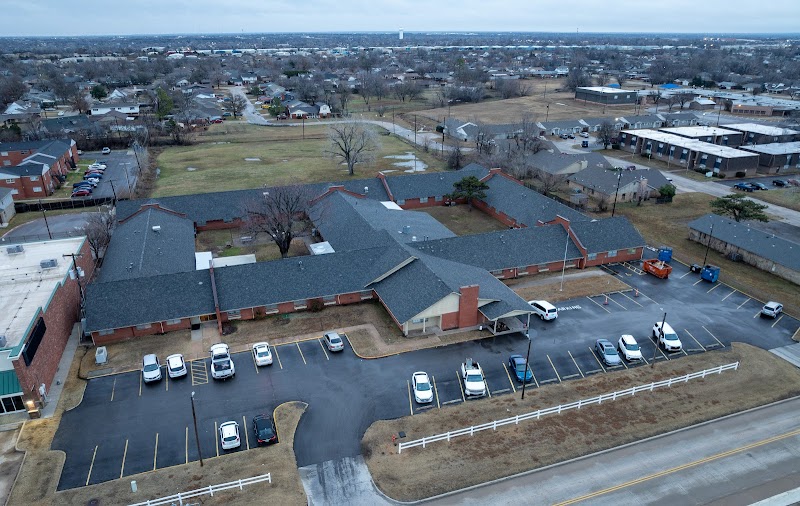
How is Thunder Care And Rehabilitation Staffed?

CMS rates Thunder Care and Rehabilitation's staffing level at 2 out of 5 stars, which is below average compared to other nursing homes. Staff turnover is 63%, which is 16 percentage points above the Oklahoma average of 46%. High turnover can affect care consistency as new staff learn residents' individual needs. RN turnover specifically is 57%, which is notably high. RNs provide skilled clinical oversight, so turnover in this role can affect medical care quality.

What Have Inspectors Found at Thunder Care And Rehabilitation?

State health inspectors documented 40 deficiencies at Thunder Care and Rehabilitation during 2022 to 2025. These included: 3 Immediate Jeopardy (the most serious level, indicating potential for serious harm or death) and 37 with potential for harm. Immediate Jeopardy findings are rare and represent the most serious regulatory concerns. They require immediate corrective action.
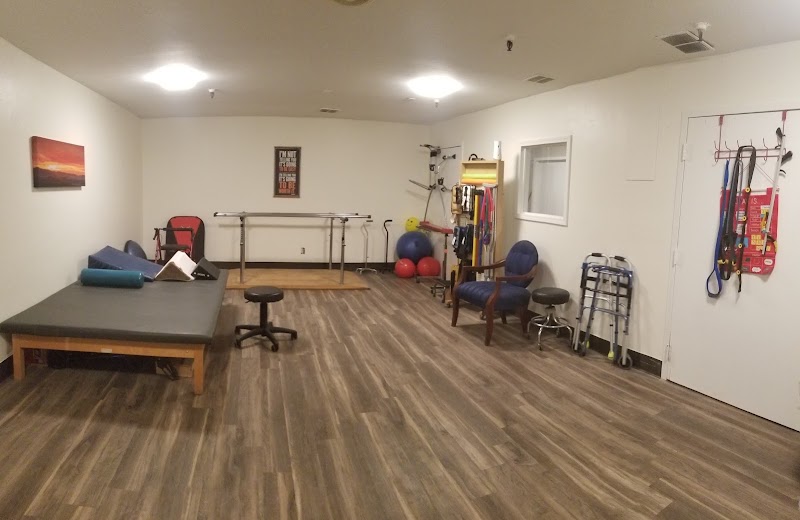
Who Owns and Operates Thunder Care And Rehabilitation?

Thunder Care and Rehabilitation is owned by a for-profit company. For-profit facilities operate as businesses with obligations to shareholders or private owners. The facility is operated by IHS MANAGEMENT CONSULTANTS, a chain that manages multiple nursing homes. With 154 certified beds and approximately 123 residents (about 80% occupancy), it is a mid-sized facility located in Moore, Oklahoma.

How Does Thunder Care And Rehabilitation Compare to Other Oklahoma Nursing Homes?

Compared to the 100 nursing homes in Oklahoma, Thunder Care and Rehabilitation's overall rating (1 stars) is below the state average of 2.6, staff turnover (63%) is significantly higher than the state average of 46%, and health inspection rating (1 stars) is much below the national benchmark.

What Should Families Ask When Visiting Thunder Care And Rehabilitation?

Based on this facility's data, families visiting should ask: "What changes have been made since the serious inspection findings, and how are you preventing similar issues?" "What safeguards and monitoring systems are in place to protect residents from abuse or neglect?" "How do you ensure continuity of care given staff turnover, and what is your staff retention strategy?" "Can you walk me through typical staffing levels on day, evening, and night shifts?" These questions are particularly relevant given the facility's Immediate Jeopardy citations, the substantiated abuse finding on record, the facility's high staff turnover rate, and the below-average staffing rating.

Is Thunder Care And Rehabilitation Safe?

Based on CMS inspection data, Thunder Care and Rehabilitation has documented safety concerns. The facility has 1 substantiated abuse finding (meaning confirmed case of resident harm by staff or other residents). Inspectors have issued 3 Immediate Jeopardy citations (the most serious violation level indicating risk of serious injury or death). The facility is currently on the Special Focus Facility watch list (a federal program monitoring the lowest-performing 1% of nursing homes nationwide). The facility has a 1-star overall rating and ranks #100 of 100 nursing homes in Oklahoma. Families considering this facility should ask detailed questions about what corrective actions have been taken since these incidents.

Do Nurses at Thunder Care And Rehabilitation Stick Around?

Staff turnover at Thunder Care and Rehabilitation is high. At 63%, the facility is 16 percentage points above the Oklahoma average of 46%. Registered Nurse turnover is particularly concerning at 57%. RNs handle complex medical decisions and coordinate care — frequent RN changes can directly impact care quality. High turnover means new staff may not know residents' individual needs, medications, or preferences. It can also be disorienting for residents, especially those with dementia who rely on familiar faces. Families should ask: What is causing the turnover? What retention programs are in place? How do you ensure care continuity during staff transitions?

Was Thunder Care And Rehabilitation Ever Fined?

Thunder Care and Rehabilitation has been fined $40,646 across 2 penalty actions. The Oklahoma average is $33,485. While any fine indicates a compliance issue, fines under $50,000 are relatively common and typically reflect isolated problems that were subsequently corrected. Families should ask what specific issues led to these fines and confirm they've been resolved.

Is Thunder Care And Rehabilitation on Any Federal Watch List?

Thunder Care and Rehabilitation is currently an SFF Candidate, meaning CMS has identified it as potentially qualifying for the Special Focus Facility watch list. SFF Candidates have a history of serious deficiencies but haven't yet reached the threshold for full SFF designation. The facility is being monitored more closely — if problems continue, it may be added to the official watch list. Families should ask what the facility is doing to address the issues that led to this status.