Noble Health Care Center
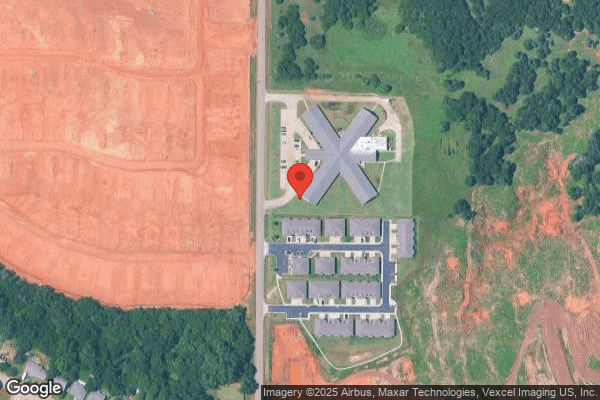
1501 North 8th Street, Noble, OK 73068 (405) 872-7102
Non profit - Corporation 110 Beds STONEGATE SENIOR LIVING Data: November 2025
Trust Grade
15/100
#250 of 282 in OK
Last Inspection: August 2024

Within standard 12-15 month inspection cycle. Federal law requires annual inspections.

Overview

Noble Health Care Center has received a Trust Grade of F, indicating poor performance with significant concerns regarding care quality. Ranking #250 out of 282 facilities in Oklahoma places them in the bottom half of all nursing homes in the state, and #9 out of 10 in Cleveland County means there is only one local option that is better. While the facility is showing signs of improvement, having reduced issues from 14 in 2024 to 2 in 2025, their overall health inspection and staffing ratings are both at a concerning 1 out of 5 stars. Staffing turnover is average at 59%, which is close to the state average, but there have been serious and concerning incidents reported, such as failing to protect residents from abuse and maintaining cleanliness in the kitchen and living areas. On a positive note, the facility has not incurred any fines, which is a good sign, but families should weigh these strengths against the weaknesses highlighted in the inspector findings.

Trust Score
F
15/100
In Oklahoma
#250/282
Bottom 12%
Safety Record
High Risk
Review needed
Inspections
Getting Better
14 → 2 violations
Staff Stability
⚠ Watch
59% turnover. Above average. Higher turnover means staff may not know residents' routines.
Penalties
✓ Good
No fines on record. Clean compliance history, better than most Oklahoma facilities.
Skilled Nurses
⚠ Watch
Each resident gets only 13 minutes of Registered Nurse (RN) attention daily — below average for Oklahoma. Fewer RN minutes means fewer trained eyes watching for problems.
Violations
⚠ Watch
54 deficiencies on record. Higher than average. Multiple issues found across inspections.
★☆☆☆☆
1.0
Overall Rating
★☆☆☆☆
1.0
Staff Levels
★★★☆☆
3.0
Care Quality
★☆☆☆☆
1.0
Inspection Score
Stable
2024: 14 issues
2025: 2 issues

The Good

  • Full Sprinkler Coverage · Fire safety systems throughout facility
  • No fines on record

Facility shows strength in fire safety.

The Bad

1-Star Overall Rating

Below Oklahoma average (2.6)

Significant quality concerns identified by CMS

Staff Turnover: 59%

13pts above Oklahoma avg (46%)

Frequent staff changes - ask about care continuity

Chain: STONEGATE SENIOR LIVING

Part of a multi-facility chain

Ask about local staffing decisions and management

Staff turnover is elevated (59%)

11 points above Oklahoma average of 48%

The Ugly 54 deficiencies on record

1 actual harm
Jun 2025 1 deficiency 1 Harm
SERIOUS (H) 📢 Someone Reported This

A family member, employee, or ombudsman was alarmed enough to file a formal complaint

Actual Harm - a resident was hurt due to facility failures

Free from Abuse/Neglect (Tag F0600)

A resident was harmed · This affected multiple residents

**NOTE- TERMS IN BRACKETS HAVE BEEN EDITED TO PROTECT CONFIDENTIALITY** Based on observation, record review, and interview, the facility failed to ensure residents were free from abuse for 4 (#1, #2, ...

Read full inspector narrative →
**NOTE- TERMS IN BRACKETS HAVE BEEN EDITED TO PROTECT CONFIDENTIALITY** Based on observation, record review, and interview, the facility failed to ensure residents were free from abuse for 4 (#1, #2, #3, and #4) of 4 sampled residents reviewed for abuse. The DON identified 81 residents resided in the facility. Findings: A policy titled Abuse, Neglect, Exploitation and Misappropriation of Resident Property, reviewed 02/12/20, read in part, Residents must not be subjected to abuse. neglect, exploitation, misappropriation of resident's property by anyone, including, but not limited to, facility staff, other residents, consultants, volunteers, staff of other agencies serving the resident,family members, legal guardians, resident representative, friends or other individuals. 1. Resident #1's Quarterly MDS assessment, dated 06/20/25, showed they had a BIMS score of 13 indicating they were cognitively intact. On 06/24/25 at 9:43 a.m., Resident #1 stated, I just witnessed [Resident #5] hit other people. They took [Resident #5] somewhere else, [Resident #5] does not live here anymore. 2. On 06/23/25 at 1:17 p.m., Resident #2's left ear was observed with dried blood on it. There was an approximately 1 cm scratch on the top of the [NAME] (ear). Resident #2 stated all staff did was put Betadine (antiseptic) on it. Resident #2 takes Eliquis (an anticoagulant) 5 milligrams every 12 hours. Resident #2's Quarterly MDS assessment, dated 06/13/25, showed they had a BIMS score of 12 indicating they were moderately cognitively impaired. On 06/23/25 at 1:17 p.m., Resident #2 stated Resident #5 came up to me twice and started hitting me as hard as [they] could in the head. Resident #2 stated Resident #5 beats on anybody that [they] can get away with it. Resident #2 stated staff told Resident #5 to go to their room. Resident #2 stated, Don't want to kill anybody, but [Resident #5] makes me want to kill [them]. 3. Resident #3's Quarterly MDS assessment, dated 06/07/25, showed they had a BIMS score of 8 indicating they were moderately cognitively impaired. On 06/23/25 at 2:27 p.m., Resident #3 stated, When [Resident #5] was yelling at me, [they] spit in my face. I told the officer that was assault. The officer said eventually I would get a summons in the mail and would have to go to court regarding trying to press charges. Unfortunately I couldn't walk or I would have hit [Resident #5]. Staff split us up. Nothing else happened. [Resident #5] still looks at me like [they] wants some trouble. [Resident #5] goes around behind me when I am sitting down and bumps into my chair on purpose. [Resident #5] is just a bully. If it comes down to it, I will cripple [Resident #5]. 4. Resident #4's Quarterly MDS assessment, dated 05/04/25, showed they had a BIMS score of 12 indicating they were moderately cognitively impaired. On 06/23/25 at 2:22 p.m., Resident #4 stated they were scared to death of [Resident #5] and [Resident #5] needs to be somewhere else. I hate [Resident #5]. 5. On 06/23/25 at 3:34 p.m., during the interview of Resident #5 outside in the smoking area, with their 1:1 staff present, other residents started coming out for their timed cigarette break. Resident #5 started pointing out people saying that piece of [expletive] right there in the red hat. Resident #5 proceeded to call another resident a fat [expletive], fat piece of [expletive], faggot amongst other derogatory terms. Resident #5 then yelled Shut up when residents started telling Resident #5 to stop talking to them like that. Resident #5 stood up, shaking with rage so badly that they spilled coffee on surveyor. Resident #5 then started slamming their walker onto the ground repeatedly while continuing to yell expletive words at staff and other residents. Resident #5 came towards male staff who was attempting to get Resident #5 to calm down. Resident #5 had their hands balled up in fists yelling right into male staff members face. No staff touched Resident #5 at all, they simply stood between Resident #5 and the other residents trying to get Resident #5 to calm down. Seven staff members came outside to try to de-escalate the situation . The staff had to send in the residents that were coming out to smoke. On 06/23/25 at 3:39 p.m., once the other residents had went back inside, Resident #5 started yelling at the only other resident that remained outside, and banging their walker around. The DON and administrator arrived to the scene and at 3:40 p.m., the administrator called the police and asked them to get there as soon as possible. Multiple staff members created a barricade with their bodies around the other resident while one staff walked with Resident #5 to their room. Resident #5 was yelling and cussing the entire way to their room. On 06/23/25 at 3:44 p.m., two police officers arrived to speak with staff and Resident #5. Resident #5's admission MDS assessment, dated 04/23/25, showed they had a BIMS score of 15 indicating they were cognitively intact. An Incident Report, dated 06/09/25, showed Resident #1 accidentally ran into Resident #5's walker, causing Resident #5 to grab Resident #1's arm. Resident #2 then stated come and get some to Resident #5. Resident #5 then proceeded to hit Resident #2 in the head. Staff split the residents up. Medications were changed for Resident #1 and #5, Resident #2 was sent out to ER with no injury found. On 06/16/25, an Abuse policies and procedures staff in-service was completed. An Incident Report, dated 06/19/25, showed Resident #5 closed the blinds in the dining room due to the glare, and Resident #3 yelled at Resident #5 to open the blinds back up. Both residents started yelling at each other and then Resident #5 spit in Resident #3's face. Resident #3 then wanted to press charges. Police were called. Residents were separated. A mental health physician was contacted. A mental health agency scheduled de-escalation in-service with staff. On 06/20/25, a QAPI (Quality Assurance and Performance Improvement) behavior sheet was initiated, and it has continued to be updated with each behavior and the interventions. An Incident Report, dated 06/22/25, showed Resident #5 started yelling and hitting Resident #2 in their left ear. Resident #5 also pushed their walker against Resident #4's wheelchair causing it to roll backwards. Staff split up the residents. Resident #2's ear was treated, Resident #4 had no injury, and Resident #5 was put on 1:1. On 06/23/25 at 3:12 p.m., Resident #5 stated, I am an easygoing person to get along with. I am not going to be a captive audience to these idiots. [Resident #2] threatened me four times and came at me and I hit [Resident #2] upside the head. [Resident #2] could have easily went around. Satan [referring to Resident #1] started coming in to bingo when it was almost over staff put [Resident #1] out and when [Resident #1] came back in, I wanted [Resident #1] to leave. [Resident #1] came over and rammed their wheelchair into me again. Later when I was coming back in from smoking [Resident #2] said something like 'what makes you special.' I followed [Resident #2] and asked what is your problem? They said 'you are.' I started wailing on [Resident #2] again. The sun was shining on me and I went to shut the blinds and [Resident #3] started screaming at me. I went and asked why are you yelling at me? [Resident #3] also screams at staff. [Resident #3] told me they were going to take care of the problem. That is when I spit on [Resident #3] and started screaming to call the police. A police officer did come. I have been on 1:1 before it might have been the other time. Today I am sitting with the person doing the 1:1, and a dietary person said 'what floor are you on' and [the 1:1 staff] said I'm right here, and the dietary person said 'exactly.' I asked the [1:1 staff] if it was directed at me and they said they didn't know what it was about. I said [to the dietary person] 'do you have something to say because I don't want to think you are a sissy' and if I see [dietary staff] looking at me I am going to go after them. On 06/23/25 at 3:29 p.m., Resident #5 stated [the DON] told me I could either go to jail or the hospital, so I packed and got ready to go to jail. The officer told me, I wasn't going to jail. [The DON] said 'I'm not sending you to jail, if is your behavior that is sending you to jail.' I packed again today for wherever they want to send me. They have my finances tied up so when I do leave I wont have my social security. On 06/24/25 at 11:42 a.m., licensed practical nurse #1 stated, [Resident #5] refused care a lot. [Resident #5] had an altercation with a resident and spit on them. We separated them and tried to take [Resident #5] to their room to calm down. Sunday [Resident #5] had an altercation with other residents and when I tried to get [Resident #5] to go to their room, they rammed into a different resident unprovoked. [Resident #5] got in my face and told me 'I was going to my room already.' When I was here, I did not feel [Resident #5] was provoked in any way, but [Resident #5] told me if they felt threatened they would fight. That day we also initiated the 1:1 and [Resident #5] would be mad that someone had to sit with them. On 06/24/25 at 10:30 a.m., the administrator stated they have been in contact with the physician, the psychiatric physician, a mental health agency, the police, and tried multiple interventions. The administrator stated Resident #5 signed against medical advice papers and left with the cops on 06/23/25 at 4:15 p.m., after telling staff it was none of their business where they (Resident #5) went. On 06/24/25 at 12:15 p.m., the DON stated, Law enforcement was called and they said they cant take [Resident #5] to jail unless they are actively abusing someone when the cops arrive, and to press charges, it has to go to the DA [district attorney] first. I don't know what else we can do.
Jan 2025 1 deficiency
CONCERN (D) 📢 Someone Reported This

A family member, employee, or ombudsman was alarmed enough to file a formal complaint

Potential for Harm - no one hurt, but risky conditions existed

Quality of Care (Tag F0684)

Could have caused harm · This affected 1 resident

Based on record review and interview, the facility failed to perform weekly skin assessments for one (#4) of three sampled residents reviewed for skin assessment and monitoring. The BOM identified 78 ...

Read full inspector narrative →
Based on record review and interview, the facility failed to perform weekly skin assessments for one (#4) of three sampled residents reviewed for skin assessment and monitoring. The BOM identified 78 residents who resided in the facility. Findings: A Skin Data Collection: Licensed Nurses policy, revised July 2018, read in parts, Weekly, the Licensed Nurse performs a head to toe check of the resident's skin, pay attention to: the surfaces of the skin that come in contact with the bed and chair, bony prominences, and the surfaces of the skin that come in contact with any orthotic device, tube, brace or positioning device, breast and gluteal folds .The licensed nurse should pay attention to: redness, rashes, discolorations, open areas, blisters, dry/flaking skin, and edema .Any significant abnormal findings are reported to the resident's physician and resident or responsible party .Documentation that the check was performed is denoted on the EMR/medical record. Res #4 had diagnoses which included type II diabetes mellitus, rash, and irritant contact dermatitis due to fecal, urinary or dual incontinence. A care plan, dated 09/28/24, documented the resident was at risk for skin breakdown with an intervention to inspect the skin on the body, head to toe every week and document results. A physician order, dated 10/16/24, documented Triad wound dressing paste topically twice daily to MASD on lower bilateral buttocks until resolved. A quarterly assessment, dated 10/20/24, documented the resident was cognitively intact, required substantial to maximum assistance with toileting and transfer, was always incontinent of bowel, and had moisture associated skin damage which required application of ointments/medications. A skin assessment, dated 10/28/24, documented Res #4 had MASD on the buttocks and peri-area. A skin assessment, dated 11/04/24, documented Res #4 had MASD on the buttocks, right leg, and left leg. There were no weekly skin assessments documented for 11/11/24 and 11/18/24. A nurse's note, dated 11/20/24, documented the resident was transported out of the facility to the hospital. The resident did not return to the facility. On 01/23/25 at 9:30 a.m., the wound care nurse stated Res #4 had MASD to buttocks that was being treated with ointment twice daily. They stated the weekly skin assessments on 11/11/24 and 11/18/24 were not completed. On 01/23/25 at 10:30 a.m., the DON stated skin assessments should be completed weekly on all residents. They stated Res #4's skin assessment for the week of 11/11/24 and 11/18/24 were not completed, but should have been.
Dec 2024 2 deficiencies
CONCERN (D) 📢 Someone Reported This

A family member, employee, or ombudsman was alarmed enough to file a formal complaint

Potential for Harm - no one hurt, but risky conditions existed

Infection Control (Tag F0880)

Could have caused harm · This affected 1 resident

Based on observation and interview, the facility failed to ensure staff used infection control measures when getting ice for a resident (name unknown). The DON reported 74 residents resided in the fac...

Read full inspector narrative →
Based on observation and interview, the facility failed to ensure staff used infection control measures when getting ice for a resident (name unknown). The DON reported 74 residents resided in the facility. Findings: On 12/23/24 at 2:45 p.m., housekeeper #1 was observed carrying a resident's (name unknown) ice cup down the hallway to the ice machine without the lid on it to get the resident some ice. The housekeeper was observed to carry the cup and their thumb was inside the cup. The housekeeper was observed cleaning rooms before taking the cup to get ice for the resident. On 12/23/24 at 2:50 p.m., housekeeper #1 was observed pushing the housekeeping cart down the hall with the resident's (name unknown) ice cup set on top of wet floor signs on top of the cart. On 12/23/24 at 2:51 p.m., the DON was made aware of housekeeper #1's actions and the concerns related to infection control. The DON reported that was not proper infection control practices.
CONCERN (E) 📢 Someone Reported This

A family member, employee, or ombudsman was alarmed enough to file a formal complaint

Potential for Harm - no one hurt, but risky conditions existed

Safe Environment (Tag F0584)

Could have caused harm · This affected multiple residents

**NOTE- TERMS IN BRACKETS HAVE BEEN EDITED TO PROTECT CONFIDENTIALITY** Based on observation and interview, the facility failed to ensure housekeeping services maintained a clean environment. The DON ...

Read full inspector narrative →
**NOTE- TERMS IN BRACKETS HAVE BEEN EDITED TO PROTECT CONFIDENTIALITY** Based on observation and interview, the facility failed to ensure housekeeping services maintained a clean environment. The DON reported 74 residents resided in the facility. Findings: On 12/23/24 at 10:45 a.m., Resident #2 reported their restroom was dirty. The resident reported housekeeping did not clean the restrooms. On 12/23/24 at 10:46 a.m., Resident #2's restroom sink was observed to be brown with grime and there were brown rings on the countertop. Black debris was observed randomly on the restroom floor and around the toilet. On 12/23/24 at 12:22 p.m., housekeeper #1 was observed entering Resident #6's room. The housekeeper was not observed to sweep the floor. The housekeeper was observed dragging a mop through the room and chatting with Resident #6. The housekeeper was observed to exit the room and went down the hall to another resident's room. On 12/23/24 at 12:31 p.m., CNA #1 informed housekeeper #1 resident room [ROOM NUMBER] needed to be cleaned. The CNA reported it was badly stained and state surveyors were in the building. On 12/23/24 at 12:34 p.m., Resident #6 reported housekeeping swept and mopped their rooms and restrooms every other day. The resident reported the sink and toilet were only cleaned if housekeeping was asked to do so. The resident reported the housekeeper had just cleaned the room, but had not cleaned the restroom. On 12/23/24 at 12:40 p.m., the administrator reported housekeepers were in the building every day and all resident rooms, including resident restrooms, should be cleaned daily. On 12/23/24 at 12:41 p.m., the administrator was taken to Resident #5's restroom and shown the black ring in the toilet and the stained sink. The administrator reported the residents in that room did not use the restroom and the stains were from hard water. The administrator reported housekeeping would be notified. On 12/23/24 at 12:43 p.m., the administrator was taken to Resident #2's restroom and shown the brown grime in the sink and that it was not stained because it would wipe away. The administrator reported it would be cleaned. On 12/23/24 at 12:51 p.m., the toilet riser in Resident #6's room was observed soiled with a large area of dried stool. The sink was observed mostly covered with brown grime that wiped away with ease with the use of a paper towel. The floor in the resident's restroom was also observed to have black debris randomly on the floor and around the toilet and baseboards. On 12/23/24 at 1:05 p.m., housekeeper #1 reported resident rooms and bathrooms, including the sink and toilets, were to be cleaned every other day. On 12/23/24 at 2:40 p.m., the DON and RN #1 were taken to Resident #6's room to observe the restroom. The DON and RN #1 agreed the restroom had not been cleaned properly.
Aug 2024 12 deficiencies
CONCERN (D)

Potential for Harm - no one hurt, but risky conditions existed

Resident Rights (Tag F0550)

Could have caused harm · This affected 1 resident

Based on observation and interview, the facility failed to promote resident dignity by staff standing over residents while assisting them to eat. The administrator identified 81 residents resided in t...

Read full inspector narrative →
Based on observation and interview, the facility failed to promote resident dignity by staff standing over residents while assisting them to eat. The administrator identified 81 residents resided in the building and 17 required assistance with eating. Findings: On 08/06/24 at 8:37 a.m., CMA #1 was observed standing while assisting two residents to eat at the dining table. CNA #1 was at the next table standing while assisting a resident to eat. There were eight empty dining chairs within a few feet of both staff that were standing. There was also another staff that was seated while feeding residents. On 08/06/24 at 9:26 a.m., CMA #1 stated they did not know about standing or sitting because they usually worked the night shift. On 08/06/24 at 9:29 a.m., CMA #1 stated they are supposed to sit down with the resident, but they were just trying to help the resident get the food on the spoon, so it wouldn't get scooped off the plate. They stated they did not mean any disrespect towards the resident. On 08/06/24 at 10:03 a.m., the DON stated the policy is to sit down eye level to feed residents and that staff were aware of the policy.
CONCERN (D)

Potential for Harm - no one hurt, but risky conditions existed

Deficiency F0578 (Tag F0578)

Could have caused harm · This affected 1 resident

**NOTE- TERMS IN BRACKETS HAVE BEEN EDITED TO PROTECT CONFIDENTIALITY** Based on record review and interview, the facility failed to ensure residents were offered the choice to formulate an advanced d...

Read full inspector narrative →
**NOTE- TERMS IN BRACKETS HAVE BEEN EDITED TO PROTECT CONFIDENTIALITY** Based on record review and interview, the facility failed to ensure residents were offered the choice to formulate an advanced directive for two (#7 and #40) of 24 sampled residents whose advance directive acknowledgements were reviewed. The administrator identified 81 residents resided in the facility. Findings: An Advanced Directives policy, reviewed April 22, 2024, read in part, Upon admission, identify if the resident has an advance directive and if not, determine if the resident wishes to formulate an advance directive. 1. Resident #7 was re-admitted on [DATE] with diagnoses which included traumatic brain injury. 2. Resident #40 was admitted on [DATE] with diagnoses which included hemiplegia of left side and acute kidney failure. On 08/05/24 at 11:57 a.m., the DON stated that they are to ask each resident at admission, and they did not see that an advance directive was uploaded for either resident. On 08/07/24 at 1:20 p.m., the DON stated they were unable to locate the advance directives for Resident #7 or #40, and that it may have been in Resident #7's old chart. They stated they have both been completed as of 08/06/24 and are uploaded into their charts.
CONCERN (D)

Potential for Harm - no one hurt, but risky conditions existed

Assessment Accuracy (Tag F0641)

Could have caused harm · This affected 1 resident

**NOTE- TERMS IN BRACKETS HAVE BEEN EDITED TO PROTECT CONFIDENTIALITY** Based on record review and interview, the facility failed to ensure resident assessments were accurately coded on two of the MDS...

Read full inspector narrative →
**NOTE- TERMS IN BRACKETS HAVE BEEN EDITED TO PROTECT CONFIDENTIALITY** Based on record review and interview, the facility failed to ensure resident assessments were accurately coded on two of the MDS assessments completed for one (#7) of 19 sampled residents reviewed for accurate assessments. The Administrator identified 81 residents resided in the facility. Findings: Resident #7 had diagnoses which included traumatic brain injury, nephrolithiasis, and left upper extremity paralysis. A Resident Summary, dated 01/19/24, 01/20/24/01/21/24, and 01/22/24, all document resident #7 had an indwelling catheter. A Physician's order, dated 01/24/24, documented to change foley catheter as needed for clogged/dislodged/or clinically indicated. The quarterly MDS, dated [DATE], documented Resident #7 had no bowel or bladder appliances. The quarterly MDS, dated [DATE], documented Resident #7 had no bowel or bladder appliances. On 08/07/24 at 11:46 a.m. the MDS Coordinator stated the 01/23/24 and 04/24/24 quarterly MDS were both coded inaccurately because Resident #7 did have an indwelling catheter at the time of both assessments.
CONCERN (D)

Potential for Harm - no one hurt, but risky conditions existed

Accident Prevention (Tag F0689)

Could have caused harm · This affected 1 resident

**NOTE- TERMS IN BRACKETS HAVE BEEN EDITED TO PROTECT CONFIDENTIALITY** Based on record review, and interview, the facility failed to complete neurological checks per protocol after an unwitnessed fal...

Read full inspector narrative →
**NOTE- TERMS IN BRACKETS HAVE BEEN EDITED TO PROTECT CONFIDENTIALITY** Based on record review, and interview, the facility failed to complete neurological checks per protocol after an unwitnessed fall for one (#71) of seven sampled residents reviewed for accidents. The administrator identified 82 residents resided in the facility. Findings: An INCIDENT/ACCIDENT REPORTING policy, reviewed 01/12/22, documented a neurological assessment flow sheet will be immediately initiated and maintained for each incident/accident involving an injury of any kind to the head or any unwitnessed fall. It documented monitoring is triggered to be completed for 72 hours. Res #71 admitted to the facility on [DATE] with diagnoses which included history of right femur fracture and spinal disc disorder. An incident report, dated 07/04/24, documented the resident had an unwitnessed fall resulting in a small bruise to the residents top right side of the head. The incident report documented neuro checks were started. A neuro check log for Res #71 dated 07/04/24 through 07/06/24, documented neuro checks were not completed 16 of 18 opportunities. On 08/08/24 at 11:13 a.m., the DON stated neuro checks were not completed per protocol for the 07/04/24 fall.
CONCERN (D)

Potential for Harm - no one hurt, but risky conditions existed

Incontinence Care (Tag F0690)

Could have caused harm · This affected 1 resident

**NOTE- TERMS IN BRACKETS HAVE BEEN EDITED TO PROTECT CONFIDENTIALITY** Based on observation, record review, and interview, the facility failed to obtain a physician order for the placement of a foley...

Read full inspector narrative →
**NOTE- TERMS IN BRACKETS HAVE BEEN EDITED TO PROTECT CONFIDENTIALITY** Based on observation, record review, and interview, the facility failed to obtain a physician order for the placement of a foley catheter for one (#31) of three sampled residents reviewed for catheters. The administrator identified 82 residents resided in the facility. Findings: Res #31 readmitted to the facility on [DATE] with diagnoses which included sepsis. A progress note, dated 07/12/2024 at 6:24 p.m., documented a foley catheter was inserted per provider order. A review of physician orders from 07/11/24 to 08/06/24 did not document an order for placement of a foley catheter. On 08/06/24 at 12:15 p.m., Res #31 was observed seated in their wheelchair in the dining room. A foley catheter drainage bag was observed hanging from the wheelchair. On 08/07/24 at 9:46 a.m., the DON stated the nurse did not enter an order to place the foley before it was placed.
CONCERN (D)

Potential for Harm - no one hurt, but risky conditions existed

Respiratory Care (Tag F0695)

Could have caused harm · This affected 1 resident

Based on observation, record review, and interview, the facility failed to supervise a resident while administering a breathing treatment for one (#49) of one sampled residents reviewed for respirator...

Read full inspector narrative →
Based on observation, record review, and interview, the facility failed to supervise a resident while administering a breathing treatment for one (#49) of one sampled residents reviewed for respiratory treatments. The administrator identified 82 residents resided in the facility. Findings: Res #49 had diagnoses which included COPD. A physician order, dated 05/21/24, documented to administer budesonide 0.5 mg/2 mL suspension for nebulization twice per day for pneumonia. On 08/05/24 at 11:00 a.m., Res #49 was observed seated on the end of their bed holding a breathing treatment mask to their face. A nurse was not observed in the room or in the hall. The resident was observed turning off the treatment and setting the mask aside. On 08/05/24 at 11:06 a.m., Res #49 stated the nurse set up his breathing treatment and left. They stated the nurses never stay to monitor them during the treatment. On 08/05/24 at 11:08 a.m., LPN #2 stated the resident should be monitored during the breathing treatment unless they have been assessed to self administer medications. Res #49 did not have an assessment to self administer medications. On 08/08/24 at 11:13 a.m., the DON stated the nurse should stay with the resident during administration of a breathing treatment to monitor the resident.
CONCERN (D)

Potential for Harm - no one hurt, but risky conditions existed

Medication Errors (Tag F0758)

Could have caused harm · This affected 1 resident

Based on record review and interview, the facility failed to ensure psychotropic medications were monitored for target behaviors and side effects for one (#28) of five sampled residents reviewed for u...

Read full inspector narrative →
Based on record review and interview, the facility failed to ensure psychotropic medications were monitored for target behaviors and side effects for one (#28) of five sampled residents reviewed for unnecessary medications. The DON identified 50 residents received psychotropic medications. Findings: Res #28 had diagnoses which included anxiety disorder. A physician order, dated 06/19/24, documented to administer mirtazapine 7.5 mg at bedtime for anxiety disorder. A physician order, dated 04/24/22, documented to administer buspirone 5 mg twice per day for anxiety disorder. A physician order, dated 02/28/24, documented to administer fluoxetine 40 mg in the morning for anxiety disorder. Behavior and side effect monitoring for 06/01/24 through 06/30/24 documented missing documentation for 25 of 60 opportunities. Behavior and side effect monitoring for 07/01/24 to 07/31/24 documented missing documentation for 25 of 62 opportunities. Behavior and side effect monitoring for 08/01/24 to 08/07/24 documented missed documentation for 11 of 14 opportunities. On 08/08/24 at 11:18 a.m., the DON stated the facility did not do consistent monitoring of psychotropic medications for Res #28.
CONCERN (E)

Potential for Harm - no one hurt, but risky conditions existed

Quality of Care (Tag F0684)

Could have caused harm · This affected multiple residents

**NOTE- TERMS IN BRACKETS HAVE BEEN EDITED TO PROTECT CONFIDENTIALITY** Based on observation, record review, and interview, the facility failed to assess, monitor, and intervene for: A. a resident who...

Read full inspector narrative →
**NOTE- TERMS IN BRACKETS HAVE BEEN EDITED TO PROTECT CONFIDENTIALITY** Based on observation, record review, and interview, the facility failed to assess, monitor, and intervene for: A. a resident who tested positive for COVID-19 for one (Res #6) of one sampled resident reviewed for COVID-19, and B. a resident with a PICC line for one (Res #31) of one sampled resident reviewed for IV therapy. The administrator identified 82 residents resided in the facility. Findings: A facility Vascular Access Devices and Infusion Therapy Procedures, dated 2011, documented a PICC line as a peripheral intravenous line that ends just above the atria of the heart. The external length of the PICC line should be measured with every dressing change. The procedure documented the extension kit should be changed every seven days. 1. Res #6 had diagnoses which included weakness and difficulty swallowing after a stroke. A quarterly MDS, dated [DATE], documented Res #6 was cognitively intact. A progress note, dated 08/02/24 at 1:30 a.m., documented Res #6 had complained of difficulty breathing and was assessed to have a fever and diminished lung sounds. The note documented the resident was sent to the hospital for evaluation at 10:00 p.m. the prior evening. A progress note, dated 08/02/24 at 1:36 a.m., documented Res #6 returned to the facility around 12:30 a.m. with a diagnosis of COVID-19. There are no progress notes documented on 08/03/24 through 08/05/24. A record review documented no order to monitor the resident's respiratory status. On 08/05/24 at 09:39 a.m., Res #6 was observed receiving their breakfast tray. A sign on the door documented the resident was on isolation due to COVID-19. A physician order, dated 08/08/24 at 12:50 p.m., documented to monitor the resident's respiratory status every 8 hours and report worsening symptoms to the physician. The order documented to monitor temperature, blood pressure, pulse, respirations, and oxygen saturation. On 08/08/24 at 1:34 p.m., the DON stated Res #6 was not being monitored for respiratory status secondary to COVID-19 prior to 08/08/24. 2. A discharge MDS, dated [DATE], documented Res #31 was severely cognitively impaired. Res #31 readmitted to the facility on [DATE] with diagnoses which included sepsis. A physician order, dated 07/11/24, documented to administer daptomycin (an antibiotic) intravenously one time per day for UTI. A progress note, dated 07/17/24, documented the resident was receiving antibiotics through a PICC line in the right arm. The note documented there was a clear dressing in place. A progress note, dated 07/18/24, documented the resident was receiving antibiotics through a PICC line in the right arm. The note documented there was a clear dressing in place. A care plan, reviewed 07/18/24, did not document the resident had a PICC line or interventions for the monitoring and management of a PICC line. A progress note, dated 07/20/24, documented the resident was receiving antibiotics through a PICC line. A progress note, dated 07/22/24, documented the resident's PICC dressing was saturated due to their shower and was changed. Skilled nurses notes from readmission to 07/23/24 were reviewed and did not document dressing changes, monitoring, or removal of the PICC line. Record review documented no order for the monitoring or management of the PICC line. There was no order to discontinue the PICC line or change the dressing. There was no further documentation regarding the PICC line in the progress notes. On 08/06/24 at 12:15 p.m., Res #31 was observed seated in their wheelchair in the dining room. When asked if the resident had an IV in their arm they shrugged and shook their head. They were wearing a long sleeve shirt and the upper arm could not be visualized. On 08/07/24 at 9:46 a.m., the DON stated the PICC was discontinued, but there was no documentation when the PICC line was discontinued or by whom. On 08/07/24 at 1:18 p.m., LPN #2 stated PICC care involved ensuring the dressing was clean, dry, and intact with no drainage. They stated the line must be checked for patency and the hubs covered with a green cap (antibacterial cap) when not in use. They stated the PICC should be flushed as ordered and the site should be assessed at least once per shift. On 08/07/24 at 1:21 p.m., the DON stated there should have been an order to monitor the resident's PICC site. They stated there should have been an order to change the dressing every 7 days.
CONCERN (E)

Potential for Harm - no one hurt, but risky conditions existed

Deficiency F0804 (Tag F0804)

Could have caused harm · This affected multiple residents

**NOTE- TERMS IN BRACKETS HAVE BEEN EDITED TO PROTECT CONFIDENTIALITY** Based on observation and interview, the facility failed to ensure food was palatable and served at appetizing temperatures durin...

Read full inspector narrative →
**NOTE- TERMS IN BRACKETS HAVE BEEN EDITED TO PROTECT CONFIDENTIALITY** Based on observation and interview, the facility failed to ensure food was palatable and served at appetizing temperatures during meals. The Administrator identified 80 residents received services from the kitchen. Findings: 08/05/24 at 8:08 a.m., Resident #72 stated the food is not good. trays sit out too long in the hallway, and it is cold when we get it. On 08/05/24 at 8:45 a.m., Resident #37 stated it could be better, the taste is not good and we need variety. On 08/05/24 at 9:23 a.m., Resident #7 stated what is served is never what is on the menu. On 08/05/24 at 11:14 a.m., Resident # 41 stated I would rather have decent food, its atrocious. On 08/06/24 at 9:09 a.m., there were 2 uninsulated wire carts on hall 200 with trays waiting to be passed. At 9:13 a.m., a tray is taken into room [ROOM NUMBER]. On 08/06/24 at 9:23 a.m., Resident # 31's tray is observed sitting on the bedside table unopened and not within reach due to a fall mat against the bed. Resident # 31 is lying in bed and did not answer when asked if they were hungry. There were no staff in the room. Resident # 31's roommate stated Resident # 31 is unable to talk and is usually fed in the dining room. On 08/06/24 at 9:46 a.m., Resident # 31 is observed sitting up in wheelchair with tray on bedside table placed in front of them uneaten. There were no staff during this observation. On 08/06/24 at 9:50 a.m., Resident # 31 was observed with oatmeal for breakfast, a large cup of water, Resident # 31 was able to drink with assistance, but had no interest in meal, a CNA was in the room to assist and prompt resident to eat. On 08/06/24 food was temped before being placed on steam table and while on steam table for proper temperatures. The dining room trays were plated first with the first tray going out at 12:03 p.m. On 08/06/24 at 1:20 p.m., the last tray was taken as a test tray. The food was lukewarm. The sweet potato was 118 degrees, the zucchini was 126.7 degrees and very bland with no flavor, and the pork was 116 degrees with a large amount of fat and gristle. The orange juice, apple juice, and cranberry juice were diluted. On 08/06/24 at 1:35 p.m., dietary aide #1 stated usually one of the cooks taste the food, but was unaware if that was done today. Dietary aide #1 is who plated the food for the test tray, when they observed the pork on the test tray they stated that's just pure gristle, I hope one of our residents didn't get a piece like that. On 08/06/24 at 1:58 p.m., the LD stated the meat should have been trimmed before serving because gristle and fat shouldn't be served. They stated the juice machine doesn't mix properly and that the juice was diluted. They stated it was supposed to be calibrated and they did call the company today. They stated in the future the juice would be taste tested before being served. They stated the policy is for food to be served at a palatable temperature.
CONCERN (E)

Potential for Harm - no one hurt, but risky conditions existed

Food Safety (Tag F0812)

Could have caused harm · This affected multiple residents

Based on observation, record review, and interview, the facility failed to ensure food items were labeled, dated, and stored according to the facility policy. The administrator identified 80 residents...

Read full inspector narrative →
Based on observation, record review, and interview, the facility failed to ensure food items were labeled, dated, and stored according to the facility policy. The administrator identified 80 residents received services from the kitchen. Findings: The facility's Food Storage policy, revised February 6, 2024, read in part, air-tight containers or bags are used for all opened packages of food. All containers are accurately labeled with the item and date opened. On 08/05/24 at 7:20 a.m., a container that read sugar was observed with the lid completely open. A large bag of flour was in the original bag, but was ripped open with more than half already absent from the container. On 08/05/24 at 7:24 a.m., the DM stated they believed that one of the unmarked containers in the refrigerator was jello, and the other contained cream corn. They stated there was no label or date. On 08/05/24 at 7:26 a.m., the DM stated they had premade ice cream snacks in cups in the freezer, but agreed they had no label or date. On 08/05/24 at 7:29 a.m., the DM stated they had no idea why the sugar was open and they stated I don't have an answer, we need a container in reference to the ripped open partially used flour in the original container. On 08/06/24 at 10:06 a.m., the LD stated everything needs to be dated, labeled, and securely closed.
CONCERN (E)

Potential for Harm - no one hurt, but risky conditions existed

Infection Control (Tag F0880)

Could have caused harm · This affected multiple residents

**NOTE- TERMS IN BRACKETS HAVE BEEN EDITED TO PROTECT CONFIDENTIALITY** Based on observations, record review, and interviews the facility failed to follow their enhanced barrier precautions while prov...

Read full inspector narrative →
**NOTE- TERMS IN BRACKETS HAVE BEEN EDITED TO PROTECT CONFIDENTIALITY** Based on observations, record review, and interviews the facility failed to follow their enhanced barrier precautions while providing wound care for one (# 3) of 20 residents that required enhanced barrier precautions and failed to follow infection control practices during medication pass. The Administrator identified 81 residents resided in the facility. Findings: An Enhanced Barrier Precautions policy, dated April 1, 2024, read in part, this facility uses enhanced barrier precautions as a strategy to decrease transmission of CDC-targeted and epidemiologically important MDROs when contact precautions do not apply. Indications: Wounds and high contact resident care activities that include wound care. 1. Resident # 3 was readmitted on [DATE] and had diagnoses which included stage 4 pressure ulcer to right buttocks, congenital scoliosis, and contractures of right upper arm and bilateral lower legs. A physician order, dated 04/10/24, documented to conduct hand hygiene before entering and after leaving room, all healthcare personnel must wear gown and gloves for the following high-contact resident care activities: dressing, bathing, transfers, changing linens, providing hygiene, changing briefs/toileting, indwelling device care or use, and wound care on chronic wounds. On 08/07/24 at 2:30 p.m., no signage was posted for EBP precautions, no PPE was observed near resident's door. On 08/07/24 at 2:31 p.m., LPN #1 prepared supplies and walked into resident # 3's room to do wound care. LPN #1 donned gloves and positioned resident for wound care. LPN #1 removed old dressings and discarded used gloves. LPN #1 then donned clean gloves to clean wounds to right shoulder and right ischium. LPN #1 donned new gloves before applying santyl with a q-tip to both wounds, finished wound care, applied dressings, and repositioned resident #3. LPN #1 was not wearing a gown and did not wash or sanitize their hands at any point during the observation of wound care being provided. On 08/07/24 at 2:43 p.m., LPN #1 stated they wished they would have put on a gown and used sanitizer when changing gloves. On 08/07/24 at 2:50 p.m. the DON stated LPN #1 is the wound care nurse, and they must have been nervous being watched by a state surveyor. 2. On 08/07/24 at 8:25 a.m., medication pass was observed performed by CMA #2. Upon arrival to the medication cart an open purple can of energy drink and an open package of wafer cookies on top of the medication cart on the towel placed under the resident water container was observed. On 08/07/24 at 8:34 a.m., CMA #2 entered a resident's room and obtained a blood pressure from the resident. They did not perform hand hygiene before returning to the medication cart and preparing the resident's medications. On 08/07/24 at 8:38 a.m., the CMA was observed touching three pills with their bare hands to place them into the medication cup. On 08/07/24 at 8:44 a.m., the CMA left a residents room after administering medications and did not perform hand hygiene before returning to the medication cart and preparing the next resident's medications. On 08/07/24 at 8:45 a.m., the CMA was observed touching one pill with their bare fingers to place it into the medication cup. On 08/07/24 at 8:51 a.m., the CMA was observed touching one pill with their bare fingers. On 08/07/24 at 8:55 a.m., CMA #2 stated hand hygiene should be performed before and after each resident. They stated medications should not be touched with bare hands. They further stated personal food and drink are not to be on the medication cart. They were observed removing the can and package of cookies and placing them into the bottom drawer of the medication cart. On 08/07/24 at 9:05 a.m., the ADON stated medication should not be touched with bare hands. They stated hand hygiene should be performed before and after each patient interaction and before touching the medications. They stated an open can and food should not be on the medication cart.
CONCERN (E)

Potential for Harm - no one hurt, but risky conditions existed

Antibiotic Stewardship (Tag F0881)

Could have caused harm · This affected multiple residents

Based on record review and interview, the facility failed to maintain an antibiotic stewardship program and infection surveillance to monitor antibiotic use for residents from April 2024 through June ...

Read full inspector narrative →
Based on record review and interview, the facility failed to maintain an antibiotic stewardship program and infection surveillance to monitor antibiotic use for residents from April 2024 through June 2024. The MDS coordinator identified 6 residents who were prescribed antibiotics. Findings: The facility's Antibiotic Stewardship Program policy, dated January 2022, read in part, . stewardship actions .prescription record keeping, dose, duration, route, and indication of every prescription MUST be documented in the medical record of every resident, regardless of prior prescriptions or documentation elsewhere .records will be reviewed monthly to assess compliance with this requirement as well as prescription appropriateness .site and type of infection .utilize the McGreer's Criteria .data will be compiled monthly .interpret monthly data .compile monthly information for the Quality Committee . During antibiotic stewardship and infection surveillance review, there was missing documentation of the McGreers criteria, symptoms, organism from culture from April to June 2024. On 08/08/24 at 12:14 p.m., the DON stated there was no documented antibiotic stewardship/infection surveillance from April to June 2024.
Jul 2023 15 deficiencies
CONCERN (D)

Potential for Harm - no one hurt, but risky conditions existed

Deficiency F0554 (Tag F0554)

Could have caused harm · This affected 1 resident

Based on record review, observation, and interview, the facility failed to ensure a resident did not self administer medications without a physician order for one (#59) of one sampled resident observe...

Read full inspector narrative →
Based on record review, observation, and interview, the facility failed to ensure a resident did not self administer medications without a physician order for one (#59) of one sampled resident observed for self administration of medications. The Resident Census and Conditions of Residents report, dated 07/05/23, documented 72 residents resided in the facility. Findings: Res #59 had diagnoses which included vitamin deficiency and constipation. A physician order, dated 04/18/23, documented alpha lipoic acid (antioxidant medication) 600 mg one capsule one time per day. A quarterly resident assessment, dated 04/26/23, documented the resident's cognition was intact. On 07/05/23 at 10:03 a.m., Res #59 was observed with a 120 capsule bottle of alpha lipoic acid and a 26.9 ounce bottle of Miralax (laxative medication) in their room. The resident stated a family had brought the Miralax, but they had not taken it. There was no documentation the resident had physician orders to self administer the medications stored in their room. On 07/05/23 at 10:30 a.m., LPN #1 was made aware the resident had medications in their room. LPN #1 asked Res #59 if they had medications in their room. They stated they did. They stated they had not had any of the Miralax, but took capsules of the alpha lipoic acid. LPN #1 was asked what was the protocol when a resident self-administered their own medications. They stated there should be a physician ordered and it should be care planned.
CONCERN (D)

Potential for Harm - no one hurt, but risky conditions existed

Transfer Notice (Tag F0623)

Could have caused harm · This affected 1 resident

**NOTE- TERMS IN BRACKETS HAVE BEEN EDITED TO PROTECT CONFIDENTIALITY** Based on record review and interview, the facility failed to notify the Office of the State Long-Term Care Ombudsman of resident...

Read full inspector narrative →
**NOTE- TERMS IN BRACKETS HAVE BEEN EDITED TO PROTECT CONFIDENTIALITY** Based on record review and interview, the facility failed to notify the Office of the State Long-Term Care Ombudsman of resident transfer/discharge for one (#19) of two residents sampled for hospitalization. The Resident Census and Conditions of Residents form, dated 07/05/23, documented 72 residents resided in the facility. Findings: A discharge return anticipated MDS, dated [DATE], documented Res #19 was discharged to an acute care facility. An entry record MDS, documented Res #19 returned to the facility on [DATE]. On 07/11/23 at 10:34 a.m., the administrator was asked how the ombudsman was notified of resident transfers, they stated the facility does not routinely notify the ombudsman of resident discharges. They stated they were unaware of the requirement to notify in the event of emergency discharge to the hospital.
CONCERN (D)

Potential for Harm - no one hurt, but risky conditions existed

PASARR Coordination (Tag F0644)

Could have caused harm · This affected 1 resident

**NOTE- TERMS IN BRACKETS HAVE BEEN EDITED TO PROTECT CONFIDENTIALITY** Based on record review and interview, the facility failed to refer a resident with a new diagnosis of possible serious mental il...

Read full inspector narrative →
**NOTE- TERMS IN BRACKETS HAVE BEEN EDITED TO PROTECT CONFIDENTIALITY** Based on record review and interview, the facility failed to refer a resident with a new diagnosis of possible serious mental illness for a level II resident review for one (#64) of one residents sampled for PASARRs. The Resident Census and Conditions of Residents form, dated 07/05/23, documented 72 residents resided in the facility. Findings: Res #64 admitted to the facility on [DATE]. A nursing facility level of care assessment (PASARR level I), dated 07/29/22, documented the resident had no diagnosis of a serious mental illness. On 03/28/23, a diagnosis of bipolar disorder was added to Res #64's list of diagnoses. On 07/11/23 at 9:06 a.m., corporate RN #1 stated the resident was not referred for a level II resident review when the new diagnosis was added.
CONCERN (D)

Potential for Harm - no one hurt, but risky conditions existed

Deficiency F0657 (Tag F0657)

Could have caused harm · This affected 1 resident

Based on observation, record review, and interview, the facility failed to update the care plan with fall interventions for one (#1) of one resident sampled for falls. The Resident Census and Conditio...

Read full inspector narrative →
Based on observation, record review, and interview, the facility failed to update the care plan with fall interventions for one (#1) of one resident sampled for falls. The Resident Census and Conditions of Residents form, dated 07/05/23, documented 72 residents resided in the facility. Findings: 1. Res #1 had diagnoses which included dementia, repeated falls, senile degeneration of the brain, and seizures. A care plan, revised 04/12/23, documented the resident was at risk for falls related to balance, impaired cognition, and right upper extremity weakness. A quarterly assessment, dated 04/29/23, documented the resident had severe cognitive impairment and required extensive assist with all of their ADLs. The assessment documented the resident had two or more falls with no injury and two or more falls with minor injury since the last assessment. A fall report, dated 06/08/23, documented the resident had an unwitnessed fall with minor injury. The fall report documented an intervention of reclining wheelchair back. A fall report, dated 06/10/23, documented the resident had a witnessed fall without injury. The fall report documented an intervention to ensure needed/desired items were within reach of resident and increased monitoring in common areas. A fall report, dated 06/17/23, documented the resident had an unwitnessed fall without injury. The fall report documented interventions of lateral supports in right side of wheelchair. A fall report, dated 07/09/23, documented the resident had an unwitnessed fall with minor injury. The fall report documented the intervention was to transfer to ER for evaluation. The care plan had not been updated with the interventions for the latest falls. On 07/10/23 at 8:34 a.m., the resident was observed to have two black and swollen eyes and a one-inch scab across the bridge of their nose. On 07/10/23 at 12:09 p.m., the MDS coordinator was asked if Res #1's fall care plan had been updated for falls occurring 06/08/23, 06/10/23, 06/17/23, and 07/09/23. They stated it had not been updated.
CONCERN (D)

Potential for Harm - no one hurt, but risky conditions existed

ADL Care (Tag F0677)

Could have caused harm · This affected 1 resident

Based on record review and interview, the facility failed to ensure residents were bathed as scheduled for one (#125) of one sampled resident reviewed for bathing. The Resident Census and Conditions ...

Read full inspector narrative →
Based on record review and interview, the facility failed to ensure residents were bathed as scheduled for one (#125) of one sampled resident reviewed for bathing. The Resident Census and Conditions of Residents report, dated 07/05/23, documented 72 residents resided in the facility. Findings: Res #125 had diagnoses which included type two diabetes mellitus and diabetic nephropathy. The June 2023 bathing record documented the resident was bathed one out of two opportunities during the week of 06/11/23 through 06/17/23. A comprehensive resident assessment, dated 06/29/23, documented the resident's cognition was intact and required physical help in part of bathing with one person physical assist. A physician order, dated 06/29/23, documented bathe every Wednesday and Saturday on day shift. On 07/05/23 at 10:51 a.m., Res #125 was asked if they were bathed according schedule or their preference. They stated they were supposed to be bathed twice a week and they were not. On 07/06/23 at 10:56 a.m., CNA #2 was asked how often the resident was bathed. They stated the aides were provided with a list of residents that were supposed to be bathed everyday. They stated bathing schedules had recently changed, but they thought the resident was bathed once a week. They stated when a resident was bathed it was documented in the computer. On 07/06/23 at 11:20 a.m., the DON was asked how often the resident was to be bathed. They stated there was a new schedule and they would find out how often the resident was to be bathed. They were asked where it documented when a resident was bathed. They stated in the computer. On 07/06/23 at 11:29 a.m., the DON stated the resident was to be bathed to Wednesdays and Saturdays on the day shift. They were shown the resident's bathing record where the resident was not bathed twice as scheduled the week of 06/11/23. They stated they would look for additional documentation where the resident could have been bathed. On 07/06/23 at 11:57 a.m., the DON stated there was no other documentation the resident was bathed twice during the week of 06/11/23.
CONCERN (D)

Potential for Harm - no one hurt, but risky conditions existed

Drug Regimen Review (Tag F0756)

Could have caused harm · This affected 1 resident

Based on record review and interview, the facility failed to ensure timely physician response to monthly pharmacy medication regimen reviews for one (#38) of five residents sampled for unnecessary med...

Read full inspector narrative →
Based on record review and interview, the facility failed to ensure timely physician response to monthly pharmacy medication regimen reviews for one (#38) of five residents sampled for unnecessary medications. The Resident Census and Conditions of Residents form, dated 07/05/23, documented 72 residents resided in the facility. Findings: The facility's policy titled Medication Regimen Review and Reporting, dated January 2023, documented in part .Recommendations shall be acted upon within 30 calendar days . Res #38 had diagnoses which included schizoaffective disorder, bipolar disorder, and anxiety. A physician order, dated 11/24/20, documented to administer oxcarbazepine 150 mg tablet at bedtime for bipolar disorder. A physician order, dated 04/21/22, documented to administer quetiapine 300 mg tablet by mouth at bedtime for schizoaffective disorder. A physician order, dated 10/09/22, documented to administer Lunesta 1 mg tablet by mouth at bedtime for anxiety. A MRR, dated 03/09/23, documented a request for a gradual dose reduction of oxcarbazepine, quetiapine, and Lunesta. A MRR, dated 04/10/23, documented a request for a gradual dose reduction of quetiapine, Lunesta, and oxcarbazepine. On 05/01/23, the physician documented a denial of the request from 03/09/23 to decrease the quetiapine. On 05/02/23, the physician documented a denial of the request from 03/09/23 to decrease the oxcarbazepine. A MRR, dated 05/09/23, documented a request for a gradual dose reduction for quetiapine, Lunesta, and oxcarbazepine. On 07/11/23 at 10:39 a.m., the DON stated there was no documented response to the MRRs from 04/10/23 or 05/09/23. They stated the physician should have responded to the MRRs within 30 days.
CONCERN (E)

Potential for Harm - no one hurt, but risky conditions existed

Resident Rights (Tag F0550)

Could have caused harm · This affected multiple residents

**NOTE- TERMS IN BRACKETS HAVE BEEN EDITED TO PROTECT CONFIDENTIALITY** Based on observation, record review, and interview, the facility failed to ensure staff were seated while providing feeding assi...

Read full inspector narrative →
**NOTE- TERMS IN BRACKETS HAVE BEEN EDITED TO PROTECT CONFIDENTIALITY** Based on observation, record review, and interview, the facility failed to ensure staff were seated while providing feeding assistance for one (#1) resident and failed to ensure staff did not refer to residents as feeders. The Resident Census and Conditions of Residents form, dated 07/05/23, documented five residents were dependent on staff for eating. Findings: 1. Res #1 had diagnoses which included non-Alzheimer's dementia and seizure disorder. A quarterly MDS, dated [DATE], documented the resident was severely cognitively impaired and had limited range of motion on one upper extremity. On 07/05/23 at 9:09 a.m., CNA #3 was observed standing in front of Res #1 and feeding them the meal. On 07/05/23 at 9:47 a.m., CNA #3 stated they should not stand while feeding residents. On 07/06/23 at 11:20 a.m., the DON was asked how staff were instructed to provide eating assistance to residents. They stated staff should be at eye level with residents when providing assistance with eating. 2. On 07/05/23 at 8:47 a.m., RA #1 was observed at the kitchen serve-out window on the dining room side. RA #1 stated to CNA #1 who was assisting at the steam table in the kitchen, Should we start doing some of the feeders. On 07/06/23 at 11:15 a.m., the DON was asked how staff should address residents who require assistance with their meal in the dining room. They stated staff were to address residents as assisted eaters or lend a hand table. They were made aware of the above observation.
CONCERN (E)

Potential for Harm - no one hurt, but risky conditions existed

Deficiency F0583 (Tag F0583)

Could have caused harm · This affected multiple residents

Based on observation and interview, the facility failed to ensure resident electronic medical records were kept confidential during medication pass. The Resident Census and Conditions of Residents for...

Read full inspector narrative →
Based on observation and interview, the facility failed to ensure resident electronic medical records were kept confidential during medication pass. The Resident Census and Conditions of Residents form, dated 07/05/23, documented 72 residents resided in the facility. Findings: On 07/05/23 between 8:38 a.m. and 9:25 a.m., CMA #1 was observed passing medications in the dining room. CMA #1 administered 10 different resident's medications leaving the EMR on the laptop open and unattended with resident information visible. On 07/05/23 at 9:45 a.m., CMA #1 was asked how the facility ensured residents' electronic medical records were kept confidential while the medication cart was left unattended. They stated they were to pull the laptop screen down where it was not visible. CMA #1 was asked if they had pulled the laptop screen down. They stated, No, I get busy and forget. On 07/05/23 at 10:12 a.m., CMA #2 was observed passing medications on Hall 200 leaving the EMR on the laptop open and unattended with resident electronic medical records visible. On 07/05/23 at 10:29 a.m., CMA #2 was observed passing medications on Hall 200 leaving the EMR on the laptop open and unattended with resident electronic medical records visible. On 07/06/23 at 11:12 a.m., CMA #2's med cart was observed at the south end of Hall 200. CMA #2 was observed walking from the north end of hall 200 toward the medication cart. The EMR on the laptop was open and left unattended with resident electronic medical records visible. On 07/06/23 at 11:34 a.m., during medication observation CMA #2 was observed passing medications on Hall 200, leaving the medication cart unattended with the laptop open with resident electronic medical records visible. On 07/06/23 at 11:29 a.m., CMA #2 was asked how they ensured residents' electronic medical records were kept confidential while the medication cart was left unattended. They stated, We all do it and they know it, regarding leaving the computer screen open with resident information visible. CMA #1 was asked if they had pulled the laptop screen down. They stated they had not.
CONCERN (E)

Potential for Harm - no one hurt, but risky conditions existed

Respiratory Care (Tag F0695)

Could have caused harm · This affected multiple residents

**NOTE- TERMS IN BRACKETS HAVE BEEN EDITED TO PROTECT CONFIDENTIALITY** Based on observation, record review, and interview, the facility failed to: a. change nebulizer tubing according to physician or...

Read full inspector narrative →
**NOTE- TERMS IN BRACKETS HAVE BEEN EDITED TO PROTECT CONFIDENTIALITY** Based on observation, record review, and interview, the facility failed to: a. change nebulizer tubing according to physician orders for one (#49) of two residents sampled for respiratory care and, b. date oxygen tubing according to physician orders for one (#59) of two residents sampled for respiratory care. The Resident Census and Conditions of Residents form, dated 07/05/23, documented eight residents received respiratory treatment. Findings: 1. Res #49 had diagnoses which included COPD. A quarterly MDS, dated [DATE], documented Res #49 was cognitively intact and was blind. A physician order, dated 04/18/23, documented to administer ipratropium 0.5 mg-albuterol 3 mg (2.5 mg base)/3 ml nebulization solution three times per day for COPD. A physician order, dated 06/29/23, documented to change nebulizer tubing and respiratory bag every Sunday on night shift. On 07/05/23 at 11:03 a.m., Res #49 was observed in their room. They stated they had been receiving breathing treatments for a cough. A nebulizer machine was observed on the bedside table. The tubing was observed with a piece of tape wrapped around it labeled with the date of 05/11/23. The resident stated they were unaware of when the tubing was last changed. 07/06/23 at 3:28 p.m., the DON stated the nebulizer tubing should be changed according to the physician order. 2. Res #59 had diagnoses which included acute respiratory failure with hypoxia. A physician order, dated 04/18/23, documented O2 4 lpm. A quarterly resident assessment, dated 04/26/23, documented the resident's cognition was intact. A physician order, dated 06/29/23, documented for night shift to change tubing and canister, and clean the filter. On 07/05/23 at 10:03 a.m., the resident was observed with O2 in place. There was no label on their O2 tubing. There was an oxygen tubing bag laying on the floor dated 02/08/23. Res #59 stated they did not know how often their O2 tubing was changed. On 07/05/23 at 10:30 a.m., LPN #1 was asked how often the resident's O2 tubing was to be changed. They stated it was supposed to be changed every other Sunday. They stated staff were supposed to put a piece of tape on the tubing with the date and their initials. LPN #1 was asked to verify when the resident's O2 tubing was last changed. They stated the resident's O2 tubing was not labeled.
CONCERN (E)

Potential for Harm - no one hurt, but risky conditions existed

Pharmacy Services (Tag F0755)

Could have caused harm · This affected multiple residents

Based on observation, record review, and interview, the facility failed to ensure medications were administered according to physician orders for one (#20) of three residents sampled for medication pa...

Read full inspector narrative →
Based on observation, record review, and interview, the facility failed to ensure medications were administered according to physician orders for one (#20) of three residents sampled for medication pass. The Resident Census and Conditions of Residents form documented 72 residents resided in the facility. Findings: A facility policy, dated 01/2023, titled Nursing Care Center Pharmacy Policy and Procedure Manual Section 9.5 Sample Medication Administration Schedule, read in parts .medication frequency and administration are to be interpreted as follows daily medications to be administered between 8:00 a.m. to 9:00 a.m. unless specified otherwise by the prescriber . Res #20's physician order, dated 01/23/23, documented to administer multivitamin daily for vitamin deficiency 8:00 a.m. A physician order, dated 01/23/23, documented to administer polyethylene glycol 3350 17 grams in 8 ounces of liquid for constipation at 9:00 a.m. A physician order, dated 01/23/23, documented to administer sertraline 100 mg daily for depression at 9:00 a.m. A physician order, dated 01/23/23, documented to administer cholecalciferol (vitamin D3) 125 mcg for vitamin D deficiency at 9:00 a.m. A physician order, dated 01/23/23, documented to administer docusate sodium 100 mg daily for constipation at 9:00 a.m. A physician order, dated 01/23/23, documented to administer duloxetine 60 mg daily for depression at 9:00 a.m. A physician order, dated 01/23/23, documented to administer loratadine (allergy relief) 10 mg daily for allergic rhinitis. A physician order, dated 02/15/23, documented to administer omeprazole 20 mg daily fifteen to sixty minutes before meal for GERD at 8:00 a.m. A physician order, dated 06/13/23, documented to administer nitrofurantoin 50 mg daily for urinary tract infection at 9:00 a.m. A physician order, dated 06/29/23, documented to administer metoprolol 25 mg twice daily for hypertension at 8:00 a.m. On 07/06/22 at 11:07 a.m., the CMA #2 was asked if they were passing the noon medications. They stated they were still passing the morning medications. The CMA was asked the reason the medications were being administered two hours after the ordered time. CMA #1 stated that it was an every day occurrence because they had forty-five residents to pass medications to. On 07/06/23 at 11:21 a.m., CMA #2 was observed preparing and passing the previous listed medications to Res #20 which were either scheduled for 8:00 a.m. or 900 a.m. The CMA also administered ascorbate calcium one tablet daily at 9:00 a.m. There was not an active physician order to administer the ascorbate calcium. On 07/06/23 at 1:20 p.m., the administrator, corporate RN, and the DON were made aware of the late administration of the medications and the medication which was administered without an order. The DON stated the medications should have been passed timely and the physician orders should have been followed.
CONCERN (E)

Potential for Harm - no one hurt, but risky conditions existed

Unnecessary Medications (Tag F0759)

Could have caused harm · This affected multiple residents

Based on observation, record review, and interview, the facility failed to ensure medication error rate was less than 5%. A total of 27 opportunities were observed with 11 errors. Total medication err...

Read full inspector narrative →
Based on observation, record review, and interview, the facility failed to ensure medication error rate was less than 5%. A total of 27 opportunities were observed with 11 errors. Total medication error rate was 39.29%. The Resident Census and Conditions of Residents form documented 72 residents resided in the facility. Findings: Res #20's physician order, dated 01/23/23, documented to administer multivitamin daily for vitamin deficiency 8:00 a.m. A physician order, dated 01/23/23, documented to administer polyethylene glycol 3350 17 grams in 8 ounces of liquid for constipation at 9:00 a.m. A physician order, dated 01/23/23, documented to administer sertraline 100 mg daily for depression at 9:00 a.m. A physician order, dated 01/23/23, documented to administer cholecalciferol (vitamin D3) 125 mcg for vitamin D deficiency at 9:00 a.m. A physician order, dated 01/23/23, documented to administer docusate sodium 100 mg daily for constipation at 9:00 a.m. A physician order, dated 01/23/23, documented to administer duloxetine 60 mg daily for depression at 9:00 a.m. A physician order, dated 01/23/23, documented to administer loratadine (allergy relief) 10 mg daily for allergic rhinitis. A physician order, dated 02/15/23, documented to administer omeprazole 20 mg daily fifteen to sixty minutes before meal for GERD at 8:00 a.m. A physician order, dated 06/13/23, documented to administer nitrofurantoin 50 mg daily for urinary tract infection at 9:00 a.m. A physician order, dated 06/29/23, documented to administer metoprolol 25 mg twice daily for hypertension at 8:00 a.m. On 07/06/22 at 11:07 a.m., the CMA #2 was asked if they were passing the noon medications. They stated they were still passing the morning medications. The CMA was asked the reason the medications were being administered two hours after the ordered time. CMA #1 stated that it was an every day occurrence because they had to pass medications to forty-five residents. On 07/06/23 at 11:21 a.m., CMA #2 was observed preparing and passing the previous listed medications Res #20 which were either scheduled for 8:00 a.m. or 900 a.m. The CMA also administered ascorbate calcium one tablet daily at 9:00 a.m. There was not an active physician order to administer the ascorbate calcium. On 07/06/23 at 1:20 p.m., the administrator, corporate RN, and the DON were made aware of the late administration of the medications and the medication which was administered without an order. The DON stated the medications should have been passed timely and the physician orders should have been followed.
CONCERN (E)

Potential for Harm - no one hurt, but risky conditions existed

Deficiency F0761 (Tag F0761)

Could have caused harm · This affected multiple residents

Based on observation and interview, the facility failed to ensure: a. expired supplies and medications were disposed of, b. a medication label accurately documented the physician order for one (#20) o...

Read full inspector narrative →
Based on observation and interview, the facility failed to ensure: a. expired supplies and medications were disposed of, b. a medication label accurately documented the physician order for one (#20) of three sampled residents observed during medication pass, c. medications and vaccines were labeled with the date opened, d. non-medication food items were not stored in medication refrigerators, and e. temperature logs for medication refrigerators were completed. The Resident Census and Conditions of Residents form documented 72 residents resided in the facility. Findings: 1. Res #20 had diagnoses which included anxiety. A physician order, dated 01/23/23, documented to administer lorazepam 0.5 mg one tab twice daily. On 07/06/23 at 11:10 a.m., CMA #2 was observed during medication pass preparing medications for Res #20. The directions on Res #20's card of lorazepam documented to administer the lorazepam 0.5 mg every eight hours. On 07/11/23 at 1:20 p.m., the DON was made aware of resident #20's lorazepam discrepancy order and what the card read. The DON stated she would put a change of direction sticker on the card. 2. On 07/10/22 at 9:17 a.m., a tour of the medication room was conducted. The following expired medications and supplies were observed in the medication room: a. house stock tuberculin multidose vial not dated, b. two vials of influenza flu vaccine quadrivalent expired 06/2023, c. three acetaminophen 650 mg suppositories expired 03/2023, d. six 23-gauge one inch needle and syringe expired 08/14/2021, e. six central line kits expired 12/31/2022, f. four central line kits expired 04/30/2023, g. one central line kit package was opened, h. one IV start kit expired 12/31/2022, i. ten 5 ml heparin flush solution expired 03/31/23, and j. one vial of Humulin R in black refrigerator had expired. During the observation of the refrigerator temperature log form on the door of the black refrigerator was observed to be missing temperatures for 4/25/23, 04/29/23, 04/30/23, 05/06/23, 07/08/23, and 07/09/23. During the observation the temp log form on the door of the silver refrigerator was observed to be missing a refrigerator temperature for 04/11/23 through 04/16/23, 04/25/23, 04/29/23, 04/30/23, 05/02/23 through 05/31/23, 06/01/23 though 06/30/23, and 07/01/23 through 07/09/23. The black refrigerator was observed to have a plastic grocery bag containing various non-resident food items. On 07/10/23 at 10:18 a.m., the corporate RN was asked how often the pharmacist checked the medication room. They stated monthly. On 07/10/23 at 10:25 a.m., the DON was asked how often the refrigerator temperatures were to be checked. The DON stated twice daily. 3. On 07/06/23 at 12:16 p.m., an observation of a medication cart was performed. The following stock medication bottles were observed open and undated in the cart: a. melatonin 5 mg, b. meclizine 12.5 mg, c. vitamin B with vitamin C, d. ferrous gluconate 325 mg, e. diphenhydramine 25 mg, f. coenzyme Q-10 100 mg, g. fexofedine 180 mg, h. multivitamin with iron, i. folic acid 400 mg, j. cetrizine 20 mg k. guifenasin 600 mg l. loratadine 10 mg m. potassium 99 mg On 07/10/23 at 10:30 a.m., the DON was stated the stock medication bottles should be labeled with the date opened.
CONCERN (E)

Potential for Harm - no one hurt, but risky conditions existed

Laboratory Services (Tag F0770)

Could have caused harm · This affected multiple residents

2. Res #38 had diagnoses which included hypothyroidism and hypertension. A physician order, dated 03/25/21, documented to collect a thyroid cascade profile laboratory study every 12 months in January ...

Read full inspector narrative →
2. Res #38 had diagnoses which included hypothyroidism and hypertension. A physician order, dated 03/25/21, documented to collect a thyroid cascade profile laboratory study every 12 months in January for hypothyroidism. A physician order, dated 03/25/21, documented to collect a vitamin K1 laboratory study every six months in January and July for hypertension. The laboratory results were not provided or documented in the resident record. On 07/11/23 at 9:59 a.m., the DON stated the thyroid cascade profile and vitamin K1 laboratory studies were never drawn in January. Based on record review and interview, the facility failed to ensure labs were collected as ordered by the physician for two (#38 and #42) of five sampled residents reviewed for lab services. Findings: 1. Res #42 had diagnoses which included recurrent major depressive disorder with severe psychotic symptoms. A physician order, dated 01/20/23, documented valproic acid every three months in February, May, August, and November. On 07/11/23 at 8:25 a.m., the DON was asked to locate valproic acid labs for February and May 2023. On 07/11/23 at 9:47 a.m., the DON stated the labs were not drawn.
CONCERN (E)

Potential for Harm - no one hurt, but risky conditions existed

Infection Control (Tag F0880)

Could have caused harm · This affected multiple residents

Based on observation and interview, the facility failed to ensure proper hand hygiene was performed during medication administration. The Resident Census and Conditions of Residents form documented 30...

Read full inspector narrative →
Based on observation and interview, the facility failed to ensure proper hand hygiene was performed during medication administration. The Resident Census and Conditions of Residents form documented 30 residents resided in the facility. Findings: An Infection Control Policy, dated 2020, read in part, .strategies for preventing and reducing healthcare associated infection will include .stringent hand hygiene .routine surveillance rounds including; the environment, hand hygiene practices .improving hand hygiene compliance with hand hygiene guidelines .monitoring of compliance with hand hygiene . On 07/05/23 between 8:38 a.m. and 9:25 a.m., CMA #1 was observed passing medications in the dining room. CMA #1 administered 10 different resident medications. No hand hygiene was observed during any of the medication administration. CMA #1 was observed to touch bare handed the trash can on multiple occasions, med cart keys, laptop, pill crusher, a resident's geri-chair, medication bottles and pills, and the medication cart drawers. On 07/06/22 at 11:24 a.m., CMA #2 was observed preparing and passing medications to Res #20. CMA #1 did not perform hand before or after administering medications. Prior to preparing resident #20's medications CMA #2 was observed to touch the pill crusher, medication cart drawers, medication cart keys, laptop, the trash can. After medications were administered to resident #20, CMA #2 was observed to touch resident #20's bedrail, bedside table, bathroom and entrance door knobs. CMA #2 was then observed to begin preparing medications for the next resident. On 07/06/22 at 11:31 a.m., CMA #2 was asked how they ensured hand hygiene was performed between resident medication administrations. CMA #2 stated sometimes they used alcohol gel. CMA #2 was asked if they performed hand hygiene between the two resident they had just administered medication to. They stated they had not. On 07/06/23 at 1:22 p.m., the DON was made aware of the above observations. The DON stated hand hygiene should be performed during medication pass between each resident. On 07/10/23 at 8:10 a.m., CMA #3 was observed passing medications to Res #37. No hand hygiene was performed prior to medication preparation and administration. CMA #3 was observed to touch the medication cart drawers, medication cart keys, laptop, the trash can lid, and resident #37's door knob twice. On 07/10/23 at 8:21 a.m., CMA #3 was observed preparing and administering medications for Res #2. No hand hygiene was performed prior to medication preparation and administration. CMA #3 was observed to touch medication cart drawers, medication cart keys, laptop, and Res #37's door knob twice. On 07/10/23 at 8:35 a.m., during the medication preparation for Res #2, CMA #3 was observed to walked away from the med cart to the medication room and was observed to touch the medication room door knob twice, med room counters, and the med room storage bins. CMA #3 returned to the medication cart with one of Res #2's medication. On 07/10/23 at 8:47 a.m., during the medication preparation for Res #2, CMA #3 was observed to walked away from the medication cart to the medication room and was observed to touch the medication room door knob twice, medication room counters, and the medication room storage bins. CMA #3 returned to the medication cart and stated they had went to look for Res #2's Lipitor. No hand hygiene was observed during the medication pass. On 07/10/22 at 9:02 a.m., CMA #3 was asked how they ensured hand hygiene was performed between resident medication administrations. They stated they washed their hands or used alcohol gel. CMA #3 was asked if they performed hand hygiene between the two residents they had just administered medication to. They stated they had not but should have.
CONCERN (F)

Potential for Harm - no one hurt, but risky conditions existed

Food Safety (Tag F0812)

Could have caused harm · This affected most or all residents

Based on observation and interview, the facility failed to ensure: a. the kitchen was kept clean and maintained in good repair, b. food products were properly thawed, c. soiled/damp cloths were proper...

Read full inspector narrative →
Based on observation and interview, the facility failed to ensure: a. the kitchen was kept clean and maintained in good repair, b. food products were properly thawed, c. soiled/damp cloths were properly stored, and d. staff changed their gloves and/or washed their hands after touching parts of their body before handling food. The DM identified 71 residents received services from the kitchen. Findings: On 07/05/23 at 8:46 a.m., a tour of the kitchen was conducted and breakfast meal service was observed. The following observations were made: a. there was an accumulation of lint on the return vents, b. there was food splatter on the ceiling in the cook area, c. there were five soiled/damp cloths laying in and/or on the two compartment sink, d. there was a metal container of multiple packages of pre-cooked sliced turkey stored in standing water in the two compartment sink. The water was not running in the sink. The temperature of the standing water in the metal container was 73 degrees F, e. base board tiles were missing near the hot water heater closet and in the dish wash area, f. there was an accumulation of grease, black residue, and food on the floor and the walls under and behind the equipment in the cook area, g. there was an accumulation of grease and food on the fryer, h. there was black duct tape on the bottom and sides of a plastic shaker of salt on the shelf above the food preparation table in the cook area, i. there was an accumulation of black residue on the feet/legs of food preparations tables, j. there was a spray bottle of detergent disinfectant stored on the shelf above the food preparation table in the cook area, k. there was water leaking from the hot water knob on the three compartment sink, l. there was brown residue and material was peeling off of the dish storage racks in the dish wash area, m. there was an accumulation of black and white residue on the floor, walls, three compartment sink, and dish machine in the dish wash area, n. there was brown residue and material was peeling off of the food storage racks in the walk-in cooler, o. a metal piece on the outside wall area of the walk-in cold hold units was not secure to the wall. The piece was protruding outward and not flush with the wall, p. lights in the dry food storage area were not properly shielded. On 07/05/23 at 9:00 a.m., CNA #1 was observed assisting with meal service in the kitchen. They were observed scratching their left ear with their left gloved hand. They were then observed separating biscuits in a metal pan on the steam table. They were not observed changing their gloves or washing their hands. On 07/05/23 at 9:11 a.m., dietary cook #1 was observed removing the metal container of pre-cooked sliced turkey from the two compartment sink and sat the container on the food preparation table in the cook area. Once one of the packages of turkey was opened an internal temperature of the turkey was obtained. The temperature of the turkey was 73 degrees F. Dietary cook #1 stated they had the turkey in the sink for about one hour. They stated the container of turkey had been under running water and had been placed in the sink frozen. They stated someone must have turned the hot water on in the sink. On 07/06/23 at 9:04 a.m., the RD and DM was asked how staff ensured equipment, food dispensing items, and the physical environment was kept clean and maintained in good repair. They stated staff cleaned daily and had a cleaning schedule. They stated there was a maintenance book at the nurses station to report repairs. They stated they would call the repair company when needed, but still let maintenance know. The RD and DM were asked what was the procedure for thawing foods. They stated food should be thawed under cold running water, the refrigerator, or defrosted in the microwave. They were asked how cleaning cloths were to be stored when not in use. They stated they threw the disposable ones away and the others in sanitizer. The RD and DM were asked what was the protocol for glove usage and hand washing. They stated hands were to be washed between tasks and gloves should be treated as if they were their hands. They were were asked what was the protocol for storage of toxic products. They stated toxic items should be stored in the chemical storage room. The above observations were discussed with the RD and DM.
May 2023 5 deficiencies
CONCERN (D) 📢 Someone Reported This

A family member, employee, or ombudsman was alarmed enough to file a formal complaint

Potential for Harm - no one hurt, but risky conditions existed

Abuse Prevention Policies (Tag F0607)

Could have caused harm · This affected 1 resident

Based on record review and interview, the facility failed to ensure an allegation of abuse was reported to the state regulatory agency no later than two hours after the allegation was made for one (#2...

Read full inspector narrative →
Based on record review and interview, the facility failed to ensure an allegation of abuse was reported to the state regulatory agency no later than two hours after the allegation was made for one (#2) of three sampled residents reviewed for abuse. The Resident Census and Conditions of Residents report, dated 05/15/23, documented 83 residents resided in the facility. Findings: The Abuse, Neglect, Exploitation, and Misappropriation of Resident Property policy, dated 06/23/17, read in parts, .The purpose of this policy is to ensure that all healthcare facilities comply with federal and state regulations .regarding .timely investigation and reporting to state and local agencies all allegations of abuse .Upon receiving an allegation of abuse .the Abuse Coordinator will .report such allegation to the State Regulatory Agency .not later than 2 hours after the allegation is made . An incident report form, dated 09/01/22, documented an allegation of abuse and mistreatment for Res #2. It was documented around 5:45 a.m. CNA #2 heard CNA #1 tell Res #2 to shut the [profanity] up while they were performing perineal care for the resident. It was documented CNA #2 reported the incident to LPN #3 at 8:10 a.m. It was documented the incident report was faxed to the state regulatory agency at 10:08 a.m. On 05/16/23 at 11:18 a.m., the administrator was asked what was the timeframe for reporting allegations of abuse to the state regulatory agency. They stated within two hours. They were shown the incident report where the incident had not been reported within two hours.
CONCERN (D) 📢 Someone Reported This

A family member, employee, or ombudsman was alarmed enough to file a formal complaint

Potential for Harm - no one hurt, but risky conditions existed

Investigate Abuse (Tag F0610)

Could have caused harm · This affected 1 resident

Based on record review and interview, the facility failed to ensure an allegation of abuse had been thoroughly investigated for one (#2) of three sampled residents reviewed for abuse. The Resident Cen...

Read full inspector narrative →
Based on record review and interview, the facility failed to ensure an allegation of abuse had been thoroughly investigated for one (#2) of three sampled residents reviewed for abuse. The Resident Census and Conditions of Residents report, dated 05/15/23, documented 83 residents resided in the facility. Findings: The Abuse, Neglect, Exploitation, and Misappropriation of Resident Property policy, dated 06/23/17, read in parts, .The purpose of this policy is to ensure that all healthcare facilities comply with federal and state regulations .Investigation .Such investigation guidelines include .Resident interviews .Methods to support the individual and detect and prevent further victimization . Res #2 had diagnoses which included dementia. An incident report form, dated 09/01/22, documented an allegation of abuse and mistreatment for Res #2. It was documented around 5:45 a.m. CNA #2 heard CNA #1 tell Res #2 to shut the [profanity] up while they were performing perineal care for the resident. It was documented safe surveys/resident interviews were conducted. There was no documentation safe surveys/resident interviews were conducted for residents on the hall where the incident occurred. A statement from LPN #4 documented a resident on another hall was terrified of CNA #1. There was no documentation a safe survey/resident interview was conducted with the resident. On 05/16/23 at 11:18 a.m., the administrator was asked what a thorough investigation consisted of. They stated the interdisciplinary team would be involved and reports from residents and staff would be obtained. They were asked if safe surveys/resident interviews should have been conducted for residents residing on the hall where the incident occurred. They stated safe surveys/resident interviews should have been conducted for residents in the surrounding rooms. They were shown the incident report and made aware there was no documentation safe surveys/resident interviews conducted for residents on the hall where the incident occurred or the resident terrified of CNA #1.
CONCERN (D) 📢 Someone Reported This

A family member, employee, or ombudsman was alarmed enough to file a formal complaint

Potential for Harm - no one hurt, but risky conditions existed

Medical Records (Tag F0842)

Could have caused harm · This affected 1 resident

Based on record review and interview, the facility failed to ensure medication records were accurate for one (#1) of three sampled residents reviewed for accurate records. The Resident Census and Cond...

Read full inspector narrative →
Based on record review and interview, the facility failed to ensure medication records were accurate for one (#1) of three sampled residents reviewed for accurate records. The Resident Census and Conditions of Residents report, dated 05/15/23, documented 83 residents resided in the facility. Findings: Res #1 had diagnoses which included COPD, SOB, and anxiety. A physician order, dated 04/09/23, documented ipratropium bromide/albuterol sulfate (bronchodilator). Ipratropium 0.5 mg-albuterol 3 mg (2.5 mg base) / 3 ml nebulization solution. One aerosol metered spray by mouth one time per day. A nurse's note, dated 04/09/23 at 5:37 p.m., documented the resident had cyanosis noted in the lips, oxygen saturation was 78, and oxygen was in place. It was documented Duoneb (inhaler) given at that time. A nurse's note, dated 04/09/23 at 5:46 p.m., documented the physician was notified of the resident's condition and Duoneb administered back to back to raise oxygen saturation. A physician order, dated 04/15/23, documented alprazolam (benzodiazepine medication) one tablet every eight hours. The April 2023 MAR and controlled drug record was reviewed. There was no documentation Duoneb had been administered on the MAR. It was documented alprazolam was administered on 04/18/23 at 5:00 a.m. and on 04/21/23 at 6:00 a.m. The MAR documented the resident refused the alprazolam. On 05/15/23 at 3:00 p.m., the corporate RN and DON were asked what was the protocol for documenting medications. They stated medications were to be documented as administered or not administered on the MAR. They stated if the medication was required to be tracked it would be documented on both the MAR and the controlled drug record. They were shown where the medications were not accurately documented. The corporate RN stated the medication should have been accurately documented on the MAR and controlled drug record.
CONCERN (E) 📢 Someone Reported This

A family member, employee, or ombudsman was alarmed enough to file a formal complaint

Potential for Harm - no one hurt, but risky conditions existed

Pressure Ulcer Prevention (Tag F0686)

Could have caused harm · This affected multiple residents

**NOTE- TERMS IN BRACKETS HAVE BEEN EDITED TO PROTECT CONFIDENTIALITY** Based on observation, record review, and interview, the facility failed to ensure: a. orders for wound care were obtained for on...

Read full inspector narrative →
**NOTE- TERMS IN BRACKETS HAVE BEEN EDITED TO PROTECT CONFIDENTIALITY** Based on observation, record review, and interview, the facility failed to ensure: a. orders for wound care were obtained for one (#5) of three sampled residents reviewed for presssure ulcers, b. wound care was completed as ordered for three (#4, 5, and #6) of three sampled residents reviewed for pressure ulcers, and c. a wound dressing was dated for one (#5) of three sampled residents reviewed for pressure ulcers. The Resident Census and Conditions of Residents form, dated 05/15/23, documented eight residents with pressure ulcers. Findings: 1. Res #4 had diagnoses which included pressure ulcers. A physician order, dated 04/20/23, documented to cleanse wound to left thigh/buttock with normal saline, pat dry, apply calcium alginate and cover with border gauze daily. A TAR for 04/18/23 through 05/15/23, documented an X for the order for the left thigh/buttock wound on 04/22/23, 04/23/23, and 05/06/23. A physician order, dated 04/20/23, documented to cleanse wound to left posterior thigh with normal saline, pat dry, and cover with border gauze daily. A TAR for 04/18/23 through 05/15/23, documented an X for the order for the left posterior thigh wound on 04/22/23, 04/23/23, and 05/06/23. A 5-day MDS, dated [DATE], documented Res #4 was cognitively intact, required extensive to total assistance with ADLs, and had two pressure ulcers. A key on the bottom of the TARs documented X: Medication has not been administered. On 05/16/23 at 04:40 p.m., Corporate RN #1 stated there was no documentation to support the wound cares marked with an X were completed. She stated she was unable to determine if the wound care was done or not. There was no evidence of worsening wounds due to missed treatments. 2. Res # 5 admitted to the facility on [DATE] with diagnoses which included pressure ulcer of sacrum unstageable, pressure ulcer of other sites unstageable, and adult failure to thrive. A physician order, dated 04/19/23, documented to apply Santyl topical ointment to sacral ulcer daily. A TAR for 04/18/23 through 05/15/23, documented the order for Santyl with an X on 04/19/23, 04/26/23, and 04/29/23. A physician order, dated 04/21/23, documented to cleanse left heel wound with normal saline, pat dry, and paint with betadine. A TAR for 04/18/23 through 05/15/23, documented an X for the order for the left heel wound on 04/21/23 through 04/25/23. An admission MDS, dated [DATE], documented Res #5 was moderately cognitively impaired, required extensive to total assistance with ADLs, and had four pressure ulcers upon admission. A physician order, dated 04/25/23, documented to cleanse wound to right lateral foot with normal saline, pat dry, apply medihoney and calcium alginate, and secure with bordered gauze. A TAR for 04/18/23 through 05/15/23, documented an X for the order for the right foot wound on 04/26/23 and 04/29/23. A physician order, dated 04/28/23, documented to cleanse wound to ischium with normal saline, pat dry, apply calcium alginate, and secure with bordered gauze. A TAR for 04/18/23 through 05/15/23, documented an X for the order for the ischial wound on 04/29/23. A physician order, dated 04/28/23, documented to cleanse wound to left heel with normal saline, pat dry, apply calcium alginate and secure with bordered gauze. A TAR for 04/18/23 through 05/15/23, documented an X for the order for the left heel wound on 04/29/23. A key on the bottom of the TARs documented X: Medication has not been administered. On 05/16/23 at 12:18 p.m., LPN #1 and LPN #2 were observed performing a skin assessment on Res #5. The left heel wound was covered with a bordered dressing; the dressing was soiled with a brown-tinged drainage, the wound bed was covered by escar/slough, odoroless, and without signs of infection. The dressing to the left heel was not dated. On 05/16/23 at 12:39 p.m., LPN #1 was asked if the dressing to the heel should have been dated and initialed. She stated yes. On 05/16/23, at 2:00 p.m., Corporate RN #1 was asked if orders were obtained for the left heel, right foot, and ischium wounds upon admission. She stated they were not but should have been. On 05/16/23 at 4:41 p.m., Corporate RN #1 stated there was no documentation to support the wound cares marked with an X were completed. She stated she was unable to determine if the wound care was done or not. There was no evidence of worsening of wounds due to missed treatments or delay of orders. 3. Res #6 had diagnoses which included pressure ulcers. An initial wound evaluation and management summary, dated 04/10/23, documented the resident had an unstageable deep tissue injury of the right heel partial thickness. It documented the dressing treatment plan was to apply skin prep daily for 30 days. A wound evaluation and management summary, dated 04/17/23, documented the resident had an unstageable (due to necrosis) pressure ulcer of the right heel full thickness. It documented the wound had improved. It was documented the dressing treatment plan was to apply calcium alginate, Santyl, and gauze island with border once daily for 23 days. It documented to discontinue skin prep. There was no documentation the dressing treatment plan had been changed to apply calcium alginate, Santyl, and gauze island with border once daily. The order for skin prep daily remained in place. A wound evaluation and management summary, dated 04/24/23, documented the resident had an unstageable (due to necrosis) pressure ulcer of the right heel full thickness. It was documented there was no change in the wound. It was documented the dressing treatment plan was to continue to apply calcium alginate, Santyl, and gauze island with border once daily for 16 days. There was no documentation the dressing treatment plan had been changed to apply calcium alginate, Santyl, and gauze island with border once daily. The order for skin prep daily remained in place. A wound evaluation and management summary, dated 05/01/23, documented the resident had an unstageable deep tissue injury of the right heel partial thickness. It was documented the wound had improved. It was documented the dressing treatment plan was to apply Betadine for 30 days. It was documented to discontinue to apply calcium alginate, Santyl, and gauze island with border once daily. There was no documentation the dressing treatment plan had been changed to apply Betadine for 30 days. The order for skin prep daily remained in place. On 05/16/23 at 3:57 p.m., the DON was shown the order changes on the dressing treatment plans and asked to locate documentation the orders had been changed, and treatment provided. On 05/16/23 at 4:10 p.m., the DON stated they did not change the orders and they should have been changed. They stated the wound did not get worse due to the orders not being changed.
CONCERN (E) 📢 Someone Reported This

A family member, employee, or ombudsman was alarmed enough to file a formal complaint

Potential for Harm - no one hurt, but risky conditions existed

Pharmacy Services (Tag F0755)

Could have caused harm · This affected multiple residents

2. Res #3 had diagnoses which included hypertension. A physician order, dated 04/27/23, documented to administer atenolol 75 mg one time per day, hold if systolic blood pressure less than 105 or diast...

Read full inspector narrative →
2. Res #3 had diagnoses which included hypertension. A physician order, dated 04/27/23, documented to administer atenolol 75 mg one time per day, hold if systolic blood pressure less than 105 or diastolic blood pressure less than 60. A MAR for 05/01/23 through 05/15/23, documented atenolol was administered on 05/09/23 with a blood pressure of 100/77. On 05/16/23 at 08:35 p.m., the DON stated the atenolol should not have been administered on 05/09/23 because the blood pressure reading was outside hold parameters. Based on record review and interview, the facility failed to ensure medications were administered as ordered by the physician for two (#1 and #3) of three sampled residents reviewed for medications. The Resident Census and Conditions of Residents report, dated 05/15/23, documented 83 residents resided in the facility. Findings: The Medication Administration guidelines, dated January 2023, read in parts, .Medications are administered in accordance with written orders of the prescriber .The individual who administers the medication dose, records the administration on the resident's MAR immediately following the medication being given .If a dose of regularly scheduled medication is withheld, refused, or given at other than the scheduled time .An explanatory note is entered . 1. Res #1 had diagnoses which included bipolar disorder, anxiety, heart disease, acute hepatitis C without hepatic coma, COPD, and pneumonia. A physician order, dated 11/22/22, documented carvedilol (beta-blocker medication) 6.25 mg tab. Give one tab by mouth two times per day. Hold if systolic BP less than 100, diastolic BP less than 60, or pulse less than 60. Order discontinued on 04/13/23. A physician order, dated 01/04/23, documented Xifaxan (antibiotic medication) 550 mg. Give one tab by mouth two times per day. The order was discontinued on 04/13/23. A physician order, dated 03/31/23, documented buspirone (antianxiety medication) 10 mg tab. Give two tabs by mouth BID. The order was discontinued on 04/13/23. Physician orders, dated 04/15/23, documented furosemide (diuretic medication) 40 mg tab. Give two tabs by mouth one time a day to equal 80 mg. The order was modified on 04/27/23; spironolactone (diuretic medication) 25 mg. Give one tab by mouth two times a day; Symbicort (corticosteroid medication) 160 mcg-4.5 mcg/actuation HFA aerosol inhaler. Two puffs inhalation two times a day; amoxicillin (antibiotic medication) 875 mg-potassium clavulanate 125 mg tab. Give one tab by mouth two times a day for five days; and buspirone 10 mg tab. Give two tabs by mouth every 12 hours. A physician order, dated 04/16/23, documented prednisone (corticosteroid medication) 20 mg tab. Give two tabs by mouth one time a day for three days. The order was discontinued on 04/18/23. The April 2023 MAR was reviewed and the following was documented: a. on 04/03/23 at 5:00 p.m., carvedilol was not administered and there was no BP recorded. It was documented as due to special requirement parameters, b. Xifaxan was not administered one out of 18 opportunities. The administration was documented as out on pass, c. buspirone was not administered fifteen out of 48 opportunities. The administration was documented as out on pass, d. furosemide was not administered one out of 11 opportunities. The administration was documented as resident unavailable, e. spironolactone was not administered three out of 30 opportunities. The administration was documented as on hold, due to special requirement parameters, and/or other, f. Symbicort was not administered one out of 30 opportunities. The administration was documented as other, g. amoxicillin was not administered two out of 10 opportunities. The administration was documented as out on pass, and h. prednisone was not administered one out of three opportunities. The administration was documented as out on pass. On 05/15/23 at 3:00 p.m., the corporate RN and DON were asked what was the protocol for administering medications. They stated medications were to be documented as administered or not administered. They stated when the administration was documented as out on pass the medication was not in the building or the resident could have been out on pass. They stated if a resident was out on pass they should have signed in and out of the facility. They stated when the administration was documented as the resident unavailable staff should have looked for the resident to administer their medications. They stated if the administration was documented due to special requirement parameters or other there should have been a nurse's note. The corporate RN and DON were shown the resident's April 2023 MAR. The corporate RN reviewed the resident's records and stated the resident had not been on pass and there was no reason why the medications were not administered.
Dec 2022 5 deficiencies
CONCERN (D) 📢 Someone Reported This

A family member, employee, or ombudsman was alarmed enough to file a formal complaint

Potential for Harm - no one hurt, but risky conditions existed

Safe Environment (Tag F0584)

Could have caused harm · This affected 1 resident

Based on observation and interview, the facility failed to ensure a sink was securely affixed to the wall for two (#1 and #2) of seven residents sampled for environment. The Resident Census and Condit...

Read full inspector narrative →
Based on observation and interview, the facility failed to ensure a sink was securely affixed to the wall for two (#1 and #2) of seven residents sampled for environment. The Resident Census and Conditions of Residents form documented 86 residents resided in the facility. Findings: On 12/14/22 at 10:20 a.m., the hand sink in Res #1 and #2's bathroom was observed. It was slanting downwards towards the ground on the right corner closest to the door. The caulking was separated from the top back of the countertop leaving a gap between the sink and the wall. The sink was able to be moved upwards with minimal force and returned to a slanted position when force was removed. The sink was not stable when force was applied downwards onto it. On 12/14/22 at 11:39 a.m., the maintenance supervisor stated he was not aware of the sink in the residents' room and had not received any work orders to fix it to his knowledge.
CONCERN (E) 📢 Someone Reported This

A family member, employee, or ombudsman was alarmed enough to file a formal complaint

Potential for Harm - no one hurt, but risky conditions existed

Notification of Changes (Tag F0580)

Could have caused harm · This affected multiple residents

Based on record review and interview, the facility failed to notify the physician of high blood sugar levels for two (#2 and #4) of three sampled residents reviewed for medications. The DON identified...

Read full inspector narrative →
Based on record review and interview, the facility failed to notify the physician of high blood sugar levels for two (#2 and #4) of three sampled residents reviewed for medications. The DON identified 28 residents who were diabetic. Findings: A Change of Condition policy, revised 02/12/20, read in parts, .The nurse assigned to the resident or supervising the care of the resident is responsible for notification of and communication to the medical staff regarding significant changes .in the resident's condition and for assuring that there is physician response . 1. Res #2 had diagnoses which included type I diabetes. A physician order, dated 11/22/22, documented to perform FSBS checks before meals and at bedtime. The order documented to notify the provider if blood sugar readings were below 60 mg/dl or above 400 mg/dl. A MAR for 12/02/22 through 12/13/22 documented a FSBS reading on 12/02/22 of 434 mg/dl. Nursing notes were reviewed and did not document the physician was contacted on 12/02/22 for the reading outside of documented parameters. On 12/14/22 at 2:50 p.m., corporate nurse consultant #1 was asked to locate documentation the resident's physician was notified of their high blood sugar levels. On 12/14/22 at 3:18 p.m., corporate nurse consultant #1 stated she could not locate documentation the physician was notified. She stated the orders were not followed. 2. Res #4 had diagnoses which included diabetes mellitus. A physician order, dated 01/20/22, documented FSBS before meals. It documented if blood sugar was greater than 350 mg/dl to contact the physician. The January 2022 MARs documented the resident's blood sugar was greater than 350 mg/dl 12 times. There was no documentation the physician was notified. The February 2022 MARs documented the resident's blood sugar was greater than 350 mg/dl 22 times. There was no documentation the physician was notified 18 out of 22 opportunities. On 12/14/22 at 2:50 p.m., corporate nurse consultant #1 was asked to locate documentation the resident's physician was notified of their high blood sugar levels. On 12/14/22 at 3:18 p.m., corporate nurse consultant #1 stated she could not locate documentation the physician was notified. She stated the orders were not followed.
CONCERN (E) 📢 Someone Reported This

A family member, employee, or ombudsman was alarmed enough to file a formal complaint

Potential for Harm - no one hurt, but risky conditions existed

Quality of Care (Tag F0684)

Could have caused harm · This affected multiple residents

**NOTE- TERMS IN BRACKETS HAVE BEEN EDITED TO PROTECT CONFIDENTIALITY** 2. Res #6 admitted to the facility on [DATE] and had diagnoses which included peripheral vascular disease and right below the kn...

Read full inspector narrative →
**NOTE- TERMS IN BRACKETS HAVE BEEN EDITED TO PROTECT CONFIDENTIALITY** 2. Res #6 admitted to the facility on [DATE] and had diagnoses which included peripheral vascular disease and right below the knee amputation. A hospital discharge note, dated 09/08/22, documented to perform wound care to the right distal below the knee amputation on Tuesdays, Thursdays, Saturdays, and as needed. The note documented to cleanse wound bed with NS, pat dry, apply aloe vesta to peri-wound edges and skin, apply a thin layer of Triad paste to cut piece of Maxorb Ag then place over the wound bed, and cover with dry gauze, abdominal pad then wrap with Kerlix and secure with tape. The note documented may place sock over the dressing for light compression. A nurse note, dated 09/08/22, documented Res #6 recently had bilateral below the knee amputation and had 37 staples noted to the right site and 41 staples to the left site. The note documented both sites were clean, dry, and intact. There was no documented skin assessment at admission or during the week of admission. A daily skilled note, dated 09/10/22, documented Res #6 had surgical wounds to right and left knee and had sutures from recent surgery. A daily skilled note, dated 09/11/22, documented Res #6 had surgical wounds to right and left knee. The note did not document appearance of wounds. There was no skilled nursing documentation 09/12/22, 09/13/22, 09/14/22, 09/15/22, 09/16/22, or 09/17/22. An admission MDS, dated [DATE], documented the resident was cognitively intact, required extensive assistance with most ADLs, and had a surgical wound upon admission. There was no documented skin assessment the week of 09/15/22. A daily skilled note, dated 09/18/22, documented Res #6 did not have a surgical wound. A physician progress note, dated 09/19/22, documented Res #6 had surgical wounds to knees, and to perform wound care as needed. A daily skilled note, dated 09/19/22, documented Res #6 did not have a surgical wound. There was no skilled nursing documentation on 09/20/22 or 09/21/22. There was no order documented to monitor or treat the wound from admission to 09/21/22. A physician progress note from the surgeon, dated 09/21/22, documented to clean bilateral stump incision with Betadine and cover with a clean dry dressing daily. There was no documented skin assessment the week of 09/22/22. A daily skilled note, dated 09/22/22, documented Res #6 did not have a surgical wound. There was no skilled nursing documentation on 09/23/22 or 09/24/22. A physician order, dated 09/23/22, documented to apply Betadine to bilateral lower extremities, and wrap with gauze every day shift. A physician note, dated 09/27/22, documented to perform wound care as needed, and to document skin assessments. A physician order, dated 09/29/22, documented to discontinue the wound care order initiated on 09/23/22. On 09/29/22, the first skin assessment was documented. A physician progress note from the surgeon, dated 10/05/22, documented to wash surgical incisions daily and pat dry. There was no documented skin assessment the week of 11/03/22. There was no documented wound care orders from 09/29/22 to 11/11/22. A physician order, dated 11/11/22, documented to apply MediHoney (honey) 100 % topical paste one time per day to right knee open area with calcium alginate and an island dressing. A physician order, dated 11/13/22, documented to cleanse right leg with NS, pat dry, apply Iodisorb packing, and cover with border gauze dressing every day shift. A wound physician note, dated 11/18/22, documented to pack wound to right leg with Dakins moistened Kerlix, cover with abdominal pad and secure with Kerlix once daily. A physician order, dated 11/19/22, documented to cleanse area to right leg with NS pat dry, apply Dakins solution soaked gauze and cover with border gauze dressing once daily until reassessed by wound doctor. A physician order, dated 11/21/22, documented to cleanse wound to end of right leg with normal saline, pat dry, pack with Dakins soaked gauze and cover with bordered gauze dressing once per day. A physician progress note from the surgeon, dated 11/21/22, documented to wash the site daily, rinse with peroxide, and apply wet to dry dressing. There was no documented skin assessment the week of 12/01/22. A wound physician note, dated 12/08/22, documented to apply MediHoney and an island gauze once daily for 30 days. A physician order, dated 12/12/22, documented to apply MediHoney topical paste once daily. On 12/14/22 at 9:15 a.m., the ADON was observed providing wound care to Res #6. The ADON was observed to remove a dressing dated 12/13/22. The wound was observed to be approximately 0.5 cm in diameter, the peri-wound was not red or excoriated. The wound was cleaned and patted dry. MediHoney was applied and a border gauze placed and dated. Hand hygiene was observed throughout. Res #6 had no complaints related to his wound care. The ADON stated the wound was healing well and would soon be resolved. On 12/15/22 at 8:55 a.m., the ADON stated residents should be assessed on admission and the assessment should include measurements of wounds, location of the wounds, and what was going on with the wounds. He stated skin assessments should be completed weekly for any resident. He stated the physician should be contacted to get orders for wounds if there were none. He stated he could also message the wound care physician to get orders. On 12/15/22 at 3:26 p.m., corporate nurse consultant #1 stated there were no orders or documentation the physician was notified of the resident's wounds from admission through 09/21/22 and 09/29/22 through 11/11/22. She stated staff should have notified the physician that the resident had wounds. She stated there should have been an order to at least monitor the wound upon admission. She stated there should have been a weekly skin assessment documented every week. Based on record review, observation, and interview, the facility failed to: a. assess non-pressure wounds weekly, and b. ensure orders were obtained and/or initiated for non-pressure wounds upon admission and/or with treatment changes for two (#4 and #6) of three residents sampled for wounds. The administrator identified six residents with non-pressure wounds. Findings: A Skin Data Collection, policy, revised July 2018, read in parts, .A licensed nurse will collect data during weekly skin evaluations. A Pressure Ulcer Risk Evaluation will be conducted upon admission .weekly after admission for three weeks, then quarterly and with changes in condition . 1. A hospital visit report, dated 01/20/22, documented Res #4 was discharged from the hospital. It documented to continue wound care of lower extremity and educational documentation was provided on how to wrap multi-layer compression bandage for leg wounds. Res #4 was admitted to the facility on [DATE] with diagnoses which included COVID-19, non-pressure chronic ulcer of other part of left foot, non-pressure ulcer chronic ulcer of other part of right foot, and DM with foot ulcer. An admission assessment, dated 01/20/22, documented the resident had current foot problems. It documented skin and ulcer interventions were frequent turning and repositioning. It documented BLE dry skin and dressing to BLE with dressing CDI. A skin data report, dated 01/20/22, documented the resident had diabetic or stasis wounds to their right and left foot. There was no documentation measurements were obtained. A care plan problem, onset date 01/20/22, documented the resident was at risk for skin breakdown. It documented to completely inspect the skin from head to toe every week and document results. A physician order, dated 01/20/22, documented wound consult as needed. There was no documentation a skin data report or weekly wound report was completed the week of 01/23/22. An admission MDS assessment, dated 01/25/22, documented the resident was at risk for pressure ulcers and had no current skin conditions. A physician visit note, dated 01/27/22, documented the resident had diabetic foot ulcers. It documented consult wound care. Physician orders, dated 01/27/22, documented to cleanse left and right foot with normal saline, pat dry, apply Dakins soaked gauze, ABD pad, and wrap with Kerlix daily. There was no documentation the resident had orders and/or treatment provided prior to 01/27/22. There was no documentation a skin data report or weekly wound report was completed the week of 01/30/22. A physician visit note, dated 01/31/22, documented the resident had diabetic foot ulcers bilaterally and the dressing was CDI. It documented consult wound care. A physician visit note, dated 02/07/22, documented the resident had diabetic foot ulcers bilaterally and the dressing was CDI. It documented consult wound care. A physician order, dated 02/07/22, documented wound consult. Physician orders, dated 02/07/22, documented to cleanse left and right foot with normal saline, pat dry, apply calcium alginate, cover with ABD pad, and wrap with Kerlix daily. A nurse's note, dated 02/07/22, read in parts, Pt is a diabetic and has wounds on her left and right heels. Pt states that she has had them for awhile .This nurse was informed by DON that wound care orders have been changed .This nurse went in to reassess pt's heels; right heel has slough and has a 8x8cm macerated wound. Left heel wound is macerated as well and is in the form of a figure eight. The length is 10cm, the top part of the wound is 3cm width and the bottom part of the wound is 2cm width. The center of the figure eight is 0.5cm width .again the length of the whole wound is 10cm combined. A skin data report, dated 02/10/22, documented the resident had diabetic or stasis wounds to their right and left foot. There was no documentation measurements were obtained. An initial wound and evaluation report, dated 02/11/22, documented the resident had multiple wounds. It documented at the request of the referring provider a thorough wound care assessment and evaluation was performed. It documented the resident had diabetic foot wounds of the left and right foot. It document the duration of the wounds was greater than 100 days. It documented the size of the diabetic wound of the right plantar foot was 6.2 x 3.5 x 0.1 cm with light exudate and 70 percent eschar. It documented the size of the diabetic wound of the left lateral foot was 12.5 x 2 x 0.1 cm with moderate exudate and 15 percent slough. It documented the wounds were in the inflammatory stage and were unable to progress to a healing phase due to the presence of biofilm. It documented the treatment plan was sodium hypochlorite gel and gauze island border apply once daily for 30 days, zinc sulphate 220 mg once daily PO for 14 days, vitamin C 500 mg twice daily PO, and multi-vitamin once daily PO. There was no documentation the treatment plan had been implemented from the resident's initial wound evaluation 02/11/22 through 02/16/22. A nurse's note, dated 02/16/22, documented the resident left the facility AMA. On 12/15/22 at 8:54 a.m., the ADON (wound care nurse) was asked how often skin assessments were to be conducted. He stated they should be completed weekly. He was asked if a resident was admitted with a wound what was the protocol. He stated the physician should be notified. He was asked if the physicians' plan for the resident on their physician note visit was considered to be an order. He stated it was. He stated when the wound care physician made their recommendations/plan it could be one to two days before they received the report unless they rounded with the physician. The ADON was made aware of the above findings. He was asked to locate documentation skin assessments had been completed, wound consults had been conducted, and treatment plans implemented. On 12/15/22 at 11:44 a.m., the corporate nurse consultant #1 stated the wound consult would not have been followed since the resident was admitted with COVID. She confirmed there were no wound care orders until 01/27/22.
CONCERN (E) 📢 Someone Reported This

A family member, employee, or ombudsman was alarmed enough to file a formal complaint

Potential for Harm - no one hurt, but risky conditions existed

Pressure Ulcer Prevention (Tag F0686)

Could have caused harm · This affected multiple residents

**NOTE- TERMS IN BRACKETS HAVE BEEN EDITED TO PROTECT CONFIDENTIALITY** Based of record review and interview, the facility failed conduct regular weekly skin assessments, provide wound consults as ord...

Read full inspector narrative →
**NOTE- TERMS IN BRACKETS HAVE BEEN EDITED TO PROTECT CONFIDENTIALITY** Based of record review and interview, the facility failed conduct regular weekly skin assessments, provide wound consults as ordered, and treatment for a pressure ulcer for one (#4) of the three sampled residents reviewed for wounds. The Resident Census and Conditions of Residents report, dated 12/14/22, documented three residents who had pressure ulcers. Findings: A Pressure Ulcer/Pressure Injury Risk Assessment, policy, revised July 2018, read in parts, .All .residents will be evaluated using a pressure ulcer/pressure injury risk assessment upon admission to the facility, weekly for the next 3 weeks after admission, quarterly, and upon significant changes . A Skin Data Collection, policy, revised July 2018, read in parts, .A licensed nurse will collect data during weekly skin evaluations. A pressure Ulcer Risk Evaluation will be conducted upon admission .weekly after admission for three weeks, then quarterly and with changes in condition . A hospital visit report, dated 01/20/22, documented Res #4 was discharged from the hospital. It documented to continue wound care of lower extremity and educational documentation was provided on how to wrap multi-layer compression bandage for leg wounds. Res #4 was admitted to the facility on [DATE] with diagnoses which included COVID-19, enterocolitis due to clostridium difficile, COPD, pain, non-pressure chronic ulcer of other part of left foot, non-pressure ulcer chronic ulcer of other part of right foot, edema, HTN, DM with peripheral angiopathy without gangrene, and severe morbid obesity. A nurse's note, dated 01/20/22, documented the resident was placed in COVID unit on isolation and contact precautions for C-Diff and COVID and had dressings to bilateral feet due to wounds. A skin data report, dated 01/20/22, documented the resident had diabetic or stasis wounds to their right and left foot. A physician order, dated 01/20/22, documented wound consult as needed. A care plan problem, onset date 01/20/22, documented the resident was at risk for skin breakdown. It documented to completely inspect the skin from head to toe every week and document results. There was no documentation a skin data report or weekly wound report was completed the week of 01/23/22. An MDS admission assessment, dated 01/25/22, documented the resident was at risk for pressure ulcers and had no current skin conditions. A physician visit note, dated 01/27/22, documented the resident had diabetic foot ulcers. It documented consult wound care. There was no documentation the resident had pressure wounds. There was no documentation a skin data report or weekly wound report was completed the week of 01/30/22. A physician visit note, dated 01/31/22, documented the resident had diabetic foot ulcers bilaterally and the dressing was CDI. It documented consult wound care. There was no documentation the resident had pressure wounds. A physician visit note, dated 02/07/22, documented the resident had diabetic foot ulcers bilaterally and the dressing was CDI. It documented consult wound care. There was no documentation the resident had pressure wounds. A physician order, dated 02/07/22, documented wound consult. A skin data report, dated 02/10/22, documented the resident had diabetic or stasis wounds to their right and left foot. There was no documentation the resident had pressure wounds. A pressure ulcer risk report, dated 02/10/22, documented the resident was high risk for pressure ulcers. It documented the resident was always incontinent of bowel, confined to bed most of the time, required extensive assistance with bed mobility, and total assistance with transfers. An initial wound and evaluation report, dated 02/11/22, documented the resident had multiple wounds. It documented at the request of the referring provider a thorough wound care assessment and evaluation was performed. It documented the resident had diabetic foot wounds of the left and right foot. It documented the resident had a stage III pressure wound sacrum for at least 10 days duration. It documented there was no exudate and no indication of pain associated with the condition. It documented the wound size was 4.0 x 1.5 x not measurable cm. It documented the treatment plan was zinc ointment apply once daily for 30 days, zinc sulphate 220 mg once daily PO for 14 days, vitamin C 500 mg twice daily PO, and multi-vitamin once daily PO. There was no documentation the treatment plan had been implemented from the resident's initial wound evaluation 02/11/22 through 02/16/22. A nurse's note, dated 02/16/22, documented the resident left the facility AMA. On 12/15/22 at 8:54 a.m., the ADON (wound care nurse) was asked how often skin assessments were to be conducted. He stated they should be completed weekly. He was asked if the physicians' plan for the resident on their physician note visit was considered to be an order. He stated it was. He stated when the wound care physician made their recommendations/plan it could be one to two days before they received the report unless they rounded with the physician. He stated if a new wound was discovered with the wound care physician they would sometimes perform the treatment, but the actual order would not be input until they received the order. The ADON was made aware of the above findings. He was asked to locate documentation skin assessments had been completed, wound consults had been conducted, and treatment plans implemented. On 12/15/22 at 11:44 a.m., the corporate nurse consultant #1 stated the wound consult would not have been followed since the resident was admitted with COVID. She stated the nurse should have called to get orders once the sacrum wound was identified.
CONCERN (E) 📢 Someone Reported This

A family member, employee, or ombudsman was alarmed enough to file a formal complaint

Potential for Harm - no one hurt, but risky conditions existed

Pharmacy Services (Tag F0755)

Could have caused harm · This affected multiple residents

Based on record review and interview, the facility failed to ensure medications were accurately administered for one (#1) of three residents sampled for medication administration. The Resident Census ...

Read full inspector narrative →
Based on record review and interview, the facility failed to ensure medications were accurately administered for one (#1) of three residents sampled for medication administration. The Resident Census and Conditions of Residents form documented 86 residents resided in the facility. Findings: Res #1 had diagnoses which included acute respiratory failure with hypoxia, cerebral palsy, and dysphagia. A physician order, dated 10/25/22, documented to administer clonidine 0.1 mg tablet four times per day as needed for systolic blood pressure greater than 160 or diastolic blood pressure greater than 100. A physician order, dated 11/22/22, documented to administer clonidine 0.1 mg tablet four times per day as needed for systolic blood pressure greater than 160 or diastolic blood pressure greater than 100. A November 2022 MAR, documented the resident received the medication when the blood pressure readings were too low, not according to the parameters, 40 times and was not administered one time when the blood pressure parameters were met. A December 2022 MAR, documented the resident received the medication when the blood pressure parameters were not met 18 times. On 12/14/22 at 2:17 p.m., CMA #1 was asked to review the MARs for November and December. He stated the medication should only be given when the systolic blood pressure was greater than 160 or the diastolic blood pressure was greater than 100. He stated it did not appear the order had been followed. He stated if the blood pressure was not high enough then medication should not have been given.
Dec 2021 13 deficiencies
CONCERN (D)

Potential for Harm - no one hurt, but risky conditions existed

Free from Abuse/Neglect (Tag F0600)

Could have caused harm · This affected 1 resident

**NOTE- TERMS IN BRACKETS HAVE BEEN EDITED TO PROTECT CONFIDENTIALITY** Based on interview and record review, the facility failed to ensure a dependent resident was not transported and left at his hom...

Read full inspector narrative →
**NOTE- TERMS IN BRACKETS HAVE BEEN EDITED TO PROTECT CONFIDENTIALITY** Based on interview and record review, the facility failed to ensure a dependent resident was not transported and left at his home alone for one (#245) of two residents sampled for abuse and neglect. The Resident Census and Conditions of Residents report documented 95 residents who resided at the facility. Findings: Resident (Res) #245 was admitted to the facility on [DATE] and was discharged home on [DATE]. The resident was [AGE] years old and had diagnoses which included COPD, DM, heart failure, HTN, chronic kidney disease, weakness, and pain. A Baseline Care Plan, dated 05/17/21, documented the resident's discharge goal was to be discharged home and live with family. The care plan documented the resident's concern about the home environment was he was unable to care for himself. The assessment documented the primary caregiver was his son. The assessment documented the resident did not have the potential to discharge/return to the community. The assessment documented the resident was at the facility for physical and occupational therapy to improve function. An admission assessment, dated 05/22/21, documented the resident was cognitively intact, required extensive assistance with bed mobility, transfers, dressing, and toileting. The assessment documented the resident did not walk and required supervision and set-up for meals. The assessment documented the resident had an colostomy, was always incontinent of urine, and had a fall with a fracture in the last six months. A nurse note, dated 06/21/21, documented resident discharged to home with all medications and personal belongings. The note documented the resident was to follow-up with PCP in seven days and home health to follow-up with resident. On 12/07/21 at 1:51 p.m., the SSD was interviewed related to the day the resident was discharged . She stated she and another staff member transported the resident from the facility to his home. She stated no one was at his home to receive the resident. She stated she set him up on his oxygen and left him there unattended. She stated she had seen the daughter of the resident earlier at the facility and was told she would be at the home. On 12/08/21 at 11:45 a.m., the administrator stated he was not employed at the facility at that time. He said he was familiar with the resident because the resident was later admitted to the facility where he was previously employed. He said the resident should not have been left at home if there was no one there to care for him. On 12/08/21 at 12:48 p.m., the BOM stated APS had called the facility later and said the resident was taken to the hospital that night by the Sheriff because neighbors had called and said there was no one at home with the resident. The BOM stated the resident wanted to go home and the daughter told her she would take care of the resident temporally but didn't know how long she would be able to do it.
CONCERN (D)

Potential for Harm - no one hurt, but risky conditions existed

Report Alleged Abuse (Tag F0609)

Could have caused harm · This affected 1 resident

Based on interview and record review, the facility failed to notify OSDH within two hours of an allegation of abuse for two (#13 and #79) of three resident sampled for abuse. The Resident Census and ...

Read full inspector narrative →
Based on interview and record review, the facility failed to notify OSDH within two hours of an allegation of abuse for two (#13 and #79) of three resident sampled for abuse. The Resident Census and Conditions of Residents report documented 95 residents who resided at the facility. Findings: The facility's abuse policy read in parts .report such allegation to the State Regulatory Agency .not later than 2 hours after the allegation is made, if the events that cause the allegation involve abuse or result in serious bodily injury . The initial Incident Report Form, with an incident date of 10/27/21, documented at approximately 6:30 on 12/27/21, Resident (Res) #13 gave Res #79 a cupcake and sat it on her table. The report documented Res #79 told Res #13 that she did not want the cupcake and gave it back to her. Res #13 picked up the cupcake and threw it at Res #79 and began yelling. Res #13 then wheeled herself towards Res #79 and grabbed Res #79 by both arms. The residents were separated and redirected. The report documented red marks were noted to both of Res #79 arms. The report documented Res #79 verbalized she had no pain. The initial report facsimile confirmation sheet documented the report was faxed to OSDH on 10/28/21 at 4:53 p.m. On 12/07/21 at 1:48 p.m., the DON stated she did not realize the time frame for reporting abuse was two hours. She said she thought it was four hours when involving resident to resident incidents.
CONCERN (E)

Potential for Harm - no one hurt, but risky conditions existed

Deficiency F0565 (Tag F0565)

Could have caused harm · This affected multiple residents

Based on record review and interviews, the facility failed to act upon grievances presented to staff during resident council meetings. The Resident Census and Conditions of Residents report, dated 11...

Read full inspector narrative →
Based on record review and interviews, the facility failed to act upon grievances presented to staff during resident council meetings. The Resident Census and Conditions of Residents report, dated 11/30/21, documented 95 residents resided in the facility. Findings: Resident council meeting minutes, dated 09/03/21, documented the residents felt the resident council meetings were pointless because things were not being taken care of. Resident council meetings minutes were reviewed for 09/03/21, 10/01/21, and 11/05/21. There was no documentation the residents' grievances had been acted upon. On 12/02/21 at 10:02 a.m., a confidential group meeting was conducted with four cognitive residents. They were asked if the facility acted upon their grievances and/or recommendations presented during their resident council meetings. They stated their concerns during their meetings were not being addressed. They stated there was no communication and they paid too much money to not have their issues addressed. At 1:21 p.m., the AD was asked what the process was for acting upon residents' grievances presented during the resident council meetings. She stated with the previous administrator she would leave the resident council meeting minutes in the resident council book for the administrator to view. She stated she didn't know what happened after that. She was asked if there was documentation where the residents' grievances were acted upon during the months of September through November 2021. She stated there was not.
CONCERN (E)

Potential for Harm - no one hurt, but risky conditions existed

ADL Care (Tag F0677)

Could have caused harm · This affected multiple residents

**NOTE- TERMS IN BRACKETS HAVE BEEN EDITED TO PROTECT CONFIDENTIALITY** 4. Res #47 had diagnoses that included COPD, fibromyalgia, obesity, and pain. A bath list, revised 06/03/21, documented the resi...

Read full inspector narrative →
**NOTE- TERMS IN BRACKETS HAVE BEEN EDITED TO PROTECT CONFIDENTIALITY** 4. Res #47 had diagnoses that included COPD, fibromyalgia, obesity, and pain. A bath list, revised 06/03/21, documented the resident was to be bathed on Monday and Thursday on the 3-11 shift. A quarterly assessment, dated 10/12/21, documented the resident's cognition was intact and required physical help limited to transfer only with one person physical assist for bathing. On 11/30/21 at 10:18 a.m., the resident was asked if she was bathed according to her schedule and/or preference. She stated she was being bathed only once a week, but wanted to be bathed at least twice a week. She stated she had told staff. There was no documentation the resident was bathed from 11/01/21 through 12/05/21. On 12/05/21 at 6:02 p.m., CNA #1 was asked how the CNAs knew when a resident was to be bathed and where they documented they bathed them. She stated there was a bath schedule at the nurses station. She stated they documented bathing on bath lists and gave it to the nurse. At 6:12 p.m., the DON was asked where bathing would be documented. She stated in the POC. She was asked if there would be any baths sheets for the residents. She stated, No. She was made aware there was no documentation the resident had been bathed recently. At 6:17 p.m., the SSD stated as of last Friday they implemented bath lists. She stated they were having problems with the CNAs not documenting when they bathed a resident in the POC. Based on interview and record review, the facility failed to provide bathing services for six (#47, 77, 85, 145, 146, and #196) of nine sampled residents reviewed for ADL care. The Resident Census and Conditions of Residents report documented 95 residents who resided at the facility. Findings: 1. Resident (Res) #77 was admitted to the facility on [DATE] with diagnoses which included glaucoma and a recent fracture to his leg. An admission assessment, dated 11/07/21, documented the resident was cognitively intact and required extensive assistance with ADLs including bathing. On 11/30/21 at 11:02 a.m., the resident stated he had only two showers since he had been at the facility. The resident's medical record was reviewed. There was no documentation of bathing in the record. On 12/06/21 at 4:24 p.m., the DON stated she could not find any documentation of showers being given. 2. Res #85 was admitted to the facility on [DATE]. An admission assessment, dated 11/16/21, documented the resident was cognitively intact and required limited assistance with bathing. On 12/01/21 at 8:57 a.m., the resident stated he did not get a shower for two weeks after he arrived. He stated he did not know where the shower room was until he asked someone and they showed him where it was. He stated he had to have supervision because of his recent falls. The resident's medical record was reviewed. There was no documentation of bathing in the record. On 12/05/21 at 9:22 p.m., the DON stated the facility was having trouble with the bathing getting documented. 3. Res #196 was admitted to the facility on [DATE] and discharged on 05/26/20. A significant change assessment, dated 05/17/20, documented the resident was severely cognitively impaired and required extensive assistance with ADLs. The resident's ADL record did not document bathing was provided during the month of May 2020. 5. Res #145 was admitted to the facility on [DATE] and discharged on 06/16/20. A quarterly assessment, dated 12/01/19, documented the resident was cognitively intact and required extensive assistance with ADLs including bathing. The ADL Coding Report, dated 01/01/20 - 02/29/20, documented the resident was totally dependent on staff for bathing and had a total of five baths in the two month period. The resident went 5-17 days without baths. On 12/06/21 at 11:04 a.m., the DON was asked about the bathing. She was unable to find any additional documentation of bathing. 6. Res #146 was admitted to the facility on [DATE] on hospice services with diagnoses which included COPD and acute/chronic respiratory failure. He was discharged on 11/09/21. An admission assessment, dated 10/26/21, documented the resident had severe cognitive impairment and was required extensive assistance with ADLs including bathing. The ADL record contained no documentation of bathing. The resident's hospice chart documented hospice staff had given him five baths from 10/18/21 to 11/09/21 (22 days). The resident went for periods of 5-6 days without a bath. At 3:01 p.m., when MDS Coordinator #1 provided the hospice documentation, she was asked if five baths in 22 days was sufficient. She stated it was not.
CONCERN (E)

Potential for Harm - no one hurt, but risky conditions existed

Accident Prevention (Tag F0689)

Could have caused harm · This affected multiple residents

**NOTE- TERMS IN BRACKETS HAVE BEEN EDITED TO PROTECT CONFIDENTIALITY** Res #12 had diagnoses to include unspecified dysphagia, GERD, and vitamin deficiency. A physician order, dated 09/18/19, documen...

Read full inspector narrative →
**NOTE- TERMS IN BRACKETS HAVE BEEN EDITED TO PROTECT CONFIDENTIALITY** Res #12 had diagnoses to include unspecified dysphagia, GERD, and vitamin deficiency. A physician order, dated 09/18/19, documented the resident was to receive a regular diet with nectar/mildly thick liquid consistency due to aspiration precautions. A physician order, dated 06/02/20, documented the consistency of the resident's diet was to be changed to mechanical soft. A significant change assessment, dated, 08/28/21, documented the resident's cognition was moderately impaired and he required supervision with setup help only with eating. It documented he had impairment on one side of both the upper and lower extremities. On 12/01/21 at 8:17 a.m., the resident received his breakfast tray. The resident was observed with a cup of thin liquid coffee covered with plastic wrap. His meal ticket documented he was to receive nectar thick/mildly thick liquids and coffee was not selected on his ticket. At 8:21 a.m., LPN #1 was shown the resident's meal ticket and the coffee on the resident's breakfast tray. She was asked to verify the coffee was not thickened. She was made aware the resident's meal ticket indicated the resident was to be on nectar thickened liquids. She removed the coffee from the resident's room. Based on observation, interview, and record review, the facility failed to provide a safe environment for two (#12 and #196) of two residents reviewed for accident hazards. The Resident Census and Conditions of Residents report documented 95 residents who resided at the facility. Findings: 1. Resident (Res) #196 was admitted to the facility on [DATE] and discharged on 05/26/20. A significant change assessment, dated 05/17/20, documented the resident was severely cognitively impaired and required extensive assistance with ADLs. On 12/08/21 at 10:12 a.m., the resident's room video camera footage for 05/12/20 at 4:29 p.m. was viewed. The camera had filmed two CNAs changing the resident's shirt and then having the resident lean forward lifting off the wheelchair slightly to pull her pants up. When the resident was sitting back down the wheelchair moved and the CNAs, one on each side, held her and put her back in the chair. The wheelchair brakes were not locked and the CNAs were not using a gait belt while having the resident lift off the seat to adjust her clothes. On 12/08/21 at 10:16 a.m., the DON stated the two staff no longer worked at the facility. She stated the CNAs should have locked the brakes and used a gait belt while moving the resident.
CONCERN (E)

Potential for Harm - no one hurt, but risky conditions existed

Deficiency F0692 (Tag F0692)

Could have caused harm · This affected multiple residents

Based on observation, record review, and interview, the facility failed to provide supplements as ordered for one (#12) of two sampled residents reviewed for nutrition. The Resident Census and Condit...

Read full inspector narrative →
Based on observation, record review, and interview, the facility failed to provide supplements as ordered for one (#12) of two sampled residents reviewed for nutrition. The Resident Census and Conditions of Residents report documented 12 residents with unplanned weight loss/gain. Findings: Resident (Res) #12 had diagnoses to include unspecified dysphagia, GERD, and vitamin deficiency. A significant change assessment, dated, 08/28/21, documented the resident's cognition was moderately impaired and he required supervision with setup help only. It documented he was 69 inches in height and weighed 135 pounds. It documented he had a weight loss of 5% or more in the last month or loss of 10% or more in the last 6 months and was not on a physician-prescribed weight-loss regimen. A physician order, dated 09/22/21, documented the resident was to receive a house shake thickened to nectar consistency three times a day with meals. A nutrition note, dated 12/01/21, documented, the resident's weight had been stable since the last RD note on 09/22/21. The note documented the resident took the house shakes as ordered most of the time. A care plan problem, onset date 09/18/19, documented supplements were to be provided as ordered. On 12/01/21 at 8:17 a.m., the resident was observed receiving his breakfast tray. There was no house shake on his tray. The resident's meal ticket documented the resident was to have received a nectar thick house shake. At 8:21 a.m., LPN #1 was shown the resident's meal ticket and the food items on the resident's breakfast tray. She was made aware the resident did not receive his house shake as ordered.
CONCERN (E)

Potential for Harm - no one hurt, but risky conditions existed

Respiratory Care (Tag F0695)

Could have caused harm · This affected multiple residents

2. Res #6 had diagnoses which chronic respiratory failure with hypoxia, chronic diastolic heart failure, dependence on supplemental oxygen and COPD. A physician order, dated 03/21/20, documented the r...

Read full inspector narrative →
2. Res #6 had diagnoses which chronic respiratory failure with hypoxia, chronic diastolic heart failure, dependence on supplemental oxygen and COPD. A physician order, dated 03/21/20, documented the resident was to receive oxygen 2 lpm via NC. A breathing patterns care plan, last reviewed 08/24/21, documented to administer oxygen as ordered. On 11/30/21 at 11:48 a.m., the resident was observed with a portable O2 tank in place on the back of her W/C. The gauge on the portable O2 tank was observed to be full and the dial was set on zero. At 1:00 p.m., the DON was shown the resident's portable O2 tank. She was asked if the resident was supposed to be on continuous O2. She stated she was, but was not sure what the order was for. She was asked if the dial was set at zero. She stated it was. Based on observation, interview and record review, the facility failed to provide oxygen in residents' portable oxygen tanks and/or failed to turn on the oxygen for two (#6 and #24) of three residents sampled for respiratory care. The Resident Census and Conditions of Residents report documented 14 residents who received respiratory treatments. Findings: Resident (Res) #24 had diagnoses which included shortness of breath and post polio syndrome. A physician order, dated 04/15/21, documented oxygen 2 lpm every shift via NC. A quarterly assessment, dated 09/12/21, documented the resident was cognitively intact, required supervision for most activities of daily living and received oxygen. On 11/30/21 at 11:52 AM, during a dining observation, the resident was observed in her W/C at a table. She had a nasal cannula in place connected to a portable O2 tank attached to the back of her W/C. The needle of the meter for the O2 tank was all the way at the beginning of the red indicator which meant the tank was empty. At that time the resident was asked if she could feel air coming out of her NC. She took the NC out of her nose and said she could feel a little air coming out. At 12:56 p.m., the resident was leaving the dining room. She was asked about her O2 again. She stated there was no oxygen coming out of the tubing. She stated she could not find anyone to change the tank out. She stated when she asked for the tank to be changed, the staff would say they are too busy at that time and would do it later. At 1:00 p.m., the DON was informed about the resident's O2 tank needing changed. She stated the aides should have changed it before she came down to the dining room.
CONCERN (E)

Potential for Harm - no one hurt, but risky conditions existed

Deficiency F0697 (Tag F0697)

Could have caused harm · This affected multiple residents

2. Res #24 had diagnoses which included articular cartilage disorders of right shoulder, pain, and post-polio syndrome, A quarterly assessment, dated 09/12/21, documented the resident was cognitively...

Read full inspector narrative →
2. Res #24 had diagnoses which included articular cartilage disorders of right shoulder, pain, and post-polio syndrome, A quarterly assessment, dated 09/12/21, documented the resident was cognitively intact, required supervision with ADLs, and received routine pain medication. A physician order, dated 08/02/21, documented to administer tramadol 50mg every 12 hours for pain. A physician order, dated 10/31/21, documented to administer cyclobenzaprine 5mg two times a day for pain. The November 2021 MAR documented cyclobenzaprine 5mg two times a day was scheduled for 8:00 a.m. and 5:00 p.m. The MAR documented the medication was administered two to four hours after the scheduled time for nine opportunities. The November 2021 MAR documented tramadol 50mg every 12 hours was scheduled for 8:00 a.m. and 8:00 p.m. The MAR documented the following for tramadol administration: On 11/01/21 administered at 6:52 p.m. and again on 11/02/21 at 9:31 a.m. (14 hours between doses) On 11/04/21 administer at 7:14 p.m. and again on 11/05/21 at 10:19 a.m. (15 hours between doses) On 11/09/21 administered at 6:16 p.m. and again on 11/10/21 at 10:04 a.m. (16 hours between doses) On 11/16/21 administered at 6:40 p.m. and again on 11/17/21 at 11:19 a.m. (16 hours between doses) On 11/26/21 administered at 7:03 p.m. and again on 11/27/21 at 12:14 p.m. (17 hours between doses) On 12/01/21 at 10:45 a.m., Res #24 stated her pain medication was scheduled every twelve hours. She stated the evening pain med is given late, at 10:00 p.m. sometimes. She stated most of her pain is in her back. She stated her pain is controlled only if the pain medication is given on time. On 12/06/21 at 8:50 a.m., the DON stated the medications are considered late if time given is later than one hour past the scheduled time. Based on record review and interview, it was determined the facility failed to administered pain medications as ordered for three (#5, 24, and #146) of three residents reviewed for pain management. The Resident Census and Conditions of Residents identified 64 residents on a pain management program. Findings: 1. Resident (Res) #146 had diagnoses which arthritis, acute embolism and thrombosis of other specified veins, pain, diabetic neuropathy, pneumonia, and angina pectoris. Physician orders, dated 10/18/21, documented the resident was to receive gabapentin (nerve pain medication) 600 mg four times per day. Physician orders, dated 10/21/21, documented the resident was to receive morphine ER (extended release pain medication) 15 mg q 12 hrs. The eMAR, dated 10/18/21 - 11/09/21, documented the resident was to receive gabapentin 600 mg one tablet four times per day at 6:30 a.m., 11:30 a.m., 4:30 p.m., and 8:00 p.m. During this time period the eMAR documented the resident received the medication a total of 21 out of 84 opportunities from 1 hr and 15 min to 2 hrs and 8 min before or after the scheduled times. The eMAR, dated 10/18/21 - 11/09/21, documented the resident was to receive morphine ER 15 mg one tablet q 12 hrs at 8:00 a.m. and 8:00 p.m. During this time period the eMAR documented the resident received the medication a total of 13 out of 42 opportunities from 1 hr and 22 min to 5 hrs and 7 min after the scheduled times. On 12/06/21 at 11:17 a.m., the DON was asked what the time parameters were for administering medications. She stated within an hour before to an hour after the scheduled time for the medication.
CONCERN (E)

Potential for Harm - no one hurt, but risky conditions existed

Deficiency F0725 (Tag F0725)

Could have caused harm · This affected multiple residents

5. Resident council meeting minutes, dated 09/03/21, documented the residents stated the facility needed more CNAs and the weekends were bad. Resident council meeting minutes, dated 10/01/21, documen...

Read full inspector narrative →
5. Resident council meeting minutes, dated 09/03/21, documented the residents stated the facility needed more CNAs and the weekends were bad. Resident council meeting minutes, dated 10/01/21, documented the residents stated the CNAs on the night shift were bad, the weekends were horrible, they needed more CNAs, and the call lights were not being answered in a timely manner. Resident council meeting minutes, dated 11/05/21, documented the residents stated the CNAs on the weekends were bad, more CNAs were needed on the evening and night shift, and call lights were not being answered. On 12/02/21 at 10:02 a.m., a confidential group meeting was conducted with four cognitive residents. They were asked if there was adequate staff to meet their needs. They stated there was not enough staff. They stated the facility wasn't managed well. They were asked if their call lights were answered in a timely manner. They stated it could take up to an hour for their call lights to be answered. They stated staff stood around the nurses' station and talked and did not answer the lights. They were asked if they were bathed according to their schedule or preferences. Resident #24 stated she and another resident across the hall from her supervised each other during showers. She stated this was due to lack of staff. They were asked if timely incontinent care was being provided for residents. They stated residents were not being checked every two hours. They stated they were only being changed before the end of the night shift and were soaking wet. They stated there wasn't enough staff to check and change them. They were asked if staff conducted proper transfers with the lift. Res #4 stated she used a lift. She stated often times there was only one staff member transferring her with the lift. She stated it was due to lack of staff. 6. On 11/30/21 at 1:16 p.m., Res #91 could be heard from the hallway on hall 400 yelling to please bring her lunch. She was yelling she was hungry. At 1:21 p.m., Res #91 could be heard from the hallway on hall 400 yelling out to please be fed. The administrator asked what room was the yelling coming from. He entered the resident's room and was heard telling the resident he would be back. He stated he had to go find the resident's tray. At 1:31 p.m., Res #91 could be heard from the hallway yelling to please bring her some food. CNA #2 was observed walking down the hall with the resident's tray. Based on observation, interview, and record review, the facility failed to provide a sufficient number of staff on a 24-hour basis to meet the needs of the residents. The Resident Census and Conditions of Residents report documented 95 residents resided in the facility. Findings: 1. On 11/30/21 at 11:02 a.m., Resident (Res) #77 stated he had only two showers since he had been at the facility. He said sometimes you have to wait a long time for call lights to be answered. The resident's medical record was reviewed. There was no documentation of bathing in the record. 2. On 11/30/21 at 12:49 p.m., Res #85 stated his medications were late. He stated sometimes they come in to give evening medications after he has gone to sleep for the night. He said it has been as late as 2:00 p.m. On 12/01/21 at 8:57 a.m., Res #85 stated he did not get a shower for two weeks after he arrived. He stated he did not know where the shower room was until he asked someone and they showed him where it was. He stated he had to have supervision because of his recent falls. The resident's medical record was reviewed. There was no documentation of bathing in the record. 3. On 11/30/21 at 11:52 AM, during a dining observation, Res #24 was observed in her W/C at a table. She had a nasal cannula in place connected to a portable O2 tank attached to the back of her W/C. The needle of the meter for the O2 tank was all the way at the beginning of the red indicator which meant the tank was empty. At 12:56 p.m., Res #24 was leaving the dining room. She was asked about her O2 again. She stated there was no oxygen coming out of the tubing. She stated she could not find anyone to change the tank out. She stated when she asked for the tank to be changed, the staff would say they are too busy at that time and would do it later. On 12/01/21 at 10:21 AM, Res #24 stated she had to wait up to an hour or more for her call light to be answered. On 12/01/21 at 10:45 a.m., Res #24 stated her pain medication was scheduled every twelve hours. She stated the evening pain med is given late, at 10:00 p.m. sometimes. She stated most of her pain is in her back. She stated her pain is controlled only if the pain medication is given on time. 4. On 11/30/21 at 10:27 a.m., CNA #4 stated it is hard to get all the showers done. She said the facility had to use a lot of agency staff. She stated hall trays were passed late because staff were busy taking care of residents and there were not enough staff to pass them timely. On 11/30/21 at 03:32 p.m., Res #5 stated we have trouble getting our medicines especially on weekends and holidays. We have to sometimes wait two or more hours to get something to eat. She stated staff do not answer call lights. I have had to go down to the nursing desk after midnight and stand there for 20 minutes for them to come so I can get a pain pill. She stated then sometimes several will come in the glass door from smoking. On 12/05/21 at 4:25 p.m., CNA #3 stated the facility needed more staff. She stated it was hard to get to the residents in a timely manner. On 12/05/21 at 5:30, Res #28's call light was observed on as hall was entered. A family member stated she put the call light on at 5:00 for them to come and do incontinent care for the resident and transfer her to the recliner. She stated staff came in the room and turned off the light and said they would be back. She said she turned it back on about 15 min ago so they would not forget. The family member stated the facility was short staffed especially on the evening shift. At 12/05/21 5:42 p.m., two staff members answered the light and performed incontinent care for the resident and transferred her to her recliner. On 12/05/21 at 8:14 p.m., during an interview with the administrator, he stated he had worked at the facility for a month. He stated in November they had issues with the two staffing agencies they were using and sought out a third agency company. He stated some of the staff quit related to the immunization mandate.
CONCERN (E)

Potential for Harm - no one hurt, but risky conditions existed

Pharmacy Services (Tag F0755)

Could have caused harm · This affected multiple residents

**NOTE- TERMS IN BRACKETS HAVE BEEN EDITED TO PROTECT CONFIDENTIALITY** 5. Res #85 was admitted to the facility on [DATE] with diagnoses which included chronic pain, diabetes mellitus, intervertebral ...

Read full inspector narrative →
**NOTE- TERMS IN BRACKETS HAVE BEEN EDITED TO PROTECT CONFIDENTIALITY** 5. Res #85 was admitted to the facility on [DATE] with diagnoses which included chronic pain, diabetes mellitus, intervertebral disc degeneration, thoracic region, hypertension, seasonal allergic rhinitis, and vitamin deficiency. The November 2021 MAR documented the following medications were documented as administrated at least two full hours after the scheduled administration time. a. For five opportunities, cetirizine 10mg, Vitamin D3, lisinopril 30mg, and Xarelto 20 mg, all ordered for one time a day, were administered two to seven hours after the scheduled times. b. For one opportunity, montelukast 10mg at bedtime was administered almost four hours after the scheduled time and was not administered on one opportunity. c. For 10 opportunities, gabapentin 300mg three times a day, was administered two to three hours after the scheduled time. d. For 12 opportunities, metformin 1,000mg two times a day, was administered two to eight hours after the scheduled time. An admission assessment, dated 11/16/21, documented the resident was cognitively intact. On 11/30/21 at 12:49 p.m., the resident stated his medications were late. He stated sometimes they come in to give evening medications after he has gone to sleep for the night. He said it has been as late as 2:00 p.m. On 12/06/21 at 8:50 a.m., the DON stated medications were considered late if the time given was later than one hour of scheduled time. Based on record review and interview, it was determined the facility failed to have medications available and/or administer medications as ordered for five (#52, 84, 85, 145, and #146) of ten sampled residents reviewed for pharmacy services. The Resident Census and Conditions of Residents identified 95 residents who resided in the facility. Findings: 1. Resident (Res) #145 had diagnoses which included type 2 diabetes mellitus. Physician orders, dated 09/25/19, documented the resident was to receive Basaglar KwikPen (Insulin) 35 U SQ q 12 hrs. Physician orders, dated 09/28/19, documented the resident was to receive NovoLog Flexpen (INSULIN) 10 U SQ before meals. Hold if FSBS <100 and inject as directed per sliding scale before meals. The November 2020 eMAR documented the resident was to receive Basglar KwikPen 35 Units SQ q 12 hrs at 8:00 a.m. and 8:00 p.m. During this time period the eMAR documented the resident received the medication a total of 11 out of 62 opportunities from one hr and 17 min to 10 hrs and 56 min before or after the scheduled times. Four of 62 opportunities for the Basglar KwikPen which were left blank indicating the medication was not administered with no documentation showing why the medication was not administered. The November 2020 eMAR documented the resident was to receive NovoLog Flexpen (insulin) per sliding scale SQ before meals hold if FSBS<100. The medication was scheduled for 7:00 a.m., 11:00 a.m., and 4:00 p.m. During this time period the eMAR documented the resident received the medication a total of 31 out of 93 opportunities from one hr and 20 min to 15 hrs and 42 min after the scheduled times. Six of 93 opportunities for the NovoLog Flexpen were left blank indicating the medication was not administered with no documentation showing why the medication was not administered. The February 2020 eMAR documented the resident was to receive Basglar KwikPen 35 Units SQ q 12 hrs at 8:00 a.m. and 8:00 p.m. During this time period the eMAR documented the resident received the medication a total of 16 out of 56 opportunities from one hr and 20 min to three hrs and 32 min before or after the scheduled times. The February 2020 eMAR documented the resident was to receive NovoLog Flexpen (INSULIN) per sliding scale SQ before meals hold if FSBS <100. The medication was scheduled for 7:00 a.m., 11:00 a.m., and 4:00 p.m. The eMAR documented the resident received the medication a total of 16 out of 84 opportunities from one hr and 20 min to five hrs and 48 min after the scheduled times. On 12/06/21 at 11:17 a.m., the DON was asked what the time parameters were for administering medications. She stated within an hour before to an hour after the scheduled time for the medication. 2. Res #146 had diagnoses which included COPD, Acute and chronic respiratory failure, and pneumonia. Physician orders, dated 10/18/21, documented the resident was to receive: a. Advair Diskus (respiratory inhaler) 500 mcg-50 mcg/dose one inhale disk with device inhalation two times per day, b. amoxicillin 875 mg-potassium clavulanate 125 mg (antibiotic) two times a day for five days, and c. prednisone 40 mg daily for 10 days. The eMAR, dated 10/18/21 through 11/09/21, documented the resident was to receive Advair Diskus 500 mcg-50 mcg/dose one inhale disk with device inhalation two times per day at 8:00 a.m. and 5:00 p.m. The eMAR documented the resident received the medication a total of 6 out of 42 opportunities from 1 hr and 41 min to eight hrs and 22 min before or after the scheduled times. The eMAR documented the Advair inhaler was not administered due to special parameters six out of 42 opportunities. The eMAR, dated 10/18/21 through 11/09/21, documented the resident was to receive amoxicillin 875 mg-potassium clavulanate 125 mg (antibiotic) two times a day for five days at 8:00 a.m. and 5:00 p.m. The first dose was documented as being administered on 10/20/21 at 9:19 a.m. (two days after ordered). There was no documentation to indicate why the medication was not administered for two days. The last dose was documented as being administered on 10/23/21 at 4:52 p.m. The medication was only administered for four days instead of five days as ordered. Five of the eight doses administered were administered from 1 hr and 19 min to 4 hrs and 9 min before or after the scheduled times. The eMAR, dated 10/18/21 through 11/09/21, documented the resident was to receive Prednisone 20 mg two tablets to equal 40 mg daily for ten days at 9:00 a.m. The first dose was documented as being administered on 10/20/21 at 9:55 a.m. There was no documentation to indicate why the medication was not administered for two days. The last dose was administered on 10/28/21 at 9:42 a.m. The medication was only administered for nine days instead of ten days as ordered. Two of the nine doses administered were administered one hr and 43 min before and two hrs and 14 min after the scheduled times. On 12/06/21 at 11:17 a.m., the DON was asked what the time parameters were for administering medications. She stated within an hour before to an hour after the scheduled time for the medication. On 12/08/21 at 1:09 p.m., the DON was asked about the amoxicillin and Prednisone not being started for two days. She stated hospice had not delivered the medication. She was asked who was responsible for making sure a resident gets medications when ordered. She stated the facility was ultimately responsible. 3. Res #84 had diagnoses which included a UTI. Physician orders, dated 11/23/21, documented the resident was to receive ceftriaxone (antibiotic) 1 gram IM daily. The November 2021 eMAR documented the resident was to receive ceftriaxone (antibiotic) 1 gram IM daily at 8:00 p.m. for five days beginning 11/23/21 at 8:00 p.m. and was discontinued on 11/26/21 without having been administered. The eMAR for 11/23/21 and 11/25/21 read in parts, Not Administration [sic] By .Reason: Due to special requirement parameters . The eMAR for 11/26/21 read in part, Not Administration [sic] By .Reason: On Hold 11/24/21 . Physician orders, dated 11/26/21, documented the resident was to receive ceftriaxone 1 gram IM daily for five days STAT. The November 2021 eMAR documented the resident was to receive ceftriaxone (antibiotic) 1 gram IM daily at 9:00 a.m. for five days STAT beginning 11/26/21. During this time period the eMAR documented the resident received the medication a total of four out of five opportunities from two hrs and seven min to 11 hrs after the scheduled time. The ceftriaxone was not available for administration for three days after it was ordered and was not administered as ordered for four out of five opportunities. On 11/30/21 at 10:21 a.m., Res #84 stated she was supposed to have started on antibiotics for a UTI the previous week (11/23/21) and was not started until Friday night (11/26/21). On 12/06/21 at 11:17 a.m., the DON was asked what the time parameters were for administering medications. She stated within an hour before to an hour after the scheduled time for the medication. On 12/07/21 at 9:40 am., Corporate Nurse Consultant #1 and the DON was asked about the medication not being administered in a timely manner and as ordered. They stated the medication was ordered on 11/23/21 when an agency nurse was working and she had ordered the med from the wrong pharmacy who did not fill the order since the resident did not get medications from them. The pharmacy did not let them know they were not filling the order and they did not know it had been sent to the wrong pharmacy until they called to check on it after they did not receive the medication. 4. Res #52 had diagnoses which included glaucoma and dry eye syndrome. A Nursing Times article titled How to administer eye drops and ointments, dated 09/26/14, read in part, .five minutes should elapse between administration of a different eye drop to achieve maximum therapeutic effect ([NAME], 2006) . Physician orders, dated 01/02/20, documented the resident was to receive Systane Balance 0.6% eye drops, one drop in both eyes daily. The November 2020 eMAR documented the resident was to receive Systane Balance 0.6% eye drops, one drop instilled in both eyes daily at 9:00 a.m. During the ordered time period the eMAR documented the resident received the medication a total of 10 out of 20 opportunities from one hr and 15 min to three hrs and eight min before or after the scheduled time. The medication was discontinued on 01/23/20. Physician orders, dated 01/13/20, documented the resident was to receive: a. Alphagan P 0.1% eye drops (used to decrease ocular pressure caused by glaucoma), 1 drop instilled in the right eye two times daily, wait five min to apply other eye drops, b. dorzolamide 2% eye drops, 1 drop instilled in both eyes two times a day, wait five min between eye drops to apply, and c. Levaquin (antibiotic) 500 mg daily for seven days. The November 2020 eMAR documented the resident was to receive Alphagan P 0.1% eye drops one drop instilled in the right eye two times daily at 8:00 a.m. and 5:00 p.m., wait five min to apply other eye drops. During the ordered time period the eMAR documented the resident received the medication a total of six out of 19 opportunities from one hr and 14 min to three hrs and six min after the scheduled times. The medication was discontinued on 01/23/20. The November 2020 eMAR documented the resident was to receive dorzolamide 2% eye drops (used to treat increased eye pressure caused by glaucoma), one drop instilled in both eyes two times a day at 9:00 a.m. and 5:00 p.m., wait five min between eye drops to apply. During the ordered time period the eMAR documented the resident received the medication a total of eight out of 19 opportunities from one hr and 15 min to three hrs and six min after the scheduled times. The medication was discontinued on 01/23/20. The November 2020 eMAR documented the resident was to receive Levaquin (antibiotic) 500 mg daily at 9:00 a.m. for seven days. During the ordered time period the eMAR documented the resident received the medication a total of three out of seven opportunities from one hr and 26 min to two hrs and 57 min after the scheduled dose. The medication was started on 01/14/20. The last dose was scheduled to be administered on 01/20/20. The November eMAR documented only six doses were administered. Physician orders, dated 02/09/20, documented the resident was to receive Betoptic S 0.25 % eye drops (used to decrease ocular pressure caused by glaucoma), one drop instilled in both eyes daily in the morning. Physician orders, dated 11/29/21, documented the resident was to receive dorzolamide 2 % eye drops, 1 drop two times per day in both eyes. On 12/08/21 at 8:20 a.m., LPN #2 was observed to administer the resident's Betoptic and dorzolamide eye drops. She was observed to wait approximately 1.5 min between the two drops. After the LPN left the resident's room, she was asked if there was anything special she was to do when administering two different eye drops at the same time. She stated she was to wait one min between the eye drops. At 8:28 a.m., the DON was asked what the procedure was for administering two different eye drops at the same time. She stated they were to wait five min between the drops. LPN #3 was present and agreed.
CONCERN (E)

Potential for Harm - no one hurt, but risky conditions existed

Deficiency F0806 (Tag F0806)

Could have caused harm · This affected multiple residents

Based on observation, interview, and record review, the facility failed to provide food that accommodates residents' preferences for seven (#12,14, 33, 47, 61, 70, and #79) seven residents sampled for...

Read full inspector narrative →
Based on observation, interview, and record review, the facility failed to provide food that accommodates residents' preferences for seven (#12,14, 33, 47, 61, 70, and #79) seven residents sampled for food preferences. The Resident Census and Conditions of Residents identified 95 residents who resided in the facility. Findings: 1. Resident (Res) #61 had diagnoses which included atherosclerotic heart disease of native coronary artery without angina pectoris and diabetes mellitus. A physician order, dated 10/18/21, documented the resident was to receive a reduced concentrated sweets/no added salt/thin liquid/regular consistency diet. An admission assessment, dated 10/27/21, documented the resident's cognition was intact and she required supervision with setup help only with eating. On 12/01/21 at 8:47 a.m., the resident was observed in her room and just received her breakfast tray. She was asked if she received what she ordered. She stated she did not, but she would eat what they sent her. The resident's meal ticket indicated she was to have received two cranberry juices, a large oatmeal, two over easy eggs, two sausage patties, two pieces of white toast, whole milk, two butters and a biscuit with gravy. The resident received one cranberry juice, a small oatmeal, scrambled eggs, one piece of toast, one butter, one jelly, two sausage patties and whole milk. The DM was shown the residents meal ticket and what the resident actually received. She stated they should have gave the resident what she ordered. 2. Res #12 had diagnoses to include unspecified dysphagia, GERD, and vitamin deficiency. A physician order, dated 09/18/19, documented the resident was to receive a regular diet with nectar/mildly thickened liquid consistency due to aspiration precautions. A physician order, dated 06/02/20, documented the consistency of the resident's diet was to be changed to mechanical soft. A physician's order, dated 05/14/21, documented the resident was to receive large portions. On 12/02/21 at 8:17 a.m., the resident received his breakfast tray. The resident's meal ticket documented the resident was to have received nectar thick water and a nectar thick house shake. These food items were not observed on his breakfast tray. At 8:21, LPN #1 was shown the resident's meal ticket and the food items on his breakfast tray. She was made aware the resident did not receive his nectar thick water and nectar thick house shake. 3. A significant change assessment, dated 08/29/21, documented Res #14's cognition was intact. On 11/30/21 at 2:42 p.m., the resident was asked if her food preferences were honored. She stated she didn't get what she ordered. 4. A quarterly resident assessment, dated 10/12/21, documented Res #47's cognition was intact. On 11/30/21 at 10:18 a.m., the resident was asked if her food preferences were honored. She stated she didn't get what she ordered. 5. A quarterly resident assessment, dated 10/29/21, documented Res #70's cognition was intact. On 11/30/21 at 9:58 a.m., the resident was asked about the food. She stated she didn't always get what she ordered. 6. A quarterly resident assessment, dated 11/04/21, documented Res #79's cognition was intact. On 11/30/21 at 10:30 a.m., the resident was asked if her food preferences were honored. She stated she was not getting what she ordered. 7. On 11/30/21 at 3:03 p.m., Res #33 stated the food portions were not good and sometimes he got what he ordered and sometimes he did not. 8. Resident council meeting minutes, dated 09/03/21, 10/01/21, and 11/05/21 documented the residents stated they were still not getting what they ordered for their meals. On 12/02/21 at 10:02 a.m., a confidential group meeting was conducted with four cognitive residents. They were asked if their food preferences were honored. They stated they never got what they ordered.
CONCERN (E)

Potential for Harm - no one hurt, but risky conditions existed

Deficiency F0809 (Tag F0809)

Could have caused harm · This affected multiple residents

Based on observation, interview, and record review, the facility failed to provide meals in a timely manner. The Resident Census and Conditions of Residents identified 95 residents who resided in the...

Read full inspector narrative →
Based on observation, interview, and record review, the facility failed to provide meals in a timely manner. The Resident Census and Conditions of Residents identified 95 residents who resided in the facility. Findings: 1. A meal service procedure sheet, undated, documented lunch service was to begin at 11:30 a.m. It documented hall carts were supposed to go out of the kitchen at 11:30 a.m., 12:00 p.m., and 12:30 p.m. On 11/30/21 at 12:12 p.m., the first food tray was served out of the kitchen for the lunch service. At 12:14 p.m., resident (Res) #11, #34, and #50 were observed at an assisted dining table in the dining room waiting to receive their meals. At 12:44 p.m., the corporate IP was heard telling the staff in the kitchen to give her resident #50's food and she would feed him. She was then observed taking the resident's food tray to him and assisted him with his meal. At 12:49 a.m., Res #34 received his food tray. At 12:50 p.m., Res #11 received her food tray. At 12:51 p.m., CNA #2 was observed assisting Res #11 and #34 with their meals. At 1:16 p.m., Res #91 could be heard from the hallway on hall 400 yelling to please bring her lunch. She was yelling she was hungry. At 1:21 p.m., Res #91 could be heard from the hallway on hall 400 yelling out to please be fed. The administrator asked what room was the yelling coming from. He entered the resident's room and was heard telling the resident he would be back. He stated he had to go find the resident's tray. At 1:24 p.m., Res #91 could be heard from the hallway on hall 400 yelling out to please bring her some food. At 1:29 p.m., Res #91 could be heard from the hallway on hall 400 yelling out to please bring her food. She stated, You said you would be right back. At 1:31 p.m., Res #91 could be heard from the hallway yelling to please bring her some food. CNA #2 was observed walking down the hall with the resident's tray. On 12/02/21 11:58 a.m., the RD was asked when the lunch meal service was to begin. He stated 11:30 a.m. He stated they tried a new assembly line type service during the lunch meal when they had previously been conducting a concurrent type of service. He was made aware residents had expressed concerns about being served late and of the above observations. 2. A significant change assessment, dated 08/29/21, documented Res #14's cognition was intact. On 11/30/21 at 2:42 p.m., Res #14 was asked if meals were served on time. She stated lunch was supposed to be served between 11:00 a.m. and 12:00 p.m., and it would be 1:00 p.m. before they would get their meals. She stated last Friday her and four other other residents didn't get their dinner trays and staff had to go buy them food. 3. A quarterly resident assessment, dated 10/29/21, documented Res #70's cognition was intact. On 11/30/21 at 9:58 a.m., the resident was asked if her meals were late being served. She stated sometimes lunch was late. She stated they may get lunch at 2 o'clock. 4. A quarterly resident assessment, dated 11/04/21, documented Res #79's cognition was intact. On 11/30/21 at 10:30 a.m., the resident was asked if meal trays were served timely. She stated meal trays were late when you ate in your room. 5. Resident council meeting minutes, dated 10/01/21, documented the residents stated their food was served late. On 12/02/21 at 10:02 a.m., a confidential group meeting was conducted with four cognitive residents. They were asked if meals were served on time. They stated meals were always late. They stated the window in the dining room opened at 11:30 a.m. and food always ways late being sent out the window. They stated it could be hours after the window opened before they received their food. 6. On 11/30/21 at 01:21 p.m., lunch trays were observed to be delivered to Hall 500. The last tray to be delivered was at 1:23 p.m. On 11/30/21 at 3:03 p.m., Res #33 stated lunch was frequently late. He said today we did not get lunch until 1:38 p.m. and we have had lunch after 2:00 p.m. before.
CONCERN (E)

Potential for Harm - no one hurt, but risky conditions existed

Food Safety (Tag F0812)

Could have caused harm · This affected multiple residents

Based on observation and interview, the facility failed to maintain the kitchen in good repair and clean. The RD identified 94 residents received services from the kitchen. Findings: On 11/30/21 at 8...

Read full inspector narrative →
Based on observation and interview, the facility failed to maintain the kitchen in good repair and clean. The RD identified 94 residents received services from the kitchen. Findings: On 11/30/21 at 8:05 a.m., a tour of the kitchen was conducted. The following observations were made: a. ceiling lights were burned out, b. dead cockroaches were on the floor and in the light shields in the dish wash area, c. base boards were loose from the wall in the dish wash area and around the hand sink, d. an accumulation of black and white residue was on the floor in the dish wash area, e. an accumulation of white residue was on the dish machine in the dish wash area, f. there was a hole in the wall around the piping below the three compartment sink in the dish wash area, g. an accumulation of dried food splatter was on the base of the Ninja mixer, h. there was dried food splatter on the wall in the prep area, i. an accumulation of grease was on the metal rack next to the fryer, j. an accumulation of dried food debris was on the bulk bin of dried oatmeal in the cook area, k. an accumulation of lint was on the ceiling in the walk in cooler, l. an accumulation of food debris and black residue was on the floor in the walk in cooler and in the walk in freezer, and m. floor tiles were missing in the dry food storage area. On 12/02/21 at 11:58 a.m., the RD was asked what the policy was for cleaning. He stated they had a cleaning schedule. He stated they were to clean daily and/or weekly depending on what was to be cleaned. He was asked what the protocol was for reporting maintenance issues. He stated they had a maintenance log where they wrote down concerns for repairs to be made. He was made aware of the above observations.
Understanding Severity Codes (click to expand)
Life-Threatening (Immediate Jeopardy)
J - Isolated K - Pattern L - Widespread
Actual Harm
G - Isolated H - Pattern I - Widespread
Potential for Harm
D - Isolated E - Pattern F - Widespread
No Harm (Minor)
A - Isolated B - Pattern C - Widespread

Questions to Ask on Your Visit

  • "What safeguards are in place to prevent abuse and neglect?"
  • "Why is there high staff turnover? How do you retain staff?"
  • "Can I speak with families of current residents?"
  • "What's your RN coverage like on weekends and overnight?"

Our Honest Assessment

Strengths
  • • No fines on record. Clean compliance history, better than most Oklahoma facilities.
Concerns
  • • Multiple safety concerns identified: Federal abuse finding, 1 harm violation(s). Review inspection reports carefully.
  • • 54 deficiencies on record, including 1 serious (caused harm) violation. Ask about corrective actions taken.
  • • Grade F (15/100). Below average facility with significant concerns.
  • • 59% turnover. Above average. Higher turnover means staff may not know residents' routines.
Bottom line: This facility has a substantiated abuse finding. Extreme caution advised. Explore alternatives.

About This Facility

What is Noble Health Care Center's CMS Rating?

CMS assigns Noble Health Care Center an overall rating of 1 out of 5 stars, which is considered much below average nationally. Within Oklahoma, this rating places the facility higher than 0% of the state's 100 nursing homes. A rating at this level reflects concerns identified through health inspections, staffing assessments, or quality measures that families should carefully consider.

How is Noble Health Care Center Staffed?

CMS rates Noble Health Care Center's staffing level at 1 out of 5 stars, which is much below average compared to other nursing homes. Staff turnover is 59%, which is 13 percentage points above the Oklahoma average of 46%. High turnover can affect care consistency as new staff learn residents' individual needs. RN turnover specifically is 60%, which is notably high. RNs provide skilled clinical oversight, so turnover in this role can affect medical care quality.

What Have Inspectors Found at Noble Health Care Center?

State health inspectors documented 54 deficiencies at Noble Health Care Center during 2021 to 2025. These included: 1 that caused actual resident harm and 53 with potential for harm. Deficiencies causing actual harm indicate documented cases where residents experienced negative health consequences.

Who Owns and Operates Noble Health Care Center?

Noble Health Care Center is owned by a non-profit organization. Non-profit facilities reinvest revenue into operations rather than distributing to shareholders. The facility is operated by STONEGATE SENIOR LIVING, a chain that manages multiple nursing homes. With 110 certified beds and approximately 80 residents (about 73% occupancy), it is a mid-sized facility located in Noble, Oklahoma.

How Does Noble Health Care Center Compare to Other Oklahoma Nursing Homes?

Compared to the 100 nursing homes in Oklahoma, Noble Health Care Center's overall rating (1 stars) is below the state average of 2.6, staff turnover (59%) is significantly higher than the state average of 46%, and health inspection rating (1 stars) is much below the national benchmark.

What Should Families Ask When Visiting Noble Health Care Center?

Based on this facility's data, families visiting should ask: "What safeguards and monitoring systems are in place to protect residents from abuse or neglect?" "How do you ensure continuity of care given staff turnover, and what is your staff retention strategy?" "Can you walk me through typical staffing levels on day, evening, and night shifts?" "Can I visit during a mealtime to observe dining assistance and food quality?" These questions are particularly relevant given the substantiated abuse finding on record, the facility's high staff turnover rate, and the below-average staffing rating.

Is Noble Health Care Center Safe?

Based on CMS inspection data, Noble Health Care Center has documented safety concerns. The facility has 1 substantiated abuse finding (meaning confirmed case of resident harm by staff or other residents). The facility has a 1-star overall rating and ranks #100 of 100 nursing homes in Oklahoma. Families considering this facility should ask detailed questions about what corrective actions have been taken since these incidents.

Do Nurses at Noble Health Care Center Stick Around?

Staff turnover at Noble Health Care Center is high. At 59%, the facility is 13 percentage points above the Oklahoma average of 46%. Registered Nurse turnover is particularly concerning at 60%. RNs handle complex medical decisions and coordinate care — frequent RN changes can directly impact care quality. High turnover means new staff may not know residents' individual needs, medications, or preferences. It can also be disorienting for residents, especially those with dementia who rely on familiar faces. Families should ask: What is causing the turnover? What retention programs are in place? How do you ensure care continuity during staff transitions?

Was Noble Health Care Center Ever Fined?

Noble Health Care Center has no federal fines on record. CMS issues fines when nursing homes fail to meet care standards or don't correct problems found during inspections. The absence of fines suggests the facility has either maintained compliance or corrected any issues before penalties were assessed. This is a positive indicator, though families should still review recent inspection reports for the full picture.

Is Noble Health Care Center on Any Federal Watch List?

Noble Health Care Center is not on any federal watch list. The most significant is the Special Focus Facility (SFF) program, which identifies the bottom 1% of nursing homes nationally based on persistent, serious quality problems. Not being on this list means the facility has avoided the pattern of deficiencies that triggers enhanced federal oversight. This is a positive indicator, though families should still review the facility's inspection history directly.