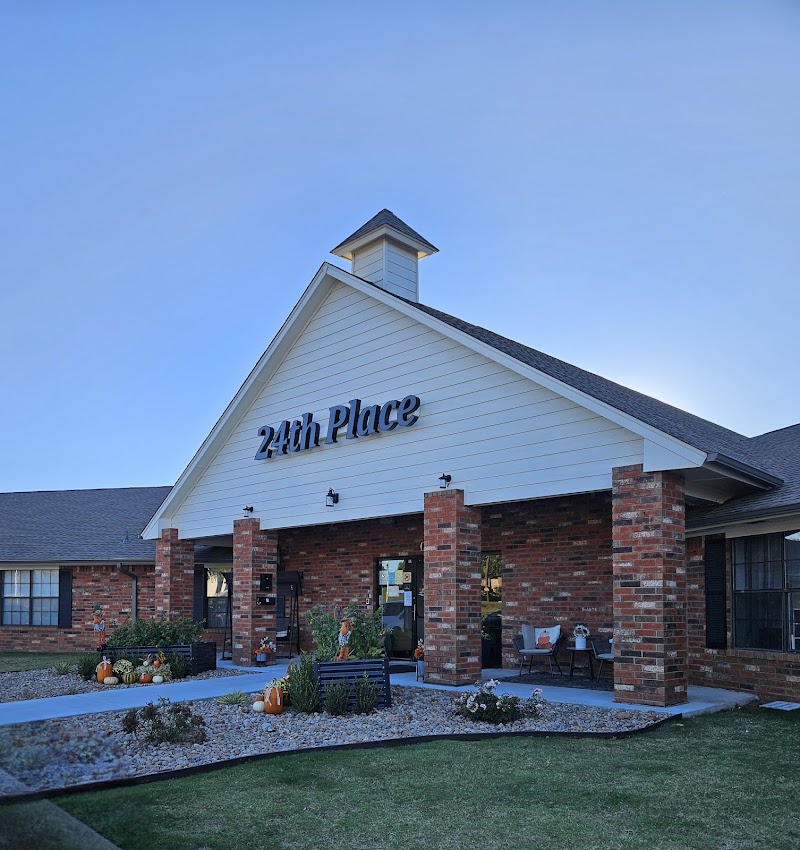
24TH PLACE

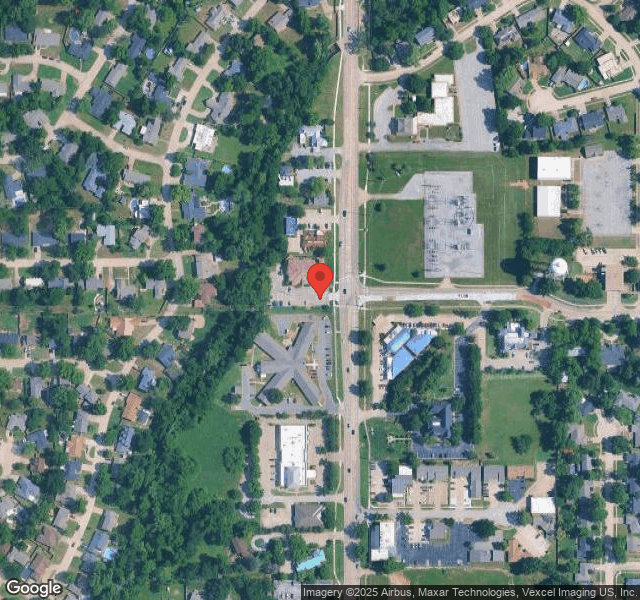
600 24TH AVENUE SOUTHWEST, NORMAN, OK 73069 (405) 329-6771
For profit - Individual 89 Beds IHS MANAGEMENT CONSULTANTS Data: November 2025 1 Immediate Jeopardy citation
Trust Grade
1/100
#192 of 282 in OK
Last Inspection: May 2024

Within standard 12-15 month inspection cycle. Federal law requires annual inspections.

Overview

24th Place in Norman, Oklahoma, has a Trust Grade of F, indicating significant concerns about the quality of care. It ranks #192 out of 282 facilities in the state, placing it in the bottom half, and #5 out of 10 in Cleveland County, meaning only four local options are worse. The facility's trend shows improvement, decreasing from 9 issues in 2024 to 5 in 2025, but it still has a concerning staffing rating of 1 out of 5 stars, with a turnover rate of 63%, which is average for the state. The facility has accrued $21,645 in fines, indicating some compliance issues, and has less RN coverage than 75% of Oklahoma facilities, which raises concerns about adequate medical oversight. Specific incidents of concern include a critical failure to provide oxygen to a resident as ordered, leading to their death, and a serious issue where fall prevention measures were not implemented for a resident who fell multiple times. Additionally, residents reported that the contact information for filing complaints was not visible, suggesting a lack of transparency and accessibility. While there are efforts to improve, families should weigh these serious issues against any strengths when considering this facility for their loved ones.

Trust Score
F
1/100
In Oklahoma
#192/282
Bottom 32%
Safety Record
High Risk
Review needed
Inspections
Getting Better
9 → 5 violations
Staff Stability
⚠ Watch
63% turnover. Above average. Higher turnover means staff may not know residents' routines.
Penalties
✓ Good
$21,645 in fines. Lower than most Oklahoma facilities. Relatively clean record.
Skilled Nurses
⚠ Watch
Each resident gets only 11 minutes of Registered Nurse (RN) attention daily — below average for Oklahoma. Fewer RN minutes means fewer trained eyes watching for problems.
Violations
⚠ Watch
54 deficiencies on record. Higher than average. Multiple issues found across inspections.
★☆☆☆☆
1.0
Overall Rating
★☆☆☆☆
1.0
Staff Levels
★★★☆☆
3.0
Care Quality
★☆☆☆☆
1.0
Inspection Score
Stable
2024: 9 issues
2025: 5 issues

The Good

  • Full Sprinkler Coverage · Fire safety systems throughout facility
  • No fines on record

Facility shows strength in fire safety.

The Bad

1-Star Overall Rating

Below Oklahoma average (2.6)

Significant quality concerns identified by CMS

Staff Turnover: 63%

17pts above Oklahoma avg (46%)

Frequent staff changes - ask about care continuity

Federal Fines: $21,645

Below median ($33,413)

Minor penalties assessed

Chain: IHS MANAGEMENT CONSULTANTS

Part of a multi-facility chain

Ask about local staffing decisions and management

Staff turnover is elevated (63%)

15 points above Oklahoma average of 48%

The Ugly 54 deficiencies on record

1 life-threatening 1 actual harm
Oct 2025 4 deficiencies 1 IJ
CRITICAL (J) 📢 Someone Reported This

A family member, employee, or ombudsman was alarmed enough to file a formal complaint

Immediate Jeopardy (IJ) - the most serious Medicare violation

Respiratory Care (Tag F0695)

Someone could have died · This affected 1 resident

**NOTE- TERMS IN BRACKETS HAVE BEEN EDITED TO PROTECT CONFIDENTIALITY** On [DATE], an IJ situation was determined to exist related to the facility's failure to provide oxygen as ordered by the physici...

Read full inspector narrative →
**NOTE- TERMS IN BRACKETS HAVE BEEN EDITED TO PROTECT CONFIDENTIALITY** On [DATE], an IJ situation was determined to exist related to the facility's failure to provide oxygen as ordered by the physician. Resident #77 was found unresponsive and without oxygen on [DATE]. The resident expired in the facility. Resident #77 had a physician order for continuous oxygen at 2 liters per minute per nasal cannula. On [DATE] at 3:01 p.m., the Oklahoma State Department of Health was notified and verified the existence of the IJ situation. On [DATE] at 3:12 p.m., the administrator was notified of the IJ and provided the IJ template. On [DATE] at 12:33 p.m., an amended plan of removal was approved by the Oklahoma State Department of Health. The plan of removal, read in part,Immediate Plan Of RemovalFacility revied [sic] all patients with oxygen orders on 9-29-2025 by 5:00 p.m. to ensure appropriate physician orders are in place, pulse ox, oxygen saturation, and liters ordered per patients is monitored Q shift per policy, and documentation is completed in each resident Emar Q shift. All patients with prn oxygen will have pulse ox checked every shift and prn.All available Nursing staff will be in-serviced on 9-30-2025 by 6:00 p.m. over all patients that require oxygen. All unavailable employees will be removed from schedule and in-service completed on their return before starting a shift. All agency staff will be in-serviced when entering facility for a shift and in-service sent to agency management to complete with their employees that they may send to our facility.All available nursing staff will be in-serviced by [name withheld], RN and [name withheld], RN on 9-30-2025 by 6p.m. over Facility Oxygen administration policy ensuring that all residents with oxygen orders, have pulse ox monitored, oxygen saturation, and liters of oxygen per patient orders monitored Q shift per policy, and documentation is completed in each residents Emar Q shift. All residents with prn oxygen orders pulse ox will be monitored every shift and prn. All unavailable employees will be removed from schedule and in-service completed on their return before starting a shift. All agency staff will be in-serviced when entering facility before beginning a shift.All oxygen concentrators for patients with continuous and prn oxygen were audited on 9-29-2025 by 6:00 p.m. to ensure all are in working order and all hoses and machines are connected correctly.All oxygen concentrators for patients with continuous oxygen will be monitored per shift to ensure all are in working order and all hoses and machines are connected correctly. Monitoring check off sheets will be reviewed at stand up for any concerns. All patients with prn oxygen will have their concentrators checked weekly to ensure properly functioning and oxygen tubing is readily available.All available nursing staff will be in-serviced by [name withheld], RN and [name withheld], RN 9-30-2025 by 6 p.m. over the designated area for the facility crash cart in order to ensure they are able to locate it in a timely manner in an emergency situation. All unavailable employees will be removed from schedule and in-service completed on their return before starting a shift. All agency staff will be in-serviced when entering facility for a shift and in-service sent to agency management to complete with their employees that they may send to our facility.The IJ was lifted effective [DATE] at 6:00 p.m., after all components of the plan of removal were verified as corrected. Policy and procedure for oxygen was reviewed. Orders for oxygen were verified. Audits were verified. In-services were verified and staff communicated they had received in-service in regard to abuse. The deficient practice remained at an isolated level with the potential for more than minimal harm. Based on observation, record review, and interview, the facility failed ensure:a. a resident received oxygen as ordered for 1 (#77); andb. a resident had an order for the use of oxygen for 1 (#31) of 2 sampled residents reviewed for respiratory care.The corporate nurse consultant identified two residents who received continuous oxygen resided in the facility. Findings: 1.An undated diagnoses report showed Resident #77 had diagnoses which included acute respiratory distress and chronic obstructive pulmonary obstruction. A care plan intervention, dated [DATE], read in part, Give oxygen therapy as ordered by the physician. A physician's order, dated [DATE], showed Resident #77 was to receive oxygen at 2 liters per nasal cannula continuous every shift. Resident #77's admission assessment, dated [DATE], showed Resident #77 required substantial/maximum assistance with repositioning and transfers and required the use of oxygen. A health status note, dated [DATE] at 3:30 p.m., read in part, Called to room by CNA, resident's Oxygen is unhooked and resident is cold, and blue, with no carotid pulse or respirations. Began Chest compressions x [times] 12 minutes until [ambulance service] arrived and took over. A health status note, dated [DATE] at 3:59 p.m., read in part, [ambulance service] and Paramedics called code. Resident is deceased . On [DATE] at 11:57 a.m., CNA #3 stated, As soon as I saw [Resident #77], was pale, [their] eyes were open and dried out. The oxygen hose was unplugged from the machine. [Resident #77] was dead as soon as I saw [them]. On [DATE] at 12:01 p.m., CNA #3 stated there was no in-service after Resident #77 was found unresponsive and pronounced deceased at the facility by the ambulance service. On [DATE] at 1:06 p.m., LPN #3 stated Resident #77 was found unresponsive. On [DATE] at 1:10 p.m., LPN #3 stated they initiated cardiopulmonary resuscitation and the ambulance service took over when they arrived. They stated it was a lengthy code and the ambulance service pronounced the resident deceased at the facility. On [DATE] at 1:23 p.m., corporate nurse consultant #1 stated the policy for monitoring residents with oxygen was to chart once a shift that they were on oxygen and chart their oxygen saturation. They stated staff were to check the tubing placement and ensure appropriate liters at least every shift. 2. On [DATE] at 8:57 a.m., Resident #31 was observed on 3 liters of oxygen via nasal cannula. An Oxygen Administration policy, revised 10/2010, read in part, Verify that there is a physician's order for this procedure. Review the physician's orders or facility protocol for oxygen administration. A care plan, revised [DATE], showed Resident #31 had diagnoses which included acute respiratory failure with hypoxia and hypoxemia. The care plan showed to provide oxygen as ordered. Resident #31's annual resident assessment, dated [DATE], showed the resident's cognition was intact with a BIMS of 15. There was no documentation Resident #31 had an order for the use of oxygen. On [DATE] at 8:57 a.m., Resident #31 stated they were on oxygen for more than three months. They stated they were on 3 liters of oxygen. On [DATE] at 9:18 a.m., LPN #2 stated a physician's order was needed for oxygen administration. On [DATE] at 9:19 a.m., LPN #2 stated Resident #31 was on oxygen. On [DATE] at 9:22 a.m., LPN #2 stated Resident #31 did not have a physician's order for the use of oxygen. On [DATE] at 9:23 a.m., LPN #2 stated the resident was on three liters of oxygen. On [DATE] at 3:07 p.m., corporate nurse consultant #1 stated residents needed a physician's order for oxygen use.
SERIOUS (G) 📢 Someone Reported This

A family member, employee, or ombudsman was alarmed enough to file a formal complaint

Actual Harm - a resident was hurt due to facility failures

Accident Prevention (Tag F0689)

A resident was harmed · This affected 1 resident

Based on record review and interview, the facility failed to ensure fall interventions were initiated to prevent reoccurring falls for 1 (#10) of 2 sampled residents reviewed for falls.The administrat...

Read full inspector narrative →
Based on record review and interview, the facility failed to ensure fall interventions were initiated to prevent reoccurring falls for 1 (#10) of 2 sampled residents reviewed for falls.The administrator identified 74 residents resided in the facility. Findings: A review of March 2025 incidents showed Resident #10 had a non-injury fall on 03/07/25 and 03/17/25.Resident #10's fall risk assessment, dated 03/17/25, showed the resident had moderate risk for falls with a score of 9.An incident report, dated 03/19/25 at 9:00 p.m., read in part, Notified by staff that resident had a fall. Nursing assessment completed and observed with 5cmx5cm scalp hematoma. Neurological checks initiated and resident was assisted to bed. Resident states [gender withheld] was trying to close the curtain and lost [gender withheld] balance.Resident #10's fall risk assessment, dated 03/19/25, showed the resident had moderate risk for falls with a score of 13.There were no documented interventions to prevent falls or injuries related to the fall on 03/19/25.Resident #10's annual resident assessment, dated 03/20/25, showed the resident's cognition was intact with a BIMS of 15. The assessment showed the resident was independent with bed mobility, transfer, and walking at least 150 feet. The assessment showed the resident used a walker. The assessment showed the resident had two or more non major injury falls.An incident report, dated 04/04/25 at 11:10 p.m., read in part, Residents roommate yelled to notify nursing staff that [Resident #10] was in the floor. Upon entering the room Resident is witnessed sitting on floor beside roommates bed and electric W/C [wheelchair]. Resident complains of Left Hip and leg pain. Left leg is visible shortened by 2-3 inches and Left knee is turned inward to the right. [Resident #10] reports feeling like [gender withheld] hip did when [gender withheld] had surgery on it two years ago. [Resident #10] states I was trying to get back to my walker and I fell. The report showed the resident's walker was in their bathroom.A nursing note, dated 04/05/25 at 12:05 a.m., showed Resident #10 was sent to the emergency room.A hospital operative report, dated 04/05/25, showed a preoperative diagnosis of left distal femur supracondylar fracture.Resident #10's admission resident assessment, dated 04/18/25, showed the resident's cognition was intact with a BIMS of 15. The assessment showed the resident required partial to moderate assistance with bed mobility and transfer.An incident report, dated 04/19/25 at 6:15 p.m., showed Resident #10 had a non-injury fall. The report showed the resident slid off their wheelchair.On 09/23/25 at 12:51 p.m., Resident #10 stated they tripped over their roommate's wheelchair, fell and broke their left hip about four months ago.On 10/01/25 at 10:03 a.m., CNA #2 stated Resident #10 could transfer themselves into their wheelchair and used their walker during therapy.On 10/01/25 at 10:04 a.m., CNA #2 stated Resident #10's fall interventions were to encourage the resident to use the call light for assistance and wheelchair in reach.On 10/01/25 at 10:09 a.m., Resident #10 stated they had a fall while trying to adjust their privacy curtain because the roommate's television images reflected in theirs and closing the curtain helped.On 10/01/25 at 10:25 a.m., LPN #1 stated nurses initiated fall interventions after each fall. They stated they could discuss the fall in morning meeting and come up with fall interventions if unable to come up with interventions on their own.On 10/01/25 at 10:31 a.m., LPN #1 stated Resident #10 had multiple falls in the facility.On 10/01/25 at 10:36 a.m., LPN #1 stated the 03/19/25 fall report showed Resident #10 fell while trying to close their curtain. They stated it could either be the window curtain or the privacy curtain. They stated no interventions were documented on the resident's report or electronic health record to prevent future falls.On 10/01/25 at 10:42 a.m., LPN #1 stated the report should have specified what curtain and the interventions could have been to educate the staff on closing the resident's curtain, educate the resident on calling for assistance, and the use of call light.On 10/01/25 at 11:10 a.m., the chief nursing officer stated if a resident fell, staff were to do an incident report, implement immediate interventions, notify family, physician, administrator, and director of nursing. They stated they did a track and trending and if the resident had two or more falls in a month, they would complete a Five Why to find the root cause of the falls. They stated the nurses would implement interventions to prevent reoccurring falls. On 10/01/25 at 11:13 a.m., the chief nursing officer stated they could not locate any interventions related to the fall on 03/19/25.On 10/01/25 at 11:35 a.m., the chief nursing officer stated they could not locate documentation a Five Why was completed after the fall on 03/17/25 and on 04/19/25.
CONCERN (F) 📢 Someone Reported This

A family member, employee, or ombudsman was alarmed enough to file a formal complaint

Potential for Harm - no one hurt, but risky conditions existed

Deficiency F0574 (Tag F0574)

Could have caused harm · This affected most or all residents

Based on observation and interview, the facility failed to ensure contact information for filing a complaint with the State agency was available to the residents.The administrator identified 74 reside...

Read full inspector narrative →
Based on observation and interview, the facility failed to ensure contact information for filing a complaint with the State agency was available to the residents.The administrator identified 74 residents resided in the facility. Findings:On 09/26/25 at 4:08 p.m., the administrator and surveyor observed the information board. On 09/26/25 at 2:38 p.m., the resident council group stated the contact information for filing a complaint with the State agency was covered and not visible. They stated they wanted to contact the State agency a month ago, but could not. On 09/26/25 at 4:06 p.m., the administrator stated the information for filing a complaint with the State agency was posted at the information board by the facility entrance. On 09/26/25 at 4:08 p.m., the administrator stated the contact information on the form was not visible to residents.
CONCERN (F) 📢 Someone Reported This

A family member, employee, or ombudsman was alarmed enough to file a formal complaint

Potential for Harm - no one hurt, but risky conditions existed

Deficiency F0577 (Tag F0577)

Could have caused harm · This affected most or all residents

Based on observation and interview, the facility failed to ensure the most recent state survey results were readily accessible to residents, family members, and legal representatives of the residents....

Read full inspector narrative →
Based on observation and interview, the facility failed to ensure the most recent state survey results were readily accessible to residents, family members, and legal representatives of the residents.The administrator identified 74 residents resided in the facility. Findings: On 09/26/25 at 1:39 p.m., the information board observed at the facility entrance showed the current survey and past three years of state survey were available at the screening desk.The surveyor was unable to locate the past survey results at the screening desk.On 09/26/25 at 2:34 p.m., the resident council group stated the past survey results were located at the nurses' station.On 09/26/25 at 4:13 p.m., the administrator provided the past survey results binder from inside the nurses station. They stated residents were not allowed to enter the nurses station. The administrator stated the results should be on the nurses station counter for resident access.On 09/26/25 at 4:23 p.m., the administrator stated the binder did not contain results of the 2024 annual recertification survey.
Aug 2025 1 deficiency
CONCERN (E) 📢 Someone Reported This

A family member, employee, or ombudsman was alarmed enough to file a formal complaint

Potential for Harm - no one hurt, but risky conditions existed

Safe Environment (Tag F0584)

Could have caused harm · This affected multiple residents

Based on observation, record review, and interview, the facility failed to maintain a safe and homelike environment for the residents for 1 of 3 common areas observed. The administrator identified 78 ...

Read full inspector narrative →
Based on observation, record review, and interview, the facility failed to maintain a safe and homelike environment for the residents for 1 of 3 common areas observed. The administrator identified 78 residents resided in the facility. Findings:On 08/13/25 at 1:00 p.m., the following observations were made at the North end of hall one in the common area where residents participated in therapy, access to vending machines, and puzzle activities:a. a puzzle with a lamp was in progress on a table;b. two bags of dry sack concrete were stored on the floor blocking the pathway to the puzzle creating a trip hazard;c. a hospital bed with no sheets was stored and obscured the pathway to the resident puzzle activity;d. a broken recliner was stored and obscured the path to the resident puzzle;e. a wheelchair with an empty bucket and a bed grab bar around 4 feet in length was balanced across the arms of the wheelchair that was obscuring the path to the resident puzzle activity;f. a walking cane with 4 legs unattended in the pathway to the puzzle activity; andg. a red walker unattended in the pathway to the puzzle activity.A facility policy titled Homelike Environment, revised 02/2021, read in part, Resident are provided with a safe, clean, comfortable and homelike environment and encouraged to use their personal belongings to the extent possible.The facility staff and management maximize, to the extent possible, the characteristics of the facility that reflect a personalized homelike setting. These characteristics include: a. clean, sanitary, and orderly environment.On 08/13/25 at 12:55 p.m., the maintenance supervisor was asked about the above observations. The maintenance supervisor stated the area was a resident accessible area. The maintenance supervisor stated the area was a fall hazard because the paths were not clear for the residents to access the puzzle activity that was ongoing. They stated the area did not facilitate a safe homelike environment. On 08/13/25 at 1:03 p.m., the DON was shown the above observations. The DON stated the area was a resident accessible area. The DON stated the area was a fall risk for residents due to the junk being stored. The DON stated the puzzle activity was not accessible. The DON stated the area was not a safe homelike environment because the pathways for residents were not clear. On 08/13/25 at 1:25 p.m., the administrator was shown the items including the sack concrete, the recliner, the bed, the wheelchair and bucket, the cane, the walker, and the bed rail which blocked the pathway to the resident's puzzle in the common were at the North end of hall one. The administrator stated the area was a resident accessible area and it was not a homelike safe environment. The administrator stated staff had been directed to not store items in the area, but continued to do so.
Dec 2024 1 deficiency
CONCERN (E) 📢 Someone Reported This

A family member, employee, or ombudsman was alarmed enough to file a formal complaint

Potential for Harm - no one hurt, but risky conditions existed

Free from Abuse/Neglect (Tag F0600)

Could have caused harm · This affected multiple residents

Based on record review and interview it was determined the facilty ensured residents were free of abuse for two (#1 and #3) of three residents reviewed for abuse. The administrator identified 70 resi...

Read full inspector narrative →
Based on record review and interview it was determined the facilty ensured residents were free of abuse for two (#1 and #3) of three residents reviewed for abuse. The administrator identified 70 residents resided in the facility. Findings: The facility policy, Abuse, Neglect, Exploitation and Misappropriation Prevention Program revised April 2021, read in part, .Residents have the right to be free from abuse. neglect, misappropriation of resident property and exploitation. This includes but is not limited to .verbal, mental, sexual or physical abuse . Resident #1 interview questions forms, dated 11/27/24, read in part, .Question 1 have you been abused .by any staff working at the facility .[Certified Nurse Aide #5] said I couldn't keep my urinal because my arm was weak and I spilled it on my bed. He said I would have to go to the bathroom in the bed because I couldn't get up to go to the bathroom . an undated handwritten note, by the social service director, attached to Resident #1 interview questions form, read in part, [Resident #1] stated that [CNA #5] and a black aid who worked night was in the room. He took his urinal and would not give them back [Resident #1] told him does he feel like a big shot being mean to cripples . Resident #2 interview questions forms, dated 11/27/24, read in part, .Question 1 have you been abused .by any staff working at the facility .[Certified Nurse Aide #5] came in and grabbed the front of my diaper and then said I was checking to see if you were wet . Resident #3 interview questions forms, dated 11/27/24, read in part, .Question 1 have you been abused .by any staff working at the facility .yes. [Certified Nurse Aide #5] yelled at me from the door [Resident #1 last name]. I told him my name was Mrs he said he didn't have to all that because of a state law. It hurt my feelings . Question 2 have you observed any staff working at the facility be abusive .yes [CNA #5] to me . On 12/09/24 at 8:39 a.m., Resident #1 stated two weeks ago CNA #5 took my urinal and would not let me use it because it will spill on the bed. Resident #1 stated CNA #5 was then rough when changing him and cleaning him up and that was abusive the way they were treated. On 12/09/24 at 8:50 a.m., Resident #2, the roommate of Resident #1, stated they saw and heard CNA #5 mistreat their roommate. Resident #2 stated CNA #5 would not let Resident #1 have his urinal because urine would get all over the bed. On 12/09/24 at 1:25 p.m., Resident #3 stated CNA #5 was abusive to them when they came into the room calling them by their last name only. It was disrespectful and told CNA #5 it was. CNA #5 continued to disrespect me and that was abusive. On 12/09/24 at 11:55 a.m., the DON reviewed the investigation into the alleged abuse to Resident #1 and stated the allegation should have been confirmed as verbal abuse. They stated they had concerns of abuse because the way the aide spoke to Resident #1 and would not allow them to use the urinal. The DON then stated, You just can not take things away from a resident and the aide was very insensitive.
Oct 2024 1 deficiency
CONCERN (D) 📢 Someone Reported This

A family member, employee, or ombudsman was alarmed enough to file a formal complaint

Potential for Harm - no one hurt, but risky conditions existed

Deficiency F0602 (Tag F0602)

Could have caused harm · This affected 1 resident

**NOTE- TERMS IN BRACKETS HAVE BEEN EDITED TO PROTECT CONFIDENTIALITY** Based on observation, record review, and interview, the facility failed to ensure a resident's property was not misappropriated ...

Read full inspector narrative →
**NOTE- TERMS IN BRACKETS HAVE BEEN EDITED TO PROTECT CONFIDENTIALITY** Based on observation, record review, and interview, the facility failed to ensure a resident's property was not misappropriated for one (#4) of four sampled residents reviewed for misappropriation. The administrator identified 76 residents resided in the facility. Findings: The facility Abuse and Neglect policy, revised 08/12/22, documented the facility would investigate all allegations of abuse, neglect, or misappropriation and analyze all occurrences of abuse during the next scheduled QA committee meeting. Res #4 had diagnoses which included MS. A quarterly MDS, dated [DATE], documented Res #4 was cognitively intact. A facility incident report, dated 09/13/24, documented Res #4's purse containing their wallet had been stolen from their safe while they were in the shower. An In-Service Training Report, dated 09/16/24 at 2:00 p.m., documented the facility provided training to staff over the facility abuse, neglect, and misappropriation policy. A final incident report, dated 09/19/24, documented the facility's investigation was substantiated and the CNA was terminated. The report documented the local police were notified and a plan of action was initiated to prevent recurrence. The report documented the plan of action included placing the resident's key to their safe in the possession of administration during showers. The report documented the codes to the doors were changed to prevent the CNA from re-entering the facility. On 10/11/24 at 10:29 a.m., Res #4 stated they had a credit card stolen from the lock box in their closet. They stated they kept the key to the box on a necklace, but took it off to shower. They stated a CNA had come into their room while they were showering and taken the key since they knew where Res #4 placed the key during showers. They stated the facility fired the employee and called the police to press charges. They denied any current concerns. On 10/11/24 at 3:00 p.m., the administrator stated they were alerted to the missing property on 09/13/24 when the activities staff was instructed to get the purse from the lock box in the closet for Res #4 and it was not there. They stated they immediately notified the police and the resident was able to determine a charge to their account was made at a gas station down the road. The administrator stated the facility contacted the gas station and was able to get a photo of the person who used the card. They stated the police confirmed it was the CNA who was accused of taking the purse. The administrator stated the CNA was terminated immediately. They stated they implemented the plan documented in the incident report and inserviced all staff on misappropriation and the abuse policy. The administrator stated they have followed up with the resident periodically to ensure they felt safe in the facility. A QA summary form, dated 10/14/24, documented the facility reviewed the incident regarding Res #4's misappropriated property. The form documented the plan to prevent recurrence and the facilities immediate actions following the allegation.
May 2024 7 deficiencies
CONCERN (D) 📢 Someone Reported This

A family member, employee, or ombudsman was alarmed enough to file a formal complaint

Potential for Harm - no one hurt, but risky conditions existed

Transfer Requirements (Tag F0622)

Could have caused harm · This affected 1 resident

Based on record review and interview, the facility failed to document the required information regarding a transfer in a resident's medical record for one (#218) of one sampled resident reviewed for h...

Read full inspector narrative →
Based on record review and interview, the facility failed to document the required information regarding a transfer in a resident's medical record for one (#218) of one sampled resident reviewed for hospitalization. The Administrator identified 67 residents resided in the facility. Findings: A Transfer Form policy, dated 03/17, read in part, .Should it become necessary to transfer a resident from the facility, a transfer form will be executed and forwarded with the resident .The transfer form .will include .advanced directive information, all special instructions or precautions for ongoing care .any other documentation .to ensure a safe and effective transition of care . A Do Not Resuscitate Order policy, dated 03/21, read in part, .Should the resident be transferred to the hospital, a photocopy of the DNR order form must be provided to the personnel transporting the resident to the hospital . Resident #218 had diagnoses which included heart failure and COPD. A physician order, dated 06/19/23, documented DNR. A nursing note, dated 04/24/24 at 2:06 p.m., documented Resident #218 was clammy, cool to touch. Confused and unsteady. Resident #218 complained of being numb and abdominal pain. The Resident's blood pressure was 94/78. The doctor assessed the resident and ordered the Resident to be sent to the emergency room. Emergency medical services were called and the Resident's daughter was notified. The Resident was transferred out to the emergency room. There was no documentation Resident #218's DNR form, advanced directive, face sheet, and orders were sent with the Resident. On 05/07/24 at 2:37 p.m., RN #1 stated they were to document providing the emergency medical service with a copy of the resident's face sheet and orders. On 05/07/24 at 2:38 p.m., RN #1 stated they provided the emergency medical services with the Resident's medical information but did not document it. On 05/07/24 at 3:15 p.m., the DON stated they were to provide the transferring personnel a copy of the resident's face sheet, orders, DNR, and guardian ship or POA information. On 05/07/24 at 3:20 p.m., the DON stated there was no documentation the above information was sent with the resident.
CONCERN (D)

Potential for Harm - no one hurt, but risky conditions existed

Assessment Accuracy (Tag F0641)

Could have caused harm · This affected 1 resident

Based on record review and interview, the facility failed to ensure resident assessments were accurately coded for two (#17 and #51) of 17 sampled residents reviewed for resident assessments. The Admi...

Read full inspector narrative →
Based on record review and interview, the facility failed to ensure resident assessments were accurately coded for two (#17 and #51) of 17 sampled residents reviewed for resident assessments. The Administrator identified 67 residents resided in the facility. Findings: 1. Resident #17 had diagnoses which included open left ankle wound and cerebral palsy. An Annual RAI assessment, dated 04/05/24, documented that Resident #17 had no pressure ulcers on question M0100A, there was a stage 3 present on question M0300C1. On 05/07/24 at 9:35 a.m., the MDS Coordinator stated question M0100A was answered incorrectly. 2. Resident #51 had diagnoses which included Rheumatoid Arthritis A Quarterly RAI assessment, dated 04/26/24, documented that Resident #51 had a stage 3 pressure ulcer that was present on admission and a stage 4 pressure ulcer. A Pressure Ulcer Skin Conditions form, dated 03/11/24, documented that Resident #51 had a sacral pressure wound that measured 1.21cm by 1.0cm by 0.1cm. That form did not document any staging. A Nurses admission Assessment, dated 03/13/24, documented that Resident #51 had a sacral pressure wound that measured 1.2cm by 1.0cm by 0.1cm and documented it as unstageable. On 05/07/24 at 2:10 p.m., the MDS Coordinator stated they are unsure why stage 4 was documented on the MDS because it should not have been. They stated they documented the wound as a stage 3 after speaking to the wound care nurse. The MDS Coordinator stated present on admission means after returning from the hospital the wound had progressed to a stage 3. On 05/07/24 at 2:16 p.m., LPN #1 stated they called the wound care center and asked for staging on the day of the assessment which occurred on 04/26/24 and was not accurate staging to be documented for a 03/13/24 readmission from the hospital. On 05/08/24 at 3:51 p.m., the CNO stated the policy is for facilities to follow the RAI manual and assessments should be accurately completed.
CONCERN (D)

Potential for Harm - no one hurt, but risky conditions existed

Accident Prevention (Tag F0689)

Could have caused harm · This affected 1 resident

Based on observation, record review, and interview the facility failed to ensure: a. adequate supervision was provided to prevent a fall for one (#7); and b. proper transferring techniques were used ...

Read full inspector narrative →
Based on observation, record review, and interview the facility failed to ensure: a. adequate supervision was provided to prevent a fall for one (#7); and b. proper transferring techniques were used for one (#51) of three sampled residents reviewed for accident hazards. The Administrator identified 67 residents resided in the facility. 43 residents were dependent on staff for transfers. Findings: 1. Resident #7 had diagnosis which included Parkinson's Disease. A Falls and Fall Risk, Managing policy, revised March 2018, read in part, .5. If falling recurs after despite initial interventions, staff will implement additional or different intervention, or indicate why the current approach remains relevant . A Minimum Data Set, dated, 03/25/24, documented Resident # 7 Functional Assessment indicates they are a dependent resident for activities of daily living of which includes eating and transfers. On 05/05/24 at 1:27 p.m., Resident #7 was standing independently up from wheelchair and the wheel chair rolled back as resident attempted to sit back down. On 05/09/24 at 10:32 a.m., the DON stated Resident #7 should have been monitored. 2. Resident #51 had diagnoses which included Rheumatoid Arthritis. A Controlled Lift Policy, undated, read in part, .gait belt usage is mandatory for all resident handling with the exception of bed mobility and medical contraindications and is not needed with lifts . A Care Plan, revised 03/22/24, documented that Resident #51 required one or two staff member participation with transfers. On 05/05/24 at 10:34 a.m., CNA #1 attempted to put a gait belt around Resident #51, but the resident stated they were not comfortable with this. CNA #1 put their arms underneath Resident #51's arms, picked them up, turned and placed them into the bed. Resident #51's feet did not even touch the floor at all during the transfer. On 05/07/24 at 10:11 a.m., CNA #2 put their arms under Resident #51's arms and grabbed the back of their pants. CNA #2 lifted the resident pivoted and placed them in the bed. Resident #51's feet did not touch the floor during the transfer. On 05/07/24 at 10:17 a.m., CNA #2 stated the condition of the resident dictated how they would go about the transfer. They stated they would get a bear hug and pivot holding the back of the pants. They stated they were taught that a gait belt would be considered a restraint and they have never used them. CNA #2 stated a lift would be used if the chart or the nurse told them to. CNA #2 stated it was normal for Resident #51 to not bear weight during the transfer. On 05/07/24 at 10:21 a.m., the DON stated if a resident was unable to bear weight, a mechanical lift or a two person assist would be necessary dependent upon the residents preference to cause less pain and injury. They stated a gait belt should be used anytime a transfer is occurring without the use of a lift.
CONCERN (D)

Potential for Harm - no one hurt, but risky conditions existed

Incontinence Care (Tag F0690)

Could have caused harm · This affected 1 resident

Based on observation, record review, and interview, the facility failed to ensure a physician's order was in place for the use of a catheter for one (#51) of one sampled resident reviewed for catheter...

Read full inspector narrative →
Based on observation, record review, and interview, the facility failed to ensure a physician's order was in place for the use of a catheter for one (#51) of one sampled resident reviewed for catheter use. The DON identified that 13 residents had catheters in the facility. Findings: Resident #51 On 05/05/24 at 10:17 a.m., Resident #51 was observed to have a catheter. On 05/07/24 at 11:06 a.m., the Order Summary Report was reviewed for Resident #51, it had no physican order for a catheter. On 05/07/24 at 11:29 a.m., the DON stated that nurses are responsible for putting in physician orders. They stated we double check orders and note them, and put them into medical records. The DON stated they did not see an order for a catheter. On 05/08/24 at 3:51 p.m., the CNO stated the policy for using catheters was to have an appropriate diagnosis, have a physician's order and put it in the system before providing the cath care. The order should include the size and when to change the catheter.
CONCERN (D)

Potential for Harm - no one hurt, but risky conditions existed

Food Safety (Tag F0812)

Could have caused harm · This affected 1 resident

Based on observation and interview, the facility failed to store and label food items according with professional standards for food safety. The DON identified 67 residents resided in the facility. Fi...

Read full inspector narrative →
Based on observation and interview, the facility failed to store and label food items according with professional standards for food safety. The DON identified 67 residents resided in the facility. Findings: A undated Food Storage policy, read in part .All foods should be covered, labeled, and dated and routinely monitored to assure that foods(including leftovers) will be consumed by their safe use of dates, or frozen (where applicable), or discarded . On 05/07/24 at 11:06a.m., food items where found in the freezer undated and unlabeled. On 05/07/24 at 11:07a.m., LPN #1 identifed the unlabeled and undated the food items as rolls, biscuits and chicken patties. On 05/07/24 at 11:08a.m., the LPN #1 stated the rolls, biscuits and chicken patties should be dated and labeled. FACILITY Kitchen
CONCERN (E) 📢 Someone Reported This

A family member, employee, or ombudsman was alarmed enough to file a formal complaint

Potential for Harm - no one hurt, but risky conditions existed

Deficiency F0809 (Tag F0809)

Could have caused harm · This affected multiple residents

Based on record review, observation, and interview, the facility failed to ensure meals were served in a timely manner and frequency for four meal services and, for one of one Resident #3. The [NAME]...

Read full inspector narrative →
Based on record review, observation, and interview, the facility failed to ensure meals were served in a timely manner and frequency for four meal services and, for one of one Resident #3. The [NAME] identified 67 residents resided in the facility. Findings: A undated Meal times documented, read in part .Breakfast 07:00-09:00 .Lunch 11:30-1:30p.m Dinner 5:00p.m.-7:00p.m . A Meal Times and Frequency policy, dated 02/27/21, read in part .1. in nursing facilities, there will be no more than 14 hours between a substantial evening meal (dinner) and breakfast the following day However, the individuals in the group must agree to this meal span and a nourishing snack must be served . a. Resident meals were not served in the 14 hour window. b. Resident #3 meal was not served according to posted meal times. On 05/05/24 at 9:30a.m., the cook stated we are working short staffed in the kitchen and meals are late. On 05/05/24 at 9:32a.m., a breakfast tray was served in the dining hall. On 05/05/24 at 1:41p.m., a lunch tray was served in the dining hall. On 05/05/24 at 1:27p.m., a lunch tray was served to Resident #3. On 05/08/24 at 8:31a.m., no breakfast tray was served. On 05/08/24 at 5:01p.m., a dinner tray was served in the dining hall. On 05/05/24 at 1:58p.m., the Social Services Director stated meals should be served at the times posted.
CONCERN (E)

Potential for Harm - no one hurt, but risky conditions existed

Deficiency F0847 (Tag F0847)

Could have caused harm · This affected multiple residents

**NOTE- TERMS IN BRACKETS HAVE BEEN EDITED TO PROTECT CONFIDENTIALITY** Based on record review and interview, the facility failed to provide residents a binding arbitration agreement that informed the...

Read full inspector narrative →
**NOTE- TERMS IN BRACKETS HAVE BEEN EDITED TO PROTECT CONFIDENTIALITY** Based on record review and interview, the facility failed to provide residents a binding arbitration agreement that informed the resident or their representative of their right not to sign the agreement as a condition of admission or continued care. The DON identified 67 residents resided in the facility and all residents had signed a binding arbitration agreement. Findings: 1. Resident #11 was admitted on [DATE]. A review of Resident #11's medical record documented a copy of a binding arbitration agreement signed by the Resident on 07/13/18. The agreement did not document the resident could be admitted to the facility without entering into the arbitration agreement. 2. Resident #51 was admitted on [DATE]. A review of Resident #51's medical record documented a copy of a binding arbitration agreement signed by the Resident on 03/31/22. The agreement did not document the resident could be admitted to the facility without entering into the arbitration agreement. 3. Resident #23 was admitted on [DATE]. A review of Resident #23's medical record documented a copy of a binding arbitration agreement signed by the Resident on 10/21/23. The agreement did not document the resident could be admitted to the facility without entering into the arbitration agreement. On 05/07/24 at 10:22 a.m., the Administrator stated the facility's arbitration agreement did not explicitly state that signing the arbitration agreement is voluntary and will not have any bearing on admission.
Nov 2023 4 deficiencies
CONCERN (D) 📢 Someone Reported This

A family member, employee, or ombudsman was alarmed enough to file a formal complaint

Potential for Harm - no one hurt, but risky conditions existed

Deficiency F0558 (Tag F0558)

Could have caused harm · This affected 1 resident

Based on observation, record review, and interview, the facility failed to ensure a resident's overbed light was accessible for one (#4) of one sampled resident who was observed for accommodation of n...

Read full inspector narrative →
Based on observation, record review, and interview, the facility failed to ensure a resident's overbed light was accessible for one (#4) of one sampled resident who was observed for accommodation of needs. The DON identified 63 residents who resided in the facility. Findings: Resident #4 had diagnoses which included multiple sclerosis. A quarterly assessment, dated 08/30/23, documented Resident #4's cognition was intact; required extensive assistance of one staff member for bed mobility, dressing, and personal hygiene; had impairment of upper extremities on one side and impairment to bilateral lower extremities; and utilized a wheelchair for ambulation. A grievance report, dated 09/28/23, documented Resident #4's light above their bed was broken and had to be replaced, and the resident did not like the light that was installed due to not being able to turn the light on and off when they wanted. The report documented the social service director offered to speak to the maintenance man concerning looking for a new light. The report documented Resident #4 had already spoken to the maintenance man about the light. The report was addressed by the administrator. The report documented the light had been replaced by the maintenance man. The report was signed by the social service director and the administrator. A follow- up grievance report, dated 10/06/23, documented Resident #4 was not completely satisfied with the light and had to call staff to the room when they wanted the light turned on or off. The report documented Resident #4 would rather have the old light back, if they could find one. The follow-up report documented the administrator explained to Resident #4 why they could not replace the light with the same style light they previously had above their bed. The report was signed by the administrator. On 11/03/23 at 12:22 p.m., Resident #4 stated they could not reach their overbed light. The light was observed and was not easily accessible for Resident #4. Resident #4 was asked if they had reported the light. They stated they had asked the maintenance supervisor and was told, They did not have the money to replace the light. On 11/03/23 at 12:33 p.m., the maintenance supervisor was asked about the light above Resident #4's bed. They stated they had discussed the matter with life safety at the OSDH and if the resident needed a bedside light they would have to buy it themselves. The maintenance supervisor was asked why the light had not been replaced with the same type of light that was above Resident #4's bed. They stated they could not order that light anymore and they no longer made parts for the other light. On 11/07/23 at 2:36 p.m., Resident #4 was asked how they turned the light on and off above their bed. They stated they could not turn it on and off. They stated they had to push the over bed table away from the bed and raise the bed up and hope they could reach the light without poking themselves on the end of the light fixture. Resident #4's fingers were observed to have contractures. Resident #4 stated they had numbness in their fingertips. Resident #4 stated they had asked the facility staff if they could replace their light with one of the lights with a string on it, from an empty room or from a resident's room who could not use the over the bed light. On 11/07/23 at 2:47 p.m., the administrator was asked if Resident #4's light over their bed was easily accessible. They stated they had to replace the light that was in the room with that light because it was broken. The administrator stated Resident #4 never informed them they could not turn the light on and off. The administrator stated they guessed they could swap the light out from another room. On 11/07/23 at 2:56 p.m., the social service director was asked about Resident #4's light. They stated Resident #4 has not been happy with the light since they had replaced it. They stated they had filled out a grievance form and turned it in to the administrator and had done a follow-up report. They stated Resident #4 was still not happy with the light because they could not turn it on and off by themselves, and the mechanical lift would hit the lights.
CONCERN (D) 📢 Someone Reported This

A family member, employee, or ombudsman was alarmed enough to file a formal complaint

Potential for Harm - no one hurt, but risky conditions existed

Notification of Changes (Tag F0580)

Could have caused harm · This affected 1 resident

**NOTE- TERMS IN BRACKETS HAVE BEEN EDITED TO PROTECT CONFIDENTIALITY** Based on record review and interview, the facility failed to notify the physician of a change in condition for one (#1) of three...

Read full inspector narrative →
**NOTE- TERMS IN BRACKETS HAVE BEEN EDITED TO PROTECT CONFIDENTIALITY** Based on record review and interview, the facility failed to notify the physician of a change in condition for one (#1) of three sampled residents reviewed for changes in condition. The DON identified 63 residents who resided in the facility. Findings: Resident #1 was admitted to the facility on [DATE] with diagnoses which included chorea (sudden unintended and uncontrollable jerky movements), anemia, Vitamin B deficiency, hypomagnesemia, and DM. A History and Physical report form physician #1, dated 10/05/23, read in parts, .All acute problems as noted by the patient or nursing staff have been addressed at this time .Continue current orders as indicated in patient chart, as well as any orders outlined above. Contact provider with any changes or concerns . A nurse's progress note, dated 10/22/23 at 5:42 p.m., read in part, .Resident .appeared to have been asleep in his bed since approximately [2:00 p.m.]. Resident will not wake when aroused. Resident's son here and the son also can not get resident to wake up so that he may eat his dinner. FSBS=78. Insulin held at this time . There was no documentation the physician had been notified of Resident #1's change in condition on 10/22/23. On 11/06/23 at 12:12 p.m., LPN #2 was asked if they had notified they physician on 10/22/23 when Resident #1 would not wake up. They stated they could not remember. On 11/07/23 at 11:43 a.m., Physician #1 was asked if they had been notified on 10/22/23 of Resident #1's change in condition. The physician stated they could not say for sure by their messages. Physician #1 stated if the facility had contacted them they should have charted it in the resident's record.
CONCERN (D) 📢 Someone Reported This

A family member, employee, or ombudsman was alarmed enough to file a formal complaint

Potential for Harm - no one hurt, but risky conditions existed

Safe Environment (Tag F0584)

Could have caused harm · This affected 1 resident

**NOTE- TERMS IN BRACKETS HAVE BEEN EDITED TO PROTECT CONFIDENTIALITY** Based on observation and interview the facility failed to maintain a homelike environment free from urine odors for one of four ...

Read full inspector narrative →
**NOTE- TERMS IN BRACKETS HAVE BEEN EDITED TO PROTECT CONFIDENTIALITY** Based on observation and interview the facility failed to maintain a homelike environment free from urine odors for one of four halls observed. The DON identified 63 residents who resided in the facility. Findings: On 11/02/23 at 12:30 p.m., Hall 4 had a urine odor. On 11/03/23 at 11:00 a.m., upon entrance to the facility, Hall 4 had a strong urine odor. Staff in the administrator's office stated the smell was coming from the dirty utility room. On 11/06/23 at 1:30 p.m., Hall 4 had a strong urine odor. On 11/06/23 at 1:34 p.m., Hall 4 near room [ROOM NUMBER] had a strong urine odor. On 11/06/23 at 1:35 p.m., CNA #2 stated room [ROOM NUMBER] always smelled like urine. On 11/06/23 at 3:26 p.m., Hall 4 had a strong urine odor. On 11/07/23 at 8:49 a.m., Hall 4 had a strong urine odor near the MDS office and room [ROOM NUMBER]. CNA #2 stated they were working on trying to get rid of the urine odor. On 11/07/23 at 3:24 p.m., Resident #10 stated the CNA had told them the room had a bad odor. Resident #10 stated they could not smell it. Resident #10 stated it could be from their catheter. On 11/07/23 at 3:30 p.m., Housekeeper #1 stated they did not know why room [ROOM NUMBER] had the urine odor. The housekeeper stated they had changed out the mattress, the resident's catheter, wiped down the mattress and put a cover on it and they continued to have a urine odor in the room. The housekeeper stated they had been dealing with the urine odor since early Spring. On 11/07/23 at 3:38 p.m., the DON stated they had changed the resident's catheter, the mattress and deep cleaned the room. They stated they did not know what else to do to get rid of the urine odor.
CONCERN (E) 📢 Someone Reported This

A family member, employee, or ombudsman was alarmed enough to file a formal complaint

Potential for Harm - no one hurt, but risky conditions existed

Deficiency F0804 (Tag F0804)

Could have caused harm · This affected multiple residents

Based on observation, record review and interview, the facility failed to ensure food was served at a palatable temperature for one of one meal observed for palatable temperature. The DON identified ...

Read full inspector narrative →
Based on observation, record review and interview, the facility failed to ensure food was served at a palatable temperature for one of one meal observed for palatable temperature. The DON identified 63 residents who received their meals from the kitchen. Findings: The facility's undated,Serving In-Room Meals policy, read in parts, .The purpose of this procedure is to provide adequate nutrition for the resident .Check that hot foods are hot (but not too hot) and cold foods are cold . The facility's undated Food Temperatures policy, read in parts, .All hot food items must be cooked to appropriate internal temperatures, held, and served at a temperature of at least 135 [degrees] F .Hot food items may not fall below 135 [degrees] F after cooking .All cold food items must be stored at a temperature of 41 [degrees] F or below . On 11/03/23 at 12:06 p.m., a food cart was delivered to Hall 3. The dietary manager was asked to provide a test tray. The tray was placed on the hall food cart. On 11/03/23 at 12:09 p.m., CNA #1 began passing the hall trays. On 11/03/23 at 12:36 p.m., CNA #1 stated they were finished passing the hall trays. The test tray was removed from the cart and the temperature of the food was obtained. The fish patty had a temperature reading of 103.4 degrees F and was warm to touch, the French fries had a temperature reading of 86.1 degrees F and were cool to touch and soggy, one hushpuppy had a temperature reading of 91.7 degrees F, was cold to touch, and hard, the second hushpuppy had a temperature reading of 94.3 degrees F, was cold and hard. The coleslaw had a temperature reading of 68.3 degrees F, was cool to touch not cold. On 11/03/23 at 12:48 p.m., Resident #5 was observed with their tray in front of them. They stated they did not like fish and usually substituted the fish with a sandwich. Resident #5 stated the french fries were soggy. On 11/03/23 at 12:57 p.m., Resident #7 stated the french fries were a little wimpy but edible the hush puppies were cold and tough. They stated they would have liked the food to be served warmer. On 11/03/23 at 1:06 p.m., Resident #8 stated they had to have the staff reheat the food because it was served cold. Resident #8 stated they frequently had to have their food reheated. On 11/03/23 at 1:10 p.m., Resident #5 stated their lunch had been served a little cold. On 11/03/23 at 1:15 p.m., the dietary manager was made aware of the temperatures of the hall trays. They stated the food was not served at a palatable temperature.
Mar 2023 9 deficiencies
CONCERN (D)

Potential for Harm - no one hurt, but risky conditions existed

Comprehensive Assessments (Tag F0636)

Could have caused harm · This affected 1 resident

Based on record review and interview, the facility failed to ensure MDS assessments were coded accurately for hospice services for one (#22) of one sampled resident reviewed for hospice services. The...

Read full inspector narrative →
Based on record review and interview, the facility failed to ensure MDS assessments were coded accurately for hospice services for one (#22) of one sampled resident reviewed for hospice services. The Resident Census and Conditions of Residents report, dated 03/09/23, documented 26 residents were receiving hospice care. Findings: Res #22 had diagnoses which included CVA. A physician's order, dated 05/24/22, documented admitted to hospice. The order was discontinued on 08/20/22. An admission assessment, dated 05/25/22, documented the resident had a condition or chronic disease that could result in a life expectancy of less than six months. It was not documented the resident received hospice services while a resident A physician's order, dated 08/20/22, documented admitted to hospice. A quarterly assessment, dated 02/08/23, did not document the resident had a condition or chronic disease that could result in a life expectancy of less than six months. There was no documentation the resident received hospice services while a resident. On 03/14/23 at 2:57 p.m., MDS coordinator #1 was asked if the resident was receiving hospice services. She stated they were. She was asked when they started receiving services. She stated on 05/24/22. She was asked to review the resident's assessments. She stated the sections of the MDS indicating a condition or chronic disease that could result in a life expectancy of less than six months and hospice services while a resident should have been marked.
CONCERN (D)

Potential for Harm - no one hurt, but risky conditions existed

Pressure Ulcer Prevention (Tag F0686)

Could have caused harm · This affected 1 resident

**NOTE- TERMS IN BRACKETS HAVE BEEN EDITED TO PROTECT CONFIDENTIALITY** Based on record review, observation, and interview, the facility failed to follow physician orders for wound care on one (#56) o...

Read full inspector narrative →
**NOTE- TERMS IN BRACKETS HAVE BEEN EDITED TO PROTECT CONFIDENTIALITY** Based on record review, observation, and interview, the facility failed to follow physician orders for wound care on one (#56) of two residents reviewed for wound care. The Residents Census and Conditions of Residents form documented five residents with wounds. Findings: Res #56 admitted to the facility on [DATE] with diagnoses of cord syndrome at unspecified level of cervical spinal cord, nondisplaced fracture of the first cervical vertebra, and acute pain due to trauma. An admission assessment, dated 02/27/23, documented the resident's cognition was moderately impaired and required extensive assist. A care plan, dated 03/03/23, documented the resident had a stage II pressure ulcer to left buttock and a stage I pressure ulcer to the sacrum. The care plan documented the resident's pressure ulcer would show signs of healing and remain free from infection by/through review date, treatments as ordered, wound care as ordered, and Braden Scale Assessments weekly for first 4 weeks then quarterly or more often as needed. A physician note, dated 03/10/23, documented wound to sacrum measuring 5.5 x 6.0 x 0.1 cm. The note documented the wound had 30% eschar slough noted and was a stage III. The note documented the new wound care orders were to cleanse and pat dry, apply medihoney to wound bed, and cover with border dressing daily and PRN for soiling or saturation. The TAR, dated 03/10/23, read in part, .clean coccyx with ns or wc, apply medihoney cover with border dressing change qd, every day shift for wound care. On 03/14/23 at 11:04 a.m., LPN #2 was observed performing wound care on the resident. The LPN was observed to washed their hands with soap and water and donned gloves. The LPN cleansed the wound with normal saline and 4x4 gauze, changed gloves and dried wound with sterile 4x4 gauze. LPN #2 performed hand hygiene using alcohol gel and donned new gloves. LPN #2 was then observed to apply medihoney to a border dressing then applied the border dressing to the wound. On 03/14/23 at 1:50 p.m., the DON was asked about the wound care order not being transposed to the TAR exactly like the physician order was written. The DON was informed about the medihoney being applied to the dressing instead of the wound. The DON was asked if the medihoney should have been applied directly to the wound bed and she stated, Yes.
CONCERN (D) 📢 Someone Reported This

A family member, employee, or ombudsman was alarmed enough to file a formal complaint

Potential for Harm - no one hurt, but risky conditions existed

Accident Prevention (Tag F0689)

Could have caused harm · This affected 1 resident

Based on record review and interview, the facility failed to conduct an intervention of 72 hour monitoring after a resident had a fall for one (#22) of one sampled resident reviewed for accidents. Th...

Read full inspector narrative →
Based on record review and interview, the facility failed to conduct an intervention of 72 hour monitoring after a resident had a fall for one (#22) of one sampled resident reviewed for accidents. The Resident Census and Conditions of Residents report, dated 03/09/23, documented 66 residents resided in the facility. Findings: Res #22 had diagnoses which included CVA. A health status note, dated 05/19/22 at 11:25 p.m., documented the nurse was called to the resident's room where they were found sitting on their buttocks on the floor. It was documented the resident's back was next to the bed and their legs were straight out in front of them. It was documented an assessment was conducted and no injuries were found. It was documented the resident was placed on 72 hour monitoring. There was no documentation 72 hour monitoring was conducted. On 03/14/23 at 3:30 p.m., corporate nurse consultant #1 was asked to locate the 72 hour monitoring conducted for the fall the resident had in May 2022. On 03/14/23 at 3:56 p.m., the DON stated there was no 72 hour monitoring conducted for the resident's fall. She stated 72 hour monitoring should have been conducted on an unwitnessed fall.
CONCERN (D)

Potential for Harm - no one hurt, but risky conditions existed

Pharmacy Services (Tag F0755)

Could have caused harm · This affected 1 resident

Based on record review, observation, and interview, the facility failed to ensure pain medications were available as ordered by the physician for one (#59) of seven sampled residents reviewed for medi...

Read full inspector narrative →
Based on record review, observation, and interview, the facility failed to ensure pain medications were available as ordered by the physician for one (#59) of seven sampled residents reviewed for medications. The Resident Census and Conditions of Residents report, dated 03/09/23, documented 41 residents were on a pain management program. Findings: Res #59 had diagnoses which included pain. A quarterly assessment, dated 12/28/22, documented the residents' cognition was intact. It documented the resident had pain almost constantly. A physician's order, dated 06/20/22, documented acetaminophen (pain reliever/fever reducer) 325 mg two tablets every four hours as needed for pain. A physician's order, dated 09/29/22, documented hydrocodone-acetaminophen (pain medication) 10-325 mg every fours hours as needed for pain. The March 2023 MAR, documented on 03/08/23 at 7:29 a.m. acetaminophen was administered when the resident's pain level was rated as a 9. The medication was documented as ineffective. On 03/08/23 at 11:45 a.m., Res #59 was observed in their bed with the lights off. They were asked how they were doing. They stated they were in excruciating pain. They stated the facility ran out of their hydrocodone-acetaminophen. On 03/08/23 at 11:57 a.m., CMA #1 was asked to pull Res #59's medication card for their hydrocodone-acetaminophen. She stated they were out of the resident's medication. She stated there had been issues with having orders signed. She stated it had something to do with the machine the physician used to sign the orders. She was asked what the resident's pain level was this morning. She stated the resident's pain level was 10. She was asked if the resident requested to have hydrocodone-acetaminophen. She stated they did, but was administered acetaminophen this morning. She stated the resident ran out of their hydrocodone-acetaminophen yesterday. CMA #1 stated they ordered medications twice a week. She stated the medication was initially ordered last week, but she was unable to provide the date. She stated the order was re-faxed to the doctor yesterday. On 03/08/23 at 12:04 p.m., LPN #1 was asked about Res #59's pain and hydrocodone-acetaminophen order. She stated she called the doctor twice this morning and the pharmacy. She stated there were issues with the way the physician electronically signed orders. She was asked if the resident's pain was currently controlled. She stated it was not. She stated the resident was administered acetaminophen and the DON and physician were notified. On 03/08/23 at 12:09 p.m., the DON was made aware Res #59 was out of their hydrocodone-acetaminophen and stated they were in excruciating pain. She was asked if they had a back up plan for obtaining medications. She stated she would run the order over to the physician or their associates for a signature. She stated the physician's machine was up and running now. She stated the system had been down and the prescription was not able to be sent electronically. She stated the other back up plan would be to send the resident to the emergency room to get their pain controlled. She was asked if the resident should have already been offered to be sent to the emergency room. She stated they should have. She stated it should have been around 8:30 a.m. when the resident was asked. On 03/08/23 at 12:29 p.m., corporate nurse consultant #1 stated LPN #1 stated she asked Res #59 to go to the emergency room this morning and the resident did not want to go. She stated the DON went and asked the resident if they wanted to go to the emergency room and they did not want to go. On 03/08/23 at 12:37 p.m., LPN #1 was asked if she asked Res #59 if they wanted to go to the emergency room this morning when their pain was not controlled. She stated the resident did not want to go.
CONCERN (D)

Potential for Harm - no one hurt, but risky conditions existed

Medication Errors (Tag F0758)

Could have caused harm · This affected 1 resident

Based on record review and interview, the facility failed ensure PRN orders for psychotropic drugs were limited to 14 days for one (#47) of seven sampled residents reviewed for medications. The Resid...

Read full inspector narrative →
Based on record review and interview, the facility failed ensure PRN orders for psychotropic drugs were limited to 14 days for one (#47) of seven sampled residents reviewed for medications. The Resident Census and Conditions of Residents report, dated 03/09/23, documented 28 residents received psychoactive medications. Findings: Res #47 had diagnoses which included anxiety. A physician order, dated 01/26/23, documented lorazepam (benozodiazepine) 0.5 mg every eight hours as needed. The order was discontinued on 02/16/23. There was no rationale for the order to be extended beyond 14 days. The January and February 2023 MARs were reviewed. It was documented lorazepam was administered three times beyond 14 days. On 03/13/23 at 2:47 p.m., corporate nurse consultant #1 was asked what was the protocol for administering PRN psychotropic medications. She stated 14 days, then the order should be renewed. She was made aware of the Res #47's order. She was asked to provide documentation of the rationale from the physician to extend the order beyond 14 days. On 03/13/23 at 3:23 p.m., the DON stated she had no documentation for the medication being extended beyond 14 days.
CONCERN (D)

Potential for Harm - no one hurt, but risky conditions existed

Deficiency F0761 (Tag F0761)

Could have caused harm · This affected 1 resident

Based on observation and interview, it was determined the facility failed to ensure the removal of expired medication from the medication storage room. The Resident Census and Conditions of Residents ...

Read full inspector narrative →
Based on observation and interview, it was determined the facility failed to ensure the removal of expired medication from the medication storage room. The Resident Census and Conditions of Residents report documented 66 residents resided in the facility. Findings: On 03/14/23 at 3:16 p.m., a tour of the medication room was conducted. The following expired medications were observed: a. 1 albuterol sulfate inhaler with a use by date of 03/08/23. b. 2 acetaminophen suppositories 650mg with an expiration date of 03/02/23. c. 1 vial of Tuberculin Purified Protein, dated 01/02/23. d. 1 vial of Tuberculin Purified Protein, dated 01/07/23. On 03/14/23 at 3:35 p.m., the DON was asked if the above medications should have already been removed from the medication room. The DON stated, Yes.
CONCERN (E) 📢 Someone Reported This

A family member, employee, or ombudsman was alarmed enough to file a formal complaint

Potential for Harm - no one hurt, but risky conditions existed

Deficiency F0558 (Tag F0558)

Could have caused harm · This affected multiple residents

Based on record review, observation, and interview, the facility failed to ensure residents' call lights were within reach for three (#26, #42, and #58) of 24 residents reviewed for accommodation of n...

Read full inspector narrative →
Based on record review, observation, and interview, the facility failed to ensure residents' call lights were within reach for three (#26, #42, and #58) of 24 residents reviewed for accommodation of needs. The Resident Census and Conditions of Residents documented 66 residents resided in the facility. Findings: 1. Res #58's care plan, dated 04/22/22, documented the resident had an ADL self care deficit related to hemiparesis and hemiplegia with an intervention to encourage the resident to use the call light to call for assistance. A quarterly assessment, dated 01/06/23, documented the resident was severely cognitively impaired, required extensive assistance with bed mobility, transfer, and most ADLs. The assessment documented the resident had impairment of the left upper extremity and left lower extremity. On 03/08/23 at 6:10 a.m., Res #58 was observed lying in bed with eyes open. The call light was observed attached to a hook on the wall just below the light fixture. The resident was asked if she was able to reach her call light. The resident stated the call light was too high for her to reach and she did not know what to do if she needed help and could not reach the call light. On 03/09/23 at 7:59 a.m., Res #58 was observed lying in bed with eyes closed. The call light was observed attached to a hook on the wall just below the light fixture. On 03/09/23 at 2:54 p.m., Res #58 was observed lying in bed with eyes open. The call light was observed attached to a hook on the wall just below the light fixture. The resident was asked to demonstrate use of the call light. The resident was unable to reach the call light for activation upon attempt. On 03/14/23 at 8:15 a.m., Res #58 was observed lying in bed with eyes closed. The call light was observed attached to a hook on the wall just below the light fixture. On 03/14/23 2:00 p.m., Res #58 was observed lying in bed with eyes open. The call light was observed attached to a hook on the wall just below the light fixture. The resident was unable to reach the call light upon request. On 03/14/23 at 3:09 p.m., LPN #1 was shown the call light attached to a hook just below the light fixture and was asked if Res #58 would be able to reach the call light if she needed assistance. She stated the resident would not be able to reach the call light attached to a hook on the wall. LPN #1 stated the call light should not have been hooked to the wall and should have been within the resident's reach. 2. Res #26 had diagnoses of multiple sclerosis; insomnia; and spondylosis without myelopathy or radiculopathy, thoracolumbar region. A quarterly assessment, dated 02/09/23, documented the resident was severely impaired with cognition and required extensive assist with bed mobility. On 3/08/23 at 9:35 a.m., Res #26's call light was observed in the floor out of reach. 3. Res #42 had diagnoses of Parkinson's, dementia, psychotic disorder, and depression. A quarterly assessment, dated 12/09/23, documented the resident was moderately impaired with cognition and required extensive assist with bed mobility. On 03/08/23 at 5:50 a.m., the resident was observed resting in bed with eyes closed. The resident's call light was not in reach. On 03/08/23 at 10:00 a.m., LPN #1 was made aware of the observations and was asked if the call lights should have been placed where the residents could reach them. LPN #1 reported, yes the call lights should always be in reach.
CONCERN (E) 📢 Someone Reported This

A family member, employee, or ombudsman was alarmed enough to file a formal complaint

Potential for Harm - no one hurt, but risky conditions existed

ADL Care (Tag F0677)

Could have caused harm · This affected multiple residents

2. Res #66 had diagnoses which included cerebral infarction, major depressive disorder, and dysuria. A care plan, dated 09/15/22, documented the resident is at risk for falling related to general weak...

Read full inspector narrative →
2. Res #66 had diagnoses which included cerebral infarction, major depressive disorder, and dysuria. A care plan, dated 09/15/22, documented the resident is at risk for falling related to general weakness with an intervention to toilet at regular intervals. A quarterly assessment, dated 02/16/23, documented the resident was severely cognitively impaired, did not ambulate, required extensive assistance of one person with toileting, and was always incontinent of bowel and bladder. On 03/08/23 at 5:42 a.m., Res #66 was observed sitting in a reclined Geri chair in the facility's front lobby. A puddle of urine was observed on the floor directly underneath the chair. Urine was observed dripping off the back of reclined seat onto the floor. Res #66's pants were visibly wet in the crotch area upon observation. The resident was asked if he was comfortable. The resident stated he was not doing very good this morning. On 03/08/23 at 6:18 a.m., CNA #1 was observed pushing the resident who was sitting in a wheeled Geri chair to his room for incontinence care. CNA #1 was observed performing incontinence care for the resident. Res #66's pants were observed to have been saturated with urine in the crotch and rear area upon removal. The incontinence brief was observed to have been saturated with urine upon removal. On 03/08/23 at 6:28 a.m., CNA #1 stated having been surprised how wet with urine the resident's brief and pants were during incontinent care. CNA #1 stated the resident had been assisted into the Geri chair around 4:30 a.m. to 5:00 a.m. that morning. CNA #1 stated he had not noticed the resident's clothes were saturated from urine or the puddle of urine underneath the resident's chair until 6:18 a.m. On 03/15/23 at 10:39 a.m., the DON stated it was not appropriate for Res #66 to have been saturated with urine. She stated staff would be educated to toilet dependent residents more frequently. Based on record review, observation, and interview, the facility failed to perform incontinence care in a timely manner for two (#36 and #66) of 24 residents reviewed for incontinence care. The Resident Census and Conditions of Residents form documented 49 residents required assistance with incontinence care. Findings: 1. Res #36 was admitted to the facility with diagnoses of Parkinson's disease, acute kidney failure, and polyneuropathy. A quarterly assessment, dated 12/17/23, documented the resident's cognition is moderately impaired and required extensive assist with the use of a lift for transfers. On 03/09/23 at 8:45 a.m., Res #36 was observed in the dining room with staff assisting him with breakfast. There was a puddle of liquid observed under his chair. On 03/09/23 at 8:49 a.m., the resident was observed being taken to his room by CNA #2. The CNA was asked if she was about to change him and she reported not yet, I have to have help. On 03/09/23 at 8:56 a.m., CNA #2 and CMA #3 were observed entering the resident's room to perform incontinent care. CNA #2 and CMA #3 used the lift to transfer the resident from the Broda chair to his bed. CNA #2 pulled the wet brief out from under the resident and failed to clean where the wet brief was before placing new brief under him. The staff then removed the resident's wet pants and put dry pants on. The staff was then observed using the lift and transferred the resident back to his Broda chair without cleaning the chair first. The staff then took the resident back to the lobby. CNA #2 was asked if they had cleaned the resident's chair before transferring him, she reported, No, we did not. CNA #2 was then asked if she cleaned the resident's back and upper buttocks where the wet brief was before placing the dry brief on him. She reported, No, they did not. At that time, LPN #1 was made aware of the observations and reported that she would in-service the staff on proper incontinent care and proper cleaning of the resident's chair after an incontinent episode.
CONCERN (E) 📢 Someone Reported This

A family member, employee, or ombudsman was alarmed enough to file a formal complaint

Potential for Harm - no one hurt, but risky conditions existed

Quality of Care (Tag F0684)

Could have caused harm · This affected multiple residents

3. Res #23's physician order, dated 07/28/21, documented skin checks weekly by licensed nurse on three to eleven shift. A quarterly assessment, dated 01/05/23, documented the resident required extens...

Read full inspector narrative →
3. Res #23's physician order, dated 07/28/21, documented skin checks weekly by licensed nurse on three to eleven shift. A quarterly assessment, dated 01/05/23, documented the resident required extensive assistance with ADLs and was at risk for pressure ulcers/injuries. A review of the resident's electronic chart contained no documentation of skin assessments. On 03/13/23 at 10:31 a.m., the DON reported skin assessments should be documented in the progress notes under assessments. On 03/13/23 11:31 a.m., LPN #2 reported skin assessments were documented in the computer. On 03/13/23 3:28 p.m., the DON was notified of no documentation of weekly skin assessments found in the resident's chart. She reported she would look and see if there was any on paper. The DON did not provide any documentation. Based on record review and interview, the facility failed to ensure: a. hospital emergency room departure instructions were followed for one (#47) of one sampled resident reviewed for change in condition, b. blood sugars were rechecked according to physician orders for one (#54) of seven sampled residents reviewed for medications, and c. skin assessments were conducted for one (#23) of one sampled resident reviewed for for non pressure skin conditions. The Resident Census and Conditions of Residents report, dated 03/09/23, documented 66 residents resided in the facility and seven residents who received injections. Findings: 1. Res #47 had diagnoses which included shortness of breath, severe morbid obesity due to excess calories, gastroenteritis, and colitis. A health status note, dated 11/16/22 at 6:18 p.m., documented the resident requested to go to the emergency room due to shortness of breath. A hospital emergency room instruction report, dated 11/16/22 at 9:37 p.m., documented the resident was seen for nausea and vomiting, chronic pleural effusion, and shortness of breath. The departure instructions included for the resident to follow up with outpatient gastroenterology and call to make an appointment. A health status note, dated 11/16/22 at 10:31 p.m., documented the resident returned to the facility from the emergency room with diagnoses of nausea and vomiting, chronic pleural effusion, and shortness of breath. It was documented there were no new orders. It was documented it was suggested to follow up with pulmonary outpatient for chronic pleural effusion. On 03/14/23 at 9:30 a.m., the SSD was shown Res #47's emergency room visit and discharge instructions where it was documented for the resident to follow up with outpatient gastroenterology and call to make an appointment. He stated they did not do it. He stated he was provided information for the resident to follow up with the pulmonologist. 2. Res #54 had diagnoses which included diabetes mellitus. A physician order, dated 03/03/23, read in parts, HumaLOG Injection Solution [insulin] 100 UNIT/ML .Inject as per sliding scale: if 0 - 199 = 0 units; 200 - 250 = 5 units; 251 - 300 = 10 units; 301 - 350 = 15 units; 351 - 400 = 20 units, subcutaneously before meals and at bedtime .If above 400, give the 20 units, recheck in two hours, if still above 400, repeat sliding scale up to three times The March 2023 FSBS readings were reviewed. It was documented the resident's blood sugar was above 400 five out of 41 opportunities and 20 units of Humalog was administered. There was no documentation blood sugars were rechecked in two hours. On 03/13/23 at 3:22 p.m., corporate nurse consultant #1 was made aware of Res #54's Humalog order. She was asked to provide documentation where the resident's blood sugars were rechecked in two hours when above 400. On 03/13/23 at 3:53 p.m., the DON stated she talked to the nurses and they stated they rechecked the blood sugars. She stated they didn't document them. She stated they should have documented them in the progress notes.
Dec 2021 27 deficiencies
CONCERN (D)

Potential for Harm - no one hurt, but risky conditions existed

Deficiency F0582 (Tag F0582)

Could have caused harm · This affected 1 resident

Based on interview and record review, the facility failed to provide NOMNC notification forms to two (#33 and #26) of three sampled residents whose records were reviewed for beneficiary notices. The ...

Read full inspector narrative →
Based on interview and record review, the facility failed to provide NOMNC notification forms to two (#33 and #26) of three sampled residents whose records were reviewed for beneficiary notices. The entrance conference beneficiary notice worksheet documented 20 residents had been discharged with Medicare part A with benefit days remaining. Findings: 1. Resident (Res) #33 was admitted to Medicare part A skilled services from 08/03/21 to 9/15/21, from 09/15/21 through 09/22/21, and from 09/25/21 through 11/4/21. The facility did not provide a NOMNC form on discharge from skilled services. 2. Res #26 was admitted to the facility on Medicare part A skilled services on 10/14/21 through 10/30/21 when she was discharged from skilled services with benefit days remaining. The facility did not provide a NOMNC for on discharge from skilled services. On 12/14/21 at 11:10 a.m., the SSD stated the residents were not provided an NOMNC form. The SSD stated they were not aware of the requirement.
CONCERN (D)

Potential for Harm - no one hurt, but risky conditions existed

Abuse Prevention Policies (Tag F0607)

Could have caused harm · This affected 1 resident

Based on interview and record review, the facility failed to develop and implement an abuse policy for reporting an allegation of abuse to the State agency within two hours for one (#355) of two sampl...

Read full inspector narrative →
Based on interview and record review, the facility failed to develop and implement an abuse policy for reporting an allegation of abuse to the State agency within two hours for one (#355) of two sampled residents reviewed for abuse. The Resident Census and Conditions of Resident report, dated 12/16/21, documented 52 residents resided in the facility. Findings: 1. Resident (Res) #355 had diagnoses which included anxiety and depressive episodes. An incident report, dated 04/21/20, documented an allegation of abuse for the resident. A fax transmission report, dated 04/22/20, documented OSDH received the incident report regarding the allegation of abuse dated 04/21/20 for the resident. On 12/16/21 at 12:34 p.m., the COO stated their abuse policy documented the facility had 24 hours to report allegations of abuse. On 12/16/21 at 12:44 p.m., the administrator stated the two hour required reporting time was not for allegations of abuse. The administrator stated the two hour required reporting time was for incidents regarding actual harm for a resident.
CONCERN (D)

Potential for Harm - no one hurt, but risky conditions existed

Report Alleged Abuse (Tag F0609)

Could have caused harm · This affected 1 resident

Based on interview and record review, the facility failed to report an allegation of abuse within the two hour timeframe to the State survey agency for one (#355) of two sampled residents reviewed for...

Read full inspector narrative →
Based on interview and record review, the facility failed to report an allegation of abuse within the two hour timeframe to the State survey agency for one (#355) of two sampled residents reviewed for abuse. The Resident Census and Conditions of Resident report, dated 12/16/21, documented 52 residents resided in the facility. Findings: 1. Resident (Res) #355 had diagnoses which included anxiety and depressive episodes. An incident report, dated 04/21/20, documented an allegation of abuse for the resident. A fax transmission report, dated 04/22/20, documented OSDH received the incident report regarding the allegation of abuse dated 04/21/20 for the resident. On 12/16/21 at 12:34 p.m., the COO stated their abuse policy documented the facility had 24 hours to report allegations of abuse. On 12/16/21 at 12:44 p.m., the administrator stated the two hour required reporting time was not for allegations of abuse. The administrator stated the two hour required reporting time was for incidents regarding actual harm for a resident.
CONCERN (D)

Potential for Harm - no one hurt, but risky conditions existed

MDS Data Transmission (Tag F0640)

Could have caused harm · This affected 1 resident

Based on interview and record review, the facility failed to complete and transmit to CMS a discharge MDS assessment for one (#1) of one sampled resident whose assessment was reviewed for submission g...

Read full inspector narrative →
Based on interview and record review, the facility failed to complete and transmit to CMS a discharge MDS assessment for one (#1) of one sampled resident whose assessment was reviewed for submission greater than 120 days. The Census and Conditions of Resident report, dated 12/16/21, documented 52 residents resided in the facility. Findings: Resident (Res) #1 had diagnoses which included acute respiratory failure, chronic obstructive pulmonary disease, an atrial fibrillation. An entry PPS 5 day MDS assessment, dated 06/08/21, documented the resident's cognition was intact and required extensive assistance with most ADLs. A nurse's note, dated 07/15/21, documented the resident had been discharged to home. There was no documentation a discharge MDS record had been completed and transmitted to CMS. On 12/20/21 at 2:02 p.m., the MDS nurse reported they had failed to complete and transmit a discharge from the facility MDS form. The MDS nurse stated one should have been completed.
CONCERN (D)

Potential for Harm - no one hurt, but risky conditions existed

Deficiency F0645 (Tag F0645)

Could have caused harm · This affected 1 resident

**NOTE- TERMS IN BRACKETS HAVE BEEN EDITED TO PROTECT CONFIDENTIALITY** Based on record review and interview, the facility failed to include proper diagnoses on a level I PASARR screening form for one...

Read full inspector narrative →
**NOTE- TERMS IN BRACKETS HAVE BEEN EDITED TO PROTECT CONFIDENTIALITY** Based on record review and interview, the facility failed to include proper diagnoses on a level I PASARR screening form for one (#4) of one sampled resident reviewed for a PASARR. The Resident Census and Conditions of Residents report, dated 12/16/21, documented 52 residents resided in the facility. Findings: Resident (Res) #4 was admitted to the facility on [DATE] with diagnoses which included unspecified psychosis not due to a substance or known physiological condition, major depressive disorder, vascular dementia with behavior disturbance, and hypertension. A level I PASARR screen, dated 03/01/19, documented the resident had a primary diagnosis of vascular dementia and a secondary diagnosis of hypertension. It documented the resident had no diagnoses of a serious mental illness. On 12/14/21 at 4:45 p.m., the SSD was shown the level I PASARR form and the resident's diagnoses upon admission. He was asked if the resident's unspecified psychosis not due to a substance or known physiological condition and major depressive disorder were reported to see if a level II PASARR was required. On 12/15/21 at 8:18 a.m., the SSD stated the diagnoses should have been listed on the level I PASARR form to see if a level II PASARR was required.
CONCERN (D)

Potential for Harm - no one hurt, but risky conditions existed

Deficiency F0655 (Tag F0655)

Could have caused harm · This affected 1 resident

**NOTE- TERMS IN BRACKETS HAVE BEEN EDITED TO PROTECT CONFIDENTIALITY** Based on interview and record review, the facility failed to complete a baseline care plan within 48 hours of admission for one ...

Read full inspector narrative →
**NOTE- TERMS IN BRACKETS HAVE BEEN EDITED TO PROTECT CONFIDENTIALITY** Based on interview and record review, the facility failed to complete a baseline care plan within 48 hours of admission for one (#304) of one sampled resident whose care plan was reviewed. The facility matrix form documented four residents were admitted to the facility in the past 30 days. Findings: Resident (Res) #304 was admitted to the facility on [DATE] with diagnoses which included encephalopathy, disorder of the bladder, acute embolism, and thrombosis of deep veins. There was no documentation a baseline care plan had been completed. On 12/14/21 at 11:46 a.m., the DON stated newly admitted residents should have had a baseline care plan documented within 24 hours of admission. The DON reviewed the resident's medical records and stated there was no documentation a 48 hour baseline care plan had been completed.
CONCERN (D)

Potential for Harm - no one hurt, but risky conditions existed

Deficiency F0661 (Tag F0661)

Could have caused harm · This affected 1 resident

**NOTE- TERMS IN BRACKETS HAVE BEEN EDITED TO PROTECT CONFIDENTIALITY** Based on interview and record review, the facility failed to complete a discharge summary for one (#355) of two sampled resident...

Read full inspector narrative →
**NOTE- TERMS IN BRACKETS HAVE BEEN EDITED TO PROTECT CONFIDENTIALITY** Based on interview and record review, the facility failed to complete a discharge summary for one (#355) of two sampled residents reviewed for discharge. The Resident Census and Conditions of Residents report, dated 12/16/21, documented 52 residents resided in the facility. Findings: Resident (Res) #355 had diagnoses which included anxiety disorder and depressive episodes. A social service note, dated 04/22/20, documented the resident was discharged from the facility. A family communication note, dated 04/22/20, documented the family called the facility and stated they would pick up the resident's belongings at 3:30 p.m. A Discharge summary, dated [DATE], did not document a recapitulation of the resident's stay, a final summary of the resident's status, or the disposition of the resident's belongings. On 12/20/21 at 12:16 p.m., the DON reviewed the resident's discharge summary and stated the discharge summary had not been completed with the required information.
CONCERN (D)

Potential for Harm - no one hurt, but risky conditions existed

Quality of Care (Tag F0684)

Could have caused harm · This affected 1 resident

Based on interview and record review, the facility failed to assess a resident after a fall for one (#359) of two sampled residents reviewed for falls. The Resident Census and Conditions of Residents...

Read full inspector narrative →
Based on interview and record review, the facility failed to assess a resident after a fall for one (#359) of two sampled residents reviewed for falls. The Resident Census and Conditions of Residents report, dated 12/16/21, documented 52 residents resided in the facility. Findings: The Assessing Falls and Their Causes policy read in parts, .If a resident has just fallen, or is found on the floor without a witness to the event, nursing staff will record vital signs and evaluate for possible injuries to the head, neck, spine, and extremities .Once an assessment rules out significant injury, nursing staff will help the resident to a comfortable sitting, lying, or standing position, and then document relevant details . Resident (Res) #359 had diagnoses that included chronic obstructive pulmonary disease, pain, hypertension, and chronic kidney disease stage three. A quarterly assessment, dated 01/01/20, documented the resident was cognitively independent and required extensive assistance with bed mobility and transfer. The assessment documented the resident had not fallen. A fall risk assessment, dated 03/16/20, documented the resident was a high risk for falls. The assessment documented the resident had fallen once or twice in the last six months and was unable to independently come to a standing position. A facility fall incident report, dated 03/16/2020 at 2:05 a.m., the report documented the resident was leaning on the bedside with elbows on the bed. The report documented the resident was praying and then turned to lay over on her stomach. A health status note, dated 03/18/20, documented on the past Monday morning early at 2:00 a.m. the resident was found on knees at the bedside. The note documented the nurse did not complete an incident report or document the event until this date. On 12/15/21 at 3:49 p.m., the DON reviewed the fall incident report dated 03/16/20 for the resident. The DON stated per the nurse notes an incident report was not completed until 03/18/20. The DON stated the details regarding the incident and a head to toe assessment should be documented in the nurse notes at the time of the incident. After reviewing the nurse notes the DON stated she could not determine a resident assessment had been completed for the resident fall on 03/16/20.
CONCERN (D)

Potential for Harm - no one hurt, but risky conditions existed

Laboratory Services (Tag F0770)

Could have caused harm · This affected 1 resident

Based on record review and interview, the facility failed to provide lab services as ordered for one (#4) of five sampled residents reviewed for labs. The Resident and Census and Conditions of Reside...

Read full inspector narrative →
Based on record review and interview, the facility failed to provide lab services as ordered for one (#4) of five sampled residents reviewed for labs. The Resident and Census and Conditions of Residents Report, dated 12/16/21, documented 52 residents resided in the facility. Findings: Resident (Res) #4 had diagnoses which included hypertension, hyperlipidemia, vascular dementia with behavioral disturbances, unspecified psychosis not due to a substance or known physiological condition, major depressive disorder, and insomnia. A physician order, dated 07/27/21, documented to collect a CMP every six months in September. There was no documentation a CMP had been collected. On 12/15/21 at 9:30 a.m., the DON was asked to locate the CMP ordered to be collected in September. At 9:46 a.m., the DON stated the lab took it upon themselves to draw a BMP. She stated the CMP wasn't collected.
CONCERN (E)

Potential for Harm - no one hurt, but risky conditions existed

Deficiency F0558 (Tag F0558)

Could have caused harm · This affected multiple residents

Based on observation, interview, and record review, the facility failed to keep residents call lights within reach for two (#52 and #354) of 24 sampled residents observed for call lights. The Resident...

Read full inspector narrative →
Based on observation, interview, and record review, the facility failed to keep residents call lights within reach for two (#52 and #354) of 24 sampled residents observed for call lights. The Resident Census and Conditions of Residents report, dated 121/6/21, documented 52 residents resided in the facility. Findings: 1. Resident (Res) #52 had diagnoses which included COPD, heart failure, and anxiety disorder. A care plan, dated 11/23/21, documented to have the call light within reach at all times while in room and to encourage the resident to use it as needed. An admission assessment, dated 12/03/21, documented the resident was severely impaired with cognition and required extensive assistance with ADLs. On 12/13/21 at 6:38 a.m., the residents's call light was observed hanging on the wall out of the resident's reach. The resident stated she knew she had a button, but she could not find it. At 6:47 a.m., CNA #1 stated the resident's call light was on the wall. She stated she moved it when she was providing care. On 12/14/21 at 11:35 a.m., the DON stated call lights should be within reach of the residents at all times. She stated it also depended on the resident, because some residents do not want their call light moved. 2. Res #354 had diagnoses which included history of falling, metabolic encephalopathy, and history of TIA. A care plan, dated 12/03/21, documented to have the call light within reach at all times while in room and to encourage the resident to use it as needed. A five day assessment, dated 12/04/21, documented the resident was severely impaired with cognition and required extensive assistance with activities of daily living. On 12/13/21 at 7:03 a.m., the resident's call light was observed on the bottom of the bed frame out of reach. She stated she wished she had a call light.
CONCERN (E)

Potential for Harm - no one hurt, but risky conditions existed

Deficiency F0561 (Tag F0561)

Could have caused harm · This affected multiple residents

Based on observation, interview, and record review, the facility failed to honor residents' choices of bathing and/or getting out of bed for three (#28, #41 and #47) of four sampled residents who were...

Read full inspector narrative →
Based on observation, interview, and record review, the facility failed to honor residents' choices of bathing and/or getting out of bed for three (#28, #41 and #47) of four sampled residents who were reviewed for choices. The Resident Census and Conditions of Residents report, dated 12/16/21, documented 52 residents resided in the facility. Findings: 1. Resident (Res) #47 had diagnoses which included nicotine dependence, major depressive disorder, and multiple sclerosis. A significant change assessment, dated 11/24/21, documented the resident was moderately impaired in cognition and required total assistance with activities of daily living. A care plan, updated 11/26/21, documented to allow the resident to make decisions about treatment regime and to provide a sense of control. It documented to provide the resident with opportunities for choice during care provision and for transfers the resident required one to two staff with using a full body lift. It documented to assist the resident to proper smoking places if needed. On 12/13/21 at 1:18 p.m., the resident stated he was a smoker and he could not go smoke. He stated he had not been up in months. He stated the staff told him it was to dangerous for him to get up. On 12/14/21 at 2:23 p.m., NA #1 stated she was told to not get the resident out of bed. She stated hospice and the nurses have told her not to. She stated the resident did ask to get up. She stated she had asked the nurses and then she had to tell the resident she could not get him up. At 2:30 p.m., the DON stated the resident could get up. She stated if he asked to get up the CNAs were to get him up. The DON stated if the resident wanted to get up and smoke he could, but he had not smoked real cigarettes in a while. She stated the last time he was outside was around Thanksgiving. The resident was not observed out of his bed throughout the survey. 2. Res #28 was admitted with diagnoses which included diabetes, venous insufficiency, and atrial fibrillation. A care plan, dated 07/07/21, documented the resident would come to some activities when his wheelchair was up and running. It was documented the resident utilized a wheelchair to move about the facility. It was documented the resident would rarely get out of bed. A quarterly MDS assessment, dated 10/26/21, documented the resident was moderately impaired in cognition, and required extensive assistance with most ADLs. The assessment documented the resident utilized a wheelchair for mobility. On 12/13/21 at 11:47 a.m., the resident stated his wheelchair was not kept in his room because it was too big. The resident stated he had asked for it, but the facility would not bring the wheelchair back. On 12/16/21 at 2:56 p.m., the SSD stated the resident had not asked for his wheelchair to be returned. The SSD stated they would bring the resident's wheelchair back to his room. On 12/20/21 at 1:53 p.m., the resident stated the wheelchair had not been returned. At 1:55 p.m., the SSD stated the wheelchair had not been returned as it needed a thorough cleaning. At 4:09 p.m., the DON stated the resident's wheelchair had been removed from the room due to safety concerns and lack of space. She stated it had not been returned as the resident did not get out of bed. 3. Res #41 had diagnoses which included multiple sclerosis, neuromuscular dysfunction of bladder, and osteoporosis. A care plan, dated 06/05/21, documented the resident required extensive assistance with most ADLs. It was documented the resident liked to shower using a shower chair. A care plan update, dated 10/29/21 documented to inform the resident of ADLs to be provided ahead of time, give two options of times, give the resident choices, and allow for flexibility in routines. It was documented if the resident refused ADL care, the staff were to try again at a later time. A quarterly assessment, dated 11/18/21, documented the resident was intact in cognition, and required extensive assistance with ADLs. The October 2021 shower/bath records were reviewed. The records did not document a shower or bath was provided to the resident on their scheduled shower days of 10/05/21, 10/08/21, 10/19/21, and 10/22/21. The records documented the resident refused a shower on 10/12/21 and 10/26/21. The November 2021 shower/bath records were reviewed. The records did not document the resident received a shower on 11/02/21. The records documented the resident refused to shower on 11/23/21 and 11/26/21. The December 2021 shower/bath record documented the resident refused a shower on 12/10/21. On 12/13/21 at 11:24 a.m., the resident was observed in their wheelchair, brushing their hair. The resident stated they were scheduled for showers twice weekly. They stated if they missed their shower or if it was not their shower day they could not get a shower. On 12/15/21 at 12:00 p.m., the DON reviewed the bathing sheets and daily bathing and skin assessments sheets. The DON reviewed documentation of the bathing and stated the resident received three showers during the month of October, three showers in November 2021, and December documented one shower was given on 12/07/21. The DON stated the residents were to receive three showers a week and if the resident wanted a shower on another time they could.
CONCERN (E)

Potential for Harm - no one hurt, but risky conditions existed

Deficiency F0576 (Tag F0576)

Could have caused harm · This affected multiple residents

Based on interview and record review, the facility failed to deliver residents' mail on Saturdays. The Resident Census and Conditions of Residents report, dated 12/16/21, documented 52 residents resi...

Read full inspector narrative →
Based on interview and record review, the facility failed to deliver residents' mail on Saturdays. The Resident Census and Conditions of Residents report, dated 12/16/21, documented 52 residents resided in the facility. Findings: A resident admission form, titled Authorizations, Acknowledgements, and Consents read in parts, .Resident has the right to send and promptly receive mail unopened . On 12/14/21 at 2:38 p.m., a confidential group meeting was held with eight cognitive residents. The residents stated the SSD handed the mail out Monday through Friday, but no one handed out the mail on Saturday. On 12/14/21 at 3:53 p.m., the SSD stated mail was delivered to the facility Monday through Saturday. He stated Monday through Friday he and a resident passed out the mail. He stated on Saturday the charge nurse was responsible for passing out the mail. The SSD stated he usually found the Saturday mail in the box on his office door on Monday. He stated he distributed the Saturday mail on Monday.
CONCERN (E)

Potential for Harm - no one hurt, but risky conditions existed

Deficiency F0583 (Tag F0583)

Could have caused harm · This affected multiple residents

2. Res #44 had diagnoses which included multiple sclerosis, neuromuscular dysfunction of bladder, and muscle weakness. A care plan, updated 4/19/21, documented the resident had an ADL self care defic...

Read full inspector narrative →
2. Res #44 had diagnoses which included multiple sclerosis, neuromuscular dysfunction of bladder, and muscle weakness. A care plan, updated 4/19/21, documented the resident had an ADL self care deficit and required total assistance from staff for providing hygiene, dressing, and bathing. A quarterly MDS assessment, dated 11/19/21, documented the resident's cognition was intact and was totally dependent on staff for most ADLs. On 12/13/21 at 12:36 p.m., the resident was observed in a wheelchair in their room. The resident stated the facility had not put up privacy curtains since they were moved back to their room. The resident stated they had not had privacy curtains for approximately two months and had reported it to staff members. On 12/16/21 at 11:38 a.m., the DON observed the resident's room. The resident was receiving care from the staff at that time and was fully visible from the hall when the room door was opened. The DON stated the room should have had a privacy curtain to provide full visual privacy. Based on observation, interview, and record review, the facility failed to provide resident rooms with privacy curtains for two (#44 and #51) of two sampled residents reviewed for privacy. The Resident Census and Conditions of Residents report, dated 12/16/21, documented 52 residents resided in the facility. Findings: 1. Resident (Res) #51 had diagnoses which included bipolar disorder, depressive episodes, and anxiety. A quarterly resident assessment, dated 12/03/21, documented the resident was cognitively intact and was independent with most activities of daily living. On 12/13/21 at 12:09 p.m., the resident was sitting on his bed watching television. The resident's roommate was lying in bed asleep across the room. There was no privacy curtain or tracks on the ceiling to place a privacy curtain. On 12/13/21 at 12:11 p.m., the resident stated the room did not have a privacy curtain when he was moved into the room about two months ago. The resident stated he was told by staff privacy curtains were on order. The resident stated other resident rooms had privacy curtains and would like a privacy curtain for his room. On 12/15/21 at 2:28 p.m., the maintenance staff stated privacy curtains had been placed in some remodeled resident rooms, but not all of them. The staff stated when time allowed he would place curtain tracks taken down from rooms being remodeled to rooms already remodeled. The staff stated he had a new box of curtain tracks but the tracks removed from the remodeled rooms were already cut to the right size.
CONCERN (E)

Potential for Harm - no one hurt, but risky conditions existed

Safe Environment (Tag F0584)

Could have caused harm · This affected multiple residents

Based on observation and interview, the facility failed to maintain resident care equipment and the physical environment clean and in good repair. The Resident Census and Conditions of Residents Repo...

Read full inspector narrative →
Based on observation and interview, the facility failed to maintain resident care equipment and the physical environment clean and in good repair. The Resident Census and Conditions of Residents Report, dated 12/16/21, documented 52 residents resided in the facility. Findings. On 12/13/21 at 5:30 a.m., upon entry to the facility there was an accumulation of leaves and a dried sticky residue on the floor. At 11:12 a.m., a tour of the shower room on hall 200 was conducted. The following observations were made: a. the wall and baseboard tiles were cracked and missing, b. there was black residue in the grout between the floor and wall tiles in the shower stalls, and c. there was a hole in the ceiling, material was peeling and hanging off of the ceiling, and the sheetrock was exposed. On 12/16/21 at 11:07 a.m., the purple and white sit to stand lifts were observed. They were dirty with food debris and black residue. CNA #3 was asked how often the lifts were supposed to be cleaned. She stated she didn't know. At 11:50 a.m., the DON was asked how often the facility was to be cleaned. She stated cleaning should be done everyday. She was made aware of the above observations. At 12:04 p.m., the DON was shown the sit to stand lifts. She stated they needed to be cleaned. At 12: 30 p.m., a tour of the laundry room was observed. There was trash and other debris on the floor. On 12/20/21 at 1:40 p.m., a tour of the laundry room was conducted with the laundry supervisor. The following observations were made: a. there was lint on the ceiling fan, and wall vents, b. there was lint on the ceiling and walls, c. there was lint and brown residue/rust on the metal clothing rack near the washing machines, and d. there was material peeling off of the ceiling in different areas, The laundry supervisor was asked what was the policy for cleaning and if there were any maintenance issues. He stated the laundry room was to be swept everyday. He stated there was no schedule as far as he knew for deep cleaning. He stated if there were any maintenance issues they reported it to maintenance for repairs. He was shown the above observations.
CONCERN (E)

Potential for Harm - no one hurt, but risky conditions existed

Comprehensive Care Plan (Tag F0656)

Could have caused harm · This affected multiple residents

Based on observation, interview, and record review, the facility failed to develop a comprehensive person centered care plan for the use of side rails and urinary catheters for one (#304) of 28 sample...

Read full inspector narrative →
Based on observation, interview, and record review, the facility failed to develop a comprehensive person centered care plan for the use of side rails and urinary catheters for one (#304) of 28 sampled residents whose care plans were reviewed. The Resident Census and Conditions of Residents report, dated 12/16/21, documented 52 residents resided in the facility. Findings: Resident (Res) #304 had diagnoses which included encephalopathy, pain, diabetes, and disorder of the bladder. A physician order, dated 12/02/21, documented the resident was to be admitted to hospice care. A physician order, dated 12/03/21, documented the resident was to receive catheter care every shift. A comprehensive care plan, dated 12/07/21, did not document the resident's need and use of bed rails or use of a urinary catheter. On 12/13/21 at 6:04 a.m., the resident was observed in a bed with a low air loss mattress. The bed was equipped with two full side rails, both in the up position. A urinary catheter with a cover was observed hanging from the side of the bed. On 12/14/21 at 11:46 a.m., the DON observed the resident's bed and stated the bed should not have had bed rails. The DON stated the bed had most likely come from hospice when they were admitted to hospice services. The DON stated the resident needed a urinary catheter due to a neurogenic bladder and pressure ulcers present on admission. The DON reviewed the resident's care plan. She stated it did not contain a care plan for the use of side rails or urinary catheter.
CONCERN (E)

Potential for Harm - no one hurt, but risky conditions existed

ADL Care (Tag F0677)

Could have caused harm · This affected multiple residents

2. Res #52 had diagnoses which included COPD, heart failure, and anxiety disorder. A care plan, dated 11/23/21, documented the resident was in need of extensive assist with ADLs, transfers, mobility, ...

Read full inspector narrative →
2. Res #52 had diagnoses which included COPD, heart failure, and anxiety disorder. A care plan, dated 11/23/21, documented the resident was in need of extensive assist with ADLs, transfers, mobility, and ADL assistance of one to two people were needed. It was documented to ensure the resident was clean and dry. An admission assessment, dated 12/03/21, documented the resident was severely impaired with cognition and required extensive assistance with activities of daily living. On 12/13/21 at 6:38 a.m., the resident was observed in bed and the call light was observed hanging on the wall out of the resident's reach. The resident stated staff had not come in yet. She stated it had been over night since she had been changed and she was wet. At 6:53 a.m., the resident's incontinent brief was observed to be wet and dirty. A CNA performed incontinent care at this time. On 12/16/21 at 9:30 a.m., CNA #2 stated they conducted bed checks every two to three hours or more often as needed. Based on observation, interview, and record review, the facility failed to provide necessary services to ensure residents maintained personal hygiene and grooming for two (#34 and #52) of three sampled residents reviewed for ADL care. The Resident Census and Conditions of Residents report, dated 12/16/21, documented 52 residents resided in the facility. Findings: 1. Resident (Res) #34 had diagnoses which included pressure ulcers, disruption of wounds, and chronic osteomyelitis. A care plan, dated 03/31/21, documented the resident required staff participation with bathing. It documented the resident received bed baths and required staff participation to dress, and refused bathing at times. A quarterly MDS assessment, dated 11/04/21, documented the resident's cognition was intact, required extensive assistance with most ADLs, and required total assistance with bathing. On 12/13/21 at 9:14 a.m., the resident was observed in bed in her room. The resident stated she did not like to go to the shower, because of cleanliness concerns and usually received a bed bath. They stated they received a bed bath approximately once a week or less. They stated the staff were to get them up, dressed, and out of bed by 11:00 a.m., but this did not happen often. Bathing sheet reports for December 2021 were reviewed and did not document the resident received a bath on 12/09/21 and 12/13/21. On 12/16/21 at 10:10 a.m., the DON stated the resident required extensive care and was also receiving physical therapy. She stated due to the schedule of therapy, treatments, meals, or the resident asking for the bath to be given later, the bath could be missed. The DON stated the facility only had so much staff.
CONCERN (E)

Potential for Harm - no one hurt, but risky conditions existed

Accident Prevention (Tag F0689)

Could have caused harm · This affected multiple residents

Based on observation, interview, and record review, the facility failed to provide a safe environment by maintaining mechanical lifts in good repair for one (#53) of three sampled residents reviewed f...

Read full inspector narrative →
Based on observation, interview, and record review, the facility failed to provide a safe environment by maintaining mechanical lifts in good repair for one (#53) of three sampled residents reviewed for accident hazards. The DON identified 27 residents who required a mechanical lift for transfers. Findings: Resident (Res) #53 had diagnoses which included respiratory failure, acute kidney failure, and major depressive disorder. A Health Status note, dated 11/17/2021 at 4:31 p.m., documented the resident was being transferred from shower chair to bed when the lift sling broke causing the resident to fall to the floor. The note documented the resident had a 1.0 x 0.2 cm laceration to the right elbow, 2.0 x 0.5 cm bruising to the right back rib cage and hit back of head with no visible injury. The note documented the resident was sent to the ER for evaluation. A significant change assessment, dated 12/06/21, documented the resident was moderately impaired with cognition and required total assistance with most activities of daily living. A care plan, updated 12/13/21, documented the resident was at risk for falls, required extensive assist with the use of a lift for transfers, and to check the sling before each use. On 12/16/21 at 10:56 a.m., CNA #3 stated she was assisting the resident along with another CNA back to bed. She stated as they lifted the resident up from the chair the sling ripped where it was hooked to the Hoyer lift and the resident fell. She stated the sling was put in a bag by the nurse and taken to the DON. She stated the facility went through all the slings for the Hoyer lift and any that were bad they got rid of. At 11:07 a.m., the purple sit to stand lift on hall 200 was observed. The Velcro on the lift belt was worn and was not secure when in place. The strap was frayed. The white sit to stand lift on hall 400 was observed. A clasp on one of the straps of the bottom leg straps was missing. The straps could not be latched. On 12/16/21 at 11:50 a.m., the DON stated after the resident fell from the lift they followed up with daily inspections of the lifts. They added it on to maintenance conducting inspections once a week and everyone was inserviced. She stated she had not looked at the lifts or slings in the last two or three days. At 12:04 p.m., the DON was shown the mechanical lifts. She took the lift belt off of the purple sit to stand lift and replaced it with the lift belt from the white sit to stand lift. She told the CNAs the white sit to stand was out of commission. She stated the belt should not have been used.
CONCERN (E)

Potential for Harm - no one hurt, but risky conditions existed

Deficiency F0700 (Tag F0700)

Could have caused harm · This affected multiple residents

2. Res #52 had diagnoses which included COPD, heart failure, and anxiety disorder. A care plan, dated 11/23/21, documented the resident to use a U rail and trapeze for repositioning. A physician order...

Read full inspector narrative →
2. Res #52 had diagnoses which included COPD, heart failure, and anxiety disorder. A care plan, dated 11/23/21, documented the resident to use a U rail and trapeze for repositioning. A physician order, dated 11/30/21, documented a U rail to help with repositioning and comfort. An admission assessment, dated 12/03/21, documented the resident was severely impaired with cognition and required extensive assistance with activities of daily living. On 12/13/21 at 6:38 a.m., half rails were observed up on both sides of the resident's bed. At 12:32 p.m., the half rails were observed in use on both sides of the resident's bed. The resident stated she really needed the bed rails because she was not very strong and she could use them to pull herself up. The resident stated she did not get up on her own and she needed assistance. There was no documentation a bed rail assessment had been completed. On 12/14/21 at 11:00 a.m., the DON stated the resident's bed came from hospice with the rails on it and maintenance had not taken them off and put on the U rails on the resident's bed. She stated there was not a bed rail assessment that she can find. She stated the resident did not get out of bed on her own. Based on observation, interview, and record review, the facility failed to: a. attempt alternatives prior to installing side rails, b. assess residents for risk of entrapment, c. review the risk and benefits of use of side rails, and d. obtain informed consent for side rails for two (#52 and #304) of three sampled residents reviewed for accident hazards. The DON identified four residents who utilized side rails. Findings: 1. Resident (Res) #304 had diagnoses which included encephalopathy, pain, diabetes, and disorder of the bladder. A comprehensive admission MDS assessment was documented as in progress. A care plan, dated 12/07/21, did not document the resident's need and use of side rails. On 12/13/21 at 6:04 a.m., the resident was observed in a bed with a low air loss mattress. The bed was equipped with two full side rails, both in the up position. On 12/14/21 at 11:46 a.m., the DON observed the resident's bed and stated the bed should not have had bed rails. The DON stated the bed had most likely come from hospice when the resident was admitted to hospice services. The DON stated the resident needed a low air loss mattress due to pressure ulcers present on admission. The DON reviewed the resident's clinical records and stated they did not contain an order for side rails or a care plan for the use of side rails. The DON stated the facility did not have an assessment to address side rail use.
CONCERN (E)

Potential for Harm - no one hurt, but risky conditions existed

Deficiency F0725 (Tag F0725)

Could have caused harm · This affected multiple residents

Based on observation, interview, and record review, the facility failed to provide sufficient staff in order to care for residents according to their care plans, physician orders, and acuity for two (...

Read full inspector narrative →
Based on observation, interview, and record review, the facility failed to provide sufficient staff in order to care for residents according to their care plans, physician orders, and acuity for two (#34 and #41) of three sampled residents reviewed for ADLs. The Resident Census and Conditions of Residents report, dated 12/16/21, documented 52 residents resided in the facility. Findings: 1. Resident (Res) #34 had diagnoses which included pressure ulcers, disruption of wounds, and chronic osteomyelitis. A care plan, dated 03/31/21, documented the resident required staff participation with bathing. It documented the resident received bed baths and required staff participation to dress and, the refused bathing at times. A quarterly MDS assessment, dated 11/04/21, documented the resident's cognition was intact, required extensive assistance with most ADLs, and required total assistance with bathing. On 12/13/21 at 9:14 a.m., the resident was observed in their bed in their room. The resident stated they did not like to go to the shower, because of cleanliness concerns and usually received a bed bath. They stated they received a bed bath approximately once a week or less. They stated the staff were to get them up, dressed, and out of bed by 11:00 a.m., but stated this did not happen often. Bathing sheet reports for December 2021 were reviewed and did not document the resident received a bath on 12/09/21 and 12/13/21. On 12/16/21 at 10:10 a.m., the DON stated the resident required extensive care and was also receiving physical therapy. The DON stated due to the schedule of therapy, treatments, meals, or the resident asking for the bath to be given later, the bath could be missed. The DON stated the facility only had so much staff. 2. Res #41 had diagnoses which included multiple sclerosis, osteoporosis, and stiff-man syndrome. A quarterly MDS assessment, dated 11/18/21, documented the resident's cognition was intact, and required extensive assistance with most ADLs. A care plan, dated 10/29/21, documented to inform the resident ahead of time and give two options of times to receive care, and to allow for flexibility in routines. It documented if the resident refused care to try again at a later time. On 12/13/21 at 11:27 a.m., the resident was observed in her room sitting in a wheelchair. The resident stated there wa supposed to be two aides on the hall and often there was only one. She stated frequently if they were wet the staff would often report they were too busy and told them they would get to them after they cared for other residents. On 12/16/21 at 9:25 a.m., the administrator stated when the facility experienced a shortage in staffing a group text message would be sent to the current employees to see if anyone could have covered an additional shift. At 9:28 a.m., the DON stated the facility tried to staff at the minimum ratio, but due to the acuity of some residents this may not have been enough. The DON stated if a resident had extensive care or was exhibiting behaviors the facility needed more staff.
CONCERN (E)

Potential for Harm - no one hurt, but risky conditions existed

Pharmacy Services (Tag F0755)

Could have caused harm · This affected multiple residents

Based on observation, interview, and record review, the facility failed to have medications available and/or administer medications as ordered for two (#4 and #47) of eight sampled residents reviewed ...

Read full inspector narrative →
Based on observation, interview, and record review, the facility failed to have medications available and/or administer medications as ordered for two (#4 and #47) of eight sampled residents reviewed for pharmacy services. The Resident Census and Conditions of Residents report, dated 12/16/21, documented 52 residents resided in the facility. Findings: 1. Resident (Res) #47 had diagnoses which included nicotine dependence, major depressive disorder, and multiple sclerosis. A significant change assessment, dated 11/24/21, documented the resident was moderately impaired in cognition and required total assistance with activities of daily living. A care plan, updated 11/26/21, documented the resident had nausea/vomiting and to administer medications as ordered. It documented to monitor/document side effects and effectiveness. A physicians order, dated 12/10/21 at 7:00 p.m., documented Promethazine (Phenergan) HCL solution 50 mg/ml, apply to wrist topically q four hours PRN for nausea/vomiting. On 12/13/21 at 2:30 p.m., the resident was observed in bed. He had his call light on. He stated he had just vomited. At 2:36 p.m., LPN #1 went to her cart and stated she was going to give the resident some Phenergan for nausea/vomiting. The LPN looked in every drawer on the cart and stated the medication was normally kept on the treatment cart and was there yesterday. She stated hospice brought the medication to the facility, but she was not not able to find it at this time. At 2:44 p.m., LPN #1 stated the Phenergan was a pump and it was gone. She stated there was enough in there and he could not have used it all. LPN #2 stated the medication came Saturday. At 3:03 p.m., LPN #1 stated she reported to the DON she could not find the medication. On 12/14/21 at 2:27 p.m., the DON stated the hospice nurse normally reorders the resident's medication, but she had been out with surgery. She stated the resident had just ran out of the Phenergan. On 12/15/21 at 4:39 p.m., the DON stated there was not a sign out sheet for the Phenergan. She stated she would look for where it was documented it was given. At 4:45 p.m., the resident stated he had received Phenergan gel in the past, but he had not received any today. On 12/16/21 at 11:47 a.m., the DON looked at the TAR and stated it should have started on the 10th and she did not see any documentation of the Phenergan being given since the 10th. At 12:24 p.m., the DON stated LPN #1 was a new nurse to the facility and there was another nurse who did not know the charting system for documenting medication. She stated she talked to both of them and they stated they had both administered the Phenergan. She stated she had seen LPN #2 administer the Phenergan to the resident twice and he reported he documented in the EMR. The DON stated she did not understand why the medication had not been documented. 2. Res #4 had diagnoses which included hypertension. A physician order, dated 08/28/21, documented the resident was to receive Norvasc (a calcium channel blocker) 10 mg one tablet via PEG-Tube in the morning. It was documented the medication was to be held if the SBP was less than 100 or the DBP was less than 60. The December 2021 TAR documented on 12/01 the resident's BP was 80/56 and Norvasc was administered. It was documented on 12/06 the resident's BP was 61/40 and Norvasc was administered. On 12/15/21 at 8:40 a.m., the DON was shown the resident's TAR and order for the Norvasc. She was shown where it was documented the medication was administered and it should have been held.
CONCERN (E)

Potential for Harm - no one hurt, but risky conditions existed

Medication Errors (Tag F0758)

Could have caused harm · This affected multiple residents

4. Res #53 had diagnoses which included major depressive disorder. A significant change assessment, dated 12/06/21, documented the resident was moderately impaired with cognition and required total as...

Read full inspector narrative →
4. Res #53 had diagnoses which included major depressive disorder. A significant change assessment, dated 12/06/21, documented the resident was moderately impaired with cognition and required total assistance with most activities of daily living. A care plan, updated 12/13/21, documented the resident was at risk for side effects related to taking antipsychotic medications. The resident EMR documented the resident was was taking Seroquel (an antipsychotic medication), Paroxetine (a antidepressant medication), Restoril (a sedative medication), buspirone (an antianxiety medication), and Wellbutrin (an antidepressant medication). The clinical record did not documented the monitoring for behaviors and side effects related to these medications. On 12/14/21 at 3:04 p.m., the corporate nurse stated she could not find any behavior or side effects monitoring on the E-MAR. She stated she did not know what was wrong. She stated she had called the company they used for their clinical record to find out why they could not see the monitoring. She stated she could not find any monitoring sheets at this time. She was asked if this would be the same for all residents who were receiving psychoactive medication and she stated, Yes. Based on record review and interview, the facility failed to adequately monitor residents for side effects for the use of psychoactive medications for four (#4, 11, 27, and #53) of five sampled residents reviewed for unnecessary medications. The Resident Census and Conditions of Residents Report, dated 12/16/21, documented 34 residents who received psychoactive medications. Findings: 1. Resident (Res) #4 had diagnoses to include major depressive disorder and unspecified psychosis not due to a substance or known physiological condition. A care plan, revised 12/04/19, documented the resident used antidepressant and antipsychotic medications. It documented side effects and effectiveness were to be monitored and documented. A physician order, dated 08/28/21, documented the resident was to have received Paxil (an antidepressant) 10 mg via PEG- tube in the morning and Zyprexa (an antipsychotic) 5 mg via PEG-tube in the evening. A quarterly resident assessment, dated 12/10/21, documented the resident received antidepressant and antipsychotic medications. There was no documentation side effects and effectiveness were being monitored during the month of November 2021 through 12/14/21. 2. Res #11 had diagnoses which included major depressive disorder, psychotic disorder with hallucinations due to known physiological condition, and anxiety. A care plan, revised 02/24/20, documented the resident was taking routine antidepressants. It documented to observe for side effects. A care plan, revised 04/20/21, documented the resident used antipsychotic medications. It documented to monitor and document for side effects and effectiveness. A physician order, dated 07/12/21, documented the resident was to have received Prozac (an antidepressant) 20 mg in the morning. A physician order, dated 07/29/21, documented the resident was to have received Doxepin HCL (an antidepressant) 50 mg in the evening. A physician order, dated 09/20/21, documented the resident was to have received Nuplazid (an antipsychotic) 34 mg in the evening. A physician order, dated 11/22/21, documented the resident was to have received Zyprexa (an antipsychotic) 10 mg in the evening. There was no documentation side effects and effectiveness were being monitored during the month of November 2021 through 12/14/21. 3. Res #27 had diagnoses which included major depressive disorder, paranoid personality disorder, insomnia, and psychotic disorder with delusions due to known physiological condition. A care plan, revised 12/27/19, documented the resident had a diagnosis of depression and received medication daily. It documented a side effect of the antidepressant was suicidal ideations and the side effect was to be monitored. A care plan, revised 4/06/21, documented the resident had a diagnosis of paranoid personality disorder and psychotic disorder with delusions and received medication. It documented to monitor and record side effects. A physician order dated 08/16/21, documented the resident was to have received trazadone HCL (an antidepressant) 50 mg in the evening. A physician order, dated 10/13/21, documented the resident was to have received Zoloft (an antidepressant) 175 mg in the morning. A physician order, dated 10/20/21, documented the resident was to have received Seroquel (an antipsychotic) 50 mg in the morning and 300 mg at bedtime. A care plan, revised on 12/13/21, documented the resident had a behavior problem. It documented side effects and effectiveness of the medication were to be monitored. On 12/14/21 at 2:15 p.m., corporate nurse consultant #1 was asked where side effect monitoring documentation would be located for all residents. At 3:04 p.m., corporate nurse consultant #1 stated she didn't see where side effects were documented in the EMR. She stated they went away form documenting on paper a few months ago.
CONCERN (E)

Potential for Harm - no one hurt, but risky conditions existed

Deficiency F0806 (Tag F0806)

Could have caused harm · This affected multiple residents

Based on observation, interview, and record review, the facility failed to provide food alternatives to accommodate a resident's preference for one (#51) of one sampled resident reviewed food preferen...

Read full inspector narrative →
Based on observation, interview, and record review, the facility failed to provide food alternatives to accommodate a resident's preference for one (#51) of one sampled resident reviewed food preferences. The DM identified 51 residents who received services from the kitchen. Findings: An alternate food list, undated, documented soup of choice, cheeseburgers, grilled cheese sandwiches, sandwich of choice, chef salad, dressing of choice, and french fries were alternate foods available to the residents at lunch and dinner. A physician order, dated 09/15/21, documented resident (Res) #51 was to receive a reduced concentrated sweets, regular texture, regular liquids consistency diet. On 12/13/21 at 12:59 p.m., Res #51 was asked about the food. He stated there were no alternatives, just sandwiches. He stated three months ago he could get a hamburger everyday if he wanted, but now it was just sandwiches. During the interview a CNA knocked on the door and voiced the lunch menu to Res #51. The resident made a face and stated he didn't want what was on the lunch menu. The resident stated he guessed the only other choice he had was a sandwich. The CNA nodded her head and asked the resident if he wanted chips with his sandwich. At 2:46 p.m., the menu board in dining room was observed. It was documented the alternate at lunch and dinner was meat and cheese sandwiches. On 12/14/21 at 2:53 p.m., a confidential resident council meeting was held with eight residents. They were asked about the food. They stated cold sandwiches were offered as the alternative menu. They stated hamburgers were only offered three or four times in the past three months. On 12/16/21 at 8:08 a.m., the DM was asked about food alternatives to the main meals. She stated they tried to accommodate the residents if the food was available. She stated an alternate was always available to the meal of the day. They stated residents could have a hamburger, soup, grilled cheese sandwich, and other types of sandwiches. She stated the CNAs were to ask the residents what they want to eat for each meal. She was asked how the CNAs knew what was being served or what was available at each meal. She stated it was posted on the menu board. She was asked if the menu board indicated a sandwich as an alternative, how did staff know there were other options. She stated the CNAs asked the kitchen staff. She stated they had an alternate list, but it had been pulled down. She was made aware above the above interviews and observations. At 9:33 a.m., CNA #3 was asked about the menu selection process for the residents. She stated there was a main meal and one or two alternates. She stated the alternates were different sandwiches. She stated they used to offer soups, but not anymore. She was asked if cheeseburgers, chef salads with dressing, or french fries were available to the residents. She stated they were not. She stated they used to offer those food items about four to six months ago and had an alternate menu posted.
CONCERN (E)

Potential for Harm - no one hurt, but risky conditions existed

Food Safety (Tag F0812)

Could have caused harm · This affected multiple residents

Based on observation and interview, the facility failed to properly store/serve food, and maintain the kitchen in good repair and kept clean. The DM identified 51 residents received services from the...

Read full inspector narrative →
Based on observation and interview, the facility failed to properly store/serve food, and maintain the kitchen in good repair and kept clean. The DM identified 51 residents received services from the kitchen. Findings: On 12/13/21 at 6:07 a.m., an initial tour of the kitchen was made. The following observations were made: a. yogurt was not dated and a container of Salisbury steak in mushroom gravy was dated 12/11/21 . Dietary aide #1 stated the yogurt should have been labeled, b. the lids on bins of powered sugar and flour were not properly secure. Dietary aide #1 stated the lids should have been on the bins, and c. dietary aide #2 was making coffee without a hair net on. At 12:29 p.m., the ice machine in the vending machine area was observed unlocked. The ice machine was unattended. At 12:34 p.m., there was an ice cart observed on hall 100. The chest was 1/4 full of ice and/or water. There was no locking mechanism on the chest and the chest was not locked. The ice cart was unattended. At 12:49 p.m., the beauty shop door was open on hall 200. There was an ice cart observed in the room. The chest was 3/4 full of ice and/or water. There was no locking mechanism on the chest and the chest was not locked. The ice cart was unattended. On 12/14/21 at 7:15 a.m., a follow up tour of the kitchen was conducted. The following observations were made: a. floor tiles were missing in the dish wash area, b. there was black and brown residue on the floor in the dish wash area, c. there was water leaking from the gasket on the garbage disposal sink spray nozzle hose in the dish wash area, d. the baseboards were loose from the wall in the dish wash area, e. the hood above the dish machine, shelving, drain boards, and the spring on the spray nozzle hose in the dish wash area were dirty with a brown residue/rusted, f. the dish machine and legs of equipment in the dish wash area were dirty with a brown residue/rusted in the dish wash area, g. the ceiling was unfinished, sheet rock was exposed, and there was black residue, h. the faucet was loose on the one compartment sink in the dish wash area. Water was leaking from the gasket on the faucet, i. material was peeling off of the wall in the food prep area, j. lint and grease was on the oven hood filters, k. the floor drain cover was missing on the floor in the dish was area, l. there was brown residue/rust under the food preparation table in the food preparation area, m. there was a hole in the wall around the piping below the hand sink, n. there was brown residue/rust on shelving below the food preparation table across from the office, o. there was cardboard surrounding the window air unit above the food preparation table across from the office, p. floor tiles were missing in dry storage area, q. there was a gap/visible daylight under the back door in the dry storage area, r. there was an accumulation of lint around the pull down/serve out window, and s. material was hanging loose from the wall under the oven hood. At 10:55 a.m., the DM was asked what the policy was for keeping kitchen equipment and the kitchen area clean, and maintained in good repair. She stated they had a cleaning schedule. She stated they cleaned q shift and as needed. She stated they had a maintenance log where they reported maintenance issues for repairs. She was asked how food was protected from contaminates. She stated staff were to wear hair restraints and food was to be covered. She was asked what the policy was for date marking. She stated food was to be held for 24 hours once it was opened. She was made aware of the above kitchen observations. On 12/15/21 at 2:25 p.m., CNA #2 was asked who had access to the ice carts and ice machine on the halls. She stated staff should be the only ones who have access to the ice carts and ice machine. She stated she had seen residents get their own, but they will re-direct them. She was asked if the ice carts or ice machine were to remain locked when not in use. She stated the ice machine was to be locked. She stated the ice carts were not locked. On 12/16/21 at 8:56 a.m., the DON was asked who had access to the ice carts and the ice machine. She stated staff. She stated the ice machine was to remain locked when not in use. She was made aware of the observations where the ice carts and ice machine was not locked.
CONCERN (E)

Potential for Harm - no one hurt, but risky conditions existed

Infection Control (Tag F0880)

Could have caused harm · This affected multiple residents

Based on observation and interview, the facility failed to implement CDC guidelines for infection control procedures to prevent the transmission of COVID-19 and /or other infections. The facility fail...

Read full inspector narrative →
Based on observation and interview, the facility failed to implement CDC guidelines for infection control procedures to prevent the transmission of COVID-19 and /or other infections. The facility failed to: a. wear face masks while working in the facility, b. provide an accessible hand sink for hand washing in the laundry room, c. keep a catheter bag off the floor for one (#47) of one sampled resident who was observed for a urinary catheter, d. perform proper hand hygiene after incontinent care for one (#52) of one sampled resident observed during incontinent care, and e. perform singlestick blood sugar tests in a manor to prevent cross-contamination for four (#14, 45, 50, and #304 ) of four residents observed receiving singlestick blood sugar tests. The Resident Census and Conditions of Residents report, dated 12/16/21, documented 52 residents resided in the facility. It documented eight residents had indwelling or external catheters, 37 residents were occasionally or frequently incontinent of bladder, and 31 residents where occasionally or frequently incontinent of bowel. The DON identified five residents who received FSBS. Findings: 1. On 12/13/21 at 5:30 a.m., upon entering the facility the staff member who came to the door was not wearing a mask. Two other staff members observed in the facility on entrance did not have on masks and another staff member wore her mask under her chin. At 6:53 a.m., CNA #1 was observed to provided incontinent care for resident (Res) #47. The CNA did not change her gloves after care and before placing the resident's heel protectors on the resident. The CNA then changed her gloves but did not perform hand hygiene to finish taking care of the resident. At 2:59 p.m., Res #47's catheter bag was observed hanging from the bottom rail of his bed. The bag was on the floor and a CNA was observed standing on the catheter bag while she assisted the resident with care. At 3:04 p.m., CNA #4 stated Res #47's catheter bag should not have been on the floor. On 12/15/21 at 7:16 a.m., LPN #1 performed a finger stick for Res #304 and Res #50. The LPN did not sanitize or wash her hands between the residents. At 7:25 LPN #1 stated she forgot to clean her hands. At 7:50 a.m., LPN #1 obtained a blood sugar for Res #45 and administered insulin for the resident. LPN #1 then obtained a blood sugar for Res #14. The LPN did not clean the glucometer between the residents. At 7:58 a.m., LPN #1 stated she should have cleaned the glucometer between the residents. On 12/20/21 at 4:05 p.m., the DON stated the glucometer should have been cleaned between each use and the nurse should have sanitized her hands prior to and after each resident. At 4:08 p.m., the DON stated the staff should have had masks on in the facility at all times. She stated the catheter should not have been touching the floor. She stated staff should change their gloves and perform hand hygiene when going from dirty to clean for incontinent care. 2. On 12/16/21 at 1:40 p.m., a tour of the laundry room was conducted. There was no hand sink observed. The laundry supervisor was asked where staff washed their hands. He stated they used the hand sinks in the staff restrooms located on halls 300 or 400. At 4:09 p.m., the DON was asked where staff in the laundry room were to wash there hands. She stated they could use the hand sink in the shower room on hall 200. She stated they should have a hand sink.
CONCERN (E)

Potential for Harm - no one hurt, but risky conditions existed

Deficiency F0885 (Tag F0885)

Could have caused harm · This affected multiple residents

Based on interview and record review, the facility failed to provide weekly cumulative reports to update all residents, their families, and representatives following a confirmed COVID-19 positive test...

Read full inspector narrative →
Based on interview and record review, the facility failed to provide weekly cumulative reports to update all residents, their families, and representatives following a confirmed COVID-19 positive test result of either staff or residents and failed to notify all residents, representatives, and families for the occurrence of new COVID-19 positive test results by 5 p.m. the next calendar day for results obtained after the onset of the COVID-19 outbreak. The Resident Census and Conditions of Residents report, dated 12/16/21, documented 52 residents resided in the facility. Findings: On 12/20/21 at 2:52 p.m., the DON stated the current outbreak of COVID-19 started on 11/26/21. The DON stated the BOM and SSD called families to notify them about the outbreak. On 12/20/21 at 3:20 p.m., the SSD stated they notified families when the first positive COVID-19 positive was identified. The SSD stated on testing dates if any other positive COVID-19 test results were obtained they documented the notification in residents' records. The SSD stated they did not know weekly cumulative updates were required. The SSD reviewed several unidentified resident records and could not find documentation regarding further updates to families other than on 11/26/21. The SSD stated they guessed they had not called to provide families with updates.
CONCERN (E)

Potential for Harm - no one hurt, but risky conditions existed

Deficiency F0886 (Tag F0886)

Could have caused harm · This affected multiple residents

Based on observation, interview, and record review, the facility failed to conduct COVID-19 rapid antigen tests in a manner consistent with standard of practice for infection control. The Resident Ce...

Read full inspector narrative →
Based on observation, interview, and record review, the facility failed to conduct COVID-19 rapid antigen tests in a manner consistent with standard of practice for infection control. The Resident Census and Conditions of Residents report, dated 12/16/21, documented 52 residents resided in the facility. Findings: A facility policy titled Rapid Antigen SARS CoV - 2 Testing COVID-19, dated 11/19/20, read in part, .Individual Completing Testing: Utilize Full PPE . On 12/13/21 at 6:38 a.m., LPN #3 was observed performing COVID-19 testing on an unidentified staff member. LPN #3 was observed to only have on a surgical face mask and gloves. On 12/20/21 at 1:50 p.m., the DON was observed performing COVID-19 testing on the MDS nurse. The DON was observed to wear a surgical mask, gloves, and her personal glasses. After the test had been obtained the DON was asked about personal protection equipment used during COVID-19 for the tester. The DON stated they should have donned full PPE.
CONCERN (E)

Potential for Harm - no one hurt, but risky conditions existed

Room Equipment (Tag F0908)

Could have caused harm · This affected multiple residents

Based on observation and interviews, the facility failed to maintain two of four mechanical lifts observed in good repair. The DON identified 27 residents who required a mechanical lift for transfers....

Read full inspector narrative →
Based on observation and interviews, the facility failed to maintain two of four mechanical lifts observed in good repair. The DON identified 27 residents who required a mechanical lift for transfers. Findings: On 12/16/21 at 11:07 a.m., the purple sit to stand lift on hall 200 was observed. The Velcro on the lift belt was worn and was not secure when in place. The strap was frayed. The white sit to stand lift on hall 400 was observed. A clasp on one of the straps of the bottom leg straps was missing. The straps could not be latched. CNA #3 was asked if the straps could be used with the clasp missing. She stated she couldn't use it. At 12:04 p.m., the DON was shown the mechanical lifts. She took the lift belt off of the purple sit to stand lift and replaced it with the lift belt from the white sit to stand lift. She told the CNAs the white sit to stand was out of commission. She stated the belt should not have been used.
Understanding Severity Codes (click to expand)
Life-Threatening (Immediate Jeopardy)
J - Isolated K - Pattern L - Widespread
Actual Harm
G - Isolated H - Pattern I - Widespread
Potential for Harm
D - Isolated E - Pattern F - Widespread
No Harm (Minor)
A - Isolated B - Pattern C - Widespread

Questions to Ask on Your Visit

  • "What changes have you made since the serious inspection findings?"
  • "What safeguards are in place to prevent abuse and neglect?"
  • "Why is there high staff turnover? How do you retain staff?"
  • "Can I speak with families of current residents?"
  • "What's your RN coverage like on weekends and overnight?"

Our Honest Assessment

Strengths
  • • Licensed and certified facility. Meets minimum state requirements.
Concerns
  • • Multiple safety concerns identified: Federal abuse finding, 1 life-threatening violation(s), 1 harm violation(s). Review inspection reports carefully.
  • • 54 deficiencies on record, including 1 critical (life-threatening) violation. These warrant careful review before choosing this facility.
  • • $21,645 in fines. Higher than 94% of Oklahoma facilities, suggesting repeated compliance issues.
  • • Grade F (1/100). Below average facility with significant concerns.
Bottom line: This facility has a substantiated abuse finding. Extreme caution advised. Explore alternatives.

About This Facility

What is 24Th Place's CMS Rating?

CMS assigns 24TH PLACE an overall rating of 1 out of 5 stars, which is considered much below average nationally. Within Oklahoma, this rating places the facility higher than 0% of the state's 100 nursing homes. A rating at this level reflects concerns identified through health inspections, staffing assessments, or quality measures that families should carefully consider.

How is 24Th Place Staffed?

CMS rates 24TH PLACE's staffing level at 1 out of 5 stars, which is much below average compared to other nursing homes. Staff turnover is 63%, which is 17 percentage points above the Oklahoma average of 46%. High turnover can affect care consistency as new staff learn residents' individual needs. RN turnover specifically is 86%, which is notably high. RNs provide skilled clinical oversight, so turnover in this role can affect medical care quality.

What Have Inspectors Found at 24Th Place?

State health inspectors documented 54 deficiencies at 24TH PLACE during 2021 to 2025. These included: 1 Immediate Jeopardy (the most serious level, indicating potential for serious harm or death), 1 that caused actual resident harm, and 52 with potential for harm. Immediate Jeopardy findings are rare and represent the most serious regulatory concerns. They require immediate corrective action.

Who Owns and Operates 24Th Place?

24TH PLACE is owned by a for-profit company. For-profit facilities operate as businesses with obligations to shareholders or private owners. The facility is operated by IHS MANAGEMENT CONSULTANTS, a chain that manages multiple nursing homes. With 89 certified beds and approximately 76 residents (about 85% occupancy), it is a smaller facility located in NORMAN, Oklahoma.

How Does 24Th Place Compare to Other Oklahoma Nursing Homes?

Compared to the 100 nursing homes in Oklahoma, 24TH PLACE's overall rating (1 stars) is below the state average of 2.6, staff turnover (63%) is significantly higher than the state average of 46%, and health inspection rating (1 stars) is much below the national benchmark.

What Should Families Ask When Visiting 24Th Place?

Based on this facility's data, families visiting should ask: "What changes have been made since the serious inspection findings, and how are you preventing similar issues?" "What safeguards and monitoring systems are in place to protect residents from abuse or neglect?" "How do you ensure continuity of care given staff turnover, and what is your staff retention strategy?" "Can you walk me through typical staffing levels on day, evening, and night shifts?" These questions are particularly relevant given the facility's Immediate Jeopardy citations, the substantiated abuse finding on record, the facility's high staff turnover rate, and the below-average staffing rating.

Is 24Th Place Safe?

Based on CMS inspection data, 24TH PLACE has documented safety concerns. The facility has 1 substantiated abuse finding (meaning confirmed case of resident harm by staff or other residents). Inspectors have issued 1 Immediate Jeopardy citation (the most serious violation level indicating risk of serious injury or death). The facility has a 1-star overall rating and ranks #100 of 100 nursing homes in Oklahoma. Families considering this facility should ask detailed questions about what corrective actions have been taken since these incidents.

Do Nurses at 24Th Place Stick Around?

Staff turnover at 24TH PLACE is high. At 63%, the facility is 17 percentage points above the Oklahoma average of 46%. Registered Nurse turnover is particularly concerning at 86%. RNs handle complex medical decisions and coordinate care — frequent RN changes can directly impact care quality. High turnover means new staff may not know residents' individual needs, medications, or preferences. It can also be disorienting for residents, especially those with dementia who rely on familiar faces. Families should ask: What is causing the turnover? What retention programs are in place? How do you ensure care continuity during staff transitions?

Was 24Th Place Ever Fined?

24TH PLACE has been fined $21,645 across 1 penalty action. This is below the Oklahoma average of $33,295. While any fine indicates a compliance issue, fines under $50,000 are relatively common and typically reflect isolated problems that were subsequently corrected. Families should ask what specific issues led to these fines and confirm they've been resolved.

Is 24Th Place on Any Federal Watch List?

24TH PLACE is not on any federal watch list. The most significant is the Special Focus Facility (SFF) program, which identifies the bottom 1% of nursing homes nationally based on persistent, serious quality problems. Not being on this list means the facility has avoided the pattern of deficiencies that triggers enhanced federal oversight. This is a positive indicator, though families should still review the facility's inspection history directly.