Ignite Medical Resort Norman, Llc

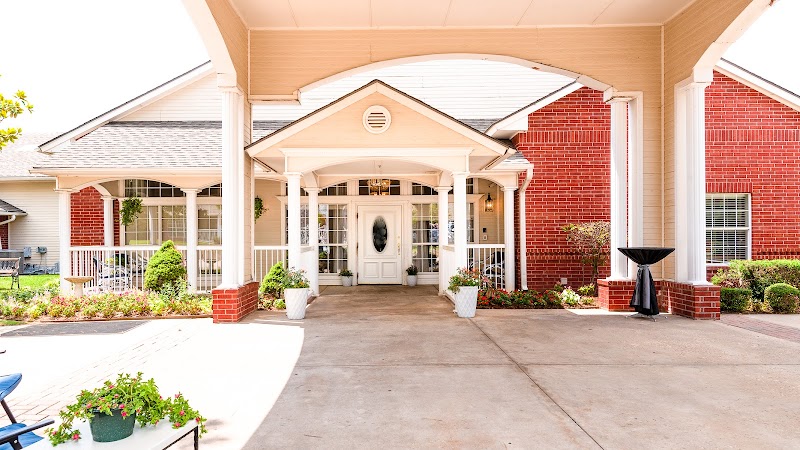
1050 Rambling Oaks Drive, Norman, OK 73072 (405) 292-2273
For profit - Limited Liability company 52 Beds IGNITE MEDICAL RESORTS Data: November 2025 2 Immediate Jeopardy citations
Trust Grade
6/100
#235 of 282 in OK
Last Inspection: August 2024

Within standard 12-15 month inspection cycle. Federal law requires annual inspections.

Overview

Ignite Medical Resort Norman has received a Trust Grade of F, indicating significant concerns about the quality of care provided. They rank #235 out of 282 nursing homes in Oklahoma, placing them in the bottom half of facilities in the state, and #6 out of 10 in Cleveland County, meaning only a few local options are worse. The facility is showing signs of improvement, with issues decreasing from 12 in 2024 to 4 in 2025, but it still has a concerning staffing turnover rate of 71%, which is much higher than the state average of 55%. Notably, there were critical incidents, including a serious medication error involving the wrong dose of morphine administered to a resident, and failures in ensuring food safety and hygiene practices in the kitchen. While there are no fines reported, the overall staffing situation and health inspection ratings are poor, raising red flags for potential residents and their families.

Trust Score
F
6/100
In Oklahoma
#235/282
Bottom 17%
Safety Record
High Risk
Review needed
Inspections
Getting Better
12 → 4 violations
Staff Stability
⚠ Watch
71% turnover. Very high, 23 points above average. Constant new faces learning your loved one's needs.
Penalties
✓ Good
No fines on record. Clean compliance history, better than most Oklahoma facilities.
Skilled Nurses
⚠ Watch
Each resident gets only 21 minutes of Registered Nurse (RN) attention daily — below average for Oklahoma. Fewer RN minutes means fewer trained eyes watching for problems.
Violations
⚠ Watch
24 deficiencies on record. Higher than average. Multiple issues found across inspections.
★☆☆☆☆
1.0
Overall Rating
★☆☆☆☆
1.0
Staff Levels
★★★☆☆
3.0
Care Quality
★☆☆☆☆
1.0
Inspection Score
Stable
2024: 12 issues
2025: 4 issues

The Good

  • Full Sprinkler Coverage · Fire safety systems throughout facility
  • No fines on record

Facility shows strength in fire safety.

The Bad

1-Star Overall Rating

Below Oklahoma average (2.6)

Significant quality concerns identified by CMS

Staff Turnover: 71%

24pts above Oklahoma avg (46%)

Frequent staff changes - ask about care continuity

Chain: IGNITE MEDICAL RESORTS

Part of a multi-facility chain

Ask about local staffing decisions and management

Staff turnover is very high (71%)

23 points above Oklahoma average of 48%

The Ugly 24 deficiencies on record

2 life-threatening
Jul 2025 4 deficiencies 2 IJ
CRITICAL (J) 📢 Someone Reported This

A family member, employee, or ombudsman was alarmed enough to file a formal complaint

Immediate Jeopardy (IJ) - the most serious Medicare violation

Pharmacy Services (Tag F0755)

Someone could have died · This affected 1 resident

**NOTE- TERMS IN BRACKETS HAVE BEEN EDITED TO PROTECT CONFIDENTIALITY** On 07/11/25, an Immediate Jeopardy (IJ) situation was determined to exist related to the facility's failure to prevent a signifi...

Read full inspector narrative →
**NOTE- TERMS IN BRACKETS HAVE BEEN EDITED TO PROTECT CONFIDENTIALITY** On 07/11/25, an Immediate Jeopardy (IJ) situation was determined to exist related to the facility's failure to prevent a significant medication error by administering the wrong dose of morphine (an opioid) to Resident #3.On 07/11/25 at 12:34 p.m., the Oklahoma State Department of Health was notified and verified the existence of an IJ situation.On 07/11/25 at 2:23 p.m., the administrator and the general manager were notified of the IJ situation and the IJ template was provided.On 07/14/25 at 2:00 p.m., an acceptable plan of removal was approved by the Oklahoma State Department of Health. The plan of removal, read in part,IJ removal Plan - Ignite Medical Resort [NAME].Ignite Medical Resort [NAME] is committed to ensuring the safety and well-being of all residents and operates in substantial compliance with Federal and State laws and regulations. This removal plan constitutes Ignite Medical Resort [NAME]'s written credible allegation of compliance for the immediate jeopardy noted. Facility will be in compliance on 7/14/2025.1. On 07/02/25, Resident #3 was transferred to the emergency room for evaluation and treatment of altered mental status related to receiving morphine 15 mg ER instead of prescribed morphine 5 mg IR. The facility immediately:Removed all morphine 15 mg ER from Resident #3's medication supply.Ensured Narcan [opioid antagonist] was obtained and available in the emergency medication supply.Narcan to be available at all times and present on each nurse cart.Conducted medication reconciliation for all of Resident #3's medications.2. On 07/03/25, the facility:Identified 25 additional residents receiving opioid medications; audit completed on 7/11/2025 and all were receiving correct medications as ordered.Verified correct medication strength/formulation for all current residents in house against physician orders.Confirmed Narcan availability for all residents on opioid therapy.Reviewed all medication changes from the past 7 days to ensure proper receipt and reconciliation.3. Effective 07/04/25:Medication manifest will be checked with all delivered medications.Re-educated all medication administration staff on proper medication verification procedures (5 rights). Included but not limited to the policy and procedures on ordering, receiving, reconciliation, administration, and discrepancy process (completed on 7/11/2025).4. The Director of Nursing reported monitoring plan and results to the Quality Assurance and Performance Improvement (QAPI) committee on 7/11/2025.The IJ was lifted, effective 07/14/25, when all components of the plan of removal had been completed. Multiple staff on different shifts were interviewed regarding the in-service they received, availability of Narcan, medication carts, pharmacy manifest, and all audits were reviewed. The deficiency remained at an isolated level with the potential for more than minimal harm.Based on record review and interview, the facility failed to have a system in place to ensure medications received were reconciled for accuracy and to ensure medications were available to be administered as ordered for 1 (#3) of 3 sampled residents reviewed for medication administration. The general manager identified 36 residents resided in the facility.Findings:A Medication Ordering and Receiving From Pharmacy Provider policy, revised 01/2025, read in part, Receives medications delivered to the nursing care center from the pharmacy and documents delivery on the medication delivery receipt/manifest. Verifies medications received with the prescriber orders.An admission Record with an admit date of 06/30/25, showed Resident #3 had a diagnosis of other chronic pain.Resident #3 had a physician's order, dated 06/30/25, for morphine tablet soluble, give 5 mg IR by mouth three times a day for pain. A physician's order, dated 06/30/25, showed Narcan nasal liquid 4 mg /0.1 milliliter. Administer one spray in nostril as needed for opioid reversal. Spray contents of one nasal spray as a single dose in one nostril. Administer additional doses if required in alternating nostril.A pharmacy Delivery Manifest Report Details, showed morphine 15 mg tablet was delivered to the facility on [DATE] at 10:24 p.m. for Resident #3.There was no documentation the facility received Resident #3's Narcan from the pharmacy.There was no documentation the pharmacy received the order for morphine 5 mg IR three times a day.A Nursing Evaluation note, dated 06/30/25 at 5:25 p.m., showed Resident #3 was alert, oriented to person, place, and situation. It showed the resident had clear speech.A Medication Error report, dated 07/02/25 at 3:45 p.m., showed CMA #1 administered 15 mg ER instead of 5mg IR. The report showed the Resident #3 was more difficult to arouse than normal. The report showed the resident continued to become more obtunded and less responsive to painful stimuli. EMSA was called to administer Narcan. The report showed family was worried about a possible stroke and wanted the resident taken to the emergency room.A nursing note, dated 07/02/25 at 5:36 p.m., showed Resident #3 was sent to the emergency room for altered mental status. An EMS report, dated 07/02/25, showed Resident #3 was picked up for possible overdose.A hospital record, dated 07/02/25, showed chief complaint of altered mental status. The record showed EMS stated Resident #3 had altered mental status and the facility believed the resident needed Narcan and it was not availableOn 07/10/25 at 12:08 p.m., CMA #2 stated they administered morphine 15 mg ER that was on the cart instead of the 5 mg IR as ordered. They stated they administered the medication twice on 07/01/25 around 8:00 a.m. and 2:00 p.m.On 07/10/25 at 12:12 p.m., CMA #2 stated Resident #3 was on morphine 15 mg ER, but it was changed to morphine 5 mg IR. They stated pharmacy must not have been aware of the order changes that was why they sent the 15 mg ER.On 07/10/25 at 12:31 p.m., Resident #3's physician stated the resident received Narcan after admission at the hospital and their mentation improved a little. On 07/10/25 at 12:36 p.m., CMA #1 stated they gave the morphine 15 mg ER on ce on 07/01/25 around 7:00 p.m. and once on 07/02/25 around 8:00 a.m.On 07/10/25 at 12:39 p.m., CMA #1 stated they noticed the medication discrepancy when they tried to reorder the medication on 07/02/25 around 10:30 a.m.On 07/10/25 at 1:16 p.m., LPN #2 stated upon discovering the medication error incident, they attempted to administer Narcan but there was none available to administer in the facility. On 07/10/25 at 12:48 p.m., the DON stated Resident #3 was initially on morphine 15 mg ER on ce a day. They stated the physician changed the order to morphine 5 mg IR three times a day on 06/30/25 due to availability from pharmacy. On 07/10/25 at 12:58 p.m., the DON stated there was no Narcan in the facility during the incident.On 07/11/25 at 9:39 a.m., the DON stated they could not find documentation to show the pharmacy received the order for morphine 5 mg IR three times a day.On 07/11/25 at 10:06 a.m., CMA #2 stated the process for receiving medications from pharmacy was to look at the medication delivered and verify with the sheet they sent with the medication. On 07/11/25 at 10:07 a.m., CMA #2 stated it was the pharmacy's responsibility to ensure the medication received by the pharmacy matched the resident's physician's orders on the MAR.On 07/11/25 at 10:29 a.m., Resident #'s representative stated the resident was able to converse and make their needs known prior to being over medicated. They stated on the day of the incident the resident was not communicating and was not talking.
CRITICAL (J) 📢 Someone Reported This

A family member, employee, or ombudsman was alarmed enough to file a formal complaint

Immediate Jeopardy (IJ) - the most serious Medicare violation

Deficiency F0760 (Tag F0760)

Someone could have died · This affected 1 resident

**NOTE- TERMS IN BRACKETS HAVE BEEN EDITED TO PROTECT CONFIDENTIALITY** On 07/11/25, an Immediate Jeopardy (IJ) situation was determined to exist related to the facility's failure to prevent a signifi...

Read full inspector narrative →
**NOTE- TERMS IN BRACKETS HAVE BEEN EDITED TO PROTECT CONFIDENTIALITY** On 07/11/25, an Immediate Jeopardy (IJ) situation was determined to exist related to the facility's failure to prevent a significant medication error for Resident #3. On 07/11/25 at 12:34 p.m., the Oklahoma State Department of Health was notified and verified the existence of an IJ situation.On 07/11/25 at 2:23 p.m., the administrator and the general manager were notified of the IJ situation and the IJ template was provided.On 07/14/25 at 2:00 p.m., an acceptable plan of removal was approved by the Oklahoma State Department of Health. The plan of removal, read in part,IJ removal Plan - Ignite Medical Resort [NAME].Ignite Medical Resort [NAME] is committed to ensuring the safety and well-being of all residents and operates in substantial compliance with Federal and State laws and regulations. This removal plan constitutes Ignite Medical Resort [NAME]'s written credible allegation of compliance for the immediate jeopardy noted. It is the facility's policy to ensure that residents are free of any significant medication errors. Facility will be in compliance on 7/14/2025.On 07/02/25, the following immediate actions were taken for Resident #3:Emergency medical services were contacted when resident showed signs of altered mental status and decreased responsiveness.Resident was transferred to the emergency department for evaluation and treatment.Narcan (an opioid antagonist) was administered to reverse opioid effects.Physician was notified of the medication error.Morphine (an opioid) 15 mg ER tablets were immediately removed from the medication cart.Correct medication (morphine 5mg IR) was verified and placed on the medication cart.On 07/02/25 and 07/03/25, the facility:Conducted 100% audit of all residents receiving medications to verify correct medication, dose, and formulation.Reviewed all medication carts to identify any other instances where incorrect medications were stocked.Verified all medications match current physician orders.Identified 25 additional residents receiving opioid medications; audit completed on 7/11/2025 and all were receiving correct medications as ordered.Effective 07/03/25, the facility implemented:Mandatory in-service training for all medication administration staff on high-alert medications and proper verification procedures. To include but not limited to policy and procedure on ordering, receiving, reconciliation, administration, and discrepancy process (completed 07/11/25 for all staff).Narcotics placed on nurse cart and to be administered by licensed nurses only.The Director of Nursing reported monitoring plan and results to the Quality Assurance and Performance Improvement (QAPI) committee on 7/11/2025.The IJ was lifted, effective 07/14/25, when all components of the plan of removal had been verified as completed. Multiple staff on different shifts were interviewed regarding the in-service they received, medication carts, and all audits were reviewed. The deficiency remained at an isolated level with the potential for more than minimal harm.Based on record review and interview, the facility failed to prevent a significant medication error for 1 (#3) of 3 sampled residents reviewed for medication administration. The general manager identified 36 residents resided in the facility. Findings: An ADMINISTRATION OF MEDICATIONS policy, revised 07/2025, read in part, All medications are administered safely and appropriately to aid residents to and help in overcome illness, relieve and prevent symptoms and help in diagnosis.An admission Record with an admit date of 06/30/25, showed Resident #3 had a diagnosis of other chronic pain.Resident #3 had a physician's order, dated 06/30/25, for morphine tablet soluble, give 5 mg IR by mouth three times a day for pain. A nursing evaluation note, dated 06/30/25 at 5:25 p.m., showed Resident #3 was alert, oriented to person, place, and situation. The note showed the resident had clear speech.A narcotic record, dated 06/30/25, showed morphine 15 mg ER, give one tablet by mouth daily. The record showed Resident #3 received morphine 15 mg ER three times on 07/01/25 and one time on 07/02/25. A July 2025 MAR, showed Resident #3 received the wrong morphine on:a. 07/01/25 at 9:59 a.m.,b. 07/01/25 at 1:04 p.m.,c. 07/01/25 at 7:05 p.m., andd. 07/02/25 at 8:00 a.m.A Medication Error report, dated 07/02/25 at 3:45p.m., showed CMA #1 administered 15 mg ER instead of 5 mg IR. The report showed Resident #3 was more difficult to arouse than normal. The report showed the resident continued to become more obtunded and less responsive to painful stimuli. EMSA was called to administer Narcan. The report showed family was worried about a possible stroke and wanted the resident taken to the emergency room.A nursing note, dated 07/02/25 at 5:36 p.m., showed Resident #3 was sent to the emergency room for altered mental status. An EMS report, dated 07/02/25, showed Resident #3 was picked up for possible overdose.A hospital record, dated 07/02/25, showed chief complaint of altered mental status.On 07/10/25 at 12:08 p.m., CMA #2 stated they administered morphine15mg ER that was on the cart instead of the 5 mg IR as ordered. They stated they administered the medication twice on 07/01/25 around 8:00 a.m. and 2:00 p.m.On 07/10/25 at 12:10 p.m., CMA #2 stated Resident #3 was coherent when they took care of the resident. They stated they were not at the facility on the day the resident was sent to the emergency room.On 07/10/25 at 12:35 p.m., CMA #1 stated they made a medication error on Resident #3's morphine. They stated the process for medication administration was to verify the resident's name, the right room, right medication, and the right dose.On 07/10/25 at 12:36 p.m., CMA #1 stated they gave the morphine 15 mg ER on ce on 07/01/25 around 7:00 p.m. and once on 07/02/25 around 8:00 a.m.On 07/10/25 at 12:39 p.m., CMA #1 stated they noticed the medication discrepancy when they tried to reorder the medication on 07/02/25 around 10:30 a.m.On 07/10/25 at 1:14 p.m., LPN #2 stated they took care of Resident #3 after CMA #1 went home. They stated the resident's representative wanted them to send the resident to the emergency room. They informed the resident's representative there had to be a reason to send the resident to the emergency room. LPN #2 stated the resident's representative stated the resident's cognition had changed. They stated they informed family they could send the resident to the emergency room for altered mental status. LPN #2 stated it was the first time caring for the resident and was not sure what their baseline cognition was.On 07/10/25 at 12:48 p.m., the DON stated Resident #3 was initially on morphine 15 mg ER on ce a day. They stated the physician changed the order to morphine 5mg IR three times a day on 06/30/25 due to availability from pharmacy.
CONCERN (D) 📢 Someone Reported This

A family member, employee, or ombudsman was alarmed enough to file a formal complaint

Potential for Harm - no one hurt, but risky conditions existed

Deficiency F0697 (Tag F0697)

Could have caused harm · This affected 1 resident

Based on observation, record review, and interview, the facility failed to provide pain medication to a resident as ordered for 1 (#1) of 3 sampled residents reviewed for medication as ordered. The ge...

Read full inspector narrative →
Based on observation, record review, and interview, the facility failed to provide pain medication to a resident as ordered for 1 (#1) of 3 sampled residents reviewed for medication as ordered. The general manager identified 36 residents resided in the facility. Findings:On 07/09/25 at 12:01 p.m., CNA #1 and CNA #2 were providing incontinent care on Resident #1. The resident informed CNA #1 and CNA #2 they were in pain. Resident #1 was groaning holding their left hip. On 07/09/25 at 12:10 p.m., Resident #1 groaned in pain as they were turned to their left side. On 07/9/25 at 12:22 p.m., CNA #2 was observed speaking with CMA #3. A physician's order, dated 04/15/25, showed Tylenol (pain medication) 325 mg give two tablets by mouth every six hours as needed for pain.A Pain Management policy, dated 04/17/25, read in part, The facility must ensure that pain management is provided to residents who require such services, consistent with professional standards of practice, the comprehensive person-centered care plan, and the residents' goals and preferences.Physician's orders, dated 05/01/25, showed oxycodone HCl (pain medication) 5 mg give one tablet by mouth every six hours as needed for pain level three to six and oxycodone HCl 5 mg give two tablets by mouth every six hours as needed for pain level seven to 10. Resident #1's significant change status resident assessment, dated 05/10/25, showed the resident's cognition was intact with a brief interview for mental status of 14. The assessment showed the resident received pain medication as needed and was frequently in pain. A July 2025 MAR showed oxycodone 5 mg was administered on 07/09/25 at 5:06 a.m.A July 2025 MAR showed oxycodone 5 mg was administered on 07/09/25 at 1:07 p.m.Tylenol 325 mg was not administered on 07/09/25 during the time of investigation. On 07/09/25 at 12:04 p.m., CNA #1 informed Resident #1 they could take a break, but they had to clean them. On 07/09/25 at 12:07 p.m., CNA #1 asked Resident #1 if they received their pain medication this morning. Resident #1 responded, Yes.On 07/09/25 at 12:14 p.m., CNA #1 and CNA #2 completed incontinent care. CNA #1 informed the Resident #1 they would inform the nurse about their pain. On 07/09/25 at 12:36 p.m., CNA #2 stated they informed CMA #3 the res complained of pain. They stated CMA #3 stated Resident #1 had pain medication, but it was not time to administer. On 07/09/25 at 12:37 p.m., CNA #2 stated if a resident complained of pain, they were to inform the CMA. On 07/09/25 at 12:40 p.m., CMA #3 stated they were informed the resident complained of pain around 12:25 p.m. to 12:30 p.m. but it was too early for administration. They stated the Resident #1 already had everything they could for pain.On 07/09/25 at 12:41 p.m., CMA #3 stated the resident took oxycodone 5 mg 2 tablets every six hours as needed, and Tylenol 325 mg two tablets every six hours as needed for pain.On 07/09/25 at 12:42 p.m., CMA #3 stated the last time Resident #1 received their pain medication prior to incontinent care observation was on 07/09/25 at 5:17 a.m. On 07/09/25 at 12:43 p.m., CMA #3 stated they administered the pain medication at 1:07 p.m. on 07/09/25. They stated the Resident #1 rated their pain at 8/10 on a numerical scale.On 07/09/25 at 12:46 p.m., CMA #3 stated the resident should have received their pain medication when they complained of pain. They stated it was a miscalculation on their part. On 07/10/25 at 6:30 a.m., LPN #3 stated CMA #3 had informed them Resident #1 complained of pain, and it was too soon to administer. On 07/10/25 at 8:30 a.m., the DON stated CMA #3 did not follow Resident #1's order for pain.
CONCERN (D) 📢 Someone Reported This

A family member, employee, or ombudsman was alarmed enough to file a formal complaint

Potential for Harm - no one hurt, but risky conditions existed

Infection Control (Tag F0880)

Could have caused harm · This affected 1 resident

**NOTE- TERMS IN BRACKETS HAVE BEEN EDITED TO PROTECT CONFIDENTIALITY** Based on observation and interview, the facility failed to ensure dirty linens were handled in a manner to prevent cross contami...

Read full inspector narrative →
**NOTE- TERMS IN BRACKETS HAVE BEEN EDITED TO PROTECT CONFIDENTIALITY** Based on observation and interview, the facility failed to ensure dirty linens were handled in a manner to prevent cross contamination during:a. incontinent care for 1 (#1) of 3 sampled residents observed for incontinent care; and b. a hall observation. The general manager identified 36 residents resided in the facility. Findings:On 07/09/25 at 12:01 p.m., CNA #1 and CNA #2 was observed to provide incontinent care on Resident #1. Both CNAs had on gloves and provided privacy. On 07/09/25 at 12:05 p.m., Resident #1's brief was observed soiled. CNA #2 wiped the resident's genitalia.On 07/09/25 at 12:10 p.m., Resident #1 was observed rolled to their left side. CNA #1 removed the resident's soiled pad and placed on the floor next to a white sheet. On 07/09/25 at 12:12 p.m., CNA #1 was observed to wipe the Resident #1's buttocks and anal area. CNA #1 changed their gloves and put a new brief on the resident. On 07/09/25 at 12:14 p.m., CNA #1 and CNA #2 completed incontinent care on Resident #1. They adjusted the resident in bed.On 07/09/25 at 12:18 p.m., CNA #2 was observed to remove the resident's pillowcase and place it on the floor next to the pad and white sheet. They retrieved a plastic bag and put the dirty linens in the bag. On 07/09/25 at 12:20 p.m., CNA #1 and CNA #2 were observed to take out the trash and the bag of dirty linens.On 07/10/25 at 4:50 a.m., CNA #3 was observed to pick up linen and a pad from room [ROOM NUMBER]'s floor by the door. The door was open. They had no gloves. CNA #3 held the linen and pad close to their upper body and transported to a room identified as environment. On 07/09/25 at 12:30 p.m., CNA #1 stated dirty linens should be put in a bag. They stated they did not follow the facility's process on handling dirty linens during the incontinent care observation. On 07/09/25 at 12:34 p.m., CNA #2 stated dirty linens should be placed in a plastic and taken to the designated laundry. They stated they did not follow the process during incontinent care observation. On 07/10/25 at 6:07 a.m., CNA #3 stated the linen they transported was a top blanket, flat sheet and a bed pad. They stated the linen was dirty. CNA #3 stated the facility's process was to put dirty linen in a bag and put them in a hamper in the environment room. They stated they did not follow the process. On 07/10/25 at 8:30 a.m., the DON stated staff should put dirty linens in bags during care and transportation.
Dec 2024 2 deficiencies
CONCERN (D) 📢 Someone Reported This

A family member, employee, or ombudsman was alarmed enough to file a formal complaint

Potential for Harm - no one hurt, but risky conditions existed

ADL Care (Tag F0677)

Could have caused harm · This affected 1 resident

**NOTE- TERMS IN BRACKETS HAVE BEEN EDITED TO PROTECT CONFIDENTIALITY** Based on record review and interview, the facility failed to ensure dependent residents were showered for one (#3) of three samp...

Read full inspector narrative →
**NOTE- TERMS IN BRACKETS HAVE BEEN EDITED TO PROTECT CONFIDENTIALITY** Based on record review and interview, the facility failed to ensure dependent residents were showered for one (#3) of three sampled residents reviewed for ADLs. The administrator identified 39 residents resided in the facility. Findings: Res #3 admitted to the facility on [DATE] with diagnoses which included spinal stenosis, back pain, and dementia. Record review documented Res #3 did not receive a shower from 09/12/24 to 09/17/24. An admission MDS, dated [DATE], documented Res #3 was cognitively intact and required moderate assistance with hygiene/bathing. On 12/02/24 at 11:30 a.m., the DON stated Res #3 was to receive their showers on Tuesdays, Thursdays, and Saturdays. On 12/02/24 at 2:02 p.m., the DON stated they were unable to locate documentation Res #3 received a shower on 09/14/24. On 12/02/24 at 3:07 p.m., the DON stated Res #3 should have received their shower on 09/14/24.
CONCERN (E) 📢 Someone Reported This

A family member, employee, or ombudsman was alarmed enough to file a formal complaint

Potential for Harm - no one hurt, but risky conditions existed

Quality of Care (Tag F0684)

Could have caused harm · This affected multiple residents

**NOTE- TERMS IN BRACKETS HAVE BEEN EDITED TO PROTECT CONFIDENTIALITY** Based on observation, record review, and interview, the facility failed to ensure physician orders were followed for tube feedin...

Read full inspector narrative →
**NOTE- TERMS IN BRACKETS HAVE BEEN EDITED TO PROTECT CONFIDENTIALITY** Based on observation, record review, and interview, the facility failed to ensure physician orders were followed for tube feeding administration and removal of a Foley catheter for one (#4) of three sampled residents reviewed for physician orders. The administrator identified 39 residents resided in the facility. Findings: A facility TUBE FEEDING policy, revised 04/2024, read in part, The physician or nurse practitioner should be notified if tube feeding amount not infused as ordered. Res #4 admitted to the facility on [DATE] with diagnoses which included rectal cancer. A physician order, dated 11/15/24, documented to provide catheter care every shift and PRN. A physician order, dated 11/17/24, documented to administer Jevity 1.5 Cal at 65 ml/hr via g-tube every shift for feeding. An admission MDS, dated [DATE], documented Res #4 was moderately cognitively impaired, had an indwelling catheter, and received greater than half of nutritional intake through a feeding tube. An office visit physician note, dated 11/27/24, read in part, Okay for trial of void with removal of Foley catheter per [their] skilled nursing facility with replacement of the indwelling urinary catheter if [they] are unable to void. A physician order, dated 11/27/24, documented to administer Jevity 1.5 Cal at 65 ml/hr via g-Tube every night shift for feeding. The order documented the feeding was to be on for 12 hours and off for 12 hours. The order was documented to start on 11/28/24. A MAR/TAR for November 2024 documented a blank for the PM administration of the Jevity on 11/27/24. A MAR/TAR for November 2024 documented Res #4 refused the tube feeding on 11/28, 11/29, and 11/30. A MAR/TAR for December 2024 documented Res #4 refused the tube feeding on 12/01. On 12/02/24 at 8:09 a.m., Res #4 was observed in their bed. A full bag of tube feeding formula was observed hanging from a pump pole near the bed. The bag was not labeled or dated. The connection end of the feeding was observed with an accumulation of dried and crusted formula. The resident stated the feeding had been discontinued. The resident was observed with a Foley catheter bag hanging from the bedside with approximately 100 ml of clear yellow urine in the collection bag. The resident denied concerns related to the catheter. On 12/02/24 at 10:10 a.m., Res #4 was again observed in their bed. The tube feeding formula was still at bedside untouched. The resident stated it had been discontinued a few nights ago because they were now eating solids. On 12/02/24 at 11:07 a.m., the ADON stated the physician was aware the resident was refusing their feeding. They stated as long as the resident consumed 80-100% of their meals the physician was okay with the refusal. On 12/02/24 at 12:45 p.m., Res #4 stated the catheter had not been removed for a voiding trial. They stated they were unaware the physician had ordered it. On 12/02/24 at 12:46 p.m., LPN #2 stated the Foley catheter had not been removed for a voiding trial. They stated there should be documentation in the progress notes regarding notification of the physician of refusal of the tube feeding. They stated there was not an order to hold or okay the refusal if Res #4's intake was 80% or greater. On 12/02/24 at 3:00 p.m., the DON stated the blank on the MAR/TAR indicated the tube feeding was not done. They stated there should have been documentation of physician notification in the progress notes related to the refusal of the tube feeding. They stated the Foley catheter should have been discontinued for a voiding trial.
Aug 2024 10 deficiencies
CONCERN (D)

Potential for Harm - no one hurt, but risky conditions existed

Assessment Accuracy (Tag F0641)

Could have caused harm · This affected 1 resident

**NOTE- TERMS IN BRACKETS HAVE BEEN EDITED TO PROTECT CONFIDENTIALITY** Based on record review and interview, the facility failed to ensure resident assessments were accurately coded for one (#4) of 1...

Read full inspector narrative →
**NOTE- TERMS IN BRACKETS HAVE BEEN EDITED TO PROTECT CONFIDENTIALITY** Based on record review and interview, the facility failed to ensure resident assessments were accurately coded for one (#4) of 12 sampled residents reviewed for accurate assessments. The administrator identified 47 Residents resided in the facility. Findings: The facility's Coordination of certification of Assessments policy, revised April 2024, read in part, To ensure each resident assessment will be coordinated by and certified as complete by a registered nurse, and all individuals who complete a portion of the assessment will sign and certify to the accuracy of the portion of their assessment. The policy also read, All information recorded within the MDS assessment reflect the resident status at the time of the assessment reference date. Resident #4 was admitted on [DATE] with diagnoses which included systolic heart failure and depression. A physician order, dated 08/04/24, documented, may administer supplemental oxygen as needed. A comprehensive assessment, dated 08/11/24, documented in section O, Resident #4 did not require oxygen therapy. Resident #4's care-plan did not document oxygen therapy as needed. A O2 Sats Summary document, dated 01/15/24 through 08/13/24, documented, Resident #4 received oxygen therapy on 08/11/24. On 08/13/24 at 10:00 a.m., LPN # 1 was asked to discuss resident #4's respiratory care needs. LPN # stated Resident #4 was on oxygen and had an order for supplemental oxygen as needed. On 08/13/24 at 10:07 a.m., the DON was asked what the care plan documented for Resident #4's respiratory care. The DON stated the resident did have oxygen care needs in their orders but it was not in the care plan and wears oxygen at night. On 08/13/24 10:08 a.m., the MDS Coordinator #1 was asked to discuss Resident #4's respiratory care orders and MDS assessment dated [DATE]. The MDS coordinator stated the resident had an order for supplemental oxygen. They stated Resident #4 did receive oxygen on 8/11/24. They were asked what does section O in the comprehensive assessment, dated 08/11/24, documented for oxygen therapy. The MDS coordinator stated they selected no in section O when they should of selected yes regarding oxygen therapy because the resident did use oxygen on 08/11/24. They stated the MDS, dated [DATE], was not correct.
CONCERN (D) 📢 Someone Reported This

A family member, employee, or ombudsman was alarmed enough to file a formal complaint

Potential for Harm - no one hurt, but risky conditions existed

Quality of Care (Tag F0684)

Could have caused harm · This affected 1 resident

**NOTE- TERMS IN BRACKETS HAVE BEEN EDITED TO PROTECT CONFIDENTIALITY** Based on record review and interview, the facility failed to ensure physician orders were followed for obtaining weekly weights ...

Read full inspector narrative →
**NOTE- TERMS IN BRACKETS HAVE BEEN EDITED TO PROTECT CONFIDENTIALITY** Based on record review and interview, the facility failed to ensure physician orders were followed for obtaining weekly weights for one (#36) of one sampled resident reviewed for weights. The DON identified 47 residents who resided in the facility. Findings: Res #36 was admitted [DATE] with diagnoses which included chronic kidney disease, pleural effusion, and fluid overload. The resident was discharged [DATE]. A physician order, dated 06/08/24, documented weekly weights every Thursday. A physician order, dated 06/08/24, documented weights taken as prescribed by the physician. Weight differences of greater than 3 pounds in two days or 5 pounds in one week will be communicated to the physician. Weights will be taken using the same scale or other as appropriate based on mobility. A care plan, dated 06/11/24, documented the resident had the potential for alterations in nutrition and hydration related to recent fluid overload with an intervention to obtain and document weights per physician orders. An admission assessment, dated 06/14/24, documented Res #36 was cognitively intact, required a mechanically altered diet, and had no weight gain/loss of 5% or more in the last month or 10% or more in the last 6 months. Res #36's medical record documented the following weights: 06/08/24 = 207.7 lbs. 06/13/24 = 206.8 lbs. 06/27/24 = 231.6 lbs. 07/01/24 = 236.4 lbs. The documentation indicated a weight gain of 28.7 lbs. in 23 days. There was no documentation a weight had been obtained on 06/20/24. There was no documentation the weight gain had been reported to the physician. There was no documentation interventions had been implemented to address the weight gain. On 08/14/24 at 1:16 p.m., LPN #1 stated they were not sure why a weight had not been obtained on Res #36 for 06/20/24. LPN #1 stated they thought they had notified the physician regarding the weight gain but had not documented the notification. On 08/14/24 at 1:50 p.m., the DON stated there was no documentation of Res #36's weight on 06/20/24. They stated the resident was supposed to have been weighed weekly. On 08/14/24 at 1:56 p.m., the physician #1 stated they do not remember if the staff notified them of Res #36's significant weight gain. They stated the resident was in good spirits upon discharge and voiced no concerns.
CONCERN (D)

Potential for Harm - no one hurt, but risky conditions existed

Infection Control (Tag F0880)

Could have caused harm · This affected 1 resident

**NOTE- TERMS IN BRACKETS HAVE BEEN EDITED TO PROTECT CONFIDENTIALITY** Based on observation, record review, and interview, the facility failed to cover a residents nebulizer mask when not in in use t...

Read full inspector narrative →
**NOTE- TERMS IN BRACKETS HAVE BEEN EDITED TO PROTECT CONFIDENTIALITY** Based on observation, record review, and interview, the facility failed to cover a residents nebulizer mask when not in in use to prevent the spread of infection for one (#35) of three residents sampled for infection control practices for nebulizer mask. The DON identified 14 residents used nebulizer's. Findings: Resident #35 was admitted on [DATE] with diagnoses which included fracture of the right lower leg and cognitive communication deficit. Resident #35's physician orders, dated 07/24/24. read in part, Ipratropium Bromide Inhalation Solution 0.02 % (Ipratropium Bromide) 1 application inhale orally every 4 hours as needed for SOB. On 08/11/24 at 12:22 p.m., Resident #35's nebulizer mask and machine was observed in the window next to the bed the residents bed. The nebulizer mask was not in a bag and was laying in the window seal on a paper towel next to some food and drinks. 08/11/24 at 12:50 p.m., CNA #4 was taken into Resident #35's room. CNA # 4 was asked to identify what was in Resident #35's window sill. They stated there was her nebulizer mask on a paper towel and was not bagged. They stated it should of been in a bag. On 08/11/24 at 12:53 p.m., LPN #3 was asked what the policy was when a resident has a nebulizer bed side. They stated the nebulizer mask should be bagged in a set up bag and changed weekly. LPN #3 was asked to go to Resident #35's room and look in the window and discuss what they saw. LPN #3 stated they observed the nebulizer mask was sitting on the window sill on paper tower not in a bag.
CONCERN (E) 📢 Someone Reported This

A family member, employee, or ombudsman was alarmed enough to file a formal complaint

Potential for Harm - no one hurt, but risky conditions existed

ADL Care (Tag F0677)

Could have caused harm · This affected multiple residents

**NOTE- TERMS IN BRACKETS HAVE BEEN EDITED TO PROTECT CONFIDENTIALITY** Based on record review and interview, the facility failed to provide baths/showers as scheduled for one (#36) of three sampled r...

Read full inspector narrative →
**NOTE- TERMS IN BRACKETS HAVE BEEN EDITED TO PROTECT CONFIDENTIALITY** Based on record review and interview, the facility failed to provide baths/showers as scheduled for one (#36) of three sampled residents reviewed for activities of daily living. The DON identified 47 residents who resided in the facility. Findings: A Bathing policy, dated 05/24, read in part, .All residents are given a bath or shower in accordance with their preferences. If no preferences on a bath is voiced, a bath or shower will be offered twice per week . Res #36 was admitted [DATE] with diagnoses which included chronic kidney disease, pleural effusion, and fluid overload. The resident was discharged [DATE]. A facility shower schedule documented Res #36 was to receive a shower every Tuesday and Friday. An admission assessment, dated 06/14/24, documented Res #36 was cognitively intact and required substantial to maximal assistance with bathing. A Resident Grievance form, dated 07/07/24, documented the resident had requested a shower for days. Res #36's medical record had no documentation the resident received a shower/bath from admission until discharge. On 08/13/24 at 10:54 a.m., the DON stated Res #36's completed baths should have shower sheets scanned into the EHR or should have been documented as completed under tasks in the resident's medical record. The DON stated if no documentation could be found, then there was no way to prove Res #36 had a shower while in the facility. On 08/15/24 at 8:52 a.m. the administrator in training stated all residents should receive baths twice weekly and as needed. They stated the facility was unable to locate any documentation of completed baths for Res #36.
CONCERN (E)

Potential for Harm - no one hurt, but risky conditions existed

Accident Prevention (Tag F0689)

Could have caused harm · This affected multiple residents

**NOTE- TERMS IN BRACKETS HAVE BEEN EDITED TO PROTECT CONFIDENTIALITY** Based on observation, record review, and interview, the facility failed to prevent an injury to a resident during transfers for ...

Read full inspector narrative →
**NOTE- TERMS IN BRACKETS HAVE BEEN EDITED TO PROTECT CONFIDENTIALITY** Based on observation, record review, and interview, the facility failed to prevent an injury to a resident during transfers for one (#29) of two residents sampled for accidents and hazards. The Administrator identified 47 residents resided in the facility. Findings: The facility's Incident and-Accidents policy, dated 11/2018, read in part, If an accident occurs, a full investigation will be initiated, including staff, interviews, equipment, checks, and follow through on policy and procedures. The policy also read, Facility will monitor the effectiveness of the interventions, including adequate supervision consistent with the residents needs, goals, plan of care, and current standards of practice in order to reduce the risk of an accident. The policy also read, The facility shall maintain a file of all written reports of each incident and accident affecting the resident that is not a expected outcome of a residence condition or disease process. Resident #29 was admitted on [DATE] with diagnoses which included fracture of the right femur and dysphasia. A comprehensive assessment dated [DATE] documented Resident #29's cognition was mildly impaired, had range of motion impairments in the lower extremities on both sides, and was dependent for transfers. A care-plan, dated 07/11/24, read in part, Chair/bed-to-chair transfer: Substantial/maximal assistance. On 08/11/24 at 9:58 a.m., Resident #29 was observed with a laceration on left leg below knee with a bandage not affixed and open with a scab. Resident #29 was asked about the injury. The Resident stated they were injured during a transfer from the bed to the wheel chair. They stated it was hurt three weeks ago and then happened again last week. They stated the facility bandaged it and does not think they care planned anything to keep the injury from occuring again. On 08/14/24 at 11:20 a.m., Resident #29 was observed with a new bandage on left knee. Resident #29 stated the injury hurt and was caused during a transfer from aides from the bed to the wheel chair. The resident stated a nurse named LPN #1 dressed the bandage and was told how the injury occurred. The resident stated that the injury has occurred three times during transfers from aides while transferring from the bed to a wheel chair. On 08/14/24 11:25 a.m., Resident #29's health records were reviewed. The EHR did not document the following: a. the left knee wound, b. interventions to prevent injuries during transfers, and c. incidents involving an injury during a transfer. On 08/14/24 at 11:32 a.m., LPN #2 was asked about Resident #29's skin conditions. LPN#2 stated, they observed the resident had a dressed abrasion on the left knee where the skin was broken on 08/13/24. LPN #2 stated they asked the resident what happened and the resident reported that the abrasion happened during a transfer from the bed to the wheel chair. LPN #2 stated they cleaned the wound with cleanser and dressed it on 08/14/24 after the resident requested a new dressing. LPN #2 stated there was documentation of the wound or incident in the health record and they did not document an incident or the wound care in the residents health records. On 08/14/24 at 12:59 p.m., LPN #1 was asked to discuss the injury on Resident #29's left knee. LPN #1 stated, on 08/13/24 around 4:00 p.m., CNA #1 stated the Resident had an abrasion and needed to be assessed. They stated CNA #1 reported the w/c had caught the residents leg during a transfer. LPN #1 stated they dressed the wound after assessing it and the Resident stated that they were transferring and their leg got caught. LPN #1 was asked if they documented anything in the health record or an incident report. They stated ,No, I forgot to do that. LPN #1 was asked what was the facility's policy when a resident gets injured. LPN #1 stated they should of documented the wound care and completed an incident report but they forgot because they got busy. On 08/15/24 at 8:25 a.m., the Administrator was asked for the facility's wound care policy. The Corporate Administrator stated they did an investigation and was able to determine on 08/8/24 that CNA #2 who was working on their first day reported to RN#1 that the resident had an injury during transfer and RN#1 dressed the wound under standing orders. They were asked if RN#1 did an IR and document the incident and wound care. The Corporate Administrator stated, No, I really think its a documentation problem. On 08/15/24 at 9:14 a.m., the DON was asked about the Resident #29's abrasions on their left knee. The DON stated the Resident told them the incident occurred on 8/8/24. The DON stated that LPN #2 and Transport #1 were transferring the Resident and the skin was raised. Next, on 8/10/24, CNA #2 scraped residents leg during a transfer. The CNA told RN #1 and RN #1 put a bandage on the residents left knee abrasion under the standing orders. RN #1 stated she did not put a note in the chart or document. The DON was asked what they thought the deficient practice was. The DON stated they should of been documenting to prevent further injury to the resident. Again, On 8/13/24, CNA #1 reported to LPN #1 that the resident was injured during a transfer on the left knee. LPN #1 evaluated and put a bandage on the abrasion. The DON was asked where they thought the deficient practice was. They stated, it should of been documented. LPN #1 did not document anything.
CONCERN (E) 📢 Someone Reported This

A family member, employee, or ombudsman was alarmed enough to file a formal complaint

Potential for Harm - no one hurt, but risky conditions existed

Respiratory Care (Tag F0695)

Could have caused harm · This affected multiple residents

**NOTE- TERMS IN BRACKETS HAVE BEEN EDITED TO PROTECT CONFIDENTIALITY** Based on observation and interview, the facility failed to ensure oxygen tubing was labeled and dated, per professional standard...

Read full inspector narrative →
**NOTE- TERMS IN BRACKETS HAVE BEEN EDITED TO PROTECT CONFIDENTIALITY** Based on observation and interview, the facility failed to ensure oxygen tubing was labeled and dated, per professional standards of care for three (#4,26, and #93) of three resident sampled for respiratory care. The DON identified 5 residents had orders for oxygen therapy. Findings: 1. Resident #4 was admitted on [DATE] with diagnoses which included acute kidney failure and systolic heart failure. Resident #4's physician orders, dated 8/04/24, read in part, May administer supplemental Oxygen as needed. On 08/11/24 at 9:05 a.m., Resident #4 was observed wearing oxygen via a nasal cannula. The tubing was attached to an oxygen saturator. There was no date observed on the humidifier or oxygen tubing indicating when the tubing was last changed. On 08/11/24 at 9:06 a.m., CNA #3 was asked what the date was on the oxygen tubing and/or humidifier. They stated there was not a date on the oxygen tubing or humidifier. On 08/11/24 at 9:11 a.m., RN #1 was taken to resident #4's room and asked if the oxygen tubing and humidifier was dated. RN #1 stated the tubing was not labeled with the date and it should be changed every 7 days and dated. 2. Resident #26 was admitted on [DATE] with diagnoses which included Atherosclerotic heart disease and and spondylosis without myelopathy. Resident #26's physician orders, dated 07/18/24, read in part, May administer supplemental Oxygen as needed. On 08/11/24 at 8:57 a.m., Resident #26 was observed in bed with head of bed elevated elevated wearing oxygen via a nasal cannula attached to an oxygen saturator. The oxygen tubing or humidifier was not observed to be labeled with the date indicating when it was last changed. On 08/11/24 at 8:59 a.m., RN #1 was shown the oxygen saturator and tubing. They were asked where the date was on the O2 tubing and saturator indicating when it was last changed. RN #1 stated there was not a date and it should be labeled and changed every 7 days. 3. Resident #93 was admitted on [DATE] with diagnoses which included chronic obstructive pulmonary disease and lower respiratory infection. Resident #93's physician orders, dated 7/01/24, read in part, Continuous O2 Via (NC/MASK). The order also read, Change O2 tubing every day shift every Sun and as needed. On 08/11/24 at 9:16 a.m., Resident #93 was observed wearing oxygen via a nasal cannula attached to an oxygen saturator. There was no date observed on the oxygen tubing or humidifier indicating the last time it was changed. On 08/11/24 at 9:17 a.m., CNA #3 was taken to resident #93's room and asked asked what the date was on the oxygen tubing and humidifier. CNA #3 stated they did not see a date. On 08/11/24 at 9:19 a.m., the ADON was asked to look at Resident #93's oxygen tubing and humidifier. The ADON stated there was not date labeled on the tubing or humidifier indicating when it was last changed. The ADON stated it was a nursing standard and should be changed weekly and labeled with the date.
CONCERN (E) 📢 Someone Reported This

A family member, employee, or ombudsman was alarmed enough to file a formal complaint

Potential for Harm - no one hurt, but risky conditions existed

Deficiency F0700 (Tag F0700)

Could have caused harm · This affected multiple residents

Based on observation, record review, and interview, the facility failed to perform an entrapment risk assessment prior to installing bed or side rails for two (#2 and #86) of two residents and failed ...

Read full inspector narrative →
Based on observation, record review, and interview, the facility failed to perform an entrapment risk assessment prior to installing bed or side rails for two (#2 and #86) of two residents and failed to obtain a physician order for the medical rationale and use of bed rails prior to installation for one (#86) of two sample residents reviewed for accident hazards. The DON identified 44 residents whose beds were equipped with a bed rail of any type. Findings: An admission Packet excerpt, undated, read in part, .The grab bars/side rails are/will be implemented for positioning only after a licensed nursing assessment. FULL SIDE RAILS WILL NOT BE UTILIZED. Responsible Party and/or Guest have been advised that bed/side rails may be installed. The risks and alternatives to using bed/side rails, as they apply to Guest's particular condition and circumstances have been clearly explained. A written order from the Guest's attending physician, specifying the medical rational and circumstances for use will be obtained prior to the installation of this medical treatment device. Facility will periodically review and re-evaluate the Guest's need for bed/side rails and Guest Responsible Party and attending physician will be consulted in this matter . 1. Res #2 had diagnoses which included epilepsy, muscle wasting, and morbid obesity. A physician order, dated 03/04/20, documented quarter bed rails for turning and positioning. A care plan, dated 07/09/20, documented Res #2 had an ADL self-performance deficit related to chronic weakness. The care plan documented use of a quarter side rail or enabler/assist bar to improve mobility. An annual assessment, dated 07/11/24, documented the resident was cognitively intact, dependent with most ADLs, and dependent with bed mobility. There was no documentation of an entrapment risk assessment found in the medical record. On 08/11/24 at 9:16 a.m., Res #2 was observed sitting in a recliner beside their bed. The bed was observed to have bilateral upper quarter bed rails. The resident stated they used the rails for turning and positioning. On 08/13/24 at 12:10 p.m., the administrator stated a completed entrapment risk assessment could not be located for Res #2. They stated the assessment should have been completed prior to installation of the bed rails and quarterly thereafter. 2. Res #86 was admitted with diagnoses which included muscle weakness, difficulty in walking, and peripheral vascular disease. An admission assessment, dated 06/19/24, documented the resident was cognitively intact, required partial to moderate assistance with most ADLs, and required supervision to touch assistance with bed mobility. A care plan, dated 06/26/24, documented Res #86 had an ADL self-care performance deficit related to limitation in physical mobility. The care plan documented use of enabler/grab rails for safety during care provision to assist with bed mobility. The care plan documented to observe for injury or entrapment related to side rail use and reposition as necessary to avoid injury. There was no documentation of a physician order for bed rails or an entrapment risk assessment found in the medical record. On 08/11/24 at 9:37 a.m., Res #86 was observed lying in bed. Bilateral upper quarter bed rails were observed in the up position. The resident stated the rails were used to assist in turning. On 08/13/24 at 12:03 p.m. the administrator stated a completed entrapment risk assessment and physician order could not be located for Res #86. They stated a physician order should have been obtained and the assessment should have been completed prior to installation of the bed rails.
CONCERN (E)

Potential for Harm - no one hurt, but risky conditions existed

Pharmacy Services (Tag F0755)

Could have caused harm · This affected multiple residents

**NOTE- TERMS IN BRACKETS HAVE BEEN EDITED TO PROTECT CONFIDENTIALITY** Based on record review and interview, the facility failed to ensure resident medications were administered according to physicia...

Read full inspector narrative →
**NOTE- TERMS IN BRACKETS HAVE BEEN EDITED TO PROTECT CONFIDENTIALITY** Based on record review and interview, the facility failed to ensure resident medications were administered according to physician ordered parameters for three (#12, 88, and #89) of five sampled residents reviewed for unnecessary medications. The DON identified 47 residents who resided in the facility. Findings: A Pharmacy Services policy, dated 05/24, read in part, .Provide continuity of staff to ensure that medications are administered without unnecessary interruptions through: following specific monitoring related to medications, when ordered or indicated, including specific item(s) to monitor (e.g., blood pressure, pulse, blood sugar, weight), and parameters for notifying the prescriber . 1. Res #12 was admitted [DATE] with diagnoses which included dementia and hypertension. A physician order, dated 07/22/24, documented amlodipine 10 mg one time a day for hypertension. The order documented to hold the medication for a systolic blood pressure less than 110 or a diastolic blood pressure less than 70. A physician order, dated 07/22/24, documented losartan 100 mg one time a day for hypertension. The order documented to hold the medication for a systolic blood pressure less than 110 or a diastolic blood pressure less than 70. An admission assessment, dated 07/26/24, documented the resident was cognitively intact and required supervision to partial assistance with most ADLs. The July 2024 MAR documented amlodipine was administered with a diastolic blood pressure less than 70 on two of nine opportunities. The MAR documented losartan was administered with a diastolic blood pressure less than 70 on two of nine opportunities. The August 2024 MAR documented amlodipine was administered with a diastolic blood pressure less than 70 on three of 13 opportunities. The MAR documented losartan was administered with a diastolic blood pressure less than 70 on three of 13 opportunities. 2. Res #88 was admitted on [DATE] with diagnoses which included dementia, chronic kidney disease, and congestive heart failure. A physician order, dated 08/02/24, documented carvedilol 25 mg two times daily for hypertension. The order documented to hold the medication for a systolic blood pressure less than 110 or a diastolic blood pressure less than 70. A discharge-return anticipated assessment, dated 08/06/24, documented the resident was severely cognitively impaired and required partial to substantial assistance with most ADLs. The August 2024 MAR document carvedilol was administered with a diastolic blood pressure less than 70 on two of eight opportunities. 3. Res #89 was admitted on [DATE] with diagnoses which included chronic respiratory failure, chronic kidney disease, and hypertension. A discharge-return anticipated assessment, dated 07/29/24, documented the resident was modified independent in cognitive skills for daily decision making and dependent in most ADLs. A physician order, dated 07/26/24, documented metoprolol 12.5 mg two times daily for hypertension. The order documented to hold the medication for a systolic blood pressure less than 110 or a diastolic blood pressure less than 60. The August 2024 MAR documented metoprolol was administered with a systolic blood pressure less than 110 and a diastolic blood pressure less than 60 on two of 20 opportunities. On 08/13/24 at 12:35 p.m., CMA #1 was made aware of the MAR observations for Res #12, 88, and #89. CMA #1 stated the medications should have been held per physician ordered parameters. On 08/14/24 at 11:00 a.m., the DON was made aware of the MAR observations for Res #12, 88, and #89. The DON stated the medication staff should have paid better attention and not given medications when the blood pressure was outside of ordered parameters.
CONCERN (E)

Potential for Harm - no one hurt, but risky conditions existed

Medication Errors (Tag F0758)

Could have caused harm · This affected multiple residents

**NOTE- TERMS IN BRACKETS HAVE BEEN EDITED TO PROTECT CONFIDENTIALITY** Based on record review and interview, the facility failed to ensure a resident who received psychotropic medications had an acce...

Read full inspector narrative →
**NOTE- TERMS IN BRACKETS HAVE BEEN EDITED TO PROTECT CONFIDENTIALITY** Based on record review and interview, the facility failed to ensure a resident who received psychotropic medications had an acceptable diagnoses/indication for the use of an antipsychotic medication for three (#12, 88, and #89) of five sampled residents reviewed for unnecessary medications. The ADON identified 21 residents who received psychotropic medications. Findings: A Medication Monitoring policy, dated 01/24, read in parts, .Based on a comprehensive assessment of a resident, the facility must ensure residents who have not used psychotropic drugs are not given these drugs unless the medication is necessary to treat a specific condition as diagnosed and documented in the clinical record .The attending physician in collaboration with the consultant pharmacist must re-evaluate the use of the psychotropic medication and consider whether or not the medication can be reduced or discontinued upon admission or soon after admission . 1. Res #12 was admitted [DATE] with diagnoses which included dementia, anxiety, and depression. A physician order, dated 07/22/24, documented to administer olanzapine (antipsychotic medication) 5 mg two times daily for psychotic disorder. A care plan, dated 07/23/24, documented Res #12 was receiving an antipsychotic medication. The care plan documented to discuss with the physician and family the ongoing need for use of medication and to review behaviors/interventions and alternate therapies attempted and their effectiveness as per facility policy. An admission assessment, dated 07/26/24, documented the resident was cognitively intact, had moderate depression symptoms, had no behaviors, and received antipsychotic medication. There was no documentation of a diagnosis of psychotic disorder found in Res #12's medical record. 2. Res #88 was admitted on [DATE] with diagnoses which included dementia, anxiety, and altered mental status. A discharge-return anticipated assessment, dated 08/06/24, documented the resident was severely cognitively impaired, had moderate depression symptoms, had no behaviors, and received antipsychotic medication. A physician order, dated 08/10/24, documented aripiprazole (antipsychotic medication) 1 mg one time daily for 90 days. There was no diagnosis for use documented in the physician order for the antipsychotic medication. 3. Res #89 was admitted on [DATE] with diagnoses which included chronic respiratory failure, chronic kidney disease, and hypertension. A discharge-return anticipated assessment, dated 07/29/24, documented the resident was modified independent in cognitive skills for daily decision making, was unable to complete the mood interview, had no behaviors, and received antipsychotic medication. A physician order, dated 08/03/24, documented quetiapine (antipsychotic medication) 25 mg at bedtime for insomnia. There was no documentation of a diagnosis of insomnia found in Res #89's medical record. On 08/13/24 at 11:51 a.m., the administrator was made aware of the antipsychotic medications ordered for Res #12, 88, and #89. The administrator stated Res #12 and Res #89 did not have an appropriate diagnosis documented to support the use of antipsychotic medication. The administrator stated Res #88 should have had an appropriate diagnosis documented in the physician order for the use of the antipsychotic medication.
CONCERN (E) 📢 Someone Reported This

A family member, employee, or ombudsman was alarmed enough to file a formal complaint

Potential for Harm - no one hurt, but risky conditions existed

Food Safety (Tag F0812)

Could have caused harm · This affected multiple residents

Based on observation, record review, and interview, the facility failed to ensure food items were labeled with the date opened in the refrigerators, maintain a clean and sanitary kitchen during two of...

Read full inspector narrative →
Based on observation, record review, and interview, the facility failed to ensure food items were labeled with the date opened in the refrigerators, maintain a clean and sanitary kitchen during two of two kitchen observations. The DON identified 47 residents received nutrition form the kitchen. Findings: The facility's Food & Nutrition Services Sanitation & Food Safety policy, revised 2017, read in part, Refrigerated Potentially Hazardous Food or Time/Temperature Controlled for Safety foods are labeled with the date received. The policy also read, If opened, the cold food item is labeled with the date opened and the date which to discard by. The facility's Dietary Cleaning Policy policy, dated December 2020, read in part, This facility will store, prepare, distribute and serve food under sanitary conditions to ensure that proper sanitation and food handling practices to prevent the outbreak of foodborne illness is attained continuously. On 08/11/24 at 7:26 a.m., the following items were observed in the kitchen refrigerators: a. opened cubed pears were in a round plastic contained with green lid and had no date labeled indicating when they were opened, b. two white sliced cheese containers were opened and wrapped in saran wrap with no date labeled indicating when they were opened, c. opened shredded yellow cheese in a plastic bag was not sealed and had no date labeled when it was open, d. one opened yellow sliced cheeses in plastic wrap had no date labeled indicating when it was opened, e. two yellow cheese cube packages opened had no date labeled indicating when they were opened, f. sour cream opened with no date labeled indicating when it was opened, and g. 7 proportioned water melon cups on a tray covered in saran had no date labeled indicating when they were prepared. On 08/11/24 at 7:26 a.m., [NAME] #2 was shown the above items and asked what the problem was with these items. [NAME] #2 stated the items did not have date they were opened and the cheeses should be sealed. [NAME] #2 stated they were unsure how old the melon was and it like that when they came in. [NAME] #2 was asked what the policy was for labeling and dating items in the refrigerators. [NAME] #2 stated all items should have been dated and labeled when they were opened and in a sealed container. On 08/12/24 at 8:29 a.m., the CDM was asked what the policy was for labeling and dating items in the refrigerator. The CDM stated all items should of been labeled and dated the items was received and opened. The CDM stated they took responsibility for the watermelon because they should of been thrown out. On 08/12/24 at 10:45 a.m., the following observations were made in the kitchen: a. the top of ice machine had spilled ground coffee, b. the top of coffee machine had spilled ground coffee, c. watermelon juice was observed on the toaster and on top of plastic cereal containers stored below the food prep table, d. the cereal container with cereal inside were stored under the food prep tables had lids that were wet with watermelon juice, d. the surface below the food prep table was covered with a shelf shelf liner soiled with food debris, e. clean plastic containers were observed stored inverted next to grill (6 inches) on a wire rack with dried eggs stuck to outside of the clean containers, f. clean pans were observed next to the grill on bottom wire shelf with spices and a soy sauce container with visible drips on the exterior stored above the clean pans, g. three coffee thermos servers on wire rack on the bottom shelf where clean dishware was stored were not inverted and one had visible food debris on the outside lid area, h. the freezer had a bag of cinnamon rolls not labeled with the date opened, i. a box of bread roles were observed in a freezer opened and not sealed,and j. condiments were observed under the food prep area in yellow handled 6 cup compartment plastic container that was soiled inside and in the handle area with food debris. On 08/12/24 at 10:45 a.m., the CDM was present and shown the above mentioned items as she walked through with surveyor. The CDM was asked what the policy was for maintaining a clean and sanitary kitchen. The CDM stated they ere unsure of the policy but acknowledged the items and surfaces could cause cross contamination, the kitchen was not clean and sanitary, and they have a problem with labeling and dating items in the refrigerators and freezers. The CDM stated thy had a cleaning schedule that is signed off and they guess they are not doing it.
Jul 2023 5 deficiencies
CONCERN (D)

Potential for Harm - no one hurt, but risky conditions existed

Deficiency F0661 (Tag F0661)

Could have caused harm · This affected 1 resident

**NOTE- TERMS IN BRACKETS HAVE BEEN EDITED TO PROTECT CONFIDENTIALITY** Based on record review and interview, the facility failed to ensure a discharge summary was completed for one (#38) of three sam...

Read full inspector narrative →
**NOTE- TERMS IN BRACKETS HAVE BEEN EDITED TO PROTECT CONFIDENTIALITY** Based on record review and interview, the facility failed to ensure a discharge summary was completed for one (#38) of three sampled residents reviewed for discharge summaries. The Resident Census and Conditions of Residents form documented 39 residents resided in the facility. Findings: Res #38 was admitted [DATE] with diagnoses which included multiple fractures of pelvis, muscle weakness, and hypertension. A 5-Day PPS assessment, dated 06/15/23, documented an unplanned discharge to an acute hospital with return not anticipated. A progress note, dated 07/17/23 at 3:01 p.m., documented a late entry for 06/15/23. The note documented the resident was discharged on 06/15/23 after a follow-up care appointment. The note documented the resident was sent to the ER to follow up for continuing hip pain. They were not admitted and no further fracture/injury was noted. The note documented the resident transferred to another facility for long term care. There was no documentation a discharge summary had been completed. On 07/17/23 at 3:15 p.m., the DON stated the resident had left the facility for a doctor's appointment and then went to the ER at the hospital from the doctor's office. They stated the resident decided to transfer to another facility for long term care after leaving the ER and never returned to the facility. The DON stated a discharge summary was not completed.
CONCERN (D)

Potential for Harm - no one hurt, but risky conditions existed

Quality of Care (Tag F0684)

Could have caused harm · This affected 1 resident

Based on observation, record review, and interview, the facility failed to ensure a multi podus boot was in place per physician order for one (#28) of one sampled resident reviewed for multipodis boot...

Read full inspector narrative →
Based on observation, record review, and interview, the facility failed to ensure a multi podus boot was in place per physician order for one (#28) of one sampled resident reviewed for multipodis boots. The Resident Census and Conditions of Residents form documented 39 residents resided in the facility. Findings: Res #28 was admitted to the facility with diagnoses of peripheral vascular disease, embolism and thrombosis of the arteries of the lower extremities, and congestive heart failure. A physician order, dated 05/06/23, documented multi podus boot to left foot while in bed. On 07/13/23 at 12:48 p.m., the resident was observed resting in bed watching television. The resident has a strengthening band attached to the left foot. They reported it helped to be able to move their leg easier. On 07/17/23 at 10:51 a.m., the resident was observed resting in bed watching television. No multipodis boot was observed on the left foot. On 07/17/23 at 3:00 p.m., the administrator reported the resident should have had the boot in place to the left foot.
CONCERN (D)

Potential for Harm - no one hurt, but risky conditions existed

Deficiency F0726 (Tag F0726)

Could have caused harm · This affected 1 resident

Based on observation, record review, and interview, the facility failed to ensure that licensed nurses have the specific competencies and skill sets necessary to care to assure safety related to the a...

Read full inspector narrative →
Based on observation, record review, and interview, the facility failed to ensure that licensed nurses have the specific competencies and skill sets necessary to care to assure safety related to the administration of injections for one (#42) of two residents reviewed for medication administration. The Resident Census and Conditions of Residents form documented 12 residents received injections. Findings: A NIOSH-How to Prevent Needlestick and Sharps Injuries guideline, dated February 2012, documented the following: Needlestick and other sharps injuries are a serious hazard in any healthcare setting. Contact with contaminated needles and other sharps may expose healthcare workers to blood that contains pathogens which pose a grave, potentially lethal risk. Healthcare workers can be at risk for needlestick and sharps injuries when they recap a needle. Healthcare staff should plan for the safe handling and disposal of needles before use and avoid recapping or bending needles that might be contaminated. Res #42 was admitted with diagnoses which included central cord syndrome, diabetes mellitus, and radiculopathy. A physician order, dated 06/23/23, documented to inject Lovenox 40 mg/0.4ml subcutaneously one time a day for DVT prophylaxis. On 07/13/23 at 11:10 a.m., LPN #1 was observed administering a Lovenox injection subcutaneously to Res #42 in the left lower abdomen. LPN #1 was observed to have recapped the needle on the syringe after the administration of the injection. On 07/13/23 at 11:17 a.m., LPN #1 stated they recapped the needle on the syringe because they did not think the syringe had a safety device to activate post injection. LPN #1 stated they did not want to risk the needle sticking them or some one else before they could deposit the used syringe in the sharps box out in the hallway on their medication cart. LPN #1 stated they probably should not have recapped a used syringe but didn't know what else to do at that time. On 07/17/23 at 11:30 a.m., the DON stated LPN #1 should never recap a used syringe under any circumstance. The DON stated the LPN would be re-educated on infection control practices and how to activate the safety device on Lovenox syringes.
CONCERN (D)

Potential for Harm - no one hurt, but risky conditions existed

Staffing Information (Tag F0732)

Could have caused harm · This affected 1 resident

Based on observation and interview, the facility failed to post nurse staffing information, which included all the required components, in an area where it could be reviewed by all residents and visit...

Read full inspector narrative →
Based on observation and interview, the facility failed to post nurse staffing information, which included all the required components, in an area where it could be reviewed by all residents and visitors. The Resident Census and Conditions of Residents form documented 39 residents resided in the facility. Findings: On 07/12/23 at 10:00 a.m., no nurse staffing information was posted. On 07/13/23 at 3:00 p.m., no nurse staffing information was posted. On 07/17/23 at 1:30 p.m., no nurse staffing information was posted. On 07/17/23 at 1:50 p.m., the DON reported there was not daily nurse staffing information posted.
CONCERN (E) 📢 Someone Reported This

A family member, employee, or ombudsman was alarmed enough to file a formal complaint

Potential for Harm - no one hurt, but risky conditions existed

ADL Care (Tag F0677)

Could have caused harm · This affected multiple residents

**NOTE- TERMS IN BRACKETS HAVE BEEN EDITED TO PROTECT CONFIDENTIALITY** Based on observation, record review, and interview, the facility failed to ensure residents were bathed as scheduled for nine (#...

Read full inspector narrative →
**NOTE- TERMS IN BRACKETS HAVE BEEN EDITED TO PROTECT CONFIDENTIALITY** Based on observation, record review, and interview, the facility failed to ensure residents were bathed as scheduled for nine (#12, 21, 24, 25, 30, 32, 42, 54, and #55) of sixteen sampled residents reviewed for bathing. The Resident Census and Conditions of Residents form documented 39 residents resided in the facility. Findings: 1. Res #12 was admitted with diagnoses which included fracture of superior rim of left pubis, abnormalities of gait and mobility, lack of coordination, and cognitive communication deficit. A physician order, dated 06/30/23, documented a shower or bath twice a week and prn personal care. An admission assessment, dated 07/05/23, documented the resident was moderately impaired in cognition and required extensive one person physical assistance with bathing. The July 2023 bathing record documented Res #12 was bathed one out of four opportunities from 07/01/23 through 07/12/23. On 07/12/23 at 10:39 a.m., Res #12 stated they had only received one shower since admission. Res #12 stated they had never refused a shower and would prefer to be bathed more often. 2. Res #21 was admitted with diagnoses which included sepsis, end stage renal disease, lack of coordination, and obesity. A care plan, dated 06/17/23, documented Res #21 had an ADL self-care performance deficit and limited physical mobility with an intervention to provide physical assistance with bathing. An admission assessment, dated 06/23/23, documented the resident was moderately impaired in cognition and required extensive one person physical assistance with bathing. The medical record did not contain documentation the resident had received a bath/shower since admission. On 07/12/23 at 3:10 p.m., Res #21 stated there was a lack of baths/showers received since admission. Res #21 stated they needed assistance with bathing and did not remember when they last received a bath/shower. 3. Res #24 was admitted with diagnoses which included Parkinson's disease, dementia, and abnormalities of gait and mobility. A physician order, dated 06/29/23, documented a shower or bed bath twice weekly and as needed. An admission assessment, dated 07/04/23, documented the resident was cognitively intact and required extensive one person physical assistance with bathing. On 07/12/23 at 11:00 a.m., Res #24 stated they had not received a bath or shower since admission to the facility. The June 2023 and July 2023 bathing record documented Res #24 was bathed one out of four opportunities from 06/29/23 through 07/12/23. The record documented Res #24 refused one bath on 07/09/23. 4. Res #25 was admitted with diagnoses which included right femur fracture, abnormalities of gait and mobility, lack of coordination and chronic pain. A care plan, dated 06/15/23, documented Res #25 had an ADL self-care performance deficit and limited physical mobility with an intervention to provide physical assistance with bathing. An admission assessment, dated 06/21/23, documented the resident was moderately impaired in cognition and required extensive one person physical assistance with bathing. The June 2023 and July 2023 bathing record documented Res #25 received one bath since admission. On 07/12/23 at 10:30 a.m., Res #25 stated they had not received baths as scheduled. Res #25 stated they had to ask staff numerous times for a bath and had only received one since admission. 5. Res #32 was admitted with diagnoses which included muscle weakness and difficulty in walking. A care plan, dated 06/30/23, documented Res #32 had an ADL self-care performance deficit and limited physical mobility with an intervention to provide physical assistance with bathing. An admission assessment, dated 07/04/23, documented the resident was moderately impaired in cognition and required extensive one person physical assistance with bathing. Bathing/shower documentation was not present in the resident's record. On 07/12/23 at 2:56 p.m., Res #32 stated having missed several baths/showers since admission to the facility. Res #32 stated they needed assistance with bathing. 6. Res #54 was admitted with diagnoses which included rheumatoid arthritis, muscle weakness, and lack of coordination. A physician order, dated 07/01/23, documented a shower or bath twice a week and prn for personal care. An admission assessment, dated 07/10/23, documented the resident was cognitively intact and required extensive one person physical assistance with bathing. The July 2023 bathing record documented Res #54 was bathed one out of three opportunities from 07/01/23 through 07/12/23. On 07/12/23 at 9:55 a.m., Res #54 stated having received only one shower since admission. Res #54 stated they would like to have received or at least been offered baths more often. 7. Res #55 was admitted with diagnoses which included muscle weakness and lack of coordination. A physician order, dated 07/05/23, documented a shower or bath twice a week and prn if soiled. A care plan, dated 07/05/23, documented Res #55 had an ADL self-care performance deficit and limited physical mobility with an intervention to provide physical assistance with bathing. On 07/12/23 at 10:01 a.m., Res #55 stated they had only received one shower since admission. Res #55 stated they would like to have received a shower more often. No documentation the resident had received a bath/shower since admission was found in the medical record. On 07/13/23 at 10:51 a.m., LPN #1 was asked how the nursing staff ensured the CNAs have completed the residents' scheduled baths. LPN #1 stated the policy was for CNAs to complete a written shower/bath sheet with each bath given and then provide it to the floor nurse to be reviewed. They stated the bath sheet must be completed with the resident's signature if a bath/shower is refused. They stated all completed or refused showers/baths should have shower sheets documented in the medical record. On 07/17/23 at 1:50 p.m., the DON was made aware of the lack of bathing documentation in the sampled residents' medical records. The DON stated all residents should have an order for bathing with frequency documented upon admission. The DON stated all residents should have received baths twice weekly and as needed. They stated if the shower sheets were not documented in the medical records then the baths were not completed. 8. Res #30 was admitted to the facility on [DATE] with diagnoses of multiple fractures of pelvis, weakness, pelvic and perineal pain. A physician order, dated 06/07/23, documented the resident would receive a shower two times a week on Wednesday and Friday. An admission assessment, dated 06/14/23, documented the resident required limited to extensive assist with activities of daily living. On 07/12/23 at 3:32 p.m., a review of the clinical record documented four of eight opportunities were missed for June 2023 and one of four opportunities were missed for July 2023. There were no documented refusals found in the resident's clinical record. 9. Res #42 was admitted to the facility on [DATE] with diagnoses of central cord syndrome, cervicalgia, major depressive disorder, and anxiety disorder. An admission MDS, dated [DATE], documented the resident required extensive assist with all activities of daily living. A skin monitoring/shower forms, dated 07/07/23 and 07/10/23 was found in the clinical record. No other documentation related to showers was found in the clinical record. On 07/17/23 at 12:00 p.m., the DON reported the CNAs should fill out a shower form every time the resident received a shower. The DON reported if there was not a shower form then it was not done.
Jan 2023 1 deficiency
CONCERN (E) 📢 Someone Reported This

A family member, employee, or ombudsman was alarmed enough to file a formal complaint

Potential for Harm - no one hurt, but risky conditions existed

Deficiency F0565 (Tag F0565)

Could have caused harm · This affected multiple residents

Based on record review and interview, the facility failed to ensure residents were offered the ability to meet and participate in resident council on a regular basis. The Resident Census and Conditio...

Read full inspector narrative →
Based on record review and interview, the facility failed to ensure residents were offered the ability to meet and participate in resident council on a regular basis. The Resident Census and Conditions of Residents report, dated 01/12/23, documented 43 residents resided in the facility. Findings: Resident council meeting minutes were reviewed. There was no documentation meetings were held in August, September, and November 2022. On 01/12/23 at 11:40 a.m., the administrator was asked if there was a resident council president. She stated there was not. She stated most of the residents were short term. She was asked to locate documentation resident council meetings were held in August, September, and November 2022. On 01/12/23 at 2:30 p.m., the administrator stated she had not located resident council meeting documentation for August, September, or November. On 01/12/23 at 2:31 p.m., the director of culture and engagement was asked how often resident council meetings were held. She stated they should be held once a month. She stated they did not have a meeting in August. She stated she thought they had a meeting in September, but they could not locate the paperwork. She stated the meeting scheduled in November was rescheduled and then it never took place.
May 2022 2 deficiencies
CONCERN (D)

Potential for Harm - no one hurt, but risky conditions existed

ADL Care (Tag F0677)

Could have caused harm · This affected 1 resident

Based on record review, observation, and interview, it was determined the facility failed to provide baths/showers as scheduled for two (#30 and #38) of two sampled residents. The Census and Conditio...

Read full inspector narrative →
Based on record review, observation, and interview, it was determined the facility failed to provide baths/showers as scheduled for two (#30 and #38) of two sampled residents. The Census and Conditions of Residents form documented 36 residents lived in the facility. Findings: 1. Res #30 was admitted , on 04/30/22, with diagnoses which included other recurrent depressive disorders, muscle weakness, unspecified abnormalities of gait and mobility, unspecified lack of coordination, and need for assistance with personal care. A physician order, dated 04/30/22 documented the resident was to receive showers three times a week, every Tuesday, Thursday, Saturday, and PRN. An admission assessment, dated 05/02/22, documented the resident was cognitively intact and required one person physical assist for bathing. The resident's record had no documentation the resident had a shower/bed bath since admission. 2. Resident #38 was admitted , on 04/26/22, with diagnoses of diabetes mellitus, muscle weakness, and morbid obesity. A physician order, dated 04/26/22, documented the resident was to receive showers three times a week every Monday, Wednesday, Friday, and PRN. An admission assessment, dated 05/03/22, documented the resident was cognitively intact and physical help limited to transfer only for bathing. The resident's record documented the resident had two shower/bed baths since admission. On 05/11/22 at 10:54 a.m., the DON was asked how the residents' showers were documented. The DON reported they used to fill out paper baths sheets but that did not work very well so now they were supposed to document in the computer when they gave showers.
CONCERN (F)

Potential for Harm - no one hurt, but risky conditions existed

Food Safety (Tag F0812)

Could have caused harm · This affected most or all residents

**NOTE- TERMS IN BRACKETS HAVE BEEN EDITED TO PROTECT CONFIDENTIALITY** Based on record review, observation, and interview, the facility failed to ensure food was stored, prepared, and served in a san...

Read full inspector narrative →
**NOTE- TERMS IN BRACKETS HAVE BEEN EDITED TO PROTECT CONFIDENTIALITY** Based on record review, observation, and interview, the facility failed to ensure food was stored, prepared, and served in a sanitary manner. The facility failed to: a. clean the oven and hand washing sinks. b. wear hair restraints when in the kitchen. c. perform hand hygiene after touching unclean surfaces during meal service and meal pass. The Census and Conditions of Residents form documented 36 residents lived in the facility. Findings: The DIETARY SERVICES POLICY, revised 07/05/06, read in parts .All dietary services personnel shall at all times wear clean, washable clothes and hair nets or clean caps .Effective procedures are established for the cleaning of all equipment and work areas .personnel entering the dietary area will be responsible for the same standards of cleanliness as those required of the dietary staff . The Ignite [NAME] Dining Dept. Cleaning Assignments read in parts .Prep [NAME] Weekly Duties .Sunday - clean gas range inside and out. Daily Duties .Proper hand washing & glove usage .Clean Juice dispenser, stainless steal [sick] tea container, & coffee container . On 05/09/22 at 9:57 a.m., a tour of the kitchen was conducted. The two handwashing sinks were dirty and stained. The oven had a black dried substance on the walls, oven racks, and doors. There was dirt and debris on the floor against the wall and under shelves. On 05/09/22 at 9:58 a.m., the dietary aide stated the handwashing sinks were dirty and needed to be cleaned. The dietary aide stated he was not aware of a cleaning schedule. On 05/09/22 at 10:02 a.m., a staff member entered the kitchen, did not wash their hands, located a cup, obtained a cup ice, and exited the kitchen without a hair restraint. On 05/09/22 at 10:04 a.m., the dietary cook stated the oven was used everyday and needed cleaning. The cook stated the oven was last cleaned most likely three months ago when she cleaned it. The cook stated a cleaning schedule was posted two weeks ago. On 05/09/22 at 10:25 a.m., the juice dispenser had dried brown substance noted. The dietary aide stated it had been at least a week since the dispenser had been cleaned. The dietary aide began taking apart and cleaning the dispenser. On 05/09/22 at 10:28 a.m., a physical therapy staff member entered the kitchen, did not wash their hands, and obtained a cup. The cook was preparing meat three to four feet away on the prep table with no barrier. The therapy staff stated was told a hair net was only required when around the stove. On 05/09/22 at 10:35 a.m., CNA #1 entered the kitchen without a hair net and did not wash her hands. The CNA stated she was only in the coffee area. On 05/09/22 at 10:40 a.m., the cook stated staff were allowed to come into the kitchen without hair nets if they did not pass the food prep table. The cook stated the area staff obtained drinks was close enough unrestrained hair could reach the prep table. On 05/09/22 at 12:15 p.m., the DM stated staff should not enter the kitchen without a hair restraint. On 05/09/22 at 12:55 p.m., the dietary cook #1 was observed passing meal trays on a resident hall. The cook entered and exited five resident rooms setting up trays and moving personal items on bedside tables without performing hand hygiene. On 05/09/22 at 1:05 p.m., the dietary cook #1 stated the dietary staff passed all meal trays. The cook stated she should have washed her hands after exiting each resident room and did not. On 05/10/22 at 5:05 p.m., the dietary aide was passing the evening meal trays. The dietary aide entered and exited three resident rooms setting up meal trays, touching a bed control, and moving personal items on bedside tables without washing his hands. On 05/10/22 at 5:11 p.m., the dietary aide stated he should clean his hands with each meal pass. On 05/10/22 at 5:39 p.m., three dirty resident trays were sitting on the nurse station counter. On 05/10/22 at 5:46 p.m., the staff removed the dirty trays, but did not clean the counter were the trays had been sitting. On 05/10/22 at 5:52 p.m., the DON stated dirty trays from resident rooms should not be placed on the counter at the nurse station and the counter needed to be cleaned. On 05/11/22 at 11:15 a.m., cook #2 donned a pair of gloves to begin serving the meal. The cook handled cooled pans from the stove, wiped the table and counter, handled food items (cornbread), and positioned food items on the plate using the same gloved hands. The cook opened the refrigerator for items, went to the storage room for bag of chips, and opened the bag of chips placing a hand full on the plate with the same gloved hands. The cook continued to serve the meal. The cook used the same pair of gloves throughout the entire meal service never changing his gloves or washing his hands. On 05/10/22 at 11:52 a.m., cook #2 stated he was unsure when glove changes and hand washing should be completed during meal service.
Understanding Severity Codes (click to expand)
Life-Threatening (Immediate Jeopardy)
J - Isolated K - Pattern L - Widespread
Actual Harm
G - Isolated H - Pattern I - Widespread
Potential for Harm
D - Isolated E - Pattern F - Widespread
No Harm (Minor)
A - Isolated B - Pattern C - Widespread

Questions to Ask on Your Visit

  • "What changes have you made since the serious inspection findings?"
  • "Why is there high staff turnover? How do you retain staff?"
  • "Can I speak with families of current residents?"
  • "What's your RN coverage like on weekends and overnight?"

Our Honest Assessment

Strengths
  • • No fines on record. Clean compliance history, better than most Oklahoma facilities.
Concerns
  • • Multiple safety concerns identified: 2 life-threatening violation(s). Review inspection reports carefully.
  • • 24 deficiencies on record, including 2 critical (life-threatening) violations. These warrant careful review before choosing this facility.
  • • Grade F (6/100). Below average facility with significant concerns.
  • • 71% turnover. Very high, 23 points above average. Constant new faces learning your loved one's needs.
Bottom line: Trust Score of 6/100 indicates significant concerns. Thoroughly evaluate alternatives.

About This Facility

What is Ignite Medical Resort Norman, Llc's CMS Rating?

CMS assigns Ignite Medical Resort Norman, Llc an overall rating of 1 out of 5 stars, which is considered much below average nationally. Within Oklahoma, this rating places the facility higher than 0% of the state's 100 nursing homes. A rating at this level reflects concerns identified through health inspections, staffing assessments, or quality measures that families should carefully consider.

How is Ignite Medical Resort Norman, Llc Staffed?

CMS rates Ignite Medical Resort Norman, Llc's staffing level at 1 out of 5 stars, which is much below average compared to other nursing homes. Staff turnover is 71%, which is 24 percentage points above the Oklahoma average of 46%. High turnover can affect care consistency as new staff learn residents' individual needs. RN turnover specifically is 75%, which is notably high. RNs provide skilled clinical oversight, so turnover in this role can affect medical care quality.

What Have Inspectors Found at Ignite Medical Resort Norman, Llc?

State health inspectors documented 24 deficiencies at Ignite Medical Resort Norman, Llc during 2022 to 2025. These included: 2 Immediate Jeopardy (the most serious level, indicating potential for serious harm or death) and 22 with potential for harm. Immediate Jeopardy findings are rare and represent the most serious regulatory concerns. They require immediate corrective action.

Who Owns and Operates Ignite Medical Resort Norman, Llc?

Ignite Medical Resort Norman, Llc is owned by a for-profit company. For-profit facilities operate as businesses with obligations to shareholders or private owners. The facility is operated by IGNITE MEDICAL RESORTS, a chain that manages multiple nursing homes. With 52 certified beds and approximately 40 residents (about 77% occupancy), it is a smaller facility located in Norman, Oklahoma.

How Does Ignite Medical Resort Norman, Llc Compare to Other Oklahoma Nursing Homes?

Compared to the 100 nursing homes in Oklahoma, Ignite Medical Resort Norman, Llc's overall rating (1 stars) is below the state average of 2.6, staff turnover (71%) is significantly higher than the state average of 46%, and health inspection rating (1 stars) is much below the national benchmark.

What Should Families Ask When Visiting Ignite Medical Resort Norman, Llc?

Based on this facility's data, families visiting should ask: "What changes have been made since the serious inspection findings, and how are you preventing similar issues?" "How do you ensure continuity of care given staff turnover, and what is your staff retention strategy?" "Can you walk me through typical staffing levels on day, evening, and night shifts?" "Can I visit during a mealtime to observe dining assistance and food quality?" These questions are particularly relevant given the facility's Immediate Jeopardy citations, the facility's high staff turnover rate, and the below-average staffing rating.

Is Ignite Medical Resort Norman, Llc Safe?

Based on CMS inspection data, Ignite Medical Resort Norman, Llc has documented safety concerns. Inspectors have issued 2 Immediate Jeopardy citations (the most serious violation level indicating risk of serious injury or death). The facility has a 1-star overall rating and ranks #100 of 100 nursing homes in Oklahoma. Families considering this facility should ask detailed questions about what corrective actions have been taken since these incidents.

Do Nurses at Ignite Medical Resort Norman, Llc Stick Around?

Staff turnover at Ignite Medical Resort Norman, Llc is high. At 71%, the facility is 24 percentage points above the Oklahoma average of 46%. Registered Nurse turnover is particularly concerning at 75%. RNs handle complex medical decisions and coordinate care — frequent RN changes can directly impact care quality. High turnover means new staff may not know residents' individual needs, medications, or preferences. It can also be disorienting for residents, especially those with dementia who rely on familiar faces. Families should ask: What is causing the turnover? What retention programs are in place? How do you ensure care continuity during staff transitions?

Was Ignite Medical Resort Norman, Llc Ever Fined?

Ignite Medical Resort Norman, Llc has no federal fines on record. CMS issues fines when nursing homes fail to meet care standards or don't correct problems found during inspections. The absence of fines suggests the facility has either maintained compliance or corrected any issues before penalties were assessed. This is a positive indicator, though families should still review recent inspection reports for the full picture.

Is Ignite Medical Resort Norman, Llc on Any Federal Watch List?

Ignite Medical Resort Norman, Llc is not on any federal watch list. The most significant is the Special Focus Facility (SFF) program, which identifies the bottom 1% of nursing homes nationally based on persistent, serious quality problems. Not being on this list means the facility has avoided the pattern of deficiencies that triggers enhanced federal oversight. This is a positive indicator, though families should still review the facility's inspection history directly.