Medical Park West Rehabilitation & Skilled Care
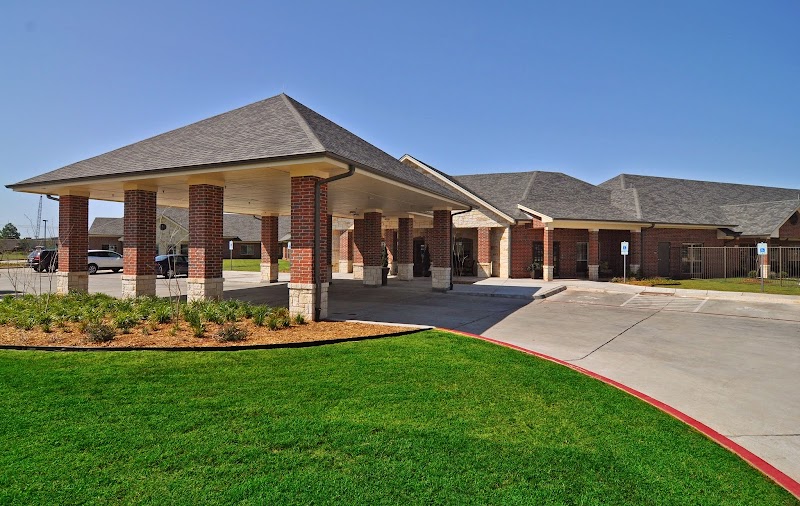
3110 Healthplex Drive, Norman, OK 73072 (405) 321-2188
Non profit - Corporation 104 Beds STONEGATE SENIOR LIVING Data: November 2025 2 Immediate Jeopardy citations
Trust Grade
4/100
#247 of 282 in OK
Last Inspection: January 2025

Within standard 12-15 month inspection cycle. Federal law requires annual inspections.

Overview

Medical Park West Rehabilitation & Skilled Care in Norman, Oklahoma has received a Trust Grade of F, indicating significant concerns about the facility's care and management. Ranking #247 out of 282 facilities in Oklahoma places it in the bottom half, and #8 out of 10 in Cleveland County, suggesting limited options for better care locally. The facility is worsening, with issues increasing from 4 in 2024 to 15 in 2025. Staffing is average with a 3/5 rating and a turnover rate of 56%, which is typical for the state. However, there are serious concerns, including critical incidents where residents experienced significant medication errors and neglect leading to severe pressure ulcers, highlighting both a lack of proper care and effective pain management.
Trust Score
F
4/100
In Oklahoma
#247/282
Bottom 13%
Safety Record
High Risk
Review needed
Inspections
Getting Worse
4 → 15 violations
Staff Stability
⚠ Watch
56% turnover. Above average. Higher turnover means staff may not know residents' routines.
Penalties
⚠ Watch
$21,962 in fines. Higher than 89% of Oklahoma facilities, suggesting repeated compliance issues.
Skilled Nurses
⚠ Watch
Each resident gets only 20 minutes of Registered Nurse (RN) attention daily — below average for Oklahoma. Fewer RN minutes means fewer trained eyes watching for problems.
Violations
⚠ Watch
55 deficiencies on record. Higher than average. Multiple issues found across inspections.
★☆☆☆☆
1.0
Overall Rating
★★★☆☆
3.0
Staff Levels
★★★☆☆
3.0
Care Quality
★☆☆☆☆
1.0
Inspection Score
Stable
2024: 4 issues
2025: 15 issues

The Good

  • Full Sprinkler Coverage · Fire safety systems throughout facility
  • No fines on record

Facility shows strength in fire safety.

The Bad

1-Star Overall Rating

Below Oklahoma average (2.6)

Significant quality concerns identified by CMS

Staff Turnover: 56%

Near Oklahoma avg (46%)

Frequent staff changes - ask about care continuity

Federal Fines: $21,962

Below median ($33,413)

Minor penalties assessed

Chain: STONEGATE SENIOR LIVING

Part of a multi-facility chain

Ask about local staffing decisions and management

Staff turnover is elevated (56%)

8 points above Oklahoma average of 48%

The Ugly 55 deficiencies on record

2 life-threatening 1 actual harm
Jul 2025 3 deficiencies 1 IJ (1 affecting multiple)
CRITICAL (K) 📢 Someone Reported This

A family member, employee, or ombudsman was alarmed enough to file a formal complaint

Immediate Jeopardy (IJ) - the most serious Medicare violation

Deficiency F0760 (Tag F0760)

Someone could have died · This affected multiple residents

**NOTE- TERMS IN BRACKETS HAVE BEEN EDITED TO PROTECT CONFIDENTIALITY** On 07/22/25, an Immediate Jeopardy (IJ) situation was determined to exist related to the facility's failure to ensure residents ...

Read full inspector narrative →
**NOTE- TERMS IN BRACKETS HAVE BEEN EDITED TO PROTECT CONFIDENTIALITY** On 07/22/25, an Immediate Jeopardy (IJ) situation was determined to exist related to the facility's failure to ensure residents were free from significant medication errors.On 07/22/25 at 2:11 p.m., the Oklahoma State Department of Health verified the existence of an IJ situation.On 07/22/25 at 2:29 p.m., the administrator, DON, and the corporate nurse consultant were notified of the IJ situation. An IJ template was provided to the administrator.On 07/23/25 at 1:03 p.m., an acceptable plan of removal was submitted to the Oklahoma State Department of Health. The facility plan of removal read in part, Regional Nurse Consultant will educate the Director of Nursing on identification of significant medication errors and administration of medication per physician orders. DON/Designee will educate all licensed nurses and certified medication aides by 2359 [11:59 p.m.] on 7/23/2025 regarding administering medication according to physician orders and identification of significant medication errors. Medication aides and Licensed nurses will document medication administration in the eMAR. Any licensed nurse or certified medication aide not educated by 2359 [11:59 p.m.] on 7/23/2025 will not be allowed to work until they have received education.An audit of current residents missing significant medications for the last 7 days was conducted and completed by 2359 [11:59 p.m.] on 7/23/2025 by nursing management to assure that significant medications are given as ordered by physician.Any significant medication errors found during the audit will be reviewed by the DON. The medical director will be notified of the findings for any further recommendations.The IJ was lifted, effective 07/23/25 at 11:59 p.m., when all components of the plan of removal had been completed. Staff interviews regarding significant medication errors and administering medications as ordered by the physician was completed and all components of the plan of removal was reviewed.Based on record review and interview, the facility failed to ensure medications were administered as ordered by the physician for 1 (#3) of 7 sampled residents reviewed for significant medication errors.The DON reported 94 residents resided in the facility.Findings:An undated medical diagnosis sheet showed Resident #3 admitted to the facility on [DATE] with diagnoses which included seizures, chronic kidney disease, dependence on dialysis, hypothyroidism, cardiomegaly, and atherosclerotic heart disease.A physician order, dated 04/16/25, showed Levetiracetam (an anticonvulsant) 500 mg tablet, one tablet every 12 hours for seizures.A medication administration record, dated 04/16/25 to 05/12/25, showed 9 out of 26 missing morning doses of Levetiracetam (an anticonvulsant) 500mg on 04/18/25, 04/23/25, 04/25/25, 04/28/25, 04/30/25. An emergency department physician note, dated 04/30/25 at 10:50 p.m., showed Resident #3 was presented for seizures and was given Keppra due to the missed doses. The physician noted Resident #3 could discharge and reiterated the importance of twice daily dosing of her Levetiracetam.An interdisciplinary progress note, dated 05/01/25 at 8:02 a.m., showed the Resident returned from the hospital around 3:00 a.m. via EMS. Family reported resident had received IV Levetiracetam for seizure activity. Writer reported to family that her meds will be given prior to Dialysis from now on.On 07/23/25 at 1:05 p.m., the DON stated they were not aware of why the resident went to the emergency room or the significant medication error.
CONCERN (D) 📢 Someone Reported This

A family member, employee, or ombudsman was alarmed enough to file a formal complaint

Potential for Harm - no one hurt, but risky conditions existed

Deficiency F0773 (Tag F0773)

Could have caused harm · This affected 1 resident

**NOTE- TERMS IN BRACKETS HAVE BEEN EDITED TO PROTECT CONFIDENTIALITY** Based on record review and interview, the facility failed to ensure the physician was notified timely of a urinalysis for 1 (#2)...

Read full inspector narrative →
**NOTE- TERMS IN BRACKETS HAVE BEEN EDITED TO PROTECT CONFIDENTIALITY** Based on record review and interview, the facility failed to ensure the physician was notified timely of a urinalysis for 1 (#2) of 3 sampled residents reviewed for lab results.The DON reported 94 residents resided in the facility. Findings:A facility policy titled Laboratory and Radiology Service Coordination, dated 01/26/23, read in part, Notify physician of results; Reference change of condition policy and procedures for immediate and non-immediate notification guidelines; and document physician notification.An undated facesheet showed Resident #2 admitted to the facility with diagnoses of atrial fibrillation, heart failure, and hypertension.A nurse note, dated 03/22/25 at 7:53 p.m., read in part, Patient complained of bladder pain and pressure. New order received for UA. UA was obtained and wnl. Patient and family requested to be sent to ER. Patient and family reinformed the UA results were normal. Patient was still adamant about going to the ER. New orders received to sent [sic] to ER for evaluation.The residents medical record did not show the UA results, or the physician was notified of the results.A hospital Discharge summary, dated [DATE], read in part, Reason for admission: Pseudomonas urinary tract infection. She was having bladder spasms.On 07/21/25 at 1:05 p.m., the DON reported the facility policy was not followed and did not document the physician was notified of the UA results.
CONCERN (E) 📢 Someone Reported This

A family member, employee, or ombudsman was alarmed enough to file a formal complaint

Potential for Harm - no one hurt, but risky conditions existed

Deficiency F0698 (Tag F0698)

Could have caused harm · This affected multiple residents

Based on record review and interview, the facility failed to ensure residents who received dialysis had pre and post monitoring for 1 (#3) of 3 sampled residents reviewed for dialysis.The DON reported...

Read full inspector narrative →
Based on record review and interview, the facility failed to ensure residents who received dialysis had pre and post monitoring for 1 (#3) of 3 sampled residents reviewed for dialysis.The DON reported 94 residents resided in the facility.Findings:The Dialysis-Hemodialysis policy, dated 02/12/20, read in part, Pre-Dialysis: Section A to be completed by the sending community licensed nurse and to accompany the patient to dialysis center.Post Dialysis: Community nurse to complete Section B with dialysis center information. Community nurse to access and complete Section C.Resident #3's undated facesheet showed a diagnosis of dependence on dialysis.A physician order, dated 04/14/25, showed dialysis on Monday, Wednesday, and Friday's.The resident's medical record was reviewed from 04/16/25 through 05/12/25 and showed 1 pre-dialysis communication report dated 05/02/25.On 07/21/25 at 12:56 p.m., the DON reported there should have been a pre and post dialysis form for everyday they went to dialysis.
Mar 2025 1 deficiency
CONCERN (E) 📢 Someone Reported This

A family member, employee, or ombudsman was alarmed enough to file a formal complaint

Potential for Harm - no one hurt, but risky conditions existed

Quality of Care (Tag F0684)

Could have caused harm · This affected multiple residents

**NOTE- TERMS IN BRACKETS HAVE BEEN EDITED TO PROTECT CONFIDENTIALITY** Based on record review and interview, the facility failed to: a. monitor and intervene for the absence of bowel movements; and ...

Read full inspector narrative →
**NOTE- TERMS IN BRACKETS HAVE BEEN EDITED TO PROTECT CONFIDENTIALITY** Based on record review and interview, the facility failed to: a. monitor and intervene for the absence of bowel movements; and b. complete daily skilled nursing assessments for 1 (#1) of 3 residents sampled for quality of care. The DON identified 85 residents who resided in the facility and 34 residents who received skilled services. Findings: Res #1 admitted to the facility on [DATE] with diagnoses which included stable burst fracture of the vertebrae, pulmonary fibrosis, and anxiety. Res #1 discharged from the facility on 02/27/25. A care plan, dated 02/19/25, showed Res #1 was at risk for problems with elimination. The care plan showed a goal of maintaining or improving Res #1's elimination status. A 5-day minimum data set assessment, dated 02/23/25, showed Res #1 was cognitively intact with a brief interview for mental status score of 15. The assessment showed Res #1 was continent of bowel and required supervision/touch assistance with toileting. An ADL sheet, dated 02/20/25 through 02/27/25, showed Res #1 had a bowel movement on 02/22/25. No additional bowel movements were documented. Daily skilled notes, dated 02/20/25 through 02/26/25, had no documentation of a daily skilled nursing assessments on 02/22/25, 02/23/25, and 02/26/25. On 03/19/25 at 9:00 a.m., RN #1 was asked how often nursing assessments should be completed on residents receiving skilled services. RN #1 stated a skilled assessment was a head-to-toe assessment of all body systems. They stated skilled nursing assessments should be completed at least once daily for all skilled residents. On 03/19/25 at 12:30 p.m., CNA #1 stated the nurse aides documented all bowel movements on the ADL sheets for each resident. CNA #1 stated they monitored residents for bowel movement frequency and reported to the nurse daily whether their residents had a bowel movement. On 03/19/25 at 1:30 p.m., RN #1 stated the nurse aides documented bowel movements on the ADL sheets and the nurses monitored the frequency of the bowel movements. They stated all residents should have a bowel movement at least every three days. RN #1 stated an intervention should be implemented to aid in evacuation if a resident has gone 3 days or longer without having a bowel movement. On 03/19/25 at 1:35 p.m., the DON denied having a written policy for bowel movement monitoring. They stated the facility followed the best standard practices in monitoring for the frequency of bowel movements. The DON stated no bowel movement after three days required intervention. They stated Res #1 should have had an intervention implemented after going three days without having a bowel movement. On 03/19/25 at 1:40 p.m., the DON denied having a written policy for the frequency of skilled nursing assessments. They stated the facility's expectation was completion of a skilled nursing assessment daily on all skilled residents. The DON stated Res #1 should have had an assessment completed daily during their stay.
Jan 2025 10 deficiencies
CONCERN (D)

Potential for Harm - no one hurt, but risky conditions existed

Deficiency F0582 (Tag F0582)

Could have caused harm · This affected 1 resident

Based on record review and interview, the facility failed to ensure proper beneficiary notification was provided for two (#54 and #66) of three sampled residents reviewed for beneficiary notifications...

Read full inspector narrative →
Based on record review and interview, the facility failed to ensure proper beneficiary notification was provided for two (#54 and #66) of three sampled residents reviewed for beneficiary notifications. The Beneficiary Notice-Residents discharged Within the Last Six Months form showed seven residents had remained in the facility after they had been discharged from skilled services with skilled days remaining. Findings: 1. The Beneficiary Notice-Residents discharged Within the Last Six Months form showed Resident #54 was discharged from skilled services, had skilled days remaining, and stayed in the facility as a long term care resident after the discharge from skilled services. The SNF Beneficiary Protection Notification Review form showed Resident #54 was discharged from skilled services on 09/29/24 and the resident and/or resident representative had not been provided an ABN. 2. The Beneficiary Notice-Residents discharged Within the Last Six Months form showed Resident #66 was discharged from skilled services, had skilled days remaining, and stayed in the facility as a long term care resident after the discharge from skilled services. The SNF Beneficiary Protection Notification Review form showed Resident #66 was discharged from skilled services on 08/28/24 and the resident and/or resident representative had not been provided an ABN. On 01/28/25 at 5:59 p.m., the social services director stated Resident #54 and Resident #66 had not been provided ABNs. On 01/30/25 at 2:42 p.m., the social services director stated they thought the MDS coordinator had provided the ABNs, but they had not provided one for Resident #54 or Resident #66. On 01/30/25 at 2:46 p.m., the administrator stated they had asked the social services director about ABNs and they stated they had not been trained on beneficiary notifications.
CONCERN (D)

Potential for Harm - no one hurt, but risky conditions existed

Deficiency F0638 (Tag F0638)

Could have caused harm · This affected 1 resident

Based on record review and interview, the facility failed to ensure quarterly assessments were completed not less than once every three months for one (#31) of 22 sampled residents whose assessments w...

Read full inspector narrative →
Based on record review and interview, the facility failed to ensure quarterly assessments were completed not less than once every three months for one (#31) of 22 sampled residents whose assessments were reviewed. The administrator identified 90 residents who resided in the facility. Findings: Resident #31 had diagnoses which included hypertension. The electronic health record showed a quarterly assessment had been completed on 03/27/24 and 06/27/24, and an annual assessment had been completed on 09/25/24. No other assessments had been documented after the 09/25/24 annual assessment. On 01/30/25 at 12:21 p.m., MDS coordinator #1 reviewed the electronic health record for Resident #31 and stated the last assessment completed was the annual assessment on 09/25/24. They stated they did not know why a quarterly assessment had not been completed in December 2024. On 01/30/25 at 12:24 p.m., the DON stated a quarterly assessment should have been completed in December for Resident #31.
CONCERN (D)

Potential for Harm - no one hurt, but risky conditions existed

MDS Data Transmission (Tag F0640)

Could have caused harm · This affected 1 resident

**NOTE- TERMS IN BRACKETS HAVE BEEN EDITED TO PROTECT CONFIDENTIALITY** Based on record review and interview, the facility failed to ensure assessments were encoded and transmitted for two (#70 and #1...

Read full inspector narrative →
**NOTE- TERMS IN BRACKETS HAVE BEEN EDITED TO PROTECT CONFIDENTIALITY** Based on record review and interview, the facility failed to ensure assessments were encoded and transmitted for two (#70 and #184) of 22 sampled residents whose assessments were reviewed. The administrator identified 90 residents who resided in the facility. Findings: 1. Resident #70 had diagnoses which included hypertension. The electronic health record showed the last assessment completed was a discharge from part A services assessment, dated 10/14/24. The Discharge Instructions for Care form showed Resident #70 was discharged from the facility on 10/31/24. On 01/30/25 at 12:26 p.m., MDS coordinator #1 reviewed the electronic clinical record for Resident #70 and stated they did not know why a discharge return not anticipated assessment had not been completed on 10/31/24 when the resident discharged home. 2. Resident #184 had diagnoses which included paraplegia. The electronic clinical record showed Resident #184 was an active resident. The electronic clinical record showed discharge return anticipated assessments, dated 12/07/24 and 12/24/24, with no re-entry assessments completed. On 01/30/25 at 3:34 p.m., the DON and MDS coordinator #1 reviewed the electronic clinical record for Resident #184. The DON stated the resident had returned to the facility on [DATE] and 12/25/24. MDS Coordinator #1 stated they should have completed re-entry assessments on 12/08/24 and 12/25/24. The DON stated the previous MDS coordinator had not been completing assessments as required.
CONCERN (D)

Potential for Harm - no one hurt, but risky conditions existed

Deficiency F0661 (Tag F0661)

Could have caused harm · This affected 1 resident

**NOTE- TERMS IN BRACKETS HAVE BEEN EDITED TO PROTECT CONFIDENTIALITY** Based on record review and interview, the facility failed to ensure a discharge summary which included a recapitulation of the r...

Read full inspector narrative →
**NOTE- TERMS IN BRACKETS HAVE BEEN EDITED TO PROTECT CONFIDENTIALITY** Based on record review and interview, the facility failed to ensure a discharge summary which included a recapitulation of the resident's stay was completed for one (#70) of two sampled residents who were reviewed for discharge. The administrator identified 90 residents who resided in the facility. Findings: Resident #70 had diagnoses which included hypertension. The Discharge Instructions for Care form showed the resident was discharged from the facility to home on [DATE]. The undated Interdisciplinary Discharge Summary form in the electronic clinical record was blank in all sections except dietary and activities. The discharge summary did not contain a recapitulation of the resident's stay. On 01/30/25 at 12:30 p.m., the DON stated each department was to complete their section of the Interdisciplinary Discharge Summary form in the electronic clinical record. The DON stated they monitored the discharge summaries and knew they had not been completing them to include a recapitulation of the residents stay.
CONCERN (D)

Potential for Harm - no one hurt, but risky conditions existed

Deficiency F0698 (Tag F0698)

Could have caused harm · This affected 1 resident

Based on record review and interview, the facility failed to ensure residents who received dialysis were assessed after dialysis for one (#60) of one sampled resident who was reviewed for dialysis. Th...

Read full inspector narrative →
Based on record review and interview, the facility failed to ensure residents who received dialysis were assessed after dialysis for one (#60) of one sampled resident who was reviewed for dialysis. The DON identified three residents who required dialysis. Findings: The Dialysis - Hemodialysis policy, dated 02/12/20, read in part, Pre-Dialysis: Section A to be completed by the sending community licensed nurse and to accompany patient to the dialysis center.Post Dialysis: Community nurse to complete Section B with dialysis center information. Community nurse to assess and complete Section C. Resident #60 had diagnoses which included end stage renal disease. The Dialysis Pre/Post Communication Report forms, read in part, This section to be completed by Nursing Home Staff upon resident return and placed in clinical record .Access Type/Assessment. A physician's order, dated 05/28/24, showed the resident was to receive dialysis weekly on Monday, Wednesday, and Friday. The quarterly assessment, dated 10/27/24, showed the resident was cognitively intact for daily decision making and received dialysis while a resident in the facility. The treatment record, dated December 2024, read in part, Dialysis Monday, Wednesday and Friday on 1 time per day Monitor shunt/graft/fistula for S/X of infection and adequate circulation. The time on the treatment record for the monitoring was documented for 9:00 a.m. The treatment record and the Dialysis Pre/Post Communication Report forms, dated 12/09/25 and 12/16/24, did not show the resident's fistula had been assessed after dialysis. The treatment record, dated January 2025, read in part, Dialysis Monday, Wednesday and Friday on 1 time per day Monitor shunt/graft/fistula for S/X of infection and adequate circulation. The time on the treatment record for the monitoring was documented for 9:00 a.m. The treatment record and the Dialysis Pre/Post Communication Report forms, dated 01/22/25, 01/24/25, and 01/27/25, did not show the resident's fistula had been assessed after dialysis. On 01/28/25 at 11:54 a.m., Resident #60 stated facility nurses assessed their dialysis access site from time to time, but not every time they returned from dialysis. On 01/28/25 at 4:10 p.m., LPN #2 stated residents were assessed after dialysis and they documented on the dialysis communication forms. On 01/28/25 at 4:56 p.m., the DON stated the charge nurses were to assess residents before and after dialysis and document on the dialysis communication forms. The DON stated they added vital signs twice daily and monitoring the dialysis access site on the days the residents were scheduled dialysis because the nurses did not always complete the dialysis communication forms. The stated the administrative staff monitored documentation weekly to ensure residents were assessed before and after dialysis, but they had some staffing changes and the post dialysis assessments had not been consistently completed
CONCERN (D)

Potential for Harm - no one hurt, but risky conditions existed

Drug Regimen Review (Tag F0756)

Could have caused harm · This affected 1 resident

Based on record review and interview, the facility failed to ensure medications were reviewed monthly by the consultant pharmacist and the pharmacy recommendations were addressed by the physician for ...

Read full inspector narrative →
Based on record review and interview, the facility failed to ensure medications were reviewed monthly by the consultant pharmacist and the pharmacy recommendations were addressed by the physician for one (#60) of five sampled residents who were reviewed for unnecessary medications. The DON identified 89 residents who received medications in the facility. Findings: The Medication Regimen Review and Reporting policy, dated January 2024, read in part, The consultant pharmacist reviews the medication regimen and medical chart of each resident at least monthly .The nursing care center follows up on the recommendations to verify that appropriate action has been taken. Recommendations should be acted upon within 30 calendar days or per facility specific protocols. Resident #60 had diagnoses which included chronic pain. The Consultant Pharmacist Recommendation to Physician, dated 05/31/24, read in part, In hemodialysis patients, gabapentin is titrated to effect up to 300 mg 3 times per week given after hemodialysis on dialysis days. Some experts recommend cautious titration to a max of 300 mg/day in select patients requiring additional pain control. It may be reasonable to consider reducing the dose for this medication. The consultant pharmacist report was addressed by the physician and dated 01/29/25. Review of the clinical record and the monthly medication regimen reviews provided by the DON did not show a medication regimen review by the consultant pharmacist had been completed for December 2024. On 01/29/25 at 11:03 a.m., the DON stated they could not locate the medication regimen review for December 2024. They stated they asked the nurse practitioner to review and address the pharmacist recommendation dated 05/31/24 on 01/29/25. They stated they did not know why the 05/31/24 recommendation had not been previously addressed.
CONCERN (D)

Potential for Harm - no one hurt, but risky conditions existed

Laboratory Services (Tag F0770)

Could have caused harm · This affected 1 resident

Based on record review and interview, the facility failed to ensure labs were obtained as ordered by the physician for one (#60) of five sampled residents whose labs were reviewed. The DON identified ...

Read full inspector narrative →
Based on record review and interview, the facility failed to ensure labs were obtained as ordered by the physician for one (#60) of five sampled residents whose labs were reviewed. The DON identified 45 residents who had routine labs ordered. Findings: Resident #60 had diagnoses which included diabetes mellitus. Physician orders, dated 05/28/24, showed the facility was to complete a CBC every 6 months in March and September; and the facility was to complete a hemoglobin A1C every 3 months in March, June, September, and December. Review of the clinical record did not show a CBC had been completed in September 2024 or that a hemoglobin A1C had been completed in June, September, or December 2024. On 01/28/25 at 5:04 p.m., the DON stated the ADON was responsible to ensure labs were completed as ordered by the physician. They stated labs had not been completed because they were not put into the lab company's ordering system.
CONCERN (E)

Potential for Harm - no one hurt, but risky conditions existed

Deficiency F0655 (Tag F0655)

Could have caused harm · This affected multiple residents

Based on record review and interview, the facility failed to complete a baseline care plan for four (#26, #34, #45, and #60) of seven sampled residents reviewed for baseline care plans. The administra...

Read full inspector narrative →
Based on record review and interview, the facility failed to complete a baseline care plan for four (#26, #34, #45, and #60) of seven sampled residents reviewed for baseline care plans. The administrator identified 90 residents in the facility. Findings: 1. Resident #26 had diagnoses which included congestive heart failure. 2. Resident #34 had diagnoses which included non Alzheimer dementia. 3. Resident #45 had diagnoses which included hemiplegia. 4. Resident #60 had diagnoses which included diabetes mellitus with chronic kidney disease Record reviews did not document baseline care plans were completed for these residents. On 01/28/25 at 5:35 p.m., the DON stated they had looked through the records and was unable to locate a baseline care plan for these residents.
CONCERN (E)

Potential for Harm - no one hurt, but risky conditions existed

Deficiency F0692 (Tag F0692)

Could have caused harm · This affected multiple residents

Based on record review and interview, the facility failed to ensure weights were obtained and meal percentages were monitored as ordered by the physician for four (#11 and #56, #60, and #63) of four s...

Read full inspector narrative →
Based on record review and interview, the facility failed to ensure weights were obtained and meal percentages were monitored as ordered by the physician for four (#11 and #56, #60, and #63) of four sampled residents reviewed for nutrition The administrator identified 90 residents in the facility. Findings: The Nutritional Services policy, dated 01/12/18, read in parts, Changes are reviewed during morning meeting .Diets .Weights: loss/gain .Appetite: decrease in oral intake of less than 25%. 1. Resident #11 had diagnoses which included cerebral infarction and underweight. A Physician Order, dated 04/20/24, showed a house shake was to be given at breakfast and lunch for the diagnosis of underweight. The care plan, dated 11/11/24, included a plan for altered nutritional status. A Physician Order, dated 12/31/24 showed the resident was to be weighed weekly. The Resident Weight Record for Resident #11 showed weights were obtained monthly, not weekly as ordered, with a weight loss in one month of 4.4 pounds. The ADL worksheet for December 2024 showed 25 meal percentages recorded out of 93 opportunities. The January 2025 ADL record showed 50 meal percentages out of 86 opportunities. 2. Resident #56 had diagnoses which included fracture of the femur. The Care Plan, dated 12/06/24, showed to monitor oral intake of food and fluid. A Physician Order, dated 12/07/24, showed the resident was to be weighed weekly. The ADL worksheet for January 2025 showed 50 meal percentages out of 86 opportunities. 3. Resident #60 had diagnoses which included diabetes mellitus with diabetic chronic kidney disease. A Physician Order, dated 12/11/24 showed the resident was to be weighed weekly. The December 2024 ADL sheet for meal percentages showed four meal percentages out of 93 opportunities. The January 2025 ADL sheet for meal percentages showed 33 meal percentages out of 86 opportunities. A printed list of weights for Resident #60 was provided by the DON. It showed one weight was obtained in December and one weight in January. 4. Resident #63 had diagnoses which included cerebral infarction. The December 2024 MAR showed the resident was to be weighed weekly for 4 weeks. The Resident Weight Record showed the first weight 12 days after admission in December 2024 and a second weight in January. The two weights documented a weight loss of 15.8 pounds. The ADL record for December 2024 documented 34 meal percentages out of 57 opportunities. On 1/28/25 at 3:27 p.m., CNA # 1 stated they were to document meal intake on paper ADL worksheets and inform the nurse if intake less than 50 percent. On 1/28/25 at 2:48 p.m., the ADON stated weight loss was monitored and if it was a five pound loss or more they implemented interventions, including a dietary consult and physician contact. They stated resident meal intake percentage was documented in the ADL. On 1/30/25 at 9:39 a.m., the ADON stated they were responsible for monitoring weights. On 1/30/25 at 10:20 a.m., the ADON stated the facility policy was to weigh all residents on the day of admission or the next day. On 1/30/25 at 3:05 p.m., the DON stated the inconsistent documentation of meal percentages was due to a lack of supervision.
CONCERN (E)

Potential for Harm - no one hurt, but risky conditions existed

Deficiency F0761 (Tag F0761)

Could have caused harm · This affected multiple residents

**NOTE- TERMS IN BRACKETS HAVE BEEN EDITED TO PROTECT CONFIDENTIALITY** Based on observation and interview, the facility failed to label and store medications according to acceptable standards of prac...

Read full inspector narrative →
**NOTE- TERMS IN BRACKETS HAVE BEEN EDITED TO PROTECT CONFIDENTIALITY** Based on observation and interview, the facility failed to label and store medications according to acceptable standards of practice for two medications observed during a review of medication/treatment carts and medication storage rooms. The ADON identified nine carts and two medication storage rooms. Findings: On [DATE] at 8:30 a.m., LPN #1 removed a bag labeled for Resident #60. Inside the bag was a multi-use insulin pen which was labeled for Resident #28. LPN #1 removed the bag labeled for Resident #28 which contained an unlabelled multi-use insulin pen with insulin degludec. LPN #1 stated the insulins were probably switched by mistake. After checking the medication room, LPN #1 stated they would have to order insulin for Resident #60 from the pharmacy. On [DATE] at 8:40 a.m., the 600 hall medication storage room was observed with LPN #1. Inside the medication storage room was a refrigerator with a padlock latch present on the main refrigerator door, but no padlock to secure the door. LPN #1 opened the refrigerator and an unlocked metal lock box was observed secured to a shelf in the refrigerator. LPN #1 opened the lock box and found 30 syringes of liquid Ativan (a benzodiazepine). LPN #1 stated the Ativan was labeled for an expired resident. The LPN stated the resident expired a few weeks ago. On [DATE] at 9:20 a.m., the ADON stated they went around to each nurse and medication aide once a week and asked if there were any controlled drugs to destroy. The ADON stated they were not aware the Ativan was in the facility. The ADON stated there was no narcotic count sheet associated with the liquid Ativan. The ADON stated it was the responsibility of the floor nurse receiving the medication to make out the narcotic count sheet if one is not present. The ADON stated medications received from the facility's primary pharmacy had narcotic count sheets attached, but the liquid Ativan was received from a hospice pharmacy. The ADON stated without a narcotic count sheet, none of the nurses were aware of the medication, and the medication was not routinely reconciled for misappropriation. The ADON stated they were aware insulin was ordered for Resident #60. The ADON stated all stored medications required proper labeling.
Jan 2025 1 deficiency
CONCERN (D) 📢 Someone Reported This

A family member, employee, or ombudsman was alarmed enough to file a formal complaint

Potential for Harm - no one hurt, but risky conditions existed

Infection Control (Tag F0880)

Could have caused harm · This affected 1 resident

**NOTE- TERMS IN BRACKETS HAVE BEEN EDITED TO PROTECT CONFIDENTIALITY** Based on observation, record review, and interview, the facility failed to ensure infection control was maintained and enhanced ...

Read full inspector narrative →
**NOTE- TERMS IN BRACKETS HAVE BEEN EDITED TO PROTECT CONFIDENTIALITY** Based on observation, record review, and interview, the facility failed to ensure infection control was maintained and enhanced barrier precautions were followed during pressure ulcer treatment for one (#10) of two sampled residents reviewed for wound care. The facility matrix identified 10 residents with pressure ulcers. Findings: An Enhanced Barrier Precautions policy, revised 04/01/24, read in parts, Many residents in nursing homes are at increased risk of becoming colonized and developing infections with multi-drug resistant organisms (MDROs). This facility utilizes Enhanced Barrier Precautions (EBP) as a strategy to decrease transmission of CDC-targeted and epidemiologically important MDROs when Contact Precautions do not apply .Enhanced Barrier Precautions: An infection control intervention designed to reduce transmissions of multidrug-resistant organisms that employs targeted gown and glove use during high contact resident care activities. EBP are used in conjunction with standard precautions and expand the use of PPE to donning of gown and gloves during high contact care activities that provide opportunities for transfer of MDROs to staff hands and clothing .Indications .Wounds and/or indwelling medical devices even if the resident is not know to be infected or colonized with an MDRO .Chronic wounds include, but are not limited to, pressure ulcers. Resident #10 admitted on [DATE] with diagnoses which included urinary tract infection and pressure ulcer of left buttock, stage 2. A nursing note, dated 01/13/25, documented WCN in for initial skin assessment noted Lt buttock stage 2, 1.3 cm x 1.0 cm x 0.2 cm, 100% granulation, new order received DuoDerm MWF. On 01/22/25 at 9:55 a.m., the wound care nurse donned gloves, disinfected Resident #10's bedside table, removed gloves, sanitized hands, and obtained supplies for wound care. They obtained permission to enter the room. The wound care nurse entered Resident #10's bathroom and washed and dried their hands. CNA #1 informed the resident they were going to pull back the blankets and remove their brief to assist the wound care nurse with wound care. Resident #10 was assisted to roll to their left side. An open wound approximately 1 cm x 1 cm was observed. The wound care nurse provided wound care and then assisted CNA #1 with replacing the brief, rolling Resident #10 back to their original position, and pulling blankets back over the resident. The wound care nurse removed trash from trash bin, removed gloves, and walked down the hall to place the trash and gloves in a large trash receptacle. They then turned to sink and washed and dried their hands. The wound care nurse did not don a gown prior to entering Resident #10's room. On 01/22/25 at 1:33 p.m., the wound care nurse stated the policy for EBP precautions was if a resident had a more in depth wound, not a superficial wound. On 01/24/25 at 12:34 p.m., the wound care nurse stated they had not taken EBP precautions on Resident #10 because they did not have drainage or a catheter. They stated Resident #10 only had a superficial wound. On 01/24/25 at 12:40 p.m., the DON stated EBP precautions were for anyone who had a catheter, PICC line, peg tube, or a wound that was not a surface wound. On 01/24/25 at 12:54 p.m., RNC #1 stated based on the policy a stage two pressure ulcer would require EBP precautions.
Apr 2024 3 deficiencies
CONCERN (D) 📢 Someone Reported This

A family member, employee, or ombudsman was alarmed enough to file a formal complaint

Potential for Harm - no one hurt, but risky conditions existed

Comprehensive Care Plan (Tag F0656)

Could have caused harm · This affected 1 resident

**NOTE- TERMS IN BRACKETS HAVE BEEN EDITED TO PROTECT CONFIDENTIALITY** Based on record review and interview, the facility failed to ensure a comprehensive care plan was implemented to address the res...

Read full inspector narrative →
**NOTE- TERMS IN BRACKETS HAVE BEEN EDITED TO PROTECT CONFIDENTIALITY** Based on record review and interview, the facility failed to ensure a comprehensive care plan was implemented to address the residents needs related to elopement for one (#1) of three sampled residents reviewed for care plans. The Administrator identified 98 residents resided in the facility. Findings: A Comprehensive Care Plans policy, reviewed 04/17/23, read in part, .It is the policy of this facility to develop and implement a comprehensive person-centered care plan for each resident, consistent with the resident rights, that includes measurable objectives and timeframes to meet a resident's medical, nursing, and mental and psychosocial needs that are identified in a resident's comprehensive assessment . Resident #1 had diagnoses which included vascular dementia, unsteadiness on feet, and weakness. An elopement risk assessment dated [DATE], documented the resident was at moderate risk for elopement. A care plan, dated 01/29/24, for behavioral changes related to elopement in the care area with a goal of resident remaining safe within the facility. There were no interventions for this care area. On 04/26/24 at 11:00 a.m., the DON stated there were no interventions in the elopement care area of the care plan.
CONCERN (E) 📢 Someone Reported This

A family member, employee, or ombudsman was alarmed enough to file a formal complaint

Potential for Harm - no one hurt, but risky conditions existed

Accident Prevention (Tag F0689)

Could have caused harm · This affected multiple residents

Based on record review and interview, the facility failed to provide adequate supervision to prevent a resident from exiting the facility through a door which alarmed, unobserved by staff for one (#1)...

Read full inspector narrative →
Based on record review and interview, the facility failed to provide adequate supervision to prevent a resident from exiting the facility through a door which alarmed, unobserved by staff for one (#1) of three residents reviewed for elopement. The Administrator identified 98 residents resided in the facility. Findings: Resident #1 had diagnoses which included vascular dementia, unsteadiness on feet, and weakness. An elopement risk assessment, dated 02/01/24, documented the resident was at moderate risk for elopement. A Nurses Note, dated 02/01/24, read in part, .Pt up ambulating t/o building. Pt would not stay in WC and would not stay in the lobby or room to be monitored .walked down to the end of 300 hall where staff could cont to monitor .This nurse went to assist with pt and when returned pt was not at the end of 300. This nurse and staff went to check on pt and found the back dining room door alarm going off. Staff checked the perimeter of the building and saw pt walking in the grass and before staff could get to . fell .no complaints of pain able to MAEx4 and was assisted up. Assessed skin and pt had an abrasion to .right cheek .He is now resting in the WC. Notified pt son and Dr. about the incident no new orders to note except start neuros. On 04/25/24 at 3:36 p.m., LPN #1 stated Resident #1 was hard to redirect with exit seeking. LPN #1 stated from day one [Resident #1] was confused and agitated. On 04/25/24 at 3:37 p.m., LPN #1 stated Resident #1 was not observed exiting through the door, the alarm had notified staff of them exiting. On 04/25/24 at 3:38 p.m., LPN #1 stated Resident #1 had been out side for 10 to 15 minutes without supervision. On 04/26/26 at 10:46 a.m., the DON stated there were three residents who currently resided in the facility that were wanderers/elopement risk. On 04/26/24 at 10:57 a.m., the DON stated Resident #1 had one elopement during their stay in the facility.
CONCERN (E) 📢 Someone Reported This

A family member, employee, or ombudsman was alarmed enough to file a formal complaint

Potential for Harm - no one hurt, but risky conditions existed

Staffing Data (Tag F0851)

Could have caused harm · This affected multiple residents

Based on record review and interview, the facility failed to submit accurate payroll based journal staffing data for 24 hour nursing to CMS for three of three months reviewed. The Administrator ident...

Read full inspector narrative →
Based on record review and interview, the facility failed to submit accurate payroll based journal staffing data for 24 hour nursing to CMS for three of three months reviewed. The Administrator identified 98 residents resided in the facility. Findings: On 04/24/24 at 12:45 p.m., the QOC monthly reports requested for January, Feburary, and March 2024 were received. The reports documented less than the required 2.9 minimum on 01/14/24, 01/21/24, 01/22/24, 1/28/24, 02/04/24, 02/17/24, 02/18/24, 02/25/24, 03/03/24, 03/16/24, 03/17/24, 03/24/24, and 03/31/24. On 4/26/24 at 2:55 p.m., the Administrator stated the QOC reports did not populate administrative staff that may have worked on those days. They stated that time was entered in to the facility's payroll system but the Corporate system would not recognize the administrative staff worked on the floor. On 04/26/24 at 2:56 p.m., the administrator stated the information was not accurately entered into the payroll based journal to CMS.
Jan 2024 1 deficiency
CONCERN (D) 📢 Someone Reported This

A family member, employee, or ombudsman was alarmed enough to file a formal complaint

Potential for Harm - no one hurt, but risky conditions existed

Medication Errors (Tag F0758)

Could have caused harm · This affected 1 resident

Based on record review and interview, the facility failed to ensure a resident received a gradual dose reduction after the physician ordered the reduction of an antipsychotic medication for one (#6) o...

Read full inspector narrative →
Based on record review and interview, the facility failed to ensure a resident received a gradual dose reduction after the physician ordered the reduction of an antipsychotic medication for one (#6) of three residents reviewed for pharmacy medication regimen reviews. The administrator reported 93 residents resided in the facility. Findings: Res #6 had diagnoses which included delusional disorders and hallucinations. A physician order, dated 10/02/23, documented to administer Risperdal 0.50 mg at bedtime. A December 2023 pharmacist medication regimen review, signed by the physician on 12/27/23, documented the resident was stable and to reduce the resident's Risperdal from 0.50 mg to 0.25 mg at bedtime. The resident's MAR documented the resident continued to receive the 0.50 mg from 12/27/23 through 01/17/24 and had not been reduced. On 01/18/24 at 1:50 p.m., the DON stated the medication regimen review was noted by the DON. They reported the medication regimen review had not been acted upon by the facility staff and the facility had not reduced the anti-psychotic medication as ordered on 12/27/23.
Nov 2023 19 deficiencies 1 IJ
CRITICAL (J) 📢 Someone Reported This

A family member, employee, or ombudsman was alarmed enough to file a formal complaint

Immediate Jeopardy (IJ) - the most serious Medicare violation

Free from Abuse/Neglect (Tag F0600)

Someone could have died · This affected 1 resident

**NOTE- TERMS IN BRACKETS HAVE BEEN EDITED TO PROTECT CONFIDENTIALITY** On 10/31/23 an Immediate Jeopardy (IJ) situation was determined to exist related to the facility's failure to protect Res #43's ...

Read full inspector narrative →
**NOTE- TERMS IN BRACKETS HAVE BEEN EDITED TO PROTECT CONFIDENTIALITY** On 10/31/23 an Immediate Jeopardy (IJ) situation was determined to exist related to the facility's failure to protect Res #43's right to be free from emotional distress due to neglect. Res #43 had multiple pressure ulcers upon admission. Physician orders were to change dressings daily in the morning. On 10/31/23 at 3:26 p.m., all wound dressings were dated for 10/29/23. Upon exposure of the resident's back a pungent putrid odor was evident. The dressings on the resident's back were observed to be saturated with drainage. The resident was observed with dried and fresh blood and other brown stains on the absorbent pad under their back. Further brown stains were observed on the sheet between the resident's legs and toward the bottom of the bed. The resident was observed with dried feces on the bottom of their hospital gown. The resident was observed with an ostomy bag on the left side of their abdomen that was full of feces and bloated with gas. The resident's nails were observed to be long, curling, and had brown and black substance under the nails. The resident was observed with a urine collection bag with approximately 700 ml clear yellow urine with sediment accumulation in drainage tube. The resident expressed their current condition made them want to cry and they had given up hope of getting better. They stated they were tired of trying to get care for their wounds and they had given up trying. On 10/31/23 at 5:53 p.m., the Oklahoma State Department of Health was notified and verified the existence of the IJ situation. On 10/31/23 at 6:02 p.m., the administrator was notified of the IJ situation. On 11/01/23 at 1:58 p.m., an acceptable plan of removal was submitted to the Oklahoma State Department of Health. The plan of removal documented: Plan of Removal 1) DON/Designee will educate all licensed nurses on changing wound dressings per physician order and notification of DON/Administrator if wound care is not completed. Education completed on 10/31/2023 in person and by phone. Nurses who could not be reached by phone will be in- serviced prior to working next schedule shift. 2) All staff will be educated on prevention of neglect and ADL care. All education be completed by in person or by phone by 11:59 pm 10/31/23. If unable to reach for education, staff education will be in-serviced prior to working next scheduled shift. 3) A visual audit was conducted and completed on 10/31/2023 by nursing management to assure that all wound dressings were changed per physician order. 4) DON/designee will do rounds daily to ensure dressings are changed and as ordered by physician. Random visual ADL care audits will be conducted during angel rounds on residents to ensure ADL care is provided. 5) QA Committee meeting held on 10/31/23 with facility staff. Resident #43: On 10/31/2023 wound care completed on all wounds, ADL care provided including nail care, linen and gown changed, foley bag emptied and colostomy bag changed. Charge nurses evaluated resident's psychosocial status throughout shifts. Pysch plus will follow up with resident related to psychosocial needs on 11/1/2023. The IJ was lifted, effective 11/01/23 at 12:58 p.m., when all components of the plan of removal had been completed. The deficient practice remained as isolated with potential for harm to the residents. Based on observation, record review, and interview, the facility failed to protect Res #43's right to be free from emotional distress due to neglect. The MDS coordinator identified 98 residents resided in the facility. Findings: A facility abuse policy, effective 06/23/17, documented in part .each resident has the right to be free from abuse, neglect, exploitation, misappropriation of resident's property, corporal punishment, and involuntary seclusion .Neglect: Failure of the facility, its employees or service providers to provide goods and services to residents that are necessary to avoid physical harm, pain, mental anguish, or emotional distress . Res #43 admitted to the facility on [DATE] with diagnoses which included pressure ulcers, paraplegia, low BMI, depression, and contractures. A physician order, dated 08/10/23, documented to apply bacitracin topical ointment Monday and Wednesday to pressure ulcer of other site, stage IV. A TAR for August 2023, documented the bacitracin was not administered on two of 9 opportunities. A physician order, dated 08/10/23, documented to cleanse wound to left posterior inferior knee, pat dry, apply bacitracin, apply Xeroform, cover with ABD pad, and wrap with Kerlix and secure with medical tape every Monday, Wednesday, and Friday day shift for pressure ulcer of other site, stage IV. A TAR for August 2023, documented the treatment was not completed two of eight opportunities. A physician order, dated 08/10/23, documented to cleanse wound to right buttock, apply bacitracin, apply Xeroform, and cover with silicone foam adhesive border gauze every Monday, Wednesday, and Friday day shift for pressure ulcer of right buttock, stage III. A TAR for August 2023, documented the treatment was not completed for two of eight opportunities. A physician order, dated 08/10/23, documented to cleanse wound to right medial knee, pat dry, apply bacitracin, apply Xeroform, cover with ABD pad, wrap with Kerlix and secure with medical tape every Monday, Wednesday, and Friday day shift for pressure ulcer of other site, stage III. A TAR for August 2023 documented the treatment was not completed for two of eight opportunities. A physician order, dated 08/10/23, documented to cleanse wound to sacrum, pat dry, apply Xeroform, apply bacitracin, and cover with sacral adhesive silicone border dressing, every Monday, Wednesday, and Friday day shift for pressure ulcer of sacral region, stage IV. A TAR for August 2023 documented the treatment was not completed two of eight opportunities. A physician order, dated 08/10/23, documented to perform colostomy care one time per day for one day. A TAR for August 2023, documented the treatment was completed on 08/11/23. There was no order for ostomy care from 08/11/23 through 08/22/23. An annual MDS, dated [DATE], documented the resident was cognitively intact, required extensive to total assistance with ADLs, had not rejected care, and had three stage III pressure ulcers and one stage IV pressure ulcer. A physician order, dated 08/22/23, documented to complete ostomy care one time per day. A TAR for August 2023, documented the ostomy care was not completed six of nine opportunities. A physician order, dated 08/22/23, documented to complete catheter care every shift. A TAR for August 2023, documented the catheter care was not completed 21 of 30 opportunities. A physician order, dated 08/30/23, documented to cleanse wound to left posterior inferior knee, pat dry, apply gentamicin ointment, apply calcium alginate with silver, cover with ABD pad, wrap with Kerlix and secure with medical tape every day shift for pressure ulcer of other site, stage IV. A TAR for September 2023 documented the treatment was not completed two of 27 opportunities. A physician order, dated 08/30/23, documented to cleanse wound to right buttock, apply Santyl nickel thick, apply calcium alginate, and cover with silicone foam adhesive border gauze every day shift for pressure ulcer of right buttock, stage III. A TAR for September 2023 documented the treatment was not completed two of 27 opportunities. A physician order, dated 08/30/23, documented to cleanse wound to right medial thigh, pay dry, apply hydrofiber with silver every day shift for pressure ulcer of other site, stage III. A TAR for September 2023 documented the treatment was not completed two of 27 opportunities. A physician order, dated 08/30/23, documented to cleanse wound to sacrum, pat dry, apply gentamicin, apply calcium alginate with silver, and cover with sacral adhesive silicone border dressing every day shift for pressure ulcer of sacral region, stage IV. A TAR for September 2023 documented the treatment was not completed two of 27 opportunities. A TAR for September 2023, documented ostomy care was not completed daily three of 28 opportunities. A TAR for September 2023, documented foley catheter care was not completed every shift three of 81 opportunities. The resident was hospitalized from [DATE] through 10/02/23. An undated LTC bath schedule, documented Res #43 was to be bathed on Wednesdays and Saturdays. Upon record review of ADLs in the EHR from 10/02/23 through 11/02/23, bathing had not been documented for the resident in the EHR's ADL tracking. A physician order, dated 10/04/23, documented to cleanse wound to back with hibicleanse, pat dry, apply gentamicin, apply calcium alginate, and cover with large border gauze every day shift for pressure ulcer of other site, stage IV. A TAR for 10/01/23 through 10/31/23 documented the treatment was not completed two of 14 opportunities. A physician order, dated 10/04/23, documented to cleanse wound to left posterior inferior knee with hibicleanse, pat dry, apply gentamicin ointment, apply calcium alginate with silver, and cover with bordered dressing every day shift for pressure ulcer of other site, stage IV. A TAR for 10/01/23 through 10/31/23 documented the treatment was not completed four of 27 opportunities. A physician order, dated 10/04/23, documented to cleanse wound to right buttock with hibicleanse, pat dry, apply Santyl ointment nickel thick, apply gentamicin, apply calcium alginate, and cover with bordered dressing every day shift for pressure ulcer of other site, stage IV. A TAR for 10/01/23 through 10/31/23 documented the treatment was not completed three of 18 opportunities. A physician order, dated 10/04/23, documented to cleanse wound to right medial thigh with hibicleanse, pat dry, and apply hydrofiber with silver every day shift for pressure ulcer of other site, stage IV. A TAR for 10/01/23 through 10/31/23 documented the treatment was not completed three of 26 opportunities. A physician order, dated 10/04/23, documented to cleanse wound to sacrum with hibicleanse, pat dry, apply gentamicin ointment, apply calcium alginate with silver, and cover with bordered dressing every day shift for pressure ulcer of other site, stage IV. A TAR for 10/01/23 through 10/31/23 documented the treatment was not completed two of 14 opportunities. A physician order, dated 10/04/23, documented to apply santyl ointment topically to right buttock every day shift for pressure ulcer of other site, stage IV. A MAR for 10/01/23 through 10/31/23 documented the ointment was not administered seven of 27 opportunities. A physician order, dated 10/15/23, documented to cleanse wound to right medial calf with hibicleanse, pat dry, apply gentamicin, apply calcium alginate with silver, cover with ABD pad, wrap with Kerlix and secure with medical tape every day shift for pressure ulcer of other site, stage III. A TAR for 10/01/23 through 10/31/23 documented the treatment was not completed three of 16 opportunities. A physician order, dated 10/17/23, documented to cleanse wound to sacrum with hibicleanse, pat dry, apply bacitracin ointment, apply Xeroform gauze, and cover with bordered dressing every day shift for pressure ulcer of other site, stage IV. A TAR for 10/01/23 through 10/31/23 documented the treatment was not completed three of 14 opportunities. A physician order, dated 10/17/23, documented to cleanse wound to back with hibicleanse, pat dry, apply bacitracin ointment, apply Xeroform gauze, and cover with large border gauze every day shift for pressure ulcer of other site, stage IV. The TAR for 10/01/23 through 10/31/23 documented the treatment was not completed three of 14 opportunities. A physician order, dated 10/23/23, documented to cleanse wound to right medial knee with hibilcleanse, pat dry, apply gentamicin, apply calcium alginate with silver, cover with ABD pad, wrap with Kerlix, and secure with medical tape every day shift for pressure ulcer of other site, stage IV. A TAR for 10/01/23 through 10/31/23 documented the treatment was not completed two of eight opportunities. A physician order, dated 10/23/23, documented to cleanse wound to right buttock with hibicleanse, pat dry, apply Santyl ointment nickel thick, apply gentamicin, apply calcium alginate, cover with superabsorbent dressing and bordered dressing every day shift for pressure ulcer of other site, stage IV. A TAR for 10/01/23 through 10/31/23 documented the treatment was not completed two of eight opportunities. A physician order, dated 10/25/23, documented to cleanse left calf with hibicleanse, pat dry, apply gentamicin, apply calcium alginate with silver, cover with ABD pad, and wrap with Kerlix every day shift for pressure ulcer of other site, stage IV. A TAR for 10/01/23 through 10/31/23 documented the treatment was not completed three of 16 opportunities. On 10/31/23 at 3:09 p.m., Res #43 was observed in their room in their bed. The resident was in a hospital gown with a single sheet over their lower torso. The resident was observed to be severely contracted on their lower extremities and some contractions to the wrist and hands were noted. The feet were exposed and were observed to be dry, cracking, and with long, curling, and discolored toenails. The resident stated they were not receiving wound care. They stated it was supposed to be done daily but it had not been completed since Sunday (10/29/23). They stated they felt their wounds were healing well before admission to this facility and now they were afraid they were worsening. They stated months of work have been undone because they haven't done it. The resident stated they had notified staff today their wound care had not been completed, but it had still not been done. They stated they were told by a nurse [she] can't be doing everyone's job because she had too much to do and then the care was pawned off on another nurse who did not do it. The resident stated they had not received a bath in over a week, and were supposed to get one on Wednesdays. The resident stated the staff never offered to trim their nails. Upon observation, the resident's fingernails were long, curling over the end of their finger, and were discolored with brown and black substances underneath the nails. The resident stated I'm covered in wounds, it just makes me want to cry. The resident became tearful and apologized for getting emotional. They stated I just gave up trying because they always have some excuse as to why they can't do my care. I'm just tired of it. I can't even sleep because i'm so worried about my wounds being wet or becoming septic from them. On 10/31/23 at 3:26 p.m., CNA #10 assisted the resident to reposition for visualization of their wounds. Upon exposure of the resident's back a pungent and putrid odor was evident. Two large bordered dressing were observed on the resident's back from their gluteal cleft extending up to their upper back. Both dressings on the resident's back were dated 10/29/23. The dressings were saturated with yellow, red, and brown drainage. The disposable absorbent pad beneath the resident's back was observed with dried and fresh blood scattered on the pad. The resident was observed with stretch gauze wrapping both lower legs from the knee to the ankle. Pillows were observed being used for positioning between and below the resident's legs. The pillow cases had scattered brown stains. The dressings below the stretch gauze on both legs were dated 10/29/23. The sheet below the resident's legs had scattered brown stains. The resident's ostomy was observed full of feces and bloated with gas. The resident stated the ostomy is not emptied very often and frequently leaked because it was full. The resident's hospital gown was observed with dried feces on the bottom hem. The resident's urinary catheter tubing was observed with sediment and urine in the drainage tubing. The foley catheter bag was observed with approximately 700 ml of clear yellow urine in the collection bag. The resident was unable to recall the last time their foley catheter was changed, but stated they believed it was when they were in the hospital around 10/02/23. The resident stated the staff tending to his needs in presence of surveyors was an act and they would not be helping him if [surveyors] were not here. A nurse progress note, dated 10/31/2023 at 5:41 p.m., the DON documented a medication error was completed related to the wound care missed on 10/31/23. The note documented the wound care was completed on 10/31/23 with no changes in wound characteristics. The note did not document the wounds had an odor. The note documented no new orders were received from the provider. On 11/01/23 at 8:44 a.m., CNA #4 stated Res #43 required a lot of care due to their diagnoses. They stated the resident didn't call for staff very often for assistance. They stated the resident's main care area was related to their wounds. They stated the resident was supposed to be bathed on Wednesday and Saturday. They stated they assisted with bathing prior to wound care, and the resident received a bed bath. They stated they were unsure the last time the resident was bathed. They stated Res #43 was not receiving wound care like they were supposed to. They stated there were times when care for residents was not completed because of lack of staff to ensure the care was done. They stated it was difficult to get the nurses to attend to resident needs because they were told the nurses were too busy. The CNA stated the ostomy was supposed to be emptied by a nurse, but they would do it if they noticed it was full because of the difficulty in getting a nurse to attend to the resident's needs in a timely manner. On 11/01/23 at 8:54 a.m., LPN #5 stated they did not provide care for the resident because they normally did not work the floor. They stated they were a supervisor and didn't typically care for residents and had only been in the facility for three weeks. They stated they would need to look at the orders to see what care the resident required. They stated the wound nurse was responsible for the resident's wound care. They consulted the resident's orders and stated the bag and wafer of the ostomy was ordered to be changed every three days. They stated the orders documented catheter care was supposed to be completed every shift. They stated the CNAs were able to empty the ostomy, but it was best for the nurse to do it so an assessment could be completed. On 11/01/23 at 9:02 a.m., the DON stated the nurses on the floor were responsible for ostomies. They stated the CNAs could empty the ostomies. The DON stated bathing was scheduled for all residents twice per week. They stated the CNAs were to perform ADLs and document every shift in the EHR. They stated linen changes were supposed to be completed daily if soiled, but at a minimum when the resident was bathed. The DON reviewed the EHR and stated they were unable to determine the last time Res #43 was bathed. The DON stated the wound care nurse completed all wound care for residents during the week and the floor nurses on the weekends. They stated all treatments should be documented on the TAR when they were completed. They stated an X on the TAR meant the treatment had not been completed. On 11/01/23 at 11:41 a.m., LPN #5 stated they completed the wound care for Res #43 on 10/31/23. They stated there was an odor present during wound care for the resident. They stated they did not notify the provider of the odor of the wounds. On 11/01/23 at 12:58 p.m., Res #43 was observed receiving wound care from the wound nurse. The two dressings on the resident's back, one to the left hip, and one on the sacrum were observed dated 10/31/23. The four dressings on the resident's legs were dated 10/29/23. The wound to the resident's hip was observed with a nickel sized area of slough in the center of the wound. The wounds on the back were observed with red beefy wound beds and with fresh bleeding upon cleansing. The resident's leg wounds were observed with red beefy wound beds and bleeding with cleansing. The sacral wound was observed with red beefy wound beds and bleeding upon cleansing.
SERIOUS (G) 📢 Someone Reported This

A family member, employee, or ombudsman was alarmed enough to file a formal complaint

Actual Harm - a resident was hurt due to facility failures

Deficiency F0697 (Tag F0697)

A resident was harmed · This affected 1 resident

**NOTE- TERMS IN BRACKETS HAVE BEEN EDITED TO PROTECT CONFIDENTIALITY** Based on observation, record review, and interview, the facility failed to ensure a resident received adequate pain management f...

Read full inspector narrative →
**NOTE- TERMS IN BRACKETS HAVE BEEN EDITED TO PROTECT CONFIDENTIALITY** Based on observation, record review, and interview, the facility failed to ensure a resident received adequate pain management for one (#43) of two sampled residents reviewed for pain management resulting in uncontrolled pain during care. The MDS coordinator identified 98 residents resided in the facility. The DON identified 56 residents on a pain management program. Findings: A facility Pain Management and Basic Comfort Measures policy, effective 08/19/2020, documented in part .Staff will evaluate pain and provide basic comfort measures in accordance with standard practice guidelines . Res #43 admitted to the facility on [DATE] with diagnoses which included pressure ulcers, paraplegia, low BMI, depression, and contractures. An annual MDS, dated [DATE], documented the resident was cognitively intact, required extensive to total assistance with ADLs, had not rejected care, received scheduled pain medication, had not had pain the last five days, and had pressure ulcers upon admission. A physician order, dated 10/02/23, documented to administer acetaminophen 325 mg, two tabs every six hours as needed for pain. An EMAR for October 2023 documented the medication had been administered one time. A physician order, dated 10/02/23, documented to administer methocarbamol 750 mg (a muscle relaxer) one tablet three times per day as needed for spasms. An EMAR for October 2023 documented the medication had been administered 10 times. A physician order, dated 10/02/23, documented to administer oxycodone-acetaminophen 10-325 mg one tablet every six hours at 1:00 a.m., 7:00 a.m., 1:00 p.m., and 7:00 p.m. for pain. A pain care plan, reviewed 10/02/23, documented the following interventions: a. administer pain medications as ordered, b. assess characteristics of pain: location, severity, on a scale of 1-10, type of pain, frequency, precipitating factors, and relief factors using the pain assessment form, c. discuss with physician that for maximum pain relief pain medications are best given around the clock, with PRN's for breakthrough pain, d. give pain medications before pain becomes severe, e. instruct resident/family about pain care and pain medications, f. notify physician of any changes in level or frequency of pain, any increase in use of prn pain medications, and any noted side effects of pain medications, g. observe resident for signs of pain during care and interactions, h. obtain pain history onset, intensity, frequency, etc, i. obtain resident's pain tolerance and attempt to maintain pain tolerance level, and j. reassess interventions with any changes in response to pain or pain medications and with every assessment. A nurse note, dated 10/15/23 at 10:05 a.m., LPN #5 documented the resident was unable to tolerate wound care due to pain. The note documented the resident agreed to allow wound care to resume if their pain decreased. The note did not document the provider was notified of the resident's pain. On 10/31/23 at 3:26 p.m., CNA #10 assisted with positioning of Res #43 to observe their wounds. When being rolled Res #43 expressed pain during repositioning. The MAR for October did not document additional pain medication was administered on 10/31/23. On 11/01/23 at 8:44 a.m., CNA #4 stated the resident often had pain during care and especially during wound care. They stated the staff try to time Res #43's wound care at 2:00 p.m. so their pain medication can have time to work before care. On 11/01/23 at 8:54 a.m., LPN #5 stated they were unfamiliar with the resident or their pain since they do not work the floor often. On 11/01/23 at 9:02 a.m., the DON stated pain control during care was dependent on the patient. They stated Res #43 had a routine pain medication. They stated they were unaware of the patient's response to wound care and would have to check with the wound nurse. They stated the resident had a muscle relaxer and acetaminophen for pain as needed. They stated they were not made aware the resident had increased pain. On 11/01/23 at 11:41 a.m., LPN #5 stated the resident was in pain on the prior day during wound care. They stated they had not notified the provider of pain or administered an as needed medication. An Administrative Medication Report, dated 11/01/23, documented Res #43 received oxycodone-acetaminophen at 12:44 p.m. On 11/01/23 at 12:58 p.m., Res #43 was observed during wound care. The resident was observed to verbalize pain during care as well as non-verbal signs of pain. The resident called out ow and oh throughout the care as well as attempted to brace against the pain, which was limited due to contractures. The resident had a grimace on their face throughout the treatment. CNA #4 was observed rubbing the resident's arm and stating to breathe through it. On 11/01/23 at 2:30 p.m., Res #43 was observed in their bed. They stated their pain was just starting to calm down from the wound care performed. On 11/01/23 at 2:47 p.m., the wound care nurse stated Res #43 had an as needed muscle relaxer ordered for pain. They stated they had notified the med aide to provide the muscle relaxer after care was completed. They stated the wound care was performed after the resident received their pain medication. They stated the pain observed during wound care that day was greater than the residents norm. They stated they had not contacted the provider. There was no documentation in the progress notes an as needed pain medication was administered. On 11/02/23 at 1:29 p.m., the wound care nurse stated Res #43 received their oxycodone at 1:00 p.m., and an as needed methocarbamol at 1:12 p.m. On 11/02/23 at 1:36 p.m., wound care was observed for Res #43. The resident was observed saying ow and grunting multiple times while the leg dressings were changed. On 11/02/23 at 1:54 p.m., upon completion of the leg dressings, Res #43 stated their pain was about to get bad. They stated the leg dressing were not so bad, but the back treatment hurts so bad I can't handle it. On 11/02/23 at 1:58 p.m., Res #43 was observed calling out during repositioning to expose their back. The wound nurse asked the resident if they needed to stop, to which they responded just get it over with. On 11/02/23 at 2:27 p.m., after all treatments were completed the wound nurse asked the resident what their pain was. The resident stated it was an 8 out of 10 on his spine. The wound nurse offered an as needed muscle relaxer. The resident stated they were not experiencing spasms and it would not help. On 11/02/23 at 3:05 p.m., the wound nurse stated they had reported his pain to the nurse practitioner, and the practitioner declined to order any further medications. They stated they did not offer the existing acetaminophen. They stated positioning was completed for comfort. On 11/03/23 at 11:59 p.m., the pharmacist the standard time for effectiveness for oxycodone-acetaminophen was 30 minutes. On 11/01/23, the resident received their oxycodone 14 minutes prior to care. On 11/03/23 at 12:36 p.m., the nurse practitioner stated Res #43 had a history of narcotic use so there was not going to be any increase to their pain management. They stated the resident had been in eight facilities and had a history of pain. They stated they had not been notified of the pain during wound care until 11/02/23. On 11/07/23 at 10:34 a.m., the resident stated they were still not providing pain control. They stated their pain was assessed yesterday while they were sleeping and they were asked the same questions over and over until they answered differently. They stated they had reported their pain management was not working but no changes had been made. They stated repositioning did not help with the pain because they were unable to position differently due to their contractures. They stated their current pain regimen was not effective and it made them sad they were not being taken seriously so they just quit trying.
CONCERN (D)

Potential for Harm - no one hurt, but risky conditions existed

Deficiency F0554 (Tag F0554)

Could have caused harm · This affected 1 resident

Based on record review, observation, and interview, the facility failed to ensure a resident was safe to self-administer medication for one (#47) of one sampled resident reviewed for self-administerin...

Read full inspector narrative →
Based on record review, observation, and interview, the facility failed to ensure a resident was safe to self-administer medication for one (#47) of one sampled resident reviewed for self-administering medications. The MDS coordinator identified 98 residents resided in the facility. Findings: A Medication Administration: Self-Administration by Resident policy, dated 01/2023, read in part, .Residents who desire to self-administer medications are permitted to do so with a prescriber's order and if the nursing care center's interdisciplinary team has determined that the practice would be safe .The decision that a resident has the ability to self-administer medication is subject to periodic assessment by the IDT . Res #47 had diagnoses that included HTN, diabetes, and asthma. A physician order, dated 03/31/22, documented Res #47 was to receive fluticasone propionate (Flonase) 50mcg nasal spray, one spray in each nare at bedtime. On 11/01/23 at 3:08 p.m., Res #47 was observed in their room. A one-half full bottle of fluticasone propionate (Flonase) 50 mcg nasal spray was observed on their bedside table. Res #47 was asked if they self-administered this medication and they stated they did. No assessment for self-administration of medication was found in Res #47's clinical record for Flonase nasal spray. On 11/07/23 at 11:21 a.m., the DON was asked the facility policy on self-administering of medications. They stated residents required self-administration assessments completed before it is allowed. The DON was made aware of this surveyors findings and asked if Res #47 had been assessed to self-administer their Flonase nasal spray. They stated, No.
CONCERN (D)

Potential for Harm - no one hurt, but risky conditions existed

Deficiency F0645 (Tag F0645)

Could have caused harm · This affected 1 resident

**NOTE- TERMS IN BRACKETS HAVE BEEN EDITED TO PROTECT CONFIDENTIALITY** Based on record review and interview, the facility failed to ensure the state was notified of a serious mental illness for one (...

Read full inspector narrative →
**NOTE- TERMS IN BRACKETS HAVE BEEN EDITED TO PROTECT CONFIDENTIALITY** Based on record review and interview, the facility failed to ensure the state was notified of a serious mental illness for one (#62) of two sampled residents whose Level I PASRR Screenings were reviewed. The MDS Coordinator identified 98 residents resided in the facility. Findings: Resident #62 admitted on [DATE] with diagnoses which included bipolar disorder, generalized anxiety disorder, and depression. A Level I PASRR Screen, dated 08/08/23, documented Res #62 had no evidence of serious mental illness including possible disturbance in orientation or mood and no diagnosis of a serious mental illness. On 11/02/23 at 12:14 p.m., the admissions coordinator was asked to review Res #62's diagnoses and questions #1 and #2 of their Level I PASRR screening completed on 08/15/23. After review, the admissions coordinator acknowledged questions #1 and #2 had been answered incorrectly and the state should have been notified.
CONCERN (D)

Potential for Harm - no one hurt, but risky conditions existed

Quality of Care (Tag F0684)

Could have caused harm · This affected 1 resident

**NOTE- TERMS IN BRACKETS HAVE BEEN EDITED TO PROTECT CONFIDENTIALITY** Based on observation, record review, and interview, the facility failed to ensure assessment and monitoring was completed for a ...

Read full inspector narrative →
**NOTE- TERMS IN BRACKETS HAVE BEEN EDITED TO PROTECT CONFIDENTIALITY** Based on observation, record review, and interview, the facility failed to ensure assessment and monitoring was completed for a surgical wound for one (#191) of three sampled residents reviewed for non-pressure skin conditions. A Wound Report documented five residents with surgical wounds. Findings: Res #191 admitted to the facility on [DATE] with diagnoses which included cancer of the right breast. A physician order, dated 10/31/23, documented to monitor output of JP drain every shift. There was no order for monitoring of the incision site on the chest. Upon record review, no wound assessment of the surgical incision was documented in Res #191's EHR. On 11/01/23 at 10:07 a.m., Res #191 was observed resting in bed. The resident had an elastic bandage wrapped around the middle of their chest. An incision was observed on the resident's chest below the nipple line with staples in place. The incision on the chest was clean and dry. On 11/03/23 at 9:29 a.m., the DON stated the wound should be monitored every shift for drainage and infection. They stated there should be an order for monitoring. They reviewed the resident's chart and stated there was not an order to monitor Res #191's incision but there should have been.
CONCERN (D) 📢 Someone Reported This

A family member, employee, or ombudsman was alarmed enough to file a formal complaint

Potential for Harm - no one hurt, but risky conditions existed

Pressure Ulcer Prevention (Tag F0686)

Could have caused harm · This affected 1 resident

**NOTE- TERMS IN BRACKETS HAVE BEEN EDITED TO PROTECT CONFIDENTIALITY** Based on observation, record review, and interview, the facility failed to ensure pressure ulcer care was performed as ordered f...

Read full inspector narrative →
**NOTE- TERMS IN BRACKETS HAVE BEEN EDITED TO PROTECT CONFIDENTIALITY** Based on observation, record review, and interview, the facility failed to ensure pressure ulcer care was performed as ordered for one (#43) of three sampled residents reviewed for pressure ulcers. The DON identified 11 residents in the facility had pressure ulcers. Findings: A facility Pressure ulcer/pressure injury policy, effective April 2022, documented in part .Pressure ulcers/injuries will be identified, evaluated and treated in accordance with generally accepted guidelines . Res #43 admitted to the facility on [DATE] with diagnoses which included pressure ulcers, paraplegia, low BMI, depression, and contractures. A physician order, dated 08/10/23, documented to apply bacitracin topical ointment Monday and Wednesday to pressure ulcer of other site, stage IV. A TAR for August 2023, documented the bacitracin was not administered on two of 9 opportunities. A physician order, dated 08/10/23, documented to cleanse wound to left posterior inferior knee, pat dry, apply bacitracin, apply xeroform, and cover with ABD pad, and wrap with Kerlix and secure with medical tape every Monday, Wednesday, and Friday day shift for pressure ulcer of other site, stage IV. A TAR for August 2023, documented the treatment was not completed two of eight opportunities. A physician order, dated 08/10/23, documented to cleanse wound to right buttock, apply bacitracin, apply Xeroform, and cover with silicone foam adhesive border gauze every Monday, Wednesday, and Friday day shift for pressure ulcer of right buttock, stage IV. A TAR for August 2023, documented the treatment was not completed for two of eight opportunities. A physician order, dated 08/10/23, documented to cleanse wound to right medial knee, pat dry, apply bacitracin, apply Xeroform, cover with ABD pad, wrap with Kerlix and secure with medical tape every Monday, Wednesday, and Friday day shift for pressure ulcer of other site, stage III. A TAR for August 2023 documented the treatment was not completed for two of eight opportunities. A physician order, dated 08/10/23, documented to cleanse wound to sacrum, pat dry, apply Xeroform, apply bacitracin, and cover with sacral adhesive silicone border dressing, every Monday, Wednesday, and Friday day shift for pressure ulcer of sacral region, stage IV. A TAR for August 2023 documented the treatment was not completed two of eight opportunities. An annual MDS, dated [DATE], documented the resident was cognitively intact, required extensive to total assistance with ADLs, had not rejected care, and had three stage three pressure ulcers and one stage four pressure ulcer. A physician order, dated 08/30/23, documented to cleanse wound to left posterior inferior knee, pat dry, apply gentamicin ointment, apply calcium alginate with silver, cover with ABD pad, wrap with kerlix and secure with medical tape every day shift for pressure ulcer of other site, stage IV. A TAR for September 2023 documented the treatment was not completed two of 27 opportunities. A physician order, dated 08/30/23, documented to cleanse wound to right buttock, apply Santyl nickel thick, apply calcium alginate, and cover with silicone foam adhesive border gauze every day shift for pressure ulcer of right buttock, stage III. A TAR for September 2023 documented the treatment was not completed two of 27 opportunities. A physician order, dated 08/30/23, documented to cleanse wound to right medial thigh, pay dry, apply hydrofiber with silver every day shift for pressure ulcer of other site, stage III. A TAR for September 2023 documented the treatment was not completed two of 27 opportunities. A physician order, dated 08/30/23, documented to cleanse wound to sacrum, pat dry, apply gentamicin, apply calcium alginate with silver, and cover with sacral adhesive silicone border dressing every day shift for pressure ulcer of sacral region, stage IV. A TAR for September 2023 documented the treatment was not completed two of 27 opportunities. A physician order, dated 10/04/23, documented to cleanse wound to back with hibicleanse, pat dry, apply gentamicin, apply calcium alginate, and cover with large border gauze every day shift for pressure ulcer of other site, stage IV. A TAR for 10/01/23 through 10/31/23 documented the treatment was not completed two of 14 opportunities. A physician order, dated 10/04/23, documented to cleanse wound to left posterior inferior knee with hibicleanse, pat dry, apply gentamicin ointment, apply calcium alginate with silver, and cover with bordered dressing every day shift for pressure ulcer of other site, stage IV. A TAR for 10/01/23 through 10/31/23 documented the treatment was not completed four of 27 opportunities. A physician order, dated 10/04/23, documented to cleanse wound to right buttock with hibicleanse, pat dry, apply Santyl ointment nickel thick, apply gentamicin, apply calcium alginate, and cover with bordered dressing every day shift for pressure ulcer of other site, stage IV. A TAR for 10/01/23 through 10/31/23 documented the treatment was not completed three of 18 opportunities. A physician order, dated 10/04/23, documented to cleanse wound to right medial thigh with hibicleanse, pat dry, and apply hydrofiber with silver every day shift for pressure ulcer of other site, stage IV. A TAR for 10/01/23 through 10/31/23 documented the treatment was not completed three of 26 opportunities. A physician order, dated 10/04/23, documented to cleanse wound to sacrum with hibicleanse, pat dry, apply gentamicin ointment, apply calcium alginate with silver, and cover with bordered dressing every day shift for pressure ulcer of other site, stage IV. A TAR for 10/01/23 through 10/31/23 documented the treatment was not completed two of 14 opportunities. A physician order, dated 10/04/23, documented to apply Santyl ointment topically to right buttock every day shift for pressure ulcer of other site, stage IV. An EMAR for 10/01/23 through 10/31/23 documented the ointment was not administered seven of 27 opportunities. A physician order, dated 10/15/23, documented to cleanse wound to right medial calf with hibicleanse, pat dry, apply gentamicin, apply calcium alginate with silver, cover with ABD pad, wrap with Kerlix and secure with medical tape every day shift for pressure ulcer of other site, stage III. A TAR for 10/01/23 through 10/31/23 documented the treatment was not completed three of 16 opportunities. A physician order, dated 10/17/23, documented to cleanse wound to sacrum with hibicleanse, pat dry, apply bacitracin ointment, apply Xeroform gauze, and cover with bordered dressing every day shift for pressure ulcer of other site, stage IV. A TAR for 10/01/23 through 10/31/23 documented the treatment was not completed three of 14 opportunities. A physician order, dated 10/17/23, documented to cleanse wound to back with hibicleanse, pat dry, apply bacitracin ointment, apply Xeroform gauze, and cover with large border gauze every day shift for pressure ulcer of other site, stage IV. The TAR for 10/01/23 through 10/31/23 documented the treatment was not completed three of 14 opportunities. A physician order, dated 10/23/23, documented to cleanse wound to right medial knee with hibilcleanse, pat dry, apply gentamicin, apply calcium alginate with silver, cover with ABD pad, wrap with Kerlix, and secure with medical tape every day shift for pressure ulcer of other site, stage IV. A TAR for 10/01/23 through 10/31/23 documented the treatment was not completed two of eight opportunities. A physician order, dated 10/23/23, documented to cleanse wound to right buttock with hibicleanse, pat dry, apply Santyl ointment nickel thick, apply gentamicin, apply calcim alginate, cover with superabsorbent dressing and bordered dressing every day shift for pressure ulcer of other site, stage IV. A TAR for 10/01/23 through 10/31/23 documented the treatment was not completed two of eight opportunities. A physician order, dated 10/25/23, documented to cleanse left calf with hibicleanse, pat dry, apply gentamicin, apply calcium alginate with silver, cover with ABD pad, and wrap with Kerlix every day shift for pressure ulcer of other site, stage IV. A TAR for 10/01/23 through 10/31/23 documented the treatment was not completed three of 16 opportunities. On 10/31/23 at 3:09 p.m., Res #43 was observed resting in bed. They stated they were not getting wound care. They stated the last time wound care was performed was Sunday (10/29/23). They stated they had not refused wound care since admission because they knew how important it was. On 10/31/23 at 3:26 p.m., CNA #10 assisted the resident to position so wound dressing could be observed on the resident's back. Upon exposure of the resident's back a pungent and putrid odor was evident. Two large bordered dressings were observed on residents back dated 10/29/23. The dressings on the back were saturated with drainage. Wound to both shins observed wrapped with stretch gauze from below knee to above ankle. The four dressings below the stretch gauze on both legs were dated 10/29/23. On 11/01/23 at 8:44 a.m., CNA #4 was asked about Res #43's care. They stated wound care was not being completed as ordered. On 11/01/23 at 9:02 a.m., the DON stated the wound care nurse completed all wound care for residents during the week and the floor nurses on the weekends. They stated treaments should be documented on the TAR when they were completed. On 11/01/23 at 12:58 p.m., Res #43 was observed receiving wound care from the wound nurse. The two dressings on the resident's back, one to the left hip, and one on the sacrum were observed dated 10/31/23. The four dressings on the resident's legs were dated 10/29/23. The wound to the resident's hip was observed with a nickel sized area of slough in the center of the wound. The wounds on the back were observed with red beefy wound beds and with fresh bleeding upon cleansing. The resident's leg wounds were observed with red beefy wound beds and bleeding with cleansing. The sacral wound was observed with red beefy wound beds and bleeding upon cleansing.
CONCERN (D)

Potential for Harm - no one hurt, but risky conditions existed

Pharmacy Services (Tag F0755)

Could have caused harm · This affected 1 resident

Based on record review and interview, the facility failed to ensure medications were administered as prescribed for one (#69) of one sampled resident reviewed for receiving medications as ordered. The...

Read full inspector narrative →
Based on record review and interview, the facility failed to ensure medications were administered as prescribed for one (#69) of one sampled resident reviewed for receiving medications as ordered. The MDS coordinator identified 98 residents residing in the facility. Findings: A Medication Administration Policy, dated 01/2023, read in part, .1. Medications are administered in accordance with written orders of the prescriber .14. Unless otherwise specified by the prescriber, routine medications are administered according to the established medication administration schedule . Res #69 had diagnoses that included chronic viral hepatitis C and ileostomy. A physician order, dated 08/11/23, documented Res #69 was to receive octreotide acetate 50 mcg/ml (1 ml) injection syringe 1 syringe subcutaneous three times per day. The medication was not given as prescribed 9:00 a.m. on 08/13/23 nor 3:00 p.m. on 08/13/23. Documentation on the August MAR for the missed doses read due to special requirement parameters. There were no special requirement parameters documented on the MAR nor in Res #69's clinical record. A physician order, dated 08/12/23, documented Res #69 was to receive Amoxicillin 875 mg tablet one tablet two times per day with start date of 08/12/23 and end date of 08/21/2023. The medication was not given 9 a.m. on 08/18/23, 08/21/23, nor at 9 p.m. on 08/18/23. Documentation on the August MAR for the missed doses read discontinued. The full course of medication had not been completed. A physician order, dated 06/12/23, documented Res #69 was to receive Sandostatin LAR Depot 20 mg intramuscular susp, extended release 20 mg intramuscular every two weeks. The medication was not given on 09/18/23 nor 10/16/23. Documentation on the September MAR read due to special requirement parameters. There were no special requirement parameters documented on the September MAR nor in Res #69's clinical record. There was no documentation on the October MAR as to why medication was not given on 10/16/23. A physician order, dated 08/11/23, documented Res #69 was to receive Eliquis 2.5 mg tablet one tablet two times per day. The medication was not given 5:00 p.m. on 10/31/23, 11/01/23, 11/02/23, 11/03/23, and 9:00 a.m. on 11/02/23. Documentation on the October and November MARs for the missed doses read due to special requirement parameters. There were no special requirement parameters documented on the MAR nor in Res #69's clinical record. On 11/06/23 at 2:39 p.m., the DON acknowledged these findings.
CONCERN (D)

Potential for Harm - no one hurt, but risky conditions existed

Drug Regimen Review (Tag F0756)

Could have caused harm · This affected 1 resident

Based on record review and interview, the facility failed to ensure the drug regimen for each resident was reviewed by a licensed pharmacist for the month of June 2023 and a physician response to a MR...

Read full inspector narrative →
Based on record review and interview, the facility failed to ensure the drug regimen for each resident was reviewed by a licensed pharmacist for the month of June 2023 and a physician response to a MRR was obtained for two (#8 and #21) of five sampled residents reviewed for unnecessary medications. The MDS coordinator identified 98 residents in the facility. Findings: 1. Res #8 had diagnoses which included anxiety, depression, and schizophrenia. A pharmacist MRR, dated 4/22/23, documented a request to reduce Res #8's trazodone 100 mg. The pharmacist recommendation had no response nor was it signed by the physician. A pharmacist MRR, dated 4/22/23, documented a request to reduce Res #8's haloperidol 10 mg and risperidone 2 mg. The pharmacist recommendation had no response nor was it signed by the physician. 2. Res #21 had diagnoses which included depression and dementia. A pharmacist MRR, dated 4/23/23, documented a request to reduce Res #21's antidepressant citalopram 20 mg. The pharmacist recommendation had no response nor was it signed by the physician. A pharmacist MRR, dated 4/24/23, documented a request to reduce Res #21's Depakote 125 mg. The pharmacist recommendation had no response nor was it signed by the physician. There were no pharmacy recommendations for the month of June 2023. On 11/06/23 at 2:44 p.m., the DON was asked where the pharmacist recommendations for Res #8 and #21 for the month of April and June were located. They stated they could not locate the physician responses for the April MRR recommendations. The DON stated the pharmacist did not come to the facility in June 2023 and the pharmacist was supposed to make it up in July 2023.
CONCERN (D)

Potential for Harm - no one hurt, but risky conditions existed

Deficiency F0760 (Tag F0760)

Could have caused harm · This affected 1 resident

Based on record review, observation, and interview, the facility failed to ensure residents were free of significant medication errors for one (#140) of four residents observed during medication admin...

Read full inspector narrative →
Based on record review, observation, and interview, the facility failed to ensure residents were free of significant medication errors for one (#140) of four residents observed during medication administration. MDS coordinator identified 98 residents in the facility. Findings: A facility policy dated 01/2023, titled Medication Administration, read in part .Medication Preparation: .3. Prior to administration, review and confirm medication orders for each individual resident on the Medication Administration Record. Compare the medication and dosage schedule on the resident's MAR with the medication label .9. Verify medication is correct three times before administering medication .a. When pulling medication package from med cart. b. When dose is prepared. c. Before dose is administered Medication Administration: 1. Medications are administered in accordance with written orders of the prescriber . 1. Resident #140 had diagnosis which included epilepsy. A physician order, dated 10/19/23, documented to administer phenytoin sodium extended-release capsule (an anti-seizure medication) 100 mg two capsules twice daily. On 11/03/23 at 8:49 a.m., CMA #2 was observed during medication pass for Res #140. The CMA prepared and administered: a. atorvastatin 20 mg b. carvedilol 3.125 mg c. ezetimibe 10 mg d. isosorbide 30 mg e. amlodipine 5 mg f. phenytoin 100 mg one tablet Prior to the CMA administering Res #140's medications, they stated six pills were in the medication cup. During review of the resident's phenytoin order, it read phenytoin sodium extended-release capsule administer 100 mg two capsules twice daily. On 11/03/23 at 12:36 p.m., the DON was informed CMA #2 administered Res #140 one capsule of phenytoin 100 mg and the physician order was for two 100 mg capsules. The DON stated staff were supposed to verify the orders prior to administering. On 11/03/23 at 12:45 p.m. CMA #2 stated the order for the phenytoin documented to administer two 100 mg pills. They stated they had made a medication error during the observed medication pass by administering one pill instead of two.
CONCERN (D)

Potential for Harm - no one hurt, but risky conditions existed

Administration (Tag F0835)

Could have caused harm · This affected 1 resident

Based on record review, observation, and interview, the facility failed to have an effective administration to use its resources effectively and efficiently to attain or maintain the highest practicab...

Read full inspector narrative →
Based on record review, observation, and interview, the facility failed to have an effective administration to use its resources effectively and efficiently to attain or maintain the highest practicable physical, mental, and psychosocial well-being of each resident. The facility failed to: a. ensure a resident was safe to self-administer medication, b. ensure residents' code status was accurate, c. ensure a resident did not suffer emotional distress from neglect, d. ensure a Level II PASARR was initiated, e. ensure bathing was completed, f. ensure assessment and monitoring was completed for a surgical wound, g. ensure pressure ulcer care was performed as ordered, h. ensure a resident received adequate pain management, i. ensure there was ongoing communication with the dialysis center and ongoing assessment of a resident after dialysis, j. complete an annual skills review for nurse aides and medication aides employed for longer than 12 months, k. ensure medications were administered as prescribed, l. ensure a physician response to a MRR, m. ensure the medication error rate was less than 5%, n. ensure residents were free of significant medication errors, o. ensure expired supplies and medications were disposed of, p. ensure a facility assessment was updated annually, q. maintain a system for tracking and trending infections, and failed to initiate infection control protocols, and r. maintain an antibiotic stewardship program. The MDS coordinator identified 98 residents resided in the facility. Findings: 1. On 11/07/23 at 11:21 a.m., the DON was asked the facility policy on self-administering of medications. They stated residents required self-administration assessments completed before it is allowed. The DON stated the resident had not been assessed to self administer medications. 2. On 11/02/23 at 1:12 p.m., RN #1 was asked how staff determined code status for a resident. They stated they looked in the EHR. They were asked what was resident #144's code status. They reviewed the resident's EHR and stated they were a full code. They were asked if the resident had a DNR on file in the EHR. They reviewed the resident's EHR and stated they did. On 11/02/23 at 1:22 p.m., LPN #2 was asked how staff determined code status for a resident. They stated they looked in the EHR. They were asked what was resident #201's code status. They reviewed the resident's EHR and stated they were a full code. They were asked if the resident had a DNR on file in the EHR. They reviewed the resident's EHR and stated they did. 3. Res #43 had multiple pressure ulcers upon admission. Physician orders were to change dressings daily in the morning. On 10/31/23 at 3:26 p.m., all wound dressings were dated for 10/29/23. Upon exposure of the resident's back a pungent putrid odor was evident. The dressings on the resident's back were observed to be saturated with drainage. The resident was observed with dried and fresh blood and other brown stains on the absorbent pad under their back. Further brown stains were observed on the sheet between the resident's legs and toward the bottom of the bed. The resident was observed with dried feces on the bottom of their hospital gown. The resident was observed with an ostomy bag on the left side of their abdomen that was full of feces and bloated with gas. The resident's nails were observed to be long, curling, and had brown and black substance under the nails. The resident was observed with a urine collection bag with approximately 700 ml clear yellow urine with sediment accumulation in drainage tube. The resident expressed their current condition made them want to cry and they had given up hope of getting better. They stated they were tired of trying to get care for their wounds and they had given up trying. On 10/31/23 at 5:53 p.m., the Oklahoma State Department of Health was notified and verified the existence of the IJ situation. On 11/01/23 at 9:02 a.m., the DON stated the nurses on the floor were responsible for ostomies. They stated the CNAs could empty the ostomies. The DON stated bathing was scheduled for all residents twice per week. They stated the CNAs were to perform ADLs and document every shift in the EHR. They stated linen changes were supposed to be completed daily if soiled, but at a minimum when the resident was bathed. The DON reviewed the EHR and stated they were unable to determine the last time Res #43 was bathed. The DON stated the wound care nurse completed all wound care for residents during the week and the floor nurses on the weekends. They stated all treatments should be documented on the TAR when they were completed. They stated an X on the TAR meant the treatment had not been completed. 4. On 11/02/23 at 12:14 p.m., the Admissions Coordinator was asked to review Res #62's diagnoses and questions #1 and #2 of their Level I PASARR screening completed on 08/15/23. After review, the Admissions Coordinator acknowledged questions #1 and #2 had been answered incorrectly and a Level II PASARR should have been initiated for Resident #62. 5. On 11/03/23 at 10:03 a.m., the DON stated residents should receive a shower twice per week with no longer than a week between showers if there were refusals. They stated if the resident refused a shower the nurse was required to attempt to get the resident to agree and if they refused the nurse was required to sign on the shower sheet. 6. On 11/03/23 at 9:29 a.m., the DON stated the wound should be monitored every shift for drainage and infection. They stated there should be an order for monitoring. They reviewed the resident's chart and stated there was not an order to monitor Res #191's incision but there should have been. 7. On 11/01/23 at 9:02 a.m., the DON stated the wound care nurse completed all wound care for residents during the week and the floor nurses on the weekends. They stated treatments should be documented on the TAR when they were completed. 8. On 11/01/23 at 9:02 a.m., the DON stated pain control during care was dependent on the patient. They stated Res #43 had a routine pain medication. They stated they were unaware of the patient's response to wound care and would have to check with the wound nurse. They stated the resident had a muscle relaxer and acetaminophen for pain as needed. They stated they were not made aware the resident was having increased pain. 9. On 11/07/23 at 10:28 a.m., LPN #4 was asked how communication was collaborated between the facility and a resident receiving dialysis services. They stated they had a dialysis pre/post communication report they used. They stated the facility nurse was to complete the pre/post section of the report and the dialysis center was supposed to complete their section. They stated the facility nurse inputted their data in the EHR and medical records scanned in the report. The LPN was made aware were days where there were no dialysis reports completed. They were shown were sections to be completed by dialysis and nursing staff were not completed. 10. On 11/07/23 at 3:23 p.m., the DON stated there were no competencies for the above listed staff. They stated they were unsure why their sheets were not in the provided documentation. 11. On 11/06/23 at 2:39 p.m., the DON acknowledged medications were not administered as ordered. 12. On 11/06/23 at 2:44 p.m.,The DON was asked where the June 2023 MRR were located. The DON stated the pharmacist did not come to facility in June 2023 and they were supposed to make it up in July 2023. 13. On 11/03/23 at 12:36 p.m., the DON was made aware of the 19.23% med error rate. The DON asked who made the medication errors. They were informed CMA #2. The DON stated staff were supposed to verify the orders prior to administering any medication. On 11/03/23 at 12:45 p.m. CMA #2 was asked to review the physician order for the phenytoin and the medication card. The CMA read the order and reviewed the medication card containing the phenytoin and stated they had made a mistake and did not follow the physician's order. They were asked if they should have administered two 100 mg capsules of phenytoin. They stated yes. CMA #2 was asked the reason the EMAR indicated the stock medications listed above were initialed by them as administered. They stated the stock medications were not administered and it was their mistake. 14. On 11/03/23 at 12:20 p.m., the administrator was made aware of the significant medication error. The administrator asked did the CMA have their laptop open. They were informed the CMA did have their laptop open. On 11/03/23 at 12:36 p.m., the DON was made aware of the significant medication error. The DON asked who made the significant medication error. They were informed CMA #2 administered Res #140 phenytoin 100 mg one capsule and the physician's order was for two 100 mg capsules. The DON stated staff were supposed to verify the orders prior to administering. On 11/03/23 at 12:45 p.m. CMA #1 was asked to review the physician order for the phenytoin and the medication card. The CMA read the order and reviewed the medication card containing the phenytoin and stated they had made a mistake and did not follow the physician's order. They were asked if they should have administered two 100 mg capsules of phenytoin. They stated yes. 15. On 11/06/23 at 12:06 p.m., the DON was asked whose responsibility it was to ensure the expired medications and supplies were disposed of properly. They stated the ADON assigned to that hall. They were asked what the schedule for checking the med rooms for expired medications and supplies. They stated weekly. On 11/06/23 at 12:08 p.m., the DON was asked what the schedule was for checking the med room refrigerator temperatures. They stated daily. They were asked whose responsibility it was to check and record the refrigerator temperatures. They stated either the CMA or nurse on that hall. They were shown the daily log of refrigerator temperatures forms and asked what the blanks indicated. They stated the refrigerator temperatures were not checked for that day but should have been. 16. On 10/31/23 at 1:22 p.m., an entrance conference was conducted with the administrator. They were made aware a facility assessment was required to be provided within four hours of entrance. There was no documentation a facility assessment had been updated annually. On 11/07/23 at 4:15 p.m., the administrator stated they did not have an updated facility assessment. 17. On 11/02/23 at 12:10 p.m. the DON stated the tracking and trending of infections was not being completed. They stated the EHR program tracked when antibiotics were ordered but the data was not being used to track rates of infection or trends in infections in the facility. On 11/03/23 at 9:59 a.m., the IP stated Res #198 did have an active infection with MRSA. They stated there was not an order for contact precautions for the resident related to the infection. The IP stated there should have been an order for contact precautions. 18. A facility Antibiotic Stewardship policy, dated January 2022, documented in part .it is our policy to maintain an Antibiotic Stewardship Program (ASP) to promote the appropriate use of antibiotics to treat infections and reduce the possible adverse events associated with antibiotic use . On 10/31/23 at 1:22 p.m., the antibiotic stewardship program documentation was requested. On 11/02/23 at 12:10 p.m., the DON stated the antibiotic stewardship program was not being completed. They stated they had taken over the position of DON two months ago and had not established a program in that time. They stated there had been six DONs in the past year and it fell through the cracks. They stated they were unable to locate any documentation for antibiotic stewardship prior to their employment.
CONCERN (E)

Potential for Harm - no one hurt, but risky conditions existed

Deficiency F0578 (Tag F0578)

Could have caused harm · This affected multiple residents

Based on record review and interview, the facility failed to ensure residents' code status was accurate for two (#144 and #201) of four sampled residents reviewed for advance directives. MDS Coordina...

Read full inspector narrative →
Based on record review and interview, the facility failed to ensure residents' code status was accurate for two (#144 and #201) of four sampled residents reviewed for advance directives. MDS Coordinator #1 identified 98 residents resided in the facility. Findings: 1. Res #144 had diagnoses which included acute cystitis without hematuria, acute pancreatitis without necrosis or infection, muscle wasting, hyperlipidemia, and cognitive communication deficit. A DNR consent form, dated 04/28/23, documented consent for DNR. The document was registered in the resident's EHR on 10/05/23. A physician order, dated 10/18/23, documented full code. On 11/02/23 at 1:12 p.m., RN #1 was asked how staff determined code status for a resident. They stated they looked in the EHR. They were asked what was the resident's code status. They reviewed the resident's EHR and stated they were a full code. They were asked if the resident had a DNR on file in the EHR. They reviewed the resident's EHR and stated they did. 2. Res #201 had diagnoses which included adult failure to thrive. A DNR consent form, dated 10/24/23, documented consent for DNR. The document was registered in the resident's EHR on 10/30/23. A physician order, dated 10/30/23, documented full code. On 11/02/23 at 1:22 p.m., LPN #2 was asked how staff determined code status for a resident. They stated they looked in the EHR. They were asked what was the resident's code status. They reviewed the resident's EHR and stated they were a full code. They were asked if the resident had a DNR on file in the EHR. They reviewed the resident's EHR and stated they did.
CONCERN (E) 📢 Someone Reported This

A family member, employee, or ombudsman was alarmed enough to file a formal complaint

Potential for Harm - no one hurt, but risky conditions existed

ADL Care (Tag F0677)

Could have caused harm · This affected multiple residents

**NOTE- TERMS IN BRACKETS HAVE BEEN EDITED TO PROTECT CONFIDENTIALITY** Based on observation, record review, and interview, the facility failed to ensure bathing was completed for two (#191 and #194) ...

Read full inspector narrative →
**NOTE- TERMS IN BRACKETS HAVE BEEN EDITED TO PROTECT CONFIDENTIALITY** Based on observation, record review, and interview, the facility failed to ensure bathing was completed for two (#191 and #194) of four sampled residents reviewed for ADLs. The MDS coordinator identified 98 residents resided in the facility. Findings: 1. Res #191 admitted to the facility on [DATE] with diagnoses which included cancer of right breast, shortness of breath, atherosclerotic heart disease, gout, hyperlipidemia, hypertension, anxiety, and presence of cardiac pacemaker. A SNF Bath Schedule documented Res #191 was to be bathed on Tuesday and Friday evenings. A shower sheet, dated 10/31/23, documented Res #191 refused their shower. The sheet had a CNA signature, but no nurse signature. On 11/01/23 at 10:07 a.m., Res #191 was observed in their bed. The resident was observed with a full beard and unbrushed hair. The resident was observed to have a compression bandage around their chest and a drainage tube from their right chest. The resident stated they wanted a shower. The resident stated they had not received a shower since admission. The resident stated they had not refused a shower, since they were not offered. They stated they preferred to be clean shaved but no one had offered to shave them. CNA #17 entered the room during the interview. The resident stated they wanted a shower. CNA #17 stated the resident's shower days were Tuesday and Thursday. The CNA stated they would receive one tomorrow. On 11/01/23 at 10:09 a.m., CNA #17 stated they were unsure if the resident received a shower the previous day as it was scheduled for the evening shift. They stated they were tired of picking up the slack for other shifts. On 11/01/23 at 10:10 a.m., Res#191 stated they did not get a shower yesterday. They stated I would not be asking now if it was done. The resident stated their spouse was visiting today and asked if they were to see them looking like this, CNA #17 stated they would ensure the resident received a shower today since they were having visitors. A shower sheet, dated 11/01/23, documented a CNA signature and a nurse signature. On 11/03/23 at 9:28 a.m., CNA #15 stated showers were documented in two places. They stated a shower sheet was completed and it was documented in the electronic health record under the ADLs. They stated the aides turn the shower sheets in to the nurses to be signed off. On 11/03/23 at 9:30 a.m., the DON stated there was no documentation in the electronic health record to indicate Res #191 received a shower since admission. They stated they were unsure the last time the resident received a shower. Shower sheets were requested at this time. On 11/03/23 at 10:03 a.m., the DON stated residents should receive a shower twice per week with no longer than a week between showers if there were refusals. They stated if the resident refused a shower the nurse was required to attempt to get the resident to agree and if they refused the nurse was required to sign on the shower sheet. Upon record review, ADLs for Res #191 had not been documented in the electronic health record since admission. 2. Res #194 admitted to the facility on [DATE] with diagnoses which included hypertension, COPD, anxiety, chronic pain, bipolar disorder, tremor, cerebral infarction, and history of femur fracture. A SNF Bath Schedule documented Res #194 was to be bathed on Wednesday and Saturday day shift. On 11/01/23 at 10:00 a.m., Res #194 was observed in their bed. The resident was observed with a full unkempt beard, long, unbrushed, greasy hair, and the sheets were soiled with two quarter sized brown stains at the waist level. The resident was unable or unwilling to participate in an interview. A shower sheet, dated 11/01/23, documented Res #194 refused a shower. On 11/03/23 at 9:27 a.m., Res #194 was observed seated on the side of their bed. The resident was wearing a white T-shirt with scattered yellow stains on the front. The resident was not wearing pants. The resident was observed to still have a long, unkempt beard and the hair had not changed from prior observation. The resident's fingernails and toenails were observed to be long and dirty. The resident's bed linens were observed hanging off the bed and into the floor. The resident was unsure if they had been offered a shower since admission. On 11/03/23 at 10:03 a.m., the DON stated residents should receive a shower twice per week with no longer than a week between showers if there were refusals. They stated if the resident refused a shower the nurse was required to attempt to get the resident to agree and if they refused the nurse was required to sign on the shower sheet. Upon record review, ADLs for Res #194 had not been documented in the electronic health record since admission.
CONCERN (E)

Potential for Harm - no one hurt, but risky conditions existed

Deficiency F0698 (Tag F0698)

Could have caused harm · This affected multiple residents

Based on record review and interview, the facility failed to ensure there was ongoing communication with the dialysis center and ongoing assessment of a resident after dialysis for one (#75) of one sa...

Read full inspector narrative →
Based on record review and interview, the facility failed to ensure there was ongoing communication with the dialysis center and ongoing assessment of a resident after dialysis for one (#75) of one sampled resident reviewed for dialysis services. The Resident Census and Conditions of Residents report, dated 10/31/23, documented four residents received dialysis services. Findings: The Dialysis-Hemodialysis policy, revised 02/23/20, read in parts, .Documenting dialysis in the EHR .The dialysis staff and the community staff will participate in ongoing communication by completing the dialysis collection form as follows .Pre-Dialysis: Section A to be completed by the sending community licensed nurse and to accompany patient to the dialysis center .Post Dialysis: Community nurse to complete Section B with dialysis center information. Community nurse to assess and complete Section C .Place document in the appropriate section of the medical record . Res #75 had diagnosis which included ESRD. A physician order, dated 08/15/23, documented dialysis on Monday, Wednesday, and Friday. The October 2023 dialysis pre/post communication reports were reviewed. There were two out of 13 opportunities reports had not been completed. There were nine out of 11 opportunities the section to be completed by dialysis staff and returned to the nursing facility was not completed. There were 11 out of 11 opportunities the section to be completed by nursing home staff upon resident return was not completed. The November 2023 dialysis pre/post communication reports were reviewed. There was one out of two opportunities the report had not been completed. On 11/07/23 at 10:28 a.m., LPN #4 was asked how communication was collaborated between the facility and a resident receiving dialysis services. They stated they had a dialysis pre/post communication report they used. They stated the facility nurse was to complete the pre/post section of the report and the dialysis center was supposed to complete their section. They stated the facility nurse inputted their data in the EHR and medical records scanned in the report. The LPN was made aware were days where there were no dialysis reports completed. They were shown were sections to be completed by dialysis and nursing staff were not completed.
CONCERN (E)

Potential for Harm - no one hurt, but risky conditions existed

Deficiency F0730 (Tag F0730)

Could have caused harm · This affected multiple residents

Based on record review and interview, the facility failed to complete an annual skills review for 10 of 15 nurse aides and four of five medication aides employed for longer than 12 months. The MDS co...

Read full inspector narrative →
Based on record review and interview, the facility failed to complete an annual skills review for 10 of 15 nurse aides and four of five medication aides employed for longer than 12 months. The MDS coordinator identified 98 residents resided in the facility. Findings: Annual competencies were provided for 2022, they were dated for 08/05/2022. On 11/02/23 at 3:00 p.m., the DON was asked to provide the skills reviews for 2023 On 11/07/23 at 9:35 a.m., the skills reviews were provided for 2023. The documents were dated 09/26/2023. CNA #1, CNA #7, CNA# 8, CMA #3, CNA #9, CNA #10, CNA #11, CNA #12, CNA #13, CNA #14, CNA #15, CMA #4, CMA #5, and CMA #6, did not have a documented annual skills review. On 11/07/23 at 3:23 p.m., the DON stated there were no competencies for the above listed staff. They stated they were unsure why their sheets were not in the provided documentation.
CONCERN (E)

Potential for Harm - no one hurt, but risky conditions existed

Unnecessary Medications (Tag F0759)

Could have caused harm · This affected multiple residents

Based on observation, record review, and interview, the facility failed to ensure the medication error rate was less than 5%. A total of 26 opportunities were observed with five errors. Total medicati...

Read full inspector narrative →
Based on observation, record review, and interview, the facility failed to ensure the medication error rate was less than 5%. A total of 26 opportunities were observed with five errors. Total medication error rate was 19.23%. The MDS coordinator identified 98 residents in the facility. Findings: Res #140 had physician orders for the following stock medications: acidophilus (lactobacillus acidophilus) one capsule daily, aspirin 81 mg chewable tablet daily, Benefiber clear sugar free 3 gram/3.5 gram oral powder packet twice daily, and probiotic 100 billion cell capsule twice daily. Res #140's physician order, dated 10/19/23, documented to administer phenytoin sodium extended 100 mg capsule, 2 capsules twice daily for epilepsy. On 11/03/23 at 8:49 a.m., CMA #2 was observed during medication pass for Res #140. The CMA prepared and administered atorvastatin 20 mg, carvedilol 3.125 mg, ezetimibe 10 mg, isosorbide 30 mg, amlodipine 5 mg, and phenytoin 100 mg one tablet On 11/03/23 at 8:50 a.m., CMA #2 asked if the surveyor wanted to observe Res #140's stock medications, too. They were informed the medication observation was for any medications due at that time. CMA #2 was observed during medication pass and did not administer the stock medications for Res #140. The CMA was asked why there were not any stock medications administered. CMA #2 stated the stock medications should have been given. On 11/03/23 at 12:20 p.m., the administrator was made aware of the 19.23% med error rate. The administrator asked did the CMA have their laptop open. They were informed the CMA did have their laptop open. On 11/03/23 at 12:36 p.m., the DON was made aware of the 19.23% med error rate. The DON asked who made the medication errors. They were informed CMA #2. The DON stated staff were supposed to verify the orders prior to administering any medication. On 11/03/23 at 12:45 p.m. CMA #2 was asked to review the physician order for the phenytoin and the medication card. The CMA read the order and reviewed the medication card containing the phenytoin and stated they had made a mistake and did not follow the physician's order. They stated they should have administered two 100 mg capsules of phenytoin instead one. CMA #2 stated the documentation of the stock medications on the EMAR was made in error as they were not administered.
CONCERN (E)

Potential for Harm - no one hurt, but risky conditions existed

Deficiency F0761 (Tag F0761)

Could have caused harm · This affected multiple residents

Based on observation and interview, the facility failed to ensure expired supplies and medications were disposed of. The MDS coordinator identified 98 residents in the facility. Findings: On 11/06/22 ...

Read full inspector narrative →
Based on observation and interview, the facility failed to ensure expired supplies and medications were disposed of. The MDS coordinator identified 98 residents in the facility. Findings: On 11/06/22 at 10:05 a.m., a tour of the medication rooms were conducted. The following expired medications and supplies were observed in the medication rooms: - one insulin flex pen expired 04/07/22 - 138 bisacodyl suppositories expired 01/2023 - eleven suction toothbrushes expired 11/10/21 - 23 unisex collection swabs expired 01/2022 - 50 cholestyramine suspension packets expired 03/2023 - 49 cholestyramine suspension packets expired 05/2023 - 1 laceration tray kit expired 01/15/22 - Twenty-five 27-gauge safety needles expired 10/15/22 - 60 central line dressing change kits expired 03/2023 - one 60 ml syringe luer lock expired 05/2020 - one oxygen mask expired 04/23/19 - 14 enteral feeding tubes expired 08/2016 On 11/06/23 at 12:06 p.m., the DON stated the ADON assigned to the hall was responsible for ensuring expired medications and supplies were disposed of. They stated the medication rooms should be checked weekly. During the observation of the daily logs of two refrigerators temperature forms in the main med room the temperatures were not recorded on the temperature logs on 305 of 618 opportunities. During the observation of the daily log of refrigerator temperatures form on the door of the refrigerator in the SNF med room the temperature was not recorded on the temperature log on 264 of 309 opportunities. On 11/06/23 at 12:08 p.m., the DON stated temperatures should be checked daily on the medication room refrigerators. They stated it was the responsibility of either the nurse or CMA on the hall to record the temperatures. They stated the blanks on the log indicated the refrigerator temperatures were not checked for those dates but should have been.
CONCERN (E)

Potential for Harm - no one hurt, but risky conditions existed

Infection Control (Tag F0880)

Could have caused harm · This affected multiple residents

**NOTE- TERMS IN BRACKETS HAVE BEEN EDITED TO PROTECT CONFIDENTIALITY** Based on observation, record review, and interview, the facility failed to maintain a system for tracking and trending infection...

Read full inspector narrative →
**NOTE- TERMS IN BRACKETS HAVE BEEN EDITED TO PROTECT CONFIDENTIALITY** Based on observation, record review, and interview, the facility failed to maintain a system for tracking and trending infections, and failed to initiate infection control protocols for one (#198) of two sampled residents reviewed for active infections. The MDS coordinator identified 98 residents resided in the facility. Findings: 1. A facility Infection Prevention and Control Surveillance policy, dated January 2022, documented in part .This facility closely monitors all residents who exhibit signs/symptoms of infection through ongoing surveillance and has a systematic method of collecting, consolidating, and analyzing data concerning the frequency and cause of a given disease or event, followed by dissemination of that information to those who can improve the outcomes . On 10/31/23 at 1:22 p.m., the infection prevention tracking and trending documentation was requested. On 11/02/23 at 12:10 p.m. the DON stated the tracking and trending of infections was not being completed. They stated the EHR program tracked when antibiotics were ordered but the data was not being used to track rates of infection or trends in infections in the facility. 2. A facility Isolation Precautions policy, dated January 2022, documented in part .The facility will use transmission-based precautions .as needed based on the epidemiology of the infecting organism or infecting organism .Contact Isolation .Reduce risk of transmission of epidemiologically important microorganisms by direct or indirect contact . Res #198 admitted to the facility on [DATE] with diagnoses which included methicillin susceptible staphylococcus aureus infection as the cause of diseases classified elsewhere. A physician order, dated 10/25/23, documented to administer cefazolin 2 gram/50 ml in dextrose IV every 12 hours for 28 days for MRSA infection. A physician order, dated 10/25/23, documented to administer vancomycin 250 mg capsule two times per day for 10 days for diarrhea. A physician order, dated 11/01/23, documented to consult infectious disease physician for MRSA infection. A physician order, dated 11/01/23, documented to cleanse wound to right knee every day shift with hydrogen peroxide, pat dry, pack depth with Iodosorb packing strip, and cover with border dressing for MRSA infection. A physician order, dated 11/01/23, documented to cleanse wound to right great toe every day shift with Betadine for MRSA infection. A physician order, dated 11/01/23, documented to cleanse wound to right second toe every day shift with Betadine for MRSA infection. A physician order, dated 11/01/23, documented to cleanse wound to right shin every day shift with wound cleanser, apply calcium alginate, and cover with bordered dressing for MRSA infection. On 11/01/23 at 10:56 a.m., Res #198 was observed in their room in a wheelchair. The resident was observed with dressings to the right leg dated 11/01/23. The resident stated the staff were changing the dressing. The resident stated there were no additional precautions being taken related to the wounds that they were aware. The resident's room had no sign indicating the resident had a contagious infection. There was no PPE in or outside the resident's room. On 11/02/23 at 12:58 p.m., Res #198 was observed resting in bed. There was no sign on or in the room to indicate the resident had a contagious infection. On 11/03/23 at 9:59 a.m., the IP stated Res #198 did have an active infection with MRSA. They stated there was not an order for contact precautions for the resident related to the infection. The IP stated there should have been an order for contact precautions.
CONCERN (E)

Potential for Harm - no one hurt, but risky conditions existed

Antibiotic Stewardship (Tag F0881)

Could have caused harm · This affected multiple residents

Based on record review and interview, the facility failed to maintain an antibiotic stewardship program. The MDS coordinator identified 98 residents resided in the facility. Findings: A facility Anti...

Read full inspector narrative →
Based on record review and interview, the facility failed to maintain an antibiotic stewardship program. The MDS coordinator identified 98 residents resided in the facility. Findings: A facility Antibiotic Stewardship policy, dated January 2022, documented in part .it is our policy to maintain an Antibiotic Stewardship Program (ASP) to promote the appropriate use of antibiotics to treat infections and reduce the possible adverse events associated with antibiotic use . On 10/31/23 at 1:22 p.m., the antibiotic stewardship program documentation was requested. On 11/02/23 at 12:10 p.m., the DON stated the antibiotic stewardship program was not being completed. They stated they had taken over the position of DON two months ago and had not established a program in that time. They stated there had been six DONs in the past year and it fell through the cracks. They stated they were unable to locate any documentation for antibiotic stewardship prior to their employment.
CONCERN (F)

Potential for Harm - no one hurt, but risky conditions existed

Deficiency F0838 (Tag F0838)

Could have caused harm · This affected most or all residents

Based on record review and interview, it was determined the facility failed to ensure a facility assessment was updated annually. MDS Coordinator #1 identified 98 residents resided in the facility. F...

Read full inspector narrative →
Based on record review and interview, it was determined the facility failed to ensure a facility assessment was updated annually. MDS Coordinator #1 identified 98 residents resided in the facility. Findings: On 10/31/23 at 1:22 p.m., an entrance conference was conducted with the administrator. They were made aware a facility assessment was required to be provided within four hours of entrance. There was no documentation a facility assessment had been updated annually. On 11/07/23 at 4:15 p.m., the administrator stated they did not have an updated facility assessment.
Aug 2023 1 deficiency
CONCERN (D) 📢 Someone Reported This

A family member, employee, or ombudsman was alarmed enough to file a formal complaint

Potential for Harm - no one hurt, but risky conditions existed

Notification of Changes (Tag F0580)

Could have caused harm · This affected 1 resident

Based on record review and interview, the facility failed to notify an emergency contact with a change in condition for one (#4) of three sampled residents reviewed for a change in condition. The Resi...

Read full inspector narrative →
Based on record review and interview, the facility failed to notify an emergency contact with a change in condition for one (#4) of three sampled residents reviewed for a change in condition. The Resident Census and Condition of Residents report, dated 08/08/23, documented 83 residents resided in the facility and four residents received dialysis. Findings: A Change of Condition policy, dated 02/13/23, read in parts .Document in the medical record the date, time and name of each physician notified, actions taken .Patient families, guardians, or other appropriate people are to be contacted when there is a significant change in a patient's condition or health status. Examples .Transfer or a patient to another healthcare community for assessment, treatment or care . Resident #4 had diagnoses which included high blood pressure, type two diabetes mellitus, and sepsis. Resident #4's clinical health record did not document the communication from the dialysis center and the facility or that the Resident had been sent to the ER. There was no documentation Resident #4's family had been notified until 08/03/23 at 12:03 p.m. Resident #4's face sheet documented two names as family members. A Social Note, dated 08/03/23, read in parts, .The resident did not return from dialysis on 08/02/23. Staff tried to reach [dialysis center] multiple times on 8/3/23 .and was unable to reach anyone due to the office being closed. Called [residents' family member] .and left a message .Called [family member] .and notified [them] the resident was sent to the ER from dialysis . On 08/08/23 at 1:56 p.m., LPN #1 was asked to describe what happened when Resident #4 was sent to Dialysis on 08/02/23. They stated, they assisted the resident to get dressed and was sent to dialysis. They got a call from the Dialysis center the resident was being transferred to [name of hospital]. LPN #1 was asked where had they documented that information. They stated In the nurses notes. There was no documentation in the clinical record related to this information. On 08/08/23 at 3:05 p.m., the DON was asked if Resident #4's family had been notified the Resident was being sent to the hospital. They stated I am not 100% clear if they were notified, only documentation is social services note. They were asked if they should have been notified. They stated Yes.
May 2023 3 deficiencies
CONCERN (D) 📢 Someone Reported This

A family member, employee, or ombudsman was alarmed enough to file a formal complaint

Potential for Harm - no one hurt, but risky conditions existed

Notification of Changes (Tag F0580)

Could have caused harm · This affected 1 resident

Based on record review and interview, the facility failed to ensure the physician was notified of an injury for one (#2) of three sampled residents reviewed for notification of changes. The Resident C...

Read full inspector narrative →
Based on record review and interview, the facility failed to ensure the physician was notified of an injury for one (#2) of three sampled residents reviewed for notification of changes. The Resident Census and Conditions of Residents report, documented 92 residents resided in the facility. Findings: A Clinical Documentation policy, revised 01/01/20, documented the requirement of documentation for individualized events or needs of the patient. A physician communication progress note is completed for new conditions, signs, and other changes of condition. Notification notes and orders are entered at the end of the request. Res #2 was admitted with diagnoses which included acute respiratory failure, Type II diabetes mellitus, heart failure, and acute kidney failure. A nurse note, dated 03/01/23, read in part, .notified daughter (name omitted) of skin tear to left arm received while transferring to stretcher for discharge . There was no additional documentation in the medical record or discharge summary of physician notification. On 05/15/23 at 12:15 p.m., LPN #1 stated the resident received a skin tear on 03/01/23 while EMS was transferring them from the bed to the stretcher for discharge home. They stated having observed a large skin tear to the left forearm with minimal bleeding. LPN #1 stated having cleansed and dressed the wound before the resident discharged from the facility and then having notified the family of the injury via phone call. They reported the physician was not notified of the injury and no orders were obtained for wound care prior to treatment. On 05/15/23 at 12:50 p.m., the DON stated the physician should have been notified of the injury and the nurse should have received orders for immediate wound treatment and on-going discharge wound care treatments for the resident. They stated the nurse did not document a wound assessment or additional progress notes regarding the wound in the medical record or discharge summary but should have.
CONCERN (D) 📢 Someone Reported This

A family member, employee, or ombudsman was alarmed enough to file a formal complaint

Potential for Harm - no one hurt, but risky conditions existed

ADL Care (Tag F0677)

Could have caused harm · This affected 1 resident

Based on observation, record review, and interview, the facility failed to provide activites of daily living to include baths/showers for one (#5) of three sampled residents reviewed. The Resident Ce...

Read full inspector narrative →
Based on observation, record review, and interview, the facility failed to provide activites of daily living to include baths/showers for one (#5) of three sampled residents reviewed. The Resident Census and Conditions of Residents form documented 92 resident resided in the facility. Findings: Resident #5 had diagnoses which included diabetes, chronic viral hepatitis C, and benign prostatic hyperplasia. An admission assessment, dated 03/21/23, documented the resident was moderately intact with cognition. An ADL plan of care, dated 04/05/23, documented the resident was to receive a bath/shower on Wednesday and Saturday. A review of the resident's bath/shower task report, dated 04/01/23 and 05/01/23, documented the resident received one shower on 04/19/23. There were 11 out of 12 opportunities missed. On 05/15/23 at 3:00 p.m., the DON was asked to review the resident's bath/shower record. The DON was asked if the resident received showers as they should. The DON reported not according to the documentation.
CONCERN (E) 📢 Someone Reported This

A family member, employee, or ombudsman was alarmed enough to file a formal complaint

Potential for Harm - no one hurt, but risky conditions existed

Pharmacy Services (Tag F0755)

Could have caused harm · This affected multiple residents

Based on record review and interview, the facility failed to ensure medications were administered according to physicians orders related to the ordered time frame for one (#3) of three sampled residen...

Read full inspector narrative →
Based on record review and interview, the facility failed to ensure medications were administered according to physicians orders related to the ordered time frame for one (#3) of three sampled residents reviewed for timely medication administration. The Resident Census and Conditions of Residents report documented 92 resident resided in the facility. Findings: Resident #3 had diagnoses which included functional quadriplegia, traumatic brain injury, chronic pain, and seizures. A Medication Administration policy, dated 09/18, read in part .Medications are administered within 60 minutes of scheduled time, except before or after meal orders . A quarterly assessment, dated 03/03/23, documented the resident was intact with cognition. The physician orders included the following medications: Baclofen, Duloxetine, Lisinopril/Hydrochlorothiazide, Metoprolol Succinate ER, Gabapentin, Levetiracetam, and Oxycodone. On 04/18/23, 11 medications were administered 1 to 4 hours late. On 04/19/23, 11 medications were administered 1 to 3 hours late. On 04/20/23, 3 medications were administered 1 to 3 hours late. On 04/21/23, 12 medications were administered 1 to 4 hours late. On 04/22/23, 8 medications were administered 1 to 3 hours late. On 04/23/23, 9 medications were administered 1 to 2 hours late. On 04/24/23, 8 medications were administered 1 to 3 hours late. On 04/25/23, 11 medications were administered 1 to 3 hours late. On 04/26/23, 11 medications were administered 1 to 4 hours late. On 04/27/23, 9 medications were administered 1 to 4 hours late. On 04/28/23, 11 medications were administered 1 to 3 hours late. On 04/29/23, 8 medications were administered 1 to 4 hours late. On 04/30/23, 10 medications were administered 1 to 3 hours late. On 05/01/23, 12 medications were administered 1 to 3 hours late. On 05/02/23, 9 medications were administered 1 to 3 hours late. On 05/03/23, 11 medications were administered 1 to 3 hours late. On 05/04/23, 8 medications were administered 1 to 2 hours late. On 05/05/23, 7 medications were administered 1 to 3 hours late. On 05/06/23, 8 medications were administered 1 to 3 hours late. On 05/07/23, 8 medications were administered 1 to 2 hours late. On 05/08/23, 11 medications were administered 1 to 5 hours late. On 05/09/23, 10 medications were administered 1 to 4 hours late. On 05/10/23, 5 medications were administered 1 to 3 hours late. On 05/11/23, 9 medications were administered 1 to 3 hours late. On 05/12/23, 8 medications were administered 1 to 3 hours late. On 05/13/23, 8 medications were administered 1 to 3 hours late. On 05/14/23, 8 medications were administered 1 to 4 hours late. On 05/15/23, 8 medications were administered 2 to 4 hours late. On 05/15/23 at 2:02 p.m., ADON #2 was asked to review the administrative medication report and was then asked if medications were administered on time. They reported, according to the report they were late. On 05/15/23 at 2:15 p.m., the DON was asked to review the administrative medication report and asked if there were any medications administered late. The DON reported, yes on multiple days.
Mar 2023 5 deficiencies
CONCERN (D) 📢 Someone Reported This

A family member, employee, or ombudsman was alarmed enough to file a formal complaint

Potential for Harm - no one hurt, but risky conditions existed

Free from Abuse/Neglect (Tag F0600)

Could have caused harm · This affected 1 resident

Based on record review and interview, the facility failed to ensure residents were free from verbal abuse for one (#7) of four residents sampled for abuse. The Resident Census and Conditions of Resid...

Read full inspector narrative →
Based on record review and interview, the facility failed to ensure residents were free from verbal abuse for one (#7) of four residents sampled for abuse. The Resident Census and Conditions of Residents documented 90 residents resided in the facility. Findings: A facility policy, titled RESIDENT ABUSE, NEGLECT AND EXPLOITATION AND MISAPPROPRIATION OF RESIDENT PROPERTY, dated 06/23/2017, documented in parts .2. Facility Duty to Protect Resident Rights. The facility must prohibit and prevent abuse .3.2 All facility staff members have a duty to ensure that all alleged violations involving abuse .are reported to the Administrator of the facility, who serves as the Abuse Coordinator .Upon learning of a suspected incident of resident abuse ., the Charge Nurse or other Department Manager or Supervisor must immediately notify the Abuse Coordinator or the DON of the incident. The person receiving the report or designee must document all incident of alleged abuse/neglect on incident reports, which are to forwarded directly to the Abuse Coordinator .Additional Definitions: .Verbal Abuse: the use of oral, written or gestured language that willfully includes disparaging and derogatory terms to residents .regardless of their age, inability to comprehend, or disability . Res #3 had diagnoses which included paraplegia, anoxic brain damage, and bipolar disorder. Res #7 had diagnoses which included dementia and depression. An admission assessment, dated 12/22/22, documented Res #7 was moderately cognitively impaired, utilized a walker or wheelchair for mobility, and required supervision with ADLs. A quarterly assessment, dated 01/27/23, documented Res #3 was cognitively intact, utilized a wheelchair for mobility, and required extensive assistance with ADLs. A nurse progress note, dated 02/17/23 at 10:44 a.m., documented Res #3 sought out the DON to discuss recent behaviors. The note documented the DON provided education and set limitations with the resident and advised the resident to come speak to her when he was agitated. The note documented Res #3 verbalized understanding of the education and agreed to go see the DON if needed. A nurse progress note, dated 02/17/23 at 10:46 a.m., documented the DON spoke with Res #3's therapist in regards to behaviors and capacity. The note documented the therapist stated Res #3 was aware of right from wrong and was able to regulate what he said. The note documented the DON updated the therapist on Res #3's verbal behaviors with staff, residents, and visitors. A nurse progress note, dated 02/28/23 at 2:24 p.m., documented an aid reported to the nurse that Res #3 had been sexually inappropriate during care. The note documented the nurse attempted to redirect and educate Res #3 after the comments but received no response from Res #3. A nurse progress note, dated 02/28/23 at 2:30 p.m., documented Res #3 was being assisted at meal time by staff and became agitated with staff and began cursing at the staff and kicked the staff out of the room. LPN #5's nurse progress note, dated 03/07/23 at 3:37 p.m., documented Res #3 was being hateful to other residents. The note documented Res #7 came up behind Res #3 and touched the shoulder of Res #3. The note documented Res #3 immediately began to yell at Res #7 and staff moved to intervene. The note documented staff attempted to redirect and educate Res #3 who stated he did not care. The note documented Res #7 spoke to Res #3 but staff were unable to hear what was said. The note documented Res #3 then cursed at Res #7 and the staff were able to redirect Res #7 and removed Res #3 from the area. On 03/09/23 at 11:23 a.m., the DON stated the incident on 03/07/23 was not reported to her. She stated the incident should have been reported to the abuse coordinator. On 03/09/23 at 11:35 a.m., Res #3 stated he had a history of yelling at residents because of his brain injury. He stated he was aware that he should call for staff when he is agitated be doesn't. On 03/09/23 at 11:44 a.m., the administrator stated the incident on 03/07/23 had not been reported to him. On 03/09/23 at 11:54 a.m., LPN #5 was interviewed about the incident on 03/07/23. She reiterated the contents of the nurse progress note and stated she had attempted to educate Res #3 but he was not receptive and continued to curse. She stated she notified the next shift of the incident and the nurse for Res #7 but did not report it to the administrator. She stated she did not report it as abuse because Res #3 yelled and had behaviors all the time. On 03/09/23 at 2:46 p.m., Res #7's representative stated she was not informed of an incident occurring on 03/07/23. She stated if Res #7 were cognitively able she would have reported the abuse herself. She stated Res #7 was very sensitive and it would have bothered her to be yelled or cursed at.
CONCERN (D) 📢 Someone Reported This

A family member, employee, or ombudsman was alarmed enough to file a formal complaint

Potential for Harm - no one hurt, but risky conditions existed

Report Alleged Abuse (Tag F0609)

Could have caused harm · This affected 1 resident

Based on record review and interview, the facility failed to ensure an allegation of abuse was reported to the administrator, the resident representative, and OSDH for one (#7) of four residents sampl...

Read full inspector narrative →
Based on record review and interview, the facility failed to ensure an allegation of abuse was reported to the administrator, the resident representative, and OSDH for one (#7) of four residents sampled for abuse. The Resident Census and Conditions of Residents documented 90 residents resided in the facility. Findings: A facility policy, titled RESIDENT ABUSE, NEGLECT AND EXPLOITATION AND MISAPPROPRIATION OF RESIDENT PROPERTY, dated 06/23/2017, read in parts .2. Facility Duty to Protect Resident Rights. The facility must prohibit and prevent abuse .3.2 All facility staff members have a duty to ensure that all alleged violations involving abuse .are reported to the Administrator of the facility, who serves as the Abuse Coordinator .Upon learning of a suspected incident of resident abuse ., the Charge Nurse or other Department Manager or Supervisor must immediately notify the Abuse Coordinator or the DON of the incident. The person receiving the report or designee must document all incident of alleged abuse/neglect on incident reports, which are to forwarded directly to the Abuse Coordinator .Additional Definitions: .Verbal Abuse: the use of oral, written or gestured language that willfully includes disparaging and derogatory terms to residents .regardless of their age, inability to comprehend, or disability . Res #3 had diagnoses which included paraplegia, anoxic brain damage, and bipolar disorder. Res #7 had diagnoses which included dementia and depression. An admission assessment, dated 12/22/22, documented Res #7 was moderately cognitively impaired, utilized a walker or wheelchair for mobility, and required supervision with ADLs. A quarterly assessment, dated 01/27/23, documented Res #3 was cognitively intact, utilized a wheelchair for mobility, and required extensive assistance with ADLs. A nurse progress note, dated 02/17/2023 at 10:44 a.m., documented Res #3 sought out the DON to discuss recent behaviors. The note documented the DON provided education and set limitations with the resident and advised the resident to come speak to her when he was agitated. The note documented Res #3 verbalized understanding of the education and agreed to go see the DON if needed. A nurse progress note, dated 02/17/2023 at 10:46 a.m., documented the DON spoke with Res #3's therapist in regards to behaviors and capacity. The note documented the therapist stated Res #3 was aware of right from wrong and was able to regulate what he said. The note documented the DON updated the therapist on Res #3's verbal behaviors with staff, residents, and visitors. A nurse progress note, dated 02/28/2023 at 2:24 p.m., documented an aid reported to the nurse Res #3 had been sexually inappropriate during care. The note documented the nurse attempted to redirect and educate Res #3 after the comments but received no response from Res #3. A nurse progress note, dated 02/28/2023 at 2:30 p.m., documented Res #3 was being assisted at meal time by staff and became agitated with staff and began cursing at the staff and kicked the staff out of the room. LPN #5's nurse note, dated 03/07/2023 at 3:37 p.m., documented Res #3 was being hateful to other residents. The note documented Res #7 came up behind Res #3 and touched the shoulder of Res #3. The note documented Res #3 immediately began to yell at Res #7 and staff moved to intervene. The note documented staff attempted to redirect and educate Res #3 who stated he did not care. The note documented Res #7 spoke to Res #3 but staff were unable to hear what was said. The note documented Res #3 then cursed at Res #7 and the staff were able to redirect Res #7 and removed Res #3 from the area. On 03/09/23 at 11:23 a.m., the DON stated the incident on 03/07/23 was not reported to her. She stated the incident should have been reported to the abuse coordinator. On 03/09/23 at 11:35 a.m., Res #3 stated he had a history of yelling at residents because of his brain injury. He stated he was aware that he should call for staff when he is agitated be doesn't. On 03/09/23 at 11:44 a.m., the administrator stated the incident on 03/07/23 had not been reported to him. On 03/09/23 at 11:54 a.m., LPN #5 was interviewed about the incident on 03/07/23. She reiterated the contents of the nurse progress note and stated she had attempted to educate Res #3 but he was not receptive and continued to curse. She stated she notified the next shift of the incident and the nurse for Res #7 but did not report it to the administrator. She stated she did not report it as abuse because Res #3 has yelling and behaviors all the time. On 03/09/23 at 1:05 p.m., the surveyor notified the administrator of the allegation of verbal abuse. On 03/07/23 at 2:46 p.m., Res #7's representative stated she was not informed of an incident occurring on 03/07/23. She stated if Res #7 were cognitively able she would have reported the abuse herself. She stated Res #7 was very sensitive and it would have bothered her to be yelled or cursed at.
CONCERN (D) 📢 Someone Reported This

A family member, employee, or ombudsman was alarmed enough to file a formal complaint

Potential for Harm - no one hurt, but risky conditions existed

Respiratory Care (Tag F0695)

Could have caused harm · This affected 1 resident

Based on record review, observation, and interview, the facility failed to provide tracheostomy care in accordance with their policy for one (#2) of two residents sampled for tracheostomy care. The Re...

Read full inspector narrative →
Based on record review, observation, and interview, the facility failed to provide tracheostomy care in accordance with their policy for one (#2) of two residents sampled for tracheostomy care. The Resident Census and Conditions of Residents form documented two residents required tracheostomy care. Findings: A facility policy titled PERFORMING TRACHEOSTOMY CARE, revised 01/12/2020, documented in parts .Validate peripheral capillary oxygen saturation (SpO2) through pulse oximetry .Keep pulse oximetry device intact throughout the suctioning procedure .Preoxygenate the resident for 30 seconds .Remove Pulse Oximetry Device . Res #2 had diagnoses which included cancer of the tongue, skin transplant, and tracheostomy. A physician order, dated 01/24/23, documented to suction trach one time per day and as needed. The orders documented to observe for changes in sputum, notify physician of increased viscosity, color of sputum, bloody sputum, and increased sputum production. A physician order, dated 01/24/23, documented to provide trach care twice per day and as needed. The orders documented to use a size six cuff, remove and replace disposable inner cannula, cleanse outer trach stoma with normal saline, pat dry, and apply dressing. The orders documented to replace ties when soiled. An assessment, dated 01/28/23, documented the resident was cognitively intact, required extensive to total assistance with ADLs, and received tracheostomy care. On 03/08/23 at 11:15 a.m., LPN #4 was observed during tracheostomy suctioning and care for Res #2. The LPN was observed suctioning the resident without checking SpO2 prior to the procedure. The LPN was observed to not preoxygenate the resident prior to the procedure. The LPN did not conduct continuous monitoring of SpO2 during the procedure. The LPN did not check SpO2 after the procedure. On 03/09/23 at 11:15 a.m., LPN #4 stated she did not check SpO2 on the resident but usually did. She stated she did not preoxygenate the resident but should have. The LPN was shown the policy and stated she had seen it upon hire. On 03/09/23 at 4:40 p.m., the DON stated additional training for tracheostomy care would be initiated.
CONCERN (E) 📢 Someone Reported This

A family member, employee, or ombudsman was alarmed enough to file a formal complaint

Potential for Harm - no one hurt, but risky conditions existed

ADL Care (Tag F0677)

Could have caused harm · This affected multiple residents

**NOTE- TERMS IN BRACKETS HAVE BEEN EDITED TO PROTECT CONFIDENTIALITY** Based on record review and interview, the facility failed to provide baths to dependent residents for two (#4 and #5) of four re...

Read full inspector narrative →
**NOTE- TERMS IN BRACKETS HAVE BEEN EDITED TO PROTECT CONFIDENTIALITY** Based on record review and interview, the facility failed to provide baths to dependent residents for two (#4 and #5) of four residents sampled for ADLs. The Resident Census and Conditions of Residents form documented 50 residents required assistance with bathing. Findings: 1. Res #4 admitted the facility on 12/20/22 with diagnoses which included sepsis, acute respiratory failure, and dementia. An assessment, dated 12/24/22, documented the resident was moderately cognitively impaired and required extensive assistance of one staff with bathing. A review of the residents records did not document bathing occurred since admission. The resident's care plan did not document bathing needs or a schedule for bathing. Res #4 discharged from the facility on 01/21/23. On 03/09/23 at 11:23 a.m., the DON stated there were no bath sheets for Res #4. She stated if the baths were not charted they were not done. 2. Res #5 admitted to the facility on [DATE] with diagnoses which included left arm fracture, weakness, end stage renal disease, and diabetes. An assessment, dated 01/23/23, documented the resident was cognitively intact and required extensive assistance of one staff with bathing. A review of the residents records did not document bathing occurred since admission. The resident's care plan did not document bathing needs or a schedule for bathing. On 03/09/23 at 9:30 a.m., Res #5 was observed in the day area near the long term care wing of the facility. She stated she was aware the facility was short staffed and tried to be empathetic to the staff. She stated she was supposed to get a bath today, but understands if she doesn't get one because of the amount of time and staff it takes to do it. She stated, I know one person can't do it all. On 03/09/23 at 3:15 p.m., the DON stated there were no bath sheets for Res #5. On 03/09/23 at 4:40 p.m., the DON stated it was not acceptable for a resident to not have a bath since admission. She stated she would begin to voice concerns if a resident went more than seven days without a bath. She stated there was no bathing schedule for the residents.
CONCERN (E) 📢 Someone Reported This

A family member, employee, or ombudsman was alarmed enough to file a formal complaint

Potential for Harm - no one hurt, but risky conditions existed

Deficiency F0725 (Tag F0725)

Could have caused harm · This affected multiple residents

**NOTE- TERMS IN BRACKETS HAVE BEEN EDITED TO PROTECT CONFIDENTIALITY** Based on interview and record review, the facility failed to ensure adequate nursing staff to ensure residents received baths. T...

Read full inspector narrative →
**NOTE- TERMS IN BRACKETS HAVE BEEN EDITED TO PROTECT CONFIDENTIALITY** Based on interview and record review, the facility failed to ensure adequate nursing staff to ensure residents received baths. The Resident Census and Conditions of Residents form documented 90 residents resided in the facility. Findings: 1. Res #4 admitted the facility on 12/20/22 with diagnoses which included sepsis, acute respiratory failure, and dementia. An assessment, dated 12/24/22, documented the resident was moderately cognitively impaired and required extensive assistance of one staff with bathing. A review of the residents records did not document bathing occurred since admission. The resident's care plan did not document bathing needs or a schedule for bathing. Res #4 discharged from the facility on 01/21/23. On 03/09/23 at 11:23 a.m., the DON stated there were no bath sheets for Res #4. She stated if the baths were not charted they were not done. 2. Res #5 admitted to the facility on [DATE] with diagnoses which included left arm fracture, weakness, end stage renal disease, and diabetes. An assessment, dated 01/23/22, documented the resident was cognitively intact and required extensive assistance of one staff with bathing. A review of the residents records did not document bathing occurred since admission. The resident's care plan did not document bathing needs or a schedule for bathing. On 03/09/23 at 9:30 a.m., Res #5 was observed in the day area near the long term care wing of the facility. She stated she was aware the facility was short staffed and tried to be empathetic to the staff. She stated she was supposed to get a bath today, but understands if she doesn't get one because of the amount of time and staff it takes to do it. She stated, I know one person can't do it all. She stated that she stayed up later in the night because it took two people to put her in bed and she had to wait for staff to be available so she could go to bed. On 03/09/23, CNA #3 stated there were times when the facility was short staffed so care had to wait. She stated if the facility was short staffed, there were times when tasks had to be prioritized to ensure basic care was provided and residents may have to wait longer for care. On 03/09/23 at 3:15 p.m., the DON stated there were no bath sheets for Res #5. On 03/09/23 at 4:40 p.m., the DON stated it was not acceptable for a resident to not have a bath since admission. She stated she would begin to voice concerns if a resident went more than seven days without a bath. She stated there was no bathing schedule for the residents. On 03/09/23 at 5:00 p.m., the administrator stated he had been working very hard to ensure the facility was well staffed. He stated he reviewed the QOC reports regularly and saw the pattern of weekends being short.
Oct 2022 8 deficiencies
CONCERN (E)

Potential for Harm - no one hurt, but risky conditions existed

Abuse Prevention Policies (Tag F0607)

Could have caused harm · This affected multiple residents

Based on record review and interview, the facility failed to ensure: a. a complete and thorough investigation of an allegation of abuse was conducted, and b. alleged involved staff were reported to t...

Read full inspector narrative →
Based on record review and interview, the facility failed to ensure: a. a complete and thorough investigation of an allegation of abuse was conducted, and b. alleged involved staff were reported to the appropriate state agency for one (#30) of one sampled resident reviewed for abuse. The Resident Census and Conditions of Residents report, dated 09/28/22, documented 90 residents resided in the facility. Findings: An Abuse policy, dated June 23, 2017, read in part, .reporting to state and local agencies .The person receiving the report or designee must document all incidents of alleged abuse/neglect on incident report, which are to be forwarded directly to the Abuse Coordinator .initiate an investigation into the allegation . An Incident Report form, dated 07/22/22, read in part, .Resident contacted the police over an incident which occurred a few weeks ago when, during an activity involving water balloons, a balloon filled with water broke when it hit [the resident]. Resident had previously stated the occurrence was not done intentionally or with malicious intent; however, [the resident] is now alleging it was abuse . Summary .Investigation initiated. Employee involved suspended pending outcome of investigation .Administrator interviewed staff member who was alleged to be involved. Alleged staff member states that it was all supposed to be a fun event for the 4th of July and that several residents were involved in it .resident was given a water gun and spraying people with it and was also given a water balloon for [resident] to throw .Resident interviewed. States that staff members involved are good people and that [resident] has not felt like anything has been done to [resident] out of malice .[family member] convinced [resident] that [resident] was hit with a water balloon out of malice and not in good fun . A resident assessment, dated 07/29/22, documented Resident #30's cognition was intact. On 10/04/22, at 9:00 a.m., Resident #30 was asked about the above incident. The resident stated they were awakened by being squirted with a water gun and then hit in the head by a water balloon. They stated they did not think it was funny. They state they were stunned by the water from the balloons. They stated they were appalled and could not believe the facility staff had the audacity to do that to them. They stated they had called the police, the ombudsman, and had reported to the administrator. They stated a CNA had filmed the incident on their phone. The resident stated another CNA had a super soaker and was the one squirting the resident. On 10/04/22, at 12:36 p.m., the AD was asked about the incident. They stated that Resident #30 was not participating. The AD said they were using water balloons like a ball and throwing them back and forth like hot potato. They stated that staff and residents were told not to throw the water balloons at residents or each other, but to only play catch. On 10/04/22, at 1:26 p.m., the Administrator was asked what employees were involved in the above incident. He named four employees. He stated that all four of the employees were no longer working at the facility. He stated one involved employee had been reported to the nurse aide registry. The Administrator was asked when a staff member should report abuse. He stated anytime there is an allegation of abuse. On 10/04/22, at 3:03 p.m., the DON was asked what they did when an allegation of abuse was reported. They stated we notify the abuse coordinator. The DON stated they had been notified on 07/11/22 of a video of Resident #30 and some staff members involving water guns and water balloons. They stated they interviewed Resident #30 the same day and the resident denied any harm. The DON stated they contacted Resident #30's family member the same day. On 10/04/22, at 4:30 p.m., Resident #30 was asked about speaking with the DON on 07/11/22. Resident #30 stated they liked the CNAs so they said it was not a big deal. The Resident stated when a family member got involved, they convinced them to call the police. On 10/04/22, at 4:57 p.m., the Administrator was asked who he interviewed related to the allegation. The Administrator stated he interviewed Resident #30, one other resident, the AD, and the DON. He stated that they did not interview all employees involved as some were no longer employed. He stated he only interviewed the CNA that was still an active staff member. The Administrator was asked if all involved parties had been reported to the nursing aide registry. He stated that he only reported the CNA who was still on his roster. He stated he did not think to report the other CNAs involved. The Administrator stated that he should have reported all four involved CNAs.
CONCERN (E)

Potential for Harm - no one hurt, but risky conditions existed

ADL Care (Tag F0677)

Could have caused harm · This affected multiple residents

7. Resident #192 had diagnoses which included underweight and iron deficiency anemia. On 09/28/22 at 5:25 p.m., Resident #192 was observed lying in bed. Their evening meal was observed on the bedside...

Read full inspector narrative →
7. Resident #192 had diagnoses which included underweight and iron deficiency anemia. On 09/28/22 at 5:25 p.m., Resident #192 was observed lying in bed. Their evening meal was observed on the bedside table untouched. The resident was asked if they could sit up on their own, but answered inappropriately. Resident #192 appeared weak and emaciated. On 09/29/22 at 8:27 a.m., Resident #192 was observed lying across the bed with their legs over the side of the bed. They were not able to rise to a sitting position when asked. Resident #192 appeared to be very weak. Their breakfast tray was noted sitting on the bedside table at the side of the bed, untouched. On 09/29/22 at 12:06 p.m., Resident #192 was observed lying in bed with their legs over the side of the bed. Their lunch tray was observed to be on the bedside table untouched. On 09/29/22 at 1:26 p.m., CNA #5 was observed entering Resident #192's room. CNA #5 lifted the top off of the resident's meal tray, saw the food was still there, brought the tray out of the room, and placed it on the hall cart. CNA #5 was asked if anyone had attempted to feed Resident #192. CNA #5 stated, They said [resident #192] didn't want it. They were asked who had said the resident didn't want to eat. CNA #5 stated, I don't know. It was some agency person. Observations had been made of Resident #192 from 12:00 p.m., when the resident's lunch tray had been delivered to the room until 1:30 p.m., when it had been collected. The Resident had not been observed being assisted to eat anything from her lunch tray before it had been removed by CNA #5. On 09/29/22 at 1:32 p.m., LPN #4 was asked if resident #192 had been assisted for meals. LPN #4 stated yes. LPN #4 was asked who had assisted the resident with eating lunch. They replied, I am not sure. It would have been either [CNA #5] or [agency employee]. Based on observation, record review, and interview, the facility failed to ensure dependent residents received: a. scheduled baths for one (#52), b. timely incontinent care for six (#3, 9, 23, 27, 52, and #68), and c. feeding assistance for one (#192) of seven sampled residents reviewed for ADLs. Findings: A bathing policy, revised 02/12/20, documented staff would provide bathing services for residents within standard practice guidelines. A perineal care policy, revised 02/12/20, documented staff would perform perineal/incontinent care after each incontinent episode. It documented the following for female residents: a. to retract the labia from the thigh and wash from perineum to rectum on both sides, b. separate labia to expose meatus and vaginal orifice and wash downward from pubic area toward rectum, c. clean anal area by wiping from vagina toward anus with one stroke, and d. repeat with clean cloth until skin is clear of fecal material. An assisting residents with eating policy, reviewed September 9, 2022, documented qualified nursing staff would assist residents who are unable to feed themselves. 1. Resident #52 had diagnoses which included encephalopathy. An ADL report, dated 07/07/22 through 10/04/22, documented the resident had been bathed on 07/21/22, 07/28/22 and 08/25/22. A resident assessment, dated 08/24/22, documented the resident had severe cognitive impairment, required extensive assistance for bathing and toileting, had a foley catheter, and was always incontinent of bowel. A shower sheet, dated 09/06/22, documented Resident #52 had received a shower. On 09/29/22 at 11:01 a.m., Resident #52's family member was asked how frequently the resident was to receive showers. The family member stated twice weekly on Mondays and Thursdays. They stated Resident #52 did not receive a shower on Monday, October 26th. On 10/03/22 at 4:35 a.m., Resident #52 was observed in bed and had a foley catheter to gravity drainage. CNA #2 was observed to provide incontinent care to Resident #52. CNA #2 unfastened the resident's brief and there was a large amount of feces in the brief and all throughout the residents perineal area and buttocks. CNA #2 wiped the resident's buttocks multiple times and removed the feces from the buttocks. The CNA rolled Resident #52 to their back and began wiping their perineal area with wipes. The CNA wiped the area multiple times and each time there was a large amount of feces on the wipe. The CNA stated the resident was not finished having a bowel movement, placed a clean brief on the resident, covered the resident with a sheet and blanket, lowered the bed with the bed control and removed their gloves and washed their hands. On 10/03/22 at 5:05 a.m., CNA #2 was observed exiting resident #52's room and stated they had just wiped the remaining feces from Resident #52's perineal area and that it had just been stuck in her pubic hair. On 10/03/22 at 6:40 a.m., an observation was made of Resident #52 in their bed. CNA #2 was observed to pull back the blanket, undo incontinent brief, pulling incontinent brief down to expose the peri area. Feces was observed in pubic and perineal area. The CNA was ask if the area was clean. They stated no. The CNA obtained wipes from the bedside table and stated the CNA stated the resident was last changed around 4:30 a.m. or 5:00 a.m. CNA #2 was observed to wipe feces from the pubic area down to the urethra. Feces was observed to remain on the Foley catheter and the urethra. The CNA continued to wipe area with wipes, folding wipe over and wiping again, folding again, wiping again, wiping with visible feces noted on the wipes. CNA walked to closet without changing gloves, opened the closet door, pulled out a clean brief and closed the closet door. Feces was still observed on the Foley catheter and urethra. Resident #52 was turned to their side to clean lower vaginal area and buttock. CNA #2 continued to wipe the area with wipe, folding wipe, re-wiping then folding again, feces was still observed on the side of the wipe used to wipe the lower vaginal area. The CNA placed a clean brief under the resident and positioned the resident to their back. The Resident's peri-area was observed to continue to have fecal matter present. CNA #2 was observed pulling up the clean brief, fastening it, covered the resident with a blanket, and exited the room. The CNA disposed of soiled trash in soiled holding room. On 10/03/22 at 6:55 a.m., CNA #2 was asked if they had cleaned Resident #52's Foley catheter. They stated they had wiped it down. The CNA stated they had not changed gloves prior to going to the resident's closet because they had not touched anything except the blanket on the resident's bed. On 10/03/22 at 7:10 a.m., the ADON was asked to observe Resident #52's peri-area. They removed the blanket, raised the gown, and unfastened the brief, exposing the peri-area. There was feces observed to the Resident's peri-area. The ADON was ask if the area was clean. They stated no, the resident needs Foley care. The ADON was observed to spread the resident's legs and stated no, this needs to be cleaned up. 2. Resident #3's resident assessment, dated 06/19/22, documented the resident had long and short term memory loss, was always incontinent of bowel and bladder, and required extensive assistance of two for toileting. On 10/03/22 at 4:50 a.m., CNA #2 was observed to enter the room and asked Resident #3 if they needed cleaned up. Resident #3's blanket and top sheet were observed to be soiled with urine. CNA #2 donned gloves, removed the soiled blanket and top sheet and placed them on the floor. The CNA used the bed remote to lower the bed. The CNA assisted Resident #3 to sit at the side of the bed and transferred into a wheel chair. The resident's incontinent bed pad and bottom sheet were observed to be saturated with urine and had brown rings on them. The CNA removed both items and placed them on the floor. The resident's shirt was observed to be saturated up to the shoulder blades. CNA #2 wheeled Resident #3 into the bathroom, assisted them to the toilet, removed a heavily saturated brief and placed it on the floor. The CNA removed the resident's soiled shirt, placed it on the floor, wiped the lower back with a clean wipe and put a clean shirt on them. The CNA removed their gloves, donned clean gloves and placed a clean bottom sheet onto the resident's bed. The CNA gathered all the soiled linens and clothing and took them to the dirty barrel. On 10/03/22 at 5:05 a.m., CNA #2 was asked what time they had last been in Resident #3's room. They stated around 1:00 a.m. They were asked if they had provided incontinent care at that time. CNA #2 stated they had not provided care because they had been told the resident was independent. 3. Resident #27's resident assessment, dated 07/23/22, documented the resident's cognition was intact, they were always incontinent of bowel and bladder, and they required extensive assistance of one for toileting. CNA #2 removed the soiled bottom sheet and placed it on the floor. The CNA assisted the resident to remove their shirt and placed it on the floor. The CNA was observed to wipe the resident's back with an incontinent wipe and placed a clean shirt on the resident. The CNA then used another wipe to clean the resident's buttocks. CNA #2 placed a clean brief on the resident, lowered the bed using the bed remote and placed the call light under the resident's pillow. The CNA removed their gloves, donned clean gloves and removed the trash and soiled linens from the room. On 10/03/22 at 5:10 a.m., CNA #2 was observed to enter Resident #27's room. CNA #2 donned gloves without their washing hands. Resident #27's bottom sheet was observed to be urine soaked with brown rings around it. The resident's shirt was observed to be saturated up to the mid back. A saturated brief was observed to be on the floor next to the resident's bed. 4. Resident #68's resident assessment, dated 09/05/22, documented the resident's cognition was intact, the resident was always incontinent of bowel and bladder, and they required extensive assistance of one for toileting. On 10/03/22 at 5:20 a.m., CNA #2 asked Resident #68 if they were wet. Resident #68 stated they were wet. The resident's brief was observed to be heavily saturated with urine. The two disposable incontinent pads under the resident were saturated with urine. The CNA donned gloves, removed the soiled brief and provided incontinent care. The CNA placed a clean brief on the resident, covered the resident with a blanket, and removed their gloves. 5. Resident #23's resident assessment, dated 07/15/22, documented the resident's cognition was impaired, the resident was always incontinent of bowel and bladder, and required extensive assistance of one for toileting. On 10/03/22 at 5:54 a.m., CNA #2 was observed asking Resident #23 if they were wet. They replied yes. CNA #2 donned gloves, unfastened the resident's brief, and had the resident roll to their left side. The brief was observed to be heavily saturated with urine. The CNA wiped the resident's buttocks with a wipe then had the resident roll to their back. The CNA cleaned the resident's perineal area with an incontinent wipe then placed a clean brief on the resident. The CNA covered the resident with a sheet and blanket, raised the HOB using the bed remote, and handed the resident a book. CNA #2 gathered the trash, removed their gloves and washed their hands. On 10/03/22 at 6:04 a.m., Resident #23 was asked when they had last been provided incontinent care. They stated around 10:30 p.m. the previous night. 6. Resident #9's resident assessment, dated 06/29/22, documented the resident's cognition was intact, was always incontinent of bowel and bladder, and required extensive assistance of one for toileting. On 10/03/22 at 6:00 a.m., CNA #2 was observed to provide incontinent care to Resident #9. The resident's brief was observed to be heavily saturated with urine. The draw sheet under the resident had brown urine rings on it. The CNA had the resident roll side to side and wiped the resident's buttock with incontinent wipes. The resident was then rolled onto their back. CNA #2 was observed to wipe each side of the resident's perineal area with a wipe, then down the center of the perineal area front to back, then from the back to the front. The incontinent wipe was observed to have a yellow substance on it after wiping back to front. CNA #2 then placed a clean brief on the resident, raised the HOB with the bed remote, and handed the remote to the resident. The CNA gathered the trash, removed their gloves and washed their hands. On 10/03/22 at 6:05 a.m., Resident #9 was asked when where they last provided incontinent care. The resident stated around 10:00 p.m. or 10:30 p.m. the previous night. On 10/03/22 at 6:09 a.m., CNA #2 was asked what the policy was for providing incontinent care. The CNA stated they worked for agency and had been told to change the residents at 1:00 a.m. and 5:00 a.m. They stated they were to wash hands, put on gloves, turn the resident side to side to remove the brief, and to remove the sheets if they were wet. The CNA stated to put a clean brief on the resident and to clean them from front to back. CNA #2 was asked what the policy was for handwashing and glove changes. They stated before and after care. They stated once they finished with care, they were to wash their hands. CNA #2 (agency) was asked how the facility had made them aware of residents' needs. They stated they had not made them aware. On 10/03/22 at 9:53 a.m., the DON was asked what the policy was for providing incontinent care. They stated to clean a resident anytime they had a soiled incident. They stated staff were to clean around a female residents' labia and to perform catheter care if a resident had a catheter. The DON was asked what the policy was for handwashing/glove changes. They stated to change gloves with any soiled episode and to change gloves frequently during incontinent care. They were asked if staff should remove their gloves and wash their hands prior to touching residents' sheets, blankets, call light, bed remote, and personal items. They stated, Yes. The DON was asked how staff were to handle soiled linens. They stated they should be placed in a trash bag and taken to the hopper room They were asked if soiled linens should be placed on the floor. They stated, No. The DON was asked how agency staff were made aware of residents' needs. They stated they had a plan of care that tells them and they also received report when coming on shift from a charge nurse. The DON was asked how they ensured adequate staff to meet the needs of the residents. She stated they looked at that daily in staffing meeting. The DON was made aware of the above observations. She stated it had taken herself and one of the ADONs 45 minutes to remove all the feces from Resident #52's perineal area. On 10/04/22 at 10:37 a.m., the ADON #2 was asked to provide documentation of bathing for Resident #52 for September and October 2022. The ADON #2 provided the shower review sheet for 09/06/22. They were asked if there was any other documentation the resident had been bathed as scheduled. They stated they were still looking. On 10/04/22 at 11:39 a.m., the ADON #2 stated part of the problem with the documentation was that agency staff were not calling IT to get access to the electronic charting. ADON #2 was again asked to provide documentation where Resident #52 had been bathed twice weekly. They stated they would go look.
CONCERN (E)

Potential for Harm - no one hurt, but risky conditions existed

Deficiency F0725 (Tag F0725)

Could have caused harm · This affected multiple residents

B. State staffing mandates required one staff member to six residents on the 7:00 a.m. to 3:00 p.m. shift, one staff member to eight residents on the 3:00 p.m. to 11:00 p.m. shift, and one staff membe...

Read full inspector narrative →
B. State staffing mandates required one staff member to six residents on the 7:00 a.m. to 3:00 p.m. shift, one staff member to eight residents on the 3:00 p.m. to 11:00 p.m. shift, and one staff member to 15 residents on the 11:00 p.m. to 7:00 a.m. shift. Staff time records and facility census records was reviewed from 09/14/22 through 09/27/22. On 09/15/22, the third shift had a census of 89 residents with only three staff members on duty. The minimum requirement was six staff members. On 09/16/22, the third shift had a census of 90 residents with only four staff members on duty. The minimum requirement was six staff members. On 09/17/22, the third shift had a census of 91 residents with only three staff members on duty. The minimum requirement was six staff members. On 09/18/22, the first shift had a census of 90 residents with only 10 staff members on duty. The minimum requirement was 15 staff members. On 09/20/22, the third shift had a census of 89 residents with only four staff members on duty. The minimum requirement was six staff members. On 09/23/22, the third shift had a census of 89 residents with only three staff members on duty. The minimum requirement was six staff members. On 09/24/22, first and third shift had a census of 89 residents with only nine staff members on duty on first shift and only four staff members on third shift. The minimum requirement for first shift was 15 staff members, and third shift was six staff members. On 10/03/22 at 5:12 p.m., the Administrator was asked who did the staffing for the facility. They stated, it was a team effort, discussed at the daily meeting and there had been constant communication by text and phone. The Administrator was asked what the staffing ratios were for all shifts. They stated they could not recall. The Administrator was asked how the facility ensured there was enough staff to meet the needs of the residents. He stated they utilized a staffing form to ensure all positions were filled according to the ratios. The Administrator was informed of the eight shifts (seven days) that had not met the staffing ratios reviewed for the past two weeks. Based on observation, record review, and interview, the facility failed to ensure: a. adequate staff to meet the needs of dependent residents for six (#9, 23, 27, 52, 68, and #192) of seven sampled residents reviewed for ADL care, and b. they met the minimum requirements for staffing ratios for 7 days (09/15/22, 09/16/22, 9/17/22, 09/18/22, 09/20/22, 09/23/22, and 09/24/22) of 14 days reviewed for staffing. Findings: A bathing policy, revised 02/12/20, documented staff would provide bathing services for residents within standard practice guidelines. A perineal care policy, revised 02/12/20, documented staff would perform perineal/incontinent care after each incontinent episode. An assisting residents with eating policy, reviewed September 9, 22, documented qualified nursing staff would assist the resident who was unable to feed themselves. A1. Resident #52 had diagnoses which included encephalopathy. A resident assessment, dated 08/24/22, documented the resident had severe cognitive impairment and required extensive assistance for bathing. On 09/29/22 at 11:01 a.m., Resident #52's family member was asked how frequently the resident was to receive showers. The family member stated twice weekly on Mondays and Thursdays. They stated Resident #52 did not receive a shower on Monday, October 26th. On 10/04/22 at 10:37 a.m., the ADON #2 was asked to provide documentation of bathing for Resident #52 for September and October 2022. The ADON #2 provided the shower review sheet for 09/06/22. They were asked if there was any other documentation the resident had been bathed as scheduled. They stated they were still looking. On 10/04/22 at 11:39 a.m., the ADON #2 stated part of the problem with the documentation was that agency staff were not calling IT to get access to the electronic charting. ADON #2 was again asked to provide documentation where Resident #52 had been bathed twice weekly. They stated they would go look. A2. Resident #27's resident assessment, dated 07/23/22, documented the residents cognition was intact, they were always incontinent of bowel and bladder and they required extensive assistance of one for toileting. On 10/03/22 at 5:10 a.m., CNA #2 was observed to enter Resident #27's room. CNA #2 donned gloves without washing hands. Resident #27's bottom sheet was observed to be urine soaked with brown rings around the urine. The resident's shirt was observed to be saturated up to the mid back. A saturated brief was observed to be on the floor next to the resident's bed. CNA #2 removed the soiled bottom sheet and placed it on the floor. The CNA assisted the resident to remove their shirt and placed it on the floor. The CNA was observed to wipe the resident's back with an incontinent wipe and placed a clean shirt on the resident. The CNA then used another wipe to clean the resident's buttocks. CNA #2 placed a clean brief on the resident, lowered the bed using the bed remote and place the call light under the resident's pillow. The CNA removed the gloves, donned clean gloves and removed the trash and soiled linens from the room. A3. Resident #68's resident assessment, dated 09/05/22, documented the resident's cognition was intact, the resident was always incontinent of bowel and bladder, and required extensive assistance of one for toileting. On 10/03/22 at 5:20 a.m., CNA #2 asked Resident #68 if they were wet. Resident #68 stated they were wet. The resident's brief was observed to be heavily saturated with urine. The two disposable incontinent pads under the resident were saturated with urine. After the CNA removed the soiled brief and provided incontinent care, the CNA placed a clean brief on the resident and covered the resident with a blanket. A4. Resident #23's resident assessment, dated 07/15/22, documented the resident's cognition was impaired, the resident was always incontinent of bowel and bladder, and required extensive assistance of one for toileting. On 10/03/22 at 5:54 a.m., CNA #2 was observed asking Resident #23 if they were wet. They replied yes. CNA #2 unfastened the resident's brief and had the resident roll to their left side, The brief was observed to be heavily saturated with urine. The CNA wiped the resident's buttocks with a wipe then had the resident roll to their back. The CNA cleaned the resident's perineal area with an incontinent wipe then placed a clean brief on the resident. The CNA covered the resident with a sheet and blanket, raised the HOB using the bed remote, and handed the resident a book. CNA #2 gathered the trash, removed her gloves and washed hands. On 10/03/22 at 6:04 a.m., Resident #23 was asked the last time someone had changed them. They stated around 10:30 p.m. the previous night. A5. Resident #9's resident assessment, dated 06/29/22, documented the resident's cognition was intact, was always incontinent of bowel and bladder, and required extensive assistance of one for toileting. On 10/03/22 at 6:00 a.m., CNA #2 was observed to provide incontinent care to Resident #9. The resident's brief was observed to be heavily saturated with urine. The draw sheet under the resident had brown urine rings on it. The CNA had the resident roll side to side and wiped the resident's buttock with incontinent wipes. The resident was then rolled onto their back. CNA #2 was observed to wipe each side of the resident's perineal area with a wipe, then down the center of the perineal area front to back, then from the back to the front. The incontinent wipe was observed to have a yellow substance after wiping back to front. CNA #2 then placed a clean brief on the resident, raised the HOB with the bed remote and handed the remote to the resident. The CNA gathered the trash, removed their gloves and washed their hands. On 10/03/22 at 6:05 a.m., Resident #9 was asked when the last time staff had been in to change them. The resident stated around 10:00 p.m. or 10:30 p.m. the previous night. On 10/03/22 at 6:09 a.m., CNA #2 was asked what the policy was for providing incontinent care. The CNA stated they worked for agency and had been told to change the residents at 1:00 a.m. and 5:00 a.m. CNA #2 (agency) was asked how the facility had made them aware of residents' needs. They stated they had not made them aware. On 10/03/22 at 9:53 a.m., the DON was asked what the policy was for providing incontinent care. She stated to clean a resident anytime they had a soiled incident. The DON was asked how agency staff were made aware of residents' needs. She stated they had a plan of care that tells them and they also received report when coming on shift from a charge nurse. The DON was asked how they ensured adequate staff to meet the needs of the residents. She stated they looked at that daily in staffing meeting. A6. Resident #192 had diagnoses which included underweight and iron deficiency anemia. On 09/28/22 at 5:25 p.m., Resident #192 was observed lying in bed. Their evening meal was observed on the bedside table untouched. The resident was asked if they could sit up on their own but answered inappropriately. Resident #192 appeared weak and emaciated. On 09/29/22 at 8:27 a.m., Resident #192 was observed lying across the bed with their legs over the side of the bed. They were not able to rise to a sitting position when asked. Resident #192 appeared to be very weak. Their breakfast tray was noted sitting on the bedside table at the side of the bed, untouched. On 09/29/22 at 12:06 p.m., Resident #192 was observed lying in bed with legs over the side of the bed. Their lunch tray noted on bedside table untouched. On 09/29/22 at 1:26 p.m., CNA #5 was observed entering Resident #192's room. CNA #5 lifted the top off of resident's tray, saw the food was still there, and brought the tray out of the room and placed it on the collection rack. CNA #5 was asked if anyone had attempted to feed the resident. CNA #5 stated, They said [resident #192] didn't want it. When asked who they was that said resident #192 did not want to eat, CNA #5 stated, I don't know. It was some agency person. When asked if anyone had provided ADL care to resident #192 today, CNA #5 replied, Maybe the other girl did it. Observations of Resident #192 from 12:00 p.m. when resident's tray was delivered to her room until 1:30 p.m. when it was collected. The Resident was not observed being assisted (with set-up and eating, positioning, supervision, etc.), cued, nor encouraged to eat anything from her lunch tray before it was removed by CNA #5. 09/29/22 01:32 PM LPN #4 was asked if resident #192 had been assisted for meals. LPN #4 stated yes. When asked who had assisted resident with eating lunch, LPN #4 replied, I am not sure. It would have been either [CNA #5] or [agency employee].
CONCERN (E)

Potential for Harm - no one hurt, but risky conditions existed

Deficiency F0726 (Tag F0726)

Could have caused harm · This affected multiple residents

Based on observation, record review, and interview, the facility failed to ensure nurse aides demonstrated competency in skills and techniques necessary to provide adequate incontinent care for one of...

Read full inspector narrative →
Based on observation, record review, and interview, the facility failed to ensure nurse aides demonstrated competency in skills and techniques necessary to provide adequate incontinent care for one of one (#52) resident observed for incontinent care. The Resident Census and Conditions of Residents report, dated 09/28/2022, documented 68 residents for toilet use. Findings: The Perineal Care policy, revised 02/12/2020, read in part .Standard of Practice: Staff will provide cleanliness of genitalia to avoid skin breakdown and infection. Staff will perform perineal/incontinent care with each bath and after each incontinent episode .Procedures: .Assemble equipment: washcloths, towel, soap or peri-wash and basin with warm tap water. Position resident with legs flexed at knees and spread apart. Waterproof pad under buttocks .For female resident: A. Wash Labia Majora 1) Retract labia from thigh, washing carefully in skinfolds from perineum to rectum. Repeat on opposite side using separate section of washcloth. 2) Rinse if soap used and dry. If peri-wash used, then dry only. 3) Separate labia to expose urethra meatus and vaginal orifice. Wash downward from pubic area toward rectum in one smooth stroke. Use separate section of cloth for each stroke .Clean anal area by first wiping off fecal .(for females, wash by wiping from vagina toward anus with one stroke). Discard [washcloth] .Repeat with clean cloth until skin is clear of fecal material . Resident #52 had diagnoses which included encephalopathy. A resident assessment, dated 08/24/22, documented the resident had severe cognitive impairment and required extensive assistance for toileting, had a foley catheter, and was always incontinent of bowel. On 10/03/22 at 4:35 a.m., Resident #52 was observed in bed and had a foley catheter to gravity drainage. CNA #2 was observed to provide incontinent care to Resident #52. CNA #2 unfastened the residents brief and there was a large amount of feces in the brief and all throughout the residents perineal area and buttocks. CNA #2 wiped the resident's buttocks multiple times and removes the feces. The CNA rolled Resident #52 to her back and began wiping her perineal area with wipes. The CNA wiped the area multiple times and each time there was a large amount of feces on the wipe. The CNA stated the resident was not finished having a bowel movement, placed a clean brief on the resident, covered the resident with a sheet and blanket, lowered the bed with the bed control and removed their gloves and washed their hands. On 10/03/22 at 5:05 a.m., CNA #2 was observed exiting resident #52's room and stated they had just wiped the remaining feces from Resident #52's perineal area and that it had just been stuck in her pubic hair. On 10/03/22 at 6:40 a.m., Resident #52 was observed in their bed, CNA #2 was observed to pull back blanket, undo incontinent brief, pull incontinent brief down to expose peri area. Feces was observed in pubic and perineal area. The cna was ask if the area was clean, they stated no. CNA #2 obtained wipes from the bedside table and stated resident was last changed around 4:30 a.m or 5:00 a.m. CNA #2 was observed to wipe feces from pubic area down to urethra. Feces was observed to remain on the Foley catheter and the urethra. The cna was observed to repeatedly wipe area with wipes, folding wipe over wiping again, folding again, wiping again, and wiping with visible feces noted on the wipe. CNA #2 asked resident to turn, then stated to hold on, and lay back down. The cna was observed to walk to the closet, opened the closet door, pulled out a clean brief, without changing gloves. Feces still observed on the Foley catheter and urethra. Resident #52 was turned onto their side to clean lower vaginal area and buttock. CNA #2 continued to wipe area with wipe, folding wipe, re-wiping then folding again, feces still observed on the side of the wipe used to wipe lower vaginal area. Clean brief placed under resident. The cna positioned Resident #52 back to a lying position on their back. Peri-area was observed to continue to have fecal matter present. CNA #2 was observed to pull up clean brief, fastening it, and replace blanket over resident and exited the room. The cna disposed of soiled trash in soiled holding room. On 10/03/22 at 6:55 a.m., CNA #2 was ask had they cleaned Resident #52's Foley catheter. They stated I wiped it down. CNA stated they had not changed gloves prior to going to the residents closet because they had not touched anything except the blanket on the residents bed. On 10/03/22 at 7:10 a.m., ADON asked to observe Resident #52's peri-area. They removed the blanket, raised gown, and unfastened brief, exposing peri-area. There was feces observed to the Resident's peri-area. The ADON was ask if the area was clean, they stated no, resident needs Foley care. The ADON was observed to spread the residents legs and stated no she needs to be cleaned up. On 10/03/22 at 9:53 a.m., the DON was asked what the policy was for providing incontinent care. She stated to clean a resident anytime they had a soiled incident. She stated staff were to clean around a female residents' labia and to perform catheter care if a resident had a catheter. The DON was asked what the policy was for handwashing/glove changes. She stated to change gloves with any soiled episode and to change gloves frequently during incontinent care. She was aske dif staff whould remove their gloves and wash their hands prior to touching residents' sheets, call light, bed remote, and personal items. She stated, Yes. The DON was asked how staff were to handle soiled linens. She stated they should be placed in a trash bag and taken to the hopper room She was asked if soiled linens should be placed on the floor. She stated, No. The DON was asked how agency staff were made aware of residents' needs. She stated they had a plan of care that tells them and they also received report when coming on shift from a charge nurse. The DON was asked how they ensured adequate staff to meet the needs of the residents. She stated they looked at that daily in staffing meeting. On 10/04/22 at 11:29 a.m., LPN #5 was asked how agency staff were made aware of residents' needs. They stated they could look at the plan of care and they also print out a shower list, and one thqat says who is incontinent and has a catheter.
CONCERN (E)

Potential for Harm - no one hurt, but risky conditions existed

Pharmacy Services (Tag F0755)

Could have caused harm · This affected multiple residents

Based on observation, record review, and interview, the facility failed to ensure: a. medications were administered as ordered for two (#36 and #89) of five sampled residents reviewed for medication a...

Read full inspector narrative →
Based on observation, record review, and interview, the facility failed to ensure: a. medications were administered as ordered for two (#36 and #89) of five sampled residents reviewed for medication administration, and b. medication carts were secured for two of two medication carts observed unlocked. The Resident Census and Condition of Residents report, dated 09/28/22, documented 90 residents resided in the facility. Findings: A medication storage policy, dated 2007, documented medications and medication carts would only be accessible to licensed nursing personnel, pharmacy personnel, or staff members lawfully authorized to administer medications. 1. Resident #36 had diagnoses which included depression and hypertension. A physician's order, dated 01/15/22, documented to administer metoprolol tartrate 25 mg one tablet by mouth every 12 hours. A physician's order, dated 05/18/22, documented to administer Mirtazapine 15 mg tablet one tablet by mouth at bedtime. A MAR, dated 09/27/22, documented Mirtazapine was scheduled for 9:00 p.m., and had not been administered until 10:32 p.m., and Metoprolol was scheduled for 9:00 p.m., and had not been administered until 10:36 p.m. On 09/29/22 at 9:17 a.m., Resident #36 was asked if they received their medications as ordered. The Resident stated they had not received their metoprolol and Mirtazapine until after 10:30 p.m. a night or so ago. On 10/04/22 at 7:35 a.m., CMA #1 was asked what the policy was for administration of medications. They stated to punch the medication out, initial the MAR and administer the medication. The CMA was asked what the timeframes were for medication administration. CMA #1 stated they could administer medications an hour before the scheduled time and an hour after the scheduled time. CMA #1 was shown the September 27th, 2022 MAR and was asked if the metoprolol and Mirtazapine had been administered within the timeframes. The CMA shook their head no and stated a new medication aide had been training. 2. Resident #89 had diagnoses which included malignant neoplasm of rectum. A physician's order, dated 09/16/22, documented to administer TPN as ordered. A nurse's note, dated 09/17/22, read in part, .Family brought to staff's attention that the wrong TPN has been hung, that it's not belonging to pt. Upon assessment, staff noticed that TPN belonging to another patient has been infusing . A Grievance form submitted by resident #89's family, dated 09/17/22, read in part, .family came in to see a bag of TPN hanging that had another patient's name on it . A Medication Error report, dated 09/17/22, read in part, .Type of Error .wrong patient tpn .Statement of person responsible for error, I did not verify the med before hanging, I'm so sorry . On 09/28/22 at 4:39 p.m., Resident #89's family member was asked about the care resident #89 received. They stated, [Resident #89's] care is not good. I get upset because sometimes the TPN bag will end and we have to wait two to four hours to get another bag hung because the nurse forgot to take it out to warm. On 10/04/22 at 11:20 a.m., the DON was asked about the incident when resident #89's family reported the TPN bag hanging was labeled for another resident. The DON stated, The bag was immediately taken down, the port was flushed, and a new bag was hung. They stated, The nurse received coaching and education after the incident. 3. On 09/28/22 at 2:00 p.m., the hall 600 medication cart was observed to be unlocked and unattended. There were numerous prescription medication cards, insulins, over the counter medications, and eye drops in the cart. On 09/28/22 at 2:10 p.m., RN #1 was asked what the policy was for ensuring medications were secured. He stated by locking the cart. RN #1 was shown the unlocked medication cat and was asked if the medications were secured. They were observed to lock the cart and stated they were not. On 10/04/22 at 4:00 a.m., the hall 500A medication cart was observed to be unlocked and unattended. On 10/04/22 at 4:10 a.m., LPN #2 was observed to lock the hall 500A medication cart. On 10/04/22 at 4:17 a.m., LPN #2 was asked what the policy was for ensuring medications were secured. They stated to lock the cart.
CONCERN (E)

Potential for Harm - no one hurt, but risky conditions existed

Deficiency F0802 (Tag F0802)

Could have caused harm · This affected multiple residents

**NOTE- TERMS IN BRACKETS HAVE BEEN EDITED TO PROTECT CONFIDENTIALITY** Based on observation, record review, and interview the facility failed to ensure dietary staff had the competencies to monitor t...

Read full inspector narrative →
**NOTE- TERMS IN BRACKETS HAVE BEEN EDITED TO PROTECT CONFIDENTIALITY** Based on observation, record review, and interview the facility failed to ensure dietary staff had the competencies to monitor the temperature and sanitizing levels of the dish machine and the three compartment sink. The Administrator identified 90 residents resided in the facility, 88 received services services from the kitchen and two were NPO. Findings: A Dish Machine Temperature Log policy, effective [DATE], read in part, .Dish machine temperatures are monitored and recorded to ensure proper sanitizing of dishes .Employees are trained to monitor dish machine temperatures and test sanitizer (low temp dish machines only) throughout the dishwashing process . On [DATE] at 2:15 p.m., Dishwasher #1 was observed loading dishes into the dish machine. They were asked how often the level of sanitizer in the dish machine was checked. They stated, Every shift. They were asked to test the level of sanitizer in the dishmachine. After searching around the kitchen, Dishwasher #1 returned with a bottle of purple test strips that had expired on [DATE]. Dishwasher #1 dipped one test strip in the water reservoir at the side of the dish machine and put it up to compare the results with the guide on the bottle. They stated, I don't know what this means. The test strip did not coincide with the guide on the bottle of test strips. A Temperature/Sanitizer log, dated [DATE] through [DATE], was observed to have Dishwasher #1's initials. They were asked what test strips they had used to check the level of the sanitizer in the dish machine on those dates. Dishwasher #1 stated, I was told that I had to fill it in, so I did. On [DATE] at 2:48 p.m., [NAME] #1, while washing pans at the three compartment sink, was asked how often the level of sanitizer in the sanitizing compartment was checked. They stated, We don't use this sink all the time. We check the sanitizer level each time we use the sink and document it on the log. [NAME] #1 was asked to test the level of sanitizer in the water that was in the sanitizing compartment. [NAME] #1 retrieved the bottle with the purple test strips in it, previously used by Dishwasher #1, and performed the test. When asked if they were sure they were the correct strips, [NAME] #1 stated, These are the only ones up there ma'am. Dishwasher #1 was observed to give [NAME] #1 the bottle of yellow test strips with the [DATE] expiration date on the label. [NAME] #1 then performed the test again. When asked to read the expiration date on the bottle, [NAME] #1 read the date and stated, Maybe there were some new ones in the manager's office. On [DATE] at 2:52 p.m., the CDM was asked how the level of sanitizer was checked in the dish machine. They stated special strips were used to test sanitizer in the dish machine. The CDM retrieved the test strips from their office and handed them to Dishwasher #1. Dishwasher #1 asked the CDM, How do I do it? After several attempts by Dishwasher #1 and CDM to perform the sanitizer test, the CDM concluded that they may not be the correct strips and stated they would need to call the manufacturer to get clarification on how testing the sanitizer level in the dish machine should be done. The CDM was asked how the level of sanitizer was checked in the three compartment sink. They stated, With these strips. The CDM showed this surveyor a bottle of yellow test strips with a [DATE] expiration date on the label. When asked to read the expiration date on the label, they stated, I probably have new test strips in my office.
CONCERN (E)

Potential for Harm - no one hurt, but risky conditions existed

Food Safety (Tag F0812)

Could have caused harm · This affected multiple residents

Based on observation, record review, and interview, the facility failed to ensure: a. expired food items were removed from the refrigerator, b. foods were not stored on the floor in the walk in freeze...

Read full inspector narrative →
Based on observation, record review, and interview, the facility failed to ensure: a. expired food items were removed from the refrigerator, b. foods were not stored on the floor in the walk in freezer, and c. plates and bowls were stored inverted. The Administrator identified 90 residents resided in the facility, 88 received services from the kitchen and two were NPO. Findings: A Food Storage policy, dated August 1, 2018, read in part, .Refrigerator .Opened containers of thickened liquids are stored in the refrigerator with both open and discard dates .Freezer .All foods are stored off the floor . Title 310. Oklahoma State Department of Health, Chapter 257. Food Establishments, 310:257-7-105. Equipment, utensils, linens, and single-service and single-use articles, read in part, .Clean equipment and utensils shall be stored .Covered or inverted . On 09/28/22 at 2:04 p.m., a refrigerator was observed to have four unopened cartons of yogurt with an expiration date of 09/27/22, and one opened carton of Thickened Dairy Drink with an opened date of 07/23/22. The walk-in refrigerator was observed to have an opened case of yogurt with an expiration date of 09/27/22. The Hospitality Aide was asked what the policy was for disposing of expired food. They stated, I usually check all the items, but I did not do it yesterday. I need to get rid of them. The walk-in freezer was observed to have seven unopened cases of food stored on the floor. The Hospitality Aide was asked about the policy regarding storing food on the floor. They stated, These boxes were on a little shelf, but the shelf broke and they fell over. We have to get them back up. Clean plates were observed to be loaded into a plate holder with the food surface side up. Bowls were observed stored under the serving line food surface side up. On 09/28/22 at 2:52 p.m., the CDM was asked what the policy was for discarding expired foods. They stated they threw out any food that was expired and they checked the refrigerator daily. They were asked if food packages were allowed to be stored on the floor. They stated, Absolutely not. The CDM was asked if clean dishes were to be stored inverted or covered. They stated, I never heard that before. They stated, I am going to have to see that in writing.
CONCERN (E)

Potential for Harm - no one hurt, but risky conditions existed

Infection Control (Tag F0880)

Could have caused harm · This affected multiple residents

Based on observation, record review, and interview, the facility failed to ensure staff: a. washed/sanitized hands and changed gloves during incontinent care and prior to touching personal items for s...

Read full inspector narrative →
Based on observation, record review, and interview, the facility failed to ensure staff: a. washed/sanitized hands and changed gloves during incontinent care and prior to touching personal items for six (#52, 3, 27, 68, 23, and #9), b. provided proper peri care for three (#52, 23 and #9), and c. did not place soiled linens on the floor for two (#3 and #27) of six sampled residents reviewed for incontinent care. A Resident Census and Conditions of Residents report, dated 09/28/22, documented 86 residents required assistance with toileting. Findings: A laundry infection control policy, reviewed January 2022, documented linen is not to be placed on the floor. An infection control policy, reviewed January 2022, documented hand hygiene is one of the most important components for preventing the spread of infection. It documented hand hygiene should be done before and after resident contact, after contact with soiled or contaminated articles, after personal care, and after removing gloves. 1. Resident #52 had diagnoses which included encephalopathy. On 10/03/22 at 4:35 a.m., Resident #52 was observed in bed and had a foley catheter to gravity drainage. CNA #2 was observed to provide incontinent care to Resident #52. CNA #2 unfastened the resident's brief and there was a large amount of feces in the brief and all throughout the resident's perineal area and buttocks. CNA #2 wiped the resident's buttocks multiple times and removed the feces. The CNA rolled Resident #52 to their back and began wiping their perineal area with wipes. The CNA wiped the area multiple times and each time there was a large amount of feces on the wipe. The CNA stated the resident was not finished having a bowel movement, placed a clean brief on the resident, covered the resident with a sheet and blanket, lowered the bed with the bed control and removed their gloves and washed their hands. CNA #2 did not wash their hands, sanitize or change their gloves when going from dirty to clean, did not ensure feces was removed from the resident's urethra and vaginal area, and did not remove their gloves and wash/sanitize their hands prior to touching personal items. On 10/03/22 at 5:05 a.m., CNA #2 was observed exiting resident #52's room and stated they had just wiped the remaining feces from Resident #52's perineal area and that it had just been stuck in her pubic hair. On 10/03/22 at 6:40 a.m., an observation was made of Resident #52 in their bed. CNA #2 was observed to pull back the blanket, undo incontinent brief, pulling incontinent brief down to expose the peri area. Feces was observed in pubic and perineal area. The CNA was asked if the area was clean. They stated no. The CNA obtained wipes from the bedside table and stated the resident was last changed around 4:30 a.m. or 5:00 a.m. CNA #2 was observed to wipe feces from the pubic area down to the urethra. Feces was observed to remain on the Foley catheter and the urethra. The CNA continued to wipe the area with wipes, folding wipe over and wiping again, folding again, wiping again, wiping with visible feces noted on the wipes. CNA #2 walked to the closet without changing gloves, opened the closet door, pulled out a clean brief and closed the closet door. Feces was still observed on the Foley catheter and urethra. Resident #52 was turned to their side to clean the lower vaginal area and buttocks. CNA #2 continued to wipe the area with a wipe, folding wipe, re-wiping then folding again, feces was still observed on the side of the wipe used to wipe the lower vaginal area. The CNA placed a clean brief under the resident and positioned the resident to their back. The Resident's peri-area was observed to continue to have fecal matter present. CNA #2 was observed pulling up the clean brief, fastening it, covered the resident with a blanket, and exited the room. The CNA disposed of soiled trash in soiled holding room. On 10/03/22 at 6:55 a.m., CNA #2 was asked if they had cleaned Resident #52's Foley catheter. They stated they had wiped it down. The CNA stated they had not changed gloves prior to going to the resident's closet because they had not touched anything except the blanket on the resident's bed. CNA #2 did not wash their hands, sanitize or change their gloves when going from dirty to clean, did not ensure feces was removed from the resident's urethra and vaginal area, and did not remove their gloves and wash/sanitize their hands prior to touching personal items. On 10/03/22 at 7:10 a.m., the ADON was asked to observe Resident #52's peri-area. They removed the blanket, raised the gown, and unfastened the brief, exposing the peri-area. There was feces observed to the Resident's peri-area. The ADON was asked if the area was clean. They stated no, the resident needs Foley care. The ADON was observed to spread the resident's legs and stated no, they need to be cleaned up. 2. Resident #3's resident assessment, dated 06/19/22, documented the resident had long and short term memory loss, was always incontinent of bowel and bladder and required extensive assistance of two for toileting. On 10/03/22 at 4:50 a.m., CNA #2 was observed to enter the room and asked Resident #3 if they needed cleaned up. Resident #3's blanket and top sheet were observed to be soiled with urine. CNA #2 donned gloves, removed the soiled blanket and top sheet and placed them on the floor. The CNA used the bed remote to lower the bed. The CNA assisted Resident #3 to sit at the side of the bed and transferred into a wheel chair. The residents incontinent bed pad and bottom sheet were observed to be saturated with urine and had brown rings on them. The CNA removed both items and placed them on the floor. The resident's shirt was observed to be saturated up to the shoulder blades. CNA #2 wheeled Resident #3 into the bathroom, assisted them to the toilet, removed a heavily saturated brief and put it on the floor. The CNA removed the resident's soiled shirt, put it on the floor, wiped the lower back with a clean wipe and put a clean shirt on them. The CNA removed their gloves, donned clean gloves and placed a clean bottom sheet onto the residents bed. The CNA gathered all the soiled linens and clothing and took it to the dirty barrel. CNA #2 placed soiled linens on the floor, did not wash/sanitize hands or change gloves before touching the resident again, provided personal care, and touched the resident's personal items without washing/sanitizing hands. 3. Resident #27's resident assessment, dated 07/23/22, documented the residents cognition was intact, they were always incontinent of bowel and bladder and they required extensive assistance of one for toileting. On 10/03/22 at 5:10 a.m., CNA #2 was observed to enter Resident #27's room. CNA #2 donned gloves without washing hands. Resident #27's bottom sheet was observed to be urine soaked with brown rings. The resident's shirt was observed to be saturated up to the mid back. A saturated brief was observed to be on the floor next to the resident's bed. CNA #2 removed the soiled bottom sheet and placed it on the floor. The CNA assisted the resident to remove their shirt and placed it on the floor. The CNA was observed to wipe the resident's back with an incontinent wipe and placed a clean shirt on the resident. The CNA then used another wipe to clean the resident's buttocks. CNA #2 placed a clean brief on the resident, lowered the bed using the bed remote and place the call light under the resident's pillow. The CNA removed the gloves, donned clean gloves and removed the trash and soiled linens from the room. CNA #2 did not wash/sanitize hands before providing care, placed soiled linens and clothing on the floor, did not wash/sanitize hands before touching the resident, or prior to touching the resident's personal items. 4. Resident #68's resident assessment, dated 09/05/22, documented the resident's cognition was intact, the resident was always incontinent of bowel and bladder, and required extensive assistance of one for toileting. On 10/03/22 at 5:20 a.m., CNA #2 asked Resident #68 if they were wet. Resident #68 stated they were wet. The resident's brief was observed to be heavily saturated with urine. The two disposable incontinent pads under the resident were saturated with urine. After the CNA removed the soiled brief and provided incontinent care, the CNA placed a clean brief on the resident and covered the resident with a blanket. The CNA did not remove the soiled gloves prior to touching the resident's blanket. 5. Resident #23's resident assessment, dated 07/15/22, documented the resident's cognition was impaired, the resident was always incontinent of bowel and bladder, and required extensive assistance of one for toileting. On 10/03/22 at 5:54 a.m., CNA #2 was observed asking the resident if they were wet. They replied yes. CNA #2 unfastened the resident's brief and had the resident roll to their left side, The brief was observed to be heavily saturated with urine. The CNA wiped the resident's buttocks with a wipe then had the resident roll to their back. The CNA cleaned the resident's perineal area with an incontinent wipe then placed a clean brief on the resident. The CNA covered the resident with a sheet and blanket, raised the HOB using the bed remote, and handed the resident a book. CNA #2 did not remove their gloves and wash/sanitize their hands when going from dirty to clean, or prior to touching the resident's sheet, blanket, bed remote, and book. 6. Resident #9's resident assessment, dated 06/29/22, documented the resident's cognition was intact, was always incontinent of bowel and bladder, and required extensive assistance of one for toileting. On 10/03/22 at 6:00 a.m., CNA #2 was observed to provide incontinent care to Resident #9. The resident's brief was observed to be heavily saturated with urine. The draw sheet under the resident had brown urine rings on it. The CNA had the resident roll side to side and wiped the resident's buttock with incontinent wipes. The resident was then rolled onto their back. CNA #2 was observed to wipe each side of the resident's perineal area with a wipe, then down the center of the perineal area front to back, then from the back to the front. The incontinent wipe was observed to have a yellow substance after wiping back to front. CNA #2 then placed a clean brief on the resident, raised the HOB with the bed remote and handed the remote to the resident. The CNA gathered the trash, removed their gloves and washed their hands. CNA #2 did not remove their gloves and wash/sanitize their hands when going from dirty to clean, did not ensure adequate incontinent care, or wash/sanitize hands prior to touching the resident's sheet, blanket, On 10/03/22 at 6:09 a.m., CNA #2 was asked what the policy was for providing incontinent care. The CNA stated they worked for agency and had been told to change the residents at 1:00 a.m. and 5:00 a.m. They stated they were to wash hands, put on gloves, turn the resident side to side to remove the brief, and to remove the sheets if they were wet. The CNA stated to put a clean brief on the resident and to clean them from front to back. CNA #2 was asked what the policy was for handwashing and glove changes. They stated before and after care. They stated to once they finished with care, they were to wash their hands. On 10/03/22 at 9:53 a.m., the DON was asked what the policy was for providing incontinent care. She stated to clean a resident anytime they had a soiled incident. She stated staff were to clean around a female residents' labia and to perform catheter care if a resident had a catheter. The DON was asked what the policy was for handwashing/glove changes. She stated to change gloves with any soiled episode and to change gloves frequently during incontinent care. She was asked if staff would remove their gloves and wash their hands prior to touching residents' sheets, call light, bed remote, and personal items. She stated, Yes. The DON was asked how staff were to handle soiled linens. She stated they should be placed in a trash bag and taken to the hopper room She was asked if soiled linens should be placed on the floor. She stated, No. The DON was made aware of the above observations. She stated it had taken herself and one of the ADONs 45 minutes to remove all the feces from Resident #52's perineal area.
Understanding Severity Codes (click to expand)
Life-Threatening (Immediate Jeopardy)
J - Isolated K - Pattern L - Widespread
Actual Harm
G - Isolated H - Pattern I - Widespread
Potential for Harm
D - Isolated E - Pattern F - Widespread
No Harm (Minor)
A - Isolated B - Pattern C - Widespread

Questions to Ask on Your Visit

  • "What changes have you made since the serious inspection findings?"
  • "Why is there high staff turnover? How do you retain staff?"
  • "Can I speak with families of current residents?"
  • "What's your RN coverage like on weekends and overnight?"

Our Honest Assessment

Strengths
  • • Licensed and certified facility. Meets minimum state requirements.
Concerns
  • • Multiple safety concerns identified: 2 life-threatening violation(s), 1 harm violation(s). Review inspection reports carefully.
  • • 55 deficiencies on record, including 2 critical (life-threatening) violations. These warrant careful review before choosing this facility.
  • • $21,962 in fines. Higher than 94% of Oklahoma facilities, suggesting repeated compliance issues.
  • • Grade F (4/100). Below average facility with significant concerns.
Bottom line: Trust Score of 4/100 indicates significant concerns. Thoroughly evaluate alternatives.

About This Facility

What is Medical Park West Rehabilitation & Skilled Care's CMS Rating?

CMS assigns Medical Park West Rehabilitation & Skilled Care an overall rating of 1 out of 5 stars, which is considered much below average nationally. Within Oklahoma, this rating places the facility higher than 0% of the state's 100 nursing homes. A rating at this level reflects concerns identified through health inspections, staffing assessments, or quality measures that families should carefully consider.

How is Medical Park West Rehabilitation & Skilled Care Staffed?
CMS rates Medical Park West Rehabilitation & Skilled Care's staffing level at 3 out of 5 stars, which is average compared to other nursing homes. Staff turnover is 56%, which is 10 percentage points above the Oklahoma average of 46%. High turnover can affect care consistency as new staff learn residents' individual needs.

What Have Inspectors Found at Medical Park West Rehabilitation & Skilled Care?

State health inspectors documented 55 deficiencies at Medical Park West Rehabilitation & Skilled Care during 2022 to 2025. These included: 2 Immediate Jeopardy (the most serious level, indicating potential for serious harm or death), 1 that caused actual resident harm, and 52 with potential for harm. Immediate Jeopardy findings are rare and represent the most serious regulatory concerns. They require immediate corrective action.

Who Owns and Operates Medical Park West Rehabilitation & Skilled Care?

Medical Park West Rehabilitation & Skilled Care is owned by a non-profit organization. Non-profit facilities reinvest revenue into operations rather than distributing to shareholders. The facility is operated by STONEGATE SENIOR LIVING, a chain that manages multiple nursing homes. With 104 certified beds and approximately 88 residents (about 85% occupancy), it is a mid-sized facility located in Norman, Oklahoma.

How Does Medical Park West Rehabilitation & Skilled Care Compare to Other Oklahoma Nursing Homes?

Compared to the 100 nursing homes in Oklahoma, Medical Park West Rehabilitation & Skilled Care's overall rating (1 stars) is below the state average of 2.6, staff turnover (56%) is near the state average of 46%, and health inspection rating (1 stars) is much below the national benchmark.

What Should Families Ask When Visiting Medical Park West Rehabilitation & Skilled Care?

Based on this facility's data, families visiting should ask: "What changes have been made since the serious inspection findings, and how are you preventing similar issues?" "How do you ensure continuity of care given staff turnover, and what is your staff retention strategy?" "Can I visit during a mealtime to observe dining assistance and food quality?" "How do you handle medical emergencies, and what is your hospital transfer rate?" These questions are particularly relevant given the facility's Immediate Jeopardy citations and the facility's high staff turnover rate.

Is Medical Park West Rehabilitation & Skilled Care Safe?

Based on CMS inspection data, Medical Park West Rehabilitation & Skilled Care has documented safety concerns. Inspectors have issued 2 Immediate Jeopardy citations (the most serious violation level indicating risk of serious injury or death). The facility has a 1-star overall rating and ranks #100 of 100 nursing homes in Oklahoma. Families considering this facility should ask detailed questions about what corrective actions have been taken since these incidents.

Do Nurses at Medical Park West Rehabilitation & Skilled Care Stick Around?

Staff turnover at Medical Park West Rehabilitation & Skilled Care is high. At 56%, the facility is 10 percentage points above the Oklahoma average of 46%. High turnover means new staff may not know residents' individual needs, medications, or preferences. It can also be disorienting for residents, especially those with dementia who rely on familiar faces. Families should ask: What is causing the turnover? What retention programs are in place? How do you ensure care continuity during staff transitions?

Was Medical Park West Rehabilitation & Skilled Care Ever Fined?

Medical Park West Rehabilitation & Skilled Care has been fined $21,962 across 1 penalty action. This is below the Oklahoma average of $33,298. While any fine indicates a compliance issue, fines under $50,000 are relatively common and typically reflect isolated problems that were subsequently corrected. Families should ask what specific issues led to these fines and confirm they've been resolved.

Is Medical Park West Rehabilitation & Skilled Care on Any Federal Watch List?

Medical Park West Rehabilitation & Skilled Care is not on any federal watch list. The most significant is the Special Focus Facility (SFF) program, which identifies the bottom 1% of nursing homes nationally based on persistent, serious quality problems. Not being on this list means the facility has avoided the pattern of deficiencies that triggers enhanced federal oversight. This is a positive indicator, though families should still review the facility's inspection history directly.