OSAGE NURSING HOME, LLC
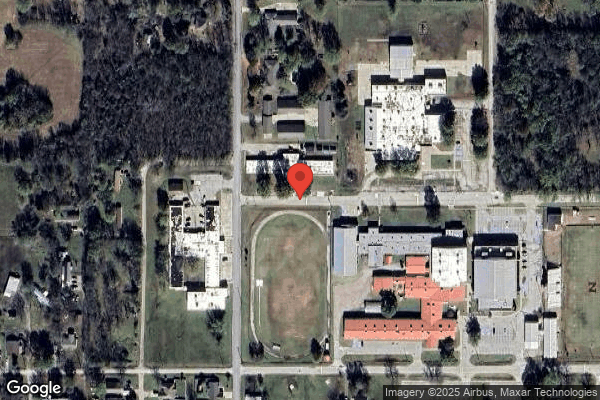
822 WEST OSAGE, NOWATA, OK 74048 (918) 273-2012
For profit - Limited Liability company 50 Beds OKLAHOMA NURSING HOMES, LTD. Data: November 2025
Trust Grade
80/100
#67 of 282 in OK
Last Inspection: February 2025

Within standard 12-15 month inspection cycle. Federal law requires annual inspections.

Overview

Osage Nursing Home, LLC has a Trust Grade of B+, indicating it is above average and recommended for families considering care options. It ranks #67 out of 282 facilities in Oklahoma, placing it in the top half, and is the best choice among the two nursing homes in Nowata County. However, the facility's trend is concerning as it has worsened from 6 issues in 2023 to 9 in 2025. Staffing is a notable strength, with a perfect 5-star rating and a low turnover rate of 19%, which is significantly better than the state average of 55%. On the downside, there are documented incidents, including failures to provide Medicare non-coverage notices to residents and a lack of updates to care plans after residents experienced falls, raising concerns about the quality of care and safety measures in place.

Trust Score
B+
80/100
In Oklahoma
#67/282
Top 23%
Safety Record
Low Risk
No red flags
Inspections
Getting Worse
6 → 9 violations
Staff Stability
✓ Good
19% annual turnover. Excellent stability, 29 points below Oklahoma's 48% average. Staff who stay learn residents' needs.
Penalties
✓ Good
No fines on record. Clean compliance history, better than most Oklahoma facilities.
Skilled Nurses
○ Average
Each resident gets 36 minutes of Registered Nurse (RN) attention daily — about average for Oklahoma. RNs are the most trained staff who monitor for health changes.
Violations
⚠ Watch
19 deficiencies on record. Higher than average. Multiple issues found across inspections.
★★★★☆
4.0
Overall Rating
★★★★★
5.0
Staff Levels
★★★★☆
4.0
Care Quality
★★★☆☆
3.0
Inspection Score
Stable
2023: 6 issues
2025: 9 issues

The Good

  • 5-Star Staffing Rating · Excellent nurse staffing levels
  • 4-Star Quality Measures · Strong clinical quality outcomes
  • Low Staff Turnover (19%) · Staff stability means consistent care
  • Full Sprinkler Coverage · Fire safety systems throughout facility
  • No fines on record
  • Staff turnover is low (19%)

    29 points below Oklahoma average of 48%

Facility shows strength in staffing levels, quality measures, staff retention, fire safety.

The Bad

Chain: OKLAHOMA NURSING HOMES, LTD.

Part of a multi-facility chain

Ask about local staffing decisions and management

The Ugly 19 deficiencies on record

Feb 2025 9 deficiencies
CONCERN (D)

Potential for Harm - no one hurt, but risky conditions existed

Comprehensive Assessments (Tag F0636)

Could have caused harm · This affected 1 resident

Based on record review and interview, the facility failed to ensure the accuracy of an MDS assessment for 1 (10) of 5 sampled residents reviewed for MDS accuracy. The administrator reported the facili...

Read full inspector narrative →
Based on record review and interview, the facility failed to ensure the accuracy of an MDS assessment for 1 (10) of 5 sampled residents reviewed for MDS accuracy. The administrator reported the facility census was 26. Findings: Resident #10 had diagnoses which included chronic obstructive pulmonary disease and respiratory failure. A physician's order, dated 07/28/21, showed Resident #10 was to be admitted to hospice services. A care plan, initiated 08/05/21, showed Resident #10 was receiving hospice care for respiratory failure. An annual assessment, dated 08/07/24, showed in section O, item 0110 K1, Resident #10 was not receiving hospice services while a resident at the facility. A quarterly assessment, dated 11/07/24, showed in section O, item 0110 K1, Resident #10 was not receiving hospice services while a resident at the facility. On 02/04/25 at 3:05 p.m., the MDS coordinator stated Resident #10 had been on hospice for years and the assessments had been miscoded.
CONCERN (D)

Potential for Harm - no one hurt, but risky conditions existed

Comprehensive Care Plan (Tag F0656)

Could have caused harm · This affected 1 resident

Based on record review and interview, the facility failed to ensure a comprehensive care plan was developed for 1 (#18) of 18 sampled residents whose care plans were reviewed. The administrator report...

Read full inspector narrative →
Based on record review and interview, the facility failed to ensure a comprehensive care plan was developed for 1 (#18) of 18 sampled residents whose care plans were reviewed. The administrator reported the facility census was 26. Findings: An undated Policy and Procedure Regarding Care Plans read in part, The care plan will be person-centered, considering the resident's personal goals, past routines and interests. The care plan will be developed with measurable goals to meet the resident's identified medical, nursing, mental and psycho-social needs. Resident #18 had diagnoses which included anxiety disorder and unspecified psychosis. A physician's order, dated 12/27/24, showed Resident #18 was to receive clonazepam (an antianxiety medication) 1 mg by mouth twice a day. Resident #18's care plan was reviewed and did not address the use of an antianxiety medication. On 02/04/25 at 3:05 p.m., the MDS coordinator stated antianxiety medications should be included on the care plan. They stated they were usually notified when a medication was started so they could incorporate it on the care plan, but they were not notified this time.
CONCERN (D)

Potential for Harm - no one hurt, but risky conditions existed

Infection Control (Tag F0880)

Could have caused harm · This affected 1 resident

Based on observation, record reviewed, and interview, the facility failed to ensure gloves were changed during catheter care for 1 (#17) of 1 sampled resident reviewed for catheter care. The DON repor...

Read full inspector narrative →
Based on observation, record reviewed, and interview, the facility failed to ensure gloves were changed during catheter care for 1 (#17) of 1 sampled resident reviewed for catheter care. The DON reported one resident in the facility with a urinary catheter. Findings: An undated Catheter Care Policy, read in part, Prevent infection via the catheter insertion site by daily cleansing and maintaining a closed system .Wash hands immediately before and after handling any part of the system. Wear clean disposable gloves when handling the drainage system. Resident #17 had diagnoses which included chronic kidney disease and diabetes mellitus. A physician's order, dated 04/04/24, showed Resident #17 was to receive urinary catheter care every shift. On 02/05/25 at 10:07 a.m., CNA #1 and CNA #2 were observed providing catheter care to Resident #17. CNA #1 was observed to hand soiled washcloths to CNA #2. CNA #1 and CNA #2 did not remove their soiled gloves prior to adjusting the resident's clothing, moving the resident's bed, and touching the resident's call light. On 02/05/25 at 10:20 a.m., CNA #1 stated they should have performed hand hygiene and changed gloves because they could have contaminated things in the room they touched with soiled gloves. On 02/05/25 at 12:12 p.m., the DON stated soiled gloves should be removed prior to touching clean surfaces.
CONCERN (E)

Potential for Harm - no one hurt, but risky conditions existed

Deficiency F0582 (Tag F0582)

Could have caused harm · This affected multiple residents

Based on record review and interview, the facility failed to provide residents who received Medicare part A services a Notice of Medicare Non-Coverage form for 3 (#20, 25, and #27) of 3 sampled reside...

Read full inspector narrative →
Based on record review and interview, the facility failed to provide residents who received Medicare part A services a Notice of Medicare Non-Coverage form for 3 (#20, 25, and #27) of 3 sampled residents reviewed beneficiary notices. The DON identified 10 residents who had been discharged from skilled services during the six months prior to the survey. Findings: The MDS coordinator was given SNF Beneficiary Protection Notification Review forms to be filled out regarding Residents #20, 25, and #27. 1. A SNF Beneficiary Protection Notification Review form filled out by the MDS coordinator, showed Resident #20 had received part A services on and between 10/14/24 and 12/25/24. The form also showed the resident had not been given a Notice of Medicare Non-Coverage form for that period of skilled services. 2. A SNF Beneficiary Protection Notification Review form filled out by the MDS coordinator, showed Resident #25 had received part A services on and between 11/08/24 and 12/20/24. The form also showed the resident had not been given a Notice of Medicare Non-Coverage form for that period of skilled services. 3. A SNF Beneficiary Protection Notification Review form filled out by the MDS coordinator, showed Resident #27 had received part A services on and between 07/26/24 and 09/06/24. The form also showed the resident had not been given a Notice of Medicare Non-Coverage form for that period of skilled services. On 02/03/25 at 1:01 p.m., MDS coordinator stated they had not been aware of the existence of the Notice of Medicare Non-Coverage form and had not given such a form to residents. They stated they would contact their sister facilities to get information about the form and that requirement. On 02/03/25 at 2:17 p.m., the administrator stated they had not been providing the Notice of Medicare Non-Coverage and had not known about the requirement.
CONCERN (E)

Potential for Harm - no one hurt, but risky conditions existed

Deficiency F0657 (Tag F0657)

Could have caused harm · This affected multiple residents

Based on record review and interview, the facility failed to ensure a care plan was revised after a resident had multiple falls for 1 (#25) of 2 sampled residents reviewed for falls. The DON stated 29...

Read full inspector narrative →
Based on record review and interview, the facility failed to ensure a care plan was revised after a resident had multiple falls for 1 (#25) of 2 sampled residents reviewed for falls. The DON stated 29 residents resided in the facility. Findings: A Resident Care Plan policy, dated 03/27/17, read in part, The comprehensive care plan of care will be reviewed and updated by the IDT after each quarterly and annual assessment thereafter. Resident #25 had diagnoses which included postviral fatigue syndrome and chronic atrial fibrillation. A Fall Risk Evaluation form, dated 11/08/24, showed the resident had a high risk for falls. A progress note, dated 11/09/24 at 11:14 p.m., showed the resident had a fall while they attempted to go to the bathroom. An admission assessment, dated 11/15/24, showed in section J the resident had fallen prior to admission to the facility and had experienced one fall at the facility since admission. A care plan problem, dated 11/18/24, showed the resident had a risk for falls. The corresponding interventions included anticipating the resident's needs, to keep the residents call light within reach and encourage the resident to use it if they had a need, for staff to respond to the resident's requests for assistance promptly, and for staff to follow the facility's fall protocol. Each of the interventions were dated 11/18/24. A progress note, dated 12/17/24 at 3:35 a.m., showed the resident had a fall while in the bathroom. A progress note, dated 01/09/25 at 12:56 a.m., showed the resident had a fall when they tried to travel to the bed. They were retrieving their shoes that were on another bed. The note showed the resident was sent to a local acute care hospital to be assessed. A progress note, dated 01/29/25 at 2:08 a.m., showed the resident thought it was lunch time and fell while trying to put on their shoes. On 02/03/25 at 8:43 a.m., Resident #25 stated they had falls before and after coming to the facility. They stated they had been hurt during a fall. On 02/05/25 at 9:12 a.m., the MDS coordinator stated new interventions should have been added to the resident's care plan following the successive falls. They stated the care plan should include keeping the resident's shoes within reach and replacing non-skid socks regularly when they get worn out. They stated the staff needed education about adding new interventions. On 02/05/25 at 10:24 a.m., DON stated they were unaware of where the current interventions in Resident #25's care plan came from. They stated there should have been more interventions put in place following the new falls. They stated they will work with the core nurse to get them to put in new interventions when necessary.
CONCERN (E)

Potential for Harm - no one hurt, but risky conditions existed

Accident Prevention (Tag F0689)

Could have caused harm · This affected multiple residents

Based on observation, record review, and interview, the facility failed to ensure damaged and uneven flooring did not exist in a room of a resident who had fallen because of a damaged floor for 1 (#25...

Read full inspector narrative →
Based on observation, record review, and interview, the facility failed to ensure damaged and uneven flooring did not exist in a room of a resident who had fallen because of a damaged floor for 1 (#25) of 2 sampled residents reviewed for falls. The DON stated 29 residents resided in the facility. Findings: An undated Accident Prevention policy, read in part, It shall be the policy of this facility to keep the resident's environment as free of accident hazards as possible. Resident # 25 had diagnoses which included postviral fatigue syndrome and chronic atrial fibrillation. A Fall Risk Evaluation form, dated 11/08/24, showed Resident #25 had a high fall risk. A care plan problem, dated 11/18/24, showed Resident #25 had a high risk for falls. An Incident Note, dated 11/09/24 at 11:14 p.m., showed Resident #25 had been found on the floor in their room and had reported their foot got caught in an area of damaged flooring and they had fallen. On 02/02/25 at 8:43 a.m., Resident #25 stated they had fallen at the facility since their admission. On 02/05/25 at 8:50 a.m., Resident #25's room was inspected. The floor was found to have had a missing piece of tile approximately 1.5 feet long and 1.5 inches wide at its widest point. The entrance to the resident's bathroom was a linoleum tile and the floor in the bathroom was an interlocking wood type material. The bathroom floor was approximately 0.125 to 0.25 inches higher than the flooring in the resident's room. On 02/05/25 at 8:55 a.m. Resident #25 stated they do use the bathroom in their room. On 02/05/25 at 9:04 a.m. DON stated they had told the maintenance supervisor about two weeks earlier about the damaged flooring and uneven flooring between the bedroom and the bathroom. The DON stated since the resident had previously fallen because of flooring they would expect the current flooring would have been repaired already. They stated the current condition of the flooring was not acceptable and they would ensure it was repaired, or the resident would be moved. On 02/05/25 at 9:52 a.m., CMA #2 stated Resident #25 had always used the bathroom in their room and as far as they knew Resident #25 had never been instructed to use a different bathroom.
CONCERN (E)

Potential for Harm - no one hurt, but risky conditions existed

Deficiency F0761 (Tag F0761)

Could have caused harm · This affected multiple residents

Based on observation, record review and interview, the facility failed to ensure the temperature log was maintained for the medication refrigerator in the medication room. The administrator reported t...

Read full inspector narrative →
Based on observation, record review and interview, the facility failed to ensure the temperature log was maintained for the medication refrigerator in the medication room. The administrator reported the facility census was 26. Findings: An undated policy titled Procedure for Storage of Medication read in part, A refrigerator will be available for medications requiring refrigeration, and will be in or near the storage area of the medications. A method of locking must be provided. The temperature in the refrigerator will be 36 to 48 degrees F [Fahrenheit]. On 02/05/25 at 10:40 a.m., a tour of the medication room was conducted with CMA #1. Temperature logs for the medication refrigerator were reviewed. No daily temperatures were logged for December 2024 or January 2025. The temperature log for February 2025 contained one entry. On 02/05/25 at 10:45 a.m., CMA #1 stated they worked for a staffing agency and was not aware until today that CMAs were responsible for monitoring the temperature of the medication refrigerator daily. On 02/05/25 at 12:12 p.m., the DON stated the charge nurse and the DON were responsible to ensure the medication refrigerator was at an appropriate temperature and the temperature was documented daily.
CONCERN (E)

Potential for Harm - no one hurt, but risky conditions existed

Food Safety (Tag F0812)

Could have caused harm · This affected multiple residents

Based on record review and interview, the facility failed to ensure a dishwasher temperature and appropriate amount of sterilizing solution was used when cleaning resident dishes in the kitchen. The D...

Read full inspector narrative →
Based on record review and interview, the facility failed to ensure a dishwasher temperature and appropriate amount of sterilizing solution was used when cleaning resident dishes in the kitchen. The DON stated 26 residents receive their meals from the facility kitchen. Findings: An undated Food Storage, Preparation, and Distribution policy and procedure showed the facility dishwasher would maintain a 120 degrees Fahrenheit water temperature and 25 ppm (parts per million) of sanitizer when in operation. A Dish Machine Temp Sheet form, dated 01/01/25 through 01/31/25, did not document water temperatures on 01/18/25, 01/19/25, 01/25/25, and 01/26/25. The form did not document the sanitizer level was within range on 01/30/25. On 02/03/25 at 11:27 a.m., dietary aide #1 stated the January dishwasher log did not have water temperature entries for 01/18/25, 01/19/25, 01/25/25, and 01/26/25. They stated there was no sanitizer test documentation for 01/30/25. They stated a dishwasher log for February 2025 had not been started at that time, so there were not water temperature or sanitizer documentation for 02/01/25 and 02/02/25. They stated they could not say if the missing readings for January and February had been taken.
CONCERN (E)

Potential for Harm - no one hurt, but risky conditions existed

Medical Records (Tag F0842)

Could have caused harm · This affected multiple residents

Based on record review and interview, the facility failed to ensure medical records were complete and accurate for 1 (#18) of 5 sampled residents reviewed for unnecessary medications. The administrato...

Read full inspector narrative →
Based on record review and interview, the facility failed to ensure medical records were complete and accurate for 1 (#18) of 5 sampled residents reviewed for unnecessary medications. The administrator reported the facility census was 26. Findings: Resident #18 had diagnoses which included dementia and anxiety disorder. A physician's order, dated 09/13/23, showed Resident #18 was to receive acetaminophen (pain reliever) 1000 mg by mouth twice a day for pain. A physician's order, dated 11/9/23, showed Resident #18 was to receive tramadol (an opiod) 50 mg by mouth twice a day for pain. A physician's order, dated 12/27/24, showed Resident #18 was to receive clonazepam (anxiety medication) 1 mg by mouth twice a day for anxiety. A January 2024 MAR did not document if Resident #18 was offered or received the morning dose of acetaminophen for 11 of 31 opportunities; tramadol for 11 of 31 opportunities; and clonazepam for 11 of 31 opportunities. On 02/05/25 at 8:09 a.m., CMA #1 stated the MAR was not complete and accurate if the MAR had missing entries. On 02/05/25 at 8:20 a.m., licensed practical nurse #1 stated if the MAR was blank they could not determine if the medication was given or not. On 02/05/25 at 12:12 p.m., the DON stated medication administration and refusals should be documented on the MAR.
Nov 2023 6 deficiencies
CONCERN (D)

Potential for Harm - no one hurt, but risky conditions existed

Comprehensive Assessments (Tag F0636)

Could have caused harm · This affected 1 resident

Based on record review and interview, the facility failed to ensure section F (Preferences for Routines and Activities) in an annual assessment was completed for one (#20) of 12 sampled residents revi...

Read full inspector narrative →
Based on record review and interview, the facility failed to ensure section F (Preferences for Routines and Activities) in an annual assessment was completed for one (#20) of 12 sampled residents reviewed for comprehensive assessments. The DON identified 32 residents at the facility. Findings: Resident #20 had diagnoses which included profound intellectual disabilities and cerebral palsy. A facility policy titled Frequency of Completion of MDS, undated, document a comprehensive assessment would be completed at least once every twelve months. An annual assessment, dated 11/26/22, documented the section for determining a residents preferences for routine daily and activity preferences (section F) was not completed. The assessment documented the activity director conducted neither the assessment interview with the resident or family member, nor the staff assessment. On 11/16/23 at 12:36 p.m., the MDS coordinator stated the activities director was responsible for completing section F of the comprehensive assessments. At 12:47 p.m., the activities director stated they did not know why they had not completed section F of the annual assessment. They stated it should have been completed. On 11/17/23 at 8:49 a.m., the DON stated Resident #20's annual assessment, dated 11/26/22, did not have a completed section F as required and it was important and required that all the sections be completed accurately.
CONCERN (D)

Potential for Harm - no one hurt, but risky conditions existed

Deficiency F0637 (Tag F0637)

Could have caused harm · This affected 1 resident

Based on record review and interview, the facility failed to conduct a significant change assessment following an elopement and a fall with fracture for one (#17) of 12 sampled residents reviewed for ...

Read full inspector narrative →
Based on record review and interview, the facility failed to conduct a significant change assessment following an elopement and a fall with fracture for one (#17) of 12 sampled residents reviewed for significant change assessments. The DON reported 32 residents resided in the facility. Findings: Resident #17 had diagnoses which included Alzheimer's Disease and unspecified fracture of the right radius. The facility's Frequency of Completion of MDS policy, undated, read in part, .If a significant change in the resident's condition does occur, an assessment must be done within (14) days of when the change in condition was identified . A progress note, dated 7/09/23 at 11:18 p.m., documented the resident was found outside and had a fall and sustained a fracture of their wrist. A comprehensive care plan, reviewed date 08/29/23, documented Resident #17 had a care plan focus, dated 07/11/23, of an actual fall which resulted in a fracture of their right wrist. It documented the resident received occupational therapy to assess and treat. On 11/17/23 at 9:26 a.m., the MDS coordinator stated Resident #17 should have had a significant change assessment following the elopement and fall with a fracture which occurred in July of 2023. They stated the a care plan meeting did occur in August of 2023 where the issue was discussed and a decision to start occupational therapy was made but there was no decision to do a significant change assessment. They further stated the resident had a decline in the area of eating as well so that combined with the other two should have been enough for a significant change assessment to have been done.
CONCERN (D)

Potential for Harm - no one hurt, but risky conditions existed

Medication Errors (Tag F0758)

Could have caused harm · This affected 1 resident

Based on record review and interview, the facility failed to ensure a resident was not prescribed Risperdal [antipsychotic medication] for the diagnosis of Alzheimer's disease and failed to ensure a r...

Read full inspector narrative →
Based on record review and interview, the facility failed to ensure a resident was not prescribed Risperdal [antipsychotic medication] for the diagnosis of Alzheimer's disease and failed to ensure a resident was assessed for the existence of an approved condition prior to the administration of Risperdal for one (#28) of five sampled resident reviewed for unnecessary medication. The DON reported six residents had active orders for antipsychotic medications. Findings: Resident #28 had diagnoses which included Alzheimer's Disease. A Pharmaceutical Consultant Report dated 10/30/23, documented the diagnosis used for the Risperdal 0.25 mg order was not approved by the Centers for Medicare and Medicaid Services. The form did not have a physician's reply or signature. A care plan, dated 10/31/23, documented Resident #28 was taking Risperdal for behavioral management and Alzheimer's Disease. It further documented a warning that Risperdal was not approved for the treatment of patients with dementia related psychosis. An Order Summary report, dated 11/15/23, documented the resident had an active medication order for Risperdal [an antipsychotic medication] 0.25 mg administered orally twice daily for Alzheimer's Disease. It further documented the medication was started on 10/30/23. A Medication Administration Record dated 11/01/23 through 11/30/23, documented the resident had been administered 29 doses of Risperdal 0.25 mg between 11/01/23 and 11/15/23. On 11/15/23 at 1:39 p.m., the DON stated she understood Risperdal was not approved for the treatment of Alzheimer's disease. They further stated they were unsure if their physician had assessed the resident prior to ordering Risperdal. On 11/17/23 at 8:39 a.m., the DON stated their physician had not assessed the resident prior to ordering the medication. They restated Risperdal was not approved for the treatment of Alzheimer's disease.
CONCERN (E)

Potential for Harm - no one hurt, but risky conditions existed

Deficiency F0657 (Tag F0657)

Could have caused harm · This affected multiple residents

Based on record review and interview, the facility failed to fully develop the activities section of a comprehensive care plan for one (#20) of 12 sampled residents reviewed for comprehensive care pla...

Read full inspector narrative →
Based on record review and interview, the facility failed to fully develop the activities section of a comprehensive care plan for one (#20) of 12 sampled residents reviewed for comprehensive care plans. The DON reported 32 residents resided in the facility. Findings: Resident #20 had diagnoses which included profound intellectual disabilities, blindness of the left eye, and cerebral palsy. A facility policy titled Policy & Procedure on Activities Program, undated, read in part, .This facility will provide for an ongoing program of activities designed to meet, in accordance with the comprehensive assessment, the interests and the physical , mental, and psychosocial well being of each resident . A care plan, revised date 11/28/22, read in part, .[Resident #20] has little or no activity involvement r/t [related to] profound ID [intellectual disability]. [Resident #20] will throw away any type of sensory item. [Gender withheld] does seem to enjoy when staff talks to [gender withheld] . The care plan documented one intervention which was the resident liked to watch cartoons. The intervention date was 11/29/21. On 11/16/23 at 10:48 a.m., the activities director stated during activities the resident enjoyed smells, sound machines, touch, texture balls, and going to the lobby to sit two to three times per week. They stated those activities were not in the resident's care plan but would be in the future. They stated they had been performing those activities with the resident since the resident had been admitted [11/17/21]. They stated the only documentation for the resident activities was their monthly activity notes. The activities director presented the activity notes for Resident #20 covering one year prior to the survey. The ten notes were dated 11/30/22 through 07/31/23. There were no notes for the months of January, April, August, September, October, or November of 2023, as of 11/16/23 at 11:27 a.m. The notes documented the resident's use of items for tactile stimulation which is contrary to the activity focus of the resident's care plan. On 11/17/23 at 9:04, the DON stated they did not see any activities listed in Resident #20's care plan and did not meet the organization's expectations. They stated the activities director should develop the activities section of the care plan.
CONCERN (E)

Potential for Harm - no one hurt, but risky conditions existed

Deficiency F0725 (Tag F0725)

Could have caused harm · This affected multiple residents

Based on record review and interview the facility failed to maintain licensed nurses on duty in the facility on a 24 hour basis. The DON reported there were 32 residents in the facility. Findings: A C...

Read full inspector narrative →
Based on record review and interview the facility failed to maintain licensed nurses on duty in the facility on a 24 hour basis. The DON reported there were 32 residents in the facility. Findings: A Casper Report 1705D, documented the facility failed to have 24 hour nursing coverage on 04/22/23, 04/23/23, 04/30/23, 05/21/23, 05/28/23, 06/11/23, and 06/25/23. On 11/17/23 at 8:18 a.m., the administrator stated they believed the coding was off because the DON had clocked in the dates indicated on the 1705D report as the DON and not as a registered nurse. They stated they understood what occurred and would work on the problem. Facility Upload Reports for April, May, and June of 2023 were reviewed. The DON was clocked in on 05/12/23. The other dates did not have the DON's name or the title, director of nursing, on the reports.
CONCERN (E)

Potential for Harm - no one hurt, but risky conditions existed

Deficiency F0726 (Tag F0726)

Could have caused harm · This affected multiple residents

Based on observation and interview the facility failed to provide timely response to a resident calling out for assistance for one (#25) of 24 sampled resident reviewed for call lights. The DON report...

Read full inspector narrative →
Based on observation and interview the facility failed to provide timely response to a resident calling out for assistance for one (#25) of 24 sampled resident reviewed for call lights. The DON reported 32 residents resided in the facility. Resident #25 had diagnoses which included generalized weakness and age related physical debility. On 11/14/23 at 2:39 p.m., a repeated call for assistance was heard coming from inside Resident #25's room. The resident was repeatedly saying, help, help me. Over a period of 11 minutes two staff members (one unidentified and CNA #2) were observed passing by the resident's room as they called out. Neither checked on the resident but continued walking up and down the hallways assisting others. On 11/14/23 at 2:53 p.m., a family member arrived at the facility and checked on the resident then came to the hallway and stated, girls my [resident #25] needs help. After the staff went to help the resident the family member stated Resident #25 no longer knew how to use the call light and calls out instead. They stated that is why they think it takes so long to give the resident assistance. On 11/15/23 at 2:05 p.m., Resident #25 was observed calling out for help from their assigned room. CNA #3 was observed walking by the resident's room without checking on them. The resident was checked on after five minutes of the initial call for help. On 11/17/23 at 8:27 a.m., the DON stated their and the facility's expectation is that anytime a resident calls out for assistance the staff will immediately respond because they do not know what is wrong. At 9:56 a.m., CNA #1 stated in the case of a resident calling out for assistance they would finish what they were doing and then go check. They stated if they saw another aide they would ask them to respond. At 9:57 a.m., CMA #1 stated in the case of a resident calling out for assistance they would finish was they were doing then go help. At 9:57 a.m., CMA #2 stated in the case of a resident calling out for assistance they stated they had several residents who call out a lot so they would finish what they were doing and then go. They further stated if it was someone who did not normally call out they would go quicker and the ones that call out a lot they would finish what they were doing. At 9:59 a.m., LPN #1 stated they would stop what they were doing, depending what they were doing at the time so not to cause any safety concerns and then go see what was wrong. If need they stated they would send someone else. At 10:11 a.m., the DON stated they could not locate a policy on the subject of call systems. They reiterated their position the calls for help should be answered immediately.
May 2021 4 deficiencies
CONCERN (D)

Potential for Harm - no one hurt, but risky conditions existed

Deficiency F0578 (Tag F0578)

Could have caused harm · This affected 1 resident

**NOTE- TERMS IN BRACKETS HAVE BEEN EDITED TO PROTECT CONFIDENTIALITY** Based on interview and record review, it was determined the facility failed to ensure code status was documented for two (#15 an...

Read full inspector narrative →
**NOTE- TERMS IN BRACKETS HAVE BEEN EDITED TO PROTECT CONFIDENTIALITY** Based on interview and record review, it was determined the facility failed to ensure code status was documented for two (#15 and #126) of 16 residents whose clinical records were reviewed for advance directives. This had the potential to affect 25 residents who resided in the facility. Findings: 1. Resident #126 was admitted to the facility on [DATE] with diagnoses which included dementia and pressure ulcer. On 05/10/21, the resident's clinical record was reviewed. There was no code status found documented for the resident in the clinical record. The current physician's orders and care plan did not include any orders or instructions related to the resident's code status. On 05/12/21 at 1:00 p.m., CNA #6 was asked how she determined a resident's code status. She stated if they had a red or green sign on their door. She was asked to show the surveyor what she meant. She identified a red lantern with LAMP written on the lantern on one resident's door and stated that meant she was a DNR. At 1:05 p.m., CNA #3 was asked how she determined a resident's code status. She stated if they had a red sign with their name it meant the resident was a DNR code status, and if the sign was green with their name, it meant the resident was a full code status. She was asked what the red lantern sign meant. She stated it meant the resident was a fall risk and the LAMP stood for Look at me please. At 1:10 p.m., the charge nurse, LPN #1, was asked how she identified a resident's code status. She stated it should be in the electronic health record at the top of their name page. She was asked to review the records for resident #15 and #126 for code status. After she reviewed the records, she stated the code status was not documented for either of the two residents. She stated, I know there are signs on the doors but not sure at this time what they mean. She stated she would have to ask someone if she could not find the code status in the electronic health record. She stated it should be listed there but if not, the resident would be a full code unless she could locate documentation regarding an advance directive/code status. At 1:20 p.m., the DON and IP were asked about the resident's code status. The DON stated it should be in the electronic record. After review, the IP stated she had failed to put the code status in when she documented the admission orders for the resident. They both stated the code status should be on the physician's orders and added to the dashboard area of the point click care system they used for the resident's electronic health record. She stated the residents should then have either green or red paper with their name on it placed on their door. They were asked if the red lantern with LAMP on it was considered a DNR status. They both stated no. They stated the red lantern was part of the Look at me please fall program and did not indicate code status. After review, the DON stated she had scanned the DNR document for resident #126 but had failed to upload it into the clinical record. The DON was asked if anyone checked behind the nurse who entered the physicians' orders into the residents' electronic health record to ensure they were accurate. She stated no. 2. Resident #15 was admitted to the facility on [DATE] with diagnoses which included dementia and major depression disorder. On 05/10/21, the resident's clinical record was reviewed. There was no code status found documented for the resident in the clinical record. The current physician's orders and care plan did not included any orders or instructions related to the resident's code status. On 05/12/21 at 1:00 p.m., CNA #6 was asked how she determined a resident's code status. She stated by if they had a red or green sign on their door. She was asked to show the surveyor what she meant. She identified a red lantern with LAMP written on the lantern on one resident's door and stated that meant she was a DNR. At 1:05 p.m., CNA #3 was asked how she determined a resident's code status. She stated if they had a red sign with their name, it meant the resident was a DNR code status and if the sign was green with their name, it meant the resident was a full code status. She was asked what the red lantern sign meant. She stated it meant the resident was a fall risk and the LAMP stood for Look at me please. At 1:10 p.m., the charge nurse, LPN #1, was asked how she identified a resident's code status. She stated it should be in the electronic health record at the top of their name page. She was asked to review the records for resident #15 and #126 for code status. After she reviewed the records, she stated the code status was not documented for either of the two residents. She stated, I know there are signs on the doors but not sure at this time what they mean. She stated she would have to ask someone if she could not find the code status in the electronic record. She stated it should be listed there but if not, the resident would be a full code unless she could locate documentation regarding an advance directive/code status. At 1:20 p.m., the DON and IP were asked about the resident's code status. The DON stated it should be in the electronic health record. After review, the IP stated she had failed to put the code status in when she documented the admission orders for the residents. They both stated the code status should be on the physician's orders and added to the dashboard area of the point click care system they used for the resident's electronic health record. She stated the resident should then have either green or red paper with their names on them placed on their doors. They were asked if the red lantern with LAMP on it was considered a DNR status. They both stated no. They stated the red lantern was part of the Look at me please fall program and did not indicate code status. The DON was asked if anyone checked behind the nurse who entered the physicians' orders into the residents' electronic health record to ensure they were accurate. She stated no.
CONCERN (E)

Potential for Harm - no one hurt, but risky conditions existed

Deficiency F0577 (Tag F0577)

Could have caused harm · This affected multiple residents

Based on observation, interview, and record review, it was determined the facility failed to have the previous survey results available to all residents and to have the COVID-19 focused infection cont...

Read full inspector narrative →
Based on observation, interview, and record review, it was determined the facility failed to have the previous survey results available to all residents and to have the COVID-19 focused infection control survey results in the survey book. The facility identified 25 residents resided at the facility. Findings: On 05/10/21, 05/11/21, and 05/12/21, the black survey results notebook was observed behind a medication cart when the cart was not in use. On 05/12/21 at 2:00 p.m., LPN #1 was asked where the previous survey results were located. She stated she did not know. CMA #1 stated the survey results were on the other side. She went out of the nurses' station and stated she just needed to move the cart. She pointed to the black notebook. The CMA was asked how a resident could get to the notebook if the cart was stored in front of the notebook. She stated, They couldn't. She stated the staff would give the resident the notebook if they asked for it. The black notebook did not contain the information from the facility's 06/11/20 COVID-19 focused infection control survey result. On 05/13/21 at 1:00 p.m., the administrator was told about the medication cart being stored in front of the survey results notebook. He stated that the notebook would be moved. He was asked why the COVID-19 infection control survey information was not in the notebook. He stated he was not aware the result was not in the notebook and would have it added to the notebook.
CONCERN (E)

Potential for Harm - no one hurt, but risky conditions existed

Deficiency F0730 (Tag F0730)

Could have caused harm · This affected multiple residents

Based on interview and record review, it was determined the facility failed to ensure yearly NA competency reviews were completed for four (CNA #1, #2, #3, and CNA #4) of four CNAs who had worked at t...

Read full inspector narrative →
Based on interview and record review, it was determined the facility failed to ensure yearly NA competency reviews were completed for four (CNA #1, #2, #3, and CNA #4) of four CNAs who had worked at the facility for over one year and were reviewed for yearly NA competency reviews. The facility identified 25 residents who resided at the facility. Findings: On 05/13/21 at 10:00 a.m., the BOM was asked for the yearly NA competency reviews for CNA #1, #2, #3, and CNA #4. At 10:35 a.m., the DON brought the incomplete yearly NA competency review paperwork. The DON stated she had not completed the NA yearly competency reviews as needed as she did not have time to complete them with everything that had been going on with COVID and everything. The CNA DDCA CMA job specific orientation and annual evaluation forms dated the following dates of when they should have been completed were: CNA #1 - 01/20/21, CNA #2 - 03/11/21, CNA #3 - 10/22/20, and CNA #4 - 04/19/21.
CONCERN (E)

Potential for Harm - no one hurt, but risky conditions existed

Infection Control (Tag F0880)

Could have caused harm · This affected multiple residents

Based on observation, interview, and record review, the facility failed to ensure staff implemented the facility's infection control policies and procedures as evidenced by the failure of staff to wea...

Read full inspector narrative →
Based on observation, interview, and record review, the facility failed to ensure staff implemented the facility's infection control policies and procedures as evidenced by the failure of staff to wear the required PPE when they provided care for a quarantined resident (#126) and wash/sanitize their hands between residents on the medication pass. The facility identified 25 residents who resided in the facility. Findings: An OSDH PPE grid for nursing homes, updated 04/06/21, documented an N-95 mask was required for direct care staff, if available and fit tested, for care of quarantined and COVID-19 positive residents. 1. On 05/10/21, resident #126 was identified by the facility as being quarantined due to a recent hospitalization. A list of residents vaccinated for COVID-19 was reviewed. The resident was not on the list. On 05/10/21 at 4:45 p.m., LPN #2 and CNA #5 were observed to don PPE and entered the resident's room. They both wore surgical masks. They did not wear N-95 masks. On 05/11/21 at 11:31 a.m., CNA #4 was observed to enter the resident's room and stated she was going to feed the resident her lunch meal. She was wearing a gown, gloves, face shield, and surgical mask. She did not wear an N-95 mask. On 05/11/21 at 11:37 a.m., LPN #3 entered the resident's room to check her blood sugar. She was wearing a gown, gloves, goggles, and a surgical face mask. She did not wear an N-95 face mask. At 11:40 a.m., brown paper bags which contained N-95 masks were observed behind the nurses' station in shelves labeled with staff names. On 05/12/21 at 9:35 a.m., LPN #1 was observed to perform wound care for the quarantined resident. She wore full PPE and a surgical mask. She did not wear an N-95 mask. On 05/13/21 at 11:33 a.m., CNA #4 was asked what PPE was required when providing care to a quarantined resident. She stated all PPE. She was asked about the N-95 mask. She stated she only wore the surgical mask and had not been told she had to wear the N-95 mask. She stated she had worn it when they had an outbreak of COVID, but since COVID was not in the facility currently, she did not wear it. At 11:39 a.m., LPN #3 was asked what PPE was required for the quarantined resident. She stated full PPE. She was asked about the observation of her not wearing an N-95 mask when she checked the resident's blood sugar. She stated, As far as I knew, she was tested at the hospital. She was asked if that meant she could not become positive during her quarantined time. She stated she should have worn the N-95 mask due to the resident would not be tested again for 10 days and could have a positive test at that time. At 11:43 a.m., the DON was asked about N-95 mask use for the quarantined resident. She stated the staff should be wearing the N-95 mask due to the resident could become positive during her quarantined time. She was informed of the observations. She stated she was not sure why they were not wearing the N-95 masks. At 12:20 p.m., the IP was asked about residents in quarantine for COVID-19 precautions. She was asked if the resident had been vaccinated. She stated no. She was asked if staff had N-95 masks. She stated yes, the core staff did have their own N-95 masks and had been fit tested. She stated she was not sure if agency staff had N-95 masks. The IP was asked why staff had not worn N-95 masks when they provided care to the resident. She stated they should have worn their N-95 masks. She was asked if she had identified staff were not wearing them. She stated no. 2. On 05/13/21, CMA #2 was observed to pass medications to several residents on the [NAME] hall. She was observed to hand residents medication cups and water. Residents were observed to touch her hands as she handed them the medication cups and water. She was also observed to take residents' blood pressures and touch their arms as she applied the blood pressure cuff. She did not wash or sanitize her hands between residents or upon return to the medication cart. On 05/13/21 at 11:29 a.m., the CMA was asked about the observations during the medication pass. She was asked if she should have washed/sanitized her hands. She stated she did not know why she had not. She stated she should have sanitized up to three times and then washed her hands between residents. At 11:43 a.m., the DON was informed of the observations. She stated the CMA should have washed/sanitized her hands between residents. She was asked if not washing/sanitizing hands between residents was an infection control concern. She stated yes.
Understanding Severity Codes (click to expand)
Life-Threatening (Immediate Jeopardy)
J - Isolated K - Pattern L - Widespread
Actual Harm
G - Isolated H - Pattern I - Widespread
Potential for Harm
D - Isolated E - Pattern F - Widespread
No Harm (Minor)
A - Isolated B - Pattern C - Widespread

Questions to Ask on Your Visit

  • "Can I speak with families of current residents?"
  • "What's your RN coverage like on weekends and overnight?"

Our Honest Assessment

Strengths
  • • Grade B+ (80/100). Above average facility, better than most options in Oklahoma.
  • • No major safety red flags. No abuse findings, life-threatening violations, or SFF status.
  • • No fines on record. Clean compliance history, better than most Oklahoma facilities.
  • • 19% annual turnover. Excellent stability, 29 points below Oklahoma's 48% average. Staff who stay learn residents' needs.
Concerns
  • • 19 deficiencies on record. Higher than average. Multiple issues found across inspections.
Bottom line: Generally positive indicators. Standard due diligence and a personal visit recommended.

About This Facility

What is Osage, Llc's CMS Rating?

CMS assigns OSAGE NURSING HOME, LLC an overall rating of 4 out of 5 stars, which is considered above average nationally. Within Oklahoma, this rating places the facility higher than 99% of the state's 100 nursing homes. This rating reflects solid performance across the metrics CMS uses to evaluate nursing home quality.

How is Osage, Llc Staffed?

CMS rates OSAGE NURSING HOME, LLC's staffing level at 5 out of 5 stars, which is much above average compared to other nursing homes. Staff turnover is 19%, compared to the Oklahoma average of 46%. This relatively stable workforce can support continuity of care.

What Have Inspectors Found at Osage, Llc?

State health inspectors documented 19 deficiencies at OSAGE NURSING HOME, LLC during 2021 to 2025. These included: 19 with potential for harm.

Who Owns and Operates Osage, Llc?

OSAGE NURSING HOME, LLC is owned by a for-profit company. For-profit facilities operate as businesses with obligations to shareholders or private owners. The facility is operated by OKLAHOMA NURSING HOMES, LTD., a chain that manages multiple nursing homes. With 50 certified beds and approximately 26 residents (about 52% occupancy), it is a smaller facility located in NOWATA, Oklahoma.

How Does Osage, Llc Compare to Other Oklahoma Nursing Homes?

Compared to the 100 nursing homes in Oklahoma, OSAGE NURSING HOME, LLC's overall rating (4 stars) is above the state average of 2.6, staff turnover (19%) is significantly lower than the state average of 46%, and health inspection rating (3 stars) is at the national benchmark.

What Should Families Ask When Visiting Osage, Llc?

Based on this facility's data, families visiting should ask: "Can I visit during a mealtime to observe dining assistance and food quality?" "How do you handle medical emergencies, and what is your hospital transfer rate?" "Can I speak with family members of current residents about their experience?"

Is Osage, Llc Safe?

Based on CMS inspection data, OSAGE NURSING HOME, LLC has a clean safety record: no substantiated abuse findings (meaning no confirmed cases of resident harm), no Immediate Jeopardy citations (the most serious violation level indicating risk of serious injury or death), and is not on the Special Focus Facility watch list (a federal program monitoring the lowest-performing 1% of nursing homes). The facility has a 4-star overall rating and ranks #1 of 100 nursing homes in Oklahoma. While no facility is perfect, families should still ask about staff-to-resident ratios and recent inspection results during their visit.

Do Nurses at Osage, Llc Stick Around?

Staff at OSAGE NURSING HOME, LLC tend to stick around. With a turnover rate of 19%, the facility is 27 percentage points below the Oklahoma average of 46%. Low turnover is a positive sign. It means caregivers have time to learn each resident's needs, medications, and personal preferences. Consistent staff also notice subtle changes in a resident's condition more quickly.

Was Osage, Llc Ever Fined?

OSAGE NURSING HOME, LLC has no federal fines on record. CMS issues fines when nursing homes fail to meet care standards or don't correct problems found during inspections. The absence of fines suggests the facility has either maintained compliance or corrected any issues before penalties were assessed. This is a positive indicator, though families should still review recent inspection reports for the full picture.

Is Osage, Llc on Any Federal Watch List?

OSAGE NURSING HOME, LLC is not on any federal watch list. The most significant is the Special Focus Facility (SFF) program, which identifies the bottom 1% of nursing homes nationally based on persistent, serious quality problems. Not being on this list means the facility has avoided the pattern of deficiencies that triggers enhanced federal oversight. This is a positive indicator, though families should still review the facility's inspection history directly.