SUMMERS HEALTHCARE, LLC
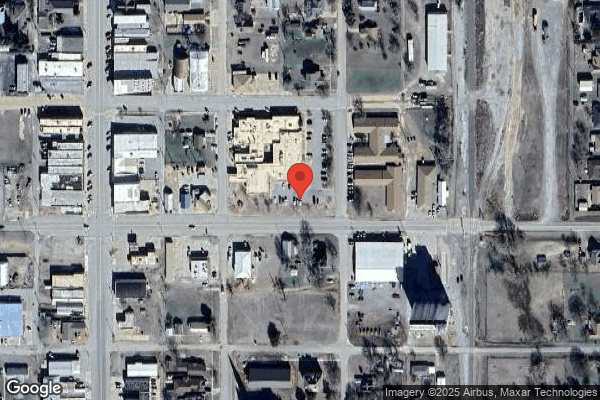
119 NORTH 6TH STREET, OKEENE, OK 73763 (580) 822-4441
For profit - Individual 48 Beds Independent Data: November 2025 1 Immediate Jeopardy citation
Trust Grade
66/100
#75 of 282 in OK
Last Inspection: September 2024

Within standard 12-15 month inspection cycle. Federal law requires annual inspections.

Overview

Summers Healthcare, LLC in Okeene, Oklahoma has a Trust Grade of C+, indicating it is slightly above average but not exceptional. It ranks #75 out of 282 facilities in Oklahoma, placing it in the top half, and #2 out of 2 in Blaine County, meaning there is only one other local option. The facility is experiencing a worsening trend, with issues increasing from 1 in 2023 to 4 in 2024. Staffing is a relative strength, with a 3/5 star rating and a turnover rate of 32%, which is much lower than the state average of 55%. However, it has accumulated $13,627 in fines, which is concerning as it is higher than 77% of other facilities in Oklahoma. Recent inspections revealed serious issues, including a critical incident where a resident was found with their arm caught in a bed rail, leading to a fracture and hospitalization. The facility also lacked a qualified activity director, relying instead on untrained staff for resident activities. Additionally, there were no documented interventions for reducing the use of bed rails for multiple residents, raising safety concerns. While there are strengths in staffing, these significant weaknesses should be carefully considered by families looking for care options.

Trust Score
C+
66/100
In Oklahoma
#75/282
Top 26%
Safety Record
High Risk
Review needed
Inspections
Getting Worse
1 → 4 violations
Staff Stability
○ Average
32% turnover. Near Oklahoma's 48% average. Typical for the industry.
Penalties
○ Average
$13,627 in fines. Higher than 70% of Oklahoma facilities. Some compliance issues.
Skilled Nurses
⚠ Watch
Each resident gets only 26 minutes of Registered Nurse (RN) attention daily — below average for Oklahoma. Fewer RN minutes means fewer trained eyes watching for problems.
Violations
○ Average
8 deficiencies on record. Average for a facility this size. Mostly minor or procedural issues.
★★★★☆
4.0
Overall Rating
★★★☆☆
3.0
Staff Levels
★★☆☆☆
2.0
Care Quality
★★★★☆
4.0
Inspection Score
Stable
2023: 1 issues
2024: 4 issues

The Good

  • Full Sprinkler Coverage · Fire safety systems throughout facility
  • No fines on record
  • Staff turnover below average (32%)

    16 points below Oklahoma average of 48%

Facility shows strength in fire safety.

The Bad

Staff Turnover: 32%

14pts below Oklahoma avg (46%)

Typical for the industry

Federal Fines: $13,627

Below median ($33,413)

Minor penalties assessed

The Ugly 8 deficiencies on record

1 life-threatening
Jan 2024 4 deficiencies 1 IJ
CRITICAL (J) 📢 Someone Reported This

A family member, employee, or ombudsman was alarmed enough to file a formal complaint

Immediate Jeopardy (IJ) - the most serious Medicare violation

Accident Prevention (Tag F0689)

Someone could have died · This affected 1 resident

**NOTE- TERMS IN BRACKETS HAVE BEEN EDITED TO PROTECT CONFIDENTIALITY** On 01/18/24, an Immediate Jeopardy (IJ) situation was determined to exist related to the facility's failure to provide Resident ...

Read full inspector narrative →
**NOTE- TERMS IN BRACKETS HAVE BEEN EDITED TO PROTECT CONFIDENTIALITY** On 01/18/24, an Immediate Jeopardy (IJ) situation was determined to exist related to the facility's failure to provide Resident #1 with an environment that was free from accident hazards. A nurses' note, written 01/03/24 at 5:40pm, documented resident was found with left arm caught in bed rail and the bed rail had fallen on it. A nurses' note, written 01/04/24 at 3:28pm, documented the resident was transferred to the ER following xray of left arm. An ER report, dated 01/04/24, documented resident had a closed fracture of the left distal humerus. On 01/17/24 at 12:10pm, the resident was observed in bed with two upper bed rails raised. On 01/18/24 at 1:10pm, the DON acknowledged no physician's orders and no bed rail risk assessment had been completed. There was no documentation that the risk and benefits of using bed rails had been discussed with the resident's representative and no signed consent had been obtained before bed rails were put in use nor upon her return from the hospital. On 01/18/24 at 5:09 p.m., the Oklahoma State Department of Health was notified and verified the existence of the IJ situation. On 01/18/24 at 5:15 p.m., the administrator and the DON were notified of the IJ situation. On 01/23/24 at 4:16 p.m., an acceptable plan of removal was submitted to the Oklahoma State Department of Health. The plan of removal documented: 1/18/2024 All residents have the potential to be affected. 1/18/2024 at approximately 1600 all bedrails in the facility were lowered pending Pre-restraining assessment, restraint: side rail utilization assessment, consent from resident/family member for physical restraint and physicians order for the use of bedrails. [Resident #1's] bedrails were lowered, her bed was lowered to the lowest position and pillows were placed to maintain position for her protection. 1/18/2024 at approximately 1800 all residents or their families were educated on the pros and cons of bedrail restraints. Pre-restraining assessments were completed on all residents. Side rail utilization assessments were completed on [five] residents requesting bedrails, which included [Resident #3], [Resident #4], [unnamed resident #1], [unnamed resident #2], [unnamed resident #]. Consents were obtained verbally from [Resident #1's] guardian, [unnamed resident #2's] poa, and [Resident #3] and consent form mailed to them on 1/19/2024. [unnamed resident #1] and [unnamed resident #3] signed their own consents. Physician's orders were obtained for the five residents that requested bedrails be utilized while in bed. Care plans have been updated for [Resident #3], [Resident #4], [unnamed resident #1], [unnamed resident #2], and [unnamed resident #3] to indicate their request for bedrails. The five residents that have requested bedrails will be reassessed quarterly and consents will be updated annually. Residents that have requested some type of bedrail will be visualized for safety and positioning every two hours and as needed while in bed when bedrail is being utilized. All bedrails in the facility that are not being used have been zip tied to prevent use when not authorized by staff and visitors without proper assessments, consents and orders. 1/18/2024 Staff have been educated on the facility policy for restraints: pre-restraining assessment, side rail utilization assessment, consent for side rail and physicians order for side rails. Staff were educated on making sure residents are safe and moved from faulty bed then reporting to maintenance log. Staff were also in-serviced on procedure for reporting faulty bed to maintenance using identifying bed number along with room number and problem that has been identified to maintenance in the maintenance logbook. All beds were reassessed for proper working order. All beds will be assessed monthly for proper working order utilizing a tracking log. The maintenance supervisor or designee will monitor the maintenance log daily or as needed for any beds that are not working properly. The Director of nurses or designee will assess all residents upon admission and quarterly for restraints and consents will be obtained upon admission and annually per facility restraint policy. The QAPI committee will review all new assessments and quarterly assessments monthly and consents for new admissions and annual consents will be reviewed monthly. Care plans will be updated quarterly and on admission. The QAPI committee will review all care plans for residents that have requested bedrails. The Maintenance Supervisor will address any bed or equipment issues quarterly and as needed with the QAPI committee. The Maintenance Supervisor will present bed tracking log to the QAPI committee quarterly or as needed. The immediacy was lifted, effective 01/23/24 at 12 p.m., when all components of the plan of removal had been completed. The deficient practice remained as isolated with the potential for harm to Resident #1. Based on record review, observation, and interview, the facility failed to identify and eliminate a known and foreseeable accident hazard for one (#1) of three sampled residents reviewed for the use of bed rails. The administrator identified 19 residents resided in the facility. Findings: A Restraints (Physical) policy, undated, read in parts, .General Guidelines for Assessments may include .Potential to injure self . Resident #1 had diagnoses that included gastrostomy, tracheostomy, and ventilator dependent. A quarterly MDS, dated [DATE], documented Resident #1 had severely impaired cognition, limited movement with impaired ROM to upper extremities, and was dependent for all ADL's. A nurses' Note, written 01/03/24 at 5:40 p.m., documented resident was found with left arm caught in bedrail and the bedrail had fallen on it. A nurses' note, written 01/04/24 at 3:28 p.m., documented the resident was transferred to the ER following xray of left arm. An ER report, dated 01/04/24, documented resident had a closed fracture of the left distal humerus. On 01/17/24 at 12:10 p.m., the resident was observed in bed with left arm in a sling and two upper bed rails raised. On 01/18/24 at 9:17 a.m., the DON was asked if a bed rail risk assessment had been completed for Resident #1 and if any new interventions had been put in place to prevent further injury when Resident #1 returned from the hospital. The DON stated no.
CONCERN (E) 📢 Someone Reported This

A family member, employee, or ombudsman was alarmed enough to file a formal complaint

Potential for Harm - no one hurt, but risky conditions existed

Deficiency F0604 (Tag F0604)

Could have caused harm · This affected multiple residents

Based on record review and interview, the facility failed to develop and implement interventions for reducing or discontinuing the use of bed rails and provide ongoing monitoring and evaluation for th...

Read full inspector narrative →
Based on record review and interview, the facility failed to develop and implement interventions for reducing or discontinuing the use of bed rails and provide ongoing monitoring and evaluation for three (#1, 3, and #4) of three sampled residents with bed rails in use. The administrator identified 19 residents resided in the facility. There were six residents with bed rails in use. 1. Resident #1 had diagnoses that included gastrostomy, tracheostomy, and ventilator dependent. On 01/17/24 at 12:10 p.m., Resident #1 was observed in bed with two upper bed rails raised. 2. Resident #3 had diagnoses that included gastrostomy, tracheostomy, and ventilator dependent. On 01/17/24 at 1:08 p.m., Resident #3 was observed in bed with four bed rails raised. 3. Resident #4 had diagnoses that included gastrostomy and tracheostomy. On 01/17/24 at 12:05 p.m., Resident #4 was observed in bed with two upper bed rails raised. There were no interventions documented on the care plan or implemented for resident #1, #3, nor #4, to reduce or discontinue the use of bed rails. There was no documentation in resident #1, #3, or #4's clinical records showing ongoing monitoring and evaluation of bed rail use was being conducted. On 01/18/24 at 1:10 p.m., the DON was asked if interventions had been put in place to reduce the use or discontinue the use of bed rails for the above-named residents. They stated the residents had been using the bedrails since they have been here. The DON was asked to provide documentation of ongoing monitoring and evaluations for residents with bed rails in use and stated no monitoring or evaluations had been documented.
CONCERN (E) 📢 Someone Reported This

A family member, employee, or ombudsman was alarmed enough to file a formal complaint

Potential for Harm - no one hurt, but risky conditions existed

Deficiency F0700 (Tag F0700)

Could have caused harm · This affected multiple residents

Based on record review and interview, the facility failed to a. assess the resident for need and safety of bed rail use, b. discuss the risks and benefits of bed rails and obtain informed consent fro...

Read full inspector narrative →
Based on record review and interview, the facility failed to a. assess the resident for need and safety of bed rail use, b. discuss the risks and benefits of bed rails and obtain informed consent from the resident or the resident's representative, and c. obtain a physician's order for the use of bed rails for three (#1, 3, and #4) of three sampled residents reviewed for restraints. The administrator identified 19 residents resided in the facility. There were six residents with bed rails in use. Findings: A Restraints (Physical) policy, undated, read in parts, .Procedure .1. Assess resident's need for restraint use .Obtain informed consen .Obtain physician's order .Develop or review resident care plan . 1. Resident #1 had diagnoses that included gastrostomy, tracheostomy, and ventilator dependent. On 01/17/24 at 12:10 p.m., Resident #1 was observed in bed with two upper bed rails raised. 2. Resident #3 had diagnoses that included gastrostomy, tracheostomy, and ventilator dependent. On 01/17/24 at 1:08 p.m., Resident #3 was observed in bed with four bed rails raised. 3. Resident #4 had diagnoses that included gastrostomy and tracheostomy. On 01/17/24 at 12:05 p.m., Resident #4 was observed in bed with two upper bed rails raised. There was no documentation in the clinical records of Resident #1, #3, nor #4 of the reason bed rails were being used, risks or benefits of use, informed consent for use, nor a physician's order for the use of bed rails. On 01/18/24 at 1:10 p.m., the DON was asked the facility policy regarding the use of bed rails. They stated bed rails could only be used with a physician's order and resident or family consent. The DON was asked if there was documentation of the reason bed rails were being used, the risks or benefits of use, an informed consent for use, or a physician's order for the use of the bed rails in the clinical records of Resident #1, #3, or #4. They stated no and acknowledged the facility policy had not been followed.
CONCERN (F) 📢 Someone Reported This

A family member, employee, or ombudsman was alarmed enough to file a formal complaint

Potential for Harm - no one hurt, but risky conditions existed

Deficiency F0680 (Tag F0680)

Could have caused harm · This affected most or all residents

Based on interview and record review, the facility failed to have a qualified activity director for 19 of 19 residents who resided at the facility. Findings: On 01/18/24 at 1:10 p.m., the DON was aske...

Read full inspector narrative →
Based on interview and record review, the facility failed to have a qualified activity director for 19 of 19 residents who resided at the facility. Findings: On 01/18/24 at 1:10 p.m., the DON was asked if the facility had a certified activity director. She stated not at this time, CMA #1 does activities when they are here and comes in on their days off, the rest of the staff pitches in too. The DON was asked if CMA #1 or any other staff were certified activity directors. They stated no. On 01/18/24 at 3:56 p.m., the Administrator reported the last day the facility had a certified activity person was on 07/31/23.
Aug 2023 1 deficiency
CONCERN (E) 📢 Someone Reported This

A family member, employee, or ombudsman was alarmed enough to file a formal complaint

Potential for Harm - no one hurt, but risky conditions existed

MDS Data Transmission (Tag F0640)

Could have caused harm · This affected multiple residents

Based on record review and interview, the facility failed to ensure MDS assessments were transmitted timely for three (#152, 104, and #154) of 11 sampled residents whose assessments were reviewed. Th...

Read full inspector narrative →
Based on record review and interview, the facility failed to ensure MDS assessments were transmitted timely for three (#152, 104, and #154) of 11 sampled residents whose assessments were reviewed. The Resident Census and Conditions of Residents report, dated 08/23/23, documented 19 residents resided in the facility. Findings: A MDS 3.0 Validation Report, dated 08/23/23, documented the following comprehensive assessments were not transmitted within 14 days of completion: a. Resident #152's comprehensive assessment, dated 05/19/23, b. Resident #104's comprehensive assessment, dated 12/16/22, and c. Resident #154's comprehensive assessment, dated 01/27/23. On 08/24/23 at 3:00 p.m., the administrator was asked to provide MDS submission reports from April 2023 to August 22, 2023. She stated No, because there was not anyone in facility to do them.
Sept 2022 3 deficiencies
CONCERN (E)

Potential for Harm - no one hurt, but risky conditions existed

Food Safety (Tag F0812)

Could have caused harm · This affected multiple residents

Based on observation and interview the facility failed to ensure food was labeled/dated and outdated foods were properly disposed. This affected 16 residents who received nutritional services from the...

Read full inspector narrative →
Based on observation and interview the facility failed to ensure food was labeled/dated and outdated foods were properly disposed. This affected 16 residents who received nutritional services from the kitchen. Resident Census and Condition of Residents documented four residents received enteral feeding, and the facility Census was 20. Findings: On 09/19/22 at 10:21 a.m., during a brief initial observation in the kitchen the following food was observed as follows; 1. two packs of frozen turkey breasts (use/sell by date 07/29/22), 2. two packages of bologna (use/sell by date 02/19/22) and, 3. hamburger patties in a clear package, unlabeled and no expiration date. The DS was asked when the turkey breast was stored. The DS stated, That, I don't know I wasn't here when it went in. During observation of the refrigerator in the kitchen, there was six bags of, undated, fajita-blend vegetables. The dry storage room had a large undated bag of cereal. The DS acknowledged there was no date on the bag. On 09/19/22 at 10:47 a.m., in a second storage area an, undated, opened bag of French fries was observed in a freezer. There were three bags of, undated, sealed French fries in plastic packaging. The DS was asked if there was a date. The DS state, I don't see a date on them.
CONCERN (E)

Potential for Harm - no one hurt, but risky conditions existed

Deficiency F0883 (Tag F0883)

Could have caused harm · This affected multiple residents

Based on record review and interview the facility failed to document the provision of information and education regarding the risks, benefits, and potential side effects of vaccinations to the residen...

Read full inspector narrative →
Based on record review and interview the facility failed to document the provision of information and education regarding the risks, benefits, and potential side effects of vaccinations to the resident or legal representative before administering: a. the pneumococcal vaccine for three (#1, #4, and #5) of five residents sampled for immunizations, and b. the influenza vaccine for one (#3) of five residents sampled for immunizations. Resident Census and Condition of Residents documented 20 residents lived at the facility. Findings: Vaccination of Residents policy, revised October 2019, read in part, .1. Prior to receiving vaccinations, the resident or legal representative will be provided information and education regarding the benefits and potential side effects of the vaccinations .2. Provision of such education shall be documented in the resident's medical record . 1.Resident #1's immunization log documented they received Prevnar 13 vaccine on 07/31/2020. There was no documentation in resident #1's clinical record that information and education regarding the risks, benefits, and potential side effects of the vaccination had been provided to them or their legal representative before administering. 2. Resident #3's immunization log documented they received influenza vaccine on 06/02/2020. There was no documentation in resident #3's clinical record that information and education regarding the risks, benefits, and potential side effects of the vaccination had been provided to them or their legal representative before administering. 3. Resident #4's immunization log documented they received Prevnar 13 vaccine on 07/31/2020. There was no documentation in resident #4's clinical record that information and education regarding the risks, benefits, and potential side effects of the vaccination had been provided to them or their legal representative before administering. 4. Resident #5's immunization log documented they received Prevnar 13 vaccine on 07/31/2020. There was no documentation in resident #5's clinical record that information and education regarding the risks, benefits, and potential side effects of the vaccination had been provided to them or their legal representative before administering. On 09/20/22 at 1:20 p.m., DON was asked if residents or their legal representatives were provided information and education regarding the risks, benefits, and potential side effects of vaccinations offered at the facility. The DON stated, Yes, they should be. The DON was asked if the provision of this information was documented in the resident's medical record. She stated yes. After a review of the clinical records with this surveyor, for residents #1, #3, #4, #5, and #7, the DON agreed the information and education regarding the risks, benefits, and potential side effects of the pneumococcal or influenza vaccinations were not present for these residents, as outlined above.
CONCERN (E)

Potential for Harm - no one hurt, but risky conditions existed

Deficiency F0887 (Tag F0887)

Could have caused harm · This affected multiple residents

Based on record review and interview the facility failed to document the provision of information and education regarding the risks, benefits, and potential side effects of vaccinations to the residen...

Read full inspector narrative →
Based on record review and interview the facility failed to document the provision of information and education regarding the risks, benefits, and potential side effects of vaccinations to the resident or legal representative when offering the COVID-19 vaccine for five (#1, #3, #4, #5, and #7) of five residents sampled for immunizations. Resident Census and Condition of Residents documented 20 residents lived at the faciity. Findings: Vaccination of Residents policy, revised October 2019, read in part, .1. Prior to receiving vaccinations, the resident or legal representative will be provided information and education regarding the benefits and potential side effects of the vaccinations .2. Provision of such education shall be documented in the resident's medical record . 1. There was no documentation in resident #1's clinical record that information and education regarding the risks, benefits, and potential side effects of the COVID-19 vaccination had been provided to resident #1 or their legal representative. 2. Resident #3's Social Service progress note, dated 06/07/22, read in part, .I asked [Resident #3's] daughter if she wanted [Resident #3] to receive a covid vaccine, [resident #3's] daughter declined via telephone . There was no documentation in resident #3's clinical record that information and education regarding the risks, benefits, and potential side effects of the vaccination had been provided to resident #3 or their legal representative. 3. Resident #4's Social Service progress note, dated 06/07/22, read in part, .I asked [Resident #4's] father if he wanted [Resident #4] to receive a covid vaccine, he declined via telephone . There was no documentation in resident #4's clinical record that information and education regarding the risks, benefits, and potential side effects of the vaccination had been provided to resident #4 or their legal representative. 4. Resident #5's Social Service progress note, dated 06/07/22, read in part, .I asked [Resident #5's] daughter if she wanted [Resident #5] to receive a covid vaccine, [resident #5's] daughter declined via telephone . There was no documentation in resident #5's clinical record that information and education regarding the risks, benefits, and potential side effects of the vaccination had been provided to resident #5 or their legal representative. 5. Resident #7's Social Service progress note, dated 06/07/22, read in part, .I asked [Resident #7's] POA if they wanted [Resident #7] to receive a covid vaccine, POA declined via telephone . There was no documentation in resident #7's clinical record that information and education regarding the risks, benefits, and potential side effects of the vaccination had been provided to resident #7 or their legal representative. On 09/20/22 at 1:20 p.m., DON was asked if residents or their legal representatives were provided information and education regarding the risks, benefits, and potential side effects of vaccinations offered at the facility. The DON stated, Yes, they should be. The DON was asked if the provision of this information was documented in the resident's medical record. She stated yes. After a review of the clinical records with this surveyor, for residents #1, #3, #4, #5, and #7, the DON agreed the information and education regarding the risks, benefits, and potential side effects of the COVID-19 vaccination was not present for these residents.
Understanding Severity Codes (click to expand)
Life-Threatening (Immediate Jeopardy)
J - Isolated K - Pattern L - Widespread
Actual Harm
G - Isolated H - Pattern I - Widespread
Potential for Harm
D - Isolated E - Pattern F - Widespread
No Harm (Minor)
A - Isolated B - Pattern C - Widespread

Questions to Ask on Your Visit

  • "What changes have you made since the serious inspection findings?"
  • "Can I speak with families of current residents?"
  • "What's your RN coverage like on weekends and overnight?"

Our Honest Assessment

Strengths
  • • 32% turnover. Below Oklahoma's 48% average. Good staff retention means consistent care.
Concerns
  • • Multiple safety concerns identified: 1 life-threatening violation(s). Review inspection reports carefully.
  • • 8 deficiencies on record, including 1 critical (life-threatening) violation. These warrant careful review before choosing this facility.
  • • $13,627 in fines. Above average for Oklahoma. Some compliance problems on record.
Bottom line: Mixed indicators with Trust Score of 66/100. Visit in person and ask pointed questions.

About This Facility

What is Summers Healthcare, Llc's CMS Rating?

CMS assigns SUMMERS HEALTHCARE, LLC an overall rating of 4 out of 5 stars, which is considered above average nationally. Within Oklahoma, this rating places the facility higher than 99% of the state's 100 nursing homes. This rating reflects solid performance across the metrics CMS uses to evaluate nursing home quality.

How is Summers Healthcare, Llc Staffed?

CMS rates SUMMERS HEALTHCARE, LLC's staffing level at 3 out of 5 stars, which is average compared to other nursing homes. Staff turnover is 32%, compared to the Oklahoma average of 46%. This relatively stable workforce can support continuity of care.

What Have Inspectors Found at Summers Healthcare, Llc?

State health inspectors documented 8 deficiencies at SUMMERS HEALTHCARE, LLC during 2022 to 2024. These included: 1 Immediate Jeopardy (the most serious level, indicating potential for serious harm or death) and 7 with potential for harm. Immediate Jeopardy findings are rare and represent the most serious regulatory concerns. They require immediate corrective action.

Who Owns and Operates Summers Healthcare, Llc?

SUMMERS HEALTHCARE, LLC is owned by a for-profit company. For-profit facilities operate as businesses with obligations to shareholders or private owners. The facility operates independently rather than as part of a larger chain. With 48 certified beds and approximately 19 residents (about 40% occupancy), it is a smaller facility located in OKEENE, Oklahoma.

How Does Summers Healthcare, Llc Compare to Other Oklahoma Nursing Homes?

Compared to the 100 nursing homes in Oklahoma, SUMMERS HEALTHCARE, LLC's overall rating (4 stars) is above the state average of 2.6, staff turnover (32%) is significantly lower than the state average of 46%, and health inspection rating (4 stars) is above the national benchmark.

What Should Families Ask When Visiting Summers Healthcare, Llc?

Based on this facility's data, families visiting should ask: "What changes have been made since the serious inspection findings, and how are you preventing similar issues?" "Can I visit during a mealtime to observe dining assistance and food quality?" "How do you handle medical emergencies, and what is your hospital transfer rate?" "Can I speak with family members of current residents about their experience?" These questions are particularly relevant given the facility's Immediate Jeopardy citations.

Is Summers Healthcare, Llc Safe?

Based on CMS inspection data, SUMMERS HEALTHCARE, LLC has documented safety concerns. Inspectors have issued 1 Immediate Jeopardy citation (the most serious violation level indicating risk of serious injury or death). The facility has a 4-star overall rating and ranks #1 of 100 nursing homes in Oklahoma. Families considering this facility should ask detailed questions about what corrective actions have been taken since these incidents.

Do Nurses at Summers Healthcare, Llc Stick Around?

SUMMERS HEALTHCARE, LLC has a staff turnover rate of 32%, which is about average for Oklahoma nursing homes (state average: 46%). Moderate turnover is common in nursing homes, but families should still ask about staff tenure and how the facility maintains care continuity when employees leave.

Was Summers Healthcare, Llc Ever Fined?

SUMMERS HEALTHCARE, LLC has been fined $13,627 across 1 penalty action. This is below the Oklahoma average of $33,215. While any fine indicates a compliance issue, fines under $50,000 are relatively common and typically reflect isolated problems that were subsequently corrected. Families should ask what specific issues led to these fines and confirm they've been resolved.

Is Summers Healthcare, Llc on Any Federal Watch List?

SUMMERS HEALTHCARE, LLC is not on any federal watch list. The most significant is the Special Focus Facility (SFF) program, which identifies the bottom 1% of nursing homes nationally based on persistent, serious quality problems. Not being on this list means the facility has avoided the pattern of deficiencies that triggers enhanced federal oversight. This is a positive indicator, though families should still review the facility's inspection history directly.