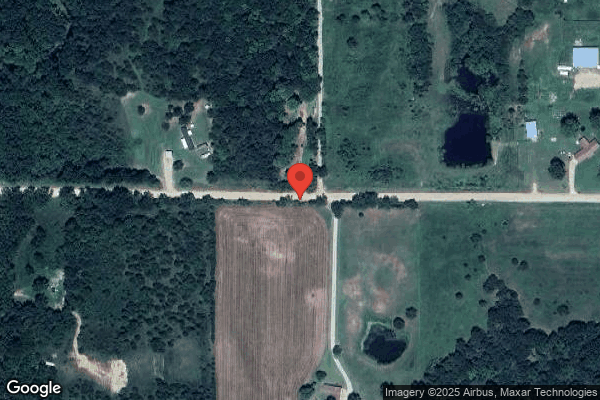
COLONIAL PARK MANOR

600 WEST FRONTAGE ROAD, OKEMAH, OK 74859 (405) 786-2266
For profit - Limited Liability company 80 Beds Independent Data: November 2025
Trust Grade
80/100
#47 of 282 in OK
Last Inspection: March 2025

Within standard 12-15 month inspection cycle. Federal law requires annual inspections.

Overview

Colonial Park Manor has a Trust Grade of B+, which means it is recommended and performs above average compared to other nursing homes. It ranks #47 out of 282 facilities in Oklahoma, placing it in the top half, and is the best option among the three homes in Okfuskee County. However, the facility is experiencing a worsening trend, with issues increasing from 1 in 2023 to 6 in 2025. Staffing is a strong point with a 4/5-star rating and a turnover rate of 31%, significantly lower than the state average, indicating that staff are familiar with the residents. Notably, the facility has no fines on record, which is a positive sign. However, there are some concerning incidents reported. For example, the home did not follow proper infection control procedures when handling clean laundry and providing care for residents with catheters. Additionally, they failed to complete fall assessments for a resident after a fall, which could increase the risk of future falls. While there are strengths in staffing and a lack of fines, families should weigh these concerns when considering Colonial Park Manor for their loved ones.

Trust Score
B+
80/100
In Oklahoma
#47/282
Top 16%
Safety Record
Low Risk
No red flags
Inspections
Getting Worse
1 → 6 violations
Staff Stability
○ Average
31% turnover. Near Oklahoma's 48% average. Typical for the industry.
Penalties
✓ Good
No fines on record. Clean compliance history, better than most Oklahoma facilities.
Skilled Nurses
⚠ Watch
Each resident gets only 19 minutes of Registered Nurse (RN) attention daily — below average for Oklahoma. Fewer RN minutes means fewer trained eyes watching for problems.
Violations
○ Average
7 deficiencies on record. Average for a facility this size. Mostly minor or procedural issues.
★★★★☆
4.0
Overall Rating
★★★★☆
4.0
Staff Levels
★★★★☆
4.0
Care Quality
★★★★☆
4.0
Inspection Score
Stable
2023: 1 issues
2025: 6 issues

The Good

  • 4-Star Staffing Rating · Above-average nurse staffing levels
  • 4-Star Quality Measures · Strong clinical quality outcomes
  • Full Sprinkler Coverage · Fire safety systems throughout facility
  • No fines on record
  • Staff turnover below average (31%)

    17 points below Oklahoma average of 48%

Facility shows strength in staffing levels, quality measures, fire safety.

The Bad

Staff Turnover: 31%

14pts below Oklahoma avg (46%)

Typical for the industry

The Ugly 7 deficiencies on record

Mar 2025 6 deficiencies
CONCERN (D)

Potential for Harm - no one hurt, but risky conditions existed

Assessment Accuracy (Tag F0641)

Could have caused harm · This affected 1 resident

Based on record review and interview, the facility failed to ensure assessments were accurate for 2 (#67 and #42) of 2 sampled residents who were reviewed for hospice services. The DON identified five...

Read full inspector narrative →
Based on record review and interview, the facility failed to ensure assessments were accurate for 2 (#67 and #42) of 2 sampled residents who were reviewed for hospice services. The DON identified five residents who received hospice services. Findings: 1. Resident #67 had diagnoses which included malignant neoplasm of the right kidney. A physician order, dated 12/22/23, showed the resident was ordered hospice services for renal cancer. A hospice certification form, dated 06/19/24 through 08/17/24, showed the physician certified the resident's prognosis was six months or less if the disease ran its normal course. A quarterly assessment, dated 07/06/24, showed the resident did not have a condition or chronic disease that could result in a life expectancy of less than six months. A hospice certification form, dated 08/18/24 through 10/16/24, showed the physician certified the resident's prognosis was six months or less if the disease ran its normal course. A quarterly assessment, dated 10/06/24, showed the resident did not have a condition or chronic disease that could result in a life expectancy of less than six months. A hospice certification form, dated 12/16/24 through 02/13/25, showed the physician certified the resident's prognosis was six months or less if the disease ran its normal course. An annual assessment, dated 01/07/25, showed the resident did not have a condition or chronic disease that may result in a life expectancy of less than six months. The care plan, reviewed 01/22/25, showed the resident received hospice services. On 03/25/25 at 3:55 p.m., the ADON stated they were the interim MDS coordinator. They stated the resident was admitted to hospice services on 12/22/23. They reviewed the the assessments dated 07/06/24, 10/06/24, and 01/07/25 for Resident #67. The ADON stated they did not know why the assessments had not accurately reflected the resident had a condition or chronic disease that could result in a life expectancy of less than six months. 2. Resident #42 had diagnoses which included Alzheimer's disease and dementia. An annual assessment, dated 06/16/24, showed in section J Resident #1 was not on hospice, but section O showed Resident #1 was on hospice. A quarterly assessment, dated 12/17/24, showed in section J Resident #1 was not on hospice, but section O showed Resident #1 was on hospice. On 03/26/25 at 6:19 p.m., the MDS coordinator stated Resident #1 was on hospice and the assessments were inaccurate.
CONCERN (D)

Potential for Harm - no one hurt, but risky conditions existed

Comprehensive Care Plan (Tag F0656)

Could have caused harm · This affected 1 resident

Based on observation, record review, and interview, the facility failed to ensure a comprehensive care plan included the use of assist bars/side rails for 1 (#28) of 19 sampled residents whose care pl...

Read full inspector narrative →
Based on observation, record review, and interview, the facility failed to ensure a comprehensive care plan included the use of assist bars/side rails for 1 (#28) of 19 sampled residents whose care plans were reviewed. The DON identified 68 residents who resided in the facility. Findings: On 03/24/25 at 2:05 p.m., Resident #28 was observed in bed with bilateral assist bars/side rails in the up position. The assist bars/side rails were observed to be approximately 12 inches wide. On 03/25/25 at 8:53 a.m., Resident #28 was observed in bed with bilateral assist bars/side rails in the up position. On 03/26/25 at 10:43 a.m., Resident #28 was observed in bed with bilateral assist bars/side rails in the up position. Resident #28 had diagnoses which included muscle weakness. An Assist Bar Evaluation form, dated 12/05/24, showed the recommendation was for the resident to utilize an assist bar to serve as an enabler to promote independence. An admission assessment, dated 12/17/24, showed a staff assessment for mental status was conducted and Resident #28 was severely impaired in cognition for daily decision making. The care plan, revised 03/24/25, showed staff were to encourage the use of prescribed assistive devices but did not show the use of assist bars/side rails. On 03/26/25 at 1:57 p.m., LPN #1 stated Resident #28 utilized the side rails to assist with positioning. On 03/26/25 at 2:19 p.m., the DON stated they completed the care plans in the facility. The DON reviewed the care plan for Resident #28 and stated the care plan indicated to encourage use of prescribed assistive devices, but that would not apply because the assist bars/side rails was not prescribed. They stated they had not completed a care plan for the use of assist bars/side rails.
CONCERN (D)

Potential for Harm - no one hurt, but risky conditions existed

Deficiency F0700 (Tag F0700)

Could have caused harm · This affected 1 resident

Based on observation, record review, and interview, the facility failed to ensure assessments for entrapment were completed and informed consent was obtained for the use of assist bars/side rails for ...

Read full inspector narrative →
Based on observation, record review, and interview, the facility failed to ensure assessments for entrapment were completed and informed consent was obtained for the use of assist bars/side rails for 1 (#28) of 1 sampled resident who was reviewed for the use of assist bars/side rails. The DON identified 14 residents who utilized assist bars/side rails in the facility. Findings: On 03/24/25 at 2:05 p.m., Resident #28 was observed in bed with bilateral assist bars/side rails in the up position. The assist bars/side rails were observed to be approximately 12 inches wide. On 03/25/25 at 8:53 a.m., Resident #28 was observed in bed with bilateral assist bars/side rails in the up position. On 03/26/25 at 10:43 a.m., Resident #28 was observed in bed with bilateral assist bars/side rails in the up position. A Bed Safety policy, dated December 2007, showed the facility should obtain consent for the use of assist bars/side rails from the resident and/or legal representative. The policy showed assist bars/side rails could be utilized if after assessment and consultation with the physician it was determined they would assist the resident with repositioning and no other reasonable alternatives could be identified. Resident #28 had diagnoses which included muscle weakness. An Assist Bar Evaluation form, dated 12/05/24, showed the recommendation was for the resident to utilize an assist bar to serve as an enabler to promote independence. The evaluation did not show the risk of entrapment had been assessed. An admission assessment, dated 12/17/24, showed a staff assessment for mental status was conducted and Resident #28 was severely impaired in cognition for daily decision making. The care plan, revised 03/24/25, showed staff were to encourage the use of prescribed assistive devices. Review of the electronic clinical record did not show a physician's order for the use of the assist bars/side rails or an informed consent had been obtained for the use of the assist bars/side rails. On 03/26/25 at 1:57 p.m., LPN #1 stated Resident #28 utilized the side rails to assist with positioning and the DON or ADON completed assessments for the use of side rails. On 03/26/25 at 2:06 p.m., RN #1 stated they had completed the Assist Bar Evaluation dated 12/05/24. They stated they thought the resident and/or family member had been asked about the use of the assist bars/side rails upon admission to the facility. They stated they completed the assessment, but it did not specifically address the risk of entrapment or alternatives attempted prior to the use of assist bars/side rails. On 03/26/25 at 2:16 p.m., the DON stated Resident #28 utilized bilateral assist bars on their bed. On 03/26/25 at 2:17 p.m., the ADON stated the family had requested bilateral assist bars/side rails to assist the resident with bed mobility. The ADON stated they did not obtain an informed consent for the use of assist bars/side rails. On 03/26/25 at 2:19 p.m., the DON stated they completed the care plans in the facility. The DON reviewed the care plan for Resident #28 and stated the care plan indicated to encourage use of prescribed assistive devices but that would not apply because the assist bars/side rails was not prescribed. They stated they had not completed a care plan for the use of assist bars/side rails. They stated the only assessment for the use of assist bars/side rails was completed on 12/05/24. On 03/26/25 at 4:56 p.m., the DON stated they did not have documentation to show informed consent had been obtained prior to the installation of the assist bars/side rails.
CONCERN (D)

Potential for Harm - no one hurt, but risky conditions existed

Deficiency F0761 (Tag F0761)

Could have caused harm · This affected 1 resident

Based on observation, record review, and interview, the facility failed to: a. monitor the temperature of the medication storage room for 1 of 2 medication rooms observed; b. ensure medications were s...

Read full inspector narrative →
Based on observation, record review, and interview, the facility failed to: a. monitor the temperature of the medication storage room for 1 of 2 medication rooms observed; b. ensure medications were secured for 2 of 6 medication/treatment carts observed; and c. ensure glucose test strips were dated when opened for 2 of 6 medication/treatment carts observed. The DON identified two medication rooms and six medication/treatment carts in the facility. Findings: 1. On 03/25/25 at 1:39 p.m., the medication room on the [NAME] hall was observed with the CMA supervisor. No documentation of the medication room temperature was observed. A Medication Storage in the Facility policy, effective July 2015, read in part, Mediations and biologicals are stored safely, securely, and properly, following manufacturer's recommendations or those of the supplier. The medication supply is accessible only to licensed nursing personnel, pharmacy personnel, or staff members lawfully authorized to administer medications.The Facility should maintain a temperature log in the storage area to record temperatures at least once a day.The Facility should check the refrigerator or freezer in which vaccines are stored, at least two times a day, per CDC [Centers for Disease Control and Prevention] Guidelines. On 03/25/25 at 1:40 p.m., the CMA supervisor was asked for the room temperature log. They stated they did not know the medication room temperature required monitoring. On 03/25/25 at 1:50 p.m., the DON stated the temperature of the medication room may have been monitored by environmental services. On 03/25/25 at 2:00 p.m., the DON stated there was no log for the temperature of the medication room. 2. On 03/25/25 at 12:18 p.m., the North Hall treatment cart at the back nurses station was observed to be unlocked and unattended. RN #1 was observed at the nursing station with their back to the cart. On 03/25/25 at 12:24 p.m., RN #1 was observed to leave the nursing station to deliver the hall trays. The DON was observed to walk past the unlocked cart to deliver hall trays. On 03/25/25 at 12:29 p.m., the DON was observed to walk by the unlocked treatment cart. On 03/25/25 at 12:30 p.m., RN #1 was observed to walk by the unlocked treatment cart with a hall tray. On 03/25/25 at 12:31 p.m., the DON and RN #1 were observed to walk by the unlocked treatment cart. On 03/25/25 at 12:32 p.m., RN #1 was observed to lock the treatment cart. On 03/26/25 at 9:37 a.m., RN #1 was observed to prepare medications for a resident. RN #1 was observed to enter the resident room and not lock their cart. On 03/26/25 at 4:47 p.m., the North Hall treatment cart was observed to be unlocked and unattended at the nursing station. On 03/26/25 at 4:49 p.m., RN #1 was observed to lock the treatment cart. On 03/25/25 at 12:32 p.m., RN #1 stated they locked their carts when they walked away from them. They stated it was an accident they failed to lock the cart. On 03/26/25 at 9:41 a.m., RN #1 stated the cart was not to be left unattended and unlocked. On 03/26/25 at 12:29 p.m., the DON stated the protocol was to keep the medication/treatment carts locked and the staff knew to lock the carts when unattended. On 03/26/25 at 4:51 p.m., RN #1 stated they were just not thinking and knew to lock the cart. 3. On 03/25/25 at 1:54 p.m., the North hall treatment cart glucometer strips were observed to be opened and not dated. On 03/25/25 at 2:00 p.m., the East Hall treatment cart glucometer test strips were observed to be open and not dated. On 03/25/25 at 2:00 p.m., LPN #2 stated they had not open the test strips on 03/25/25 so they dated the test strips for 03/24/25. On 03/26/25 at 12:31 p.m., the DON stated we were to date items when they were opened. They stated the expectation was the staff would throw out any item on the cart that was not dated when opened because there was no way of knowing when it was opened.
CONCERN (D)

Potential for Harm - no one hurt, but risky conditions existed

Deficiency F0909 (Tag F0909)

Could have caused harm · This affected 1 resident

Based on observation, record review, and interview, the facility failed to ensure regular inspections of beds and bed rails were completed to identify areas of possible entrapment for 1 (#28) of 1 sam...

Read full inspector narrative →
Based on observation, record review, and interview, the facility failed to ensure regular inspections of beds and bed rails were completed to identify areas of possible entrapment for 1 (#28) of 1 sampled resident who was reviewed for assist bars/side rails. The DON identified 14 residents who utilized assist bars/bed rails. Findings: On 03/24/25 at 2:05 p.m., Resident #28 was observed in bed with bilateral assist bars/side rails in the up position. The assist bars/side rails were observed to be approximately 12 inches wide. On 03/25/25 at 8:53 a.m., Resident #28 was observed in bed with bilateral assist bars/side rails in the up position. On 03/26/25 at 10:43 a.m., Resident #28 was observed in bed with bilateral assist bars/side rails in the up position. The Bed Safety policy, dated December 2007, read in part, Inspection by maintenance staff of all beds and related equipment as part of our regular bed safety program to identify risks and problems including potential entrapment risks. An Assist Bar Evaluation form, dated 12/05/24, showed the recommendation was for the resident to utilize an assist bar to serve as an enabler to promote independence. Resident #28 had diagnoses which included muscle weakness. An admission assessment, dated 12/17/24, showed a staff assessment for mental status was conducted and Resident #28 was severely impaired in cognition for daily decision making. On 03/26/25 at 2:16 p.m., the DON stated Resident #28 utilized bilateral assist bars on their bed. On 03/26/25 at 2:27 p.m., the maintenance supervisor stated their staff were responsible to install assist bars/side rails. They stated the only thing they did after installation was removal of the assist bars/side rails if needed. They stated they ensured they were safely installed but the maintenance department did not routinely monitor assist bars/side rails or beds for safety. They stated they addressed issues with the beds or assist bars/side rails as reported by staff. On 03/26/25 at 2:57 p.m., maintenance worker #1 stated they did not perform regular inspections of the residents' beds but if they were in a resident's room they would check to see if the assist bars/side rails were loose and would ensure they worked correctly. Maintenance worker #1 stated they did not document when they checked assist bars/side rails. On 03/26/25 at 5:19 p.m., the administrator stated they did not have documentation of regular inspections of the residents' beds or assist bars/bed rails. On 03/26/25 at 5:53 p.m., the administrator stated they had a room checklist but it did not document that the bed or assist bar/side rails were regularly inspected for possible entrapment.
CONCERN (F)

Potential for Harm - no one hurt, but risky conditions existed

Infection Control (Tag F0880)

Could have caused harm · This affected most or all residents

Based on observation, interview, and record review, the facility failed to ensure infection prevention and control measures were used: a. when transporting clean linens/laundry; b. when providing cath...

Read full inspector narrative →
Based on observation, interview, and record review, the facility failed to ensure infection prevention and control measures were used: a. when transporting clean linens/laundry; b. when providing catheter care for 1 (#25) of 3 sampled residents who were reviewed for catheter care; and c. to devise and implement a plan to prevent the growth of and monitor for Legionella in the facility. The DON identified 68 residents who resided at the facility, four residents with catheters, and one resident with pressure ulcers. Findings: 1. On 03/26/25 at 9:47 a.m., laundry aide #1 was observed to return from delivering laundry/linens on north hall. During an observation of the laundry room the laundry aide stated they did not cover laundry/linens when they deliver them. They stated they did not know they should. On 03/26/25 at 6:49 p.m., the administrator stated laundry personnel were to cover the laundry/linens when delivered. They stated they did not why they did not cover the laundry. 2. On 03/26/25 at 10:32 a.m., LPN #2 was observed to provide catheter care for Resident #25. During the catheter care, LPN #2 was observed to clean the meatus of the penis, place the cloth back in the wash tub to re-wet the cloth, and using the same cloth cleaned the area again. A Catheter Care, Urinary policy, revised October 2010, read in part, The purpose of this procedure is to prevent catheter-associated urinary tract infections.Infection Control Use standard precautions when handling or manipulating the drainage system. Maintain clean technique when handling or manipulating the catheter, tubing, or drainage bag.Routine hygiene (e.g., cleansing of the meatal surface during daily bathing or showering) is appropriate. Be sure the catheter tubing and drainage bag are kept off the floor.Steps in the Procedure .For the male: Use a clean washcloth.Change the position of the washcloth with each cleansing stroke.Use a clean washcloth with warm water and soap to cleanse and rinse the catheter from insertion site to approximately four inches outward. Resident #25 had diagnoses which included benign prostatic hyperplasia and urinary retention. A care plan, dated 02/24/25, showed Resident #25 had a concern for a catheter related to urinary retention. The interventions were to change the catheter monthly and clean daily with soap and water. On 03/26/25 at 1:36 p.m., LPN #2 stated they maintained infection control by keeping the catheter bag off the floor, used proper personal protective equipment, and used clean technique. They stated it was not clean technique to reuse the same cloth for cleaning the genitalia twice. They stated it was not good infection control. On 03/26/25 at 6:45 p.m., the DON stated using the same cloth twice after re-wetting the cloth in soapy water did not ensure infection control. 3. A Legionella Surveillance policy, reviewed/revised 05/30/24, read in part, It is the policy of this facility to establish primary and secondary strategies for the prevention and control of Legionella infections.Legionella surveillance is one component of the facility's water management plans for reducing the risk of Legionella and other opportunistic pathogens in the facility's water systems.In the absence of Legionella infections for a period of at least one year, the facility shall implement primary prevention strategies.Diagnostic testing .Investigation for a facility source of Legionella, which may include culturing of facility water for Legionella.Physical controls: Cooling towers and potable water systems shall be routinely maintained. At-risk medical equipment shall be cleaned and maintained in accordance with manufacturer recommendations. Non-potable water systems shall be routinely cleaned and disinfected. Nebulization devices shall be filled only with sterile fluid (e.g., sterile water or aerosol medication). Temperature controls: Cold water shall be stored and distributed below 68 degrees Fahrenheit. Hot water shall be stored above 140 degrees Fahrenheit and circulated at a minimum return temperature of 124 degrees Fahrenheit. A Water Management Program policy, reviewed/revised 12/10/24, read in parts, A water management team has been established to develop and implement the facility's water management program, including facility leadership, the Infection Preventionist, maintenance employees, Director of Nursing, and Assistant Director of Nursing.Team members have been educated on the principles of an effective water management program, including how Legionella and other water-borne pathogens grow and spread. Education is consistent with each team member's role. The water management team has access to water treatment professionals, and state/local health officials. A water management program was not provided by the end of the survey. On 03/26/25 at 2:31 p.m., during a phone interview with the maintenance supervisor they stated they had no knowledge of the water management needs until 03/26/25.
Nov 2023 1 deficiency
CONCERN (E)

Potential for Harm - no one hurt, but risky conditions existed

Accident Prevention (Tag F0689)

Could have caused harm · This affected multiple residents

Based on record review and interview, the facility failed to perform fall assessments after falls and initiate interventions to help prevent falls for one (#36) of three sampled residents reviewed for...

Read full inspector narrative →
Based on record review and interview, the facility failed to perform fall assessments after falls and initiate interventions to help prevent falls for one (#36) of three sampled residents reviewed for falls. The administrator identified 70 residents residing in the facility. Findings: An Assessing Falls and Their Causes policy, revised October 2010, read in parts, .Documentation .When a resident falls, the following information should be recorded in the resident's medical record .Completion of a falls risk assessment . A Falls Clinical Protocol policy, revised October 2010, read in part, .Treatment/Management .1. Based on the preceding assessment .the staff and physician will identify pertinent interventions to try to prevent subsequent falls .5. If an individual continues to fall, the staff .will re-evaluate the continued relevance of current interventions . Resident #36 had diagnoses that included muscle weakness and abnormalities of gait and mobility. A Fall Risk Evaluation for Resident #36, dated 08/13/23, documented resident was at risk for falls. A review of Resident #36's clinical record documented falls on 08/11/23, 08/12/23, 08/23/23, 08/31/23, 09/12/23, 09/14/23, 10/17/23, and 11/03/23. There were no Fall Risk Evaluations completed after falls on 08/23/23, 08/31/23, 09/12/23, 09/14/23, 10/17/23, nor 11/03/2023. The care plan, reviewed 11/03/23, documented the Resident #36 was at risk for falls. The care plan documented to follow the facility fall protocol and provide a safe environment. There were no interventions for preventing falls between 08/11/23 and 11/03/23 on the resident's care plan or selected on the incident report forms. On 11/30/23 at 9:17 a.m., the DON acknowledged there were no interventions for preventing falls on Resident #36's care plan. They stated the care plan should have been reviewed and updated after each documented fall. The DON reported it was facility policy for fall assessments to be done on admission and quarterly. The DON acknowledged the policy stated fall assessments were to be conducted after each fall, and that the policy had not been followed.
Understanding Severity Codes (click to expand)
Life-Threatening (Immediate Jeopardy)
J - Isolated K - Pattern L - Widespread
Actual Harm
G - Isolated H - Pattern I - Widespread
Potential for Harm
D - Isolated E - Pattern F - Widespread
No Harm (Minor)
A - Isolated B - Pattern C - Widespread

Questions to Ask on Your Visit

  • "Can I speak with families of current residents?"
  • "What's your RN coverage like on weekends and overnight?"

Our Honest Assessment

Strengths
  • • Grade B+ (80/100). Above average facility, better than most options in Oklahoma.
  • • No major safety red flags. No abuse findings, life-threatening violations, or SFF status.
  • • No fines on record. Clean compliance history, better than most Oklahoma facilities.
  • • 31% turnover. Below Oklahoma's 48% average. Good staff retention means consistent care.
Concerns
  • • No significant concerns identified. This facility shows no red flags across CMS ratings, staff turnover, or federal penalties.
Bottom line: Generally positive indicators. Standard due diligence and a personal visit recommended.

About This Facility

What is Colonial Park Manor's CMS Rating?

CMS assigns COLONIAL PARK MANOR an overall rating of 4 out of 5 stars, which is considered above average nationally. Within Oklahoma, this rating places the facility higher than 99% of the state's 100 nursing homes. This rating reflects solid performance across the metrics CMS uses to evaluate nursing home quality.

How is Colonial Park Manor Staffed?

CMS rates COLONIAL PARK MANOR's staffing level at 4 out of 5 stars, which is above average compared to other nursing homes. Staff turnover is 31%, compared to the Oklahoma average of 46%. This relatively stable workforce can support continuity of care.

What Have Inspectors Found at Colonial Park Manor?

State health inspectors documented 7 deficiencies at COLONIAL PARK MANOR during 2023 to 2025. These included: 7 with potential for harm.

Who Owns and Operates Colonial Park Manor?

COLONIAL PARK MANOR is owned by a for-profit company. For-profit facilities operate as businesses with obligations to shareholders or private owners. The facility operates independently rather than as part of a larger chain. With 80 certified beds and approximately 69 residents (about 86% occupancy), it is a smaller facility located in OKEMAH, Oklahoma.

How Does Colonial Park Manor Compare to Other Oklahoma Nursing Homes?

Compared to the 100 nursing homes in Oklahoma, COLONIAL PARK MANOR's overall rating (4 stars) is above the state average of 2.6, staff turnover (31%) is significantly lower than the state average of 46%, and health inspection rating (4 stars) is above the national benchmark.

What Should Families Ask When Visiting Colonial Park Manor?

Based on this facility's data, families visiting should ask: "Can I visit during a mealtime to observe dining assistance and food quality?" "How do you handle medical emergencies, and what is your hospital transfer rate?" "Can I speak with family members of current residents about their experience?"

Is Colonial Park Manor Safe?

Based on CMS inspection data, COLONIAL PARK MANOR has a clean safety record: no substantiated abuse findings (meaning no confirmed cases of resident harm), no Immediate Jeopardy citations (the most serious violation level indicating risk of serious injury or death), and is not on the Special Focus Facility watch list (a federal program monitoring the lowest-performing 1% of nursing homes). The facility has a 4-star overall rating and ranks #1 of 100 nursing homes in Oklahoma. While no facility is perfect, families should still ask about staff-to-resident ratios and recent inspection results during their visit.

Do Nurses at Colonial Park Manor Stick Around?

COLONIAL PARK MANOR has a staff turnover rate of 31%, which is about average for Oklahoma nursing homes (state average: 46%). Moderate turnover is common in nursing homes, but families should still ask about staff tenure and how the facility maintains care continuity when employees leave.

Was Colonial Park Manor Ever Fined?

COLONIAL PARK MANOR has no federal fines on record. CMS issues fines when nursing homes fail to meet care standards or don't correct problems found during inspections. The absence of fines suggests the facility has either maintained compliance or corrected any issues before penalties were assessed. This is a positive indicator, though families should still review recent inspection reports for the full picture.

Is Colonial Park Manor on Any Federal Watch List?

COLONIAL PARK MANOR is not on any federal watch list. The most significant is the Special Focus Facility (SFF) program, which identifies the bottom 1% of nursing homes nationally based on persistent, serious quality problems. Not being on this list means the facility has avoided the pattern of deficiencies that triggers enhanced federal oversight. This is a positive indicator, though families should still review the facility's inspection history directly.