Accel At Crystal Park
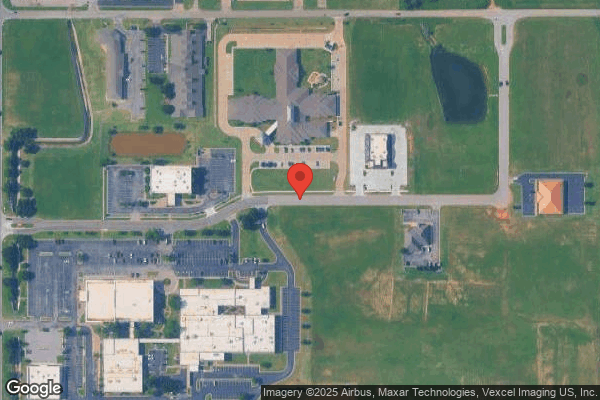
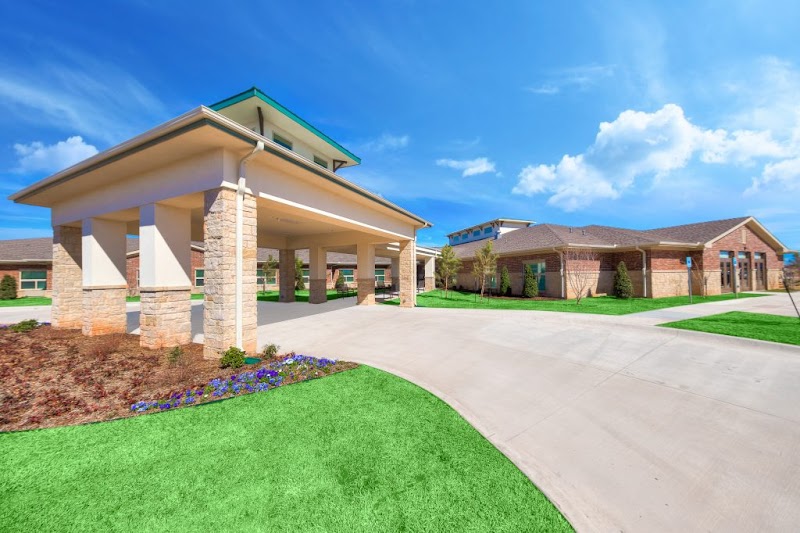
315 SW 80Th Street, Oklahoma City, OK 73139 (405) 635-9961
Non profit - Corporation 59 Beds STONEGATE SENIOR LIVING Data: November 2025
Trust Grade
50/100
#87 of 282 in OK
Last Inspection: January 2025

Within standard 12-15 month inspection cycle. Federal law requires annual inspections.

Overview

Accel At Crystal Park has a Trust Grade of C, which means it is considered average compared to other nursing homes. It ranks #87 out of 282 facilities in Oklahoma, placing it in the top half of the state's options, and #8 out of 39 in Oklahoma County, indicating that only seven local facilities are rated higher. The facility's trend is stable, with the same number of issues reported in both 2024 and 2025. Staffing receives a 3/5 rating, but the turnover rate is concerning at 85%, significantly higher than the state average of 55%, suggesting staff may not stay long enough to build strong relationships with residents. Although the facility has not incurred any fines, which is a positive sign, some serious concerns have been raised in recent inspections. For instance, there were instances where staff failed to wash their hands properly after caring for residents, risking the spread of infection. Additionally, there were allegations of abuse that were not thoroughly investigated, and some residents did not receive their medications on time due to insufficient staff. Despite these weaknesses, the facility has good RN coverage, exceeding that of 79% of state facilities, which can help catch potential issues early.
Trust Score
C
50/100
In Oklahoma
#87/282
Top 30%
Safety Record
Low Risk
No red flags
Inspections
Holding Steady
8 → 8 violations
Staff Stability
⚠ Watch
85% turnover. Very high, 37 points above average. Constant new faces learning your loved one's needs.
Penalties
✓ Good
No fines on record. Clean compliance history, better than most Oklahoma facilities.
Skilled Nurses
⚠ Watch
Each resident gets only 27 minutes of Registered Nurse (RN) attention daily — below average for Oklahoma. Fewer RN minutes means fewer trained eyes watching for problems.
Violations
⚠ Watch
39 deficiencies on record. Higher than average. Multiple issues found across inspections.
★★★☆☆
3.0
Overall Rating
★★★☆☆
3.0
Staff Levels
★★★★☆
4.0
Care Quality
★★★☆☆
3.0
Inspection Score
Stable
2024: 8 issues
2025: 8 issues

The Good

  • 4-Star Quality Measures · Strong clinical quality outcomes
  • Full Sprinkler Coverage · Fire safety systems throughout facility
  • No fines on record

Facility shows strength in quality measures, fire safety.

The Bad

3-Star Overall Rating

Near Oklahoma average (2.6)

Meets federal standards, typical of most facilities

Staff Turnover: 85%

39pts above Oklahoma avg (46%)

Frequent staff changes - ask about care continuity

Chain: STONEGATE SENIOR LIVING

Part of a multi-facility chain

Ask about local staffing decisions and management

Staff turnover is very high (85%)

37 points above Oklahoma average of 48%

The Ugly 39 deficiencies on record

Jan 2025 8 deficiencies
CONCERN (D)

Potential for Harm - no one hurt, but risky conditions existed

Report Alleged Abuse (Tag F0609)

Could have caused harm · This affected 1 resident

Based on record review and interview, the facility failed to ensure the abuse policy was implemented and abusive behavior was reported to the abuse coordinator in a timely manner within 2 hours of occ...

Read full inspector narrative →
Based on record review and interview, the facility failed to ensure the abuse policy was implemented and abusive behavior was reported to the abuse coordinator in a timely manner within 2 hours of occurrence to prevent further risk to other residents for one (#21) of one resident sampled for abuse. The administrator identified 56 residents resided in the facility. Findings: An Abuse, Neglect and Exploitation and Misappropriation of Resident Property policy, reviewed 02/2020, read in part, All staff members have a duty to ensure that all alleged violations involving abuse, neglect, exploitation or mistreatment, including injuries of unknown source and misappropriation of resident property, are reported to the Administrator of the facility, who serves as the Abuse Coordinator. The policy also read, Upon learning of a suspected incident of resident abuse, neglect, exploitation, and/or misappropriation of resident property, the Charge Nurse or her Department Manager or Supervisor must immediately notify the Abuse Coordinator the DON of the incident. The policy also read, Upon receiving and allegation abuse .the abuse coordinator will notify .a. not later than 2 hours after the allegation is made, if the events that cause the allegation involve abuse or result in serious bodily injury. Resident #21 had diagnoses which included end stage renal disease and legally blind. A Nurses Note, dated 01/12/25 at 11:07 p.m., read in part, At about [8:30 a.m.] Pt asked for PRN pain med, that [they] was in pain. This nurse asked the med aide if [they] had given pt. [their] night meds. The med aide said no but [they] was on [their] way down there. This nurse added Pt's pain medicine with [their] night meds. The med aid returned with the message that this Pt. also wanted [their] PRN Flexeril [muscle relaxer]. this nurse was in the middle of another pt's wound care. This nurse said the Flexeril will be taken to this Pt when current wound care is done. After wound care was done, the Flexeril was taken to this pt. This Pt's told this nurse that the CNA was lying about the time that [they] told me about Pt's request for pain med. CNA came in the room and said [they] was not, I asked CNA to leave the room and calmed this patient down telling that it might have been a misunderstanding or miscommunication, I asked this patient if [they] needed anything else and this pt said [they] was fine. At approximately [10:00 p.m.] this patient's [family member] called the facility yelling and saying that this nurse and the CNA was intimidating [their] [Resident #21] and [they] was going to get our licenses revoked. This nursed politely asked Pt's [family member] to calm down and tell this nurse what the problem was, Pt's [family member] refused and kept yelling on the phone, saying that this nurse called the DON and told [them] that this Pt. had lied. This nurse denied calling the DON about this issue and that this nurse has no idea what [they] was this pt's [family member] was talking about. This Pt's [family member] said this was condescending and said [they] would come to facility in the am and hung up. The CNA time detail report for 01/12/25 documented CNA #3 start time was 2:55 p.m. on 01/12/25, and the end time was 12:15 a.m. on 01/13/25. An OSDH Incident Report Form, dated 01/13/24 (date year error), documented Resident involved was Resident #21. Part B read in part, Administrator informed that patient had an incident last night. When discussing with the patient [they] stated that the PRN [person] [they] call [name withheld] was very nice at the beginning of the shift. Later in the shift when [they] had asked for [their] pain medication [the PRN person] became rude and was making fun of [their] eyes and talking about [their] family. Patient felt this is abusive behavior. CNA [name withheld] suspended pending investigation. Investigation ongoing. An undated OSDH Notification of Nurse Aide/Nontechnical Service Worker Abuse, Neglect, Mistreatment or Misappropriation of Property form, documented CNA #3 was suspended on 01/13/24. (Dates are incorrect and do not correlate with the nurse note). On 01/13/25 at 10:41 a.m., Resident #21's family member was present with resident and stated there had been an incident the night before stating Resident #21 had stated they were scared after an incident with the evening CNA and nurse. They stated Resident #21 called them stating CNA #3 brought the meal in and they were asked to get pain medication. They stated they kept pushing the button because it had taken them too long to come. Then CNA #3 became frustrated and stated, You were not the only one here. They stated they asked that the CNA stay out of their room and they kept coming back arguing and cursing and saying Resident #21's concerns were not as much as other people there. The family member stated they reported the verbal abuse concerns to the charge nurse LPN #4 who told them to have the resident look past the CNA as they were young. Resident #21 stated they were made to feel so bad. On 01/13/25 at 11:24 a.m., the administrator stated they were made aware of an allegation of abuse regarding Resident #21 on the morning of 01/13/25 and that it was regarding the way a staff member had spoke to them by making fun of them and were being inappropriate. They stated the resident stated it was abuse the way they were talking to them. On 01/14/25 at 9:10 a.m., LPN #4 stated the details of the nurses note, they did not feel was abuse, but that was a misunderstanding. They stated there was some back and forth between Resident #21 and CNA #3 about the details of when the resident requested the pain medication. LPN #4 stated they had to ask the CNA to leave the room because things began to escalate and then calmed the resident down. LPN #4 stated they reported the incident to the DON the next morning. LPN #4 stated the resident had been upset by the incident. LPN #4 stated the meaning of abuse was anything verbally or physically harming the patient. They stated the abuse process for something like that incident was to have the CNA leave the room, talk to the patient, and see what's going on. LPN #4 stated CNA #3 took care of the other patients for the remainder of the shift and told them not to go into Resident #21's room. On 01/14/25 at 10:28 a.m., the administrator stated in the presence of the corporate nurse, they were the abuse coordinator. They stated they were notified of the allegation of abuse by reading the clinical notes and were not informed by the staff in the facility. The administrator stated they would have expected to have been notified by their staff at the time of the incident. On 01/14/25 at 10:35 a.m., the administrator stated they had also suspended the nurse that worked that evening as well since they did not notify the administrator.
CONCERN (D) 📢 Someone Reported This

A family member, employee, or ombudsman was alarmed enough to file a formal complaint

Potential for Harm - no one hurt, but risky conditions existed

ADL Care (Tag F0677)

Could have caused harm · This affected 1 resident

**NOTE- TERMS IN BRACKETS HAVE BEEN EDITED TO PROTECT CONFIDENTIALITY** Based on observation, record review, and interview, the facility failed to ensure toileting was provided in a timely manner for ...

Read full inspector narrative →
**NOTE- TERMS IN BRACKETS HAVE BEEN EDITED TO PROTECT CONFIDENTIALITY** Based on observation, record review, and interview, the facility failed to ensure toileting was provided in a timely manner for one (#142) of three sampled residents reviewed for timely ADLs. The DON identified 46 residents who needed assistance with ADLs resided in the facility. Findings: Resident #142 had diagnoses which included shortness of breath. Resident #142's care plan for elimination, dated 01/10/25, documented the resident would have a decrease in the number of incontinent episodes by implementation of a scheduled toileting program over the next 90 days. On 01/14/25 at 9:10 a.m., during medication administration, Resident #142 informed CMA #1 they needed to urinate. CMA #1 turned on the resident's call light and exited the room. On 01/14/25 at 9:14 a.m., Resident #142's call light remained on and was beeping. On 01/14/25 at 9:19 a.m., CMA #1 and LPN #2 were observed on the resident's hall. LPN #2's cart was positioned opposite the resident's room. Resident #142's call light remained on and was beeping. On 01/14/25 at 9:28 a.m., the wellness director went past the resident's room. The call light was still on and beeping. On 01/14/25 at 9:30 a.m., the DON went into the resident's room. They came out immediately and the call light was off. They proceeded to go to room [ROOM NUMBER], then left the hall. On 01/14/25 at 9:37 a.m., Resident #142 was in bed. They stated they were still waiting to use the urinal. The resident stated they did not see anyone come into their room or turn off the call light. They stated their eyes must have been closed. On 01/14/25 at 9:55 a.m., the DON stated Resident #142 was asleep when they went into the resident's room to turn off the call light. They stated the process for answering a call light was to find out what the resident needed. They stated they did not ask the resident what they needed or why the call light was on. On 01/14/25 at 9:56 a.m., the DON stated they should have asked Resident #142 what they needed. On 01/14/25 at 9:57 a.m., the DON went to Resident #142's room. The resident informed the DON they needed to urinate and they used a urinal because it was easier. The DON informed the resident they would assist. They walked out of the room and had CNA #4 to assist the resident. CNA #4 told the DON they were not aware the resident need to urinate. On 01/14/25 at 10:00 a.m., the DON stated the resident's needs were not met in a timely manner.
CONCERN (D) 📢 Someone Reported This

A family member, employee, or ombudsman was alarmed enough to file a formal complaint

Potential for Harm - no one hurt, but risky conditions existed

Quality of Care (Tag F0684)

Could have caused harm · This affected 1 resident

**NOTE- TERMS IN BRACKETS HAVE BEEN EDITED TO PROTECT CONFIDENTIALITY** Based on record review and interview, the facility failed to ensure the admission weight and weekly weights were obtained for a ...

Read full inspector narrative →
**NOTE- TERMS IN BRACKETS HAVE BEEN EDITED TO PROTECT CONFIDENTIALITY** Based on record review and interview, the facility failed to ensure the admission weight and weekly weights were obtained for a resident on dialysis for one (#21) of one sampled resident reviewed for dialysis. The DON identified three dialysis residents resided in the facility. Findings: A Weight monitoring policy, reviewed 05/2023, read in part, Newly admitted and re-admitted residents are weighed upon admission and weekly x 4 and then monthly thereafter, unless otherwise indicated by physician's order. The policy also read, Weekly weights and reweighs results are to be recorded in the EHR. Resident #21 was admitted on [DATE] with diagnosis which included end stage renal disease and dependence on dialysis. A physician order, dated 12/28/24, read in part, Weekly weights every Wednesday on day shift 28 days on admission then x 4 weeks then monthly if stable. The Resident weight record, had only one weight for 01/01/25 at 2:24 p.m. On 01/12/25 at 11:36 a.m., Resident #21 stated they did not get weighed weekly. On 01/14/25 at 11:34 a.m., CNA #1 stated they do monthly weights on the first and third of the month. They stated the weekly weights, the nurse gave them a list and we got them. They stated the nurse documents the weights. They stated they only document the physical function things they assist the residents with. On 01/14/25 at 11:39 a.m., LPN #3 stated the weights were documented in the EHR and they popped up on the system to do. They stated they make a list to delegate to the aides to do and if not done then they did themselves. They stated Resident #21 had one weight in the EHR for 01/01/25 of 132 pounds. LPN #3 stated the physician order documented weights weekly every Wednesday on day shift. They stated the weights for Resident #21 had not been done as ordered.
CONCERN (D) 📢 Someone Reported This

A family member, employee, or ombudsman was alarmed enough to file a formal complaint

Potential for Harm - no one hurt, but risky conditions existed

Deficiency F0692 (Tag F0692)

Could have caused harm · This affected 1 resident

Based on observation, record review, and interview, the facility failed to ensure a discharge hospital order for a fluid restriction was followed upon admission for one (#241) of three sampled residen...

Read full inspector narrative →
Based on observation, record review, and interview, the facility failed to ensure a discharge hospital order for a fluid restriction was followed upon admission for one (#241) of three sampled residents reviewed for fluid restrictions. The administrator identified three residents on fluid restrictions resided in the facility. Findings: The FLUID RESTRICTION policy, revised 04/14/23, read in part, The Dining Services Department will coordinate with nursing services to verify that the resident's order for fluid restriction is implemented. Resident #241 had diagnoses which included chronic kidney disease and pulmonary edema. A hospital After Visit Summary, dated 12/26/24, documented fluid restriction, no more than 2000 milliliters in a 24 hour period. Resident #241 had no fluid restriction orders. On 01/13/25 at 12:28 p.m., Resident #241 stated staff were not sure if they were on fluid restriction. There was a water pitcher observed on the bedside table with 700 ml clear fluids. On 01/14/25 at 10:39 a.m., CNA #2 stated the nurses would inform them if a resident was on a fluid restriction. On 01/14/25 at 10:40 a.m., CNA #2 stated the ADON informed them Resident #241 was not on fluid restriction due to confusion on the resident's fluid restriction status when they admitted . On 01/14/25 at 12:12 p.m., LPN #3 stated if a resident was on fluid restriction it would be on their orders. On 01/14/25 at 12:15 p.m., LPN #3 reviewed Resident #241's orders. They stated they did not have an order for a fluid restriction. On 01/14/25 at 12:16 p.m., the ADON stated the DON and ADONs put in the hospital orders when a resident admitted to the facility. On 01/14/25 at 12:21 p.m., the ADON reviewed Resident #241's discharge orders. They stated the resident should have been on a fluid restriction of no more than 2000 ml in 24 hours. They stated they would correct and inform the provider.
CONCERN (D)

Potential for Harm - no one hurt, but risky conditions existed

Respiratory Care (Tag F0695)

Could have caused harm · This affected 1 resident

Based on observation, record review, and interview, the facility failed to ensure oxygen was administered as ordered and a resident was supervised during the administration of a nebulizer treatment fo...

Read full inspector narrative →
Based on observation, record review, and interview, the facility failed to ensure oxygen was administered as ordered and a resident was supervised during the administration of a nebulizer treatment for one (#243) of one sampled resident reviewed for respiratory care. The DON identified 20 residents who received continuous oxygen therapy in the facility. Findings: The Medication Administration, Nebulizers Updraft policy, revised 01/2023, read in part, Remain with the resident for the treatment unless the resident has been assessed and authorized to self-administer. Resident #243 had diagnoses which included acute respiratory failure, unspecified whether with hypoxia or hypercapnia. A physician's order, dated 01/08/25, documented oxygen 2 liters per minute inhalation every two shifts via nasal cannula, oxygen saturation check related to acute respiratory failure, unspecified whether with hypoxia or hypercapnia. A physician's order, dated 01/09/25, documented albuterol sulfate 2.5mg/3 ml (0.083%) solution for nebulization, one vial inhalation three times per day. Minute check 15. On 01/12/25 at 1:35 p.m., Resident #243 was observed receiving a nebulizer breathing treatment in their room via a mask. There was no staff in the room or outside of the resident's room. The oxygen concentrator was set at 3.5 liters per minute. On 01/12/25 at 1:36 p.m., Resident #243 asked the surveyor if they could turn off the nebulizer. They were informed to call for assistance using their call light. The resident stated staff administered the breathing treatment, but they were unsure what time. On 01/12/25 at 1:40 p.m., Resident #243 turned off the nebulizer treatment. The medicine chamber was empty. Resident #243 had a moist cough. On 01/12/25 at 1:42 p.m., Resident #243 stated they were on 3.5 liters per minute oxygen. On 01/12/25 at 1:47 p.m., CNA #2 entered Resident #243's room. They stated to the Resident, Oh you turned off the treatment. CNA #2 put the nebulizer mask in a bag. The resident informed CNA #2 they would like another breathing treatment. On 01/12/25 at 1:50 p.m., LPN #2 came and assessed the resident's oxygen saturation. They stated it was 93%. On 01/12/25 at 1:54 p.m., LPN #2 stated the process for administering nebulizer treatment was to administer and check on the resident in about two to three minutes. They stated they had about three to four nebulizer treatments on different residents at the same time and could not stay in the resident's room during the treatment. On 01/12/25 at 2:03 p.m., LPN #2 observed the resident's oxygen concentrator. They stated the concentrator was set at 3.5 liters per minute. On 01/12/25 at 2:08 p.m., LPN #2 stated the nurses were responsible for stopping the nebulizer treatments. They stated they stopped Resident #243's treatment, but could not recall or verify on the resident's TAR what time. They stated the resident may had given themselves a breathing treatment. On 01/12/25 at 2:10 p.m., LPN #2 stated Resident #243's order was for 2 liters per minute oxygen. They stated they had notified the resident's provider on 01/08/25 the Resident was on 3.5 liters per minute oxygen at home and had the order to keep the resident on 3.5 liters per minute. They stated they could not locate documentation to support the communication they had with the provider. On 01/12/25 at 2:19 p.m., Resident #243 stated they did not self-administer the nebulizer treatment. On 01/13/25 at 11:29 a.m., the DON stated staff was to follow physician orders. They stated all orders were to be updated in the electronic health record. On 01/13/25 at 11:31 a.m., the DON stated staff were to stay with the residents during nebulizer treatments. On 01/13/25 at 12:37 p.m., the DON stated Resident #243 was not assessed to self-administer nebulizer treatment.
CONCERN (D)

Potential for Harm - no one hurt, but risky conditions existed

Deficiency F0698 (Tag F0698)

Could have caused harm · This affected 1 resident

Based on record review and interview, the facility failed to ensure dialysis communication forms were consistently filled out for one (#21) of one sampled resident reviewed for dialysis. The administr...

Read full inspector narrative →
Based on record review and interview, the facility failed to ensure dialysis communication forms were consistently filled out for one (#21) of one sampled resident reviewed for dialysis. The administrator identified three residents in the facility received dialysis services. Findings: A Dialysis-Hemodialysis policy, reviewed 04/2023, read in part, c. Post Dialysis: Community nurse to complete Section B with dialysis center information. Community nurse to assess and complete Section C. Resident #21 had diagnoses which included end stage renal disease. A physician's order, dated 12/28/24, documented Resident #21 was to receive dialysis every Tuesday, Thursday, and Saturday. A Dialysis Pre/Post Communication Report, dated 01/09/25, did not have any documentation for the This section to be completed by the nursing home staff upon return part of the form. The section was to included the vital signs and assessment of the resident. A Dialysis Pre/Post Communication Report, dated 01/11/25, did not have any documentation for the This section to be completed by the nursing home staff upon return part of the form. The section was to included the vital signs and assessment of the resident. On 01/12/25 11:36 a.m., Resident #21 stated the staff did not take their vital signs or assess them prior to or after returning from dialysis. On 01/14/25 at 11:55 a.m., LPN #2 was asked to review the dialysis communication forms for Resident #21 for 01/09/25 and through 01/11/25. They stated there was no documentation for the post dialysis section. LPN #2 stated the post dialysis section should have been completed. On 01/14/25 at 01:19 p.m., the DON stated they verified they did not have the post dialysis forms for 01/09/25 and 01/11/25 and they had spoke to the resident who stated they did not do it.
CONCERN (D) 📢 Someone Reported This

A family member, employee, or ombudsman was alarmed enough to file a formal complaint

Potential for Harm - no one hurt, but risky conditions existed

Pharmacy Services (Tag F0755)

Could have caused harm · This affected 1 resident

Based on observation, record review and interview, the facility failed to ensure a topical pain medication was administered as ordered for one (#85) of five sampled residents reviewed for unnecessary ...

Read full inspector narrative →
Based on observation, record review and interview, the facility failed to ensure a topical pain medication was administered as ordered for one (#85) of five sampled residents reviewed for unnecessary medications. The administrator identified 56 residents resided in the facility. Findings: The Medication Administration policy, dated 01/2024, read in part, Medications are administered as prescribed in accordance with manufacturers' specifications, good nursing principles and practices and only by persons legally authorized to do so. Resident #9 had diagnoses which included pain. A physician's order, dated 01/08/25, documented Voltaren arthritis pain 1% topical gel. Apply by topical every 12 hours right knee for pain. The January 2025 MAR documented x for Resident #85's Voltaren arthritis pain 1% topical gel for the 9:00 a.m. administration on the 9th, 11th, 12th, 13th and the 9:00 p.m. administration on the 11th. It documented due to special parameters on the above dates. There was no documentation to explain what due to special parameters was for the above dates. On 01/15/25 at 8:42 a.m., Resident #85 stated they did not receive any topical medication for their knee. They stated they would not mind having a topical pain medication. Resident #85's family member was at their bedside. They stated they had never seen staff apply any pain cream to the resident's knee. On 01/15/25 at 9:14 a.m., LPN stated the nurses administered topical pain medications. On 01/15/25 at 9:18 a.m., LPN #1 reviewed Resident #85's MAR. They stated they were not sure what the x, or due to special parameters meant on the resident's January 2024 MAR. On 01/15/25 at 9:19 a.m., LPN #1 stated they had cared for the Resident #85 during their current stay. They stated they had not administered any topical pain gel for the resident. On 01/15/25 at 9:28 a.m., the DON reviewed Resident #85's January 2025 MAR. They stated the x meant the medication was not administered. They stated the medication was added to the med aide MAR and they would change it to the nurses discipline. The DON stated due to parameters could be related to vital signs.
CONCERN (D)

Potential for Harm - no one hurt, but risky conditions existed

Unnecessary Medications (Tag F0759)

Could have caused harm · This affected 1 resident

Based on observation, record review and interview, the facility failed to ensure a medication error of less than five percent for one (#142) of four residents observed during medication administration...

Read full inspector narrative →
Based on observation, record review and interview, the facility failed to ensure a medication error of less than five percent for one (#142) of four residents observed during medication administration. The medication error rate was 7.14% The administrator identified 56 residents resided in the facility. Findings: A Medication Administration policy, dated 01/2024, read in part, Medications are administered as prescribed in accordance with the manufacturers' specifications, good nursing principle and practices. The policy also read, Prior to administration, review and confirm medication orders for each individual resident on the Medication Administration Record. The policy also read, Medications are administered in accordance with written orders of the prescriber. The policy also read, Medications to be given on an empty stomach or before meals are to be scheduled for administration 30 minutes to 2 hours prior to meals. The policy also read, Verify medication is correct three (3) times before administering the medication. The policy also read, Medications are administered within 60 minutes of scheduled time, except before or after meal orders, which are administered based on mealtimes. Unless otherwise specified by the prescriber, routine medications are administered according to the established medication administration schedule for the nursing center. Resident #142 had diagnoses which included hypothyroidism. A physician's order, modified date of 01/13/25, documented levothyroxine 200 mcg tablet (hormone) 1 tablet by mouth at 5:00 a.m. The patient to take with 25mcg dose to equal 225mcg. The date of administration for 01/14/25 was documented 9:10 a.m. A physician's order, dated 01/13/25 documented levothyroxine 25mcg tablet 1 tablet by mouth at 5:00 a.m. The patient to take with 200mcg dose to equal 225mcg. The date of administration for 01/14/25 was documented 9:10 a.m. On 01/14/24 at 9:01 a.m., CMA #1 was observed to prepare medication for Resident #142. They were observed to prepare and administer levothyroxine 200mcg 1 tab and levothyroxine 25mcg 1 tab by mouth to the resident. On 01/14/25 at 2:36 p.m., LPN #2 was asked about the medication since the CMA had gone home for the day. LPN #2 stated both the levothyroxine dose orders were to be administered every morning at 5:00 a.m. They stated they were administered at 9:10 a.m. LPN #2 stated they were aware the medication was given after 5:00 a.m. They stated the outgoing agency nurse told the CMA that morning they had given all the meds due, but during observation of the meds the CMA had noticed the levothyroxine had not been given, therefore, LPN #2 stated they told the CMA to ask the resident if they received the medication and if they had not then to administer the medication. On 01/14/25 at 2:28 p.m., LPN #2 stated both doses of the levothyroxine were not administered according to physician orders. On 01/15/25 at 8:42 a.m., the DON stated they had called and notified the resident's physician and nurse practitioner of the levothyroxine being given and no new orders were received.
Sept 2024 6 deficiencies
CONCERN (D) 📢 Someone Reported This

A family member, employee, or ombudsman was alarmed enough to file a formal complaint

Potential for Harm - no one hurt, but risky conditions existed

Notification of Changes (Tag F0580)

Could have caused harm · This affected 1 resident

**NOTE- TERMS IN BRACKETS HAVE BEEN EDITED TO PROTECT CONFIDENTIALITY** Based on record review and interview, the facility failed to ensure the physician was notified when a resident experienced a cha...

Read full inspector narrative →
**NOTE- TERMS IN BRACKETS HAVE BEEN EDITED TO PROTECT CONFIDENTIALITY** Based on record review and interview, the facility failed to ensure the physician was notified when a resident experienced a change in condition for one (#2) of three sampled residents reviewed for change in condition. LPN #2 identified 53 residents resided in the facility. Findings: A Change in Condition policy, revised 02/13/23, read in part, .Document in the medical record the date, time, and name of each physician notified, actions taken and/or patient's response to treatment . Resident #2 had diagnoses which included acute respiratory failure with hypoxia, cervical disc disorder with myelopathy, and dysphagia oropharyngeal phase. Resident #2's face sheet documented they admitted to the facility on [DATE] and discharged on 07/05/24. A Physician Order, dated 06/25/24, documented Resident #2 was to receive three LPM inhalation via nasal cannula. A Nurse Note, dated 06/28/24, documented Resident #2 took off their oxygen. It documented the resident's family member requested the resident be sent to the hospital due to difficulty breathing. It documented staff assessed the resident's oxygen to be 76% with labored breath sounds. It documented staff put oxygen back on Resident #2 and hyperventilated the resident at 10 L. It documented the resident's oxygen came up to 98. It documented staff titrated the resident's oxygen back down to 7 L, 5 L, and then 3 L. It documented the resident was stable and sleeping. There was no documentation the physician was notified of the above event. A Daily Skilled Note, dated 07/01/24, documented Resident #2 had an oxygen saturation of 86%. There was no documentation the physician was notified of this reading. On 09/05/24 at 8:53 .a.m., family member #1 stated Resident #2 had experienced trouble breathing at the facility. They stated the resident had oxygen on, but the machine was not on. They stated they spoke with the nurse who reported the resident would not keep the oxygen on their face. On 09/05/24 at 9:25 a.m., family member #1 stated there was another instance where Resident #2's oxygen went down to 80 % and they turned it up to 10 liters. They stated they did not understand the reason no one was doing anything. They stated the resident's oxygen came back up to 97%. On 09/06/24 at 2:23 p.m., the DON was asked who the most appropriate nurse would be to interview regarding this closed record. They stated the facility had several new nurses and the resident was not at the facility long. On 09/09/24 at 9:50 a.m., the DON stated they would answer questions related to Resident #2. They stated none of the nurses would recall the resident because they were not at the facility long. They stated the resident admitted to the facility for a skilled stay related to orthopedic aftercare for cervical stenosis. On 09/09/24 at 10:00 a.m., the DON stated staff should contact a physician and let them know when a resident experienced a change in condition. On 09/09/24 at 10:01 a.m., the DON stated staff checked oxygen saturation to monitor the effectiveness of oxygen therapy. They stated staff would notify the physician when a residents oxygen saturation dropped when the resident was standing or changing positions. They stated if a resident had COPD there would be different parameters. They stated Resident #2 did not have a diagnosis of COPD. The DON reviewed the 06/28/24 nurse note for Resident #2 and stated they could not explain the charting of hyperventilate. They stated if staff needed to increase a resident's oxygen, they should have contacted the doctor. On 09/09/24 at 10:04 a.m., the DON stated, No, there is not a doctor notification. On 09/09/24 at 10:05 a.m., the DON reviewed Resident #2's skilled note dated 07/01/24 and stated the resident's oxygen saturation was 86 percent. They stated they did not see any documentation of the physician being notified.
CONCERN (D) 📢 Someone Reported This

A family member, employee, or ombudsman was alarmed enough to file a formal complaint

Potential for Harm - no one hurt, but risky conditions existed

Deficiency F0602 (Tag F0602)

Could have caused harm · This affected 1 resident

Based on record review and interview, the facility failed to ensure controlled medications were not misappropriated for two (#8 and #9) of three sampled residents who were reviewed for misappropriatio...

Read full inspector narrative →
Based on record review and interview, the facility failed to ensure controlled medications were not misappropriated for two (#8 and #9) of three sampled residents who were reviewed for misappropriation. The LPN #2 identified 53 residents resided in the facility. Findings: An Abuse, Neglect and Exploitation and Misappropriation of Resident Property policy, reviewed 02/12/20, read in part, .Each resident has the right to be free from . misappropriation of resident's property . 1. Resident #8 had diagnoses which included unspecified fracture of shaft of left fibula and low back pain. An admission assessment, dated 08/01/24, documented there cognition was intact. A physician's order, dated 08/08/24, documented to administer hydrocodone 10 mg - acetaminophen 325 mg (pain medication) every four hours as need for pain. 2. Resident #9 had diagnoses which included low back pain, unspecified, pain in left hip, and pain in right hip. An admission assessment, dated 08/11/24, documented they had severely impaired cognition. A physician's order, dated 08/08/24, documented to administer acetaminophen 300 mg - codeine 30 mg (pain medication) every six hours as needed for low back pain. Form 283, incident date 08/09/24, read in parts, .DON identified that patient did not have pain medication available. Upon initial investigation medication had been received from pharmacy, but was not located. Medication and narcotic storage searched. Staff question. [Name withheld], LPN #1 was receiving staff member. Investigation ongoing. [Name withheld] suspended pending investigation .Staff interviewed. Upon investigation it was identified that two additional patients were missing medications from the same delivery. Medications replaced by facility. Other medications from the delivery were received by the facility. [Name withheld] no longer employed at the facility. Staff in serviced on handling medications . On 08/09/24 at 11:23 a.m., the DON stated they were waiting on pain medications. They stated LPN #1 signed, but they were unable to find the medications. On 08/09/24 at 11:25 a.m., the DON stated they did not find the medications. They stated they had to be reordered. On 08/09/24 at 11:34 a.m., the DON stated their determination was that someone could have possibly taken the medications. On 08/09/24 at 11:35 a.m., the DON stated the medications missing were 60 tablets of hydrocodone 10 mg - acetaminophen 325 mg and 60 tablets of acetaminophen 300 mg - codeine 30 mg.
CONCERN (D) 📢 Someone Reported This

A family member, employee, or ombudsman was alarmed enough to file a formal complaint

Potential for Harm - no one hurt, but risky conditions existed

Quality of Care (Tag F0684)

Could have caused harm · This affected 1 resident

Based on record review and interview, the facility failed to ensure physician ordered vital signs were obtained for one (#2) of three sampled residents reviewed for a change in condition. The DON iden...

Read full inspector narrative →
Based on record review and interview, the facility failed to ensure physician ordered vital signs were obtained for one (#2) of three sampled residents reviewed for a change in condition. The DON identified all 53 residents in the facility had physician ordered vital signs. Findings: Resident #2 had diagnoses which included acute respiratory failure with hypoxia, cervical disc disorder with myelopathy and dysphagia oropharyngeal phase. A Physician Order, dated 06/24/24, read in part, Vital Signs every 2 shift Systolic BP Check Diastolic BP Check Pulse Check Respirations Check Temperature Check O2 Saturation Check. The medication administration record for June 2024 documented blanks for the night vital signs on the 26th, 28th, and 30th. On 09/06/24 at 2:23 p.m., the DON was asked who the most appropriate nurse would be to interview regarding this closed record. They stated the facility had several new nurses and the resident was not at the facility long. On 09/09/24 at 9:50 a.m., the DON stated they would answer questions related to Resident #2. They stated none of the nurses would recall the resident because they were not at the facility long. On 09/09/24 at 10:06 a.m., the DON stated vital signs every two shift meant to obtain both shifts 7:00 a.m. to 7:00 p.m. and 7:00 p.m. to 7:00 a.m. They stated if the vital signs area was blank, it meant, They were not obtained.
CONCERN (D) 📢 Someone Reported This

A family member, employee, or ombudsman was alarmed enough to file a formal complaint

Potential for Harm - no one hurt, but risky conditions existed

Pressure Ulcer Prevention (Tag F0686)

Could have caused harm · This affected 1 resident

**NOTE- TERMS IN BRACKETS HAVE BEEN EDITED TO PROTECT CONFIDENTIALITY** Based on observation, record review, and interview, the facility failed to ensure pressure ulcer treatment was provided as order...

Read full inspector narrative →
**NOTE- TERMS IN BRACKETS HAVE BEEN EDITED TO PROTECT CONFIDENTIALITY** Based on observation, record review, and interview, the facility failed to ensure pressure ulcer treatment was provided as ordered for one (#6) of one sampled resident observed during wound care. The DON identifed eight residents with pressure ulcers resided in the facility. Findings: A Pressure Ulcer policy, revised 07/2018, read in part, .Pressure ulcers/injuries will be identified, evaluated and treated in accordance with generally accepted guidelines . Resident #6 admitted to the facility on [DATE] with diagnoses which included pressure ulcer of the sacral region unspecified stage. A Physician Order, dated 09/04/24, documented cleanse wound as needed, clean sacrum with normal saline, pat dry, pack with mesalt, cover with nonbordered dressing and secure with tape. It documented change daily and prn. On 09/05/24 at 5:25 a.m., CNA #2 and CNA #3 provided incontinent care to Resident #6 and LPN #3 placed a five by nine inch xeroform on Resident #2's coccyx. LPN #3 placed a six by six inch foam bordered dressing over the right half of Resident #6's coccyx. On 09/05/24 at 5:29 a.m., LPN #3 placed a second six by six inch foam bordered dressing over the left half of Resident #6's coccyx. There was no normal saline observed being used to clean the resident's wound, the wound was not packed with mesalt, and a nonbordered dressing was not used to cover the sacral wound. On 09/05/24 at 5:55 a.m., LPN #3 stated Resident #6's dressing had come when staff were changing them earlier in the shift. LPN #3 stated Resident #6 had admitted later than expected. LPN #3 stated they tried to get an order for wound care because they were responsible for completing wound care on the night shift. They stated they knew to put the xeroform and bordered dressing on because, I just graduated nursing school and I'm using my knowledge. LPN #3 reviewed Resident #6's orders and stated the order was to clean the wound with normal saline, pat dry, pack with mesalt, cover with bordered dressing and secure with tape. They stated they had not followed the physician orders. On 09/05/24 at 11:00 a.m., the DON stated when a resident admitted to the facility with a wound, staff would perform an initial skin assessment. They stated if a resident was admitted with wound care orders the staff would put them in. They stated if they did not have orders, staff would have to contact the provider to obtain orders. The DON stated staff were to provide wound care as ordered by the physician.
CONCERN (D) 📢 Someone Reported This

A family member, employee, or ombudsman was alarmed enough to file a formal complaint

Potential for Harm - no one hurt, but risky conditions existed

Respiratory Care (Tag F0695)

Could have caused harm · This affected 1 resident

Based on record review and interview, the facility failed to ensure oxygen therapy was consistent with professional standards of practice for one (#2) of three sampled residents reviewed for oxygen th...

Read full inspector narrative →
Based on record review and interview, the facility failed to ensure oxygen therapy was consistent with professional standards of practice for one (#2) of three sampled residents reviewed for oxygen therapy. The DON identified 18 residents with orders for oxygen therapy resided in the facility. Findings: Resident #2 had diagnoses which included acute respiratory failure with hypoxia, cervical disc disorder with myelopathy, and dysphagia oropharyngeal phase. A Physician Order, dated 06/25/24, documented Resident #2 was to receive three LPM inhalation via nasal cannula. A Nurse Note, dated 06/28/24, documented Resident #2 took off their oxygen. It documented the resident's family member requested the resident be sent to the hospital due to difficulty breathing. It documented staff assessed the resident's oxygen to be 76% with labored breath sounds. It documented staff put oxygen back on Resident #2 and hyperventilated the resident at 10 L. It documented the resident's oxygen came up to 98. It documented the staff titrated the resident's oxygen back down to 7 L, 5 L, and then 3 L. It documented the resident was stable and sleeping. There was no documentation staff had obtained a physician order to hyperventilate Resident #2 or to increase their oxygen setting above three liters. On 09/05/24 at 8:53 .a.m., family member #1 stated Resident #2 had experienced trouble breathing at the facility. They stated the resident had oxygen on, but the machine was not on. They stated they spoke with the nurse who reported the resident would not keep the oxygen on their face. On 09/05/24 at 9:25 a.m., family member #1 stated there was another instance where Resident #2's oxygen went down to 80 % and they turned it up to 10 liters. They stated they did not understand the reason no one was doing anything. They stated the resident's oxygen came back up to 97%. On 09/06/24 at 2:23 p.m., the DON was asked who the most appropriate nurse would be to interview regarding this closed record. They stated the facility had several new nurses and the resident was not at the facility long. On 09/09/24 at 9:50 a.m., the DON stated they would answer questions related to Resident #2 because none of the nurses would recall this resident. They stated because they were not at the facility long. On 09/09/24 at 10:01 a.m., the DON stated staff checked oxygen saturation to monitor the effectiveness of oxygen therapy. They stated staff would notify the physician when a residents oxygen saturation dropped when the resident was standing or changing positions. They stated if a resident had COPD there would be different parameters. They stated Resident #2 did not have a diagnosis of COPD. The DON reviewed the 06/28/24 nurse note for Resident #2 and stated they could not explain the charting of hyperventilate. They stated if staff needed to increase a resident's oxygen, they should have contacted the doctor.
CONCERN (E) 📢 Someone Reported This

A family member, employee, or ombudsman was alarmed enough to file a formal complaint

Potential for Harm - no one hurt, but risky conditions existed

Infection Control (Tag F0880)

Could have caused harm · This affected multiple residents

**NOTE- TERMS IN BRACKETS HAVE BEEN EDITED TO PROTECT CONFIDENTIALITY** Based on observation, record review, and interview, the facility failed to ensure: a. the enhanced barrier precautions policy wa...

Read full inspector narrative →
**NOTE- TERMS IN BRACKETS HAVE BEEN EDITED TO PROTECT CONFIDENTIALITY** Based on observation, record review, and interview, the facility failed to ensure: a. the enhanced barrier precautions policy was implemented for a resident with a pressure ulcer for one (#6) of one sampled resident observed during wound care; b. wound care was provided in a manner that prevented cross contamination for one (#6) of one sampled resident observed during wound care; c. incontinent care was provided in a manner that prevented cross contamination for three (#1, 5, and #6) of three sampled residents observed during incontinent care; and d. staff members washed/sanitized their hands after providing care to a resident and before assisting another resident for four (#1, 4, 5, and #6) of four residents observed receiving assistance from staff. The DON identified seven residents with enhanced barrier precautions and eight residents with pressure ulcers resided in the facility. MDS Coordinator #1 identified 23 incontinent residents resided in the facility. LPN #2 identified 53 residents resided in the facility. Findings: A Hand Hygiene policy, reviewed 01/2022, read in part, .To reduce the spread of infection with proper hand hygiene .Hand hygiene is the most important component for preventing the spread of infection .Hand hygiene is done .Before .resident contact .After .contact with soiled or contaminated articles .resident contact . An Enhanced Barrier Precautions policy, dated 04/01/24, read in part, .This facility utilizes Enhanced Barrier Precautions (EBP) as a strategy to decrease transmission of CDC-targeted and epidemiologically important MDROs when Contact Precautions do not apply .Indications .Wounds . A Perineal Care policy, reviewed 04/22/24, read in part, .Staff will provide perineal care in accordance with the standard of practice to prevent skin breakdown and infection .Dispose of gloves and used supplies and perform hand hygiene .Apply new gloves and place a new brief . 1. Resident #6 admitted to the facility on [DATE] with diagnoses which included pressure ulcer of the sacral region unspecified stage. A Physician Order, dated 09/04/24, documented cleanse wound as needed, clean sacrum with normal saline, pat dry, pack with mesalt, cover with nonbordered dressing and secure with tape. It documented change daily and prn. A Physician Order, dated 09/04/24, documented enhanced barrier precautions every two shift for wounds. It documented staff were to gown and glove with all direct patient care for a diagnosis of pressure ulcer of sacral region. 2. Resident #1 had diagnoses which included muscle wasting and atrophy. 3. Resident #4 had diagnoses which included acute kidney failure, end stage renal disease, and c-diff. 4. Resident #5 had diagnoses which included osteomyelitis of vertebrae, cirrhosis of the liver, and chronic kidney disease. On 09/05/24 at 4:55 a.m., CNA #2 and CNA #3 entered Resident #1's room and donned gloves. On 09/05/24 at 4:58 a.m., CNA #2 and CNA #3 removed a soiled disposable from Resident #1, provided incontinent care, and placed a new disposable on the resident. They did not change gloves or wash/sanitize their hands when going from dirty to clean. On 09/05/24 at 5:01 a.m., CNA #2 removed their gloves, held them in their hand, left the Resident #1's room and obtained ice from the ice chest in the hall while holding the gloves in their left hand. They returned to the room, gave the resident the cup with ice and placed their gloves and items used during incontinent care in the grey bucket. On 09/05/24 at 5:03 a.m., without washing or sanitizing their hands, CNA #2 and CNA #3 donned gloves, gowns, and a mask and entered Resident #4's room. CNA #2 reported the resident had c-diff. The resident did not require incontinent care. CNA #2 removed a blanket form the resident, placed it in the yellow bucket, and both CNAs removed their PPE and sanitized their hands. On 09/05/24 at 5:12 a.m., CNA #2 and CNA #3 entered Resident #5's room, donned gloves, removed a soiled brief, and provided incontinent care to the resident. CNA #3 placed a new brief on the resident and secured it closed all while wearing the same pair of gloves. CNA #2 placed the soiled items in a trash bag and tied it shut. CNA #2 adjusted the resident's bed, pulled the resident's bedside table to them, placed the wipes container in the resident's top dresser drawer, and handed the resident a cup of water all while wearing the same gloves used during incontinent care. Both CNAs removed their gloves. On 09/05/24 at 5:20 a.m., CNA #2 and CNA #3 exited the room and CNA #3 washed their hands in the sink at the nurse's station. On 09/05/24 at 5:22 a.m., CNA #2 walked over to LPN #3 in the hall, gave them a report on Resident #4, touched their scrubs with their hands, then walked over to the sink at the nurse's station and washed their hands. On 09/05/24 at 5:25 a.m., CNA #2 and CNA #3 donned gloves, removed a soiled disposable, provided incontinent care to Resident #6 and placed a new disposable under the resident. The CNAs did not change their gloves or sanitize their hands when going from dirty to clean. LPN #3 placed a five by nine inch xeroform on Resident #6's coccyx. With the same gloved hands used during incontinent care, CNA #3 flattened all the edges of the xeroform over the resident's coccyx. LPN #3 placed a six by six inch foam bordered dressing over the right half of Resident #6's coccyx. On 09/05/24 at 5:29 a.m., LPN #3 placed a second six by six inch foam bordered dressing over the left half of Resident #6's coccyx. On 09/05/24 at 5:31 a.m., CNA #2 and CNA #3 fastened Resident #6's brief with the same gloved hands. CNA #3 moved a package of wipes to the resident's dresser, and both CNAs used a draw sheet to pull the resident up in bed. CNA #3 picked up a pillow and placed it under the resident's right side while CNA #2 placed a pillow under the resident's left side all while wearing the same gloves used during incontinent care. CNA #3 placed soiled items in a trash bag, carried the bag to the door, opened the door with gloved hands, and placed the items in a grey barrel,. CNA #3 removed their gloves and put a new pair of gloves on without washing or sanitizing their hands. CNA #2, CNA #3, and LPN #3 did not put on a gown to provide care to Resident #6 who had a pressure ulcer and an order for enhanced barrier precautions. There was no normal saline observed being used to clean the resident's wound. On 09/05/24 at 5:34 a.m., CNA #3 entered Resident #5's room, placed a blanket on the resident, removed their gloves and threw them in the grey barrel. CNA #3 obtained a clean cup, accessed the ice chest in the hall, and handed Resident #5 a cup and exited the room. CNA #3 had still not washed or sanitized their hands. On 09/05/24 at 5:37 a.m., CNA #2 and CNA #3 walked down the hall and entered the clean work room with the cart containing the ice chest. CNA #3 dumped a yellow bucket of water from under the ice chest while CNA #2 filled the ice chest with new ice. On 09/05/24 at 5:38 a.m., CNA #3 pushed the cart with the ice chest out of the room and down the hall. CNA #3 still had not washed or sanitized their hands. On 09/05/24 at 5:41 a.m., CNA #1 stated staff were to wash their hands before and after providing incontinent care. They stated if staff were unable to wash their hands, they should at least sanitize them, use gloves, and if they touched anything they would need to re-glove and then wash their hands. They stated with c-diff they would suit up. They stated if they touched the resident, they would not want to touch anything else, and would wash their hands. On 09/05/24 at 5:44 a.m., CNA #1 stated staff were to change their gloves after every use before touching anything else in the room. They stated they were to change gloves before and after every procedure. On 09/05/24 at 6:19 a.m., CNA #2 stated staff were to complete rounds every two hours for incontinent care. They stated staff would knock on the door introduce themselves and would ask the resident if they could check them. They stated they would also offer ice. They stated staff were to sanitize in and out after each room, and were to wash their hands after two rooms. They stated staff were to change gloves after every encounter. On 09/05/24 at 10:54 a.m., the DON stated staff were to knock on a resident's door, explain what they were going to do, wash their hands, get supplies, provide incontinent care, and wash their hands again. They stated if the resident was soiled, staff were to change gloves for infection control purposes. They stated after the completion, staff were to ensure all personal items were in reach. They stated staff also had the option to sanitize when they went into a room and when they came out. On 09/05/24 at 11:00 a.m., the DON stated staff were to provide wound care to residents as ordered by the physician. The DON stated staff were to use enhanced barrier precautions for residents with wounds. They stated they were to wear gowns and gloves.
May 2024 2 deficiencies
CONCERN (D) 📢 Someone Reported This

A family member, employee, or ombudsman was alarmed enough to file a formal complaint

Potential for Harm - no one hurt, but risky conditions existed

Quality of Care (Tag F0684)

Could have caused harm · This affected 1 resident

Based on record review and interview, the facility failed to provide showers in a timely manner and according to the plan of care for one (#1) of four sampled residents reviewed for assistance provide...

Read full inspector narrative →
Based on record review and interview, the facility failed to provide showers in a timely manner and according to the plan of care for one (#1) of four sampled residents reviewed for assistance provided with showers. The administrator identified 53 residents resided in the facility. Findings: Resident #1 had diagnoses which included fracture of lower end of left femur and muscle atrophy. A Bathing policy, revised 01/20/23, documented staff will provide bathing services for residents within standard practice guidelines and that the procedure should be recorded in the record. A Self-Care Deficit care plan, initiated 01/18/24, documented the resident will assist with bathing and hygiene on a daily basis over the next 90 days. A physician order, initiated on 01/30/24, documented the resident was to receive baths on Tuesdays and Fridays. On 05/20/24 at 3:25 p.m., the ADON stated showers should be given twice a week, and they were only able to locate documentation that a bath or shower was offered on two days during the two weeks' stay. On 05/21/24 at 11:24 a.m., the regional nurse stated the orders for baths should be put in at admission and that orders were checked the next business day. On 05/21/24 at 11:25 a.m., the DON stated that shower assignments are listed on daily assignment sheets, but those documents were not able to be located for that time frame.
CONCERN (D) 📢 Someone Reported This

A family member, employee, or ombudsman was alarmed enough to file a formal complaint

Potential for Harm - no one hurt, but risky conditions existed

Infection Control (Tag F0880)

Could have caused harm · This affected 1 resident

**NOTE- TERMS IN BRACKETS HAVE BEEN EDITED TO PROTECT CONFIDENTIALITY** Based on observation and interview, the facility failed to ensure a dirty bedside commode was stored in a manner to prevent cros...

Read full inspector narrative →
**NOTE- TERMS IN BRACKETS HAVE BEEN EDITED TO PROTECT CONFIDENTIALITY** Based on observation and interview, the facility failed to ensure a dirty bedside commode was stored in a manner to prevent cross contamination to facility residents. The administrator identified 53 residents resided in the facility. Findings: On 05/20/24 at 2:35 p.m., CNA #1 stated that a bedside commode would never be used for more than one person without being sterilized. Dirty bedside commodes or bedpans would never be stored in the hallway. On 05/20/24 at 2:44 p.m., CNA #2 stated bedpans would never be shared between patients and bedside commodes must be sterilized between patients. Dirty bedside commodes or bedpans would never be stored in the hallway. On 05/21/24 at 10:13 a.m., a dirty bedside commode was observed sitting in the hallway outside room [ROOM NUMBER]. It had a small amount of yellow orange substance in the bottom of it. An IV pole with a blue baseball cap hanging from it, a red cane, and footrest attachments to a wheelchair were also observed sitting in the hallway. There was no staff addressing the situation. On 05/21/24 at 10:17 a.m., the administrator stated it looked like the room was just being cleaned, and that it was everyone's responsibility to appropriately clean and store equipment. The administrator stated the dirty bedside commode should not have been left in the hallway, but should have been taken to dirty utility closet until it could be addressed appropriately.
Dec 2023 6 deficiencies
CONCERN (D) 📢 Someone Reported This

A family member, employee, or ombudsman was alarmed enough to file a formal complaint

Potential for Harm - no one hurt, but risky conditions existed

Deficiency F0573 (Tag F0573)

Could have caused harm · This affected 1 resident

Based on record review and interview, the facility failed to ensure residents had the right to view or receive copies of their clinical record for one (#1) of three residents reviewed. The DON reporte...

Read full inspector narrative →
Based on record review and interview, the facility failed to ensure residents had the right to view or receive copies of their clinical record for one (#1) of three residents reviewed. The DON reported 46 residents resided in the facility. Findings: Resident #1 had diagnoses which included depression. An Oklahoma Standard Authorization To Use Or Share Protected Health Information form, dated 12/11/23, documented Resident #1 requested Entire Medical Record was to be shared. A Social Note, dated 12/13/23, documented Resident #1 wanted their medical records and they weren't going to pay for them. It documented the SSD told the resident, per their policy, the resident had to fill out the paperwork for the request, it would be submitted to corporate to be processed, and then the records would be released. On 12/28/23 at 11:07 a.m., the medical records personnel was asked what was the policy when a resident requested medical records. They stated the resident was to fill out the release form, it was scanned to corporate with the records that were requested, and they would receive direction from corporate to release the records. On 12/28/23 at 11:19 a.m., the HR/medical record personnel was asked when Resident #1 requested their records. They stated the resident signed the release form 12/11/23. They stated they didn't receive approval to release the records until 12/26/23. They stated they hadn't released the records to the resident because Resident #1 was no longer in the building and they weren't sure about the payment for the records. The HR/medical record personnel was asked what the timeframe was for releasing the records. They stated it varied due to the size of the file, how much corporate had to go through, and how many people were off work. They stated three to four days. They were asked what was the timeframe if the resident provided a verbal request. They stated they had everyone fill out a release form.
CONCERN (D) 📢 Someone Reported This

A family member, employee, or ombudsman was alarmed enough to file a formal complaint

Potential for Harm - no one hurt, but risky conditions existed

Grievances (Tag F0585)

Could have caused harm · This affected 1 resident

Based on record review and interview, the facility failed to ensure resolution of grievances for one (#5) of three sampled residents reviewed for grievances. The DON identified 46 residents resided a...

Read full inspector narrative →
Based on record review and interview, the facility failed to ensure resolution of grievances for one (#5) of three sampled residents reviewed for grievances. The DON identified 46 residents resided at the facility. Findings: A Grievance policy, dated 01/12/20, read in part, .The resident .will be informed of the findings of the investigation and the actions that will be taken to correct any identified problems within three .working days of the filing of the grievance . A Grievance, dated 12/21/23, documented Resident #5 reported they don't receive pain medication during the night when they request it. It documented Resident #5 reported the nurse said they would be back but they didn't come back. It documented Resident #5 reported the night shift ignored them. There was no documentation the grievance had been resolved. On 12/27/23 at 12:35 p.m., Resident #5 stated they didn't receive pain medication timely. They stated they have told staff about their complaints. On 12/28/23 at 12:32 p.m., the Administrator was asked what the process was when a resident made a grievance. She stated any staff can input a grievance in the EHR. She stated before the grievance was completed, they would sign and lock the grievance. The Administrator was asked what the was timeframe for resolving the grievances. She stated they didn't have an offical timeframe. She stated some things can be resolved quickly and others may take longer.
CONCERN (D) 📢 Someone Reported This

A family member, employee, or ombudsman was alarmed enough to file a formal complaint

Potential for Harm - no one hurt, but risky conditions existed

Accident Prevention (Tag F0689)

Could have caused harm · This affected 1 resident

Based on observation, record review, and interview, the facility failed to ensure care plan fall interventions were in place for one (#3) of three sampled residents reviewed for falls. The DON identif...

Read full inspector narrative →
Based on observation, record review, and interview, the facility failed to ensure care plan fall interventions were in place for one (#3) of three sampled residents reviewed for falls. The DON identified 46 residents resided in the facility. Findings: Resident #3 had diagnoses which included fracture of unspecified part of right femur. A Care Plan, dated 12/21/23, documented Resident #3 was at risk for falls related to joint mobility interferes with balance, orthopedic surgery, generalized weakness, and a fall within the last month. It documented to keep the call light within reach and remind the resident to call for assistance. On 12/27/23 at 7:52 a.m., Resident #3 was observed laying in bed. The call light was observed hanging on the back of the left side of the bed, out of reach of the resident. Resident #3 stated the staff treat them wonderful when they could get staff to come in to their room. Resident #3 stated, Need a better way to call for the nurse other than a little button. Resident #3 was observed to look around for the call light and stated, I don't know where it's at. On 12/27/23 at 8:50 a.m., RN #3 was asked how they ensured residents' call lights were in reach. They stated they clip it to the bedding or on the bed rails. RN #3 was asked to observe Resident #3's call light. RN #3 was observed to go into Resident #3's room and stated, I don't know where it's at. RN #3 was observed to locate the call light, untangle the call light, and placed it within reach of Resident #3. RN #3 was asked if the resident could have reached it. RN #3 stated, No. On 12/28/23 at 10:55 a.m., CMA #1 was asked how staff prevented residents' falls. They stated, Answering call lights. On 12/28/23 at 12:10 p.m., the DON was asked how staff prevented residents' falls. They stated to make sure call lights were in reach.
CONCERN (E) 📢 Someone Reported This

A family member, employee, or ombudsman was alarmed enough to file a formal complaint

Potential for Harm - no one hurt, but risky conditions existed

Abuse Prevention Policies (Tag F0607)

Could have caused harm · This affected multiple residents

Based on record review and interview, the facility failed to ensure allegations of abuse were investigated for two (#5 and #6) of three sample residents reviewed for abuse. The DON identified 46 resid...

Read full inspector narrative →
Based on record review and interview, the facility failed to ensure allegations of abuse were investigated for two (#5 and #6) of three sample residents reviewed for abuse. The DON identified 46 residents resided in the facility. Findings: An Abuse policy, dated 02/12/20, read in part, .Upon receiving an allegation [of] abuse .the Abuse Coordinator will .initiate an investigation into the allegation . 1. Resident #5 had diagnoses which included unspecified displaced fracture of the fifth cervical vertebra. A Progress Note, dated 12/21/23, read in part, .Unfortunately, [Resident #5] has severe [quadriplegia] .limited use of all extremities with some preservation of right hand/wrist . A Safe Survey, dated 12/22/23, documented Resident #5 stated they didn't feel the night nurse or aide treated them with respect. It documented Resident #5 didn't feel comfortable or safe at night. A Grievance Summary, dated 12/27/23, read in part, .Date of Grievance/Concern 12/21/2023 .Family is upset that staff moved the call light away from the patient and told [Resident #5] [they were] pushing it too much . On 12/27/23 at 12:32 p.m., Resident #5 stated only one or two staff cared. They stated the rest of the staff didn't. Resident #5 stated the night staff took away their call light. Resident #5 denied being afraid of any staff but they stated, They can do anything they want to me and I can't do anything. There was no documentation the allegations had been investigated. 2. Resident #6 had diagnoses which included bacterial pneumonia. A Safe Survey, dated 12/22/23, documented Resident #6 stated staff treated them with respect most of the time. It documented Resident #6 was asked if they felt comfortable and safe in the facility. It documented Resident #6 stated Depends on the staff. There was no documentation the allegation had been investigated. On 12/28/23 at 8:52 a.m., the SSD stated they assisted with asking residents the Safe Survey questions. They were shown the Safe Surveys for Resident #5 and #6. They stated they gave them to the Administrator. The SSD stated Resident #5's family had reported the staff taking away the resident's call light. The SSD stated, I said that's not ok. The SSD stated, [Resident #5] can't walk or get up. I think [Resident #5] can only use one hand and not very well. The SSD stated they did a grievance and it went to the Administrator. On 12/28/23 at 12:35 p.m., the Administrator explained the process for investigating abuse. She stated staff were to report allegations of abuse immediately. She stated they were the Abuse Coordinator. The Administrator was shown the Safe Surveys and was asked if these had been addressed. She stated she addressed them today. She stated she had not caught it sooner. The Administrator was shown Resident #5's grievance regarding staff taking away the call light. She stated, This is a problem. She was asked if it was an allegation of abuse. She shook her head yes. The Administrator was asked if the allegations had been reported and investigated timely. She stated, No.
CONCERN (E) 📢 Someone Reported This

A family member, employee, or ombudsman was alarmed enough to file a formal complaint

Potential for Harm - no one hurt, but risky conditions existed

Deficiency F0725 (Tag F0725)

Could have caused harm · This affected multiple residents

Based on record review and interview, the facility failed to provide adequate staff to ensure medications were administered timely for two (#2 and #5) of two sampled resident reviewed for staffing. Th...

Read full inspector narrative →
Based on record review and interview, the facility failed to provide adequate staff to ensure medications were administered timely for two (#2 and #5) of two sampled resident reviewed for staffing. The DON identified 46 residents resided in the facility. Findings: 1. Resident #2 had diagnoses which included chronic pain. A Summary Report, documented Resident #2 was to receive oxycodone-acetaminophen 5 mg every four hours from 12/08/23 to 12/22/23. It documented Resident #2 was to receive oxycodone-acetaminophen 7.5 mg every four hours from 12/14/23 to 12/22/23. Resident #5's MedAid MAR, dated from 12/01/23 to 12/27/23, documented the resident received oxycodone-acetaminophen 5 mg late two times. It documented the resident received oxycodone-acetaminophen 7.5 mg late four times. 2. Resident #5 had diagnoses which included pain. A Resident's Consolidated Order, dated 12/17/23, documented Resident #5 was to receive gabapentin three times a day and a Lidocaine patch was to be placed on in the morning and taken off in the evening. Resident #5's MedAid MAR, dated 12/01/23 to 12/27/23, documented the resident received the gabapentin late four times. It documented the resident received the Lidocaine patch late four times. On 12/27/23 at 12:35 p.m., Resident #5 stated it took hours to receive pain medications. On 12/28/23 at 10:55 a.m., CMA #1 stated they had a two hour window to administer medications. They stated sometimes they weren't able to pass the medications in the window. They stated, Things come up. On 12/28/23 at 11:01 a.m., LPN #2 stated medications/treatments were administered late a lot of the time. They stated the work load was too heavy.
CONCERN (E) 📢 Someone Reported This

A family member, employee, or ombudsman was alarmed enough to file a formal complaint

Potential for Harm - no one hurt, but risky conditions existed

Pharmacy Services (Tag F0755)

Could have caused harm · This affected multiple residents

Based on record review and interview, the facility failed to ensure medications were administered timely for two (#2 and #5) of three sampled residents reviewed for medications. The DON identified 46 ...

Read full inspector narrative →
Based on record review and interview, the facility failed to ensure medications were administered timely for two (#2 and #5) of three sampled residents reviewed for medications. The DON identified 46 residents resided in the facility. Findings: 1. Resident #2 had diagnoses which included chronic pain. A Summary Report, documented Resident #2 was to receive oxycodone-acetaminophen 5 mg every four hours from 12/08/23 to 12/22/23. It documented Resident #2 was to receive oxycodone-acetaminophen 7.5 mg every four hours from 12/14/23 to 12/22/23. Resident #5's MedAid MAR, dated 12/01/23 to 12/27/23, documented the resident received oxycodone-acetaminophen 5 mg late two times. It documented the resident received oxycodone-acetaminophen 7.5 mg late four times. 2. Resident #5 had diagnoses which included pain. A Resident's Consolidated Order, dated 12/17/23, documented Resident #5 was to receive gabapentin three times a day and a Lidocaine patch was to be placed on in the morning and taken off in the evening. Resident #5's MedAid MAR, dated 12/01/23 to 12/27/23, documented the resident received the gabapentin late four times. It documented the resident received the Lidocaine patch late four times. On 12/27/23 at 12:35 p.m., Resident #5 stated it took hours to receive pain medications. On 12/28/23 at 10:55 a.m., CMA #1 stated they had a two hour window to administer medications. They stated sometimes they weren't able to pass the medications in the window. On 12/28/23 at 11:01 a.m., LPN #2 stated medications/treatments were administered late a lot of the time. On 12/28/23 at 12:10 p.m., the DON reviewed Resident #2 and #5's administration times. She stated the medications were late.
Dec 2023 4 deficiencies
CONCERN (D)

Potential for Harm - no one hurt, but risky conditions existed

Assessment Accuracy (Tag F0641)

Could have caused harm · This affected 1 resident

Based on record review and interview, the facility failed to ensure a resident assessment was accurate for one (#55) of 15 sampled residents whose assessments were reviewed for accuracy. The DON ident...

Read full inspector narrative →
Based on record review and interview, the facility failed to ensure a resident assessment was accurate for one (#55) of 15 sampled residents whose assessments were reviewed for accuracy. The DON identified 42 residents resided in the facility. Findings: A Resident Assessment policy, revised 01/12/20, read in part, .It is the standard at this facility to conduct, initially and periodically, a comprehensive, accurate assessment of each resident's functional capacity utilizing the Minimum Data Set (MDS) according to the guideline set forth in the Resident Assessment Instrument (RAI) manual .Each individual who completes a portion of the assessment will sign to certify the accuracy of that portion of the assessment . Resident #55 had diagnoses of Raynaud's syndrome without gangrene and drug induced Cushing's syndrome. Resident #55's discharge resident assessment, dated 11/03/23, documented the resident was discharged to short-term general hospital (acute hospital). On 12/05/23 at 2:37 p.m., the MDS Coordinator #1 stated Resident #55 discharged home with home health. They stated the progress note and the discharge summary documented Resident #55 had discharged home. On 12/05/23 at 2:39 p.m., the MDS Coordinator #1 stated they had incorrectly documented the Resident had discharged to the hospital in discharge resident assessment
CONCERN (D)

Potential for Harm - no one hurt, but risky conditions existed

Deficiency F0698 (Tag F0698)

Could have caused harm · This affected 1 resident

Based on record review and interview, the facility failed to ensure there was ongoing communication with the dialysis center and ongoing assessment of a resident after dialysis for one (#115) of one ...

Read full inspector narrative →
Based on record review and interview, the facility failed to ensure there was ongoing communication with the dialysis center and ongoing assessment of a resident after dialysis for one (#115) of one sampled resident reviewed for dialysis. The DON identified 42 residents resided in the facility. Findings: A Dialysis - Hemodialysis policy, reviewed 04/14/23, read in part, .The dialysis staff and the community staff will participate in ongoing communication by completing the dialysis collection form as follows .EHR>Resident Data Collection>Dialysis .Pre-Dialysis: Section A to be completed by the sending community licensed nurse and to accompany patient to the dialysis center .Post Dialysis Community nurse to complete section B with Dialysis Center information. Community nurse to assess and complete Section C .Place document in the appropriate section of the medical record . Resident #115 had diagnoses which include end stage renal disease and secondary hyperparathyroidism of renal origin. A physician order, dated 11/22/23, documented dialysis on Monday, Wednesday, and Friday. The November pre/post communication reports were reviewed. There were three out of four opportunities the reports had not been completed. The December pre/post communication reports were reviewed. There was one out of three opportunities reports had not been completed. On 12/06/23 at 11:09 a.m., the Corporate Nurse #1 stated communication forms were to be completed every time a resident went to dialysis. They stated Resident #115 went to dialysis Monday, Wednesday, and Fridays and there should be three communication reports per week.
CONCERN (D)

Potential for Harm - no one hurt, but risky conditions existed

Deficiency F0761 (Tag F0761)

Could have caused harm · This affected 1 resident

Based on observation and interview, and facility failed to ensure medications were secured for one of two medication carts observed during medication pass. The DON identified two medication carts and ...

Read full inspector narrative →
Based on observation and interview, and facility failed to ensure medications were secured for one of two medication carts observed during medication pass. The DON identified two medication carts and two treatment carts were utilized in the facility. Findings: A Storage of Medication policy, dated 2007, read in part, .Medications and biologicals are stored properly, following manufacturer's or provider pharmacy recommendations, to maintain their integrity and to support safe effective drug administration. The medication supply shall be accessible only to licensed nursing personnel, pharmacy personnel, or staff members lawfully authorized to administer medications . On 12/06/23 at 8:39 a.m., CMA #1 during medication observation, locked the medication cart, stated they needed to obtain scissors and would be back. CMA #1 walked away with six medication cards (hydralazine 25mg, divalproex sodium ER 500 mg, lisinopril 10 mg, gabapentin 400 mg, duloxetine 20 mg, and carvedilol 6.25 mg) and one bottle of aspirin sitting on top of the cart. On 12/06/23 at 8:43 a.m., CMA#1 stated I thought you were still using them that's why I left them out. On 12/06/23 at 9:11 a.m., CMA #1 stated the cart and medications are to always be locked when you aren't around to secure them.
CONCERN (D)

Potential for Harm - no one hurt, but risky conditions existed

Infection Control (Tag F0880)

Could have caused harm · This affected 1 resident

Based on observation, record review, and interview, the facility failed to maintain infection control for one of one ice chest observed. The DON identified 42 residents resided in the facility. Findi...

Read full inspector narrative →
Based on observation, record review, and interview, the facility failed to maintain infection control for one of one ice chest observed. The DON identified 42 residents resided in the facility. Findings: The Ice Storage and Ice Making Machine, Sanitary Care and Maintenance policy, revised 08/18, read in part, Sanitary care and maintenance of ice-storage and ice making machines will be accomplished in accordance with the Facility practice guidelines .Employees responsible for handling ice .Ice storage equipment are taught the following precautions .Limit access to the handling of ice and ice storage devices to minimize contamination .Do not leave ice chests in hallways where there is uncontrolled access . Resident #209 had diagnoses which included extended spectrum beta lactamase (ESBL) resistance and peritonitis. On 12/05/23 at 9:11 a.m., Resident #209 was observed getting ice with a scoop from the ice chest on hall 300. Resident #209 left the ice chest open and wheeled themselves back to their room. On 12/05/23 at 9:36 a.m., the Housekeeping Supervisor closed the lid to the ice chest. They stated the ice chest should not be left open and it was not sanitary. On 12/05/23 at 9:43 a.m., CNA #1 stated residents were not allowed to get ice from the ice chest to maintain sanitation and the spread of germs. On 12/05/23 at 9:48 a.m., the Wound Care nurse stated staff were the only ones allowed access to the ice chest on the hall due to infection control. On 12/05/23 at 9:49 a.m., the Wound Care nurse stated the ice chest was not locked while on the hall. On 12/05/23 at 9:51 a.m., the DON stated the ice chest should probably be in an area where residents do not have access to it.
Sept 2023 1 deficiency
CONCERN (D) 📢 Someone Reported This

A family member, employee, or ombudsman was alarmed enough to file a formal complaint

Potential for Harm - no one hurt, but risky conditions existed

Pharmacy Services (Tag F0755)

Could have caused harm · This affected 1 resident

Based on record review and interview, the facility failed to ensure medications were administered timely and as ordered for one (#2) of three sampled residents reviewed for timely medication administr...

Read full inspector narrative →
Based on record review and interview, the facility failed to ensure medications were administered timely and as ordered for one (#2) of three sampled residents reviewed for timely medication administration. The Resident Census and Conditions of Residents report, dated 08/24/23, documented 49 residents resided in the facility. Findings: A Medication Administration General Guidelines policy, dated 09/18, read in part, .Medications are administered within 60 minutes of scheduled time .unless otherwise specified by the prescriber, routine medications are administered according to the established medication administration schedule for the nursing care center . Resident #2 had diagnoses which included ataxia, tremors, muscle wasting and atrophy, repeated falls and TIA. A physician's order, dated 08/18/23, documented buprenorphine hcl 8 mg two times a day. The scheduled date was 08/21/23 at 8:00 a.m. A physician's order, dated 08/17/23, documented hydroxyzine pamoate 50 mg four times a day. The scheduled date was 08/21/23 at 8:00 a.m. A physician's order, dated 08/17/23, documented levetiracetam 250 mg two times a day. The scheduled date was 08/21/23 at 8:00 a.m. A physician's order, dated 08/17/23, documented propranolol 60 mg three times a day. The scheduled date was 08/21/23 at 8:00 a.m. A physician's order, dated 08/15/23, documented venlafaxine ER 150 mg one time per day. The scheduled date was 08/21/23 at 8:00 a.m. A physician's order, dated 08/15/23, documented daily vitamin formula one time per day. The scheduled date was 08/21/23 at 8:00 a.m. A physician's order, dated 08/15/23, documented thiamine hcl 100 mg one time per day. The scheduled date was 08/21/23 at 8:00 a.m. Resident #2's MedAid MAR for 08/20/23 through 08/21/23, documented the administration date and time for all the medications listed above was 08/21/23 at 12:03 p.m. On 09/01/23 at 12:44 p.m., CMA #1 was asked what the policy and procedure was for medication administration times. They stated, when they were due you have one hour before and one hour after to give the medicine. They were asked to look at the MedAide MAR and where asked when Resident #2 received the 8:00 a.m. medications for 08/21/23. They stated, Those were off by several hours. On 09/01/23 at 12:46 p.m., the CMA was asked if Resident #2's medication was administered timely. They stated, No, they were not. On 09/01/23 at 12:49 p.m., the DON was asked what the policy and procedure was for medication administration times. They stated, one hour before and one hour after. They were shown the MedAid MAR, and was asked what time Resident #2 received their 8:00 a.m. medication on 08/21/23. They stated they could not be for sure what time it was actually given. They were asked what the process was for administering medication. They stated, The five rights. The DON stated they acknowledged the time they were scheduled and the time they were given was 12:03 p.m. On 09/01/23 at 12:52 p.m., the DON was asked if the 8:00 a.m. medication on 08/21/23 was administered timely. They stated, They should have been administered by 9:00 a.m.
Jun 2023 2 deficiencies
CONCERN (D) 📢 Someone Reported This

A family member, employee, or ombudsman was alarmed enough to file a formal complaint

Potential for Harm - no one hurt, but risky conditions existed

Safe Transfer (Tag F0626)

Could have caused harm · This affected 1 resident

**NOTE- TERMS IN BRACKETS HAVE BEEN EDITED TO PROTECT CONFIDENTIALITY** Based on record review and interview, the facility failed to ensure residents were allowed to return to the facility after they ...

Read full inspector narrative →
**NOTE- TERMS IN BRACKETS HAVE BEEN EDITED TO PROTECT CONFIDENTIALITY** Based on record review and interview, the facility failed to ensure residents were allowed to return to the facility after they were hospitalized for one (#2) of two residents reviewed for discharges. The administrator identified 39 residents who resided in the facility. Findings: A RESIDENT BED HOLDS AND readmission TO THE FACILITY policy, revised 01/12/20, read in parts, .A resident who has been discharged to the hospital .will be given priority in returning to the facility . Resident #2 was admitted on [DATE] with diagnoses which included encephalopathy, COPD, CHF, and atrial fibrillation. A nurse's note, dated 02/24/23, documented the resident was attempting to leave the building, had been in the building for over 24 hours, and had not slept. A physician's order, dated 02/24/23, documented to transfer the resident to the hospital. A Resident/Patient Transfer form, dated 02/24/23, read in part, .Transferred to hospital] . Resident #2's hospital History and Physical, dated 02/25/23, read in parts, .In discussing with nursing home, they endorse that they cannot accept .back because they can not [sic] safely care for . On 06/28/23 at 3:08 p.m., the ADON was asked why Resident #2 was sent to the hospital. They stated they sent Resident #2 to the hospital for trying to exit seek, unsafe behavior, and sleep deprivation. They stated We're not designed for exit seeking behavior. On 06/28/23 at 3:26 p.m., the administrator was asked if there were any circumstances under which a resident would not be allowed to return to the facility. They stated in general, they would bring someone back if they were able to meet their needs. They stated residents on intravenous medications or behaviors that may be controlled with hospital medication would have more appropriate placement sought for them. On 06/28/23 at 3:32 p.m., the DON was asked about facility policy on return of a resident from the hospital. They stated they would assess if the return was a safety risk. They stated it was very rare they would not accept residents returning from the hospital. They stated, we're not a locked facility and we're not a psych facility. On 06/28/23 at 4:42 p.m., the SSD was asked about Resident #2's transfer. They stated their notes showed Resident #2 went to the hospital and never returned. When asked if they were told Resident #2 was not coming back, they stated Not at first but they were later told Resident #2 was not coming back. When asked who told them Resident #2 was not coming back, they stated the DON did. On 06/08/23 at 4:50 p.m., the RNC stated the facility was not safe for someone who wanders and has cognitive issues. When asked which hospital Resident #2 was sent to, the DON stated they thought Resident #2 was sent to Southwest and Southwest then sent the resident to Saint [NAME] hospital. When asked if they knew where Resident #2 was currently, the DON stated, I don't.
CONCERN (D) 📢 Someone Reported This

A family member, employee, or ombudsman was alarmed enough to file a formal complaint

Potential for Harm - no one hurt, but risky conditions existed

ADL Care (Tag F0677)

Could have caused harm · This affected 1 resident

Based on observation, record review, and interview, the facility failed to ensure bathing was provided as scheduled for two (#4 and #5) of three sampled residents reviewed for ADL care. The Resident C...

Read full inspector narrative →
Based on observation, record review, and interview, the facility failed to ensure bathing was provided as scheduled for two (#4 and #5) of three sampled residents reviewed for ADL care. The Resident Census and Conditions of Residents report, dated 06/28/23, documented 38 residents required assistance for bathing. Findings: A Bathing policy, revised 01/20/23, read in part, .staff will provide bathing services for residents within standard practice guidelines . 1. Resident #4 had diagnoses which included hypertension. A resident assessment, dated 06/19/23, documented the resident required extensive assistance of two staff members for bathing. On 06/27/23 at 1:56 p.m., Resident #4 stated they would prefer to bathe at least every two days. The resident's record showed no documentation for bathing on 06/14 and 06/21/23. On 06/28/23 at 10:55 a.m., Corporate Nurse Consult #1 stated Resident #4 should have received baths on 06/14 and 06/21/23. They stated Resident #4 did not have a documented bath on those dates. 2. Resident #5 had diagnoses which include bullous pemphigoid, generalized anxiety disorder, GERD, and pain. An admission assessment, dated 06/11/23, document that Resident #5 required extensive assistance of two staff members for assistance taking a bath. On 06/27/23 at 1:53 p.m., Resident #5 stated they would prefer to have a bath/shower at least every other day. The resident's record showed no documentation for bathing on 06/13 and 06/23/23. On 06/28/23 at 11:39 a.m., Corporate Nurse Consult #1 stated Resident #5 should have received baths on 06/13 and 06/23/23. They stated Resident #5 did not have a documented bath on those dates.
Mar 2023 4 deficiencies
CONCERN (D) 📢 Someone Reported This

A family member, employee, or ombudsman was alarmed enough to file a formal complaint

Potential for Harm - no one hurt, but risky conditions existed

Deficiency F0660 (Tag F0660)

Could have caused harm · This affected 1 resident

Based on record review and interview the facility failed to develop a discharge care plan that addressed all of the needs for a resident being discharged home and show evidence of interaction with res...

Read full inspector narrative →
Based on record review and interview the facility failed to develop a discharge care plan that addressed all of the needs for a resident being discharged home and show evidence of interaction with residents or resident representatives related to discharge planning for one (#9) of three residents reviewed for a safe orderly discharge. The Resident Census and Conditions of Residents report, dated 03/20/23, documented 33 residents resided in the facility. Findings: A Notice of Resident Transfer or Discharge policy, revised 01/12/20, read in parts, .a resident and/or his or her representative (sponsor) will be given advance notice of an impending transfer or discharge .The resident, and/or representative (sponsor) will be provided with .a. The reason for transfer or discharge . A Discharge/Transfer policy, revised 01/12/20, read in parts, .Obtain a discharge order from the physician .Provide written discharge instructions/education to the resident and family . The Accel At [NAME] Park Community Resident & Family Handbook, Oklahoma SNF version 11.1.13, Discharge Policy, read in part, .A post-discharge plan of care will be developed with the participation of the resident, a family representative, responsible party, and/or legal guardian . A Physician's Order for Res #9, written 04/21/22, read in parts, Discharge Home .Dx: Fracture of unspecified part of LEFT CLAVICLE . Interdisciplinary Discharge Summary for Res #9, dated 04/24/22, read in parts, .Reason for admission: FX LEFT CLAVICLE .Treatment Provided: Therapy (PT, OT, ST) .Reason for discharge: Met rehab goals . A Therapy Services Summary of Stay note on the Interdisciplinary Discharge Summary, written 04/25/22, documented that Res #9 did not meet therapy goals. SNF Certification/Recertification, signed by physician on 04/20/22, estimated Res #9's inpatient care would be an additional 30 days or four weeks. Res #9 had diagnoses that included FRACTURED FEMUR, dementia, and aphasia. On 03/23/23 at 10:00 a.m., Res #9's family member was asked about Res #9's stay at the facility. They stated, [Res #9] had a hip fracture and was approved for 4-6 weeks of rehab. Four days later, on a weekend, they discharged [Res #9] with no notice at all. Then we got a call the next day saying they discharged the wrong person. Res #9's family member was asked if they thought the discharge was safe and orderly. They stated, It was awful. No Discharge care plan conference was documented in Res #9's EHR. Record review showed no evidence of interaction with Res #9 or their representative related to discharge planning.
CONCERN (D) 📢 Someone Reported This

A family member, employee, or ombudsman was alarmed enough to file a formal complaint

Potential for Harm - no one hurt, but risky conditions existed

ADL Care (Tag F0677)

Could have caused harm · This affected 1 resident

Based on record review, observation, and interview the facility failed to: a. ensure bathing was provided for two (#4 and #5) of four sampled dependent residents reviewed for ADL care provided, and b....

Read full inspector narrative →
Based on record review, observation, and interview the facility failed to: a. ensure bathing was provided for two (#4 and #5) of four sampled dependent residents reviewed for ADL care provided, and b. answer call lights in a timely manner for three (#2, #5, and #11) of six sampled residents reviewed for call lights being answered in a timely manner. The Resident Census and Conditions of Residents report, dated 03/20/23, documented 33 residents resided in the facility, 24 residents required assistance of one or two staff for bathing, and three residents were dependent on staff for bathing. Findings: A Bathing policy, revised 02/12/20, read in parts, .Staff will provide bathing services for residents .Record the procedure in the record .If the resident refuses .document the refusal in the record . A Call Lights - Answering policy, revised 02/12/20, read in parts, .Respond to patients/resident's call lights and emergency lights in a timely manner .If unable to complete the request, do not turn the light off; the call light will remain on until the service is completed . Resident Council Meeting minutes, dated 10/11/22, read in parts, .Night shift .does not answer call lights . Resident Council Meeting minutes, dated 12/13/22, read in part, .multiple nursing staff will say I'll be right back with that and often won't return . a. (1) Res #4 had diagnoses that included pressure ulcers, spina bifida, and gastrostomy tube. A physician's order for Res #4, written 02/17/23, documented baths to be given on night shift Wednesdays and Saturdays. No baths were documented in the EHR, under section Tasks: Bathing, as given nor refused for Res #4 for the period 02/17/23 - 03/22/23. On 03/22/23 at 2:12 p.m., Res #4 was observed in bed. Res #4's nails were long and a faint urine odor was present in their room. (2) Res #5 had diagnoses that included altered mental status and tremors of nervous system A physician's order for Res #5, written 01/27/23, documented baths to be given on day shift Tuesdays and Fridays. No baths were documented in the EHR, under section Tasks: Bathing, as given nor refused for Res #5 for the period 01/27/23 - 03/22/23. On 03/21/23 at 10:20 a.m., Res # 5 was observed in bed being visited by family. Family member was asked if they knew Res #5's bathing schedule. Res #5's family member stated, I don't know, but [Res #] has not been bathed for over two weeks. On 03/23/23 at 8:20 a.m., LPN #1 was asked how they monitor if dependent residents received care according to their POC. They stated by monitoring the resident's EHR. LPN #1 was asked how baths/showers are documented. They stated, CNA's document baths on Skin Monitoring: Comprehensive CNA Shower Review Sheets and those sheets are signed by the unit charge nurse and turned into the ADON's box at the end of the shift. On 03/23/23 at 10:48 a.m., the DON was asked to provide copies of Skin Monitoring: Comprehensive CNA Shower Review sheets for Res #4 for the period 02/17/23 - 03/22/23 and for Res #5 for the period 01/27/23 - 03/22/23. No Skin Monitoring: Comprehensive CNA Shower Review sheets were submitted for Res #4 or Res #5. b. (1) Res #2 had diagnoses that included CHF and chronic kidney disease (stage 4). On 03/20/23 at 1:00 p.m., Res # 2 was observed in their room visiting with family. Res #2 was asked what they thought about the care at the facility. They stated the care was okay, but it always takes more than 30 minutes for them to answer call lights. (2) Res #5 had diagnoses that included altered mental status and tremors of nervous system On 03/21/23 at 10:20 a.m., Res #5 was observed in bed being visited by family. Res #5's family member was asked how they felt about the care Res #5 received at the facility. They stated, They don't have enough staff. They come in and say I have to get help and you don't see them again and that's if they answer the call light at all. (3) Res #11 had diagnoses that included pyrothorax without fistula and pleural effusion. On 03/21/23 at 8:19 a.m., Res #11 was observed sitting on the side of their bed with call light on. Res #11 was asked how long they had been waiting for help. They stated, Since 6:00 a.m. Several nurses have come in already. They come in, turn off the light and don't come back. Res #11 stated they needed a wash cloth, a clean pad for their bed, clean sheets, toilet paper, and to be assisted with transferring into their wheelchair so they could go in the bathroom and complete personal hygiene. On 03/21/23 at 8:55 a.m., after continued observation by this surveyor of Res #11's call light being on since 8:19 a.m., CMA #1 entered Res #11's room in response to their call light. After less than one minute, Res #11's call light was observed to go off and CMA #1 exited the room. On 03/21/23 at 8:59 a.m., CMA #1 was observed returning to Res #11's room with several items and assisting them into the wheelchair.
CONCERN (D) 📢 Someone Reported This

A family member, employee, or ombudsman was alarmed enough to file a formal complaint

Potential for Harm - no one hurt, but risky conditions existed

Deficiency F0692 (Tag F0692)

Could have caused harm · This affected 1 resident

Based on record review and interviews the facility failed to: a. ensure that sufficient fluid was administered to maintain proper hydration for one (#3), and b. accurately monitor intake and output f...

Read full inspector narrative →
Based on record review and interviews the facility failed to: a. ensure that sufficient fluid was administered to maintain proper hydration for one (#3), and b. accurately monitor intake and output for two (#3 and #6) of three sampled residents receiving enteral water flushes. The Resident Census and Conditions of Residents report, dated 03/20/23, documented 33 residents resided in the facility and two residents received enteral water flushes. Findings: An Enteral Nutrition for Closed System Nasogastric, Nasointestinal, Gastric and Jejunal Feeding Tubes policy, revised 01/12/20, read in parts, Maintain and record Intake and Output .Document in the record . A Measuring Intake and Output policy, revised 01/12/20, read in parts, Record the intake and output and method in the record . a. (1) Res #3 had diagnoses that included pressure ulcers, gastrostomy tube, and kidney disease. Discharge Instructions received on admission from [Hospital] for Res #3, dated 03/11/23, read in part, .Tube Feeding: Novasource (Nepro) 45cc/hr, free water 60ml/hr . There was no order for enteral nutrition or water flushes after feedings documented on Res #3's Physician's Orders or the March 2023 eMAR for dates March 11th and March 12th. A Physician's Order, written 03/13/23, documented Res #3 was to receive NovaSource Renal 2 Cal liquid per PEG tube feeding at 45ml/hr every 12 hours with a 20cc/hr water flush and they were to be NPO, except for ice chips. On 03/22/23 at 12:30 p.m., Res #3 was observed in bed with HOB elevated to 45 degrees and tube feeding in progress via gtube at 50ml/hr and water at 20ml/hr. On 03/23/23 at 9:20 a.m., the Reg. Dietitian was asked the process for receiving new residents with enteral feedings. They stated, Whoever admits the resident would follow the orders from the discharging facility, input all the resident's info in the computer, and then contact me. I go through the chart and review the history and what's in the computer. If I need to make any changes in the feeding orders, I do it then. The Reg. Dietitian was asked if they had changed Res #3's water flushes from 60ml/hr as ordered in the discharge summary to 20ml/hr when they were admitted . The Reg. Dietitian stated they could not verify information about a particular resident at the time of our conversation. On 03/23/23 at 10:48 a.m., the DON was asked the how the nutrition and hydration needs were determined for newly admitted residents receiving enteral feedings. They stated, We notify the RD. They review the documentation and get back to us within a few hours. If they have orders we start them on that while we wait for the RD to respond. The DON was asked to review the orders from the discharging facility for Res #3 and verify if the water flush orders were transcribed accurately on admission. The DON stated they were not. The DON was asked if there was a discussion with Res #3's physician on their admission to implement changes. They stated no. b. (1) Res #3 had diagnoses that included pressure ulcers, gastrostomy tube, and kidney disease. A Physician's Order for Res #3, written 03/11/23, read in part, .Intake and Output every 2 shift . No amount of intake was recorded in the EHR Vital Sign log for Res #3 on 03/14/23, 03/15/23, nor 03/21/23. No amount of output was recorded in the EHR Vital Sign log for Res #3 on 03/11/23 through 03/21/23. (2) Res #6 had diagnoses that included cerebral palsy, gastrostomy tube, hyperosmolality, and hypernatremia A Physician's Order for Res #6, written 06/07/22, read in part, .Intake and Output every 2 shift . No amount of intake or output was recorded in the EHR Vital Sign log for Res #6 on 06/19/22, 06/21/22, 06/26/22, 06/28/22, 07/10/22, 07/15/22, 07/17/22, 07/18/22, 07/19/22, 07/20/22, 07/21/22, 07/23/22, 07/24/22, 07/25/22, 07/27/22, 07/29/22, 07/30/22, 07/31/22, 08/01/22, 08/02/22, nor 08/03/22. On 03/23/23 at 12:00 p.m., the DON was asked who was responsible for documenting intake and output in the EHR. They stated the unit charge nurse was responsible for documenting it on the eTAR and in the EHR vital sign record. The DON was asked to review intake and output documented for Res #3 and Res #6. The DON verified the above findings.
CONCERN (E) 📢 Someone Reported This

A family member, employee, or ombudsman was alarmed enough to file a formal complaint

Potential for Harm - no one hurt, but risky conditions existed

Quality of Care (Tag F0684)

Could have caused harm · This affected multiple residents

Based on record review, observation, and interview the facility failed to obtain weights as ordered for three (#4, #5, and #6) of four sampled residents whose weights were to be monitored at prescribe...

Read full inspector narrative →
Based on record review, observation, and interview the facility failed to obtain weights as ordered for three (#4, #5, and #6) of four sampled residents whose weights were to be monitored at prescribed intervals. The Resident Census and Conditions of Residents report, dated 03/20/23, documented 33 residents resided in the facility. Findings: A Weight Monitoring policy, revised 01/12/20, read in parts, .Nursing weighs residents within twenty-four (24) hours of admission .and weekly x4 and then monthly thereafter, unless otherwise indicated by physician's order . (1) Res #4 had diagnoses that included pressure ulcers, spina bifida, and gastrostomy tube. A Resident Weight Record for Res #4, for dates 02/17/23 - 03/22/23, documented weights were done on 03/18/23 and 03/19/23. A Physician's Order for Res #4, dated 02/28/23, prescribed weights to be obtained at least two times a week. No weights were obtained for Res #4 during the weeks of 02/28/23 - 03/06/23 and 03/07/23 - 03/13/23. (2) Res #5 had diagnoses that included altered mental status and tremors of nervous system A Physician's Order for Res #5, dated 01/27/23, prescribed weights every week. A Resident Weight Record for Res #5, for dates 01/27/23 - 03/22/23, documented weights were done on 02/06/23, 02/17/23, 03/09/23, 03/15/23, and 03/22/23. No weights were obtained for Res #5 during the weeks of 01/29/23 - 02/04/23, 02/19/23 - 02/25/23, and 02/26/23 - 03/04/23. A Care Plan intervention for Res #5, dated 02/01/23, read in part, .Monitor for fluid overload by measuring .weights as ordered . (3) Res #6 had diagnoses that included cerebral palsy, gastrostomy tube, hyperosmolality, and hypernatremia. A Physician's Order for Res #6, dated 06/07/22, prescribed weekly weights every Thursday morning. A Resident Weight Record for Res #6, for dates 06/07/22 - 08/03/22, documented weights were done on 06/08/22, 06/09/22, 06/16/22, 06/23/22, 06/30/22, and 07/07/22. No weights were obtained for Res #6 during the weeks of 07/13/22 - 07/19/22, 07/20/22 - 07/26/22, and 07/27/22 - 08/02/22.
Oct 2022 6 deficiencies
CONCERN (D)

Potential for Harm - no one hurt, but risky conditions existed

Deficiency F0558 (Tag F0558)

Could have caused harm · This affected 1 resident

Based on record review, observation, and interview, the facility failed to ensure call lights were kept within reach for one (#45) of 16 sampled residents reviewed for accommodation of needs. The Res...

Read full inspector narrative →
Based on record review, observation, and interview, the facility failed to ensure call lights were kept within reach for one (#45) of 16 sampled residents reviewed for accommodation of needs. The Resident Census and Conditions of Residents report, dated 10/25/22, documented 45 residents resided in the facility. Findings: Resident #45 had diagnoses which included right ankle sprain, muscle weakness, and difficulty in walking. Resident #45's care plan, dated 10/06/22, documented to keep call light with in reach. Resident #45's admission assessment, dated 10/09/22, documented the resident's cognition was moderately impaired and the resident required extensive assistance with bed mobility and toilet use. On 10/25/22 at 9:11 a.m., Resident #45 was observed laying in bed. Resident #45 stated the staff didn't come on time. Resident #45 was asked what they meant. Resident #45 stated they were looking for their call light. A red push pad call light was observed sitting on the dresser, out of reach of the resident. On 10/25/22 at 9:26 a.m., Resident #45 was heard yelling for help from the hallway. CMA #1 was observed to go into Resident #45's room. Resident #45 stated they were looking for their call light and couldn't find it. CMA #1 stated it was sitting over there on the counter. CMA #1 was observed to assist the resident with immediate needs and placed call light with in reach. On 10/25/22 at 9:31 a.m., CMA #1 stated they ensured call lights and personal items were in reach before leaving the room. CMA #1 was asked if the resident's call light was in reach now. CMA #1 stated, No. CMA #1 was asked if Resident #45 could use their call light. CMA #1 stated, Yes, the red one. [Resident #45] does well as long as it's in reach. On 10/25/22 at 9:33 a.m., Resident #45 activated their call light. CNA #1 was observed to gather brief, wipes, bed pad, and sheet and went into resident's room. CMA #1 was observed going into the resident's room after CNA #1. On 10/26/22 at 7:40 a.m., RN #3 was observed to go into Resident #45's room and administer insulin and an inhaler. Resident #45's call light was not observed in reach and RN #3 did not place call light with in reach prior to leaving the resident's room.
CONCERN (D)

Potential for Harm - no one hurt, but risky conditions existed

Quality of Care (Tag F0684)

Could have caused harm · This affected 1 resident

Based on record review and interview, the facility failed to assess, intervene and consult the physician for a resident with tachycardia (heart rate over 100 beats/minute), bradycardia (slow heart rat...

Read full inspector narrative →
Based on record review and interview, the facility failed to assess, intervene and consult the physician for a resident with tachycardia (heart rate over 100 beats/minute), bradycardia (slow heart rate below 60 beats/minute) and an elevated blood pressure for one (#119) of three sampled residents reviewed for vital signs. The Resident Census and Condition report, dated 10/25/22, documented 45 residents resided in the facility. Findings: Resident #119 was admitted with diagnoses which included hypertension, hypo-osmolality (levels of electrolytes, proteins and nutrients in the blood are lower than normal) and hyponatremia (produced by retention of water, by loss of sodium or both). There was no nurses note with assessment or intervention dated to coincide with the March medaid (sic) MAR which documented, 03/13/22 heart rate 105, 03/14/22 heart rate 115, 03/14/22 heart rate 105, 03/15/22 heart rate 116, 03/16/22 heart rate 135, 03/17/22 heart rate 134, 03/19/22 heart rate 34 and blood pressure 138/111, 03/19/22 heart rate 103. On 10/27/22 at 12:23 p.m., RN#2 stated medication aides and long term care aides were trained in orientation about vital sign parameters (normal range parameter) and what to report to the nurse. RN#2 stated the nurse should be notified. Then, the nurse would assess and notify the physician and it would be documented in EHR. The nurse should monitor the vital signs in EHR. Anything outside of normal parameters should have a nursing note with their assessment, notification of the physician, and any follow-up. RN #2 stated they did not see where a nurse documented they monitored resident #119 V/S or assessed resident #119. RN#2 stated they have a clinical meeting Monday-Friday where nursing management reviewed resident records, but it was unknown if the physician was notified due to lack of documentation.
CONCERN (E)

Potential for Harm - no one hurt, but risky conditions existed

Accident Prevention (Tag F0689)

Could have caused harm · This affected multiple residents

Based on record review, observation, and interview, the facility failed to ensure used insulin needles were disposed of properly for two (#9 and #45) of two sampled residents observed during insulin a...

Read full inspector narrative →
Based on record review, observation, and interview, the facility failed to ensure used insulin needles were disposed of properly for two (#9 and #45) of two sampled residents observed during insulin administration. RN #2 identified nine residents received insulin injections. Findings: The facility's undated policy titled, Syringe and Needle Disposal, read in part, .Immediately after use, syringes and needles are placed into puncture resistant, one-way containers specifically designed for that purpose . 1. Resident #9 had a physician's order to administer Levemir Insulin. On 10/26/22 at 7:30 a.m., RN #3 was observed to administer Levemir Insulin to Resident #9. After administration, RN #3 was observed to twist the needle off the insulin pen, doffed their gloves with the needle, and threw the gloves and needle away in the resident's trash can prior to leaving the resident's room. 2. Resident #45 had a physician's order to administer insulin glargine. On 10/26/22 at 7:40 a.m., RN #3 was observed to administer insulin glargine to Resident #45. After administration, RN #3 was observed to twist the needle off the insulin pen, doffed their gloves, and throw the gloves and needle away in the trash can at the medication cart. On 10/26/22 at 11:30 a.m., the ADON was asked how staff were to dispose of used insulin needles. ADON stated they were to put them in the sharps container. The ADON was asked if it was ok if the staff threw the used needles away in the trash can. They stated, No.
CONCERN (E)

Potential for Harm - no one hurt, but risky conditions existed

Pharmacy Services (Tag F0755)

Could have caused harm · This affected multiple residents

2. Resident #45 had diagnosis which included acute and chronic respiratory failure. A physician's order, dated 10/06/22, documented, administer Wixela Inhub 500 mcg-50 mcg for inhalation twice a day. ...

Read full inspector narrative →
2. Resident #45 had diagnosis which included acute and chronic respiratory failure. A physician's order, dated 10/06/22, documented, administer Wixela Inhub 500 mcg-50 mcg for inhalation twice a day. On 10/26/22 at 7:40 a.m., RN #3 was observed to administer Trelegy Elllipta 100-62.5-25 inhaler to Resident #45. On 10/26/22 at 11:05 a.m., RN #3 was asked how staff ensured medications were administered as ordered by the physician. RN #3 stated they looked at the name and medication and compared to the EHR. RN #3 was asked what inhaler was administered to Resident #45 this morning. RN #3 stated, Treledy. RN #3 was asked if the resident had a physician's order for Trelegy. RN #3 was observed to look at EHR. RN #3 stated the resident didn't. RN #3 was asked if the correct inhaler was administered to Resident #45. RN #3 stated, No. 3. Resident #158 had diagnoses which included seasonal allergies and constipation. A physician's orders, dated 10/11/22, documented, administer Magnesium Citrate tablet once a day, and Cetirizine 5 mg tablet once a day. On 10/26/22 at 7:52 a.m., CMA #1 was observed to administer Cetirizine 10 mg one tablet to Resident #158. CMA #1 was not observed to administer Magnesium Citrate. On 10/26/22 at 11:15 a.m., CMA #1 was asked how staff ensured medications were administered as ordered by the physician. CMA #1 stated they checked the resident, medication, and milligrams three times. CMA #1 was asked what Cetirizine milligram was administered this morning to Resident #158. CMA #1 pulled out the medication bottle and stated it was 10 mg. CMA #1 was asked what mg the physician ordered for Cetirizine. CMA #1 looked at EHR and stated it was 5 mg. CMA #1 stated 10 mg was administered. CMA #1 was asked if Magnesium Citrate was administered. CMA #1 stated it wasn't and they let medical records know to reorder it. Based on record review, observation, and interveiw, the facility failed to adminster medications as ordered by the physician for three (#45, #119, and #158) of eighteen residents who received medication at the facility. Findings: 1. Resident #119 had diagnoses which included vomiting without nausea and retention of urine. A physician order, dated 03/12/22, documented, a one time only order for normal saline 0.9% 500 ml intravenously bolus x1. On 10/27/22 at 9:00 a.m., during record review, RN#2 stated, I don't see where it was given.
CONCERN (E)

Potential for Harm - no one hurt, but risky conditions existed

Unnecessary Medications (Tag F0759)

Could have caused harm · This affected multiple residents

Based on record review, observation, and interview, the facility failed to ensure a medication administration observation error rate was less than five percent. There were three errors out of 32 oppor...

Read full inspector narrative →
Based on record review, observation, and interview, the facility failed to ensure a medication administration observation error rate was less than five percent. There were three errors out of 32 opportunities observed during a medication pass which made the medication error rate 9.38%. The Resident Census and Conditions of Residents report, dated 10/25/22, documented 45 residents resided in the facility. Findings: The facility's Medication Error policy, revised 01/12/20, read in part, Types of Medication Errors .Administration Error .Wrong .Dose .Medication .Omission . 1. Resident #45 had diagnosis which included acute and chronic respiratory failure. A physician's order, dated 10/06/22, documented, administer Wixela Inhub 500 mcg-50 mcg for inhalation twice a day. On 10/26/22 at 7:40 a.m., RN #3 was observed to administer Trelegy Elllipta 100-62.5-25 inhaler to Resident #45. On 10/26/22 at 11:05 a.m., RN #3 was asked how staff ensured medications were administered as ordered by the physician. RN #3 stated they looked at the name and medication and compared to the EHR. RN #3 was asked what inhaler was administer to Resident #45 this morning. RN #3 stated, Treledy. RN #3 was asked if the resident had a physician's order for Trelegy. RN #3 was observed to look at EHR. RN #3 stated the resident didn't. RN #3 was asked if the correct inhaler was administered to Resident #45. RN #3 stated, No. 2. Resident #158 had diagnoses which included seasonal allergies and constipation. Resident #158 had physician's orders, dated 10/11/22, to administer Magnesium Citrate tablet once a day, and Cetirizine 5 mg tablet once a day. On 10/26/22 at 7:52 a.m., CMA #1 was observed to administer Cetirizine 10 mg one tablet to Resident #158. CMA #1 was not observed to administer Magnesium Citrate. On 10/26/22 at 11:15 a.m., CMA #1 was asked how staff ensured medications were administered as ordered by the physician. CMA #1 stated they checked the resident, medication, and milligrams three times. CMA #1 was asked what Cetirizine milligram was administered this morning to Resident #158. CMA #1 pulled out the medication bottle and stated it was 10 mg. CMA #1 was asked what mg the physician ordered for Cetirizine. CMA #1 looked at EHR and stated it was 5 mg. CMA #1 stated 10 mg was administered. CMA #1 was asked if Magnesium Citrate was administered. CMA #1 stated it wasn't and they let medical records know to reorder it.
CONCERN (E)

Potential for Harm - no one hurt, but risky conditions existed

Infection Control (Tag F0880)

Could have caused harm · This affected multiple residents

Based on observation and interview, the facility failed to ensure staff cleaned reusable blood pressure cuff and pulse ox monitor between residents for three (#158, #157 and #52) of three residents ob...

Read full inspector narrative →
Based on observation and interview, the facility failed to ensure staff cleaned reusable blood pressure cuff and pulse ox monitor between residents for three (#158, #157 and #52) of three residents observed for vital signs. The Resident Census and Conditions report, dated 10/25/22, documented 45 residents resided in the facility. Findings: On 10/26/22 at 7:52 a.m., CMA #1 was observed to place blood pressure cuff on Resident #158's right upper arm and placed pulse ox monitor on Resident #158's left index finger. CMA #1 removed cuff and monitor and took them back to the medication cart. CMA #1 did not clean equipment after use. On 10/26/22 at 8:32 a.m., CMA #2 was observed to take the same blood pressure cuff and pulse ox monitor into Resident #52's room. CMA #2 was observed to place blood pressure cuff on the resident's left arm and placed pulse ox monitor on the resident's right index finger. CMA #2 did not clean equipment after use. On 10/26/22 at 8:38 a.m., CMA #1 was observed to take the same blood pressure cuff and pulse ox monitor into Resident #157's room. CMA #1 placed the blood pressure cuff on the resident's left arm and place the pulse ox monitor on the resident's left index finger. CMA #1 did not clean equipment after use. On 10/26/22 at 8:40 a.m., CMA #1 was asked when the staff were to clean the blood pressure cuff and pulse ox monitor. CMA #1 stated they cleaned it when the equipment looked soiled, if the resident had open wounds, and they cleaned it randomly. On 10/26/22 at 8:55 a.m., CMA #3 was asked when staff were to clean the blood pressure cuff and pulse ox monitor. CMA #3 stated at the beginning of their shift, and, if the resident was eating when the staff were taking their vital signs, they would clean it after coming out of the room. CMA #3 stated they haven't been told when to clean the equipment. 10/26/22 at 11:30 a.m., the ADON was asked when staff were to clean blood pressure cuff and pulse ox monitor. The ADON stated between each resident.
Understanding Severity Codes (click to expand)
Life-Threatening (Immediate Jeopardy)
J - Isolated K - Pattern L - Widespread
Actual Harm
G - Isolated H - Pattern I - Widespread
Potential for Harm
D - Isolated E - Pattern F - Widespread
No Harm (Minor)
A - Isolated B - Pattern C - Widespread

Questions to Ask on Your Visit

  • "Why is there high staff turnover? How do you retain staff?"
  • "Can I speak with families of current residents?"
  • "What's your RN coverage like on weekends and overnight?"

Our Honest Assessment

Strengths
  • • No major safety red flags. No abuse findings, life-threatening violations, or SFF status.
  • • No fines on record. Clean compliance history, better than most Oklahoma facilities.
Concerns
  • • 39 deficiencies on record. Higher than average. Multiple issues found across inspections.
  • • Grade C (50/100). Below average facility with significant concerns.
  • • 85% turnover. Very high, 37 points above average. Constant new faces learning your loved one's needs.
Bottom line: Mixed indicators with Trust Score of 50/100. Visit in person and ask pointed questions.

About This Facility

What is Accel At Crystal Park's CMS Rating?

CMS assigns Accel At Crystal Park an overall rating of 3 out of 5 stars, which is considered average nationally. Within Oklahoma, this rating places the facility higher than 99% of the state's 100 nursing homes. This mid-range rating indicates the facility meets federal standards but may have areas for improvement.
How is Accel At Crystal Park Staffed?

CMS rates Accel At Crystal Park's staffing level at 3 out of 5 stars, which is average compared to other nursing homes. Staff turnover is 85%, which is 39 percentage points above the Oklahoma average of 46%. High turnover can affect care consistency as new staff learn residents' individual needs.

What Have Inspectors Found at Accel At Crystal Park?

State health inspectors documented 39 deficiencies at Accel At Crystal Park during 2022 to 2025. These included: 39 with potential for harm.

Who Owns and Operates Accel At Crystal Park?

Accel At Crystal Park is owned by a non-profit organization. Non-profit facilities reinvest revenue into operations rather than distributing to shareholders. The facility is operated by STONEGATE SENIOR LIVING, a chain that manages multiple nursing homes. With 59 certified beds and approximately 55 residents (about 93% occupancy), it is a smaller facility located in Oklahoma City, Oklahoma.

How Does Accel At Crystal Park Compare to Other Oklahoma Nursing Homes?

Compared to the 100 nursing homes in Oklahoma, Accel At Crystal Park's overall rating (3 stars) is above the state average of 2.6, staff turnover (85%) is significantly higher than the state average of 46%, and health inspection rating (3 stars) is at the national benchmark.

What Should Families Ask When Visiting Accel At Crystal Park?

Based on this facility's data, families visiting should ask: "How do you ensure continuity of care given staff turnover, and what is your staff retention strategy?" "Can I visit during a mealtime to observe dining assistance and food quality?" "How do you handle medical emergencies, and what is your hospital transfer rate?" "Can I speak with family members of current residents about their experience?" These questions are particularly relevant given the facility's high staff turnover rate.

Is Accel At Crystal Park Safe?

Based on CMS inspection data, Accel At Crystal Park has a clean safety record: no substantiated abuse findings (meaning no confirmed cases of resident harm), no Immediate Jeopardy citations (the most serious violation level indicating risk of serious injury or death), and is not on the Special Focus Facility watch list (a federal program monitoring the lowest-performing 1% of nursing homes). The facility has a 3-star overall rating and ranks #1 of 100 nursing homes in Oklahoma. While no facility is perfect, families should still ask about staff-to-resident ratios and recent inspection results during their visit.

Do Nurses at Accel At Crystal Park Stick Around?

Staff turnover at Accel At Crystal Park is high. At 85%, the facility is 39 percentage points above the Oklahoma average of 46%. High turnover means new staff may not know residents' individual needs, medications, or preferences. It can also be disorienting for residents, especially those with dementia who rely on familiar faces. Families should ask: What is causing the turnover? What retention programs are in place? How do you ensure care continuity during staff transitions?

Was Accel At Crystal Park Ever Fined?

Accel At Crystal Park has no federal fines on record. CMS issues fines when nursing homes fail to meet care standards or don't correct problems found during inspections. The absence of fines suggests the facility has either maintained compliance or corrected any issues before penalties were assessed. This is a positive indicator, though families should still review recent inspection reports for the full picture.

Is Accel At Crystal Park on Any Federal Watch List?

Accel At Crystal Park is not on any federal watch list. The most significant is the Special Focus Facility (SFF) program, which identifies the bottom 1% of nursing homes nationally based on persistent, serious quality problems. Not being on this list means the facility has avoided the pattern of deficiencies that triggers enhanced federal oversight. This is a positive indicator, though families should still review the facility's inspection history directly.