BELLEVUE HEALTH & REHABILITATION CENTER
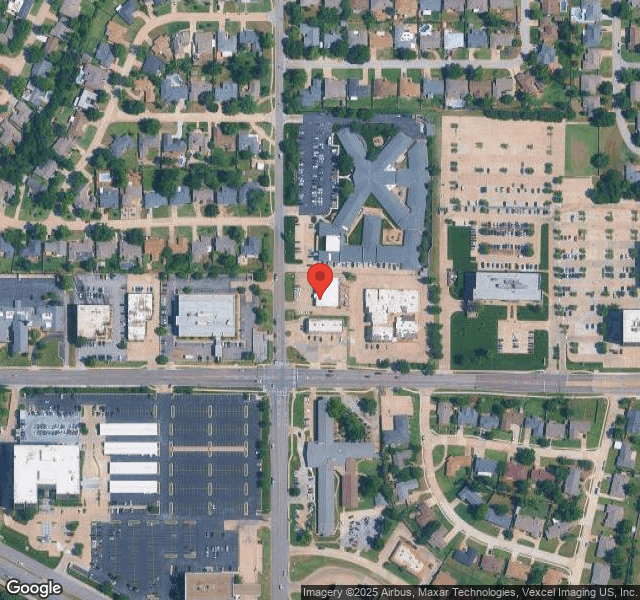

6500 NORTH PORTLAND AVENUE, OKLAHOMA CITY, OK 73116 (405) 767-6500
For profit - Limited Liability company 142 Beds Independent Data: November 2025
Trust Grade
60/100
#89 of 282 in OK
Last Inspection: June 2024

Within standard 12-15 month inspection cycle. Federal law requires annual inspections.

Overview

Bellevue Health & Rehabilitation Center has a Trust Grade of C+, indicating it is slightly above average but not outstanding. It ranks #89 out of 282 facilities in Oklahoma, placing it in the top half of nursing homes in the state, and #9 out of 39 in Oklahoma County, meaning only eight local options are better. The facility is improving, having reduced its issues from six in 2024 to just one in 2025, which is a positive sign. Staffing ratings are average, with a turnover rate of 56%, similar to the state average, so while staff familiarity may not be exceptional, it is stable. Although there have been no fines, which is a good sign of compliance, there were several concerning incidents, including failures to properly administer oxygen for residents and lapses in infection control practices during care, indicating areas that need attention.

Trust Score
C+
60/100
In Oklahoma
#89/282
Top 31%
Safety Record
Low Risk
No red flags
Inspections
Getting Better
6 → 1 violations
Staff Stability
⚠ Watch
56% turnover. Above average. Higher turnover means staff may not know residents' routines.
Penalties
✓ Good
No fines on record. Clean compliance history, better than most Oklahoma facilities.
Skilled Nurses
⚠ Watch
Each resident gets only 22 minutes of Registered Nurse (RN) attention daily — below average for Oklahoma. Fewer RN minutes means fewer trained eyes watching for problems.
Violations
⚠ Watch
14 deficiencies on record. Higher than average. Multiple issues found across inspections.
★★★☆☆
3.0
Overall Rating
★★★☆☆
3.0
Staff Levels
★★★☆☆
3.0
Care Quality
★★★☆☆
3.0
Inspection Score
Stable
2024: 6 issues
2025: 1 issues

The Good

  • Full Sprinkler Coverage · Fire safety systems throughout facility
  • No fines on record

Facility shows strength in fire safety.

The Bad

3-Star Overall Rating

Near Oklahoma average (2.6)

Meets federal standards, typical of most facilities

Staff Turnover: 56%

10pts above Oklahoma avg (46%)

Frequent staff changes - ask about care continuity

Staff turnover is elevated (56%)

8 points above Oklahoma average of 48%

The Ugly 14 deficiencies on record

Sept 2025 1 deficiency
CONCERN (D) 📢 Someone Reported This

A family member, employee, or ombudsman was alarmed enough to file a formal complaint

Potential for Harm - no one hurt, but risky conditions existed

Comprehensive Care Plan (Tag F0656)

Could have caused harm · This affected 1 resident

Based on observation, record review, and interview, the facility failed to develop a comprehensive care plan intervention for transfers for 2 (#12 and #13) of 3 sampled residents reviewed for care pla...

Read full inspector narrative →
Based on observation, record review, and interview, the facility failed to develop a comprehensive care plan intervention for transfers for 2 (#12 and #13) of 3 sampled residents reviewed for care plans.The DON identified 152 residents resided in the facility. Findings: 1.On 09/09/25 at 11:27 a.m., Resident #12 was observed transferring from their bed to a wheelchair with the assistance of CNA #3 and CNA #5 using a slider board and a gait belt.A facility policy titled Care Plans, Comprehensive Person-Centered, dated 03/2022, read in part, The care plan interventions are derived through analysis of the information gathered as part of the comprehensive assessment.The comprehensive, person-centered care plan:a. includes measurable objectives and timeframes.b. describes the services that are to be furnished to attain or maintain the residents highest practicable physical, mental, and psychosocial well-being.An admission record for Resident #12, dated 06/12/25, showed they were admitted with a diagnosis of acquired absence of the right leg below the knee. An annual assessment for Resident #12, dated 06/18/25, showed their cognition was intact with a BIMS score of 15. The assessment showed Resident #12 was dependent for chair to bed transfers and used a wheelchair to ambulate. An assessment for Resident #12 titled PT Evaluation & Plan of Treatment, dated 08/19/25, showed the resident was dependent for transfers. A care plan for Resident #12, last revised 09/02/25, showed they had an ADL performance deficit for a focus. The care plan did not show interventions for transferring. On 09/09/25 at 11:27 a.m., Resident #12 stated two staff members always assisted them with transfers from the bed to the wheelchair using a slide board. On 09/09/25 at 11:40 a.m., CNA #2 stated Resident #12 transferred from the bed to a wheelchair with the assistance of two staff and a slider board. 2. On 09/09/25 at 11:55 a.m., Resident #13 was observed transferring from their bed to a wheelchair with the assistance from CNA #1 and CNA #2 using a gait belt and a sit to stand lift. An admission record for Resident #13, dated 06/04/25, showed they were admitted with diagnoses which included Parkinsons disease and schizophrenia.A quarterly assessment for Resident #13, dated 08/24/25, showed their cognition was intact with a BIMS score of 14. The assessment showed Resident #13 required substantial to maximal assistance with bed mobility and all transfers. An assessment for Resident #13 titled PT Evaluation & Plan of Treatment, dated 08/20/25, showed they required substantial to maximal assistance with chair to bed transfers.A care plan for Resident #13, last revised 09/03/25, showed they had an ADL performance deficit for a focus. The care plan did not show interventions for transferring. On 09/09/25 at 12:05 p.m., Resident #13 stated they transferred from the bed to a wheelchair with the assistance of two staff and a sit to stand lift. On 09/11/25 at 9:27 a.m., MDS coordinator #1 stated interventions for transfers should be documented in the residents' care plan. MDS Coordinator #1 was asked to review Resident #12 and Resident #13's care plan and asked what interventions were documented for transfers. MDS Coordinator #1 stated there were no interventions for Resident #12 and Resident #13's care plan for transferring. MDS Coordinator #1 stated they were unsure why the interventions were not in the care plans, but they should have been documented there because Resident #12 and Resident #13 were dependent for transfers. On 09/11/25 at 11:30 a.m., the DON stated all interventions for how a resident transferred should be documented in the residents' care plan. The DON stated Resident #12 transferred from the bed to a wheelchair with the assistance of two staff members and a slider board. The DON stated Resident #13 transferred from the bed to a wheelchair with the assistance of two staff and a sit to stand lift. The DON stated there was no documentation in Resident #12 and Resident #13's care plan for interventions to assist with transfers.
Jun 2024 6 deficiencies
CONCERN (D)

Potential for Harm - no one hurt, but risky conditions existed

Deficiency F0692 (Tag F0692)

Could have caused harm · This affected 1 resident

**NOTE- TERMS IN BRACKETS HAVE BEEN EDITED TO PROTECT CONFIDENTIALITY** Based on observation, record review, and interview, the facility failed to provide double portions as ordered for one (#52) of t...

Read full inspector narrative →
**NOTE- TERMS IN BRACKETS HAVE BEEN EDITED TO PROTECT CONFIDENTIALITY** Based on observation, record review, and interview, the facility failed to provide double portions as ordered for one (#52) of three residents observed for meal service. The DON identified 143 residents received meal service from the kitchen. Findings: Resident #52 admitted on [DATE] with diagnoses which included DM II, hemiplegia and hemiparesis following cerebral infarction affecting right dominant side. A physician's order, dated 10/13/23, documented, LCS diet, mechanical soft texture, regular consistency, double portions for heart healthy. On 06/02/24 at 12:07 p.m., Resident #52 was observed to receive their meal tray. Resident observed to receive a tray with single portions. On 06/02/24 at 12:12 p.m., CNA #4 verified there were no double portions on Resident #52's tray. They stated they had not noticed double portions on the meal ticket.
CONCERN (D)

Potential for Harm - no one hurt, but risky conditions existed

Tube Feeding (Tag F0693)

Could have caused harm · This affected 1 resident

Based on observation, record review, and interview, the facility failed to ensure an enteral tube feeding bottle was properly labeled for one (#54) of two sampled residents reviewed for tube feeding m...

Read full inspector narrative →
Based on observation, record review, and interview, the facility failed to ensure an enteral tube feeding bottle was properly labeled for one (#54) of two sampled residents reviewed for tube feeding management. The DON identified three residents received enteral tube feeding via continuous pump. Findings: A Enteral Tube Feeding via Continuous Pump policy, dated November 2018, read in part, .The purpose of this procedure is to provide a guideline for the use of a pump for enteral feedings .On the formula .document initials, date and time the formula was hung/administered . Res #54 had diagnoses which included dysphagia, oropharyngeal phase gastrostomy status. A physician order, dated 05/21/24, documented Vital AF 1.2 Cal. Give 55 ml/hr via PEG-tube every shift. A physician order, dated 05/25/24, documented enteral H2O. Auto flush PEG-tube every shift with 23 cc of H2O every hour. 06/02/24 at 8:37 a.m., the resident was observed receiving 55 ml/hr of Vital AF 1.5 Cal via PEG-tube. There were no staff initials, date, or time on the formula bottle or H2O bag. On 06/02/24 at 8:44 a.m., LPN #1 was asked what was the protocol when tube feeding was initiated. They stated the the formula bottle and the H2O bag should be labeled with staff initials, date, and time. They were asked to verify when the resident's tube feeding was initiated. They stated the tube feeding was not labeled and it should have been.
CONCERN (D)

Potential for Harm - no one hurt, but risky conditions existed

Pharmacy Services (Tag F0755)

Could have caused harm · This affected 1 resident

Based on record review and interview, the facility failed to ensure medications were administered as ordered by the physician for one (#24) of three sampled residents reviewed for respiratory care. T...

Read full inspector narrative →
Based on record review and interview, the facility failed to ensure medications were administered as ordered by the physician for one (#24) of three sampled residents reviewed for respiratory care. The DON identified 148 residents resided in the facility. Findings: Res #24 had diagnoses which included congestion an allergic rhinitis. A physician order, dated 10/04/23, documented loratadine (an antihistamine) 10 mg tablet. Give one tablet by mouth every 24 hours as needed. A significant change assessment, dated 03/12/24, documented the resident's cognition was intact. A physician order, dated 05/26/24, documented guaifenesin ER (an expectorant) tablet 600 mg. Give one tablet by mouth every 12 hours for seven days. An order administration note, dated 05/26/24 at 7:56 p.m., documented guaifenesin was on order. The May and June 2024 MARs documented guaifenesin was administered 12 out of 14 opportunities. On 06/02/24 at 10:45 a.m., the Resident #24 stated the had a respirator infection over the holiday weekend and was not able to take their prescribed medication. A health status note, dated 06/03/24 at 2:48 p.m., documented the resident reported they had sinus drainage. It was documented loratadine was on order from the pharmacy. There was no documentation loratadine had been administered. On 06/04/24 at 7:41 a.m., the Administrator was ask to to provide documentation when the Resident #24 guaifenesin was received from the pharmacy. On 06/04/24 at 7:46 a.m., the Administrator stated guaifenesin was a house stock medication. They stated the facility had the medication all of the time. On 06/04/24 at 10:16 a.m., the DON was made aware it was documented the Resident #24 received 12 out of 14 doses of the guaifenesin the physician ordered on 05/26/24. They stated they should have received all of the doses. On 06/04/24 at 11:23 a.m., ACMA #3's medication cart was observed. There were two packages with a total of three tablets of loratadine for the Resident #24. The fill date on the packages was 06/03/24. On 06/04/24 at 11:41 a.m., the ADON was asked when the Resident #24 loratadine was received from the pharmacy. They stated the medication packages documented the medication was filled on 06/03/24. They stated the medication would have been delivered between 10:00 p.m. and 11:00 p.m. or earlier. On 06/04/24 at 11:45 a.m., the ADON was shown the progress note where the Resident #24 reported they had sinus drainage and their loratadine was on order from the pharmacy. They were made aware there was no documentation the medication had been administered to the Resident #24. The ADON called the pharmacy and stated the medication was delivered to the facility at 12:08 a.m. on 06/04/24. They stated nursing staff should have reported to each other during shift change they were waiting on the Resident #24 medication.
CONCERN (E)

Potential for Harm - no one hurt, but risky conditions existed

Respiratory Care (Tag F0695)

Could have caused harm · This affected multiple residents

Based on observation, record review, and interview, the facility failed to administer O2 according to physician orders and/or label O2 tubing for two (#13 and #54) of three sampled residents reviewed ...

Read full inspector narrative →
Based on observation, record review, and interview, the facility failed to administer O2 according to physician orders and/or label O2 tubing for two (#13 and #54) of three sampled residents reviewed for respiratory care. The DON identified 29 residents received O2. Findings: 1. Res #13 had diagnoses which included SOB. A physician order, dated 01/01/24, documented oxygen 2 LPM via nasal cannula as needed to maintain O2 saturations. On 06/02/24 at 8:24 a.m., there was an O2 concentrator observed the resident's room. The O2 tubing was not labeled. On 06/02/24 at 8:50 a.m., LPN #1 was asked to verify when the resident's O2 tubing was last changed. They stated O2 tubing should be changed weekly and labeled. They stated the O2 tubing was not labeled. 2. Res #54 had diagnoses which included SOB. A physician orders, dated 05/21/24, documented administer O2 at 2 LPM via nasal cannula every shift; and change O2 tubing weekly on Wednesdays and date with tape. On 06/02/24 at 8:37 a.m., the resident was observed with O2 being administered via nasal cannula. The O2 concentrator was set at 1.5 LPM. The O2 tubing was not labeled. On 06/02/24 8:44 a.m., LPN #1 was asked how many LPM of O2 the resident was to be administered. They stated 2 LPM and the O2 tubing should be changed weekly. They were asked to verify the O2 setting on the resident's O2 concentrator and when their O2 tubing was last changed. They stated the resident's O2 was set at 1.5 LPM and it should have been set at 2 LPM. They stated there was no indication when the O2 tubing was changed. They stated the O2 tubing should be labeled.
CONCERN (E)

Potential for Harm - no one hurt, but risky conditions existed

Deficiency F0698 (Tag F0698)

Could have caused harm · This affected multiple residents

**NOTE- TERMS IN BRACKETS HAVE BEEN EDITED TO PROTECT CONFIDENTIALITY** Based on record review and interview, the facility failed to complete ongoing assessments of a resident pre and post dialysis fo...

Read full inspector narrative →
**NOTE- TERMS IN BRACKETS HAVE BEEN EDITED TO PROTECT CONFIDENTIALITY** Based on record review and interview, the facility failed to complete ongoing assessments of a resident pre and post dialysis for one (#67) of one resident reviewed for dialysis services. Findings: The Facility's Dialysis Care/Arterial-Venous Fistula policy, approved 01/20/23, read in parts, All residents receiving dialysis will have monitoring before and after their dialysis treatment to ensure condition is stable after treatment. The policy also read, The Charge Nurse prior to and upon return from dialysis shall evaluate the resident's condition, including but not limited to vital signs and the graft/fistula site. Resident #67 admitted on [DATE] with diagnoses which included dependence on renal dialysis and end stage renal disease. A physician's order, dated 01/11/23, documented to monitor each shift for complications of dialysis. A physician's order, dated 01/11/23, documented, to dialysis Monday, Wednesday, and Friday; notify dialysis center, attending physician and responsible party if refused. Complete Pre and Post Dialysis Progress Note for patient evaluation. Send copy of physician orders, recent labs and blank progress note. One time a day every Monday, Wednesday, and Friday for end stage renal disease. The May 2024 pre and post dialysis notes were reviewed. There was no documentation on 05/01/24, 05/03/24, 05/15/24, 05/20/24, and 05/29/24 for pre dialysis assessment. There was no documentation on 05/24/24 and 05/31/24 for post dialysis assessment. On 06/05/24 at 8:52 a.m., the DON stated staff were required to document dialysis assessment before and after each dialysis visit. On 06/05/24 at 9:17 a.m., the DON stated the dialysis assessment for the dates above were not done.
CONCERN (E)

Potential for Harm - no one hurt, but risky conditions existed

Infection Control (Tag F0880)

Could have caused harm · This affected multiple residents

**NOTE- TERMS IN BRACKETS HAVE BEEN EDITED TO PROTECT CONFIDENTIALITY** Based on observation, record review, and interview, the facility failed to ensure: a. staff used personal protective equipment a...

Read full inspector narrative →
**NOTE- TERMS IN BRACKETS HAVE BEEN EDITED TO PROTECT CONFIDENTIALITY** Based on observation, record review, and interview, the facility failed to ensure: a. staff used personal protective equipment and sanitized a blood pressure cuff for a resident with contact precautions for one (#93) of two sampled residents reviewed for transmission based precautions; b. staff used personal protective equipment for a resident with enhanced barrier precautions for one (#56) of one enhanced barrier precaution observation; and c. staff maintain infection control practices during incontinent care for one (#52) of seven incontinent care observation. The infection preventionist identified eight residents who were on transmission based precautions and 31 residents who were on enhanced barrier precautions resided in the facility. The DON identified 45 residents required assistance with incontinent care. Findings: The Isolation-Categories of Transmission-Based Precautions policy, revised 09/22, read in part, Staff and visitors wear gloves .when entering the room. The policy also read, Staff and visitors wear a disposable gown on entering the room. The Enhanced Barrier Precautions policy, revised 04/01/24, read in part, An order for enhanced barrier precautions will be obtained for residents with any of the following: feeding tubes. The policy also read, PPE for enhanced barrier precautions is only necessary when performing high contact care activities. The Equipment and Supplies Used During Isolation policy, revised 10/18, read in part, Nursing staff shall be responsible for cleaning and sanitizing supplies between residents, i.e., BP cuffs. 1. Resident #93 had diagnoses which included MRSA bacteremia and osteomyelitis of the left great toe. A physician's order, dated 04/30/24, documented contact precautions every shift for MRSA bacteremia. On 06/02/24 at 1:16 p.m., LPN #3 was observed assisting Resident #93 in bed. LPN #3 was not wearing a gown and did not have gloves on while providing care to the Resident. They did not sanitize or washed their hands. Resident #93's posted sign on their door documented contact isolation, to clean hands, wear a gown and gloves before entering the room. Remove gown and gloves, clean hands when leaving the room. On 06/03/24 at 9:45 a.m., CMA #1 was observed entering Resident #93's room without a gown and gloves. They took the Resident's blood pressure and walked out. They did not clean or sanitize the blood pressure cuff after completing the task. CMA #1 did not wash or sanitized their hands. On 06/03/24 at 12:40 p.m., CMA #1 stated they did not wear a gown or gloves because they only took the Resident's blood pressure. They stated they were not aware they had to clean or sanitize the medical equipment. On 06/03/24 at 12:46 p.m., the ADON stated anyone who entered Resident #93's room should wear a gown and put on gloves. They stated the posted sign is visible to all who entered the room. The ADON stated they have bleach wipes and disinfecting wipes for cleaning equipment used in contact isolation rooms. 2. Resident #56 had a diagnosis of gastrostomy. A physician's order, dated 03/29/24, documented enhanced barrier precautions every shift related to peg tube. On 06/04/24 at 6:17 a.m., CNA #2 and CNA #3 went into Resident #56's room to provide care. Neither CNA used PPE per enhanced barrier precautions guidelines. On 06/04/24 at 7:15 a.m., CNA #2 and CNA #3 got Resident #56 up and took them to the shower. Neither CNA wore a gown or gloves. On 06/04/24 at 7:47 a.m., CNA #2 stated they did not wear a gown or gloves while providing care to Resident #56. On 06/04/24 at 7:59 a.m., CNA #3 stated Resident #56 had a feeding tube and they were on enhanced barrier precautions. They stated they had to wear a gown and gloves while proving care. On 06/04/24 at 8:09 a.m., the ADON stated Resident #56 was on enhanced barrier precautions. 3. Resident #52 admitted on [DATE] with diagnosis which included hemiplegia and hemiparesis following cerebral infarction affecting right dominant side. On 06/04/24 at 6:08 a.m., CNA #1 was observed to don gloves to provide incontinent care to Resident #52. Upon completion of providing incontinent care, CNA #1 asked Resident #52 if they would like a drink. Without changing gloves, CNA #1 touched the handle of the cup on the bedside table, gave Resident #52 a drink and placed the cup back on the bedside table. CNA #1 wearing the same gloves pulled the bedside table up to Resident #52's bed and leaned over and pulled the cord to turn off the light. On 06/04/24 at 6:19 a.m., CNA #1 stated they had not changed their gloves prior to touching the cup, the bedside table, or the light cord.
Apr 2023 5 deficiencies
CONCERN (D)

Potential for Harm - no one hurt, but risky conditions existed

Deficiency F0578 (Tag F0578)

Could have caused harm · This affected 1 resident

**NOTE- TERMS IN BRACKETS HAVE BEEN EDITED TO PROTECT CONFIDENTIALITY** Based on record review and interview, the facility failed to ensure residents were offered the choice to formulate advance direc...

Read full inspector narrative →
**NOTE- TERMS IN BRACKETS HAVE BEEN EDITED TO PROTECT CONFIDENTIALITY** Based on record review and interview, the facility failed to ensure residents were offered the choice to formulate advance directives and a code status had been determined for one (#15) of 32 sampled residents reviewed for advanced directives and code status. The Resident Census and Conditions of Residents report, dated 04/25/23, documented 143 residents resided in the facility. Findings: An Advance Directives policy, revised December 2016, read in parts, .Upon admission, the resident will be provided with written information concerning the right to .formulate an advance directive if he or she chooses to do so .Written information will include a description of the facility's policies to implement advance directives .Information about whether or not the resident has executed an advanced directive shall be displayed prominently in the medical record .If the resident indicated that he or she has not established advance directives, the facility will offer assistance in establishing advance directives . Resident #15 was admitted to the facility on [DATE]. There was no documentation the resident and/or their representative were offered the choice to formulate an advance directive. Resident #15 had code status documented as both DNR and full code. On 04/25/23 at 3:52 p.m., the DON was asked to provide documentation the resident and/or their representative was offered the choice to formulate an advance directive. On 04/25/23 at 4:14 p.m., the DON stated they were unable to locate the advance directive acknowledgement form. On 04/26/23 at 8:43 a.m., the DON was asked when advance directives were offered to the residents. They stated upon admission they would ask if the resident would like to fill out an advanced directive. They stated the advanced directive acknowledgement form to accept or decline was in the admission packet and was scanned into the residents' chart. On 04/26/23 at 8:45 a.m., the DON stated Resident #15's code status documented both DNR and full code.
CONCERN (D) 📢 Someone Reported This

A family member, employee, or ombudsman was alarmed enough to file a formal complaint

Potential for Harm - no one hurt, but risky conditions existed

Deficiency F0940 (Tag F0940)

Could have caused harm · This affected 1 resident

Based on record review and interview the facility failed to ensure (CMA #5) had completed a clinical skills check prior to passing medications for one (#269) of three sampled residents reviewed for me...

Read full inspector narrative →
Based on record review and interview the facility failed to ensure (CMA #5) had completed a clinical skills check prior to passing medications for one (#269) of three sampled residents reviewed for medication errors. The Resident Census and Conditions of Residents report, dated 04/25/23, documented 143 residents resided in the facility. Findings: An Adverse Consequences and Medication Errors policy, revised 04/2014, read in parts, .A 'medication error' is defined as the preparation or administration of drugs or biological which is not in accordance with physician's orders .or accepted professional standards . Resident #269 had diagnoses which included, a fracture of the right femur, and atrial fibrillation. An Incident report, dated 04/06/23, read in part, .During medication pass medication was administered to patient that belonged to someone else .notified new order received and noted for blood pressure and heart rate monitoring initiated . CMA #5's Medication Pass Observation checklist, was completed 04/07/23. On 04/26/23 at 11:06 a.m., ACMA #4 was asked to explain what happened when Resident #269 had been administered another resident's medications. They stated, I was training on the cart, I popped the medications and asked CMA #5 to give the medications to Resident #57. They stated, CMA #5 administered the medications to Resident #269. They were asked how often they had trained new staff on the medication cart. They stated, that was the first time. They were asked what did they do when they realized what had been done. ACMA #4 stated, they notified the nurse. On 04/27/23 at 1:46 p.m., the DON was asked when was it determined staff were competent to pass medication. They stated, It is case by case, we have not been writing down med pass observations and documenting that process. They were asked if CMA #5 had a skills checklist prior to passing medications. They stated, No. The DON was asked if the skills checklist was completed after the medication error on 04/06/23. They stated, Yes.
CONCERN (E) 📢 Someone Reported This

A family member, employee, or ombudsman was alarmed enough to file a formal complaint

Potential for Harm - no one hurt, but risky conditions existed

Quality of Care (Tag F0684)

Could have caused harm · This affected multiple residents

**NOTE- TERMS IN BRACKETS HAVE BEEN EDITED TO PROTECT CONFIDENTIALITY** Based on record review and interview, the facility failed to ensure: a. physician orders were in place for wound care and dressi...

Read full inspector narrative →
**NOTE- TERMS IN BRACKETS HAVE BEEN EDITED TO PROTECT CONFIDENTIALITY** Based on record review and interview, the facility failed to ensure: a. physician orders were in place for wound care and dressing changes, b. a surgical wound was assessed and monitored, and c. a resident was monitored as ordered for side effects related to a medication error for one (#269) of three sampled residents reviewed for wound care and medication errors. The Resident Census and Conditions of Residents report, dated 04/25/23, documented 143 residents resided in the facility. The ADON identified four residents with surgical wounds. Findings: A Dressing, Dry/Clean policy, revised September 2013, read in parts, .Verify there is a physician's order for this procedure .Check the treatment record .Assess the wound and surrounding skin for edema, redness drainage, tissue, healing progress and wound .The following should be recorded in the resident's medical record .wound appearance .the type of dressing used and wound care given .All assessment data . An admission Assessment and Follow Up: Role of the Nurse policy, revised 09/17, read in parts, .The purpose of this procedure is to gather information about the resident's physical, emotional, cognitive, and psychosocial condition upon admission for the purposes of managing the resident . Resident #269 had diagnoses which included, a fracture of the right femur, and atrial fibrillation. A hospital Operative Note, dated 03/30/23, read in part, .the skin incision were closed with staples . A hospital After Visit Summary, dated 04/03/23, read in parts, .Wound care .You may change your dressing as needed .after 14 days .you will come in and see us at our office .we will remove your sutures/staples . A Hospital Report, dated 04/03/23, read in parts, .Skin/Wound/Treatments Silverloin dressing [right] thigh . There was no instructions for a dressing change. A Physician Order, dated 04/03/23, did not contain any orders to perform wound care or dressing changes to the surgical site. A Clinical admission Evaluation, dated 04/03/23 at 8:00 p.m., read in part .(R) Hip surgical site. Dressing intact . A SKIN OBSERVATION TOOL, dated 04/03/23 at 8:07 p.m., read in part, .(R)Hip surgical site . A skilled daily charting note, dated 04/04/23 at 12:46 a.m., did not contain any documentation related to the surgical site. A nurse Progress Note, dated 04/04/23 at 2:46 p.m., read in part, . Resident has drainage from [their] incision site. Called [their] surgeon .advised me to bring [the resident] in Wednesday at 9:00 a.m . An Occupational Therapy Treatment Encounter Note(s), dated 04/04/23 at 4:02 p.m., read in part, .COTA noticed patient wound on [their] RLE draining into the floor. COTA obtained the nurse who looked over the wound . A skilled daily charting note, dated 04/04/23 at 4:15 p.m., documented there was light discharge noted to the (R) hip dressing. An undated Physician's Progress Note, by the Surgeon, read in part, .some clear drainage .wound is non tender .concern for infection is low .will place on Bactrum[sic] .for 7 day as prevention . There were no orders to change the dressing. A skilled daily charting note, dated 04/04/23 at 7:26 p.m., did not contain any documentation the wound/dressing had been assessed. A skilled daily charting note, dated 04/05/23 at 12:29 a.m., did not contain any documentation the wound/dressing had been assessed. A skilled daily charting note, dated 04/05/23 at 9:31 p.m., did not contain any documentation the wound/dressing had been assessed. An incident report, dated 04/06/23, read in part, .During medication pass medication was administered to patient that belonged to someone else .[Name] NP notified new order received and noted for blood pressure and heart rate monitoring initiated for it to start every 15 minutes for 1 hour every 30 mins for 2 hours every hour for 4 hours and every 2 hours for remainder of the 24 hr . A Neurological Evaluation Flow Sheet, did not contain documentation Resident #269 had been monitored every two hours for the remainder of 24 hours as ordered by the nurse practitioner. A skilled daily charting note, dated 04/08/23 at 9:43 p.m., did not contain any documentation the wound/dressing had been assessed. A skilled daily charting note, dated 04/09/23 at 9:53 p.m., did not contain any documentation the wound/dressing had been assessed. There was no documentation a skilled nursing assessment had been completed on 04/11/23. On 04/27/23 at 8:55 a.m., the DON was asked to review the admission orders for Resident #269 and asked if there were any dressing changes ordered. The DON reviewed the admission orders and stated there were no dressing change orders. The DON stated, the resident was to see the surgeon after 14 days and change the dressing as needed, but these were discharge instructions from the hospital. On 04/27/23 at 8:58 a.m., the DON was shown the admission assessment and asked if there was documentation of the description of the wound and if it documented staples were in place. The DON and ADON reviewed the admission assessment and the ADON stated It just says right hip surgical site dressing was intact. The ADON stated, there was no assessment that documented there were staples in place. On 04/27/23 at 9:06 a.m., the DON was asked if there is an order to change the dressing. The DON stated, there was not a specific order to change the dressing. On 04/27/23 at 9:06 a.m., the DON was asked to explain the process for dressing changes with a new surgical resident. The DON stated, Sometimes the doctor does not want you messing with the dressing, we would have a specific order for that. The DON stated if they noted no orders for the surgical incision, the daily skilled note was monitoring the skin. The DON stated if there was a closed wound with no issues, then they monitored it on their daily skin assessment. The DON was asked if there was any documentation of the wound on the daily skilled notes from 04/04/23 to 04/10/23. The DON reviewed the documentation and stated staff had documented the drainage, and made an appointment. 04/27/23 at 9:23 a.m., LPN #5 was asked what the process was for monitoring surgical wound sites. They stated, We watch for drainage on the outside of the dressing, we don't typically remove surgical dressings. On 04/27/23 at 9:25 a.m., LPN #5 was shown the COTA note, dated 04/04/23, and asked if the dressing had been changed at that time. LPN #5 stated, I personally changed the dressing at that time. They were asked where it was documented the dressing had been changed. They stated in the progress note. The DON stated, LPN #1 had made a note about calling the surgeon. They were asked how did they know what dressing to use. They stated, the surgeon gave orders to use silver. LPN #5 stated they dressed the wound with silverlon. LPN #5 reviewed the progress notes and stated, they had not documented the dressing change or wound assessment. On 04/27/23 at 9:28 a.m., LPN #5 was asked what did the surgical site look like on 04/04/23. They stated, the wound had some redness, and the drainage was coming from the top of the wound. They stated there was some drainage, when pressure was applied. LPN #5 stated, I usually count the staples when I change a dressing but I didn't do that and don't have documentation of that. LPN #5 stated, When we turned [the resident] to the side [the resident] had more drainage. They were asked to describe the drainage. LPN #5 stated, It was tan tinged color drainage, not bright red, no odor noted. On 04/27/23 at 9:33 a.m., LPN #5 was asked when assessing skin integrity on the skilled notes does that mean overall skin. They stated, Yes. They were asked if the skilled assessment wound care portion would be where wound care was documented. They stated, not usually, unless there was an order. On 04/27/23 at 9:35 a.m., the DON was asked where would it be documented if the dressing had been changed and the wound had been assessed. The DON stated, it could be either a progress note or a skilled note. On 04/27/23 at 9:46 a.m., the DON was shown Resident #269's monitoring for neuro changes and asked if it had been completed as ordered. The DON started to review the documentation. On 04/27/23 at 9:50 a.m., the NP was asked if they had observed the surgical wound on admission. They stated, I don't observe wounds typically if there is a dressing. They were asked who oversees the surgical wound care of the residents. They stated internal medicine or the resident's surgeon. On 04/27/23 9:52 a.m., the DON was asked if the neuro checks had been completed as ordered. They stated It looks like they missed an hour and did not complete the end of it. On 04/27/23 at 9:59 a.m., the COTA note dated 04/10/23, was shown to the DON and asked if the wound had been assessed due to the increased pain reported by the resident during occupational therapy. LPN #5 stated, from what the nurse who was involved said, there was no drainage so they would not have touched the dressing. The DON stated an order was obtained for an ice pack. On 04/27/23 at 10:22 a.m., LPN #3 was asked if they had ever changed Resident #269's dressing. They stated, they changed it on 04/06/23 when the dressing got wet after a shower. They stated there was no redness, or drainage and the staples were intact. They stated when they sent the resident to the hospital on [DATE] they observed the dressing and it did not have any discharge. They were asked if they had documented the dressing change on the 6th. They stated, No. LPN #3 was asked what was their understanding for dressing changes. They stated, it depends on the order, if it says not to remove the dressing, they would monitor the dressing. They were asked what if there were no orders that addressed the wound. They stated, they would get an order. On 04/27/23 at 12:19 p.m., LPN #4 was asked if they had changed Resident #269's dressing. They stated, I did on 04/08/23. They were asked where was it documented. They stated, there was no documentation. LPN #4 was asked if they could recall what the wound looked like. They stated, It was a little red around the incision. They stated the dressing had started to come off. LPN #4 was asked if there was an order to change the dressing. They stated, the doctor was in the facility and gave an order to change it, but they had not put the order in the clinical health record. They were asked if that was a one time order. They stated, it was a one time order. They were asked where would they have documented the dressing change. They stated in the progress notes.
CONCERN (E) 📢 Someone Reported This

A family member, employee, or ombudsman was alarmed enough to file a formal complaint

Potential for Harm - no one hurt, but risky conditions existed

Pharmacy Services (Tag F0755)

Could have caused harm · This affected multiple residents

Based on record review and interview, the facility failed to ensure medications were administered as ordered for three (#62, 70 and #269) of three sampled residents reviewed for medication errors. Th...

Read full inspector narrative →
Based on record review and interview, the facility failed to ensure medications were administered as ordered for three (#62, 70 and #269) of three sampled residents reviewed for medication errors. The Resident Census and Conditions of Residents report, dated 04/25/23, documented 143 residents resided in the facility. Findings: An Adverse Consequences and Medication Errors policy, revised 04/2014, read in parts, .A 'medication error' is defined as the preparation or administration of drugs or biological which is not in accordance with physician's orders .or accepted professional standards . 1. Resident #269 had diagnoses which included, a fracture of the right femur, and atrial fibrillation. An incident report, dated 04/06/23, read in part, .During medication pass medication was administered to patient that belonged to someone else . On 04/26/23 at 11:06 a.m., ACMA #4 was asked to explain what happened when Resident #269 had been administered another resident's medications. They stated, I was training on the cart, I popped the medications and asked CMA #5 to give the medications to Resident #57. They stated, CMA #5 gave Resident #57's medications to Resident #269. They were asked how often they had trained new staff on the medication cart. They stated, that was the first time. They were asked what did they do when they realized what had been done. ACMA #4 stated, they notified the nurse. 2. Resident #70 had diagnoses which included congestive heart failure and pain. An Incident Report, dated 04/06/23 at 6:34 p.m., read in parts, .Medication aid stated [they] give pt other pt's medication by mistake (diltiazem and lasix) .4/26/23 .CMA .came to this nurse to report medication error, gave medications to wrong patient . On 04/27/23 at 8:49 a.m., the DON was asked to explain what happened when Resident #70 had been administered another residents medications. They stated, it was an agency CMA #6 and they no longer use CMA #6 because they had made another mistake. 3. Resident #62 had diagnoses which included, type two diabetes mellitus, pain, dementia, vitamin d deficiency and schizoaffective disorder. An Incident report, dated 04/07/23, read in parts, .Resident pm medication on 4-7-23 was omitted .4/26/23 .CMA failed to administer medication . Resident #3's MAR had no documentation the following medications had been administered on 04/07/23. Atorvastatin Calcium 20 mg one tablet, Melatonin 5 mg one tablet, Baclofen 10 mg one tablet, and Fluticasone Proprionate Suspension 50 MCG/ACT one spray in each nostril. On 04/27/23 at 8:54 a.m., the DON was asked if Resident #62's medications had been omitted on 04/07/23. They stated, Yes.
CONCERN (E)

Potential for Harm - no one hurt, but risky conditions existed

Infection Control (Tag F0880)

Could have caused harm · This affected multiple residents

2. Resident #222 had diagnoses which included stage two pressure ulcer of the left and right buttock. A Physician Order, dated 04/24/23, documented staff were to apply Triad Hydrophilic wound paste t...

Read full inspector narrative →
2. Resident #222 had diagnoses which included stage two pressure ulcer of the left and right buttock. A Physician Order, dated 04/24/23, documented staff were to apply Triad Hydrophilic wound paste to bilaterally buttocks every shift for redness related to stage two pressure ulcer to left and right buttock. It documented to cleanse the coccyx, pat dry, then apply the paste. On 04/26/23 at 9:53 a.m., LPN #1 washed their hands with soap and water. On 04/26/23 at 9:55 a.m., LPN #1 donned a pair of gloves, rolled Resident #222 onto their right side, then used a handful of sterile water soaked gauze and patted the resident's right buttock wound multiple times in no distinct order. LPN #1 then moved to the left buttock wound and used the same gauze to pat the wound several times. LPN #1 folded the same wet gauze in half and patted the surrounding tissue of both wounds all over in no particular order, then patted both wounds again and then patted the surrounding tissue crossing back and forth over both wound beds. On 04/26/23 at 9:58 a.m., LPN #1 changed their gloves, grabbed another stack of sterile water soaked gauze and began patting both the right and left buttock pressure ulcers, which were actively bleeding, with the same gauze. LPN #1 used their right gloved hand and scooped Triad cream out of the disposable cup on the table next to the resident. LPN #1 used the gloved hand to put Triad cream on the right buttock pressure ulcer, then left buttock pressure ulcer, then using the same gloved hand rubbed Triad cream in an up and down motion, crossing over both wounds back and forth, and rubbing over all of the surrounding tissue. LPN #1 failed to change their gloves or clean their hands after cleaning the wound prior to applying the Triad cream. On 04/26/23 at 10:01 a.m., LPN #1 removed their gloves, threw away dressing supplies, and washed their hands with soap and water. On 04/26/23 at 10:22 a.m., LPN #1 was asked the policy for changing gloves and cleaning hands during wound care. They stated they were to change gloves and wash hands when they were visibly soiled. They stated they would change gloves during a cream change also. LPN #1 stated they would change gloves before and during care, and in between dirty and clean supplies. On 04/26/23 at 10:23 a.m. LPN #1 was asked if they were doing anything else besides changing gloves. They stated they would also sanitize or wash their hands when changing gloves. LPN #1 acknowledged they did not change gloves or sanitize their hands after cleaning the wounds prior to applying Triad cream. LPN #1 stated the wounds were actively bleeding so they had to clean them again. On 04/26/23 at 10:27 a.m., LPN #1 was asked what the policy was for cleaning a residents wound. They stated they used sterile water to clean, then made sure the wound was dry, then placed cream on the wound. LPN #1 was asked to explain the reason they used moistened gauze and patted both of Resident #222 wounds multiple times and the surround tissue multiple times with the same gauze. LPN #1 stated they should have grabbed more gauze. On 04/26/23 at 10:29 a.m., LPN #1 was asked to explain the reason they used a gloved hand and placed Triad cream on both the right and left pressure ulcer then rubbed all over both wounds and surrounding tissue with the same gloved hand. LPN #1 stated they thought they could use the same gloved hand and rub everywhere even with open wounds. On 04/26/23 at 1:46 p.m., the DON was asked the policy for cleaning hands and changing gloves during wound care. They stated staff were to wash or sanitize hands/change gloves before providing resident care, after cleaning the wound, anytime they became visibly soiled, and after they applied the treatment to the wound. On 04/26/23 at 1:49 p.m., the DON was asked the policy for cleaning a resident's wound using sterile water and gauze. They stated they would take the moistened gauze and start in the center of the wound and wipe in a circular motion working from the center to the outside of the wound, then throw the gauze away. They stated staff should not go back and forth over the wound. On 04/26/23 at 1:51 p.m., the DON was asked the policy for applying Triad cream to more than one wound. They stated staff should complete the wound care process for one wound, then start the wound care process for the second wound. The DON stated they did not want to take the germs from one wound to the other. Based on observation, record review, and interview, the facility failed to: A. ensure hands were washed/sanitized during resident medication pass for two (#13 and #53) of two sampled resident observed during medication pass, and B. provide wound care in a manner which prevented cross contamination for one (#222) of one sampled resident reviewed for pressure ulcers. The Resident Census and Conditions of Residents report, dated 04/24/23, reported 143 residents resided in facility and 16 of those residents had pressure ulcers. Findings A Dressings policy, revised 09/13, read in parts, .Cleanse the wound with ordered cleanser. If using gauze, use clean gauze for each cleansing stroke. Clean from the least contaminated area to the most contaminated area . 1. On 04/25/23 at 3:28 p.m., CMA #1 was observed administering oral medications to resident #13. CMA #1 did not sanitize their hands prior to or after administering the medications, then punched two oral medications added chocolate pudding, and with a spoon, fed the pudding and medication to resident #53. CMA #1 did not sanitize their hands prior to the medication preparation and administration to resident #53. On 04/25/23 at 3:39 p.m., CMA #1 was asked, what the facility policy was for washing/sanitizing their hands. They stated they were to wash their hands when they arrived at the facility. They were asked what the policy was for sanitizing their hands during medication administration. CMA #1 stated, they should have sanitized between the residents.
Feb 2022 2 deficiencies
CONCERN (E)

Potential for Harm - no one hurt, but risky conditions existed

Deficiency F0655 (Tag F0655)

Could have caused harm · This affected multiple residents

**NOTE- TERMS IN BRACKETS HAVE BEEN EDITED TO PROTECT CONFIDENTIALITY** 2. Resident (Res) #254 was admitted to the facility with diagnoses which included end stage renal disease and dependence of rena...

Read full inspector narrative →
**NOTE- TERMS IN BRACKETS HAVE BEEN EDITED TO PROTECT CONFIDENTIALITY** 2. Resident (Res) #254 was admitted to the facility with diagnoses which included end stage renal disease and dependence of renal dialysis. The admission Summary, dated 02/10/22 at 6:53 p.m., for Res #254 read in part .Dialysis fistula L arm paper tape noted and removed +bruit and + thrill with dialysis treatment today. The resident's Baseline Care Plan, dated 02/10/22, contained no documentation regarding dialysis treatments or dependence of renal dialysis. On 02/17/22 at 12:55 p.m., the Assistant Director of Nursing (ADON) reported dialysis should have been included on the baseline care plan. Based on observation, interview, and record review, the facility failed to ensure a baseline care plan was developed and/or implemented for two (#62 and #254) of three residents reviewed for new admissions. The Director of Nursing (DON) reported 66 residents were admitted to the facility in the previous 30 days. Findings: 1. Resident (Res) #62 was admitted to the facility on [DATE] with diagnoses which included hip fracture and pain. The clinical record was reviewed and contained no baseline care plan to address the resident's recent fracture, pain, or the fact that the resident was a smoker. On 02/16/22 at 10:00 a.m., Res #62 reported she was a smoker and staff allowed her to smoke outside independently. On 02/17/22 at 1:06 p.m., the DON reported she was unable to find a baseline care plan for the resident. On 02/17/22 at 3:04 p.m., the Minimum Data Set (MDS) coordinator reported Res #62 did not have a baseline care plan. She reported the resident was admitted on a Thursday, the baseline care plan would have been due over the weekend, and the person designated to complete the baseline care plan did not work due to an emergency.
CONCERN (E)

Potential for Harm - no one hurt, but risky conditions existed

Deficiency F0730 (Tag F0730)

Could have caused harm · This affected multiple residents

Based on interview and record review, the facility failed to ensure Certified Nurse Aide (CNA) in-service training was completed for dementia care. The facility Resident Census and Conditions of Resid...

Read full inspector narrative →
Based on interview and record review, the facility failed to ensure Certified Nurse Aide (CNA) in-service training was completed for dementia care. The facility Resident Census and Conditions of Residents form documented 30 residents with a diagnosis of dementia. Findings: The facility in-service training records were reviewed for CNA in-service training for dementia. The records documented incomplete training had been provided for CNAs. On 02/18/22 at 10:55 a.m., the Director of Nursing (DON) reviewed the records and reported the in-services for required training were incomplete. The DON reported the dementia training was scheduled but never completed due to COVID. On 02/22/22 at 10:26 a.m., the DON reported the facility hired only certified nurse aides and stated none were hired pending training and certification.
Understanding Severity Codes (click to expand)
Life-Threatening (Immediate Jeopardy)
J - Isolated K - Pattern L - Widespread
Actual Harm
G - Isolated H - Pattern I - Widespread
Potential for Harm
D - Isolated E - Pattern F - Widespread
No Harm (Minor)
A - Isolated B - Pattern C - Widespread

Questions to Ask on Your Visit

  • "Why is there high staff turnover? How do you retain staff?"
  • "Can I speak with families of current residents?"
  • "What's your RN coverage like on weekends and overnight?"

Our Honest Assessment

Strengths
  • • No major safety red flags. No abuse findings, life-threatening violations, or SFF status.
  • • No fines on record. Clean compliance history, better than most Oklahoma facilities.
Concerns
  • • 14 deficiencies on record. Higher than average. Multiple issues found across inspections.
  • • 56% turnover. Above average. Higher turnover means staff may not know residents' routines.
Bottom line: Mixed indicators with Trust Score of 60/100. Visit in person and ask pointed questions.

About This Facility

What is Bellevue Health & Rehabilitation Center's CMS Rating?

CMS assigns BELLEVUE HEALTH & REHABILITATION CENTER an overall rating of 3 out of 5 stars, which is considered average nationally. Within Oklahoma, this rating places the facility higher than 99% of the state's 100 nursing homes. This mid-range rating indicates the facility meets federal standards but may have areas for improvement.
How is Bellevue Health & Rehabilitation Center Staffed?

CMS rates BELLEVUE HEALTH & REHABILITATION CENTER's staffing level at 3 out of 5 stars, which is average compared to other nursing homes. Staff turnover is 56%, which is 10 percentage points above the Oklahoma average of 46%. High turnover can affect care consistency as new staff learn residents' individual needs. RN turnover specifically is 64%, which is notably high. RNs provide skilled clinical oversight, so turnover in this role can affect medical care quality.

What Have Inspectors Found at Bellevue Health & Rehabilitation Center?

State health inspectors documented 14 deficiencies at BELLEVUE HEALTH & REHABILITATION CENTER during 2022 to 2025. These included: 14 with potential for harm.

Who Owns and Operates Bellevue Health & Rehabilitation Center?

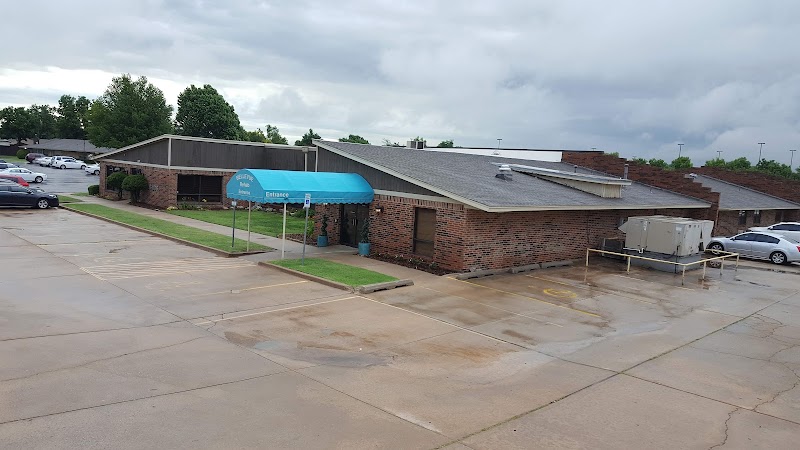
BELLEVUE HEALTH & REHABILITATION CENTER is owned by a for-profit company. For-profit facilities operate as businesses with obligations to shareholders or private owners. The facility operates independently rather than as part of a larger chain. With 142 certified beds and approximately 132 residents (about 93% occupancy), it is a mid-sized facility located in OKLAHOMA CITY, Oklahoma.

How Does Bellevue Health & Rehabilitation Center Compare to Other Oklahoma Nursing Homes?

Compared to the 100 nursing homes in Oklahoma, BELLEVUE HEALTH & REHABILITATION CENTER's overall rating (3 stars) is above the state average of 2.6, staff turnover (56%) is significantly higher than the state average of 46%, and health inspection rating (3 stars) is at the national benchmark.

What Should Families Ask When Visiting Bellevue Health & Rehabilitation Center?

Based on this facility's data, families visiting should ask: "How do you ensure continuity of care given staff turnover, and what is your staff retention strategy?" "Can I visit during a mealtime to observe dining assistance and food quality?" "How do you handle medical emergencies, and what is your hospital transfer rate?" "Can I speak with family members of current residents about their experience?" These questions are particularly relevant given the facility's high staff turnover rate.

Is Bellevue Health & Rehabilitation Center Safe?

Based on CMS inspection data, BELLEVUE HEALTH & REHABILITATION CENTER has a clean safety record: no substantiated abuse findings (meaning no confirmed cases of resident harm), no Immediate Jeopardy citations (the most serious violation level indicating risk of serious injury or death), and is not on the Special Focus Facility watch list (a federal program monitoring the lowest-performing 1% of nursing homes). The facility has a 3-star overall rating and ranks #1 of 100 nursing homes in Oklahoma. While no facility is perfect, families should still ask about staff-to-resident ratios and recent inspection results during their visit.

Do Nurses at Bellevue Health & Rehabilitation Center Stick Around?

Staff turnover at BELLEVUE HEALTH & REHABILITATION CENTER is high. At 56%, the facility is 10 percentage points above the Oklahoma average of 46%. Registered Nurse turnover is particularly concerning at 64%. RNs handle complex medical decisions and coordinate care — frequent RN changes can directly impact care quality. High turnover means new staff may not know residents' individual needs, medications, or preferences. It can also be disorienting for residents, especially those with dementia who rely on familiar faces. Families should ask: What is causing the turnover? What retention programs are in place? How do you ensure care continuity during staff transitions?

Was Bellevue Health & Rehabilitation Center Ever Fined?

BELLEVUE HEALTH & REHABILITATION CENTER has no federal fines on record. CMS issues fines when nursing homes fail to meet care standards or don't correct problems found during inspections. The absence of fines suggests the facility has either maintained compliance or corrected any issues before penalties were assessed. This is a positive indicator, though families should still review recent inspection reports for the full picture.

Is Bellevue Health & Rehabilitation Center on Any Federal Watch List?

BELLEVUE HEALTH & REHABILITATION CENTER is not on any federal watch list. The most significant is the Special Focus Facility (SFF) program, which identifies the bottom 1% of nursing homes nationally based on persistent, serious quality problems. Not being on this list means the facility has avoided the pattern of deficiencies that triggers enhanced federal oversight. This is a positive indicator, though families should still review the facility's inspection history directly.