BROOKWOOD SKILLED NURSING AND THERAPY
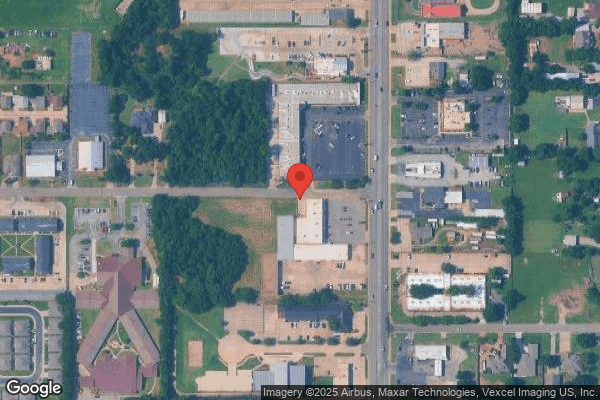
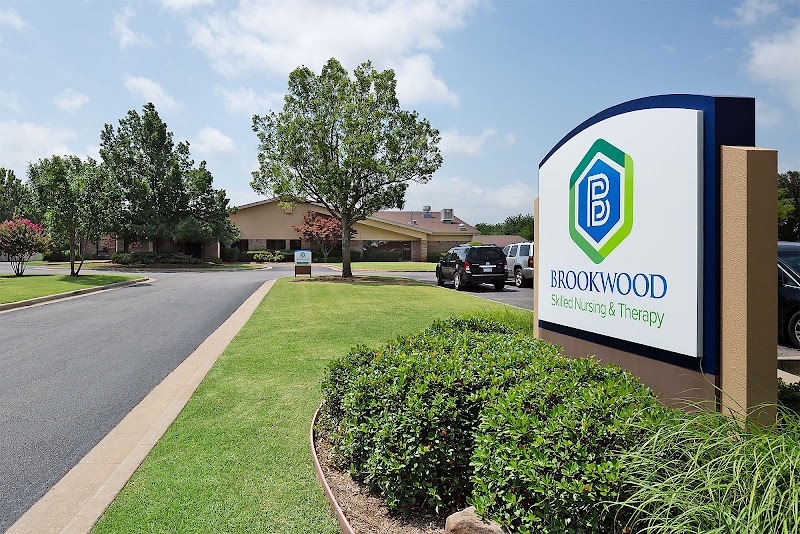
940 SOUTHWEST 84TH STREET, OKLAHOMA CITY, OK 73139 (405) 636-0626
For profit - Limited Liability company 137 Beds BRIDGES HEALTH Data: November 2025 2 Immediate Jeopardy citations
Trust Grade
11/100
#201 of 282 in OK
Last Inspection: May 2024

Within standard 12-15 month inspection cycle. Federal law requires annual inspections.

Overview

Brookwood Skilled Nursing and Therapy in Oklahoma City has received a Trust Grade of F, indicating significant concerns about the quality of care provided. Ranking #201 out of 282 facilities in Oklahoma places it in the bottom half, while its county rank of #27 out of 39 suggests only a few local options are better. The facility's trend is improving, with issues reported decreasing from 13 in 2024 to just 3 in 2025. Staffing is a relative strength, earning a 4 out of 5 star rating and a turnover rate of 52%, which is better than the state average. However, there are serious concerns, including incidents where a resident with diabetes did not receive necessary medication for low blood sugar and critical lab results went unreported to a physician, indicating potentially life-threatening lapses in care. Overall, while staffing levels are commendable, the facility's poor trust grade and alarming incidents raise significant red flags for families considering this nursing home.

Trust Score
F
11/100
In Oklahoma
#201/282
Bottom 29%
Safety Record
High Risk
Review needed
Inspections
Getting Better
13 → 3 violations
Staff Stability
⚠ Watch
52% turnover. Above average. Higher turnover means staff may not know residents' routines.
Penalties
✓ Good
$28,138 in fines. Lower than most Oklahoma facilities. Relatively clean record.
Skilled Nurses
○ Average
Each resident gets 32 minutes of Registered Nurse (RN) attention daily — about average for Oklahoma. RNs are the most trained staff who monitor for health changes.
Violations
⚠ Watch
27 deficiencies on record. Higher than average. Multiple issues found across inspections.
★☆☆☆☆
1.0
Overall Rating
★★★★☆
4.0
Staff Levels
★★☆☆☆
2.0
Care Quality
★☆☆☆☆
1.0
Inspection Score
Stable
2024: 13 issues
2025: 3 issues

The Good

  • 4-Star Staffing Rating · Above-average nurse staffing levels
  • Full Sprinkler Coverage · Fire safety systems throughout facility
  • No fines on record

Facility shows strength in staffing levels, fire safety.

The Bad

1-Star Overall Rating

Below Oklahoma average (2.6)

Significant quality concerns identified by CMS

Staff Turnover: 52%

Near Oklahoma avg (46%)

Higher turnover may affect care consistency

Federal Fines: $28,138

Below median ($33,413)

Moderate penalties - review what triggered them

Chain: BRIDGES HEALTH

Part of a multi-facility chain

Ask about local staffing decisions and management

The Ugly 27 deficiencies on record

2 life-threatening
Jan 2025 3 deficiencies 2 IJ
CRITICAL (J) 📢 Someone Reported This

A family member, employee, or ombudsman was alarmed enough to file a formal complaint

Immediate Jeopardy (IJ) - the most serious Medicare violation

Quality of Care (Tag F0684)

Someone could have died · This affected 1 resident

**NOTE- TERMS IN BRACKETS HAVE BEEN EDITED TO PROTECT CONFIDENTIALITY** On 01/02/25 an Immediate Jeopardy (IJ) situation was determined to exist related to the facility's failure to ensure Resident #2...

Read full inspector narrative →
**NOTE- TERMS IN BRACKETS HAVE BEEN EDITED TO PROTECT CONFIDENTIALITY** On 01/02/25 an Immediate Jeopardy (IJ) situation was determined to exist related to the facility's failure to ensure Resident #2 who had insulin dependent type 2 diabetes mellitus with hypoglycemia was assessed, monitored, and provided medication for hypoglycemia as ordered by the physician and outlined in their care plan. Resident #2 was admitted to the facility on [DATE] with orders for routine insulin administration and insulin to be administered per sliding scale. Resident #2 also had orders for blood sugar to be checked via fingerstick twice a day and as needed for signs or symptoms of hypoglycemia and to give Glucagon (oral gel or IM) (glycogenolytic agent) if blood sugar was less than 70. On 12/26/24 at 6:09 a.m., Resident #2 had a blood sugar reading of 68 and the nurse did not administer the Glucagon gel as ordered. On 12/26/24, at change of shift, the night nurse provided the oncoming dayshift nurse Resident #2's status and low blood sugar level. The oncoming nurse failed to provide any assessment, monitoring, or interventions for the low blood sugar level. On 12/26/24 at 8:12 a.m., the attending physician saw Resident #2 during rounds and provided a verbal order to send them to the emergency room. The nurse took Resident #2's blood sugar reading while awaiting the arrival of EMSA and the reading was 49. The nurse did not administer the Glucagon gel as ordered. The emergency room report, dated 12/26/24, documented Resident #2's blood sugar reading on their initial encounter with EMSA was 21. It documented Resident #2 was admitted to the hospital on [DATE]. On 01/02/25 at 4:52 p.m., the Oklahoma State Department of Health was notified and verified the existence of the IJ situation. On 01/03/25 at 1:57 p.m., the administrator was notified of the IJ situation and the IJ template was provided. On 01/06/25 at 8:10 a.m., an acceptable plan of removal was submitted to the Oklahoma State Department of Health. The plan of removal, read in parts, a. How facility will ensure harm will not occur or recur .In-service all staff on signs and symptoms of hypoglycemia and treatment .Review of all residents with hypoglycemia or diabetes .Monitoring orders will be added for appropriate residents for signs and symptoms of hypoglycemia. b. Date of implementation - planned implementation (actions do not need fully resolved prior to the survey team exiting the organization); 1/3/2025 c. Identify those residents who have suffered or are likely to suffer, a serious adverse outcome as a result of the noncompliance .Residents with history of hypoglycemia or diabetes. d. Specify the action the entity will take to alter the process or system failure to prevent a serious adverse outcome from occurring or recurring, and when the action will be complete .In-service all staff on signs and symptoms of hypoglycemia and treatment .Review of all residents with hypoglycemia or diabetes .Monitoring orders will be added for appropriate residents for signs and symptoms of hypoglycemia .The likelihood for serious harm to any resident no longer exists effective 1/3/2025. e. How facility will monitor physicians orders being followed .Physician's orders, MAR's, Tar's and FSBS records will be monitored daily in Q2. f. How are you addressing assessment, intervention, documentation, and evaluation .In-service with all licensed nursing staff. On 01/07/25 it was determined the immediacy was lifted, effective 01/02/2025 at 8:00 p.m., when all components of the plan of removal had been completed. The deficient practice remained as isolated with potential for harm to the resident. Based on interview and record review, the facility failed to ensure a resident with insulin dependent type 2 diabetes mellitus with hypoglycemia was assessed, monitored, and provided medication for hypoglycemia as ordered by the physician and outlined in the resident's care plan for one (#2) of three sampled residents whose blood sugars were reviewed. The MDS Resident Matrix, submitted 12/31/24, documented there were 22 insulin dependent diabetic residents residing in the facility. Findings Resident #2 had diagnoses that included type 2 diabetes with hypoglycemia. Resident #2's physician's order, dated 12/10/24, documented for their blood sugar to be checked via fingerstick twice a day and as needed for signs or symptoms of hypoglycemia and to give Glucagon (oral gel or IM) if blood sugar was less than 70. A Progress Note, dated 12/26/24 at 6:09 a.m., documented Resident #2's FSBS was 68. There was no documentation in Resident's clinical record glucagon gel was administered as ordered at that time. There was no documentation in the clinical record Resident #2 was assessed, monitored, nor provided interventions as ordered for FSBS of 68 reported by the night nurse to the oncoming dayshift nurse on 12/26/24. A Progress Note, dated 12/26/24 at 8:12 a.m., documented the attending physician saw Resident #2 during rounds and provided a verbal order to send them to the emergency room. The nurse took Resident #2's blood sugar reading while awaiting the arrival of EMSA and the reading was 49. Theere was no documentation the Glucagon gel was administered as ordered at that time. The emergency room report, dated 12/26/24, documented Resident #2's blood sugar reading on their initial encounter with EMSA was 21. It documented Resident #2 was admitted to the hospital on [DATE]. On 01/02/25 at 4:30 p.m., the DON was asked to review the records for Resident #2 outlined above. After reviewing the documents, the DON acknowledged Resident #2 was not assessed, monitored, or administered Glucagon as ordered during an episode of hypoglycemic crisis.
CRITICAL (J) 📢 Someone Reported This

A family member, employee, or ombudsman was alarmed enough to file a formal complaint

Immediate Jeopardy (IJ) - the most serious Medicare violation

Deficiency F0773 (Tag F0773)

Someone could have died · This affected 1 resident

**NOTE- TERMS IN BRACKETS HAVE BEEN EDITED TO PROTECT CONFIDENTIALITY** On [DATE] an Immediate Jeopardy (IJ) situation was determined to exist related to the facility's failure to promptly notify the ...

Read full inspector narrative →
**NOTE- TERMS IN BRACKETS HAVE BEEN EDITED TO PROTECT CONFIDENTIALITY** On [DATE] an Immediate Jeopardy (IJ) situation was determined to exist related to the facility's failure to promptly notify the physician of Resident #2's laboratory results which fell outside of clinical reference ranges and showed a deterioration in their condition. Resident #2 was admitted to the facility on [DATE] with diagnoses which included urinary tract infection (ESBL) and pneumonia and was receiving antibiotic therapy. Resident #2's admission lab results, dated [DATE], documented WBC 11.3 (Ref range 3.98-10.04) and Neutrophil # 7.7 (Ref range 1.56-6.13). The report was signed by the physician. Resident #2's follow-up lab results, dated [DATE], documented WBC 26.2 (Ref range 3.98-10.04) and Neutrophil # 19.7 (Ref range 1.56-6.13). There was no documentation the results were reported to the physician. On [DATE], Resident #2 was transferred to the emergency room. They were admitted to the hospital on [DATE] with admitting diagnoses of severe sepsis with septic shock, pyelonephritis, and C-difficile colitis. Resident #2 expired in the hospital on [DATE]. On [DATE] at 12:15 p.m., the DON reviewed Resident #2's clinical records and reported no documentation could be found to confirm the follow-up lab results were reported to the physician. On [DATE] at 2:27 p.m., Resident #2's physician reported no abnormal lab results were reported for the resident regarding labs completed on [DATE]. They stated the resident would have been started on IV antibiotics or immediately sent out to the hospital. On [DATE] at 4:52 p.m., the Oklahoma State Department of Health was notified and verified the existence of the IJ situation. On [DATE] at 1:54 p.m., the administrator was notified of the IJ situation and the IJ template was provided. On [DATE] at 8:10 a.m., an acceptable plan of removal was submitted to the Oklahoma State Department of Health. The plan of removal, read in parts, a. How facility will ensure harm will not occur or recur .In-service regarding immediate physician notification of change in condition/abnormal laboratory results .All current laboratory results reviewed to ensure physician notification has been made. b. Date of implementation - planned implementation (actions do not need fully resolved prior to the survey team exiting the organization); [DATE] c. Identify those residents who have suffered or are likely to suffer, a serious adverse outcome as a result of the noncompliance .Residents with orders for laboratory tests. d. Specify the action the entity will take to alter the process or system failure to prevent a serious adverse outcome from occurring or recurring, and when the action will be complete .In-service with all licensed nursing staff regarding immediate physician notification of change in condition/abnormal laboratory results .All current laboratory results reviewed to ensure physician notification has been made .The likelihood for serious harm to any resident no longer exists effective [DATE]. e. How is facility addressing assessment, intervention, documentation and evaluation .In-service with all licenses nursing staff. On [DATE] it was determined the immediacy was lifted, effective [DATE] at 8:00 p.m., when all components of the plan of removal had been completed. The deficient practice remained as isolated with potential for harm to the resident. Based on observation and interview, the facility failed to promptly notify the physician of a resident's laboratory results which fell outside of clinical reference ranges and showed a deterioration in the resident's condition for one (#2) of three sampled residents whose clinical records were reviewed for physician notification of lab results. The administrator identified 111 residents resided in the facility. Findings Resident #2 was admitted to the facility on [DATE] with diagnoses of urinary tract infection (ESBL) and pneumonia and was receiving antibiotic therapy. Resident #2's admission lab results, dated [DATE], documented WBC 11.3 [Ref range 3.98-10.04] and Neutrophil # 7.7 [Ref range 1.56-6.13]. Report was signed by physician. Resident #2's follow-up lab results, dated [DATE], documented WBC 26.2 [Ref range 3.98-10.04] and Neutrophil # 19.7 [Ref range 1.56-6.13]. There was no documentation that results were reported to the physician. A hospital report, dated [DATE] through [DATE], documented Resident #2 was transferred to the emergency room. It documented they were admitted to the hospital on [DATE] with admitting diagnoses of severe sepsis with septic shock, pyelonephritis, and C-difficile colitis. It was documented Resident #2 expired in the hospital on [DATE]. On [DATE] at 12:15 p.m., the DON reviewed Resident #2's clinical record and reported no documentation could be found to confirm that follow-up lab results had been reported to the physician. On [DATE] at 2:27 p.m., Resident #2's physician reported no abnormal lab results were reported for the resident regarding labs done [DATE]. They stated, if the results had been reported, the resident would have been started on IV antibiotics or immediately sent out to the hospital. On [DATE] at 4:20 p.m., LPN #3 was asked if they had reviewed the results of Resident #2's labs received during their shift on [DATE] and reported the abnormal results to the physician. They stated they had not seen the results because only critical results would be faxed over or called into the facility during the evening shift. On [DATE] at 8:00 a.m., the DON was asked the process for ensuring lab results were reviewed and reported to the physician. They stated lab results were printed from the lab company's electronic system each morning and reviewed in the morning meeting. The DON stated there was no way to confirm if the abnormal lab results received for Resident #2 on [DATE] had been reviewed in the morning meeting on [DATE], or if their abnormal results had been reported to the physician. The DON was asked if the facility had a system of communication or documentation in place to ensure staff knew when abnormal lab results were reviewed and reported to the physician. They stated, Sometimes the nurse may document it in the notes or on the lab itself, but not always.
CONCERN (E) 📢 Someone Reported This

A family member, employee, or ombudsman was alarmed enough to file a formal complaint

Potential for Harm - no one hurt, but risky conditions existed

Notification of Changes (Tag F0580)

Could have caused harm · This affected multiple residents

Based on record review and interview, the facility failed to ensure the physician was notified for blood sugars outside of parameters as ordered for two (#1 and #3) of three sampled residents whose cl...

Read full inspector narrative →
Based on record review and interview, the facility failed to ensure the physician was notified for blood sugars outside of parameters as ordered for two (#1 and #3) of three sampled residents whose clinical records were reviewed for notification of changes. The administrator identified 111 residents resided in the facility. Findings: A Blood Glucose Monitoring Guideline, revised 08/24, read in parts, Follow physician orders based on finger stick result .notify physician of noted signs/symptoms of hypo/hyperglycemia. 1. Resident #1 had diagnoses which included type 2 diabetes mellitus. Resident #1's physician's order, dated 12/13/24, documented for the resident to receive insulin aspart (insulin) per sliding scale 10 units if blood sugar 301-999, then call provider and recheck in two hours. The December 2024 MAR documented the following blood sugars for Resident #1, a. 12/14/24 at 8 a.m. FSBS 307, b. 12/14/24 at 4 p.m. FSBS 400, c. 12/15/24 at 11 a.m. FSBS 385, d. 12/15/24 at 4 p.m. FSBS 339, e. 12/15/24 at 9 p.m. FSBS 328, f. 12/16/24 at 8 a.m. FSBS 301, g. 12/16/24 at 4 p.m. FSBS 309, h. 12/19/24 at 4 p.m. FSBS 303, i. 12/20/24 at 4 p.m. FSBS 336, j. 12/20/24 at 9 p.m. FSBS 318, k. 12/21/24 at 9 p.m. FSBS 336, l. 12/22/24 at 9 p.m. FSBS 335, and m. 12/24/24 at 4 p.m. FSBS 348. There was no documentation in Resident #1's clinical record the physician was notified of the FSBS's. 2. Resident #3 had diagnoses which included type 2 diabetes mellitus. Resident #3's physician's order, dated 11/25/24, documented to notify the physician of FSBS 0-69 or 401-999. The December 2024 MAR documented the following blood sugars for Resident #3, a. 12/12/24 at 8 a.m. FSBS 430, b. 12/16/24 at 8 a.m. FSBS 430, c. 12/18/24 at 12 p.m. FSBS 64, and d. 12/22/24 at 5 p.m. FSBS 65. There was no documentation in Resident #3's clinical record the physician was notified of the FSBS's. On 01/02/25 at 1:56 p.m., the DON reviewed the clinical records for Resident #1 and Resident #3 described above and acknowledged there was no documentation the physician had been notified of FSBS's outside of parameters as ordered.
Nov 2024 2 deficiencies
CONCERN (D) 📢 Someone Reported This

A family member, employee, or ombudsman was alarmed enough to file a formal complaint

Potential for Harm - no one hurt, but risky conditions existed

Free from Abuse/Neglect (Tag F0600)

Could have caused harm · This affected 1 resident

Based on record review and interview, the facility failed to ensure a resident was free from verbal and willful physical abuse from another resident with uncontrolled abusive behavior for one (#1) of ...

Read full inspector narrative →
Based on record review and interview, the facility failed to ensure a resident was free from verbal and willful physical abuse from another resident with uncontrolled abusive behavior for one (#1) of three sampled residents reviewed for abuse. The administrator identified 104 residents resided in the facility. Findings: A Resident Abuse, Neglect and Misappropriation of Property policy, dated 11/2022, read in part, The resident has the right to be free from verbal, sexual, physical, and mental abuse, corporal punishment, and involuntary seclusion. The policy also read, Instances of abuse of all residents, irrespective of any mental or physical condition, cause physical harm, pain or mental anguish. The policy also read, Willful means the individual must have acted deliberately, not that the individual must have intended to inflict injury or harm. The policy also read, Mental abuse is the use of verbal or nonverbal conduct which causes or has the potential to cause the resident to experience humiliation, intimidation, fear, shame, agitation, or degradation. 1. Resident #1 had diagnoses which included CHF and cerebral infarct. A MDS assessment, dated 08/10/24, documented the resident's cognition was moderately impaired with a BIMS score of 10. An initial OSDH Incident Report Form, received at OSDH on 10/14/24 at 3:01 p.m., read in part, Allegation of verbal abuse from [Resident #1's family representative] regarding [Resident #2]. The family representative was told by someone anonymously that [Resident #2] had yelled at [Resident #1]. Investigation initiated. Physician and [Resident #2] family representative notified. [Resident #2] sent to hospital for evaluation. It documented APS and law enforcement were notified. On 11/08/24 at 1:24 p.m., Resident #1 was in their room in their recliner and unable to answer interview questions. 2. Resident #2 had diagnoses which included ESRD, sepsis, DM, bilateral AKA, and PTSD. A MDS assessment, dated 09/19/24, documented Resident #2 was cognitively intact with a BIMS score of 15. An incident note, dated 02/24/24 at 5:02 a.m., documented Resident #2 threw magazines at Resident #1 after Resident #1 was close to Resident #2's face. It documented Resident #2 did not think the way they reacted was inappropriate. A progress note, dated 02/24/24 at 11:18 a.m., documented Resident #2 stated they were not trying to be mean or intended to harm Resident #1. It documented they wanted Resident #1 to move away. It documented Resident #2 was educated to go the other way when they saw Resident #1 and not to engage with them or to get a staff member. A care plan focus area for Resident #2, revised 03/01/24, documented they used antidepressant medication related to depression. It documented the resident had behaviors of yelling and cursing at staff, and a history of getting upset and throwing magazines. It documented the interventions were PHQ2-9 score: 0 (initiated 09/09/24), administer Zoloft (SSRI) as prescribed (initiated 12/24/23), every shift document number of episodes/interventions/outcome and side effects (revised 06/12/24), and monitor/document/report to MD PRN ongoing s/sx of depression initiated 12/24/23). A progress note, dated 03/14/24 at 7:11 a.m., documented Resident #2 was given an order to discontinue Zoloft due to multiple refusals. A behavior note, dated 05/08/24 at 2:41 p.m., documented Resident #2 was in the hall yelling out loud for the CNA to make their bed. It documented the resident followed the CNA to the restroom yelling about their bed not being made. It documented the nurse tried to redirect Resident #2. It documented the resident stated they did not care how they were acting and wanted their bed made. It documented the resident was calmed down by a third party staff member. A progress note, dated 06/05/24 at 9:00 p.m., documented Resident #2 stated their right arm was hurting. It documented the resident refused PRN medication and demanded to go to the emergency room. It documented the resident was extremely rude to EMSA screaming and swinging their fist at them because the hospital was on diversion. It documented Resident #2 stated, That is [verbiage withheld] you will take me to [hospital name withheld]. It documented the nurse educated the resident on speaking to EMSA. An incident note, dated 06/09/24 at 12:00 p.m., documented there was a report of a resident to resident verbal altercation. It documented Resident #2 was frustrated over waiting for a long time for food. It documented Resident #2's explanation did not reveal the other resident's role in the food delay. It documented the resident received guidance on conflict resolution and indicated understanding without needing further instruction. A care plan focus area for Resident #2, revised on 06/10/24, documented they had impaired cognitive function/dementia or impaired thought process r/t cardiac and diabetic disease process. It documented the resident exhibited attention seeking behaviors and had verbal outbursts towards staff at times. It documented the resident was difficult to redirect and refused medications at times. It documented the resident would yell about their bed not being made, but would go back to bed and then get in and out throughout the day. It documented the resident would state they were joking with another resident and start yelling. It was documented the interventions were BIMS score 15 (revised 09/09/24), communication (revised 10/20/22), keep routine consistent (revised 10/20/22), observe/assess/document/report changes in cognitive function (revised 12/24/23), provide a homelike environment (revised 10/20/22), reminisce with resident (revised 10/20/22), and review medication and record possible causes (initiated 10/20/22). An order note, dated 06/27/24 at 1:39 p.m., documented to reorder of Zoloft 50 mg at bedtime. A progress note, dated 07/07/24 at 5:11 p.m., documented Resident #2 was in the dining room arguing with another male resident and both residents became loud across the dining room. It documented both residents were redirected and were put in separate areas. A behavior note dated, 10/23/24 at 2:30 p.m., documented Resident #2 was outside of another residents door screaming at the other resident. It documented the nurse intervened by explaining they were not allowed to go and yell at another resident no matter the circumstances. It was documented the resident stated they wanted to call 911 to get help for the other resident. It was documented after Resident #2 was informed staff would assist the other resident, Resident #2 then continued to yell for the nurse to get the resident out of the room. It documented the nurse stated to Resident #2 that they were yelling just like the other resident they were upset about. It documented the resident wheeled off to their room and slammed the door. A progress note, dated 11/01/24 at 8:01 p.m., documented Zoloft was discontinued for refusals. A behavior note, dated 11/10/24 at 10:07 p.m., documented while the nurse was down another hall, Resident #2 went down the hall in their power chair yelling and cursing. It documented several attempts made to calm the resident and try to speak with them, but they continued to yell and curse and started going into other residents' rooms yelling and cursing. It documented when staff attempted to redirect Resident #2 and ask them to not go in other residents rooms, they attempted to run staff over with their power chair. It documented the resident refused to go to the hospital for an evaluation. A progress note, dated 11/11/24 at 12:30 a.m., documented Resident #2 wanted to harm themselves and requested to go to the hospital for a psych evaluation. A progress note, dated 11/11/24 at 3:58 a.m., documented Resident #2 returned with no new orders. It documented the nurse removed two pair of scissors from the resident's drawer due to statements of harming themselves. It documented they informed the resident they could have them back after speaking with the DON/administrator. It documented Resident #2 stated they would just ram the administrator's door with their chair. On 11/12/24 at 12:49 p.m., Resident #2 stated staff took over an hour to answer a call light and they got up to their chair to look for staff and heard someone yell, and saw a resident had fallen. Resident #2 stated they went to look for staff and no one wanted to help them. Resident #2 stated staff said they Threw poo, but I didn't. I don't do stuff like that. Resident #2 stated, They said I put my hands down my diaper and threw it. On 11/12/24 at 1:24 p.m., Resident #1's family representative stated they were informed by staff, that Resident #2 had been in Resident #1's room on the evening of 11/10/24. The family representative stated CNA #1 was taking care of Resident #1 to get them ready for bed. and Resident #2 went to Resident #1's door and demanded staff stop what they were doing and take care of them. The family representative stated when CNA #1 told Resident #2 they would have to wait they pushed the door closed. The family representative stated Resident #2 then hit the door open, screamed, yelled, and was cursing. The family representative stated CNA #1 was helping Resident #1 to the bathroom and went into the bathroom and shut the door. The family representative stated Resident #2 then was pounding on the bathroom door. The representative stated Resident #2 hit CNA #1 several times. The family representative stated CNA #1 made Resident #2 leave the room then CNA #1 called the police. The family representative stated Resident #2 also called the police. The family representative stated they had a camera in Resident #1's room and it did not capture the events. The family representative stated Resident #2 had threatened them, hit them and staff. The family representative stated the administrator and the police were at the facility. The family representative stated they were scared of Resident #2 hurting them, Resident #1, or someone else. The family representative stated Resident #2 was getting by with all this and Resident #1 was intimidated by them and they were trespassing in their room. On 11/12/24 at 1:39 p.m., the administrator stated the incident on 10/14/24 was discussed with the fall weekly meeting and at the end of the month. On 11/12/24 at 2:15 p.m., the administrator stated they had to come to the facility on Sunday 11/10/24 because Resident #2 was going in and out of resident rooms and Resident #1 may have been one of them. They stated they came up to the facility and Resident #2 was not dressed appropriately. Resident #2 was sent out for a psych evaluation and the police was called since Resident #2 would not calm down. They stated they did not know if Resident #2 went into Resident #1's room, but since they were on the same hall they very well could have. On 11/12/24 at 2:22 p.m., the administrator stated Resident #1's family representative told them of the events on 11/10/24 and they did not call the administrator about it or tell the nurse. The administrator stated they put Resident #2 on 1:1 until they figured out what to do. They stated they would see about discharging Resident #2. An orders note, dated 11/12/24 at 2:44 p.m., documented the provider had reviewed the resident's chart and started Zoloft 50 mg for depression again. A progress note, dated 11/12/24 at 3:14 p.m., documented the psych/counseling would be at the facility the next day to see Resident #2. On 11/12/24 at 3:28 p.m., CNA #1 stated they had two incidents with Resident #2 on 11/10/24. The first incident of the day was when Resident #2 became upset with having to wait for staff to finish with the resident they were with, and began yelling and cursing, and dug into their diaper and took it off and threw it. CNA #1 stated when they returned from their lunch break, Resident #2 was yelling saying y'all gone change me now and y'all let me sit here and is all on my bed. CNA #1 stated they checked on them before they went on break and they were fine. CNA #1 stated they went to get Resident #1 ready for bed that evening and Resident #2 busted through the door in their electric wheelchair. CNA #1 stated they put Resident #1 in their wheelchair, turned around and Resident #2 was in their face and started punching them in the stomach and arm. They stated they grabbed Resident #2's arm to stop them from hitting them. CNA #1 stated Resident #2 slapped and punched them and was cursing at them. CNA #1 stated they told Resident #2 they were going to call the police when they were done with Resident #1. CNA #1 stated when they walked out of Resident #1's room there were police in the hall. CNA #1 stated they were told Resident #2 had called the police and said they were abusing them. CNA #1 stated they spoke to the administrator and told them they only touched the resident to get them to stop hitting them. CNA #1 stated they did not feel comfortable working with Resident #2. CNA #1 stated Resident #2 taunts and made faces. CNA #1 stated the administrator stated they were going to talk to the corporate office to see about discharging the resident. CNA #1 stated the administrator told Resident #2 they had to go and Resident #2 became upset and started cursing and yelling. On 11/13/24 at 9:16 a.m., the administrator was asked what had been done to address Resident #2's behaviors of yelling and cursing prior to the recent events. The administrator stated they made multiple medication changes, but the resident was not compliant. The administrator stated Resident #2 previously had counseling. On 11/13/24 at 9:30 a.m., the administrator stated they were trying to figure out where to move Resident #2 as they had thought about it before. The administrator stated there was no where to move that Resident #2 wanted to move to. The administrator stated they may try to discharge Resident #2, but it could be difficult. The administrator stated they were to re-start with psych this evening. On 11/13/24 at 12:51 p.m., the corporate nurse consultant stated they do not conduct behavior monitoring unless the resident was on psych meds. The corporate nurse consultant stated they just added an order and added yelling to it. The corporate nurse consultant stated normally if a resident had behaviors it was documented in progress notes. On 11/13/24 at 12:55 p.m., the DON stated the interventions for Resident #2's behavior were to talk and deescalate, and if that did not work, the administrator was good at talking and settling the resident down. There were no new interventions on the care plan to address the resident's increasing behavior. The last update to the care plan related to behaviors/cognition/use of an antidepressant was the BIMS score and PHQ2-9 score on 09/09/24.
CONCERN (D) 📢 Someone Reported This

A family member, employee, or ombudsman was alarmed enough to file a formal complaint

Potential for Harm - no one hurt, but risky conditions existed

Report Alleged Abuse (Tag F0609)

Could have caused harm · This affected 1 resident

**NOTE- TERMS IN BRACKETS HAVE BEEN EDITED TO PROTECT CONFIDENTIALITY** Based on record review and interview, the facility failed to report an allegation of resident to resident abuse to OSDH for two ...

Read full inspector narrative →
**NOTE- TERMS IN BRACKETS HAVE BEEN EDITED TO PROTECT CONFIDENTIALITY** Based on record review and interview, the facility failed to report an allegation of resident to resident abuse to OSDH for two (#1 and #2) of three sampled residents reviewed for abuse. The administrator identified 104 residents resided in the facility. Findings: A Resident Abuse, Neglect and Misappropriation of Property policy, dated 11/2022, read in part, The resident has the right to be free fro verbal, sexual, physical, and mental abuse, corporal punishment, and involuntary seclusion. The policy also read, Protection All employees of a nursing facility are mandated reporters of resident abuse, to appropriate personnel, neglect or misappropriation and must report any and all incidents. All employees shall report any reasonable suspicion of a crime against any individual who is a resident of the facility without fear of retaliation. The policy also read, Procedure for Investigating Facility Incidents All allegations and incidents of abuse, neglect or misappropriation of resident's property be reported to QAPI committee, appropriate Federal and State Agencies including OSDH and investigated to establish a reasonable conclusion about the validity of the allegation. 1. Resident #1 had diagnoses which included acute on chronic CHF, atrial fib, and cerebral infarct. A Resident to Resident event document, regarding Resident #1, dated 02/24/24, read in part, This nurse observed [Resident #1] being verbally abusive to what [Resident #1] thought was [their person] having an affair. [Resident #1] was also getting very close to [Resident #2] pointing and talking loudly in [their] face. When [Resident #2]attempted to re direct conversation or move away [Resident #1] would follow and get closer. This nurse after attempting to let residents resolve issue (which they often do) observed [Resident #2] become highly agitated and angry. This nurse immediately separated the two however prior to fully separate the two [Resident #2] was able to throw magazines at [Resident #1's] face. It also read, Immediate Action Taken Once completely separated by this nurse's body, [Resident #2] was able to leave and return to their room. This nurse was able to assess [Resident #1's] face and nothing was visible or assessed at this time. [Resident #1] denied pain or discomfort. This nurse accompanied [Resident #1] to [their] room as [they] were up most the night. A MDS assessment, dated 09/10/24, documented Resident #1 had moderately impaired cognition with a BIMS of 10. On 11/08/24 at 1:24 p.m., Resident #1 was in their room in their recliner and unable to answer interview questions. 2. Resident #2 had diagnoses which included ESRD, DM, and bilateral aka. A MDS assessment, dated 09/19/24, documented Resident #2 was cognitively intact with a BIMS of 15. On 11/8/24 at 1:41 p.m., Resident #2 stated they had a lot of interaction with Resident #1 up until they had a stroke. They stated Resident #1 was mean towards them and their family was mean towards them. They stated Resident #1 was [AGE] years old and would chase them and wanted to date them. They stated the administrator was aware. There was no report to OSDH located. On 11/12/24 at 11:54 a.m., the DON stated they did not report the event on 02/24/24 to OSDH because the residents were friends and had a weird relationship where they got along, then were frustrated, then were fine again. They stated the residents had not been around each other recently. The corporate nurse consultant stated the event should not have been reported to OSDH because of the nature of their relationship. On 11/12/24 at 1:39 p.m., the DON and administrator were asked if a resident hitting another resident with a magazine was a reportable incident due to the act of physical violence. They stated, yes, and that they concluded it did not happen and that the magazines were pushed off the table. They stated they had trouble figuring out if made contact. On 11/13/24 at 9:16 a.m., the administrator was asked to review the incident report that documented The other resident became highly agitated and angry, and was asked if the actions of throwing an object by someone who stated those words, fall under abuse. They stated, normally but once the investigated was an accident when pushed off the table and because that was normal behavior for them.
May 2024 11 deficiencies
CONCERN (D)

Potential for Harm - no one hurt, but risky conditions existed

Deficiency F0578 (Tag F0578)

Could have caused harm · This affected 1 resident

**NOTE- TERMS IN BRACKETS HAVE BEEN EDITED TO PROTECT CONFIDENTIALITY** Based on record review and interview, the facility failed to ensure information was offered to formulate an advanced directive f...

Read full inspector narrative →
**NOTE- TERMS IN BRACKETS HAVE BEEN EDITED TO PROTECT CONFIDENTIALITY** Based on record review and interview, the facility failed to ensure information was offered to formulate an advanced directive for one #(61) of three sampled residents reviewed for advance directives. The Administrator identified 106 residents resided in the facility. Findings: Resident #61 was admitted to the facility on [DATE]. A Physician Order, dated 08/04/21, documented Resident #61 was a full code status. A Physician Order, dated 02/07/24, documented Resident #61 was to be admitted to hospice services for senile degeneration of the brain. On 04/30/24 at 12:13 p.m. the clinical record did not contain documentation that information had been offered to Resident #61, or their representative, to formulate an advanced directive. 05/01/24 at 10:30 a.m., the clinical record did not contain documentation that information had been offered to Resident #61, or their representative, to formulate an advanced directive. On 05/01/24 at 1:55 a.m., the DON was asked if information had been provided to Resident #61 or their representative to formulate an advanced directive. They stated, That should have been reviewed when hospice was ordered. On 05/01/24 at 2:10 p.m., the DON reported the facility was waiting for the daughter signature on the forms, the information had not been offered prior to hospice services and the paper work is still pending.
CONCERN (D) 📢 Someone Reported This

A family member, employee, or ombudsman was alarmed enough to file a formal complaint

Potential for Harm - no one hurt, but risky conditions existed

Safe Environment (Tag F0584)

Could have caused harm · This affected 1 resident

Based on observation and interview, the facility failed to ensure a mattress was not soiled for one (#70) of eight mattresses observed for homelike environment. The administrator identified 106 reside...

Read full inspector narrative →
Based on observation and interview, the facility failed to ensure a mattress was not soiled for one (#70) of eight mattresses observed for homelike environment. The administrator identified 106 residents resided in the facility. Findings: On 04/30/24 at 11:48 a.m., Resident #70's bed was observed to be unmade and without linens. The mattress was observed with brown residue and brown rings. On 04/30/24 at 11:51 a.m., CNA #2 was asked how they ensured mattresses were kept clean. CNA #2 stated they inspected mattresses when they did linen changes. CNA #2 stated they would disinfect the mattresses twice a week. CNA #2 was shown Resident #70's bed. CNA #2 put gloves on to feel if the mattress was wet. They stated the mattress was not wet and brown ring was dried urine. CNA #2 stated the brown substance was poop.
CONCERN (D)

Potential for Harm - no one hurt, but risky conditions existed

Comprehensive Assessments (Tag F0636)

Could have caused harm · This affected 1 resident

**NOTE- TERMS IN BRACKETS HAVE BEEN EDITED TO PROTECT CONFIDENTIALITY** Based on record review and interview, the facility failed to ensure a comprehensive assessment was completed every 12 months for...

Read full inspector narrative →
**NOTE- TERMS IN BRACKETS HAVE BEEN EDITED TO PROTECT CONFIDENTIALITY** Based on record review and interview, the facility failed to ensure a comprehensive assessment was completed every 12 months for one (#73) of 22 sampled residents reviewed for assessments. The Administrator identified106 residents resided in the facility. Findings: Resident #73 was admitted to the facility on [DATE]. The summary of assessments documented the following: a. An admission Assessment, was completed on 04/24/23; b. Quarterly Assessments, were completed on 07/11/23, 10/11/23; 01/09/24; and 03/29/24. On 05/23/24, at 11:10 a.m., the DON, MDS coordinator, and Consultant RN, were asked when an Annual or other comprehensive assessment had been completed for Resident #73. The Consultant RN stated, It should have been completed on 03/29/24, instead of a quarterly assessment.
CONCERN (D) 📢 Someone Reported This

A family member, employee, or ombudsman was alarmed enough to file a formal complaint

Potential for Harm - no one hurt, but risky conditions existed

ADL Care (Tag F0677)

Could have caused harm · This affected 1 resident

Based on observation, record review, and interview, the facility failed to ensure nail care was provided for one (#76) of three sampled residents reviewed for assistance with activities of daily livin...

Read full inspector narrative →
Based on observation, record review, and interview, the facility failed to ensure nail care was provided for one (#76) of three sampled residents reviewed for assistance with activities of daily living. The Administrator identified 106 residents resided in the facility. The DON identified 38 residents who were dependent on staff for assistance with ADL's. Findings: A Fingernail Care policy, dated 10/01/01, read in part .Reduce spread of infections, maintain the resident's hygiene, and provide the resident with a clean and well groomed appearance . Resident #76 had diagnoses which included dementia and high blood pressure. A significant change in status assessment, dated 04/01/24, documented Resident #76 had severe cognitive impairment, and required substantial/maximal assistance with oral hygiene, toileting, showers, dressing, and personal hygiene. On 05/01/24 at 9:10 a.m., Resident #76 was observed sitting in their gerichair in the common area. Their toenails were observed to be long and overgrown. On 05/01/24 at 11:08 a.m., two staff were observed to provide perineal care to Resident #76. Resident #76's hands were observed to have brown debris under their long fingernails. On 05/01/24 at 1:35 p.m., RN #1 was asked to observe the residents fingernails and toenails. They observed the residents toenails and stated they needed to be trimmed. RN #1 then observed the residents fingernails. They were asked who is responsible to provide nail care. They stated that any staff could do it. They were asked if the residents nails were clean. They stated, No.
CONCERN (D)

Potential for Harm - no one hurt, but risky conditions existed

Accident Prevention (Tag F0689)

Could have caused harm · This affected 1 resident

Based on observation, record review, and interview, the facility failed to ensure smoking products (lighter) were kept secure on the nurses cart for one (#211) of one sampled resident who required sup...

Read full inspector narrative →
Based on observation, record review, and interview, the facility failed to ensure smoking products (lighter) were kept secure on the nurses cart for one (#211) of one sampled resident who required supervision while smoking. The Administrator identified 106 residents resided in the facility. The DON identified 15 residents who smoked, one resident required supervision. Findings: A Smoking Policy and Procedure, dated 02/24/20, read in part .Residents who require supervision to smoke must surrender their cigarettes and lighters or matches to facility staff for safe keeping . Resident #211 had diagnoses which included, diagnosis paroxysmal atrial fibrillation, anoxic brain damage and angina. A Smoking Assessment, dated 04/26/24, read in part .Decision making .severely impaired .Resident must keep cigarettes/lighter on nurse's cart. Resident requires staff or family to accompany outside while smoking . Resident #211's care plan, dated 04/28/24, documented the resident was a supervised smoker, and the facility was to keep cigarettes and lighter for safe keeping. On 04/29/24 at 2:03 p.m., a lighter was observed on the residents over the bed table. They were asked if they smoked, they stated yes. On 04/30/24 at 9:07 a.m., Resident #211 was observed outside smoking with staff present. An entry assessment, dated 05/01/24, documented Resident #211 had severe cognitive impairment, and used tobacco products. On 05/01/24 at 9:07 a.m., a blue lighter was observed on the residents over the bed table. On 05/02/24 at 9:40 a.m., the DON was shown the smoking assessment and informed of the two observations of a lighter in the resident's room. The DON was asked if the resident had to be supervised while smoking. They stated Yes. The DON was asked if the smoking policy had been followed. They stated, no. They were asked how does staff know which residents can keep their cigarettes and lighters. They stated we try to communicate with staff.
CONCERN (E)

Potential for Harm - no one hurt, but risky conditions existed

Notification of Changes (Tag F0580)

Could have caused harm · This affected multiple residents

Based on observation, record review, and interview, and the facility failed to consult/notify the physician of missed antibiotic therapy for a resident with possible osteomyelitis for one (#59) of one...

Read full inspector narrative →
Based on observation, record review, and interview, and the facility failed to consult/notify the physician of missed antibiotic therapy for a resident with possible osteomyelitis for one (#59) of one sampled resident reviewed for antibiotic use. The Administrator identified 106 residents resided in the facility. The DON identified 13 residents received antibiotics. Findings: A Notification of Change Guideline policy, dated 12/01/09, read in part The facility will consult with the resident's physician of the following events .A need to alter treatment significantly . Resident #59 had diagnoses which included, right BKA, diabetic ulcer, diabetes mellitus and high cholesterol. Resident #59 had dialysis on Mondays and Fridays. An x-ray report, dated 03/20/24, read in part .Impression .Question osteomyelitis vs severe osteopenia of the fifth metatarsal head . A quarterly assessment, dated 03/30/24, documented Resident #59 had no cognitive impairment. A MAR, dated 04/11/24 through 04/17/24 documented the resident had not been administered Cipro 500 mg morning dose ordered twice a day for two of fifteen doses ordered. A MAR, dated 04/19/24 through 04/26/24, documented the resident had not been administered Cipro 250 mg daily morning dose for three of eight doses ordered. A physician order, dated 04/11/24, documented Resident #59 was to be administered Cipro 500 mg tablet twice a day. On 05/03/24 at 10:31 the Corp Nurse Consultant #1 was asked what should have been done when the resident had not been given their antibiotics. They stated the doctor should have been notified and the dose changed to night.
CONCERN (E)

Potential for Harm - no one hurt, but risky conditions existed

Assessment Accuracy (Tag F0641)

Could have caused harm · This affected multiple residents

**NOTE- TERMS IN BRACKETS HAVE BEEN EDITED TO PROTECT CONFIDENTIALITY** Based on observation, record review, and interview, the facility failed to ensure MDS assessments were accurate for four (#59, 6...

Read full inspector narrative →
**NOTE- TERMS IN BRACKETS HAVE BEEN EDITED TO PROTECT CONFIDENTIALITY** Based on observation, record review, and interview, the facility failed to ensure MDS assessments were accurate for four (#59, 6, 34, and #61) of 22 sampled residents reviewed for MDS accurate assessments. The Administrator identified 106 residents resided in the facility. The DON identified four residents with diabetic ulcers. Findings: 1. Resident #59 had diagnoses which included, right BKA, diabetic ulcer, diabetes mellitus and high cholesterol. A skin/wound note, dated 12/27/23, documented an open area to left medial foot/left medial fifth toe area the wound bed was noted to have a a hard brown colored area. A skin/wound note, dated 01/03/24, documented the wound was to the left lateral side of the foot. A skin/wound note, dated 01/18/24, documented the resident was on antibiotics for a diabetic wound. A quarterly assessment, dated 03/30/24, documented Resident #59 had no cognitive impairment and one unstageable pressure injury as a deep tissue injury. The MDS did not document Resident #59 had a diagnosis of a diabetic foot ulcer. A wound care note, dated 04/04/24 documented the wound as a [NAME] Grade 1 diabetic ulcer not healed with a moderate amount of serous drainage noted with mild odor. The diagnosis was documented as a Type 2 diabetes mellitus with foot ulcer and non-pressure chronic ulcer of other part of left foot. On 05/02/24 at 10:48 a.m., MDS coordinator #1 was asked how they coded pressure ulcer wounds on the MDS. They stated, they got their information from the wound care team. They were asked to review the wound care note which documented a diabetic ulcer and asked if the MDS was accurate. They stated No. 2. Resident #6 had diagnosis to include psychotic disorder, anxiety, atherosclerotic heart disease, depressive disorder, and bipolar disorder. A Physician Order, dated 11/09/22, documented Resident #6 was to be administered Thiothixene, an antipsychotic medication every evening for bipolar disorder. A Quarterly Assessment, dated 01/12/24, documented Resident #6 had been administered a diuretic. A Quarterly Assessment, dated 04/09/24, documented Resident #6 had been administered an antidepressant and a diuretic medication. The clinical record did not contain physician orders for an antidepressant or diuretic medication. On 05/07/24 at 8:30 a.m., the DON, MDS coordinator, and Corporate RN were asked to verify what orders were in place for Resident #6 to be administered a diuretic or an antidepressant medication, as documented on the assessments dated -1/12/24 and 04/09/24. The Corporate RN stated, I am not seeing orders for those medications, appears to be miscoded. 3. Resident #34 had diagnosis to include anxiety. A Physician Order, dated 10/16/23, documented Resident #34 was to be administered Hydroxyzine, an antihistamine, twice a day for anxiety. A Quarterly Assessment, dated 02/07/24, documented Resident #34 had been administered a antianxiety medication. On 05/02/24 at 11:07 a.m., the MDS coordinator and Corporate RN were asked if Resident #34 had been ordered or administered an antianxiety classified medication as documented on the Quarterly assessment on 02/07/24. The Corporate RN stated the orders are for Hydroxyzine, but it is classified as an antihistamine, there is not a medication classified as an antianxiety medication. They stated, the assessment is not correct. 4. Resident #61 had diagnoses to include senile degeneration of the brain, and dementia. A Significant Change of Status Assessment, dated 02/06/24, documented Resident #61: a. had clear speech, understood others and made themselves understood, b. had severe cognitive impairment for daily decision making, c. a brief interview for mental status should be conducted, and d. a resident mood interview should not be conducted due to Resident #61 is rarely or never understood. On 04/30/24 at 9:38 a.m., Resident #61 sat on the side of the bed during an interview with a family member. Resident #61 would smile when spoken to but did not engage in converstion. On 05/01/24 at 2:00 p.m., the MDS coordinator was asked how Resident #61 was assessed for communication. They stated, I spoke with [the resident]. They were asked to clarify if the resident understood others and was able to make themselves understood. They stated the resident does understand and is able to understand others. The MDS coordinator was asked how the assessment dated [DATE], would be correctly coded regarding the resident mood interview should not be conducted due to the resident is rarely or never understood. The MDS coordinator stated a correction needed to be completed.
CONCERN (E)

Potential for Harm - no one hurt, but risky conditions existed

Quality of Care (Tag F0684)

Could have caused harm · This affected multiple residents

**NOTE- TERMS IN BRACKETS HAVE BEEN EDITED TO PROTECT CONFIDENTIALITY** 4. Resident #59 had diagnoses which included, right BKA, diabetic ulcer, diabetes mellitus and high cholesterol. A quarterly ass...

Read full inspector narrative →
**NOTE- TERMS IN BRACKETS HAVE BEEN EDITED TO PROTECT CONFIDENTIALITY** 4. Resident #59 had diagnoses which included, right BKA, diabetic ulcer, diabetes mellitus and high cholesterol. A quarterly assessment, dated 03/30/24, documented Resident #59 had no cognitive impairment A wound care note, dated 04/04/24 documented the wound as a [NAME] Grade 1 diabetic ulcer not healed with a moderate amount of serous drainage noted which has a mild odor. The wound is deteriorating. The diagnosis was documented as a Type 2 diabetes mellitus with foot ulcer and non-pressure chronic ulcer of other part of left foot. A physician order, dated 04/11/24, documented Resident #59 was to be administered Cipro 500 mg one tablet twice a day. To clean the wound with normal saline apply silvadene, cover with fibracol and secure with a clean bandage. A physician note, dated 04/19/24, documented to refer to wound care center for wounds to left foot and to follow wound care instructions as ordered. The physician note dated 04/19/24, was not available to staff, until requested by surveyor on 05/03/24. A physician order, dated 04/29/24, documented to clean the wound with saline, apply a thin layer of silvadene, then fibracol and secure with bandage. Resident #59's TAR dated 05/01/24 through 05/31/24, dressing change did not have initials (was blank) on 05/02/24. The clinical health record did not document why the residents wound care had not been changed on 05/02/24. On 05/03/24 at 8:03 a.m., Resident #59 stated RN #1 or LPN #4 usually changed their dressing, but it had not been changed yesterday. On 05/03/24 at 8:13 a.m., CNA #5 was asked what date did they observe on Resident #59's dressing. They stated there was no date. On 05/03/24 at 846 a.m. LPN #4 was observed to complete wound care to Resident #59's left foot. On 05/03/24 at 855 a.m., LPN #4 was asked what date was on the dressing they had removed. They stated they did not know. They were asked to review the May TAR and asked what did the blank mean on 05/02/24. They stated that it means it wasn't clicked off. They were unsure. On 05/03/24 at 11:07 a.m., RN #1 was asked if they had changed Resident #59's dressing yesterday (05/02/24). They stated No. On 05/06/24 at 9:35 a.m., the DON provided a copy of the physician note from the foot and ankle clinic, dated 04/18/24. They were asked if the resident had been seen by wound care. They stated they had just got the report. They were asked if the resident had been referred to a wound care center for the wound to their left foot. They stated, I just got this. There was no documentation Resident #59 had been referred to a wound care center as ordered by the physician on 04/18/24. 5. Resident #18 has diagnoses which included dementia, type two diabetes mellitus, high blood pressure and mood disorder. A physician order, dated 03/28/23, documented Resident #18 was to be in the dining room for all meals related to weight loss. Resident #18's care plan, date initiated 07/26/23, documented the resident was to in the dining room for each meal due to weight loss. A significant change in status assessment, dated 11/07/23, documented supervision or touching assistance with eating. On 04/30/24 at 11:57 a.m., Resident #18 was observed with their hall tray on their over the bed table. On 04/30/24 at 12:04 p.m., Resident #18 was observed to have eaten one bite of their rice. On 04/30/24 at 1:35 p.m., Resident #18 was still sitting in their bed with the plate of food on the over the bed table. On 05/01/24 at 845 a.m., Resident #18 was observed in their bed with a breakfast tray in front of resident on the over the bed table. On 05/02/24 at 9:36 a.m., the DON was shown the order to be in the dining room for all meals and asked if the order was still active. They stated, If it is still on here then it would be. The DON was asked how staff knew the resident should be taken to the dining room for all meals. They stated, the charge nurse needs to make sure and let them know and ensure the resident is taken to the dining room. They were asked if the resident had been in the dining room. They stated, No. They were asked if the physician orders had been followed. They stated the resident had not been up for meals. 2. Resident #8 had diagnoses which included Diabetes Mellitus. A Physician's Progress note, dated 06/30/23, documented to obtain a HgBA1C every three months. A Physician's Progress note, dated 02/21/24, documented to continue to monitor HgBA1C every three to six months as indicated. A Physician's Progress note, dated 03/19/24, documented to continue to monitor HgBA1C every three to six months as indicated. Resident #8's clinical records were reviewed. There where no HgBA1C labs in Resident #8's records. On 05/01/24 at 10:44 a.m., the DON was asked for lab orders for Resident #8's lab orders. The DON stated Resident #8 did not have any current lab orders. On 05/01/24 at 1:14 p.m. the DON was asked to locate any HgBA1Cs for Resident #8. On 05/02/24 at 8:51 a.m., the DON was shown the physician's progress note, dated 06/30/23. They were asked if they considered this a physician's order. The DON stated, Yes. No HgBA1C labs were provided. 3. Resident #56 had diagnoses which included chronic non-pressure ulcer. A Physician's Order, dated 04/26/24, documented to cleanse the right dorsal foot with NS, pat dry, apply Dakin's moistened gauze, loosely cover with border dressing daily and prn every day shift related to a non-pressure chronic ulcer of the right dorsal foot. An April 2024 Treatment Administration Record, documented ulcer treatment had been provided for the right dorsal foot as ordered. On 04/29/24 at 1:34 p.m. Resident #56 was observed in bed, positioned toward their right side. A dressing, dated 04/26/24, was observed to the top of their right foot. Resident #56 was asked how often staff changed the dressing. They stated every few days. On 04/29/24 at 2:45 p.m., CNA #3 was asked to observe Resident #56. CNA #3 was asked what date was on the dressing to Resident #56's top of right foot. They stated 04/26/24. On 04/2924 at 2:51 p.m., LPN #2 was asked who was responsible for providing wound care. They stated the wound care nurse did wound care Monday through Friday and the charge nurses did it on the weekends. LPN #2 was asked what the frequency was for Resident #56's top of right foot wound. They stated daily. On 04/29/24 at 2:55 p.m., LPN #2 was shown Resident #56's dressing to the top of the right foot. They were asked the date on the dressing. LPN #2 stated 04/26/24. LPN #2 was asked what the policy was for providing wound care. They stated wound care to the right dorsal foot was to be provided daily. Based on observation, record review, and interview, the facility failed to ensure: a. coordination of care with hospice for one (#61) of one sampled resident reviewed for hospice, b. wound care treatments were administered as ordered for two (#56 and #59), c. a referral was made to a wound care center as ordered for one (#59) of five sampled residents reviewed for wounds, d. a resident was in the dining room for all meals related to weight loss for one (#18) of 22 sampled residents reviewed for following physicians' orders, and e. lab tests were obtained as ordered for HgBA1C every three months for one (#8) of 22 sampled residents reviewed for following physicians orders. The Administrator identified 106 residents resided in the facility. The DON identified four resident had diabetic ulcers and 21 had hospice services. Findings: 1. Resident #61 had diagnosis to include senile degeneration of the brain. A Care Plan, dated 07/15/22, documented Resident #61: a. was to receive baths on Tuesday and Fridays during the day shift; b. nails were to be trimmed and cleaned on bath day and as necessary; c. a sponge bath would be provided when a full bath or shower could not be tolerated; and d. Resident #61 required limited staff participation with bathing. A Significant Change of Condition Assessment, dated 02/06/24, documented Resident #61 had severe cognitive impairment, and required supervision or touching to complete the bathing process. A Care Plan, dated 03/06/24, documented Resident #61 had a terminal illness and was admitted to hospice on 02/06/24. The care plan did not document how the care would be coordinated between the nursing facility and hospice providers. An undated, Visual/Bedside [NAME] Report documented, as of 05/01/24, Resident #61 would receive baths on Tuesdays and Fridays during the day shift. The report did not identify that Resident #61 was on hospice services, or what care would be provided by hospice services. The February 2024, bathing records for Resident #61, documented five baths were provided by hospice, on Tuesdays and Fridays. The clinical record and hospice records did not contain documentation that hospice staff were in the facility during the month of February 2024. The Hospice Staff Visit Sign-in Sheet And Communication Note, logs did not contain documentation that hospice staff had visited Resident #61 during February 2024. The March 2024, bathing records for Resident #61, documented nine baths were provided by hospice on Tuesdays and Fridays. The Hospice Staff Visit Sign-in Sheet And Communication Note, logs did not contain documentation that hospice staff had visited Resident #61 on five dates that the facility had documented hospice had provided a bath. The sign-in log documented a hospice aide had signed-in 13 days to provide care. The clinical record and hospice record, did not contain documentation by the hospice aid to indicate what care had been provided on the 13 days they had signed-in at the facility to see Resident #61. The April 2024, bathing records for Resident #61, documented eight baths were provided by hospice staff on Tuesdays and Fridays. The Hospice Staff Visit Sign-in Sheet And Communication Note, logs did not contain documentation that hospice staff had visited Resident #61 on two dates that the facility had documented hospice had provided a bath. The sign-in log documented a hospice aid had signed in 15 days to provide care. The clinical record and hospice record, did not contain documentation by the hospice aide to indicate what care had been provided on the 15 days they had signed-in at the facility to see Resident #61. The clinical record and hospice record, did not contain a hospice care plan, or provider notes to indicate coordination of care was in place. On 04/30/24 at 9:38 a.m., Resident #61's family member stated the resident had dementia that created a challenge for bathing, and the resident was placed on hospice to assist with bathing. On 05/01/24 at 2:04 p.m., the DON was asked who is responsible to ensure a resident is provided a bath. They stated the CNA or if on hospice, the CNA and the hospice. They stated Resident #61, per the care plan, was to receive a bath every Tuesday and Friday. The DON was asked where is the documentation that hospice provided bathing for Resident #61. They stated, We will need to call to get it. The DON was asked what does the hospice care plan document regarding if and when hospice staff are to provide bathing assistance. They stated, We just got the care plan. The DON was asked how was the care coordinated with hospice for resident #61. They stated, It hasn't been for this resident.
CONCERN (E)

Potential for Harm - no one hurt, but risky conditions existed

Pressure Ulcer Prevention (Tag F0686)

Could have caused harm · This affected multiple residents

Based on observation, record review, and interview, the facility failed to ensure pressure ulcer treatment were provided as ordered for one (56) of three sampled residents reviewed for pressure ulcers...

Read full inspector narrative →
Based on observation, record review, and interview, the facility failed to ensure pressure ulcer treatment were provided as ordered for one (56) of three sampled residents reviewed for pressure ulcers. The Resident Matrix, dated 04/30/24, documented 13 residents had pressure ulcers. Findings: A Pressure Ulcer policy, dated 03/25/11, read in part, .Purpose .To provide a systematic, standardized approach to the prediction, prevention, and management of pressure ulcers . Resident #56 had diagnoses which included chronic non-pressure ulcers and DTI. A Physician's Order, dated 04/26/24, documented to cleanse the right lateral foot with NS, pat dry, apply nickel thick Santyl, durafiber, and cover with border foam dressing daily and prn. An April 2024 Treatment Administration Record, documented pressure ulcer treatment for the right lateral foot had been provided as ordered. On 04/29/24 at 1:34 p.m. Resident #56 was observed in bed, positioned toward their right side. A dressing, dated 04/26/24, was observed to the top of their right foot. A bed pad under Resident #56's right foot was observed to have yellow, tan, and pink colored drainage. Resident #56 was asked how often staff changed the dressing. They stated every few days. On 04/29/24 at 2:45 p.m., CNA #3 was asked to observe Resident #56. CNA #3 was asked what date was on the dressing to Resident #56's top of right foot. They stated 04/26/24. CNA #3 stated they would go tell the nurse about the drainage. On 04/2924 at 2:51 p.m., LPN #3 was asked who was responsible for provided pressure ulcer care. They stated the wound care nurse did wound care Monday through Friday and the charge nurses did it on the weekends. LPN #2 was asked what the frequency was for Resident #56's top of right foot wound. They stated daily. On 04/29/24 at 2:55 p.m., LPN #2 was shown Resident #56's dressing to the top of the right foot. They were asked the date on the dressing. LPN #2 stated 04/26/24. LPN #2 lifted Resident #56's right foot off of the bed pad. An open area, approximately the size of a silver dollar with necrotic tissue to approximately 80% of the wound, and red peri-wound, was observed to the right lateral foot. no dressing in place. The bed pad under Resident#56's right lateral foot was tan, yellow, and pink tinged. LPN #2 was asked what the policy was for providing wound care. They stated wound care to the right dorsal foot and right lateral foot were to be provided daily. LPN #2 was asked what staff would do if a wound dressing came off. They stated they would put on in place. LPN #2 was asked how staff ensured wound treatments were provided. They stated a wound care nurse does the dressing Monday through Friday and a charge nurse would do them on the weekends.
CONCERN (E)

Potential for Harm - no one hurt, but risky conditions existed

Pharmacy Services (Tag F0755)

Could have caused harm · This affected multiple residents

Based on observation, record review, and interview, the facility failed to ensure: a. an individual narcotic count sheet was correct for one (#59) of three narcotic counts completed, and b. eight hour...

Read full inspector narrative →
Based on observation, record review, and interview, the facility failed to ensure: a. an individual narcotic count sheet was correct for one (#59) of three narcotic counts completed, and b. eight hour verification sheets was signed by staff at shift change for one of four sampled medication carts. The Administrator identifed 106 residents resided in the facility. Findings: A Controlled Substance Storage policy, dated January 2022, read in part .At each shift change, or when keys are transferred, a physical inventory of all controlled substances including refrigerated items is conducted by two licensed nurses/CMA's and is documented . A physician order, dated 11/15/23, documented to administer Oxycodone 5 mg every eight hours as needed for pain. Resident #59's MAR, dated 05/01/24 through 05/02/24 documented Resident #59 had received a prn dose on 05/01/24 and 05/02/24. a. On 05/03/24 at 9:51 a.m., a narcotic count was completed with CMA #2. Resident # 59's narcotic count sheet documented there were 37 pills left. The medication card had 38 pills remaining in the card. Resident #59's individual narcotic record, dated 05/02/24 documented 37 Oxycodone 5 mg pills remained. On 05/03/24 at 10:31 a.m., Corp Nurse Consultant #1 was informed about narcotic count sheet discrepancy on cart 200. They stated they reviewed Resident #59's MAR and it was documented it had been given, but may have not been punched out. They were unsure if Resident #59 had received the medication. b. An Eight Hour Verification form, dated 04/27/24 through 05/03/24, did not have signatures, shift change counts had been completed for seven of thirty seven times. An eight hour verification sheet, dated 03/01/24 through 03/31/24 had missing signatures for 22 different shift changes out of 31 days. An eight hour verification sheet, dated 04/01/24 through 04/30/24 had missing signatures for 21 different shift changes out of 30 days. An eight hour verification sheet, dated 05/01/24 through 05/02/24, had missing signatures for one different shift change out of two days. On 05/03/24 at 11:11 a.m., Pharmacy Consultant #1 was shown the eight hour verification sheets for March, April and May 2024. They were asked if there should be blanks (signatures) on the verification report. They stated, No. On 05/06/24 at 9:21 a.m., Corp Nurse Consultant #1 was shown the eight hour verification sheets, they stated if staff work doubles they should have put a slash in the blank spots. They were asked if the sheets had been filled out correctly according to policy. They stated, No.
CONCERN (E) 📢 Someone Reported This

A family member, employee, or ombudsman was alarmed enough to file a formal complaint

Potential for Harm - no one hurt, but risky conditions existed

Infection Control (Tag F0880)

Could have caused harm · This affected multiple residents

Based on observation, record review, and interview, the facility failed to ensure infection control was maintained during medication pass, when staff were observed to touch medications with their bare...

Read full inspector narrative →
Based on observation, record review, and interview, the facility failed to ensure infection control was maintained during medication pass, when staff were observed to touch medications with their bare hands for two (CMA #1 and CMA #2) of three CMA's observed preparing medications. The Administrator identified 104 residents resided in the facility. Findings: A Specific Medication Administration procedure, dated January 2022, read in part, .Pour or push the correct number of tablets or capsules into the souffle cup, taking care to avoid touching the tablet or capsule, unless wearing gloves . 1. On 05/03/24 at 9:37 a.m., CMA #3 was observed preparing medications for a resident. They were observed to pop a pill from a medication blister pack, it fell onto the medication cart, they picked it up with their bare hands, placed it in the medication cup, and administered it to a resident. On 05/03/24 at 9:40 a.m., CMA #3 was asked if the pill had dropped on the cart. They stated, Yes. CMA #3 was asked how they put the pill in the medication cup. They stated with their fingers. CMA #3 was asked what the the policy was for touching medications with bare hands. They stated they should not do that. 2. On 05/03/24 at 9:41 a.m., CMA #1 was observed popping medications out of 14 blister packs into their bare hand. On 05/03/24 at 9:45 a.m., CMA #1 was asked what the policy was for administering medications. They stated they looked at the MAR, sanitized their hands before they entered a residents' room, and introduce them self. CMA #1 stated they come out and sanitize their hands again. CMA #1 was asked what the policy was for touching medications with their bare hands. They stated they don't touch the medications, they pop them into a medicine cup. CMA #1 was asked if they popped medications out of the blister packs, into their hand, and placed them into the medicine cup. CMA #1 stated, No, I popped them into a cup. On 05/03/24 at 10:321 a.m., Corp Nurse Consultant #1 was asked if staff should touch medications with their bare hands. They stated no. They were asked what staff should do if the medications falls on the cart. They stated, staff should discard the pill and get another one.
Jul 2023 3 deficiencies
CONCERN (D) 📢 Someone Reported This

A family member, employee, or ombudsman was alarmed enough to file a formal complaint

Potential for Harm - no one hurt, but risky conditions existed

Quality of Care (Tag F0684)

Could have caused harm · This affected 1 resident

Based on observation, record review and interview, the facility failed to: a. implement an intervention for a resident with dry, crusty, flaky patches on eyebrows, forehead, and scalp for one (#8) of ...

Read full inspector narrative →
Based on observation, record review and interview, the facility failed to: a. implement an intervention for a resident with dry, crusty, flaky patches on eyebrows, forehead, and scalp for one (#8) of three sampled residents reviewed for assess, monitor, and intervene, and b. ensure monitoring of anticoagulant medication for one (#2) of three sampled residents reviewed for anticoagulant medication monitoring. The Resident Census and Conditions of Residents report, dated 07/17/23, documented 117 residents resided in the facility. The DON identified 32 residents were prescribed anticoagulants. Findings: The Skin and Wound Care Guidelines policy, revised on 10/26/10, read in parts, .All Residents regardless of Braden Score will be assessed on admission then weekly basis. Document this assessment on the Weekly Skin Evaluation sheet .The nurse who identifies areas of skin breakdown should .document his/her findings in the nurses notes .document those healthcare providers who have been notified .obtain treatment and initiate .Notify treatment nurse and/or D.O.N . 1. Resident #8 had diagnoses which included cellulitis. A Skin/Wound note, dated 6/15/23 at 10:36 a.m., read in part, .dry flakey [sic] skin to face, neck, ears, and behind ears . A care plan, dated 6/15/23, did not address the dry, crusty, flaky patches on resident's forehead, scalp, and eyebrows. On 7/17/23 at 10:53 a.m., Resident #8 was observed with dry, crusty, flaky patches on their forehead, scalp, and eyebrows. [NAME] flakes were observed on Resident #8's shirt and eyeglasses. Resident #8 stated they had asked staff to wash their head. On 7/18/23 at 3:54 p.m., Resident #8 stated their hair had not been washed since being admitted . On 7/19/23 at 8:55 a.m., LPN #1 stated they were aware of the dry, crusty, flaky patches on Resident #8's forehead, scalp, and eyebrows on admit. They stated there was no treatment ordered. On 7/19/23 at 12:38 p.m., the DON made observations of the dry, crusty, flaky patches on Resident #8's forehead, scalp, and eyebrows. The DON stated the doctor should have been contacted for a treatment order.2. Resident #2 had diagnoses that included urinary tract infection, coronary artery disease, and hyperlipidemia. A Skilled Nursing and Therapy Order Summary report, dated 05/15/23, documented Resident #2 was receiving Lovenox Injection Solution 40mg one time a day. Resident #2's physician orders and care plan did not document anticoagulant monitoring for side effects. On 07/19/23 at 3:33 p.m., the DON was asked the facility policy for monitoring a resident who was prescribed an anticoagulant. They stated, We put an order in to monitor for bleeding. The DON was asked to review Resident #2's physician orders and acknowledged there was no order for monitoring side effects of the anticoagulant. The DON stated monitoring was not in the care plan and policy and procedures were not followed. On 07/19/23 at 4:19 p.m., Nurse Consult #1 was asked for a policy for anticoagulant medication monitoring and stated the facility did not have one.
CONCERN (D) 📢 Someone Reported This

A family member, employee, or ombudsman was alarmed enough to file a formal complaint

Potential for Harm - no one hurt, but risky conditions existed

Deficiency F0688 (Tag F0688)

Could have caused harm · This affected 1 resident

**NOTE- TERMS IN BRACKETS HAVE BEEN EDITED TO PROTECT CONFIDENTIALITY** Based on record review and interview, the facility failed to ensure residents received restorative care services as outlined in ...

Read full inspector narrative →
**NOTE- TERMS IN BRACKETS HAVE BEEN EDITED TO PROTECT CONFIDENTIALITY** Based on record review and interview, the facility failed to ensure residents received restorative care services as outlined in their restorative care plans for two (#1 and #7) of three sampled residents whose restorative services were reviewed. The DON identified 25 residents receiving restorative services. Findings: A Restorative Nursing policy, revised 07/06/09, read in part, .Designated nursing assistants will document each activity daily, in actual minutes provided, in the appropriate block . 1. Resident #1 had diagnoses that included cerebral palsy and unilateral primary osteoarthritis of left knee. A Restorative Program/Nursing Care Plan for Resident #1, dated 03/16/23, read in part, .Ambulation: Approx 25-35 feet x3/week. Transfers: Bed to Chair, Bed to Wheelchair, Wheelchair to Commode . An annual MDS, dated [DATE], documented Resident #1 had impaired ROM to both lower extremities, required limited assistance for transfers, and 1 person assist or supervision for ambulating with a walker. The Restorative Calendar for Resident #1, covering period 05/24/23 through 07/17/23, documented there were 11 missed opportunities for services. On 07/17/23 at 11:03 a.m., Resident #1 was observed sitting in wheelchair with walker at their side. Resident #1 reported they were not receiving restorative services as often as they should. On 07/18/23 at 10:27 a.m., the Restorative Aide stated they were not sure why services had not been provided for Resident #1 as outlined on their restorative care plan. On 07/18/23 at 2:30 p.m., the DON was asked the procedure when restorative services were refused or not provided to a resident as care planned. They stated each incident would be documented in the EHR and reported to the DON by the Restorative Aide. The DON acknowledged Resident #1 had 11 missed opportunities for service and there were no documented reports of Resident #1 refusing restorative services. 2. Resident #7 had diagnoses that included cerebral infarction and recurrent depressive disorder. A Restorative Program/Nursing Care Plan for Resident #7, dated 03/17/23, read in part, .NURSING REHAB: Active/Passive ROM to BLE in all Planes 5-10 reps as tolerated 2-3x/week. Prompted Toileting . A quarterly MDS, dated [DATE], documented Resident #7 had impaired ROM to both lower extremities, was wheelchair dependent, and required one or two person assistance for transfers. The Restorative Calendar for Resident #7, covering period 05/24/23 through 07/17/23, documented there were five missed opportunities for services. On 07/17/23 at 10:13 a.m., Resident #7 was observed lying in bed. Resident #7 reported not receiving restorative services as often as they used to. On 07/18/23 at 10:27 a.m., the Restorative Aide stated Resident #7 often refused services. On 07/18/23 at 2:30 p.m., the DON acknowledged Resident #7 had five missed opportunities for service and there were no documented reports of Resident #7 refusing restorative services.
CONCERN (E) 📢 Someone Reported This

A family member, employee, or ombudsman was alarmed enough to file a formal complaint

Potential for Harm - no one hurt, but risky conditions existed

Deficiency F0919 (Tag F0919)

Could have caused harm · This affected multiple residents

Based on observation and interview, the facility failed to ensure that resident call lights were accessible while in their beds for three (#1, 6, and #7) of seven sampled residents reviewed for access...

Read full inspector narrative →
Based on observation and interview, the facility failed to ensure that resident call lights were accessible while in their beds for three (#1, 6, and #7) of seven sampled residents reviewed for accessibility of call lights. The Resident Census and Conditions of Residents report, dated 07/17/23, documented 117 residents resided in the facility. Findings: A Making Occupied Bed policy, effective 10/01/01, read in parts, .After the Procedure .Leave the call light within reach of the resident . 1. Resident #7 had diagnoses that included cerebral infarction and depressive disorder. On 07/17/23 at 10:13 a.m., Resident #7 was observed awake in bed with HOB elevated. The string attached to call light system was observed hanging against the wall behind the head of their bed, outside of resident's reach. Resident #7 was asked if they could reach the call light. They stated No. On 07/17/23 at 6:17 p.m., Resident #7 was observed awake in bed with HOB elevated. The string attached to call light system was observed hanging against the wall behind the head of their bed, outside of resident's reach. 2. Resident #6 had diagnoses that included CHF and COPD. On 07/17/23 at 11:27 a.m., Resident #6 was observed awake in bed with HOB elevated. The string attached to call light system was observed hanging against the wall behind the head of their bed, outside of the resident's reach. Resident #6 was asked if they could reach the call light and they stated no. On 07/17/23 at 6:15 p.m., Resident #6 was observed awake in bed with HOB elevated. The string attached to call light system was observed hanging against the wall behind the head of their bed, outside of the resident's reach. 3. Resident #1 had diagnoses that included cerebral palsy. On 07/17/23 at 6:16 p.m., Resident #1 was observed awake in bed with HOB elevated. The string attached to call light system was observed hanging against the wall behind the head of their bed, outside of the resident's reach. Resident #1 was asked if they could reach the call light. They stated, No. On 07/17/23 at 7:52 p.m., CNA #1 was asked the facility policy regarding resident call light. They stated resident call lights were to be within their reach at all times. CNA #1 was shown the call light systems in Resident #1's and Resident #6's room and acknowledged call light strings were not accessible to the residents. On 07/17/23 at 8:48 p.m., CNA #2 was asked the facility policy regarding resident call lights. They stated call lights had to be within the residents' reach at all times. CNA #2 was shown the call light system in Resident #7's room and acknowledged the call light string was not accessible to the resident.
Mar 2023 6 deficiencies
CONCERN (D)

Potential for Harm - no one hurt, but risky conditions existed

Deficiency F0561 (Tag F0561)

Could have caused harm · This affected 1 resident

Based on record review, observation and interview, the facility failed to honor a resident's choice of bathing for one (#25) of 11 sampled residents who were reviewed for ADLs. The Resident Census an...

Read full inspector narrative →
Based on record review, observation and interview, the facility failed to honor a resident's choice of bathing for one (#25) of 11 sampled residents who were reviewed for ADLs. The Resident Census and Conditions of Residents report, dated 03/22/23, documented 110 residents resided in the facility. Findings: Resident #25 had diagnoses which included acute on chronic combined systolic and diastolic congestive heart failure. A Resident Assessment, dated 02/21/23, documented Resident #25's cognition was moderately impaired, and it was very important to the resident to chose between bath or shower. A Care Plan, revised 02/24/23, documented Resident #25 had an ADL self care performance deficit. It documented the resident had the option of when to bathe and what kind of bath to take with scheduled days suggested, but the resident had the option to change as they chose. It documented one staff member participated in the bathing task. On 03/22/23 at 10:44 a.m., Resident #25 was asked how they received their baths/showers. They stated, I want a shower now. I'm fighting with them now. The [staff member] told me I'm not on the list. I shouldn't have to be on some list. Resident #25 was observed laying in bed with a bonnet over their hair. There were no notable odors. On 03/22/23 at 11:04 a.m., CNA #2 was observed at the whirlpool room door. They were asked if any resident had requested a shower. CNA #2 stated Resident #25 had requested but the resident wasn't on their shower list for today. On 03/23/23 at 9:06 a.m., CNA #2 was asked what residents received a shower yesterday. They named off three residents. CNA #2 was asked if Resident #25 received a shower. They stated they didn't think the resident received one but the resident was on the shower list today. On 03/27/23 at 10:58 a.m., CNA #3 was asked how residents received their showers. They stated they have a schedule they follow. CNA #3 was asked what staff were to do if a resident requested a shower and it wasn't their scheduled shower day. They stated, Usually I try to get them in.
CONCERN (D)

Potential for Harm - no one hurt, but risky conditions existed

Pharmacy Services (Tag F0755)

Could have caused harm · This affected 1 resident

Based on observation, record review, and interview, the facility failed to ensure procedure was followed for dispensing and administering peg tube medication for one (#212) of one sampled resident rev...

Read full inspector narrative →
Based on observation, record review, and interview, the facility failed to ensure procedure was followed for dispensing and administering peg tube medication for one (#212) of one sampled resident reviewed for peg tube medication administration. The Administrator identified six residents received medication through a peg tube. Findings: A PREPARATION FOR MEDICATION ADMINISTRATION policy, revised 12/01/12, read in part, .Medications are administered at the time they are prepared. Medications are not pre-poured. The person who prepared the dose for administration is the person who administers the dose . On 03/22/23 at 8:28 a.m., LPN #1 was asked if they had any peg tube medications to administer. They stated the CMA had the medication on their cart and Resident #212 was due for their medications. LPN #1 was observed to ask CMA #5 for Resident #212's medication. CMA #5 was observed to give LPN #1 one undated/unlabeled medication cup with crushed medications inside. On 03/22/23 at 8:29 a.m., LPN #1 was observed to take the medication cup with crushed medication to Resident #212's room and administered the medication via the resident's peg tube. On 03/22/23 at 8:30 a.m., LPN #1 was asked how staff knew what medication to prepare. LPN #1 stated they followed the MAR. On 03/22/23 at 9:10 a.m., LPN #1 was asked what was the policy when administering medication. They stated staff were to punch, initial, and give. LPN #1 was asked if they observed CMA #5 prepare the medication for Resident #212. They stated no. On 03/22/23 at 9:12 a.m., LPN #1 was asked how they were aware of what medication they had administered to the resident since it had been prepared by the CMA. They stated, I don't know.
CONCERN (D)

Potential for Harm - no one hurt, but risky conditions existed

Deficiency F0761 (Tag F0761)

Could have caused harm · This affected 1 resident

Based on record review, observation and interview, the facility failed to ensure a medication cart was secured and the medication keys were kept with an authorized person for one of six medication car...

Read full inspector narrative →
Based on record review, observation and interview, the facility failed to ensure a medication cart was secured and the medication keys were kept with an authorized person for one of six medication carts observed. The Resident Census and Condition of Residents report, dated 03/22/23, documented 110 residents resided in the facility. Findings: A Medication Storage Policy, dated 01/2022, read in part, .Medications and biologicals are stored safely, securely, and properly .The medication supply is accessible only to licensed personnel .Medication .and medication supplies are locked when not attended by persons with authorized access . On 03/22/23 at 6:21 a.m., a medication cart on hall 300 was observed unlocked and unattended by staff. Keys were observed inside the book on top of the cart. On 03/22/23 at 6:22 a.m., LPN #3 was observed to walk to the medication care, opened the cart, pulled out a card of pills, punch one out and closed the cart. LPN #3 was observed to push the lock inside the cart and took the keys from the book on top. On 03/22/23 at 6:23 a.m., LPN #3 was asked how staff ensure medication carts were locked. LPN #3 stated it always had to be locked. LPN #3 stated they had forgot to lock the cart. On 03/22/23 at 6:24 a.m., LPN #3 was asked what staff were to do with the medication keys. LPN #3 stated the keys were to be with them at all times. LPN #3 was asked where the keys had been prior to them picking them up. LPN #3 stated, I think I had left it in the book. On 03/27/23 at 2:38 p.m., RN #1 was asked where the medication keys were kept when not in use. RN #1 stated the keys must be kept on a person.
CONCERN (D)

Potential for Harm - no one hurt, but risky conditions existed

Laboratory Services (Tag F0770)

Could have caused harm · This affected 1 resident

Based on record review and interview, the facility failed to ensure a physician ordered UA was obtained for one (#90) of one sampled resident reviewed for physician ordered labs. The Resident Census a...

Read full inspector narrative →
Based on record review and interview, the facility failed to ensure a physician ordered UA was obtained for one (#90) of one sampled resident reviewed for physician ordered labs. The Resident Census and Condition of Residents report, dated 03/22/23, documented 110 residents resided in the facility. Findings: Resident #90 had a diagnosis of dysuria. A Resident Assessment, dated 12/06/22, documented Resident #90's cognition was intact, they required staff assistance for toileting, and was occasionally incontinent urine. A Order Summary Report, dated 03/07/23, documented to obtain a UA with culture and sensitivity for dysuria. A Hospice Nursing Communication, dated 03/15/23, documented Resident #90 had signs and symptoms of an UTI. It documented SN to get UA. It documented care had been coordinated with CMA and SN. A Hospice Nursing Communication, dated 03/24/23, documented Resident #90 had signs and symptoms of an UTI. It documented sterile sample was unable to be obtained. On 03/24/23 at 12:54 p.m., Resident #90 stated they were having painful urination and staff had not completed a UA. On 03/27/23 at 11:49 a.m., Corporate nurse #1 stated hospice was unable to collect a UA. They stated there weren't sure if it had been communicated to the facility. On 03/27/23 at 12:43 p.m., Corporate Nurse #1 stated there was no lab policy. On 03/27/23 at 1:04 p.m., RN #1 was asked to describe the process to obtain a UA when the resident was receiving hospice services. RN #1 stated the resident had have to symptoms. They stated staff would obtain an order for an UA. RN #1 stated staff would collect the UA. RN #1 was asked if hospice staff or facility staff were responsible for obtaining the UA. They stated facility nurse would obtain it They stated, I have never seen a hospice nurse get UA. RN #1 was asked what staff were to do if the UA was not able to be obtained. They stated, Keep trying until we can. RN #1 was asked to look in Resident #90's EHR. RN #1 stated they saw the order for the UA dated 03/07/23. RN #1 was asked if there was any documentation why the UA had not been obtained. They stated, No. RN #1 stated, Someone should have got it.
CONCERN (E)

Potential for Harm - no one hurt, but risky conditions existed

ADL Care (Tag F0677)

Could have caused harm · This affected multiple residents

2. Resident #58 had diagnoses which included hemiplegia affecting left non-dominant side. A Care Plan, dated 06/29/22, documented Resident #58 had ADL self care performance deficit related to hemipleg...

Read full inspector narrative →
2. Resident #58 had diagnoses which included hemiplegia affecting left non-dominant side. A Care Plan, dated 06/29/22, documented Resident #58 had ADL self care performance deficit related to hemiplegia, impaired balance, limited mobility, and chronic disease. A Resident Assessment, dated 03/07/23, documented Resident #58's cognition was intact, they required extensive assistance from staff for toilet use, and they were always incontinent of bowel. On 03/22/23 at 8:06 a.m., CNA #3 was observed performing incontinent care to Resident #12. CNA #3 was observed wiping bowel movement off of Resident #12's buttocks. CNA #3 removed their gloves, used hand sanitizer, and covered the resident with a blanket. CNA #3 stated they were going to wash their hands then would put a clean brief on the resident. A dark brown smear was still observed on Resident #12's right buttock. On 03/22/23 at 8:17 a.m., CNA #3 was observed to put a clean brief and pants on Resident #12, had the resident roll on to their side. CNA #3 pulled the brief and pants over the resident's right buttock. On 03/22/23 at 8:22 a.m., CNA #3 was asked to remove the brief and pants and observed the resident's right buttock before proceeding. CNA #3 was asked what the dark brown smear was on the resident's buttock. CNA #3 was observed to use a wipe and wipe the matter off the resident. CNA #3 stated it may have been a little bowel movement. Based on record review, observation and interview, the facility failed to ensure: A. nail care was provided for one (#12) and B. incontinent care was provided in a manner to remove all bowel movement for one (#58) of 11 sampled residents reviewed for ADLs. Findings: A Fingernail Care policy, dated 10/01/01, read in part, .PURPOSE .Reduce spread of infections, maintain the resident's hygiene, and provide the resident with a clean and well groomed appearance . A Perineal Care policy, revised 03/03/06, read in part, .Male .PURPOSE .To keep the resident clean, dry and comfortable and to retain the maximum amount of dignity . 1. Resident #12 had diagnoses which included history of falls. A Care Plan, dated 08/03/21, documented Resident #12 required assistance with ADLs related to weakness and limited physical mobility. It documented to check nail length, trim, and clean on bath days and as needed. A Resident Assessment, dated 02/23/23, documented Resident #12 had moderate impairment with daily decision making. On 03/22/23 at 11:14 a.m., Resident #12 was observed laying in bed. Resident #12's fingernails were observed long with debris under the nails. On 03/22/23 at 11:17 a.m., CNA #4 was asked what assistance Resident #12 required. They stated Resident #12 was total dependent. CNA #4 was asked when staff completed nail care. They stated floor staff didn't do nail care. They stated someone comes in to do them. CNA #4 was shown Resident #12's nails. They stated, Oh goodness, they are dirty. CNA #4 was asked when the last time Resident #12 had nail care. They stated they didn't know. On 03/27/23 at 2:42 p.m., the Administrator was asked how they ensured residents' nail care was completed. She stated the staff documented and they audit the documentation periodically. She stated unit managers completed rounds on their halls.
CONCERN (E)

Potential for Harm - no one hurt, but risky conditions existed

Accident Prevention (Tag F0689)

Could have caused harm · This affected multiple residents

Based on observation and interview, the facility failed to ensure a supply closet was locked for one of one supply closet observed and a sharps container was closed and not accessible to the residents...

Read full inspector narrative →
Based on observation and interview, the facility failed to ensure a supply closet was locked for one of one supply closet observed and a sharps container was closed and not accessible to the residents for one of one cart observed. The Resident Census and Condition of Residents, report, dated 03/22/23, documented 110 residents resided in the facility. Findings: On 03/22/23 at 9:01 a.m., a supply closet was observed unlocked, unattended, and opened on hall 100. The supply closet contained syringes with needles, catheter supplies, razors, lotions, creams, and other care items. On 03/22/23 at 9:35 a.m., CNA #1 was asked how staff ensured residents do not have access to the supply closet. CNA #1 stated the closet had to be closed. CNA #1 was asked if the supply closet on hall 100 was locked. They stated,No, it's not locked. CNA #1 was asked if there were any needles in the unlocked closet. They stated there were needles in the closet. CNA #1 stated the door had been opened earlier when came to look for ointment. CNA #1 stated that they could lock the closet but then would have to asked the nurse for a key. On 03/22/23 at 12:37 p.m., a sharps container was observed on a cart on hall 400. The container was observed open and half full of used needles and lancets. The opening of the container was large enough for a resident to stick their hand inside. On 03/22/23 at 12:40 p.m., LPN #1 was asked how sharps containers were secured. LPN #1 stated after we use items, we place them in a sharps container. LPN #1 was asked if sharps were secured. LPN #1 was observed to slid the cover on the sharps container closed. LPN #1 was asked if residents were safe from sharps if the cover was not closed. LPN #1 stated No, they would not be safe. On 03/23/23 at 2:00 p.m., a sharps container was observed on a cart on hall 400. The sharps container was open, with used needles and lancets observed inside. The opening was big enough for a resident to fit their hand inside. On 03/23/23 at 2:04 p.m., LPN #2 was asked how staff ensured sharps were not accessible to the residents. LPN #2 stated, I don't know, I was asking about that earlier. LPN #2 was asked if the open sharps container on the cart was accessible to the residents. LPN #2 stated yes. On 03/27/23 at 2:38 p.m., RN #1 was asked how staff ensured used needles and sharps were not accessible to the residents. RN #1 stated they put them in the sharps container. RN #1 was asked how staff ensured residents were not able to access supply closet with needles and supplies. RN #1 stated the items were behind locked doors. RN #1 stated the supply closet lock on hall 100 had been broke for a week or two. On 03/27/23 at 2:39 p.m., Corporate Nurse #1 was asked how staff ensured used needles and sharps were not accessible to the residents. The corporate nurse stated they should be placed in a sharps container. The corporate nurse was asked should there be a lid on the sharps container. The corporate nurse stated, Yes. The corporate nurse was asked how staff ensured residents were not able to access supply closet with needles and supplies. Corporate nurse #1 stated the closets should be kept locked. On 03/27/23 at 3:10 p.m., Corporate Nurse #1 stated the facility didn't have specific accident hazards policy.
Jan 2023 1 deficiency
CONCERN (E) 📢 Someone Reported This

A family member, employee, or ombudsman was alarmed enough to file a formal complaint

Potential for Harm - no one hurt, but risky conditions existed

ADL Care (Tag F0677)

Could have caused harm · This affected multiple residents

Based on record review and interview, the facility failed to provide scheduled bathing for two (#1 and #2) of three residents sampled who were unable to carry out the activity without assistance. Find...

Read full inspector narrative →
Based on record review and interview, the facility failed to provide scheduled bathing for two (#1 and #2) of three residents sampled who were unable to carry out the activity without assistance. Findings: Resident #1 admitted to the facility 10/22/22 with diagnoses to include fracture of the right fibula shaft, multiple sclerosis, obesity, COPD and overactive bladder. Resident #1 missed three bathing opportunities out of five in the month of October 2022. Resident #1 missed seven bathing opportunities out of 13 in the month of November 2022. Resident #1 missed three bathing opportunities out of four in the month of December 2022. Resident #2 admitted to the facility with diagnoses to include cerebral palsy and left knee osteoarthritis. Resident #2 missed eight bathing opportunities out of 13 in the month of October 2022. Resident #2 missed eight bathing opportunities out of 13 in the month of November 2022. Resident #2 missed three bathing opportunities out of 13 in the month of December 2022. On 01/17/23 at 10:47 a.m., bath records were reviewed with the DON. The DON stated residents were put on a bath schedule three times a week. The DON stated there was missing documentation (no documentation) or documentation the activity did not occur and no documentation the resident refused bathing.
Jun 2019 1 deficiency
CONCERN (E)

Potential for Harm - no one hurt, but risky conditions existed

Deficiency F0637 (Tag F0637)

Could have caused harm · This affected multiple residents

Based on observation, record review and interview, it was determined the facility failed to ensure a significant change assessment was conducted for one (#22) of one sampled residents who were reviewe...

Read full inspector narrative →
Based on observation, record review and interview, it was determined the facility failed to ensure a significant change assessment was conducted for one (#22) of one sampled residents who were reviewed for hospice services. The facility identified 16 residents who received hospice services. Findings: Resident #22 had a diagnosis of Parkinson's disease. The resident was admitted under the care of Hospice A. A care plan, with the initial date of 12/27/17, documented the resident was receiving the services of hospice care from Hospice A for the diagnosis of Parkinson's disease. The hospice contract for resident #22, dated 02/28/19, documented the resident was receiving services from Hospice B. A quarterly assessment, dated 04/02/19, documented the resident's cognition was moderately impaired, had a prognosis in which a condition or chronic disease that may result in a life expectancy of less than six months and was receiving hospice services. A hospice care plan, dated 04/02/19, documented the resident was receiving services from Hospice C. A physician's order, dated 06/12/19, documented the resident was admitted to Hospice B. A hospice care plan, revised on 06/18/19, documented the resident received hospice services with Hospice C. On 06/19/19 at 2:50 p.m., the minimum data set coordinator (MDS) was asked about the hospice status. She stated the patient had been on multiple hospice companies since his admission and was currently on Hospice B. She stated the resident's daughter was a hospice aide and each time she changed employment with a hospice company, the resident changed as well. She was asked if she completed a significant change assessment when resident #22 changed hospice companies. She stated she does not complete a change in condition because it was not a change in level of care to go from one hospice company to another. She stated she completed an MDS when they were admitted to hospice and when they discontinued hospice services. The MDS coordinator further stated the resident was on was on hospice A from admission until 4/11/19 and then transferred to Hospice C and then to Hospice D. The resident was currently receiving services from Hospice B as of 06/12/19.
Understanding Severity Codes (click to expand)
Life-Threatening (Immediate Jeopardy)
J - Isolated K - Pattern L - Widespread
Actual Harm
G - Isolated H - Pattern I - Widespread
Potential for Harm
D - Isolated E - Pattern F - Widespread
No Harm (Minor)
A - Isolated B - Pattern C - Widespread

Questions to Ask on Your Visit

  • "What changes have you made since the serious inspection findings?"
  • "Can I speak with families of current residents?"
  • "What's your RN coverage like on weekends and overnight?"

Our Honest Assessment

Strengths
  • • Licensed and certified facility. Meets minimum state requirements.
Concerns
  • • Multiple safety concerns identified: 2 life-threatening violation(s), $28,138 in fines. Review inspection reports carefully.
  • • 27 deficiencies on record, including 2 critical (life-threatening) violations. These warrant careful review before choosing this facility.
  • • $28,138 in fines. Higher than 94% of Oklahoma facilities, suggesting repeated compliance issues.
  • • Grade F (11/100). Below average facility with significant concerns.
Bottom line: Trust Score of 11/100 indicates significant concerns. Thoroughly evaluate alternatives.

About This Facility

What is Brookwood Skilled Nursing And Therapy's CMS Rating?

CMS assigns BROOKWOOD SKILLED NURSING AND THERAPY an overall rating of 1 out of 5 stars, which is considered much below average nationally. Within Oklahoma, this rating places the facility higher than 0% of the state's 100 nursing homes. A rating at this level reflects concerns identified through health inspections, staffing assessments, or quality measures that families should carefully consider.
How is Brookwood Skilled Nursing And Therapy Staffed?

CMS rates BROOKWOOD SKILLED NURSING AND THERAPY's staffing level at 4 out of 5 stars, which is above average compared to other nursing homes. Staff turnover is 52%, compared to the Oklahoma average of 46%.

What Have Inspectors Found at Brookwood Skilled Nursing And Therapy?

State health inspectors documented 27 deficiencies at BROOKWOOD SKILLED NURSING AND THERAPY during 2019 to 2025. These included: 2 Immediate Jeopardy (the most serious level, indicating potential for serious harm or death) and 25 with potential for harm. Immediate Jeopardy findings are rare and represent the most serious regulatory concerns. They require immediate corrective action.
Who Owns and Operates Brookwood Skilled Nursing And Therapy?

BROOKWOOD SKILLED NURSING AND THERAPY is owned by a for-profit company. For-profit facilities operate as businesses with obligations to shareholders or private owners. The facility is operated by BRIDGES HEALTH, a chain that manages multiple nursing homes. With 137 certified beds and approximately 106 residents (about 77% occupancy), it is a mid-sized facility located in OKLAHOMA CITY, Oklahoma.
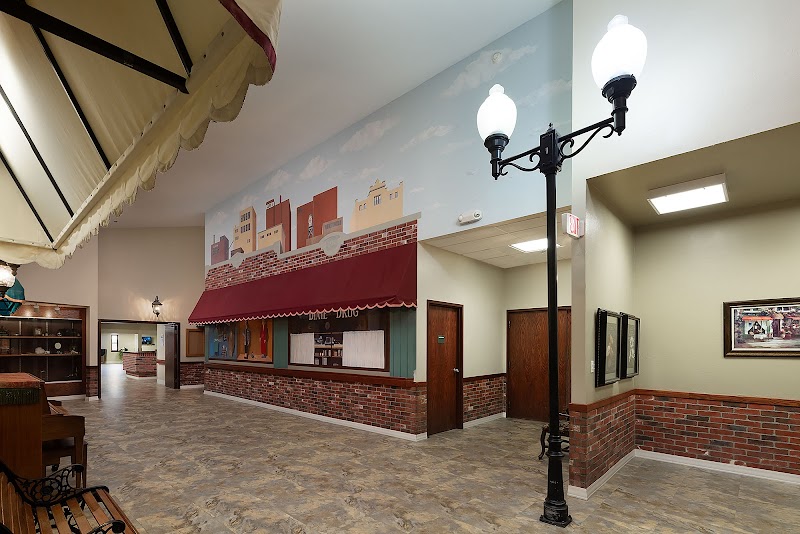
How Does Brookwood Skilled Nursing And Therapy Compare to Other Oklahoma Nursing Homes?

Compared to the 100 nursing homes in Oklahoma, BROOKWOOD SKILLED NURSING AND THERAPY's overall rating (1 stars) is below the state average of 2.6, staff turnover (52%) is near the state average of 46%, and health inspection rating (1 stars) is much below the national benchmark.

What Should Families Ask When Visiting Brookwood Skilled Nursing And Therapy?

Based on this facility's data, families visiting should ask: "What changes have been made since the serious inspection findings, and how are you preventing similar issues?" "Can I visit during a mealtime to observe dining assistance and food quality?" "How do you handle medical emergencies, and what is your hospital transfer rate?" "Can I speak with family members of current residents about their experience?" These questions are particularly relevant given the facility's Immediate Jeopardy citations.

Is Brookwood Skilled Nursing And Therapy Safe?

Based on CMS inspection data, BROOKWOOD SKILLED NURSING AND THERAPY has documented safety concerns. Inspectors have issued 2 Immediate Jeopardy citations (the most serious violation level indicating risk of serious injury or death). The facility has a 1-star overall rating and ranks #100 of 100 nursing homes in Oklahoma. Families considering this facility should ask detailed questions about what corrective actions have been taken since these incidents.

Do Nurses at Brookwood Skilled Nursing And Therapy Stick Around?

BROOKWOOD SKILLED NURSING AND THERAPY has a staff turnover rate of 52%, which is 5 percentage points above the Oklahoma average of 46%. Moderate turnover is common in nursing homes, but families should still ask about staff tenure and how the facility maintains care continuity when employees leave.

Was Brookwood Skilled Nursing And Therapy Ever Fined?

BROOKWOOD SKILLED NURSING AND THERAPY has been fined $28,138 across 2 penalty actions. This is below the Oklahoma average of $33,360. While any fine indicates a compliance issue, fines under $50,000 are relatively common and typically reflect isolated problems that were subsequently corrected. Families should ask what specific issues led to these fines and confirm they've been resolved.

Is Brookwood Skilled Nursing And Therapy on Any Federal Watch List?

BROOKWOOD SKILLED NURSING AND THERAPY is not on any federal watch list. The most significant is the Special Focus Facility (SFF) program, which identifies the bottom 1% of nursing homes nationally based on persistent, serious quality problems. Not being on this list means the facility has avoided the pattern of deficiencies that triggers enhanced federal oversight. This is a positive indicator, though families should still review the facility's inspection history directly.