CAPITOL HILL SKILLED NURSING AND THERAPY
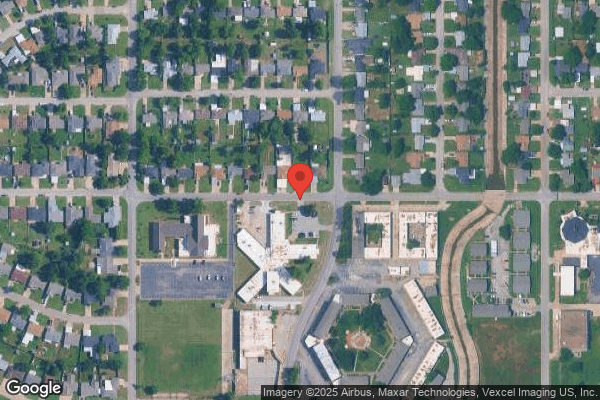
2400 SOUTHWEST 55TH STREET, OKLAHOMA CITY, OK 73119 (405) 681-5381
For profit - Partnership 120 Beds BRIDGES HEALTH Data: November 2025
Trust Grade
60/100
#91 of 282 in OK
Last Inspection: November 2024

Within standard 12-15 month inspection cycle. Federal law requires annual inspections.

Overview

Capitol Hill Skilled Nursing and Therapy has a trust grade of C+, which means it is slightly above average but not outstanding. It ranks #91 out of 282 facilities in Oklahoma, placing it in the top half of the state and #10 out of 39 in Oklahoma County, indicating that only nine other local options are better. Unfortunately, the facility is trending worse, with issues increasing from 3 in 2023 to 10 in 2024. On a positive note, it has no fines on record, which is a good sign, but its staffing turnover is average at 61%. However, there were concerning incidents noted, such as a resident unable to reach their call light for help and issues with personal funds not being accessible when needed, which raises concerns about the quality of care. Overall, while there are some strengths, families should be aware of the weaknesses reflected in the recent inspection findings.

Trust Score
C+
60/100
In Oklahoma
#91/282
Top 32%
Safety Record
Low Risk
No red flags
Inspections
Getting Worse
3 → 10 violations
Staff Stability
⚠ Watch
61% turnover. Above average. Higher turnover means staff may not know residents' routines.
Penalties
✓ Good
No fines on record. Clean compliance history, better than most Oklahoma facilities.
Skilled Nurses
⚠ Watch
Each resident gets only 17 minutes of Registered Nurse (RN) attention daily — below average for Oklahoma. Fewer RN minutes means fewer trained eyes watching for problems.
Violations
⚠ Watch
18 deficiencies on record. Higher than average. Multiple issues found across inspections.
★★★☆☆
3.0
Overall Rating
★★★☆☆
3.0
Staff Levels
★★☆☆☆
2.0
Care Quality
★★★☆☆
3.0
Inspection Score
Stable
2023: 3 issues
2024: 10 issues

The Good

  • Full Sprinkler Coverage · Fire safety systems throughout facility
  • No fines on record

Facility shows strength in fire safety.

The Bad

3-Star Overall Rating

Near Oklahoma average (2.6)

Meets federal standards, typical of most facilities

Staff Turnover: 61%

15pts above Oklahoma avg (46%)

Frequent staff changes - ask about care continuity

Chain: BRIDGES HEALTH

Part of a multi-facility chain

Ask about local staffing decisions and management

Staff turnover is elevated (61%)

13 points above Oklahoma average of 48%

The Ugly 18 deficiencies on record

Nov 2024 10 deficiencies
CONCERN (D)

Potential for Harm - no one hurt, but risky conditions existed

Deficiency F0558 (Tag F0558)

Could have caused harm · This affected 1 resident

Based on observation, record review, and interview, the facility failed to ensure a call light was within reach of a resident for one (#20) of 24 sampled residents observed for call lights in reach. T...

Read full inspector narrative →
Based on observation, record review, and interview, the facility failed to ensure a call light was within reach of a resident for one (#20) of 24 sampled residents observed for call lights in reach. The administrator identified 65 residents resided in the facility. Findings: Resident #20 had diagnoses which included chronic respiratory failure with hypercapnia. Resident #20's quarterly resident assessment, dated 09/27/24, documented the resident had moderate cognitive impairment. Resident #20's care plan for falls, revised 10/17/24, documented call light in reach and encourage to use. On 11/06/24 at 10:41 a.m., Resident #20 called out to the surveyor and asked the surveyor to hand them their call light. The call light was on the recliner and out of the reach of the resident. Resident #20 was sitting in a wheelchair. The resident was asked how they would call for help with the call light out of their reach. Resident #20 stated, They cant. The resident stated they needed ice water. On 11/06/24 at 10:54 a.m., CNA #4 stated the policy was to ensure the call light was always in reach. They stated Resident #20 could use their call light. On 11/06/24 at 10:55 a.m., CNA #4 made an observation of Resident #20's call light. They stated it was not in reach. CNA #4 pinned the resident's call light to their blanket and proceeded to offer the resident ice water.
CONCERN (D) 📢 Someone Reported This

A family member, employee, or ombudsman was alarmed enough to file a formal complaint

Potential for Harm - no one hurt, but risky conditions existed

Safe Environment (Tag F0584)

Could have caused harm · This affected 1 resident

Based on observation, record review, and interview, the facility failed to ensure a resident's ceiling vent was cleaned for one (#55) of three sampled residents reviewed for a clean, comfortable, and ...

Read full inspector narrative →
Based on observation, record review, and interview, the facility failed to ensure a resident's ceiling vent was cleaned for one (#55) of three sampled residents reviewed for a clean, comfortable, and homelike environment. The administrator identified 65 residents resided in the facility. Findings: The Housekeeping Policies and Procedures policy, revised 06/29/12, read in part, Weekly Procedures: Begin cleaning resident rooms from the ceiling and work toward the floor. The only part of the room which is allowed to be dry dusted is the ceiling, high vents, and other high dust areas. Resident #55's quarterly resident assessment, dated 10/18/24, documented Resident #55 was cognitively intact. On 11/06/24 at 8:56 a.m., Resident #55's ceiling vent was observed to have moderate dust build up. On 11/08/24 at 12:04 p.m., Resident #55's ceiling vent was observed to have moderate dust build up. Resident #55 stated they had not cleaned the vent. On 11/08/24 at 12:59 p.m., Housekeeper #1 stated they had not paid attention to the ceiling vents in the resident rooms during their cleaning procedures. On 11/08/24 at 1:00 p.m., Housekeeper #1 observed the vent in Resident #55's room. They stated it needed to be cleaned.
CONCERN (D)

Potential for Harm - no one hurt, but risky conditions existed

Assessment Accuracy (Tag F0641)

Could have caused harm · This affected 1 resident

Based on record review and interview, the facility failed to ensure a MDS was coded accurately for one (#42) of 17 sampled residents reviewed for MDS assessments. The administrator identified 65 resid...

Read full inspector narrative →
Based on record review and interview, the facility failed to ensure a MDS was coded accurately for one (#42) of 17 sampled residents reviewed for MDS assessments. The administrator identified 65 residents resided in the facility. They identified one resident received dialysis. Findings: Resident #42 had diagnoses which included end stage renal disease. A Care Plan, dated 07/11/24, documented the resident received dialysis at a local facility three times a week. A Quarterly Assessment, dated 10/01/24, did not code Resident #42 received dialysis. On 11/07/24 at 11:01 a.m., MDS Coordinator #1 stated if someone was receiving dialysis then it would be coded on the MDS. They reviewed Resident #42's MDS and stated it was not coded. They stated it was not accurate.
CONCERN (D) 📢 Someone Reported This

A family member, employee, or ombudsman was alarmed enough to file a formal complaint

Potential for Harm - no one hurt, but risky conditions existed

Deficiency F0657 (Tag F0657)

Could have caused harm · This affected 1 resident

Based on record review and interview, the facility failed to hold a care plan meeting for one (#35) of one sampled resident reviewed for a care plan meeting. The administrator identified 65 residents...

Read full inspector narrative →
Based on record review and interview, the facility failed to hold a care plan meeting for one (#35) of one sampled resident reviewed for a care plan meeting. The administrator identified 65 residents resided in the facility. Findings: Resident #35 had diagnoses which included unspecified dementia and need for assistance with personal care. On 11/07/24 at 1:19 p.m., Resident Rep #1 stated a care plan meeting was scheduled for 10/24/24. They stated the facility did not inform them the reason the care plan meeting was not held and if it would be rescheduled. On 11/08/24 at 8:01 a.m., the administrator stated the social worker was responsible for care plan meetings. They stated the current social worker had been in their position for a week. The administrator stated care plan meetings were held quarterly. On 11/08/24 at 8:06 a.m., the administrator stated the last care plan meeting held for Resident #35 was on 07/25/24. They stated another meeting was scheduled for 10/24/24. On 11/08/24 at 8:08 a.m., the administrator stated the care plan meeting was not held because the social worker had quit their job. They stated the family was not notified about the missed meeting or given any information on rescheduling.
CONCERN (D)

Potential for Harm - no one hurt, but risky conditions existed

Deficiency F0761 (Tag F0761)

Could have caused harm · This affected 1 resident

**NOTE- TERMS IN BRACKETS HAVE BEEN EDITED TO PROTECT CONFIDENTIALITY** Based on observation, record review, and interview, the facility failed to ensure expired medication was removed from circulatio...

Read full inspector narrative →
**NOTE- TERMS IN BRACKETS HAVE BEEN EDITED TO PROTECT CONFIDENTIALITY** Based on observation, record review, and interview, the facility failed to ensure expired medication was removed from circulation in one of one medication storage rooms. The administrator identified 65 residents resided in the facility. Findings: A Medication Storage in the Facility policy, dated 01/22, read in part, Medications and biologicals are stored safely, securely, and properly, following manufacturer's recommendations or those of the supplier .Outdated .medications .are immediately removed from inventory, disposed of according to procedures for medication disposal Resident #12 had diagnoses which included other recurrent depressive disorders. A Physician Order, dated [DATE], documented sertraline (Zoloft an antidepressant medication) 100 mg give one tablet by mouth one time a day related to other recurrent depressive disorders. On [DATE] at 7:07 a.m., the medication storage room was observed with the DON present. The DON stated staff printed off an order, faxed it to the pharmacy, and called the pharmacy to reorder medications. The DON stated the facility ordered different things daily. They stated staff were to follow the first in first out process for rotating stock in the medication room. On [DATE] at 7:09 a.m., a card of pill packed Zoloft 100 mg count of 30 was observed in the medication container labeled for Resident #12. The fill date was [DATE] with an expiration date of [DATE]. On [DATE] at 7:17 a.m., the ADON stated the medication aides were supposed to rotate the medication stock and use what was first received. The ADON stated when a medication was expired, or getting ready to expire, the medication would be pulled and placed with the discontinued medications. The DON and ADON reviewed Resident #12's medication card for Zoloft and stated it was expired.
CONCERN (D) 📢 Someone Reported This

A family member, employee, or ombudsman was alarmed enough to file a formal complaint

Potential for Harm - no one hurt, but risky conditions existed

Laboratory Services (Tag F0770)

Could have caused harm · This affected 1 resident

Based on record review and interview, the facility failed to ensure a urinalysis specimen was obtained in a timely manner for one (#35) of six sampled residents reviewed for laboratory services. The ...

Read full inspector narrative →
Based on record review and interview, the facility failed to ensure a urinalysis specimen was obtained in a timely manner for one (#35) of six sampled residents reviewed for laboratory services. The administrator identified 65 residents resided in the facility. Findings: Resident #35 had diagnoses which included unspecified dementia and UTI. A Physician's Telephone Order, dated 10/15/24, documented CBC, CMP, PCR UA, TSH, and Depakote level for generalized weakness. A Lab Report, dated 10/16/24, documented a urine specimen was collected. On 11/08/24 at 9:27 a.m., LPN #4 stated nurses were responsible for obtaining urine specimens. On 11/08/24 at 9:28 a.m., LPN #4 stated they spoke with the resident's family member on 10/25/24. The resident's family member had inquired about the status of the urinalysis. They stated the urine specimen that was collected was not sent to the lab. LPN #4 stated the urine specimen was still in the ice box. They stated they called the provider to verify it was ok to obtain another urine specimen. LPN #4 stated a new urine specimen was collected on 10/25/24 and lab was called for pick up. On 11/08/24 at 9:38 a.m., LPN #4 reviewed Resident #35's urine lab order. They stated the urine specimen was not obtained in a timely manner. On 11/08/24 at 10:02 a.m., the DON stated staff were to notify lab to pick up urine specimens after collection. On 11/08/24 at 10:04 a.m., the DON stated urine specimens should be obtained as soon as possible.
CONCERN (D) 📢 Someone Reported This

A family member, employee, or ombudsman was alarmed enough to file a formal complaint

Potential for Harm - no one hurt, but risky conditions existed

Deficiency F0773 (Tag F0773)

Could have caused harm · This affected 1 resident

**NOTE- TERMS IN BRACKETS HAVE BEEN EDITED TO PROTECT CONFIDENTIALITY** Based on record review and interview, the facility failed to: a. report an abnormal urinalysis result to the provider in a timel...

Read full inspector narrative →
**NOTE- TERMS IN BRACKETS HAVE BEEN EDITED TO PROTECT CONFIDENTIALITY** Based on record review and interview, the facility failed to: a. report an abnormal urinalysis result to the provider in a timely manner for one (#35) of six sampled residents reviewed for laboratory services; and b. develop a lab policy. The administrator identified 65 residents resided in the facility. Findings: Resident #35 had diagnoses which included unspecified dementia and UTI. A Physician's Telephone Order, dated 10/15/24, documented CBC, CMP, PCR UA, TSH, and Depakote level for generalized weakness. A Lab Report, documented a urine specimen was collected on 10/26/24 and reported on 10/29/24. It documented Resident #35 was positive for a UTI. A Physician Order, dated 11/05/24, documented Cipro (an antibiotic) 500 mg give one tablet by mouth two times a day for UTI for seven days. There was no documentation the provider was notified of the abnormal urinalysis result on 10/29/24. On 11/08/24 at 9:32 a.m., LPN #4 reviewed Resident #35's urinalysis result. They stated the results were reported to the facility on [DATE]. On 11/08/24 at 9:35 a.m., LPN #4 stated the provider must have been notified because there was a new order for an antibiotic on 11/05/24. They stated there was no documentation the provider was notified on 10/29/24 about the abnormal urinalysis result. On 11/08/24 at 9:38 a.m., LPN #4 stated the provider was not notified in a timely manner. On 11/08/24 at 10:05 a.m., the DON stated staff were to notify the physician and family as soon as they pulled the results. They stated all nurses had access to the online lab reporting system. On 11/08/24 at 10:19 a.m., Corp Nurse Consult #1 stated the provider was notified about the abnormal urinalysis result on 11/05/24. On 11/08/24 at 10:20 a.m., Corp Nurse Consult #1 stated they did not have a lab policy. They stated the urinalysis result was reported in a timely manner. On 11/08/24 at 11:02 a.m., Corp Nurse Consult #1 stated they did not have a lab policy on provider notification of abnormal lab results.
CONCERN (D) 📢 Someone Reported This

A family member, employee, or ombudsman was alarmed enough to file a formal complaint

Potential for Harm - no one hurt, but risky conditions existed

Dental Services (Tag F0791)

Could have caused harm · This affected 1 resident

Based on record review and interview, the facility failed to follow up on a physician ordered dental referral for one (#60) of three sampled residents reviewed for dental care. The administrator ident...

Read full inspector narrative →
Based on record review and interview, the facility failed to follow up on a physician ordered dental referral for one (#60) of three sampled residents reviewed for dental care. The administrator identified 65 residents resided in the facility. Findings: A Dentures and Related Services policy, dated 06/27/17, documented when the provision of denture services were medically appropriate, the facility must make timely arrangements. Resident #60 had diagnoses which included chronic obstructive pulmonary disease. An admission Note, dated 06/13/24 at 3:22 p.m., documented Resident #60 wore upper dentures and had their own teeth on the bottom. A physician's order, dated 09/24/24, documented to refer Resident #60 to a dentist for a new upper denture plate. A Quarterly Assessment, dated 09/26/24, documented Resident #60's cognition was intact. It documented the resident had broken or loosely fitting full or partial denture. On 11/06/24 at 9:26 a.m., Resident #60 stated they had lost their dentures about a month ago. They stated they had told their physician and they had wrote an order, but they had not seen a dentist. On 11/12/24 at 9:35 a.m., LPN #1 was asked what the procedure was for when a resident needed to see a dentist. They stated they would obtain an order then give it to the social services worker. LPN #1 stated Resident #60 had an order to see a dentist, but had not seen one. On 11/12/24 at 9:42 a.m., the activities director stated they had helped out with social service duties. They stated if a resident needed to see a physician, and they did not see the vendor who came to the facility, they would have to set up an appointment. They stated Resident #60 had not seen a dentist because they did not know the resident needed to. On 11/12/24 at 9:58 a.m., the activities director stated the previous social service worker had the order, but Never did anything with it.
CONCERN (D)

Potential for Harm - no one hurt, but risky conditions existed

Infection Control (Tag F0880)

Could have caused harm · This affected 1 resident

Based on observation, record review, and interview, the facility failed to adhere to enhanced barrier precautions for one (#26) of one sampled resident reviewed for enhanced barrier precautions. The ...

Read full inspector narrative →
Based on observation, record review, and interview, the facility failed to adhere to enhanced barrier precautions for one (#26) of one sampled resident reviewed for enhanced barrier precautions. The administrator identified 65 residents resided in the facility and 19 residents were on enhanced barrier precautions. Findings: The Enhanced Barrier Precautions policy, revised 03/28/24, read in part, Examples of high-contact resident care activities requiring gown and glove use for Enhanced Barrier precautions include: Device care or use .feeding tube. Resident #26 had diagnoses which included cachexia and severe protein-calorie malnutrition. Resident #26's care plan for EBP, revised 09/24/24, documented the resident was at risk for infection related to peg tube and secondary to in-house MDRO. It documented to maintain enhanced barrier precautions. On 11/06/24 at 2:29 p.m., LPN #2 was observed entering Resident #26's room. There was an EBP sign on the door for bed A. There were gowns hung on a yellow storage container on the bathroom door. On 11/06/24 at 2:30 p.m., LPN #2 with gloves on, removed a split gauze from the resident's peg tube and discarded it. They donned new gloves, cleansed the peg tube site, and applied a new split gauze. Then they applied tape. LPN #2 removed and discarded their gloves and used ABHR. LPN #2 did not wear a gown during the care of the peg tube. On 11/06/24 at 2:33 p.m., LPN #2 stated the EBP sign on Resident #26's door was for handwashing. They stated if the sign were to wear a gown, the PPE would be provided in a plastic bin, and placed outside of the resident's door. On 11/06/24 at 2:35 p.m., LPN #2 stated they did not notice the gowns in the resident's room. On 11/06/24 at 2:36 p.m., LPN #2 stated they did not have to wear a gown during peg tube care. On 11/06/24 at 2:46 p.m., the DON stated enhanced barrier precautions required staff to wear a gown and gloves during peg tube care.
CONCERN (D) 📢 Someone Reported This

A family member, employee, or ombudsman was alarmed enough to file a formal complaint

Potential for Harm - no one hurt, but risky conditions existed

Deficiency F0914 (Tag F0914)

Could have caused harm · This affected 1 resident

Based on observation, record review, and interview, the facility failed to ensure a resident had a privacy curtain for one (#55) of 24 sampled resident rooms reviewed for privacy. The administrator id...

Read full inspector narrative →
Based on observation, record review, and interview, the facility failed to ensure a resident had a privacy curtain for one (#55) of 24 sampled resident rooms reviewed for privacy. The administrator identified 65 residents resided in the facility. Findings: Resident #55 had diagnoses which included diabetes mellitus type two. A Quarterly Assessment, dated 10/18/24, documented Resident #55's cognition was intact. On 11/06/24 at 8:52 a.m., Resident #55 was observed sitting on their bed in their room. There was not a privacy curtain available to pull across the room to provide complete privacy. Resident #55 stated they would have liked to have one for privacy. On 11/12/24 at 8:26 a.m., LPN #1 stated the curtains were to be closed to provide privacy to the residents. LPN #1 was asked to look at Resident #55's room. They were asked if the resident had curtains to provide privacy. They stated, If [they] want one. Resident #55 stated, Yes, I want one for privacy.
Aug 2023 3 deficiencies
CONCERN (D)

Potential for Harm - no one hurt, but risky conditions existed

Safe Environment (Tag F0584)

Could have caused harm · This affected 1 resident

**NOTE- TERMS IN BRACKETS HAVE BEEN EDITED TO PROTECT CONFIDENTIALITY** Based on observation, record review, and interview, the facility failed to ensure the sink located in the resident's room was op...

Read full inspector narrative →
**NOTE- TERMS IN BRACKETS HAVE BEEN EDITED TO PROTECT CONFIDENTIALITY** Based on observation, record review, and interview, the facility failed to ensure the sink located in the resident's room was operational for one (room [ROOM NUMBER]) of 23 sampled resident rooms observed. The Resident Census and Conditions of Residents report, dated 08/24/23, documented 56 residents resided in the facility. Findings: The facility's Maintenance policy, dated 06/27/06, read in part, .The maintenance department will be given checklists to assure orientation to their responsibilities of preventative maintenance items, and assure the good repair of the entire facility .In the event that an item is in need of repair, the defect should be reported to the maintenance department on form MAINT-054, and the maintenance department will repair them promptly . On 08/24/23 at 9:42 a.m., Resident #14 stated the sink in resident room [ROOM NUMBER] had not worked in a month. Resident #14 stated the maintenance man turned off the water a month ago due to a leak. The sink was turned on and no water was observed to flow from the hot or cold side. On 08/28/23 at 9:49 a.m., LPN #3 and CNA #2 were observed in room [ROOM NUMBER] assisting Resident #3. CNA #2 stated, This sink don't work. CNA #2 and LPN #3 sanitized their hands and donned a pair of gloves. They checked Resident #3 for incontinence, stated the resident was dry, removed their gloves and sanitized their hands. CNA #2 and LPN #3 placed clothes and shoes on Resident #3. On 08/28/23 at 10:03 a.m., LPN #3 came back to room [ROOM NUMBER] with a wet washcloth in a clear plastic bag and handed it to CNA #2. CNA #2 cleaned Resident #3's face with the wet washcloth. On 08/28/23 at 10:53 a.m., LPN #3 was asked the reason they left the resident's room [ROOM NUMBER] to get a wet washcloth. They stated the sink did not work. On 08/28/23 at 10:55 a.m., CNA #2 was asked how long the sink in resident room [ROOM NUMBER] had not worked. CNA #2 stated a few days, or sometime last week. CNA #2 stated they reported the issue to maintenance a few times. CNA #2 was asked how they washed their hands after resident care in room [ROOM NUMBER]. CNA #2 stated they washed their hands outside in the employee bathroom. On 08/28/23 at 11:11 a.m., Maintenance #1 was asked to observed resident room [ROOM NUMBER]'s sink. Maintenance #1 bent down, opened the sink cabinet, made a twist motion, got up, turned on the sink handle, and stated it was working. On 08/28/23 at 11:13 a.m., Maintenance #1 was asked if the sink could be turned on and off under the cabinet. Maintenance #1 stated Yes. They were asked if they had just turned the sink on and they stated Yes. On 08/28/23 at 11:15 a.m., there was a leak with moderate flow observed under the sink. Maintenance #1 was asked if the leak could flow onto the resident's floor and they stated Yes. On On 08/28/23 at 11:16 a.m., Maintenance #1 stated they did not know the sink was leaking.
CONCERN (D)

Potential for Harm - no one hurt, but risky conditions existed

Pharmacy Services (Tag F0755)

Could have caused harm · This affected 1 resident

Based on observation, record review, and interview, the facility failed to ensure an expired medication was not prepared for administration for one (#35) of three residents observed during medication ...

Read full inspector narrative →
Based on observation, record review, and interview, the facility failed to ensure an expired medication was not prepared for administration for one (#35) of three residents observed during medication administration. The Resident Census and Conditions of Residents report, dated 08/24/23, documented 56 residents resided in the facility. Findings: A Medication Storage in the Facility policy, dated January 2022, read in part, .Outdated .medications .are immediately removed from inventory, disposed of .Medication storage conditions are monitored on a monthly basis by the consultant pharmacist or pharmacy designee and corrective action taken if problems are identified .The nurse will check the expiration date of each medication before administering it. No expired medication will be administered to a resident. All expired medications will be removed from the active supply and destroyed in the facility, regardless of amount remaining . Resident #35 admitted with diagnoses which included hypotension and history of traumatic brain injury. A physician order, dated 08/11/23, documented Midodrine HCL tablet 10 mg one tablet by mouth three times a day for hypotension. On 08/28/23 at 8:05 a.m., CMA #1 was observed preparing the Resident #35's medication. They popped one Midodrine HCL 10 mg tablet out of the blister pack and placed it into the cup with the other prepared medications and then handed the medication card to the surveyor. The expiration date on the card was observed to be dated 08/17/23 with a filled date of 08/17/22. On 08/28/23 at 8:13 a.m., CMA #1 was asked when the medication expired. They stated 08/17/23. They removed the Midodrine tablet from the cup of medication and put it in the sharps container. CMA #1 went to the medication room and retrieved a new card with an expiration date of 05/11/24 with the fill date of 05/11/23. On 08/28/23 at 8:15 a.m., CMA #1 was asked what was checked when preparing medications. They stated, name, medication, and dose. The CMA was asked if they checked the expiration date. They stated, When I order, that's my bad, today is ordering day. On 08/28/23 at 10:46 a.m., the DON was asked what the policy and procedure was to ensure medications were not expired. They stated The Pharmacist and staff checked. The DON was asked how often. They stated the Pharmacist checked monthly. The Pharmacist entered the office and stated they went through the cart this month and just missed it. The DON stated the CMA should be checking monthly.
CONCERN (D)

Potential for Harm - no one hurt, but risky conditions existed

Deficiency F0772 (Tag F0772)

Could have caused harm · This affected 1 resident

Based on record review and interview, the facility failed to obtain physician ordered labs for one (#14) of five sampled residents reviewed for unnecessary medications. The Resident Census and Conditi...

Read full inspector narrative →
Based on record review and interview, the facility failed to obtain physician ordered labs for one (#14) of five sampled residents reviewed for unnecessary medications. The Resident Census and Conditions of Residents report, dated 08/24/23, documented 56 residents resided in the facility. Findings: Resident #14 had diagnoses which included type two diabetes mellitus, hypertension, chronic respiratory failure, and artherosclerotic heart disease of native coronary artery without angina pectoris. A Physician Progress Note, dated 06/04/23, read in part, .LAB .Order: A1c q6 Months .recheck BMP and Magnesium in 10 days . The progress note was electronically signed by Physician #1 on 06/06/23. There were no results for the above lab orders located in Resident #14's record. On 08/29/23 at 8:26 a.m., the Administrator was asked to provide the lab results for Resident #14's A1c, BMP, and magnesium lab order documented in Physician #1's 06/04/23 note. On 08/29/23 at 10:15 a.m., the DON stated the facility did not get a verbal or telephone order at the time Physician #1 wrote the order in the progress note dated 06/04/23 for Resident #14. The DON stated the labs were not drawn.
Nov 2022 3 deficiencies
CONCERN (D) 📢 Someone Reported This

A family member, employee, or ombudsman was alarmed enough to file a formal complaint

Potential for Harm - no one hurt, but risky conditions existed

Deficiency F0558 (Tag F0558)

Could have caused harm · This affected 1 resident

2. Resident #6 had diagnoses which included dementia, psychotic disorder with delusions, and acute kidney disease On 11/01/22 at 4:44 a.m., resident #6's call light was observed not to be in reach. 3...

Read full inspector narrative →
2. Resident #6 had diagnoses which included dementia, psychotic disorder with delusions, and acute kidney disease On 11/01/22 at 4:44 a.m., resident #6's call light was observed not to be in reach. 3. At 4:50a.m., resident #9's call light was not in reach of the resident. On 11/01/22 at 9:34 a.m., the DON was ask if Resident's call lights were within reach. They stated the call lights (Resident #5, #6, and #9) were not in reach. The DON stated their policy for call lights was that they should be in reach of each resident. Based on record review, observations, and interviews, the facility failed to ensure call lights were within reach for three (#5, 6 and #9) of 43 sampled residents who were observed without their call lights in reach. The Resident Census and Conditions of Residents, documented 43 residents resided in the facility. Findings: 1. Resident #5 had diagnoses which included COPD, chronic respiratory failure and muscle wasting. On 11/01/22 at 6:04 a.m., call light was observed on the floor between the wall and the foot of the bed. Resident #5 stated, No, I can't ever reach it.
CONCERN (D) 📢 Someone Reported This

A family member, employee, or ombudsman was alarmed enough to file a formal complaint

Potential for Harm - no one hurt, but risky conditions existed

Deficiency F0573 (Tag F0573)

Could have caused harm · This affected 1 resident

Based on record review and interview, the facility failed to provide access to personal and medical records in a timely manner for three (#2, 8, and #9) sampled residents who requested access to their...

Read full inspector narrative →
Based on record review and interview, the facility failed to provide access to personal and medical records in a timely manner for three (#2, 8, and #9) sampled residents who requested access to their records. Findings: The facility's policy, revised 08/19/03, titled, Confidentiality and Release of Medical Information from Resident Medical Records, read in part, .The resident may submit an oral or written review or obtain photocopies of the record. Review: Residents must have access to all their record (including medical, financial, etc., upon the request by the resident or the residents's legal reprrsentative, within 24 hours (excluding hours occuring during a weekend or holiday) after making such request. Photocopies: The facility must respond to the resident's request for photocopies within 2 working days of written request . Resident #2 requested medical records on 09/10/22. The documents were sent on 09/15/22, Resident #8 requested medical records on 10/20/22. The documents were sent on 01/01/22; and Resident #9 requested medical records on 10/27/22. No documentation was sent to them. On 11/01/22 at 12:37 p.m., RN #1 was asked about the medical record policy, they stated, It's a form that they fill out and we send it to our corporate office and from there, they send it to the residents from corporate. They stated the resident's did not receive their medical records in a timely manner.
CONCERN (D) 📢 Someone Reported This

A family member, employee, or ombudsman was alarmed enough to file a formal complaint

Potential for Harm - no one hurt, but risky conditions existed

ADL Care (Tag F0677)

Could have caused harm · This affected 1 resident

Based on record review, observations, and interview, the facility failed to provide toileting and/or incontinent care in a timely manner, for one (#7) of one sampled residents dependent on staff for p...

Read full inspector narrative →
Based on record review, observations, and interview, the facility failed to provide toileting and/or incontinent care in a timely manner, for one (#7) of one sampled residents dependent on staff for personal care. The Resident Census and Condition of Residents report, dated 11/01/22, documented 16 resident were dependent and 13 residents required assistance by one or two staff for toileting. The census was 43. Findings: Resident #7 had diagnoses to include wedge compression fracture of first lumbar vertebra, history of falling, and UTI. An admission note, dated 07/17/22 at 6:46 p.m., read in part, .Resident is incontinent of bowel and bladder, wears a brief at all times . The care plan, dated 07/25/22, read in part, .self-care performance deficit .is totally dependent on staff for toilet use .Skin integrity .Encourage/assist with incontinent care/turning and repositioning Q2 hrs. and as needed . On 11/01/22 at 5:00 a.m., personal/incontinent care was observed to be provided to Resident #7 by CNA #1. CNA #1 removed the upper blanket. Resident #7 was observed to be laying on a saturated disposable incontinent pad and a cotton draw sheet the color of yellow and brown. CNA #1 turned resident to the right and removed the saturated items from the bed. On 11/01/22 at 5:05 a.m., CNA #1 was asked when the resident was last changed. The resident answered it was 11 o'clock last night. The CNA stated, yes, 11 p.m. was the last time they were changed.
Sept 2021 2 deficiencies
CONCERN (D)

Potential for Harm - no one hurt, but risky conditions existed

Deficiency F0582 (Tag F0582)

Could have caused harm · This affected 1 resident

**NOTE- TERMS IN BRACKETS HAVE BEEN EDITED TO PROTECT CONFIDENTIALITY** Based on interview and record review, it was determined the facility failed to provide residents a notice of medicare non-covera...

Read full inspector narrative →
**NOTE- TERMS IN BRACKETS HAVE BEEN EDITED TO PROTECT CONFIDENTIALITY** Based on interview and record review, it was determined the facility failed to provide residents a notice of medicare non-coverage notification for one (#42) of three sampled residents reviewed for beneficiary notices. The facility reported 35 residents discharged from Medicare covered part A with benefit days remaining in the past 6 months. Findings: Resident #42 was admitted on [DATE] to the skilled nursing unit with a diagnosis of COVID-19. A progress note, dated 08/11/21, documented home health would follow the resident to an assisted living facility. A progress note, dated 08/12/21, documented the family was informed of discharge for resident and explaination of home health services would provide therapy for the resident in assisted living. The resident would be transported on 08/16/21. On 09/02/21 at 04:10 p.m., the facility reported they did not have a Form 10123, Notice of Medicare Non-coverage, for resident #42, they had checked with their corporate office and one could not be located.
CONCERN (E)

Potential for Harm - no one hurt, but risky conditions existed

Deficiency F0567 (Tag F0567)

Could have caused harm · This affected multiple residents

Based on interview and record review, it was determined the facility failed to ensure two (#2 and #38) of three sampled residents who were reviewed for personal funds had ready access to their funds. ...

Read full inspector narrative →
Based on interview and record review, it was determined the facility failed to ensure two (#2 and #38) of three sampled residents who were reviewed for personal funds had ready access to their funds. The facility identified 28 residents as having personal trust accounts managed by the facility. Findings: 1. A trust statement for resident # 2, dated 06/30/21, documented a credit of $30 from SSI on 04/01/21 and a debit of $30 was given to the resident on 04/07/21. The trust statement documented a credit of $30 on 04/30/21 and a debit of $30 was given to the resident on 05/04/21. A quarterly assessment, dated 08/19/21, documented resident's cognition was intact. On 09/02/21 at 10:09 a.m., the resident was interviewed about personal funds. He stated his and other resident's money is usually passed out the 1st through the 3rd. The resident reported he cannot get his money on the weekends because the staff member who handles that is off on weekends. 2. A trust statement for resident #38, dated 06/30/21, documented a credit of $30 from SSI on 04/01/21 and $30 was given to the resident on 04/07/21. The trust statement documented a credit of $30 on 04/30/21 and $30 was given to the resident on 05/04/21. A quarterly assessment, dated 07/29/21, documented resident's cognition was intact. On 09/02/21 at 11:53 a.m., the resident was interviewed about his personal funds. He reported he can only get his money when the business office manager gets ready to give it to him. He stated I get $30 a month, we are supposed to get it by the 3rd of the month but that doesn't happen. He reported this Friday is September 3rd, so we won't get our money until Tuesday the 7th of September because of the weekend and Monday is a holiday. On 09/03/21 at 08:58 a.m., the business office manager, reported residents are given their personal funds usually on the 4th or the 5th of each month. She reported she waits for the money to get to the bank by the 3rd of the month, then she does her accounting ledger, then passes out the money to the residents. She reported if she is not available then the Administrator can give out the money. Since today is Friday the 3rd and Monday is a holiday , she will be passing out the residents funds on Tuesday September 7th. She reported when she takes money to the residents she has another employee go with her. She reported the facility did not have a system in place for residents to receive their money on the weekends or after business office hours. On 09/03/21 at 09:31 a.m., the ADM reported the facility did not have a plan in place to get residents money on the weekends or after hours. He reported personal funds were available through the business office manager. He reported the residents personal fund would be passed out this month on the 7th because of the weekend and Monday being a holiday.
Understanding Severity Codes (click to expand)
Life-Threatening (Immediate Jeopardy)
J - Isolated K - Pattern L - Widespread
Actual Harm
G - Isolated H - Pattern I - Widespread
Potential for Harm
D - Isolated E - Pattern F - Widespread
No Harm (Minor)
A - Isolated B - Pattern C - Widespread

Questions to Ask on Your Visit

  • "Why is there high staff turnover? How do you retain staff?"
  • "Can I speak with families of current residents?"
  • "What's your RN coverage like on weekends and overnight?"

Our Honest Assessment

Strengths
  • • No major safety red flags. No abuse findings, life-threatening violations, or SFF status.
  • • No fines on record. Clean compliance history, better than most Oklahoma facilities.
Concerns
  • • 18 deficiencies on record. Higher than average. Multiple issues found across inspections.
  • • 61% turnover. Above average. Higher turnover means staff may not know residents' routines.
Bottom line: Mixed indicators with Trust Score of 60/100. Visit in person and ask pointed questions.

About This Facility

What is Capitol Hill Skilled Nursing And Therapy's CMS Rating?

CMS assigns CAPITOL HILL SKILLED NURSING AND THERAPY an overall rating of 3 out of 5 stars, which is considered average nationally. Within Oklahoma, this rating places the facility higher than 99% of the state's 100 nursing homes. This mid-range rating indicates the facility meets federal standards but may have areas for improvement.
How is Capitol Hill Skilled Nursing And Therapy Staffed?

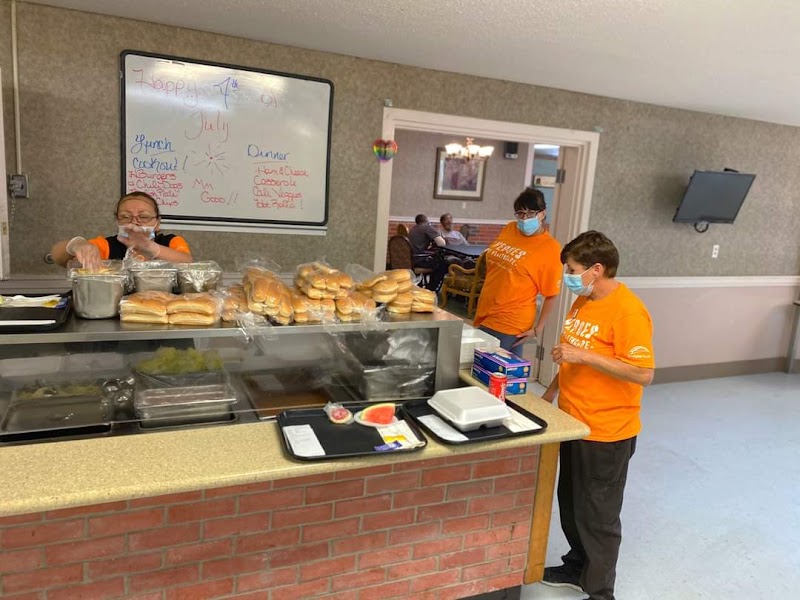
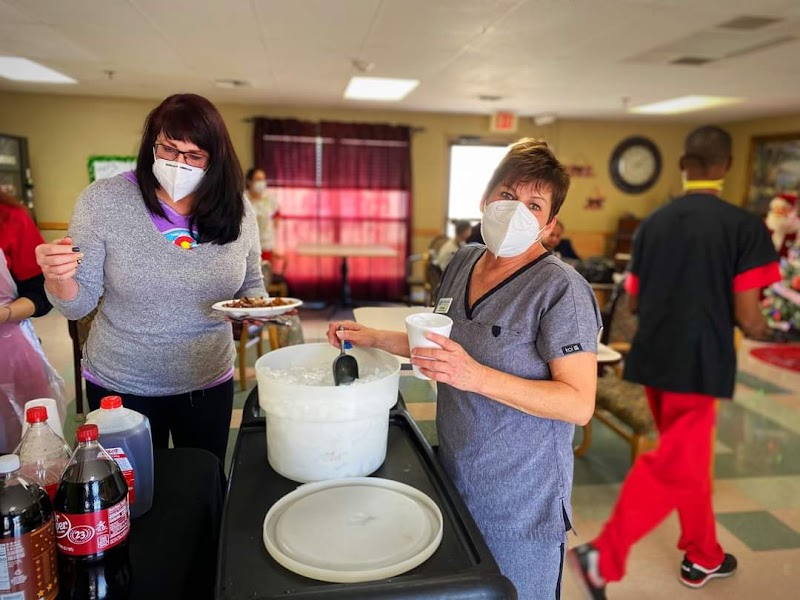
CMS rates CAPITOL HILL SKILLED NURSING AND THERAPY's staffing level at 3 out of 5 stars, which is average compared to other nursing homes. Staff turnover is 61%, which is 15 percentage points above the Oklahoma average of 46%. High turnover can affect care consistency as new staff learn residents' individual needs. RN turnover specifically is 57%, which is notably high. RNs provide skilled clinical oversight, so turnover in this role can affect medical care quality.

What Have Inspectors Found at Capitol Hill Skilled Nursing And Therapy?

State health inspectors documented 18 deficiencies at CAPITOL HILL SKILLED NURSING AND THERAPY during 2021 to 2024. These included: 18 with potential for harm.

Who Owns and Operates Capitol Hill Skilled Nursing And Therapy?

CAPITOL HILL SKILLED NURSING AND THERAPY is owned by a for-profit company. For-profit facilities operate as businesses with obligations to shareholders or private owners. The facility is operated by BRIDGES HEALTH, a chain that manages multiple nursing homes. With 120 certified beds and approximately 63 residents (about 52% occupancy), it is a mid-sized facility located in OKLAHOMA CITY, Oklahoma.
How Does Capitol Hill Skilled Nursing And Therapy Compare to Other Oklahoma Nursing Homes?

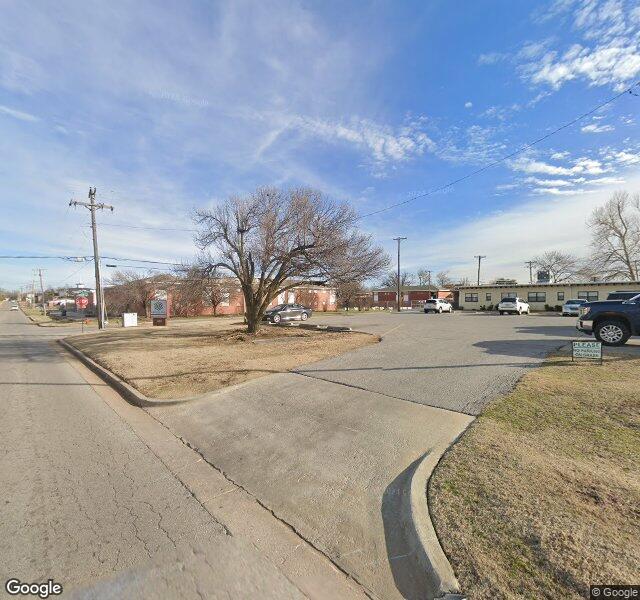
Compared to the 100 nursing homes in Oklahoma, CAPITOL HILL SKILLED NURSING AND THERAPY's overall rating (3 stars) is above the state average of 2.6, staff turnover (61%) is significantly higher than the state average of 46%, and health inspection rating (3 stars) is at the national benchmark.

What Should Families Ask When Visiting Capitol Hill Skilled Nursing And Therapy?

Based on this facility's data, families visiting should ask: "How do you ensure continuity of care given staff turnover, and what is your staff retention strategy?" "Can I visit during a mealtime to observe dining assistance and food quality?" "How do you handle medical emergencies, and what is your hospital transfer rate?" "Can I speak with family members of current residents about their experience?" These questions are particularly relevant given the facility's high staff turnover rate.

Is Capitol Hill Skilled Nursing And Therapy Safe?

Based on CMS inspection data, CAPITOL HILL SKILLED NURSING AND THERAPY has a clean safety record: no substantiated abuse findings (meaning no confirmed cases of resident harm), no Immediate Jeopardy citations (the most serious violation level indicating risk of serious injury or death), and is not on the Special Focus Facility watch list (a federal program monitoring the lowest-performing 1% of nursing homes). The facility has a 3-star overall rating and ranks #1 of 100 nursing homes in Oklahoma. While no facility is perfect, families should still ask about staff-to-resident ratios and recent inspection results during their visit.

Do Nurses at Capitol Hill Skilled Nursing And Therapy Stick Around?

Staff turnover at CAPITOL HILL SKILLED NURSING AND THERAPY is high. At 61%, the facility is 15 percentage points above the Oklahoma average of 46%. Registered Nurse turnover is particularly concerning at 57%. RNs handle complex medical decisions and coordinate care — frequent RN changes can directly impact care quality. High turnover means new staff may not know residents' individual needs, medications, or preferences. It can also be disorienting for residents, especially those with dementia who rely on familiar faces. Families should ask: What is causing the turnover? What retention programs are in place? How do you ensure care continuity during staff transitions?

Was Capitol Hill Skilled Nursing And Therapy Ever Fined?

CAPITOL HILL SKILLED NURSING AND THERAPY has no federal fines on record. CMS issues fines when nursing homes fail to meet care standards or don't correct problems found during inspections. The absence of fines suggests the facility has either maintained compliance or corrected any issues before penalties were assessed. This is a positive indicator, though families should still review recent inspection reports for the full picture.

Is Capitol Hill Skilled Nursing And Therapy on Any Federal Watch List?

CAPITOL HILL SKILLED NURSING AND THERAPY is not on any federal watch list. The most significant is the Special Focus Facility (SFF) program, which identifies the bottom 1% of nursing homes nationally based on persistent, serious quality problems. Not being on this list means the facility has avoided the pattern of deficiencies that triggers enhanced federal oversight. This is a positive indicator, though families should still review the facility's inspection history directly.